Home Blog Page 100

3 Home Improvement Mistakes You Didn’t Know You’re Making

Even the most experienced home improvement experts make mistakes from time to time. But you don’t have to. We will be discussing them today in this article. These mistakes aren’t here to judge you but to help you. They just want to reveal a few things you might not have known about your home improvement.

Avoid these three common home improvement mistakes to save your wallet and home.

Hiring The First Contractor, You Meet

One of the biggest mistakes homeowners make when starting a remodeling project is hiring the first contractor they meet. This leaves them vulnerable to contractors who are only interested in making a quick buck. Even worse, they could end up with shoddy quality or worse: an incomplete job that they’re still paying for years later.

Hiring the first contractor, you meet: Unless you’re in a dire emergency, you should take your time and find a contractor who fits your budget and project needs. If a contractor says that they can do the job right away, that’s a red flag because the best contractors are usually booked most of the time. You also don’t want your high-quality 1930s doors to be poorly installed just because you hired an unqualified contractor.

So how can you avoid getting burned by a bad contractor?

Researching on the Internet is an excellent place to start — but beware of online reviews, as they may be bogus. So, try and find websites that are good resources to find out if there are any complaints against your prospective contractor. It’s also essential to verify that your contractor is licensed and insured (and don’t hesitate to ask to see their proof).

Poor Planning

You’ve spent countless hours scrolling through Pinterest and tearing pages out of your favorite magazines, and now you have a pretty good idea of what you want your remodeled space to look like. But before you start shopping for tile or building a new deck, you’re going to need a plan.

Some home improvement mistakes can be fixed over time. But if you rush in without thinking, the results can be permanent. A large-scale project needs to be carefully planned.

A plan should include specific materials and instructions on how each step in the project should be executed. If you’re doing a big project and hiring workers, write contracts that spell out exactly what needs to be done and include penalties if they don’t follow through.

Not Getting a Permit

Like not making a list of your tasks, forgetting to get a permit is one of those mistakes you might not realize you’re making until it’s too late. If you don’t get a permit and something goes wrong during your home improvement, the city can force you to undo the work. Even if nothing goes wrong, some cities require homeowners to tear down improvements made without a permit.

If you don’t know what kinds of projects need permits, check with your city or county building department. To find out whether local contractors are licensed and insured, contact your state or local trade associations or licensing board. It’s also a good idea to check with neighbors who have worked with contractors.

Conclusion

Keep in mind that home improvement is a fun and rewarding endeavor, but it is essential to ensure that you are doing things right so you don’t destroy your home instead of improving it. Our hope is that we’ve been able to help you identify some mistakes you may not have even known you were making. If anything from this article has stayed with you, good – then we’re glad we could be of service and wish for you a successful home improvement experience!

Living Large in A Compact Space: The Perks of Studio Apartment Living

Welcome to the world of the compact living! If you’re someone who believes that bigger is always better, it’s time to challenge that notion. Living large doesn’t necessarily mean having a sprawling mansion with acres of land. Sometimes less can be more, especially when it comes to studio apartments.

While living in a small space may seem daunting, there are many perks to living in a studio apartment. For starters, they’re often more affordable than larger apartments or houses, meaning you’ll have more money to spend on experiences, travel, or whatever else you enjoy.

But it’s not just about saving money. Living in a compact space can also help you simplify your life and focus on what matters. You’ll be forced to be more intentional about what you bring into your home, which can help you cut down on clutter and create a more streamlined living environment.

And let’s not forget about the creative opportunities that come with living in a small space. With ingenuity, you can transform even the tiniest studio apartment into a cozy, stylish oasis that reflects your personality and tastes.

So, if you’re ready to embrace the joys of living large in a compact space, read on to discover the benefits of living in a studio apartment.

Benefits of living in a studio apartment

Living in a studio apartment has become increasingly popular among millennials and urban dwellers in recent years. While some may view studio apartments as small and cramped, there are many benefits to living in these cozy spaces. From easy maintenance to a simplified lifestyle, here are some of the top benefits of living in a studio apartment.

Easy to maintain

Besides its affordability, one of the top benefits of studio apartments is that they are easy to maintain.

Gone are the days of endless sweeping, dusting, and scrubbing. You can knock out your cleaning duties in no time with a studio apartment. Just think about it- there’s only one room to worry about! You can sweep the floors, dust the furniture, and wipe down the countertops in a matter of minutes.

But it’s not just cleaning that’s a breeze in a studio apartment. Consider all the other chores that come with maintaining a home-like laundry, for instance. With a studio apartment, you can easily toss your clothes in the washer and finish them quickly. No more lugging heavy loads up and down flights of stairs or trying to stuff an oversized comforter into a tiny washing machine.

Cheaper utilities

Let’s face it; utility bills can be a real pain in the wallet. Between heating, cooling, electricity, and water, the cost of keeping your home comfortable and functioning can add up fast. But if you’re living in a studio apartment, you’re in luck. With less square footage to heat, cool, and light up, you can save a pretty penny on your monthly utility bills.

Sure, you might have to sacrifice a few luxuries, like having a separate bedroom or a full-sized kitchen, but think of it this way: you’re doing your part for the planet by conserving energy. And who needs a walk-in closet? Those things just clutter up your life.

Less money spent on furniture

When you live in a studio apartment, you’re forced to be more discerning with your purchases. There’s simply not enough space to fill with frivolous furniture. No room for a massive sectional couch or a king-sized bed with a sprawling headboard. In a studio, you have to be strategic about what you buy.

But here’s the thing: that’s actually a good thing. How often have you walked into a furniture store and been overwhelmed by numerous options? Leather or fabric? Sectional or traditional? Queen or King? It’s enough to make your head spin ( and your wallet cry).

But you don’t have to deal with that in a studio apartment. You have only one room to furnish, so you can focus only on buying what you need. You’re done with a simple bed, a small dining table, a couple of chairs, and maybe a sofa that doubles as a guest bed.

Minimalist living opportunity

Another benefit of living in a small space is that it forces you to be more intentional with your belongings. Instead of hoarding items you never use, you’ll be forced to assess each item’s value and decide whether or not it’s worth the precious space it takes up. This process can be incredibly liberating, as it allows you to let go of the things that are weighing you down and focus on the things that truly matter.

Of course, minimalism isn’t just about getting rid of stuff. It’s also about creating a space conducive to a relaxed, stress-free lifestyle. When living in a studio apartment, you must be strategic with decor choices to ensure your area feels open and airy. It might mean opting for light-colored walls and furniture or investing in multi-functional pieces that serve multiple purposes.

The key to minimalist living in a studio apartment is to be mindful of your choice. You don’t need to sacrifice style for simplicity, but you do need to be intentional with your design decisions.

By prioritizing the things that matter and letting go of the rest, you’ll create a space that feels open, inviting, and indeed your own.

Environmentally friendliness

Living in a studio apartment also has numerous environmental benefits. Yes, you heard that right. Living in a studio apartment can be good for the planet.

First of all, let’s talk about the space. You have limited space to work with when you live in a studio apartment. As mentioned above, it means that you’re forced to be more intentional about what you bring into your home. You can’t just buy whatever catches your eye at the store because you simply don’t have the space for it. It leads to more conscious consumption and less waste.

Living in a studio apartment also encourages you to get out and explore your city. When you don’t have a lot of space at home, you’re more likely to spend your time outside. It means walking, biking, or taking public transportation instead of driving your car. Not only is this good for the environment, but it’s also good for your health.

But perhaps the most significant environmental benefit of living in a studio apartment is that it forces you to live a simpler lifestyle. You can’t accumulate much stuff when you don’t have much space. It means you’re less likely to fall into the trap of consumerism and more likely to focus on what matters in life.

To sum it up, living in a studio apartment has several benefits, making it an attractive option for many people. These perks include easier maintenance, lower utility costs, and environmental friendliness. Studio apartments can also foster a simpler, more minimalistic lifestyle that encourages residents to prioritize experiences over possessions. While studio living may not be ideal for everyone, it can provide a convenient and cost-effective option for those seeking a more streamlined and efficient living arrangement.

Are you living in a studio apartment, or have you ever considered living in one? Let us know in the comments. We would be happy to hear your thoughts.

Air Conditioning Maintenance Tips

Air Conditioners

Most people can’t get along without an air conditioner in the summertime. It is important to keep them in working order for you to stay cool. You can do this by doing simple maintenance on them.

There are many professionals that you can get to do the maintenance for you. You can see this site https://bosqueplumbingandair.com to get information from them. They can do your maintenance for you or tell you what needs to be done and how to do it.

This article will tell you some of the most common maintenance tips. It will help you to know what to do to keep your AC in working order. You can also do some research to find out even more information.

Simple Maintenance Tips

  1. Turn Off the Unit – You want to be careful with working around anything with electricity. Turning off the power to the compressor is the first thing you should do to make sure that you are safe. You don’t want to get zapped when you are working on your AC.

There should be a power switch for the outdoor compressor somewhere that you can see it. You also want to turn off the breaker that supplies the power to the unit. This way you can be sure that there is no power to the compressor.

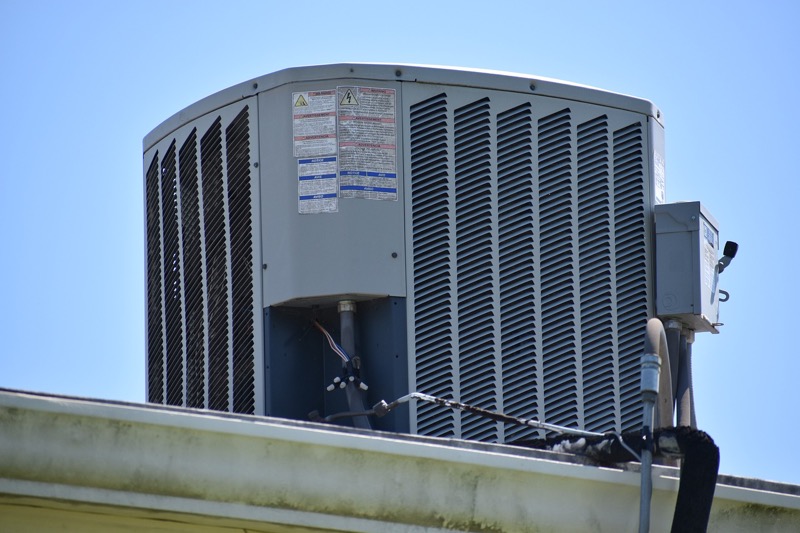
  1. Remove Any Debris – Remove the fan cage from the outdoor compressor. Use a screwdriver or a wrench to remove the cage. Use a wet vac to remove all the debris from inside the compressor.

There will be leaves and other debris inside the compressor. Make sure that you remove all of what you can see. This will help the air conditioner to work more effectively.

  1. Clean the Fins – Remove the rest of the outer covers from the compressor. Use a brush from the wet vac to clean the fins of the unit: https://yourdallashandyman.com/clean-condenser-coils/. Be careful so that you don’t harm the fins in any way.

Use a gentle stream from the garden hose to clean any stubborn dirt. If this doesn’t work, there are commercial cleaners that you can use. You can get them at any home improvement store.

  1. Straighten Fins and Clean the Area – Use a butter knife or a fin-straightening tool to straighten the fins on the compressor. This is important because bent fins will impede the flow of air. It will help the compressor to be more efficient if you do this.

Be careful when straightening the fins because there is tubing embedded in them, and you don’t want to damage it. Don’t worry too much about the ones on the outer edge, they aren’t as important. They don’t affect the flow of air as much.

  1. Clean Area Around the Unit – After you have cleaned the compressor itself, it is time to clean around the unit. Look here to see what you should do. Rake all the leaves and other debris from around the unit. Make sure you clear an area of at least two feet from around the unit.

Trim all trees that are around the compressor, making sure that there is a two-foot clearance. If there are any other plants around the condenser, trim them back or remove them. This will help you to keep the unit free of debris.

  1. Level the Unit – Sometimes the pad that the compressor sits on will tip or sink as the dirt underneath settles. If it is not level, it can cause the compressor to fail early. Use a level to make sure that the compressor is even.

The compressor needs to be as level as possible for it to work correctly and efficiently. You can use shims that are rot resistant to bring it back to level. If you have a heat pump, it is okay for it to be off level by a little bit.

  1. Clean Evaporator Coil – Once you have cleaned up the compressor outside and cleared all the debris around it, it is time to move inside. You might need to remove some foil tape and some screws to find the evaporator coil on the inside of the furnace or blower unit. Once inside the furnace, use a soft brush to dust off the coil. 

After you have dusted off the coil, you can use a commercial, no rinse cleaner that you can get at the home improvement store. It will get foamy and run into the drip pan. Clean the drip pan with soapy water and a cloth.

  1. Clean Evaporator Drain – While your evaporator is being used throughout the year, mold and algae can build up in the drain. It might even plug the drain so it can’t work properly. This could cause the evaporator to flood your home if it is not taken care of.

The best way to clean this is to use a wet vac with a rag on the hose. Use the vac as usual and suck up all the material that is on the drain. This might take two or three minutes to get rid of all the algae and mold.

  1. Change the Blower Filter – Your filter should be changed at least twice a year. If you live in a particularly dusty area, you might want to change it more often. Use the same filter that you take out to make sure that it will do its job. 

Using air purifying or HEPA filters might reduce the airflow of your unit. If this happens, your coils can freeze, and your unit will fail to work. It is best if you use the same type of filter that you are taking out.

  1. Turn the Power Back On – These steps will help you to keep your air conditioner working, but there are other maintenance steps that you can’t do yourself. These steps will require a professional to help you. This is mostly because you won’t have the tools to do the steps.

These steps could include things such as fixing refrigerant leaks or cleaning the ducts. Most people don’t have tools to do these two things. It is best to have a professional do these things for you.

Conclusion

These are just some of the maintenance tips that you can do to keep your air conditioning unit working. These steps are easy for most people to follow. You should be able to do most of them on your own. If you have issues with your unit that you can’t handle, call a professional.

Maximizing Small Outdoor Spaces In Colorado: Landscaping Tips For Patios

Having a small outdoor space doesn’t mean you have to compromise on creating a beautiful and inviting landscape, especially in the picturesque state of Colorado. With its stunning natural beauty and diverse landscapes, Colorado provides the perfect backdrop for transforming your compact Colorado patio design into a captivating oasis. Here, we will share some landscaping tips specifically tailored for small spaces with a patio, taking into consideration the unique characteristics and climate of Colorado to get the most out of your patio setting. Make the most of your outdoor area and enjoy the splendor of the Centennial State right at your doorstep.

Define The Space

In Colorado, where stunning views abound, it’s crucial to define the boundaries of your patio area. This can be as simple as using a privacy screen to close off a small concrete patio to using natural elements like native stone, wooden fencing, or tall grasses to create a sense of enclosure while preserving the panoramic vistas. Defining the space helps establish a distinct outdoor room that feels integrated with the surrounding landscape.

Choose Appropriate Furniture

When it comes to selecting patio furniture for your patio in Colorado, durability and functionality are key. The state’s diverse climate, ranging from high mountain regions to semi-arid plains, demands furniture that can withstand the elements. Look for weather-resistant materials like wrought iron, teak, or aluminum that can withstand Colorado’s temperature fluctuations and occasional snowfall. Additionally, consider adding cozy cushions and blankets made from weather-resistant fabrics to extend the usability of your patio throughout the seasons.

When considering furniture for your small space, folding or stackable furniture is an excellent choice as it allows for easy storage when not in use which is especially helpful when you need to prepare for adverse weather. Multifunctional furniture options like benches with hidden storage or tables with built-in planters are also great choices for maximizing the use of your small space.

Vertical Gardening

Limited space calls for innovative gardening solutions, and vertical gardening is a perfect fit. Wall-mounted planters, hanging baskets, or trellises create a garden that takes advantage of the verticality of your small patio. Incorporate a mix of native plants and colorful flowers to add vibrant pops of color against the backdrop of Colorado’s breathtaking landscapes. Native Colorado perennials like columbines, penstemons, or golden banner plants are well-suited for containers and can thrive in the state’s diverse climates. Vertical gardening not only maximizes space but also creates a striking visual display that complements the natural beauty of Colorado.

Strategic Plant Selection

When choosing plants for your small patio in Colorado, it’s essential to consider the state’s unique climate and varying elevations. Seeking to implement the land’s natural plants is nothing new. 58% of homeowners say nature drives their outdoor design. Opt for native plants that are adapted to Colorado’s conditions, such as yuccas, sedums, or ornamental grasses, as they require less water and maintenance.

These plants will thrive in the state’s arid regions while adding texture and interest to your patio landscape. You can even incorporate herbs like thyme, rosemary, or lavender that can withstand Colorado’s dry air and can be used in cooking or for their aromatic qualities.

To create a sense of depth, arrange plants of different heights and sizes, utilizing containers and raised beds. This layering effect will make your small space feel more expansive and visually appealing.

Lighting For Ambiance

Lighting plays a crucial role in enhancing the ambiance of your patio. Incorporate lighting fixtures that not only pull the eye vertically but also serve to illuminate the focal points of your patio space. String and hanging lights are natural complements to small patio spaces.

String lights can be easily suspended across your patio, casting a warm glow reminiscent of Colorado’s cozy mountain towns. Hanging lights serve to pull the eye vertically, increasing the depth of the space. Additionally, these low-voltage landscape lighting options highlight focal points such as a water feature, a standing bar, or a strategically placed sculpture. Lighting can extend the usability of your patio into the evening hours, allowing you to appreciate the breathtaking Colorado nightscape.

Utilize Potted Plants

Potted plants are a practical and versatile solution for maximizing your small patio in Colorado. Many beautiful plants can thrive in containers and are well-suited to Colorado’s climate. Local nurseries and garden centers can provide expert advice on suitable plant varieties.

Arranging potted plants of different sizes and heights creates depth and interest. Consider incorporating native Colorado wildflowers like lupines or black-eyed Susans to add bursts of vibrant, sustainable color. Grouping pots together in clusters or lining them along the edges of your patio will not only create a lush and inviting atmosphere but can help define the boundaries of the space while making efficient use of it.

Create A Focal Point

Incorporating a focal point adds interest and draws attention to a specific area. One of the more popular options is implementing a small water feature. A bubbling fountain or a miniature pond can create a soothing ambiance, mimicking the sounds of Colorado’s mountain streams. The gentle trickle of water will add a sense of tranquility and mask any surrounding noise.

If space allows, a cozy fire pit can become the heart of your patio, providing warmth and a gathering spot for friends and family. Imagine cozying up on cool Colorado evenings, enjoying the crackling fire and stargazing above. Regardless, having a focal point of your space is essential as it helps to organize the small space and create a central location to build out.

Transforming Your Patio Space

Since the COVID pandemic, outdoor living spaces have been receiving more attention than ever before, with 90% of homeowners placing more value on them. Transforming your small patio into a captivating oasis in Colorado is an exciting endeavor. By defining the space, choosing appropriate furniture, utilizing vertical gardening techniques, incorporating local flair, and embracing sustainable practices, you can create a stunning outdoor retreat that captures the essence of Colorado’s natural beauty. Embrace the challenge, unleash your creativity, and let your small patio become a slice of paradise in the magnificent Centennial State.

Ways New Doors Can Beautify Your Home

Doors: they are the gateways to our homes, a silent yet eloquent representation of our aesthetic sense and lifestyle choices. A door does more than provide security and privacy. Its design, color, and materials contribute significantly to your home’s overall aesthetic appeal. This article aims to enlighten you about the transformative power of doors, exploring how they can beautify your home, whether through traditional elegance or contemporary chic.

Whether you are embarking on a comprehensive home renovation project or merely seeking to enhance your home’s appeal with simple changes, discovering the world of door design could be a game-changer.

The Aesthetic Appeal of Doors

Doors often serve as the first impression of a home. Their visual impact can set the tone for the entire house, subtly conveying a sense of style, personality, and taste. This is why doors should never be an afterthought in the home design process. Instead, they should be viewed as an integral component of your home’s aesthetic.

A well-chosen door can serve as a beautiful focal point, drawing the eye and welcoming visitors inside. It can harmonize with your home’s architecture and interior design or provide a striking contrast. The right door can also express your individuality, with choices ranging from the classic and understated to the unique and unexpected.

When it comes to door design, the possibilities are virtually endless. From the rustic charm of a barn-style door to the sleek modernity of glass sliding doors, the options are as diverse as our individual tastes. Different materials, colors, and hardware can also be mixed and matched to create the perfect door for your home. The aesthetic appeal of doors is not just about looks, either. The sound a door makes when it opens and closes, the feel of the doorknob, and even the way a door’s presence can change the flow of your home all contribute to its aesthetic impact.

Different Types of Doors and Their Impact

Traditional Wooden Doors

Wooden doors hold a classic appeal that has stood the test of time. The type of wood used, from mahogany to oak or pine, can dramatically affect the door’s overall look. For instance, rich mahogany is ideal for a stately, traditional feel, while a lighter oak door can create a homely, welcoming vibe. Additionally, the finish – whether glossy, matte, or somewhere in between – can also enhance or alter the wood’s natural beauty.

Glass Doors

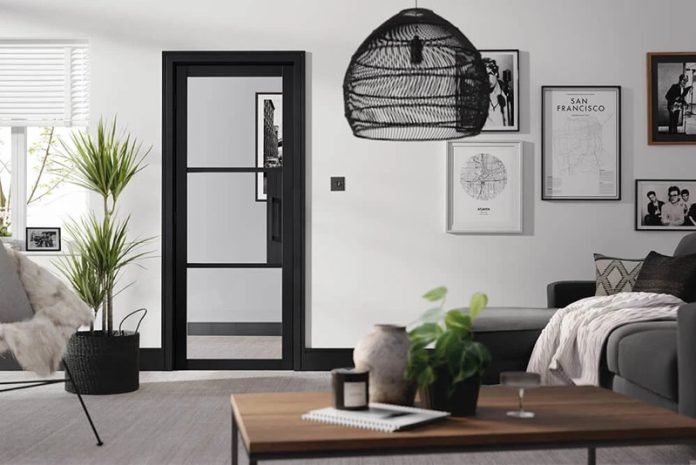
Glass doors are the epitome of modern design. They offer the unique advantage of allowing in natural light, creating a sense of space and openness that few other door types can achieve. For homes with a contemporary design, options like the Cor Vision Plus sliding doors offer both practicality and sleek, minimalist aesthetics. With expansive glass surfaces and slim, almost invisible frames, these doors blur the line between indoor and outdoor spaces, bringing a touch of nature into your living area.

Iron Doors

Iron doors are known for their elegance and grandeur. Often seen in more opulent settings, iron doors are sturdy, offering excellent security while also providing a distinctive look that’s hard to replicate. Intricate designs, from scrolling patterns to straight, clean lines, can lend an air of sophistication to your home.

Composite Doors

Composite doors are the chameleons of the door world. Made from a combination of materials, these doors can mimic the appearance of wood or metal doors but often come with greater durability and insulation properties. The customization options with composite doors are extensive, allowing homeowners to create a design perfectly tailored to their home’s aesthetics.

Custom Doors: A Unique Touch

Custom doors present an exciting opportunity for homeowners to showcase their personal style. While off-the-shelf doors can be beautiful and high-quality, there’s something special about having a door that’s been crafted specifically for your home.

Advantages of Custom Doors

One of the main advantages of custom doors is the ability to create a piece that perfectly matches your vision. This could involve specific materials, unique color schemes, or unusual dimensions that wouldn’t typically be found in standard doors. If you have a unique doorway size or shape, a custom door can be designed to fit perfectly.

Furthermore, custom doors can also accommodate specific design elements or features that you wish to include, such as particular types of glass, special carvings, or exclusive hardware. This allows for the creation of a door that is truly unique and a reflection of your personal style.

Working with a Designer

If you decide to go down the custom route, working with a skilled door designer or craftsman is crucial. They can guide you through the design process, offering their expertise while ensuring that your vision is realized. Remember, a custom door is an investment not only in your home’s aesthetic but also in its uniqueness and personal resonance.

The Practical Benefits of New Doors

New doors don’t just elevate your home’s aesthetic; they can also offer a range of practical benefits.

  • Energy Efficiency and Insulation: Many modern doors are designed with energy efficiency in mind. For example, well-insulated doors can prevent heat from escaping during the winter months and keep your home cool during the summer, reducing your reliance on heating and cooling systems. This not only lowers your energy bills but also contributes to a more sustainable living environment.
  • Enhanced Security: Modern doors often come with improved security features. Robust materials, advanced lock systems, and the option for additional security devices can all contribute to making your home safer.
  • Increased Home Value: Upgrading your doors, especially with high-quality or custom options, can add significant value to your home. If you ever decide to sell your property, a beautiful, unique door can make it stand out in the real estate market and potentially command a higher price.

Incorporating Door Trends into Your Home

Home design, like fashion, is an ever-evolving discipline that sees trends come and go. The same applies to doors, which, over the years, have witnessed a myriad of design innovations and stylistic shifts.

Latest Trends in Door Design

One of the current trends in door design is the use of bold, contrasting colors. Gone are the days when doors were confined to natural wood or neutral hues. Today, homeowners are opting for doors in vivid shades of blue, red, or even yellow to add a pop of color to their homes. This simple yet effective strategy can transform a plain, overlooked door into a statement piece.

Oversized doors are another popular trend in contemporary design. Larger doors not only create a grand entrance but also allow more natural light into your home, especially when incorporating glass elements. The dramatic scale of oversized doors immediately draws the eye and creates an unforgettable first impression.

Unique hardware is also gaining popularity. From ornate vintage-style door handles to sleek, minimalist door pulls, the right hardware can significantly enhance a door’s aesthetic appeal. The trend is leaning towards pieces that serve as both functional and decorative elements, with an increasing demand for custom, artisan-crafted hardware.

Incorporating Trends in Different Home Styles

The key to incorporating these trends into your home is to consider your overall home style. A brightly colored door might be a perfect fit for a modern, minimalist home but may look out of place in a more traditional setting. Similarly, while an oversized door could create a stunning entrance for a contemporary home, it might overwhelm a quaint, cottage-style house.

Take the time to consider how these trends align with your home’s existing architecture and interior design. It’s not about blindly following the latest fads but about using trends as inspiration to enhance your home’s unique charm.

Jennifer Bell is a home decor enthusiast, mother of two, who writes for home improvement companiesin the Philadelphia area.


6 Major Signs When You Require Calling Your Plumber

Whether you’re a homeowner or a business owner, plumbing issues are an inevitable part of life. From leaky faucets to clogged drains, plumbing problems can arise unexpectedly and disrupt your daily routine. While some minor issues can be resolved with a DIY approach, there are certain signs that indicate the need for professional intervention.

In such cases, it’s crucial to call a reliable plumber who can address the problem efficiently and prevent further damage. Here are six major signs when you should consider reaching out to a plumber, such as an emergency plumber in Sydney.

  1. Persistent Low Water Pressure – If you’ve noticed a significant decrease in water pressure throughout your home or business, it’s time to call a plumber. Low water pressure can be indicative of various underlying issues, such as a clogged pipe, a faulty water pressure regulator, or even a leak in the main water line. An experienced plumber will be able to diagnose the root cause of the problem and implement the necessary repairs or replacements to restore your water pressure to normal.
  2. Leaking Pipes or Faucets – Leaking pipes or faucets may seem like minor nuisances, but they can lead to significant water wastage and costly water damage if left unattended. The constant dripping can also cause mold growth, which poses health risks. Whether it’s a small leak or a major burst pipe, calling a plumber is crucial to fix the issue promptly. A professional plumber will have the expertise and tools to detect the source of the leak and perform the necessary repairs, ensuring your plumbing system operates smoothly.
  3. Slow Draining or Clogged Drains – A slow-draining sink or bathtub is not only inconvenient but can also be a sign of a clogged drain. Clogs can occur due to various reasons, such as hair, grease, soap residue, or foreign objects that have been flushed down the drain. While you may attempt to clear the blockage with a plunger or chemical drain cleaner, these methods often provide temporary relief and fail to address the root cause. By calling a plumber, you can ensure that the clog is effectively removed without causing any damage to your pipes.
  4. Foul Odours – Unpleasant odours emanating from your drains or sewer lines can indicate a more serious plumbing issue. These odours are often caused by trapped food particles, debris, or even a broken sewer line. Ignoring such odours can lead to a sewage backup, which can be hazardous to your health and require extensive repairs. In such cases, it’s best to contact a professional plumber who can identify and resolve the underlying problem before it escalates.
  5. Water Heater Issues – If you’re experiencing problems with your water heater, such as insufficient hot water or inconsistent water temperature, it’s wise to seek professional assistance. Water heater malfunctions can be caused by faulty thermostats, sediment build-up, or a malfunctioning heating element. A trained plumber will have the necessary expertise to diagnose and repair the issue, ensuring that you have a reliable and efficient water heater.
  6. Gas Leaks or Gas Line Issues – Gas leaks are emergencies that require immediate attention. If you smell gas in your home or business premises, evacuate the area immediately and contact a professional gas plumber in Sydney. Gas leaks are hazardous and can lead to fires, explosions, or carbon monoxide poisoning. A licensed gas plumber will have the expertise and specialized equipment to detect and repair gas leaks, ensuring the safety of your property and its occupants.

In conclusion, when it comes to plumbing issues, it’s essential to recognize the signs that require professional assistance. Whether it’s a gas plumber in Sydney or an emergency plumber in Sydney, calling a reliable and experienced professional will help you avoid further damage, ensure the safety of your property, and restore the functionality of your plumbing system. Remember, attempting to fix complex plumbing problems on your own can often worsen the situation and lead to more expensive repairs down the line.

Five Ways to Create a Personalized Oasis in Your Bathroom

Let’s face it: our bathrooms are more than just functional spaces; they can be our personal sanctuaries, a retreat from the chaos of the outside world. So why not make them as cozy, inviting, and customized as possible?

In this article, we’ll share some simple and creative ideas to help you transform your bathroom into a blissful haven that reflects your unique style and preferences. Whether you’re a minimalist seeking a sleek and serene environment or a nature lover yearning for a botanical escape, our guide will take you through. From incorporating soothing colors and textures to selecting the perfect lighting and adding thoughtful touches, there are endless possibilities to make your bathroom truly your own.

Get ready to take inspiration as we start creating your personalized oasis in your bathroom. So, let’s get started:

Ways You Can Elevate the Look of Your Bathroom and Transform it Into a Personalized Oasis

1. Upgrade Your Bathing Experience:

If you’re looking for a major upgrade, you can’t skip upgrading your bathtub.

If you’re tired of your old, worn-out tub that doesn’t quite do justice to your relaxation needs, it might be time to consider a tub replacement. The possibilities are endless, whether you opt for a luxurious freestanding tub, a modern whirlpool tub, or a sleek and space-saving corner tub. Imagine sinking into a deep, soothing soak after a long day, surrounded by the perfect ambiance you’ve created in your bathroom oasis. It’s pure bliss!

But tub replacement is just one major upgrade, you can also opt to add a rainfall showerhead for a spa-like experience, install heated flooring to keep your toes warm, and incorporate smart technology to control your bathroom environment with a button.

Upgrading your bathing experience can turn your bathroom into the ultimate haven of relaxation and rejuvenation.

2. Embrace Soothing Colors:

We all know that colors have a powerful impact on our emotions and overall well-being, so why not intelligently use colors to create a peaceful space for ourselves? When choosing colors for your bathroom, think of soft, soothing tones. These include pastels or earthly shades that instantly make you feel at ease. These colors create a serene atmosphere and make your bathroom feel like a cozy retreat. Also, soft colors make your bathroom appear more spacious and open, creating an illusion of relaxation even in the smallest spaces.

Color therapy is a subjective experience and therefore varies from person to person. The key is using colors in your bathroom that make you feel good. So, whether you choose seafoam green, a calming lavender, or a deep blue, select a color that reflects your style and creates a soothing ambiance.

3. Amp Up the Space with Proper Lighting:

Lighting can truly make or break the ambiance of a space, and your bathroom is no exception.

Consider the overall mood you want to achieve. Soft and warm lighting can create a cozy and relaxing atmosphere, perfect for unwinding after a long day.

Start by incorporating layers of lighting. Combine overhead fixtures with task lighting near the vanity mirror for optimal visibility when grooming or applying makeup. Don’t forget to add some accent lighting to highlight specific areas.

Consider installing dimmer switches if you want to add a touch of luxury. They allow you to adjust the brightness according to your mood and create a personalized ambiance. And speaking of personalization, add a statement lighting fixture that reflects your unique style. It can be a sleek pendant light, an elegant chandelier, or a collection of decorative wall sconces.

Remember, lighting is not just functional but also decorative. So get creative, play with different lighting fixtures, and let your bathroom shine with personality. You’ll be one step closer to achieving the personalized oasis you’ve always dreamed of with the right lighting.

4. Bring Nature Indoors:

Adding a touch of nature to your bathroom is an excellent way to elevate its ambiance. Including greenery brings a refreshing and calming element, infusing the space with life. Plants add visual appeal, improve air quality, and create a stimulating atmosphere.

When choosing plants, opt for potted ones that require less maintenance. You can place them on shelves, countertops, or windowsills. Since bathrooms tend to be humid, it’s best to select plants that thrive in such environments, like pothos, snakes, or ferns. Hanging plants are also a great option, as they enable you to utilize the vertical space and add depth and texture to the room.

If you prefer a low-maintenance alternative to live plants, consider using botanical prints or wallpaper featuring lush foliage. You can also place artificial plants and flowers in your bathroom to elevate its look.

5. Fresh Towels:

There’s something incredibly satisfying about wrapping yourself in a fluffy, soft towel after a relaxing bath or shower. So why not replace your old towels with them?

Invest in high-quality towels that feel amazing against your skin and add a touch of luxury to your bathroom. Opt for plush, absorbent materials like Egyptian cotton for that extra pampering sensation. And don’t be afraid to experiment with different colors and patterns to match your style.

Consider displaying your towels in a visually appealing way. Roll them up, place them in a decorative basket, or stack them neatly on open shelves. It not only adds a spa-like vibe but also makes them easily accessible. And for an extra special touch, add scented sachets or essential oils to your towel storage to infuse a refreshing aroma.

By paying attention to the details, like the quality and presentation of your towels, you can elevate your bathroom experience and create a personalized oasis.

Conclusion:

Your bathroom is more than just a functional space. It’s a sanctuary for you to refresh and relax. Implementing the five ideas discussed above can elevate your bathroom experience and create a personalized oasis. Let your creativity shine and make a space that reflects your personality. It’s time to transform your bathroom into a haven of relaxation and indulgence.


Essential Items Checklist: How to Prepare for a Blackout

Experiencing a power outage can be daunting and disrupt your life. Unplanned blackouts, often caused by severe weather, equipment failure, or even accidents, can be chaotic if you are not prepared. This article provides an essential checklist to help you prepare for a potential blackout.

Causes of Blackouts / Power Outages

Many blackouts are the consequence of severe weather events like storms, floods, extreme heat, or bushfires that harm power facilities. These weather conditions can force power lines to collapse, cause trees to fall onto electrical installations, and lead to the failure of substations due to flooding.

On occasion, power outages can also be caused by technical failures within the electricity grid itself. This could be an equipment fault, such as a malfunctioning transformer, or issues at a power generating station leading to a large-scale power disruption. Your electricity supplier may also occasionally have to carry out scheduled maintenance, which can result in temporary, but typically pre-announced, blackouts.

Preparing for Future Blackouts / Power Outages

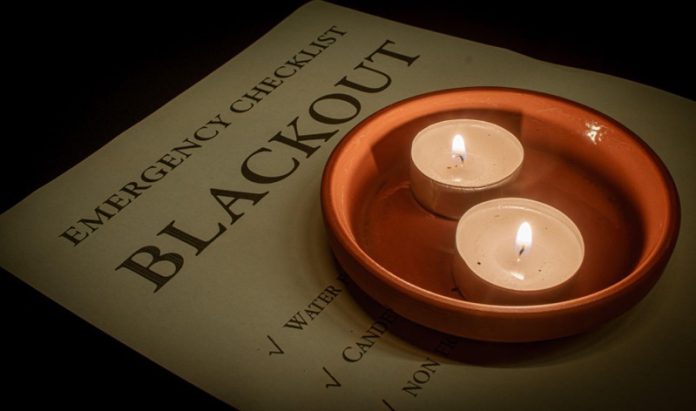
The key to effectively managing a power outage is to be ready before it happens. Start by assembling a comprehensive emergency kit. This kit should include flashlights and spare batteries, a battery-operated or crank radio to stay updated on the situation, a first-aid kit stocked with necessary medications and supplies, and a supply of non-perishable canned food, complete with a manual can opener.

Don’t forget to include bottled water for both drinking and sanitary purposes. Depending on your circumstances, you may also need to consider additional items such as warm clothing, baby supplies, pet food, or essential documents. Having these items easily accessible can help make an outage less stressful and more manageable.

What To Do During a Blackout / Power Outage

During a blackout, safety should be your number one priority. Start by unplugging or switching off all electrical appliances to prevent potential damage from power surges when the electricity is restored. If possible, leave one light switched on so you can easily identify when the power comes back on. Instead of candles, which can pose a fire risk, use flashlights or battery-powered lanterns for illumination.

To preserve food for as long as possible, keep refrigerators and freezers closed. On average, a refrigerator can keep food cold for about four hours, while a full freezer can last 48 hours (24 if it is half full) as long as the doors remain closed. Stay tuned to a battery-operated or crank radio for updates from your electricity provider and emergency services.

After the Blackout / Power Outage

Once power is restored, exercise caution before returning to normal. Check all your appliances for potential damage before using them. If you suspect any appliances have been damaged due to a power surge, have them checked by a professional before use.

You should also check your refrigerator and freezer for any food that may have spoiled during the outage. Remember this rule: when in doubt, throw it out. Foodborne illness is a potential risk with food that has been improperly stored. Finally, it’s crucial to review and update your emergency kit and plans based on your experiences during the outage.

Preparation is essential when dealing with the possibility of a blackout, as it can greatly mitigate the associated stress, helping to ensure your safety and comfort. Familiarising yourself with the necessary steps to take before, during, and after a blackout, along with suitable preparation, can make all the difference.

For a comprehensive guide, this checklist to prepare for a blackout is an excellent resource in getting prepared for a power outage. Remember, the key to successfully navigating any blackout is preparation. Equip yourself with the right tools and knowledge to handle any blackout confidently. Stay safe, and always be ready!

Essential Home Decoration Tips for Raksha Bandhan

Raksha Bandhan is a joyous festival celebrated with the utmost zeal and enthusiasm across. This day is celebrated to praise the everlasting relationship between a brother and a sister. The main custom of this festival is tying a decorative thread called a rakhi around the wrist of the brother by the sister. And, then, gifts are exchanged.

It’s one of the huge festivals in India, and people start preparing for this occasion early. Brothers and sisters start their early search for the best rakhi and rakhi gifts for each other. All the households in India start decorating their homes for the upcoming festivals. Are you also looking for ideas to spruce up your home for Raksha Bandhan? You are at the right place! Keep reading below to learn the essential tips for home decoration for Rakshabandhan.

1. Colorful torans 

Spruce up your home entrance by hanging up colorful torans. At nearby shops or online stores, you can easily shop for colorful torans adorned with artificial flowers, beads, and other embellishments. You can make torans out of marigold flowers, and Ashoka leaves. You can hang up fairy lights around the entrance of your home.

2. Colorful cushions and curtains 

Match the joyful vibe of Raksha Bandhan by decorating your home with colorful cushions and curtains. Make your living room look festive on this Raksha Bandhan by adding cushions and curtains in fun textures, patterns, and colors. You can also choose contrasting colors or experiment with quirky patterns. This will also give your living room a new look.

3. New furniture arrangements 

Instead of spending much on home décor for Raksha Bandhan, give your home a new makeover with new furniture arrangements. Make your living room feel new by placing the furniture in different corners of your home, for example, setting your sofa set in another corner.

4. Pooja room decoration 

Every Hindu household in India has a pooja room where the Hindu deities are worshipped. Remember to also decorate this room for Raksha Bandhan. First, clean the pooja room and remove the old or unused items. Then you can decorate the room with flower torans, diyas, and other decorative items.

5. Plants

Plants offer many benefits. Plants like snake plants, jade, pothos, etc., can remove any toxins present in the air and create a clean atmosphere indoors. They can be given as gifts to loved ones on special occasions. Sisters can give rakhi with plants to brothers as Rakshabandhan gifts. You can also decorate your home with plants on Raksha Bandhan. Keeping plants in any corner of the home will add greenery and create a positive atmosphere.

6. Fairy lights in the hall 

You can also adorn your living room for the Raksha Bandhan festival with lights. Using string or fairy lights in the living room will give it a festive feel. You can get the fairy lights in any color that matches the overall colors of your living room, or choose multicolored ones. With the string lights, you can decorate the puja room, balcony, and other parts of the house.

7. Handmade decorations 

You can decorate your home on this Raksha Bandhan with DIY crafts. Get colorful sheets of paper, ribbons, and markers to make your colorful torans. Following many tutorials online, you can also make origami flowers and use that for decoration. To decorate the house, you can also buy craft items from the shop, such as foam sheets, beads, etc.

8. Sibling photographs 

As Raksha Bandhan is all about celebrating the bond of siblings, let your brother or sister know how much they mean to you with this home decoration idea. Decorate the living room wall with pictures of you and your siblings together to mark the everlasting bond you both share. Your sibling will be in awe after seeing this unique home decoration.

9. Rangoli

A rangoli is an artwork made using rice flour or colored powders on the entrance floor or inside the home. Welcome the guests to your home on Raksha Bandhan with your beautiful rangoli artwork. Making rangoli is not as difficult as it looks. You can follow simple tutorials on the web and make wonderful designs using simple tools such as spoons, cotton earbuds, bangles, etc.

10. Rugs 

Lastly, you can prep your home for Raksha Bandhan with a rug or a carpet. Bring your fancy rug in the living room, and place your coffee table on the top. The rug will give your living room a comfy and new look.

And these were some Raksha Bandhan decoration ideas that you can use to make your home look festive-ready. Raksha Bandhan is all about giving gifts to brothers and sisters. The sisters who are still looking for the best gifts for their brothers can do their rakhi shopping at the online Rakhi Bazaar store. Rakhibazaar.com offers the best rakhis with quick delivery across India, USA, Canada, Australia, and many other countries. Sisters can also send impressive rakhi gift hampers from Rakhi Bazaar and amaze their brothers.

Choosing the Right Moving Box to Pack Your Belongings

Surprisingly, the type of box you use to pack your belongings in before you move matters. Of course, you can always just dump your things into any old box and call it good, but that’s a recipe for disaster. There’s a reason why moving and storage companies sell a variety of box sizes and shapes that are specifically designed for different purposes and it’s not just to make more money. They really do make a difference in keeping your belongings as safe as possible.

Small Cardboard Boxes

Small cardboard moving boxes usually measure 16 inches by 12 inches by 12 inches in size. They are meant to hold a small number of items so that you don’t make a box too heavy by overloading it with too many of the same item. For example, books should be packed in a small cardboard box instead of any other size because putting too many books in one box makes the box extremely heavy. Small boxes are also ideal for fragile items like glassware and ceramics so you can pack them separately with lots of padding.

Medium Cardboard Boxes

Medium cardboard boxes usually measure 18 inches by 18 inches by 16 inches and are the most common size of box used in moving. They’re used to hold a wide range of household goods from the contents of drawers to linens, knicknacks, and small appliances. These boxes are good for things that can be packed tightly together without causing damage.

Large Cardboard Boxes

Large cardboard boxes usually measure 24 inches by 18 inches by 18 inches and should only contain bulky lightweight items like comforters, pillows, and clothing. It can be tempting to use large boxes for everything because then you’ll need fewer boxes, but the danger in that is making them too heavy to lift. It’s better to have more boxes than overloaded large boxes.

Wardrobe Boxes

Wardrobe boxes are specialty boxes that are specifically designed to transport hanging clothing like suits, dresses, and coats. These boxes have a bar across the top that is meant for hangers so that you don’t even have to remove your articles of clothing from their hangers to pack them. They are usually 24 inches by 24 inches by 40 inches in size to accommodate the length of hanging clothes.

Dish Boxes

Dish boxes are excellent options for packing up your plates, bowls, and other glass or porcelain dishes. These boxes are typically 18 inches by 18 inches by 27 inches in size and are partitioned and padded to hold and protect fragile dishes. You can also use dish boxes for glassware of any kind so that you don’t have to invest in additional packing material like peanuts and bubble wrap.

Mirror Boxes 

Mirror boxes, as you would expect, are designed to protect and transport large, flat items like mirrors. These boxes come in various sizes so that you can select the one that fits your mirror or other fragile hanging items like wall art and framed pictures.

Conclusion 

It does cost more to purchase boxes designed for a specific purpose, but if you’re truly worried about keeping your belongings safe during a move, it’s an investment worth making.

Recent Posts

Posts You Might Like