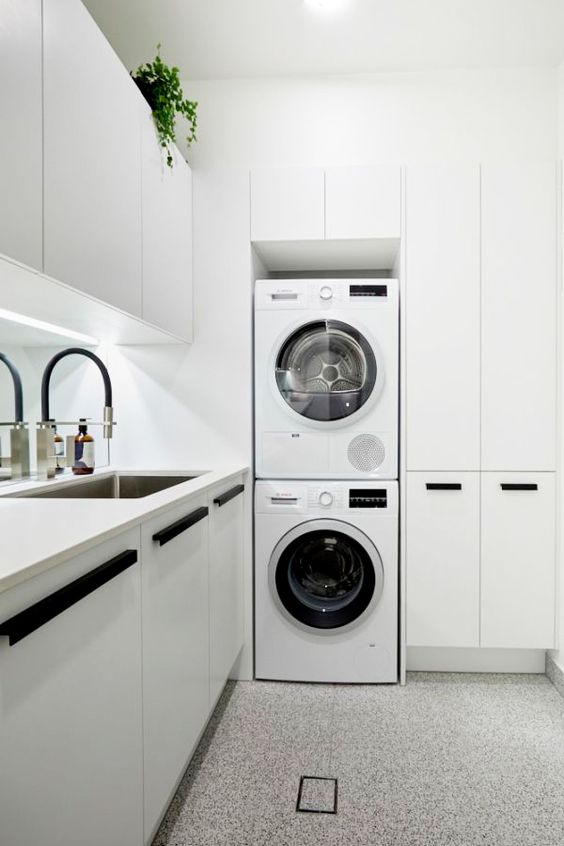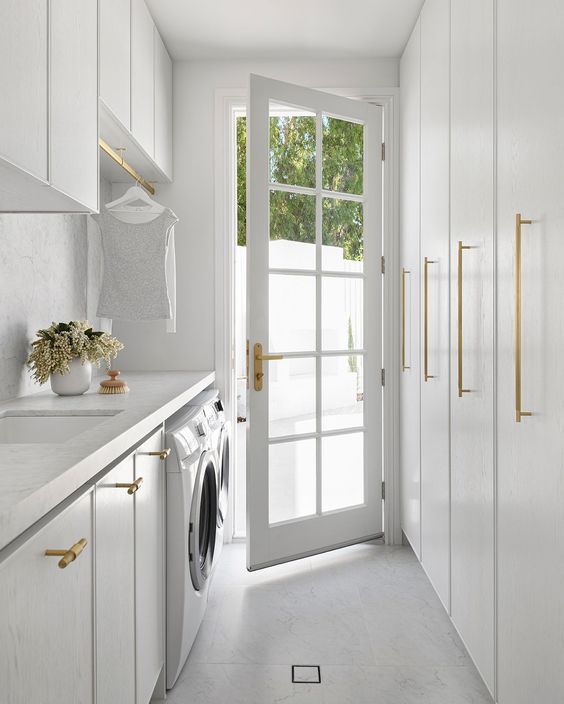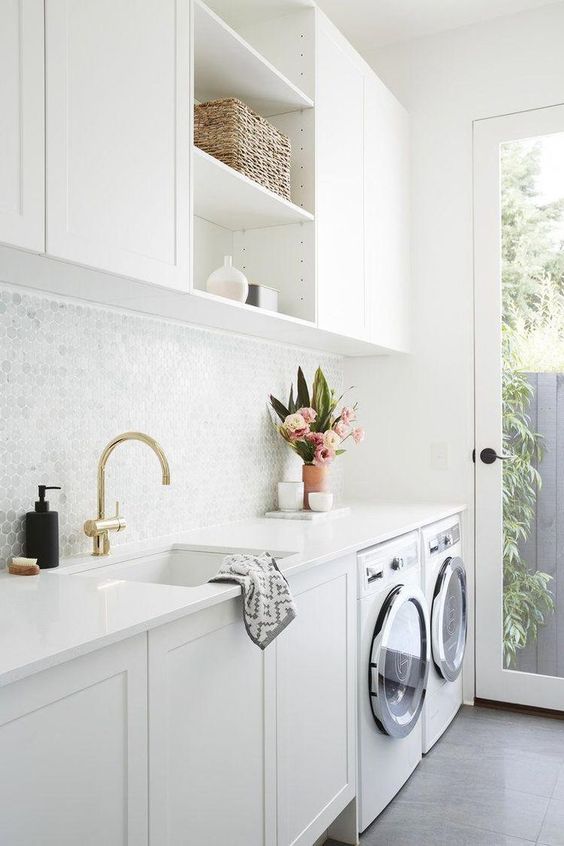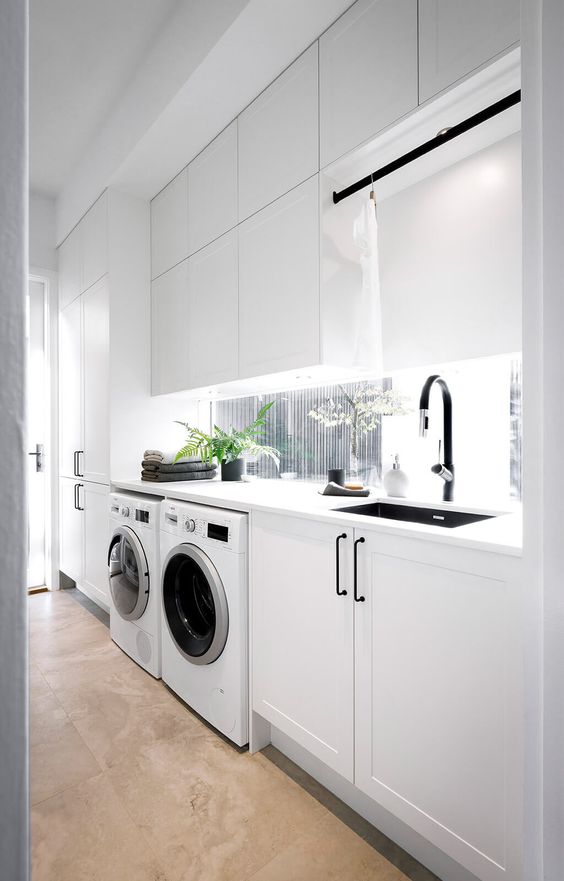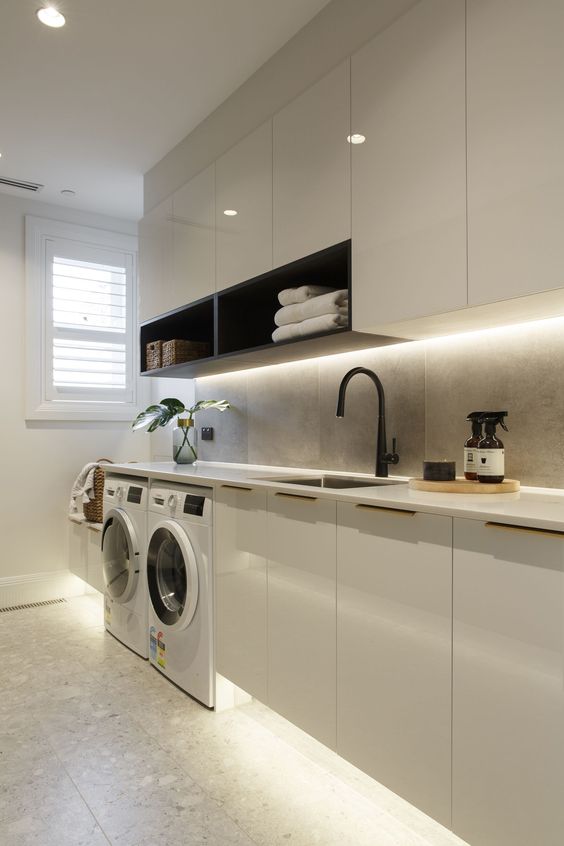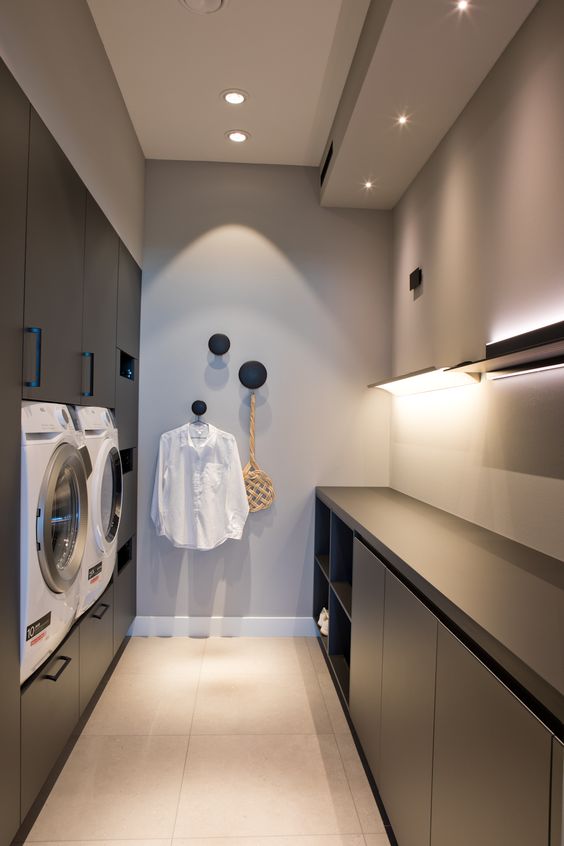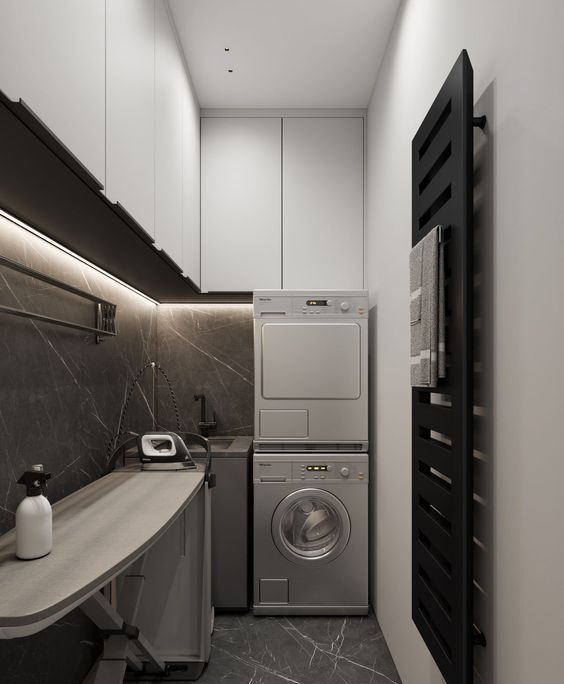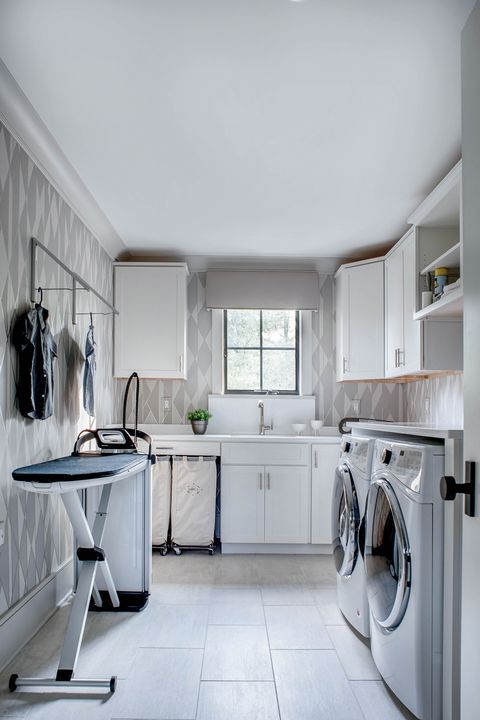


Home Blog Page 99

9 Important Questions to Ask When Hiring Manhattan Beach Movers

Whether you’re drawn to the affordable cost of living or would love to move out of the hustle-and-bustle of your current city and get closer to nature, moving is an important milestone of your life that you need to meticulously plan out for days, weeks, or even months.

But don’t get to packing your bags just yet — since you still have to tackle the tedious process of moving your things from one end to another with a reputable moving company.

However, with hundreds of registered reputable moving companies operating in and around your city, it can be quite challenging to actually find one that will give you the best value for your money.

With this in mind, it’s natural to think of a lot of questions like “How would I know if they’re reliable movers?” or “What’s the actual cost of my move?”, especially if it’s your first time hiring moving helpers for labor-intensive tasks.

To help you out and expedite your research, we’ve gathered 9 of the most important questions to ask when hiring movers in your local area.

These questions will not only help you choose a moving company, but will also help you uncover any additional fees, issues, and disadvantages that will ultimately save you money in the long run.

1. Can They Fulfill All of My Moving Needs?

One of the first important questions to ask when interviewing movers is to know if they have all the moving services you require during your move — and if they have the capability to follow through with their claim.

That’s because there are very few moving companies that can function as a one-stop shop for any moving-related services. Depending on the region, local movers may specialize in only a select menu of services that might exclude a service you need.

To give you a general gist of things, moving companies typically offer the following services:

  • loading and unloading services
  • packing and unpacking services
  • furniture disassembly and reassembly
  • junk removal and clean-up
  • moving truck rentals
  • same-day/short-notice moving
  • specialty moving and vehicle shipping
  • moving storage

2. Do They Do Background Checks On Employees?

Let’s say you live in California, and you need to move. You make a search for Manhattan Beach movers on your phone or laptop and everything gets packed and picked up at your current home, no problem.

Once the moving truck arrives to get your last box unloaded at your new home, you may stop and think that your movers are essentially strangers in uniform that will handle your stuff, pack them up, and drive away with said stuff to ride off into the sunset.

While you’re essentially guaranteed by the moving company to get the best help money can buy, you can never be too comfortable since you can’t monitor them 100% of the time.

You have to know that your moving company does thorough background checks on their employees.

That’s essential because it protects both the customer and the moving company from any damage to the customer’s property.

It helps a lot to ease your mind when the moving company can back the skills and reputation of its employees.

3. What’s It Going to Cost Me?

While moving services are mostly similar, no companies are the same when they compute their fees since they have their own ways of estimating the total cost of a move.

Whether you’re moving locally or long-distance, hiring full-time movers, or moving labor only, there are several factors involved when it comes to your moving estimate — that’s why it’s important to know how much the final moving cost will be, whether in writing or verbally.

An example factor is the equipment your movers will bring and use during your moving process. While movers are a hardy and strong bunch, they can’t possibly lift heavy items like a piano or a pool table (which can weigh about 180-600 lbs.) without using dollies, straps, or hand trucks.

Another example is that some companies that practice predatory tactics by offering low prices to attract customers but sneakily incorporate hidden fees either by burning it in legalese in your moving contract or not speaking about it until the job is done.

Examples of extra costs are travel fees, stair/elevator carry fees, or basic liability coverage options.

Follow-up Question: What Are Your Payment Options?

While we’re on the subject of costs, it’s also important to ask your mover what payment options they accept. These not only give you a degree of flexibility, but they also give you a glimpse of the company practices.

Reputable moving companies accept cards, cheques, and other payment options that can generate a receipt for your deposit, while others may do a cash-only transaction with you — and they’ll often charge a large deposit or even demand full payment before starting your move.

4. Are There Discounts?

To attract customers and establish their brand, many moving companies offer discounts and even advertise them to certain customers. When you are eligible for a discount, your moving company will usually offer you or even automatically apply it during your quote.

However, if they didn’t offer you one, you can always ask your mover to get a discount heading your way. That way, you can save way more money than just keeping your thoughts to yourself.

Some of the popular discounts include but are not limited to the following:

  • seasonal discounts
  • student discounts
  • senior discounts
  • military discounts
  • church discounts
  • American Automobile Association (AAA) membership discounts

5. Does Your Company Provide Binding Estimates?

By asking your mover this exact question, you protect yourself from spending a lot and get a significant legal advantage (loss and damage claims process) should you suspect any undesirable situations during your moving process.

Binding estimates are a form of safeguard to ensure that your price will stay the same and won’t go up no matter what happens during your moving service.

Whether your moving truck blows a tire during transit or heavy rains make it impossible to continue, your price will stay the same even at the last minute thanks to binding estimates.

If your moving company offers you a binding estimate with a suspiciously low quote (or even a non-binding estimate), it means it’s riddled with hidden costs and fees that will blast your wallet to kingdom come.

Should you encounter one during your search, you can move on to the next moving company.

6. What Are the Things I Can’t Move?

While movers can essentially move anything that’s not nailed down, not all items are created equal. That’s because there are prohibited and restricted items that cannot be moved for safety reasons since they might endanger both the movers and customers.

Even if your movers are willing to move prohibited items, they are mandated by law to refuse in accordance with the Federal Motor Carrier Safety Administration regulations to ensure full-value protection for both parties during the moving process.

Hazardous materials such as acids and propane tanks and perishable goods like produce are separated and will not be packed alongside your belongings.

By asking your movers in advance what their restricted items are, you’ll have all the time you need to decide what to do with them — to give you an idea, you can throw them away, give them to your neighbors, friends, family, or carry them inside your car.

7. Do You Have Any Packing Requirements I Need to Follow?

If you have spare time over the weekend and you decide to save a few bucks by packing your stuff yourself, you have to consider that some movers have packing requirements.

To fully understand the requirements, try asking your movers these questions before doing a self-pack:

Can I use recycled boxes? – while it costs $0 to pack your stuff since you can get free boxes from friends, family, or even your neighbor, some movers do not allow used boxes since they aren’t sturdy and may not be stackable inside the moving truck– which may affect their reputation as a moving company should any damages happen.

Can I pack without boxes? – unconventional packing containers like bags and suitcases, most movers may find these not up to par with a brand-new box.

What packing materials should I use? – this varies from company to company, but movers recommend covering your belongings in legitimate protective material like bubble wrap, newsprints, and packing peanuts as opposed to using regular towels to cut costs.

By asking your moving company these questions before putting your plan into motion, you can save money while avoiding the hassle of repacking if your movers aren’t satisfied with the way you did it.

8. Do You Offer Shipment Tracking?

If you go to your new home in advance and do some cleaning before your belongings arrive, it’s normal to get restless waiting as the delivery date passes by.

While this service isn’t always available (especially if you’re hiring a small-sized moving company), your movers can offer you real-time updates on the status of your moving truck through shipment tracking.

There are two types of shipment tracking; you can either ring up the customer support line and ask for an update or view your status in real time through the company’s website or A.K.A online shipment tracking.

9. Can I Cancel My Move?

Finally, asking about your moving company’s cancellation policy before anything is written in stone is the next best thing you can do to protect yourself.

If things don’t go as planned and you need to cancel your move– i.e., employment issues or a sudden change of heart– most of the time, moving companies will give you the time of day and let you do that if you agree to let them keep all or some part of your deposit.

Some companies, however, may charge extra fees when opting for cancellation; but most of them will keep part or even waive those fees if you’re significantly ahead of your moving schedule (the maximum may be from one month up to one week of your moving day.)

Ready to Choose a Moving Company?

Asking these vital questions before signing anything will help you plan out your move as well as protect you from any damage should things not go smoothly during your move. Vigilance during these moves is a great quality to have.
Essential Electrical Services for Your Home in Auckland

When it comes to ensuring the safety, functionality, and efficiency of your home’s electrical system, it is essential to have access to reliable electrical services. In Auckland, a city known for its vibrant lifestyle and modern infrastructure, having a trustworthy electrical service provider is crucial. This article aims to guide you through the essential electrical services in Auckland you need for your home, ensuring that you make informed decisions and prioritize the well-being of your household.

1. Electrical Inspections and Maintenance

Regular electrical inspections and maintenance are the backbone of a safe and reliable electrical system in your home. Professional electricians can assess the overall condition of your electrical system, identify potential hazards, and address any issues before they escalate into major problems. They will inspect your wiring, outlets, switches, circuit breakers, and other components to ensure they meet safety standards. By scheduling routine inspections and maintenance, you can prevent electrical emergencies and increase the longevity of your electrical system.

2. Electrical Wiring and Rewiring

Whether you are building a new home or renovating an existing one, electrical house rewiring and wiring services are essential. Outdated or faulty wiring can pose serious safety risks, such as electrical fires and electrocution. Licensed electricians in Auckland can assess your home’s wiring needs, determine the appropriate wiring size and type, and install or upgrade your electrical system accordingly. They will ensure compliance with local building codes and standards, providing you with a safe and efficient electrical setup.

3. Electrical Panel Upgrades

As the demand for electricity in modern homes continues to increase, older electrical panels may struggle to handle the load. Upgrading your electrical panel is essential to accommodate the power requirements of today’s appliances and electronics. Skilled electricians in Auckland can evaluate your electrical panel’s capacity, recommend suitable upgrades, and safely install a new panel if necessary. This ensures a stable and efficient electrical supply throughout your home, preventing overloaded circuits and potential hazards.

4. Lighting Installation and Repairs

Lighting plays a vital role in creating a comfortable and functional living space. Whether you want to enhance the ambiance with stylish fixtures or improve energy efficiency with LED lighting, professional electricians can help. They can assist with lighting design, installation, and repairs, ensuring proper wiring, optimal placement, and adherence to safety guidelines. Additionally, they can advise you on energy-efficient lighting options that reduce electricity consumption and lower your utility bills.

5. Power Outage Solutions

Power outages can be disruptive and frustrating, especially during critical times. In Auckland, where extreme weather conditions can occasionally cause electrical disruptions, having backup power solutions is crucial. Electricians can install backup generators or battery systems to keep essential appliances and systems running during outages. These solutions provide peace of mind and enable you to continue with your daily activities without interruption.

6. Electrical Safety Upgrades

Ensuring the safety of your home and family should be a top priority. Electricians in Auckland can perform various safety upgrades to minimize electrical hazards. They can install ground fault circuit interrupters (GFCIs) in areas prone to moisture, such as kitchens and bathrooms, to prevent electrical shocks. Additionally, they can install arc fault circuit interrupters (AFCIs) to detect and prevent electrical fires caused by arc faults. These safety upgrades significantly reduce the risk of electrical accidents and enhance the overall safety of your home.

Conclusion

In conclusion, when it comes to your home’s electrical system, prioritizing essential electrical services is crucial for safety, functionality, and peace of mind. Regular inspections, proper wiring, panel upgrades, lighting solutions, power outage preparations, and safety upgrades ensure that your home remains a secure and comfortable place for you and your family. By relying on professional electricians in Auckland, you can rest assured that your electrical needs will be met with expertise and professionalism.

FAQs (Frequently Asked Questions)

1. Are electrical inspections necessary if my home is relatively new?

Yes, electrical inspections are necessary even for relatively new homes. Electrical systems can develop issues over time, and it’s important to identify and address them early on to prevent potential hazards.

2. How often should I schedule electrical inspections for my home?

It is recommended to schedule electrical inspections at least once every five years. However, if you notice any electrical issues or changes in your home’s electrical performance, it’s advisable to seek professional inspection sooner.

3. Can I upgrade my electrical panel on my own?

Electrical panel upgrades require specialized knowledge and skills. It’s crucial to hire a licensed electrician for this task to ensure compliance with safety standards and avoid any potential risks.

4. What are the benefits of LED lighting in my home?

LED lighting offers several advantages, including energy efficiency, longer lifespan, and versatility in terms of color temperature and design options. They consume less electricity, saving you money on utility bills, and they have a significantly longer lifespan compared to traditional incandescent bulbs.

5. How long can a backup generator power my home during an outage?

The duration a backup generator can power your home depends on its size, fuel capacity, and the load you put on it. A professional electrician can help you determine the right generator size and provide an estimate of how long it can sustain your home’s power needs during an outage.

Thermostatic Radiator Valves: How Do They Function?

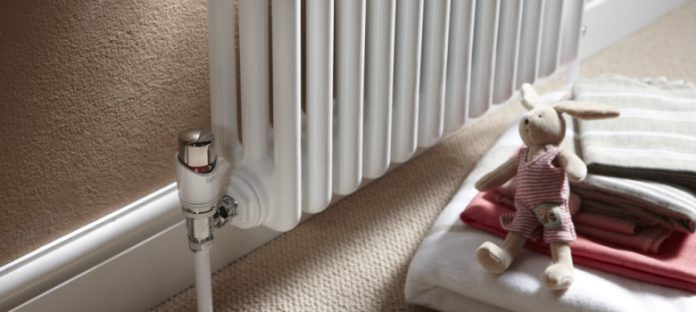
Thermostatic radiator valves working

Appliances

They allow for precise temperature control in each room, providing a more comfortable living environment and helping to reduce energy consumption.

By installing thermostatic radiator valves (TRVs), you may easily and affordably control the temperature of the air in each individual room. Smart radiator knobs, if they are fitted correctly, allow for automated temperature adjustment and help you heat your house more effectively, hence reducing heating costs.

Will thermostatic valves be available for all radiators?

When compared to traditional manual valves, thermostatic radiator controls (TRVs) significantly save heating costs by allowing homeowners to shut off heat to unused rooms. Although thermostatic radiator controls (TRVs) can be installed on all radiators, leaving one radiator unmodified is recommended.

A bathroom, which needs constant heat, or the location of the thermostat are also good candidates for this. If your thermostat is located in the same room as your TRV-equipped radiator, the thermostat may malfunction because it may incorrectly interpret the temperature in the room and overcompensate by heating the house even more than necessary.

How exactly do thermostatic radiator valves work?

The valve may be set up in a variety of ways, each of which affects the rate at which water travels from the boiler to the radiator.

A capsule in the valve head expands when the room temperature rises, which allows a pin in the valve body to move, shutting the valve and reducing the amount of hot water entering the radiator. When the temperature in the room drops, a capsule in the radiator’s head contracts, pushing the pin out of the valve body and allowing hot water to flow into the radiator again.

How do you set up a radiator valve with a thermostat?

A smart radiator knob with a thermostat may be installed in just three easy steps. The TRV might be replaced using a similar method.

Remove all the air in your lungs

Take out all of the heat that’s there. All TRV-equipped radiators should be allowed to function normally. Use a bleed key and a hose to let air out of the radiators. When the water supply becomes dry, the previous valve must be opened.

Replace the old valve that you took out

To expose the primary toggle:

Remove the top

Use pliers and an adjustable spanner to remove the nut from the radiator pipe. When the pipe is no longer attached, it may be taken out to ensure there is no moisture left in the pipelines.

Take out the 15 mm pressure fitting from the valve base. Remove the valve from the radiator’s piping entirely.

Replace the old radiator valve with a new thermostatic one

Sometimes the old valve insert won’t work with the new TRV. The TRV insert has been rethought from the ground up for all new models. To avoid further complications, it would be best to uninstall the old version. Put a standard hex tool into the opening, and then use an adjustable spanner to loosen the part. Insert the new PTFE-coated insert into the radiator and fasten it in place using the provided hardware. Both the nut and olive can be used even if they have matured. Simply loosen the nut and pull the olive out with pliers to swap them out.

Activate the water main

Once you’ve finished making sure no loose ends remain, you may power everything back up. Turn off the water to the radiator and seal the bleed valve.

Before a new heating system can be installed, the water must be switched on. Keep an eye out for dripping from the new connections. Once you’re sure the new radiator valve is set up correctly, turn it on. Open the radiator’s water valve. If there are no leaks, everything should be OK.

FAQs

Should I set up thermostatic radiator controls?

Absolutely, yes. You’ll save money and energy by regulating the temperature in each and every area of your home or business. 

Can you recommend an ideal temperature for thermostats?

Do not maintain a temperature of 11 degrees Celsius in your radiators during winter (well, 6). Two to three degrees Celsius is ideal (15–20 degrees Celsius). Just leave it alone and you’ll be impressed by how nicely it does its function. It’s pointless to try anything else.

When the clock strikes three, what exactly is the temperature of the radiator?

Setting “3” often equates to about 20 degrees Celsius, which is close to the ideal temperature range of 18-21 degrees Celsius.

Conclusion

With a standard TRV, the radiator’s temperature may be adjusted, resulting in significant energy savings. Typically, a 0–5 scale is used for manual temperature control. Imagine if you could control the temperature of many rooms with the tap of an app button, no matter where you were in the world. It may be helpful to have a programmable thermostat for the radiators!

You’ll have a lot more say in how warm your home gets with the help of smart TRVs. Each space may have its own thermostat, allowing for greater energy efficiency. These TRVs, in conjunction with a mobile app for controlling the thermostat, allow for more efficient heating and lower energy costs. This not only guarantees the comfort of your family at low cost, but also minimises your overall household expenditures.

Using a Tado Smart Radiator Thermostat is a great way to cut costs and reduce your impact on the planet.

Construction Website Design Best Practices for 2023

A well-designed website is essential for any construction company looking to establish a solid online presence. Your website serves as the virtual face of your business, making a lasting impression on potential clients. Following the latest design best practices ensures your construction website stands out in 2023.

Tips for Creating a Construction Website Design

Several vital considerations can significantly impact the effectiveness of a construction website. By implementing the following tips and techniques, you can enhance the overall user experience. You get a platform to showcase your company’s strengths and increase your chances of attracting and converting leads. Here’s how you can make it happen for your site.

Introduce Your Company

Ensure you provide a clear and concise introduction to your construction company on your website’s homepage. Highlight your company’s values, expertise, and unique selling points. This will establish trust and credibility with visitors right from the start.

Add short company information, including your team and how the company started. The idea is to provide your target audience with a connection. Keep in mind that clients will work with companies that are familiar to them.

Invest in Dynamic Design

Opt for a modern and visually appealing design that aligns with current web design trends. Static websites don’t provide an appealing user experience, making them more likely to bounce and look elsewhere.

Incorporate high-quality images and videos to showcase your past projects and demonstrate your capabilities. Utilize a responsive design that adapts seamlessly to various devices, ensuring an optimal user experience across desktop and mobile platforms.

Focus on Navigation

Ensure your website has intuitive and user-friendly navigation. Keep the menu structure simple and organized, making it easy for visitors to find the information they need. Once your website visitors feel lost, they can immediately lose interest.

Implement clear calls-to-action (CTAs) that guide users to contact or explore your services further.

Showcase Your Achievements

Display your company’s achievements, awards, and certifications prominently on your website. This helps build trust and reinforces your expertise in the construction industry.

You can also do this with a dedicated portfolio of completed and ongoing projects. Once people see that your construction business has these accomplishments, it’s easier for them to build that trust.

Highlight Your Services

Create dedicated sections or pages to showcase your range of construction services. Clearly outline the scope of each service and provide compelling descriptions accompanied by relevant images or videos. This allows potential clients to understand the breadth of your expertise and choose the services that meet their specific needs.

Provide Social Proof

By including testimonials from satisfied clients, you showcase real-life experiences and positive feedback about your construction services. Testimonials are powerful endorsements, demonstrating your company’s ability to deliver quality work and customer satisfaction. When potential clients see positive testimonials from others who have worked with you, it instills confidence and reassurance.

Incorporating reviews and ratings can further strengthen your social proof. Positive reviews from independent platforms or well-known review websites provide objective feedback about your services. Displaying ratings or awards you have received showcases your company’s excellence in the construction industry.

Displaying the logos of notable clients or projects you’ve worked on is another way to enhance your social proof. When potential clients see recognizable brands or prestigious projects associated with your company, it adds prestige and trust. It demonstrates that your construction services have been sought after and trusted by reputable organizations.

Give Your Contact Details

Ensure your contact details are easily accessible on every page of your website. Include a dedicated contact page with a contact form, phone number, email address, and an address. Consider implementing live chat functionality to provide immediate assistance and capture leads effectively. These chatbots allow you to provide quick and timely responses to potential clients.

Key Takeaways

Following these construction website design best practices for 2023 will create a powerful online presence. These components effectively communicate your company’s professionalism, expertise, and capabilities. This will help attract and convert more clients in the competitive construction industry.

  • Introduce your construction company and establish trust from the start.
  • Invest in a visually appealing and responsive design that aligns with current trends.
  • Optimize navigation for easy user access and clear calls to action.
  • Showcase your company’s achievements, certifications, and client testimonials.
  • Highlight your range of construction services with compelling descriptions and visuals.
  • Incorporate social proof through testimonials, reviews, and notable client logos.
  • Make your contact information easily accessible, and consider implementing live chat functionality.

Making Your Home a Haven: The Art of Cosiness

Every home should be a refuge from the hustle and bustle of the outside world — a place where we feel completely at ease and comfortable. But how do we create a space that exudes warmth and welcome? Here are some simple yet impactful ways to infuse cosiness into your home, transforming it into a snug haven.

1. Choose a Warm Colour Palette

Colours significantly influence our emotions and perceptions, making them a powerful tool in creating a cosy atmosphere. To achieve a warm and inviting home, consider a colour palette that includes hues of reds, oranges, yellows, and earth tones. These warm tones evoke feelings of comfort and intimacy, instantly making a space feel more inviting. Balance these colours with some neutral shades like beige or cream to create a harmonious and well-rounded atmosphere.

Incorporating warm colours can be done through various elements in your home decor. Painting the walls, adding accent pieces such as throw pillows or curtains, or selecting furniture with warm-toned upholstery are all effective ways to infuse your space with warmth and cosiness.

2. Incorporate Natural Elements

Bringing nature into your home not only adds a touch of beauty but also creates a sense of grounding and serenity. Natural elements like wood, stone, and plants can contribute to a cosy atmosphere by connecting us to the outdoors and providing a feeling of harmony with the environment. Incorporate wooden furniture pieces, such as a solid oak dining table or a rustic coffee table, to add warmth and a sense of nature to your space.

In addition to wood, consider incorporating stone elements, such as a stone fireplace or a marble countertop, to create a natural focal point in the room. Indoor plants are another excellent way to introduce nature into your home and enhance its cosiness. Choose plants that thrive indoors, such as snake plants or peace lilies, and place them strategically throughout your space to bring life and freshness to each room.

3. Layer Textiles

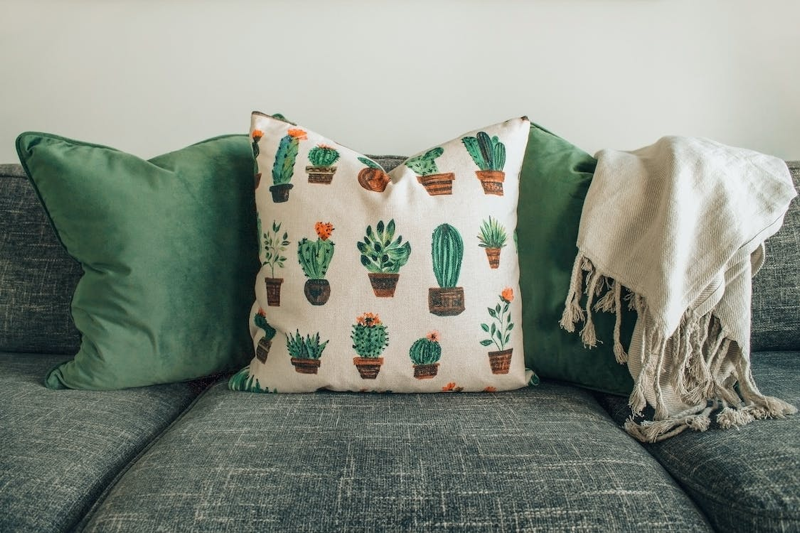
One of the simplest and most effective ways to add cosiness to your home is through the use of textiles. Layering textiles creates visual interest, adds depth and texture, and provides an extra layer of comfort. Consider incorporating soft and plush materials such as velvet, faux fur, or chunky knit fabrics. These fabrics invite you to sink in and relax, creating a warm and inviting atmosphere.

Start by layering cushions and throws on your sofas and chairs. Mix and match different patterns and textures to create a visually appealing arrangement. Experiment with different materials and sizes to achieve the desired level of comfort. Additionally, placing a cozy rug on the floor can anchor the room and provide a soft surface to walk on, making your home feel even more welcoming.

4. Install Ambient Lighting

Lighting plays a crucial role in setting the mood and creating a cosy ambiance. Opt for ambient lighting that provides a soft and warm glow throughout your space. Overhead lights can often be too bright and harsh, so consider incorporating multiple light sources at different levels. Table lamps, floor lamps, or even string lights can create a gentle and inviting atmosphere.

To achieve a cosy lighting effect, use warm light bulbs with a lower colour temperature, typically around 2700-3000 Kelvin. This will mimic the warm glow of natural sunlight and create a more relaxing and comfortable environment. Dimmer switches can also be a great addition, allowing you to adjust the lighting levels to suit different activities and moods.

5. Curate Personal Decor

Personalise your home by curating decor items that reflect your individual style and experiences. Displaying family photos, mementos from travels, or cherished heirlooms can add character and warmth to your home. These personal touches not only make your space feel more intimate but also create a sense of nostalgia and belonging.

Consider creating a gallery wall with a mix of framed photographs, artwork, and sentimental objects. Arrange them in a way that tells a story and brings joy to your space. Incorporate shelves or display cases to showcase items that hold special meaning to you. By surrounding yourself with items that have personal significance, your home becomes a true reflection of your personality and a comforting sanctuary.

6. Embrace Imperfections

Perfection can sometimes create a sterile and unwelcoming environment. Embrace imperfections and let your home tell a story. Vintage or weathered items can add character and charm to a space. An antique dresser with worn edges or a distressed wooden coffee table can create a sense of history and evoke a feeling of warmth.

Additionally, handmade or DIY projects can infuse your home with a personal touch and a sense of pride. Whether it’s a quilted blanket, a hand-painted piece of artwork, or a repurposed piece of furniture, these imperfections add uniqueness and a sense of craftsmanship to your space.

7. Create Cosy Nooks

Dedicate a corner or a specific area in your home as a cosy nook for relaxation and rejuvenation. This could be a reading nook, a window seat, or a snug corner with a comfortable chair, soft lighting, and a side table for a cup of tea or coffee. By carving out these special spaces, you provide yourself with a designated spot for unwinding and enjoying quiet moments.

Enhance your cosy nook with soft cushions and blankets that invite you to curl up and escape into a good book or simply enjoy a moment of tranquillity. Consider incorporating natural elements like a small indoor plant or a vase of fresh flowers to bring a touch of nature into your nook.

8. Use Warm, Cosy Scents

Scent has a powerful effect on our emotions and can greatly contribute to the cosiness of a home. Consider incorporating warm and inviting scents that evoke feelings of comfort and relaxation. Scented candles, wax melts, or essential oil diffusers can infuse your home with delightful aromas.

Opt for scents like vanilla, cinnamon, or warm spices to create cosy aromas and a welcoming atmosphere. These scents evoke feelings of warmth and can remind us of pleasant memories associated with home and comfort. Light a scented candle or melt a wax melt in your favourite cosy corner, and let the aroma envelop you in a soothing embrace.

9. Include Books

There’s something inherently cosy about a shelf full of books. They not only provide intellectual stimulation but also create a sense of comfort and nostalgia. Incorporate books into your home decor by dedicating a space for a bookshelf or incorporating books into your styling. Mix and match different sizes and orientations to create visual interest.

Arrange your books in a way that reflects your personal style, whether it’s organising them by colour, genre, or author. This will not only create a cosy and inviting display but also serve as a reminder of the joy and comfort that reading can bring.

10. Prioritise Comfort

Above all, comfort should be your guiding principle when aiming to create a cosy home. Choose furniture that invites you to sit down and stay awhile. Opt for plush sofas and armchairs with soft cushions, and select mattresses and bedding that provide the utmost comfort. Create spaces that encourage relaxation, conversation, and togetherness.

Consider incorporating cosy elements such as a soft and warm area rug underfoot, curtains or blinds that provide privacy and warmth, and plenty of storage solutions to keep your space organised and clutter-free. By prioritising comfort, you’ll create a home that envelops you and your loved ones in a warm embrace.

In conclusion, creating a cosy home is all about the careful selection of colours, textures, lighting, and personal touches that evoke feelings of warmth and comfort. By incorporating these elements and adding warm, cosy scents, you can transform your house into a haven that welcomes you with open arms. So go ahead, embrace the art of cosiness and enjoy the comfort and tranquillity of your cosy home.

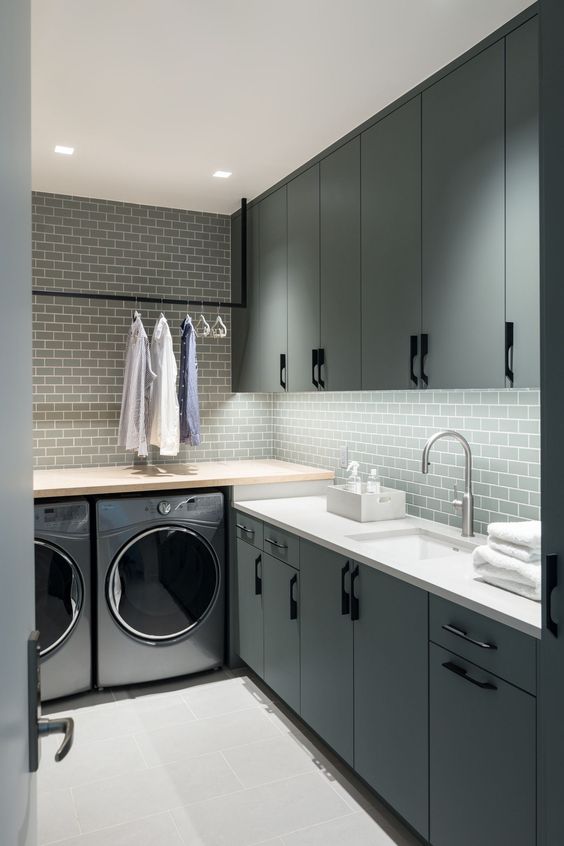
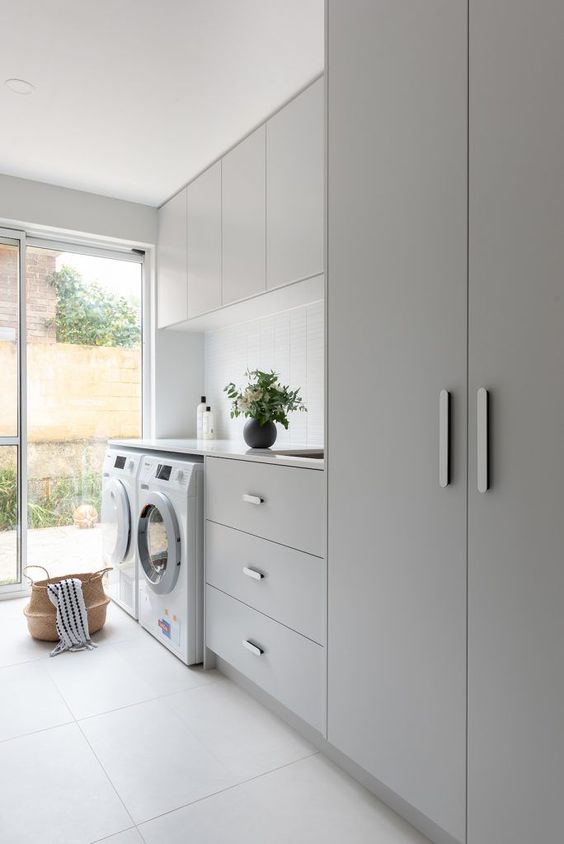
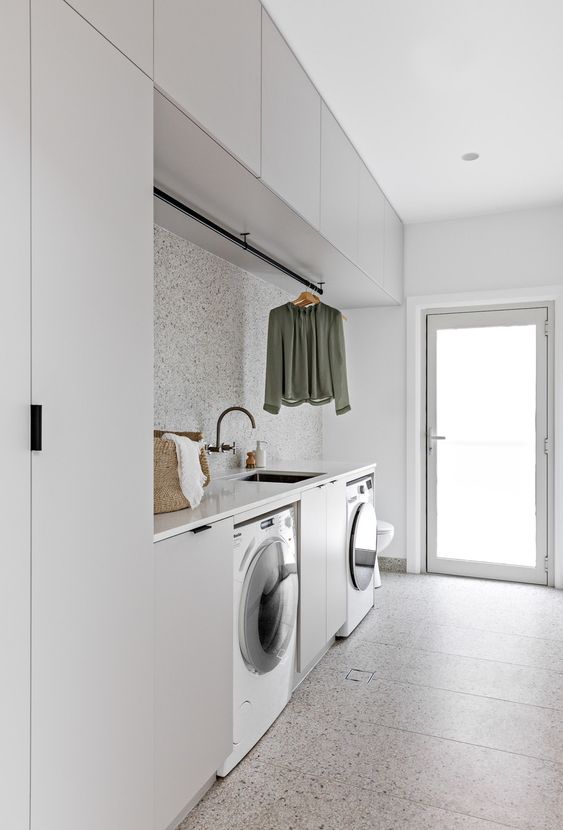
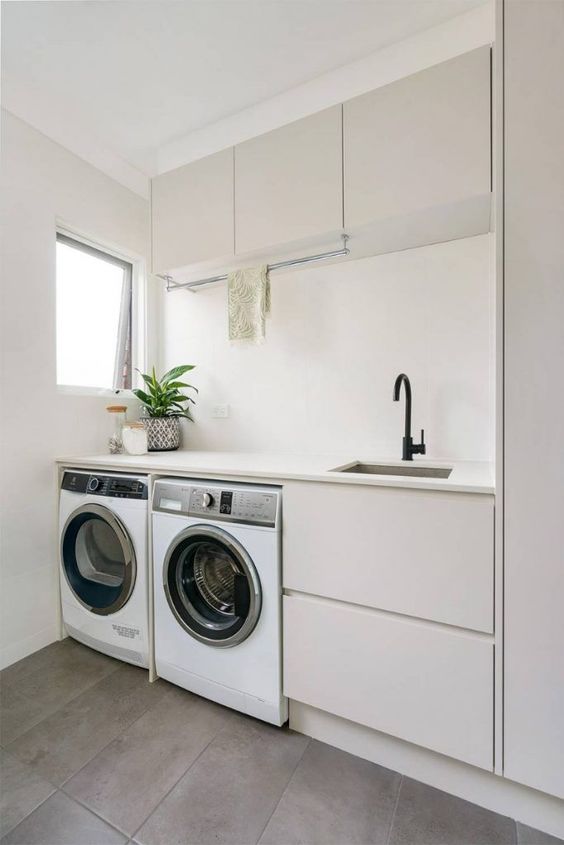
24 Minimalist Laundry Room Ideas: Look Simple and Clean at Once

roohome.com -Some items such as softeners, detergents, hangers, and so on in the laundry room will look messy if they are not arranged properly and correctly. Moreover, as we know that the size of a laundry room is not big. So, not arranging the items in this room will disturb the comfort of the laundry room. And, it is most appropriate to apply a minimalist concept to the laundry room. In a minimalist laundry room, all items will usually be stored in drawers or cabinets so as to give a free clutter appearance.

For those of you who are interested in applying a minimalist concept to your laundry room, here we have provided 24 Minimalist Laundry Room Ideas. It will make this room look simple and clean at once. So, let’s check it out!

1. Dominant with White

Minimalist Laundry Room
Cc: Pinterest

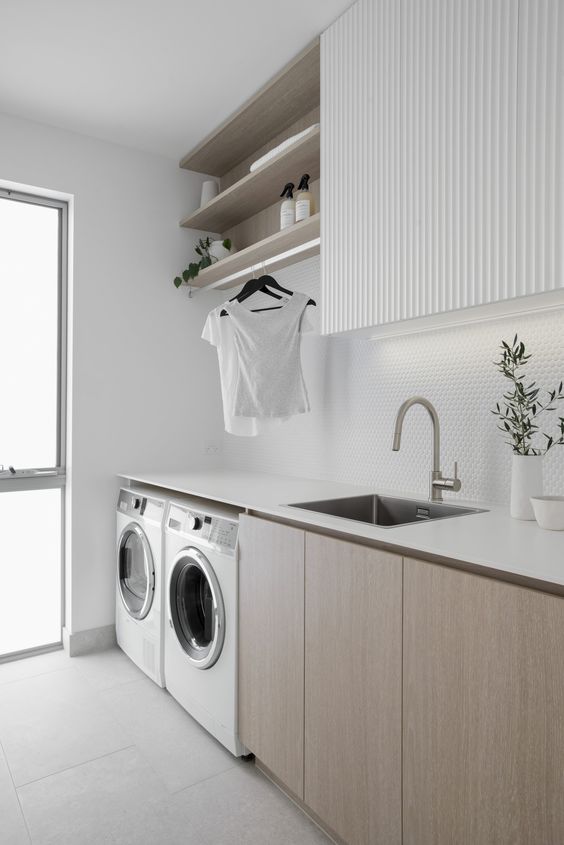
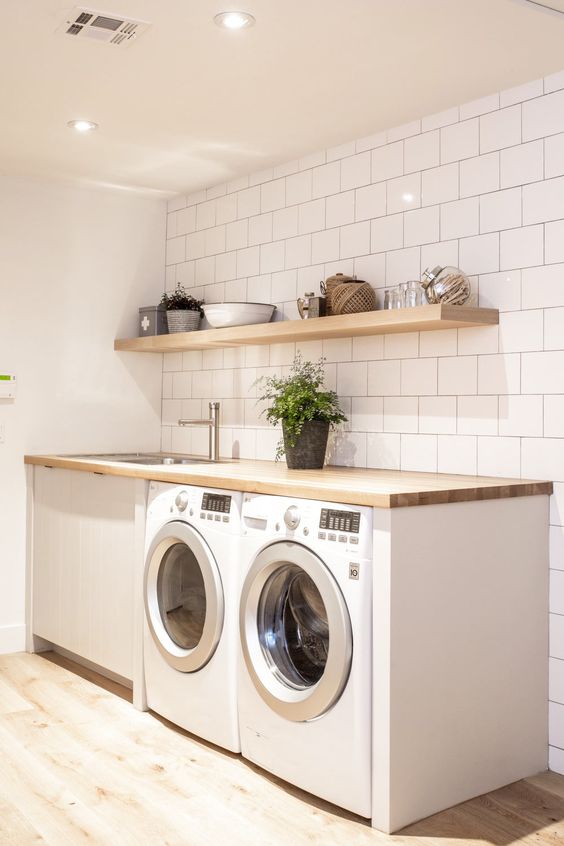
White is the most appropriate color for the laundry room. As we know, the laundry room area tends to be small and narrow. Therefore, we often feel uncomfortable being in this room. However, the white color can change the atmosphere and comfort in the laundry room. This one color can provide a wider effect which can remove the cramped and stuffy feeling in the room.

You can apply white predominantly. Starting from walls, floors, countertops, backsplashes, washing machines, to floating cabinets. If you want to present other colors to the room, choose natural materials such as wood. The combination of the white and natural brown color of the wood will bring warmth and a simpler impression to the room.

2. Skylight Window Make It Bright Naturally

skylight window
Cc: Pinterest

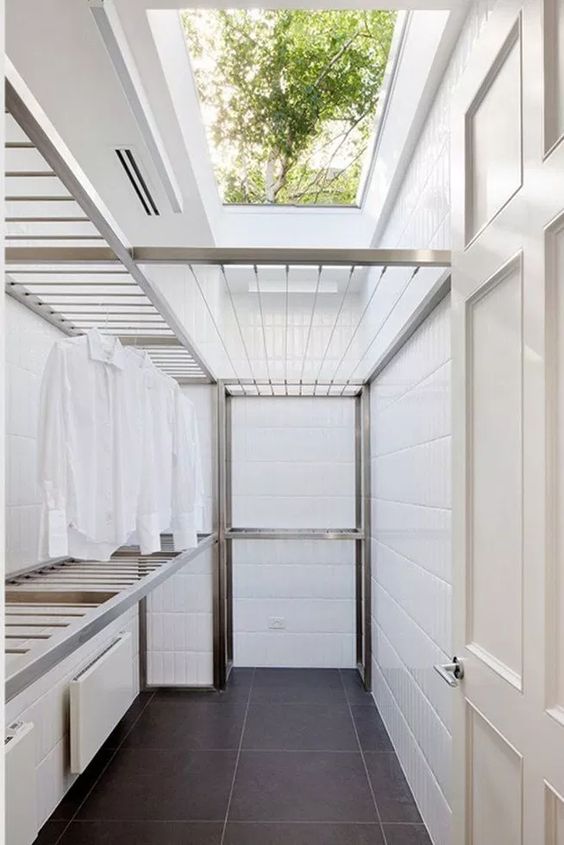
The minimalist concept can indeed create a laundry room with a simple and clean appearance. In fact, a minimalist concept can make a small room feel more spacious and comfortable. However, one of the drawbacks of the minimalist concept is that it looks stiff and boring. Therefore, it needs a special touch to make the minimalist laundry room look attractive.

Installing a skylight window is an interesting idea you can choose from. The natural light that enters through the skylight window can make the laundry room seem more lively. Natural light makes colors and textures look more real. This is what makes this minimalist room look attractive and far from boring.

3. Warm Laundry Room Nuances

warm laundry room
Cc: Pinterest

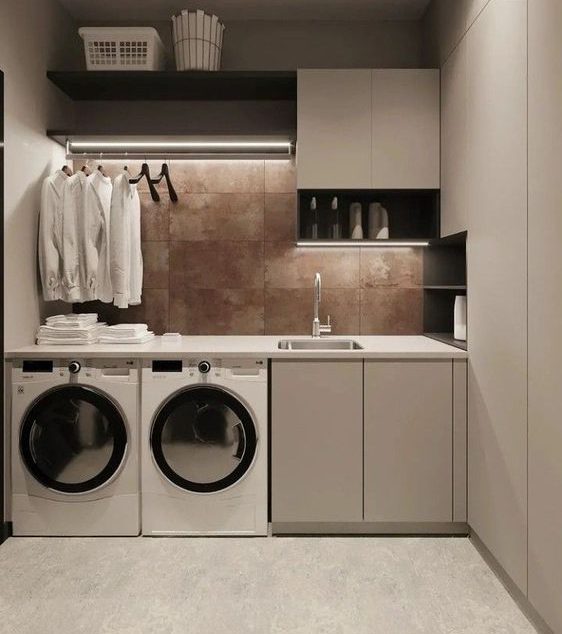
Bored with white as the base color? You can try this one idea. You can make light gray the main color and combine it with brown. Also, give a little touch of black to give a sharp effect to the room. The combination of these colors can create a laundry room with a serene atmosphere.

If you want to make the room feel warm, you can use warm or yellow lighting to illuminate the laundry room. However, if you want to make the laundry room look bright and have a cool nuance, then choose a lamp with white lighting.

4. Bring a Luxury Look to The Room

luxury Minimalist Laundry Room
Cc: Pinterest

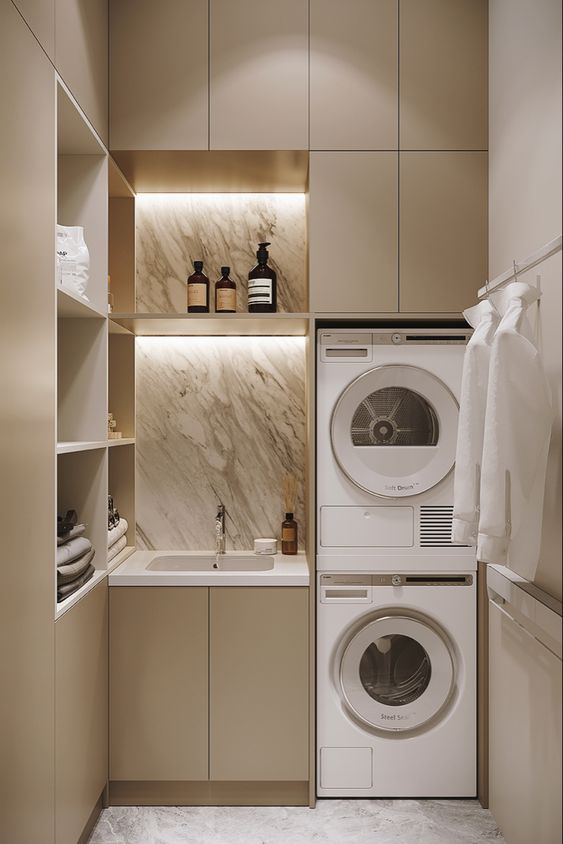
A room with a minimalist concept does indeed have more storage space to store several items. That way, the display will be clean and away from clutter. As we can see in this one idea where the walls in the laundry room are full of cabinets and shelves. So, it is possible for you to store more softener, detergent, and other stuff.

Even though it seems minimalist, the touch of marble on the backsplash in the laundry room gives an elegant impression. Plus, LEDs with yellow lighting make the marble colors and motifs look more beautiful. This marble accent is also a decoration that makes the minimalist laundry room look more attractive and alive.

5. Fresh with White and Blue Interior

fresh Minimalist Laundry Room
Cc: Pinterest

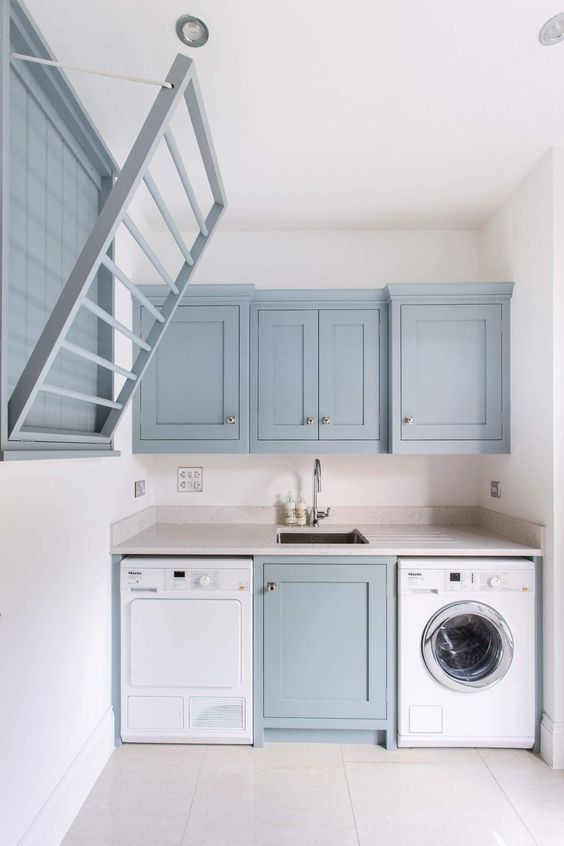
If you want to make the minimalist laundry room look bright and fresh, try choosing white and pastel blue colors. White as the main color and pastel blue as the decoration.

By making white the main color, the laundry room will look bright. The effects are also cleaner and wider. And, a touch of pastel blue brings freshness like being in the sea. Moreover, if the laundry room is lit with natural lighting. White and blue colors will look clearer and make the laundry room feel more alive.

6. Recessed Lighting Fixtures for Even Lighting

recessed lighting fixtures
Cc: Pinterest

Natural lighting is the best for illuminating a room. However, if your laundry room does not allow it to be lit with natural lighting, you can switch to artificial lighting (lamps). There are many types of lamps that you can choose here. But, recessed lighting fixtures are the most appropriate for the laundry room.

The use of recessed lighting is usually more than one and installed at a distance. Therefore, the lighting from recessed lighting is more spread out and evenly distributed. This will really help to make the laundry room look bright.

Choose lighting or white lighting for the laundry room. As we know, the laundry room area is very limited (narrow), therefore, we have to make the room bright to create a wider effect. This method really helps to make the laundry room feel comfy.

7. Monochrome Laundry Room Design

monochrome Minimalist Laundry Room
Cc: Pinterest

To make the minimalist concept present well in the laundry room, decorate the room with only two colors, or what is known as the monochrome concept. Usually, black and white is an alternative color for this concept. However, black tends to give a sharper and firmer effect to the room. Not suitable for those of you who prefer a room with a softer feel. Therefore, you can change the black to dark gray. Keep white as the main color. And, apply dark gray for the cabinet.

8. Cool Tone Laundry Room

cool Minimalist Laundry Room
Cc: Pinterest

If you want to make the laundry room look bright with cool shades, then choosing white and gray is the most appropriate idea. Besides that, these two colors are included in the neutral color group so that it will make the laundry room look less striking. So, it can also be said that the combination of gray and white is very safe for those of you who like a simple and minimalist look.

You just only to make the laundry room look bright and alive by lighting it with natural lighting. The use of neutral colors as well as lighting from the sun will evoke natural nuances that can make the room feel so comfortable.

9. Glass Door for Natural Light

glass door
Cc: Pinterest

Compared to lighting lamps, natural lighting is much better for the room. Natural lighting will not give off annoying glare effects. Besides that, natural lighting is also much better at making the colors in the room look clearer and more vibrant. Natural light can also add coziness to a room and make it feel more spacious.

If your laundry room is connected to a garden or backyard, then try using a glass door. As we know, the limited area sometimes makes it impossible for us to install windows. Therefore, you can illuminate the room with natural lighting by installing a glass door.

10. A Little Touch of Green Makes It Fresh

plant decor
Cc: Pinterest

The minimalist concept often chooses neutral colors like white, gray and black. Therefore, sometimes a room with a minimalist concept tends to be stiff. However, you can present other colors like green by adding a small indoor plant into the laundry room. The natural green color will be very good for providing freshness both for the look and atmosphere of the laundry room.

You can place the small plant near the window. That way, the plant still get sunlight to photosynthesize. Do not forget to treat the plant by spraying it with water. This will really help to keep the freshness of the plant last longer.

11. Double Washer and Dryer Saving More Space

double washer and dryer
Cc: Pinterest

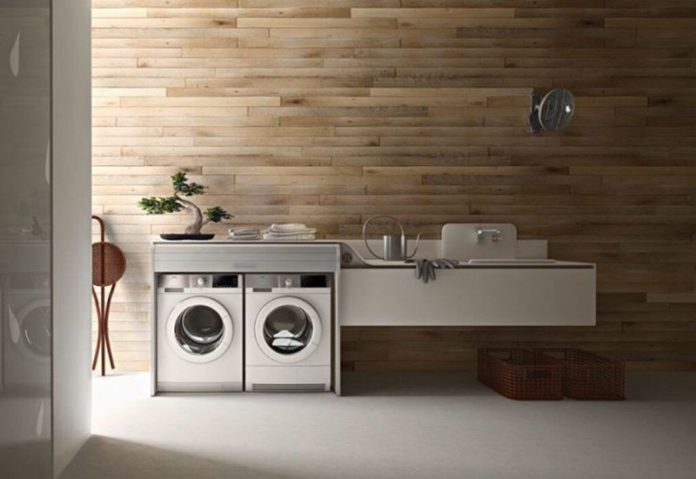
The use of a separate washer and dryer machine is not recommended for the minimalist laundry room. This will take up more space. As a result, the room seems cramped and uncomfortable. Therefore, try to use a double washer and dryer.

The double washer and dryer are most appropriate for the minimalist laundry room. This item not only gives a simpler and more minimalist effect to the laundry room but also makes it feel wider. The use of a double washer and dryer will save more space in the room.

12. White and Gold Accent for Small Laundry Room

small Minimalist Laundry Room
Cc: Pinterest

Applying white to the entire interior of a small room is the best way to make this room feel and look more spacious. This is because white can remove dark corners in a room. It will be greater if you illuminate the room with natural light. Therefore, we highly recommend using a glass door for the small laundry room.

However, there is only one color, of course, it will make a small laundry room look very boring. Therefore, you need to give it a touch of another color. And, gold is the most appropriate to choose. You can apply a small amount of gold but it’s scattered so that it will look stand out. You can apply gold to the metal material in the laundry room.

13. Add Flowers Will Bring A Freshness

flowers decor
Cc: Pinterest

The white nuanced laundry room has a very thick natural feel. Especially if the laundry room is lit with natural lighting. So, adding natural elements to a minimalist laundry room is an interesting idea to try. Here, you can choose plants such as flowers with beautiful colors. Besides emphasizing the natural feel of the room, the flowers in the vase are also decorations that can add aesthetic value and beauty to a minimalist laundry room.

14. White Light for White Laundry Room

laundry room lighting
Cc: Pinterest

White color is the most appropriate for the laundry room. This one color not only makes a small room feel wider and brighter but also gives a clean and neat impression. And, as a neutral color, white can create a minimalist impression for the laundry room. However, of course, accompanied by proper decoration and arrangement.

To make the white color in the laundry room look bright, you need to provide the right lighting. Natural lighting is the most appropriate for you to choose. However, if it is not possible to illuminate the laundry room with natural light, then choose a lamp with white lighting.

15. Free of Clutter Laundry Room

simple laundry room
Cc: Pinterest

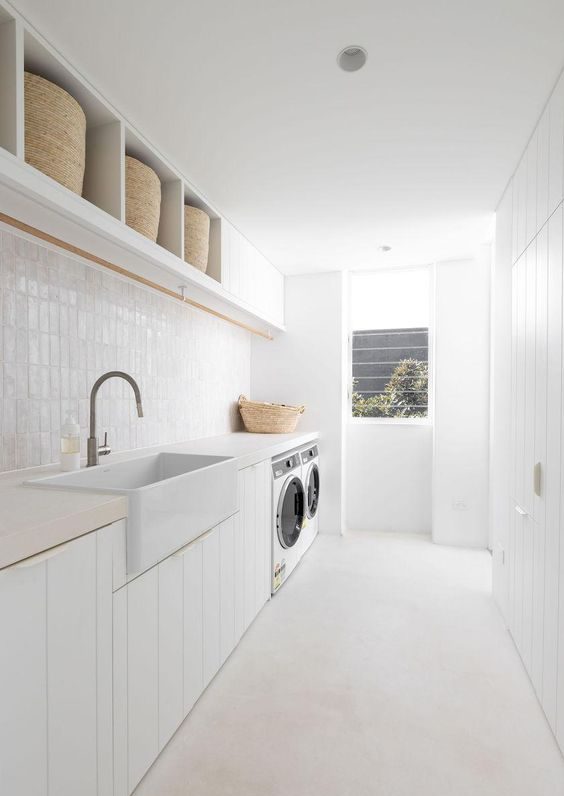
If we look at the picture above, we can see a laundry room that is free from clutter. There are no decorations to beautify the appearance, but the laundry room still looks attractive and feels comfortable. This is because there are natural materials such as baskets made of rattan as storage. And, this basket is placed in the areas that are visible to the eye.

The combination of white and brown from rattan brings a more natural impression to the laundry room. Moreover, the laundry room also gets natural light coming in through the window. So, even though this laundry room looks very minimalist and simple, the natural impression makes it look attractive and also comfortable.

16. Marble Countertop For an Elegant Look

elegant Minimalist Laundry Room
Cc: Pinterest

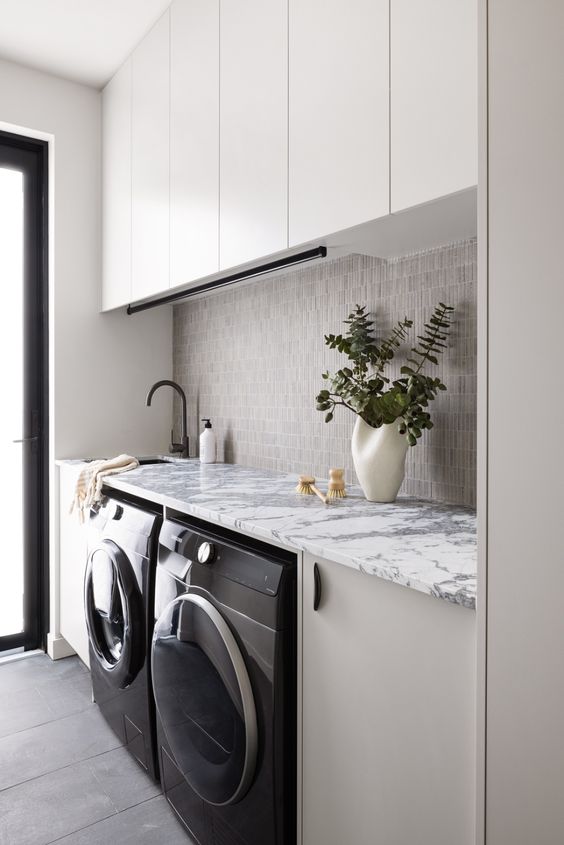
A cabinet with a dove surface is perfect for a laundry room with a minimalist concept. The dove surface does not reflect light and thus makes it more comfortable on the eyes. However, for those of you who want to present a slightly elegant look, you need something glossy there. Here, you can apply marble to the countertop. You can choose white marble with gray motifs that can blend with the interior of the laundry room. That way, the display will be harmonious.

The motifs and glossy effects of marble when exposed to light give a different impression to the room. You can feel a more filled atmosphere. Even so, the presence of marble does not interfere with the minimalist concept in the laundry room

17. Playing with Texture

laundry room cabinet
Cc: Pinterest

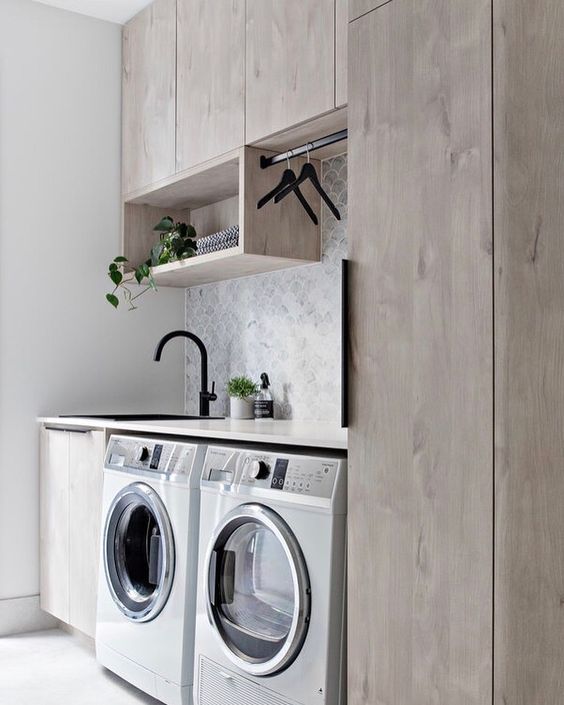
Little decoration is a requirement for a minimalist concept. However, that does not mean you could not make a minimalist room look attractive. There are still many ways you can try to add beauty to your minimalist laundry room. As in this one idea that plays on textures.

Wood is the material chosen for the laundry room. The wooden cabinet and shelf are deliberately made with a rough texture to give a more attractive and old impression. The appearance of this minimalist room looks very natural with the dominant white color and also natural lighting as the main lighting. Moreover, there are also small plants that give a refreshingly natural green color.

18. Sage Green Cabinet

sage green
Cc: Pinterest

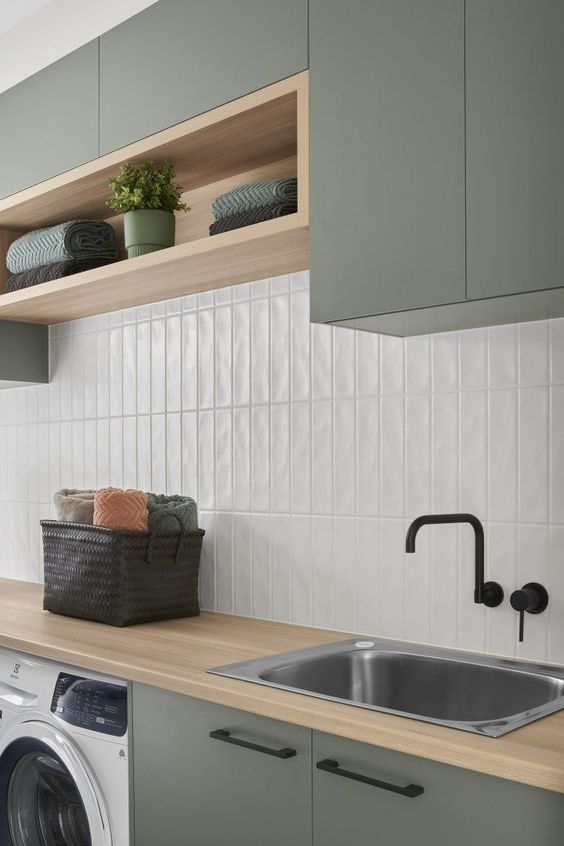
If you are bored with neutral colors, you can choose another color to be paired with white. In this idea, sage green is the color of choice. This one color brings freshness and serenity to the minimalist laundry room. A slightly darker tone makes the room look cooler. So, you can add a little touch of black to the metal material in the room to give it a bit of a bold effect.

Sage green is a green color group that when presenting it in interiors can bring natural nuances into the room. So, you can use countertops and shelves made of light wood. Accentuate the colors, motifs, and textures of the wood by illuminating the room with natural lighting.

19. Decorate with LED Lights

Minimalist Laundry Room decors
Cc: Pinterest

If you feel that the laundry room is not bright enough, you need to add additional lamps such as LED lights. This type of lamp is also the most appropriate decoration for the minimalist laundry room. You can install the LED light on the spots you want to stand out. The most appropriate areas in the laundry room for you to install LED lights are the backsplash and under the cabinet.

Backsplashes are often made attractive by installing tiles, marble, natural stone, bricks, and so on. And, by installing the LED light, the color, texture, and pattern will be seen more clearly.

20. Contemporary Laundry Room Design

contemporary Minimalist Laundry Room
Cc: Pinterest

There are no special characteristics of the contemporary design. It is just that contemporary design tends to follow what’s trending and liked by many people. And, lately, people tend to make the room simpler and more minimalist so as to provide more space that can make them feel comfortable in the room. Even so, aesthetic value remains a priority.

As we can see in the image above. The combination of black and gray creates a laundry room with a more assertive yet calming look. Two sides of the wall are used as storage areas so that the appearance of the laundry room is clean and tidy. Actually, the nuances in this one room tend to be cool. However, the LED light with yellow lighting manages to bring a warm feel and create a cool and warm balance in the room.

21. Dark and Soft Laundry Room Design

dark and soft Minimalist Laundry Room
Cc: Pinterest

Even though the white color is more dominant, this laundry room looks darker. Even so, the impression of this room is soft. This is because the white color is only applied to the top area of the laundry room. While the middle area to the floor is dark gray. The gray color is made consistent by choosing a double washer and dryer of the same color.

Installing LED lights on the backsplash area is very appropriate. Yellow lighting makes the dark gray color exude serenity and a sense of comfort in the laundry room. Besides that, the light from the LED lights also makes the motifs on the backsplash look stand out so that this simple laundry room still looks attractive and aesthetic.

22. Wallpaper Make The Room Alive and Fresh

wallpaper
Cc: Pinterest

The lack of decoration is indeed a drawback in minimalist design because it can make a room seem stiff, boring, and unattractive. It is okay if you remove or minimize the use of items or decorations in a minimalist room. But, you need to give a special touch to the wall of the room. As in this one idea that uses wallpaper to make the room look awesome.

Try not to choose wallpapers with too busy patterns and quirky colors. To maintain a minimalist concept in the laundry room, choose simple wallpaper with neutral colors.

23. Laundry Room yet Pet Room

Minimalist Laundry Room ideas
Cc: Pinterest

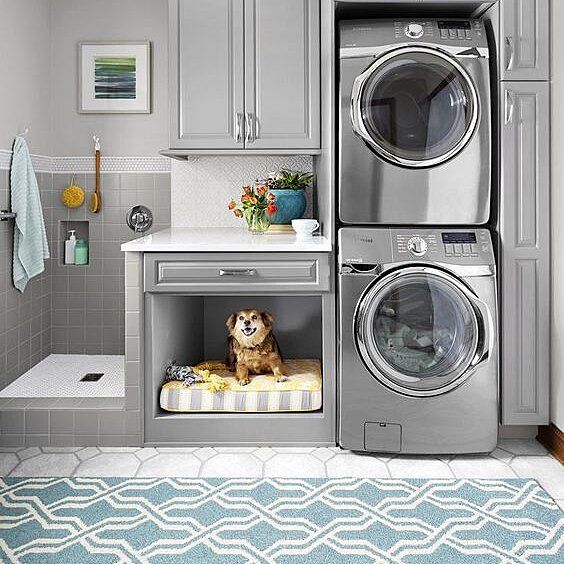
You can also make the laundry room more functional by making it a pet room. And, this becomes the next of interesting ideas you can choose from. On the right side, you can place the double washer and dryer. Next to it, you can make an open cabinet as your pet’s bed. And, for the left side, you can make it a place to bathe your pet.

24. Stand Out Wooden Cabinet

wooden cabinet
Cc: Pinterest

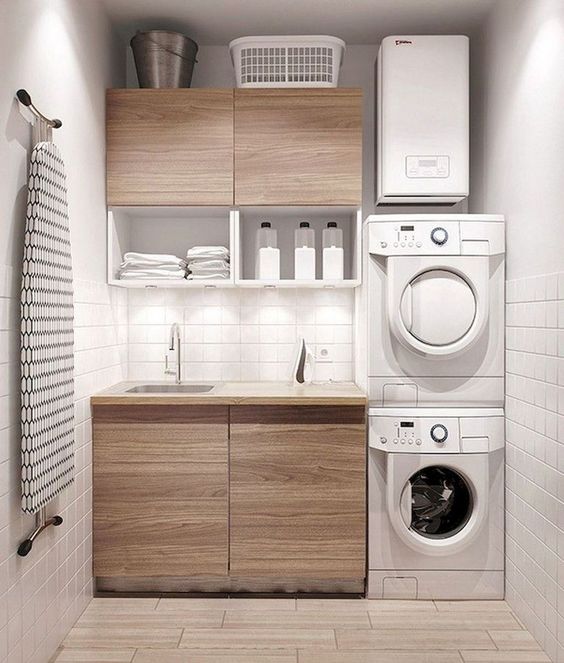
Try playing with natural materials to make the laundry room look pretty. As in this one idea that chose a wooden cabinet for the laundry room. The wood material is deliberately not refined to give texture to the room so that it looks attractive. Natural wood motifs also enhance the appearance of the laundry room.

The use of wooden cabinets is perfect for the white laundry room nuances. White color is a color that can neutralize the appearance. So this will really help the colors, motifs, and textures of the wood to be seen more clearly and stand out in the room.

Final Words

Even though the minimalist laundry room has minimal decoration, you can still make it look beautiful. The most important thing is how you decorate and arrange the room. Here, you can play with colors, textures, and motifs. With a minimalist concept, the appearance of the room also looks clean and tidy. Which of course, this will be very influential in increasing comfort in the laundry room. And, the points above are 24 Minimalist Laundry Room Ideas you can choose from. Choose one of the points above that you like. So, good luck!

Five Types of Home Renovations that Will Impact Your Insurance

Home renovations are a great way to enhance the look and value of your property. You may want to renovate your home to create additional space or include other stunning features, such as a swimming pool and patio. However, your choice of upgrades will impact your home insurance in many ways.

Nonetheless, homeowners coverage such as Homeowners Insurance Naples, FL, is a must-have for every homeowner. It shields you against property damage costs and losses. The policy compensates for damage to your valuables, home interiors, and exteriors.

Here are home renovations that will affect your homeowners insurance rates:

1. Adding a Pool to Your Home

Building a swimming pool will raise the value of your property and entice potential buyers. However, a pool will increase your liability risk, thus raising your home owner insurancepremiums. Therefore, visit Del Toro Insurance and discuss how your pool project will affect your insurance costs.

As a pool owner, you may have to opt for higher liability coverage than the standard. Your insurance provider may also require a locking fence in your pool for enhanced safety which increases the cost of building the pool. Also, if your pool has a slide, it is considered a great potential hazard, thus, a higher premium.

2. Installing a Home Office

Nowadays, most people work remotely, and home offices are common. Adding a home office to your property will raise its value and increase your homeowners insurance premiums. You will need your insurer to protect your office or business equipment, and the provider will adjust your rates to cover this.

Therefore, if you plan to use special equipment, get homeowners insurance quotesbeforehand. Your premium should cater to worker injuries or inventory loss in your home office. And this is why you will be expected to pay higher insurance rates or purchase an additional policy depending on the type of business.

3. Roof Replacement

A roof replacement will enhance your home’s safety and aesthetic appeal. It adds extra protection to your property and will raise its value. With a new roof in your home, you will save a lot on your homeowners insurance since you will pay lower premiums. Moreover, some insurance companies will give a discount if your roof features hurricane straps or impact-resistant shingles.

4. Home Expansion

You may want to expand your space to accommodate your growing family. For this reason, you may want to modify your floor plan and add more living space. You may also want new additions to your home and adding more space will mean higher home insurance premiums.

For instance, adding a large deck will raise the value of your property and require assessment by the insurance provider. You may also need other coverages for new structures on your property. These may include a basement or a drywall. The bottom line: while expanding your space, you will need to pay an insurance premium that caters to the additional square footage.

5. Kitchen and Bath Upgrades

Kitchen and bath remodeling are common renovations in most homes. You may need to increase the square footage when making upgrades, such as changing the countertops or building custom cabinets and drawers.

These come with higher premium costs, and you must increase your coverage to cater to the upgrades. Your insurance agent will work with you to determine the changes in your Homeowners Insurance Coverage.

Final Thoughts

You can undertake various home renovations to expand your space or upgrade your home. However, discuss this with your insurer to see how this affects your homeowners insurance premiums. Some upgrades, like pools and kitchen remodels, will raise your insurance cost, while others will lower your insurance premiums.

Everything You Need to Know on a Vinyl Backyard Swing Set

When choosing a vinyl playset, you want it to be safe and durable. This set has both.

Its pressure-treated wood contains safer preservatives than those used before 2003 and is protected by a polyvinyl coating. This prevents wood rot and eliminates the risk of splinters.

It doesn’t need staining or painting, saving you time and money. It still requires regular maintenance, such as yearly inspections and hardware tightening.

Easy to Clean

When you get a vinyl swing set, there are a few things to worry about beyond periodic cleaning. These sets are built with wood covered with a vinyl sheath to make for a maintenance-free playset.

Rest assured that this material is gentle on the skin and will not cause any splintering. In addition, this type of playset is resistant to mold and rot.

Inspecting the entire structure to look for safety hazards regularly is essential. This includes the roofing, hinges, chains, and more. If you come across any problems, please make sure to deal with them without delay. Performing these inspections routinely can help you keep your backyard swing set in great shape for years.

Easy to Assemble

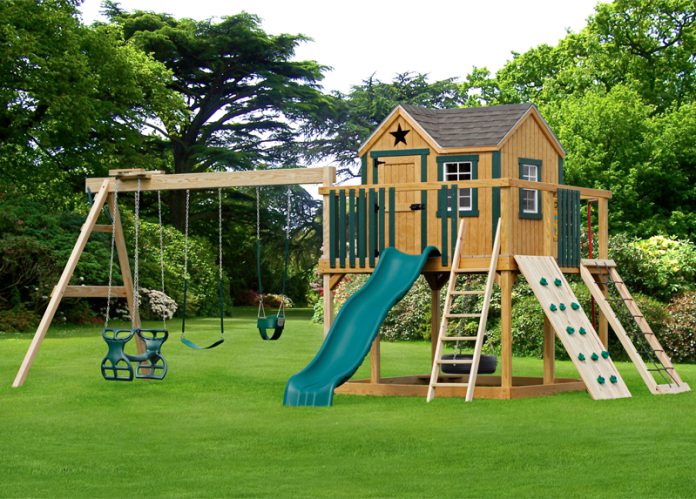
This set delivers if you’re looking for a simple set that doesn’t skimp on fun. It has two classic swings, a saucer swing, and a Roman glider that can accommodate multiple kids simultaneously.

One of the standout features of this set is that it is fully covered in vinyl, providing complete protection for the entire structure. That means rot is fine, as it can be with wooden playsets, where mold infiltrates the wood core and leaves the set unsafe for children.

The vinyl sheath also protects against deterioration that can leave behind wood splinters, which can be uncomfortable for kids to play on. Adding maintenance checks for mold and rot to your outdoor chore list will prevent these safety hazards from taking hold in your backyard.

Easy to Maintain

Unlike wooden and metal playsets, vinyl is immune to the rot and corrosion that can destroy other backyard swing sets. It’s a durable material that doesn’t need to be stained, sealed, or painted. And because it’s encased in a vinyl sleeve, you’ll never have to deal with wood splinters.

Simply spraying the vinyl with a garden hose will suffice for quick cleaning. You can use a soft-bristled brush, natural surface cleaner, or dish liquid to scrub away dirt for tougher stains and wear areas.

While most backyard swing sets require some maintenance, these structures will be less demanding than a traditional wood playground. Moisture won’t rot the vinyl, and it can be easily washed off with a hose after a day of playing in the yard.

Durable

Unlike wooden swing sets that can easily mold, vinyl playsets are impervious to rot and mold. Because they don’t splinter and are safe for kids, vinyl playsets are a long-term solution that can last for years.

Versatile

Plenty of options are available for parents who want to maintain safety and design. For instance, some of the most popular playsets feature a rockwall or cargo net and various slides ranging in height from standard to turbo tubes.

The base of these playsets is made from innovative vinyl decking that is smooth to the touch and non-splintering. While the towers and upper structures are typically constructed from wood, they will be covered in a protective vinyl sleeve that keeps moisture from rotting them.

As with wooden swing sets, the rot will eventually happen on vinyl playsets, but it will be easier to spot and treat. Moisture and dirt won’t be able to hide under the vinyl surface, making it easy for parents to wash off the dirt and debris.

Hardscaping 101: How to Create Paths & More in Your Backyard

You’ve cultivated a serene and captivating garden in your backyard with fruit trees, flower plants, and herbs. Still, it seems like your backyard is missing something that will truly bring it to life. That’s where hardscaping comes in. Hardscaping adds structure or defined space to your outdoors, such as paths, patios, lighting, etc.

Incorporating hardscaping elements allows you to transform your backyard into a functional and visually appealing area for relaxation and entertainment.

But how do you do that?

We’ll help you understand the basics of hardscaping and guide you on creating paths and more in your backyard.

Planning Your Hardscaping Project

Before you dive into hardscaping, it’s essential to have a clear plan in place. Follow these steps to ensure a successful project:

Assess your needs: Determine how you intend to use your backyard space. Do you want a pathway that connects different areas? Would you like a patio for outdoor dining and gatherings? Understanding your needs will guide your hardscaping decisions.

Consider your budget: Establish a realistic budget for your project. This will help you prioritize and choose materials that fit your financial constraints.

Take measurements: Measure the dimensions of your backyard to determine the available space for your hardscaping features. This will help you decide when selecting materials and designing pathways or patios.

Choosing Materials for Your Hardscaping Features

Once you have a plan, select the right materials for your hardscaping project. You can use various materials, each having a different style and functionality. Consider these factors:

Durability: Opt for materials that can withstand the local climate and weather conditions. Look for materials that are resistant to fading, cracking, and erosion.

Aesthetics: Choose materials that complement your home’s and landscape’s style and theme. Consider the colors, textures, and patterns that will enhance the overall appeal of your backyard.

Maintenance: Consider the level of maintenance required for each material. Some materials require regular cleaning or sealing, while others are more low-maintenance.

Budget: Compare the cost of different materials and select options that align with your budget. Remember that higher-quality materials have a higher price tag but offer better longevity and aesthetics.

Creating Paths in Your Backyard

Paths are a popular hardscaping feature that adds functionality and visual interest to your backyard by providing structure and leading points.



Here are the steps to create paths in your outdoor space:

Choose a path location: Determine where you want your path to be and mark the route using chalk or spray paint. Consider the natural flow of your walkway, accessibility, and focal points.

Prepare the area: Clear the path area of any vegetation, rocks, or debris. To create a stable foundation, level the ground and remove turf or topsoil.

Install edging: Install edging materials, such as bricks or stones, along the sides of the path to create a defined border.

Lay the base: Apply a layer of crushed stone or gravel as a base for your path. If you are wondering how much stone do I need, calculate the total area you must cover. Compact the base using a tamper or plate compactor to ensure stability.

Lay the paving material: Place your chosen paving material, such as flagstones or concrete pavers, on top of the base. Arrange them in a pattern or design of your choice.

Fill gaps and stabilize: Fill the gaps between the paving material with sand or fine gravel. Use a broom to sweep the material into the gaps and compact it to ensure stability.

Maintain the path: Regularly sweep and clean the path to keep it free from debris. Repair any loose or damaged paving material promptly.

Adding Other Hardscaping Features

There are several other hardscaping features you can consider to enhance your backyard:

Patios: A patio provides a designated area for outdoor dining, lounging, or entertaining. Choose materials with a comfortable and appealing surface, such as concrete, natural stone, or wood.

Retaining walls: If you have sloping areas in your backyard, consider building retaining walls to create terraces or level spaces. These walls can also add visual interest and serve as seating areas.

Water features: Imagine sipping tea in your backyard with the soothing sound of water. A fountain, pond, or waterfall is excellent to add to your backyard. Water features can create a sense of tranquility and serve as focal points in your hardscape design.

Outdoor lighting: Install lighting fixtures to illuminate your hardscaping features and create a warm and inviting ambiance in the evenings. Lighting can also enhance safety and security in your backyard.

Key Takeaways

After all that hard work and effort you’ve put into building a home, you deserve a backyard where you can relax and escape into the calmness of the outdoors. Hardscaping is the key to unlocking the full potential of your backyard.

Correct planning and execution can transform your backyard into a stunning outdoor retreat that reflects your style and enhances your outdoor living experience.

These are the aspects you must follow to create a hardscape as you imagine:

  • Assess your needs, consider your budget, and take measurements to ensure a successful hardscaping project.
  • Choose durable materials that can withstand the climate, complement your home and landscape, require a manageable maintenance level, and fit your budget.
  • Create paths by selecting a location, preparing the area, installing edging, laying the base and paving material, and filling gaps.
  • Consider incorporating patios, retaining walls, water features, and outdoor lighting to further enhance the functionality and aesthetics of your outdoor space.

From Yarn To Hammer: Crafting, Knitting, And Revamping Your Home With Style

In a world where mass-produced and impersonal home decor dominates, many individuals seek unique and personalized ways to revamp their living spaces. Enter the realm of crafting and knitting, where creativity knows no bounds.

Combining the tactile art of knitting with the practicality of hammering, you can transform your home into a cozy haven that reflects your style.

This article will explore the diverse possibilities of crafting and knitting in home decor, offering inspiration and ideas to help you infuse your living spaces with charm and character.

The Art of Knitting In-Home Decor

Traditionally associated with warm sweaters and cozy blankets, knitting has found its way into home decor. The versatility of knitting enables you to add texture, colour, and a handmade touch to various home elements. Here are a few ideas to get you started:

1. Cushions And Throws

Knitted cushions and throws instantly add warmth and comfort to any room. Imagine sinking into a soft, knitted pillow after a long day or snuggling under a knitted throw on a chilly evening.

Experiment with patterns, stitches, and yarn textures to create a unique and inviting atmosphere. Chunky cable-knit designs bring a cozy, rustic charm, while delicate lace patterns lend an air of elegance.

2. Wall Hangings

Knitted wall hangings provide a stunning focal point and an opportunity to showcase your knitting skills. From intricate tapestries to simple geometric designs, there are endless possibilities for creating eye-catching wall decor.

Play with different colour combinations and experiment with various stitches to bring your wall hangings to life. You can incorporate natural elements like branches or dowels as frames or hang them using decorative hooks. Knitted wall hangings add depth, texture, and a touch of artistry to your living spaces.

3. Rugs And Mats

Knitted rugs and mats offer a cozy alternative to conventional floor coverings. Not only do they provide a soft and warm surface for your feet, but they also add a unique touch to your floors.

Choose sturdy yarns that can withstand foot traffic, and consider incorporating bold patterns or subtle textures to add interest. Whether you opt for a small accent rug or a larger area rug, a knitted floor covering brings comfort and charm to your home.

4. Lampshades And Cozies

Don’t overlook the lighting fixtures in your home when it comes to knitting. Jazz up plain lampshades by covering them with knitted fabric, or create decorative cozies for your table lamps.

Use lightweight yarn and openwork stitch patterns to allow the light to filter through, creating a warm and inviting glow in the room. Knitted lampshades and cozies add a whimsy and personality to your lighting fixtures while infusing your space with a cozy ambience.

5. Accessories And Details

Knitting isn’t limited to large-scale items; it can create smaller accessories and details that enhance your home decor. Consider knitting covers for vases or decorative bottles, cozying up your dining chairs with knitted seat cushions, or even adorning your staircase railings with knitted garlands. These small touches can significantly impact your living spaces, adding a sense of warmth and uniqueness.

Crafty Creations With Wood And Yarn

Combining the tactile softness of yarn with the sturdy nature of wood can result in striking and functional home decor pieces. Here are some ways to incorporate both elements:

a) Macrame Plant Hangers

Macrame, the art of knotting cords, provides a perfect marriage between yarn and wood. Create stylish plant hangers by intertwining yarn and suspending them from wooden dowels or driftwood. These hangers showcase your plants and add a bohemian touch to your home.

b) Yarn-Wrapped Art

Transform ordinary wooden frames or canvases by wrapping them with colourful yarn. This technique adds texture and visual interest to your walls, and you can experiment with different wrapping patterns and colour combinations to match your decor.

c) Upcycled Furniture

Give your old furniture a new lease on life by revamping it with yarn and wood. Wrap chair legs or table bases with yarn to add a pop of colour, or create unique drawer pulls by combining small wooden pieces and yarn. These small touches can completely transform the look of your furniture.

Functional And Stylish DIY Projects

Crafting and knitting can also be applied to practical items that enhance both functionality and style in your home. Here are a few ideas to consider:

a) Knitted Storage Baskets

Declutter your space in style with knitted storage baskets. These can be used to organize toys, books, or even towels in the bathroom. Experiment with different sizes, shapes, and yarn weights to suit your storage needs.

b) Knit And Hammered Wall Hooks

Create personalized wall hooks by attaching wooden dowels or hooks to knitted pieces. These charming hooks can hang coats, bags, or keys while adding handmade beauty to your entryway or bedroom.

c) Yarn Art Lampshades

Transform a plain lampshade into a statement piece by wrapping it with yarn. Choose a colour that complements your decor and experiment with different wrapping techniques to achieve patterns and textures.

Conclusion

Crafting and knitting offer endless possibilities for revamping your home decor with style. From knitted cushions and throws to macrame plant hangers and yarn-wrapped art, there are numerous ways to infuse your living spaces with warmth, texture, and a personal touch.

Combining yarn with wood can create unique pieces like yarn-wrapped furniture and macrame wall hangings. Functional DIY projects such as knitted storage baskets and knit-and-hammered wall hooks add style and practicality to your home.

Embrace your creativity, explore different patterns and techniques, and let your imagination guide you in transforming your living spaces into cozy havens that reflect your individuality and love for crafting. So grab your yarn and hammer, and let the crafting adventure begin!

Recent Posts

Posts You Might Like