
Home Blog Page 130

Five Guidelines When Choosing a Moving Company

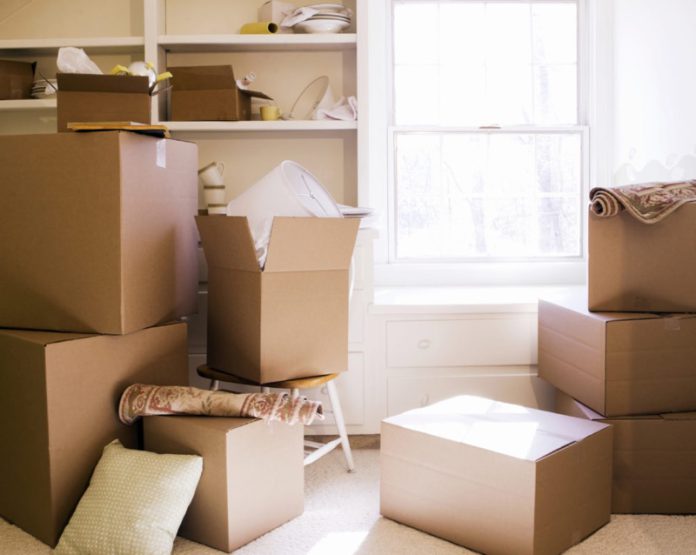
People move for different reasons. Regardless, moving is time-consuming and strenuous. You spend time packing and organizing. There are also many crucial decisions one has to make before moving. You have to gather the moving supplies and plan for the logistics, among other things. However, instead of moving on your own, it is easier to hire competent moving companies. The best-moving partners make your moving process easy and hassle-free. Passing this responsibility to moving experts gives you an exceptional moving experience.

However, although there are different companies available, do proper research. Not all moving companies have the skills and the capacity to offer quality moving services. In this article, you’ll find an expert guideline for choosing the best moving professionals. Keep reading to hire qualified experts in this field. The guidelines include:

  1. Referrals

This is a reliable way to identify and hire the best moving companies. Close people, including friends, family, neighbors, or coworkers, are a reliable source of information when finding a moving company. Among these people, you can find someone that can recommend you to a reliable company to offer you moving services. That way, you make your search process easy and get fast results.

  1. Online Reviews 

Browse online platforms. It’s an easy way to find suitable transportation companies. The advantage of checking online platforms is that you can compare different moving companies easily. You also save time and energy because you don’t have to knock on doors comparing different service providers to find the best moving company in New Jersey.

  1. Licensing and Insurance

All local and international moving companies must have these crucial documents. Besides, it is a standard requirement for those that want to offer moving services. Also, accidental damage can happen to your items, and a licensed and insured moving company will pay for such damages. Such companies also use the best packaging materials to ensure that your items are properly and safely wrapped. That way, the damage is minimized.

  1. Experience

Find an established moving company. A reliable transportation company has been in the industry for a long time. Consider a company that has been in the industry for over five years. Explore their ability to move you locally or internationally. However, make this decision based on your demands. If you want to move to New Jersey, consider the best moving company in New Jersey. Such companies are familiar with the state codes. Hence, they will follow the right standards when moving you and ensure the process is safe.

  1. Budget 

Moving is an expensive process. However, different companies have different packages depending on where one is moving. Ideally, compare different moving providers. Examine their packages and choose a company within your budget. Do you want a complete package?

In this case, the moving company does everything. The package includes packaging, loading, unloading, and organizing your new home. Some people prefer to do the packaging independently. Then the company provides the moving services. That way, the cost of moving goes down. Discuss the moving expenses with more than one company and settle for the most affordable.

Although moving is tedious, hiring the best professionals can make it much easier and stress-free.
What Are the Risks of Running a Smaller Heating System?

It’s tempting to buy a small heating system because it costs less. Other times, home improvements such as expanding a room make the existing system inadequate. Running a heating system smaller than the space it is meant to heat can lead to frustrations as you never achieve the desired temperatures on time.

Consult Airway Heights furnace installation experts for estimations and advice on the right size for the space. Here are some of the risks of running a heating system that is too small:

Short Cycling

Short cycling is when the heating system repeatedly turns on and off without completing an entire cycle. It leads to inadequate heating, as well as increased energy consumption. It also significantly strains the system, causing increased wear and tear and a greater risk of breakdowns.

Why does the system short cycle? When the system is too small, it cannot generate enough heat to maintain an optimal temperature for the entire space. The system has to cycle on and off to maintain temperatures but never reaches the desired level.

Inadequate Heating

A system that is too small will only heat part of the space promptly. You will experience cold spots and rooms that take longer to warm up than others. Even if you manage to get the room warm, it will only stay at a comfortable level for a while. This leads to a lot of frustration and, sometimes, health risks due to uncomfortable temperatures. You may also experience more mold and mildew, as the colder temperatures make it easier for moisture to build up.

Increased Energy Consumption

A smaller unit uses less power to run. However, it will consume more energy because it runs more frequently due to short cycling. Expect your heating bills to go up since the system will run longer. The problem is worse when you pair the system with oversized ducts, as this will cause further inefficiency.

Overworking and Shortened Lifespan

The heating system has to work harder and longer than it should when it is too small. The effort leads to increased wear and tear, which will shorten the lifespan. Expect more frequent breakdowns, repairs, and replacements. Note that frequent replacements are not environmentally friendly.

Poor Indoor Air Quality

A system that is too small will not filter the air sufficiently. It means that dust, pollen, and other particles will circulate in the air, leading to poor indoor air quality. Poor IAQ can cause various health problems, such as allergies, asthma, and respiratory infections.

Get the right size of heating system for your space. However, if you can’t, supplement with a smart thermostat. Other measures include:

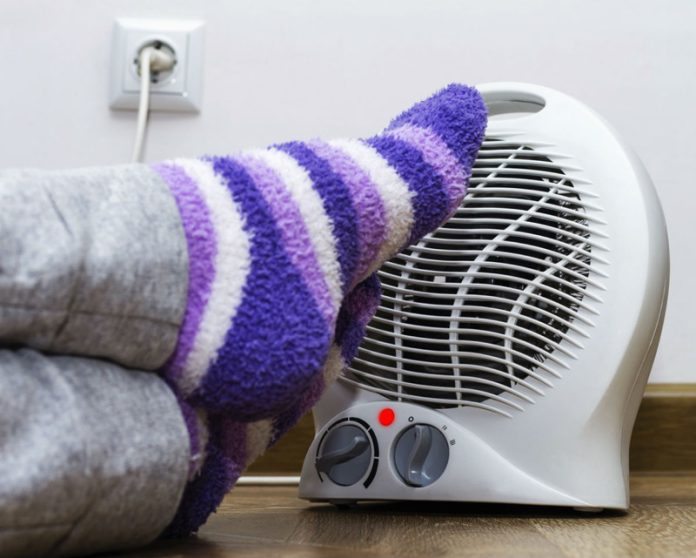
  • Using Portable Heaters
  • Adding insulation to retain heat and reduce energy consumption
  • Sealing air leaks to reduce energy consumption
  • Changing filters more frequently to improve indoor air quality
  • Installing fans to distribute heat evenly

Unpleasant Noise

A small system works harder to heat the home and will, therefore, produce more noise. Loud noise is annoying and disruptive. The noise can also be due to frequent breakdowns and worn-out parts.

Consider Your Needs When Shopping

Although a small system will cost less than a large one, you may spend more in the long run. Estimate your heating needs and consult an expert. They will consider the space size, windows, insulation, local temperatures, and your budget. They will also help you shop for suitable efficiency ratings.

How to Keep Your Car Fresh Without Dangerous Chemicals

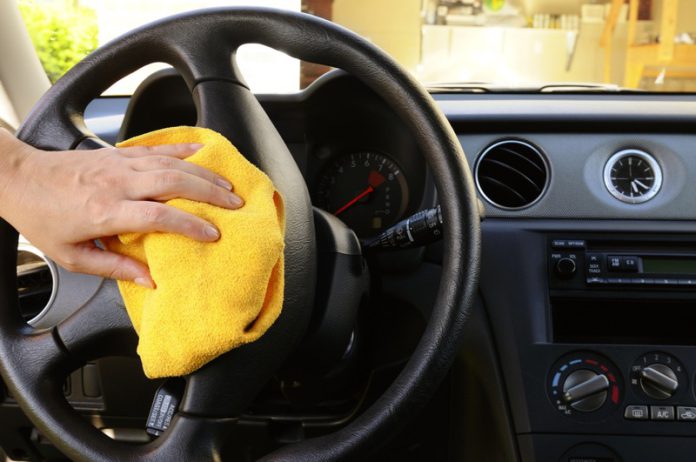
Polishing steering wheel

Keeping your car clean and fresh should be a top priority for any proud car owner. But unfortunately, a lot of products to help you do just that can be filled with volatile organic compounds (VOCs) and other harmful chemicals. But with the vast industry of car care products and fresheners available, how are you supposed to know what’s safe to use in your vehicle and which products contain potentially toxic and dangerous chemicals?

Thankfully, plenty of natural methods and products are available to freshen up your car without worrying about using anything that’s possibly bad for you. So keep reading for some general natural products and DIY concoctions you can create to keep your car fresh without using dangerous chemicals.

Top Ways to Fresh Your Car Without Chemicals

There are many natural ways to keep your vehicle clean and fresh without using any potentially dangerous chemicals. Some of the most common methods include the following items:

Baking Soda

One of the simplest, cheapest, and most effective ways to keep your car fresh naturally is to just use some baking soda. You probably already have it in your pantry, and if not, it’s very cheap to buy by the pound, either online or in-store, especially if you don’t care about using a name brand.

You can sprinkle it on stained areas and floor mats to help deodorize them. You can also put some baking soda in a small mason jar, cover it with a cardboard lid with holes punched in it, and put it in your cup holder to help absorb any future odors. Just be sure to replace it monthly or as needed.

Activated Charcoal

Another way to keep your vehicle clean and fresh naturally is to utilize activated charcoal fresheners. Activated charcoal helps deodorize the air in your car and keeps it fresh for weeks.

You can fill a cloth bag with activated charcoal pellets or discs and hang it around your rearview mirror with a string like an air freshener. Then, like baking soda, simply replace it each month or more often if you have to.

Essential Oils

Essential oils aren’t just for smelling great, treating conditions, and creating a soothing atmosphere in the home — they’re excellent for freshening your vehicle too! Remember that a little goes a long way with these oils; never forget that less is more.

You could place a couple of drops on a clothespin or other small wooden item and place it near problem areas or just in a safe spot in your car. You could also clip the clothespin to your vent, or you could consider gluing a cotton ball to it and placing a few drops on it.

Keeping Your Car Fresh, Naturally

As you can see, keeping your car fresh and clean without using any nasty or dangerous chemicals doesn’t have to be difficult. With a few simple ingredients and a bit of basic ingenuity, you can have a clean and fresh car, naturally.

Of course, on top of keeping your car clean and fresh on the go, you also want to ensure it’s properly protected. Consider investing in an extended warranty to complement your insurance policy to ensure you’re completely covered. Furthermore, if you need to ship your vehicle, consider contacting a full-service vehicle shipping provider to help you.

The Impact Of Sleep Position On Health

When it comes to getting a good night’s rest, few of us consider how our different sleep positions may be causing us more pain than comfort. Whilst some of us enjoy sleeping on our side, others prefer the fetal position or lying of their back, which is actually one of the most popular and health-benefiting sleep positions of all. Whilst our mattress, pillows and even the best pillow for traveling can all have an impact on our quality of sleep at home or on the go, we’re taking a closer look at what you might not know about how your favourite sleep position may be impacting your health.

Sleeping On Your Side 

Sleeping on your side is a relatively popular sleep position and, when carried out with the ideal body alignment, offers several health benefits too. In addition to reducing the likelihood of snoring, sleeping on your side can help to reduce lower back pain as well as joint pain and discomfort associated with fibromyalgia. If your body alignment is slightly off, however, you may wake up feeling stiff, particularly in your shoulders. If you experience this, or any form of discomfort when you wake up, try placing a pillow between your legs to improve your hip alignment. 

Fetal Position

The fetal sleeping position is exactly what it sounds like and involves sleeping on your side with your legs tucked into your body. It’s one of the most popular sleeping positions and not just because it’s so comfortable. The fetal position is also ideal during pregnancy, helping to reduce heart pressure and ease lower back pain. Day-to-day, it can also help to reduce snoring as long as you’re not tucked up too tightly otherwise you may restrict deep breathing as you rest. 

Lying Stomach Down

Even though few of us enjoy lying on our stomach, it’s a sleep position many of us are likely to have experienced. Even though lying on your stomach is an effective way to reduce snoring, it may be causing pain in the neck and back, putting additional strain on both your muscles and joints. As a result, you’re likely to wake up feeling tired and agitated from either a poor night’s rest or because of the discomfort. If you insist on lying on your stomach, try putting a pillow below your lower stomach to alleviate spine pressure. 

Sleeping On Your Back

Sleeping on your back is the best sleep position, providing health benefits all the other sleep positions don’t. In addition to helping to protect your spine, sleeping on your back also helps to alleviate both knee and hip pain through reducing joint pressure. It would just benefit you from a comfort perspective, but sleeping on your back helps to protect the skin on your face, reducing wrinkles and maintaining a fresh appearance.

Sleep However Is Comfortable For You 

Even though some sleeping positions provide more health benefits than others, it’s all about sleeping in a way that’s comfortable for you. After all, if you don’t have a good night’s sleep, the tiredness will soon begin to set in. Iaf you are experiencing any certain discomfort, it may be worth considering your sleep position, and using a pillow to support better body alignment. Be to sure to let us know if your sleeping position changes as a result!

Just checking you want to use this spelling 🙂

10 Justifications for Hiring A Pro Carpet Cleaner Dublin

Carpet Cleaning Dublin

While hiring a professional carpet cleaner may be more expensive than renting a carpet cleaning machine, there are several benefits to doing so. Truck-mounted equipment gives professionals a number of advantages. They are less prone to make errors like using excessive detergent or failing to rinse all residues because they clean carpets every day.

Professional carpet cleaners ensure that your carpets are cleaned safely and effectively while also saving you time.

The following are the top ten benefits of hiring a qualified carpet cleaner:

Industrial tools and cleaning products

We make use of modern, well-maintained truck-mounted cleaning equipment. Truck-mounted equipment, as opposed to equipment you rent or buy, has a super-strong suction that enables it to remove deeply buried dirt and difficult stains. Only the greatest things from leading manufacturers are in our vans. You can rest easy knowing that our products are safe for your carpet, consumers, and the environment. Our products will eliminate stains if they are removeable. Any moisture that is still present after our neutralizing rinse is as safe as tap water and leaves no residue.

Hotter water results in more thorough cleaning

The hot water the trucks provide has a maximum temperature of 311 degrees, which increases the detergent’s efficiency. The best you can do with a rental machine is to pour hot water into the mixing tank and hope that while you clean, it doesn’t cool off too much. Finally, having stronger vacuum systems is advantageous to professionals. It is possible to rinse more thoroughly because they remove more water. According to studies conducted by ecocleansolutions, the amount of water passing through carpet fibers is the key element in determining how thoroughly a surface is cleaned. Additionally, since professional vacuums leave the fibers dryer, the room may be used again more quickly.

Avoid hurting your back.

The majority of your furniture will be moved by ecocleansolutions professionals prior to cleaning; however, we do not move large furniture pieces like armoires, entertainment centers, or beds. There’s no need to rent a dolly or injure your back. Additionally, our professionals will relocate all of the furniture to its proper locations after the carpets have dried. Moving furniture is not an additional cost; it is included in the quote you received.

Boost your home’s air quality.

Only the surface filth and dust will be removed by routine vacuuming, leaving tons of built-up grime entrenched in your carpet fibers. To eliminate deeply ingrained dirt beneath your carpet, it is advised that you get your carpets professionally cleaned once a year—more regularly for bigger homes, areas with high usage, and pet hair. The equipment used by a professional carpet cleaner is strong enough to get rid of hidden dry contaminants, enhancing the air quality in your house.

Time will be saved.

You have to move the furniture, vacuum all of the carpets, spot-treat spots on the carpet, apply a pre-treatment solution, fill and empty the tanks, carry the equipment, and clean it after you’re done. Phew! Utilizing a professional service allows you to avoid going to the chiropractor and saving time by having an experienced technician handle all of those things for you.

Avert mildew and mold.

Mold and mildew frequently penetrate carpets. They frequently show up after someone tries to clean their own carpets and leaves them overly damp. Hiring a reputable business, like ours, will guarantee that your carpets are adequately extracted with industrial-strength suction force and that they are not oversaturated.

Restore the beauty and condition of your carpet to what it once was.

You aid in restoring the original beauty and quality of your carpet by getting rid of tenacious stains and deeply buried grime. Regular deep cleanings by a professional will help you maintain your carpets, extending their lifespan and leaving them feeling and looking clean and new.

Protection

We can also assist you with preventing stains and soiling from becoming permanent on your carpets. Inquire about our fabric protection to shield the fibers against deterioration, stains, and spills. The greatest fabric protection is our premium product, MicroSeal Permanent Fabric Protection. It is non-toxic and non-allergenic, and it doesn’t need to be reapply after cleaning.

knowledge of the various varieties of carpet

Our skilled carpet cleaning specialists have in-depth knowledge of the various carpet types and brands, as well as the finest cleaning procedures and supplies for your carpet. Protect your carpet from inadvertent harm by having the experts professionally clean it rather than taking a chance utilizing a carpet cleaning rental or store-bought cleaning product.

Guaranteed

We provide a 100 percent satisfaction guarantee for all of our services as a reputed carpet cleaner Dublin. Every time, we stand by our work. Call us and we’ll come back out and redo the cleaning for free if you’re not happy with the service you received.

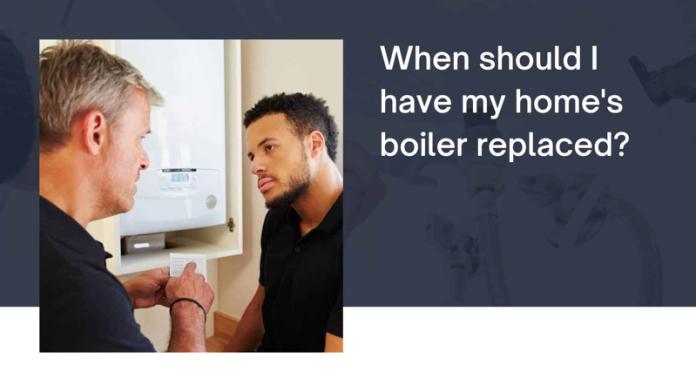
When Should I Have My Home’s Boiler Replaced?

Boiler Replacement Dublin

Nobody likes to have boiler issues to start the year. How can you tell when a boiler system needs to be repaired or replaced? Our certified HVAC experts provide guidance on how to assess your existing boiler heating system and select the best choice for your home.

Put your safety first

Safety must always come first when making any choices involving the boiler system in your home. Modern safety criteria are not always met by older technologies. Older boilers that are inefficient provide a risky environment for carbon monoxide exposure and other problems. Although repairs are an option, they are not always able to increase the boiler’s safety.

Prioritize system safety before all other considerations when deciding whether to repair or replace a boiler system. Have an expert inspect your boiler and determine whether it will be secure to use following repairs or whether replacement is the best option for a secure and cozy house.

Factors to Think About

Examine the following elements as you decide whether to repair or replace a boiler heating system to make a more informed choice overall:

  • how old the boiler is
  • Wear and tear
  • Costs of energy today
  • Costs and current repair requirements

Boiler System Age

Electric boilers typically provide a few more years of service than gas boilers, which typically have a lifespan of 15 to 20 years. The decision to repair or replace the boiler heating system becomes more obvious once the boiler has served for 20 years; at this point, replace your boiler.

Older boilers are more vulnerable to issues including leaks, more breakdowns, and higher energy usage. Boilers also lose their warranty after 20 years, so you are now responsible for paying for any necessary repairs and replacement parts. It’s possible that when replacement components are required, they won’t even be offered for your model.

In the event of a malfunction, replacement with a new boiler offers a fresh warranty term to safeguard your finances and lowers the possibility of breakdowns in the near future.

Damage

When deciding whether to repair or replace your boiler heating system, check your device for issues like corrosion and leaks. Since corrosion is only a problem for boilers for a limited period of time, corrosion is a strong indication that replacement is required. Regular maintenance makes boiler systems more resistant to problems, but over time, corrosion is caused by leaks and other system problems.

Water around the boiler indicates faulty connections and valves. There are times when repairs are feasible. A expert can inform you after an inspection whether repairs can stop leaks or if it’s preferable to replace the system.

Energy Prices and Future Potential

Over time, boilers endure wear and tear, which lowers the system’s efficiency. Older boilers have severely degraded and no longer provide the homeowner-expected efficiency ratings. Boiler inefficiency is evidenced by recent increases in heating bills. Consider the energy benefits of a new, higher-efficiency boiler when deciding whether to replace or repair one. A new boiler delivers better energy efficiency to reduce your home’s heating expenditures.

Currently required boiler repairs

If your boiler breaks down frequently, you’ll need to pay for pricey repairs all the time. Both repairing and replacing a boiler unit are expensive, but for homes right now, hiring a Dublin boiler installation agency is frequently a wiser financial choice.

When system repairs are feasible, take into account both their price and how often they will be required. Affordable repairs enable homeowners to patch up boiler systems and keep them in operation for a little while longer, but when the cost of repairs exceeds that of a new system, many opt to spend that money on a new boiler and prevent ongoing maintenance.

Expert boiler replacement Dublin is offered by Dublin Heating Services.

Get in touch with DublinHeatingServices, the best boiler replacement in Dublin, when you need your boiler system evaluated. Our certified heating specialists inspect the boiler in your house, identify any necessary repairs, and work with you to choose if repairs or a replacement are the best course of action. Please get in touch with us right away to set up a boiler maintenance appointment!

How to Find A HEPA Air Filter Supplier

Since the pandemic, air filters have become more in demand than ever. Everyone is looking for ways to keep their space healthy and free of bacteria, whether that’s at home or the office. As we are getting back to normal, everyone is trying their best to keep their environment clean.

HEPA air filters keep dust, allergens, debris, and pollutants out of the air. This provides clean air throughout your home. However, with so many options on the market, choosing can be difficult. We’ll explain how to find the right HEPA filter for your home.

What Are HEPA Filters?

HEPA (high-efficiency particulate air) filters have pleats that remove dust, allergens, bacteria, mold, and more from the air. The fibrous materials are designed to trap microparticles and allow air to pass through.

The microparticles this filter can catch are as small as 0.3 microns. A HEPA filter can capture and remove 99.7% of the particles from your air, providing quality indoor air when heating or cooling your home.

Why Is a HEPA Filter Important?

If you are considering an air purifier for your home or office space, consider using a HEPA filter. The HEPA will purify your space and keep the air clean. Since the pandemic, HEPA filters have become increasingly popular as they filter the air and improve the air quality better than many other filters.


For members of the household who have allergies or asthma, air quality is crucial. The allergens and irritants stay in the air when not filtered correctly. HEPA filters can assist in providing quality air by removing allergens or irritants. The air filter suppliers at FilterKing can assist you select the best one for your needs.

Choosing a HEPA Filter

HEPA filters are used in air purifiers, HVAC systems, portable air cleaners, and other products. HEPA filters purify the air to remove pollutants and leave you with clean, fresh air. However, it can be overwhelming to choose the right filter for your needs. The EPA provides some guidance on how to choose one.

Portable Air Cleaners

Portable air cleaners are worthwhile when you live in a highly polluted area and during the summer months when it’s hot and humid. However, it’s important to note that portable air cleaners alone can’t guarantee the air in your home is free of pollutants.

A few things to note when choosing one:

  • It’s designed to use a HEPA filter
  • Check that the filter removes particles below 1 micron
  • Ensure it passes the Clean Air Delivery Rate rating (CADR)

CADR measures the size of particles removed in a volume of air or cubic feet filtered per minute. Once smoke, pollen, and dust particles are filtered, they give a CADR.

First, you need to measure the room you want to put an air purifier in. This will help you determine what CADR rating you need. Larger rooms require a higher CADR rating as more particles need to be removed from the space. CADR ratings are for the home. HEPA filters use the MERV rating.

MERV Rating

The Minimum Efficiency Reporting Value (MERV) rating is on both air filters and purifiers.

The MERV has a range of 1 to 20, with 20 being the highest level of filtration. The tests consist of a controlled experiment whereby particles are set off into the air and then filtered.

When looking for a filter, remember to check the MERV rating. HEPA filters are usually 17 or higher, ensuring that they filter out even the smallest of particles to keep air clean.

Things to Consider

When choosing your HEPA filter, it’s vital to check that they are non-ozone producing. According to the EPA, some can be harmful to our health. In addition, they should be non-ionizing. The EPA also explains that a low MERV can’t remove dangerous gases and odors. A MERV of at least eight is advisable for home filtering systems.

What is The Most Effective Ventilation System for A Home

According to a WHO report in 2020, household air pollution contributes to around 3.2 million deaths annually, including children under five years old. Preventing this from happening requires you to add proper ventilation to control the entire household from getting allergies and non-communicable diseases. Read on and get to know the most effective ventilation system.

5 Different Ventilation Types 

There are several types of ventilation that you can use to ensure that there is enough air circulating in the house to maintain the indoor air’s freshness. Here’s a quick overview of the different ventilation types.

Natural Ventilation 

In natural ventilation, fresh air enters your home, pushing the warm and polluted air out of the building through the door, window, or roof openings. Natural ventilation has two types, cross ventilation and buoyancy-driven ventilation, which both bring in and out the air.

Cross Ventilation 

In cross-ventilation or wind-based ventilation, you need to strategically install windows and doors of different sizes to utilize the windward and leeward sides of the building. Putting these openings in the right location allows the air to move swiftly in a specific direction.

However, this type of ventilation is not advisable if the windward side of the building highly produces air pollution. The areas can also be drafty and too cold for some people, especially during winter.

Buoyancy-Driven Ventilation 

The Buoyancy-Driven Ventilation, the stack effect, uses the principle of thermal buoyancy, where the colder air pushes the warmer air out of the building through the ceiling.

If you prefer to use this type of natural ventilation, you must consider the difference between the cold and warm air temperatures and the height difference between the cold and warm air openings. Note that the ventilation rate depends on these; the more significant the height differential, the higher the ventilation rate can become.

Also, you may consider insulated wall access doors that protect the structure’s interior components and the building’s occupants from harmful air leakage that can significantly affect their health. On a side note, several variations of insulated wall access doors are fire-rated, allowing you to buy time to escape during fire emergencies.

Balanced Ventilation 

If you are looking for adequate ventilation for your home that can work all year round regardless of the climate, choose balanced ventilation. You can usually see this type of ventilation in living rooms and bedrooms, which always need fresh air, and in indoor kitchens and bathrooms where moisture and grease are present. Though they are expensive, the ventilation’s two fans and two ducts are highly efficient in bringing in fresh air and exhausting the polluted atmosphere.

Energy Recovery Ventilation  

The heat recoveries can recover around 60-90% of the air, which will pass through the air conditioning system for pre-heating or pre-cooling processes. For example, during winter, it is common for the system transfers the heat from the exhaust to the incoming outdoor air supply. In summer, it will have a reverse effect. The system will convert the incoming warm air into cool air.

These two systems have almost the same functions and only differ in how the heat exchanger works. In ERVs, its heat exchanger transfers heat energy and water vapor, while in HRV setup, the heat exchanger only transfers heat energy.

Exhaust-Only Mechanical Ventilation 

The exhaust-only mechanical ventilation consists of multiple fans strategically located to room-generating pollutants. Although the ventilation’s simple design works perfectly in bathrooms and kitchens, it is only advisable to use it during colder weather as it depressurizes the area.

Depressurizing a structure during summer will only draw moist air to the building putting it at risk of moisture damage unless there are passive vents installed where exhaust-only mechanical ventilation is present.

Supply-Only Ventilation 

Unlike exhaust-only mechanical ventilation, supply-only works in mixed climates and allows better air control. The system consists of a fan and a duct system that pressurizes the entire room where it was strategically installed and brings in clean and healthy air while pushing away the stale air from the structure through air-leakage sites keeping polluted air from entering the house. However, this type of ventilation may also cause mold formation, especially during the winter, as warm air escapes through the exterior wall and ceiling openings.

Ready to Install a Ventilation System for Your Home?

Home ventilation is vital to maintain the house’s air quality, and the five highly efficient house ventilation systems can keep the clean and fresh indoor air quality. Also, these ventilation systems can help lower your energy bill over time. However, you must ensure that whichever vent system you install must be clean and well-maintained to prevent any damages that may affect the vents’ efficiency.

Basement Water Leakage: Its Seven Common Reasons And How To Prevent Them

Water leakage in basement areas is a nightmare for each building owner. However, it’s one of the most common establishment problems you have to face now and then, especially if your structure’s location is near flood-prone areas.

It would be best if you learned about its root first to give a proper solution to the imminent issue. Hence, in this article, you’ll discover the different causes of water leakage in your basement to help you see which ones you can avoid keeping the area dry even during a heavy storm. Of course, you can also jot down some valuable tips that you can apply to solve the leaking concerns immediately.

Five typical causes of water leakage in the basement

  1. Interior leakage and basement condensation

Before you inspect the other reasons, you must first check the welfare of your interior when you discover a leak in your basement. This step should come first in the line, as many owners tend to carry out repairs without fully knowing that the real problem lies in their poor plumbing pipe or your other home areas, like shower, toilet, sink, washing machine, or dishwasher. Therefore, doubling their damage repair expenses.

Moreover, basement condensation happens when the humid air meets your house’s cool wall and floor temperature, leading to massive moisture build-up inside the lowest floor o your building.

  1. Lacked or damaged gutters and downspouts

Check whether your basement lacks essential utilities such as gutters and downspouts. If you have, then inspect it again for any potential damage.

Remember that gutters and downspouts are vital in your basement and designated for channeling the outburst of water elsewhere, away from your home. Furthermore, it requires routine maintenance to ensure impressive function always, so if you missed it, you better call your specialist now.

  1. Inefficient establishment grading

Your basement contractor usually performs an 8-foot hole dug grading during home construction to ensure that the ground around your foundation slope places away from your house. Once done setting the foundation, builders fill it with loose soil, which, unfortunately, shrinks and creates a downward slope over time. As water naturally follows the slope, it leads the drain toward your house and penetrates any crack found, causing basement leaks.

  1. Building foundation cracks

As mentioned, cracks in your basement area can serve as a passageway for the water to come inside. You should pay attention to the most complicated and superficial cracks and act on them instantly to avoid huge damages and fixture expenses in the future.

  1. Weak drain tile and sump pump

If your building has a basement, drain tile and a sump pump is two important additions to guarantee an effective waterproof system downstairs. Drain tile functions as a water collector around your basement foundation and points the gathered water to one of two places.

On the other hand, you can see the sump pump in leveled and unslanted houses. It pumps away from the foundation all the water directed here. If you have these utilities, but still water leakage occurs, there’s a possibility that your equipment is dysfunctional already, requiring replacement.

Now you know the usual causes of water discharge in your basement. Let’s now proceed to tackle the variety of solutions you can implement to keep the lowest floor in your building away from future leaking occurrences

  1. Consider adding gutter extensions

If you’re looking for a temporary but quick solution to your basement’s water leakage, incorporating plastic or metal gutter extensions into your downspouts can aid in pushing the water more than 5 feet away from your home. On the other hand, if you seek a long-term solution, consider installing a seamless underground drain pipe that can collect much bigger gutter drains and direct them at a greater distance.

  1. Close cracks or gaps

Plugging gaps using hydraulic cement or polyurethane caulk is the best and most instant solution to resolve water leaks from plumbing pipe holes or any other basement surface cracks. However, if the leakage happens between the meeting section floor and walls, it’s a much colossal problem that a simple plug can’t fix.

  1. Install floor access panels

If your building operates in a high-risk flood location, it’s only appropriate to equip your basement vicinity with a floor access door. Its exceptionally crafted panel type makes the lowest floor in your establishment floodproof. Preparing an adequate flood prevention plan can contribute greatly to the lasting value of your structure.

  1. Fix footing drains

As stated, when the water leakage comes from the low part of your walls or at the seams where your walls and floor meet, it’s a much more complicated issue called hydrostatic pressure. It’s the situation wherein the water gets pushed up from the ground.

Usually, footing drains, also known as underground pipes, can help alleviate this concern, but if leaks are still seeping, check whether the tool got clogged. You can also reach your local plumber in case simple cleaning won’t make the utility function again.

  1. Attach curtain drains

Apart from the footing drain, you can use another drainage system called a curtain drain to divert water away from your home. It’s generally a French drain that makes a shallow trench 2 feet deep and 1.5 feet across.

It brims with gravel and perforated piping, capable of intercepting water flowing toward your house. It turns it to a safe distance to prevent water from leaking into your basement.

Upgrade expenses are better than damage expenses

Your basement oft-times holds some of your most prized or treasured items, as this area often serves as an additional storage facility for your commercial building. Thus, it would be best if you noted the proper care measurements shared in this blog post to prevent water leakages from destroying things that are precious to you. Enhancing your basement floor is an excellent investment to make your commercial building last a long time.

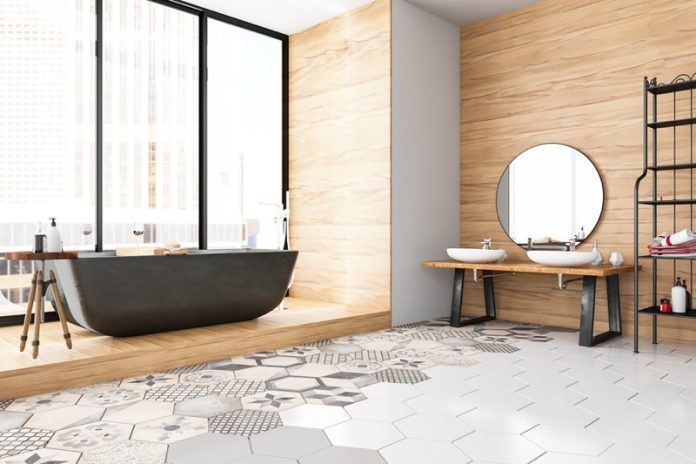
10 Best Bathroom Flooring Materials in 2023

Bathroom flooring is one of the most important components of a bathroom. Not only do you need a floor that is comfortable to stand on, but you also need a floor that is resistant to moisture and dirt. In this article, we will recommend five bathroom flooring materials that will stay trendy in 2023.

We will also provide a brief overview of each material, as well as its benefits and disadvantages. So whether you’re looking for a durable floor that is easy to clean, or a floor that looks beautiful and complements your bathroom’s style, read on to find the perfect material for your needs!

1. Laminate Flooring:

Laminate flooring is a type of synthetic flooring that is made to look like wood or stone. It is composed of multiple layers of material, with a wear-resistant top layer and an inner core made of fibreboard or particle board.

Laminate floors are easy to install and can be found in many different colours and designs. They are also very resistant to scratches, stains, and water damage. However, laminate floors can be slippery when wet, so they may not be the best choice for bathrooms with young children or seniors.

2. Tile Flooring

Tile flooring is a popular choice for bathrooms because it is durable, easy to clean, and comes in many different colours and designs. Tile can be made from ceramic, porcelain, or natural stone.

It is important to choose a tile that is rated for use in wet areas, such as kitchens and bathrooms. Notwithstanding, tile flooring can be cold and hard, so you may want to consider adding a rug or mat for warmth and comfort.

3. Vinyl Flooring

Vinyl flooring is a type of synthetic flooring made from PVC (polyvinyl chloride). It is durable, easy to install, and comes in many different colours and designs. Vinyl floors are resistant to water damage, but they can be slippery when wet.

In addition, vinyl floors may not be as durable as other options such as tile or laminate. However, vinyl floors are a more budget-friendly option.

4. Engineered Wood Flooring

Engineered wood is a type of artificial wood made from multiple layers of plywood or hardwood. Engineered wood floors are more resistant to moisture than solid hardwood floors, making them a good choice for bathrooms.

Engineered wood floors come in many different colors and designs. However, they can be more expensive than other bathroom flooring options.

5. Polished Concrete Flooring

Polished concrete is a type of flooring made from concrete that has been polished to create a smooth, shiny surface. Polished concrete floors are durable and easy to clean.

However, they can be cold and hard, so you may want to consider adding a rug or mat for warmth and comfort. Polished concrete floors are also more expensive than other bathroom flooring options

6. Linoleum Flooring

Linoleum is a type of flooring made from natural materials such as cork, linseed oil, resin, and wood floor. It is environmentally friendly and has a softer feel than other types of flooring.

However, linoleum can be difficult to install and is not as durable as some other options. In addition, it can fade in sunlight and may require special cleaners to maintain its appearance.

7. Bamboo Flooring

Bamboo is a type of grass that grows quickly and can be harvested without damaging the environment. Bamboo flooring is durable, easy to install, and comes in many different colours.

If you choose bamboo flooring for your bathroom, make sure to select a product that is made specifically for bathrooms and has a waterproof finish.

Bamboo floors are a more environmentally friendly option than other types of flooring. However, they can be more expensive than some other options.

In addition, bamboo floors may not be as durable as other options such as tile or engineered wood.

8. Cork Flooring

Cork flooring is made from the bark of cork oak trees. It is environmentally friendly, durable, and has a cushiony feel. Cork floors are also resistant to mould and mildew. However, they can be difficult to install and are not as widely available as other options.

On the other hand, cork floors are a unique option that can add character to your home. Provided that you take the time to care for them properly, cork floors can last for many years.

9. Hardwood Flooring

Hardwood floors are made from, you guessed it, hardwoods. They are durable and easy to clean. Hardwood floors can also increase the value of your home.

However, hardwood floors can be expensive and difficult to install. In addition, they require special cleaners and may be damaged by water or sunlight.

10. Rubber Flooring

Rubber flooring is made from recycled tires. It is durable, slip-resistant, and easy to clean. Rubber floors are also eco-friendly and can help reduce noise levels in your home.

However, they can be more expensive than other options and may not be as comfortable to walk barefoot. Moreover, some people find the smell of rubber tires off-putting.

Summary

There are many different types of flooring to choose from. The best type of flooring for your home depends on your needs and preferences. Consider your home’s climate, traffic, and activities when making your decision. Hardwood floors are a good choice for homes with high traffic and active families. They are durable and easy to clean.

However, hardwood floors can be expensive and difficult to install.

Tile is a good choice for homes in warm climates or areas with high humidity. Tile is durable, easy to clean, and resistant to water damage. However, tile can be cold and uncomfortable to walk on barefoot.

Linoleum is a good choice for homes with pets or children. It is inexpensive, easy to install, and comfortable to walk barefoot. So it is important to go with the option that best suits your needs. Finally, don’t forget to consult with a professional before making your final decision and they can assist you in making an informed decision.

Recent Posts

Posts You Might Like