

Home Blog Page 138

Noisy Hot Water Heater? Here’s Why, Plus What You Can Do About It

A noisy water heater can be a sign that you need to call a professional plumber to check the unit. But not all noises mean that your water heater is broken.

What are the sounds you should be aware of? Knowing these sounds and what they mean could help you fix the noises.

Humming sounds

If you have an upper electric water heating system, you may have heard this noise. The sounds can be due to vibrations as cold water flows into the water tank, causing the upper electric heating element to make a humming noise.

Also, your water heater could be making humming noises when water struggles to get through the line. Lastly, loose components in your hot water heater could also cause humming noises.

Knocking or Hammering Sounds

If you hear knocking or hammering coming from your hot water heater, it’s most likely caused by a loose connection in the plumbing. If you’re having trouble hearing it, it could be because you have an older hot water heater that uses a threaded connection instead of being attached with a hose clamp or pipe connector.

Gurgling, Cracking, or Popping Sounds

When you hear gurgling, crackling, or popping noises from your hot water tank, it could mean there is a deposit build-up in your water tank. If not addressed, this build-up will cause electrical resistance, affect the thermostat, and cause the tank to rust and crack.

These sounds may also mean that your water tank is contracting and expanding during regular operation. A popping sound may be due to water forcing itself through a small hole.

Screeching or Screaming Noises

Screaming or screeching noises are obvious signs of pressure problems caused by improperly opened valves. Water will force itself through partially open valves, increasing pressure and generating screaming or screeching noises. A professional plumber may need to inspect the valves to regulate and fix the pressure issue.

Kicking or Tapping Noises

Your water heater will always alert you when something is wrong, just like a toddler makes noises when unhappy. Tapping noises are clear indicators of three possible things; sediment build-up in your water heater, faulty valves, or expansion and contraction as water is heated in the tank.

Bubbling Noises

Bubbling sounds indicate a serious issue with your hot water system. Your heater could be overheating, or there is pressure build-up. These two possibilities could mean higher utility bills and could put your family at risk. It is best to call a professional plumber as soon as you hear bubbling noises in your water heater.

If your water heater is more than 10 years old, it’s a good idea to have it checked by a professional. Over time tanks start to rust and corrode, causing many problems. If your tank is starting to show signs of wear and tear, it’s a good idea to get it replaced.  If you’re concerned, contact a plumber so that he can correctly fix the problem.

Rules Around Clearing Asbestos Roofing

Asbestos is a very dangerous material with the potential to cause many kinds of cancer and other health conditions. Unfortunately, it was also very popular in many building materials for many years. Which means that if you have an older home, there’s a good chance that you may have asbestos roofing.

If you’re considering removing asbestos roofing yourself, there are several things you need to consider. Here’s what you need to know.

Types of Asbestos

The first thing you need to know about asbestos removal is that there are different types of asbestos. They are broadly categorised into friable and non-friable types. Friable means that the asbestos will release fibres into the air if it is disturbed. You can’t see them, but you can inhale them, and they are very dangerous.

If you are not sure what kind of asbestos you have, it’s best to speak to an asbestos removal specialist to confirm this before you make any removal plans.

Amount of Roofing

The next thing you need to know is how much roofing you want to remove. Not all Australian states allow DIY asbestos removal, but even those that do usually limit it to 10 square metres. If you’re replacing the roof of an average sized house, you will very quickly exceed that.

PPE and Precautions

Even if you have non friable asbestos and you only have to remove a small amount of roofing, and assuming you live in a state where you can do this yourself, you still need to adhere to a long list of personal protective clothing and equipment regulations, and there are many precautions that have to be taken.

Everything from where you can dispose of asbestos roofing to how to deal with any water runoff that might be generated during the removal is highly regulated. Not complying with those regulations can lead to hefty fines – even if you simply did not know the requirements.

Choose a Professional

While DIY is a great way to make home improvements if you’re handy, even if you’re allowed to remove your asbestos roofing, it’s probably a good idea not to.

With so many rules to follow and processes that are laid out in great detail, you’d have to invest in a large amount of equipment, tools and protective clothing. You’d need to know how to use those tools perfectly, and how to mitigate all the many risks associated with working with asbestos.

If you do happen to get this wrong, you will not only be putting your health at serious risk, but you could also be fined a lot of money.

So, while most DIY projects are a great way to save a little money and get great results, asbestos removal is definitely something you want to leave to the professionals. Find a qualified asbestos removal contractor, and save your time, energy and money for other projects around your home.

6 First Time Landlord Tips That Will Save You Money

Owning a rental property is a dream for many people – until the expenses start adding up and outweighing the profits. At this point, it becomes a nightmare. If you’re a landlord searching for ways to finally make more than you spend, take a look at the following six tips.

1. Keep Your Property Affordable

Setting the rental price too high is not an effective way to weed out “bad tenants.” Instead, it can potentially prevent the “right” tenant from applying. Asking for an affordable rental payment is key. You want it to be enough to cover expenses without being too high.

Remember that even someone who is financially secure can hit a roadblock from time to time. And just because someone can afford high rent does not necessarily speak to the quality of their character.

Likewise, there are many rental seekers who might not have a large number of monthly funds but are appreciative of every opportunity given to them. That means that they’ll work hard to make timely payments – as long as they can afford it.

2. Take Time With Your Screening Process

Whether you have just invested in a rental property or it’s been sitting empty for a while, you’re likely in a hurry to get income rolling in.

Unfortunately, this hurried mindset can interfere with your decision-making process, leading you to approve tenants that aren’t up to par. When this occurs, there’s a high likelihood that you’ll lose money due to issues like failure to pay rent, eviction costs, property damage, and more.

No matter how anxious you may be, always be thorough with your applicant screening process. Checking each potential applicant’s credit history, eviction history, and background are all vital steps. Speaking to references is a good idea, as well.

3. Take Maintenance Seriously

Another very important way to save money as a landlord is to maintain the home regularly, as opposed to waiting for something to go wrong or get worse. While prices vary according to the location of the property, professionally fixing a leaky pipe can cost as little as $150. If you let that leak go and the pipe eventually bursts, a plumber can charge several thousand dollars to fix it.

Additionally, consider carefully which repair and maintenance tasks you do on your own. Most people can manage smaller repairs, such as patching a hole in the drywall or switching out smoke alarms. And choosing the DIY method for these can save some of your profits.

However, larger, more in-depth tasks should be managed by a licensed professional for two very important reasons. First, a licensed professional can save you money down the line by addressing the problem properly and in full. And they’ll provide insight into potential problems so that you can address them early.

The second reason to hire a licensed professional is to prevent any housing code violations. Professionals know what’s passable and what is not. And many tasks, such as those involving electricity, require professional work. If your local building code enforcement agency discovers that such a job hasn’t been managed by a professional, they might either fine you or possibly condemn the home – especially if safety is a concern. It’s also important to be able to pass certifications such as the EICR in the UK, so ensuring everything is done correctly is very important. Whether you are fined or your rental sits empty due to code violations, you are losing money. It’s wise to hire a professional from the start to avoid these pitfalls.

4. Shop Around for Necessities

Impulse purchases can be just fine when you’re standing in line at the grocery store, but the same can’t be said for expenses. You should always take the time to compare prices before making a purchase.

For example, you should speak to no fewer than three insurance companies when finding landlord insurance. This will help you find the best rates. The same should go for any professional you hire for maintenance and repairs.

And shopping around shouldn’t stop once you’ve acquired the necessity. Many expenses, such as insurance and even your mortgage rates, can be reduced later.

You should also take a look at several options for smaller expenses, such as office supplies and administrative needs. In some cases, you’ll find invaluable deals, such as free landlord forms, that can save you a great deal.

5. Treat Your Rental As the Business It Is

Renting a property to others should not be treated as a hobby – you are technically running a business and should treat it as such. You’ll have paperwork you need to manage, taxes to file, applications to screen, background checks to run, income and expenses to track, maintenance to schedule, and more. And these tasks require care. Though it shouldn’t take a full 40-hour week, you’ll need to set aside time consistently to manage your business tasks.

If you were hoping for a much more passive income, you can make that happen by enlisting the help of a property management company. These companies can tackle some or nearly all of your work depending on your preferences.

6. Learn Your Housing and Tax Laws

Every state has its own landlord-tenant laws. If you do not follow these laws, your tenants can sue you – and being unaware of them is not a legitimate defense. If you are going to rent your property to others, it is your responsibility to know these laws and prevent an expensive court case.

Additionally, there are tax laws and deductions you can take advantage of. For example, you can typically deduct expenses like mortgage interest, property taxes, and even the cost of maintenance and repairs. Researching landlord tax laws and deductions is an effective way to keep more profit in your pocket.

How Does Real Estate Equity Affect Your Investment Strategy?

Did you know that equity in real estate can have a significant impact on your investment strategy? It is a critical factor when developing an investment plan. It can be a powerful tool to help you achieve your investment goals. As an investor, it is crucial to understand how equity investment strategies work. By understanding equity, you can make more informed investment decisions and develop a reasonable investment plan.

What is equity?

Equity is the portion of a property’s value owned by an investor. It is calculated by subtracting the money owed on the property from its value. For example, if a property is worth $100,000 and the investor owes $50,000, the property’s equity is $50,000.

How does equity affect your investment? 

Equity affects your investment plan in several ways. Firstly, it can help you determine how much money you can borrow to purchase an investment property. The amount of equity you hold in a property will impact the amount of money a lender is willing to loan you. In this manner, it also affects the interest rate you pay on a loan.

Secondly, it can impact your return on investment. The equity you have in a property will determine how much gain you can make when selling the property. If you have a lot of equity in the property, you will be able to sell it for a higher price and create a more significant profit.

By learning real estate equity investment strategies focusing on building equity, you can make informed decisions and succeed with your investment goals.

What are the types of real estate investment strategies?

Following are four popular types of investment strategies that focus on equity:

  1. Core: The core investment strategy focuses on stability and cash flow. It is a long-term strategy that seeks to generate income through monthly rent payments. Core investments are typically made in stable, well-established markets with strong demand. This makes them less risky and more likely to result in a higher return.
  2. Core Plus: The core plus multifamily investment plan is similar to the core strategy but includes some risks to achieve a higher return. Core plus investments are made in markets that are growing or have the potential for appreciation. These may be more volatile than core investments, but they offer the potential for higher returns.
  3. Value-add: The value-add investment strategy focuses on properties that have the potential to appreciate. However, the properties in this category often need repair or renovation. Nevertheless, value-add investments are made in markets with strong potential for appreciation. They may be more volatile than core or core plus investments, but they offer the potential for higher returns.
  4. Opportunistic: The opportunistic investment plan focuses on properties that are in distress or are otherwise undervalued. These properties may need repair or be located in markets with weak demand. Opportunistic investments are made in markets with the potential for high returns. They are the most volatile type of investment and offer the highest potential return.

What is the best type of investment strategy for you?

The best type of investment strategy for you will depend on your goals, risk tolerance, and investment timeline. The core investment strategy may be your best choice if you are seeking stability and cash flow. A value-add or opportunistic investment strategy may be better if you pursue higher returns.

No matter your investment strategy, it is essential to research and understand the risks involved. Equity investments can provide you with the potential for high returns but also involve a certain amount of risk. Before investing, consult with a skilled financial advisor to discuss your options.

What To Know About Lumber Screws

At some point, you may decide to build a deck on your back lawn. Doing so will provide you with a place to relax with friends and enjoy drinks. The only downside is that building a deck is going to be a lengthy, strenuous experience. Before getting started, you need to prepare extensively to ensure that everything is going to go smoothly. Otherwise, your deck may end up falling apart after a few months.

Besides getting the perfect blueprint, you’ll also need to purchase high-quality fasteners. Since you’re dealing with lumber, you’ll want to purchase lumber or wood screws. Continue reading the guide below to learn more about these fasteners.

What Are Wood Screws?

First, you should know that wood screws are designed to hold wood. They can be used in all types of wood, including oak, spruce, and others. Wood screws have a unique design that gives them more grip when they’re installed in the wood. Thanks to this design, there is a limited risk that the screws are going to back out of the wood. Since metal screws do not have this design, they’re not recommended for this purpose.

Individuals preparing to build decks should always choose high-quality wood screws. If you want your new deck to last, you should consider purchasing timber deck screw fasteners.

Various Finishes

One thing to know about lumber screws is that they’re available in different finishes. For instance, some lumber screws are not suitable for outdoor use. Instead, they should be used indoors. If you’re preparing to build a deck, you need to make sure that you have excellent wood screws. Make sure that they’re protected from the elements so they will not tarnish or corrode.

Otherwise, the screws may begin rusting before you realize it. Thankfully, some materials are not going to corrode.

Check The Tip

When you begin looking at your options, you may come across self-tapping wood screws. These screws are great because they’re going to make your job significantly easier. When you use self-tapping screws, you can easily get the screw to stick in the wood. You won’t have to use a lot of force. Instead, the screw will pull itself into the wood so you can enter it installed faster.

It is wise to use self-tapping screws even if they’re more expensive.

Different Bits

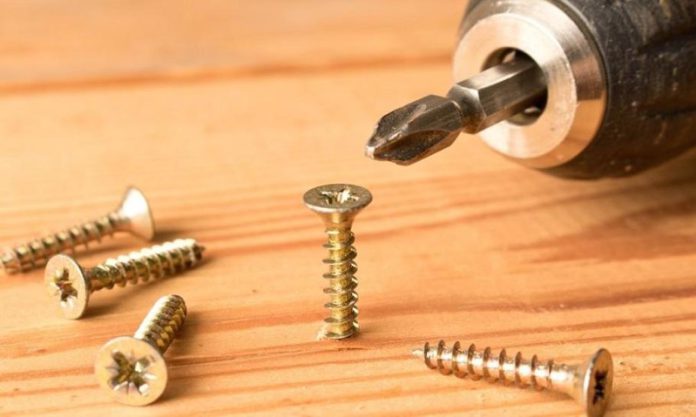
Although wood screws are designed for wood, they are different in many ways. Some have different heads. You’re likely going to be using a battery-powered drill with interchangeable bits. Make sure that you have a bit that works with the screw head. If you don’t, you’ll need to purchase one before leaving the hardware store. Some of the most popular options include Phillips, Torx, and Pozidrive.

Do You Need Wood Screws?

There is a good chance that you’re going to need lumber screws for your project. Even if you’re working with metal, you may need wood screws for the wood underneath. It is wise to buy wood and metal screws to ensure that you can complete the project without needing to wait for your next shipment to arrive.

Septic Systems and the Home Buying and Inspection Process

If you are purchasing a home that has a septic system, you will want the septic system inspected. Usually, it will be pumped and certified as well. Septic systems can be foreign to many but is a common part of the home-buying process, especially in more rural areas.

A septic inspector will need to be licensed. If you own a property that has a septic system, keeping up on the maintenance is vital. If you are keeping up with the proper maintenance, you should have no problems when you go to sell your home. Sometimes the septic inspection can be a difficult part of the real estate transaction, especially if it needs to be replaced. So, what is a septic system, and how does it work? Let’s take a look!

What Is Septic System?

Septic systems deal with all wastewater from the home. This means all water coming from, bathtubs, sinks, showers, toilets, and appliances. The water is filtered through a leach field and then returned to the ground. If it is working properly then these systems reduce the chances of water and soil pollution. The waste and the water separate and all solids sink to the bottom of the septic tank. As time goes on the solids get broken down by the bacteria in the tank. All of the water that is at the top of the tank moves through the pipes to the drain or leach field. The field contains gravel and it filters the water before it enters your soil. Your soil will filter the water further and it will make sure it is not contaminated as it reaches the ground.

Why Having a Septic Inspection is Important

If you have a home or are looking to buy a home with any kind of wastewater treatment system, an inspection is vital. These inspections ensure the system is working properly so that you are not affected by any potential leaks. About one in every 5 homes has a septic system. Even though it is common, many home buyers are unfamiliar and hesitant. These systems are underground, and homeowners typically forget about them and overlook their importance. You will regret not having it checked out regularly, so set reminders for yourself.

Additional: Fall HVAC Maintenance Tips

How Often is a Septic Tank Inspection Required?

You should have your septic tank inspected every 3-5 years. This goes along with how often you should have it pumped. The 3-5 years depending on the size of your tank and household. If you are sticking to this schedule then you should have a long life for your system because you are properly maintaining it. Fully replacing the system is extremely costly but will be necessary over time.

There are two types of septic tank inspections. A visual inspection is when a home inspector completes a visual inspection of the system. They will check the age and maintenance history as well. They will test the system by flushing toilets and turning on faucets to make sure the water pressure is good enough. A visual check will also be made for the drain field and they will be looking for standing water that could indicate a replacement. All of these visuals are important, however, you still want a full inspection by a septic company. A full inspection will go much further. They will open up the cover of the tank and check the level. Sometimes they use a dye to inspect how much enters the tank. They will check to see if any water flows back into the tank from the drain field. They fully check every part of the system to see if there is a replacement needed.

In Conclusion

Owning a home comes with maintenance. Having a septic system is just part of that maintenance, so don’t let it deter you from a home that you love. Mark a yearly inspection on your calendar for peace of mind and factor it into your budget so that you can keep track of this consistently and ensure you have a working system.

How to Win Premises Accident Cases

A premises liability case is one in which a person alleges they were injured on another person’s property due to the property owner’s negligence.

If you’re dealing with a premises liability claim, there are a few things you can do to increase your chances of winning.

1. Hire an Experienced Attorney

If you don’t have experience handling premises liability cases, it’s best to hire an attorney who does.

An experienced attorney will know how to navigate the complexities of these types of cases and will have a network of professionals they can call upon for expert testimony, if necessary.

2. Gather Evidence

Be sure to collect any evidence related to the accident, including photographs of the scene and any injuries sustained, eyewitness statements, and medical records. This evidence will be crucial in proving negligence on the part of the property owner.

3. Get Medical Attention as Soon as Possible

Seek medical attention as soon as possible after the accident occurs. Not only will this ensure that you get the treatment you need, but it will also create a paper trail that can be used to support your claim for damages. Be sure to keep all records and receipts related to your medical treatment.

4. Establish a Damages Claim

In order to win a premises liability case, you must be able to show that the property owner’s negligence resulted in actual damages.

These damages could be physical injuries, emotional distress, or financial losses such as lost wages or medical bills.

5. Don’t Give a Recorded Statement

The insurance company will almost certainly try to get you to give a recorded statement about the accident and your injuries.

It’s important that you don’t do this without first consulting with an attorney. The insurance company will use anything you say against you in an effort to minimize or deny your claim.

6. Prove Negligence

There are three main ways to prove negligence in a premises liability claim: by showing that the property owner must have known about the hazard that caused the accident; by demonstrating that the owner failed to remedy the hazard in a reasonable amount of time; or by establishing that the owner created the hazard that led to the accident.

7. Be Prepared to Go to Trial

Many premises liability cases are settled out of court, but some do end up going to trial. If your case does go to trial, be prepared with all of your evidence and arguments so you can present your strongest case possible.

8. Be Cautious About Social Media Use

Anything you post on social media (Facebook, Twitter, Instagram, etc.) can and will be used against you by the insurance company in an effort to minimize or deny your claim for damages.

As such, it’s important that you refrain from posting anything about the accident or your injuries online until after your case has been resolved.

Conclusion

In case you have been injured on another person’s property due to their negligence, contact an experienced premises liability attorney right away.

By gathering evidence, establishing claims for damages, and proving negligence, you can increase your chances of winning your case and receiving the compensation you deserve.

Click here if you were hurt on somebody else’s property and you need help!

Shop Cushions UK – How to Style Cushions Like an Interior Designer

Beauty is in the detail. Small décor items like fruit bowls, potted plants, and couch cushions may seem irrelevant, but they can make a huge difference. What’s great about cushions is that they can go almost anywhere – in the living room, bedroom, or backyard patio. If you style them the right way, you can make your room as it belongs on the pages of a magazine.

If you want to find out how to style cushions like an interior designer, keep reading.

Different Types of Shop Cushions UK

There are different types of cushions you can buy for your home, depending on their usage and shape. Cushions can be purely functional, while others are for decorative purposes. Some of the most common types of cushions include the following:

  • Bench cushions
  • Chaise cushions
  • Throw cushions
  • Window seat cushions
  • Chair cushions
  • Bolster cushions
  • Lumbar cushions
  • Box cushions

The first step is to figure out what kind of cushions you want for your home. You can put them on the sofa, armchair, bed, and anywhere else around the house. The next step is to find a good store. There are lots of shop cushions UK businesses offer. This includes ready-made cushions and made-to-measure cushions.

How to Style Cushions

There’s more to picking cushions than just selecting their colour and shape. You also need to know how to style them. While it may seem like an easy task, there are quite a few factors you need to consider. Here are some of them:

Choose the Right Colour Palette

The first thing you have to figure out when buying new cushions is what colour you want them to be. It’s important to choose cushions that not only match the furniture but the entire room as well.

When it comes to colour, you have two options. You can select a complementary colour scheme that matches the room’s tones. Or, you can create a contrast. For example, you can mix a few natural tones with your favourite colour. Another option is to throw in a few cushions with a pattern. Popular cushion patterns are geometrical, polka dot, and floral patterns.

Match the Fabrics to the Room

Not only can you choose from a wide variety of colours for your cushions, but you can also buy cushions made from different fabrics. Some of the most common fabrics used for making cushions include cotton, linen, silk, wool, and velvet.

Some fabrics, like silk and cotton, are better suited for cushions that will go in the bedroom. If you want to place the cushions in the living room, it’s a good idea to get linen, velvet, or wool cushions. You also have the option to mix two different fabrics. The two best fabrics to combine are cotton and linen. You can also add one fluffy faux fur cushion for a luxurious effect.

Combine Different Shapes and Sizes

There’s no better way to style cushions than by combining different shapes and sizes. If you get five or six cushions that all look the same, the room might seem bland and uninviting. Mixing throw pillows and mini cushions are a great way to add variety. A popular combination is two large pillows, two small pillows, and one medium pillow.

The same goes for the cushion’s shape. Don’t only use square pillows, but throw in some round and rectangular cushions. If you’re styling a child’s room, you can even add funny shapes, like heart-shaped and star-shaped cushions.

Organizing Your Cushions

Cushions can be used as a great way to add some spice to the interior design. We talked about their colours, fabrics, shapes, and sizes. Now let’s discuss how to organize them.

It’s all about layering them the correct way. The good news is that you can never have too many cushions, so you can layer up to ten pillows on one bed or couch. The rule of thumb is to place the bigger pillows in the back and the smaller pillows in the front.

Style Cushions Like a Pro

If you’re giving your room a makeover, there are various things you can do to give it a new, fresh appearance. Choosing the right cushions is one of them. However, finding the right look isn’t so easy. You have to think about the colour scheme, sizing, patterns, and shapes, and how to organize them in the best way. At the end of the day, you should have fun with it.

What Do Housekeepers Use to Make House Smell Good

The smell is often said to be the most powerful human sense, and it tells us a lot about the world, from what to eat to where to stay. When it comes to our homes, it’s a good sign when the room smells fresh. An uncluttered space is beautiful, but a clean room with a fresh scent can brighten your home. Why take that extra step and make your home a little cosier? There are many ways to do this, most of which take little time. The flameless candles play a significant role in providing a good smell in the house.

Candle warmer

When you need to figure out how to make your home smell good, scented candles are one of the easiest methods. And thanks to the candle warmer, you no longer have to worry about soot or smoke. Plus, scented wax discs retain their scent longer because you’re heating the wax instead of burning it. There are thousands of fragrances on the market, so pick your favourite, and your house can be filled with fresh pumpkin or vanilla pie in minutes.

Spray and diffuser for essential oils

Before using, there are a few important things to know about essential oils. First, make sure you are using 100% pure essential oil. That way, you know you’re getting all the benefits and beautiful tastes associated with essential oils. Diffusers and sprays containing essential oils are all the rage right now, and with good reason: they give off delicious scents that gently drift throughout your home. You can easily purchase a diffuser online or in a store. You can also buy sprays, but these are pretty easy to make if you’re into a good DIY project. You can use flameless candles to have a pleasant smell at home.

The best scented essential oils for home fragrances depend on your taste. Try combining complementary scents like chamomile, lavender, and vanilla or blending different citrus oils. A mix of rosemary, lemon and lavender add a delicious aroma, as does wild citrus with mint. You probably will only need 20 drops of all your oils in a bottle this size, so keep that in mind when you use it.

Mixing method

If you use essential oils to make cleaning products, your average liquid consumption is 2 cups. For 2 cups of liquid, add 5 to 10 drops of your favourite essential oil for a mild, pleasant scent while cleaning if you want the scent to be more pungent so you can smell it after cleansing and also want the beneficial properties of essential oils.

Indoor plants

Potted palms or hanging ferns are a great way to add a touch of colour and life to any room. But if you choose the plants right, you can get the bonus of a smelling good home. Fragrant herbs such as rosemary, thyme, and basil often thrive on kitchen windowsills, providing good light and ample space. You can also choose larger potted plants such as jasmine, scented geranium or even citrus trees.

If you have small children, keep houseplants out of their reach unless you are absolutely sure they are not poisonous. In addition, many plants that are safe for humans can be dangerous for feathered and feathered friends. Check any greenery you bring indoors to make sure you’re not introducing toxins into your pet’s environment.

Boiling pot

A quick way to keep your home fresh and clean is to steam the pot. The great thing about this method is that you can make it using ingredients you already have at home, especially if you have a herb garden. There are many recipes online for various ingredients for making pots.

Empty the trash regularly

When eliminating household odours, you need to find the source. Some of your bad smells may be coming from your trash. And that can quickly go from good to bad. Be sure to change kitchen and bathroom box liners every few days or more often if you notice an odour.

Glass and mirror cleaner

Cleaning glass and mirrors require products specifically designed for the task. Try this recipe if you want to use a product that not only works well but also smells good. The vinegar and rubbing alcohol will strip the oil and neutralize any bit of oil you add.

Do You Need Exterior Painting in Charlotte?

The average homeowner should paint their home every five to seven years. Of course, this number will change based on a few different factors such as type of paint, type of siding, climate, etc. Homes in Charlotte made of wood should be painted more often to prevent damage from weather and pests.

When Should You Paint the Exterior of Your Home?

Many factors determine how often you should paint your home. Some of them are as under:

Type of Siding:

One of the main factors that will affect how often your home needs a new coat of paint is the type of siding. Wood siding needs to be painted more often than aluminum or vinyl because it is more absorbent. This means that the elements will cause the paint to fade and chip faster.

Climate:

Climate also plays a role in how long your paint job will last. If you live in an area with high humidity or lots of rain, your paint will not last as long as it would in a drier climate. This is because moisture causes wood to swell which leads to cracking and peeling paint.

If you’re unsure about whether or not your home needs a new coat of paint, there are a few signs you can look for:

  • cracked or peeling paint
  • faded colors
  • water damage
  • mold or mildew

If you see any of these signs, it’s time to start thinking about hiring a professional painter.

Tips for Hiring a Professional Painter

When you decide that it’s time to hire someone to paint your home, there are a few things you should consider before making a final decision:

Get multiple quotes:

Get at least three different painting companies to come out and give you a quote for the job. This allows you to find the best price for what you need.

Check references and reviews:

Make sure that you’re hiring someone with experience who will do a good job. Make sure to get references from past clients and carefully read online reviews before you decide on a contractor.

Consider warranty options:

Some painting companies offer warranties for their work. If something goes wrong after they finish painting, they will come back and fix it at no extra cost to you. This can give you peace of mind knowing that your investment is protected.

If you are searching for a painting company in Charlotte NC, contact us today, we provide residential painting services and more

Conclusion:

Painting the exterior of your home is an important part of maintaining your property value and curb appeal. Most homeowners should paint their homes every five to seven years, but this number will vary depending on things like the type of siding and climate. If you’re unsure about whether or not your home needs a new coat of paint, there are a few signs you can look for, such as cracked or peeling paint, faded colors, or bare spots where the paint has completely worn away. If you see any of these signs, it’s time to start thinking about hiring a professional painter.

Recent Posts

Posts You Might Like