

Home Blog Page 137

How Frequently Should I Replace My Roof?

Have you been staying in your house for a long time and are unsure if it is time for a roofreplacement? Are you thinking about buying a house with an outdated roof and pondering how long it will be before you have to replace it? Roof replacement contractors are experts in completing roofing jobs.

A Roof’s Average Lifespan

For a better idea of your roof’s lifespan, contact a roofing contractor for an inspection. A roof’s longevity is not standard. Instead, the service life is determined by the chosen roofing material, how well the roofing has been serviced, and the conditions to which the roofing has been exposed. However, there are typical lifetime ratings for different roofing materials that will give you an indication of how long your roof will survive.

Asphalt Shingles

These are one of the most used roofing materials. Their life expectancy ranges from 20 – 30 years. In terms of durability, they are average, although the environment and conditions can significantly reduce their longevity in some situations.

Clay and Cement Tiles Roofs

Clay and cement tile roofs emit a non-fading earth tone and have a 50 – 100 years of lifespan. They are also resistant to a variety of environmental variables, such as fire, high winds, insect infestations, and water leaks.

Slate Tile Roofs

Slate roofs are well-known for their extended lifespan. When compared to other roofing materials, they can last between 75 and 125 years with adequate upkeep. They are also fire and mold resistant.

Wooden Shingles

Wood shingles provide a natural, smooth, and consistent appearance on the outside. You may expect them to endure between 30 and 40 years when properly maintained.

Wood Shakes Roofing

Wood shakes have a coarser texture and overall appearance than their nearest relative, wood shingles. They also have a lifespan of 20 – 40 years and a rustic or conventional appearance. They are the greatest choice for homeowners who wish to create a pleasant atmosphere in their houses.

Metal Roofs

A metal roof may be a good option to keep your cooling bills low. Because metal roofing is sturdy and can withstand severe winds, its service life ranges between 40 – 70 years. Metal roofing systems also reflect sunshine and give ample insulation to your property all year.

Other Factors That Cause Roof Replacement to Happen Sooner Than Expected

The material utilized for your roofing has several advantages and disadvantages that impact its total life expectancy. However, materials are not the only factor. Roofs may need to be replaced more frequently as a result of the following factors:

Weather Conditions

This is the most evident environmental component that has a significant influence on the useful lifetime of your roof. Heavy rains, high winds, and hail can produce fractures or dents, necessitating more frequent repairs.

Climate

Extreme heat and cold can cause your roof to deteriorate considerably faster. This is particularly the case if you pick a roofing material that is not appropriate for your environment. For instance, tile roofing is common in Florida because it withstands high heat better than other roofing materials.

Sunlight Quantity and Intensity

The quantity of sunshine that strikes your roof, like the climate and weather, might reduce its estimated lifespan. Colored roofs, for example, can absorb heat and decay faster than light-colored roofs. Metal roofs are an excellent choice since they reflect sunshine, enhance the energy efficiency, and last longer.

Roofing Slope

Your roof’s slope and design are in charge of directing and regulating water flow into your gutters. This keeps water from accumulating on top and creating leaks and board damage. As a result, having a good slope will enable the water to move properly. However, if your home has a low-pitch or flat roof, you may need to replace it sooner than intended.

Poor Installation

Aside from the physical elements of your roof, poor work during the installation procedure can accelerate the occurrence of cracks, leaks, and other early failures. That will significantly reduce the lifespan of your roofing, so always use a skilled roofer with excellent reviews for every project.

Maintenance

Neglecting routine roof care might contribute to a shorter lifespan for your roof. Taking care of small problems before they become significant ones is a vital step in ensuring that you get every year out of your roofing.

How Often Should You Replace Your Roof?

Fortunately, roof replacement is not a common occurrence. If you’re wondering how your unique roof is holding it up and how long it will last, we recommend scheduling a free roof assessment.

We’ll dispatch a roofing specialist to fully examine your roof and provide you with an accurate estimate of its lifespan.

Of course, if we discover roof damage that might be paid by an insurance settlement, we will notify you. In the best-case scenario, your insurance provider will accept your claim and replace your roofing. In this case, all you’ll need to pay is the deductible for a fresh new roof.

Don’t be scared to submit an insurance claim; discuss with your insurance provider, and see where it leads you. If they approve and pay the claim, you will not have to consider roofing replacement for decades.


How to Create a Calming Sleep Environment for Your Child?

Getting a child to sleep in a smooth and quick manner is often the reason for joy. As most parents are aware, youngsters are prone to nighttime delays, whining, and protest. Providing a sleep-friendly atmosphere for your child is critical to getting a good night’s sleep. Children take longer to fall asleep; it depends on how sleepy they are after their evening playing ritual and whether or not they slept well throughout the day.

Adequate sleep is critical for children’s healthy development and growth. The quantity of sleep a kid requires changes with age, increasing while they are infants and progressively decreasing during infancy and adolescence. Parents may encourage excellent sleep habits in their children by establishing a regular bedtime routine.

Children might develop sleep problems such as sleep apnea and restless legs syndrome. Sleep disorders normally need medical attention, so if you are worried about your child’s sleeping pattern, you should schedule an appointment with your doctor.

Examining your child’s sleeping environment from a new perspective is a great place to start. Your efforts to give your child a comfortable physical and emotional environment have a significant impact on how ready they are to wind down physically and mentally for the evening.

It is critical that their daily and bedtime routines help to set the stage for a healthy night’s sleep. If you are confident that your routine is correct and that your child’s stomach is full, you must also examine your child’s resting environment, which must be favorable to sleep.

Here are 6 factors that will contribute to a child’s good night’s sleep:

1. Correct Window Treatments

Parents are frequently hesitant to use blackout curtains because they are worried of employing a sleep prop. Yes, blackout curtains are a sleep prop. Sleep props are objects on which a newborn relies to fall asleep. The custom curtains will help the infant sleep if you use them.

At night, you want a gentle inflow of moonlight that help them while going to the washroom and also keep them from feeling so scared that it disrupts their sleep. However, when it is time of afternoon nap, you want window treatments that can completely block out sunlight. This helps the brain think that it is time to sleep. The best way to achieve such a flexibility is to layer sheer sheer curtains with blackout curtains.

Alternatively, if you don’t want so many curtains in a kid’s room where they play and can cause accidents, you can layer roman shades made of blackout fabrics and lightweight sheer curtains.

2. Lights at night

Coming to lights at night, as mentioned earlier, some kids are afraid of the dark, which is where a night light comes in useful. Any light in the room inhibits the production of melatonin, which is why, you can either go for increasing the inflow of natural light in your home or, if you choose to use a night light, it should be a very dim and gentle light. Night lights, such as Himalayan salt lamps, are examples of natural light.

3. Declutter the room

There are various reasons why some children like an untidy bedroom, the most common of which is age. Older children and teenagers may regard their dirty bedroom as an extension of their desire to be self-sufficient. Younger children may struggle with organization and require parental assistance or instruction. Some youngsters may just like it!

A crowded, dirty bedroom can have a greater impact on your child than you would imagine, especially around sleep. A bedroom should not be a distraction-filled playroom. Overstimulated children may struggle to quiet down when it’s bedtime, so it’s critical that youngsters identify the bedroom as a place to sleep.

Besides, the saying “tidy home, tidy mind” is applicable to everyone, including little children. If the room where your child will be sleeping is messy, it is impossible to expect them to get a good night’s sleep. Spend some time sorting through their toys, clothing, and books to find a home for everything. You might want to consider investing in some more storage to aid them with their massive amounts of belongings.

4. Color Palette

While it may be enticing to go with your child’s vision of a dazzling pink bedroom, choosing more serene colors for the walls can assist create a quiet and pleasant environment. Blue is a really peaceful color, but you might also try greys, pastels, and neutrals. Warm colors, such as soft yellows, also contribute to a cozy atmosphere. These can go even with the custom roman curtains you’ve been thinking of getting for your child’s room You may still allow your youngster to make more daring selections within the accessories. These will provide a pop of brilliant color to the space without causing a headache.

5. Choose the ideal bed

First and foremost, a restful night’s sleep should begin with a comfortable bed. Involve your youngster in the selection process. There are several types to pick from, ranging from toddler beds to theme beds, so there will undoubtedly be a design that will appeal to both you and them. Also, make certain that you get a high-quality mattress that not only sustains their expanding bones but is also pleasant.

6. Bedding Options

While the bed is the basis for a good night’s sleep, bedding is also crucial. The correct bedding produces a welcoming and comfortable atmosphere for your child to rest their drowsy head. Allow children to have some say in their bedding selection, including any pillows and throws they may wish to add. The goal is to make their bed so comfortable that they want to crawl into it every day!

Proper sleep is essential for a child’s physical growth and development, and mental health. If they develop a sleeping disorder at a young age, it is likely to continue into late adulthood if not treated. The best way to avoid all this and keep them healthy is to make sure that you implement simple tips to create the perfect environment and imbibe them with healthy habits that make them sleep soundly and on time.

Four Tips for A Cozy Winter Garden!

Inwinter, most people don’t want to spend time in their garden, because of the cold, rain and other weather conditions. However people spend a lot of time making it extra cozy inside. Most people don’t pay any extra attention to the garden, the terrace or the balcony during the autumn and winter. But that is a shame, because during winter people can certainly still enjoy your garden, terrace or balcony, if they put some effort in. If you wear a big, warm coat and other warm clothes and for example install a fire pit, you can easily spend a pleasant afternoon in your garden. In this blog we want to show you that this is possible, and give you four inspirational tips for a cozy garden where you can spend time during the winter season. Read on quickly to find out!

Warm lightning is a must!

When you think of a cozy atmosphere, you probably envision something with warm lights. This is of course the same when you want to turn your garden into a cozy environment. So think of a place in your garden, terrace or balcony where you can hang or place cozy lighting. When you are looking for lightning for outside, you should have a look at Fairybell US. Fairybell sells a lot of different lighting for outside, that can make your garden cozy during the winter season.

Create warmth by using fire

Next to warm lights, fire is also a great way to make sure your garden is all coziness. Make sure you can light the fire safely. You can do this in a fire bowl or fire pit, for example. Place this on your terrace and you and your family can all sit around it comfortably. Bring some extra blankets and you’ll all be nice and warm. There are different options like a garden stove or outdoor fireplace. This is also ideal, especially if you have a veranda or roof in your garden. Place it next to the lounge set and you can relax in the heat with hot

chocolate or a cup of tea.

Care for evergreen plants in your garden

In your garden, of course plants are very important. It makes the garden a lot less cozy when all the plants lose their color during winter. Therefore, make sure that you have evergreen plants in your garden, so that not everything turns grey. Think about the Skimmia, a Christmas rose or an ornamental cherry. These plants will bring some green and other colors into your garden throughout the winter.

Help animals through the winter

What could be nicer than a garden where there is a lot of wildlife. Not only do green plants provide coziness, but animals also give your garden a little more vividness. Therefore, make sure that your garden is a good place for animals to survive during the winter. To do this, it is important to provide food and shelter for them. You can do this by hanging fat balls for

birds in your garden. In addition, you can leave twigs and leaves, so hedgehogs

have a place to stay the whole winter!

How to Pet-Proof Your Furniture

Many people allow their pets on the furniture. This is one of the gentle and loving ways of raising them. However, our furniture is not a fan of the idea. There is hair everywhere, claws, whiskers, paw prints, different types of stains and many more. Pet parents might not complain about all these, but we must admit that the additional chores are a bit tiring in our already busy lives. This article will teach you a few easy tricks that will save you time and effort.

Choose the right fabric

Most of the time, the pieces of upholstery in our home are the favourite nap spot for our furry children. Yet these suffer the amounts of pet hair left on them, the scratches, the odour, the wear and tear.

The right fabric choice for your sofa or chair will help maintain your furniture in good condition. For example, patterned fabrics are the perfect camouflage for any traces of scratches, hair and stains.

To help yourself more, choose microfiber, velvet, denim, leather, canvas or outdoor fabrics. These are very durable and easy to maintain. Moreover, synthetic blends do not keep fur and are resistant to scratches.

Clean it regularly

Despite our love for our pets, they tend to leave different and unstoppable amounts of dirt, hair and stains on our upholstery. We all close our eyes for some of them just because these chores are so tiring.

Simple tasks like vacuuming help us maintain the mountains of hair we have to live with. Luckily, we do not have to dedicate more than just a day or two in the week just to cleaning after our furry ones. Anytime you have to vacuum your floors, vacuum your sofa, bed and pet beds.

To avoid having to fight various stains all the time, buy yourself a special cleaning solution that helps clean pet stains. You can find them in your favourite pet store in a convenient spray bottle.

However, booking a visit with a professional upholstery cleaning company is recommended every six months. That way, you will ensure that any type of bacteria, odour and old stains have been cleaned from your furniture. In addition, they will cover your upholstery in a protectant spray that will resist stains in the future.

Use blankets

There is another way to help you fight odour, stains and traces of wear and tear. Blankets. These are in various colours, fabrics, textures and sizes. We all love them. Some of us even collect them. Why not use these not only as a decoration and a way to warm ourselves but as a protector too?

Covering your dog’s favourite spot with a blanket will help you reduce wear and tear. It will collect all of your dog’s hair that sheds and any stains. It is much easier to put a blankie in the washing machine than to spot-clean your sofa now and then.

Use a lot of beds

Dogs and cats are social animals. They enjoy our company, which is why they like to nap on the sofa or lay in the bed with us. Despite knowing that our furry children will come for a rest anywhere we sit or lay, we continue to buy vast amounts of beds and unique pet furniture. Of course, out of love and need to spoil them.

Well, you can use the mountain of pet beds in your home to help train your pet and minimise the cleaning chores. Of course, there is a little trick. Their placement. If your cat insists on napping on the closest sofa seat to the fireplace, put her favourite bed on this seat.

Placing your pet’s beds on the upholstery or near it will teach your four-legged that there is a special place for them, it is not forbidden, and you welcome them to participate in whatever you do.

Additionally, pet beds are created to withstand wear and tear, claws, fur and stains. Their maintenance is easy, and just like blankets, you can choose from a variety of styles, fabrics and sizes.

Distract them

We all know that damages cannot be repaired with cleaning, nor that covering fixes them. There are situations where fur and stains are the least that can happen. Many cats scratch their claws on the upholstery, while some dogs chew the edges, pillows or legs of it.

Changing their focus and distracting them from seeing the piece of furniture as a scratching post or a chewing toy is the real answer. This can happen by placing scratching posts or sheets around the house for cats and providing enough toys for your dog to chew.

However, if this is not enough to stop your pet from destroying your lovely couch, you can try something else. Covering the areas with protestors and spending additional playtime with your pet. Spending time running, jumping, hunting and chewing their favourite toy will tire them and make them forget about that favourite spot on the couch.

Groom them

Regular grooming sessions keep your pet clean and healthy and reduce the amount of hair and claws you will find all around your house.

Remember that dogs tend to make themselves quite dirty by running through puddles and mud. You can place a towel next to your front door to use straight away once you get back home from a walk.

With time both cats and dogs will learn the new regime and cooperate, more or less.

Conclusion

No matter our efforts to keep our furniture in good condition, our pets will eventually damage them one way or the other. We can only do as much to keep the balance and not ruin our relationship with them. In fact, at the end of the day, one is just furniture, and the other is part of our family.

Top Flooring Materials to Boost Your House Value  

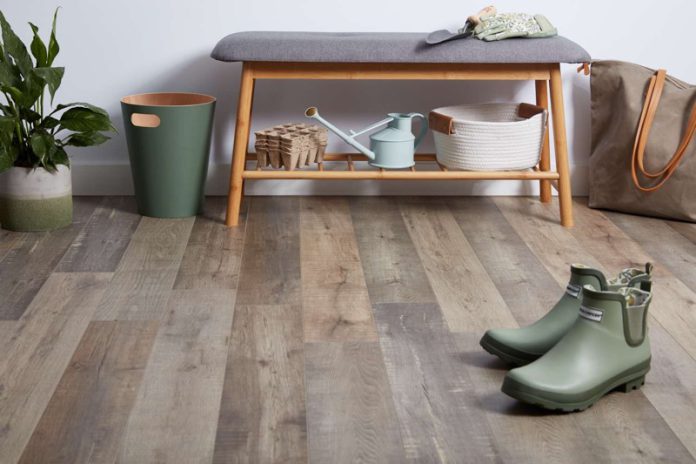
When you’re looking to improve your home’s value, one of the best things you can do is focus on the flooring. Different materials offer different benefits, so it’s important to choose wisely. Here are some of the top flooring materials to boost your house value.

1. Hardwood flooring

Hardwood floors are one of the best investments you can make when it comes to your home. Not only do they add beauty and value, but they’re also durable and easy to care for. If you’re considering hardwood floors for your home, here are a few things to keep in mind. First, hardwood floors are available in a variety of wood species, so you can find the perfect match for your décor. Second, hardwood floors can be finished in a number of ways, from natural to stained to painted. And third, hardwood floors are easy to maintain with regular sweeping and mopping. With proper care, your hardwood floors will last for generations to come. So if you’re looking for a flooring material that will boost your home’s value, hardwood is the way to go.

2. Laminate flooring

Laminate flooring is a great way to boost the value of your home. It’s durable, easy to care for, and comes in a variety of style options to suit any taste. Laminate floors are also relatively inexpensive, making them a budget-friendly option for homeowners who want to add value to their property. When choosing laminate flooring, be sure to select a product that is backed by a manufacturer’s warranty. This will ensure that your investment will be protected in case of any damage or wear and tear. With proper care and maintenance, laminate floors can last for many years, adding both beauty and value to your home.

3. Tile flooring

When choosing flooring materials, many homeowners focus on factors like durability, ease of maintenance, and up-front cost. However, it’s also important to consider how the flooring material will affect the value of your home. If you’re planning to sell in the near future, or simply want to maximize the resale value of your property, tile flooring is an excellent option. In addition to being highly durable and low-maintenance, floor tiles can also boost the value of your home. Because tile is a premium flooring material, homes with tile floors often sell for more than comparable properties with other types of flooring. If you’re looking for a flooring material that will increase the value of your home, tile is an excellent choice.

If you’re looking to give your home a facelift that will also increase its value, consider these top flooring materials. With any of these choices, you can’t go wrong – it’s simply a matter of finding the one that best suits your needs and budget. When you’re ready to make the investment, be sure to reach out to us for quality installation services. And if you have any questions about which material might be right for you, don’t hesitate to ask! We would love to help you find the perfect solution for your home.

Bed Bugs in the Home Office Space

As if we are reliving a plague of Biblical proportions, reports of bedbug infestations in offices and entire commercial buildings are becoming increasingly common. It is happening in big cities and small towns, in super modern skyscrapers and humble warehouses. There is no place safe from the marauding plague of bloodsucking parasites that travel freely from place to place in clothes, books, briefcases, coats, and other items.

All the unwitting carrier needs to do is visit a location that is suffering plague, and then the little blighters will hitch a free ride to a new location. Due to the rapid increase in infested locations, the chances of picking up a bed bug starter pack while in an office, restaurant, café, boutique, taxicab, airplane, or any other commercial location are quite high.

In a home, they will need an easy-to-reach supply of food, and therefore they are mostly found in the bedroom and specifically the bed, as their name implies. It is easiest to find bedbugs in large concentrations in the bed, and this is how they are identified. But the same isn’t true for the problem of office bedbugs.

What are Bed Bugs and What You need to Know About Bed Bug Infestation

Bed Bugs are nocturnal creatures, and because their hosts will be gone for the night, they will have to travel great distances in search of food. This leads them to explore far and wide, and this can make the problem of bedbug infestation even greater.

This also means that bedbugs will not be found in great quantities at any one point like they can be found in a house. This means that an infestation can go unseen for a very long time. They can also spread very quickly to neighboring offices or locations with whom one office does business frequently, as they will be carried in file boxes, books, briefcases, coats, etc.

But after a long time, the populations of bedbugs will reach critical mass, and they will no longer be able to hide their presence from humans. This will be hastened by the fact that they will have to adopt daytime feeding habits which are not well suited to their feeding habits and can lead to easy discovery despite their minuscule size.

Then comes the time to locate the bedbug colonies, and this is neither an easy nor pleasant task and is especially time-consuming. It is very easy for these vermin to escape a visual inspection, especially as they will be in very low numbers and scattered over a large space. In this situation, bedbug-sniffing dogs can be better suited to locating the beasts and their nests. But this is also not a 100% reliable testing method. But in combination with the two methods and performed by an experienced professional, the entire investigation has 80 to 90% accuracy.

Treating Bed Bug Infestation

Treating a bedbug infestation in an office building is another seriously problematic thing. One of the first and most effective forms of treatment, if performed often enough, is to vacuum everything and pay special attention to vacuuming upholstery, carpeting, and the joints of the furniture. The hollow spaces between cubical dividers, as well as baseboards and moldings, should also be vacuumed.

When vacuuming, it is important to consider that bedbug eggs are glued to surfaces when they are laid. This means that they may require some scrubbing to be properly removed. You can use the attachment with the thin head for scraping these eggs loose. Bear in mind that this method of removing the bed bugs and their eggs is only the most simplistic method of handling this task, and the results will depend on the stage of infestation and the thoroughness of the vacuuming job.

If the infestation has already reached an advanced stage, it will be necessary to take more drastic measures. For example, steam cleaning can deliver a powerful jet of steam which can penetrate deep into carpet fibers and all types of upholstery. This may also be used as a good way to minimize bed bug populations, but it will also fail to reach full elimination of the infestation. Neither vacuuming nor steaming will have any residual effects on eliminating the bedbug populations.

Next, you will need to treat all personal belongings, paper files, storage boxes, furniture and all other related items that can be more trouble to treat. These will be best dealt with offsite while the bedbug at the location is dealt with directly. Make sure that when you are transporting potentially infected items, everything is transported within sealed plastic bags to avoid any contamination while infestations are being controlled elsewhere on the premises.

Treatment for these items will be very different depending on the type of items that are being treated. For example, some items can be vacuumed, others can be heat treated, and others can possibly be steamed or dry cleaned. Once these items have been properly treated, they can be returned to the office building.

Wall voids and other room dividers can be steamed and/or treated with diatomaceous earth. As much as possible, try to disassemble the furniture and room dividers and anything else that will be treated for bed bugs. It is in the narrow cracks and seams that the bedbug likes to gather in large numbers. In some cases, the only option will be to fumigate the entire building. But there are downsides to this approach as well. For example, the bedbug is highly resistant to most types of insecticides, and at least one state has laws against fumigating an entire building.

Summary

A bed bug infestation can be especially difficult to control, so once these methods have been tried, they will have to be repeated many times over the next few months. At this time, you can have your location tested for bedbug one more time, and if necessary, the process will have to be repeated or find a local pest control solution provider to handle this for you. There will be a need for many new inspections over the years as the plague of bedbugs shows no signs of letting up in the near future.

What to Do About Tree Roots in Your Drain Pipes

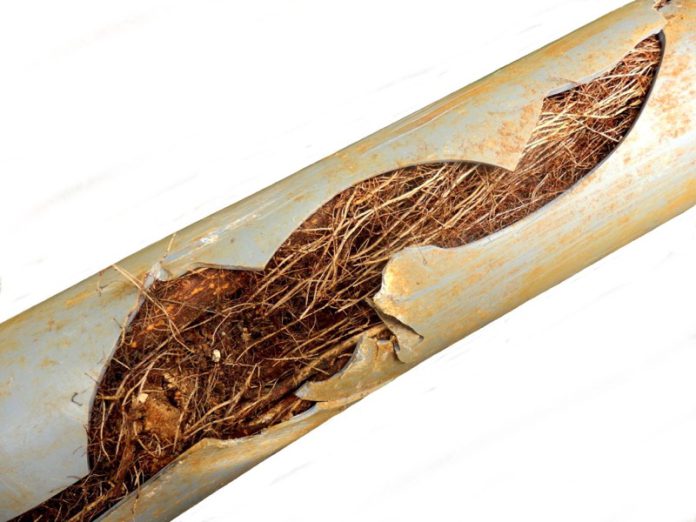
While it’s important to have established trees, shrubs and hedges on your property you do need to be mindful of your underground sewage pipeline points and take note of any blockages your trees may be causing. While older pipes are most susceptible, even stronger PVC pipes with a leak if poorly installed, attracting water searching tree roots that can break through tiny cracks and imperfections. Acting early can help reduce damage and the cost of repair.

Why do tree roots block sewers?

A tree will search for water underground for growth and nourishment. If water is detected around pipes due to soft pipes, leaks, cracks or damage a tree will quickly send in fine roots which thicken and take hold. The roots will move further up the pipe to gain even more access to water, thickening as they go and allowing more roots to follow.

Signs of roots in drain pipes

It’s important to ask for help if you have a recurring blocked drain issue as you won’t be able to see the blocked pipes yourself to know the extent of damage or where the problem points are.

Some signs that your drains are blocked by tree roots can be seen both inside and outside your home with:

  • The sudden appearance of sinkholes in gardens, lawns or pavers
  • Greener areas of thick grass or a rapidly growing tree
  • Your toilet frequently backs up
  • Strong odours
  • Slow or gurgling drains

DIY solutions

There are DIY solutions for helping unblock tree roots from drains by tipping down your toilet. If a treatment doesn’t work it may be because you have a different kind of blockage or the damage is too great to handle alone.

Copper sulphate

Copper sulphate treatments are easy to find and apply. You can use copper sulphate directly or buy it as a tree root removal compound from garden supply and hardware stores.

Salt

Rock salt is less powerful than copper sulphate making it suitable for septic tanks. You may need to use more to see results but please be careful as too much too frequently will kill the whole plant, not just the roots. You will need around 1 kilo of rock salt that you can buy from the supermarket or hardware store. If a DIY remedy doesn’t work, call a professional to diagnose the problem.

Professional methods

A professional plumber will be able to assess your problem from the inside to pinpoint issues and give you feedback and treatment options. Using a specialised drain camera they can see not only where the pipes are blocked but also know how your pipes are holding up.  The best part about this non-intrusive surveillance method is that it can tell the whole story and flag any surrounding issues that include:

  • Multiple blockage points located further inside your pipes
  • Pipe condition
  • Additional debris caught against the roots that may need extra treatment

Typical blockage treatments that will be recommended to you are:

Mechanical auger

Also called a rooter, a mechanical auger cuts through roots and leaves your pipes clear.

It’s a fast and inexpensive solution.

Hydro-jetting

High powered jets can blast through roots and give your pipes a thorough clean using chemicals and hot water delivered through a specialised pump.

Pipe repair or replacement

After the roots have been cleared out your plumber can get a better look at the pipe shell and see what approach is needed to keep new roots from entering. There are two main choices here for pipe relining, when the damage isn’t bad you can have a strong sleeve inserted and positioned to the weakened point to be locked in place permanently. Badly damaged or old pipes, particularly clay pipes, will need to be dug up and replaced with PVC.

While DIY methods are available they are only temporary. There may also be cracks or damage to your pipes that require additional attention before your water flow can be fully restored and to stop water seeping underground. Contact a professional to assess the damage and get a permanent solution in place sooner, rather than later.

8 Affordable Decor Items to Give Your Home a Designer Look

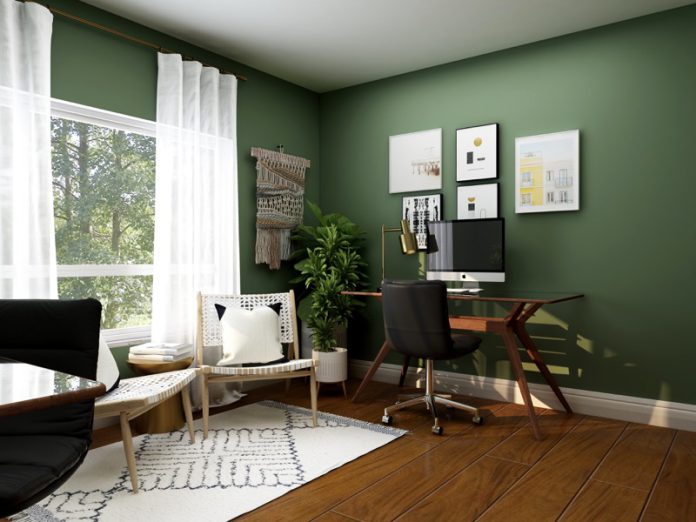
Designing your home interior can be creatively challenging but it has dozens of possibilities on the way. Whether you are thinking of giving your home a rustic feel, a vintage look, how about something bold & modern, or something minimalist that calms your mind and puts your mood in the rhythm. There are countless ways to experiment and give home your own designer touch.

With so many impressive and affordable decorative items available these days, homeowners can live their dreams to design their home to reflect their personality and match their lifestyle. And this can be realized without having to spend on inexpensive pieces and luxurious arts.

Here are some simple and sensible decorative items one must checkout:

1. Digital Wall Arts

Digital wall arts can add captivating imagery to your boring walls. Use art printed on foam board signs and other budget-friendly materials to give your walls a fresh look. Modern printing technologies allow for exceptional quality so your art will look like a masterpiece. Since most of the wall arts are printed there are extraordinary ways these can be placed in your living or bedroom. Inspire yourself or your guest with exclusive abstract patterns, or something classic that takes you to another era. You have plenty of room to fit it into any kind of atmosphere you want to create.

2. Ceramic Sculptures

Ceramic vases, pots, and tiles are great for adding a rustic vibe to your modern home. If you are looking for something affordable that can go above and beyond your imagination to match the interior theme, ceramic sculptures have a great selection to be followed. The surprising part is that it comes in varying design, colors, and shapes so you can put the best on the display. These decorative items easily blend with your unique furniture adding depth to the interior that makes the entire look of the room riveting.

3. Wooden Floor Lamps

Floor lamps made with natural material such as wood can be accommodated to your living room to give it a designer flair. Although wooden floor lamps look pretty basic, these lamps can add a decorative accent to match any sort of interior style. During the day, these decorative pieces can significantly transform aesthetics by adding meticulous details such as curves, lines, and angles. While at night, these lamps can add spark your interior needs to shine bright and be in the spotlight. These are dozens of versatile options to pick – choose from simple or subtle design, or something artistic that matches your furnishing. Or pick a table lamp that makes a bold statement.

4. Side Tables

Want something that delights your guest or something that turns your ordinary looking interior into a magnificent chic abode. Bring into your home a ravishing side table that redefines the whole layout and interior style. Side tables should be the end to your search for an interior that is functional, convenient and visually satisfying. Having a small presence and simplicity it offers, these decorative items fit into even small corners. Some side tables are compact, sturdy and help meet your storage and styling needs.

5. Hanging Planters

Hanging planters looks mesmerizing at the front of your home. It can also be an elegant addition to your living room. These are not only affordable but will spruce up your entire vicinity. Greens are good not only from the aesthetic point of view but also to imbibe a punch of positivity, peace, and tranquility to the whole environment. Apart from the decorative value, these planters are believed to have a positive impact on the health and well-being by favorably purifying the air and offering refreshing air to the dwellers.

6. Rugs

Designers’ homes are incomplete without furnishing that cohesively complement every nook and corner of your home. Rugs have a befitting presence in your living room where it adds a comfy feel while adding pops of colors, depth of colors, and layers to catch more and more eyeballs. These rugs will also entertain your little guests where they can enjoy freestyle without having to feel restrained. If you are overwhelmed with the sorts of decorative choices you have, these rugs can make a difference by balancing things out and refining your interior in a sophisticated way.

7. Throw Pillows

If your home feels too bright or too dark, throw pillows can minimize the effect colors have in your rooms. These pillows can distinguishably add contrast and neutralize the scheme of your color palette. The fantastic part is that they can be easily mixed and matched to suit a variety of room styles and furniture. Arranging these pillows is quite easy and should be according to your personal preference. Create different arrangements based on color shades, textures, and finishes. With a little experimentation, you home will look nice, cozy, and flattering

8. Candle Holders

Create your intimate setting by placing decorative candles that will instantly transform your home into a romantic one. Decorative candle holders inspire homeowners to spread love and enjoy quality time by brightening home at night. It has multifaceted functions ranging from adding shine, to glow atmosphere, and enhancing the aura around. Candle holders not only create interest to your interior but also sophisticatedly add details that bring passion and love to your life.

Styling your home does not have to be rocket science, a bit of playfulness can magically light up the entire atmosphere. Be sure to take your time to create an interesting design that looks pleasant and embraces lifestyle.

3 Factors That Help Calculate the Sump Pump Installation Cost and 5 Signs When to Change the Pump

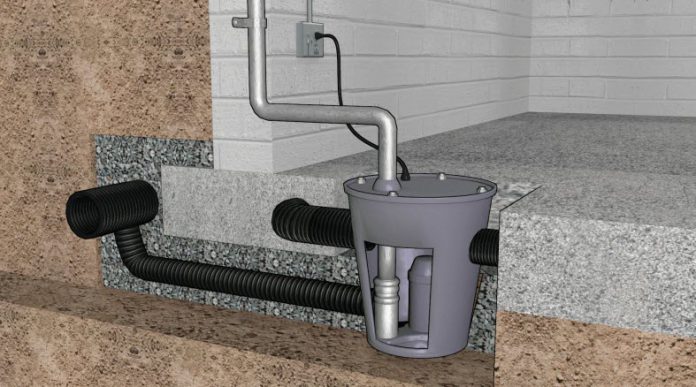
The problem of basement flooding can be very costly and frustrating. There are many potential solutions, but the most common is installing a sump pump. Such a machine can solve the flooding problem in a basement, but items like raised flooring, gutters, and downspouts can also help prevent flooding.

But installing a sump pump removes excess water beneath a home effectively and at an affordable cost. This blog has discussed some factors that help calculate its installation cost and signs when you need to change the model.

Floor Type

A dirt floor will typically cost less to install a sump pump than a concrete floor because the materials required are generally cheaper. However, if a home has a wet basement, there may need to be more than just installing a machine on a dirt floor to prevent flooding.

Location of the Pump

Pumps that are easily accessible are usually cheaper to install than pumps that require more effort. However, if the plumbing in that area is densely packed, it will increase the price of installing a pump.

Model Type

Submersible pumps are typically less expensive to install than pedestal pumps, but they require a larger area for installation. Conversely, pedestal pumps are usually more costly than submersible pumps, but they need less space and can be installed in smaller sizes.

It is also essential to consider the type of machine system that will be installed. For example, a standby system will only drain the sump if there is a power outage; an automatic system will monitor the water level and activate the pump whenever it rises above a preset level.

How do you know it’s time to change the model?

Excessive vibrations

If your home’s sump pump is creating vibrations at or above 50 Hz, it may be time to replace it. Vibration from a failing machine can cause structural damage to your home and lead to costly repairs.

High and irregular noise

If you’re noticing high and irregular noise from your sump pump, it may be time for a new one. Other indications include when the machine becomes challenging to operate or leaks water faster than usual. If you notice these signs, you must take action and have your machine replaced as soon as possible.

Corroded battery terminal

If you’ve been having problems with your sump pump for a while, it probably means that the battery terminal has corroded. This can happen when the model hasn’t been used for a while, or the water level has gone down too much to function for a battery. Check the battery terminal. If it’s corroded and visible, it may be time to replace the pump.

Infrequent Usage

If you notice that your pump is working less often than it used to, it may be time to change it. Infrequent usage can cause the motor to fail, flooding your basement or home.

Older Pumps

If you have an older pump, it may be time to change it. Pumps seven to ten years old or older are typically less efficient than newer models and may need to be replaced. Older pumps also tend to have shorter life spans, so keeping an eye on the machine kits used in your home is essential.

Wrap Up

Installing a sump pump is essential in protecting your home from potential flooding. If this is your first time installing one, be sure to consult with a professional. Be prepared to cover the installation cost yourself or through your insurance company. Finally, keep your sump pump operational and adequately maintained to ensure its long-term effectiveness in keeping your home dry.

8 Cleaning Mistakes You Don’t Realize You’re Making

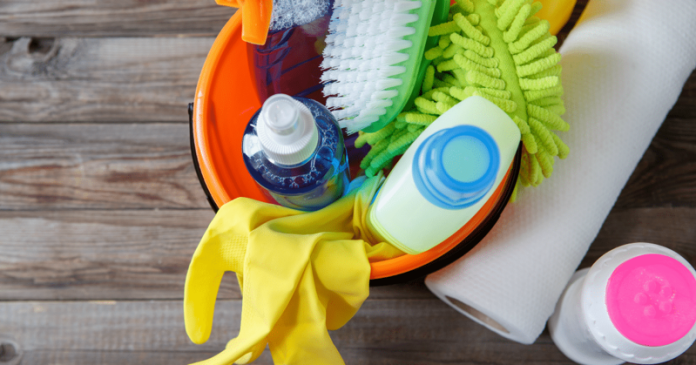
Because you’re human, you’re going to make mistakes. Because you’re a busy human with so many things on your plate, you’re especially going to be making some silly cleaning mistakes every now and then. You’re probably even just going about your usual semblance of a cleaning routine, like washing your windows on a sunny day or using a feather duster for all your dusting needs, and not realizing that you shouldn’t do either of those things. Huh? Exactly. It’s time to put down that lint roller brush you’re using on your couch to get rid of pet hair and swap it for a reusable pet hair removal tool instead. Here are eight cleaning mistakes you don’t realize you’re making and how to clean better.

Cleaning home table sanitizing kitchen table surface with disinfectant spray bottle washing surfaces with towel and gloves. COVID-19 prevention sanitizing inside.

1. You’re Still Using a Lint Roller Brush to Get Rid of Pet Hair — Many people still use lint rollers to remove dog and cat hair from their clothing and furniture. While that was everyone’s go-to for years, the reality is that a lint roller just isn’t as effective as a pet hair removal tool. With this kind of tool, you’ll be able to easily remove pet hair from your shirt, your jeans, your couch, and any other non-knit surface. Plus, you can use it to groom your pet, too. A lint roller just has a sticky adhesive that doesn’t completely remove all the pet hair from any surface, and you don’t want to use the lint roller to brush your dog’s fur.

2. You’re Just Spraying Disinfectant Instead of Cleaning — According to MedlinePlus, there is a key difference between cleaning and disinfecting. Disinfecting will kill germs on the surface. Cleaning will remove dirt, dust, and other debris from surfaces. While ideally you want to both clean and disinfect surfaces in your home, you can’t just spray bleach and call it a day. Don’t just disinfect your home by spraying bleach on bathroom and kitchen tiles. You have to thoroughly clean your home as well.

Funny family cleans the room in the house.

3. You’re Washing Windows on a Sunny Day — You would think that when it’s a warm sunny day outside that it’s the perfect time to wash your windows. Believe it or not, you don’t actually want to wash your windows on a sunny day. That’s because the sun can evaporate any water or cleaning solution you use on it before you’ve actually started cleaning. This leads to streaky windows and cleaning solution buildup, the opposite effect of the crystal-clear glass look you wanted. Instead, wash your windows on a cool and cloudy day, or wash them at night.

4. You’re Using Dish Soap to Clean Cutting Boards — Dish soap and warm water are great for washing dishes. However, it doesn’t exactly cut it for cleaning your cutting boards. Dish soap won’t remove the tiny bacteria and small bits of food that are still lingering on your cutting board. If you’ve been cutting raw meat on your cutting board, the bacteria from your cutting board can transfer to your food and make you sick. To properly clean and sanitize your cutting board, soak it in a mix of bleach or hydrogen peroxide. Use two tablespoons of bleach or hydrogen peroxide per one gallon of water. If you’ve been looking for nitrile gloves, it might be because you’ve realized how important it is to clean cutting boards used for raw meat properly. Dish soap won’t remove the microscopic bacteria and small bits of food still lingering on your cutting board. These tiny remnants can transfer to your food and make you sick. To properly clean and sanitize your cutting board, soak it in bleach or hydrogen peroxide, using two tablespoons of either substance per one gallon of water. Remember to wear nitrile gloves to protect your hands while handling these strong substances.

5. You Don’t Clean the Toilet Enough — We’re all a little guilty of this. Most of us don’t clean the toilet long enough or often enough. It can feel like a long and taxing process when you’re trying to give your toilet a good and thorough scrub down. Make sure you routinely clean your toilet and get into those crevices where bacteria tends to permeate.

6. You Don’t Proactively Groom Your Pet — Grooming your pet isn’t just about making them look good. By proactively grooming your pet and brushing their fur, you’re helping remove excess fur from their coat. Less fur from their coat means less dog and cat hair you have to clean up at home. Use a portable pet hair remover to remove pet hair wherever you go. That way, you’ll be able to use the same tool to groom your pet and remove pesky animal hair from your clothing, car seat and more.

Back view of beautiful woman in protective gloves holding a spray and a rag while cleaning her house

7. You Use the Same Washcloth for Cleaning — You may think that if you’re using bleach and a washcloth, you’re fine to use the same washcloth on multiple surfaces throughout your home. That isn’t the case. When you use the same washcloth over and over again, even if it has a cleaning solution on it, you risk spreading bacteria from one part of your home to another. Use different washcloths or cleaning wipes between surfaces so you don’t transfer germs over and over again.

8. You Use the Same Feather Duster for Dusting — There are several reasons you don’t want to use the same feather duster for dusting multiple surfaces. The first is that it’s like using the same washcloth for cleaning. It’s like using the same dirty lint roller adhesive tape on your clothing all over again instead of using the more eco-friendly Uproot Cleaner Pro. It’s not as hygienic. Different kinds of dusters also work better for different surfaces.

Recent Posts

Posts You Might Like