

Home Blog Page 159

How To Choose the Right Interior Designer for Your Project

Homeowners have a lot of options if they want to improve their homes, but interior design is always worth investing in. Good interior design is important because it can make or break a room. A well-designed room is not only aesthetically pleasing but is also functional and comfortable. Poor design can make a room look cluttered and uncomfortable, and it can be difficult to get around in a room that is not designed well. The right design choices can make a room look spacious and inviting, which will improve your overall quality of life at home. If you’re not sure where to start, read on to find out how to choose the right interior designer for your home improvement project.

How do you choose the right interior designer for your project?

People are often surprised to learn that they can get professional interior design help online. Believe it or not, online interior design services can be effective, convenient, and affordable. With online interior design services, you can experiment with different looks before making a decision. You can see what the room would look like with different colors, furniture, and accessories. This can enable you to make a decision that you are happy with. Additionally, most online interior design services have user-friendly interfaces that are easy to use. This makes it easy to find the right design ideas and options for your home.

Whether you want to use online interior design services or not, when choosing an interior designer, you have to take several things into account. The first is the designer’s portfolio. This will give you a good idea of the designer’s style and what they are capable of. It is also crucial to consider the designer’s fee, as well as their availability. You should also feel comfortable discussing your ideas with them, and you should be able to trust them to carry out your vision. If you can’t find a designer in your area, you might want to think about an online interior design service.

There’s no question that quality interior design can add value to your home. It will make your home more appealing to potential buyers and it can improve the quality of life for your family. Your home should feel like a true reflection of your personality and lifestyle, and it can be a perfect place to unwind and escape the stresses of daily life.

What else can you do to improve your home’s overall aesthetic?

Landscaping is a smart investment for homeowners. It can add curb appeal and value to a home, as well as improve the overall aesthetics of the property. A beautiful yard can be an ideal place to relax and enjoy nature. It can also provide a space for you to entertain friends and family. By adding new plants, flowers, and trees, you can dramatically improve the look of your exterior. You can also add features like a patio, a deck, or a pond. You can even opt for features like a garden or a playset to make your yard more useful.

When it comes to home improvement projects, repainting your home can be one of the most rewarding. A fresh coat of paint will make your home look fantastic, but it can also make it feel more comfortable and inviting. Choosing the right color for your home can be tricky. You want to pick a color that will complement your existing decor and creates the mood that you want for the space. Not all paints are created equal. Choose a paint that is designed for your surface type and climate. If you’re not sure which paint to choose, consult a professional painter or home improvement store.

Overall, it is necessary to choose the right interior designer for your project in order to ensure its success. By considering all of the factors involved in the process, you can make an informed decision that will result in a beautiful and functional space. There are even online interior design services that simplify the process and make it more accessible. Just make sure to take all aspects of your home into account, including the exterior. You might be surprised by how much of a difference landscaping can make. If you follow this advice, you’ll be well on your way to living in the home of your dreams.
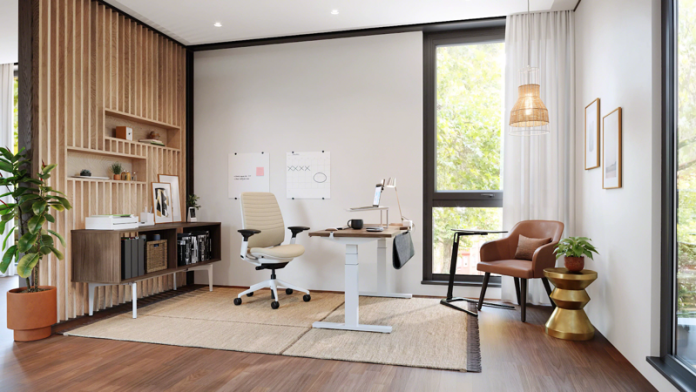

Real Estate Benefits From Having A Home Office On Your Property

Pre-pandemic, a home office was a luxury feature that many would want to have in their homes. It’s a quiet space where you can focus and work on what needs to be done while staying at home.

However, in the past two years, things have drastically changed because of the COVID-19 pandemic. The way we work has changed, and working from home or remotely has become a new normal. Although more offices are now opening up, people still opt to work from home. It’s now a choice rather than a necessity.

According to the Pew Research Center, 61% of the 5,889 U.S. adults they surveyed last January 2022 work from home because they want to, while 38% said that their offices are closed. This is the exact opposite of their October 2020 survey, when the pandemic had just started, where 64% of people worked from home because their office was closed, while for 36%, it was a personal preference. The majority of these workers now choose to work from home for better productivity and work-life balance. Others have relocated away from their offices.

With this, many businesses also shift their operations and allow the remote setup or work-from-home policies for various reasons. It helps prevent the spread of the coronavirus and avoid lost productivity.

If this remote work continues to be a trend and you’re a homeowner, don’t you think it’s time to work with a great contractor to add an office to your existing home or the new one?

But first …

What is a home office?

A home office is a work-dedicated space in the house. It’s designated for official business purposes, giving a dedicated space for those working remotely for an employer or for those who are self-employed.

Imagine managing your work schedule while making sure that the house cleaning service in Los Angeles you hire is doing its best to make your home sparkling clean. That’s the kind of flexibility workers are looking forward to with the work from home setup.

Also, did you know that if you’re a qualified taxpayer, you can claim a home office on your tax return? Yes, you can debit particular home expenses, those incurred in running a business, when you file taxes. However, it’s best to check the rules provided by the Internal Revenue Service to see if your home qualifies for tax deductions.

These are just a few benefits of having a home office on your property. Another important one is that with the new normal of working from home, many homebuyers in the market are now looking for properties that have offices installed.

Does a home office affect the value of your property?

Yes, definitely.

In the real estate world, having a home office is an advantage, especially with the current increase in demand for homes equipped with offices. This can increase the value of your property by as much as 10%. If your home is worth $500,000, it’s potentially about $50,000 of additional value. Not a bad return on investment, right?

So, whether you’re converting your basement and any underused spaces or building a home office extension with tiny homes, it will benefit you in the future if you decide to sell your home. It becomes more appealing to buyers with the popularity of remote working.

Why are home offices attractive to buyers?

Many home buyers are now looking at properties with home offices for various reasons. Check out some of the reasons below:

  • A home office provides a specific place for work essentials like computers, files, paperwork and other stuff.
  • It helps draw a line between regular life and professional life.
  • It offers a separate space in the house where one can focus on the tasks at hand.
  • It increases a home’s square footage.
  • It can also serve as a study room for children and adults alike.
  • It helps avoid distractions, including noisy sounds and household members interrupting during important meetings.

Does this get you inspired to create an office space that can increase the value of your home? However, remember that no matter the kind of home office you want, its success and the return on your investment will depend on how you do it. Wise planning is key so you won’t end up losing.

10 Ways on How to Prevent from Breaking Down During Summer

The summer months can be a nightmare due to the rising humidity levels. This is where an air conditioner becomes a valuable investment to help keep your home or office cool and comfortable.

However, your air conditioner can be prone to breaking down or malfunctioning during summer. Fortunately, there are several things that you can do to keep your unit running efficiently and optimally during summer.

At Direct Air, we can help your unit to prepare it for a seamless operation during the summer. We are a renowned AC repair contractor in Miami that can help you with your AC issues.

Here are some useful tips on how to keep your AC in top shape to prevent breakdown.

Get professional AC tune-up

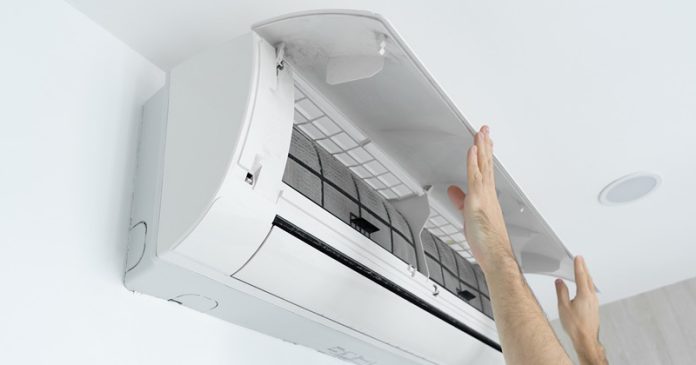
If you want your unit to continue operating optimally even during summer, consider scheduling a spring tune-up with a professional technician. During a professional tune-up, the technician will tackle the most important maintenance tasks to get your unit ready for summer.

The technician will examine every component and troubleshoot issues that could lead to inefficient operation. This can include things like a filter change, which could lead to a breakdown if ignored.

Examine air filters

Your AC is likely to work hard during summer or hot months. Consequently, the air filters can get potentially clogged with dirt and dust, blocking the airflow.

The result of this is inefficient operation, increased energy consumption, and eventually a breakdown. The good news is that checking or changing your filter regularly can prevent these issues.

Servicing air filters not only prevents breakdown but also helps to improve the air quality of your unit. If you use disposable air filters, make sure that you change them on a monthly basis.

Don’t block the vent

Closing or blocking air vents is believed to save energy. However, this is not always true as blocking an AC’s vents can cause obstruction of airflow and throw your unit off balance.

Besides, blocking the vents can make it difficult for your AC to maintain the pressure load for your home. Therefore, you need to ensure that your unit’s air vents are kept open and unobstructed at all times.

Examine the unit for water leaks

Water leaks are common in AC units and occur when the condensation drain line is clogged. When your unit experiences water leaks, it is more likely to break down.

A good tip is to always examine your unit for signs of leaks when changing the air filter. Don’t hesitate to contact a professional technician to unclog the drain if there are any leaks.

Never overwork your system

Unlike popular belief, increasing the load on your unit will do more harm than good. While putting extra load can lead to a minor drop in the indoor temperature, it can make your AC susceptible to breakdown.

This is because your system will overwork in order to release cool air that will keep your home cool and comfortable. It is highly recommended to set your thermostat in an energy-saving mode, especially during very hot days. This will lower your AC’s load so it doesn’t have to work very hard.

Clear the surrounding area

This aspect is often overlooked but it can make a huge difference in the operation of your AC. The outdoor unit should be placed in a neatly maintained area that is free from plants, weeds, debris, tall grasses, and other obstructing objects.

Tall plants and other objects will not only block the airflow but also hinder your unit’s ability to run efficiently. This can be a major problem during hot months as reduced airflow will mean that you won’t enjoy cool air in your home or office.

In the end, your unit will suffer a potential breakdown. Therefore, ensure that there is enough space for the AC to breathe and function as required.

Similarly, ensure that the indoor surrounding area is clear from obstructions. The air conditioner should be easily accessible for you to clean to prevent dirt build-up. This will also make it easy for the technician to perform maintenance tasks where necessary.

Check and clean the coils

Like air filters, dirty coils can block the airflow in your home. During high humidity, these coils can be susceptible to mold and mildew growth.

If left unattended, this issue can eventually lead to a breakdown during hot months. Routine maintenance will ensure that the condenser coils are clean and in the right working condition.

Allow your unit to take a break

An AC breakdown can occur during summer because the fan is constantly in use. Basically, an AC unit that is working throughout the year is prone to breaking down during operation.

Allowing your AC to rest for a while can keep it in top-notch condition and prevent a breakdown that comes from overworking. Shut down the unit for several days before restarting it again. Also, remember to switch it off if you are out of the house for several days.

Limit using energy-consuming appliances

Energy-hogging appliances like dishwashers and refrigerators can compete for energy with your air conditioner. Minimizing the use of these appliances can reduce your AC’s load, preventing breakdown. You may also want to use the energy-hogging electronics at night when it’s much cooler outside.

Replace a worn-out unit

If your system is old and nearing its lifespan, then it may be time that you replaced it with a new unit. This is true if your AC has served more than 10 years. You don’t have to wait for your system to break down in order to get a new one.

Getting a new unit will help you save significantly, and you won’t have to spend on expensive repairs on your malfunctioned unit. Plus, it will get you ready for summer since the new AC will have the capacity to run throughout the summer period.

Conclusion

Summer months don’t have to be intolerable thanks to an air conditioner. Knowing how to protect and care for your air conditioner will prolong its life and keep it running longer all summer.

Make sure that you schedule an annual AC tune-up with a professional technician before summer for major maintenance tasks.

Air Conditioning Expert – Why Hire A Professional?

For any homeowner, the comfort of their house is essential. Not only is it a place to rest and relax, but also to entertain guests. The summer heat can be brutal, so having a functional air conditioner is key to maintaining a comfortable household. However, when your air conditioner breaks down, it can be challenging to know what to do or who to call. This is where having a Hillsboro AC repair expert on hand can be highly beneficial.

There are some reasons why you should consider hiring a professional to help you with your air conditioning needs.

1. They Have the Experience and Knowledge

Air conditioning experts have the experience and knowledge to properly diagnose any issues you may be having with your unit. They will be able to quickly identify the problem and determine the best course of action to take to fix it. Furthermore, they will be able to advise you on how to prevent similar issues from occurring in the future.

2. They Can Save You Money

While it may seem counterintuitive, hiring an air conditioning expert can save you money in the long run. This is because they can properly repair your unit, which will help it last longer. In addition, they can also perform regular maintenance on your unit, preventing costly repairs down the line.

3. They Offer a Wide Range of Services

Air conditioning experts offer a wide range of services that benefit any homeowner. In addition to repair and maintenance, they can also install new units, perform energy audits, and provide advice on improving your unit’s efficiency.

4. They Are Available 24/7

One of the biggest advantages of hiring an air conditioning expert is that they are available 24 hours a day, 7 days a week. You can call them anytime, day or night, if you have an emergency.

5. They Offer a Satisfaction Guarantee

Most air conditioning experts offer a satisfaction guarantee, meaning you can call them back if you are not satisfied with their work. This is a great way to ensure you get the best possible service.

6. They Are Insured and Bonded

When hiring an air conditioning expert, you can rest assured knowing they are insured and bonded. You will not be held liable if they damage your property or injure themselves while working on your unit.

7. They Provide a Free Consultation

Most air conditioning experts offer a free consultation, which allows you to discuss your needs and budget with them before any work is done. This is a great way to get an idea of what they can do for you and decide if they are the right fit for your needs.

8. They Offer Flexible Payment Options

Air conditioning experts usually offer flexible payment options, which means that you can pay for their services in a way that is convenient for you. This is a great way to avoid enormous upfront costs and ensure you can afford the necessary assistance.

9. They Have the Necessary Equipment

Air conditioning experts have the necessary equipment to repair and maintain your unit properly. This includes the tools, parts, and supplies needed to get the job done correctly.

10. They Are Trustworthy

When you hire an air conditioning expert, you can rest assured that they are trustworthy and will not try to take advantage of you. They will be honest about the work they can do and only recommend necessary services.

As you can see, there are many reasons why you should consider hiring an air conditioning expert. They have the experience and knowledge to properly diagnose and repair any issues you may be having with your unit. They can also save you money in the long run by performing regular maintenance and repairs. In addition, they offer a wide range of services that can benefit any homeowner.

Hiring an air conditioning expert is the best option if you have any problems with your air conditioner or want to learn more about keeping it running correctly. Not only will they save you money, but they will also be able to keep your home comfortable all summer.

What Are The Advantages of Mannington Adura Max Vinyl Flooring?

The history of vinyl flooring is one that is both rich and spectacular. Back in the nineteenth century, a French surgeon made the discovery that led to the development of the substance. After many years of research, development, plus trial and error, vinyl was finally put into use as an alternative to rubber.

In 1947, a Swedish business introduced the world’s first vinyl flooring to the marketplace. Vinyl flooring was first manufactured by flooring businesses in Europe and North America in the 1950s and 1960s, and with each new release, the product underwent significant improvements. Vinyl flooring had a significant benefit over rubber flooring in that it could be recycled, which contributed to its meteoric rise in popularity. Click on the link for more https://medium.com/@greatwesternflooringco/cleaning-luxury-vinyl-plank-flooring-tips-ab4667e070e2.

In the decades that have passed since then, vinyl has seen significant development, and now, it can be found in a greater number of houses than ever before. The following is a list of the primary advantages that come with selecting vinyl flooring for your home.

It’s affordable

Vinyl tends to be one of the forms of flooring that is one of the most economical options available on the market. The specified thickness, brand, and pattern may all have a significant impact on the final cost, but there are certain possibilities that come in at extremely reasonable prices.

An enormous selection of various finishes

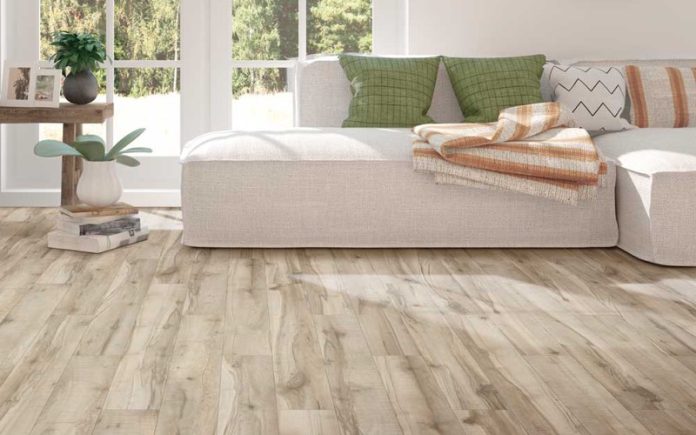
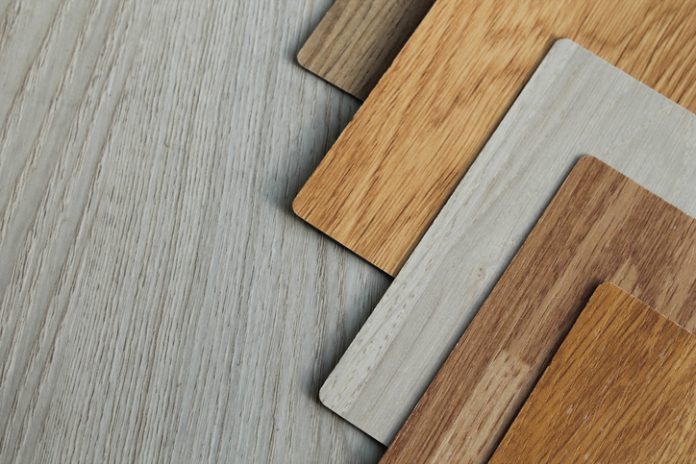
Vinyl may now be produced with an extremely wide range of styles, patterns, and color palettes. It is obtainable in designs that mimic wood grain, stone, and tile, among other things. Many of these types, particularly those made of luxury vinyl, have an appearance that is practically identical to that of the original material they are imitating.

This makes it possible to achieve, for instance, the appearance of hardwood flooring in any space without the expense or the difficulty of installing it.

More resilient and long-lasting than ever before

You may not have recognized how tough vinyl flooring is, but it also comes in sheets. The advent of the engineered vinyl kind known as WPC, which is a wood plastic composite, brought forth entirely new levels of durability for vinyl. In spite of this fact, it is still susceptible to injury, like scratching, if it is not handled properly.

Simple in terms of upkeep

The robust protective coating that comes standard on today’s vinyl floor kinds makes them resistant to stains as well as dirt and grime buildup. This makes cleanup much simpler compared to other types of flooring. It is simple to clean up any spills or splashes, and as long as you mop and sweep the floor on periodically, it will continue to function well for many years to come. Click here for more.

Easy installation

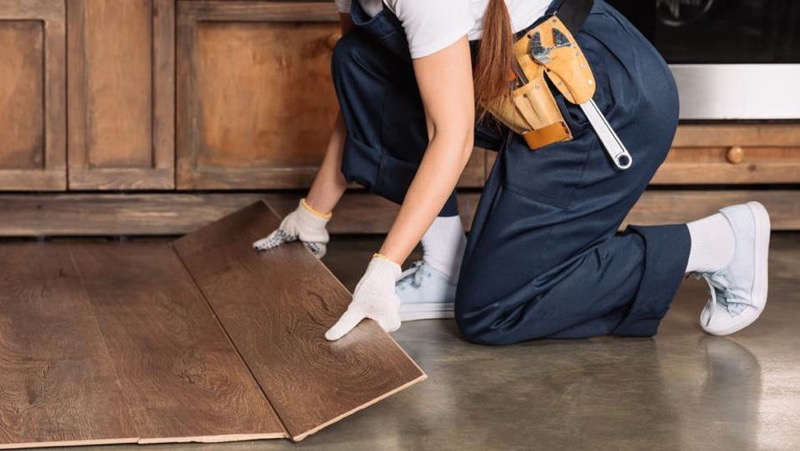
Installing vinyl flooring is now simpler than it has ever been before thanks to the creation of vinyl tiles as a replacement to cumbersome rolls of the material. The plastic backing of the tiles may be peeled away to expose the glue below.

After that, they may be forced into their proper positions. The installation of vinyl flooring may now be done by the homeowner themselves. It is possible to avoid having to repair the entire floor by just removing the damaged tile and replacing it with a brand new one in the event that the tile becomes scratched or soiled.

Insulating and resistant to water damage

The use of vinyl in a home results in the creation of an insulating layer that can improve the home’s energy efficiency and make it more pleasant to walk on. In addition to this, unlike real wood flooring, it is not affected by water or dampness. Creating the appearance of wood in areas of the house where actual wood would be impractical, such as the bathroom or the kitchen, can be accomplished by using printed vinyl rather than genuine wood.

Since its inception several decades earlier, vinyl flooring has undergone significant development that has led to significant improvements. You should take another look at vinyl as a potential material for use in the construction of your home if you haven’t already done so. Because it possesses a multitude of characteristics and advantages, it is a great option of flooring for every area.

Other things to consider

When installing a Mannington Adura Max vinyl floor, it is advised that the subfloor be as completely flat and smooth as is possible. Since vinyl is regarded to be a “soft” flooring material, any faults that are present in the subfloor will be accentuated by its presence.

Vinyl flooring, due to the “soft” nature of the material, does not usually hold up well under heavy loads, and it is susceptible to harm when sharp items are placed on or near it. In order to ensure that vinyl flooring can endure the environment in which it will be installed, it is essential to take into consideration the types of furniture that will be taking place in the space in question.

Hardwood Floor Installation Guide

Choosing which type of flooring to use in your home is one of the most challenging decisions to make. Since the floor covers all interior areas, it is crucial to install the one that completes and complements your home’s aesthetics. Some of the most common floorings are carpet, tiles, and wood. In modern houses, hardwood flooring has a design that can give natural charm to your homes, adds a unique personality, and provides versatility. Additionally, home building professionals recommend hardwood floors due to their innate ability to be a dependable and durable flooring option for your home.

Materials from these floor pieces use a denser and more durable wood, which means it can last for years with less maintenance. Though the durability of the wood differs from where it is made, all hardwood floors are rated through Wood Hardness Rating Scale.

If you are considering installing hardwood floors for your home, there are a lot of choices that vary from finishing, types, patterns, and width.

How to Install Hardwood Floors

Installation of the planks depends on the construction, thickness, and surface to where they will be installed, and you may need different tools and materials. However, most planks are made with tongue-and-groove edges which attach them. Here is a step-by-step guide on how you can install hardwood floors:

Determine the Right Procedure

Since the installation depends on the subfloor, there are different procedures for laying out the planks. If your subfloor is wood, you will need to nail or staple the planks to install them. If your subfloor is cement, the hardwood floor needs to be glued. However, flooring adhesives have different chemicals that may harm your family’s health.

The easiest process is the click-together snaps, where you lock each plank to the grooves on the edges. If you are planning on DIY, this is the best option.

Measure The Area

Once you have decided on the method, start measuring the length and width of the area to know how many hardwood floors you will need. But it is recommended to have an additional 10% on the actual measurement in case you mistakenly cut the planks or need to cover irregular spaces.

Acclimate

Now that you have your hardwood floors let them adapt to the room’s climate and adjust their moisture content by removing it from the packaging and letting them sit around in the installation area for several days.

Prepare Your Subfloor and Tools Needed

If your existing subfloor is uneven, fix it first. Make sure the subfloor is clean, dry, and strong enough if the subfloor is made of plywood. If your new planks do not have an underlayment, you need to purchase one before installing it.

You will need to prepare a mitre saw for long pieces, a table saw for rip cuts, protective gear, a moisture testing device if you will install it on concrete floors, and a nail or staple gun if you will install it on an existing wood flooring.

An existing concrete floor should have less than 3% of moisture content, while wood subfloors should have less than 12%. You may also test the air humidity using a hygrometer, which should be between 45-65% only.

Install the Hardwood Flooring

Roll out the underlayer – if the plank does not have one. Remember to place spacers on the gap between walls and floors to allow the wood to expand from humidity. Lay the planks parallel to each other, starting from one side of the room. Then read the manufacturer’s guide if you are using the click-together type of floor pieces.

If you are nailing the floor pieces, drill pilot holes before nailing them completely. If you are nearly finished, trace, fit, and cut the excess pieces to the contoured area of the room.

Apply Finishing Touches

The finishing touches will determine the final appearance of your flooring. Remove the spacers and reattach the baseboards to the walls of the room.

Most hardwood floor manufacturers provide a warranty. Make sure to install the planks properly according to the manufacturer’s guide; otherwise, your warranty can be voided. Specific preparations such as subfloor fixing and following the allowable moisture content will prevent your planks from getting damaged easily.

Conclusion

Proper installation is not the only key to keeping your hardwood flooring of the best quality after years. Perpetual cleaning and maintenance should also be considered to keep them in good condition.

5 Ways to Efficiently Heat Your Garage

Many homeowners never consider adding a heating unit to their garage. They use the space only to park their vehicle, or maybe to pile some junk they just can’t get themselves to part with, or maybe to store a lawnmower and some other landscaping tools.

But some people use their garage for more than just a car park. They use it as a woodworking shop, a man cave, an art studio, or a place to organize their long-term storage needs via an overhead storage rack (https://usaoverheadracks.com). It’s these homeowners who are more than likely to be in need of efficient garage heating solutions.

According to a new article, if you utilize your garage as some sort of workshop, then you’re personally familiar with how cold it gets in the winter months while you toil away at your do-it-yourself (DIY) project. Hands and feet feel frozen, and you can even see your breath. It’s an uncomfortable experience.

The truth is, garages usually lack both insulation and heating, making them less than ideal for harsh winter weather conditions, unless that is, you’re willing to invest in some serious changes. That said, garage heaters are the answer to your cold issues. Insulating your garage should also be considered.

With all this in mind, in order to stay warm and comfortable during the cold weather months, here are five ways to efficiently heat your garage.

Mini-Split Ductless Heat Pump

If you’ve converted your garage into an extra den or living room, you might want to look onto a mini-split ductless heat pump to provide the warmth you will require when it’s cold. Mini-split systems are said to be easy to install since there’s no ductwork to run. You can even DIY the installation.

The mini-split system is engineered with an indoor unit that’s connected to an exterior unit via a pipe chase. During the winter months, the unit will extract warmth from the exterior air and then release it inside through its air handler.

The ductless units are said to be very efficient since it delivers “conditioned air” to the right area or areas while minimizing heat loss. These units will also keep your pipes from freezing since it blows hot air on them.

Heat Pumps for the Window

Heat pumps designed for window spaces are engineered to both cool and heat your garage. These units are relatively inexpensive and can heat your garage on the cheap. Like ductless units, they are simple to install, meaning you can DIY.

The window heat pump makes little noise and, with the right maintenance, will last a decade or more. However, since the unit sticks out of the exterior wall, some folks might view it as an eye sore.

Portable Heat Pumps

Said to allow you to easily tune into the temperature you prefer, a portable heat pump just might be the perfect solution to your garage heating needs.

The portable heat pump operates just like all heat pumps. But this one can be moved to any desired spot in the garage since it’s portable. It actually comes equipped with wheels, so you can move it anywhere you want when you want.

No professional installation is required. Simply run its exhaust hose out an opening in the exterior wall, then plug the machine in and begin heating. With a portable heat pump, all the components required to operate it are contained in a single unit. It can also be operated by a hand-held remote “smart AC controller.”

Radiant Floor Heat

Experts say you can enjoy considerable heat in your garage without having to inhale the toxic indoor pollutants that can come from heating units by installing radiant floor heating. Radiant flooring utilizes energy to make your space comfortable and warm via hot water tubes and or electrical wires that run beneath the flooring.

One of the best advantages of radiant flooring is that the heat it provides is even and uniform, which means it can minimize overly hot and overly cold spots. There’s no forced air, so that means no toxins are being inhaled.

Its high efficiency promotes low energy prices.

Electrified Ceiling Panels

If you’ve decided to turn your garage into an art studio or even a recording studio, you might want to invest in electric ceiling panels since the heating system will not compete with either the décor or your work. The heating panels are said to be embedded directly into your ceiling.

This is a highly efficient system that will warm up your converted garage quickly and silently. Electrified ceiling panels can also be utilized as the primary source of your studio’s heating, which means you won’t need to bring in any loud portable units which can ruin the ambiance.

What is Cheaper: A Mobile Home or A House?

A year ago when I shifted to Columbia for work-related reasons, I did not have enough finances to pay the rent. It was back then that my uncle offered me to reside in his mobile home, that too free of cost and I can not thank him enough!

Now that it’s been quite a long time and I have to shift to a new place, I was wondering what is cheaper, a mobile home or a house? Also, how much does a used mobile home cost? Consequently, I researched the same and if the same is your dilemma, I am here to help you all as well.

What Is Cheaper: A Mobile Home Or A House?

Between a mobile home and a house, a mobile home is cheaper. Being less expensive does not mean that you have to compromise on any of the basic amenities. When on one hand, a furnished house costs nearly $400,600, a single-wide mobile house is only available for $40,900 approximately.

But, the real question is, can you solely rely on a mobile home for a lifetime to live in, or do you need to have a permanent resident? To understand that better, let us learn the pros and cons of a mobile home.

Mobile Home- PROS

Mobile home has certain benefits over a house which are mentioned below.

  • Budget-Friendly

First things first, a mobile home is a budget-friendly choice for everyone wishing to reside peacefully. You do not have to pay as much rent for a mobile home as you have to pay for a house. When a single-wide mobile home can be bought for nearly $40,900, a house would cost you as much as $400,600.

  • Spacious and Roomy

Considering the possibility, at the same price that you would get a three-bedroom, a garage, and two-bathroom mobile home, you will be provided with only a single-family house. A mobile home turns out to be a more spacious and roomy choice at an affordable price. If you go to buy a house at the same price, you would have to let go of some amenities.

  • Energy Efficient

Mostly, the newly built mobile homes are designed with modern appliances and equipment. These appliances are energy efficient and this adds to the benefit of living in a mobile home. Another good thing about a mobile home is that you can add customized features to it without worries!

  • Simple Lifestyle

For those who wish to live a simple and sophisticated life, mobile homes are a boon. They can easily set themselves apart from the chaotic city and live peacefully in their mobile home. Also, purchasing a mobile home is environmentally safe and sound too. Nowadays, mobile phones are lavish and built after keeping all the qualities of a home in mind.

Mobile Home-CONS

Having known the advantages of a mobile home, it is equally important to understand why it is not preferable to live a life in a manufactured home. The following are the possible cons of a mobile home-

  • Depreciation

The most felt disadvantage of a mobile home is that its value depreciates as soon as you bring it out from a factory. Like a permanent house, whose monetary value increases over time, the value of a mobile home just goes down. The depreciation in the value of the mobile home is a matter of serious concern and even loss. Therefore, you need to think wisely before buying money at home.

  • They Are Personal Property

Let me first explain to you the difference between real property and personal property. Real property is the value of the land and everything attached to it, that is a permanent house. On the other hand, a movable house such as a manufactured home is considered to be private property.

Being a private property, the value of a home does not experience a boost with time. If it is the case of a stick-house, that is real property, its value is definitely to be appreciated with time. Hence, buying a mobile home won’t be an asset for you in the long run.

  • Cost Of Maintenance

Mobile homes need frequent repairs which add to the additional cost of maintaining a money home. If something goes bad, you will likely have to spend it over and over again in your home.

How Much Does A Used Mobile Home Cost?

The cost of a single-wide used mobile home usually ranges between $10,000 to $25,000, depending upon the condition of the mobile home. If the mobile home is in a poor condition, you are likely to get it for cheaper rates.

However, an average double-wide trailer mobile house costs about $75,000. A double-wide trailer mobile house is spread over an area of 1,000 to 2,300 square footage. Mobile homes have an average life of 30 to 55 years, but they need frequent repairs.

Mobile Home Vs. A House

A permanently built house is indeed before the money home in several aspects-

1) A house will be an asset for you. The value of a house will appreciate even after it is bought. On the other hand, the value of a mobile home depreciates as soon as it steps out of a factory.

2) Whereas a house is real property, a mobile home ends up being private property. It means that you are to get no benefit from the mobile home.

3) A mobile home is a way more affordable and budget-friendly option in comparison to a house. Cost-effectively, you will enjoy all the amenities along with space and simplicity. A house, on the other hand, is costlier and at times less roomy.

CONCLUSION

Although mobile homes come with the convenience to be moved anytime, they need constant repairing as well. At times, the cost involved in getting the mobile homes repaired is more than the total cost to buy a house. For short periods, mobile homes are convenient and comfortable, but in the long run, you should rather focus more on buying a house.

Installation of A New Boiler – Installing A Boiler Might Seem Easy, but is It?

When installing a gas boiler in your home, there are many things you should remember. How long does it take to install a boiler in an average environment? Anyone who is Gas Safe certified can install it. All these questions are answered in our boiler replacement guide

If you’re looking for someone to install your boiler, you can request free quotes from as many as three Gas Safe-registered heating technicians. Get a quote from local installers..

Free boiler installation quotes are available for all home types.

How to install a boiler

Installing a new boiler in your property involves many steps. There are many steps involved in installing a boiler. This depends on how complex the job is. A system boiler is much easier to replace than a combination boiler. There are fewer steps involved.

There are more steps if your boiler needs to be installed in another location, such as a garage or loft, or any other building.

Find out more: How much does it cost to move your boiler to another room in your home.

  • No matter how complicated a boiler installation may seem, there are always three steps.
  • Boiler removed
    First, any heating engineer must remove the boiler. This will make their job easier and enable them to reach your boiler quicker. The attic should be equipped with stairs or a safe route to the boiler. The boiler must be well lit. In order to install the boiler, the heating engineer may need to take out any pipes or radiators.
  • Installation of a new boiler
    The heating engineer will install the new boiler after the pipework and boiler have been removed. Depending on the complexity of your job, this part may take up to an entire hour.
  • A tour of a brand new boiler product
    After installing the boiler, and verifying that it is working properly, the heating engineer will take you on a tour through all the features. You will learn how to use all the controls and other features on your boiler. How to set up a schedule for when the boiler turns on and off. While you wait for the heating engineer, ask questions and make notes about the boiler’s functions. Expert advice will help you use your heating system efficiently and effectively.

Once the boiler has been installed

After your boiler is installed, you will need to get a Building Regulations Compliance Certificate (from the heating engineer) Register the installation with manufacturer to confirm warranty.

Most manufacturers require this within 30 days of installation.

To keep your boiler in top condition, a Gas Safe registered engineer must service it annually. To ensure proper gas pressure, they will inspect the boiler from inside.

What are the requirements to install a boiler?

You should not attempt to install a boiler in your home by yourself. To install a boiler legally and safely, a qualified professional is your best choice.

This is usually all you need to do in order to install a boiler. The heating engineer can often source the boiler and other parts.

Although you can save money by buying a boiler directly from a heating contractor, this will still be much more expensive than having it professionally installed by Gas Safe registered heating technicians.

How to install a boiler: What you can do and what you cannot!

When installing a boiler, there are many building regulations that you should be aware of. These regulations regulate where and how the boiler can be installed. These regulations also specify the size of gas pipes that can be used. The list could go on.

Installing a boiler requires that you adhere to many regulations. This job isshould always be completed by a professional. You can confirm that the heating engineer has issued a Building Regulations Compliance Certificate.

Gas Safe certified registered heating engineers will make sure that your boiler installation is compliant with all building regulations. We recommend that you get at least three estimates from heating pros in your area to get the best price.

What is the average time for boiler installation?

It could take up to three days depending on how complicated your boiler installation is. Complex installations may take longer. Moving your boiler from one location to the next will take longer.

How quickly can you get a boiler installed?

Basic boiler installations can take between 4 and 6 hours. It is important to coordinate a time with your local installer. Even though it might take a while, you can book your boiler installation online.

What is Wrong with My Air Conditioner?

When the hot summer months start to peak out, you may worry that your air conditioner will not be able to keep up with all of the heat for you. You do not want to spend all the money to get a new unit put in place, but you also do not want to be stuck with a broken air conditioner on one of the hottest days of the year either.

There are a number of things that can go wrong with your air conditioner unit and you need to be prepared for them along the way. Some of the most common issues that will appear in your air conditioning unit as it gets older includes:

Leaks of the Refrigerant

If your air conditioner starts to run low on refrigerant, which is the part that helps keep it cool, then it was either undercharged when installed, or there is a leak of some kin within the unit. If it leaks, it will not be enough to just add more of the refrigerant into it, because it will just all come right back out again. You need to find a better solution.

It is a good idea to call in a trained technician who can look for the leak and then get it fixed. While they are there, they can test the repair to ensure it is working and then charge the system so that it has the right amount of refrigerant in place from the start. You should quickly notice that the air conditioner does a much better job keeping your home cool once this is fixed, if that is the problem you were having.

Inadequate Maintenance

Homeowners need to be proactive with the maintenance that they do on their air conditioning unit. If you do not take good care of the whole unit, then it is more likely to stop working or will have to work harder to keep the home cool, which will cost you a lot of money along the way.

For example, if you allow the air conditioning coils and the filters to become dirty, then the unit is not going to work well. It is also possible that the air compressor or the fans will stop working, and the unit will not keep your home cool at all. Working with a trained professional the whole time and having routine checks on the system will help ensure that it will work longer and keep you cool.

Electric Control Failure

As the air conditioner gets older, it is possible that the fan controls and the compressor will start to wear out. You may notice that this is happening when the unit tends to turn itself on and off frequently. This is most common with a system that tends to be oversized for the room that it is in, but there is also the possibility that the unit is no longer able to do the job it is set out for.

Because wires and terminals in the unit can corrode, you may find that there are many systems to blame for this particular problem. Most of them will be electrical so it is often not a good idea for the homeowner to try and solve the problem on their own. Consider calling a professional to come take a look at the problem and see which solutions are right to get that unit back up and running again.

Sensor Problems

Your room air conditioner is supposed to have a thermostat sensor. You should be able to find this right behind the control panel. This sensor is going to help you to measure out the temperature of the air as it comes into the evaporator coil. If the sensor is knocked out of position, it is possible that the air conditioner is going to cycle constantly or it may behave in an erratic manner.

In this case, it is possible that the sensor is going to be near the coil, but not completely touching it. If this is the case, then you should carefully bend the wire a bit to help get it back over. If you are worried about breaking it or do not want to mess with it yourself, then you can call in the professionals to help handle he work and ensure that the air conditioning unit will work well again.

Drainage Problems

It is also possible that your air conditioner will run into some problems with drainage. When this starts to get too bad, you will find that the unit will no longer perform the way that you would like it to. This is most likely to happen when it is humid outside, but there are also times when some of the components of the unit will get clogged and you will need to do a little more work to take care of it.

When it is hot and humid outside, you will need to first go outside and check the condensate drain. See whether it is doing a good job draining out. If not, then you will need to check whether this is clogged up or not. You may be able to release the clog yourself if it is near the top of the drain, or you may need someone to come and do some of the work for you to get a clog that may be deeper down. You should keep in mind that your room air conditioner may not be able to drain properly if you do not mount it level because this can kink up the pipes. Make sure to place it in the right location.

When you are ready to get your air conditioner checked out and ready to go, you need to make sure you work with the right repair service to make sure that your home will stay cool all summer long. Our team will be able to work with you to provide the best in AC repair in Temecula, ensuring that you can catch some of the common problems with the unit early on and avoid being stuck with a home that is too warm on the hottest day of the year. Trust our team to work with you and provide the very best this summer!

Recent Posts

Posts You Might Like