
Home Blog Page 171

4 Tips For Mixing And Matching Living Room Furniture

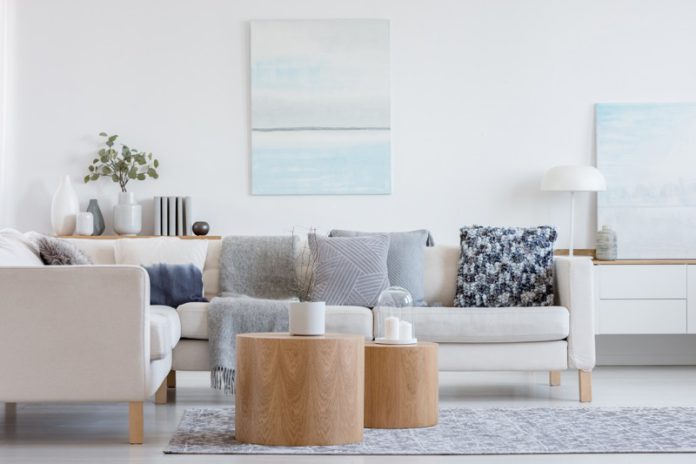
Two wooden coffee tables with plant in pot in front of grey corner sofa in fashionable living room interior

It’s about time to change what your living room looks like. Now is the time to give it a new breath. Because if not now, when will you do it? The constant delay and saying, ‘I’ll do it next time’ won’t let you accomplish anything.

Maybe you’re thinking it’s going to be so difficult. All the choices you have to look at and different designs make your head spin. Don’t worry; this article will help you navigate through the process.

Perhaps what’s significant to begin in this project is to shift your mindset. Focus on the benefits you’ll gain after sprucing up your living space. This way, you’ll have renewed energy and enthusiasm for the task.

Your living room is meant to receive your guests and could also be a place where your family will gather for game nights or bonding activities while sharing stories of what happened in your respective days. It should be a welcoming and comfortable place to do all that.

With an inviting and cozy living room, the aura of your home will be bright and cheerful. It will attract positive energy that could benefit you and your entire family. If you plan to redecorate and style your living room, you may check out pieces at Dreamo Living.
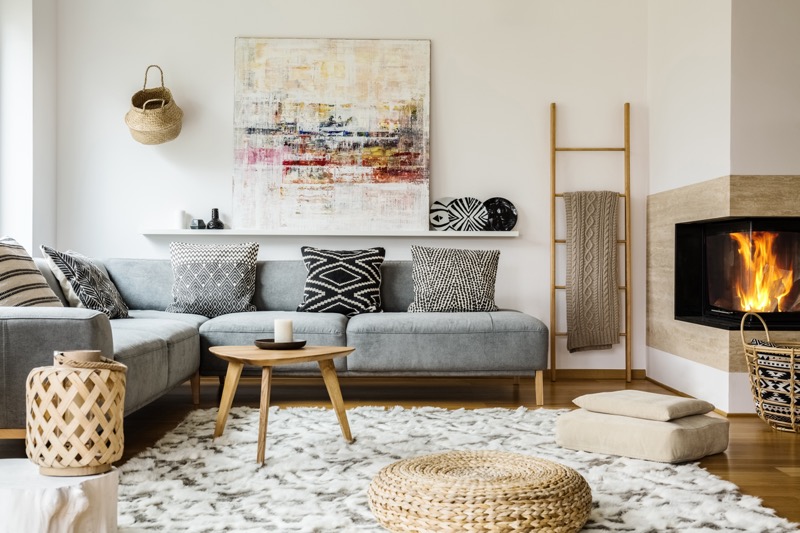
Wooden table next to grey corner settee in warm living room interior with painting and fireplace. Real photo

Furthermore, to help you in this endeavor, here are tips for mixing and matching living room furniture:

1. Pay Attention To The Size Of The Furniture

Large pieces of furniture would look bulky when placed beside a dainty accent piece. Imagine a sizeable Victorian sofa beside a small ottoman. Try to achieve balance and symmetry by visualizing the entire room’s look in your head. Or better yet, you may draw a plan on a piece of paper to give you a better grasp on how you would position pieces to make the room look put together. Heavy pieces of furniture can be toned down by accentuating a delicate decor like a porcelain vase with fresh flowers.

2. Follow A Theme Or A Style Inspiration

Working with a theme will make it easier for you to pick furniture pieces to buy. Maybe you’d like a modern classic theme, shabby chic, nautical, Zen, or tropical-inspired. Whatever that may be, there will be a set of furniture to match what you’d like to achieve. It would also be easier to follow a specific theme; this way, you only have one direction to take and may only need a few twists and deviations here and there to make your style unique.

Say you want a tropical beach theme; you may mix rattan with soft cushions and lay a pop of colorful rug to accentuate the living room that will have an all-white wall. Or maybe you want a minimalist approach. You may select wooden Nordic-inspired pieces and mix them up with classic antiques you’ve been storing for a while now.

3. Choose A Focal Inspiration Piece

Maybe you have a unique piece you want to be the center of your design style. You may focus on that piece and add other items in the living room that will tie to that central focal piece. Say you have a large abstract painting on your living room wall that you want to be your focal piece. You may want to add other eclectic details to complete the look of your living room, like chairs with a unique form or sofas with abstract print cushions.

4. Match Colors And Patterns

Utilizing a color palette as a guide will help create a cohesive look. It would also be easier on the eyes and will make the room look more relaxing and calming. You may want to check the color psychology guide to help you achieve a specific feel to your room. Try putting a palette of cool blues in your living room like a teal blue sofa with an ocean blue throw blanket, accentuated with seashell decors and sky-blue throw pillows. The space will emanate feelings of calmness and serenity and would be suitable if you have an elderly in your home.

Patterns, meanwhile, will make the room look more exciting and unique. The layering of prints and patterns will create an eye-catching vista that will also imbibe a youthful aura to the space. And there are many ways to mix patterns in your living room. You may incorporate them on your curtain, rugs, throw pillows, and even wall decors. Today, trellis, floral, damask, and various sizes of polka dots have taken refuge in many homes and have made living spaces fun and youthful.

Conclusion

Restyling and redecorating your living spaces have become more manageable and affordable, with many pieces sold in stores and online for you to choose from. You may even request to customize pieces to fit your specifications exactly. And today, there’s no right or wrong way to style one’s space. Following the basic rules and adding your personal touches will make a space inviting and unique.

4 Tips For Installing Home Air Conditioning

AC is critical to keep you and your family feel comfortable and relaxed during high temperatures with scorching heat and humidity. Since summer is already here, most homeowners are planning to buy and install a fully functional Air Conditioner.

A brand new air conditioning will ensure greater comfort, more energy savings, and advanced functions. Similar to purchasing the right AC, proper installation is equally important for it to work. If you are intending to buy an air conditioner, do follow the given tips for a successful installation.

4 Tips For Installing Home Air Conditioning

First of all, it is important to have a quality air conditioner before installation. Buy the best quality air conditioner, accessories, and components from leading suppliers instead of retailers for longevity and better functionality.

Not many ACs are DIY-friendly to install, it is not possible for novices to install them without assistance. In order to save a few bucks, do not settle for an improperly installed air conditioning system. Following helpful tips will guide you through the vital installation process.

Hire a Professional

It is the only way to be certain that the AC will be installed properly and run smoothly or go for nearby professionals like i prefer air conditioning installation Austin texas. This daunting task is not for an average do-it-yourselfer, therefore, call an expert for installation.

These certified professionals have the knowledge, experience, and proper tools to do the job. Proper AC installation involves accurate refrigerant levels, correct pressure, proper voltage, secure mounts, etc. If these are not correctly adjusted, the repairs may cost more than the initial installation.

Often, when the AC is installed by someone with no prior experience, a technician has to be called in to fix multiple errors. For a no-fuss, seamless experience, hand over this job to a professional for successful system installation.

Decide Which Area to Cool

Decide whether you want to cool one room or a section of the house, it is better to install in an area where you spend most of your time. Once you have decided on the area you want to air condition, the next step is to measure the area.

Calculate the height of the ceiling as well as the square footage to evaluate the cubic feet of the air to be moved.

Keep in Touch With the Technician

Consult an experienced technician when buying the AC, he will guide you to choose the right type and size. Inquire from a professional technician about SEER and energy-saving ACs suitable for your house.

In addition, technicians will help you with the crucial part of the installation, sizing. They will measure the room to understand if the space is too small or too big for the air conditioning system.

Schedule Maintenance

Maintenance visits are not optional that you can choose to ignore. Regular maintenance ensures that the AC works properly and efficiently for years. It is also required by the manufacturers to maintain warranties.

Many experts suggest checking your cooling system once or twice in the spring and your heating system in the fall. Inspections and preventative maintenance will help improve efficiency and prevent pricey repairs.

4 Tips For Getting the Most Out of Home Inspection

The home inspection is a big deal for both buyer and seller, therefore, preparations should begin beforehand to start the inspection day on the right foot. Unfortunately, the parties involved do not realize the importance of home inspection, and therefore lose out on a good deal.

There are multiple factors to consider to get the most value from the process. If the seller does not take it seriously, the buyer may terminate the purchase. Follow the top 4 tips shared by experts to get the most value out of your home inspection.

4 Tips For Getting the Most Out of Home Inspection 

Buyers hire a home inspector to assess the condition and value of the property. After the detailed report by the inspector, the buyer decides whether he wants to move forward with the deal or not.

The first tip for the home inspection is to show up and be prepared for the task. Here’s how you can get the most out of home inspection with the following tips.

Check the Home Inspector’s Credentials

Although there is no universal standard for home inspector licensing in the United States, each state has different requirements for this procedure. Some states may require the inspector to be qualified or professionally trained, other states have no set rules for licensing and certification at all.

Check the state’s requirements for licensing before hiring a home inspector. Interview the prospective inspector, inquire about their experience in the field, and verify their credentials.

Conduct Your Own Pre-Inspection 

It is important to do a home inspection yourself before the inspection day. You can easily point out many issues just by looking at the house. Inspect walls and ceiling for discoloration, stains, or water damage.

Check electrical panels, switches, and outlets for any potential wiring issues. Moreover, inspect the exterior of the house and note down all the issues. This helps you a lot during the official inspection and when negotiating repairs. Additionally, you can make a list of costs associated with the repair, replacement, paint, upgrades, landscape, etc.

Clear Your Schedule

The home inspection is an important part of selling a house and has a direct impact on locking the deal. Clear your schedule for the inspection day and avoid any distractions. Attend the inspection, it could take several hours but both the parties have to be there till the end of the inspection.

Ask Questions

Buying a home is a huge investment and the only reason you hired a home inspector is to help you decide if it is the right deal. Value the inspector’s time and knowledge by attending the inspection and asking important questions.

Focus your full attention on the inspection and if you do not understand any issues, speak up, and inquire about the issues timely than to regret it later.

Takeaway 

A home inspection, by no means, can be considered a mere formality. On the contrary, it is one of the most important steps of buying a home or property. An experienced home inspector helps reveal any unknown issues with the property.

Tips to Create the Perfect Nursery for Your Little One

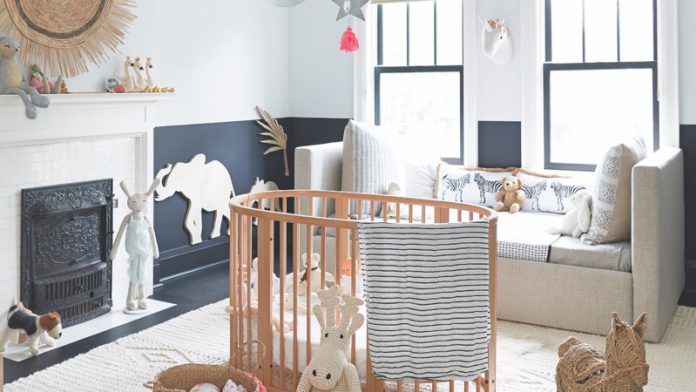
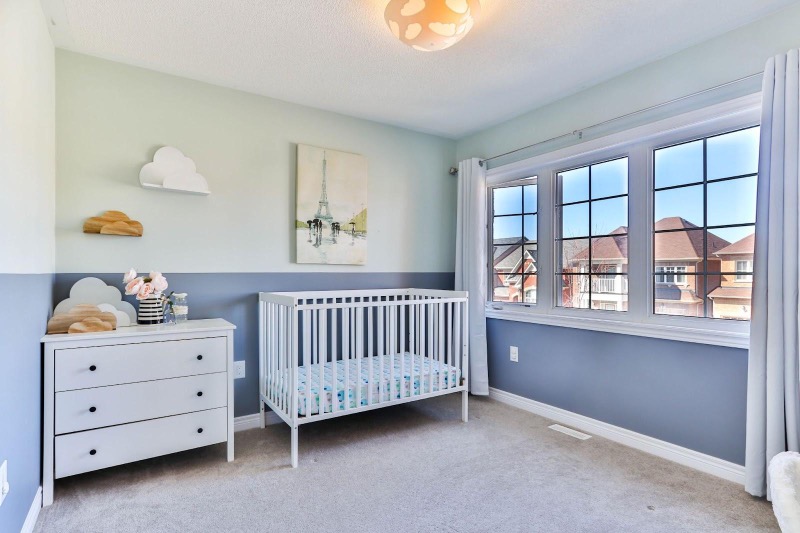
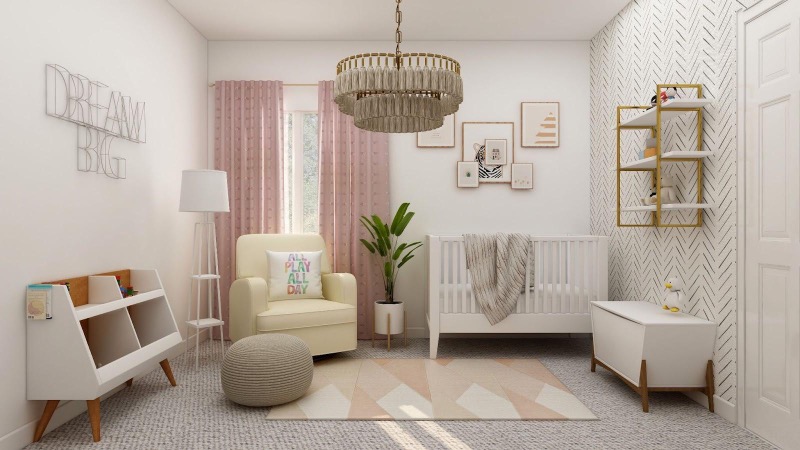
Decorating a nursery can be challenging due and include tough decisions. The right choice will set the tone for your baby’s room for years. The following tips should assist you in creating the perfect nursery for your little one.

Get the Temperature Right

When creating the perfect nursery for your little one, you want to ensure the temperature in the room is just right. You’ll want to keep it between 60 and 70 degrees Fahrenheit – too cold, and it may be too much for the baby to handle – too hot, and the baby will be uncomfortable.

Air conditioning can help with this. If you aren’t sure how to decide the room temperature, you should contact A/C Electrical Services | Professional Electrical Installation & Repairs.

Color Scheme

Choosing a suitable color scheme for a nursery is an important decision. It can help create a cohesive, organized space that gives out the right vibes. The right color scheme can also help create a calm, peaceful environment for your new baby.

There are many ways to incorporate color into your nursery, including using neutral shades in furniture and accessories, using soft pastels or earth tones for the walls, and choosing one dominant color for each room so that the entire space flows together.

While you may want to make all these decisions on your own, it’s always a good idea to consult friends who have children or have been through this process themselves. This will help you get the most out of your new space!

Include Things Your Baby Will Love

When creating the perfect nursery for your little one, you want to ensure they’re surrounded by things they love. Here are some ideas that will help you create a space that’s full of things your little one likes:

  1. Use lots of bright colors and patterns. This will make the room more fun and playful, precisely what you want for a nursery!
  2. Create a space where all the toys can be seen from every angle to encourage exploration.
  3. Include bookshelves, storage containers, and other furniture pieces that can be easily moved around, so it’s easy to change up the layout over time.

Invest in the Right Furniture

When creating the perfect nursery for your little one, there are a few things you need to consider. This includes how much space they’ll need and what furniture style will work best. Make sure you choose furniture that is easy to clean. Also, ensure it’s child-friendly so they can easily play around the room without fear of hurting themselves.

Baby Proof the Room

When creating the perfect nursery for your little one, there are many things to consider: safety and comfort, budget and space, and ideal aesthetic. But one thing that shouldn’t be overlooked is babyproofing the room!

Don’t Forget Storage Space

Don’t forget storage space when creating the perfect nursery for your little one. The last thing you want is for your child to spend hours searching through piles of toys and clothes in their new room. Instead, consider investing in a few storage solutions that will help them keep all their belongings organized and accessible.

Some storage options that work well for nurseries include:

Dressers: Dressers are an excellent way for kids to store their clothing and other small items they need quick access to (including toiletries).

Hanging Shelves: Hanging shelves are another great option for storing clothes and other items. Even if you don’t have room on the wall, this is a good idea because you can reuse these shelves later when you move into a bigger house or apartment with more space available.

Conclusion

Keep your baby in mind when decorating their room and think about what will work for them. Opt for a theme you know your child will be happy with. Don’t forget to consider how easy or difficult it will be to change things later as your child outgrows the room.

Using Natural Home Décor: Tips On How You Can Nail An Earthly Theme

Natural Home Decor In Your Room

Putting natural home decor in your room doesn’t have to break the bank! There are lots of ways to incorporate natural materials into your decor without spending a fortune. Consider bedding in a natural color and a white woven lampshade to add interest. A framed photograph is another inexpensive way to incorporate natural materials. A bouquet of dried flowers can also be a lovely accent piece, drawing the other colors in the room together.

Using natural objects such as pinecones or leaves can add a rustic feel to your room. They can also be used as decor on shelves or mantels. Alternatively, you can use 2-D representations of nature, such as waterfalls or natural landscapes. Wood-grain-like patterns, such as those found on walls, upholstery, and accessories, are perfect for this look. You can also continue the natural theme with artwork, which should complement the room’s overall scheme.

Plants are another way to incorporate nature into your room. Plants come in many shapes and sizes and can be either real or faux. Plants not only look great but can purify the air and boost your mood. You can choose a variety of different types of plants and colors. No matter what style your room is, plants are the most versatile natural materials. You can incorporate them into any room to bring a touch of nature inside your home.

Tips On How To Nail An Earthy Theme In Your Room

There are many ways to decorate with an earthy theme. These include neutral colors, textures, and patterns. You can also incorporate woven works of art and homegrown herbs. Below are some tips for nailing an earthy theme in your room. We hope you enjoy these ideas! And remember, these are just a few of the many ways you can make your room look great! Using the tips in this article will help you nail your earthy theme in no time!

Neutral Colors

When selecting wall paint colors, look for those in neutral shades of brown, beige, and taupe. These colors are very soothing for the bedroom and can bring good sleep. These shades will add interest to your room without being too bold. Choose furniture with the same tone of neutral colors, such as a dark leather sofa with a matching leather chair. Consider using a carpet in a taupe shade, and throw pillows and blankets with the same tone. To add color and texture, put books and decorative objects in your room that include hints of red or ivory.

Textures

To create an earthy theme in your bedroom, you must start by using natural-colored accents and decor. Using a gallery wall is a great way to incorporate this theme. You can even make the gallery wall match the existing color scheme of the room. For your accents, invest in raffia, a lightweight fabric that resembles grasscloth. Some interior designers in Denver even offer clay walls and woven textiles that can also add texture to your room.

Patterns

If you’re trying to create a harmonious feel in your room, look for natural items and patterns. Natural materials are timeless and versatile, and they suit any design style. Natural elements, from jute rugs to woven baskets, are a great way to decorate for a theme.

Use Rugs

If you are in the market for some new home decor ideas, you should consider using prime cream rugs in your room. Not only can they add color and pattern, but they also create a focal point, bringing together the furniture in a room. A good rule of thumb is to go for rugs that are large enough to touch the furniture while being small enough to fit under the feet of chairs. This way, your new decor won’t overpower the rest of the room.

In addition to being useful in defining an area, rugs are also very functional. They can be used to mark off a conversation area in your living room, a seat in your office, and an eating area in your kitchen. You can even use rugs to separate rooms that don’t have walls, as they create a visual layer that helps unify the rest of the room. Furthermore, rugs can transform a room that looks drab and dull into something bright and cheerful.

If you have wooden floors or tiles, you can choose area rugs to put in the room. Area rugs are also useful when you want to add a splash of color without overpowering the rest of the decor. Moreover, they can be easily cleaned. Whether you choose a soft or a dense area rug, you can be assured of its durability and functionality. You will also save money on electricity bills since you can use a combination of natural home decor ideas and save energy.

Homegrown Herbs

Herbs are decorative plants that you can keep indoors, and many of them are scented. While they aren’t necessarily edible, they are excellent for the air in the room and have several uses. You can use them as decorative bouquets or atop your coffee table, and they will add a lovely fragrance to your space. Some of the most popular herbs for indoor decorating are thyme and sage.

Herbs are a great way to add flavor to dishes. But they can be expensive to buy from the grocery store. Growing your herbs is both affordable and convenient. And you don’t even need a backyard. You can grow herbs on your window sill or in a flowerpot. Herbs such as rosemary contain compounds that promote cognitive function, so you can use them to season your food and to make a stimulating tea. If you have a sunny window, you can plant them in a window.

Candles

When decorating with earthy tones, a simple candle is a perfect option. Candles come in all shapes, sizes, and scents. Aubert & Amandine creates premium quality products with sophisticated designs. Make sure to check the length of each candle and purchase a scented one to match your room’s theme. One inch of candle diameter should give you approximately a two-hour burn time.

As a decorative element, candles lend charm to any room. They give a room an earthy theme while ensuring a warm ambiance. However, you should avoid burning candles near flammable materials and decorative elements. Dry plants and drapes can catch fire easily. If you do choose to use candles, make sure to follow the proper safety guidelines. You can also make a beautiful statement with a scented candle.

Lastly

Adding natural elements to your room can also benefit your health. Natural elements can come in many different forms, from soy-based candles to clay diffusers. You can use bamboo or organic sheets in your bedroom, or even place some greenery in appropriate spots. Even a simple tassel wall hanging made out of yarn and a wooden dowel can look chic in your living room. Natural elements in your home decor will help your room feel more like a refuge than a house.

What Is a Soaker Tub and Why You Need One Now

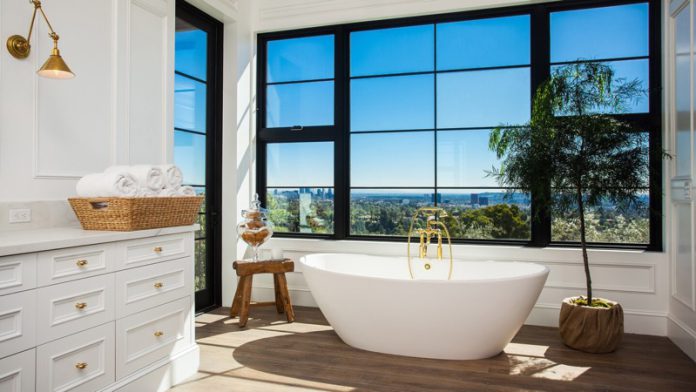
A soaker tub is commonly known as a soaking tub. A deep bathtub allows your whole body to submerge in water luxuriously. Many users love it because you do not need to strain to keep some parts of your body warm; the water covers you completely. You can choose a freestanding soaker tub or a traditional shower or tub model. They come in various dimensions, styles, and depths, making them convenient for all users. Some designs have extra additions like ergonomic features for more comfort.

Soaker tubs are valuable for their many health benefits. Below are some reasons why you need one now:

1. Helps Relieve Stress

Soaking in a hot tub is a therapeutic way of relieving the stress and tension of the day. The massaging action and warm water have a soothing effect that helps ease mental, physical, and emotional stress. Adding aromatherapy to your bath can boost the stress-relieving effect.

Psychologists propose a soaking tub to reduce stress and symptoms of anxiety. It achieves this from the comfort, isolation, and quiet you experience. It helps your body and mind to relax, which elevates your mood.

2. It Improves Sleep

According to medical studies, the relaxation you gain from a deep, hot soak is enough to make you sleep better. Therapists suggest that passive body heating from the soak is an ideal treatment for insomnia in older people. The study looks at the production and functions of melatonin in the body.

It is a sleeping hormone that the body produces at night when the body temperatures drop. Soaking in a hot tub raises the body’s temperature, and leaving the warmth drastically lowers the body temperature. The sudden drop in temperature triggers melatonin production to prepare your body for sleep.

3. Helps Reduce Depression

It is scientifically proven that raising body temperature through warm soaking may result in brain serotonin changes. Serotonin is the hormone that regulates mood. Scientists associate warm soaking with depression because the same brain parts involved with depression also regulate body temperature. Often, a person who soaks in a tub for 20 minutes will display fewer symptoms of depression than one doing regular exercise. As a result, therapists propose regular soaking in warm soaker tubs for people battling depression.

4. It Improves Brain Power

Many functions of hot tub soaking in the body relate to the brain. The hot water causes blood vessels to dilate and improves blood circulation throughout the body, including the brain. The increased blood flow to the brain boosts the brain’s cognitive function. Another recent research shows that middle-aged men who soak in warm soaker tubs have fewer risks of Alzheimer’s disease and dementia. Those who depend on exercise alone without warm soaks or sauna baths have higher dementia risks.

5. Relieving Muscle Pain

Warm water in a soaker tub helps relax tense muscles, tendons, and joints, reducing pain. It is an ideal therapy for arthritis patients as the massaging effect and heat reduce inflammation and pain. When you submerge in water completely, it takes off some weight from your muscles and joints. The act reduces pressure and improves range of motion and flexibility.

You can add Epsom salts to your soaking water to enjoy more pain relief. They help minimize the severity of arthritis and other muscular diseases. Physical trainers recommend warm water soaking after a vigorous exercise to ease muscle tension.

6. Boosting Cardiovascular Health

Relaxing in a soaking tub helps lower blood pressure and increase the heart rate. A recent study shows that immersing in warm water significantly affects blood pressure and vascular functions. It provides a passive heat therapy that helps minimize mortality and cardiovascular risks, especially in individuals who do not exercise frequently.

Reducing blood pressure helps prevent dangerous heart conditions like stroke and heart attack. People who cannot exercise can treat their bodies to mini-workout by soaking in a tub, which induces heat. It works by improving blood circulation throughout the body.

7. Good for the Skin

A soaker tub is famous for healing dry and irritated skin. Adding essential oils like lavender, coconut, olive, or oatmeal works best. The oils hydrate dry skin, and heal cracked, chapped, or irritated parts. However, it would be best to consult a dermatologist and only use the oils that work best for your skin.

Bottom Line

A soaker tub is an essential component of a modern bathroom. Its benefits surpass any possible cons if you use it properly. However, it is advisable to avoid soaking tubs if you have some of the following conditions: low blood pressure, urinary tract infection, heart problems, and skin injuries. It would help to consult a doctor before using a soaking tub if you are pregnant or have chronic heart disease. Also, consider the user’s physical conditions before purchasing a soaker tub to avoid accidents.

Everything You Need to Know About Septic Tank Aerators

If you’ve moved into a new home with an aeration system or an aerated septic tank, you need to learn about septic tank aerators.

Depending on where you live, an aerated septic system might have a different name. For instance, it’s also known as an Aerobic Treatment Unit (ATU), aeration system, or advanced onsite treatment unit in different areas.

However, they’re the same wastewater treatment unit that uses an air pump to add air to the tank. The septic tank aerator is crucial if you want to keep treating your wastewater and avoid any drainage issues. You can also install add-ons to take care of air pump noise reduction, better functionality and convenience.

In this article, we’ll explain everything you need to know about septic tank aerators and how to keep them well-maintained.

3 Questions to Understand Your Septic Tank Aerator Better

What Does a Septic Tank Aerator Do? 

A septic tank aerator or air pump will insert more oxygen into the septic system. The aerator uses ambient air and pumps it into the system using the tank diffuser. It fosters the growth of bacteria that breaks down and takes in the wastewater in your tank.

A higher concentration of natural bacteria in your septic system will help clean wastewater more efficiently. Additionally, it provides treatments to the nutrients in the tank by improving the natural bacterial activity in the system.

What Are the Advantages of a Septic Aerator? 

A septic aerator is perfect for homes with smaller lots, improper soil conditions, areas with a high water table, or homes vulnerable to contamination from the nutrients in the wastewater. It’ll break down and treat wastewater inside the tank with bacteria and oxygen, ensuring you don’t have to deal with dirty water in your home.

What Happens If the Septic Aerator Stops Working?

If the aerator doesn’t work in the septic system, it’ll turn into a slower, less productive environment to break down the solids in your system. Additionally, your system will start discharging terrible raw sewage-like effluent, bringing more odour around it.

Since the aerator septic system has smaller or no secondary treatment devices, the raw sewage will be released directly outside or into the secondary system. Eventually, the entire system will be overwhelmed and fail, causing a mess to its surroundings.

Therefore, it’s critical to catch any sign that can leads to the failure or breakdown of your aerator. The best indicator of an aerator failure is the unpleasant odour coming from the area where your system discharges, either from the secondary system or directly into the environment.

5 Aerator System Problems and How to Solve Them

Usually, the system will alarm you if there is something wrong with it. It might happen due to several reasons, some not even directly related to the aerator. In such situations, you will need the help of a professional to get to the bottom of the problem.

However, if you want to find it yourself, here are some of the most common reasons for a septic alarm sound that indicates a problem in the aerator system:

  • Power Loss: The most common reason for the loss of power in the septic aerator system is a tripped circuit break. It is easy to solve, and in the worst scenario, you’ll need a professional to fix it.

However, if this problem keeps resurfacing, it is an indicator of a bigger underlying electrical problem that needs to be solved by a professional immediately.

  • Failure in Sewage Pump: If your sewage pump fails, the water in your system will rise and trigger the septic alarm. In this case, you’ll need to replace or repair the sewage pump to bring your system back to functionality.
  • Inadequate Air Pressure: Proper air pressure is compulsory for your aerator to oxygenate your system. If your system’s air pressure is inadequate, you have to replace or repair the system’s aerator.
  • Broken Timer: The timer in your aerobic system makes sure that it releases water only when the effluent is clean for your system’s next phase. If the timer isn’t working, it often means you have to replace or repair the aerator.
  • Clogged Diffuser: If the diffuser is clogged, the septic aerator can’t discharge the fluids inside the system. You’ll need to contact a professional to unclog the system outlet before it causes any permanent damage.

To Sum Up

It’s worth installing a septic aerator in your house, as it will help you access more fresh water. However, you should be responsible and maintain the system properly to avoid any issues.

With the information given above, you can keep yourself well-equipped with what you can do when something does go wrong. Now, go ahead and get yourself a septic aerator to bring more convenience to your family lifestyle!

Surefire Ways to Find a Quality Drywall Repair Expert

Drywall repair is an important step that shouldn’t be overlooked. If you have recently completed a renovation project or are in the process of planning one, you may have come across problems with your drywall. Perhaps there are holes or cracks in the wall, water damage, or it just doesn’t look as nice as you hoped. It’s a common issue among new homeowners and tenants who rent properties. Fortunately, fixing them is not as daunting as we may think; however, it can be quite time-consuming and frustrating if you don’t know the right people to help you get it done quickly and efficiently.

Ask for Recommendations from Familiar Sources

If you know people who have recently undergone a drywall repair project, see if they can recommend any contractors. If someone you know has used a drywall contractor, they can tell you about their experience with them. You can ask about their services and the quality of their work. If your family or friends have had a great experience with a drywall repair company, they will gladly tell you about them and give you their contact information. This is an excellent way to find a good drywall repair expert without having to do any research.

Check the Reputation of Potential Drywall Repairers

Another way to find a reputable drywall repair expert is to check the company’s online reputation. Most reputable contractors have websites and social media pages. You can check reviews and past projects on these platforms. You can also check local directories if you can’t find information online. Furthermore, you can search their records and history online if you have a contractor’s license number. You can also request references and call some contractors to get their opinions about the company.

Don’t Be Afraid to Shop Around.

If you receive multiple estimates from different drywall repair experts, don’t hesitate to check other options. If you have received a few estimates from contractors in your area, see if you can get a few more. Don’t just choose the first contractor you talk to. You want a contractor who is willing to work with your budget. If you don’t feel comfortable with the chosen contractor, shop around for at least a few more estimates and see if anyone can beat the price. If you have received a few estimates and are unsure which one to choose, here are a few questions you can ask to help you decide. What is the process for repairing the damage? What kind of materials do they use? What is the estimated time frame for completion? Do they have any insurance?

Check for Licensing and Certifications

If you have hired a drywall expert, ensure they are legally permitted to work in your area.

Again, hire a contractor who is certified or licensed. This ensures that the contractor is experienced, qualified, and has passed a test based on the industry requirements.

If you don’t see a contractor’s license or certification, you should ask them why they don’t have one. Ask if they have any certifications in certain construction areas. Make sure the contractor you choose will handle all aspects of the project alone.

Ensure the Company Uses Quality Materials

Finally, ensure you are hiring a Mississauga Drywall Repair contractor who uses quality materials. Some contractors will cut corners to save money. Check to see if the contractor uses new or quality materials. You can also ask about the type of paint or stain that will be used for the project. A reputable contractor will use high-quality materials for the best results. If you follow these tips, you can easily find a reputable and reliable drywall repair expert.

Check reviews. 

You can find reviews of drywall contractors from other customers. You can also find reviews for the company name on Yellow Pages.

If you still doubt a contractor’s ability to work on your project, ask for references from past customers. Again, check their credentials, licenses, and certifications to ensure they are qualified and insured workers with experience working in your area.

Their experience in drywall repairs.

Check if the contractor has experience working on drywall repair projects. It is important to hire a contractor with experience in drywall repairs. This will ensure that you can be sure of their ability to work on your project. Check if they’ve worked on similar projects to ensure their quality and professionalism.

Quality customer support

Ask about their customer service standards and what kind of communication you can expect from them. You should be able to reach the contractor easily if you have a problem or question. They should answer your questions without having to call multiple times.

Ask about the contractor’s cancellation policies, too. Some companies will not give refunds if they cannot complete a job due to weather conditions, for example. To avoid this, ask the contractor how long he will wait before giving you a refund.

Drywall repair is an important and useful skill for any construction professional. Not only does it save money by avoiding the cost of new drywall, but it also saves time by avoiding delays and inconveniences caused by damaged drywall. The crew needs to have experience working with drywall and be proficient in their tools.

How to Avoid 3 Common Renovation Mistakes

As the day passes, you will feel the need to renovate your home as your family outgrows your home. Or you need a new home design that’s more stylish with a few renovations. Doing home renovations could become messy if you don’t involve the experts, and some renovations are easy and pocket friendly.

Sometimes talking about renovation sounds easy than doing it practically. In some cases, you might need to rip out a wall or add another room which might consume a lot of time, and dig your pocket deep.

Most homeowners have almost common mistakes when it comes to home renovation. Stick around as I take you the primary mistakes you need to avoid

Common Avoidable Renovations Mistakes

The Budget

When budgeting for renovations, most homeowners come up with unrealistic budgets that end up frustrating them. Some rely on a friend’s budget who did renovation over five years ago, which will not be accurate. To get an accurate budget, you need to involve a professional who will get you all the details like the cost and the time the project will take.

Renovating an old house like a home you would inherit from your parents could cost you too much to a point where you feel reaching out to sell my home fast to help you become a quick buyer.

Remember to add the additional cost you may incur, like levies, council application fees, and permits. Lastly, after various budgets are presented, don’t settle for the lowest estimate trying to save some money.

Inadequate Preparations

If you want a successful renovation, start with good planning research and weigh different designs to choose from the best. Ensure everything is in order and an attorney has checked your contracts, and all your agreements are in writing. Buy the material when the plan is finalized and you are content with it.

Don’t be among the homeowners who get excited about the renovations and jump into doing things when the plan is still underway and mess up. You might find out the project didn’t go as you wanted, and you would love to change.

Ignoring The Market Trends

Before renovating your home to your dream haven, check the neighborhood trends. Check the street houses’ styles because it could affect your home in the future if you decide to resale.

So even if you want it stylish and unique, you may as well consider the future owners. Renovate your home but check the places and the rooms that would increase the value of your home. Rooms like bathrooms and kitchen and additional bedrooms add value to your home, and keep it in mind home with room for expansion will get you a better price, so when doing a renovation, ensure that you have done it in a way it can be expanded.

Conclusion

With a good renovation plan, you have a rough estimate of how it might cost, but it’s necessary to have a plan B if the budget goes beyond the anticipated. Be ready for the unexpected with an extra 10% to 15% percent of your initial budget. Doing your preparation without haste will avoid unnecessary costs that come up with haste decision-making. Having your lawyer check through the contracts is an added advantage in case of anything gets out of hand.

What Are The Benefits Of A Home Security Camera?

If you’re like most people, the thought of your home being broken into is a scary one. But did you know that a home security camera can be a powerful deterrent to criminals? In fact, studies have shown that homes with security cameras are up to 3 times less likely to be burglarized than homes without them.

And if a break-in does occur, having a camera installation done can provide invaluable assistance to law enforcement in their efforts to identify and apprehend the perpetrator.

So if you’re looking for an effective way to protect your home and loved ones, a home security camera may be the perfect solution. Keep reading to learn more about the benefits of home security cameras and how to choose the right one for your needs.

The Benefits of a Home Security Camera

CCTV installation concept. Employees of company install camera on city street. Video surveillance for security. Men with tools. Cartoon modern flat vector illustration isolated on white background

A home security camera can offer many benefits, including deterring criminals, providing peace of mind, and potentially even saving your life. The benefits are;

1) Cameras can act as a powerful deterrent to criminals, as they will be aware that they are being watched and recorded.

2) In the event that a crime is committed, having footage from a security camera can be invaluable in helping to identify the perpetrator and bring them to justice.

3) Lastly, if you are ever in a dangerous situation or emergency, having a security camera installation system can provide authorities with critical information that could help save your life.

How to Choose the Right Security Camera for Your Home

When it comes to choosing a home security camera, there are many factors to consider. Here are a few things to keep in mind as you shop for the perfect camera for your needs:

  1. Purpose: First, think about why you want a security camera. Are you looking to deter criminals? Catch them in the act? Or simply have peace of mind knowing that your home is being monitored? Knowing your purpose will help you narrow down your choices.
  2. Budget: Home security cameras can range in price from around $100 to $1,000 or more. So it’s important to set a budget before you start shopping.
  3. Features: There are many different features to consider when it comes to home security cameras. Do you need night vision? Would you like the ability to remotely access your camera? What about motion detection? Consider which features are most important to you and look for cameras that offer them.
  4. Placement: Where you place your camera is also important. You’ll want to choose a location that offers a good view of the area you’re trying to protect. But you’ll also want to make sure the camera is out of reach of potential criminals.
  5. Installation: Some home security cameras are very easy to install, while others may require professional help. Consider how much effort you’re willing to put into security camera installation before making your final decision.

Tips for Getting the Most Out of Your Home Security Camera

Once you’ve selected and installed your home security camera, there are a few things you can do to get the most out of it:

  1. Test it regularly: Be sure to test your camera regularly to ensure that it’s working properly. This way, you’ll know that it’s ready to go in the event of an emergency.
  2. Keep it clean: Dust and dirt can build up on your camera, obscuring the view. So be sure to keep it clean and free of debris.
  3. Monitor activity: check in on your camera regularly to see what’s going on around your home. This can help you spot potential problems and take action to prevent them.
  4. Get to know your camera: Take some time to learn about all the features of your camera so that you can use it to its full potential.
  5. Stay alert: Even with a home security camera, it’s important to stay alert and aware of your surroundings. Be sure to report any suspicious activity to authorities.

A home security camera can be a valuable tool in protecting your home and family. It can act as a deterrent to criminals, help identify them if a crime is committed, and even provide authorities with critical information in an emergency situation. When choosing a security camera, consider its purpose, budget, features, placement, and installation. And be sure to test it regularly and keep it clean for optimal performance. By following these tips, you can make the most out of your home security camera and help keep your family safe.

Recent Posts

Posts You Might Like