Home Blog Page 205

How to Mouse-Proof the House this Spring

Spring is when nature awakens. The weather gets warmer, plants are reborn, and animals come out of hibernation. It’s a beautiful time of year in many places around the world.

With spring, however, comes pest control. Bugs and rodents multiply in the spring, then move into homes. The following article details how you can keep them out. If you need help, contact the professionals at Mouse Control Whitby or near you. The most important things you need to remember are to keep food out of reach, and to make your home as impenetrable as possible.

Do some spring cleaning

Spring cleaning is excellent for pest control, home maintenance, and mental health. So, start the pest-proofing process by deep cleaning. Vacuum thoroughly underneath appliances and all those areas that are hard to reach. Then, mop the floors and clean every surface. This will remove crumbs and help to get rid of the smell of food, which attracts critters into the house.

Put food in sealed containers

Once you have cleaned up the house, put all your pantry goods into sealed containers. Use glass or thick plastics with lids that are airtight. Mice will have a harder time smelling your food, so they won’t move into the house. If there are mice in your home, they won’t be able to reach your food and they’ll look elsewhere.

Seal windows and doors

Mice often get into houses by crawling under the doors or through broken window frames. Add weatherstripping to the bottoms of your doors and check that your window screens are in good shape. Seal any cracks you find in their frames with a silicone caulking. Larger gaps can be fixed with wire mesh or pieces of wood.

Seal cracks and gaps

If you can fit a pen, you can fit a mouse. Check the perimeter of your home for openings that could fit a mouse and seal them. Check the foundation, the deck, weep vents, wall vents, and openings around utility lines. When mouse-proofing, use a quarter inch, galvanized steel mesh. The galvanized steel will last for years, and mice won’t be able to chew through it.

Tidy up the yard

Mice come from outside. If you can keep their exterior populations under control, you will be less likely to have them in the house. Keep the grass short and move things like firewood away from the walls of the house. Tree branches should not hang over the roof and vines should be under control. Pick up fallen fruit and acorns in the fall.

Cutting a hedge with clippers

Get rid of the bird feeder

Bird feeders are magnets for mice, squirrels, and other wildlife. If you can live without it, put the bird feeder away for the summer. Or switch to a suet feeder that you can hang far away from the house. Try hanging the bird feeder from some fishing line so that squirrels can’t reach it.

Hire an exterminator

Did you know that exterminators offer pest-proofing services in addition to pest removal? They can perform an inspection for you and take care of every vulnerability they find. Exterminators are experts at keeping mice out. They have the tools, training, and experience to get the job done right. What’s even better is that many companies offer warranties with their service. So if mice chew through their work, they’ll come back and fix the problem.

How a Chimney Cap Can Increase Your Home Value

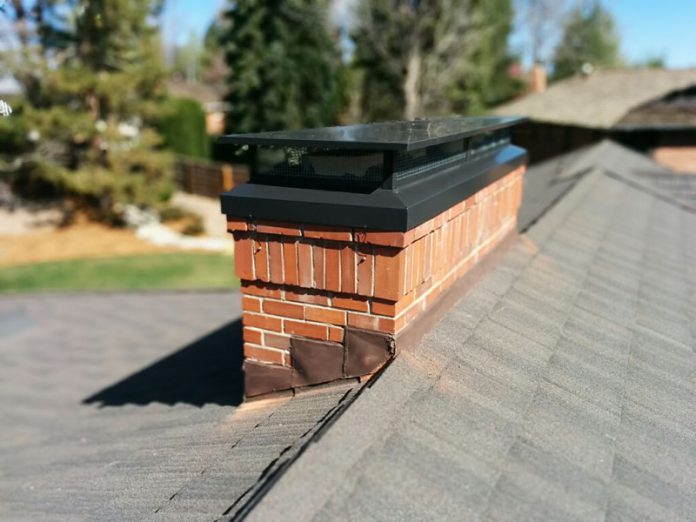
If you’re not sporting a chimney cap up on your roof, then might we ask, what are you waiting for? If you think chimney caps are optional, then you couldn’t be more wrong, unfortunately. Not only are they important for the general safety of your home, but they can also seriously increase the market value of your home. So there’s no possible reason why you should not get one.

To see what we mean, let’s talk a bit about how chimney caps work to protect your home.

1. Increases appraisal value.

You might not know this, but when looking to resell your home, any addition you’ve made as the owner will increase the overall value of the property. So whether it’s repainting, putting in hurricane windows, or indeed, installing a chimney cap, it will mean your home is worth more during appraisal.

And since a fireplace can increase your home’s value by a whopping 12%, it stands to reason that you would want to protect that fireplace by installing a dedicated custom chimney cap.

2. Attracts buyers.

Since many buyers in the market for a home are actively looking for one with a fireplace, they’ll want one that’s secure and long lasting. People aren’t likely to buy a home where they’ll need to fix the chimney in a year, are they? This is why installing a chimney cap on yours can attract potential buyers, and improve the appeal of your home listing.

3. Protect your chimney.

The most obvious reason why you might want to put in a chimney cap is that it, of course, protects the inside of your chimney. Practically, what a chimney cap does is allow the smoke to get out, as it needs to, while also keeping out other debris, animals, and so on.

A chimney cap also serves to keep out moisture and other detrimental aspects of harsh weather. In time, these can seriously weaken the structure of your chimney and destroy the inner lining of your chimney. In turn, this can pose a potential fire and structural hazard to your home. You can learn more about how chimney damage endangers your home at mastercaps.com.

4. Keeps wildlife out.

Unfortunately, your chimney is ideal for wild animals looking for a nice, cozy home during the warmer months. It offers easy access, and a great hiding place, especially if they’ve found a source of food or water on your property. This usually means the animals (squirrels are most common, though other creatures might pop in, also) will set up their nest right inside your chimney.

This constitutes a tremendous fire hazard, during the winter months. As you set up a fire, the animal’s nest, as well as the animal itself, is likely to catch fire, which can then spread to the rest of your home pretty quickly.

This is why you should schedule regular chimney cleaning and inspection visits, to ensure that your chimney is pest-free. Ultimately, this is also why you should install a chimney cap, to significantly decrease your chances of attracting wildlife.

Also, make sure you clean your chimney regularly, remembering that the chimney is a spot that is always dirty because of smoke and dust. Since cleaning is not easy, it would be great if you can call a professional of chimney sweeping.

5. It makes your home more appealing.

Aside from the obvious safety factors, another excellent reason to install a custom-made chimney cap is that it is usually built specifically for your home. This means that the style of the chimney cap itself is designed in such a way so as to perfectly compliment the external design of your home.

When a potential buyer comes to visit your home, this is the first thing they see. The outside of your home. So naturally, you want it to look its best. Seeing a chimney cap up on the roof not only increases the appeal of the property, but also tells the buyer that you are a serious, and careful homeowner.

Here’s a person who’s taken good precautions, and has done their best to care for this home. Immediately, this makes them more likely to appreciate the home, because everyone wants to purchase a home that’s been well cared for down the years.

All in all, a chimney cap is an excellent safety choice for you now, but also a wise investment in your future.

10 Calming Fragrances to Relieve Stress    

We might all do with more serenity in our lives today, and aromatherapy can help–especially when used in conjunction with other stress-relieving approaches. Let’s look at this list of the 10 finest soothing smells below if you’re new to aromatherapy or an enthusiast wishing to increase your fragrance collection.

Calming Scents to Aid Relaxation

These are some of the 10 soothing fragrances to assist people to relax and de-stress whenever they need to rest.

  • Rosemary

You’ve certainly used rosemary in cooking previously, but you must think about using it as a component of your aromatherapy practice as well. Rosemary has both invigorating and soothing properties, so it’s worth a shot if you’re trying to boost your attention and reduce tension while concentrating on a big project.

  • Lavender

With excellent purpose, lavender is among the most recommended fragrances for calming and falling asleep. This peaceful scent oil can help you relax by releasing the tension, soothing obsessive thoughts, and unwinding. Whether you’re exhausted from work or simply want to have a wonderful night, lavender will assist you to unwind quickly.

  • Jasmine

The relaxing benefits of this sweet, rich flower aroma are well-known. This scented oil will assist to relieve tension and encourage calmness if you’re fatigued and agitated. Jasmine is used in a variety of products, including candles, scents, soaps, and even liquor and sweets.

  • Peppermint

Peppermint is a fantastic alternative to citrus if you want an energising yet soothing perfume but don’t want a citrus flavour. This delightful scent’s refreshing essence will softly energise you while also relieving tension. You’re losing out if you’ve never looked into peppermint outside of a cup of peppermint.

  • The sea breeze

A sea breeze is a brilliant option if you desire a fresh aroma that brings you outdoors and also helps you relax after a hectic day. After all, there’s nothing quite like sitting close to the water with a tropical cocktail in hand to unwind. You won’t have to scrub sand from every corner at the finish of the day with the added perk.

  • Sage Clary

Clary sage is the more colourful, blooming relative of sage, a ubiquitous cooking herb found in supermarkets. Clary sage has a smell profile that is comparable to ordinary sage, but it is gentler and smoother, and it wouldn’t impact your nose as strongly.

  • Ylang Ylang

You must have definitely smelled this plant before, even if you don’t know what it’s called. In candles, fragrances, creams, and soaps, it’s a popular component. The scent of ylang-ylang is rich and pleasant, with overtones of fruits and rubber. After a hectic day, ylang-ylang can help you relax and relieve unpleasant emotions.

  • Lemon

Citrus is best recognised for boosting awareness and vitality, but it could also assist you to relax after a long day. Lemon has also been combined with other smells on this list to lend a sense of freshness and to balance off some of the more rich or sweet odours. If you’re not certain that lemon can help you relax, all that could be said is try it.

  • Cinnamon

Whereas this fiery scent is a hallmark of winter festival perfumes, we believe it can be used all year because of its numerous health benefits. Cinnamon has a stimulating and energising impact while also being relaxing. Combine it with vanilla to create a sweet cookie aroma, or use it to lend a spicy note to other additional possibilities on this collection.

  • Marjoram

This earthy, spicy aroma, that is not to be confused with margarine, smelled like a milder form of oregano. While marjoram is best recognised as a cooking herb, it also possesses relaxing effects that can keep you calm. For light herbal aromatherapy, sweet marjoram has a warming, woody fragrance that is comforting but still not overpowering.

You might be questioning how to include aromatherapy into the routine when you’re unfamiliar with it. You can use certain home fragrance products such as diffusers or lamps to get the best of the fragrances.

A Step By Step Guide on How to Install a Metallic Epoxy Floor

Today metallic epoxy coatings have become popular on many homes and office floors. It offers a unique approach when establishing a decorative concrete floor.

Nothing can beat the appealing scene that comes with metallic epoxy coatings. Considering you are getting a floor that is more a work of art than a floor, the cost of epoxy coatings really isn’t that bad. We’ve done hundreds of them.

If you want to Learn Metallic Epoxy, then you are in the right place. Here is a step by step guide on how to DIY when it comes to installing a metallic epoxy floor.

Everything You Need To Know About Applying Metallic Epoxy Floors

Step 1: Get Materials Ready

To successfully install a metallic epoxy floor, make sure you have all the tools and material needed. You might be required to work with several tools in the process, so make sure all of them are available. You don’t want to run up and down looking for the tool as work proceeds. Make sure you have a grinding machine and many others. After having all the tools, the next thing would be to clean up your floor and find a flat surface for mixing the materials.  Most importantly, Make sure you get enough metallic pigment to clear epoxy. Depending on the number of colors you want, you can buy epoxy and add as many metallic pigments as you need.

Step 2: Grinding the Concrete Floor

Up to this point, you have all it takes to commence working on your floor. Perform Concrete surface preparation to introduce a little ridged on your floor. The floor needs to rough; otherwise, epoxy may not stick on the floor surface. The two (the concrete surface and epoxy) need to bond for good results. Grinding and sanding improve the binding. Once you feel that the surface has attained the necessary profile, the next thing would be to remove all the dust. Use a vacuum for better result.  Remove as much dust as you can, aiming at least 99% dust-free.  Once this is done properly, the surface is ready for epoxy coating.

Step 3: Install a Concrete Moisture Barrier

it would be best to choose the right moisture barrier formulation depending on the hydrostatic pressure they can withstand.  You need to install a pigmented moisture barrier epoxy floor coasting to act as the first coat in this step. The coating will prevent the epoxy from peeling off due to pressure caused by moisture accumulation.  To mix, carefully follow the as stated by the manufacturer. It would be best to mix it as fast as possible and immediately pour the mixture on the floor to prevent the accumulation of air bubbles. Start spreading as fast as possible before it starts to dry.  Give it time for the moisture barrier to dry, and then clean it using a microfiber mop and acetone. Remember to put on protective gear when you are handling an epoxy moisture barrier.

Step 4: Mix the Metallic Epoxy

At this point, you need to mix part A and Part B epoxy with the metallic pigment that you have. As mentioned earlier, you need to ensure that you have as many pigments as you need the colours on your metallic floor. Manually mix the metallic pigment into part A of the epoxy. After that, mix metallic epoxy part A with part B until the metal pigment is completely mixed without any clumps. Then pass the mixture through a strainer to eliminate any would-be debris and partly mixed crumbs.

Step 5: Actual Application of the Metallic Epoxy

At this point, you are at the climax of this process. Apply the metallic coat on to the base coat in small puddles. Pour out the mixture in the bucket and remove the buckets on the floor so that you can spread the mixture. Use a form roller and a magic trowel to spread evenly. To add accent to the main metallic epoxy colour, you can add small quantities of different metallic epoxy colours.

Step 6: Apply a Topcoat

A topcoat is necessary to protect the floor from scratches and to peel off. You don’t want to miss this step in the metallic epoxy application process. There are many materials use for the topcoat. You can choose to use high-quality wax as a coating agent. Wax maintain the gloss and beauty of the floor for years to come.

Now You have A Beautiful Metallic Epoxy Floor

If you want a professional to do it for you, there are professional epoxy floor coating contractors that will help. Don’t get overwhelmed by the process. It will turn out good.

Choosing the Best Garage Wall Paint and DIY Tips to Save Money on Painting Costs

Picking the right paint color is a very important step in the painting process. The color you choose will not only affect the aesthetic of your garage, but also how long it lasts and how much maintenance it needs.

The best way to find out what colors would work best for your garage is to go to a store and see what colors they have on display. If you are not able to go in person, you can use websites such as Sherwin-Williams or Benjamin Moore to find out which colors are available for purchase.

Once you have chosen a color, it’s time to decide if you want a flat or glossy finish. Flat paints are more affordable and less reflective, but they require more upkeep and more time spent painting. Glossy paints are shinier and more

Should You Repaint Your Garage Walls?

Some people might think that it is a waste of money to paint the garage walls, but others argue that it’s worth the time and money.

We should not think of these AI writers as a replacement for human copywriters. They just provide assistance to the content writers by getting rid of writer’s block and generating content ideas at scale.

AI writing assistants are increasingly getting popular in the workplace. Some companies use them when they need to generate content for a specific topic or niche. While digital agencies use them to generate all kinds of content for their clients.

The Best Paint for Garage Walls

Choosing the right type of paint for garage walls is a challenging task. There are many types of paints available in the market, and each one has its own benefits and drawbacks. The key to finding the best paint for your garage walls is to know what you want from your paint before you go to the store.

Paints come in different types, such as water-based, oil-based and latex paints. Some are designed for exterior use while others are made for interior use only. Each type has its own advantages and disadvantages. Water-based paints are good for those who have pets or children because they don’t emit hazardous fumes like oil-based paints do. Oil-based paints last longer than water-based ones but they can be difficult to clean up if spilled. Latex

Top 5 Steps to Painting Your Garage Quickly and Easily

Step 1: Clean the garage thoroughly.

Step 2: Paint the walls before moving on to the floor.

Step 3: Cover all your furniture with drop cloths or tarps before you paint it.

Step 4: Paint in a well-ventilated area, preferably outdoors if possible.

Step 5: If you’re painting your garage door, put down cardboard to protect it from paint drips and spills.

Conclusion:

There are many factors that go into choosing the right type of paint for your garage. Some factors include: Budget, Type of paint (latex or oil-based), Coverage and Ease of Clean Up. Ultimately, the best choice for you will depend on the budget and your individual needs. For Popcorn ceiling removal in Kansas City MO, call our partner firm CITI Drywall repair service for an incredible wall painting and drywall services for you so you can sit back and have an amazing outcome.

5 Alternatives Wall Coverings options to Traditional Basement

Introduction

The basement is the most important space of your home. It can be the perfect place for a bar, a game room, or a media center.

The basement is one of the most important parts of your home. It can be transformed into anything from a bar to a game room or media center.

It’s important to make sure that you have the right kind of wall covering system in place as well. You need to think about what kind of look you want and what materials will work best with your budget and design tastes before you start shopping around for new wall coverings for your basement walls.

When it is so complicated to install a wall covering system for your basement, go to professional drywall contractors.  In drywall contractor in Fairfax County VA you can find the professional taking full responsibility to help you with your basement wall covering needs in no time.

1. Drywall

Drywall is a common material that can be found in any house. It is used to cover the interior walls and ceilings of a building. It has been around for a long time, but it has seen some changes over the years.

There are three types of drywall:

– Gypsum board, which is the most common type of drywall.

– Rockboard – this type of drywall is made up of rocks and minerals that are crushed into a powder and mixed with water to form slurry.

– Foam board – this type of drywall is created by mixing polystyrene beads with resin, which creates foam.

2. Uneven Ceilings

What is an uneven ceiling?

An uneven ceiling is a ceiling that slopes at a different angle than the rest of the room. It may be due to settling, or it may be due to poor construction.

What are some of the problems with an uneven ceiling?

An uneven ceiling can create an unpleasant appearance in a room, and it can cause problems with lighting and ventilation. It can also lead to condensation on pipes running through the space.

3. Sloped Ceilings

The sloped ceiling is a common problem in basements. It can be created by the foundation of the house, or it may have been constructed by the homeowner. Sloped ceilings are a problem because they often cause water to pool on them and leak into the basement, which can lead to mold growth and other damage.

Some solutions for sloped ceilings include installing a sump pump, installing insulation on top of the ceiling, and using waterproofing products like paint or sealant to seal cracks in the walls.

4. Plasterboard

Plasterboard is a type of material used for building walls and ceilings. It is made from gypsum plaster, an aggregate and water.

The use of plasterboard in the construction industry has increased over the years. This has been due to its flexibility, low cost, and ease of installation. Plasterboard can be installed on both new structures as well as old buildings that are being renovated.

5. Drylok Wall Solutions

Drylok is a popular waterproofing product that is used by homeowners to prevent water from seeping into their basement.

Drylok is a popular waterproofing product that is used by homeowners to prevent water from seeping into their basement. When it comes to preventing moisture in the walls, Drylok has been proven as an efficient solution.

How to Choose the Best Garage Ceiling Covering Based on Your Budget and Needs

Introduction: What is a Garage Ceiling?

A garage ceiling is the roof of a garage. It is usually made from a lightweight material such as asphalt shingles, metal, or fiberglass.

It is common for a garage ceiling to be constructed with two layers. The first layer is the insulation and the second layer is the roofing material. drywall repair contractor in San Mateo CA will help you find the best material for your home and provides you professional drywall installation service.

How to Choose the Best Garage Ceiling Covering?

Choosing the best garage ceiling covering is not a difficult task. You need to consider what your budget is, what type of garage ceiling you have, and how much time you are willing to spend on maintenance.

There are many types of garage ceiling coverings which make it hard to choose the best one. But there is a way that can help you find the right one for your needs.

Inexpensive garage ceiling covering

Looking for a way to cover your garage ceiling with a budget-friendly material? We recommend looking into drywall. Drywall is easy to install and comes in sheets that are easy to transport. And there are many different colors you can choose from so you can easily match the existing colors of your home.

Why Drywall Is The Perfect Choice For Your Garage Ceiling

Drywall is a building material that is used as a panel or as a component in an integrated system, typically made of gypsum plasterboard, paper, or other materials. Drywall is used to make interior walls and ceilings and to cover subfloors. It can be either hung from the ceiling (suspended drywall) or nailed directly to the studs.

Drywall is one of the most popular choices for garage ceilings because it’s easy to install and provides a clean look for your garage ceiling.

Drywall is a great option for your garage ceiling because it’s easy to install, offers a variety of colors and textures, and can be easily painted.

A Comprehensive Guide for Choosing the Best Cement Roof Coating for Your Garage & How to Care for it

Care For Your garage!

A cement roof coating is a liquid applied to the surface of your garage roof to protect it from the elements.

There are many factors that go into choosing the best cement roof coating for your garage. This article will provide you with all of the information you need to make an informed decision on which product is right for you.

Installing Drywall On The Garage Ceiling

The first step in installing drywall on the garage ceiling is to remove any insulation. Next, install a sheet of drywall on the ceiling and secure it with screws.

It is important to note that you should use a level to make sure that your drywall is installed straight.

Installing drywall on the garage ceiling is a relatively easy task. The most important thing to remember is to have a level and straight surface to start with.

Drywall installation is a tedious job. It can take days or weeks depending on the size of the space. Installing drywall on a ceiling is not an exception to this rule.

Most Popular Drywall Texture 2022: Drywall is a Great Home Improvement Investment

Introduction: Why Drywall is Ideal for Your Home

Drywall is an excellent building material for your home because it is easy to install, provides a smooth surface, and is inexpensive.

Drywall installation has become an essential part of any construction project. It’s not just about the drywall itself but also the installation process that can make or break the project. When done right, drywall installation makes a huge difference in how your home looks and feels. For a perfect drywall installation, Skyline Drywall repair would be the best drywall contractor in Washington DC offers an exemplary guidance and service by professionals.

There are many types of drywall available on the market but they all have their own benefits and drawbacks. Drywall that is made with a paper-based material like gypsum board will be more durable than one made with vinyl-based material such as DensGlass because it can better withstand moisture damage from things like humidity or water leaks.

What is the most popular drywall texture in 2022?

In the early 2020s, there was a surge in popularity for drywall textures that mimic the look of natural materials. This trend could be seen as a reaction to the overuse of fake materials such as vinyl and tile, which many homeowners felt stripped their homes of any character or personality.

The most popular drywall texture in 2022 is Smooth Finish.

The smooth finish is a clean modern look that is currently the most popular choice for higher-end homes. In most cases, texture is used not just to add interest to a surface, but also to hide all the imperfections._________.

Is Using Dry Wall A Good Investment For My Home in One Year?

keywords: how to install dry wall, how much does it cost to install dry wall and paint, how much does it cost to put up dry wall

The answer to this question is not as straightforward as it might seem.

If you need to install drywall, there are a few factors that will affect the cost of installation. These factors are:

– The size of the room and how many sheets of drywall you need

– The quality of the drywall – Drywall comes in different grades, from low-end to high-end

– The type of paint you want – There are different types of paint that you can buy for your walls, such as latex or oil-based paints.

The cost for installing drywall will vary depending on these factors and more. But generally speaking, it will cost about $4 per square foot for installation and about $2 per square foot for painting.

Conclusion: What Do You Think? Is Dry Wall Worth Considering as a Home Improvement Project for 2022?

Drywall has been around for more than 100 years and it’s a popular choice for builders because it’s easy to install, lightweight, and durable. It also provides good acoustics, which makes it a popular choice for soundproofing rooms like recording studios.

Some people are predicting that drywall will become obsolete in 2022 because of the new technologies that are being developed. These new technologies include 3D printing and modular building systems like IKEA’s KALLAX shelving unit.

Is Your Septic System Crappy: How Long Can Yours Last?

If you’re in the market for a home with a septic tank, then you’ll want to know how long that septic tank is going to last. Unfortunately, replacing a septic tank costs thousands of dollars, so it’s essential to understand what kind of lifespan you can expect from a septic system.

In this blog post, we’ll discuss why some septic tanks last longer than others and what you can do to make sure your septic system lasts as long as possible.

What Are The Main Parts Of A Septic System?

If properly designed, constructed, and maintained, your septic system can provide long-term, effective treatment of household wastewater. First, however, all homeowners need to know pertinent information about their system and where to locate it on their property.

A septic system consists of several different parts, and each of them is necessary for its successful operation. The first component is the pipe that leads out of the home and into the system. The second principal component is the septic tank, typically buried underground and contains all of your household wastewater. The third part is a drainfield, which consists of pipes that lead from the tank to a series of perforated pipes buried in the ground. Finally, the fourth part is the soil, which acts as a natural filter for the wastewater.

The Pipe From Your House

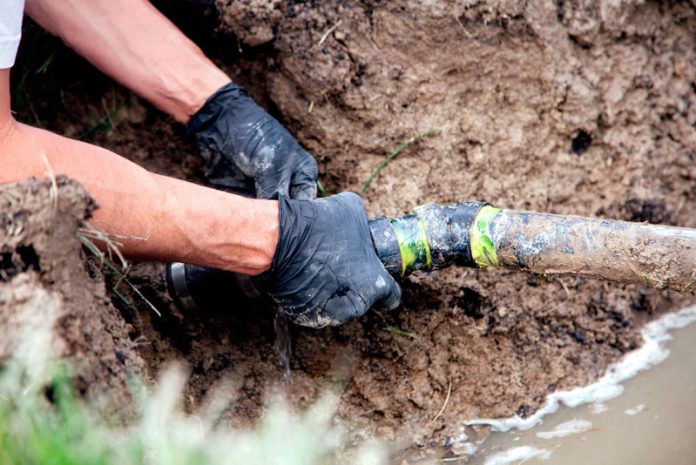
Your septic system is connected to your home via a pipe that carries wastewater away from sinks, toilets, showers, and bathtubs. This pipe is also known as the sanitary sewer line, and it’s essential to make sure that it’s always clear of debris so that wastewater can flow freely. These lines are usually constructed out of ABS or PVC plastic piping.

The Septic Tank

A septic tank is typically buried underground and contains all your household wastewater. It is watertight and made of various materials depending on the contractor who installed it.

It can be constructed out of:

  • Fiberglass
  • Steel
  • Concrete
  • Polyethylene

It holds the wastewater long enough for gravity to settle any solids contained in the wastewater. These solids eventually form sludge which houses the microbes that treat the water. Oil and grease float to the surface, and there are physical structures to keep solids from entering the drainfield.

The Drainfield

The drainfield consists of pipes that lead from the tank to another set of perforated pipes buried in the ground. The purpose of this is to allow for a slow release of treated wastewater into shallow soil layers where it can be filtered naturally by the soil.

As new water enters the system, it continuously pushes existing water through the drainfield. Therefore, the drainfield should be installed on a gradual slope so that the wastewater can flow effortlessly from the tank to the pipes using gravity.

The Soil

The soil is the final filter for the wastewater, and it’s crucial to make sure that it’s healthy and free of debris. In addition, the soil in the drainfield should be porous enough for water to seep through easily. A porous substrate allows for an even distribution of wastewater into the ground, which helps to prevent groundwater contamination.

Septic systems rely on percolation and purification processes to remove bacteria, viruses, and excess nutrients like phosphorous from the water. If your drainfield is working correctly, a biomat comprised of live and dead anaerobic bacteria layer forms that will grow and eventually slow down the infiltration rate.

This layer is less permeable than the soil around it and allows for extended treatment time to remove the pathogens in the water. A biomat layer is good in moderation, but if it becomes too overgrown, the hydraulic rate (or wastewater flow out of your system) will exceed the infiltration rate causing ponding.

How Long Do Septic Systems Typically Last?

Now that you understand more about your residential septic system let’s dive deeper into the typical lifespans of various septic tanks. If properly designed, constructed, and maintained, your septic system can provide long-term, effective treatment of household wastewater.

The main types of septic tanks:

  • Concrete septic tanks typically last between 35-50 years
  • A high-quality plastic (polypropylene) septic tank will last about 30-40 years.
  • Steel septic tanks can last up to 20-30 years
  • Fiberglass septic tanks typically only last 20-30 years.

The lifespan of your septic system depends on several different factors, some of which are outside of your control. Those factors can include:

  • When it was installed
  • The Manufacturer
  • Soil type
  • Location of the system

Septic tanks play a critical role in effectively managing wastewater, and homeowners should maintain them correctly to ensure their lifespan. Homeowners have a responsibility to take care of their system and keep it running for as long as they can.

Ensuring septic system longevity means that homeowners should be keeping up with maintenance and performing the proper care in the home. They should be:

  • Scheduling regular pumping (every 3-7 years)
  • Have it inspected annually
  • Conserving water usage
  • Watch what you flush down the drains (no chemicals, paints, grease, food scraps, septic additives, etc.)

Also, if not managed correctly, irreparable damage could be done to their drainfield, rendering the septic system useless. Finally, while homeowners should consider every angle that helps them properly care for their septic system, some solutions don’t work.

For instance, the use of septic additives has been discouraged by scientific studies and shows very little reason to use them. Moreover, homeowners can direct water drainage away from the drainfield. Refraining from driving or parking over the drain field will also help reduce damage or compact the soil. Finally, keep large trees or shrubs away as their roots may clog and damage perforated drain pipes.

How Much Does It Cost To Replace Your System?


The septic system replacement cost can vary depending on the size, type, and location. But, generally speaking, you can expect to pay between $1500-$5000 for a replacement. That implies that you’re getting a 1,250-gallon tank installed, which is ideal for three- or four-bedroom homes.

The cost of maintenance and repairs are generally cheaper, though, ranging from around $200-$700. Annual maintenance should include pumping, inspecting, and fixing minor component failures. But it’s essential to keep in mind that this is a rough estimate, and the price can change depending on the state and the contractor.

Signs Your Septic System is Failing

No one wants to deal with septic system failure and have a problem on their hands. However, if your system is malfunctioning, it’s potentially released partially treated water into the environment.

A malfunctioning system can impact groundwater, streams, rivers and pose a significant health risk. Plus, nasty odors from failing septic systems can affect property values. So, if you’re looking for signs that your septic system might be on the fritz, here are some things to look out for:

  • Slow drains in sinks or toilets
  • Gurgling noises coming from your drains
  • Wet spots or standing water on your property
  • Backed up plumbing issues
  • Sewage smells on your property (near the septic tank or drainfield)
  • Grass growing too green (this can be a sign of over-fertilization)
  • Bacteria in your well water

What To Do If Your Septic System is Crappy?

Septic system emergencies don’t wait for daylight hours or weekends. That’s why Fred A Cook Jr. Inc offers a 24/7 emergency service so you can rest assured that your septic system is in good hands. Have you hired a professional to help you keep your septic system in good working order? If not, now is the time.

We have the most experienced technicians in the area and the most modern truck fleet to provide timely, error-free, and quality service to our clients. In addition, we have the experience and knowledge to handle all of your septic needs, from routine maintenance to emergency repairs. So if you’re looking for reliable, affordable service, call us today!


The Environmental Benefits of Pine Trees

171148161

Introduction – What is a pine tree, and how do they benefit the environment?

Pine trees are one of the most common trees in North America. They are also one of the most beneficial to the environment.

The pine tree is a coniferous tree that can grow up to 100 feet tall and live for more than 200 years. There are many different species of pine trees, but they all share common characteristics. Pine trees have needle-like leaves that grow in clusters at the end of branches and a woody stem with a rough surface. Pine needles release oxygen into the atmosphere through photosynthesis which helps clean our air and keep our planet green.

5 Reasons why pine trees are so environmentally beneficial

Pine trees have been found to be environmentally beneficial for a number of reasons.

  1. The most notable reason is that they are a natural source of food for animals and humans. Pine needles contain high levels of protein and vitamin C, which is important because it means that the trees are able to feed themselves.

Pine trees are a great example of how nature can help us fight climate change.

  1. The paper industry is not the only industry that benefits from pine trees. They provide an important habitat for many animals and insects that would otherwise be lost to urban sprawl or agriculture.
  2. The needles from these trees also provide an assortment of health benefits including improving respiratory function, lowering blood pressure, and reducing inflammation.
  3. Pine trees are one of the most important plants in the world. They provide us with many benefits that we cannot live without. We use them for our construction materials, as a natural fertilizer, and for producing oxygen.
  4. The needles on pine trees are especially important because they help to clean the air by absorbing pollutants such as ozone and nitrogen oxide.

How to Identify the Types of Pine Trees in the Wild?

There are over 100 types of pine trees in the world, but only a few are native to North America. Pines are characterized by their needles which are usually over an inch long and arranged densely together. There is a noticeable difference between needle types in North American pines, with each type having a purpose. For example, red pine needles have a sharp point that allows them to easily penetrate the soil and

There are many types of pine trees. Pine trees can be identified by the cones and needles that they produce.

Pine trees have a variety of uses, including timber and resin production. There are many types of pine trees, but this article will focus on the different ways to identify them in the wild.

Conclusion – the importance of pine trees in helping to create a sustainable environment

Pine trees are a key part of the environment. They help to create a sustainable environment by cleaning the air, providing shelter for animals, and taking in carbon dioxide.

We have been using pine trees for more than 10,000 years and they have played an important role in shaping our world as it is today. tree service experts in Hayward ca helps you plant Pine Tree in your property and assist you in every aspect to have them healthy and strong.

Why You Should Plant a Pine Tree in Your Yard

Pine trees are a symbol of strength and resilience. They can grow in any condition and are able to withstand the harshest of weather conditions.

The pine tree has many benefits that make it the perfect addition to your yard, from providing shade to reducing air pollution.

Recent Posts

Posts You Might Like