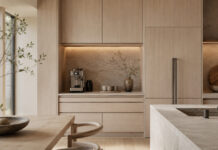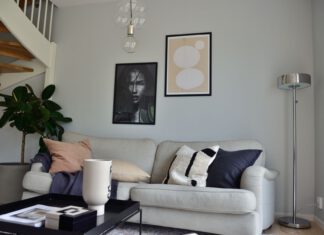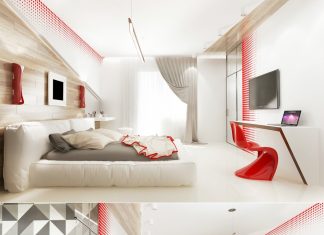


A soft-looking living room starts with the way you use it: a place to sit, a clear route through the room, light you can control and materials you can maintain. Use the existing illustrations to compare arrangements, then test a small change in your own room before buying furniture or altering a window.
The photographs are visual references. They do not establish the products, measurements, fixing methods or plant suitability for your home. Keep those decisions tied to the actual room and household.
Choose colour around the furniture you will keep
Start with the largest existing surfaces: sofa, floor, walls and curtains. Pick a small number of colours that work with them, then compare samples in daylight and under the lamps you normally use. A brown palette is one possible direction; these swatches are a reference rather than a promise that a specific paint will look the same on every wall.
| #674422 | #83643E | #C29B6C | #947352 | #704F38 | #52392F |
Try one accent through a cushion, artwork or another removable object before repainting. Compare how much of each colour is visible across the room. A light background with timber tones can look different from the same background beside a darker sofa or patterned rug.

The first three examples use different combinations of pale upholstery, timber tones, artwork and woven-looking pieces. Choose the balance you prefer rather than treating one exact shade or a fully matching set as necessary.


Control daylight, privacy and reflections together
Observe the room at the times you actually use it. Check where glare reaches a television or a reading position and what can be seen from outside. A curtain or blind can remain useful during the day when privacy or glare matters; keeping every window uncovered is not a universal rule.
Test curtain positions and the existing lamps before deciding to enlarge glazing or replace a door. Structural changes, glazing and installation requirements need their own assessment. In homes with young children, the CPSC childproofing guide recommends cordless window coverings; a decorative photograph does not verify that an arrangement is child-safe.


Keep useful access to the window treatment and leave the seat comfortable to approach. The examples show several window and seating relationships; they are alternatives to consider rather than a requirement for ceiling-to-floor glass.

Choose a rug by the seating arrangement and routine
Measure the area occupied by the furniture and the route people take through the room. Try the proposed rug outline before choosing a size. Check door movement, edges, stability and whether the rug and any underlay suit the floor and their instructions.
Compare cleaning requirements with everyday use, including pets, children and food. A softer-looking pile, a flatter weave or an uncarpeted floor can each suit a different routine. A medium-sized rug does not automatically make every small room appear larger.


Place plants and objects where care is practical
A plant adds shape and colour, but its position needs to suit the identified species, available light and care. Keep the container stable, protect furniture from water and allow room for growth. Check suitability where children or pets can reach it; an attractive photograph alone cannot establish that.
Choose a few objects that can be moved for cleaning and leave tables usable for drinks, books or the activities you share. The indoor-plant planning guide explains the placement and care decisions in more detail.


Colour can also come from curtains, artwork and upholstery rather than adding more small objects. Compare the closer view above with the wider arrangement below when deciding how much contrast you want across the room.


Try one change and review it in ordinary use
- Identify the main practical problem: an obstructed route, glare, an awkward seat or difficult cleaning.
- Try a suitable change using the furniture, lamps and accessories already available.
- Use the room at its usual busy and quiet times and note what has improved.
- Buy or alter something only after checking dimensions, care and installation needs.
For a wall display, see the wall-decoration planning guide. Keep a room that supports your routine rather than expecting a colour, rug or plant to guarantee comfort for everyone.