Home Blog Page 77

Sealing the Gaps: How Draft Stop Access Doors Improve Home Comfort and Energy Efficiency

Looking for a comfortable and sustainable home is something all homeowners can relate to. We all want a cozy and welcoming place where the temperature is just right. Additionally, reducing our environmental footprint has become increasingly important today. This is where draft stop access doors come in.

In this article, we will talk about the importance of having a comfortable and sustainable home. We will also discuss how draft stop access doors can help you achieve this goal. 

Comfortable and Energy-Efficient Homes: Why Are They Important?

Before we go into the mechanics of draft stop access doors, you must understand why a comfortable and energy-efficient home is essential.

Comfort Matters: Our home is our refuge from the outside world. It’s where we relax, spend time with family, and unwind after a long day.

A comfortable home is conducive to our well-being and happiness. No one wants cold winters or sweaty summers indoors due to drafts or inadequate insulation. A comfortable home ensures that every moment spent indoors is enjoyable.

Energy Efficiency: Beyond personal comfort, energy efficiency is crucial for both your wallet and the environment. When our homes are energy-efficient, we use less energy to maintain a comfortable temperature. This means significant savings on energy bills over time.

Additionally, reducing energy consumption decreases our carbon footprint, contributing to a healthier planet.

Common Draft Problems in Attics, Crawl Spaces, and Utility Rooms

Understanding the common problems associated with drafts in specific areas of your home is key to appreciating the value of draft stop access doors.

Attics

Attics can be a source of significant drafts if not sealed properly. These drafts lead to temperature fluctuations inside your home.

Imagine this: a freezing bedroom in winter and an overheated living room in summer. This discomfort is bothersome and can result in higher heating and cooling bills.

Crawl Spaces

Crawl spaces are those mysterious areas beneath you don’t pay attention to most of the time. If these spaces have drafts, they can significantly impact your home’s comfort.

Cold drafts can make your floors chilly, leading to discomfort and the need to crank up the thermostat. Additionally, drafts from these spaces can cause moisture and humidity problems, potentially impacting indoor air quality and overall well-being.

Utility Rooms

Utility rooms house essential appliances like water heaters and furnaces. When drafts infiltrate these areas, it negatively impacts appliance efficiency. Your water heater and furnace must work harder to compensate for the temperature fluctuations. This leads to increased energy consumption and higher bills.

How Draft Stop Access Doors Help

Now that we understand the common draft problems, let’s explore how draft stop access doors, like the Cendrex DRD draft stop access door, come to the rescue. 

Design and Functionality

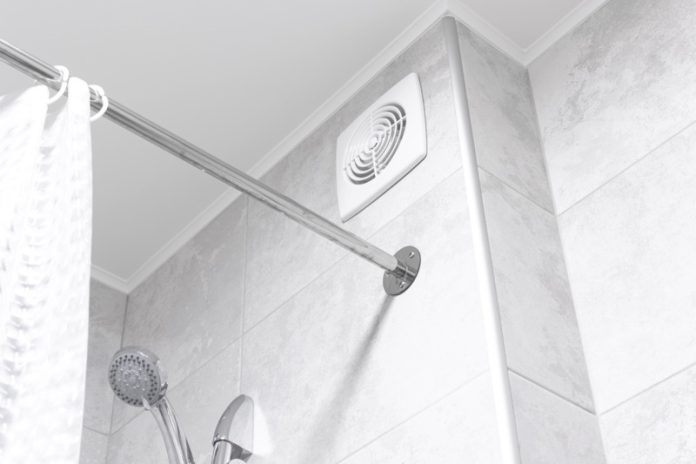
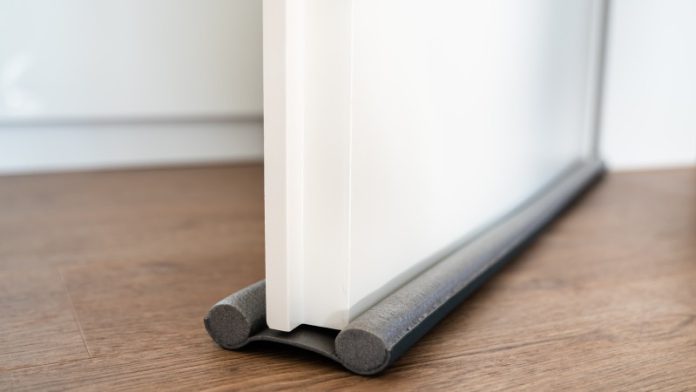
Draft stop access doors seal off openings such as attic entrances, crawl space access points, or utility room doors. That’s their main purpose. These doors have robust seals that effectively block drafts from entering your home.

Their functionality lies in their simplicity: they create a barrier that keeps the unwanted air outside and the comfortable air inside.

Sealing Access Points

The primary role of draft stop access doors is to seal off access points that are prone to drafts. Doing so ensures warm air remains inside your home during the winter and cool air stays during the summer.

This consistent indoor temperature enhances comfort and significantly reduces energy consumption. When your heating and cooling systems don’t have to work as hard to maintain a stable temperature, you save money on energy bills and lessen your environmental impact.

Wrapping It Up

Draft stop access doors may not be the first thing that comes to mind when you think about home comfort and energy efficiency, but they play a pivotal role in achieving both. They give you a cozy living environment and help you save on energy costs in the long run.

If you want to create a comfortable and sustainable home, consider installing draft stop access doors. They may seem like a small thing, but their impact is significant. By keeping drafts at bay, these doors contribute to a consistent indoor temperature. This saves you money and reduces your carbon footprint.

Soundproofing Secrets: How Acoustical Access Doors Enhance Bedroom Tranquility

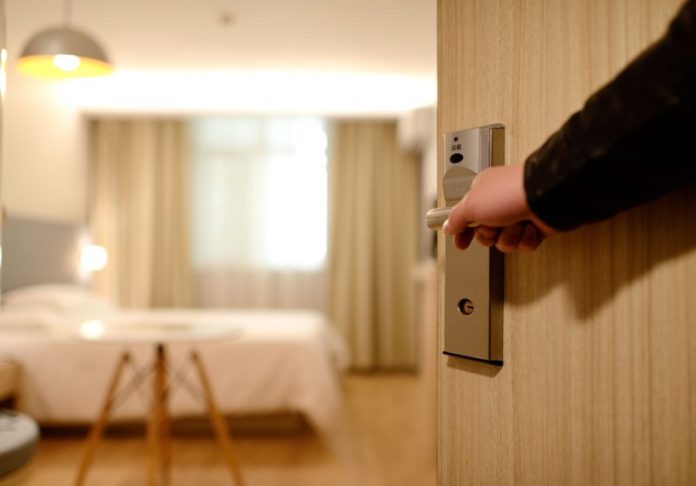
In today’s fast-paced world, a peaceful and quiet bedroom is essential. Unwanted noise can disrupt your sleep, work, or relaxation. Acoustical access doors, often underestimated, hold the key to solving this problem.

These doors can minimize sound with layers of soundproofing materials, airtight seals, and specialized hinges and latches. They come in various sizes and styles, ensuring they blend with your bedroom’s aesthetics while maximizing their soundproofing capabilities.

Understanding the Need for Soundproofing

Unwanted noise has the potential to disrupt your sleep, increase stress levels, and negatively impact your overall well-being. Typical sources of bedroom noise encompass traffic, construction work, noisy neighbors, and even the hum of household appliances behind your walls. So, in creating a peaceful sleeping environment, soundproofing is vital.

The Power of Acoustical Access Doors

Acoustical access doors address the primary concern of soundproofing in various spaces, including bedrooms. These doors incorporate advanced materials and construction techniques that significantly minimize sound transmission, making them an invaluable addition to any tranquil bedroom environment.

  1. Sound Absorption: One of the key features of acoustical access doors lies in their materials. People chose these types of doors for their exceptional sound absorption properties. These materials possess the unique ability to absorb sound waves rather than allowing them to pass through freely. When an acoustical access door is closed, it significantly reduces the entry of external noise from electrical utilities into your bedroom. This sound absorption quality creates a serene atmosphere conducive to relaxation and restful sleep.
  2. Soundproofing Seals: Specialized seals and gaskets equipped on acoustical access doors play a vital role in soundproofing. These seals create a robust, airtight barrier when you close the door. They not only prevent sound from infiltrating your bedroom but also assist in maintaining a consistent room temperature. This dual functionality enhances comfort and contributes to energy efficiency by reducing cooling and heating costs.
  3. Solid Core Construction: Many acoustical access doors like BA-ACF-2064 flush steel acoustical access door boast solid core construction. This means they feature a dense, thick core material that is a barrier against sound waves. The thickness of the door directly correlates with its effectiveness in blocking out noise. With a solid core construction, these doors create a defense against disturbances from the outside world, ensuring the bedroom remains a sanctuary of peace.
  4. Customizable Options: Acoustical access doors offer a wide range of customizable options to suit diverse preferences and requirements. They are available in various sizes, styles, and finishes, allowing homeowners to select a door that seamlessly integrates into their bedroom’s aesthetic theme. Moreover, some manufacturers even provide the option for custom-made doors tailored to specific dimensions and design preferences. This level of customization ensures that the door not only fulfills its soundproofing function but also enhances the visual appeal of the bedroom. 

Conclusion

In pursuing a tranquil bedroom, acoustical access doors are a powerful secret weapon. They provide an effective barrier against unwanted noise, helping create a peaceful oasis. By understanding the benefits of acoustical access doors, you can take significant steps toward achieving a soundproofed bedroom. Don’t let noise disrupt your sleep any longer—let the secret of soundproofing with acoustical access doors enhance your bedroom’s tranquility.

Choosing the Best Sausage Making Machine: A Comprehensive Guide

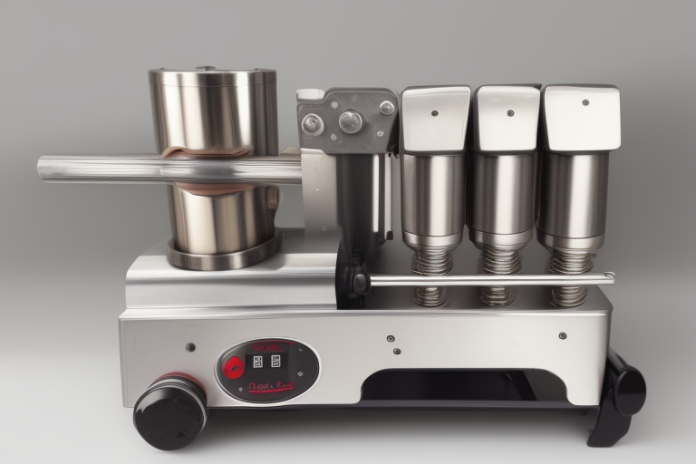
Are you a sausage enthusiast looking to elevate your homemade sausage game? Look no further! In this article, we will guide you on how to choose the best sausage making machine that will meet all your needs and take your sausage-making skills to the next level. Whether you are a home cook or a professional, finding the right equipment is crucial for ensuring the perfect blend of flavors and textures in your sausages.

Factors to Consider When Choosing a Sausage Making Machine

  1. Quality and Durability:

When investing in a sausage making machine, it is important to choose one that is made of high-quality materials and built to last. Look for machines that are constructed from stainless steel or other durable materials to ensure longevity.

  1. Capacity:

The capacity of the machine refers to the amount of sausage meat it can process at once. Consider the quantity of sausages you plan to make and choose a machine with a suitable capacity.

  1. Power and Speed:

The power and speed of the machine play a significant role in the efficiency of the sausage making process. Look for machines with a powerful motor and adjustable speed settings to cater to different types of sausages.

Types of Sausage Making Machines

  1. Manual Sausage Making Machines:

These machines require manual operation and are perfect for home cooks who prefer a hands-on approach. They are generally more affordable and suitable for smaller batch sizes.

  1. Electric Sausage Making Machines:

Electric machines automate the sausage making process, making them more convenient and efficient. They are ideal for larger volume production and professional use.

Tips for Choosing the Best Sausage Making Machine

  1. Read Reviews and Compare:

Before making a purchase, take the time to read reviews and compare different models. Look for feedback on the machine’s performance, durability, and customer support.

  1. Consider Attachments:

Some sausage making machines come with additional attachments such as meat grinders, sausage stuffers, and casings. Consider your specific needs and choose a machine that offers the desired attachments.

  1. Budget:

Set a budget that suits your requirements and look for machines that offer the best value for money. While it is essential to invest in a quality machine, there are options available for every budget. With the right sausage making machine, you can unleash your creativity and experiment with different flavors and ingredient combinations.

Conclusion

Choosing the best sausage making machine is an important decision that can greatly impact the quality and efficiency of your sausage production. Consider the factors mentioned above, explore different types of machines, and select the one that aligns with your needs and preferences.

Choosing the Best Meat Cutter Machine: A Comprehensive Guide

Meat cutter machines are essential tools for any professional kitchen or meat processing facility. They offer efficiency and precision in cutting and slicing various types of meat. When it comes to choosing the best meat cutter machine for your needs, there are several factors to consider.

1. Cutting Capacity

One of the first things to consider is the cutting capacity of the machine. Depending on your requirements, you may need a machine that can handle large volumes of meat or one that is suitable for small-scale operations. Look for machines that specify their cutting capacity in terms of pounds per hour or slices per minute.

2. Blade Type

The blade type is another important consideration. Different types of meat require different blades for optimal slicing. For example, a beef slicer machine may have a different blade type than a chicken cutting machine. It is important to choose a machine with the appropriate blade type for the specific meat you will be working with.

3. Safety Features

Safety should always be a top priority when working with any type of machinery. Look for meat cutting machines that have safety features such as blade guards, emergency stop buttons, and non-slip feet. These features not only protect the user from accidents but also ensure that the machine operates efficiently.

4. Ease of Cleaning

Cleaning and maintenance are essential to ensure the longevity of your meat cutter machine. Look for machines that are easy to disassemble and clean. Stainless steel blades and components are also desirable as they are resistant to rust and corrosion.

Conclusion

Choosing the best meat cutter machine requires careful consideration of cutting capacity, blade type, safety features, and ease of cleaning. By selecting a machine that meets your specific needs, you can ensure efficient and precise meat cutting for your culinary or processing endeavors.

Choosing the Best Machines to Cut Grass: Your Ultimate Guide

Are you tired of manually cutting your grass and looking for the best machines to cut grass? Look no further! In this comprehensive guide, we will explore the top lawn cutting machines available on the market, providing you with all the information you need to make an informed decision.

1. Lawn Cutting Machine Options

When it comes to cutting grass efficiently and effectively, there are several machines to choose from. One popular option is the heavy-duty grass cutting machine. This versatile tool is designed to handle large areas of grass, making it ideal for both residential and commercial use.

Other options include the brush cutter machine, sod cutter machine, and weed cutter machine. Each machine has its own unique features and benefits, so it’s essential to consider your specific needs before making a purchase.

2. Factors to Consider

Before choosing a grass cutting machine, it’s important to consider several factors:

  • The size of your lawn
  • Your budget
  • The type of grass you have
  • Your desired level of maintenance

By evaluating these factors, you can narrow down your options and find the perfect machine for your lawn care needs.

3. Grass Cutting Machine Features

When researching grass cutting machines, be sure to pay attention to the following features:

  • Power source: Electric grass cutting machines are often lighter and quieter, while gas-powered options provide more power.
  • Cutting width: A wider cutting width means you can cover more ground in less time.
  • Cutting height adjustment: Look for a machine with adjustable cutting heights to accommodate different grass lengths.
  • Wheels: Consider machines with large wheels for easy maneuverability on uneven terrain.

Keep these features in mind as you compare different machines and determine which one best suits your needs.

Conclusion

When it comes to choosing the best machines to cut grass, there are plenty of options to consider. By evaluating your needs and researching different models, you can find a grass cutting machine that makes lawn care a breeze. Invest in the right equipment today and enjoy a beautifully manicured lawn!

Unearth Hidden Treasures: Finding a Good Deal on Damaged Properties

The real estate market offers many opportunities, and one avenue that has intrigued many savvy investors is investing in damaged properties. These distressed properties may appear worn down or need significant repairs, but the potential for fantastic bargains lies beneath the surface. Let’s dive into the world of distressed real estate and uncover the secrets to finding hidden treasures.

Learn more about good deal for a damaged property

Finding the Hidden Gems

Understanding the Market:

To unearth hidden treasures, you must first understand the market. Research local property values, recent sales, and neighborhood trends. Identify areas where distressed properties are more prevalent.

Identify Motivated Sellers:

Often, properties become distressed due to the owner’s financial struggles or other personal reasons. Look for motivated sellers who are eager to offload their damaged property quickly. This can lead to better negotiation opportunities.

Working with Real Estate Agents:

Experienced real estate agents can be invaluable in your quest. They have access to listings and insights into properties that may not be readily available to the public.

Benefits of Investing in Damaged Properties

Investing in damaged properties comes with several benefits:

Lower Purchase Price:

Damaged properties are typically priced lower than their market value. This offers the potential for substantial savings.

Profit Potential:

You can significantly increase the property’s value with the right renovations and improvements. This can lead to a healthy return on investment when you decide to sell or rent it out.

Creative Control:

When you invest in a damaged property, you can renovate and design it to your liking. You can tailor the property to meet your preferences and vision.

Risks to Be Aware Of

While the prospect of finding hidden treasures in damaged properties is exciting, it’s crucial to be aware of the risks involved:

High Renovation Costs:

The cost of repairs and renovations can add up quickly, especially if there are hidden structural issues or other unexpected problems.

Uncertain Timelines:

Renovation projects on damaged properties may encounter delays due to unforeseen complications. This can affect your timeline and budget.

Insurance Challenges:

Securing insurance for damaged properties can be more challenging and expensive. Some insurers may be hesitant to provide coverage for these types of properties.

Navigating the Process

Conduct Thorough Inspections:

Before making an offer, have a professional inspect the property thoroughly. Look for hidden issues that might not be immediately visible.

Budget Wisely:

Create a detailed budget that includes renovation costs, permits, and a contingency fund for unexpected expenses.

Secure Financing:

Ensure you have the necessary financing in place. Some lenders offer specialized loans for distressed properties.

Negotiate Effectively:

Negotiation skills are crucial when dealing with motivated sellers. Be prepared to make competitive offers and negotiate terms that work in your favor.

Conclusion

Investing in damaged properties can be a thrilling journey filled with the potential for substantial rewards. By understanding the market, identifying motivated sellers, and working with professionals, you can uncover hidden treasures in the real estate world. However, it’s vital to be aware of the risks and challenges of this type of investment. With careful planning, a discerning eye, and a willingness to work, you can unearth hidden gems and find good deals on damaged properties, leading to financial gain and personal satisfaction. Remember, the world of real estate is full of opportunities waiting to be discovered.

Home Maintenance Tips for the New Property Owner

If you are the proud owner of your first home, congrats from our team; ownership means maintenance, as it is important to care for the investment with regular repairs. The harsh Australian climate impacts all buildings and with that in mind, here are a few home maintenance tips from seasoned pros.

  • Regular roof inspections –The roof is the one part of your home that you cannot see, therefore, you should approach a local roofing contractor and ask him to carry out a detailed inspection of your roof. Broken or missing roof tiles can be replaced before any damage is done, while the fascia and soffit boards are inspected and the guttering is cleaned out to aid the flow of rainwater during storms. Once a year ensures that your roof remains uncompromised.
  • Climate control maintenance – The latest generation of residential air conditioners are extremely efficient and require servicing every 3-4 months. The contractor who installed your HVAC system would recommend creating a maintenance schedule on the day of installation, however, if you were not around when the system was installed, call the contractor and ask them to send a technician to service the system.
  • Prompt repair – Whether a leaking roof or damp in the basement, the issue is always going to get worse over time; putting home repairs off eventually leads to a bigger repair bill. If you are handy around the house, you can manage prompt solutions to any minor issues, which saves money in the long run.
  • DIY saves money – The cost of labour has never been higher and many Australian property owners prefer to get their tools out when a fix is required. The DIY enthusiast has a full set of tools and with the help of YouTube, there isn’t a project they can’t handle. A person with zero construction experience can build a house from scratch by following ‘how to’ videos on the web. Click here for stunning bedroom designs.
  • Choosing contractors – Always choose a local contractor, one with a good reputation within your local community; when searching online, spend some time browsing to establish the company is legitimate and do read the online reviews.
  • Regular walkarounds – Tour the property on a regular basis, looking for minor issues and make notes so you won’t forget. Call a local handyman when you have enough fixes to keep him busy for a morning and hand him your list.
  • Fire precautions – Of course, you need to install smoke detectors in all the right locations (top of the stairs, kitchen and hallway) plus change the batteries every year and test the units. It makes total sense to have a couple of fire extinguishers (kitchen and garage) and know how to deploy them quickly.

Maintenance is part and parcel of property ownership and seasoned homeowners pre-source plumber and electrician numbers, which makes it easy when the need arises. If you are serious about home improvements, you can become a DIY expert and fix all the issues.

Lime Putty vs Lime Mortar: Differences & Where To Use

Lime putty and lime mortar are two distinctive materials used extensively in the construction industry. Both have unique properties and applications that make them essential for certain types of construction projects.

Understanding the differences between these two materials is crucial for architects, builders, and DIY enthusiasts alike, but if you don’t have a technical background, it can be challenging to understand the nuances between them.

So – in this handy guide, we will discuss the key differences between lime putty and lime mortar and outline where they should be used. Let’s dive in!

Lime Putty vs Lime Mortar 101

What is Lime Putty?

Lime putty, also known as non-hydraulic lime, is the simplest form of lime for building, derived from burning pure limestone without any additives. It is then slaked with an excess of water to form a putty.

Lime putty hardens slowly through a process called carbonation, essentially the reverse of the original burning process, absorbing carbon dioxide from the atmosphere and returning to its original state of calcium carbonate or limestone.

This slow setting process results in a flexible and breathable material which is ideal for older buildings where movement or damp could be problematic.

What is Lime Mortar?

Lime mortar, on the other hand, is a mixture of lime putty and aggregate, typically sand. The mixture creates a workable compound that can be used to bind bricks, stones, and other construction materials together.

Like lime putty, lime mortar hardens over time by absorbing carbon dioxide from the atmosphere. However, the addition of aggregate to the mixture means that lime mortar is generally harder and stronger than lime putty.

Lime mortar is also more water-resistant, making it suitable for use in areas where moisture could be an issue. It is commonly used in masonry restoration and conservation projects.

Lime Mortar vs Lime Putty: What’s the difference?

So, what exactly is the difference between lime putty and lime mortar? Overall, the main difference between lime putty and lime mortar lies in their composition and strength. Depending on the specific needs of a construction project, either one may be more suitable than the other.

Here are some other essential differences to consider:

  • Composition: Lime putty is made purely from burnt limestone and water, while lime mortar includes sand or other aggregates in the mix.
  • Strength: As mentioned earlier, lime mortar is generally stronger than lime putty due to the addition of aggregate. This makes it a more suitable option for load-bearing structures.
  • Flexibility: While both materials have some degree of flexibility, lime putty is more pliable and breathable compared to lime mortar. This makes it an ideal choice for repairing or restoring historic buildings that need to accommodate movement or moisture.
  • Applications: Lime putty is commonly used for traditional plastering and rendering, as well as in the production of lime washes. Lime mortar, on the other hand, is typically used for masonry work, such as jointing and pointing of bricks or stones.

All in all, while lime putty and lime mortar may seem similar at first glance, the subtle differences in their properties and applications mean they are suited to different types of construction projects. Understanding these differences and choosing the right product can be the key to a successful building or renovation project.

Where to Use Lime Putty and Lime Mortar

The use of lime putty and lime mortar largely depends on the nature of the construction project.

Lime putty is highly flexible and breathable, making it ideal for use in the restoration of traditional buildings where a softer, more flexible pointing is required. In contrast, lime mortar, due to its strength and durability, is typically used in new-build construction or renovation projects where a stronger, more robust mortar is required.

Industries where lime putty and lime mortar are commonly used include:

  • Historic preservation: Lime putty is often used for the repair and restoration of historic buildings due to its compatibility with traditional construction materials.
  • Conservation projects: Similarly, lime putty’s breathable properties make it suitable for use in conservation projects where moisture management is crucial.
  • Masonry work: As mentioned earlier, lime mortar is commonly used for masonry work, including jointing and pointing of bricks or stones.
  • Plastering and rendering: Lime putty is a popular choice for traditional plastering and rendering applications due to its flexibility, breathability, and compatibility with historic materials.

Lime Mortar & Putty vs other materials

Although there are many differences between these two products, they align on one key front: lime.

Lime products like lime putty and mortar have been used for centuries and they are often compared to other modern materials such as cement-based mortars. One of the main advantages of using lime putty and lime mortar is their compatibility with older construction materials, making them a better choice for historic preservation or conservation projects.

Additionally, these traditional materials are historically more environmentally friendly as they do not require high energy consumption for production, unlike cement-based materials.

Closing thoughts

Hopefully, this guide has helped you understand the key differences between lime putty and lime mortar. While both materials are created from limestone and harden through carbonation, their properties and applications differ significantly.

Whether you’re working on a traditional restoration project or a new-build construction, understanding these differences can help you make an informed decision about which product to use for your specific needs.

Lime Putty vs Mortar: FAQs

Is lime putty the same as lime mortar?

No, while both are made from limestone and harden through carbonation, they differ in composition and strength. Lime putty is softer and more pliable, while lime mortar is harder and stronger, making them suitable for different types and aspects of construction projects.

What do you use lime putty for?

Lime putty is commonly used for traditional plastering and rendering, as well as in the production of lime washes. Its flexibility and breathability make it ideal for use in restoration or conservation projects where compatibility with historic materials is essential.

The Basics of Good Kitchen Design – What you Need to Know

You probably know that the kitchen is the busiest room in the house, while layout and design are critical for a kitchen that is both functional and attractive to the eye. In this article, we take an in-depth look at the basics of effective kitchen design, with the aim of helping you find the perfect balance with your new kitchen.

  • Balance – It can be difficult to pinpoint exactly what makes a kitchen design unbalanced; it might be too many colours or more items on one side of the room; safe to say that you will know if your kitchen isn’t balanced. For best results, consult with one of the leading interior designers in Sydney and let the professionals plan the layout and design.
  • Symmetry – A well-designed kitchen is symmetrical, with a balance on both sides of the room. A good way to do this is to imagine your kitchen as a sheet of A4 paper with a line folded down the centre, with items mirrored on both sides. When planning the layout, start in the middle and work your way out, which should give you symmetry.
  • Create a focal point – This might be a copper canopy over the cooker, or a breakfast bar, a feature that instantly draws the eye, then you can design the space around this central feature. Here are a few tips for styling modern cabinets.
  • Scale & proportion – Of course, everything should be in proportion; a high ceiling allows you to include larger appliances that are in balance with the room size. The larger the space, the more you can do in terms of layout; consulting with a leading Sydney interior designer is the best way to ensure your layout works. Floor and wall tiles should be sized in proportion; smaller rooms need smaller tiles.
  • The kitchen work triangle – Ask any seasoned interior designer about the kitchen triangle and they can instantly tell you this involves 3 major stations, namely the sink, the work surfaces and the cooking focal point. If these stations are close together, you have functionality; most designers start with the work triangle as the central point of focus.
  • Counter worktops – Each worktop should be a minimum of 15”x 30” and you should have at least two and no more than four, preferably with a double sink. Marble or granite is ideal for worktops, which come in stunning finishes.
  • Rounded edges – You definitely don’t want sharp edges in the kitchen, rather smooth, rounded edges make the room a much safer place, especially if you have young kids. You could go for handleless cabinets to create a stunning seamless look, start with a Google Image search for unique kitchen designs, which might help you gain some inspiration.

If you would like the benefits of a professional design, talk to one of Sydney’s leading interior designers and see what they can do to transform your kitchen. A kitchen renovation is likely to boost the value of your home and as far as home improvement projects go, this is one of the most popular.

Is It Worth Hiring a Professional Cleaner for Your Gym?

One in five Americans is a member of at least one health studio or gym club. Consequently, fitness enthusiasts will probably feel safer visiting your facility if you’re considering employing a cleaning service for your gym. Gym sanitation and cleanliness are more crucial than ever.

If you are hesitant about hiring gym cleaning services, keep reading this article as we discuss why it’s worth it. Let’s get started.

1. To prevent the spread of bacteria

In addition to being present indoors and outdoors, bacteria and germs are particularly dangerous at gyms and fitness centers. This is because many exercise enthusiasts sweat when using equipment, communal areas, and other things.

This explains why gyms and fitness centers need to maintain extreme cleanliness to safeguard clients and employees. Engaging the services of a gym cleaning service could be the ideal way to ensure your area is secure because cleaning regularly is vital.

Because of the high volume of traffic in gyms and the amount of usage that equipment receives, routine cleaning is necessary to eliminate bacteria and germs and stop illnesses from spreading. To keep your gym healthy, a cleaning company can ensure that deep cleaning is done regularly and that cleanliness is given top attention.

2. To prolong the lifespan of the gym equipment

You will receive out of it what you put into it, just like anything else. The equipment in your gym is no exception to this rule. It’s a fact that your gym’s equipment is subjected to frequent and intense usage. Preventative maintenance is crucial because of this. Unexpected equipment failures might result in disgruntled patrons and even membership cancellations. Like anything else, the equipment will eventually deteriorate. However, one of the simplest methods to keep your gym equipment lasting longer is to ensure it is cleaned frequently, that the bearings are lubricated often, and that any upholstery is in good condition and is changed or mended as needed. Your gym’s equipment will ultimately need to be replaced, but you can maximize your return on investment by ensuring it’s cleaned thoroughly and regularly.

3. It is cost-effective

Hiring gym cleaning services might save more money than recruiting employees internally. Employing an internal cleaning crew means that, in addition to paying them, you’ll probably need to provide health insurance, retirement savings, and any other benefits your other employees receive as part of their job. If a member of your cleaning crew leaves, you must also handle team member turnover. You only pay for the cleaning services when you contract with a cleaning company. Completing the necessary calculations can result in significant savings, positively impacting your gym’s revenue.

4. It is convenient

Hiring a service can also be more practical. This is so because cleaning companies are accustomed to operating during off-peak or non-busy times for businesses. This is set up to reduce or eliminate any difficulty for members. You can rely on a cleaning service to complete the task on your schedule, not theirs. This is also another alluring benefit of collaborating with such a company.

5. A clean gym is a happy gym

For gyms to remain in operation, they must sell memberships and make sure that their clients use them for their ongoing physical and nutritional requirements, both monthly and annually. Making sure you’re taking the required steps to maintain a clean atmosphere is one of the best methods to draw in new members and maintain the satisfaction of your present membership base. Members want to work out in a clean, well-maintained space; they don’t want to walk into your gym and smell like sweat. They wish to work in a setting that exudes cleanliness. Gym managers have a lot of tasks to complete before they can call themselves successful and gain repeat business, but maintaining clean facilities is undoubtedly at the top of the list—business benefits from cleanliness.

6. Excellent job

You serve as a gym manager or owner. You do it for a living, and you’re probably really good at it. You are not a professional cleaning crew. There is merit in delegating particular responsibilities to professionals who are proficient in carrying them out. You most certainly lack the skills and expertise necessary to effectively clean your gym, just as a professional cleaner probably couldn’t manage your memberships and run your facility. It’s best to leave cleaning to the professionals; they can design a schedule just for your gym. Apart from keeping your gym tidy for members to use, you can also offer eco-friendly cleaning products, floor maintenance, and monitoring and maintaining the general contentment of your clientele.

7. You get time to focus on important things

Finding the time to clean might be challenging with all the daily tasks and administrative work involved in running a gym. Depending on your employees to clean the gym can interfere with their ability to perform as teachers and personal trainers. A professional cleaning service can handle your gym’s maintenance, giving you and your employees more time to concentrate on providing top-notch training services. The job of running a gym is not simple. Employing a cleaning agency with the experience to handle all your cleaning requirements can simplify your work.

Final thoughts

As previously stated, maintaining a clean and hygienic gym is crucial now more than ever. Fortunately, you may employ a qualified gym cleaner to assist you with the thorough cleaning and hygienic maintenance of your gym. Just be sure to work with people who are reputable and trustworthy to guarantee that your gym will be cleaned properly.

Recent Posts

Posts You Might Like