
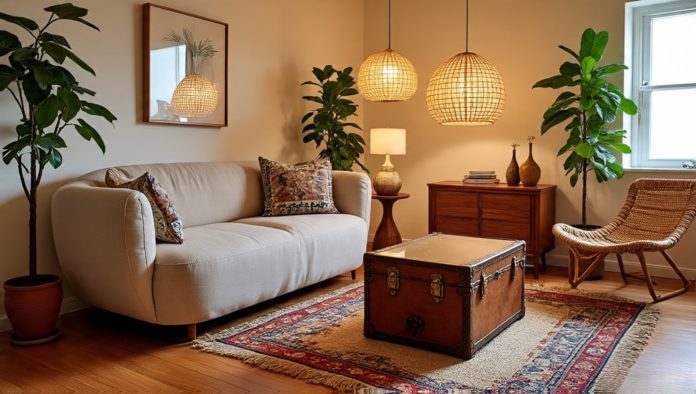
Roohome.com – I still remember the first time a plain room exhaled. I dragged in a low rattan chair, rolled out a wool kilim, and swapped a glossy coffee table for a carved wooden trunk. The air changed. The light warmed. Even the room sounded softer, like a library before opening. That’s the promise of Boho furniture when you mix vintage, rattan, and global finds with intention. It isn’t about perfect sets. It’s about character, story, and a layout that lets people breathe.
If you’re new to the style, bookmark these Bohemian interior design ideas to ground your vision. Here, we’ll zero in on the furniture and the layout decisions that make a space feel collected rather than crowded, soulful rather than staged. Ready to build a room that sounds like a favorite song?
1) The anchored sofa with soft edges
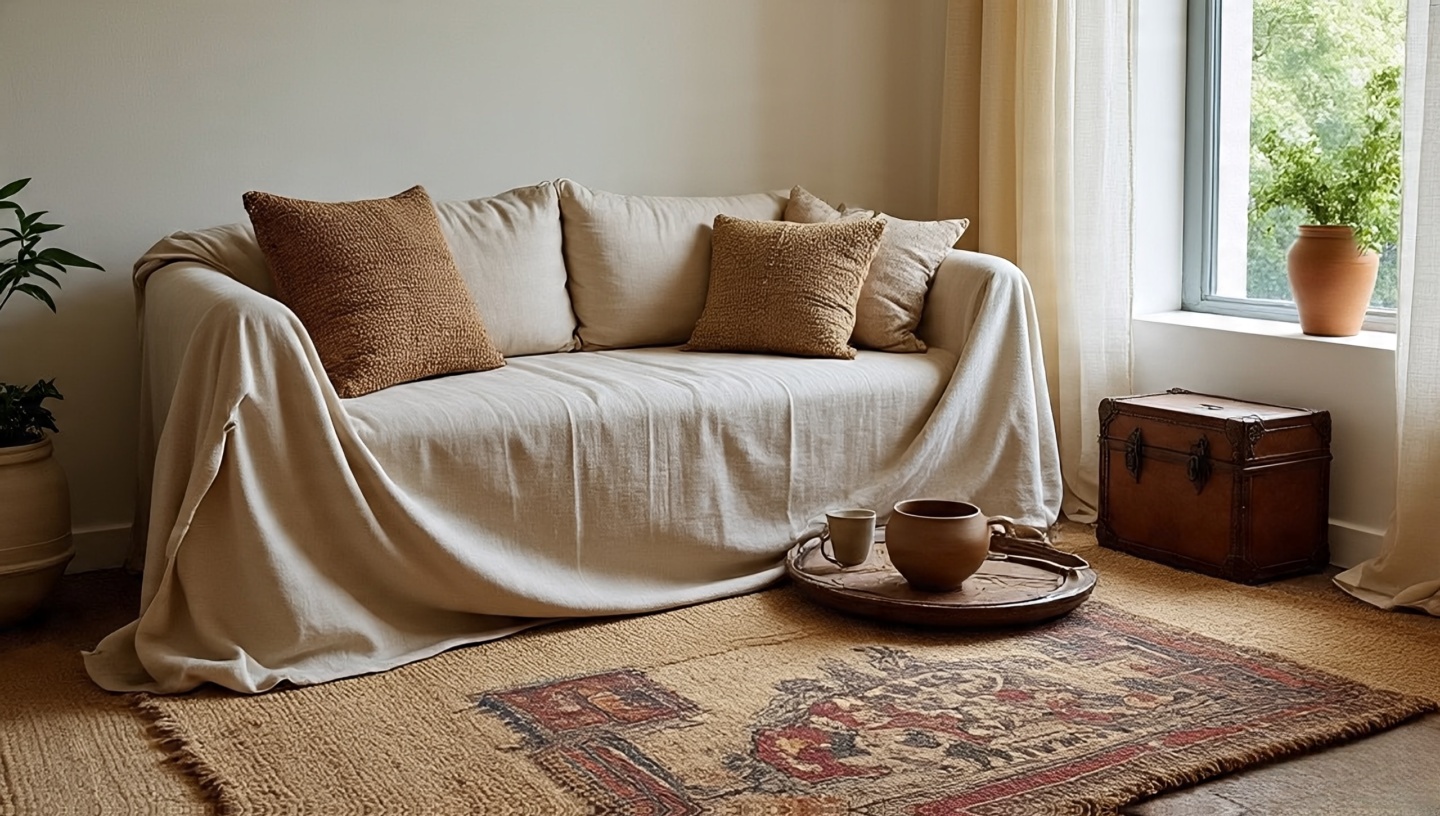 After 30 years of walking job sites and living with prototypes, I’ve learned the sofa is your pressure valve. It sets the room’s tempo.
- Sizing guide: seat height 43 to 46 cm, seat depth 53 to 58 cm, overall length 180 to 220 cm for most apartments.
- Fabric that lives well: linen or cotton blends at 25k+ Martindale rubs. If you love velvet, pick performance velvet so it resists crush marks.
- Layout move: float it 15 to 30 cm off the wall and let the rug run at least 20 cm beyond each arm so the composition breathes.
- Architect’s note: soft radiused arms prevent bruised hips in tight paths and read more Boho than boxy tuxedo silhouettes.
2) The rattan moment, judged like a pro
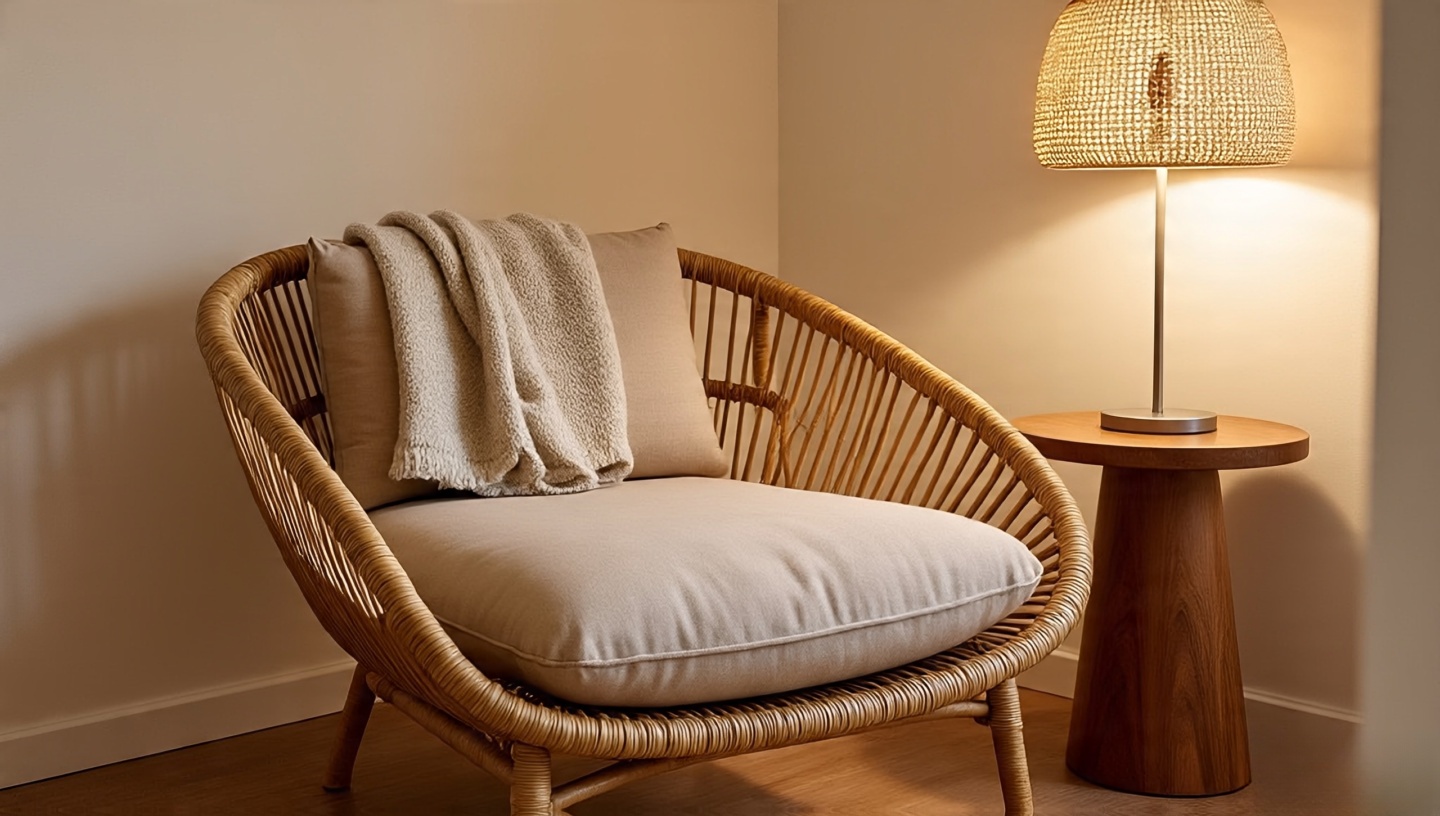 Rattan works because it lets light slip through the frame. But quality varies wildly.
- What to check in-store: uniform cane width, tight weave at stress points, no powdery shedding when you rub the underside.
- Comfort dial-in: add a 4 to 6 cm dense cushion to counter the natural give. Pair with a wool throw so the airy frame meets a tactile anchor.
- Care tip: keep rattan 60 cm from heat sources and wipe with a barely damp cloth to avoid swelling fibers.
- Common mistake: buying a full rattan set. One statement chair plus a rattan pendant is poetry. A matched suite feels like a catalog.
3) Cane plus velvet, the quiet duet
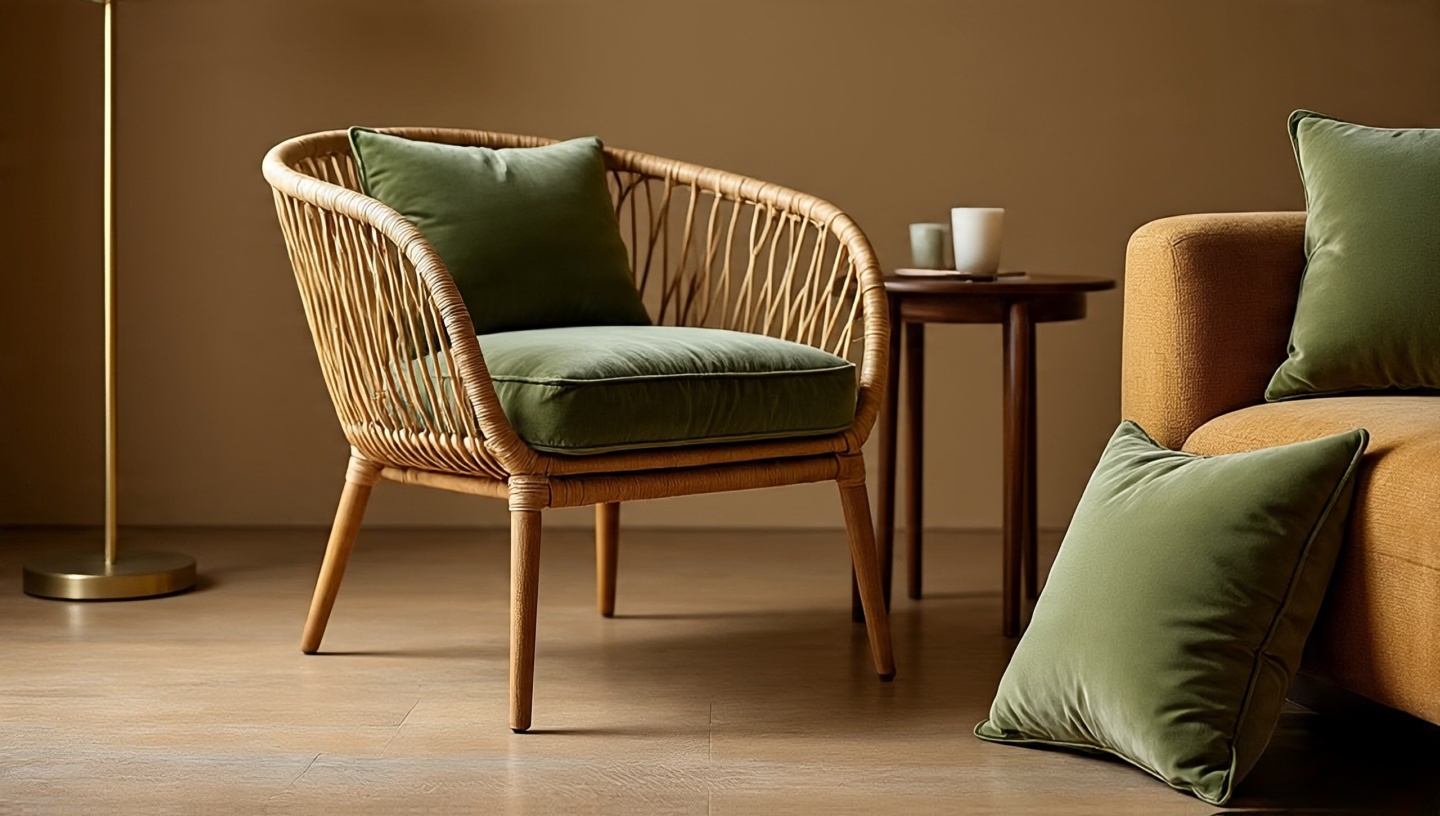 Cane has a dry whisper. Velvet adds a hush. Together they balance temperature and touch.
- Longevity: cane sags if humidity is high. Mist lightly on the back side and let it dry in shade to tighten. Do not soak.
- Velvet reality: pile direction matters. Brush down with a soft upholstery brush so light reads as a single field, not stripes.
- Budget swap: if velvet is out of budget, use a heavy cotton sateen cushion and a single velvet pillow for the same visual hush.
4) Low seating, high intimacy
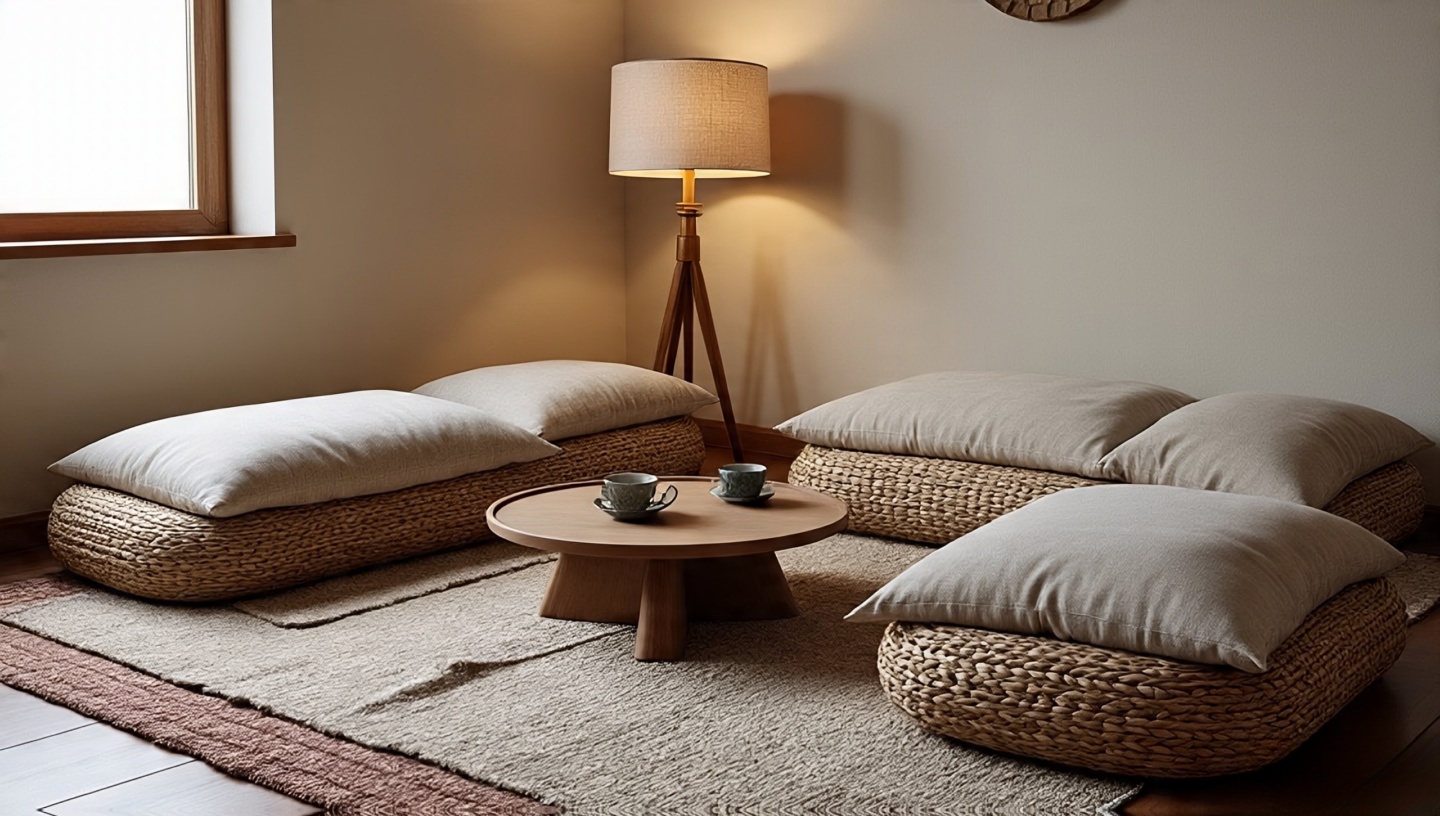 Conversations get warmer when eye lines meet. Keep the whole cluster in one vertical band.
- Heights that work: floor cushions 8 to 12 cm thick, daybeds at 38 to 42 cm, coffee tables at 28 to 33 cm.
- Spacing: 40 to 50 cm from seat edge to table lip so you can reach tea without hunching.
- Sensory nudge: add a linen shade lamp at shoulder height. The sound of voices softens in that pool of light.
5) Daybed as a gentle room divider
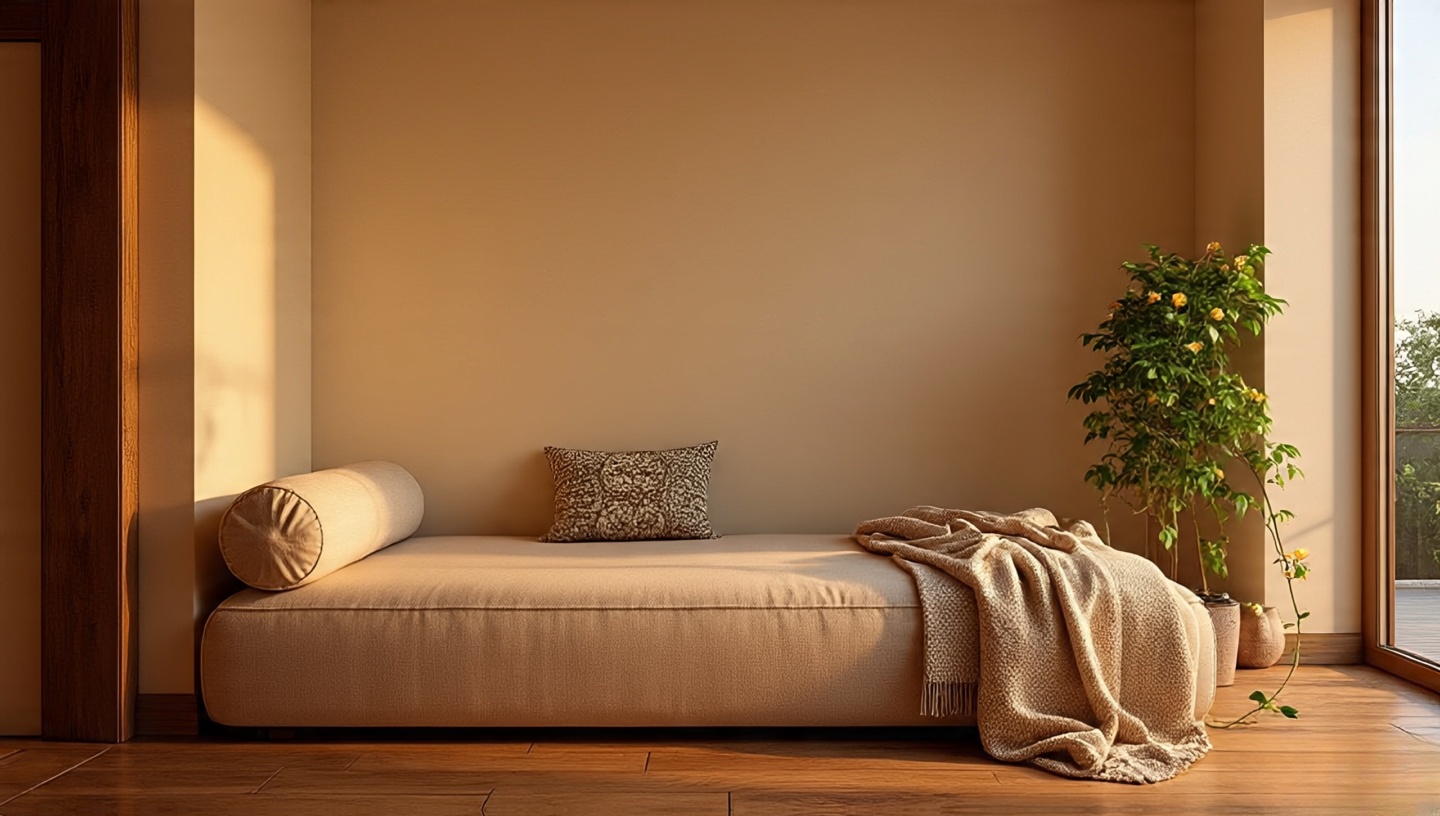 Open plans want zones, not walls. A daybed drawn lengthwise makes boundaries that feel like a hug.
- Proportions I trust: 190 to 200 cm long, 75 to 90 cm deep. Leave 80 to 90 cm clear on the traffic side.
- Style it: two large back bolsters for reading, one patterned lumbar for rhythm, and a cotton throw for the late-afternoon nap.
- Mini upgrade: tuck a low basket under for magazines and a cedar sachet. The faint wood scent anchors the zone.
6) Nesting tables that chase the light
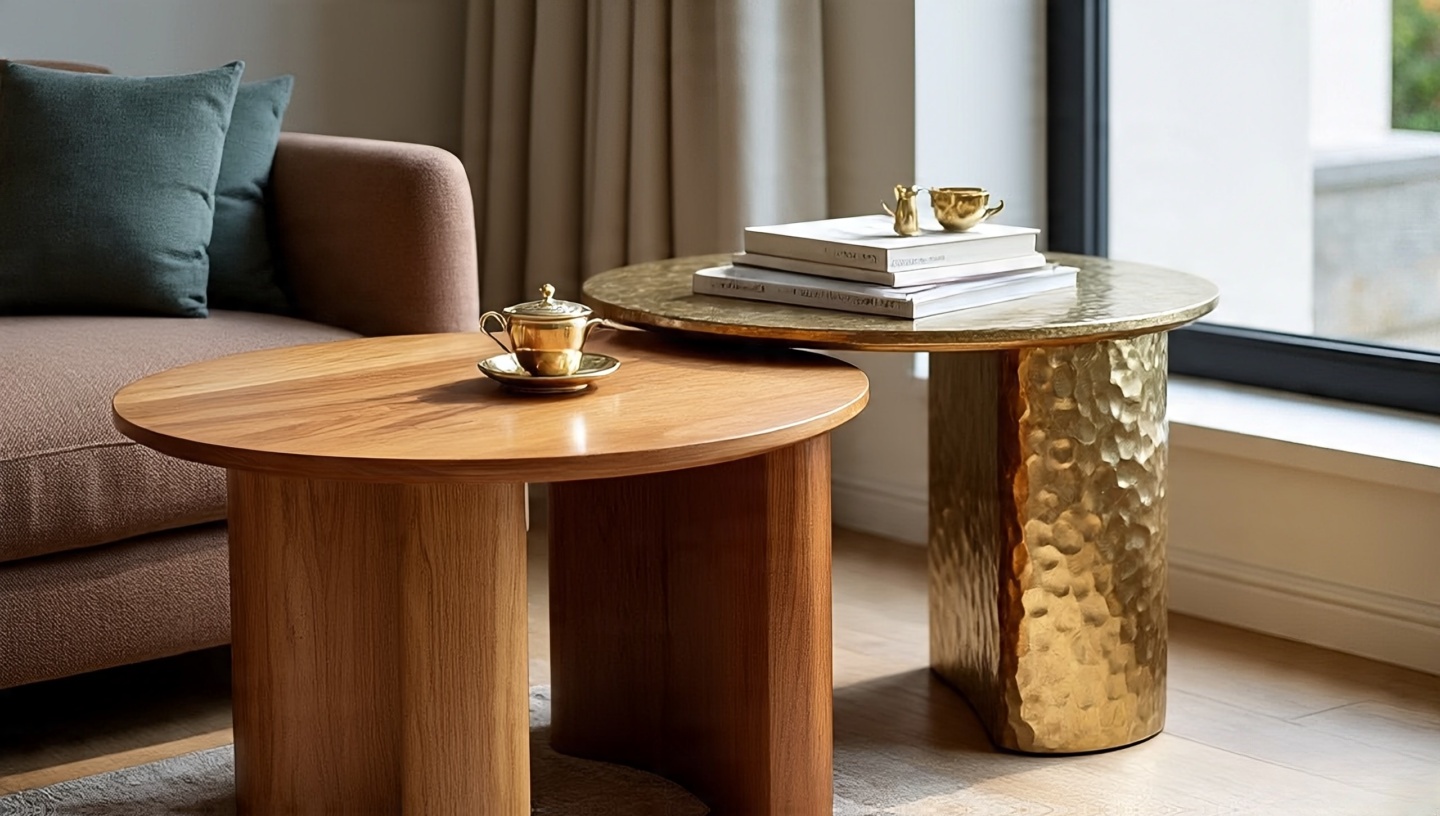 Think of them as choreography props. They slide, stack, and serve without cluttering sightlines.
- Set makeup: diameters around 40, 50, and 60 cm or tops that overlap by 5 to 8 cm when nested so they feel intentional.
- Material balancing: if your seating is mostly rattan and linen, pick one table in solid wood and one in hammered metal for weight and sparkle.
- Entertaining move: pull the smallest table beside each guest. No one reaches across candles or elbows.
7) Carved coffee table that hides the messy bits
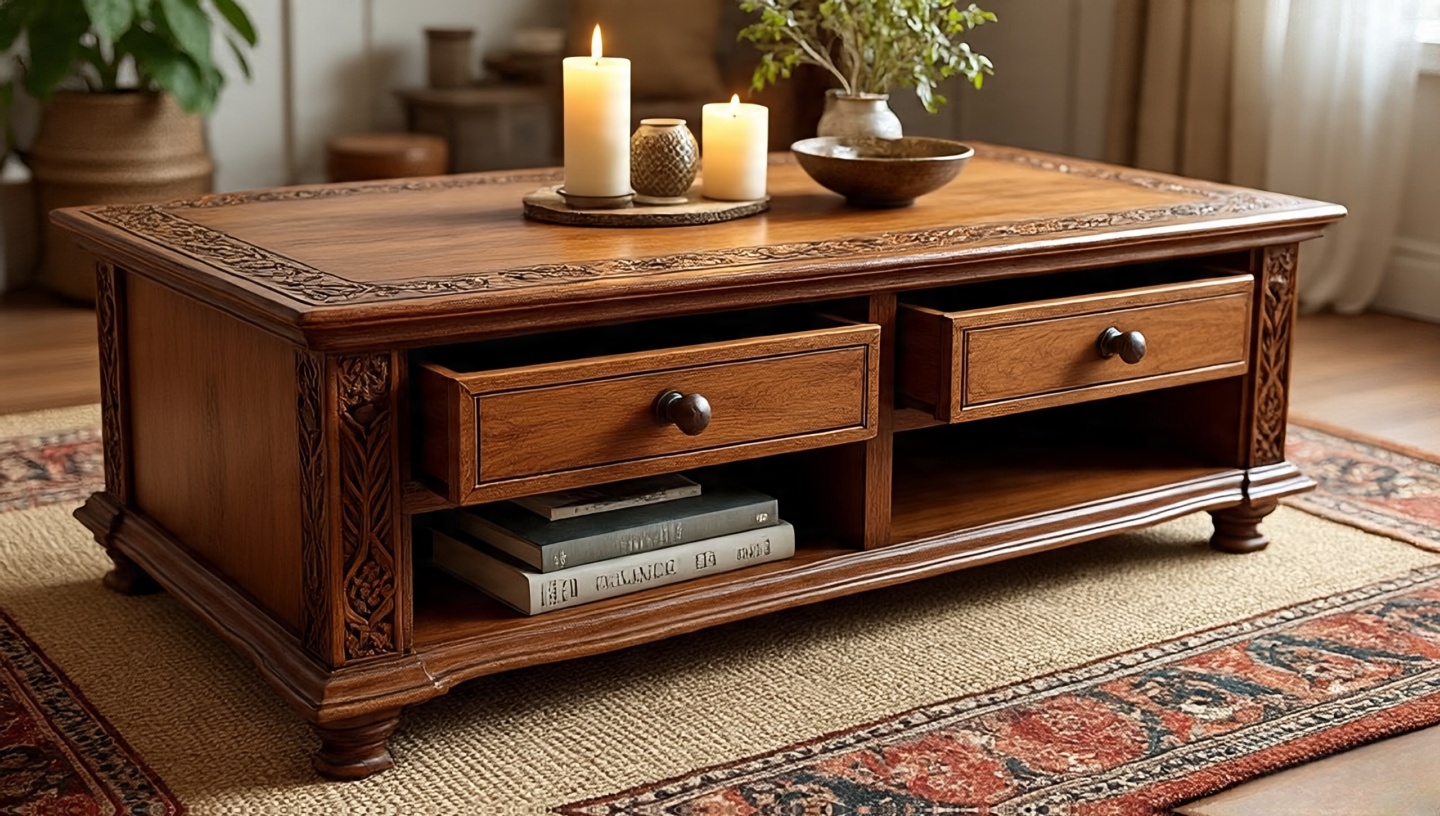 I prefer tables that swallow chaos and still look calm.
- Function first: drawers with soft-close runners, plus a lower shelf for books. Aim for 110 by 60 cm in modest living rooms.
- Finish that wears well: plant-based hardwax oil. It keeps the grain warm and lets you spot-repair rings with a light rub.
- Safety radius: rounded corners or a 10 mm eased edge. Your shins will thank you.
8) Vintage trunk as table and story
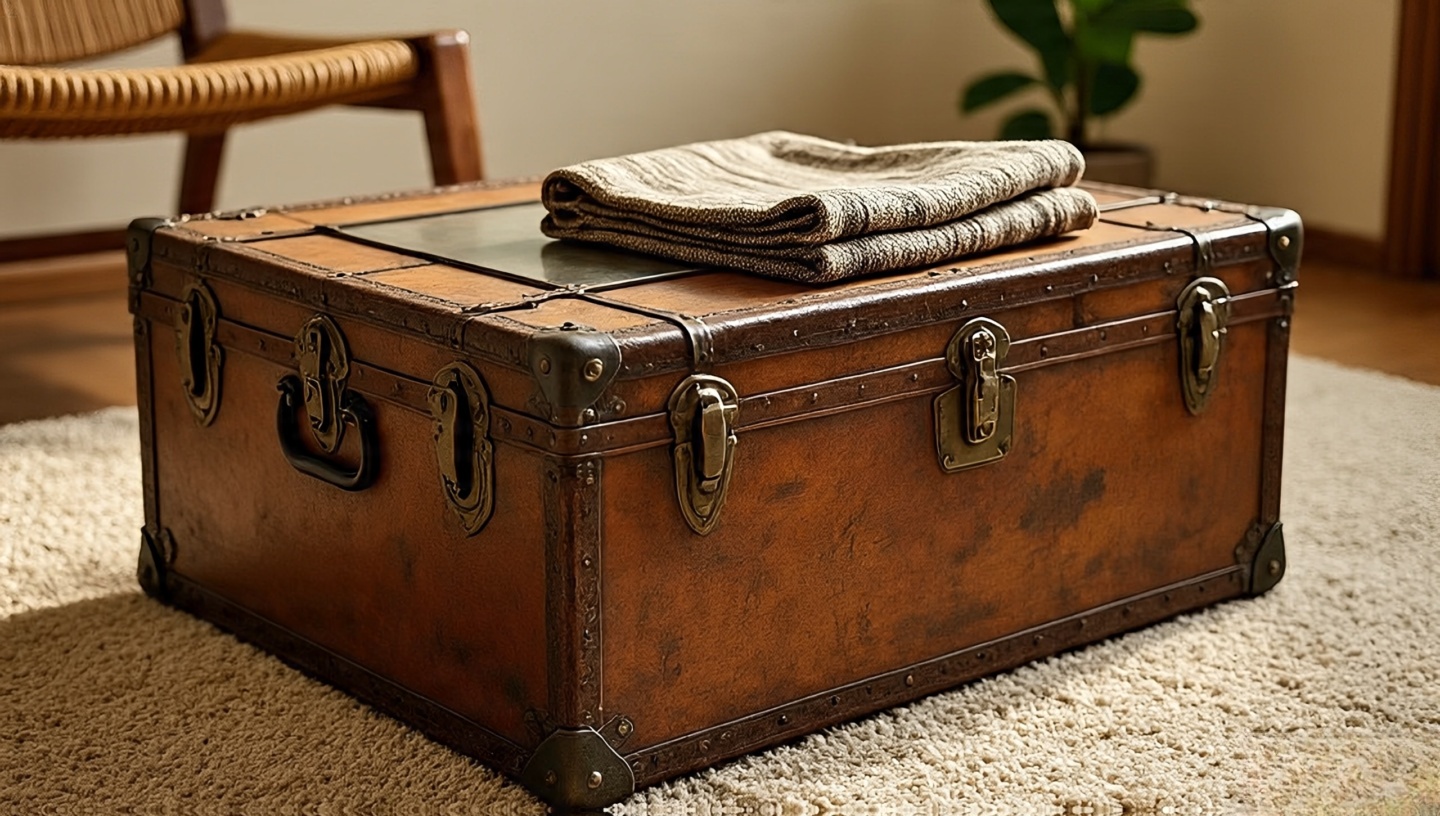 A good trunk clicks when you shut it. The hinges feel like a handshake with history.
- How to vet: sniff for mildew, test the base for softness, and check that the lid stops hold at 90 degrees.
- Make it practical: add a 6 mm tempered glass top with clear bumpers so cups sit steady and the carving still reads.
- Pest caution: if the wood shows tiny pinholes, freeze the empty trunk for 72 hours to kill wood-boring larvae before bringing it inside.
9) The slim console behind the sofa
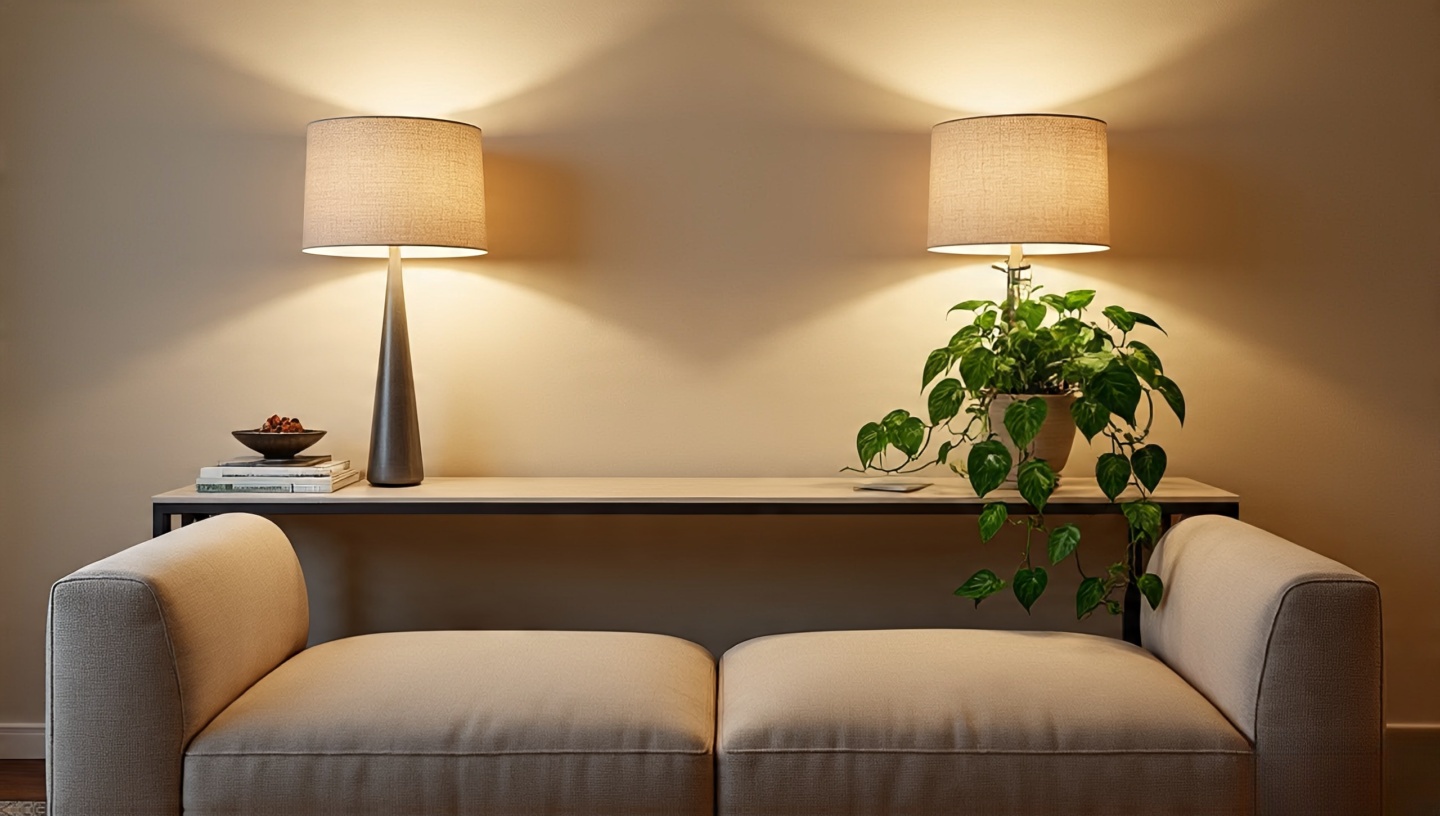 This is the trick that lets you float furniture without feeling adrift.
- Dimensions: 25 to 35 cm deep, matching the sofa back height within 2 to 4 cm.
- Utility: drill a discrete grommet for lamp cords and add felt under the feet so you can nudge it during cleaning.
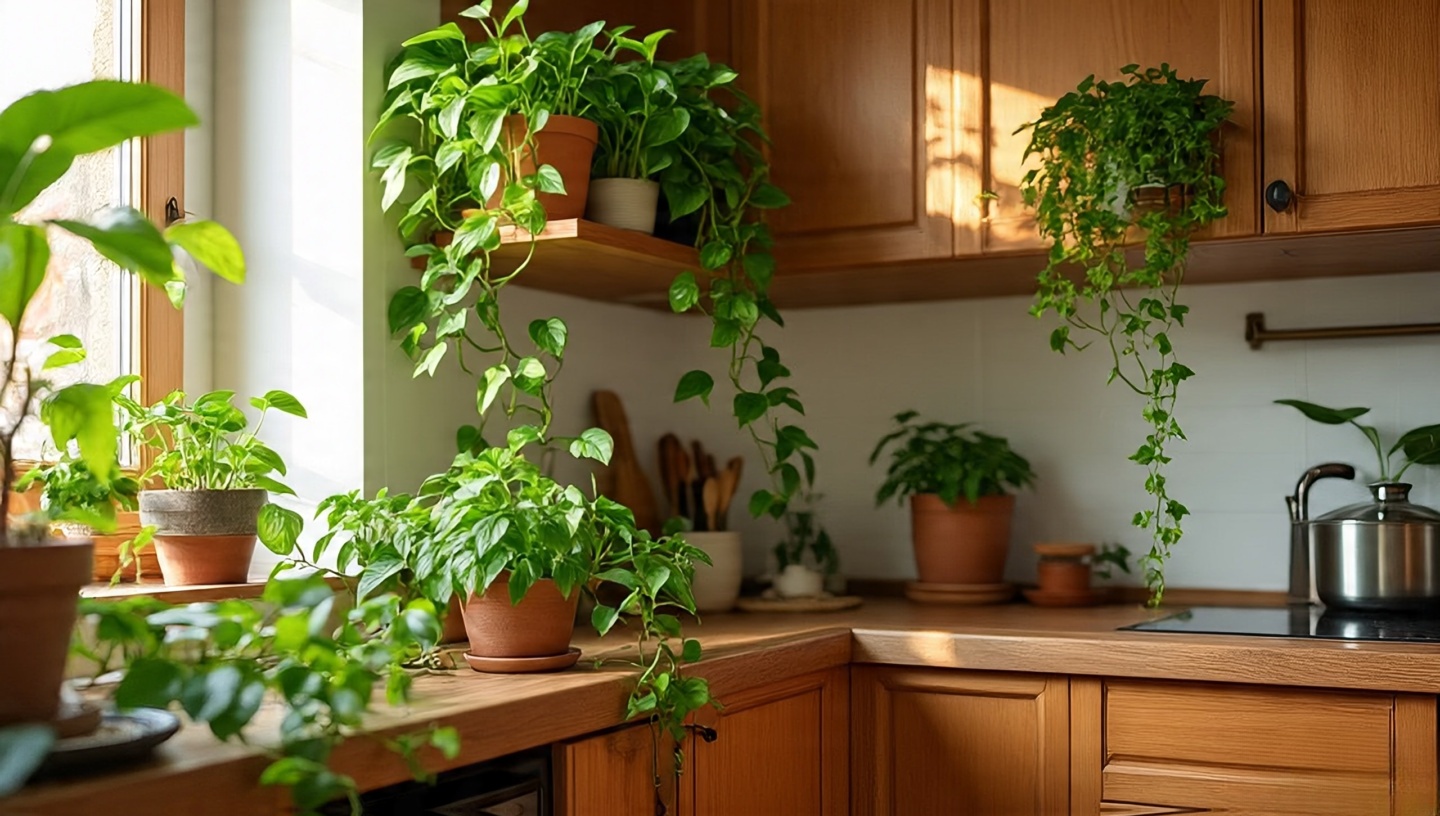
- Green layer: trail a pothos or philodendron so the leaves skim the console edge. Movement plus shadow equals life.
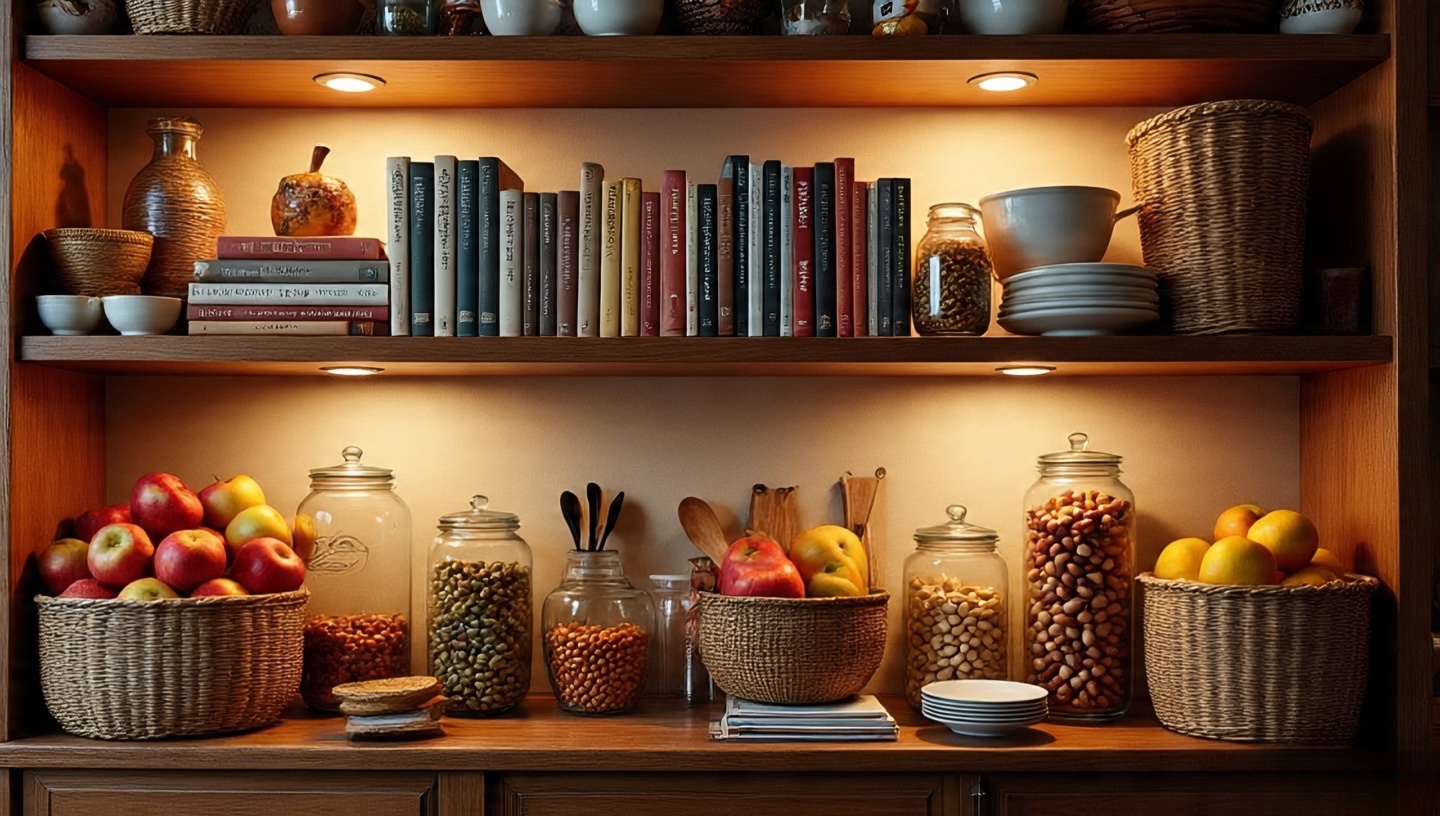
10) Books as texture on open shelves
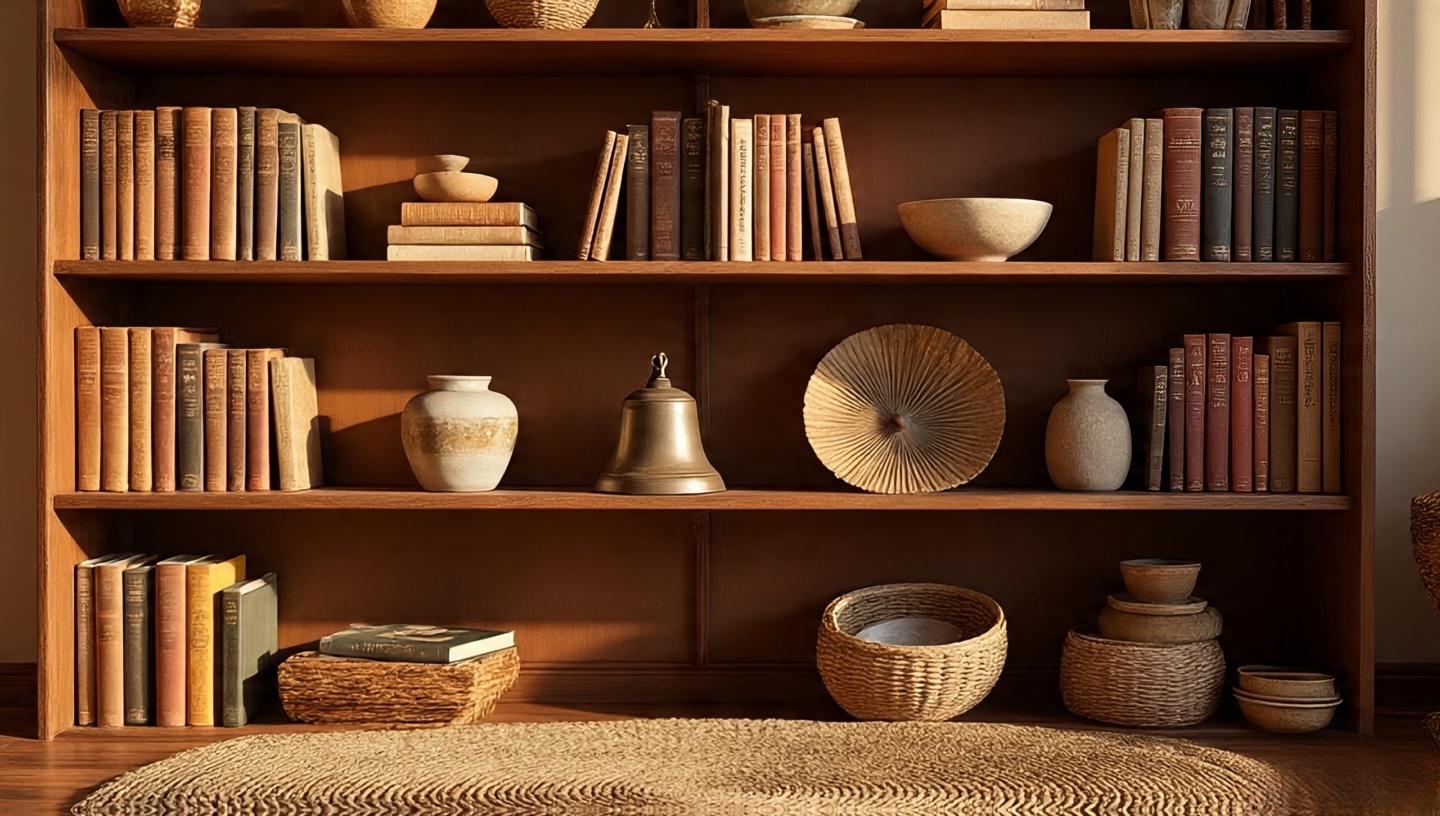 Boho rooms tell stories, not just display them. Shelves should sound like a low murmur.
- Rhythm rule: alternate vertical rows with horizontal stacks. Every third stack gets a small object with patina brass bell, woven fan, hand-thrown bowl.
- Color strategy: if hues are clashing in the room, wrap several dust jackets in plain kraft paper so the palette calms without feeling staged.
- Maintenance: dust top to bottom with a soft brush, then a slightly damp microfiber on the shelves. It smells faintly clean, not chemical.
11) Etagere plus baskets for soft storage
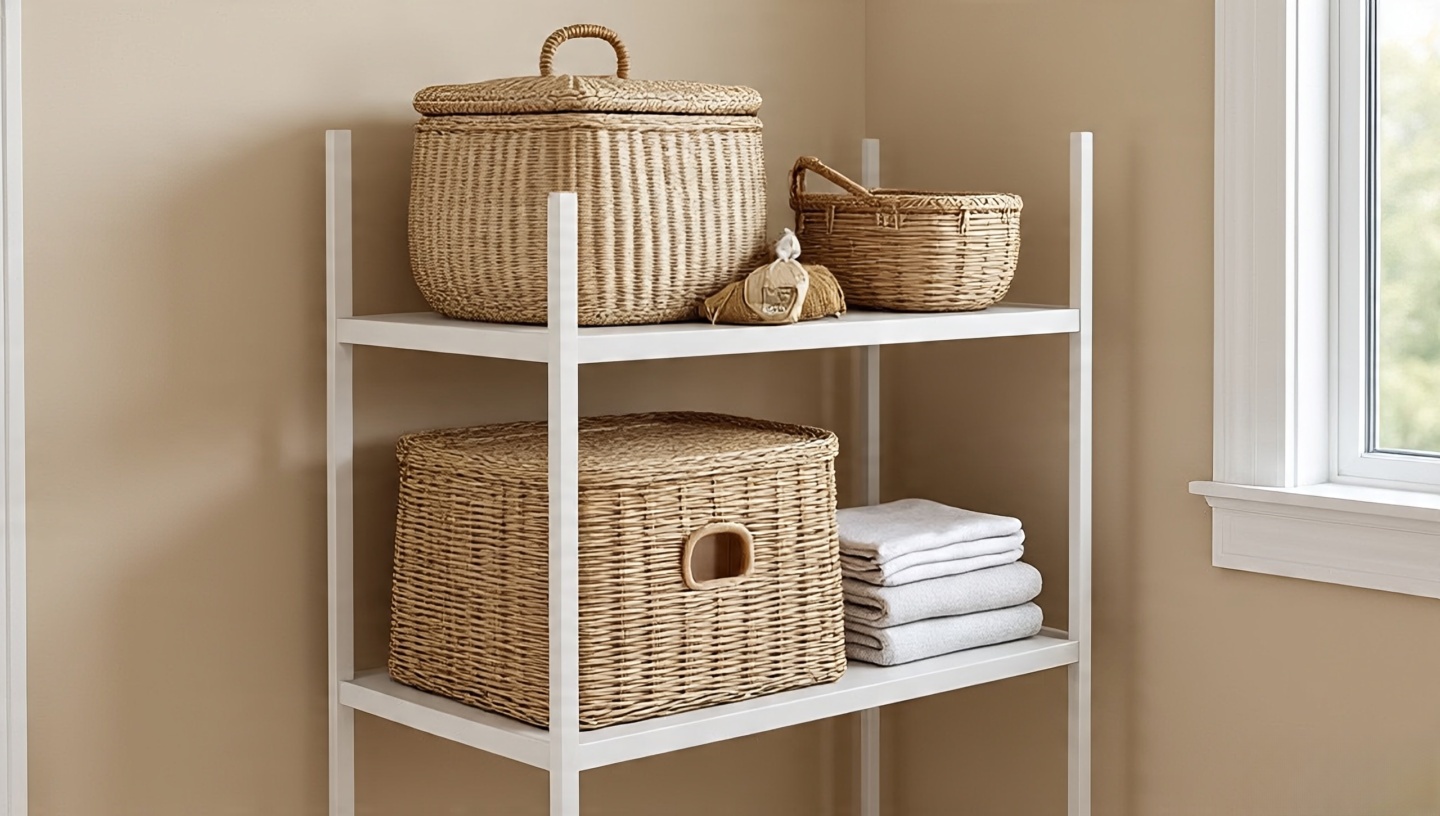 Open etageres keep a Boho room breathing, especially in corners that tend to feel heavy with closed cabinets. I favor bamboo or slender powder-coated steel because they disappear against the wall and let texture do the talking.
- Mini spec: 30 to 35 cm shelf depth holds books and baskets without creeping into walkways. Load the center shelves with the heaviest items for stability.
- Basket smarts: palm or seagrass for breathability, rattan for structure. Choose lidded baskets for cables and remotes so the shelf still looks like sculpture.
- Architect’s tip: run a felted cable sleeve down the back leg and park a small surge protector on the bottom shelf. No spaghetti, no shame.
- Anecdote: On a humid coastal job, we added cedar sachets inside baskets. The shelves smelled faintly of a forest after rain and the linens stayed fresh.
12) The classic vintage credenza as visual anchor
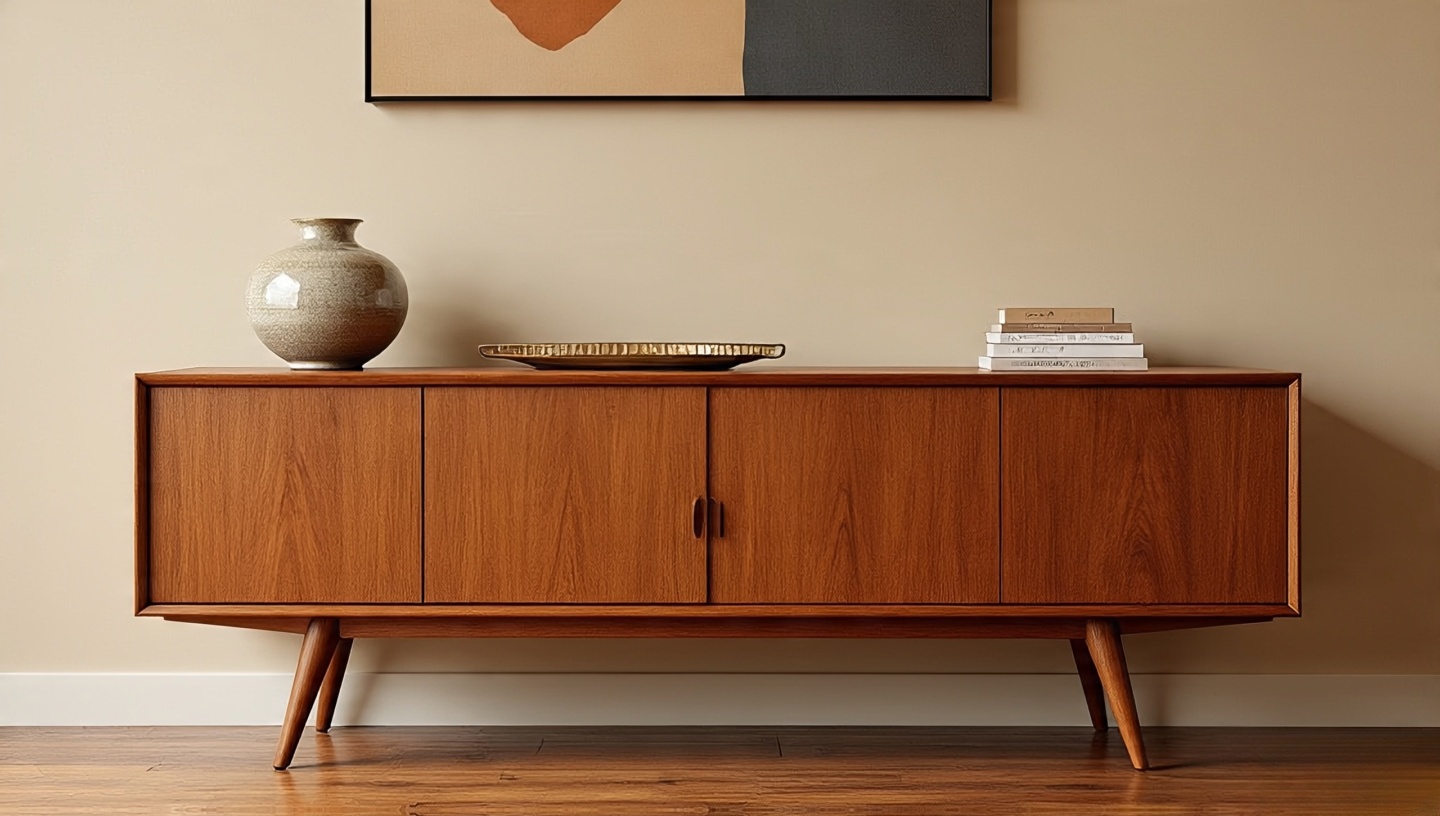 Every light, airy Boho composition needs one piece with gravitas. A mid-century credenza is that calm bass note. It spans the wall, settles the eye, and gives every rattan line something to lean on.
- Proportion rule I use: if it sits under a TV or artwork, aim for the credenza to be 20 to 30 percent wider than the piece above so the vignette looks intentional.
- Quality check: open every drawer; good ones ride cleanly on wood or quality runners. Look for continuous veneer grain across doors a sign of careful craftsmanship.
- Vent and level: if it hides media gear, drill discreet vents in the back panel and add adjustable feet. Wobble is the enemy of serenity.
- Care: beeswax twice a year. The wood will warm a shade and catch evening light like amber.
13) Mix chair silhouettes with intention
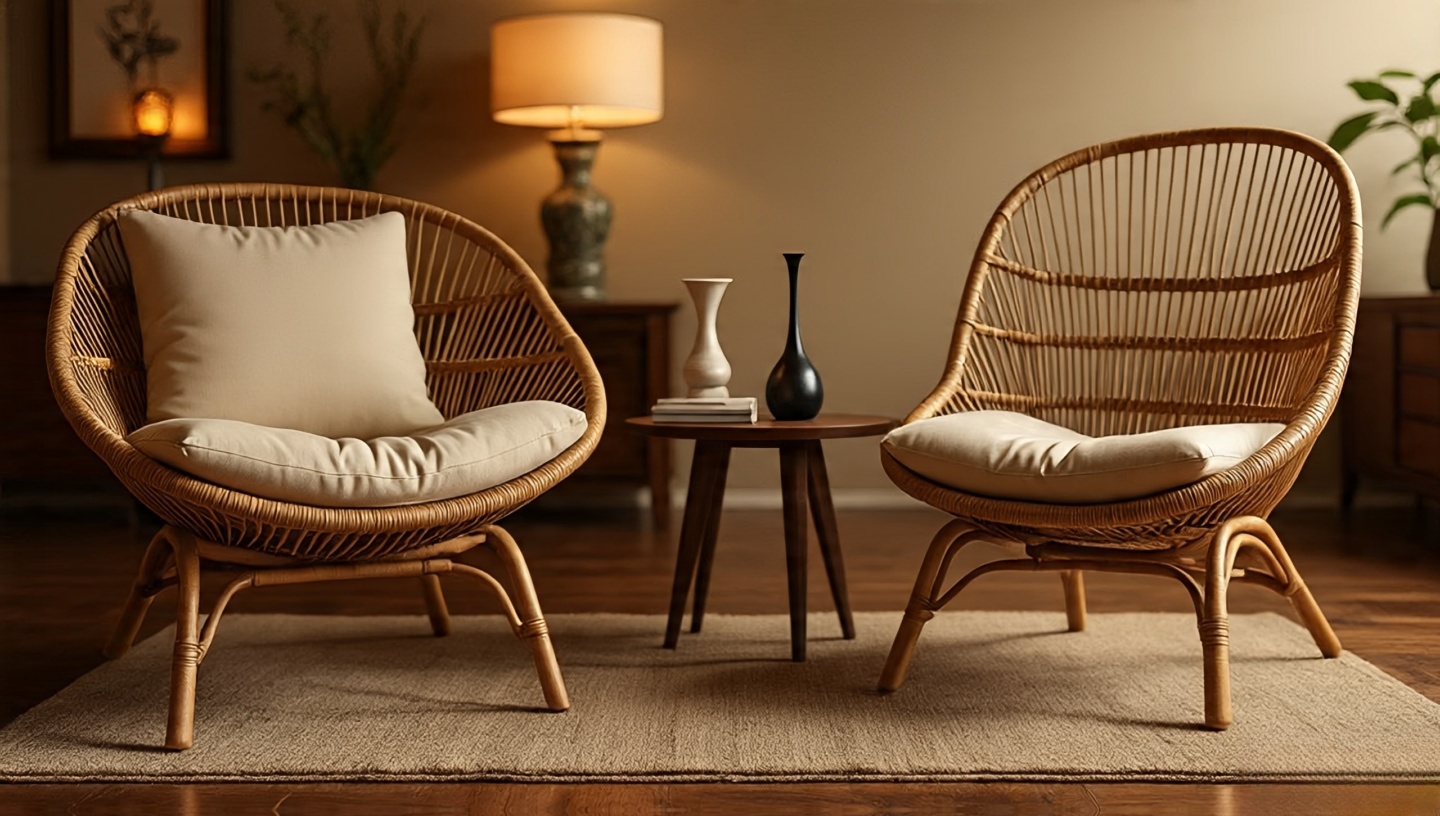 Boho is rhythm, not chaos. You can mix a leather sling, a curved rattan lounge, and a spindle-back if you respect height and angle.
- Geometry that works: pair one low, reclined chair with one upright, supportive chair. They serve different moods in the same conversation.
- Seat harmony: keep seat heights within 3 cm of each other so knees align and conversations feel effortless.
- Unifying move: match one variable cushions in the same fabric or wood in the same finish. The eye reads cousins, not strangers.
- Pitfall: three recliners in a row. No one knows where to set a cup. Always flank at least one with a table surface.
14) Poufs and ottomans for moveable comfort
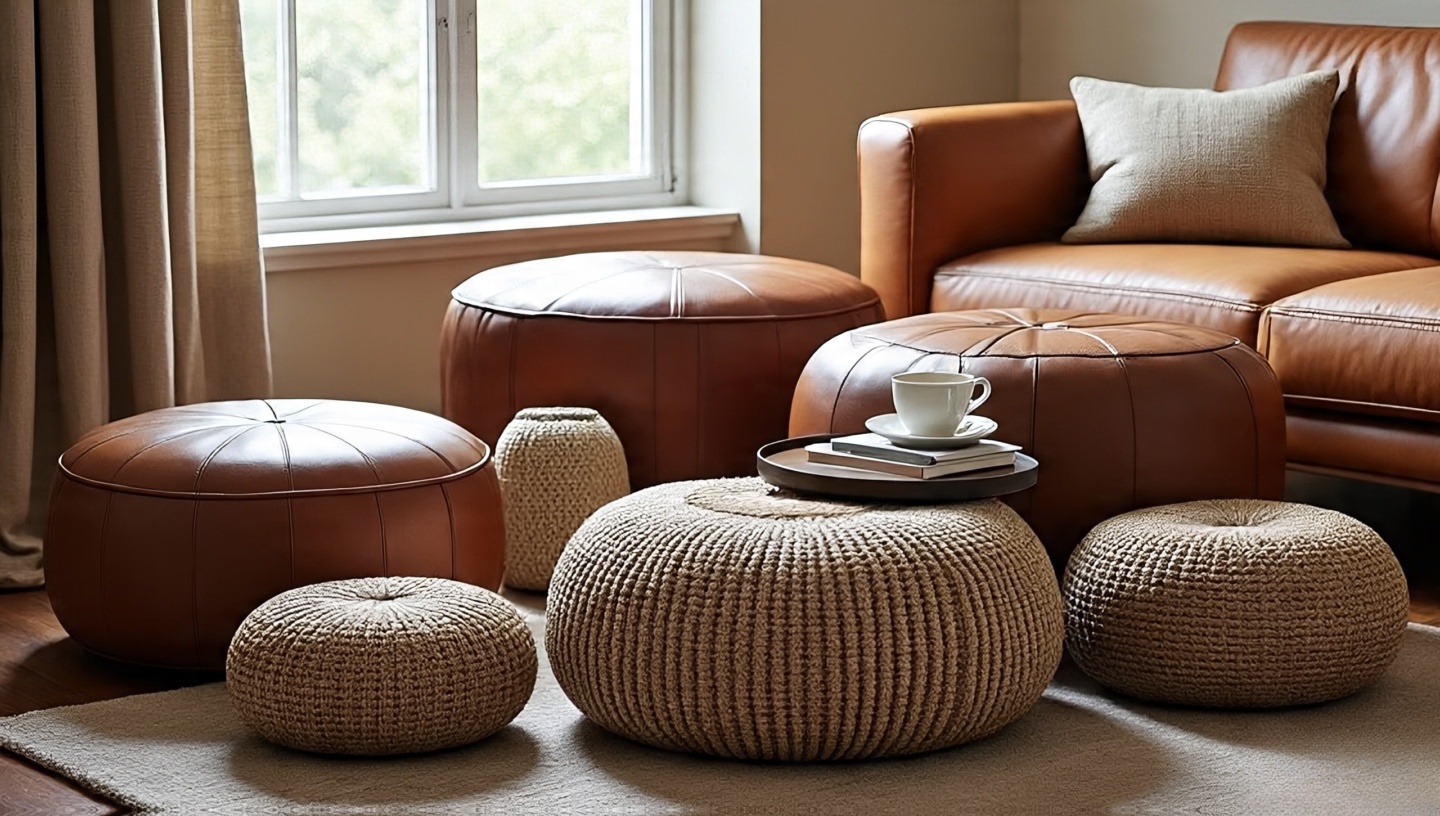 They thump softly when you drop them and vanish when you need floor space. Ideal for the way real homes flex between quiet evenings and a crowd.
- Stuffing choices: dense foam core for stability, kapok for breathable softness, EPS beads for the casual lounge look. I reach for foam in living rooms so trays sit steady.
- Heights that feel right: 38 to 43 cm if doubling as seating, 30 to 35 cm if acting as a footrest to a 43 to 46 cm sofa.
- Leather reality: condition lightly; a little patina is charm, not damage. Keep out of direct noon sun to avoid chalking.
- Family note: round edges and non-slip bottoms keep kids and pets safe during the inevitable living-room safari.
15) Kilim bench at the entry
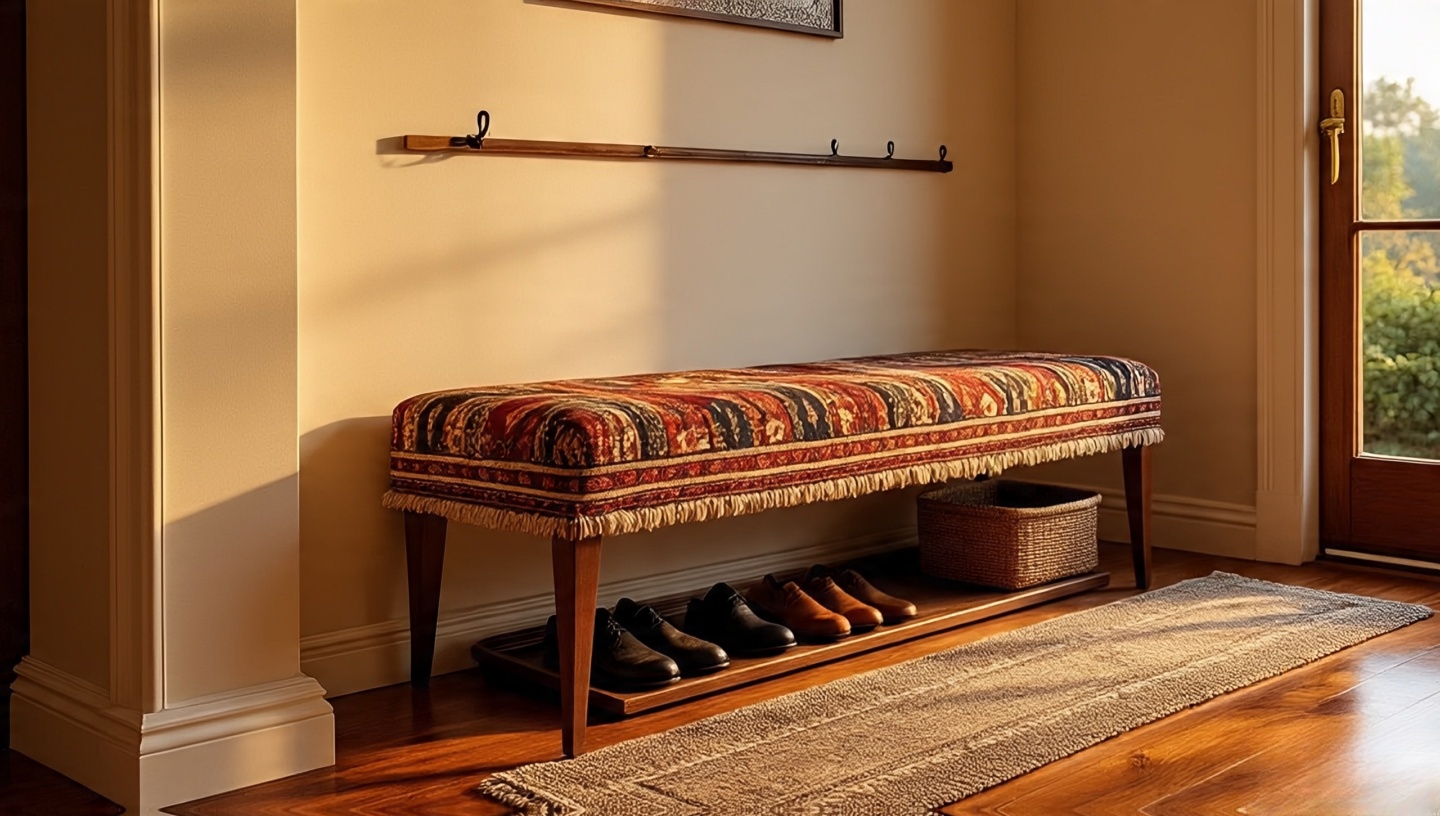 The entry is your handshake. A slender bench upholstered in a faded kilim sets a traveled tone without shouting.
- Bench spec: seat height 45 to 48 cm, depth 35 to 40 cm so you can tie shoes without perching on the edge.
- Durability check: true upholstery-grade kilim or tightly woven wool flatweave; rug remnants work if they are backed properly.
- Quiet order: a low tray for shoes and a narrow basket for umbrellas tucked beneath. The soft rasp of wicker against tile is oddly soothing.
- Slip fix: felt pads under legs on stone, a thin rubber runner on timber floors. Entries see torque; plan for it.
16) Folding screen for soft zoning
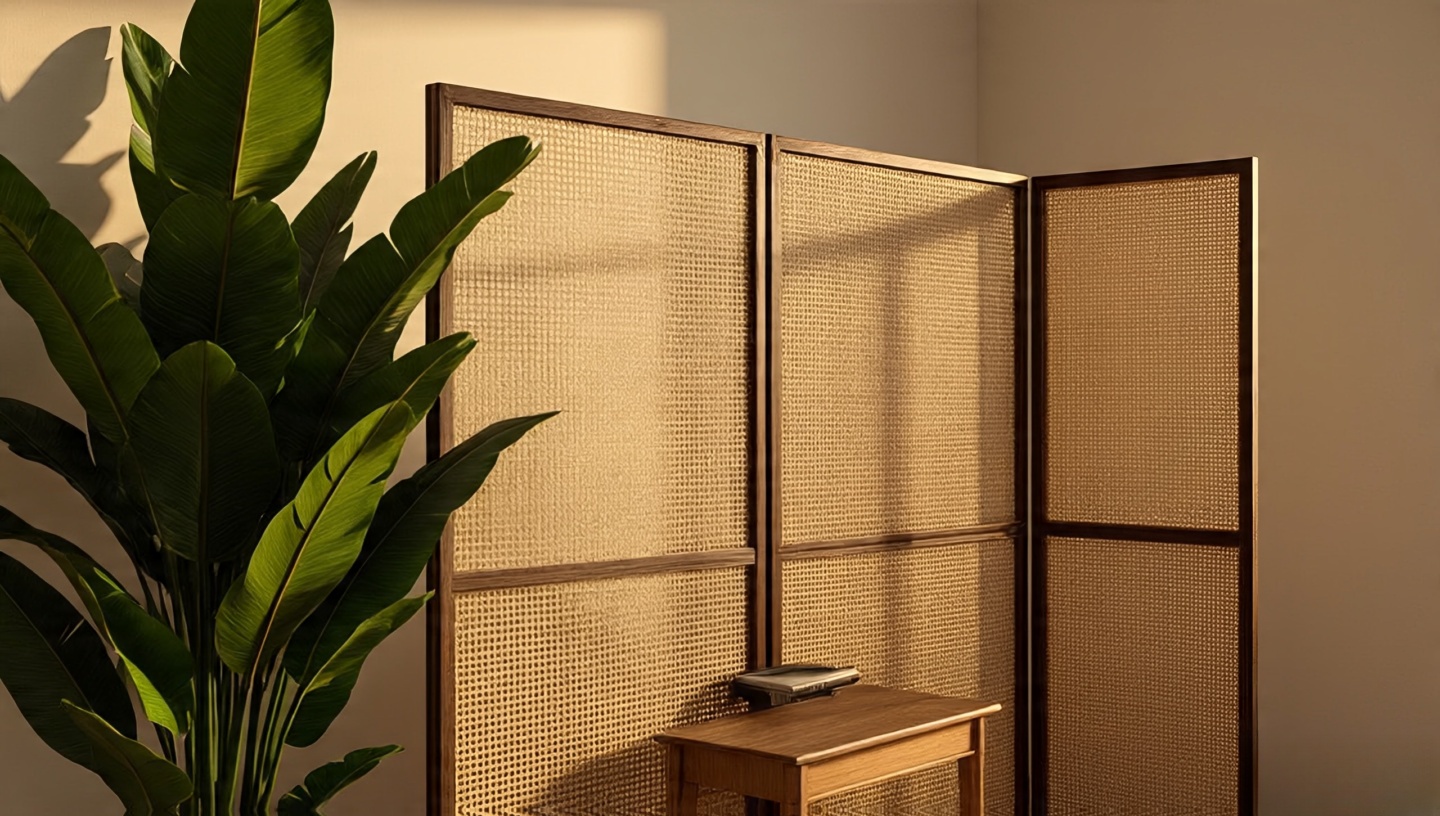 When a room needs privacy but not walls, I reach for a 3-panel screen. It interrupts echo, hides work clutter, and makes a beautiful backdrop for plants.
- Height sweet spot: 160 to 180 cm so it shields a desk but doesn’t loom.
- Hinge detail: double-action hinges let panels fold both ways, which means you can adapt on the fly for parties.
- Material match: cane or fabric with a subtle weave reads Boho; heavy lacquer reads formal. If using fabric, line the back so light doesn’t show the frame skeleton.
- Safety: keep 30 cm off any heat source or lamp. Screens can act like sails; anchor with a discreet L-bracket if pets or toddlers get rambunctious.
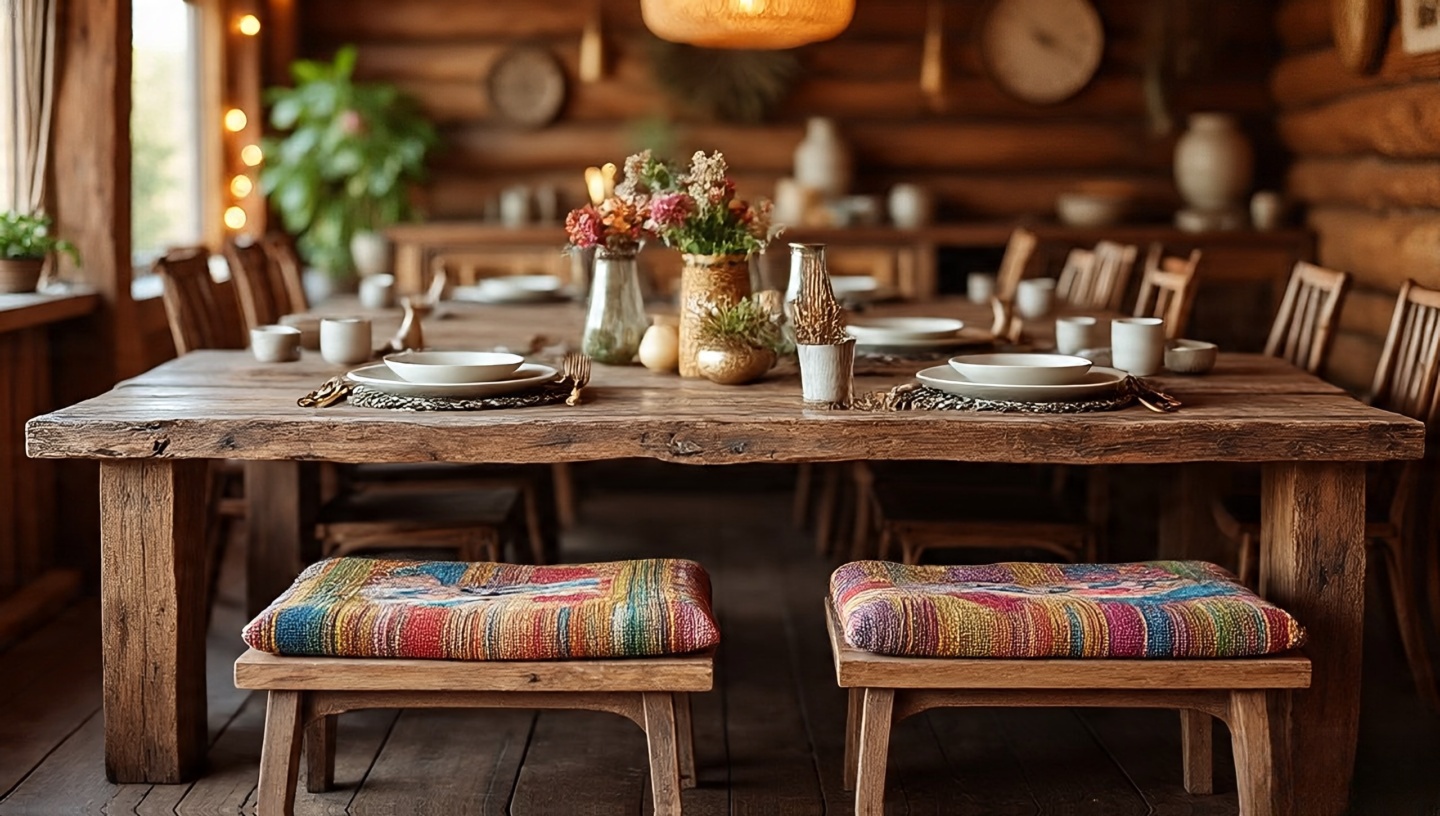
17) Round dining table for convivial flow
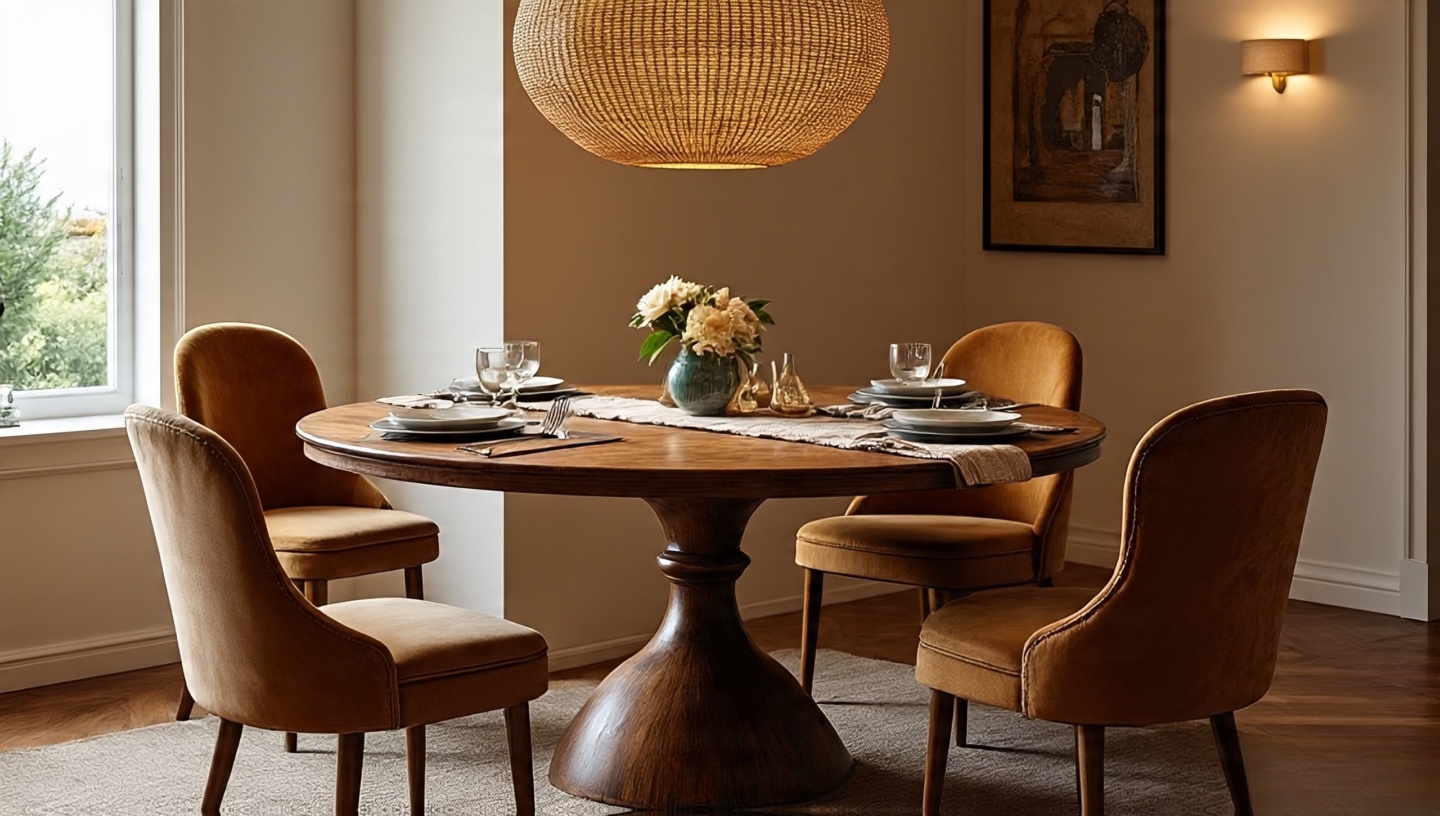 Conversations circle easily when edges are kind. A round table fits small rooms and forgives uneven chair mixes.
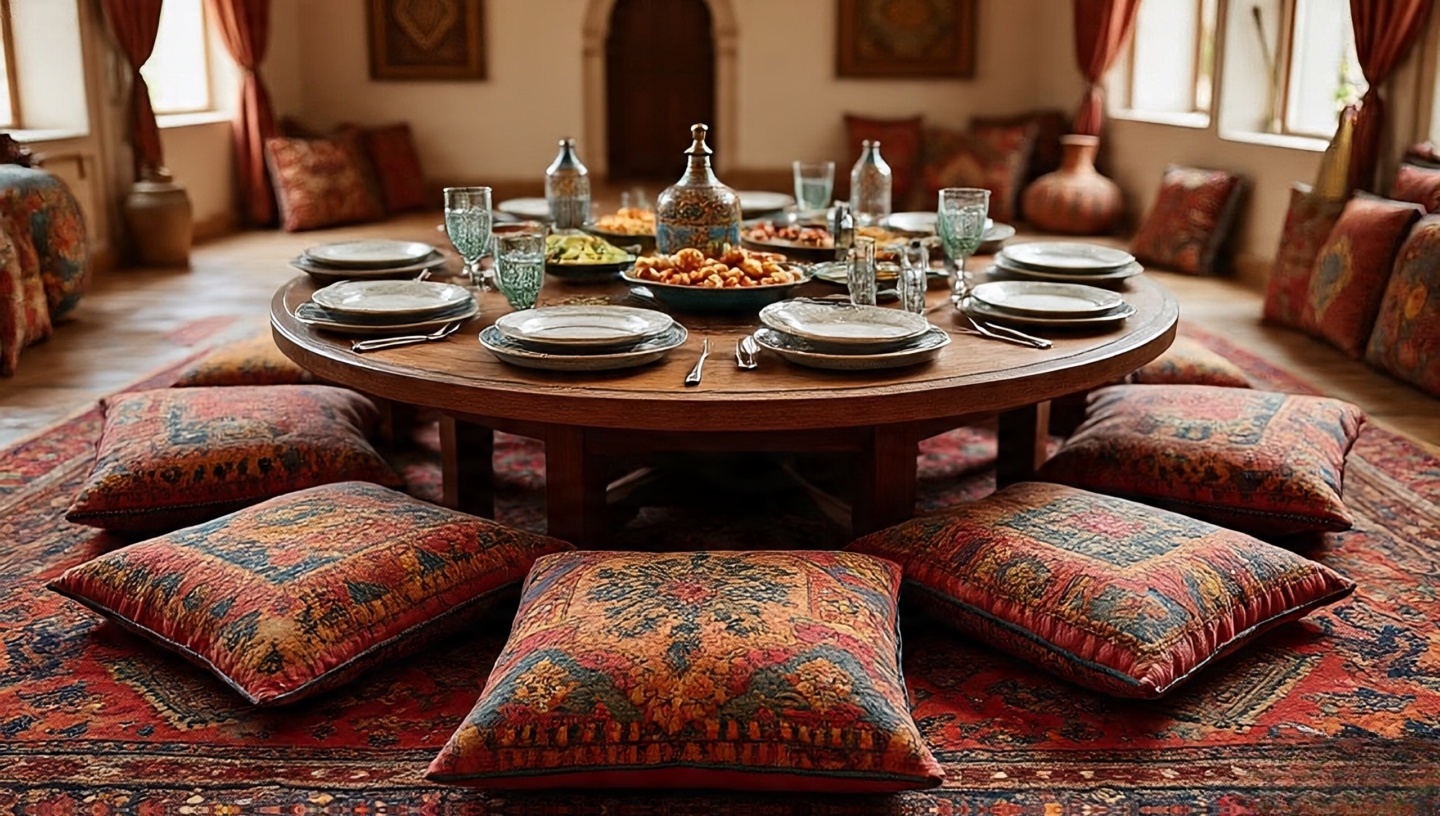
- Diameter guide: 100 to 110 cm seats 4 comfortably; 120 to 130 cm seats 4 to 6; 150 cm seats 6 to 8 if the base is a pedestal.
- Knee-clear magic: a pedestal avoids leg clashes. If using four legs, push them out toward the edge so chairs tuck neatly.
- Clearances: aim for 90 cm from table edge to wall or cabinet. At minimum, give 75 cm so guests can pass behind a seated diner.
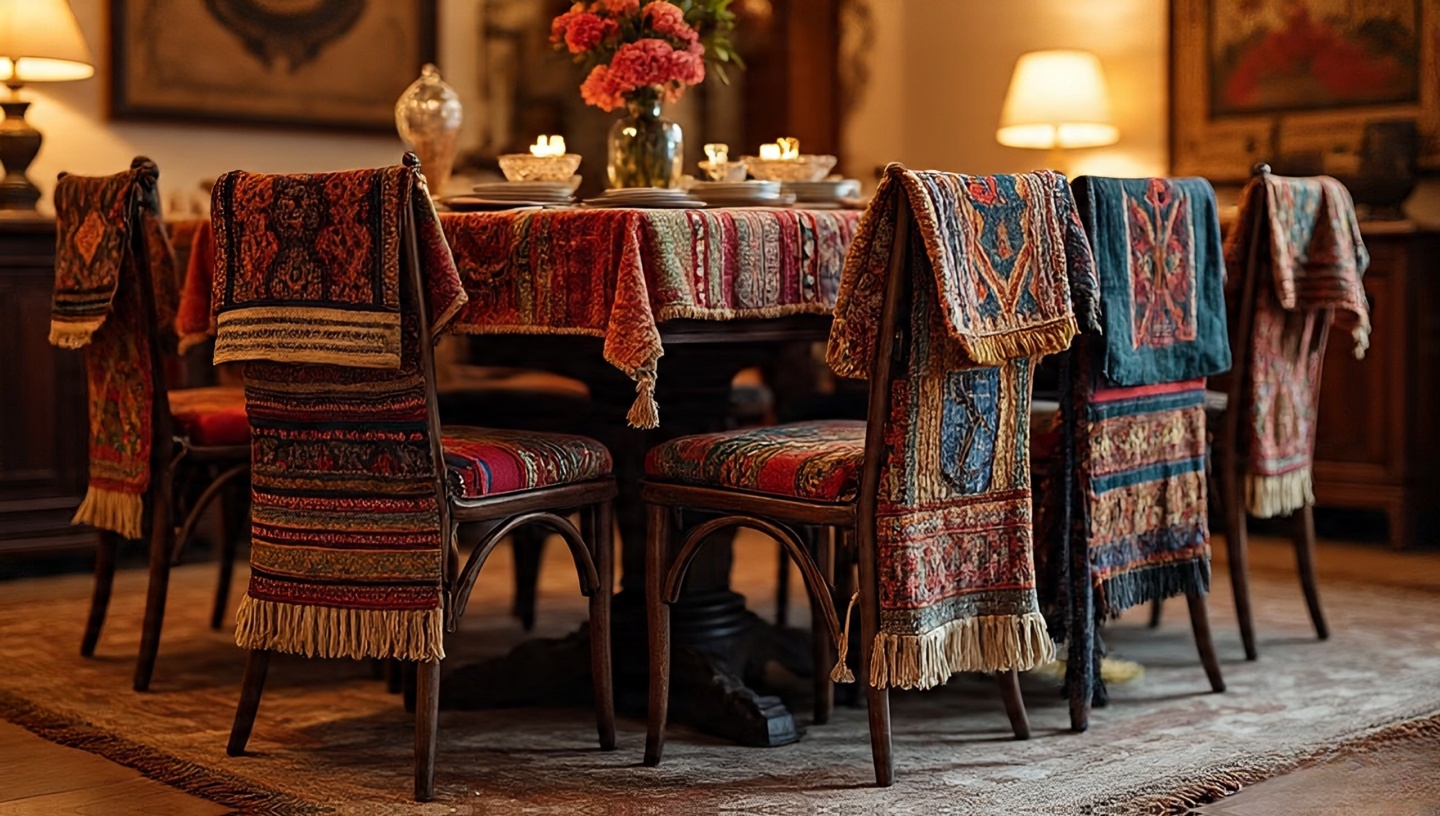
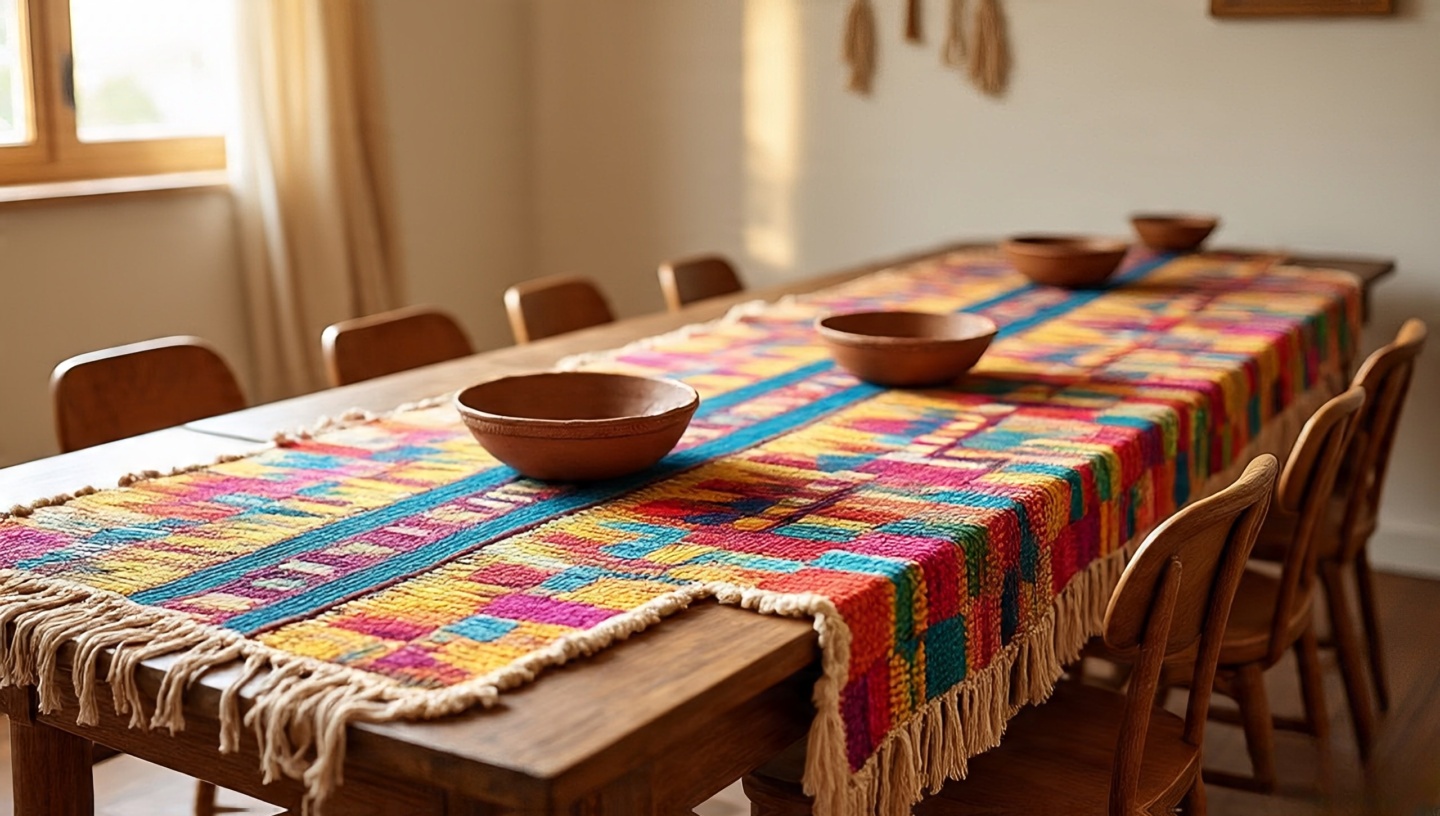
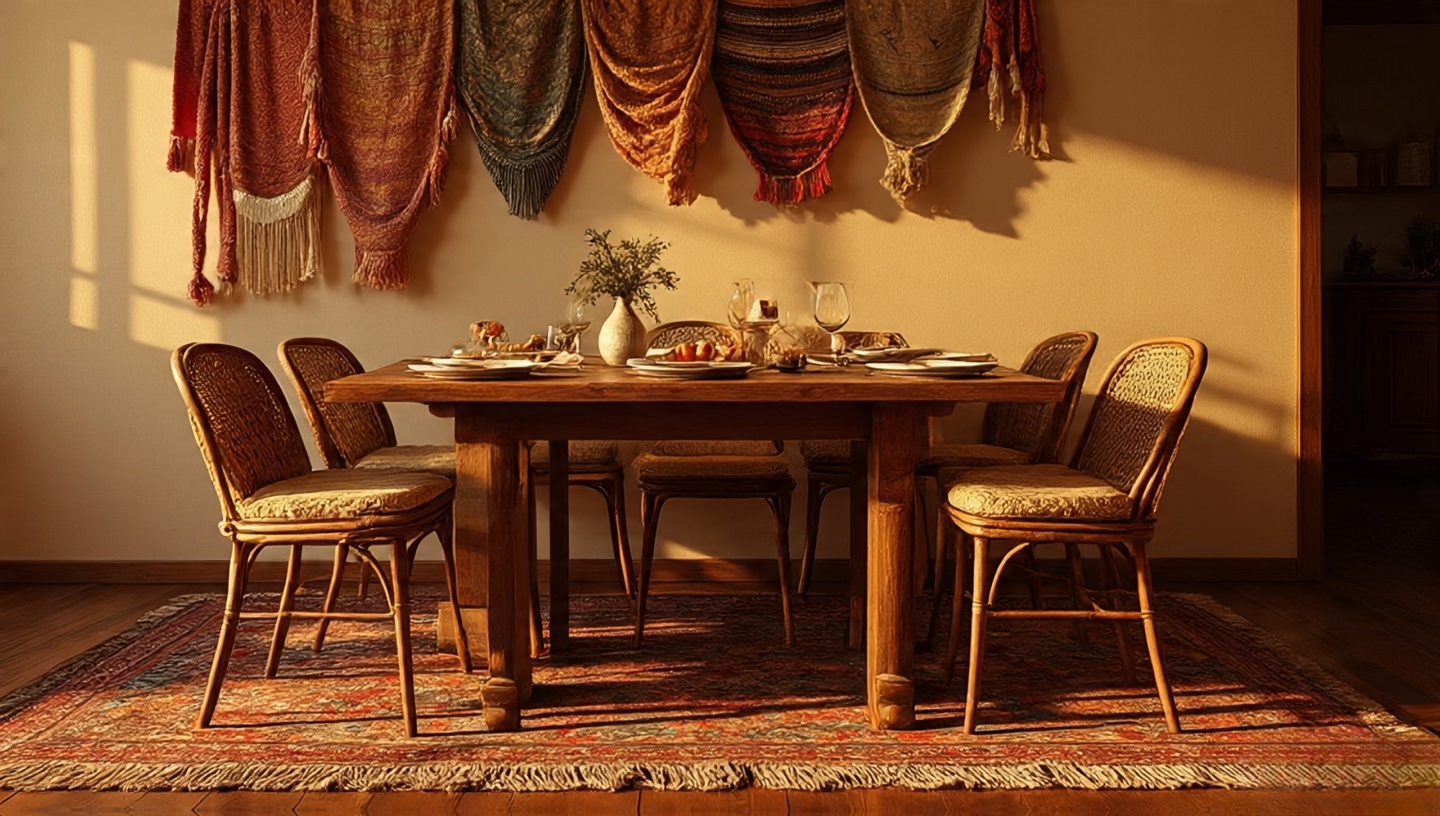
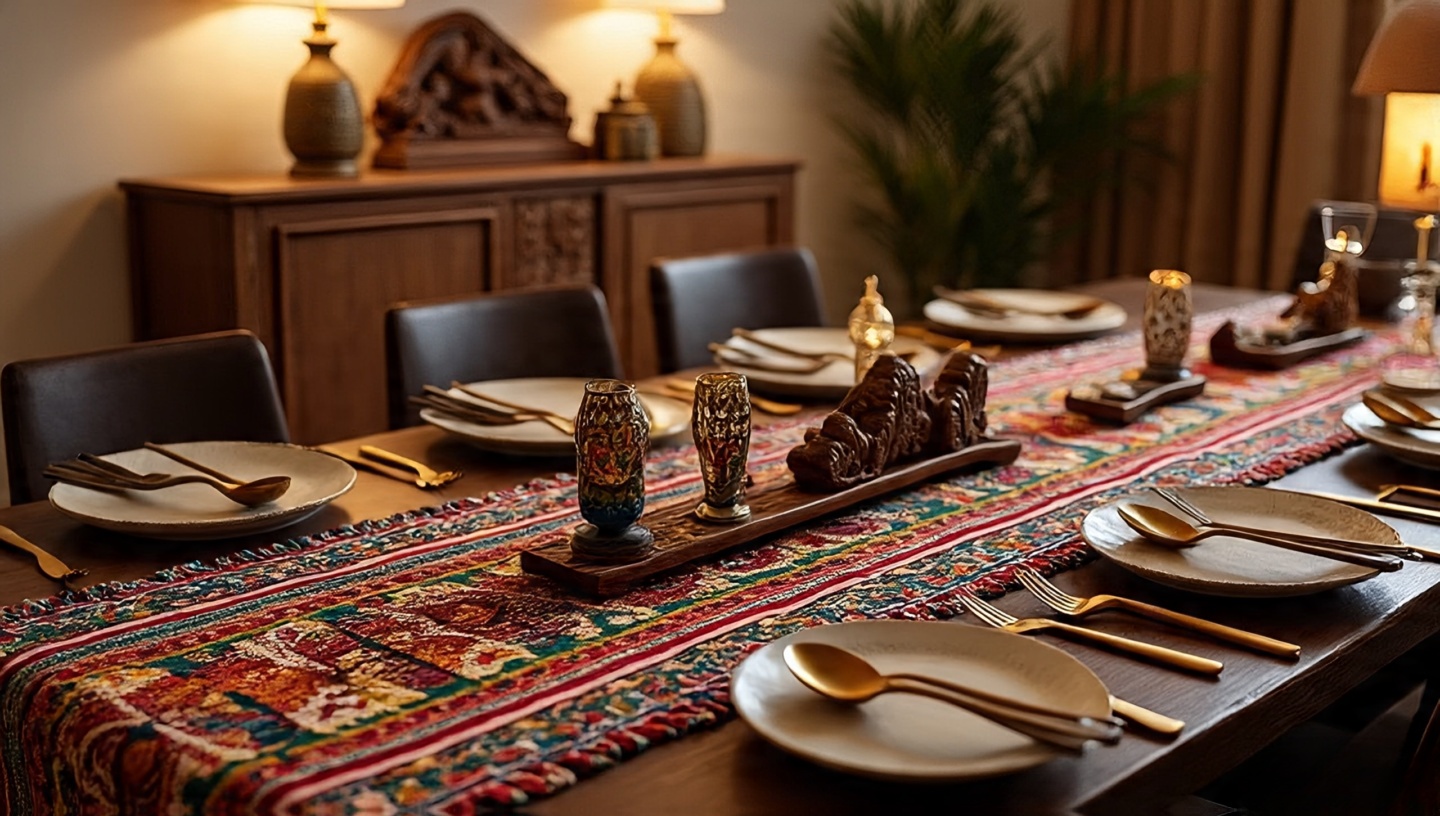
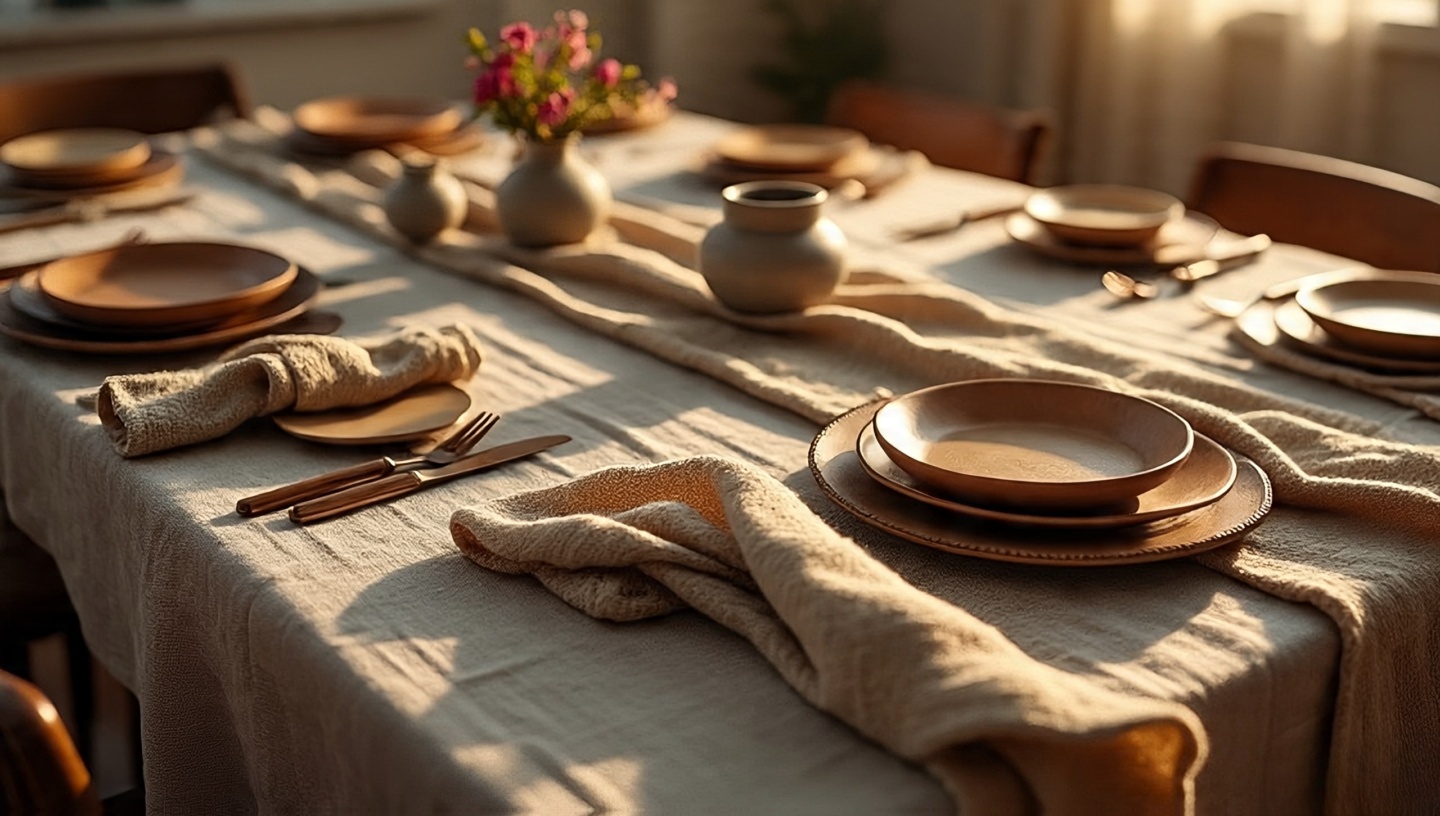
- Sensory layer: a woven runner or cork-backed trivets dampen clinks and make dinner sound like a low, happy hum.
18) Mix-and-match dining chairs
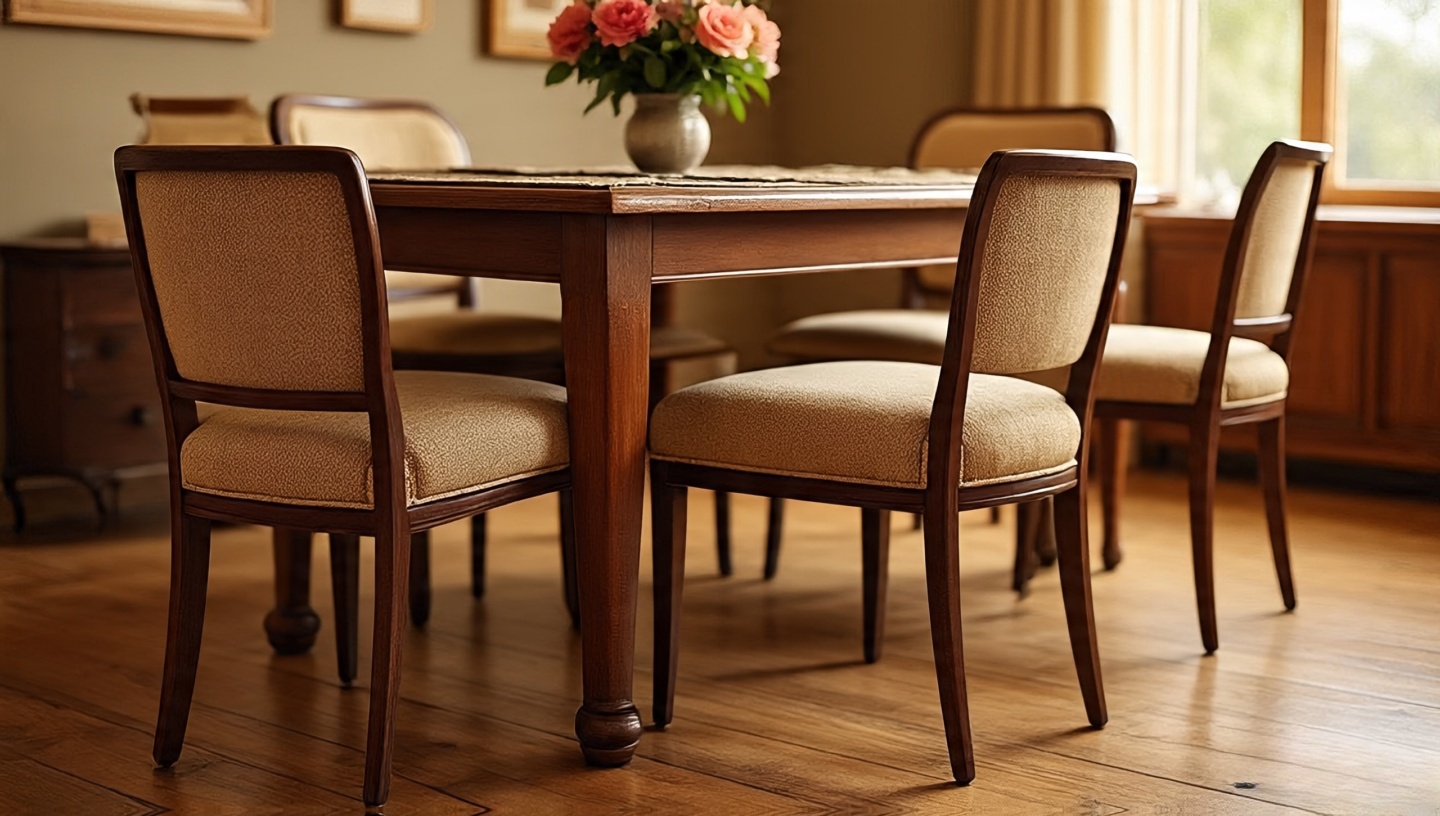 Boho dining should feel like a lively dinner with old friends, not a showroom line-up.
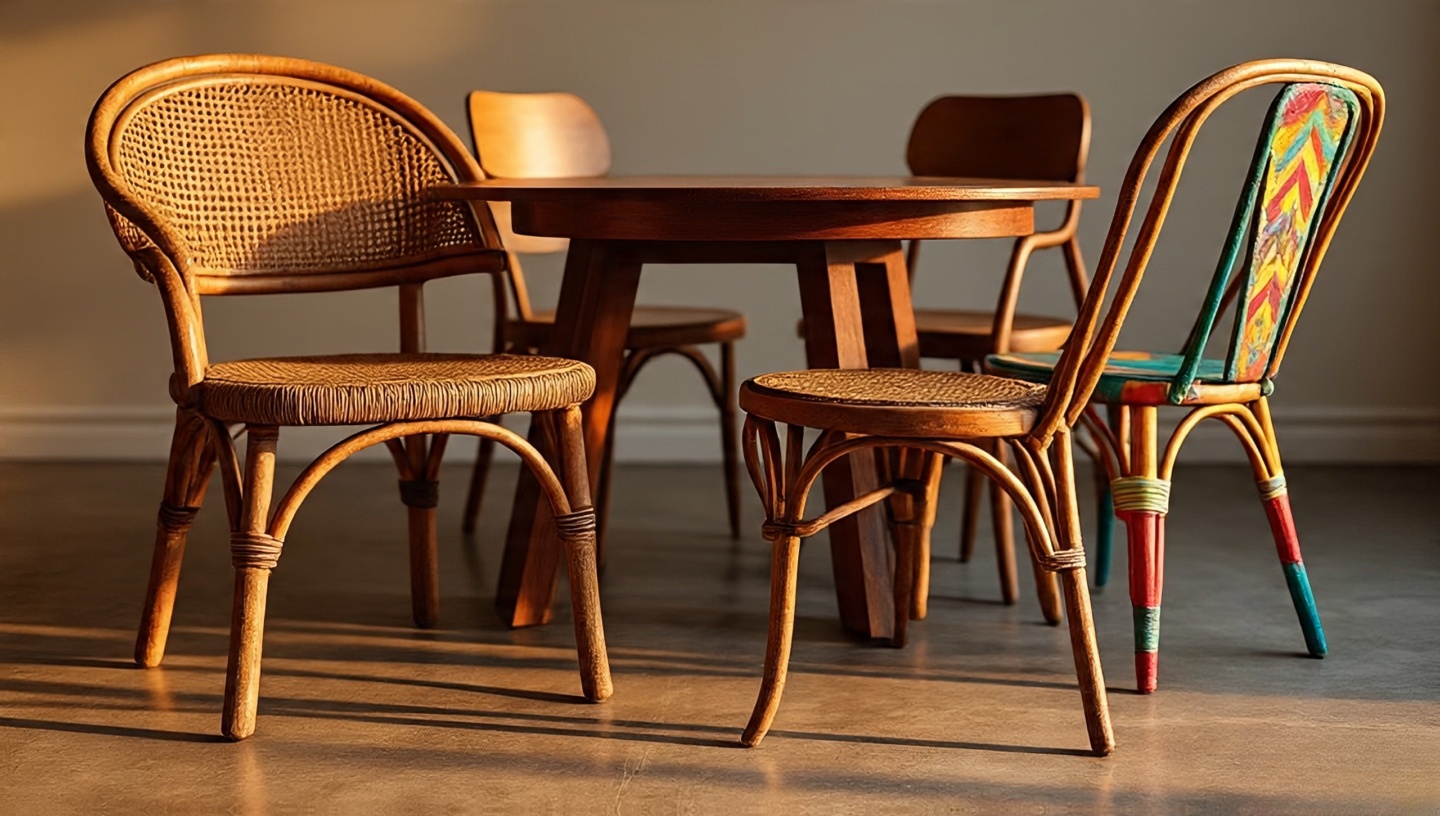
- Unify with two variables: either the same seat height and cushion fabric across styles or the same wood finish with varied forms. Pick one strategy, not both.
- Comfort test: sit for 15 minutes, then 30. If your hips start to fidget at 20, the seat pitch is wrong for long meals.
- Arm awareness: armrests can crash into table aprons. Leave 2 to 3 cm clearance beneath the apron for a graceful tuck.
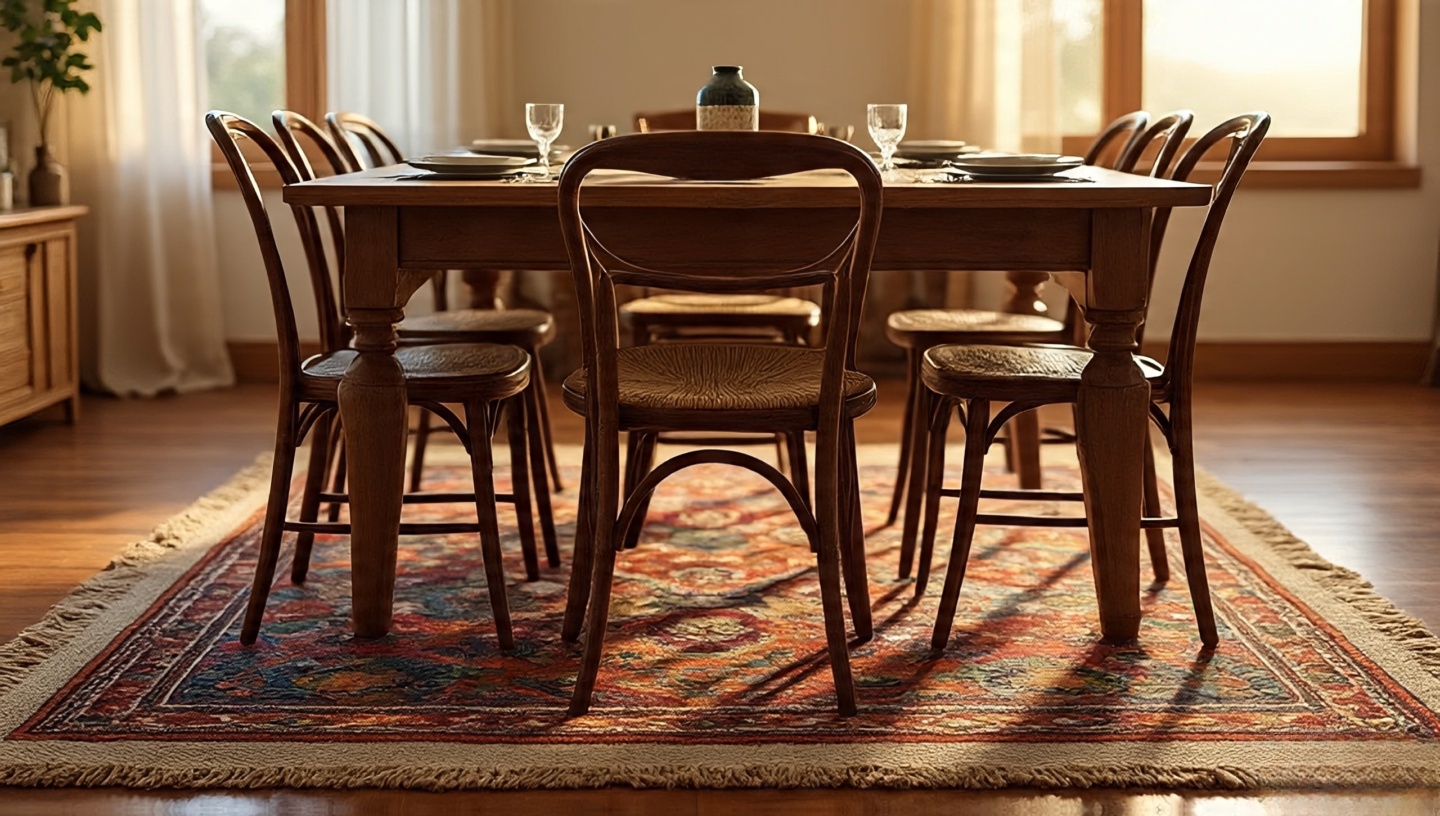
- Floor care: felt glides on every foot. The difference in sound when chairs slide is the difference between calm and chaos.
19) A small tea table, Moroccan style
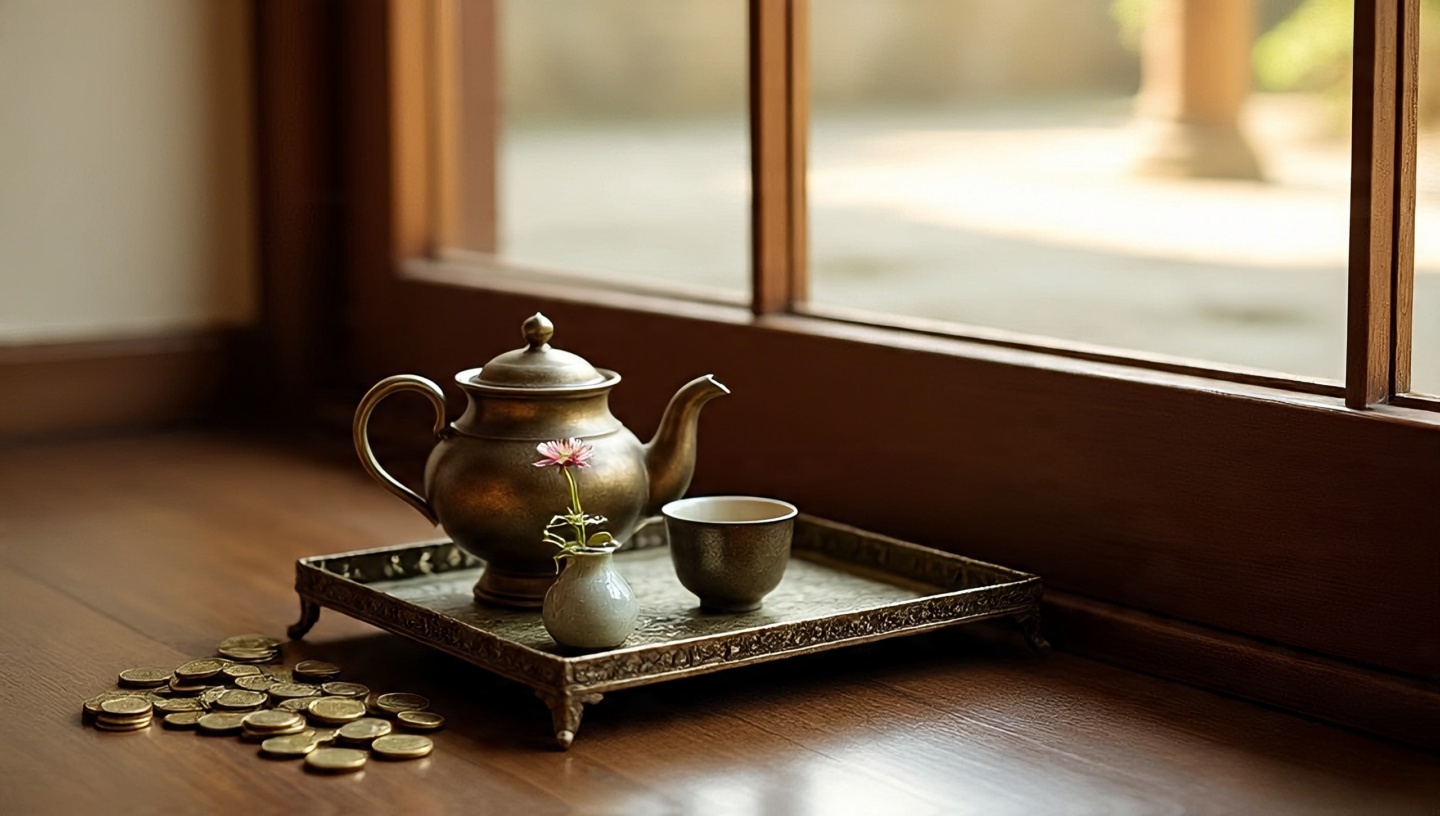 A brass tray table by the window is pure alchemy. Morning light scatters in soft coins across the floor and the room wakes up gently.
- Finish choices: unlacquered brass will patinate to a mellow brown; lacquered brass stays bright but shows scratches. Decide if you want a story or a mirror.
- Practical tweak: add clear bumpers beneath the tray so it doesn’t rattle when you set down a cup. The hush feels luxurious.
- Scale: 45 to 55 cm diameter for a reading chair, 60 to 70 cm if it serves two seats.
- Care: wipe with a dry cotton cloth; avoid harsh polishes. A thin smear of microcrystalline wax once a season keeps fingerprints at bay.
20) The charpoy or woven daybed
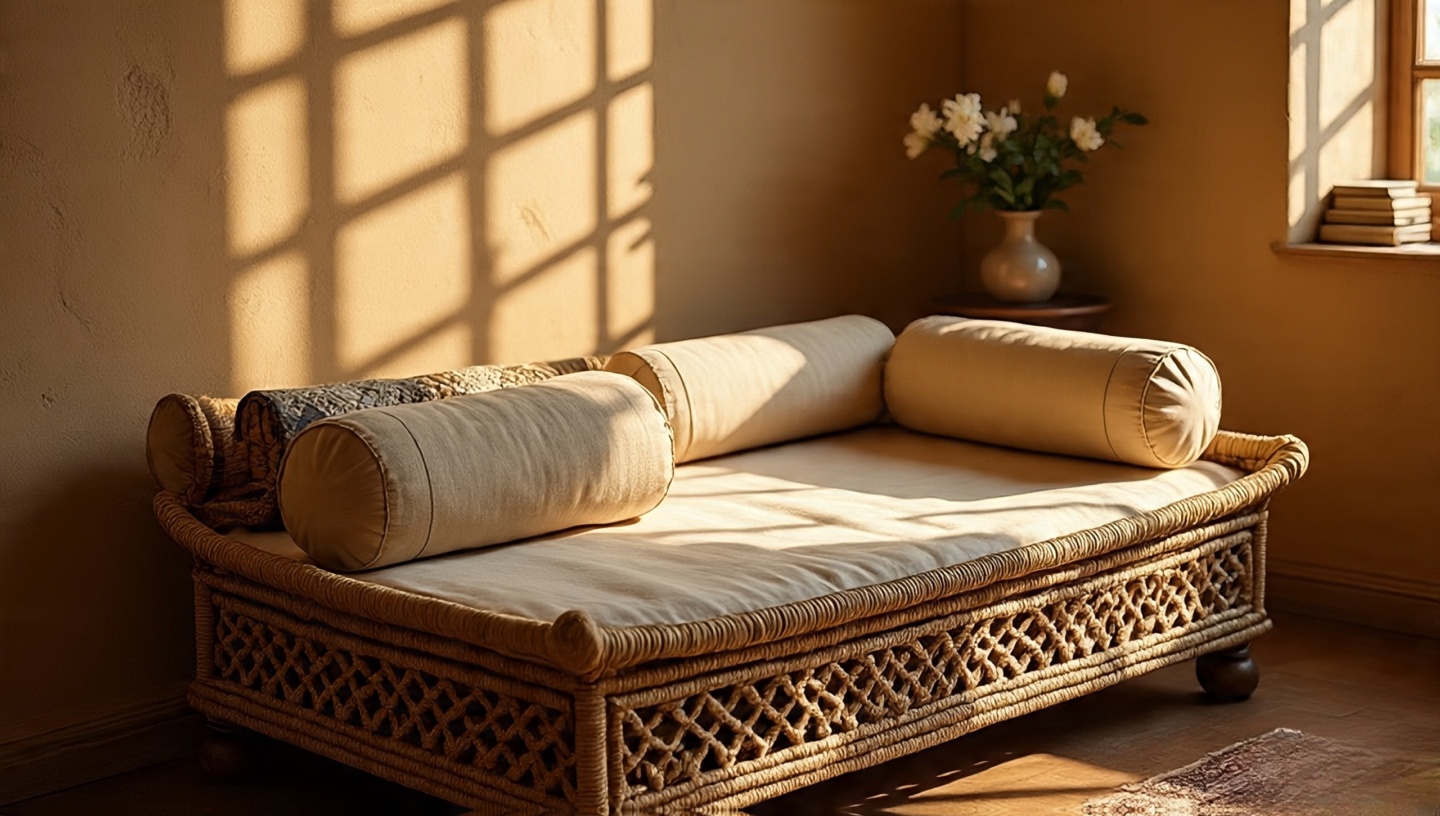 Nothing says global Boho like a charpoy with its gentle give. It is a seat, a nap spot, and a story in one frame.
- Weave matters: cotton rope is soft under bare legs; jute looks beautifully rustic but benefits from a thin cotton mattress for comfort.
- Tension check: if the weave loosens, re-tie or twist the ropes at the underside knots. A morning of patient adjustments rewards you with a silent, supportive surface.
- Layering: a 3 to 5 cm cotton topper and two firm bolsters turn it into a reading berth. Add a patterned lumbar for rhythm.
- Placement: float it near a window. The light through the weave casts a lattice shadow that makes the room feel alive.
21) Hammock chair, installed like a grown-up
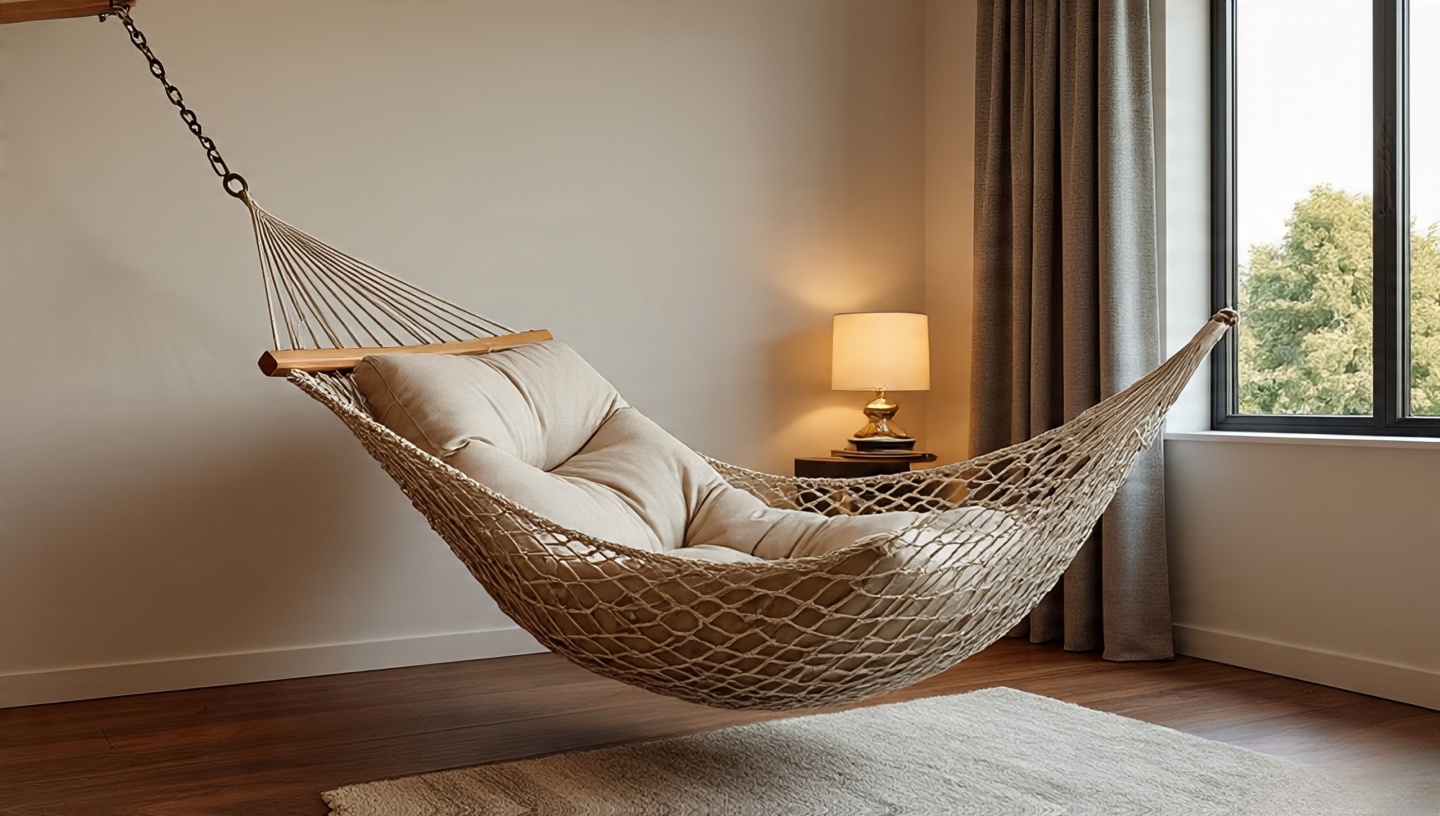 I love a hammock chair for the quiet sway it brings to a corner. It turns reading into a ritual. Safety first, beauty second.
- Structure check: locate a ceiling joist with a stud finder and confirm width with a small test drill. Aim for the joist center, not the edge.
- Hardware I trust: a 3/8 in or M10 forged eye bolt rated 120 kg or more, screwed in at least 60 mm. Add a swivel and carabiner to prevent rope twist.
- Clearances: 60 cm to walls, 40 cm to the floor at rest for a standard 260 to 280 cm ceiling. Adjust chain length so your knees are just below hip height when seated.
- Comfort layer: a 4 cm seat cushion keeps woven fiber from marking your skin on long reads. The gentle creak is part of the charm.
22) Layer rugs to sketch invisible walls
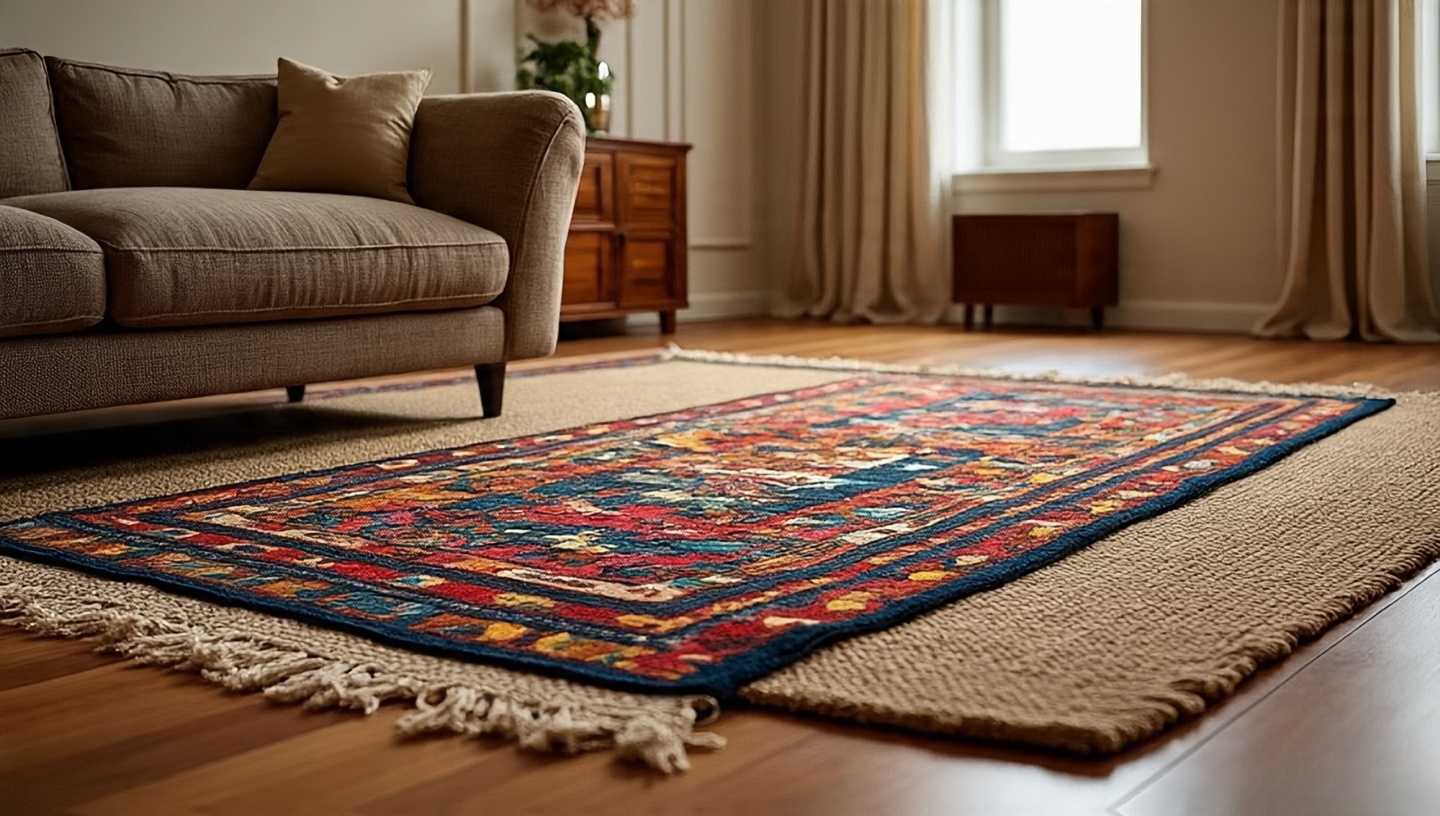 Rugs do more than warm your feet. They draw the floor plan without building anything.
- Proportions that flatter: in a living zone, let the base rug run beneath the front legs of all major seating. A 200 by 300 cm jute often pairs well with a 120 by 180 cm kilim layered on top.
- Safety move: use low-profile felt underlay on the base rug and add 2.5 cm carpet tape at the top rug corners. No curled edges, no trips.
- Texture balance: a coarse jute base plus a tight-woven kilim reads grounded and refined. If both are plush, the room feels boggy.
- Care tip: rotate the top rug quarterly to even sun fade. You will literally hear fewer footfall thuds as fibers stay springy.
23) A gentle diagonal to break the box
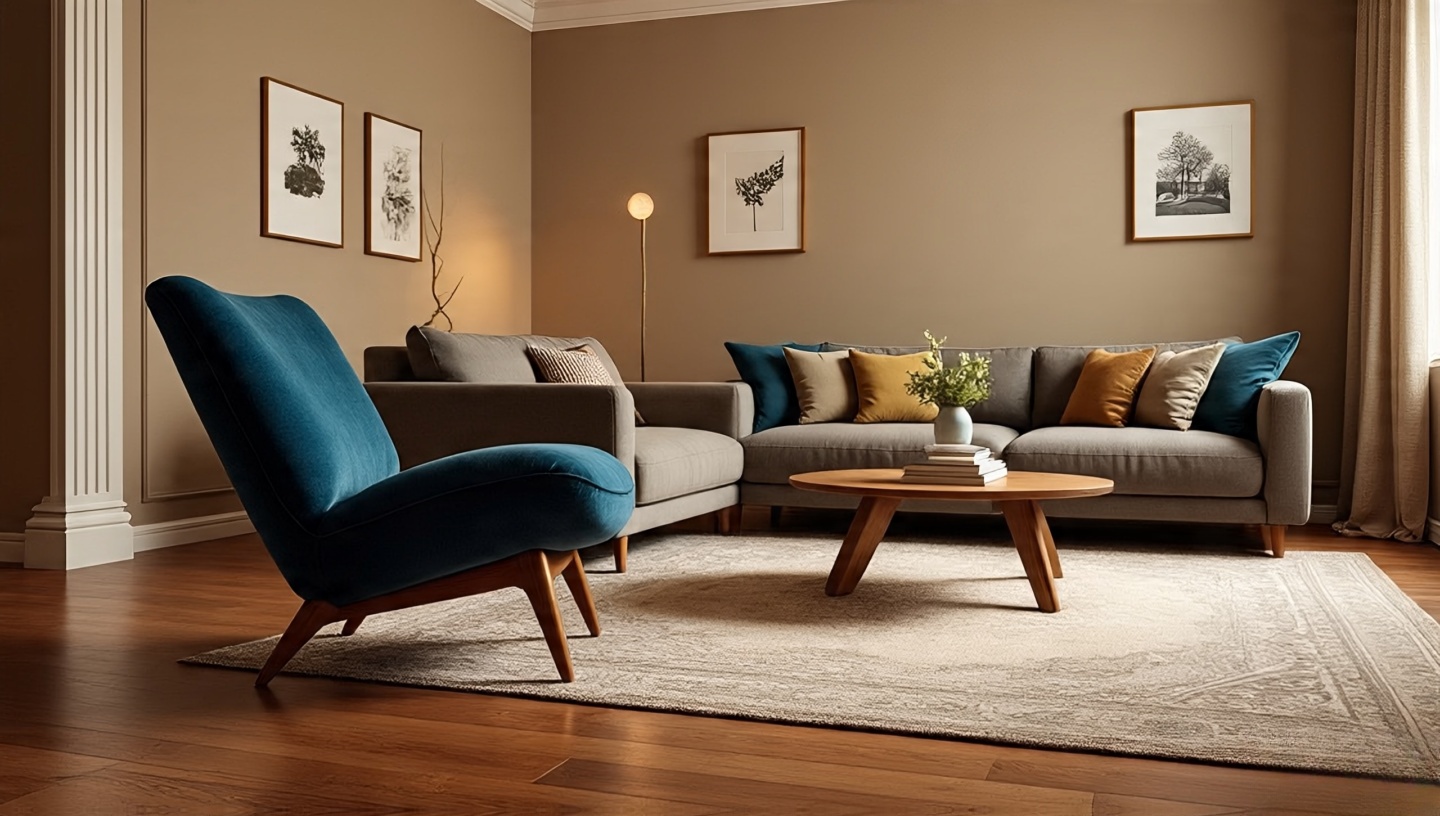 Rooms with parallel walls can feel like spreadsheets. A small angle resets the mood.
- How much angle: 10 to 20 degrees is enough. More than that and it looks accidental.
- What to angle: try the accent chair or the layered rug, not the sofa. The sofa should still anchor the grid.
- Set-up trick: align the coffee table to the sofa, not the angled chair. The eye will accept the tension but keep the scene coherent.
- Small room bonus: a diagonal chair can open a new walking path and make the room feel wider than it is.
24) Off-center focal point that still feels calm
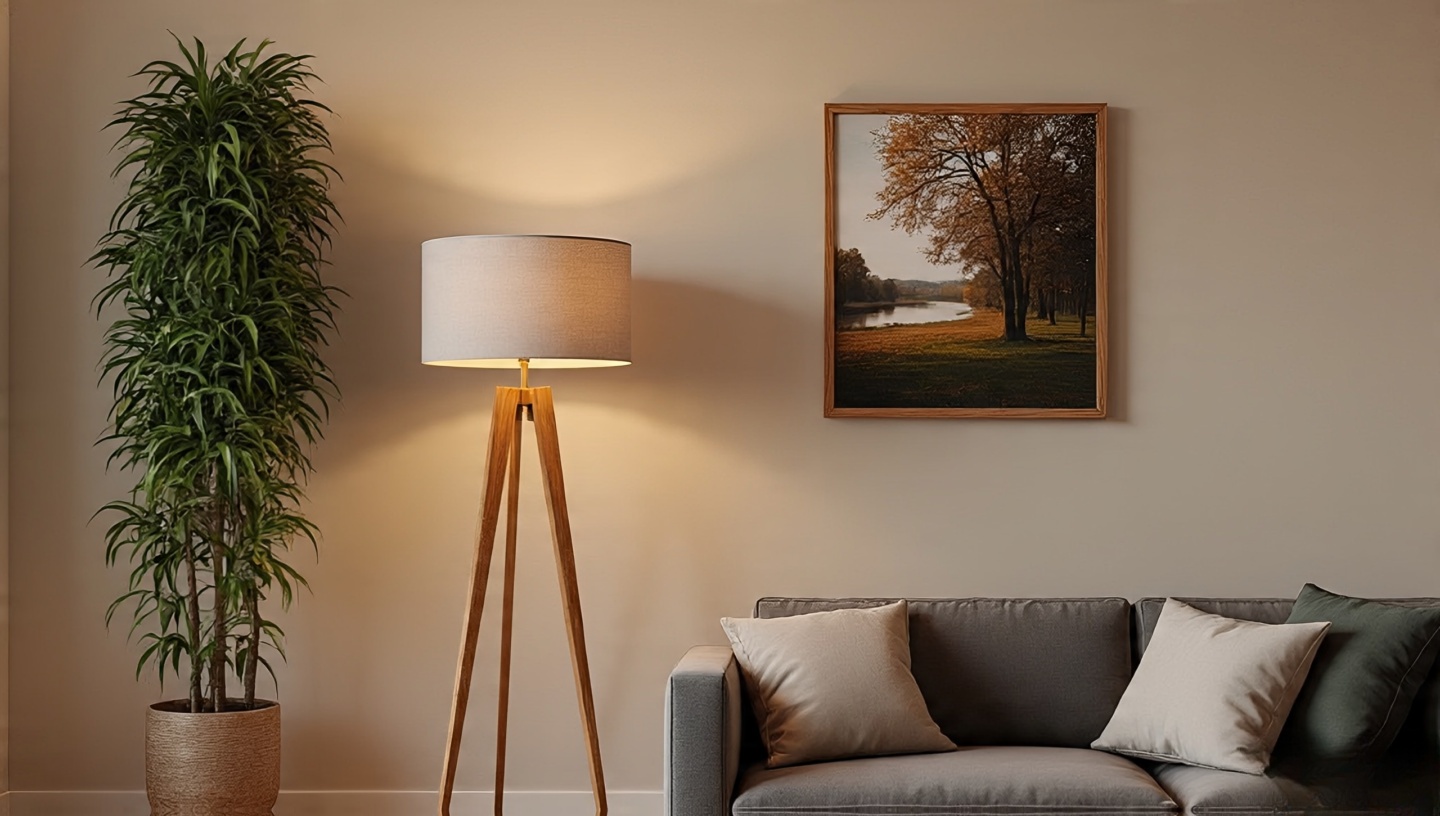 Dead-center art can feel formal. Sliding the composition a touch to the left or right creates a friendlier rhythm.
- Eye height: place the art center 145 to 155 cm from the floor. Humans read rooms at eye level first.
- Triangle rule: counterweight the off-center art with a tall plant or floor lamp on the lighter side so the vignette forms a soft triangle.
- Spacing: if the sofa is 200 cm long, shift the artwork 10 to 20 cm off the centerline. More is rarely better.
- Frame finish: warm woods echo Boho materials. Black frames recede but can feel abrupt unless repeated elsewhere.
25) Negative space is a material, too
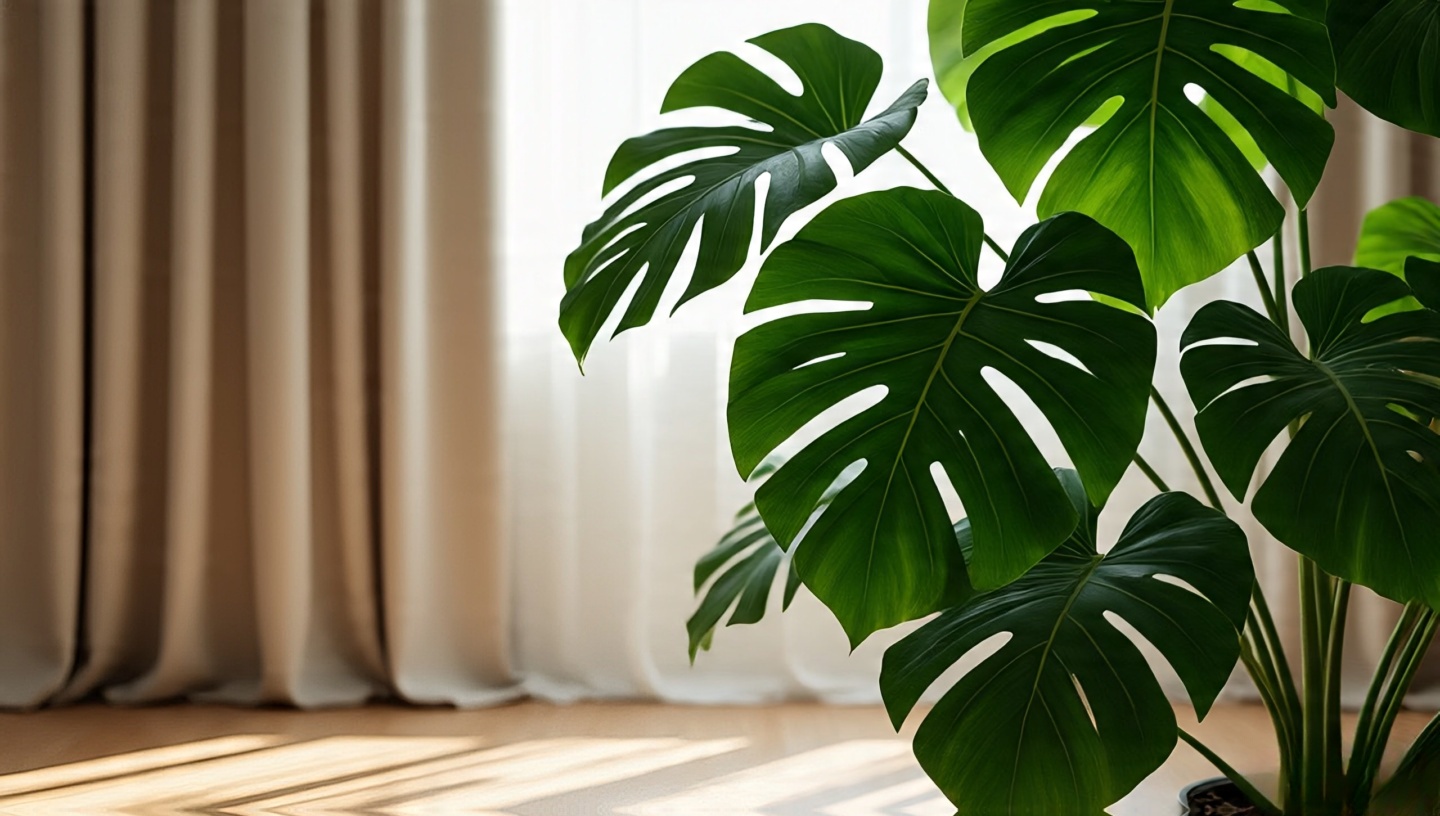 After three decades arranging rooms, I still end most installs by removing one piece. Air is a design element.
- Breathing margin: leave one corner with only light and a plant. The way the air moves there will make the whole room feel bigger.
- Window respect: keep furniture at least 15 cm from curtains so fabric can fall cleanly and catch a little breeze.
- Editing ritual: touch every small object with your hand. If it gives you nothing sensory or emotional, thank it and let it go.
26) Pathways that feel generous, not tight
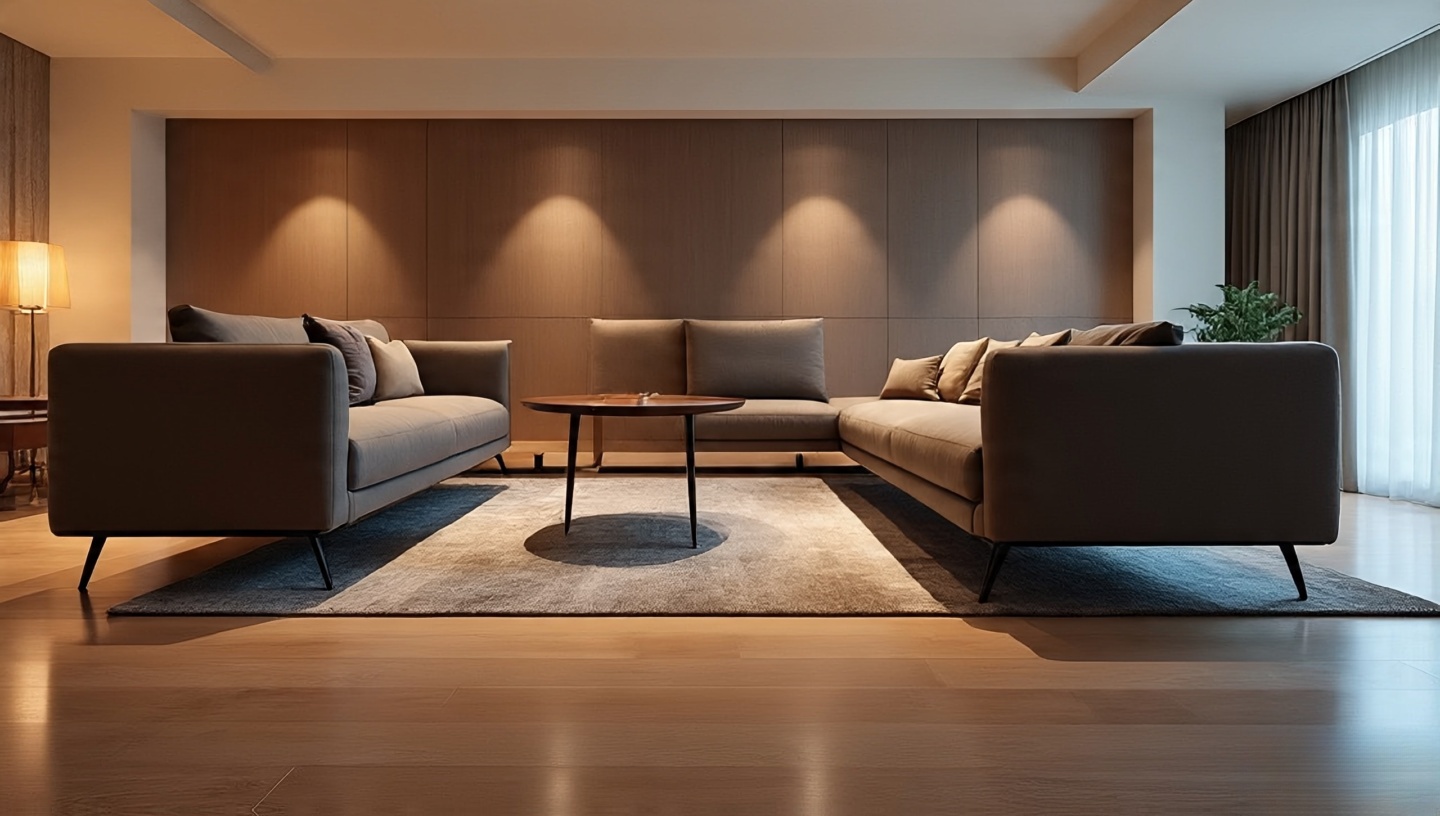 Flow is the difference between a room you pass through and a room you love living in.
- Numbers that work: 90 cm for main routes, 60 cm between sofa and table. In compact rooms, 75 cm still feels humane for dining pass-throughs.
- Furniture choice: pieces on legs let sightlines and air slip underneath, making paths read wider.
- Quiet floors: felt pads under every foot and a low-pile runner in bottlenecks reduce the slap of footsteps to a hush.
27) Lamps that paint pockets of light
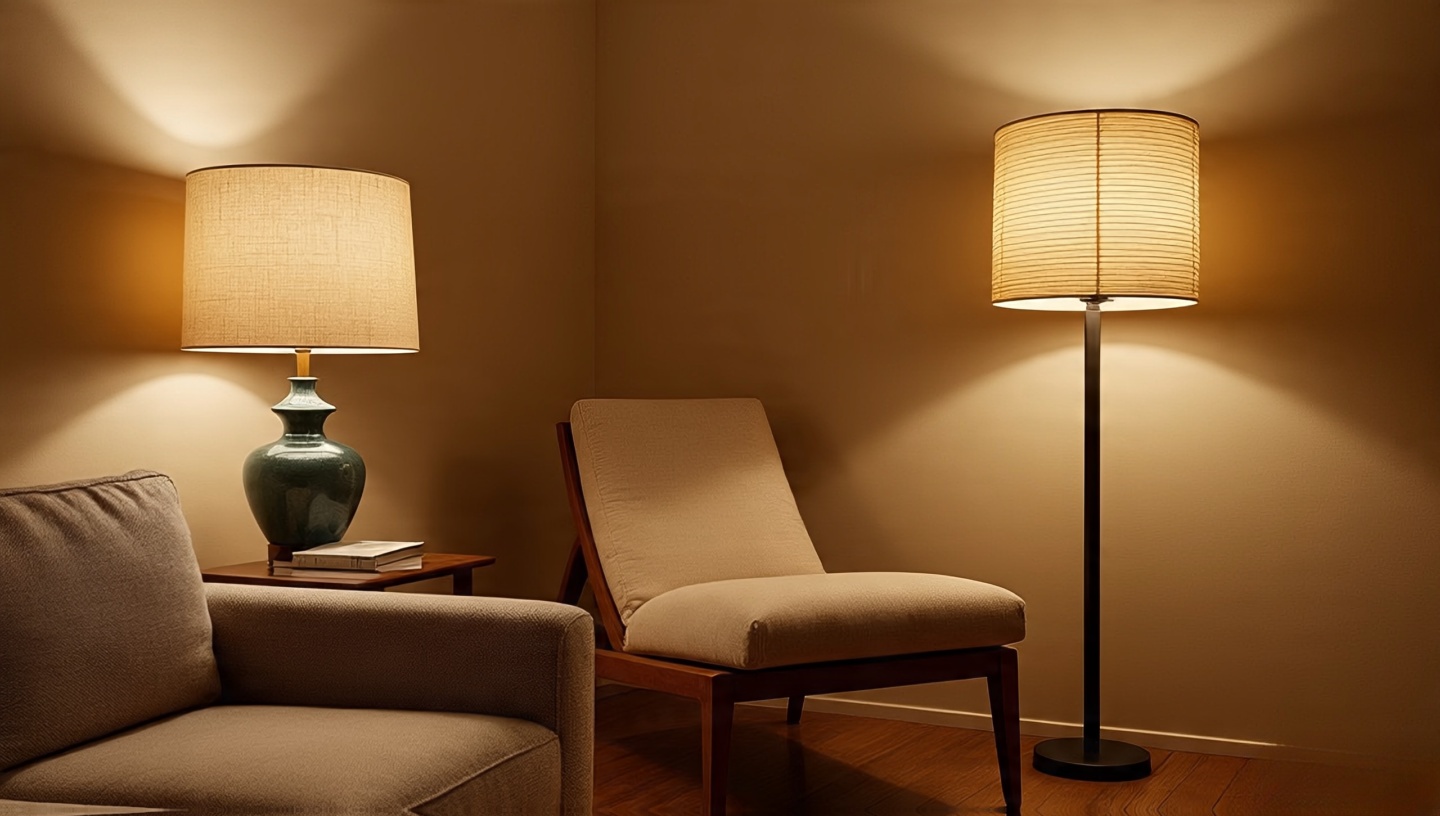 Think of lighting as furniture made of glow. It shapes behavior.
- Three layers: a floor lamp behind the lounge chair, a table lamp near the sofa arm, and a soft pendant or lantern for ambient light.
- Color temperature: 2700 to 3000 K for evenings. High CRI bulbs, ideally 90+, keep textiles looking true.
- Shade shapes: drum shades distribute light evenly; cone shades focus it for reading. Linen diffuses, paper glows.
- Control: add inline dimmers. The click of lowering light before a movie is a tiny luxury you will feel nightly.
28) Warm metals that age well
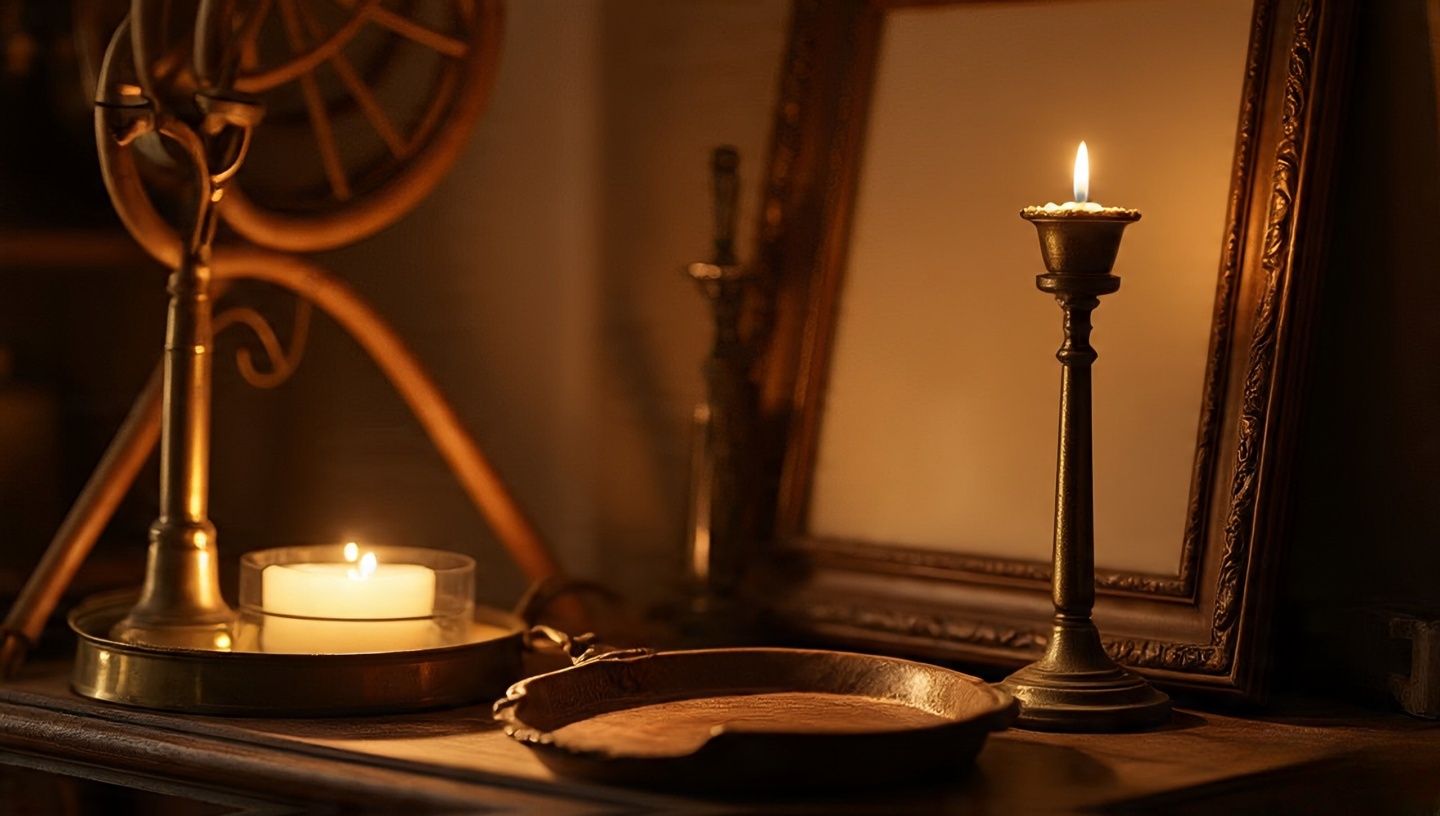 Brass, copper, and bronze are the jewelry of a Boho room. They catch candlelight and tell time through patina.
- Mixing rule: pick one dominant warm metal and one supporting finish. Two is lively. Three is noise.
- By climate: in humid homes, unlacquered brass will darken quickly. Embrace it or choose a sealed finish to keep it bright.
- Where to place: small metal hits at eye level lamps, frames, tray edges let light flicker without overwhelming the wood and rattan.
- Care: a thin coat of microcrystalline wax each season slows fingerprints while keeping the soft gleam.
29) Let plants behave like furniture
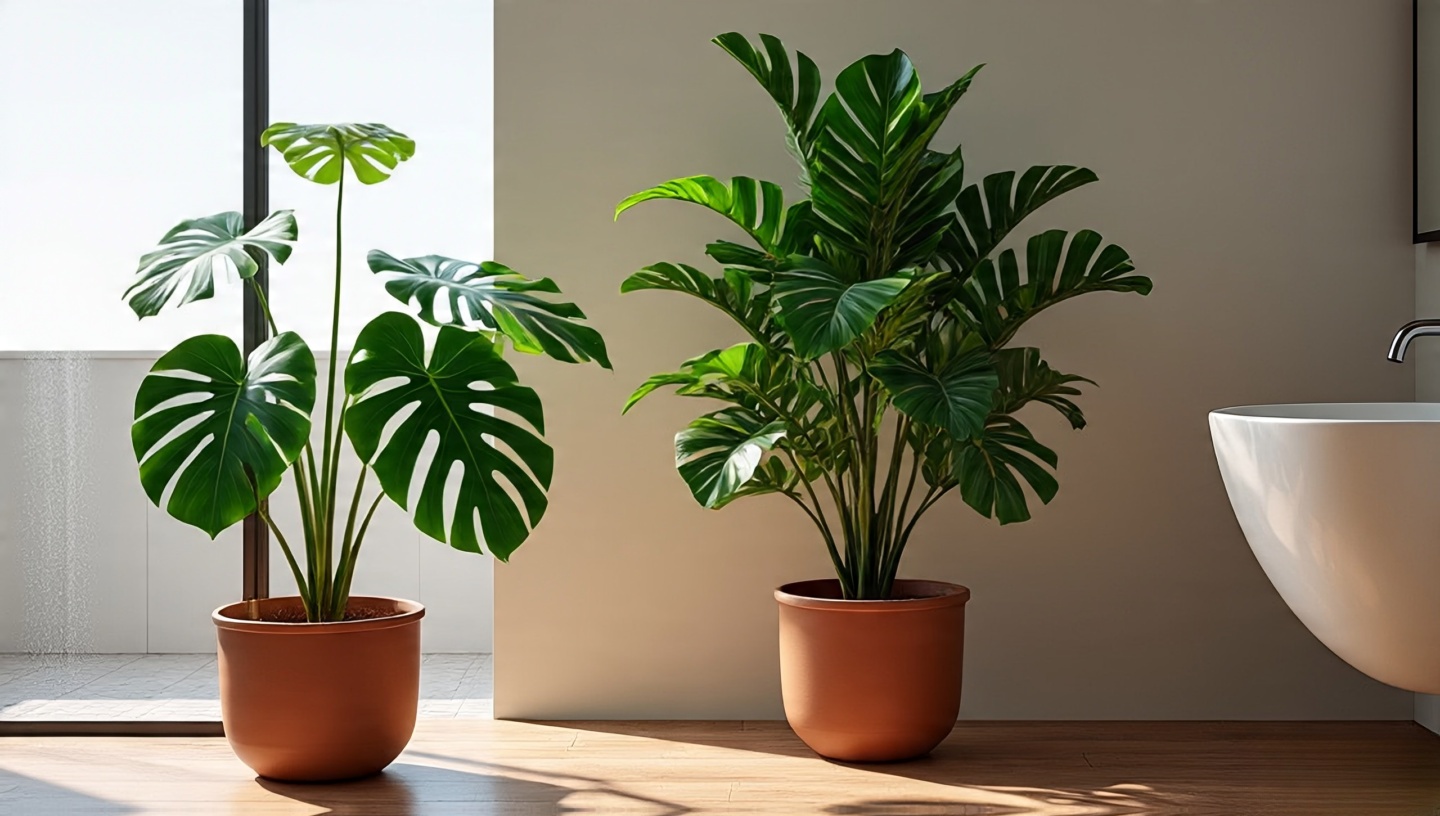
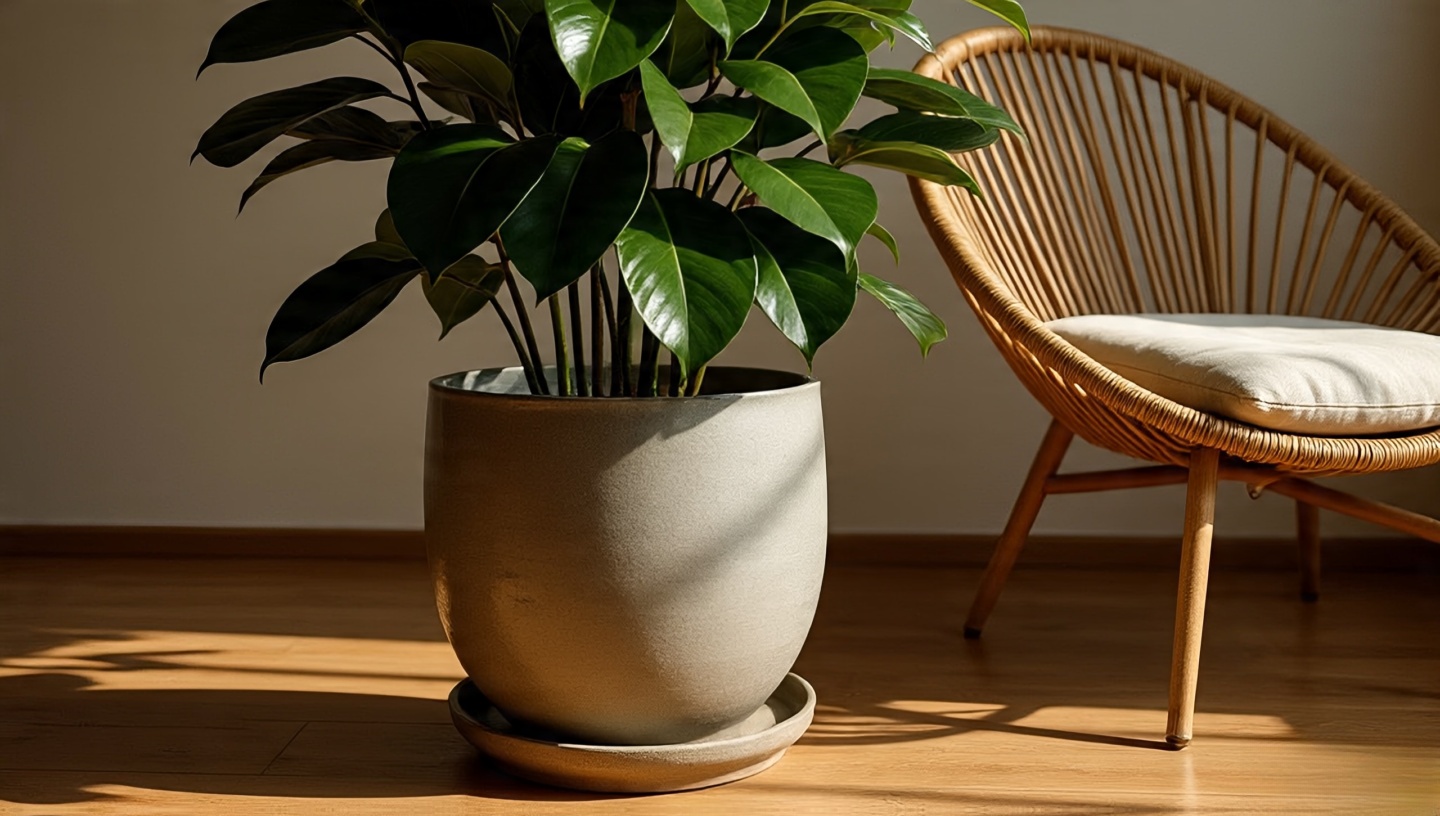 A rubber plant can visually replace a side table. A monstera can anchor a corner better than a sculpture. Greenery is structure plus breath.
- Scale guide: pot diameters 28 to 35 cm for floor plants so they hold their own beside chairs. Elevate smaller plants on low stools to meet the composition.
- Drainage reality: cachepots with saucers protect rugs. Felt pads under heavy pots save floors and your future mood.
- Species that play nice: rubber plant, ZZ plant, snake plant. Wipe leaves monthly so they reflect light like vinyl after rain.
- Zoning trick: use two tall plants to gate a reading nook. The soft rustle when you pass is half the pleasure.
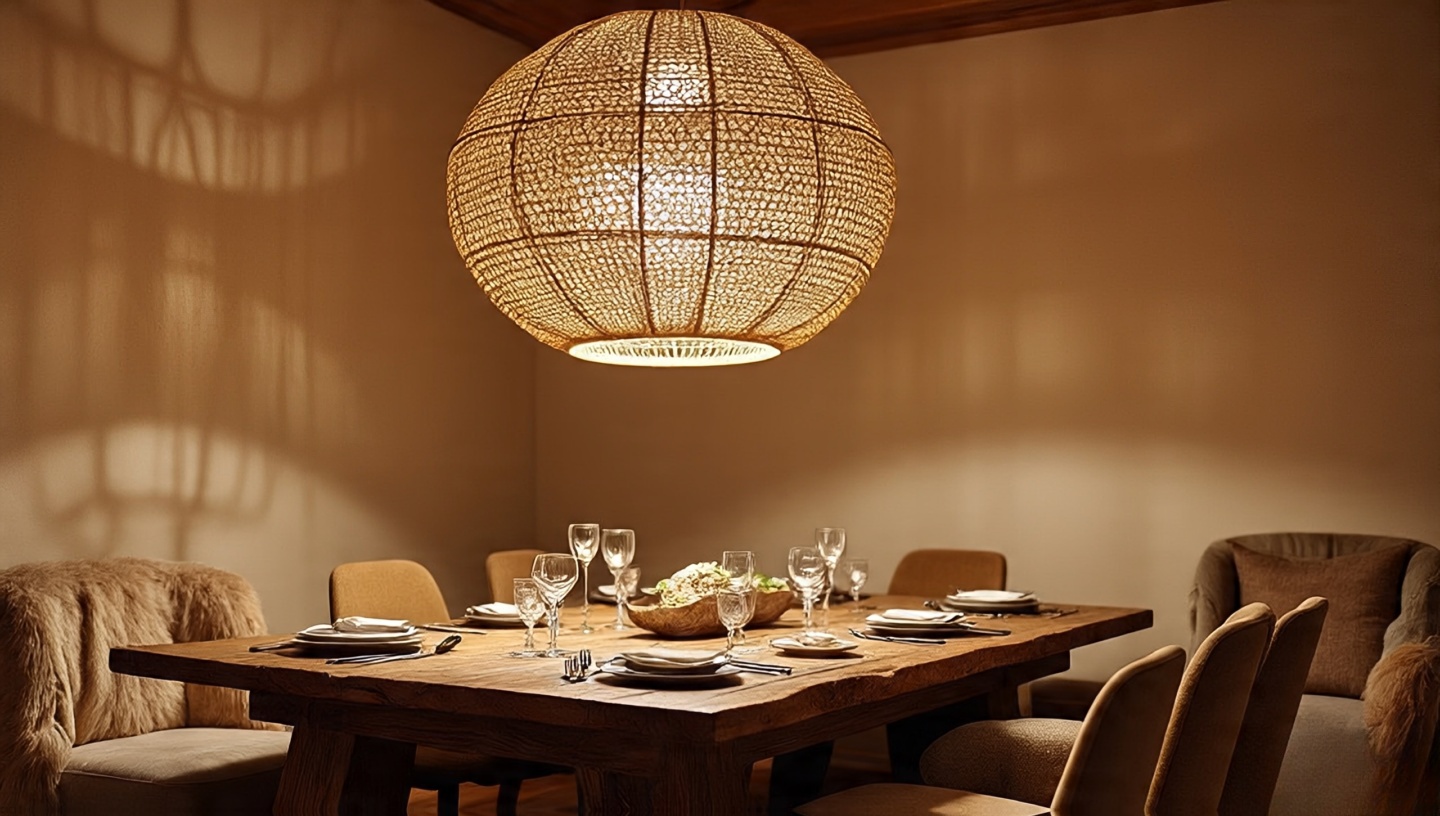
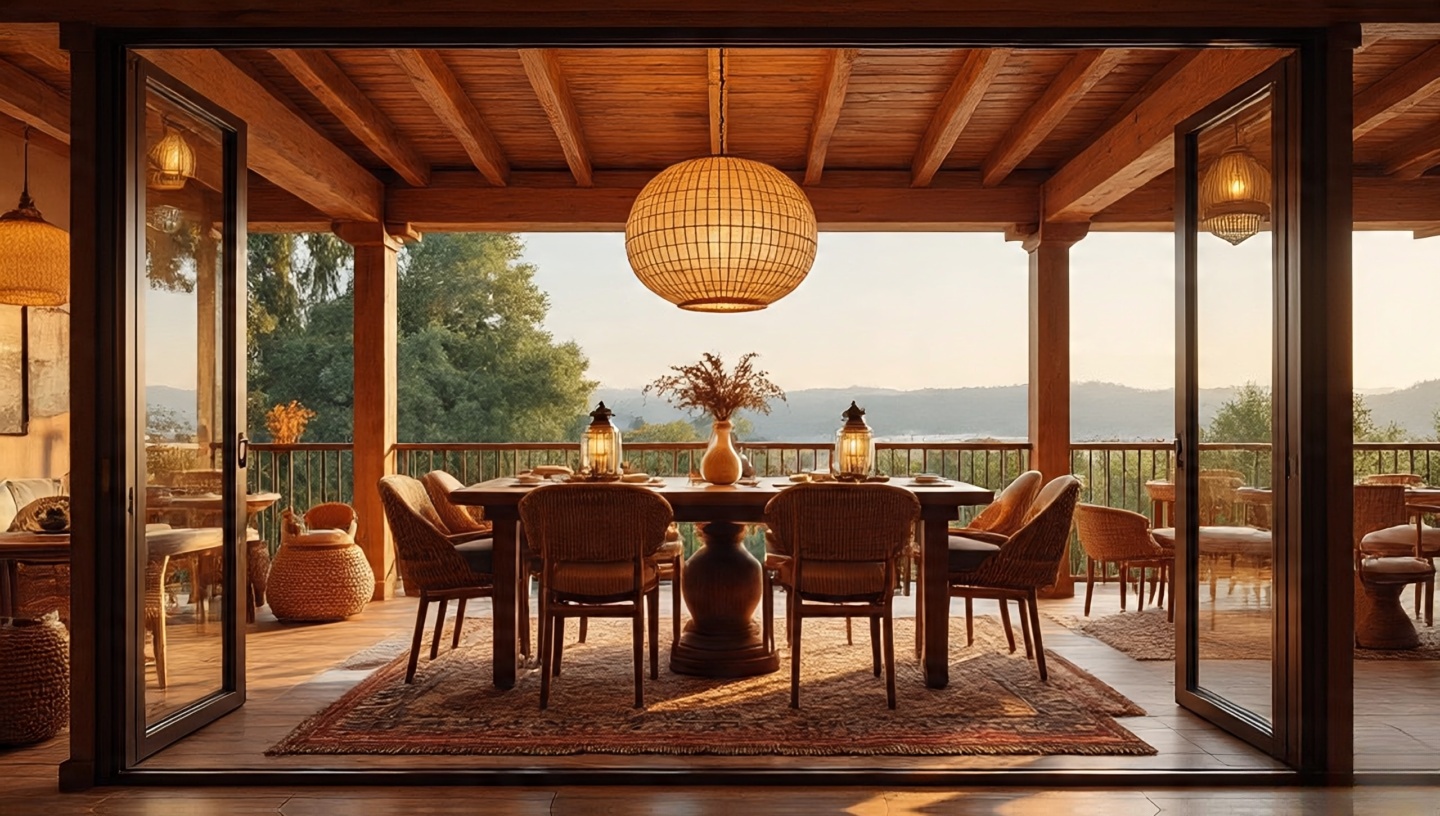
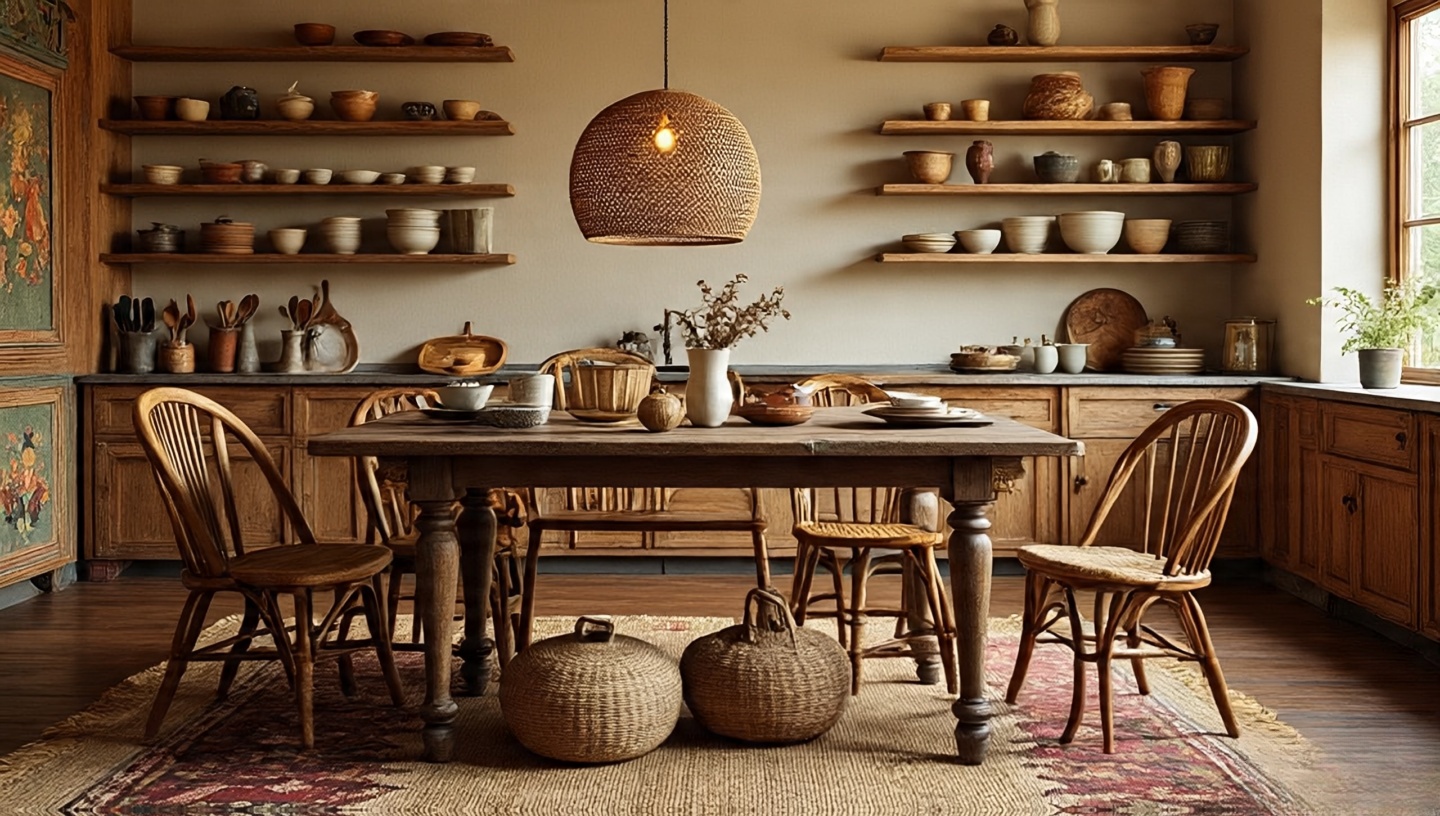
30) Clustered pendants over the table, not too low
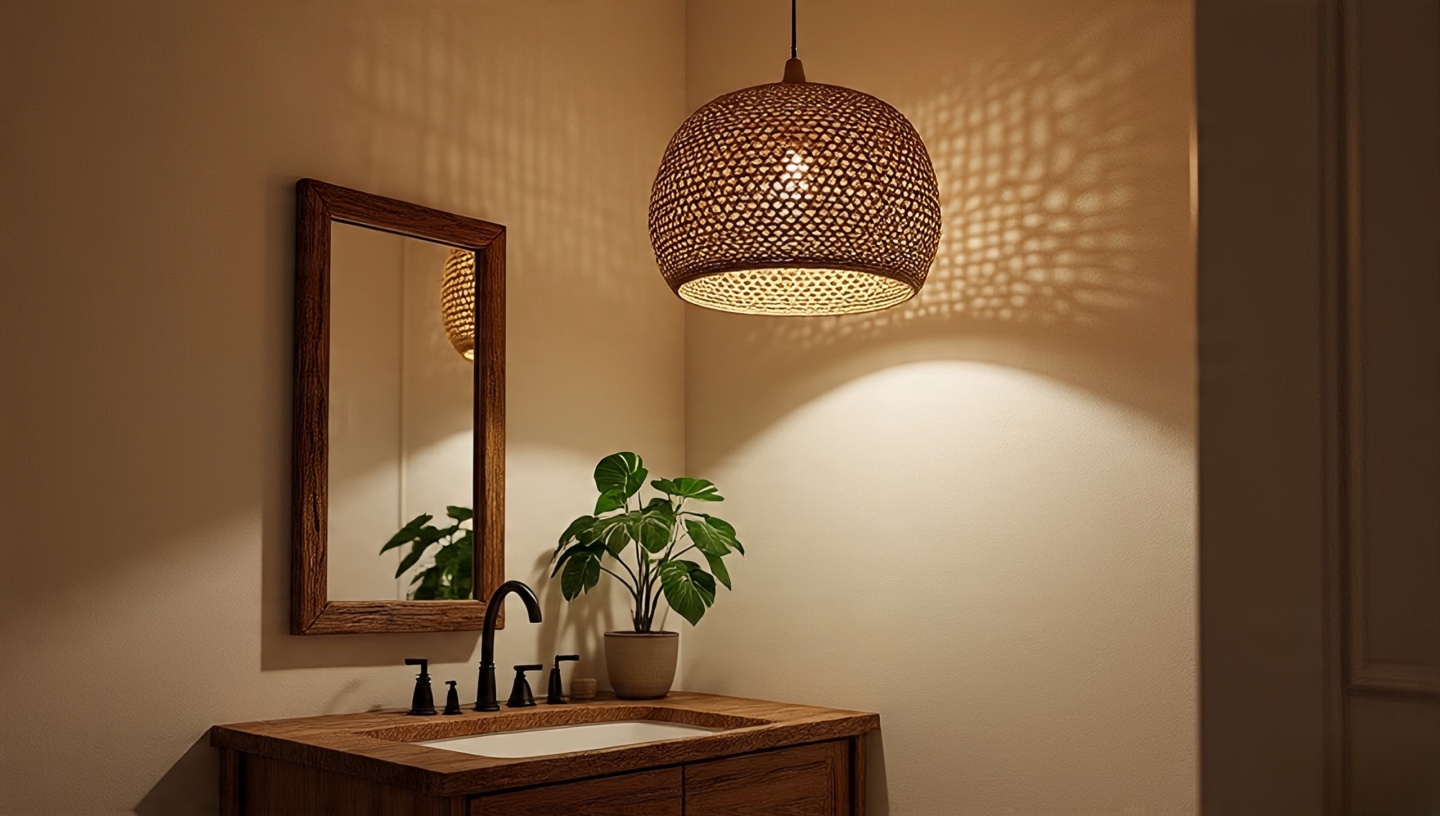
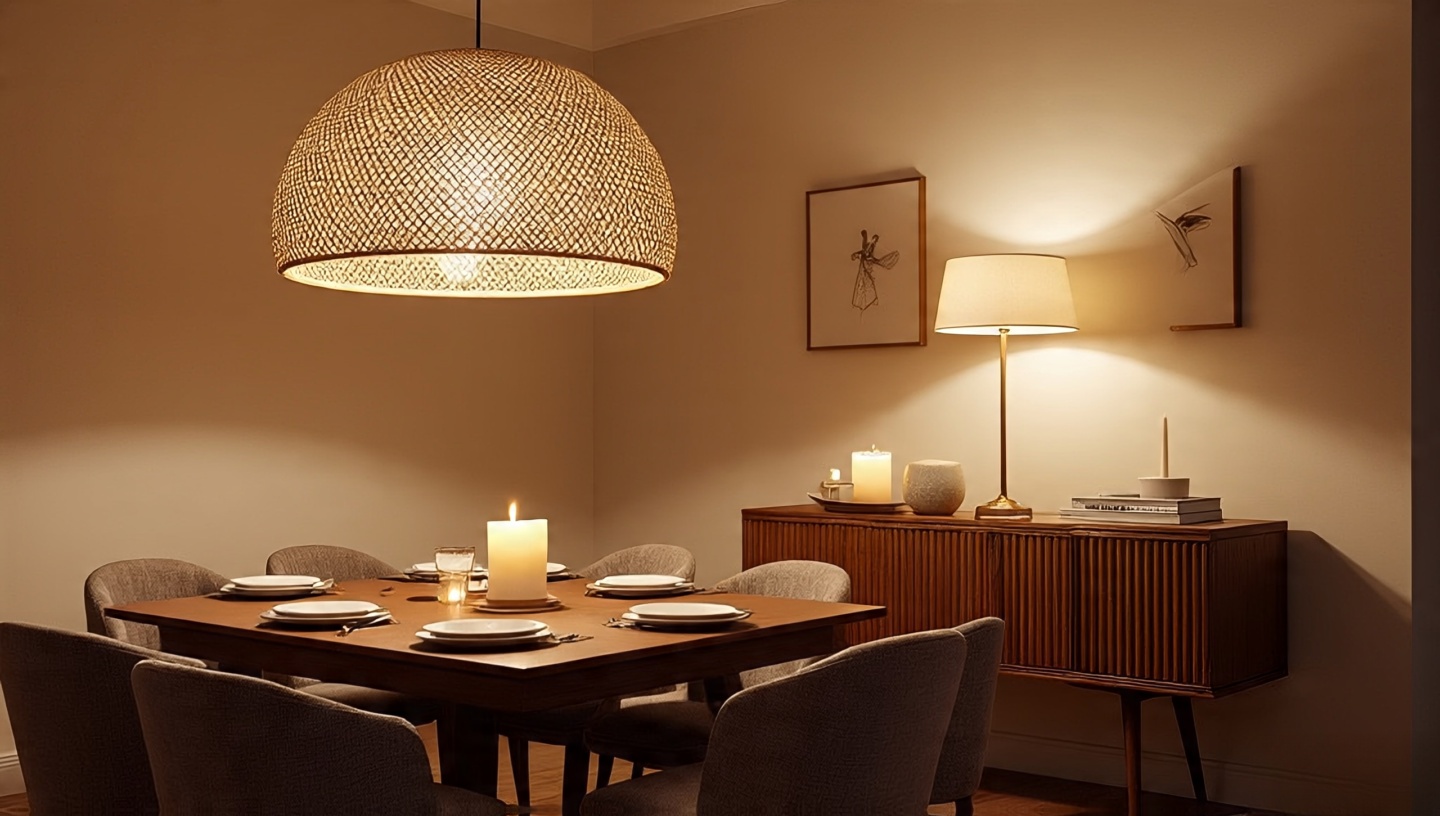
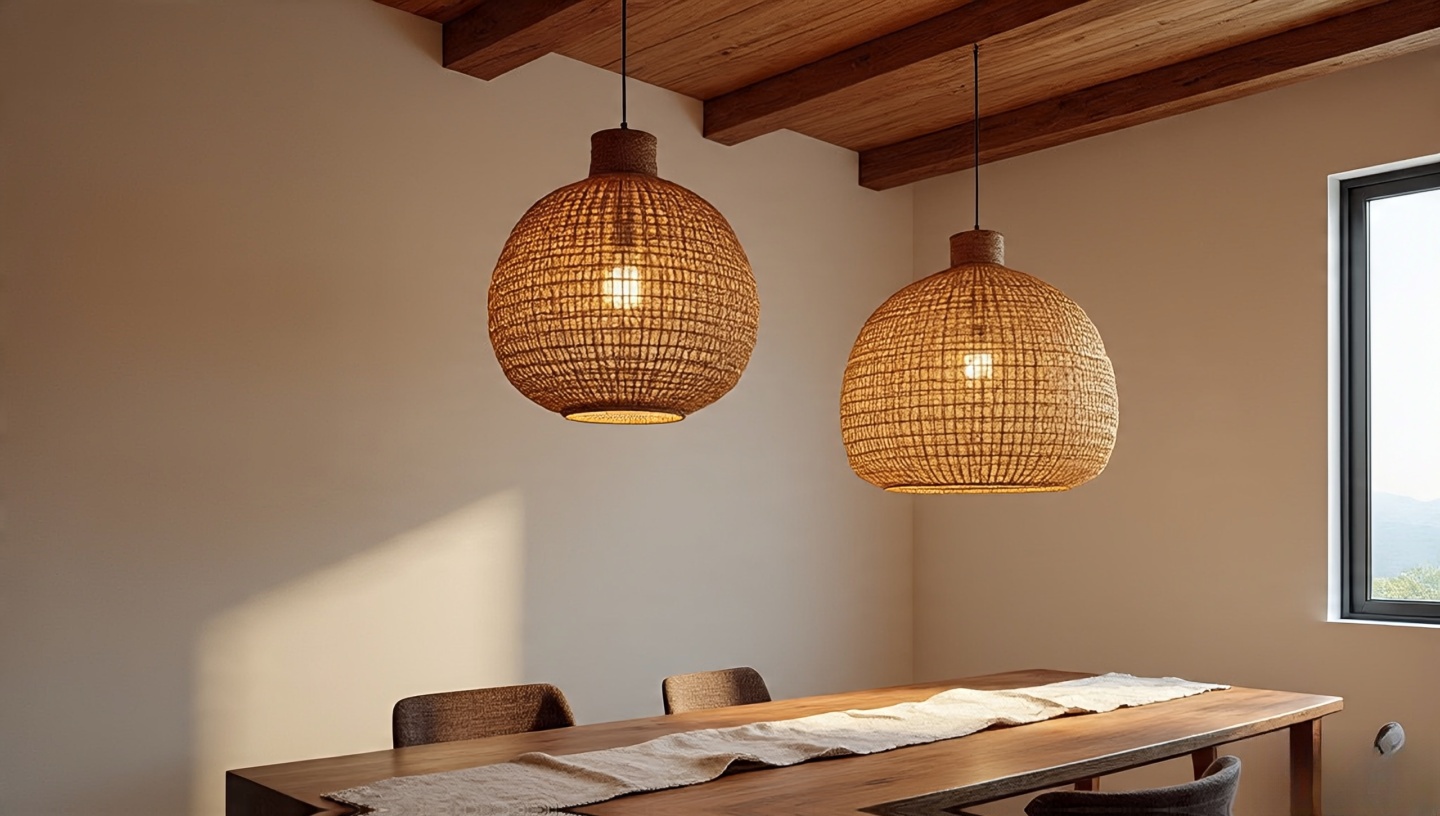 Staggered woven pendants throw shadows that move like water. It is dinner and atmosphere in one gesture.
- Hang height: 70 to 85 cm above the tabletop for seated rooms. If ceilings are low, stay closer to 70 so sightlines remain clear.
- Spacing: 20 to 30 cm between shades of different diameters. Vary the cords by 10 to 15 cm to avoid a rigid row.
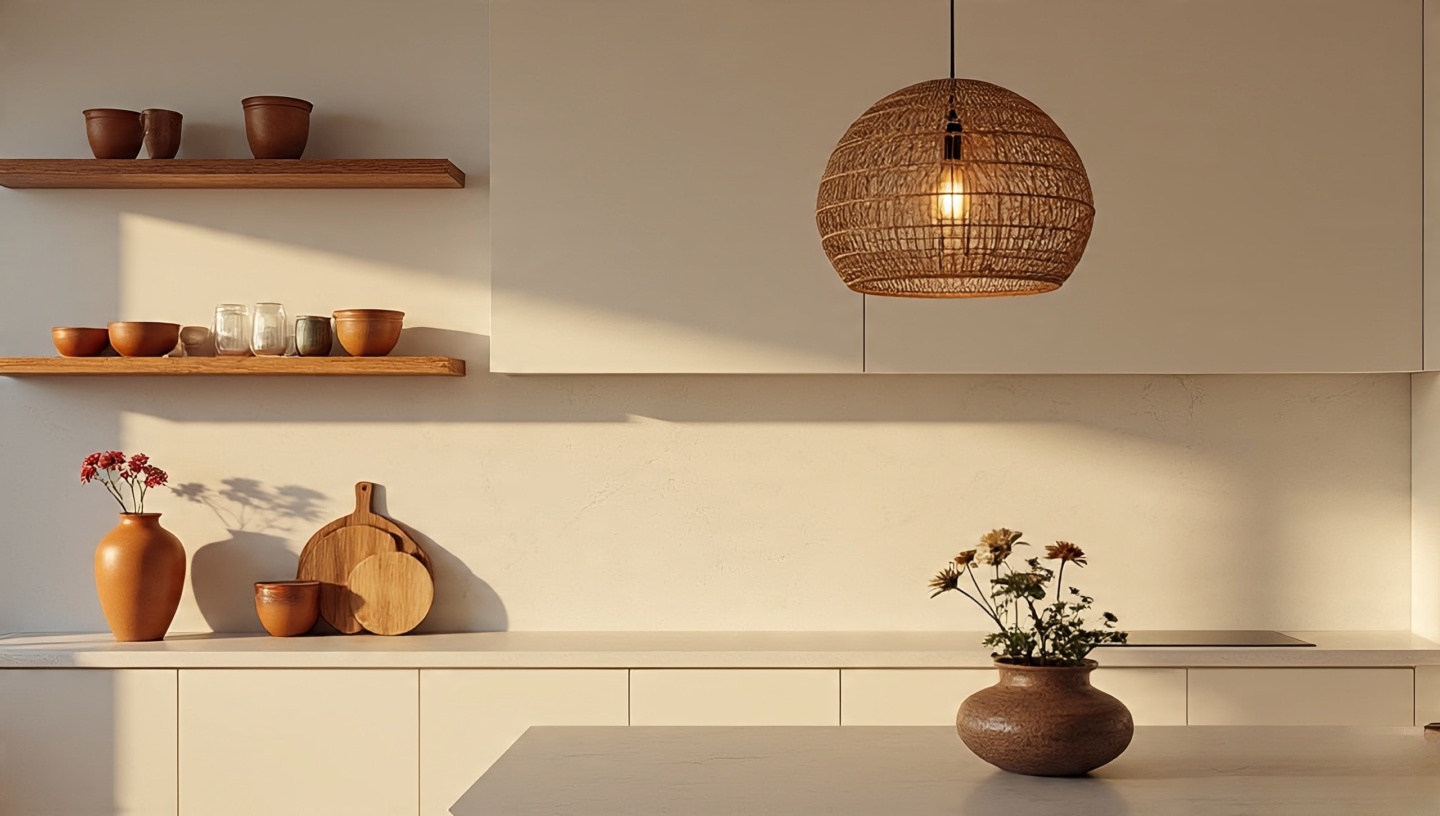
- Practicalities: install a single canopy with multiple drops for a clean ceiling. Put it on a dimmer. Use LED bulbs that do not glare through the weave.
- Sound tip: a soft table runner absorbs clink and lets the pendant shadows do the talking.
31) Low-profile media solution that disappears when the movie ends
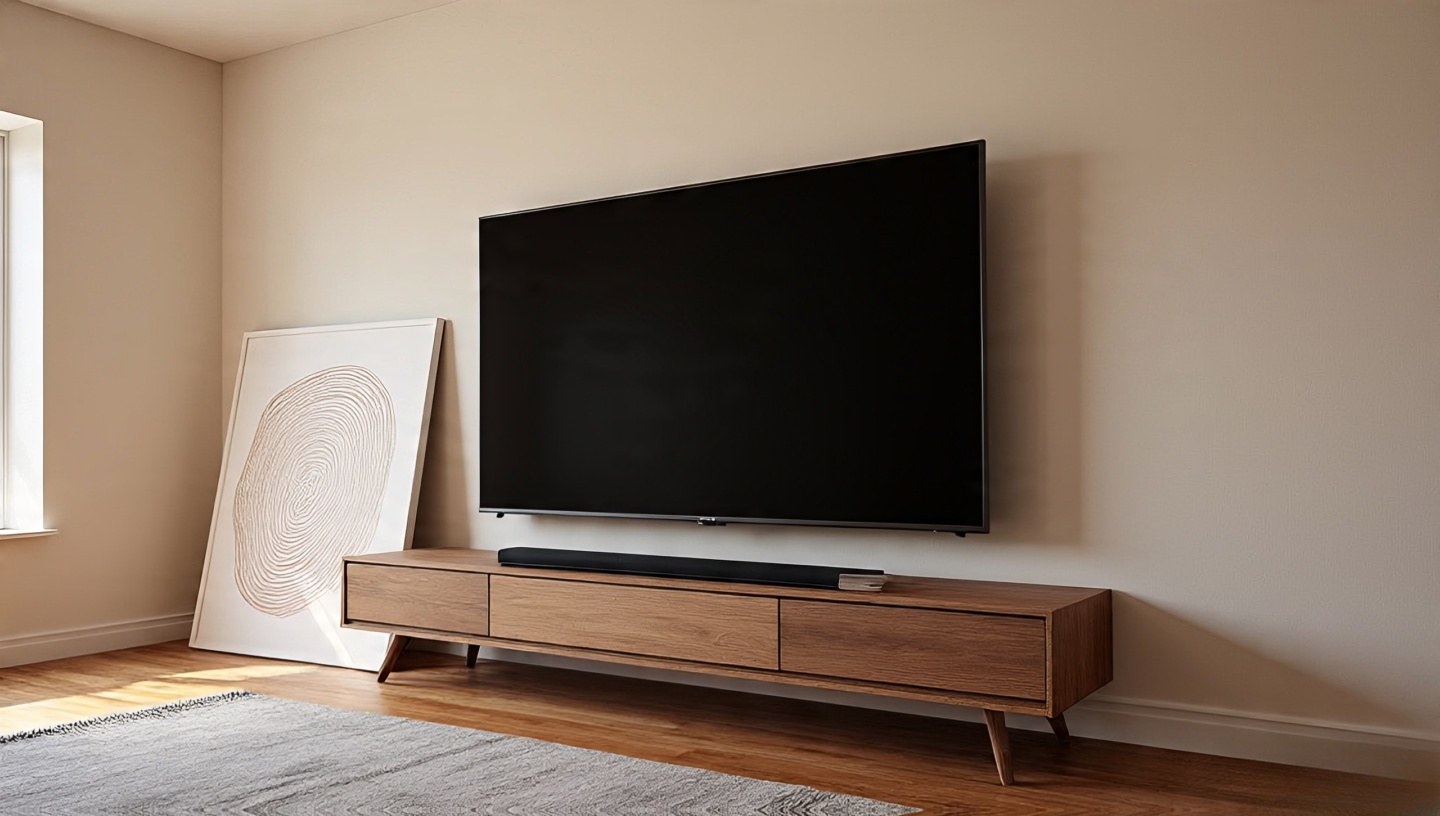 I rarely specify bulky media cabinets in Boho rooms. A simple bench lets the wall breathe and keeps attention on texture, not tech.
- Bench sizing: 30 to 40 cm high, 38 to 45 cm deep, and at least 20 cm wider than your TV so the composition feels anchored.
- Hide the mess: run flat cable raceways painted wall color. Mount a soundbar just beneath the TV and keep the bench surface for art, candles, or a low stack of books.
- Glare control: matte TV finish plus a linen shade lamp to the side. When it’s off, lean a framed textile against the screen. The black rectangle dissolves behind life.
- Architect’s take: slatted wood benches ventilate electronics and echo rattan lines without going full matchy-matchy.
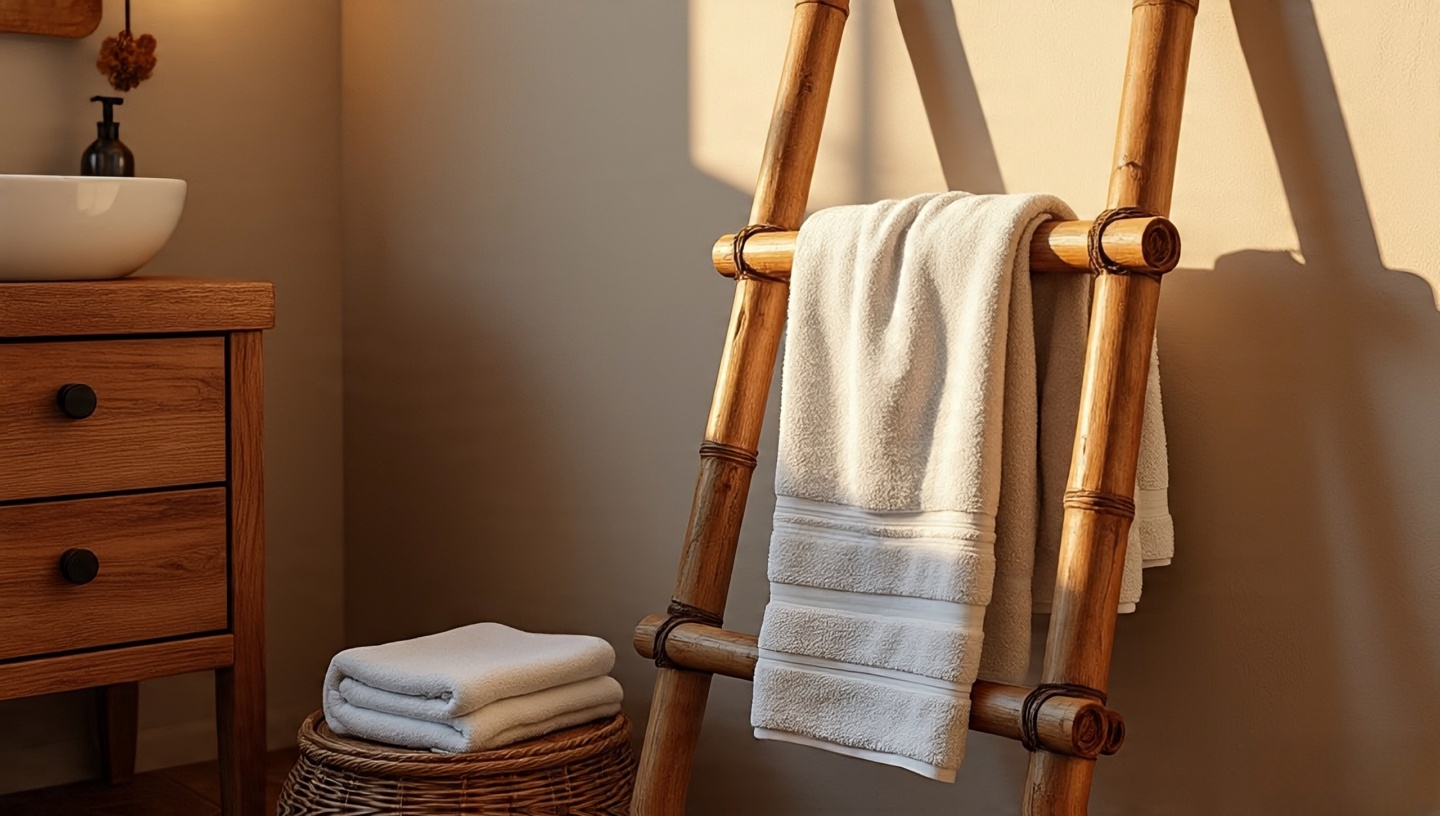
32) Ladder rack for textiles, light as a drawing
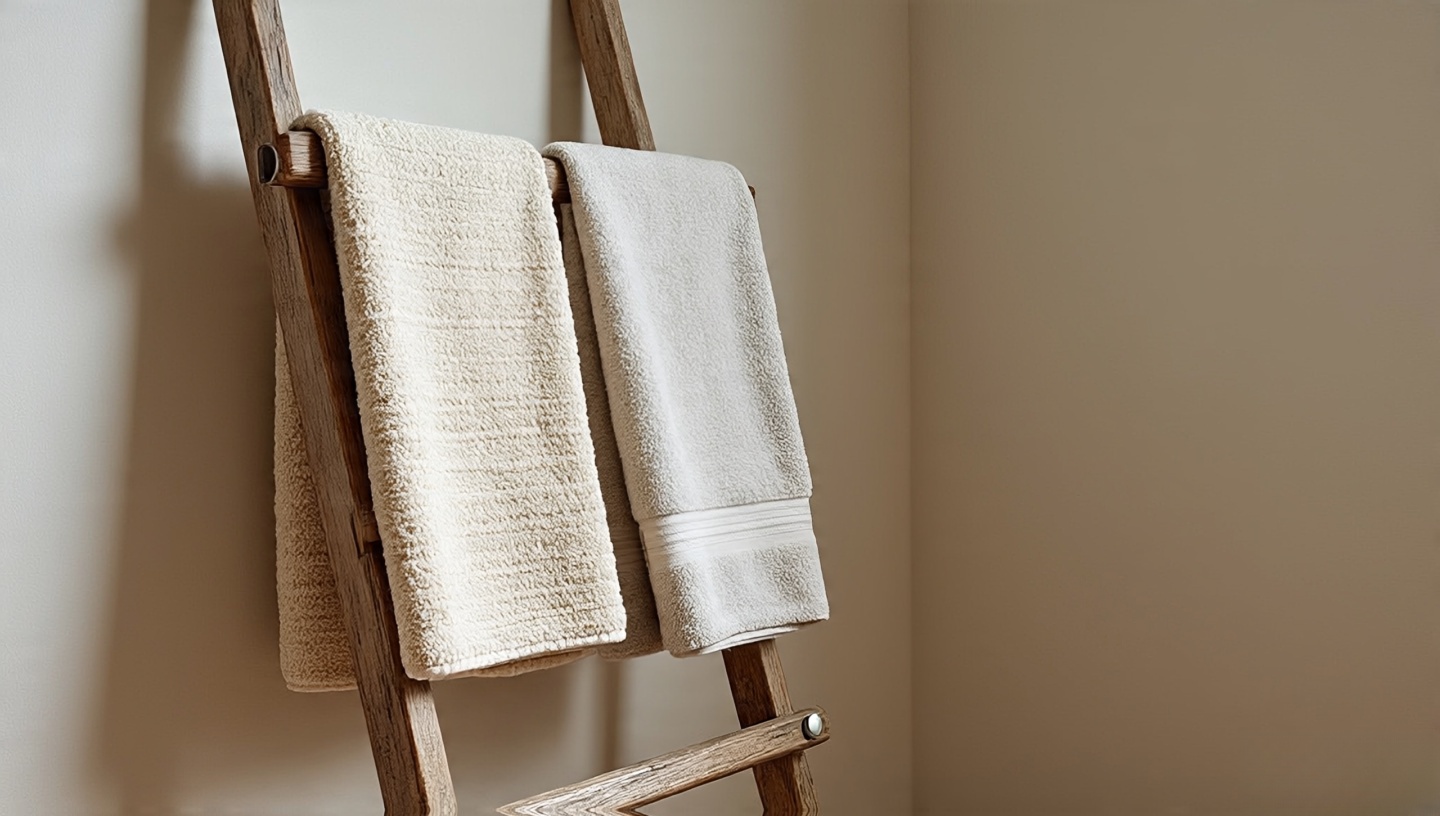 Leaning ladders work because they store vertically without reading heavy. I like the soft scrape of wood against plaster when you move one during spring cleaning.
- Specs that behave: 170 to 190 cm tall, 40 to 50 cm wide. Let the feet sit 8 to 12 cm from the wall so the angle is gentle and stable.
- Materials: cedar or oak for scent and strength; bamboo for a lighter profile. Add clear rubber feet if your floors are polished.
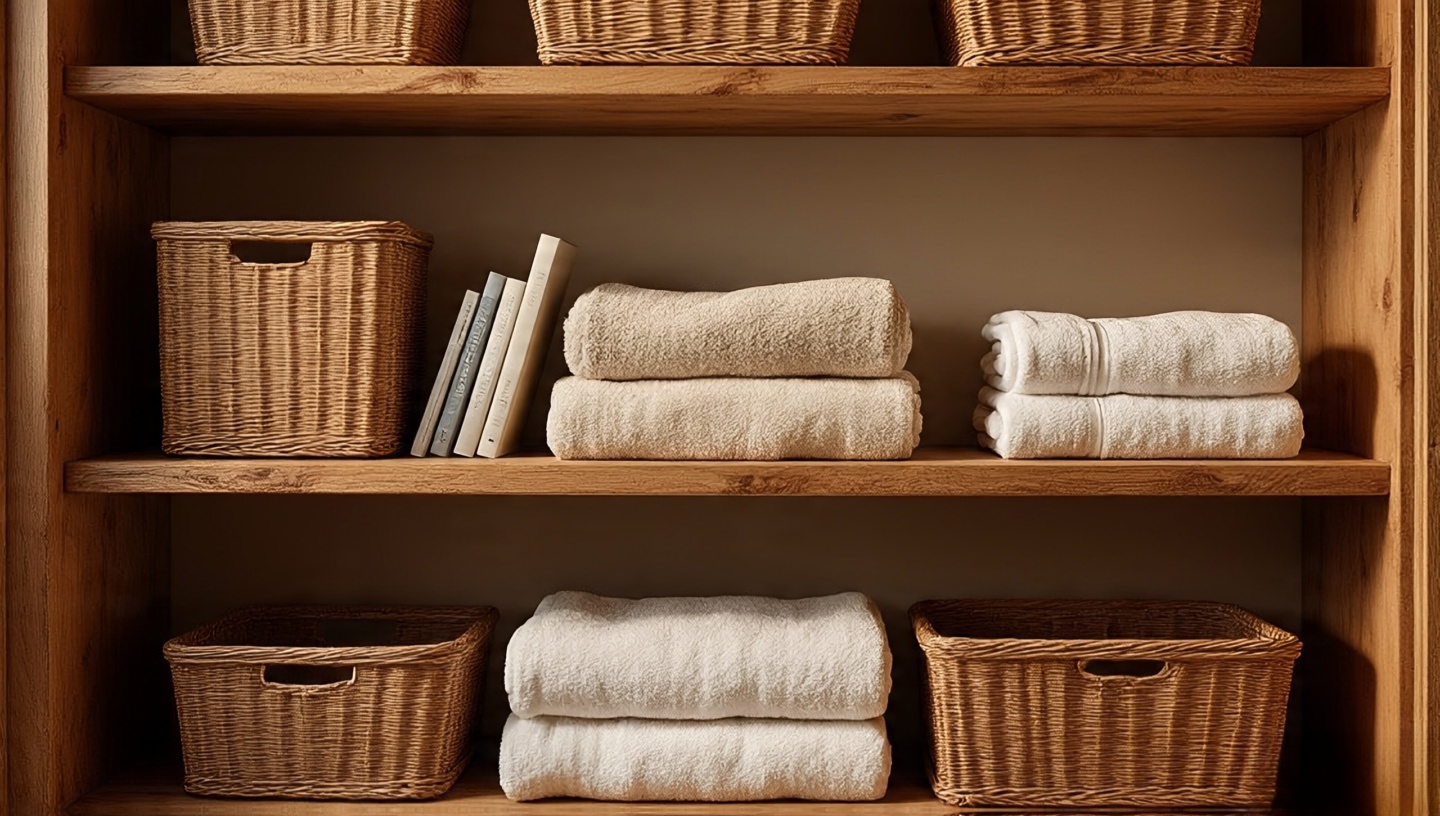
- Texture curation: mix a nubbly cotton throw, a smooth linen towel, and a small magazine sling. The ladder becomes a tactile vignette, not just storage.
- Care: a wipe of natural oil once a year keeps the grain warm and your hands happy.
33) Stacking stools as side tables, plant stands, and spare seats
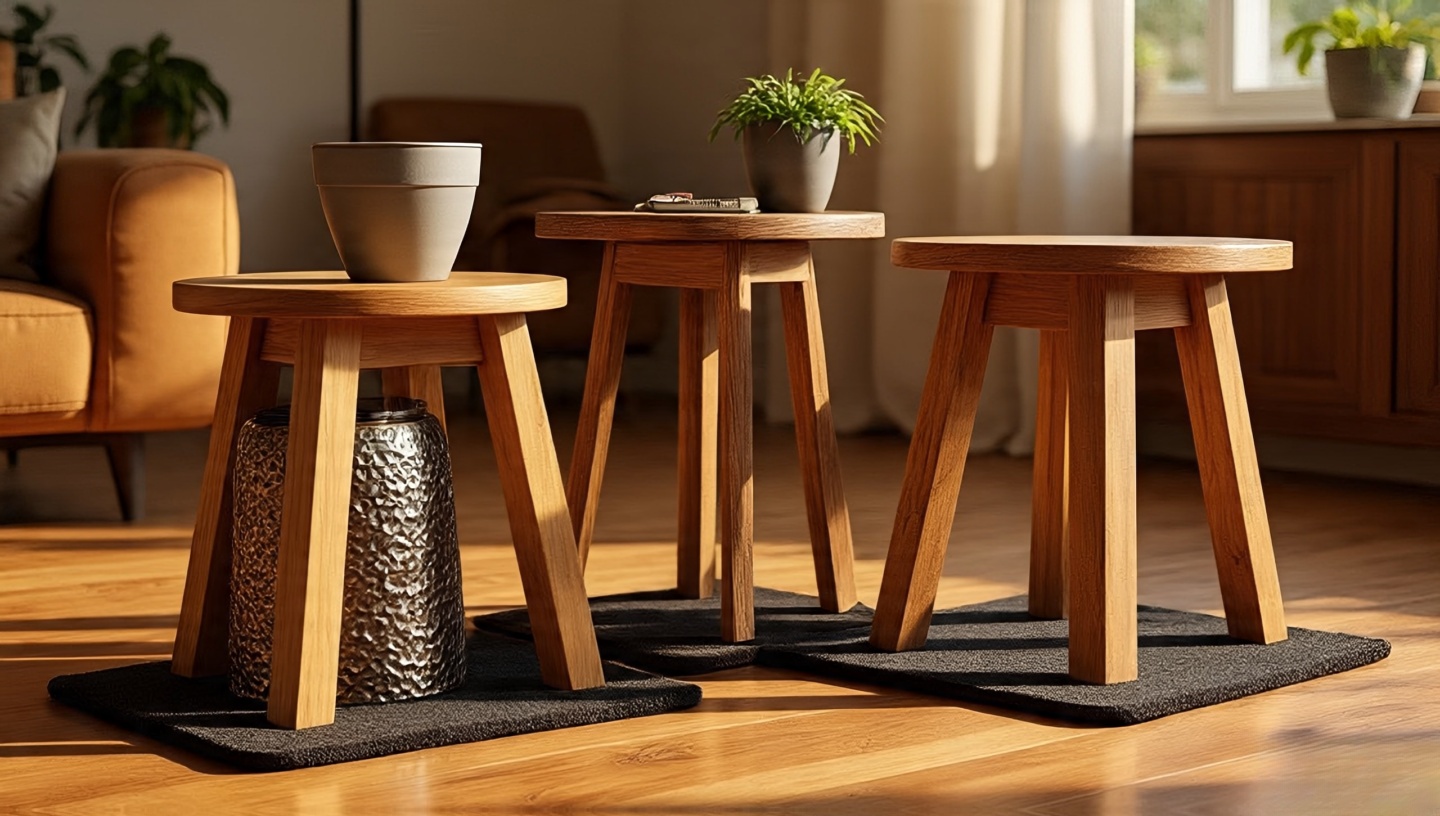 Three small stools will save more parties than a giant table ever will. They migrate, they stack, they vanish.
- Heights that flex: 42 to 46 cm for seating; 30 to 35 cm for plant stands. Mix one of each so the cluster feels composed.
- Joinery check: look under the seat. Tight mortise-and-tenon beats flimsy screws every time.
- Stability tip: if a plant perches up top, choose a pot no wider than the stool seat and add felt pads so nothing skateboards across your rug.
- Styling note: a single hammered-metal stool among wood and rattan adds a quiet flash that catches candlelight.
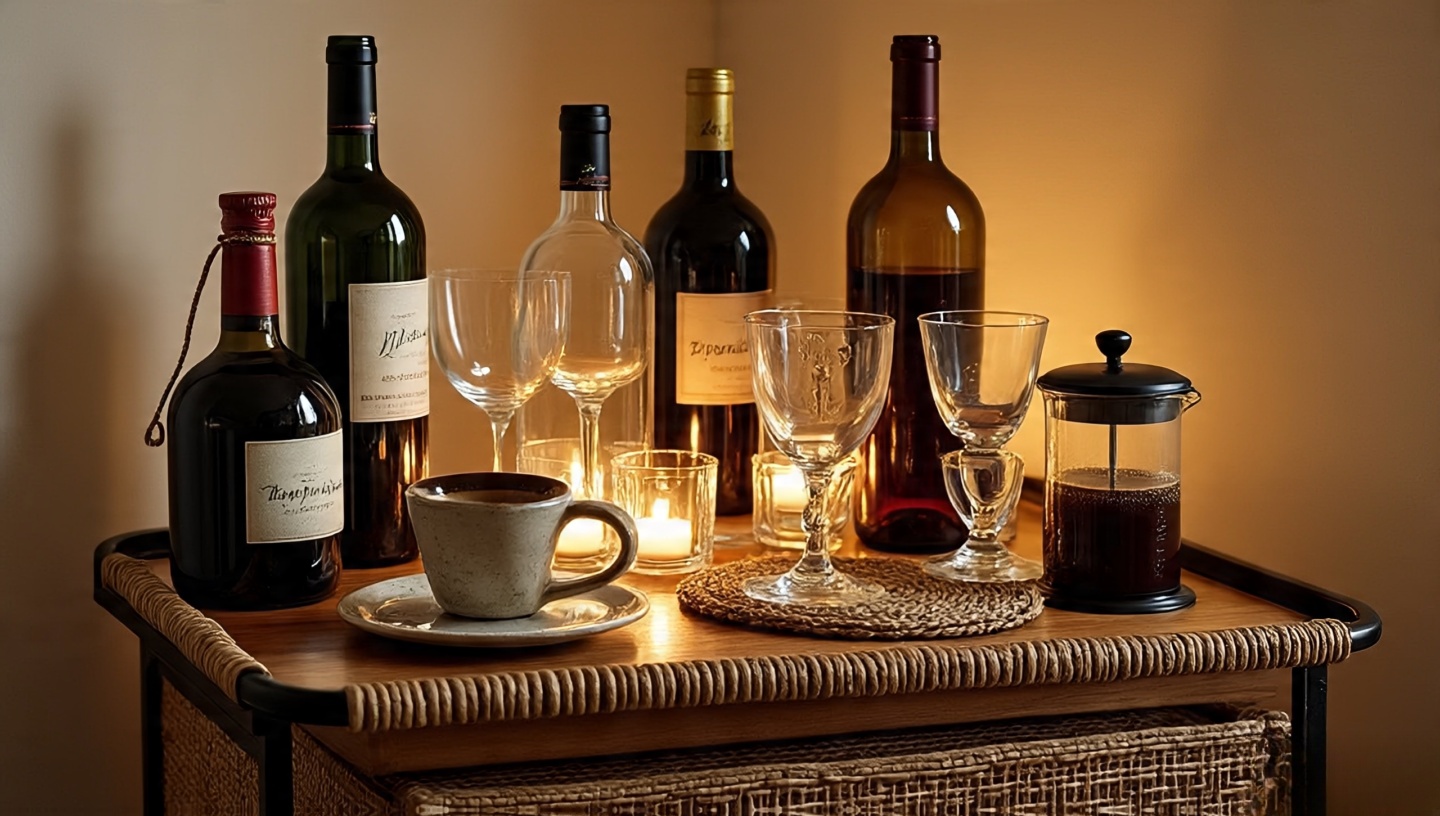
34) Rolling bar cart with global glassware
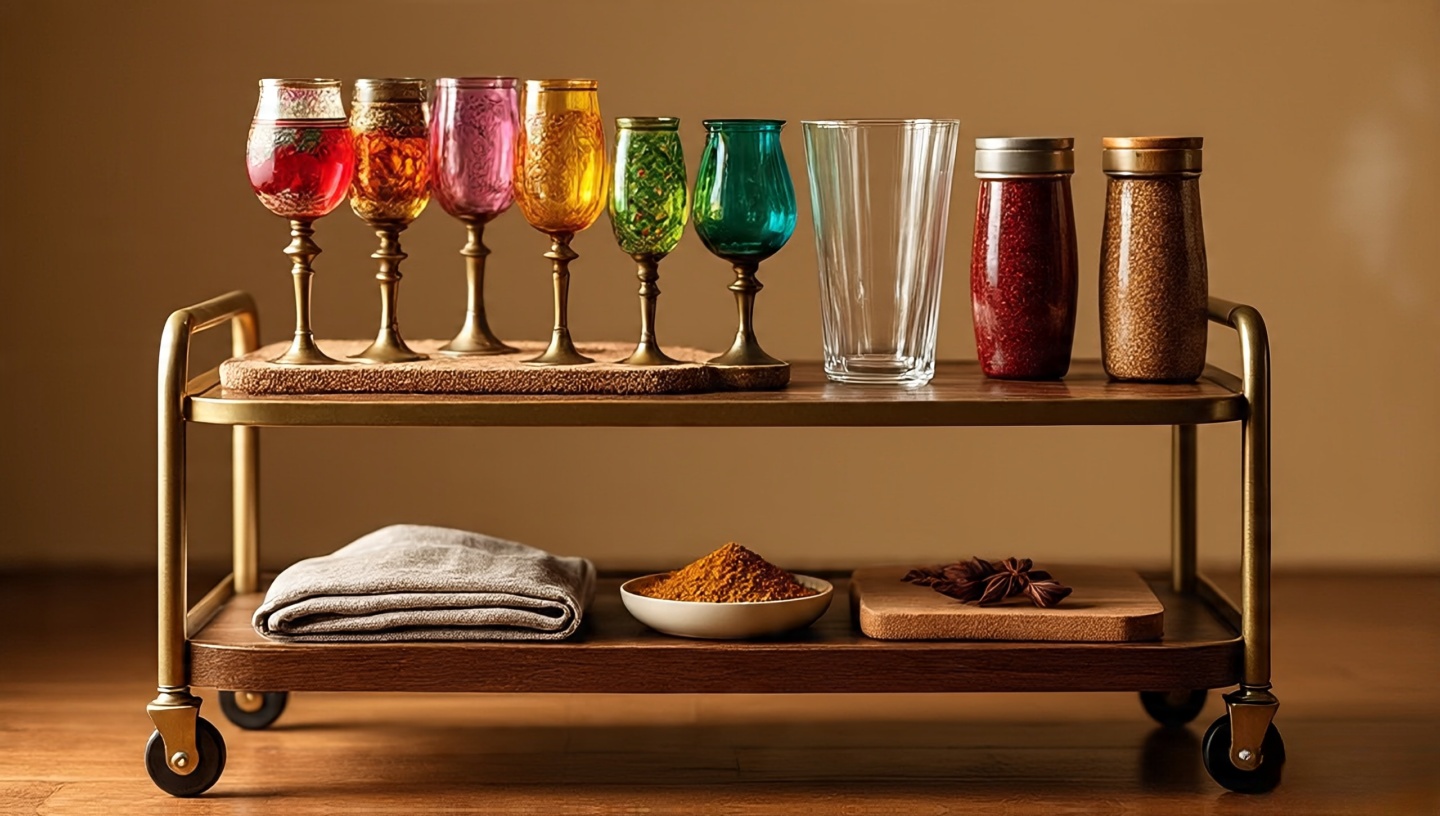 A bar cart is a tiny traveling celebration. The click of wheels on tile, the clink of glasses, the lime scent on your fingers.
- Cart anatomy: 75 to 85 cm high so you can pour comfortably; locking casters; railings on shelves to keep bottles from tipping during turns.
- Arrange in thirds: top shelf for glassware and a small cutting board; middle for bottles; bottom for linens, coasters, and a woven tray of spices or tea.
- Global mix: pair colored Moroccan tea glasses with simple tumblers. The contrast reads traveled, not themed.
- Practical layer: cork shelf liners hush the clink and keep things planted.
35) Window seat with hidden storage and sunlight rituals
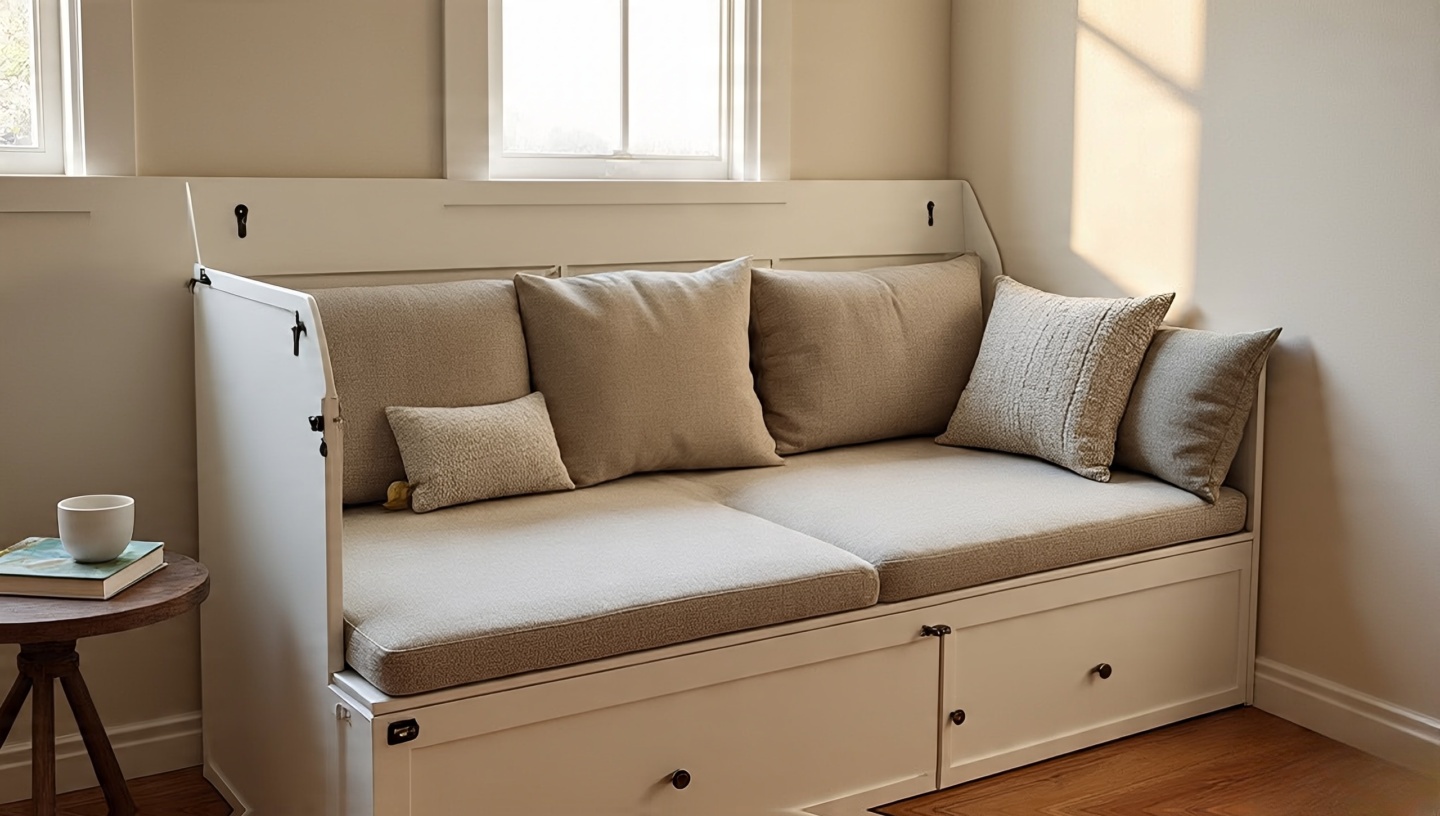 Build a bench where the light lingers. Morning coffee tastes different when your knees touch the sun.
- Comfort dimensions: seat height 45 to 48 cm, depth 50 to 55 cm if you’ll lounge, 45 cm if space is tight.
- Inside the box: use hinged lids with soft-close stays and drill 10 mm ventilation holes along the back to release humidity from stored blankets.
- Foam and fabric: high-resilience foam 35 to 40 kg/m³ and a removable, washable cover. Line the back cushion with a thin blackout layer if the window runs hot.
- Sill safety: leave a 2 cm expansion gap to avoid creaks as seasons shift.
36) Balcony or loggia, the Boho lounge that actually weathers
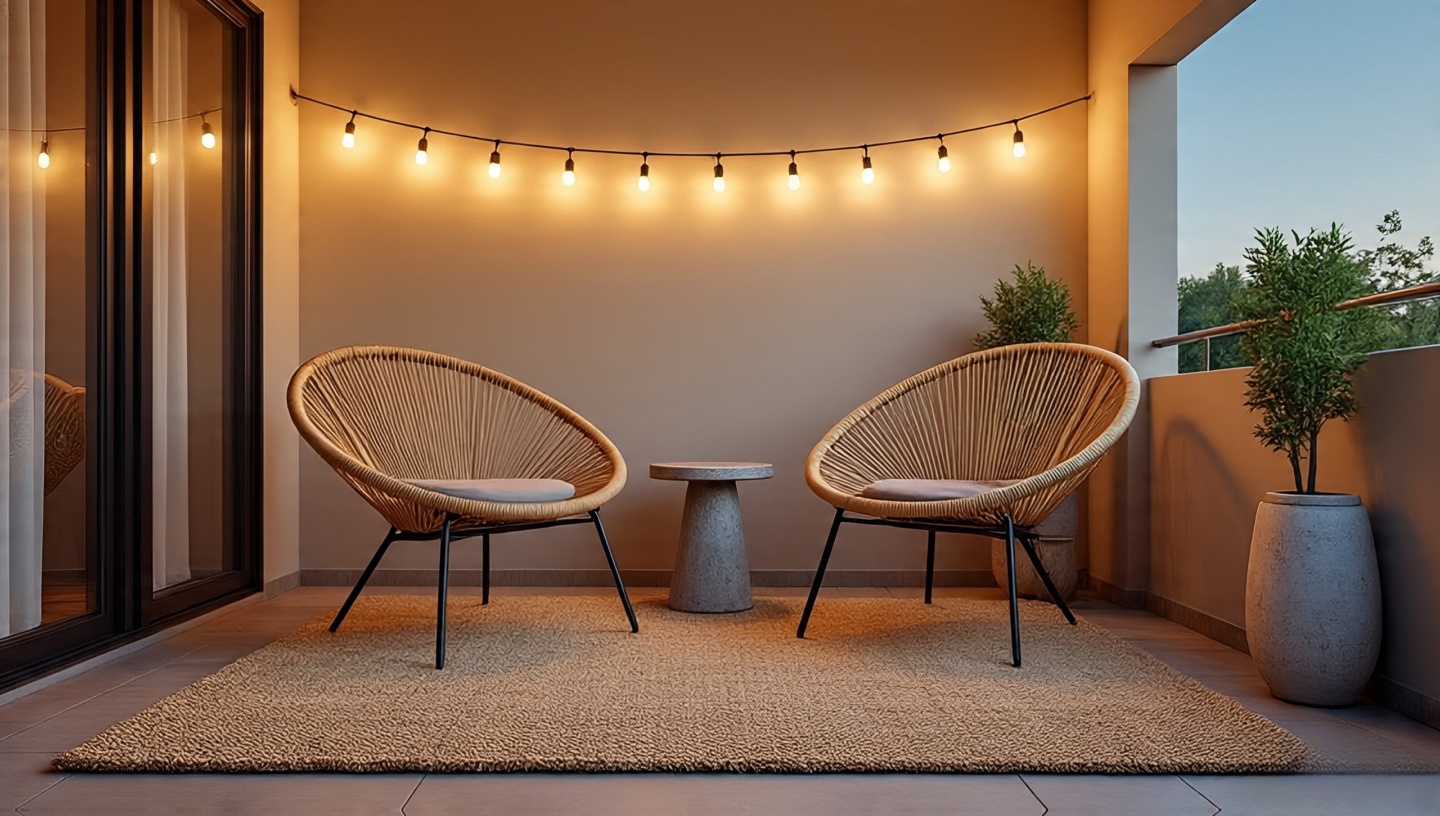 Two rattan chairs, a weathered table, and the city’s evening soundtrack. Keep it beautiful and durable.
- Materials that last: powder-coated aluminum or all-weather rattan for frames; solution-dyed acrylic for cushions. Outdoor jute-look rugs in polypropylene feel right and shrug off rain.
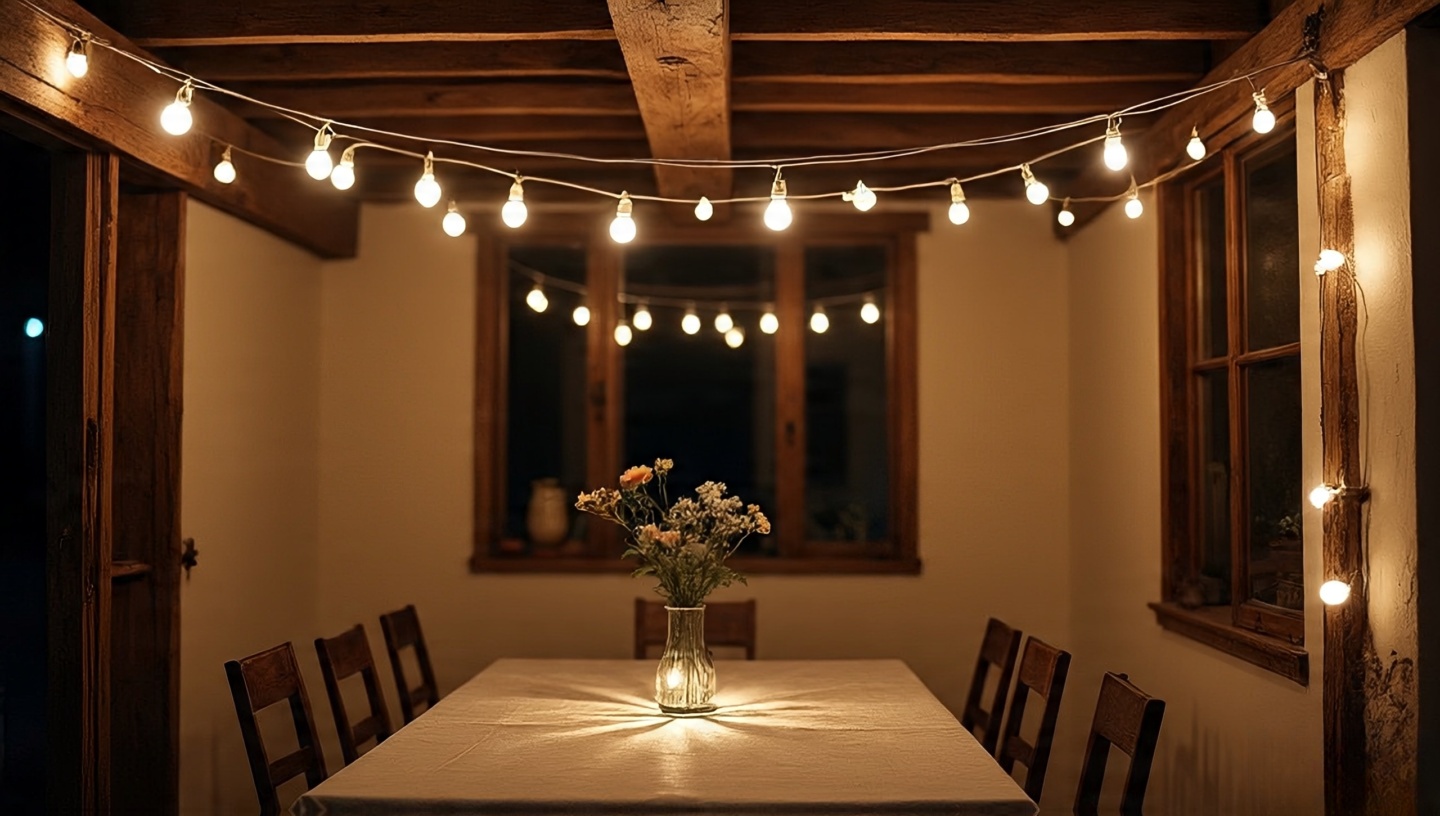
- Light the mood: string lights with IP44 or higher rating, on a dimmer plug. Soft golden pools beat harsh white glare.
- Balcony reality: check the load rating. Avoid heavy stone planters on cantilevered edges; use lightweight fiber-clay instead.
- Storage smart: a lidded bench keeps cushions clean during monsoon spells and doubles as a coffee perch.
37) Fire pit layout that warms the night
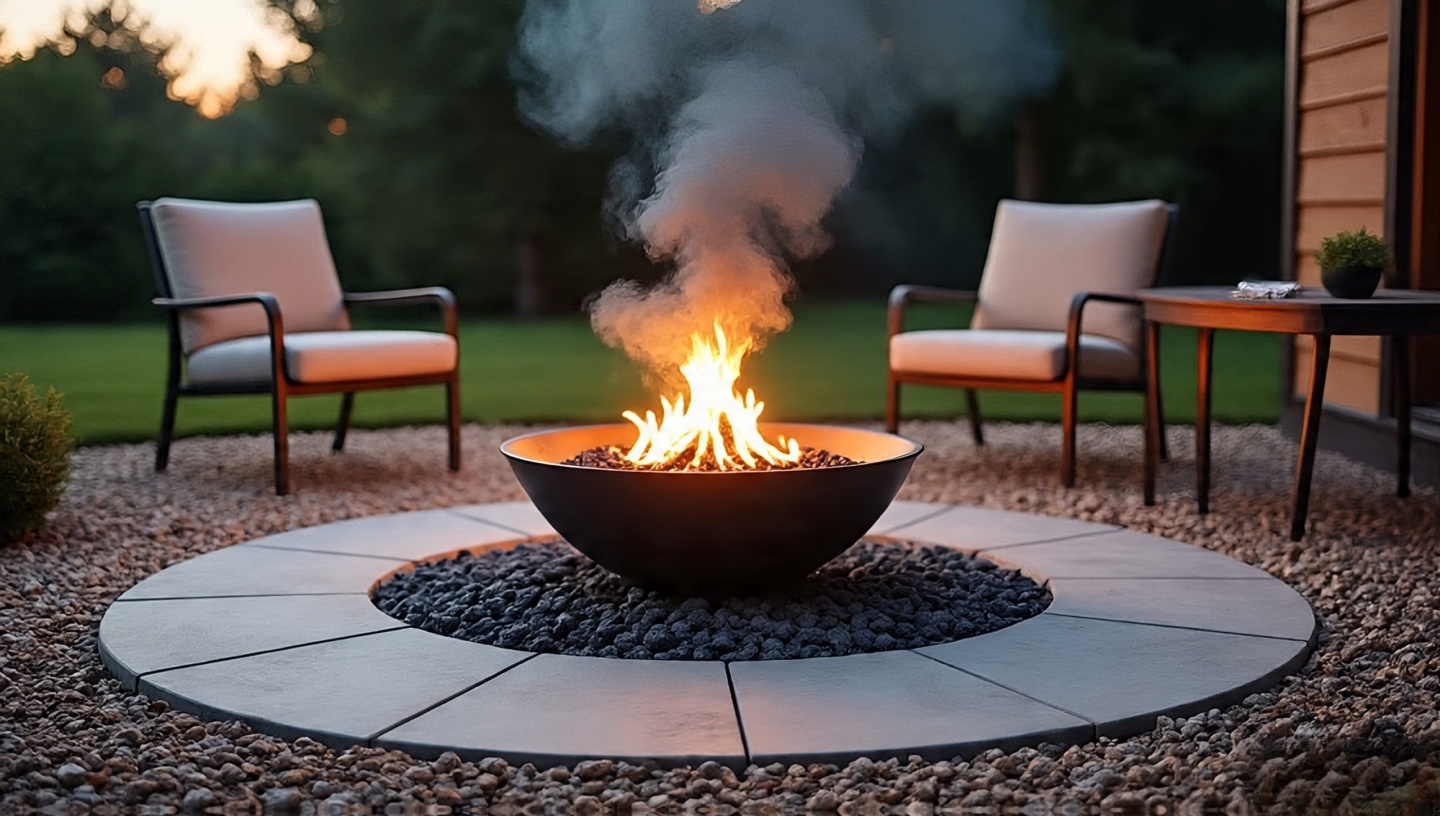 Lava rocks hold heat like memory. Arrange seats so faces glow and paths stay clear.
- Clearances: 1.2 m minimum from pit edge to any furniture; 3 m to walls or overhangs. Keep resin furniture at a respectful distance.
- Seating ring: three to five chairs at a gentle arc, 2 to 2.4 m from center. A low table at the edge corrals mugs and marshmallows.
- Wind sense: place the pit downwind of the primary seating area so smoke sniffs the empty side, not your guests.
- Ground layer: pea gravel or decomposed granite feels crunchy underfoot and drains fast after rain.
38) A bedroom seating nook that whispers instead of shouts
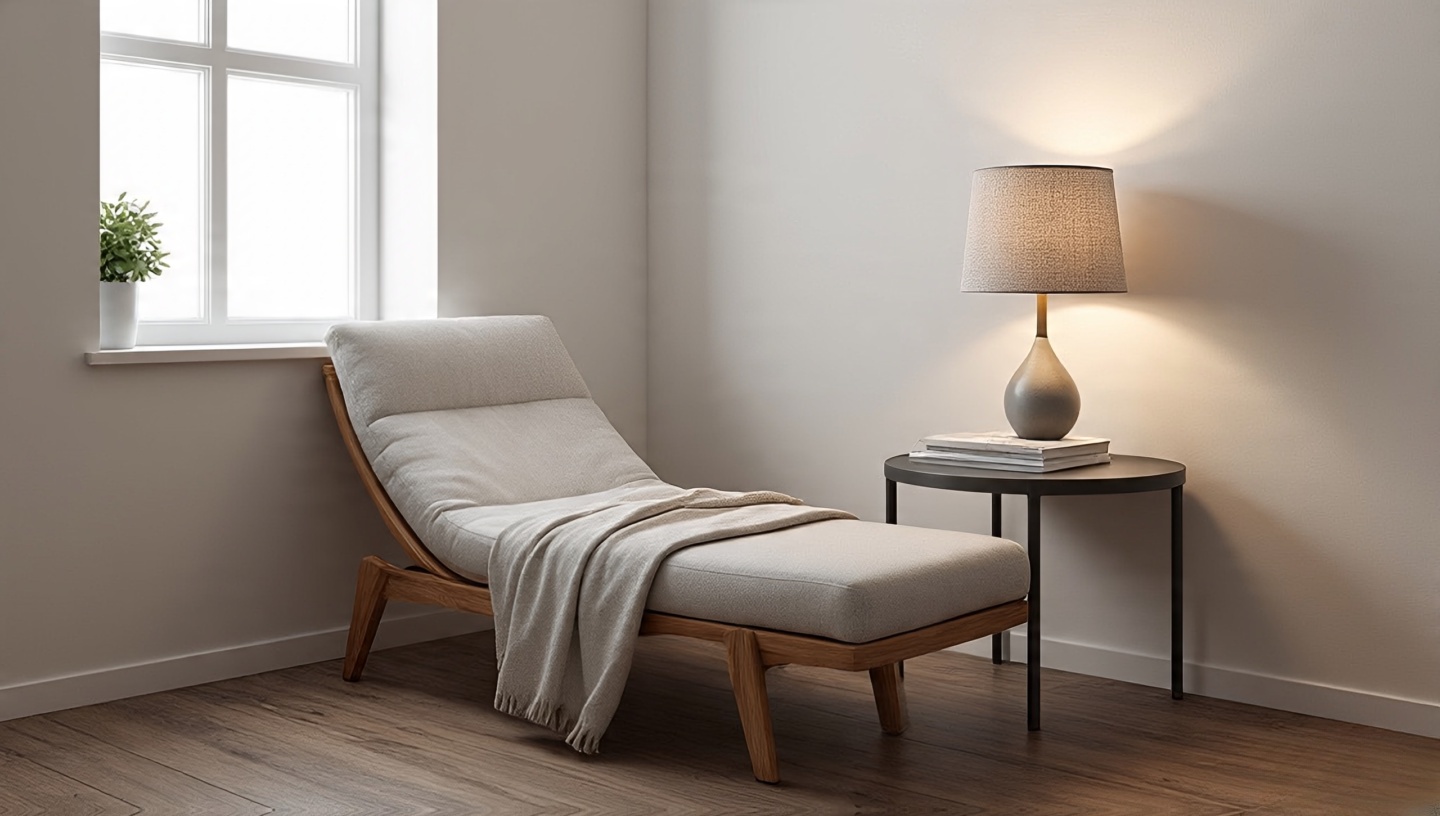 One low chair, a slim table, and a warm lamp. It’s where the day unknots.
- Footprint: you only need 90 by 120 cm to carve this out. Keep the chair back below sill height so daylight still floods the room.
- Light level: 400 to 600 lumens at 2700 K. Linen shades blur edges so your eyes relax.
- Table sense: 40 to 50 cm diameter, 55 to 60 cm high. Enough for a book and a glass, not a pile of laundry.
- Sensory detail: a small bowl of cedar chips or lavender turns page-turning into a tiny ritual.
39) Boho furniture layout for small apartments that breathe
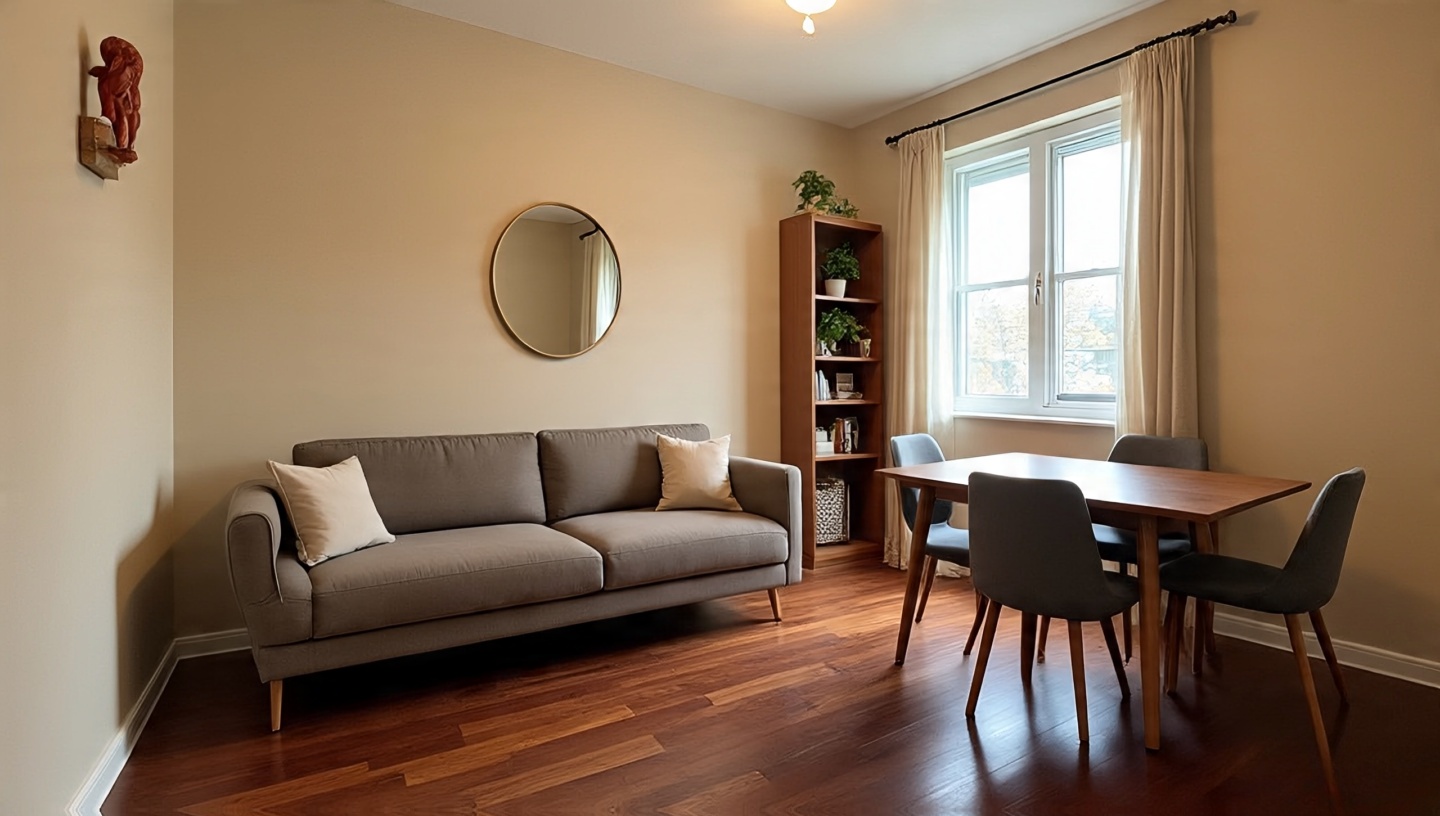 Think slim legs, light passing under, and every piece doing two jobs. It feels like camping, but fancier.
- Sofa swap: choose a 160 to 180 cm sofa with raised legs over a chunky sectional. Your floor becomes part of the design, not dead space.
- Table trick: nesting or drop-leaf dining tables against the wall. Pull out only what you need.
- Vertical help: tall, narrow bookcases draw the eye up. Keep the top shelf airy plants and one sculpture so the room doesn’t feel top-heavy.
- Mirror move: place a medium mirror opposite the brightest window to double light. Keep frames in warm wood to stay in the Boho family.
40) Open plan without chaos, just rhythm
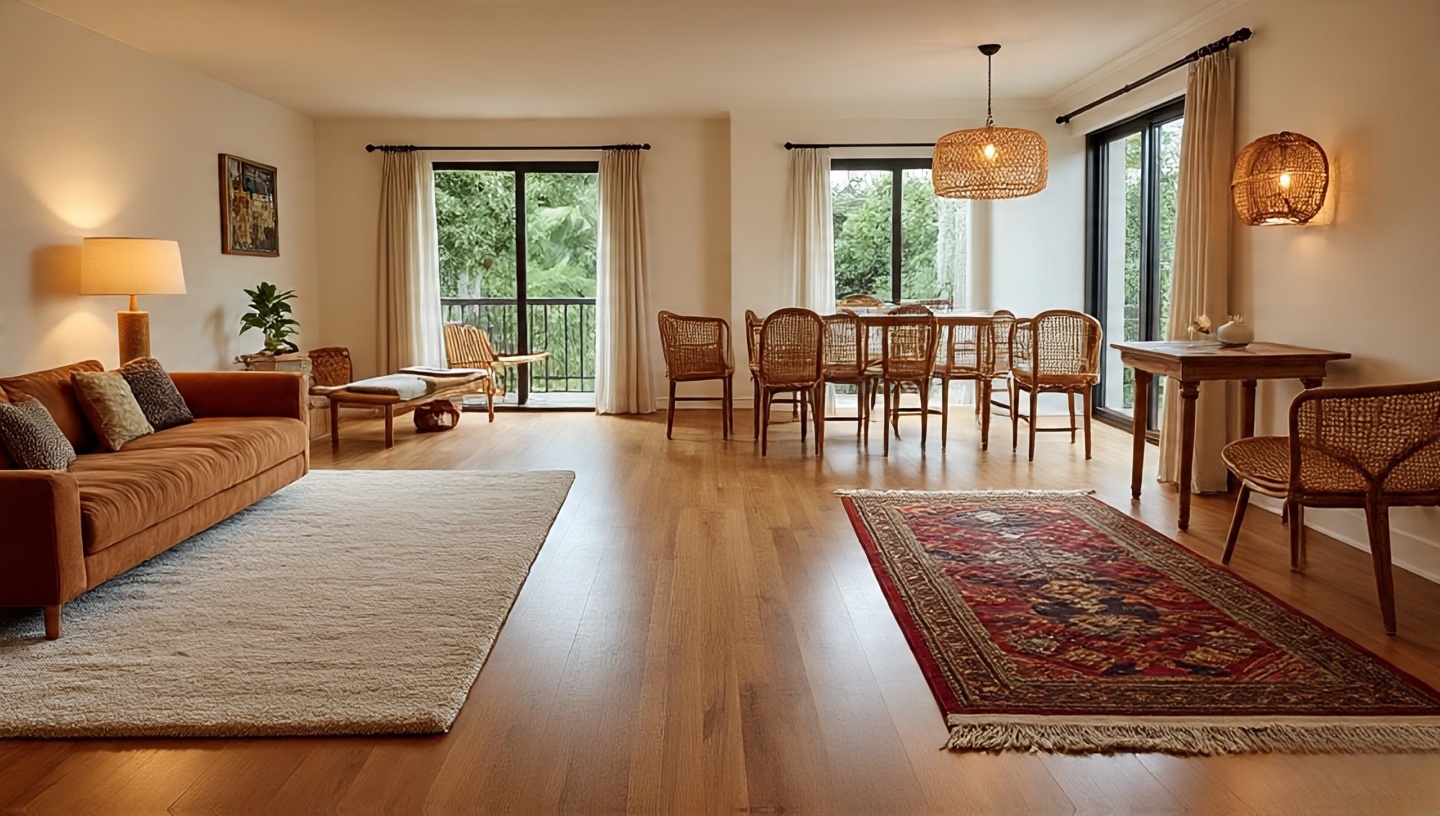 Great rooms can turn noisy fast. Give the eye a beat to follow and everything slows to a comfortable hum.
- Zone with repeats: echo one element across areas same rattan pendants over dining and a rattan chair in living so the plan reads as one story.
- Rug choreography: living zone rugs larger and softer; dining rug tighter weave for chairs to glide; reading nook gets a small kilim for focus.
- Walkways: preserve a clean spine of 100 to 110 cm through the space. Furniture can kiss the edges, but never block the spine.
- Acoustic calm: add a textile screen or a tall bookshelf between dining and living to catch echo. Plants finish the job.
41) Entryway altar table and mirror that greet, not glare
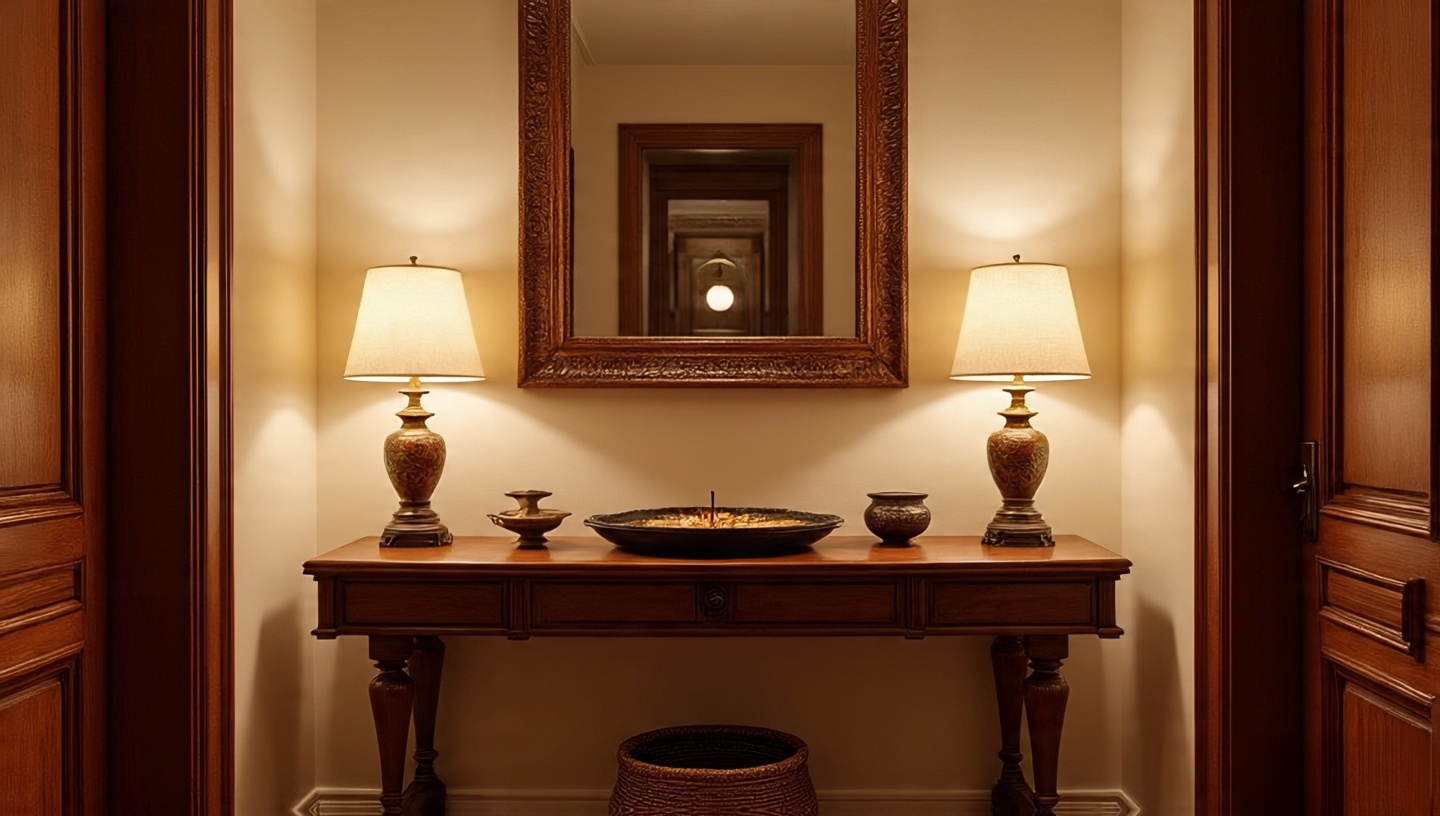 The entry is where your home takes a breath before speaking. I like a narrow altar table with a mirror that catches late light and throws it down the hall. You smell a hint of sandalwood, hear keys touch a small brass dish, and the day softens.
- Scale that works: table depth 25 to 30 cm, height 80 to 85 cm. A mirror 5 to 10 cm narrower than the table feels composed.
- Eye line: center of the mirror at 145 to 155 cm from the floor. Lower is friendlier.
- Catch-all strategy: shallow bowl for keys, tiny tray for incense cones, and a lidded basket beneath for scarves. Order without stiffness.
- Architect’s tip: place a low lamp on the altar rather than overhead glare. Warm pools of light make arrivals feel like a welcome, not a checklist.
42) Kid-friendly without losing the Boho soul
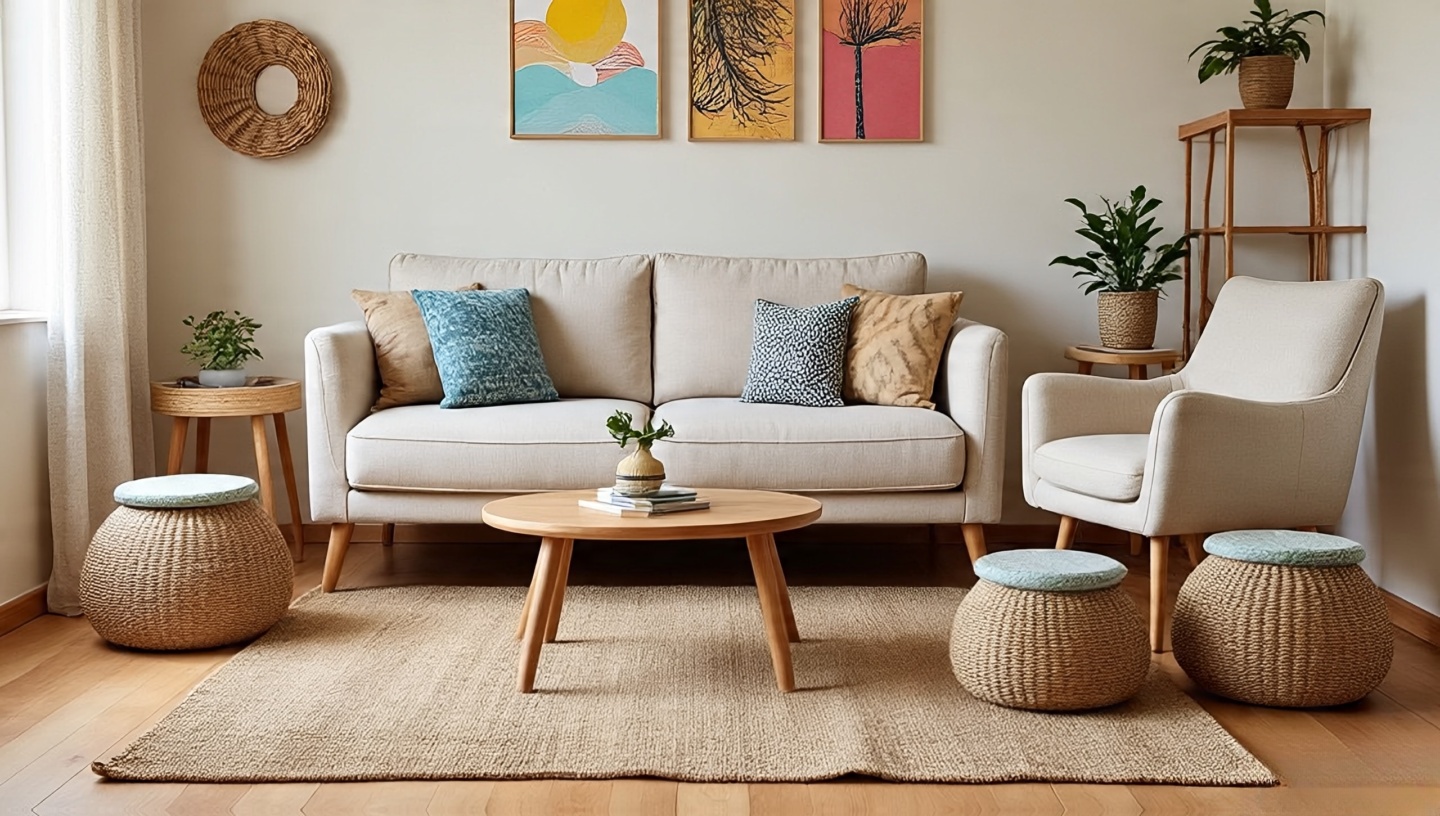 Children don’t ruin design; they test it. A family room can be Boho and bulletproof if you choose the right surfaces.
- Shape safety: round corners on coffee tables, drum side tables, soft-edged poufs for the inevitable zoomies.
- Fabric picks: tight-weave cotton, indoor-outdoor blends, or performance velvet. Look for 25k+ Martindale rubs.
- Storage that forgives: lidded seagrass baskets on low shelves. Toys disappear fast, room reads calm again.
- Layout move: keep a 100 cm clear “runway” between zones. Kids will sprint it anyway; design it on purpose.
43) Pet-friendly materials and layouts that survive claws
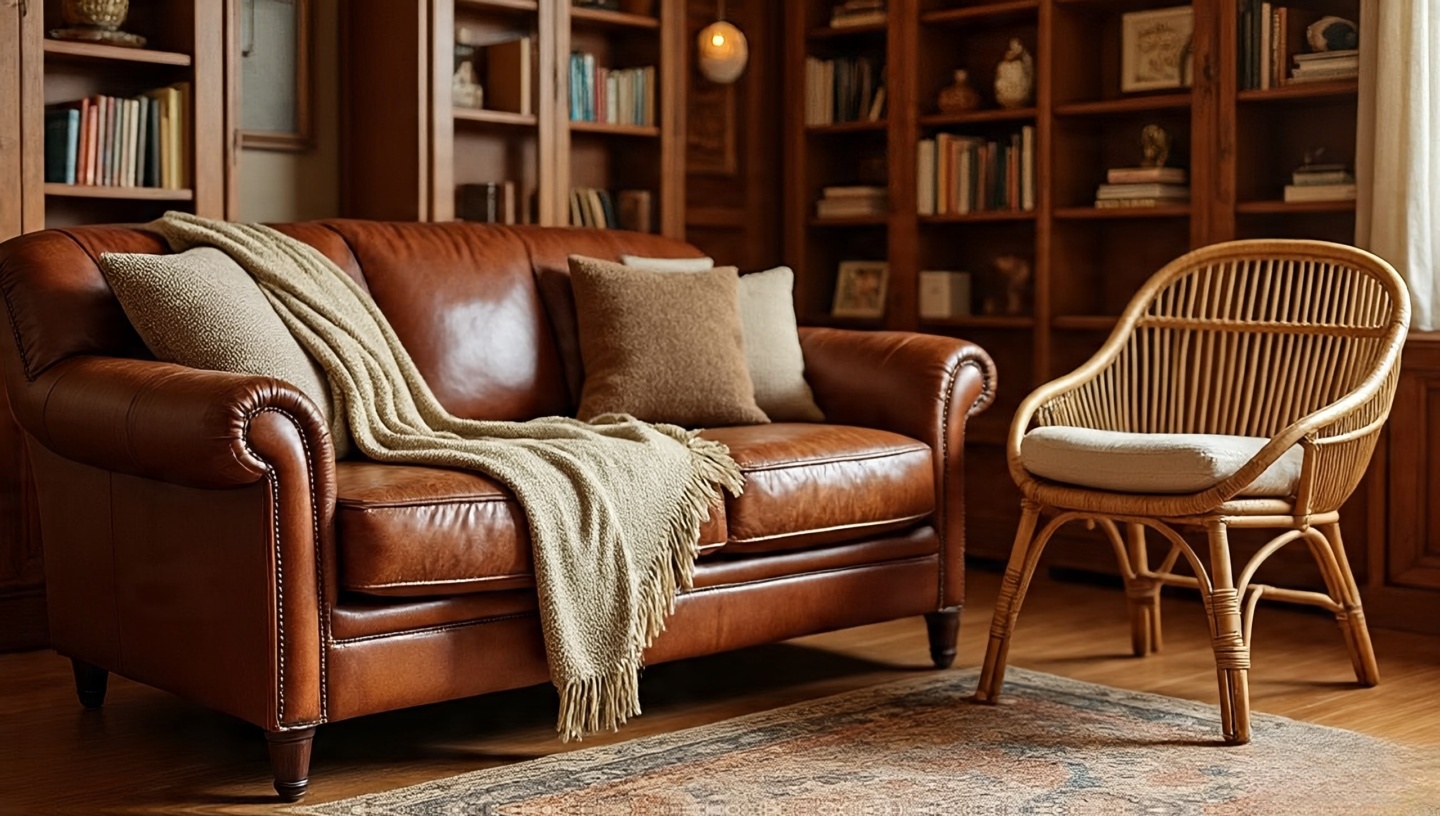 Pets edit our priorities. I specify materials that get better with scuffs rather than worse.
- Sofa reality: leather with a light pull-up patina will scar gracefully; tightly woven fabric resists snagging better than linen slub.
- Rattan caution: cats love cane edges. Choose thicker canes or add a cushion lip that keeps paws off the weave.
- Easy clean: washable slipcovers, flatweave rugs, and machine-washable throws. Put felt pads on heavy planters so fur tumbleweeds sweep away easily.
- Architect’s note: anchor bookcases to walls. A toppling shelf turns Boho into chaos in one jump.
44) Care and maintenance that actually keeps the glow
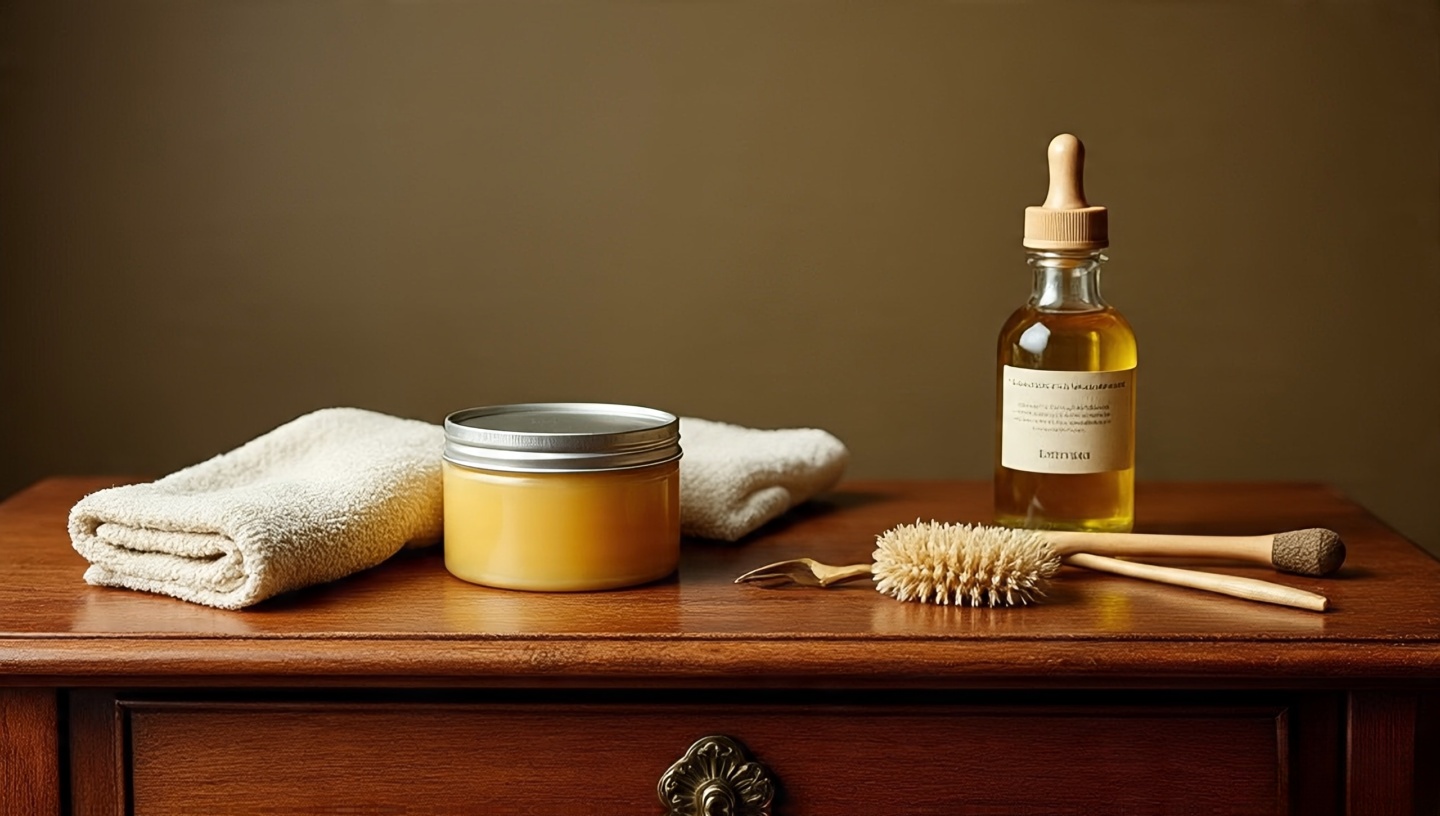 Thirty years in, I’ve learned good maintenance smells faintly of beeswax and citrus, not chemicals.
- Wood: dust weekly with a soft cloth, feed with beeswax or hardwax oil twice a year. Spot-repair rings with a light rub of wax, not sandpaper.
- Rattan/cane: brush dust out of the weave, wipe with a barely damp cloth, then dry immediately. Keep 60 cm from heat sources.
- Metals: unlacquered brass will darken. Embrace it or use a microcrystalline wax seal once per season to slow fingerprints.
- Sun management: rotate rugs and cushions quarterly. Fabrics fade like photographs; movement preserves the story.
45) Sourcing vintage like a pro (and not getting burned)
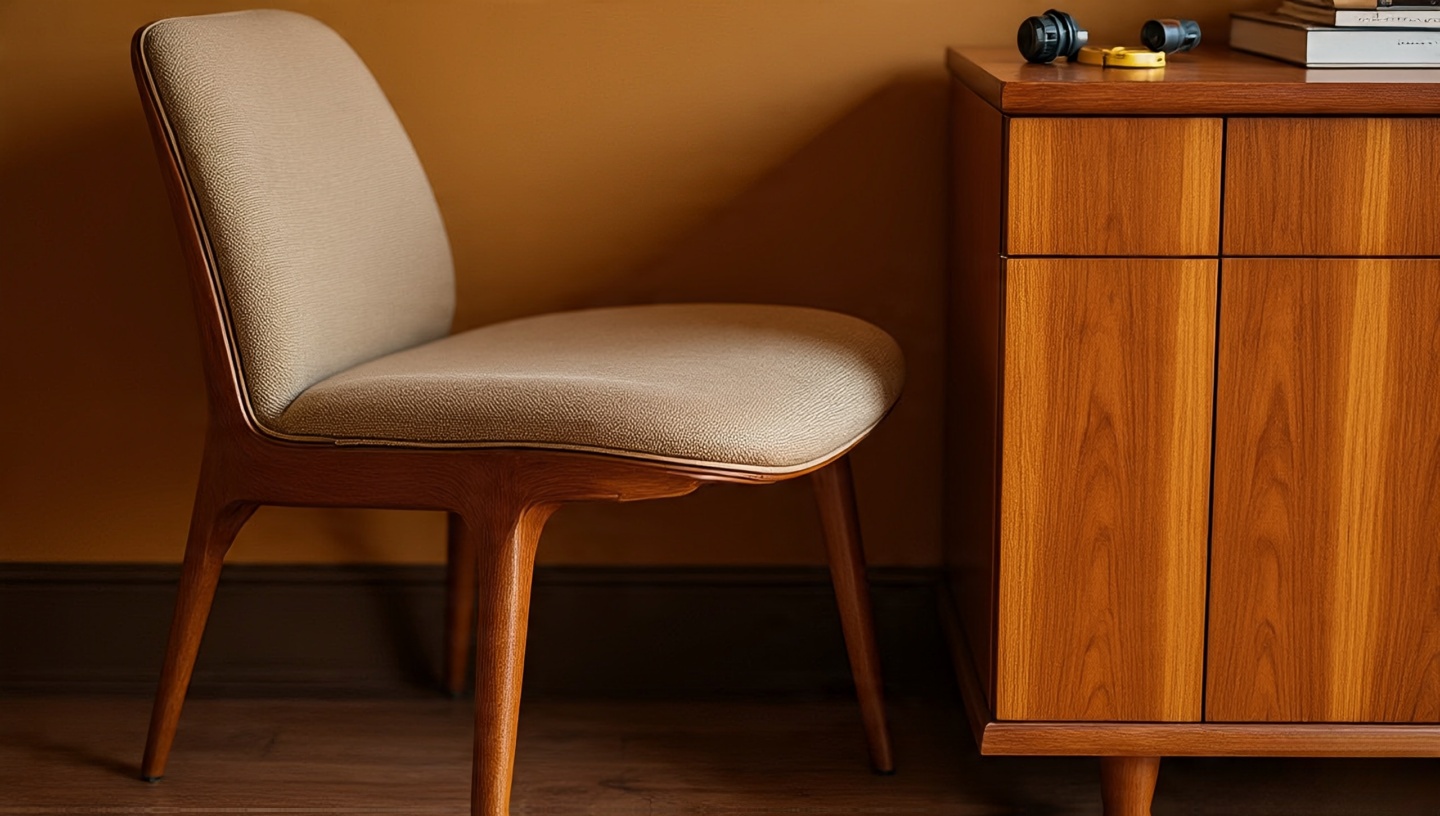 Vintage is where Boho gets its heartbeat. Vet pieces with your hands and ears.
- Joinery test: flip a chair and look for mortise-and-tenon or dovetails. Sloppy staples predict a short life.
- Drawer glide: pull fully, then push. Smooth tracks, no grinding. Check that veneers align across doors for signs of careful craft.
- Smell check: mildew goes home with you. If in doubt, skip it. A bargain with mold is no bargain.
- Practicality: measure doors and stairs before buying large credenzas. Beauty is heavy; logistics are heavier.
46) Color story via furniture choices, not just paint
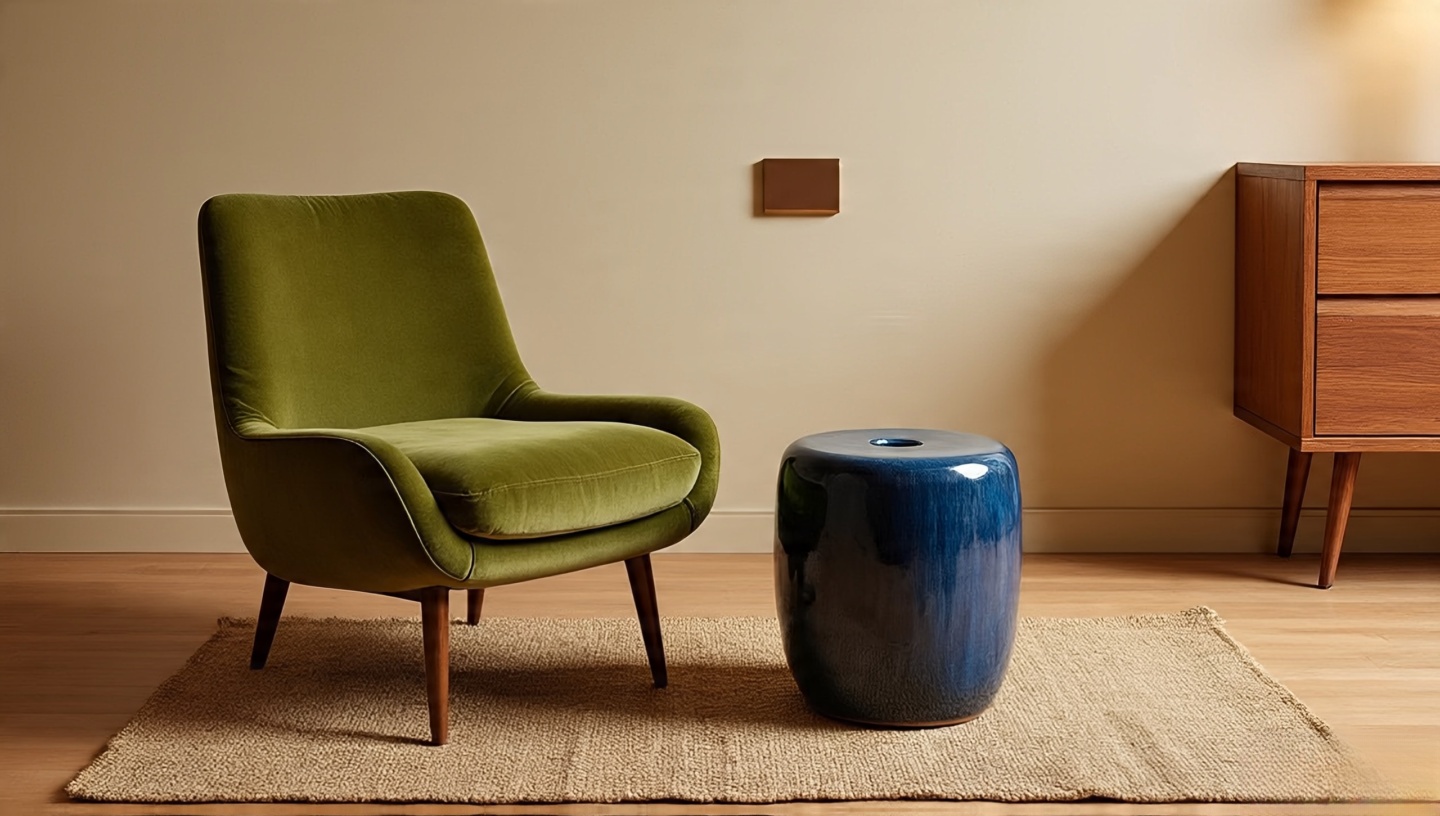 Let furniture carry the palette so walls can relax. One bold piece, then cousins around it.
- Anchor object: a moss-green velvet chair or indigo ceramic stool sets the key. Repeat that hue in two lighter, smaller moments.
- Texture chain: pair coarse jute with smooth wood and one reflective metal so color reads through different surfaces.
- Swatch ritual: place fabric and wood samples in morning and evening light. Choose what still looks kind at night.
- Need a guide: if you want a master palette across woods, textiles, and metals, see these Bohemian color and material palettes.
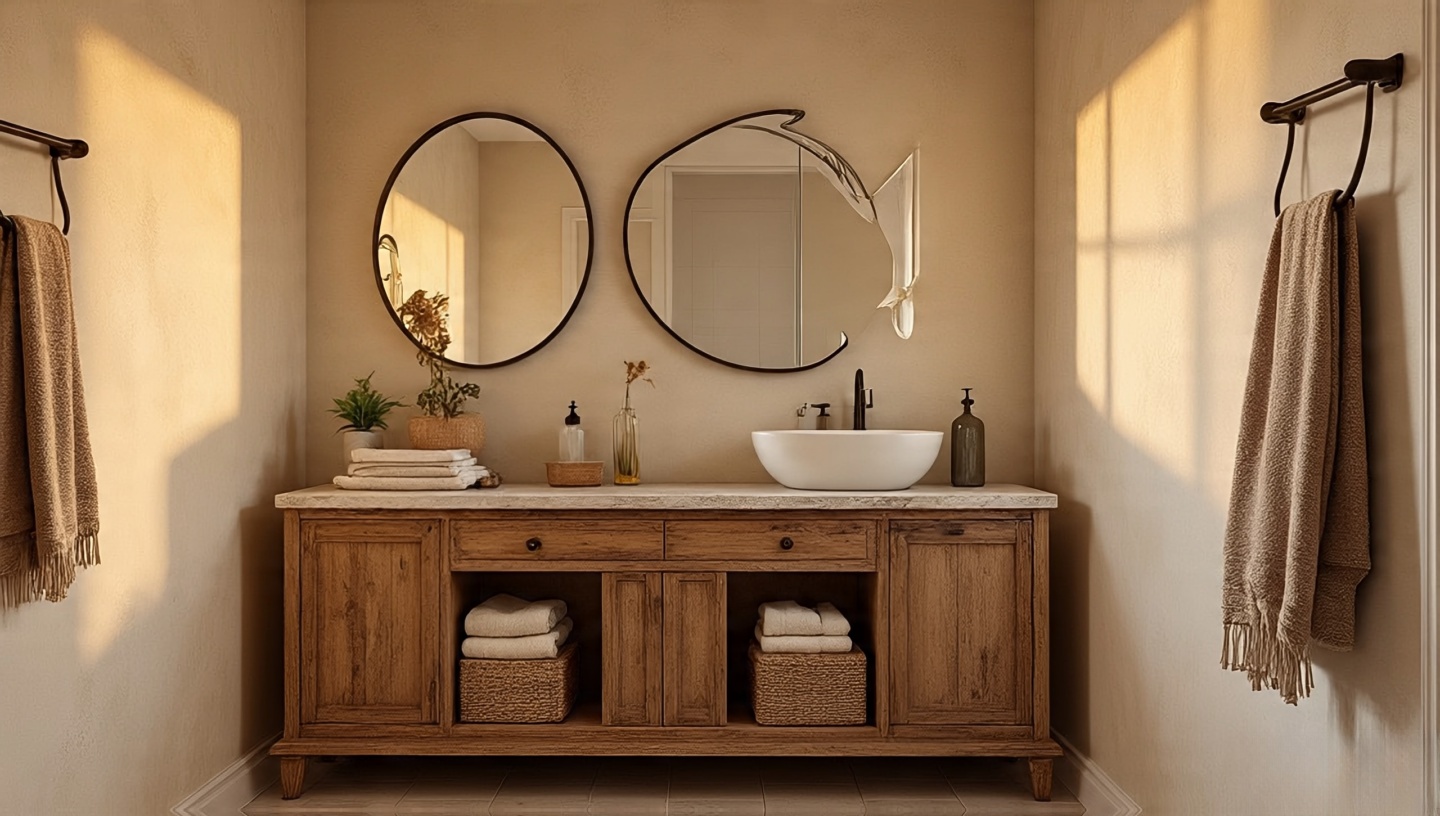
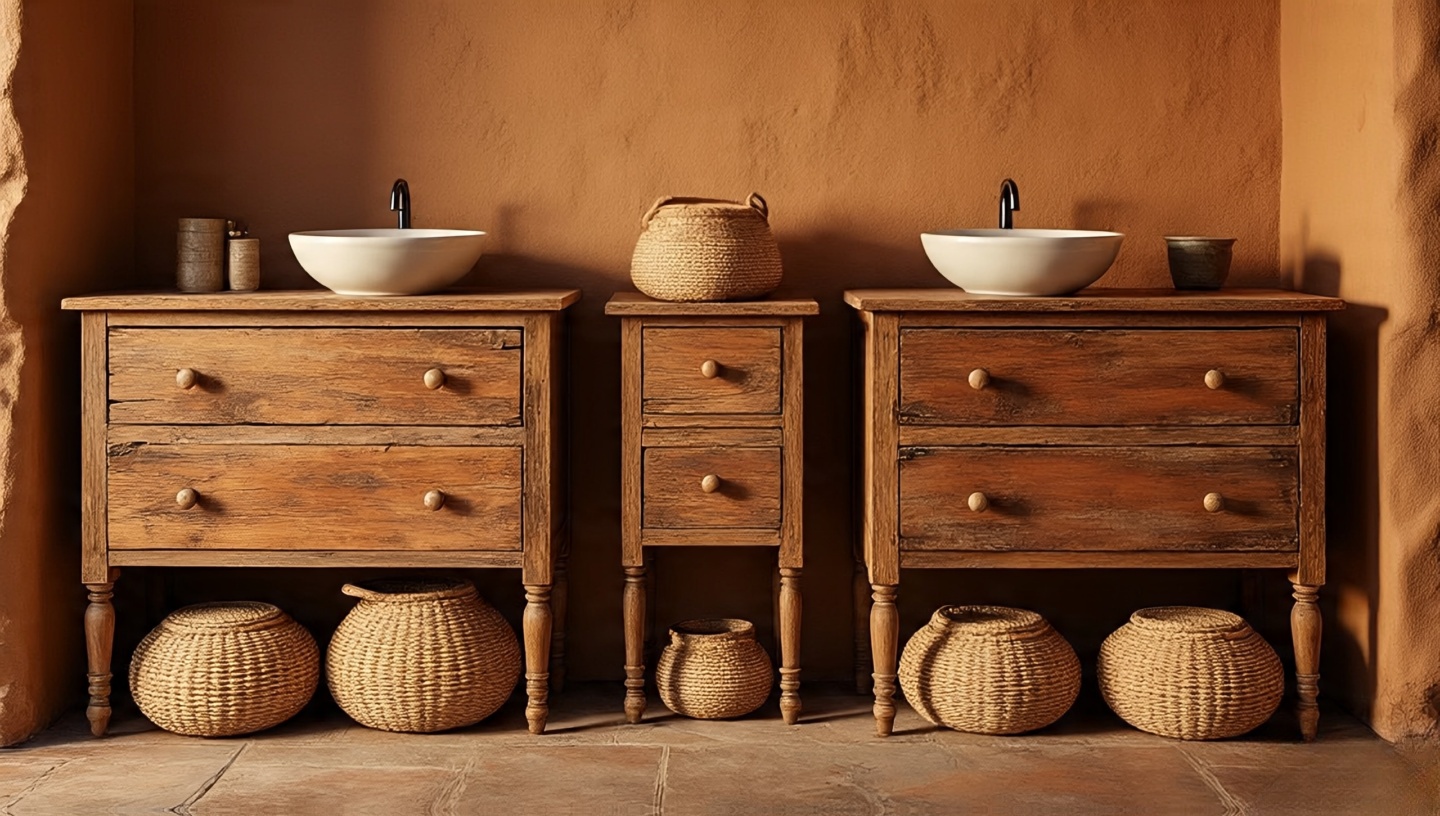
47) Bringing Boho into the bathroom with small furniture moves
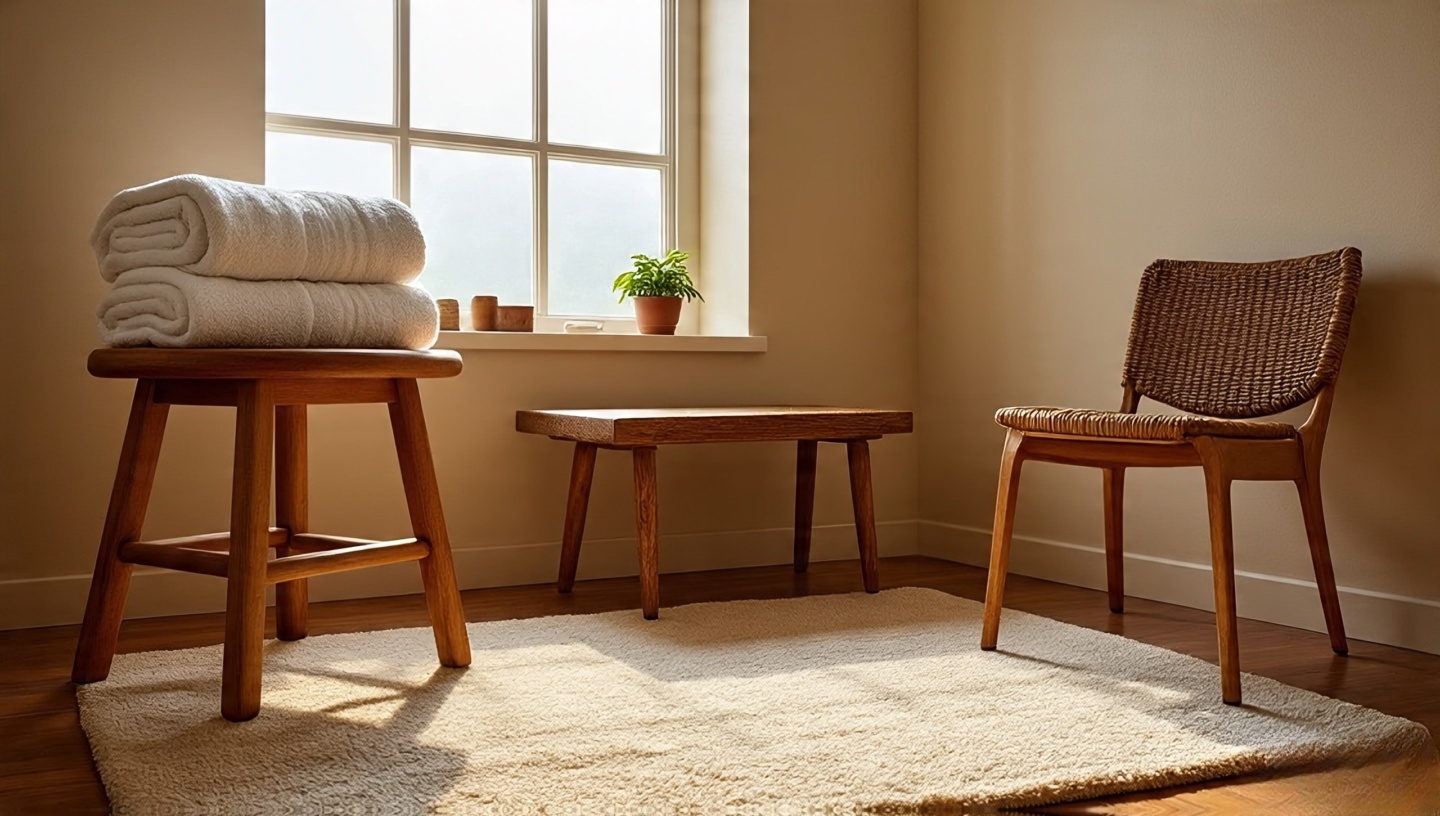 Bathrooms welcome Boho in doses: think humble stools and slim benches that turn tasks into ritual.
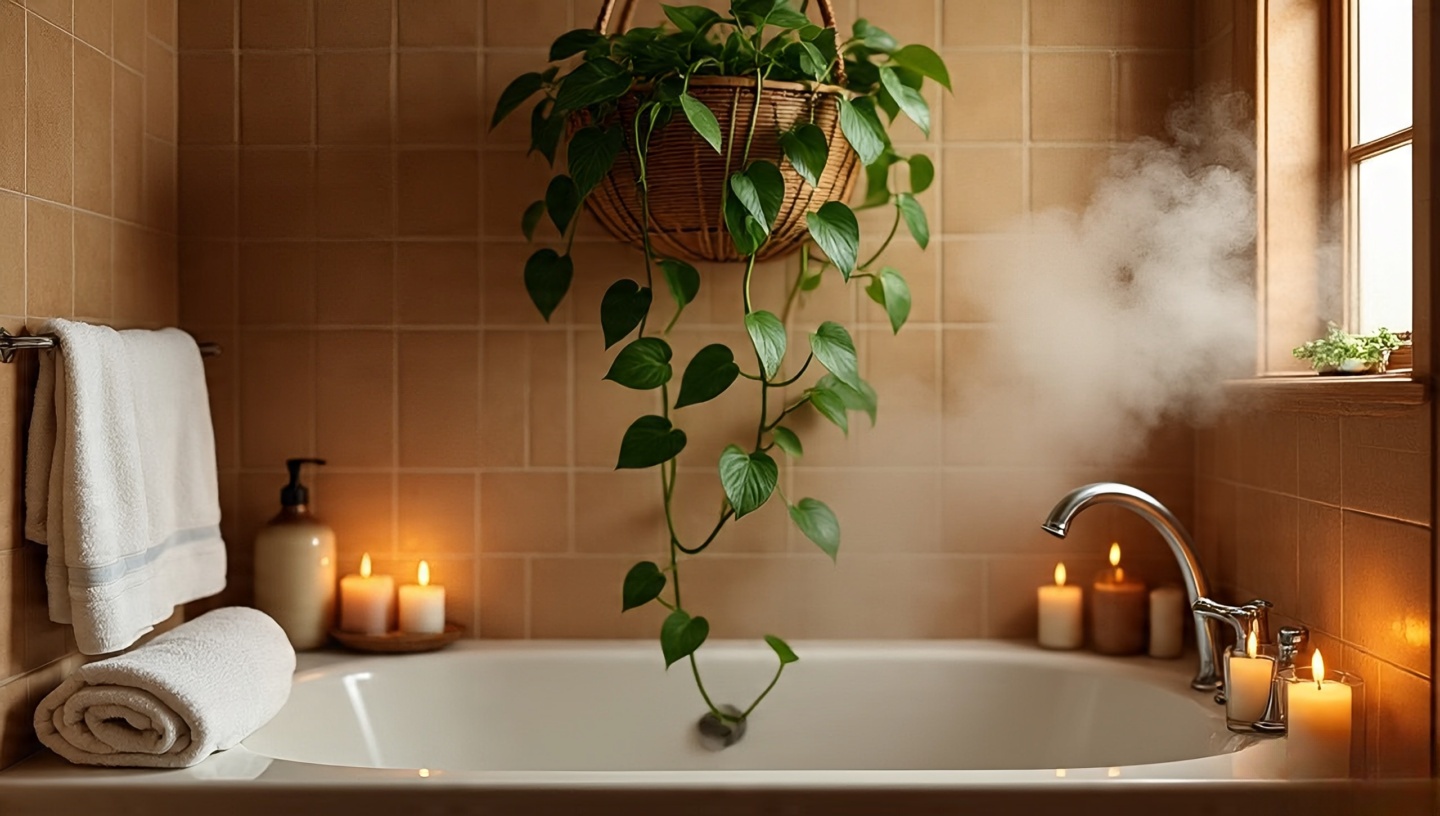
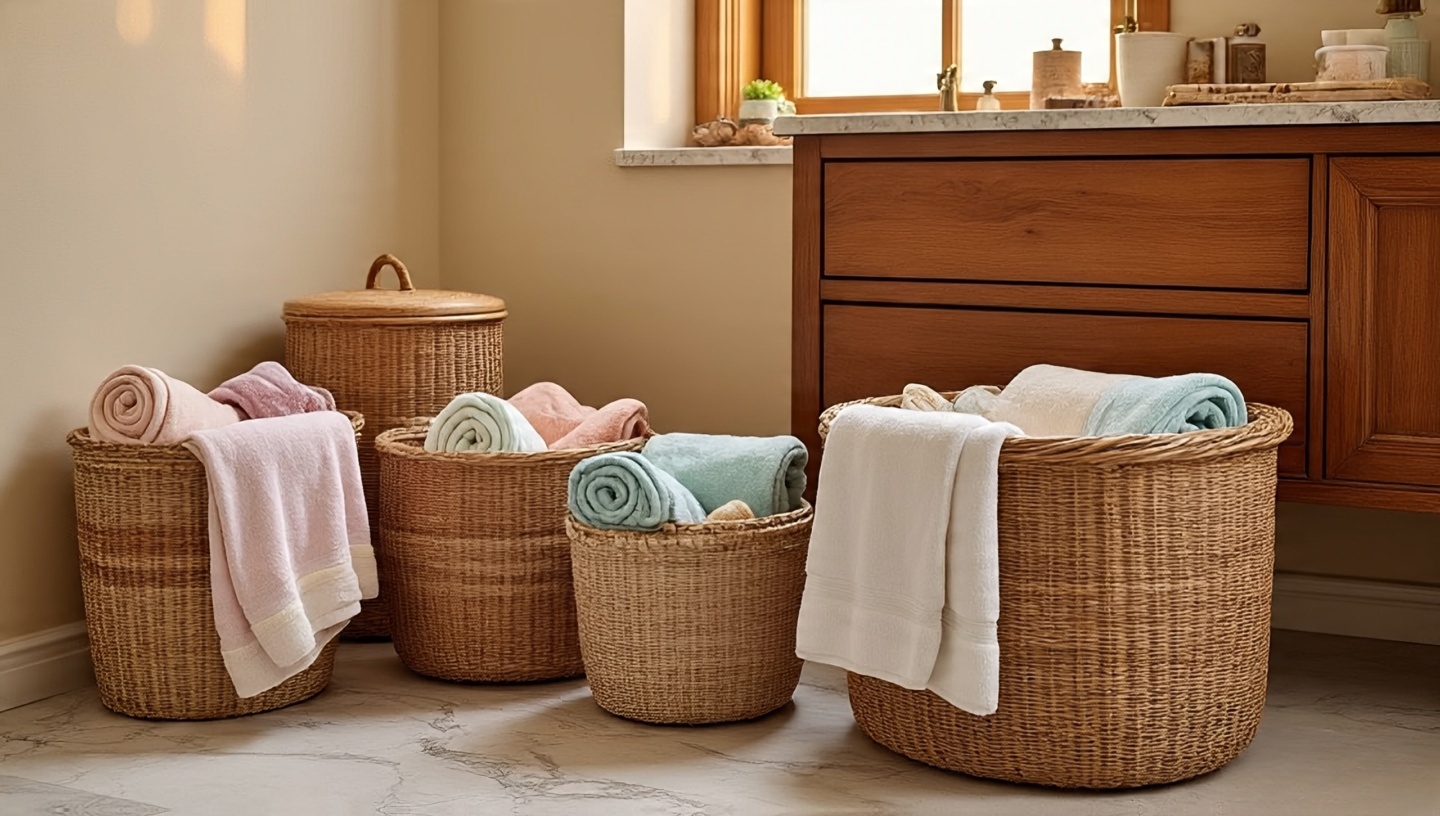
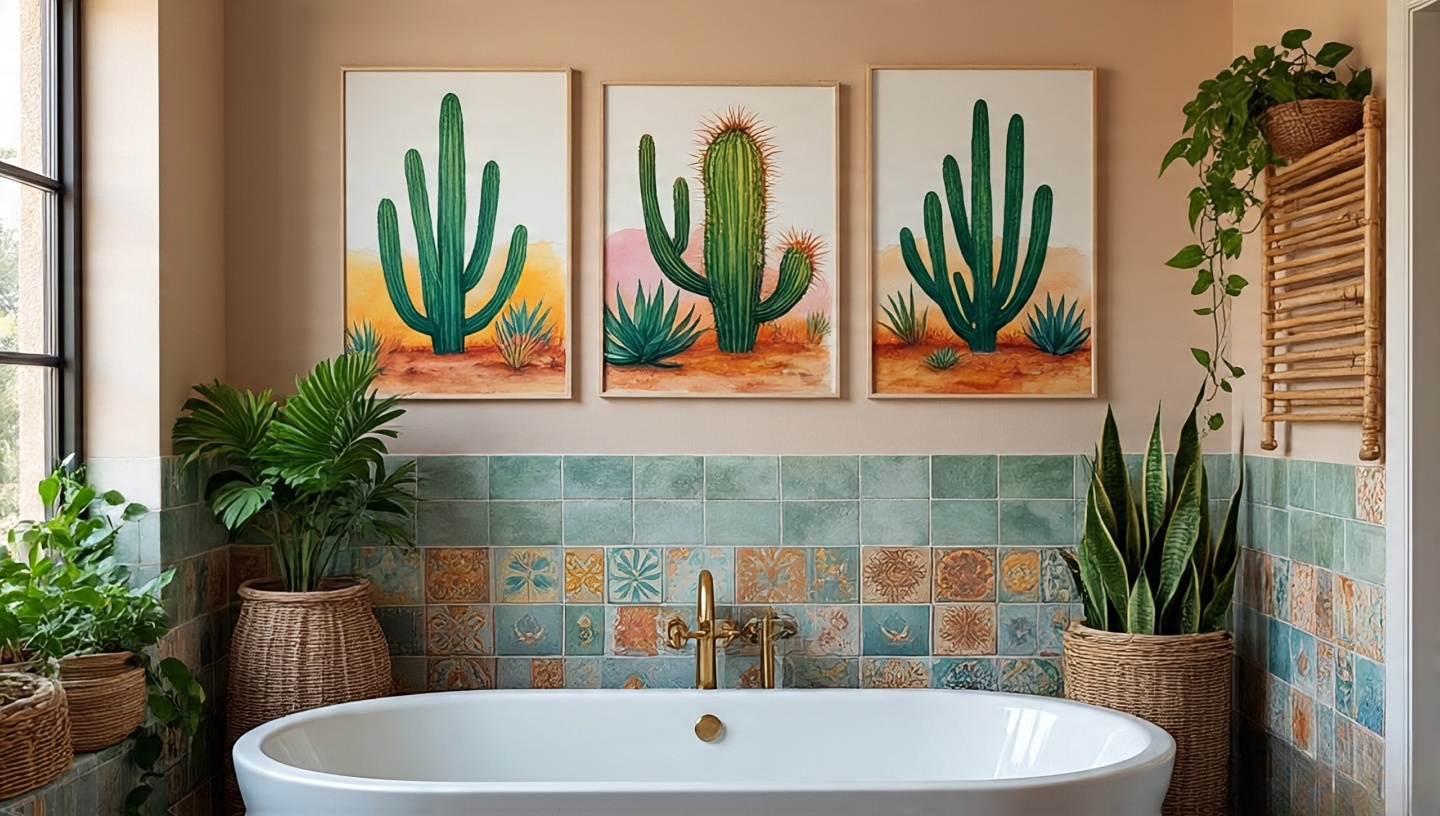
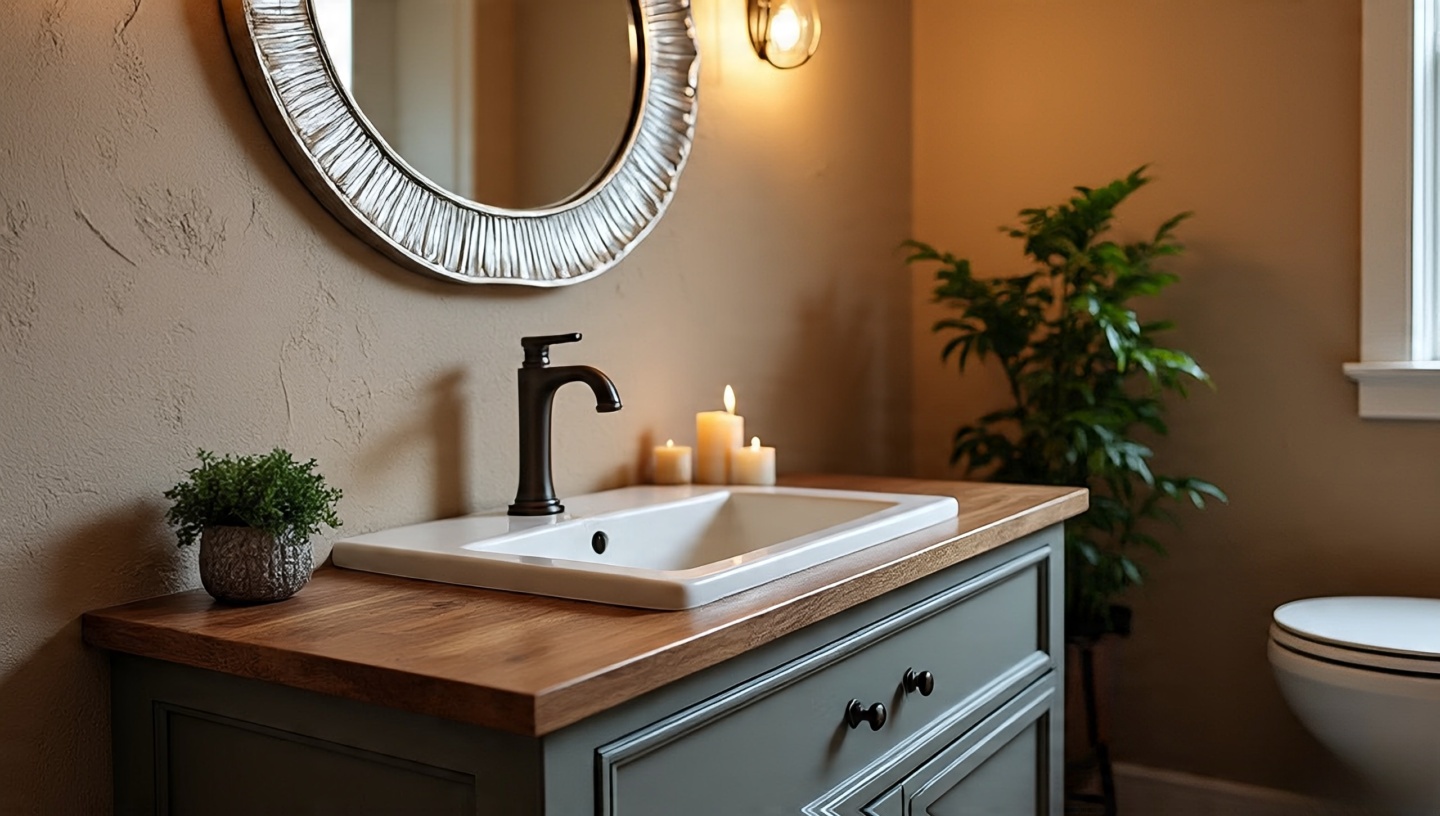
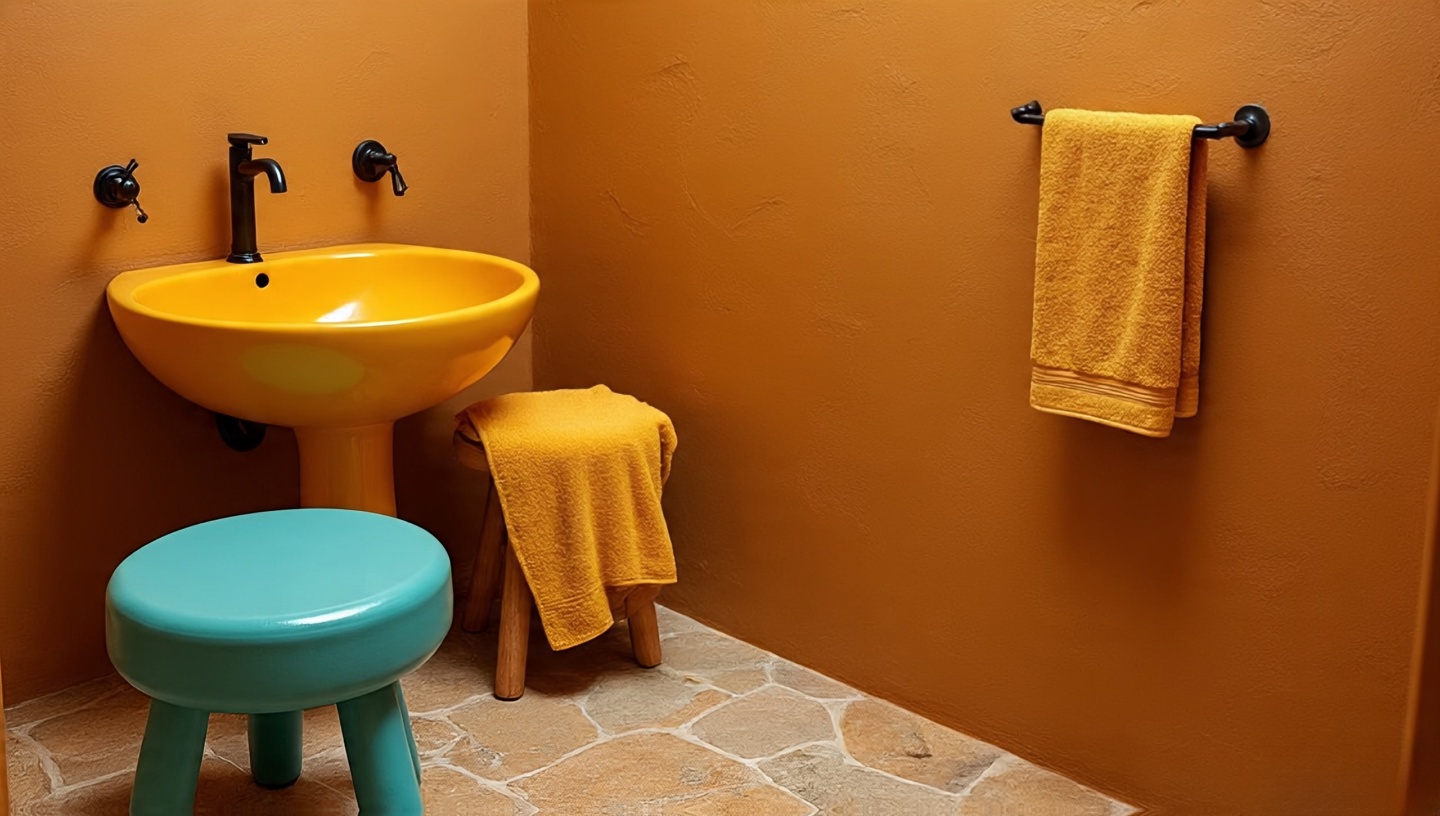
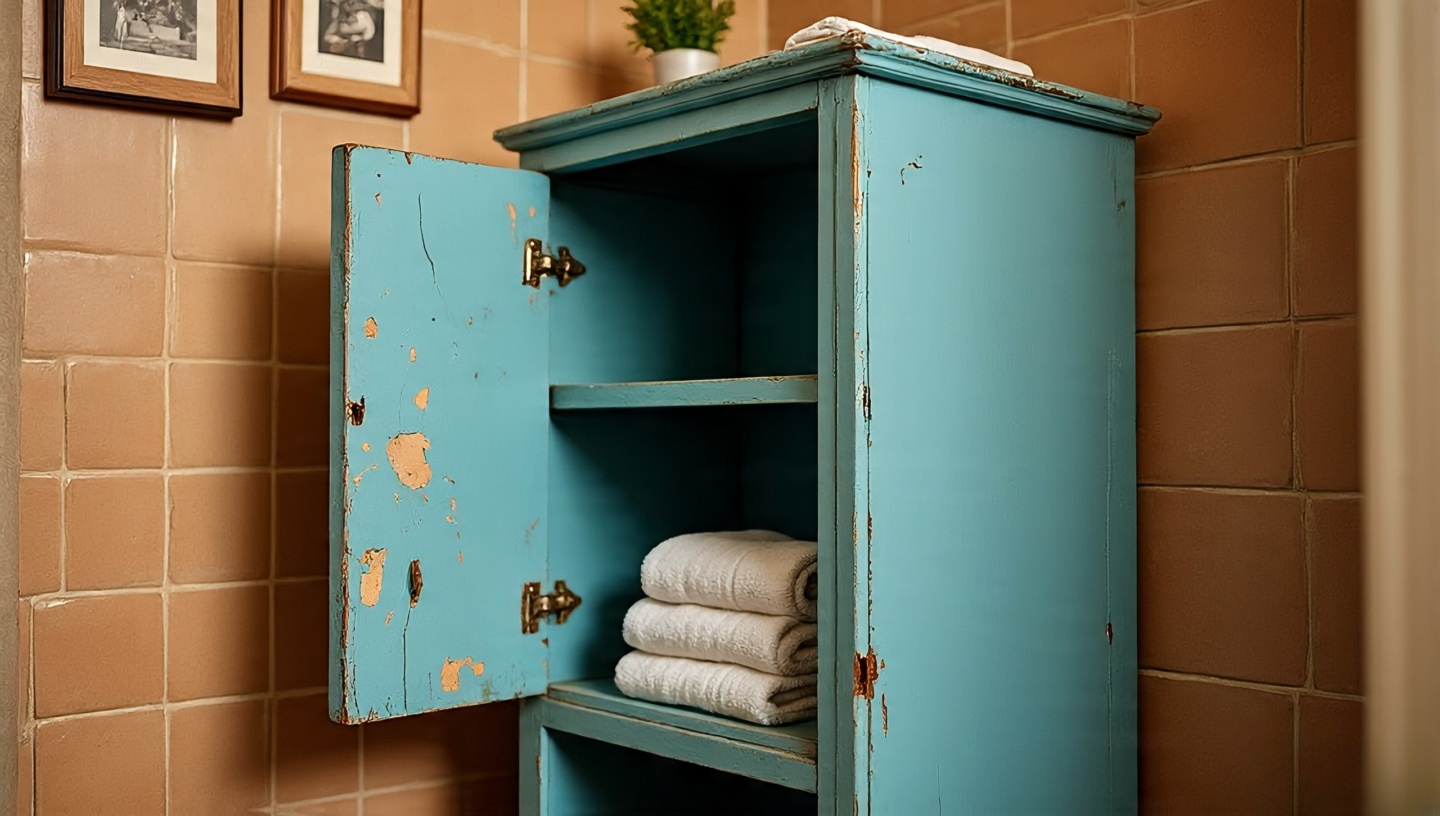
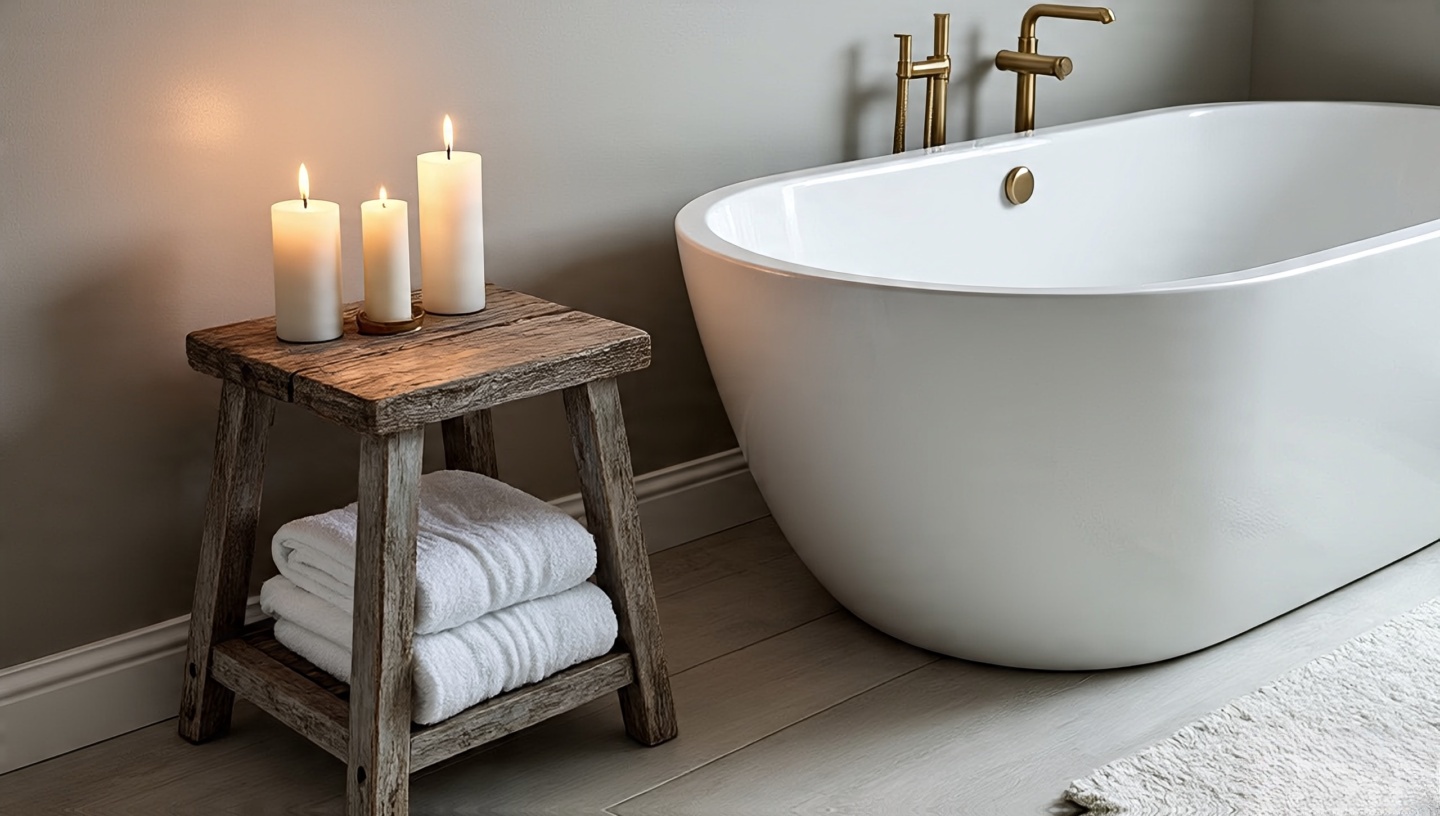
- Materials that behave: teak or sealed hardwood stools for towels; powder-coated metal shelves for steam-heavy corners.
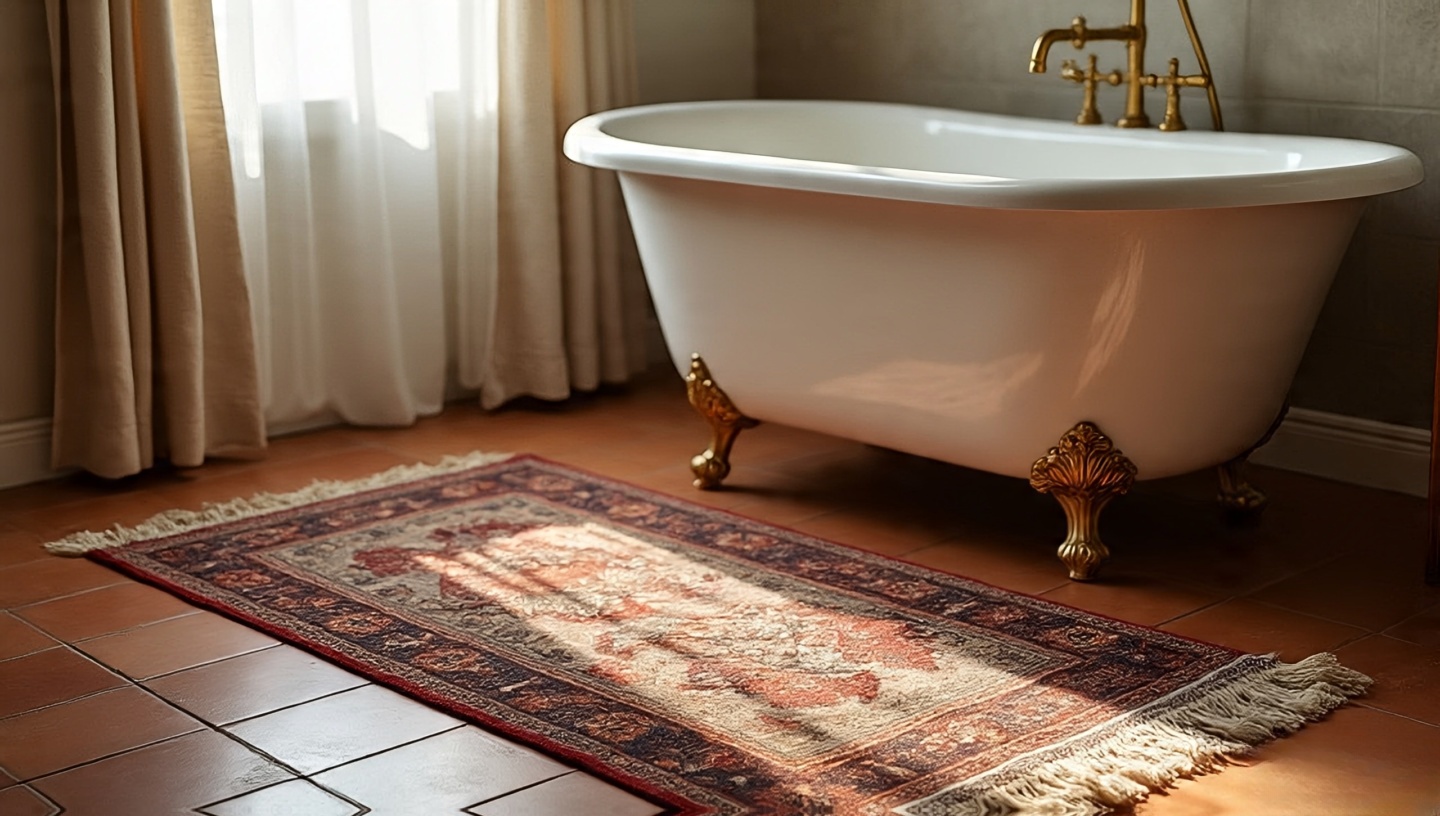
- Slip sense: rubber feet on stools and a tight-weave bath rug. Beauty that grips.
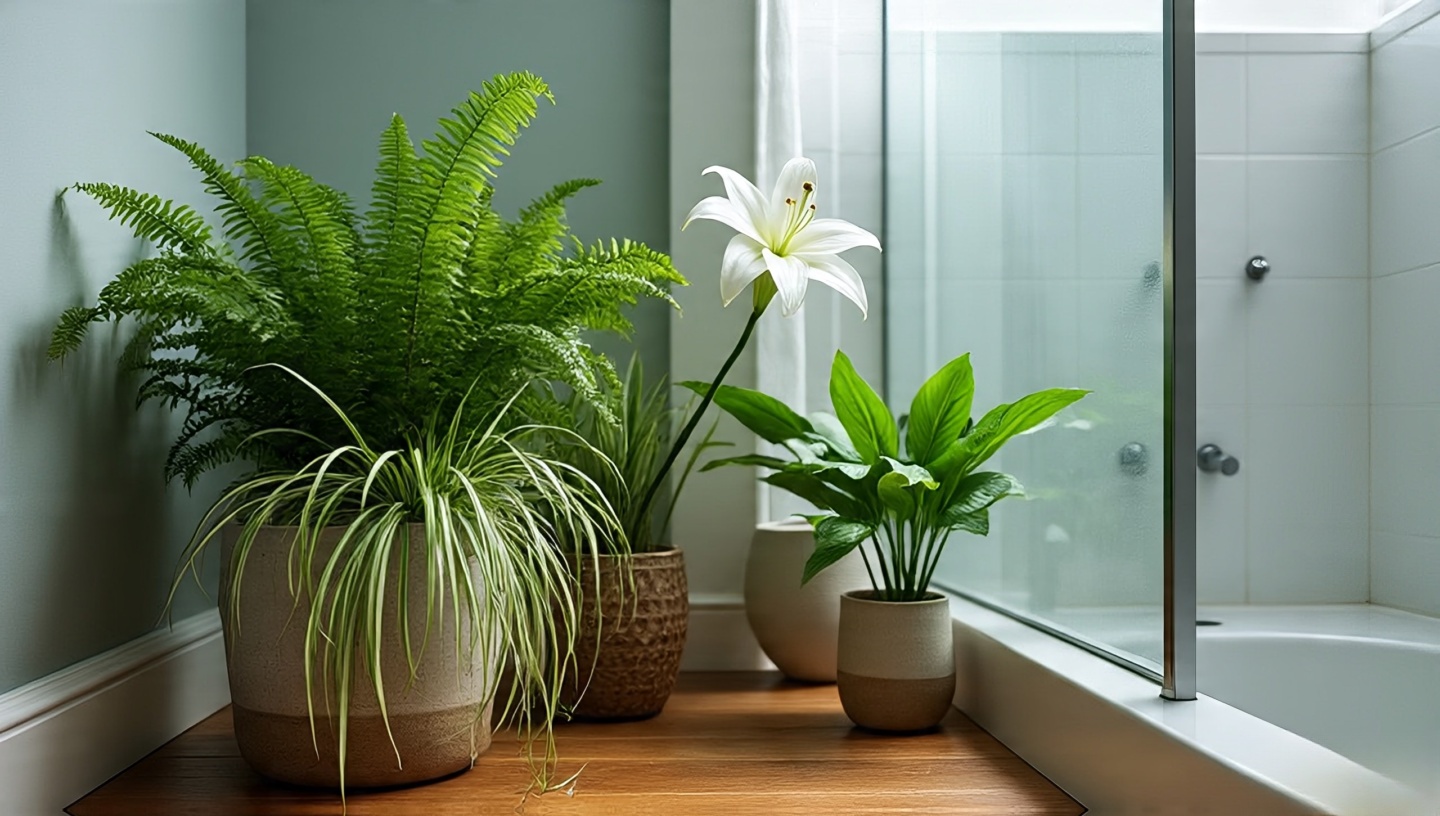
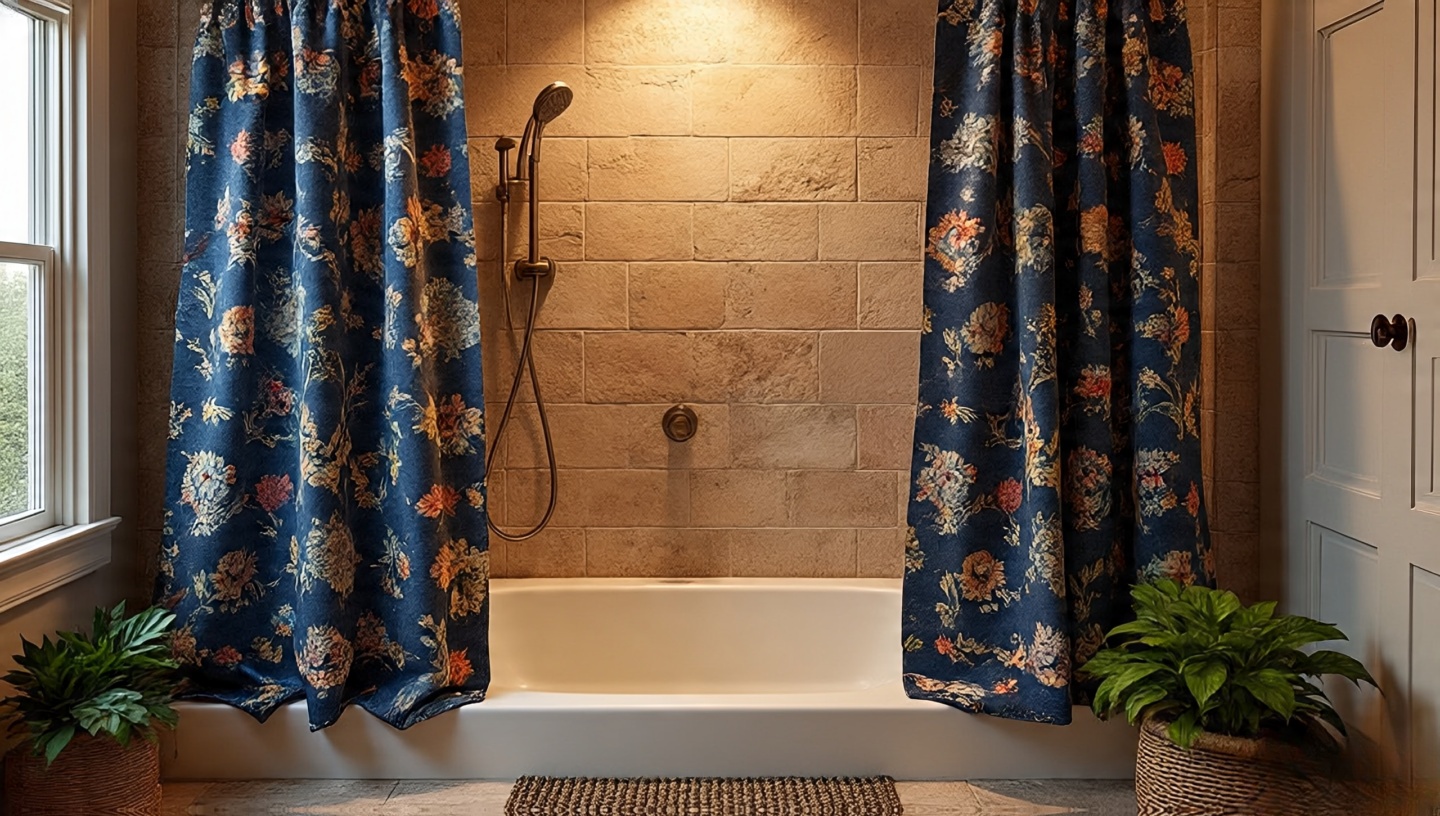
- Plant stand: a vintage chair becomes a perch for ferns near a frosted window. Light plus green equals spa.
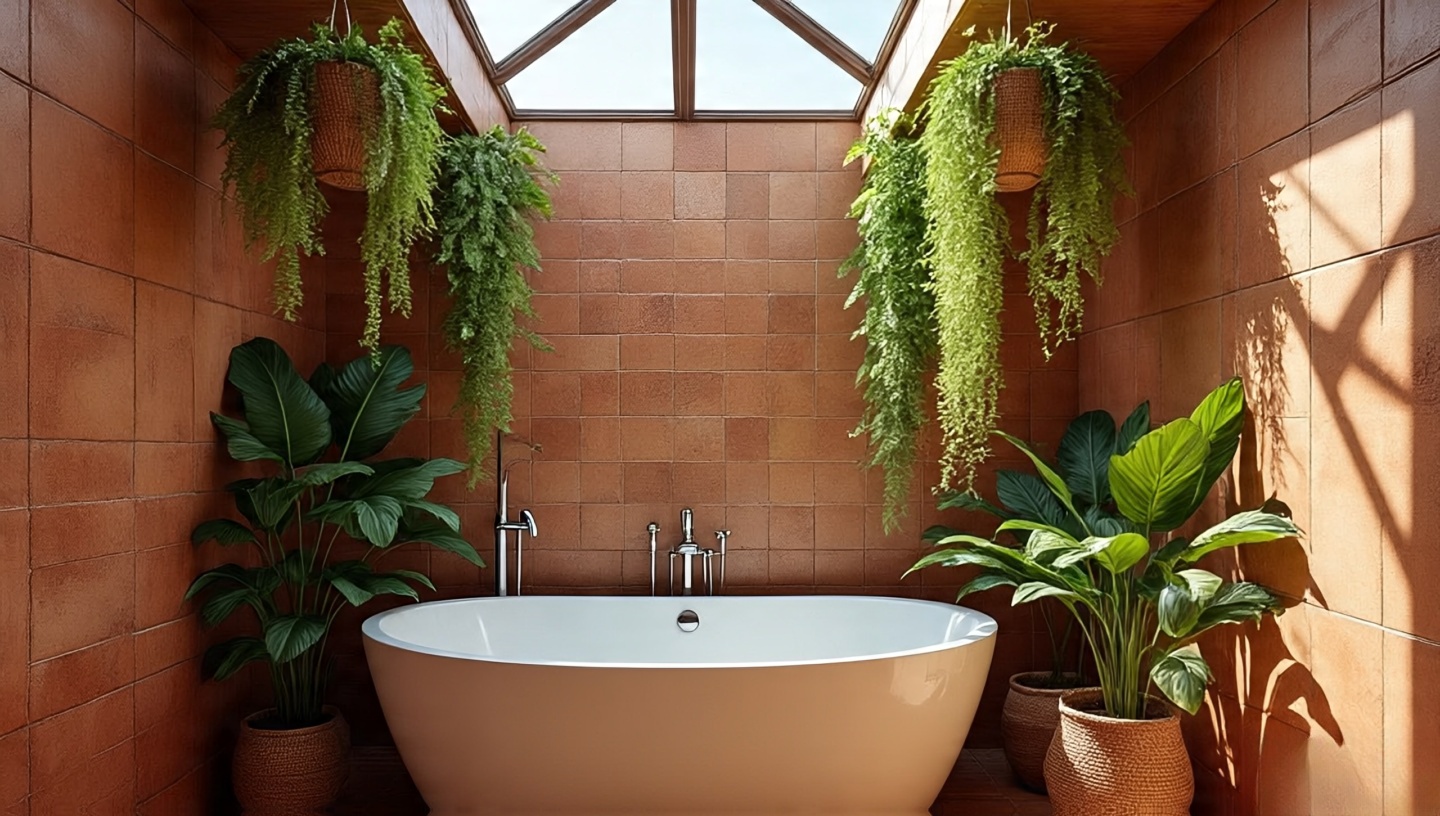
- More ideas: for layouts and textures that play well with moisture, visit 48 Boho bathroom ideas.
48) Style with the senses: scent, sound, and touch
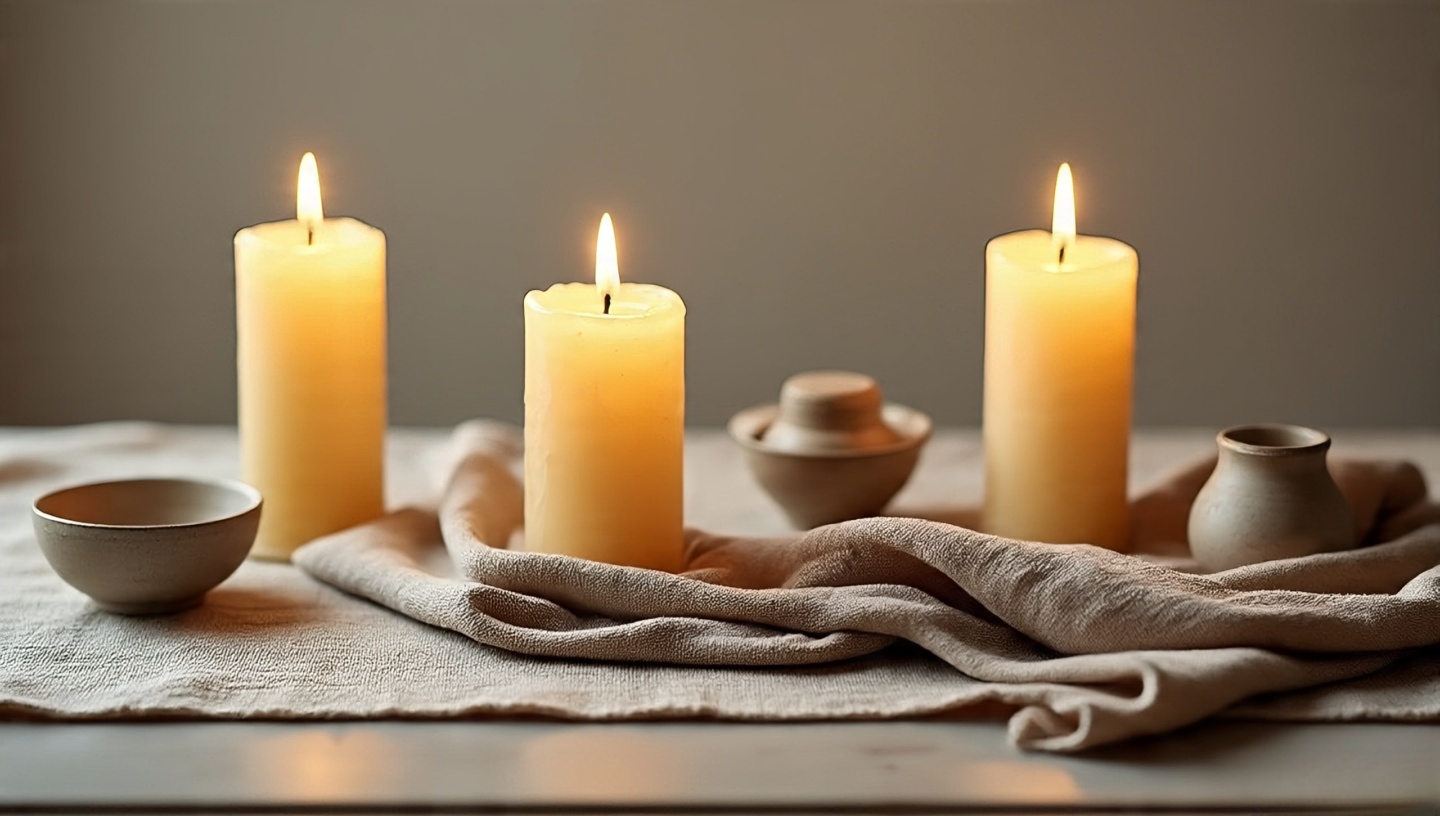 Furniture is only half the story. The atmosphere makes the rest.
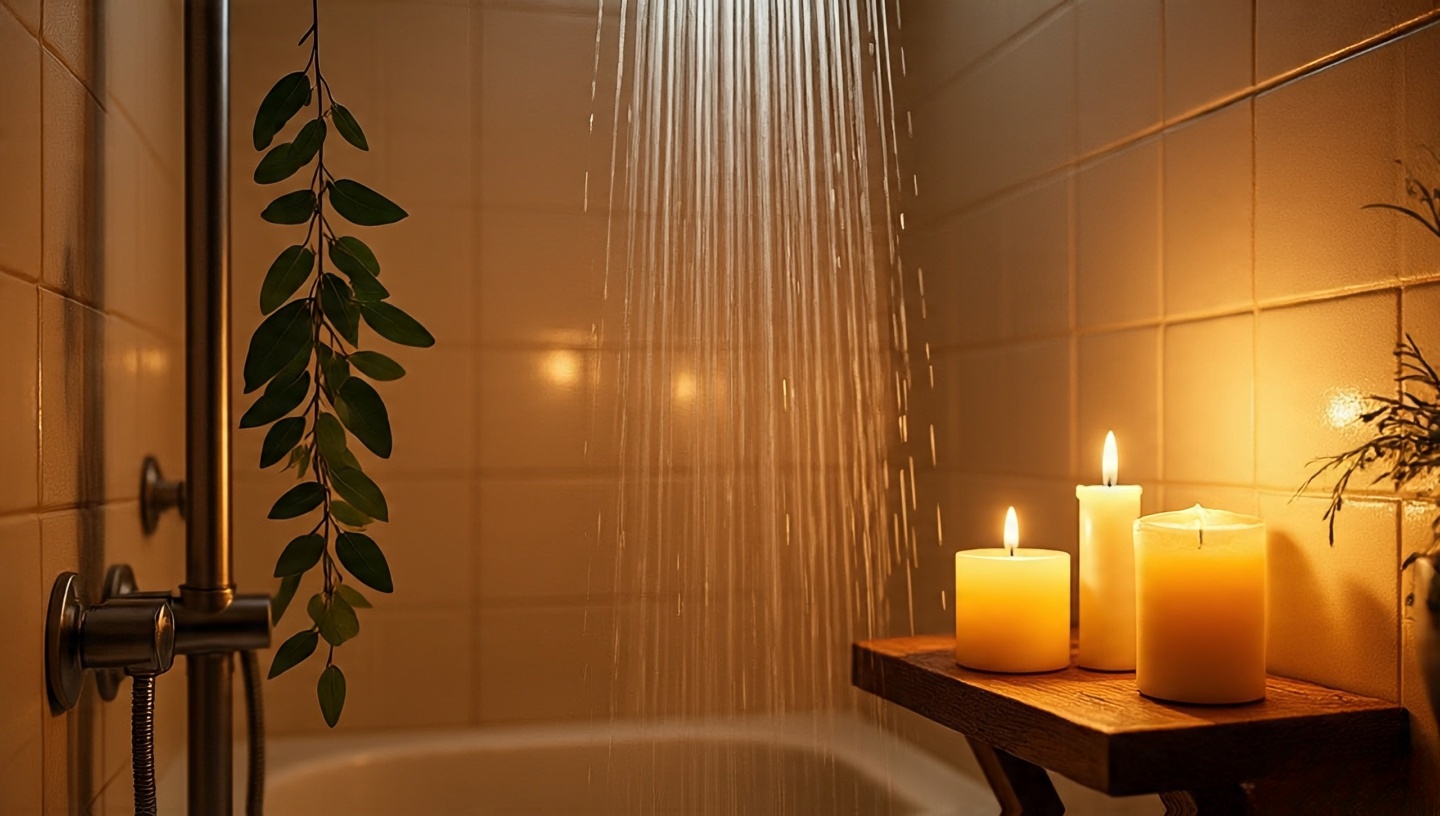
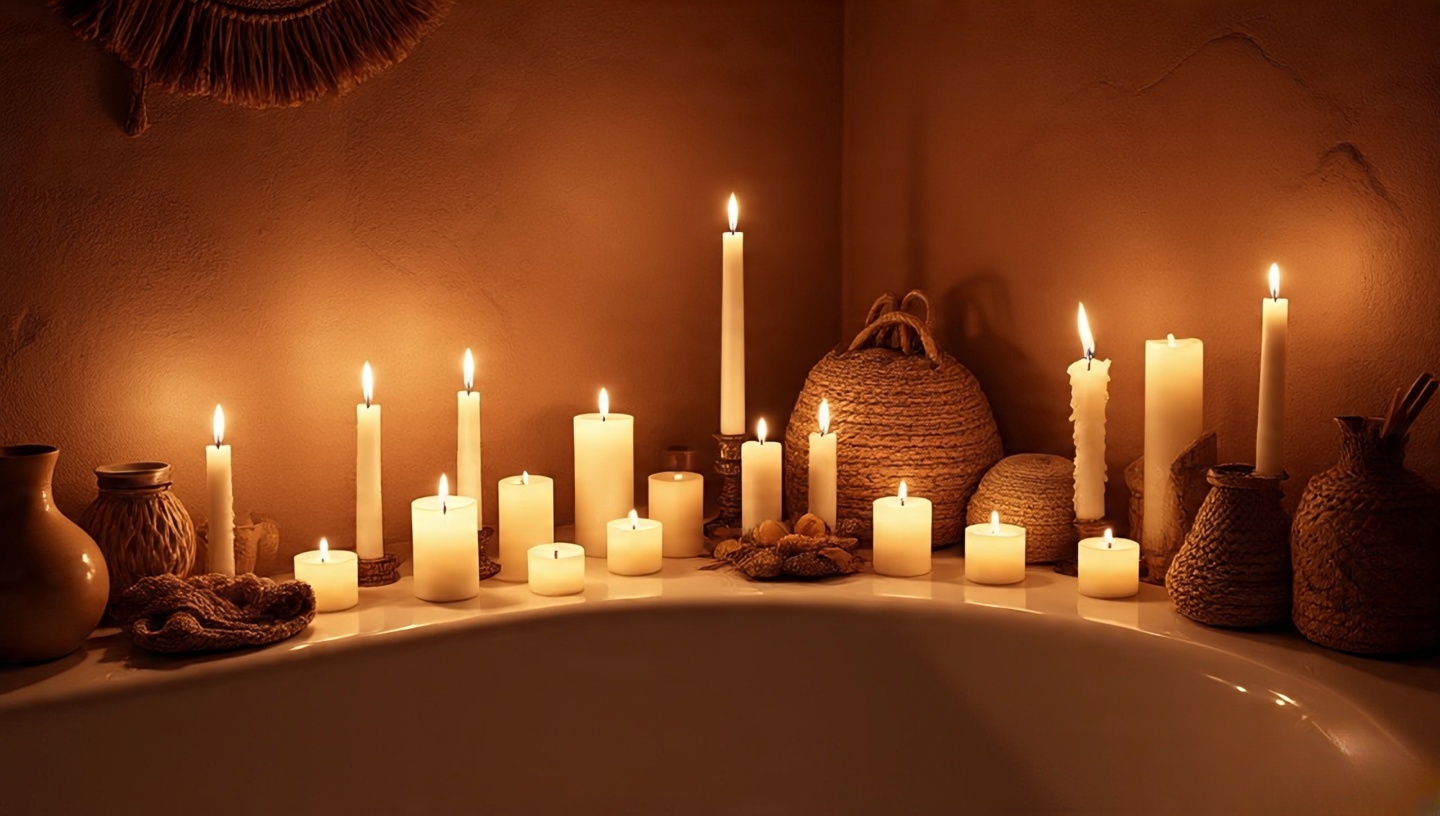
- Scent: beeswax candles smell like warm honey. A tiny ceramic dish of cedar chips near the entry resets your breath after a long day.
- Sound: layered rugs and linen drapes hush echo. A low table lamp acts like a dimmer for voices.
- Touch: mix nubbly cotton throws with smooth-glazed ceramics. Your hands should know where to land without looking.
49) The 70-20-10 mix rule, applied to real rooms
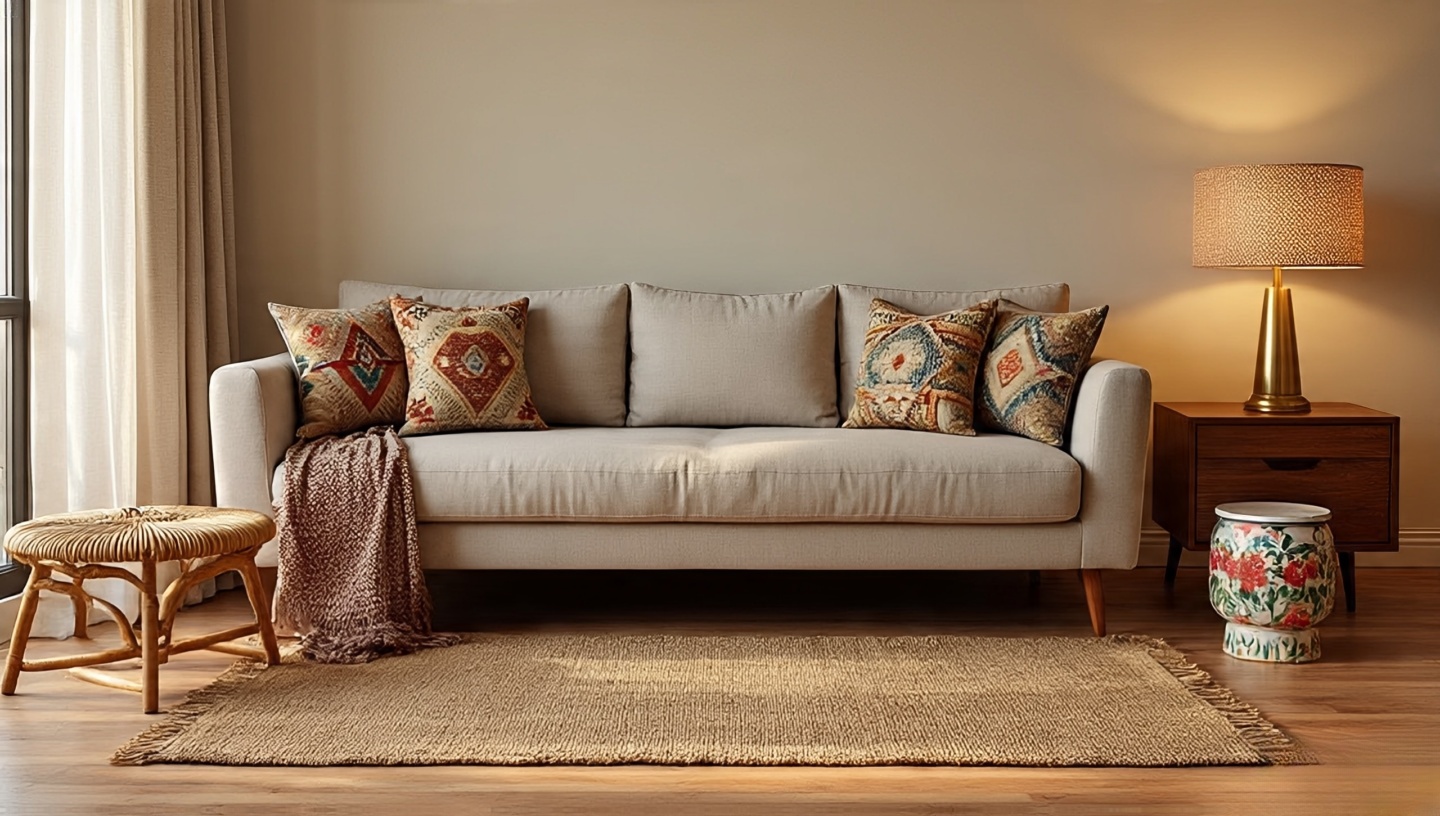 Seventy percent calm basics, twenty percent textured accents, ten percent wild card. It reads intentional even when life gets messy.
- Example: linen sofa, wood credenza, jute rug (70). Kilim pillows, rattan chair, brass lamp (20). Hand-painted side table in a spicy color (10).
- Audit trick: take a phone photo and switch to grayscale. If one element still shouts, it is color or contrast heavy. Adjust before buying more.
- Architect’s tip: keep the 10 percent mobile small tables, stools, art. They let you change the mood in an afternoon.
50) Seasonal switch-outs that feel like fresh air
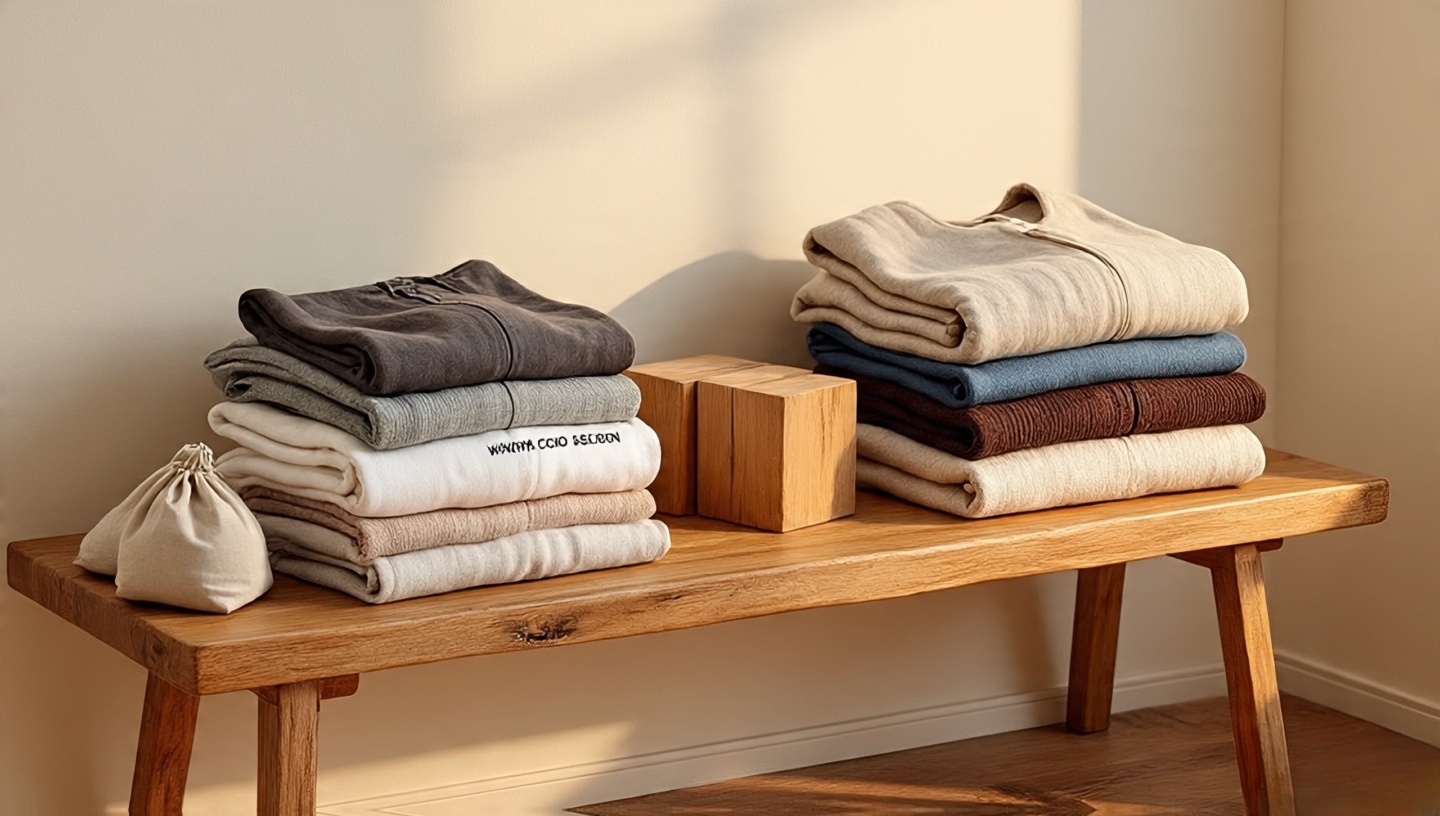 Rooms breathe with the weather. Swap, don’t overhaul.
- Warm months: cotton and linen covers, lighter drapes, a bowl of citrus on the table. The room smells brighter instantly.
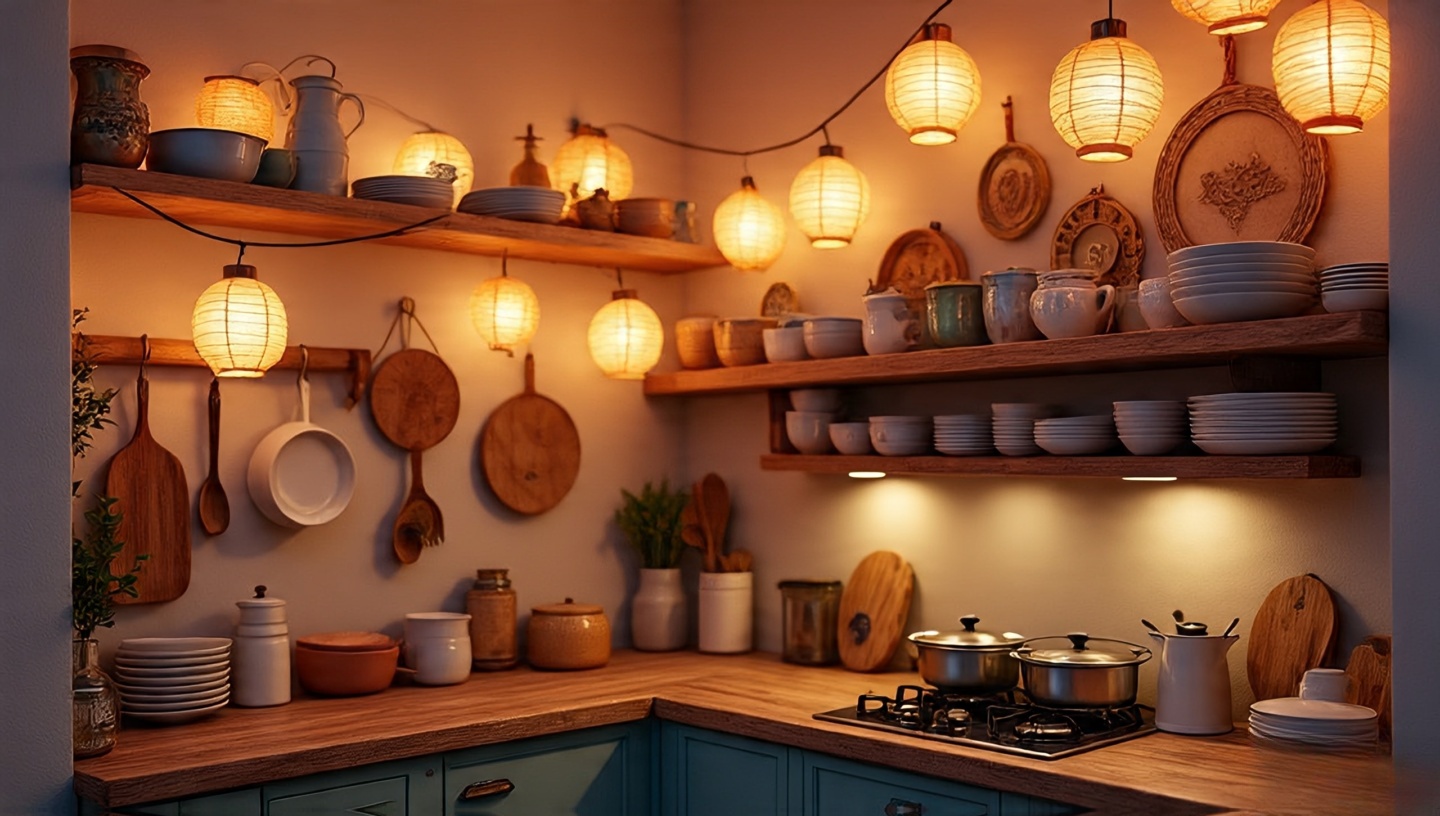
- Cool months: wool throws, velvet cushions, thicker rug layers. Add a paper lantern for a soft winter halo.
- Storage method: wash textiles, then store in breathable cotton bags with cedar blocks. They emerge months later smelling like a forest floor.
- Bonus move: rotate small art prints with the seasons the wall reads new and your furniture feels freshly chosen.
51) Build a Boho room by budget tiers that actually makes sense
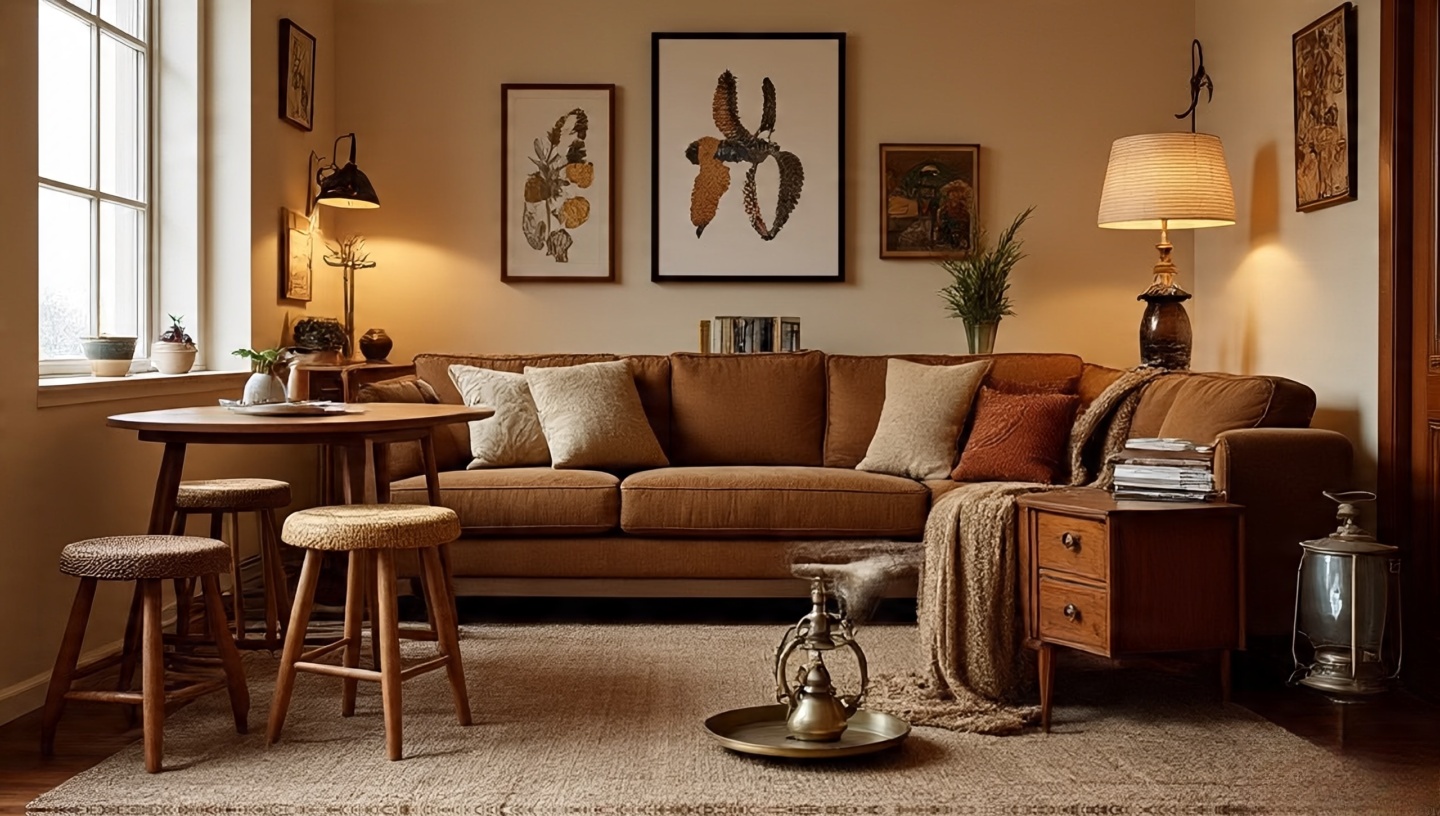 Here is how I allocate money on real projects when the goal is soulful, durable, and flexible. Spend where hands and eyes land daily. Save where style can carry the weight.
- Anchor pieces, 45 to 55 percent: the sofa or daybed, a solid wood credenza, a dining table that does not wobble. Choose frames that can be reupholstered or refinished so the room ages gracefully instead of expensively.
- Workhorse surfaces, 20 to 25 percent: rugs and window treatments. Go jute plus a small kilim overlay for value and texture. For drapes, unlined linen looks poetic but leaks light; a thin cotton lining gives you control without killing the glow.
- Accent seating and tables, 10 to 15 percent: a rattan lounge, a vintage trunk, two nesting tables. This is your rhythm section. Mix curve with straight, airy with solid.
- Lighting and atmosphere, 5 to 10 percent: paper lantern, a sturdy floor lamp, two table lamps with linen shades. Put them on dimmers. The sound of the room changes when light softens.
- Art and objects, 5 to 10 percent: handmade over mass printed. A single woven basket with story beats five generic trinkets.
Where to save without regret: stools, side tables, frames, and trays. Thrift them. Sand, oil, and add felt pads. The patina you earn becomes part of the Boho language.
Where not to skimp: sofa suspension, drawer runners, and chair stability. Sit, open, tug, lean. If it groans new, it will complain loudly in six months.
Quick starter kit on a tight budget: paper lantern, 200 by 300 cm jute rug, one vintage stool, one brass tray, and a secondhand wooden bench as media stand. Five moves. Big change.
52) Trust your hand more than the algorithm
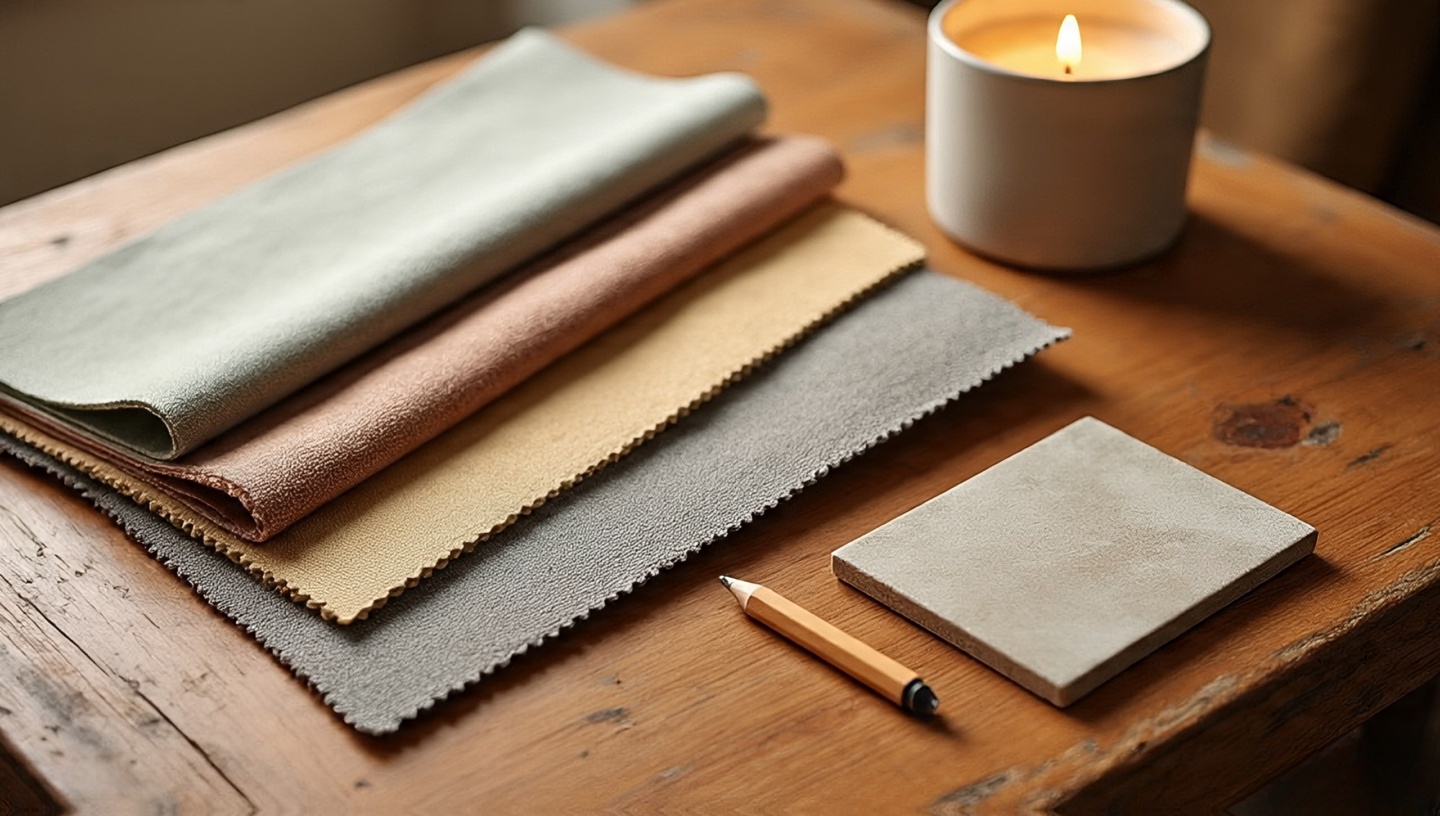 After 30 years, my best tool is still my palm and my gut. Hold two fabrics. Which one makes your shoulders drop. Touch two wood finishes. Which one feels like a good handshake. That is the keeper.
- Five-minute edit: walk the room once with a laundry basket. Anything you do not love to touch goes in the basket. Put back only what your hand reaches for twice.
- Photo test: take a quick phone shot, convert to grayscale, and squint. If one element still shouts, it is too contrast heavy. Either move it or give it a calmer neighbor.
- Sound check: slide a chair, set down a cup, walk the path. If the room sounds sharp, add a runner or change a shade. Boho should murmur, not clang.
- Small ritual: light a beeswax candle at dusk and sit for five minutes. The way the room holds that light tells you what to adjust tomorrow.
Practical micro-tips that make a big difference
Because a lived-in room earns its comfort:
- Use felt pads under legs so chairs glide and floors stay quiet.
- Balance every airy piece rattan, open metal with one solid element wood trunk, upholstered ottoman.
- If a corner feels dead, add a small lamp and a plant with broad leaves. Light and leaf shape fix more rooms than new paint.
- When in doubt, lower it. Lower art, lower table lamps, lower seating. Boho layout feels grounded.
Common challenges and how to solve them
Too many small things. Edit. Keep the pieces that feel great to the touch and donate the rest. A room drowning in trinkets loses its heartbeat.
Colors fighting. Pull one textile that has all your hues and use it as the cheat sheet. Everything else must nod to it.
Clutter anxiety. Add hidden storage benches with lids, baskets with liners, credenzas with soft-close doors. It’s fine for life to be messy; it’s kinder when mess has a home.
Where global finds meet local life
I once carried a hammered tray home wrapped in a scarf that smelled like cardamom. Now it sits on my table under a bowl of oranges and a small stack of postcards. That’s the heart of a global Boho room. Memory wrapped in use. Function wrapped in story.
Want the full-home view?
If you’re building a look room by room, circle back to these Bohemian interior design ideas and weave them through your choices. And for color confidence across woods, textiles, and metals, I rely on the Bohemian color and material palettes guide. Each will keep your furniture choices singing from the same hymn sheet.
Try this at home this week
Pick two ideas from above. Maybe it’s angling one chair and layering a small kilim over your base rug. Maybe it’s swapping your coffee table for a trunk and adding a lamp with a linen shade. Light a candle with a scent you love. Sit down. Listen to how the room sounds now. Sometimes all a space needs is a nudge, not a renovation. And that’s the magic.
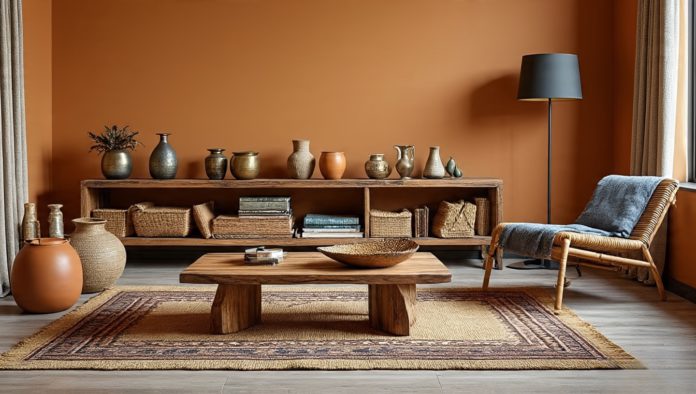
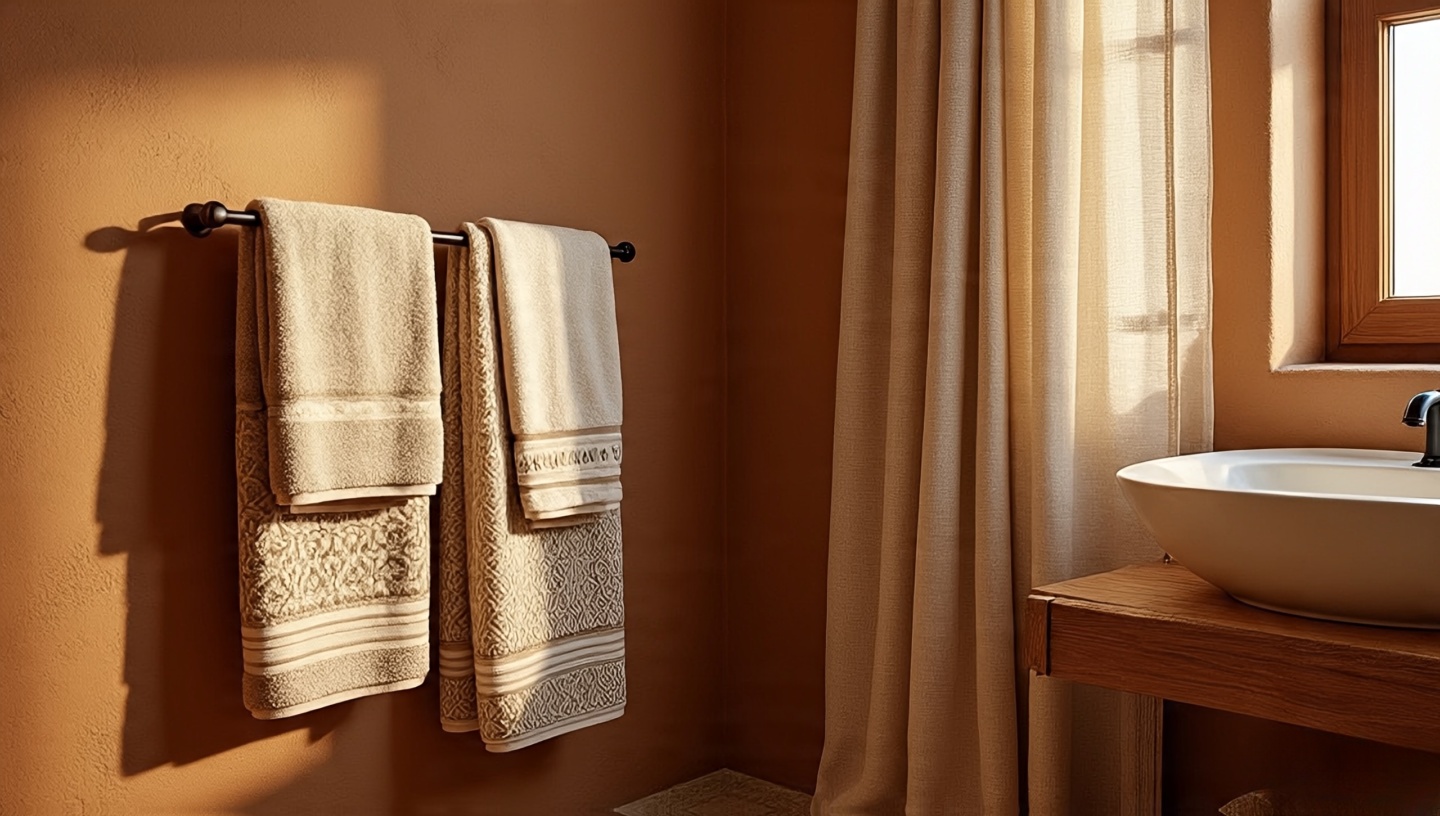
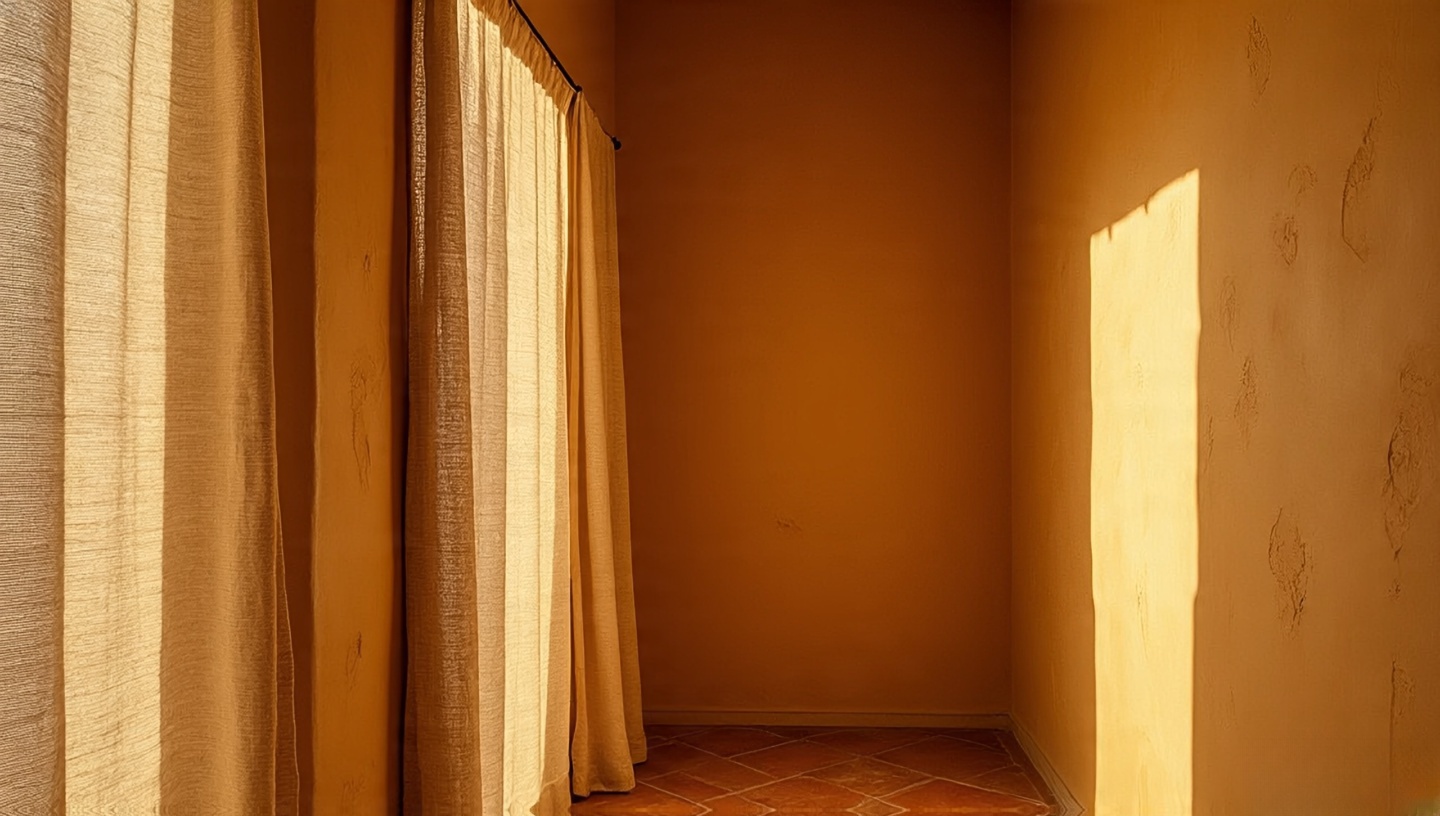 I once painted a narrow hallway with ochre limewash, and every morning it looked like desert light had spilled indoors. These colors muted yet radiant do more than decorate; they steady you. My advice: avoid synthetic gloss. Choose clay-based paints or textured finishes so the wall feels alive under your hand. And pair it with rough linen curtains; the combination grounds the space like stone meeting fabric.
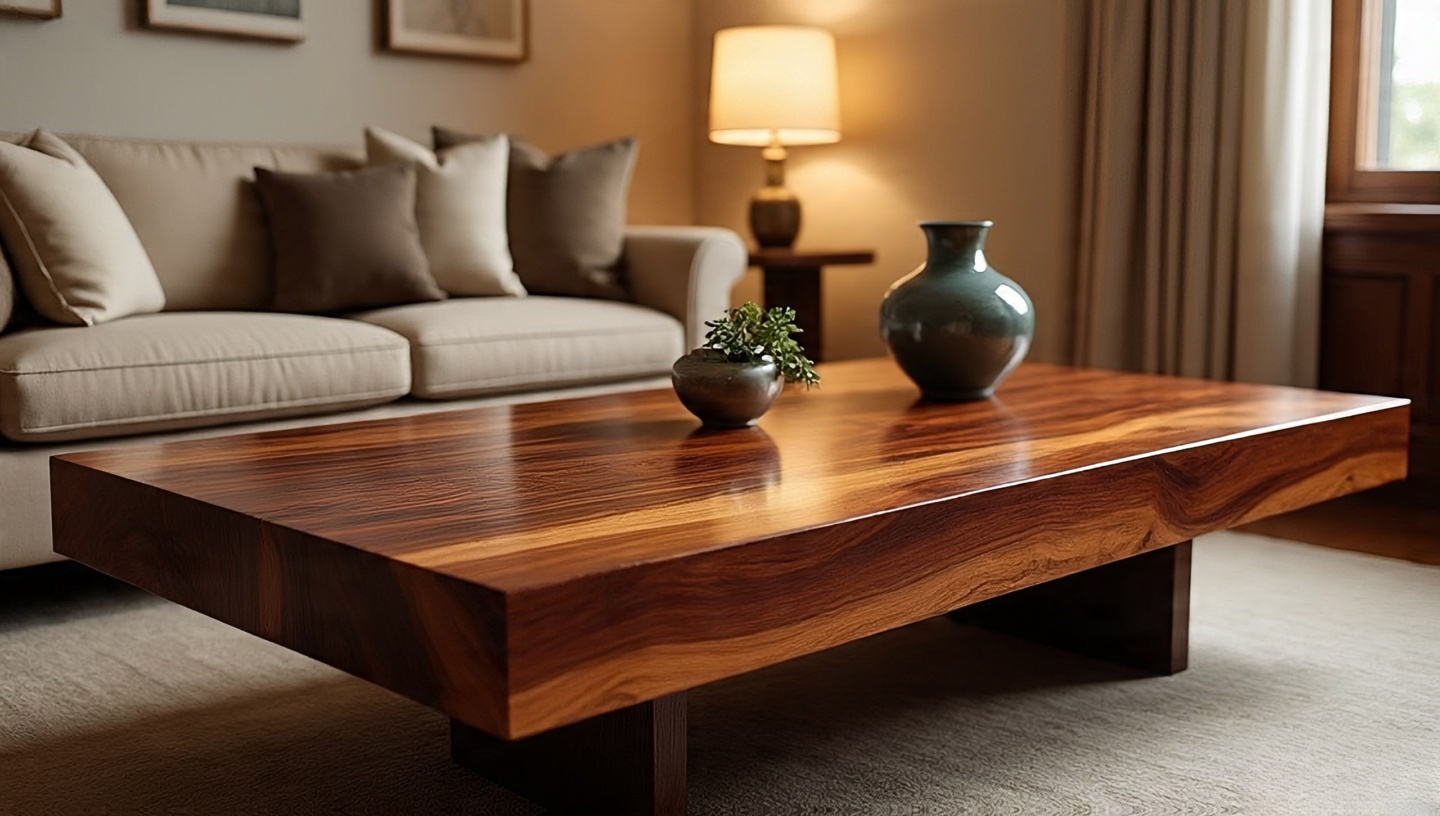 Mahogany is a conversation starter. Its reddish undertones warm a room without needing much else. In one project, I placed a mahogany coffee table in a pale room and watched it command respect, like an anchor. But here’s the trick: don’t lacquer it to perfection. Allow the wood’s natural pores to show imperfections make it approachable rather than intimidating.
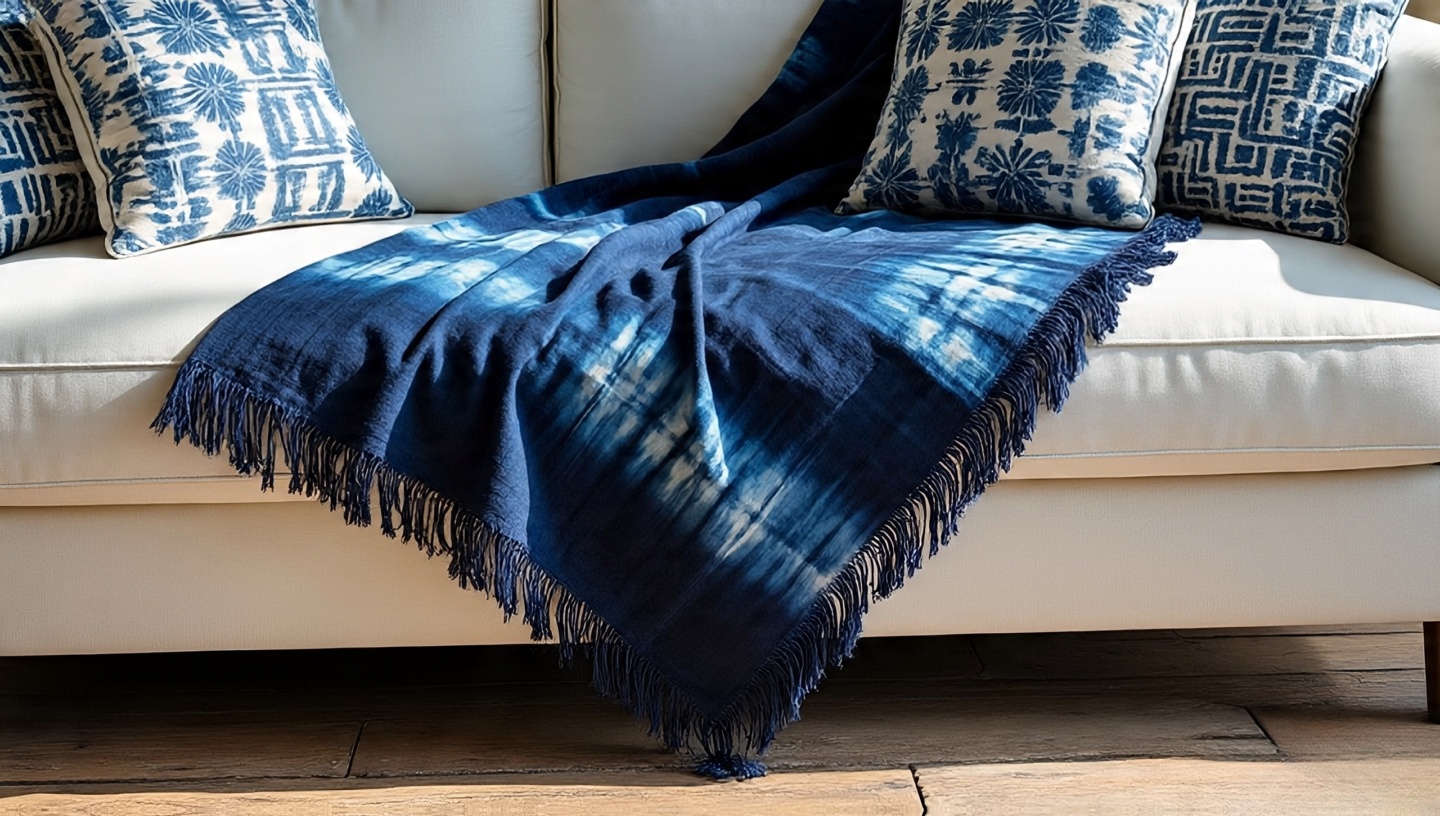 Have you ever unrolled an indigo-dyed throw and caught that faint earthy scent of natural dye? It’s like history woven into cloth. Indigo works best when layered against light neutrals. I draped one across a white sofa once, and suddenly the space felt like it belonged to a traveler, not a showroom. For balance, sprinkle a few smaller indigo accents pillows or a wall hanging so the palette doesn’t swallow the room whole.
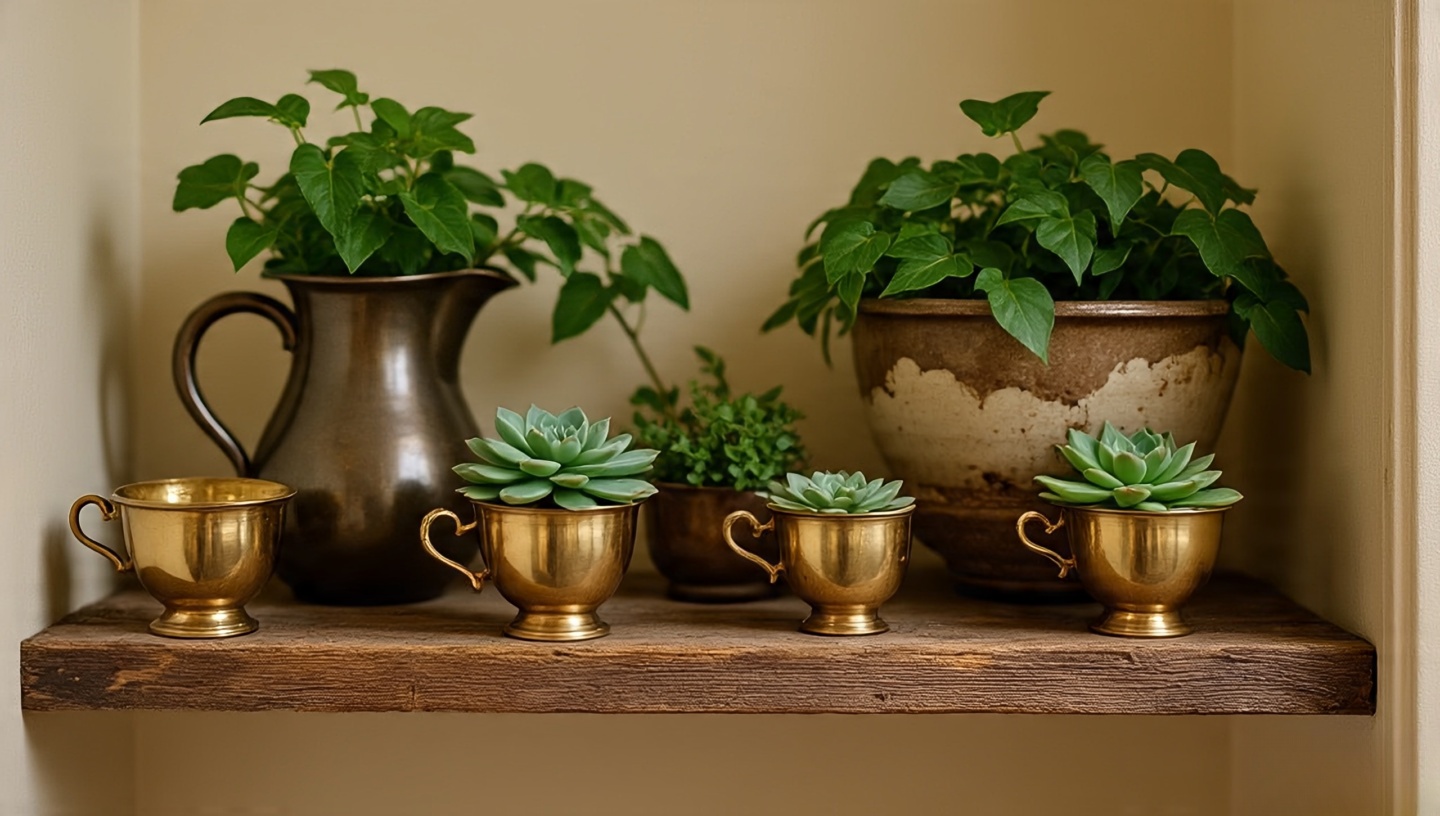
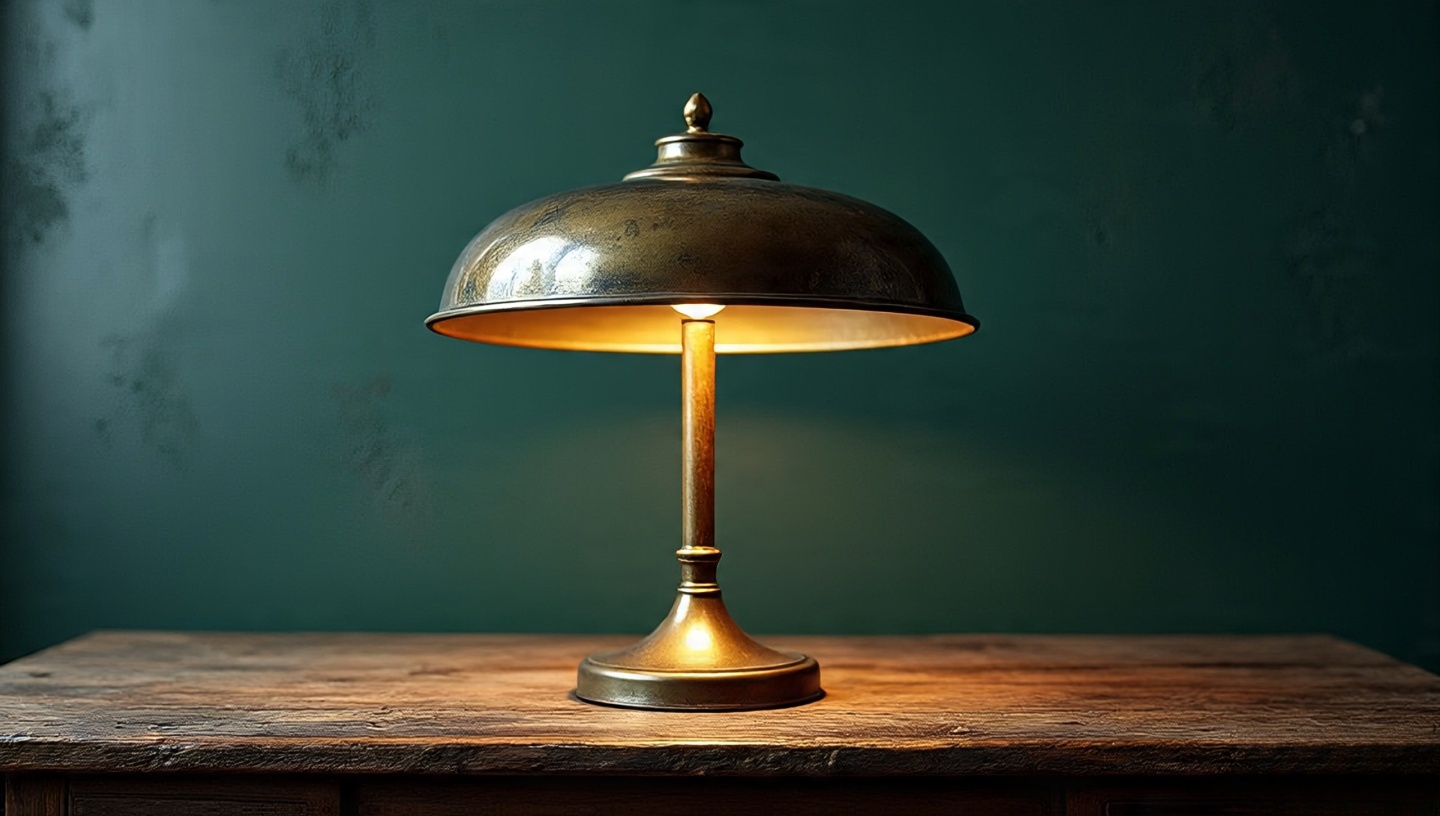 I have a brass lamp on my desk that has aged with me for decades. Its patina has shifted from shiny to mellow, and that’s the beauty of brass: it grows old gracefully. Many clients worry when their brass dulls don’t. That soft gleam in candlelight is worth more than mirror shine. Use it where you want warmth: sconces, trays, even drawer handles. And remember, brass pairs beautifully with deep blues or forest greens.
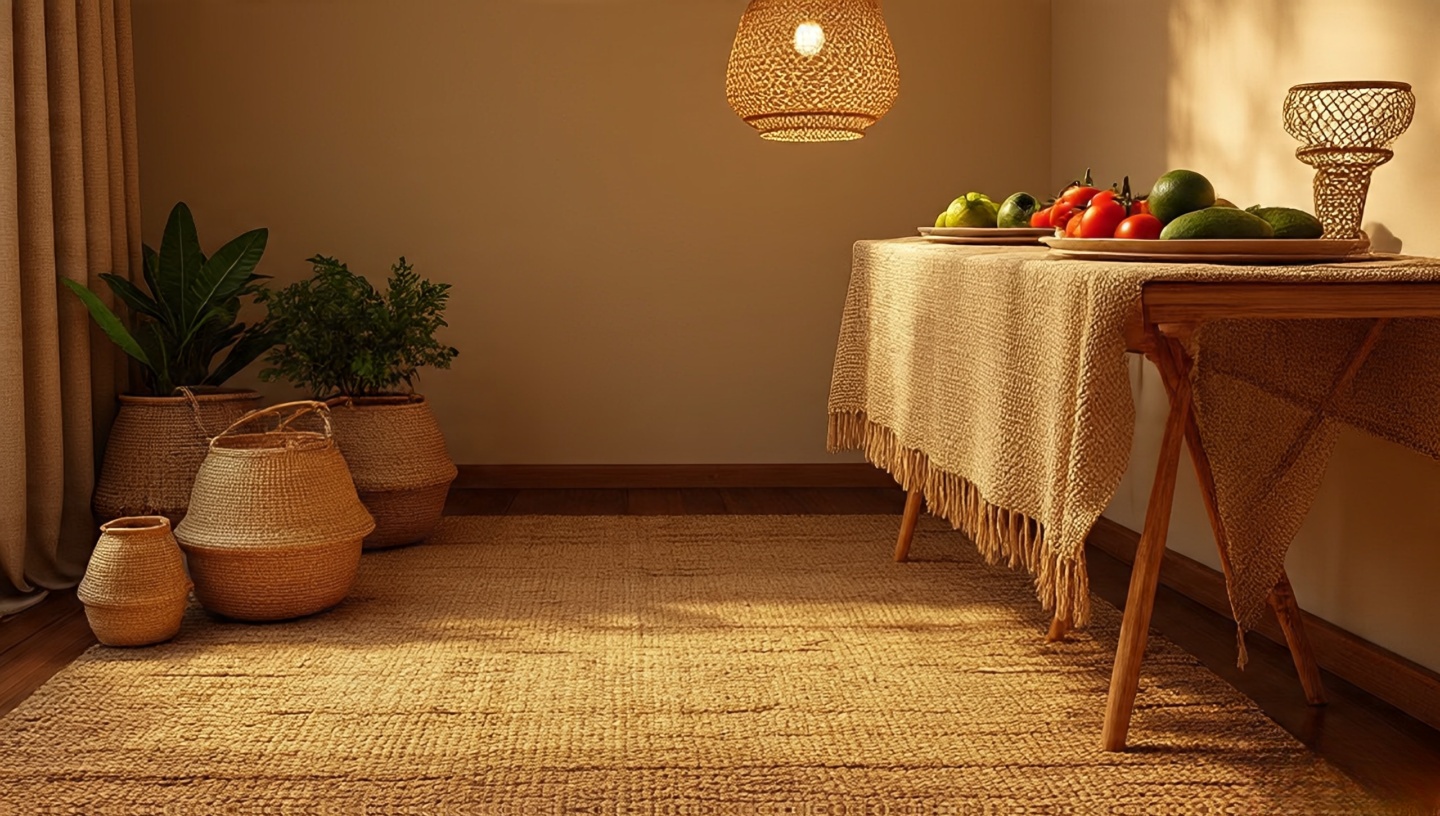
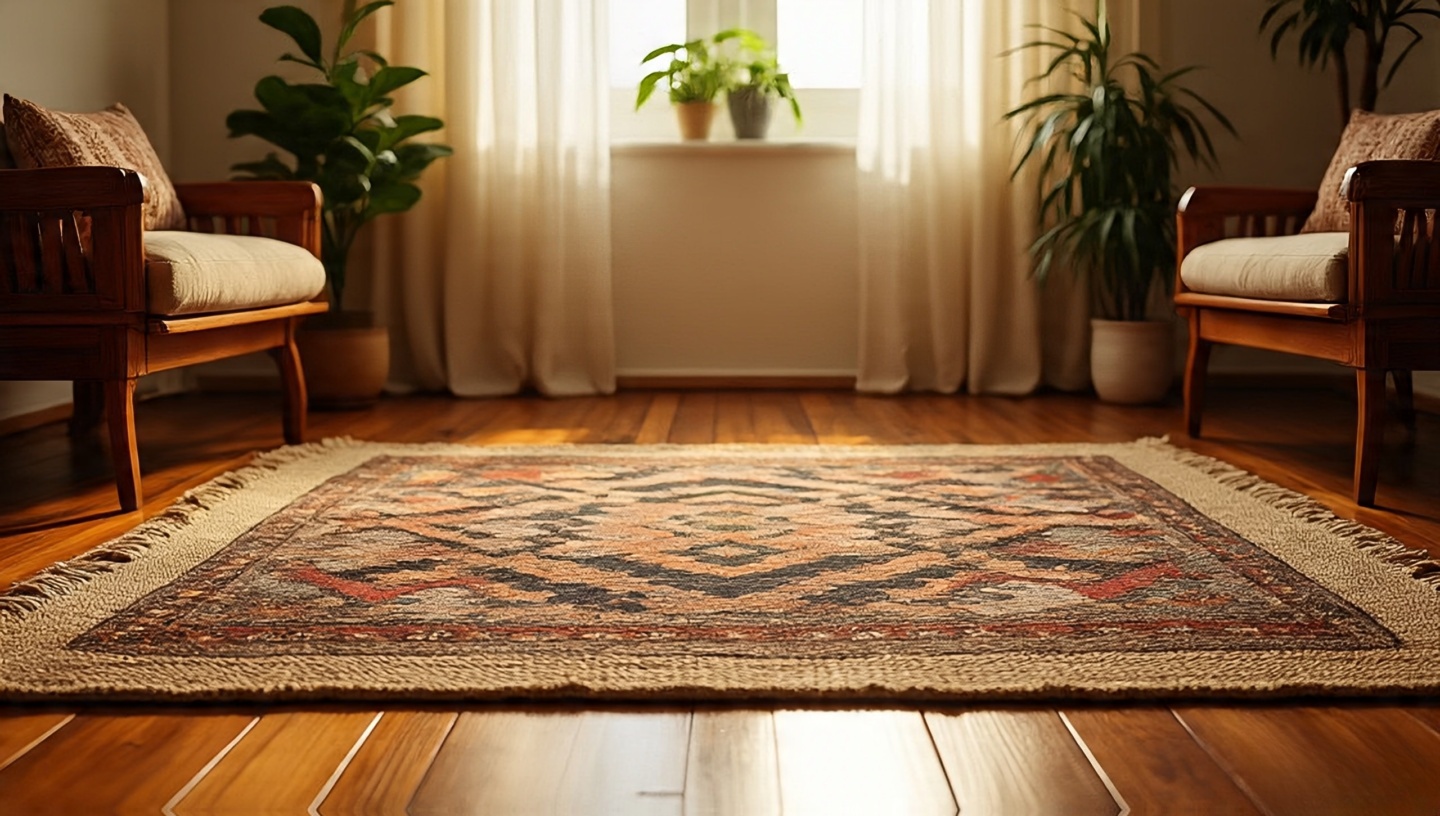 Step barefoot on jute and you’ll feel its rustic honesty scratchy, but grounding. I often use sisal as a base rug, then throw a patterned kilim on top. This layering is not just aesthetic; it adds insulation and comfort. Practical tip: if you’re placing a jute rug in a living area, add a felt underlay. It not only protects the fibers but softens the step without losing that earthy character.
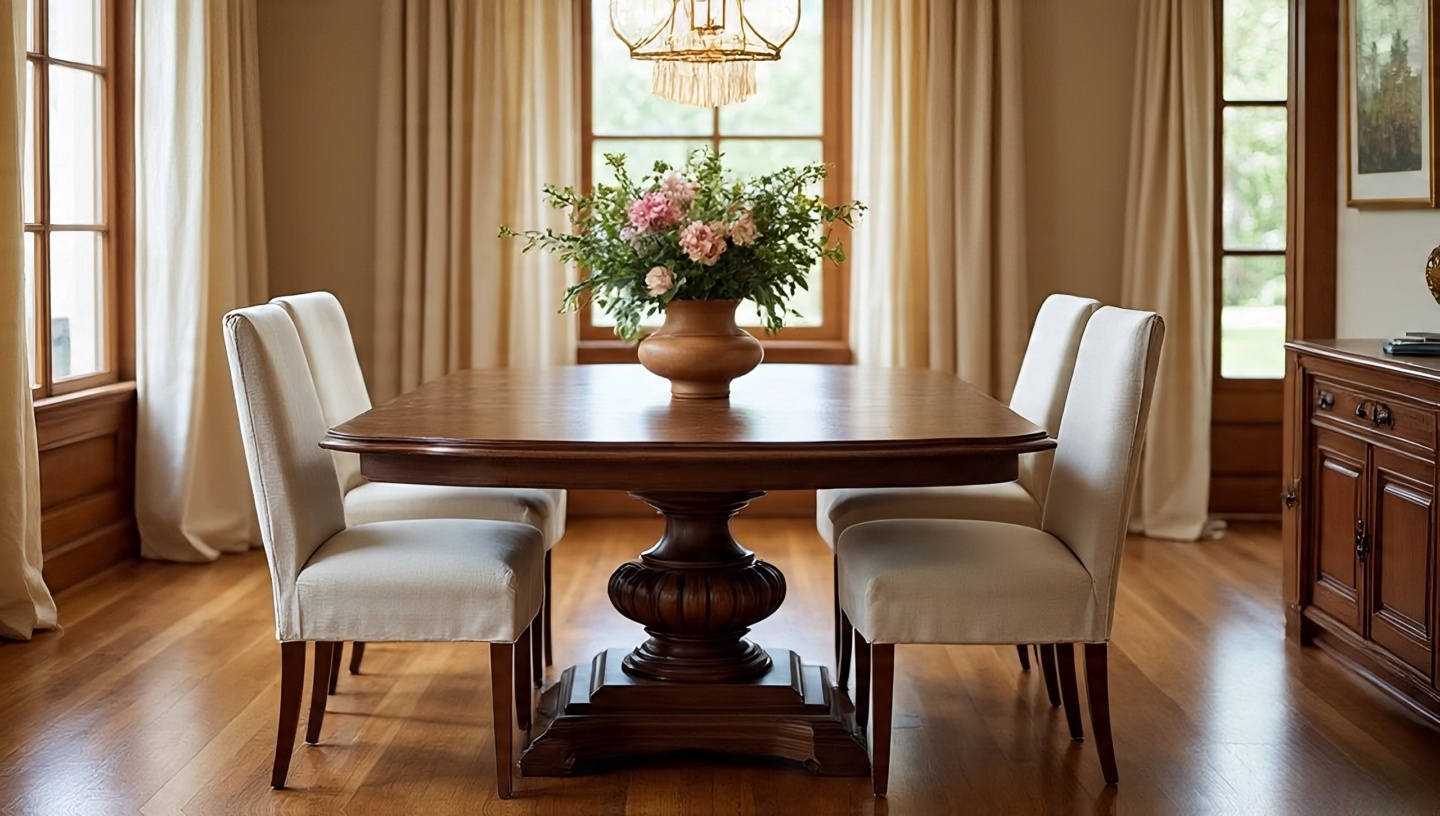 Walnut and white linen are like old friends who never argue. I designed a dining room once with walnut floors and linen slipcovered chairs, and guests always lingered longer there than in other rooms. The depth of walnut balances the airiness of linen, creating calm without sterility. Add a single bold element perhaps a terracotta vase to avoid falling into monotony.
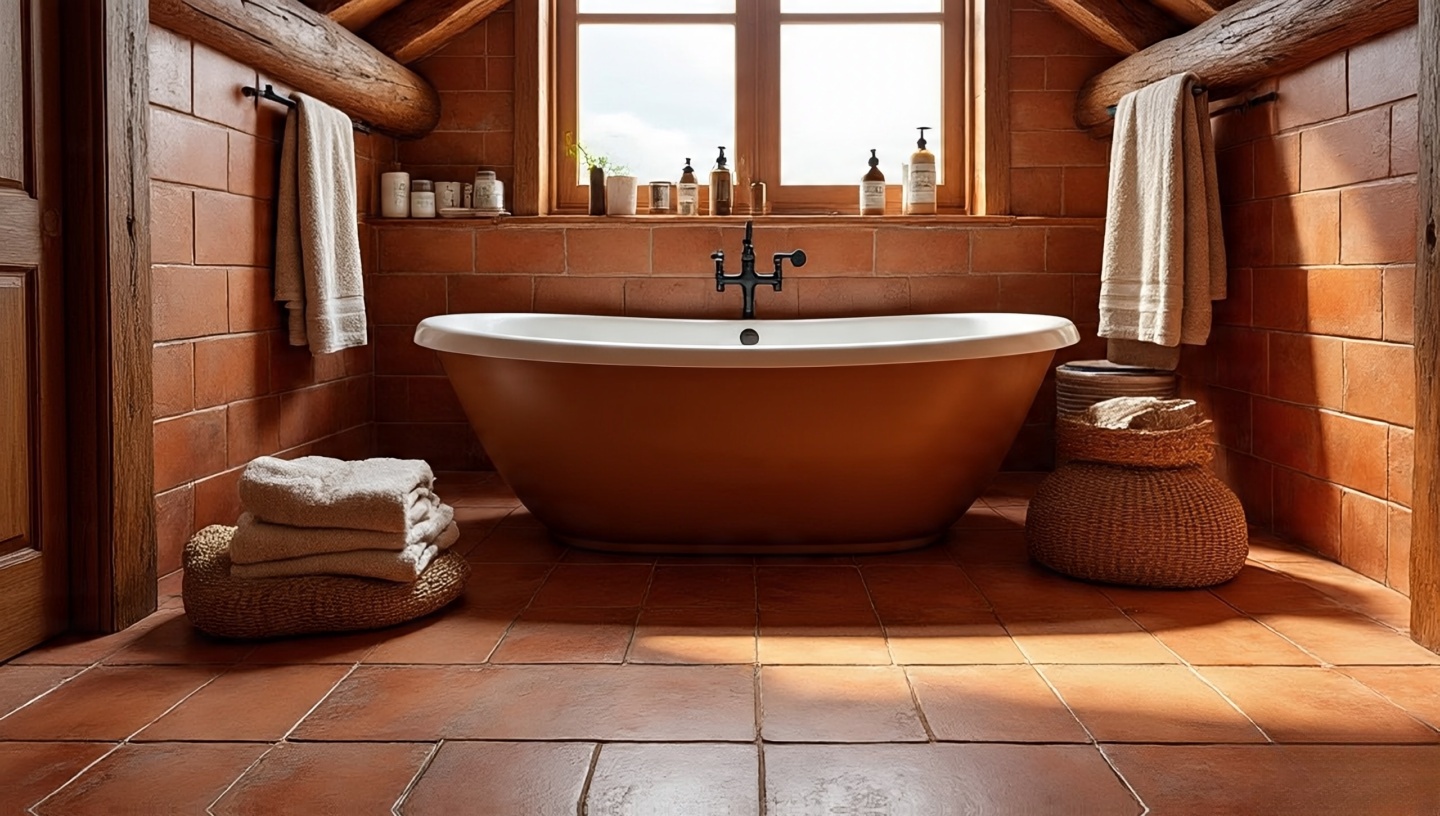
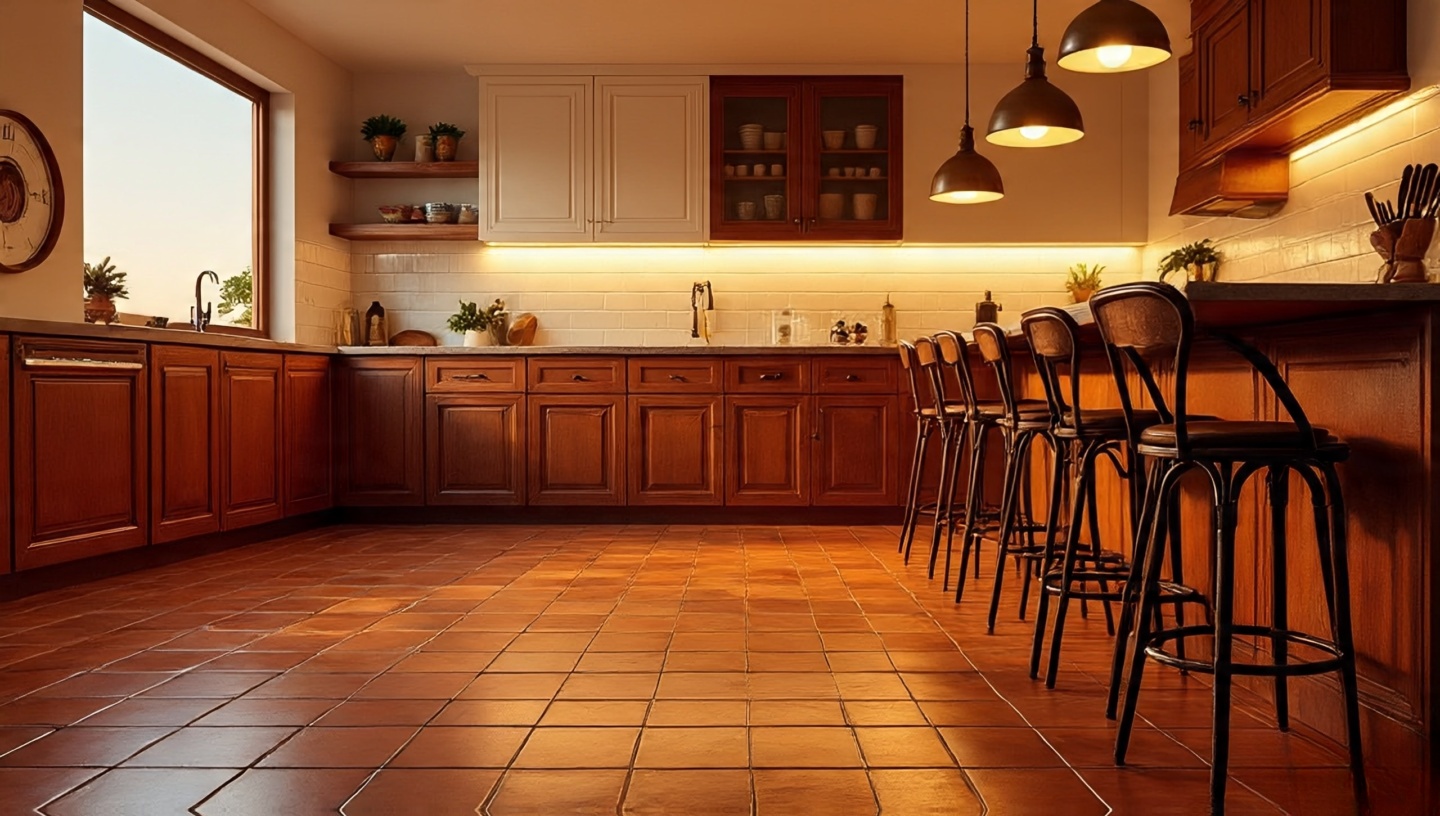 I remember laying terracotta tiles in a small kitchen. In the mornings they were cool like shaded stone, but by evening they radiated a soft heat stored from the day. This duality makes terracotta unique it changes with time and temperature. Pair it with wrought iron stools or brass accents, and you have a palette that feels Mediterranean, timeless, and practical. Tip: seal with a breathable wax, not plastic resin, so the tiles age with dignity.
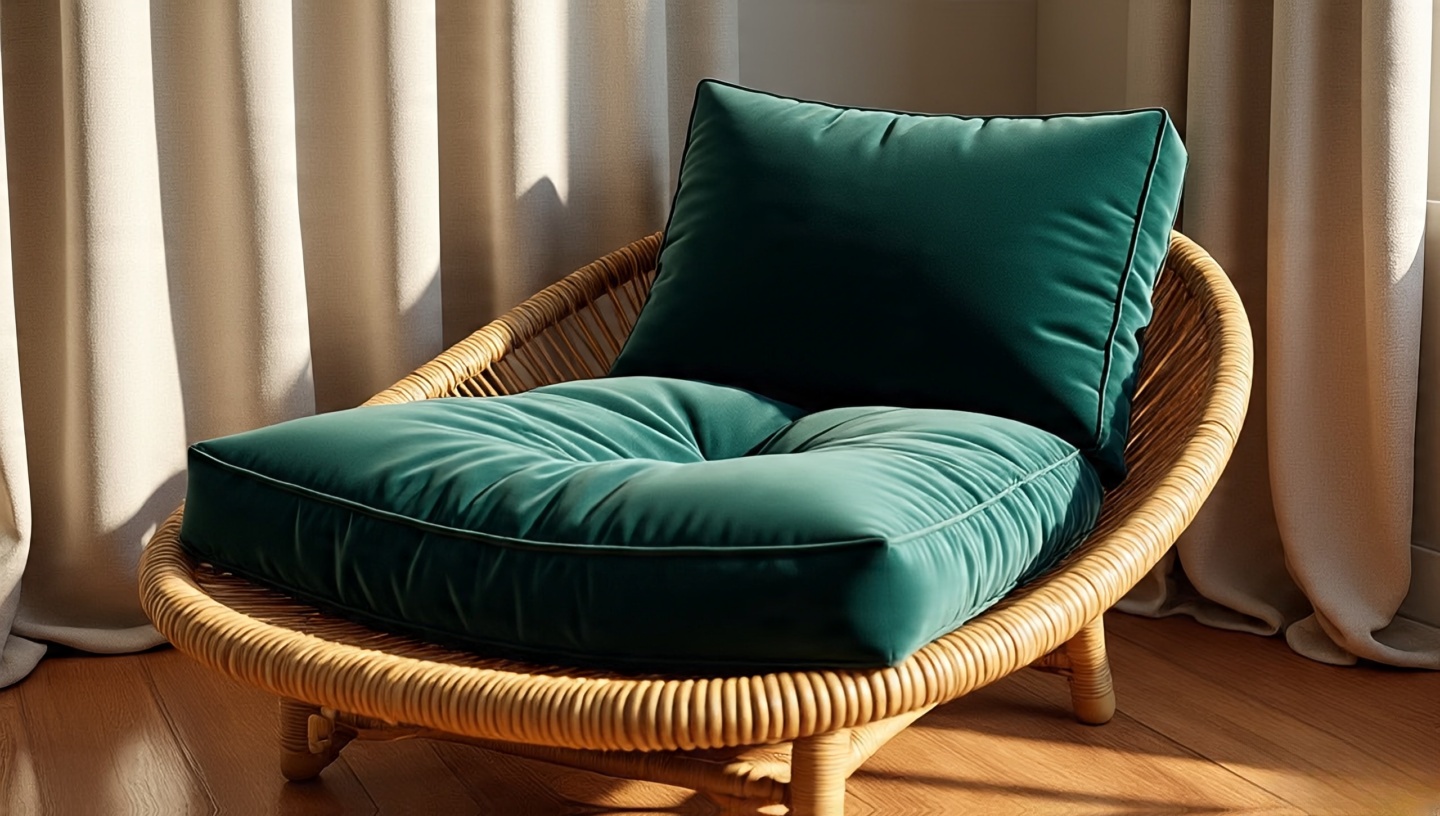 Velvet is indulgence in fabric form. But used right, it’s not luxury it’s comfort. A deep emerald velvet cushion tossed onto a sun-bleached rattan chair creates contrast that feels alive. I warn clients: too much velvet and the room becomes a stage set. Use it sparingly, like seasoning, to highlight texture against rawer materials linen, rattan, or wood.
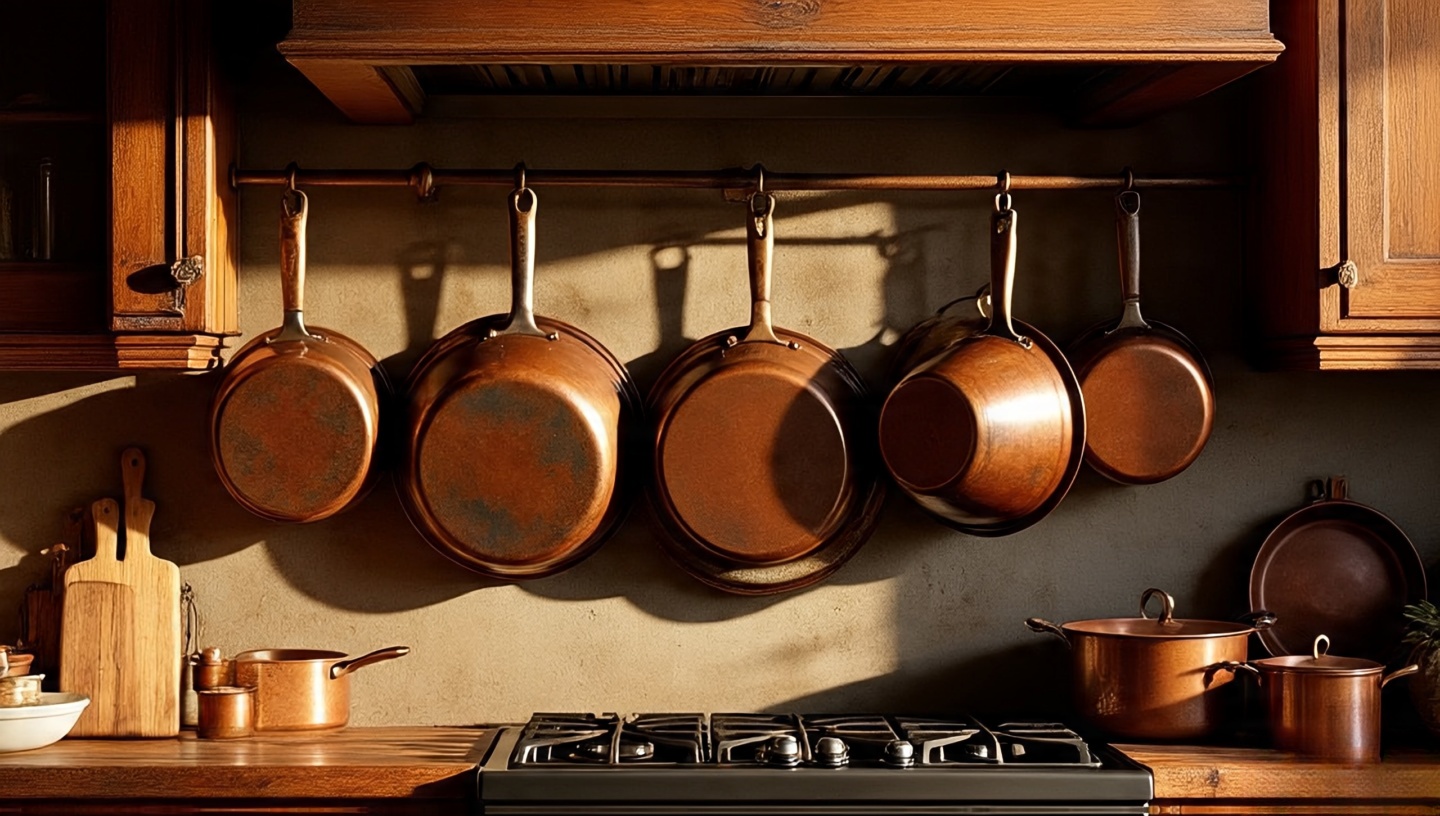
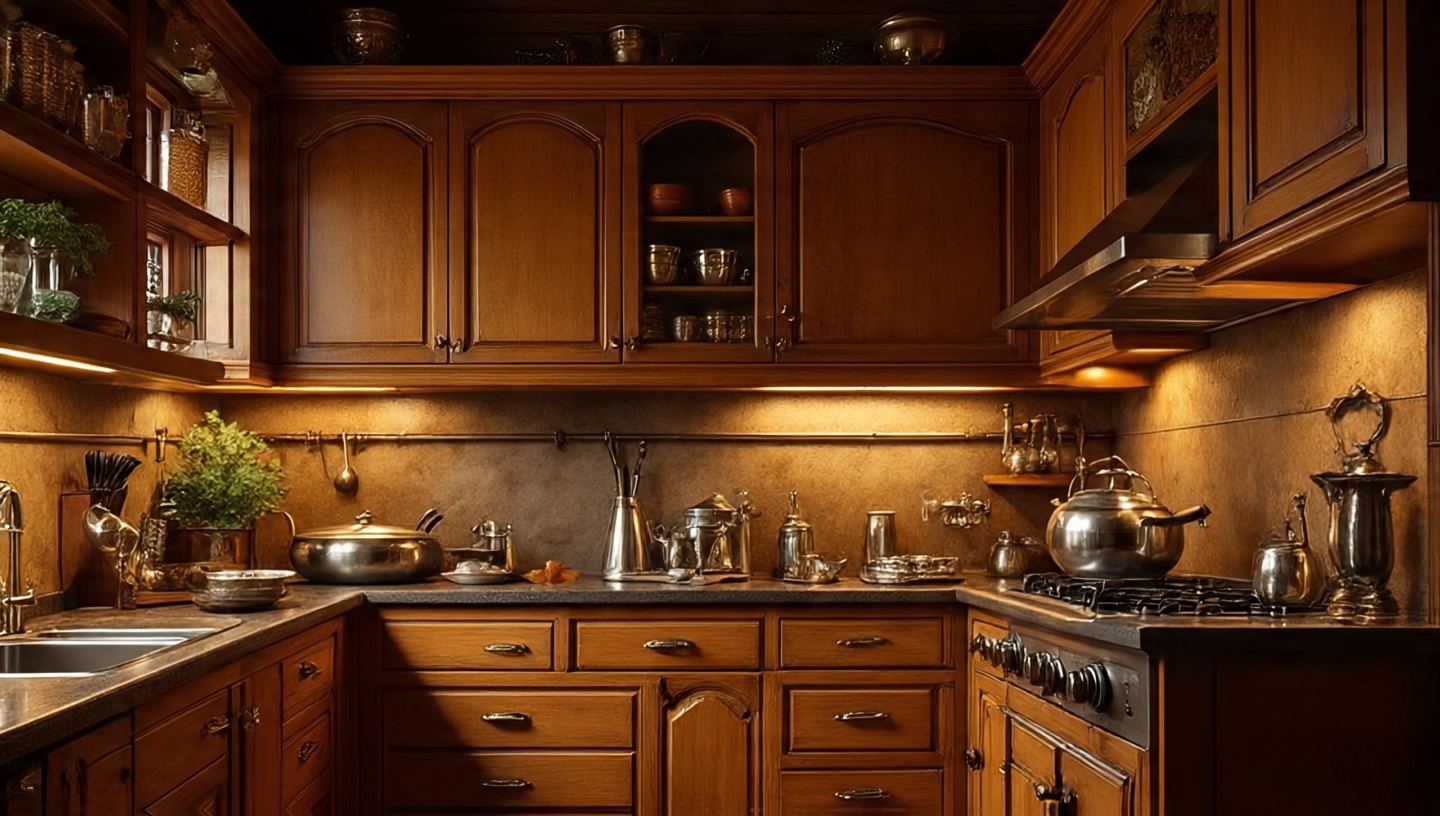
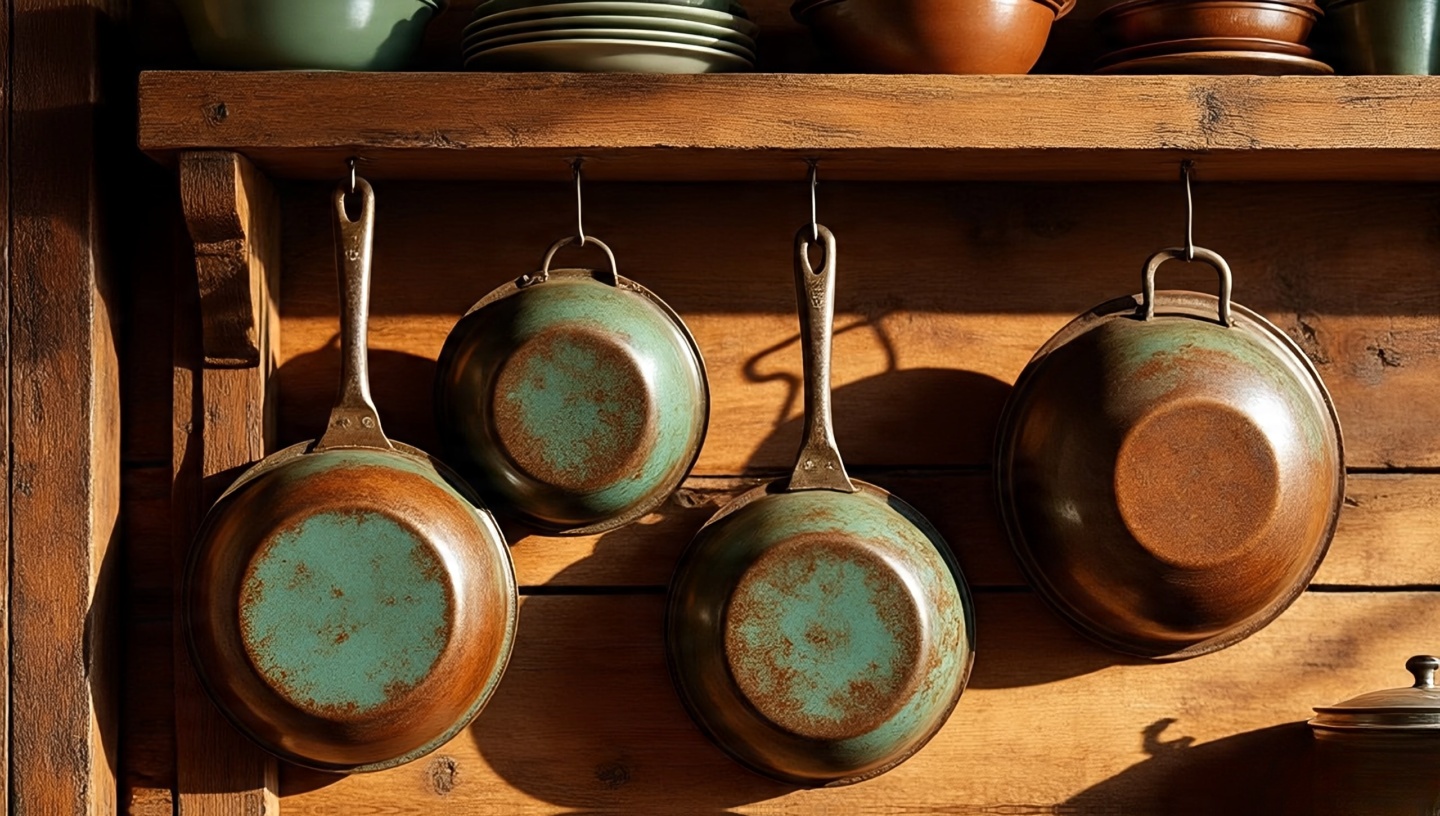 One of my fondest memories is restoring a 1920s kitchen where copper pans still hung above the stove, their patina green as moss. That natural aging isn’t decay it’s history you can see. Copper works wonders in kitchens or outdoor spaces. If you’re impatient for patina, yes, vinegar accelerates it, but I’d say let time do the work. A patina earned slowly feels authentic, like wrinkles on a well-lived face.
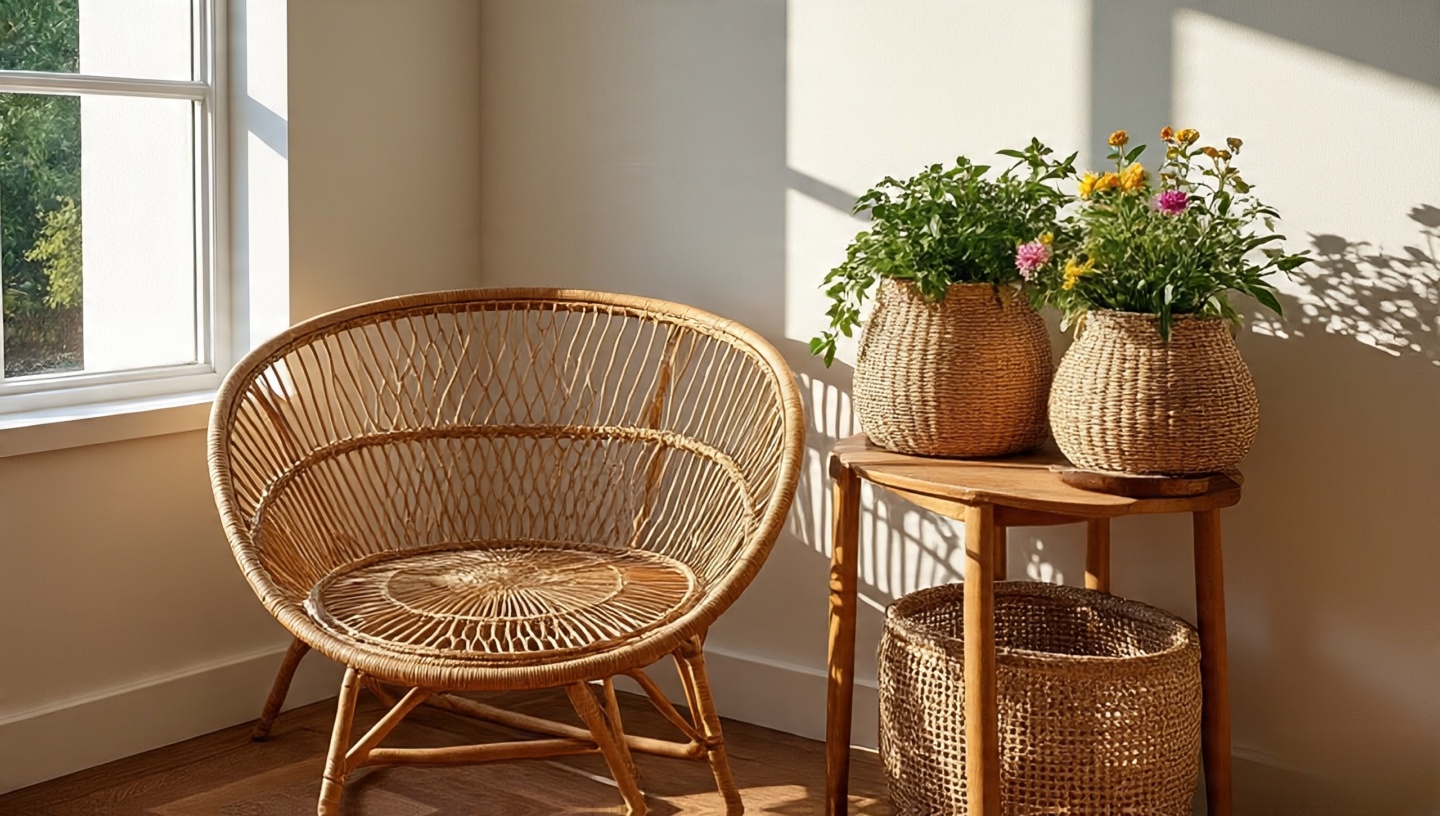 I’ll admit it: I have a weakness for rattan. Place a rattan chair by a window and listen it creaks as the seasons shift, almost like it’s breathing with the weather. Wicker baskets, meanwhile, are more than storage. They scatter light with their weave, casting tiny patterned shadows on the wall. Together, they bring movement into otherwise static corners. Practical note: avoid placing them in damp bathrooms; humidity weakens the fibers over time.
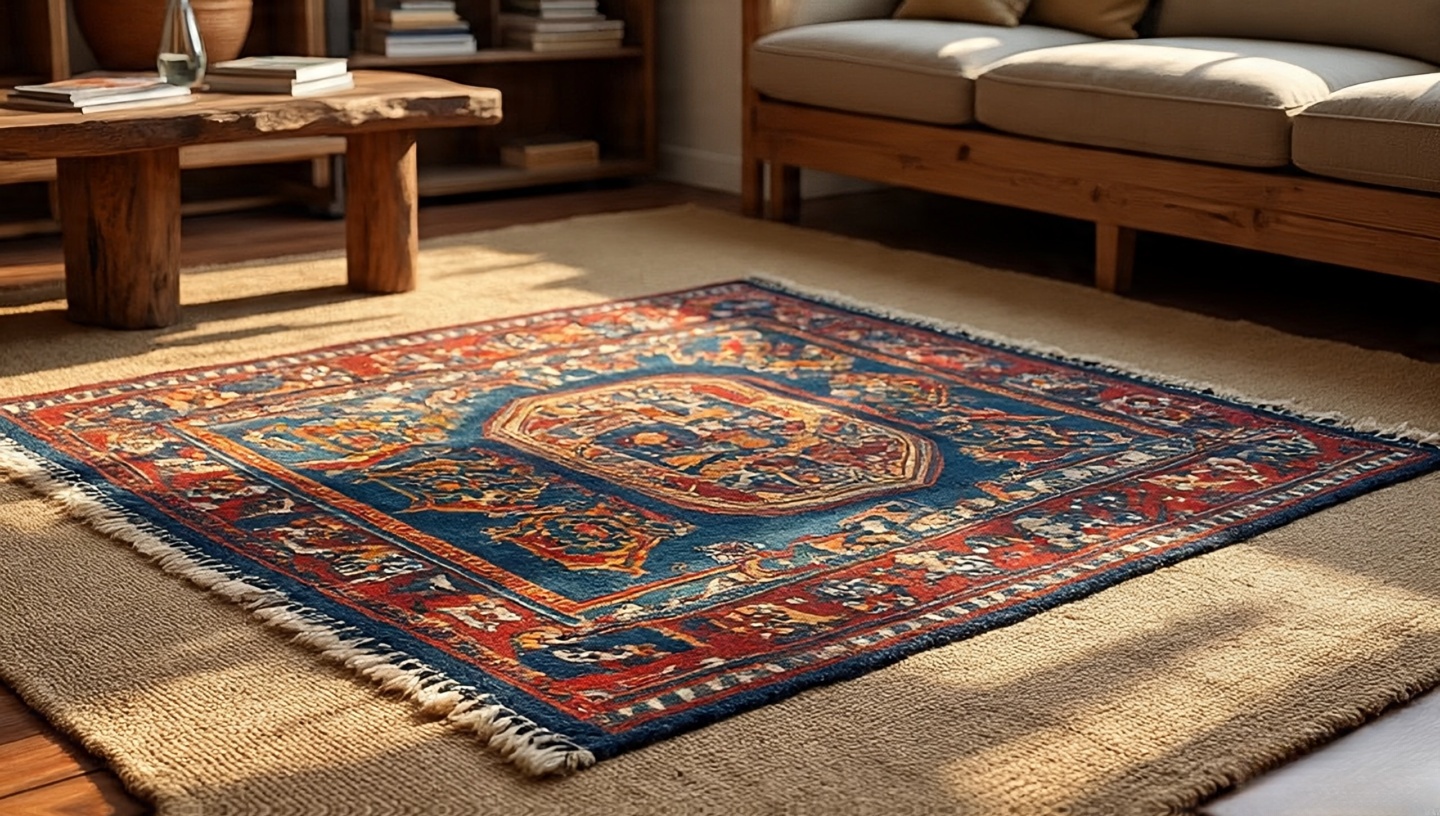 Not all rugs are created equal. Wool kilims, with their flat weave and rich colors, tell stories of villages, landscapes, and hands that wove them. I once hung a vintage kilim on a white wall, and it became more compelling than any painting I could have chosen. They’re light, versatile, and durable. If you place one on the floor, consider layering it over a jute base for both comfort and preservation. And yes, even a slightly frayed edge adds charm it shows the rug has lived a life before yours.
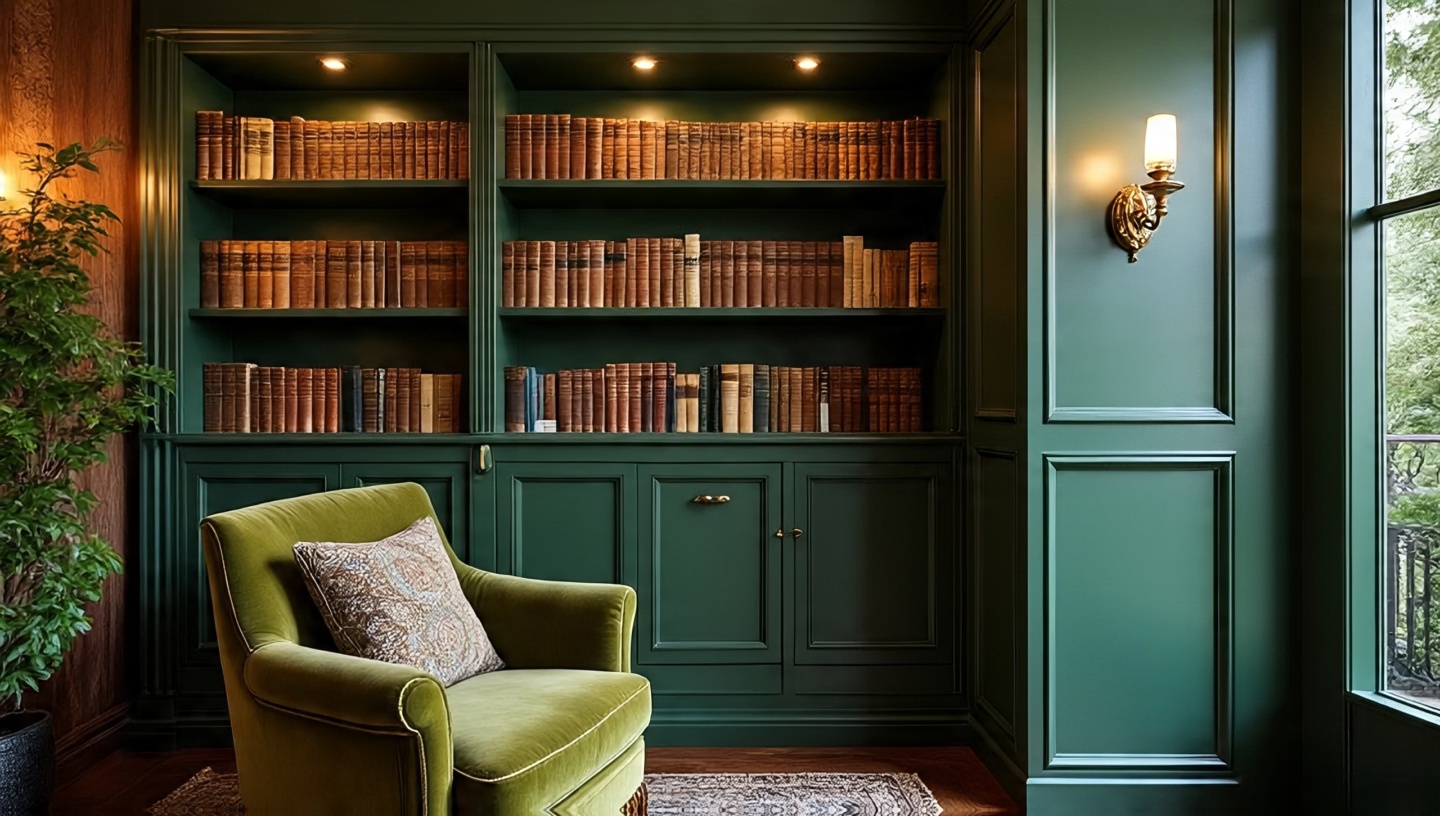 Green isn’t just for plants. A moss-green velvet armchair or a forest-toned cabinet anchors a room with calm strength. The color has a way of making man-made structures feel organic, almost rooted. I once painted built-in shelves in forest green and placed brass sconces above them; at night, it felt like sitting in a woodland library. If you’re nervous about dark greens, start with textiles throws or cushions before committing to paint.
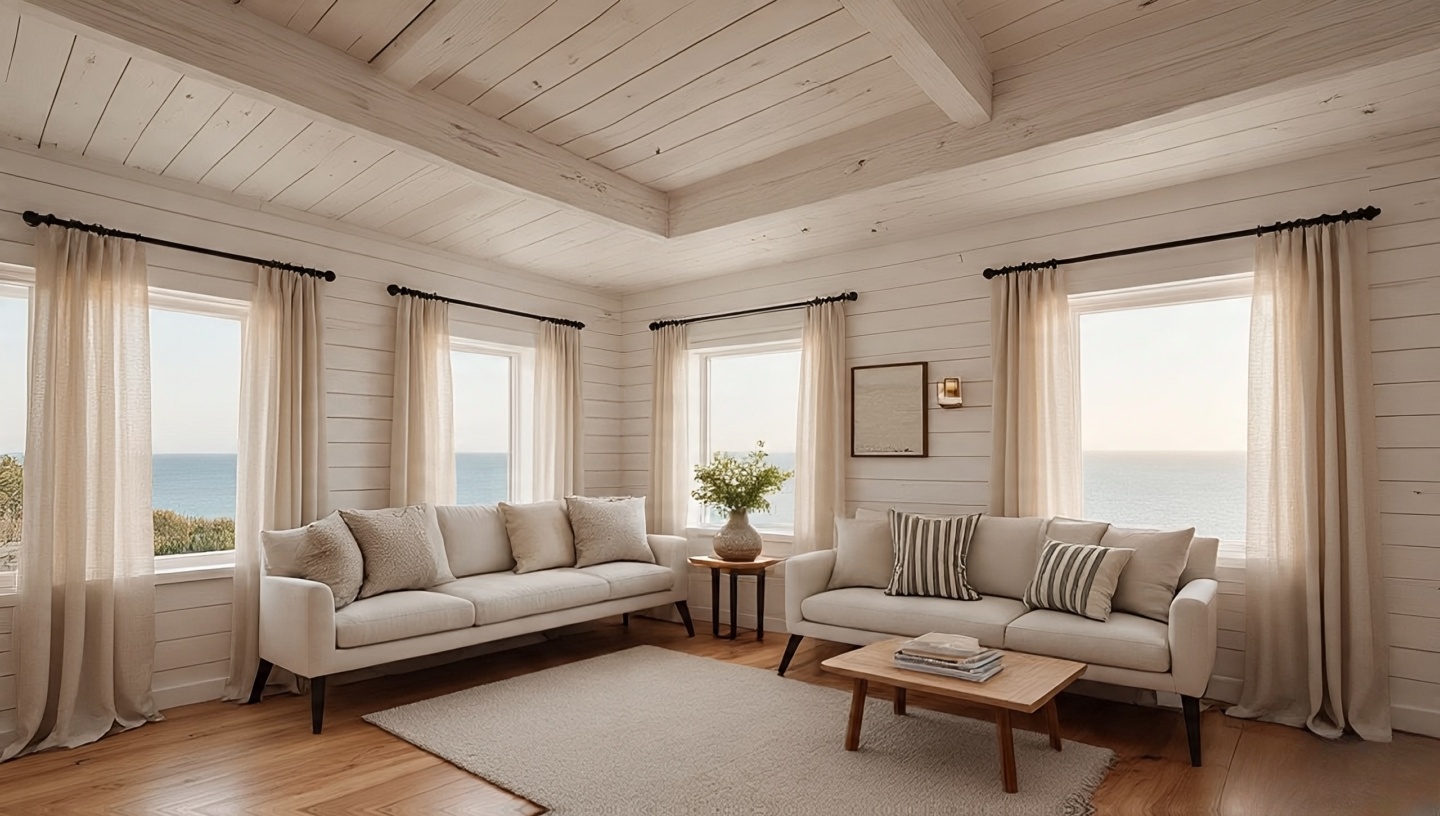 Pine is a humble wood, often dismissed because of its softness. Yet, when treated with a gentle whitewash, it carries a coastal-Bohemian vibe that’s hard to replicate. The faint resinous scent lingers for months, reminding you that the material is alive. In one small cabin project, I used whitewashed pine boards on the ceiling, and the light bounced back softly, almost like a perpetual morning. Just remember: use matte finishes, not glossy. Gloss kills the authenticity.
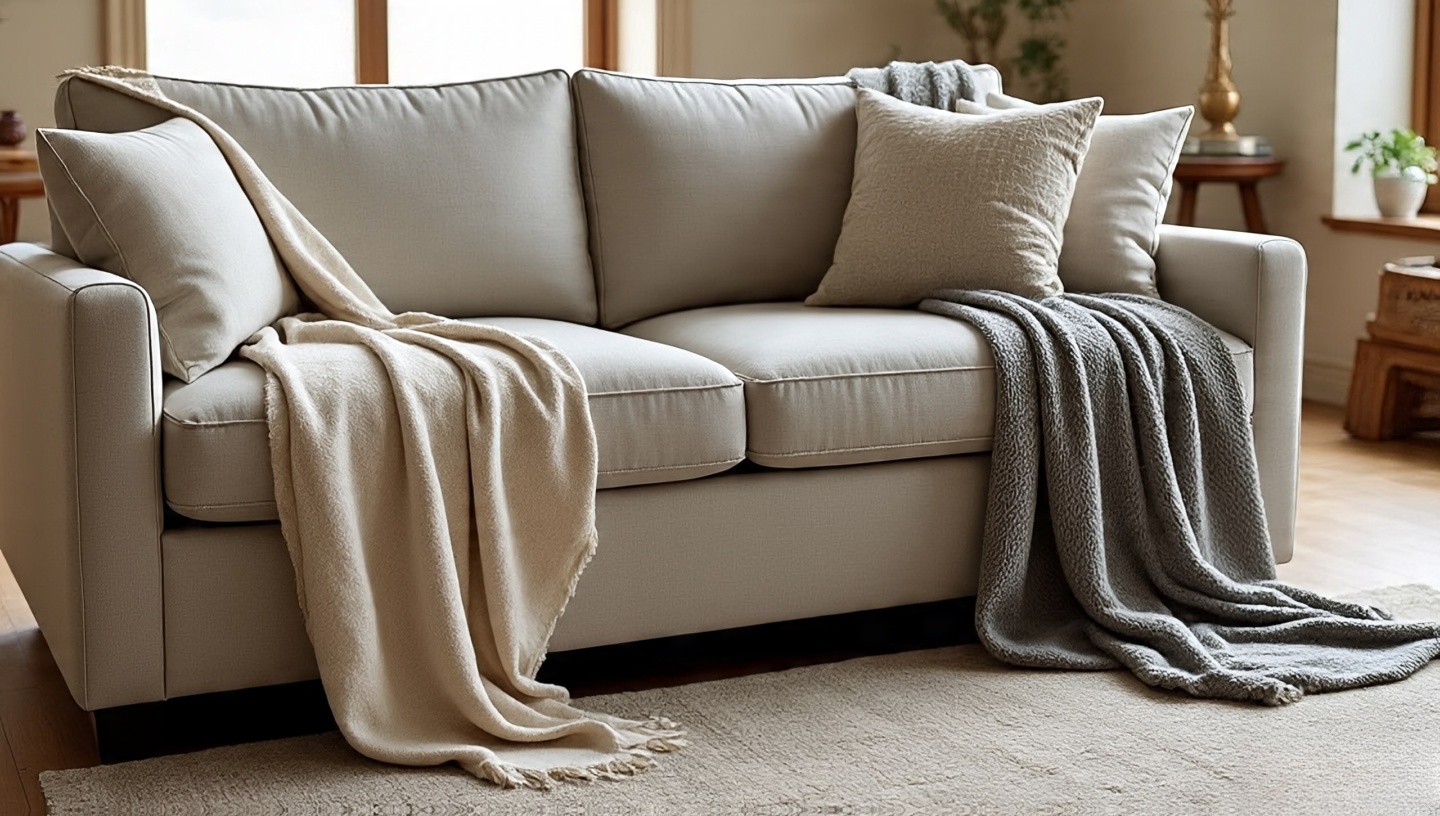 Textiles are like the punctuation marks of a home. They don’t dominate, but they change the rhythm. I keep a stack of throws by my sofa linen for breezy evenings, cotton for everyday use, wool for winter nights. They’re practical, yes, but also symbolic: each fabric creates a different mood. Try it yourself swap a cotton throw for a wool one when the seasons change, and notice how your whole room suddenly feels cozier without moving a single piece of furniture.
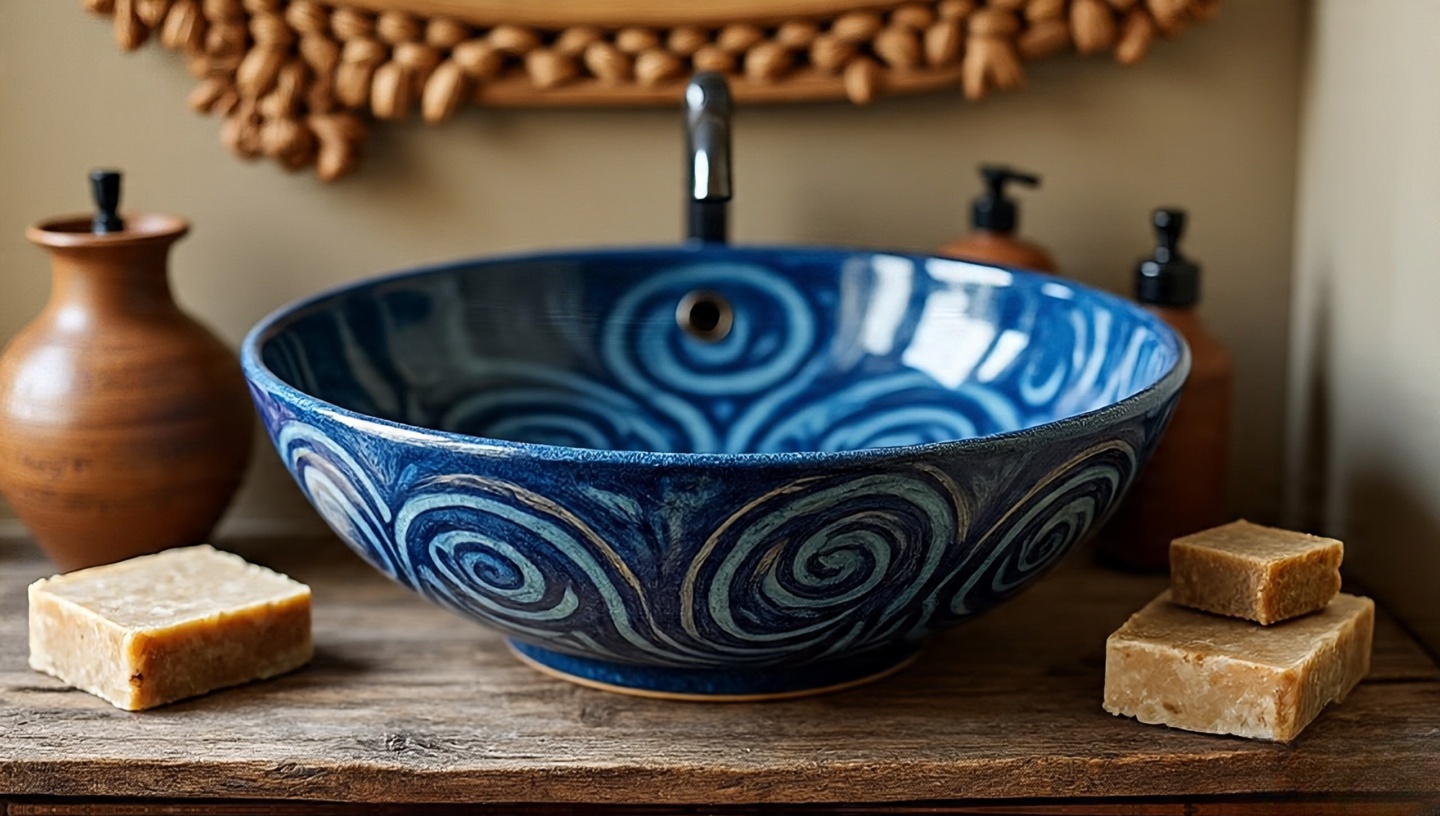
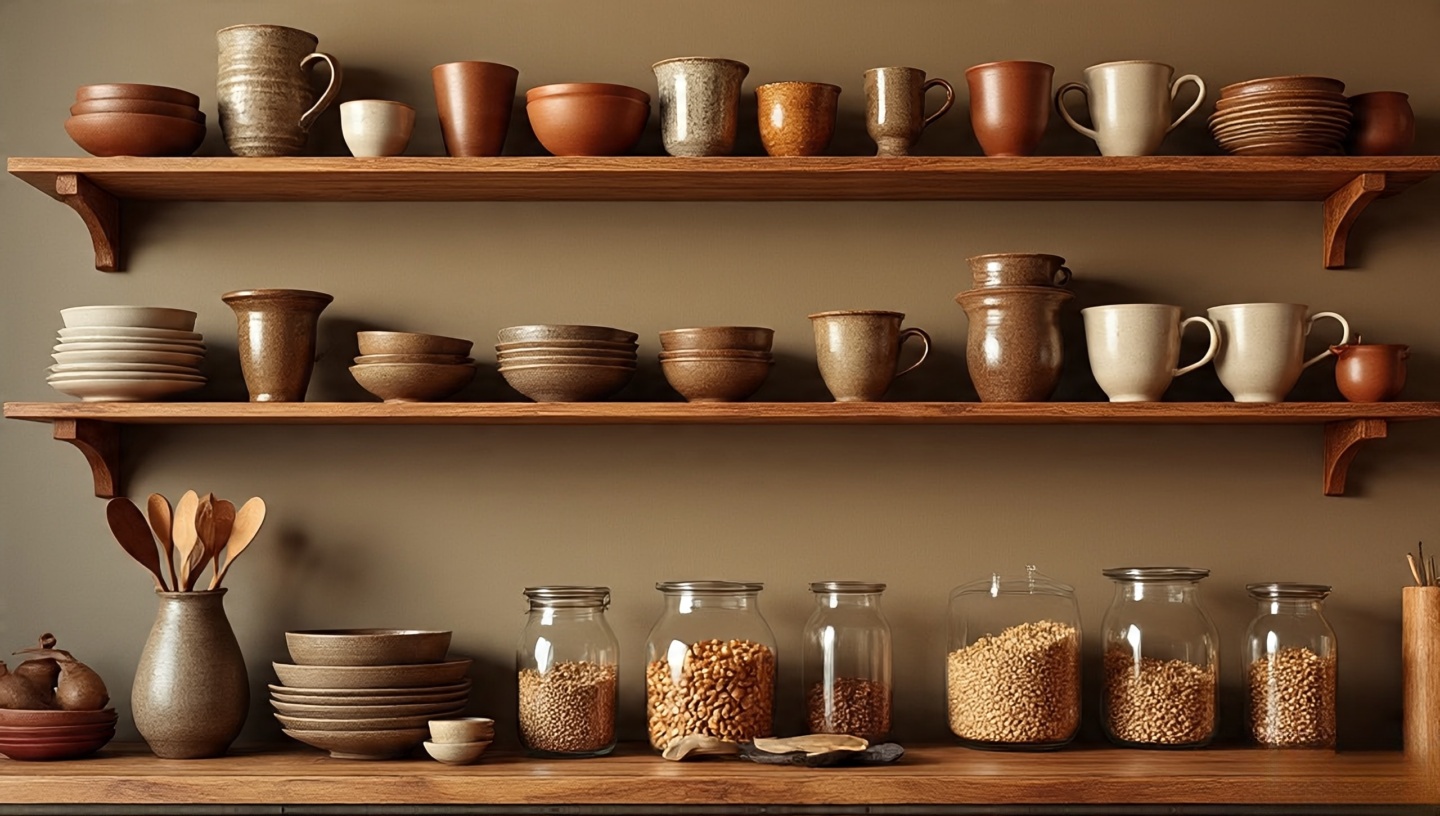
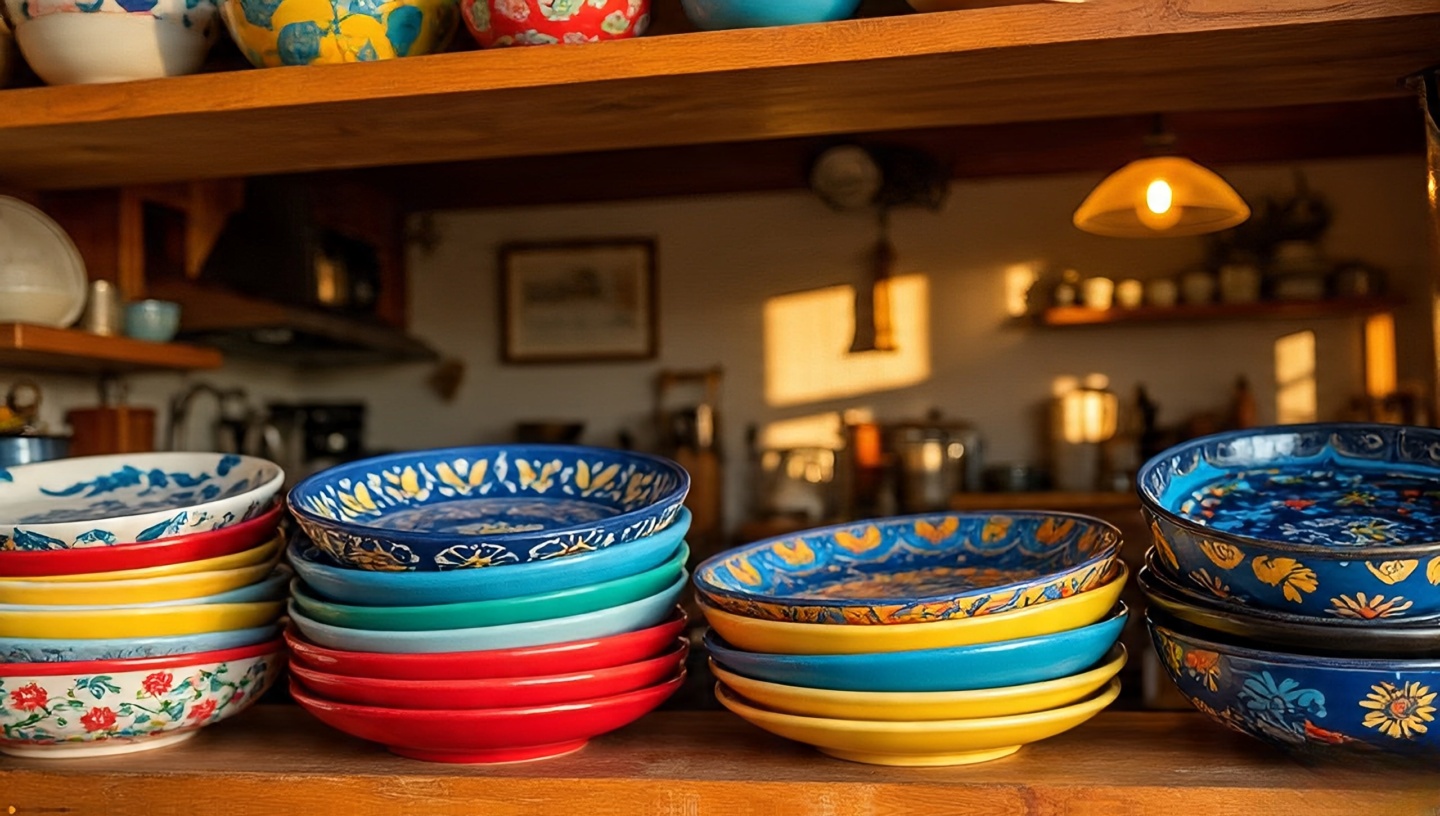
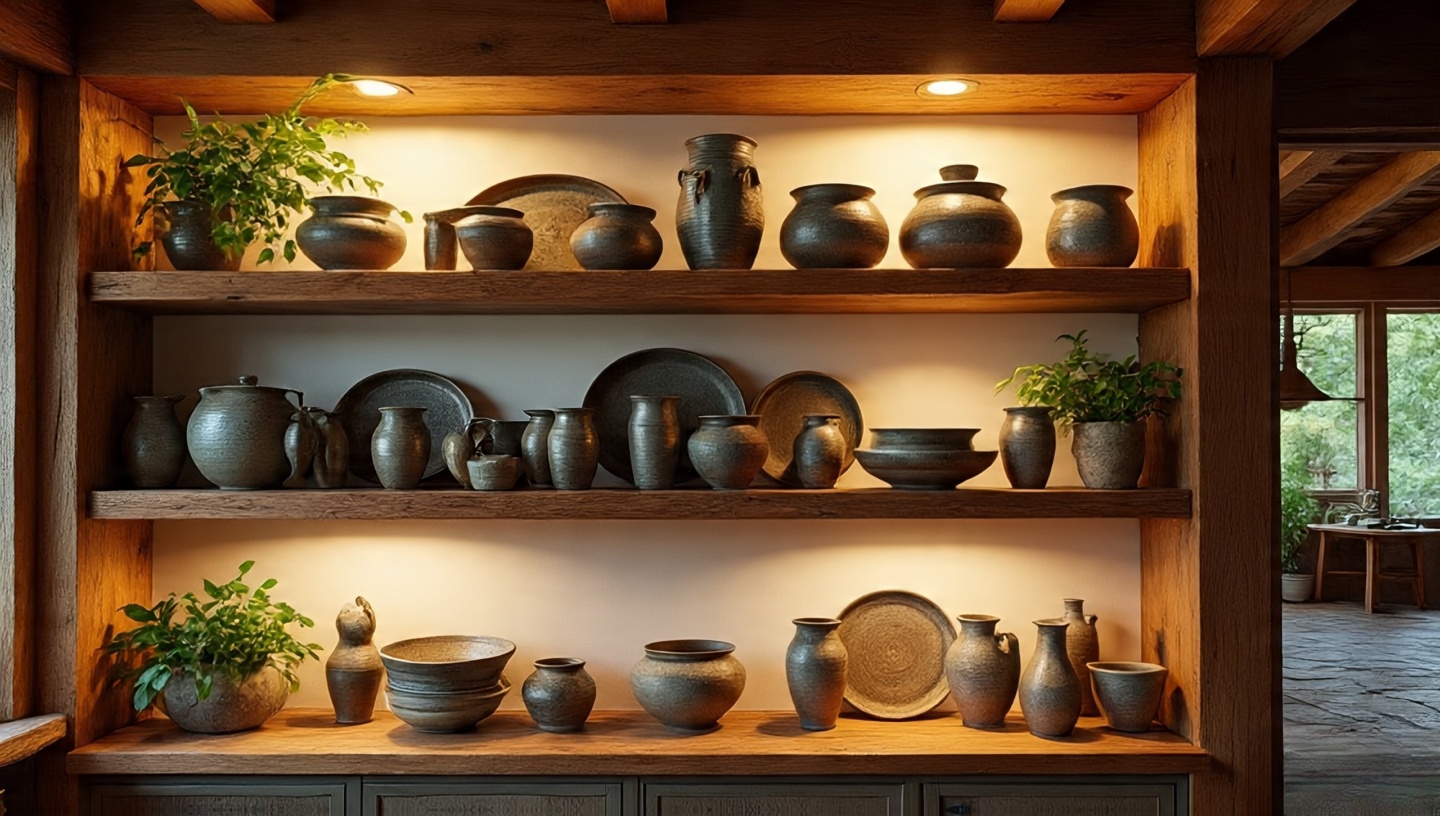
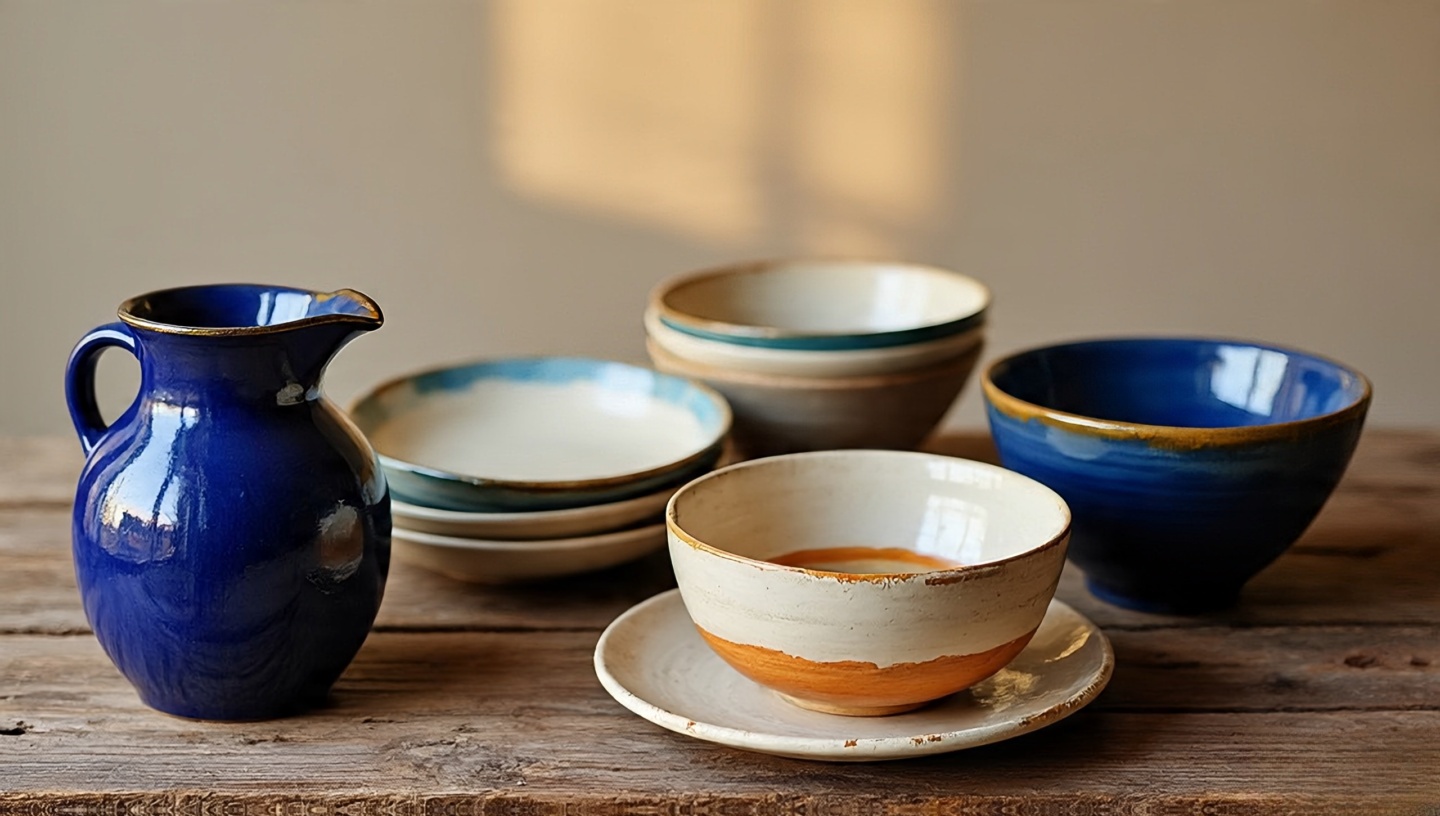 In many homes I’ve designed, the soul isn’t in the architecture but in the ceramics. A chipped bowl, a mismatched set of hand-painted plates these are daily art forms. They clink with a different timbre than factory-made dishes. A cobalt-blue ceramic jug on a wooden table can transform a meal into an experience. My advice: buy ceramics from local artisans, not stores. They bring irregularities that machine perfection simply cannot reproduce.
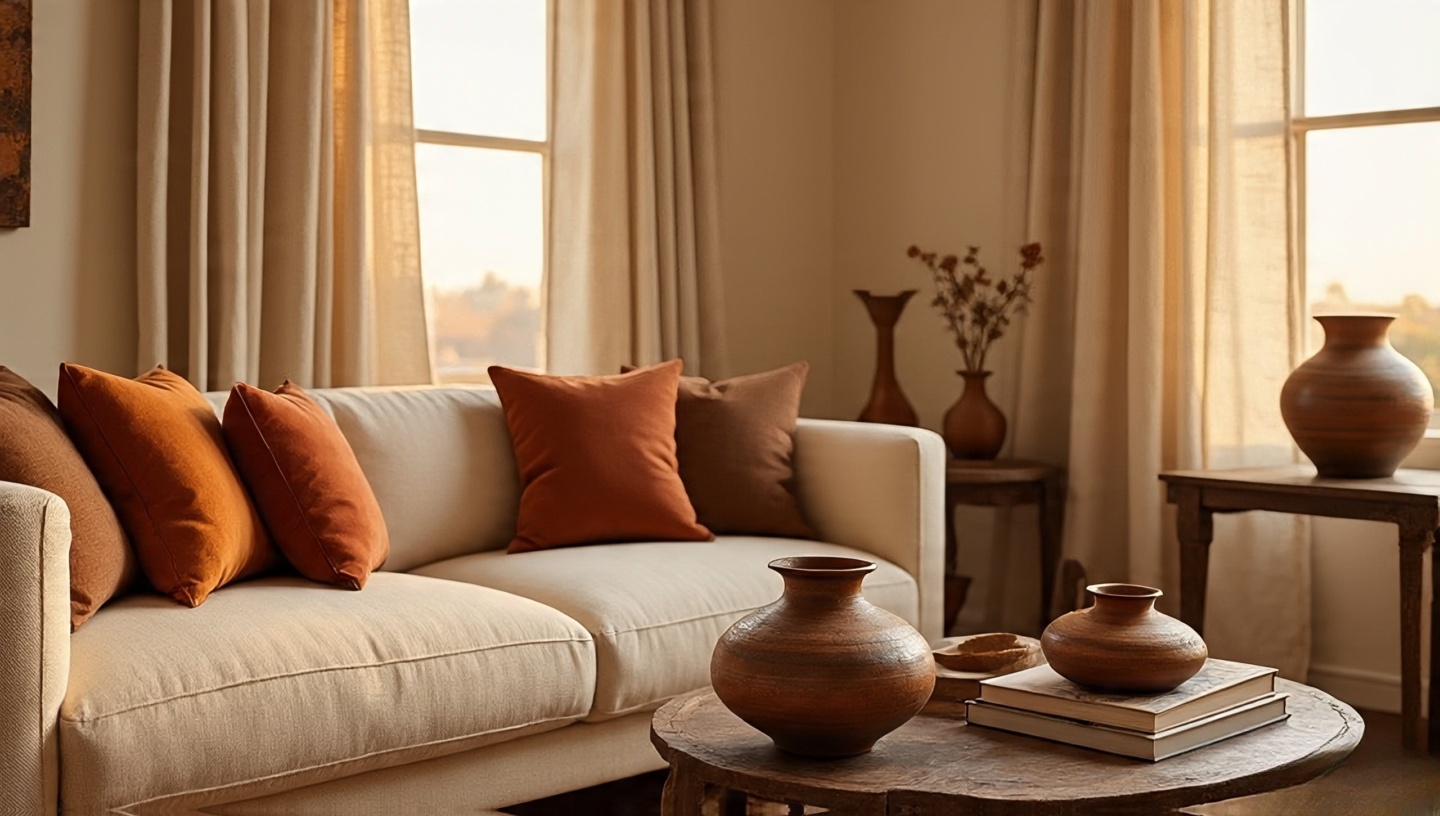 I often use burnt orange like I would use spices in cooking sparingly but decisively. A rust-colored cushion on a cream sofa feels like sunset bottled indoors. In one loft project, we painted a single accent wall in rust, then softened it with neutral linen drapes. Guests always said the room felt warmer than the thermostat suggested. For smaller experiments, introduce these hues in pillow covers, wall art, or even pottery.
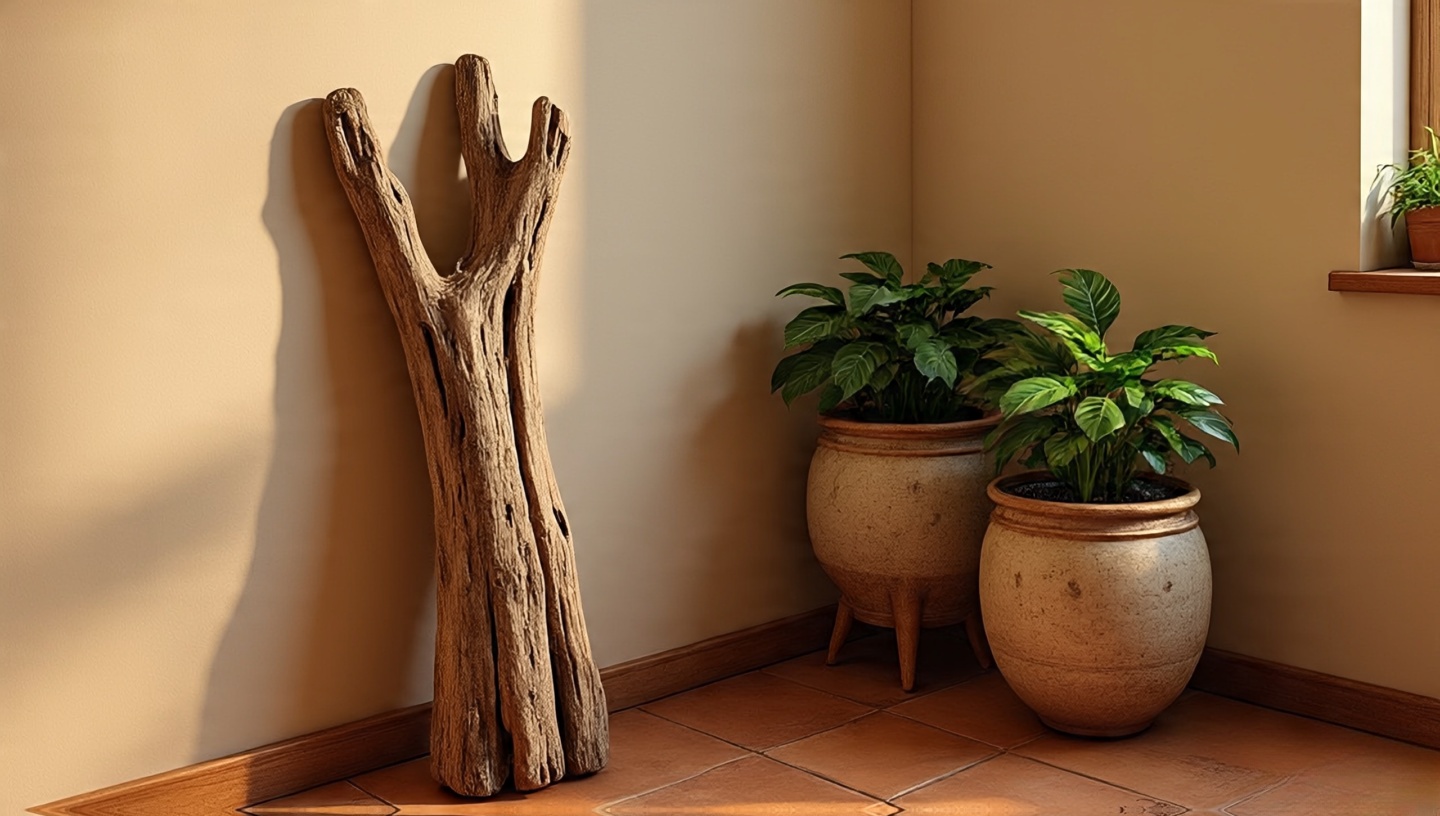
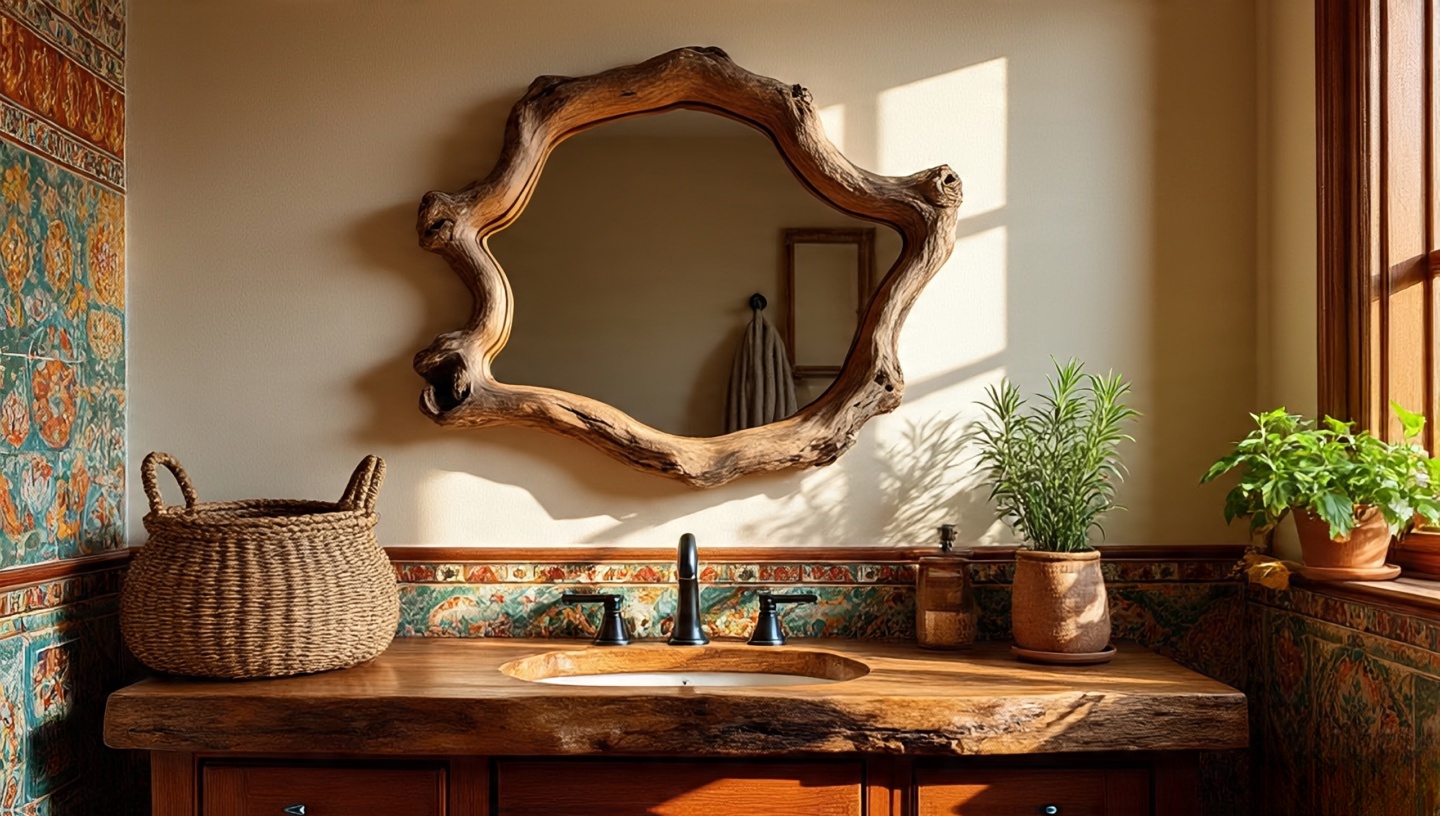
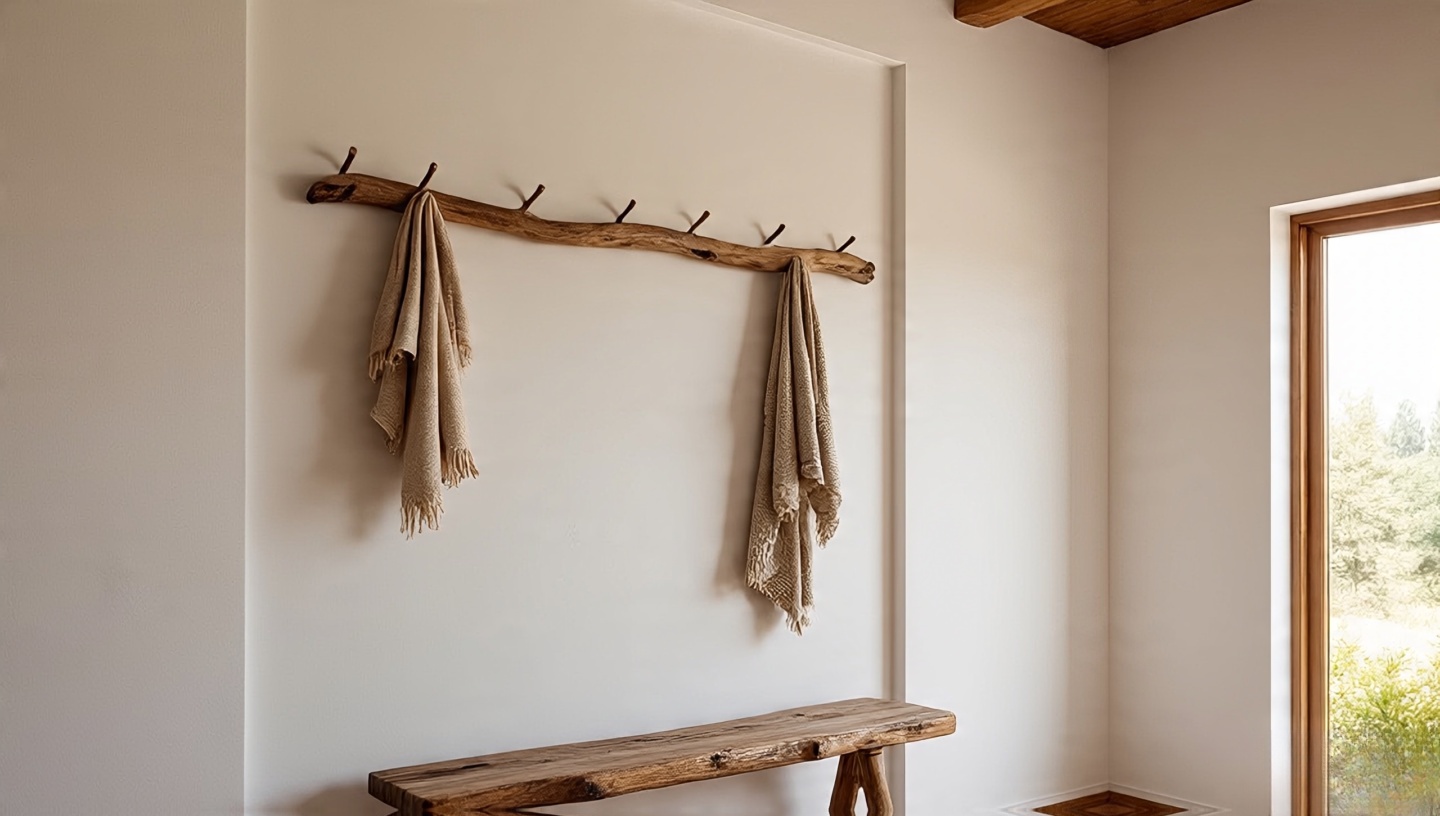 Some materials only come with time. Driftwood, weathered by salt and sun, carries an honesty you can’t fake. I once crafted a coat rack from a piece I found on a quiet beach; it’s still the most complimented object in that home. These pieces remind us of patience. When paired with indigo textiles or simple white cotton, driftwood adds a calm, poetic contrast. If you can’t find natural driftwood, even reclaimed beams with a weathered finish can evoke the same story.
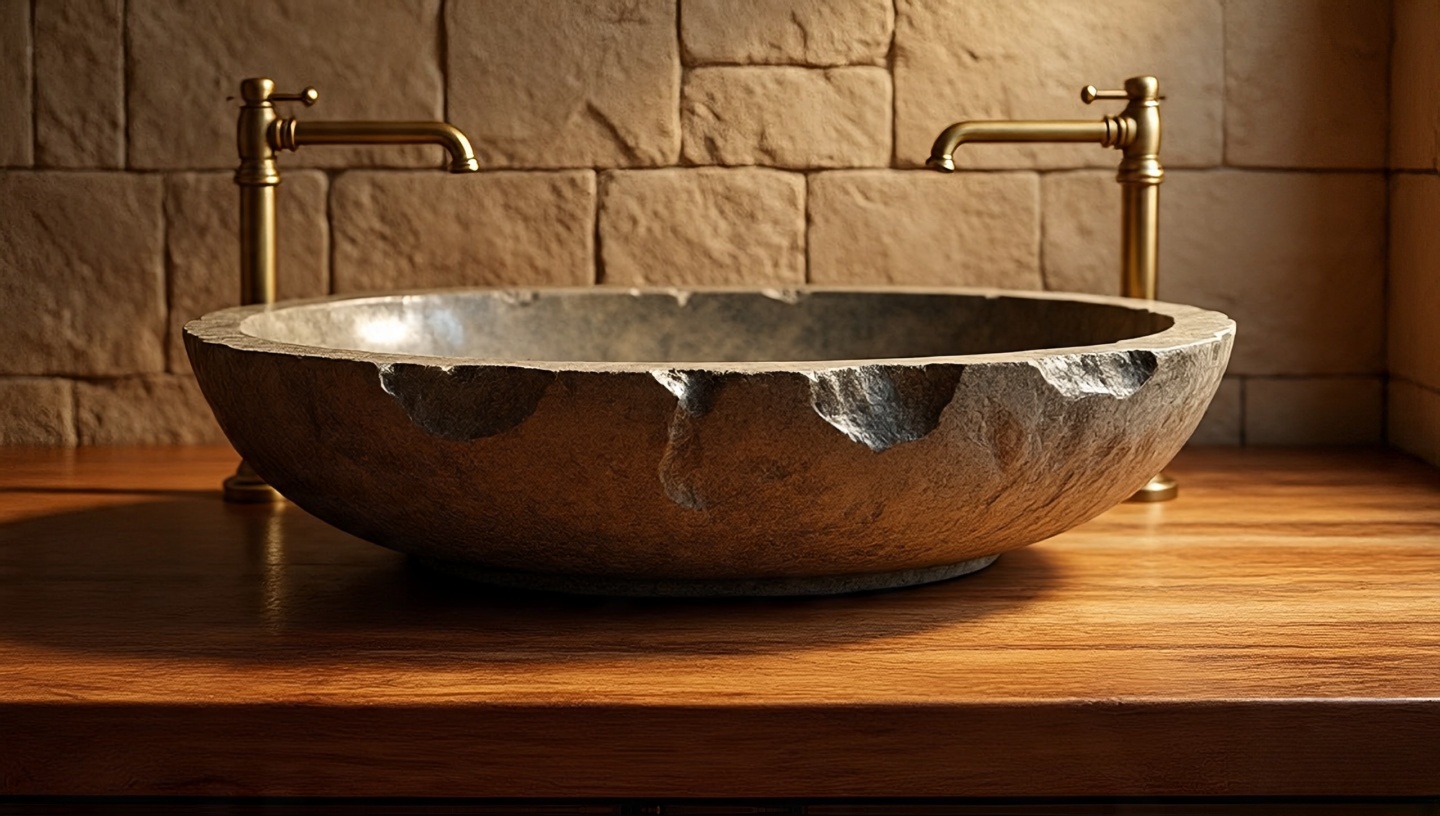
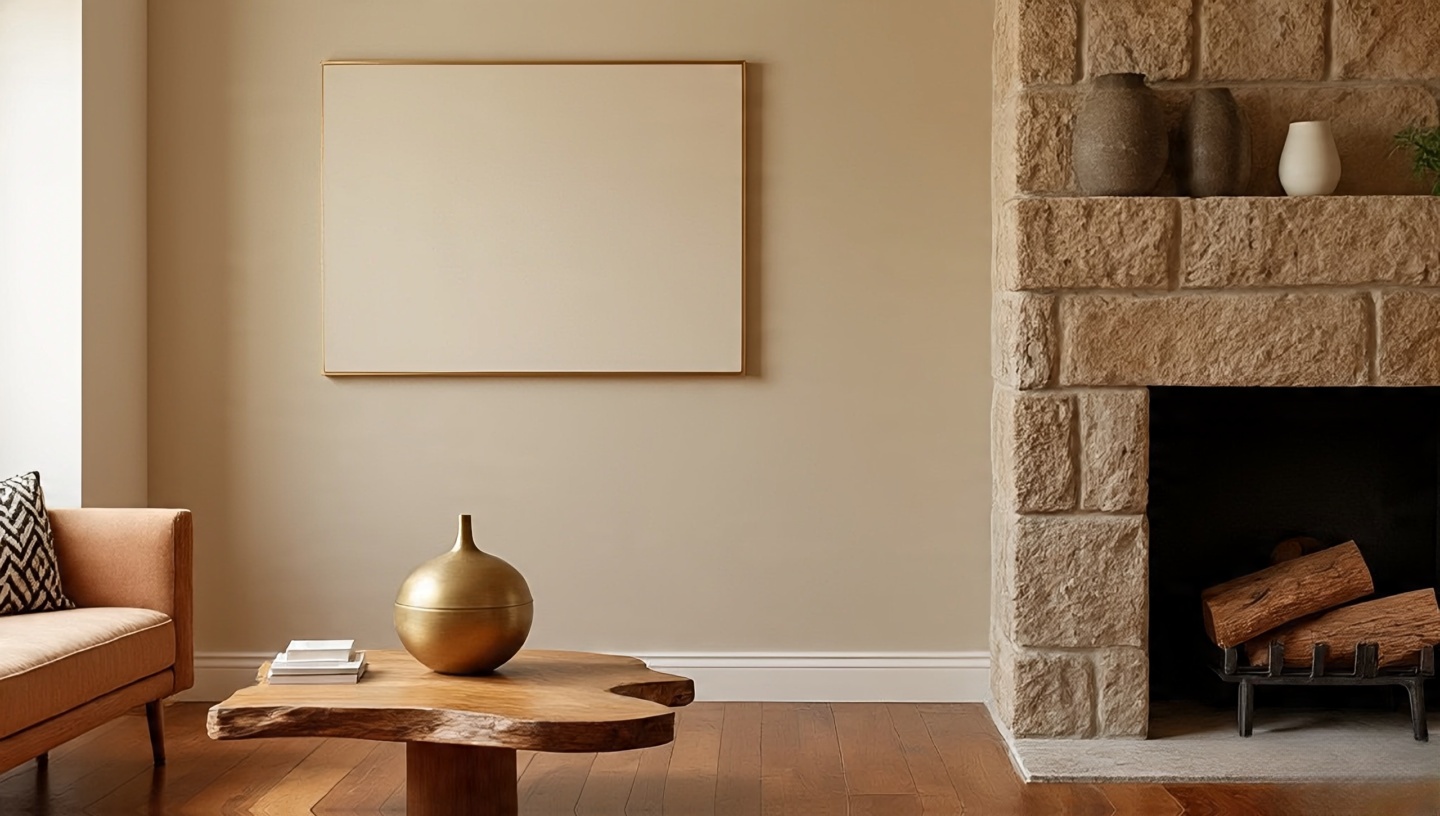 Gold is tricky it dazzles and overwhelms in equal measure. I prefer to treat it like a whisper rather than a shout. A thin gold picture frame, or the small detail of a lamp base, can feel like jewelry for the room. I remember a client who insisted on a gold coffee table; it dominated so heavily that we had to strip everything else back. Lesson learned: gold works best as a subtle accent against raw materials like wood or stone, not as the star of the show.
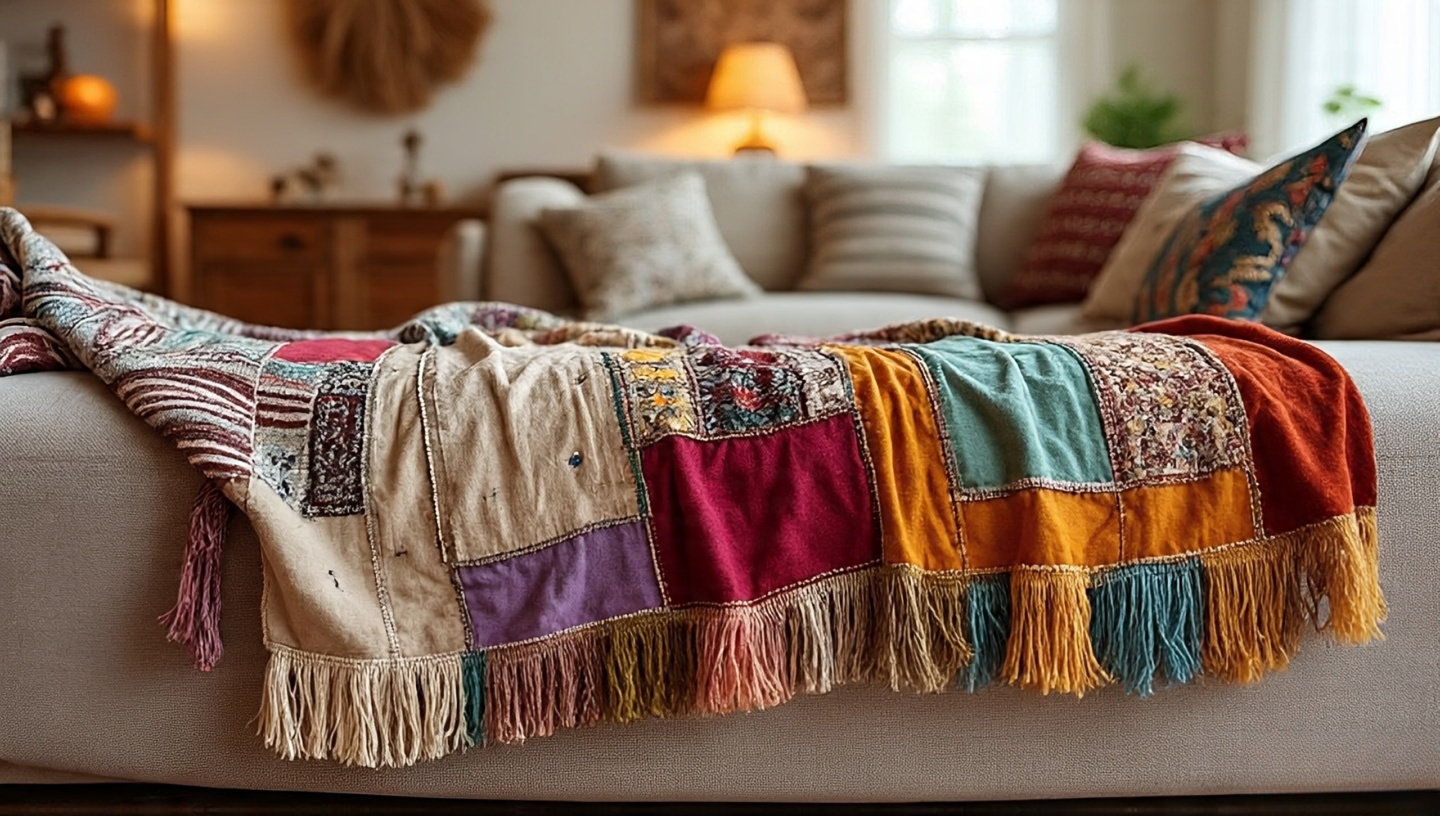 There’s something deeply Bohemian about imperfection stitched together. Years ago, I asked a seamstress to create a throw from leftover fabric samples velvet squares, linen scraps, cotton swatches. It turned out mismatched and beautiful, and it became the most talked-about piece in that room. Patchwork reminds us that beauty doesn’t come from uniformity, but from layers of history combined. If you try this yourself, don’t aim for perfect lines let the fabrics speak in their own textures.
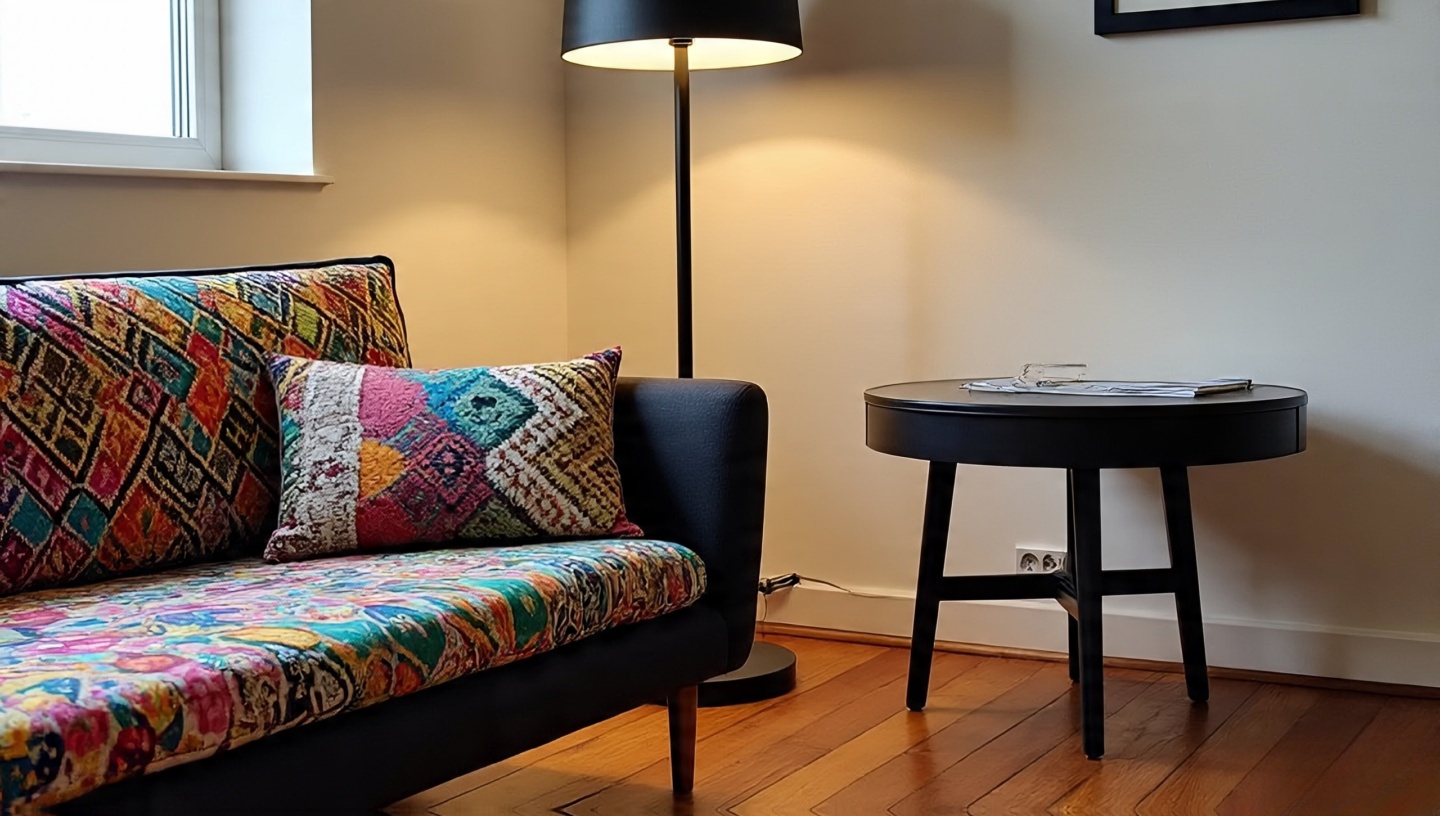 People rarely associate black with Bohemian style, but after decades of experimenting, I’ve learned that a little black sharpens everything else. Think of it as the punctuation at the end of a vibrant sentence. In one project, a simple matte-black floor lamp beside a riot of colorful cushions was enough to give the space gravity. Don’t overuse it too much black pulls a room into severity. Use it sparingly, and it becomes the anchor that keeps your colors from floating away.

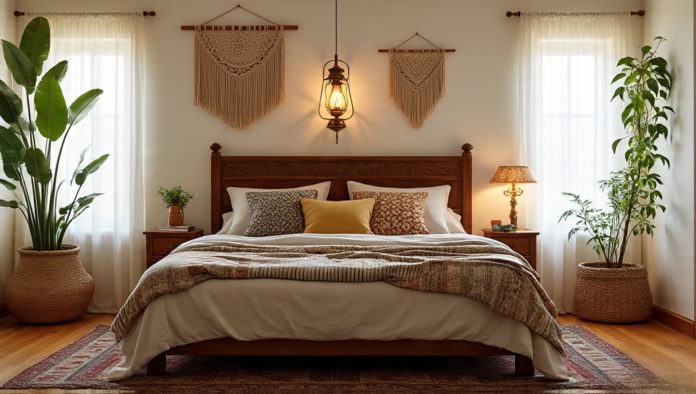
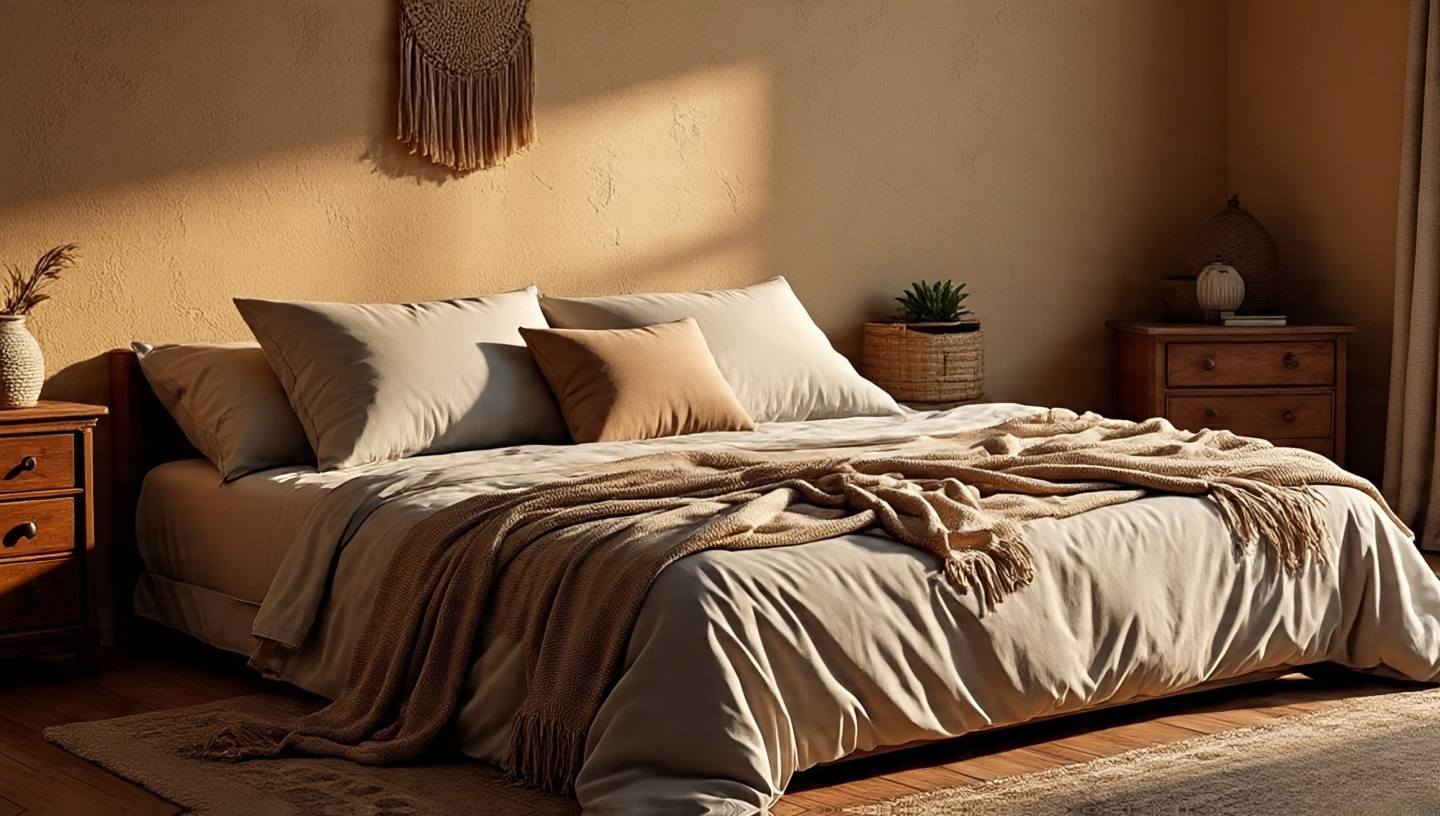 As an architect, I’ve always said the bed is not just furniture—it’s the emotional anchor of a bedroom. Think of linen sheets that crumple like soft paper, or a cotton blanket that breathes on summer nights. The trick is to make it look like you want to fall in, not like a staged showroom. I’ve walked into too many homes where the bed looked perfect, but cold. Bohemian style invites wrinkles, folds, and life.
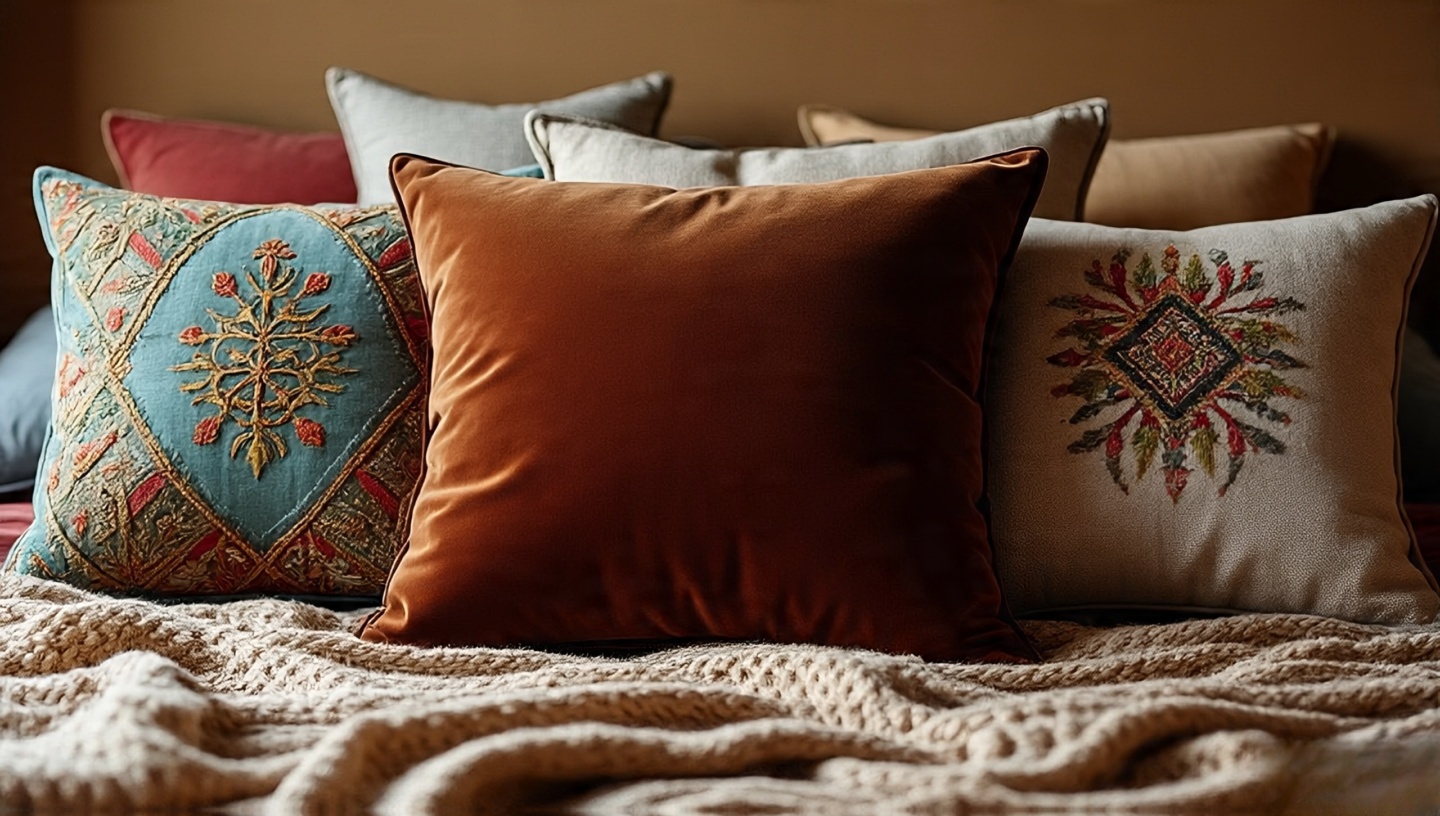 I’ve seen bedrooms stacked with identical throw pillows—it looks lifeless. Instead, think of pillows as storytellers. Mix velvet, linen, and embroidered Moroccan cases. Once, I swapped my bland beige covers for indigo shibori, and the whole bed felt like a canvas. Little changes can shift an atmosphere completely.
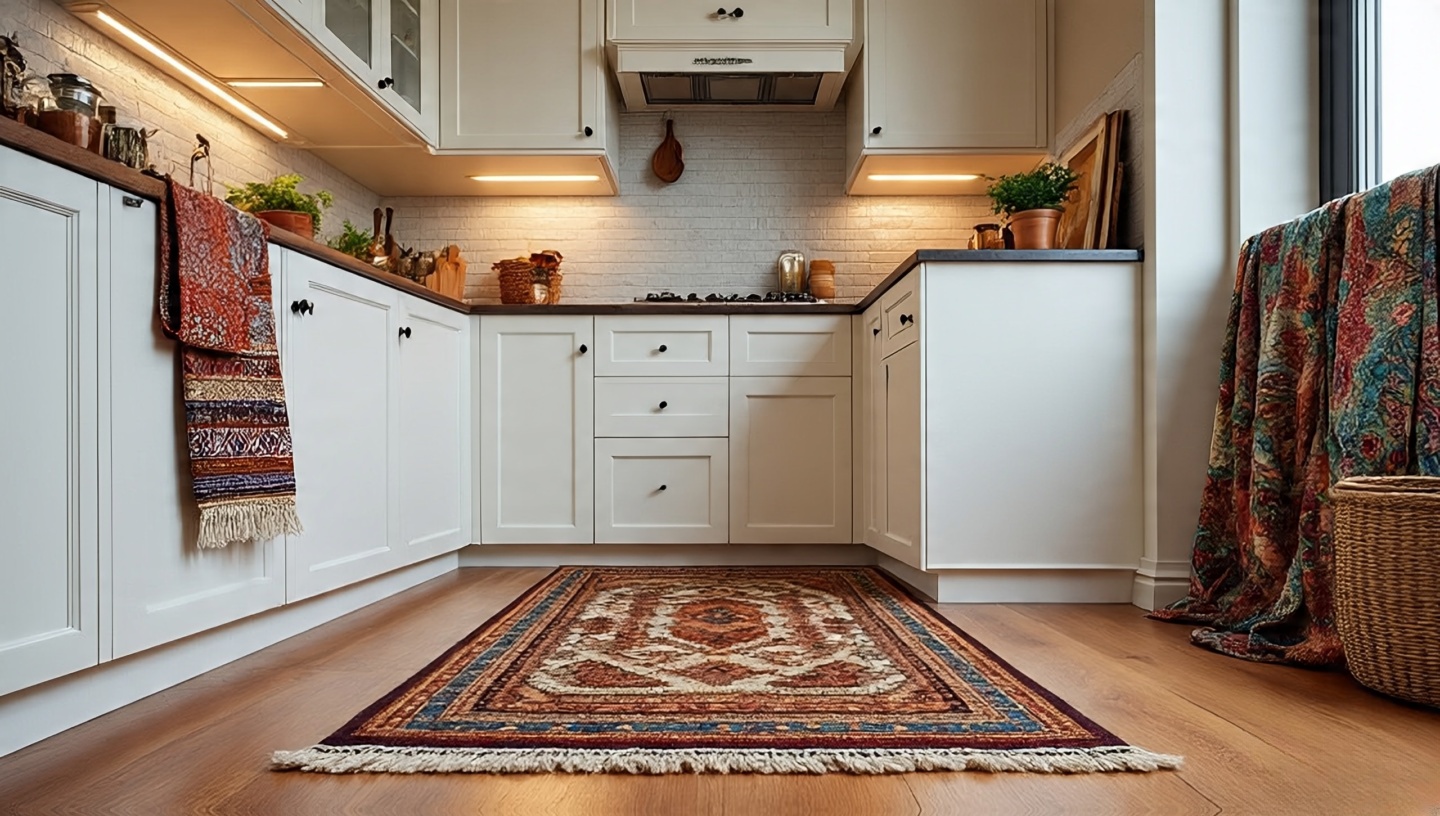
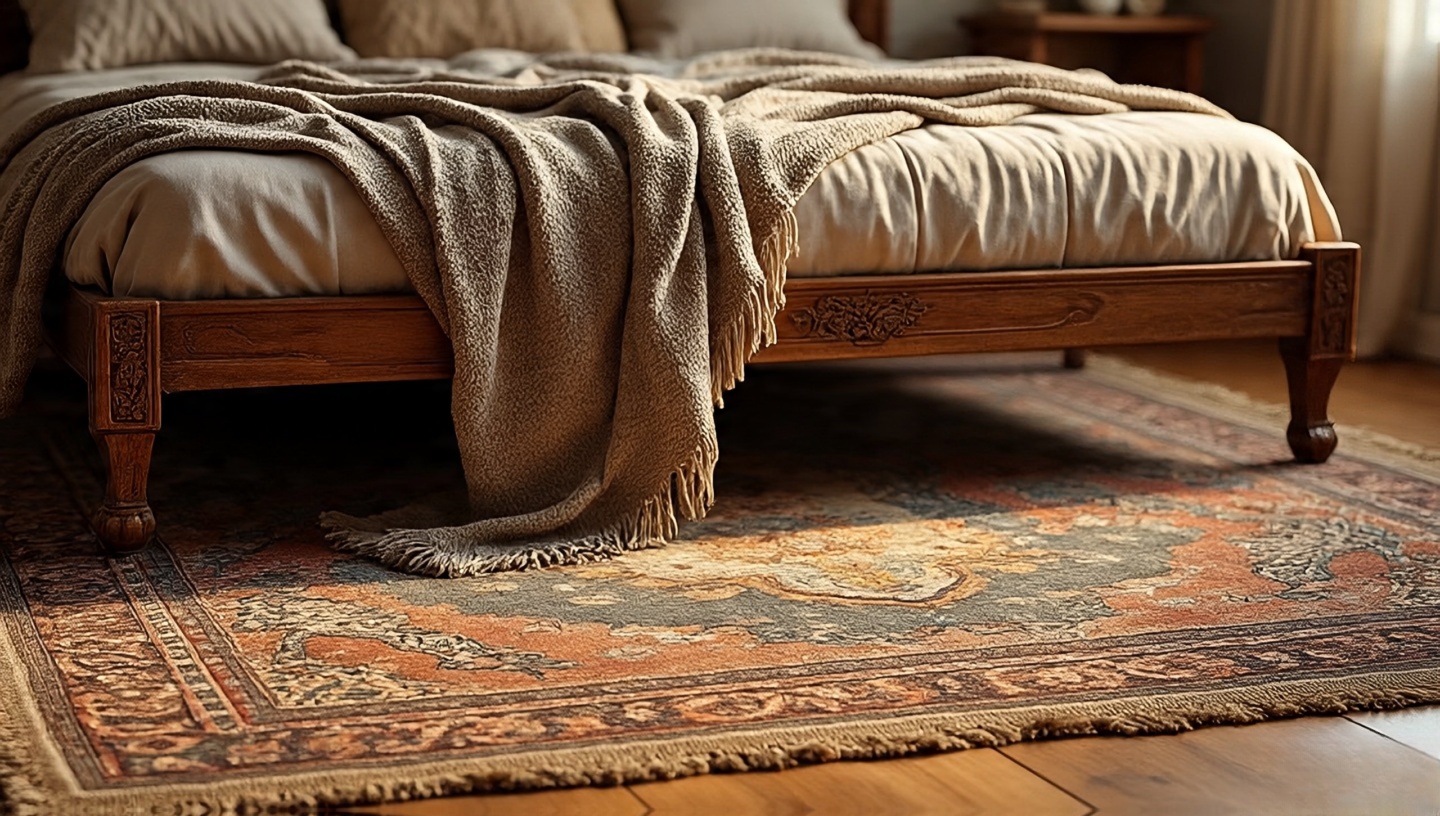 A rug is more than something underfoot. It absorbs sound, softens light, and anchors mood. In my practice, I’ve always told clients: choose a rug like you would a piece of art. A faded Persian rug whispers history; a Moroccan Beni Ourain feels like walking on clouds. Every rug brings a rhythm.
 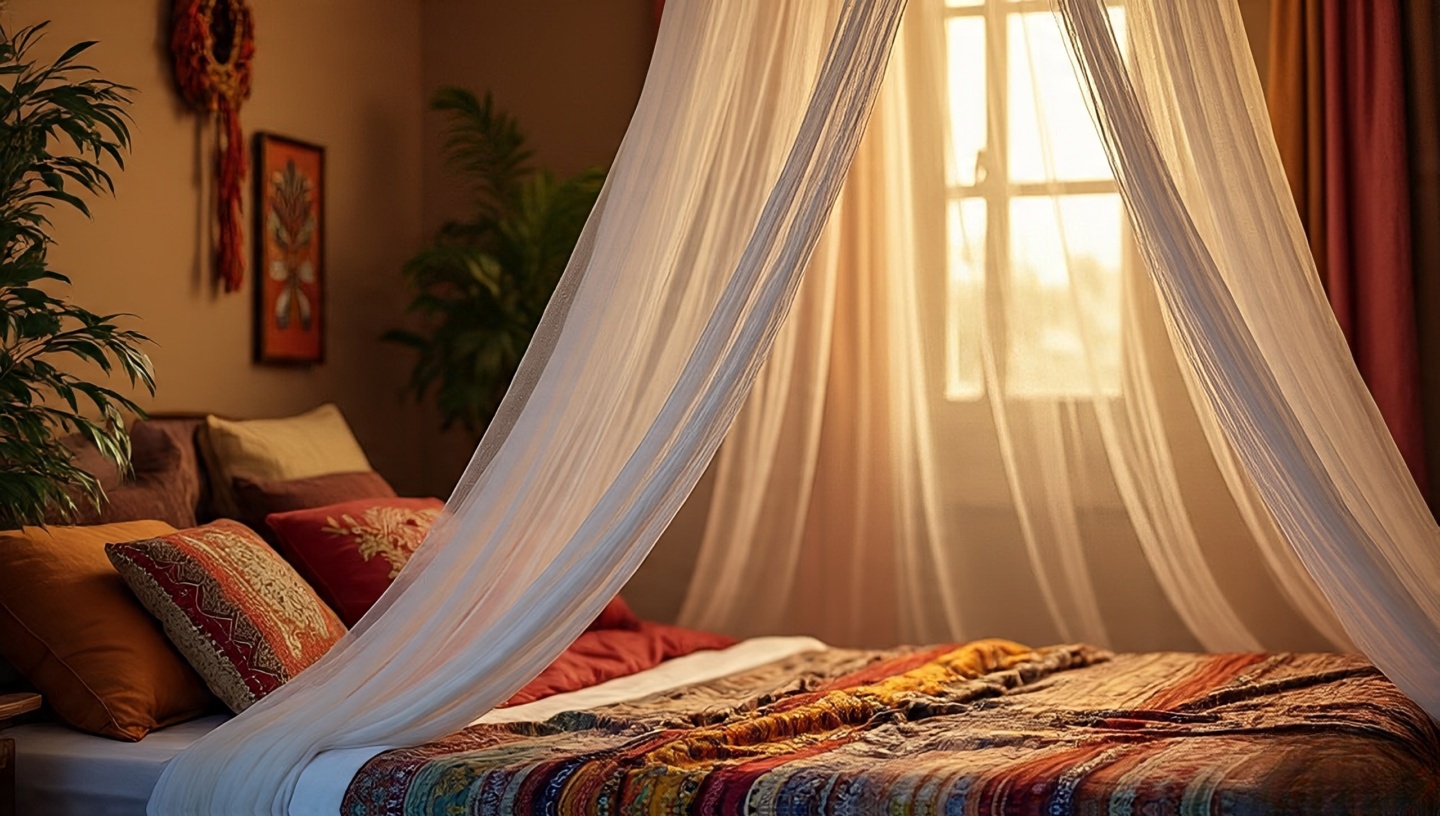 Imagine sheer white cotton swaying with the ceiling fan on a warm night. It’s a touch of romance, a reminder of camping under stars—except softer, fancier. I’ve designed luxury homes with silk drapes and small apartments with mosquito-net canopies. Both worked, because it’s about atmosphere, not budget.
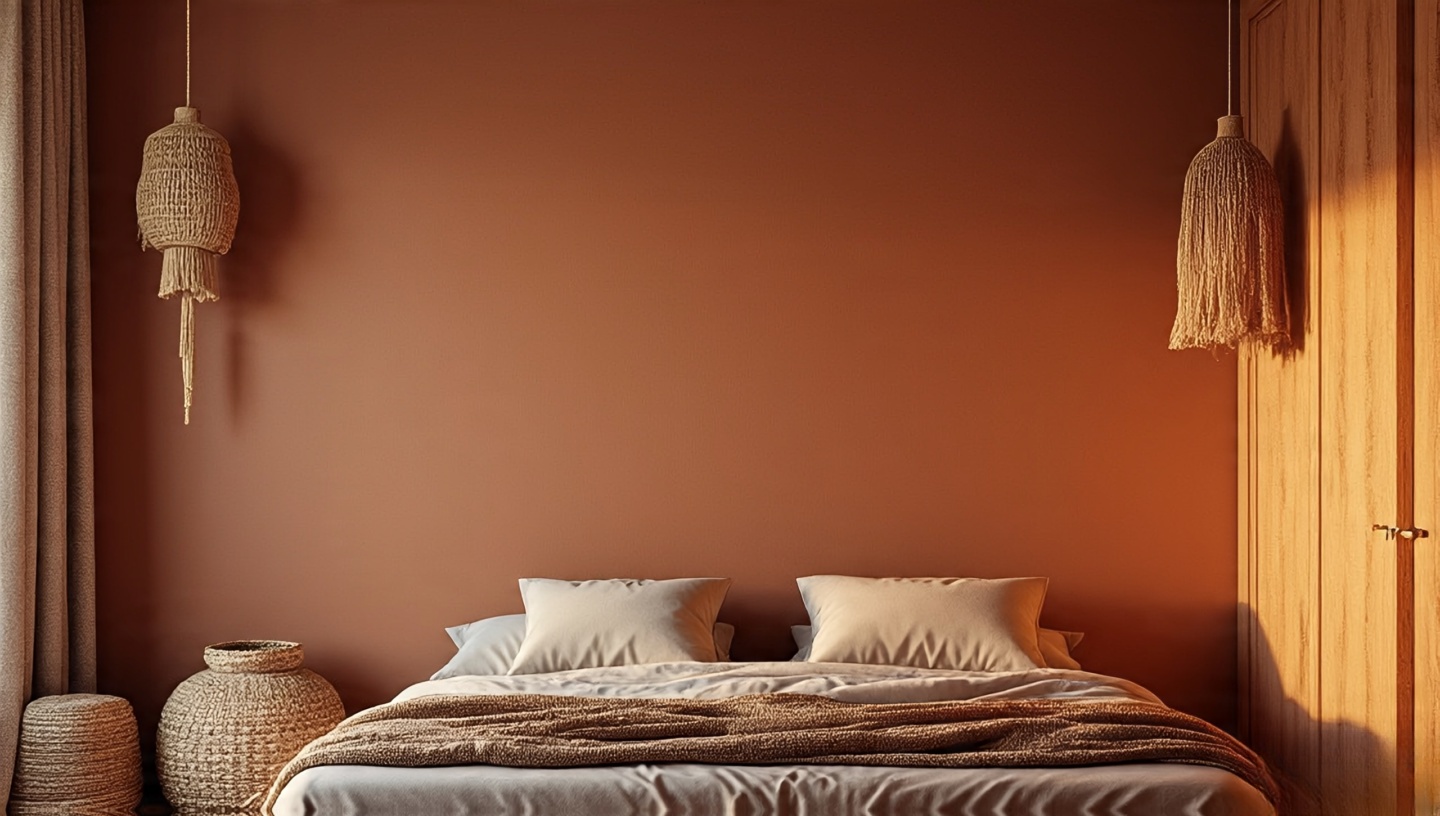 When clients ask me how to make eclectic rooms feel restful, I tell them: start with the walls. Beige, muted sage, or terracotta act like a canvas for everything else. Years ago, I painted a wall clay-red in a downtown loft—suddenly the space wrapped around us like a cocoon. Color literally changes how air feels in a room.
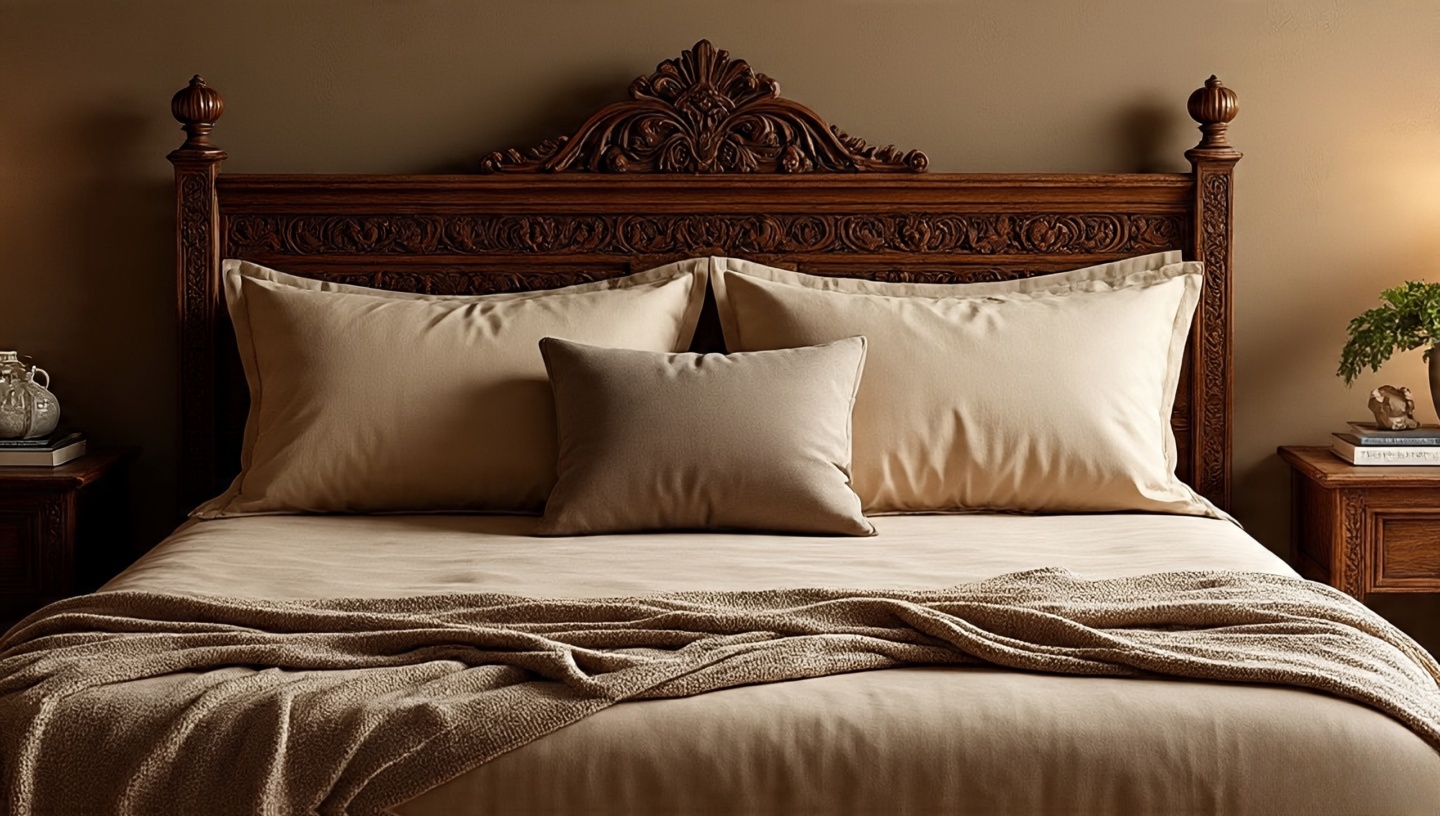 A headboard doesn’t have to come from a furniture catalog. The most striking one I’ve seen was a woven rug hung behind a bed in a tiny Brooklyn apartment. Another client used a carved Balinese panel. These choices brought texture, story, and artistry. Forget MDF and plastic veneers—go for soul.
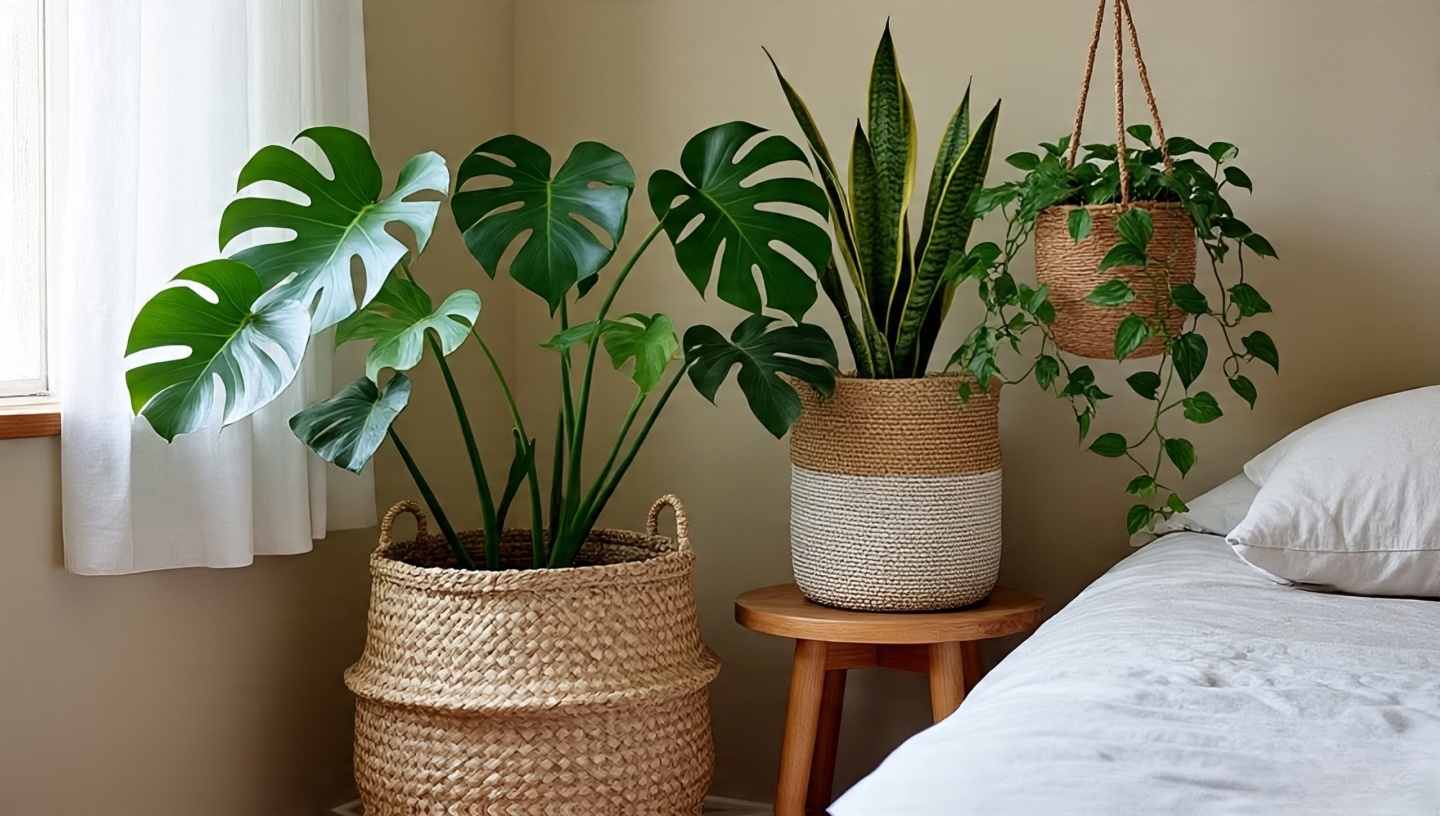 No Bohemian bedroom feels complete without greenery. Snake plants for low light, monstera for drama, pothos for movement. Plants breathe with you, clean the air, and soften corners. Ever wake up to the smell of damp soil after watering? That’s the kind of subtle sensory magic design books rarely mention.
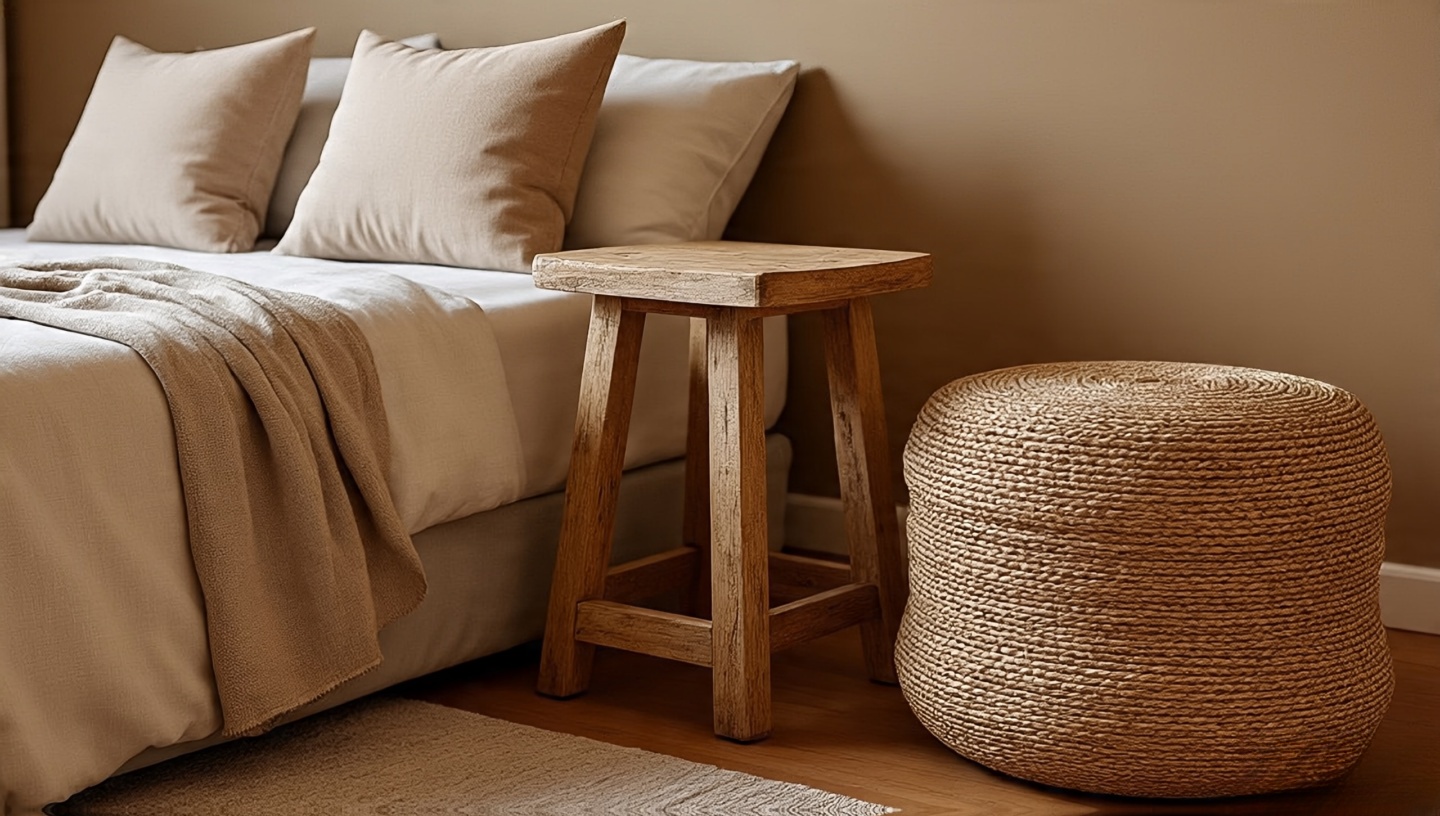 Symmetry is safe, but imperfection is interesting. I once placed a vintage stool on one side of a bed and a woven basket on the other. The room instantly felt more alive. Bohemian style thrives on contrast—it tells you this room is lived in, not staged.
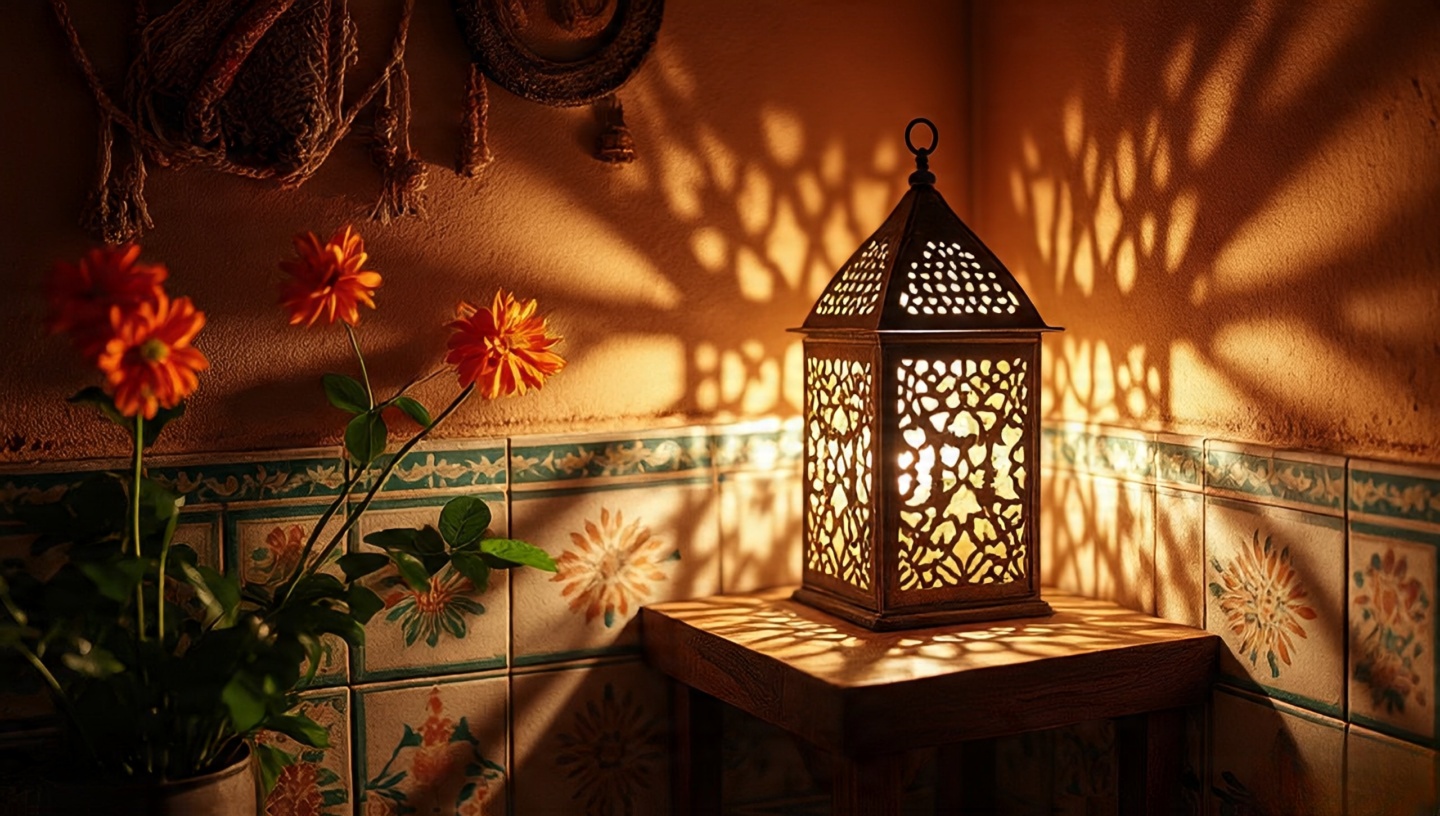
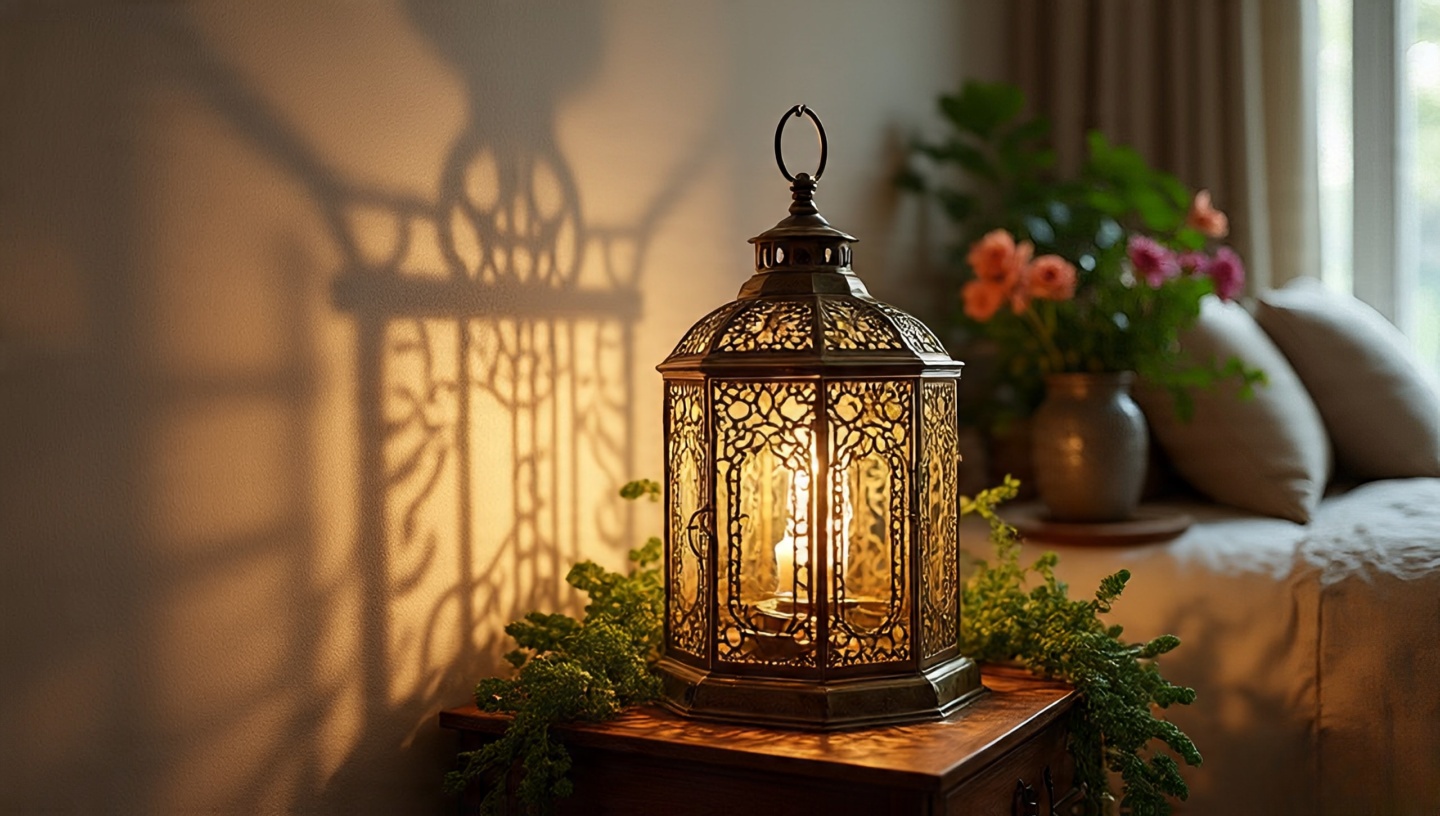 Skip plastic lamps. Choose clay, brass, or rattan shades. A client once brought me a lantern from Marrakech; when lit, it scattered lace-like shadows across the wall. That single detail transformed the mood. Lighting is not about brightness—it’s about atmosphere.
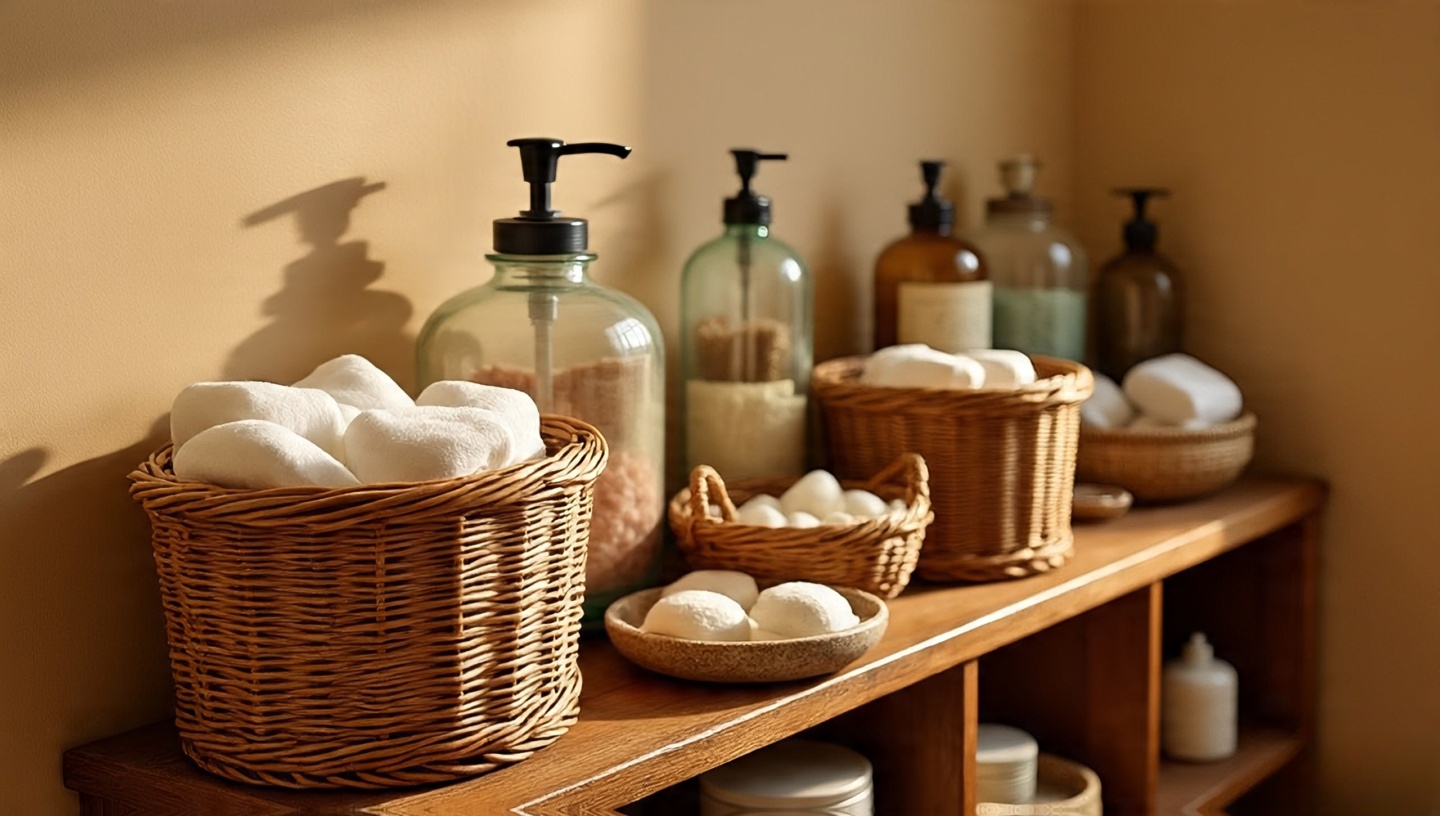
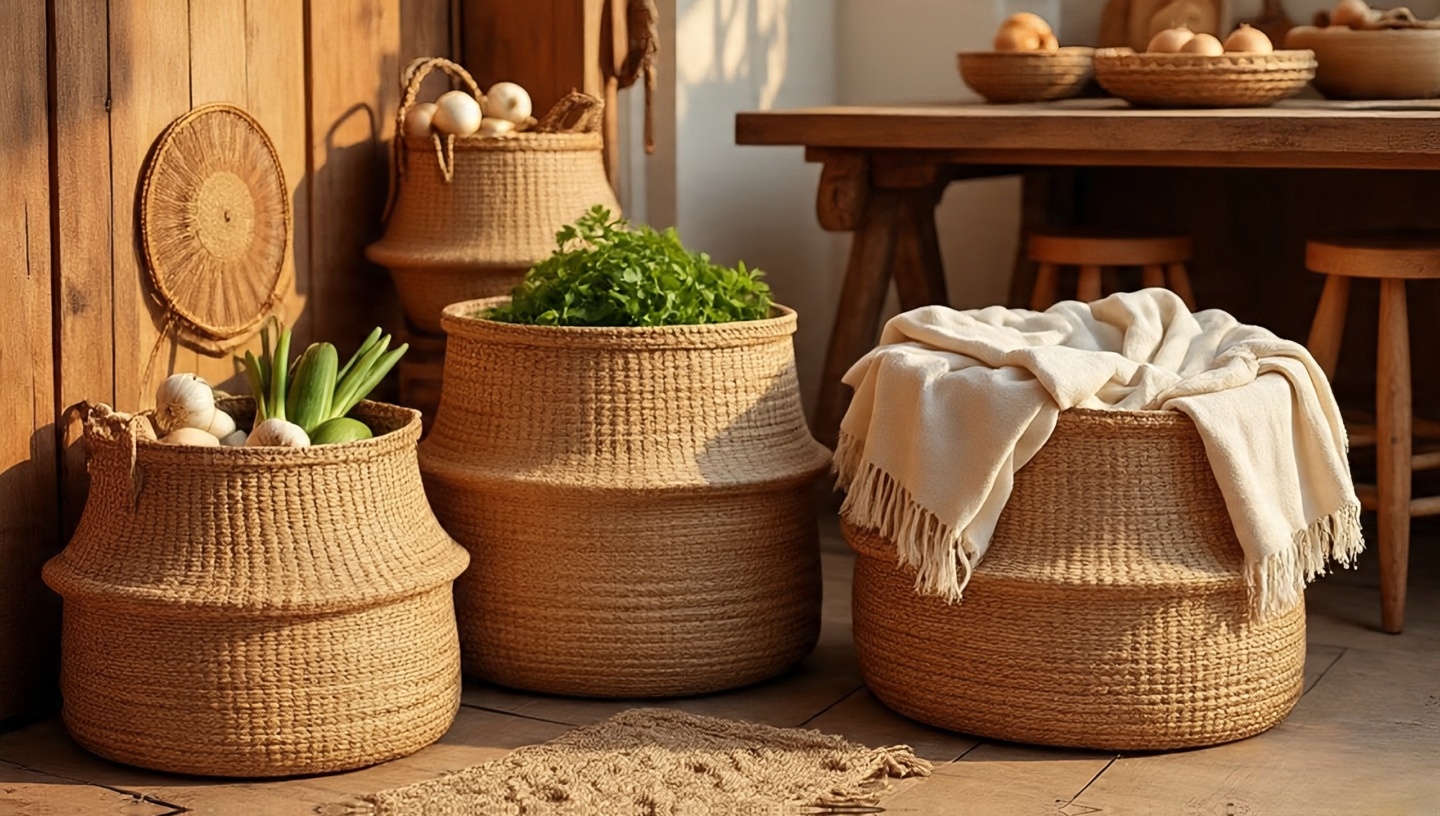
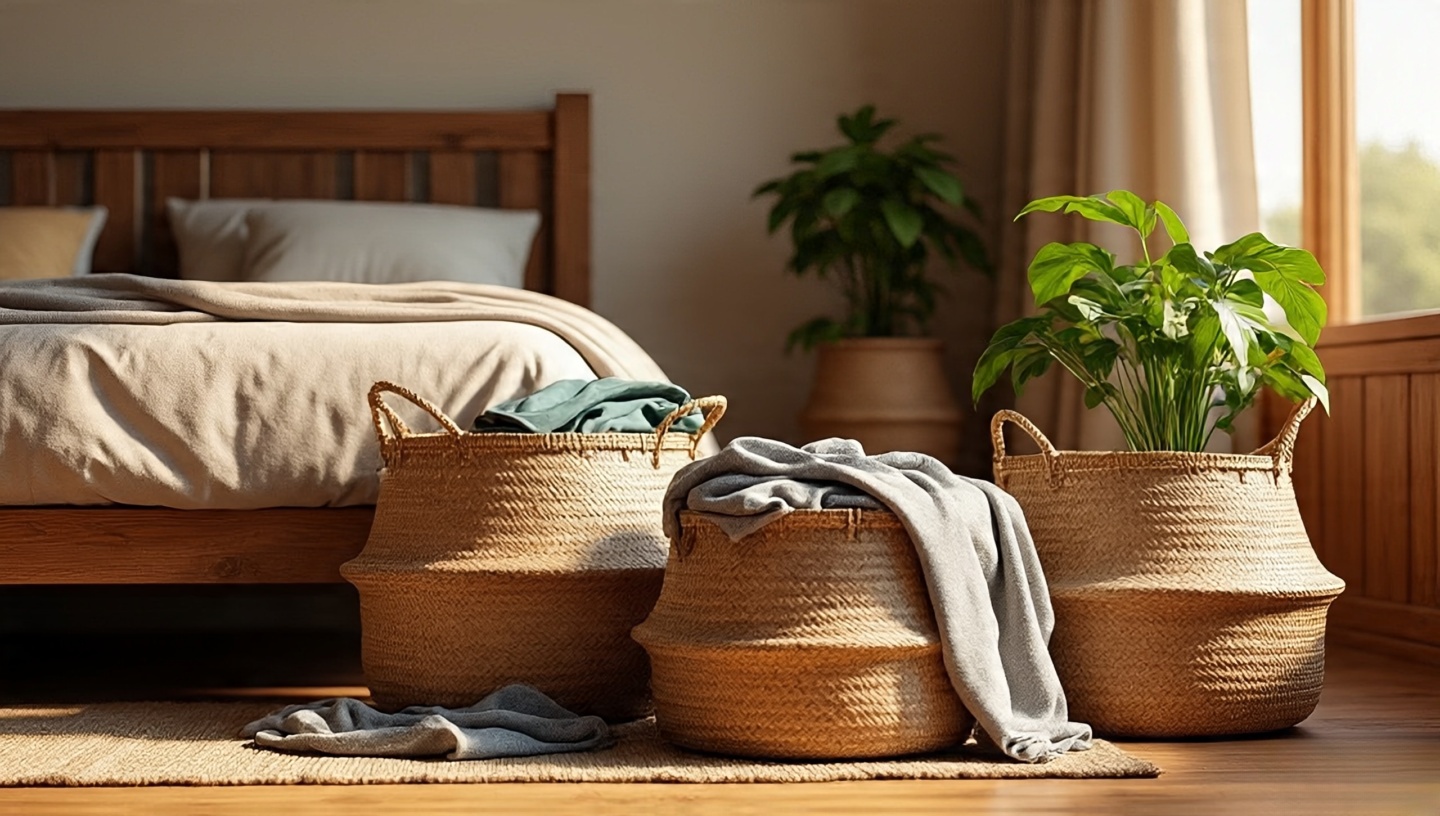 Designers love baskets for good reason—they hide the clutter, add woven texture, and keep the room from looking sterile. Use them for blankets, laundry, or even as plant holders. They’re timeless, versatile, and very Bohemian. And let’s be honest, clutter happens. This is not minimalism. This is Boho.
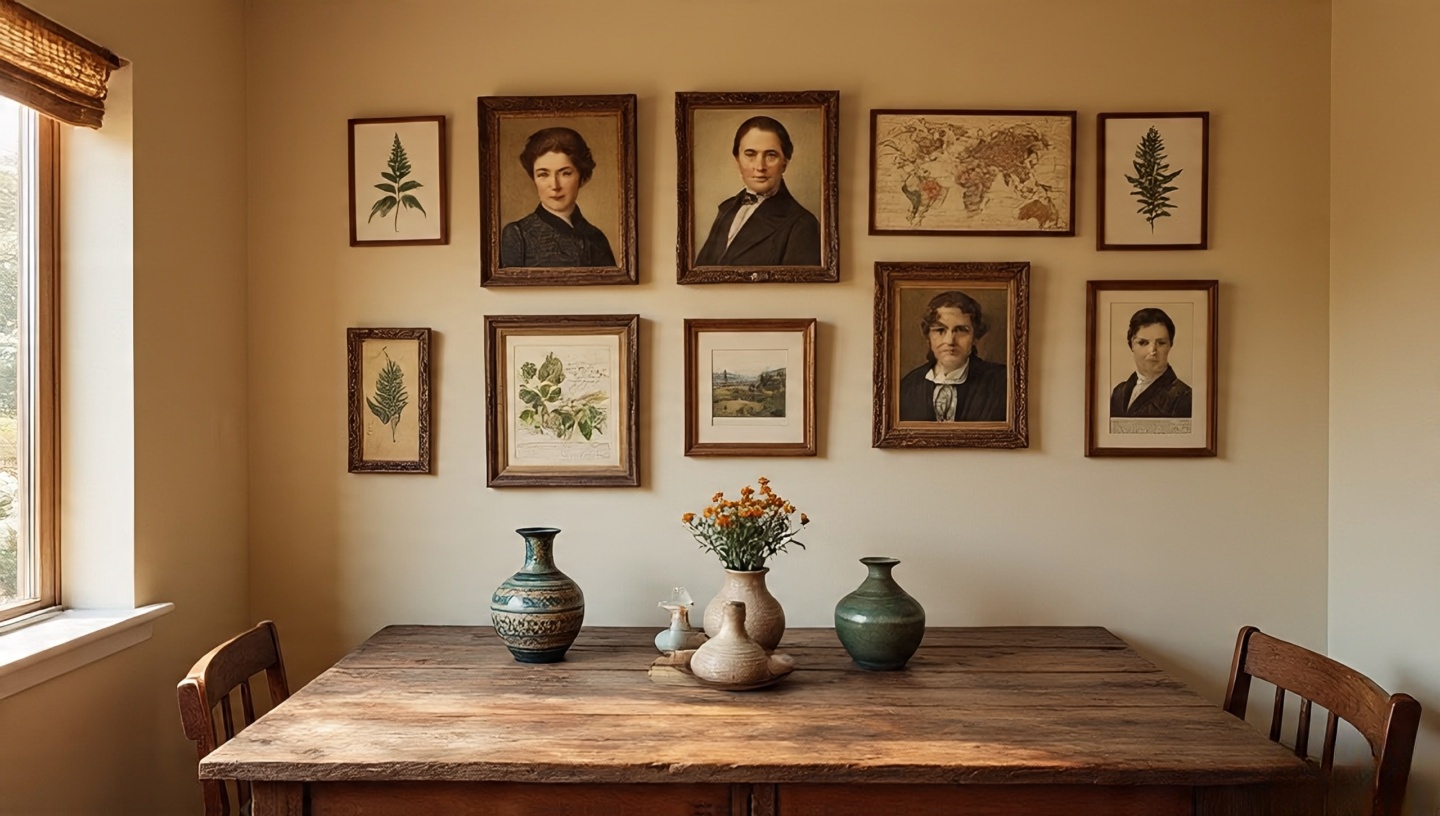
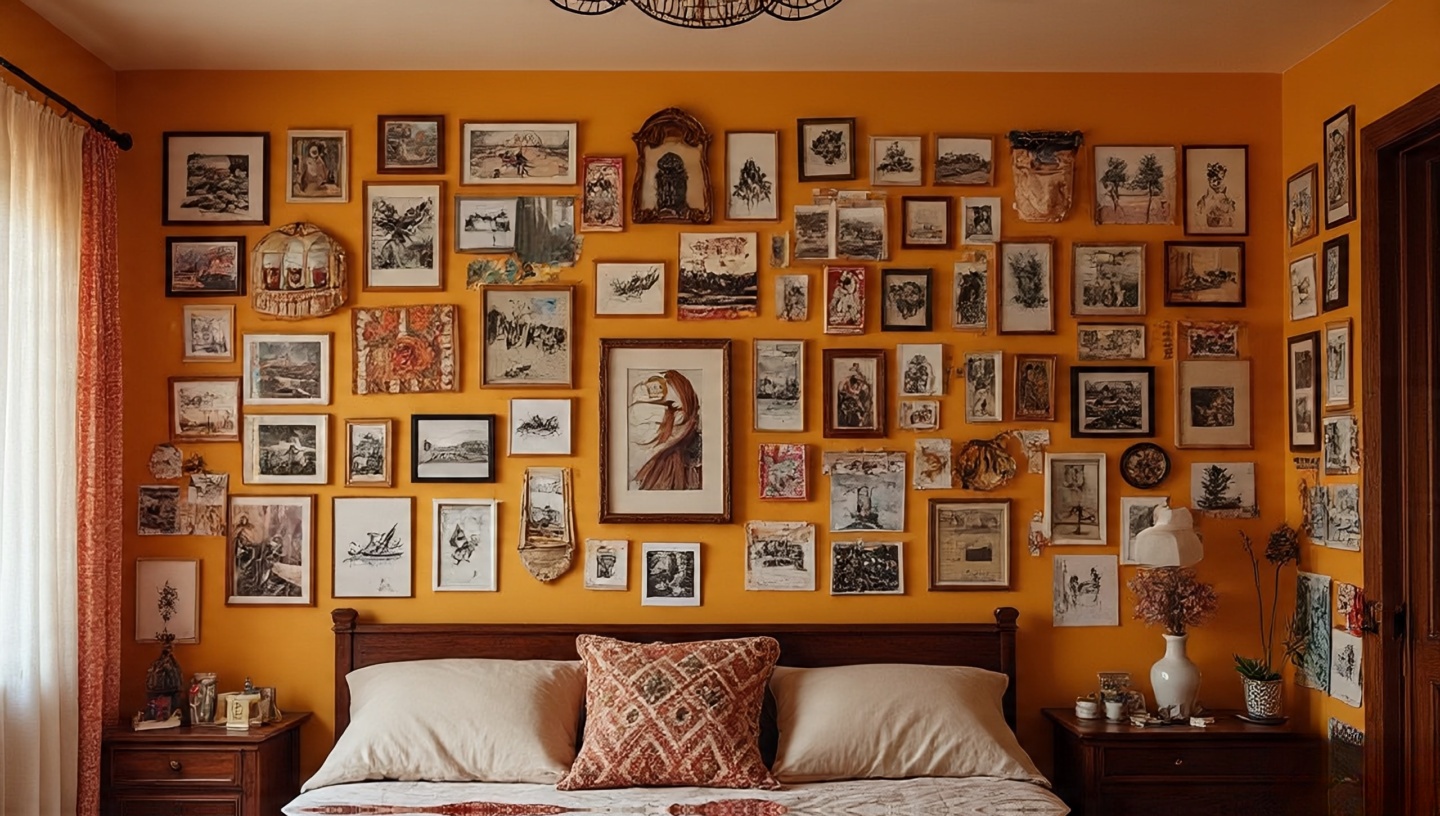 I’ve always loved when a wall feels like a scrapbook. Mix framed art, postcards, sketches, or even textiles you find along the way. Don’t curate everything at once—let it evolve. One of my clients started with just three photos, and over five years it turned into a tapestry of their life. That’s the soul of Boho: nothing is finished, everything is unfolding.
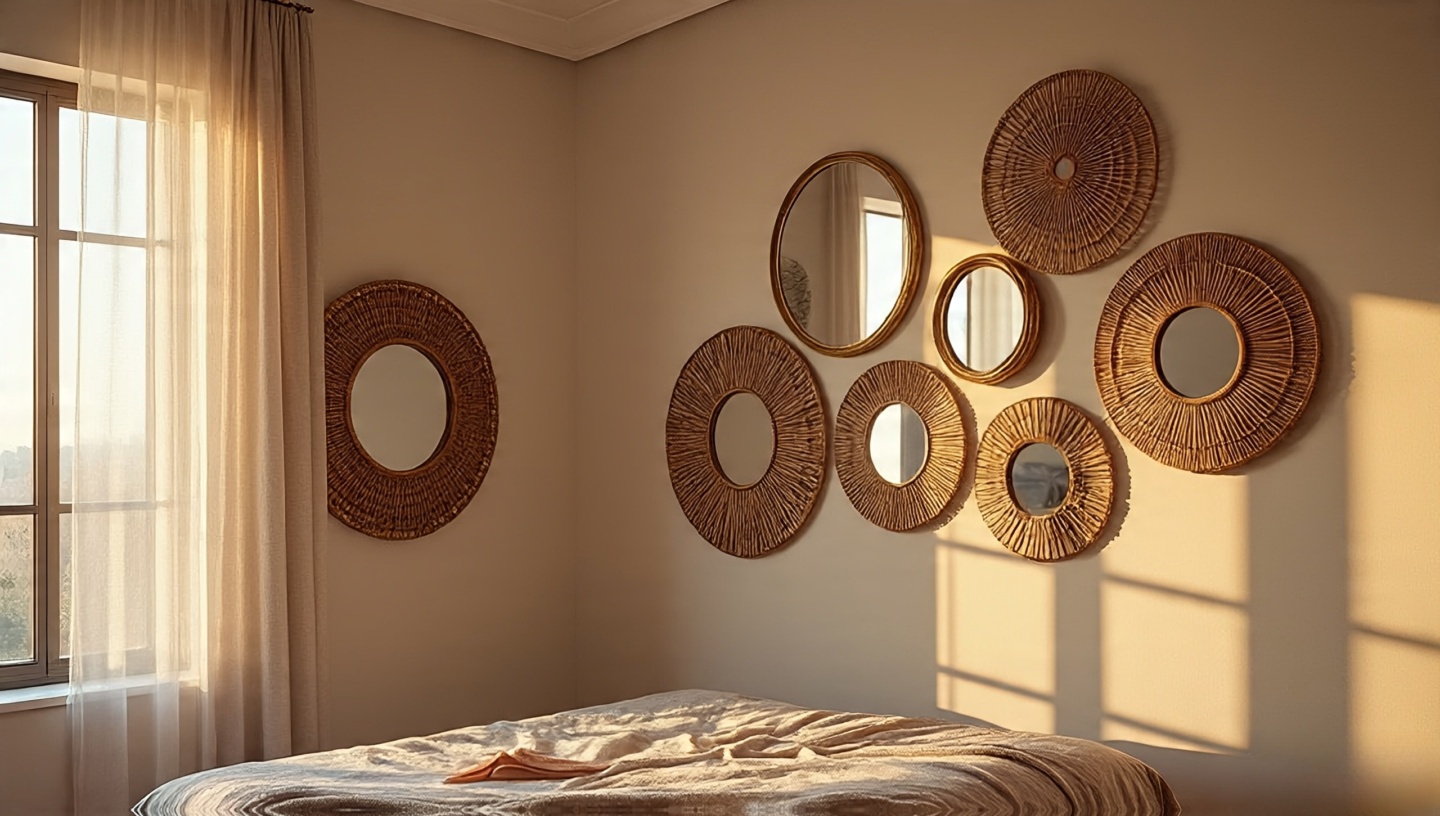 Small bedrooms often struggle with light. Round rattan mirrors, vintage brass frames, even irregular flea-market finds can change that instantly. Place one opposite a window and watch the morning light bounce like water ripples across the wall. It’s a trick I’ve used in countless apartments where windows were few but sunlight was precious.
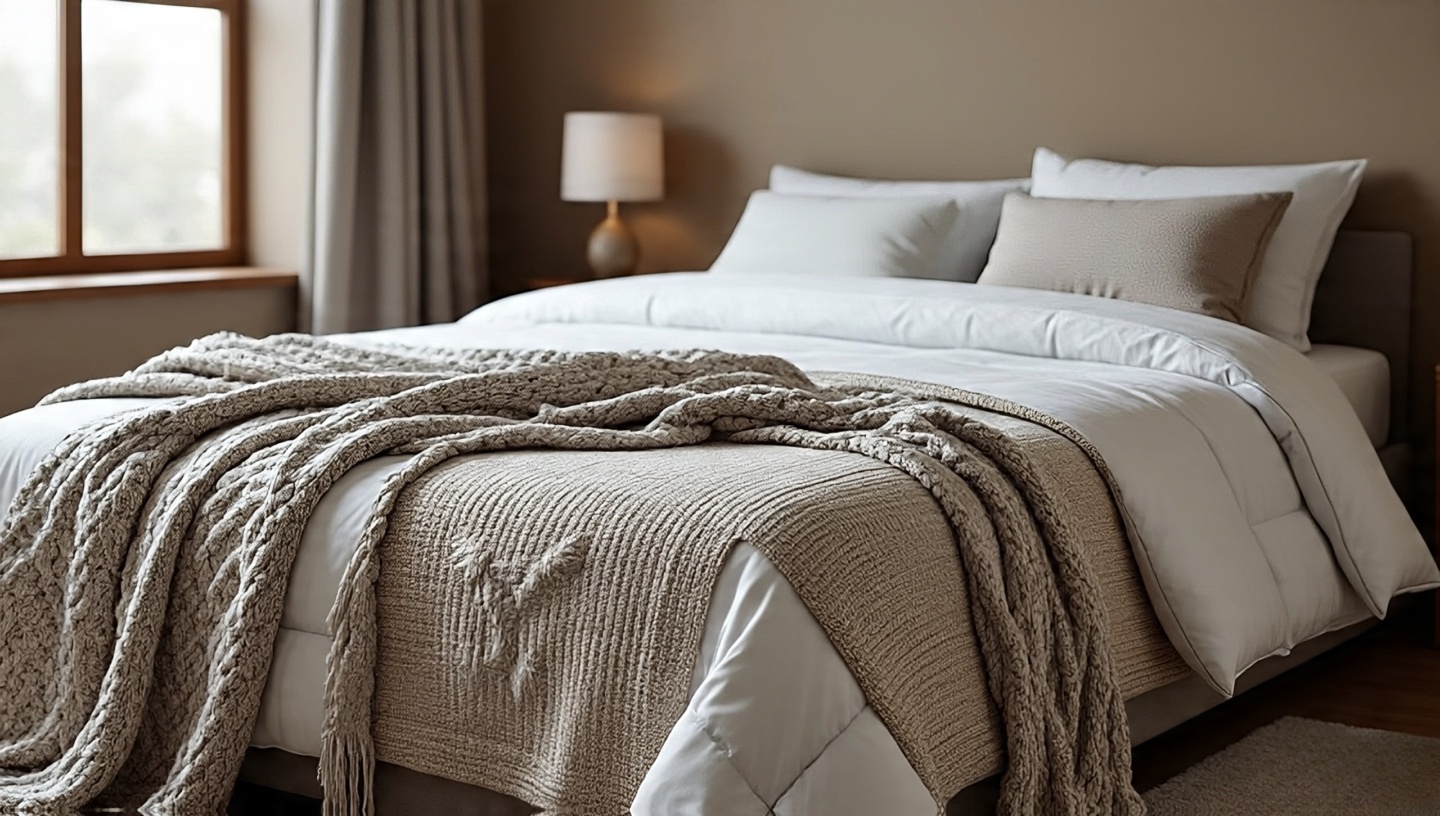 Crisp cotton sheets, a quilt for texture, a chunky knit for warmth, and a patterned throw casually placed at the foot. That’s how you build comfort. Don’t chase perfection; the slight messiness makes it feel lived in. When I stay at hotels, I sometimes miss the personality of my own messy layers at home—that’s how powerful it is.
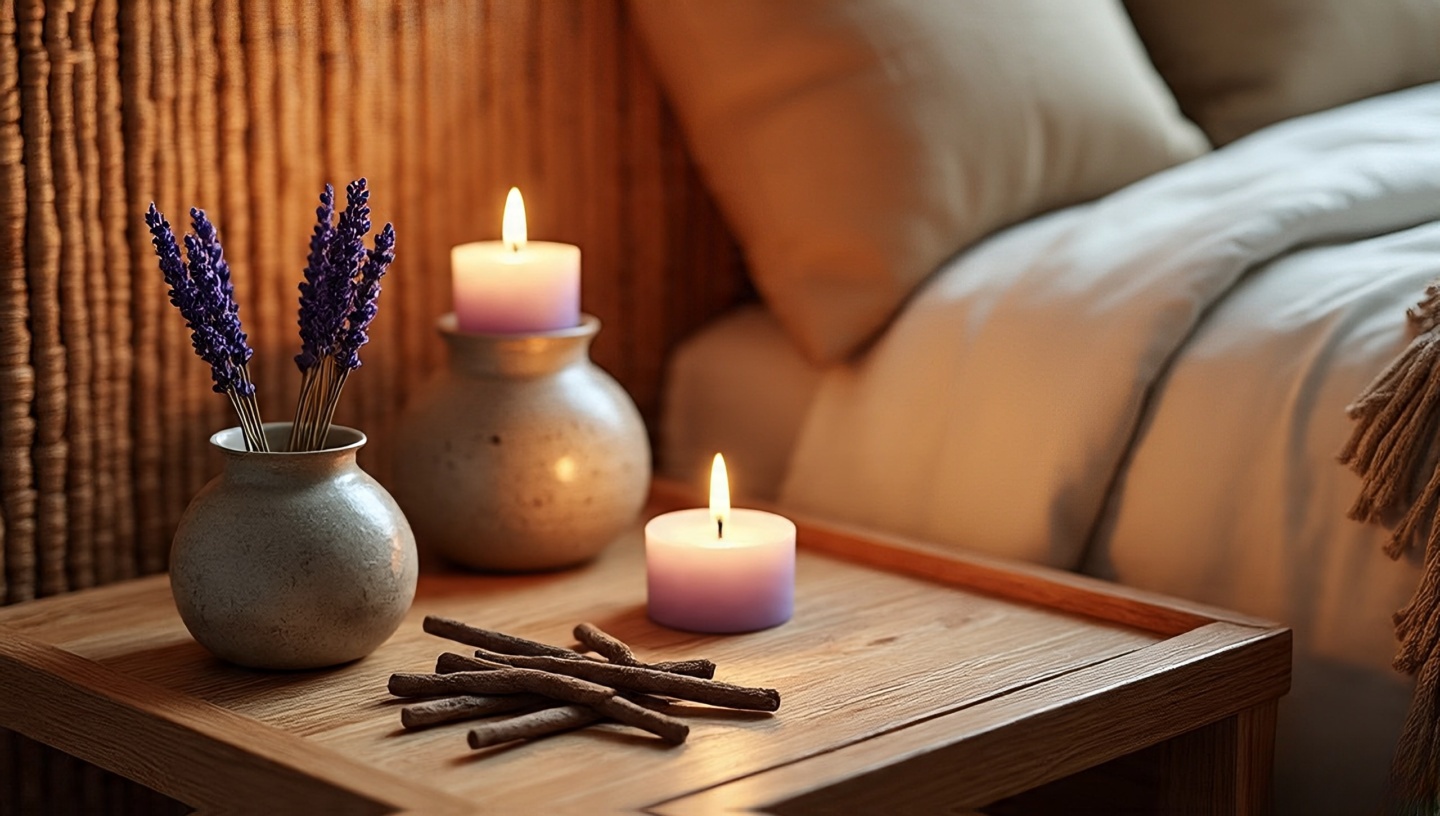 Design isn’t just visual—it’s sensory. I once entered a home where lavender oil lingered on the pillows, and the entire bedroom felt restful before I even noticed the colors. Try incense for ritual, cedar candles for grounding, or palo santo for clarity. Smell shapes memory; your room should feel like a sanctuary even in the dark.
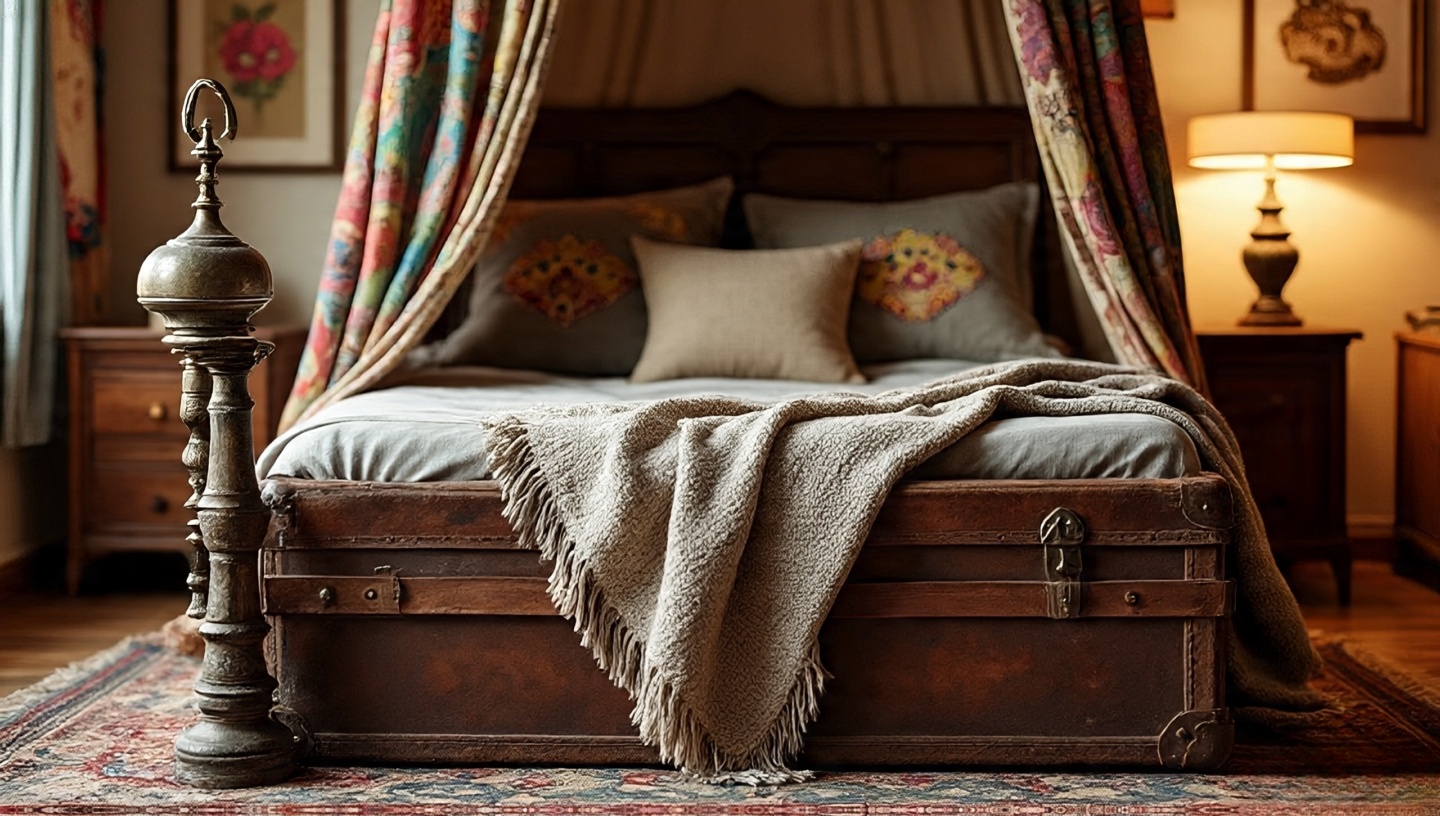 A chipped trunk at the foot of the bed. A lamp with brass patina. These aren’t just objects; they’re anchors of memory. In my early projects, I used to hunt flea markets for clients—because nothing beats the atmosphere of an item that has lived before you. Mass-produced pieces can’t compete with that quiet, timeworn soul.
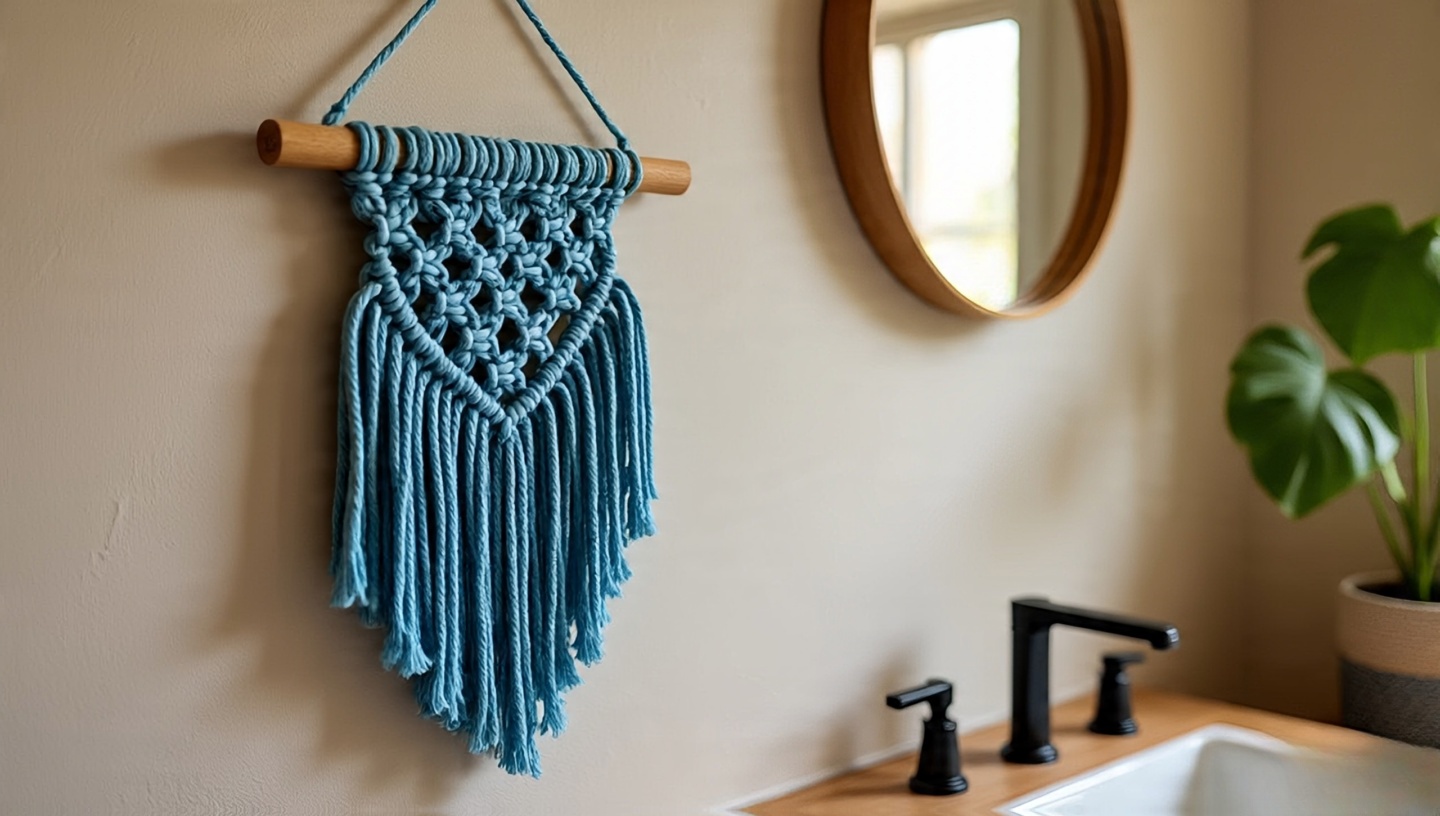
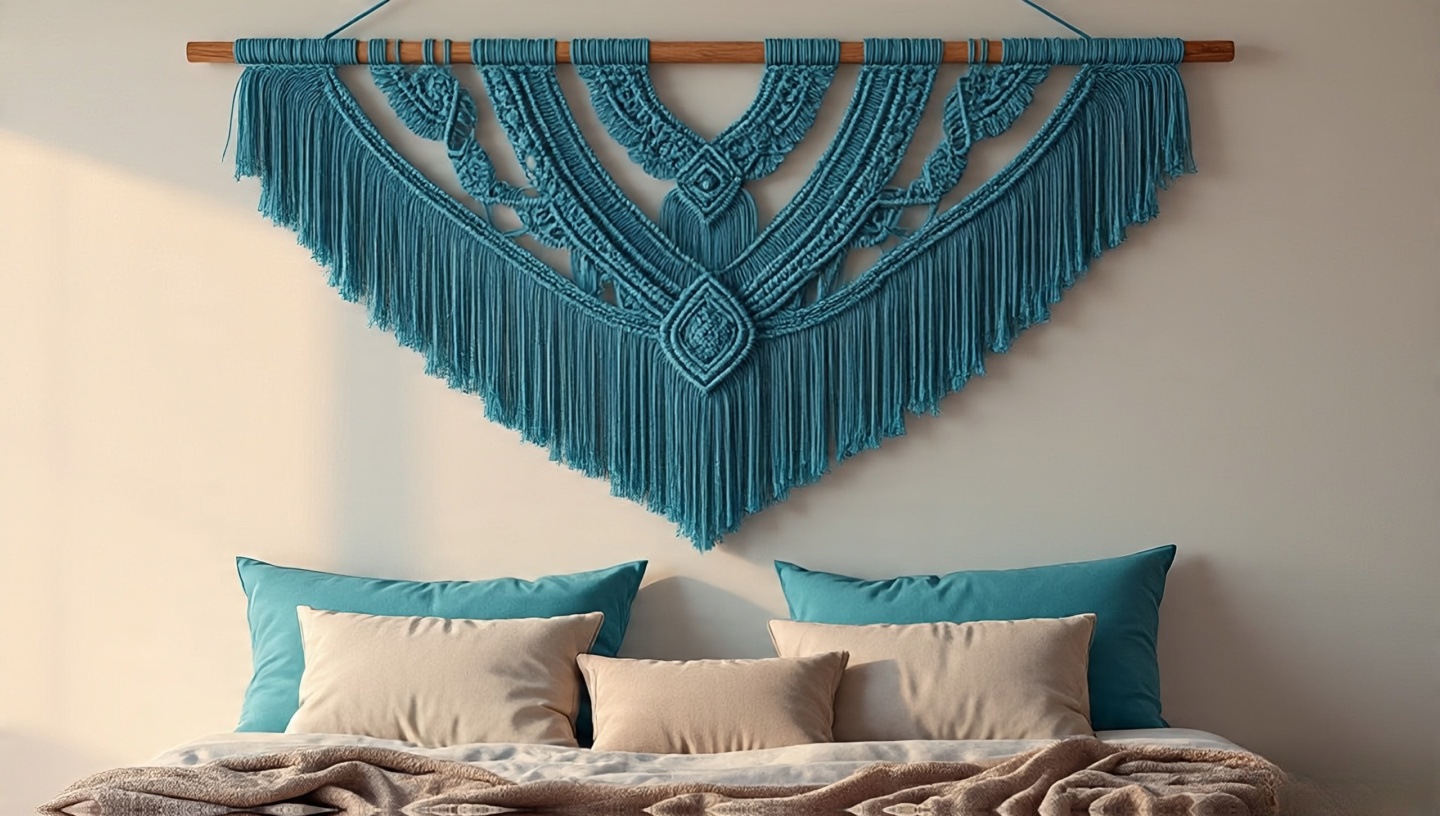 I once watched an artisan knot a macramé wall hanging for hours—the rhythm of hands creating texture. That same patience ends up on your wall or cradling your plant. Macramé adds softness without noise; it’s handmade art that whispers rather than shouts. Every knot holds time, and that’s something factory design will never replicate.
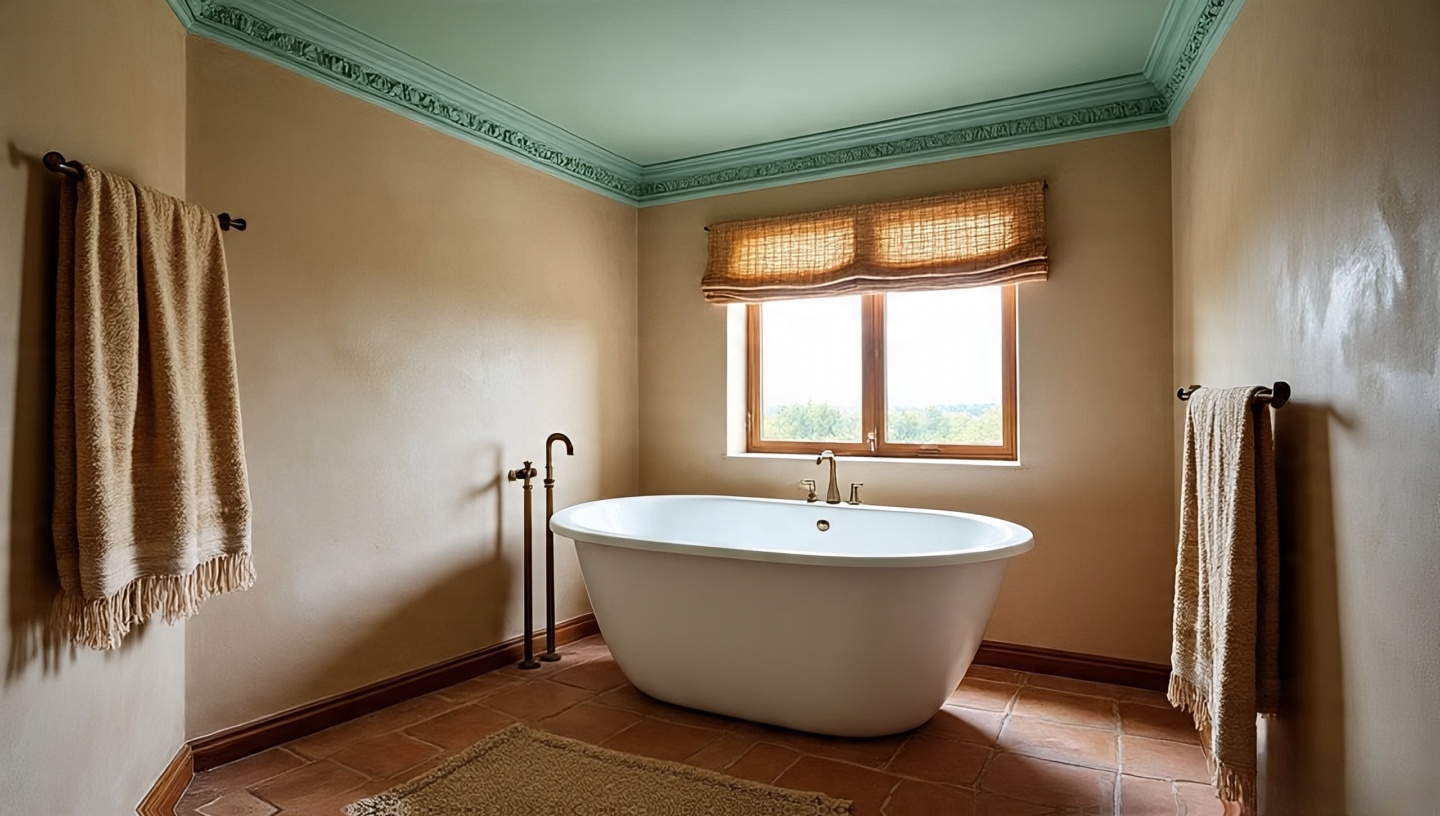
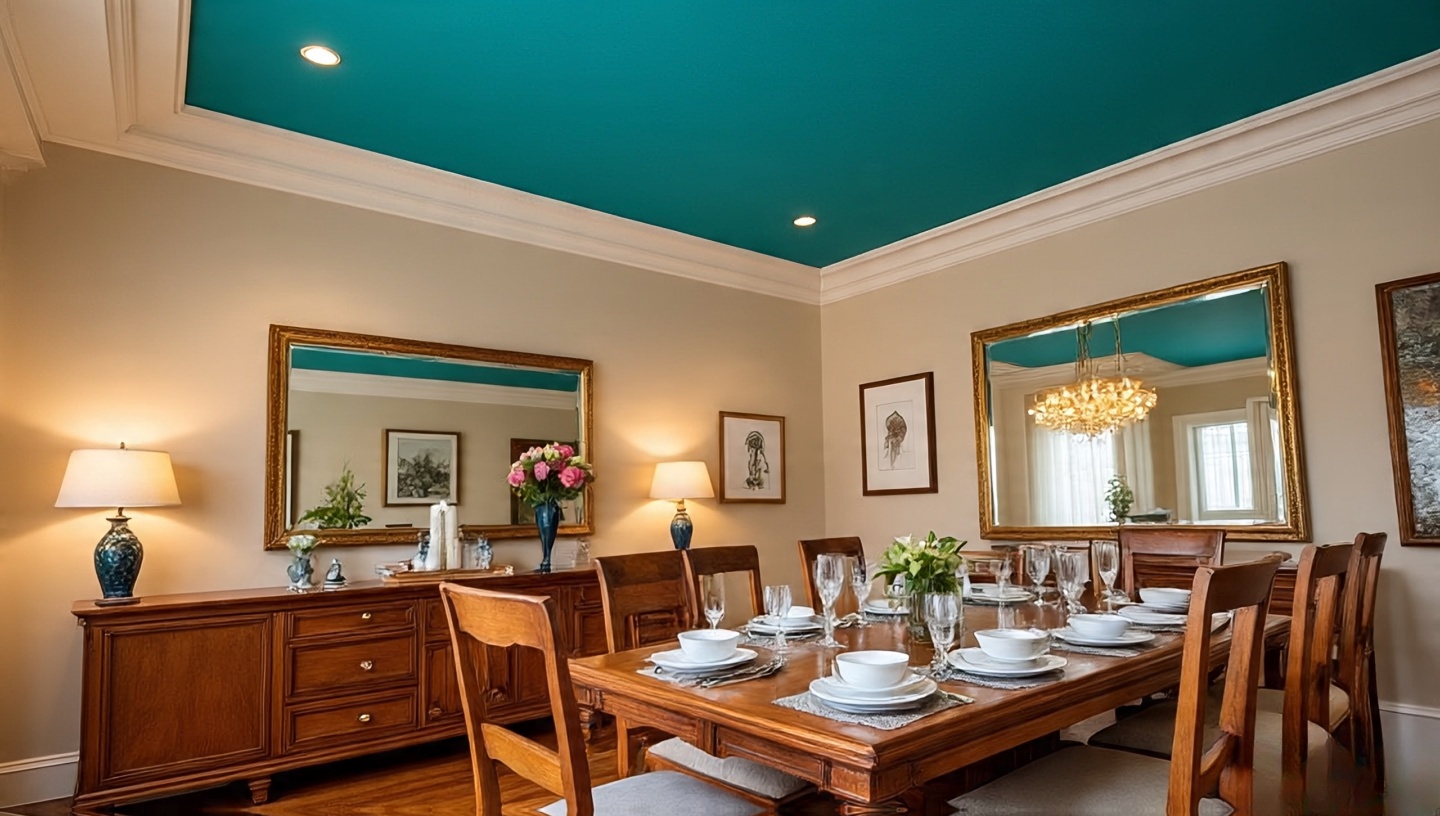
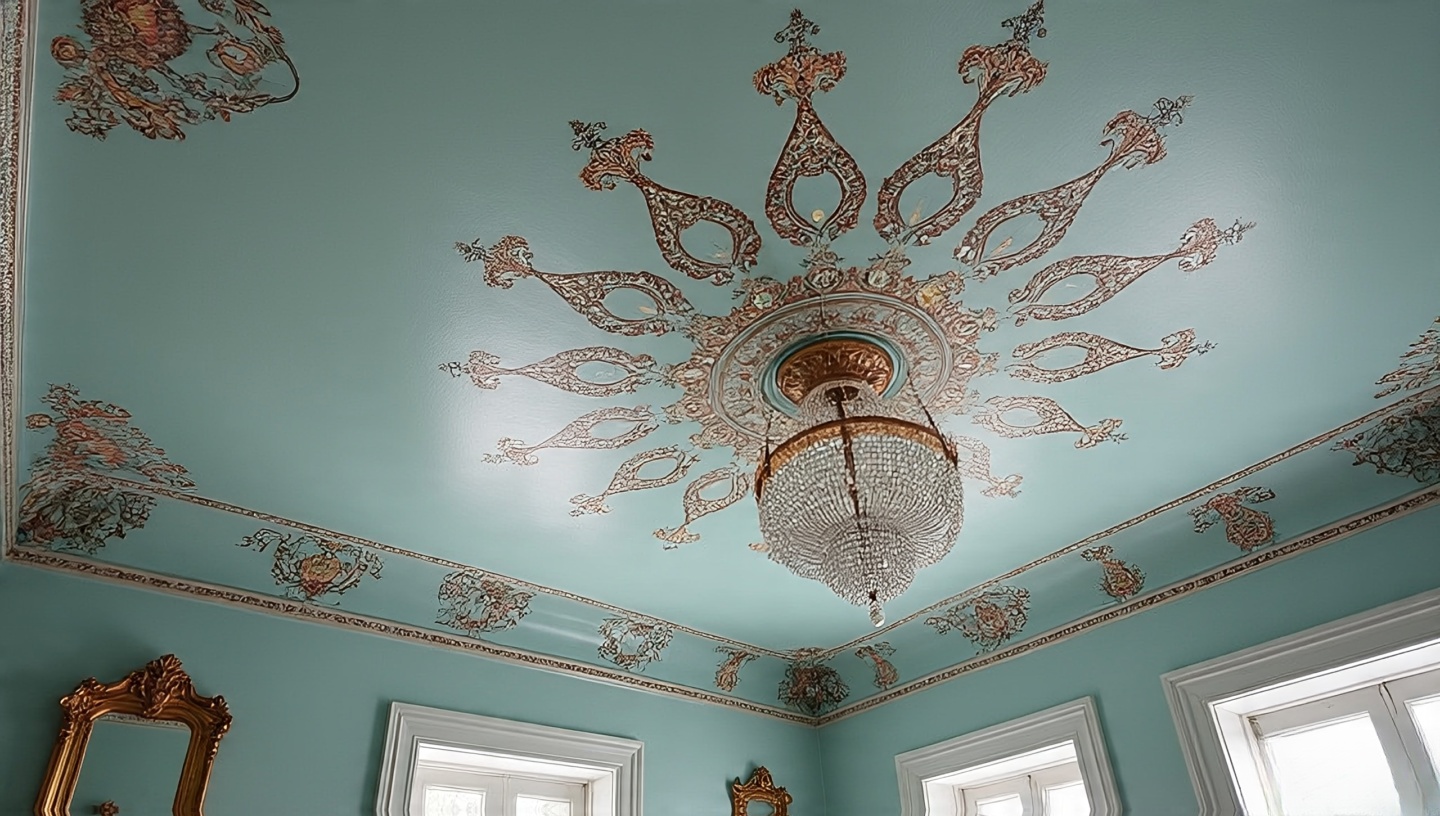 Most people forget the ceiling, but it’s what you see lying in bed. Paint it pale blue for sky, or hang a beaded chandelier that casts patterns as you drift off. One project I did in Mexico used draped fabric across beams—at night, the folds caught candlelight like waves. Never underestimate what’s above you.
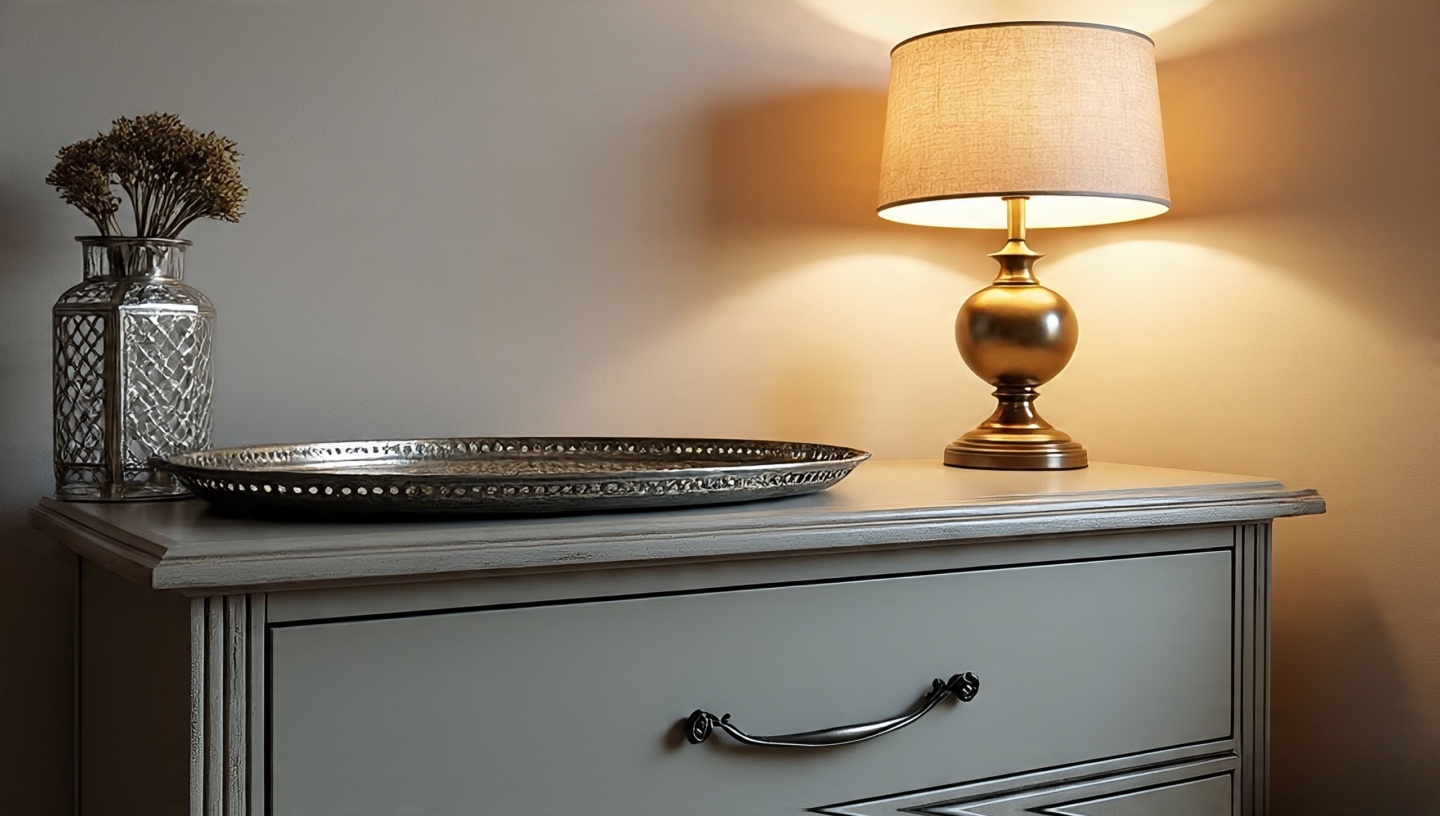 Design “rules” tell you to match finishes. I disagree. A brass lamp, a silver tray, a matte black drawer pull—they can live together beautifully. The mix creates depth and prevents a space from feeling staged. I’ve used this approach in both grand estates and tiny studios—it always works.
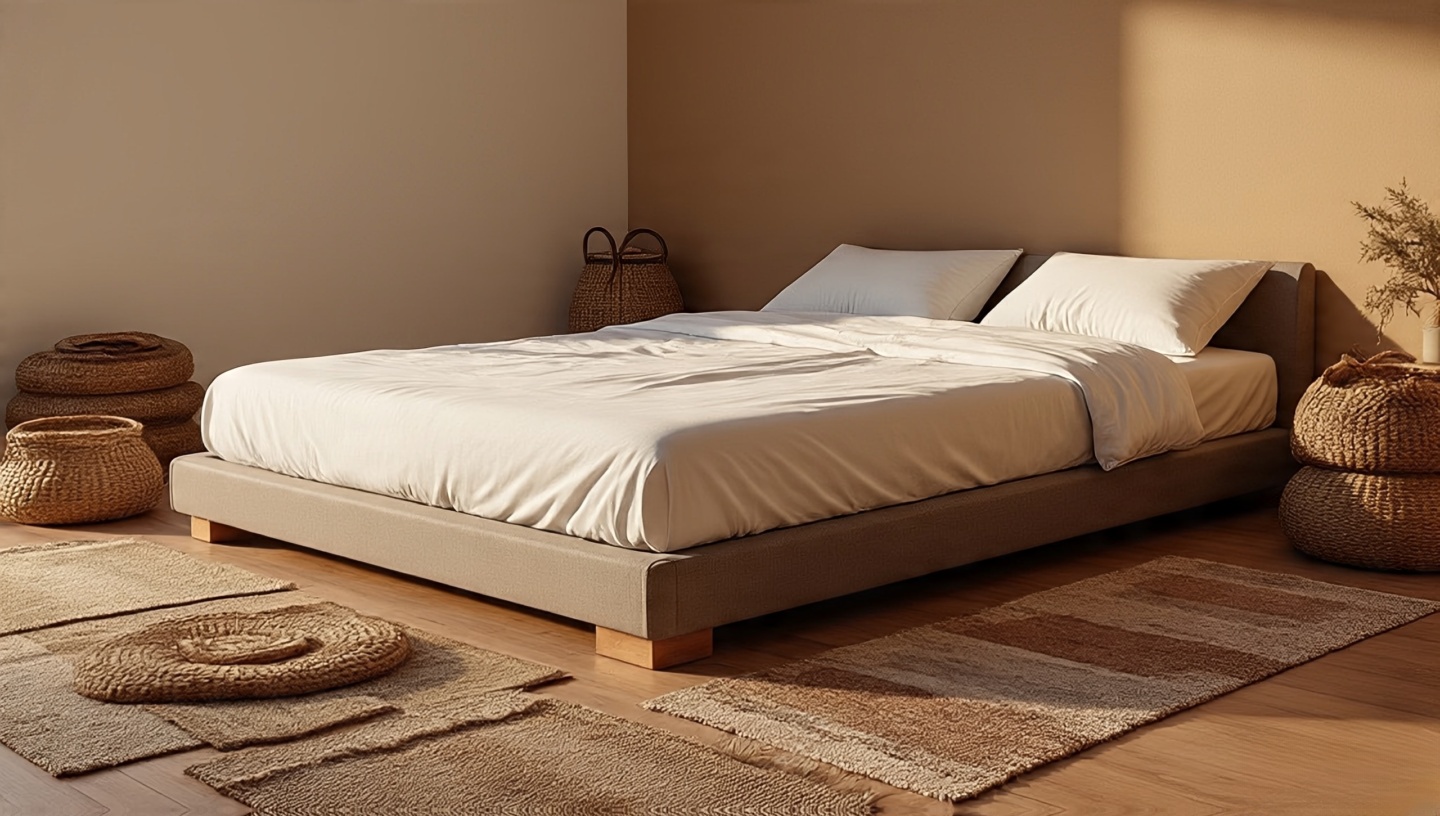 There’s something transformative about sleeping closer to the floor. Whether it’s a Japanese futon, a simple platform, or even just a mattress layered with rugs—it changes the way the space feels. Lowering the bed often makes a small room look bigger, and it always makes it feel more grounded, more connected to the earth beneath.
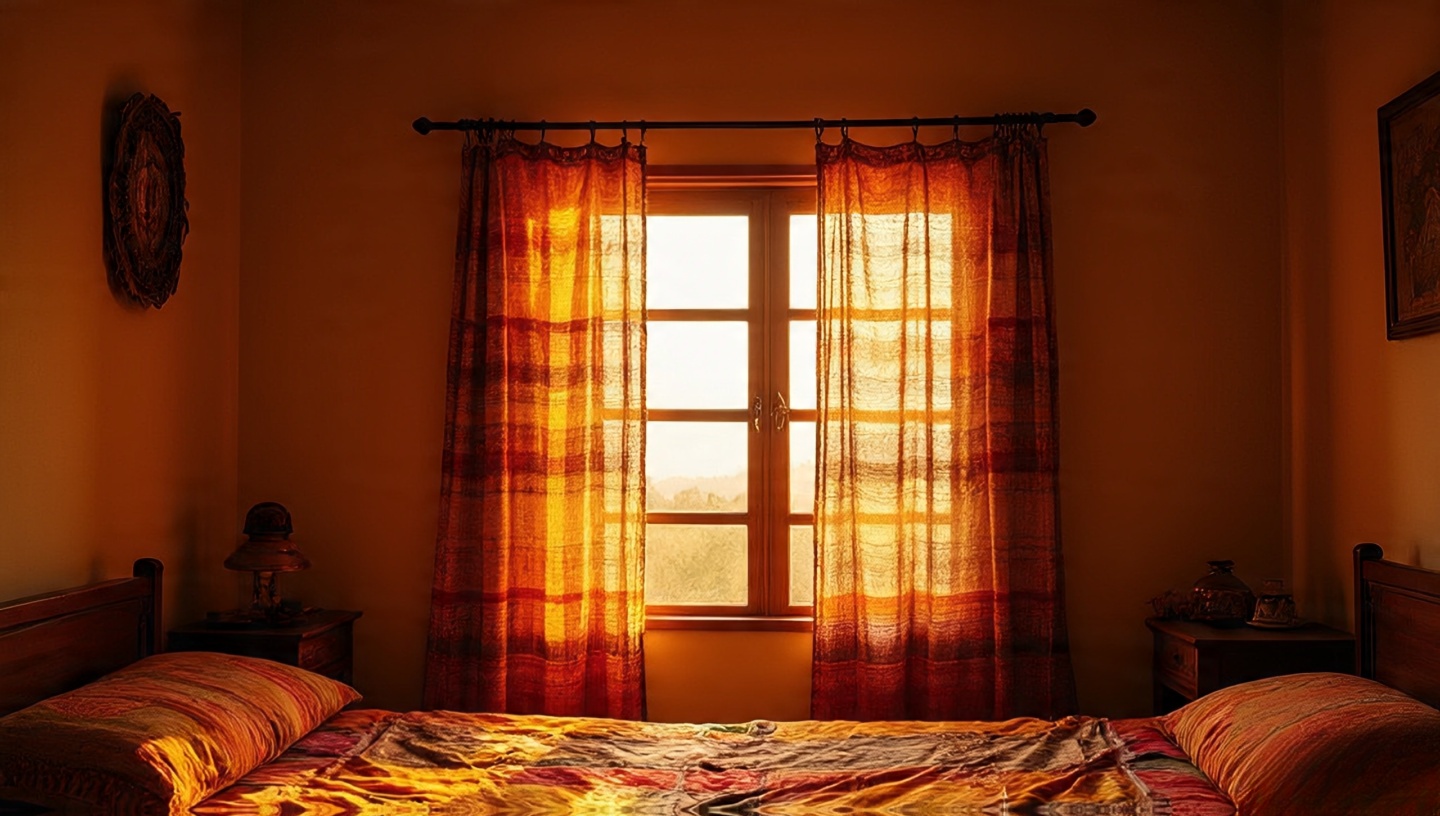 Curtains aren’t just for privacy—they’re the frame for your mornings. Sheer white fabric diffuses sunlight softly, while velvet mustard curtains can turn the whole room dramatic. In one project, we used recycled sari fabric; when the sun hit, the room turned into a kaleidoscope of color. That’s when design becomes poetry.
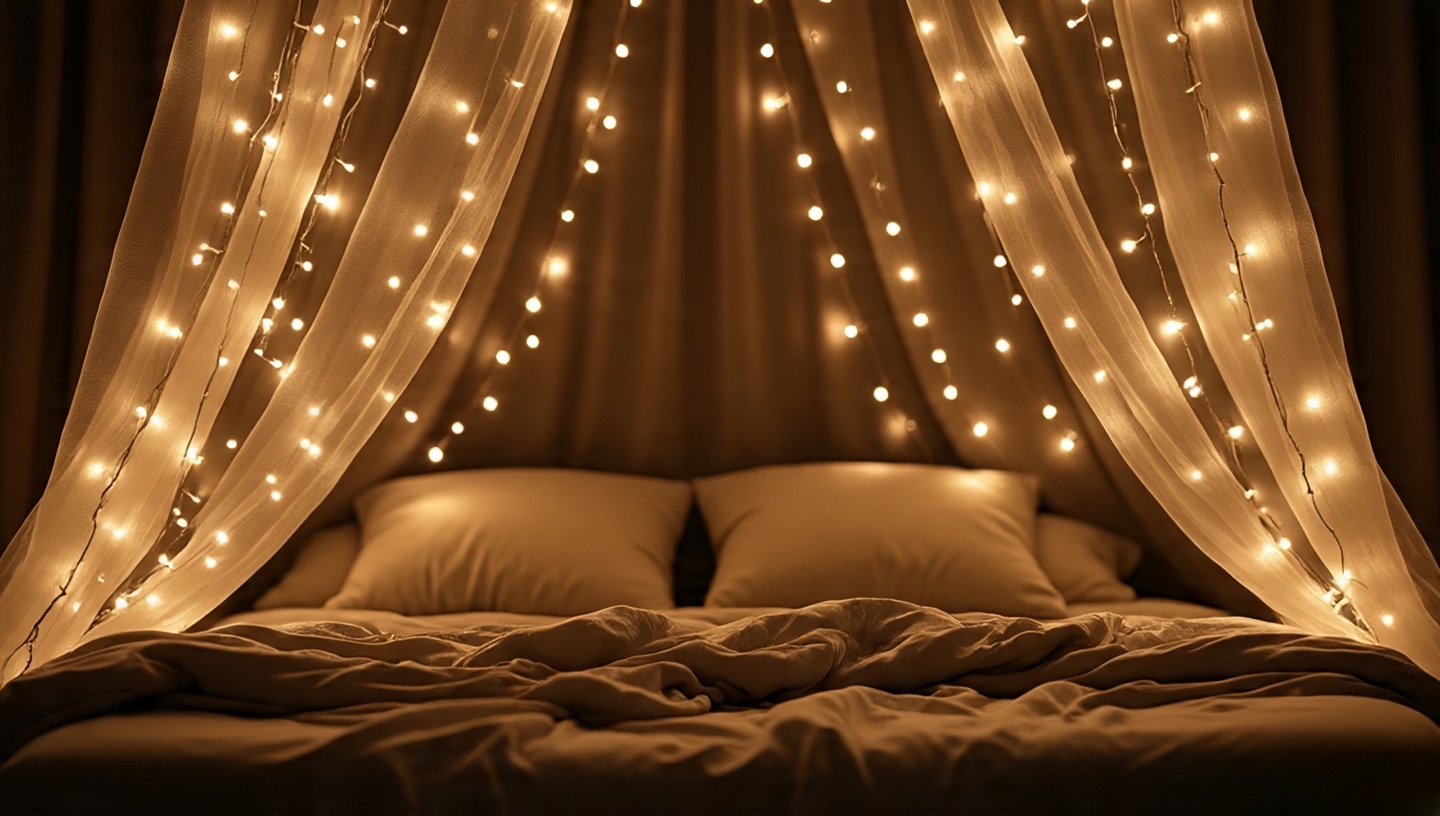 Yes, it’s a cliché, but it works. Draped across a canopy or pinned loosely along a wall, string lights transform a bedroom at night. It feels like stars spilled indoors. A client once told me it was the single most comforting detail in their apartment. Sometimes, the simplest ideas are the most powerful.
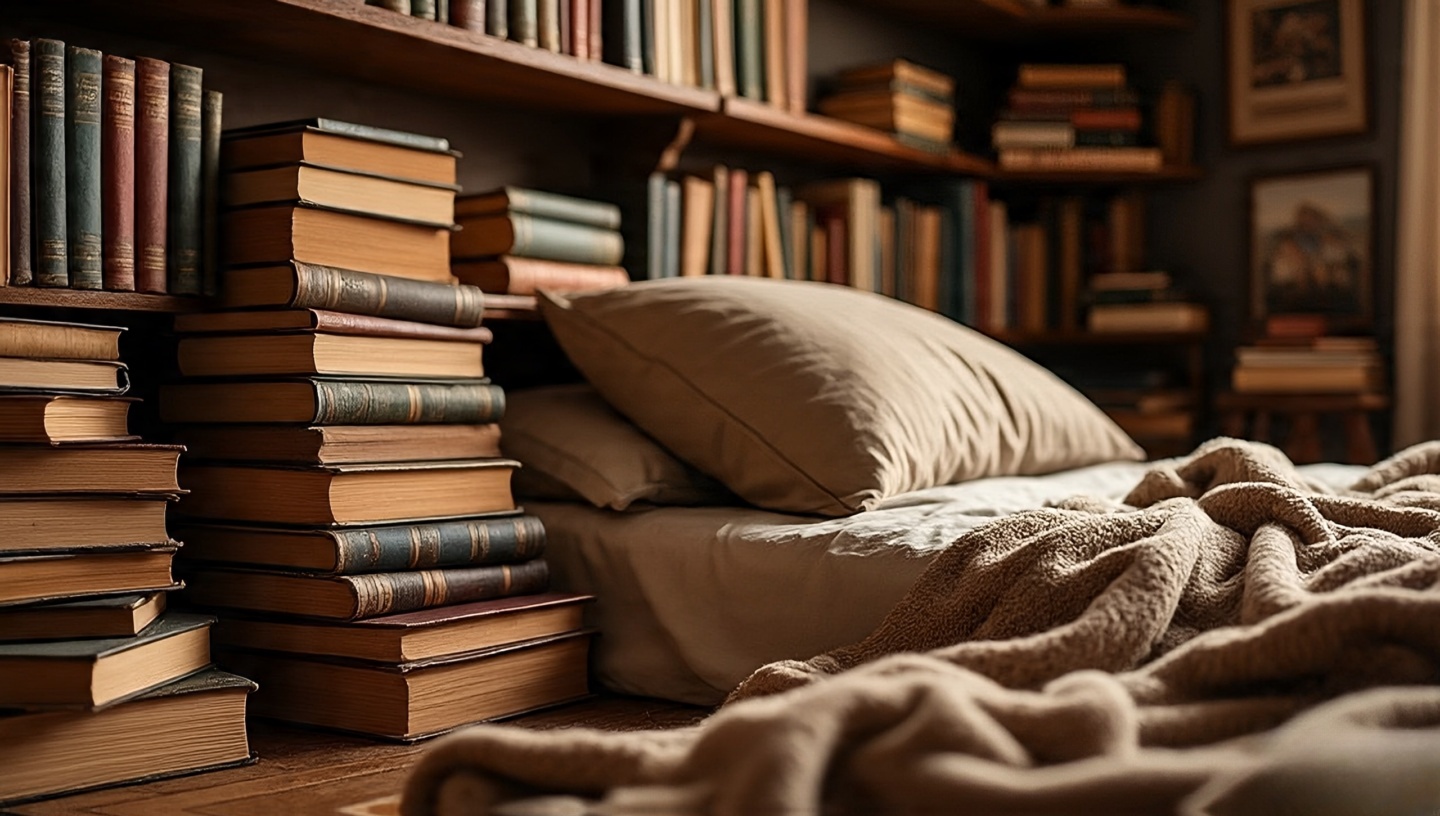 A Bohemian room should feel lived in, and nothing speaks of life more than stacks of books. Place them on uneven shelves, pile them on the floor, or even let them spill onto a window ledge. Worn spines are not flaws—they’re proof of use. I always say: a shelf of unread books is sterile, but a pile of well-loved paperbacks is design gold.
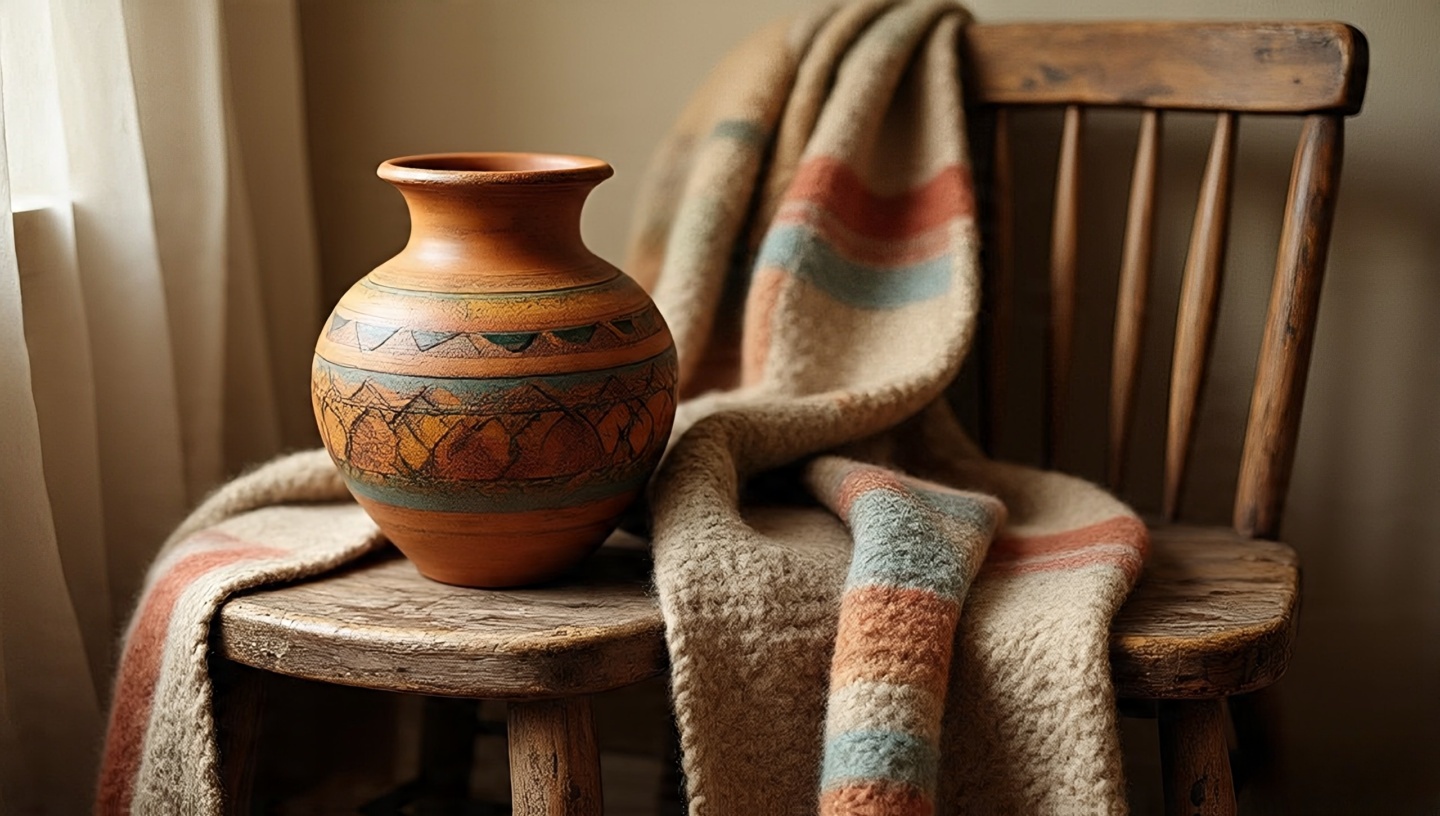 Too many people think design is about the color palette. It’s not. It’s about how surfaces feel. Imagine a clay vase resting on a rough wooden stool, beside a wool blanket draped over a chair. Even with muted colors, the tactile contrast makes the room sing. In architecture, I’ve seen neutral rooms come alive purely through texture.
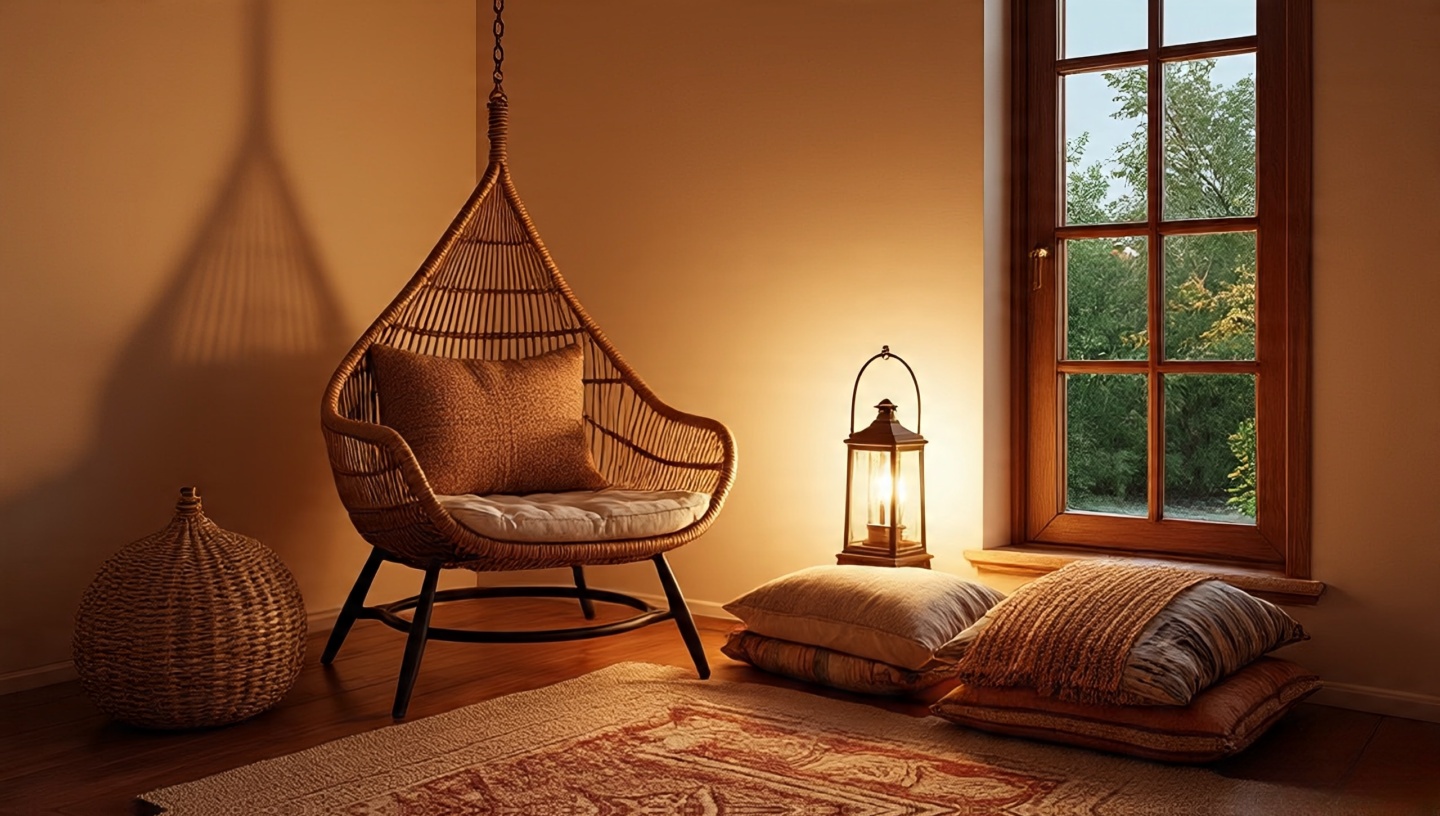 I once turned an awkward corner in a client’s loft into the coziest nook with just a hanging chair and a lantern. Corners crave attention. Fill them with a tall cactus, layered baskets, or a pile of cushions. The lesson? Never leave a corner empty—it’s wasted potential.
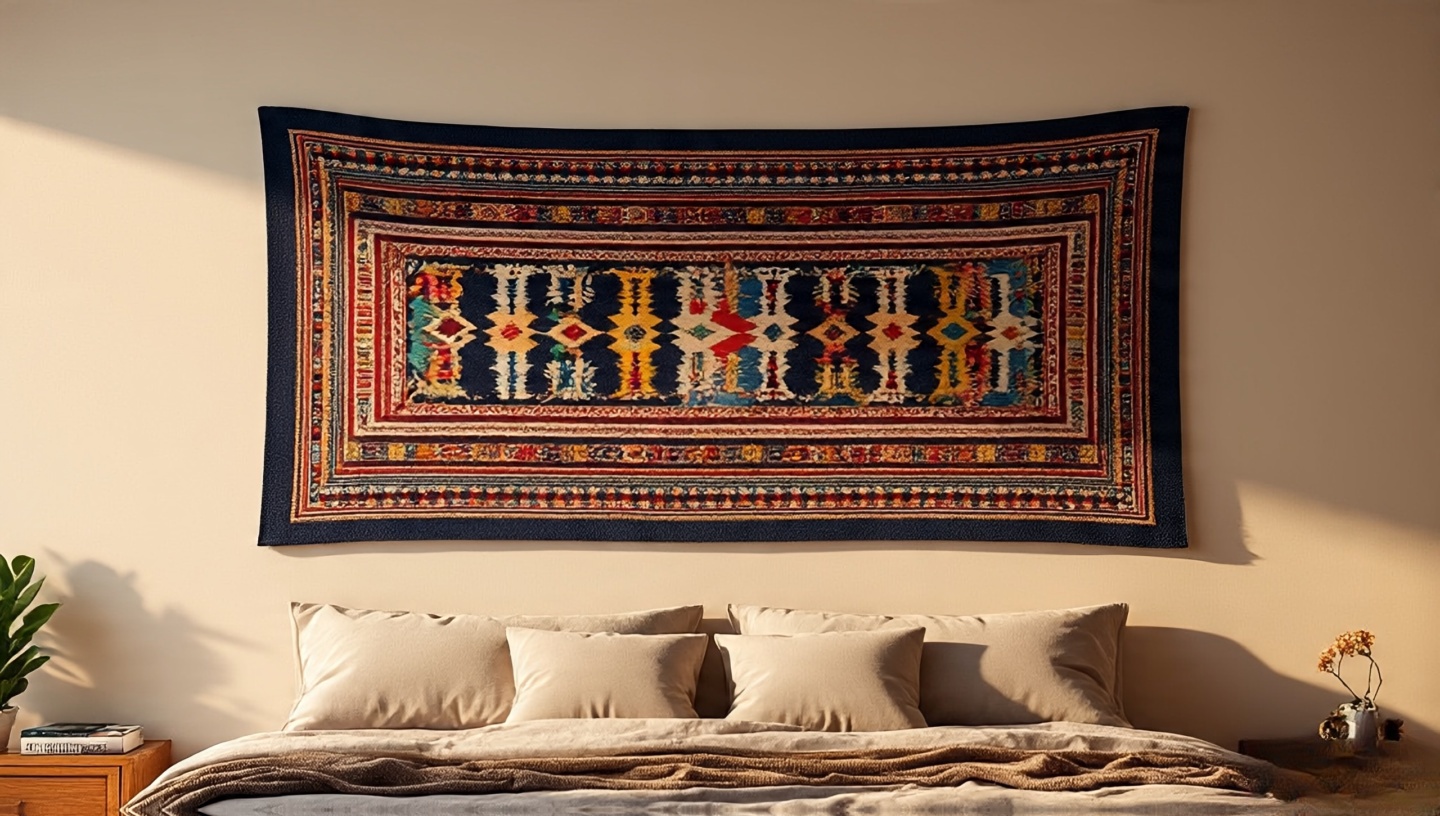 Textiles on walls soften acoustics, absorb light, and add warmth. A mandala print, Navajo weave, or hand-blocked fabric can instantly shift the mood of a bedroom. In rentals especially, tapestries are lifesavers—no need to paint, just hang and watch the room transform.
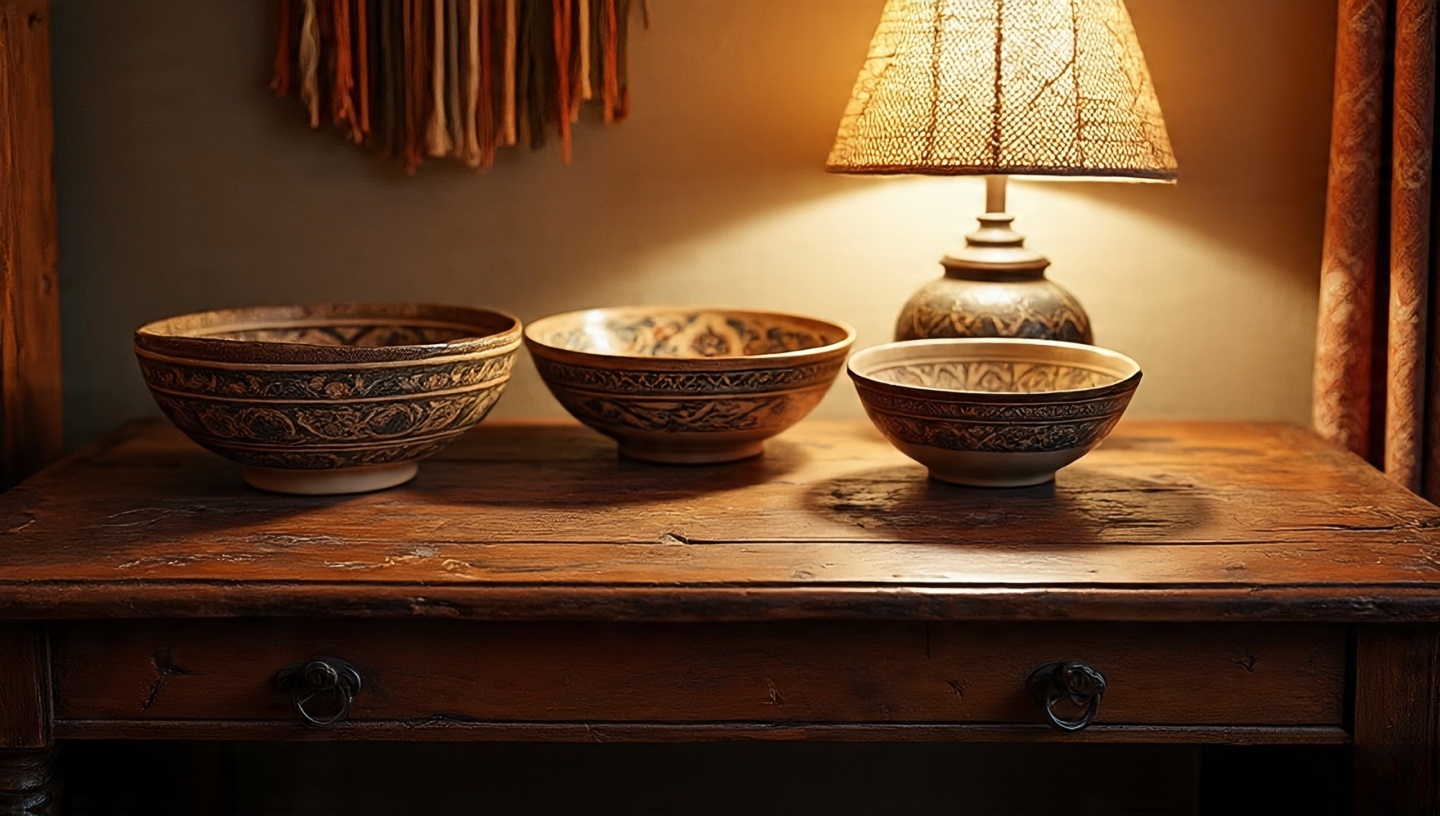 Forget glossy furniture. Look for a wooden desk with scratches, chips, or uneven stain. These imperfections bring authenticity. I once convinced a client to keep an old desk instead of replacing it—their daughter later told me it was her favorite thing in the whole room. Character matters more than shine.
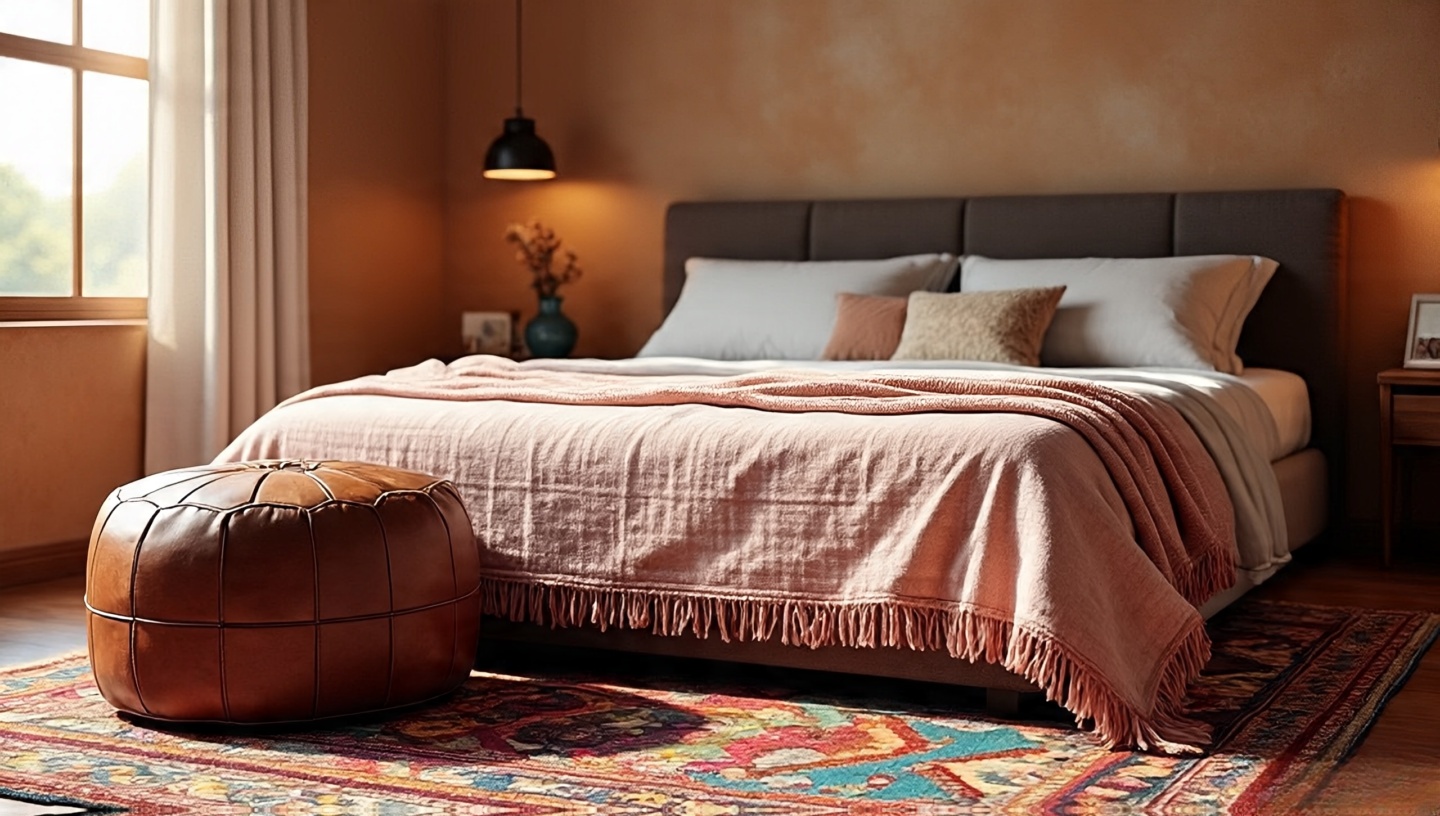 Bohemian style thrives on cultural layers. A Moroccan pouf, an Indian kantha quilt, or a Turkish kilim can become centerpieces. You don’t need to travel the world—sometimes flea markets and vintage stores already carry these treasures. What matters is mixing traditions into a space that feels yours.
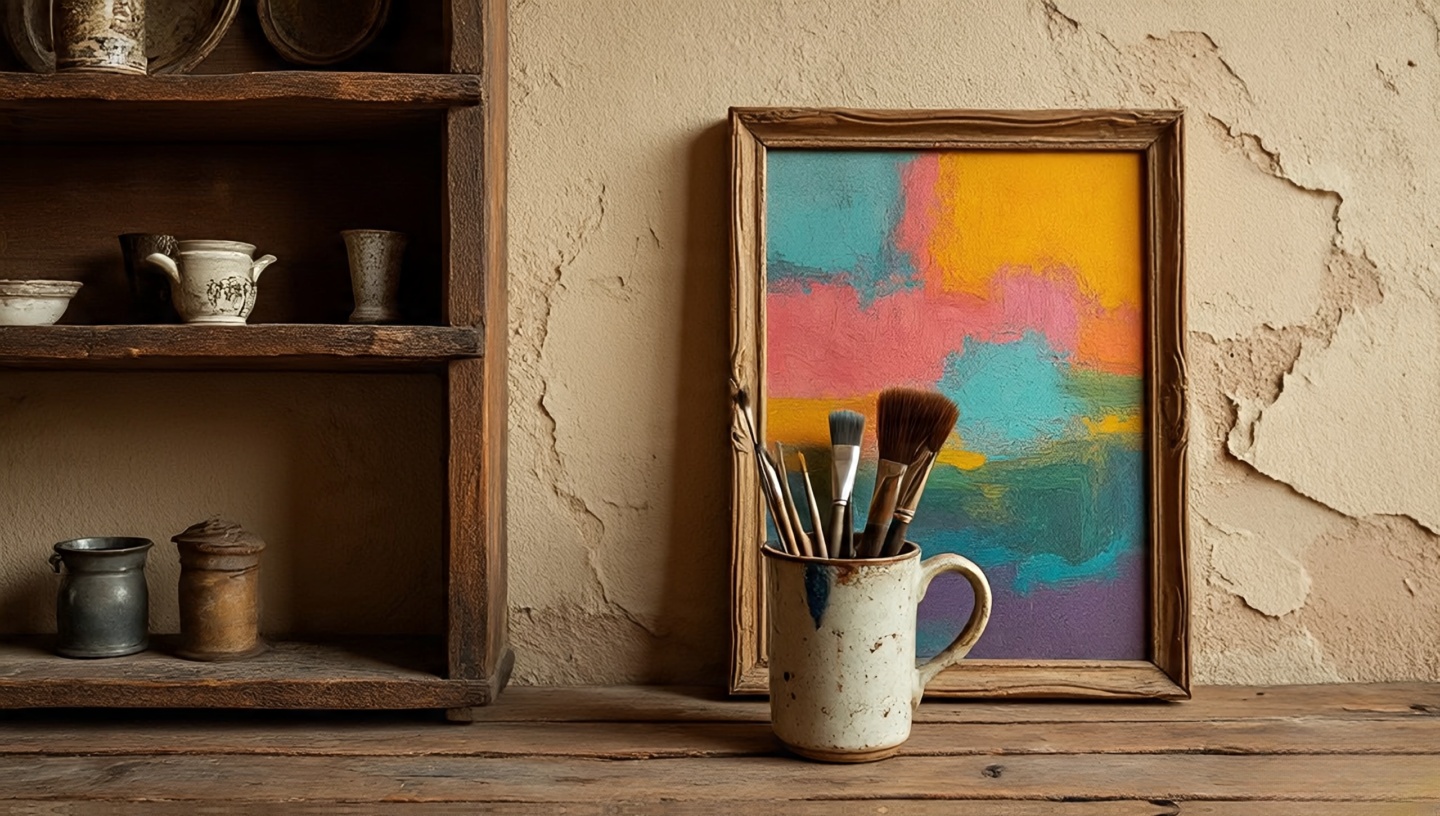 One of the hardest lessons for perfectionist homeowners: let go. That slightly crooked picture frame? Leave it. The chipped mug holding your pens? Perfect. I’ve spent decades telling clients: authenticity is better than flawlessness. Design should breathe, not suffocate under control.
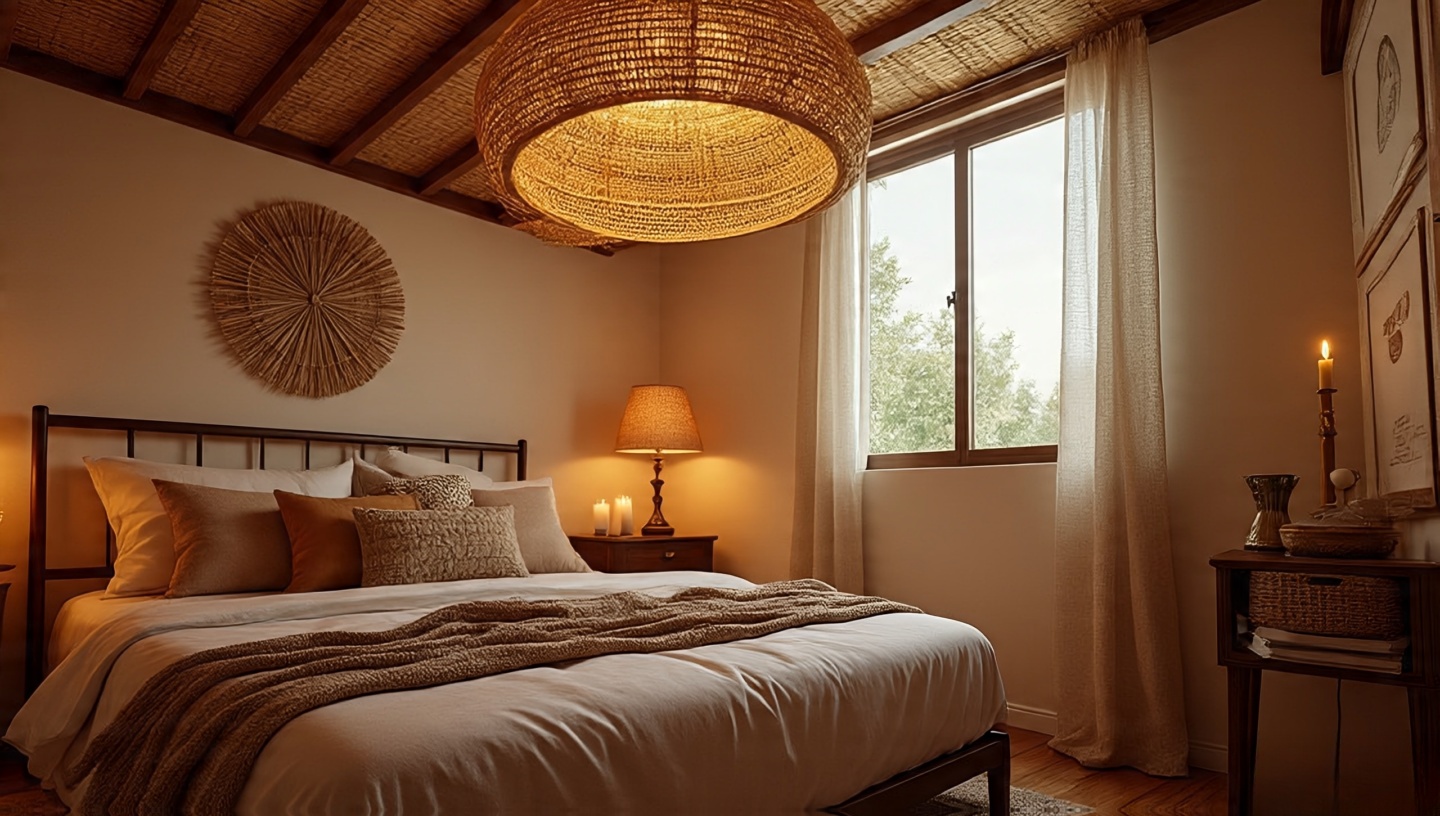 In architecture, I always design lighting in layers—ceiling fixtures for function, table lamps for intimacy, candles for mood. A bedroom should let you shift atmospheres at will. Bohemian bedrooms thrive on these layers, where one flick of a switch can change night into retreat.
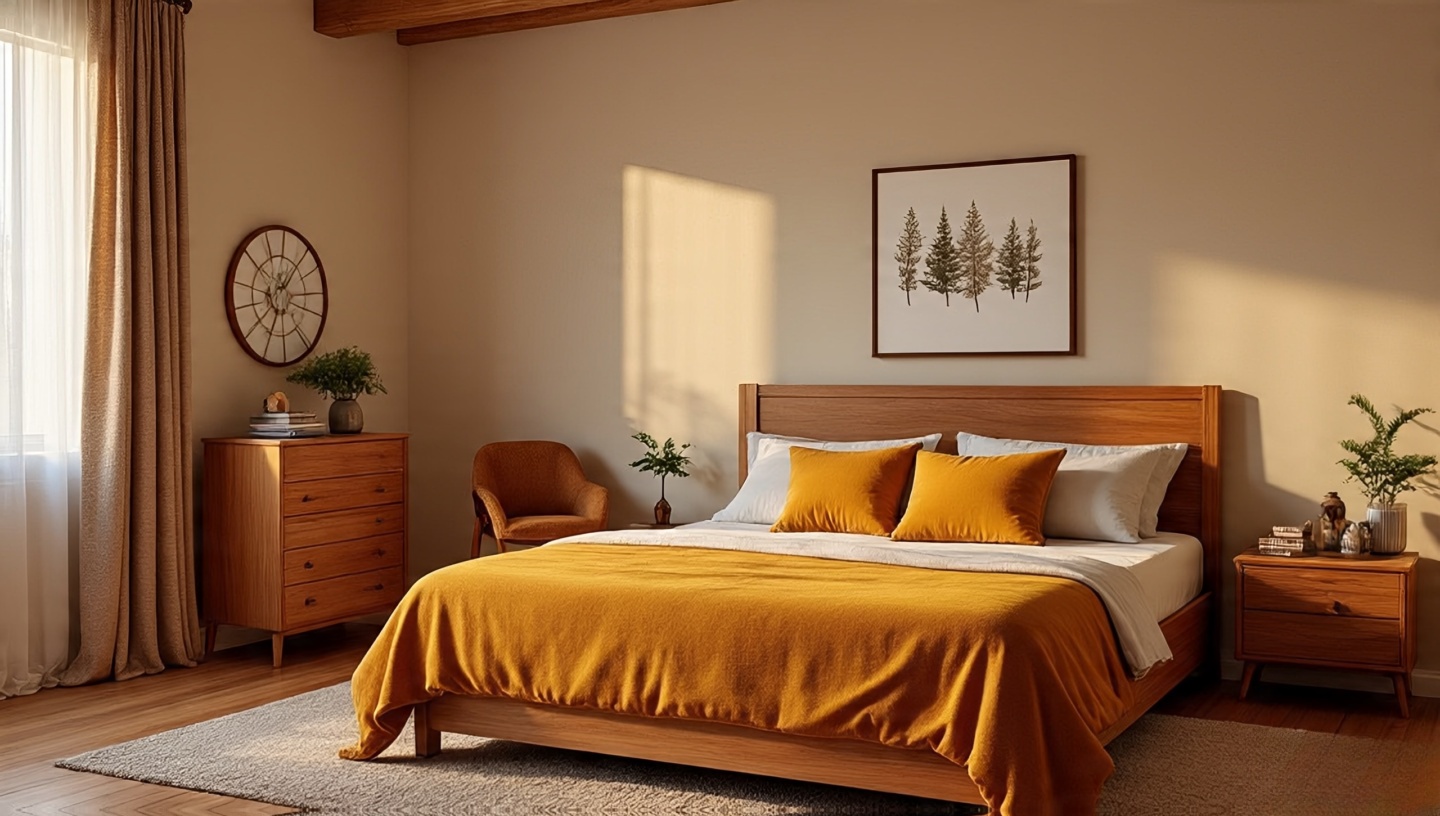 Sometimes restraint is powerful. Build a calm foundation with whites, beiges, and wood, then let one bold piece shine: a mustard throw, an indigo cushion, or a vivid rug. The contrast feels deliberate, not accidental. I call it “the spotlight trick”—one color leading the stage, the rest playing quiet background music.
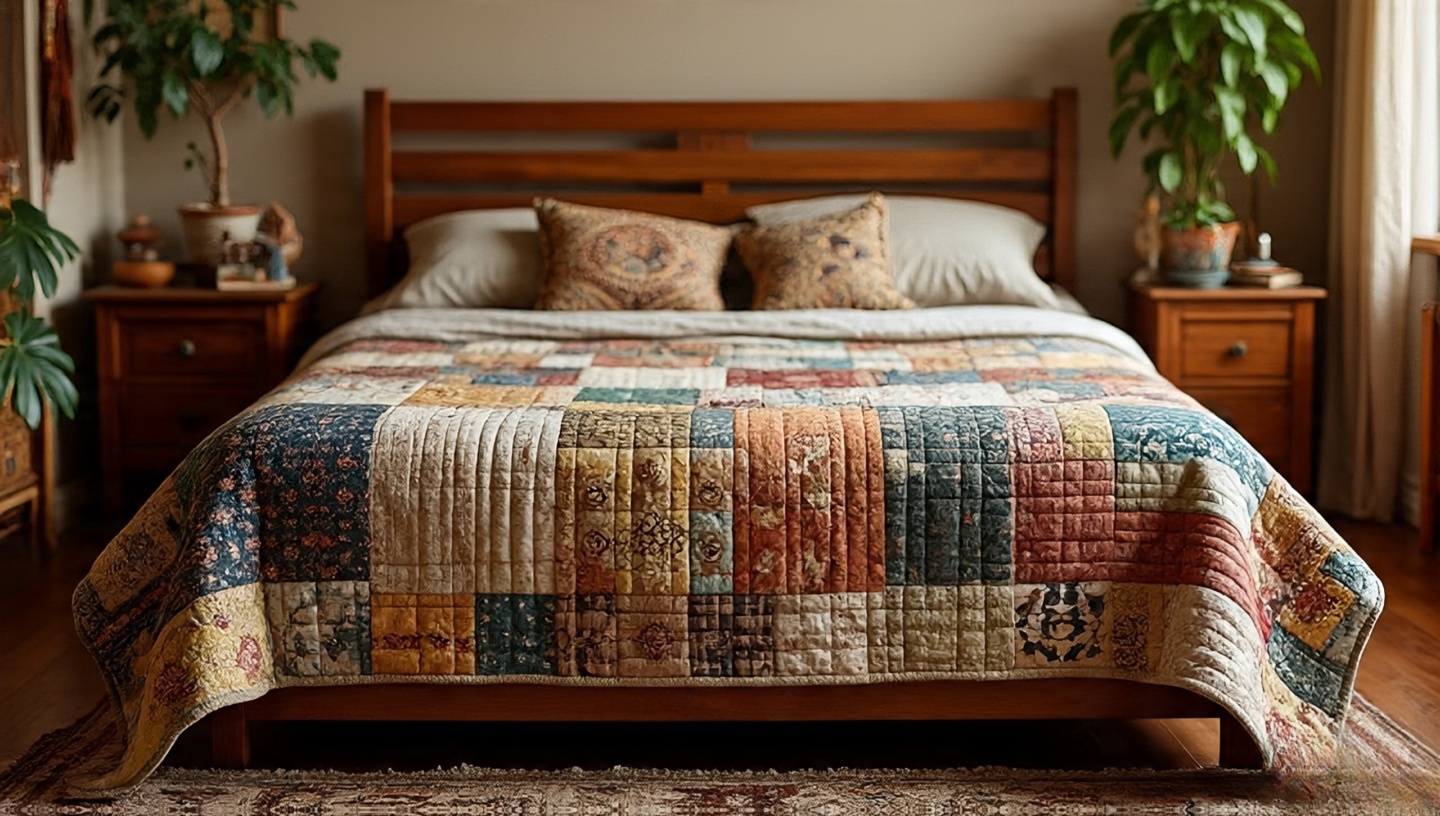 Every quilt feels like it has a past. Whether patchwork from a thrift shop or a family heirloom, quilts embody memory and care. I once designed a guesthouse where the client displayed her grandmother’s quilt, and guests always commented on how “human” the room felt. A quilt doesn’t just warm your body—it warms the story of the space.
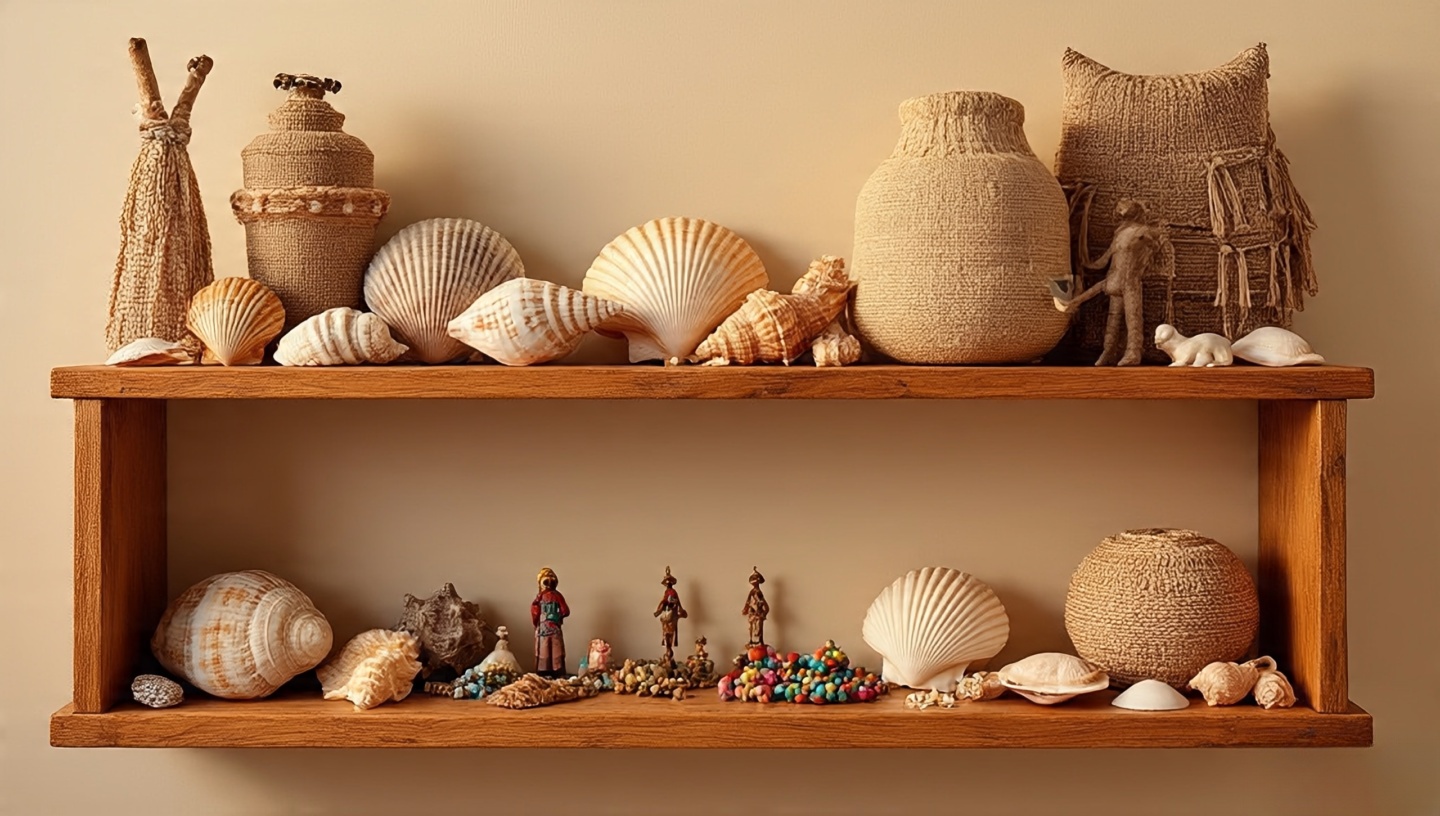 Your bedroom should reflect your life. That shell you picked up on a beach walk, the scarf you bought on a trip, the photo you snapped in a crowded market—display them casually. I’ve seen clients turn a single ledge into a living map of their journeys. The effect? A room that greets you with memories each morning.
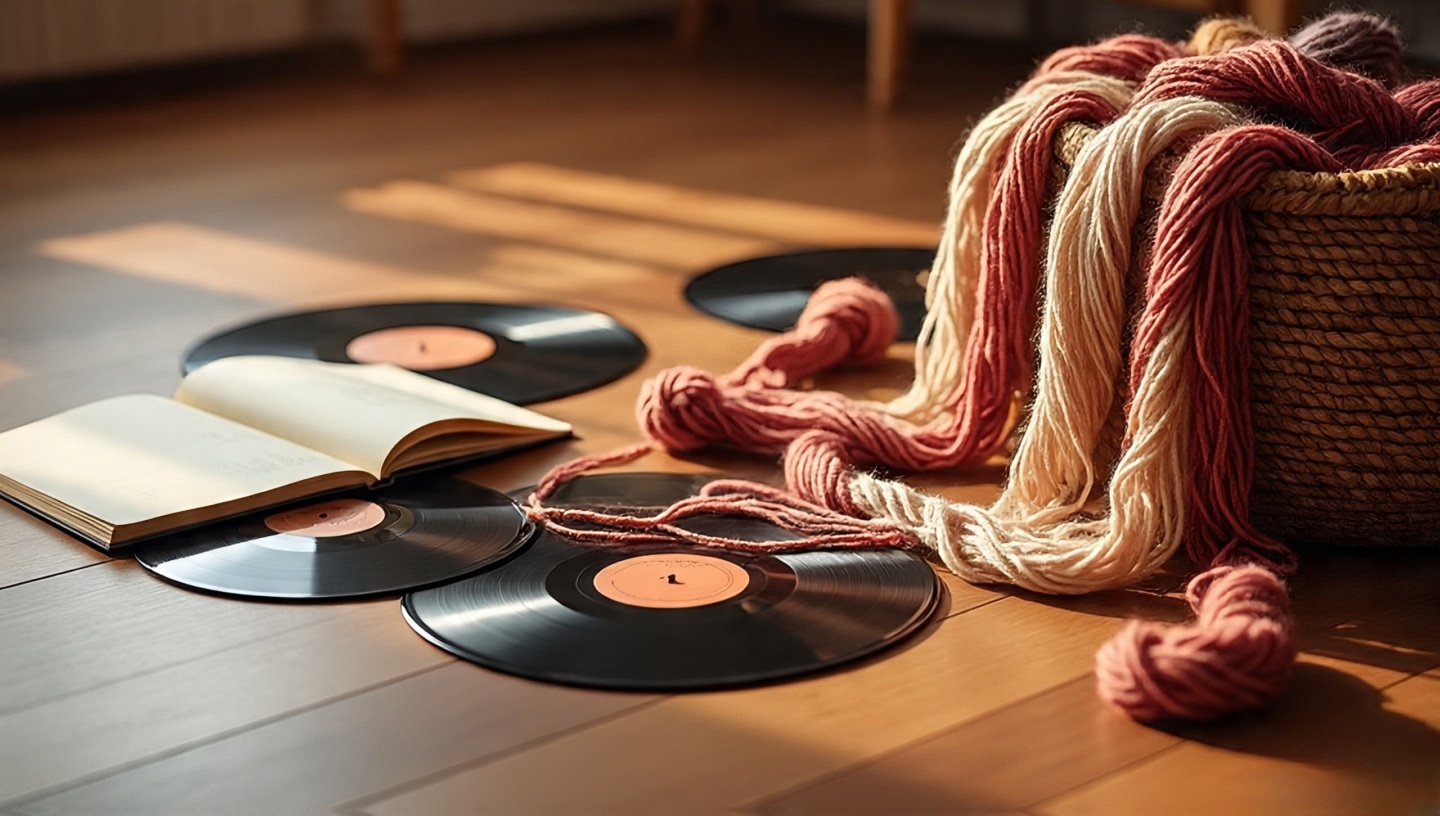 Not everything has to be tucked away. A pile of records on the floor, a sketchbook half-open on the desk, or a basket with yarn spilling out—these aren’t flaws, they’re life markers. Too much neatness can suffocate a room. Sometimes, a little visible chaos makes a space feel alive.
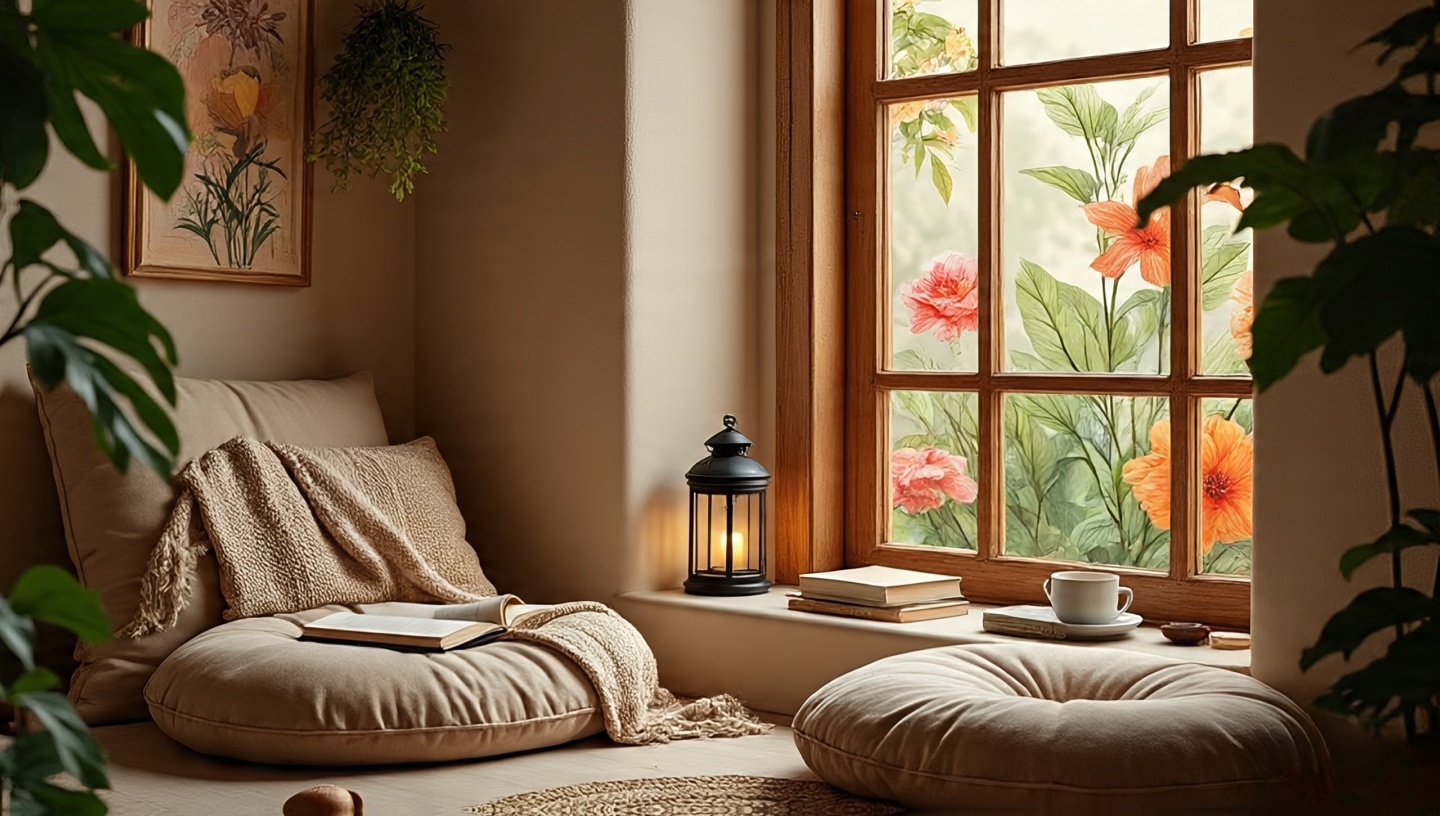 A single floor cushion, a lantern nearby, and a soft throw—that’s all you need. One of my favorite memories is curling up in a corner with a book, losing track of hours while rain tapped against the window. A Bohemian bedroom isn’t only for sleeping; it should invite you to linger, to drift, to dream.
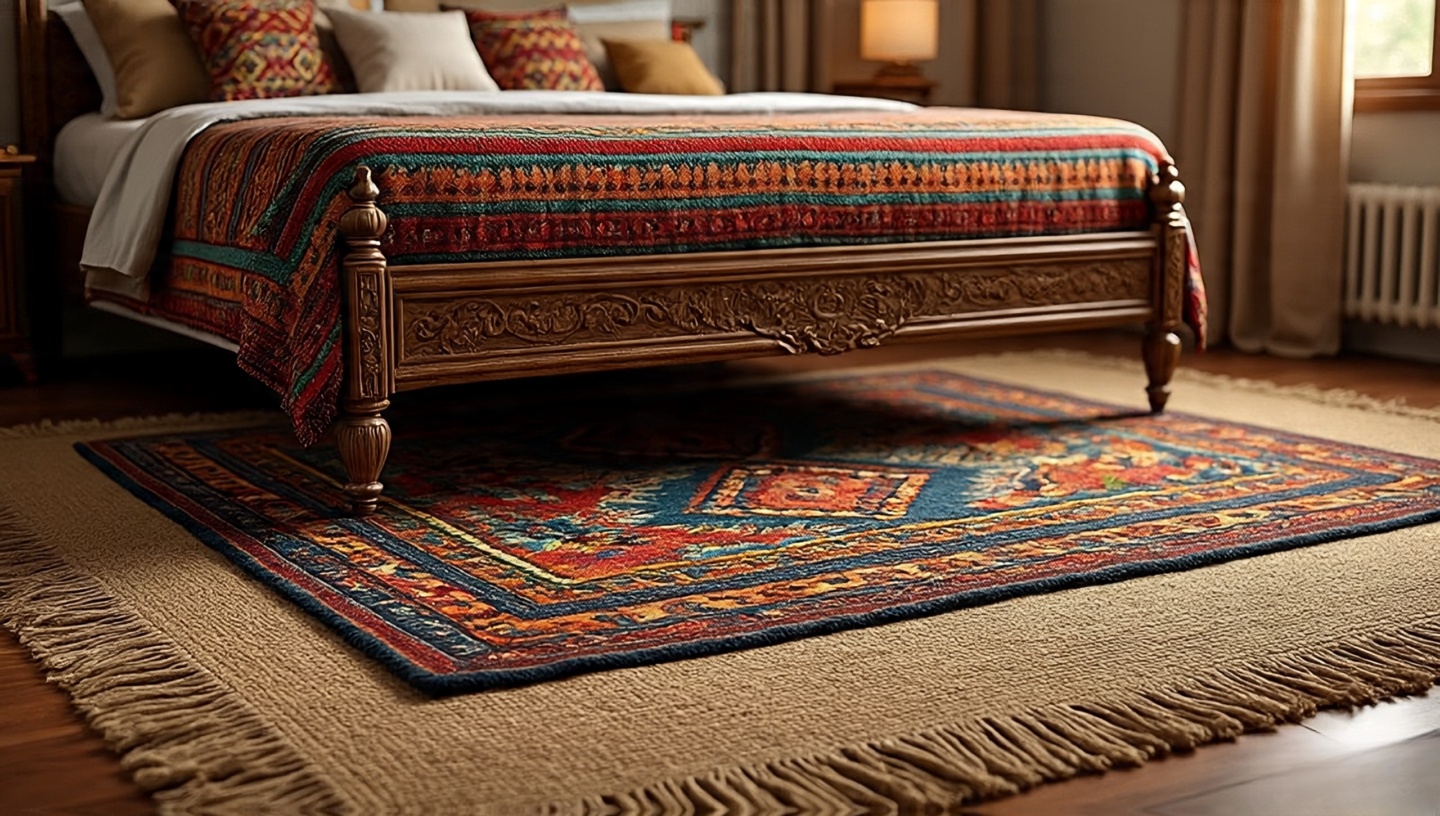 Place a large jute rug as a base, then layer a patterned kilim or small Persian on top. The mix defines zones and adds warmth underfoot. In fact,
 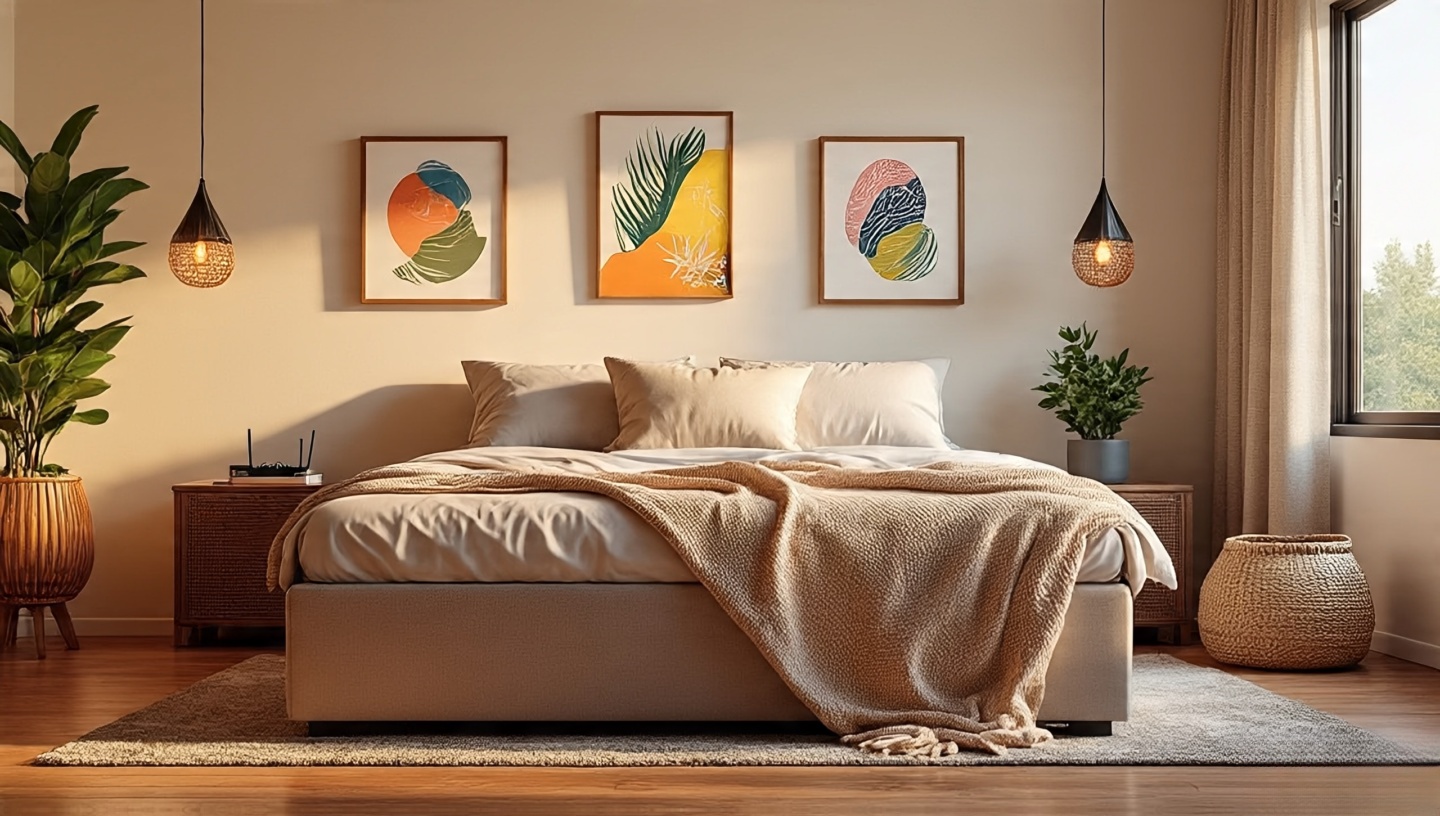 I’ve walked into gorgeous bedrooms only to find glowing screens stealing the atmosphere. Hide the phone in a drawer, disguise the router in a basket, or simply keep electronics out of sight. Trust me, a room free of blinking lights feels calmer the second you enter. Bedrooms should be for rest, not scrolling.
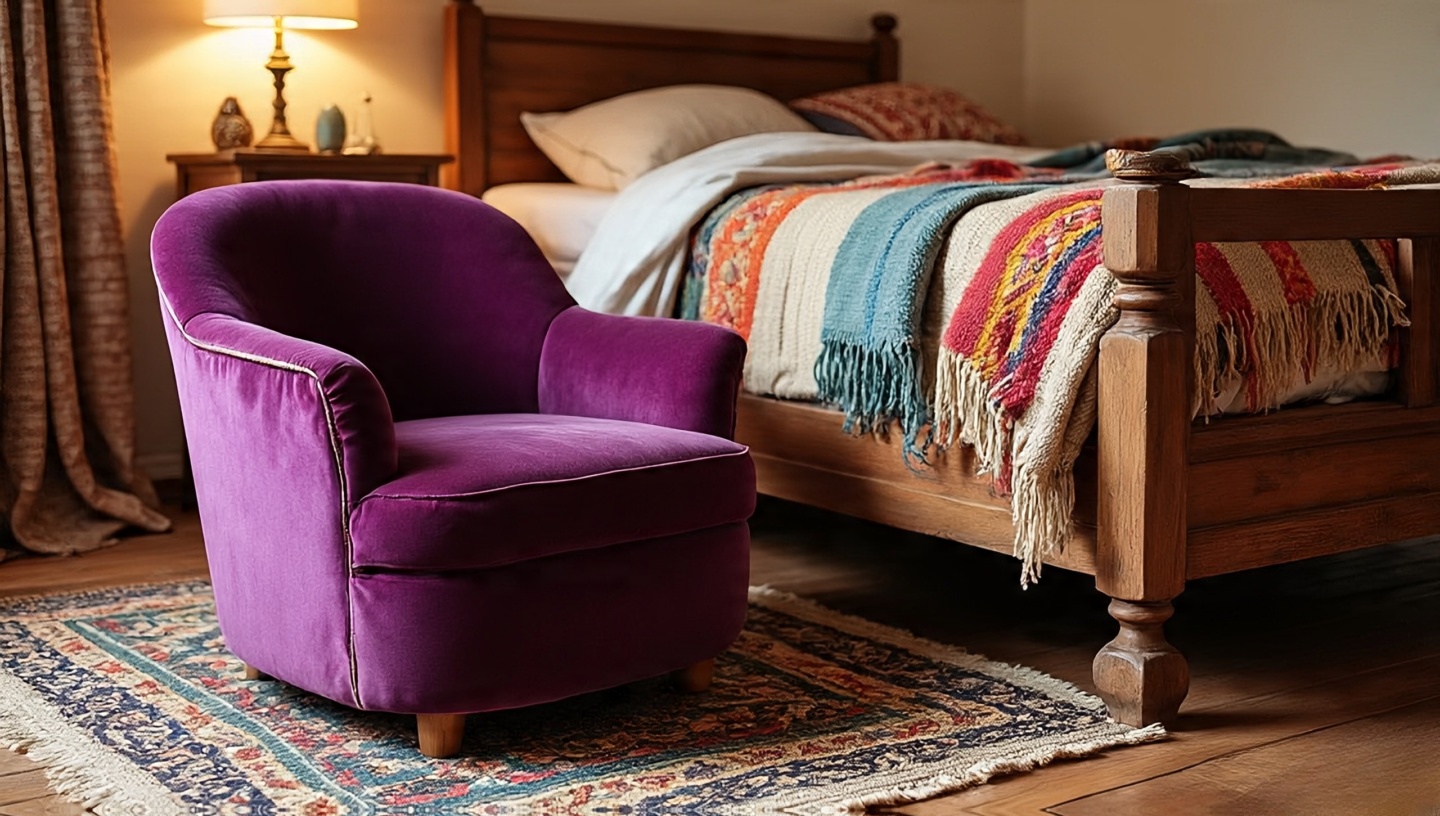 One odd piece can anchor a corner. A velvet armchair beside a rustic bed, or a woven rattan chair in a sleek space. The mismatch is the point. In my projects, I often slip in a “loner chair” that becomes everyone’s favorite seat—it breaks the pattern, and people love it.
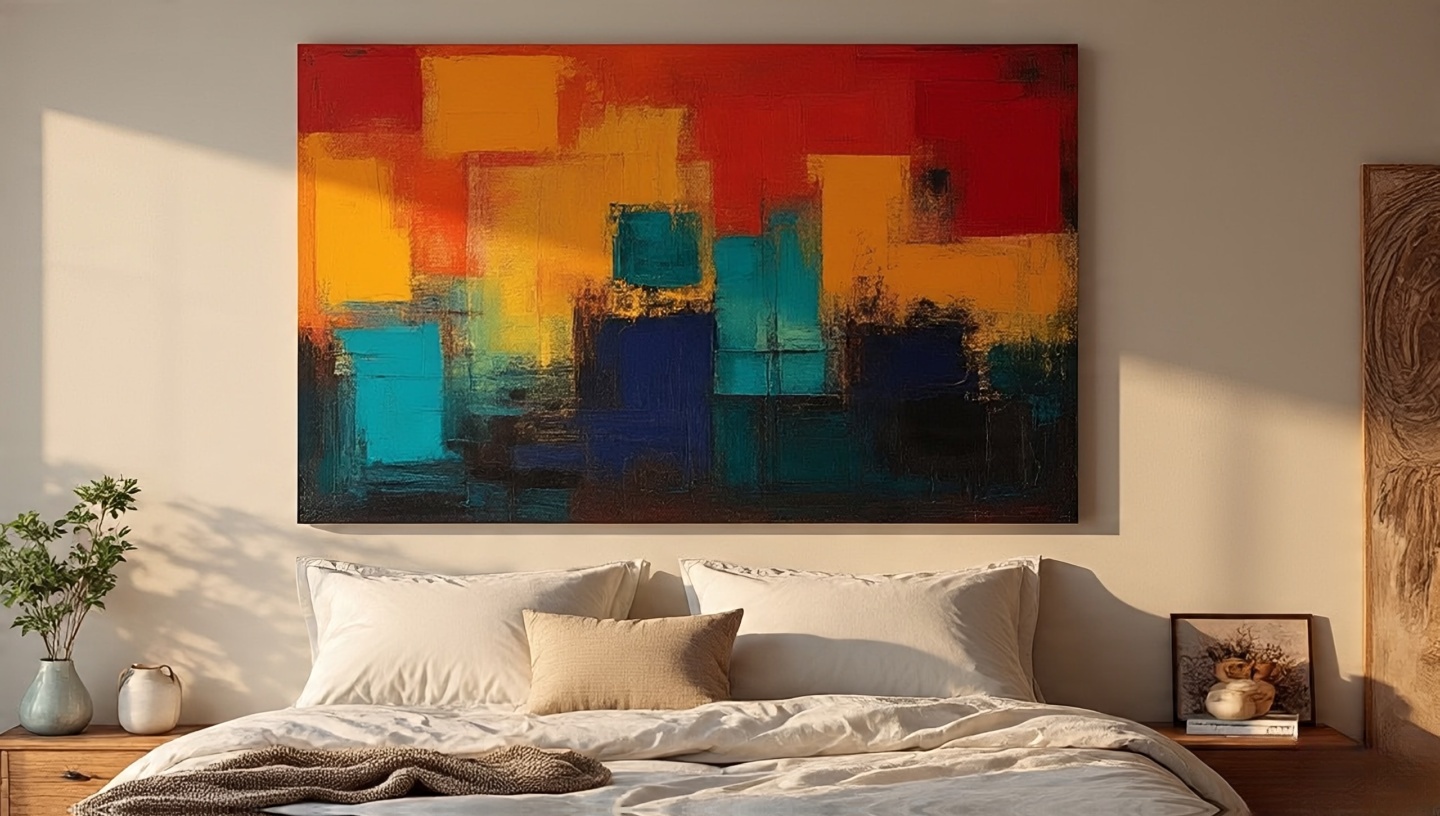 Instead of cluttering the walls, choose one big, bold piece. Let it breathe. A vibrant abstract painting, a woven textile, or even a large black-and-white photograph. In design, restraint often amplifies impact. I’ve had clients spend more time staring at one piece of art than at entire gallery walls.
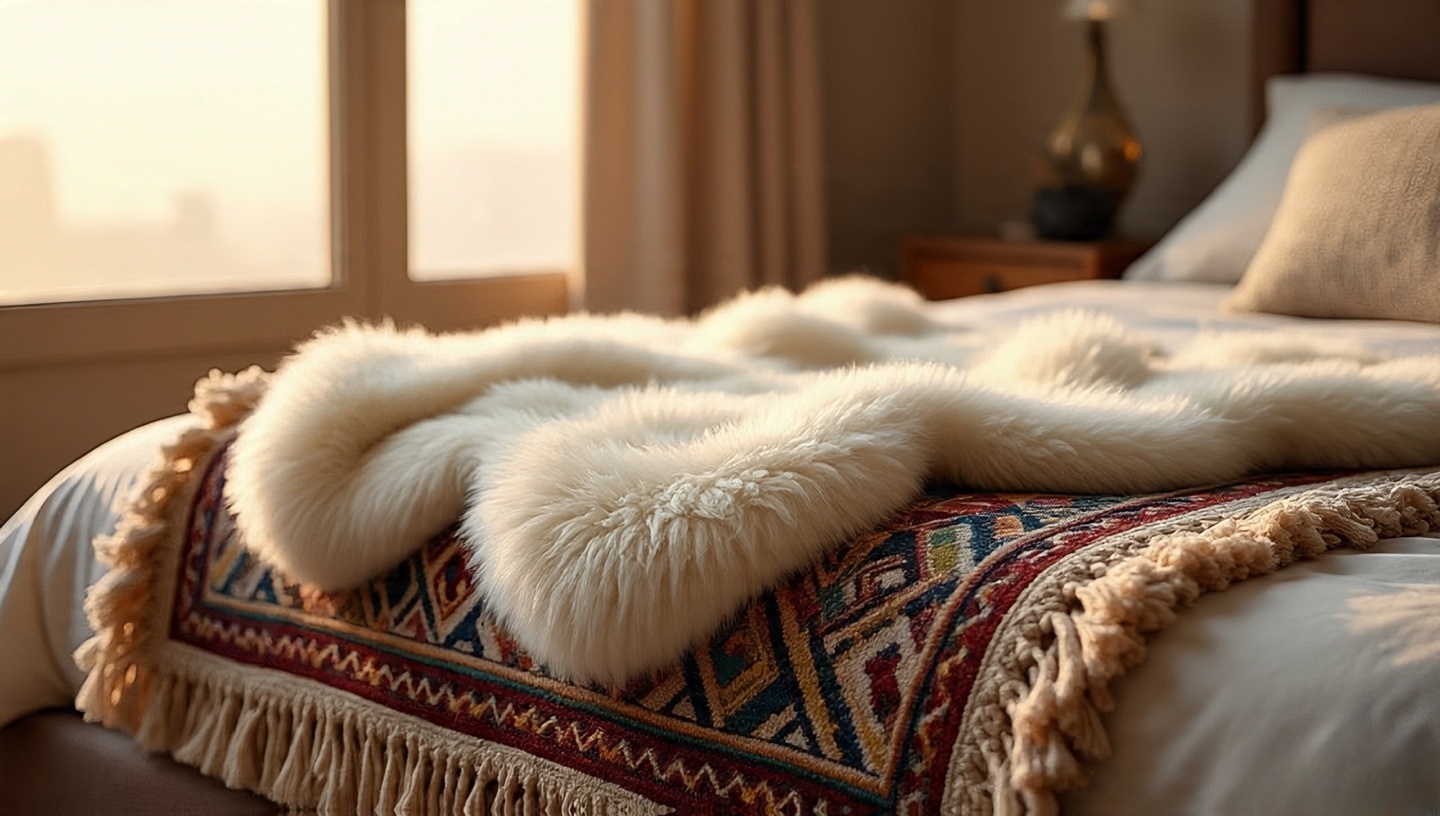 Imagine stepping out of bed onto a woven rug, then sliding your feet across a soft sheepskin placed right by the frame. That contrast—the roughness followed by softness—is pure sensory delight. As designers, we talk about sight and scale, but touch matters just as much. Design should be felt, not only seen.
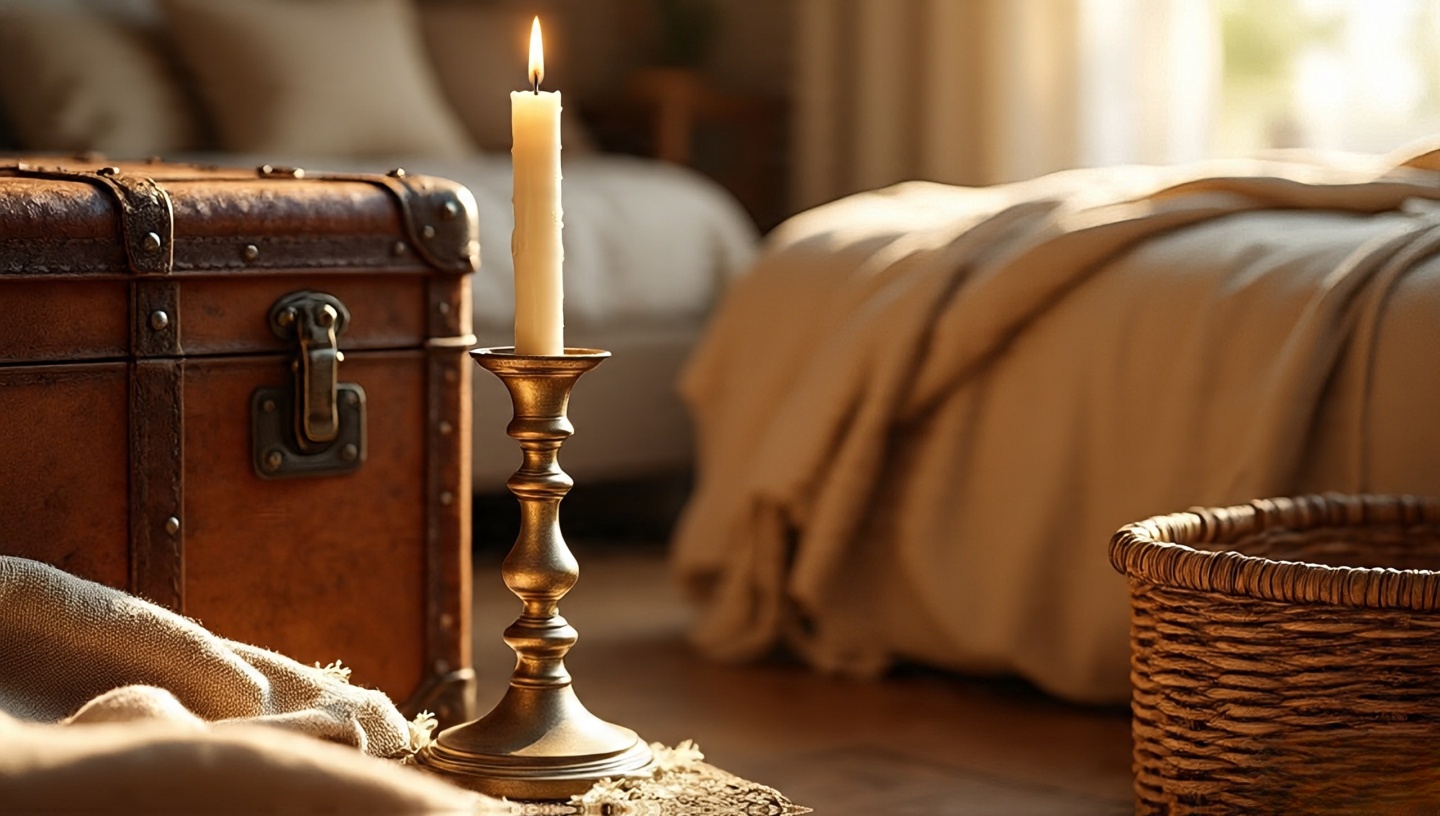 Bohemian doesn’t mean dull. A brass candlestick catching sunlight, sequins on a pillow, or a mirror frame with a glint can add just enough sparkle. In one mountain home I designed, a single metallic pendant reflected firelight and changed the whole room. Balance the rustic with a whisper of shine—it keeps things alive.
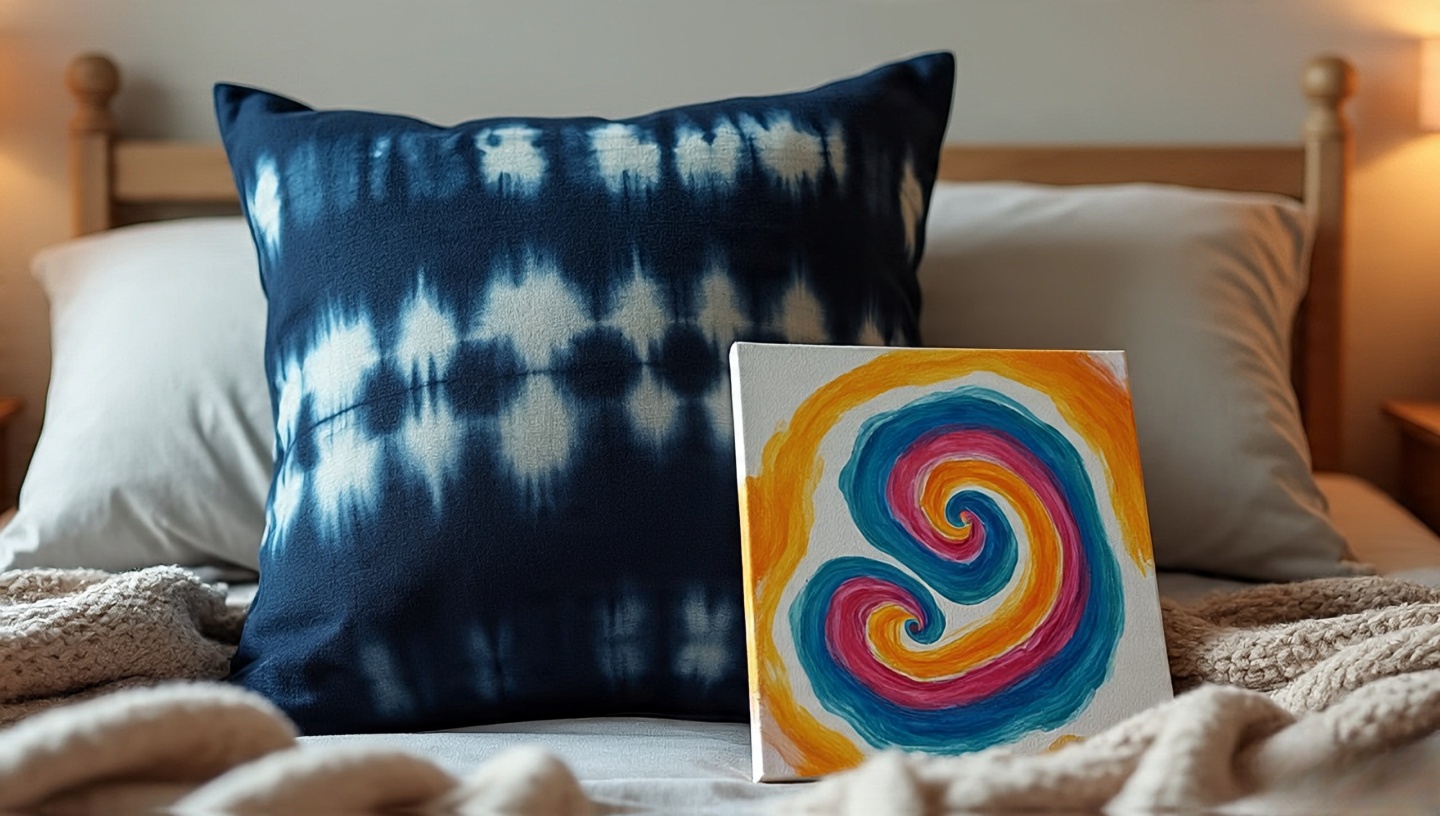 Bohemian style shines when your own creativity shows. Paint your own canvas, dip-dye old sheets in indigo, or stitch a pillow cover. In one home I designed, the client hung her child’s watercolor above the bed—and it became everyone’s favorite piece. Perfection is overrated; personal touch is timeless.
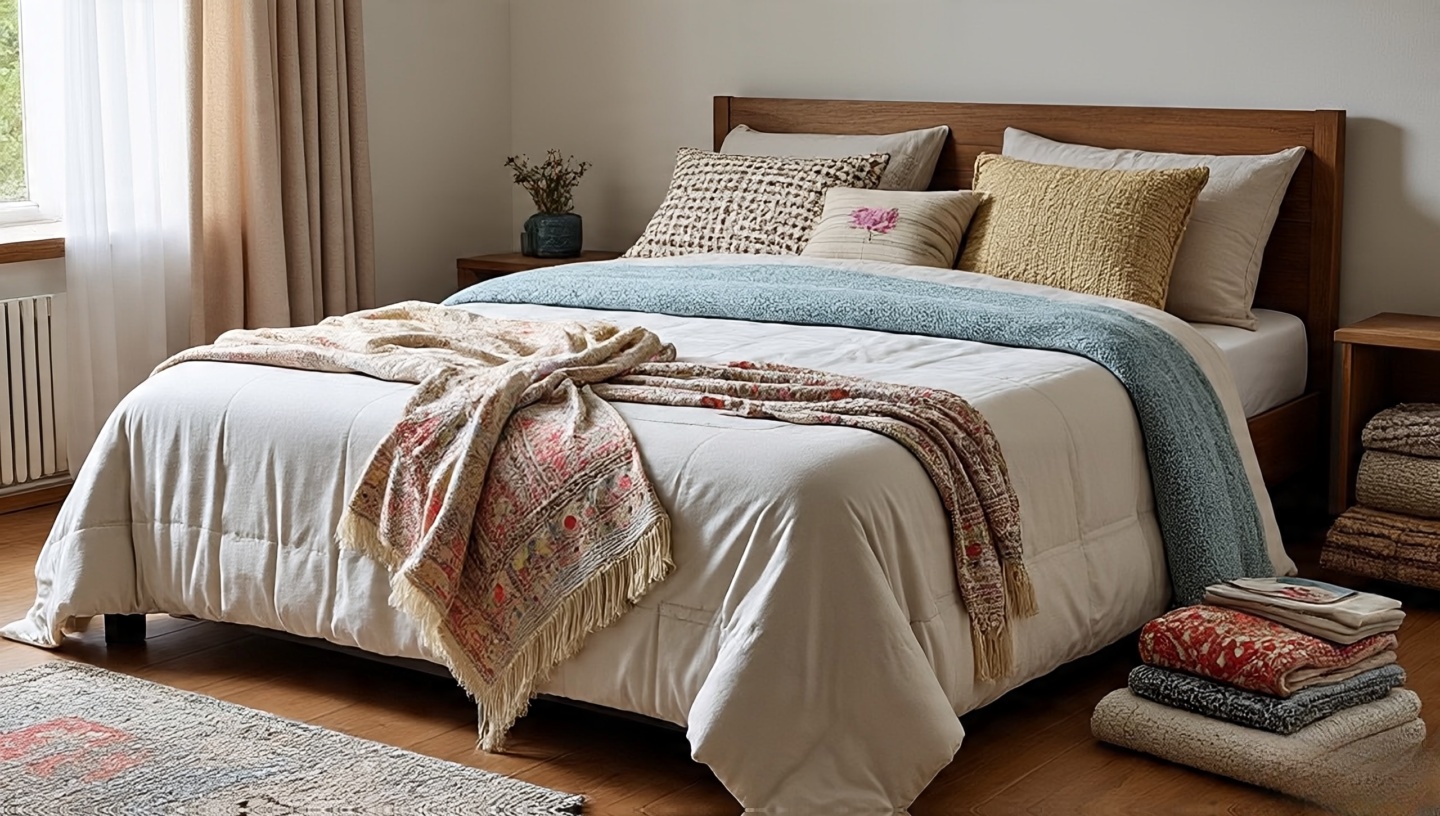 A bedroom should move with the seasons. Light cottons and airy linens for summer, chunky knits and wool throws in winter. It’s like rotating the wardrobe for your space. Every change refreshes the room, keeps it responsive, and prevents that stagnant “always the same” feeling.
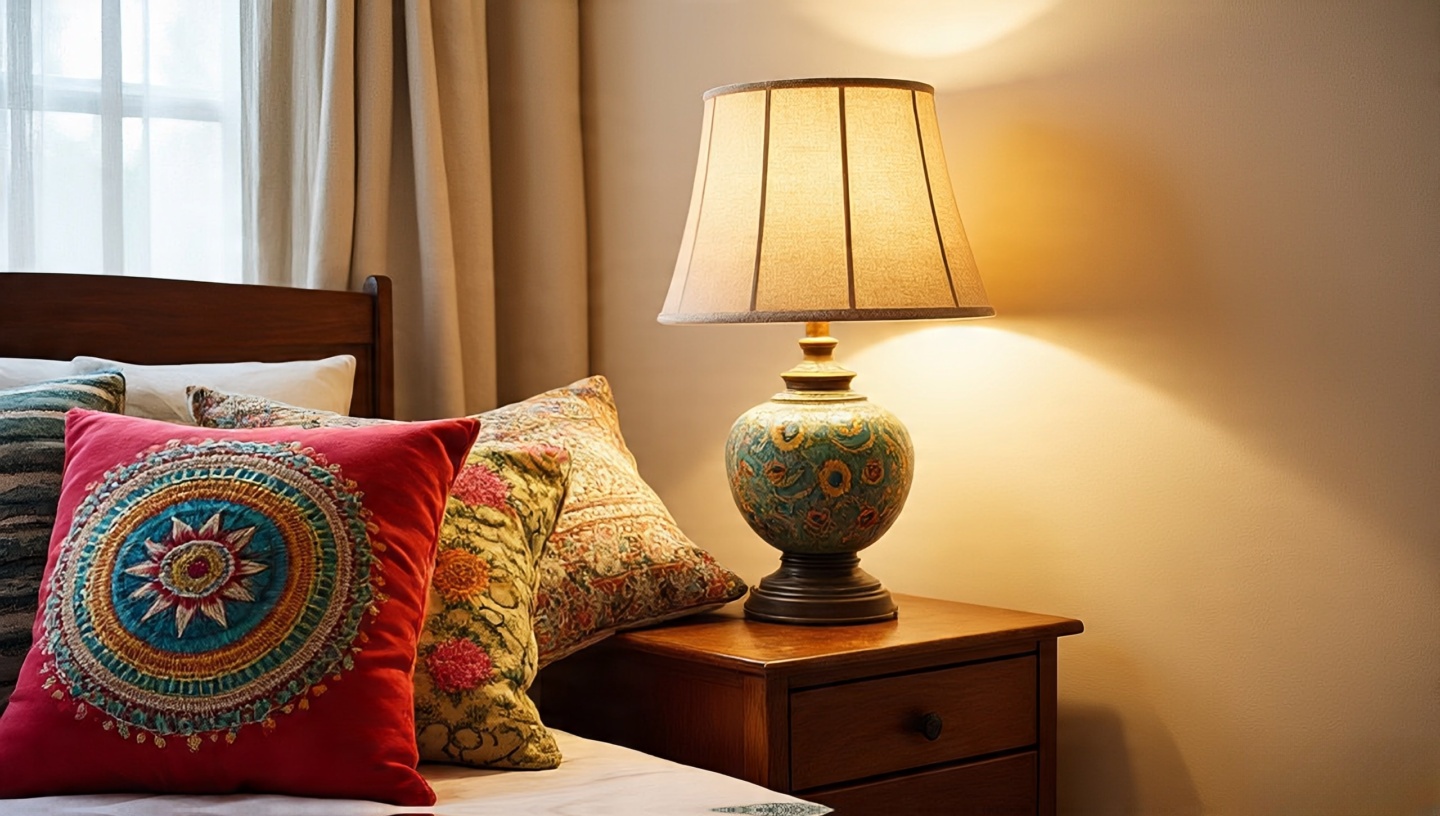 I often start with symmetry—two lamps, two tables—then intentionally break it. Shift a lamp, swap a pillow, add one odd vase. It keeps the room from feeling predictable. Balance gives comfort, but imbalance gives energy. The dance between the two is what makes design interesting.
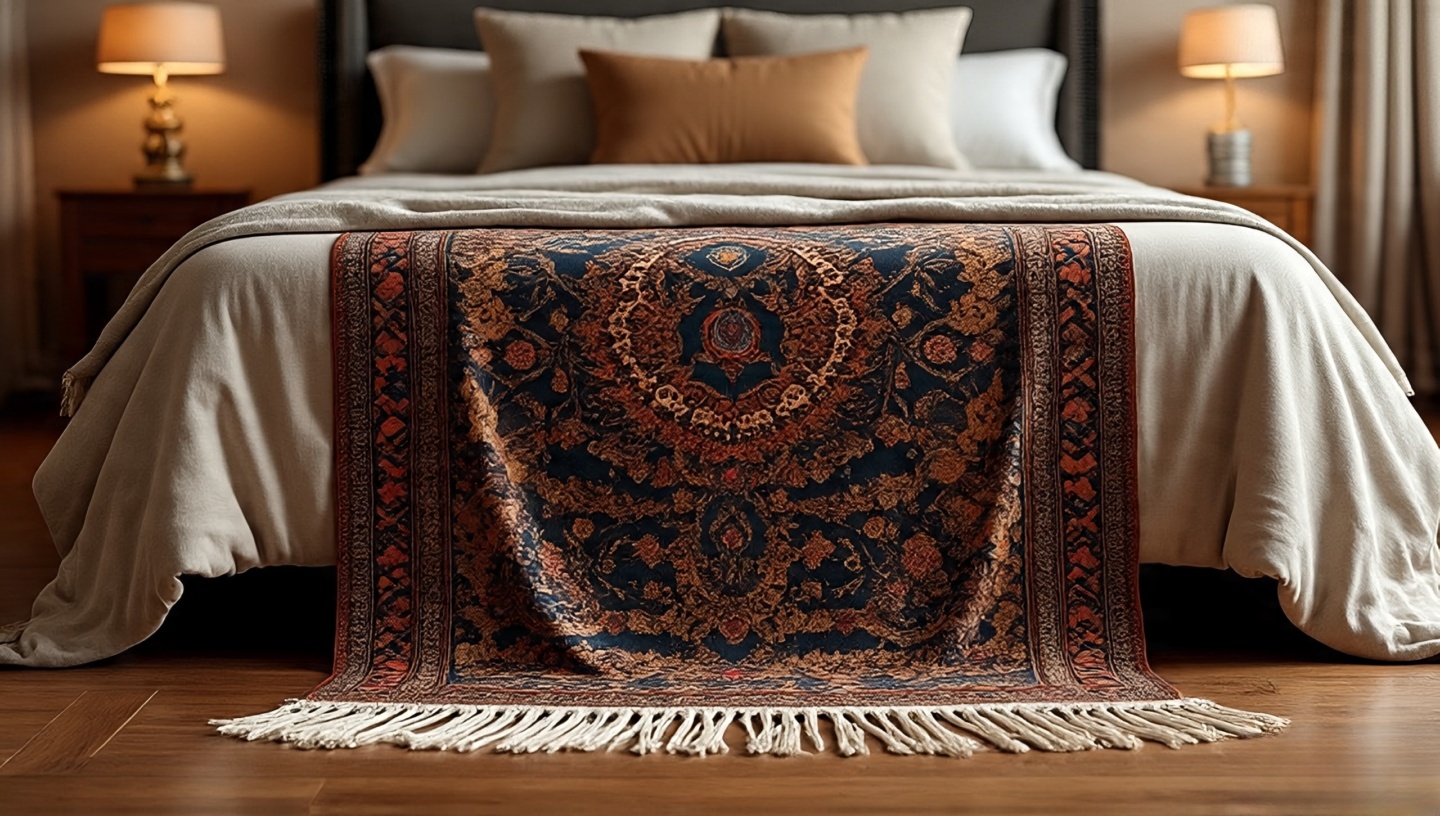 Knits with long fringe, embroidered cotton, or even a bold patterned shawl casually draped at the foot of the bed—these are the jewelry of the room. Easy to change, always impactful. I once told a client: “If you get bored of your room, swap the throw.” She laughed—then later admitted it worked.
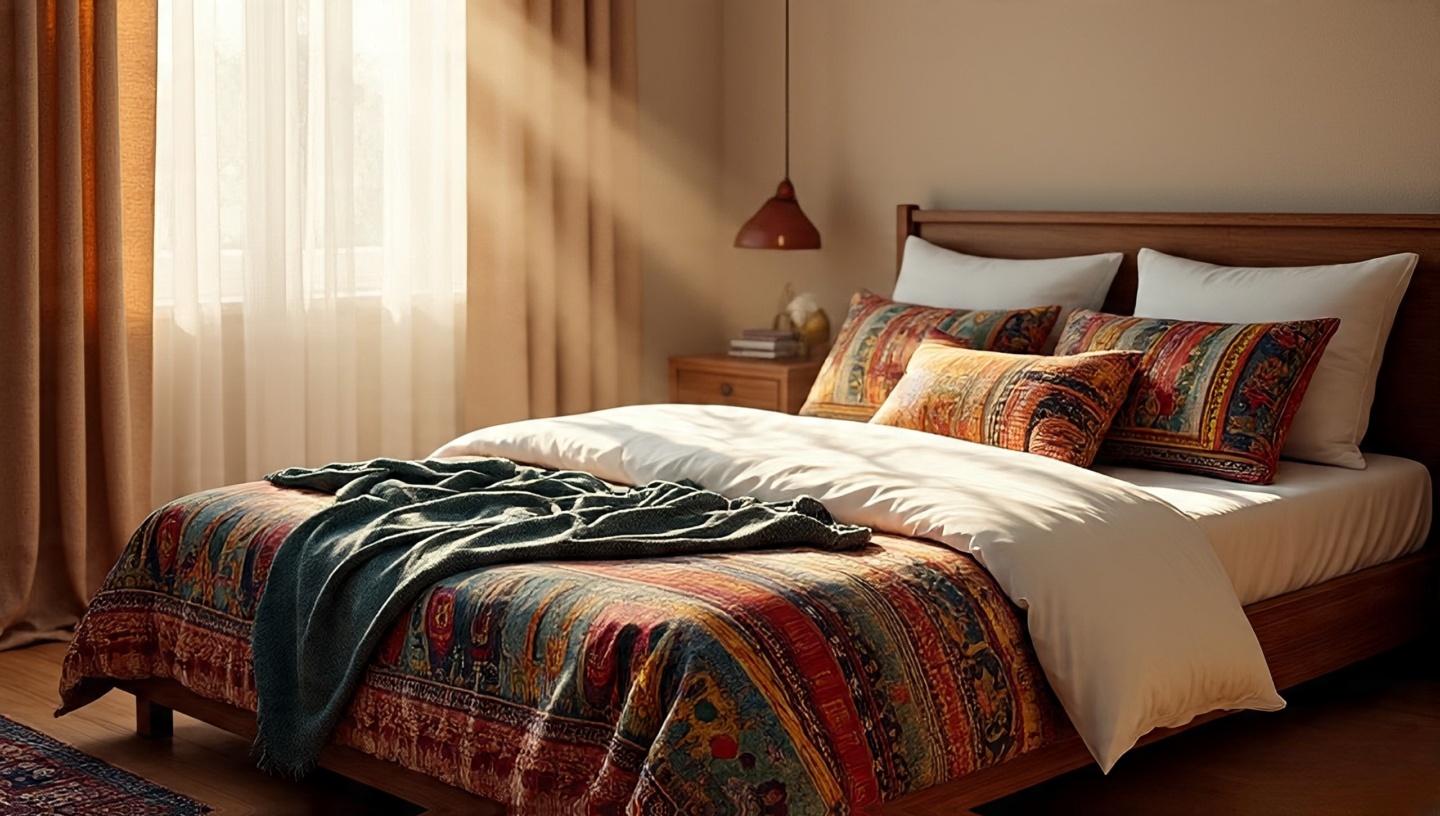 No lamp, no textile can rival natural light. Keep curtains light, windows unobstructed, and let the sun paint across your linens. In one coastal house, the morning light turned white sheets golden every day at 7 AM. That’s design you can’t buy. Your job is just not to block it.
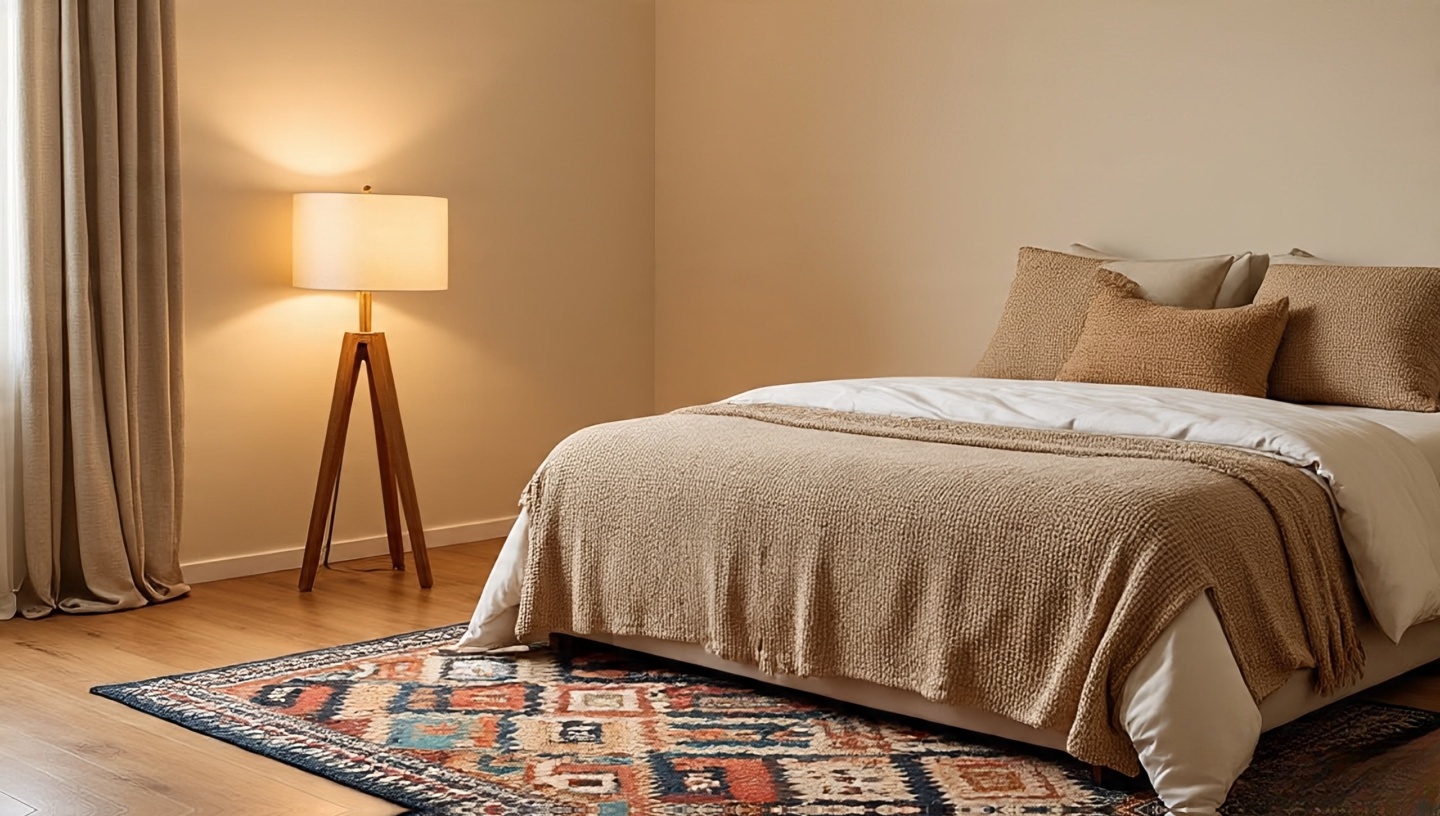 Bohemian doesn’t mean endless clutter. Step back once in a while and remove one thing. A room breathes better when every object has space to be seen. I’ve learned after 30 years: editing is as important as adding. Design is often about knowing when to stop.
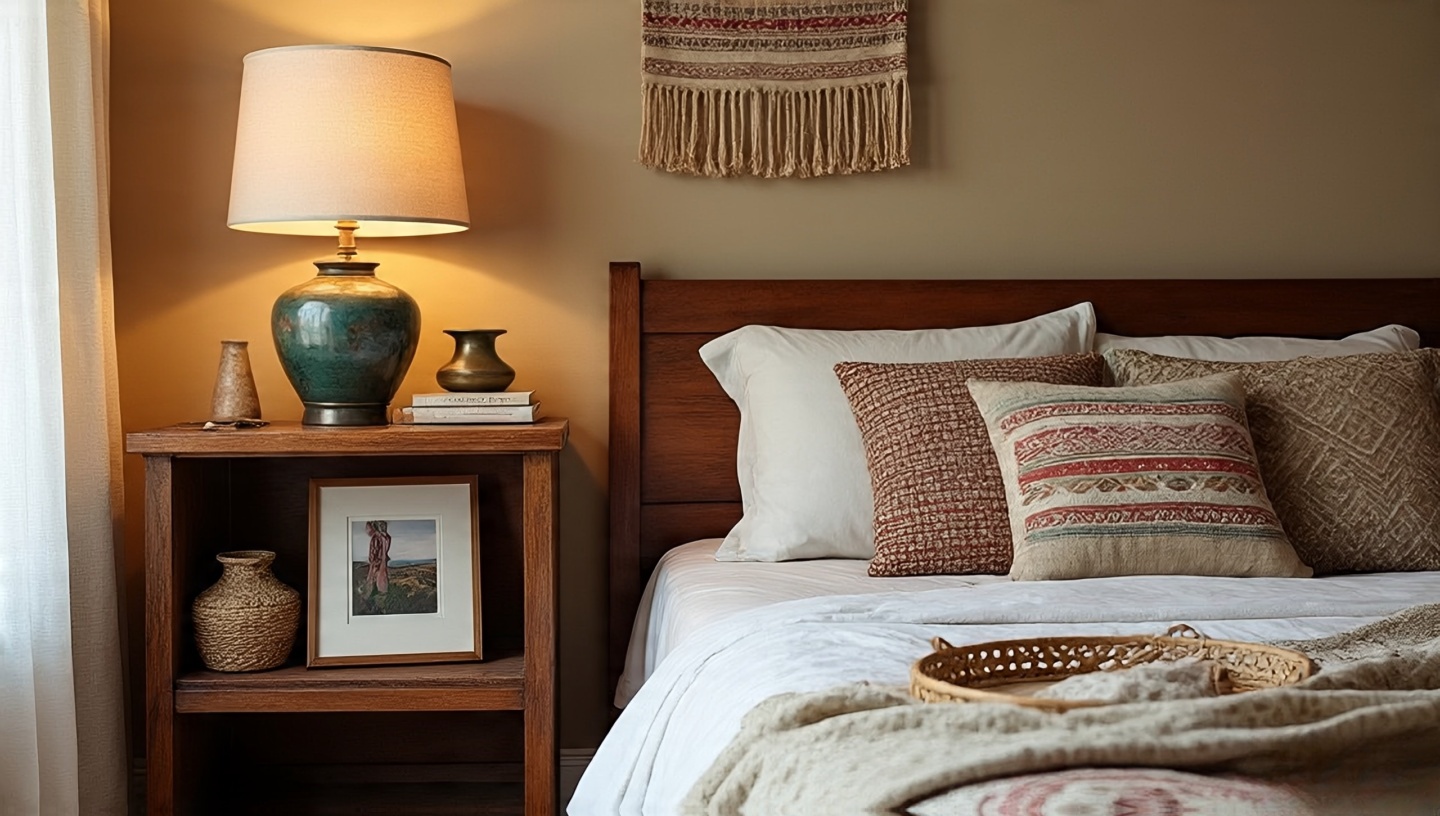 Maybe the most important rule: don’t finish your bedroom in a weekend. Let it grow. Add a tapestry after a trip, bring home a lamp from a flea market, hang a photo you took on holiday. A Bohemian bedroom is never frozen—it shifts as your life shifts.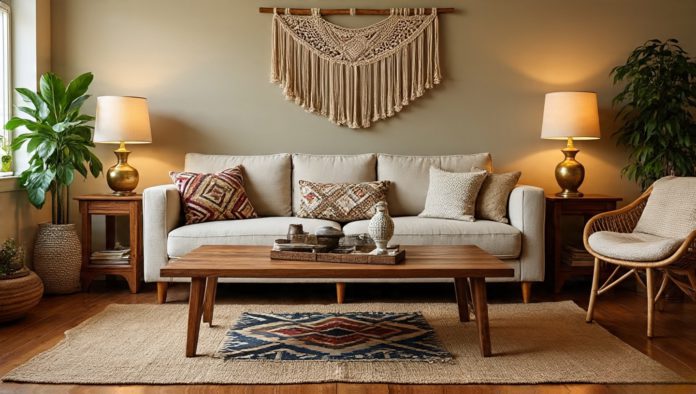
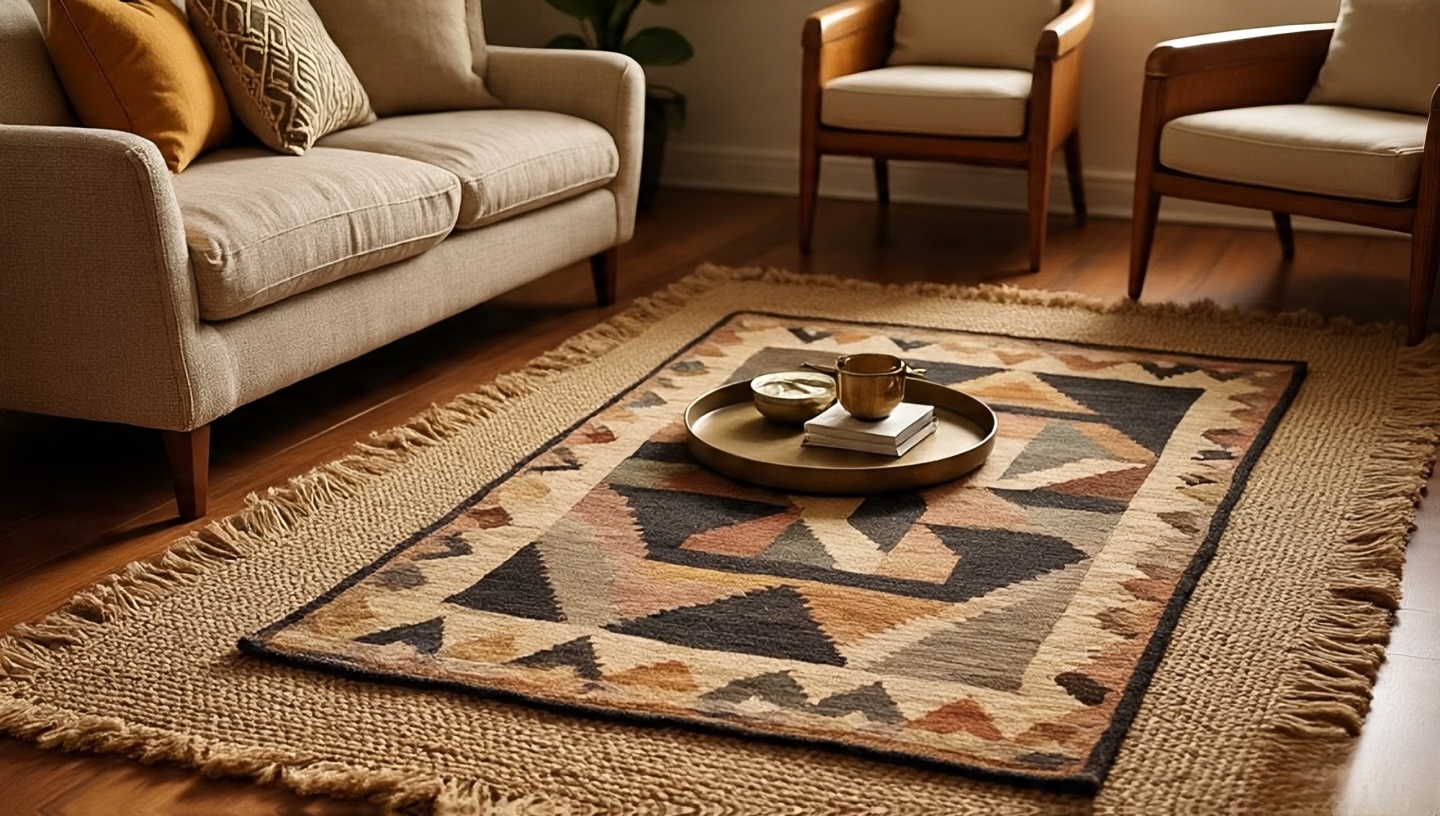 Architect’s take (30 years in): Your rug is not just a textile; it’s a zoning tool. If it’s too small, everything floats; too large, and your borders disappear.
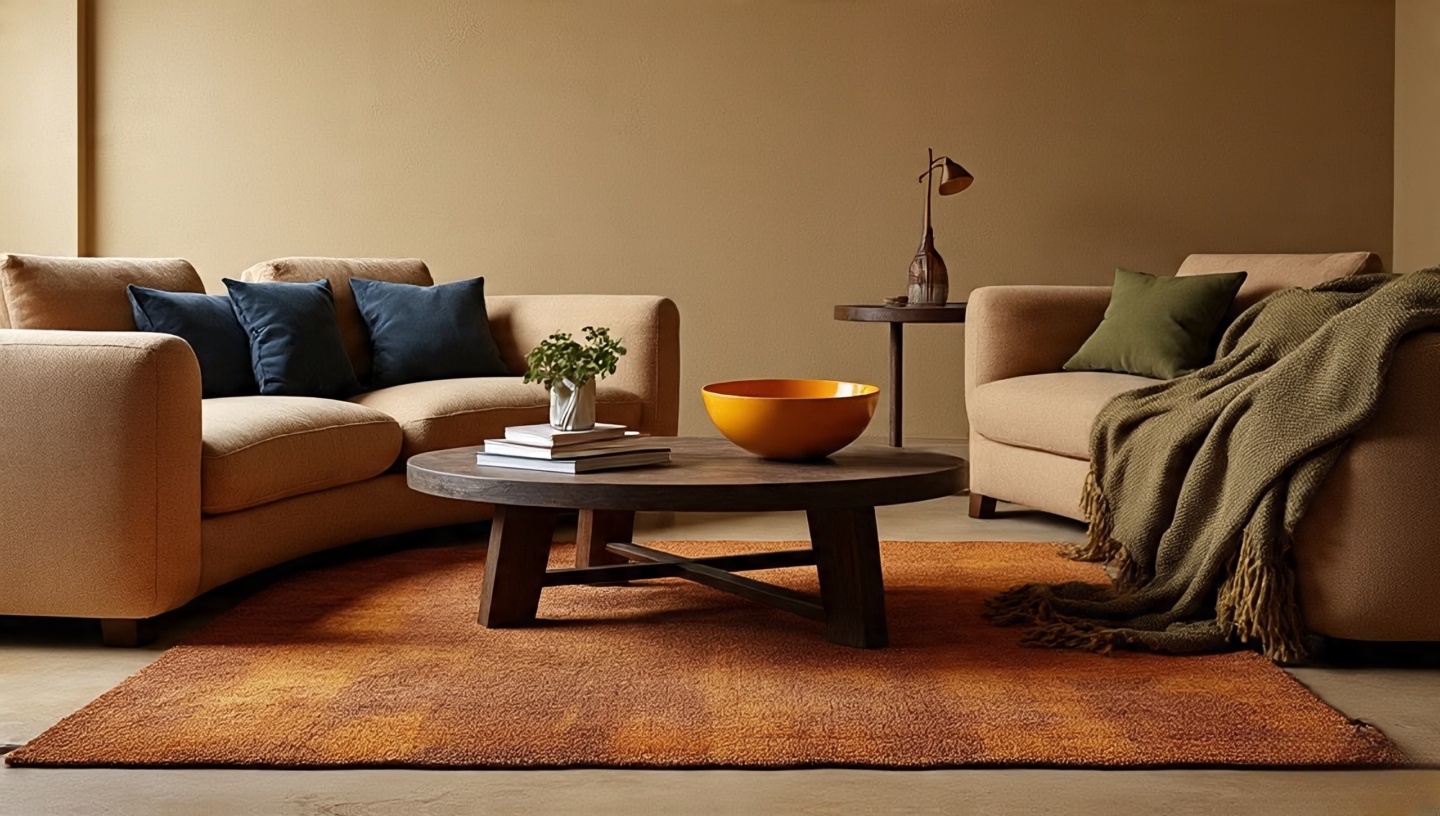 Think of clay, sand, olive, rust as your “ground.” Now, test one accent indigo, turmeric, or pomegranate through small textiles first. You’re listening to the room before you speak louder.
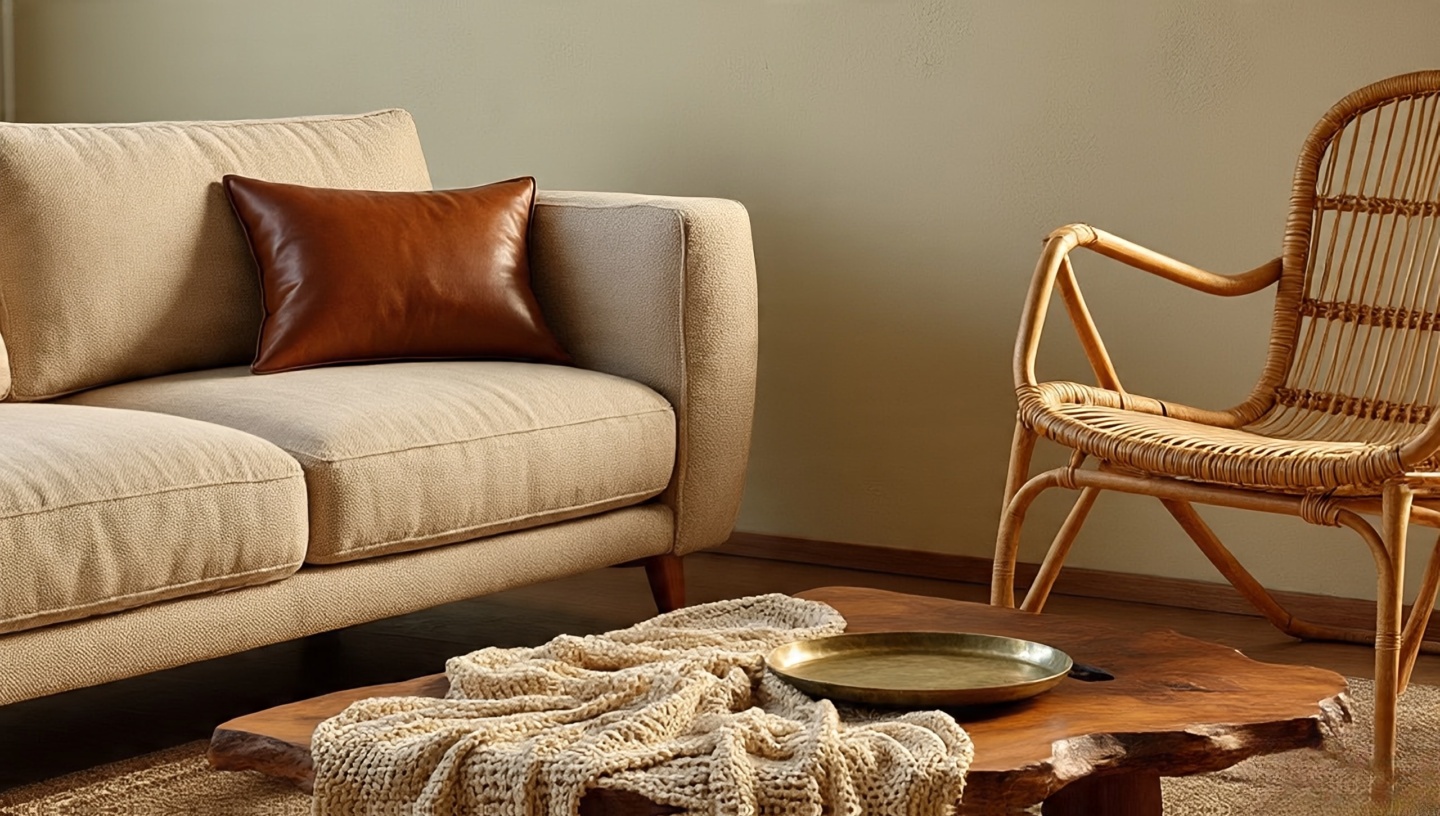 I run my hand across the arm of a linen sofa; it rustles lightly. Then the palm hits a tooled leather cushion smooth, slightly cool before landing on a crocheted throw. That is Bohemian coherence.
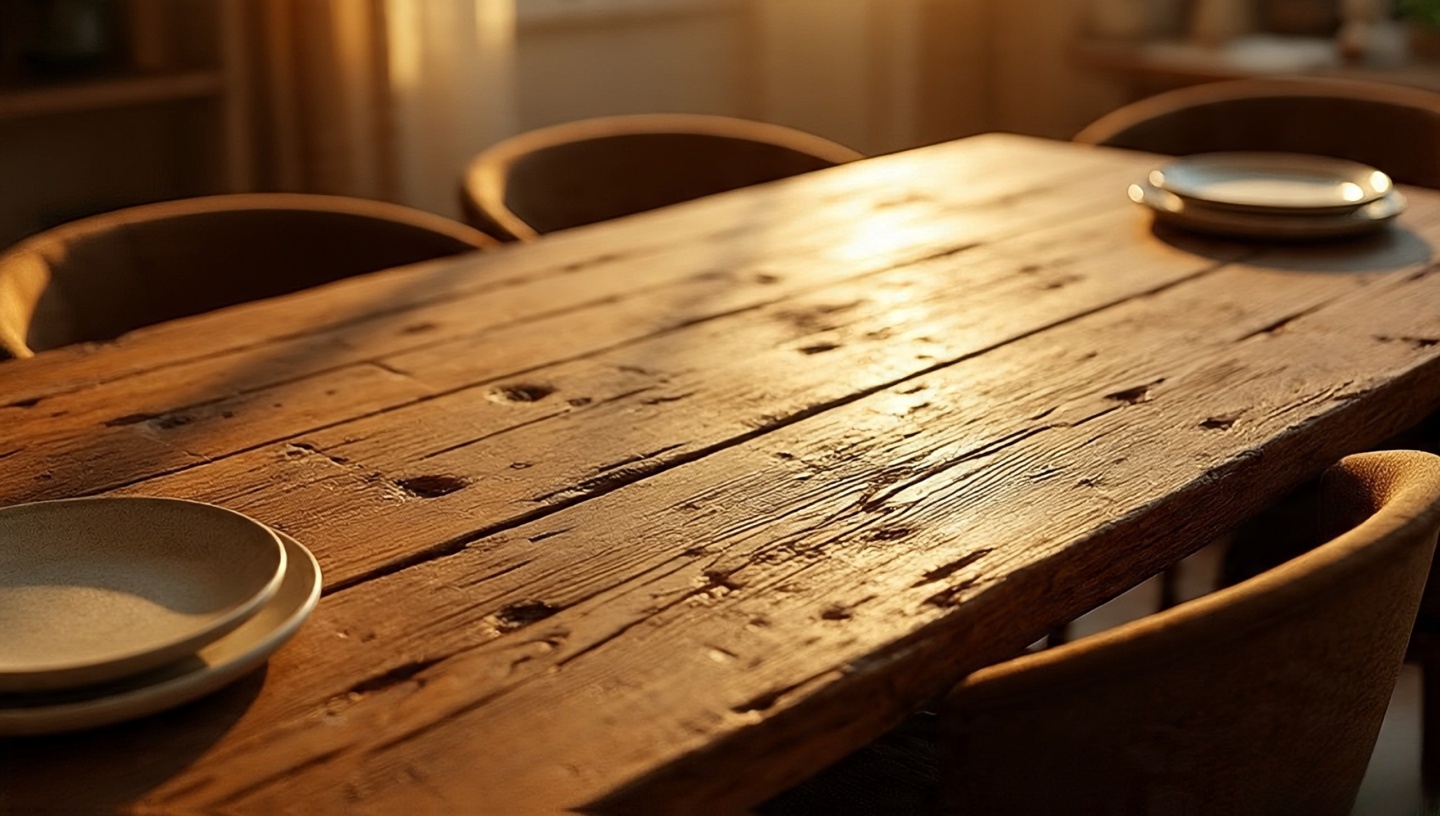
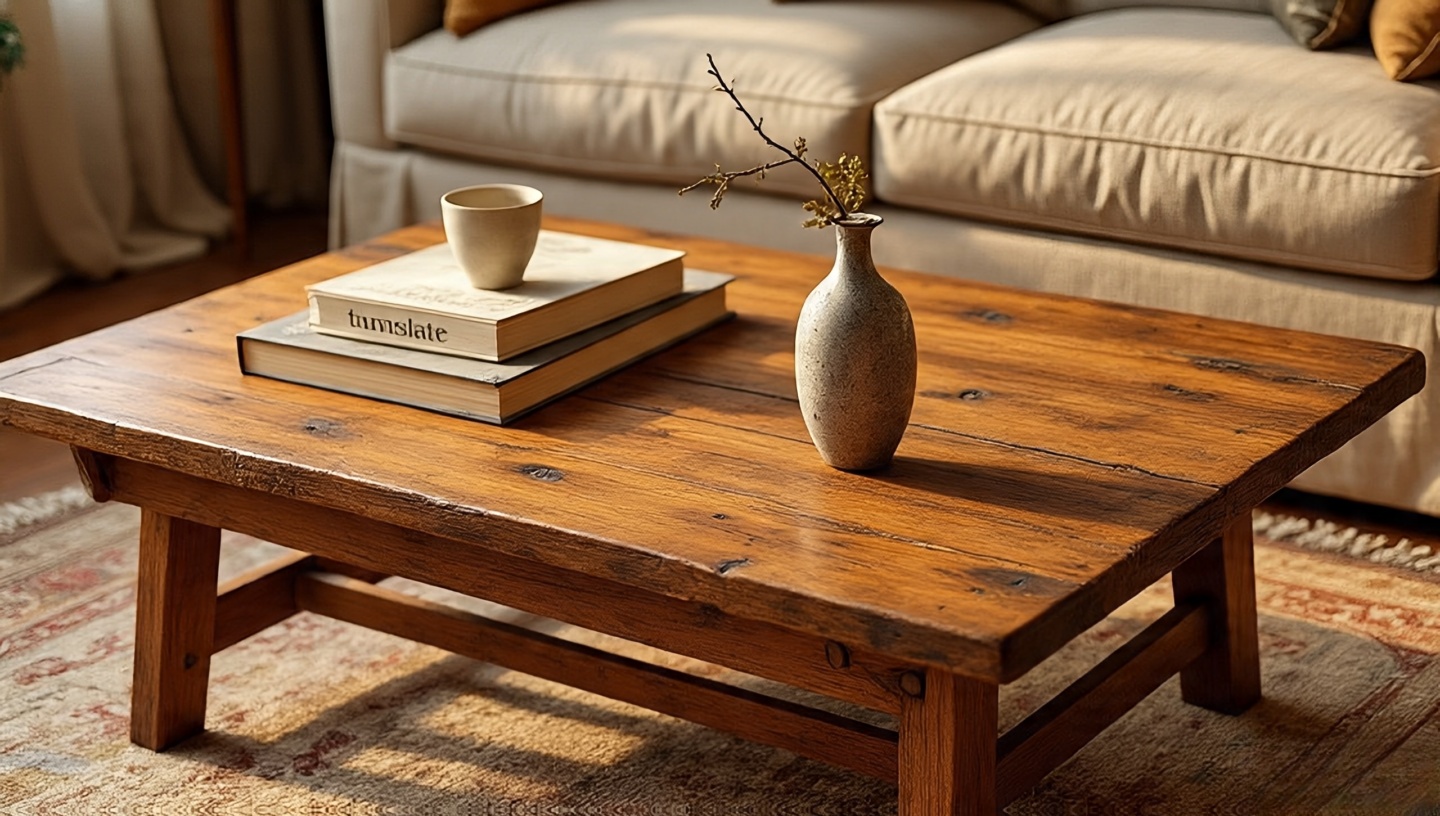 A good coffee table reads like a piece of driftwood that learned manners. Nicks, butterfly joints, old stains leave them. They are your patina, not your problems.
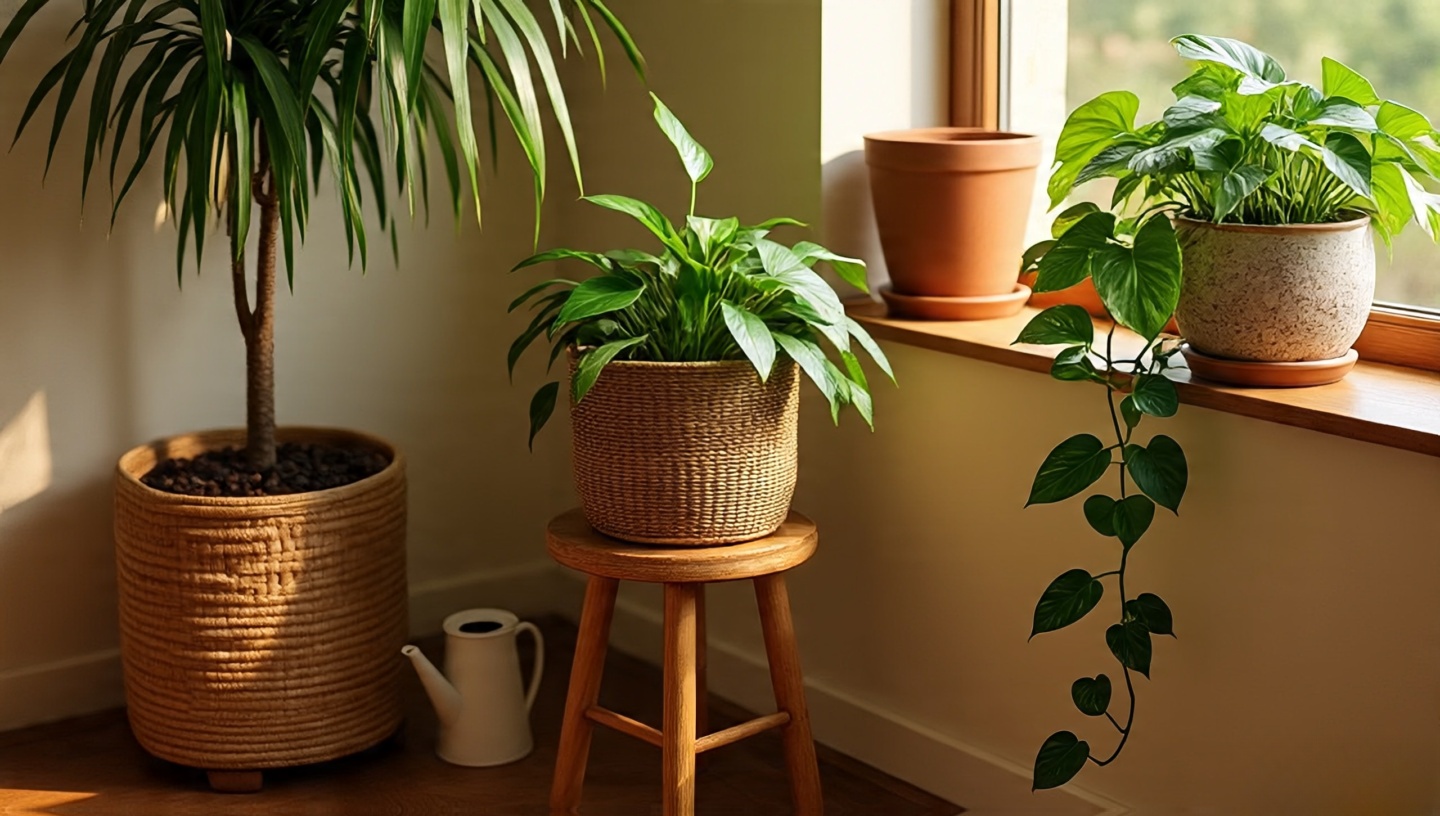 The quiet hiss of a mist sprayer, the damp scent after watering plants turn rooms into ecosystems. Don’t sprinkle them like confetti; compose them.
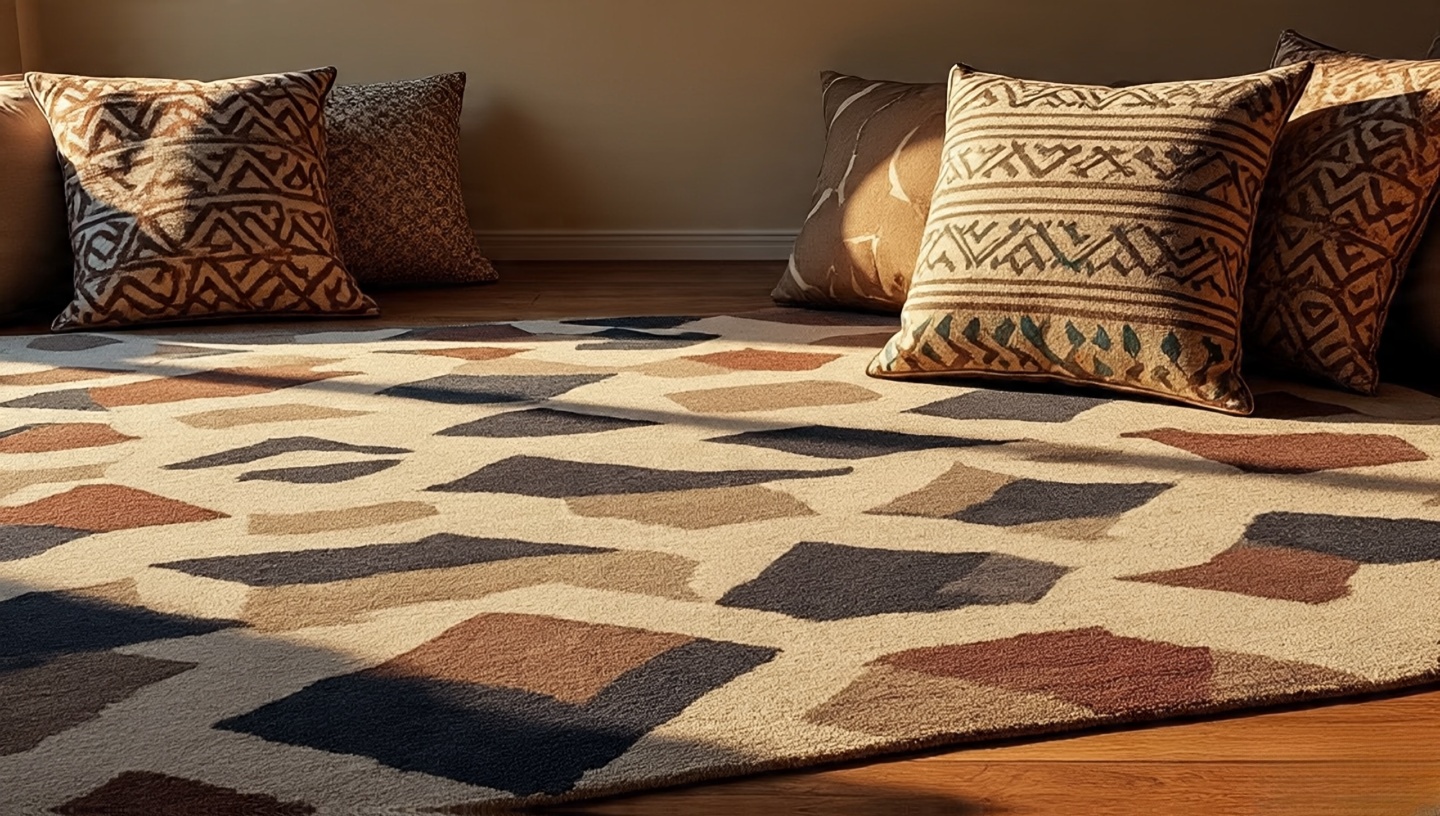 Patterns are a band; somebody must play bass. Let the rug carry the low notes (large scale), pillows handle melody (medium), and a throw whisper rhythm (small, tight motif).
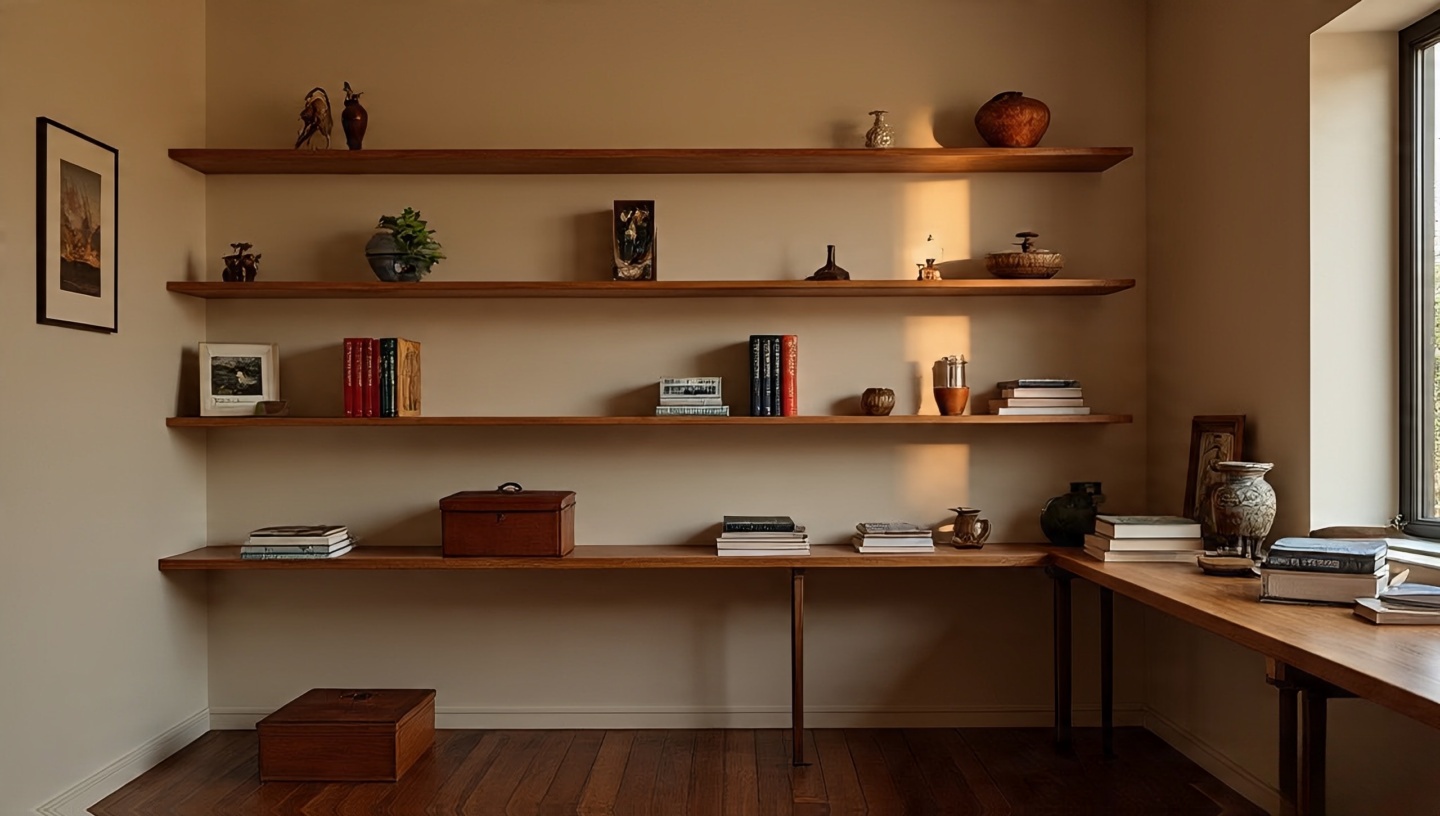 I love collections a bowl of matchbooks, a line of travel books but I love air more. Bohemian is not maximalism; it’s edited memory.
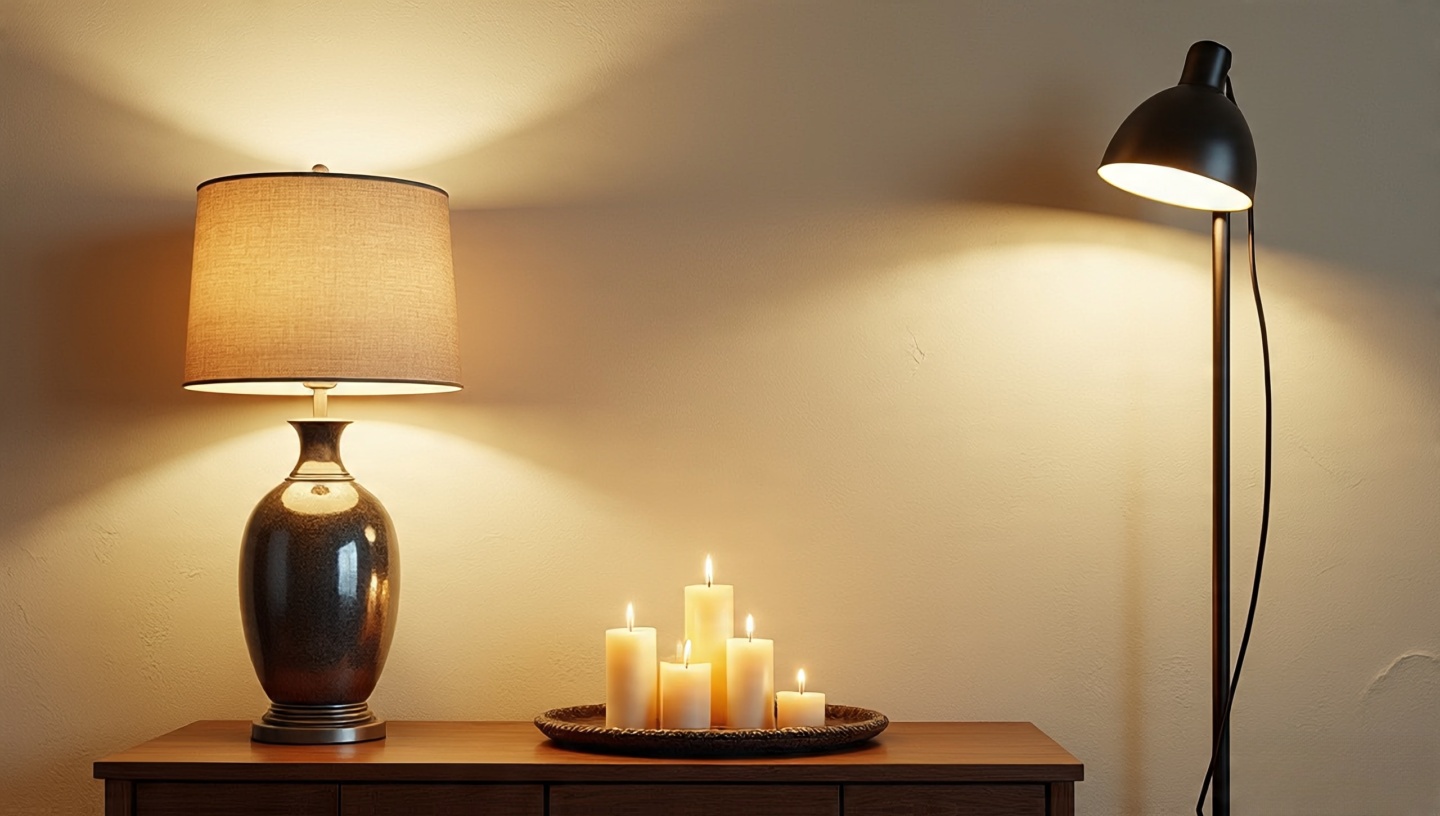 Overhead cans are like noonday sun use sparingly. In Bohemian living rooms, light should graze, pool, and glow.
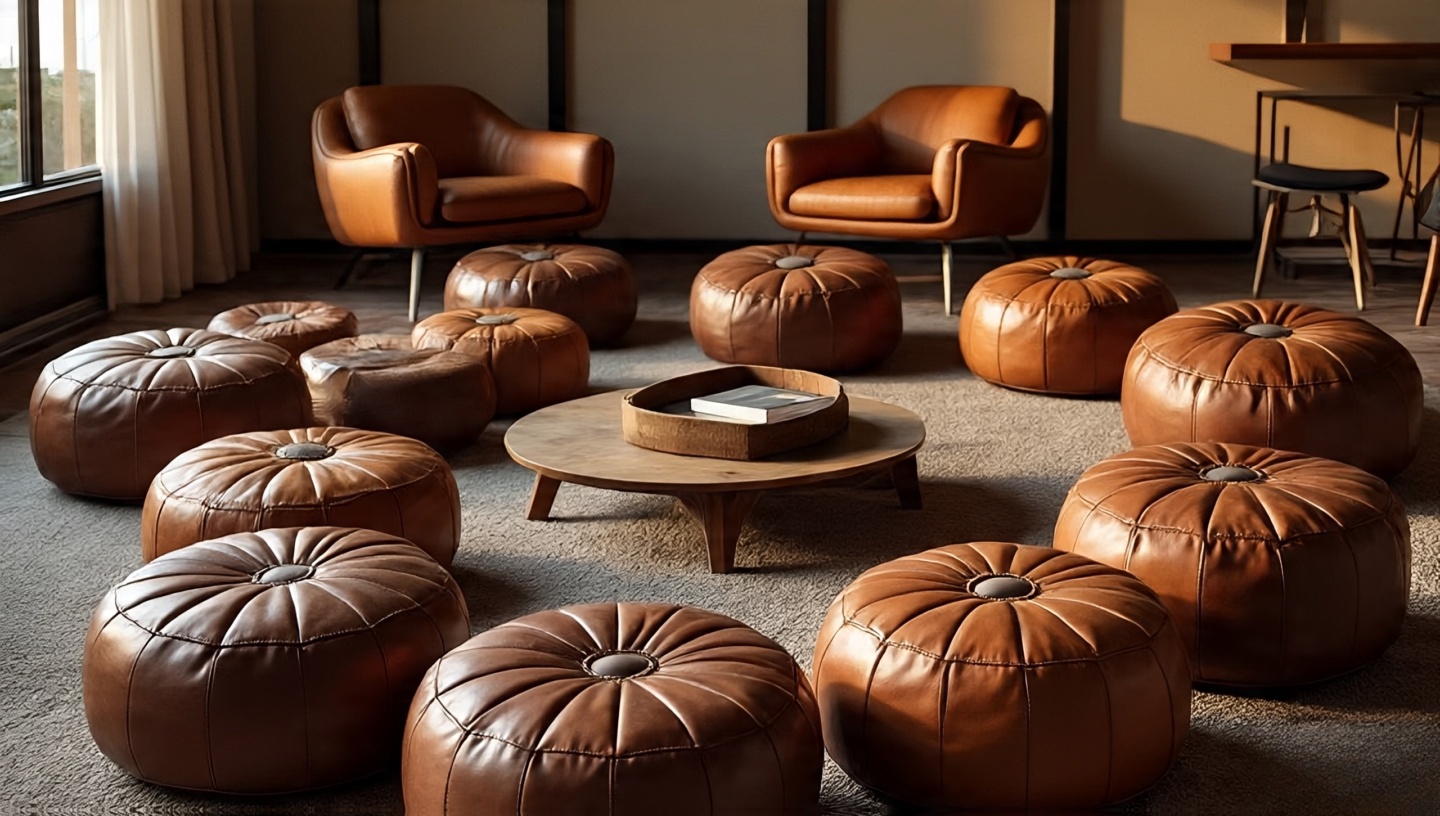 Bring conversation down a notch. Literally. Low seating changes posture and tone people linger, voices soften.
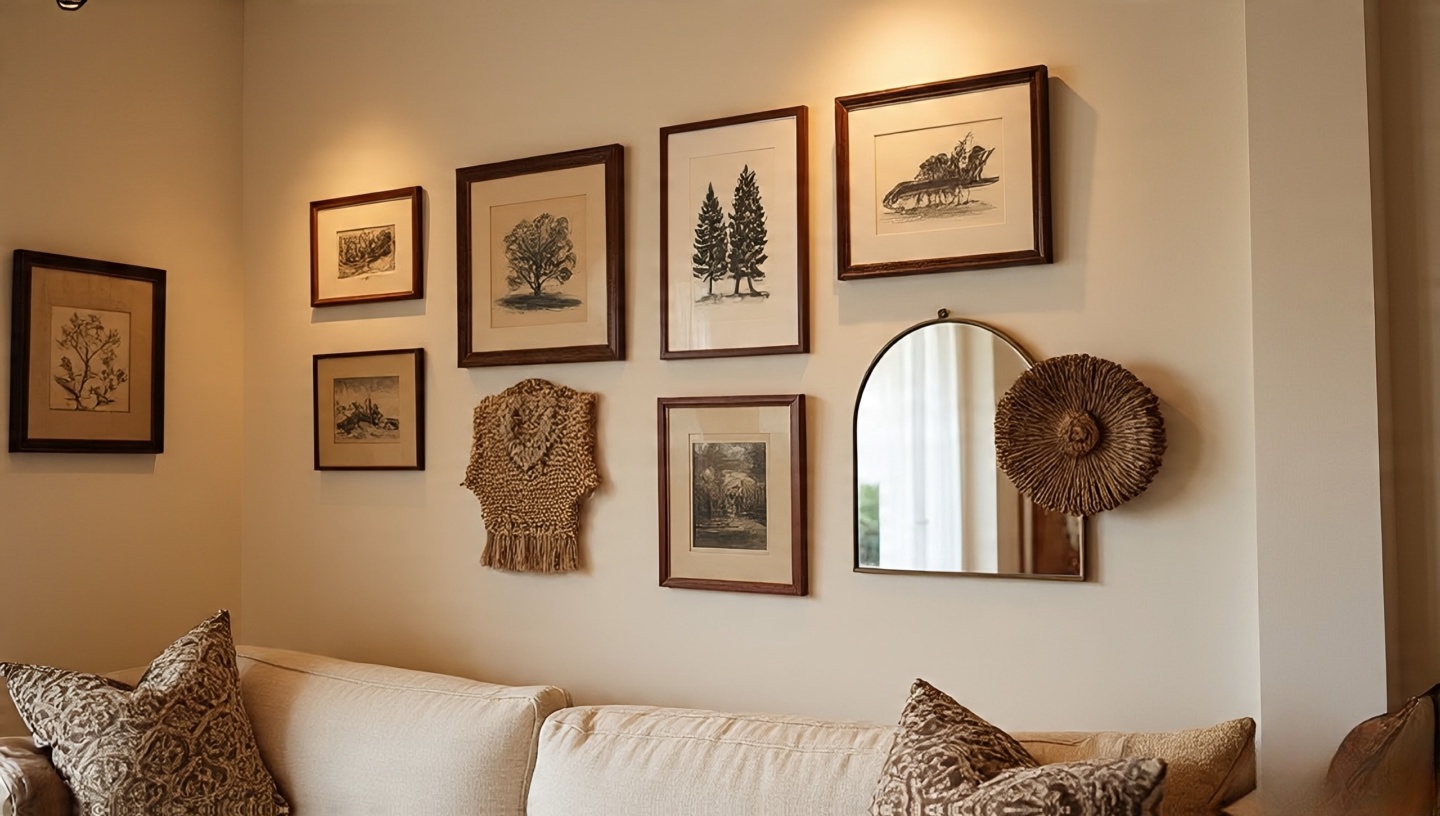 I’ve installed dozens of gallery walls, and the best ones have one thing in common: they feel found, not forced.
 Architect’s take: A travel shelf isn’t a dumping ground for souvenirs. It’s a small narrative device in your boho living room one that slows visitors down and pulls them closer.
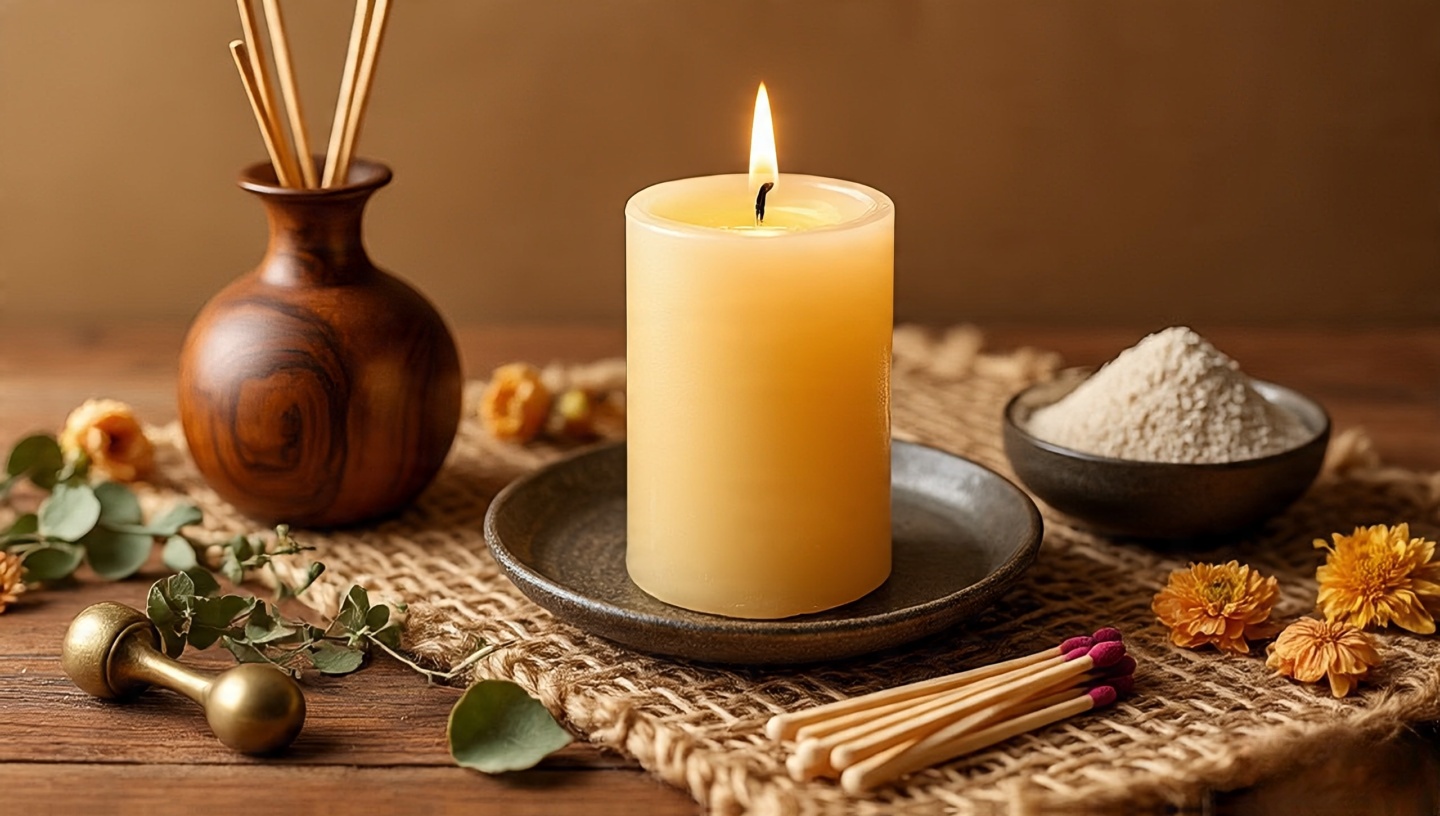 Bohemian living room ideas work best when scent and light collaborate. Think beeswax candles for a honeyed base note, then add a whisper of cedar or fig never a blast. You’re after a background mood, not a perfumery.
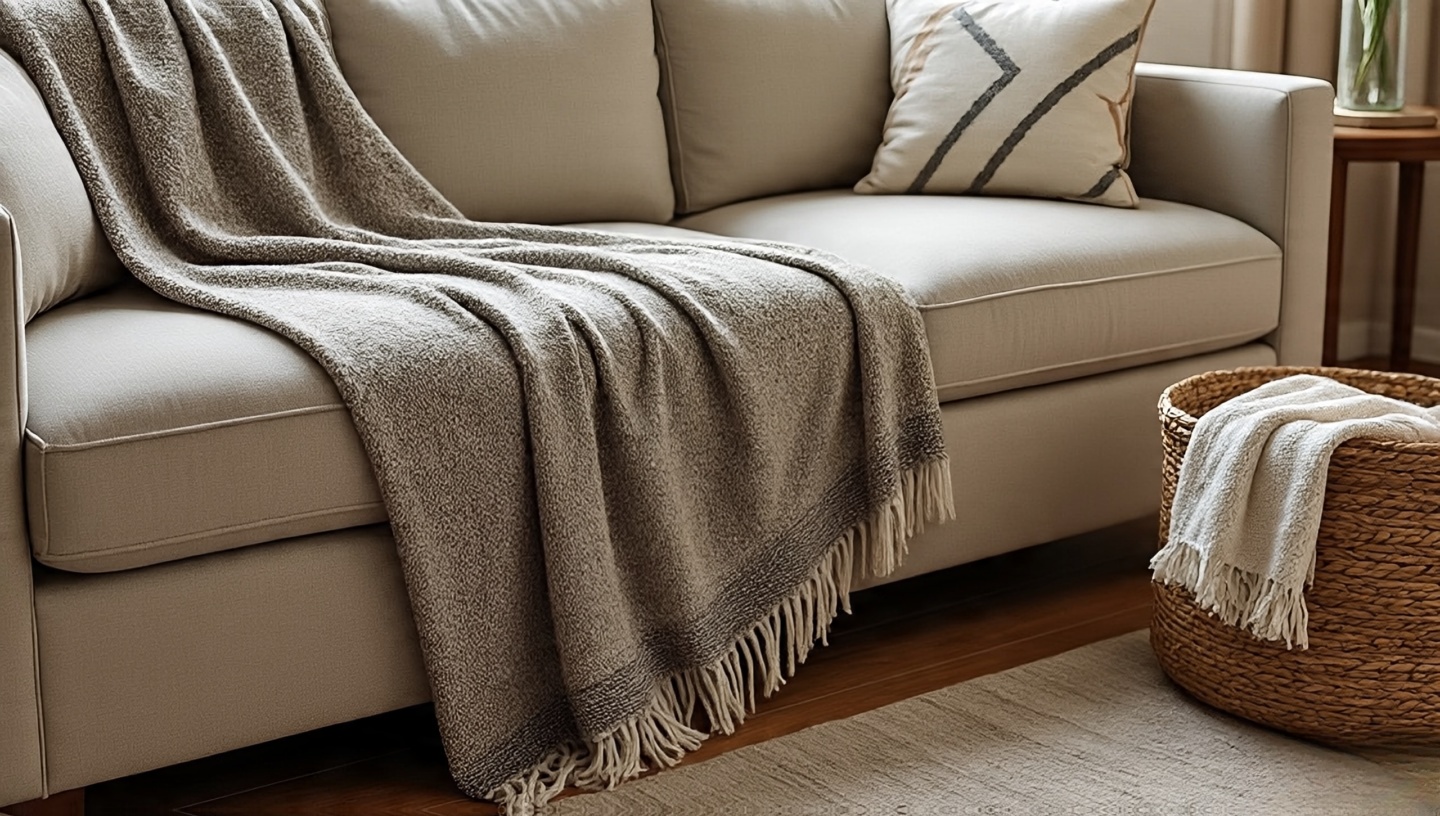 The rustle of hand-loomed cotton, the soft drag of wool against linen pillows are punctuation, but throws are the paragraph breaks in a boho living room.
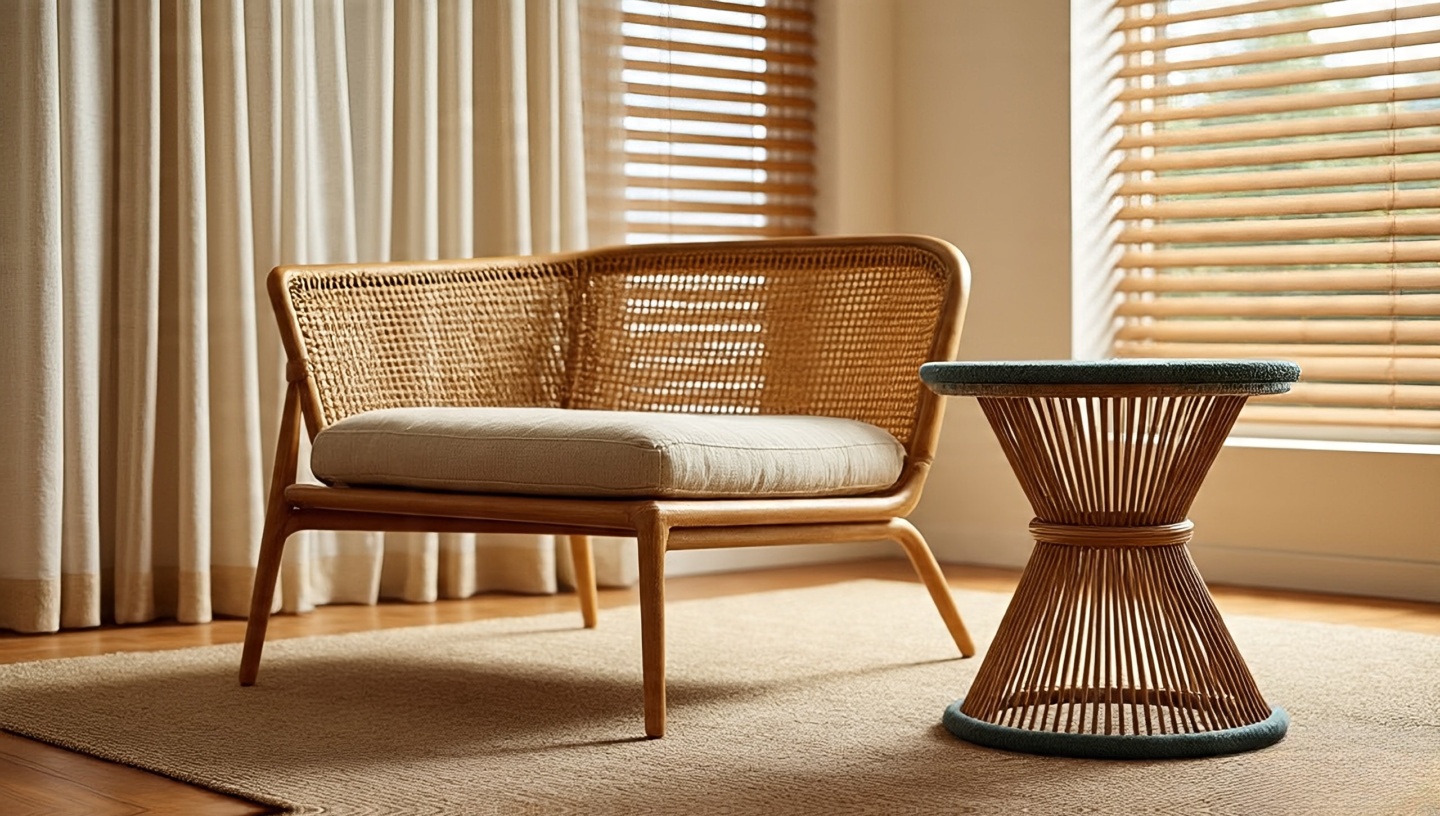 I love how cane crackles softly when you sit, the way rattan frames catch oblique light. But natural fibers need smart handling.
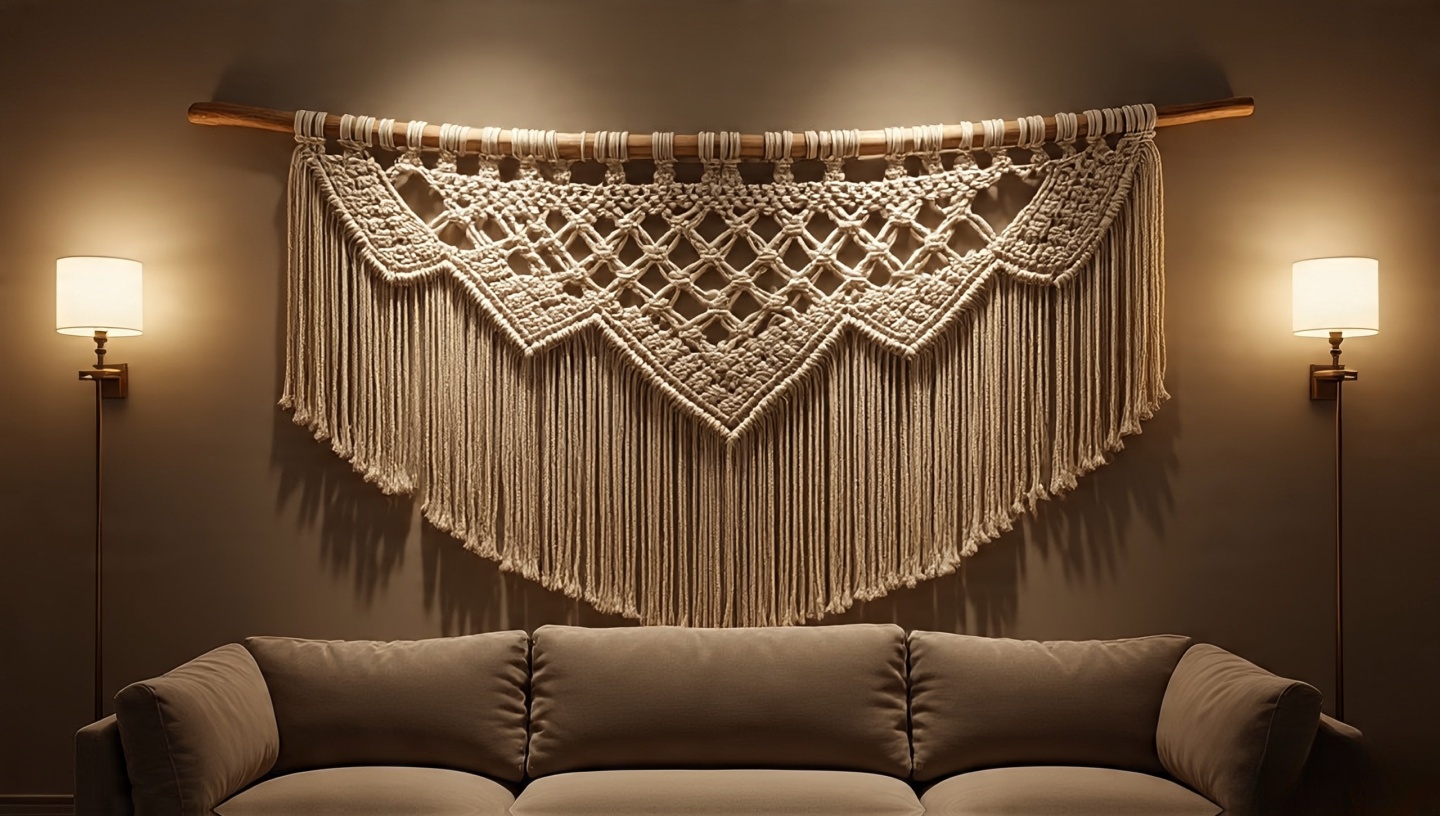 A single, creamy macramé can act like soft architecture especially above a sofa where art might feel too formal.
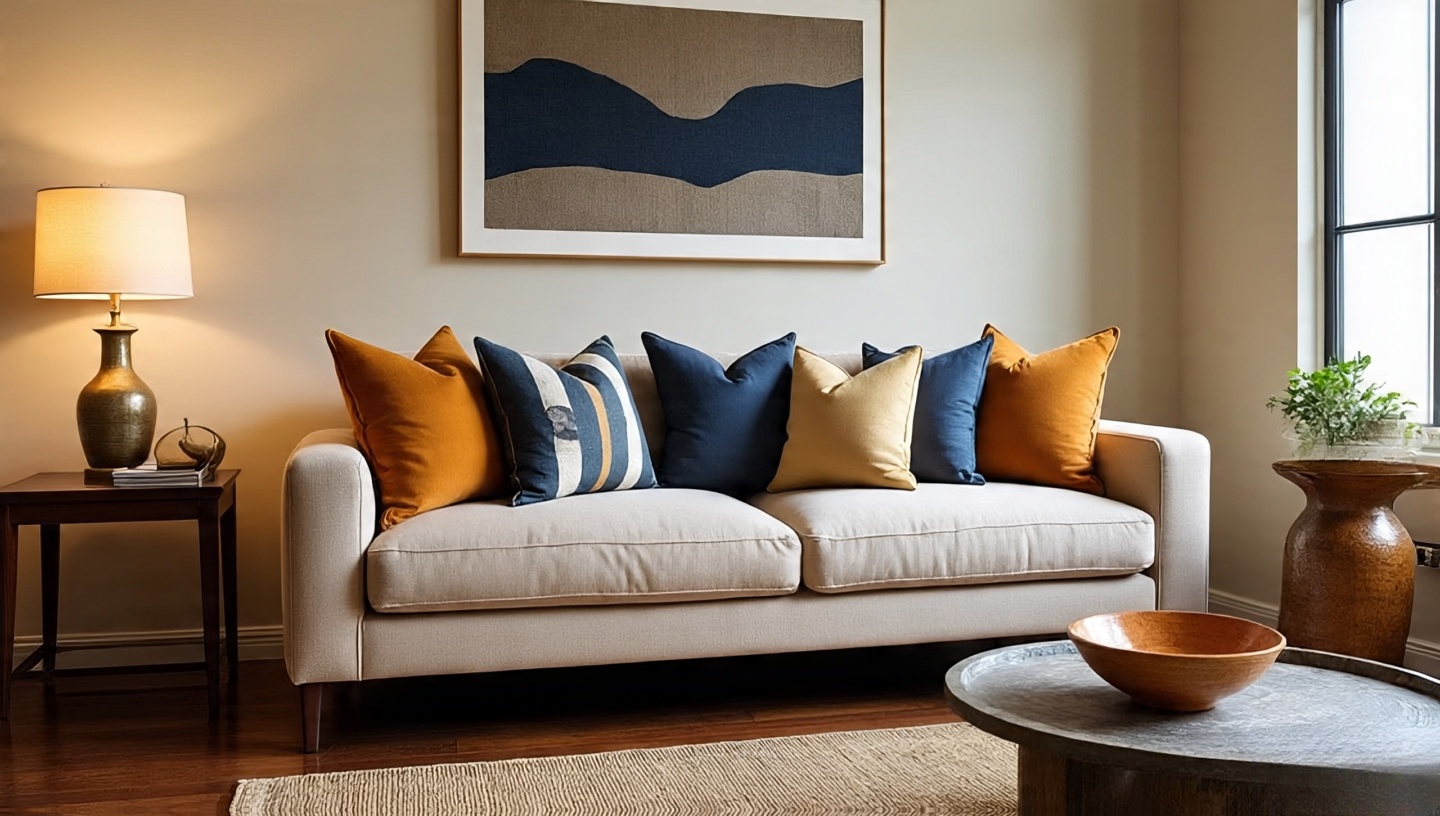 Boho living room, meet thesis statement. Without one, your layered rugs and vintage decor start arguing. With one, they sing.
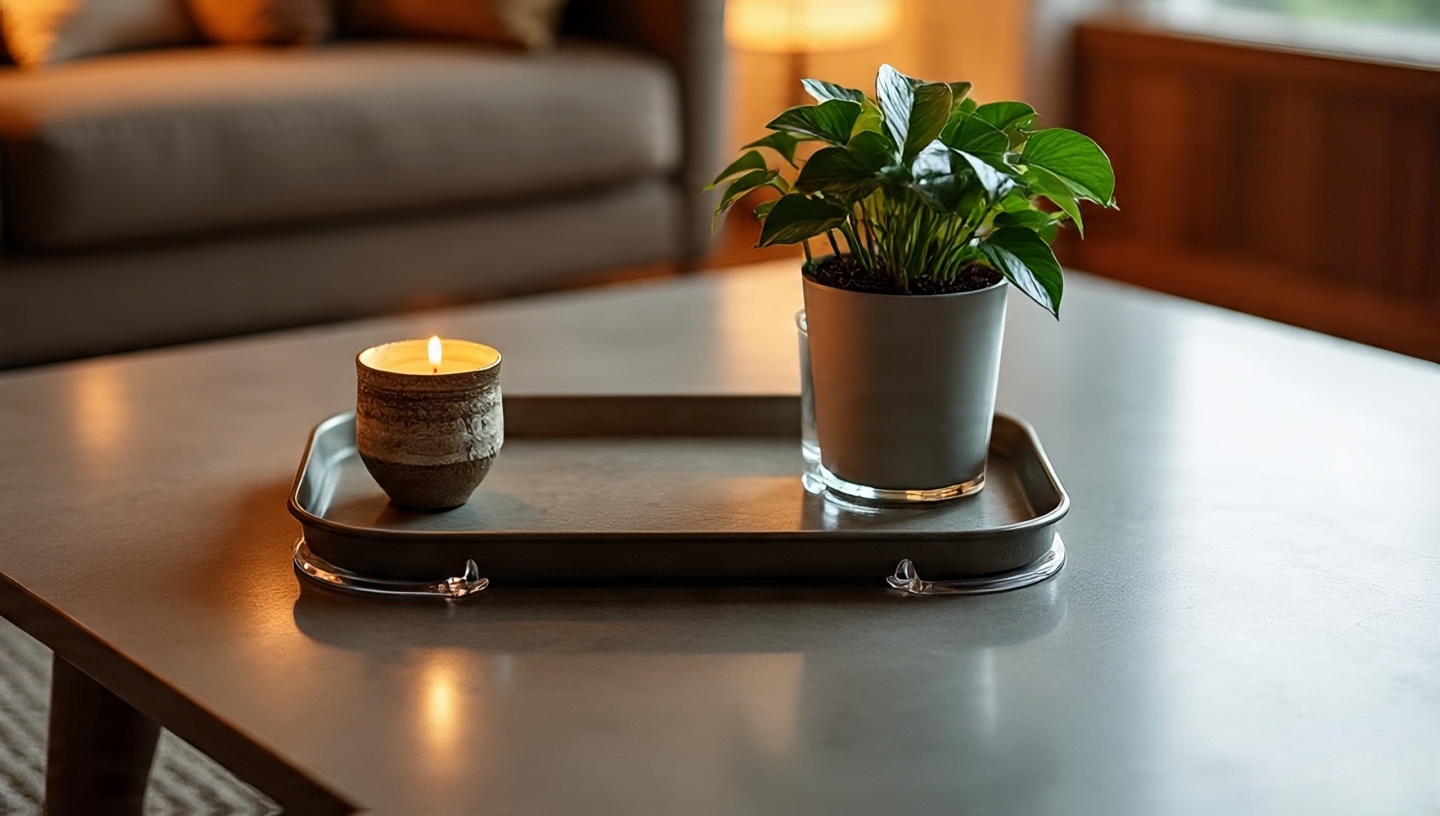 A tray is small architecture: it defines boundaries on a coffee table, it says “this chaos is intentional.”
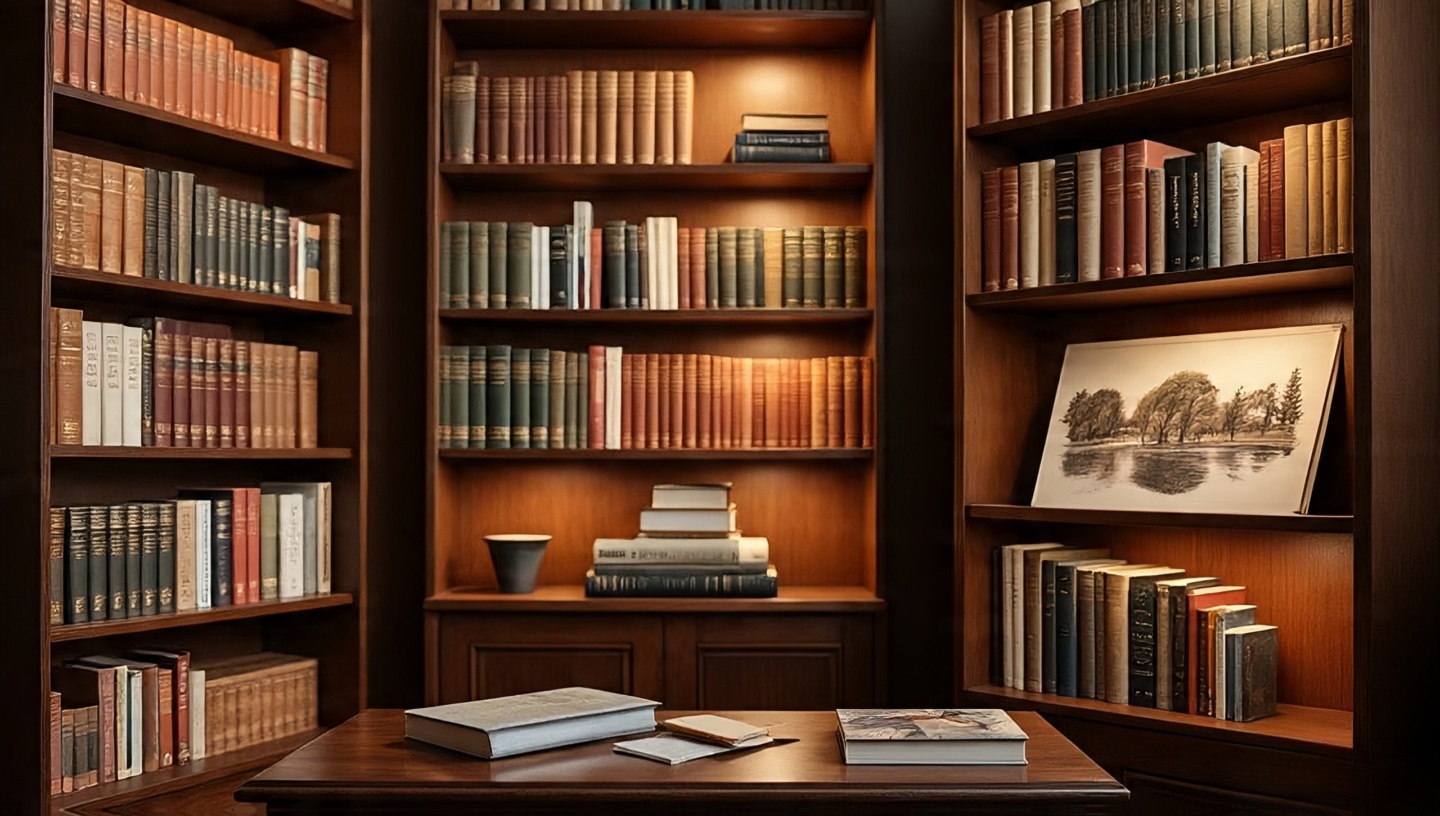 Nothing humanizes a boho living room faster than spines with a little wear. I like to stack three ways: vertical for rhythm, horizontal for pedestals, and face-out for one conversation starter.
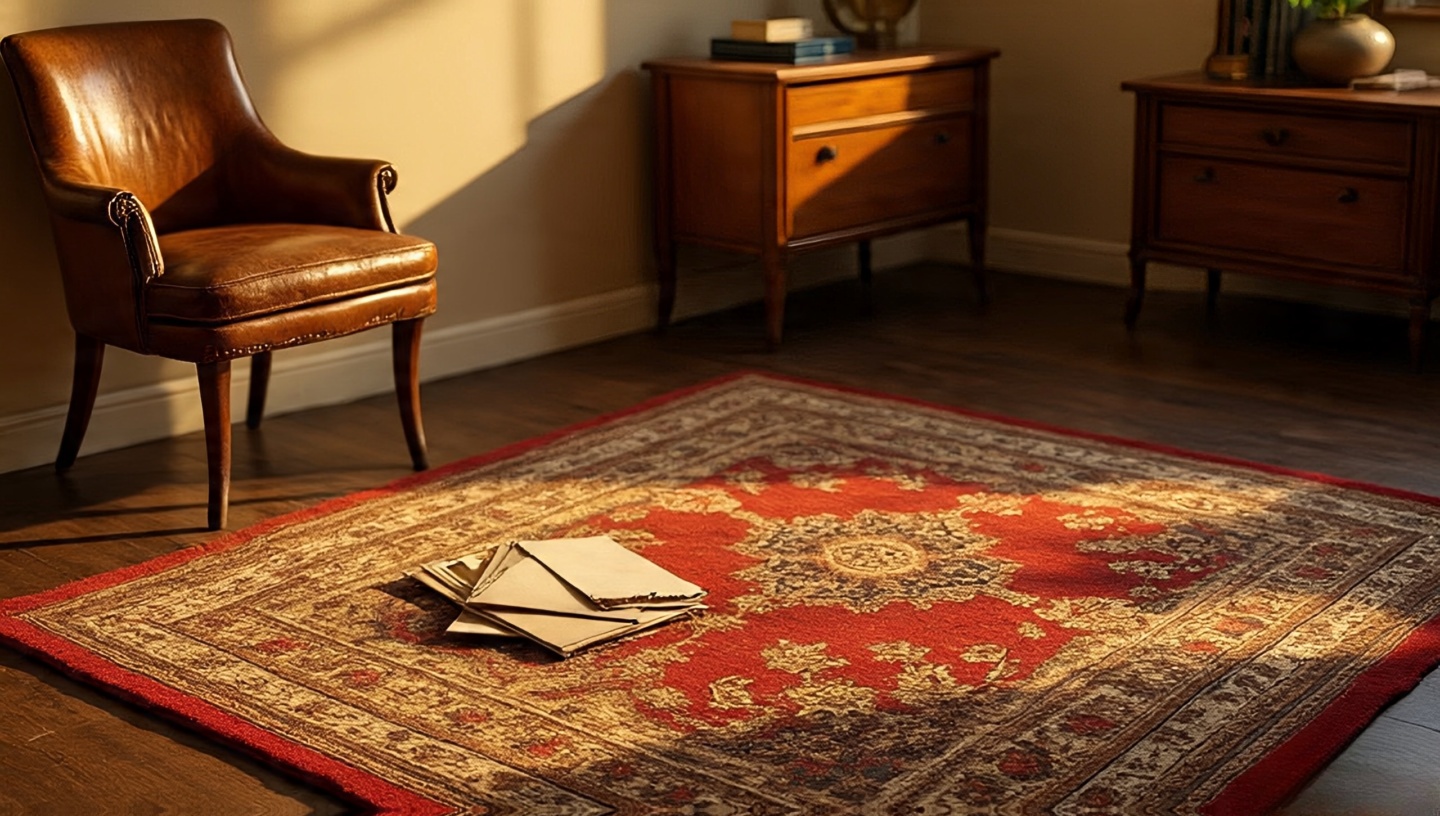 The best bohemian living room ideas often start at a flea market. Go with a checklist and your nose.
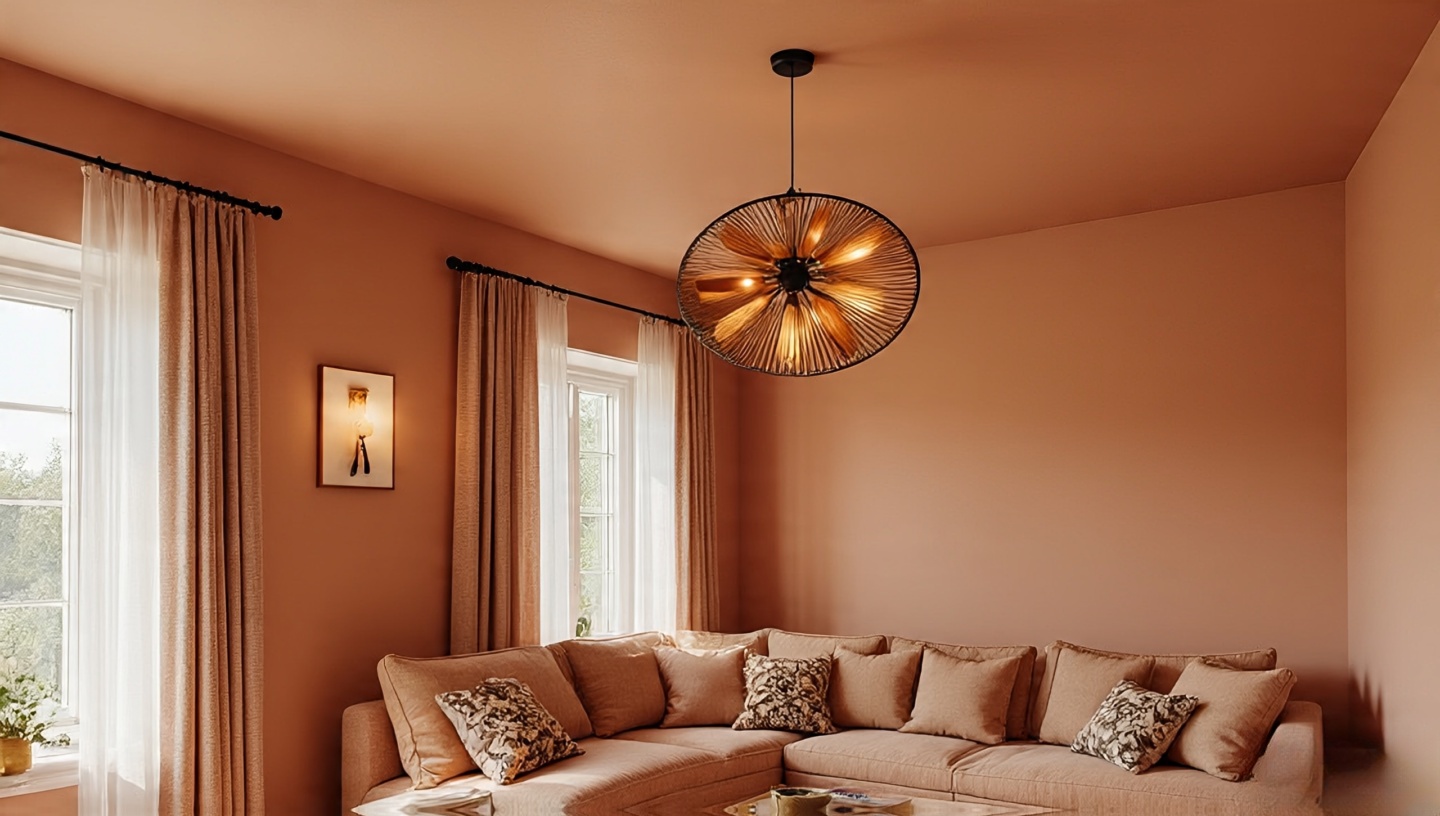 Look up. If your ceiling is a big blank, it’s stealing warmth from your boho living room.
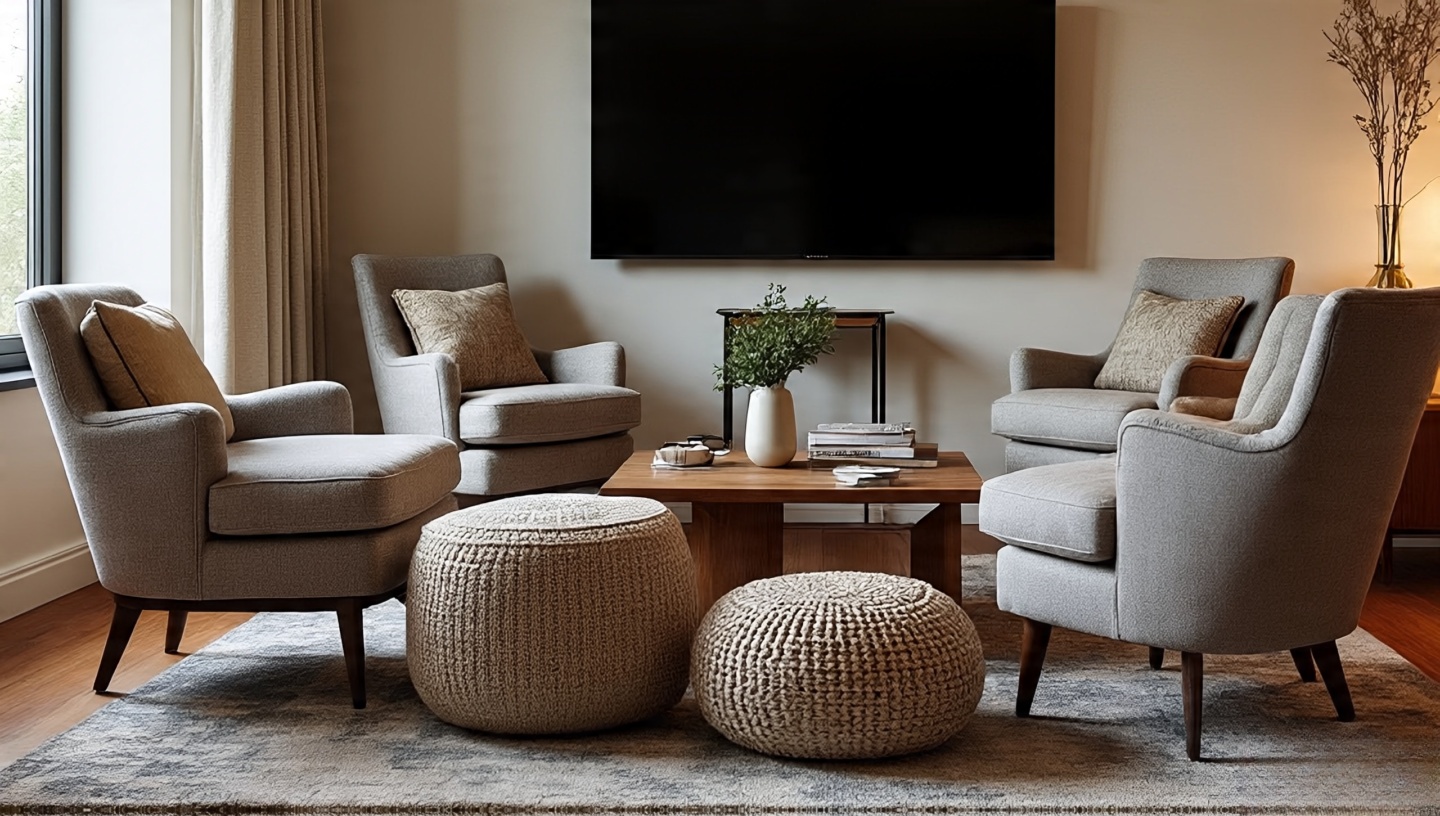 Architect’s read: Living rooms succeed or fail on circulation and conversation. A Bohemian living room thrives when seating creates a relaxed inward arc, so people can see faces and pass plates without a choreography degree.
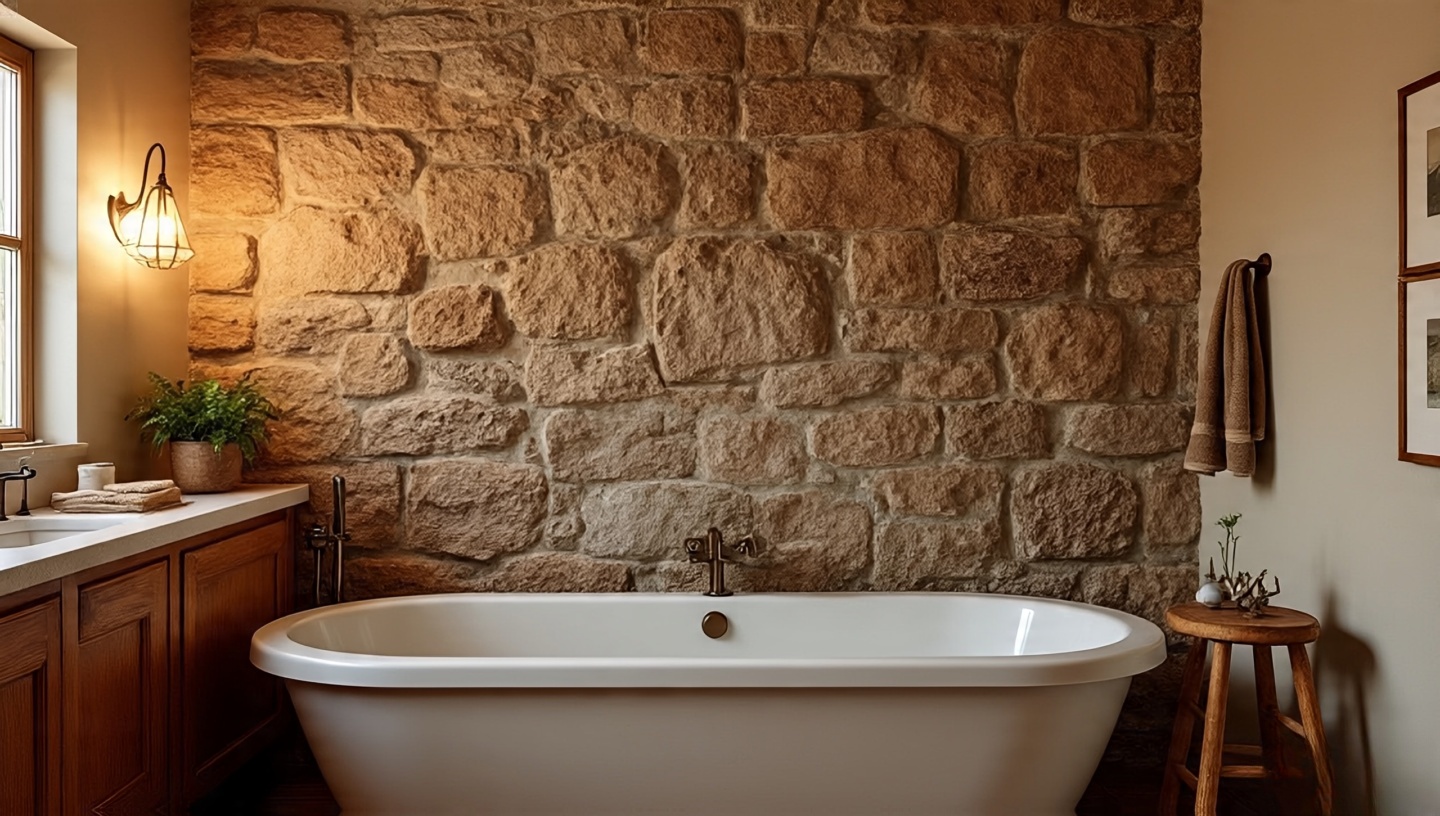
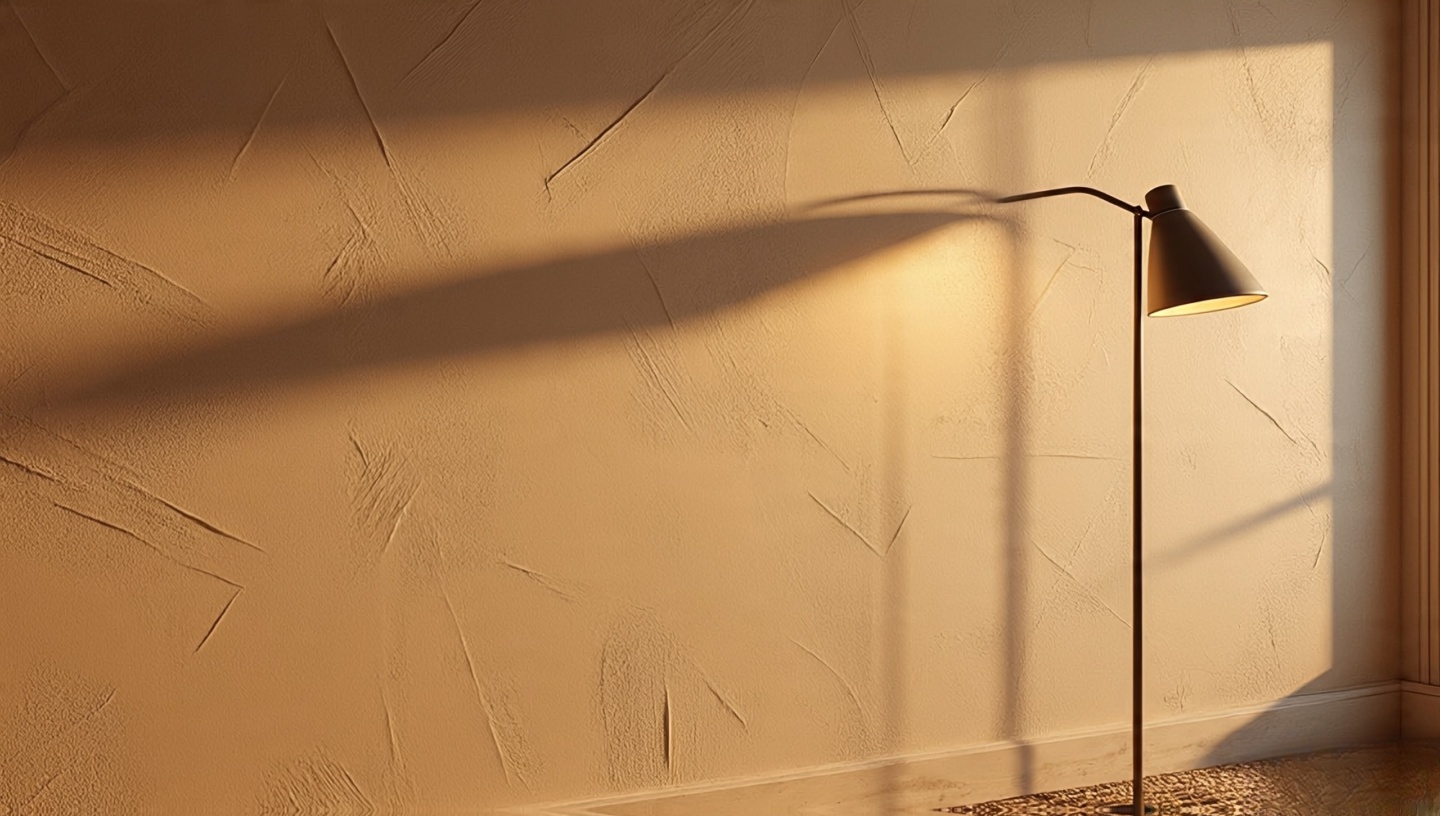 The right textured wall turns light into a slow-moving story. You don’t just see it you feel it on your skin at dusk.
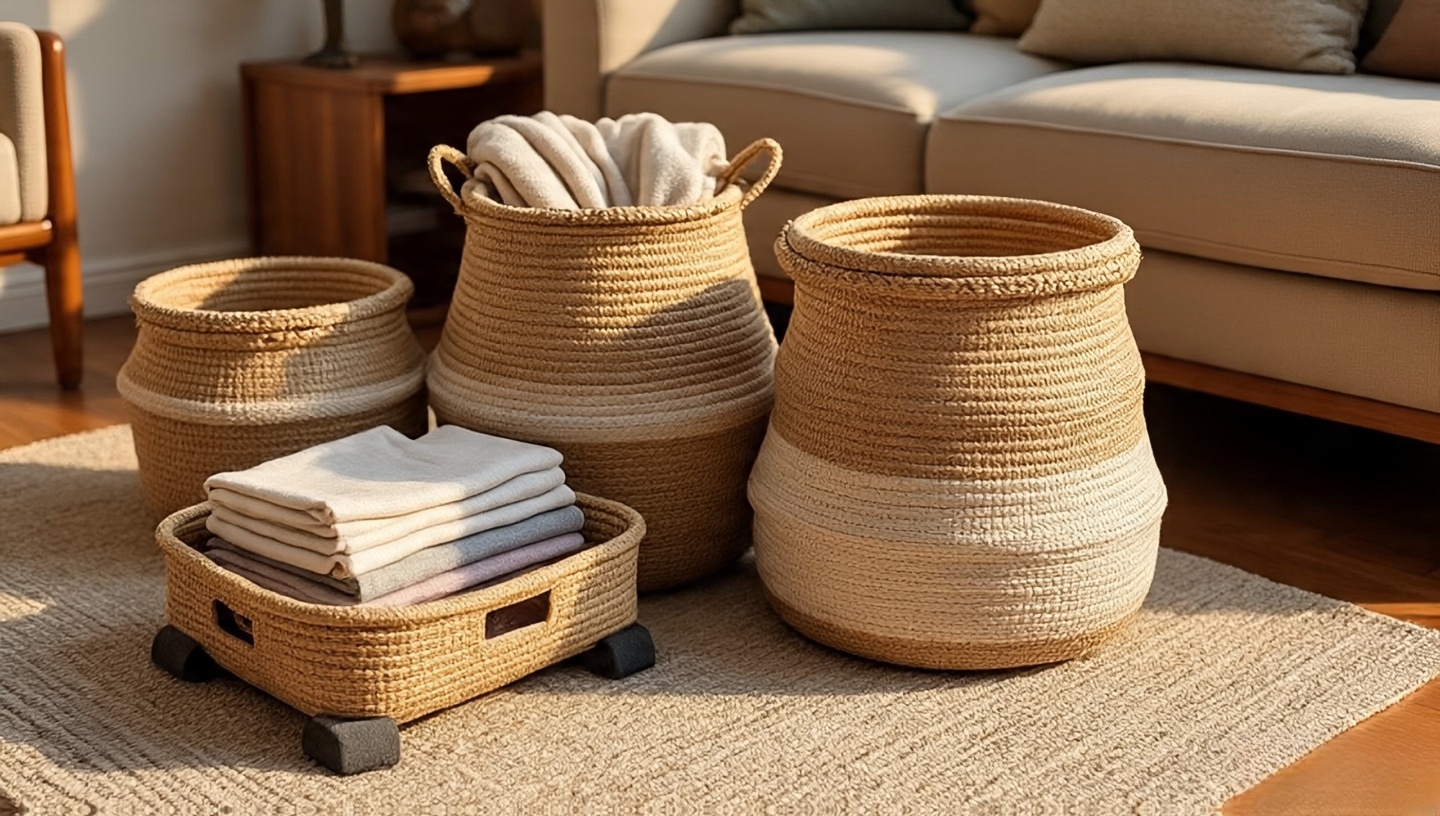 The soft thud of a lid, the dry-grass smell when you open it baskets make clutter feel intentional.
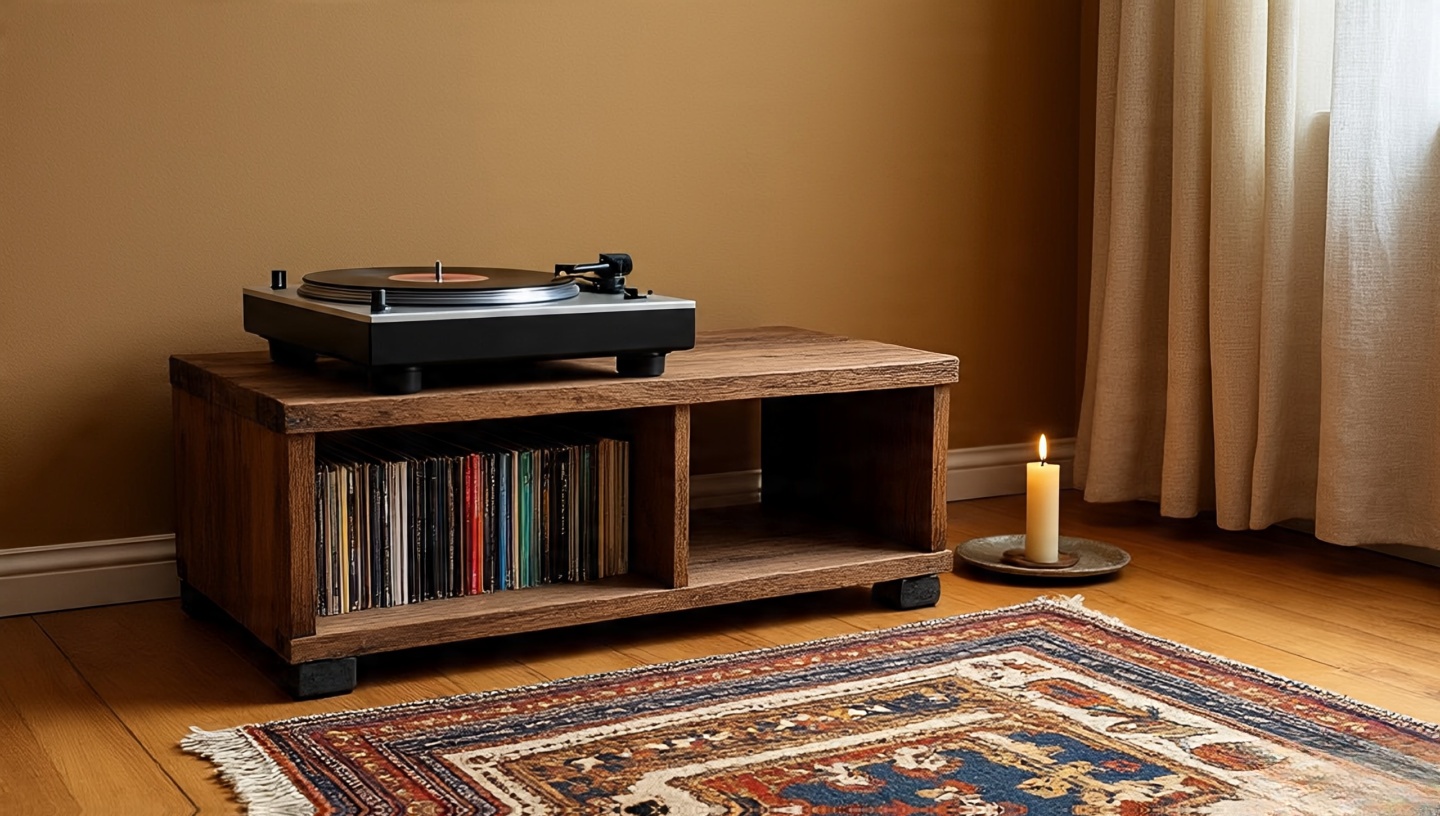 A Bohemian living room hums when sound meets texture. Think: a turntable, a stool, a tiny tray with matches and a beeswax taper. Simple.
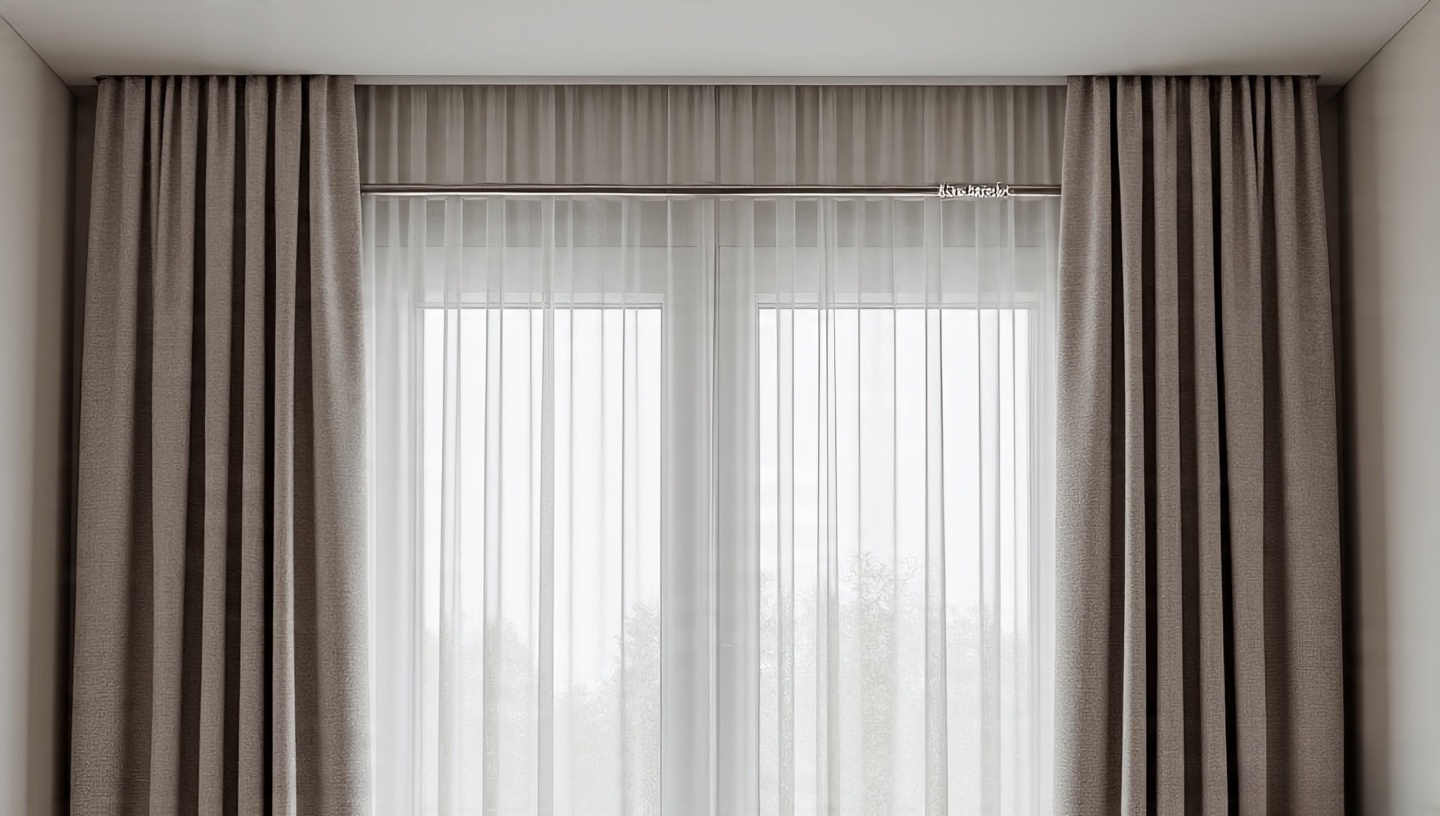 Daylight should arrive like a whisper, not a glare. Two layers do the trick.
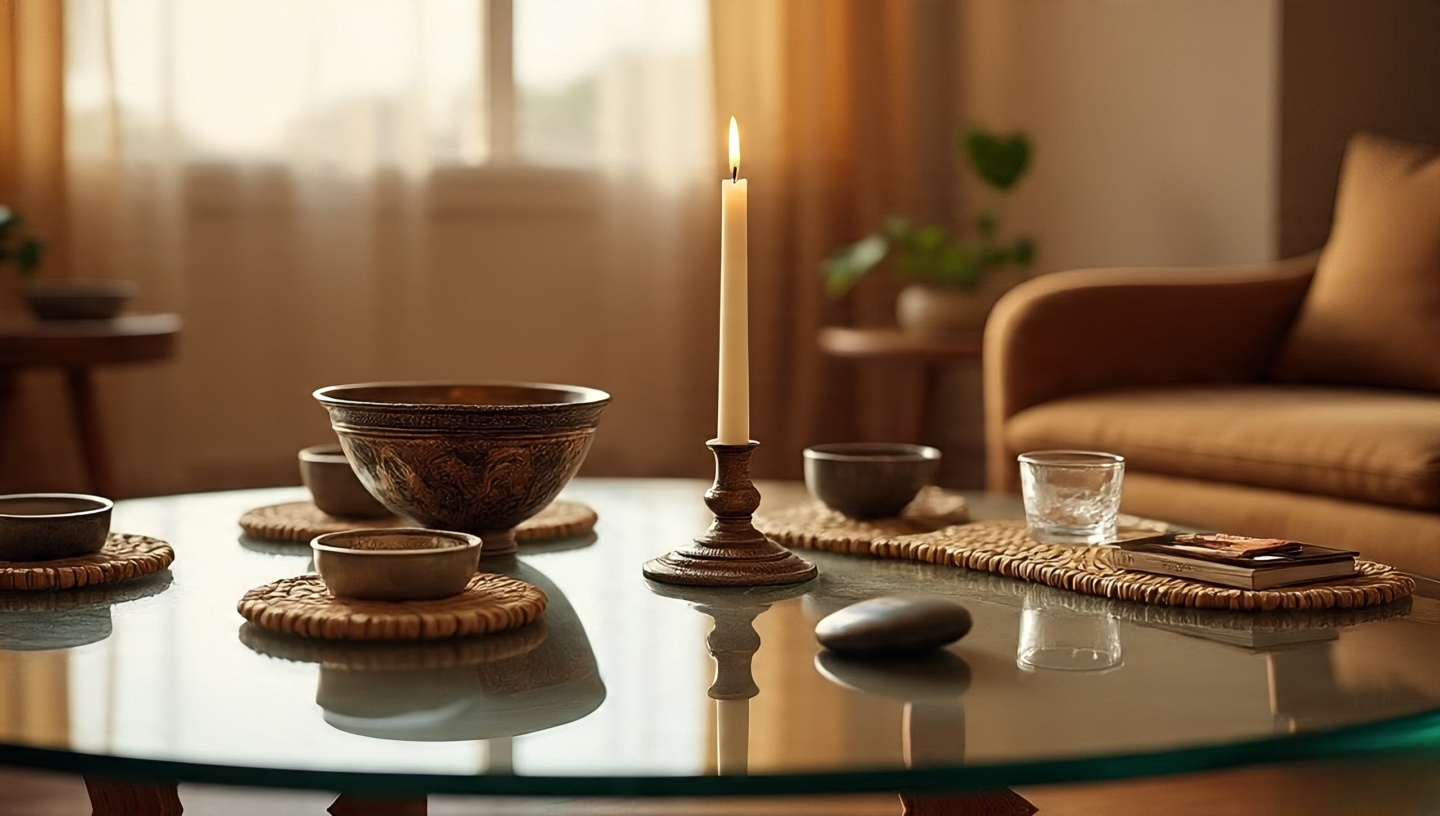 Vignettes are small stories. Give them a beginning, middle, and end.
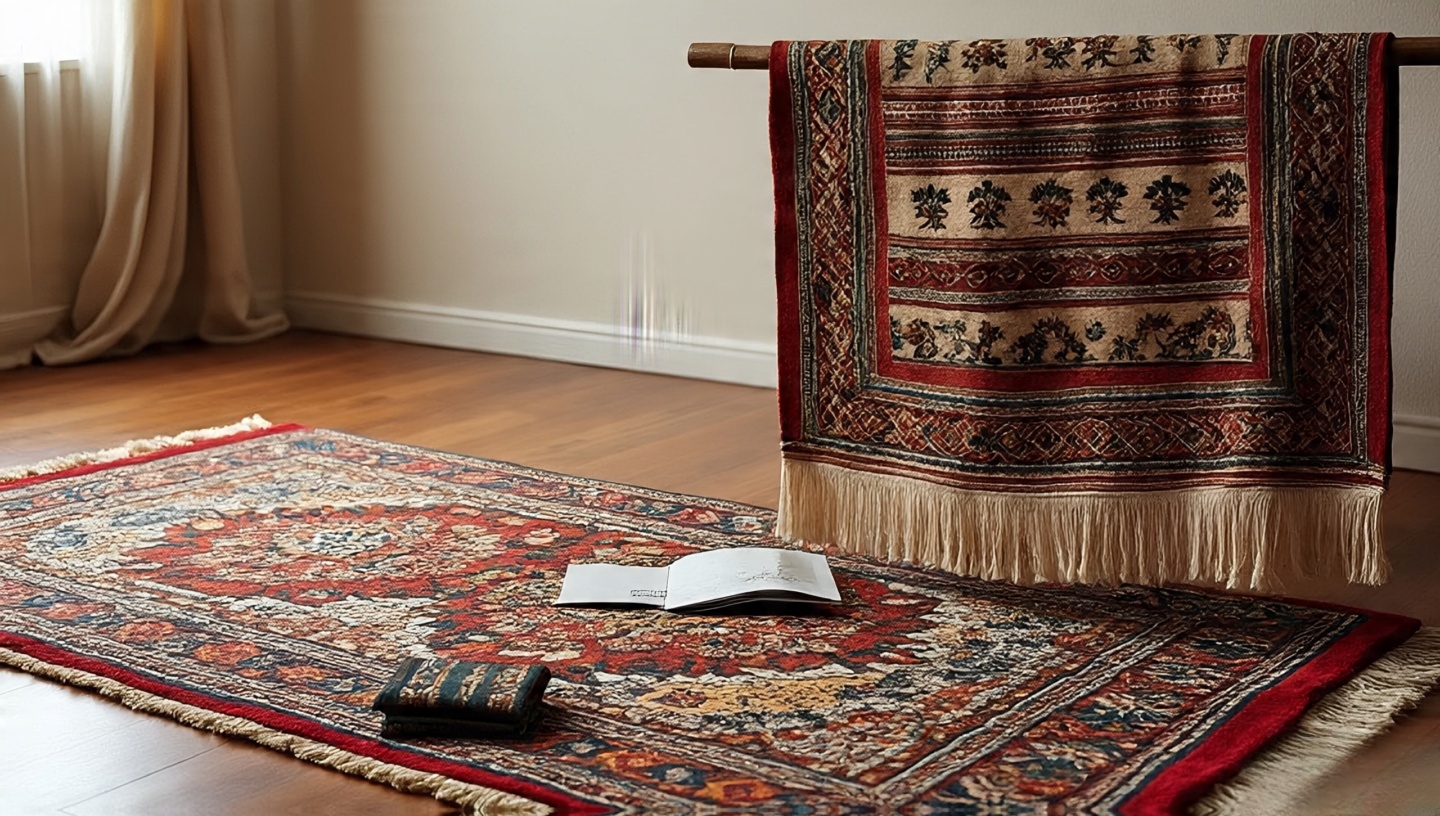 Bohemian living room ideas often lean on story-rich textiles Berber rugs, mud cloth, suzanis. Treat them like the cultural documents they are.
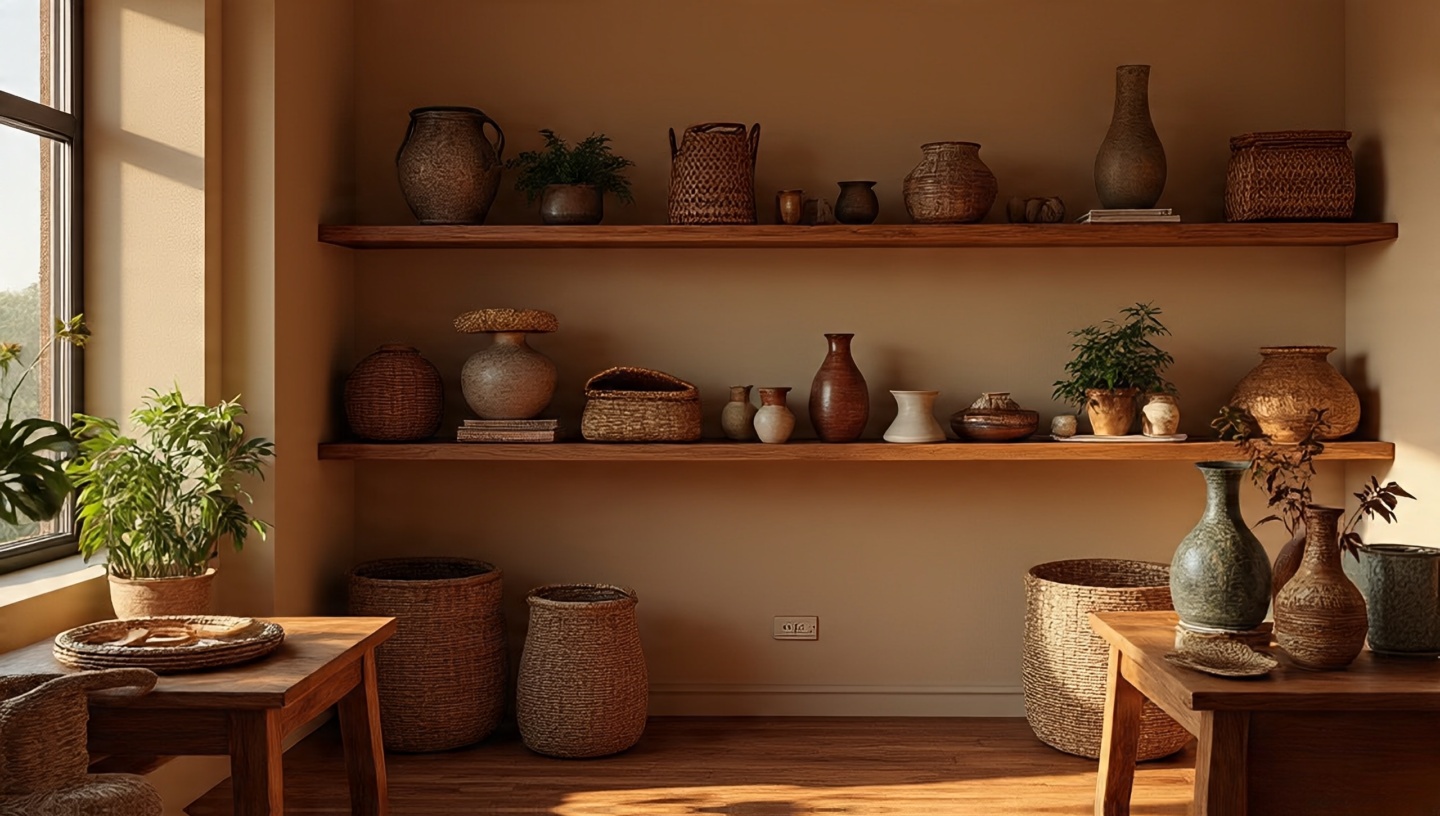 Layered doesn’t mean loud. It means paced.
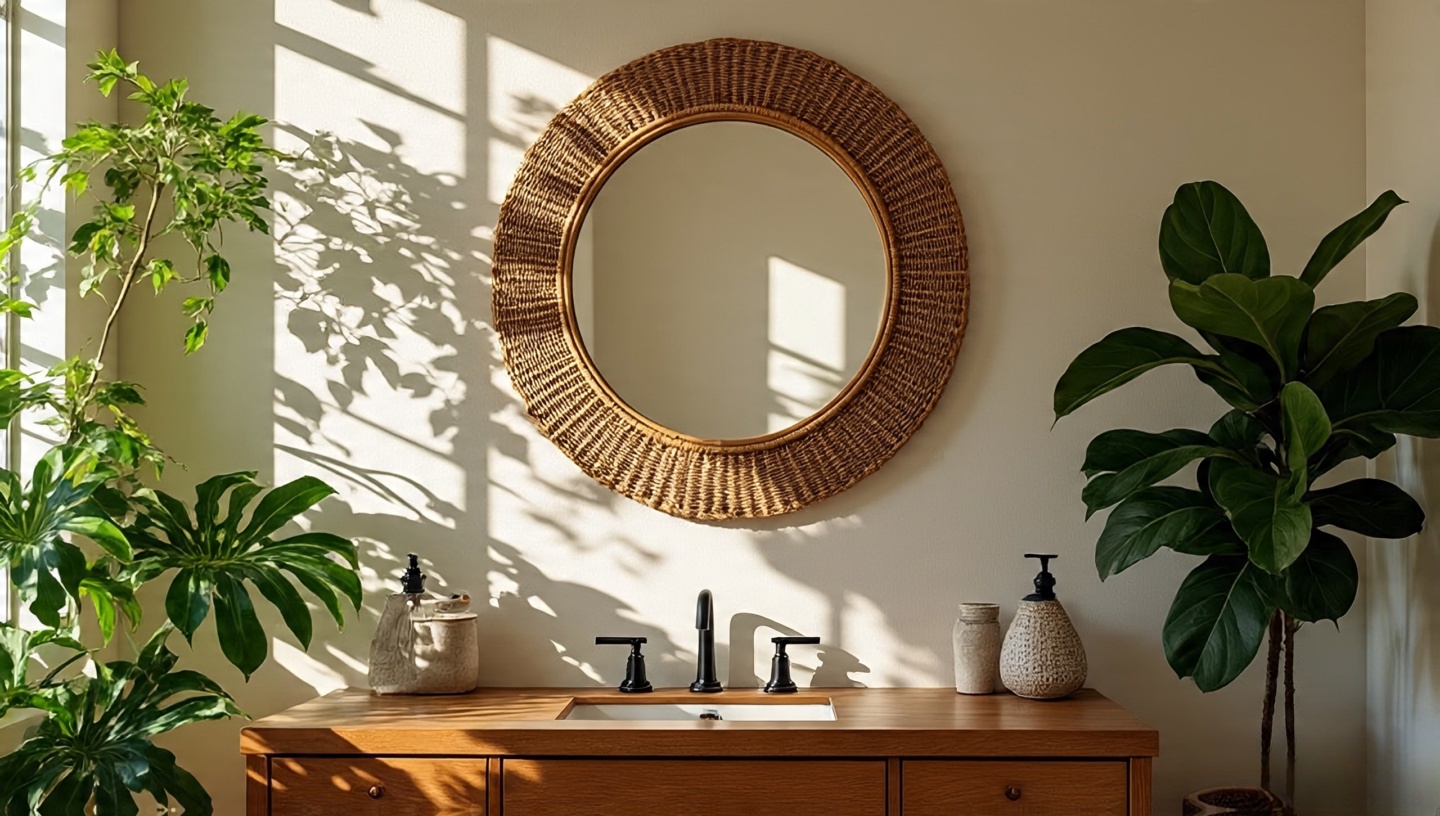
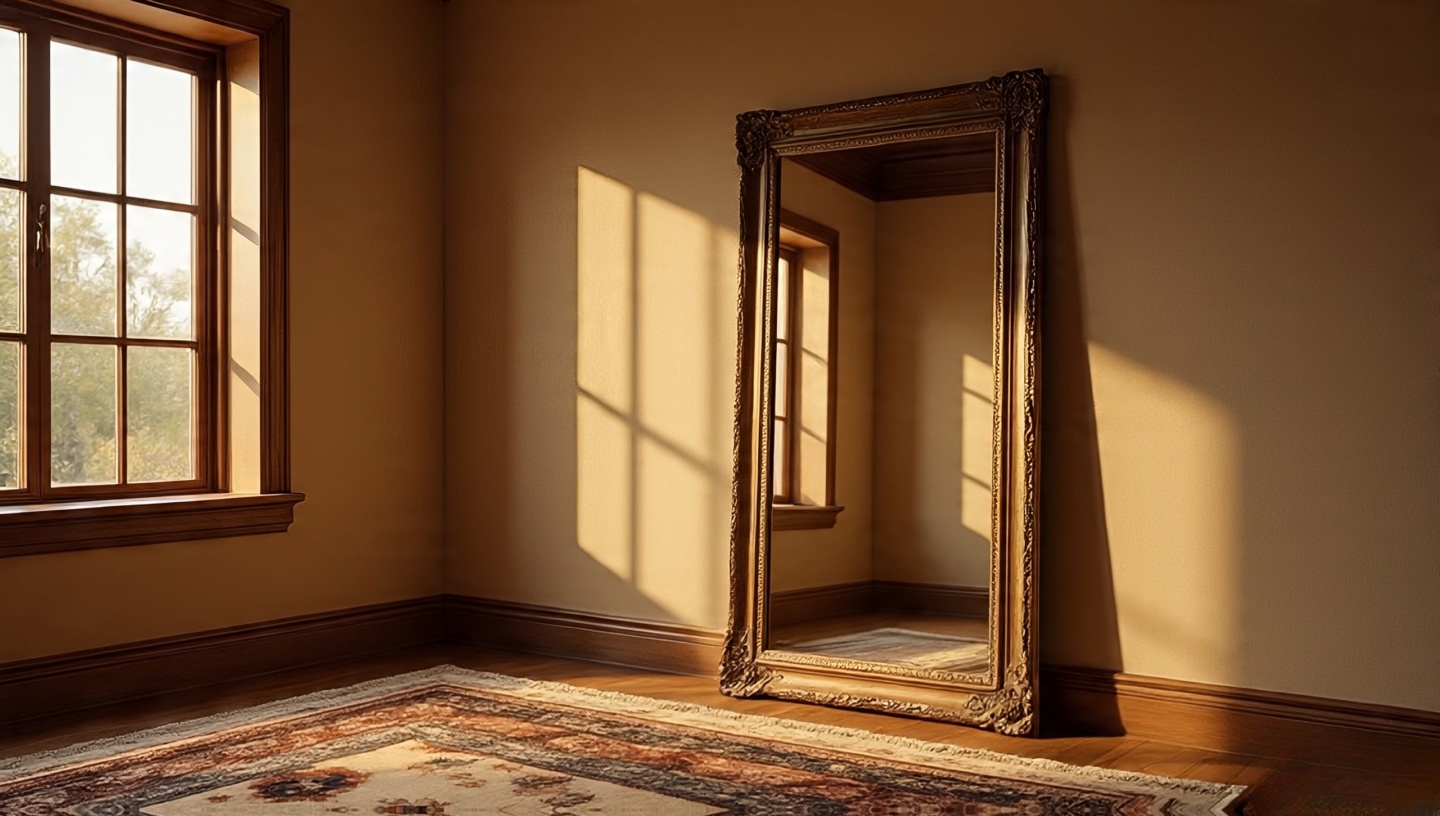 A well-placed mirror is a second window, not a selfie station.
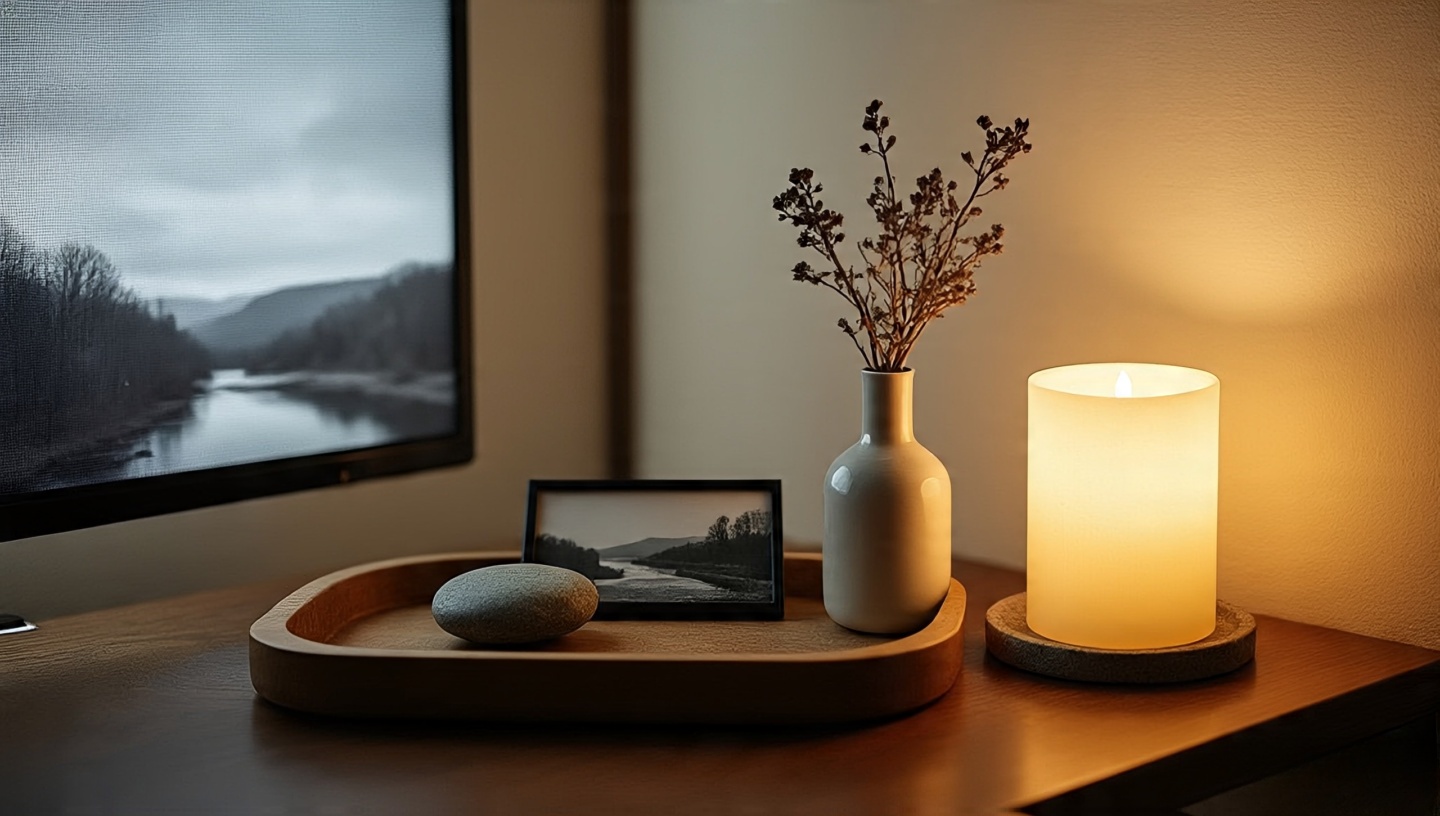 This isn’t about ceremony so much as presence. A shallow tray, a smooth stone, a photo, a sprig in water. That’s enough.
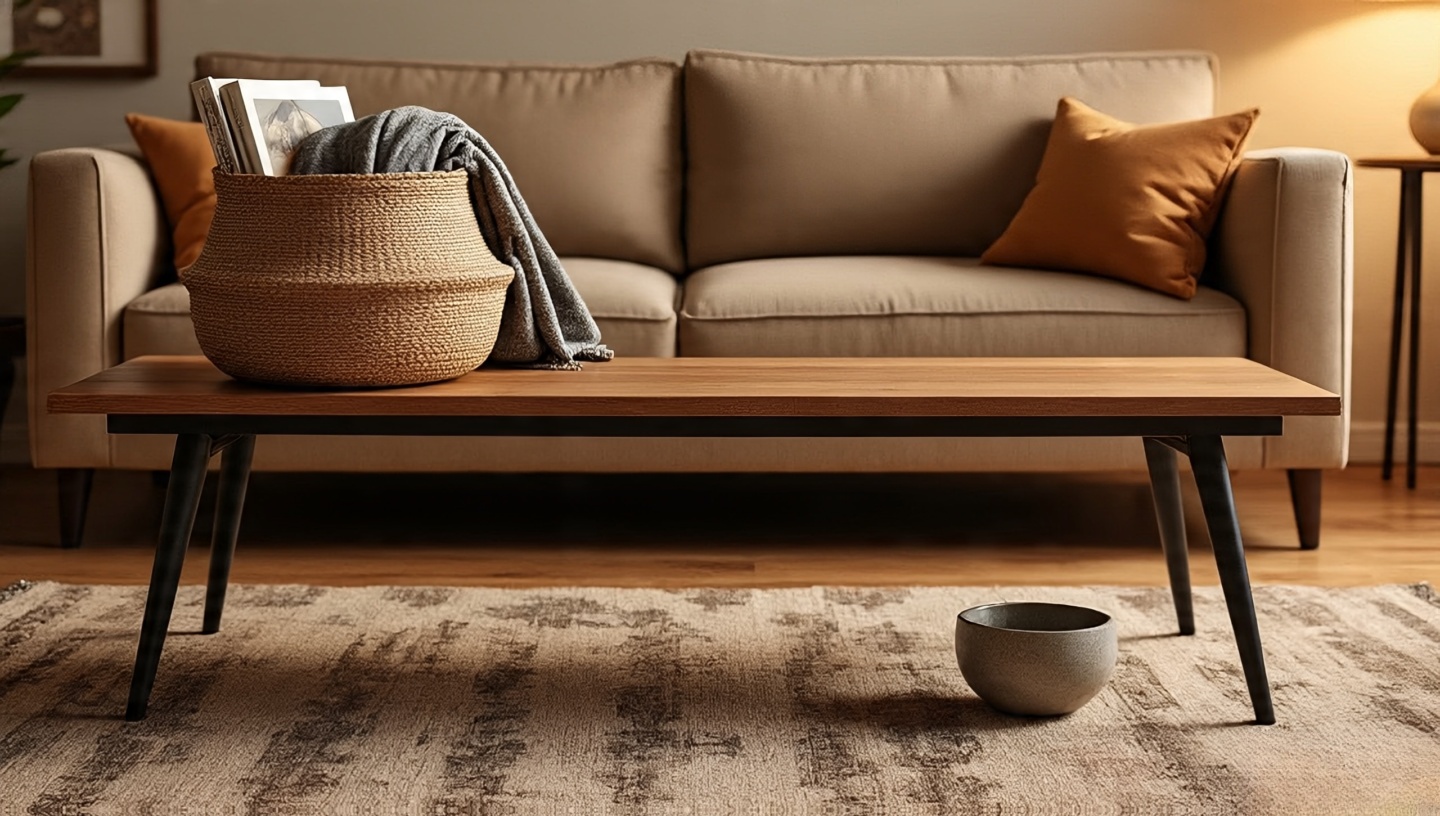 Architect’s intent: A slim bench is visual punctuation tying a floating sofa to the room without bulky casework. It doubles as overflow seating and a landing strip for books and baskets.
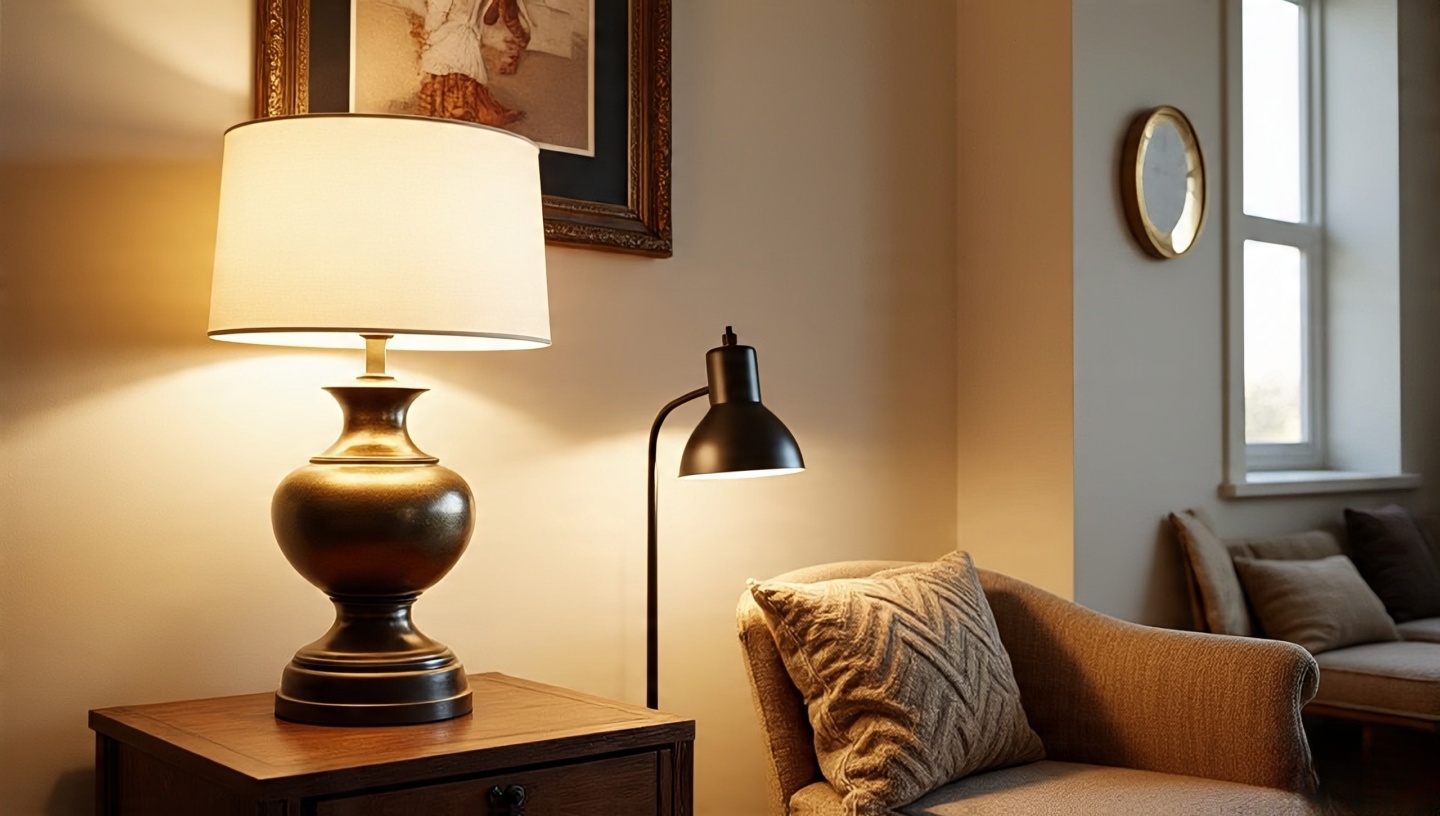 Brass, bronze, and aged gold bring candlelight even when the lamps are off. They flatter clay paints, sisal, jute, and vintage woods.
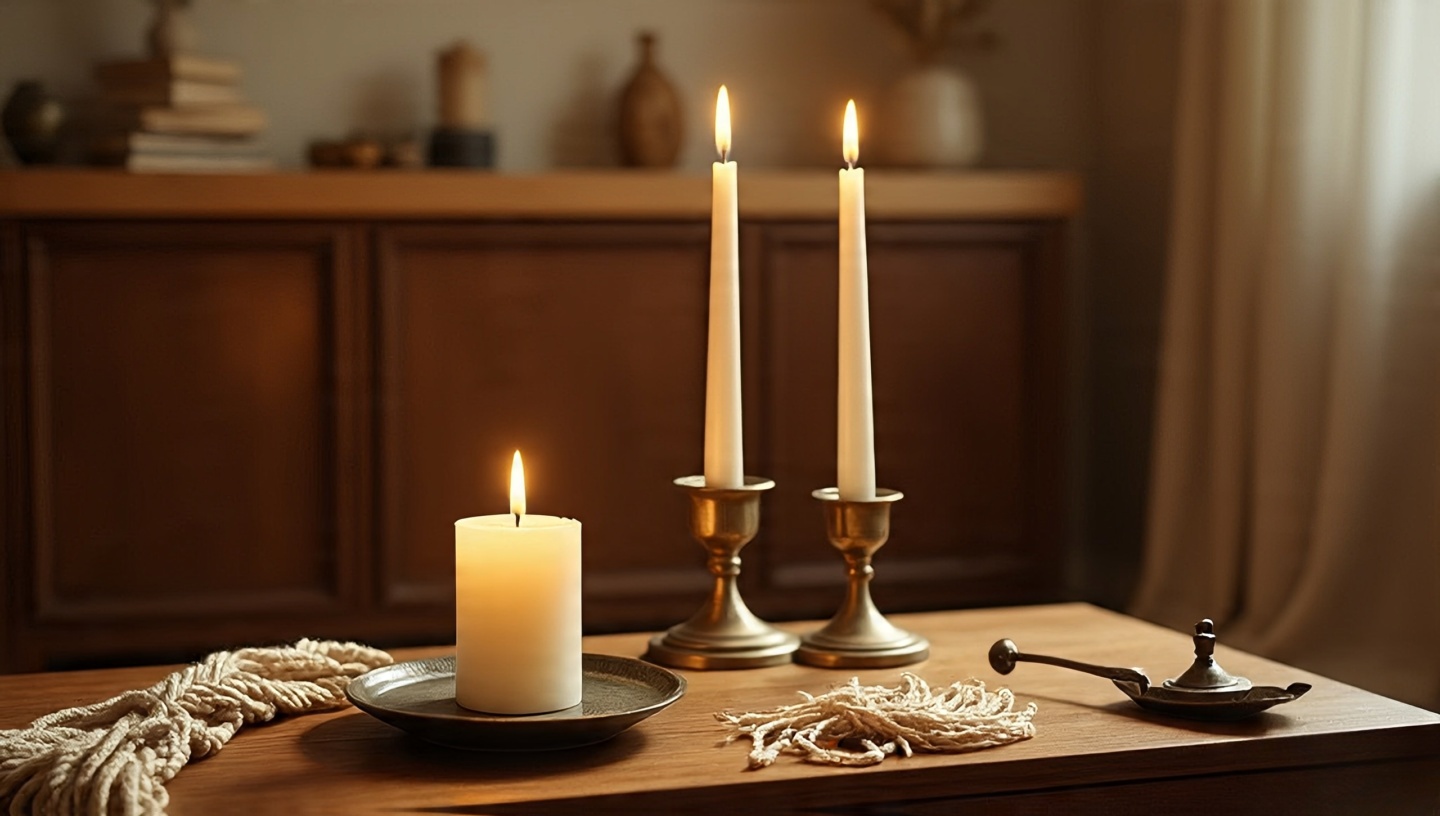 I strike a match and the room exhales: macramé knots gain shadows, brass blinks awake, and the rug looks deeper. Candlelight is design, not decor.
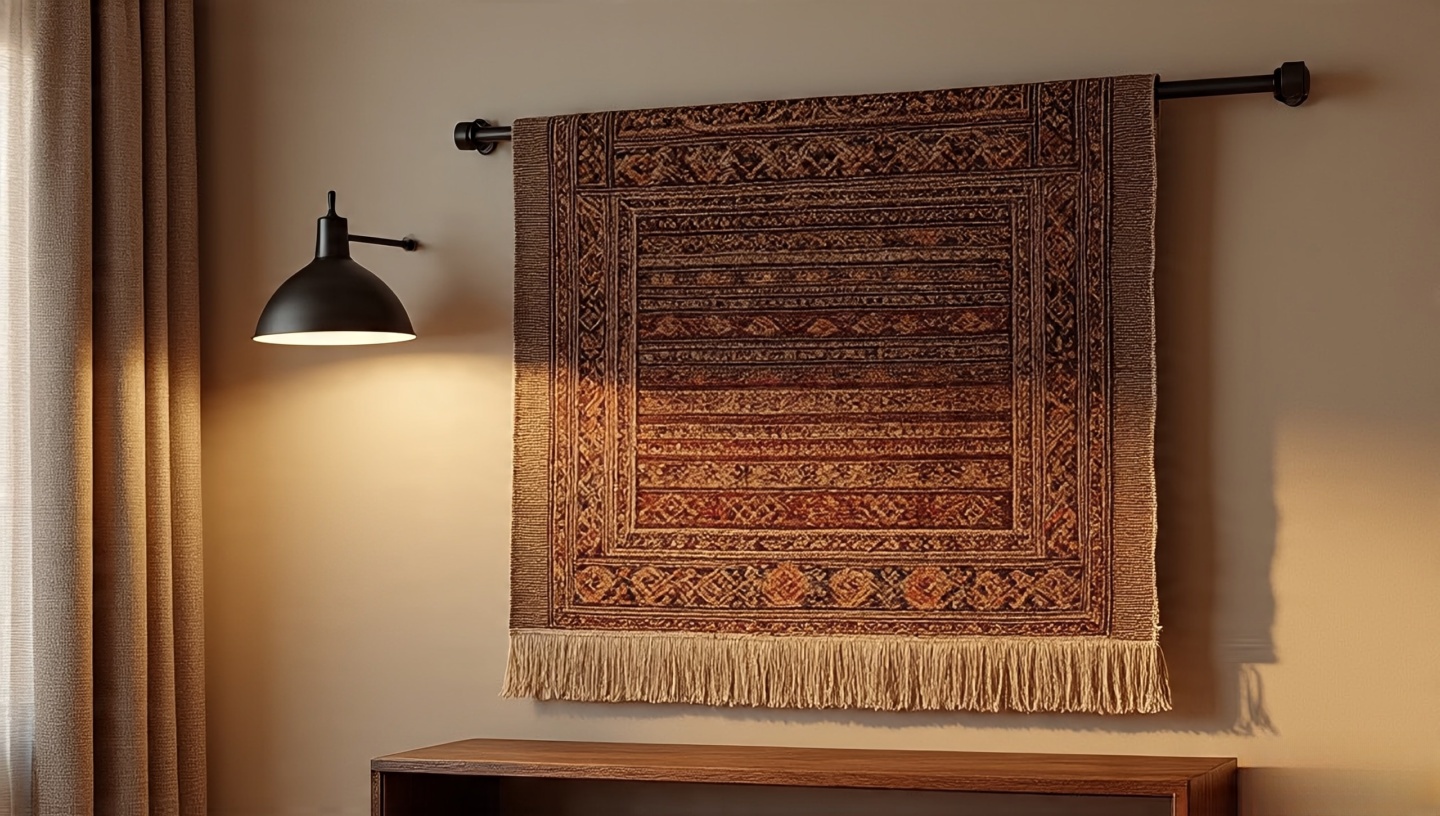 Textiles on the wall do three jobs at once: soften acoustics, add tactile story, and bring color without the glare of glass.
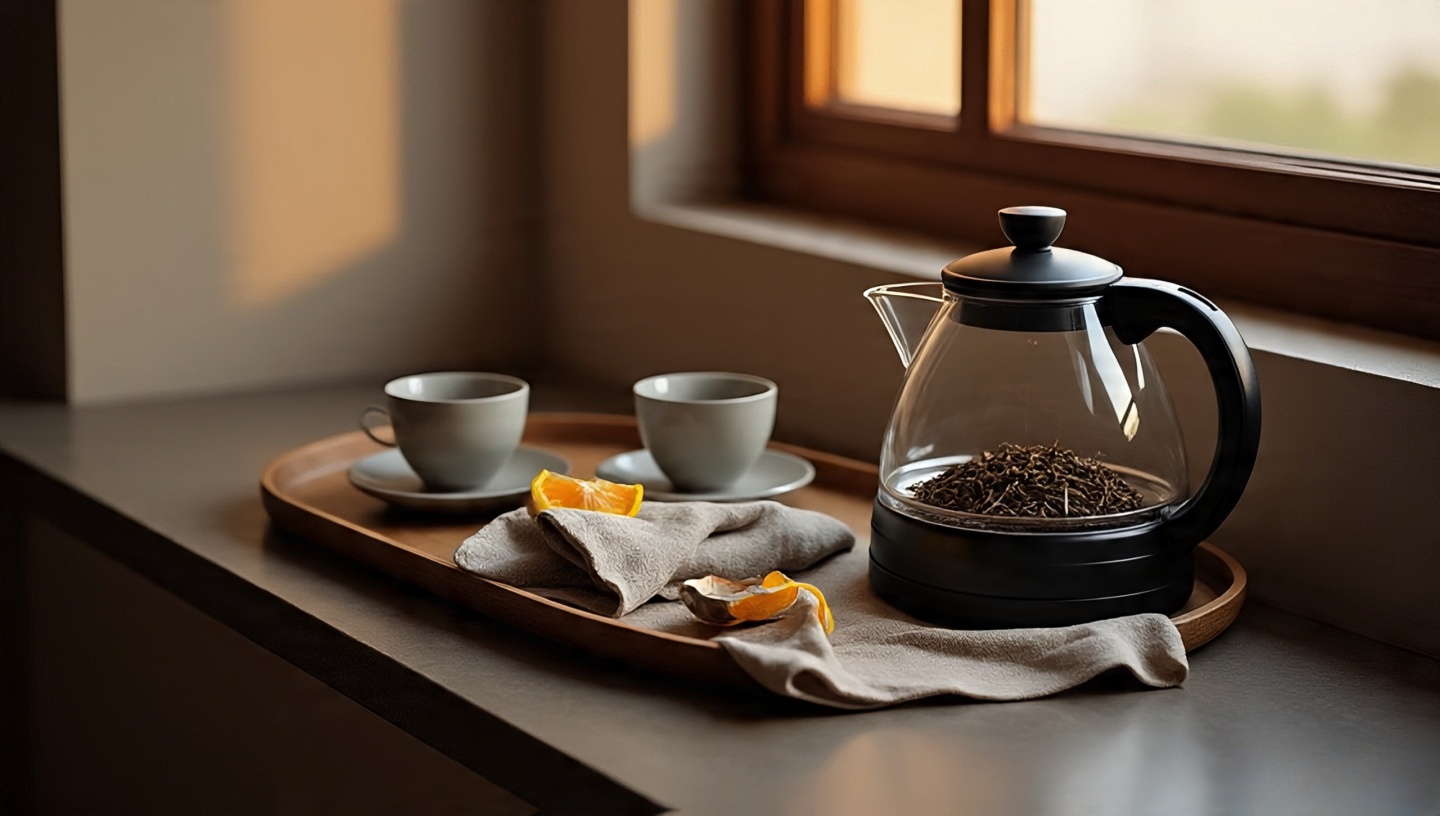 A tray with a small kettle, cups, loose-leaf tin, and linen napkins turns a living room into a living invitation. It’s domestic theater with taste and steam.
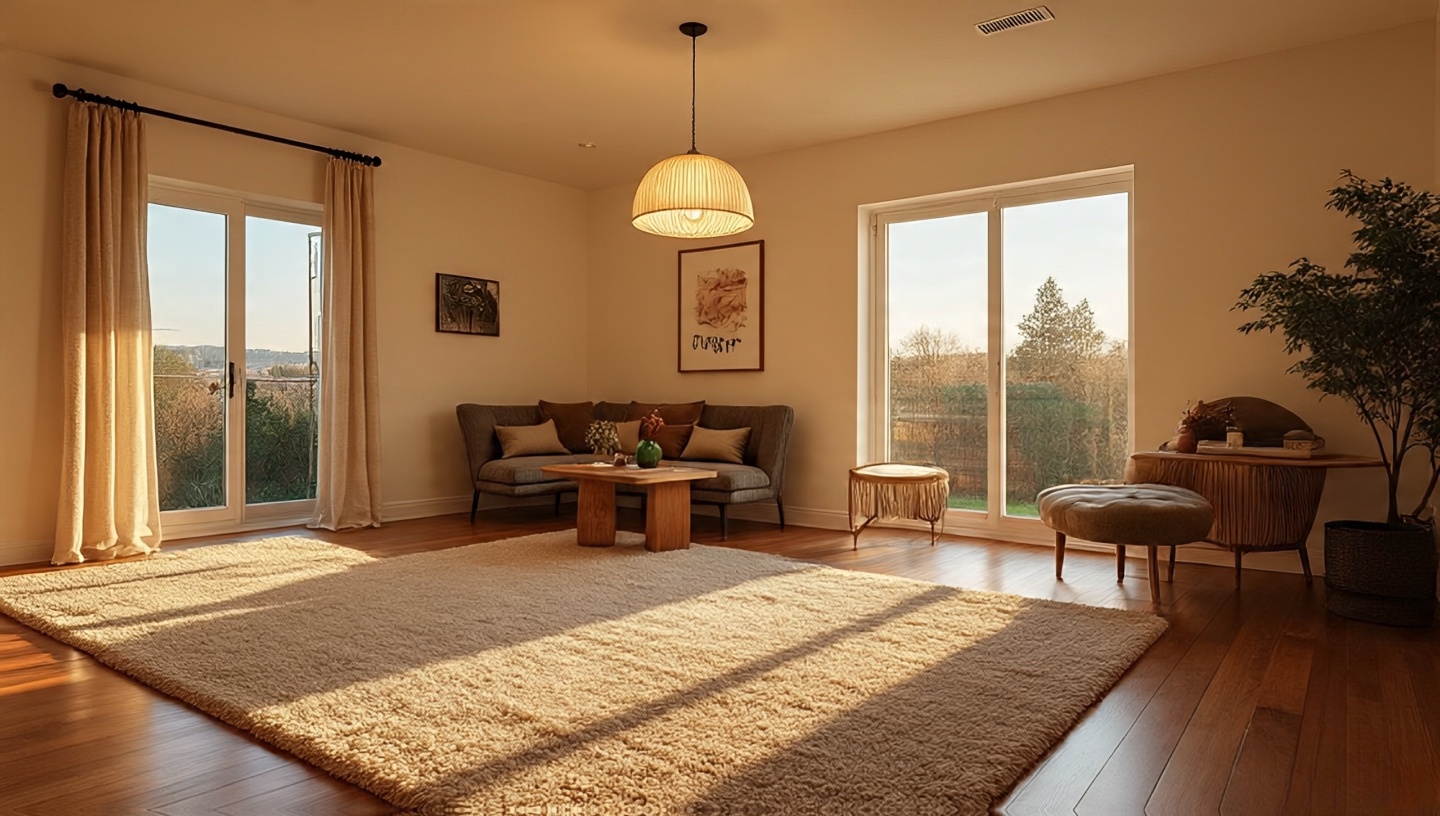 When the living room bleeds into dining and kitchen, you need soft architecture: rugs, pendants, and sightlines.
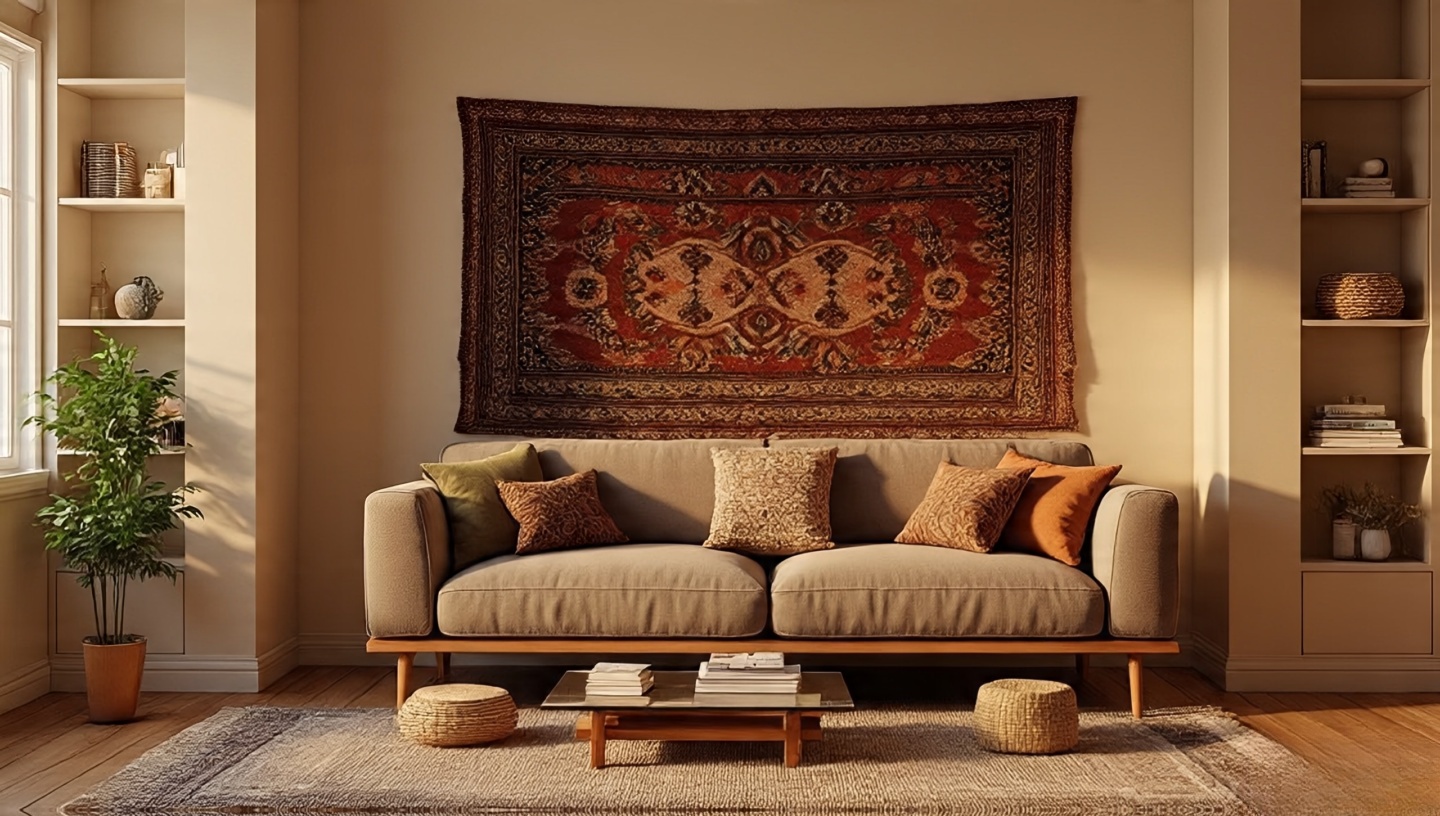 Constraints sharpen design. In small rooms, you trade bulk for air and still keep soul.
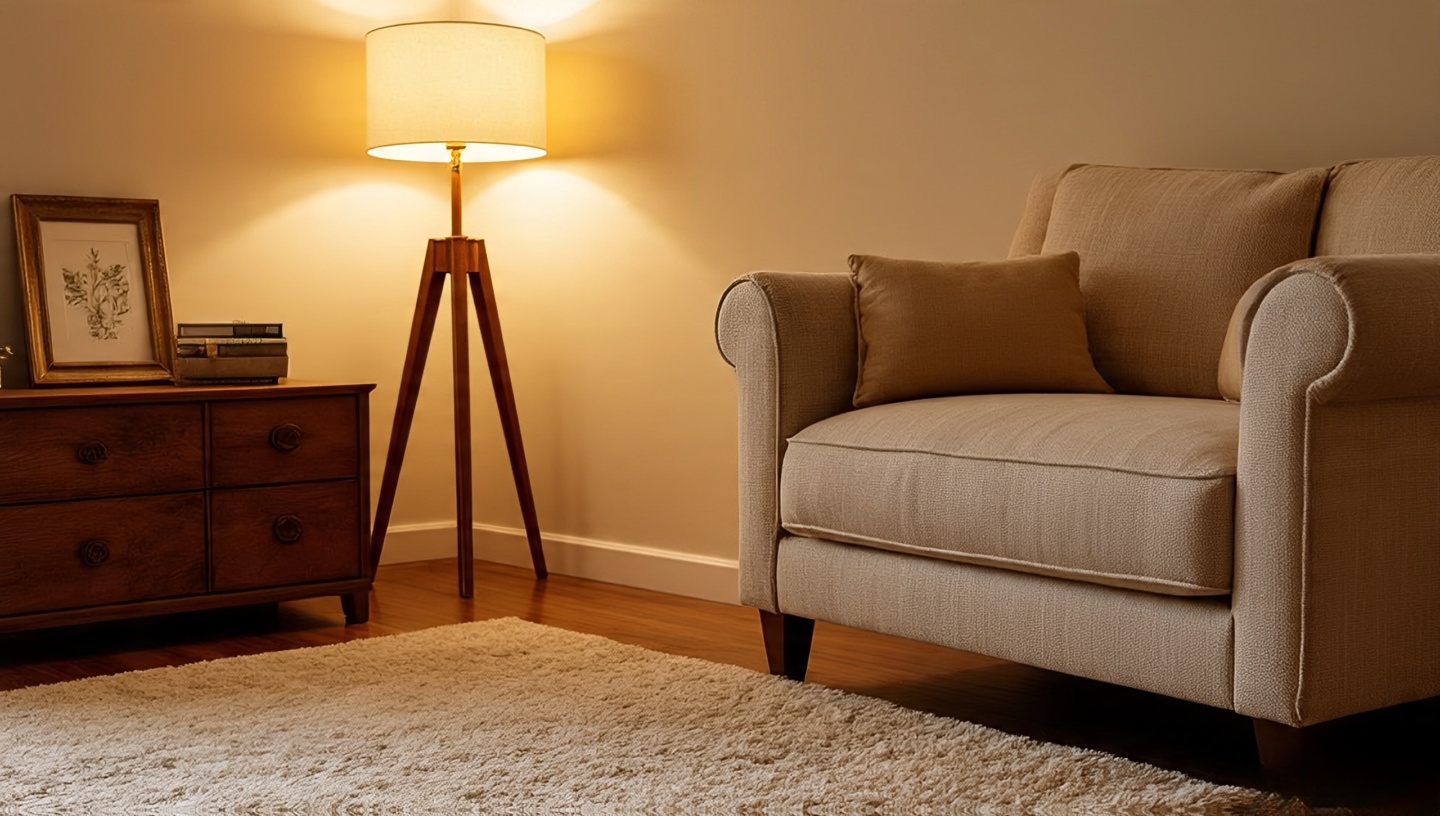 Money spent where your skin meets the room outperforms money spent on brand names.
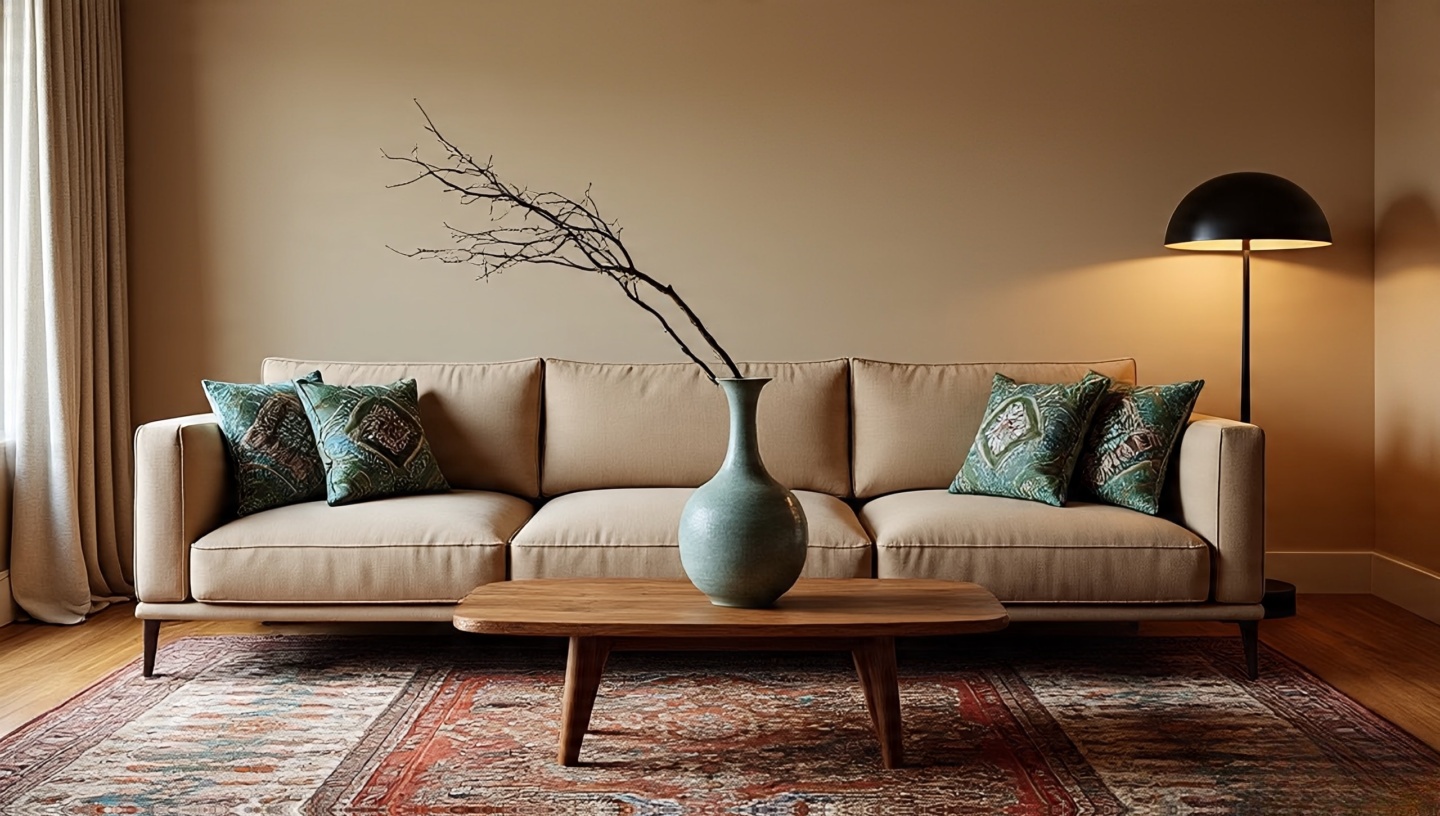 Too much softness can turn to mush. A clean-lined sofa or a sharp-legged chair is the structural chord under your layered melody.
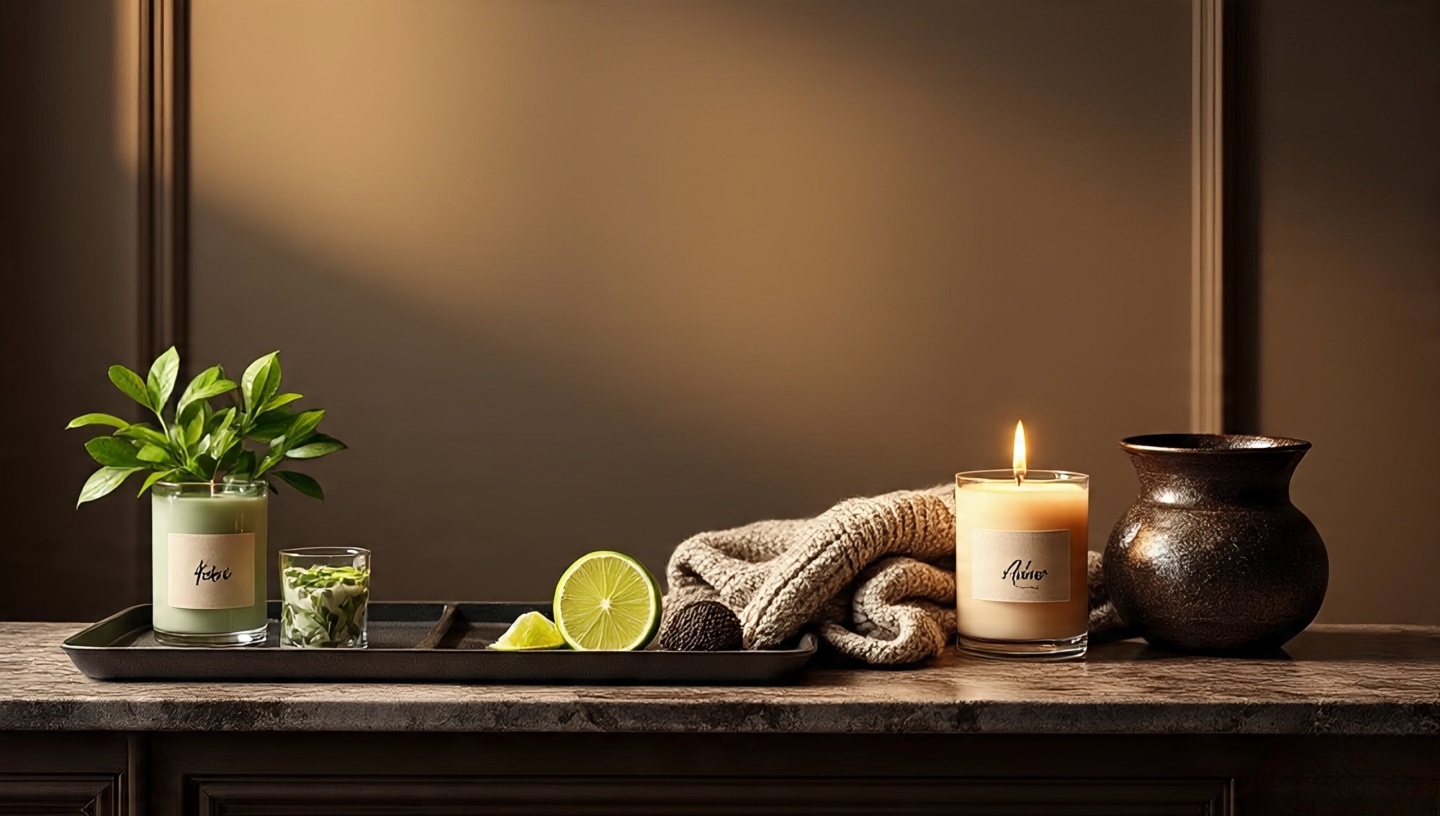 Scents are mood dimmers. Rotate lightly so the room feels new without a single furniture move.
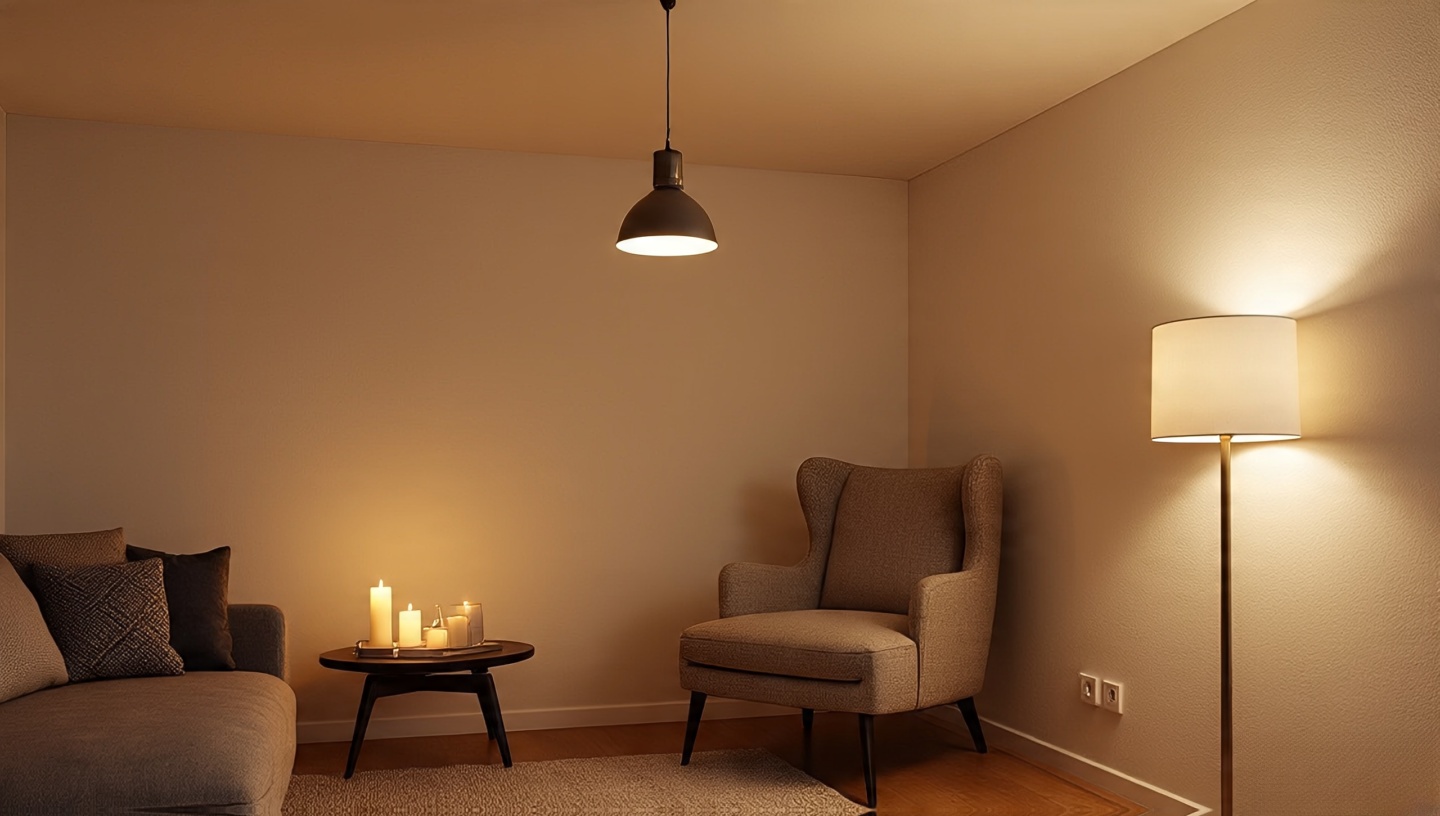 Architect’s truth: The right light turns texture into theater. Aim for layers, dimmers, and beams that graze not blast your surfaces.
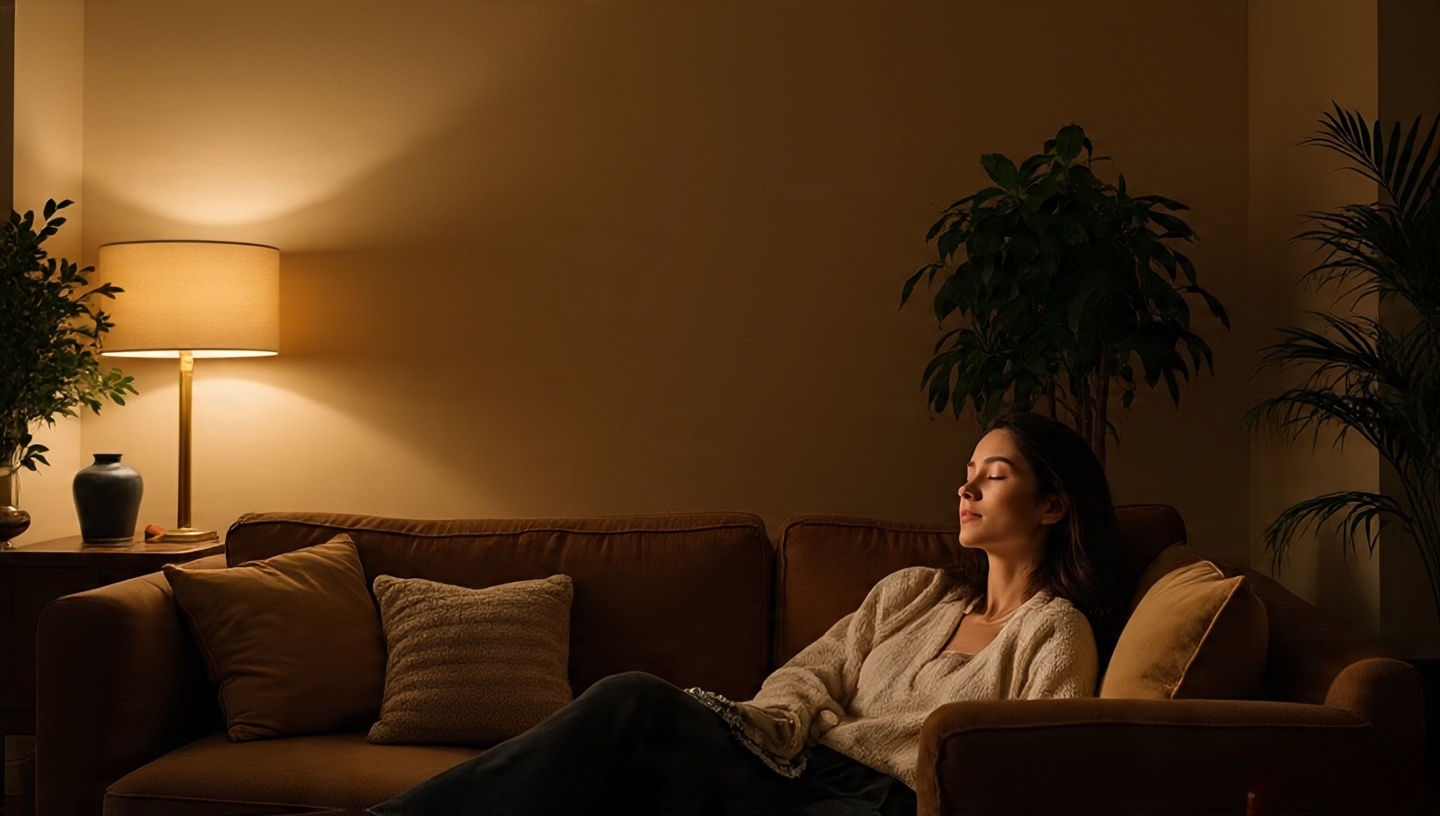 I walk the room in bare feet, grazing fingertips over a tooled leather cushion, then a cool brass tray. I sit everywhere. I listen. The rug muffles, the plants whisper at the window, the lamp throws honey on the wall. This is the test I give every project before I call it done.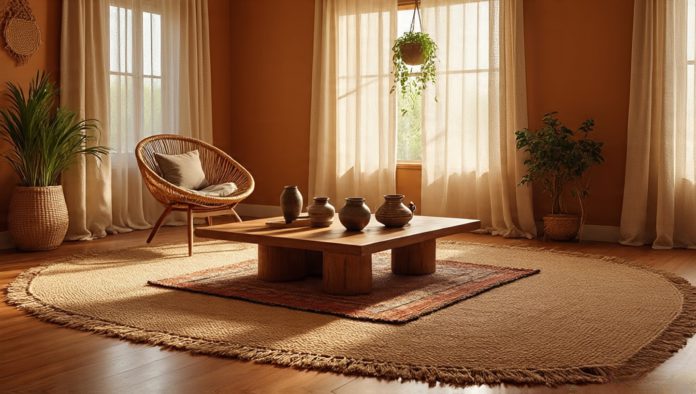
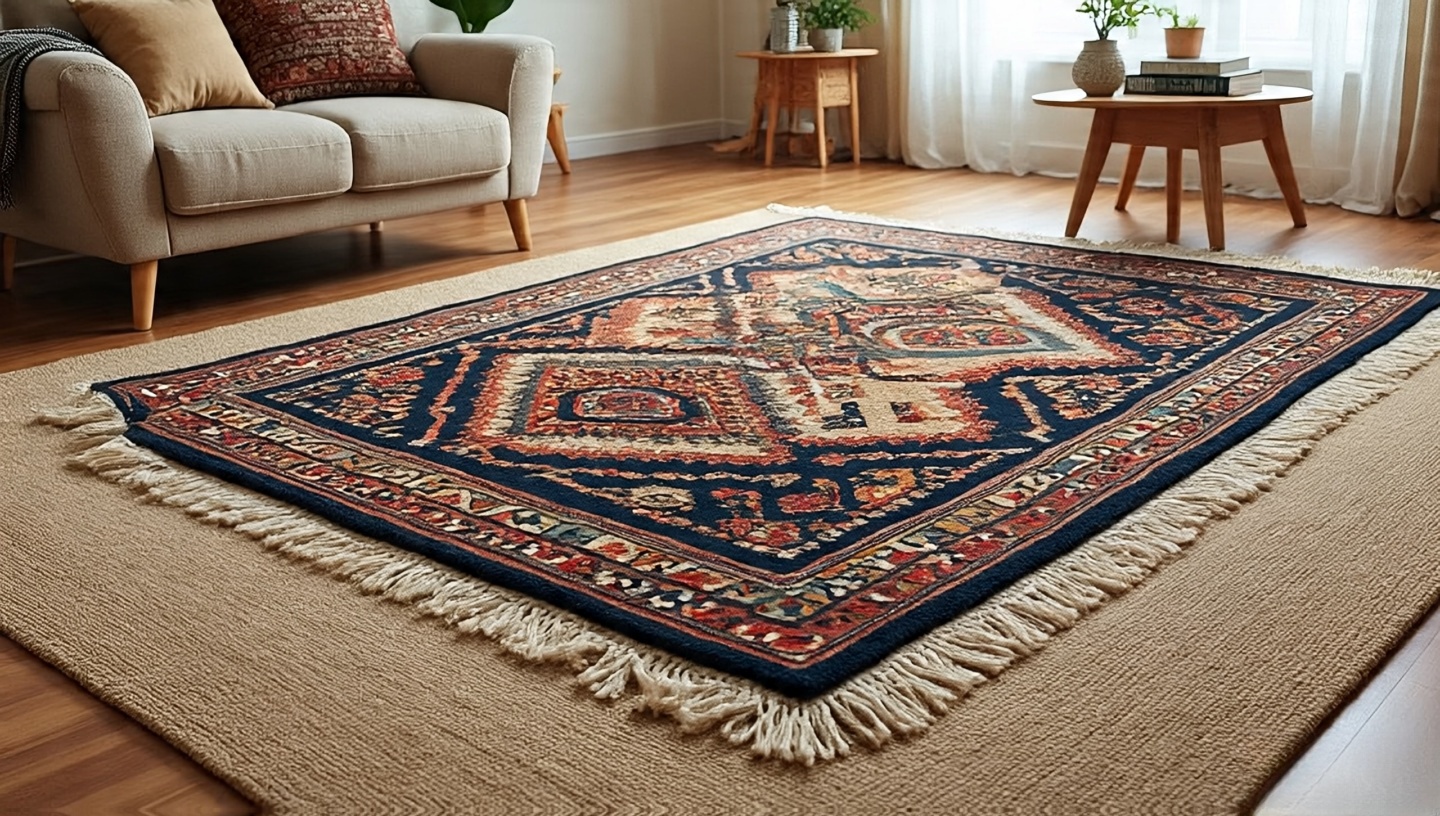 You don’t need matching sets; you need scale, grip, and contrast. A layered scheme works when the base rug sets the room’s footprint and the top rug adds focus.
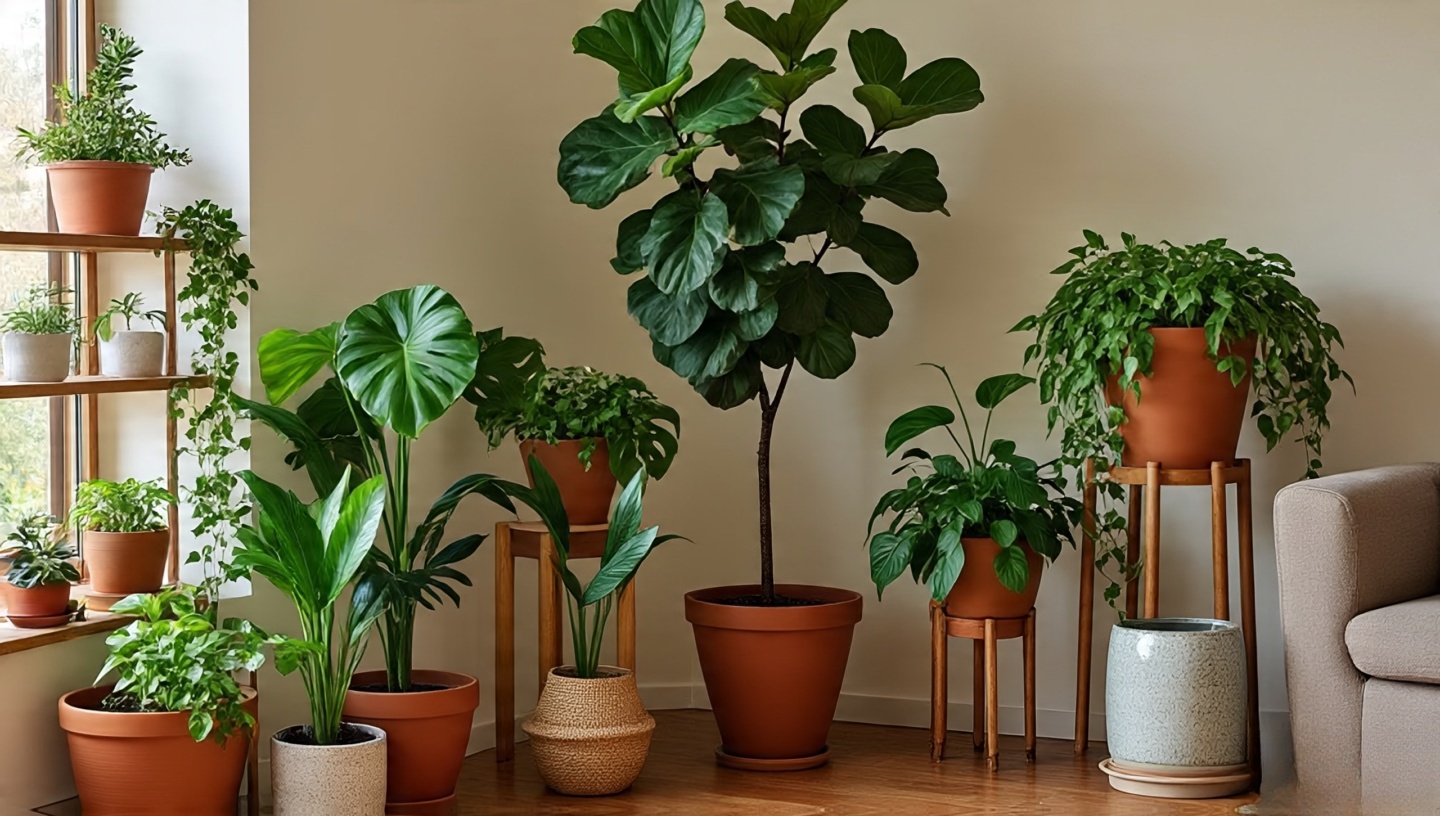 Greenery is the heartbeat of Boho, but “more plants” isn’t the whole brief. Think in tiers like a forest:
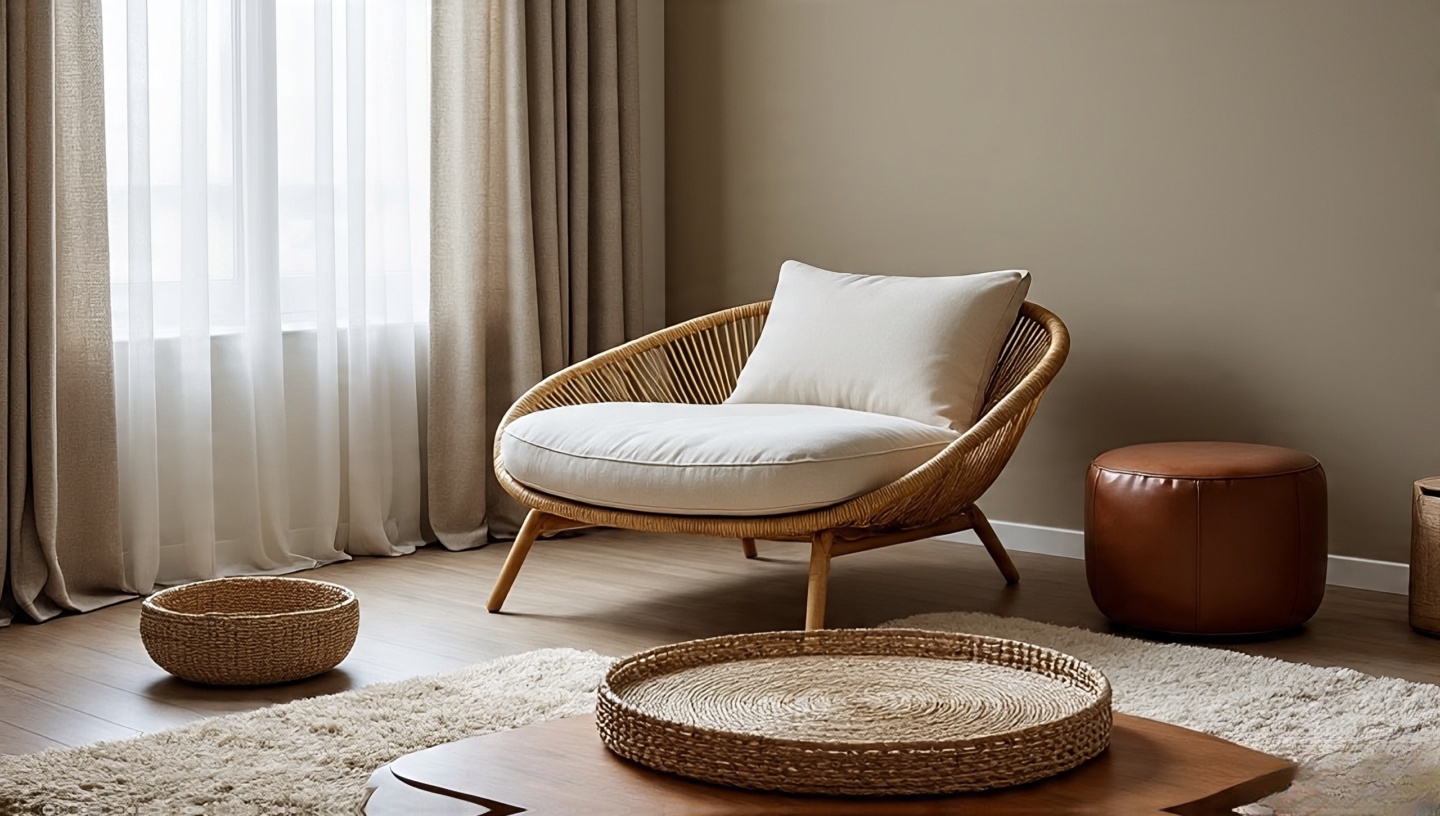 Rattan is the material; wicker is the weave. Use them to bring warmth, but balance with solid planes so the room doesn’t feel stringy.
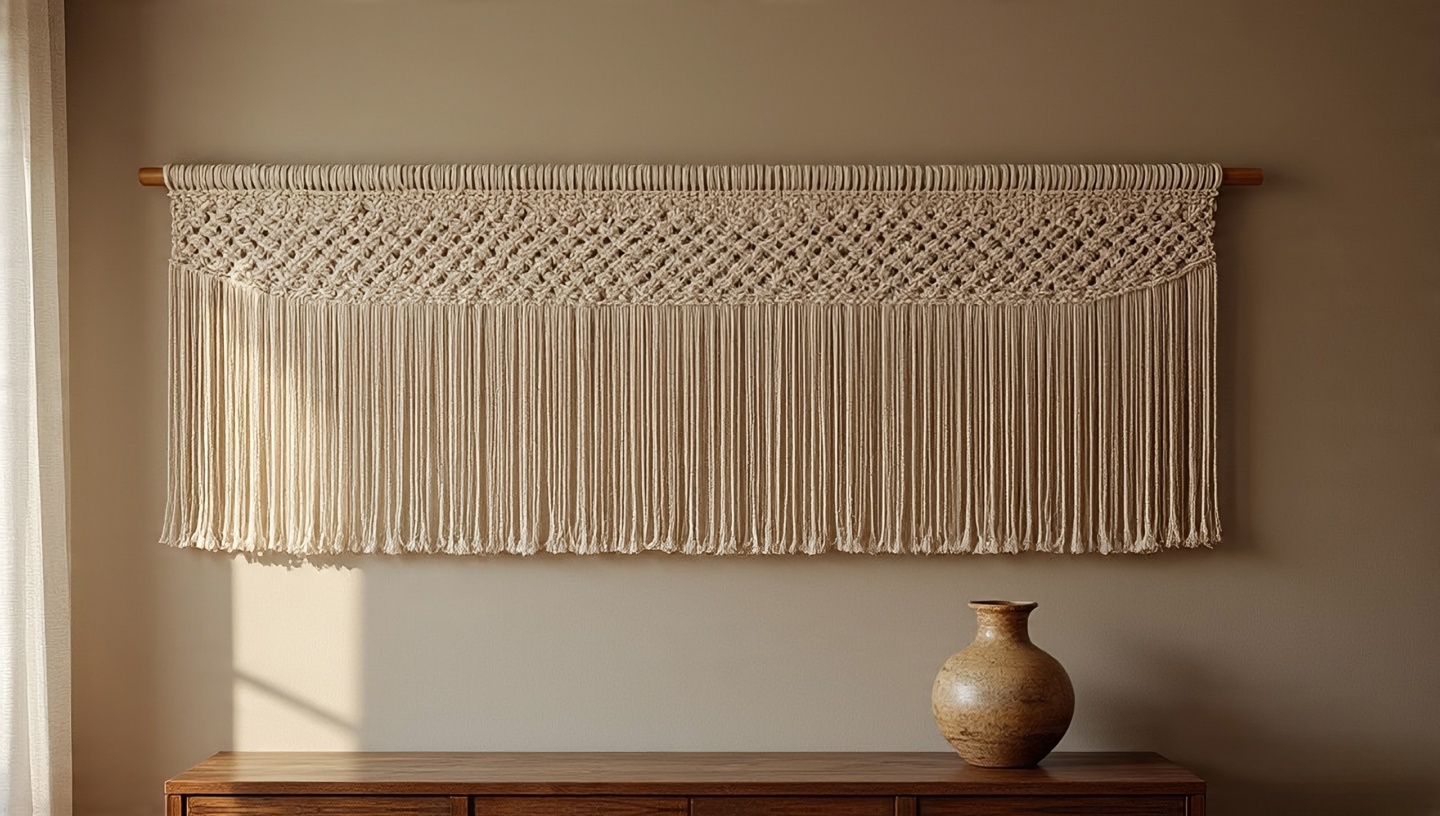 Macramé softens hard planes and adds a handmade rhythm. The trick is scale:
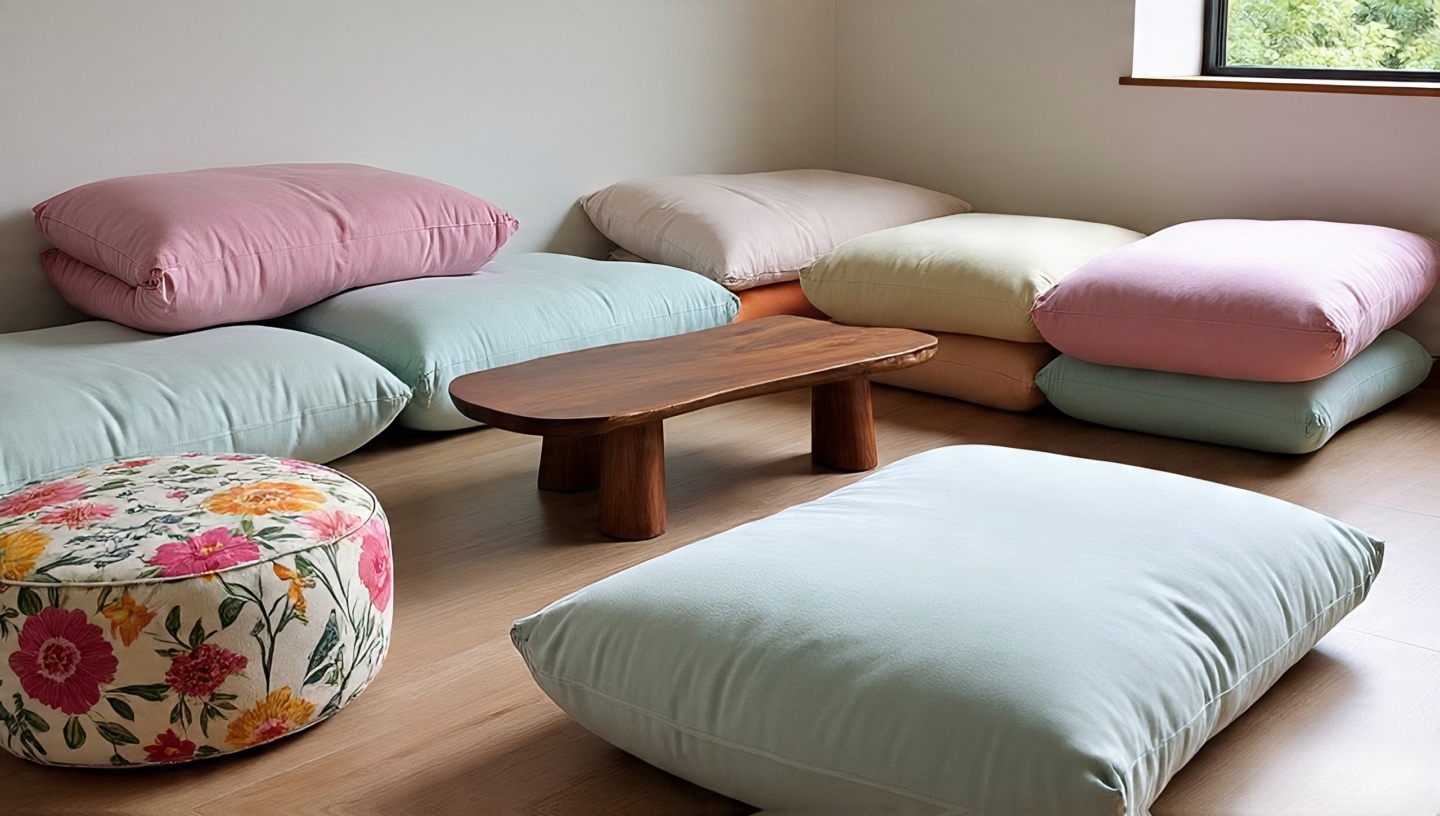 Floor cushions, poufs, daybeds Boho seating invites you to exhale. To make it function like a living room, not a dorm:
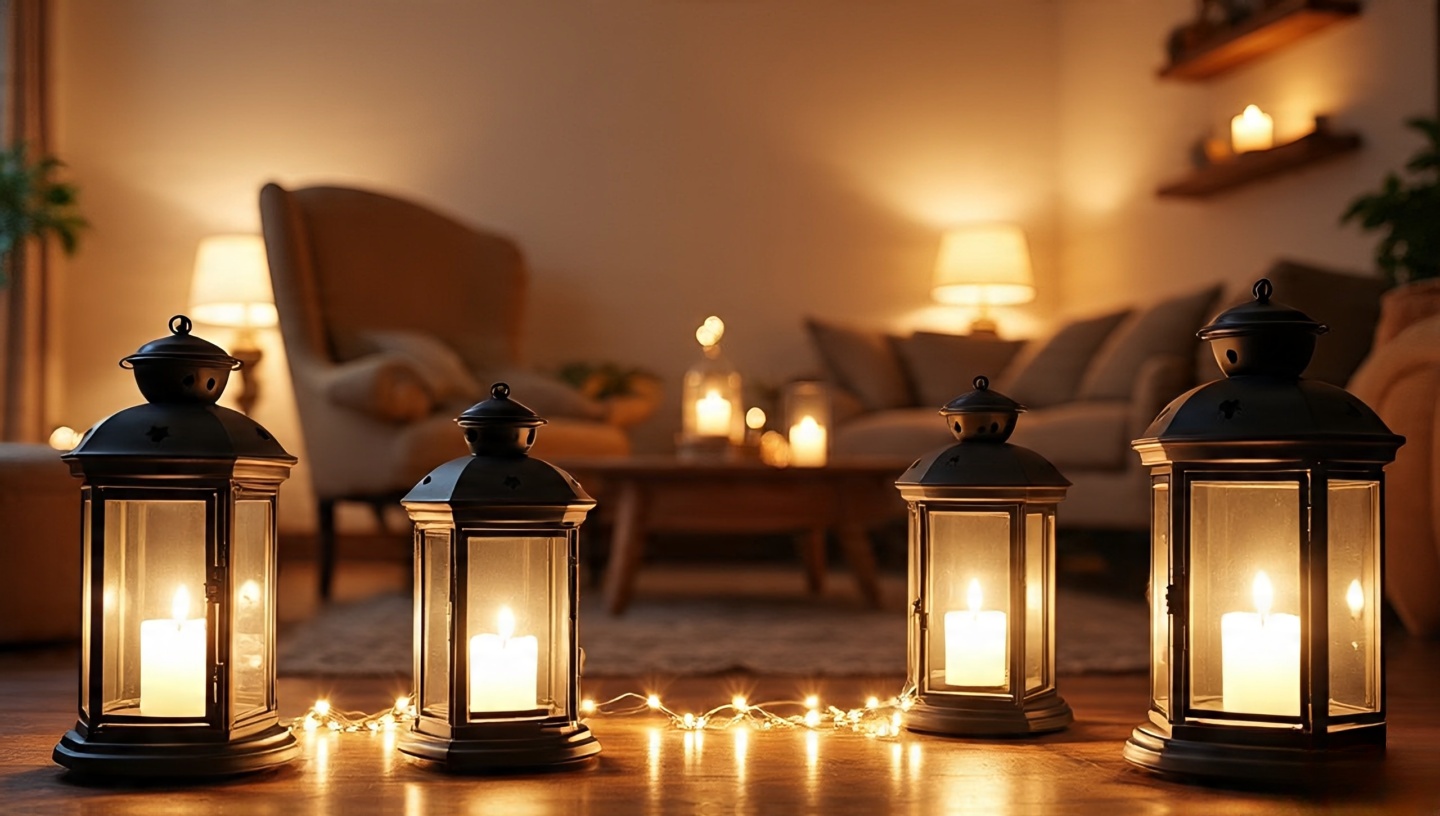 Boho lighting is about layers, not lumen bombs. Think glow, flicker, and shadow.
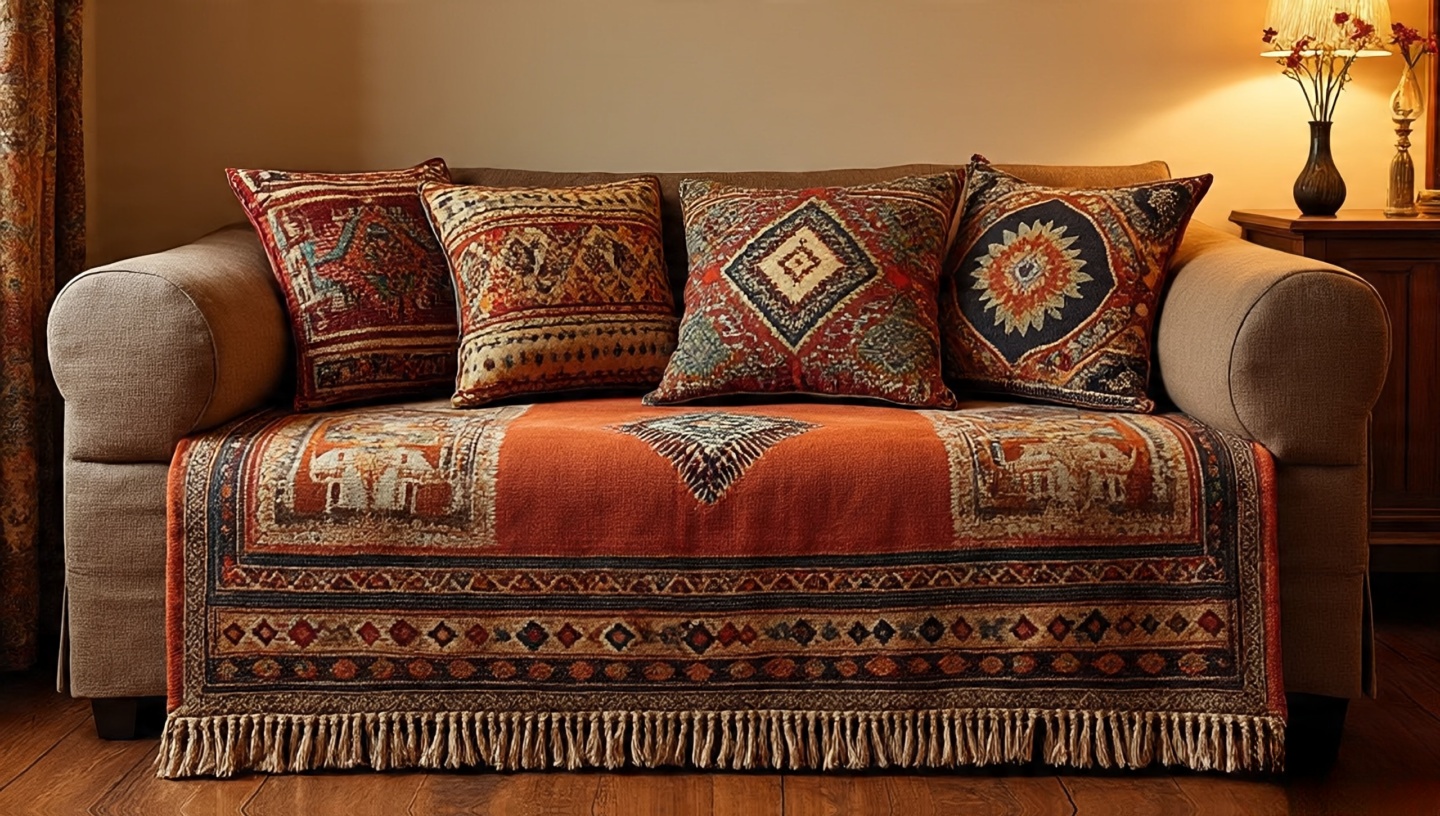 Kilim pillows, ikat throws, suzani bedspreads texture you can read with your hands. Keep it beautiful and respectful:
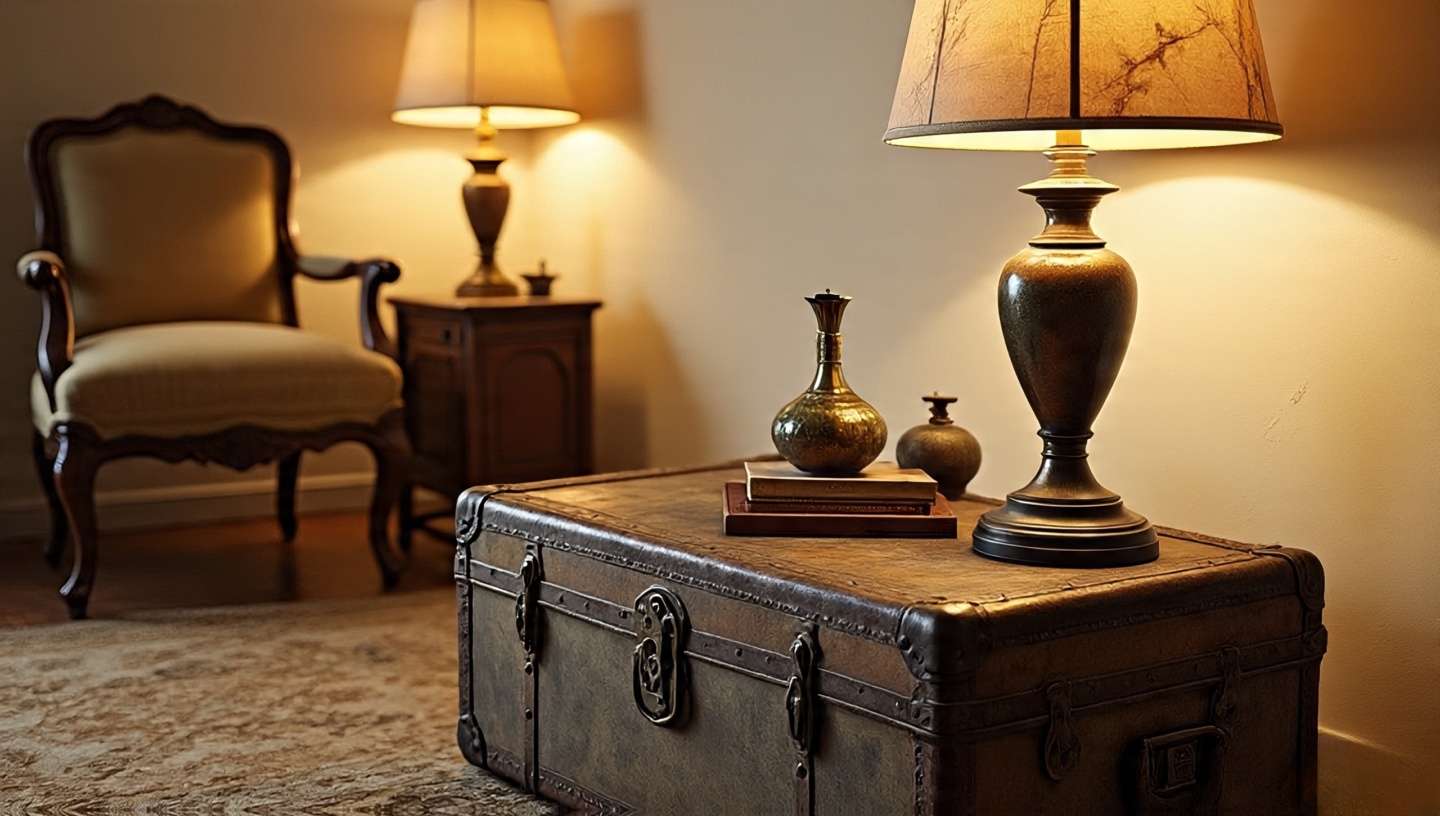 Old trunks, flea-market lamps, scarred tables: patina is the Boho love language. But buy smart:
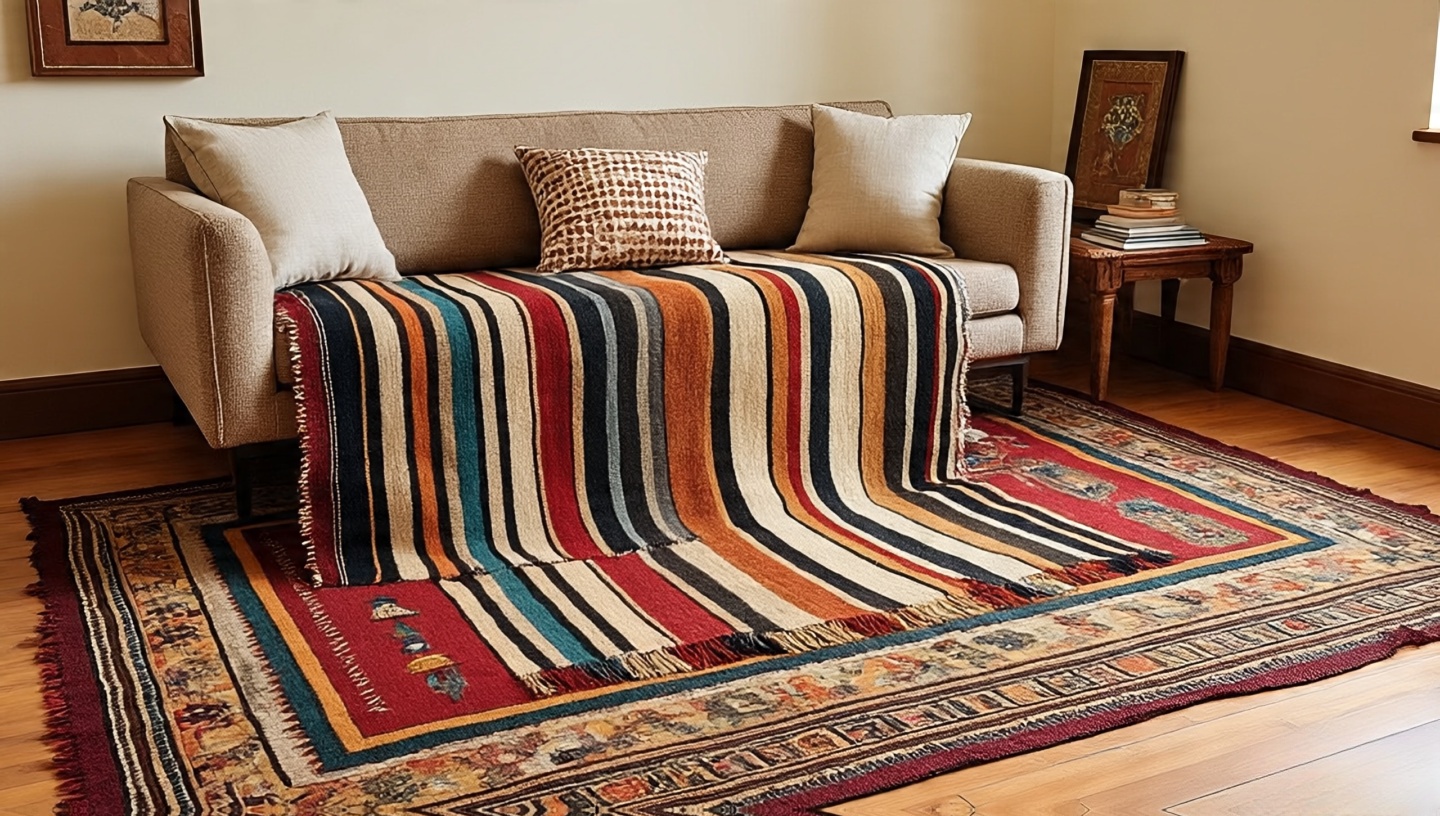 Harmony comes from scale and shared hues, not matching prints.
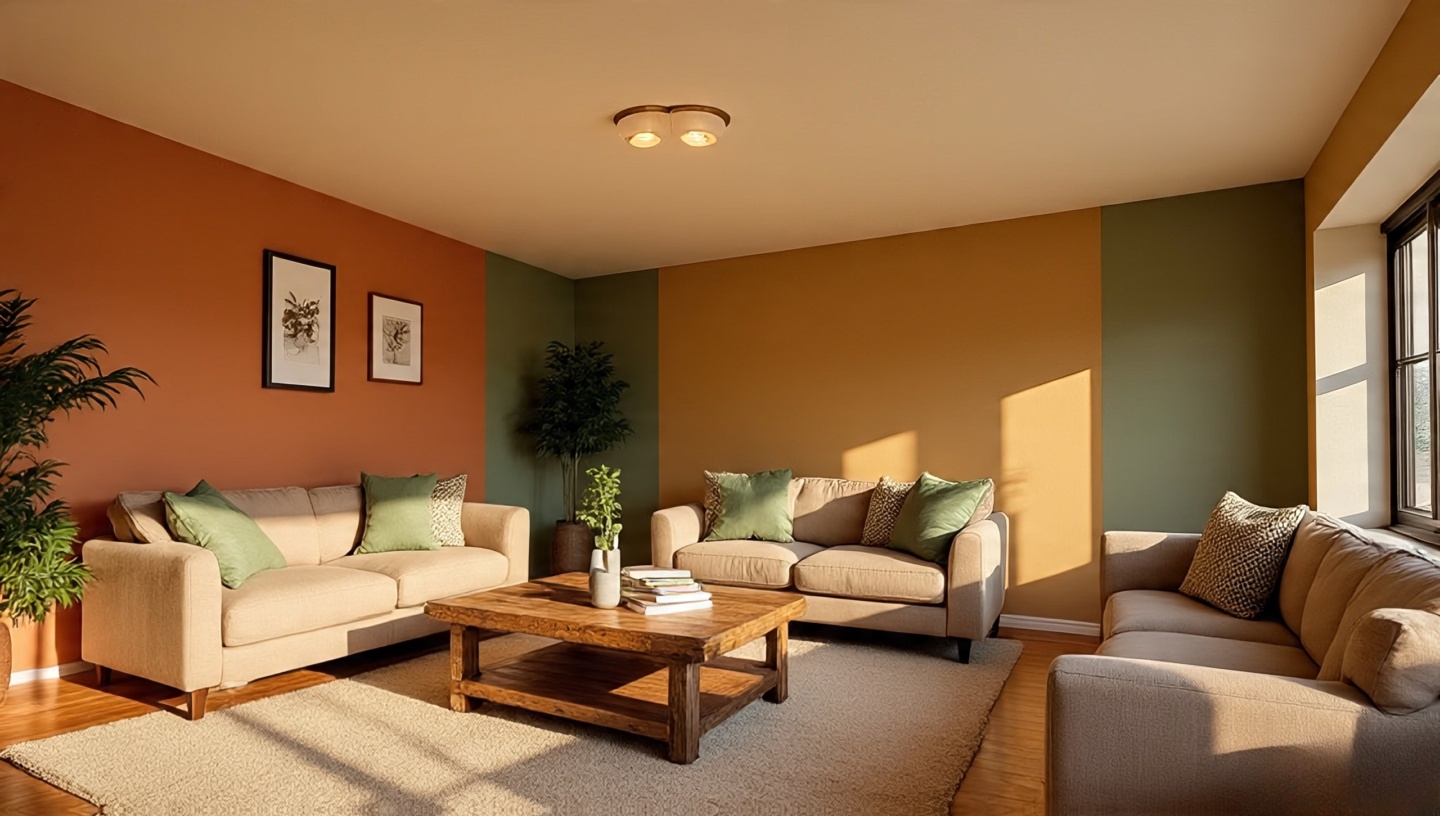 Terracotta, deep ochre, olive, clay pink Boho lives in the warm half of the wheel. The trick is temperature balance and light:
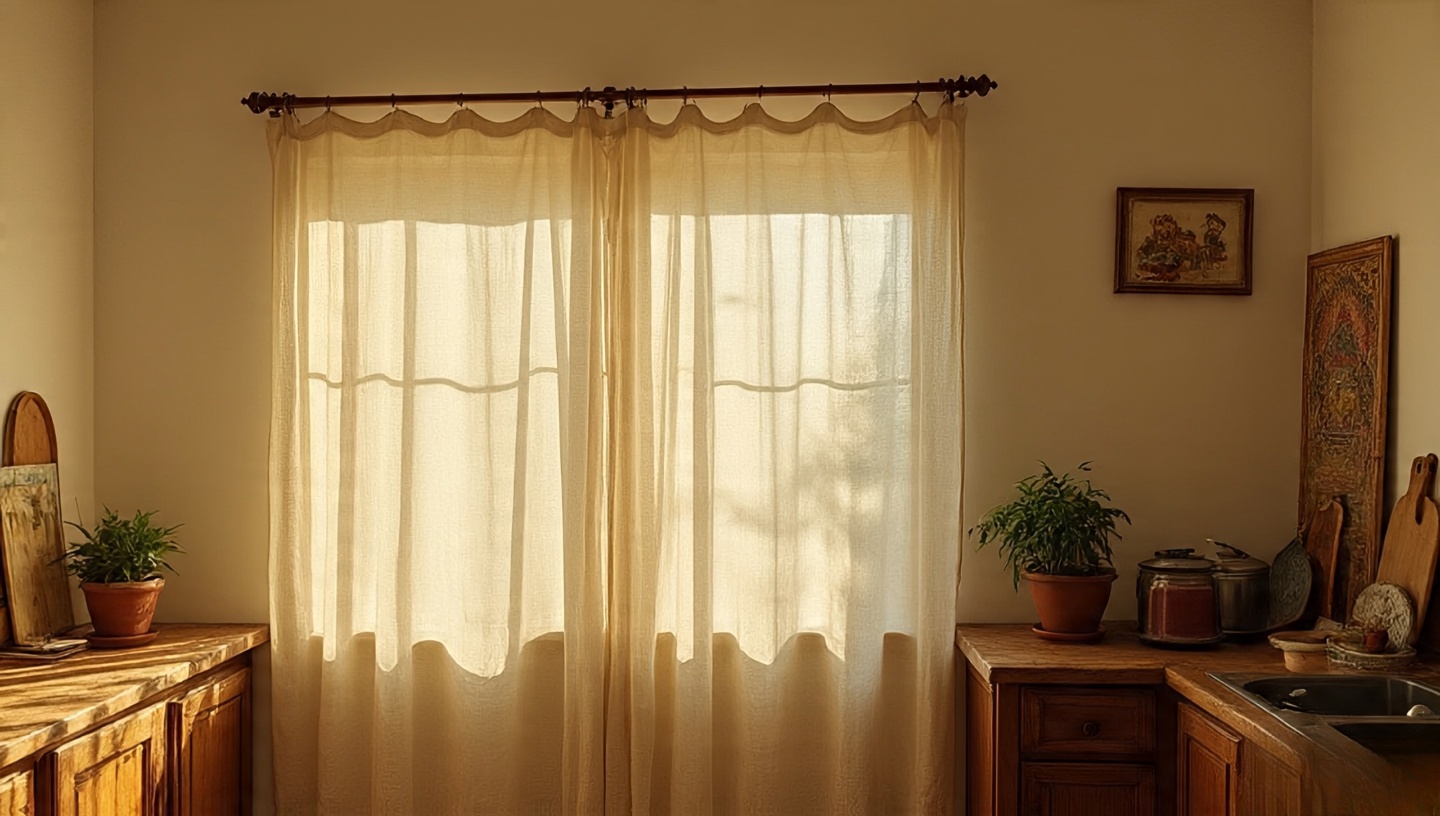
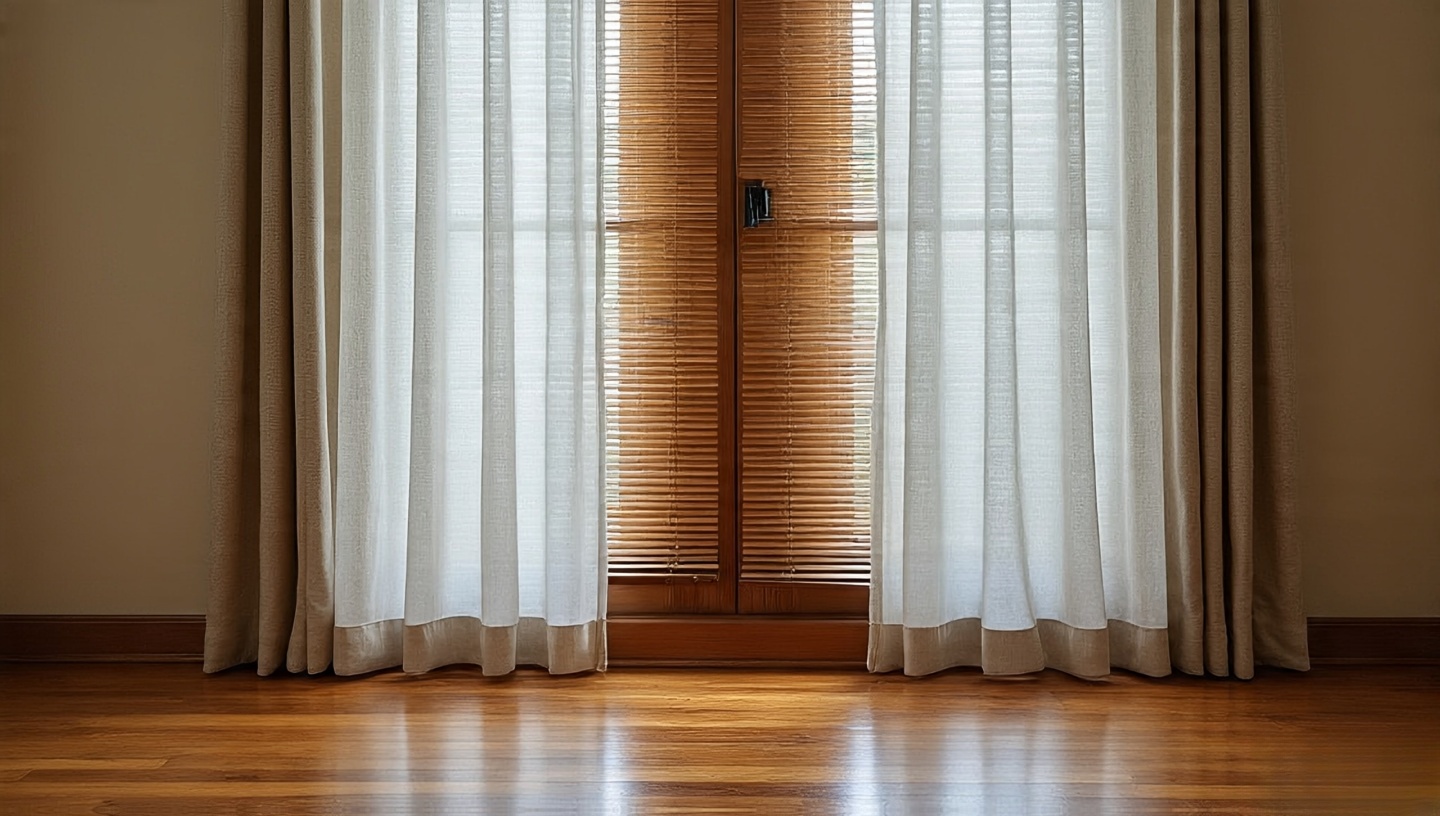 Boho windows love to breathe. Lightweight cotton or linen sheers create softness while letting natural light filter in. The secret is movement: fabric that responds to the slightest draft makes a space feel alive.
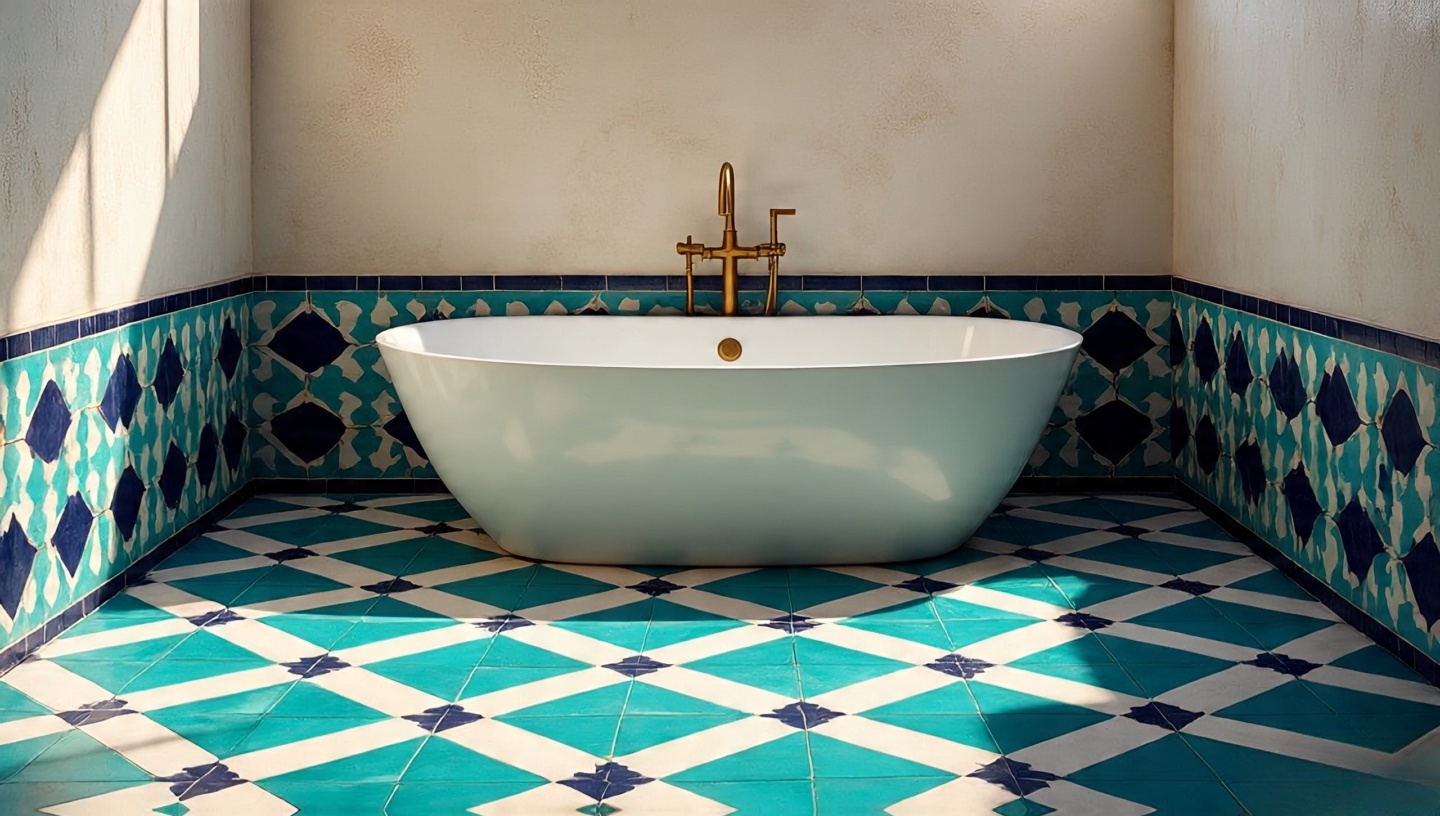
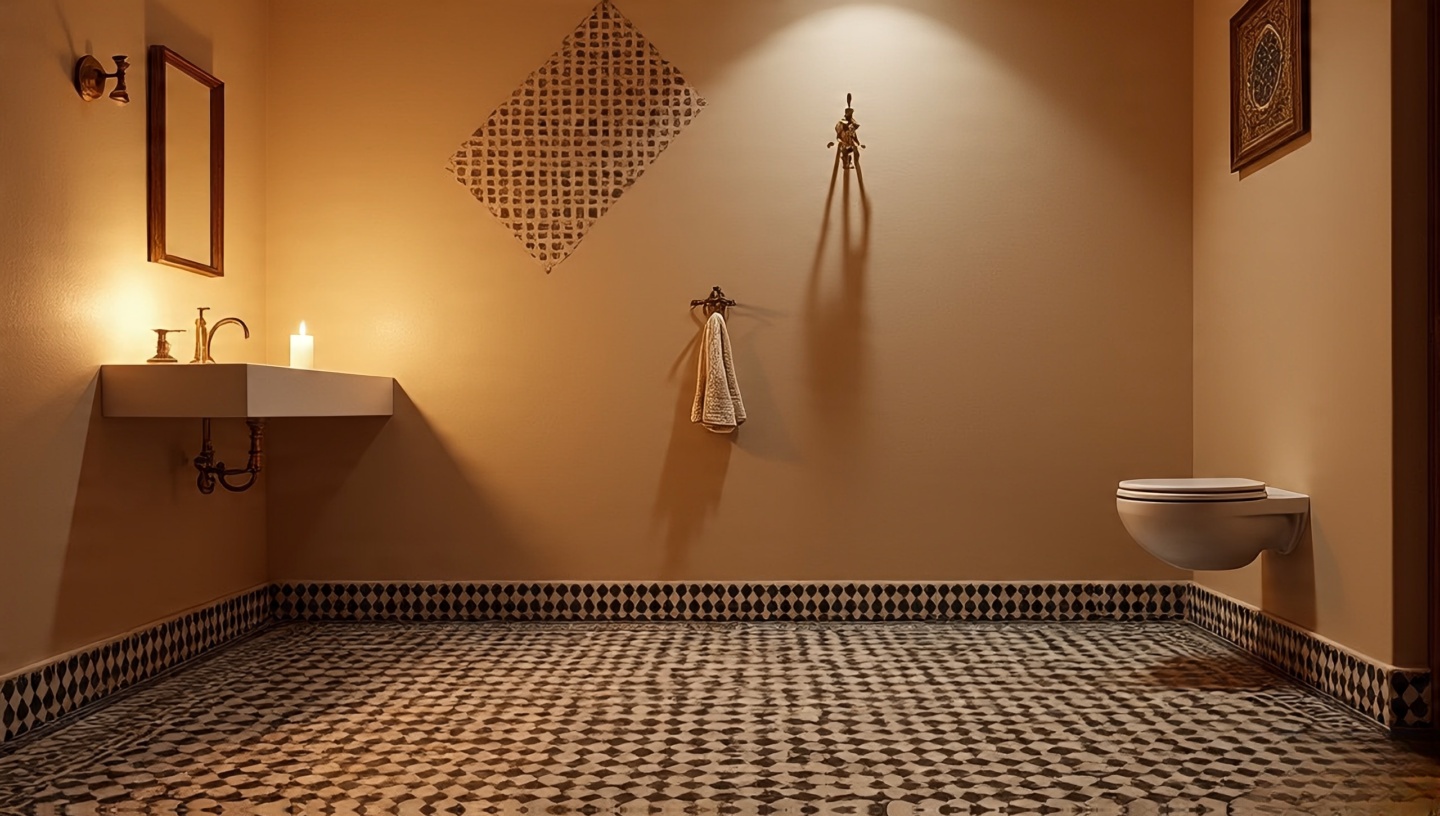
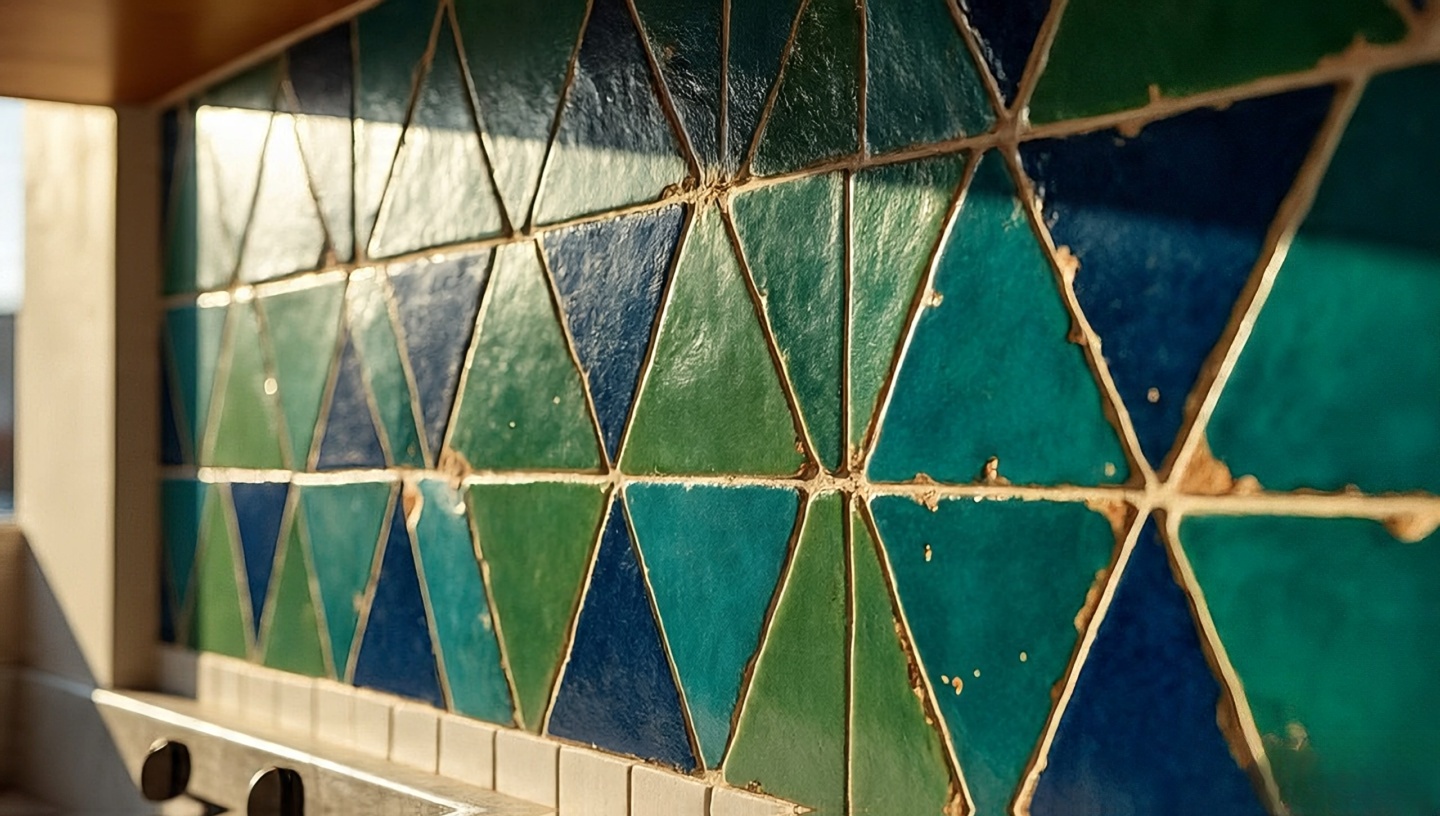
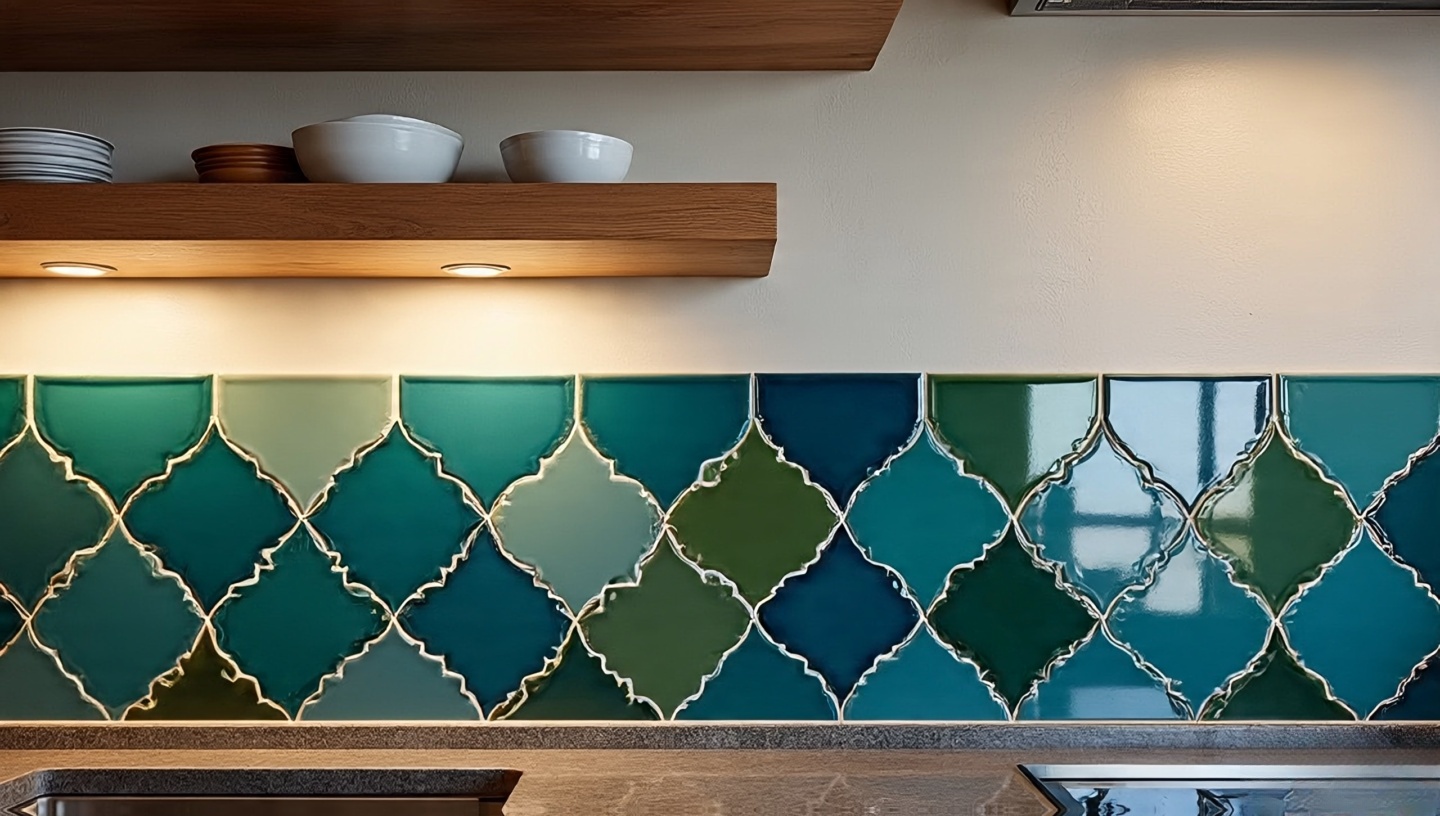 Tiles are like jewelry: a little goes a long way. A backsplash of zellige tiles in the kitchen or a strip of mosaic in the bathroom floor injects wanderlust without overwhelming the space.
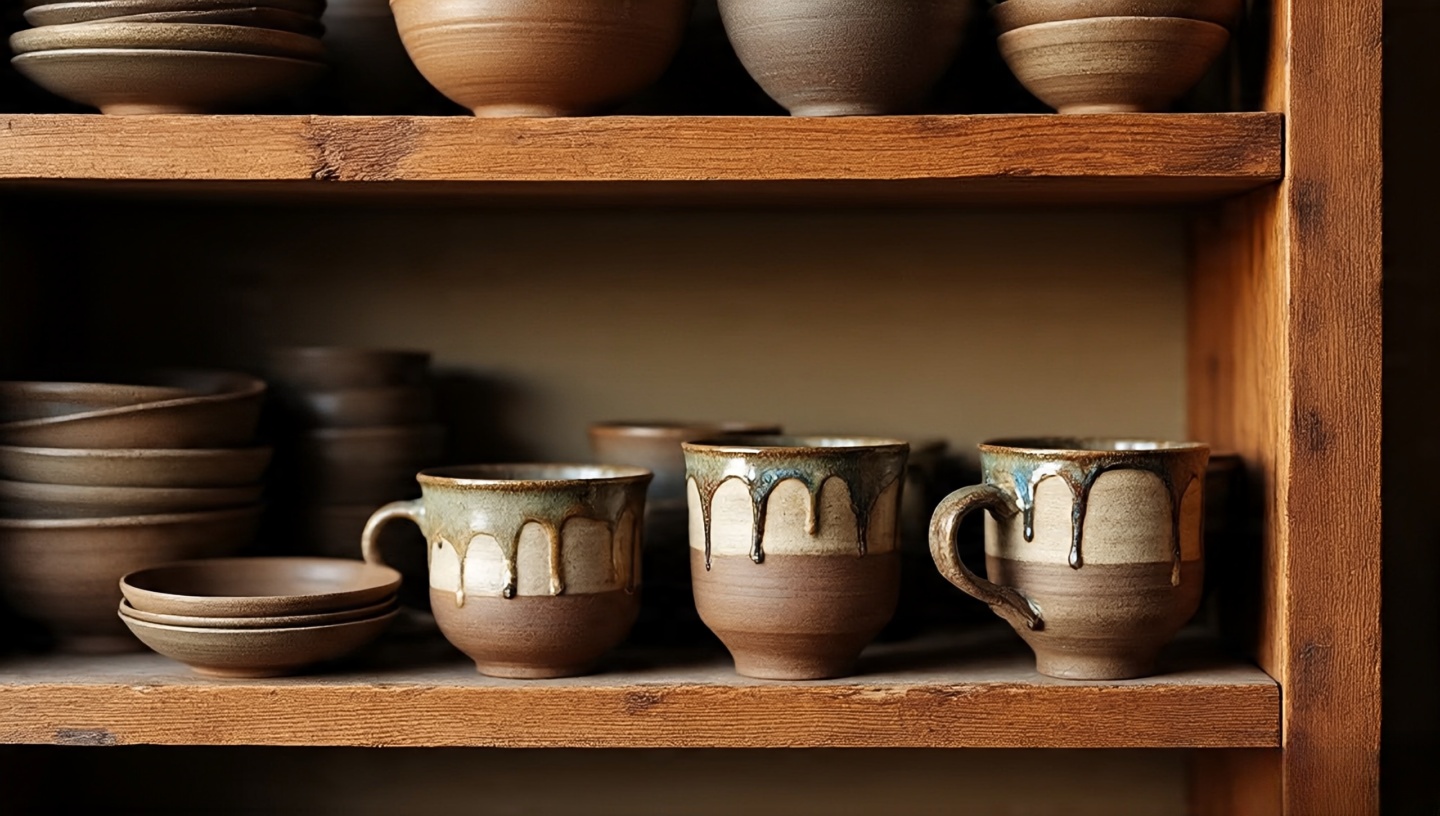
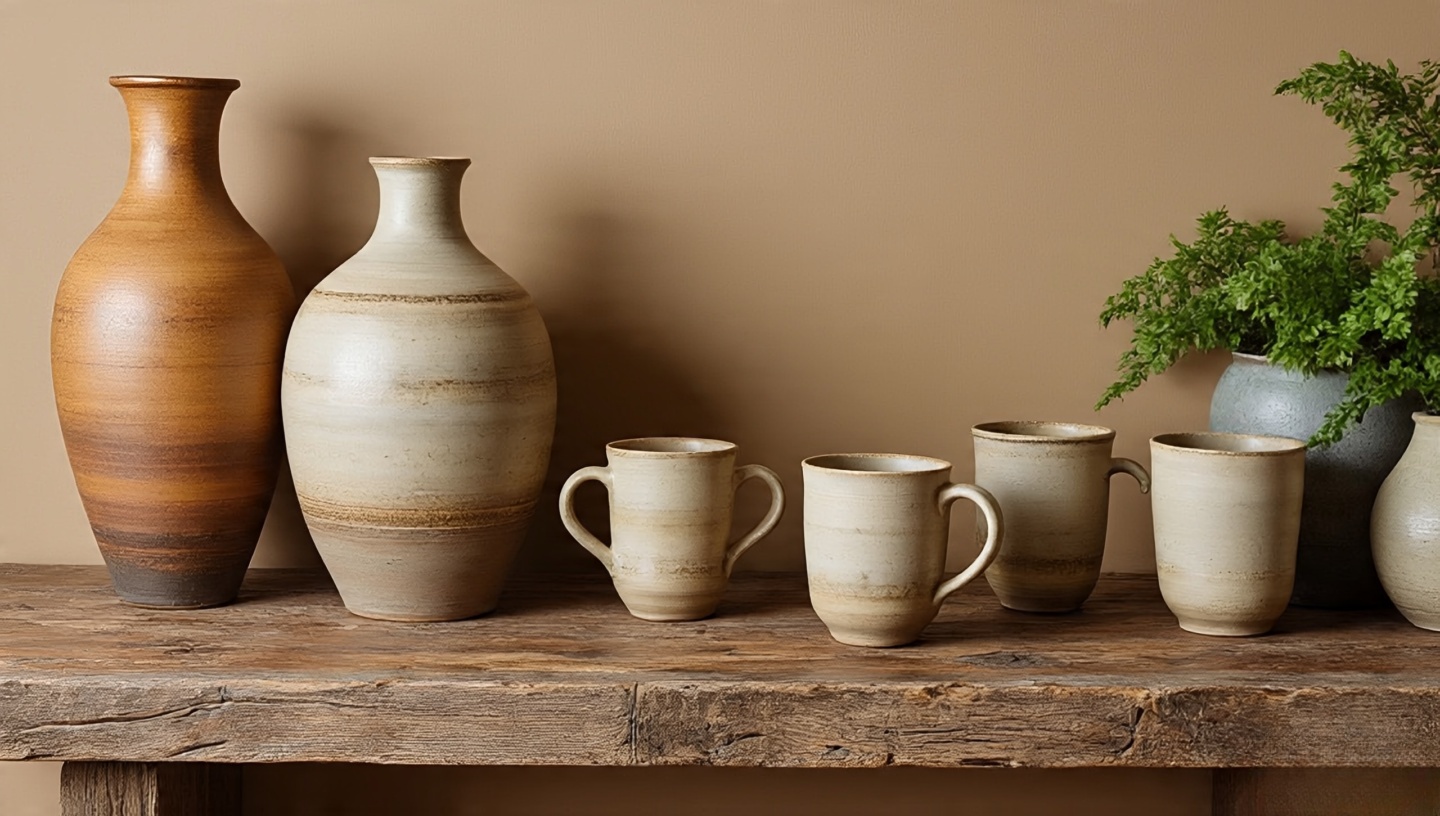 There’s something grounding about a hand-thrown mug or vase. You feel the clay’s heft, the ridges of a potter’s thumb. Unlike mass-produced ceramics, each piece carries its own rhythm.
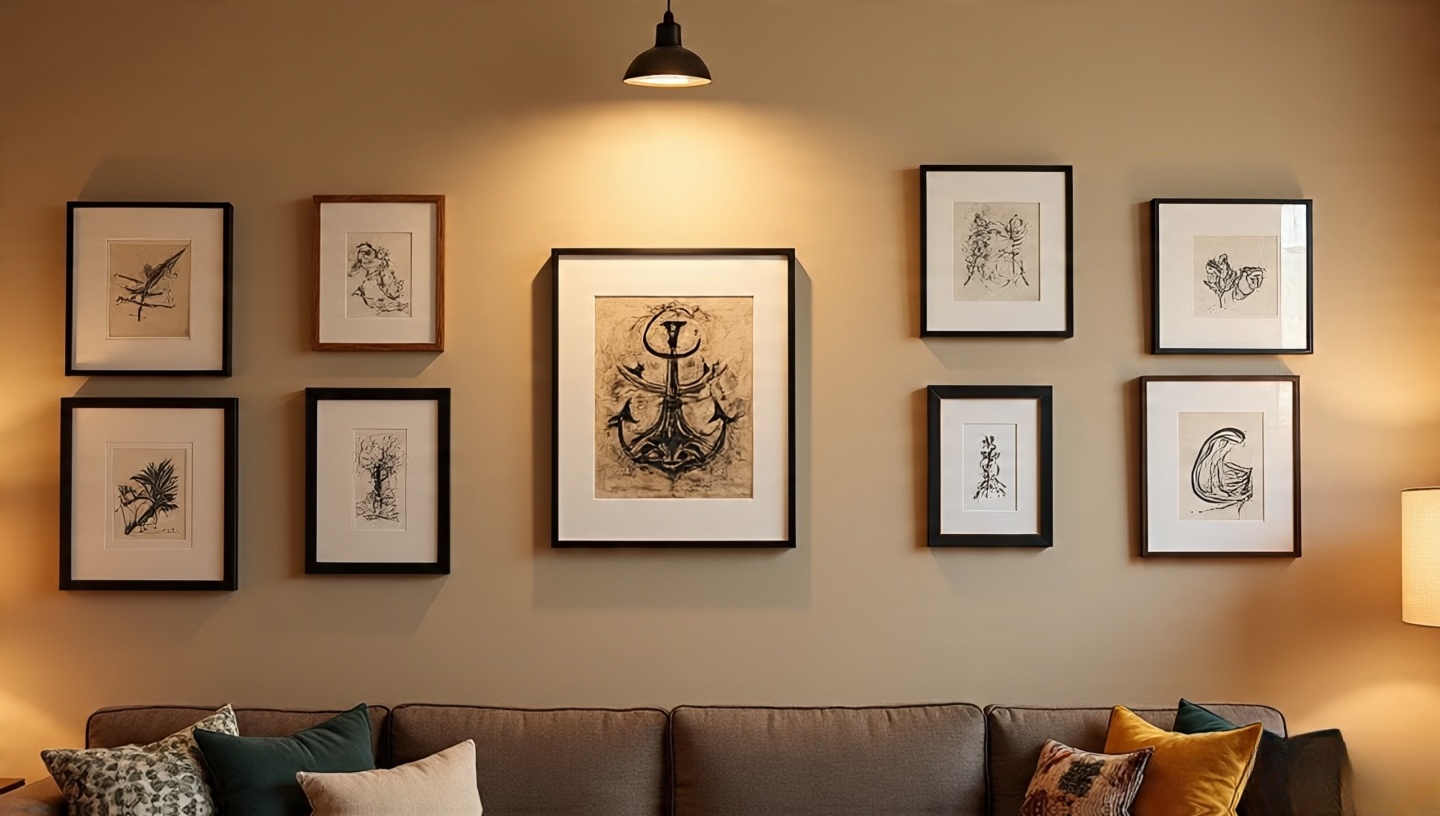 Forget buying ten matching frames in one day. A Boho gallery wall should grow. Add a postcard, a sketch, a framed textile over time. The wall becomes a timeline, not a project.
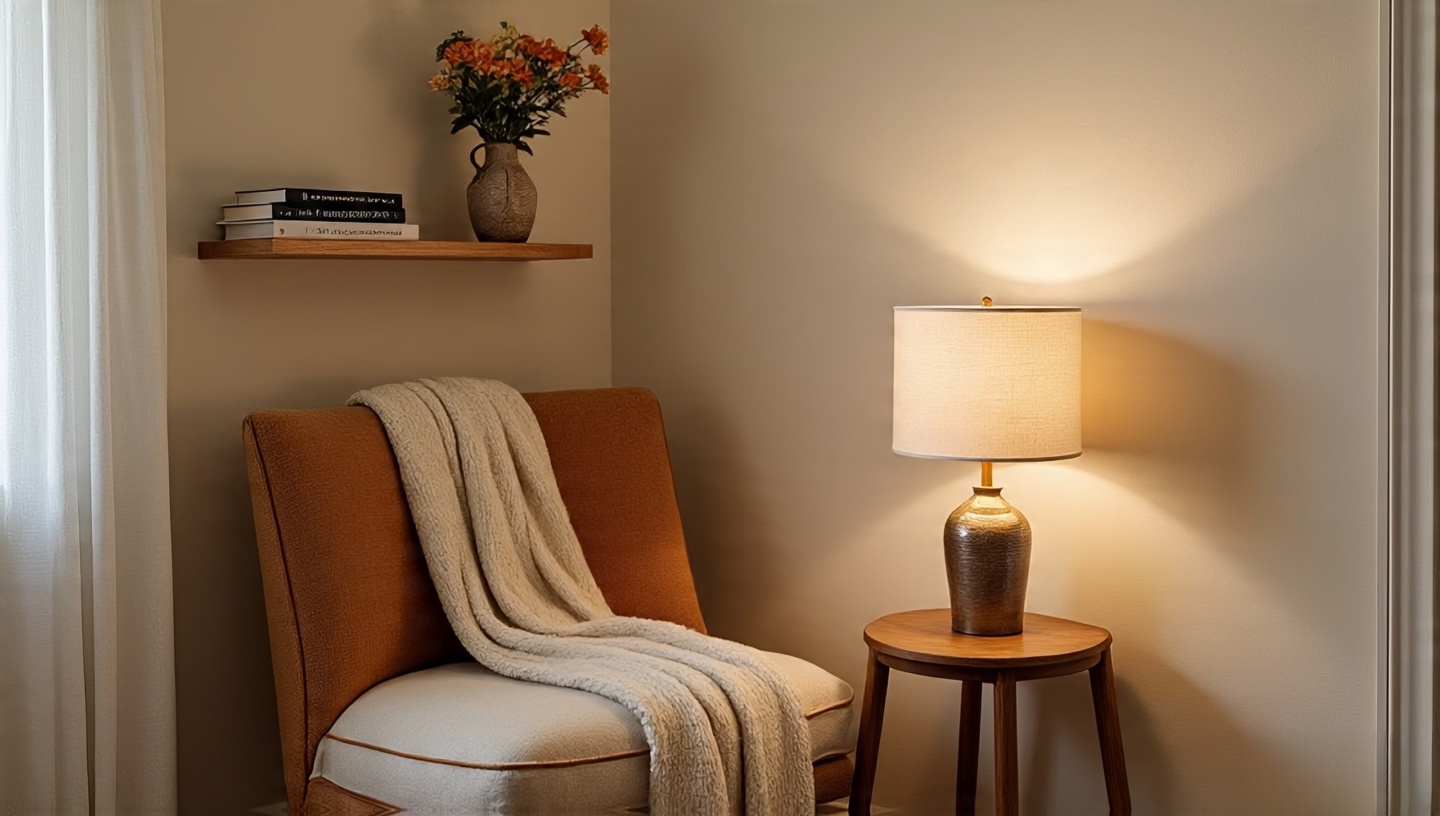 Every house has an awkward corner. Turn it into your refuge with pillows, a throw, and a lamp at the right height.
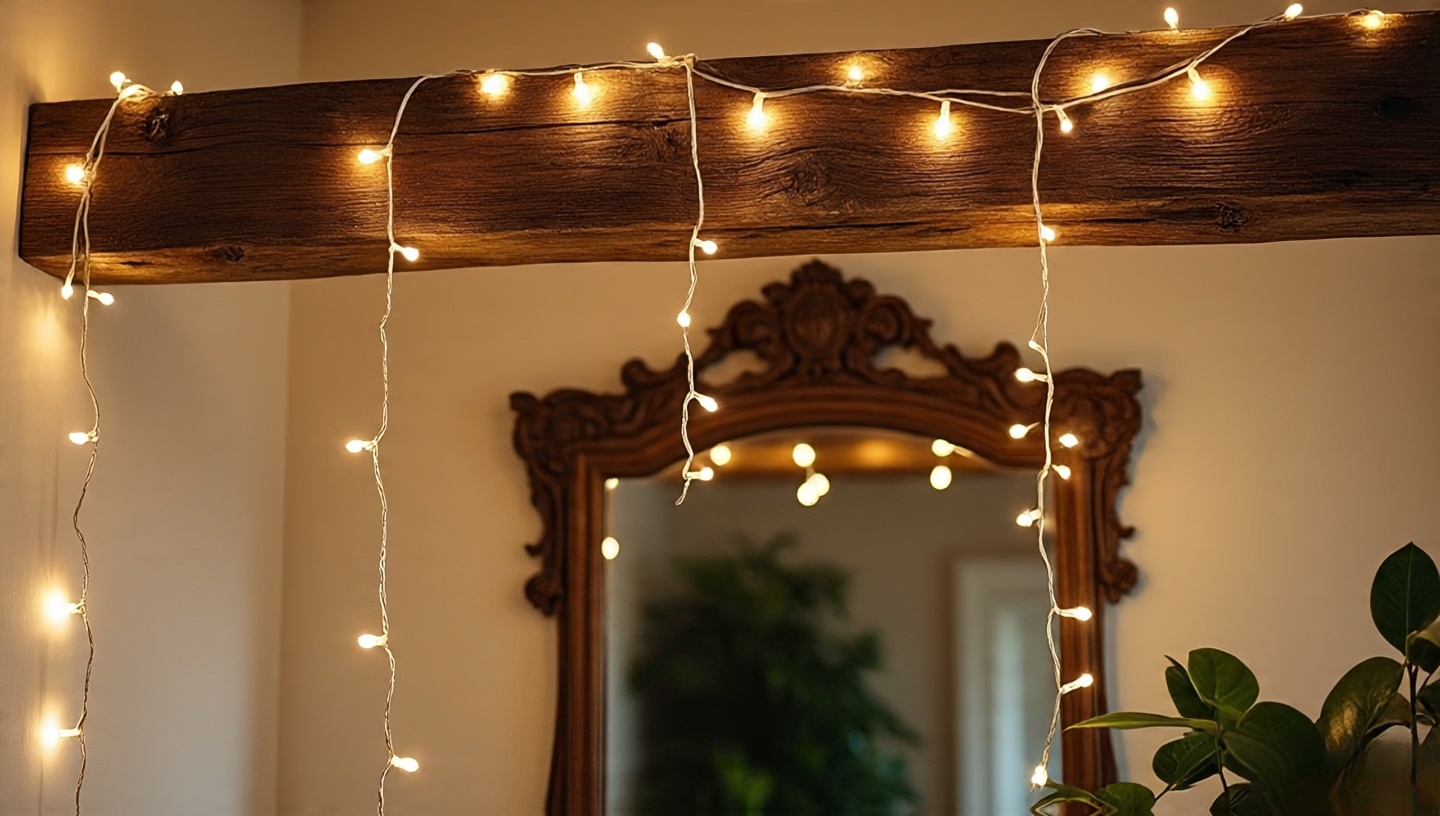 Yes, fairy lights are cliché but used right, they’re timeless. The trick is to treat them as accent layers, not main lighting.
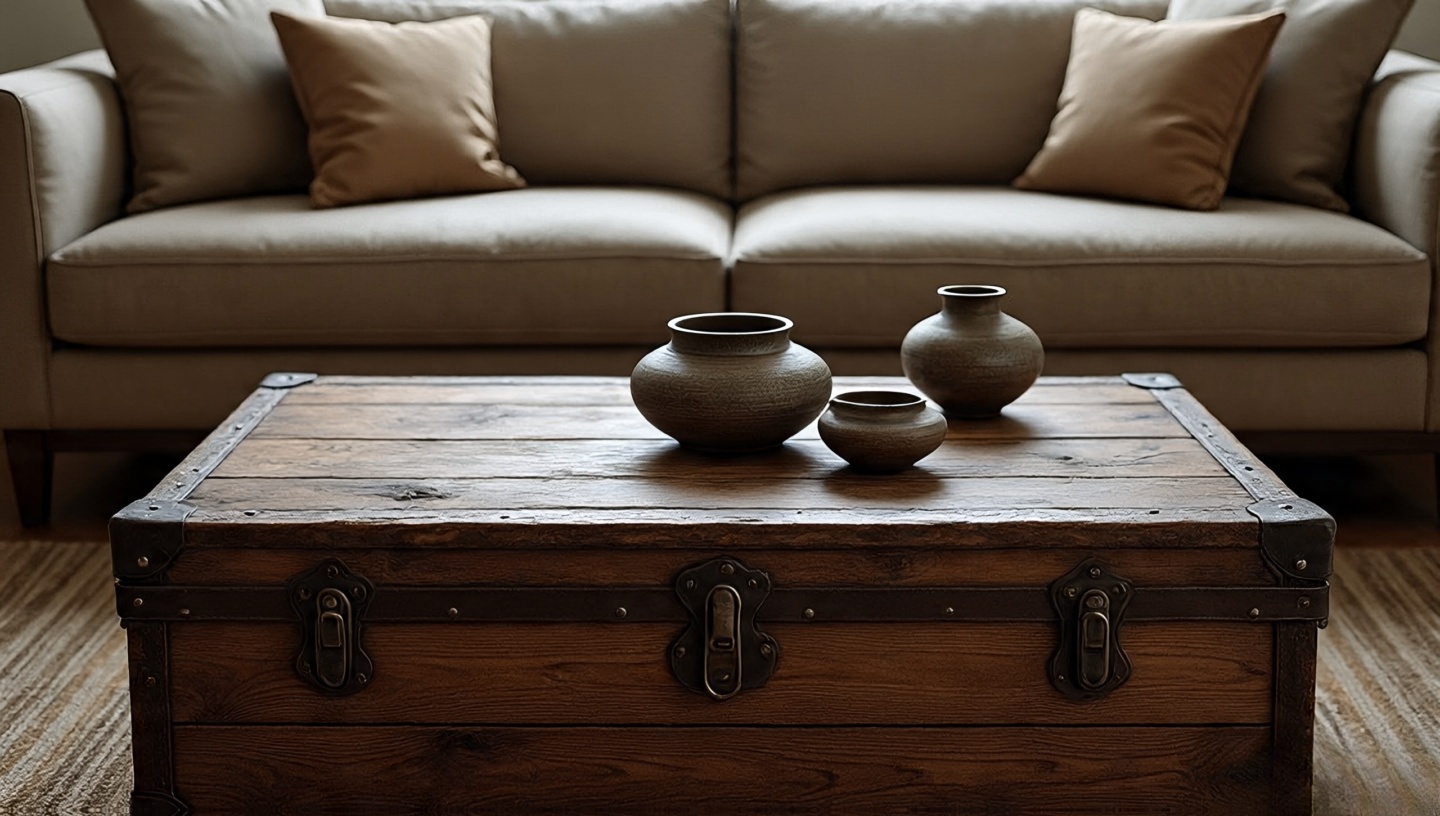 Boho coffee tables are less “showroom piece,” more “gathering spot.” A trunk, a slab of wood, even a woven basket with a tray on top can work.
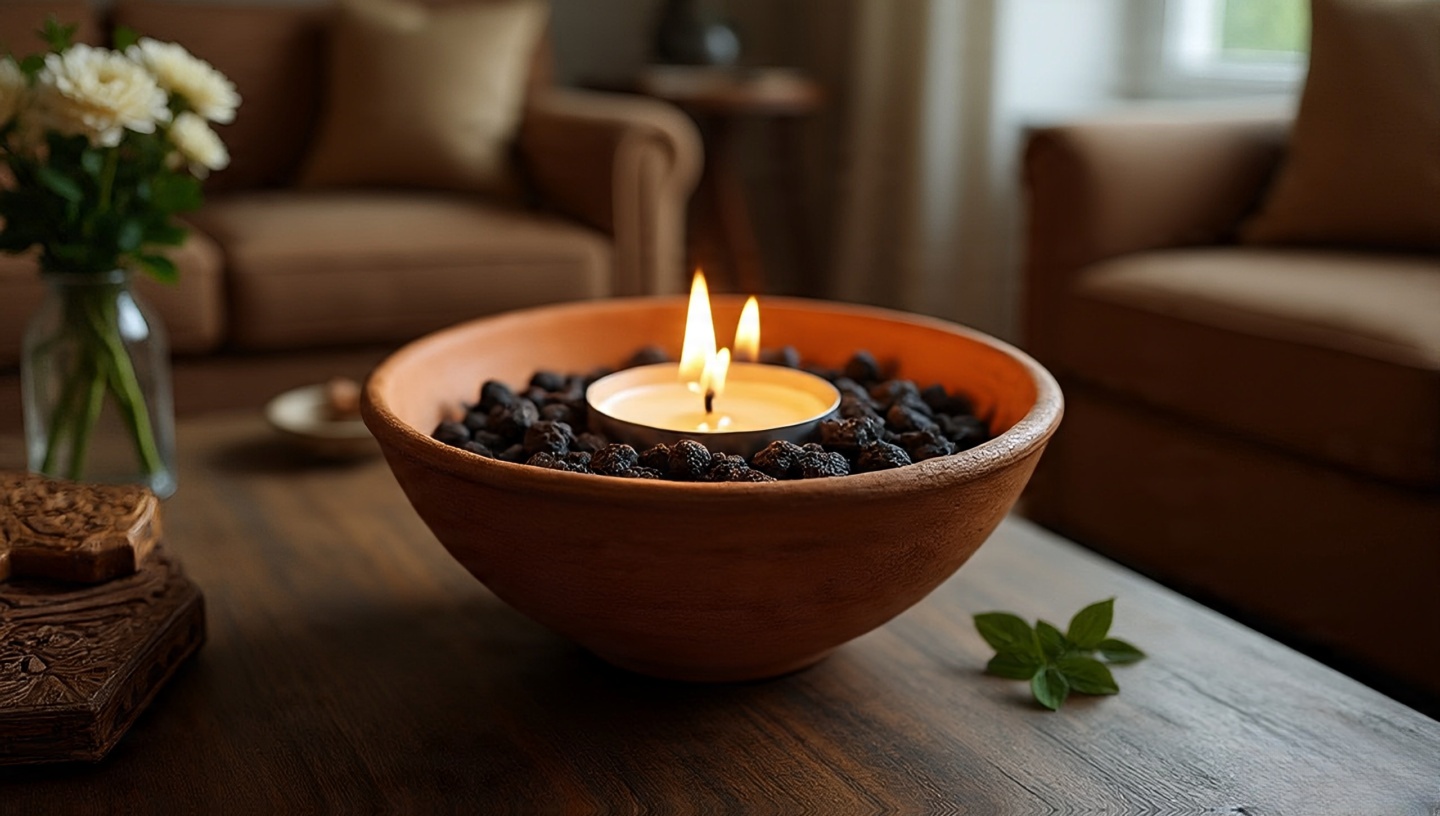 Not everyone can have a fireplace, but you can borrow the mood. Group candles in a clay bowl, add lava rocks, or use a tabletop ethanol burner for controlled flame.
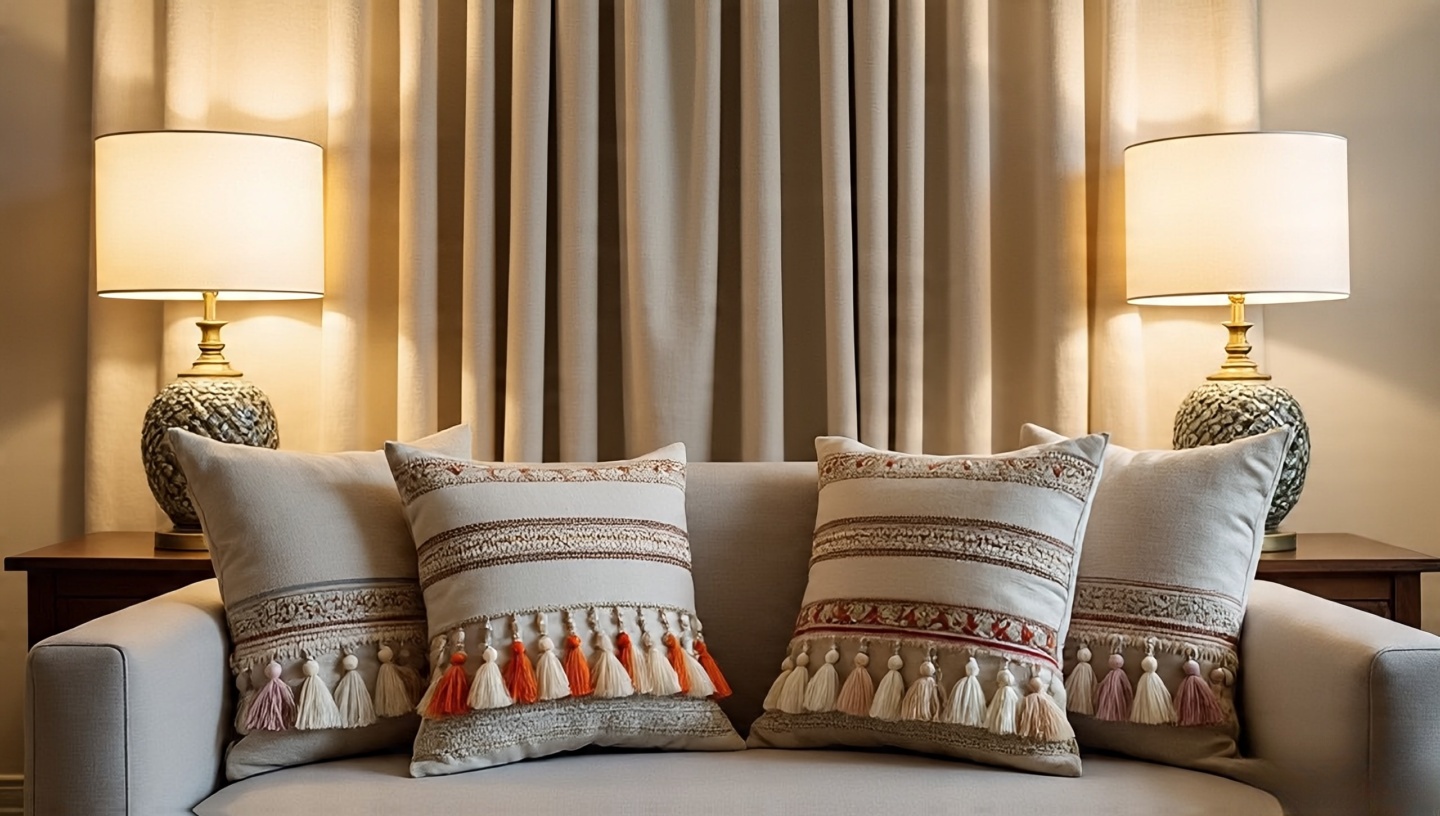 Tassels on cushions, beads on lampshades,
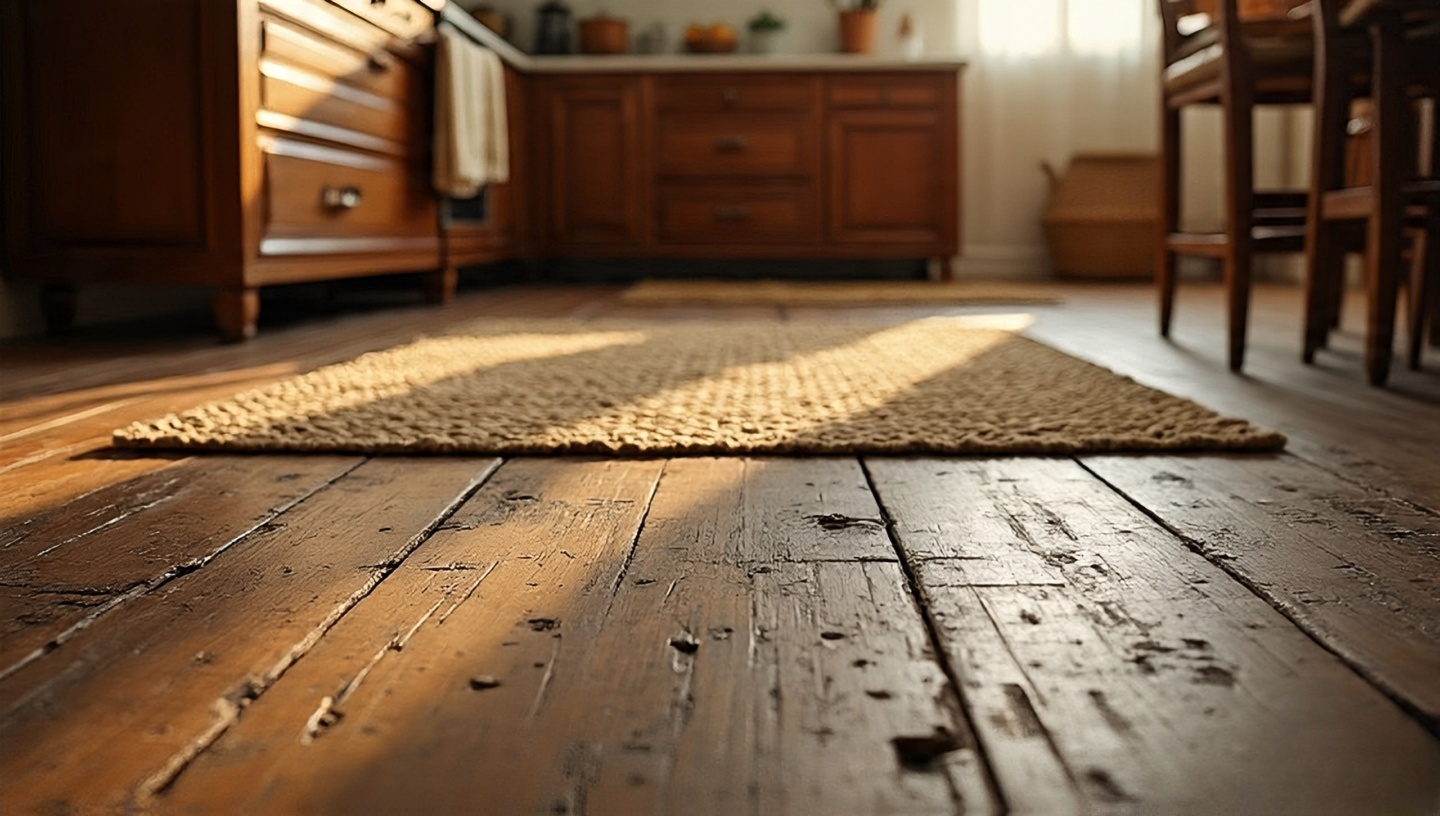
 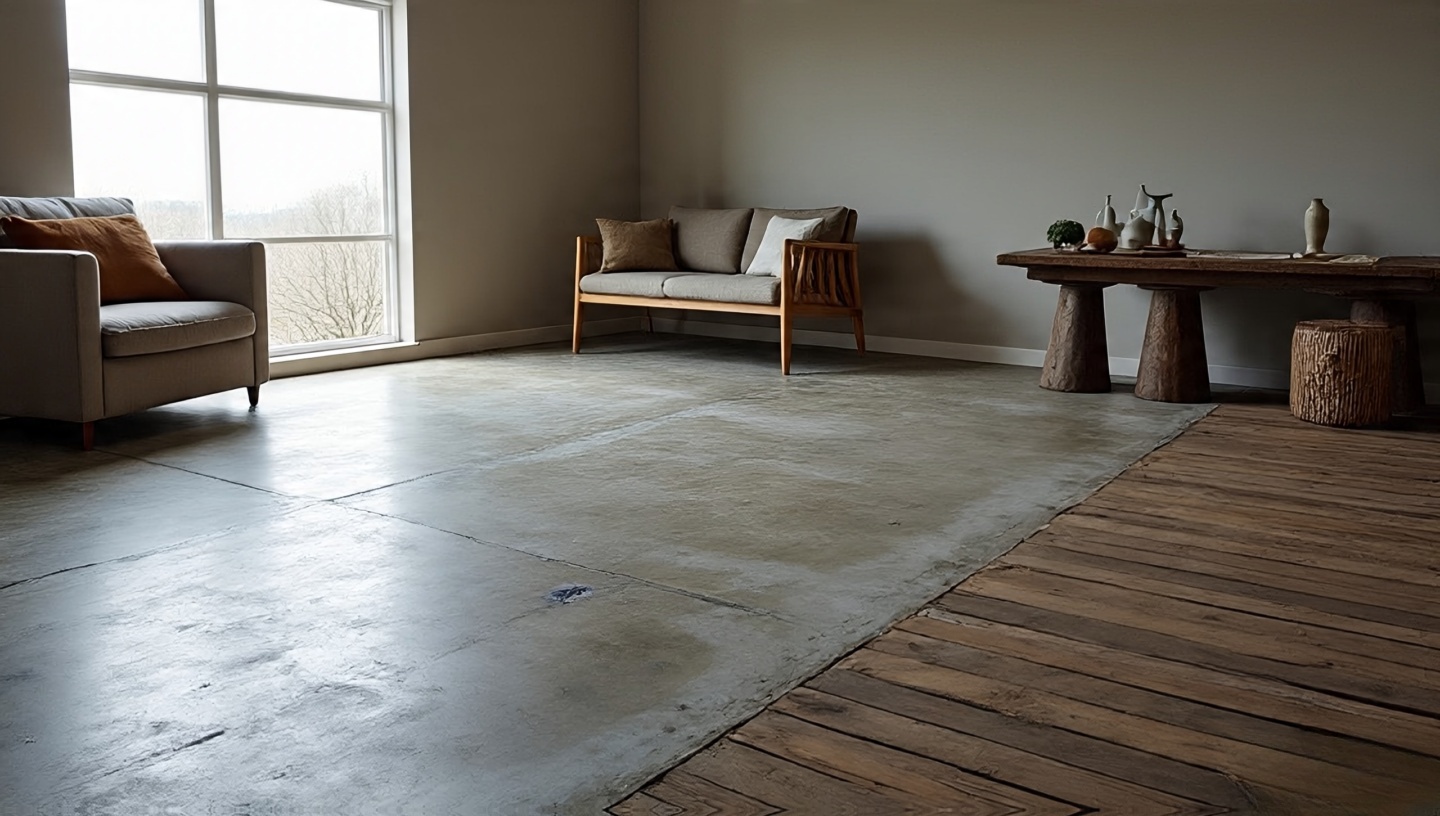 Boho floors aren’t flawless they’re honest. Scratched wood, painted tiles with worn corners, raw concrete that shows its pour lines. The story is in the imperfection.
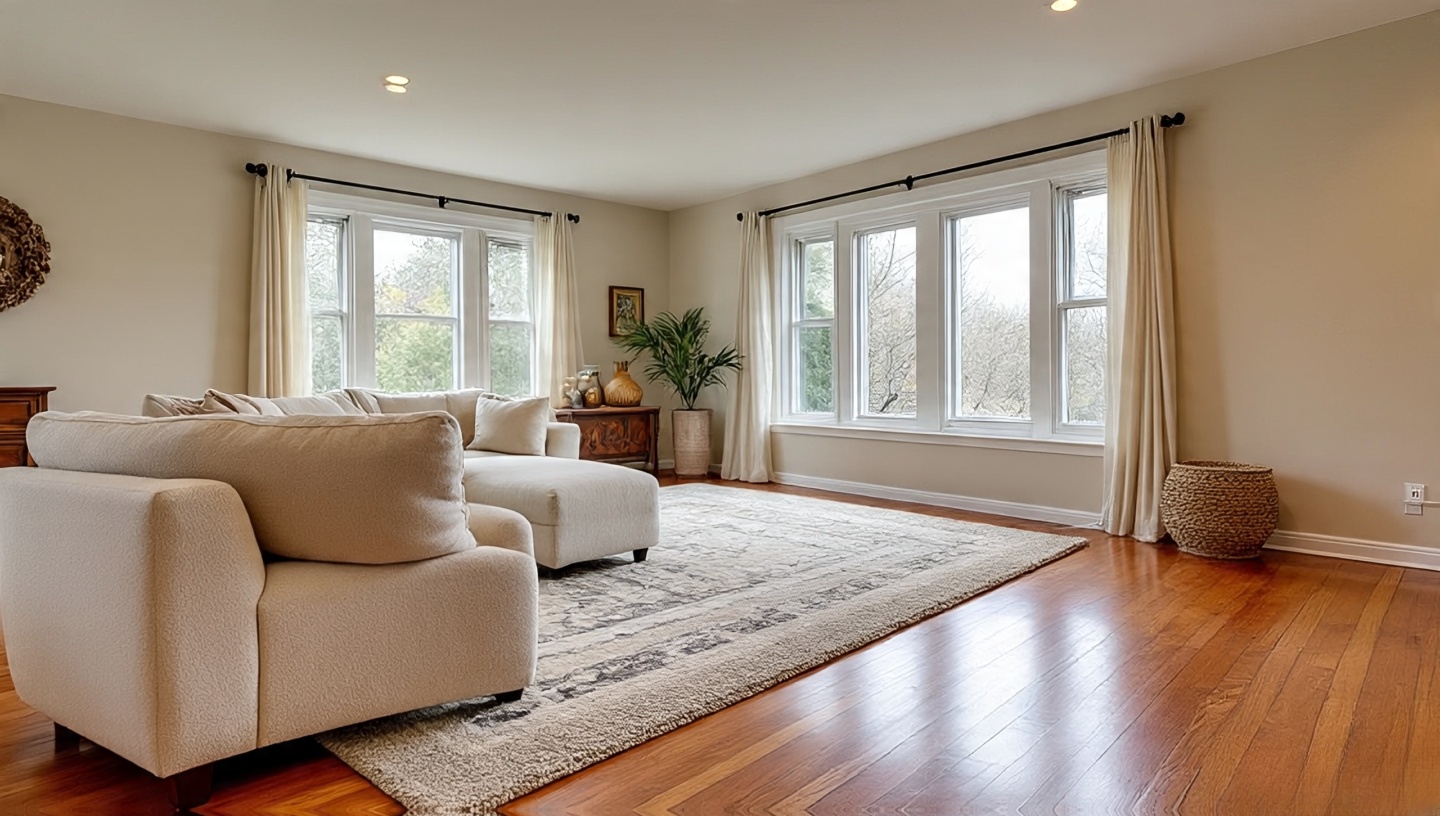 Open layouts can look sterile if left undefined. In Boho design, furniture placement not walls creates flow. Position seating clusters with rugs, or angle a sofa to guide traffic lines naturally.
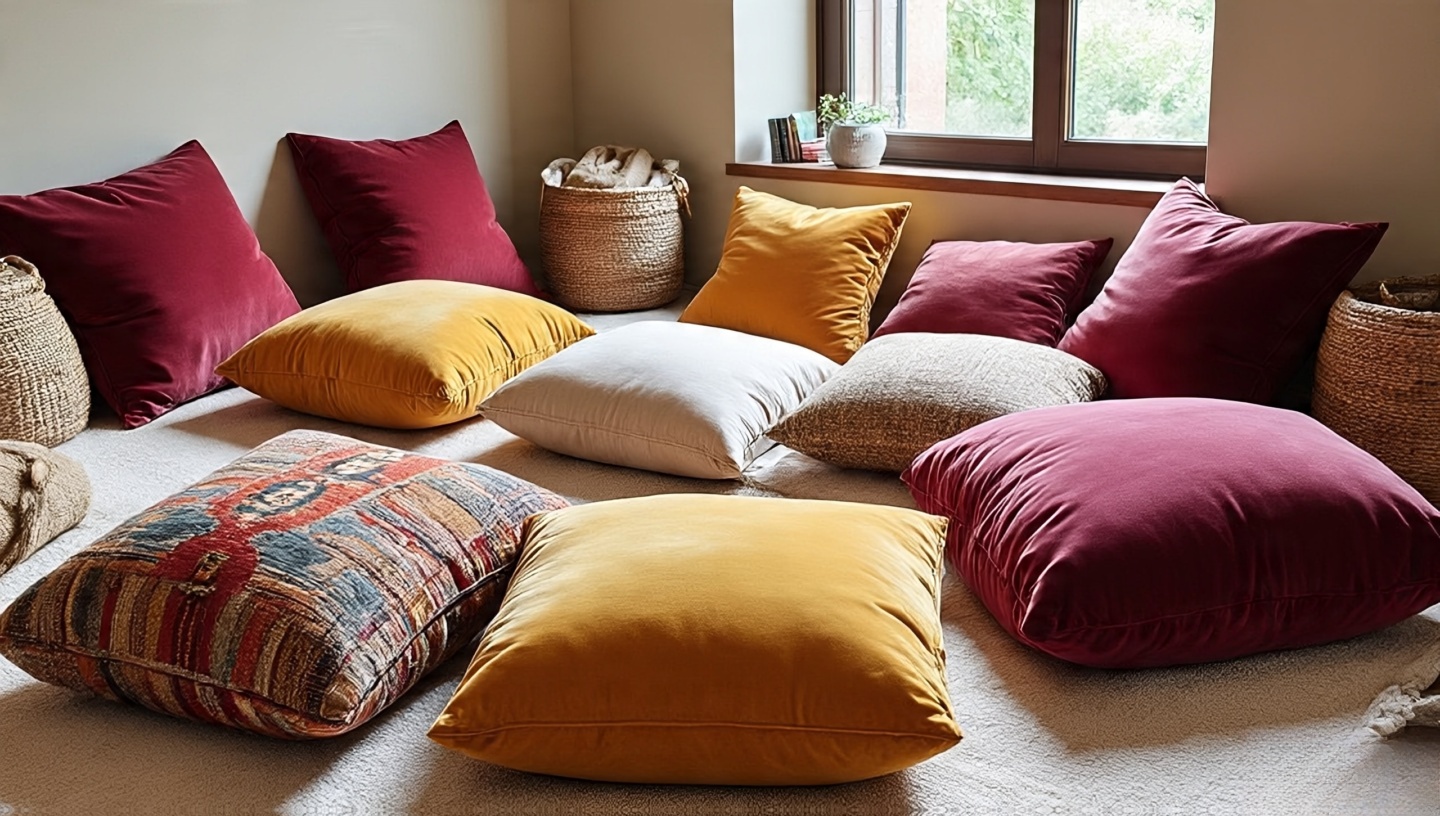 I’ve seen entire living rooms transformed with nothing but oversized cushions. They invite people to sit, sprawl, and relax in ways rigid chairs never do.
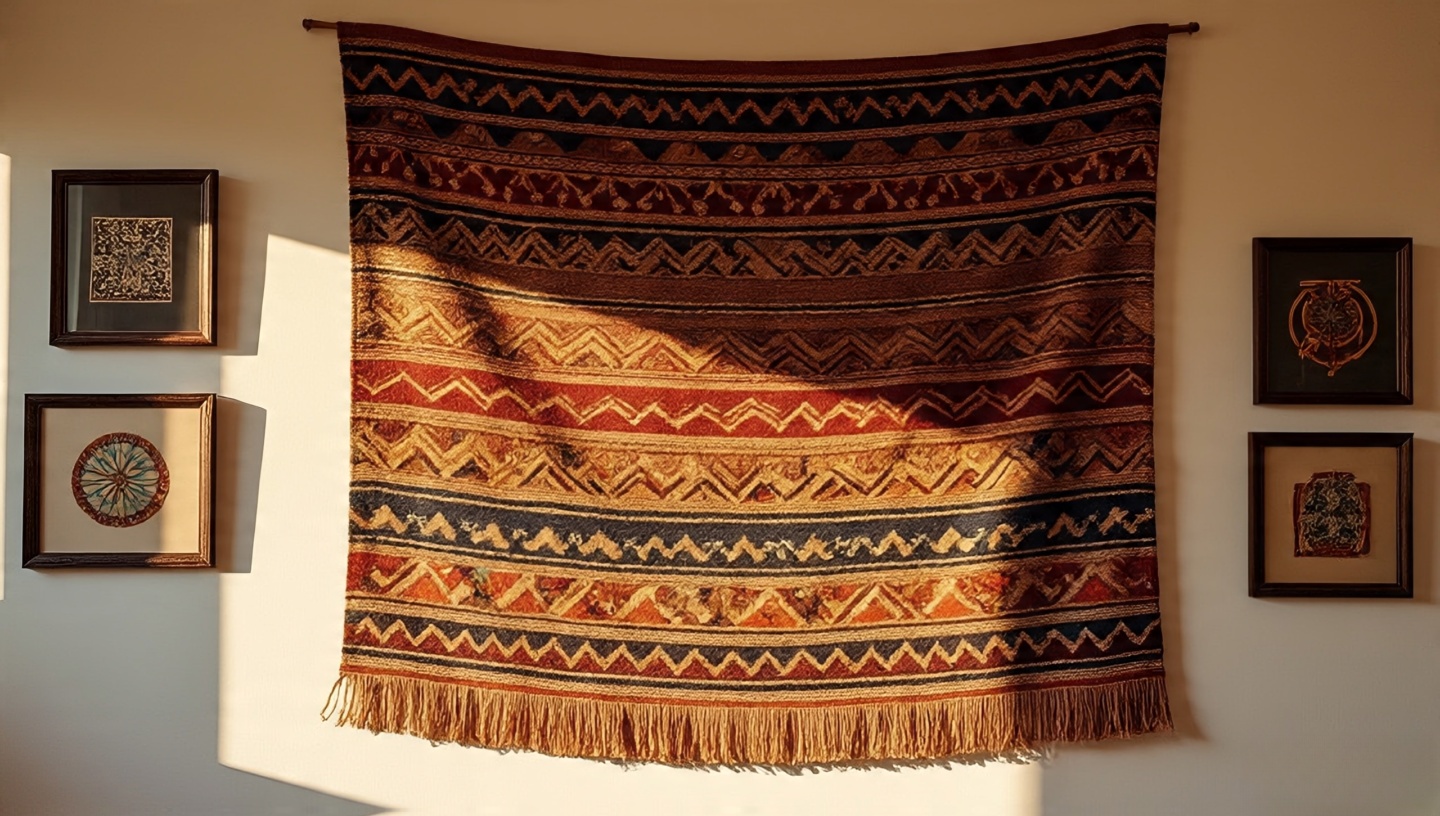 Walls can either feel flat or alive. A tapestry batik, kilim, or tribal weave creates depth and character. More than decoration, it becomes conversation.
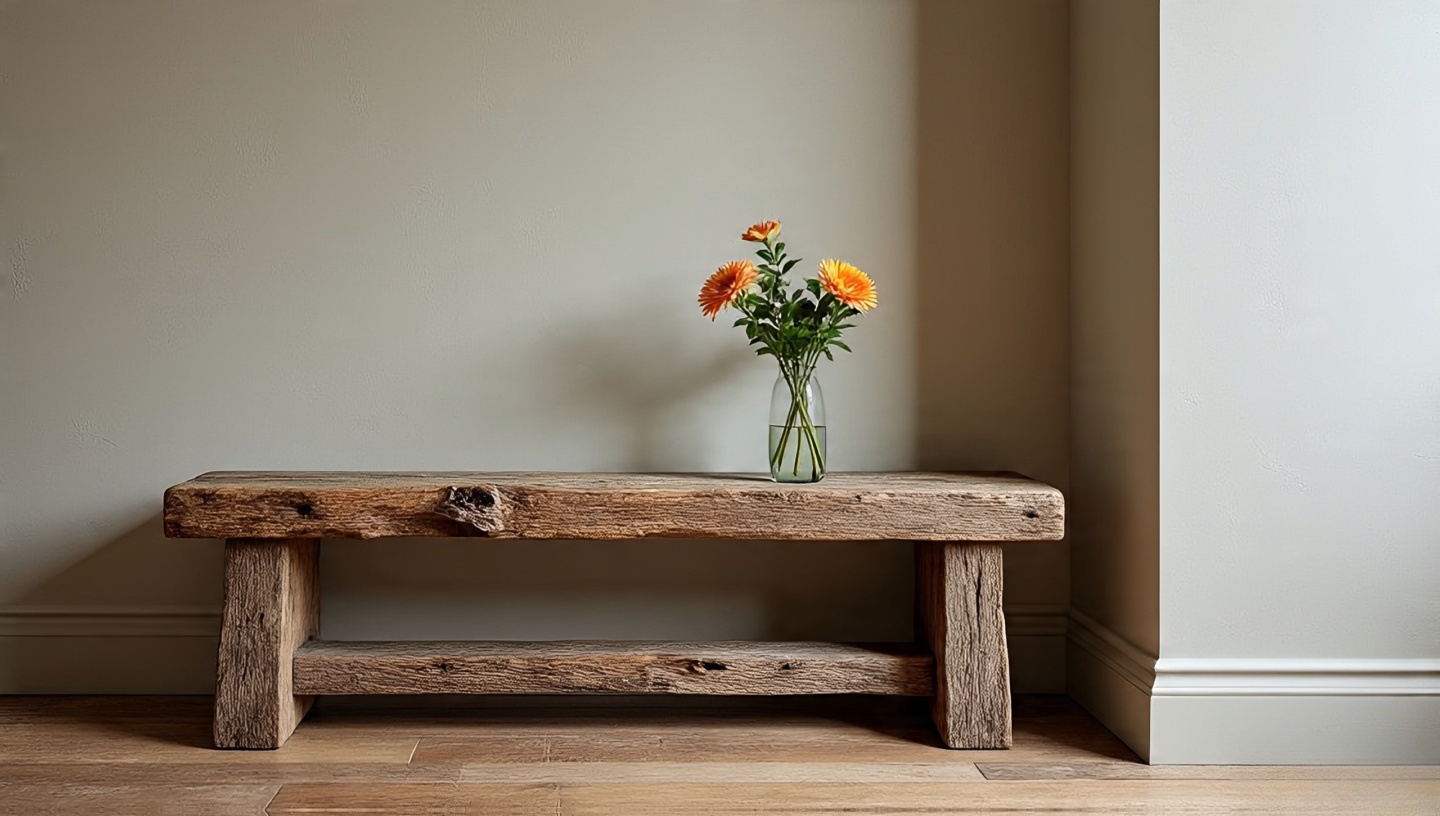 A hallway bench made of weathered beams carries stories you can’t fake. Reclaimed wood brings warmth but also needs handling.
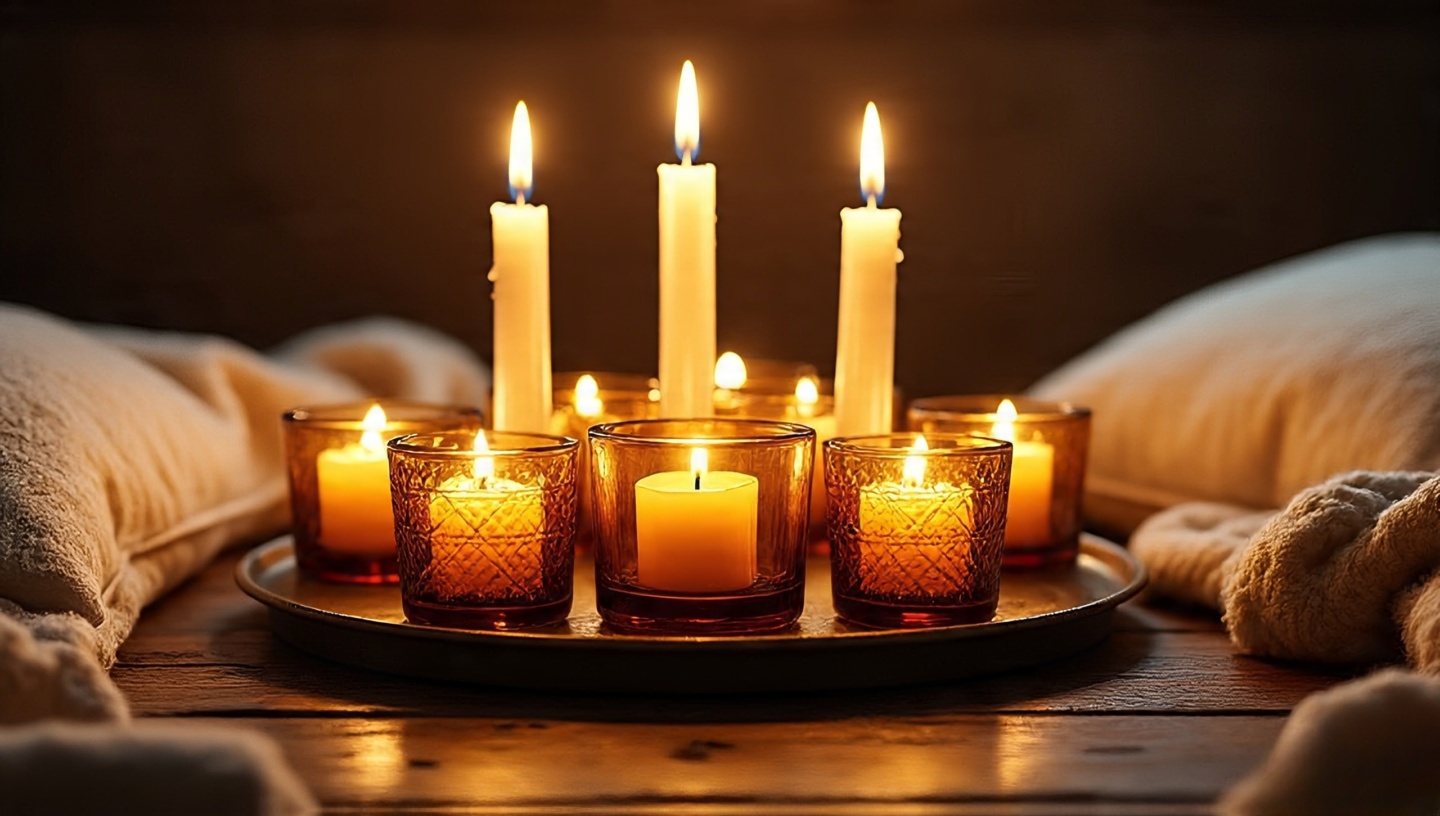 Light defines atmosphere. If you can’t build a hearth, mimic it.
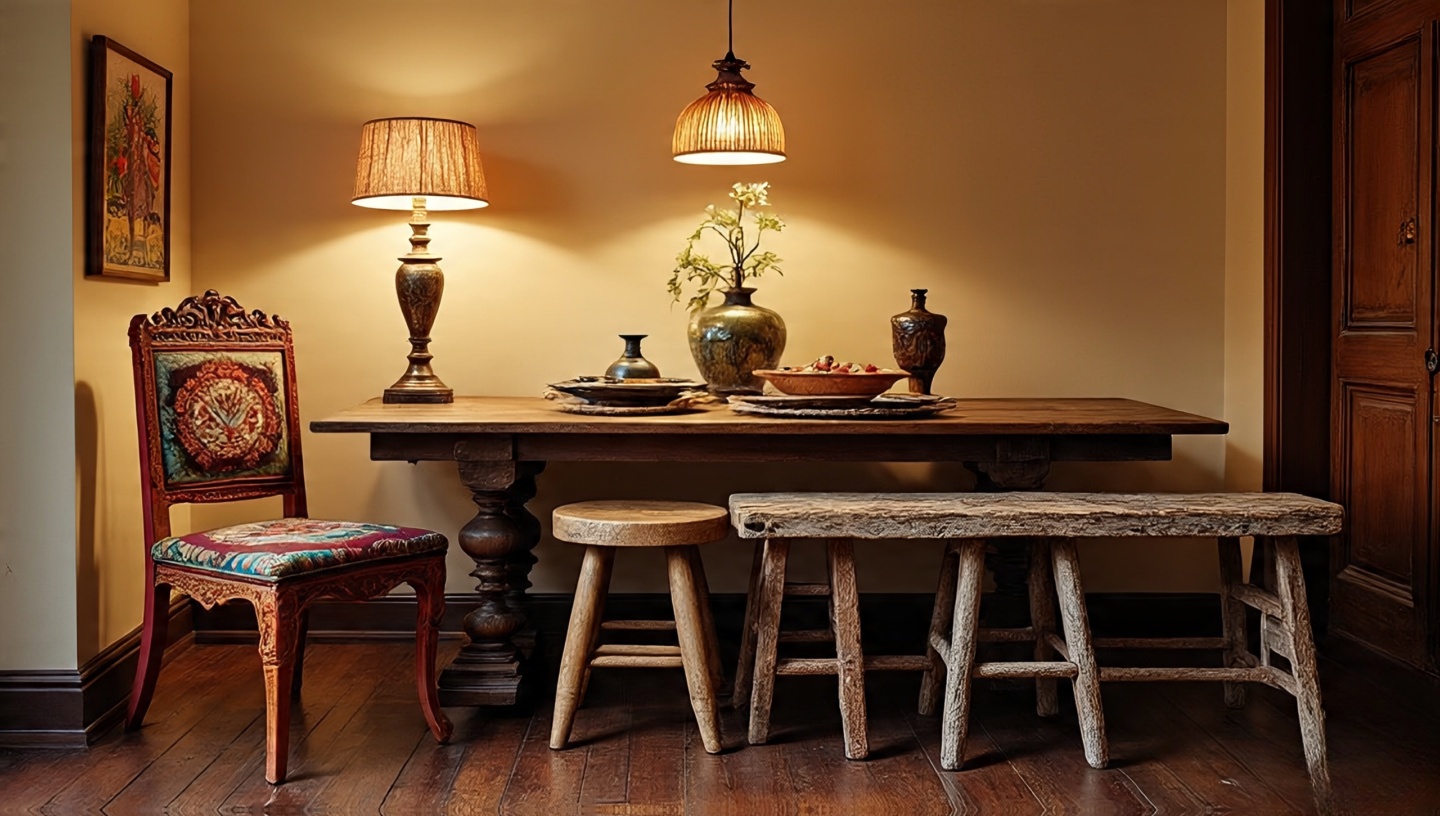
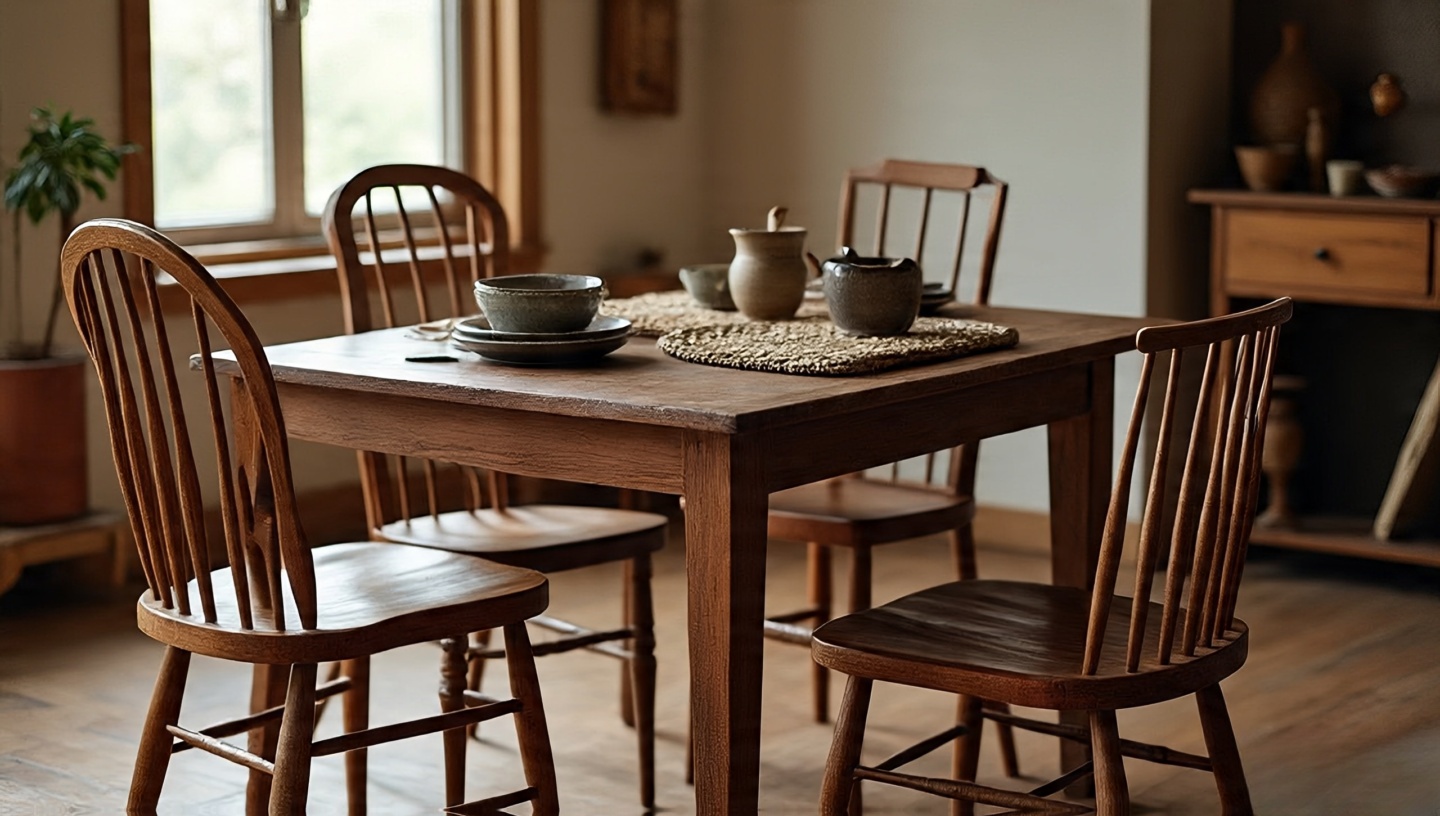 Forget showroom sets. Four different chairs around one table add charm and looseness. The trick is keeping one element consistent.
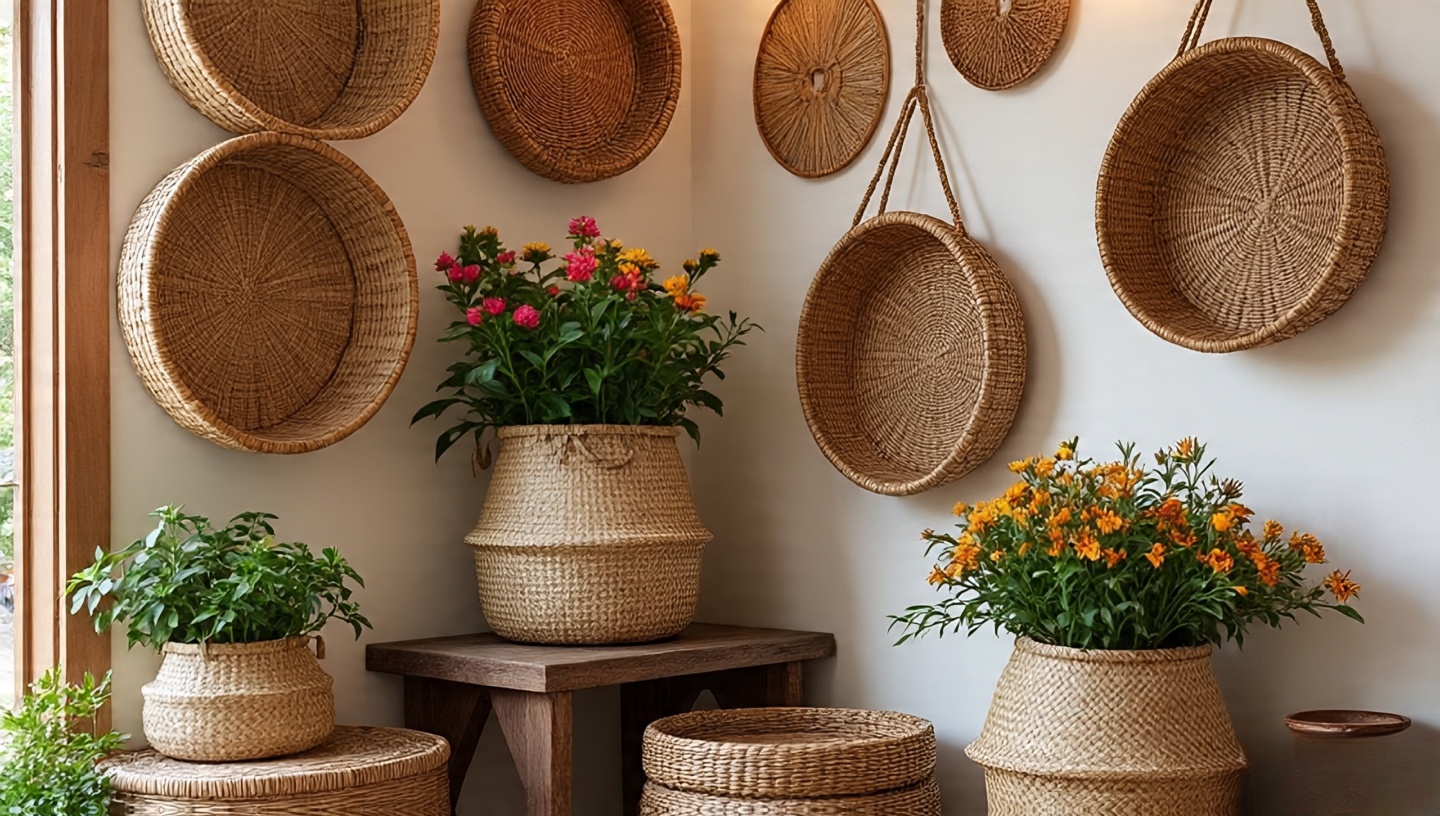 Baskets aren’t just storage they’re texture. Hang them on walls, stack them in corners, or use them as plant covers.
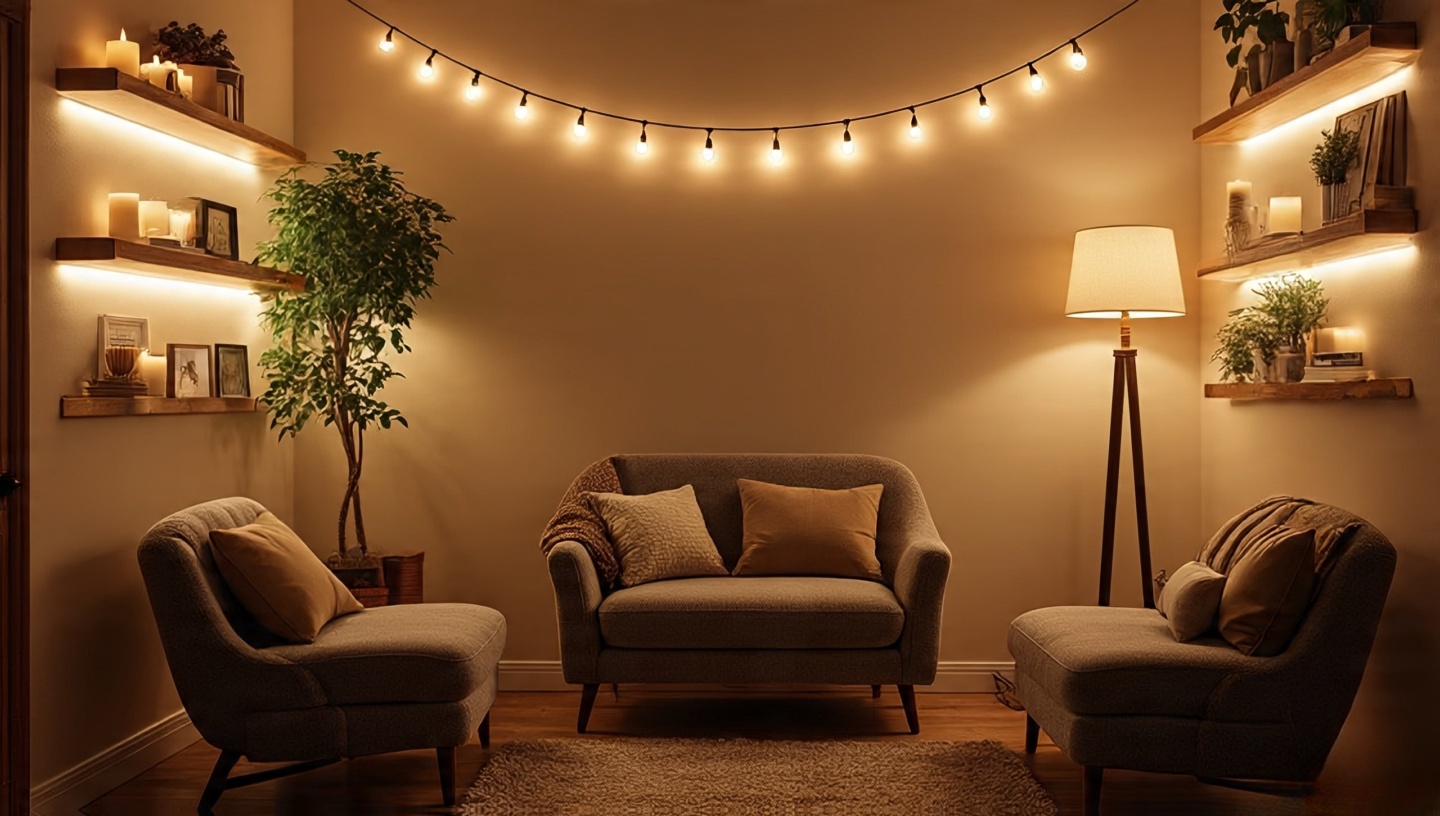 A single ceiling light kills mood. Instead, create three layers:
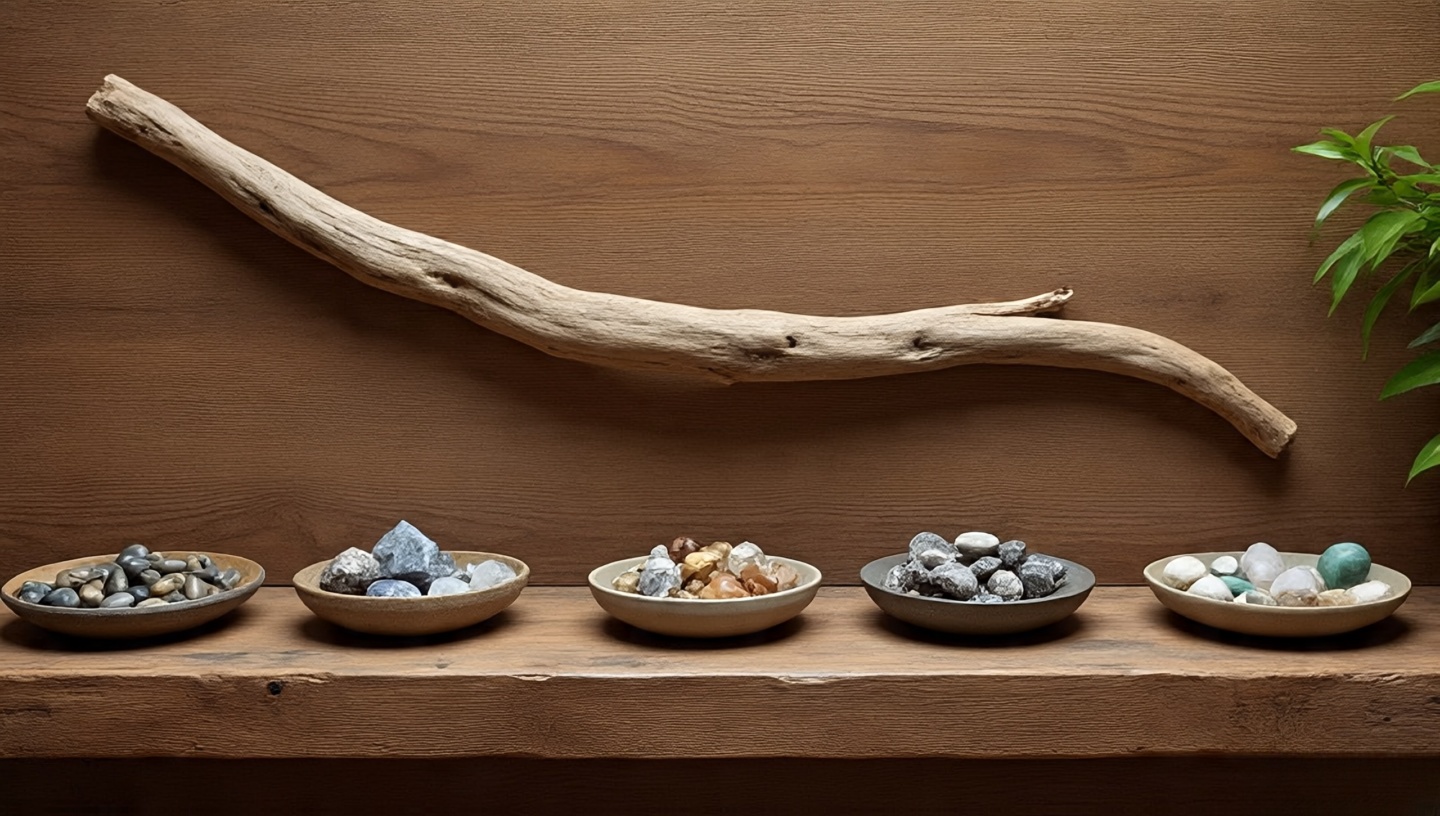 Nature’s artifacts stones, shells, driftwood carry quiet poetry. A weathered branch on a mantel adds more soul than a polished sculpture.
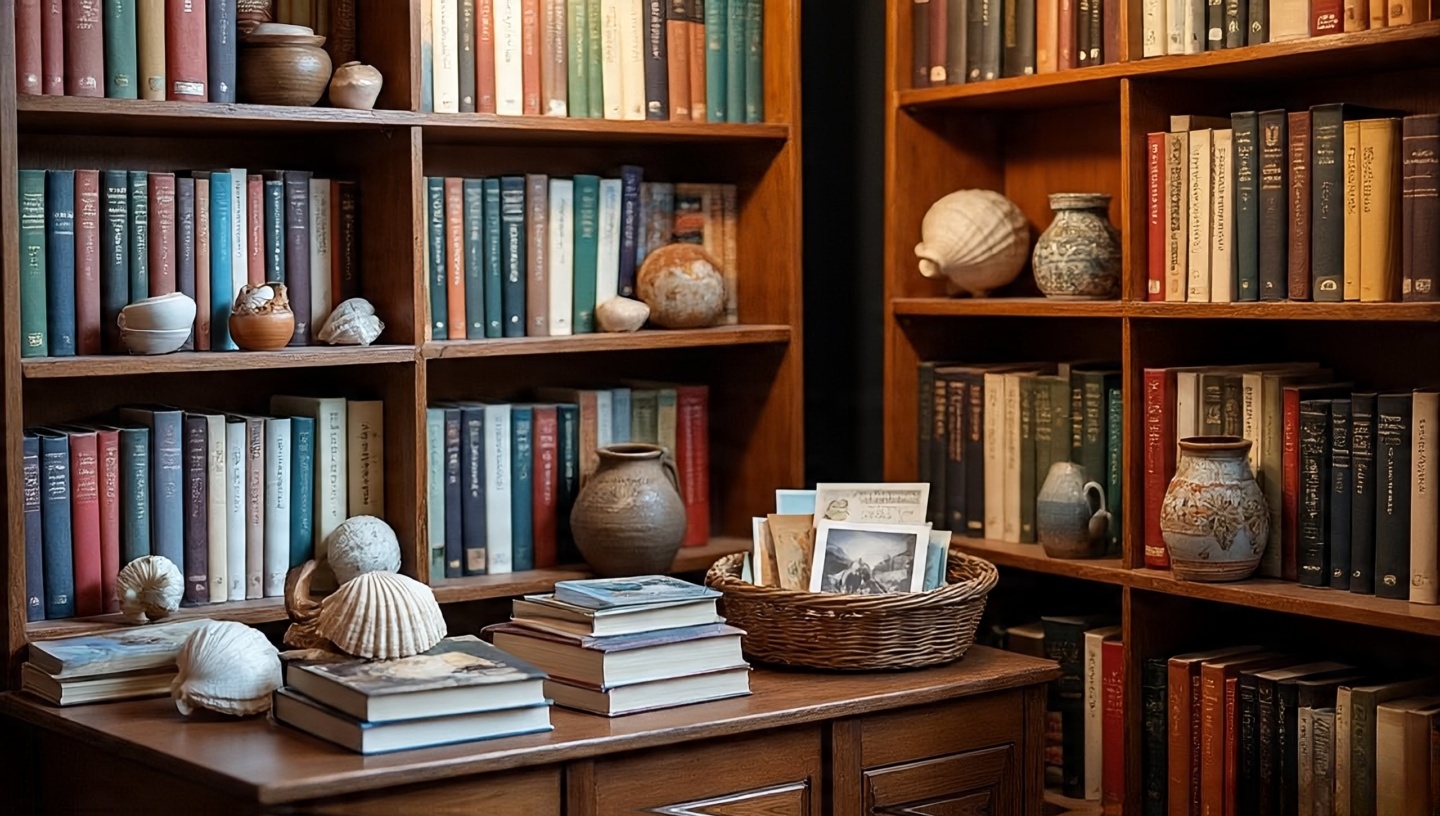 A Boho shelf is part storage, part storytelling. It’s where novels sit beside a seashell, or a basket hides a stack of postcards.
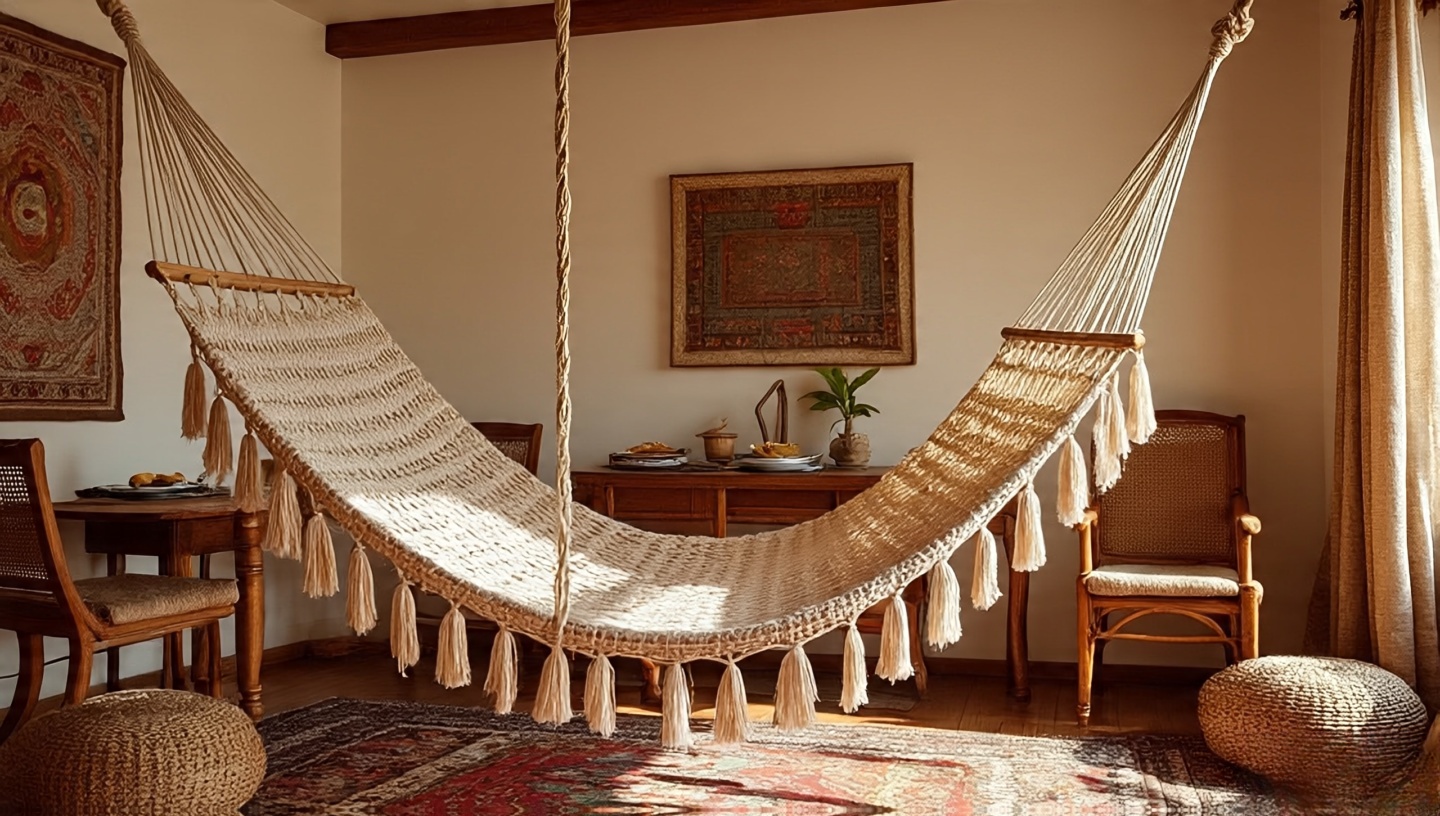
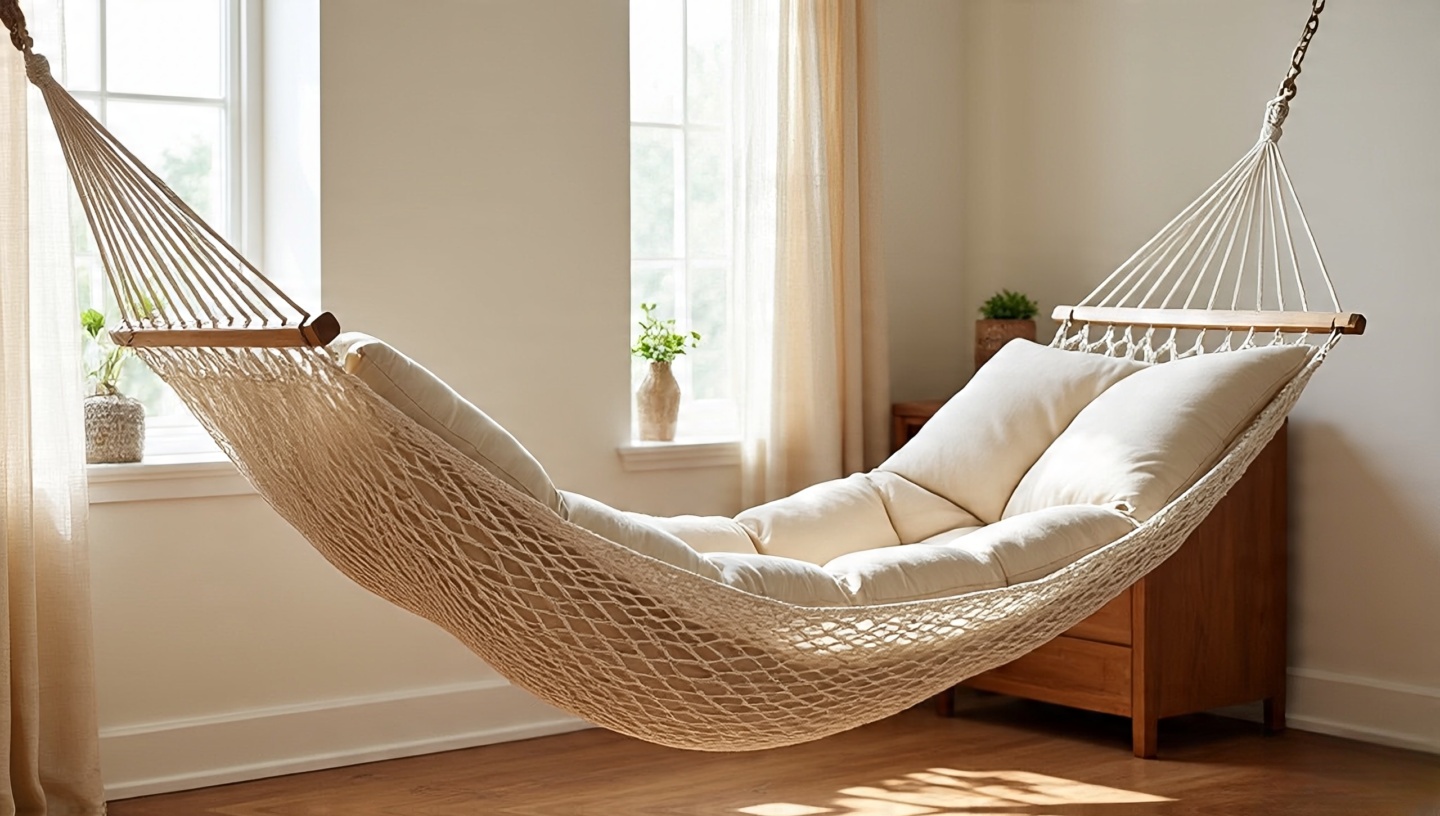 Yes, a hammock inside is a little rebellious and that’s why it works. Near a sunlit window or in a corner, it becomes both seating and sculpture.
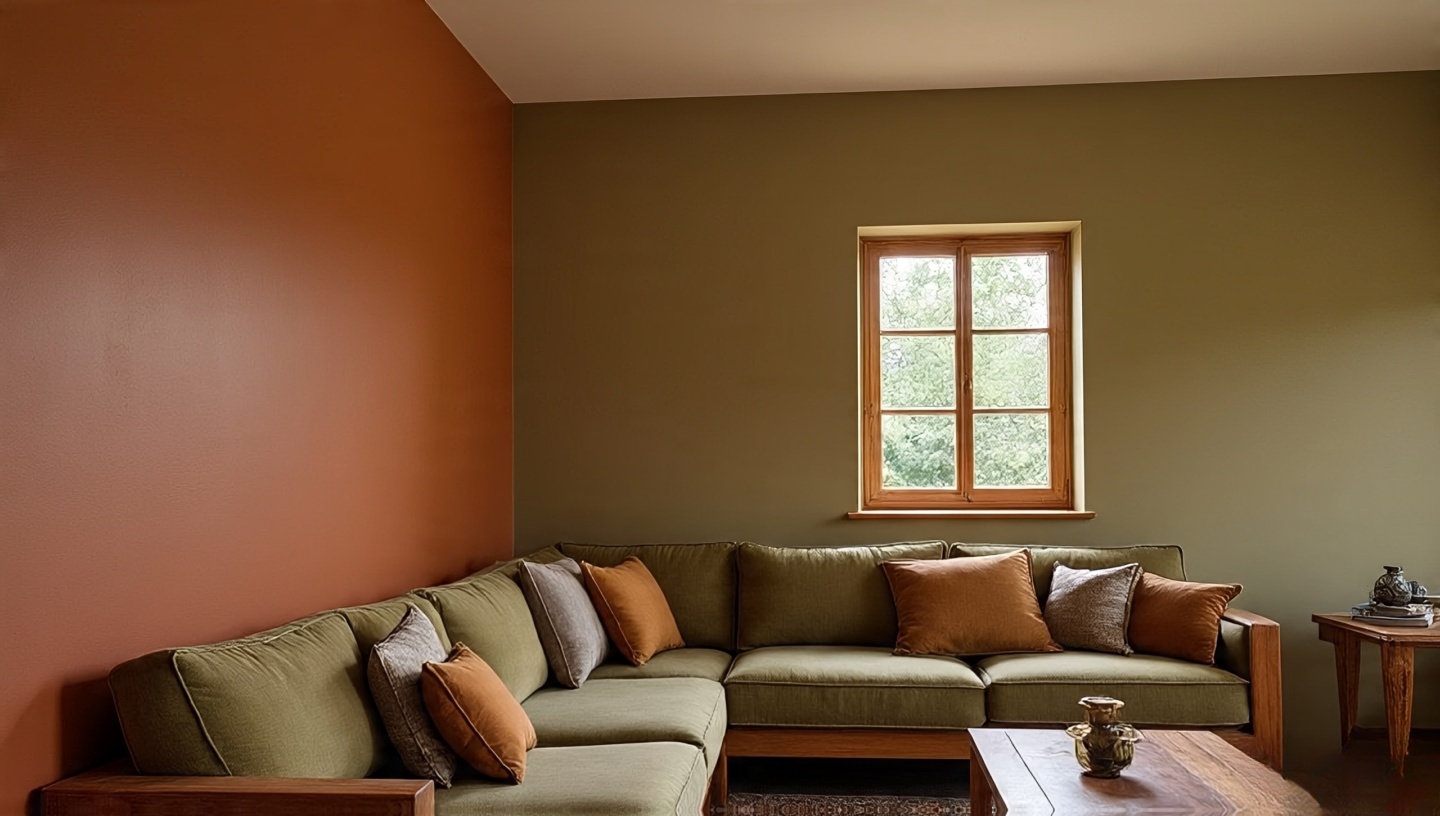 Clay reds, sandy beiges, olive greens these shades echo nature. The trick is balance: too heavy, and the room feels compressed.
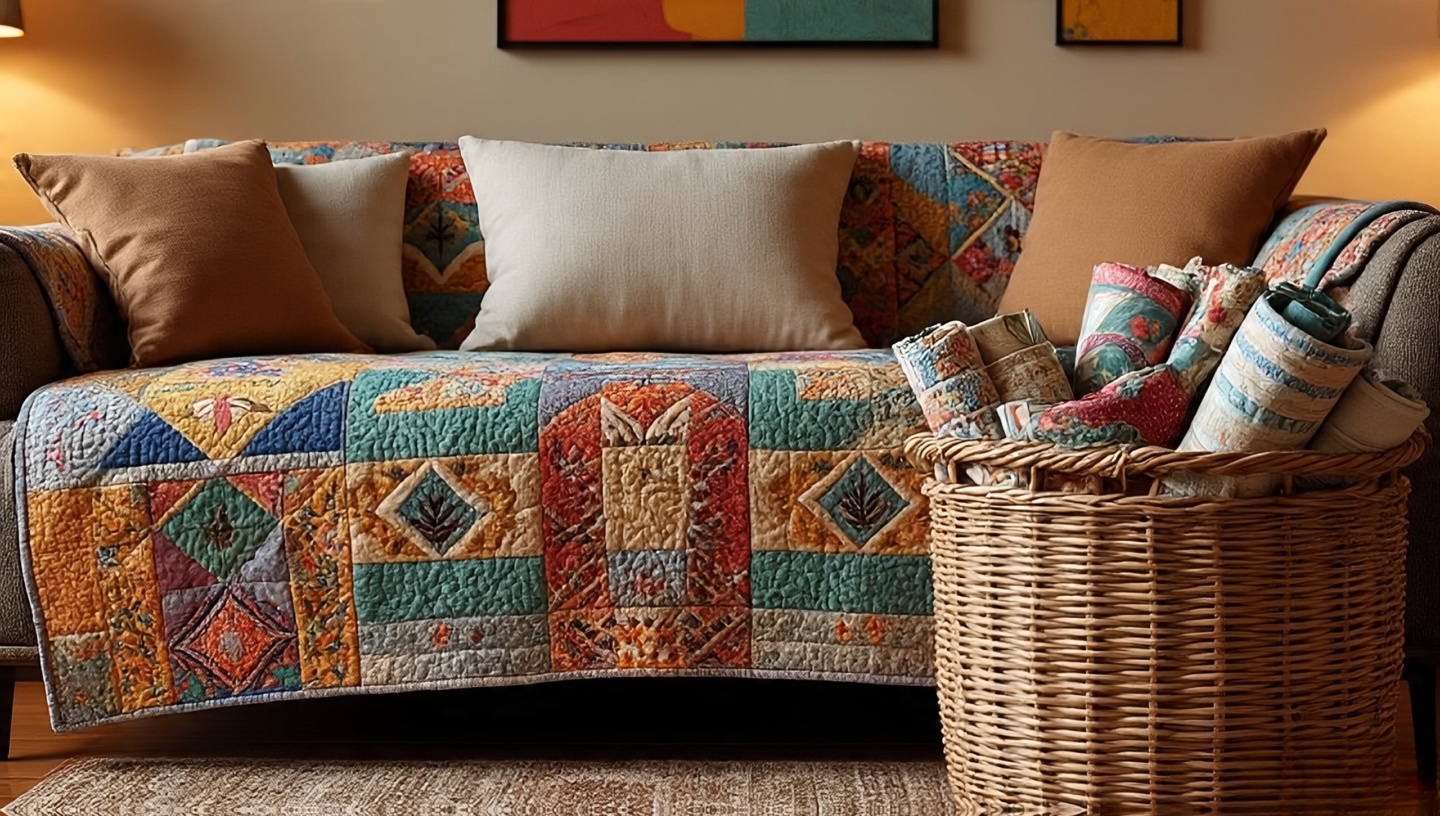 A quilt draped over a sofa or bed doesn’t just warm the body it warms the room. Every stitch speaks of care.
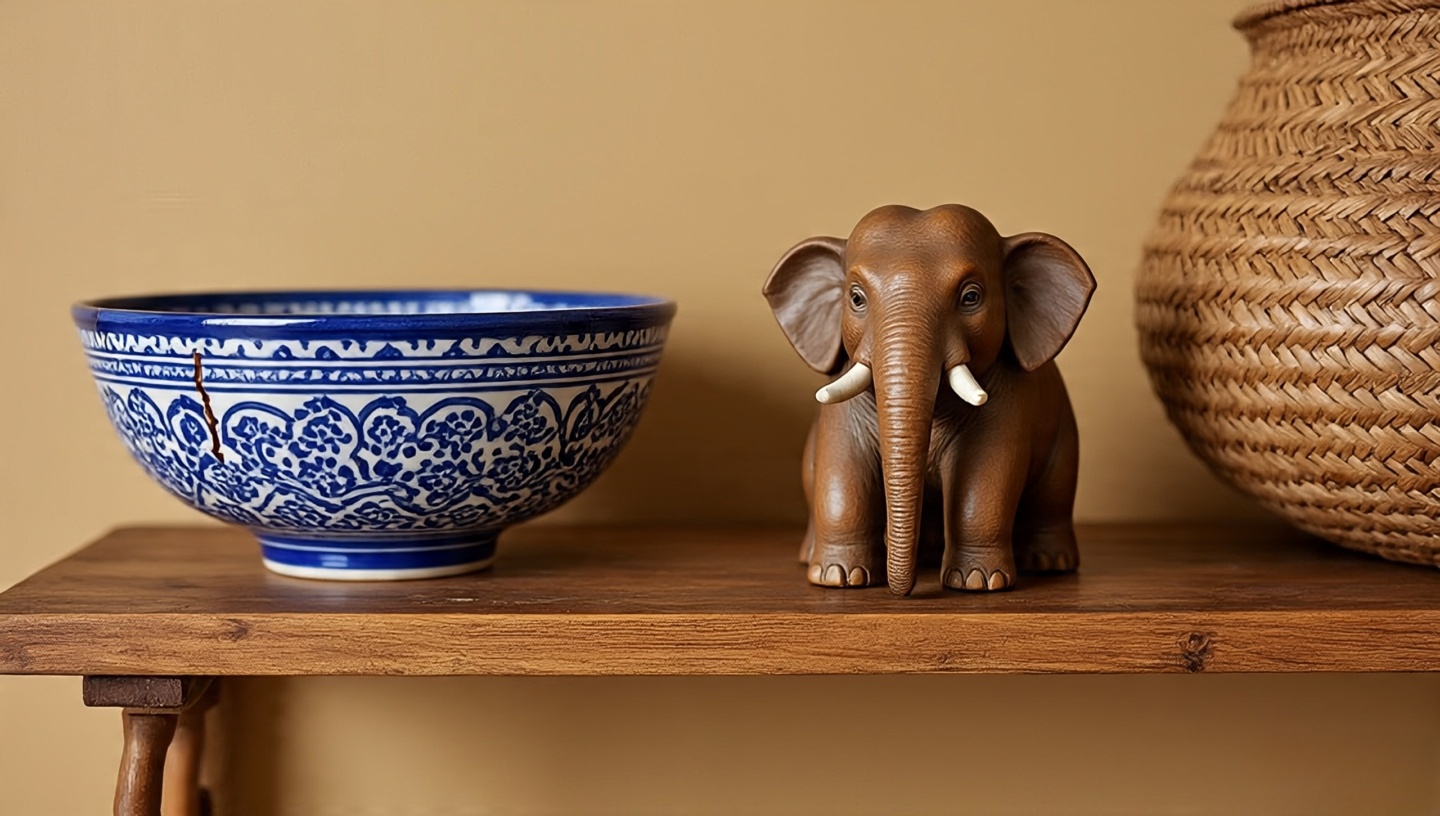 A ceramic bowl from Greece, a carved elephant from Thailand, a woven basket from Mexico these aren’t just objects; they’re passports in physical form. Display them, don’t hide them.
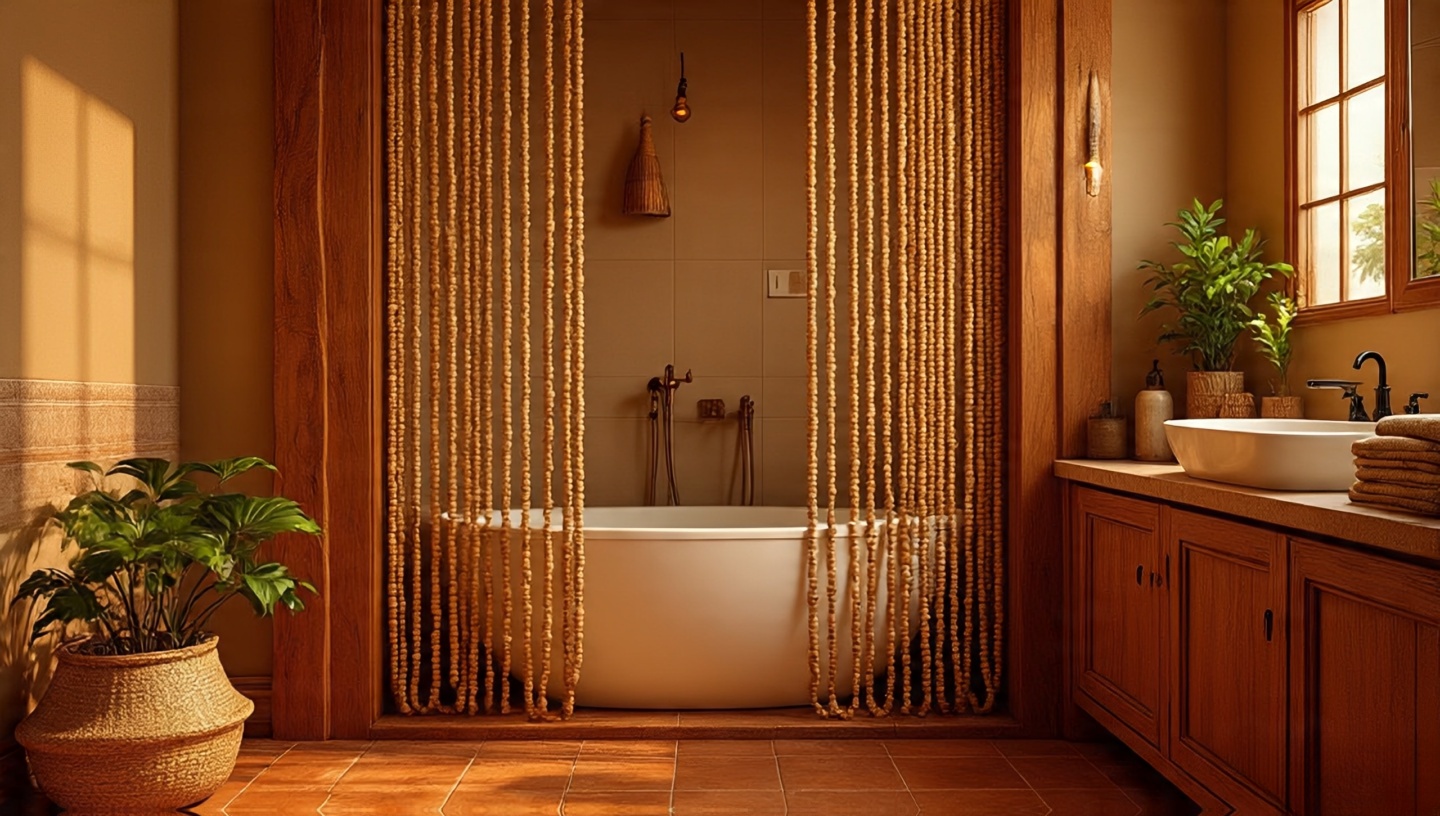
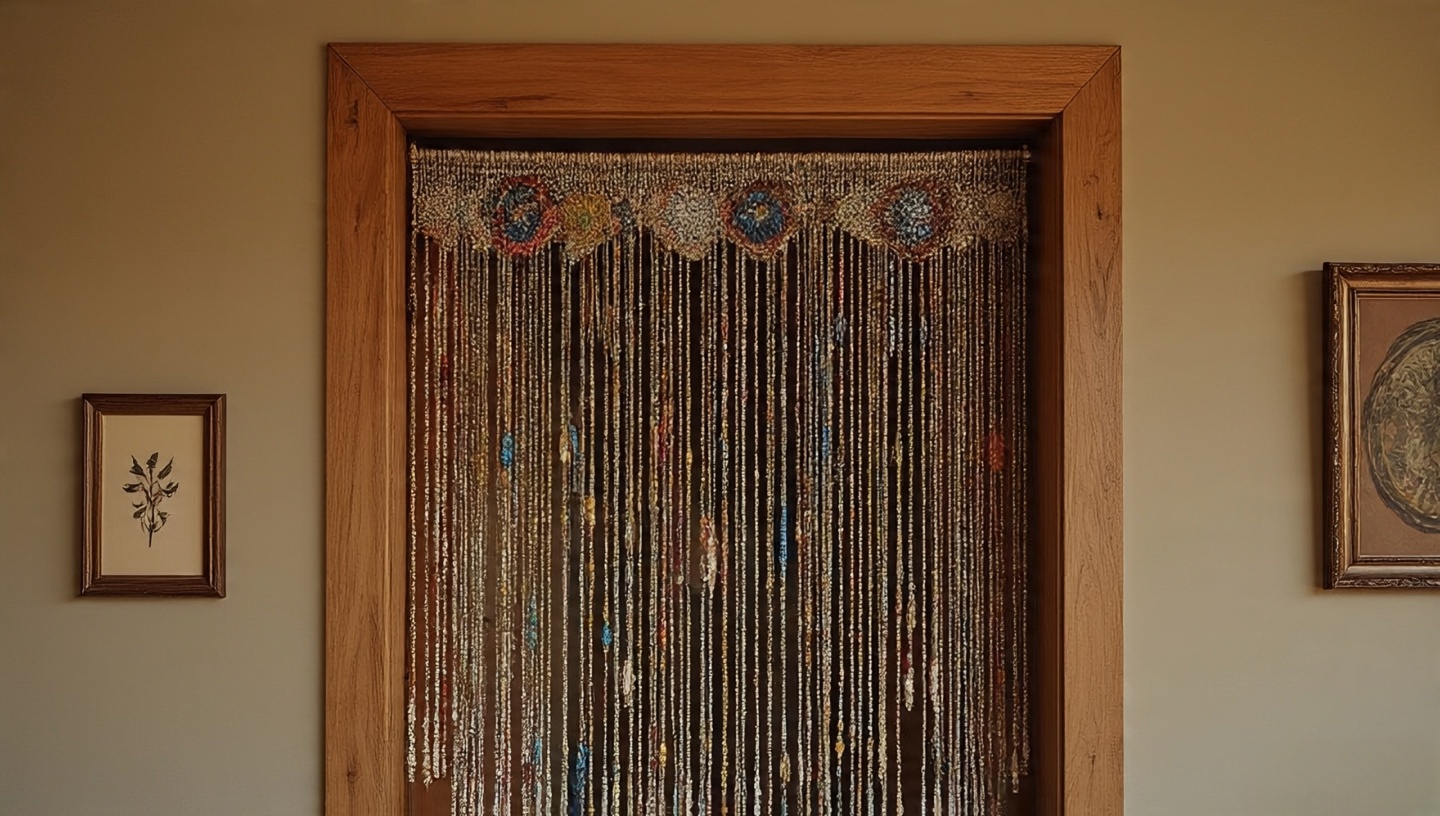 Retro, yes. But beads catch the light and sway with the breeze, adding movement where walls stay static.
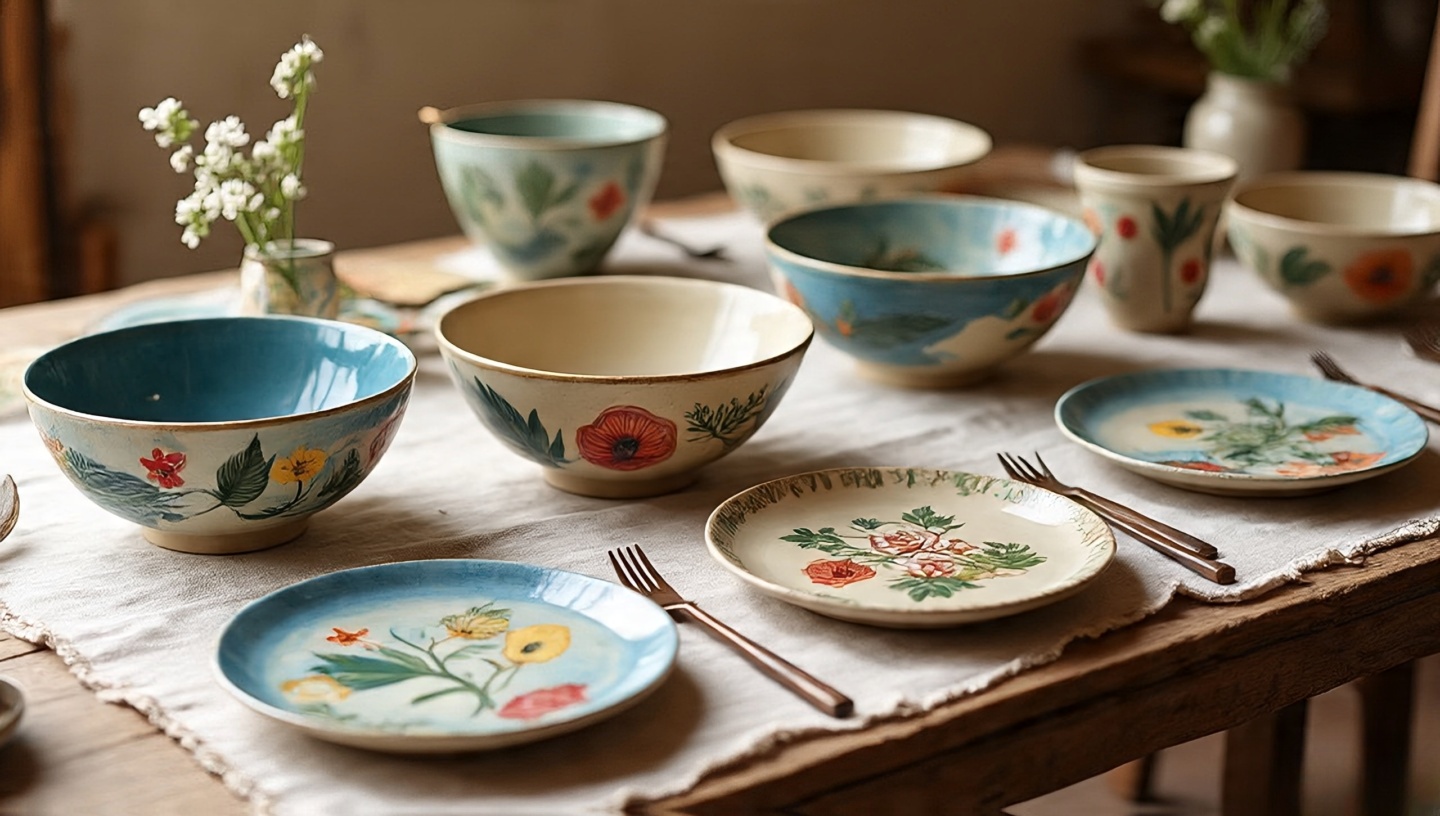 Imagine eating cereal from a bowl that looks like art. Hand-painted ceramics turn the mundane into ritual.
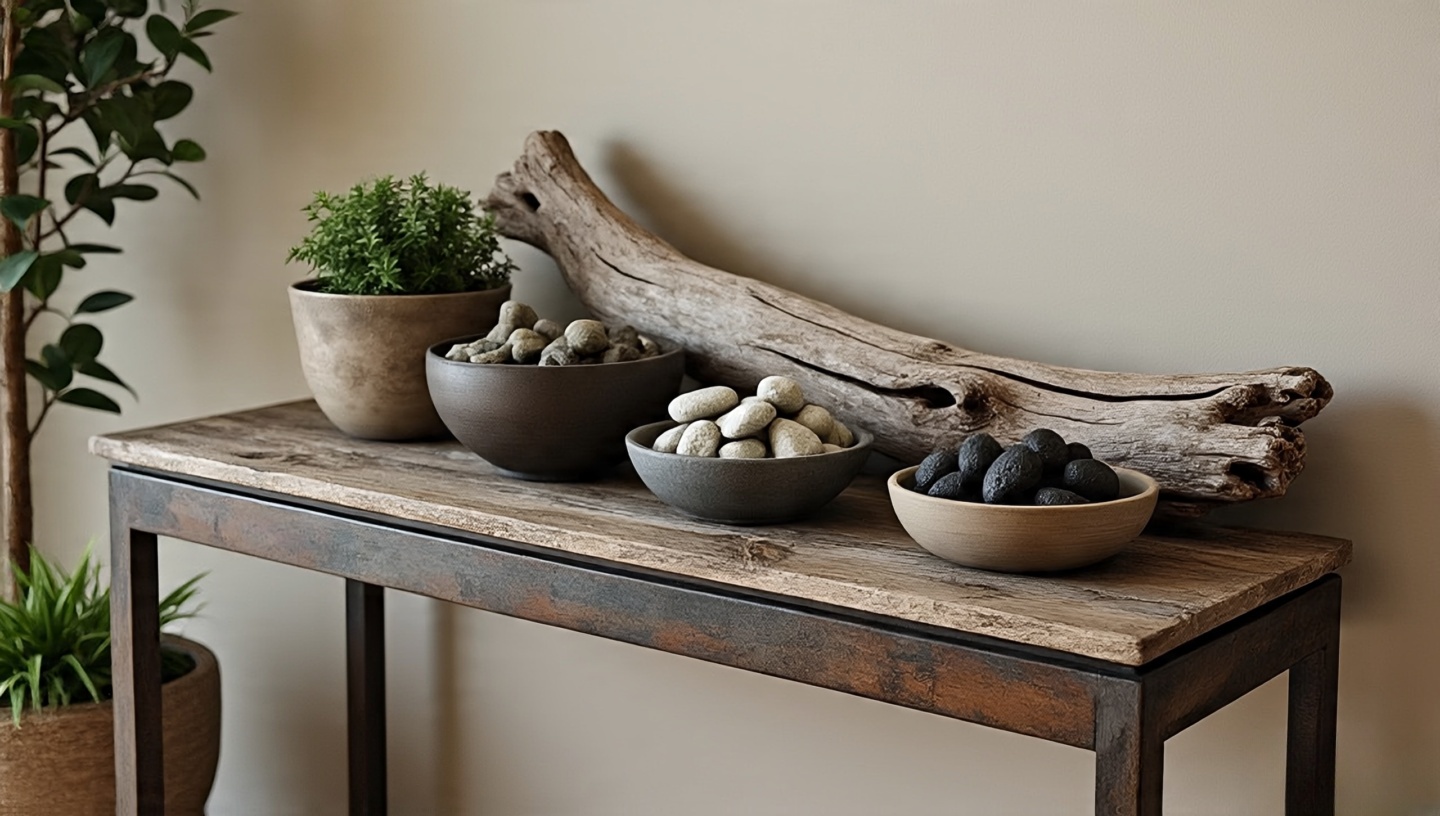 Stones in bowls, driftwood on shelves, lava rocks around candles bringing raw elements inside grounds the home. They’re reminders of bigger landscapes outside your window.
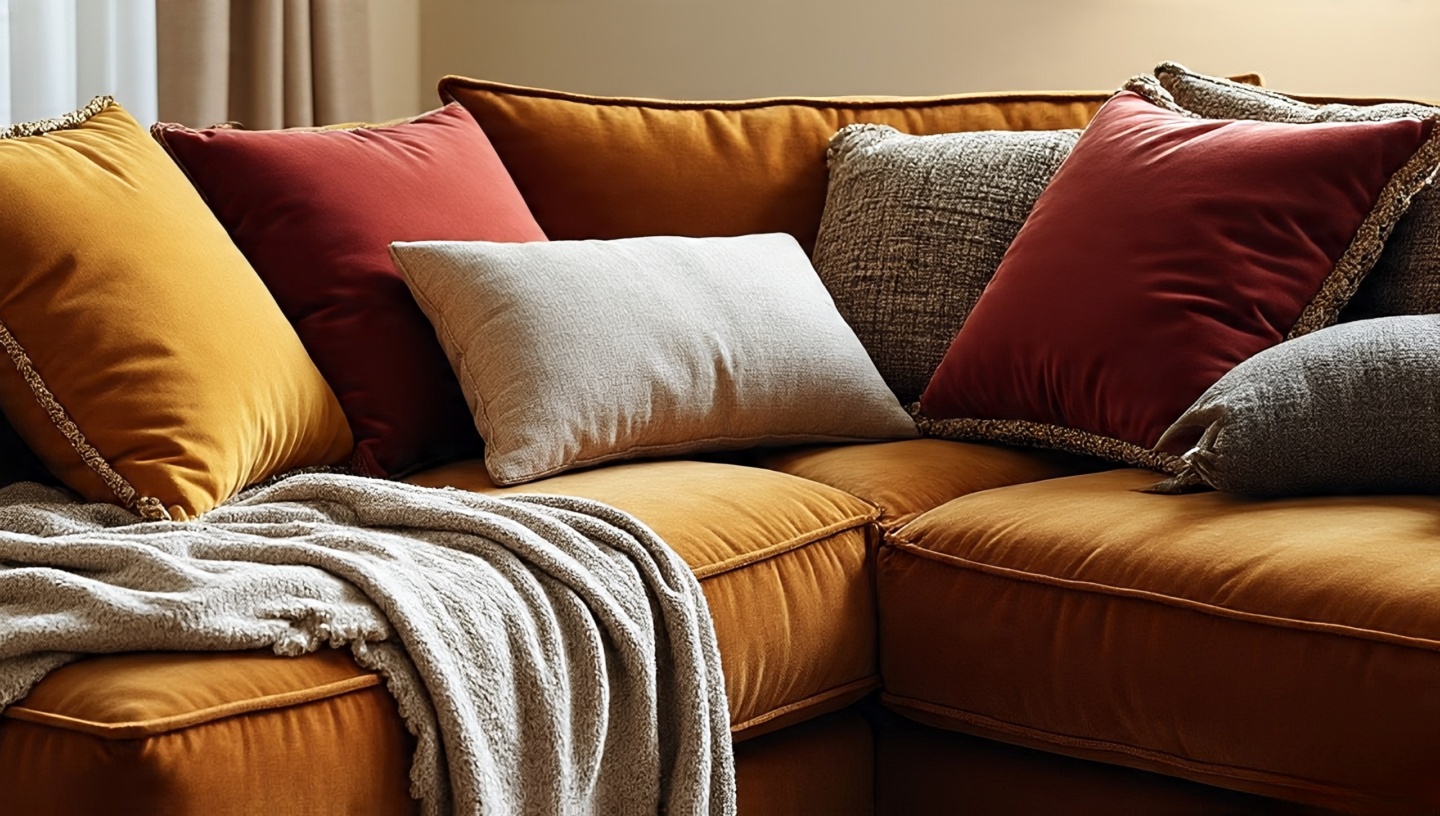 A Boho sofa should feel like a hug. Overstuffed cushions, throw blankets, and a mix of textures make it irresistible.
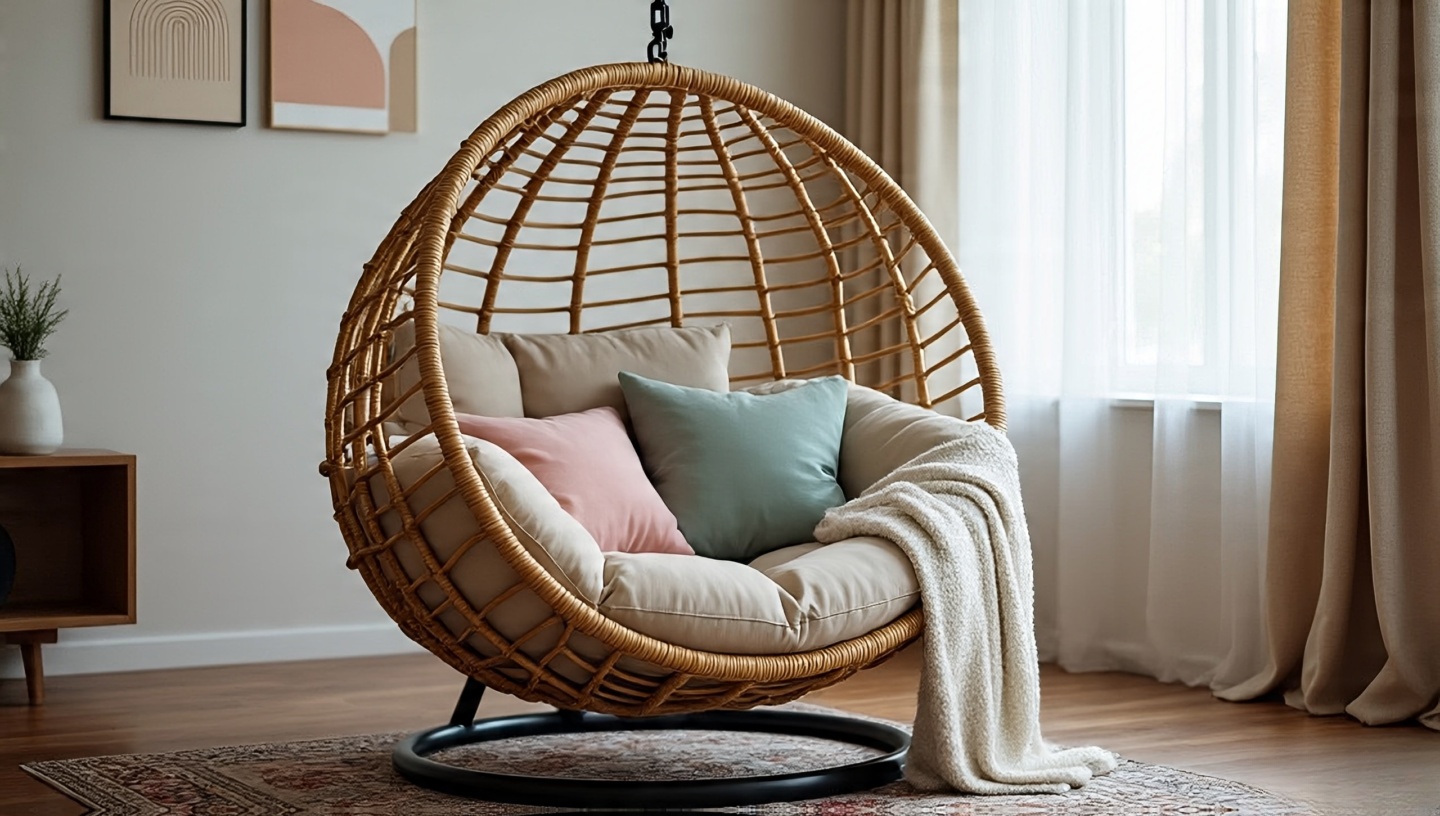 Few things say Boho like a rattan hanging chair. Curl up inside one with a pillow and you create an instant retreat-within-a-room.
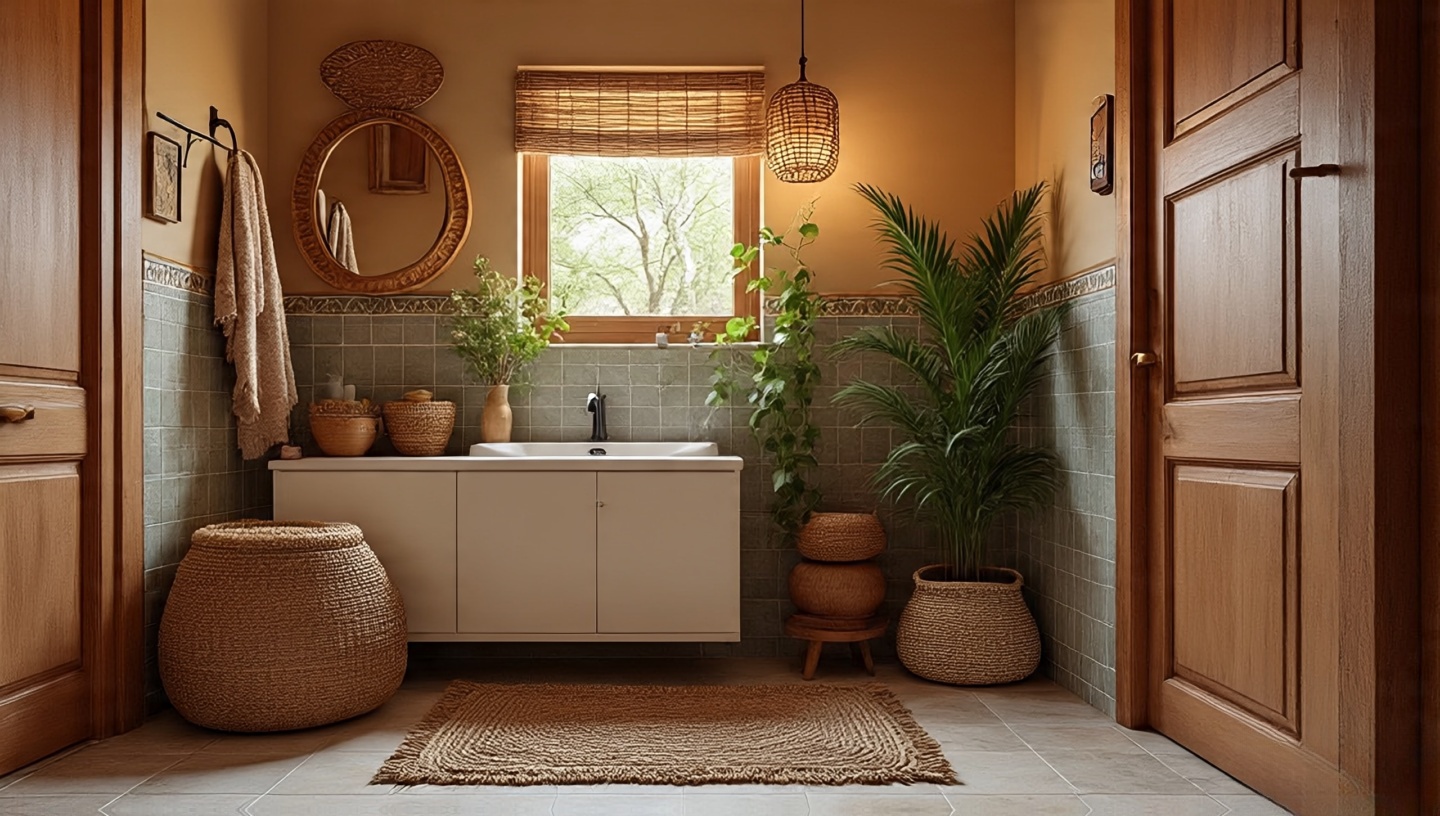 Even bathrooms deserve Boho character. Woven rugs on the floor, hanging plants near the mirror, Moroccan tiles on the backsplash it transforms utility into sanctuary.
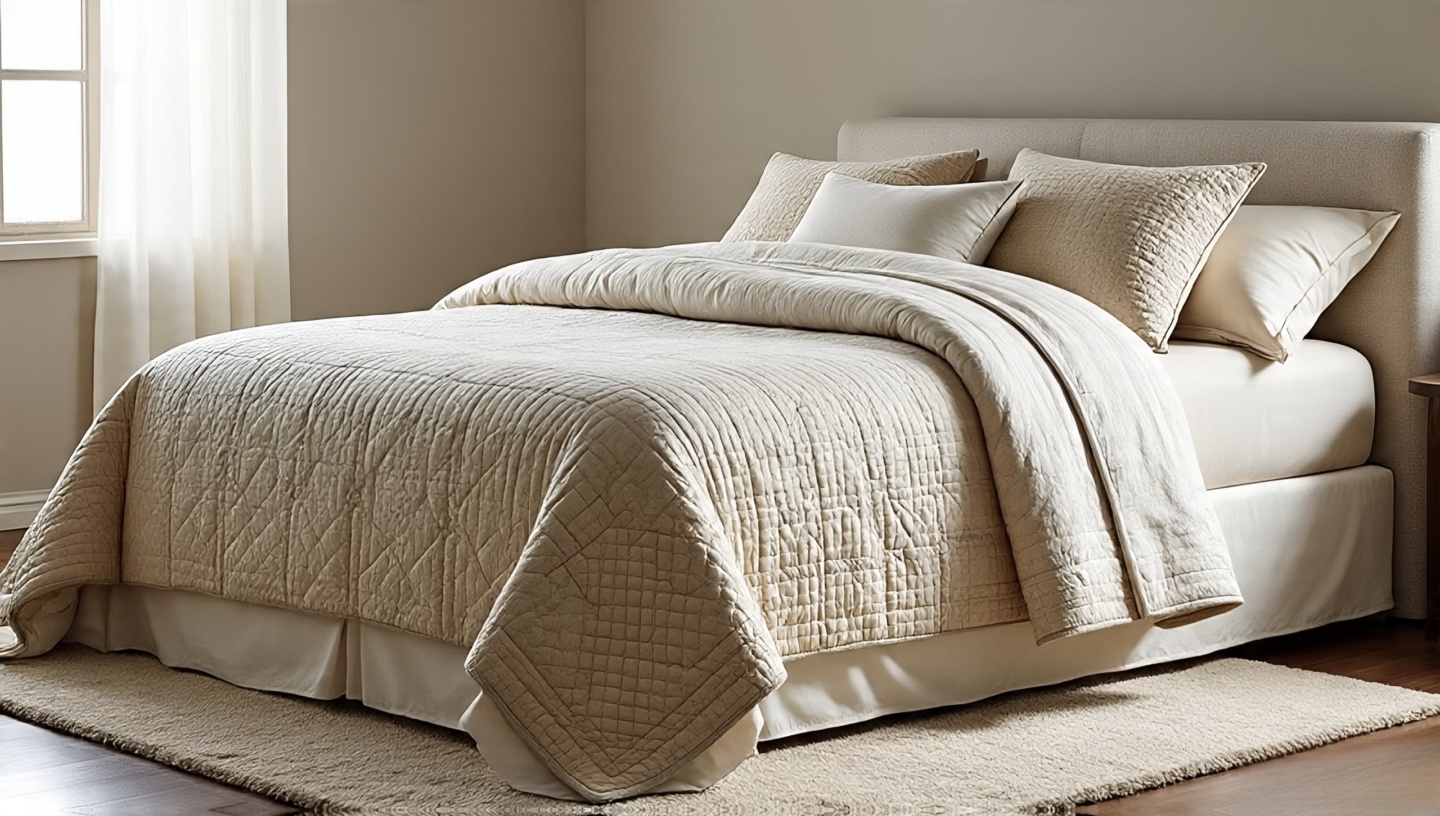 Minimalist bedrooms feel cold. Boho bedrooms? They overflow with quilts, throws, and cushions. The goal is welcome, not restraint.
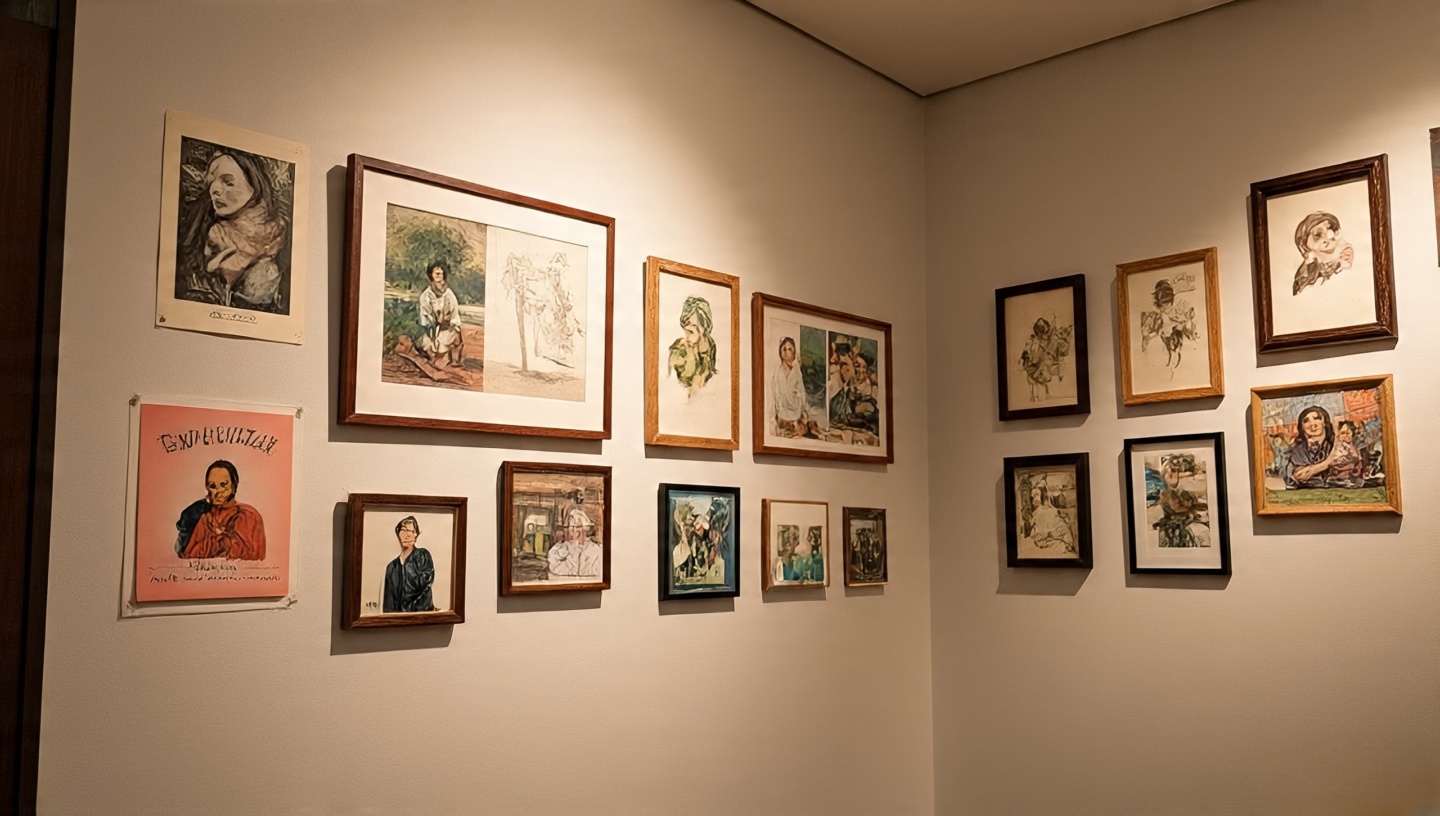 Boho art doesn’t need to come from galleries. A postcard, a sketch from a trip, even your own photography these carry more soul than a print from a catalog.
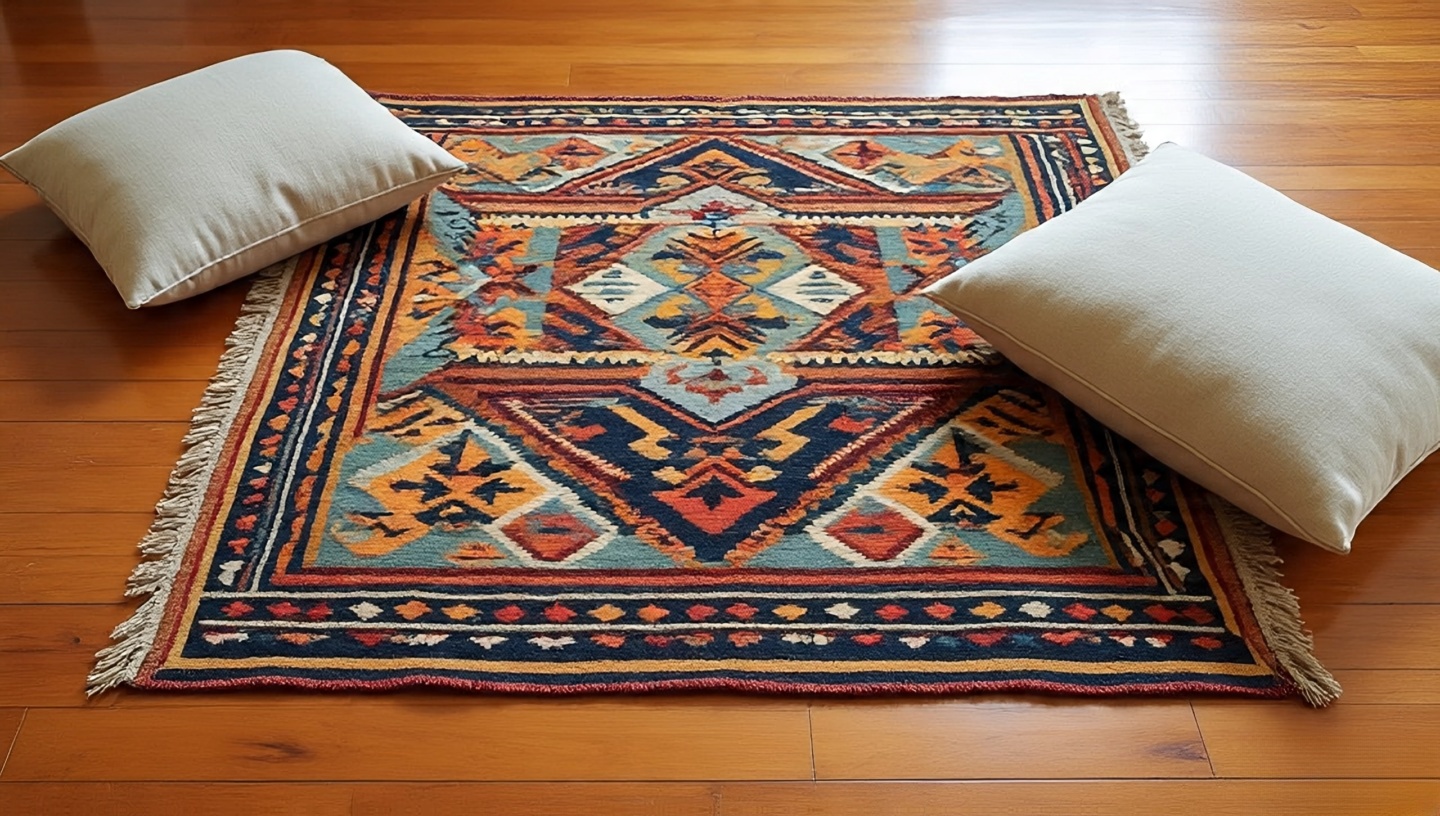 Geometric, bold, rhythmic patterns energize a space. A kilim rug or tribal-printed cushion works like percussion it adds beat and movement.
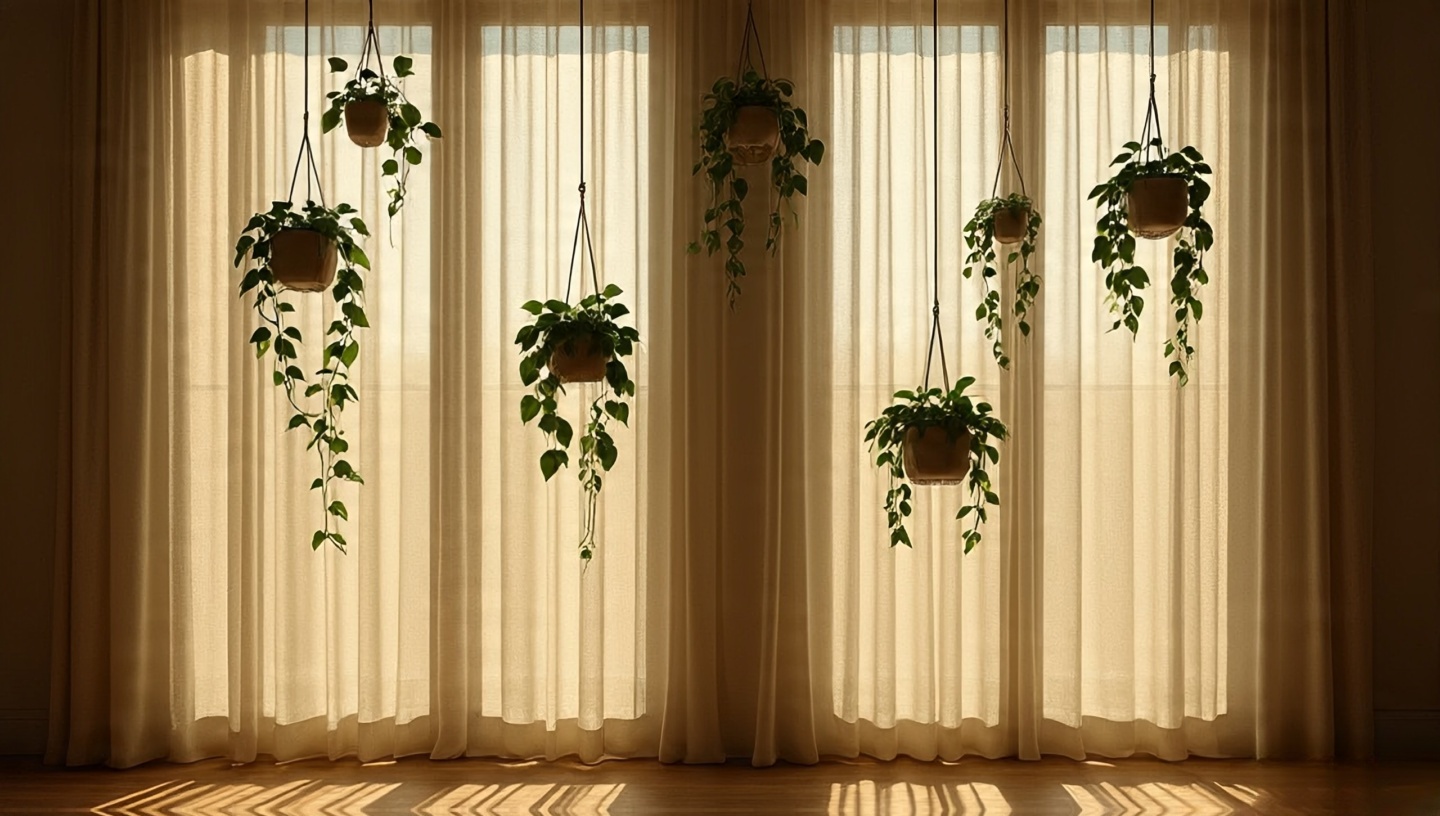 Light filtered through gauzy sheers feels like a morning haze. Add hanging plants near windows for layered silhouettes.
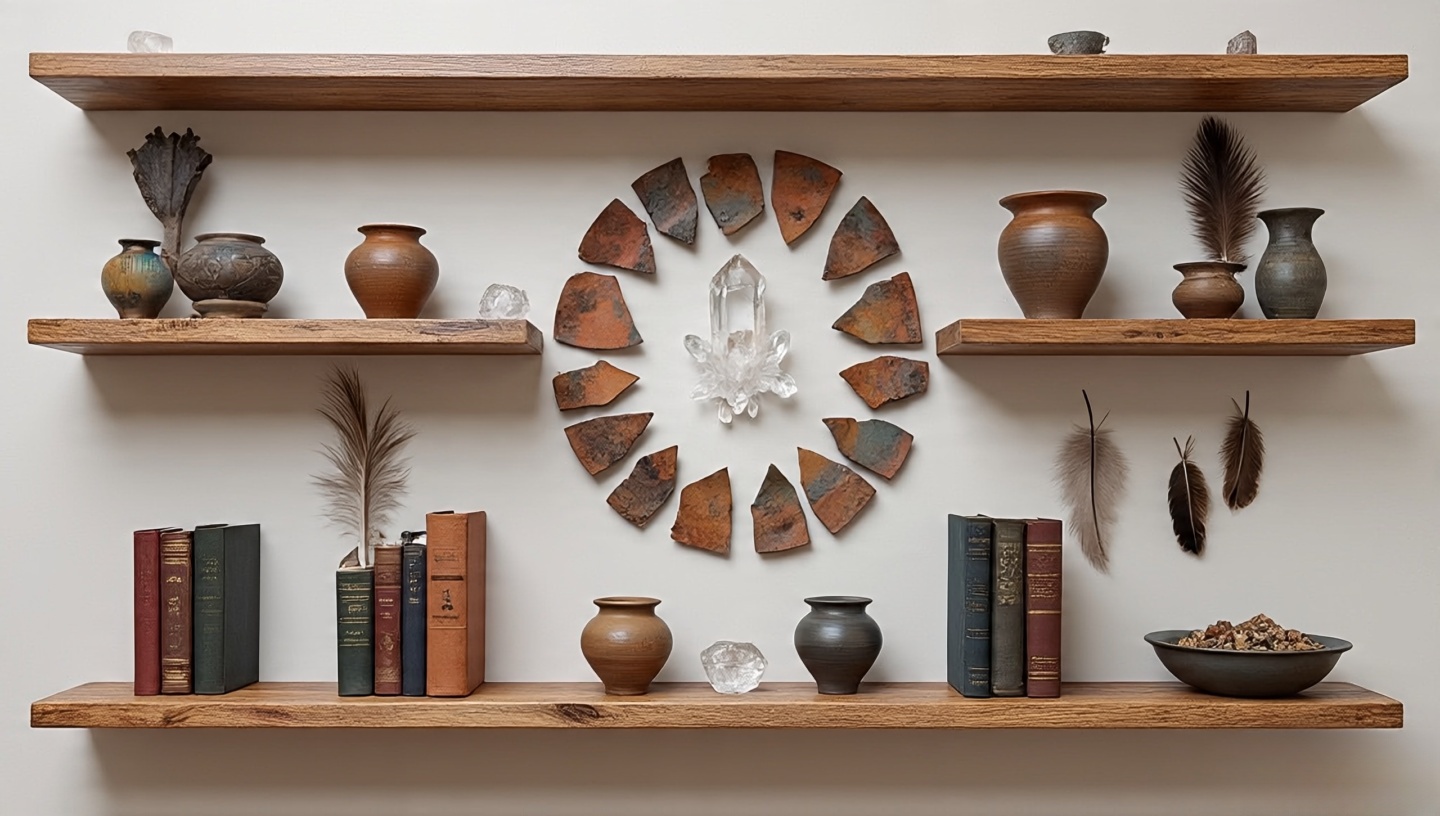 Crystals, pottery shards, feathers, shells shelves become storytelling altars. They’re not about symmetry; they’re about wonder.
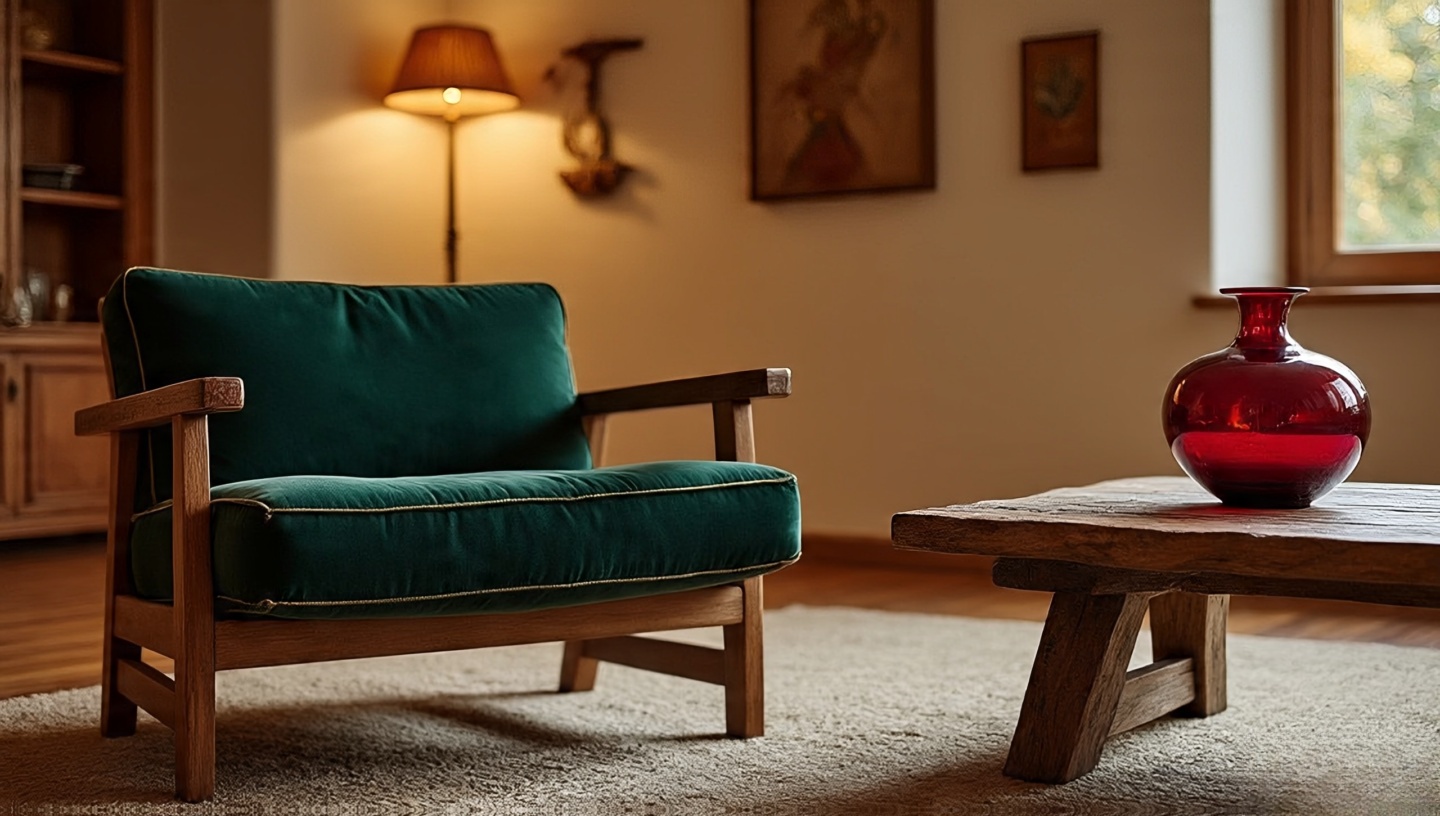 Emerald, sapphire, ruby these colors sparkle against earthy bases. They shouldn’t dominate, but punctuate.
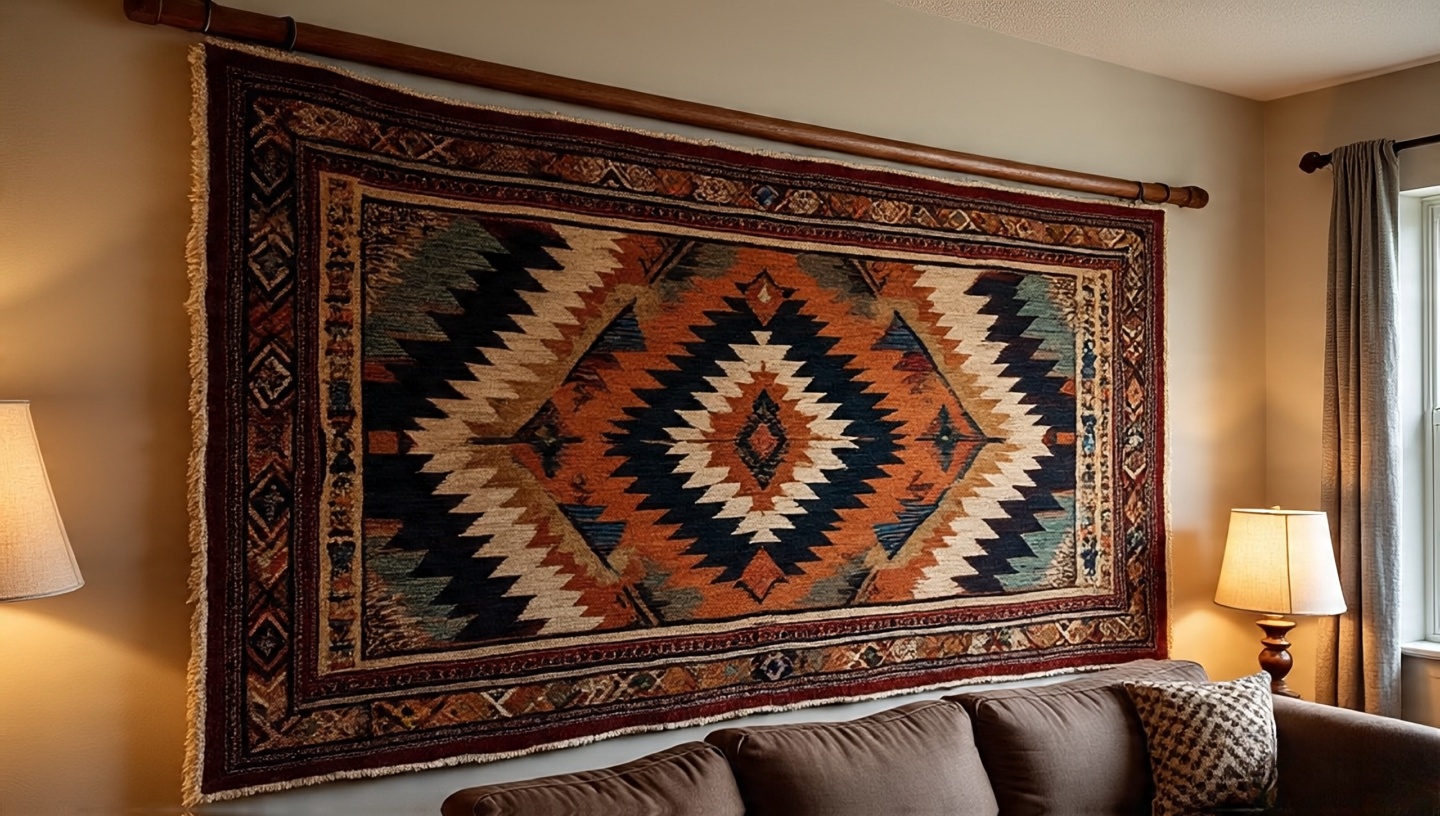 Why hide rugs underfoot? Hang a Navajo rug or Persian kilim on the wall, and it becomes living art.
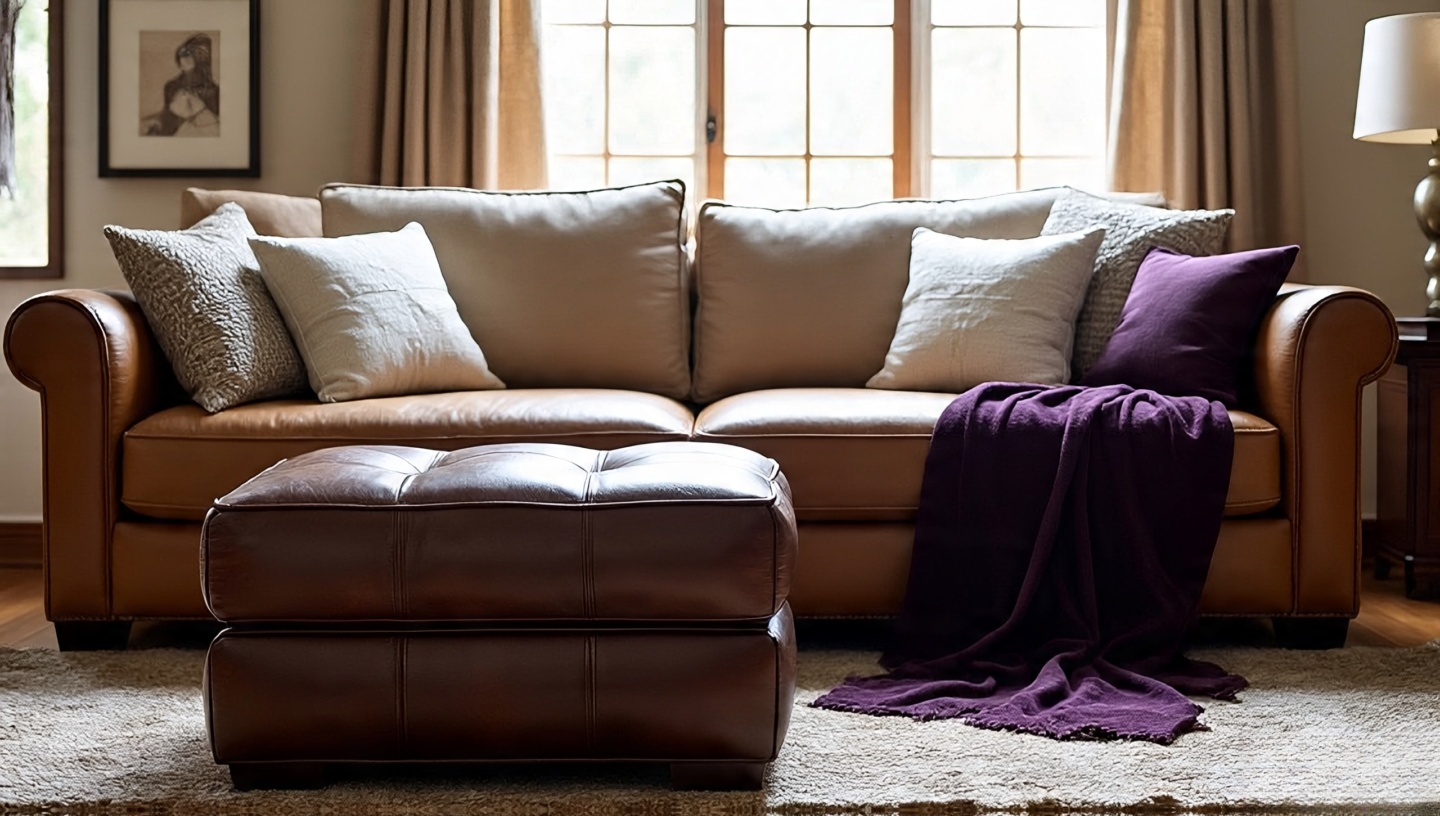 Leather, cotton, silk, wool, velvet mixing textures makes a room richer than any single palette can. Boho thrives on tactile variety.
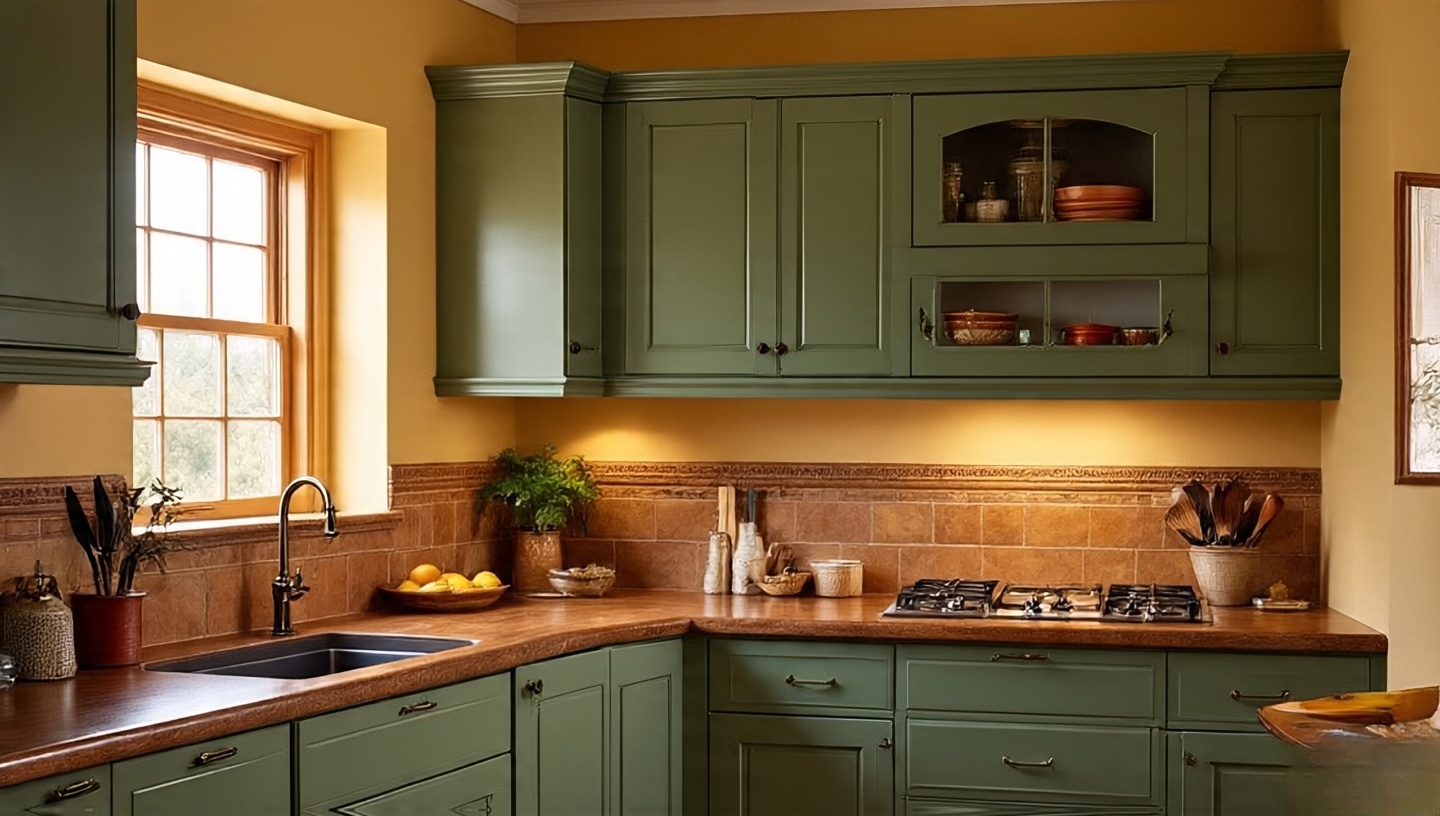
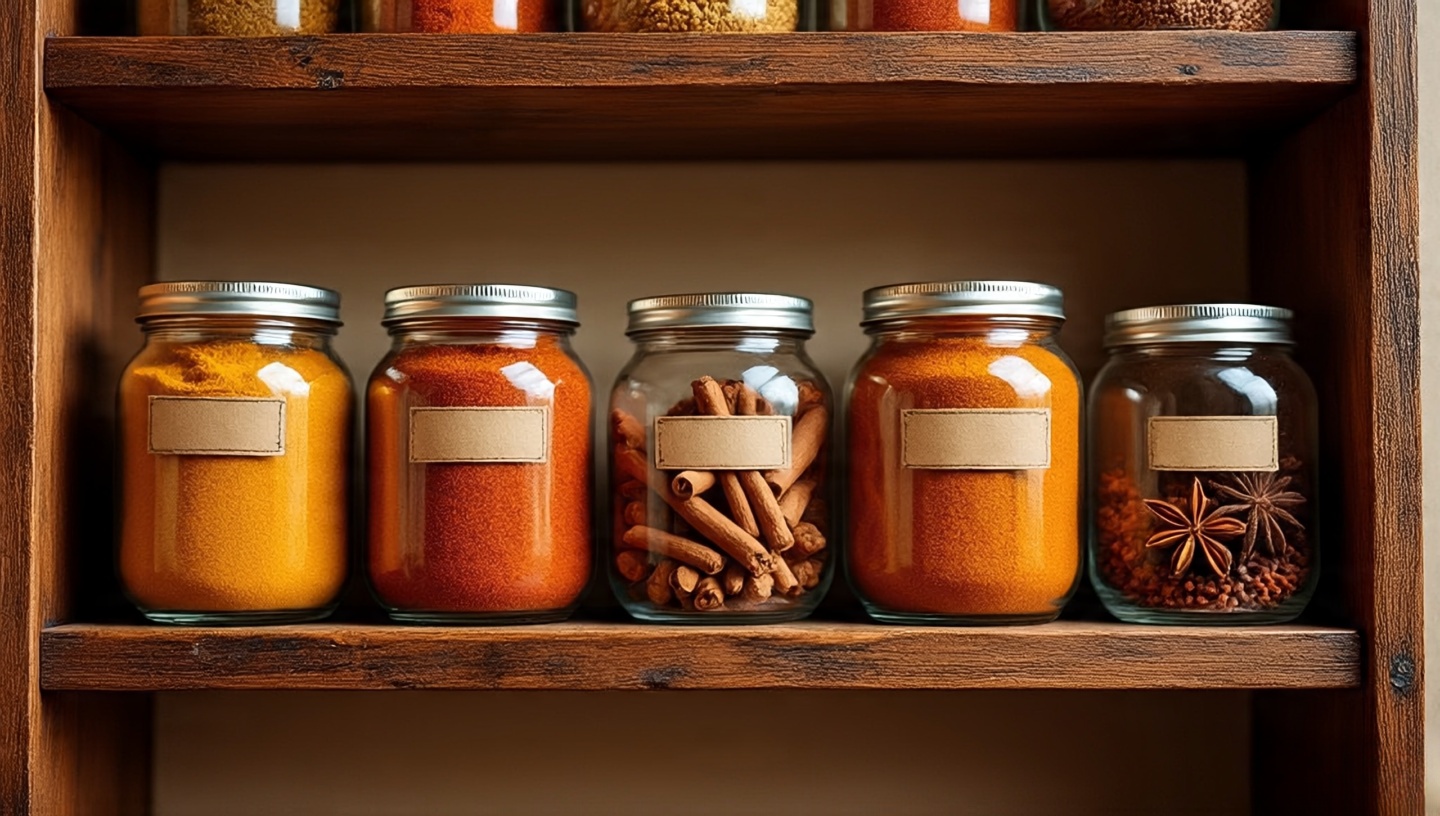
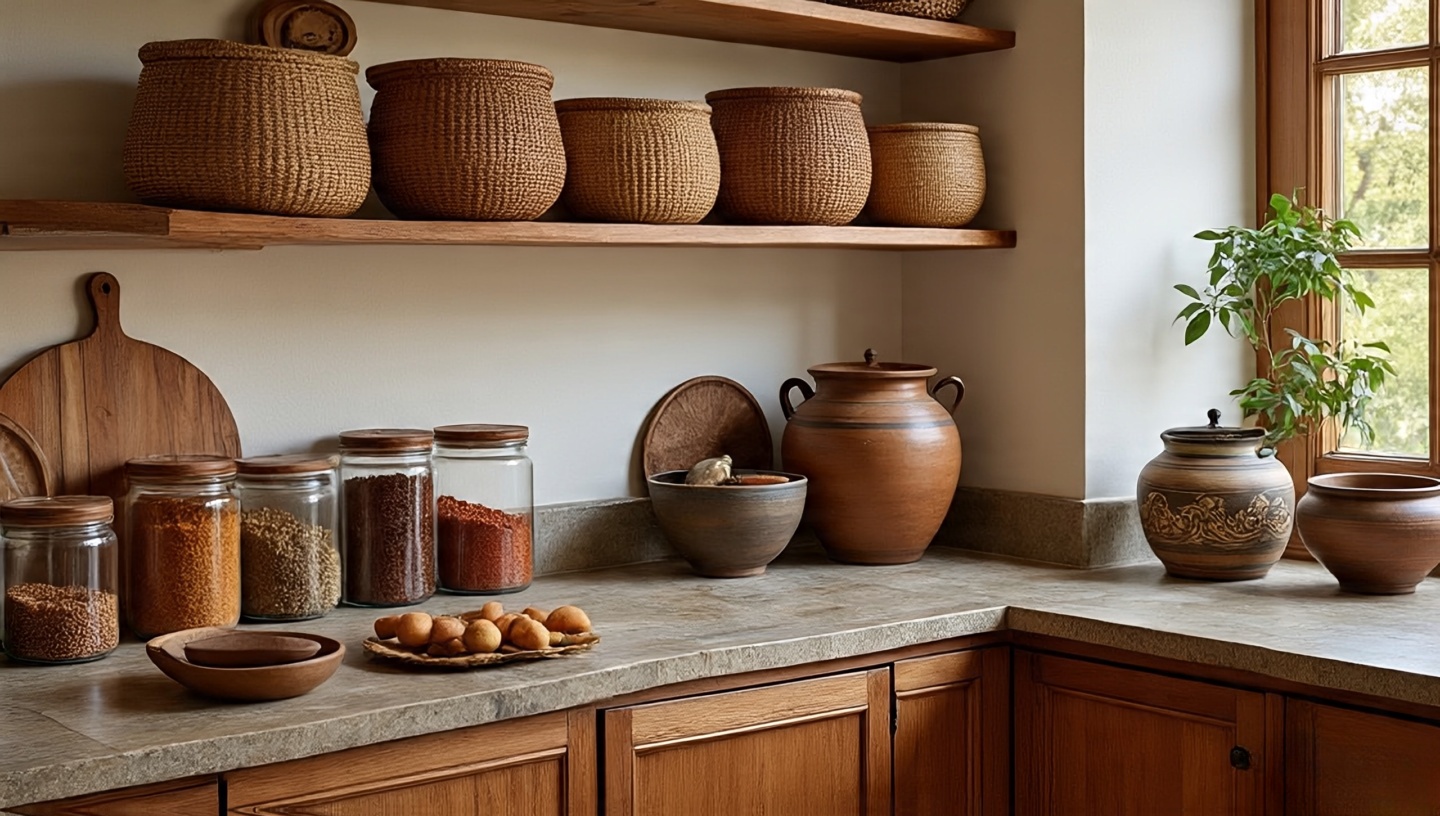 In a Boho kitchen, shelves hold spices in jars, baskets hang from hooks, pottery lines counters. Cooking becomes cultural travel.
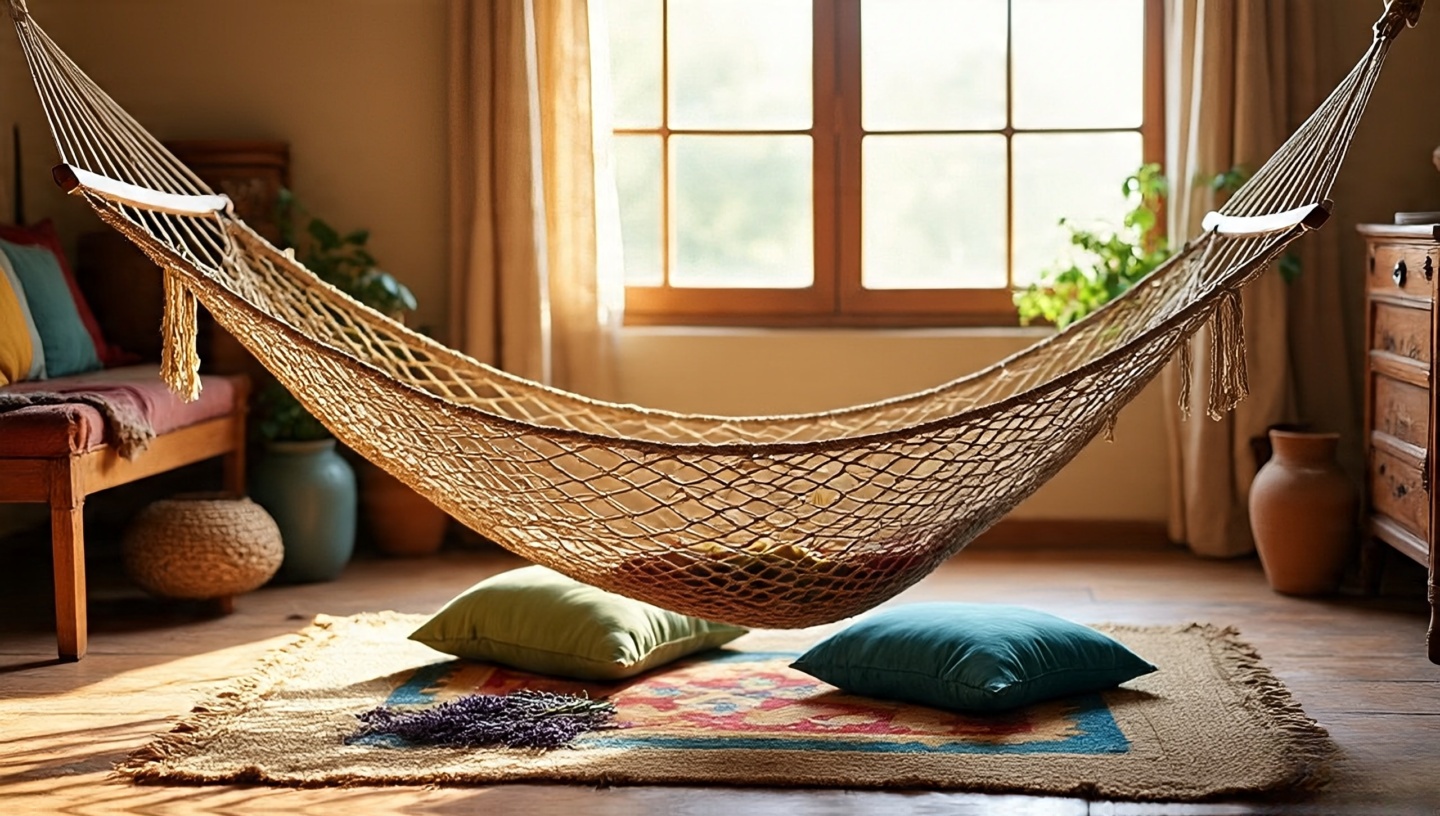 Above all, Bohemian style is about freedom. Freedom to mix, freedom to ignore rules, freedom to let your home reflect you. A chipped vase, a bold rug, a hammock indoors none of it is “wrong.”
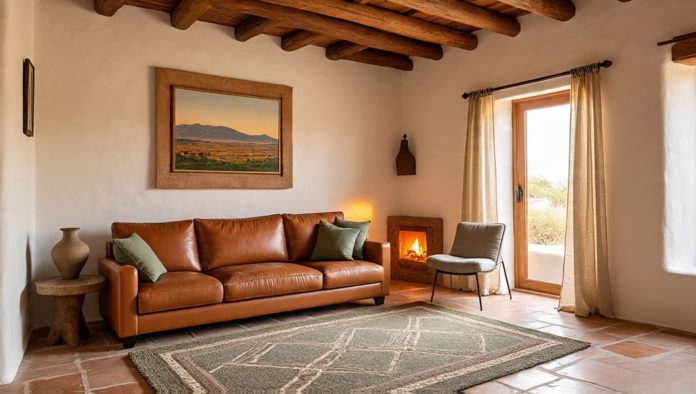
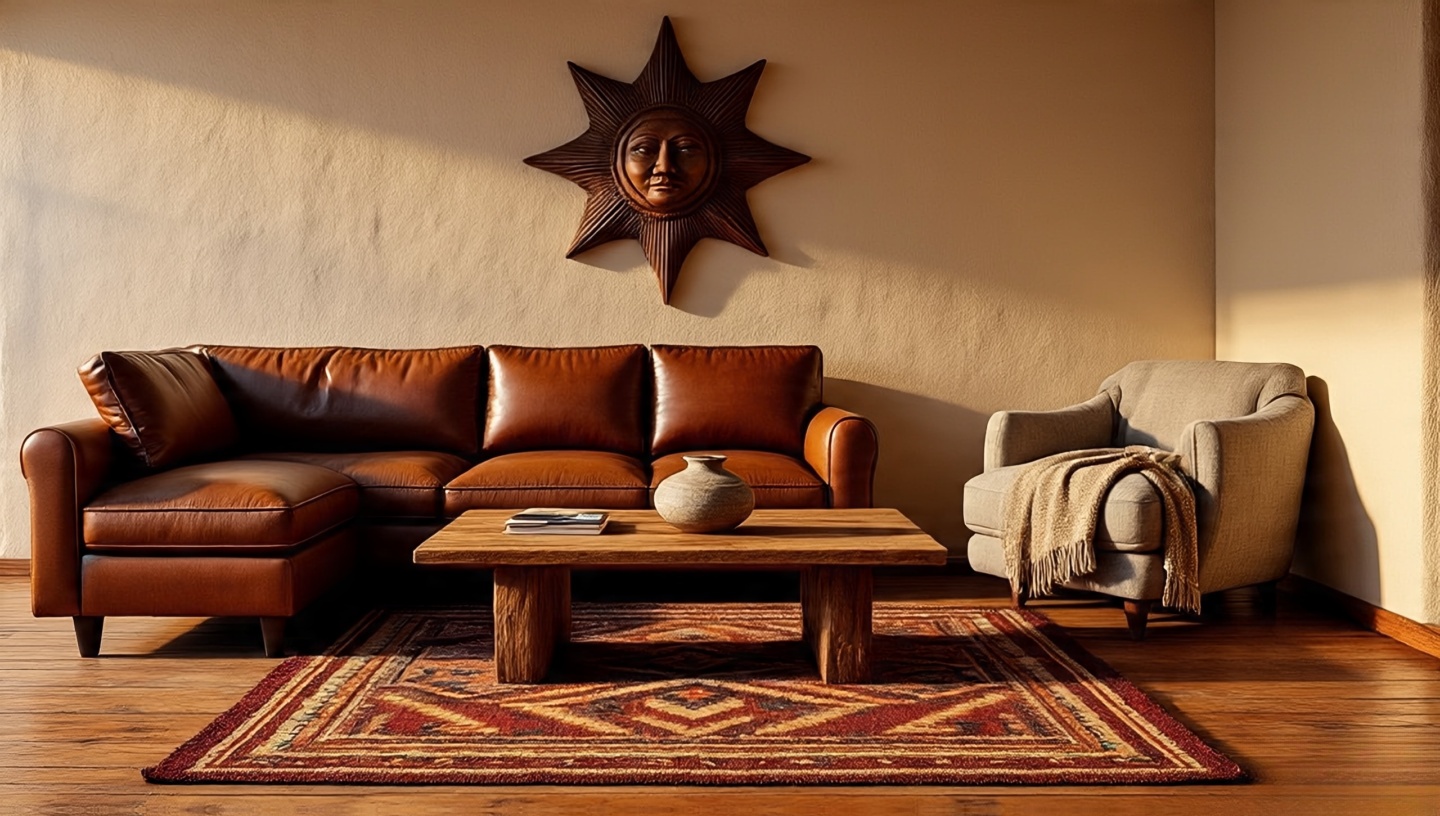 One horse print can be charming. Seven horse prints plus cactus statues and cow skull replicas in every corner can feel like a prop closet. A rustic home is built on layers of texture, honest materials, and a few confident references, not a pile of theme items. Ask yourself, do I love this object for what it is, or for what it “screams” about the theme?
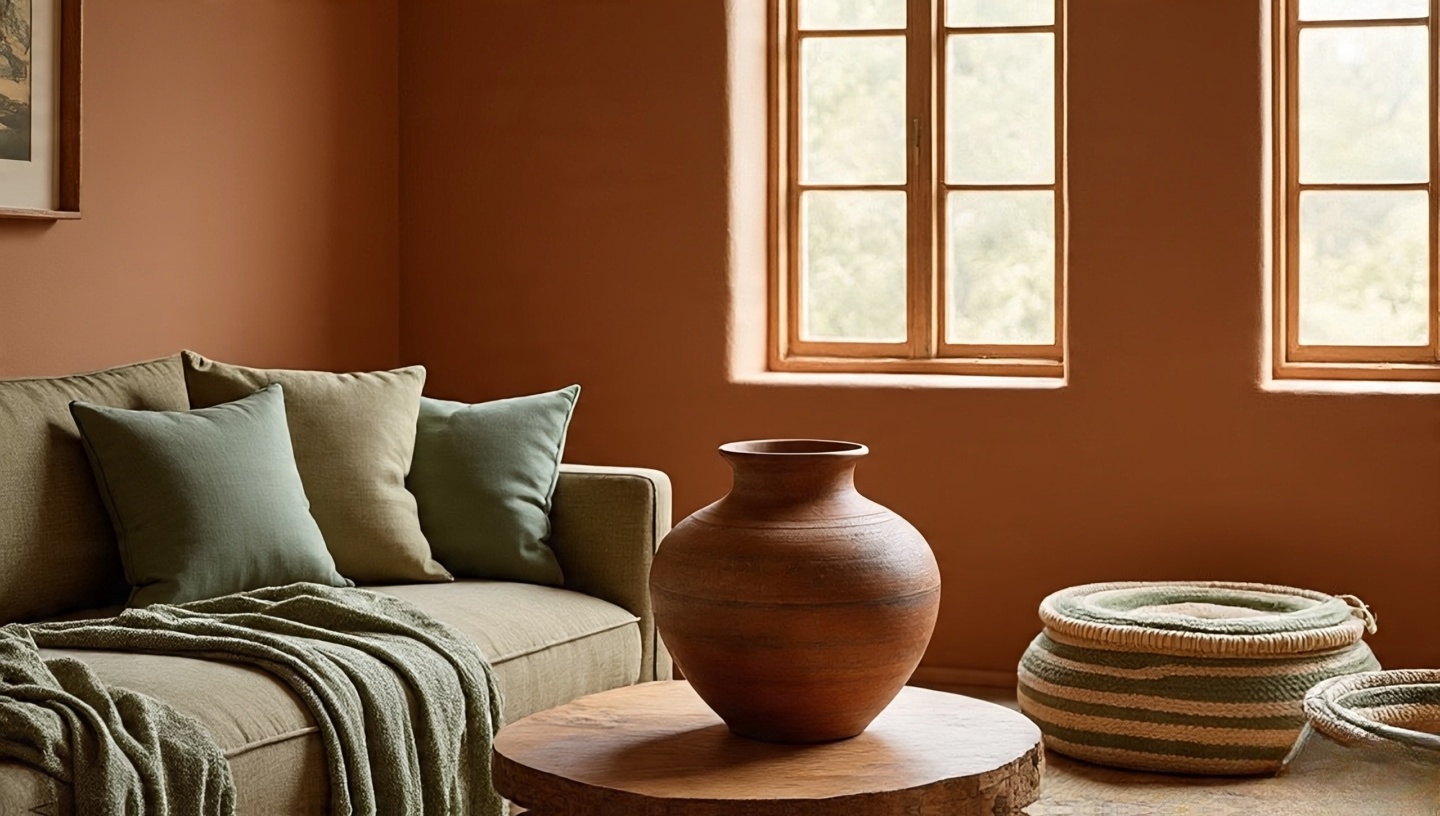 Earth tones are not a single brown. The earthy tones living room palette moves from terracotta to clay pink, from sage to juniper, from sand to umber. A common mistake is using one flat tan across everything. The result is a beige blur. The desert has depth because colors repeat in different weights and finishes.
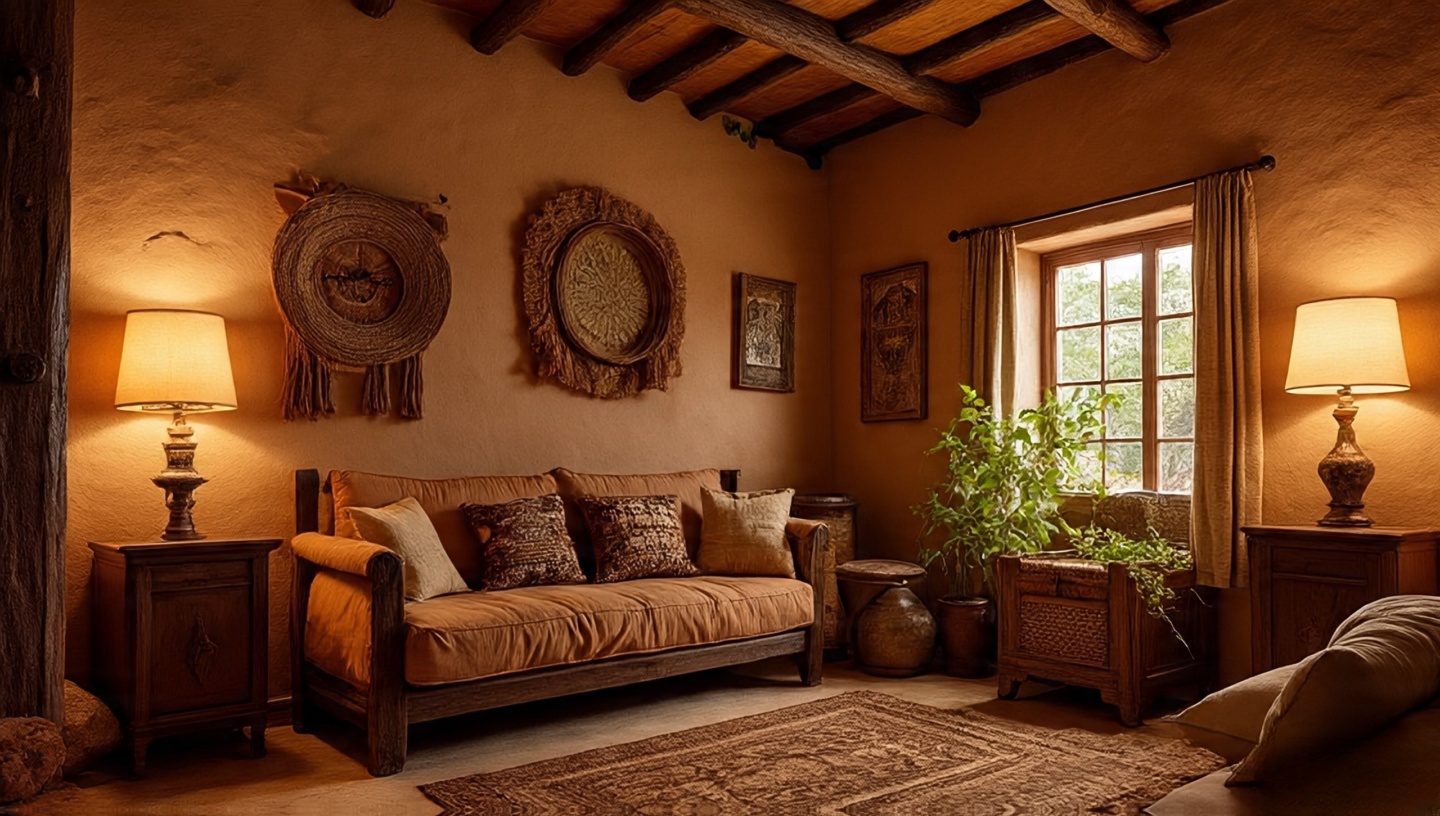 The style looks best at dusk. If you rely only on overhead downlights, you will flatten every texture. In New Mexico’s Pueblo Revival homes you often see low, warm pools of light from sconces, table lamps, and fireplaces that skim across adobe-like walls. That skimming makes the texture read as architecture, not paint.
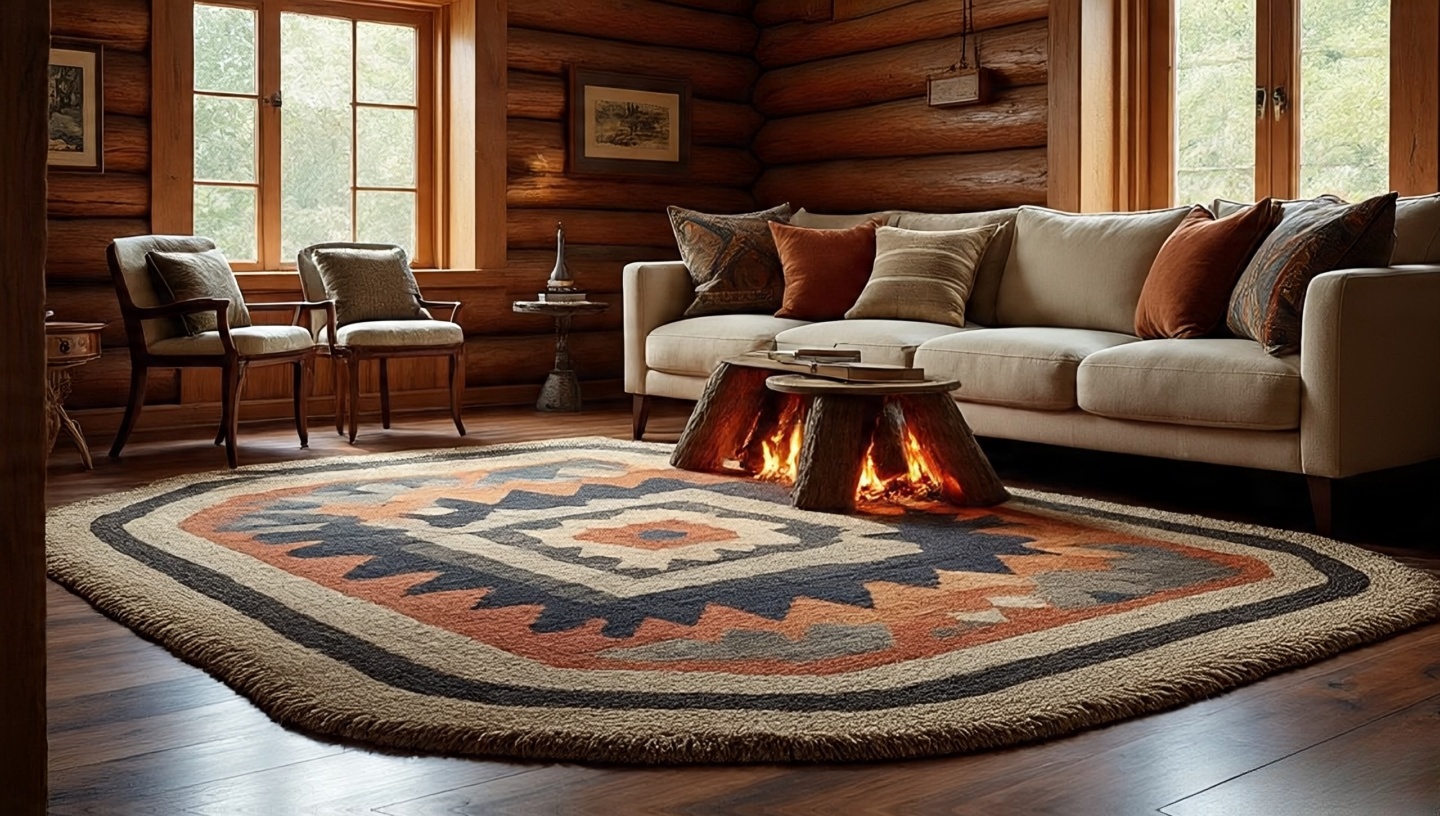 Another frequent mistake in desert-inspired decor is a rug that floats under the coffee table like a placemat. Go larger. You want front legs of sofas and chairs on the rug so the seating area feels like a single campfire circle.
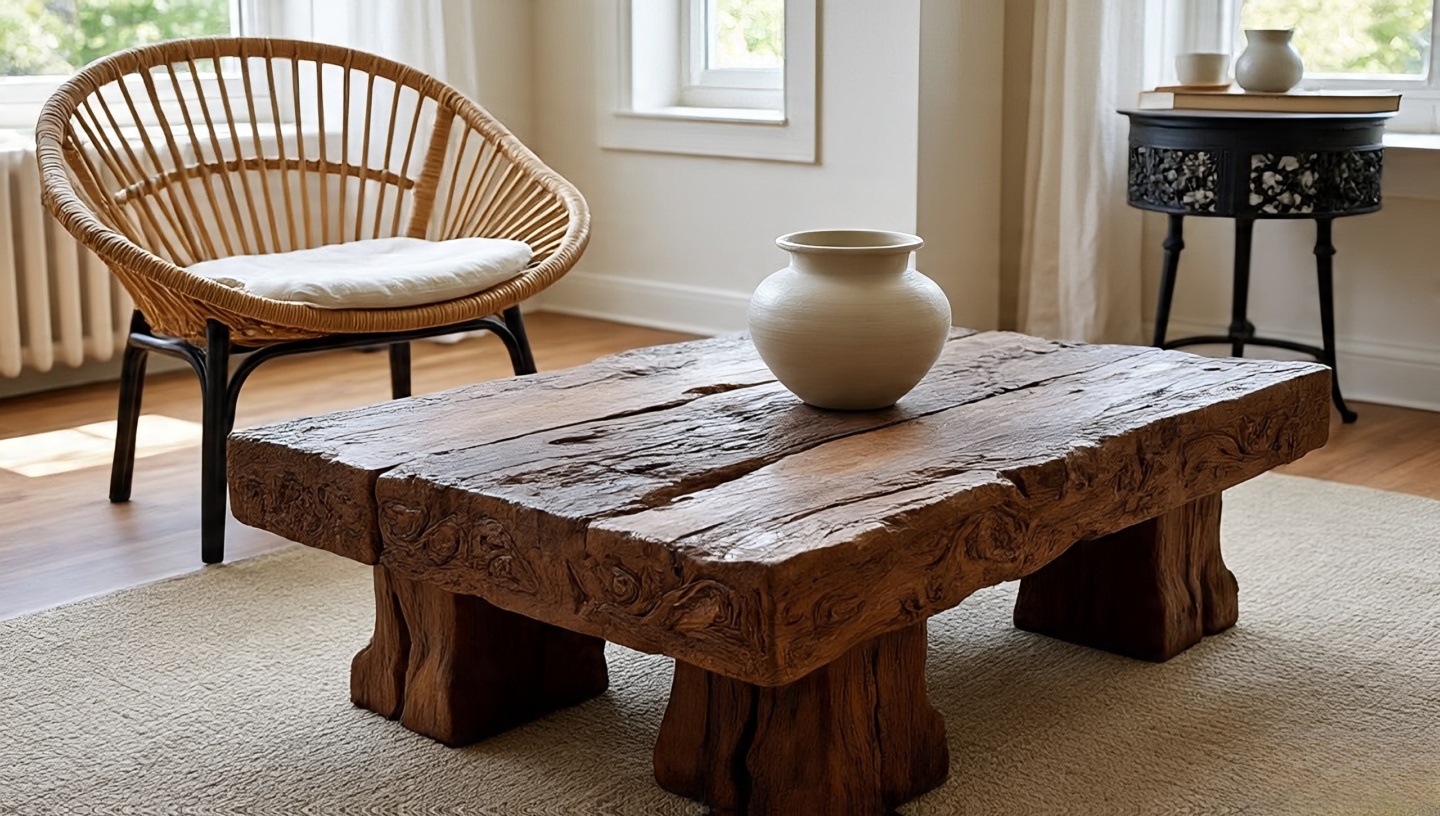 We love weighty wood tables and carved consoles in a rustic home, but if every piece is chunky and dark, the room feels like a cave. Balance mass with air: woven cane, open metal bases, light linen, and white clay pots. Let sunlight pass through something.
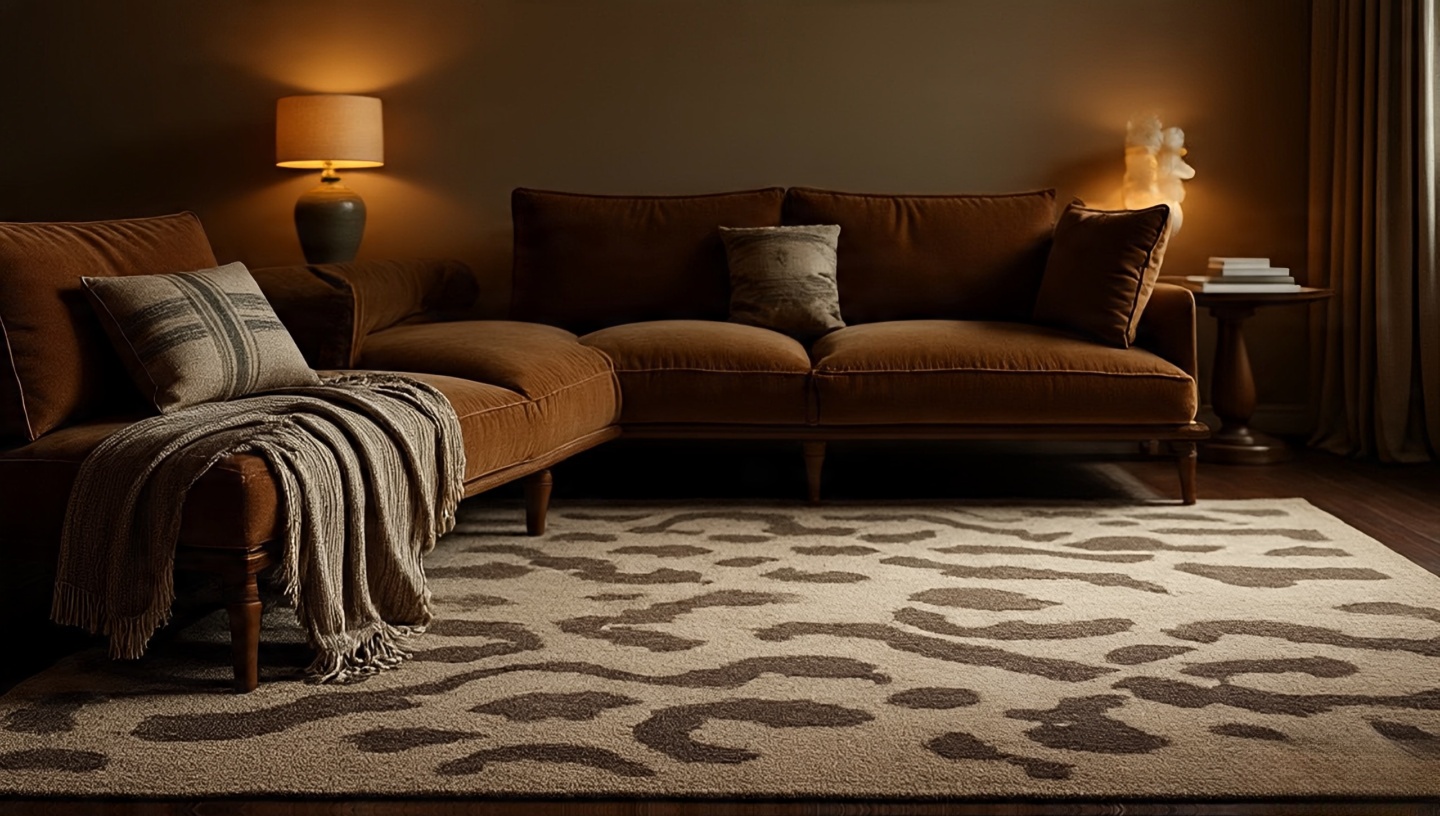 Layered textiles are part of Southwestern living room ideas, yet pillows, throws, and rugs can fight for attention if every pattern is hero-level. Create a hierarchy. Choose one star pattern, two supporting patterns, and the rest solids. Your eyes need a quiet trail to follow from seat to seat.
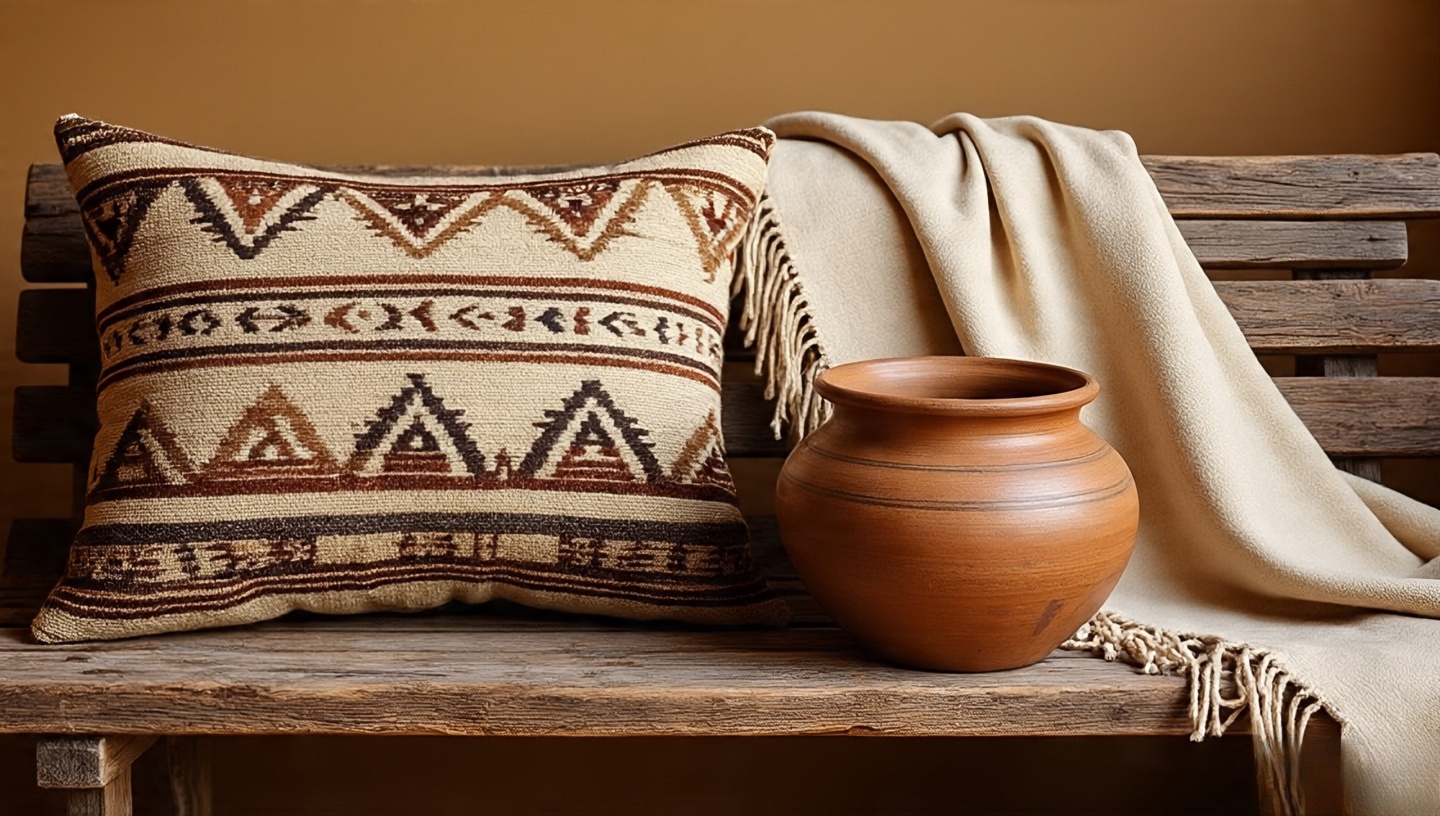 The Southwest carries living traditions from Pueblo and Navajo communities, among others. When you buy mass-produced copies of sacred or culturally specific designs, the room can feel off. Seek contemporary Native makers, fair-trade galleries, and artists who interpret rather than copy. Authentic work has presence you cannot fake, and it teaches you to edit.
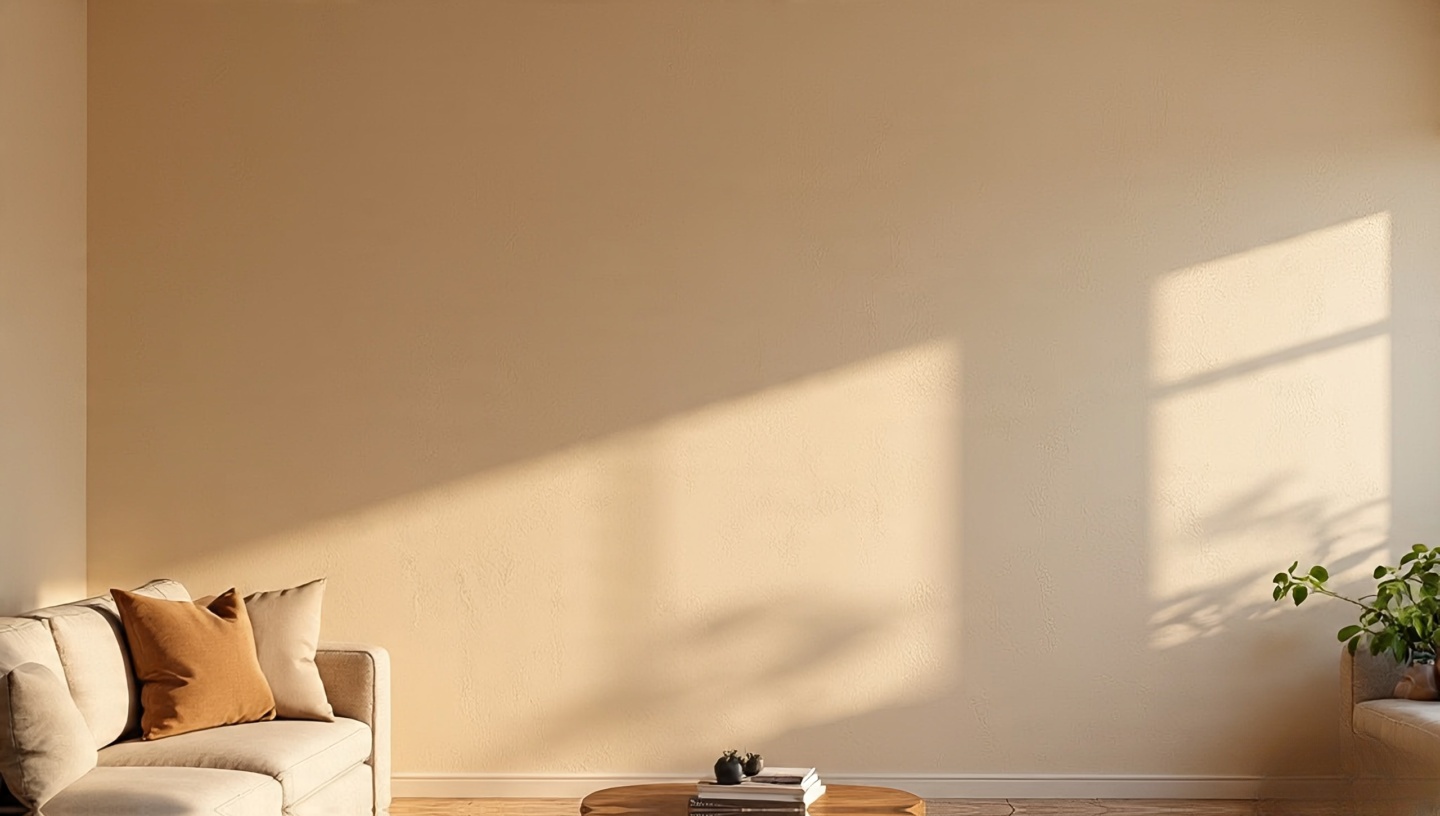 Paint alone rarely creates depth. If you want that sun-softened look of Pueblo Revival plaster, add subtle texture with limewash, mineral paint, or a skim coat. Keep it gentle. The goal is a hand-touched surface that catches light like a dune, not a faux finish from a theme restaurant.
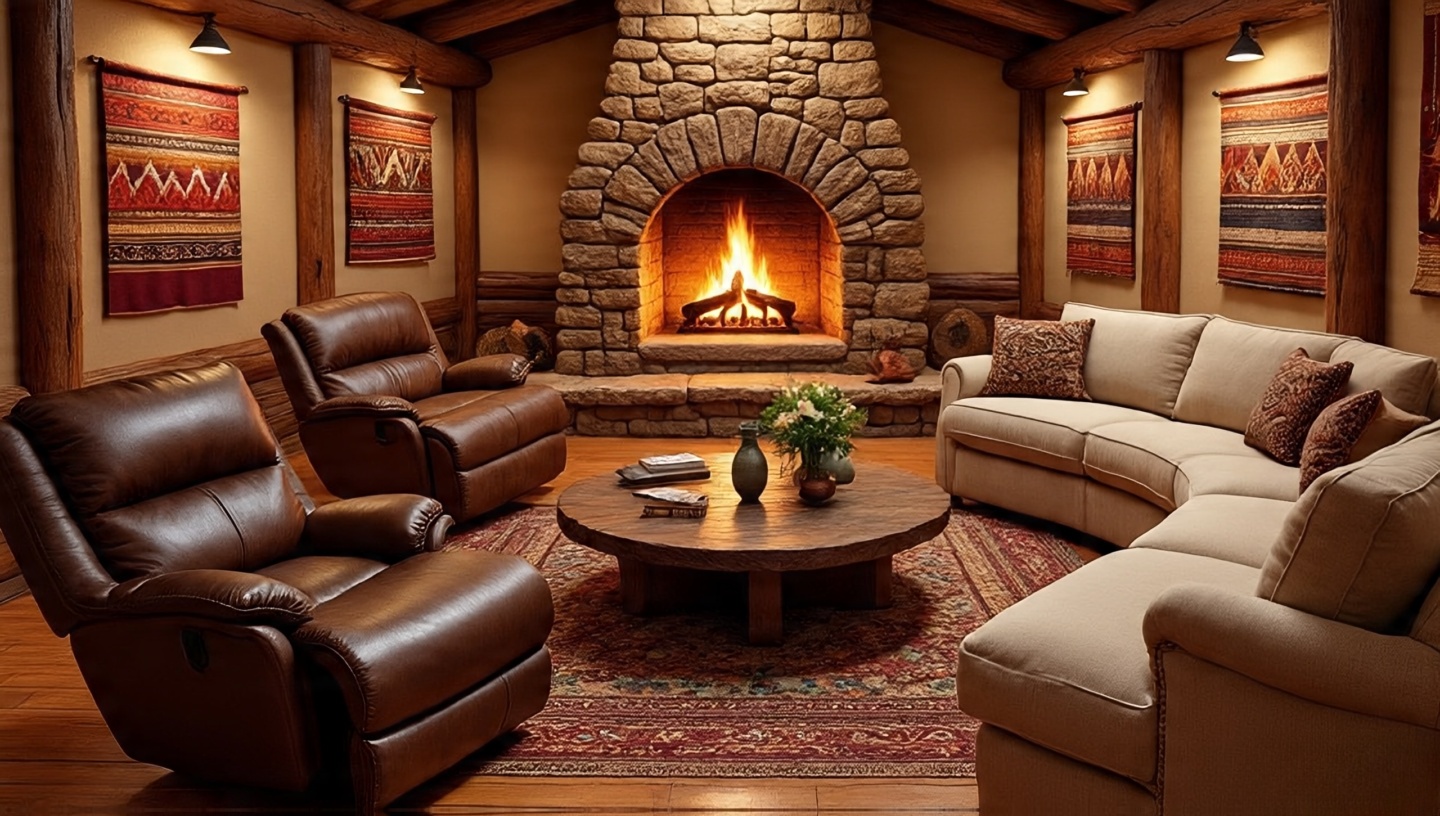 No judgment. We all watch movies. But for this style, conversation and firelight usually shape the layout more than screens. Place seating so people can face the hearth, a low table, or a view. Even if it is just a vignette of candles on a stacked-stone slab, aim the chairs at warmth.
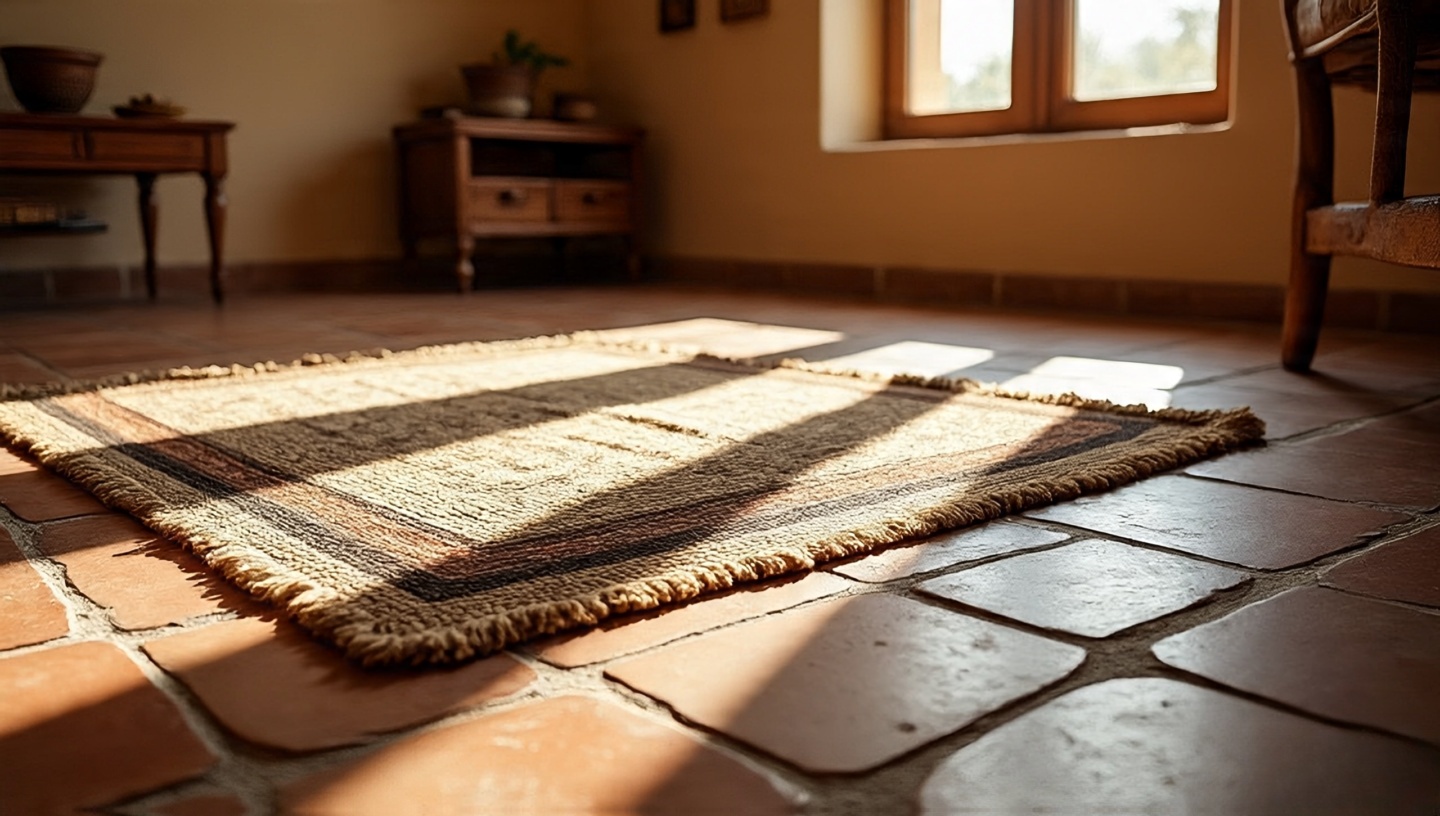 Floors are the desert floor under your feet. Stone, saltillo tile, sealed concrete, or knotty wood all bring character. The mistake is covering them with wall-to-wall gray carpet that ignores the rest of your choices. If carpet is a must, pick a low, warm loop and layer a rug with personality.
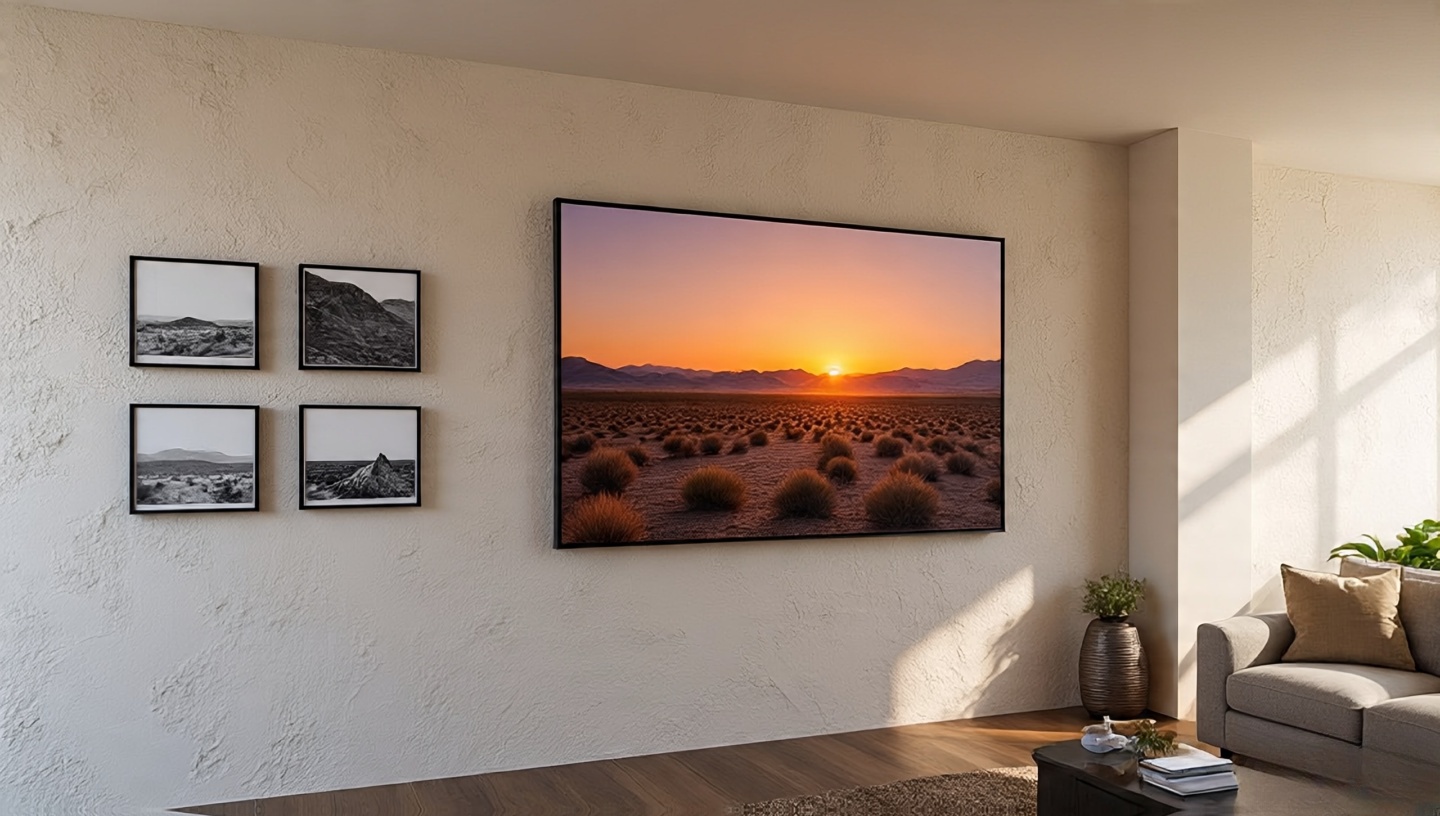 Hang art lower than you expect so it belongs to the seating group, not the ceiling. On textured walls, overscale pieces look intentional and calm. On smooth walls, consider a gallery of black-and-white desert photos so the grain of the paper becomes part of the texture story.
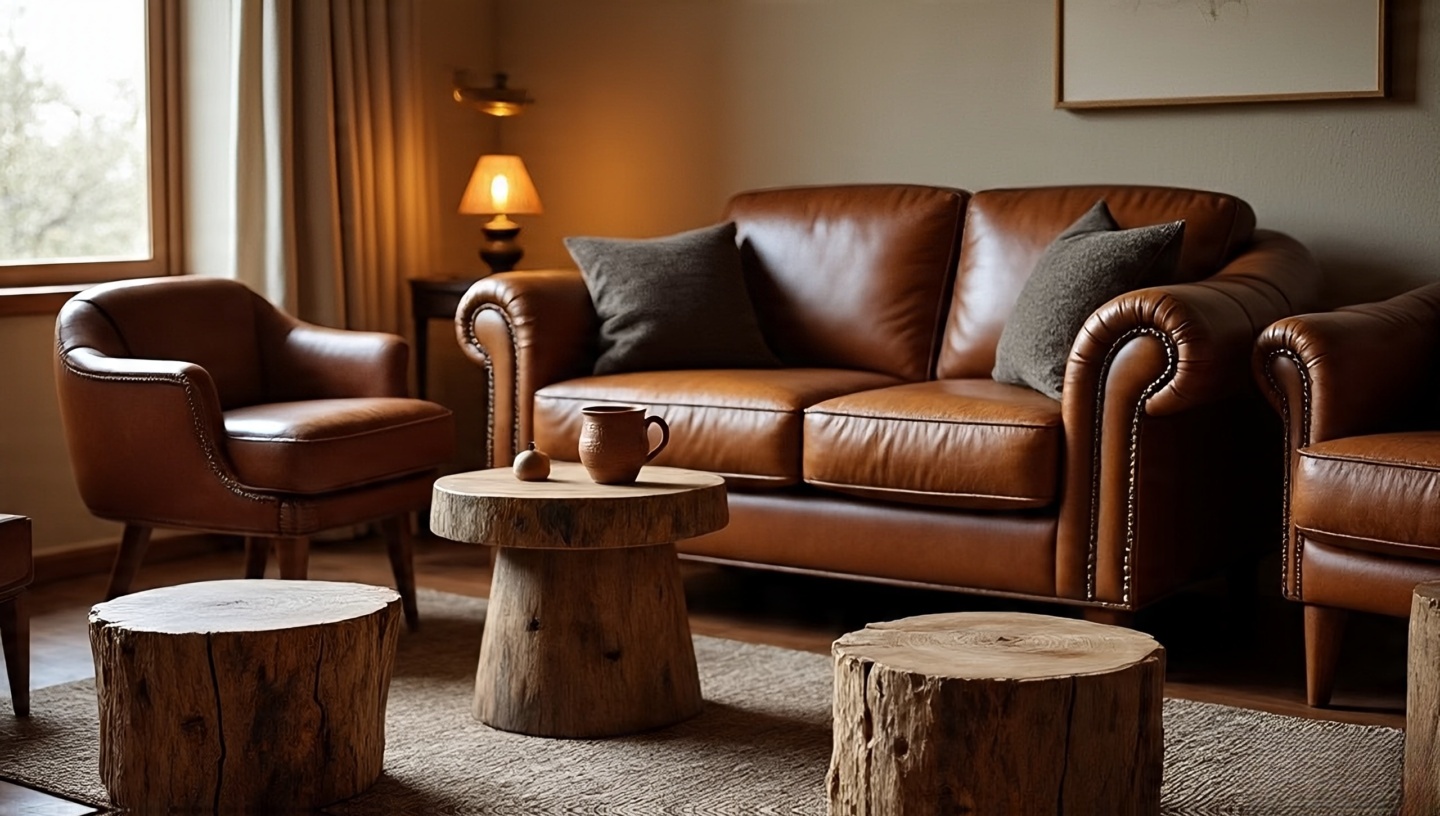 A rustic home still needs convenience. If people cannot put a cup of coffee down without twisting, they will. And spills on wool are not a party. Add a side table next to every seat. Stools and tree-slice tables are your friend.
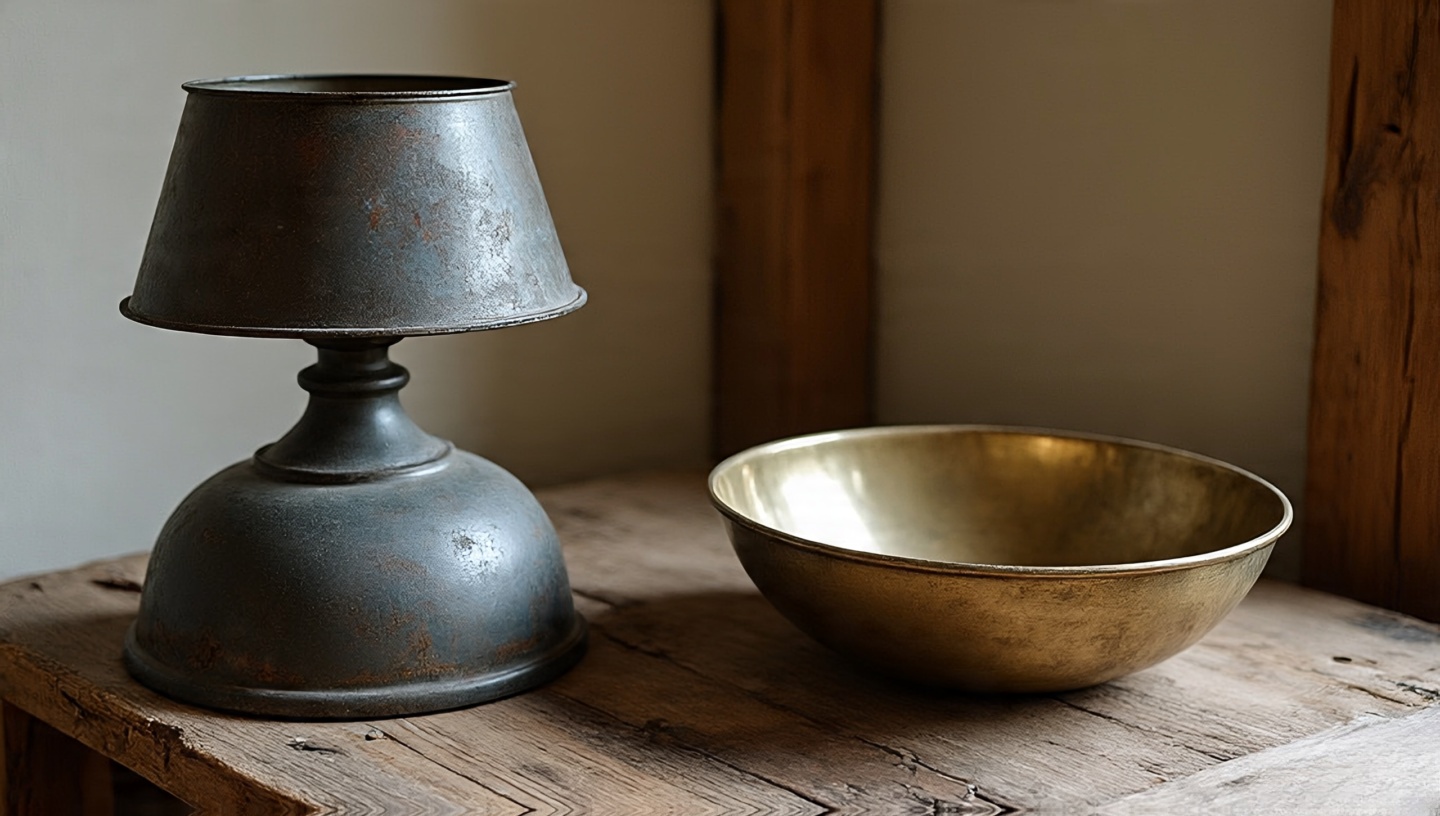 Old-world iron, burnished brass, and raw steel can live together. The mistake is polishing everything to the same high gloss. Let hardware age. Let the patina speak. In desert-inspired decor, time is an ingredient.
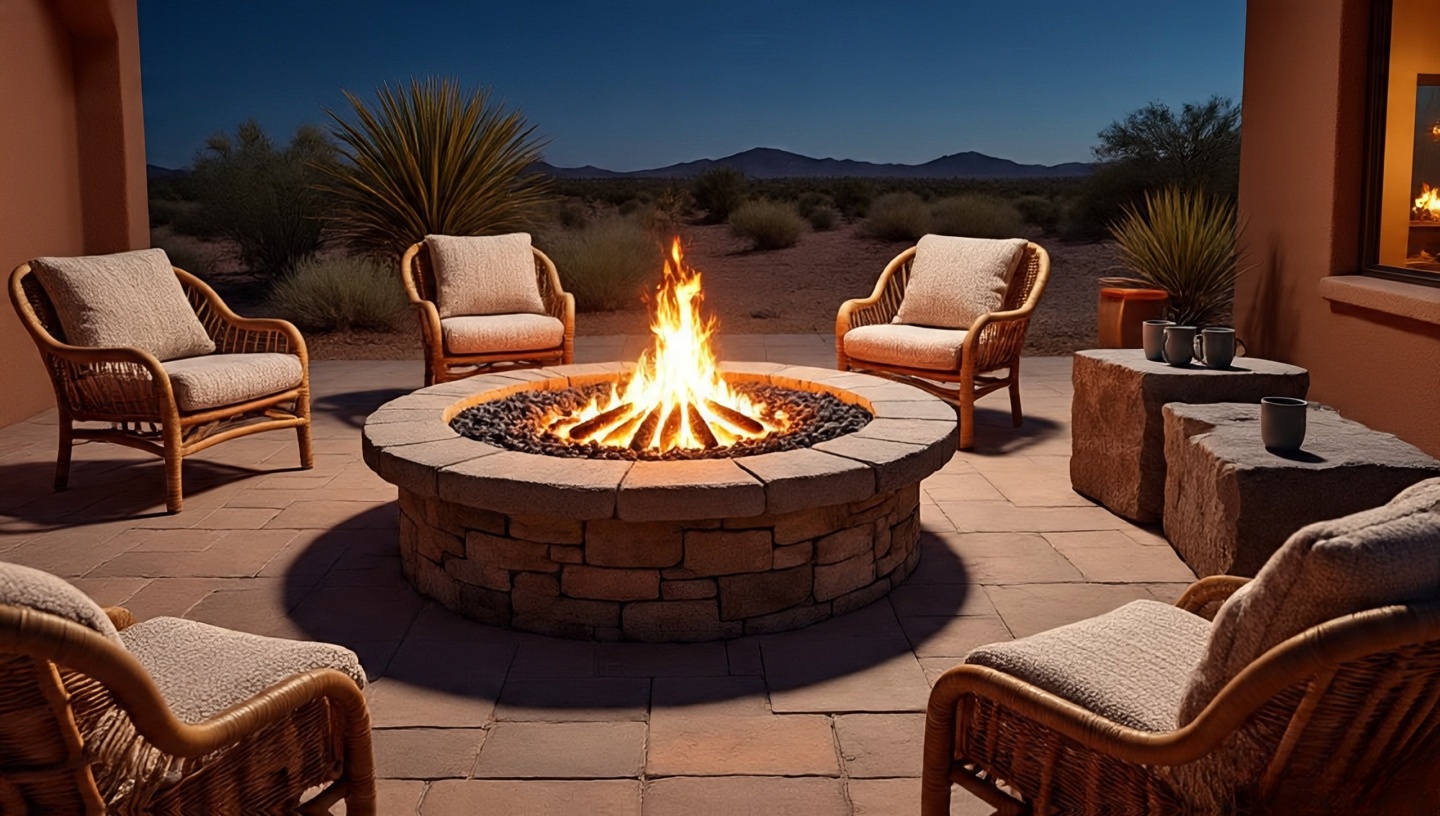 Outdoor living is part of the trend for a reason, and a well-planned fire pit extends the mood outside. Common mistakes include using regular rocks that can crack from heat, placing seating too far out, or ignoring wind direction.
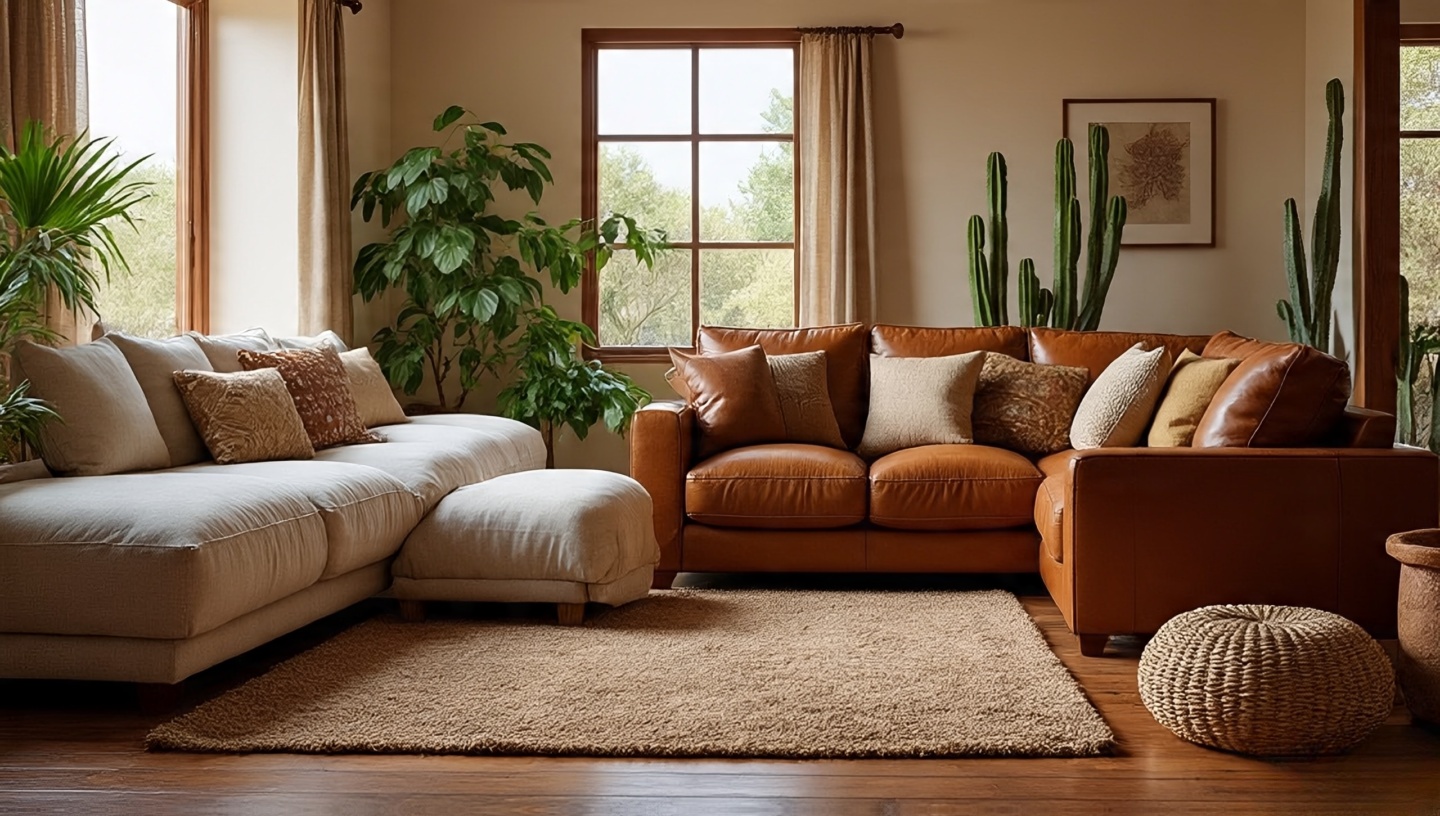 Southwestern living room ideas in a high desert house will adapt differently than in a coastal apartment. If your climate is humid, balance leather with breathable cotton or linen. If your sun is intense, add lined drapery so textiles do not fade in six months.
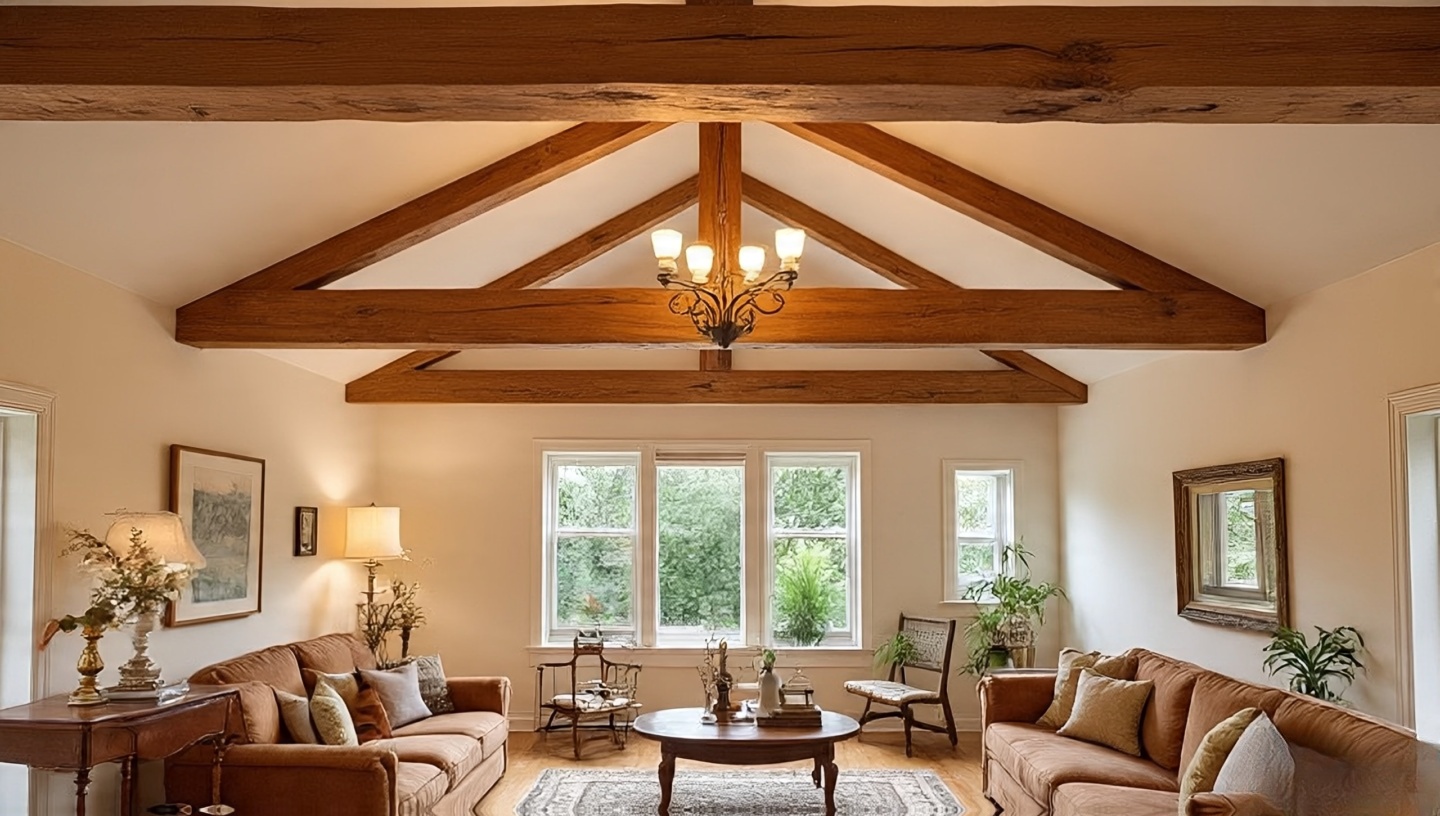 In many New Mexico homes you see vigas and latillas, those beams that visually warm the top of the room. You might not add beams, but you can echo the idea with a timber finish, a subtle plaster tint, or even a beadboard painted a sandy ivory. The ceiling should feel part of the story, not a blank void.
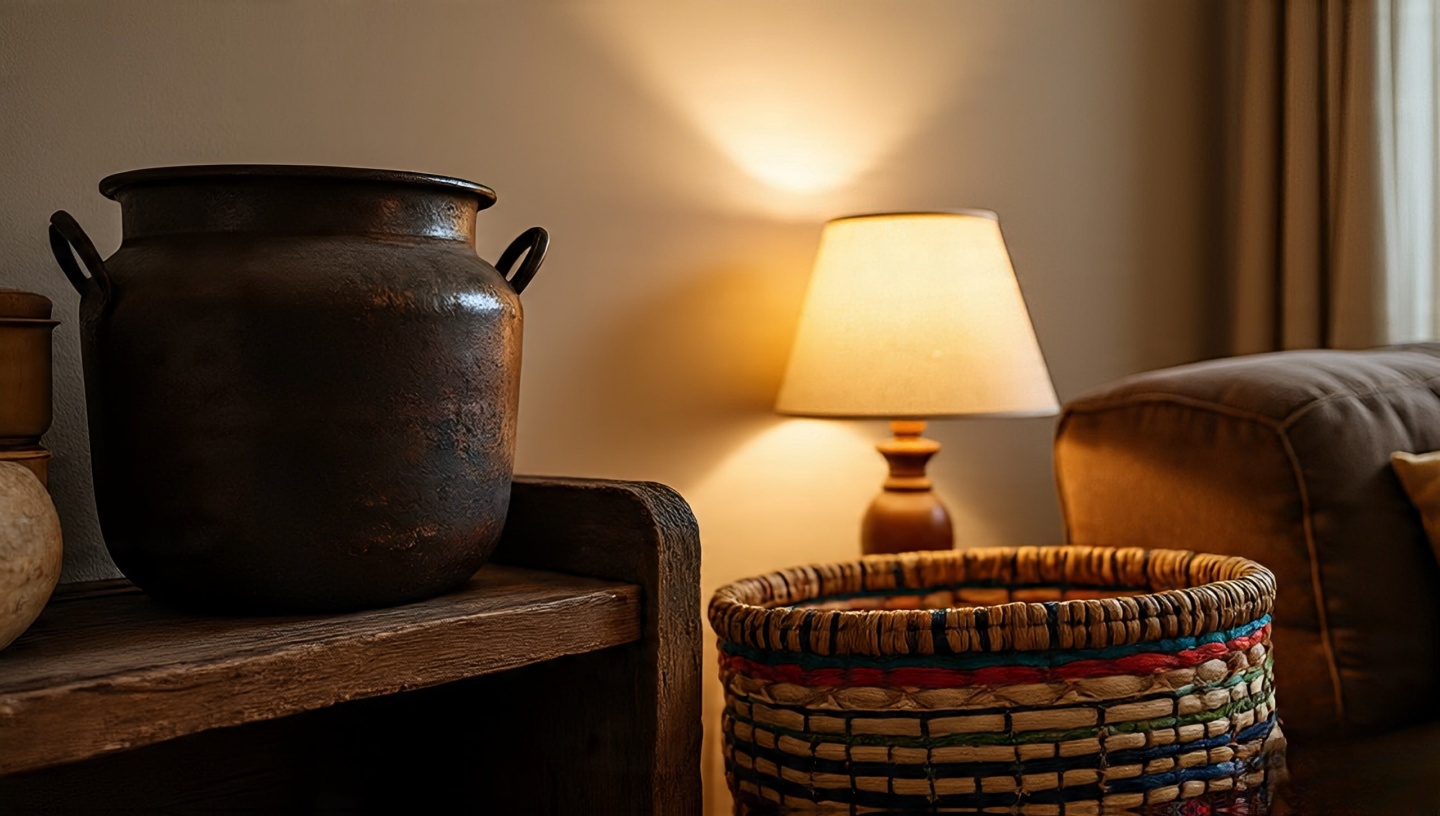 This style rewards patience. Mix heirlooms with new pieces and flea-market finds. That iron pot with a nicked rim will be the thing people touch and ask about. A room that grows slowly has the same rhythm as the desert itself, where wind and sun write the design brief.
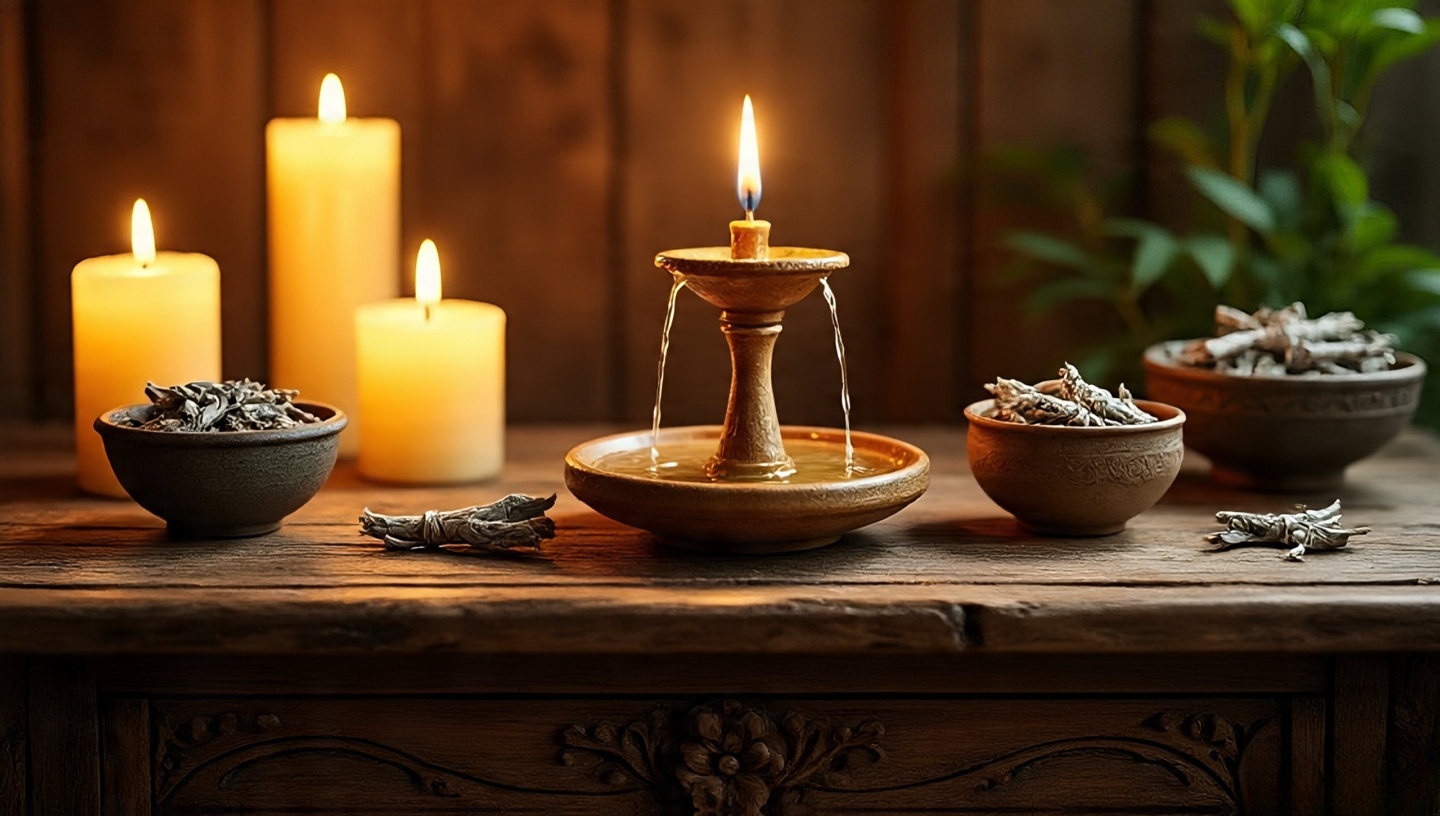 Ever sat outside at night and felt the desert silence wrapping around you? Bring a little of that inside. Beeswax candles smell like honeyed sunshine. A small fountain sounds like a hidden spring. A room is more than what we see.
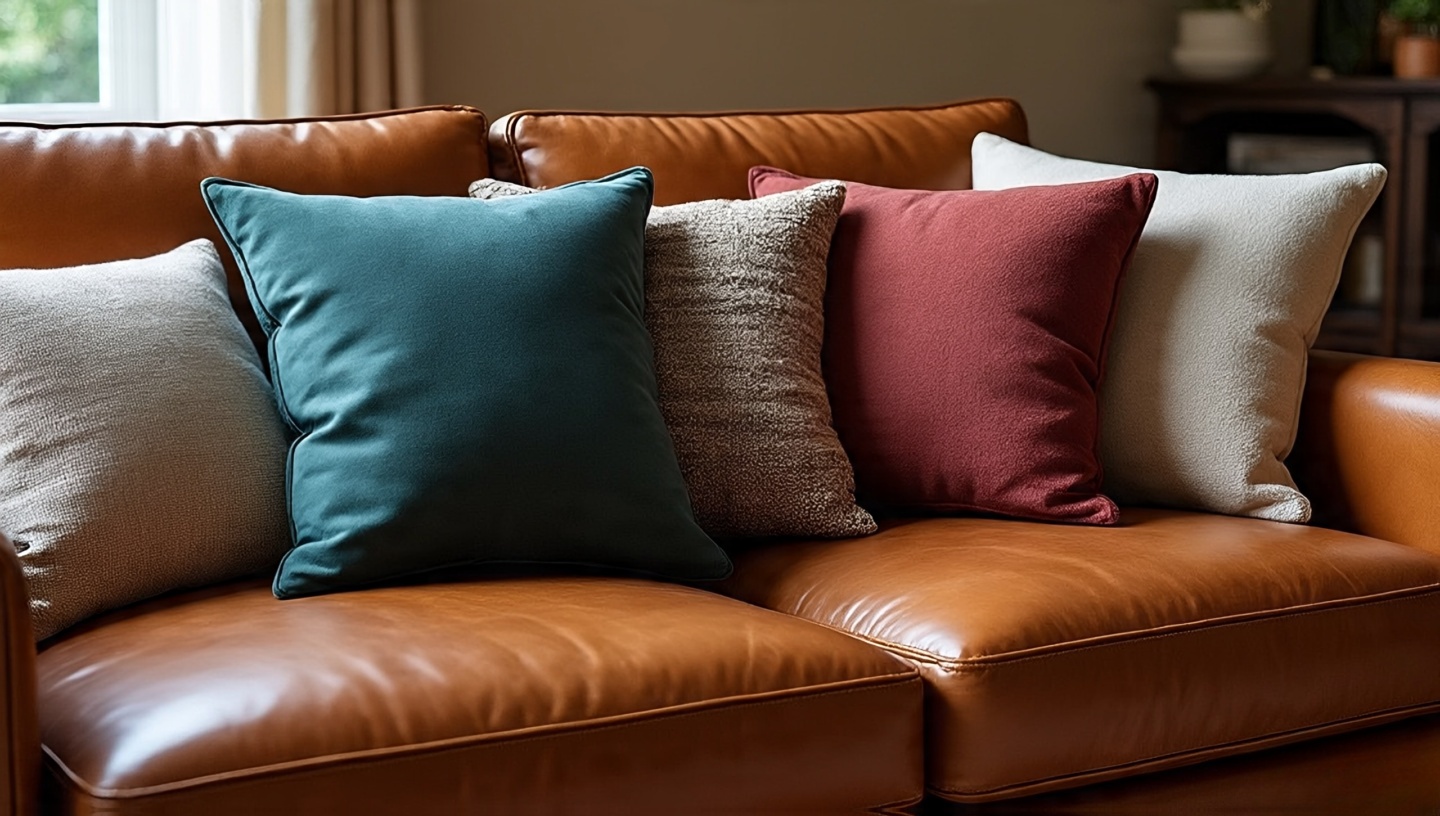 You know the kind. Slick fabric that slides off leather. If you want quiet luxury, choose cotton, wool, or suede pillows that stay put and add grip. Your earthy tones living room will instantly feel more grounded.
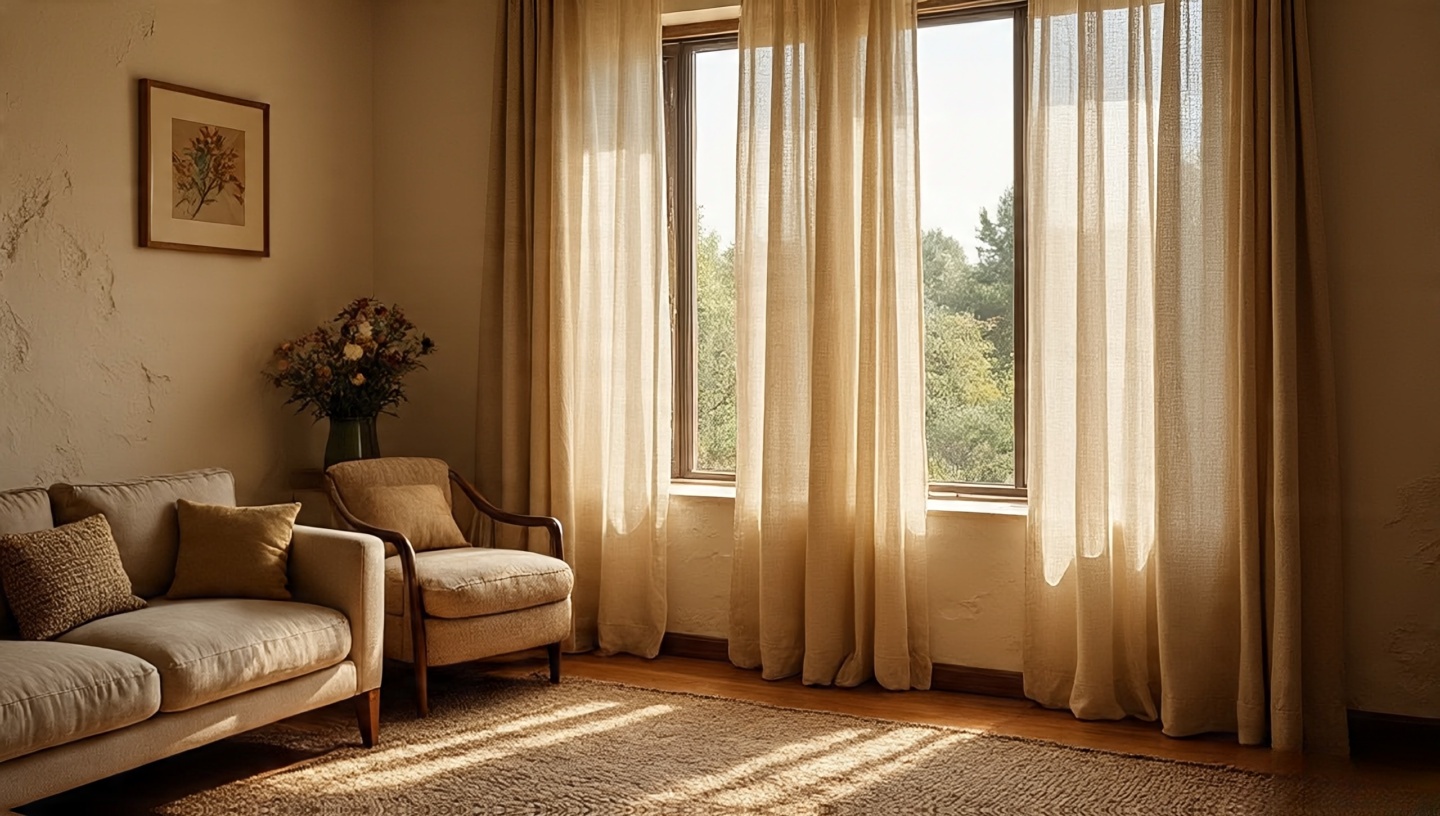 Blackout roller shades have their place, but bare windows in a bright climate can bleach your textiles. Layer sheer linen for daytime and heavier drapery for evening. The double layer creates that soft, filtered light that makes skin look good and plaster glow.
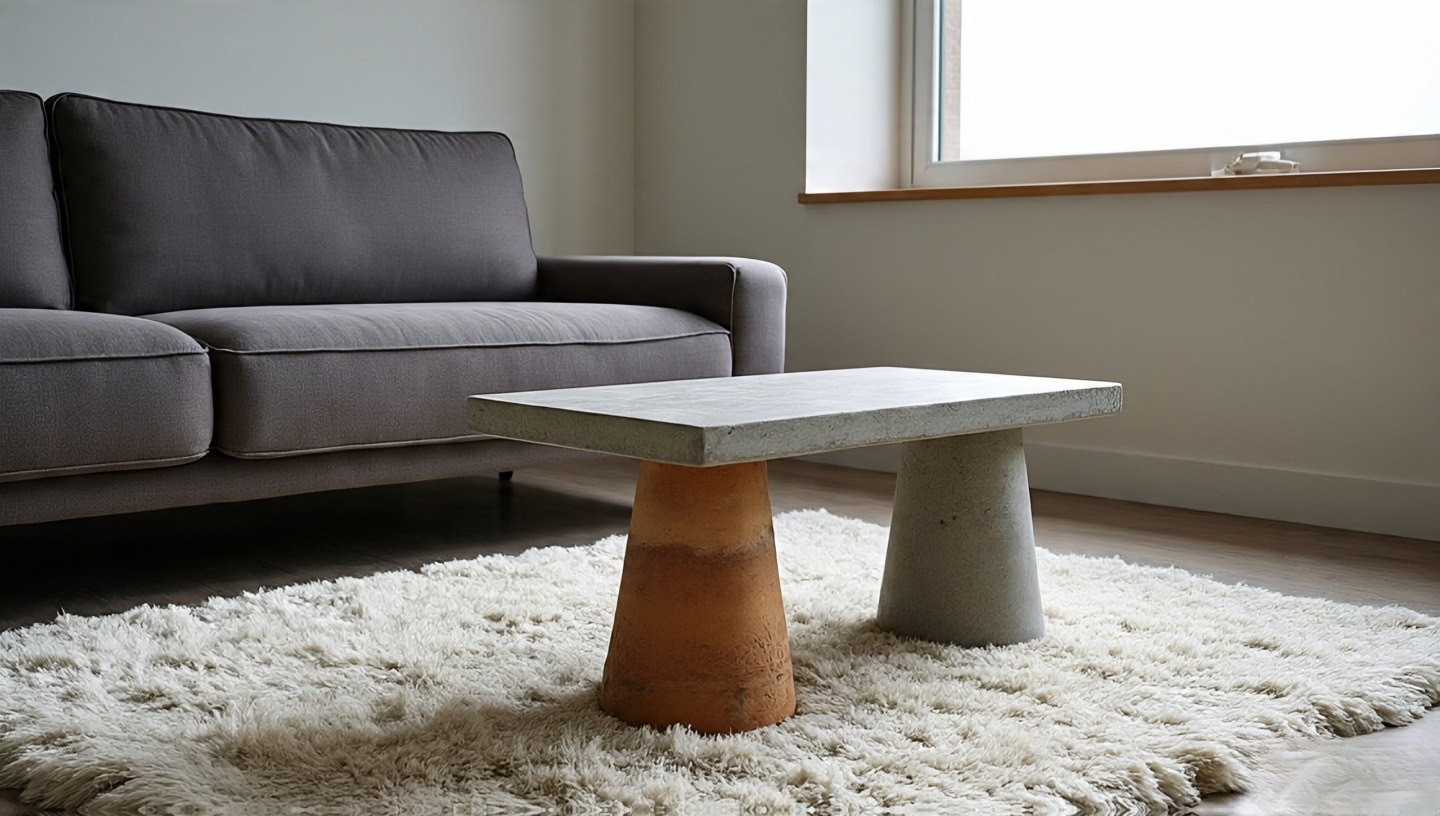 There is a clean, modern side to the look. Pair a streamlined sofa with a handmade clay lamp. Add a smooth concrete bench next to a shaggy wool rug. The contrast lets each material speak. When you combine modern lines with rustic home textures, you avoid museum vibes and get something fresh.
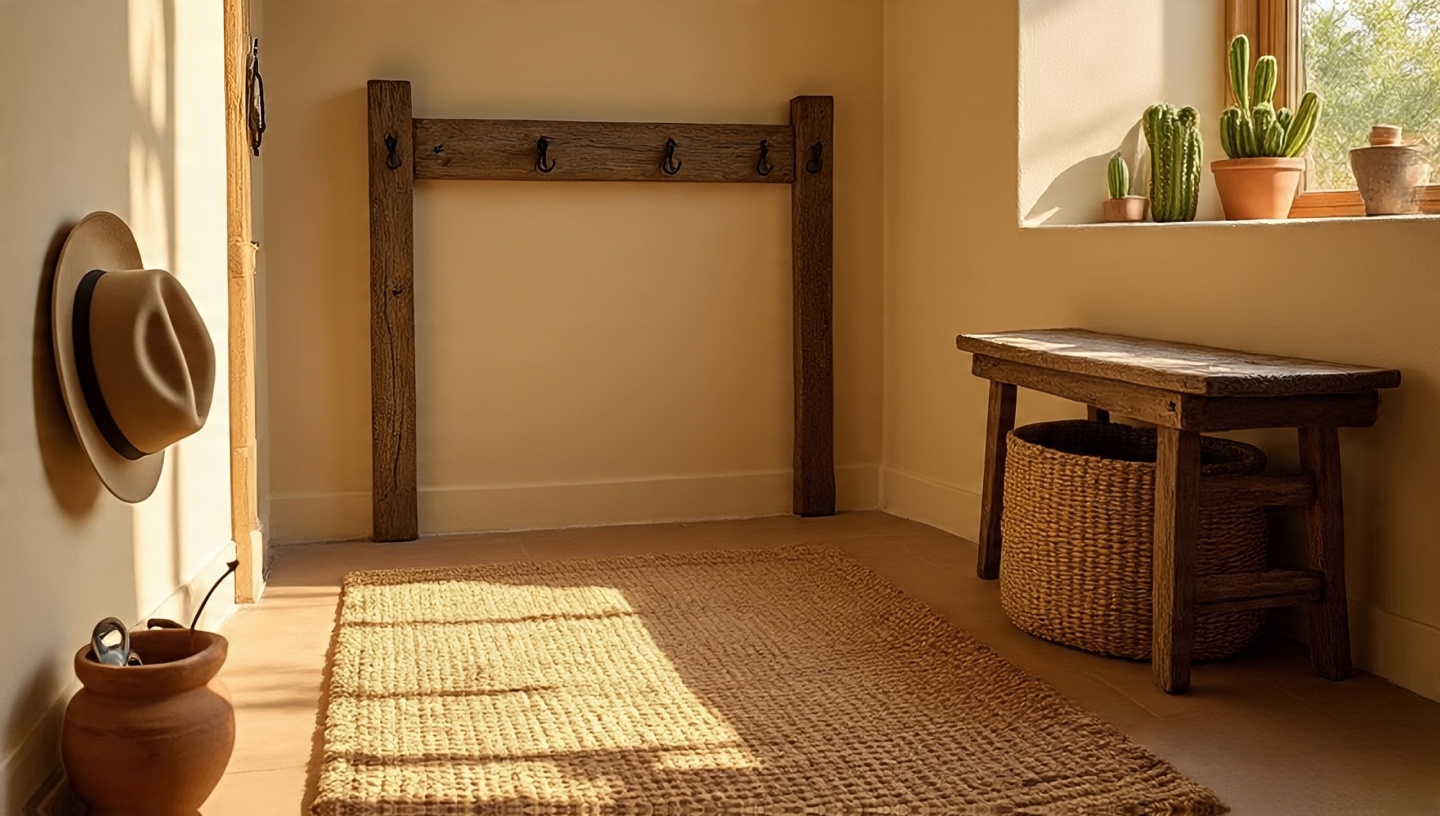 First impressions matter. A simple bench, a hook rail made from weathered wood, and a narrow runner can frame the story the moment someone steps in. Add a bowl for keys on a clay pedestal. The small things set the tone of your desert-inspired decor.
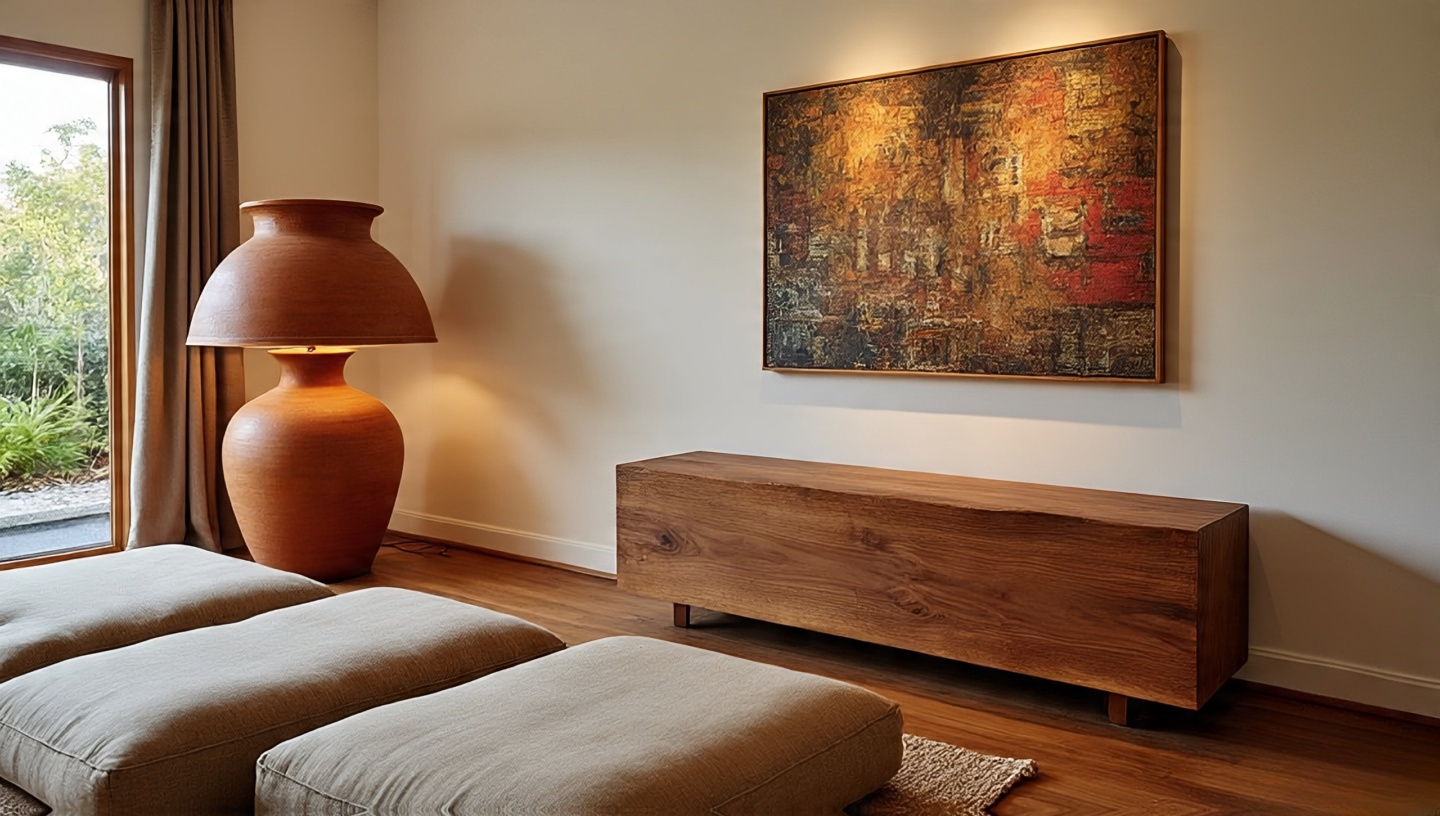 A petite lamp on a massive console looks like a dot on the horizon. Go large with lighting and art. Go lower and softer with seating. Southwestern living room ideas thrive on human scale. You should be able to sink in, stretch out, and still reach a table without fishing.
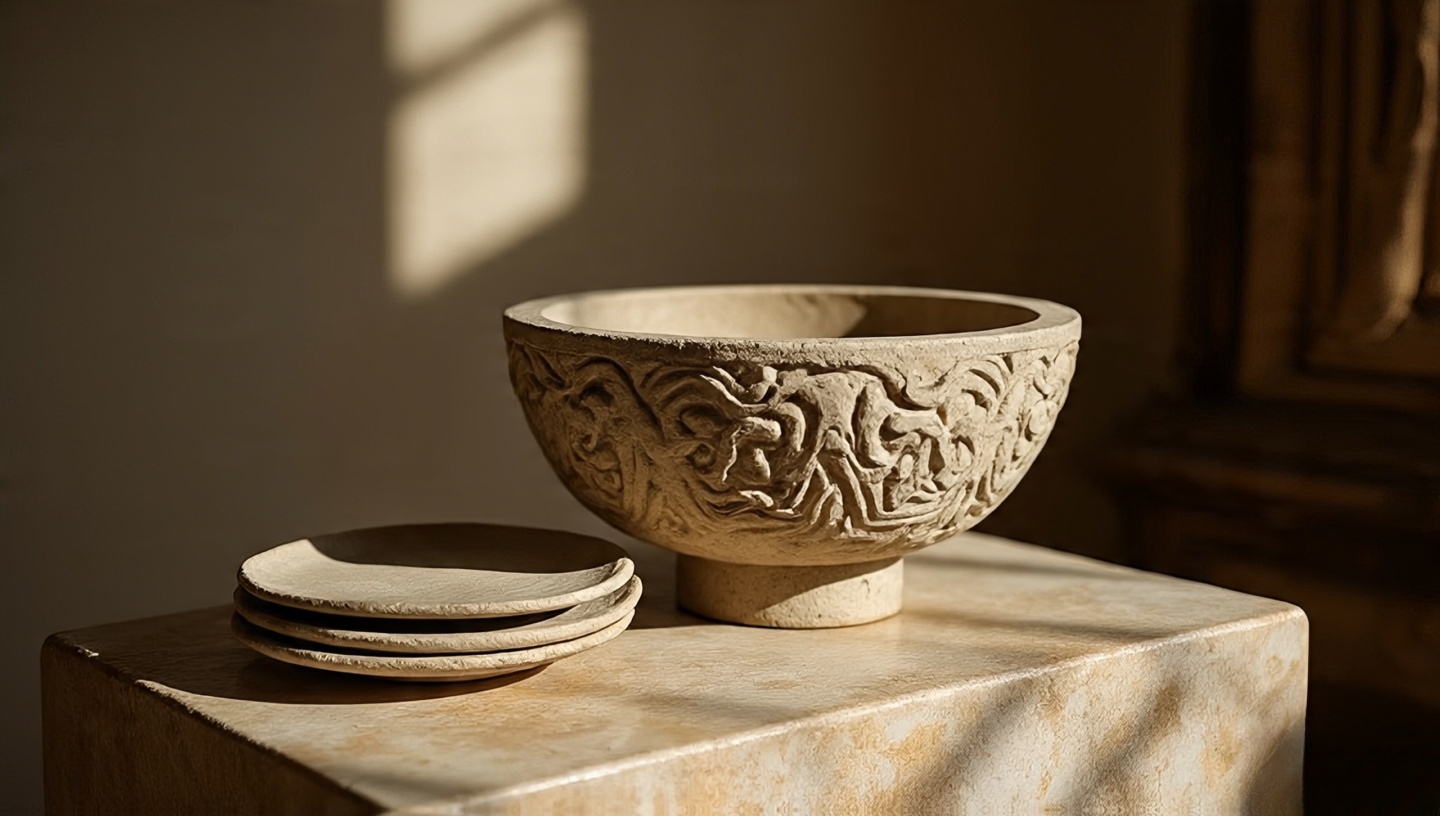 Try a carved stone bowl, a raw-edged travertine side table, or a stack of unglazed clay plates on open shelves. These elemental materials are like the punctuation marks in a paragraph. They slow the eye. They cool the hand. They make your earthy tones living room feel honest.
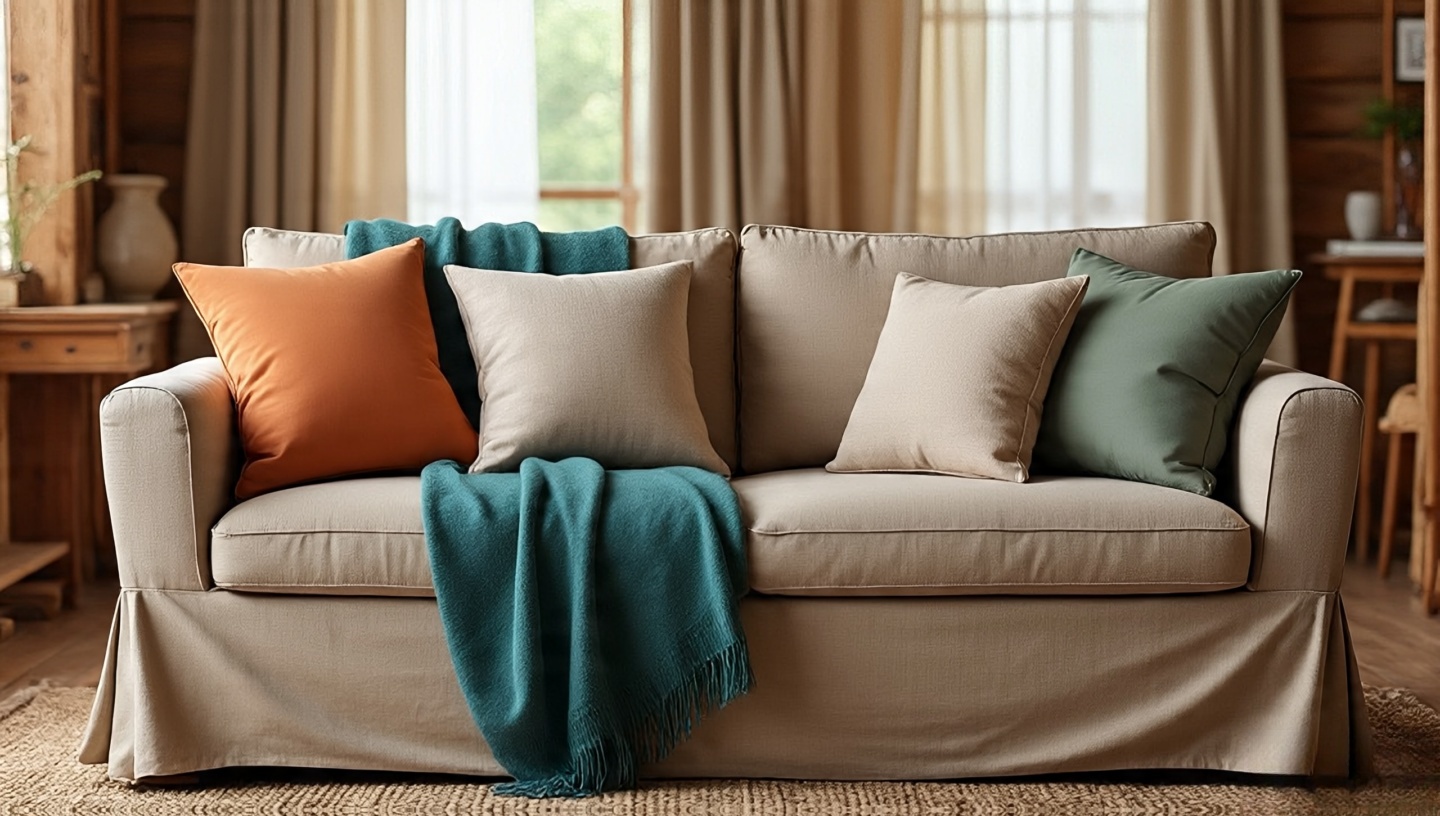 Turquoise. Ochre. Chili red. Good colors, all of them. But if every hue is neon bright, your room starts shouting. Use one high-saturation accent and keep the rest muted. Picture a stormy teal throw against sand-colored linen. The accent will sing because everything else hums.
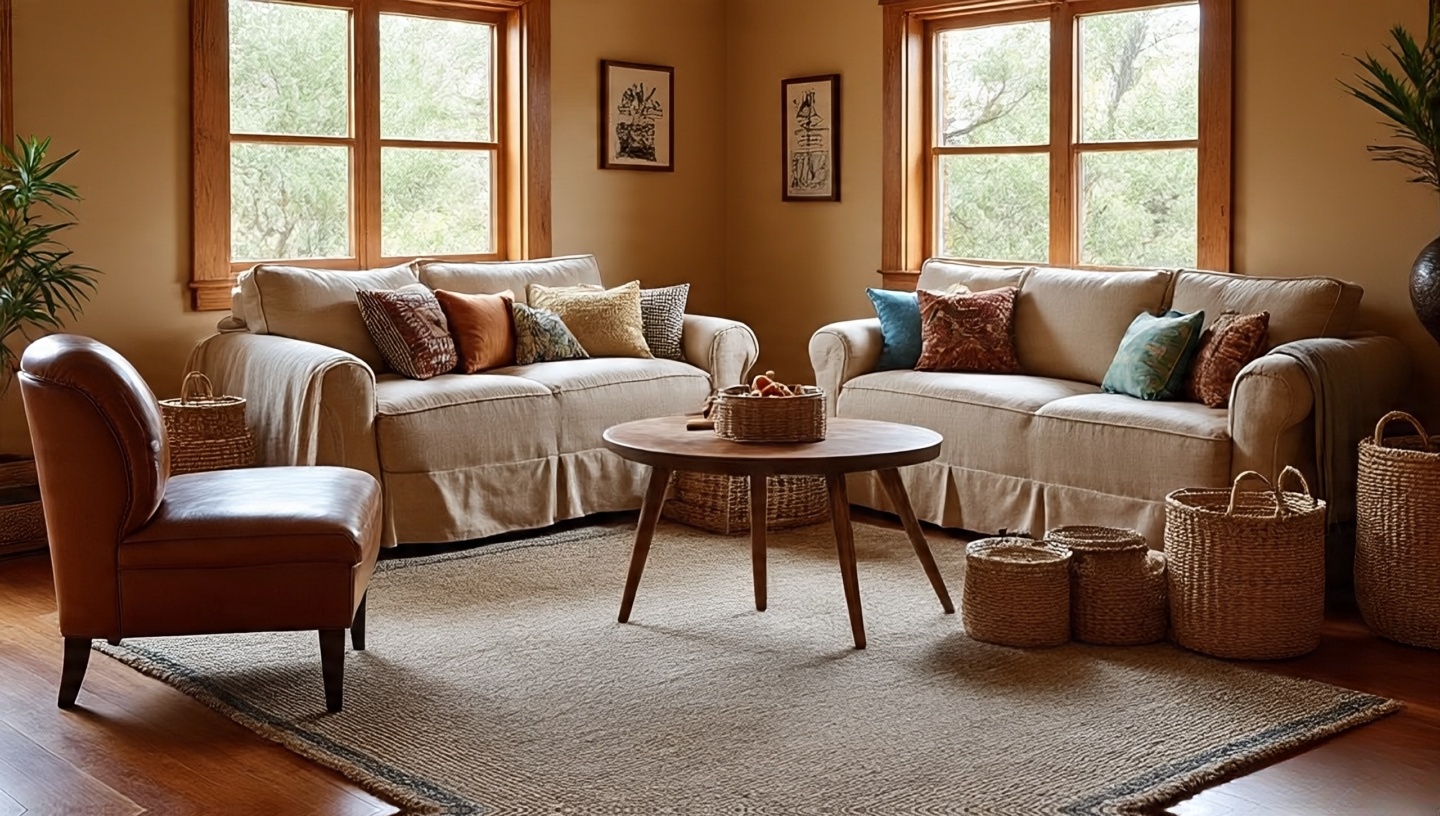 Kids, pets, guests who kick off dusty boots. Choose finishes that forgive. Sealed leather. Performance linen. Wool with a heathered pattern that hides crumbs until you get the brush. Practical choices make a rustic home more enjoyable day to day.
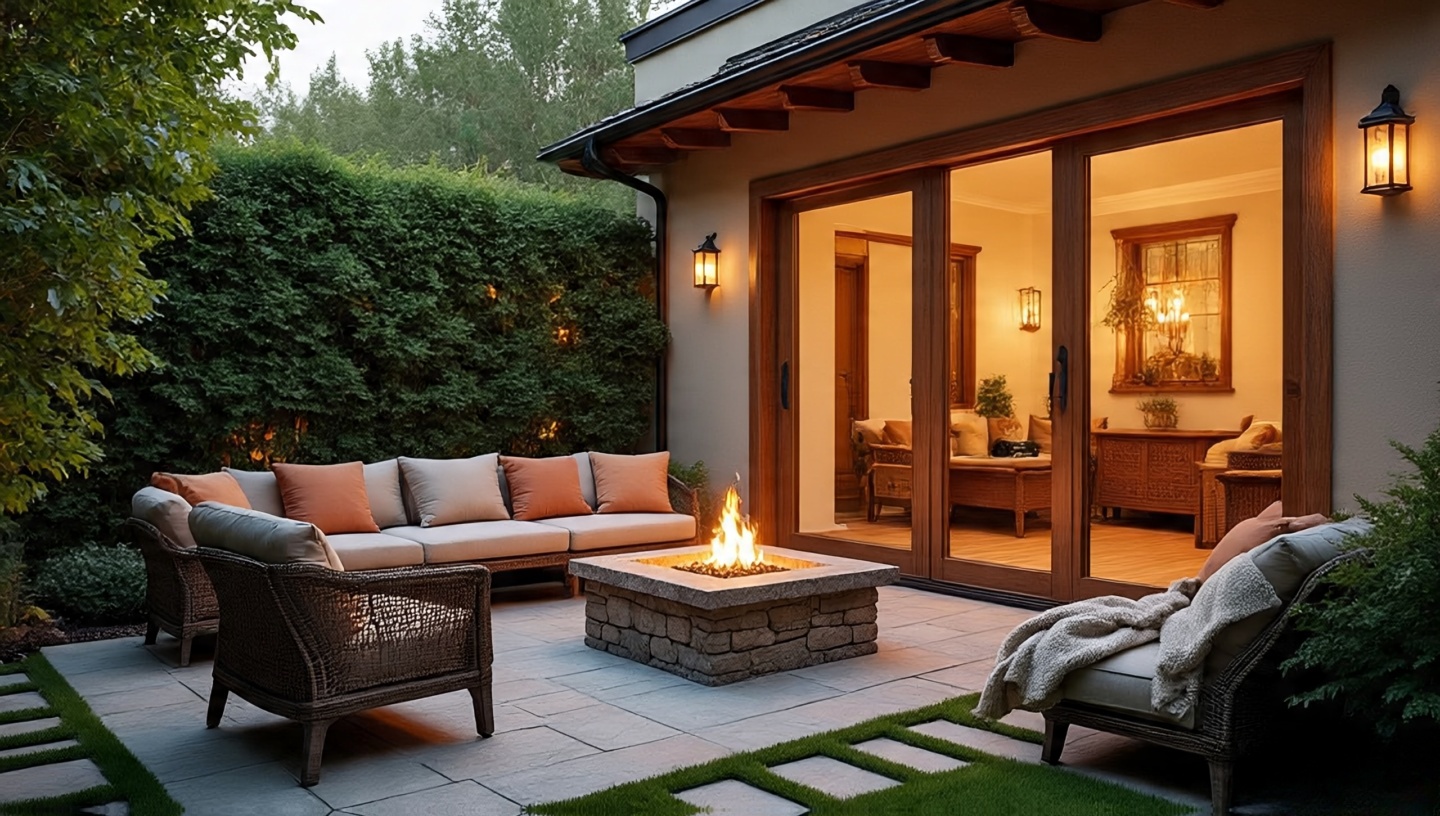 If you are lucky enough to have a yard, borrow the view. Angle your sofa so it faces the patio. Echo your inside palette with outside textiles. And if you build a fire pit, keep seating low and close. Use lava rocks. They are not just decorative, they hold heat longer for those chilly nights when the stars look close enough to touch.