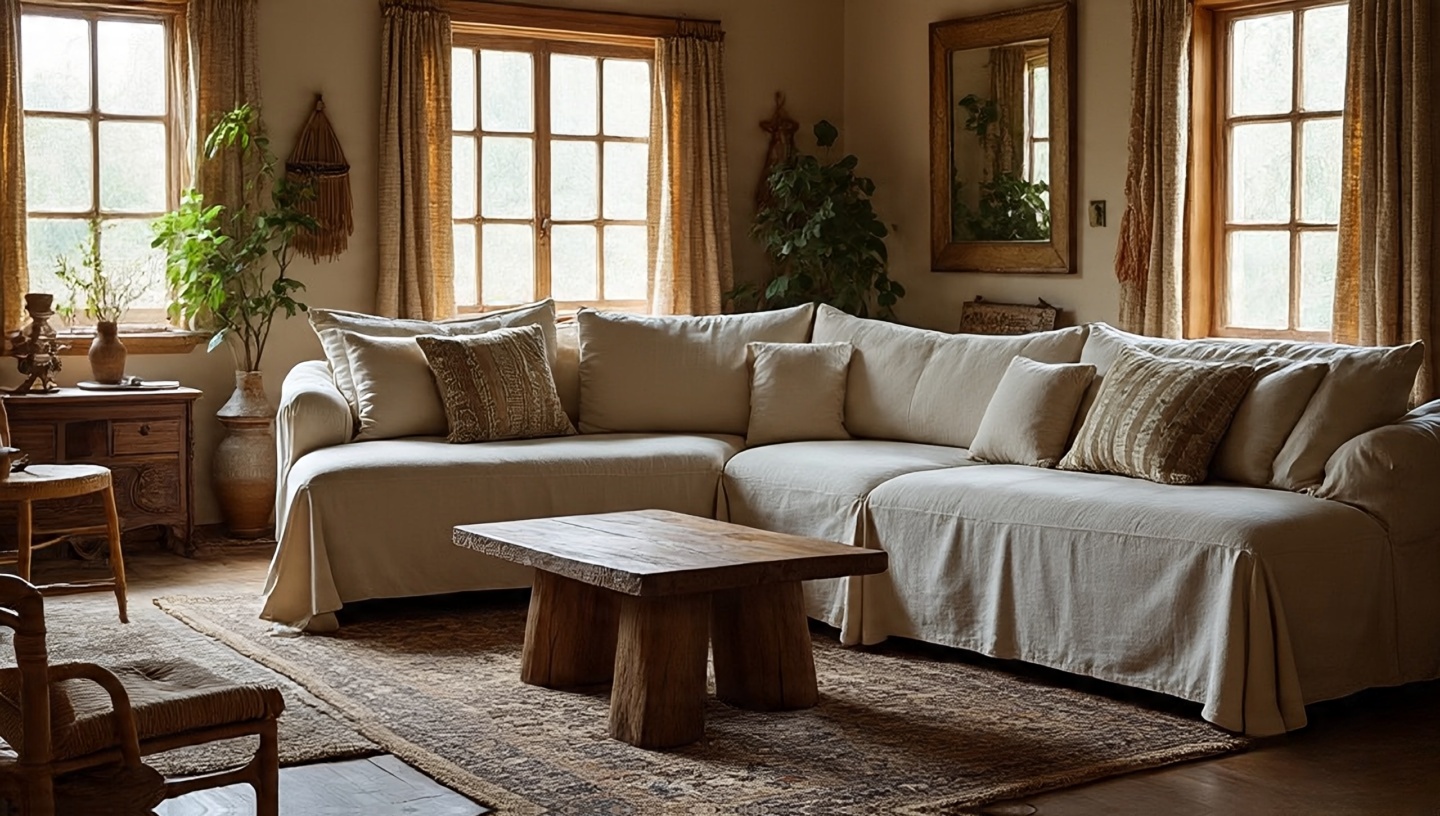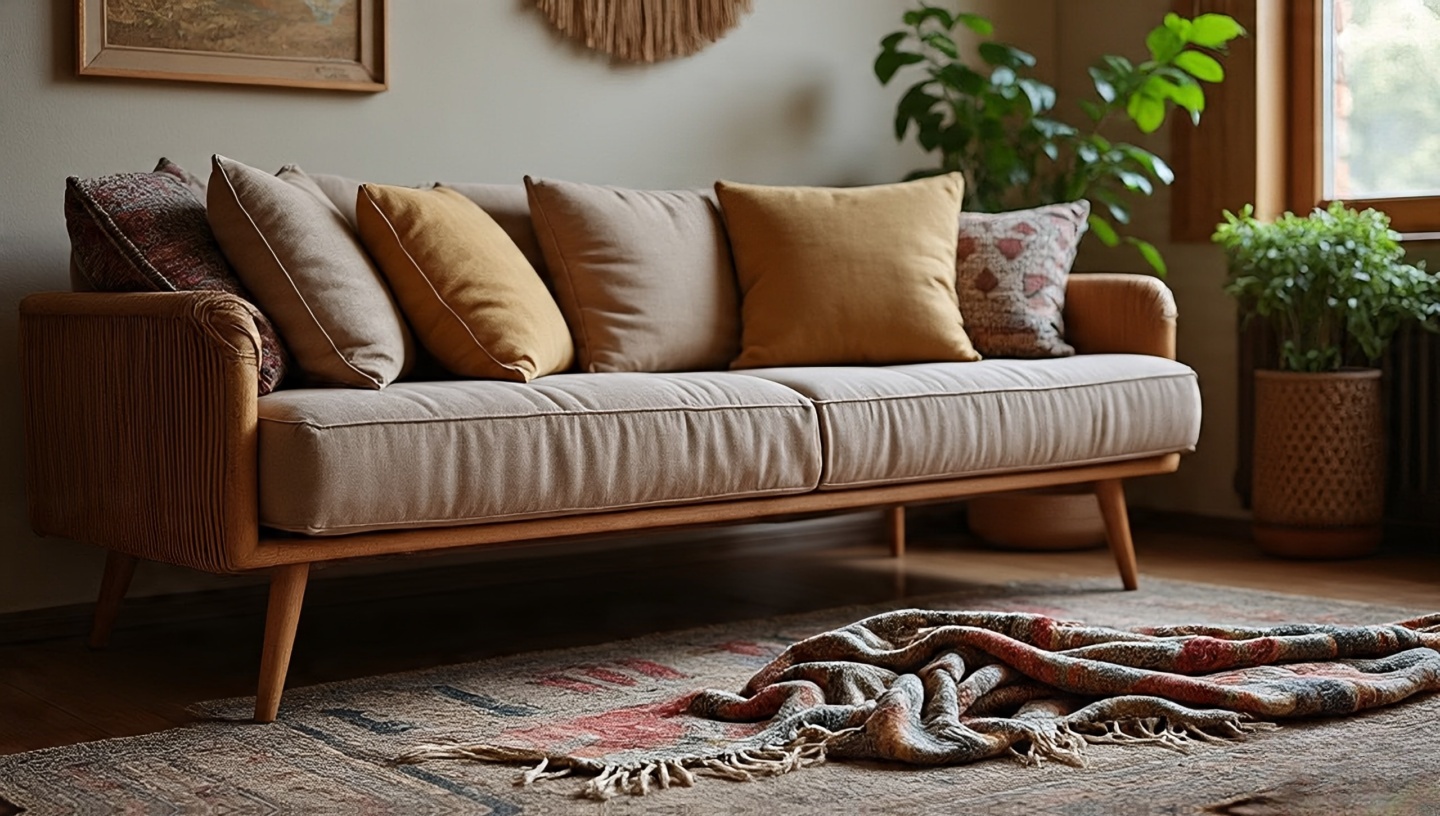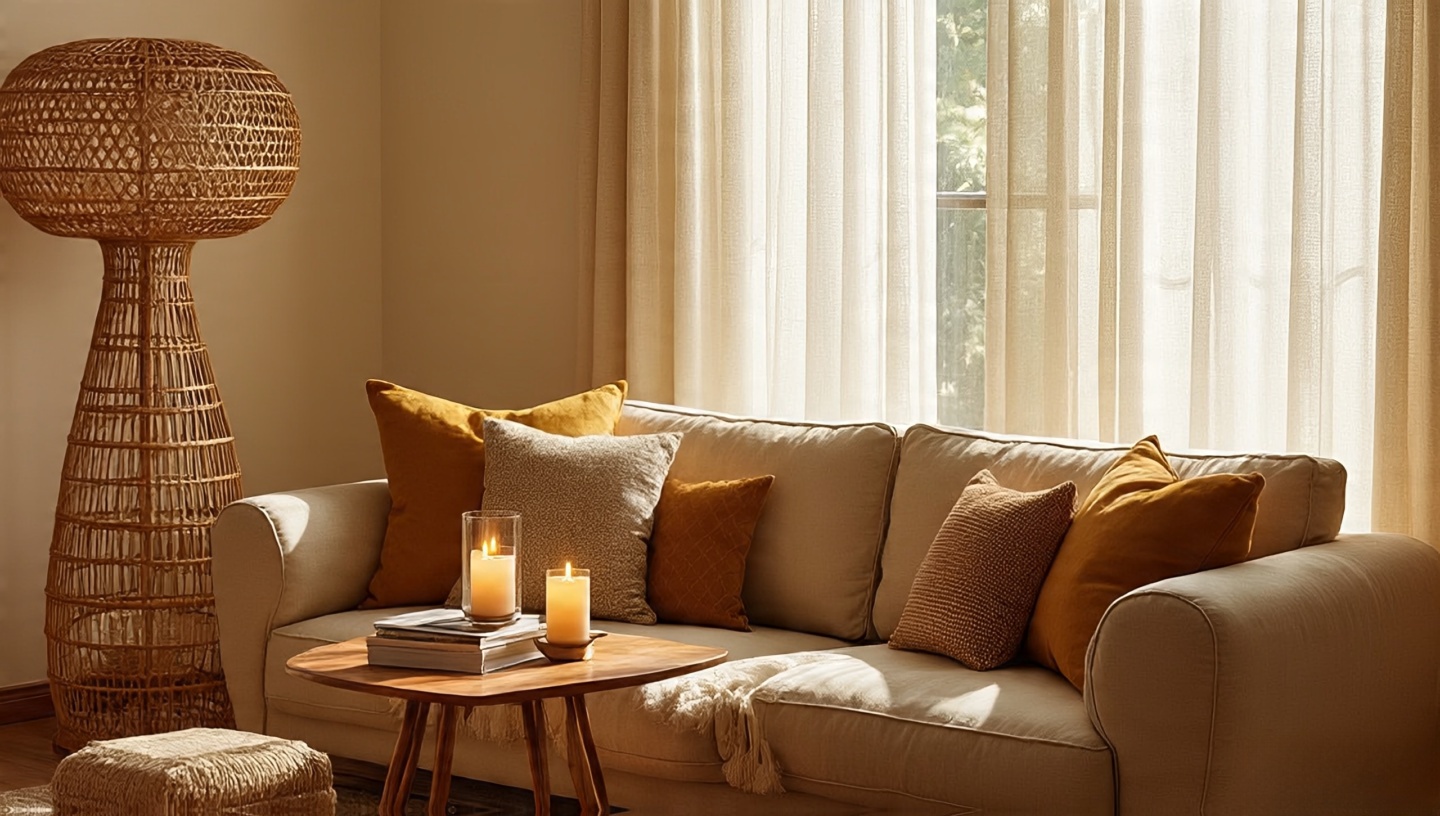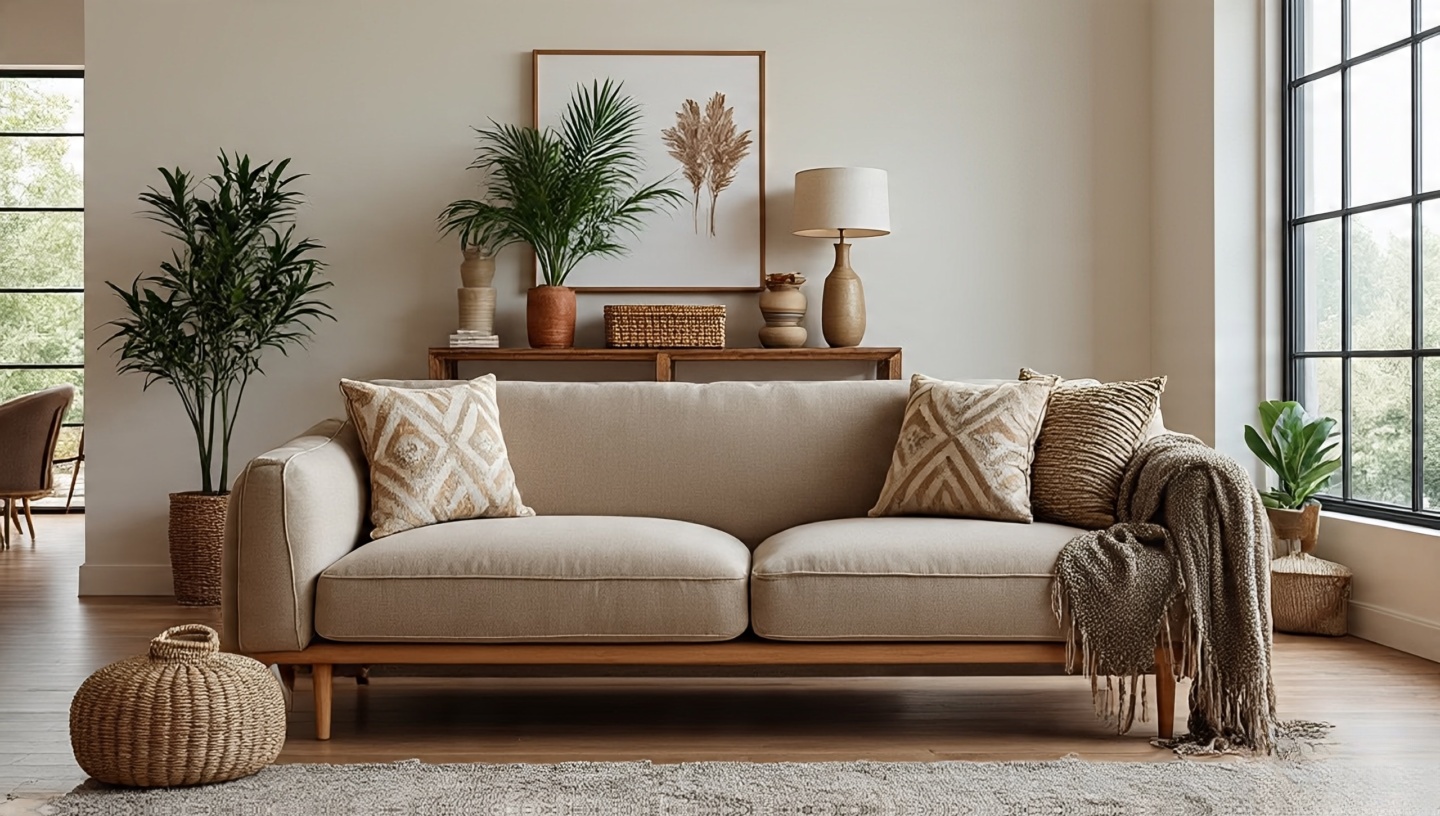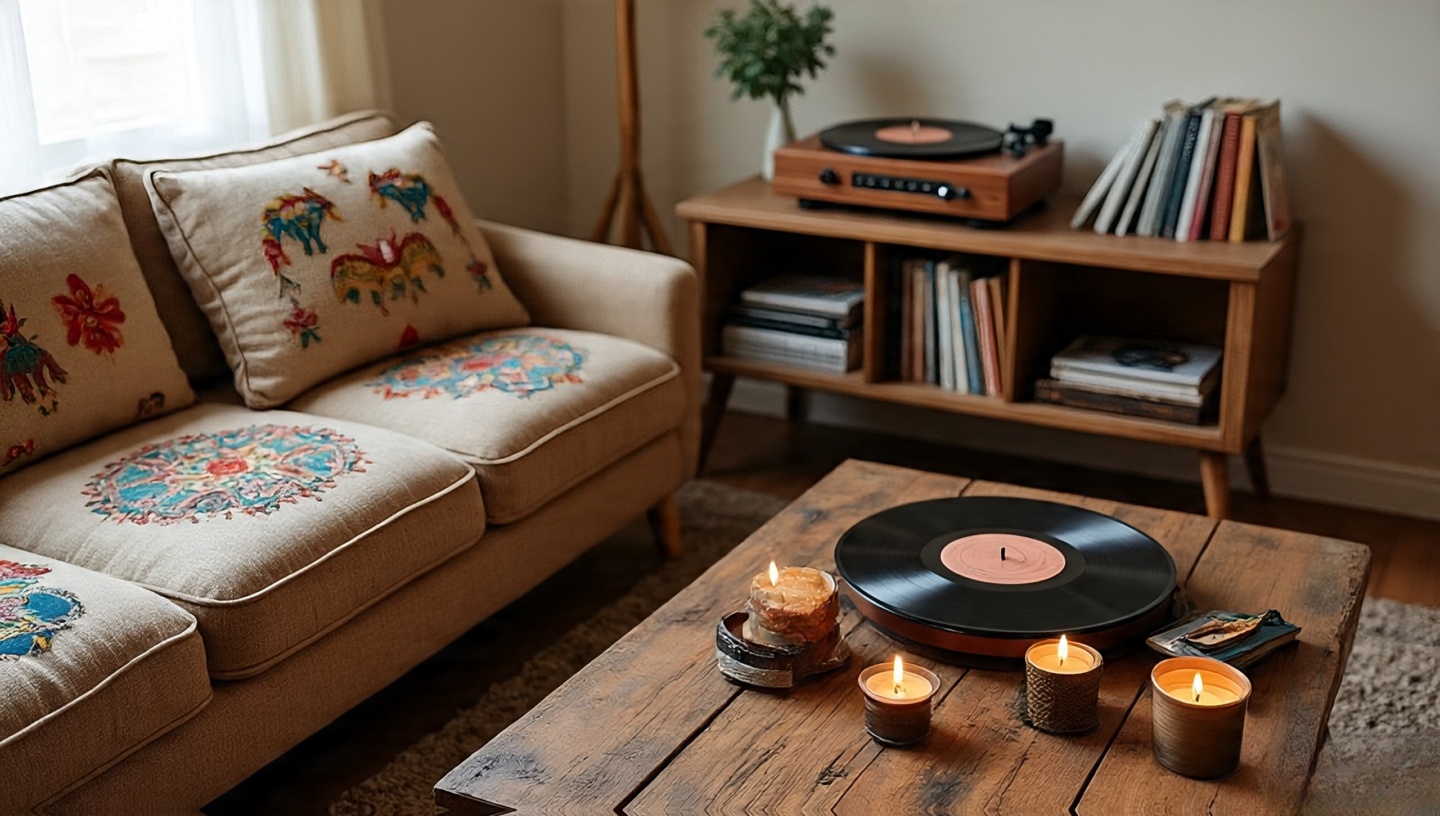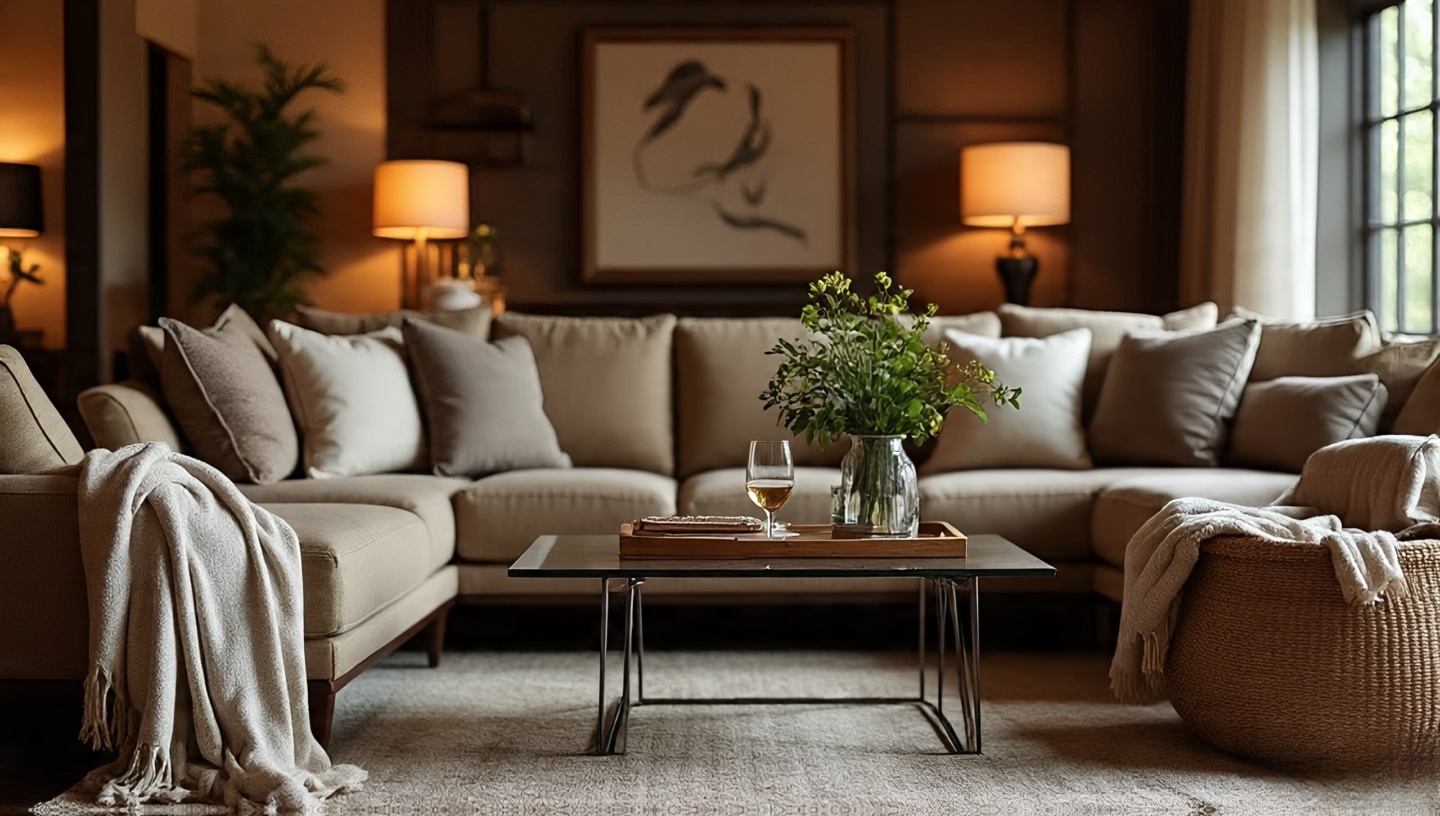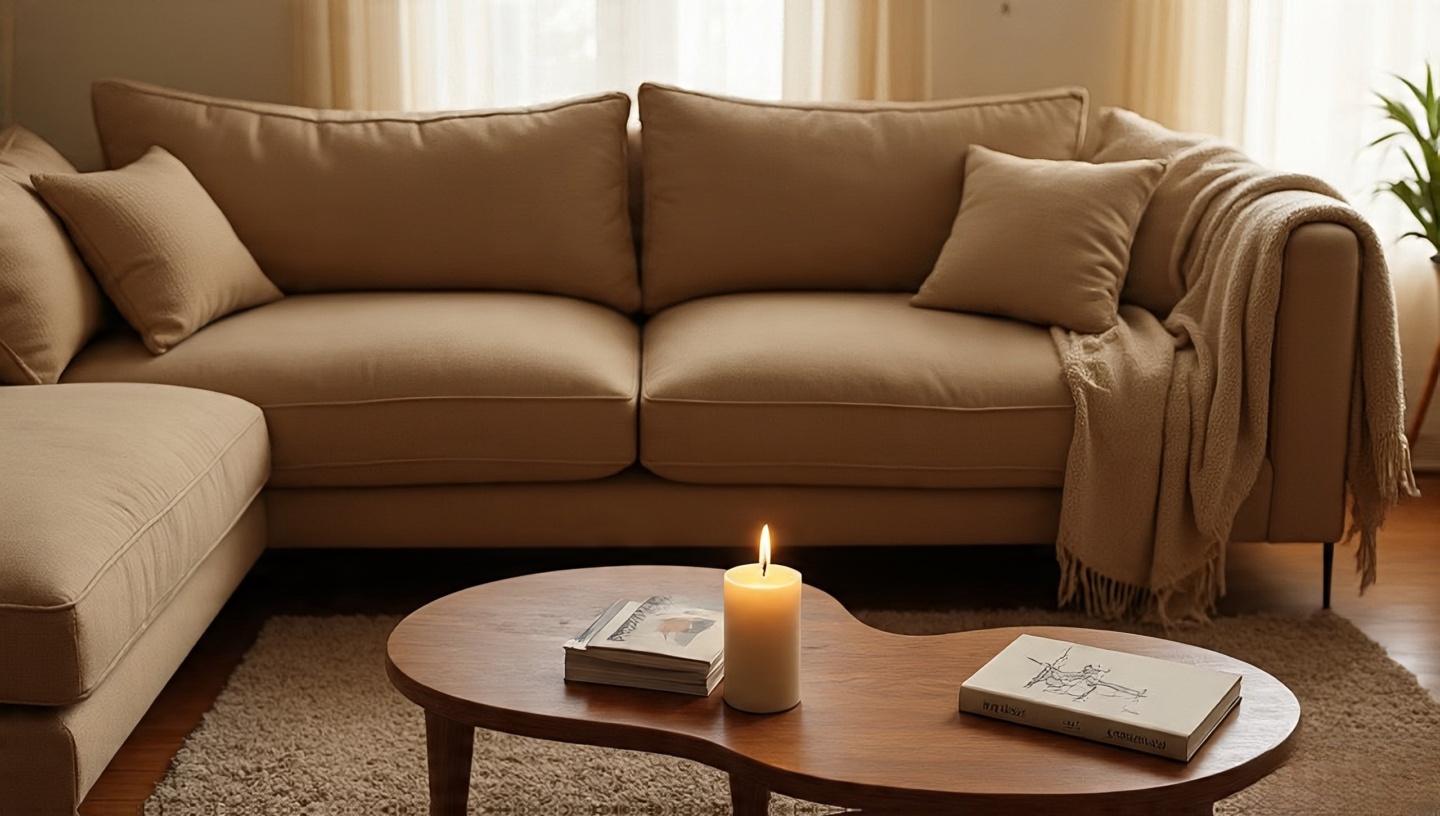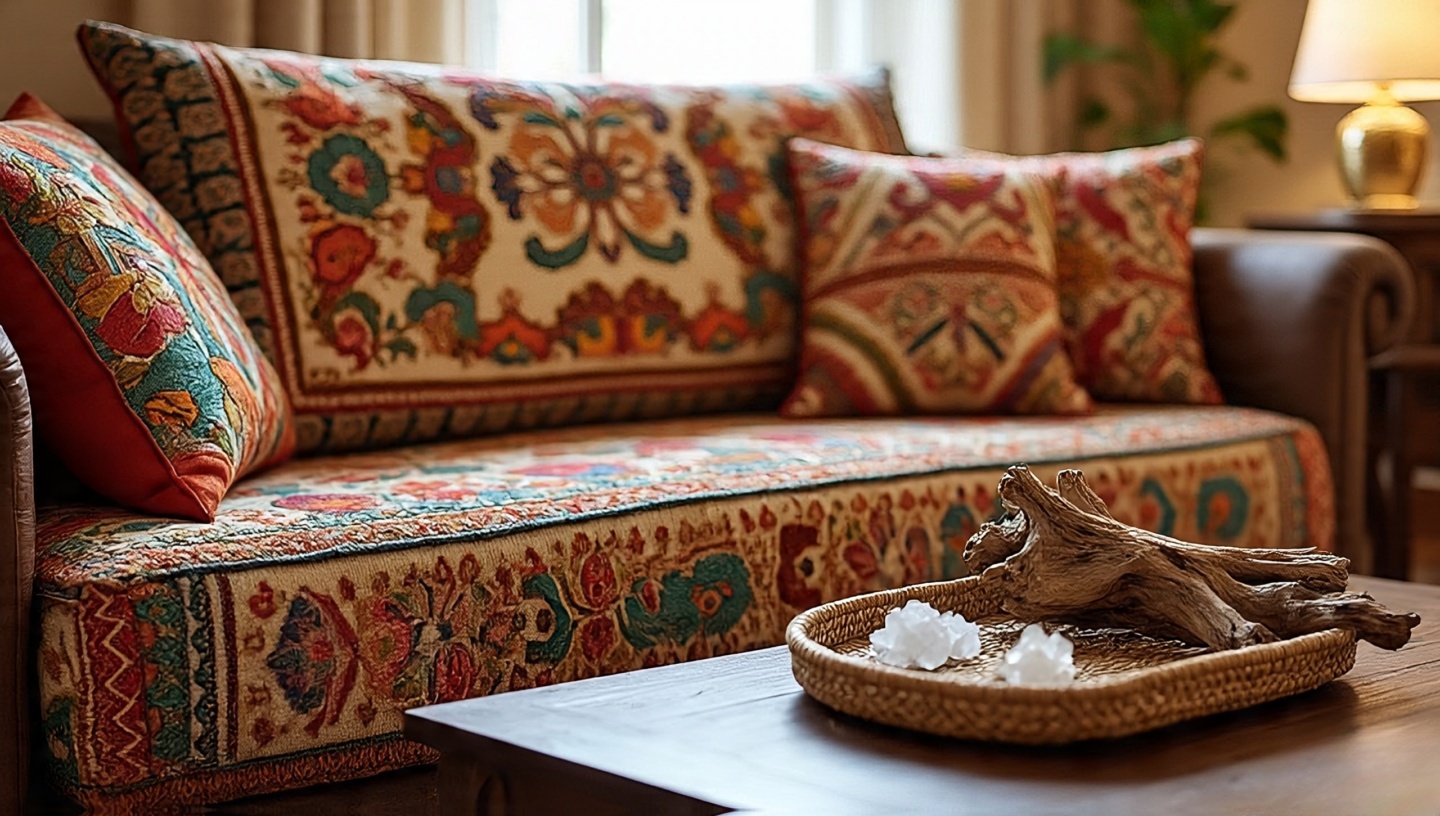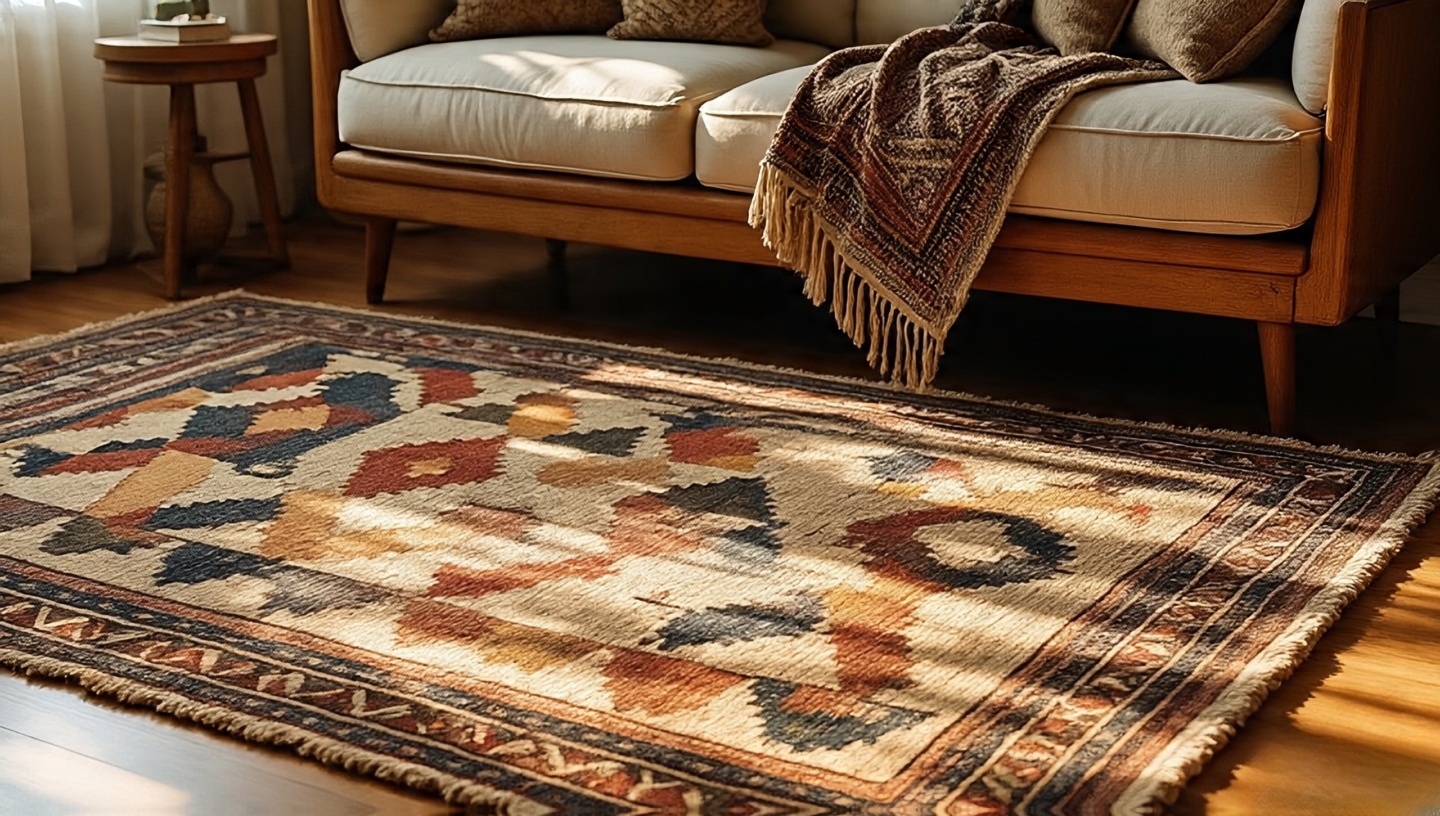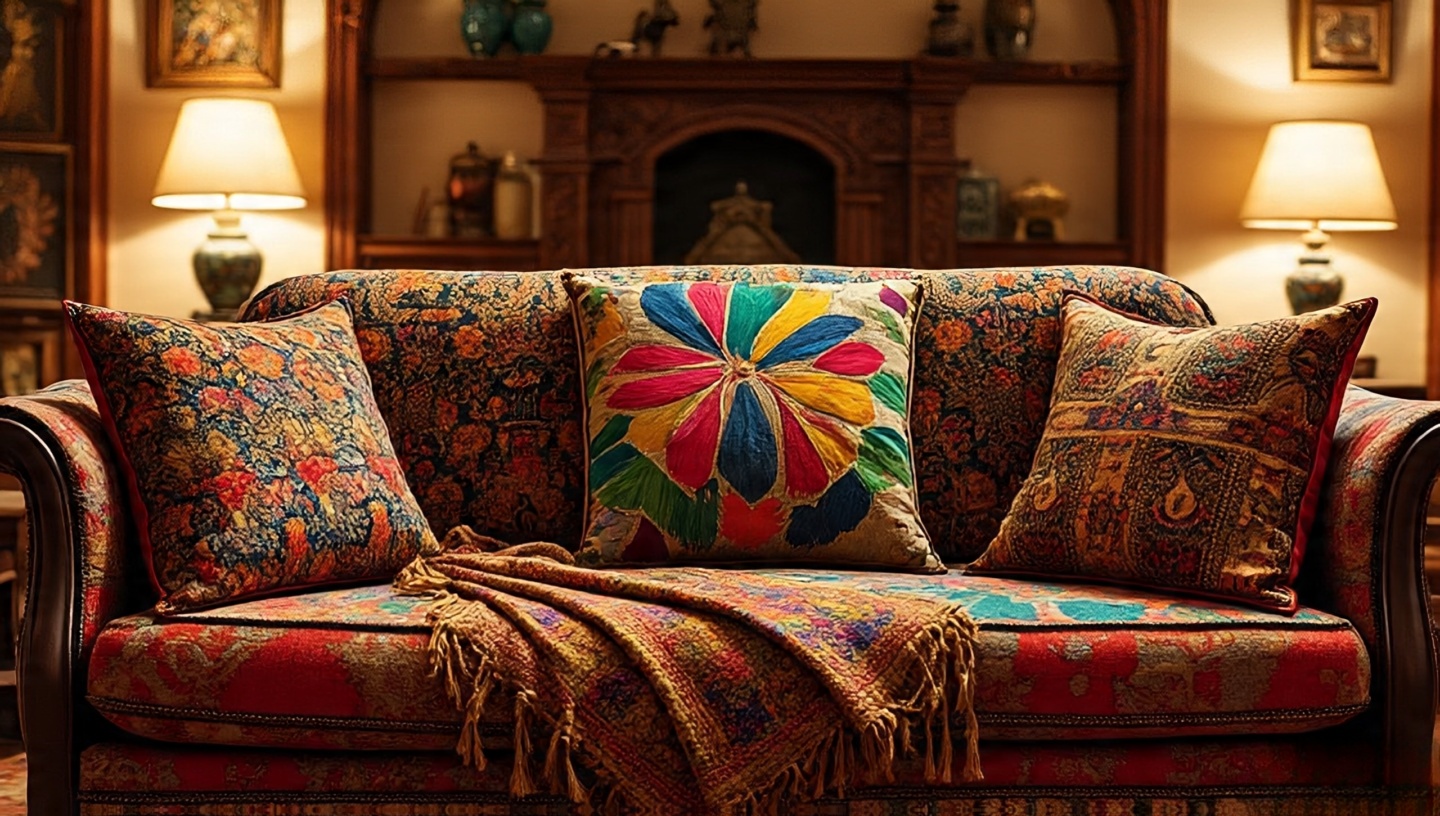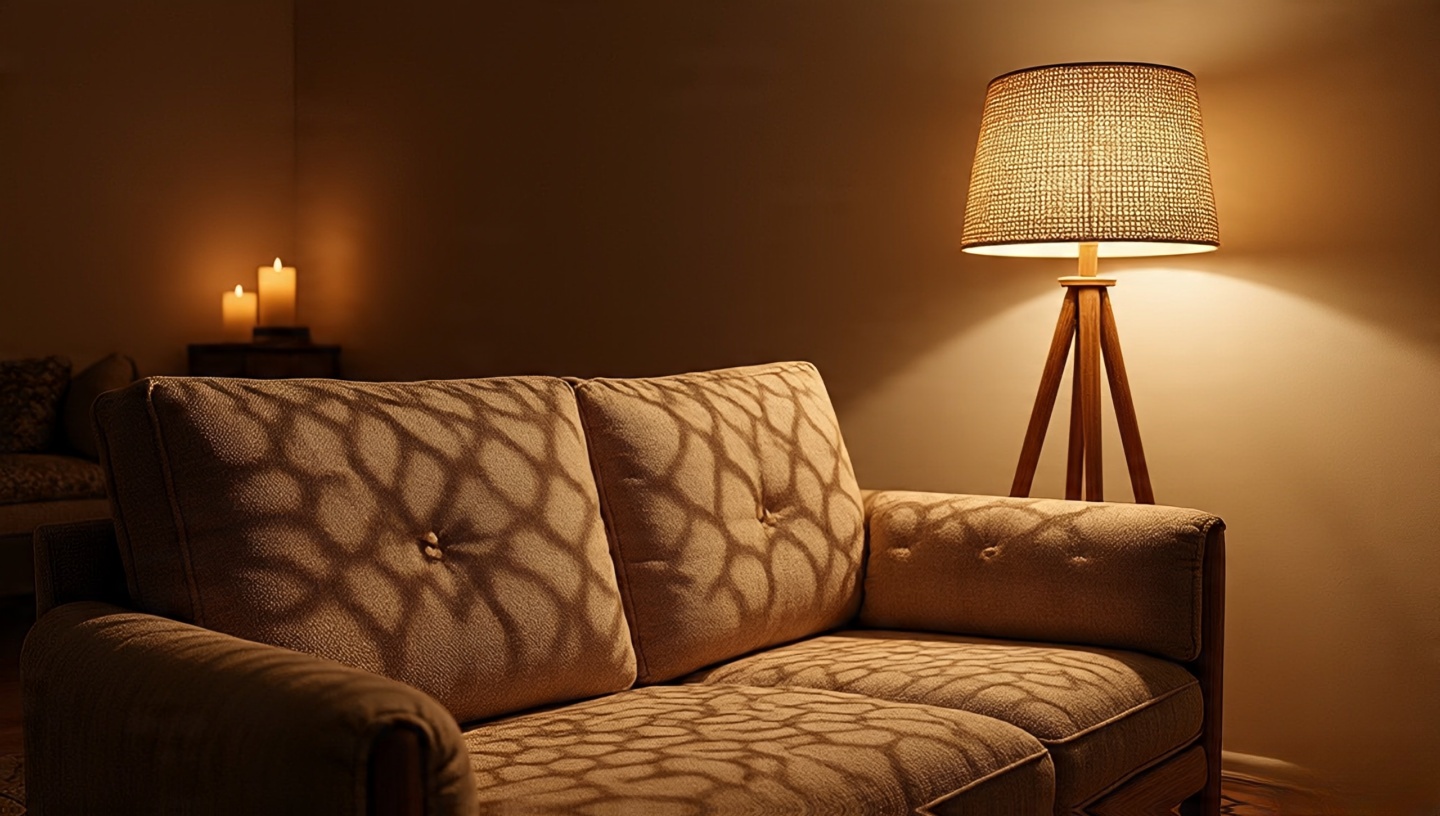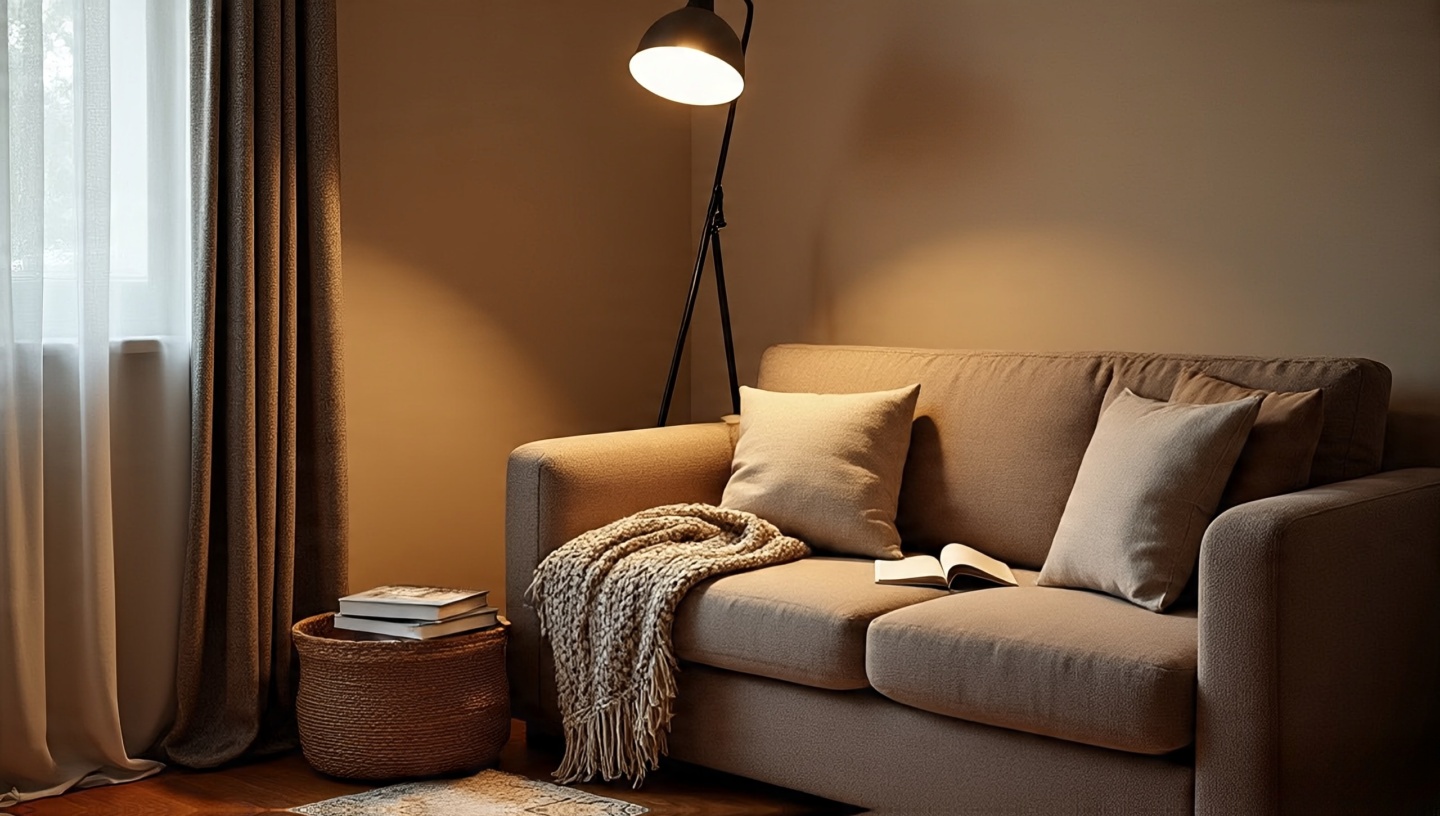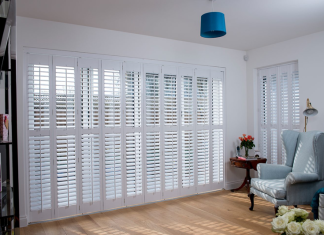


Sofa styling should make the seat easy to use. Start by sitting in every usual position and checking the reach to a table, light, and any controls. Then decide how many decorative textiles the sofa can accommodate without a complete rearrangement before sitting down.
Choose a base you intend to keep
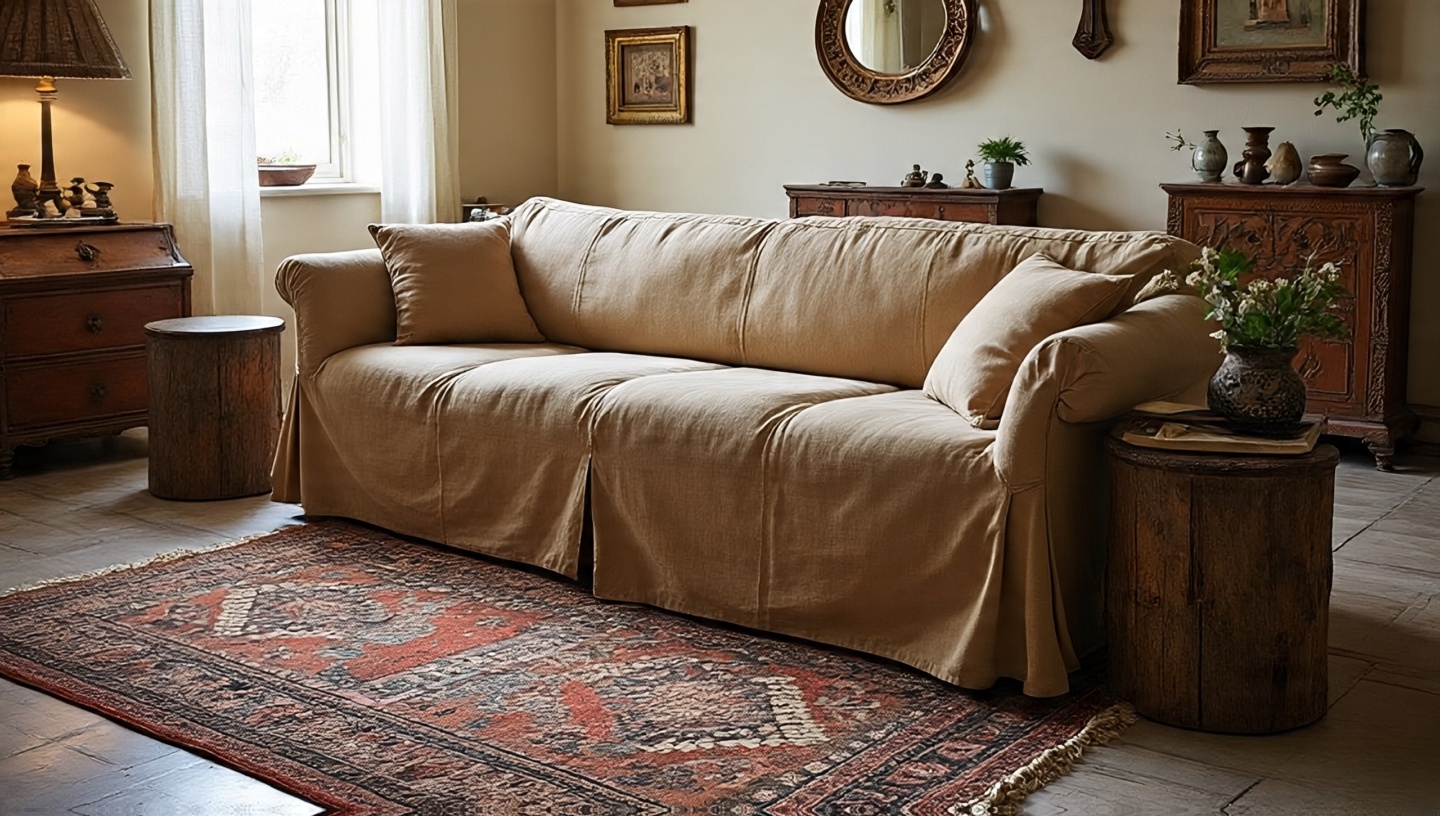
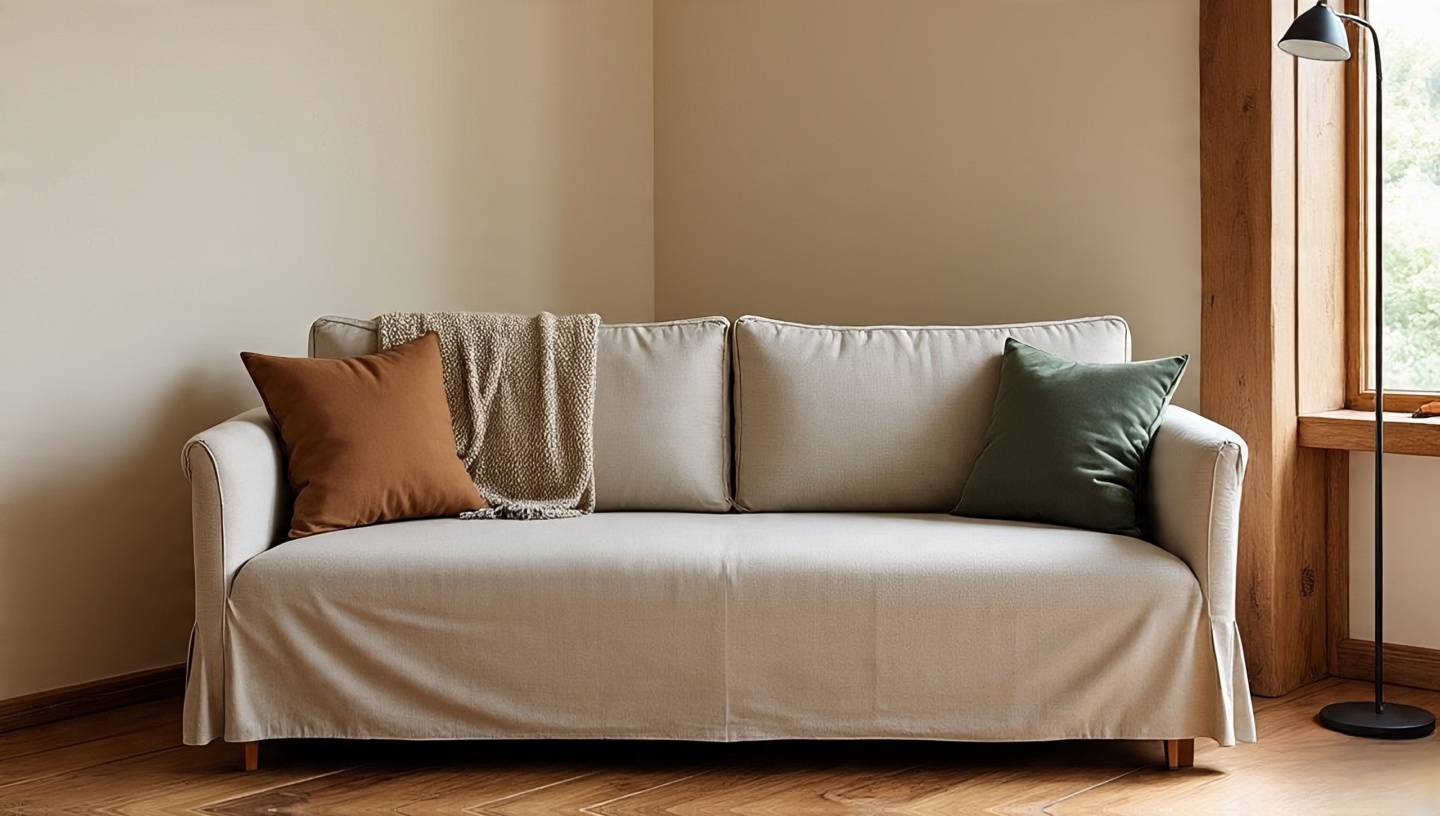
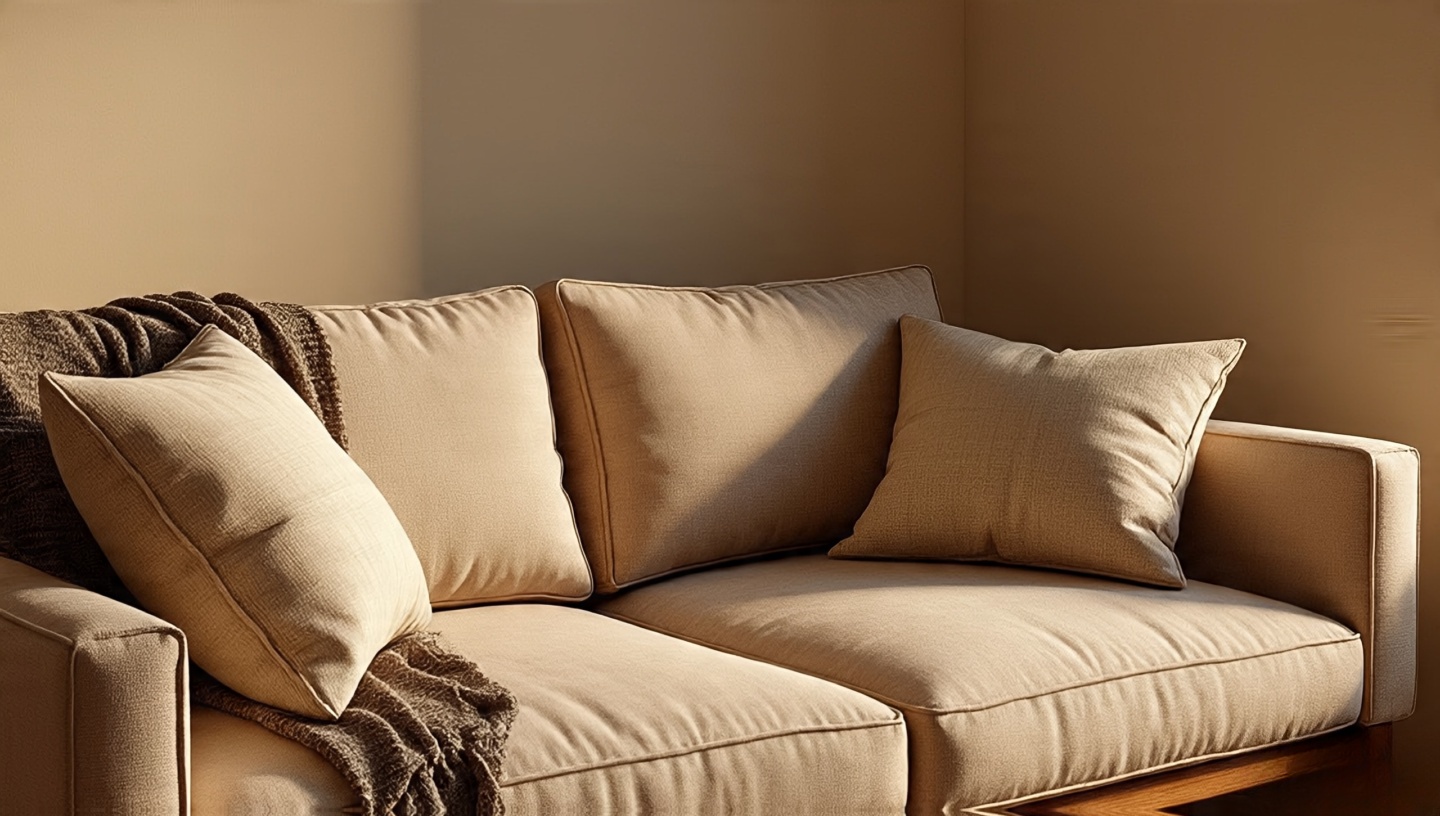
Inspect the sofa’s upholstery and care label before adding covers or cleaning products. Compare cushion fabrics with that base in the room’s normal light. A neutral cover can provide a simple background, but it is not essential if an existing patterned sofa already suits the household.
Give the textiles different jobs
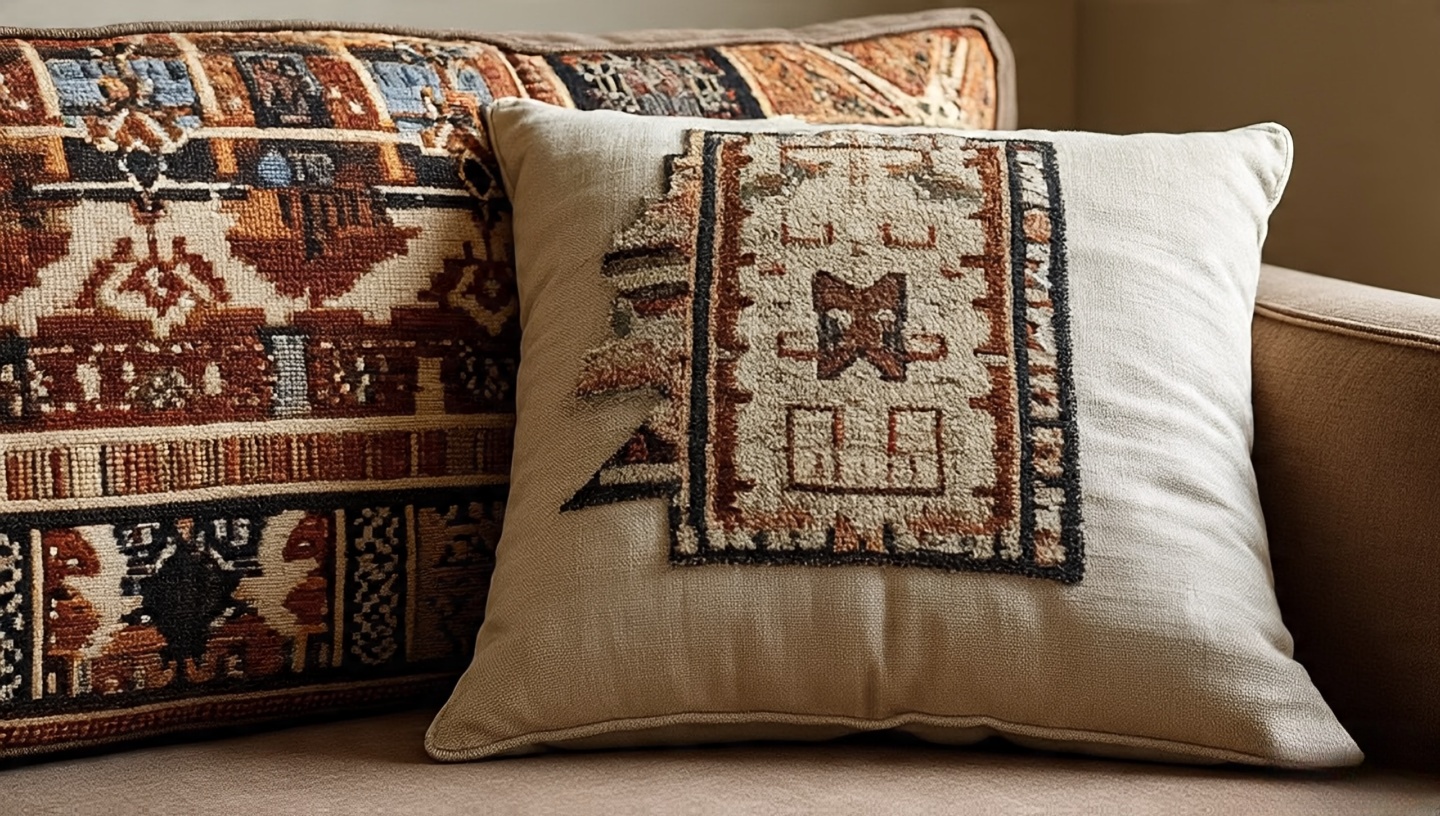
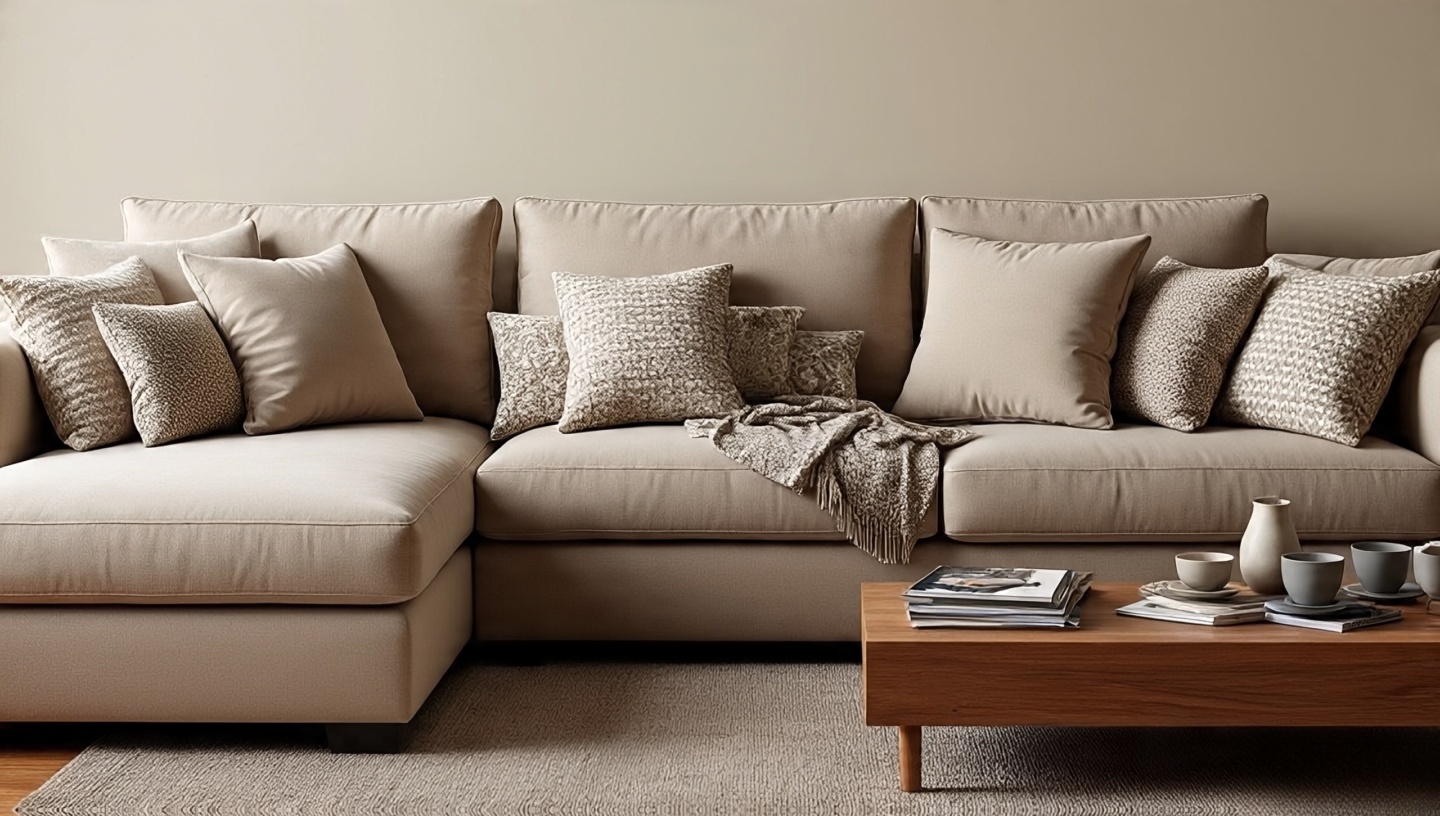
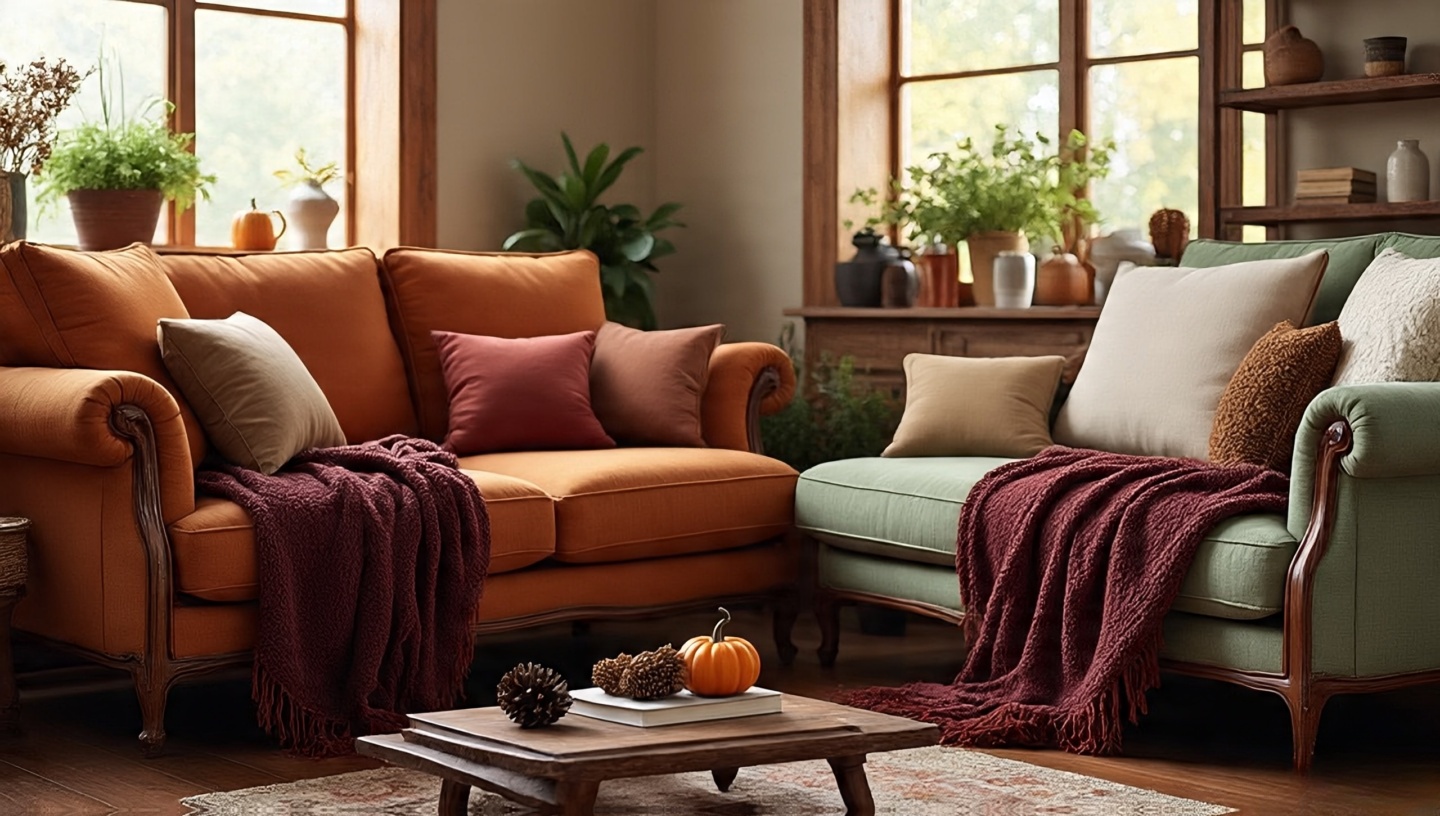
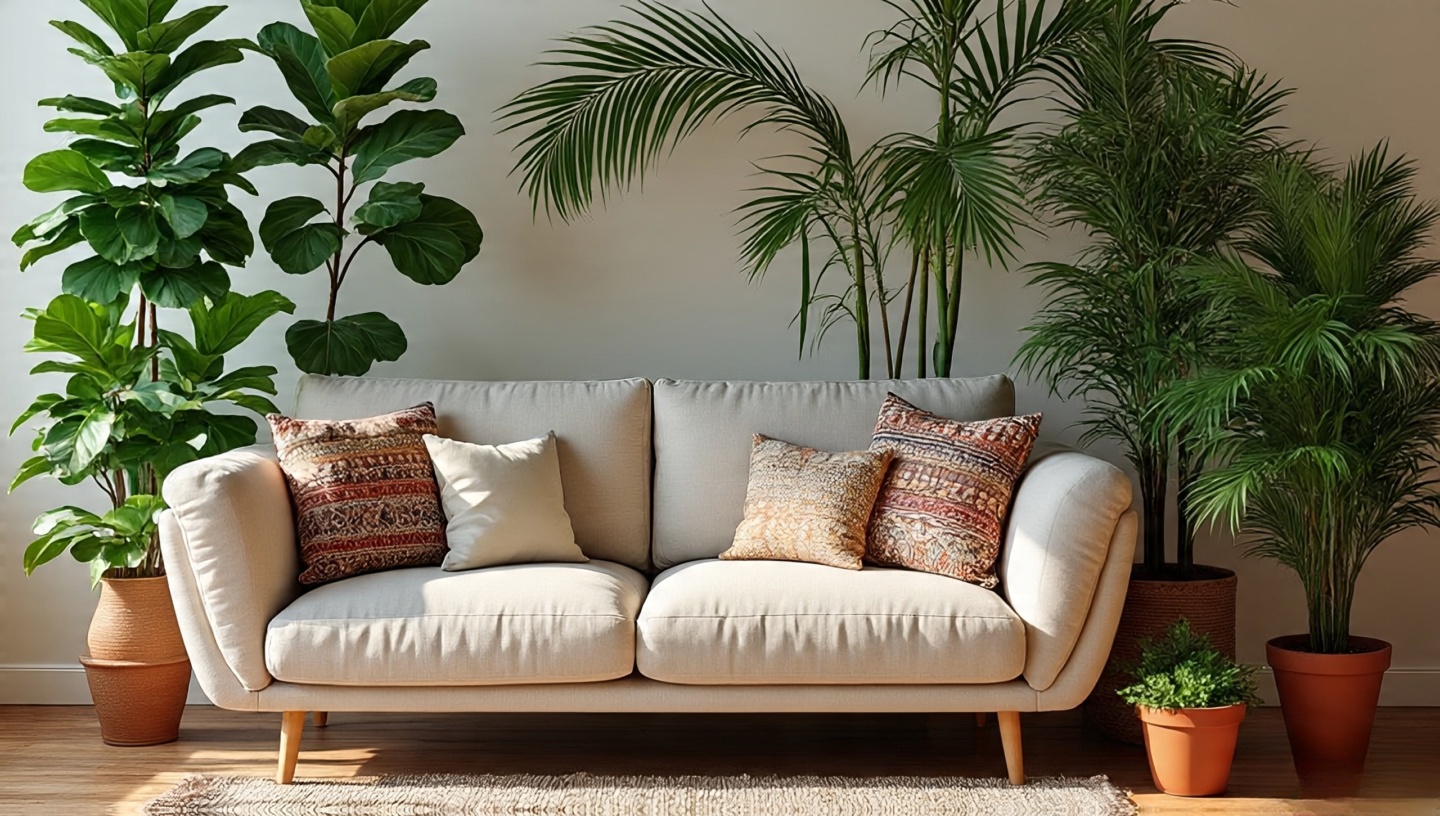
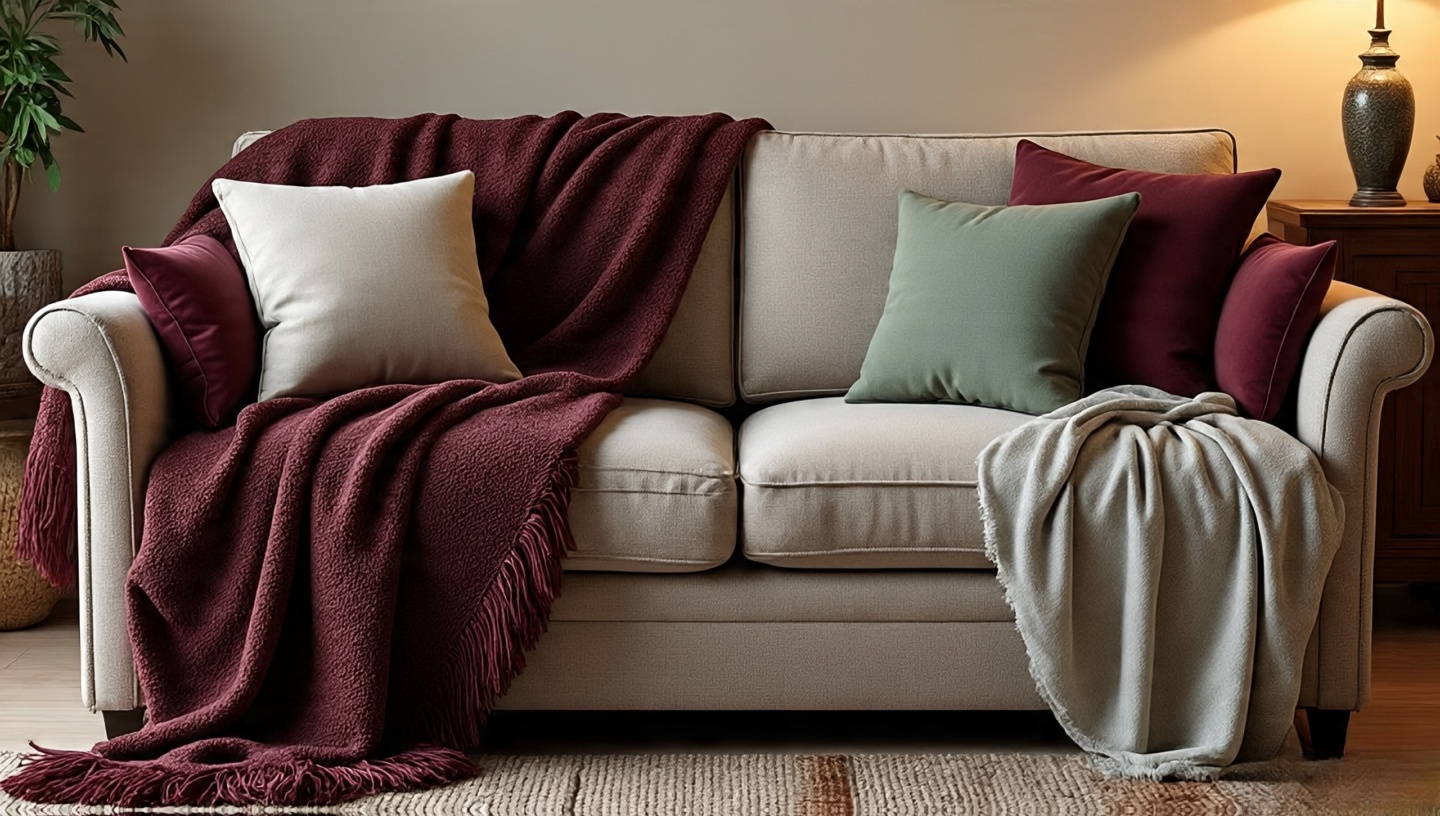
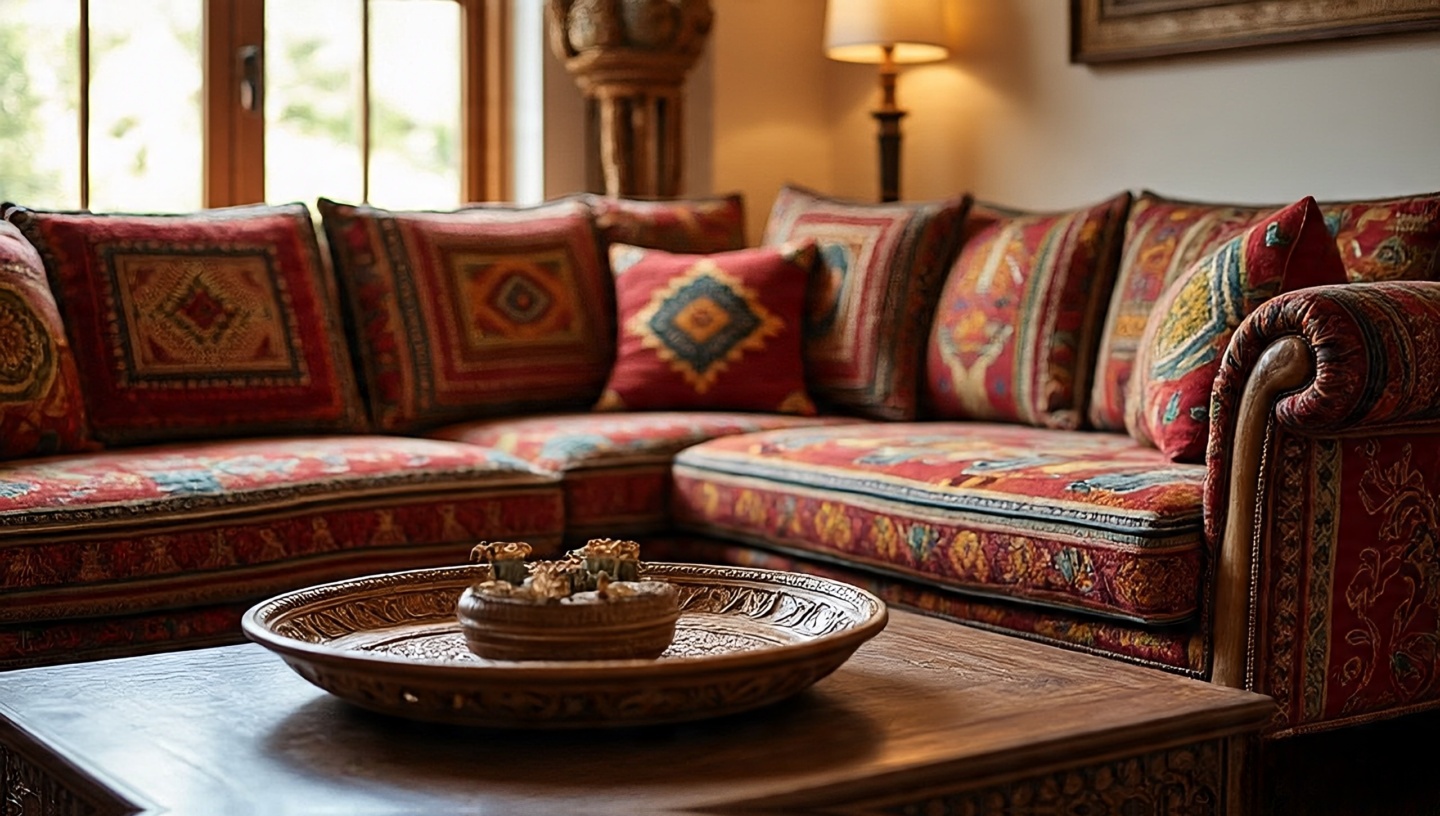
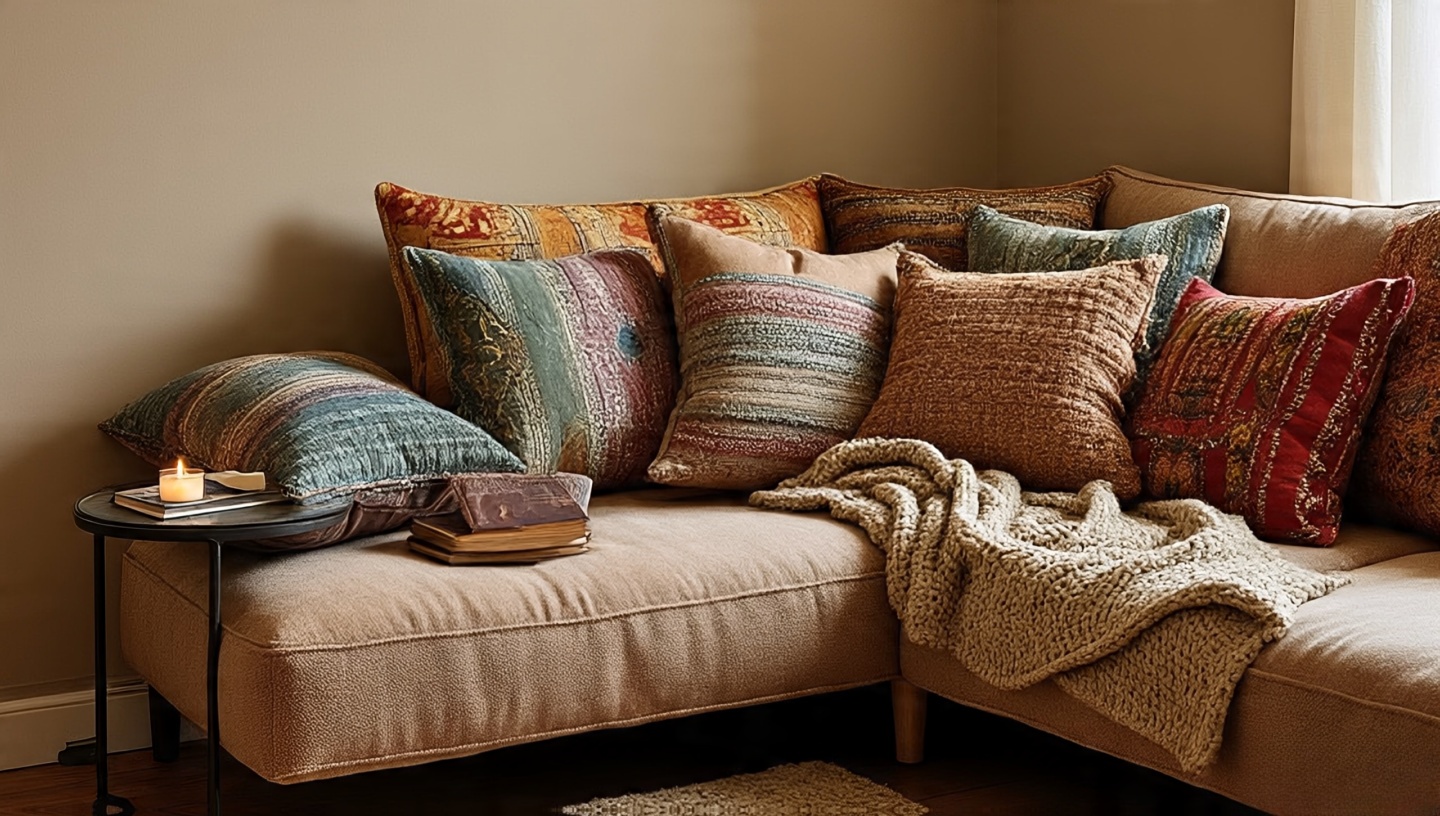
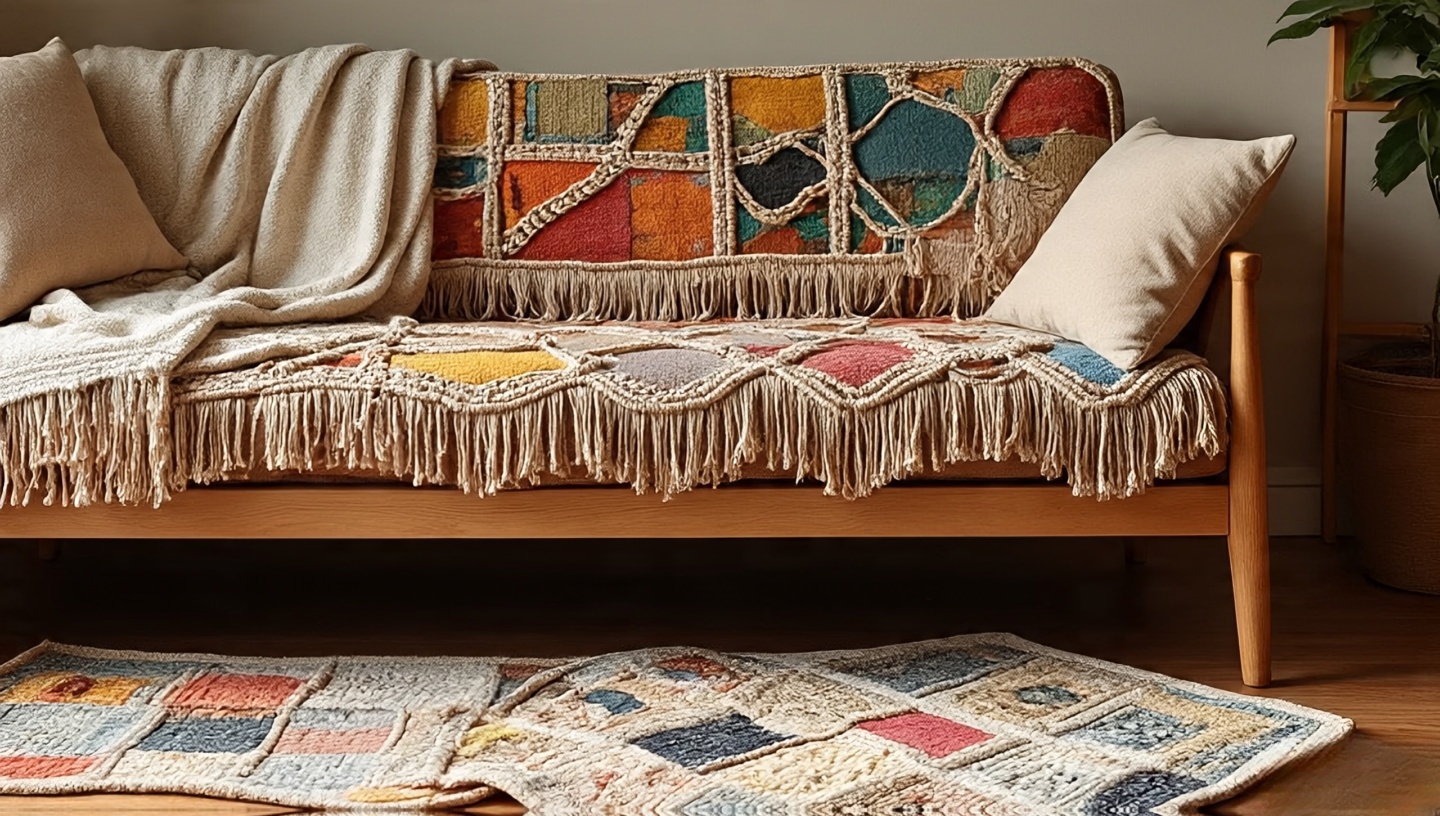
Use a small group of cushions that serve the intended seating arrangement. Compare pattern scales and repeat a color selectively rather than choosing every piece from the same collection. Avoid treating an inspiration image as a required cushion count.
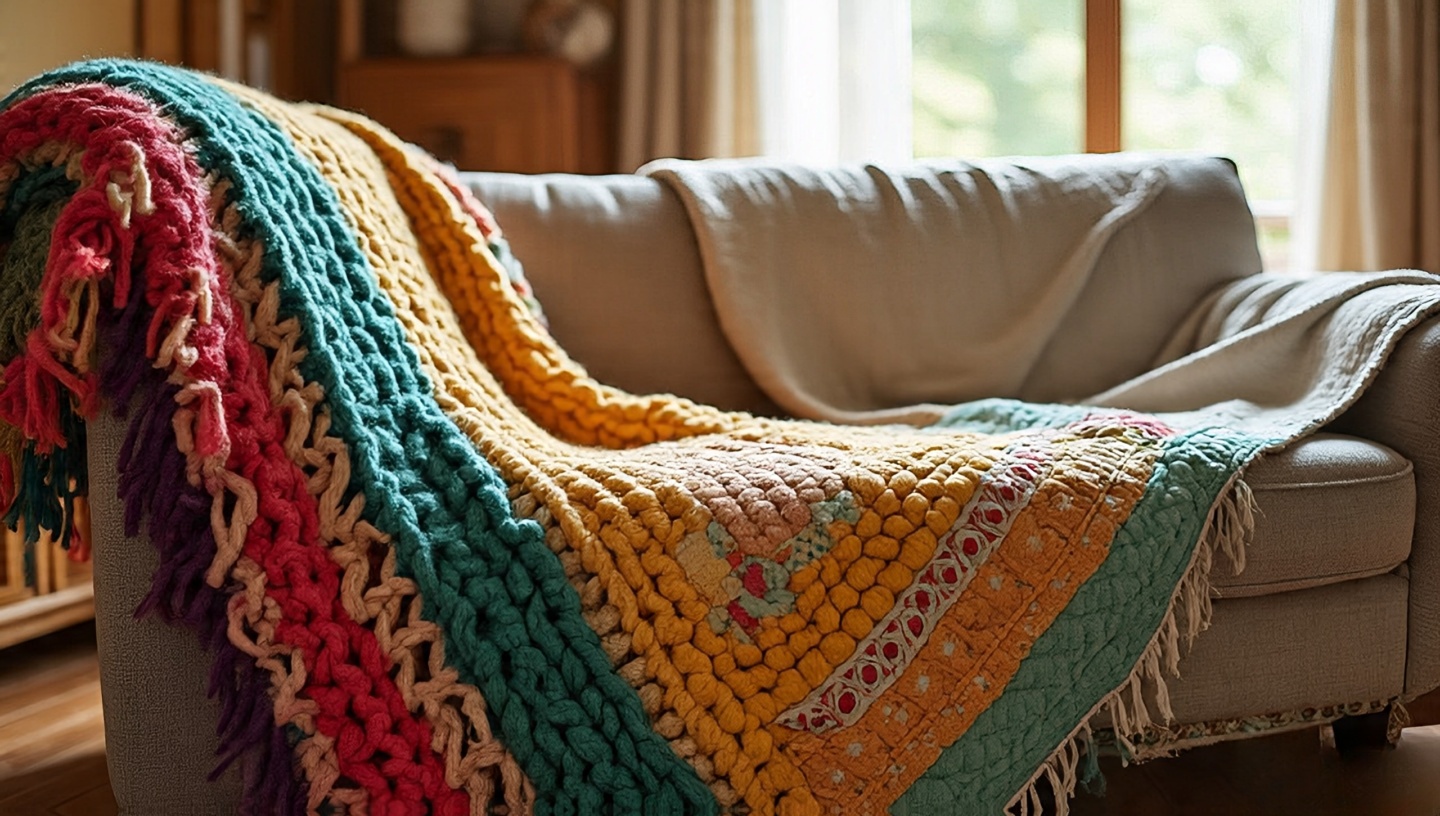
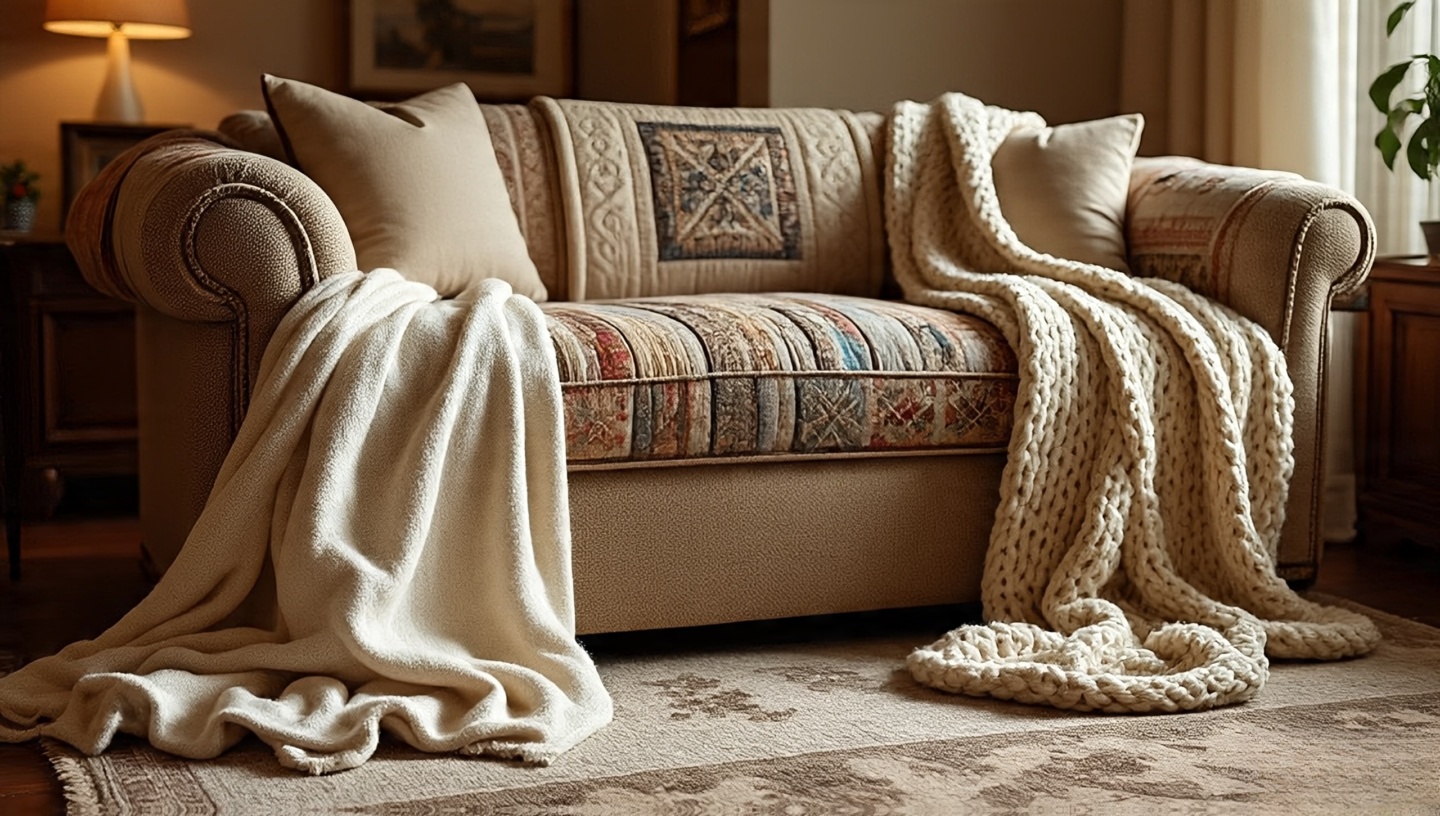
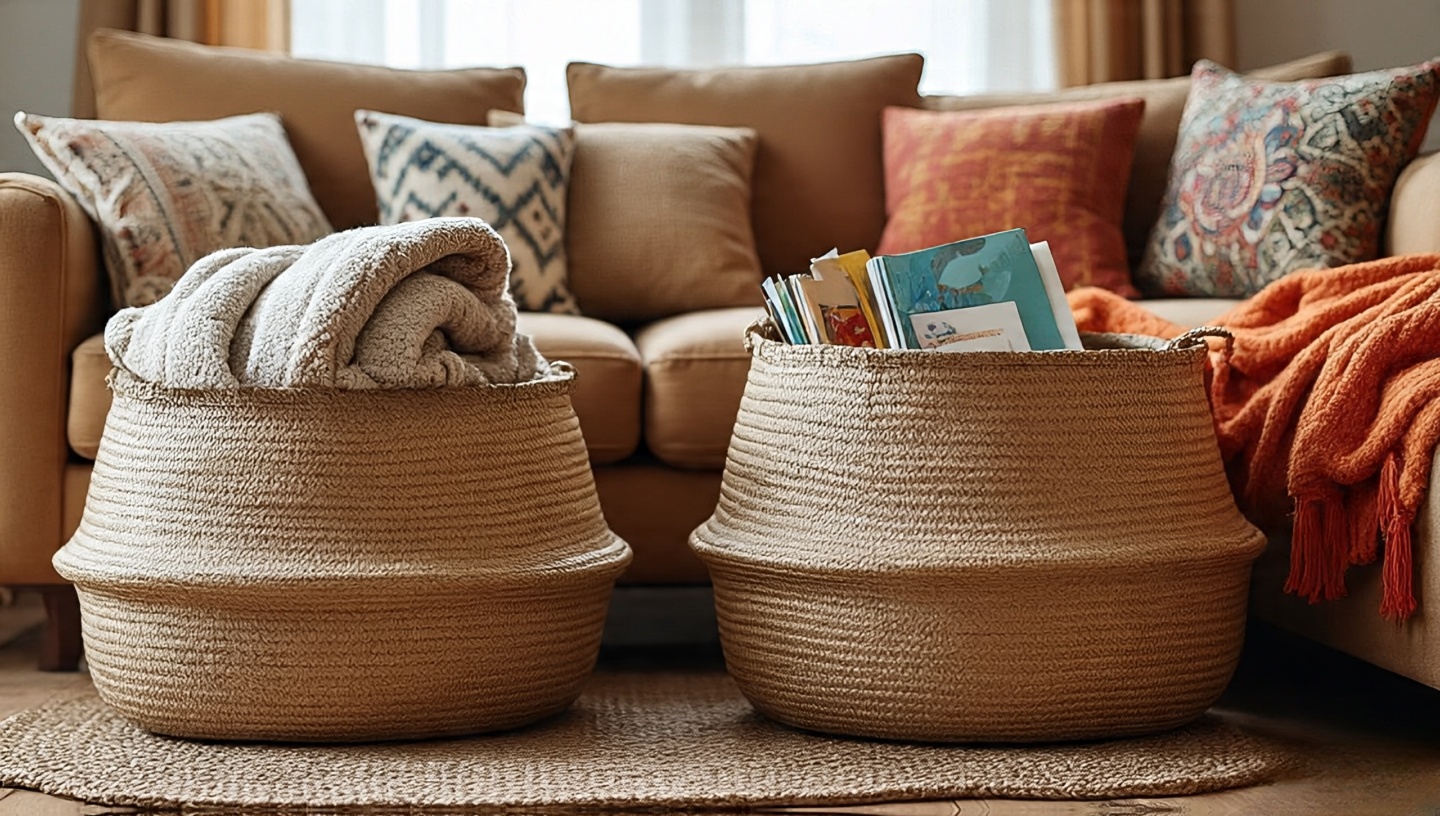
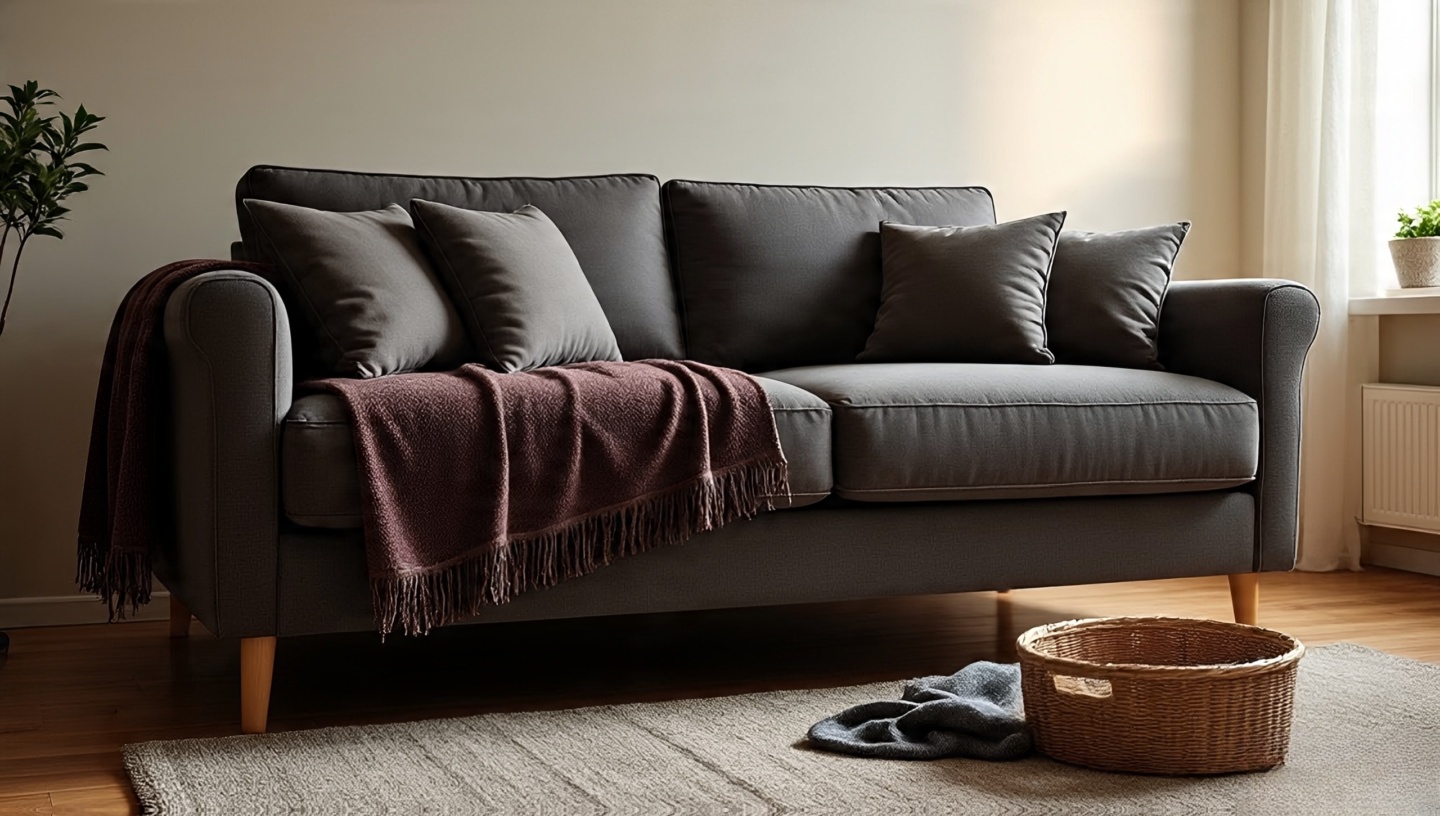
A throw should have a place when it is not needed. Try folding it over a suitable part of the sofa or storing it nearby without covering ventilation, controls, or moving mechanisms.
Check the table and walking route
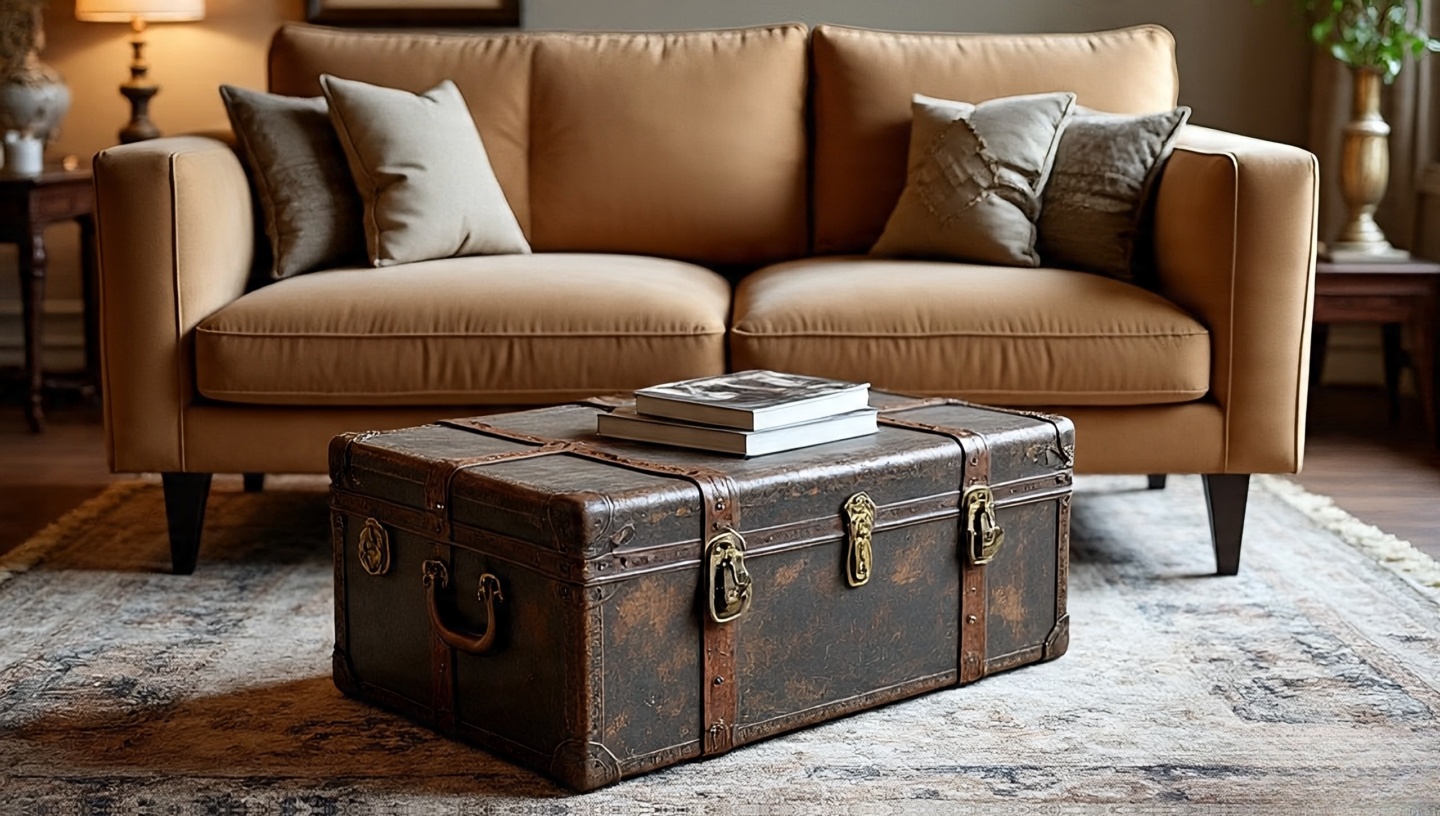
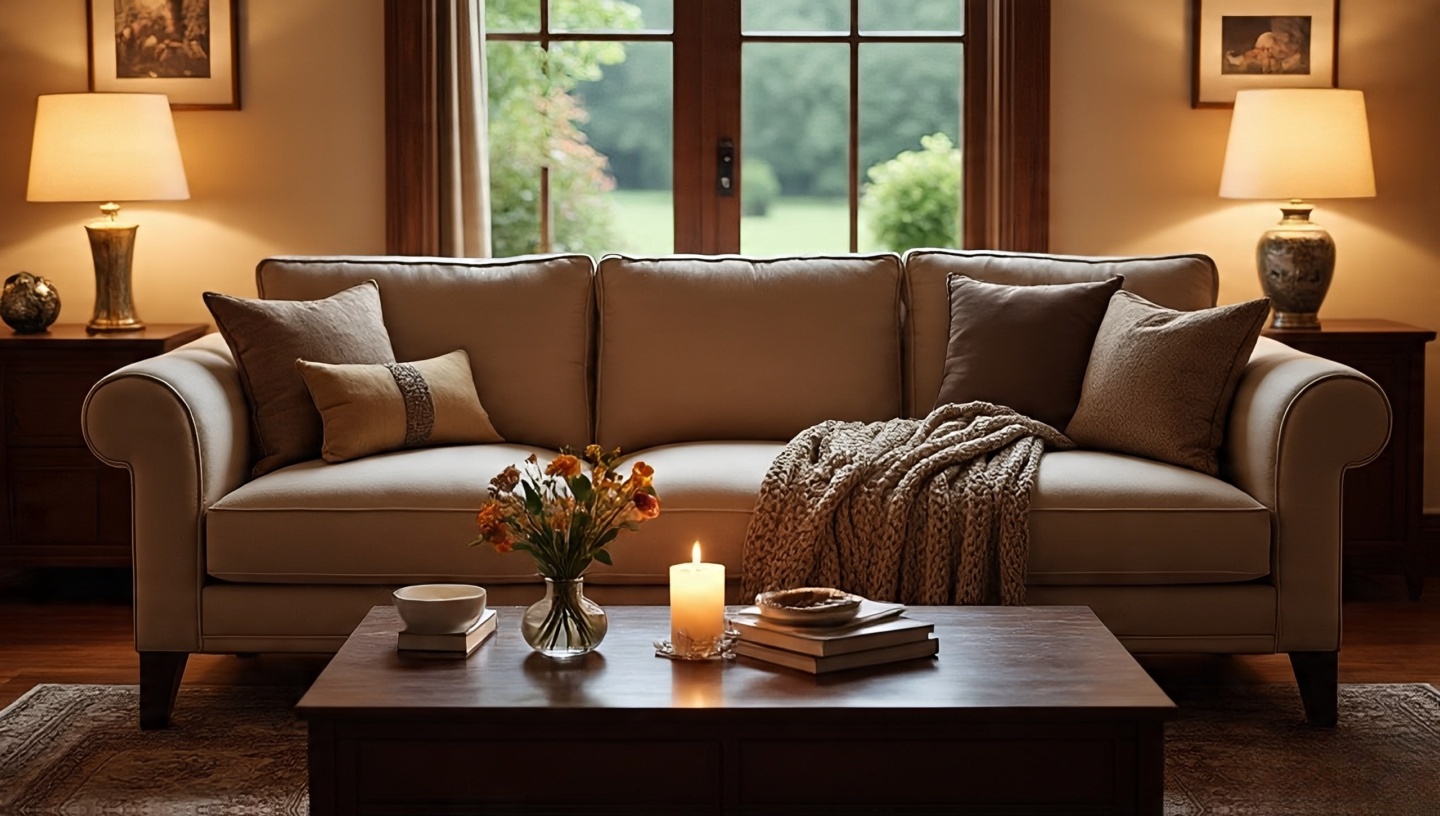
Test the coffee table from the occupied seat. Include recliner movement, nearby drawers, and the route around the sofa. Keep loose textile edges away from moving parts and walking routes.
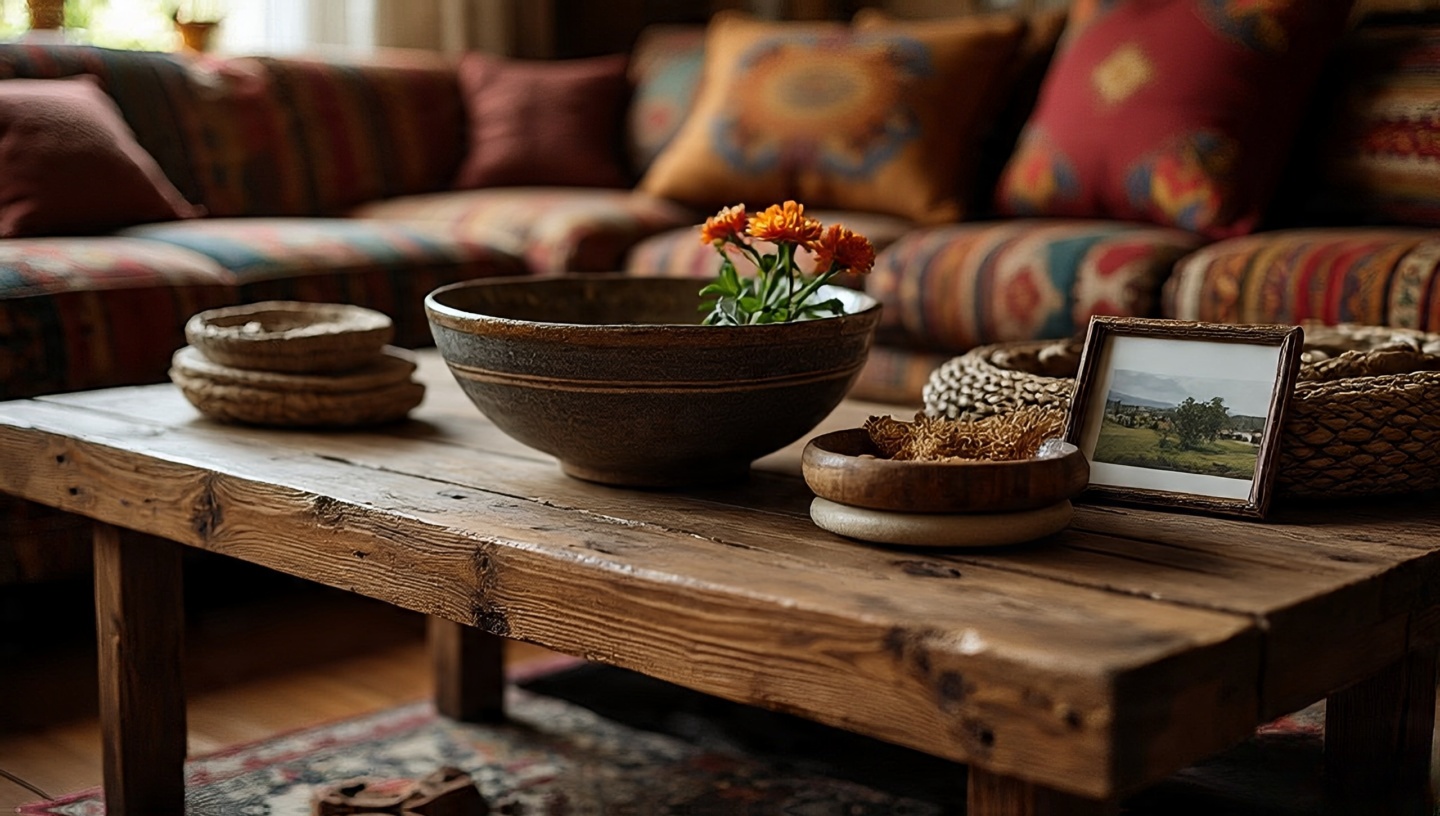
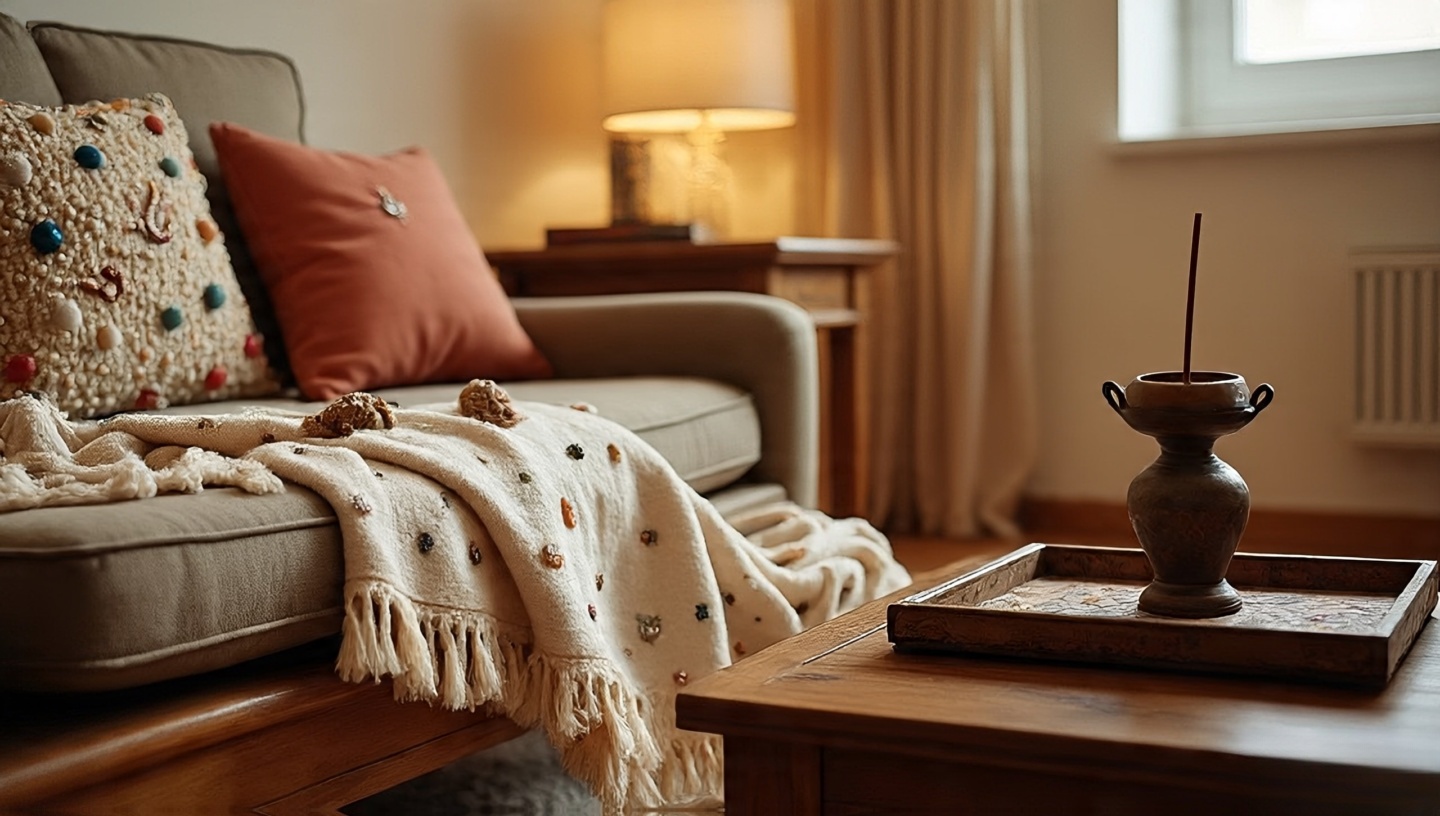
If a tray is used for small objects, leave space for the activity the table serves. A decorative display is less useful when it prevents setting down a drink or opening a book.
Review care and storage
Record which covers can be removed and how each textile should be washed or cleaned. Keep spare covers together with their instructions. Change one element at a time and retain the combinations that are easy to use and maintain.
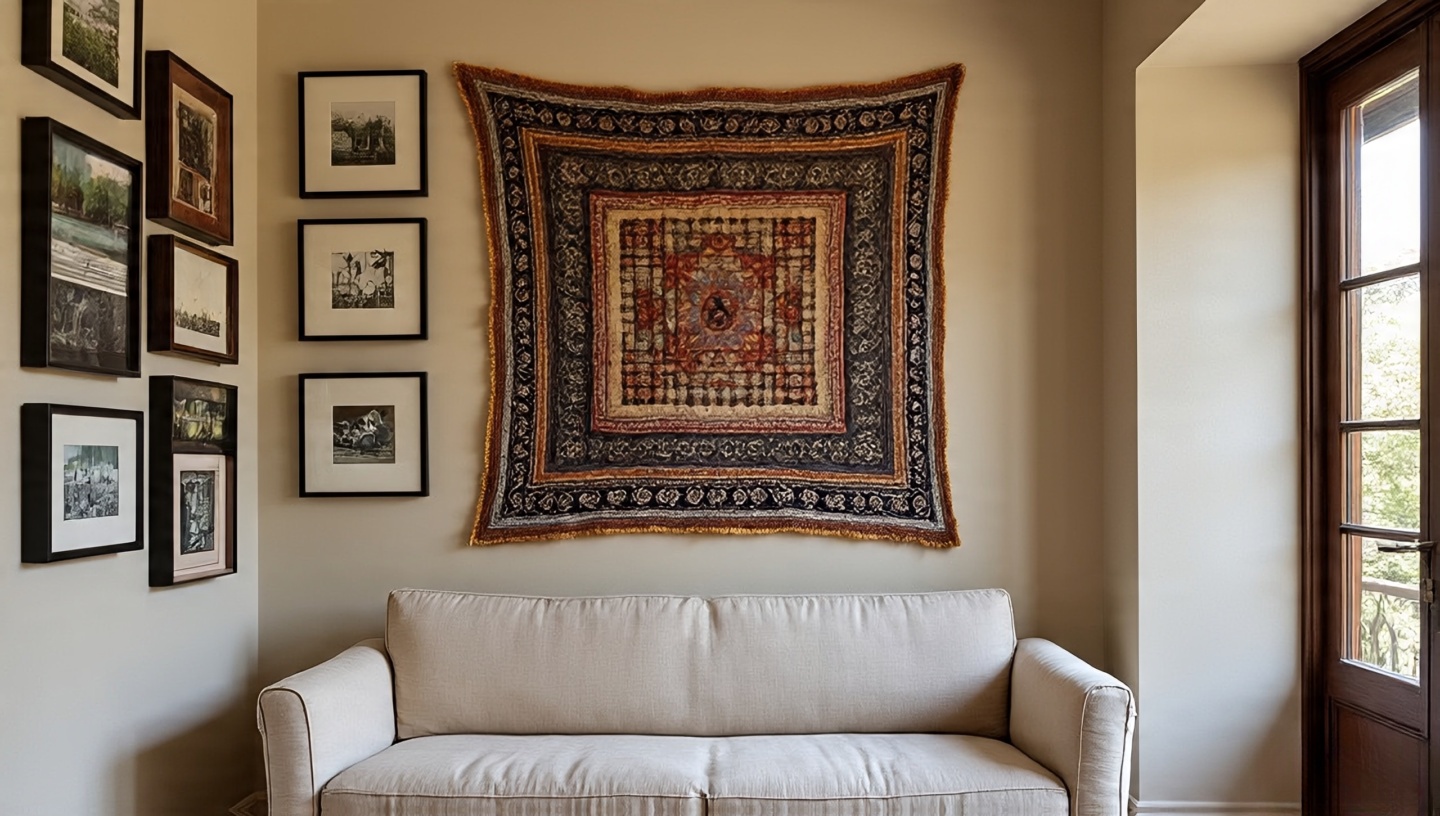
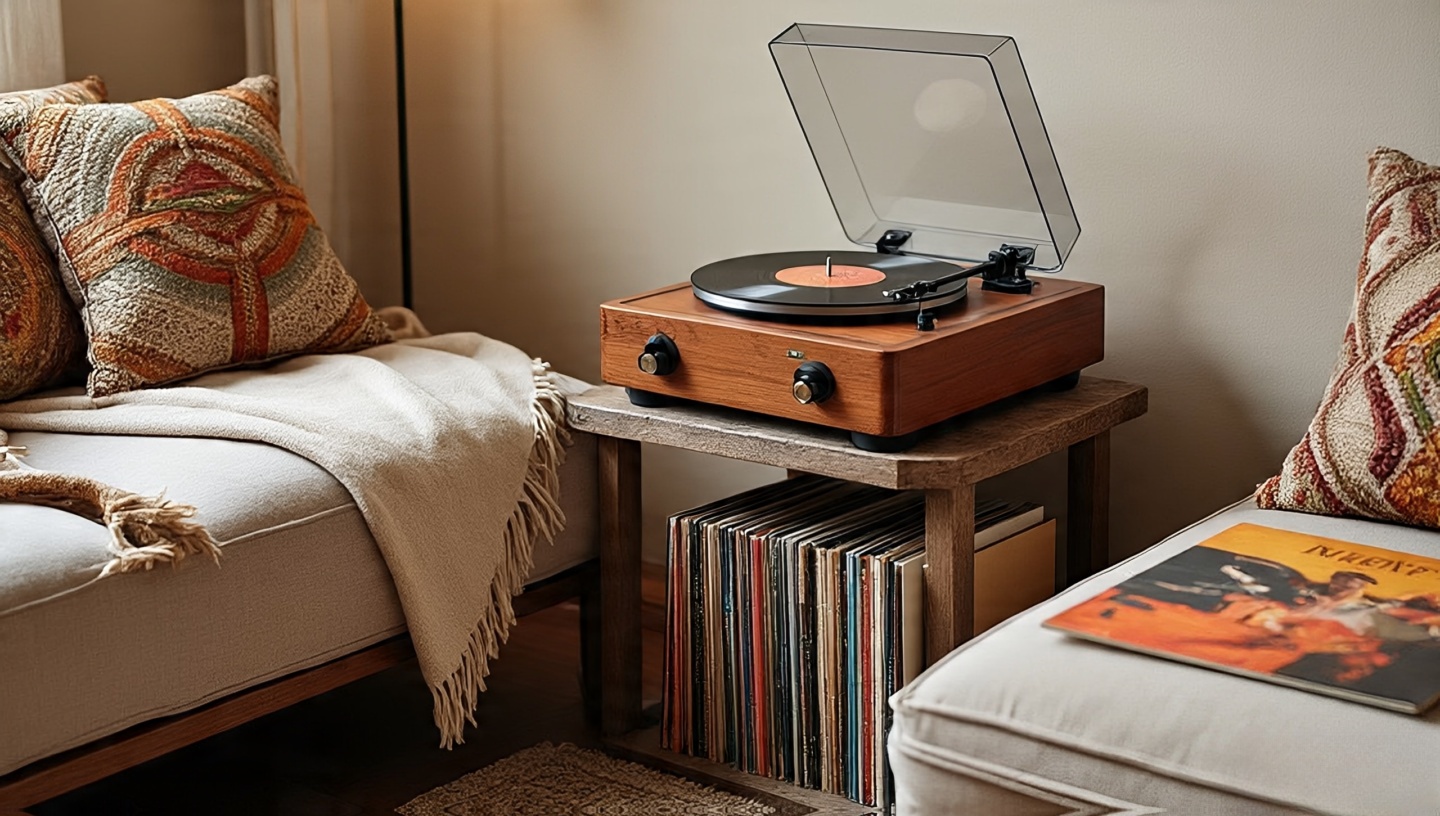
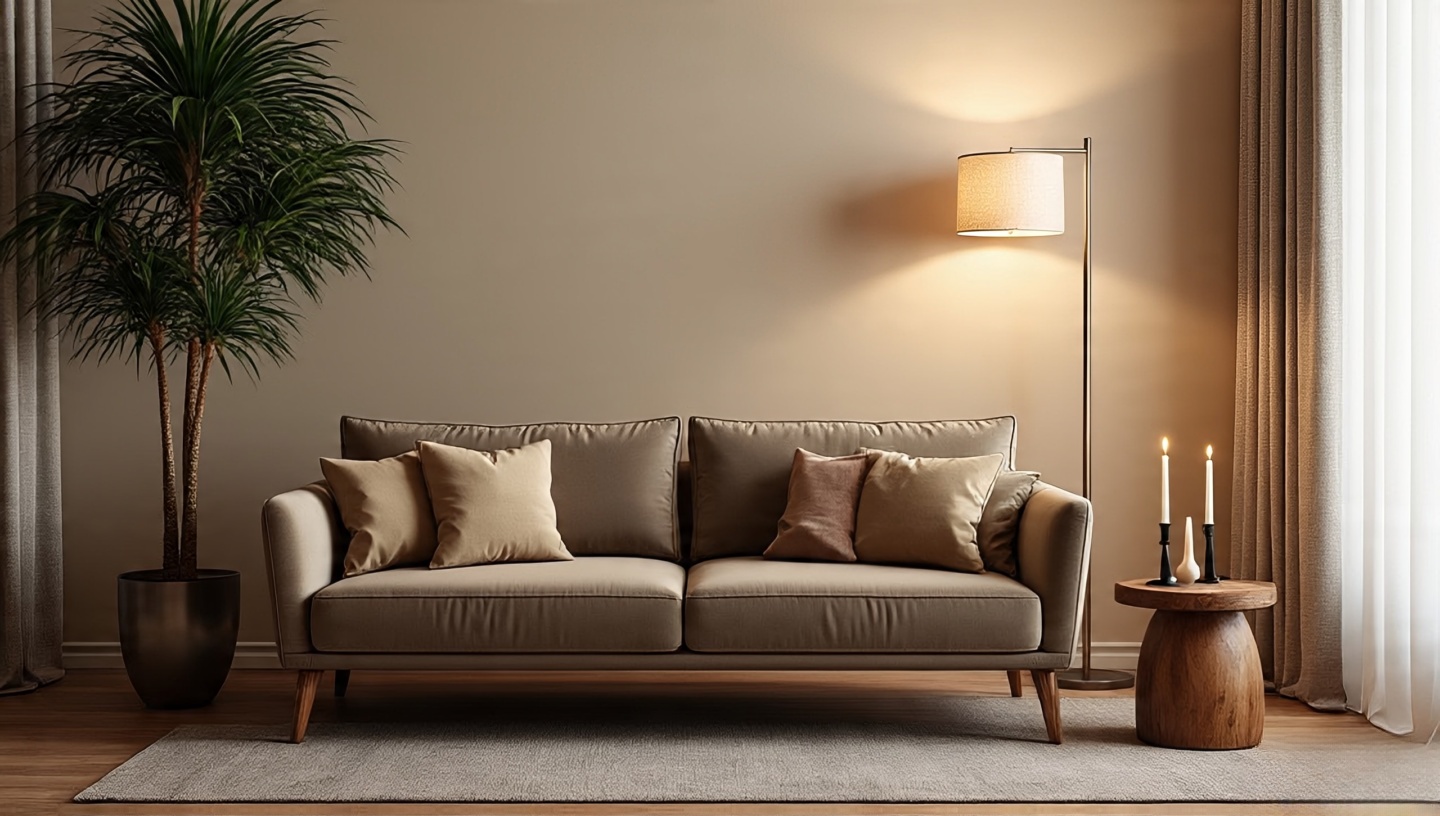
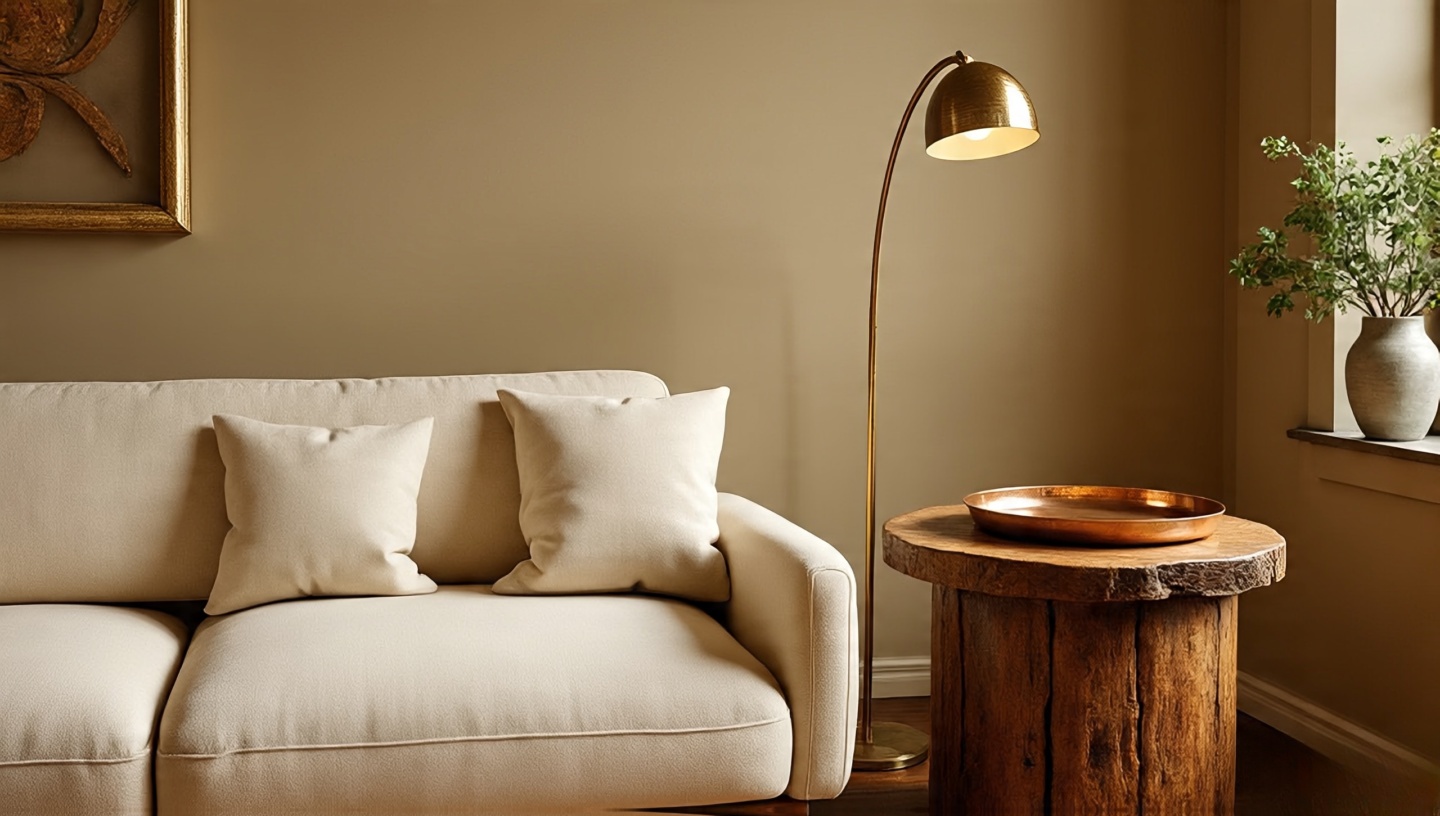
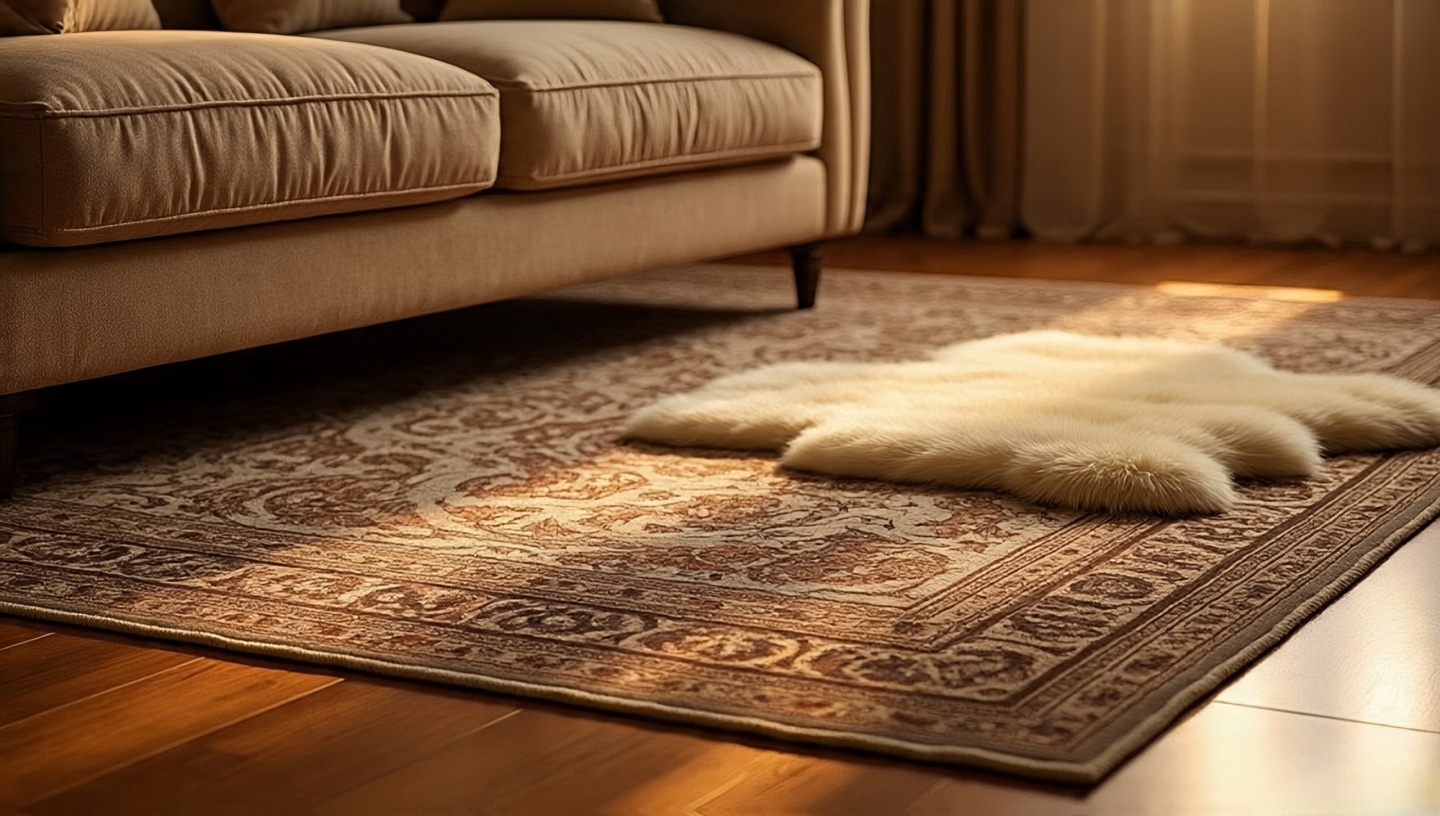
The gallery offers pattern and texture references; it is not a tested product comparison or a record of the author’s work for clients.
Images and retained source credits