

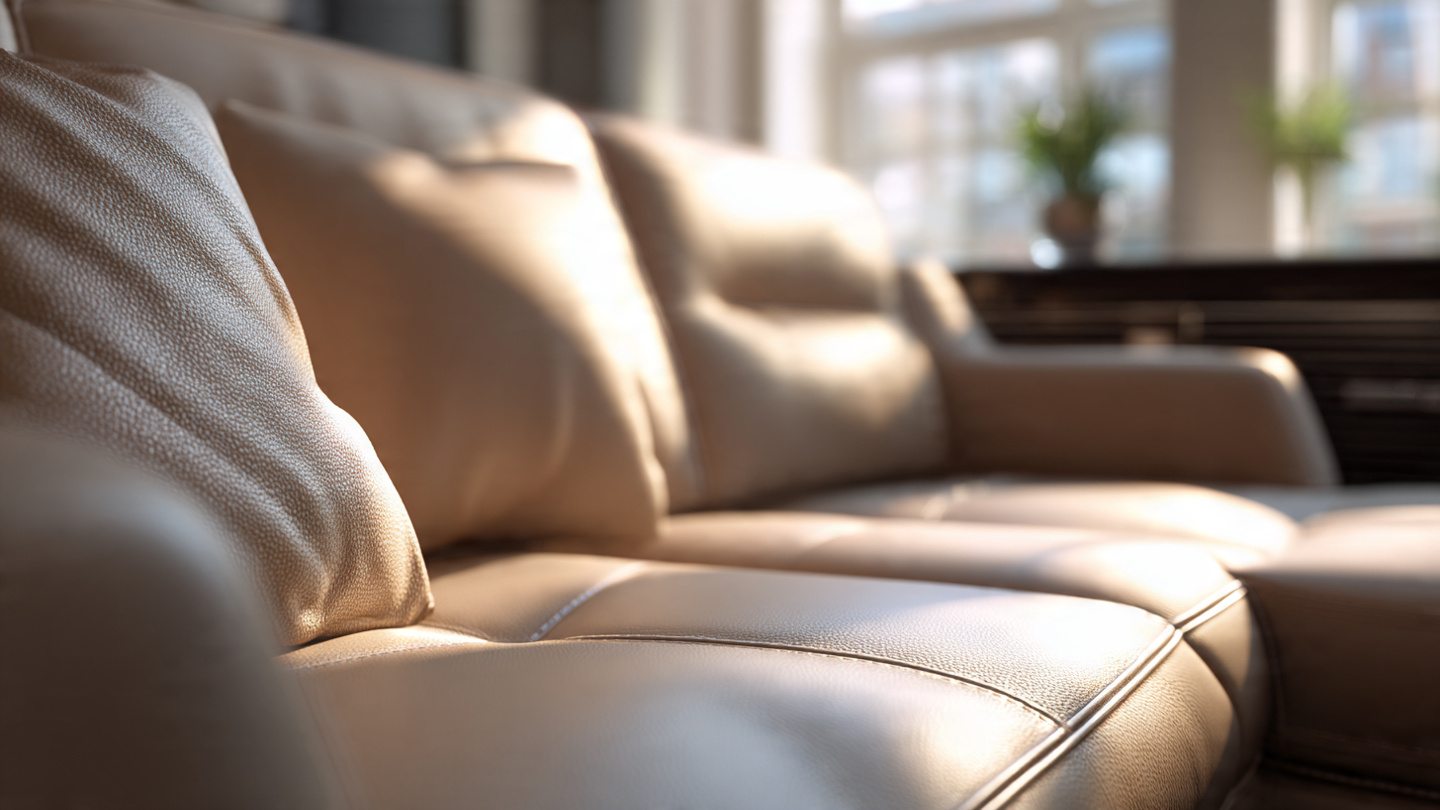
Leather interiors add comfort, style, and long-term value to both homes and vehicles. Whether it’s a leather sofa in a living room or leather seats inside a car, leather is designed to last—but only if it’s properly maintained.
What many people don’t realize is that regular maintenance and timely repair can save thousands of dollars over time. Maintaining leather interiors isn’t just about appearance; it’s about protecting an investment.
Why Leather Interiors Wear Down Over Time
Leather is durable, but it’s not indestructible. Daily use and environmental exposure slowly break down its surface.
Common causes of leather wear include:
- Sun exposure causing fading and drying
- Body oils and dirt breaking down protective coatings
- Friction from regular use
- Temperature changes that dry out leather
- Lack of conditioning and cleaning
Without care, leather becomes stiff, cracked, and faded—often much sooner than expected.
Maintenance vs. Replacement: The Real Cost Difference
Replacing leather furniture or vehicle interiors is expensive. Industry estimates show:
- Replacing a quality leather sofa can cost $3,000–$7,000
- Replacing leather vehicle seats can cost $2,500 or more
- Full interior replacements often take weeks to complete
By comparison, professional leather maintenance and repair typically costs 60–80% less than replacement and can extend the life of leather by 5–10 years.
From a return-on-investment standpoint, maintaining leather interiors consistently delivers long-term savings.
What Professional Leather Maintenance Includes
Professional leather maintenance goes far beyond wiping surfaces with household cleaners. A proper maintenance program may include:
- Deep cleaning to remove oils and contaminants
- Conditioning to restore flexibility and softness
- Repairing small cracks, scratches, or wear spots
- Color touch-ups to prevent fading from spreading
- Protective treatments to slow future damage
Companies like Leather Vinyl Renew specialize in repair-first solutions that help restore and preserve leather instead of replacing it.
Why Cars and Homes Share the Same Leather Problems
Leather ages the same way in homes and vehicles. Sun exposure, friction, and heat affect leather furniture and car interiors in nearly identical ways.
That’s why mobile services have become popular for both settings. Providers focused on Protecting Your Car’s Interior, such as PPF Pros, often apply similar maintenance and repair techniques used in residential leather restoration—bringing professional care directly to the customer.
This crossover proves that leather maintenance isn’t niche—it’s practical and effective across multiple environments.
The Long-Term Benefits of Maintaining Leather
Maintaining leather interiors offers benefits beyond cost savings:
- Preserves comfort and softness
- Keeps interiors looking newer longer
- Prevents small issues from becoming major damage
- Reduces waste by avoiding premature replacement
- Maintains resale value for homes and vehicles
Studies in property management and automotive resale show that well-maintained interiors can increase resale value by 5–15%, depending on condition and usage.
When Leather Maintenance Makes the Most Sense
Leather maintenance is especially valuable when:
- The structure beneath the leather is still sound
- Damage is surface-level or early-stage
- Leather feels dry, stiff, or faded
- Replacement costs outweigh repair costs
In most cases, early maintenance prevents major repairs later.
A Smarter Way to Protect Leather Investments
Leather interiors were built to last, but neglect shortens their lifespan. Maintenance and professional repair protect leather from the slow damage caused by everyday use and environmental exposure.
Whether in a living room, office, vehicle, or RV, leather maintenance offers a smart, cost-effective way to preserve quality, comfort, and value—without starting over.