
Home Blog Page 144

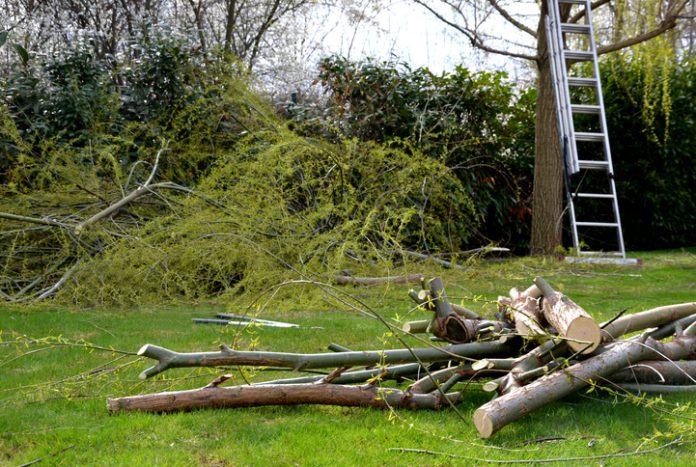
Help! My Yard is a Mess!

Is your yard a bit of a mess? Well don’t worry, you’re not alone. There’s plenty of folks out there who have put “landscape yard” on their to-do list, and have yet to get around to it. The problem is, with a blooming thing like a yard, it just gets harder and harder to tackle the longer you leave it.

If you’re looking for a bit of a push when it comes to landscaping your yard, then this article is for you. Whether you’re wanting to spruce things up for summer get-togethers or finally get around to those landscape design projects you’ve been putting off, this article will outline the best places to start – so keep reading for some top tips on how to get your yard in great shape this season.

Evaluate What Needs To Be Done

The first step is always assessing what work actually needs to be done. Take a walk around your property and make a list of all the projects you’d like to tackle. Maybe it’s only three things, or perhaps it’s a whole bunch of tiny tasks.

Whatever the list may be, it’s important to make a list to remain organized and to enhance productivity. Once you have your list, you can start prioritizing which projects are the most important and need to be done first.

If you’re not sure where to start, then a good hack is to start with the projects that will have the biggest impact, or that are the most time-consuming. By starting with the biggest projects first, you will get to see the most change happen right away, which is always really rewarding. Not only that, but if you spend a lot of time on the first project, then everything else afterwards will seem easy!

Set a Budget

Once you know what needs to be done, it’s time to set a budget. Having a budget in mind will help you determine which projects you can tackle yourself and which ones you may need to hire professional help for. Some of those smaller tasks might only require some gloves and a shovel, but if you’re trying to accomplish some detailed landscape designs or re-imagine your yard, it can get pricey.

It’s also important to factor in unexpected costs that may come up during the course of your project. Even with a solid landscaping plan, sometimes it’s hard to know what might happen, or what kind of bumps you may hit along the way.

Don’t worry – even if you hit a snag or two, you will be able to decide whether or not you want to proceed with certain projects, or take a simpler route. After all, that’s the whole point in creating a landscaping plan!

Gather Supplies

Next, it’s time to start gathering the supplies you’ll need for your project. If you’re planning on doing any planting, this is a good time to head to your local nursery or garden center and pick out the plants, mulch, and other supplies you’ll need.

On the other hand, if you’re rebuilding or reworking a bigger project, then this would be a good time to start renting any tools or equipment you may need that you don’t already have on hand – which is where having a budget will really come into play!

Regardless of plants or tools, ensuring you have the supplies you need on hand will allow your landscaping project to stay organized, and timely. The quicker you get your project done, the faster you can watch your yard take shape and resemble your plans!

Start Working!

Now it’s finally time to start working! If you’re tackling the project yourself, we recommend starting with the smaller tasks on your list first so you can get a feel for what you’re doing before moving onto the bigger tasks. Practice makes perfect, and might also allow you to gain momentum throughout the project.

On the other hand, if you’re hiring professional help, they will likely take care of everything for you from start to finish. Either way, once everything is complete, sit back and enjoy your brand new yard!

There’s no better feeling than having a yard that looks its best just in time for summer weather! By following these simple steps, you’ll be well on your way to having the best yard on the block in no time. So what are you waiting for? It’s time to get started!
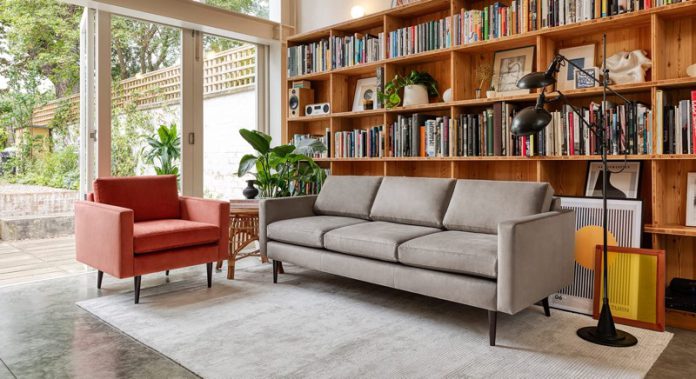
Compare and Contrast: Sofa in a Box vs Traditional Sofa

When you’re in the market for a new item of lounge furnishings, whether that be a comfy sofa, a relaxing armchair, or somewhere to put your feet up, no doubt you’ll have a few considerations in mind. Can I source a suitable suite that matches my current decor and preference? Can I have a piece that is both stain-resistant and beautiful? Is it even possible to get any item I choose through the entrance or into my house? These are just a few questions our team has been asked over their decades in the sofa business. These reasons and many more have led us to create the stunning Sofa in a Box design. But how does this compare to a traditional sofa, and what are the main differences?

The Biggest Difference

There main fundamental difference between Sofa in a Box couch and a traditional lounge suite is getting them set up in a home. While both can come in various styles, sizes, and colours while complimenting any room they’re placed in, the primary difference between the ease of getting the sofa in your house in the first place. The Smart Sofa range is designed to get in any doorway, home, apartment, or flat, with each piece fitting easily in its own box to fit through tight doorways. Many traditional sofas are already set up and cannot be broken down into smaller parts to make delivery easy. This means you may not be able to choose a traditional sofa you may like as it won’t fit in your door. You will never have this issue with Sofa in a Box.

Style and Options

Style options make a difference; think elegance, comfort, and versatility. Each piece is luxurious, practical and comfortable, well-crafted with quality construction and is available in various configurations, from three-seater sofas to armchairs to complimentary ottomans. The upholstery is soft, vegan, pet-friendly velvet that’s stain-resistant while retaining softness and sophistication. The foam and polyester filling means there are also no animal products used in any of our sofas. And we are so sure of our range that each of our pieces comes with a 25-year warranty. So does your traditional sofa guarantee all of that?

Delivery

Sofa in a Box came about after our team spent decades selling traditional sofas. Unfortunately, there were multiple occasions when the sofas couldn’t be delivered due to small doorways and tight halls. More than one failed delivery led to disgruntled and disappointed customers who wanted their sofa in place. That led the team to create the better delivery method used now. Each sofa is modular and split apart, packed in its own box for delivery. Unlike a traditional sofa, Smart Sofa can get in place no matter how tight the doorway is.

Construction

Now you may think this ease of delivery must come at a cost to the setup and longevity of the sofa, but the team has thought of everything. Unlike a traditional sofa that may need tools and several people to put together, there is no such hassle for a Sofa in a Box. It’s easy to construct with no tools and ready to sit on straight after. It’s really that simple and stands out from the crowd with the ease of use.

The Full Range is Also Eco-Friendly

To add the cherry on top, Smart Sofa is passionate about sustainability and guaranteeing an eco-friendly range. Every piece of our extensive range uses only FSC-certified wood, which provides environmentally friendly forestry management focused on timber production that does not destroy forest biodiversity and ecological integrity. Each frame we build is composed of solid hardwood timber, built to withstand the rigours of daily life without compromising comfort and beauty. It may cost a bit extra, but it pays with the environmental benefits. Does the traditional sofa you’re considering provide this peace of mind?

We are a UK Company

Our team and operations are proudly UK based, and as a UK company, we adhere to all quality and construction guidelines expected from home-crafted furniture. We are focused on our local customers, aiming to deliver quickly around the UK, and ensuring each client is delighted with their new sofa or item of furniture.

Visit the Smart Sofa Website

For more details about Smart Sofas, please visit our website. You can even order colour samples and swatches! Our mission is to craft top-quality, comfortable sofas that are simple to deliver, comfortable to use, and with beauty that lasts a lifetime.

Avoid These Mistakes If You Have an HVAC in Your Home

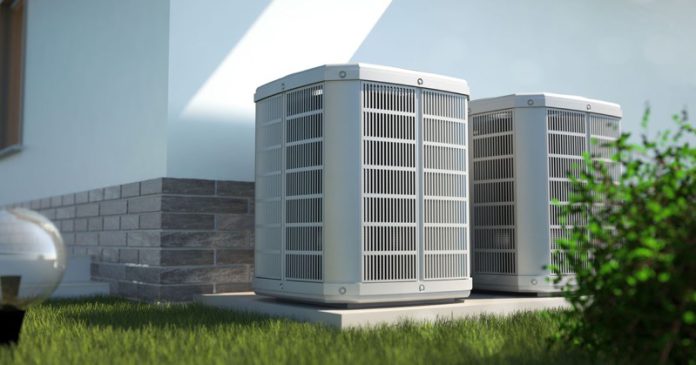
The essential appliances in the house, like the HVAC, tend to break down unannounced. If your AC starts to experience problems, you may feel frustrated and not even have enough time to wait for the HVAC technician. Your best option at the moment could be to DIY AC repairs with the hope of restoring the issue. It is essential to call an experienced and licensed AC repair expert to handle the problems. However, if you think you cannot wait for the professional, it is first essential to know the issues you can address yourself and those that should wait for the expert no matter what. Here are common mistakes you should avoid if you have an HVAC in your home.

1. Improvising Repairs

It is wrong to find a fix-it-all solution for any problem you come across with your HVAC. For instance, you may always rush for duct tape to seal a leak without knowing the origin. A minor issue with the HVAC could mean more than you think. Therefore, stop improvising solutions and call the professionals to fix them.

2. Ignoring Warning Signs

Before the HVAC breaks down completely, it will give you some warning signs to know when something is wrong. If you ignore these warnings, you only await a more significant issue. Some warning signs could be weird noises from the unit, skyrocketing energy bills, strange smells on the vents, temperature fluctuations in the house, or a pool of water around the system. Ignoring these signs or attempting to fix them without knowing the origin will only create more trouble. Hence, opt for a pro before the issue gets worse.

3. Hiring a Cheap HVAC Company

Inexperienced contractors attract customers with lowball offers. Knowing the quality of services you are getting is advisable to estimate how much it will cost you. Understandably, you may want to go for cheap service when low on budget. However, it does not match the quality of services you will get. Always go for a company that charges AC repair services reasonably. There is a chance that lowball offers come with shortcuts and shoddy jobs, and the company might use low-quality parts.

4. Skimping on Basic Maintenance

Troubleshooting and preventive maintenance are your responsibilities as the HVAC owner. Therefore, ensure you apply simple maintenance measures like removing debris accumulating on the unit. You should also know how to troubleshoot issues to enable the technicians to help you. Before they show up at your home, they may ask you to check for problems like power loss. So, look for these issues and fix them well before you call the professionals.

5. Cleaning the Ducts

Cleaning dust from the house is vital to maintain quality airflow and prevent allergy issues. You might be tempted to clean the ductwork without professionals to save time and money. Unfortunately, most homeowners who have attempted duct cleaning DIY have done more harm than good. If you have a dust problem, let the professionals with the right equipment clean the ducts.

To Wrap It Up

These are mistakes you should avoid and things you should do to improve the efficiency of your HVAC and ensure you don’t create more trouble. Hire professionals when necessary and learn to troubleshoot issues before calling them.

Solar Hot Water Systems: How They Work and Why You Should Consider One

With the cost of living on the rise, it’s no wonder more people are looking into solar hot water systems to save money on their energy bills. But how do these systems work, and why should you consider one for your home? Here’s a quick guide to solar hot water systems and how they can benefit you and the environment.

First you need to know what a solar hot water system is.

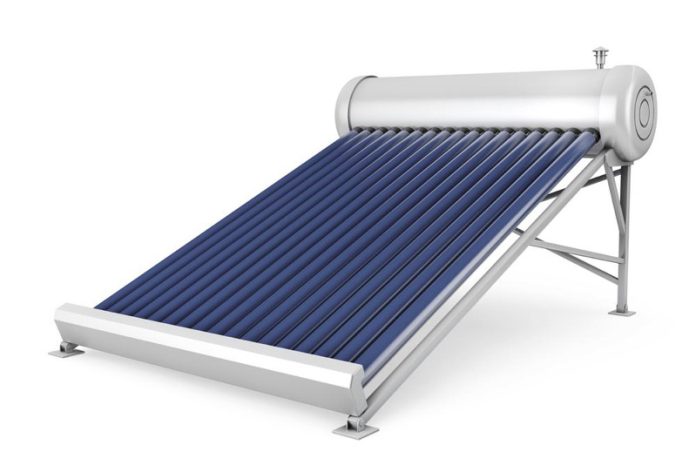
Solar hot water systems use the sun’s energy to heat up water. This differs from solar panels, which use the sun’s energy to create electricity. Instead, solar hot water systems are installed on your roof and use special tubes to collect the sun’s heat. This heat is then used to warm up your water.

There are two main types of solar hot water systems:

– Passive solar hot water systems rely on the sun to heat up the water, and they don’t have any moving parts. As a result, they’re usually cheaper to install but are not as efficient as active solar hot water systems.

– Active solar hot water systems use a pump to circulate the water, which can be more expensive to install. However, they’re more efficient than passive solar hot water systems.

Call a plumber to decide if a solar system is right for you if you are considering one. They will be able to give you specific advice for your home. Additionally, you should also do your own research to make sure that you are getting the most efficient system for your needs as well as your budget.

You also need to know how solar systems work.

Solar hot water systems work by using energy from the sun to heat up water. This heated water can then be used for a variety of purposes. It’s a great way to save money on your energy bills, and it’s also good for the environment as solar hot water systems don’t produce any emissions, so they’re a great choice if you’re looking to reduce your carbon footprint.

What are the pros and cons of solar hot water systems?

You should keep a few things in mind before installing a solar hot water system. Here are some pros and cons to help you make your decision:

Pros:

– Solar hot water systems are a great way to reduce your carbon footprint.

– They can save you money on your energy bills, as they rely on solar power, which is free once you have installed the system.

– Solar hot water systems are very low maintenance, as there are few to no moving parts that can break down.

– They can increase the value of your home if you ever decide to sell it.

Cons:

– Solar hot water systems can be expensive to install, although the long-term savings will offset this cost over time.

– They require a sunny location for optimal performance, so if trees or buildings shade your home, you may not benefit from the system as much.

– Solar hot water systems can take up a lot of space on your roof, so you need to ensure you have enough space before installing one.

Solar hot water systems are a great way to save money and reduce your carbon footprint. They require some initial investment, but the long-term savings and environmental benefits make solar hot water systems an excellent choice for many homeowners.

Not Sure How Many Solar Panels Your Home Needs? Here’s How to Find Out

When your solar energy system is the right size, you’ll ensure that it can effectively meet your needs. To find out if a system is the right size, you’ll need to calculate how much electricity you use and how much electricity the system is capable of delivering. But now the question is: How do you do this?

In this post, we’ll look at the calculation in more detail, so that you can determine how many solar panels your home will need.

Understanding Your Power Usage

The first step in calculating how many solar panels you need is knowing how much electricity you actually use. This will underpin the calculation and ensure that you choose a system that can meet your needs. Fortunately, it’s quite straightforward to calculate this value. You only need to look at your monthly electricity bill or smart metre readings for the past and then calculate an average for the number of months you look at.

Solar Panel Output Options

You’ll also need to take into account the output of the solar panels you plan on using. Generally, you’ll use panels with outputs of between 300 and 400w, as they are gaining popularity. Remember, though, that based on your requirements you might need panels with higher or lower outputs.

Installation Considerations

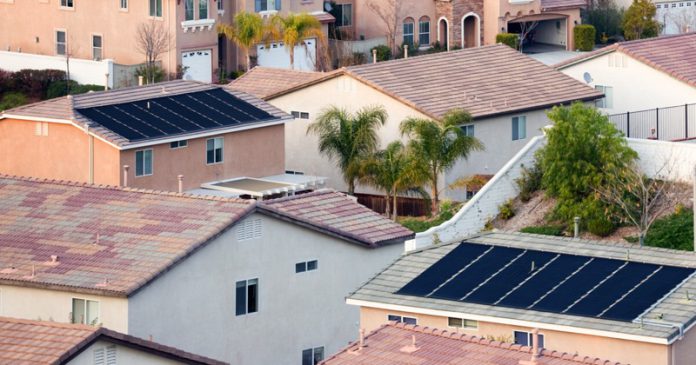
Before you choose and install a system, you should also consider the roof space you have available. Generally, a 5kW solar system needs about 25m² of roof space. Thus, higher capacity systems need more space, and you should consider if you have the space available for a system that can meet your needs.

Also, you should consider the orientation of the panels. Ideally, solar panels should face north to ensure maximum sun exposure. However, if this is not a possibility, you can also install them to face east, west, or south. In this instance, though, they’ll be less efficient, which means you might need to install more panels.

Calculating the Size of Your Solar Energy System

Let’s now look at the steps you’ll need to follow to calculate the size of your solar energy system:

  • Calculate your electricity needs. We’ve already dealt with how you should calculate your average electricity usage, which shows you the needs that the solar system needs to meet.
  • Consider how much sunshine is available. Next, you should know how much sunshine your area gets. This is measured as peak sun hours and, ultimately, shows you how much electricity a solar system can generate. For example, if your area has 150 peak sun hours per month, a 1kW solar system will be capable of generating 150kWh of electricity.
  • Calculate the size of your system. Finally, you can calculate the size of the system. Here, you’ll divide your monthly electricity needs by the monthly peak sun hours. This means that, if you need 900kWh of electricity per month and your area has 150 peak sun hours, you’ll need a 6kW system. In turn, for a 6kW, or 6,000-watt system, you’ll need 20 panels if they have outputs of 300w.

Hopefully, this post helped illustrate how you would calculate the size of your solar system and, by implication, how many solar panels you need. The only thing you should do now is get in touch with a licensed electrician for your solar panel installation.

Tree Seedlings: Attributes of Planting Tree Seedlings

The first attribute of a tree seedling includes the delicate and intricate root system,  which develops over time into a flourishing adult tree. The division into shoots and roots  is a shared characteristic of every tree species, and they grow in similar patterns but  yield slightly different results over time. Tree seedlings are autotrophs, meaning they  can create their own nutrients without relying on other sources, like animals.

The leaves  aren’t just for looks because they play a significant role in absorbing energy to carry out  photosynthesis and give the plant food for continued growth. It’s important to plant  seeds at the right time to ensure successful germination and continued flourishing in the  proper climate. Trees planted randomly in the wild will grow differently than if you  organized and tended to a garden of trees within a plant bed.

Different heights and growth patterns

When deciding what type of tree you want to plant, it’s essential to consider the various  heights and growth patterns possible. There are two determiners for the height and  growth of any particular tree seedling. These include the number of height growth units  and the elongation of the internodes. The variables are sensitive to the environment  they’re planted in. Water availability is crucial to the success of any flourishing tree  seedling, and nutrient-rich soil also plays a role in proper development. Regional climate  drastically affects plants and their growth patterns by triggering specific hormones that  cause longer or shorter growth in seedlings. Sufficient conditions are imperative for a  seedling to reach adulthood unscathed, and you can facilitate healthy growth in a  natural or artificial setting, depending on the purpose.

Nevertheless, trees will grow at different rates and heights, and some have specific  stages of growth. Fruiting trees will stop their elongated growth and revert energy  towards ripening. Some trees grow so tall and wide that they baffle the human mind and  inspire others to build up our delicate environment by planting and nurturing new tree  seedlings.

Reasons to buy Tree Seedlings

One good reason to purchase tree seedlings is that they are nature’s powerhouses that  help to process CO2 and produce more oxygen for our atmosphere. They help in  temperature regulation of the planet and encourage a healthy equilibrium that humans  have been disrupting for a long time. Another reason is that tree seedlings are amazing  to learn about and watching growth progress has a positive psychological effect on the  mood. One prominent perk of planting a tree seedling is the fact they can provide  sustenance for us and habitation for animals. They can enrich any gardening  atmosphere and increase a residence’s property value while simultaneously  encouraging the wellness of all those nearby. Trees can clean the soil and give balance  to the earth automatically, and many buy them to participate in the beautiful variety they  offer growers.

Sunroom Vs. Screened Porch: Which One is Right for You?

For many people, having a dedicated space for fun parties and get-togethers during the summer is essential. Sunrooms and screened porches are great for enjoying the cool autumn evenings or looking at the beautiful scenery around you while you relax during the day.

But what is the most effective way to make the most out of your designated outdoor space? Would a sunroom or a screened porch be more appropriate? Choosing between a sunroom and a screened porch is an important decision.

You can make the best choice once you understand the differences between these two. In this post, we’ll walk you through the pros and cons of each option so you can make the most suitable choice for your home.

Sunrooms and Screened porches: What are these?

Before we can get started and choose between a sunroom and a screened porch, we must understand what sunrooms and screened porches are. Screened porches and sunrooms may seem similar at first, but there are some significant differences between them.

What is a sunroom?

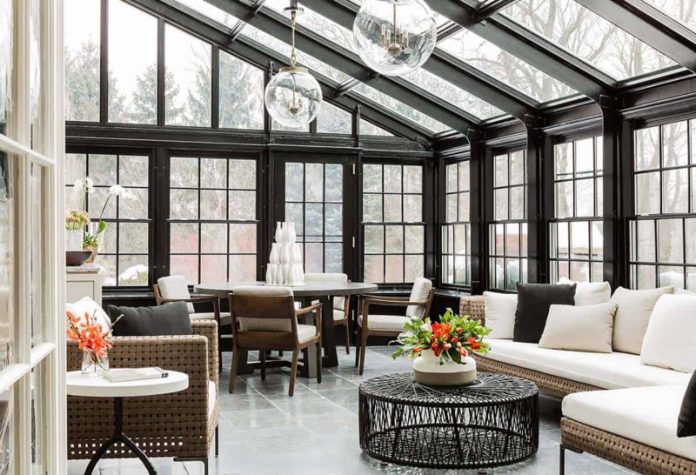
A sunroom is generally a room that’s attached to the house. They’re often separated with sliding glass doors or patio doors. It will have many windows on each wall, allowing abundant natural light into the room. In addition, some sunrooms have glass ceilings or skylights. This gives the room extra sunlight during daylight hours.

Some sunrooms are designed for year-round use, while others are designed for three seasons. Sunrooms are sometimes referred to as solariums, but this type of sunroom differs a bit. Sunrooms come in various styles, each tailored to different needs, budgets, and climates. Then there is also a screened sunroom which can swap out glass for mesh screens to let in the fresh air while keeping bugs and debris out, ideal for those who want the outdoor feel without the hassle.

Different types of sunrooms:

  • Three-season sunroom: Much like your basic sunroom, this room consists of many windows and a glass ceiling. But the big difference that separates other sunrooms from this one is that it is not temperature-controlled. So during the cold winter seasons, the room is not usually used. This is a more affordable option for those looking for a lovely sunroom.
  • Four-season sunroom: The only difference between this sunroom and the three-seasons sunroom is that it is temperature-controlled. Even though this sunroom is a more expensive option, it can be used year-round.
  • Solarium: This type of sunroom is usually made completely out of glass. Both the ceiling and walls are made of glass. Solariums can be heated or cooled to your liking and offer maximum sunlight.

What is a screened porch?

A screened porch is a structure connected to the outside of the house. This structure has screened windows on each wall and is usually connected to the house by a patio door. This type of porch is great for enjoying time outside without being subjected to insects. This isn’t its own room but is more of a structure in the house.

Screened porches are not heat-controlled and are not meant to be used year-round as they can become too cold during the winter. In addition, screened porches are much more affordable to construct if your house already has a porch.

Pros and cons of a sunroom

Now that you know what a sunroom is and how this differs from a screened porch, we can look at the pros and cons of a sunroom. Because even though this beautiful room offers many possibilities, there are still some cons that come along with it.

Pros:

  • Extra room for livability: A sunroom gives possibilities for many uses, even if you decide to use this room for just reading or relaxing during the day.
  • Possible use year-round: If you decide on the four-season sunroom, you can use this beautiful room all year without a problem.
  • Increased home value: Adding a sunroom to your house will undoubtedly increase your home’s overall value.
  • Versatile uses: Whether it be parties, a workspace, or a place for your kids to play with toys, a sunroom offers many possibilities. You can even use this for a greenspace for plants.
  • More natural sunlight: This space brings tons of natural sunlight into your home.

Cons:

  • Increased property tax: Because your home’s value will increase, your property tax will increase as well.
  • Higher electricity bills: If you decide to add temperature control to this room, your electricity bills are bound to take a hit.
  • High startup costs: A sunroom can cost anywhere from 5k to 50k dollars to build.
  • Privacy can become a concern: With all the windows in your sunroom, privacy can become an issue if you live near neighbors.

Pros and Cons of a screened porch

Now we’ll look at the pros and cons of a screened porch and what you need to consider before adding a screened porch to your house.

Pros:

  • Keeps out bugs: With all of the screens, you can enjoy the summer breeze without fighting off mosquitos.
  • Cleaner than a regular porch: If you already have a porch, you know how easily this can become dirty from dust to leaves. A screened porch will save you tons of time cleaning.
  • Can safely add electronics: If you want to add a stereo or a TV to your porch, a screened porch allows you to do so.
  • Can enjoy nature directly: You can still enjoy all the aspects of being outside without worrying that a little critter will join you.
  • Great for entertaining: It’s much more convenient to host get-togethers on a screened porch than on a regular porch.
  • Furniture is protected: Your porch furniture is much more protected from the weather and other elements due to the screened porch’s enclosure.
  • Affordable to build: Even for those without a porch, this is much more affordable to construct than a sunroom.

Cons:

  • No protection for allergies: unfortunately, for those who suffer from pollen allergies, a screened porch won’t provide any help.
  • Can make viewing nature difficult: Depending on what type of screens you use, it can be more challenging to enjoy the natural scenery.
  • Will still experience unpleasant sounds: Because you’re only protected by screened windows, you’ll still hear any unpleasant sounds around your house.
  • Hard to enjoy during cold months: A screened porch is great when it’s cool or warm outside. But when snow is on the ground, it’ll be hard to enjoy your screened porch.

Why Changing Cabinet Doors is Better than the Whole Cabinet?

When remodeling a kitchen or setting up a new one, cabinets are elements that can make or break the entire design. That is no surprise, considering that most of the wall space in the kitchenette is occupied by them. Therefore, making sure the cabinets look decent and add visual appeal to the overall space is essential. That is why homeowners go for a full-scale cabinet remodel to enhance their aesthetics.

Changing cabinets entirely is quite a hassle on its own. That is why most homeowners prefer custom cabinet door styles available in Canada.

Frankly, just changing the cabinet doors is enough to change the design. Moreover, it costs a fraction of what changing the entire cabinet setup would have cost.

In this article, you can read more about this elaborately.

The Expenses of Replacing Cabinet Doors

If you are considering refacing the cabinet doors, the first thing that needs to be ensured is whether the cabinetry is in good condition. Look inside the boxes and carefully check for water damage, mold, or other structural issues. If yes, then those are to be fixed before installing new doors.

Usually, two main costs are associated with replacing old cabinet doors, i.e., the cost of buying the product and installation charges.

Homeowners spend around $5,823 on average for a complete replacement of cabinets in Canada. For custom ones, the cost can rise to over $10,000. Compared to that, it takes less than $500 to change the doors. Therefore, the cost is significantly less than upgrading the whole cupboard.

Changing the Doors vs. the Entire Setup – What’s the difference?

In simple words, there is no difference between the two. Only replacing the doors will give an identical look as replacing the whole setup, nonetheless. Moreover, it takes less than half of the cost, which is also a plus point.

Moreover, changing the entire setup is much of a strenuous renovation process. Sometimes, it can even cause damage to the countertops and flooring.

So, if your kitchen remodeling is only about changing the aesthetics and adding functionality, there’s no need to change the entire cabinetry. If the boxes are damaged with mold or anything else, then only consider upgrading the whole thing justified.

Browsing through different Door Styles

Deciding what new doors to purchase, buyers can come across several options from different sellers. Choosing the door should be based on what matches the existing style of the cabinet boxes.

The most common options are –

  • Edge-banded slab doors
  • Cope and stick doors
  • Mitered doors
  • Arched doors
  • Glass doors

To have a consistent look in the whole kitchen, consider styles that have flat panels. Even the raised panels are quite popular among buyers.

The Sizing Process

Before buying the products based on materials and door styles, buyers also need to ensure the size. Sizing kitchen container doors need professional guidance. If the new doors need to be exactly like the old ones, sizing will be easier.

Final Thoughts

Canada is home to 38 million people. The relative humidity levels in the country stay mainly on the higher side, about 70% on average. So, if you are buying custom cabinet door styles available in Canada, laminate them to protect them from moisture damage. Depending on the material, it takes around $75 to $200 per foot.

How to Buy Property in Spain As A Foreigner

Spain is a country that has an international reputation. There are many places you can visit in this country. You can find a place to retire, study, or work in Spain. Currently, 6 million people are living in this country. This is because Spain is popular for its good quality of life, low cost of living, and also good facilities. Moreover, the health and education system in this country is well known.

The first thing you should consider before living in Spain is buying a property. For that, this article will discuss how to buy property in Spain as a foreigner. There are various cities that you can choose as cozy places to live. One of them is Barcelona. Barcelona is a city located on the coast of this country. In addition, Barcelona is the capital city and the largest city in Catalonia. So it would be great to invest in this city.

There are a lot of apartments for sale in Barcelona. You can choose and adjust your budget in buying property in this city. You can also adjust this to your monthly needs, your income, and how many people you live with.

Therefore, to help you start buying property in Spain, you can follow these steps.

1. Finding a Property and Making an Offer.

The first thing you need to consider before buying a property in Spain is to make an offer. This offer is usually made in conjunction with the seller’s real estate agent. In general, prices are negotiable according to your financial capabilities. After your offer is approved, you should immediately make an agreement in writing. This will make it easier for you to hire a notary.

2. Signing the Preliminary Contract and Paying the Deposit.

After your offer is made, you can sign a preliminary contract. It is also often called contrato privado de compravento. After that, you will pay the deposit that you agreed with the seller. In general, the deposit you pay is 10 percent of the total property price.

3. Arranging a Mortgage.

In buying property in Spain, you can only use a mortgage agreement. For that, you need to discuss your mortgage needs with the property provider. You can do this after you pay the deposit and sign the preliminary contract that we discussed earlier.

4. Signing the Contract.

After you pay the deposit and sign the preliminary contract, you can determine the mortgage you want. After all this you have gone through, you can sign the contract of sale. It is also often called escritura de compravento. You need to do this with a notary who is present to witness this transaction.

Useful Tips for Installing Holiday Lighting

Are you looking forward to the holidays? Many people look forward to that opportunity to put up the Christmas lights and really get into the spirit of the holidays. It is that one time of the year when you get to decorate your property and show off your creativity while spreading good cheer. However, to make it easier, you can use professional Christmas light installation for your house. Or, you can build it by yourself. In this way, you may even be searching the internet for ‘Christmas lights ideas for house.’ In this post, we discuss expert tips for the best results and safety while putting up your Christmas lights display this festive season.

Use the Right Outdoor Christmas Lights

It may seem obvious but many people don’t understand that there is a big difference between house outdoor Christmas lights and those that you use for indoor decoration. Outdoor lights are designed to withstand exposure to the elements. These lights are waterproof. They also feature commercial grade wiring. The bulbs are also lighter and brighter than those used indoors.

It is best to use commercial grade outdoor Christmas lights for house decoration. This will not only ensure safety but also provide you with the best effects. Go for LED lights to ensure minimal energy consumption throughout the festive season.

Inspect the Wires

Outdoor Christmas lights are exposed to the elements. The wiring can therefore become brittle over time. It is therefore important to inspect the wires for damage. Ensure that the copper is not exposed as this could result in electrocution accidents during installation and while your display is up. Broken sockets, frayed wires and burned out light bulbs can present risks such as electrocution, fires as well as short circuits. If you notice damage to the wires or sockets, you may have to replace your lights to ensure safety. Don’t skimp on safety just to save a few dollars when it will mean putting your household at risk.

Be Cautious When Hanging the Lights

One of the biggest challenges of putting up Christmas lights is that you have to reach high areas in order to install the lights. This means using a ladder. Check the condition of your ladder to ensure that it is in good condition and that it is stable. Avoid working alone. Have someone stabilize the ladder and assist you when working on rooftops and other elevated areas. You should be extra cautious as outdoor surfaces are often slick and slippery during winter. The risk of falling from height and injuring yourself is quite real.

Install them correctly

You should also be cautious when installing Christmas lights. Be sure to install them correctly. Choose a Christmas light design that you can achieve. Do not connect more than six light strands end to end. This will overload the circuit. You should also be careful not to pull the strands too tight. This will make them more vulnerable to tears and ripping during severe weather such as strong winds or heavy snowfall. Be cautious of the lighting connections. Keep these connections away from exposure to water on the ground or anywhere else.

You May Need the Help of a Professional Team

Christmas lighting can be great fun. However, it can also be very dangerous and time consuming. If you want to achieve great results while ensuring your personal safety, you should consider investing in professional Christmas light installation Boulder services. The team at Colorado Christmas Lights is experienced in installation, maintenance and the take down of Christmas lights displays. We handle everything from design of the display, sourcing of the decorations, installation and maintenance to the take down of the display. Contact us to schedule free consultation and design services.

Recent Posts

Posts You Might Like