

Home Blog Page 26

Tips on How to Choose the Right Pool for Your Home

Imagine yourself entering your garden on a hot summer day instead of sweating it out and plunging into your glittering pool, cold water rejuvenating your body. Sounds flawless, correct? But you have to make a crucial choice first: which pool is best for your house before you can design your backyard paradise? Choosing the ideal pool that meets your demands, size, and price can be taxing, given the abundance of possibilities available. Nevertheless, there is a pool out there for you, whether your search is for a straightforward, comfortable hideaway for lounging or a sleek, modern pool for partying.

Different Types of Pools

Understanding the many kinds of pools accessible will help you to decide which one would be best for your house. Above-ground pools, in-ground pools, and semi-inground pools comprise the primary divisions. Every kind has benefits and drawbacks of its own. Installed fast and most reasonably priced are above-ground pools. Families looking for a pool free of the expensive expenses or lengthy installation delays connected with in-ground pools can frequently find them ideal. They are not as aesthetically pleasing, though, and they are sometimes less lasting or changeable than in-ground pools. Conversely, in-ground pools are a more permanent and fashionable choice best for homeowners willing to make a long-term addition to their house. Made from materials like concrete, fiberglass, or vinyl, these pools give more architectural freedom. While fiberglass and vinyl pools are more reasonably priced and easier to maintain, concrete pools are more customizable but have the largest price tag. A nice balance is semi-inground pools.

Budgeting

Choosing a pool depends much on your budget as it will decide the kind of pool you can buy as well as extra amenities and accessories. Dreaming big is great, but you should keep reasonable regarding the amount you are ready and able to pay. First, consider the installation expenses, which vary based on the kind of pool. Usually, the most reasonably priced are above-ground pools, whose installation costs go from a few thousand dollars to about $10,000. Budget for continuous maintenance expenses, including chemicals, cleaning tools, and pool repairs. Because of their size and complexity, in-ground pools usually have greater long-term maintenance expenses. Think about the overall cost of ownership and bear in mind any extra amenities you wish, including heating, lights, or customized landscaping.

Pool Size and Shape

When selecting a pool, take your backyard’s available area into great account. The layout of your property will affect the dimensions and form of your pool as well as the space you have for any surrounding areas such as a patio or deck. Should your yard be smaller, an above-ground pool or a tiny in-ground pool would be ideal. Round, oval, or rectangular forms abound in these pools, which let you select one that accentuates the surroundings. Larger yards allow you greater freedom with regard to pool size and shape. Popular alternatives for larger areas are rectangular and freeform pools, as they can be tailored to match different backyard layouts. Remember that you should provide room surrounding the pool for safety and leisure spaces, including loungers, tables, and outside kitchens.

Features and Add-Ons

Selecting appropriate features for your pool during a pool remodel will improve your backyard experience and boost pool pleasure. From water features to heating to lighting, many add-ons give your pool more luxury and fun.

A pool heater, for instance, may prolong your swimming season whether you intend to use your pool year-round or in cooler months. Each of the solar heaters, gas heaters, or heat pumps provides varying degrees of cost and efficiency. Pool lighting is really essential for looks. LED lights increase safety as well as making your pool look great at night. Think about putting lights within the pool, surrounding the deck, or maybe along paths going to it. Water elements provide ambiance and beauty, whether they be decking jets, waterfalls, or fountains. In-ground and above-ground pools can have these elements installed to improve the whole pool experience and foster a calm environment.

Conclusion

Selecting the correct pool for your house is an interesting process that calls for both deliberate planning and consideration. Remember safety and maintenance as well; don’t hesitate to ask a pool professional for ideas specifically for your circumstances. Years to come will allow you to savor many hours of leisure and enjoyment once the correct pool is in place.

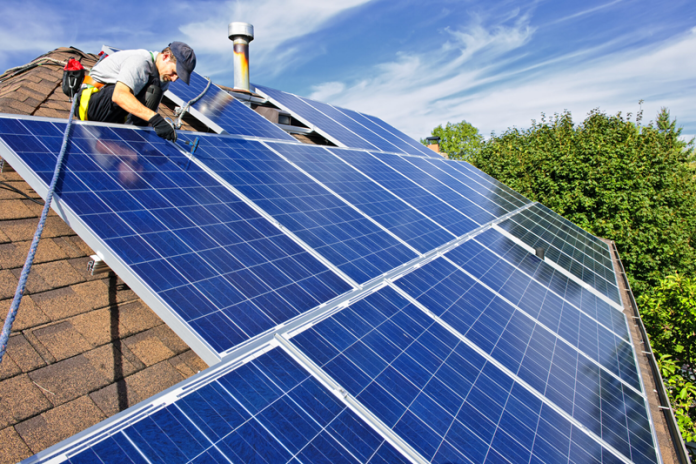
Sunlit Savings: The Financial Perks of Installing Solar Panels on Your Home

As homeowners increasingly prioritize energy efficiency and sustainability, solar panels have become a go-to solution for cutting utility costs and reducing environmental impact. Beyond their eco-friendly appeal, solar panels provide undeniable financial benefits that make them a worthwhile investment for your home. From reduced electricity bills to lucrative tax incentives, let’s explore the many ways solar panels can save you money in both the short and long term.

Lower Monthly Energy Bills

The most immediate and noticeable benefit of solar panels is the reduction in monthly electricity costs. By harnessing sunlight to generate power, you can offset or even eliminate your reliance on traditional energy sources.

For example, in states with abundant sunshine like California, Arizona, or Florida, a properly sized solar panel system can cover nearly all of a home’s energy needs. Even in less sunny regions, advancements in solar technology ensure panels perform efficiently in cloudy or overcast conditions.

Depending on your energy consumption and local utility rates, solar panels can save homeowners anywhere from $500 to over $2,000 annually on electricity bills. Over the typical 25-30-year lifespan of a solar system, these savings can add up to tens of thousands of dollars.

Protection Against Rising Energy Costs

Utility prices are unpredictable and often rise due to inflation, increased demand, or infrastructure updates. By switching to solar energy, you shield yourself from these fluctuations. Locking in a predictable energy cost can provide peace of mind and make household budgeting easier.

Homeowners with solar panels essentially “prepay” for their electricity by generating their own power. This financial stability becomes especially valuable in regions where utility rates spike during peak seasons, such as summer heatwaves or winter storms.

Tax Credits and Incentives

Installing solar panels can be a significant upfront expense, but federal and state incentives can substantially reduce the initial cost. The federal government offers the Investment Tax Credit (ITC), which currently allows homeowners to claim up to 30% of their solar installation costs as a tax deduction. For instance, if your solar system costs $20,000, you could receive a $6,000 credit on your federal taxes.

Many states and municipalities also provide additional benefits, such as rebates, property tax exemptions, and sales tax reductions. These incentives vary by location, so it’s worth researching what’s available in your area to maximize savings.

Increased Home Value

Solar panels not only save you money while you live in your home but also boost its resale value if you decide to sell. According to studies from organizations like Zillow, homes with solar energy systems typically sell for 4% more than comparable properties without solar.

This premium reflects buyers’ growing interest in energy-efficient homes, particularly as utility costs continue to rise. In addition, homes with solar panels often sell faster because potential buyers recognize the long-term savings they can provide.

Reduced Maintenance Costs

Solar panels are surprisingly low-maintenance. Most systems require little more than routine cleaning and occasional inspections to ensure optimal performance. This minimal upkeep helps homeowners avoid unexpected expenses that can often come with other home improvement projects.

Additionally, most solar panel manufacturers offer warranties lasting 20-25 years, covering repairs or replacements if issues arise. Inverters, which convert solar energy into usable electricity, may have shorter warranties but are also relatively inexpensive to replace.

Net Metering: Earning Money for Your Extra Energy

One of the most attractive financial perks of solar panels is the ability to earn credits through net metering programs. In states where net metering is available, excess energy generated by your solar panels is sent back to the grid. Your utility provider compensates you for this surplus, often as a credit on your electricity bill.

During months when your panels produce more energy than your household uses—such as sunny summer days—you can build up credits to offset costs during less productive months. Over time, this can result in even greater savings or effectively zero electricity costs.

Long-Term Financial Returns

While the upfront cost of a solar panel system can be substantial, the long-term financial returns make it a smart investment. The average payback period for solar panels ranges from 6 to 10 years, depending on system size, installation costs, and local energy prices.

After this period, homeowners essentially enjoy “free” electricity for the remainder of the system’s life. Given that most panels last 25 years or more, this means two decades of significant savings. For many homeowners, the ROI on solar panels rivals or exceeds traditional investment options like stocks or real estate.

Financing Options to Fit Any Budget

For those concerned about the upfront cost, numerous financing options make solar panels accessible to a wide range of homeowners. Solar loans allow you to spread payments over time, often with monthly costs that are lower than your existing utility bill.

Leasing and power purchase agreements (PPAs) are also popular choices. While these options may not provide the same long-term savings as purchasing a system outright, they still allow homeowners to benefit from reduced energy bills without the need for significant upfront investment.

A Long Term Investment

Investing in solar panels is not just a move toward sustainability—it’s a powerful way to improve your financial health. By lowering energy bills, shielding yourself from rising utility costs, and taking advantage of government incentives, solar panels offer immediate and lasting monetary benefits.

With the added perks of increased home value, low maintenance requirements, and the potential to earn money through net metering, solar panels represent a bright financial future for any homeowner. Whether you’re looking for savings today or a long-term investment in your property, the sun is truly a resource worth tapping into.

How A Security Camera Installer Ensures Your Home Security

In Sydney, protecting your home has become more critical than ever, especially with the rising concern over youth crime. The most commonly reported offences were break-ins and vandalism, underscoring the need for reliable home security systems to safeguard properties and deter potential offenders. If you’re a Sydney homeowner seeking peace of mind and striving to protect your home and your loved ones, investing in a professionally installed security camera system is a proactive way to enhance your safety.

This article discusses how professional security camera installers can enhance your home security. Continue reading to learn more.

The Importance of Security Camera Placement

A professional security camera system installer knows how to position cameras for maximum effectiveness. Blind spots are minimized, and key areas are covered to ensure comprehensive monitoring. By identifying vulnerable points and high-traffic zones, installers ensure your property is constantly under surveillance.

Here are some critical areas where security cameras are typically placed:

  • Entryways and Exits: Monitoring doors ensures you can track everyone entering and leaving the premises.
  • Driveways and Garages: These areas are common targets for theft and vandalism, making them essential to secure.
  • Perimeters and Fences: Outdoor cameras can keep an eye on your property’s boundaries to deter trespassers.
  • Living Rooms and Common Spaces: For home setups, placing cameras in shared spaces ensures added security without invading personal privacy.
  • Home Offices: Monitoring areas with valuable goods or cash is essential.

Modern security cameras boost safety with incredible features that allow constant monitoring, even in low-light conditions or during hours when the property is unoccupied. A skilled installer can help you select equipment tailored to your specific needs.

A security camera overlooking modern residential house with a well-maintained garden and pathway, symbolizing home security and protection in a serene suburban environment.

Why Choose a Professional Security Camera Installer?

Hiring a professional security camera installer offers numerous advantages over attempting a DIY installation. Here are several reasons why choosing a professional is the wisest decision for your home security:

1. Expert Assessment of Security Needs

Professional installers evaluate your property to identify vulnerabilities and determine the optimal security camera placement. They consider factors like blind spots, high-traffic areas, and lighting conditions to ensure maximum coverage and effectiveness.

2. Customized Security Solutions

A professional security camera system installer designs a setup tailored to your specific requirements. They offer solutions ranging from wireless security cameras to integrated CCTV systems with advanced features like night vision and motion detection.

3. Seamless Integration with Other Systems

Professionals ensure your security camera system integrates smoothly with existing access control, alarm systems, and monitoring services. This creates a unified approach to security, giving you complete control over your property.

4. High-Quality Installation and Equipment

With a professional, you’re assured of high-quality camera installation that minimizes technical issues. They use durable equipment and ensure proper wiring, configuration, and alignment for long-term reliability.

5. Compliance with Local Regulations

In cities like Sydney and other parts of New South Wales, regulations govern the installation of security systems. Professional installers understand these legal requirements and will help you set up a system that complies with all of them. With their help, you can avoid potential fines or legal issues.

6. Ongoing Support and Maintenance

When you have your home security camera system professionally installed, you also receive maintenance and support services. They provide troubleshooting, software updates, and repairs, saving you the hassle of managing issues yourself.

7. Peace of Mind

Knowing that your home security camera system has been installed correctly by an expert gives you confidence. You can rest assured that a robust and reliable system protects your property.

Choosing a professional ensures that your security camera installation is handled with care and expertise, delivering a secure and efficient system that meets your needs.

Understanding Security Camera Installation Costs

One of the biggest concerns for many homeowners is the cost of security camera installation. Prices are usually dependent on the size of the property and the type of security camera system. Still, as with many other kinds of home services, professional installers offer solutions that fit a wide range of budgets.

Depending on your requirements, CCTV camera installations with varying levels of coverage and features are available. To ensure that you can find one best suited to your budget, consult with professional installers who provide transparent pricing and expert advice. While the upfront costs may make the budget-conscious think twice, remember that investing in a professionally installed home security system ensures long-term reliability and peace of mind, making it worth every penny.

Conclusion

Protecting your home in Sydney is more critical than ever. By choosing a professional security camera installer, you benefit from tailored solutions, high-quality installation, and ongoing support to ensure your system operates efficiently for years to come. Don’t leave your security to chance! With the help of experienced security camera system installers, you can transform your property into a well-monitored, secure space that offers unparalleled peace of mind in an increasingly uncertain world.

The Ultimate Colour Catalogue to Brighten Your Home

Choosing the right wall paint colours for your home can be both exciting and overwhelming. Colours play a key role in setting the mood, style, and overall feel of your space. With a carefully curated colour catalogue, you can explore endless options to find hues that reflect your personality and breathe new life into your interiors.

In this guide, we’ll delve into the power of colour and share tips to help you use a colour catalogue to transform your home into a vibrant haven.

Understanding the Impact of Colours

Colours have the unique ability to influence emotions and perceptions. Whether it’s the calming blues for bedrooms or the energising yellows for living spaces, selecting the right shades can make a world of difference. A colour catalogue is your ultimate tool to experiment with diverse palettes and discover what works best for your home.

Each room serves a specific purpose, so the colours you choose should enhance that function. For instance:

  • Living Room: Warm tones like terracotta or soft pastels create a welcoming atmosphere.
  • Kitchen: Bright shades such as yellow or green can spark creativity and energy.
  • Bedroom: Neutral or muted colours like beige, lavender, or sage promote relaxation.

How to Use a Colour Catalogue Effectively

A colour catalogue simplifies the process of selecting hues, providing swatches that help you visualise the effect before committing. Here’s how to make the most of it:

1. Start with a Theme

Define the mood or theme for each room. Is it modern minimalism, rustic charm, or boho chic? A theme helps narrow down the colours in the catalogue to those that align with your vision.

2. Consider Lighting

Natural and artificial lighting can dramatically change the appearance of colours. Test swatches from the colour catalogue in different lighting conditions to ensure they maintain the desired effect throughout the day.

3. Experiment with Combinations

Pair bold and neutral tones to achieve a balanced look. For example, accent walls with deep hues like navy or burgundy can contrast beautifully with lighter shades. A colour catalogue often includes pre-designed schemes, which can be a great starting point for beginners.

Brighten Up Your Space with Trending Colours

If you’re unsure where to begin, exploring the latest trends in a colour catalogue can inspire your choices. Here are a few popular options:

  • Earthy Tones: Browns, terracottas, and olive greens bring nature indoors, offering a grounded and soothing ambiance.
  • Vibrant Accents: Jewel tones like emerald green or sapphire blue add a touch of luxury and boldness.
  • Soft Neutrals: Cream, greige (a mix of grey and beige), and pastel pinks maintain a timeless elegance while brightening any space.

Additional Tips to Brighten Your Home

While colours play a significant role, here are a few additional ideas to maximise their impact:

  • Use Mirrors: Reflect natural light to make rooms feel more spacious and brighter.
  • Add Textures: Pair painted walls with textured finishes, like wooden panelling or patterned wallpaper, for added depth.
  • Incorporate Accessories: Cushions, curtains, and rugs in complementary shades bring a cohesive look to your decor.

Bring Your Vision to Life

Now that you’ve explored how a colour catalogue can transform your home, it’s time to put your ideas into action. Start small by testing a few swatches on your walls or experiment with accent pieces to see how different hues complement your existing decor.

Don’t hesitate to mix and match shades or embrace bold choices. Remember, your home is an extension of your personality, and the right colours can make it truly shine. With the guidance of a colour catalogue, you’re just a few steps away from creating a space that feels fresh, inviting, and uniquely yours.

Let your creativity flow, and watch your vision come to life!

Low-Voltage Energy Storage Batteries for Sustainable Power

Low-voltage energy storage batteries, typically operating between 12V and 60V, play a crucial role in sustainable power solutions by enabling efficient energy management in residential and off-grid applications. As global energy demands rise amid climate change concerns, these batteries facilitate the integration of renewable sources like solar and wind, promoting cleaner energy usage.

What are Low-Voltage Energy Storage Batteries?

Low-voltage energy storage batteries are rechargeable batteries designed to store and supply electrical energy at lower voltage levels. They are commonly used in various applications, including solar energy systems, backup power supplies, and electric vehicles. These batteries offer reliable performance for powering devices that require moderate voltage, and they can be integrated into different systems for efficient energy management.

In contrast to high-voltage batteries, which operate above 48V and can reach up to 900V or more, low-voltage batteries are designed for safety, ease of installation, and affordability. They are often preferred for smaller-scale applications where lower power output is sufficient, making them ideal for home use and portable devices.

While low-voltage systems allow for simpler designs and installations, they typically require multiple batteries connected in parallel to expand capacity without increasing voltage. This design choice enhances safety but may limit scalability compared to high-voltage systems, which can offer greater flexibility in capacity adjustments through series connections.

Key Features of Low-Voltage Batteries

Compact and Lightweight Design

Low-voltage batteries are characterized by their compact and lightweight design, making them ideal for portable and space-constrained applications. This feature allows for easy integration into devices such as electric vehicles, solar energy systems, and consumer electronics, where space is often limited.

High Energy Density

Energy density refers to the amount of energy stored per unit of weight or volume. Low-voltage batteries typically have a high energy density, meaning they can store more energy in a smaller space. This characteristic is crucial for improving system efficiency, as it allows for more energy storage without increasing the size of the battery. A higher energy density also means longer usage periods between charges, enhancing convenience.

Long Cycle Life

Additionally, low-voltage batteries typically offer a long cycle life, meaning they can endure numerous charge and discharge cycles without significant degradation in performance. For instance, some lithium-ion variants can last over 2,000 cycles while maintaining around 80% of their original capacity, making them suitable for applications requiring frequent recharging.

Safety Features

Low-voltage batteries often come equipped with built-in safety mechanisms such as overcharge protection, thermal regulation, and short-circuit prevention. These features help prevent accidents, including fire or electric shock, ensuring safe operation even in challenging conditions.

Applications of Low-Voltage Energy Storage Batteries

Low-voltage energy storage batteries have a wide range of applications, making them essential in various sectors.

Residential Energy Storage Systems

Low-voltage energy storage batteries are commonly used in residential energy systems, especially when paired with solar panels. These systems allow homeowners to store excess solar energy generated during the day for use at night or during power outages. With battery capacities typically ranging from 12V to 48V, they offer an efficient and cost-effective way to manage home energy needs while reducing dependence on the grid.

Portable Electronics

Low-voltage batteries are integral to powering portable electronic devices like smartphones, laptops, tablets, and other gadgets. With their lightweight and compact design, they provide a reliable power source for everyday use. Their high energy density allows these devices to function longer on a single charge, enhancing user experience and convenience.

Electric Vehicles (EVs)

In the automotive sector, low-voltage batteries play a significant role in hybrid vehicles and certain electric vehicle (EV) components. They are often used to power auxiliary systems like lighting, air conditioning, and infotainment systems. While high-voltage batteries drive the main powertrain, low-voltage batteries contribute to overall energy efficiency and improve vehicle performance.

Medical Devices

Low-voltage batteries are essential for powering medical devices such as portable oxygen concentrators, pacemakers, and infusion pumps. Their reliable performance ensures that critical health equipment functions optimally, providing life-saving support to patients, especially in emergency or home-care settings.

Off-grid Power Systems

In remote areas without access to the main power grid, low-voltage batteries are commonly used in off-grid power systems. They provide reliable, sustainable energy storage for solar or wind power systems, ensuring that energy is available for basic needs like lighting, water pumping, and refrigeration, even in isolated locations.

Advantages of Low-Voltage Energy Storage Solutions

Enhanced Safety is a primary benefit, as lower voltage levels significantly reduce the risk of electrical shock compared to high-voltage systems. This makes low-voltage batteries particularly suitable for residential settings, where safety is paramount during installation and maintenance.

Another advantage is the ease of installation and scalability. Low-voltage systems allow for flexible design configurations, enabling users to easily expand their energy storage capacity by adding more batteries in parallel without complex adjustments to voltage levels. This adaptability is particularly beneficial for households that may increase their energy demands over time.

Additionally, low-voltage batteries are often more cost-effective. Their simpler design requires fewer components and lower manufacturing costs, making them a budget-friendly option for consumers. This affordability, combined with their safety and ease of use, positions low-voltage energy storage solutions as an attractive choice for sustainable power management in both residential and commercial settings.

Future Trends in Low-Voltage Energy Storage

Innovations in battery technology, such as biomolecule-based batteries, promise to enhance energy efficiency and sustainability. With growing market demand for eco-friendly and sustainable energy solutions, low-voltage systems are expected to play a key role in advancing clean energy initiatives and meeting global energy needs.

Conclusion

Low-voltage energy storage batteries are crucial in advancing sustainable power solutions by offering safety, cost-efficiency, and scalability. As renewable energy adoption grows, integrating low-voltage systems into various applications will drive greater energy independence and environmental sustainability. Embrace low-voltage solutions for a greener, more reliable future.

The Homeowner’s Guide to a Picture-Perfect Yard

A beautiful yard is a dream for every homeowner. But that perfect picture often seems out of reach. However, with some guidance and a few thoughtful changes, you can turn your yard into a stunning space you’ll love.

Whether you need to improve curb appeal, create a peaceful retreat, or make your outdoor space more functional, this guide will get you there with five key tips.

1. Create Functional Spaces

The first step toward making your yard a showstopper is to design it with purpose. Think about how you want to use the space and create zones for different activities. For example, you might include a dining area for meals outdoors, a reading nook, or a play space for kids. Define each area by adding seating, plants, or even garden paths to give your yard structure. Designing with purpose not only makes your space flow but also makes your yard more practical and fun to use. Every part of the section will serve its function, so your outdoor area will feel like a direct extension of your home.

2. Get Synthetic Grass for Low-Maintenance Landscaping

Synthetic grass offers an incredible-looking lawn without the headaches and struggles associated with the maintenance of cutting grass and watering. It’s highly beneficial if it’s too much of a hassle to maintain real grass. The synthetic variety won’t require watering, mowing, or even fertilizing and is, thereby, more convenient than real grass. The result would be an immaculately clean, grassy lawn, minus any unsightly brown patches and hours invested in grass care. It is perfect for homeowners who desire a picture-perfect yard with less effort.

3. Illuminate Your Yard

Lighting is an enormous contributor to the ambiance in your yard. Strategically placed outdoor lighting can really emphasize the beauty of your garden, warm it up, and even expand your usage of the yard well into the evening. Consider adding pathway lights to guide guests or place solar lights around your favorite plants to showcase them at night. For a cozy atmosphere, string lights or lanterns can be hung around seating areas. A well-lit yard not only looks beautiful but also ensures safety and comfort for evening gatherings.

4. Incorporate Beautiful Greenery and Plants

Plants are essential to any picture-perfect yard. Greenery is always bringing vibrancy and life into your space, regardless of planting a variety of flowers, shrubs, or trees. Just mix up different types of plants to create visual interest and color throughout the seasons. For example, colors can be added by such flowers as lavender or daisies, while such evergreen shrubs offer structure year-round. Planting native species is also a wonderful idea because they thrive within the local climate and, therefore, require less maintenance. Add plants in pots to your porch or patio area for a more vibrant look. The addition of greenery will give your yard the fresh, lively look that people are always looking for.

5. Invest in Quality Outdoor Furniture

Regardless of how great your landscaping looks, it will not be complete without the right outdoor furniture. So, invest in comfortable yet stylish pieces that complement your yard’s aesthetic. Whether it is the perfect bench, a dining table for dining, or a hammock for relaxation, the right pieces of furniture will allow you to savor your space to its complete potential. Be sure to select durable weather-resistant pieces so that your outdoor furniture lasts for years. And to add comfort and fashion to your seating, add cushions, throws, and pillows. The proper choice of outdoor furniture will not only give a better look to your yard but also provide a cozy spot where you can enjoy it.

Conclusion

In conclusion, to have a picture-perfect yard, focus on purposeful design, low-maintenance landscaping, lighting, greenery, and quality furniture. These tips will help you achieve the backyard of your dreams.

Create a Healthier Home: 4 Ways to Boost Indoor Air Quality

Good indoor air quality is important to ensure a safe living space and healthy living, which improves your mood, cuts down allergies, and averts respiratory issues.

Here are four simple and effective ways to make sure the air in your house is as clean and healthy as possible.

1. Get Houseplants to Purify the Air

Houseplants are not just for home decor; they are really great natural air purifiers. Some houseplants like peace lilies, spider plants, or snake plants, have already been proven to remove common toxins, thereby making one’s air cleaner and fresher. Beyond their air-cleansing abilities, they also add moisture to the air, which can be particularly helpful in dry climates or during winter months when indoor heating can reduce humidity. Caring for houseplants can even have therapeutic effects, reducing stress and encouraging mindfulness. Just make sure to choose low-maintenance varieties if you’re new to plant care and keep them away from pets if they’re toxic.

2. Invest in Regular Duct Cleaning

Clean and efficient HVAC maintenance is the first step to improving air quality at home. Over time, dust, mold, and other allergens will accumulate in air ducts, reducing air circulation and eventually worsening allergies or respiratory problems. With regular duct cleaning, you can ensure that the ducts deliver cleaner, healthier air around the house, making it fresher and pleasant for everyone. Professional services for duct cleaning in Ottawa, or in your area, remove all the accumulated debris to enhance airflow and air quality, creating a healthier environment in your home.

3. Reduce Chemical Exposure from Household Products

Many cleaning products, air fresheners, and even furniture emit volatile organic compounds (VOCs) that degrade indoor air quality. Use natural, non-toxic alternatives as much as possible to reduce exposure to hazardous chemicals. For instance, a simple mixture of vinegar, baking soda, and water can replace many chemical-based cleaning products. Another thing to be wary of is candles and air fresheners, which emit soot and synthetic fragrances into the air. Instead, try diffusing essential oils for a cleaner and healthier way to freshen up your space. A chemical-free home improves indoor air quality, thereby promoting a safer environment for your skin, respiratory system, and even oral health by reducing irritants that could affect mucous membranes.

4. Invest in an Air Purifier for Targeted Cleaning

Sometimes, despite your best efforts, the air in your home needs an extra boost. An air purifier can be a game-changer, especially for those with allergies or sensitivities to airborne particles. Modern purifiers are extremely effective at removing allergens, bacteria, and even odors, leaving your home feeling fresher than ever. If you live in an urban area or near heavy traffic, an air purifier can help combat pollutants like car exhaust and industrial particles that seep into your home. A model with multiple settings should be placed in the most-used areas of the home for maximum impact.

Conclusion

Creating a healthier home environment begins with the air you breathe. Incorporate houseplants, improve ventilation, reduce chemical exposure, and use an air purifier, and your indoor space can become a haven of fresh, clean air.

A Guide to Choosing the Right Plumbing Fixtures for Your Business

Perhaps you are considering new commercial plumbing fixtures for a functional and efficient space? With proper fixtures, you improve both water usage capabilities and customer experience. Let’s dive into the insights that can guide you to make the best decisions on plumbing upgrades and also choose the best business plumbing solutions.

First, Understand Your Business Needs

Not all businesses are the same! Every business has unique plumbing needs. For instance, restaurants need high-capacity fixtures, whereas aesthetics are the priority for offices.

Key Considerations:

  • It is therefore prudent to understand if you will need the plumbing fixtures daily.
  • Secondly, assess the water flow and pressure needs in your daily routines.
  • In case it is a heavy usage requirement, opt for heavy-duty plumbing fixtures.

Focus on Durability and Quality

The killer here is the repair costs! Choose a commercial plumbing fixture that will stand the test of time. If you are in a busy setting, it is prudent to buy high-quality fixtures to withstand daily use.

Tips for Choosing Durable Fixtures:

  • First, corrosion is your number one factor. Plumbing fixtures should resist corrosion, therefore leaving stainless steel and brass as the best options.
  • To guarantee reliability, ensure that you choose fixtures with warrants.
  • Lastly, every fixture has a specific purpose. Choose the ones designed for commercial settings.

Choose water-efficient fixtures

Every business aims at maximizing shareholder wealth! You cannot achieve this if the water utility bills are skyrocketing. To address this, choose water-efficient fixtures that save water and reduce environmental impact.

What to Look For:

  • Water fixtures with WaterSense labels have higher approval ratings. Consider it.
  • For better water control, consider Touchless faucets and low-flow toilets.
  • Don’t ignore water usage rates. Regularly check it to ensure efficiency.

Consider Style and Functionality

Plumbing demands professionalism and also enhances user satisfaction. You cannot ignore functionality, yet the style of your plumbing fixtures matters. With a professional design, you enhance customer user satisfaction.

Balancing style and functionality

  • Every business has specific aesthetics. Pick the sleek designs that will align with your needs.
  • Secondly, consider fixtures that are easy to use and maintain.
  • Overly complex designs can confuse users! Choose the designs that align with your customer needs.

Future Upgrades

We are living in a dynamic world where things evolve over time. Invest in plumbing upgrades to remain classy and timeless. You can achieve this by choosing scalable solutions.

Upgrade-Friendly Features:

  • First, when shopping for fixtures, ensure you settle for those that are compatible with new technologies such as water-saving systems.
  • You can also opt for modular fixtures, which you can easily expand or upgrade.
  • Smart plumbing systems can also come in handy for better monitoring and control.

Why Business Plumbing Solutions Matter

The main goals of many businesses are efficiency, customer satisfaction, and long-term cost savings. How do you achieve all this? Investing in the right business plumbing solutions will accord you these benefits. Furthermore, these modern fixtures enhance brand image due to their commitment to sustainability.

Benefits of Smart Choices:

  • It reduces the cost of maintenance over time.
  • You can be sure to satisfy your customers and employees’ needs.
  • It also enhances compliance with local water regulations.

Final Thoughts

To select the right commercial plumbing fixtures, you need to strike a balance between efficiency, durability, and style. It all requires a good plan for plumbing upgrades and the utilization of water-saving features to achieve sustainability goals. Want to get this right? Take time and assess your needs. Decide to invest in quality fixtures that create functional and efficient plumbing systems.

5 Ways a Real Estate Closing Attorney Helps You Secure the Deal

When it comes to real estate transactions, the process can definitely go a lot more smoothly with a real estate closing attorney on your side. But what exactly do they do? They do a lot more than people give them credit for to ensure the process goes as smoothly as possible. To dispel any confusion, here are five ways real estate closing attorneys can help you to seal the deal.

  1. Title Examination

Finding an Affordable Closing attorney will help you to ensure that the title on the property is clear. They put in the effort to look for any existing mortgages, encumbrances, or liens that may put a stain on the property’s history. You don’t want to have to deal with another party who has an interest in the property before it can be transferred to you. It not only makes the process take much longer, but you’ll also have to pay more fees to help the title be cleared up.

  1. Securing Title Insurance

Once the title has been verified, then your real estate attorney can help you obtain title insurance. This insurance protects the buyer and the lender from any future claims that can be made against the property. The closing attorney will provide an opinion to the title company, and they will then issue a title binder, which is the preliminary step before you can obtain title insurance.

  1. Coordinating The Closing Process

In the real estate closing process, there are many moving parts to keep track of, and that’s what the closing attorney takes care of. From protecting the interests of the buyer and seller to dealing with lenders, other real estate agents, and title companies. They keep track of all the paperwork and keep all parties informed on what’s going on during every stage of the process.

  1. Reviewing Documents

When it’s time for closing day, the closing attorney reviews all of the documents that are associated with the sale to ensure that everything is still good. These documents include settlement statements, the deed, and any mortgage documents that may exist. Once they’ve been reviewed, your closing attorney will explain them to you in their entirety so that you understand everything before you sign. The goal is to ensure transparency and protect your interests.

  1. Recording And Disbursing

Lastly, the closing attorney will be responsible for recording and disbursing the funds. Once all the documents are signed, the title is updated at the local registry and the new deed is recorded. All of the funds involved in the transaction are then disbursed, including the payment of any existing loans, brokerage fees, and any other associated costs. This is a long and drawn-out process, but it ensures that all relevant parties receive their payments and that the entire transaction is legally binding.

If you’re looking to have your real estate interests protected, then look for a closing attorney who doesn’t let any details slip. They should make you confident about the transaction process while minimizing any risks you may face. Contact the nearest closing attorney to you today.

Are you and your family planning on moving house soon?

This can be an exciting time but for many, moving can also be incredibly stressful, particularly if you make any of the following mistakes in your moving journey.

From damaged belongings to lack of adequate packing supplies, these common moving mistakes can be easily avoided with just a bit of planning and organisation in the weeks leading up to the move.

We spoke to the team at Plains Removals and they told us that the most common mistakes people make when trying to move house can be split between two main categories: Packing & Planning.

As a reputable moving company with over 40 years of experience, the interstate removalists at Plains Removals have quite literally “seen it all”.

These guys know what it takes to ensure a smooth move with minimum effort, cost and stress and they were kind enough to share their moving advice for this article.

PACKING MISTAKES

Not enough packing supplies

It can be difficult to estimate just how many boxes and other packing supplies you will really need to move all of your belongings, and this will depend on many factors such as the size of your home and how much stuff you have.

Many packing supply companies have box calculators which can be a decent guide to the number of boxes you may need, but in any case, it’s a good idea to start saving and collecting cardboard boxes and plastic tubs in advance to ensure you don’t run out.

Gumtree and Facebook Marketplace are great options for finding free moving boxes however it’s important to note they’ve been used and may be structurally weaker.

You can purchase new moving boxes and other supplies such as large linen and pillow bags, mattress covers, bubble wrap, tape, markers and plastic sheeting from various shops and stores (e.g. Bunnings, Mitre 10, Kmart, Woolworths & Coles) to ensure you are properly protecting your things and will have enough to pack up all of your belongings.

Starting to pack at the wrong time

This common moving mistake is two-pronged – you can either start to pack too early or you can start your packing too late. Neither option is recommended and can cause unnecessary headaches.

Starting your packing too early in advance can ultimately lead to double-handling your items and lacking the space to store your packed goods while waiting for moving day.

While you might be excited to move, there’s nothing more annoying than having to go through a packed box looking for an item that you’ve already packed up. If you’re set on starting your packing early, then only pack things that you know you will not need before the move.

On the other side of the coin, starting to pack too late is a recipe for disaster as you often don’t realise how long it can really take to pack all of your things.

Your schedule is already full with planning your move and other commitments such as work and family, so adding a time-consuming job like packing to the mix can be a struggle for many.

You also don’t want to have to rush your packing and do a poor job of it, as this is how belongings get damaged in transit, you forget to label things or you don’t get the time to do a cleanout beforehand.

Not packing your belongings properly

As mentioned above, if you’ve left things last minute or have short notice to move house, it’s common for your things to be improperly packed. This unfortunately can lead to more breakages and damaged items.

To avoid this issue, ensure you:

  • Properly wrap fragile items with bubble wrap, paper, blankets or towels and ensure there are no gaps around the items that could cause a break
  • Label your fragile items properly so anyone handling the box will know to take care with it
  • Avoid packing heavy items such as books together with delicate or breakable items.
  • Remove any batteries as these could corrode or the item may switch on during the move.

Lack of decluttering ahead of time

Decluttering and getting rid of junk is an important part of the moving process – whether you’re moving into a smaller place or not, its not worth the time and resources (and ultimately, the cost) to bring over every single item from your old house when you will just be getting rid of it anyway.

Whether it’s old clothes, old paperwork, unused appliances or toys, decluttering and downsizing your belongings is essential to a smooth move.

It’s worth sorting through your things and creating some piles as you pack:

  • Things to keep
  • Things to sell or donate
  • Things to throw away

A good way to get rid of your unwanted junk is to use a skip bin hire or rubbish removal service.

You’d be surprised at how many things you can clear out and ultimately avoid having to cart over to the new place.

You didn’t pack an essentials box/bag for the first night

This is often overlooked and is something that you will thank yourself for time and time again! It’s unlikely you’ll be able to unpack everything you need on the first night in your new home.

Do yourself a favour and have a few essential items on hand and ready to use for your first night. This includes:

  • Change of clothing and toiletries
  • Items for a shower & clean towel
  • Toilet paper
  • Couple of plates, cups, cutlery etc for food
  • Hand wash and tea towel
  • Phone chargers
  • Water/snacks/food
  • Basic medication/first aid kit
  • Important documents you may need
  • Items for pets and kids (ideally, kids should have their own essentials bag as well)

Your boxes weren’t labelled

We mentioned above the importance of labelling boxes with fragile items, but there’s a little more to it if you want to ensure a smooth move.

It’s a good idea to label each box with the room it belongs in as well as a general list of items inside to help you (and your removalists) know which room to place the box in when it comes to the big day.

This means you can tackle the task of unpacking more efficiently instead of having to open each box to figure out what’s inside.

PLANNING MISTAKES

Not being ready on the day of the move

There are many reasons you may not be ready on the day of move, from starting to pack too late or underestimating how much time you really need to get things ready.

This can cause issues especially if you’ve hired a removalist who needs to stick to a schedule.

Also, removalists will often have a set method in which they stack their truck, with bulky furniture and large items going in first, followed by boxes and odd-shaped items after.

Prior to their arrival, it’s important to:

  • Ensure all of your boxes are already sealed and labelled correctly
  • Ensure that all of your cabinets, draws and shelves are empty – your removalists will not move draws that are full of items.
  • Have large items such as bed frames, shelves and desks dismantled where possible.
  • Ensure your fridge and freezer is empty and all other appliances are unplugged and ready to go.

Not organising your power, internet or other utilities

We know there’s a lot of things to sort out when moving house, but if you want to avoid your first few nights in the new home without any power or internet, it’s imperative you transfer all of your utilities in advance to minimise disruption.

This includes things like electricity, water, gas and internet.In addition to this, set up a mail redirection so that you can then take your time updating your address and avoid missing any important mail.

Not booking your removalist early enough

This is often a task that gets put off but if you don’t hire your removalist company early enough, they might not be available at the time or date that you need them.

We recommend finding and booking in our removalists at least 6 weeks in advance to ensure you get the right team at the right time. However, if you’re not able to do so (such as due to short notice or other factors), contact a local removal company ahead of time and see if they can accommodate you for a move on short notice.

You didn’t hire a reputable moving company

It can be difficult to decide on a moving company and oftentimes people will base their decision purely on cost: who can provide me with the cheapest quote?

Unfortunately, while you might think you’re getting a great ‘deal’, typically you end up with an unreliable, unprofessional and inexperienced removalist.

While some removalists may cost a little more, it’s important to understand that you are ultimately paying for their expertise, equipment, and a team of moving professionals who will take great care of your possessions, arrive on time and have the right insurance and policies in place to protect your assets in the event something does go wrong.

So while it makes sense to obtain a few quotes from different removalists, don’t base your decision on the cost alone – check out their customer reviews, read the fine print and make sure you choose a reputable moving company to help you.

You thought you could do it on your own

Moving is a huge task, both physically and mentally, and while some people can do it on their own with the help of a few friends, this isn’t always the case.

You might have plenty of time and be able to spend a week or so going back and forth between your previous home and the new place but have you considered the cost of fuel, time and overall effort required to undertake such a task on your own?

This is not to mention the fact that you may be moving a little further away, or interstate, where multiple trips are not possible.

AVOID MOVING MISTAKES BY TALKING TO A PROFESSIONAL REMOVALIST

Ensure a smooth process when you next move house by considering a professional removalist to assist with your move.

Enlisting the help of a professional removal company will save you both time and energy, leaving you to sort out the myriad of other tasks involved in moving house, such as packing/unpacking, cleaning, changing your address and sorting your utilities, to name a few.

Recent Posts

Posts You Might Like