
Home Blog Page 261

The Pros & Cons of Metal Roofs

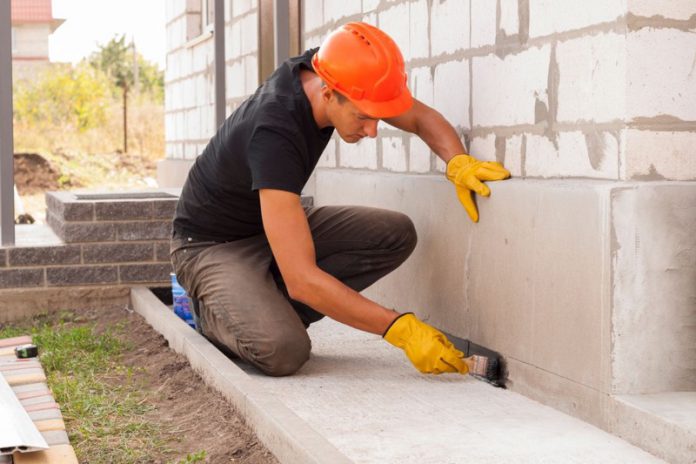
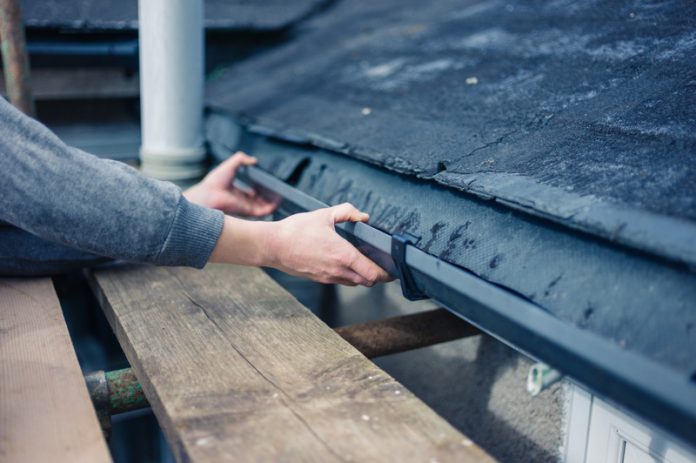
The hands of a worker fixing a drain from a scaffold

If your current roof is a headache to maintain, maybe it’s time to consider the possibility of updating it to something better. Have you ever considered replacing your roof with metal?

Although it doesn’t sound as flashy as the likes of asphalt, rubber or slate, metal roofs are highly popular for homeowners and builders, due to its wealth of advantages. Of course, it does have a few drawbacks (which roofing material doesn’t?)

Let’s take a look at some of the pros and cons of metal roofs, so it make help your decision-making process.

The Pros of Metal Roofs

Durable & Long-Lasting

Perhaps the most obvious pro, and one that makes a lot of sense. Metal is a durable material that can withstand pretty much anything thrown at it. So there’s that, and then there’s also the fact that due to its materials, it can last 40+ years (with the addition of a manufacturer’s warranty for 30 years). That’s a solid investment opportunity for your home.

Environmentally-Friendly

Metal roofs are great for the environment, both in their production and in the materials themselves. They consist of at least 25 percent recycled materials and are 100 percent recyclable themselves, with leftover materials being used for other roof replacement or repair products. You’ll be helping the environment when opting for this type of roof.

Improved Energy Efficiency

You can significantly reduce your energy consumption and bills in winter and summer with a metal roof. The roof’s materials help with ventilation and airflow, making your home comfortable, while keeping in air. There’s also the reflective properties, meaning that in summertime, your roof will reflect the heart instead of absorbing it. Overall that means a more comfortable and liveable home throughout the year while enjoying savings on your energy bills.

Wealth of Colours/Styles

Don’t let the ‘metal’ part of the name fool you; there are a range of colours, textures and styles available for you to choose from for your new metal roof. Modern metal roofing comes in more than 100 different colors, including standard, premium, and custom hues, meaning you have the luxury of finding the right roof to match the decor and ambiance of your home.

Long-Term Value

When you add together all the above factors, you’ll notice the long-term benefits that will come with the metal roof. You’ll experience these advantages for decades ensuring that you get the most out of your investment.

roofer construction roof maintenance rope security worker

The Cons of Metal Roofs

It can be Expensive

According to Home Advisor, the average cost of a metal roof can range from “$120 to $900 per 100 square feet (or one “square” of material)”, putting it on the higher end of the scale compared to other roofing materials. Although you might pay more for the initial outlay, the long-term value is undoubtedly good.

The Roofs can be Dented

Although metal roofs can withstand plenty of trauma – such as extreme snowstorms and heatwaves – they can be easily dented if impacted by heavy objects, including hail or branches. That might mean that you have to pay for the repairs of the roof, which as mentioned above, can be a tad costly.

The Roofs can be Noisy

Those heavy rainfalls are going to become more obvious when you hear it all the time. That’s one of the setbacks with a metal roof: they can be incredibly noisy when impacted. However, for some it can be a minor inconvenience while others might dislike it completely. There is an upside to this con: if you install the extra layers of solid insulation sheathing beneath the metal means, you will minimize the sound heard inside.

Are You Ready for a Metal Roof?

We hope the above information helps you decide on whether to choose a metal roof or not. As you can see, metal roofs offer a lot of advantages with very minimal setbacks. It can prove a valuable investment that pays off for your home and family for years to come.

The best advice we can give you is to speak to an experienced, professional and well-recognized roofing contractor, who works with metal roof installation and replacement. We recommend Active Exteriors & Roofing, who have worked with metal roof replacements since 2002. They can guide on the best course of action on metal roofing, and help answer any questions or concerns while offering tips on how to maintain your roof.

If you’re ready for a new roof – choose metal! It will be worth it!
Top 6 Questions to Ask a New Home Builder

Property investments take up a considerable part of your lifelong savings and are one of the biggest life goals that most of us have. When it comes to buying new properties, you can either choose to opt for a pre-built house or get your plot and build a home from scratch. Although the latter comes with the freedom of customization, it’s also much more tedious than the first option.

Before committing to a new construction project, you need to clear a few things with your builder. Today, we will discuss the 6 most important questions that you should ask a new home builder.

Also, if you are looking for reliable and experienced builders to shape your dreams of a perfect house, then Ballymore Homes is the one for you. With excellent service and remarkable quality, they have been building dreams for hundreds of families since 1995.

6 Questions You Need To Ask a New Home Builder

Seeing your vision reflected in each corner of your house is pretty exciting. However, to ensure a smooth construction journey, here are the 6 most important questions you need to ask your builder.

1. Ask If You Can Check Any of Their Ongoing Projects

Before starting the construction proceedings, you should run a little background check on the home builder. Every business always maintains a spotless service record on their portfolios and websites. So if you want to check out the real deal, ask the builder to take you on a tour of an ongoing project.

On the project site, you will get a glimpse of how the company carries out its project, the efficiency of its workers, and the quality of the materials they use. If you happen to bump into the owner of that property, you might also get to know how the experience of hiring the builder to work for you might turn out to be.

2. What Is Included In The Base Price

The price that you first come across when you are negotiating a deal with your builder is the base price. It comprises the cost of building the main structure with basic finishing touches and sometimes may also include the cost of the plot. Since the exact package varies depending on the builder, you should ask your builder if the cost of the plot is included in the base price or not.

The plot price might also come with default premium charges for additional features like wider yards, lookout windows for your basement, or customized landscape. Before you seal the deal, you need to break down the payable amount and see what each part will be used for. There might be quite a few additional features that you can avoid. This will help you save a little on unwanted add-ons.

3. The Duration of Construction

House construction is a long-term commitment, yet it’s important to know the approximate timeline of the project. People often finance their new properties by selling old ones or even plan to stay at a rented place during the construction period. There is a huge deal of planning to be done, and knowing how long you are in for it will help you organize your plans.

It’s also important to note that construction is often subject to unforeseen delays; hence the estimated duration that your builder commits might not be the guaranteed delivery date. Also,  part of the construction process will be consumed with obtaining a permit. This usually takes around 30 to 45 days. Hence, when you ask your builder for the approximate timeline for completion, make sure you also ask if it includes the permit period or not.

4. Know What Warranties You Are Being Offered

Building a new house is costly, but just like other expensive purchases, houses also come with a warranty. Generally, the warranty consists of short-term coverage for the whole house and long-term coverage for the base structure.

The exact duration and the terms and conditions of the warranty depend on your builder. Hence you need to get the details of the warranty before you step into the contract.

5. Get The Details On The Basic Finishes

The base price also covers the basic finishes of your house, including the floors and the countertops. Some builders take advantage of this packaged deal and offer poor-quality finishes in the standard plan to make more profit.

Hence, before you sign the agreement go through their packages and check what kind and quality of finishes the builder offers in the standard plan. Many builders also have a premium plan ready at hand for homeowners wanting to upgrade from the standard package.

Unreliable builders only focus on their profit. You need to weigh your options to check if their offerings are worth the price. If not, it’s time to look for a better builder.

6. Look For The Cost Escalation Clause In Your Contract

Cost escalation is one the most significant factors that repel prospective buyers from constructing a new home from scratch. This clause allows your builder to charge you extra for any unforeseen, added expenses.

For example, if the project is extended by a couple of weeks, you will be charged extra for the labor. Also, if the material prices go up during the process or a miscalculation leads to a shortage of raw material, you will be charged extra.

No one wants the sword of unexpected expenses hanging over their neck. Hence, you should check if your contract contains any clause for cost escalation and proceed accordingly.

Endnote

Property construction involves massive investment and months of waiting before fulfilling your dream. Hence, every step that you take should be rational, well thought out, and safe. Before you strike a deal with any home builder, the questions mentioned above will help you understand exactly what you are getting yourself into.

However, this list of questions is not exhaustive, and you should get all your doubts and queries cleared before you finalize the contract. After all, one of the biggest milestones of your life needs to be handled with the utmost care.

Top 5 Ways a Bidet Improves Your Bathroom

Using toilet paper is common everywhere in America; however, the concept of bidets is now emerging. People are starting to realize the benefits of using bidets and learning how they are more useful for their bathrooms. A bidet makes your bathroom experience better as compared to using a traditional WC where you use toilet paper. Get to know how a bidet improves your bathroom by going through its benefits below. Always choose a reputable company for bidet installation so that you don’t have to face any problems.

1. Cost-Effective

One of the major advantages of having a bidet in your bathroom is that it saves you money. Although a bidet costs a little extra than a normal toilet, it helps reducethe long-term budget that is spent on toilet paper. People spend a lot of money on toilet paper, and switching to a bidet means that you can save that money. It is assumed that bidet is a luxury, but if we calculate the cost spent on toilet paper and compare it with bidet, we would know why it is cost-effective and must be installed in your bathroom.

2. Environment-Friendly

Toilet paper is another form of paper and made from trees. A lot of trees are cut down to manufacture toilet paper each year. Trees are highly needed for keeping the environment clean. By choosing a bidet over toilet paper, you will be contributing your efforts to the environment. Not just this, the used toilet paper contains chemicals like chlorine, which releases harmful compounds and affects the environment.

3. Reduces Blockages and Plumbing Problems

Using a traditional toilet brings up a lot of plumbing and blockage issues. The reason is that after using toilet paper, people flush them. After a while, the toilet starts getting clogged. The toilet papers also contribute to clogging the sewer pipes. Blocked or clogged pipers aren’t just costly to handle but also create a lot of stress. On the contrary, the water flow from bidets cleans you properly; thus, you wouldn’t have to use any toilet paper.So, having a bidet installed will save you from all this stress and cost spent on plumbing problems.

4. Comfortable Experience

Bidets make your bathroom experience comfortable and easy. Toilet papers, no matter how soft they are, are still harsh on the skin. Especially people with sensitive skin tend to face many rashes due to the use of toilet paper. On the other hand, the bidet has a water flow that cleans you without any rubbing. They are comfortable for your skin.

5. Better Cleaning and Hygiene

Hygiene and cleaning are very important for every individual. Using toilet paper doesn’t guarantee complete cleanliness. In comparison, bidet provides water that can clean you completely. It’s quite essential to clean yourself; otherwise, it can lead to many diseases such as hemorrhoids, anal fissures, and Crohn’s disease, etc. Not just this, improper cleaning causes a bad odor.

Now that you have learned about the advantages of using a bidet in your bathroom, consider getting it installed. It would be a one-time investment that will improve your bathroom experience.

How Much Does Topeka Foundation Repair Cost and Is It Worth It? | A Property Owner’s Guide

Your expected Topeka foundation repair cost will vary depending on a structure’s foundation type and the extent of damage. Experienced contractors using high-quality materials will typically charge more than other foundation repair companies, but their fixes will also last longer as well!

While only a Topeka foundation repair contractor can offer an exact repair quote for your property, consider some average costs for typical repair work. This can help you plan for your property’s needed repairs and ensure you schedule those fixes at the first sign of damage!

Topeka Foundation Repair Costs By Structure and Method

Your structure’s needed foundation repair will vary according to the foundation type and damage, as said. Check out some added details about standard foundation repair costs according to foundation types, damage they might suffer, and repair methods.

Basement wall foundation repair costs

Minor cracks along basement walls can typically be filled with a specialty injection that expands and fills all those gaps and holes. This injection then hardens as it dries, blocking moisture. Basement crack repair might cost anywhere from $250 to $800 per visit, but this material does break down after several years and will need reapplication.

If basement walls have started bowing, a foundation repair contractor in Topeka will usually apply carbon fiber straps, to keep the walls in place and prevent collapse. These straps might average between $350 and $1000 each, so your total foundation repair costs will depend on how many are needed for proper repairs.

Foundation leak repair

If your structure’s foundation has developed leaks, repairs usually involve digging around the foundation, filling cracks in the concrete, and adding better drainage systems. This process can cost anywhere from $2000 to $7000; however, leak repair is typically considered permanent and can help avoid future foundation cracks and other damage.

Concrete slab and basement wall underpinning

Underpinning or pier installation correct severe cracking. Pins installed into the ground are then attached to the foundation by brackets. These pins hold up the foundation, closing up those cracks and keeping the structure supported.

Concrete piers are similar; these are inserted under a concrete slab or basement foundation and they also hold up those sunken or broken areas. Underpinning typically costs anywhere from $1000 to $3000 per pier or pin, so your total foundation repair costs will depend on the number needed.

House leveling or slab jacking

House leveling or slab jacking might be used for both slab foundations and basements. House leveling starts with openings drilled through the foundation concrete; a specialty grout is then poured into those openings. As hydraulic equipment lifts the structure, the grout fills in that gap and then hardens.

Slab jacking lifts a sunken structure while also closing up cracks and gaps along the foundation. House leveling might cost as little at $500 and then up to $1500 or more, depending on how much lifting and grout are needed for a structure. This process is typically considered permanent so it shouldn’t need repeating over the years.

Pier and beam foundation repair costs

Sometimes a pier and beam foundation only needs re-shimming. Foundation shims are wedge-shaped pieces pounded between piers and beams, “jacking up” sunken beams and providing added support. Re-shimming might cost anywhere from $2000 to $4000, depending on how many shims are needed for repairs.

Severely damaged pier and beam foundations might need replacement pieces; these typically cost anywhere from $500 to several thousand dollars each. Your total pier and beam foundation repair costs might then average between $4000 and $7000.

Topeka Foundation Waterproofing Costs

Along with foundation repair, your contractor might suggest waterproof coatings and other solutions. Waterproofing keeps foundation concrete dry so it’s less likely to expand or soften and then crack, while also keeping basements and lower levels dry and safe for storage and occupation!

Foundation waterproofing costs might cost as low as $600 but will usually average between $1900 and over $6000, depending on the structure’s size and materials chosen. Depending on those materials, this waterproofing can last several years if not indefinitely, so you might not need it repeated over the course of home ownership.

Crawlspace Encapsulation and Vapor Barrier Costs

Crawlspace encapsulation covers virtually every square inch of a home’s crawlspace, keeping out moisture and pests and providing a clean, dry space for accessing plumbing and wiring under the house. Most encapsulation systems are priced by square foot, typically anywhere from $2 to $7.

A vapor barrier is similar to encapsulation but is only installed over the ground, blocking moisture from the soil. Vapor barriers are typically priced from $.50 to $2 per square foot. Additional dehumidifying systems and sealing can add a few hundred to a few thousand dollars to your total costs.

While these Topeka foundation repair costs might seem steep, remember that they are an investment in your structure’s stability! Ignoring needed repairs means more severe cracking and settling down the road, while timely fixes keep a structure free of cracks, water damage, and other foundation related issues.

What Does A Level 2 Electrician Do?

Electricians must have experience and knowledge to provide the highest standard of installation and repairs. The New South Wales government requires that every electrician in the state meet the requirements to ensure that only the most qualified electricians are working on homes and commercial establishments. Aside from possessing an electrician’s licence, they can also be accredited as a Level 2 Electrician. This is a specialist electrician that works directly on the energy grid and carries out complicated electrical repairs such as: installing power poles, upgrading to 3 phase switchboards, consumer main repairs, point of attachment issues, repairing overhead and underground power lines and many more!

Level 2 ASP Qualified Electrician

In New South Wales, locals have access to a network of qualified level 2 electricians to do contestable work on the state’s electrical distribution network. The Accredited Service Provider (ASP) Scheme accredits organisations and is divided into three categories. A level two electrician is someone who is authorised to work on equipment directly connected to the electric power poles and other sources. This additional qualification equips NSW electricians with the necessary experience, knowledge and skills to safely repair or install pieces of equipment connecting the building’s electrical wiring system and the main distribution network.

Repairs that Need a Level 2 ASP Electrician

Some electrical repairs in NSW require a Level 2 ASP qualified electrician to do the work. Homeowners and businesses may need an electrical level 2 expert when they have an electrical emergency such as:

  • Dealing with an electrical defect notice due to the electrical installation not meeting the safety standards set by the electricity provider like Ausgrid and Endeavour Energy;

  • Upgrading the building’s electrical switchboard from a one-phase to a 3-phase electrical supply network;

  • Replacing, relocating and repairing fallen private power poles

  • Installing and repairing a property’’s point of attachment

  • Providing a temporarily power supply

  • Installing and repairing overhead power lines or underground cables;

  • Installing and repairing electrical meters;

  • Upgrading the building’s consumer mains from Vulcanised Indian Rubber (VIR) cables to Cross-Linked Polyethylene (XLPE) consumer main.

Characteristics of Great Level 2 Electrical Contractors

With a number of choices for level 2 electrical contractors in NSW, it is a must to know which characteristics to look for when choosing one. Those who are expecting quality electrical installations and repairs should check out whether they have these characteristics:

  • Holds an electrician’s licence from NSW Fair Trading;

  • Fully insured;

  • Experienced in working on electrical installations in residential and commercial spaces;

  • Has a Level 2 ASP qualification; and

  • Great reviews.

Conclusion

It is extremely important that if you have received an electrical defect notice or need any of the above repairs, that you contact a local level 2 electrician. These repairs are often critical and can pose serious hazards if not effectively dealt with. This is why when energy authorities within NSW hand out a electrical defect notice, they give the property owner a period of 21 days to get the issue resolved – otherwise they will permanently shut off power until repairs are completed!

How To Find A Good Cleaner by Michael Sweet, 1800 CLEANER

We take a closer look at the top ten issues and outline how to solve them.

Family life is busy. Families are often overwhelmed by the many time consuming things they need to do every week and at the very end of the list is the cleaning. Fair enough, it’s a difficult chore and one that can feel like groundhog-day.

Yet the pride of the family home is enhanced greatly by having it tidy and clean.

This is one reason why so many families outsource their cleaning and yet the levels of satisfaction with the available cleaning services on offer is often a source of frustration. But how do you go about finding a good cleaner and how can you make sure that the cleaning service they provide remains consistent over time? Before we can jump to the solution, we really need to spend some time analysing the problem.

  1. Issue one – Price

The first thing to know about cleaners and cleaning companies is that many of them are competing primarily on the basis of price. This leads to a situation where many cleaning service operators try to get the sale by offering a cheap price to clean your house when you request a quote. Once they are in the house, they often over-service the customer on the first couple of cleans but then they claw back their profits by reducing the amount of time they spend in the home increasingly over the long term. Subsequently the quality of service is also reduced and roughly 40% of customers will stick with these cleaners for longer than they should due to inertia. Most cleaning companies make a business out of retaining this sub set of customers and doing quick cleans with many cleaners and a high staff turnover. The truth is that a great cleaner is going to have options to do all other sorts of work. Therefore, a good cleaner will expect to be well paid meaning that great cleaning and hence excellent value for money does not often equate with cheap.

  1. Issue two – Chinese Whispers

It is standard human nature that when we receive less service than what we expect we like to clarify and communicate our expectations to the front-line staff providing the service. In this case that is those people who are cleaning our home. The issue with many cleaners is that they are doing this work not out of choice but out of necessity; often because their skill set does not always enable them to do higher paid work. Often English is a second language and they can feel embarrassed that the Australian accent can be difficult to understand. Hence when a client is asking them to remember this and that, their reflex response is to nod as if they get it and they will do it. Time and again these things are not completed and the solution seems to logically be to try and tell them again with more energy which can create a frustration and resentment spiral which is not a great energy to come home to.

  1. Issue three – Cleaner turnover

This issue is closely linked to issues one and two above as price driven economics lead to low levels of client and staff satisfaction and regular turnover of staff who are often exploited by the service provider. It’s a source of frustration for clients to have to retrain these staff themselves and each subsequent cleaner only to have that intellectual property disappear with the new face that randomly cleans their home on each successive visit.

  1. Issue four – Customer expectations

Clients who expect cheap prices and high-quality cleaners need to take another look at their own expectations. It’s like me having the budget to buy a holden commodore but wanting a Ferrari. The Ferrari salesman will have none of it and neither will a high-quality cleaner who is in high demand. Quality costs a little more and a great job is the ultimate value proposition.

  1. Issue five – Hourly rates

It’s natural to want a great clean at the most economical price but you will rarely see a bead of sweat from a cleaner who is paid by the hour. They will naturally drag the job out. So how do you compare quotes? Well it’s not straightforward nor is it easy and not all cleaners are created equally, use the same equipment or follow the same method. But comparing hourly rates is working on the assumption that all cleaners are providing a homogenous service. They are not. Some are fitter than others. Some care more than others. Some follow a system, are smart and hardworking and take pride in their work.

  1. Issue six – Fine particle dust

This one is perhaps the most perplexing. It involves microscopic particle dust so fine that the naked human eye can’t even see it. It’s the dust that we sometimes see glitter in the shaft of sunlight when we move the curtains in the morning. When disturbed with traditional cleaning methods this dust goes airborne and can stay suspended for up to five days finally resting again when the cleaning effort is well and truly finished. And so it circulates and accumulates and frustrates ongoing cleaning efforts often without us even knowing it. But we can feel it and it subconsciously feeds that frustration of never having the house really very clean.


  1. Issue seven – Method

Most cleaners clean without a strategy. Some clean simultaneously as part of a gang each carrying out their own cleaning function and getting in and out quickly like a swat team. Others clean room by room. Some clean with just a dry cloth and others use the same dirty mop head from one house to another. There is no method to this madness and that’s the problem. Cleaning is just another challenge that can be solved with smart thinking and a well thought out method. So rather than just expect that your cleaners know what they are doing. Ask them. What’s your cleaning method?

  1. Issue eight – Energy

The subject of energy is the most intriguing and potentially the most confusing issue. It’s also a paradox. A dirty and dusty house sucks away our energy. And we need energy to clean effectively. An effective and productive cleaning session and the subsequent clean home will feed us energy. We also need to have a method and a strategy to make our cleaning effective with a focus on clutter and dust extraction. All of this probably feels like hard work and it’s just easier to grab the duster and get cleaning yourself. Yet ironically the energy we invest in getting everything correct will actually feed back more energy by reducing the amount of energy we leak out be cleaning unproductively. Not an easy concept to get your head around but a very important one indeed.

  1. Issue nine – The customer is king

It’s another paradox that when we have a one sided power struggle in any relationship both parties lose. And in the case of cleaning it is ironic but meeting the customers’ needs requires us to first focus on meeting the cleaners needs. A happy cleaner makes a happy customer. It’s a relationship of equals and both parties need to be happy with the other. The best and longest lasting customer/cleaner relationships are the ones where both parties work together towards a win-win situation. That way not only does the cleaner do all those things clearly expected consistently well every visit, they also imprint the house with a lovely energy that families can feel and the cleaner can drive home with a big smile and a warm heart and a stress free life.

  1. Issue Ten – Clutter

Clutter makes cleaning so difficult. It collects dust and collects stagnant energy and can be the bane of a consistently clean house as your cleaner will usually go around it creating “dead-zones” in the house that create a stagnant feeling of “stuck-ness” that gets in the way of effective and efficient cleaning.

Phew! Finally the solutions.

Make sure you; Get a list of what will be cleaned for your agreed to price and ask for a 24 hour guarantee that this is what you will be getting and if you don’t get it what are the repercussions for the cleaning service provider and how will they rectify it? Provide photos. Get this in writing at the time of getting your quote and hold them to it.

The fundamental stress of communication is removed by having a job sheet that does not rely on people’s interpretations of language and the trap of “he said/she said” but rather is committed to in writing and agreed to by both parties and can be added to and amended by mutual consent over time. This should be controlled and administered by the operations manager of the cleaning company and agreed to in writing. Pay for the job as detailed by the list and not by the hour. Whether it takes all day or is done instantly by a fairy godmother with a magic wand it is the end result that you should be paying for not the length of time it takes.

Pay your cleaner well and make sure they are happy to work for the company as you want the same person over a long period of time. Ask the operator what the average length of stay is for their cleaners. Check your expectations especially if you feel like you are always changing cleaners and never finding what you’re looking for. Are you expecting a sultan’s job on a pauper’s budget? Is this even possible? We need to be self-aware as the days of good cheap cleaners are a thing of the past. Respectfully, if you’re not getting satisfaction over time and using multiple suppliers the pattern could have more to do with the customer than the cleaner.

Dust is harder to deal with but essentially your cleaner needs to have an answer for this. How will they deal with the microscopic dust? Do they even think about it? Do they have a method? Do they dry wipe or use a wet washing method? Do they clean room by room or are they using a system? How does their system work? There must be a method or else you are paying in part for unproductive labour. How do you feel when dealing with the operator? Do you like their energy? Do they feel honest? Ask questions and if you’re not satisfied move on. This is a long-term relationship and first impressions matter. Prod and probe and ask every question you can think of. And expect them to answer patiently. When the cleaners arrive treat them well. Make them a coffee. Be kind and care about their wellbeing. This way they will care for you if they are decent people. If they are not you will soon know it if your side of the street is clean.

Lastly is the hardest part. Dealing with the clutter. The aim is to become minimalist to enjoy the most productive and cost-effective cleaning relationship. There is no doubt that cleaning in a cluttered house is very difficult, time consuming and largely unproductive.

We can become so emotionally attached to stuff that it’s hard to deal with it and can feel like a mountain to climb. You don’t need to throw it all out in one herculean task nor in one big confronting and emotional weekend. As with all big tasks, deal with it piecemeal. Make one small step and then rest. Put the clutter in boxes and stack it against a wall in an out of sight back room to be dealt with slowly over time. The energy that will be released by having the other areas of the house cleaned will be easily redeployed to deal with the clutter piecemeal at a later stage over time. Be gentle with yourself.

So our advice in a nutshell is;

  1. Get a list
  2. Agree to the price
  3. Have a 24 hour guarantee
  4. Get it/put it in writing
  5. Work to/from an agreed to job sheet
  6. Pay for the list, not by the hour
  7. Pay a little more for consistent quality
  8. Check your expectations
  9. Deal with the dust
  10. Reduce clutter levels

Michael Sweet is the founder of 1800 CLEANER and has been cleaning for over 30 years.

Living Room And Board Furniture – How To Choose The Right One

Choosing the right pieces of furniture for your home can sometimes be tricky. While many furniture designs are available, not all of them may be appropriate for your living room. Living room furniture is one that you will need to take seriously, as it will be used often by your family and guests. To help you determine what pieces of furniture will work best for your living room, here is a look at some of the most common types of furniture on the market today.

How To Choose The Right Furniture

Choosing the right furniture for your living room is often discussed by those with more than one home. This is because the table that a person decides to buy will often be the first thing people will notice when they come into your home. Choosing the right furniture is often hard for some people to do, and they will make mistakes in the end. These mistakes will cost them money and time, so it is essential to know how to choose the right furniture for your home before you start spending your money or putting your belongings on the line. The various pillow sizes, the appropriate mattress sizes, the pillow shams, all come under home decoration. Also, the shams are ornamental covers, that help decorate the pillows and the bed.

Choosing The Right Furniture For Your Bedroom

  • First and foremost, you need to think about the focal point of your living room. This could be a television, a fireplace, or a collection of bookshelves. Once you have decided on a focal point, you can then choose pieces of furniture that fit into the space around that object. For example, if your television is near the fireplace, articles such as couches, coffee tables, and end tables can help define the television screen’s shape. If your fireplace is in the corner of the room, pieces like loveseats and chairs with back cushions can help to shape the look of the space. The beddings and room decorations should be in harmony with your room furniture and should not overshadow the centerpiece in the room but make it shine even more. Following a singular design theme such as a coastal bedroom will make it so much easier to create a coherent interior decor.
  • When you are creating a look for your living room, remember to consider the scale of the furniture and the size of your room. Larger pieces of furniture should generally be placed in the center of the room, while smaller pieces can be placed at various points throughout the room. If you have a smaller living room, you can put more significant pieces of furniture in the corners. Corner furniture can add sophistication and character to a room, especially one that is already furnished. Like the bed, placement would depend on using a single bed or a double size bed. A double-size bed is 15 inches longer than a single bed. If required, you can also look for RV mattresses and the RV mattress sizes are equal to the normal mattresses sizes. In addition to choosing pieces of furniture based on how they look, you will also want to pay attention to the craftsmanship and materials used in their construction. For example, when you choose to place a sofa in your living room, you want to ensure that the piece will not rock or shift as you move around in your home. Sofas are typically made of hardwood frames and leather cushions. Other pieces like coffee tables and end tables should also be constructed from solid wood to ensure robustness and won’t need to be replaced. Sofas tables and more are some common pieces of furniture that people purchase.
  • Sofas and end tables are two of the more common pieces of furniture that people purchase. While this is a standard purchase, it is also a purchase that requires some thought and planning. Sofas should be the focal point of your space, while your coffee table or side tables can provide additional seating or serve as extra storage for your entertainment needs. Selecting other furniture pieces such as chairs is also quite important. For most people, one of their main criteria is design, but not everybody knows how to pick a chair when it comes to comfort.
  • You can add many more pieces of furniture to your space if you are willing to spend some time thinking about your options. For instance, you can choose from pieces like side tables or bookcases that can display your collection of books or DVDs. You can also pick pieces like side chairs to place in front of a couch or loveseat. You can even choose a seat made to sit on your floor if you would like a slightly more comfortable seat. There are many options for seating, but you need to keep in mind how each piece of furniture will function and where it will be placed within your home.

  • Once you have figured out what pieces of furniture will go best with your space, it is time to start shopping around. Make sure that the details that you choose are in good condition. If they are not, they may not be able to withstand a lot of wear and tear. Do not sacrifice quality to save a few dollars because it is often more cost-effective to purchase new furniture and pay a little more than to replace a few items.

Conclusion

Living room furniture can be an essential investment that you should not overlook. It can help to bring your entire home together, especially if you are putting your children through college or redecorating to update the look of the house. Remember that there are many pieces available and that you may have trouble finding exactly what you want. This is why it is essential to browse furniture stores and visit several showrooms before deciding. Keep in mind that there are many styles and finishes that you can choose from, so there is no reason to feel limited or pressured when you are looking to buy living room furniture.

How to Clear a Blocked Drain

There are no two ways about it, blocked drains are no fun. At the least, they are a nuisance and stink up the house. At most, they can be expensive to repair.

Luckily, most of the time, they are relatively easy to deal with. Here are a few simple ways to clear a blocked drain.

Hot Water

More specifically, boiling water. In the kitchen, blockages are often caused by a build-up of grease or oil in the drain. It goes down liquid but congeals as it cools and begins to trap other bits of debris until a clog forms.

A simple way to clear the clog is to melt the grease. You can do this by pouring a pot of boiling water down the drain.

DIY Drain Cleaner

Remember those volcano science experiments you did as a kid? Put what you learned to work and use that making soda vinegar mix to clear out your drain.

Start by dumping a bit of baking soda into the drain, then chase it with a bit of vinegar. The resulting fizzing action will work at the clog and, hopefully, clear it away. This method is effective but can be slow so you might have to do it several times.

Drain Cleaner from the Store

Using drain cleaner from the store is generally faster than DIY cleaner, but it’s caustic. Try to avoid pouring this down the drain because of the environmental damage it can cause.

You should also take care when using it that you don’t get any on your skin or in your eyes. Beware of breathing the fumes as well.

Use a Plunger

A plunger is a simple tool that every household should have on hand. Simply place the device over the blocked drain and ensure it gets a good seal. Then, pull up and down sharply.

The suction effect this action creates is often enough to dislodge the blockage. Run water down the drain to help wash away the debris.

A Camera on a Snake

Having trouble understanding where the real issue lies? Call a licenced plumber! One of their best tools is a small CCTV camera on the end of a long, flexible cable, much like a drain snake.

This can be inserted into the pipe to find the source of the blockage. This is especially helpful in the case of tree roots or other blockages that have to be dealt with externally as it tells the plumber exactly where to dig.

Hydro-Jet

For deep blockages that can be blasted away, plumbers often use a tool called a hydro-jet. This blasts strong bursts of water into the pipe to break up and clear away blockages.

Enjoy a Clear Drain Today!

That’s it! Hopefully, one of the DIY tips we offered will clean out your drain and you can go about your merry way. If not, a plumber will be able to get to the cause of your blocked drain and get it running clear once more.

What is The Best Chimney for Modular Kitchens?

While building a home, we consider and design each room with care. The design and construction of every space in residence should match our desired needs. Rooms are sketching after considering many aspects of comfort. Even though the kitchen is not the primary consideration of any house plan, without a kitchen, the plan for a house is never complete. During the design for a kitchen, the chimney becomes a central consideration, and everyone always tries to go with the best kitchen chimney available.

Nowadays, modular kitchens have become an unavoidable part of modern Indian kitchen design. For such modular kitchens, we need the best kitchen chimney in India. In the past few decades, the best chimney brand in India makes the best chimney in India to get along with Indian modular kitchen concepts.

All traditional Indian kitchens are not designed to accommodate modern kitchen chimneys. But some of the top chimney brands in India produce products installable in old Indian kitchens with minor modifications.

What is the need for a chimney?

Even though the traditional way of using firewood, which makes a lot of smoke, is not common anymore, There is still enough smoke that arises during cooking that can make the user uncomfortable. To avoid this problem, house designers use the best kitchen chimney. Indians love fried and deliciously cooked food very much.

So the chance of smoke is more in Indian kitchens. The best kitchen chimney in India helps Indians designers a lot to avoid this situation. The smoke not only causes discomfort to the person who cooks but everyone else. It is not great to make the guests not comfortable with the smoke from the kitchen. There is the best chimney company in India that makes well-designed kitchen chimneys. These kitchen chimneys are suitable for all types of modern modular Indian kitchens.

Not just comfort, the best kitchen chimney in India with price also provides elegance to modern Indian modular kitchens. There are many types of kitchen chimneys available at different price ranges, which are different in style and working. There is the best kitchen chimney brand in India that provides the best ductless chimney in India.

Such products add to the appearance of the kitchen. So kitchen chimneys are not only selected based on their working. It is also choosing to improve the overall appearance of the modular kitchen. As it became common for any house plan, its use got higher day by day. These are a must for those with asthma or any breathing problems. This modern kitchen chimney can take the smoke due to cooking from the kitchen without causing any problems to humans around it.

Role of modern chimneys in modular kitchen

Modern chimney plays a significant role in keeping the modern modular kitchen clean and safe. The best chimney and hob in India are selecting for their ease of use and cleaning. All modular kitchens are designed in such a way that they do not consume much space. But the conventional kitchen chimneys are not designed in this way. So it is not possible to fit traditional kitchen chimneys into modular kitchens.

It will affect both the appearance and space conservation nature of the modular kitchen. If there is no chimney fixed, then the smoke will damage cabinets and other utensils. The kitchen walls and other painted portions of the kitchen will get dull after exposure to the smoke. Many parts of the modular kitchen were made from fiber and similar materials, and they were destroyed quickly by exposure to hot smoke. The best solution for all of these problems is the use of a modern kitchen chimney.

Considerations while choosing the kitchen chimney

Even though many brands provide kitchen chimneys, selecting one should be after careful sorting. The person should know about the available space for the chimney in their kitchen. If the selection is made during the kitchen designing, then the person can select the chimney first and then design the kitchen around it. There are different types of kitchen chimneys available in the market. So one has to find the best suitable kitchen chimney for their use.

The kitchen chimneys are classified into many types based on placement in the kitchen. If you are looking for a kitchen chimney for a cooktop hob near walls, you can select a wall-mounted kitchen chimney or corner chimney. If cooktop hob placement is at the center of the kitchen, then the island kitchen chimney that hangs from the ceiling is the best option. Those who do not like an exposed kitchen chimney can go with a built-in kitchen chimney that gets along with the woodworks of the kitchen. These kitchen chimneys also will not take additional space, which is suitable for modular kitchens.

Many brands provide kitchen chimneys that have many features and functions. Choose the best chimney suitable for your kitchen. Many features in such chimneys can help in maximizing effectiveness. The cooks will remain in the kitchen for a long time, so fewer noise-producing chimneys are more favorable.

Check for available filters in the kitchen chimney and make sure that the product has all the modern filtering techniques like a carbon filter, etc. The cost of the kitchen chimney varies with brands, size, available features, etc. One can select a kitchen chimney by their budget, but make sure that you are getting the best product in that price range. For this, search for kitchen chimneys on various platforms and get a good concept of features and price range.

Is It Time To Upgrade Your Kitchen Plumbing? 4 Tips From The Pros

Couple fixing a kitchen sink

The kitchen is one of the most valuable portions of a building. Apart from being the central place for meal preparation, kitchens serve as an area where family members share stories and experiences. For this reason, kitchens should always be well-maintained. One way of doing this is through kitchen plumbing upgrades.

Because of several advancements in technology, kitchen upgrades have become more accessible. Among these upgrades, kitchen plumbing has received significant improvements. When deciding whether to go for an upgrade or not, some points must be considered first. Simply put, homeowners must look for a set of indicators that their kitchen plumbing needs upgrades.

If you’re unsure if your kitchen needs upgrades, take note of the following tips and tricks:

When Will Your Kitchen Plumbing Needs Upgrade

Frequent Repairs

When it comes to kitchen plumbing repairs, homeowners should opt for a proper, quick fix. In most cases, these instant repairs will effectively resolve the problems. Normal kitchen activities can resume when the leaking pipes are addressed and the water in the faucet flows continuously. However, when your kitchen requires frequent repairs, this could indicate that the plumbing system has a more serious problem. If so, a thorough plumbing inspection is necessary. Often, at this stage, homeowners discover that instant fixes will no longer be enough and plumbing upgrades should be in order.

As a reference, the following are the usual repairs that may prompt plumbing upgrades:

  • repeated clogging
  • water discoloration
  • foul odor from the drain
  • slow draining in the sink
  • reduced water pressure

Natural Wear And Tear

Most plumbing materials, even high-quality pipes, break and wear naturally. For instance, the pipes may start to have worn threads. Moreover, rust buildup may have already invaded most of the faucet and dishwasher or the heater is no longer able to heat water. When these happen, homeowners know it’s time for plumbing repairs or upgrades. The latter offers better results since you’re replacing the dented and worn parts with higher-quality materials.

Kitchen Improvement

Aside from replacing the worn and torn pipes and faucets, plumbing upgrades pave the way for better kitchen functionality. For example, replacing a traditional faucet with a pull-out one maximizes your sink space. In addition, pull-out faucets can be extended like a short hose so more area can be covered. These added features make upgrades necessary in every kitchen plumbing system.

Plumbing.

Professional Tips In Upgrading Your Kitchen Plumbing

1. Checking Thoroughly

Homeowners can inspect their kitchen plumbing closely during maintenance checkups. While this sounds technical, checkups can also be conducted when you regularly use the sink or faucet. You can make this practice part of your habits in taking care of the plumbing system. Don’t just replace the sink without checking the other parts that may also have caused the clogs. For example, you may check the under-sink pipes if they cause the clog and trigger more plumbing problems.

2. Replace What’s Necessary

After checking the kitchen plumbing system, you could decide on replacing a cracked pipe, sink, or faucet. But before doing so, always consider if the upgrade is essential. In any professional work, necessity should always be your priority. You should also consider the price of the enhancements; since more expensive products don’t necessarily ensure higher quality.

3. Choose Eco-Friendly Solutions

Aside from your own comfort, you should also consider your environment. While improving your kitchen may give you a more convenient life, you also need to think about how you’d contribute to reducing carbons emissions and saving energy. For this purpose, you may want to use eco-friendly materials in your kitchen plumbing upgrades, such as high-insulating pipes.

4. Opt For Multi-Purpose Upgrades

To have the best kitchen experience, go for the upgrades that have several uses. For example, old dishwashers tend to be costlier than newer models. This alone could serve as a basis in replacing it with a new one.

Aside from saving money, you should also look for the other advantages that the new dishwasher could provide. For example, it could be better in terms of efficiency and easier to clean and maintain.

For the pipes, you may select ones made of high-grade materials and have high-insulation qualities. This way, it doesn’t just serve as a reliable plumbing tube but also helps the environment.

Wrapping Up

Upgrading the kitchen plumbing improves the overall functions of the kitchen. While this may be necessary in most cases, homeowners shouldn’t just jump into a shopping spree and buy the upgrades they think are necessary. A close inspection is needed to really find what upgrades are genuinely essential for the kitchen.

If you’re a homeowner who’s looking to upgrade your kitchen plumbing, you could think about the tips and tricks you’ve learned in this article.

Recent Posts

Posts You Might Like