Home Blog Page 67

A Guide to Upgrading Your Home Heating System

Winter can be a harsh season, especially when it comes to your home heating system. As temperatures drop and snow piles up, you want to ensure your home is warm and comfortable. But if you have an outdated or inefficient heating system, this can be a challenge. That’s why it’s important to consider new system installs before winter arrives.

What to Consider When Upgrading Your Home Heating System

When considering a home heating system upgrade, there are several factors to keep in mind. These include your budget, the size and layout of your home, energy efficiency ratings, and potential installation costs. It’s also important to research reputable HVAC companies and compare quotes from multiple sources before deciding.

Additionally, you should consider the type of heating system that best suits your needs. Some common options include:

  • Furnaces: These use natural gas, propane, or electricity to heat air and distribute it throughout your home via ducts.
  • Boilers: These use water or steam to heat radiators or floor systems, providing warmth through radiant heat rather than forced air.
  • Heat pumps: These use electricity to transfer heat from the outside air or ground into your home, making them a more environmentally friendly option.
  • Ductless mini-split systems: These are similar to heat pumps but do not require ducts, making them a good option for older homes or room additions.

Why Upgrade Your Home Heating System?

Upgrading your home heating system has numerous benefits, and a key component of this process often includes compressor installs. A modern, efficient compressor can significantly boost the performance of your heating system, ensuring consistent, reliable warmth throughout the colder months. The compressor is an integral part of new system installations, and by choosing a high-quality compressor, you’ll be investing in the longevity and effectiveness of your entire heating system. Other reasons to upgrade your home heating system include:

  • Lower energy bills: New systems are more efficient, meaning they use less energy and ultimately lead to lower utility costs.
  • Reduced environmental impact: By upgrading to a more efficient system, you’ll decrease your carbon footprint and help the environment.
  • Improved air quality: Older heating systems can release harmful gases into the air, but newer systems have better filtration and ventilation, leading to cleaner and healthier indoor air quality. Modern systems also have UV lights installed, which can help eliminate bacteria and other harmful particles in the air.
  • Increased home value: Upgrading your heating system can also increase the value of your home, making it a worthwhile investment for both your comfort and potential resale value.

Upgrading your home heating system is an important step in preparing for winter. It can save you money, improve your home’s comfort and air quality, and even increase its value. When considering an upgrade, carefully research your options and consult with professionals before making a decision. With a new system, you’ll be ready for whatever winter has in store. So why wait? Upgrade your home heating system today and enjoy a cozy winter season.

8 Common Energy Efficiency Mistakes (Almost) All Homeowners Make

Ever find yourself wondering if there’s a hidden secret to reduce your utility bills and make your home more energy-efficient? The truth is, there might be. In the pursuit of a greener and more budget-friendly lifestyle, many homeowners inadvertently make common mistakes that hinder their energy efficiency goals.

Today, let’s uncover these pitfalls as we explore the “8 Common Energy Efficiency Mistakes (Almost) All Homeowners Make.” This isn’t your standard guide on energy-saving tips – consider it a roadmap to unveil the hidden opportunities for efficiency and cost savings within the comfort of your own home.

1. Ignoring HVAC Maintenance

Picture this: your HVAC system, silently and steadily inflating your energy bills because you’ve overlooked regular maintenance. Sounds familiar? This is one of the most common pitfalls. Regular maintenance of your HVAC system is crucial. It’s like giving your car a regular oil change – neglect it, and you’re setting yourself up for a breakdown.

Incorporating mechanical ventilation systems into your regular HVAC maintenance schedule can significantly enhance overall efficiency and air quality. These systems play a vital role in exchanging indoor air with fresh outdoor air, crucial for maintaining healthy indoor environments, especially in tightly sealed buildings.

Regularly maintaining your mechanical ventilation systems ensures they work in tandem with your HVAC, leading to improved air quality and potentially lower energy costs.

2. Overlooking Insulation and Sealing

Do you feel a slight draft in your home during winter? That’s not just a harmless breeze; it’s your hard-earned money slipping through the cracks – literally. Inadequate insulation and poor sealing are like leaving a window open all year round. The energy loss is immense!

Here’s the deal: ensuring your home is properly insulated and sealed is like wrapping it in a cozy blanket. It keeps the warmth in during winter and the cool in during summer, reducing the need for excessive heating or air conditioning. This simple step can save you a fortune in energy costs and make your home more comfortable.

3. Using Outdated Appliances

Still holding on to that old refrigerator or washing machine? It’s not just a sentimental issue; it’s an energy guzzler. Outdated appliances are often inefficient and consume more power than necessary.

Upgrading to energy-efficient appliances might seem costly at first, but it’s an investment that pays for itself. These appliances use less energy to perform the same tasks, saving you money on your utility bills. Plus, they’re often equipped with smarter features for an even better user experience.

4. Neglecting Smart Thermostats

“Imagine a device that learns your schedule and adjusts your home’s temperature for optimal comfort and efficiency. That’s not a sci-fi gadget; it’s a smart thermostat,” highlights hydraulic repair specialists from Fleurieu Hydraulics.

Smart thermostats can reduce your heating and cooling costs by up to 10-12%. They adapt to your lifestyle, ensuring you’re not heating or cooling an empty house. This small addition to your home can lead to significant savings, and it’s a straightforward way to boost your home’s energy efficiency.

5. Poor Lighting Choices

Still using those old incandescent light bulbs? They’re not just a drain on your energy; they’re a relic of the past. Inefficient lighting is like burning money for light. It’s time to switch to LED bulbs – they’re brighter, longer-lasting, and incredibly energy-efficient.

But it’s not just about the type of bulbs. It’s also about how you use them. Remember to turn off lights in unoccupied rooms. Consider installing dimmers or timers for added efficiency. Good lighting practices not only save energy but also create a more comfortable and inviting home environment.

6. Overlooking Water Heating Costs

Water heating can account for up to 18% of your home’s energy use. Ignoring this aspect is like letting money flow down the drain. Old, inefficient water heaters or poor habits can significantly increase your energy bills.

Opt for energy-efficient plumbing solutions, such as upgrading to high-efficiency water heaters, and don’t overlook simple plumbing habits like taking shorter showers or fixing leaks. Even lowering the plumbing-related water heater temperature by a few degrees can lead to noticeable savings.

7. Inefficient Use of Appliances

Running half-filled dishwashers or washing machines is not just a waste of water; it’s a waste of energy. Many people don’t realize that these appliances consume almost the same amount of energy regardless of the load size.

Maximize the efficiency of your appliances by using them at full capacity. This doesn’t mean overloading them but ensuring that each cycle is fully utilized. It’s a simple change in habit that can lead to considerable energy savings over time.

8. Mismanaging Electronics

Leaving electronics like TVs, computers, and chargers plugged in all the time is a silent energy drain. These ‘energy vampires’ can add a significant amount to your energy bill without you even realizing it.

Unplug electronics when they’re not in use or invest in smart power strips that cut power when devices are not in operation. Managing your electronics efficiently is an easy and effective way to reduce your energy consumption.

Conclusion

Embarking on the journey of energy efficiency isn’t just about reducing your carbon footprint; it’s about embracing a smarter, more cost-effective lifestyle. Each of these eight common mistakes represents an opportunity for improvement and savings.

Remember, the journey to a more energy-efficient home doesn’t have to be overwhelming. Start with small changes, and you’ll soon see big results.

How Kitchen Activities Become Easier When Purchasing Top Quality Knives

Home cooking is becoming increasingly popular around Australia as more of the population looks to eat more healthily. While takeaway meals and employing an app on a phone might be convenient and fun, it soon puts on the kilos. Thankfully, more and more look to buy fresh fruit and veg and make meals that help to increase the wellness of their body and minds.

There are those who prepare such meals as a profession. Choosing the catering and hospitality industry as their way of making a living. All kinds of delicacies and quality meals are likely to leave the kitchen once they have been put together by a professional. But whether a fully-fledged chef or enthusiastic amateur learning the ropes at home, everyone needs the highest quality kitchen knives to go about their tasks.

Trying to cut through meats or tough root vegetables is an absolute nightmare when using the wrong implements. It causes frustration, poor quality finishes and can be dangerous as the hacking leads to inaccuracies. On the other hand, a sharp knife makes hay of such obstacles and saves time and stress, making the whole experience more pleasurable. Cutting some ingredients finely can mean the world of difference to the taste of a recipe. A blunt knife simply cannot do the same job, which leads to inferior finishes. The sharp knife says massive amounts of time that can be enjoyed relaxing waiting for the dish to come out of the oven.

Fortunately, there is a company that produces superb knives for cooking enthusiasts of all abilities. They are easy to use and are of a smart design, with excessive sharpness, durability, and strength. The blades are incredibly tough, being carefully forged and tempered to create the best results. The thinner blade edge is created through the unique composition of the Vamolcrium steel which is used in production. There is a wide range available from the suppliers that only deal in quality goods, who offer goods for every culinary use.

Precision jobs like peeling fruit, or deveining a shrimp become a cinch when using a paring knife, while a chopping knife can easily cut meat, mincing garlic, or chop vegetables. What specialist dish to prepare will be the only question will be for the user when they send in their application for a reality cooking show on TV. Getting bones and skin from a fish can be hard work without the proper tool, but a fillet knife chosen from the available options will solve all of that.

The knives can be easily maintained in pristine condition through hand washing them with soap and water, before drying them and putting them in storage. Because they are fitted with an ergonomic handle, they are safer than many comparable models thanks to the comfortable grip. The protective sheath and blade guards are additional safety features.

Save time and frustration by moving into the top division when purchasing a set of high-quality kitchen knives, which will make anyone’s experience easier and more fun.

Smart Homes: Revolutionizing Modern Living

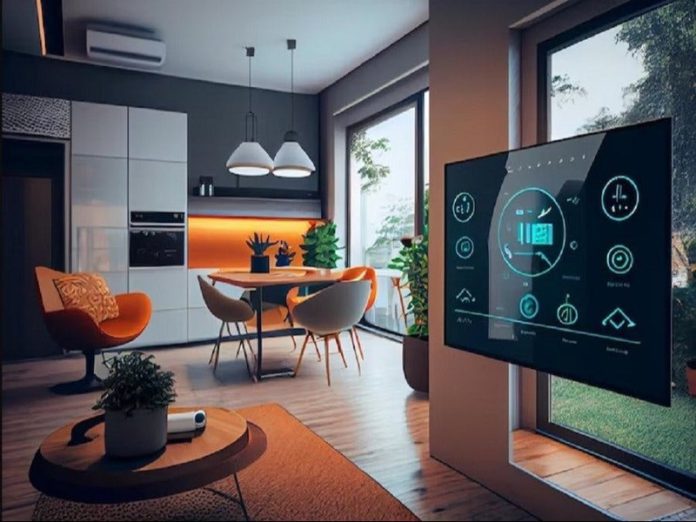
The concept of ‘smart homes’ has evolved from a futuristic idea into a tangible reality, significantly impacting how we interact with our living spaces. For homeowners, tech enthusiasts, and environmentally conscious individuals, smart homes represent the epitome of convenience, security, and energy efficiency. This article explores the various facets of smart homes, focusing on how they address common pain points such as energy consumption, security concerns, and the need for convenient, interconnected living.

The Essence of Smart Homes

Smart homes utilize advanced technology to automate and control various household systems and devices. From lighting and temperature control to security and entertainment, smart homes bring a level of sophistication and ease that was once unimaginable.

Integrated Control Systems

At the heart of a smart home is the integrated control system. It allows homeowners to manage various aspects of their home environment through a single interface, often accessible via a smartphone app. This centralization simplifies home management, providing convenience and flexibility.

Enhanced Energy Efficiency

Energy management is a significant concern for modern homeowners. Smart homes address this through intelligent systems like programmable thermostats and automated lighting. These systems optimize energy use, reducing wastage and lowering utility bills.

The Role of Technology in Smart Homes

The advancement of technology is the driving force behind smart homes. The integration of IoT (Internet of Things) devices, AI (Artificial Intelligence), and home automation systems has paved the way for more responsive and intuitive homes.

IoT and Connectivity

IoT plays a pivotal role in smart homes, with numerous connected devices working in tandem to enhance the living experience. Sensors and smart devices collect data on usage patterns and preferences, enabling the home to adapt to the occupant’s lifestyle.

Seamless Power Management

In the realm of these interconnected devices, elements like the power electrical distribution block are integral yet inconspicuous. Ensuring efficient and safe distribution of power to various devices, these blocks support the seamless operation of the smart home system, quietly sitting behind the scenes but playing a crucial role in maintaining the ecosystem’s integrity.

Artificial Intelligence and Machine Learning

AI and machine learning bring a level of intelligence to smart homes that goes beyond basic automation. These technologies enable systems to learn from user interactions and make predictive adjustments for enhanced comfort and efficiency.

Overcoming Challenges in Smart Home Adoption

While smart homes offer numerous benefits, challenges in adoption still exist. Concerns about complexity of setup, cost, and security are prevalent among potential users.

Simplifying User Experience

Manufacturers are increasingly focusing on simplifying the user experience, making smart home technology more accessible to the average homeowner. User-friendly interfaces and streamlined setup processes are becoming standard features of smart home systems.

Cost and Investment

The cost of implementing a smart home system can be a barrier for some. However, the long-term savings in energy costs and the increase in property value often justify the initial investment. Additionally, modular systems allow homeowners to start small and expand their system over time.

Security and Privacy

With the rise of interconnected devices, security and privacy concerns are more prominent. Ensuring data encryption and secure networks is essential in protecting against cyber threats. Manufacturers are continually enhancing security features to address these concerns.

The Future of Smart Homes

Looking ahead, the future of smart homes is bright and full of possibilities. Advancements in technology will continue to enhance the functionality and accessibility of smart homes.

Integration with Renewable Energy

A growing trend is the integration of smart homes with renewable energy sources, like solar panels. This not only furthers energy efficiency but also promotes sustainability, aligning with the environmental values of many homeowners.

Predictive and Adaptive Technologies

Future smart homes will likely feature more predictive and adaptive technologies, capable of anticipating the needs of the occupants and adjusting the home environment accordingly. This could include everything from temperature and lighting adjustments to proactive security measures.

Embracing Voice Control and Personal Assistants

A rapidly growing trend in the smart home industry is the integration of voice-controlled personal assistants. These AI-driven assistants, like Amazon Alexa, Google Assistant, and Apple Siri, are becoming central to the smart home experience. They allow homeowners to control various aspects of their homes using voice commands, from adjusting thermostats to controlling lighting and media systems. This development not only adds a layer of convenience but also enhances accessibility, making smart home technology more user-friendly for all age groups and abilities. As these assistants become more sophisticated, their ability to learn user preferences and anticipate needs will further personalize the smart home experience, making everyday tasks simpler and more intuitive. This integration signifies a move towards homes that are not just connected, but also empathetic and responsive to their inhabitants’ needs and commands.

Conclusion

Smart homes represent a significant leap forward in how we interact with our living spaces. They offer a blend of convenience, efficiency, and security that aligns with the needs of the modern homeowner. As technology continues to evolve, smart homes will become even more intuitive and integrated, further simplifying and enriching our daily lives. For those embarking on the journey of creating a smart home, the future promises an even more connected, efficient, and intelligent living experience.

How To Protect Your Garden From Unwanted Animals

Gardens are a sanctuary, a place of beauty and tranquillity, teeming with vibrant flowers and luscious greens. But they can also attract unwanted wildlife with their lush offerings. These animals can cause considerable damage, turning your labour of love into a buffet. So how can you protect your garden from these uninvited guests? Carry on reading to find out the best ways to protect your garden from unwanted animals.

Why is it a good idea to protect my garden from unwanted animals?

Protecting your garden from unwanted animals is not just about preserving the aesthetics of your garden, but it is also crucial for maintaining the health of your plants. Unwanted wildlife can spread diseases, gnaw on the stems, and consume the leaves, leading to stunted growth or even the death of your plants. Additionally, certain animals can damage the structure of your garden, causing soil erosion and disturbing the natural ecosystem. Therefore, implementing effective protective measures is essential to preserve your garden’s integrity, ensuring it continues to thrive and provide you with the joy and peace it was intended to.

Your own pets may also be at risk from other animals  in your garden. Keeping unwanted animals out of your garden also helps to protect your beloved pets from potential harm.  Many animals are territorial and can become aggressive towards other animals, posing a danger to your pets who may not be able to defend themselves. By protecting your garden from unwanted animals, you are also ensuring the safety of your furry friends.

7 effective ways to protect a garden

Identify the culprit

Determining who is eating what is necessary in order to select the appropriate type of management strategy, such as the height of any necessary fence. Keep an eye out for warning indicators:

  • Deer may rip woody plants or leave trails in the ground. They may also produce neat cuts on herbaceous plants.
  • Rabbits can leave pellet droppings and cut sharply on both woody and herbaceous plants.
  • Squirrels will dig up flower bulbs and crack nut husks or shells.
  • Before you even realise the fruit is ready, birds will peck holes in it or take it.

Install a fence

One method is to install fencing. High fences and buried wire barriers can deter animals like rabbits and deer. For smaller pests like moles, consider a mesh or wire fence buried about a foot deep. Remember to regularly check for holes or damages that these critters might exploit.

For small mammals, the least expensive options are hardware cloth, chicken wire, or rabbit fence. For most deer fencing, a fence at least six to eight feet high would do, and tiny edible shrubs, such as berries, can have plastic bird netting placed over them before they develop.

Repellents

Another approach is to use repellents. There are a variety of safe, non-toxic animal repellents available in the market. These can range from odour repellents that mimic predator scents to taste repellents that make plants unappetizing to animals.

Cayenne pepper is another natural repellent, but it can also upset your pets. Plenty of capsaicin, found in cayenne, is utilised as a natural, biochemical insecticide since it is so irritating. In order to deter animals, if you don’t own pets, sprinkle cayenne around your plants or create a cayenne spray. Coffee grinds and cinnamon are also useful in preventing pests like slugs and snails from devouring your plants, as well as rabbits.

Trim hedges

The majority of animals seek both food and a place to hide from predators. You can make your backyard less secure for any animals that eat your plants and hide behind them by cutting back any ground cover, such as overgrown bushes and tall grasses.

You’ll need to know what kind of wildlife frequents your yard and where they like to hide in order to determine what has to be chopped back. After that, you can redesign your garden and remove any potential hiding places using your newly acquired knowledge.

Plants

Planting specific types of plants can also keep animals away. Some animals are deterred by plants with strong scents, prickly surfaces, or a bitter taste. For instance, marigolds are known to repel rabbits and deer, while lavender and rosemary are unappealing to many small mammals.

Noise

Using noise and light can scare off many animals. Wind chimes, motion-activated lights, or ultrasonic devices can keep animals at bay. Just be mindful of your neighbours when using these methods!

Keeping the garden tidy

Finally, maintaining a clean garden can prevent attracting animals. Regularly clean fallen fruits or nuts, cover compost piles, and secure trash cans to prevent these from becoming food sources.

These strategies can help protect your garden from unwanted animals. Yet, it’s important to remember the role that wildlife plays in our ecosystem. A balance can be achieved by creating a garden that’s both inviting to beneficial wildlife and discouraging to potential pests.

Closing Thoughts

In conclusion, protecting your garden from unwanted animals is about understanding their behaviour, needs, and dislikes. By employing a combination of these methods, you can keep your garden thriving and coexist with the wildlife in your area.

County Fencing are experts in protecting your land from unwanted visitors, and offer a range of fencing applications and bespoke fences to deter a range of animals.

Remember, a well-protected garden is a bountiful garden, and the reward is worth the effort!

The Hidden Power of Custom Framing in Interior Design

In the world of interior design, it’s not merely about finding the right frame for your artwork—it’s about tapping into the hidden potential that framing holds. Custom framing transforms your living spaces, transcending the boundaries of simple decoration.

In this blog, let’s look into the profound impact of framing choices on your home. It’s more than just matching colors; it’s about creating a tailored environment that resonates with your personal style.

Size and Proportion Considerations

When it comes to custom framing in interior design, the choices of size and proportion hold a key to a harmonious and visually appealing space. Picture this – the size of the frame and how it relates to the artwork or photograph plays a pivotal role. It’s about balance. A small frame might get lost on a large wall, while an oversized frame can overwhelm a delicate piece. Proportion is the secret sauce. The frame should complement the size of the artwork, creating a cohesive look. Think of it as a dance where the frame and artwork move together in perfect rhythm.

Consider your wall space too. A small room might benefit from smaller frames to avoid feeling crowded, while larger rooms can handle more substantial frames. The goal is to find that sweet spot where the frame enhances the art without stealing the show. Imagine a beautifully framed piece that feels just right – not too big, not too small, but perfectly in sync with the space it occupies. It’s like finding the right puzzle piece that completes the picture.

Focal Point Creation

Creating a focal point is like giving your space a star – a central element that grabs attention and ties everything together. Custom framing plays a pivotal role in this process. Imagine entering a room and your eyes are drawn to a beautifully framed artwork or photograph – that’s the power of a focal point. It serves as a visual anchor, guiding the gaze and setting the tone for the entire space.

Custom framing allows you to orchestrate this focal point with precision. The frame becomes the spotlight, emphasizing the significance of the artwork within. Think of it as framing a masterpiece in a museum – the frame doesn’t just hold the art; it elevates it. Whether it’s a striking painting, a family portrait, or a cherished print, the right frame can turn it into a captivating focal point.

Unify Diverse Art Collections

Imagine a scenario where your art collection is a diverse mix of memories, styles, and stories. Custom framing steps in as the unsung hero, weaving a common thread through this tapestry of diversity. It’s like putting different puzzle pieces together to create a cohesive picture. With custom framing, you have the power to unify your diverse art collection seamlessly.

Think about it this way – different artworks might have different sizes, colors, or styles. Custom framing allows you to bring them together in a way that makes sense visually. Imagine a gallery wall where family photos, paintings, and prints coexist in harmony, thanks to carefully chosen frames that tie everything together. It’s not about making everything look the same; it’s about finding a common language that lets each piece shine while contributing to the overall composition.

Consider using similar frames or colors that complement each other. This creates a sense of continuity, making the collection feel intentional rather than a random assortment. The frames act as the storyteller, connecting the dots between different pieces and creating a unified narrative. Whether it’s a vintage photograph, a modern painting, or a quirky print, custom framing ensures that each piece finds its place within the larger artistic conversation of your home.

Long-Term Investment

When you invest in custom framing for your artwork, you’re not just enhancing its appearance for the present; you’re making a long-term commitment to its well-being. Consider it like putting your favorite book in a protective cover to keep it safe for years to come. Custom framing ensures that your cherished pieces stand the test of time.

Picture this – archival materials, such as UV-protective glass and acid-free mats, act as a shield against the elements. They protect your artwork from the harmful effects of sunlight, dust, and pollutants. It’s like giving your art a suit of armor, preserving its colors, textures, and details for the future. The frame becomes a guardian, ensuring that your investment remains vibrant and intact.

Now, let’s talk about value. Custom framing isn’t just an expense; it’s an investment in the longevity and value of your artwork. Well-framed pieces can maintain or even increase in value over time. Imagine passing down a beautifully framed family portrait through generations – not only does it carry the emotional value, but its well-preserved condition adds a layer of historical significance.

Consider the sentimental value too. A well-framed piece becomes a part of your family’s story, and its enduring quality adds to its sentimental worth. It’s not just about framing; it’s about creating a legacy of preserved memories and cherished moments. So, when you choose custom framing, you’re not just making a current style statement; you’re securing the timeless beauty and value of the pieces that hold a special place in your heart.

Emotional Connection

Custom framing in interior design isn’t just about enhancing the aesthetics of your space; it’s a journey that weaves emotions into the very fabric of your home. Consider the process of choosing the frame. It’s not just about colors and styles; it’s about finding a frame that resonates with the emotions the artwork evokes. Whether it’s a family photo, a child’s drawing, or a piece of art that holds sentimental value, the right frame enhances the emotional impact. It’s like framing not just the picture but the feelings and memories associated with it.

Where Memories Meet Design

Custom framing has a secret power in interior design that goes far beyond just looking nice. You can make each frame unique, and they will all work together to make your living room look great. Custom framing turns your home into a gallery of memories and feelings, from choosing the right size to make sure everything looks good together to creating eye-catching focal points.

It brings together different art collections and turns them into stories that flow together. It’s also a long-term investment that will protect the value and beauty of your most treasured pieces. For the most part, custom framing creates an emotional link, turning framed art into important landmarks in your life.

When you start learning how to frame things yourself, keep in mind that it’s not just about framing pictures. It’s also about framing moments, stories, and the things that make your home yours.


The Crucial Role of Gas Safety Certificates in Home Buying and Selling

In the intricate process of buying or selling a home, ensuring the safety and well-being of its future occupants is paramount. Gas safety certificates are pivotal, providing crucial information that can influence transactions and give peace of mind to all parties involved.
Gas safety certificates, also known as Gas Safety Records, are official documents that verify the safety of gas appliances and systems within a property. They are typically required by law in many regions for landlords and property owners to ensure the well-being of occupants.

To obtain a gas safety certificate, you must hire a Gas Safe registered engineer to conduct a thorough inspection of all gas appliances, flues, and pipework in the property. Upon successful inspection completion, the engineer issues the certificate detailing the condition of the gas installations and confirming compliance with safety regulations. This certificate is crucial for legal compliance, transparency in property transactions, and ensuring the safety of those living in or using the property.

Here are the crucial roles to get your gas safety certificate in Edinburgh:

1. Transparency in Property Transactions

Gas safety certificates are a transparent record of the condition of a property’s gas appliances and systems. For sellers, having a valid and up-to-date certificate demonstrates a commitment to the safety and maintenance of the home, potentially enhancing the property’s appeal to prospective buyers.

2. Building Trust and Confidence

Buyers often view a valid gas safety certificate as a sign that a property has been well-maintained. It instills confidence in the buyer, assuring them that the gas appliances have undergone proper inspection and meet safety standards. This transparency contributes to a smoother and more trusting real estate transaction.

3. Negotiation Tool and Peace of Mind

For buyers, the absence of a gas safety certificate or the identification of issues in the inspection can be used as a negotiation tool. It provides a basis for discussing necessary repairs or adjustments to the property price. Conversely, a positive gas safety certificate can offer peace of mind, making home-buying more straightforward.

4. Legal Compliance and Risk Mitigation

Gas safety certificates are not just beneficial; they are a legal requirement in some regions. For sellers, compliance with these regulations is a legal obligation and a means of mitigating potential risks. Non-compliance could lead to delays in the selling process or even legal consequences.

5. Ensuring the Safety of Occupants

Above all, the primary purpose of gas safety certificates is to ensure the safety of those residing on the property. This consideration is central to buyers and sellers, reflecting a shared commitment to providing a secure living environment. A property with a valid gas safety certificate indicates a proactive approach to safeguarding the well-being of its occupants.

In the intricate dance of home buying and selling, gas safety certificates are critical, fostering transparency, trust, and legal compliance. Sellers showcase their commitment to safety, while buyers gain confidence in the property’s condition. Ultimately, the role of gas safety certificates extends beyond a mere transactional detail; it is a commitment to creating a secure and reliable living space for future homeowners.


Essential Considerations to Look at Before Purchasing a Beach Condo

Have you ever thought of getting a home or place around the beach? Your family may enjoy the beach life, and you may be tempted to buy a beach condo to avoid all the hassles of getting a vocational rental area to spend your time. A good real estate will help you get a great place at the beach to avoid impulse buying. Buying any property by the beach is the dream of every person. It doesn’t matter whether it is a stand-alone house or a condo. Owning a home along the water is an excellent experience as you can enjoy the breeze any time. However, just like other big purchases, you should look at ideal things before getting one.

When you start looking for one, you will note several condos for sale myrtle beach or any other area. Here are top considerations to have in mind before that you should ensure to check before you decide on your ideal place to buy. Things to look at when buying a beach house.

Condition of the property

The property of your ideal condo is something vital to consider. As a buyer, you must inspect it well to ensure it is in good condition and doesn’t need any repairs. You will know the state of the house if you seek to understand its age and quality to be sure it can last longer. Otherwise, you will waste your money and get a place that may only stay with you for a short period, which is a total waste.

Location

The location of your beach house is yet another vital consideration to look at when buying a property. It would help to choose a condo in a good location that will give you easy access to the beach and other amenities. Besides, you must consider other things, including safety, local attractions, and how easily you can access it.

Your lifestyle and intended use

Understand the significant purpose of your beach house, whether for vocational or permanent use. If it is for your primary service, you will be ready to adapt to any inconveniences that come with living along the beach. This is because most condos are only made for living some year-round. Typically, most beach homes are vacation homes you can rent off in some seasons. If you want somewhere you can call full-time home, be sure to get a place with enough rooms, allowing you to live there even during the off-season.

Amenities

When buying a beach home, consider vital amenities like pools, recreational areas, and fitness centers, as they are essential around these properties. Besides, you should also consider the quality of these amenities and ensure they are in good condition.

Cost

The price of your ideal beach home is yet another thing you should consider, as it is essential. It would help to compare the cost of different available condos for sale myrtle beach to ensure you get a reasonably priced one. You can also look at the rental fee, which will help you know a possible budget for buying a beach home.

Conclusion

Getting a perfect vacation to buy or rent can take you time. But, following the above factors, you will find the entire process of finding and buying a beach home worth it. Regardless of your budget, several properties at the beachfront are suitable for you.

Tips to Help Children Adjust to A Long-Distance Move

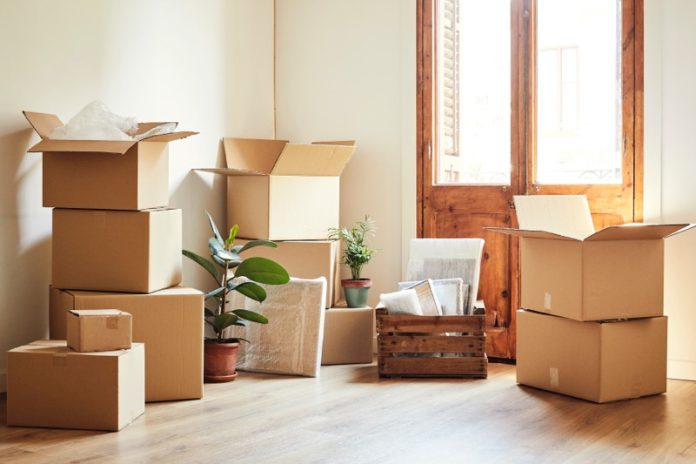
Moving can be generally difficult, but it can be tough if you have children. Moving across large distances with children might provide an even greater challenge because it can be hard for them to fit in, establish friends, and feel comfortable in a new place. Check out these suggestions to help your kids adjust to a long-distance move.

Engage them in the home-buying process.

Allow your children to participate in every step of the process rather than just moving them to a new residence they don’t know anything about. Involve the kids when visiting the Realtors in Dallas, TX, peruse home listings together, and list the qualities the family would most like to see in a new residence. Looking at houses together and discussing your alternatives will help kids feel in control of a situation that would otherwise make them feel helpless.

Try to visit the new location.

Plan a visit to the new residence or location before the move. Give the kids some time to explore their new house. They will want to explore the neighborhood, the backyard, and their new quarters. Due to this process, they may feel more at ease in their new environment, and will lessen their fear of the unfamiliar and help them get to know the place.

Pack together

Get your children involved in packing their possessions. While sorting and packing, enjoy the process by playing games or listening to music. They will also get an opportunity to choose what to keep and discard.

Stuff a box with things they know and love, such as bedding, plush animals, and novels. This will help them feel at ease in their new environment. Encourage your kids to make a memory box to store sentimental objects within. Thanks to this, they will be able to cherish their memories and feel closer to their former house.

Involve them in styling their new bedroom.

Give your kids the freedom to assist in furnishing their new room, and they will get excited about turning the new house into a home. Additionally, you can discuss various design concepts that kids might find interesting, like painting the walls a vibrant color.

Assist them in settling into the new school.

Children may feel uneasy about attending a new school, but there are strategies to help them adjust. Urge them to become involved in the school community by encouraging them to join clubs or sports teams. Furthermore, discuss with your children the advantages of beginning a new school. Remind them they can discover a new town, learn new things, and meet new friends. Positivity will aid in your children’s transition to their new school.

Maintain contact with your loved ones.

Use technology to maintain contact with loved ones who used to interact with your kids in your previous neighborhood. Using video calls and communications can support your kids in preserving significant ties.

Closing words

Since moving is a significant shift, kids may experience anxiety or uncertainty. Parents must give their children the proper support and direction to ensure a seamless transition.

9 Common Mistakes When Selling Your Home

Selling your home in Syracuse, NY, can be as challenging as it is exciting. However, even the most seasoned sellers can make mistakes that could cost them time, money, and peace of mind. In this article, we’ll walk through some common pitfalls in the home-selling process in Syracuse and how to sidestep them. From setting the right price to ensuring your home looks its best, these tips will help you navigate any issues that may crop up in the process of selling your home, with greater confidence and success.

1. Overpricing Your Home

One of the most common mistakes when selling a home is setting an unrealistic price. It’s natural to value your home highly, but overpricing can deter potential buyers, leading to a longer stay on the market and possibly lower final sale prices. To avoid this, do thorough market research or work with a real estate agent to set a competitive and realistic price. Consider recent sales of similar homes in your area and adjust based on your home’s unique features and market conditions.

2. Neglecting Necessary Repairs

Small repair issues, while seemingly insignificant, can be red flags for potential buyers, leading them to wonder what else might be wrong. Before listing your home, take the time to fix leaking faucets, squeaky doors, or any minor damages. These repairs, often simple and inexpensive, can significantly improve the perceived value of your home.

You’ll want to especially focus on repairs that have an impact on the exterior of your home. Old, damaged, or inefficient windows can be a turn-off for buyers, signaling potential high future costs. Upgrading your windows can be a wise investment, enhancing both the curb appeal and energy efficiency of your home. This is where professionals come into play – Syracuse window replacement experts can provide professional advice and services to ensure your windows are a selling point rather than a drawback.

3. Poor Quality Listing Photos

In the digital age, your home’s first showing is online. Poor quality photos can immediately turn potential buyers away. Investing in professional photography can make a significant difference. Professional photos highlight your home’s best features, present it in the best light, and attract more buyers to view your property in person. If professional photography isn’t an option, make sure you use a good quality camera, capture each room from the best angle, and use natural light to your advantage.

4. Not Staging the Home Properly

Home staging is more than just cleaning and decorating; it’s about presenting a lifestyle that buyers can aspire to. A well-staged home creates an inviting atmosphere that allows buyers to envision themselves living there. Start by decluttering, and remove personal items like family photos and keepsakes. Use neutral colors and decor to appeal to a broader audience. Arrange furniture to maximize space and create a flow that guides potential buyers through the home. Keep in mind that the goal of staging is to showcase your home’s strengths and potential.

5. Choosing the Wrong Real Estate Agent

The real estate agent you choose can make or break the sale of your home. Opting for the first agent you come across or choosing one based solely on their commission rates can be a costly mistake. Look for an agent with a great track record of selling homes in your area, excellent communication skills, and a marketing plan that aligns with your goals. The right agent will understand the Syracuse real estate market dynamics and will have the skills and resources to navigate the sale effectively.

6. Being Unprepared for Showings

Flexibility and preparedness for showings are crucial in the home-selling process. Being unresponsive to showing requests or presenting a cluttered, untidy home can turn off potential buyers. Keep your home clean, organized, and ready for visitors at all times. Create a checklist of quick tasks to complete before each showing, like airing out the rooms, doing a quick clean-up, and ensuring all lights are working. The more accessible and presentable your home is, the higher the chances of it making a lasting impression.

7. Getting Emotional in Negotiations

Selling a home can be an emotional process, but it’s important to keep your feelings in check during negotiations. Becoming too sentimental can cloud your judgment and hinder your ability to make sound decisions. Focus on your end goals and treat the process as a business transaction. Be open to reasonable negotiations and work with your agent to understand what constitutes a fair offer. The goal is to sell your home in a way that benefits you financially and meets your timelines.

8. Not Disclosing Known Issues

Intentionally withholding information about known issues with your property can lead to legal problems and damage your credibility. Be transparent about any problems and address them upfront. Disclosing known issues not only builds trust with potential buyers but also protects you from future legal liabilities. In many cases, buyers are willing to overlook certain faults if they are not caught off guard after making an offer.

9. Overlooking the Fine Print in Offers

It’s important to thoroughly understand the offers you receive. Overlooking the fine print can lead to unpleasant surprises down the road. Pay attention to contingencies, closing dates, and any special requests from the buyer. Consult with your real estate agent or a legal professional to ensure you fully understand the implications of the contract terms. A clear understanding of the offer details will help you make informed decisions and negotiate the best terms.

In conclusion, selling your home requires a blend of strategic planning, attention to detail, and emotional intelligence. By avoiding common mistakes, you significantly increase your chances of a successful sale. Approach the process with knowledge, preparation, and a clear focus on your goals. With these strategies in mind, you’re well-equipped to navigate the process of selling your house and moving on to your new phase in life.

Recent Posts

Posts You Might Like