
Home Blog Page 68

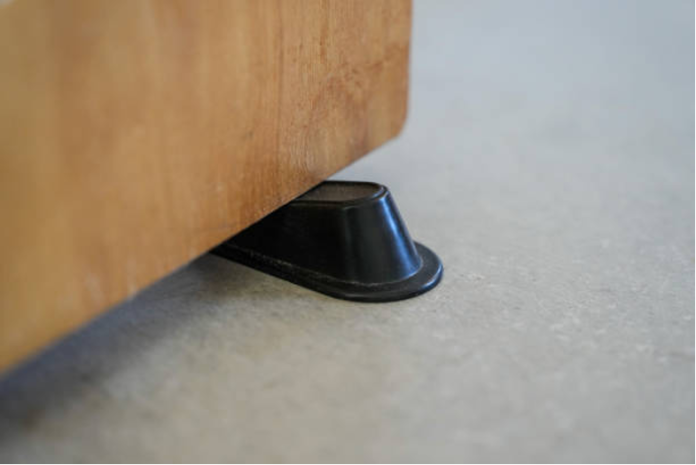
Door Strike Plate Black – Enhancing Home Security and Aesthetics

With regards to home security and design, the door strike plate black plays a crucial part. While many homeowners focus on locks, alarms, and surveillance systems. While these are vital parts of protecting your property, there is one frequently ignored component that assumes a critical part in keeping your home safe, and that is the door, particularly the black door strike plate. In this article, we will consider the significance of the black door strike plate, its different elements, and how it adds to the general security of your home.

The forgotten component – Door strike plates

Before diving into the importance of door strike plate black in your home security, we must understand the basics of strike plate. A strike plate is a metal plate that is joined to the door frame, opposite to the doorway’s lock or bolt. At the point when the door is shut, the lock or bolt stretches out into the strike plate’s opening, consequently keeping the door safely shut. Generally, strike plates were produced in different finishes, like polished metal, nickel, or chrome, to supplement the doorway’s style and hardware. However, in recent years, black doorway strike plates have acquired fame because of their remarkable and sleek appearance, making them an appealing choice for property holders hoping to improve both their security and home style.

A properly installed and high-quality strike plate can fundamentally improve the security of your home, as it builds up the most fragile piece of the door, keeping it from being easily pried open. While numerous property holders put resources into high-quality deadbolts and locks, they frequently disregard the significance of a solid and well-designed strike plate. This is where black door strike plates become possibly the most important factor, offering improved security as well as a touch of elegance to your doors.

The appeal of black door strike plates

The main role of a door strike plate is to build up the door frame and prevent constrained passage. A door strike plate black, similar to any designed strike plate, is produced using tensile materials, for example, steel, that can endure pressure. This additional strength is fundamental since robbers frequently focus on the most vulnerable points in a doorway, for example, the strike plate. A solid and appropriately installed black strike plate can fundamentally prevent break-ins and give genuine peace to homeowners.

Notwithstanding security, black entryway strike plates offer a stylishly satisfying choice for homeowners. The smooth, dark finish can supplement an extensive variety of door styles and variety plans, adding a touch of elegance to your home’s entry. This mix of safety and style makes black door strike plates a brilliant decision for individuals who need to upgrade the general appearance of their entryways while keeping an elevated degree of safety.

One of the vital benefits of door strike plate black is their flexibility. They are accessible in different sizes, and styles, and permit homeowners to pick the one that has the best door’s design. Whether you favor a moderate plan or a more complex one, you can find a black strike plate to suit your preferences.

Black door strike plates are normally covered with a strong completion that adds to their stylish appearance as well as safeguards them from rust and corrosion. This implies they can endure the components and remain in excellent condition for quite a long time. Therefore, black strike plates require negligible maintenance and can give security to your home.

Putting resources into security updates, for example, d black door strike plates can positively influence your home’s resale value. Potential purchasers are probably going to be drawn to the additional security highlights, and the smooth black finish can be a selling point too, particularly if it fits well with the home’s style.

Types of black door strike plates

While choosing a door strike plate black, it is fundamental to consider the various types available to track down the one that best suits your necessities.

Deadbolt strike plates are a basic part of home security, and the corresponding deadbolt strike plate is similarly significant. A black deadbolt strike plate builds up the region around the deadbolt, making it particularly challenging for intruders to drive their direction into your home.

Latch strike plates are utilized related to hook style locks, for example, handle or switch locks. They secure the lock bolt when the entryway is shut, keeping it from being effortlessly pushed open. A black latch strike plate offers an appealing and secure answer for entrance doors.

Extended lip strike plates have a more drawn-out lip that covers a bigger region of the door frame, giving extra strength and security. These are often utilized when a door frame has been damaged or worn over the long haul. A black broadened lip strike plate adds style to the entryway.

Choosing the right door strike plate black

Choosing the right black door strike plate for your home includes considering a few elements to guarantee it meets your security and aesthetic necessities:

  • Settle for strike plates made of top-notch materials like steel for ideal security. These materials are solid, guaranteeing that your entryways stay secure.
  • Measure your current strike plate to decide the size you want. Think about the style that supplements your doorway and home stylistic layout. Famous styles incorporate the classic square or the modern-day round or flat designs.
  • Door strike plate black comes in different completions, from matte to polished. Pick the completion that best suits your entryway and your general design vision.
  • Do a few explorations on respectable brands and manufacturers known for delivering high-quality door hardware. Read customer reviews and request proposals from specialists or experienced property holders.
  • Consider whether you need a black strike plate that is easy to install or hire a professional for the job.

Installation and maintenance

To maximize the advantages of a door strike plate black, proper installation and maintenance are essential. Here are a few fundamental tips for both.

  • Guarantee that the strike plate is adjusted accurately with the door lock. It should be at a similar level as the lock’s bolt. Misalignment can prompt hardships in locking and unlocking the doorway.
  • Utilize long screws to get the strike plate to the door frame. These screws should reach out into the framing behind the trim to improve security. Short screws can be effectively kicked or forced out.
  • If your door frame is not satisfactorily supported, consider introducing longer screws that stretch out into the structural framing of your home. This additional support can make it substantially hard for criminals to break down the entryway.
  • Periodically investigate the state of your black door strike plate to guarantee it stays secure and free from damage. On the off chance that you notice any issues, for example, free screws or indications of wear, address them promptly.
  • Apply a limited quantity of oil to the lock or deadbolt to guarantee smooth activity. This can prevent excessive wear on the strike plate.
  • Wipe the black finish of the strike plate with a damp cloth to eliminate residue and trash. Try not to utilize abrasive cleaners that can harm the finish.

Conclusion

In the domain of home security, the door strike plate black may not be the main thing that comes to mind, yet it assumes a significant part in defending your home. It is a mix of upgraded security, aesthetic appeal, and durability to make it a brilliant choice for homeowners hoping to safeguard their property while adding a dash of style to their doorways. By choosing the right kind of strike plate and door fittings, and guaranteeing proper installation and maintenance, you can partake in the advantages of improved security and genuine serenity. Thus, next time you consider updating your home’s security, remember to think about the door strike plate black.

Fire Rated Glass Partitions – Fireproof Elegance

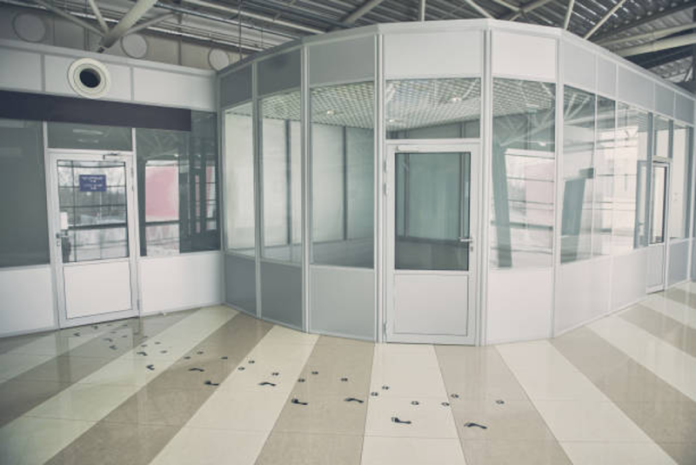
Fire rated glass partitions combine safety and elegance in the fast-paced world of building and design, where safety often outweighs flair. Clear barriers prevent fire and improve aesthetics. This blog covers fire rated glass barriers’ design, science, safety, and aesthetics. We also discuss types, benefits, cost considerations, case studies, and future trends in fire rated glass partitions.

Fire rating knowledge

Fire-resistant glass partition designations vary. To balance safety and functionality, architects and designers must comprehend these classes. Class A, B, and C fire protection are offered depending on space needs. Building fireproof glass walls is laborious. Fires need heat resistance, radiant heat control, and structural integrity. Residents may escape safely because fireproof glass walls resist flames and retain their form. To pick fire resistant glass for varied projects, architects and designers must grasp these technical factors. Fire-resistant glass walls let architects create safe, appealing spaces.

Fire rated glass partitions benefit

Appearance – Contrary to common assumptions, fire resistant glass walls look better. Their transparency provides safety and an airy atmosphere.

Security and safety – Fireproof glass partitions contain flames. This reduces property damage and protects residents. Transparent walls provide safety and security without blocking the view. To seamlessly incorporate fireproof glass into their designs, architects and designers must understand its dual function in safety and security.

Integration of natural light – These glass dividers let natural light through. This dual functionality saves energy and creates a well-lit, healthy atmosphere. This allows architects to utilize fireproof glass that meets safety standards and biophilic design concepts to promote occupant well-being through nature. Besides safety, fire resistant glass dividers look contemporary.

Types of fire rated glass

Glass wired

Fireproof wired glass with metal mesh is vintage. The fire resistance and clarity make it suitable for various situations. Historically, fireproof glass has prevented fires.

Laminated glass

Fire resistant fused layer laminated glass secures the surroundings. Despite the fire, its layers are reliable. Architects may recommend laminated glass for high-traffic or impact-prone locations.

Ceramic glass

Material advancements developed high-temperature ceramic glass. High-heat environments favor fire resistant glass. Its resilience and versatility make it ideal for fire-resistant applications. Ceramic glass’s unique properties can help architects using new materials handle fire-prone issues. Knowing the fire rated glass wall helps architects and designers choose the best.

Setup and maintenance

Professional installation importance

Unburnable glass barriers are simple to install but require attention. Professional installation is required for fire-safe partitions. Architects and builders should work with professional installers to optimize safety measures. Expert installation improves glass partition safety and assures compliance with industry standards and local construction norms.

Longevity maintenance tips

Preserving fireproof glass barriers requires regular maintenance. Clean with suitable solutions and check for wear and tear to prolong safety features’ lifespan. To keep fire resistant glass barriers working, architects should give clients maintenance instructions. Communicating with clients about periodic maintenance helps fireproof glass dividers stay functional and attractive. Proper installation and maintenance standards and the life and efficacy of these glass partitions.

Commercial fire rated glass partitions

Businesses must comply with strict construction requirements, and fireproof glass barriers help. These rules protect occupant safety and improve space design and functionality. Architects and designers must follow these rules to integrate fire resistant glass barriers into commercial buildings. To design safe and compliant business facilities, architects must understand building code standards, including minimum fire ratings. Office architecture is shifting toward open workspaces, and fire resistant glass dividers help. These dividers increase safety while fostering collaboration. These glasses in commercial environments match changing business and employee preferences. Commercial architects should combine safety and the demand for open, collaborative offices and use unburnable glass to complete the design. Commercial fireproof glass walls and fire doors improve safety and collaboration.

Residential fire rated glass

In modern house architecture, fire resistant glass symbolizes modernity. Safety without sacrificing style is becoming more important to homeowners. Unburnable glass in residential construction provides security and aesthetics.  Beyond aesthetics, fireproof glass walls boost home safety. Fire dividers slow flame propagation, allowing you time to leave. Unburnable glass partitions blend into living spaces, boosting safety, design, and peace of mind. This glass is essential for safe and appealing living arrangements; thus, architects should stress it. These glasses housing is safe and stylish.

Cost considerations

Initial Investment – While fire-rated glass barriers are pricey, they’re a good investment. The upfront expense ensures long-term safety against unanticipated disasters. Fireproof glass protects lives and property over time, so architects should help clients understand its value.

Long-term savings – Fire-resistant glass barriers save damage and restoration costs over time. They avoid disasters and save property owners money. This glass saves money and property while protecting To mitigate risk, architects should present a detailed cost evaluation of fire-rated glass’s financial advantages. Understanding fireproof glass’s initial cost and long-term savings helps stakeholders make budget-friendly decisions.

Fire rated glass choice

Consider space while purchasing fire resistant glass. Best relies on occupancy, fire risk, and aesthetics. Customers should work with architects and designers to choose fireproof glass. The custom unburnable glass looks great. Builders and designers may simply include safety features like tinted glass and gorgeous patterns with customization. Customizable fire-rated glass meets safety standards and suits a project’s design. Clients and architects should create safe and attractive customization choices. Custom fire rated glass partitions enhance room design and utility.

Case study

Implementations succeed – Many successful projects prove fire resistant glass barriers work. Case studies demonstrate how commercial, residential, and public spaces improve safety and design. A successful implementation can assist architects, builders, and clients in picking fireproof glass.

Effect on design and safety – Design and safety intersect in these case studies. These glasses have saved lives and improved spaces, displaying their adaptability. Real-world fire resistant glass safety and design impacts affect decision-making and uptake. Case studies demonstrate fireproof glass dividers’ benefits.

Trends in fire rated glass

Innovations in technology – Technological advances affect unburnable glass. Smart glass with dynamic transparency and other innovations offers safety and utility. Following these technological breakthroughs can help architects and designers incorporate cutting-edge solutions into their designs.

Sustainable choices – Fireproof glass will become more eco-friendly as sustainability improves. Eco-friendly fire-resistant architectural materials may become widespread. Fireproof glass with sustainable options promotes green building. Fire resistant glass will evolve with technology and sustainability.

Common misconception

Truth about fire rated glass – Debunking fireproof glass misconceptions is vital. Discussing visibility, maintenance, and durability builds trust in safety elements. Clients, architects, and builders learn about fireproof glass to encourage its usage and dispel misconceptions.

Clarifying safety concerns – Installing fire resistant glass walls causes safety issues. Explaining how these barriers are carefully researched and authorized for safety may calm fears and encourage their use. Open communication about unburnable glass science and safety promotes architectural confidence. Active communication and education may dispel fireproof glass myths and resolve safety concerns.

Sector rules

Standards for compliance – Unburnable glass must always fulfill industry standards. Architects and builders must certify glass walls for fire resistance. Meeting shifting regulations ensure project compliance, and fireproof glass fulfills the highest safety standards.

Certification matters – Certification verifies fire-rated glass barriers’ endurance. It certifies the product’s safety and reliability, strengthening stakeholder confidence. Building designers should use certified fireproof glass barriers to safeguard inhabitants. Fire resistant glass walls reliability and efficacy require certification.

Design safety partnerships

Fire safety experts and architects – Fire safety and architects must work together to design and install unburnable glass dividers. Our interdisciplinary approach seamlessly integrates beauty and safety into the architectural concept. Fire safety experts can help architects create appealing, safe spaces.

Plan integration of fire rated glass – The design includes fireproof glass. Architectural and fire safety professionals should incorporate these divisions into the design to ensure building safety. Early cooperation integrates fire-rated glass into the design idea, improving safety and aesthetics. Adding unburnable glass to architectural plans requires collaboration between architects and fire safety professionals.

Conclusion

We conclude that fire rated glass partitions combine safety and beauty. Flame-proof elegance is changing design and architecture in business and residential environments. The mix of transparency, safety, and aesthetics makes fire resistant glass walls vital in modern settings. Technology and sustainability are transforming fire-rated glass, offering increased safety, utility, and environmental awareness.

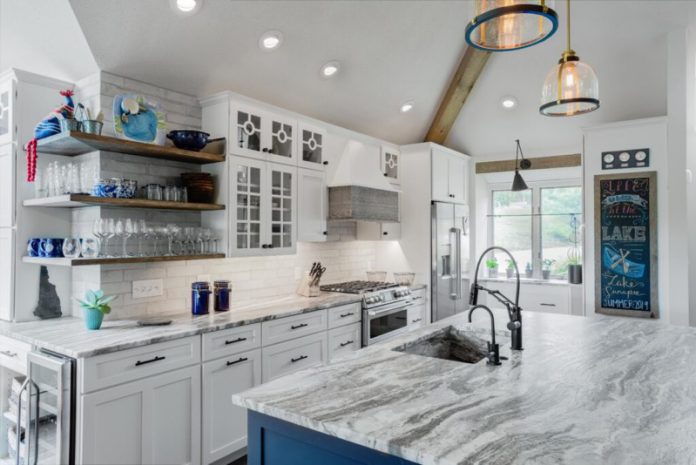
Remodeling Your Home Cabinets and Countertops

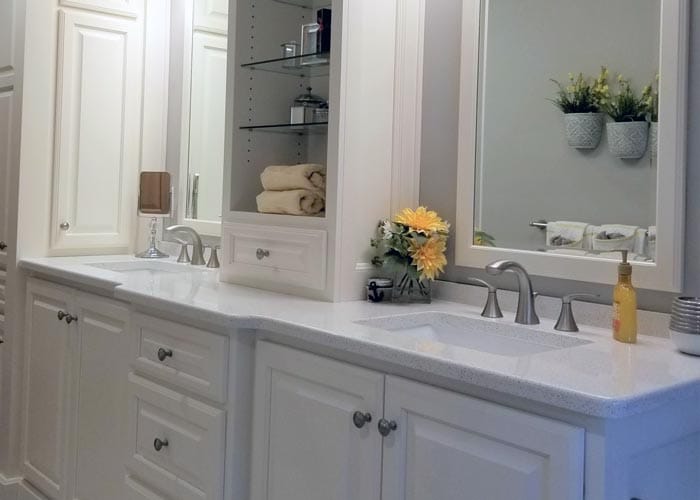
The kitchen is the nerve center of any home; it is the space from which meals and snacks are churned out. In some cases, it is the space where family members spend some quality moments together at mealtimes.

There is nothing that dates a house more than cabinets and countertops. Different eras and periods have different styles of cabinets and countertops. Through the years people have come to differentiate between style and practicality and at some point, learned to combine the two.

Assuming your kitchen or bathroom is one of such that have very practical fixtures that are not stylish or stylish but not practical, you may need to consider remodeling. Similarly, if your cabinets and countertops are all worn out and outdated, you need a touch up. If you are in doubt as to whether your home needs a touch up, you may want to read this article.

In this article, we will explore the benefits of remodeling your cabinets and countertops, things you should consider before embarking on the project and how to go about it the right way.

Benefits of Remodeling your Cabinets and Countertop

Before we go any further, we will start out by showing you the benefits to be derived from doing up your home. A clear appreciation of these benefits can serve as motivation for you to go ahead with the project.  Find below some of these benefits:

Bigger and More Functional Space

If your kitchen space is cramped, it may be because of the style of countertops and cabinets. A remodel can help you create space and make it more functional for your culinary adventures.  These same benefits apply to your bathroom cabinets; you get bigger space to store your bath essentials and supplies.

Increase the Value of your Home

Most times, a kitchen is the selling point of a home. This means that the quality of your kitchen can also determine the overall value of your home. So, if you are thinking of reselling your home any time in the future, it is a wise financial decision to remodel your kitchen. According to real estate experts, you would recoup no less than 60% of the remodeling expenses when you sell the home.

Increased convenience and Comfort

A remodeling project gives you the opportunity to improve some crucial parts of your home. For example, you can improve the ventilation system of your space if it isn’t up to par. With this update, the ventilation system will improve the air quality and help your space to smell nice at all times. Additionally, if there’s anyone with allergies in the home, they can now safely hang out with you as you cook.

More, so in the course of your makeover, you can add new features that will make your space more convenient for you.

Enhanced Energy Efficiency

In the course of a do-over, you can decide to go green or add more eco-friendly features to your bathroom and kitchen. For example, you can switch to low flow taps to help reduce water usage or tankless water heater which heats up water when it is needed.  Another solution is to use LED bulbs instead of the regular ones.

All these changes can be affected in the course of your renovation to achieve enhanced energy efficiency.

Improved Safety

The Department of Energy advocates against the use of stoves because of the toxic pollutants that they emit.  In case your home had any type of these stoves, you can change them to a range hood. This is an example of making your kitchen safer with renovations.

You can also install other safety features such as a space for a fire extinguisher that you can easily reach and a floor that has more traction so that people do not slip easily in your space.

Tips for Successful Home Renovation

Before you decide to embark on renovating your home, there are many factors to consider that will make or break the project. Find below some tips that will help you have a successful project:

Determine the Purpose of the Project

The first step in this journey is to find out why you are embarking on it in the first place. Why do you want to give your home a makeover? If it is just about aesthetics, you may just be wasting your money. The project has to add more value to the space than just making it more beautiful. So, an evaluation of things that would add value to the space will make sense at this point.

Have a Realistic Budget

When you have determined the value that you want to add to the space, the next thing is to set a budget that is realistic. The budget for redoing a kitchen should be equal to the overall value of the home. It is unwise to spend more than you can get back at the resale of the home. You might need professional advice at this point.

Evaluate Things that Need to be Changed

Examine all your appliances and fixtures to determine the ones that need to be changed and the ones that you can refurbish or refinish. If you have been using an old model stove, it will be in your best interest to change it to a more energy efficient cook range. This principle applies to every other appliance that is not energy efficient.

When it comes to fixtures and furniture, some things can be changed out rightly while others can be refurbished.  Cabinets and countertops are surely in the category of things that can be refinished or refurnished.

Look for Local Interior Designers

There are different protocols that govern home renovation in every region or state. That is why it is important to look for local companies that understand the terrain and the building codes and regulations. If you live in Arizona for example, you can simply search for ‘Sun City bathroom remodel’ to get a list of several designers that you can choose from. Regardless of your location, you can always search for professional interior designers in your locality that will be glad to work with you.

Conclusion

Remodeling the cabinets and countertops in your home can increase its real estate value. Additionally, you get to enjoy several other benefits as we have listed above. Note and implement the tips that we have shared here; they will help you have a successful project.

Eco-Friendly Plumbing Solutions – Save Water and Money

In the current era, focusing on environmental sustainability is not just a trend but a necessity. One effective approach to contribute to this cause is through eco-friendly plumbing solutions. These solutions not only help in conserving one of our most precious resources, water, but also aid in reducing household expenses.

Engaging a skilled plumber Keswick can be a pivotal step in transforming your home into a more environmentally friendly space. Let’s look into various eco-friendly plumbing methods that are both practical and beneficial for your home and the environment.

Water-Saving Fixtures

One of the simplest yet most impactful steps is the installation of water-saving fixtures. These include low-flow toilets, faucets, and showerheads that are designed to use significantly less water without compromising on performance. For instance, a traditional toilet might use as much as five to seven gallons per flush, while a low-flow model uses less than two gallons.

This dramatic reduction in water usage can lead to substantial savings on your water bill. A professional plumber can assist in selecting and installing these fixtures, ensuring they fit perfectly with your existing plumbing system and aesthetics of your home.

Leak Detection and Repair

A common issue in many households is the unnoticed leakage in the plumbing system. These leaks, although sometimes minor, can lead to a substantial waste of water and an increase in the water bill over time. Regular inspection for leaks in pipes, faucets, and toilets can prevent this waste.

Advanced leak detection technology used by experienced plumbers can pinpoint even the smallest leaks, facilitating timely repairs. Also, addressing these leaks promptly not only saves water but also prevents potential water damage to your home, which can be costly to repair.

Eco-Friendly Water Heaters

Traditional water heaters, typically tank-based, are known for their high energy consumption. They heat a large volume of water which may go unused, leading to unnecessary energy expenditure. The adoption of eco-friendly water heaters, like on-demand or tankless water heaters, can be a more energy-efficient alternative.

These systems heat water as it is needed, thus reducing energy waste. Consulting with a knowledgeable plumber can help you understand the options suitable for your home. These professionals can advise on the best models that not only save energy but also provide sufficient hot water based on your household’s needs.

Rainwater Harvesting Systems

Implementing a rainwater harvesting system is another excellent method to reduce reliance on municipal water supplies. These systems collect rainwater from rooftops, which can then be stored and used for various purposes such as gardening, car washing, or even in toilets. This practice not only conserves a significant amount of water but also reduces your water bill.

It’s advisable to work with a plumber experienced in installing these systems to ensure they are integrated seamlessly with your existing plumbing. Proper installation and maintenance are key to maximizing the benefits of these systems.

Insulation of Pipes

Insulating your plumbing pipes is a cost-effective way to conserve energy in your home. When water pipes are not insulated, heat loss occurs as hot water travels through them, leading to unnecessary energy usage to maintain water temperature. Insulating these pipes can significantly reduce this heat loss, ensuring that less energy is required to heat water, thereby saving energy costs.

Eco-Friendly Drain Cleaners

The use of chemical drain cleaners is a common practice in many households. However, these chemicals can be harmful to the environment and may even damage your plumbing over time. Eco-friendly alternatives, such as enzymatic cleaners or simple home remedies like baking soda and vinegar, can be equally effective and much safer for the environment. For tougher clogs, mechanical methods like using a drain snake can be employed. Consulting a plumber can provide insights into eco-friendly maintenance practices for your drains.

Smart Water Management Systems

Incorporating a smart water management system in your home can lead to significant water conservation, much like how Denver Roofers and plumbing can enhance the efficiency of your home. These systems allow you to monitor your household’s water usage in real-time, helping identify areas where water is being wasted. For example, you might discover that certain fixtures or appliances are using more water than necessary, similar to how Denver Roofers identify areas in need of repair, and take steps to rectify this.

By managing your water usage more effectively, you not only save water but also reduce your monthly water bill, making it a win-win for both your wallet and the environment.

Choosing the Right Plumber

Selecting the right plumber is crucial when implementing eco-friendly plumbing solutions. A qualified plumber with experience in eco-friendly practices can make a significant difference in the effectiveness of these solutions. They can provide valuable advice on the most suitable eco-friendly options for your home, ensure proper installation, and offer tips for ongoing maintenance. When choosing a plumber, consider their experience, expertise in eco-friendly solutions, and customer reviews.

The Impact of Exterior Commercial Painting on Melbourne Businesses

An affordable way to add appeal and draw customers in is through painting. In addition, this simple upgrade can increase market value should you plan on selling the building at some point in the future.

Exterior painting projects often require extensive preparation, including cleaning, scraping, priming and taping. Experts often suggest choosing low or no VOC paints which reduce exposure to fumes.

Revitalising Melbourne’s Business Exteriors: A Guide to Exterior Commercial Painting

A fresh coat of paint can dramatically change the aesthetics of any building, inducing emotions, setting a mood, and giving visitors an idea of what awaits them inside. Therefore, professional painters in Australia should be hired to oversee this project to ensure its timely and budgetary completion and to guarantee desired results are reached.

Exterior painting projects tend to be more intricate and time consuming than interior ones, requiring different materials and adapting for weather conditions in each location. Therefore, before beginning the exterior business painting job, it’s important that painters visit the job site and talk with both client and painters regarding needs for an accurate quote. Typically interior painting costs approximately $10 to $30 per square meter while exterior projects often exceed this due to climate and material costs.

At commercial exterior painting projects, using high-quality weather-resistant paint such as Dulux Weathershield will ensure the final result will last as long as possible. By applying such high-grade weather resistant paints as Dulux Weathershield before painting commences will help avoid cracking or fading over time.

It is also vital that areas be thoroughly prepared prior to starting so any loose surfaces or flaking paint is removed and cleaning with low-pressure hoses is conducted before any sanding takes place if necessary. Selecting an appropriate building color is also of great significance. When making this decision, warm hues tend to evoke feelings of optimism while cool ones convey peace and relaxation.

Selecting durable paint that provides protection from UV radiation is also vitally important. Commercial painters typically utilize acrylic paint with UV inhibitors like these to safeguard against the sun’s damaging rays, helping ensure longer wear-and-tear, better color retention and sheen preservation.

Manage a large-scale commercial painting project is no simple undertaking, and requires meticulous planning and preparation in order to complete correctly and on schedule. That is why hiring an experienced commercial painter with experience working on properties of all sizes is vitally important.

Your options for exterior paints are plentiful, with various formulations to suit any taste or need. Most paints include solvents, additives, pigments and resins as key ingredients; solvents quickly evaporate away while holding pigments and additives together while levelsing and mildew resistance control agents act on dry time levelsing and mildew resistance are controlled through additives; pigments come from powdered minerals or man-made colors used to add hue; resins are what bind all these components when the paint dries out.

Water-based paints offer many advantages, including their wide array of surfaces they can cover: wood, brick, cement and concrete. If you want something even more resilient and long-term than that, there are also high performance acrylic water-based paints designed specifically to withstand weather extremes or heavy foot traffic conditions – these options may even come in the form of high performance water-based acrylics designed specifically for masonry and concrete that may provide better solutions.

Choosing the Right Paint and Techniques for Melbourne’s Climate

An exterior refresh can breathe new life into any business. A fresh coat of paint not only looks good but will attract customers while showing you’re up-to-date with current trends and customer needs. Investing in regular maintenance including painting will increase its market value should you ever plan on selling the business in future.

Not only should the color be considered when selecting paint, but so too should its type and quality. Each type has unique qualities to consider before making a purchase; hallways require hard-wearing paint with easy cleanup while bathrooms necessitate moisture-resistant options to prevent mold growth.

Australia boasts many paint brands to meet every need. To find one that best meets yours, spend a little extra on higher-quality options as these will last longer and look better over cheaper versions; higher quality options tend to be more colourfast so there won’t be as much fade over time.

If you need advice when it comes to choosing the appropriate lighting products, speak to a professional and seek their advice. They may provide several different solutions and help you choose what’s right for your home or business – they could even create custom shades specifically tailored to suit the area in which your property sits.

Once you’ve settled on a color, always test it on a small section of wall before making a definitive decision. This will give you an idea of what the shade will look like within your space and allow you to determine whether its hue works with light conditions in which you plan to use it.

Paint companies typically organize their colors into families, collections and concepts that you might not think to combine yourself – these can make the decision process much simpler and even provide fresh inspiration!

Dulux Weathershield exterior paint is another popular choice, providing outstanding weatherproof protection in any Australian climate (source: https://build.com.au/navigating-best-exterior-paint-brands-australia-unveiling-pros-and-cons). Not only is this high-performance coating durable enough to withstand all sorts of Australian climate conditions but it is dirt, mold and UV resistant so your walls will look beautiful for years. Its lifetime guarantee protects against blistering flaking peeling blistering which makes this ideal for use on timber, vinyl gutters and shutters alike.

Just as important as choosing the appropriate paint is choosing a proper painting technique that ensures a long-lasting and seamless finish. Different paints require various preparation methods; it’s essential that you understand all specifics requirements for each before beginning; for instance, some surfaces require sanding before painting to ensure proper adhesion of paint to surfaces.

Australian homeowners looking for house painting techniques have many choices available to them to meet their individual needs and preferences. Choose between classic eggshell/matt finishes or semi-gloss paint for an elegant and sleek look.

The Ultimate Guide to Building a Fire Pit for Your Backyard

Gathering around a crackling fire pit on a cool evening offers unmatched ambiance and warmth. The glowing flames create such a warm, inviting ambiance for quality time with family and friends. If you’ve been dreaming of having your own backyard fire pit, the good news is that with the right planning and materials, building one is totally doable as a DIY project. This guide will walk through the entire process step-by-step so you can start hosting unforgettable backyard bonfires.

Selecting the Location

The initial step involves choosing the ideal location for your new fire pit. This key decision will determine how enjoyable your fire pit experience will be. First, consider the airflow and smoke direction. Avoid placing the fire pit directly under trees or covered patios, as this can block proper ventilation. The smoke will linger instead of dissipating. Select a spot at least 10-15 feet away from homes, decks, wooden fences, and other structures to mitigate fire risks.

Also, consider proximity to seating areas. The fire pit should be conveniently located close to where you want to place chairs, benches, or logs for seating around the fire. However, allow enough distance so people don’t have to move seats every time new firewood needs to be added. In terms of view, pick a spot where the fire can be enjoyed from seated areas and from inside your home if desired. 

Selecting Suitable Building Materials

A range of materials, each with unique benefits, are suitable for constructing fire pits. Common options include concrete, brick, heavy stone, metal, glass, and fire-rated composite substances. When using concrete, calculating the precise volume needed for the project’s dimensions is crucial. A concrete calculator can ensure you have the right amount of concrete without wastage. Also, consider factors like durability, appearance, cost, and availability when selecting your materials.

Concrete and metals like steel or iron are very durable options that can withstand high heat for years. Bricks, blocks, and stones should be solid and flat, at least 4 inches thick, to contain fires safely. You can also choose composite fiberglass or refractory materials, which require little maintenance but can be more expensive.

Choosing the Design

Fire pits today come in nearly endless shapes, sizes, and designs. A classic and popular design is the straightforward ring or square shape. Pre-fabricated metal, stone, or concrete fire rings contain the fire safely within an attractive barrier. These can be purchased or built as creative DIY projects to your custom specifications.

For a rustic, natural aesthetic, an in-ground fire pit is a great option. This involves digging a hole and lining it with stone or concrete blocks to contain the fire. In-ground pits have a lower profile and blend into the landscape seamlessly. If you want a decorative focal point, fire tables are a great option. A metal tabletop and base surround the firepit area. The tabletop provides a convenient surface for drinks and plates while socializing around the flickering flames.

There are also portable fire pits that add versatility since you can move them around your yard to different spots whenever desired. Models range from simple metal basins on legs to elaborate wheeled pits with chimneys. Determine the optimal size and design based on the number of people you plan to gather around the fire.

Preparing the Site

After finalizing the design and materials, the next step is to prepare the site. Use stakes and string to outline the exact size and shape of your pit. Mark the footprint. Remove any grass or plants inside the outline down to bare soil.

For an in-ground fire pit, excavate the hole 12-18 inches deep using a shovel and pickaxe. Then, add a 2-4 inch deep layer of gravel to line the hole and allow for drainage underneath. Compact and level the soil with a hand tamper to create an even, stable base for your firebricks or concrete.

For above-ground models, excavate just deep enough to accommodate the foundation or footer materials to reinforce the perimeter. The right site prep ensures your fire pit will be structurally sound for years of glowing fires to come.

Building a Permanent Fire Pit

Constructing a permanent fire pit requires properly bonding and sealing the materials together for longevity. In constructing concrete fire pits, start by creating robust wooden forms to maintain the shape during concrete pouring. Use high heat-resistant refractory cement instead of standard concrete, which can crack under fire intensity.

Reinforce the concrete with steel rebar or mesh to prevent cracking. Allow the concrete adequate curing time of at least one week before building your first fire. For a natural stone or brick fire pit, dig a trench the entire perimeter and fill it with concrete to create a sturdy footer.

Then, lay the first row of bricks or stones on top of the footer. Use mortar between each layer, covering all surfaces to seal. Build up the layers, overlapping the vertical seams in a running bond pattern. Allow the mortar to fully cure for 72 hours before lighting. This ensures moisture has evaporated completely to prevent cracks from heat exposure. Proper bonding creates a permanent fire pit to enjoy for decades.

Constructing a Portable Fire Pit

Portable fire pits allow you to move the fire to different spots as desired. Many lightweight yet durable pre-fab models are available for purchase. You can also construct your own custom portable fire pit using heavy-duty materials.

Opt for a steel bowl, basin, ring, or a cubic shape. Thick cast iron or galvanized steel are also sturdy options. Cut the metal to size with shears. Weld or screw legs made from steel pipes or square tubing to elevate the basin above ground level. This allows for airflow and drainage.

For added portability, attach wheels or casters to one side. Include handles for ease of mobility. Keep portable pits smaller, around 3 feet wide, to maneuver easily. Choose a plain metal finish or get creative with high-temp paints and decorative metal finishes like copper or rust patina. Your portable fire pit can follow the party anywhere.

Installing Safety Features

Incorporating essential safety features into your fire pit design is imperative. Surround the entire pit with non-combustible materials like brick, stone, or concrete to at least 18 inches beyond the pit edge. This prevents sparks from igniting grass or mulch. Incorporate sturdy spark screens or mesh covers to prevent dangerous airborne embers.

Install a snug-fitting metal lid or sturdy weather-resistant cover when the fire pit is not in use to restrict access and prevent accidents. Keep a fire extinguisher, hose, sand, and shovel nearby at all times to quickly extinguish flames if needed. Create a 5-10 foot non-combustible zone around the pit, clearing away any combustible debris. Planning for safety upfront ensures many fun evenings around the fire for years to come.

Conclusion

Installing a fire pit in your backyard is an easy and enjoyable DIY project. With the above tips, you’ll be able to create a beautiful, functional outdoor space for you and your loved ones to gather around. Customize your fire pit to match your yard and style. Your new favorite relaxation destination awaits! A backyard fire pit brings people together, providing lasting memories, cozy comfort, and a much-needed escape from daily stress and worries.

Tips for Buying Custom-Size Tablecloth

Selecting a custom-size tablecloth can be both an exciting and challenging endeavor. Whether aiming to spruce up your dining room decor, prepare for a special event, or protect your table, finding the perfect tablecloth requires attention to detail and a keen eye for design. The purchasing process can seem overwhelming with the myriad of fabrics, sizes, colors, and patterns available.

Below are tips worth considering;

Measure Accurately: The first step is to measure your table accurately. Measure the length, width, and height, allowing for some drop length (usually 8-12 inches) on each side for a standard drape. If your table has unique shapes or features like extensions or rounded corners, note these measurements, too. Basically, you need a perfect fit for any table with custom dimensions.

Material Selection: The material of the tablecloth matters for both aesthetics and practicality. Consider the purpose of the tablecloth – is it for daily use, special occasions, or outdoor events? Fabrics like cotton and polyester blends are durable and washable, while satin or silk might be more suited for formal occasions.

Customization Options: Look for a seller or retailer offering various customization options. This includes choices in fabric type, color, patterns, and finishes. Some may also provide options for edge finishes like hemmed, surged, or fringed.

Quality and Durability: Assess the quality of the fabric and stitching. A well-made tablecloth with sturdy seams will endure frequent use and washing. Check reviews or request fabric samples to gauge the quality before purchasing.

Consider Usage and Care Instructions: Determine how frequently you’ll use the tablecloth and factor in maintenance. Machine-washable fabrics might be more convenient for regular use, while delicate materials might need special care.

Seam Allowances and Cutting: When ordering a custom size, check if the seller includes allowances for seams or cutting. Sometimes, the exact measurements might translate differently due to the sewing process, and having this clarified can prevent surprises upon receipt.

Communication and Customer Service: Engage with the seller or retailer to ensure clear communication regarding your specifications. A reliable and responsive customer service team can clarify doubts, guide you through the process, and address any concerns you might have.

Budget Consideration: Determine your budget range early on and explore options within that range. Custom-sized tablecloths can vary significantly in price based on material, size, and additional features like embroidery or unique designs.

Shipping and Lead Times: Be aware of the production and shipping times. Custom-sized items might take longer to produce, especially if they require intricate designs or special finishes. Plan your purchase accordingly, especially for a specific event or occasion.

Return Policies and Guarantees: Familiarize yourself with the seller’s return policies and guarantees. Mistakes in custom sizing can happen, so having clarity on what recourse you have if the tablecloth doesn’t meet your expectations is crucial.

Color and Pattern: Select a color that complements your decor or event theme. For a versatile choice, opt for neutral tones or classic patterns that blend with various settings.

What are the Features of Custom-Size Tablecloth?

Fabric options

Fabric options constitute another significant aspect of custom tablecloths. Different materials, such as cotton, polyester, linen, or blends, offer distinct texture, durability, and maintenance qualities. Cotton tablecloths, for instance, present a soft feel and are highly absorbent. At the same time, polyester blends might provide wrinkle resistance and more accessible care, making them suitable for casual and formal settings. Linen exudes a sophisticated charm and becomes more refined with each use, adding a touch of luxury to any table setting.

Professional Appearance

A well-fitted tablecloth instantly elevates the ambiance of any space. Custom-sized table coverings contribute to a polished, professional look, whether for a business event, restaurant setting, or at-home entertaining.

Precise fit

Whether you have an unconventional table shape or size, these tablecloths are tailored to exact measurements, eliminating any excess fabric or awkward draping creating a polished and tidy look.

Customization

The customization aspect is a standout feature, allowing individuals to select from a spectrum of colors, patterns, and designs to precisely match their décor or event theme. Whether it’s a classic solid color, a playful print, an intricate pattern, or even personalized embroidery or monograms, the ability to tailor the tablecloth to specific preferences contributes significantly to its appeal.

Highly functional

The functionality of custom-size tablecloths extends beyond aesthetics. Many are designed with practical features such as stain resistance or spill-proof coatings, ensuring easy cleanup and maintenance, especially during events or gatherings where accidental spills are more likely.

Highly versatile

The versatility of these tablecloths is notable, too. They can effortlessly transition between various settings, serving equally well in everyday use, formal dinners, outdoor parties, or special events like weddings and celebrations. Their ability to enhance the ambiance while protecting the table surface is a fundamental feature that makes them a staple in residential and commercial settings.

Great quality

The quality of craftsmanship is often a defining characteristic of custom tablecloths. The attention to detail, precision in measurements, and the option for additional enhancements like decorative trims, borders, or specialized finishes all contribute to these bespoke table coverings’ overall appeal and durability.

Basically, custom-size tablecloths offer a harmonious blend of functionality, aesthetics, and personalization. Their ability to cater to specific table dimensions, preferences in fabric and design, and their versatility across diverse settings make them a sought-after choice for those seeking a tailored and refined touch to their tablescapes.

Personalization

Custom-size tablecloths offer a canvas for personalization. From choosing the fabric type, color, pattern, and trim to adding custom embroidery or monograms, these tablecloths can be tailored to match any decor or event theme, adding a unique touch to your space.

Long-term Investment

While they might initially cost more than standard tablecloths, custom-sized ones are often seen as an investment. Their durability, precise fit, and ability to cater to specific preferences can make them a more cost-effective choice in the long run.

Finally, considering these aspects and features of custom-size table cloth, you can ensure a smoother and more satisfactory experience when purchasing a custom-size tablecloth. Remember, attention to detail and clear communication are key to getting a tablecloth that fits perfectly and enhances your space’s aesthetic.

Designer Sofas: Adding Style to Your Living Area

The sofa is a standout component in interior design that becomes the centre of attention in any living area.

We’re not talking about just the old sofa here; we’re talking about the best of the best, the designer sofa. These sofas aren’t your typical ones; rather, they’re a statement piece that embodies luxury and design and has the power to turn your living room into a work of art.

Designer sofas are creative creations that are expertly created; they are more than simply seats. These sofas, in contrast to mass-produced substitutes, are the creation of talented craftsmen who have combined practicality and visual appeal.

The atmosphere of your living space may be greatly influenced by a designer sofa you choose. Beyond the norm, a designer sofa offers a special fusion of comfort, elegance, and originality. It is more than just a piece of furniture—it is an expression of your style and individuality.

Features That Set Designer Sofas Apart

Special Designs

The unique designs of designer sofas are among its distinguishing features. Every item is a unique work of art with minute details and well-selected components that make it stand out. These sofa sets accommodate a variety of aesthetic preferences, whether it’s a chic contemporary style, an elegant vintage appearance, or an eclectic bohemian feel.

Superior Substances

Designer sofas are known for their high quality. Made from high-quality materials, they have a posh appearance and last over time. Every element, from premium upholstery to sturdy wood frames, is chosen with longevity and beauty in mind.

Personalization Choices

The opportunity to customize the sofa to your tastes is another unique feature. Customization choices range widely, from selecting certain design features to picking the colour of the cloth. This guarantees that your sofa will complement your decor and be a real representation of your taste.

Examining Trendy Designer Sofa Designs

Contemporary and Simplified

Modern designer sofas are ideal for those who value simplicity and clean lines. These sofa sets often have streamlined designs, muted hues, and creative forms that give them a chic, modern appearance.

Traditional and Everlasting

If you have a penchant for classics, these designer sofas are charming and elegant. With features like scrolled arms and tufted upholstery, these pieces give your living area a hint of classic grandeur.

Bohemian and eclectic

Designer sofas with a boho vibe are a lovely option for those who want diverse décor and are free-spirited. Abundant in hues, designs, and atypical forms, these sofa sets infuse your house with a lively and lively vibe.

Things to Take into Account Before Purchasing a Designer Sofa

Space and Size Issues

Take into account the size of your living space before falling in love with a certain style. An overbearing sofa that disappears into the room might throw off the equilibrium. Take precise measurements of your space and choose a sofa that fits the overall dimensions.

Selection of Materials

The selection of materials is not only about taste. Take durability, comfort, and upkeep into account. Popular options include leather, velvet, and premium fabric; each provides a unique fusion of elegance and usefulness.

Selections of Colour and Fabric

The tone of your living area is established by the colour scheme. Make sure it complements your overall design concept, whether you choose a strong colour to draw attention to a particular area or a neutral tone to create a calm ambience. Similarly, choose textiles that are simple to keep and fit your lifestyle.

Advantages That Go Beyond Looks

Improved Visual Appeal

A designer sofa enhances the visual appeal of your living space and is more than just a piece of furniture. It’s a piece of art. It sparks interest and appreciation from the visitors and becomes a topic of discussion.

Strength and Lifespan

Purchasing a luxury sofa represents a dedication to excellence. These sofa es are made to endure because of their durable frames and high-quality materials that hold up over time. Even though the initial cost could be greater, the investment is justified by the long-term durability.

Ergonomics and Comfort

Comfort comes before anything else. Designer sofas give equal weight to both, providing the ideal harmony of ergonomics and style. Cradle yourself in the luxurious cushions and discover a degree of comfort that goes beyond normal.

Conclusion

The sofa you choose will play a big part in the overall home design scheme. A designer sofa goes above the norm and represents your taste and style. The experience of owning a designer sofa is a monument to the creativity and skill that characterise outstanding furniture, from the first selection process to years of pleasure.

The Cost-Saving Benefits of Native Plants

In an era where every cent counts, finding cost-effective solutions in every facet of life can lead to significant savings. One area where savings might not be apparent is gardening and landscaping.

However, by embracing native plants— species that have evolved in a particular region over time and adapted to the local environment — you can enjoy a beautiful, flourishing garden and substantial financial savings.

This article dives into the cost-saving benefits of native plants, illuminating a path toward a lush garden without a hefty price tag.

Understanding the Real Cost of Non-Native Plants

The allure of beautiful non-native plants can be tempting when envisioning a new garden or landscaping project. However, the financial commitment to these plants goes beyond the initial purchase price. Non-native plants often require a substantial amount of water to thrive in unfamiliar terrains, leading to escalating water bills.

Non-natives may also need specific fertilizers and amendments to simulate their native soil conditions. The battle against pests and diseases, which these plants are not naturally resistant to, entails a continuous expenditure on pesticides and herbicides.

Routine maintenance — pruning, trimming, and potential replacement of plants that fail to thrive — can all add up over time.

On the environmental front, chemical runoff from fertilizers and pesticides can contaminate local water sources, and the displacement of native plants can lead to biodiversity loss. Non-native plants can even turn invasive, disrupting local ecosystems and incurring costs for control or eradication.

Direct Cost-Saving Benefits of Native Plants

Transitioning to native plants can alleviate many of the costs associated with non-native species:

  • Water Conservation: Native plants are accustomed to the local climate and soil conditions, significantly reducing the need for supplemental watering. This adaptation reduces water bills, a boon in regions with scarce or expensive water.
  • Lower Maintenance Requirements: With a natural resistance to local pests and diseases, native plants require less maintenance. The reduced need for pruning, trimming, and replacing dead or diseased plants can save money and time.
  • Reduced Fertilizer and Soil Amendment Costs: Native plants thrive in the soil in your area without the need for costly soil amendments and fertilizers. Their ability to flourish in local soil conditions alleviates the necessity for additional nutritional supplements.
  • Natural Pest Control: The presence of native plants encourages a balanced ecosystem, attracting beneficial insects that prey on common pests and reducing the need for chemical pest control solutions.

Indirect Cost-Saving Benefits of Native Plants

The benefits of native plants extend beyond direct financial savings:

  • Increased Property Value: A well-established, low-maintenance native landscape can be a selling point for prospective buyers, especially those with environmental consciousness.
  • Community Sustainability Initiatives: Some regions offer grants or tax incentives for sustainable landscaping practices, providing financial incentives for adopting native plants.
  • Health Benefits: By reducing the need for chemical pesticides and fertilizers, native plants contribute to a healthier living environment. Moreover, the mental health benefits of a serene, natural, biodiverse garden are immeasurable.

Making the Switch to Native Plants

Transitioning to a native plant landscape might seem daunting, but the process can be smooth and rewarding with a well-planned approach. Start by researching and selecting native plants that you find appealing, and that will thrive in your particular area.

Save Money — Plant Native

The cost-saving benefits of native plants are tangible and far-reaching. By making the switch, you’re not only cutting down on your gardening expenses but also contributing to a healthier ecosystem and potentially increasing the value of your property. Native plants offer a win-win solution for your wallet and the environment, making them a smart choice for the conscientious gardener.

The Art of Shed Building: Discovering the Craft Behind Your Perfect Backyard Retreat

The art of shed building demands an artisan’s touch for every storage shed, yard barn and backyard retreat as well as the power to transform your backyard into your personal sanctuary. No one should settle for an ordinary shed, but instead should expect a thoughtfully designed and meticulously constructed works of functional art from your shed builder.

Beyond their rugged durability, sheds also introduce an element of beauty to your backyard. With a wide selection of styles from traditional to contemporary, there is an ideal shed to complement any landscape. Careful color selection and finishing touches elevate sheds from purely practical to downright charming. Your shed should reflect your personality as the homeowner and become a beloved backyard destination rather than just storage space.

If you are looking for the perfect backyard retreat from a shed builder near you, accept no less than a structure that provides a space for relaxation, creativity and connection. Your shed builder is more than just a collaborator, but someone who will work closely with you to bring your unique shed vision to life. A custom shed, meticulously constructed to meet both your practical needs and aesthetic desires, can transform your property into an idyllic personal escape.

The Journey of Shed Building

The creation of a customized shed is a thoughtful process requiring skill and precision at every step. Even before the first nail is hammered, your shed builder must dedicate time collaborating with you to bring your vision to life through detailed plans and drawings. Shed design is about more than function—it’s about reflecting your personal style and maximizing your backyard enjoyment.

Once the design is finalized, the shed building team team gathers quality materials to match the shed’s specifications. From durable oak for framing to galvanized steel for roofing, every component is carefully vetted. Material selection is critical for aesthetic appeal as well as structural integrity.

With the design set and materials gathered, the shed construction process begins. Master craftsmen employing time-honored building techniques erect your shed from the ground up. Wall framing must be perfectly square to ensure proper alignment, while rafters are cut and installed at precise angles to guarantee a watertight roof. Every step leaves no room for error.

Installing exterior siding and trim demands close attention to produce flawless corners and clean lines. Whether boards are installed vertically or horizontally, or panels are used, the finish work creates a cohesive look. Choosing complementary colors and tones is an art form in itself.

The interior takes shape through additions like storage-savvy shelving, handy workbenches, and custom touches. Wise use of interior space streamlines organization and workflow when your shed builder goes the extra mile, applying trim, hardware, and finishing touches that elevate the look and feel inside and out.

Throughout the build, crew members must incorporate techniques they’ve perfected over years of shed construction. Efficient practices like using story poles for alignment and jigs for repetition ensure consistency and precision, enabling their expertise to shine through every aspect of your shed.

After a close final inspection, your customized shed is ready for delivery and installation. Seeing the shed take shape and helping you envision how it will be used is a gratifying culmination of the shed building process. Make sure your shed builder takes pride in building sheds that will become backyard treasures for years to come.

Crafting the Perfect Shed Building Design

The design process lays the foundation for constructing a shed that exceeds expectations. No two shed projects are exactly alike—each must be tailored to the homeowner’s unique needs and personal tastes. Some prioritize space to pursue hobbies, while others value style coordination with their home exterior. Certain landscapes call for a cozy garden shed, while larger properties need a roomy garage for storing equipment. Your shed builder must evaluate your lifestyle, usage and aesthetic preferences to craft a shed designs that checks every box for you.

With a catalog of versatile shed models to choose from, there is flexibility to get the layout just right. You will want to choose from various roof types, doors, windows and other custom touches to create your ideal shed. The number of windows and their placement impacts both natural light and ventilation. Extra-wide doors accommodate large equipment. Loft space expands storage capabilities.

For those envisioning something entirely unique, ask the shed builder near you to bring original designs to life down to every detail. Want a craft room with custom shelving and extra lighting? Need a pool house with prep space and room for lounging? Leverage their expertise to turn your abstract ideas into practical build plans for your shed.

Your shed builder should handle critical steps like obtaining permits to ensure all local building codes are met. Make sure they have the experience to identify potential issues early and modifies designs to avoid costly delays or rework. You should feel confident that the final shed plans account for every variable.

Building Shed Doors: The Gateway to Elegance

Shed doors serve as both practical access points and design centerpieces. Constructing these gateways with care lends elegance to any backyard structure. Crafting durable and beautiful doors starts with selecting woods like pine or cedar that can withstand exposure to the elements. Achieving a flush fit and smooth operation requires meticulous woodworking and precise structural calculations.

Beyond material selection, shedding builders pay special attention to design aesthetics. Options like arched tops, crossbuck patterns, or glass panes allow for style personalization. Staining and sealing doors enhances natural wood grains while protecting against moisture. Hardware choices add further flair, from wrought iron handles to rustic barn latches. Taking the time to handcraft and finesse every detail elevates ordinary doors into works of art.

Doors must also offer effortless and reliable functionality. Using sturdy hinges, quality seals, and locking mechanisms ensures they operate smoothly for years. Ample width and height simplifies accessing stored items. Well-constructed doors seamlessly blend durability, convenience, and beauty into permanent shed fixtures. They become lovely and reliable gateways beckoning owners to enter their personalized spaces.

The Importance of Structural Integrity

A storage shed’s structural integrity determines its lifespan and durability. Carefully designing and constructing the foundation, framing, and roofing ensures the shed withstands the elements for years to come. Several key factors contribute to robust structural integrity.

The foundation must provide a stable, level base. Techniques like installing concrete footings or blocks to create a reinforced platform prevent sinking or shifting over time. Robust wooden floor framing resists rotting and allows for proper drainage underneath.

Framing relies on weather-resistant lumber and sturdy construction practices. Vertical wall studs with closely spaced brackets provide ample support strength. Treating wood beams and posts protects against termites and moisture damage. Proper alignment and bracing prevent warping or loosening of the frame.

Roofing materials also impact structural soundness. Waterproof asphalt shingles coupled with felt underlayment seal out rainfall. Generous overhangs keep water away from siding and doors. Sturdy roof rafters secured with robust connectors tolerate high winds.

Skilled craftsmen use time-tested building techniques to create robust shed structures. They select durable materials purposefully designed to withstand outdoor exposure. Careful construction and weatherproofing provides peace of mind that the shed will maintain structural integrity for decades.

Beyond Storage: The Versatility of Custom Sheds

Sheds lend themselves to far more than basic storage thanks to versatile custom designs. With thoughtful planning, sheds become perfect spaces for pursuing hobbies, relaxing, entertaining, and more. Their relatively small footprints allow for creative uses beyond housing tools and equipment.

For hobbyists, sheds provide ideal workshops with customized organizational systems. Avid gardeners add potting benches, tool racks, and cold storage areas for fresh harvests. Artists enjoy natural light in creative studios complete with sinks and storage cubbies. Woodworkers outfit sheds with sturdy workbenches, wall-mounted tools, and dust collection.

Relaxing getaway sheds feature amenities like countertops with integrated beverage fridges, comfortable seating, and audio visual systems. Yoga studios and meditation spaces provide tranquility with minimalist designs. Some even add bathrooms and loft sleeping areas to create backyard guest cottages.

Pet lovers transform sheds into pampered animal habitats. Climate control, raised beds, and play areas keep animals happy right at home. Chicken coops give urban farmers space for their feathered flocks to roost.

With thoughtful customization, sheds adapt to virtually any activity. Their relatively small size makes them easy to outfit for specialized hobbies, entertainment, and livability. Sheds become more than storage—they provide the perfect versatile backyard sanctuaries.

Get Started on Your Backyard Retreat

Creating an ideal backyard retreat begins with the artistry and craftsmanship of a talented shed builder. Their expertise elevates a simple storage structure into a personalized work of art to enhance outdoor living spaces.

Seeking out experienced builders devoted to quality workmanship ensures the shed design process translates vision into reality. From collaborating on custom plans to selecting durable and beautiful materials, master artisans make each detail shine. Purposeful construction techniques based on generations of expertise result in storage sheds built to endure.

The right builder partners with clients to carefully craft the shed’s aesthetics, purpose and personality. With their help, you can look forward to enjoying a customized backyard retreat for years to come, appreciating quality construction and charm each time you enter your backyard retreat. When artful design meets impeccable craftsmanship, storage sheds become beautiful sanctuaries perfect for making lasting memories.

Recent Posts

Posts You Might Like