

Home Blog Page 74

Steps to Take When Starting Your Machine Shop

A type of facility where various processes like cutting, bending, drilling, etc. are performed to manufacture or modify any part or product is known as a machine shop. These processes are done using hand work, traditional old machines or by the usage of Computer Numerical Control (CNC) machines.

However, before starting a machine shop one should be aware of certain steps. The knowledge about these steps is crucial as they prevent you from any loss. These steps include from doing market research to promoting your machine shop.

Market Research for Your CNC Machine Shop Business

Market research is the most important and first step in starting a company or business. It is also a cornerstone of a successful machine shop.

Before everything you must know the market, what and which services your competitors are providing who are your customers, and what they are looking for.

This information can be gained through two primary sources namely Primary Research and Secondary Research.

Primary Research

Primary research is the research that is collected by hands-on approach or directly from the customers. This information may be collected by you or someone whom you hired for this job. You must interact with people about their needs and the necessity of a machine shop. Also, you can do this research by visiting the competitor shops. Usually, this research is carried out in the form of interviews, questionnaires, surveys, etc.

Secondary Research

Secondary research, on the other hand, is a research in which information is collected from the existing data sources. These sources include research reports made by other companies, market studies, and competitor analyses, from internet sources or journals. This information helps you get a broader perspective on market trends and potential gaps in the industry.

The following are areas that you must cover in your research:

  • lMarket Trends
  • lNumber of competitors and their service
  • lCustomers behavior
  • lCost factor
  • lTop Service

Choosing the Right Services for Your Shop

In machine shops, the metal parts services ranged from simple prototypes to high-level productions. A machine shop provides specific services according to its space, the experienced staff it has, and also the nearby industry that has influenced it. The following are the various services offered at machine shops:

  1. CNC Machining
  2. Assembling (Hardware, bearings, sub-assembly match machining, bushings, etc.)
  3. Electrical Discharge Machining
  4. Laser Machining

The machine shop services also depend upon the type of material which will be machined. These materials include alloy, stainless steel, castings, aluminum, titanium, plastic, wood etc.

At a broader level, there are two main types of machining services namely general machining and CNC machining. General Machining is a conventional machining service that includes the usage of lathes along with ram and turret milling machines to manufacture prototypes of design, repair equipment, and also the production of small batch items. CNC machining uses digital software and computer technology to produce products. They are more accurate as well and they have the ability to manufacture complex shapes flawlessly.

Try to Keep Your Equipment Costs Down

There are many ways in which you can opt to save your investment in a machine shop. First, consider buying used equipment for your machine shop instead of brand one. The used machine of high quality provides better services for a long time and also saves a lot of money.

Secondly, leasing machines or equipment is also a better strategy to spread the financial burden. This is just as effective as brand-new machines. It is also recommended that you should buy only the equipment which is most important and necessary for your shop, avoid buying equipment which has lesser demands.

Designing Your Own Products Is a Good Place to Start

To design your own products at your machine shop effectively, your shop must possess certain key capabilities in design and prototyping. These capabilities include high skilled designers and engineers team who are well well-versed in CAD software for crafting detailed product designs, also they can inspect materials and simulation tools to assess product performance.

A machine shop with 3D printing and rapid prototyping capabilities can quickly transform the idea into a physical prototype which facilitates faster iterations and optimization. To efficiently transform design into production your shop must be equipped with much-needed machinery required for producing prototypes and contributing working team.

Quality control is also an important factor as it ensures that the final product meets specifications. These capabilities empower your machine shop to bring innovative, high-quality products to market.

Establish and Promote Your Brand

Through advertising your brand you can make your identity among the customers. Also it helps you in attracting more customers. The following are some methods through which you can advertise your machine shop:

Creating an Effective Logo

Try to create an effective and attractive logo of your machine shop. If you are unable to create, it is better to hire some third party to create a logo for you.

Create Your Machine Shop Website

In modern world, it is essential that your machine shop has online availability to its customers. Try to create an effective website and use SEO techniques to get its good ranking in search engines.

Role of Local Media

You can also advertise your machine shop via advertising in local media channels or through billboards.

Social Media Accounts

Nowadays, almost every person is available on social media sites, so you must create an account for your machine shop on all social media platforms like facebook, instagram etc. This will help you in connecting a lot of people.

Conclusion

In short, starting a machine shop can be a challenging task yet it provides a lot of benefits. In this article we discussed in detail about the various steps that help you in making an informed decisions when stating a machine shop.

Native Plants of the Bay Area: Beauty and Resilience in Estate Landscaping

In the grand tapestry of estate landscaping, the Bay Area holds a unique place. With its stunning vistas, diverse microclimates, and commitment to sustainability, it’s no wonder that estate owners are turning to native plants to enhance their outdoor spaces. In this article, we will explore the world of native plants in the Bay Area and how they contribute to the beauty and resilience of estate landscaping.

The Charm of Native Plants

Native plants are, in simple terms, the flora that have called the Bay Area home for centuries. They’ve adapted to the local climate, soil, and environmental conditions. Here’s why they’re becoming stars in estate landscaping:

  1. Resilience in Diversity

Bay Area microclimates range from coastal regions with cool, moist air to inland valleys with hot, dry summers. Native plants have evolved to thrive in these diverse conditions. This adaptability means you can find native plants that suit your specific estate’s location, making them a resilient choice.

  1. Water-Wise Landscaping

Water conservation is a priority in the Bay Area landscaping. Native plants are naturally suited to the region’s rainfall patterns. They require less water, reducing your estate’s environmental impact and water bills.

  1. Wildlife Attraction

Native plants play a vital role in the ecosystem by attracting local wildlife. Birds, bees, butterflies, and other pollinators are drawn to native flowers, enhancing the natural beauty of your estate and contributing to the environment.

  1. Low Maintenance

Native plants are low-maintenance, and this is a significant plus for estate owners. They are adapted to local soil and pests, which means less need for fertilizers and pesticides. Less maintenance translates to more time enjoying your estate.

Purpose of Native Plants in Landscape Design

Estate landscaping is more than just planting a few native shrubs; it’s an art that weaves together the aesthetic and practical aspects of design. Here’s how native plants play a role:

  1. Aesthetic Appeal

The native flora of the Bay Area is incredibly diverse. From vibrant wildflowers to majestic oaks, there’s a native plant for every design concept. They offer seasonal changes in color and texture, ensuring that your estate remains visually stunning throughout the year.

  1. Functional Landscaping

Native plants can be strategically placed in your estate’s landscaping to serve various purposes. They can provide shade, act as natural windbreaks, or even create privacy screens. Functional landscaping is an essential aspect of estate design.

  1. Erosion Control

The Bay Area’s hilly terrain can be susceptible to erosion. Native plants with deep roots help stabilize the soil and prevent erosion. This is vital for preserving your estate’s infrastructure.

  1. Attracting Wildlife

Native plants invite local wildlife into your estate. This not only adds to the natural beauty but also contributes to the local ecosystem. Birdsong and the presence of butterflies can make your estate feel like a private sanctuary.

Bay Area Native Plants

The San Francisco Bay Area is rich in biodiversity and is home to a wide variety of native plants. Here is a list of some native plants that are commonly found in the Bay Area:

Coastal Regions:

  1. California poppy (Eschscholzia californica): The iconic golden poppy, the state flower of California.
  2. Beach strawberry (Fragaria chiloensis): Low-growing groundcover with edible fruit.
  3. Coastal sagebrush (Artemisia californica): Fragrant, silvery-gray shrub.

Inland Valleys:

  1. Manzanita (Arctostaphylos spp.): Diverse species of evergreen shrubs with distinctive red bark.
  2. Toyon (Heteromeles arbutifolia): Also known as California holly, with bright red berries.
  3. Blue elderberry (Sambucus cerulea): Large shrub or small tree with clusters of blue-black berries.

San Francisco:

  1. Douglas iris (Iris douglasiana): Perennial iris with purple-blue flowers.
  2. Yarrow (Achillea millefolium): Feathery-leaved plant with white or pink flowers.
  1. Coast live oak (Quercus agrifolia): A majestic evergreen oak tree.

East Bay:

  1. Ceanothus (Ceanothus spp.): Diverse species of shrubs with vibrant blue or purple flowers.
  2. Western redbud (Cercis occidentalis): Small tree with pink to purple flowers.
  1. California fuchsia (Epilobium canum): Low-growing, fire-adapted plant with tubular red-orange flowers.

North Bay:

  1. Buckeye (Aesculus californica): Deciduous tree with distinctive palmate leaves.
  2. California blackberry (Rubus ursinus): Thicket-forming plant with edible blackberries.
  3. California wild rose (Rosa californica): Rose species with pink flowers and red hips.

South Bay:

  1. Coyote brush (Baccharis pilularis): Drought-tolerant shrub with white, fluffy flowers.
  2. Santa Clara Valley dudleya (Dudleya abramsii): Succulent plant with rosettes of fleshy leaves.
  3. Alum root (Heuchera micrantha): Herbaceous perennial with delicate pink or white flowers.

Maintaining Your Native Landscape

Once you’ve designed your estate’s landscape with native plants, proper maintenance is essential. Here’s a basic maintenance plan:

  1. Watering

While native plants are drought-tolerant, young plants may need some initial watering. Gradually reduce watering as the plants establish themselves.

  1. Mulching

Applying a layer of mulch helps retain soil moisture and reduce weeds. It’s an excellent way to protect your native plants.

  1. Pruning

Periodic pruning and deadheading of native plants will help maintain their shape and encourage new growth.

  1. Pest Control

Native plants are generally more resistant to local pests, but it’s essential to monitor and address any issues promptly.

The beauty and resilience of native plants in estate landscaping are undeniable. The Bay Area’s unique microclimates and the adaptability of native plants make them a perfect choice for creating stunning, eco-friendly landscapes. Whether you’re looking for vibrant wildflower displays or the shade of a majestic oak, native plants offer an array of options for estate owners. By selecting the right native plants for your microclimate, designing with functionality and aesthetics in mind, and maintaining your native landscape, your estate can become a haven of natural beauty that stands the test of time. Start your journey into the world of native plants and elevate the charm and sustainability of your estate.

How to Construct Affordable Housing in Your Backyard

A cozy dwelling nestled in the heart of a backyard is a great idea, just as long as the structure complies with residential building codes! This revolutionary housing solution is the humble backyard tiny home, often recognized as a granny flat, backyard cottage, or micro-cottage. In the face of escalating housing costs and growing environmental concerns, these diminutive yet well-designed residences have become a beacon of hope for many seeking affordable and sustainable living options.

What defines these backyard dwellings is their size and adherence to stringent residential building codes, ensuring safety and comfort for their inhabitants. Despite their diminutive stature, these tiny homes offer everything one might need for comfortable living, all within a smaller footprint than the main house on the property.

Before constructing a backyard home…

It’s crucial to understand the regulations and guidelines specific to your area. While dreams of cozy living spaces and sustainable housing solutions are inspiring, the first step is grounded in practicality: comprehending what you can build on your property.

This initial stage is pivotal, shaping the entire construction process. More often than not, local regulations vary, dictating the size, design, and purpose of accessory dwelling units (ADUs).

Some areas might encourage ADUs as rental properties, while others may prioritize them for family use or guests. By delving into these regulations, you gain valuable insights into the possibilities and limitations of your backyard home project. Be safe and check you are even allowed to build in the first place! You may be one of the lucky ones in a state with no tiny home restrictions.

After you have secured a building permit…

When you have your official green light from the authorities, indicating that your plans comply with all safety and zoning requirements, it’s time for thoughtful planning of your layout with a professional.

When conceptualizing your tiny home’s layout, consider the purpose of your future tiny house. Usually, balancing comfort and practicality is key. For example, a mother-in-law suite would have to have the same functionality as any other living houses. However, you’d have to find the right balance between space and functionality.

Another crucial consideration is whether you prefer an open-plan design with everything in one room or if you’d like to divide the space into multifunctional areas. Open plans can create a sense of spaciousness, while divided spaces offer privacy and functionality. It’s all about finding the balance that suits your lifestyle.

Selecting the appropriate insulation material

Insulation significantly impacts both comfort and energy efficiency. The proper insulation ensures that your space remains energy-efficient year-round. There are several types of insulation commonly used in small structures like backyard tiny homes, each with its own set of advantages.

  • Fiberglass

Made from fine glass fibers, you get affordability and effectiveness here. It provides excellent thermal performance, is moisture-resistant, and is relatively easy to install. Fiberglass comes in rolls and can be cut to fit the dimensions you need, making it a versatile option.

  • Rockwool

Rockwool, or mineral wool, is made from natural minerals and is renowned for its fire-resistant properties. It also offers excellent soundproofing, making it an ideal choice for constructing your tiny home in a noisy environment.

  • Foamboard

Typically made from polystyrene, polyurethane, or polyisocyanurate, Foamboard is a space-efficient option. It provides high insulation values and is moisture-resistant, making it suitable for areas prone to dampness. Foamboard insulation is available in various thicknesses, allowing you to choose the level of insulation that suits your climate.

Pro tip: Before installing insulation, it’s crucial to measure the shed accurately to determine the amount of insulation needed. Measure the walls, ceiling, and floor separately, considering any windows or doors. This measurement ensures you purchase the right amount of insulation, preventing wastage and ensuring optimal coverage.

Ensuring safety and comfort in tiny homes

Creating a backyard tiny home is not just about maximizing space; it’s also about ensuring its inhabitants’ safety, security, and comfort, whether you’re living there yourself or hosting guests.

Smoke detectors are your first line of defense against potential fire disasters. A fire extinguisher is another vital tool that can swiftly contain small fires before they escalate, and security cameras, motion sensors, and smart door locks can deter potential intruders and provide real-time alerts to occupants.

Constructing a tiny home, especially one intended for long-term living, is a significant endeavor that requires expertise in various fields. Enlisting the help of professionals, such as architects, builders, and electricians, ensures that your tiny home is constructed to meet all safety standards and regulations while also keeping costs down!

See more helpful design ideas and tips for your home at RooHome today!

Cloud Storage vs. Local Storage: Making the Right Choice for Your Security Camera

In the rapidly evolving world of technology, security cameras and security camera installation have become indispensable tools for safeguarding homes, businesses, and public spaces. As the demand for surveillance solutions increases, so does the debate surrounding the ideal storage method for security camera footage: cloud storage and local storage. Both options have their own merits and drawbacks, but choosing the right storage solution ultimately boils down to your security needs, convenience preferences, and data security concerns.

The Case for Cloud Storage:

Cloud storage has gained immense popularity in recent years due to its convenience and accessibility. When it comes to security cameras, cloud storage offers several compelling benefits:

  1. Remote Accessibility: One of the most significant advantages of cloud storage is the ability to access your security camera footage from anywhere with an internet connection. This is a game-changer for homeowners and business owners who want to monitor their property while on the go. Whether you’re travelling or just away from your premises, you can quickly check in on your security feed using a smartphone or computer.
  2. Data Redundancy: Cloud storage typically involves data redundancy across multiple servers and locations, ensuring that your footage is safe even in the event of hardware failures or disasters. This makes cloud storage a reliable option for safeguarding your valuable security recordings.
  3. Scalability: As your surveillance needs grow, cloud storage offers the flexibility to scale up your storage space without the need for physical upgrades. This adaptability is particularly advantageous for businesses or properties that may require more cameras and increased storage over time.
  4. Automatic Backup: Cloud storage solutions often include automatic backup features, which means your footage is continuously backed up without requiring manual intervention. This minimizes the risk of losing critical recordings due to accidental deletion or hardware failures.
  5. User-Friendly Interfaces: Many cloud storage platforms provide user-friendly interfaces that make it easy to navigate and manage your recorded footage. Features like motion detection alerts and customizable viewing options further enhance the user experience.

The Local Storage Advantage:

Local storage, on the other hand, offers its own set of benefits that cater to specific preferences and concerns:

  1. Privacy Control: With local storage, you have direct control over your security footage, as it’s stored on-site rather than being uploaded to remote servers. This can alleviate concerns about unauthorized access to your sensitive data.
  2. Reduced Monthly Costs: While cloud storage solutions often involve monthly subscription fees based on the amount of storage you require, local storage eliminates this ongoing cost. Once you’ve invested in the necessary equipment, there are no recurring charges.
  3. Reduced Dependency on the Internet: Cloud storage is heavily reliant on a stable Internet connection for accessing and storing data. In contrast, local storage ensures that you can access your footage even during internet outages.
  4. No Data Limits: Cloud storage plans may come with data limits, which could be a concern if you have multiple cameras recording high-definition video. Local storage eliminates these limitations, allowing you to store as much footage as your hardware can handle.

The Security Conundrum:

Security remains a paramount concern when it comes to choosing between cloud and local storage for your security camera footage. Both options come with their own security considerations:

  • Cloud Security: Cloud storage providers invest significant resources in ensuring the security of their servers and data centers. However, there is always a potential risk of data breaches or unauthorized access. To mitigate this, it’s crucial to choose a reputable and trustworthy cloud storage provider with strong encryption and authentication measures.
  • Local Security: Storing footage locally means that you’re responsible for implementing security measures to protect your data from physical theft or tampering. This includes securing the physical storage device and ensuring your network is well-protected against potential cyber threats.

Making the Right Choice:

Choosing between cloud storage and local storage for your security camera and security camera installation ultimately depends on your priorities, preferences, and security requirements. If remote accessibility, scalability, and data redundancy are high on your list, cloud storage might be the better fit. On the other hand, if you value privacy control, reduced costs, and autonomy over your data, local storage could be the way to go. In many cases, a hybrid approach can offer the best of both worlds. Some systems allow you to store footage locally while also backing it up to the cloud for an added layer of security. This approach addresses concerns about data loss due to hardware failure while maintaining a level of control over your data.

In conclusion, the choice between cloud storage and local storage for your security camera is not a one-size-fits-all decision. It’s essential to carefully consider your priorities, evaluate the features offered by different storage solutions, and assess the security measures they have in place. Whichever option you choose, the primary goal is to ensure the safety of your property, loved ones, or business assets through effective and reliable surveillance.

11 Bedroom Redesign Ideas

The bedroom is more than just a place to sleep — it’s a sanctuary where we begin and end our days. Whether you’re considering a complete overhaul or just looking to make a few changes, redesigning your bedroom can dramatically impact your well-being. We’ll explore various ideas for giving your bedroom a fresh, updated look and feel. From shopping for the best mattresses to incorporating special touches, there’s a lot you can do to redesign your bedroom.

1. Minimalist Approach

The minimalist design aims to create a calm and clutter-free space, perfect for rest and relaxation. It emphasizes functionality and simplicity, removing any elements that don’t serve a purpose. For those interested in adopting a minimalist bedroom design, start by decluttering and removing unnecessary items. Stick to a neutral color palette and choose furniture with clean lines. Add a few carefully selected decor pieces to provide a personal touch without overwhelming the space. Less is less, and we love that for your minimalist journey.

2. New Mattresses for Adulting Spaces

Upgrading your mattress is an essential step when transitioning to a “grown-up” bedroom. Moving from a full mattress — perhaps one that has been with you since college — to a queen or even a king-size bed can be liberating and significantly improve your sleep quality. Don’t get us wrong, a full mattress-size bed is great for tweens and teens, but you’re an adult now, so it’s time to upgrade. Consider mattress types that suit your comfort preferences and sleeping style. Memory foam is excellent for contouring to your body, while innerspring mattresses offer a firmer feel. Take advantage of seasonal sales to get the best deal on your mattress upgrade.

3. Vintage Vibes

Vintage design takes inspiration from past eras, adding a sense of nostalgia and timeless elegance to your bedroom. It’s an excellent way to showcase unique and antique items that hold sentimental value. To implement this aesthetic, incorporate vintage furniture pieces like an antique vanity or a classic armchair. Use decor with retro patterns and muted colors. Thrift stores and flea markets are excellent sources for finding vintage items that make your bedroom uniquely yours. If you weren’t born with the DIY gene, there are plenty of people selling vintage upcycled pieces they’ve worked their own magic on. Lean on them to complete your look and support local small businesses while you’re at it.

4. Earthy Tones for a Natural Look

Earth tones such as greens, browns and beiges can make your bedroom feel serene and grounded. These colors are reminiscent of nature, contributing to a peaceful atmosphere. Consider using sustainable materials like bamboo for your bed frame or side tables. Use linen bedding in natural shades, and add a few potted plants for a touch of greenery. This design theme not only looks good but is also better for the environment.

luxury bedroom decorated with wood.

5. Kid and Pet Proofing

When kids or pets become part of your life, your bedroom needs to be both functional and safe for everyone. Special attention should be given to making the bed and surrounding areas resistant to spills, stains and little accidents. A mattress cover protector is an excellent investment to safeguard against spills and potential allergens. Choose furniture with rounded edges and durable, easy-to-clean materials. Area rugs or mats can provide a soft landing space for children and protect your flooring from pet claws.

6. Bold Colors for a Lively Atmosphere

For those who want to make a statement, choosing a bold color scheme can add energy and character to your bedroom. Bold doesn’t necessarily mean bright; dark colors like navy or forest green can also make a significant impact. When using bold colors, balance is key. Pair a dark wall color with lighter furniture, or use bold accent pieces against a neutral background. The idea is to create a vibrant yet harmonious atmosphere where you can both relax and get energized.

7. Luxurious Textures

Texture adds depth and complexity to your bedroom, making it visually interesting without being overwhelming. Different textures can evoke various feelings, from comfort to luxury. Think about incorporating a velvet headboard for a touch of opulence, or add a faux fur rug for a sense of warmth and coziness. Mixing textures like wood, metal and fabric can give your room a layered, sophisticated look.

8. Smart Bedroom Features

Incorporating smart technology into your bedroom can provide increased comfort and convenience. From smart lighting that mimics sunrise to help you wake up naturally to intelligent thermostats that ensure optimal sleep temperature, technology can enhance your bedroom experience. Consider installing smart blinds that you can control from your phone, or place a smart speaker on your bedside table for voice-controlled ambiance. These features not only add a modern touch but also make your daily routine smoother.

9. Maximize Storage

Efficient storage solutions are essential for keeping your bedroom neat and functional, especially in smaller spaces. With the right storage, you can have everything you need within reach without cluttering your room. Under-bed storage drawers or boxes can be a lifesaver for storing off-season clothes or extra bedding. Built-in or floating shelves can provide additional storage without taking up floor space. Choose furniture pieces like beds or ottomans with built-in storage to make the most of your space.

10. Create a Reading Nook

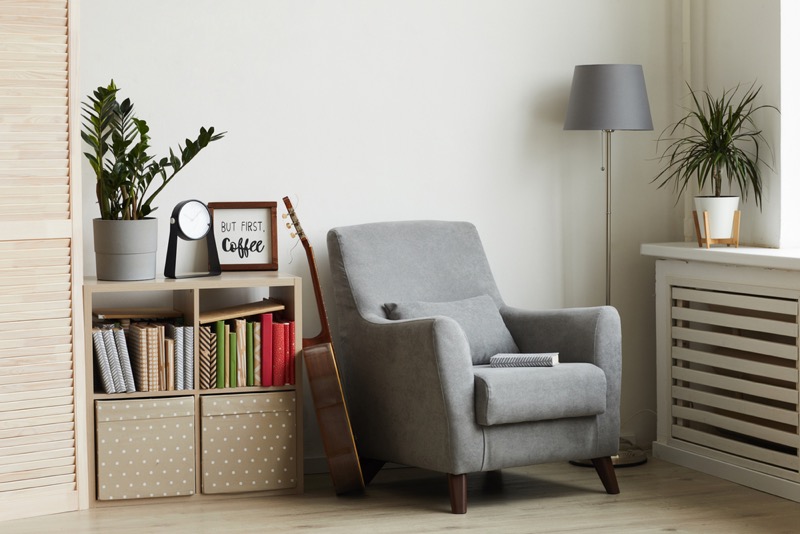
Dedicating a corner of your bedroom for reading can enhance the room’s functionality and make it a more personalized space. A reading nook provides a quiet retreat where you can unwind with a good book, away from the distractions of other household activities. Don’t be one of the thousands losing touch with reading. Create your space and embrace the page! To set up your reading nook, choose a comfortable chair and position it near a window for natural light if possible. Add a small table to hold your current reads, a cup of tea or a reading lamp for evening sessions. A cozy blanket and a few plush pillows can make this corner even more inviting.

Background image of cozy reading nook in modern minimal interior, focus on grey armchair against white wall, copy space

11. Incorporate Artwork and Personal Touches

Artwork adds personality and character to any room, and the bedroom is no exception. Selecting the right pieces can transform your bedroom into a space that reflects your interests, memories and aspirations.

Choose artwork that resonates with you and complements the room’s color scheme. It doesn’t have to be an expensive painting. Even simple framed photographs or a tapestry can add a personal touch. Just spend the time and effort it takes to hang them properly to ensure they look their best. Wall shelves with decorative items, or even a gallery wall with a mix of art and photos, can make your bedroom uniquely yours.

Final Thoughts

Redesigning your bedroom can be a fulfilling project that significantly enhances your living space and daily life. From adopting new design themes and upgrading essential items like mattresses to creating specialized spaces like reading nooks, you have plenty of options for making your bedroom both functional and aesthetically pleasing. Keep these ideas in mind as you embark on your bedroom redesign journey.

Door Knobs: Small Detail, Big Impact on Home Design

When it comes to the world of interior design, it’s often the little things that make the biggest difference. A perfect example of this is the humble door knob. Seemingly insignificant, door knobs play a crucial role in the aesthetics and functionality of your home. This article delves into the world of door knobs, highlighting their importance and how they can elevate the design of your living spaces.

The Significance of Small Details

Interior design is a delicate balance of various elements, and even the smallest details can make or break the overall appeal of your home. Door knobs are an often-overlooked feature, but they can significantly impact the ambiance of a room. These seemingly mundane fixtures can add character and charm, or they can blend seamlessly into the background, depending on your choices.

Choosing the Right Material

One of the fundamental decisions in selecting door knobs is the choice of material. Door knobs are available in a wide range of materials, each with its unique character. Whether you prefer the timeless elegance of brass, the sleek modernity of stainless steel, the delicate charm of glass, or the warmth of wood, the material can set the tone for your entire living space.

Style and Aesthetics

Door knobs come in a multitude of styles, from classic and traditional to modern and eclectic. The style you choose should harmonize with the overall design of your home. If you’re aiming for a classic look, consider round or oval-shaped door knobs. For a more contemporary feel, opt for sleek, geometric designs.

There are also novelty door knobs available if you want to add a touch of whimsy to your space. When considering the finish for your door knobs, don’t forget that you can always wrap foil around door knob to experiment with different looks.

The Finish

The finish of a door knob can also significantly affect the aesthetics of a room. Polished chrome or nickel finishes can provide a contemporary and polished look, while oil-rubbed bronze or antique brass finishes can infuse a room with vintage charm. Matching the finish of your door knobs to other elements in the room, such as lighting fixtures and cabinet hardware, helps maintain a consistent color scheme and style.

Balancing Aesthetics and Functionality

The shape and size of door knobs matter as well. Consider the size of the door and the surrounding decor when selecting your knobs. Smaller, delicate knobs may work well on dainty doors, while larger, substantial knobs can make a bold statement on grand entrances. These details can be adjusted to enhance the overall balance and visual appeal of the room.

If you’re seeking inspiration for your door knob and home decor choices, look no further than the wealth of information available on popular home decor blogs.

Conclusion

In conclusion, door knobs may be small, but they have a substantial impact on home design. They come in various materials, styles, and finishes, allowing you to customize them to match your desired aesthetic.

The choice of door knobs should be carefully considered to ensure they enhance both the visual and tactile experience of your living spaces. By paying attention to this often-overlooked detail, you can elevate the overall design and functionality of your home, making it a more pleasant and aesthetically pleasing place to live. So, next time you’re designing or renovating your home, don’t underestimate the power of the door knob in transforming your space.

Trusted Home Cleaning by Professional Maids

Introduction

In the fast-paced world of today, the significance of a clean and organized home stands tall, providing an oasis of calm amidst life’s constant movements. While the desire for a tidy abode remains universal, juggling commitments often renders regular cleaning a challenge. This is where  shine, offering homeowners the gift of impeccable cleanliness, sans the added strain of professional maid services.

Understanding the Rising Need for Professional Maids

The age-old adage, “A clean home is a happy home,” resonates deeply with many homeowners. Its profound simplicity captures an essential truth about the impact our surroundings have on our well-being. Within the confines of a home, cleanliness can greatly influence mood, health, and the overall quality of life.

Mental and Physical Impact of a Clean Environment

At a fundamental level, cleanliness is linked to mental well-being. A cluttered space often mirrors a cluttered mind. Piles of unsorted laundry, unkempt rooms, and dusty surfaces can instill feelings of unease, stress, and overwhelm. Walking into a space that is disorganized can unwittingly elevate cortisol levels, the body’s primary stress hormone.

Conversely, a clean and orderly environment promotes a sense of peace and accomplishment. There is a certain serenity in knowing that everything is in its place. It paves the way for clarity of thought and fosters an environment conducive to relaxation, creativity, and productivity.

Physically, an unkempt home can become a breeding ground for allergens, dust mites, and in some cases, mold. These can exacerbate respiratory issues, trigger allergies, and compromise the overall health of the inhabitants. Regular cleaning can drastically reduce such health risks, ensuring that the air quality remains optimal and that surfaces are free from harmful contaminants.

The Assurance of Professional Maids

While many attempt to maintain their homes independently, the comprehensive thoroughness of a professional maid is unmatched. These professionals bring with them a wealth of experience and a keen eye for detail, ensuring that no spot is left untouched.

Professional maid services offer more than just cleaning; they offer the gift of time. For busy families and professionals, finding spare moments to deep clean can be a challenge. Entrusting this responsibility to experts means more free hours to invest in hobbies, family, or simply to relax.

Moreover, the peace of mind that comes with hiring a professional maid service is invaluable. There’s a reassurance in knowing that not only is your home aesthetically pleasing, but it’s also hygienically maintained, safeguarding the health and well-being of all who reside within.

The significance of a clean home extends beyond mere aesthetics. It is intrinsically tied to the mental and physical health of its residents. As lives become busier and time more precious, the role of professional maids becomes increasingly pivotal. They serve as custodians of health, well-being, and tranquility, making homes not just clean, but truly happy havens.

The Undeniable Benefits of Professional Cleaning vs. DIY Efforts

  • Unparalleled Expertise: Trained professional maids bring with them a wealth of knowledge and hands-on experience. This guarantees that every hidden corner and overlooked space in your home receives the meticulous attention it deserves.
  • Efficiency and Time-saving: Modern life’s ever-evolving demands make dedicating hours to thorough cleaning a luxury few can afford. Professional services seamlessly integrate into your schedule, ensuring a clean home without monopolizing your precious time.
  • Deep Cleaning Excellence: While routine cleaning offers a surface-level sheen, the true essence of cleanliness lies in the details. Apartment deep cleaning services

emphasize the less apparent areas—those under heavy furniture, behind cumbersome appliances, and inside overflowing cabinets. This comprehensive approach ensures every inch of the residence radiates freshness.

  • Commitment to Safety and Hygiene: Beyond mere aesthetics, professional cleaning services prioritize your well-being. Employing top-grade cleaning agents and state-of-the-art equipment, they guarantee not only a visibly clean home but also one that upholds the highest hygienic standards.

Deep Cleaning: A Special Mention in the Realm of Home Cleaning

In the niche of home cleaning, the concept of deep cleaning has carved a distinct space for itself. While regular cleaning addresses the immediately visible areas of a home, deep cleaning delves beneath the surface, ensuring a comprehensive cleanliness that regular sweeps might miss. Apartment deep cleaning services focus on areas that might be overlooked during regular cleaning, like under furniture, behind appliances, and inside cabinets. The result? A home that feels, looks, and smells fresh.

Why Apartments Require Specialized Deep Cleaning

Apartments, by their very nature, come with their own unique set of challenges. Unlike sprawling homes, they often boast of compact living spaces, which can lead to a rapid buildup of dirt in corners, crevices, and hidden areas. This is where the magic of apartment deep cleaning services comes into play.

  • Space Constraints: In apartments, every square foot is valuable. This means furniture is often closely packed, appliances are nestled into tight corners, and storage spaces are brimming. These tight spaces are notorious for collecting dust, dirt, and sometimes even pests.
  • Overlooked Areas: Regular cleaning routines often miss spots like the underside of sofas, the tops of tall bookshelves, or the backside of heavy appliances. Apartment deep cleaning services, however, are designed to target these very areas, ensuring no space is left untouched.
  • In-depth Cleaning of Cabinets and Closets: While the exteriors of cabinets and closets might be cleaned frequently, their interiors, especially the upper shelves and deeper corners, might not see a cleaning cloth for months. Deep cleaning ensures these often-neglected spaces are addressed, reducing the chance of pest infestations and mold growth.

The Freshness Quotient

The aftermath of a deep cleaning session is immediately tangible. Not only does the apartment shine in its physical appearance, but the air quality improves significantly. With the removal of dust and allergens, the indoor environment becomes healthier. The freshness is not just visual but aromatic as well; with accumulated grime and potential mold growths addressed, any musty or stale odors are replaced by a crisp, clean scent.

In the home cleaning industry, the importance of specialized services like apartment deep cleaning cannot be overstated. While regular cleaning maintains an apartment’s day-to-day appearance, deep cleaning ensures the longevity of its cleanliness, the health of its inhabitants, and the overall vibrancy of its atmosphere. Investing in such services is not just about maintaining an aesthetic appeal, but about preserving the very essence of what makes a house a true home.

Conclusion

While the allure of personally overseeing home cleaning is palpable, the multifaceted advantages offered by professional maid services are incomparable. Marrying expertise with efficiency, they promise a level of cleanliness and tranquility that is challenging to achieve through solo efforts. In essence, for those seeking a home that is not just superficially clean but deeply purified, the choice of apartment deep cleaning services is a discerning one.

Interior Stone Walls Design Ideas for Your Home with Slate, Limestone, and Quartzite

In the world of interior design, trends may come and go, but there are elements that never go out of style. One of those elements is natural stone. In this article, we will explore how natural stones like slate, limestone, and quartzite can transform your interior walls into true works of art. From rustic retreats to modern and minimalist interiors, these stones offer unique versatility. Discover how these stones add warmth, character, and a touch of luxury to your home.

In the world of interior design, trends may come and go, but there are elements that never go out of style. One of those elements is natural stone. In this article, we will explore how natural stones like slate, limestone, and quartzite can transform your interior walls into true works of art. From rustic retreats to modern and minimalist interiors, these stones offer unique versatility. Discover how these stones add warmth, character, and a touch of luxury to your home.

Embracing the Warmth and Character of Textured Stone Walls

In a world dominated by smooth and minimalist surfaces, textured stone walls stand out. Natural stones, like quartzite, offer a variety of textures, from smooth and polished to rough and rustic. This variety of textures allows you to create a rich and eclectic ambiance in your home. Stone tiles, blocks, or bricks can be combined to achieve a customized effect that enriches the sense of space.

From Minimalism to Luxury: The Versatility of Stone in Modern Interiors

The beauty of natural stones is their versatility. They can perfectly adapt to both minimalist, modern interiors and more traditional spaces. In modern interiors, the smooth and polished surfaces of quartzite become a blank canvas to create elegant and clean designs. The simplicity and elegance of quartzite can take modernity to another level.

Stone Cladding for the Living Room

In the living room, stone-clad walls add a sense of calm and connection to nature. Stone is an organic material that evokes a feeling of serenity. Whether you choose slate, limestone, or quartzite, these stones will transform your living room into an oasis of tranquility. Combine these stones with natural furniture and accessories for a harmonious atmosphere.

Gray Stone Walls

Gray is a color that has gained popularity in interior design due to its versatility and ability to create a sophisticated ambiance. Gray stone walls, made of slate or quartzite, can serve as sculpted and carved canvases. These walls can be the focal point in a room, especially when combined with proper lighting that enhances their textures and shadows.

Evoking History and Opulence with Slate and Limestone Walls

Slate and limestone have a rich history in architecture and design. These stones have been used in castles and historic buildings for centuries, giving them a sense of opulence and elegance. By incorporating slate and limestone walls into your home, you are connecting with history and adding a touch of luxury to your interiors.

Practical Considerations About Stone Tiles

When you choose to use natural stones in your interior design, it’s important to consider practical aspects. The quality of the stones and the choice of the supplier are crucial to ensure the success of your project. Artesia Stones is a prominent supplier that offers a wide range of options, including stone tiles, stone floor sealers, and natural stone paving. Their commitment to excellence ensures that you will receive the highest quality products.

Inspiring Design Ideas

To inspire your interior design projects with natural stones, consider combining different types of stones, textures, and patterns. From stone floors to wall cladding and architectural elements, the possibilities are endless. Experiment with designs that reflect your personality and style, and don’t hesitate to consult with interior designers or stone experts for additional ideas.

Interior stone walls, whether made of slate, limestone, or quartzite, have the power to transform your home into a space of serenity and harmony. These natural stones bring warmth, character, and versatility to your interiors, creating a cozy and elegant ambiance. By considering the psychology of design and choosing textures and patterns wisely, you can make the most of natural stones in your interior design projects. The possibilities are endless, and with the support of reliable suppliers, you can achieve exceptional results in your interior design projects.

Navigating the Investment: Cost Considerations for Installing Carpet in Your Entire Home

Choosing the right flooring for your home is a significant decision, as it directly impacts the overall look, feel, and comfort of your living space. Among the myriad options available, carpet stands out for its warmth, softness, and ability to transform rooms into cozy retreats. If you’re considering installing carpet throughout your entire home, it’s essential to understand the factors that influence the cost and make an informed decision before making a purchase at local carpet and floor stores.

Break down the various aspects that contribute to the cost of installing carpet in your entire home.

1. Carpet Material and Quality

The type and quality of carpet you choose play a pivotal role in determining the overall cost of installation. Carpets come in a range of materials, from synthetic fibres like nylon and polyester to natural options like wool. Each material has its unique characteristics, such as durability, stain resistance, and comfort. Higher-quality carpets with advanced features or luxurious textures will generally come at a higher cost. While it’s tempting to opt for the most budget-friendly option, investing in a higher-quality carpet can provide better long-term value in terms of performance and aesthetics.

2. Carpet Style and Design

Carpets are available in a variety of styles and designs, including plush, Berber, loop, and patterned options. More intricate and customized designs or patterns can increase the overall cost due to the complexity of installation. Additionally, some styles may require additional considerations, like pattern matching, which can impact labour costs.

3. Carpet Density and Pile Height

The density and pile height of the carpet contribute to its overall comfort and durability. Carpets with higher density and taller pile heights generally offer more cushioning and longevity. However, these characteristics can also affect the cost, as denser carpets tend to be pricier due to the increased materials and labour required for installation.

4. Size of Your Home

The size of your home is perhaps the most straightforward factor that influences the cost of carpet installation. The more square footage you need to cover, the more carpet material and labour will be required. Keep in mind that some rooms may have irregular shapes or angles, which can affect the complexity of installation and potentially increase costs.

5. Subfloor Preparation

The condition of your subfloor can impact the cost of carpet installation. If your subfloor requires repairs, levelling, or additional work before the carpet can be installed, this can add to the overall cost. Ensuring a smooth and stable subfloor is essential for achieving a flawless carpet installation.

6. Labour Costs

Labour costs include not only the installation of the carpet but also the removal of any existing flooring, subfloor preparation, and any additional tasks required for a successful installation. Labour rates can vary based on location, the complexity of the installation, and the experience of the installers.

7. Additional Services and Accessories

Installing carpet throughout your entire home may involve additional services and accessories, such as carpet padding or underlayment, transition strips between different flooring types, and edging or binding for stairs. These components can contribute to the overall cost and are essential for achieving a professional and seamless carpet installation.

8. Installation Method

The method used for carpet installation can impact both the cost and the longevity of the carpet. Professional installers can either stretch the carpet over a pad or glue it down, with the former being the more common method. Stretching the carpet tends to be a more durable and long-lasting option, but it might come with a slightly higher cost.

Conclusion

Installing carpet throughout your entire home is an investment that can significantly enhance the comfort, aesthetics, and value of your living space. As you consider this option, keep in mind that the cost varies based on factors such as carpet material, style, size of your home, labour, and any additional services required. While it’s natural to seek cost savings, remember that selecting a high-quality carpet and investing in proper installation can provide long-term value by ensuring durability, comfort, and an appealing ambiance.

Before making a decision and purchasing something from local floor and carpet stores, it’s advisable to obtain quotes from reputable carpet dealers and installation professionals. By discussing your preferences, budget, and the unique aspects of your home, you can make an informed decision that aligns with your vision for a comfortable and inviting living environment. Remember that while cost is a significant consideration, the overall value and enjoyment you’ll derive from a beautifully carpeted home should also play a pivotal role in your decision-making process.

Signs Your Home is Infested with Bed Bugs

The comfort of our homes is something we often take for granted, but when uninvited guests like bed bugs decide to make themselves at home, it can quickly turn into a nightmare. These tiny pests are masters of stealth, making their presence known through subtle signs that are easy to overlook.

If you suspect your home might be harbouring these unwelcome visitors, it’s crucial to be able to identify the signs of a bed bug infestation before it spirals out of control and to acquire assistance from a reliable pest control company.

Unexplained Bites

One of the first and most common signs of a bed bug infestation is waking up with unexplained bites on your body. Bed bugs are nocturnal creatures that feed on human blood while we sleep. Their bites often appear in small clusters or a line pattern on exposed skin, like the arms, legs, neck, and face. These bites can be itchy and cause irritation, often leading to confusion with other insect bites or skin conditions. If you notice a pattern of bites that worsens while you sleep, it’s time to investigate further.

Rusty Stains

Bed bugs are known for leaving behind rusty or reddish-brown stains on sheets, pillowcases, and mattresses. These stains are a result of the bugs being crushed after feeding. When engorged with blood, bed bugs can burst under pressure, leaving behind telltale smears. If you notice these stains on your bedding, it’s a clear sign that bed bugs are present.

Tiny Egg Casings

Bed bugs reproduce rapidly, and their tiny, pearly white egg casings are a sign of an infestation. These casings are about the size of a pinhead and can often be found in the seams of your mattress, along the edges of your bed frame, and even in the cracks and crevices of furniture. If you come across these tiny oval-shaped structures, it’s a strong indication that a bed bug population is thriving in your home.

Musty Odour

Bed bugs release pheromones that create a distinct, musty odour. This smell is often described as sweet and unpleasant. If you detect an unusual scent in your bedroom or other areas of your home, it could be a sign that bed bugs are present. Keep in mind that this odour might not be immediately noticeable, so pay close attention to any unusual smells in your living space.

Live Bugs

Of course, the most obvious sign of a bed bug infestation is the presence of live bugs themselves. Bed bugs are small, flat, and oval-shaped, with a reddish-brown colour. They are roughly the size of an apple seed, making them visible to the naked eye, though they can hide in cracks and crevices during the day. If you spot any of these insects crawling on your mattress, bedding, or furniture, it’s time to take action.

Exoskeletons

As bed bugs grow, they shed their exoskeletons several times. These discarded exoskeletons look like translucent, empty shells and can often be found in areas where the bugs hide, such as the folds of mattresses, behind headboards, and in the cracks of furniture. If you come across these empty shells, it’s a sure sign that bed bugs are actively reproducing in your home.

Blood Smears

Since bed bugs feed on human blood, you might find small smears of blood on your sheets, pillowcases, or pyjamas. These smears can occur if you accidentally crush a bug while sleeping, leaving behind evidence of its presence. The combination of blood smears and rusty stains can create a rather unsettling and unsightly mess on your bedding.

Fecal Matter

Bed bugs excrete fecal matter that appears as dark spots or tiny black dots. These fecal spots are often found on bedding, mattresses, and furniture, especially in areas where the bugs congregate. If you notice any of these dark spots, it’s a sign that bed bugs are active in your home.

Conclusion

In conclusion, a bed bug infestation can quickly turn your home into an uncomfortable and distressing place. It’s always important to be vigilant and recognize the signs of an infestation early on to prevent it from spreading and becoming a more significant problem. Regularly inspect your bedding, mattress, and furniture for any signs of bed bugs, such as bites, stains, egg casings, live bugs, exoskeletons, blood smears, and fecal matter. If you suspect an infestation, it’s recommended to seek professional pest control services, as eradicating bed bugs can be challenging and often requires specialized treatments.

Remember that early detection and swift action are key to successfully dealing with a bed bug infestation, in addition to contacting pest control professionals. By staying informed and proactive, you can protect your home and maintain a comfortable and pest-free living environment for you and your family.

Recent Posts

Posts You Might Like