

Home Blog Page 92

Efficient Appliance Use: Your Guide To Lowering Energy Bills

If you’re tired of sky-high energy bills each month, you’re not alone. Many homeowners grapple with the same issue, often wondering what they can do to cut costs. The good news is, energy efficiency in Australian homes can be significantly improved through your household appliances. By making smarter decisions about how you use your appliances, you can reduce your energy consumption and, consequently, your bills.

This article is your guide to doing just that and more. We’ll delve into understanding energy consumption and offer tips on energy-efficient lighting. We’ll show you how to maximize efficiency in your kitchen appliances and help you choose energy-efficient electronics. And we’ll explore the use of smart home technology for energy savings.

It’s all about making little changes that add up to big savings. So, get ready to take control of your energy usage and keep more money in your pocket.

Understanding Energy Consumption

You’ve got to understand your energy consumption habits are the secret key to significantly lowering your monthly bills. It’s all about getting to grips with how much power your appliances draw and the often-overlooked details of their operation.

Take your fridge, for instance. It’s constantly running, so it’s always consuming energy. Yet, if you adjust its temperature to be slightly warmer, you can reduce its power usage without spoiling your food.

Similarly, your computer, when left on standby instead of being completely turned off, could be sipping more energy than you realize.

It’s these nuances of energy consumption that, when understood and modified, can lead to a significant decrease in your energy bills. Your appliances are tools — learning to use them efficiently is the trick.

Tips for Energy-Efficient Lighting

Switching to LED bulbs in your home can drastically cut down on power consumption, saving you a pretty penny in the long run. These bulbs use about 75% less energy than traditional incandescent bulbs and last up to 25 times longer. Imagine the savings when you’re not constantly buying replacements!

Proper lighting design can also make a difference. Opt for task lighting over general lighting to focus light where you need it most. Dimmer switches let you adjust light levels to your liking, further reducing energy use.

Remember, even the smallest steps can have a big impact. By making these changes, you’re not just cutting down your energy bills but also contributing to a more sustainable future. Now, isn’t that a bright idea?

Maximizing Efficiency in Kitchen Appliances

Just think about how much dough you could save by optimizing the way you cook, clean, and cool in the kitchen! Start with your fridge, the most energy-hungry appliance. Ensure it’s running efficiently by setting the temperature between 35-38°F for the main compartments and 0°F for the freezer. Avoid overloading it; air needs to circulate for optimal cooling.

Next, your dishwasher. Only run full loads and skip the heated dry cycle. Air drying saves energy.

In terms of cooking, consider using a microwave, toaster oven, or slow cooker instead of the oven. They use less energy and don’t heat up your kitchen.

Finally, remember to unplug small appliances when not in use. Even in standby mode, they’re still consuming power.

Implement these changes and watch your energy bills shrink.

Choosing Energy-Efficient Electronics

Now, let’s tackle the subject of choosing electronics that are friendlier to both your wallet and the planet. Start by looking for Energy Star labels. These aren’t just fancy stickers; they’re assurances that the product meets strict Australian energy efficiency guidelines.

Next, consider the device’s energy consumption in standby mode. Did you know some electronics use nearly as much power when they’re off as when they’re on? It’s an energy drain you can avoid by choosing devices with low standby power usage.

Don’t overlook the importance of maintenance, either. Regularly updating software, for instance, can keep your gadgets running at peak efficiency. Lastly, remember that sometimes, the most energy-efficient option is not upgrading at all.

Utilising Smart Home Technology for Energy Savings

Imagine controlling the temperature, lights, and even the power consumption in your house with just a few taps on your smartphone! Welcome to the world of smart home technology, where convenience meets energy efficiency.

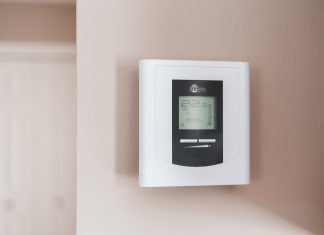
You can install smart thermostats that learn your schedule and preferences, automatically adjusting temperatures to save energy. Smart switches and plugs allow you to remotely control lighting and appliances, avoiding wasted energy from lights left on or devices in standby mode.

Energy monitoring systems provide detailed insights into your home’s energy use, helping you identify wasteful habits. Additionally, you can integrate solar panels and battery storage with smart home systems for optimal energy usage.

By harnessing this technology, you’re not only making your life easier but also reducing your energy bills.


Infographic Provided By solar panel installation Arlington Company, Sunburst Solar

Conclusion

In conclusion, you’re now equipped with invaluable knowledge to convert your home into an energy-saving haven. You’ve grasped the importance of implementing efficient lighting, optimizing kitchen appliances, choosing energy-efficient electronics, and harnessing the power of smart home technology. These strategies, from smart thermostats to energy monitoring systems, provide energy savings right at your fingertips while offering modern convenience.

Remember, every small action contributes to the broader picture of energy efficiency. Each LED bulb switched, each optimised appliance use, and each smart tech adjustment contribute to impressive reductions in energy consumption and cost savings over time. So, embark on this journey today, as these minor changes can lead to substantial savings and a more sustainable lifestyle.

But it’s crucial to understand that this journey of energy efficiency extends beyond merely reducing bills. It’s a collective effort to preserve our environment. By focusing on energy efficiency, you are taking a crucial step towards reducing greenhouse gas emissions and promoting a sustainable future. In essence, energy efficiency in Australian homes is not just an investment that pays off monetarily, but it’s also a significant contribution to a greener and healthier planet for future generations.


Houston’s Real Estate Splendor: A Deep Dive into the Luxury Property Market

Houston, Texas is a city renowned for its thriving economy, vibrant culture, and rich history. As one of the largest cities in the United States, Houston offers a plethora of opportunities for real estate investors and homebuyers alike. In this blog post, we will take a closer look at the luxury property market in Houston, delving into its unique features, trends, and the factors that make it a desirable destination for those seeking upscale living.

Understanding Houston’s Luxury Property Market

Introduction to Houston’s Luxury Property Market

Houston’s luxury property market is a dynamic landscape that caters to discerning buyers looking for opulent residences and world-class amenities. From sprawling mansions nestled in exclusive neighborhoods to high-end condos in the heart of the city, Houston offers a wide range of luxury properties to suit diverse tastes and lifestyles.

Houston’s Growing Economy and Its Impact on Luxury Real Estate

The robust and diverse economy of Houston plays a significant role in driving the demand for luxury properties. With a strong job market, thriving industries such as energy, healthcare, and aerospace, and a business-friendly environment, Houston attracts affluent individuals who seek both career opportunities and a luxurious lifestyle. The city’s economic stability and growth potential make it an ideal choice for real estate investments.

Desirable Neighborhoods and Enclaves

Houston boasts several prestigious neighborhoods that epitomize luxury living. River Oaks, known for its stately mansions and tree-lined streets, is a sought-after enclave that has long been associated with wealth and exclusivity. Other desirable neighborhoods include Memorial, Tanglewood, and West University, where luxury properties blend seamlessly with upscale amenities and a strong sense of community.

Architectural Excellence and Unique Design

Houston’s luxury properties are often distinguished by their architectural excellence and unique design elements. From contemporary masterpieces with sleek lines and floor-to-ceiling windows to Mediterranean-inspired estates with grand entrances and lush landscapes, these homes showcase the creativity and craftsmanship of renowned architects and designers. Each property tells a story of luxury and sophistication, offering residents a truly exceptional living experience.

Trends and Insights in Houston’s Luxury Property Market

Rise of Vertical Living: Luxury Condos and Penthouses

In recent years, there has been a growing trend towards vertical living in Houston’s luxury property market. High-rise condos and penthouses are in high demand, offering residents panoramic views of the city skyline, exclusive amenities such as rooftop pools and fitness centers, and a low-maintenance lifestyle. This trend reflects the desire for a luxurious urban living experience combined with the convenience of being in close proximity to business districts, cultural attractions, and fine dining establishments.

Emphasis on Smart Homes and Sustainable Living

As technology continues to shape the real estate industry, Houston’s luxury properties are embracing smart home features and sustainable design principles. From energy-efficient appliances and solar panels to integrated home automation systems, these homes are designed to enhance comfort, convenience, and environmental sustainability. Buyers are increasingly seeking properties that combine luxury with eco-consciousness, contributing to a greener future.

Amenities and Exclusivity: The Key Differentiators

Houston’s luxury properties go above and beyond in offering exclusive amenities that cater to the discerning tastes of high-net-worth individuals. Private spas, state-of-the-art fitness centers, wine cellars, and private theaters are just a few examples of the lavish amenities available in luxury residences. These amenities create an unparalleled living experience and contribute to the overall exclusivity and desirability of the properties.

The Impact of International Buyers and Investors

Houston’s luxury property market has also seen a significant influx of international buyers and investors in recent years. The city’s strong international connections, diverse cultural offerings, and favorable economic climate attract individuals from around the world who seek to invest in Houston’s real estate market. This global interest not only adds to the city’s prestige but also drives competition and further propels the growth of the luxury property market.

Conclusion: The Allure of Houston’s Luxury Property Market

Houston’s luxury property market offers a world of possibilities for those seeking an unparalleled living experience. With its thriving economy, desirable neighborhoods, architectural marvels, and a range of trends and insights, Houston continues to captivate real estate investors and homebuyers alike. Whether you’re drawn to the city’s vibrant urban lifestyle or the tranquility of its exclusive enclaves, Houston’s real estate splendor promises a truly extraordinary place to call home.

Maximize Your Space: Clever Strategies for Merging a Home Office With Another Room

As remote work becomes more prevalent, the need for a dedicated home office has become crucial. However, not everyone has the luxury of an extra room for a professional workspace. What if your house is limited in size, or your work style requires access to different parts of your home while on the job?

The answer lies in cleverly blending your home office with another room. This article will guide you through practical and inventive strategies to fuse a workspace with different areas in your home.

The Benefits of Integrating Your Home Office With Another Room

Creating multifunctional spaces can yield several benefits, making it an excellent strategy for contemporary living. This is especially true for compact homes or apartments, where making every square foot count is vital. By merging your home office with another room, you get to utilize the available space efficiently without compromising on convenience or functionality.

But it is more than just a space-saving solution. A combined home office can boost your productivity. For instance, integrating your office with a home gym enables quick exercise breaks.

Locating your office within a nursery allows you to monitor your baby while managing work tasks. And, if your workspace merges with your bedroom, your commute becomes merely a few steps.

However, successfully merging a home office with another room requires more than just relocating your desk. It necessitates strategic planning to ensure that each zone operates as intended without infringing on the other.

So, if you’re a remote worker, a busy parent, or a space-maximizer enthusiast, let’s explore intelligent strategies to establish a home office that aligns seamlessly with your lifestyle.

Merging Your Home Office with Other Rooms

Designing a home office that effortlessly blends with another room is an art that requires a touch of scientific thought. Let’s look into some creative methods to fuse your workspace with other parts of your home.

Home Office within a Bedroom

Integrating a home office in your bedroom can be an effective solution, particularly when space is scarce. However, the key is finding a balance between relaxation and productivity.

First, designate a location that won’t interfere with your sleep zone. A corner near a window could serve as an ideal spot for your desk, providing natural light and a distinct separation from your bed. Choose compact or floating desks that align with your bedroom’s aesthetic, which can also save space.

Having smart storage solutions is crucial in a bedroom-office setup. Sleek shelves above your desk or a bedside table doubling as a filing cabinet can prevent work clutter from invading your sleep space.

Crucially, establish routines that distinguish work from relaxation. This could involve covering your workspace after working hours or using a specific lamp that signals the end of work when turned off.

Workspace in the Living Room

The living room, typically bustling with activity, might seem like a tricky place to fit a workspace. Yet, with a dash of creativity, you can establish a productive niche without altering the overall environment.

You could exploit the existing furniture layout. The back of a sofa or a console table could serve as a discreet location for your desk. Alternatively, a quiet corner could be transformed into a cozy workspace.

To demarcate boundaries between work and leisure, think about using a room divider or a tall bookshelf. These elements not only offer visual separation but also provide additional storage for office essentials.

A workspace in your living room should integrate with the overall decor. Select a desk and chair that match the existing furniture and color scheme.

Fusing Workspace with a Home Gym

While combining a home office with a gym might seem unconventional, it presents a unique opportunity to harmonize work and wellness. Ideally, your desk should be positioned away from fitness equipment to prevent distractions. Consider using a room divider or a large plant for visual separation.

Choose compact, versatile gym equipment. Resistance bands, free weights, and yoga mats are great choices as they can be easily stored after use. A wall-mounted rack for weights or a stylish storage basket for smaller items could be helpful.

Workspace with a Nursery or Kid’s Room

Merging a home office with a nursery or child’s room can be a game-changer for busy parents, but it needs careful planning. Your workspace should be positioned to have a clear view of the child’s area while also being somewhat secluded to reduce distractions.

Safety is paramount in this setup. Keep your office gadgets and cords out of children’s reach. Utilize cord organizers and securely store small office supplies.

Consider noise management. Use a noise-cancelling headset to maintain concentration during your work. Alternatively, a white noise machine or soft music can help mask minor distractions.

Overall, integrating a home office with another room can offer myriad possibilities. With careful planning and a bit of imagination, you can craft a multifunctional space that supports your work and aligns with your lifestyle.

Top Packing Hacks: Efficiently Pack for a Successful Move

Moving can be a stressful and overwhelming experience, especially when it comes to packing. However, with the right packing hacks, it can be a breeze. Whether you are moving across town or across the country, efficient packing is key to a successful move. In this article, we will explore some of the top packing hacks to help you pack efficiently and effectively.

Packing for a successful move doesn’t have to be an intimidating process if you follow our top packing hacks which are provided by a trusted moving company. These will help you pack efficiently for an efficient move. Our tips can save time, money, and stress!

Understanding the Importance of Efficient Packing

Efficient packing is key to any successful move, saving both time and stress during transit while decreasing damage risk to belongings.

Here are some reasons why efficient packing should be prioritized:

Reduce Stress: Moving can be an emotionally exhausting experience, but efficient packing can help ease that anxiety. Knowing your belongings are safe can free up mental space to focus on other aspects of the move without fear for their security.

Effective Packing Techniques Reduce Risk: Efficient packing techniques can help lower the risk of damage during transportation, by protecting items from shifting and colliding during movement. Properly packed items should remain secure against shifting and contact between themselves during travel.

To pack efficiently, it is key to have a plan. Begin by decluttering and clearing away items you no longer use or need, before organizing your belongings into categories and packing accordingly using sturdy boxes, packing paper and bubble wrap for fragile items and labeling each box with its contents and room it belongs. By following these simple guidelines you will ensure an efficient move.

Creating A Packing Plans

Packing for a move requires careful preparation. Below are a few steps we recommend taking to create an effective packing plan.

Establish a Timeline

The first step in developing a packing plan is setting a timeline. Decide how much time there is before your move, and estimate how long it’ll take you to pack everything up. Be realistic about how much you can accomplish each day by setting realistic goals and setting an attainable timeline for packing everything up.

Prioritizing Items

Now that you have a timeline in place, it is time to prioritize your items. Begin by packing seasonal clothing or decorations which won’t be needed before your move; move on to items used only occasionally like kitchen gadgets or sports equipment before finally packing items that you use daily or weekly like toiletries or clothing.

Staying Organized

To stay organized when packing, create a checklist of all the items that must be packed. Divide this list by room and include an estimate for how many boxes will be required in each. As each item is packed off your list, mark it off.

Utilizing a packing plan can make your move faster and less stressful. By setting a timeline, prioritizing items, and creating a checklist – you will be well on your way towards an efficient move!

Choosing the Right Packing Materials

Packing materials should be chosen carefully when packing for a move to ensure that all of your possessions remain undamaged during transportation. Here are some essential packing supplies you should have on hand: Boxes (of various kinds).

Choose the appropriate box type when moving items containing sensitive data such as books or electronic equipment to ensure their protection during transit.

Here are some types of boxes you may require for this: Small: Great for packing heavy objects such as books or tools and canned goods; medium boxes: Ideal for clothing, toys and small appliances

Large boxes: Ideal for packing lightweight items like bedding, pillows and lampshades. Wardrobe boxes: With their hanger attachments designed specifically to transport clothing without folding it over, wardrobe boxes make transport easy without needing to fold it all first! * Protective Materials are also recommended!

Use of protective materials during a move is critical to ensure the integrity of your belongings and their safe transport. Below are some key materials for use during such an endeavor:alitat Bubble wrap is great for protecting delicate objects like glassware, figurines and electronics – providing ample cushion against potential breakages during transportation.

Packing Paper is perfect for wrapping fragile items like dishes and glasses safely and preventing breakage during transportation. Packing Peanuts offer extra cushioning by filling in empty spaces in boxes. And finally Labeling Tools provide much-needed organization tools.

Labeling boxes correctly to help make unpacking easier is crucial, and here are the tools necessary for the task: Permanent markers: Use permanent markers to label your boxes with their contents and which room they belong in.

Colored labels: Labeling boxes by room will help make unpacking simpler; color-coding makes identifying them much simpler!

Choosing appropriate packing materials is key to making sure that your move goes smoothly, including boxes, protective materials and labeling tools. Doing this efficiently while protecting your belongings during transport.

Packing Techniques for Different Items

Clothing

When packing clothing, vacuum-sealed bags can help save space. You can find these at most home goods or department stores. Rolling garments instead of folding them is another space-saver and helps prevent wrinkles; while for delicate items like dresses or suits it may be wiser to invest in garment bags to protect them during transit.

Electronics

To safely pack electronics, we advise using its original packaging whenever possible. Otherwise, wrap the item in bubble wrap or foam padding and place it inside a sturdy box marked as fragile with “this side up” as an indicator for potential damage.

Fragile Items

Packing fragile items such as dishes and glassware requires extra caution when shipping. We advise wrapping each individual item in bubble wrap or packing paper before placing them all together in a sturdy box with plenty of cushioning material, such as packing peanuts or crumpled paper. Label the box “fragile” and mark its side up to prevent damage.

Pack heavy items at the bottom and lighter items on top to reduce shifting during transit and reduce damage risk. By following these packing techniques, you can ensure a successful move with all of your belongings intact at their new destination.

Utilizing Space Efficiently

Packing efficiently is key when it comes to moving. Here we discuss some effective strategies for packing your belongings to maximize space usage and ensure the move goes as smoothly as possible.

Packing in Layers

One of the best ways to take full advantage of space when moving is packing items layer by layer in order of size in a box, starting with larger items at the bottom and layering smaller ones on top. By doing this, you can make full use of available space by filling up empty spaces within it with smaller items on top and layering heavier ones below for optimal movement during transport. It is also wise to pack heavier objects first in order to protect fragile goods during their move.

Filling Empty Spaces One way of optimizing the use of space is to fill empty spaces in boxes with packing material like bubble wrap, packing peanuts or clothing or towels – filling these empty spaces will prevent items from shifting during their move and reduce risk.

Avoid Overpacking

While it can be tempting to stuff every last box with as much stuff as possible, overpacking will actually make your move harder. Heavy boxes that require two people or more to move will only increase the difficulty and risk of damage to your belongings, so it is crucial that boxes be packed at an acceptable weight in order to prevent overloading and unnecessary stress on you during transport. It’s crucial that your move be planned so as to minimize risks associated with packing boxes to a reasonable weight and avoid overloading.

Utilize these space-efficient packing hacks to make your move more organized and efficient. Pack in layers, fill any emptiness with items from elsewhere in the room, and avoid overpacking to maximize available space and protect your belongings during transit.

Final Preparations Before Moving

Before any move, we always double-check everything to make sure we haven’t overlooked anything critical. We walk through each room to check all items have been packed and labeled accurately as well as ensure any fragile objects are cushioned and secured within their boxes.

Box Security

In order to ensure our items reach their new destination safely, we take extra measures when it comes to securing our boxes. Specifically, we use high-grade packing tape to seal them shut during transport and label them with our name, the room they belong in and any specific handling instructions.

Organizing for Unloading

When we pack, we consider how we will need to unpack our items. This way we can pack those that we will need first in clearly marked boxes and store them easily within the moving truck – this makes unpacking much simpler and quicker!

How To Avoid Common Pitfalls When Installing a Tankless Water Heater

Tankless water heaters are becoming increasingly popular due to their energy efficiency and long-term cost savings. However, the installation process can be daunting, especially if you are attempting it for the first time. To make sure your tankless water heater installation in Reno is done correctly and efficiently, here are some of the most common pitfalls to avoid:

Not Researching Your Options

Before you start the installation process, it is essential to do your research. There are several different types of tankless water heaters, each with its own benefits and drawbacks. If you want to ensure that your tankless water heater is compliant with local building codes or that it can handle your particular needs, then doing a little research beforehand can save you a lot of hassle.

Not Hiring A Professional

Although it is possible to install your tankless water heater, it is usually recommended that you hire a professional for the job. This will ensure that everything is done correctly and safely. Additionally, if something goes wrong during the installation process, a professional can troubleshoot and fix the problem quickly.

Not Following Instructions

When installing a tankless water heater, you should follow the instructions carefully. Each model has its specific set of instructions, so read through them before you begin. Failing to follow these instructions can result in serious damage or injury.

Not Performing Regular Maintenance

Once your tankless water heater is installed, it is essential to perform regular maintenance. This will help extend the life of your water heater and ensure that it is running as efficiently as possible. Depending on the type of tankless water heater you have, this could include flushing out debris or sediment buildup, inspecting for leaks, and checking the temperature of your water.

Not Purchasing a High-Quality Model

When shopping for a tankless water heater, it is important to purchase one that is high-quality and reliable. Buying a cheaper model may seem like cost savings upfront, but if it breaks down or needs repairs quickly, you will spend more money in the long run.

By avoiding these common pitfalls, you can rest assured that your tankless water heater will be installed correctly and safely. And with regular maintenance, it should provide years of efficient hot water service for your home. So take the time to research and find a reliable model that meets your needs – it will be worth it in the end!

How to Choose a Hot Water System That Meets Your Needs

It’s a chilly winter morning, and you’re all set to wake up with a nice warm shower—only instead, you’re met with a frigid blast of ice-cold water. A stark reminder of the importance of having a good hot water system. But choosing a hot water system for your home isn’t as simple as picking the first option you come across. From understanding the different types of systems to knowing the energy efficiency and the capacity you need, there’s actually a lot to consider.

So, how do you choose the right hot water system for your home? Well, in this article we will answer that question and steer you in the right direction. Let’s explore why choosing a Rheem hot water system can be a reliable choice and how to navigate their diverse range to meet your unique needs. 

Why Choose a Rheem Hot Water System

When it comes to hot water systems, the market is flooded with a vast array of options. This can make the selection process seem daunting, even overwhelming. But amidst the noise, one name consistently stands out – Rheem. So, why does Rheem frequently become the go-to choice for homeowners?

Rheem’s reputation for quality and dependability is virtually unparalleled. For nearly a century, the company has been at the forefront of innovation in water heating technology, earning trust through their commitment to excellence and customer satisfaction. This history of quality means that when you choose Rheem, you’re not just choosing a product, but also the peace of mind that comes from a proven track record.

Rheem understands that each home is unique, and therefore offers a wide range of systems to cater to every possible need. Whether you live alone or have a large family, whether you are on a tight budget or ready to invest in the latest technology, Rheem likely has a hot water system that is perfect for you.

The Rheem Range

Understanding the diverse range of Rheem hot water systems will help you determine the most appropriate solution for your home. Each of their offerings caters to a unique set of user requirements, taking into account factors like home size, climate, water usage, and energy preferences.

For instance, a larger home would require a system with more capacity, while a household in a region with ample sunshine might benefit from a solar hot water system. Likewise, a family with high water consumption might opt for a high recovery rate system, and individual energy preferences could lead homeowners to choose between electric, gas, solar or heat pump systems.

Gas and Electric Storage Tanks

The classic solution for many households is the storage tank hot water system. This is what many of us picture when we think of a hot water system – a large tank, often located in the laundry or outside, that stores and heats water. Rheem offers storage tanks in both gas and electric models, catering to the differing needs and restrictions of Australian households.

Storage tank systems have the advantage of being able to deliver substantial volumes of hot water, making them ideal for larger families or homes with multiple bathrooms. Rheem’s storage tanks are renowned for their energy efficiency and robust construction, designed to withstand the harsh Australian weather and last for years with appropriate maintenance.

When deciding between a gas or electric model, you should always carefully consider your energy preferences, the availability of your gas supply, and the cost of electricity versus gas in your area. This will help you make a decision that works well for both your home and your wallet.

Continuous Flow Systems

As the name suggests, continuous flow hot water systems – also known as tankless systems – provide hot water as you need it, rather than storing pre-heated water. These systems have become increasingly popular due to their energy efficiency and compact design.

Rheem’s continuous flow systems are particularly revered for their capacity to supply an endless stream of hot water, which can be a game-changer for households where hot water demand is high. Additionally, the absence of a bulky storage tank makes these systems space-efficient, a significant advantage for smaller homes or apartments.

Solar and Heat Pump Systems

In an era where sustainability and green living are high on the agenda, Rheem’s solar and heat pump hot water systems present an excellent option. These systems utilise renewable energy sources to heat water, reducing your reliance on traditional energy sources and helping to minimise your carbon footprint.

Solar models harness sunlight to heat water, making the most of Australia’s abundant sunshine. On the other hand, heat pump models absorb heat from the air around them, converting this energy into heat for your water. While these systems come with higher upfront costs, the long-term savings due to reduced energy usage can offset the initial investment.

Rheem Renewable Incentives

To further sweeten the deal, Rheem’s renewable energy hot water systems could potentially make you eligible for government incentives. As part of the national push towards greener energy solutions, several initiatives offer rebates or incentives for installing renewable energy systems in homes.

When you invest in a Rheem solar or heat pump system, you’re not only supporting the environment and potentially saving on energy costs, but you might also receive financial assistance from the government. These incentives serve to lower the barrier to entry for homeowners considering the switch to renewable energy.

Conclusion

Choosing the right hot water system is more than just a functional decision—it can significantly impact your household’s comfort, energy use, and utility bills.

Rheem’s comprehensive range, encompassing everything from traditional gas and electric storage tanks to innovative continuous flow, solar, and heat pump systems, means there’s likely a system perfectly suited to your home.

So, before you decide, take a moment to contact a hot water specialist for advice. They can help you explore the options and make an informed choice, ensuring you have a reliable, efficient hot water supply that will serve you well.

Understanding Different Soil Types and Their Applications

Soil, a vital component of our natural environment, plays a crucial role in sustaining life on Earth. It serves as the foundation for plant growth, provides habitat for countless organisms, filters and stores water, and supports various ecosystem functions. While soil might appear to be a uniform substance beneath our feet, it is actually a diverse mixture of minerals, organic matter, air, water, and living organisms. Understanding the different types of soil and their unique characteristics is essential for efficient land use planning and sustainable agriculture practices.

The Basics of Soil Composition 

Soil is a fundamental component of our planet’s ecosystem, serving as the foundation for all terrestrial life. Yet, it often goes unnoticed and underappreciated in our daily lives. Understanding the basics of soil composition is crucial not only for farmers and gardeners but also for anyone interested in sustainable agriculture, environmental conservation, or even just the wonders of nature.

Identifying Soil Types

Soil is a fundamental component of our planet’s ecosystem, serving as the foundation for all terrestrial life. Yet, it often goes unnoticed and underappreciated in our daily lives. Understanding the basics of soil composition is crucial not only for farmers and gardeners but also for anyone interested in sustainable agriculture, environmental conservation, or even just the wonders of nature.

Sandy Soil

Sandy soil is a common type of soil found in various regions around the world. Its unique characteristics and composition make it both advantageous and challenging for plant growth. Sandy soil is characterized by its gritty texture and high drainage capacity, which allows water to quickly pass through it, preventing waterlogging and facilitating root aeration. However, this same quality also poses challenges as sandy soil has poor water-holding capacity and tends to leach nutrients easily.

 Peat and Organic Soils

Peat and organic soils play a crucial role in our environment, yet they are often overlooked. These unique types of soil have distinct properties that make them both valuable and vulnerable. Peat, in particular, is formed over thousands of years as dead plant material accumulates in waterlogged environments, creating a dense layer of partially decomposed organic matter. Organic soils, on the other hand, contain a significant amount of organic material but may also be mixed with mineral particles.

Matching Soil Types to Landscaping Needs

When it comes to landscaping supplies, choosing the right soil type is just as important as selecting the perfect plants and flowers. Different soil types have varying characteristics that can greatly impact the success of your landscaping endeavors. Whether you are aiming for a lush garden, a thriving lawn, or simply want to create an aesthetically pleasing outdoor space, understanding how to match soil types to your landscaping needs is essential.

Conclusion:

Choosing the right soil type for landscaping projects is a crucial step in achieving a successful and thriving outdoor space. Whether it’s a vibrant garden, a lush lawn, or an ornamental bed, understanding the specific needs of different plants and how they relate to various soil types is essential for their long-term health and vitality. Matching soil types to landscaping needs not only promotes optimal growth but also minimizes the risk of plant diseases and reduces maintenance requirements.

Exploring Decorative Concrete Options for Unique and Beautiful Foot Paths

When it comes to enhancing the beauty and functionality of footpaths, decorative concrete offers a plethora of creative options that can transform ordinary paths into stunning features. Whether in residential gardens, public parks, or commercial spaces, decorative concrete footpaths can add a touch of elegance and uniqueness to any landscape.

Here in the below post, we will delve into five exciting subtopics that highlight the vast array of decorative concrete options for footpaths, including stamped concrete patterns, coloured concrete, exposed aggregate footpaths, integrating decorative elements, and enhancing designs with stained concrete finishes. For high-quality decorative concrete solutions in Ballarat, OS Concreters Ballarat is your trusted partner.

1 – Stamped Concrete Patterns

Stamped concrete is a popular decorative technique that imprints various patterns and textures onto the surface, creating the look of natural materials such as stone, brick, or wood. These patterns add depth and dimension to footpaths, making them stand out as eye-catching features in any setting. With an extensive range of patterns to choose from, including herringbone, cobblestone, and flagstone, property owners can customise their footpaths to complement the surrounding environment and architecture. OS Concreters Ballarat specialises in creating stamped concrete footpaths that blend seamlessly with the overall landscape, ensuring a unique and visually appealing result.

2 – Coloured Concrete

Coloured concrete opens up a wide range of possibilities for various footpath designs. By incorporating pigments directly into the concrete mix, footpaths can be imbued with a spectrum of colours, ranging from earthy tones to vibrant hues. coloured concrete allows property owners to match the footpath to the existing colour scheme of the surrounding environment or to create striking contrasts that make the path a standout feature. OS Concreters Ballarat offers an extensive palette of concrete colours, allowing clients to achieve their desired aesthetic vision for their footpaths.

3 – Exposed Aggregate Foot Paths

Exposed aggregate footpaths offer a distinct and sophisticated appearance by exposing the natural texture and beauty of the aggregate materials within the concrete. Pebbles, stones, or decorative rocks are revealed on the surface, adding visual interest and a tactile experience for pedestrians. Exposed aggregate footpaths are not only visually appealing but also provide excellent slip resistance, making them a safe and practical choice for various settings. OS Concreters Ballarat specialises in creating durable and visually stunning exposed aggregate footpaths that elevate the overall appeal of any landscape.

4 – Integrating Decorative Elements

To infuse footpaths with a unique charm, consider integrating decorative elements within the concrete. For instance, decorative tiles or imprinted medallions can be strategically placed along the path to create focal points or highlight specific areas. Adding subtle borders or intricate designs at intervals can elevate the aesthetics of the footpath and bring a touch of artistry to the landscape. OS Concreters Ballarat has the expertise to collaborate with clients on incorporating creative decorative elements into their footpath designs, ensuring a truly one-of-a-kind result.

5 – Enhancing Foot Path Designs with Stained Concrete Finishes

Stained concrete finishes offer an elegant and polished look to footpaths, creating a seamless and richly coloured surface. Acid stains or water-based stains can be applied to the concrete, transforming its appearance with variegated tones and marbled effects. Stained concrete finishes are versatile, as they can be used to mimic the look of expensive materials like marble or granite at a fraction of the cost. OS Concreters Ballarat offers a range of stain options, allowing clients to achieve their desired style, whether it be modern, rustic, or classic.

Conclusion

Decorative concrete opens up a world of possibilities for footpath designs, allowing property owners to create unique, beautiful, and functional pathways that elevate the overall aesthetics of any landscape. From stamped concrete patterns that mimic natural materials to coloured concrete that blends seamlessly with the environment, there are numerous options to choose from. Exposed aggregate footpaths offer both visual appeal and slip resistance, making them a practical choice for various settings. By integrating decorative elements and enhancing footpath designs with stained concrete finishes, property owners can create footpaths that are not only functional but also visually captivating works of art. For top-quality decorative concrete solutions in Ballarat, OS Concreters Ballarat is the trusted name to turn to, ensuring stunning footpaths that leave a lasting impression on all who tread upon them.

The Timeless Elegance: Why Travertine Pavers are Australians’ Top Choice for Theme-Based Homes

You must have heard the quote, “Life’s only constant is change.” The statement feels all too accurate lately. However, many individuals seek security and joy at home amid a constantly shifting environment. Due to the recent challenging years, many homeowners are more motivated than ever to design vibrant houses bursting with colour, pattern, textures and natural stones.

Australians have a natural talent for fusing sustainability, functionality and aesthetics to create enthralling theme-based houses. Travertine pavers are one material that consistently stands out in their preferences. Travertine has emerged as the material for homeowners looking to add distinctive themes to their living spaces due to its timeless beauty, durability and eco-friendliness. By examining the adaptability of this natural stone and how it works with different theme trends, we will explore why Australians like Travertine pavers for their theme-based houses in this blog.

Why are Travertine Pavers the First Choice?

  • Versatility and Colour Palette

Because of their amazing adaptability, Travertine pavers are perfect for various themes. Their distinctive forming process produces many patterns and textures, translating into multiple colours. Travertine offers different colour options to complement any theme-based house, ranging from warm, earthy tones like beige, gold and cream to cooler colours such as silver, grey and ivory.

  • Endurance and Elegance that Never Fade

Australians are drawn to the Travertine’s classic elegance and value its capacity to remain alluring over time. Travertine’s timeless look never goes out of style, unlike fashionable materials that could do so rapidly, making it a wise long-term investment for any home with a particular theme. It’s natural veins and patterns impart a feeling of history and depth to space.

  • Sustainable Option

Travertine is a sustainable alternative for theme-based homes in a time when environmental awareness is prominent. Travertine is a natural stone; thus, its extraction has a little environmental impact. Additionally, less frequent replacements are required due to its lifespan and durability, aiding in resource conservation.

Let’s check out some popular themes and trends and how Travertine pavers are the perfect match.

  • Mediterranean Paradise

Australians have always favoured the Mediterranean motif, influenced by the Southern European coast’s allure. This motif is effortlessly complemented with Silver Travertine pavers that evoke the country charm of Spanish haciendas and Italian houses. The distinction between a house and a getaway resort is muddled by the earthy hues and worn materials that seamlessly connect indoor and outdoor areas.

  • Rustic Retreat

The rustic concept conveys the feel of a country cottage or a lodge in the woods for people wanting a warm and personal setting. Warm-hued pavers like Classic Travertine with an antique finish enhance the cosy atmosphere of wooden homes while bringing a touch of refinement. Wooden components such as furniture and exposed beams blend beautifully with the natural beauty of the stone to complete the rustic motif.

  • Modern Minimalism

The modern minimalist design style is popular among Australian homeowners who value simplicity and clean lines. A clean and modest backdrop created by polished or honed travertine pavers in beige and grey allows bold furniture pieces and artwork to take centre stage. The stone’s gleaming surface gives it a hint of luxury and its minimalist appeal highlights the modern design’s elegant simplicity.

Choose Travertine Pavers from Stone Depot for Amazing Quality

Due to their unparalleled versatility, timeless elegance and ecological qualities, Travertine pavers have earned their position as the top choice for Australians looking to build theme-based houses. These natural stone pavers offer a variety of colours and finishes to select from, allowing homeowners to create distinctive and captivating living spaces that easily fit into diverse theme trends. There are many natural stone suppliers in Australia, but Stone Centre is the most preferred one out of the lot for their premium quality and competitive pricing.. They have a wide range of Travertine pavers in different colours, textures and finishes. Not only this, but their stone experts also go the extra mile to help you choose the stone that would fit your requirements the best in terms of theme, style and functionality. So, what are you waiting for? Go and check out the best Travertine pavers range!

5 Most Common HVAC Issues Homeowners Experience

With the changing seasons, heating and cooling systems become crucial elements when trying to keep our living spaces comfortable. However, these HVAC systems are intricate machinery with numerous components that can degrade and malfunction over time, leading to inefficiencies and escalated energy costs.

Homeowners must know the most common HVAC issues to prevent them from reaching their homes’ critical points and avoid costly repairs, but have you asked yourself, where can I find HVAC companies near me? Here, we outline the top five HVAC problems that homeowners typically experience.

1. Dirty Filters

Dirty filters are the most common HVAC issue that homeowners experience. Filters trap airborne particles and prevent them from circulating in your home. Over time, filters get clogged with dust and dirt, reducing the efficiency of your HVAC system. If your filters are dirty, your system must work harder to circulate air, leading to higher energy bills and wear and tear.

Changing your filters regularly is the easiest and most cost-effective way to maintain your HVAC system. Experts recommend changing them every 1-3 months, depending on usage. You can visit the site to learn more about the problems of HVAC systems.

2. Thermostat Malfunctions

If your thermostat fails to function correctly, it could result in your HVAC system working less effectively, escalating your energy expenses. Typical thermostat problems encompass incorrect readings, defective wiring, and depleted batteries.

If you have suspicions about your thermostat not working correctly, you can attempt to resolve the issue by changing the batteries, inspecting the wiring, or rebooting the device. If these actions prove ineffective, bringing in a skilled technician is advisable.

3. Leaking Ducts

Leaking ducts can cause a decrease in your HVAC system’s efficiency, affecting airflow and causing higher energy bills. Leaks can be caused by wear and tear on the system, incorrect installation, or damage.

Inspect your ductwork for any visible signs of damage or leaks. Repair or replace any damaged ductwork, and ensure the system is installed correctly.

4. Refrigerant Leaks

Refrigerant is used to cool the air circulating in the HVAC system. If your system is low on refrigerant, it can indicate a refrigerant leak. With enough refrigerant, your system can cool your home effectively.

Call a technician to inspect your system if you suspect a refrigerant leak. Refrigerants are hazardous, and DIY repairs are not recommended, but where can I find HVAC companies near me?

5. System Wear and Tear

As time progresses, the gradual deterioration of your HVAC system can lead to problems like loud units, diminished air quality, and elevated energy costs. Factors such as the system’s age, insufficient upkeep, and disregard can further accelerate the system’s wear and tear.

Schedule regular maintenance with a professional HVAC technician to ensure your system functions optimally. In addition, consider upgrading your unit if it’s old, inefficient, and costly.

5 Most Common HVAC Issues Homeowners Experience – In Summary

Considering HVAC systems is crucial to prevent unexpected breakdowns and achieve maximum performance with minimal energy consumption. Homeowners should be aware of the common HVAC issues to diagnose and fix problems early.

Where can I find HVAC companies near me? We hope this blog has provided helpful insights into homeowners’ most common problems and the steps they can take toward proper HVAC maintenance. Hire Surfside Heating & Cooling with the expertise and experience to keep your home’s HVAC systems in excellent condition.

Recent Posts

Posts You Might Like