When locating a well-regarded plumbing company, the task might appear daunting. Whether facing an urgent problem or contemplating a fresh installation, placing trust in your selected team is of utmost importance.
When faced with a multitude of choices, the process of making the correct decision can often be daunting. To mitigate this uncertainty, we have composed an article to assist you in navigating through the selection process of a plumbing company. We intend to provide valuable insight into the key elements that should be considered.
24/7 Service
In the event of an emergency, it is crucial to have access to a plumbing company like Make It Drain Plumbing & Rooter that offers round-the-clock assistance. Selecting a company that can accommodate your needs at any time is essential, whether during late hours or on special occasions; a reputable plumbing company will always have a dedicated team on standby.
Experienced
Experience plays a vital role in the field of plumbing. Opting for a company with an established presence and a commendable history of providing quality service is imperative. When conducting your research, consider the testimonials and reviews from previous clients.
Additionally, please inquire about the duration of their business operations and the factors that set them apart in a competitive market.
Reliable
A reputable company will arrive promptly and efficiently to finish the task. They must be open and upfront about pricing and maintain effective communication. It is advisable to choose a company that firmly stands by its work and provides a service guarantee or warranty.
Swift
When confronted with a plumbing issue, time becomes a critical factor. As such, it is highly recommended to engage the services of a company capable of swift response and efficient service provision. By electing an organized enterprise boasting multiple teams, you can rest assured that your issue will be promptly resolved.
Affordable
Price should always be considered when deciding, but it is crucial not to focus solely on the cheapest option. Instead, seeking a company that provides fair pricing and high-quality service is advisable. By doing so, you are guaranteed to receive the best value for your money from a reputable company.
Professional
To make a professional impression, selecting a company that showcases professionalism is essential to have a skilled team, suitable equipment, and a commitment to following safety guidelines.
Companies exhibit their commitment and esteem towards their work. To ensure you receive top-notch service, selecting a company that emphasizes employee training and equips them with the necessary tools is advisable.
Committed to Modern Technologies
Plumbing technology is constantly advancing, so selecting a company that prioritizes staying informed on the latest trends is crucial. Look for a company that invests in state-of-the-art equipment and tools to ensure the highest quality service.
How To Know You’ve Found The Right Plumbing Company – In Conclusion
When selecting a plumbing company, choose to Make It Drain Plumbing & Rooter as your first option; by doing so, you can confidently know you picked a dependable, experienced, cost-effective company; remember, maintaining a good relationship with the right team can be beneficial for future needs.
Cleaning shower tiles with vinegar and baking soda offers a natural, effective, and eco-friendly tile cleaning solution. The combination of these two ingredients provides a powerful cleaning duo that can tackle tough stains, grime, and soap scum. Their non-toxic nature, versatility, and affordability make them appealing choices for maintaining sparkling new shower or bathroom tiles.
Understanding the Cleaning Power Duo:
When it comes to natural tile bathroom tile cleaning products, vinegar and baking soda are a dynamic duo for tile and grout cleaning. Vinegar, particularly white vinegar, is renowned for its acidic properties. Its high acidity level makes it effective at dissolving mineral deposits, soap scum, and grime. Baking soda, also known as sodium bicarbonate, is a mild abrasive with excellent deodorising properties. It acts as a gentle scouring agent, helping to remove stains and dirt without scratching the tiles.
What makes this combination even more remarkable is how vinegar and baking soda work together. When vinegar and baking soda are combined, a chemical reaction occurs. Bubbles and fizzing are generated, which can help dislodge stubborn stains and grime from the shower tiles. This chemical reaction enhances the cleaning power of both ingredients, making them even more effective in removing dirt and restoring your bathroom tiles’ shine.
Preparing Your Cleaning Solution:
Before you embark on cleaning your shower tiles with vinegar and baking soda, it’s essential to prepare the right cleaning solution. The following instructions will guide you on how to create a powerful and effective Vinegar and baking soda mixture for tile cleaning:
1. Mixing Ratios: Start by combining equal parts of white vinegar and baking soda. For a small area, such as a shower stall, half a cup of each ingredient should be sufficient. For larger areas, adjust the quantities accordingly.
2. Optional Ingredients: While vinegar and baking soda alone are effective, you can enhance the cleaning solution by adding a few optional ingredients like oils and dish soap. For a pleasant fragrance, consider incorporating a few drops of essential oils such as lavender or lemon. Alternatively, you can add a small amount of dish soap for increased cleaning power. However, remember that a little goes a long way, so use these optional ingredients sparingly.
3. Mixing Instructions: To create the cleaning solution, start by pouring the vinegar into a spray bottle or a bowl. Gradually add the baking soda while stirring gently. Be prepared for some fizzing and bubbling as the ingredients react. Once mixed, transfer the solution to a spray bottle for easy application.
It’s worth noting that this cleaning solution should be used immediately after preparation to maximise its effectiveness. Over time, the reaction between vinegar and baking soda will weaken, reducing its cleaning power.
Step-by-Step Guide to Cleaning Shower Tiles:
Now that you have your cleaning solution ready, let’s dive into the step-by-step process of cleaning your shower tiles using vinegar and baking soda:
1. Preparing the Shower Area: Before you begin cleaning, remove any personal items such as shampoo bottles, soap dishes, or loofahs from the shower area. Clearing the space will allow you to clean the bathroom tiles more effectively. Additionally, ensure proper ventilation by opening a window or turning on the exhaust fan to minimise the buildup of fumes.
2. Wetting the Tiles: Thoroughly wet the shower tiles and grout with warm water. This step helps to loosen surface dirt and prepares the tiles for the cleaning solution.
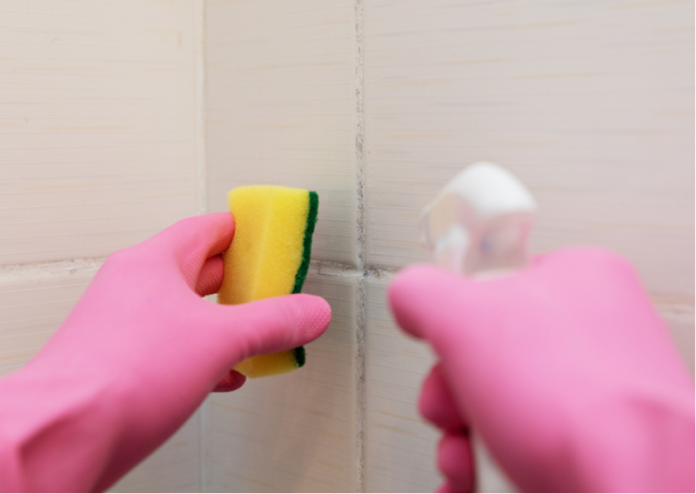
3. Applying the Cleaning Solution: Spray or apply the vinegar and baking soda mixture directly onto the bathroom tiles and grout, focusing on stained or dirty areas. The solution should be evenly distributed to ensure effective cleaning. The acidic nature of vinegar combined with the abrasive properties of baking soda will start working on dissolving stains and grime.
4. Scrubbing: Grab a brush or a sponge and begin scrubbing the tiles and grout. Apply gentle pressure and focus on areas with tough stains or soap scum. The mild abrasiveness of baking soda helps to lift and remove dirt, while the vinegar aids in breaking down mineral deposits. For hard-to-reach areas, use an old toothbrush or a small brush to ensure thorough cleaning. This will aid in removing grime from shower tiles efficiently.
5. Letting it Sit: Allow the cleaning solution to sit on the bathroom tiles and grout for a few minutes. This dwell time allows the vinegar and baking soda to penetrate deeper into the stains, making it easier to remove them. During this time, you may notice some fizzing and bubbling as the solution continues to work its magic.
6. Rinsing and Wiping: Once the dwell time is complete, thoroughly rinse the tiles and grout with clean water. Ensure that all the cleaning solution is completely removed. Use a clean cloth or sponge to wipe away any excess moisture and dry the tiles. This step helps prevent water spots and streaks, leaving your shower tiles looking clean and shiny.
By following these steps, you can effectively clean your shower tiles using vinegar and baking soda. The combination of their natural cleaning properties and the step-by-step approach ensures that your tiles are left fresh and free from stubborn stains.
Dealing with Stubborn Stains and Mould:
While vinegar and baking soda are effective in removing most stains, some stubborn stains and mould may require additional attention. Here are targeted tips for addressing specific cleaning challenges:
1. Soap Scum: Soap scum can build up over time, leaving a dull residue on your shower tiles. To tackle soap scum, create a paste by mixing baking soda with a small amount of water. Apply the paste to the affected areas and let it sit for about 15 minutes. Then, scrub gently with a brush or sponge and rinse thoroughly.
2. Hard Water Stains: Hard water stains can leave unsightly mineral deposits on your shower tiles. To remove these stains, soak a cloth or sponge in vinegar and place it directly on the affected areas. Let it sit for 30 minutes to an hour, allowing the vinegar’s acidity to break down the mineral deposits. Afterward, scrub the stains with a brush or sponge and rinse well.
3. Mould and Mildew: Mould and mildew thrive in damp environments like showers. To combat mould, make a mixture of equal parts vinegar and water in a spray bottle. Spray the solution directly onto the mouldy areas and let it sit for at least 30 minutes. Then, scrub the mould using a brush or sponge, and rinse thoroughly. Vinegar’s natural antifungal properties help eliminate mould and prevent its regrowth.
Remember, for particularly stubborn stains or extensive mould growth, it may be necessary to repeat the cleaning process or consider alternative measures. Always ensure proper ventilation while cleaning, and consider using gloves and protective eyewear when dealing with mould.
Maintenance and Preventive Tips:
Regular maintenance is key to keeping your shower tiles clean and preventing the buildup of tough stains. Here are some practical tips to maintain the cleanliness of your shower tiles:
1. Establish a Cleaning Schedule: Set a regular cleaning schedule to prevent dirt and grime from accumulating. Aim to clean your shower tiles at least once a week or as needed, depending on your usage.
2. Daily Maintenance: After each shower, squeeze the tiles to remove excess water and minimise the chances of water spots and soap scum formation. Wiping down the tiles with a clean cloth or towel can also help maintain their cleanliness.
3. Ventilation: Proper ventilation is crucial in preventing mould growth. Keep your bathroom well-ventilated by using an exhaust fan or opening windows during and after showers. This will help reduce moisture and create an environment less conducive to mould and mildew.
4. Dry Wet Areas: Pay attention to areas prone to moisture, such as corners, grout lines, and shower shelves. After each use, dry these areas with a towel or cloth to prevent mould and mildew growth.
5. Use a Shower Spray: Consider using a homemade shower spray between cleanings to minimise soap scum and mineral deposits. Mix equal parts water and vinegar in a spray bottle and lightly mist the shower tiles after each use. This will help maintain their cleanliness and reduce the need for frequent deep cleaning.
6. Avoid Harsh Cleaners: To protect the integrity of your tiles and grout, avoid using harsh chemical cleaners that can cause damage or discoloration. Stick to natural cleaning methods, such as vinegar and baking soda, which are safe and gentle on most tile surfaces.
By following these maintenance and preventive tips, you can ensure that your shower tiles remain clean and free from stubborn stains or mould growth. Consistency and regular care will help preserve the beauty and longevity of your tiles, keeping your shower a fresh and inviting space.
Benefits of Cleaning with Vinegar and Baking Soda:
Non toxic: Cleaning shower tiles with vinegar and baking soda solution offers several advantages. These ingredients are non-toxic and safe to use around your family and pets. Unlike many commercial tile cleaning products that contain harsh chemicals, vinegar and baking soda solution are natural alternatives that minimise exposure to potentially harmful substances.
Handy option: Vinegar and baking soda solution is incredibly versatile. They can be used to clean various surfaces in your home, not just shower tiles. From countertops and sinks to floors and appliances, these ingredients are effective multitaskers that simplify your cleaning routine.
Anit-bacterial properties: Vinegar has disinfecting properties, making it an excellent choice for eliminating bacteria and germs that may be present on shower tiles. This natural disinfectant is particularly beneficial for households with individuals who have allergies or sensitivities to harsh chemical cleaners.
Cost-effective: Vinegar and baking soda solutions are cost-effective options for cleaning shower tiles. Hence, it is the best natural remedy for cleaning shower tiles. Compared to purchasing specialised bathroom tile cleaners, these household items are budget-friendly and readily available in most kitchens. You can save money without compromising the cleanliness and freshness of your shower tiles.
FAQs:
1. Can vinegar and baking soda damage shower tiles or grout?
You can use vinegar and baking soda as tile cleaner and they are generally safe to use on most shower tiles and grout. However, it’s essential to test the solution in an inconspicuous area or consult the manufacturer’s recommendations if you have any concerns about compatibility. Avoid using vinegar and baking soda on natural stone tiles, as the acidity of vinegar can potentially harm the surface. Additionally, excessive scrubbing or using abrasive tools may cause damage, so it’s important to use gentle techniques.
2. How often should I clean my shower tiles with vinegar and baking soda?
The frequency of cleaning your shower tiles with vinegar and baking soda depends on various factors, such as the level of usage, water quality, and personal preferences. As a general guideline, cleaning your shower tiles with this method once a week or as needed should help maintain their cleanliness and prevent the buildup of stains. Adjust the frequency based on your specific circumstances.
3. Can I mix vinegar and baking soda solution with other cleaning products?
While vinegar and baking soda can be powerful cleaning agents on their own, it’s generally not recommended to mix them with other cleaning products. Combining different cleaning agents may lead to chemical reactions or produce harmful fumes. It’s best to stick to using vinegar and baking soda separately or in combination with optional ingredients mentioned earlier, such as essential oils or a small amount of dish soap.
4. Will vinegar and baking soda eliminate the need for scrubbing?
Vinegar and baking soda can significantly aid in loosening dirt, grime, and stains on shower tiles. The chemical reaction between them helps break down deposits and makes scrubbing easier. However, for stubborn stains or deeply ingrained dirt, some level of scrubbing may still be necessary. Use a brush or sponge to gently scrub the tiles and grout to achieve optimal results.
5. Can I use vinegar and baking soda on coloured or painted shower tiles?
It’s crucial to exercise caution when using vinegar and baking soda on coloured or painted shower tiles. The acidic nature of vinegar can potentially affect the colour or finish of the tiles or paint. It’s advisable to test the cleaning solution in an inconspicuous area first or consult the manufacturer’s recommendations to ensure compatibility with your specific tiles.
Keeping shower tiles clean can be a common challenge for many homeowners. The accumulation of soap scum, hard water stains, and grime can make the bathroom tiles lose their lustre and create an unsightly appearance. Vinegar and baking soda hold remarkable cleaning capabilities, allowing them to effortlessly combat stubborn stains. Also, these are eco-friendly solutions for cleaning, ensuring your safety and preserving the well-being of our planet.
By following the step-by-step guide, preparing the appropriate cleaning solution, and addressing stubborn stains or mould, you can achieve impressive results. Additionally, adopting regular maintenance practices and preventive measures will help keep your shower tiles clean and prevent the buildup of tough stains or mould growth.
So, give vinegar and baking soda a try as your shower tile cleaning products and enjoy the benefits of a fresh, inviting shower space. Embrace the power of nature and the simplicity of these natural cleaning agents for sparkling, beautiful shower tiles.

Large households are faced with the challenging task of managing increased energy consumption due to the higher use of appliances. Every washing machine cycle, every refrigerator buzz, and every spin of the dishwasher adds to the home’s overall energy use. Multiply these with the number of family members, and you’ve got yourself a considerable energy bill at the end of each month. But is there a way to curb this?
Absolutely! With some careful planning, mindful selection, and regular maintenance, it’s possible to significantly reduce your home’s energy use without sacrificing comfort or convenience. This guide aims to illuminate the path towards energy efficiency for large households. It’s all about understanding your home’s energy needs, choosing the right appliances, and maintaining them effectively to ensure sustainable energy savings.
Let’s delve into how you can create a greener, more energy-efficient home for your large family.
The Impact of Appliances on Household Energy Consumption
In large Australian households, it’s quite common to have a plethora of home appliances facilitating day-to-day tasks. From the refrigerator humming quietly in the kitchen, to the washing machine working hard in the laundry room, these conveniences are an integral part of our lives. But each of these conveniences comes at a cost, and not just the upfront purchase price. They contribute significantly to our monthly energy bills and, in a larger household, this can quickly add up.
A key question to ponder is how much energy does your home actually consume? Some might be surprised to know that the refrigerator, an appliance that’s always on, consumes a large chunk of electricity. Studies have shown that older models, especially those that aren’t energy efficient, can use nearly twice as much energy as newer models. Furthermore, this energy consumption has more than just a financial impact. It also contributes to your household’s overall carbon footprint, playing a role in larger environmental issues like climate change.
Energy Efficiency Ratings: A Key to Savings
Navigating through the ocean of available home appliances can be daunting. Every brand touts its benefits, and each model boasts unique features. Yet, amid this marketing melee, there’s one unbiased metric that can guide consumers towards the most economical choices: the energy efficiency rating. This rating, derived from standardised testing methods, allows you to compare energy consumption across different appliances—serving as a litmus test for long-term savings.
The ratings are usually depicted as a series of stars on an energy label. The more stars an appliance has, the more energy-efficient it is. But why should this matter to you? Well, consider this: an appliance that uses less energy will lower your energy bills in the long run. This could add up to substantial savings over the appliance’s lifetime. Hence, understanding and using these ratings can be crucial in shopping for energy-efficient appliances, as it empowers you to make an informed decision and optimise value for your money.
Choosing Energy-Efficient Appliances: Factors to Consider
Selecting home appliances goes beyond aesthetics or fitting them into the available space. It’s about understanding how each choice aligns with your lifestyle, the needs of your family, and your goals for sustainable living. Key factors to consider include an appliance’s energy consumption, how often you’ll use it, and how its energy usage fits into your home’s overall energy footprint.
Take washing machines as an example. You might be used to top-loading models, or find them more convenient for your needs. However, front-loading washing machines are generally more energy and water-efficient. This difference can lead to substantial energy savings over the appliance’s lifetime. Therefore, when choosing appliances, it’s essential to consider the price, energy ratings, suitability for large households, and long-term environmental implications.
Top Energy-Efficient Appliances for Large Households
Choosing the right appliances can make a significant difference in the energy consumption of a large household. Many energy-efficient options are available in the market that not only provide excellent performance but also help save on utility bills. Let’s consider some top picks for common household appliances.
Refrigerators are essential in any home, but their constant operation can lead to substantial energy use. Models with an energy star rating are designed to use less electricity, with some offering up to 20% more efficiency than non-rated models.
Similarly, when it comes to washing machines, front-loading models are typically more energy-efficient than top loaders. They use less water and electricity per load, translating to considerable savings over time. The upshot? Your choice of appliances can help you reduce your energy bills and contribute to environmental sustainability.
Maximising Energy Efficiency Through Maintenance
While choosing energy-efficient appliances is a great start, maintaining these appliances in good working order is equally essential. Regular servicing and maintenance can help maximise the lifespan and efficiency of your appliances, preventing minor issues from becoming major problems.
Consider your hot water system, for example. Regular maintenance, such as checking the temperature setting, draining the tank to remove sediment, and inspecting for leaks, can keep it running at its best. In addition, regular maintenance can ensure the system’s energy consumption remains at an optimum level, thereby maximising energy efficiency.
Conclusion
Managing energy consumption in large households is a challenging yet achievable goal. With the right knowledge and informed decision-making, homeowners can reduce their carbon footprint without compromising on comfort.
Choosing energy-efficient appliances, understanding their energy labels, and maintaining them regularly can lead to significant savings on your energy bills and reduce your home’s overall energy consumption.
Always remember, the price of an appliance is not just what you pay at the checkout, but also includes the cost of running it over its lifetime. By following this guide, you can make wise choices that benefit your household economically and contribute positively to the environment. Make a change today for a more sustainable tomorrow.
For expert advice and assistance, speak to a hot water specialist about your options. Regular maintenance not only ensures optimal performance but also extends the lifespan of your appliances, giving you the best return on your investment.
Creating a comfortable and welcoming guest room is an excellent way to accommodate visitors and make them feel at home. Whether you have a dedicated spare room or need to repurpose an existing space, designing a guest room with all the amenities (don’t forget a bottle of sweet wine), can ensure a memorable and enjoyable stay for your guests. In this article, we will explore the key elements and considerations to transform a spare room into a luxurious guest retreat.
The first step in crafting a guest room is to carefully select the right furniture. A comfortable bed should be the focal point, ideally a queen or king-size with a high-quality mattress and plush pillows. To enhance the sleeping experience, provide a variety of blankets and pillows to cater to different preferences. Additionally, consider adding a bedside table with a lamp, providing a convenient spot for reading or charging devices.
Storage is essential in a guest room to allow visitors to unpack and feel organized during their stay. A spacious wardrobe or dresser with ample drawer space will enable guests to store their belongings conveniently. Consider including some empty hangers and an area for suitcases to ensure easy access and a clutter-free environment.
Next, pay attention to the aesthetics and ambiance of the guest room. Choose a calming and neutral color palette to create a serene atmosphere. Soft, muted tones such as pastels or earthy hues can evoke a sense of tranquility. Additionally, incorporate artwork, mirrors, or decorative elements to add visual interest and personality to the space.
To make the guest room feel like a home away from home, provide amenities that cater to your visitors’ needs. A mini-fridge stocked with bottled water and snacks is a thoughtful touch, allowing guests to satisfy their hunger or thirst without needing to venture into the kitchen. A small coffee station with a coffee maker, mugs, and a selection of teas and coffees is also appreciated, ensuring guests can enjoy a hot beverage at their convenience.
To ensure a comfortable stay, it is crucial to consider the temperature and lighting in the guest room. Install blackout curtains or blinds to allow guests to control the amount of natural light entering the room. Additionally, provide a fan or a space heater to cater to different climate preferences. Offering a variety of lighting options, including bedside lamps, overhead lighting, and a desk lamp, allows guests to adjust the ambiance to their liking.
An often-overlooked element in guest rooms is technology. Equip the space with essential gadgets such as a television, Wi-Fi access, and a charging station for electronic devices. Additionally, provide clear instructions on how to connect to the Wi-Fi network and access any entertainment systems available.
Lastly, don’t forget to create a dedicated area for guests to relax and unwind. A cozy reading nook with a comfortable armchair, a selection of books, and a soft blanket invite guests to enjoy some downtime. Adding a small desk or workspace can also be beneficial for guests who need to catch up on work or respond to emails during their stay.
In addition to the aforementioned elements, there are a few extra touches that can elevate your guest room to the next level of luxury. Consider adding a small seating area with a cozy sofa or armchairs, allowing guests to relax or engage in conversations privately. A well-stocked bathroom nearby with fresh towels, toiletries, and a luxurious shower or bathtub can provide a spa-like experience.
To add a personal touch, include a welcome basket filled with snacks, toiletries, and local information, showing your guests that you’ve gone the extra mile to ensure their comfort and enjoyment during their stay. By combining these additional features with the essential amenities, you can create an unforgettable guest experience in your home.
In conclusion, designing a luxurious guest room with all the amenities requires careful consideration and attention to detail. By selecting comfortable furniture, incorporating storage solutions, creating a serene ambiance, providing essential amenities, and considering temperature, lighting, technology, and relaxation areas, you can transform a spare room into a welcoming retreat for your guests. Remember, the goal is to make visitors feel pampered, comfortable, and right at home.
When it comes to the world of real estate, there are various terms and classifications used to describe different types of properties. Two such terms are “estate lot” and “acreage lot.” While these terms may sound similar, they actually refer to distinct types of residential lots with their own unique characteristics and features. Understanding the difference between an estate lot and an acreage lot is essential for individuals looking to invest in or build their dream homes with the help of a home builder.
Learn all about the in-depth the definitions, size, use, location, and development possibilities of estate and acreage lots, shedding light on what sets them apart in the real estate landscape.
Defining Estate and Acreage Lots:
Estate Lot: An estate lot is a large, typically upscale residential lot found within a development or subdivision. Estate lots are known for their generous size and often cater to custom-built luxury homes. These lots are designed to provide homeowners with an exclusive and prestigious living environment.
Acreage Lot: An acreage lot, as the name suggests, refers to a larger parcel of land typically measured in acres. Acreage lots are commonly found in rural or suburban areas and offer more space and privacy compared to traditional residential lots. They provide homeowners with the opportunity to enjoy a more expansive living environment and pursue various activities.
Lot Size and Dimensions:
One significant difference between estate and acreage lots lies in their size and dimensions:
Estate Lot: Estate lots are generally larger than standard residential lots but smaller than acreage lots. While there is no strict definition or standardized size for an estate lot, they often range from around half an acre to a few acres in size. The specific size may vary depending on local regulations and the developer’s vision for the neighbourhood.
Acreage Lot: Acreage lots are known for their significant size and typically consist of multiple acres of land. The size of an acre can vary depending on the specific measurement used (e.g., statute acre or international acre), but it is generally equivalent to 43,560 square feet. Acreage lots can range from a few acres to several dozen acres or even more.
Use and Development Possibilities:
The use and development possibilities of estate and acreage lots can vary:
Estate Lot: Estate lots are primarily designated for the construction of luxury homes with assistance from a home builder. These lots are carefully planned and developed to create an exclusive neighbourhood or community of high-end residences. Estate lot developments often feature upscale amenities, such as gated entrances, private roads, landscaping, and community facilities like parks or trails.
Acreage Lot: Acreage lots offer more flexibility in terms of use and development possibilities. They can accommodate various purposes, including residential homes, agricultural activities, or recreational pursuits. Acreage owners may choose to build a single home on the lot or divide the land into smaller parcels for residential development, creating a community of homes spread across the acreage.
Location and Surroundings:
The location and surroundings of estate and acreage lots can differ:
Estate Lot: Estate lots are often situated in desirable locations, including upscale neighbourhoods or prestigious communities. These lots can be found in both urban and suburban areas, often in proximity to amenities such as golf courses, country clubs, or waterfronts. Estate lots are designed to provide an exclusive and luxurious living environment for homeowners.
Acreage Lot: Acreage lots are commonly found in rural or suburban areas, away from densely populated regions. They offer a more secluded and expansive living environment surrounded by open spaces, natural landscapes, and possibly neighbouring farms or rural properties. Acreage lots provide homeowners with a sense of privacy and escape from urban life.
Conclusion:
In summary, estate and acreage lots offer distinct features and opportunities for homeowners. Estate lots are characterized by their large size, exclusive settings, and upscale amenities, catering to custom-built luxury homes. Acreage lots, on the other hand, provide more space, privacy, and flexibility in use and development, often found in rural or suburban areas. Understanding the definitions and distinctions between estate and acreage lots can help individuals make informed decisions when considering real estate purchases or residential development.
Trends come and go, and this applies to all areas of fashion, including interior design. Chances are, what was once fashionable when you first made over your home is no longer in vogue, and the whole place looks lackluster because of it.
This happens to the best of us, and it can be easily rectified with some new investments, a lick of paint, and reorganization. There are probably various areas of the home that you want to work on, but most people forget about the bedroom because it is a private space.
When it comes to home renovations, your main concern may be the areas that are used by everyone and seen by guests. Taking care of the living room or bedroom makes sense, but this does not mean you have to completely neglect the bedroom.
Even as a private space, your bedroom deserves some care, and it has most likely been ignored too long. If you are struggling with outdated décor and unpleasing aesthetics, then this is the guide for you.
How To Start Any Renovation Project
The first thing you need to do when it comes to any home renovation is to take stock of what you currently have.
When working in the bedroom, you may be dealing with a lot of clutter, mismatched furniture, and items that belong elsewhere in the home. This can be overwhelming to deal with at first, which is why you should separate the areas of the room and work through things one at a time.
While it may take a lot of work, this part of the process cannot be ignored, as no home renovation can move forward without organizing your space first.
This is the time when you will want to sort through what you own, declutter the items you no longer need or like, and ensure that everything that remains in the bedroom is what you require. In busy family homes, it is common for rooms to become cluttered and for items to find their homes in places they should not, which is why you need to spend some time setting boundaries and finding a home for everything.
Without this, all of your hard work will be wasted. Not only will you be unable to see what kind of space you are truly working with, as you are blinded by the clutter, but things will quickly become messy once more if boundaries are not set now.
Start organizing the bedroom today and see what items can be removed from this space, offering more room for new items that can change its appearance for the better.
A Simple Way To Brighten Up A Space
There may be limitations to the kind of work you can do in the bedroom, whether these are imposed by property owners or simply by time and money constraints.
Whatever your limits are, you do not have to stick with the same interior design you have now, and nor do you have to be limited to the same color palette as before.
When renovating a space like a bedroom, one of the best things you can do to make a difference is to add pops of color throughout the space.
Even if you cannot decorate the room properly, such as by changing the walls or flooring, you can make a massive difference using bedroom furniture.
There are some clever ways that you can add color to the bedroom without compromising on space or breaking the rules of your property.
For example, search for silver bedside tables UK to see what options are out there and how this small item of furniture can make such a difference to your bedroom. Silver furniture is incredibly popular right now and is ideal for a range of properties.
Instead of using traditional timber or white furniture, you can change the way your home looks with metallic furniture. Something as simple as a silver bedside table or a gold cabinet can transform the way a room looks and open up a whole new world of possibilities when it comes to interior design.
This is ideal for homes where there are limitations on the decorating side of things, and silver furniture is a great way to lighten up a neutral space. As this is a current trend, there are many options for silver furniture, and even the smallest item can make a difference to your home.
With some small pops of color like this, you can brighten up the bedroom and provide a modern twist that will not go unnoticed.
Long Lasting Style For Modern Homes
Although trends can change quite quickly, some things remain, and a classic home focuses on this.
Silver accents, neutral coloring, and quality furniture are some of the key features of a modern home, and no matter what is going on in the media, these will always be fashionable. This is why it is such a great option when it comes to renovating your bedroom and can apply to any kind of property that needs a makeover.
As we have mentioned, small changes can make such a difference to the way your home looks, and spending some time now to change things up can provide long-term effects.
Investing in something like a new bedside cabinet in a different color from what you are used to will transform the bedroom. It will offer a modern twist to even the most tired spaces and allow you to get creative with your home in ways you may not have considered before.
Even if the bedroom is a private space, it does not have to be ignored. When renovating your home, consider making small changes to this space and investing in new quality furniture, even if it is only for you to see.
After all, the bedroom is where we start and end every day, so it should be an attractive space that makes you feel good! Consider making a small change today and see how it impacts the rest of your routine.
When preparing for a vacation, there’s so much to think about. From packing your suitcase and booking airline tickets to stocking up on sunscreen and picking out the perfect beach reads, planning an escape from routine is a long process. However, there’s one crucial step that often gets overlooked—checking in on the plumbing system!
Since plumbing problems can cause serious damage, inspecting your fixtures and pipes before leaving for a long trip is essential. A plumbing repair in Jupiter can be very costly, so check off all the items on this ultimate pre-vacation plumbing checklist to ensure your home is in good condition.
Test your sump pump.
If it’s been a while since you tested your sump pump, now is the time to do it. Make sure that you have a backup power source in place (like a battery) in case of a power outage, as this can prevent flooding and other serious damage over an extended period away from home.
Check for leaks.
Inspect all faucets, showers, toilets, and pipes for leaks or drips. Pay extra attention to any exposed pipes and water heaters, as they are more prone to leakage.
Check on your water heater.
Make sure your water heater is in good working condition by testing the temperature and pressure relief valve. If you have an older model, it’s a good idea to consider replacing it before leaving, as it may be more prone to breaking down.
Clean out your drains.
Pour a cup of baking soda and a cup of white vinegar down each drain in the house and let it sit for an hour or so before flushing with hot water. This will help dissolve any built-up residue and keep clogs from forming while you’re away.
Run the water.
Before you leave, it’s a good idea to let the faucets run for a few minutes to ensure no blockages in the pipes or other issues with water pressure.
Turn off your main water line.
You should also turn off your main water line to be safe. This will prevent flooding due to a major plumbing issue while you’re away.
Taking these simple steps to inspect the plumbing system in your home before leaving for a vacation can help you avoid major repairs or damage while you’re away. If you have any concerns or questions, it’s best to contact a professional plumber who can diagnose the issue and provide a solution. That way, you can enjoy your time away from home without worrying about plumbing problems!
As the weather warms, your patio furniture becomes the go-to spot for relaxation, gatherings, and outdoor enjoyment. However, after a season of harsh weather conditions or neglect, your beloved patio furniture may require thorough cleaning to restore its beauty and functionality. In this comprehensive guide, we will walk you through the step-by-step process of cleaning patio furniture to keep it looking fresh and inviting. Get ready to revitalize your outdoor space and make your patio furniture shine!
Why Cleaning Your Patio Furniture is Worth It
Cleaning your patio furniture matters for several reasons. First and foremost, regular cleaning helps maintain the appearance of your furniture, keeping it looking fresh and inviting. Dust, dirt, and stains can accumulate over time, making your furniture appear worn and unappealing.
By cleaning it regularly, you can restore its original beauty and enhance the overall aesthetic of your outdoor space.
Additionally, cleaning your patio furniture is essential for its longevity. Outdoor furniture is exposed to various weather conditions, which can lead to damage if not properly maintained. Regular cleaning helps remove dirt, debris, and potentially harmful substances that can cause deterioration or corrosion. Caring for your furniture can extend its lifespan and get more value from your investment.
Lastly, cleaning your patio furniture contributes to a healthier and more enjoyable outdoor experience. Dust and allergens can accumulate on the surfaces, triggering allergies or discomfort. Keeping your furniture clean creates a cleaner and more hygienic environment for yourself, your family, and your guests to relax and enjoy the outdoors.
Cleaning Your Patio Furniture Step-By-Step
Not sure where to begin when it comes to cleaning your patio furniture? No worries! Check out the following steps to clean your patio furniture properly.
Step #1: Gather Your Cleaning Supplies
Before diving into the cleaning process, gather the necessary supplies. You will need the following:
Mild dish soap or a specialized cleaner for your furniture material
Water
Soft-bristle brush or sponge
Microfiber cloth or towel
Garden hose or bucket
Step #2: Determine the Furniture Material
Identifying the material of your patio furniture is crucial, as different materials require specific cleaning methods. Common patio furniture materials include:
Wicker/Rattan: Synthetic or natural wicker should be cleaned gently with a soft brush or cloth. Avoid using excessive water, as it can weaken the material.
Metal: Wipe down metal furniture with a damp cloth to remove dust and dirt. For stubborn stains, use a mild soap solution and rinse thoroughly.
Plastic/Resin: Clean plastic or resin furniture with mild soap and water. Scrub gently to remove dirt or stains.
Wood: Use a mild soap solution or specialized wood cleaner for wooden furniture. Be gentle while scrubbing, and avoid using excessive water.
Cushions/Fabric: Check the care labels on your cushions or fabric and follow the recommended cleaning instructions.
Step #3: Start with a Basic Cleaning
Remove loose debris from your patio furniture, such as leaves or twigs.
Use a brush or broom to sweep away any dirt or cobwebs. For wicker furniture, pay extra attention to the crevices where dust may accumulate.
Once you’ve cleared the surface, proceed to the next cleaning steps based on the material of your furniture.
Step #4: How to Clean Specific Patio Furniture Materials
It’s not easy to discern how to clean certain patio furniture. Find out how to do so from each type of material here.
Wicker/Rattan
Dip a soft brush or sponge in a mild soap solution and gently scrub the furniture’s surface.
Rinse with water using a garden hose or damp cloth.
Allow the furniture to air dry completely before using it again.
Metal
Create a soap solution by mixing mild soap with water.
Dip a cloth or sponge in the solution and wipe down the metal furniture, paying attention to any stains or spots.
Rinse thoroughly with water and dry with a microfiber cloth.
Plastic/Resin
Prepare a mixture of mild soap and water.
Use a sponge or cloth to apply the solution to the plastic furniture, scrubbing gently.
Rinse with water and wipe dry with a clean cloth.
Wood
Use a specialized wood cleaner or create a mild soap and water mixture. Dip a soft cloth in the solution and gently clean the wooden furniture, avoiding excess moisture.
Rinse with a damp cloth and dry thoroughly.
Cushions/Fabric
Follow the care instructions on your cushions or fabric. Removable cushion covers can be machine-washed on a gentle cycle or hand-washed with mild detergent. Air dry or tumble dry on low heat.
Preventive Measures for Long-Term Maintenance
To keep your patio furniture in excellent condition, take preventive measures:
Apply protective covers or store furniture indoors during harsh weather conditions.
Use furniture covers to shield your patio furniture when not in use.
Apply a coat of protective sealant or wax to wooden furniture annually to enhance its durability.
Inspect and tighten any loose screws or bolts on metal or plastic furniture.
Proper care and maintenance allow your patio furniture to remain a beautiful and inviting part of your outdoor space for years. By following this ultimate guide on how to clean patio furniture, you can revitalize your furniture’s appearance and ensure its longevity. Remember to identify the material of your furniture, gather the appropriate cleaning supplies, and follow the recommended cleaning techniques. Take preventive measures to protect your furniture from the elements, and enjoy a fresh and inviting outdoor space for relaxation and entertainment.
roohome.com– The industrial look is indeed different from other designs. This one design tends to be cold by relying on dark colors and metal materials. Even so, you can still feel a little warm nuance from the wood material and brown color. The use of natural materials can certainly bring a comfortable natural feel into the room. And applying industrial design to the kitchen is the right choice. This design will make your kitchen look different. Especially if there are thick industrial-style accents such as concrete, exposed pipes, industrial pendant lights, and so on. So, for those of you who are interested in applying industrial design to your kitchen, here we have provided 22 Industrial Kitchen Design Ideas with a Natural and Masculine Look that can be your reference. So, let’s check it out!
1. Bright Masculine Industrial Kitchen Design
Cc: Pinterest
Even though the black color is characteristic of industrial design, you can make the look of your industrial kitchen bright. Choose a white kitchen cabinet for your room. Also, make natural lighting the main light. To make the kitchen look bright, of course, you have to maximize natural lighting in the room.
The large picture window is the most appropriate type of window for industrial kitchen design. It can make the look more simple and also show the view clearer. You can also install a glass door for the kitchen that leads to a garden, backyard, or balcony. That way, more natural light can enter and make the kitchen look bright.
2. Dark but Rich in Natural Feel
Cc: Pinterest
What distinguishes industrial design from other designs is that industrial design can appear attractive with a dark appearance. As in this one idea where black is the main color for the kitchen. Several items made of metal and metal are also used which give a cold effect to the feel of the room. Even so, you can still feel the heat from the wood material used for the countertop and floating shelves. And also, thanks to the lighting from the sun, the black kitchen nuances feel so natural, soothing, and bright.
3. Rough Wooden Cabinet
Cc: Pinterest
Take advantage of the existing materials in the room to give a different effect both for appearance and atmosphere. As in this one idea that chooses wood material to bring you nostalgia. The wood material is deliberately left to have a rougher texture and more natural color because it is not polished. Thus, the presence of wood material makes the kitchen look old and worn out. This brings a thicker natural feel to the kitchen. Moreover, the kitchen is also illuminated with maximum natural lighting. We can see it from the use of glass doors, large windows, and also skylights.
4. Minimalist Industrial Kitchen Design
Cc: Pinterest
An industrial kitchen with a minimalist concept is no less interesting. In fact, the minimalist concept gives a neat and clean impression so that the kitchen will feel more comfortable.
Even though it’s minimalist, you can still maintain some kitchen tools or items with an attractive design to make the kitchen look pretty. Instead of using floating cabinets, you can install floating wall shelves. There, you can show these aesthetic items.
This one idea also utilizes the kitchen as a workspace area. There is a floating table which is a place to work. Complete the workspace area with two black stools.
5. Metal Open Rack as Storage
Cc: Pinterest
Take advantage of kitchen items and tools in making the appearance attractive and aesthetic. Here, you can remove the use of kitchen cabinets and replace them with open racks. Choose racks made of iron and wood to display a thick industrial side to the kitchen.
Put all your stuff on the racks. However, pay attention to the comfort of the kitchen. Here, you have to arrange each item neatly. You can also organize the kitchen stuff according to its function. This will make it easier for you to pick up the things you need while cooking.
6. Concrete Wall to Emphasize The Industrial Look
Cc: Pinterest
There are many characteristics of industrial design that you can apply to the kitchen in your home. In this one idea, use concrete walls for the side walls in the middle area up to the ceiling. The natural gray color on the concrete wall gives a natural side to the kitchen. Not only that, but it also looks great when exposed to natural light coming through the large windows in the kitchen.
The application of concrete for the wall gives the impression of a solid room. That way, you can make it look sharper and more masculine by adding black accents.
7. Gray Exposed Brick Wall for Dark Kitchen Nuances
Cc: Pinterest
If you want to present a more natural look and nuances in the industrial kitchen but do not want to reduce or even eliminate the cold and masculine side of the room, then you can choose gray bricks. You can install the bricks for the wall. Or, we can call it an exposed brick wall.
The texture and color of the exposed brick wall are enough to decorate the kitchen. That way, you no longer need to worry about what decorations can add to the beauty of your kitchen. Here, you can focus on other corners of the room, such as using a black rack or making a black kitchen cabinet with a dove surface.
8. Sleek and Masculine Industrial Kitchen Design
Cc: Pinterest
The jet black color for the kitchen cabinet and kitchen island makes the kitchen look so masculine. With a minimalist concept, it looks simpler, cleaner, and also neat. There is no special decoration in the room. Even so, the room looks quite attractive with the exposed brick wall. The natural red color and also the texture of the bricks are enough to decorate the kitchen. However, you can also provide additional decorations by playing in the area above the kitchen cabinet. You can install the black floating shelves and put the bottles and jars with an aesthetic design.
Large windows without any decorations allow direct sunlight to enter and illuminate the room very well. Therefore, even though it is dominated by jet black and gray, this industrial kitchen does not feel cramped and stuffy at all.
9. Small Industrial Kitchen Design
Cc: Pinterest
Industrial design is synonymous with black. Therefore, some people often avoid this design in small rooms because they think it can make the kitchen feel narrower. However, if you decorate it properly, this small kitchen will be awesome.
Make black dominant in this room by choosing a black kitchen cabinet. To make it feel spacious, you can keep it minimalist and also illuminate the room with natural lighting. Also, use light wood as an accent to make the small industrial kitchen look bright.
10. Black Nuances Industrial Kitchen
Cc: Pinterest
The darker it looks, the more masculine the room will look. You can apply this concept to the industrial kitchen. Apply black predominantly and consistently. Do it starting from the kitchen cabinet, kitchen island, and backsplash. And, to get rid of the stiff impression of using one color, you can present wood materials. You can choose light wood to give it a bit of a bright look. Also, make the room more natural and bright by utilizing sunlight as the main lighting.
To make the industrial kitchen feel alive, you can enliven the ceiling area with industrial lighting. Leave the wires exposed there to accentuate the look of the room.
11. Showing The Kitchen Stuff on The Shelves
Cc: Pinterest
The floating kitchen cabinet is a mainstay item as a storage area. That way, the kitchen will appear neater and cleaner. But, a floating kitchen cabinet is not a mandatory item that must be in the kitchen. You can replace it with another storage area for a more attractive appearance. As in this one idea that uses wall shelves. This area is also used as a spot to beautify the appearance of the kitchen.
You can decorate the shelves with several displays such as pictures, bottles, jars, and so on. Make these items look stand out by installing LED lighting. Choose bright but subdued yellow lighting. That way, it will match the interior, and make the industrial kitchen look charming.
12. Black Metal Partition Between Kitchen and TV Room
Cc: Pinterest
For a small house or narrow room, try to apply the open-plan concept. The loss of walls will make the room feel wider so you will feel more comfortable there. Even though there are no walls as a barrier, you can still separate the room from other barriers that don’t interfere with the comfort of the room. And, using partitions is the right choice.
In this idea, a black partition was chosen to separate the kitchen from the TV room. The black color is very fitting and matches the industrial kitchen. Putting some small plants in the partition can bring freshness which makes the kitchen as well as your TV room feel fresh.
13. Concrete Ceiling with Industrial Pendant Lamps
Cc: Pinterest
It does not matter if you want to make your industrial kitchen look modern. However, so that the industrial design remains thick and stands out in the kitchen, choose a spot for you to give it a distinctive industrial touch. As in this one idea that applies a concrete wall for the ceiling.
The concrete gives a natural gray color to the kitchen. This color looks so beautiful when exposed to natural lighting that enters through glass doors and windows. You can see an industrial style that is getting thicker with the existence of black industrial pendant lights with the cables left exposed on the ceiling.
14. Concrete, Wood, and Bricks
Cc: Pinterest
You can feel a very thick natural feel in this industrial kitchen design. This is because this idea uses natural materials in the room. Almost the entire room is filled with natural materials such as wood and bricks. Not only that, but natural light is also the main lighting for this room.
The wood material is applied to the kitchen cabinet and also some of the walls in the kitchen. The color and texture of the wood give warmth as well as serenity. And, on the other side of the wall, you can see an attractive exposed brick wall. The red color makes the room look alive and also eliminates the stiff impression in the kitchen. What makes this kitchen look masculine is the dominant use of concrete, starting from the countertop, kitchen island, built-in shelves, and also the ceiling.
15. Modern Industrial Kitchen Design
Cc: Pinterest
This industrial kitchen idea looks so pretty with a modern touch. The dominant use of wood material brings warmth and serenity to the kitchen. With yellow lighting as well as natural lighting, wood colors look more vibrant. Even so, this industrial kitchen still looks sharp and masculine with the application of black to metal and iron materials.
On the left side of the kitchen, we can see the glossy appearance of aluminum on the walls and the cooker hood. And, for the ceiling area, choose a ceiling shelf rack which is a place for storage. It shows the items that enlivened the industrial kitchen.
16. Bright Industrial Kitchen Design
Cc: Pinterest
Industrial design is identical to dark color combinations. However, if you prefer a bright look, you can also make the kitchen lit. And white is the most appropriate color to choose. This color is a neutral color so it is safe for industrial kitchen design. You can also maximize natural lighting by installing windows to make the kitchen brighter.
Because of the bright appearance, you have to display a thicker industrial side in the room. Try starting by choosing concrete for the floor and kitchen island. Then, use black industrial pendant lamps. Leave cables and pipes exposed freely to walls and ceilings. You can also add plants there to make it look more natural and fresh.
17. Beams on The Ceiling
Cc: Pinterest
Use natural materials to bring natural nuances into the kitchen. You can install beams in the ceiling area. Leave the beams perfectly exposed up there. The natural brown color of the wood will really look beautiful for a white ceiling.
You can also play with these beams to give an old industrial kitchen impression. Choose beams with a rough texture and a pale color.
18. Large Plant for The Corner Room
Cc: Pinterest
There are many decorations that you can use to make the kitchen look attractive. However, instead of choosing decorations that only support the beauty of the room, it would be better to use decorations that can also provide comfort. As in this one idea that uses plants as decoration. The natural green color of the plants blends very well with the neutral colors of the industrial design. In addition, plants also make the kitchen feel fresher.
No need to use plants in large quantities. You only need one plant with a large size. This plant can be used to fill the corner of the room. Areas exposed to sunlight are the most appropriate. That way, plants still get sunlight which helps them to photosynthesize.
19. Fresh Industrial Kitchen Design
Cc: Pinterest
The use of black can indeed give a masculine impression to the appearance of the kitchen. However, the dominant black color can also make this room feel stuffy. Therefore, a special touch is needed to get rid of the stuffy feeling so that the industrial kitchen can look attractive.
Bring out the natural red with bricks. The exposed brick wall is the most appropriate. You can make an exposed brick wall on one side of the kitchen wall. The texture and color of the bricks are actually enough to beautify the kitchen. But, if you feel the wall looks too plain, you can hang one or two paintings or pictures.
You can also take advantage of the garden or backyard in your house. Trees and other plants can provide freshness there. Therefore, install large windows and glass doors. It also allows more sunlight to enter the kitchen.
20. White Plaster on Red Brick Wall
Cc: Pinterest
Bored with the plain exposed brick wall look? If so, then you can try this one idea. You can do the white plaster on your exposed bricks. It will give more texture and also make the industrial kitchen look bright. Especially, if the kitchen is lit with natural lighting. The appearance of the kitchen will change to be brighter and also more natural. Here, you can also feel the warmth that makes you feel comfortable.
21. Glossy Surface Make It Attractive
Cc: Pinterest
The lack of decoration in a minimalist industrial kitchen can make it feel empty and boring. Therefore, special touches are needed, such as choosing a kitchen island with a glossy surface. The light coming from the large window will directly hit the kitchen island and create a very beautiful appearance.
You can also choose concrete flooring for the industrial kitchen design. It can also give a glossy look and enliven the kitchen. That way, the kitchen no longer feels and looks boring.
22. Feel Fresh With Plants
Cc: Pinterest
Plants are a decoration that can add value to the beauty and comfort of a room, including the kitchen. If you want to make your industrial kitchen look more natural and fresh, you can choose some small indoor plants. Put it in the visible area such as above the kitchen cabinet or on the floating wall shelves.
Make plants look aesthetically pleasing in the room by choosing aesthetically designed pots. Or, you can also use clear vases or bottles filled with water as containers for plants.
Final Words
Industrial design is indeed different from other designs. This one design shows more of the dark, cool, and masculine side. This is a characteristic that makes industrial design look more attractive. And, applying it to the kitchen is a very appropriate choice. The points above are 22 Industrial Kitchen Design Ideas with Natural and Masculine Looks that can be your reference.
A new sofa is an investment piece that will remain in your home for many years. It’s only natural that you’d look for something that fits your needs, wants, and finances well.
We get it, folks. Choosing between leather and fabric sofas is one of the most difficult portions of the shopping process for many homeowners.
But, turn that frown upside down because in this article we’ll tell you all there is to know about the two types of materials so you’ll finally be able to make a choice.
Leather vs Fabric Furniture: Which is Right for You?
Leather sofas can be more expensive than fabric sofas, but they also tend to last longer and are easier to clean.
To help you choose the perfect sofa for your home, we’ll go over each of these factors in greater depth below. During the shopping process, it can be helpful to keep track of your specific needs, so take notes, people! Also, be sure to check out this link https://cargolane.com.au/ to explore more options!
Cost
The cost is super important folks! So, how much money do you have to work with? A high-quality leather sofa might easily cost three times as much as its fabric counterpart.
A comfortable sofa might be expensive even if you’re not looking at high-end brands. Establishing a realistic budget by determining both your ideal and maximum spending limits is a good idea. Keep in mind that the upholstery fabric you choose can have an impact on the final pricing offered by some brands.
High-quality leather upholstery is typically found in the most expensive sofas, while the price of leather may vary depending on the style. Sofas upholstered in high-quality fabric are often more affordable than those upholstered in leather, and they come in a wider range of styles and price points.
Style and comfort
The next step is to pick out a sofa that works aesthetically and is a good fit for the living room. Fabric sofas, for instance, are sometimes preferred over leather ones on the grounds that they are more temperature-neutral.
Think about the aesthetic of your living area and which materials would complement it the most. Consider what makes you feel the most at ease. Try out a few different fabrics or leathers on some sofas in a showroom if you can’t make up your mind.
Consider the sofa’s temperature, breathability, hand feel, and how it looks in different lights to decide between leather and fabric.
Try sitting on a few different sofas to see which one feels best, and if you’re buying for a family, it could be a good idea to bring them with you so you can get their input as well. Be sure to check out this link for more styling tips.
Care, dimensions, and flexibility
You can narrow down your couch preferences by considering the factors we’ve mentioned just above.
You should be aware that distinct types of leather and fabrics have various cleaning and upkeep requirements; for example, a leather sofa may be easier to care for than a sofa upholstered in linen or velvet.
Oh, and do you know what else? Make sure the sofa’s dimensions will still be suitable for your needs in a decade from now. Although sectionals are excellent, they may only fit in specific room layouts unless you get a modular alternative.
Consider the space you have available, the number of people who will be using the space, the layout of the home, and the future plans for your living room, as well.
Buying Quality Leather
If you’re leaning more towards the leather option, but you still need convincing, here are some of the top benefits that come with investing in leather sofas, folks:
Elegance
Looking to achieve that more elegant look for your living room? Say no more, because a high-quality leather sofa is unrivaled in terms of class and sophistication.
Leather couches can be shiny and attractive, and they can develop a lovely patina with time. The patina consists of rich marbling and wrinkles, making it look even better with age. Amazing, right?
To make the most of the sophisticated look of a leather sofa, make sure to place it perfectly in the rooms so everyone will be able to admire it. Alternately, you might consider the overall theme of the room and pick a sofa that fits well with that.
Piece of cake maintenance
We’re here to tell you that good leather couches will always look classy and are a breeze to keep clean. You should know that leather furniture is easy to clean after any spilling accident, be it water or coffee. However, it’s important to keep in mind that leather is a porous material, and lighter hues are more likely to show stains, particularly from the oils on your hands and skin.
Since leather is a natural material, you should definitely pay more attention it. But, don’t fret too much because scratches and other marks on a leather sofa are natural and actually help to give it more personality. Therefore, leather upholstery may be the best choice if you want a high-quality, sumptuous, and uniquely stylish furniture piece.
Hypoallergenic
Did you know that dust mites, pet dander, or perhaps some others allergens are more likely to become trapped in fabric upholstery than in leather? So, folks who suffer from allergies may find that leather sofas are more comfortable for them.
If you notice that you’re constantly feeling uncomfortable around fabric couches or sofas, maybe it’s time to upgrade to leather ones. You won’t regret your decision!
Durability
You should get as much use as possible out of your sofa because it represents a big financial and aesthetic commitment to your home’s decor. It’s ideal if it’s long-lasting and simple to care for so it retains the attractiveness that first drew you to it.
The awesome thing to know is that leather lasts at least five years longer than fabric because of the material’s inherent toughness.