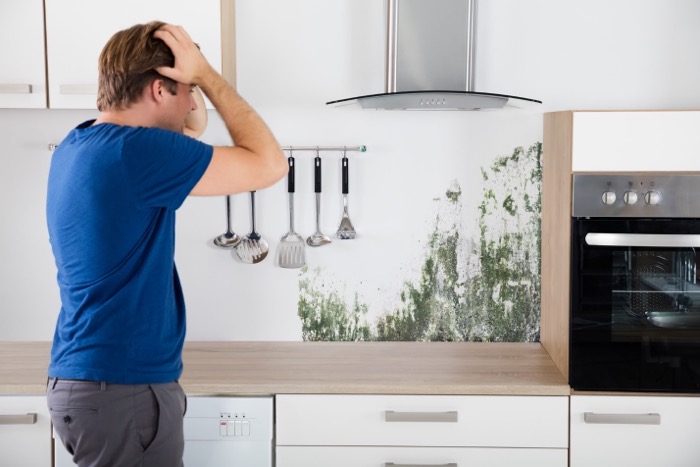
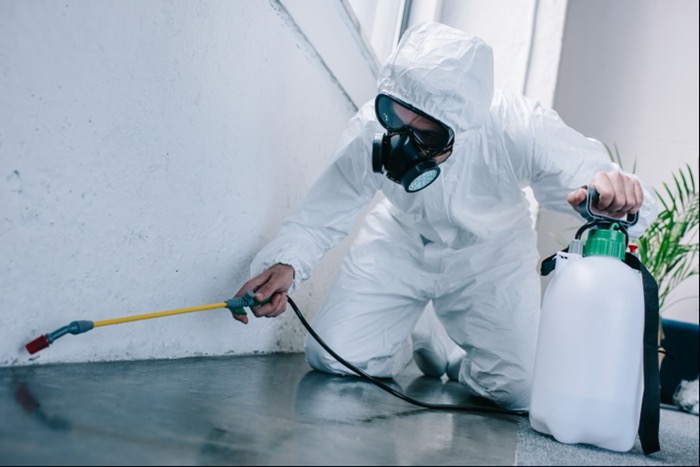
There is no single household recipe that makes every mold-affected material suitable to keep. Begin with the source of moisture, the extent of damage, and the type and condition of the material. Do not disturb a concealed area simply to investigate it yourself.
Record the problem
Note where growth or a musty smell occurs, whether it follows rain or room use, and whether nearby materials remain wet. Keep dated photographs and previous repair information. The color of growth is not a sufficient basis for identifying its species or deciding its risk.
Compare materials carefully
EPA’s guide distinguishes suitable hard-surface cleanup from porous materials that may need removal. Fix the water problem as part of the work; painting or caulking over mold is not a remedy. Seek experienced help for extensive damage, contaminated water, suspected HVAC involvement, or uncertainty.
| Material or location | Decision to investigate |
| — | — |
| Suitable washable surface | Compatible cleaning method and complete drying |
| Carpet, upholstery, or another porous item | Whether it can actually be cleaned and retained |
| Wall or ceiling with concealed damage | Extent, moisture source, and an appropriate repair scope |
| Valuable or delicate object | A specialist’s advice before treatment |
Prepare for cleanup through authoritative guidance
Health Canada advises professional assistance for a large, recurring, or unclear problem and gives protective-equipment and occupant precautions. Keep susceptible occupants away from cleanup. For suitable washable surfaces it describes unscented soap solution and thorough drying; that does not make the method suitable for every object.
Do not combine cleaning chemicals, rely on fragrance to conceal the smell, or assume that removing a visible stain resolves hidden dampness.
Keep the repair and follow-up record
Ask the contractor to identify the cause, materials affected, proposed work, and conditions for checking the result. Revisit the area after the conditions that previously triggered the problem. Seek healthcare advice for symptoms rather than using this material checklist as a medical diagnosis.
Images and retained source credits