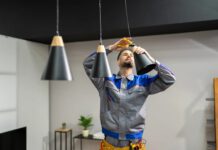


Deck-rail lighting should help people use the outdoor space while fitting the railing and its surroundings. Start with the locations needing light, then select products and installation arrangements suitable for those locations. A single lamp price is not the cost of the whole project.
Map the tasks and routes
Identify stairs, changes of level, doorways, seating and the route back indoors. Look at the space after dark and note glare as well as dark areas. A decorative string may create atmosphere without providing useful visibility at a step.
Keep fixtures and cables clear of walking routes and the normal use of handrails, doors and furniture. Lighting can support visibility; it does not guarantee that a property is secure from theft.
Check the product and railing together
Confirm the fixture’s intended outdoor use, permitted mounting position, finish and care instructions. Check how it attaches to the actual railing system. Drilling, clamps or cable routes must not be assumed compatible with every glass, metal or timber installation.
Consider where a fitting can be reached for cleaning and replacement. A concealed fitting may look tidy but be difficult to maintain if access has not been planned.
Define the power arrangement
Use the exact product’s supply and installation requirements. A solar fixture, a specified low-voltage system and a mains-powered installation have different arrangements. Do not assume a hanging light or a low-voltage label makes all electrical work suitable for DIY.
Have appropriately qualified people assess new wiring, supply equipment and any required protective arrangements. Do not improvise connections or select a transformer from a generic online example.
Compare the whole quote
Ask the installer to separate:
- Fixture model, quantity, mounting parts and finish.
- Supply/control equipment and compatible components.
- Cable routes and any new electrical work.
- Access, installation, protection and making good.
- Testing, operating instructions and service support.
- Delivery, taxes, exclusions and the variation process.
Record the currency, location and date of the proposal. A listing for one inexpensive light does not establish the cost of a completed installation, and sale pricing may not apply to the configuration you need.
Review the result in use
Agree how useful coverage, glare, controls and access will be checked after installation. Keep the product information and work record. This makes the lighting project easier to compare and maintain without a promise that a particular number of lights will suit every deck.