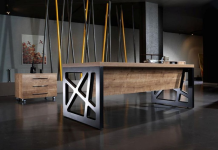


Custom office furniture can address a specific room constraint or storage requirement. It also requires decisions that a standard product has already settled. Plan how dimensions, materials, approvals, and installation will be controlled before placing the order.
Decide which item needs custom work
List the problem with available standard furniture. It might be an awkward wall, a particular equipment layout, or storage for unusual items. Check whether a standard component and a smaller custom element could meet the brief without making every item bespoke.
Provide the maker with a measured room plan, equipment information, and building access restrictions. Identify which dimensions have been measured on site and which still need confirmation.
Compare makers using one written scope
Ask each maker to quote the same drawings or performance brief. Request material descriptions, hardware references, finish samples, delivery, assembly, and aftercare. View examples of relevant work where possible and ask what part of those projects the maker actually supplied.
| Approval stage | Record before moving on |
|---|---|
| Brief | Tasks, equipment, storage, and room constraints |
| Drawing | Dimensions, construction, openings, supports, and service access |
| Sample | Actual material, finish, edge, and agreed reference |
| Quote | Scope, exclusions, peso total, tax treatment, and lead time |
| Installation | Access, responsibilities, inspection, and outstanding-work process |
Avoid treating a rendering as proof of the final material or construction. Have the maker confirm the production drawing, and use qualified project professionals for structural, electrical, or other regulated work where required.
Agree how changes will be handled
Record substitutions and design changes in a revised drawing and quote. Confirm effects on cost and delivery before fabrication continues. Keep one approved version so the installer is not working from an outdated image in a message thread.
Inspect the installed result
Check dimensions, finishes, fittings, doors, drawers, equipment fit, and service access against the approved scope. Document damage and missing work before signing acceptance. Obtain care instructions, hardware references, and a clear contact for repairs.
For a single custom desk, our table specification worksheet turns the brief into a more detailed drawing checklist.