

A layered living room still needs places to sit, store things, read and move through it. These 42 Bohemian-inspired ideas use rugs, pattern, colour and familiar objects as starting points. Choose the changes that help the household; the illustrations are arrangement examples rather than measured plans, verified products or accounts of client projects.
1. Define the seating group with a rug
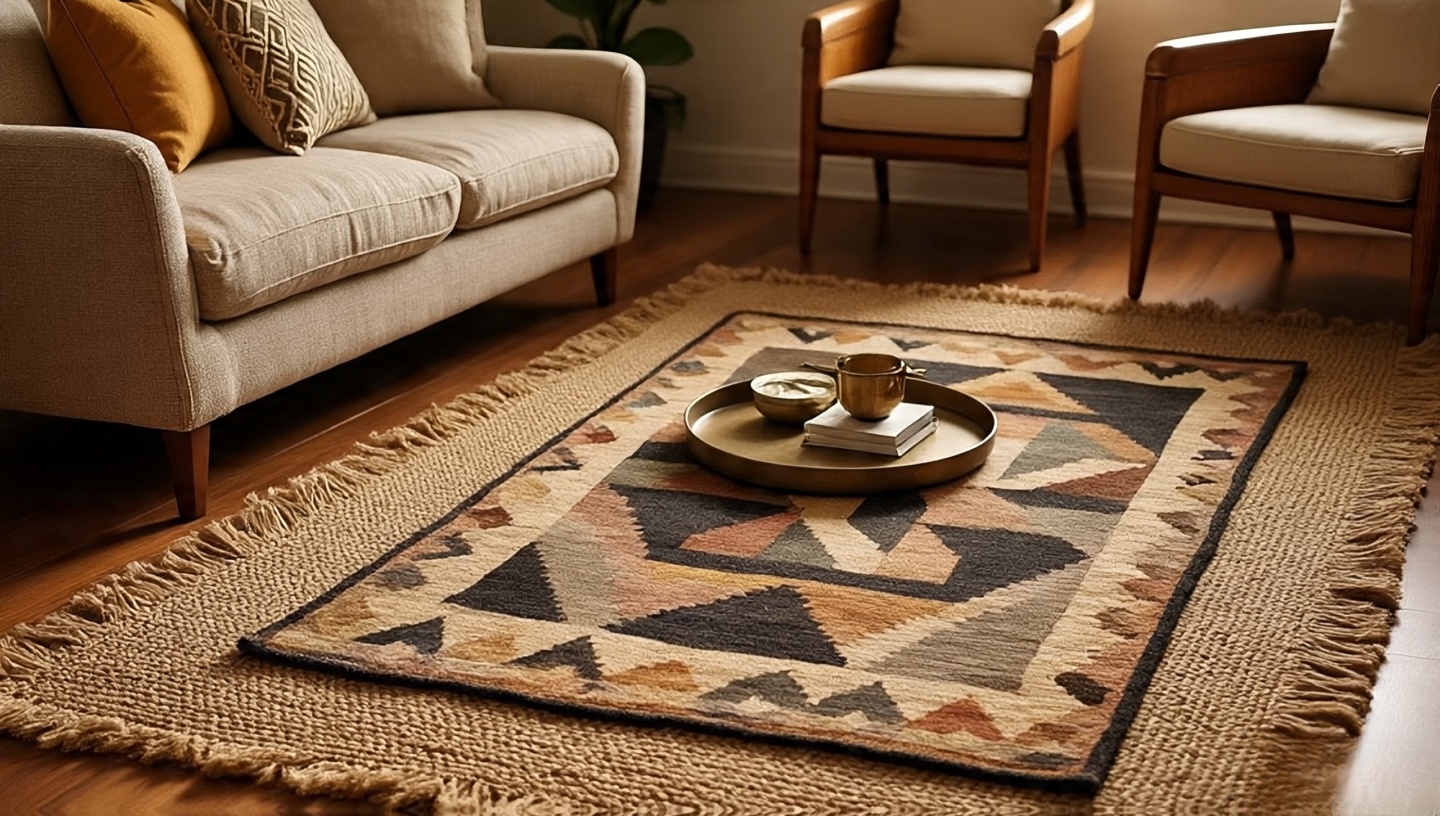
Mark the proposed rug outline against the actual sofa, chairs and routes. Check edges, doors and a suitable underlay before adding a second layer. A generous-looking rug in a picture does not establish the size your room needs.
2. Test an accent against existing colours
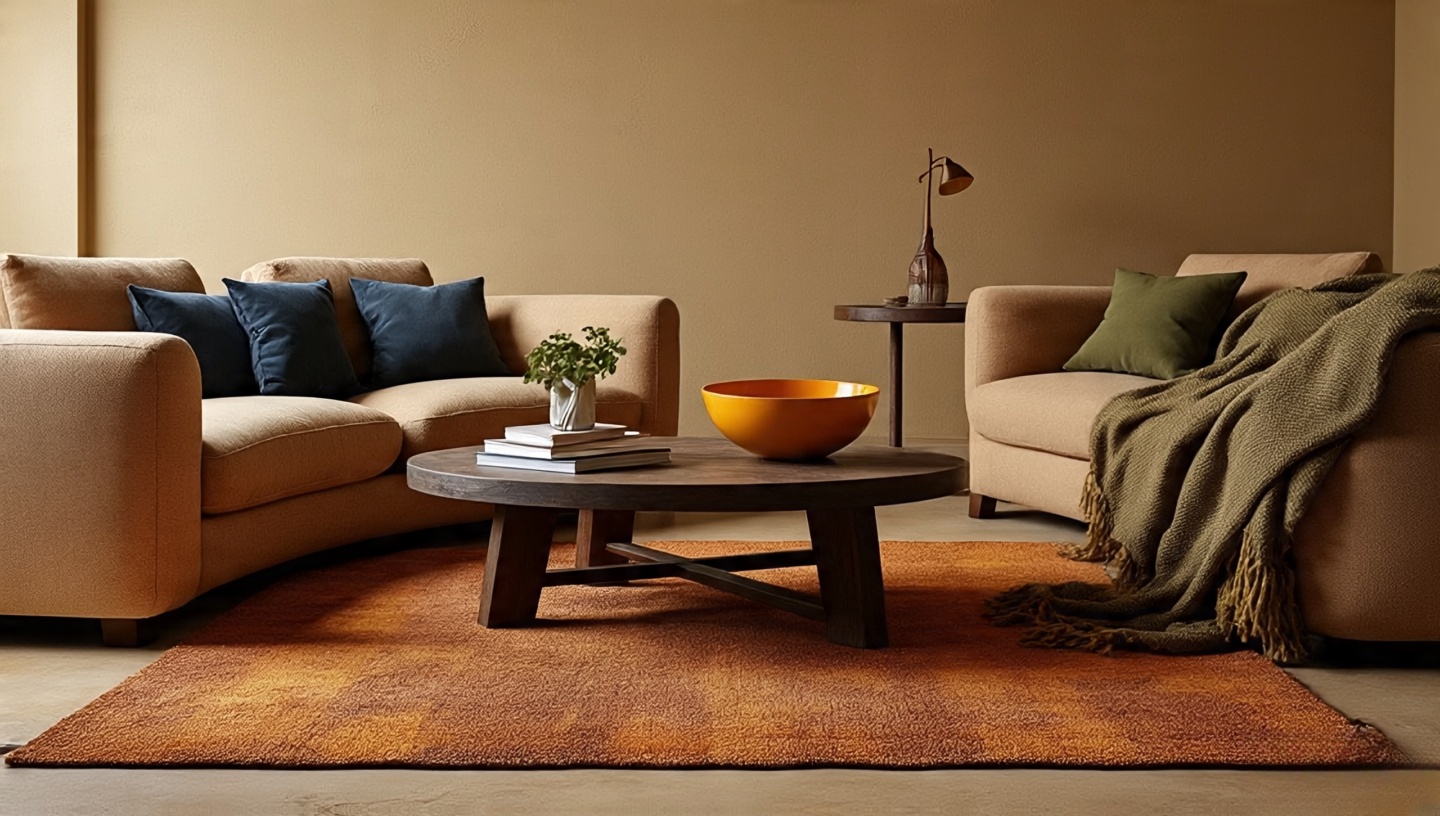
Begin with the floor, walls and larger furniture you intend to keep. Try a movable cushion or throw beside them, then compare it under daylight and the existing lamps. Use the balance you prefer rather than a fixed percentage of neutrals.
3. Compare textures by touch and care
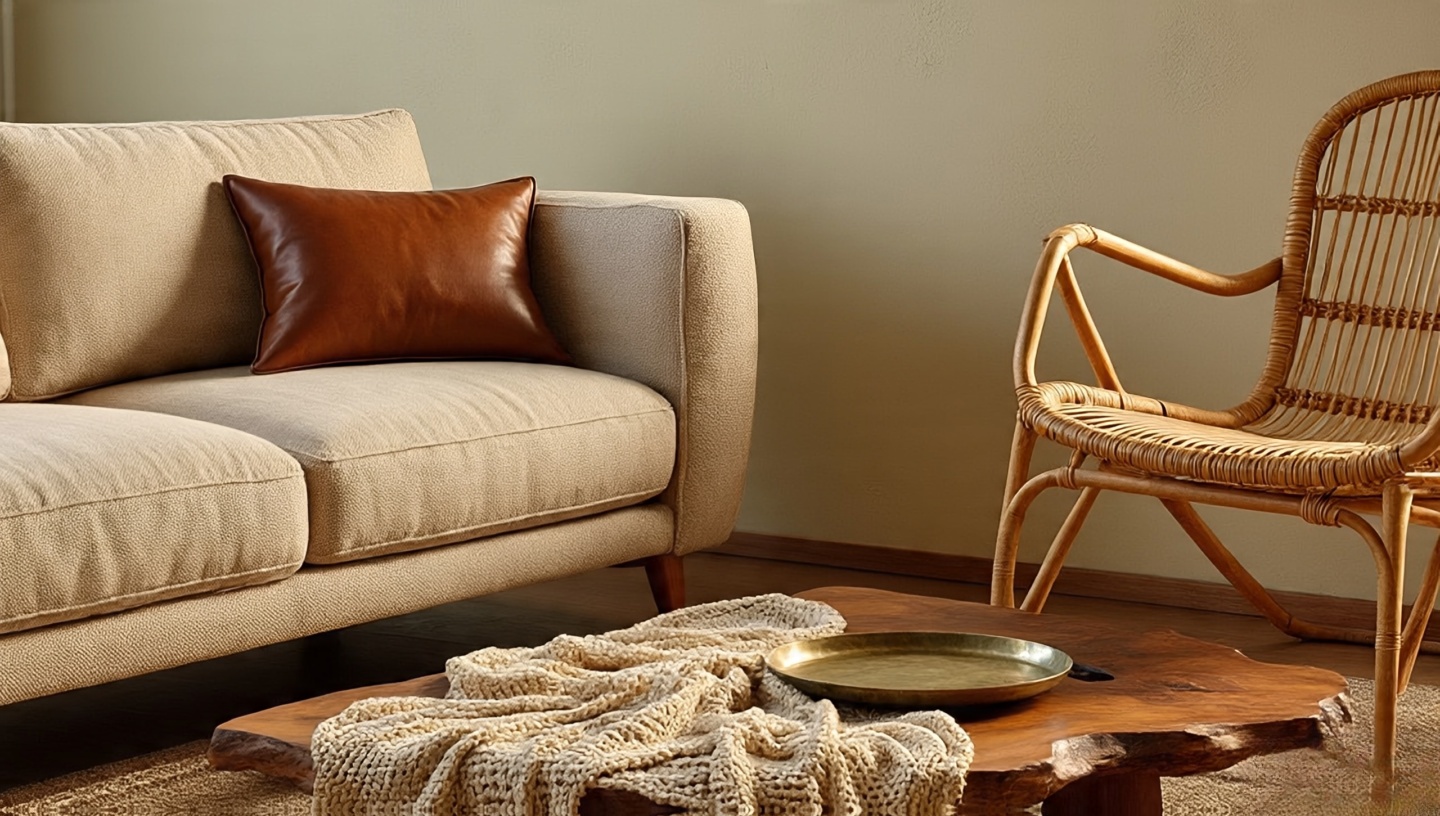
An open woven outline, a plain cushion and a textured throw can provide contrast. Check the actual composition, feel and care label before choosing. A fibre name alone does not establish that upholstery is easy to wash, durable or suitable for pets.
4. Choose a useful coffee-table surface
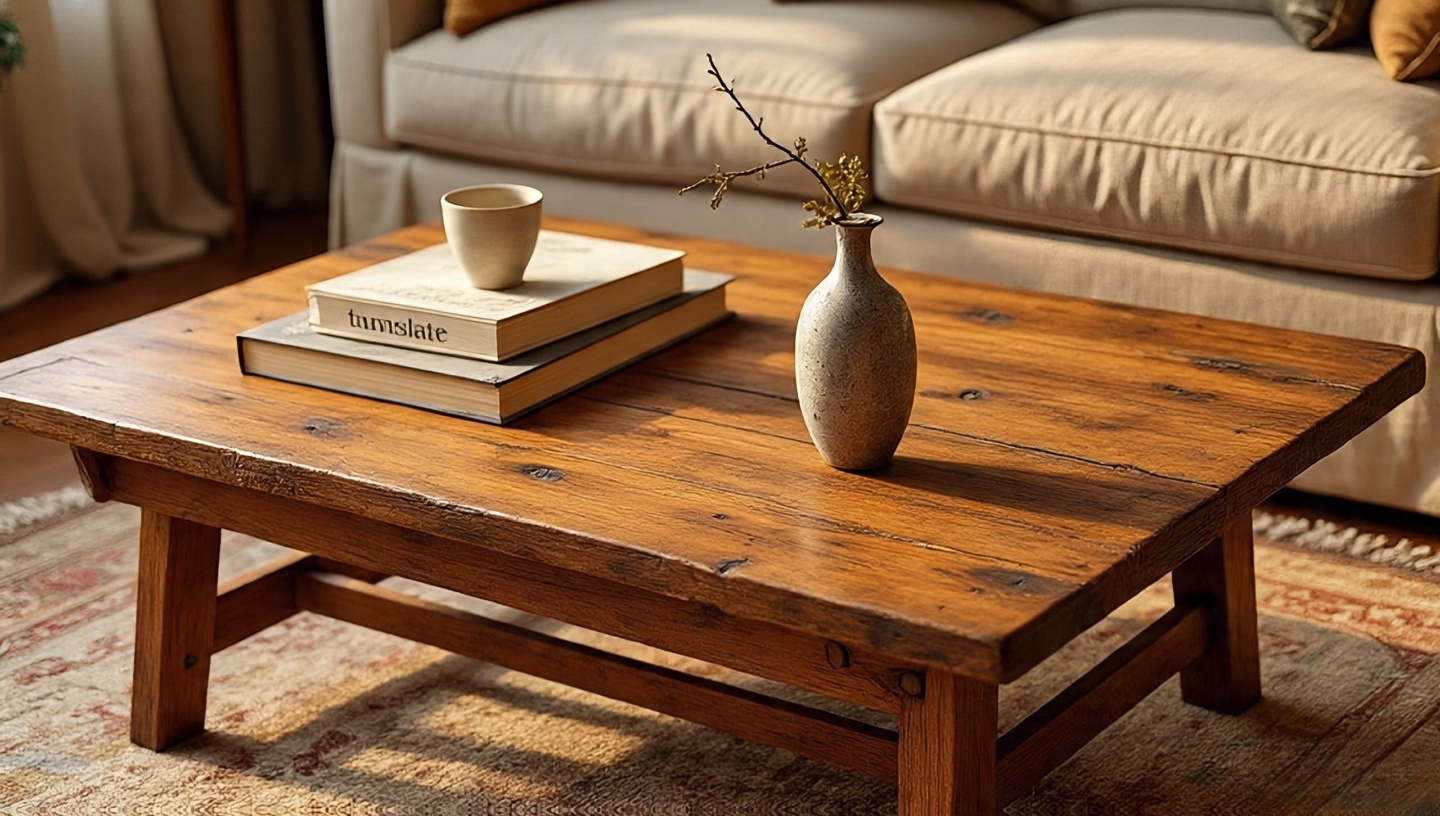
Compare reach, edges and usable area with the actual seats around it. Inspect a secondhand table’s condition and seek suitable repair advice where needed. A styling guide cannot establish that a rocking or damaged joint can be corrected with felt, glue or clamps.
5. Put plants where they can be cared for
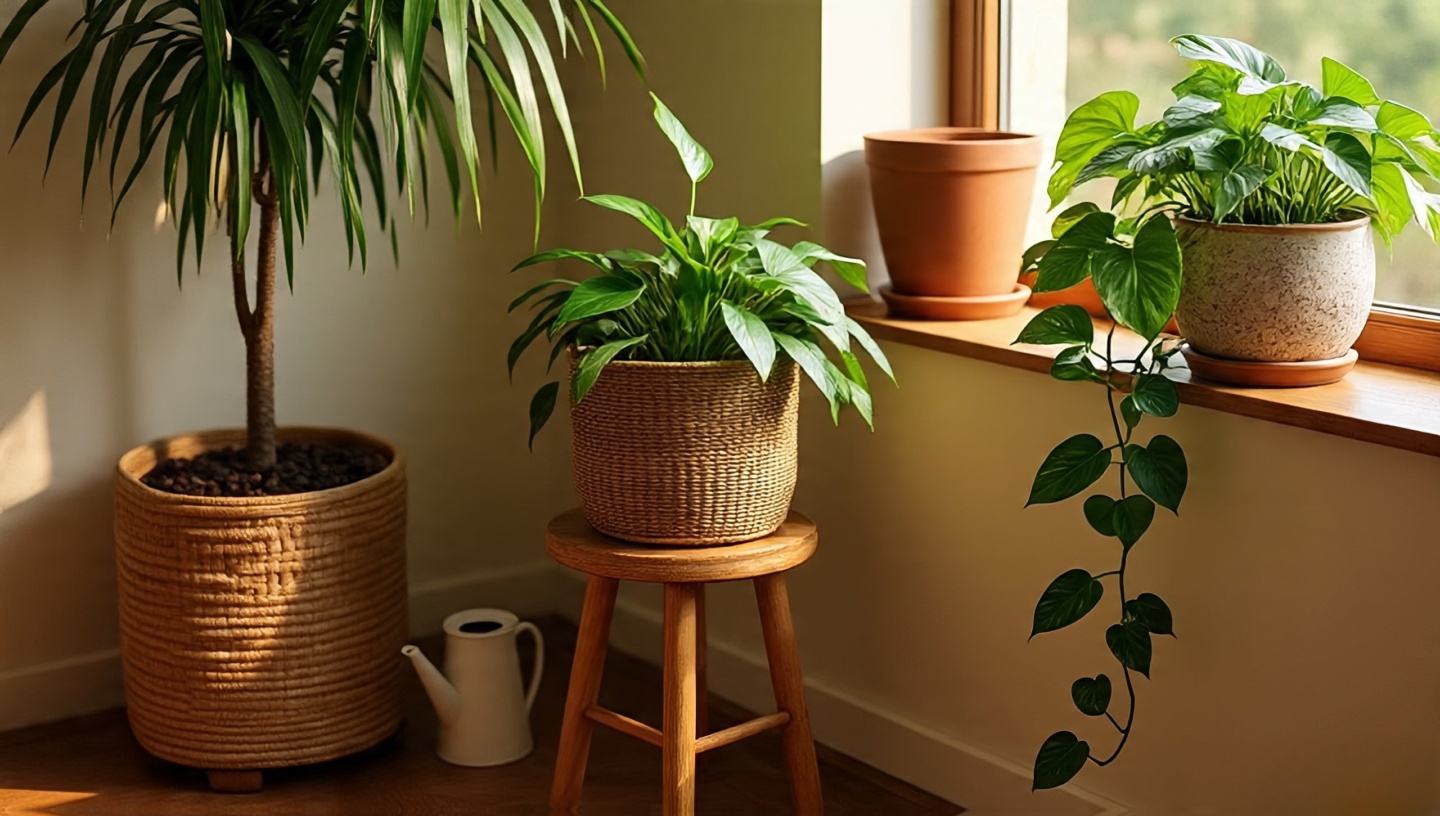
Choose each plant for the light, space and care it needs, and protect the room from watering damage. Avoid one soil recipe or weekly watering schedule for every species. Plants are decorative elements, not a demonstrated replacement for indoor-air controls; see EPA indoor-air guidance.
6. Vary the scale of patterns
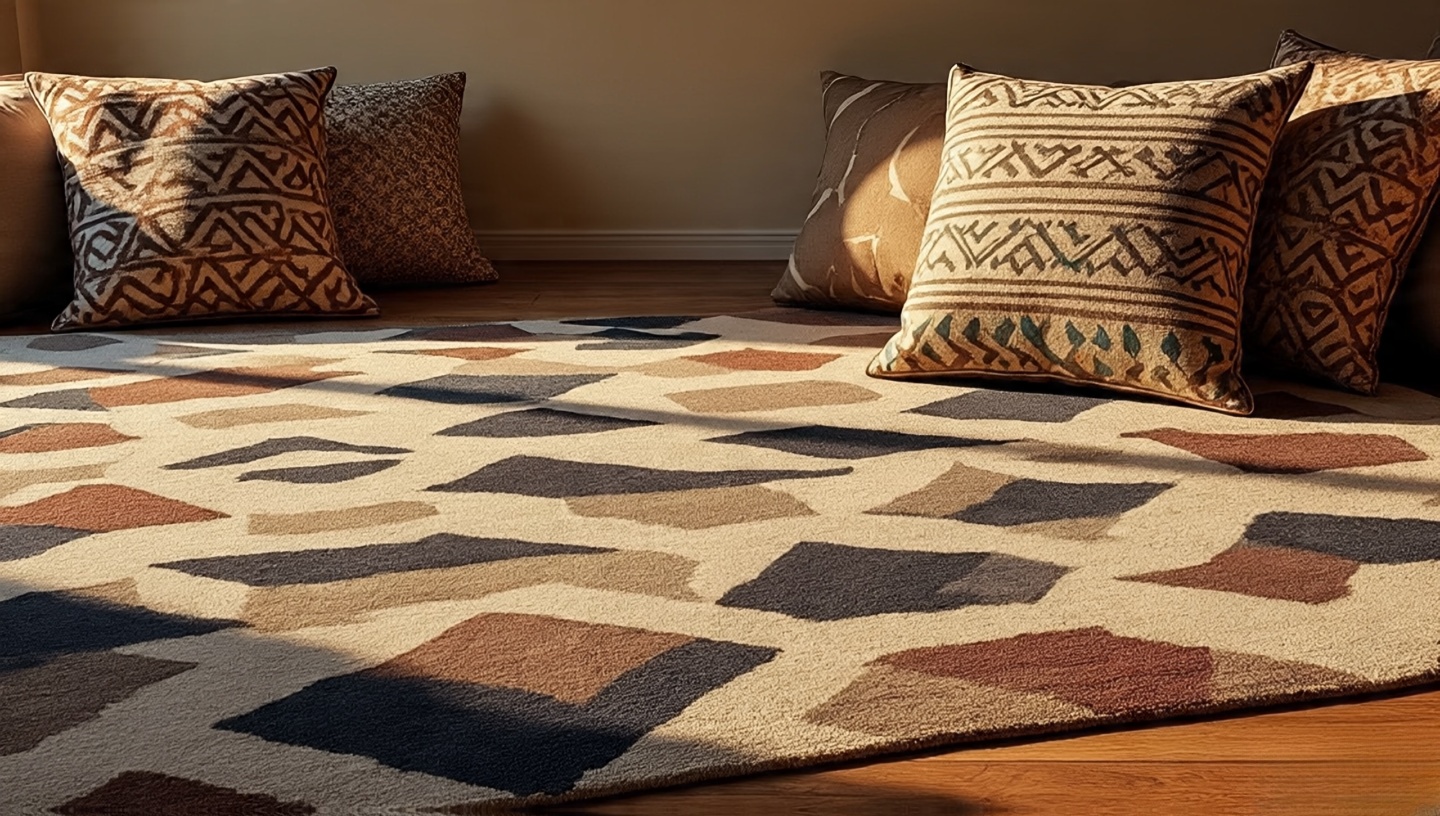
Compare a larger motif with a quieter or smaller repeat using the actual textiles. Repeat a colour if it connects them, then look from the seats and doorway. A fixed three-pattern formula is an option to experiment with, not a requirement.
7. Make shelves serve their contents
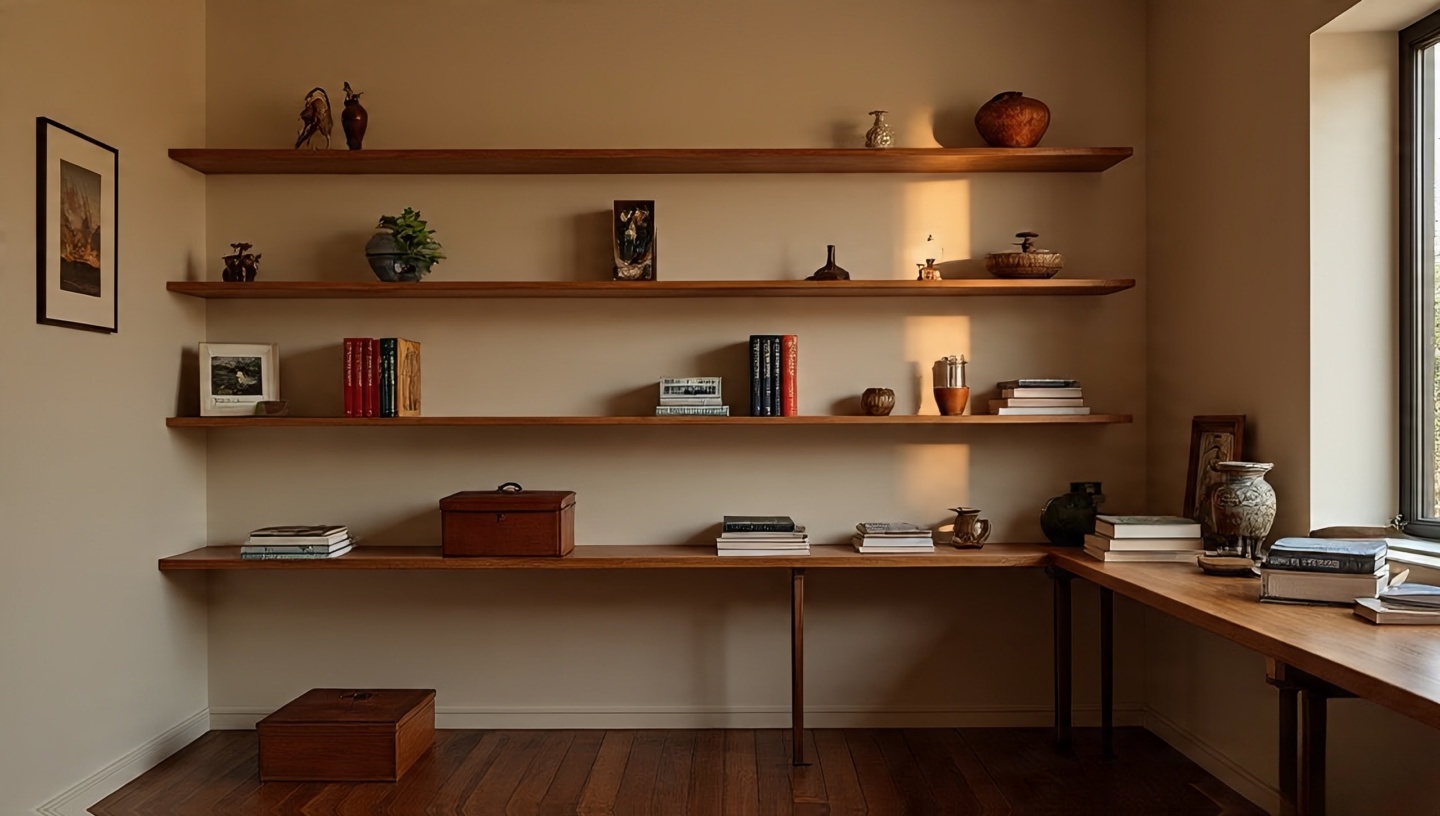
List what needs to fit and check reach, support and cleaning access. Leave room where an activity needs a clear surface rather than reserving one percentage everywhere. A smaller display can be easier to use without turning the room into a prescribed arrangement.
8. Plan light for the activities
Distinguish general room lighting, a reading position and a decorative highlight. Compare the actual fitting, lamp and controls at their intended positions. The household’s tasks and the room determine useful light; one lumen total or bulb colour does not fit every living room.
9. Keep low seating optional
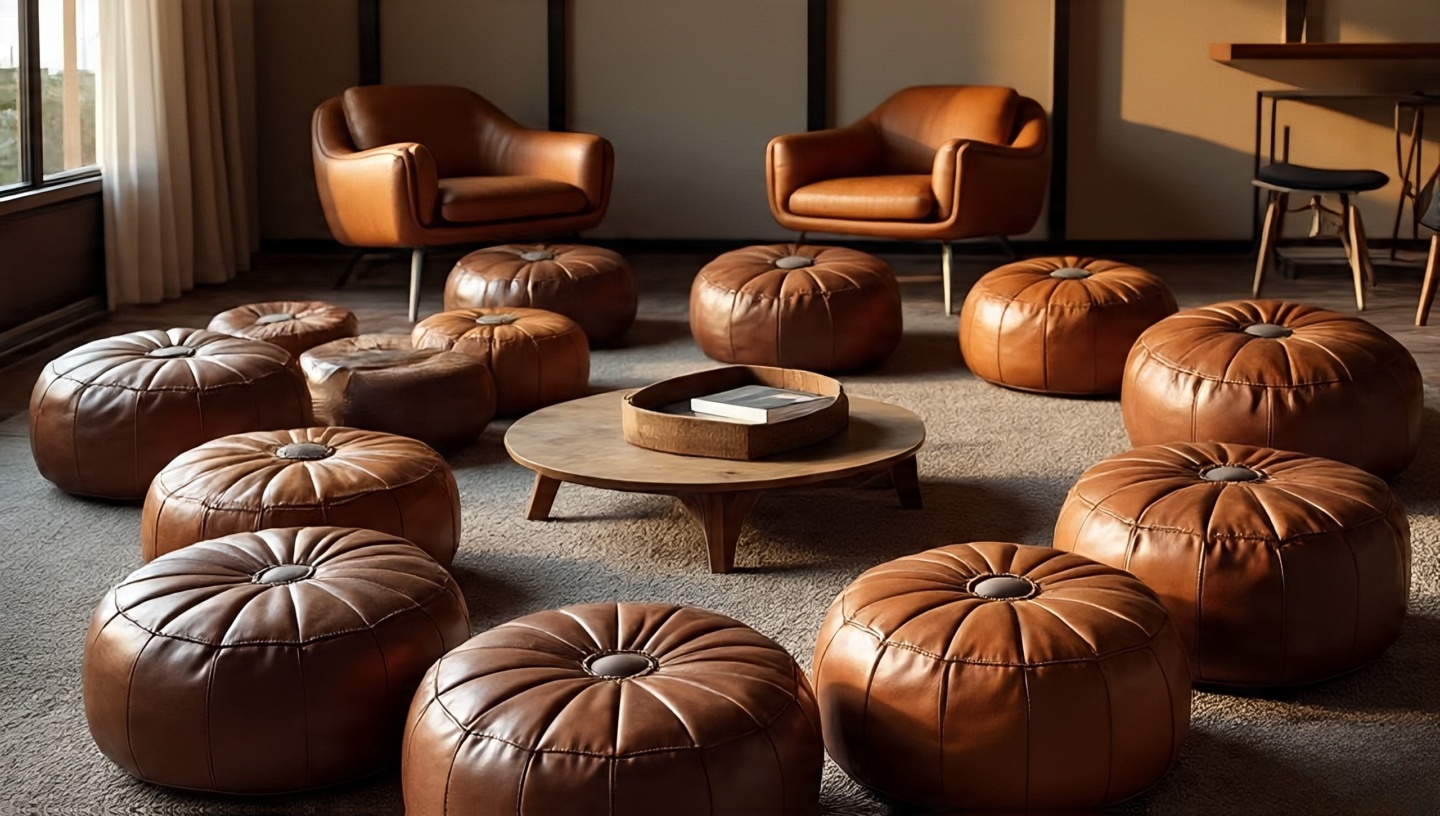
Poufs or floor cushions can provide extra places if the people using them find them comfortable. Include a way to sit and stand that suits the household, and store spare pieces where they do not block a route. Check each product’s intended use.
10. Mock up a gallery wall
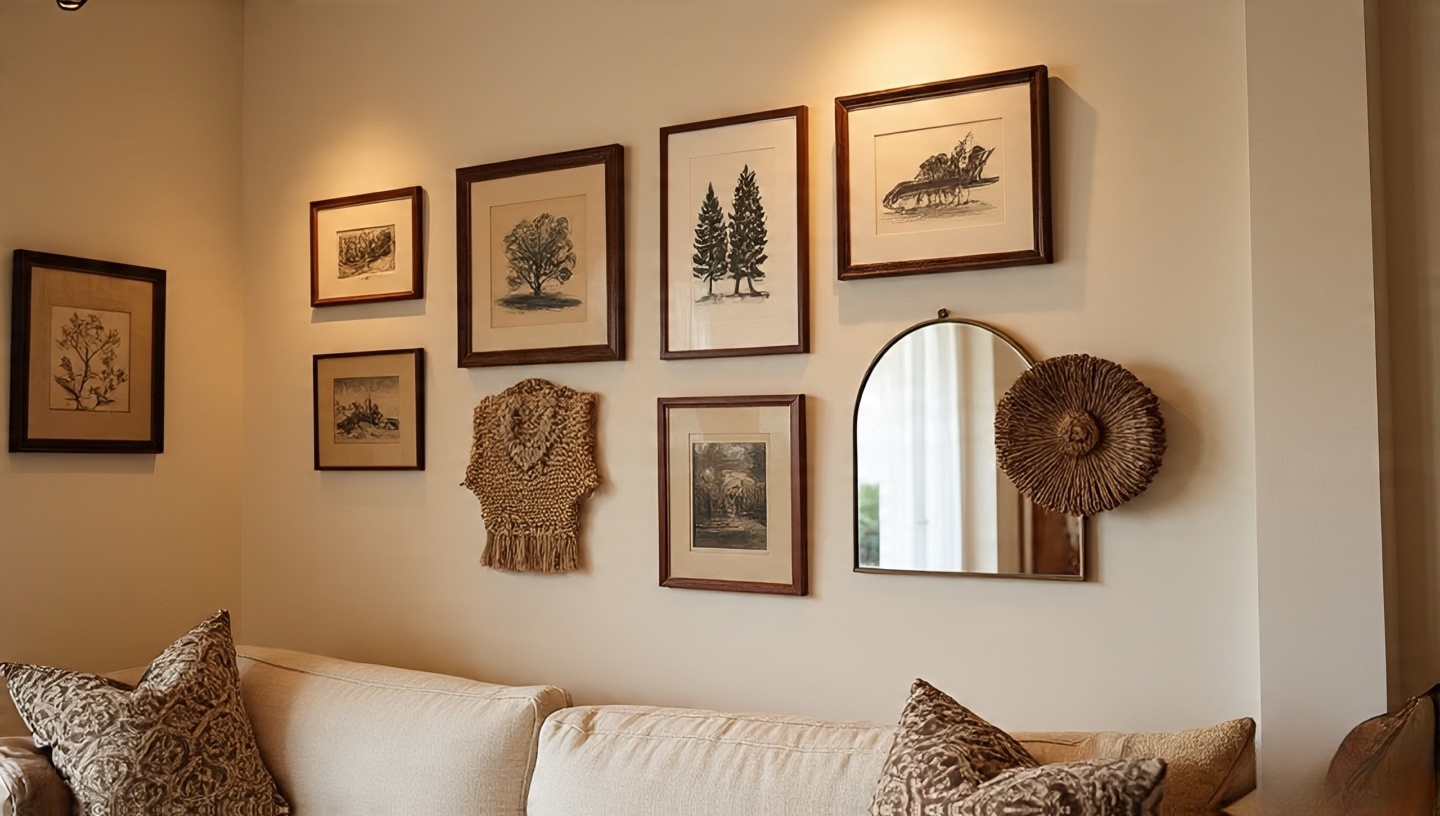
Lay out paper shapes for the actual frames before choosing their positions. Check the view from the seats and doorway, then select fixings for the wall and each item. A single height from the floor does not suit every wall, object or viewer.
11. Keep a small display record

A shelf can hold objects with documented stories or simply a group you enjoy. Keep maker and source information with a purchase where available. Let the objects’ dimensions and support determine the arrangement instead of treating a display as a museum collection.
12. Make fragrance an optional choice
A room can work without added fragrance or a flame. Decide what the household actually wants before adding another product, and follow its use instructions. For a decorative candle-like glow, battery-operated alternatives are an option discussed in USFA candle guidance.
13. Use a throw that suits everyday care
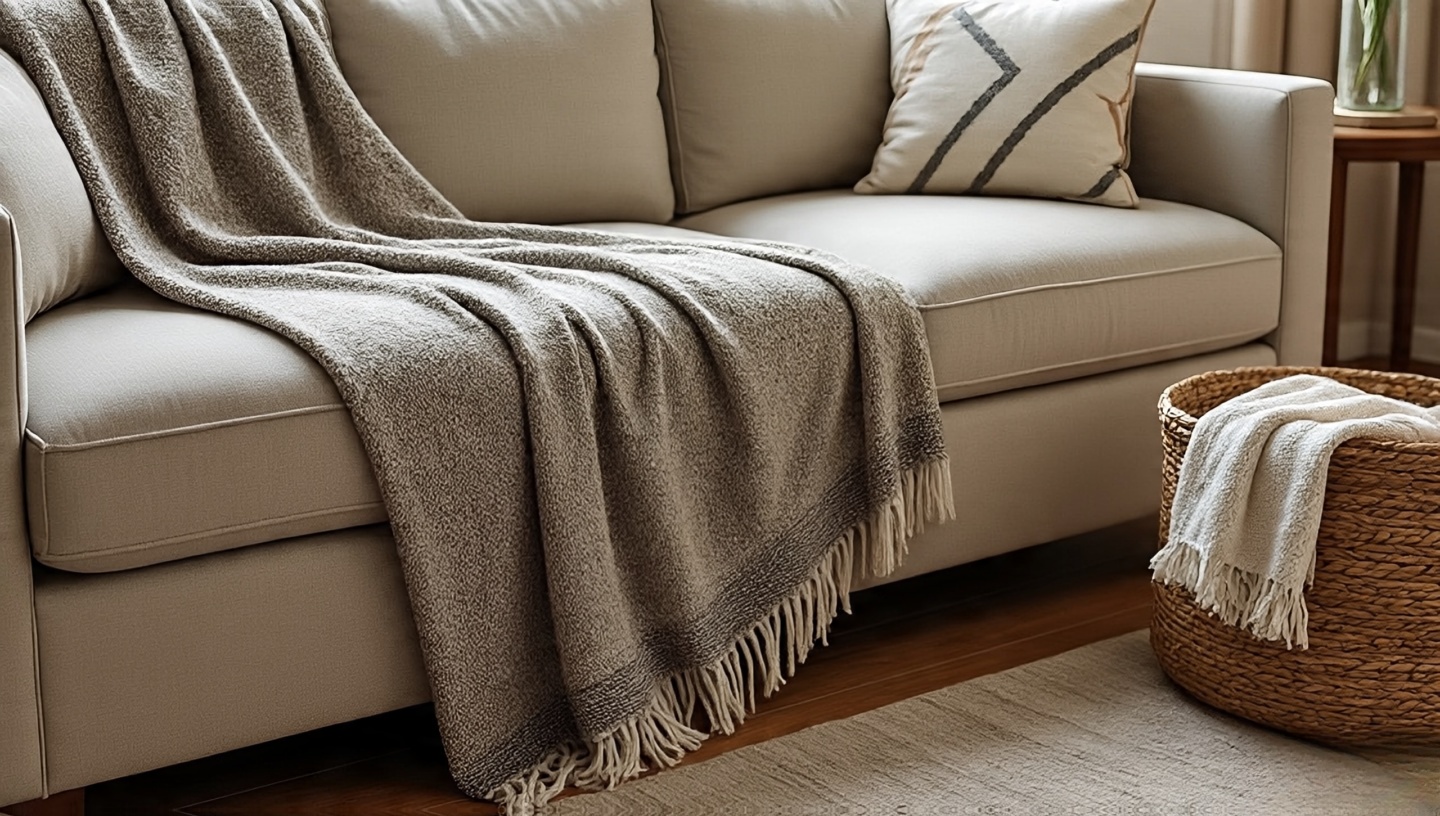
Choose a throw that can be reached, moved and maintained by the people using the sofa. Follow the selected textile’s care label. Wool, cotton and linen items do not all accept the same washing, brushing or drying treatment.
14. Compare woven furniture as a product
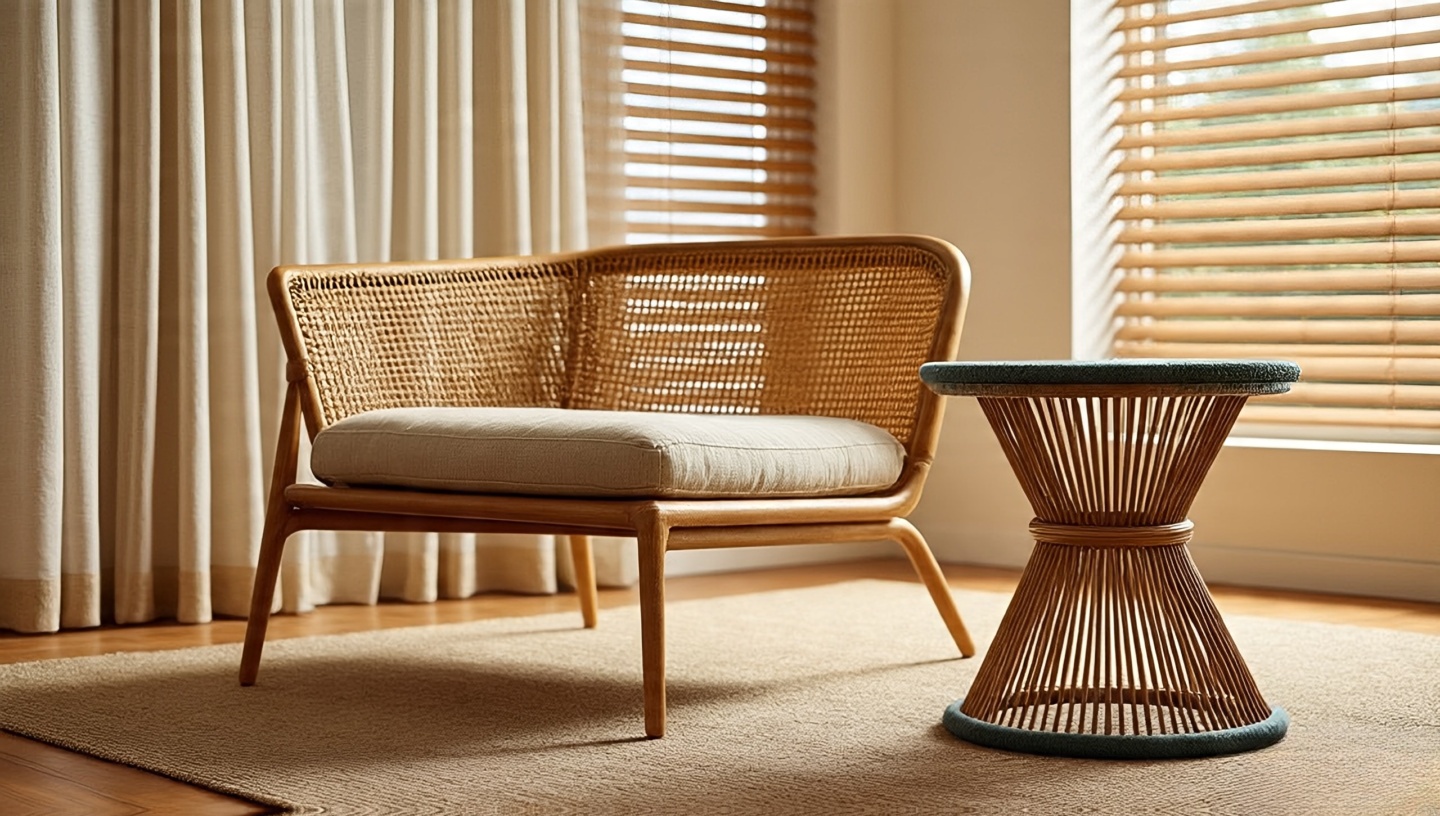
An open woven frame can contrast with a denser rug or sofa. Inspect the actual joints, seat support, material information and care requirements. Avoid assuming that a woven appearance identifies rattan or that one humidity treatment suits every finish.
15. Hang a textile for its actual size and weight
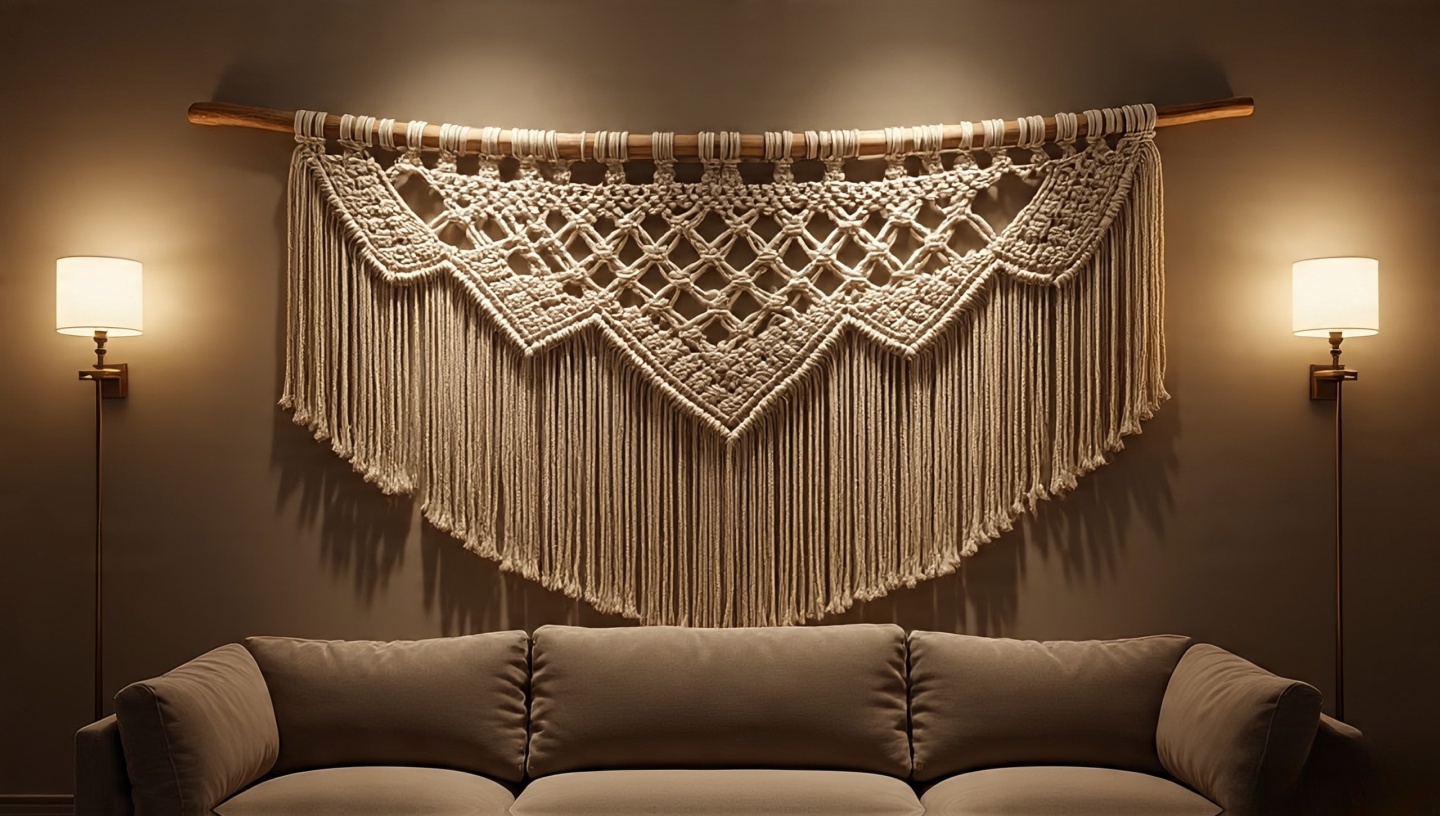
A wall textile can provide pattern without a framed print. Choose a support suited to the textile, its condition and the wall. Get appropriate advice for valuable or fragile pieces instead of assuming two hooks, a branch or adhesive strips fit every case.
16. Repeat one visual connection
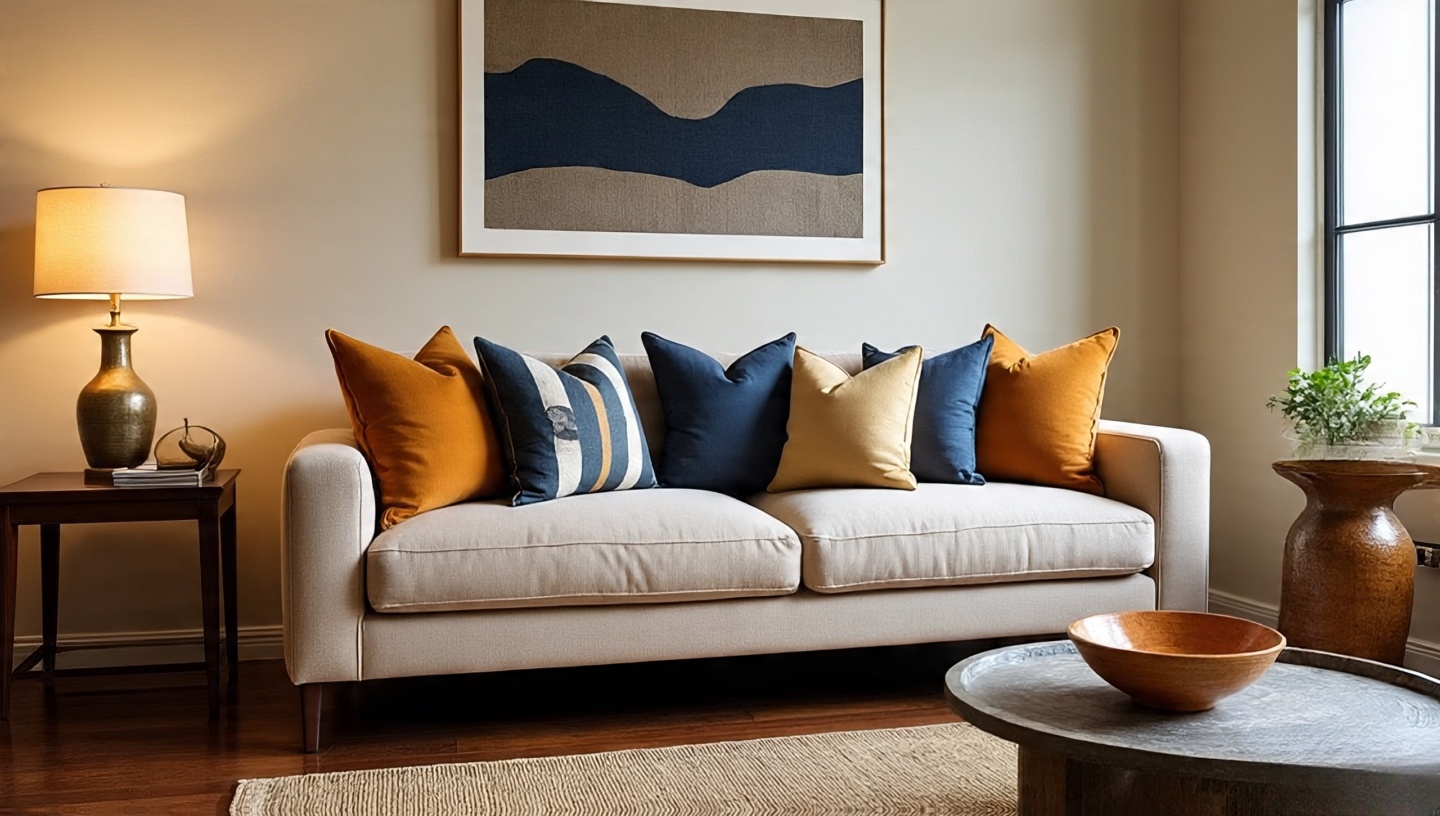
A colour, shape or finish can connect otherwise different pieces. Test the connection in a small group before extending it. For related textile arrangements, compare layered rugs; the actual material and underlay still need to suit the products and floor.
17. Use a tray to contain everyday objects
A tray can group small items if it leaves the table useful. Check its stability, edges and effect on the furniture finish. A container is not a reason to add a candle, plant and cup together when those objects do not belong there.
18. Keep books available to read
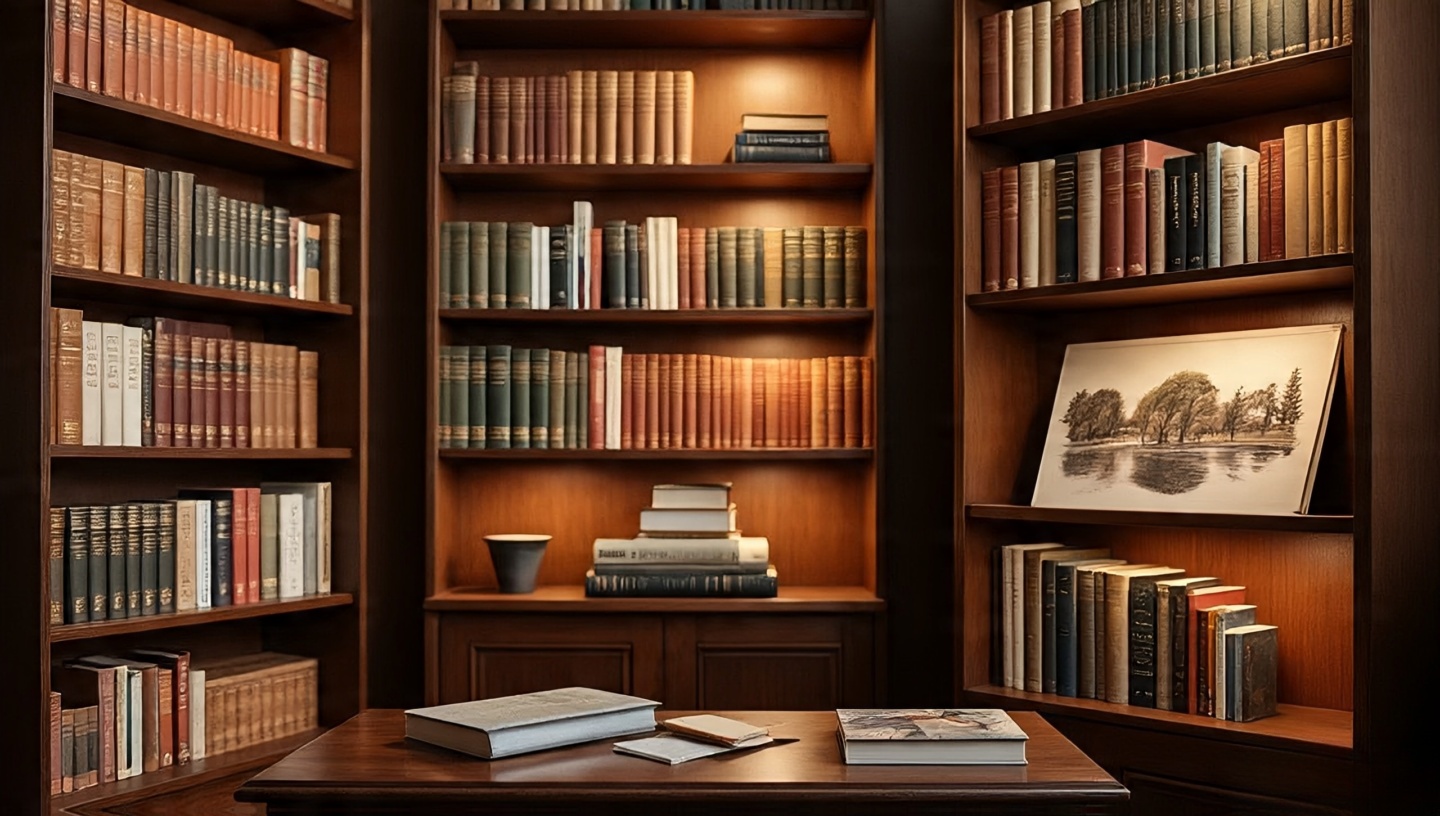
Arrange books where they can be reached without moving a display first. Check the shelving’s dimensions and load requirements, including wall support. Grouping by colour is optional; access and the household’s reading habits can guide the arrangement.
19. Inspect secondhand pieces before styling them
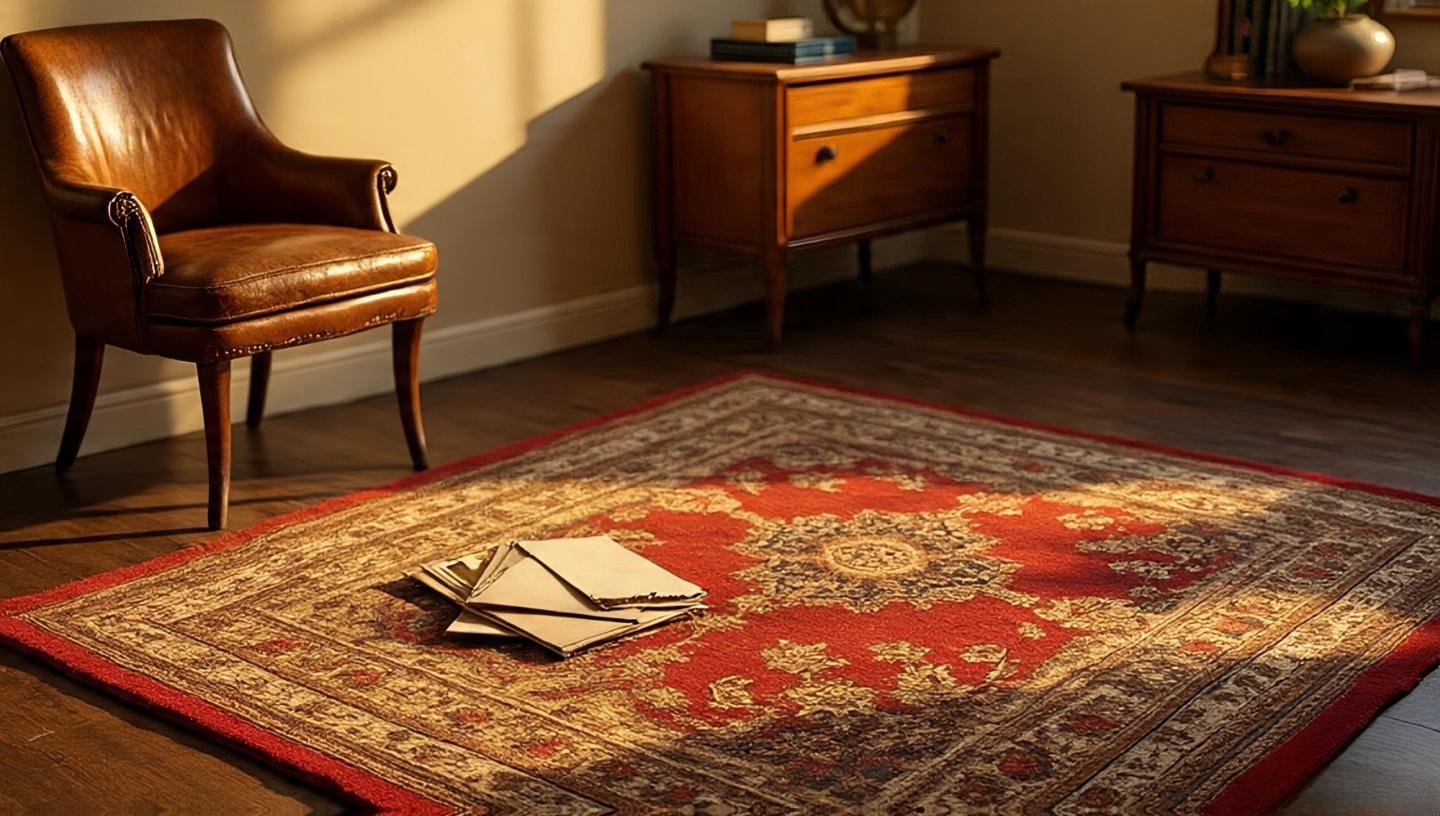
Compare condition, likely work, care and the full cost before buying. Ask about repairs and get appropriate assessment for uncertain damage. Smell, patina or a photograph alone does not verify a material, age, structure or value.
20. Test a ceiling colour before changing it
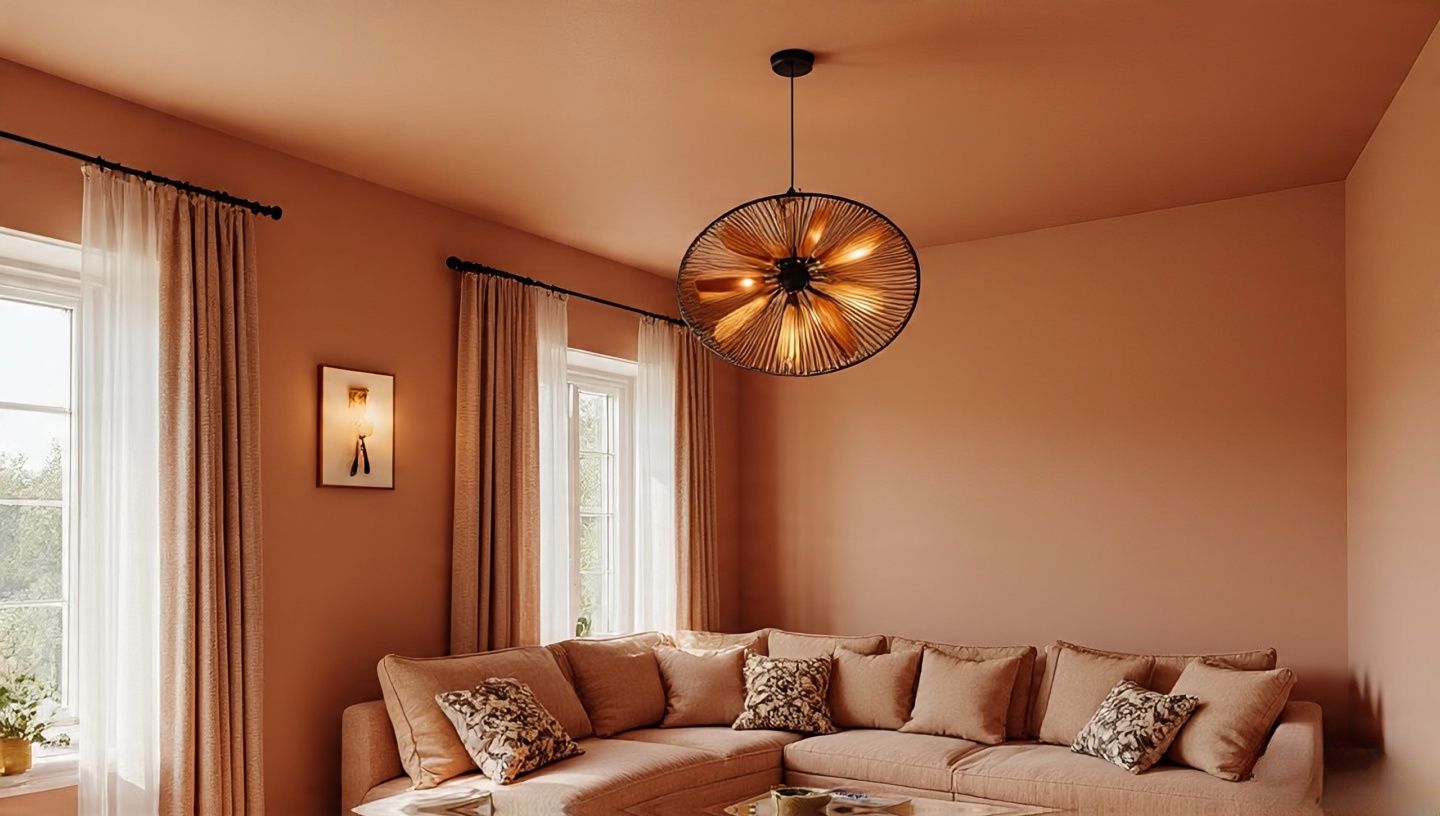
A painted sample can show how a proposed colour relates to the walls and lamps. Follow the selected coating’s substrate and application requirements. Any suspended textile or object needs a suitable support and clearances; a style image is not an installation plan.
21. Arrange seats for the way the room is used
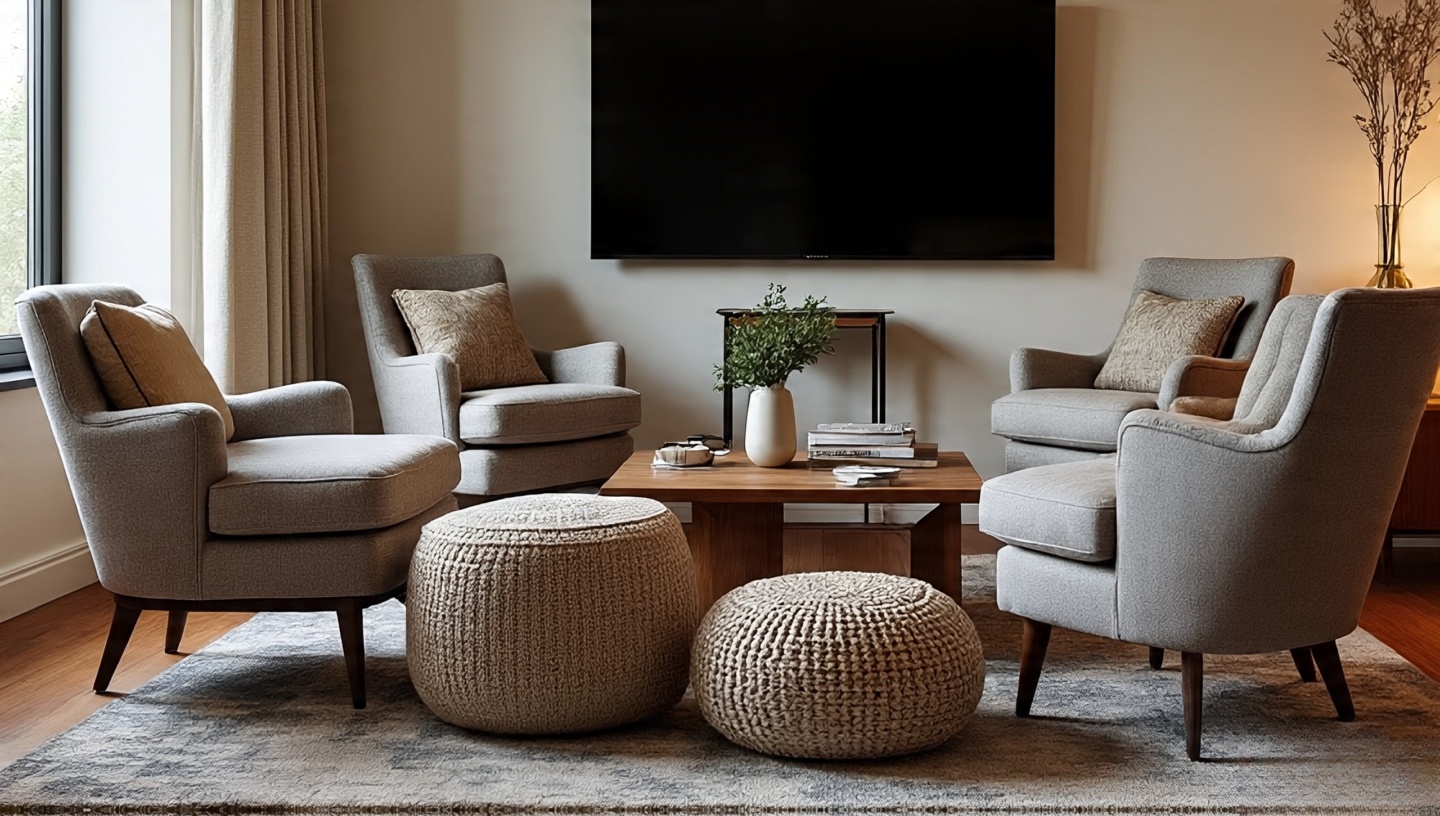
Try the actual chairs and sofa for conversation, viewing and access. Include the movement needed to enter, sit and stand. Adjust the arrangement through use rather than setting one chair angle or coffee-table gap for every household.
22. Choose a textured wall finish from samples
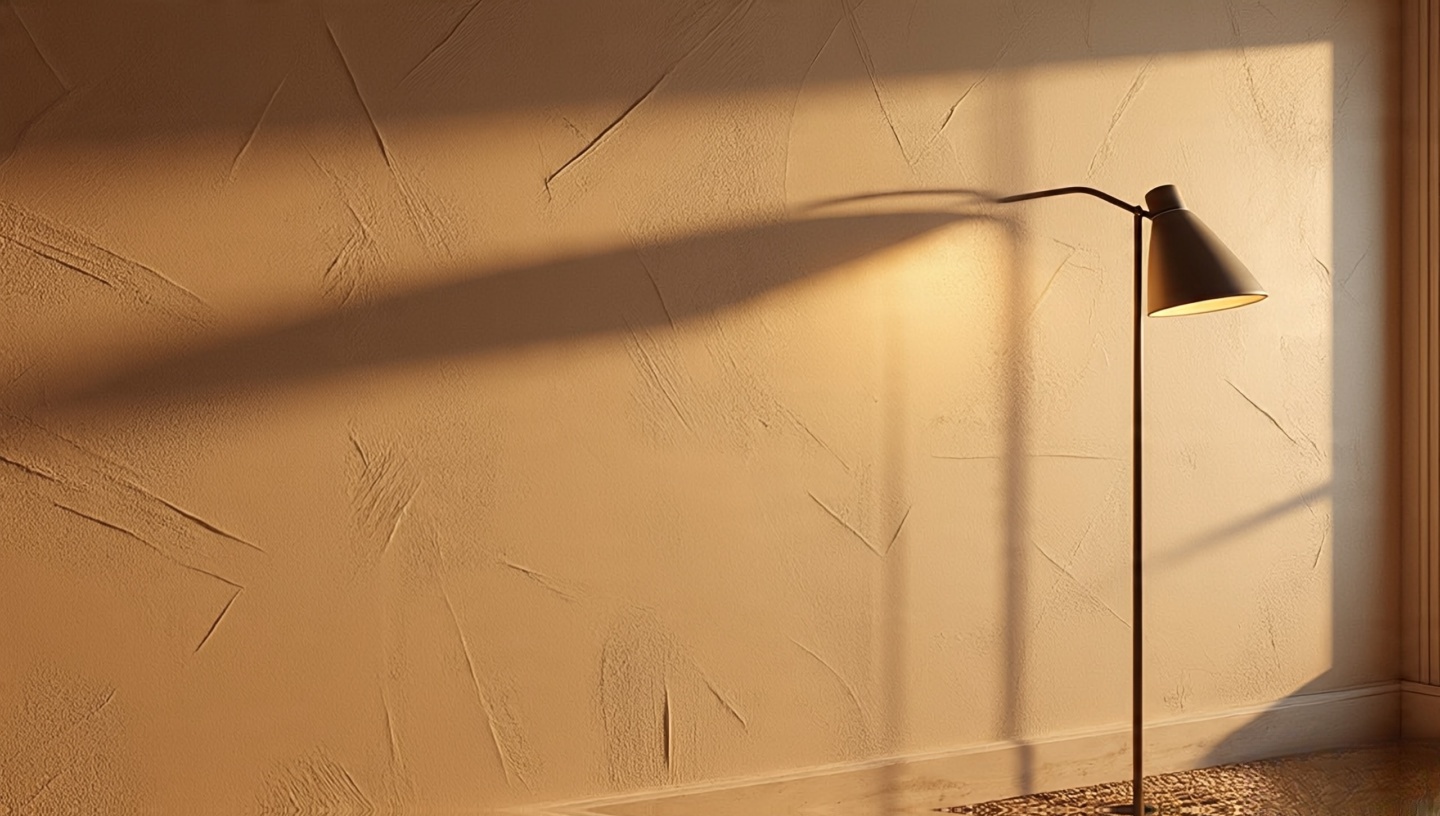
Compare a finish sample at the positions and times the room is used. Check the substrate preparation, product and application instructions rather than assuming a brush pattern or primer suits all limewash and clay-look coatings. Keep access to fittings available.
23. Choose baskets by what they will hold
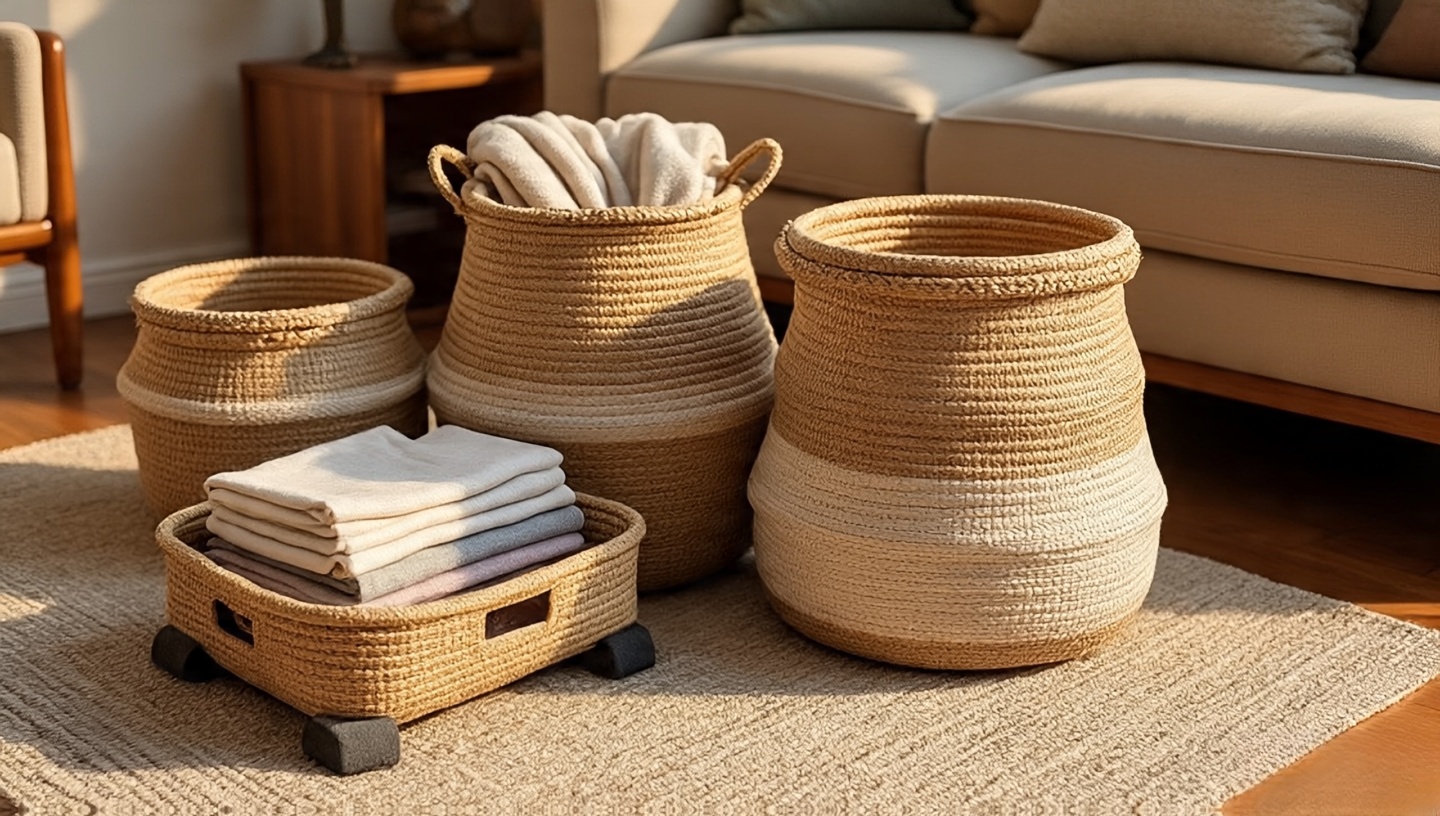
Compare the opening, usable depth, handles and surface with the intended contents. Check care needs and protection for the floor or furniture. A woven appearance does not establish fibre, load capacity or one maintenance routine.
24. Give music equipment a suitable place
Follow the equipment maker’s support, ventilation and connection requirements. Check the combined record and shelf load and keep access to controls useful. A rug or curtain may change the room’s sound, but an acoustic result needs more than a styling photograph.
25. Choose curtain layers for actual use
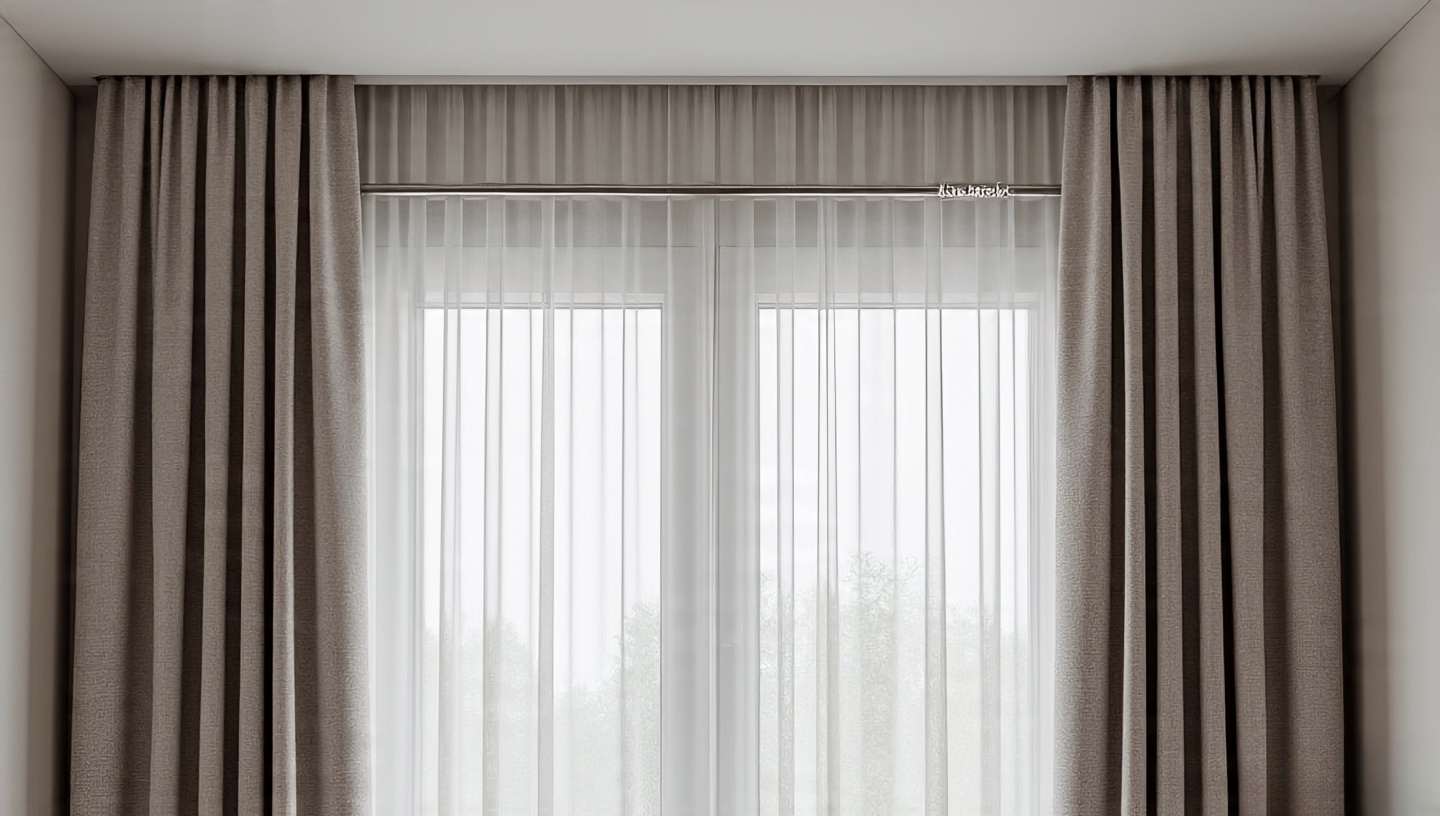
Compare privacy, glare, opening and cleaning needs at the real window. Measure the chosen system and check its support, controls and product requirements. Height, fullness and floor length should follow that combination rather than one decorative formula.
26. Leave a coffee table useful
Start with what people need to put down and reach from the seats. Add a small group only where the surface remains useful. Rotate or remove an object if it interferes with meals, books, remote controls or cleaning.
27. Keep textile origin separate from appearance
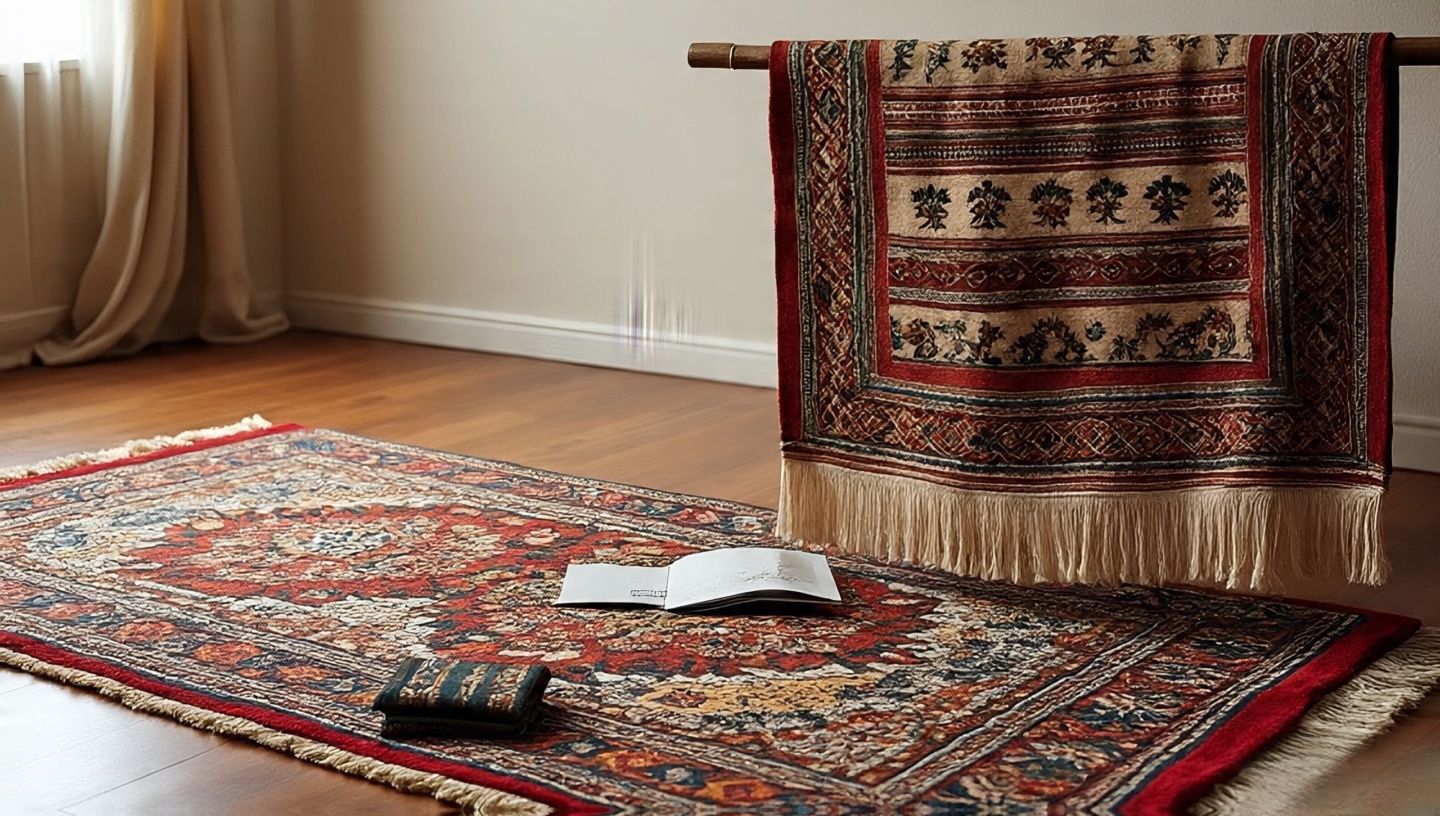
Ask for the actual maker, place, material, technique and care information when a seller makes those claims. A regional label or a geometric motif does not verify them. Keep receipts and supporting records rather than treating a decorative story as provenance.
28. Use empty space where it serves the room
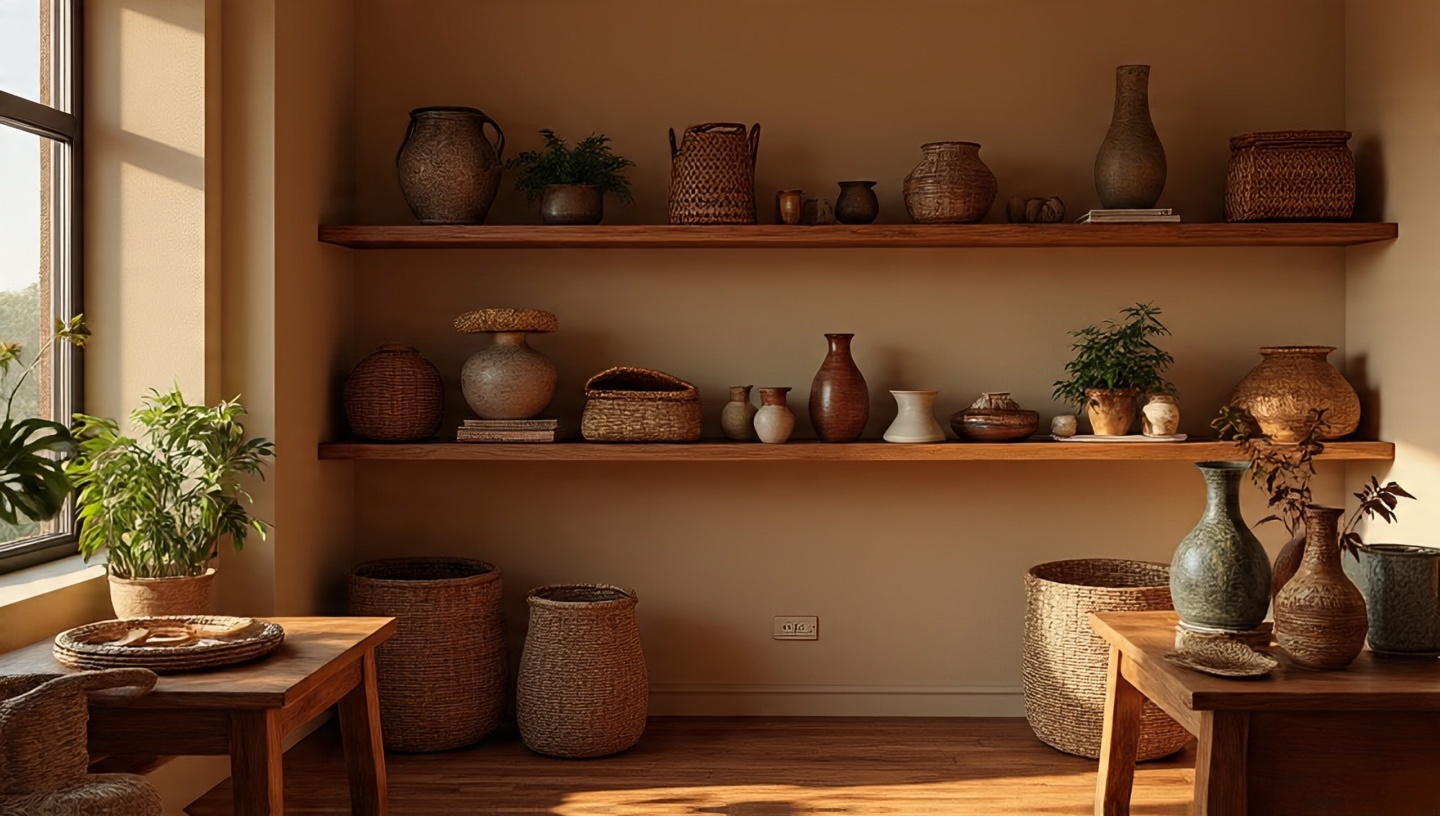
Clear the places needed for movement, opening storage and ordinary activities. Compare the arrangement with the household’s actual use rather than reserving one percentage of every shelf. Add an object only if there is a useful place for it.
29. Check a mirror's view and mounting
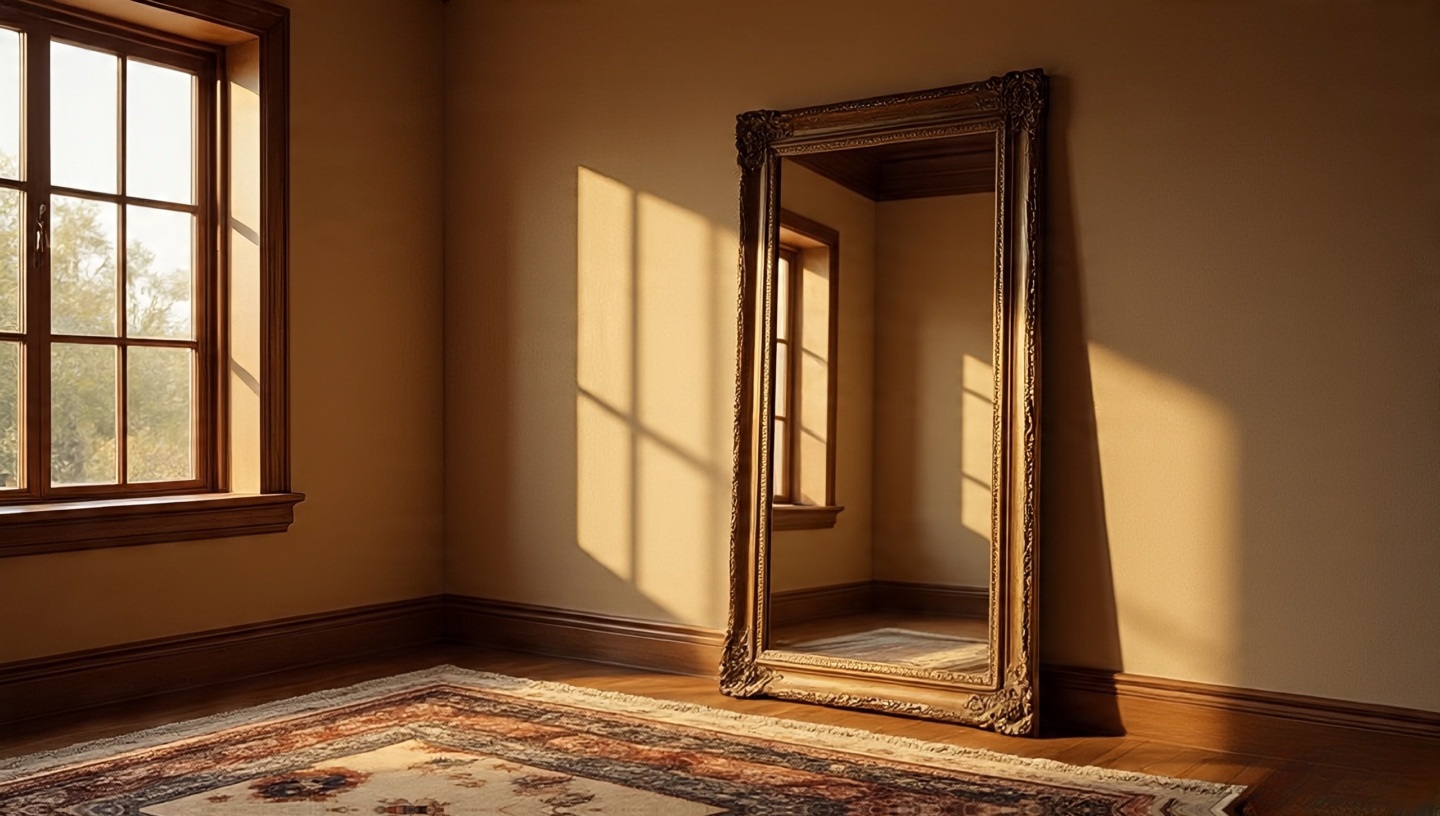
Look at the reflection from the seats and doorway before deciding its position. Compare glare and the frame’s footprint, then follow the actual mirror’s support requirements. Reflection can change the view, but it does not increase floor area.
30. Make one place for meaningful small objects
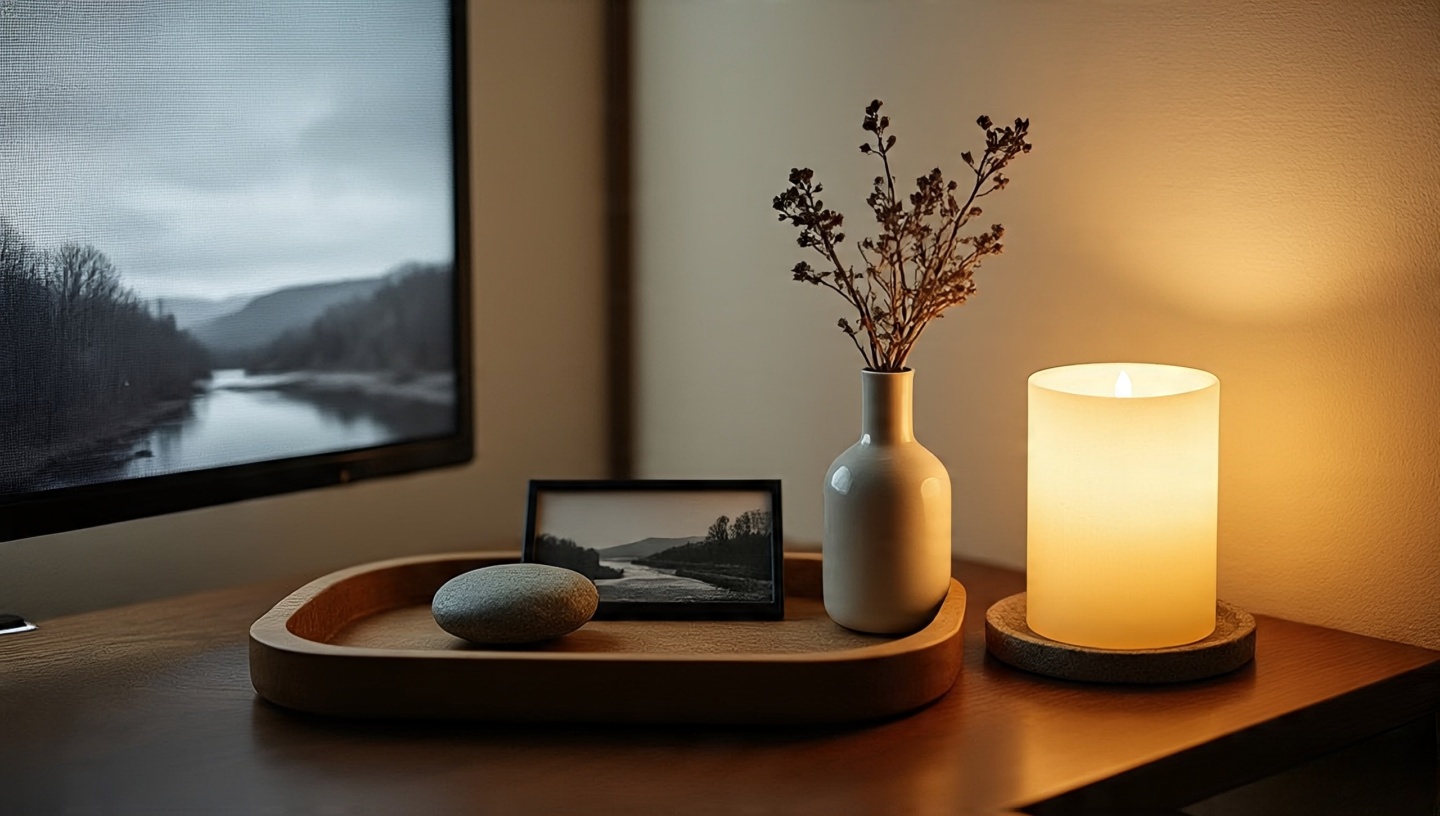
A photograph, stone or small container can have a place without becoming a prescribed ritual or altar. Use a stable surface and leave it easy to clean. Choose objects for the household rather than inventing a cultural meaning for them.
31. Try a bench within the seating group
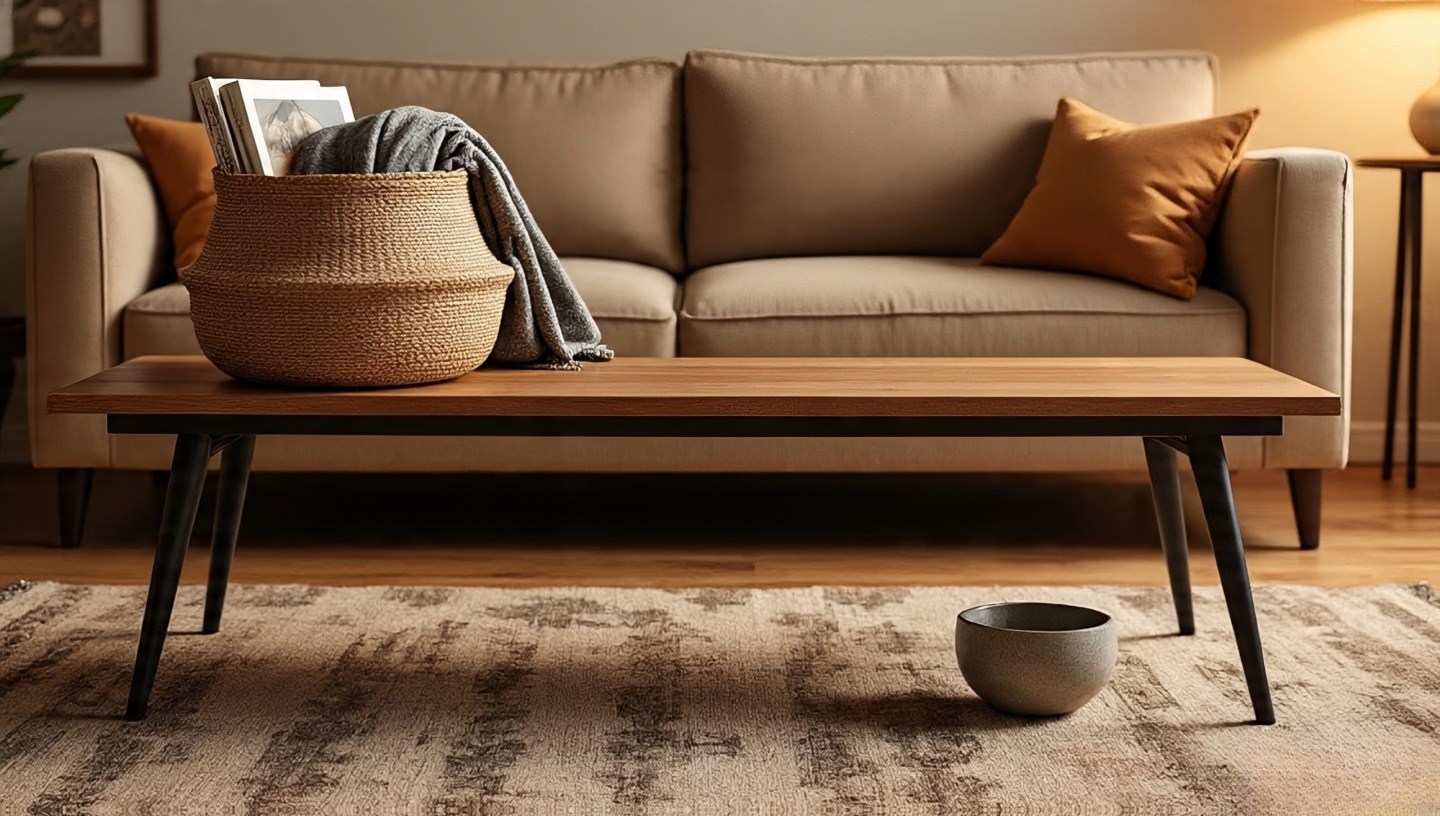
The illustration places a low bench in front of the sofa. Decide whether the actual product is a seat, table or another stated use, then test how it affects access. Do not move it behind the sofa simply to follow a heading.
32. Compare metal finishes in the room's light
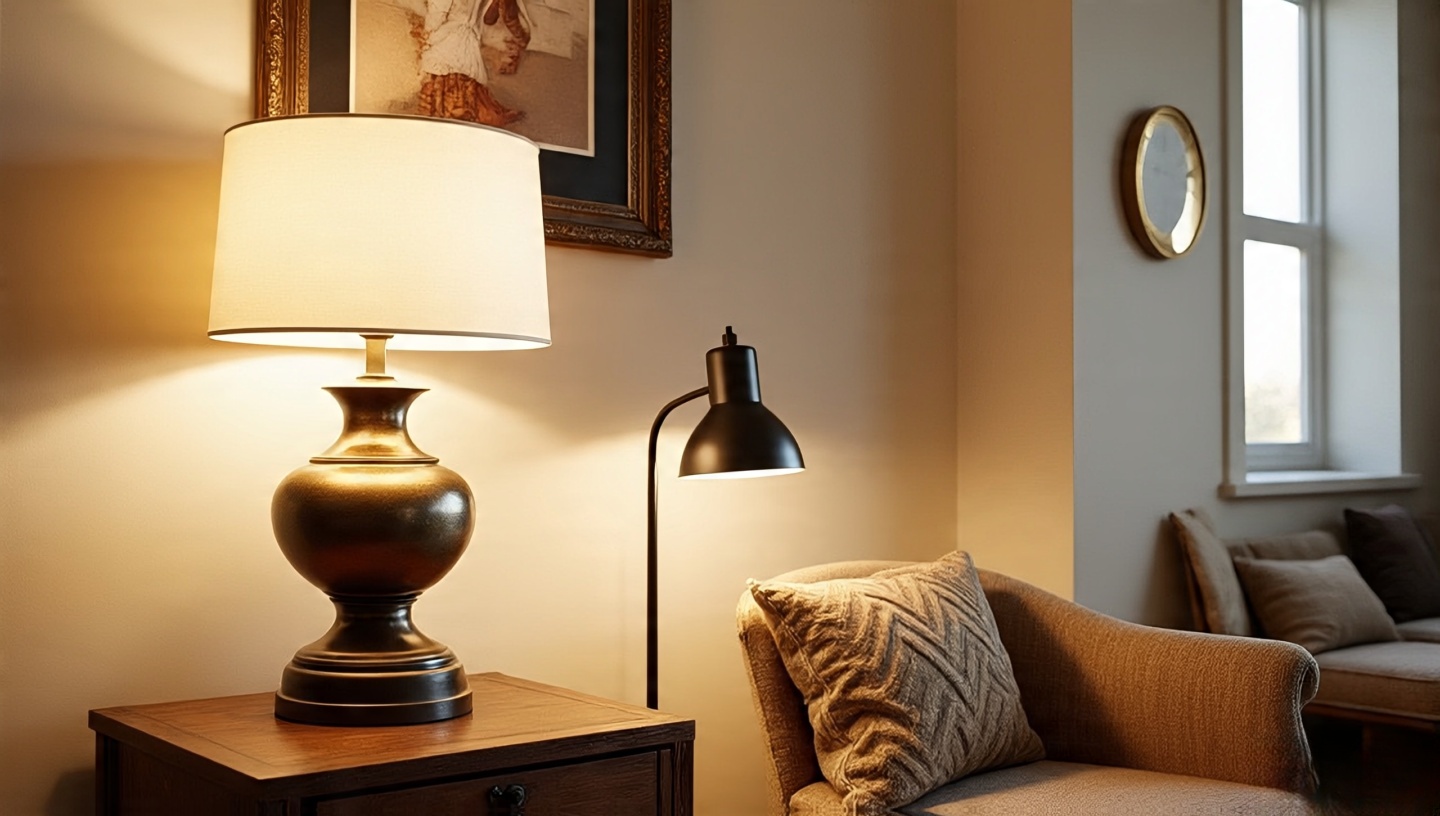
A warm reflective detail can contrast with a darker fitting or plain upholstery. Check glare and compare samples where the pieces will be used. There is no need to enforce one two-finish limit or a fixed mixing percentage.
33. Build an evening routine around useful light
A reachable lamp can make reading or another evening activity easier. Choose compatible lamps and controls for the actual fitting. If a decorative glow is wanted, consider flameless alternatives rather than placing open flames beside woven objects or textiles.
34. Display a wall textile with suitable support
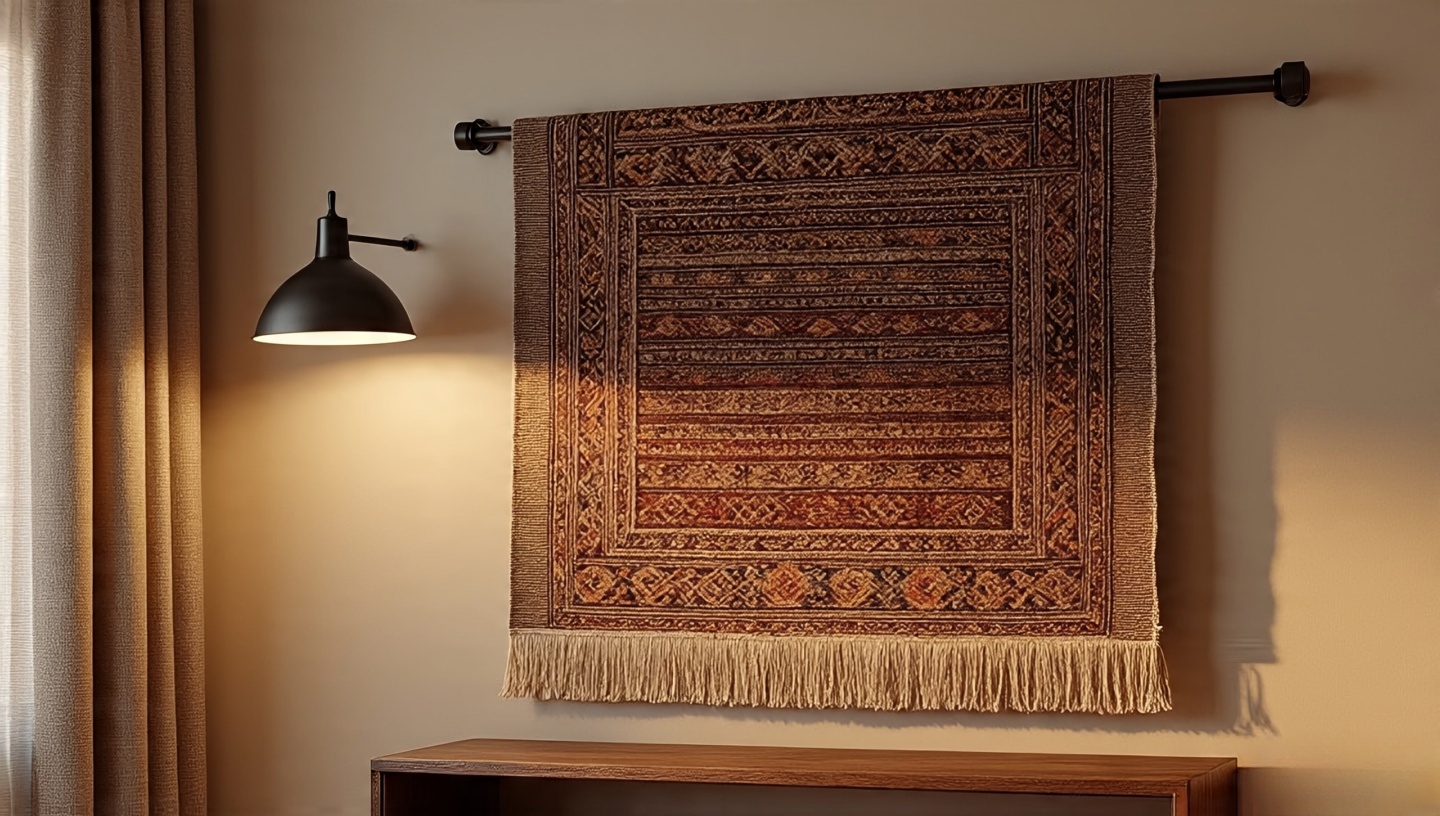
Compare its size, condition and weight with the intended wall and nearby light. Use a mounting method appropriate to the actual textile rather than one universal sleeve, rod or adhesive. Check care guidance before vacuuming or rotating a delicate piece.
35. Keep drinks on a suitable surface
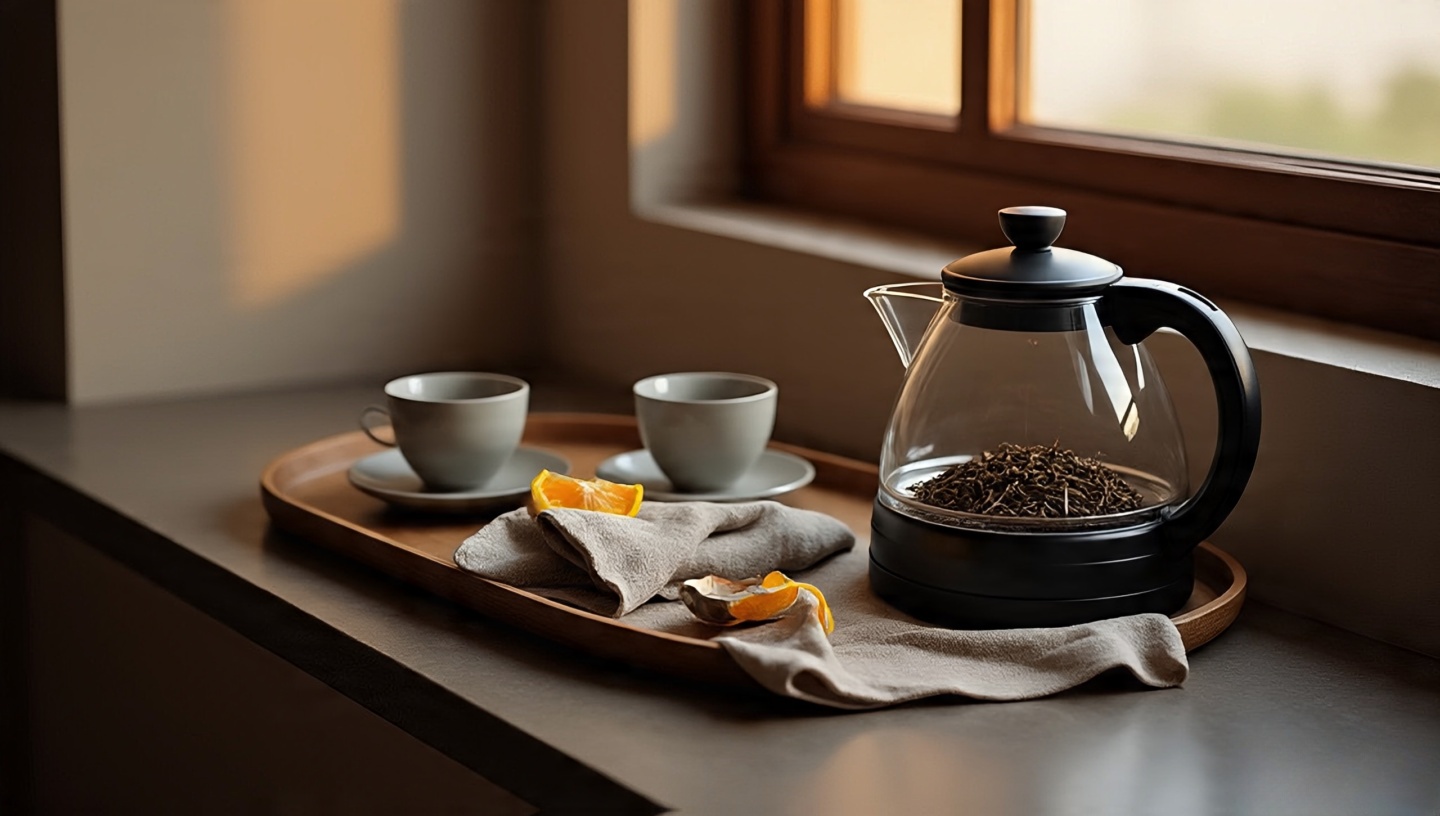
Bring a serving tray to a stable surface where it can be reached and lifted without spills. Use powered or heated appliances only in a location permitted by their instructions. A board on a soft ottoman does not establish a suitable kettle station.
36. Define open-plan areas through use
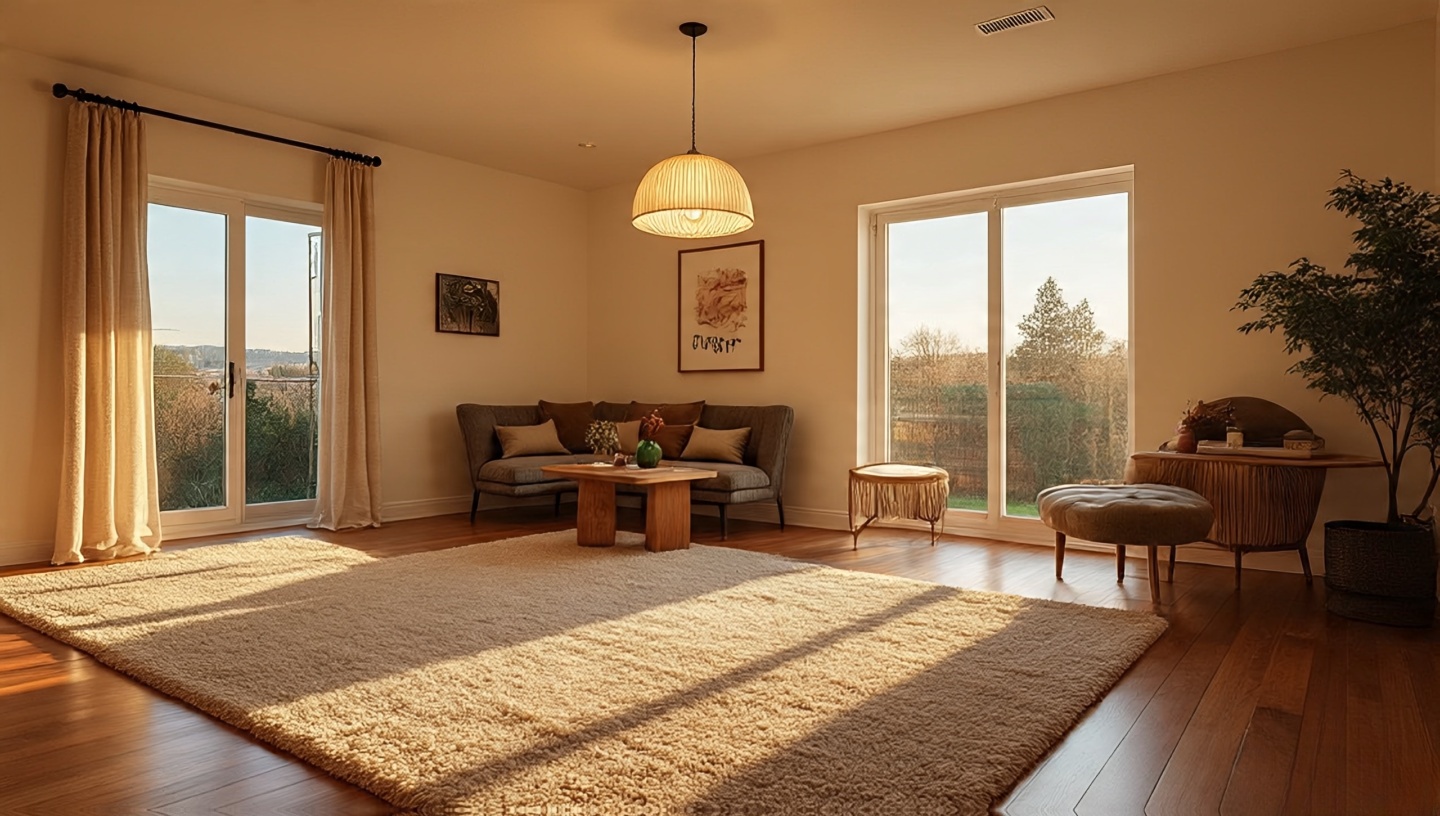
Start with the routes and activities between the living, dining and kitchen areas. Rugs, seating and lighting can help distinguish them when the actual products fit. More arrangements appear in Bohemian style for an open-floor living room design.
37. Keep a small room's storage accessible
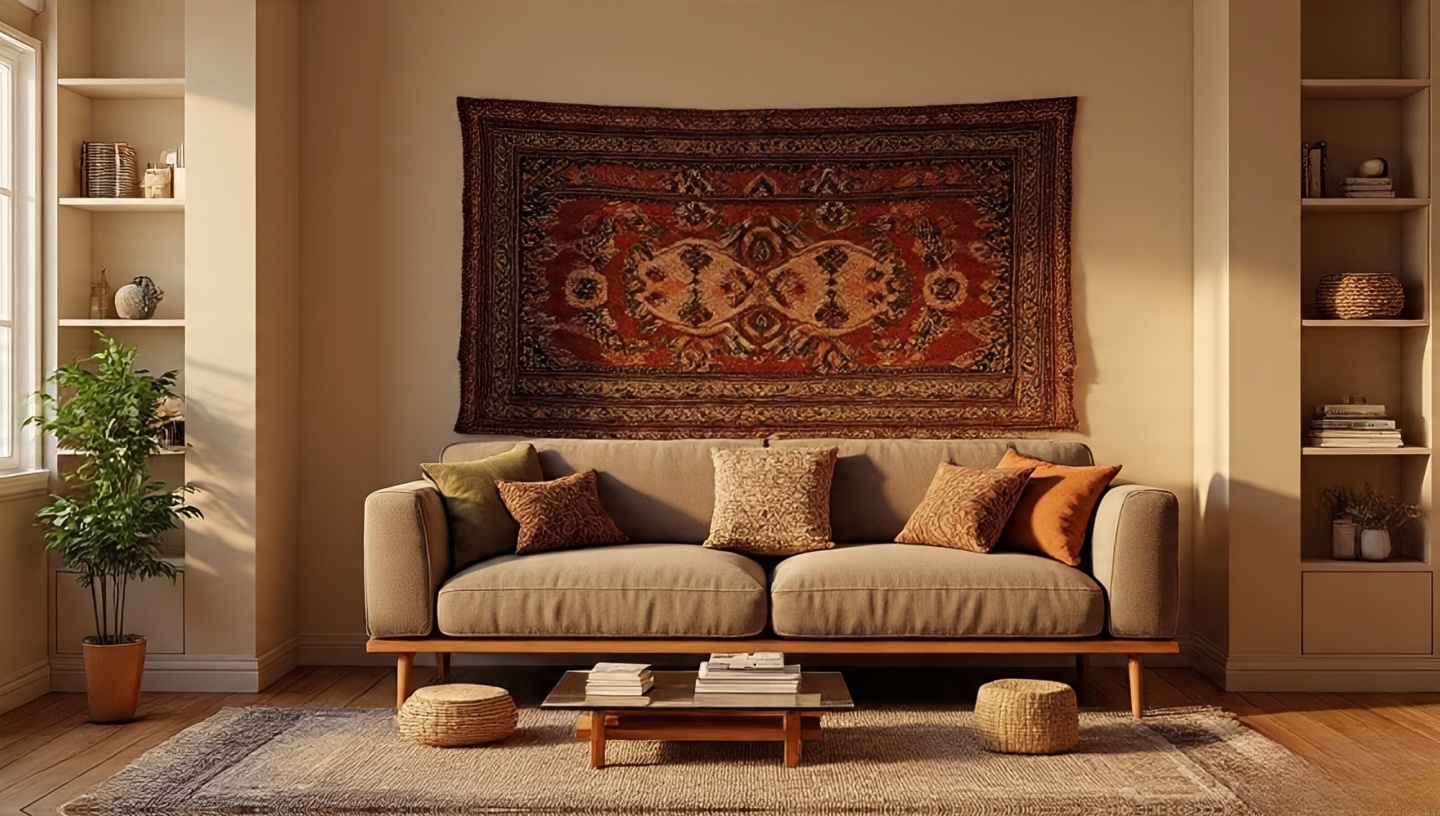
Compare furniture footprints, doors, drawers and what must be reached. Taller storage helps only if it is usable and properly supported. Follow the selected furniture’s instructions and CPSC Anchor It guidance, and keep the room’s routes clear.
38. Set priorities from needs and condition
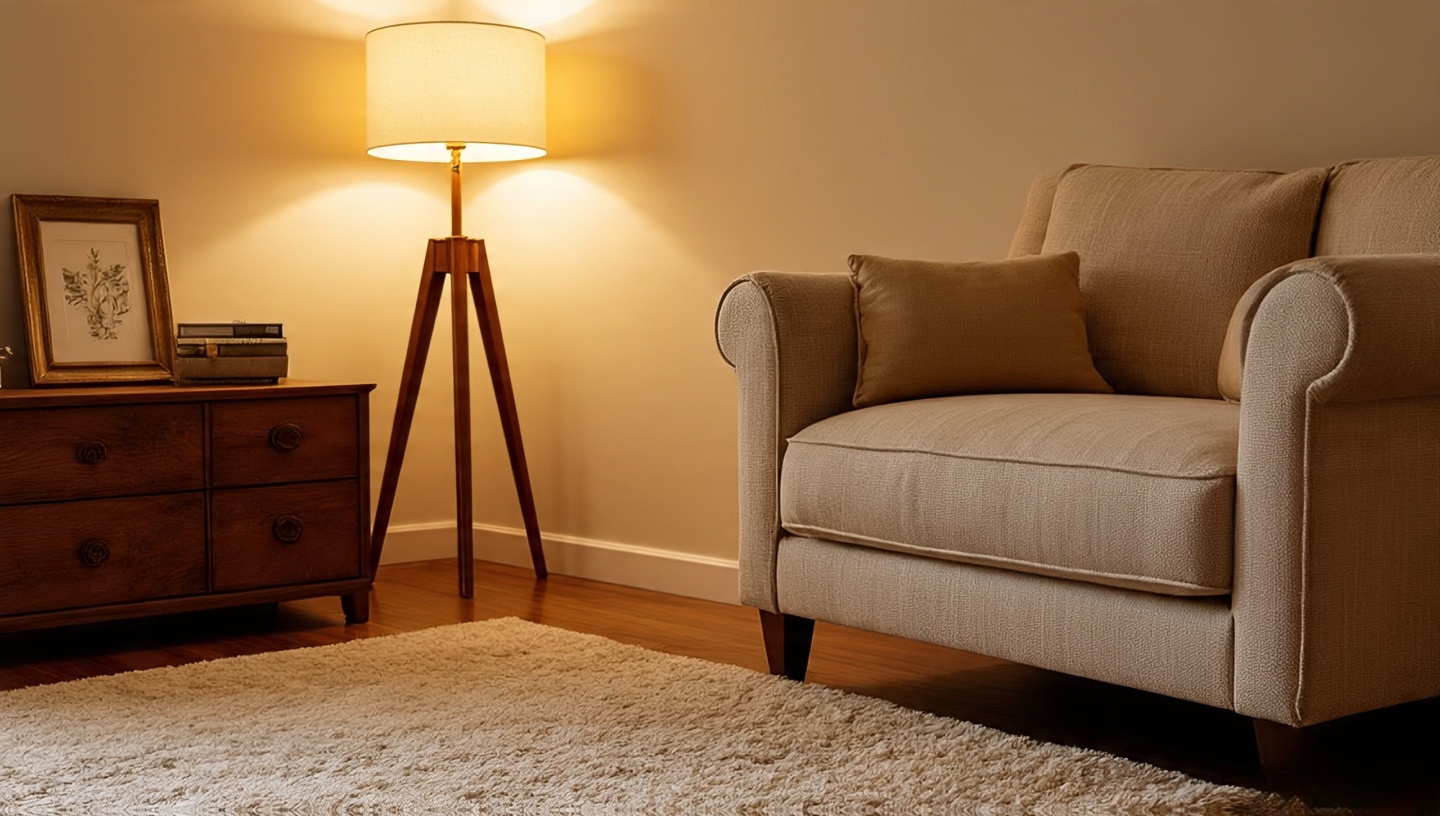
List what is missing or no longer works before setting a spending order. Compare usable pieces you already own with repairs and replacements. A particular fibre, handmade label or brand does not establish that one purchase will be the best value.
39. Use a plain shape as a counterpoint
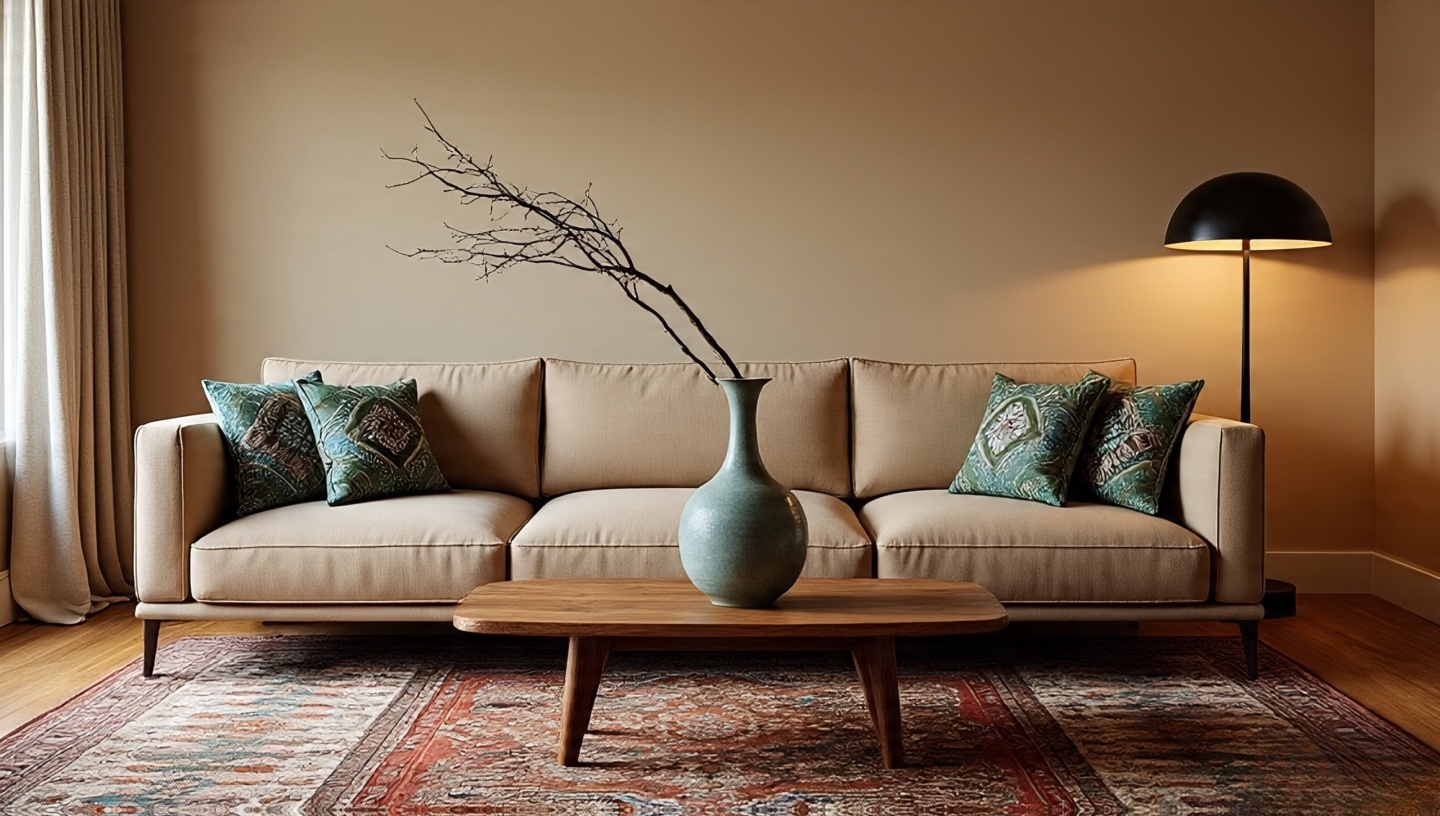
A simpler sofa, table or lamp can leave a stronger textile visible. Compare the actual proportions and finish with the pieces to be kept. A fixed number of modern and vintage objects is not needed to make the contrast work.
40. Change textiles when use or care calls for it
A washable cover or different throw can make a small change without moving furniture. Choose the material and care process for the actual item. Fragrance and smoke are not required seasonal ingredients or evidence that a room is welcoming.
41. Check glare from the seats
Sit at the positions where lamps will be used and look towards each source. Compare useful light, reflections and access to controls. Dimmers and smart plugs must be compatible with the actual equipment; they are not interchangeable upgrades for every lamp.
42. Use the arrangement before calling it finished
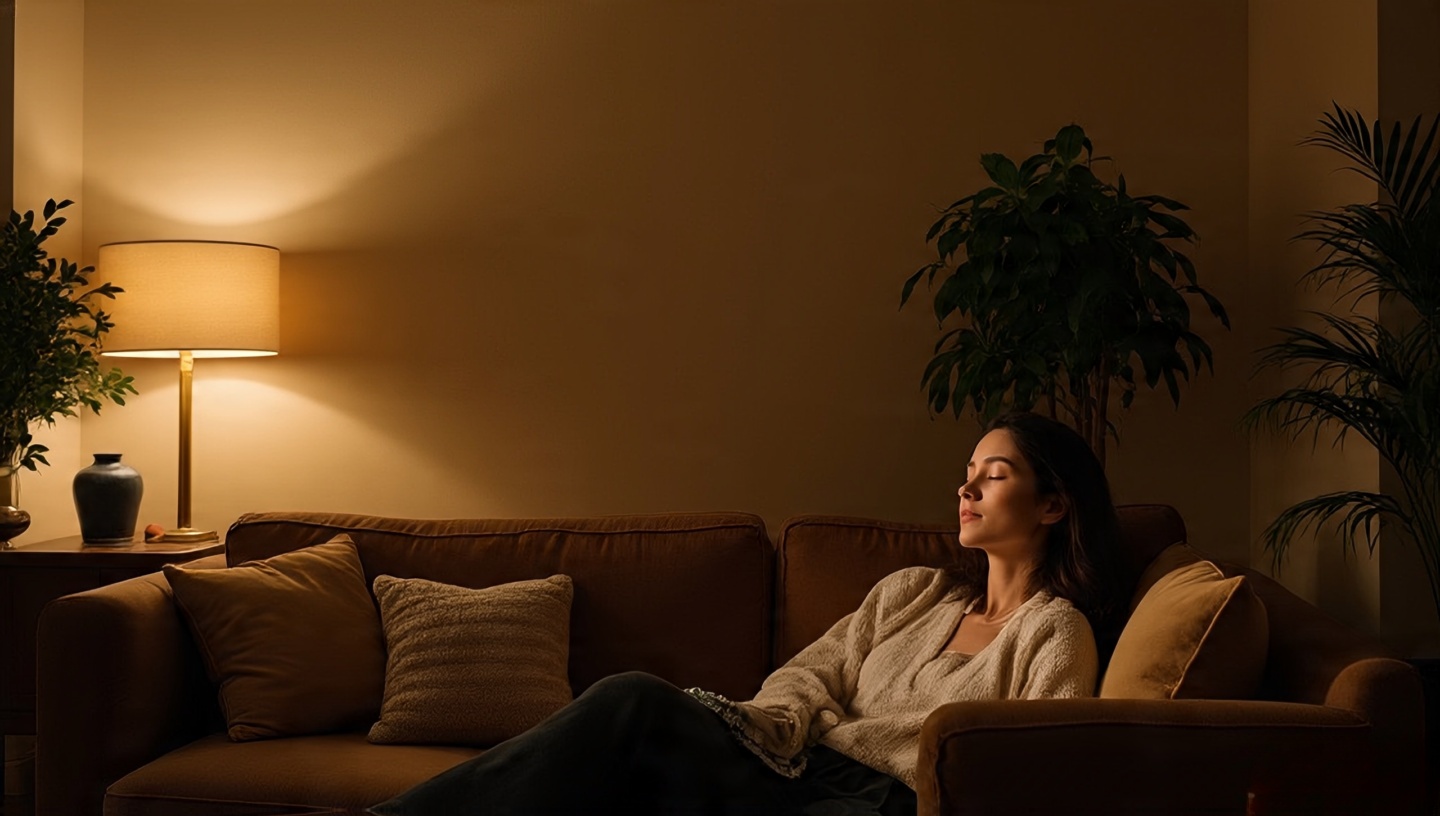
Walk the usual routes, sit in each seat and reach for everyday objects. Check the room in daylight and under its lamps. Keep the changes that support those activities and move the things that make storage, comfort or access harder.
Use the room before the next change
Keep notes on what worked in daily use before making the next change. For another room or a broader scheme, compare 50 Bohemian Interior Design Ideas: The Ultimate Guide and the guide to natural materials. More related ideas are available on Roohome.com.