

Home Blog Page 132

What are the Differences Between an Online Loan and an In-Store Loan?

All loans require an application process. However, the convenience of an application process will depend on the following:

  1. Your Lender
  2. Whether You are Applying in Store or Online
  3. The Customer Service Agents You Work With

So, what are the differences between an online loan and an in-store loan? Keep reading to learn more about the pros and cons of each loan option. You may be able to find out which one is right for your situation and needs!

The Main Difference Between an Online Loan and an In-Store Loan

So, which loan should you choose? Every loan you apply for is subject to underwriting. The rates and terms you can access are determined by the lender and the state you reside in. Additionally, any terms and conditions that apply to your loan agreement have nothing to do with whether or not you apply online or in-store.

However, there are two key differences between an online loan and an in-store loan. The first, and most obvious one, is convenience. In today’s day and age, many applicants prefer to apply for a loan online. It is quite convenient to be able to apply online from the comfort of your home! Additionally, if your lender allows you to submit those documents online, that can lessen the hassle of applying for a loan. Some lenders have an online application that allows you to see what you are preapproved for before applying, which can help you determine if they are the right fit. This is called prequalification. Additionally, getting approval if you are qualified can be easier, because you can submit the required documents with your application when you are ready. If you are missing something, you don’t need to drive back home to get it- you can just look around your house while you apply for the cash you need!

However, not all applicants prefer to apply online. Some prefer to apply in-store because they prefer face-to-face communication with a customer service representative. That is definitely understandable! It can be frustrating to wait around for someone to call you. Basically, what it comes down to is a personal preference!

What Type of Loan Should You Apply for?

It doesn’t matter whether you apply for an online loan or a brick-and-mortar loan, the type of loan you apply for is what you should focus on most. Yes, the method by that you obtain your loan matters, but you should focus on the type of loan that can lead you toward the path of financial success!

There are a few common types of short-term loans that could be available to you:

  • Personal Loans
  • Title Loans
  • Payday Loans

Personal loans are short to moderate loans that are relatively quick to obtain approval for. Personal loans are typically unsecured and used to consolidate debt, among other things. While collateral is not needed to apply for a personal loan, there are some issues you can run into. If your credit score is not up to par, you may be unable to obtain approval for a personal loan. That is because collateral helps to minimize your lending risk during the application process. Without it, the application process solely focuses on your credit history and income. If your credit score has taken a nosedive, you may not qualify for a personal loan.

Title loans can be a great resource to consider if your credit history is less than perfect. Title loans are short-term loans that are secured by the borrower’s car title. Typically, the borrower must own their car outright and have a clear title to qualify for a title loan. Although, there are exceptions.

With a car title loan serviced by LoanMart, the inquiry process can be simple and straightforward! Just submit a few documents online and speak to a title loan agent to learn more about your preapproval status.

The term payday loan is quite accurate, as the loan was created to help borrowers financially between pay periods. While payday loans can be applied for online or in-store, they may not be the best option in the logn run for your finances. Payday loans are notorious for balloon payments and hidden fees. Additionally, you may be subjected to high interest rates that could leave you in more debt than before! If you are looking to consolidate your debt or get back on your feet, a payday loan may not be the right choice.

Apply for a Title Loan Online Today

If a title loan sounds like the right fit, go for it! You can apply online or over the phone with most lenders. Additionally, there may be a physical location near you to apply in person.

But if you are looking for convenience, consider applying for a car title loan serviced by LoanMart today!


Complete Electrical Service: How to Choose The Best EV Charger for Your Home

If you’re considering buying an electric vehicle (EV), you know that charging your car is a huge part of the equation. But did you know there are different types of chargers? Moreover, only some-electric vehicle (EV) chargers are created equal: some charge faster than others, some can handle more devices simultaneously, and others allow for better energy management.

The answer to this question depends on your specific needs and wants for charging an EV in your home. You need to consider what type of car or vehicle you want to charge and how often they’ll use their batteries over time.

Why is your chosen type of EV charger so important?

Choosing the right type of EV charger for your vehicle can take time and effort. There are many factors to consider, including your budget, the environment you drive in, and how often you drive. Choosing a charger with features like the ability to charge at home or work can make things easier on you and your wallet.

The most important factor to consider for choosing an EV charger is how often you use it. If you only use it occasionally, choosing one with a lower price tag may be best. On the other hand, if you use it regularly, choosing a longer lifespan may be best suited for your needs.

Different EV Charger Options

The electric car is becoming increasingly popular, but one of the biggest hurdles is the need for charging stations. Unfortunately, while more and more charging stations are popping up around the country, they’re only sometimes conveniently located for your home.

Portable home EV charger

A portable home EV charger is a device that can be used to charge your electric car at home. It is designed to plug into your vehicle’s charging port and use electricity from your home to charge the battery.

Wall-mounted home EV charger

Wall-mounted home EV chargers are an easy way to charge your vehicle without having to deal with cords, wires, and other installation requirements. They’re an excellent option for people who want to avoid the hassle of installing charging stations in their homes but still want the convenience of charging their vehicles at home.

What should you consider when buying a home EV charger?

When you’re shopping for an EV home charger, there are a few things you’ll want to consider.

What kind of EV do you own?

If you’re looking to install a charger at home, then it’s important to consider the type of electric car you own. Some types of EVs need a specific type of charger to work correctly. If your car doesn’t have the right kind of plug-in, you may find that the car won’t charge at all or will only charge very slowly—and this could cause problems with your battery life and overall efficiency in the long run.

Power availability in your home

If you’re looking to buy an EV, you might wonder where you’ll charge it. If you have a home EV charger, it’s important to make sure the power is available before purchasing it.

You may have heard that many homes are now equipped with solar panels, but did you know that some solar systems can harm your EV battery? This is because solar panels produce DC power, not AC power, which your EV needs. So if you have a home EV charger and use solar power, your battery could discharge faster than normal because of the difference between DC and AC.

What is your desired charging speed?

Consider your desired charging speed when looking for a home EV charger because it will help you determine what kind of charger you need and how much you will have to pay. If you want to charge your car as quickly as possible, it may be worth investing in a more expensive model and to learn more about installing an EV charger in your home.

The desired speed you want depends on how often you plan on driving your car and how much time you have to spend charging it. If you only use your home EV charger once in a while, then it may not matter how long it takes to charge, and based on your EV charger levels:

EV charging stations are available at different levels, depending on your needs.

Level 1 – Regular Charging

This is the most common charging station level and can be found in homes and businesses. Level 1 chargers are basic, with a power cable connecting to the vehicle’s charge port. They can typically deliver 4-11 km per hour of charge.

Level 2 – Fast Charging

Fast-charging stations usually have at least one fast-charging port, which can deliver up to 80 km per hour of range in 30 minutes or less. Most homes do not have this type of charger, but they are becoming more common in public places like shopping malls and airports.

Level 3 – Supercharger

Superchargers are usually installed in public areas instead of private residences because they require 240V power supplies to work properly and safely. They can deliver 120 kilowatts of power at peak performance, which means they can replenish 128.7 km per hour of range in 5 minutes or less for cars such as Teslas.

So, if you’re looking for the best EV charger

An EV charger is a really important part of owning an electric vehicle. It allows you to charge your car in your home garage, so that you can drive it during the day without having to run out to the gas station every couple of days. When making your purchase, consider some of the factors we listed above and make sure to choose a charger that suits your needs.

5 Areas of Your Home That Will Benefit Most from Roof Lights

Roof lights are one of the best options for bringing natural light into the home. Not only do they look great, but they also provide many benefits to the home’s occupants. Installing roof lights can transform the appearance and atmosphere of each of these areas. The blog post will look at home areas that can benefit most from installing roof lights.

1. Loft Conversions

When adding light and air to your home, a loft conversion is one of the best places to start. While a traditional window might take up precious wall space, you can install Rooflights in the roof space to provide plenty of natural daylight while keeping your walls free of clutter. Not only do they provide an abundance of light, but they also add a touch of style to any space.

By installing roof lights into your loft conversion, you can create an eye-catching feature that will add a unique design element to the entire room. With roof lights, you can make the most of the available space by using them to break up the space and create distinct areas within the room. Roof lights also provide ventilation, so you don’t have to worry about the air quality in your loft conversion.

2. Conservatories and Extensions

Roof lights will allow plenty of natural light into the room, making it feel bright and airy. That can be especially helpful when creating a space for entertaining or relaxation, as the natural lighting can help set the mood. You can also choose the size and design that fit your extension’s look, from traditional skylights to more modern styles. Roof lights that can open and close can also provide additional ventilation, which is ideal for hot summer days.

Your plants will also benefit from having access to all the natural sunlight that comes in through the roof lights. That can be especially helpful for growing food items in places such as greenhouses, where controlling the amount of sun is critical. Overall, roof lights can be a great addition to any conservatory or extension, offering a range of benefits, including extra natural lighting and improved ventilation.

3. Kitchens

Kitchen space requires ample lighting to provide a safe and comfortable environment for meal preparation, and roof lights are the perfect way to bring natural light into the kitchen. Roof lights are a great way to invite extra light into your kitchen and create an airy, bright atmosphere. They can make all the difference in a typically small and dark room, especially if you don’t have much natural light coming in.

Roof lights are perfect for over islands and dining areas and lighting up any workspace. Skylights can be incorporated into existing ceilings, allowing you to make the most of whatever space you have. When considering roof lights for the kitchen, look for ones with good U-value ratings and sound insulation to help regulate the temperature in the room. Having a lot of natural light can also help to make your kitchen appear more significant than it is, which is always a bonus.

4. Hallways and Landings

Roof lights are an excellent way to brighten up your hallways and landings with ambient lighting. Ultimately, roof lights are ideal for making any hallway and landing area appear more open, airy, and inviting. They’ll give your home an extra layer of elegance and charm while adding a touch of practicality to your home too. Most hallways and landings are in areas where traditional windows would be impractical or difficult to install, so having a stylish alternative, such as a skylight, is the perfect solution.

Plus, since these spaces don’t tend to get much natural light, installing well-placed roof lights will also help balance out the light levels in these areas. That can even provide energy savings by reducing the need for electrical lighting. So, if you’re looking for a way to make the most of your hallway and landing space, installing roof lights is an option worth considering.

5. Open Plan Spaces

Roof lights illuminate large open-plan spaces because they allow natural light to enter from above, creating an inviting and bright atmosphere. That lighting provides a warm and cozy ambiance for daytime and nighttime activities, like reading, eating, or entertaining guests. Installing roof lights in open-plan spaces can also help to create a sense of continuity between different areas within the same space.

When installed correctly, the lights link each part, resulting in a unified look and feel without being affected by distance from the windows. That can help to give the space a more cohesive and inviting appearance. Thus, installing roof lights in your open-plan ground floor spaces can create a more attractive and functional environment. With the right design, you’ll be able to take advantage of natural daylight while creating a sense of unity between different areas within the same space.

Conclusion

Roof lights are a great way to bring natural light into any home, but certain areas benefit most from this type of lighting. Loft conversions, conservatories and extensions, open plan spaces, hallways and landings, and bedrooms are all significant areas to install roof lights. Roof lights are an excellent choice for brightening up a small area or transforming an entire room. Not only do they provide natural lighting, but they also create a unique design feature that will enhance the look and feel of any room. If you’re considering adding extra light to your home, roof lights should be at the top of your list.

Understanding the Importance of Commercial Air Duct Cleaning

Commercial air duct cleaning is one of those things you shouldn’t postpone since it affects the productivity of your business. It is necessary since the contaminants in the air ducts affect the health of the people in a commercial building.

You are responsible for ensuring the place you spend most of your time, besides your house, is clean and conducive for work. By understanding its importance, you can regularly schedule duct cleaning for your office. Besides, the location of your business matters a lot.

For example, air duct cleaning is essential if you live in a humid region like Miami, where you have to look up commercial air duct cleaning in Miami. Meanwhile, this article will help you understand the importance of commercial air duct cleaning. Keep reading to learn more.

Advantages of Commercial Air Duct Cleaning

Routine cleaning of air ductwork has numerous benefits, including improved energy efficiency, air quality, and comfort. So, occupants in the commercial building won’t have to deal with dirt and dust accumulating in the ductwork. Here are the reasons to clean air ducts.

1. Contributes To Energy Efficiency        

The condition of your air duct system contributes to your AC system’s efficiency. Unfortunately, air duct contaminants like dead vermin, dust, and cobwebs, hinder proper air transfer. These elements trap air which prevents your space from cooling or warming to your desire.

Once the HVAC senses dirt, it works harder to achieve the temperature set on the thermostat. As a result, it leads to higher energy consumption. As a commercial building owner, you must recognize energy conservation attempts for the environment’s sake. You should schedule air duct cleaning to contribute to it and reduce energy consumption.

2. Cuts Back on Energy Costs      

High energy consumption will lead you to spend much money on utilities. Compare the electricity bill before and after duct cleaning. You will note the significant difference. Cleaning the ducts removes agents that lead passively to high energy consumption, such as dust.

Other remedies to reduce energy consumption, like adding ventilation to your workplace, are only temporary. Allowing the air ducts to continue contributing to excess energy consumption will only lead to something worse, like damage to the system. Therefore, it is better to resolve the problem before it starts by simply cleaning the air ducts in your office.

3. You Get a Healthy Work Space

Shared air spaces in a commercial building are Petri dishes for bacteria and viruses. Some of these organisms settle in duct works and are redistributed into your working space when you turn on the air conditioner. Unfortunately, the air ducts may also naturally have the perfect conditions for disease-causing organisms to grow.

When that happens, you will always have an absentee employee complaining of allergen-related health issues, such as asthma attacks. It is often an allergic reaction caused by dust, dander, and mold. Dust from materials such as asbestos in the air ducts can have irreversible effects on your health.

Unhealthy workspaces affect the employees and the customers. The easy way to get rid of such problems is to clean the air regularly. It ensures that employees and the people working in your building report health issues less often. It also reduces the amount of money spent on treatment for health issues caused by contaminated air.

4. Brings Positive Impact on Employee Productivity

Regular commercial air duct cleaning impacts employee performance positively. Employees can focus their time and effort on growing the business instead of constantly worrying about their health. So, removing contaminants from the ductwork ensures that workers are comfortable.

The presence of contaminants like pollen, dust, and mold often triggers coughing and sneezing. Such events are distracting and would affect employee productivity negatively.

The worst-case scenario is constant employee absenteeism who ultimately can’t work in an environment with allergens. Cleaning air ducts in your office ensures employees stay on track without distraction or excuses because of contaminated air.

5. Extends the Lifespan of Your Air Conditioning System

If your air ducts have contaminants such as dust and debris, they will eventually cause the air conditioning system to work harder. An HVAC system that is constantly overworking tends to wear out fast. The lifespan of an air conditioner is 20 years. Regular air duct cleaning gets rid of that possibility. In addition, an air-containing system does not fail all at once.

It starts with parts breaking down, and you must replace and repair some before it’s 15 years. In the end, you end up replacing the entire unit, including the ductwork. It is expensive and preventable by allowing an expert to clean the ducts in your commercial building.

6. Eliminates Harmful and Bothersome Air Contaminants

Some common contaminants in air ducts in commercial buildings are dust and mold. The dust may be from the outdoors or building materials such as asbestos. Asbestos is harmful and has long-term adverse health effects. On the other hand, the spores from mold growing in the air duct get distributed throughout your workspace.

You start to sneeze and constantly cough or even develop respiratory issues, which prove bothersome, especially when you have urgent projects to oversee. Commercial air duct cleaning ensures you don’t have to deal with distracting elements. It gives you a comfortable workspace.

7. It improves Air Quality and Eliminates Odor

Dead vermin and mold in the air ducts can affect air quality. Not only do you get to breathe in spores and bacteria, but also odor. It’s impossible to work in an office filled with a foul smell. The only way out is regular duct cleaning to get rid of dead vermin before they start to rot and mold before it starts to smell.

It is essential as it may also eliminate dangerous fumes from dead animals. Commercial air duct cleaning experts know the suitable material to eliminate smells. Clean air ducts make working easy with distractions or discomfort from rancid smells.

Endnote

Before skipping a commercial air duct cleaning session, ensure you understand what that will cost you. You have much to gain from enlisting professional air duct cleaning services for your office. For instance, it extends your air conditioner’s life span. Besides, an expert knows how to reach the far insides of the air ducts and the suitable materials to use in cleaning.

Best Heating Systems for a Warmer Climate

While you may live in a warmer climate, that doesn’t mean you can do away with a quality heating system. Homeowners in all regions will have to deal with some pretty chilly nights during fall and winter. The best HVAC systems will work efficiently and kick in with the necessary heat when required. That being said, some heaters work better for warmer climates. We’ve broken down the best options to help you make a decision.

Mini-Split Heat Pump System

A heat pump is one of the most efficient HVAC systems on the market. If comfort and efficiency are what you are looking for, then a heat pump is the way to go. Heat pumps bring in heat from the outside air and transfer it indoors. Keep in mind that a heat pump can work as both a cooling and heating system. In other words, you can use it all year long.

The most common type of heat pump is a ductless mini-split system, which utilizes a series of indoor units found all around the house. Each room has its own thermostat, which saves on energy and costs. Mini split installation is quick and simple but should be done by a licensed professional. The GREE Flexx central split system has become very popular with clients in warm regions. GREE Flexx systems use innovative technology for better convenience, noise reduction, and long-term savings.

Why Is a Mini-Split Heat Pump Good for a Warm Climate?

When you live in a warmer climate, efficiency is paramount. A ductless heat pump is so efficient because it doesn’t create heat; it moves heat via refrigerant. This means low emissions and removes the danger of carbon monoxide poisoning since there is no combustion process. This heating system is also more efficient because it produces lower temperature, consistently flowing air instead of air that is very dry and hot. A ductless mini-split system is considered a heat pump because it is made up of two components, an outdoor compressor and one handling the indoor air.

Mini-Split Heat Pump Maintenance

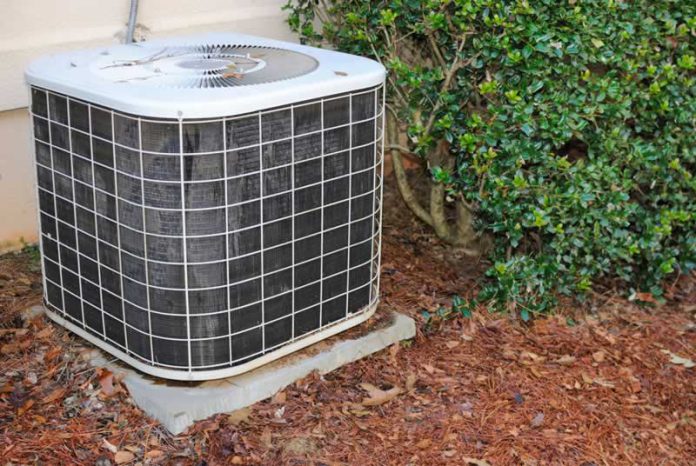
If a heat pump is not properly maintained, it could deteriorate, which would compromise its performance and efficiency. Proper clearance of branches, leaves, debris, shrubbery, plants, and weeds around the outdoor unit ensures unrestricted airflow. It’s best to trust a licensed technician to handle the maintenance, which will also require some higher-end inspections of refrigerant coils, components, joints, and tubing. Technicians also inspect the electrical wiring connections for damage. Burned elements should be repaired and connections tightened.

Gas Furnace

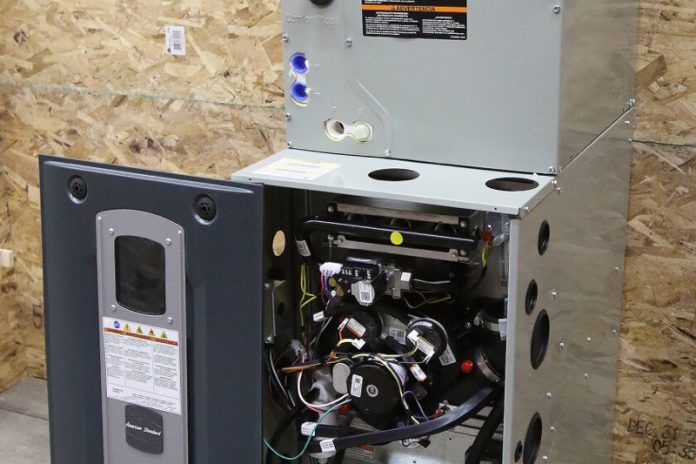
A gas furnace is an effective heating system that distributes heat from a centralized unit that passes hot air through ducts. Roughly half of the American homes use natural gas to heat their homes. This is mainly because gas produces heat faster than an electric furnace, and it’s cheaper to run. No matter how cold it is outside, a gas furnace will always produce heat. Natural gas is also widely available, so consumers can easily find suppliers with competitive pricing. While still keeping you warm, burning natural gas barely impacts the environment.

Why Is a Gas Furnace Good for a Warm Climate?

Since gas furnaces work fast, the heat will kick in as soon as the thermostat drops. This will be nice during the winter in traditionally warmer regions where temperatures tend to drop quickly at night.

Family in warm knitted woolen socks near a home heater in cold winter time. The symbolic image of the heating season at home. Part of body, selective focus.

Gas Furnace Maintenance

When it comes to gas furnaces, it’s wise to get an annual tune-up by a trained and insured technician. This will ensure efficient operation and help you avoid future issues. The technician will thoroughly inspect the vent system for any leaks or blockages that could have occurred during the periods when the system was not in use, which is more common in warm regions. Any blockages will be cleared out and any leaks sealed. The natural gas connection should also be checked. While handling a maintenance tune-up may seem like a DYI task, avoid doing it yourself or skipping it entirely. In many cases, you can void your warranty if you fail to get a yearly tune-up by a professional.

Geothermal System

Also called a ground source heat pump, a geothermal system utilizes the natural temperature below ground level. It includes a series of pipes with heat exchanging fluid underground. While the installation process is extensive, running costs are not as high because there are fewer maintenance requirements. These systems can both cool and heat your home, and they last longer than mini-splits or gas furnaces.

Why Is a Geothermal System Good for a Warm Climate?

When the weather turns cold, the temperatures underground will remain warmer. The geothermal system collects that heat and transfers it into your home. Like a mini-split heat pump, a ground source pump can heat your home without burning any fuel. This makes it very efficient.

Geothermal System Maintenance

With a geothermal system, your air filter should be replaced regularly to ensure that the irritants are kept outside and that the air you breathe is clean. If an air filter is not replaced regularly, dirt could build up, leading to clogs. A dirty filter will not only reduce the quality of the air but also increase your monthly expenditure. Furthermore, the warmer climate could lead to coils causing condensation. Debris and dirt can build up and should therefore be checked every season. The condensation pans should also be checked for standing water.

The technician checking the heating system in the boiler room with tablet in hand

The Right Choice For You

Choosing the right heating system for a warm climate should be carefully done with all the factors considered. In the end, the best choice will depend on personal preference and what works best for your home. All these systems will get the job done in a warmer climate.

Maintenance Tips for Keeping Your Air Conditioner in Tip-Top Shape

We all know how important it is to have an air conditioner that runs smoothly and efficiently when the sweltering summer months set in. Not only can a malfunctioning AC system create significant discomfort in your home, but it can also lead to significantly higher electricity bills due to increased energy consumption trying to keep up with demand. With this in mind, regular maintenance for your air conditioner should be priority number one when trying to stay comfortable throughout the warmest season of the year. In this blog post, we’ll go through some tips on performing basic maintenance tasks so you will get the most out of your air conditioning unit this summer.

1. Clean the air filter every month

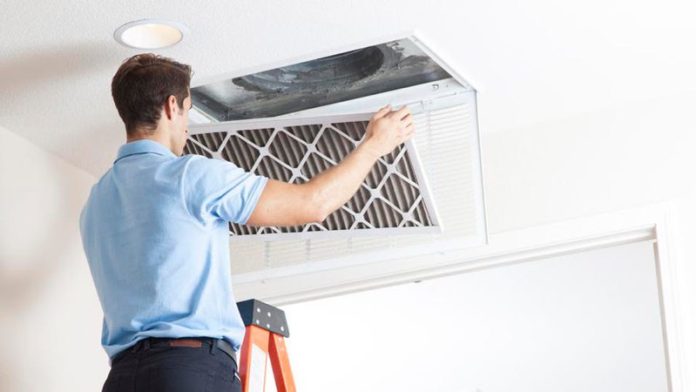
Keeping your air conditioner’s air filter clean is one of the most important things you can do to maintain efficiency and performance. While changing the air filter isn’t difficult, it should be done once a month to make sure that your AC unit continues to run properly. Dirty filters restrict the flow of air, causing the unit to work harder, while also degrading its performance. This can lead to higher energy bills, shorter system life expectancy, and quality of air problems. To keep your AC in tip-top shape and your home comfortable, take just a few minutes each month to check and change the filter, if necessary. Doing so will ensure many years of reliable operation and optimal comfort for everyone in your home.

2. Vacuum the coils at least twice a year

Maintaining your home air conditioner feel like a daunting task, but if you stay proactive, it can go a long way in making sure that it is working at its full potential. An important part of the upkeep of your AC system is vacuuming the coils at least twice a year. When clean, these coils are integral to transferring heat out of the conditioned space and into the outdoor environment- without them functioning properly, you may experience warm air coming out instead. It doesn’t have to be a difficult process; enlisting professional help isn’t always necessary as long as you are able to locate the condensate pans and evaporator coil openings safely. With the right tools and instruction, you can easily make sure your unit remains in tip-top shape so that you can enjoy fresh cool summer air again this season!

3. Make sure there’s enough space around the AC unit for proper ventilation

There’s nothing worse than turning on your AC unit during a hot summer day only to discover it isn’t functioning properly. In order to prevent this from happening, it’s important to make sure you have enough space around your air conditioner for proper ventilation. Without it, your AC unit won’t be able to effectively circulate air and could even overheat, leading to significant performance issues. Additionally, dirt and dust particles build-up easily with poor ventilation, resulting in a buildup of residue that can clog the internal components of your system. To keep your air conditioner running smoothly in the coming months, making sure there is enough ventilation space is an essential part of maintenance and should not be overlooked.

By following the maintenance tips above, you can keep your air conditioner running properly for many years to come. If you have any questions about AC maintenance or need further assistance, don’t hesitate to contact ActronAir. They are here to help!

5 Common Furnace Issues You May Encounter

Winter is almost here and your furnace will soon be hard at work keeping you warm on those cold days and nights. However, you may encounter problems over the course of the days ahead that will require repairs. Here are some of the most common problems encountered with home furnaces and potential resolution; for example, here’s a helpful guide on how to bleed a furnace by an experienced HVAC provider.

1. Furnace Clicks but Doesn’t Come On

If your furnace doesn’t have a sufficient power supply, it may not be getting enough voltage to operate properly. The problem might be due to a faulty thermostat. You can attempt to reset the furnace by flipping the circuit breaker to the “off” position for at least twenty minutes and then flipping it back into the on position.

The problem might also be in the electronic ignition. For heat to come on, the thermostat will signal for the gas furnace to open the gas valve. A sensor then realizes that there is gas available and will ignite.

This can create the repeated sound of a click. If you have a faulty or dirty sensor, it may not be telling the gas valve to open, leaving the ignitor to continue clicking in an attempt to start without success.

2. Odd Noises Coming from the Furnace

The exact source of unusual noises coming from your furnace can be difficult to identify. If you are unable to stop them by performing a simple reset, this may be an indication of a more serious problem.

Whining, squealing, hissing, or clanging noises may not prevent your furnace from working but they are solid indicators that there is an issue that needs to be resolved. Failure to do so can lead to further damage and potential failure.

There is very little you can do to correct the problem yourself. Your best option is to contact a furnace repairman to assess the problem and make repairs for you.

3. Furnace Not Heating Effectively

If your furnace is running but not heating your home properly, it can be one of several problems. One such issue is that your furnace is too large for the space you are trying to heat. Furnaces function in cycles.

Each cycle produces a set output delivered over a defined period of time. The result is that the thermostat will turn off the furnace before it has had a chance to finish a full cycle of heating. This means that your home will not be heated efficiently.

4. Furnace Consumes Too Much Power

If you allow your air filter to remain in place without changing it, it will become dirty and clogged, making it harder for your furnace to move air through it. Improper filter maintenance that allows filth to accumulate will result in high energy bills and damage your furnace, shortening its lifespan.

You should change your air filter once every three months but during periods of heavy use, it is better to increase changes to a monthly rotation. Otherwise, your unit risks getting clogged with dirt, dust, and debris that prevent proper air circulation and reduce heating efficiency.

This in turn raises your costs to run the unit and puts you at risk of more serious repairs due to excess wear and tear. You might also see a rise in energy costs if your furnace is too small to properly heat the space it is intended to keep warm. It will stay on longer to accomplish the set temperature, creating larger utility costs.

This issue is much like the problem with having a unit that is too large for the space. The reaction of the equipment is different, but the outcome is the same, running longer and costing more to operate. The extra exertion a unit will put out in an attempt to do its job will also result in a reduced lifespan due to excess wear and tear.

5. Blank Thermostat

It can be very concerning to check your thermostat only to find it completely blank, but this isn’t always the serious issue you might initially fear it to be. Many homeowners don’t realize that their thermostat contains batteries that need to be replaced from time to time. This is the first thing you should check if you find yourself staring at a thermostat with a blank screen.

If a battery change fails to correct the problem, you then should consider that you’ve had a thermostat failure. Most models will last around 10 years.

Another possible answer is that condensing furnaces have a thermostat that is connected to the furnace pump. A built-in safety mechanism tells the system to switch off if the unit overheats or experiences some other serious mechanical failure. It is important to have a qualified heating professional inspect your furnace and determine the cause so you can get your system back up and running.

Your furnace is an important piece of equipment that you will want to last for years to come. Most homeowners don’t give this powerful appliance a second thought unless it fails to operate properly but they should. If you take the time to have routine furnace maintenance done, you can catch small problems before they become more serious issues. The last thing you want is to find yourself without heat in the middle of a cold night when it may be hard to get emergency repairs.

6. Prevent Furnace Issues by Getting Regular Maintenance

Yearly inspections completed by a reputable HVAC company will help prevent issues before they become failures. Most companies will even take the guesswork out of when you should have your next preventative maintenance done by calling you to schedule an appointment when the time grows near if you sign up for a maintenance plan that covers the annual inspection and tune-up for your heating and cooling system.

While a yearly inspection won’t prevent failures due to catastrophic events, it will usually give you peace of mind in knowing that your system is operational and will get you through the cold months ahead without failure or costs beyond the normal energy expenditures you expect for heating your home during cold spells.

If you haven’t already had your furnace inspected for the winter ahead, you should take the time to schedule an appointment today.

What is Kitchen Automation and Why Does Everyone Need It?

Kitchen automation is about taking your kitchen to the next level and automating certain aspects of it to accomplish a number of things that everyone needs and wants to do, but didn’t know it was possible. For example, everyone wants to have a clean tidy kitchen, but that’s hard to do all the time as it requires effort to keep putting things away to make that kitchen look photo worthy.   Putting away the toaster and kettle constantly is quite honestly tiring and repetitive.  Well, there is a solution that solves a bunch of thee issues al at once

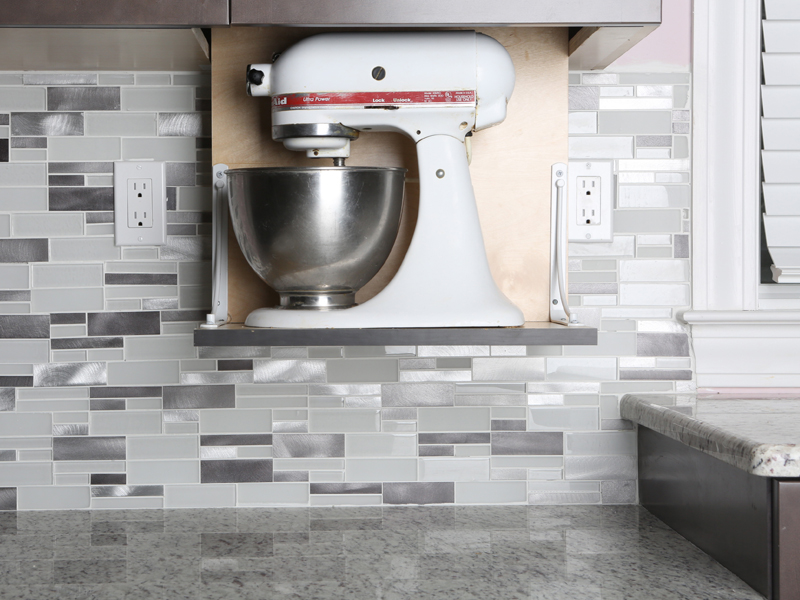
Kitchen appliance lifts

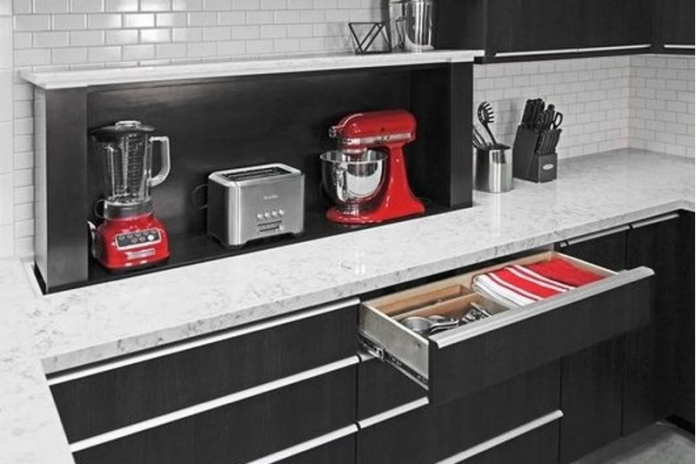
So a kitchen appliance lift is a device that automatically lifts and lowers out of sight a vertical drawer using a Linear Actuator device that’s electronically controlled by a switch or remote control or both. FIRGELLI have been making these devices for decades, but only recently have we started to see them used in the home for real practical applications like hiding the clutter away when not in use.

Toaster, kettles, coffee machine, waffle makers etc., all have wires and all look kind of ugly. When you look in magazines or books at beautiful pictures of those dream kitchens, one thing you will notice, is that they put away all those devices for the picture taking. Nothing says messy or clutter than a bunch of appliances.

Kitchen Automation using these Linear Actuator from FIRGELLI are not even that expensive, they just need to be planed into the design of the cabinets during the design phase.   The way they work is very simple. Imagine the cutlery draw everyone has in their kitchen already, then instead of this drawer opening horizontally towards you, it lifts vertically upwards electronically, and reveals appliances that are already plugged in and ready to use.

This technology started and is still used to this day in the TV lift industry. FIRGELLI make TV lift mechanisms for the home or office and many other places. Simply press a button on the remote and the TV lifts up out of a cabinet, of from the floor or down from the ceiling into view, and remotely hides away when not in use.  TV’s are not exactly pretty to look at when not turned on, so it makes sense that some people don’t want them in sight.  Well, the same technology is now been applied to Kitchen automation in the form of Garage appliance lift systems, to hide other devices not just TV’s

How do they work?

An appliance lift is an electric linear actuator devices. A Linear Actuator is something that moves in and out and is available in many different strokes (how far you want it to move) from 1” (inch) to 60” (inch) strokes.  Typically for an appliance garage you want the vertical drawer to lift up around 12-18” The main work required for this is in the cabinetry. The cabinet maker needs to make a drawer that can pop upwards, and the top of the drawer which is finished in the same material as your counter top is used as the drawer top also. This is so that when the drawer is closed the entire system is barely noticeable.

Here is a blog post by FIRGELLI showing how a typical cabinet is made to create that appliance garage lift mechanism.  In this video which is taken from the House Crashers TV show, they used 2 systems, one to lift a hidden drinks cabinet and the other to lift back to back TV’s.  The application is no different to creating a kitchen appliance garage lift system

https://www.firgelliauto.com/blogs/tv-lifts/70783363-see-how-easily-you-can-build-a-hidden-tv-lift-and-bar

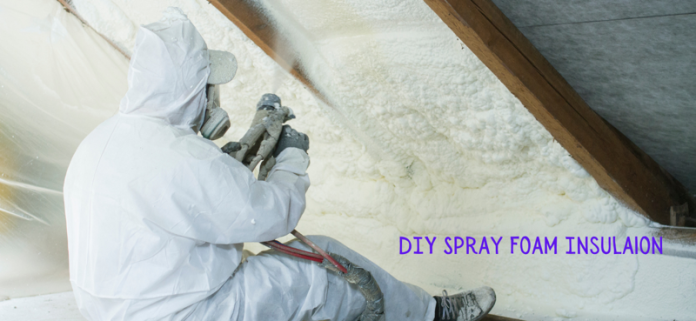
DIY Spray Foam Insulation

DIY spray foam insulation is one of the most popular home improvement projects for homeowners. The use of spray foam insulation offers numerous advantages, such as improved air quality and energy efficiency, but it also comes with some drawbacks. In this blog post, we will discuss the pros and cons of do-it-yourself spray foam insulation so that you can make an informed decision about whether or not to tackle this project on your own.

Understanding the Pros and Cons of DIY Spray Foam Insulation

Pros of DIY Spray Foam Insulation

The following pros of do-it-yourself spray foam insulation will encourage you to do it yourself:

1. It can save money:

The primary benefit of DIY spray foam insulation is that it can save you a lot of money. Compared to hiring a professional contractor to install the insulation, doing it yourself can save you up to 50%. 2.

2. Easy to use:

Additionally, DIY spray foam insulation is easy to use, fast to apply, and has a long lifespan—it can last up to 30 years! This makes it ideal for homeowners looking for long-term savings on their energy bills.

3. Provides Air Sealing

Another potential drawback of DIY spray foam insulation is the difficult application process. The material must be applied correctly to ensure that it adheres properly, and any mistakes can lead to costly repairs. As a result, professional contractors are recommended for large-scale projects or those involving intricate detailing. Including cavity wall insulation is a great way to save on your energy bills. You could qualify for cavity wall insulation if you are a homeowner. To find out more about free insulation grant read the Warma UK full guide on how to qualify for a free grant.

Cons of DIY Spray Foam Insulation

Despite its many benefits, there are some potential drawbacks to DIY spray foam insulation that must be considered:

1. Expensive Material Costs:

DIY spray foam insulation materials can be expensive, especially compared to traditional fiberglass or cellulose insulation. Furthermore, the specialized equipment required for application is also quite costly.

2. Difficult Application Process:

Another potential drawback of DIY spray foam insulation is the difficult application process. The material must be applied correctly to ensure that it adheres properly, and any mistakes can lead to costly repairs. As a result, professional contractors are recommended for large-scale projects or those involving intricate detailing.

3. Unpleasant Odors:

In addition to being expensive and difficult to apply, DIY spray foam insulation also produces unpleasant odors when it is used. This means that the area must be well-ventilated during installation and immediately after application.

In conclusion, DIY spray foam insulation offers numerous advantages for homeowners looking to save money and improve energy efficiency in their homes. However, it also has potential drawbacks such as expensive material costs, a difficult application process, and unpleasant odors. As such, it is important to consider the pros and cons carefully before deciding to take on this project yourself. Additionally, professional contractors are recommended for large-scale projects or those involving intricate detailing. With the right planning and materials, DIY spray foam insulation can be a great addition to any home.

Does a Solid Conservatory Roof Add Value to A Property?

What is a Solid Conservatory Roof?

A solid conservatory roof is an advanced replacement for the traditional conservatory roof. It is built with modern materials that are thermally advantageous and lightweight. In fact, you can put a solid roof on most older conservatories. In the industry, this is referred to as a “retrofit,” and it is growing in popularity with homeowners who have older conservatories and want to upgrade or even add value to their homes. It’s worth speaking to experts and getting a number of quotes as depending on your requirements the solid conservatory roof cost can vary.

Your current polycarbonate roof may be dripping or simply beginning to appear old-fashioned. Older conservatories are sometimes criticised for being “too uncomfortably hot in the summer” and “too freezing cold in the winter.” All of these problems will be solved by a solid tile roof, making the area usable all year round. Below are the benefits of having a solid conservatory roof:

Thermal Efficiency – One of the main advantages of choosing a tiled roof for your conservatory is improved thermal efficiency. You may use your conservatory all year round thanks to the additional insulation layers in the roof structure.

Greater aesthetics – Solid roofs may be customised to completely match your entire property thanks to the extensive range of colours and designs that are provided. As a result, your conservatory will appear more like a signature addition to your house.

Better ambiance – Adding a tiled roof to your conservatory will increase both the heat efficiency and the noise of your space. Tiled roofs will produce a serene living area by decreasing the noise by up to 30 decibels when compared to glass and polycarbonate roofs.

Maintained skylight effect – Regardless of whether you selected a solid roof, you can still receive the light that a standard glass roof conservatory provides. While the interior of your home will have vaulted ceilings, it won’t affect the natural light you would want from a conservatory.

Adds value to your home – You can raise the value of your property by choosing a conservatory with a tiled roof. The enhanced functionality and architectural appeal presented by a tiled roof conservatory can in uence your living space. A tiled roof conservatory could decrease the time it takes to sell your property if you decide to put it on the market in addition to increasing its value.

How much does a Solid Conservatory Roof cost?

The type of roof, the size of the conservatory, and the material you select for the new roof will all affect how much the project will cost. Glass, tile, and polycarbonate are the most widely used materials. Each has unique bene fits, drawbacks, and average costs. A conservatory roof replacement or installation normally takes 2 to 3 days to complete and needs a minimum of 2 workers. The average labor cost is between £300 and £500 per worker per day. The average cost to replace a solid tile conservatory roof in 2022 is £4,100. For a bigger conservatory, a brand-new solid roof can go from roughly £5,500.

Will a Solid Roof Conservatory add value to my home?

Your home’s value will increase if you add a solid roof conservatory which gives you more space that can be used all year round. When it comes to selling your house, choosing the perfect style, fit, and shape can make your conservatory a valuable asset. Also, combining Double Glazing in your conservatories will make the room energy efficient and attractive to buyers. According to well-known real estate expert Phil Spencer, a conservatory can increase the value of your home by about 7%, while the actual amount of value it adds will be heavily influenced by how well the conservatory blends in with its surroundings. It’s vital to ensure the new area complements your house, has been carefully thought out to create consistency and mirrors the interior design of your house.

Is a Solid Roof Conservatory Energy Efficient?

Solid roof conservatories are known as warm roofs due to the way they surpass other conservatory roof styles in terms of thermal efficiency. Their lightweight tiles are designed to control airflow around

the conservatory space to maintain comfortable temperatures inside, come rain or shine. In comparison to a conservatory with a glass or polycarbonate roof, you will also benefit from a large decrease in your heating costs throughout the winter and keeps a cool temperature in summer.

Conclusion

Your roof should be at the top of your list of priorities when it comes to home improvements. You may invest in your conservatory roof in a variety of ways, from performing regular maintenance and repairs to having a new solid roof installed. Below are some reasons why you should consider upgrading to a solid roof conservatory roof:

Protect your home and family

Your roof safeguards your home, but it also safeguards you and your loved ones. The peace of mind that comes from knowing that your roof and everyone who lives under it is secure cannot be overstated. You can rest easy knowing that your roof is secure if you invest in a solid conservatory roof replacement.

Better shelter and efficiency

Having an outdated roof can lead to a lot of issues. Leaks are a significant issue, but energy loss should also be taken into account. Your old roof may have insufficient insulation, is improperly ventilated, or invisible air leaks. Upgrading to a new solid roof will ensure your conservatory and home are warm and dry.

A great advantage when selling your property

Do you intend to sell your house? Even if you don’t have any immediate plans to relocate, a solid conservatory roof will add value to your home if you plan to sell. Buyers are looking for more living space that can be used all year round with a good energy rating.

Recent Posts

Posts You Might Like