
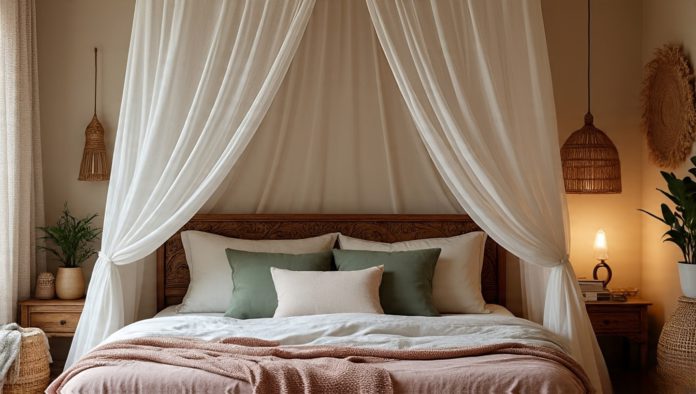
Roohome.com – I’ve designed bedrooms in beach villas, compact city flats, and rambling farmhouses. No matter the address, the Bohemian look always seems to pivot on two elements: the canopy and the headboard. They are the frame for your nightly rituals reading, resting, daydreaming. When they’re right, the whole room softens. When they’re wrong, you feel it the moment you lie down. This is the short, concentrated guide about the right materials, proportions that actually work, the tradeoffs no one tells you, and a handful of stories from projects that taught me what to repeat and what to retire.
- Why the bed is always the anchor
- Canopies that feel like a cocoon (without crowding the room)
- Headboards with personality and purpose
- Pairing canopy + headboard without a shouting match
- Real dimensions that actually look good
- Materials & finishes that survive climate and time
- Installation, sequencing, and safety
- Lighting that turns fabric into atmosphere
- Budgets, hidden costs, and where to splurge
- Small rooms vs. large rooms
- Mixing styles without losing Boho soul
- Maintenance rhythms that keep things fresh
- Short answers to real questions
- A quick decision checklist
The bed is the anchor, always
The fastest way to pull a Boho bedroom together is to treat the bed like a small stage. The canopy is your curtain; the headboard is the backdrop. I once swapped a plain headboard for a carved teak panel from a Yogyakarta flea market. Nothing else changed same rug, same side tables but the room suddenly glowed warm and lived-in. That taught me scale and story beat sheer quantity of accessories.
Architect’s note: If you only change one thing, change the element that frames your daily ritual. That’s usually the headboard or the canopy often not the paint color.
Canopies: light-handed drama
A canopy is mood control. It filters light, softens acoustics, and adds a hint of theatrics. The trick is choosing the right structure for your ceiling height and the right fabric weight for your climate.
Structures that work
- Ceiling-mounted rails: Ideal for rooms under 2.5 m. Minimal visual weight; fabric drapes cleanly.
- Four-poster frames: Best with tall ceilings or large rooms. Add soft lights or trailing plants to break the geometry.
- Suspended points (no frame): Hooks at four corners; fabric floats. Great for renters if you use light fabrics and discreet anchors.
Fabric and feel
- Sheer cotton/voile: Airy, washable, works in warm climates.
- Linen: A touch heavier; gorgeous drape and texture; slightly better acoustics.
- Macramé: Texture-forward, dramatic shadows; pair with plain bedding for balance.
- Outdoor-rated cotton blends: In humid zones, these resist mildew and UV better than standard weaves.
Pro tip: For rooms under 10 sqm, keep fabric light and hold it close to the ceiling to avoid a “shrinking tent” effect.
Craving more bedding texture ideas to support your canopy? See this guide to layered Boho bedding mixing kantha, quilts, and linen is half the Boho secret.
Headboards that speak for you
Headboards are the personality piece. I’ve used upholstered panels in sandy linen, old shutters sanded smooth, and museum-worthy carvings. The best headboard is the one that matches your habits.
By lifestyle
- Night readers: Upholstered or cushioned panels save your back; integrate reading lights.
- Hot climates: Rattan/bamboo stay cool to the touch; allow airflow.
- Collectors: Reclaimed wood or carved panels deliver patina and narrative.
Function add-ons
- Shallow niches (10–15 cm) for books and glasses.
- Integrated LED strips with diffusers for a soft halo.
- Hidden cable path + USB-C ports to tame tech clutter.
For headboard-adjacent wall art ideas, skim gallery wall layouts that play nicely with Boho textures. A restrained grid above a simple headboard can be poetry.
Canopy + headboard without competition
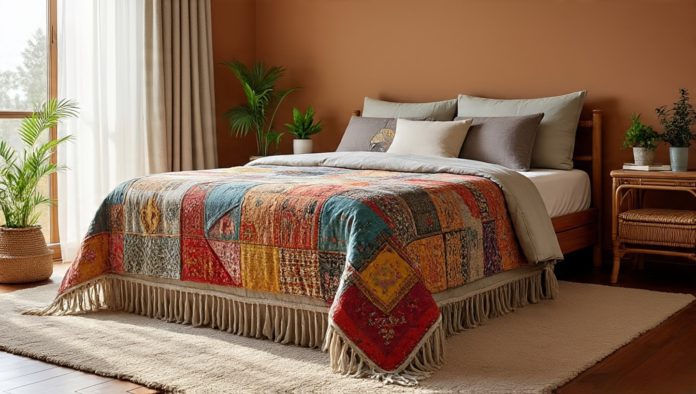
If the headboard is ornate (say, hand-carved teak), keep the canopy sheer and quiet. If the canopy is the showpiece (patterned, layered, or macramé), go simple on the headboard. It’s a duet, not a solo battle.
- Teak headboard + voile canopy: Warmth + lightness.
- Macramé canopy + linen headboard: Texture + calm.
- Rattan headboard + linen drape with fairy lights: Earthy + glow.
Dimensions & clearances that actually look right
Rules of thumb
- Headboard height above mattress: 70–90 cm for most rooms; up to 120 cm if ceilings are generous.
- Headboard width: Mattress width + 10–20 cm total, not per side.
- Canopy start: At least 50–60 cm above mattress for airflow and comfort.
- Low ceilings (≤2.5 m): Keep canopy fabric light and mount hardware as high as possible.
Field note: I once lowered a canopy to “cozy up” a 2.4 m room. It felt cramped instantly. Raising the fabric by 10 cm solved it. Small adjustments matter.
Materials & finishes: durability and feel
Wood
Pros: Durable, ages beautifully, adds scent and warmth. Cons: Needs oiling every 6–12 months; can crack if neglected in dry seasons.
Upholstery
Pros: Comfortable, acoustic benefits. Cons: Collects dust; velvet looks luxe but needs frequent care in humid regions. Consider washable slipcovers.
Metal frames
Pros: Strong, slender profile, renter-friendly when freestanding. Cons: Can feel cold; soften with textiles.
Rattan/Bamboo
Pros: Breathable, light visual weight, perfect for tropics. Cons: Avoid direct prolonged moisture; occasional tightening/repair.
Sustainability note: Reclaimed timber and organic fabrics often outlast trendy finishes and carry a history that feels at home in Boho spaces.
Installation, sequencing, and safety
The most avoidable disasters I’ve fixed came from under-spec’d anchors. One client mounted a heavy tapestry with adhesive hooks. It slid down at 3 a.m. terrifying and entirely preventable.
Sequencing
- Confirm bed position and wall centerline first.
- Install headboard or headboard cleat into studs/masonry.
- Add canopy hardware and test tension with gentle pulls.
- Only then style textiles and lights.
Safety basics
- Each canopy hook should be rated to hold at least 10 kg for fabric setups.
- Keep fabric clear of real flames; use LED candles and low-heat LEDs.
- Check fastenings every 6 months.
Lighting: the quiet superpower
Light turns fabric into atmosphere. I often nest warm LED strings behind sheer canopies or run a soft halo behind a carved panel. It’s subtle, but nights feel like a small festival of glow.
Simple lighting recipe
- 2700K warm bulbs near the bed for intimacy.
- One dimmable ambient source; two task sources (left/right).
- Hide cables along canopy seams; use fabric sleeves for neatness.
Budgets, hidden costs, and where to splurge
Quick bands
- $50–200: DIY textile headboard, tension-rod or curtain-rail canopy.
- $300–700: Upholstered panels, carved reclaimed wood, modular canopy frames.
- $1,000+: Custom four-poster, heirloom carved panels, integrated lighting.
Hidden costs: Maintenance adds up wood oils, fabric cleaning, occasional hardware upgrades. Plan a small annual care budget so patina stays patina, not damage.
Where to splurge: The surface you touch daily (headboard for readers; canopy fabric if you crave atmosphere). Save on accessories; invest in anchors and lighting.
Small rooms vs. large rooms
Small (≤10 sqm)
- Ceiling-mounted rails + sheer fabric keep volume light.
- Half-height headboards (70–90 cm above mattress) avoid wall crowding.
- Light bedding colors widen perception.
I once reworked a 3×3 m room with two simple rods and voile fabric, angled like a soft tent. The client got the canopy feeling without losing visual space.
Large rooms or high ceilings
- Use tall headboards or a full frame canopy to “ground” the bed zone.
- If ceilings are high but you dislike towering pieces, go wide: generous headboard width and layered rugs for scale.
- In open lofts, canopy drape acts as a visual room divider.
Mixing styles without losing Boho soul
Boho pairs well with many languages: Scandi calm, Industrial grit, even a touch of hotel luxury. The rule is one leader, one supporter.
- Boho + Scandi: Pale wood, linen canopy, one patterned textile for interest.
- Boho + Industrial: Steel frame bed + soft canopy + warm rugs.
- Boho + Boutique luxury: Brass rods, velvet drape, carved headboard “camping, but fancier.”
If you want broader inspiration beyond canopies and headboards, this roundup of Boho bedrooms is a helpful mood-board to spark combinations.
Maintenance rhythms that keep the magic alive
- Vacuum upholstered surfaces weekly; launder canopy fabric seasonally.
- Oil wood 1–2 times a year, depending on humidity.
- Quarterly: check anchors and re-tension fabric to prevent sagging.
Common mistakes & quick fixes
Too-heavy fabric in small rooms
Fix: Swap to voile/linen; raise mount points by 5–10 cm.
Headboard rattle
Fix: Re-mount into studs, add rubber spacers behind the panel.
Pattern overload
Fix: Stick to the “Rule of Three”: one bold pattern, one subtle, one solid anchor.
Short answers to real questions
How do I attach a canopy without drilling?
Tension rods or adhesive hooks rated 10–15 kg can work with light fabrics. Test gently and check monthly. For anything heavier, use proper anchors.
What headboard height is best if I read in bed?
Target 80–100 cm above the mattress, with either a padded panel or a deep cushion. Integrate sconces at ~1–1.2 m AFF (above finished floor).
What fabrics fight dust and humidity?
Cotton and linen you can launder. Outdoor-rated blends if mildew is a concern. Velvet looks beautiful but needs more care in the tropics.
Can a canopy help with noise?
It won’t replace acoustic engineering, but layered fabric and an upholstered headboard typically reduce echo and make bedrooms feel quieter.
A quick decision checklist
- Measure: Ceiling height, bed width, and wall span. Note outlets and switch locations.
- Choose the lead: Are you prioritizing mood (canopy) or comfort/reading (headboard)?
- Match climate: Breathable fabric for warm zones; denser layers for cold.
- Budget smart: Splurge on the daily-touch element, save on accents.
- Plan care: Seasonal fabric washing, biannual wood oiling, anchor checks.
- Style restraint: If one element is dramatic, let the other whisper.
When I replaced a plain headboard with a carved panel in a modest apartment, the owner texted a week later: “I keep reading longer in bed.” That’s the litmus test. If your canopy or headboard gently reshapes your nightly ritual calmer evenings, softer mornings you’ve done it right. Start with one piece that feels like you. The rest will gather around it, and your bedroom will begin to breathe in that unmistakable Bohemian rhythm.
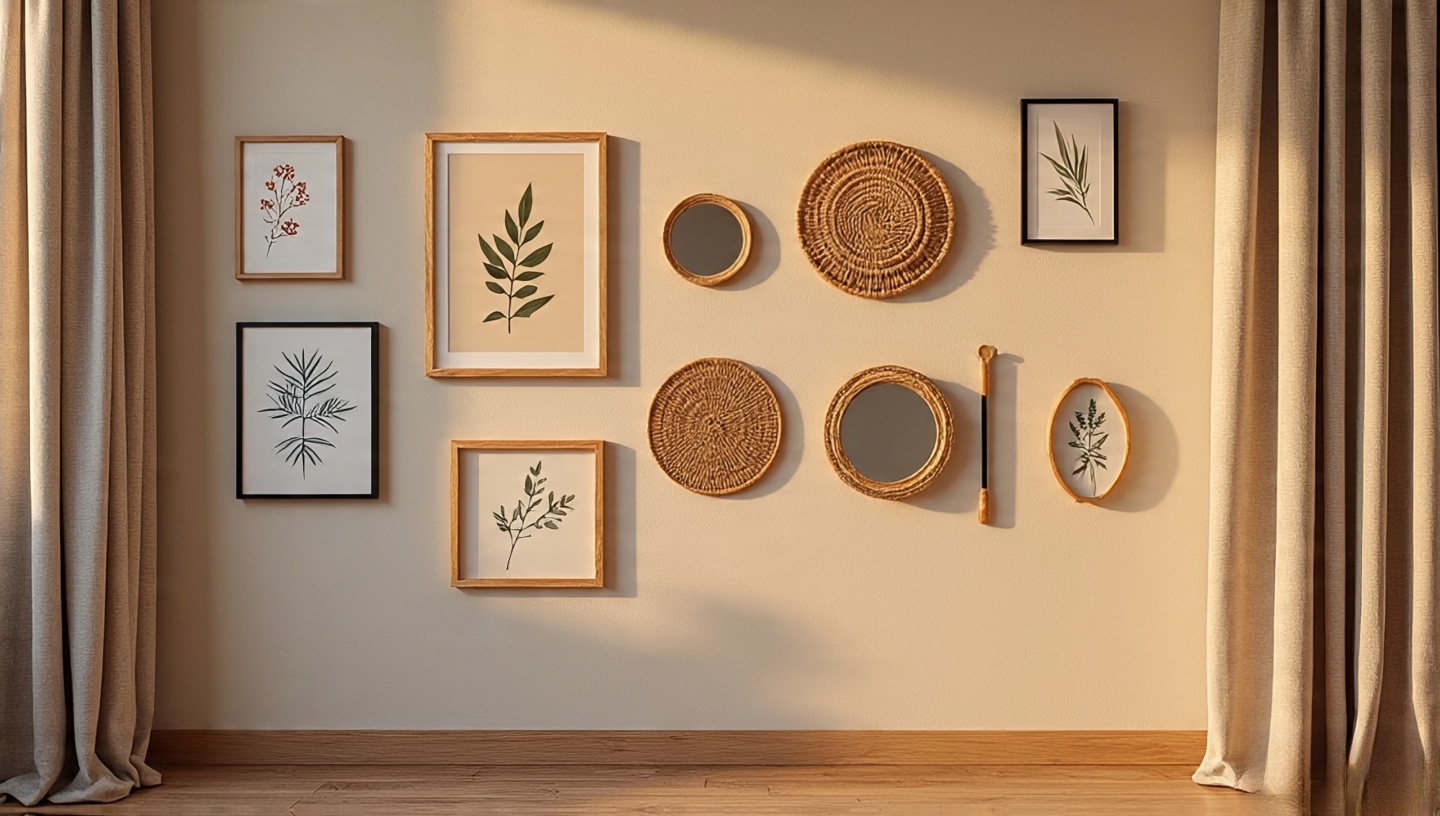 Bohemian style is not perfection. It’s personality. A good boho gallery wall tells your story with layers: a concert poster with sun-faded edges, a market print from Marrakech, a botanical sketch from your own hand, a woven medallion your aunt brought home decades ago. The magic sits in contrast. Rough next to refined. Matte next to a small glint of brass. Paper textures that almost smell like dust and citrus when the afternoon light hits.
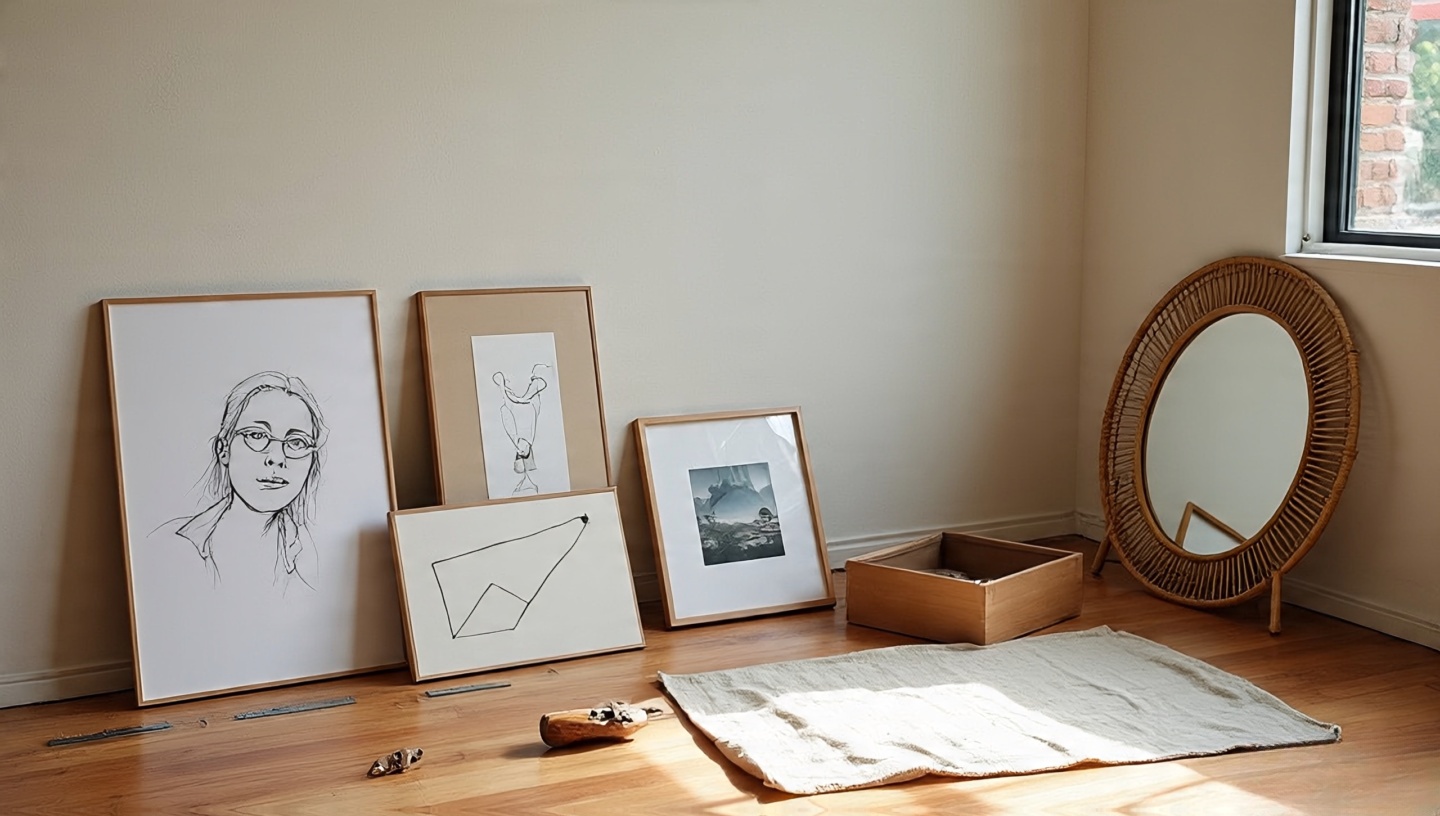 People often ask if a boho gallery wall must be expensive. It really doesn’t. I like to anchor the arrangement with one or two pieces that feel “real” to me: an original sketch, a hand-dyed textile, or a photograph I shot. Then I layer affordable pieces to build rhythm.
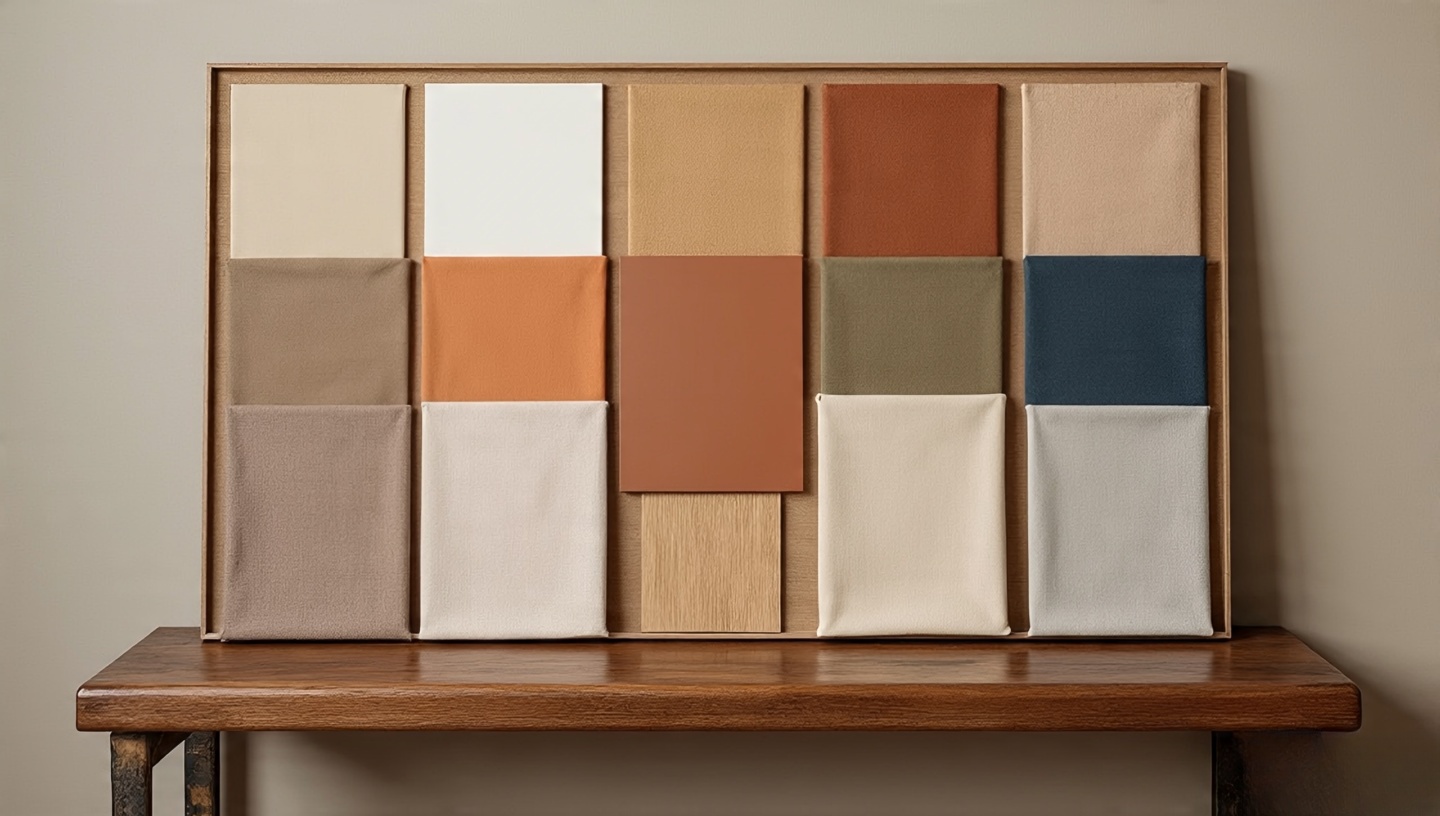 Boho rooms love earth. Think clay, sand, terracotta, tobacco leather, eucalyptus green, indigo, and a little brass. For a relaxed palette that plays well with textiles and wood tones, try this:
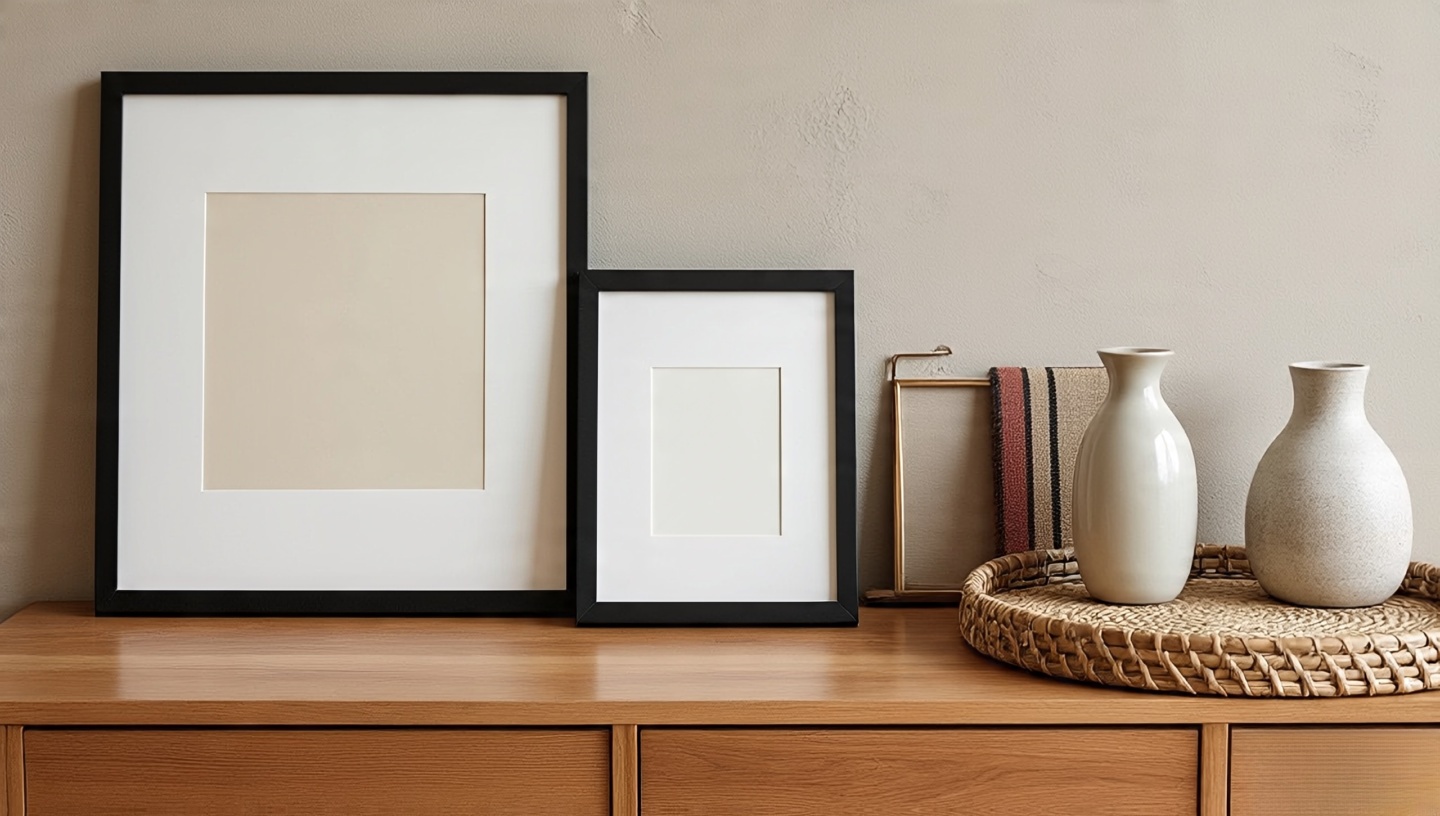 Frames are the chorus line. They need to complement without shouting. I like a mix of natural wood, slim black, and one or two rattan or cane accents. The key is consistency in quality, not uniformity in finish.
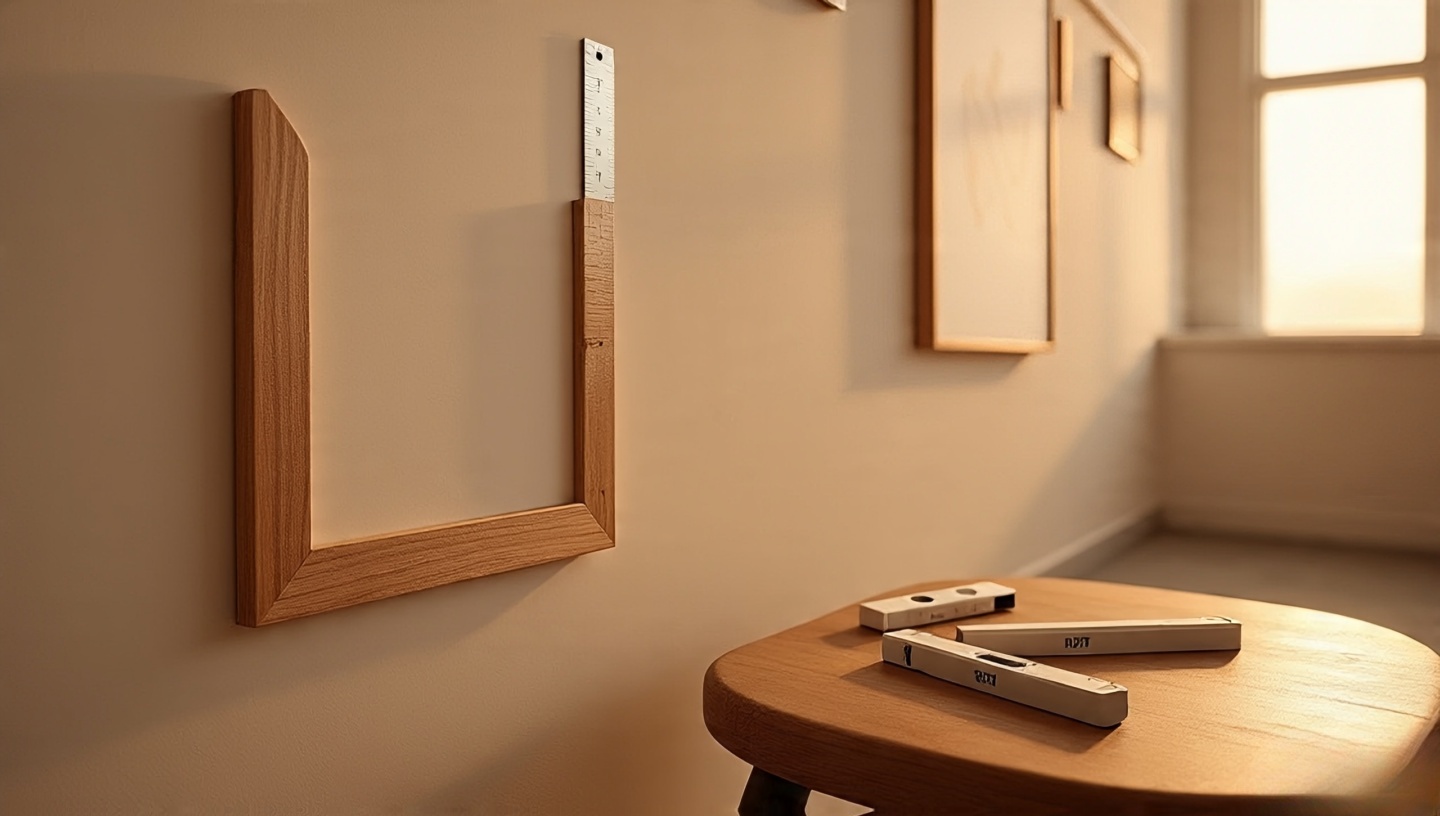
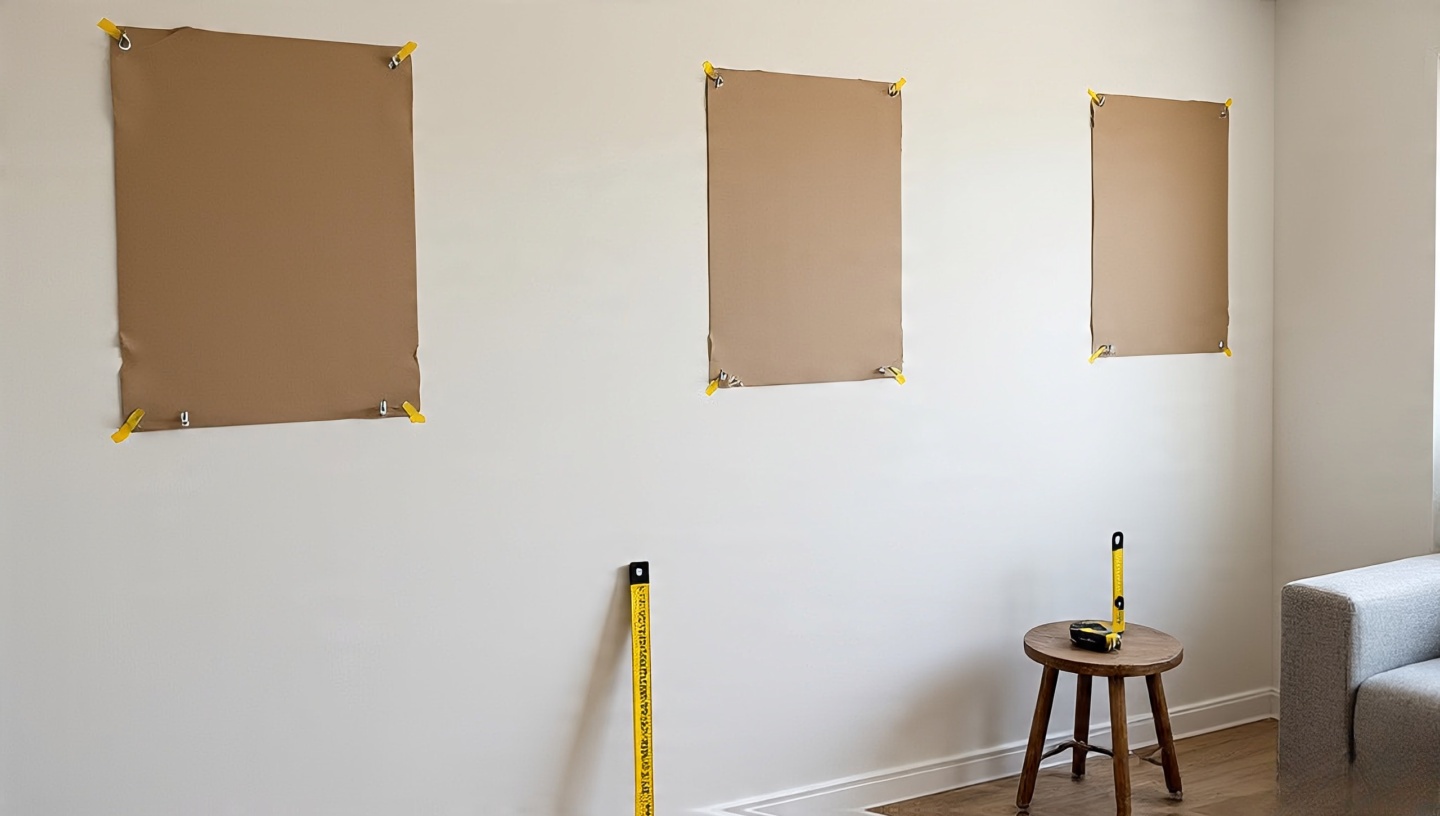 Measurements turn “almost” into “of course.” Here are the numbers I use in real projects:
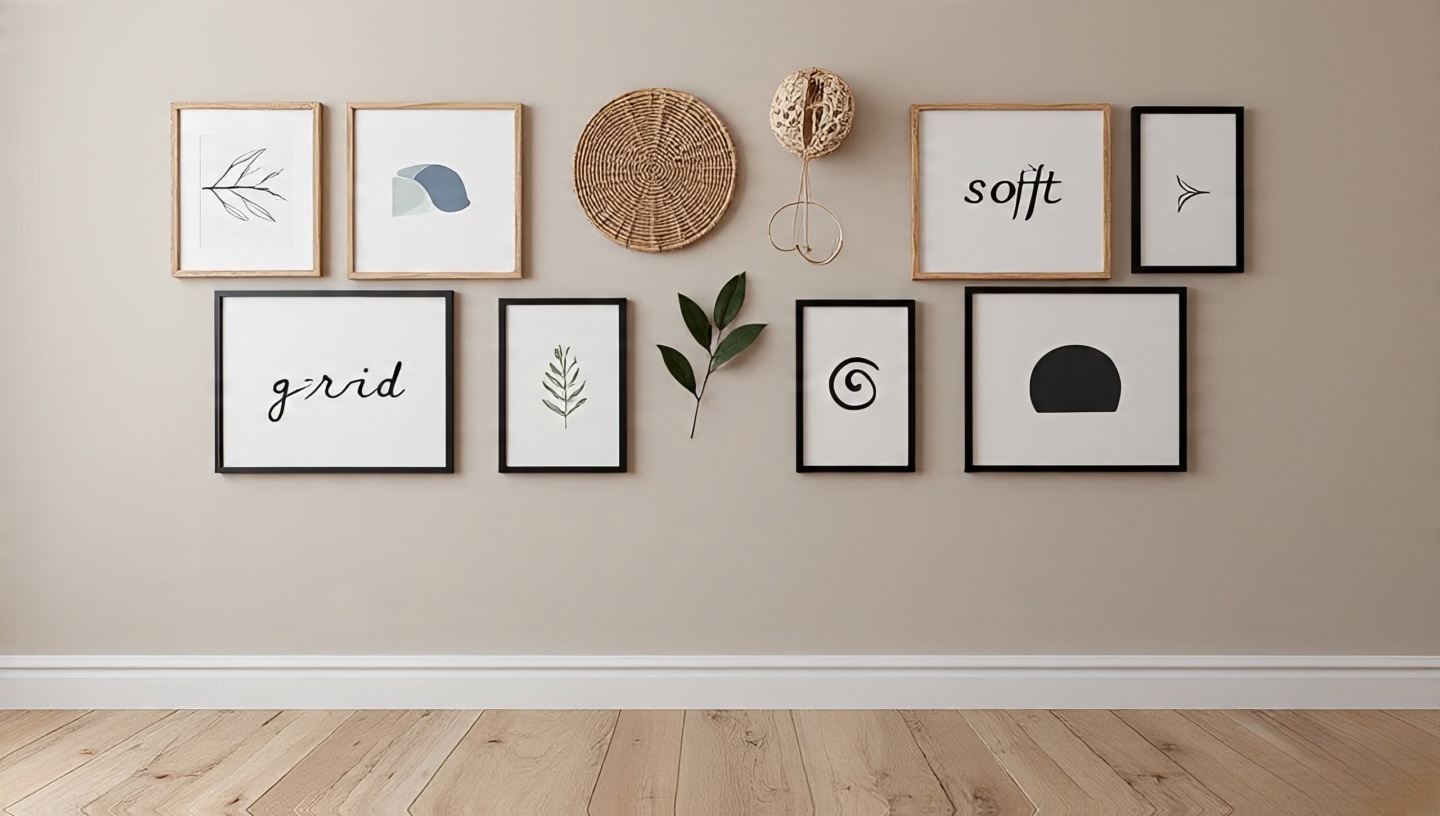 Boho doesn’t mean random. It means artful. I use a few layout “families” again and again because they balance looseness with structure.
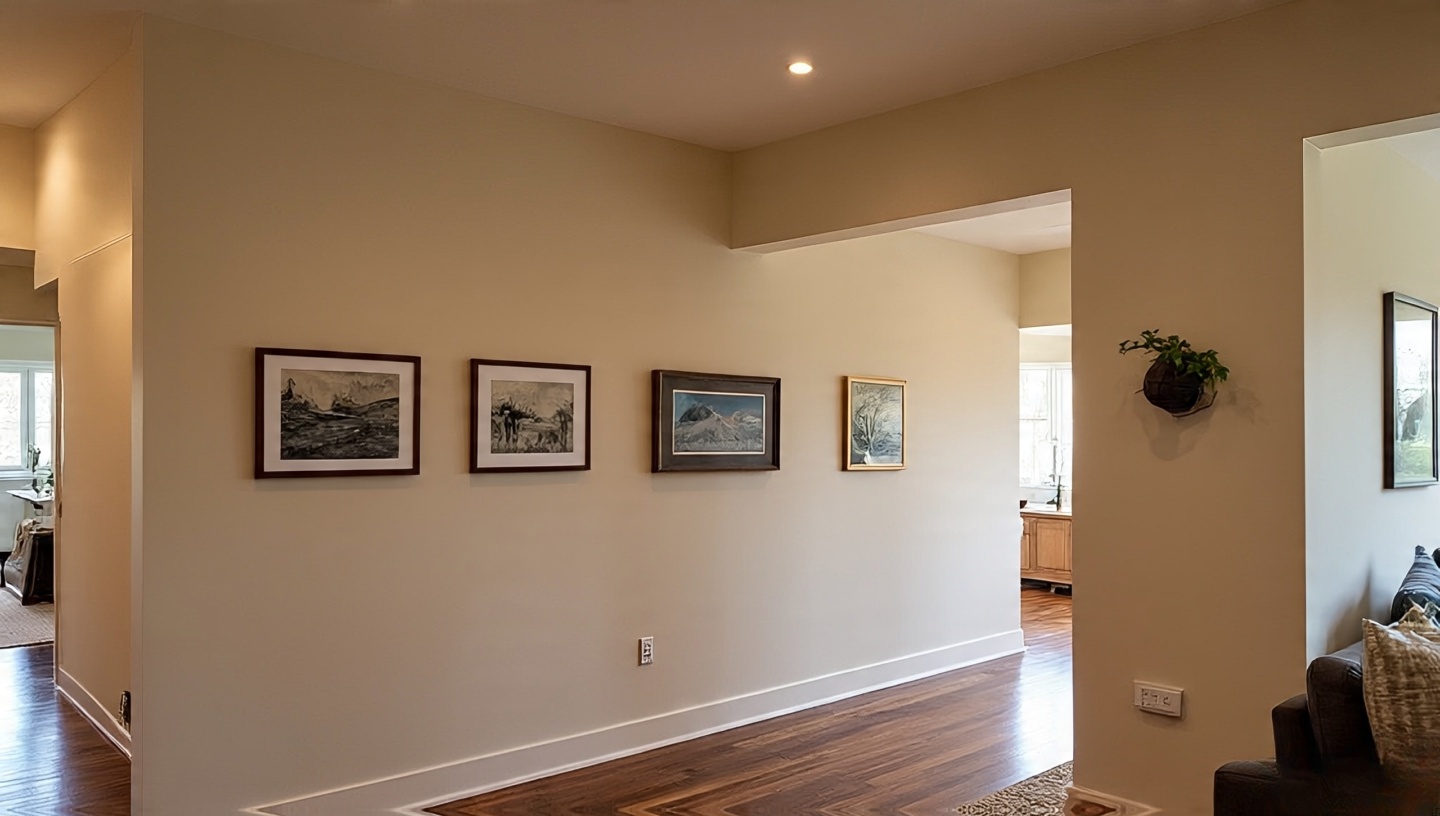 Not every wall wants to be a star. Some are backup singers. Here’s how I decide:
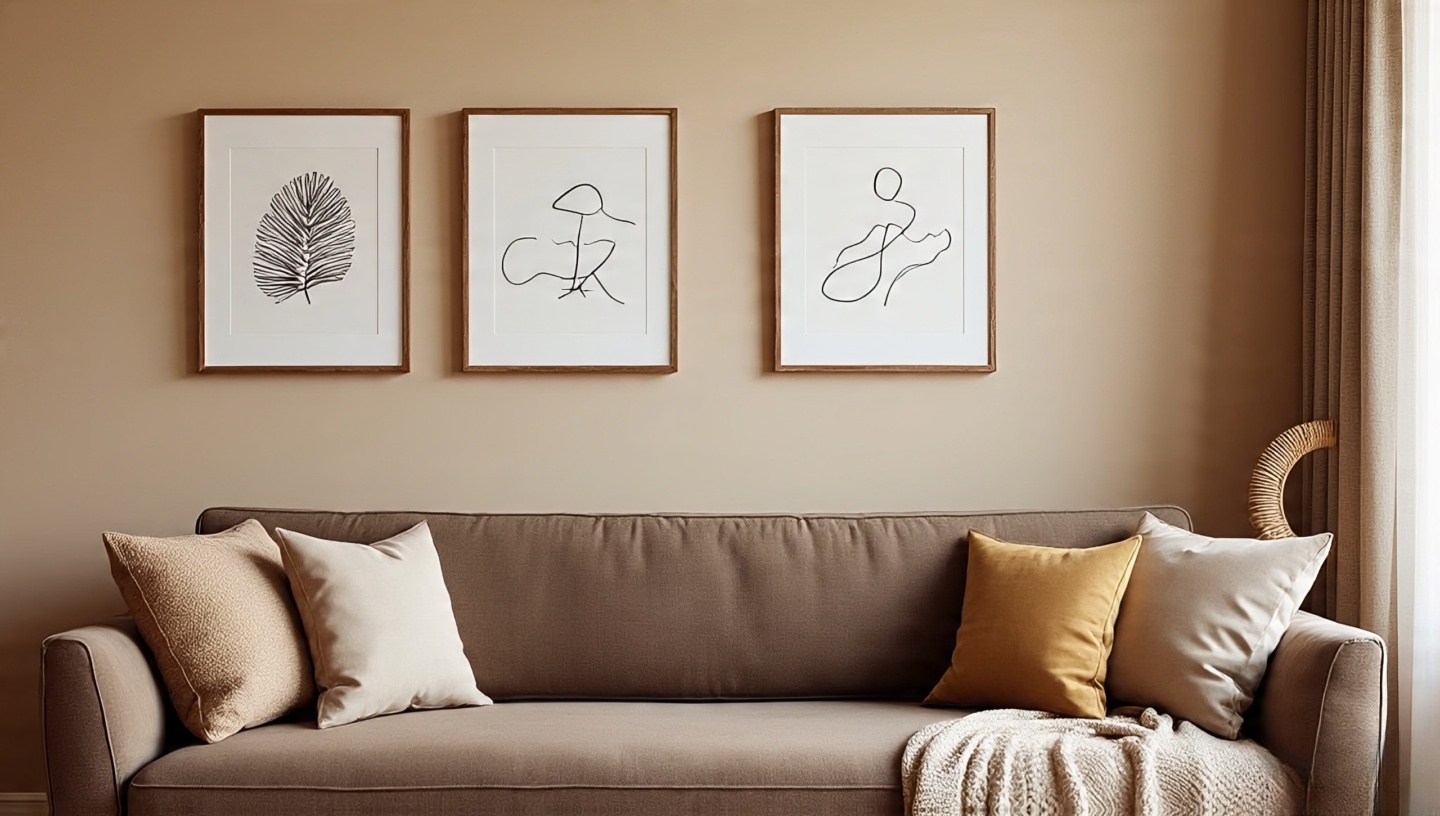 Most people start here, and for good reason. The sofa gives scale. To keep the wall confident, aim for the whole composition to be 60 to 70 percent of the sofa width. If you love pillows and throws, your wall can go a touch wider to balance the visual weight. While you style the seating, this guide to
 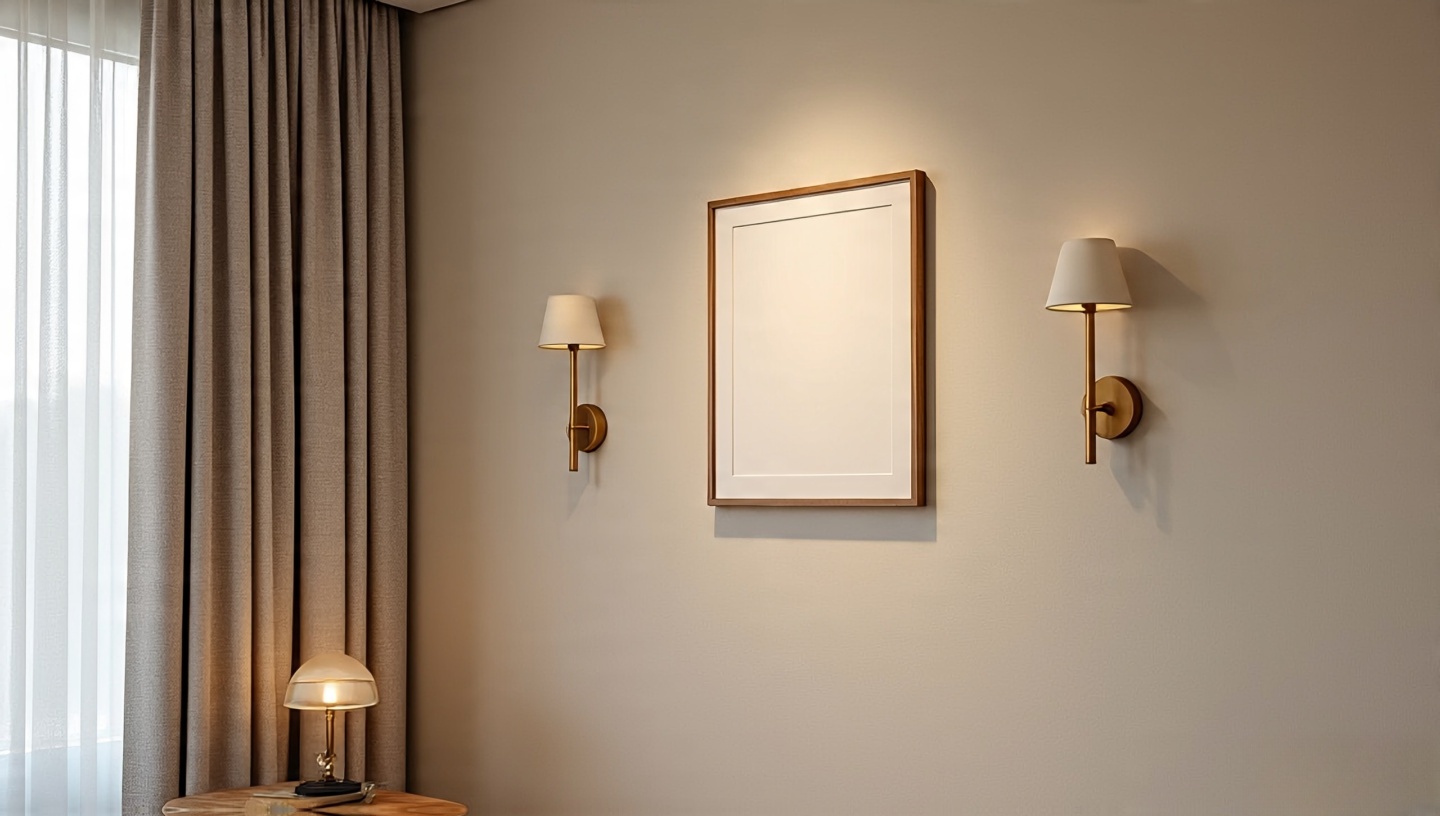 Boho rooms love gentle light. Avoid harsh, blue-white spots. I use warm 2700K to 3000K bulbs and indirect sources whenever possible.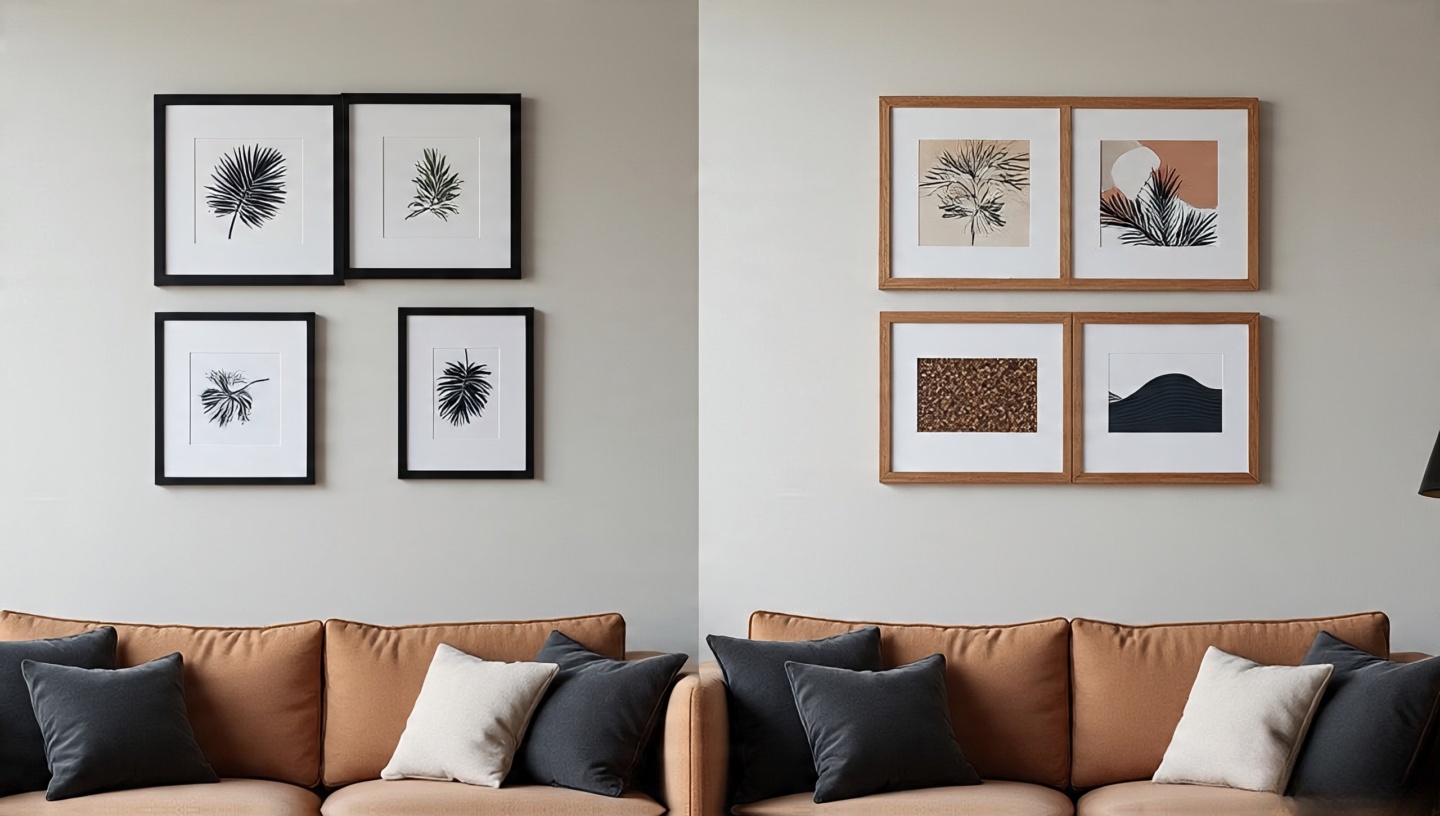
 You don’t need a custom shop for everything. Here’s how I split costs:
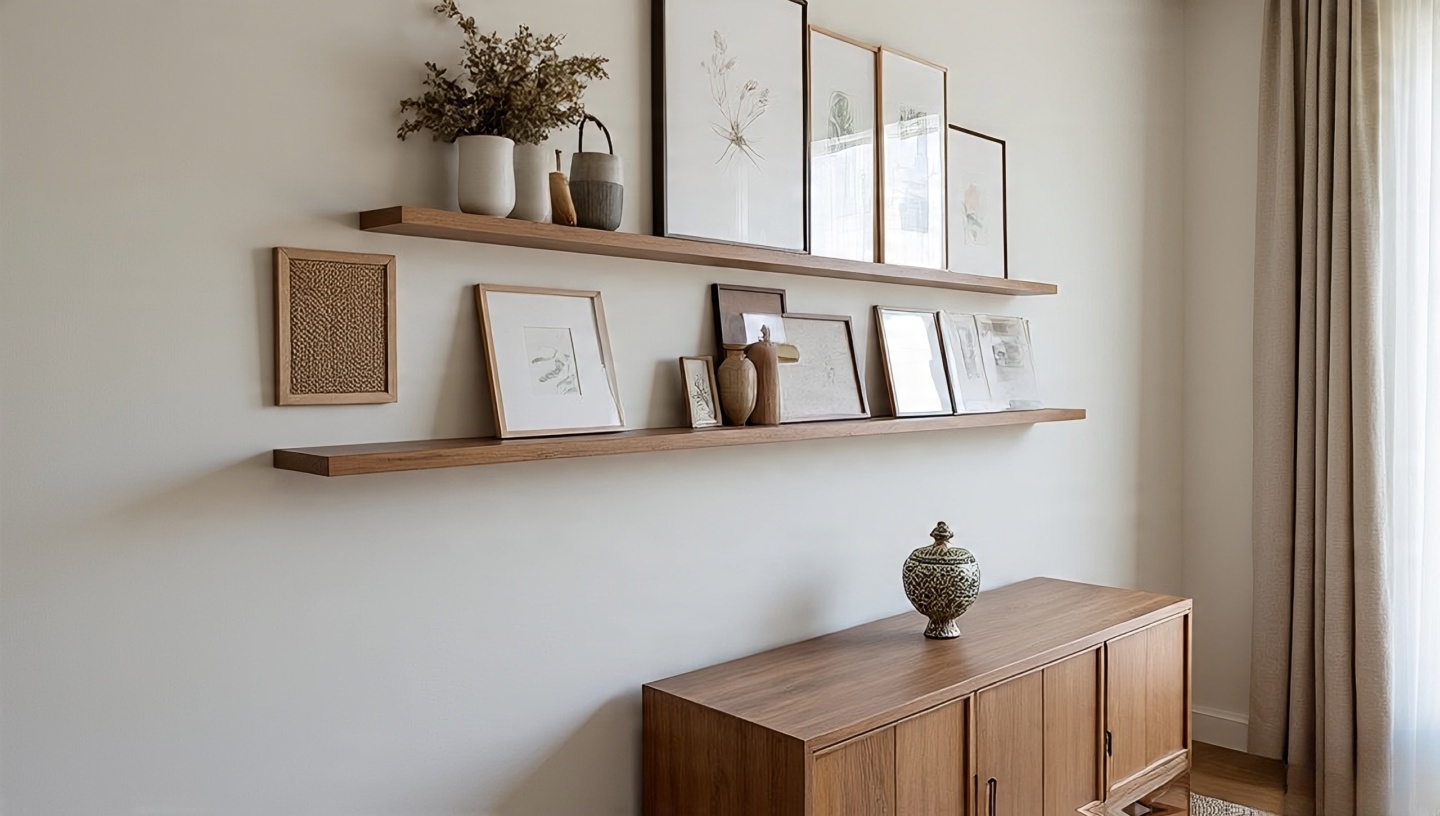 If drilling is a no, you still have options: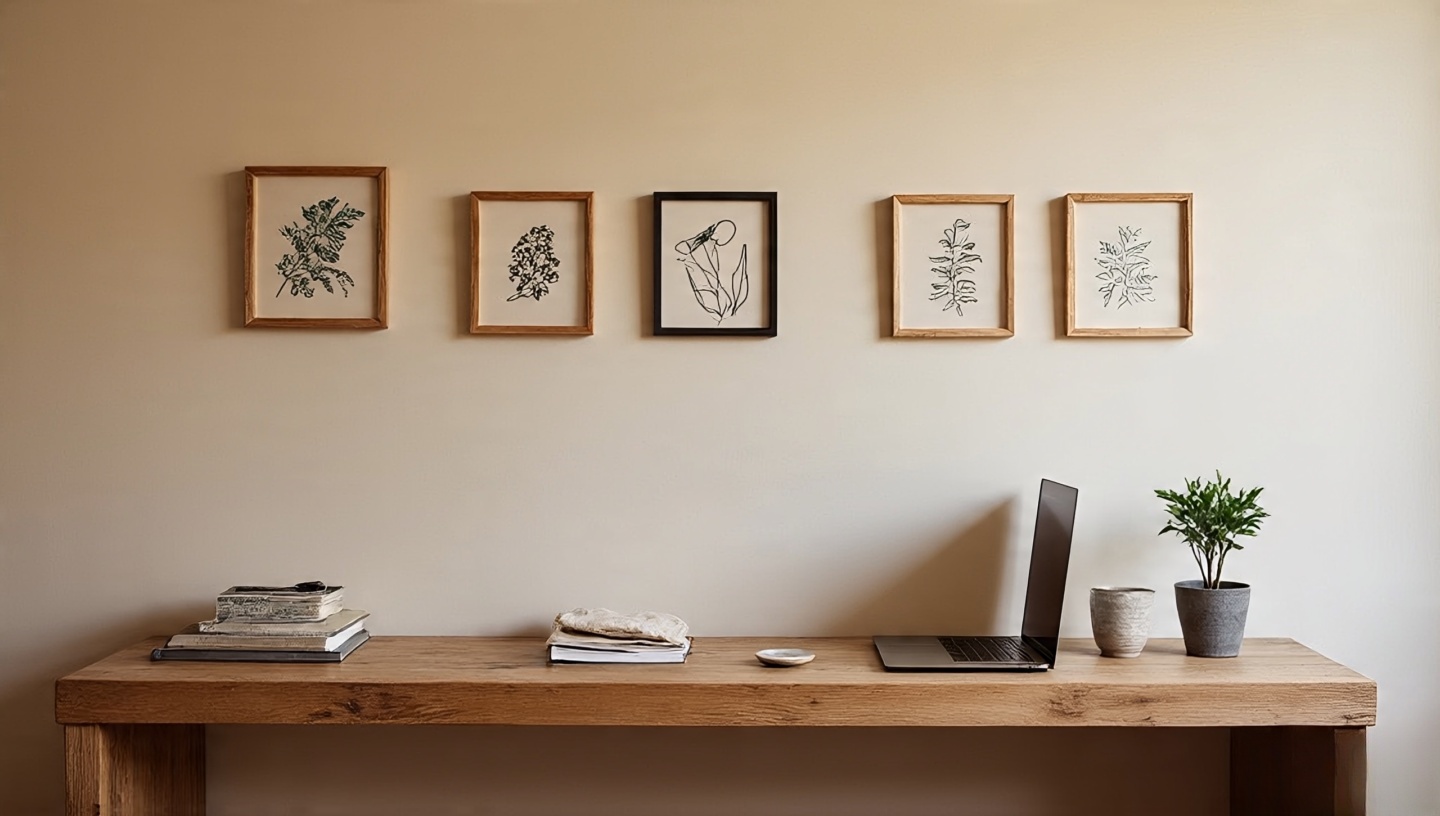
 Work zones and consoles love a tighter edit. Try a two-row soft grid with consistent spacing and only one material contrast in frames. Keep the bottom row 18 to 22 cm above the surface so the wall and furniture breathe.
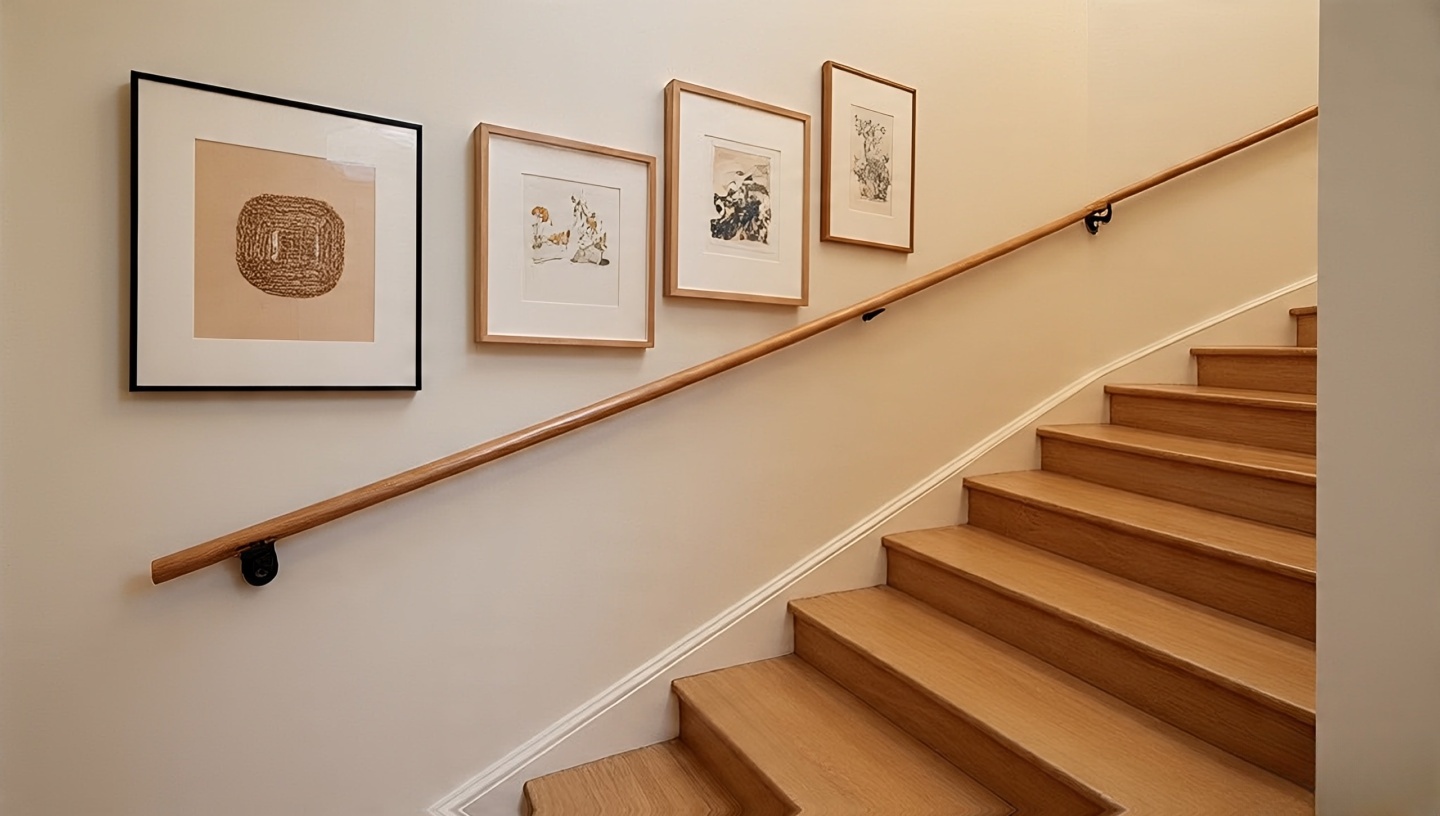 Stair runs look complicated but they’re formulaic with the right prep. Follow the handrail angle, keep the midline consistent, and alternately step sizes for a rhythm. I like to pepper in a small round or textile to break rectangles, then repeat a rectangle to restore order. On dark stairwells, choose lighter mats so the pieces don’t disappear.
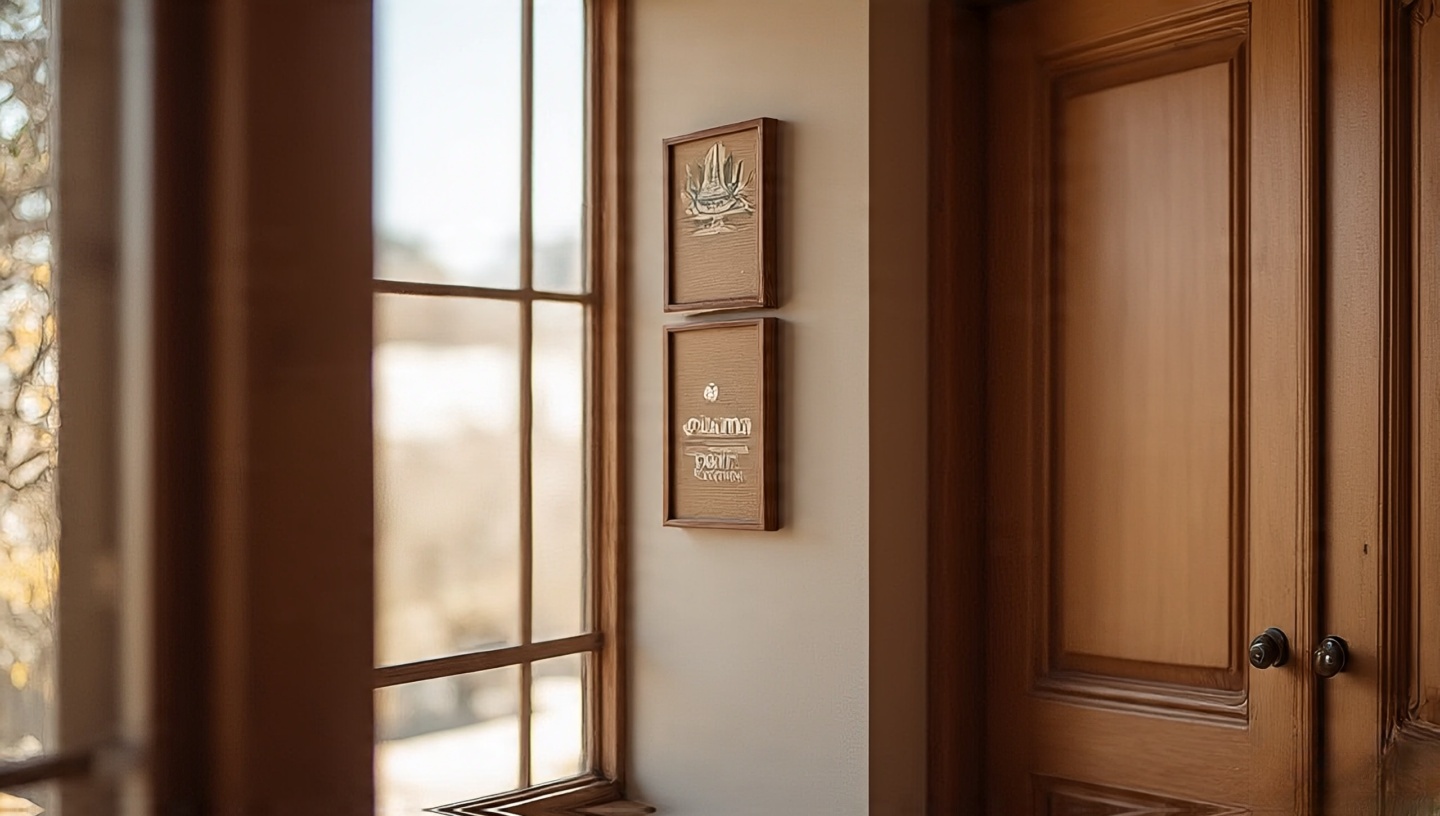 For slivers of wall between windows or doors, the column pair layout shines. Two tall frames stacked, then a small object hung offset to one side. It reads intentional and graphic, even in tight spaces.
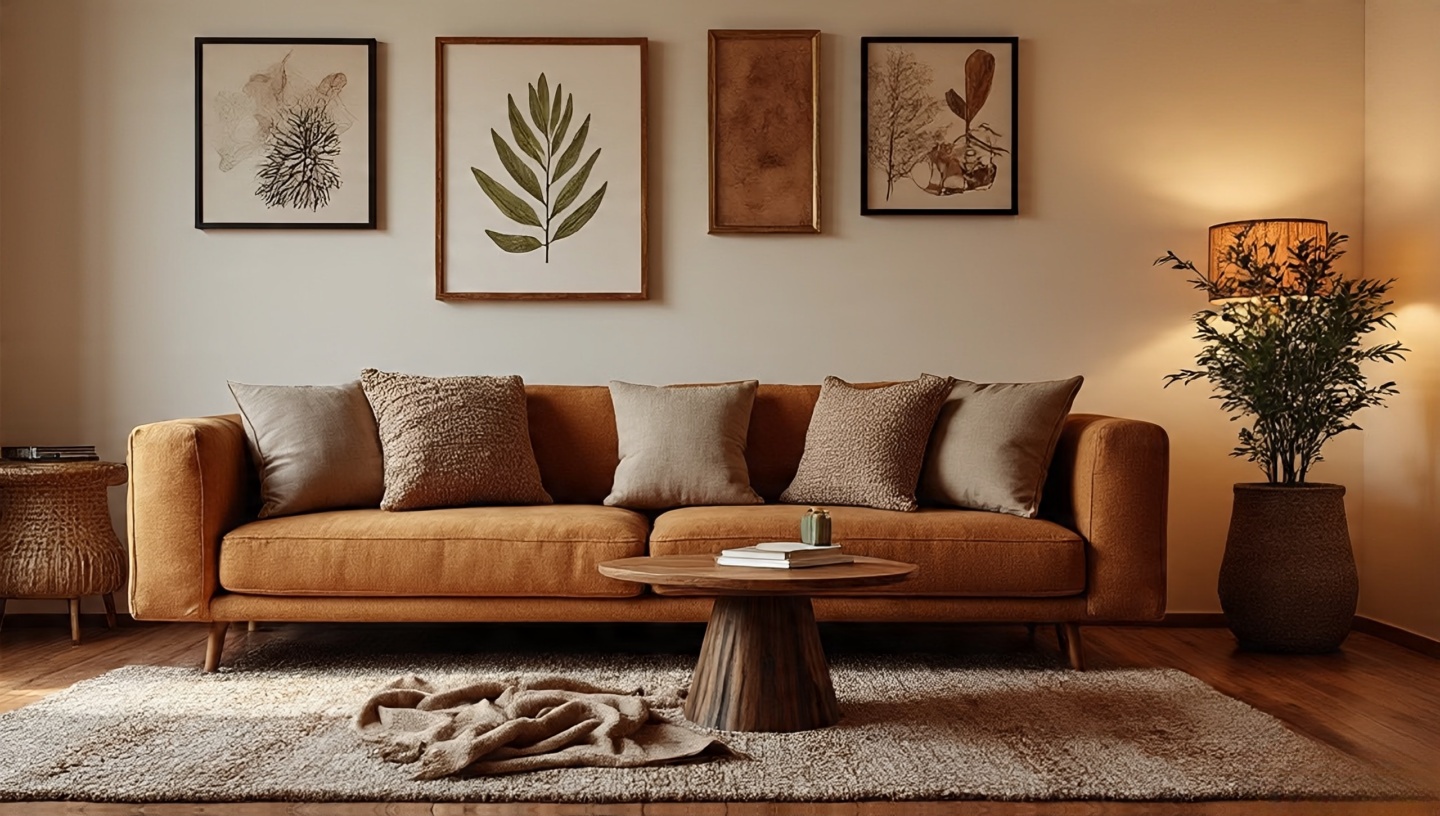 A gallery wall is conversation, not monologue. Make sure rugs, pillows, and the coffee table join in. If you like layered textiles, the wall can go simpler. If the room is minimal, the boho gallery wall can carry more texture and shapes. When in doubt, scan your space: do you have wood, fiber, metal, paper, and plant life represented? That earthy mix keeps boho grounded. For more whole-room ideas, revisit these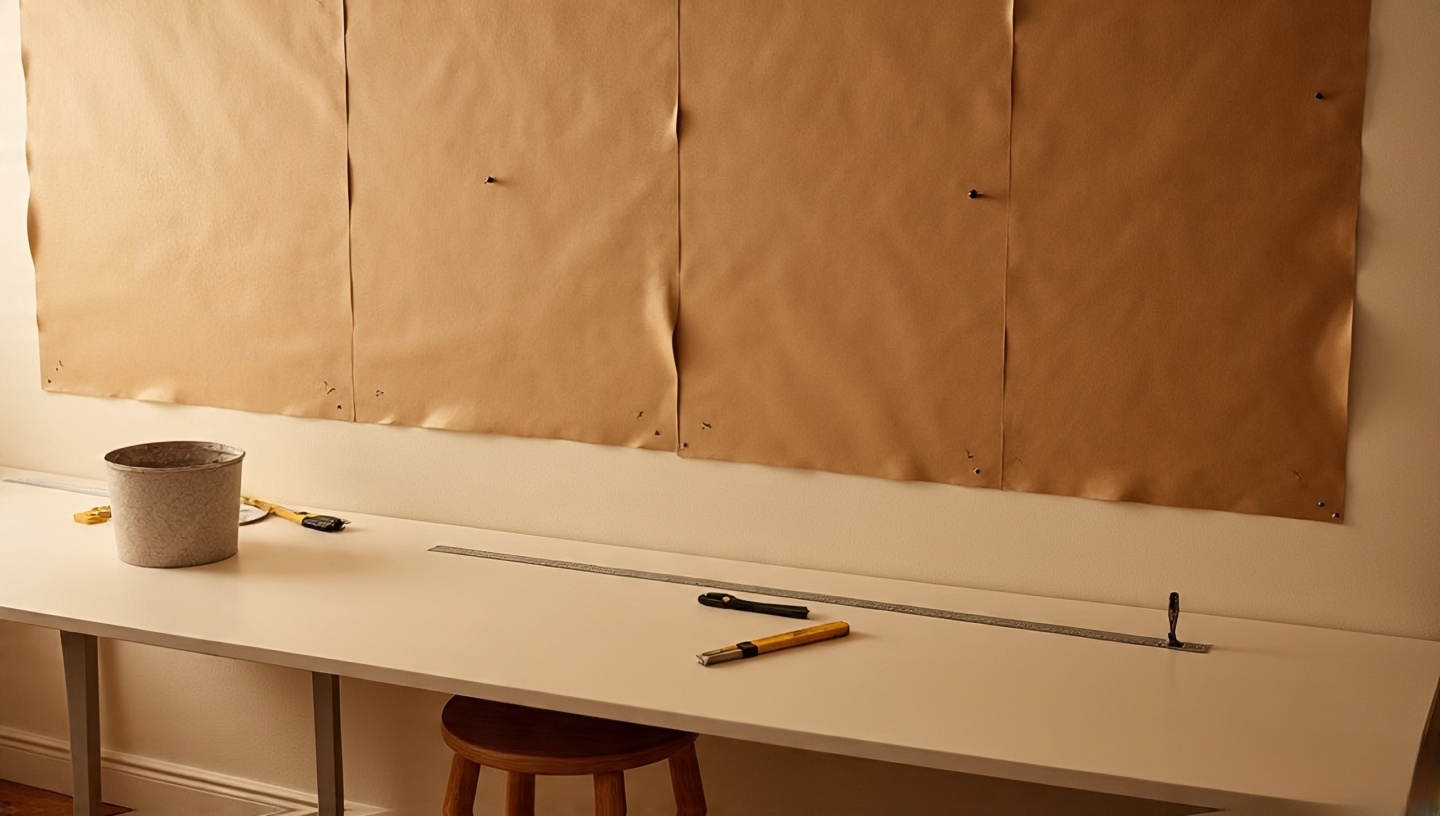
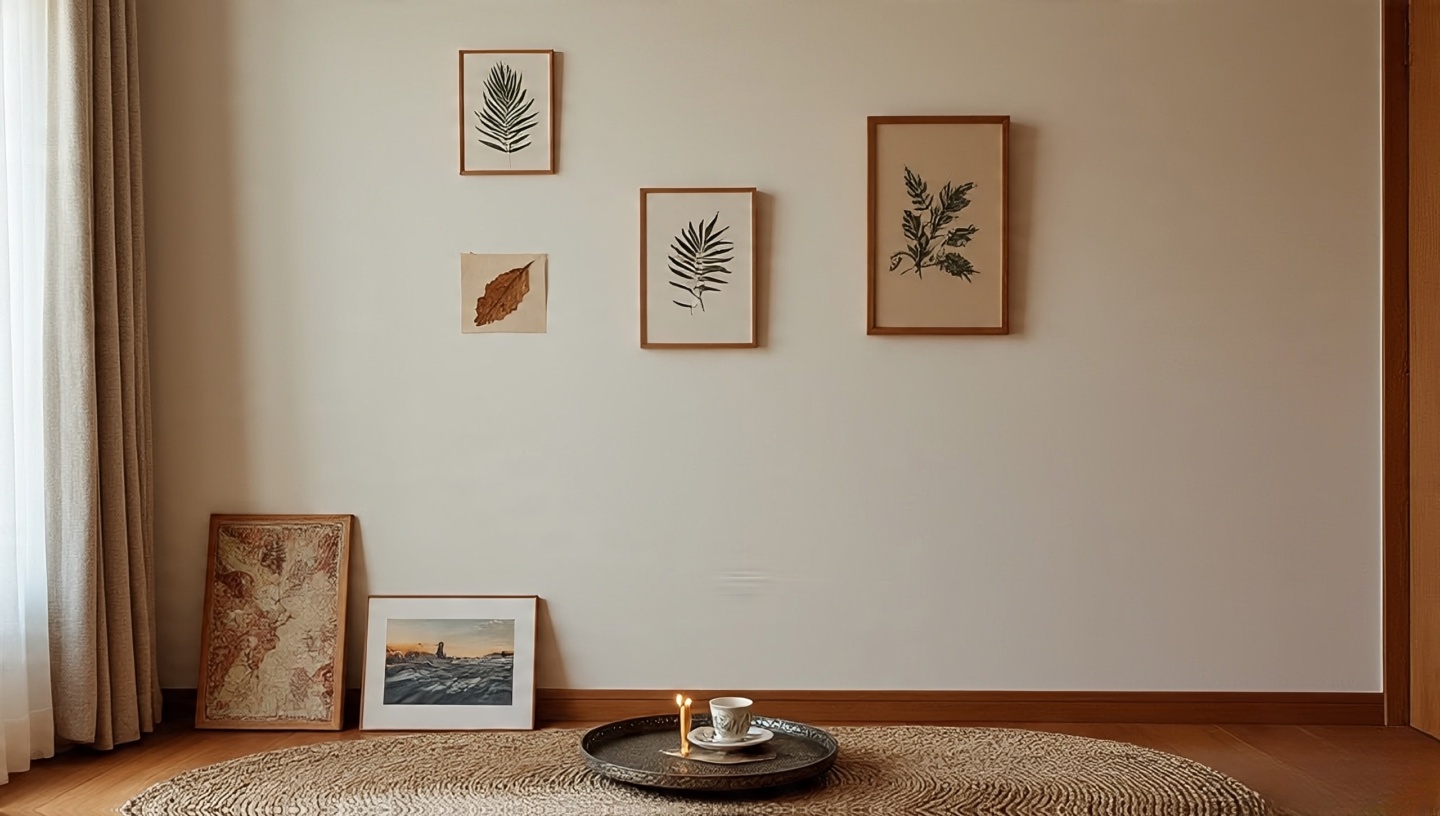 Here’s a ritual I use when the wall feels “almost.” I make tea, dim the room a little, and sit on the floor facing the wall. I ask what story is strongest. If it’s nature, I bring in one more botanical or a pressed leaf. If it’s travel, I let one tiny souvenir take a spot of honor. Sometimes I remove a piece. Empty space is honesty. Your wall doesn’t have to prove anything. It just has to feel like home.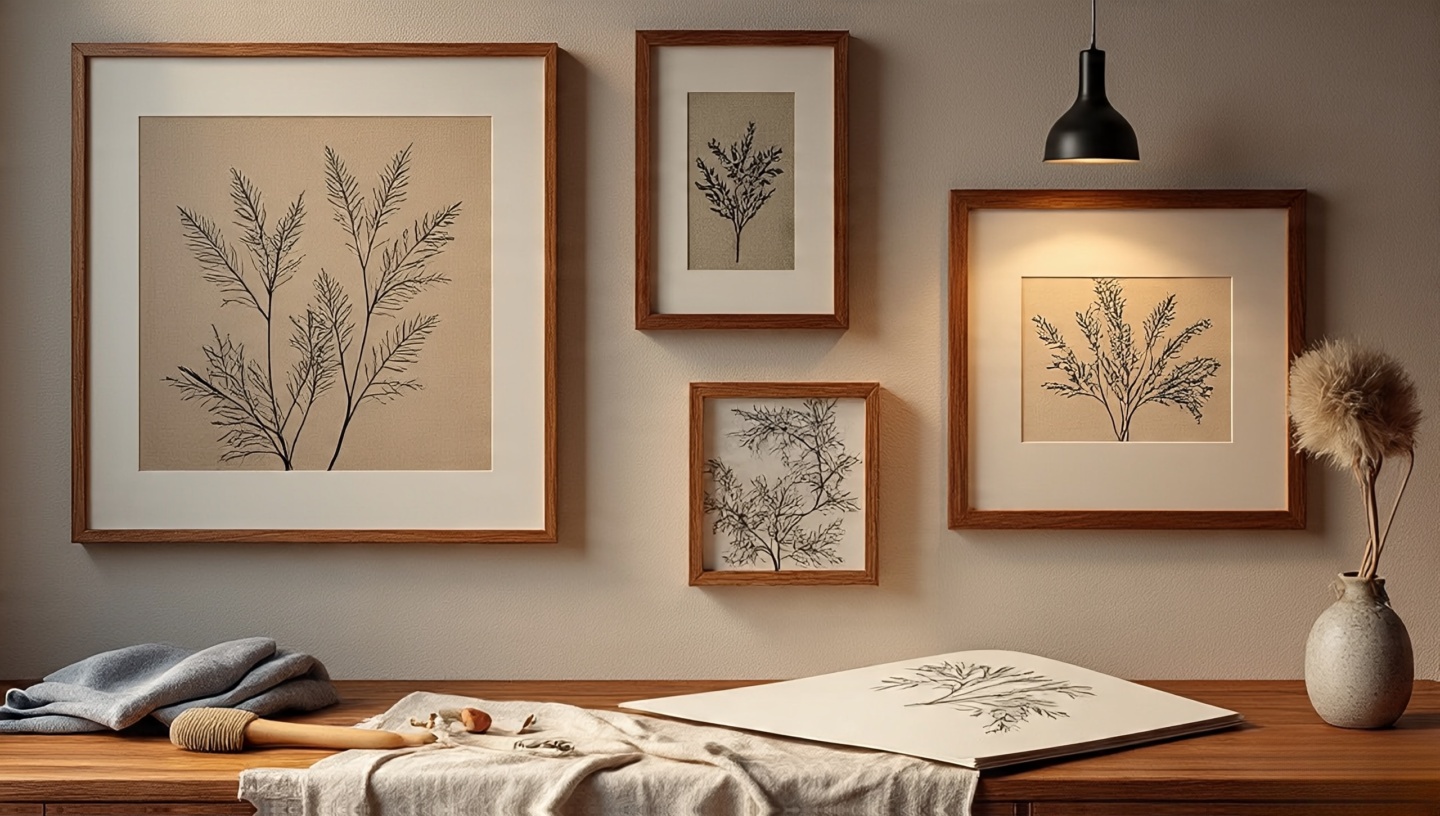
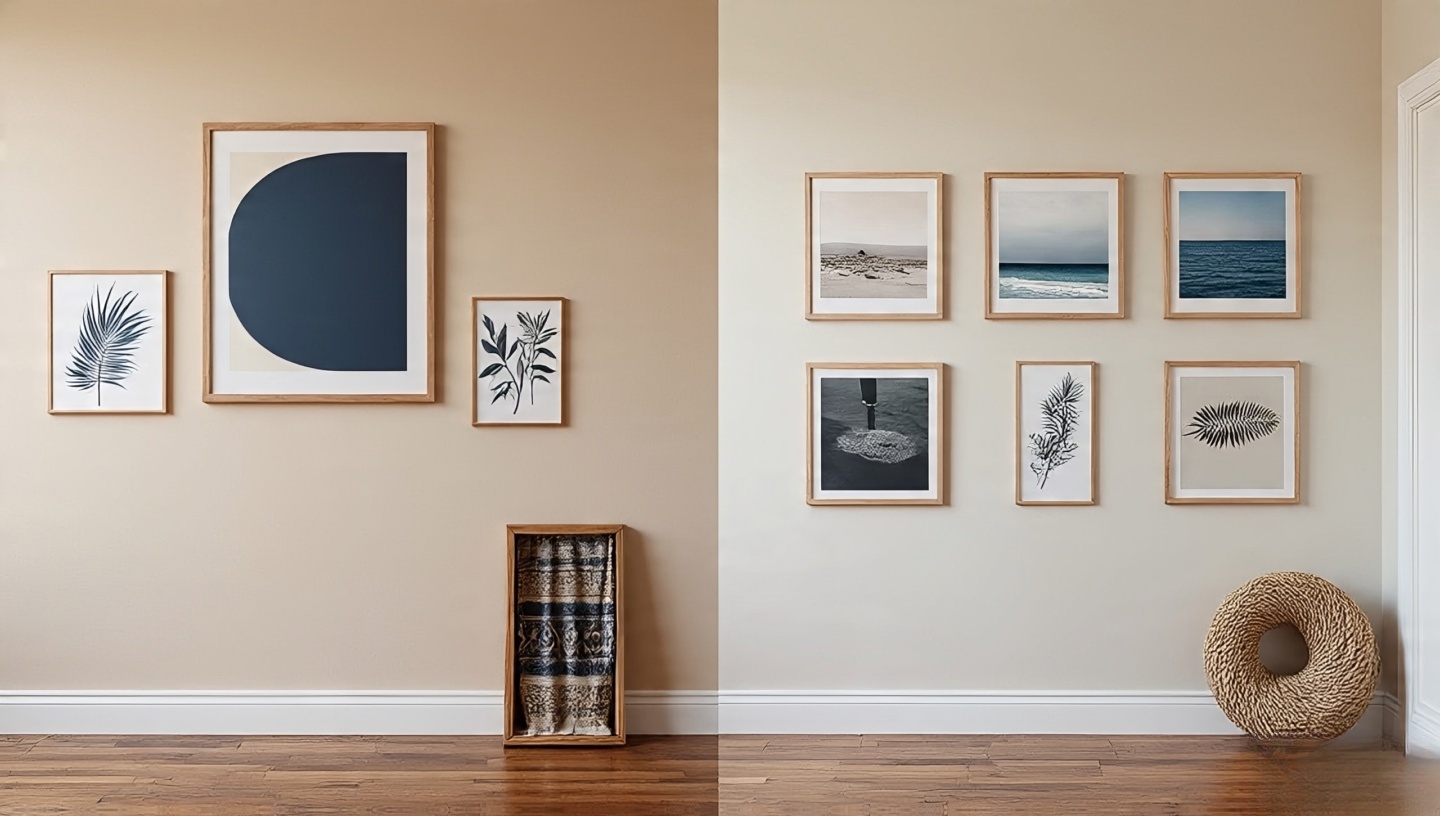 Plan A: Warm desert living room
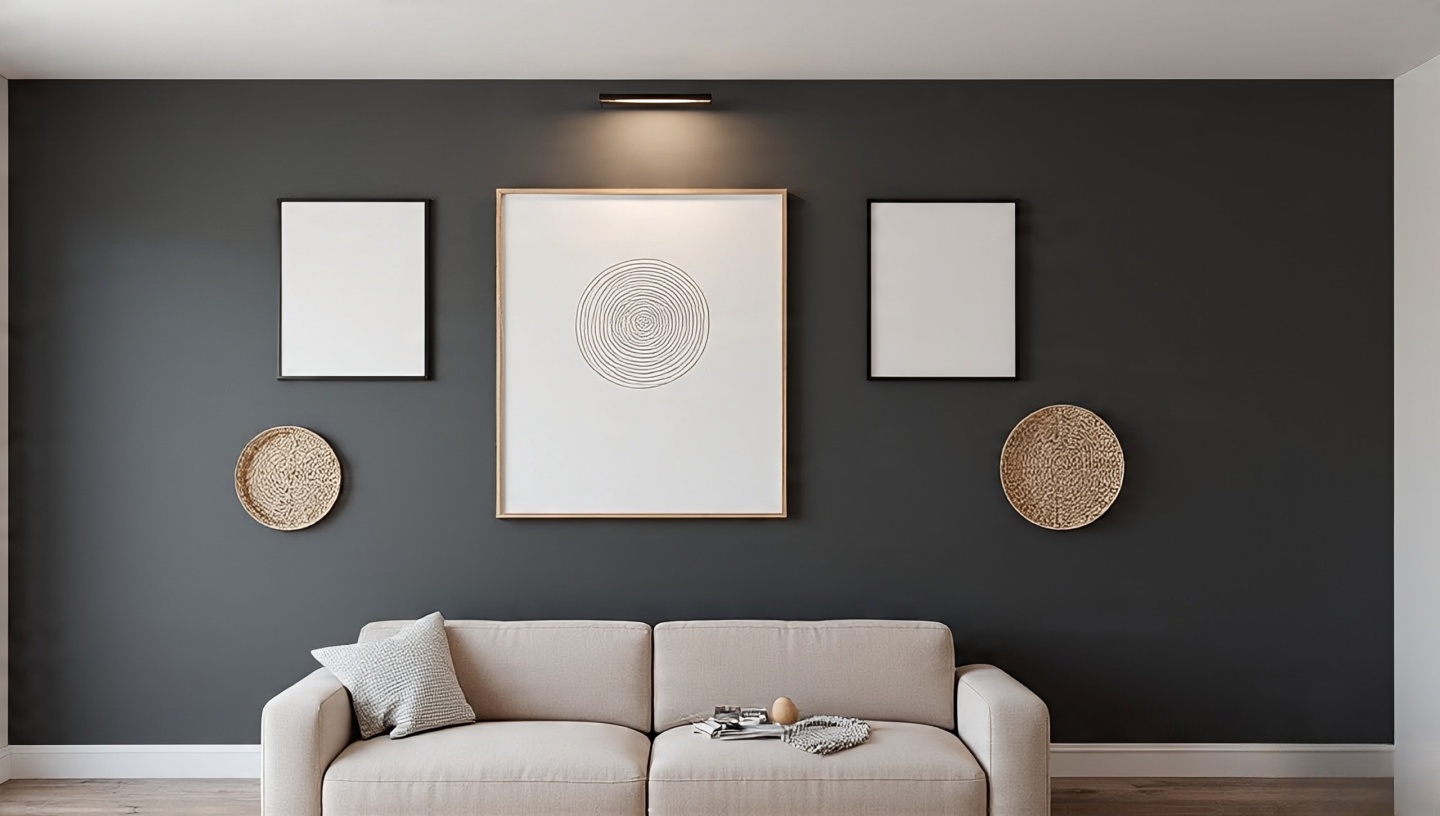 Keep frames slimmer, mats slightly wider, and limit rattan to one accent. Choose a restrained boho gallery wall layout grid like a soft grid or column pair. Let texture show up in the art and one textile object, but keep the silhouette crisp. This is where a slim black picture light looks fantastic, and why a tailored sofa from the list of
 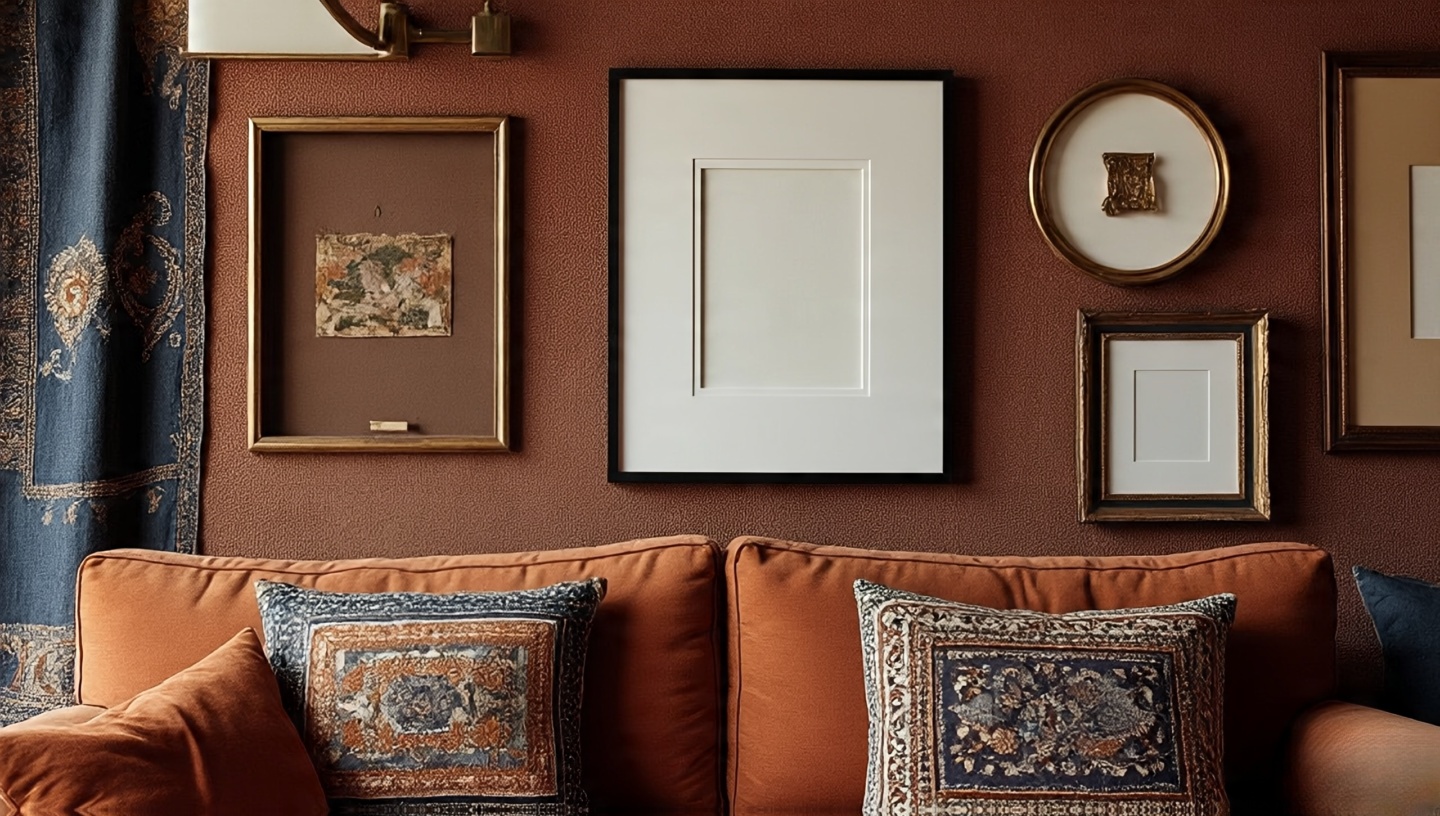 Lean into the salon hang. Add one round frame, one deep shadow box, and one tiny piece with an oversized mat for drama. Echo colors from your rug or cushions so the wall feels like it came from the room’s heart. If you need help balancing seating textures with the wall, revisit the guide on
 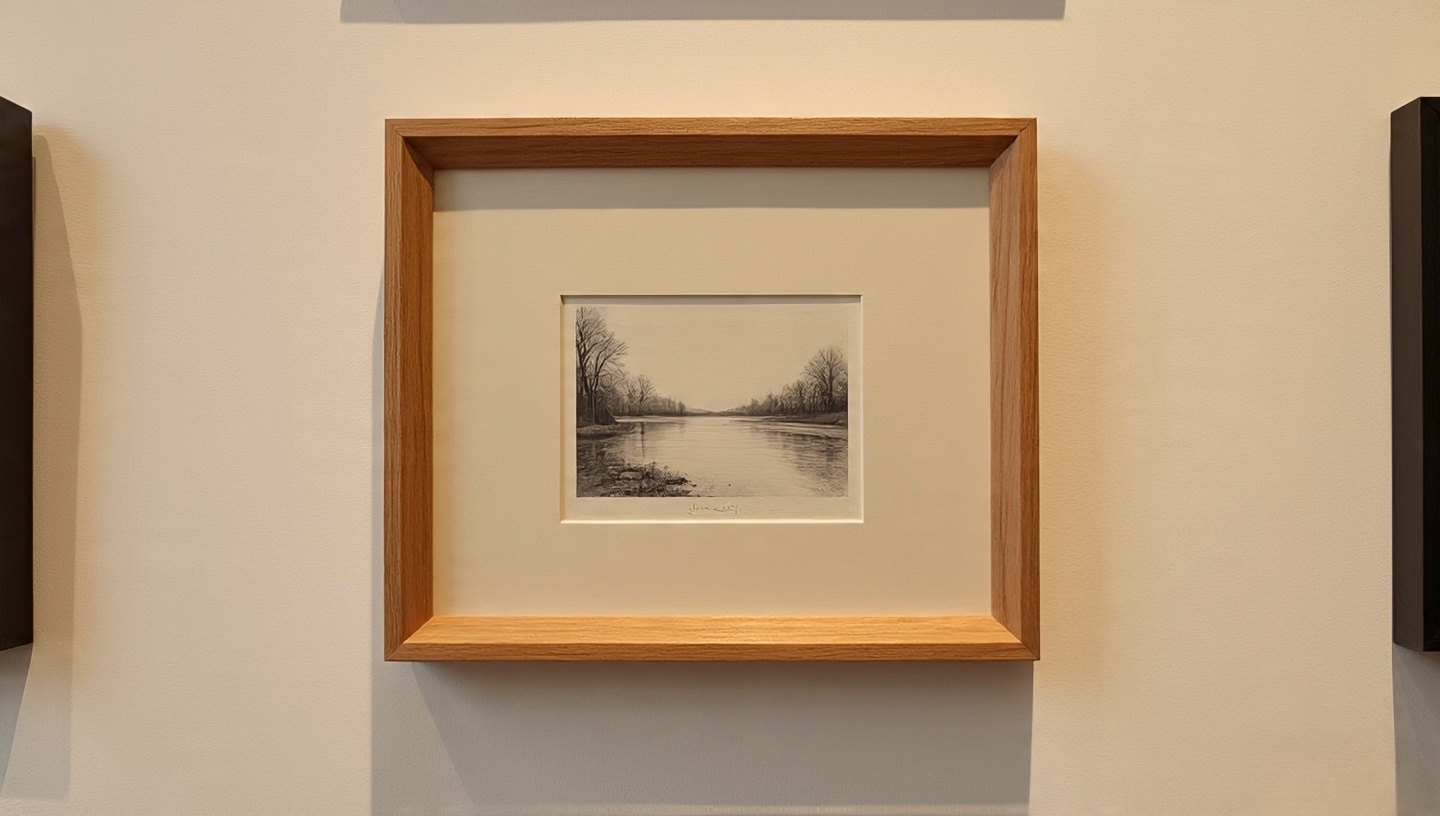 Last month I replaced a bland landscape with a small pencil portrait my friend drew on café paper. I floated it, left the coffee ring intact, and gave it a wide mat. The piece is technically humble, but the wall suddenly felt like it knew me better. That’s the essence of a boho gallery wall. It’s not about the fanciest frame. It’s about the moment your wall starts to whisper your life back to you.
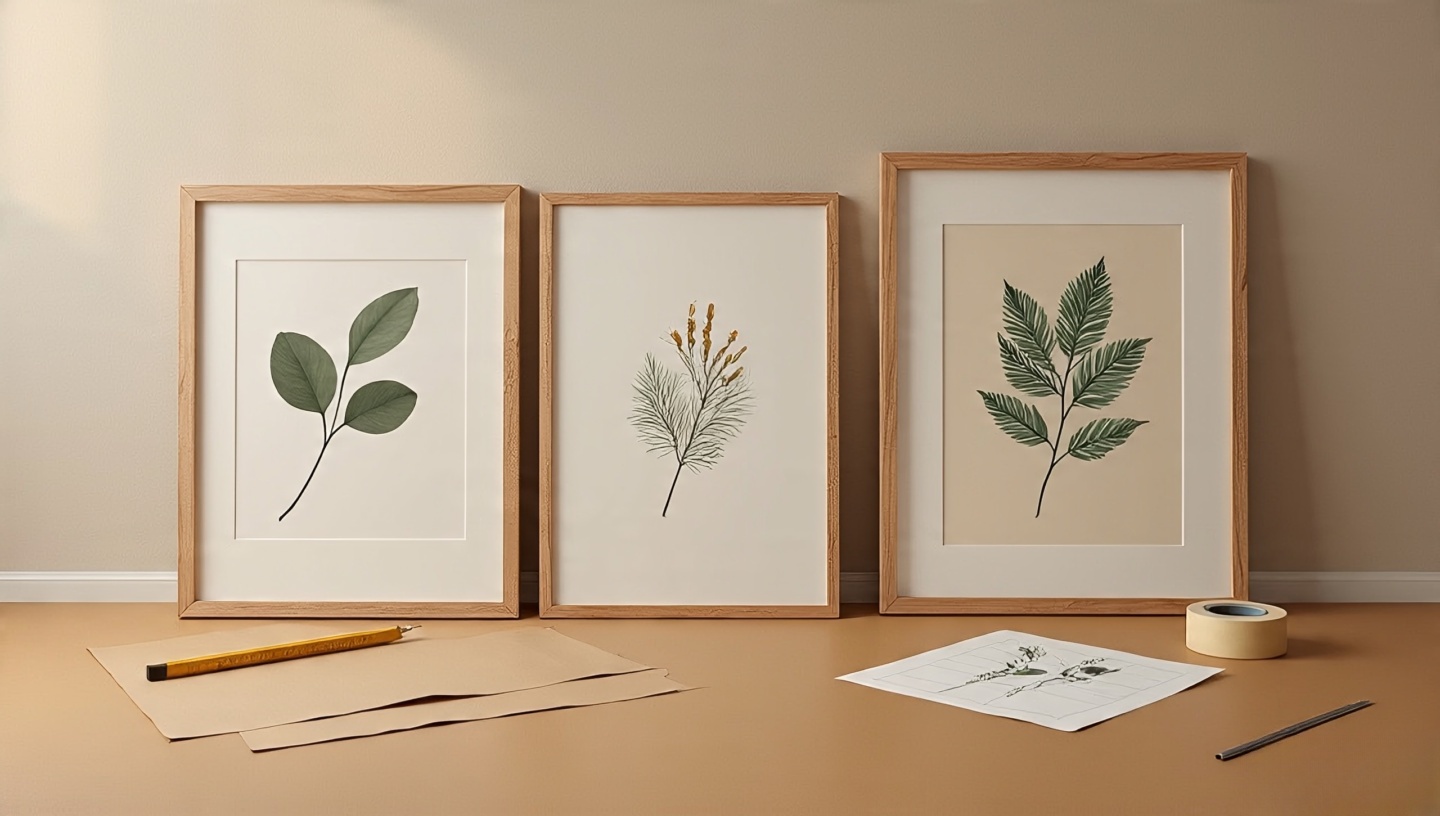 Pick one wall. Pull five pieces you love. Lay them on the floor and build a soft grid with 5 cm spacing. Swap one glossy frame for natural wood, and add a tiny object that breaks the rectangles. Tape up paper templates at the right height, sleep on it, then hang tomorrow with a warm playlist and a cup of tea. If the room sighs in relief, you’ll know you got it right. And if you want more roomwide inspiration, keep exploring those
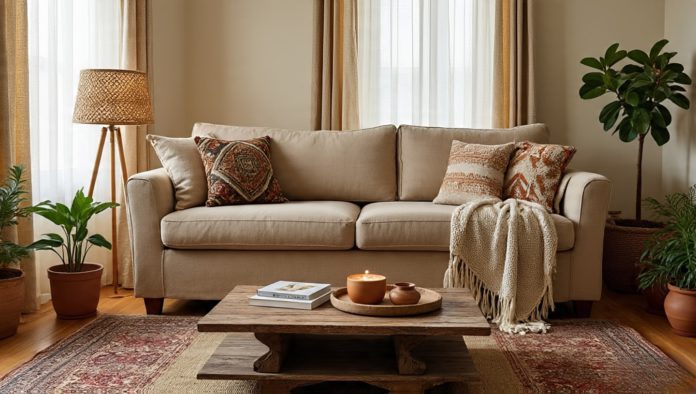
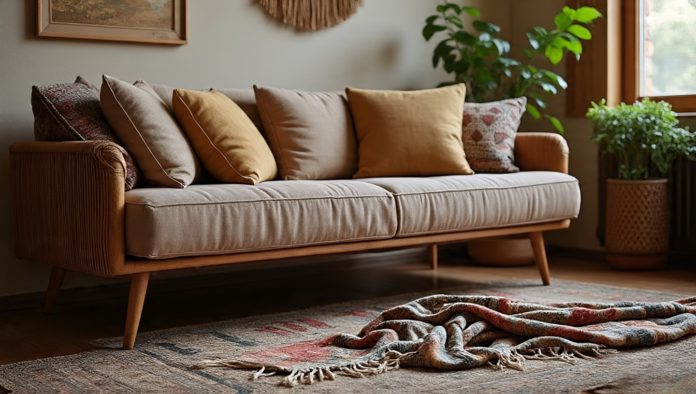
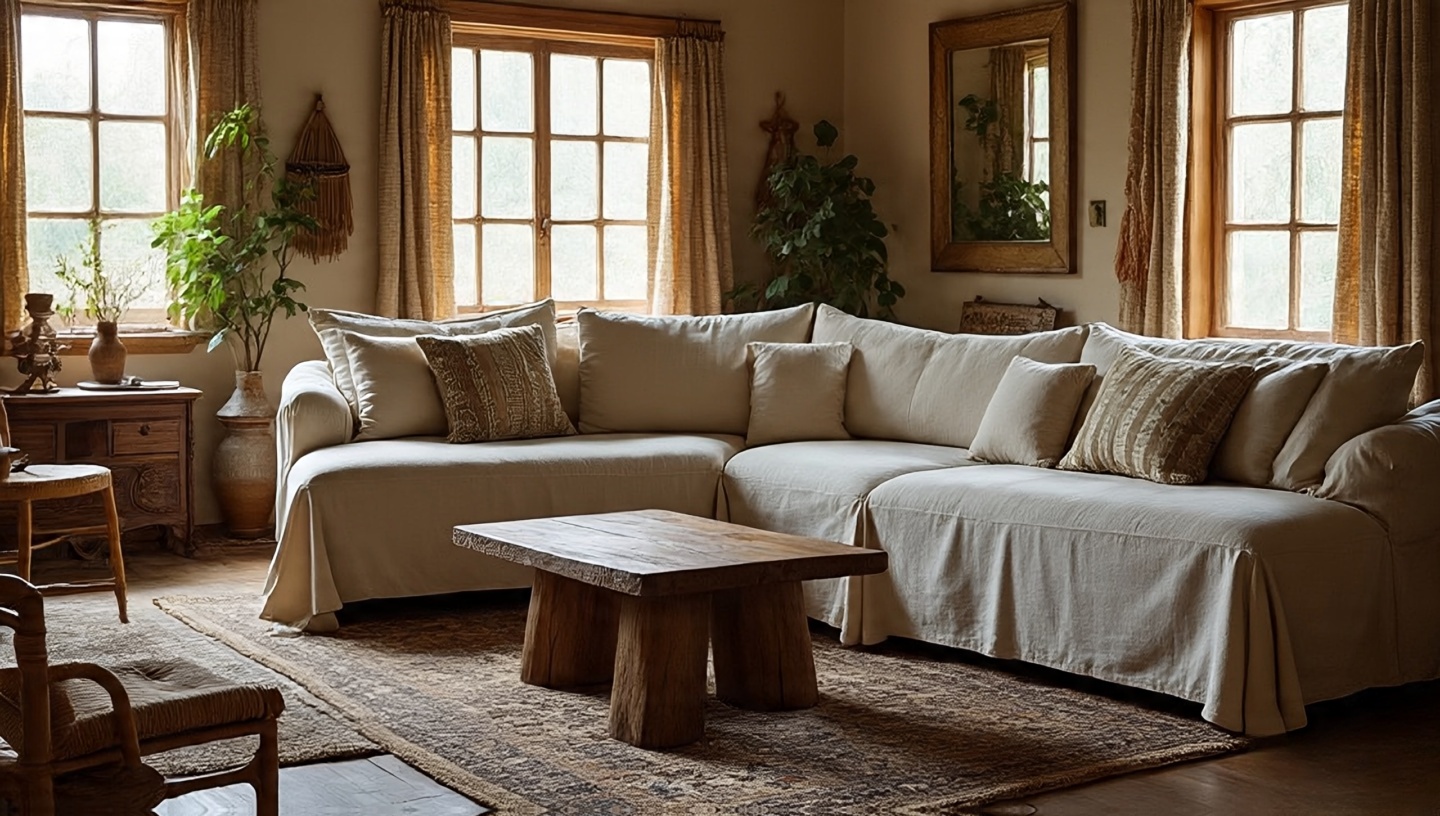 When guests step into your home, the sofa silently greets them first. It’s not just a seat it’s the anchor that gathers people together. In Bohemian interiors, the sofa should invite, not intimidate. Over the years, I’ve learned that the best sofas are those that whisper comfort the moment you see them. Whether it’s a low, lounge-style daybed or a deep linen slipcover sofa, it becomes a stage for your personality to shine. If you’d like a broader perspective on how different sofa styles influence a living area, I often recommend exploring this piece on
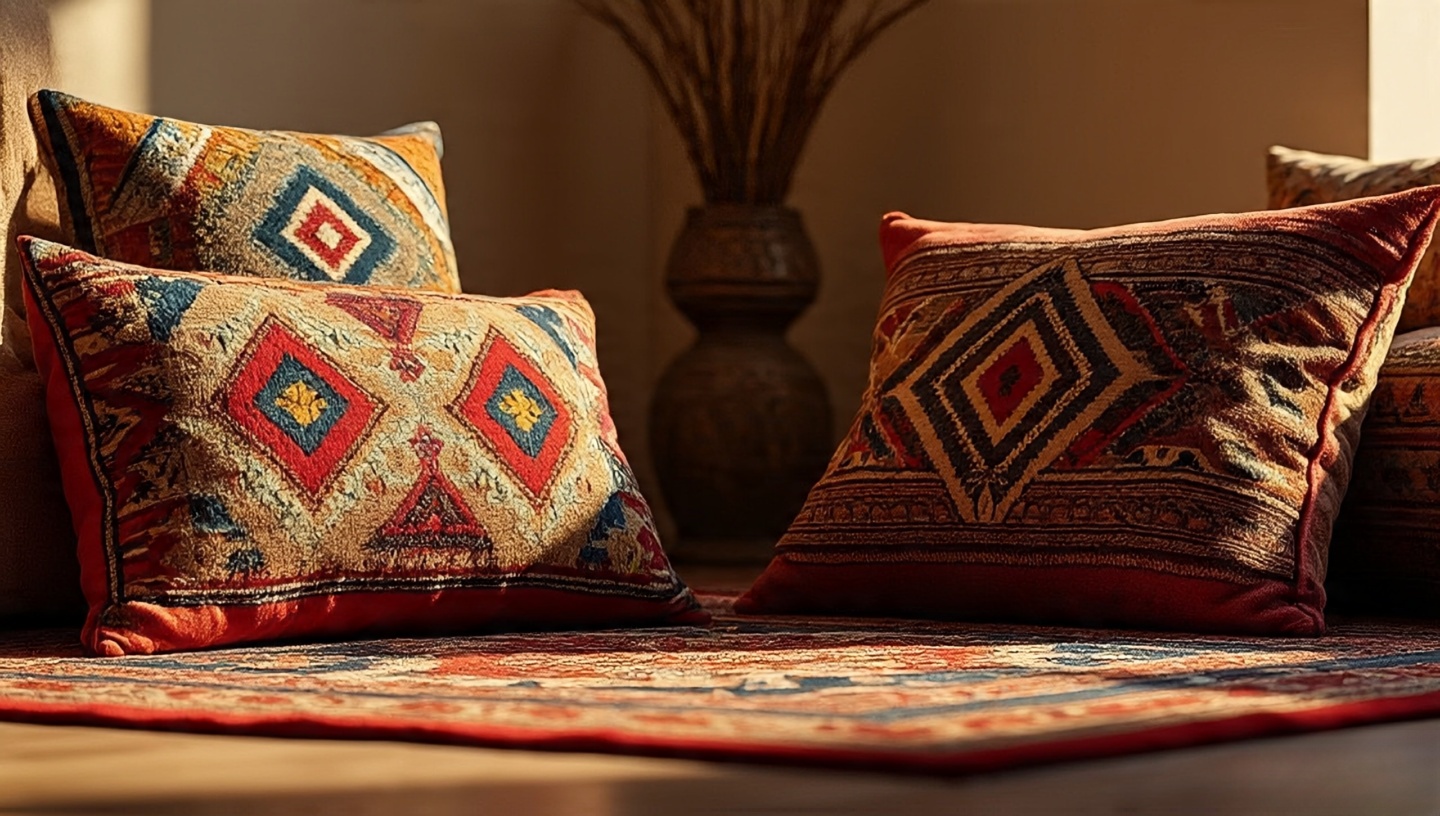
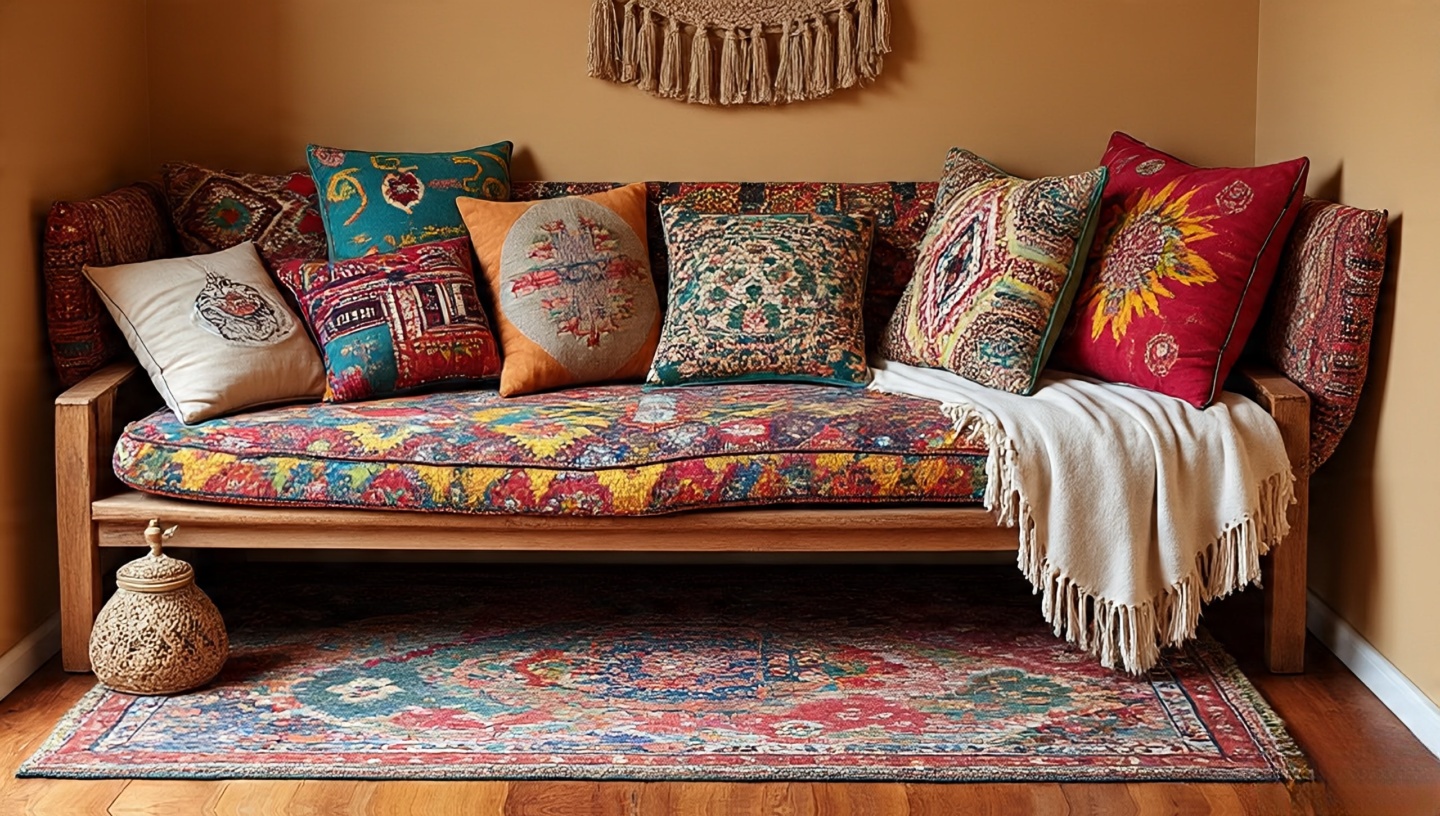
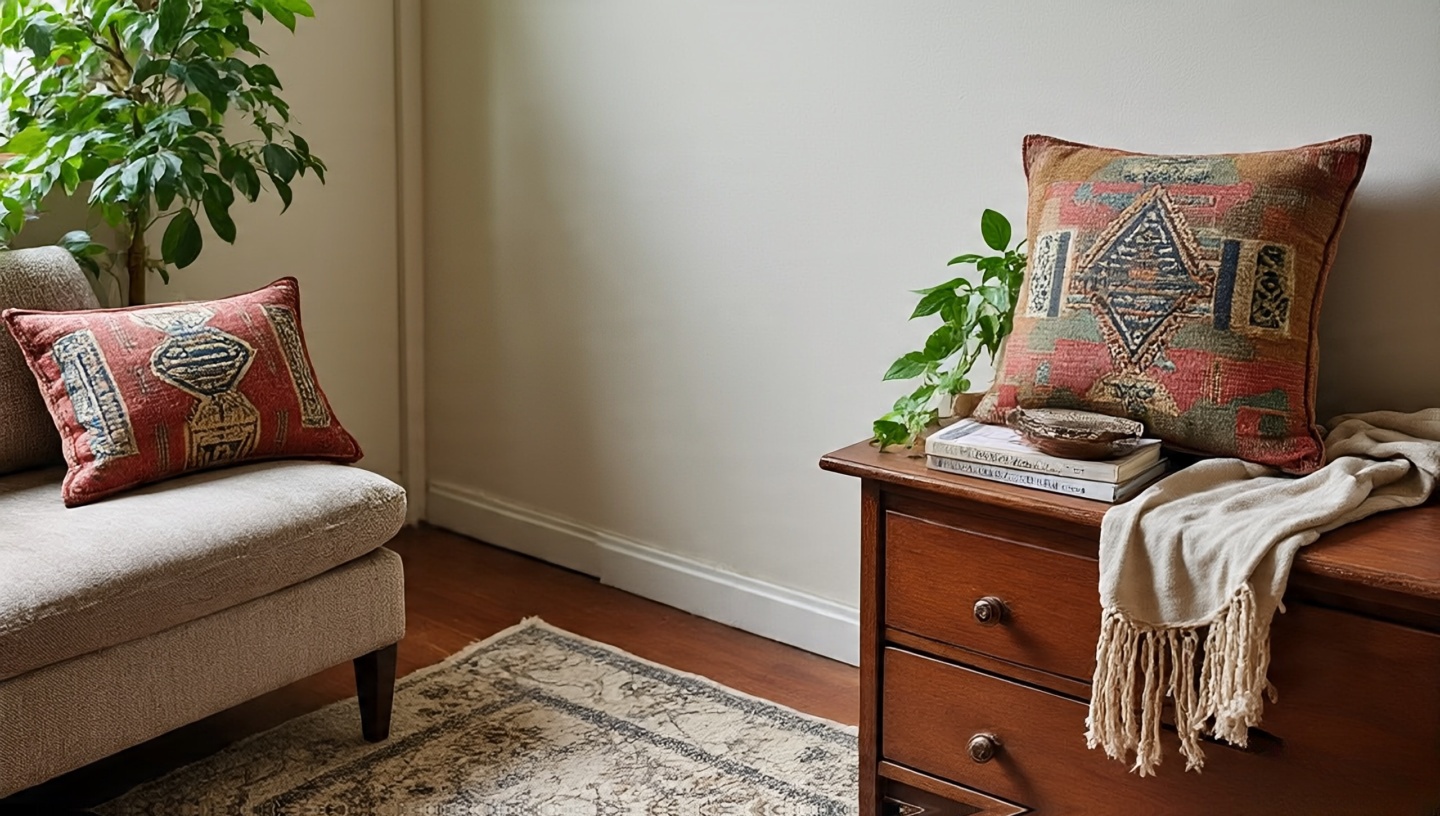
 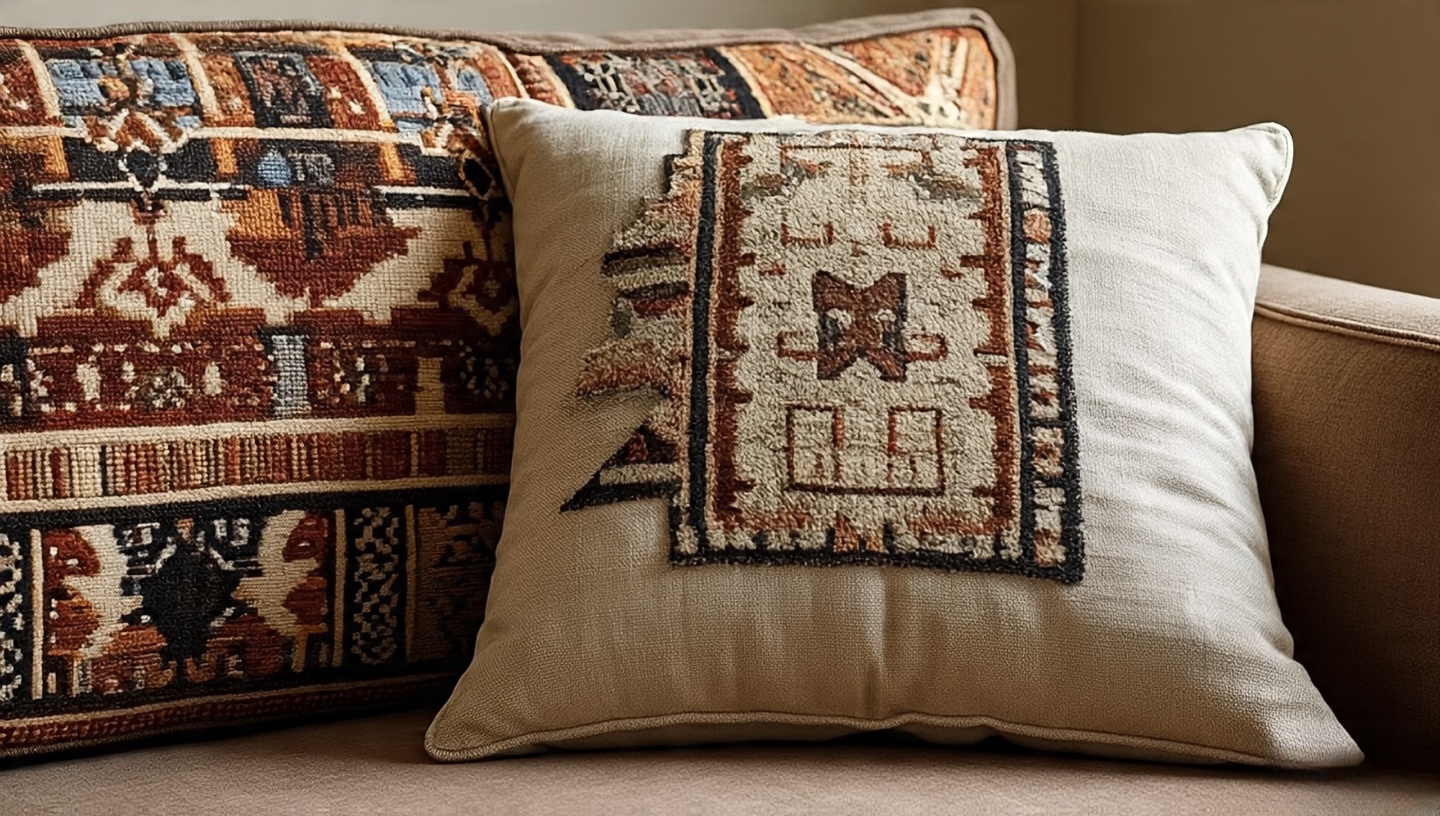 Cushions are more than accessories they are storytellers. Mix textures like shaggy wool with smooth linen, and don’t fear bold patterns. A single cushion with hand-dyed fabric can ground an entire sofa. I remember running my hand over a Turkish kilim pillow, its slightly rough wool carrying decades of craft knowledge. That touch, that authenticity, is what makes the room feel alive.
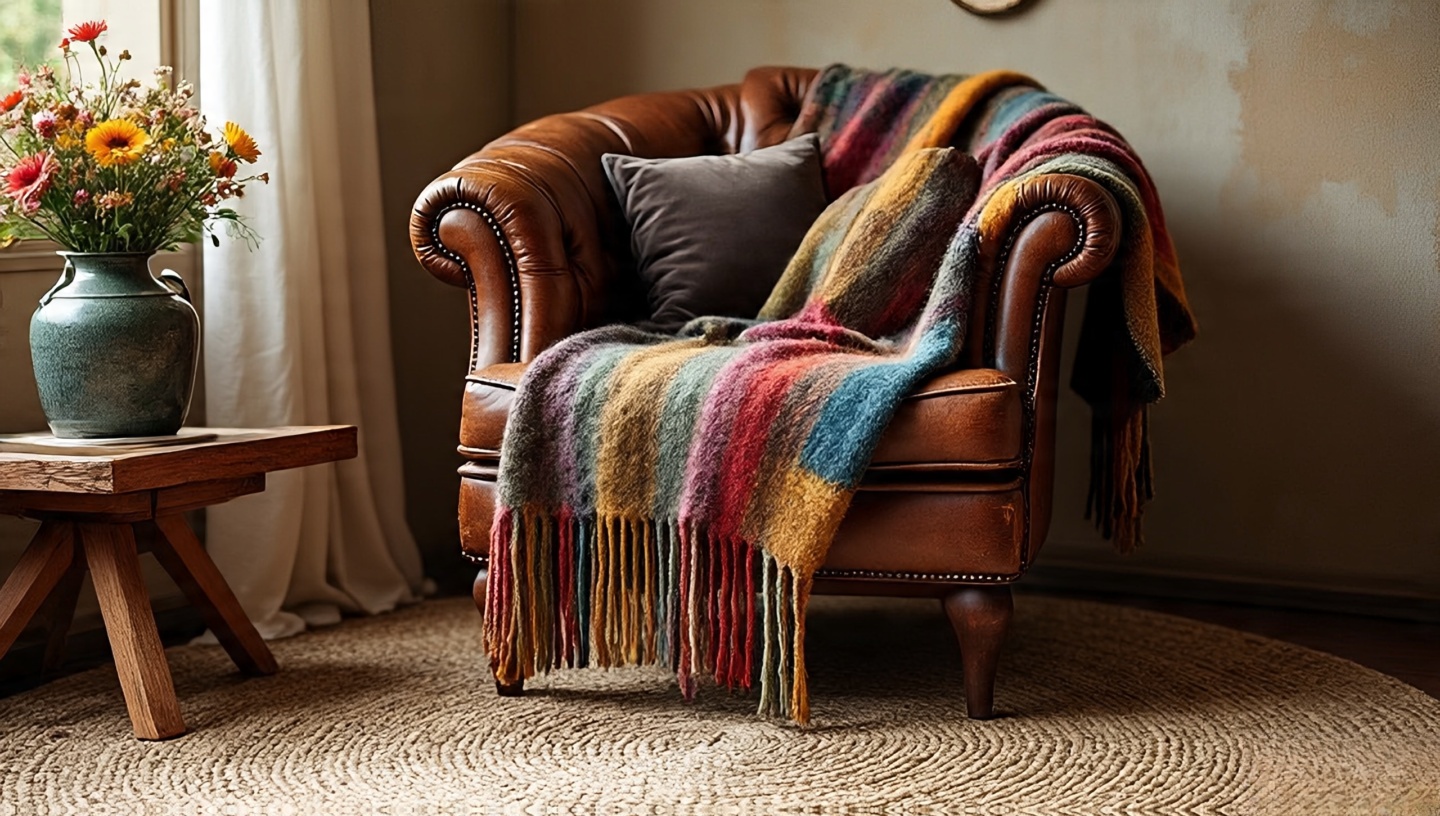
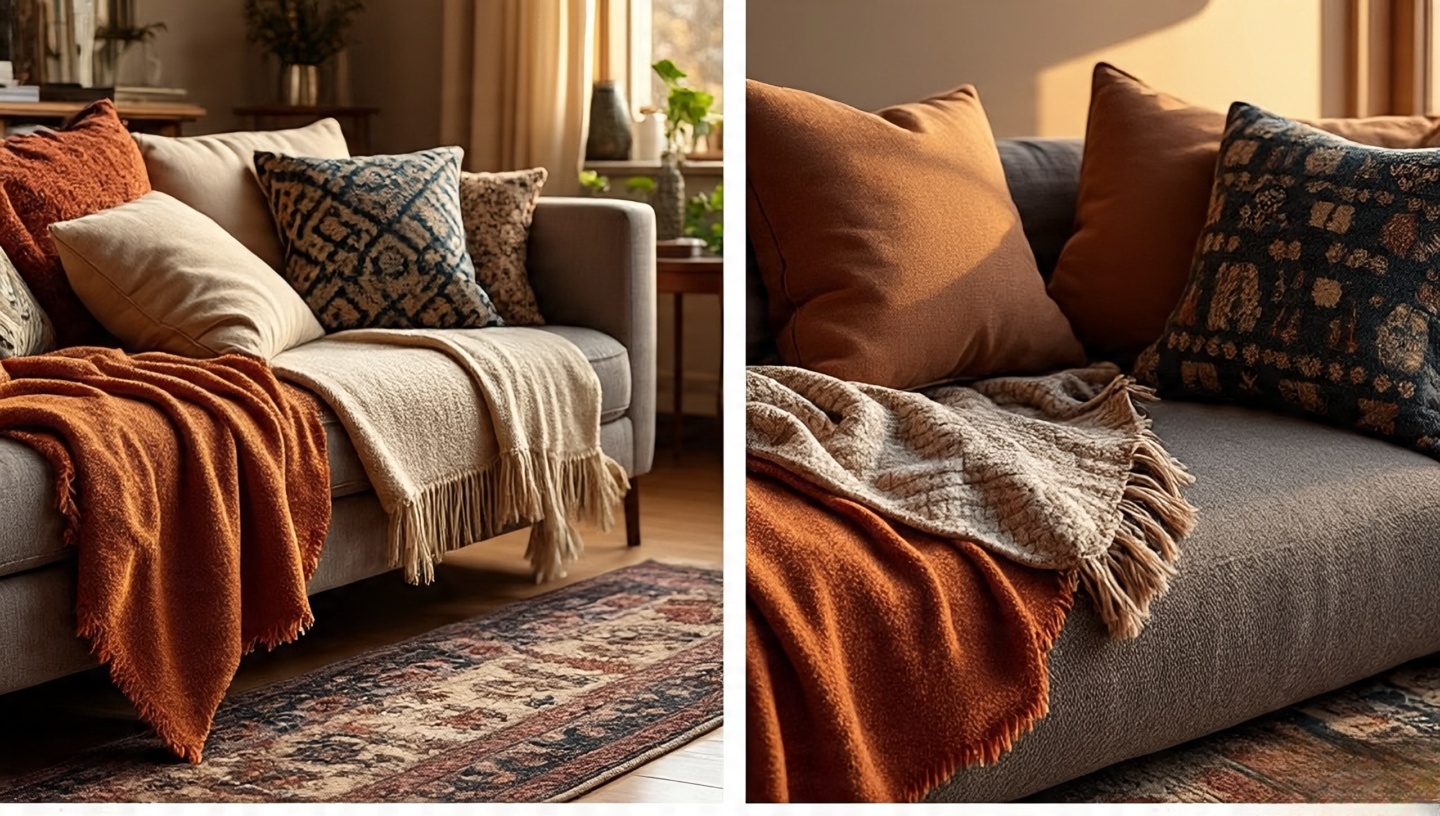
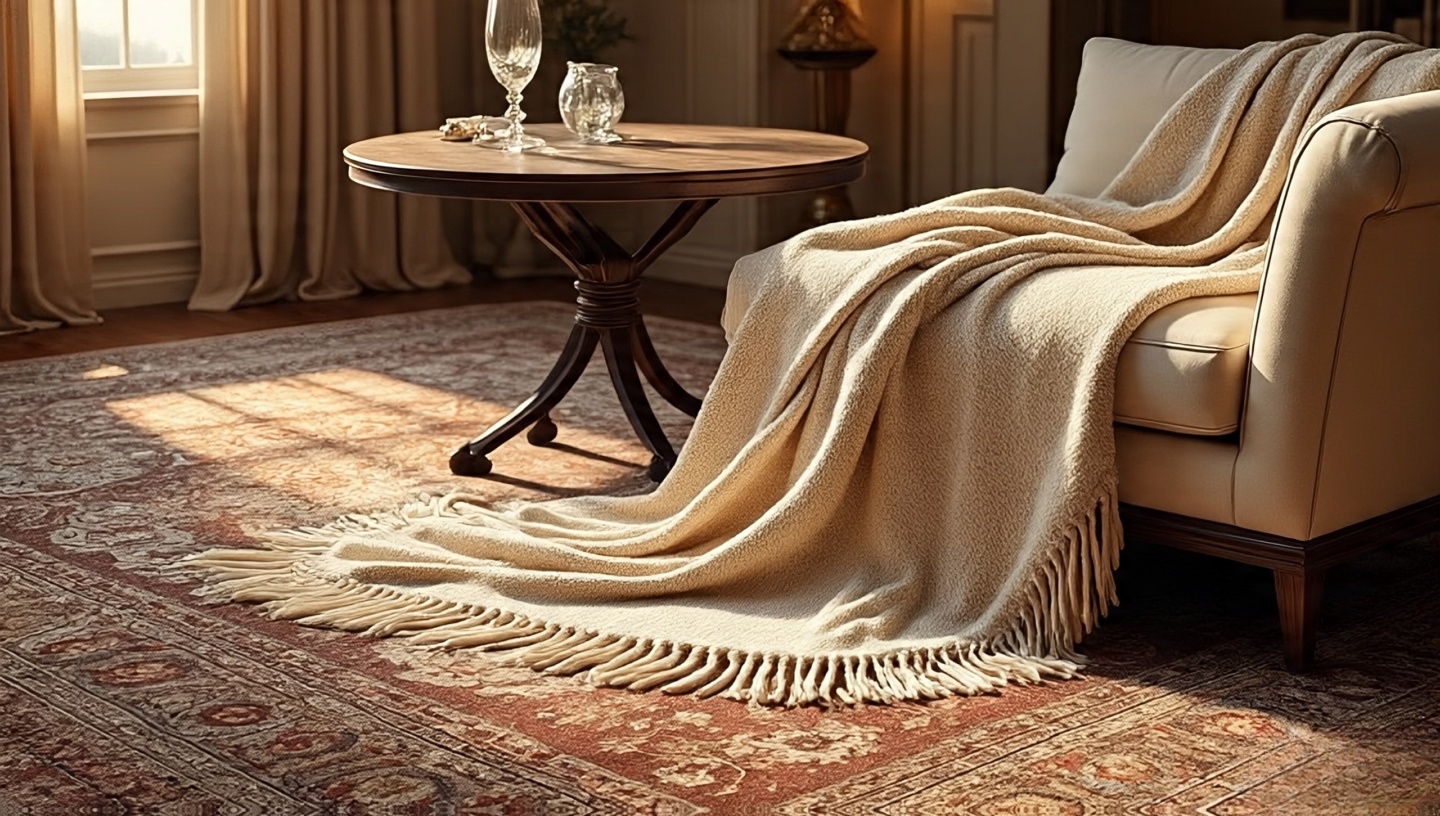
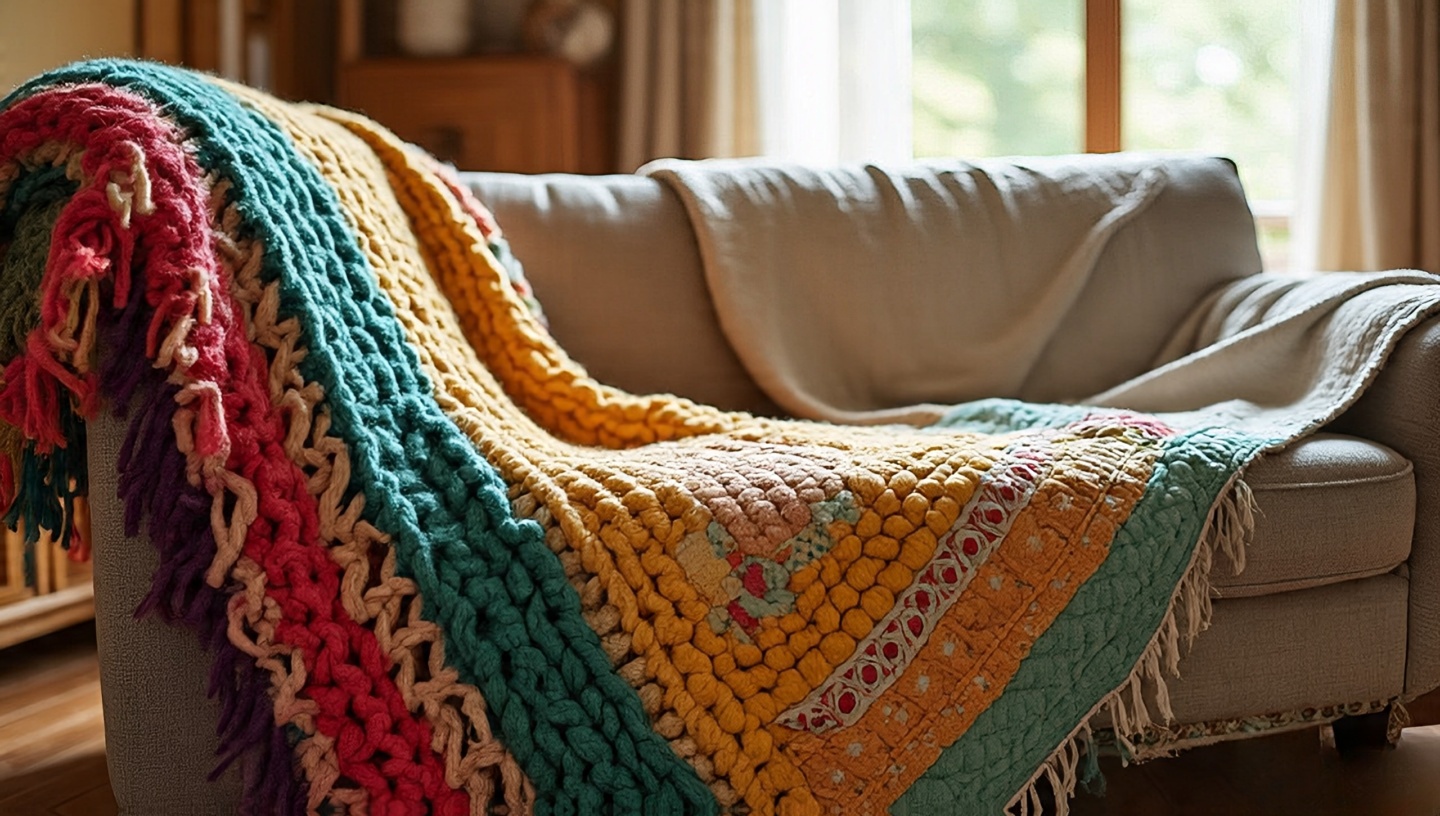 A throw blanket has the power to alter a room’s character in seconds. Folded neatly, it reads refined. Draped casually, it suggests ease and freedom. In Boho style, I lean toward the second option. A chunky knit sprawled over an armrest, or a kantha quilt cascading to the floor, brings the sofa to life. Each season, you can shift your throws: lightweight linen in summer, wool in the cooler months. It’s like giving your sofa a fresh wardrobe.
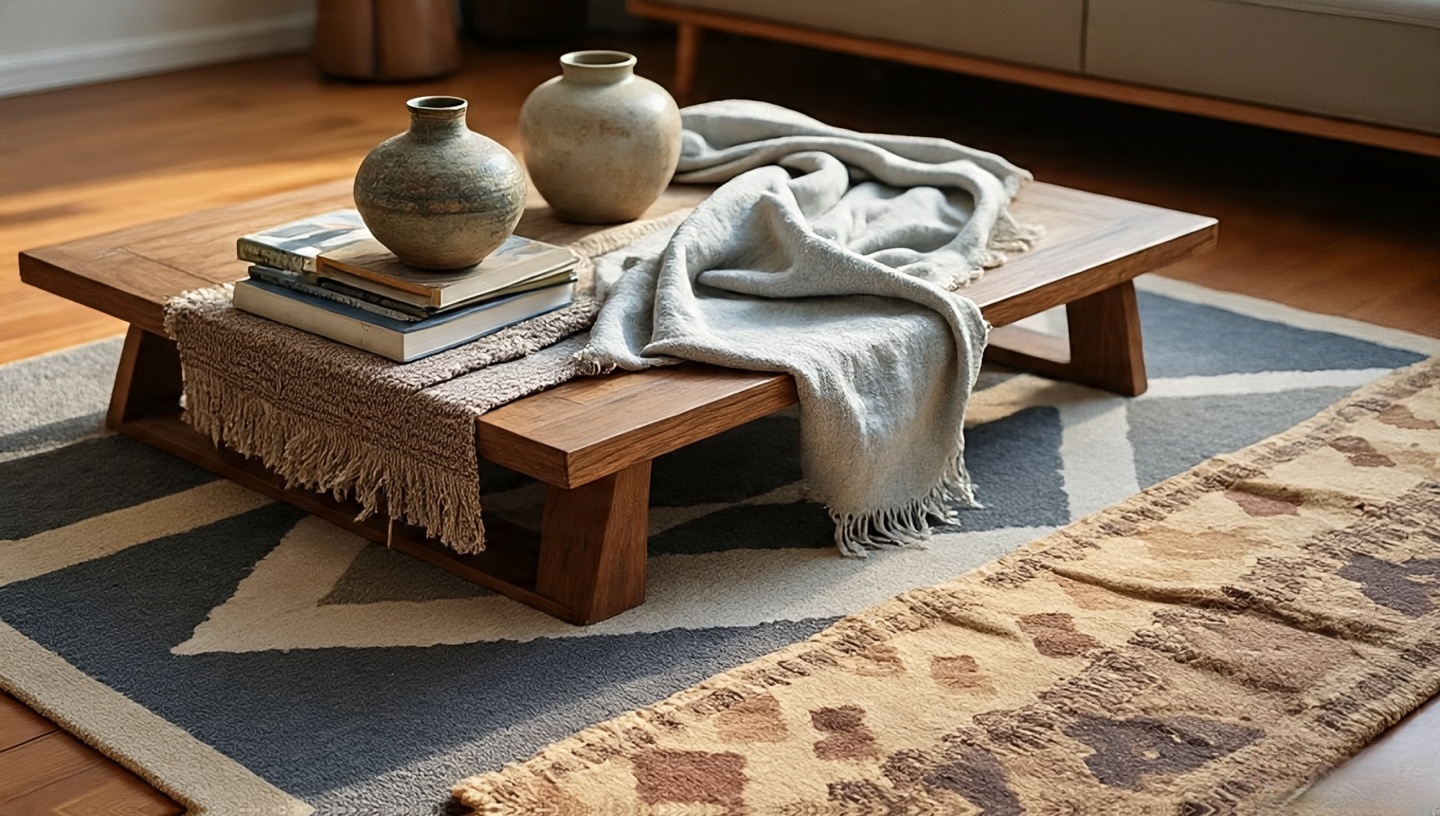
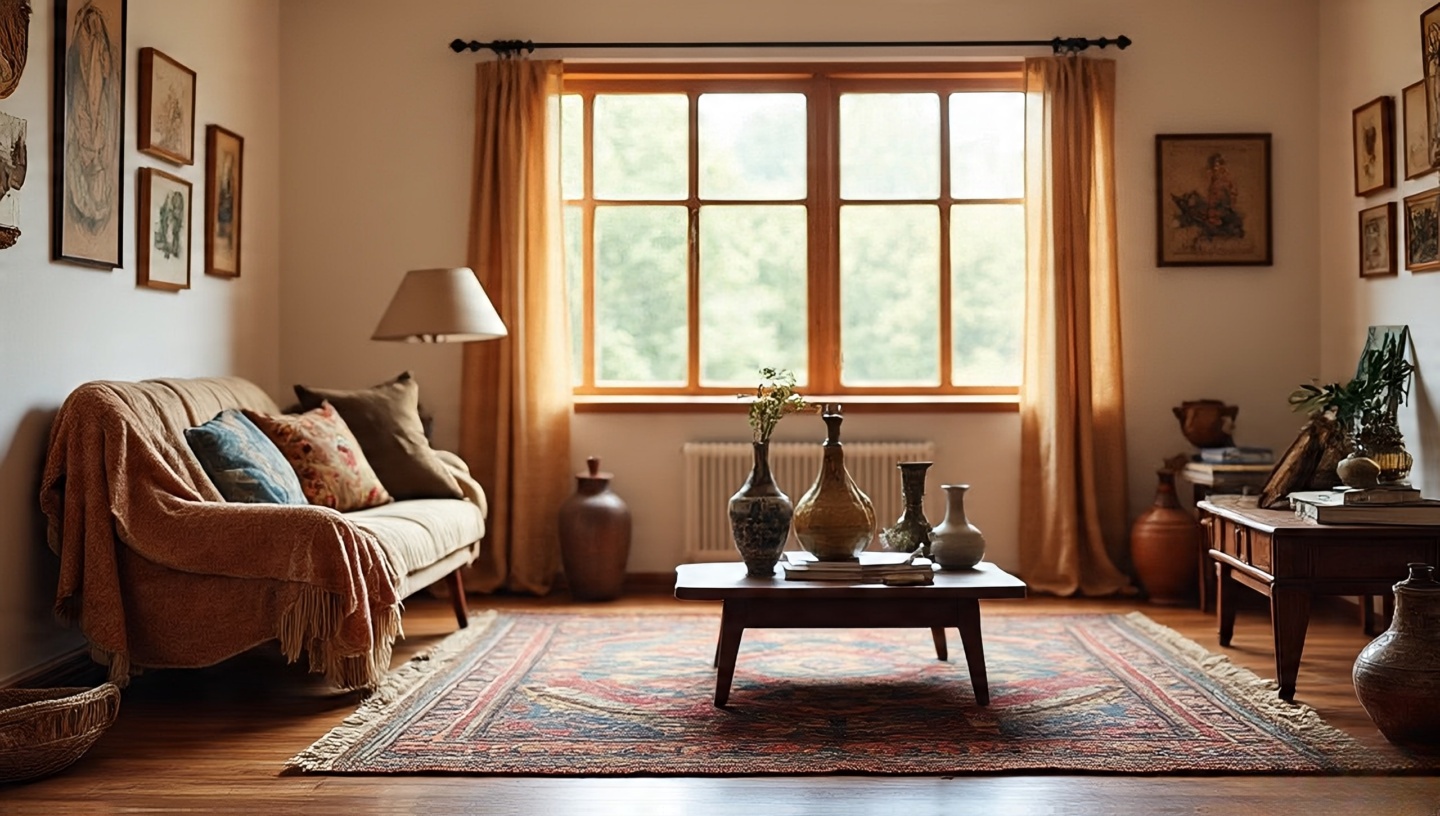
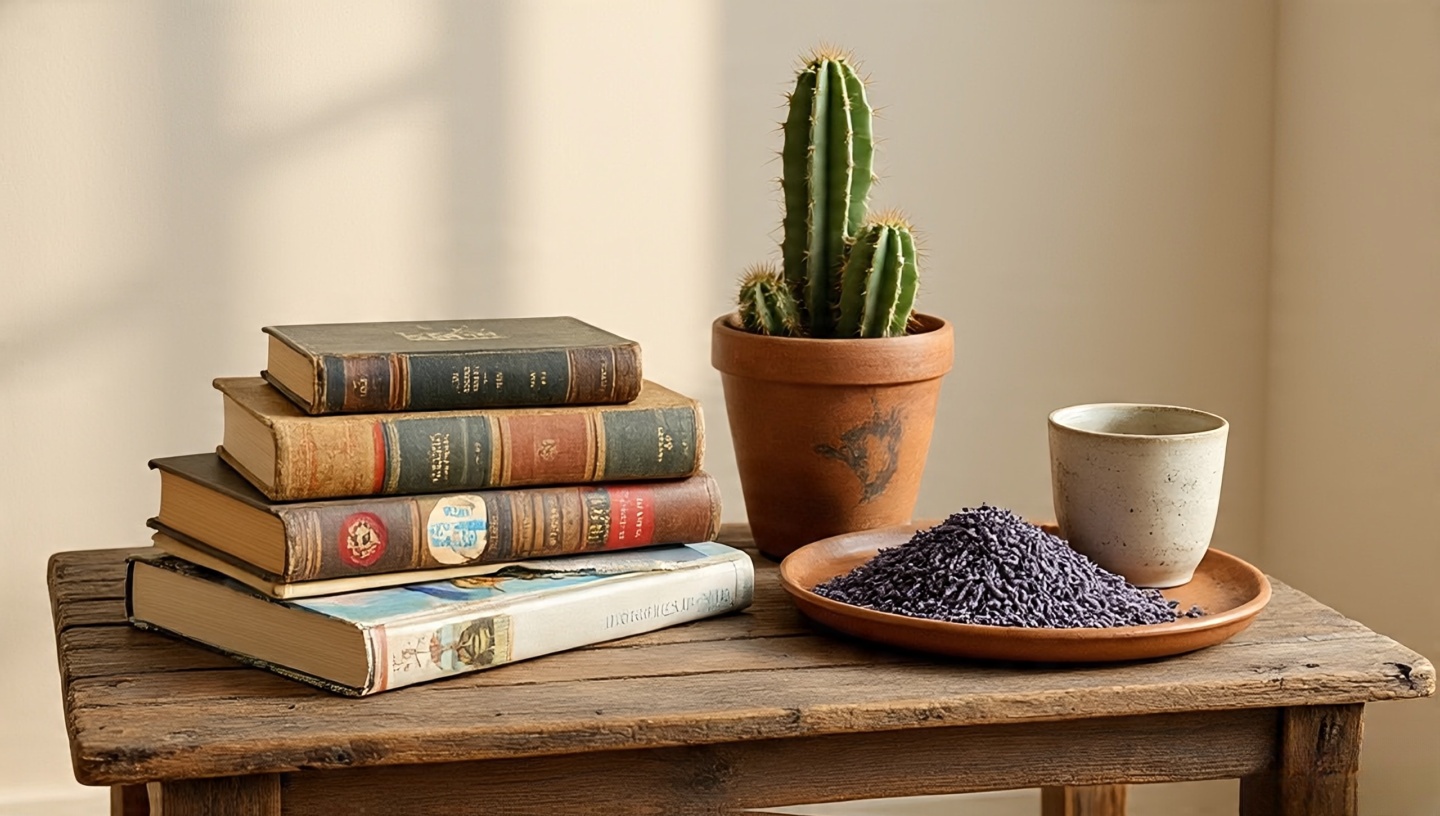 If the sofa is a canvas, the coffee table is the centerpiece where small treasures gather. Layering is key books stacked at one corner, a soy candle beside them, and perhaps a small terracotta dish filled with lavender. I once added a cactus in an old clay pot, and the faint scent of wax mingled with desert air. Suddenly, the living room felt like an evening under the stars, but indoors.
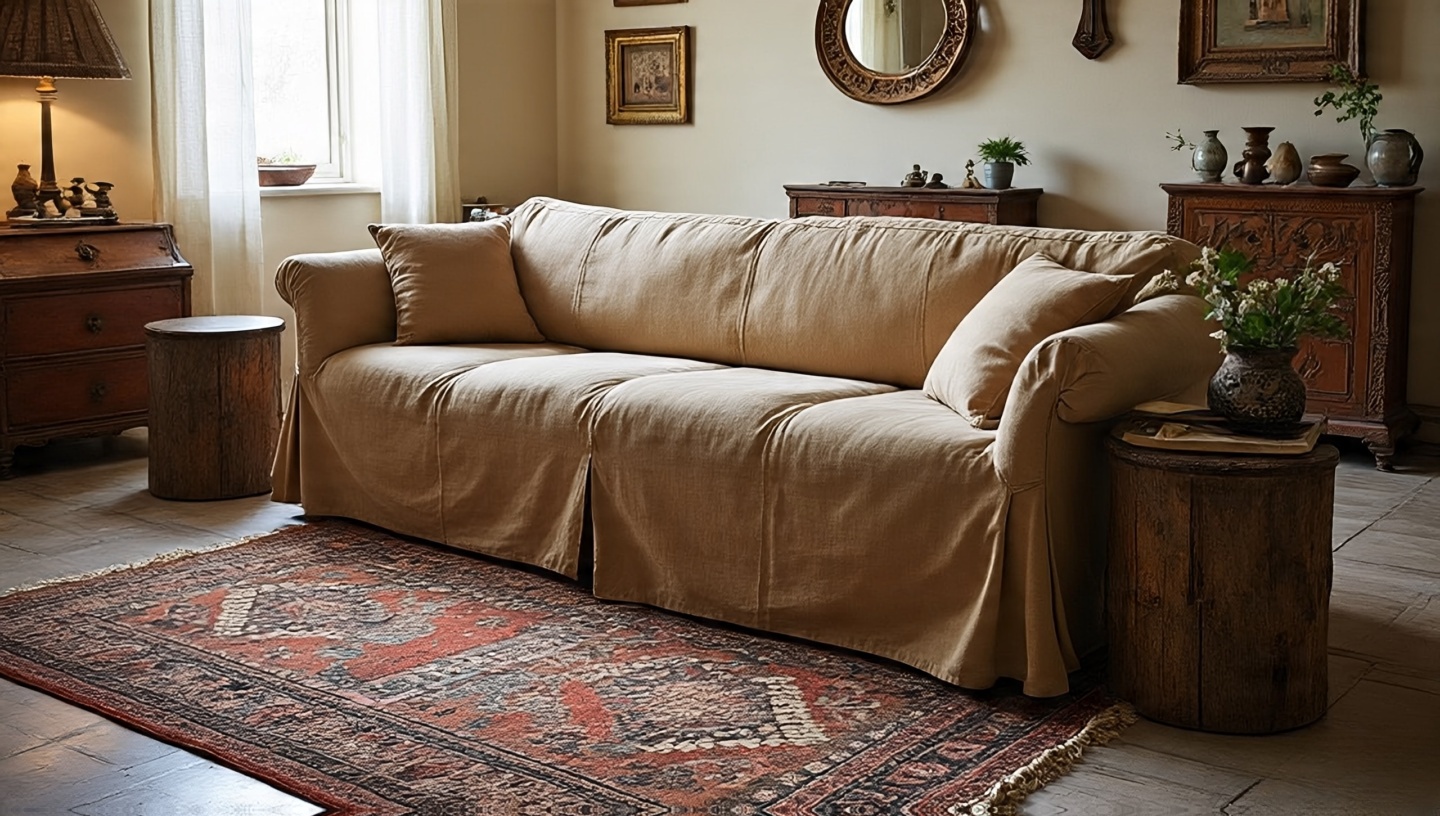 After three decades of design work, I can say this with confidence: your choice of sofa material sets the tone. Linen slipcovers breathe easy. Deep velvet invites luxury but needs grounding with rustic accents. Matte leather can feel soulful, while glossy leather tends to look too stiff. If you’d like to see how the sofa’s role extends into a layered space, these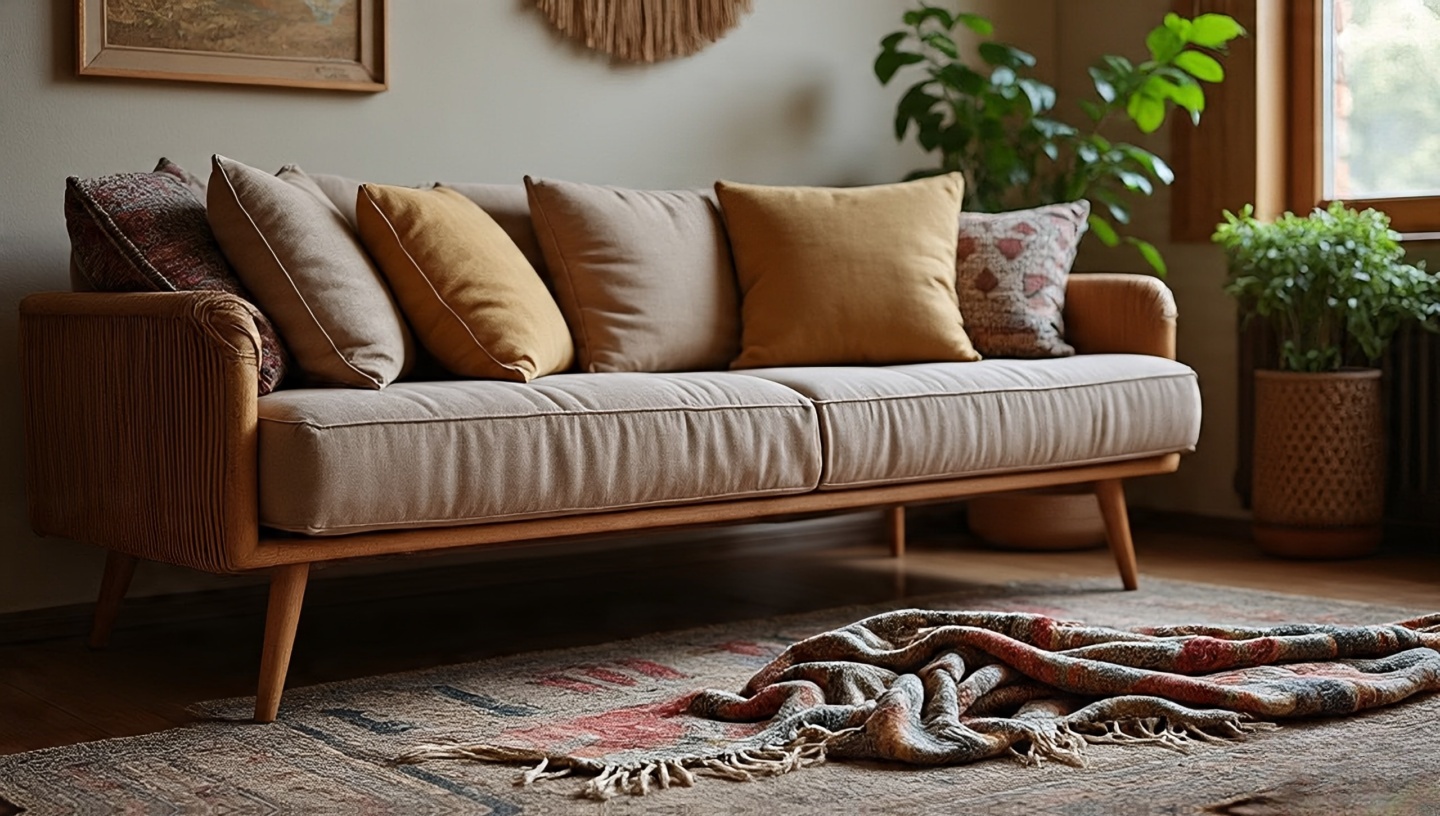
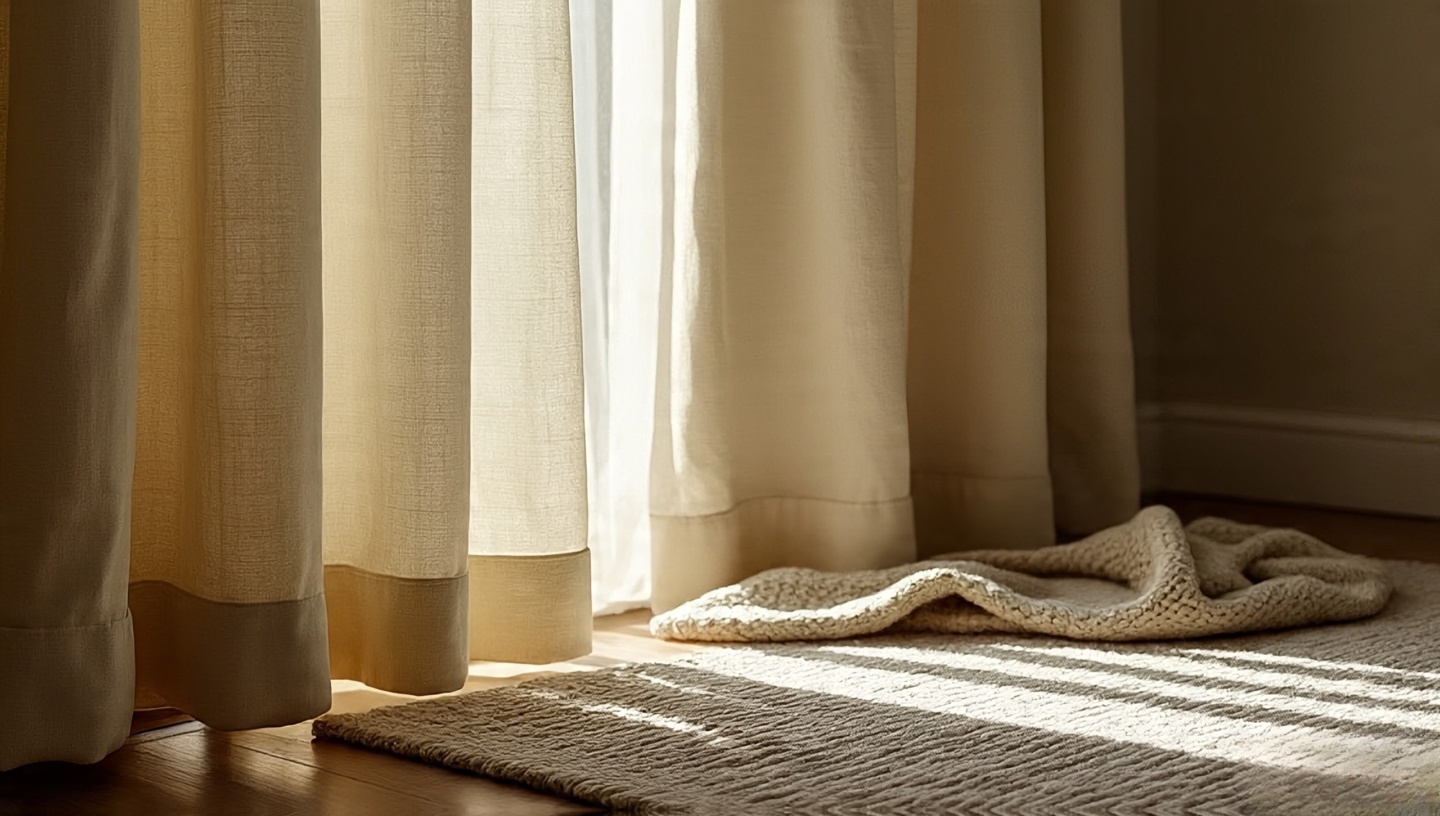
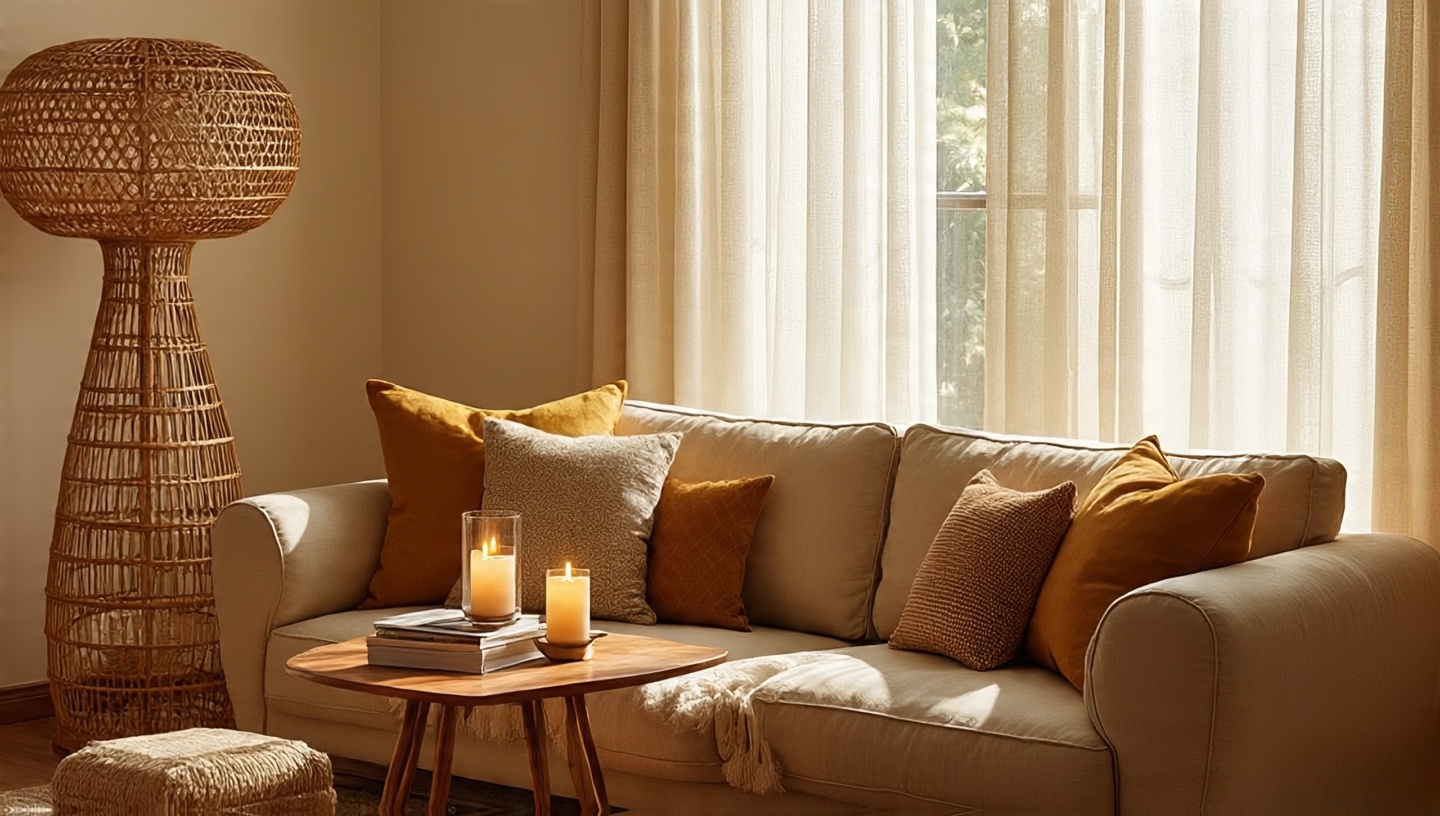 Light has the power to make or break your sofa styling. A woven lampshade can scatter honeycomb patterns across the cushions at night. In the morning, sheer curtains let sunlight bathe your throws in a golden haze. Lighting enhances texture linen glows, velvet deepens, knits look more inviting. Always choose warm-toned bulbs; harsh white light will strip the life from earthy fabrics.
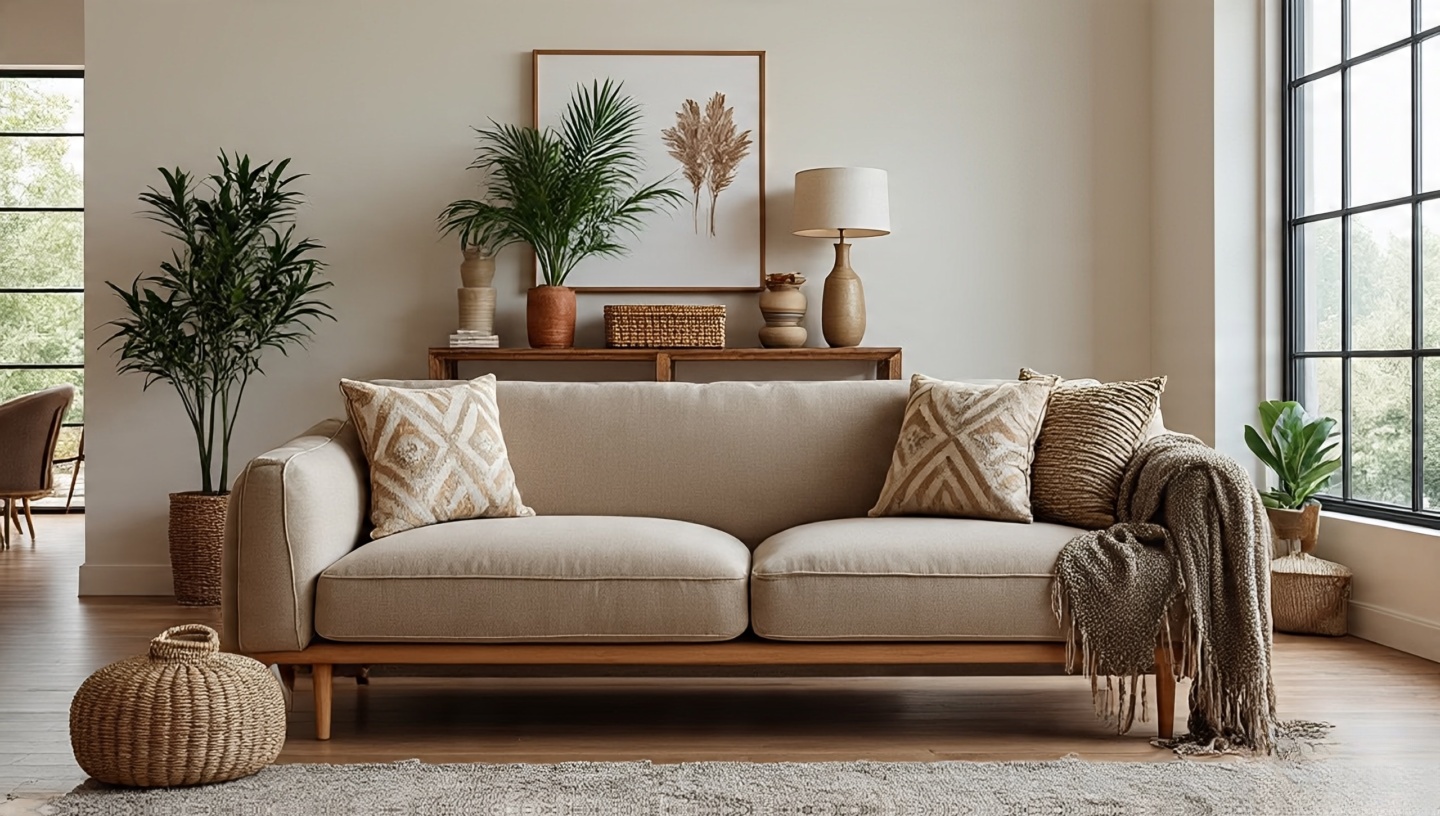 In open-plan living rooms, sofas do double duty. They don’t just offer seating; they divide spaces. Styling the back is just as crucial as the front. I’ve solved this by draping a textile along the back or placing a slim console with baskets and plants behind. That way, the sofa feels integrated, not floating awkwardly. For further ideas on handling these layouts, take a look at
 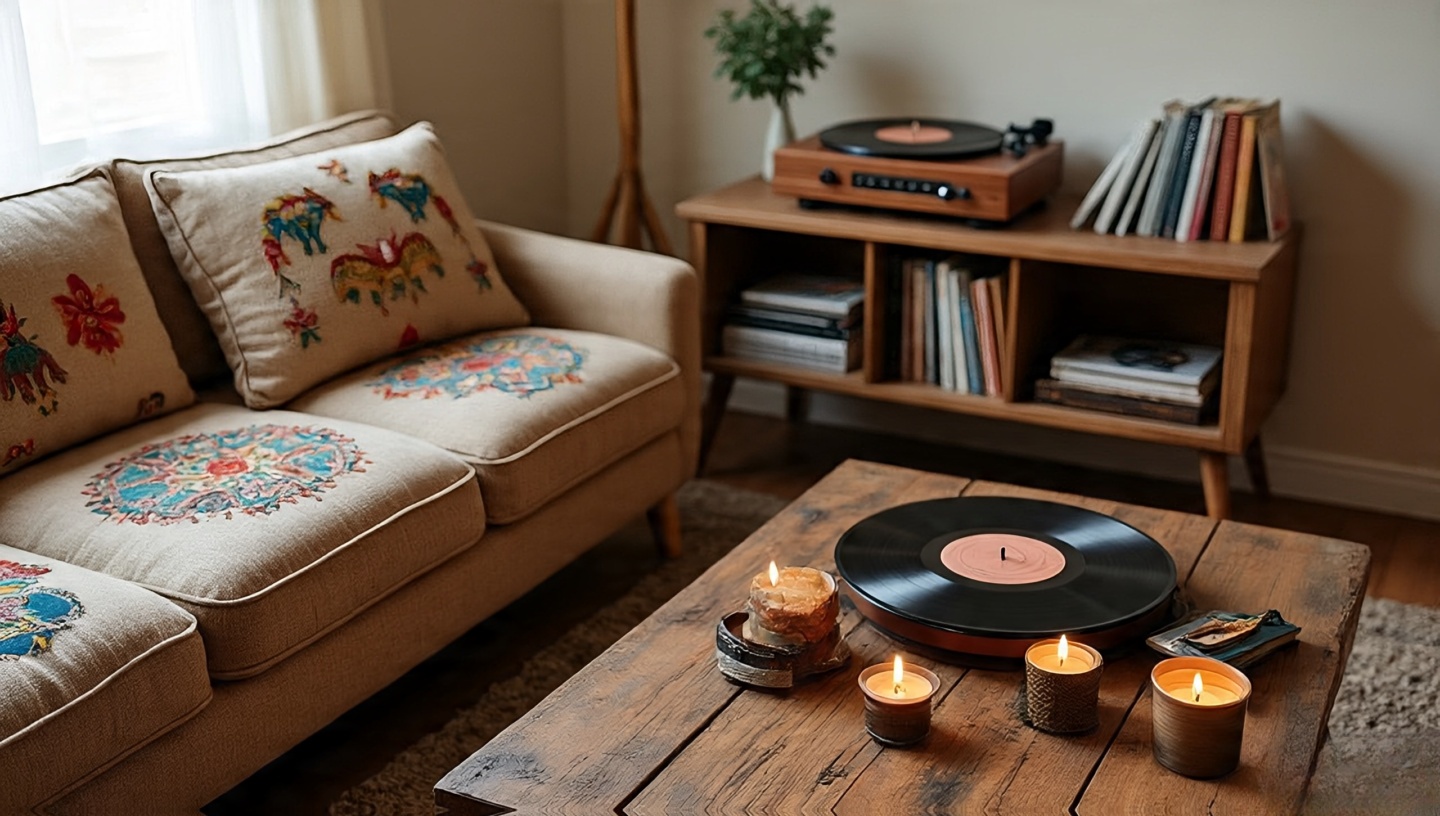 A sofa styled with only visuals in mind falls flat. Add scent: a cedarwood or sandalwood candle on the coffee table. Add sound: a vinyl record spinning nearby. Add texture: cushions with raised embroidery. Once, I lit a cedar-scented candle by my sofa, and in an instant, the whole space felt like a forest lodge. That’s the difference between decorating and curating an experience.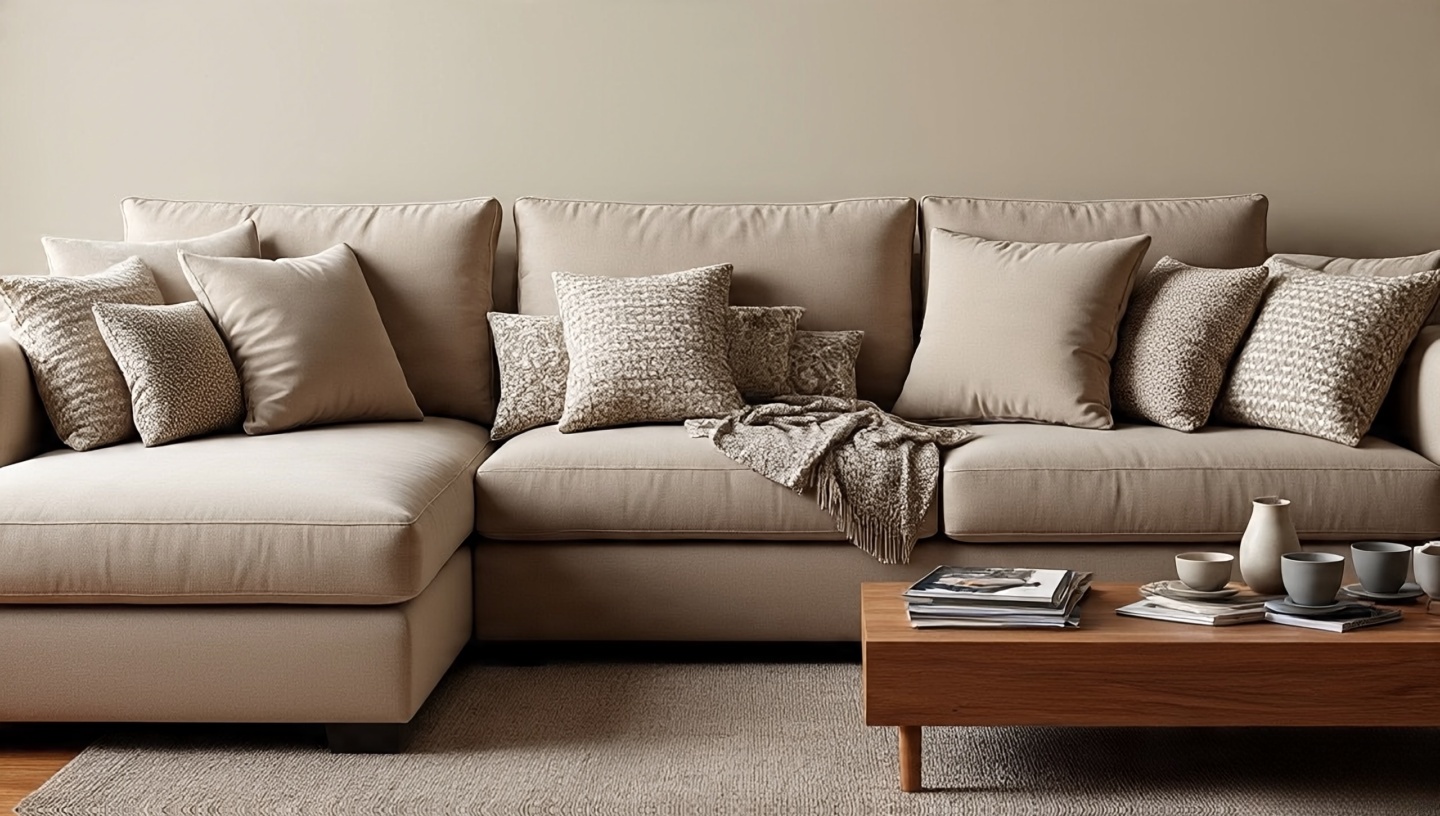
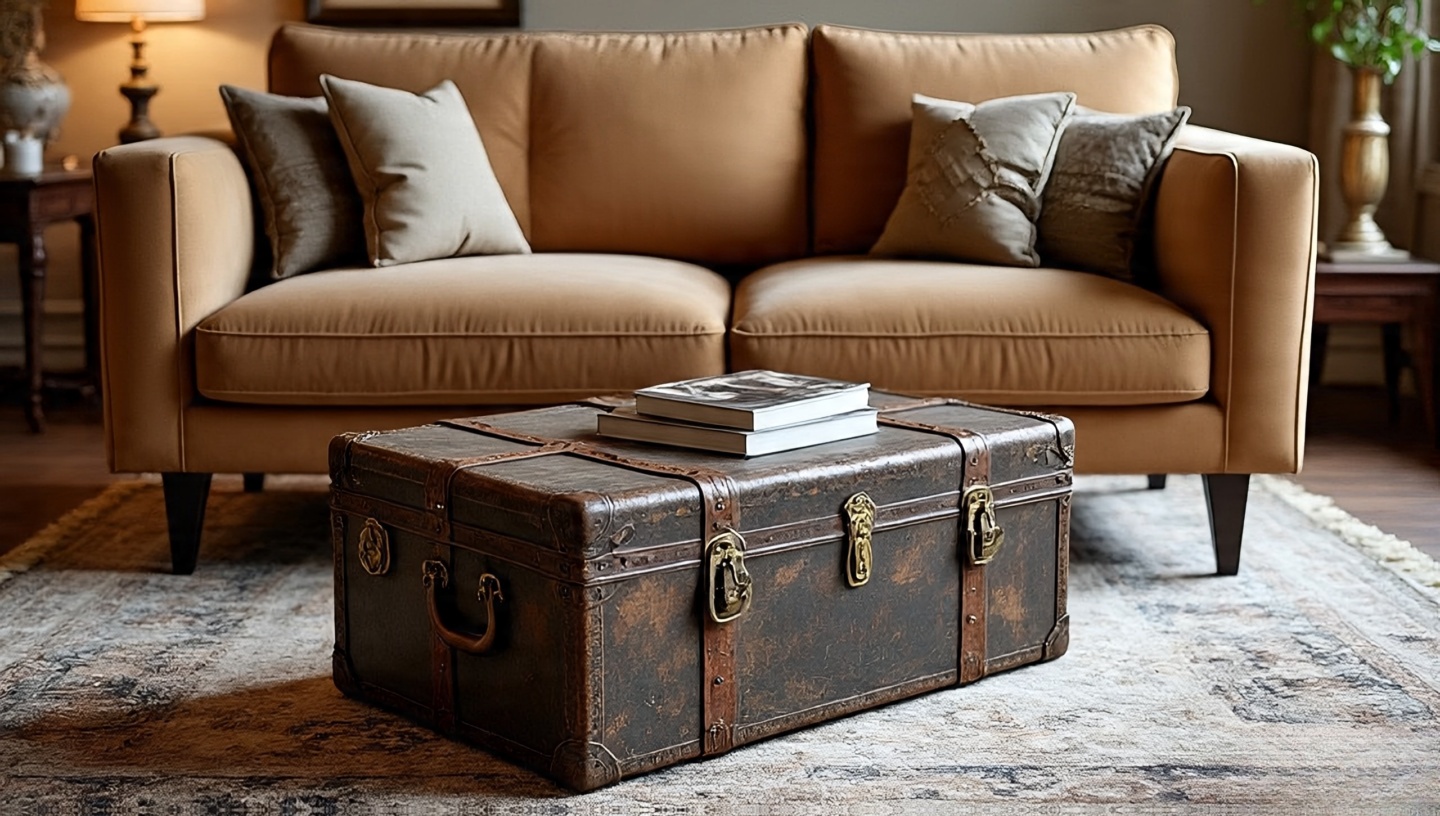 One of my favorite design lessons is that contrast creates warmth. A brand-new sofa doesn’t need to look sterile if you pair it with aged, character-filled pieces. I once styled a glossy new sectional with a weathered trunk as the coffee table. The scratches and dents on the trunk softened the sharp edges of the sofa, and suddenly the space looked lived in, not staged. That balance between fresh and worn is where Boho thrives.
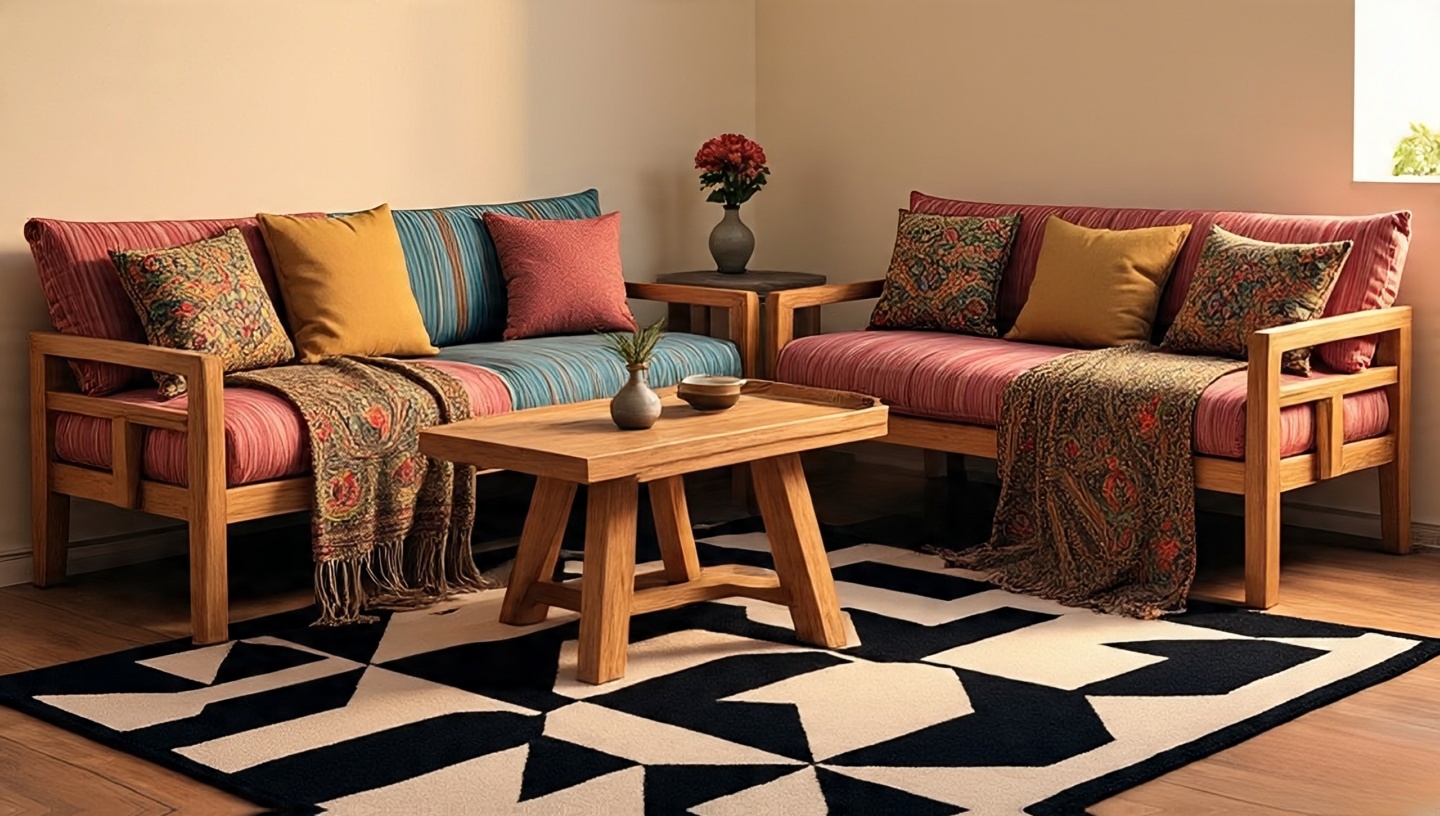
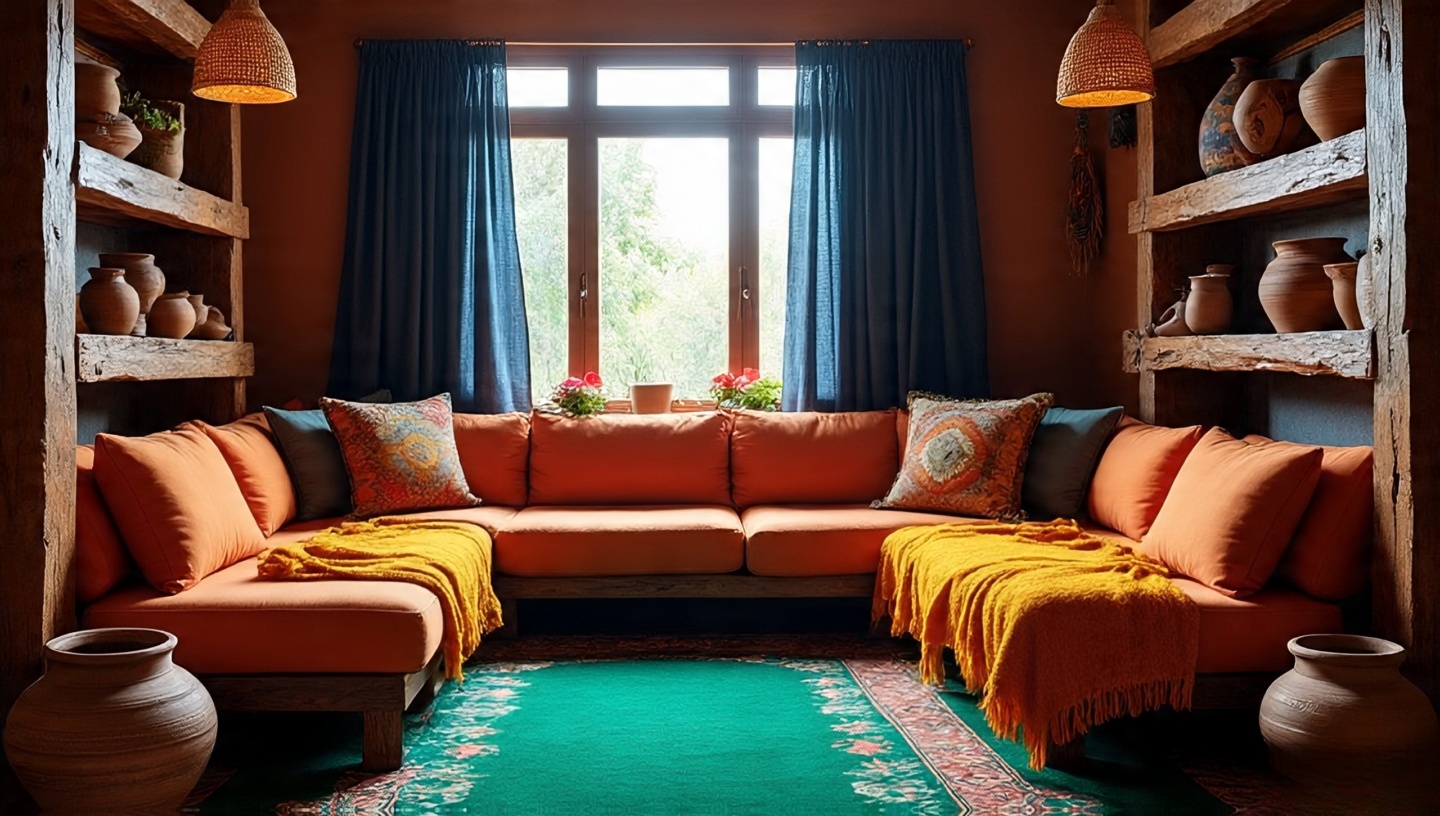
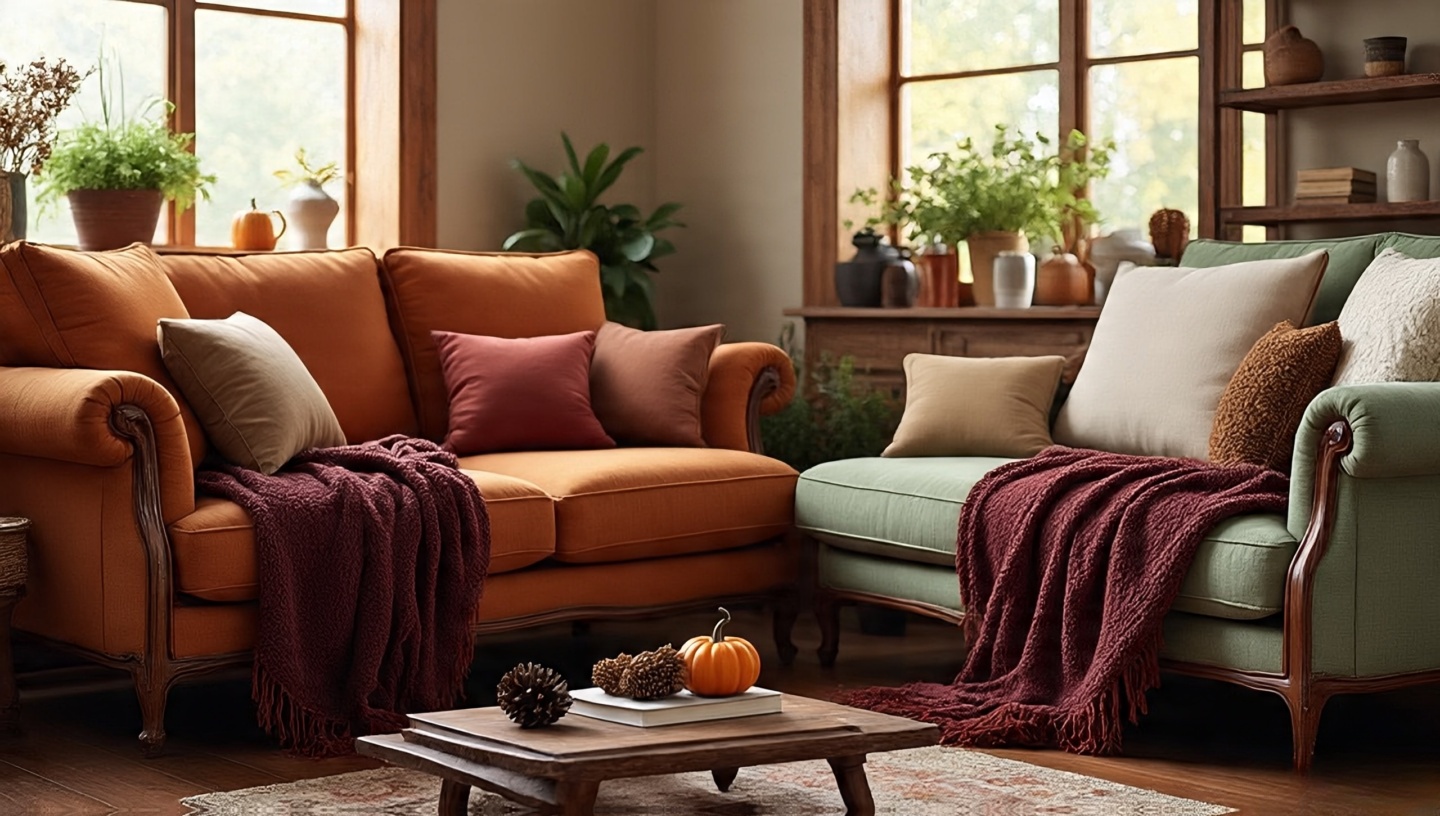 A Boho sofa doesn’t have to be drenched in loud colors. Earth tones form the foundation: terracotta, ochre, camel, mossy green. From there, you can add accents that shift with the seasons. One autumn, I styled my sofa with mustard and deep burgundy cushions; by summer, I swapped them for sage and cream. The sofa remained the same, but the whole room felt renewed. That flexibility keeps your space alive without constant reinvestment.
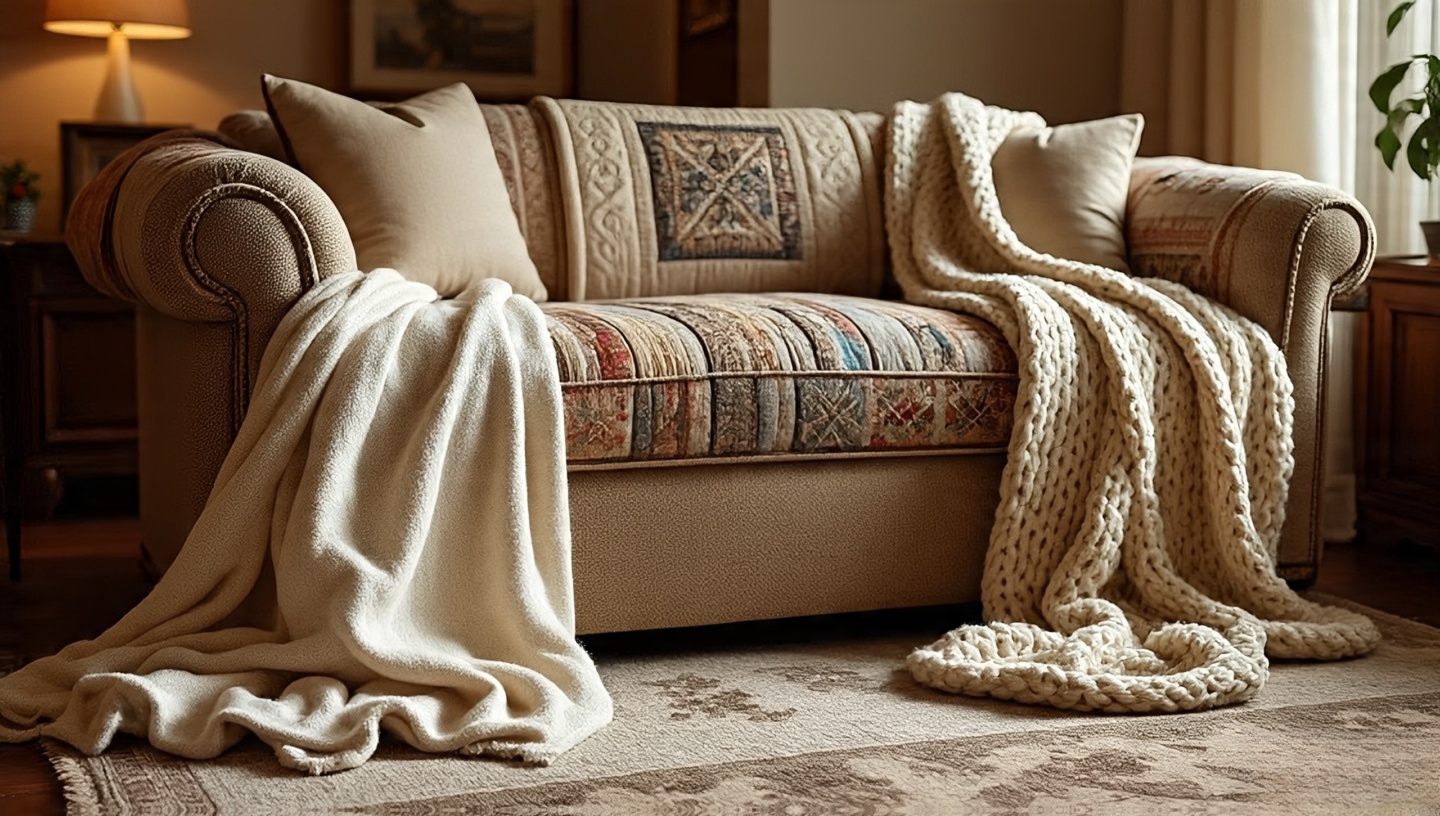 Boho design thrives on layers rugs on rugs, cushions on cushions, throws upon throws. A sofa benefits from the same approach. Place a light cotton throw as a base, then layer a textured quilt, and finally a chunky knit draped casually. Each layer brings dimension. When someone sits down, they don’t just feel comfort they feel richness, like a story unfolding through fabric.
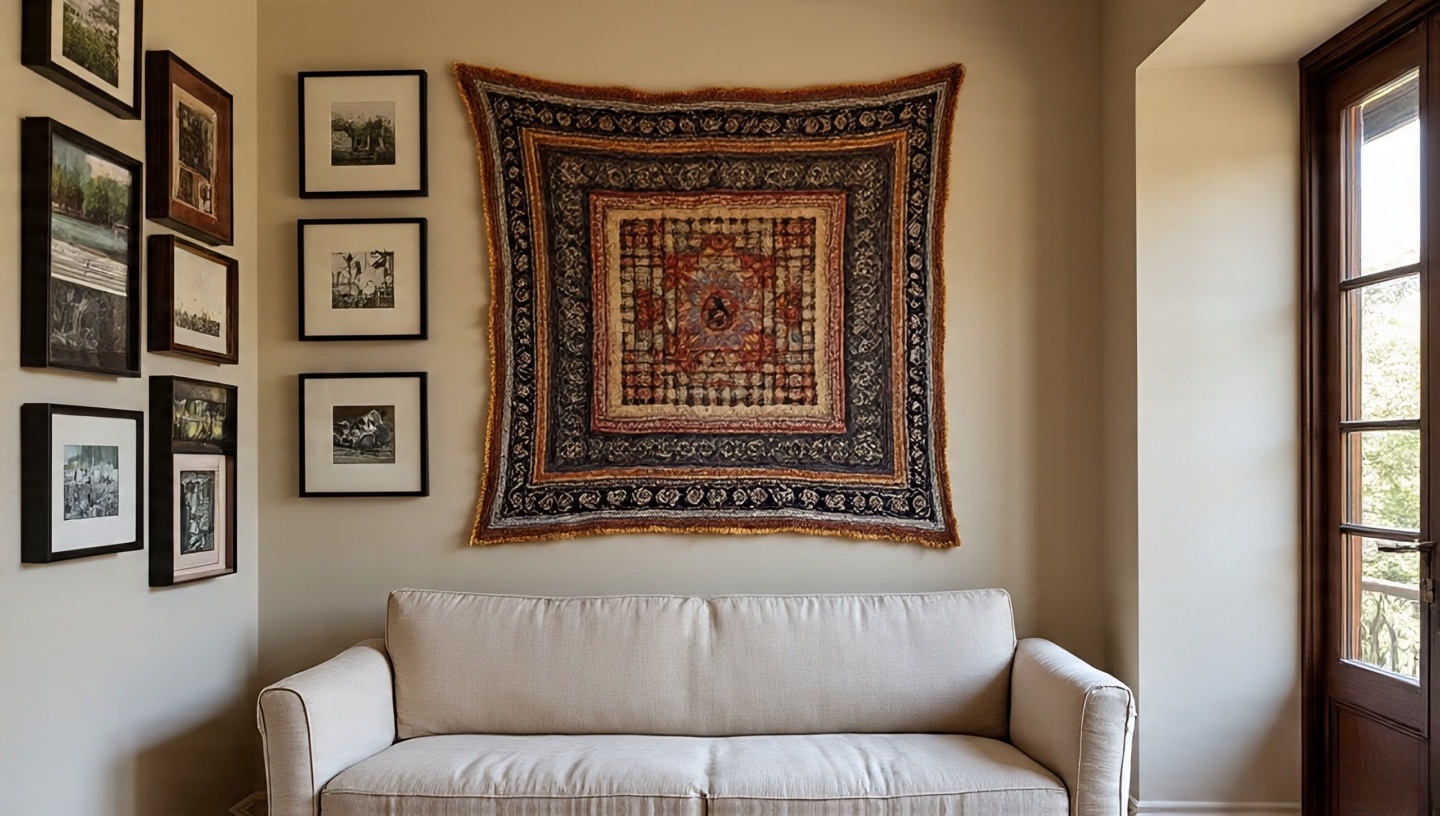 Don’t underestimate what hangs above your sofa. A gallery wall of eclectic frames, a large woven tapestry, or even a single oversized photograph can tie the whole look together. I once hung a vintage textile from Morocco above a plain linen sofa, and overnight, the entire corner transformed. Suddenly, the sofa wasn’t just furniture it was part of an art installation.
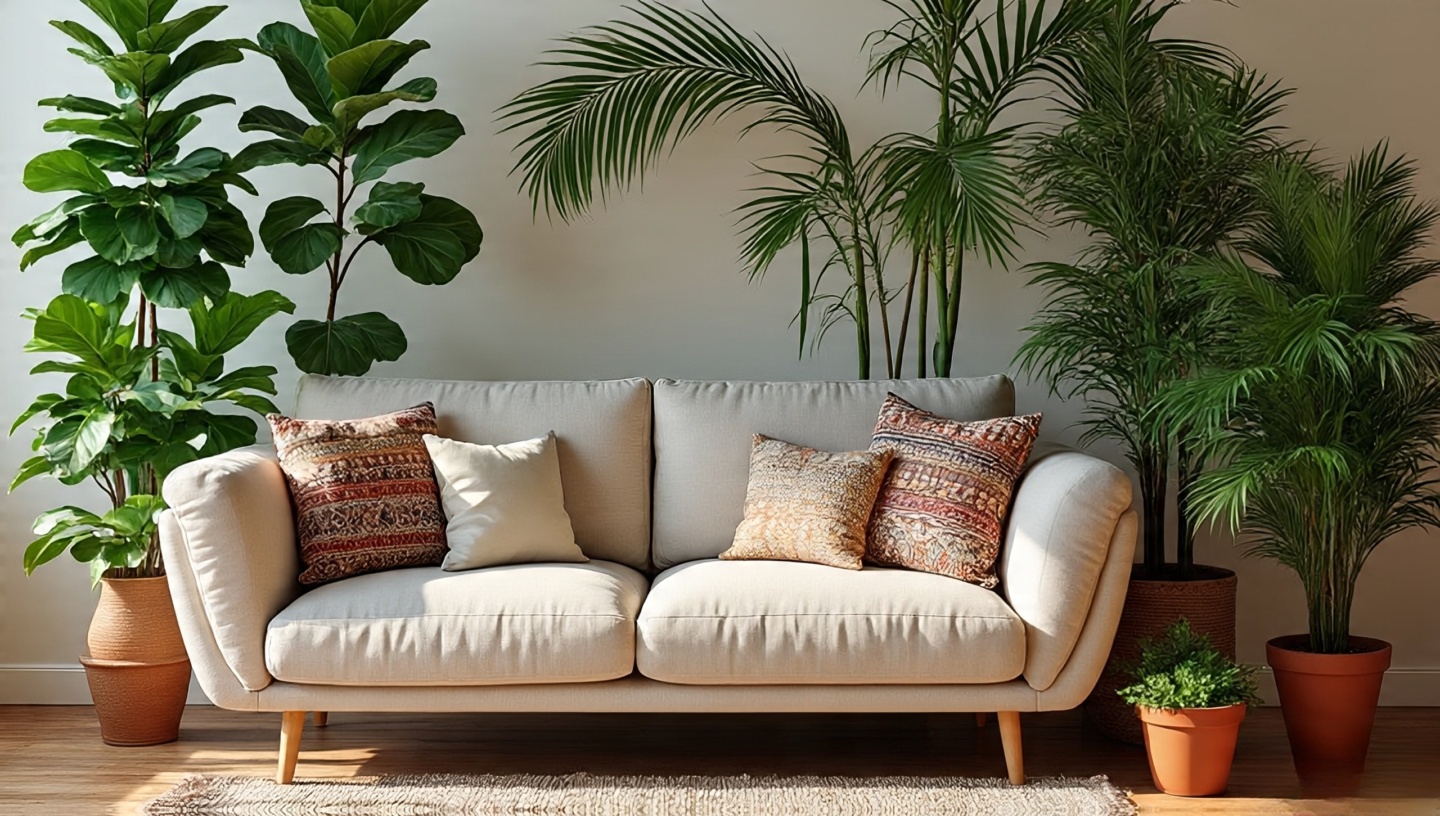 Every sofa looks more grounded when surrounded by greenery. Tall plants like fiddle-leaf figs or palms add height, while smaller terracotta pots with herbs or succulents bring intimacy. When the light filters through leaves and spills across your cushions, it creates an atmosphere no artificial accessory can mimic. Plants soften edges and breathe literal life into your Boho living room.
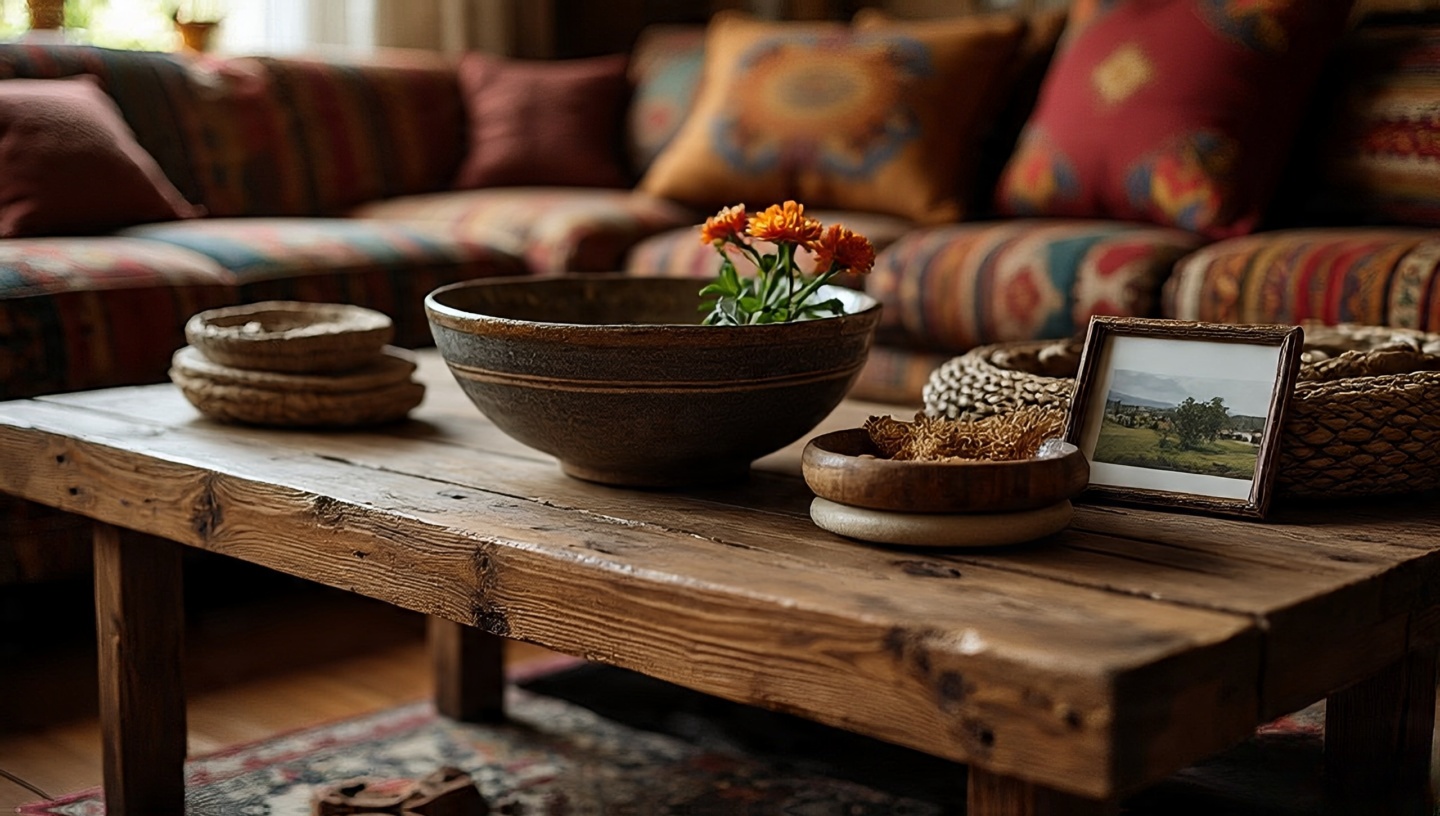 A sofa styled with catalog pieces alone can feel hollow. Inject your personality by placing personal artifacts nearby a handmade ceramic bowl, a photo in a rustic frame, a basket you carried back from a trip. I once used a clay pot gifted by a client as a candle holder on the coffee table, and every time I saw it, I remembered her story. These details make your Boho sofa more than furniture they make it a memory keeper.
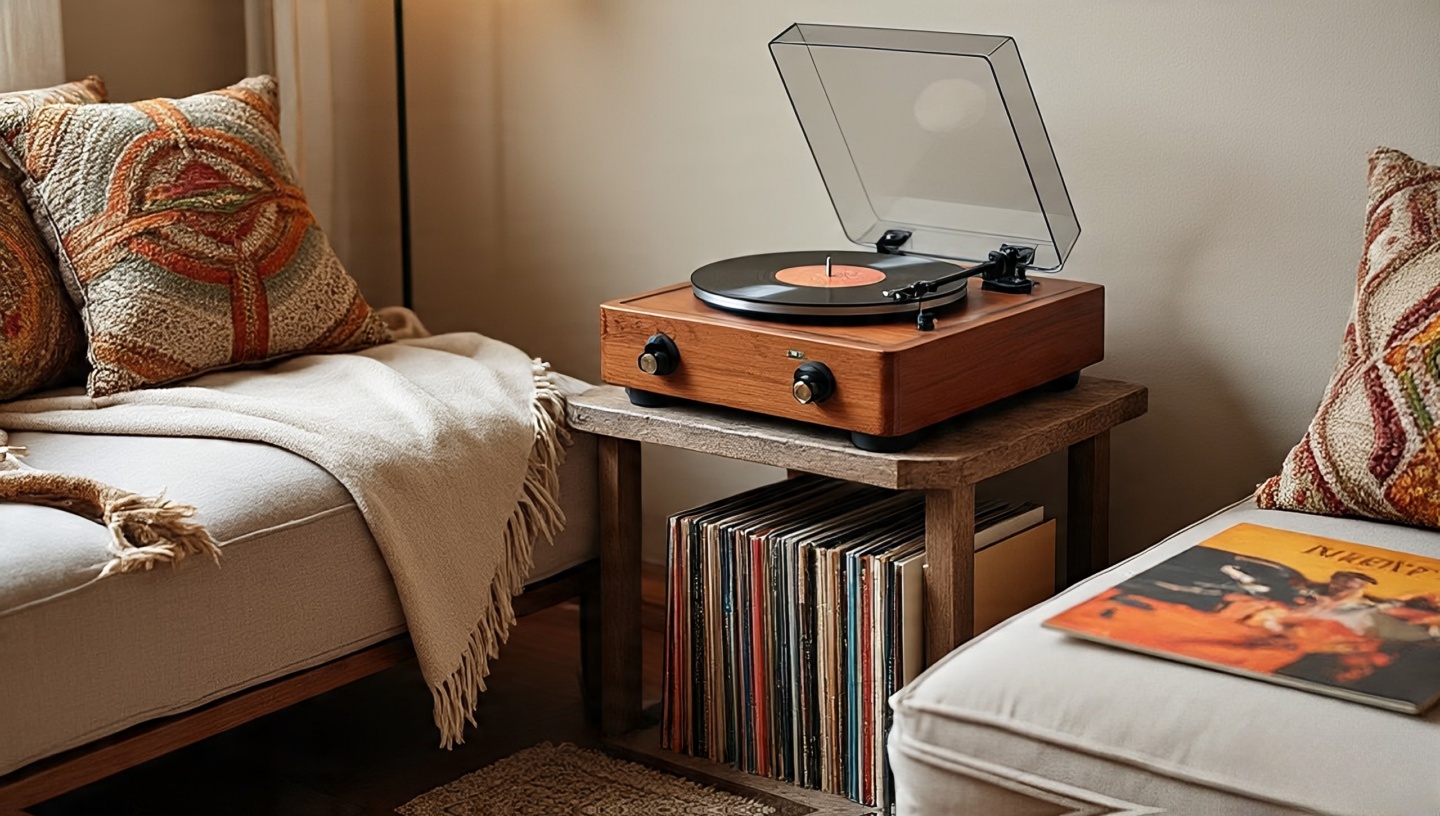 This may seem unusual, but as someone who has styled interiors for decades, I believe sound is part of the Boho vibe. Place a small speaker discreetly near your sofa and let soft jazz, acoustic guitar, or even the hum of vinyl play. The sofa becomes not just a seat but a sanctuary of senses. I often test a room by sitting in silence first, then adding sound. The right background makes cushions, throws, and textures come alive emotionally.
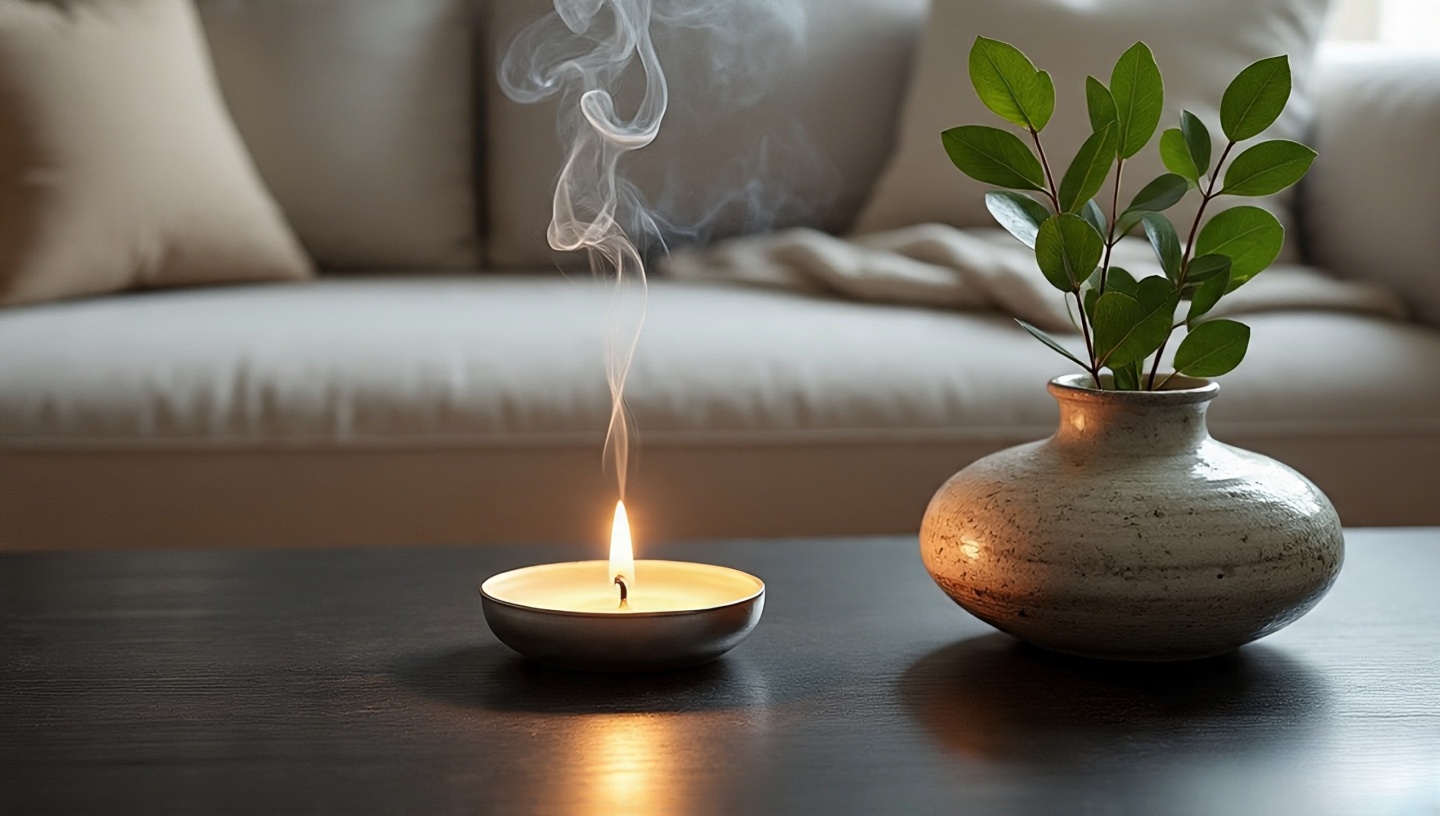 It might sound odd to connect scent with sofas, but they belong together. A sandalwood candle on your coffee table, or a hint of eucalyptus in a nearby vase, sets a tone. Years ago, I styled a client’s home with nothing more than cushions, throws, and incense beside the sofa. She later told me it was the scent that made the biggest difference it turned her living room into a retreat. Scent, like texture, deepens the Boho experience.
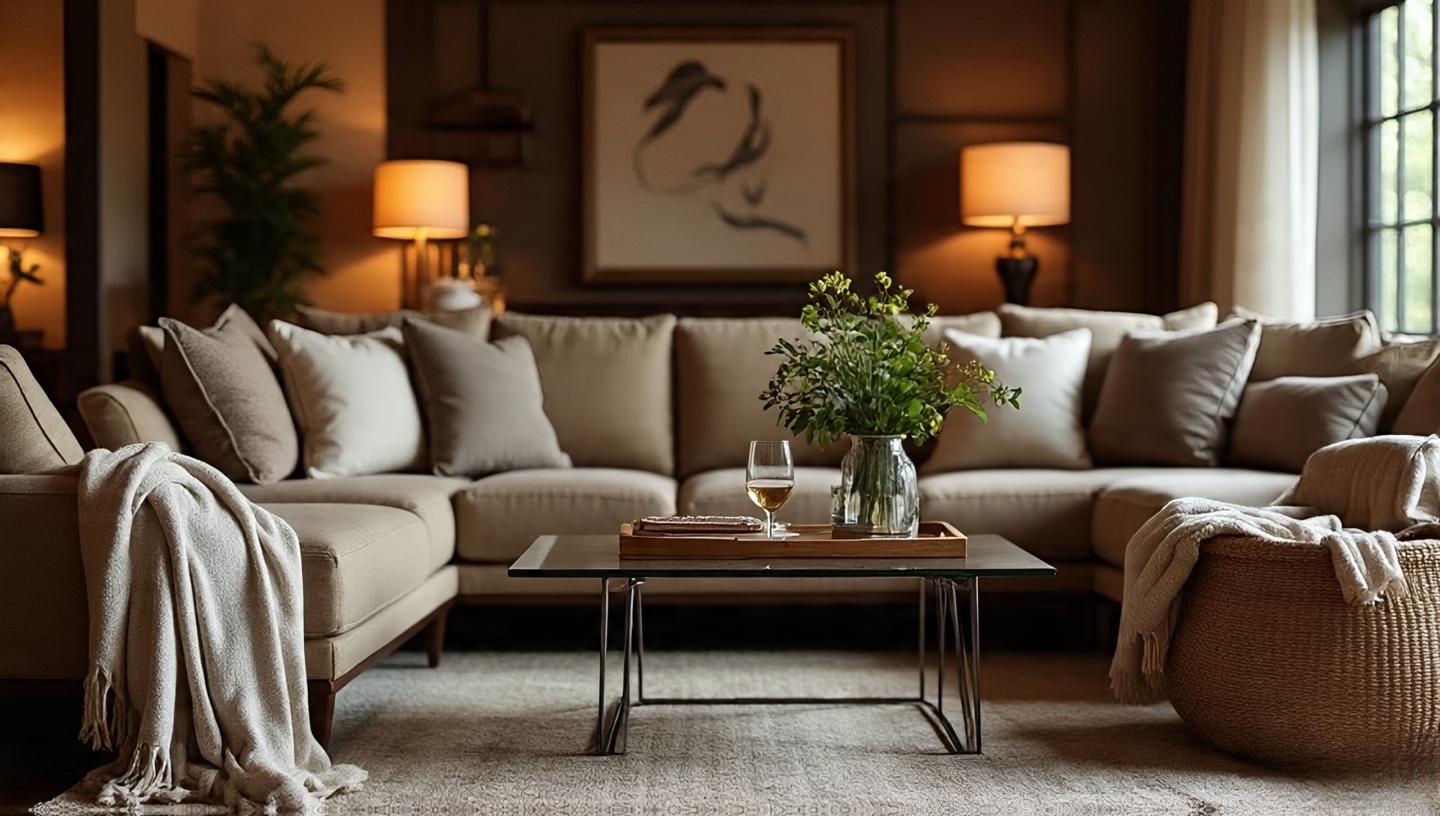 A sofa isn’t just for solitary lounging it’s for hosting too. If you expect friends over, arrange cushions so seating feels inclusive rather than segmented. Keep the coffee table partly clear for snacks or drinks. I once styled a sofa with too many layers, and during a gathering, guests kept shifting cushions awkwardly. Lesson learned: beauty is nothing if it sacrifices function. Style for comfort, style for people.
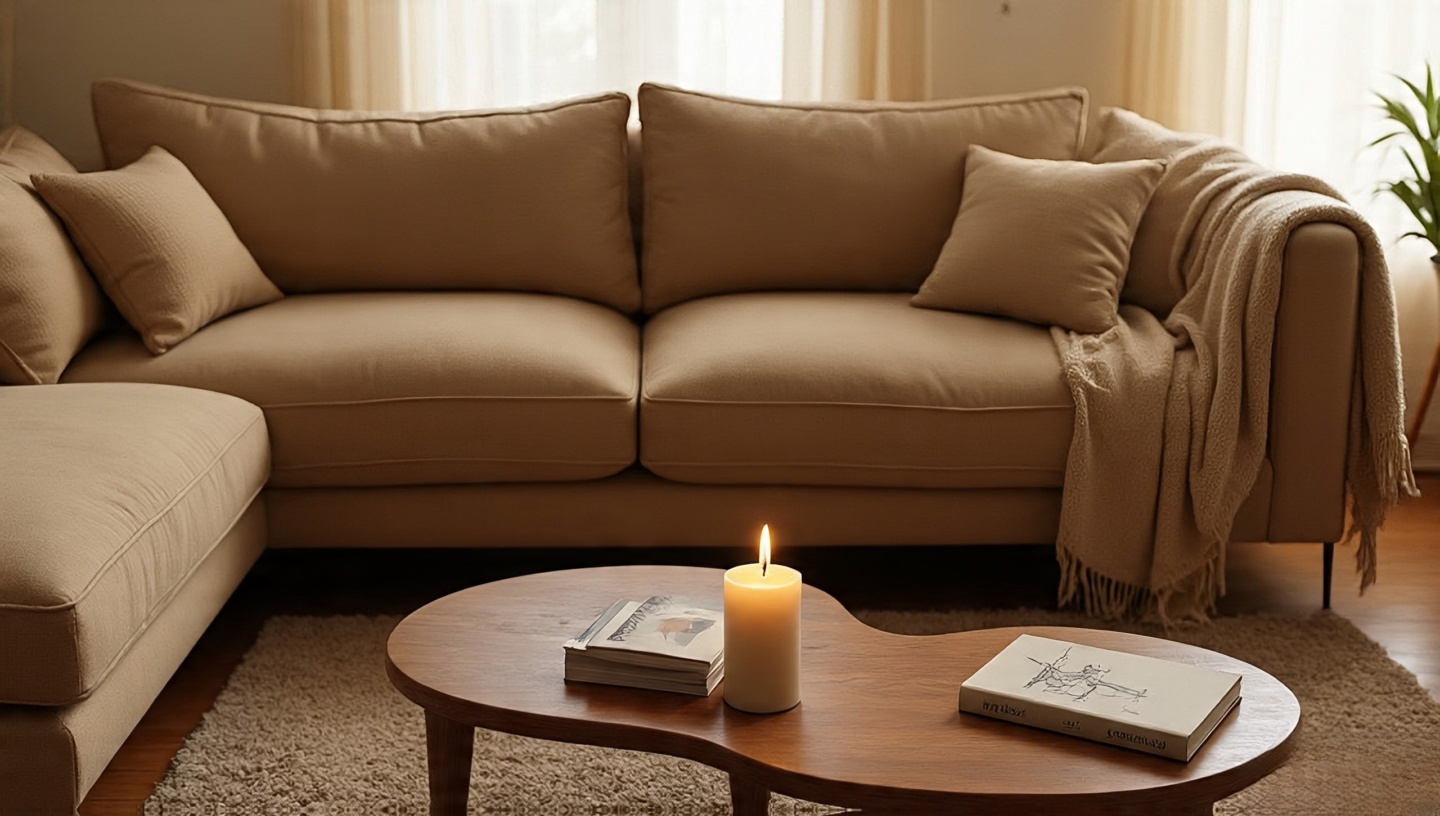 Not every inch of your sofa and table needs to be decorated. Negative space allows the eye to rest. I’ve seen many clients overcrowd their coffee tables, forgetting that emptiness can be intentional. Leave a corner of the sofa bare, let a section of the coffee table breathe. This contrast highlights the styled elements more vividly. It’s like music pauses between notes make the melody stronger.
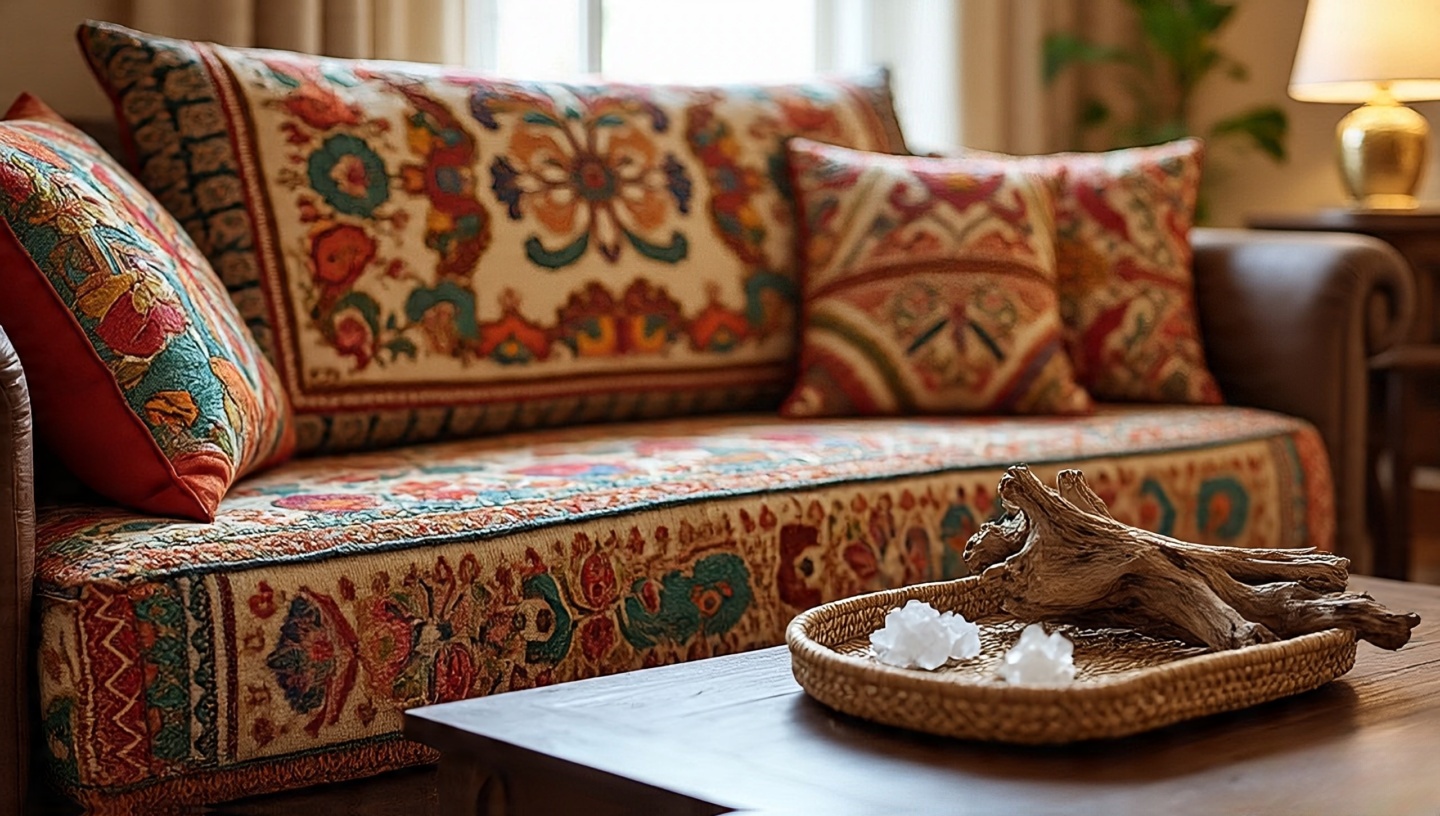 A well-styled Boho sofa often sparks conversation before words are even spoken. Guests notice the unusual textile, the oversized cushion with embroidery, or the tray with crystals and driftwood. I remember one evening when a friend asked about a handwoven pillow on my sofa it turned into a half-hour chat about travel in Turkey. Your sofa, when styled thoughtfully, becomes not just a seat but a storyteller.
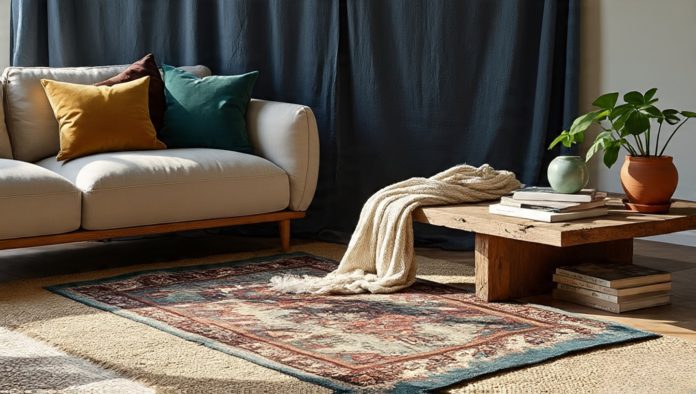
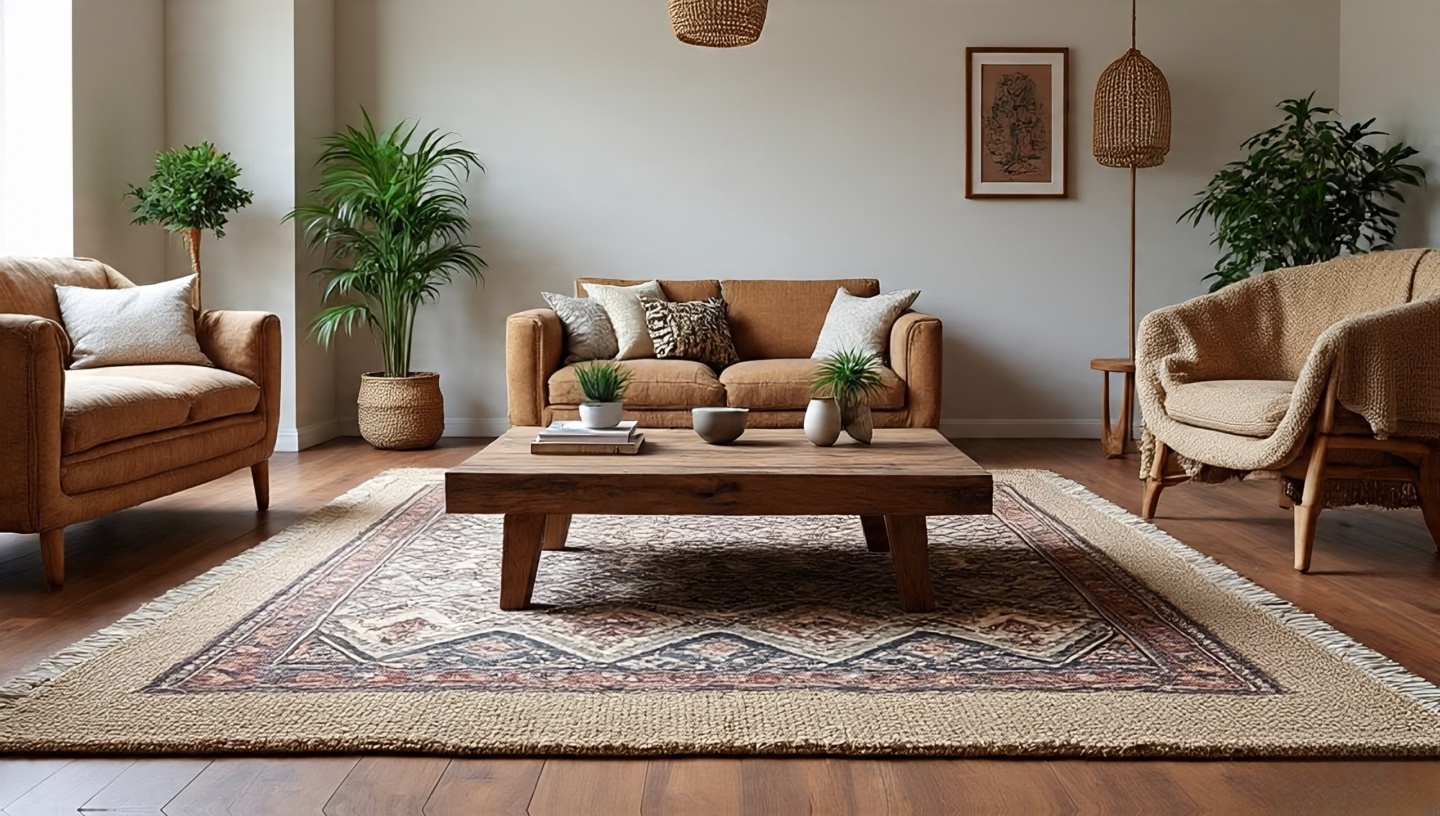
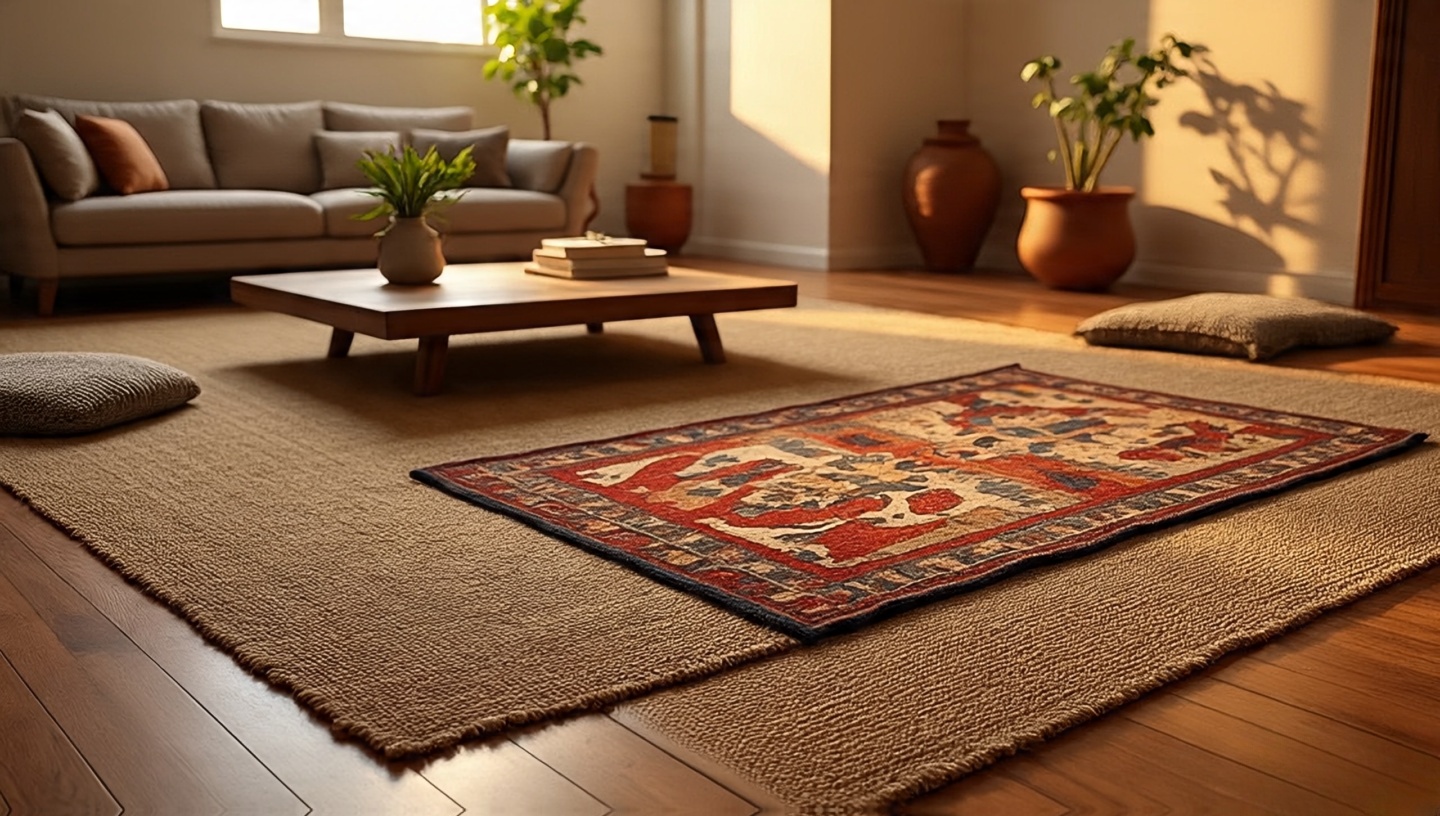
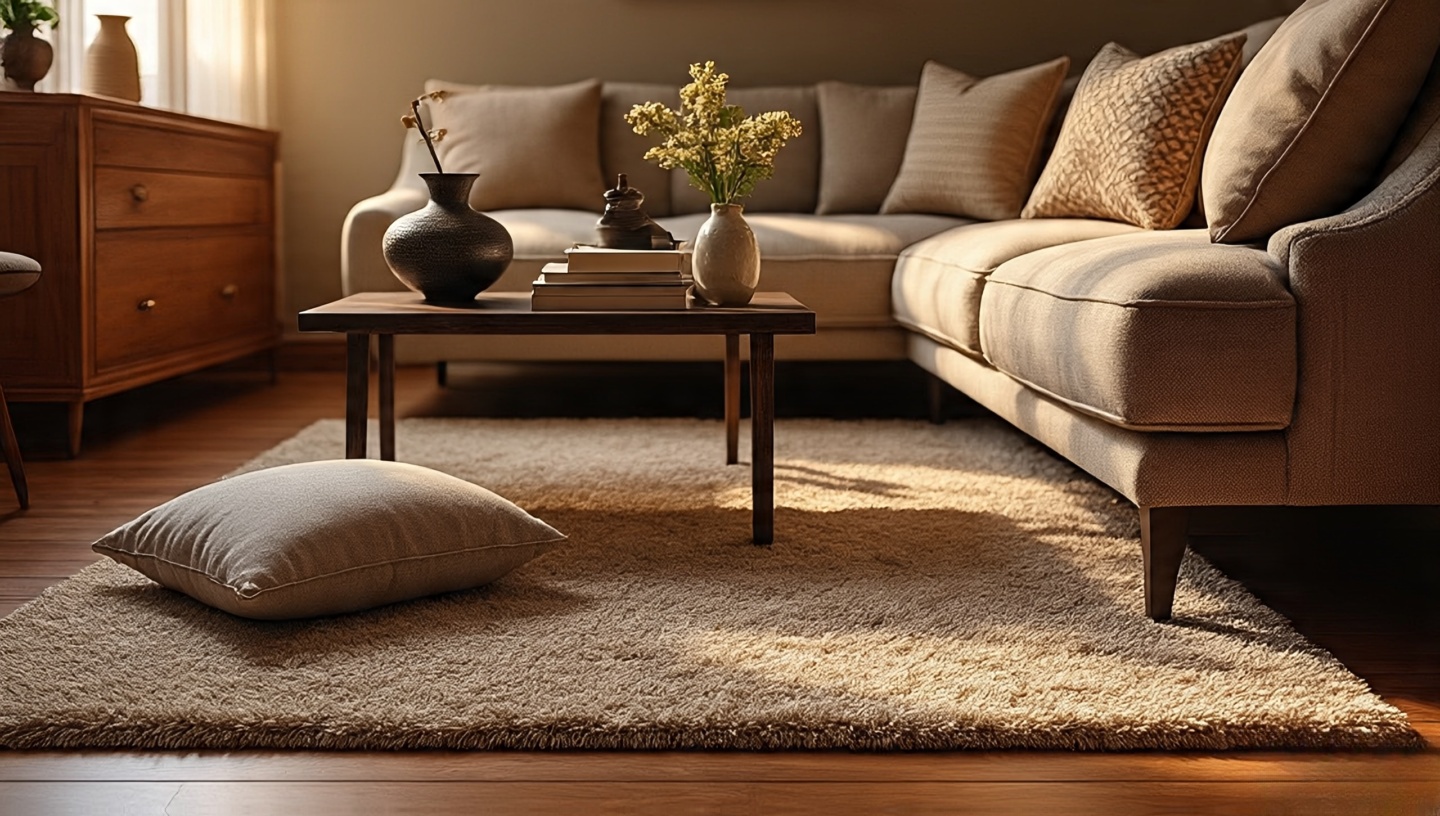
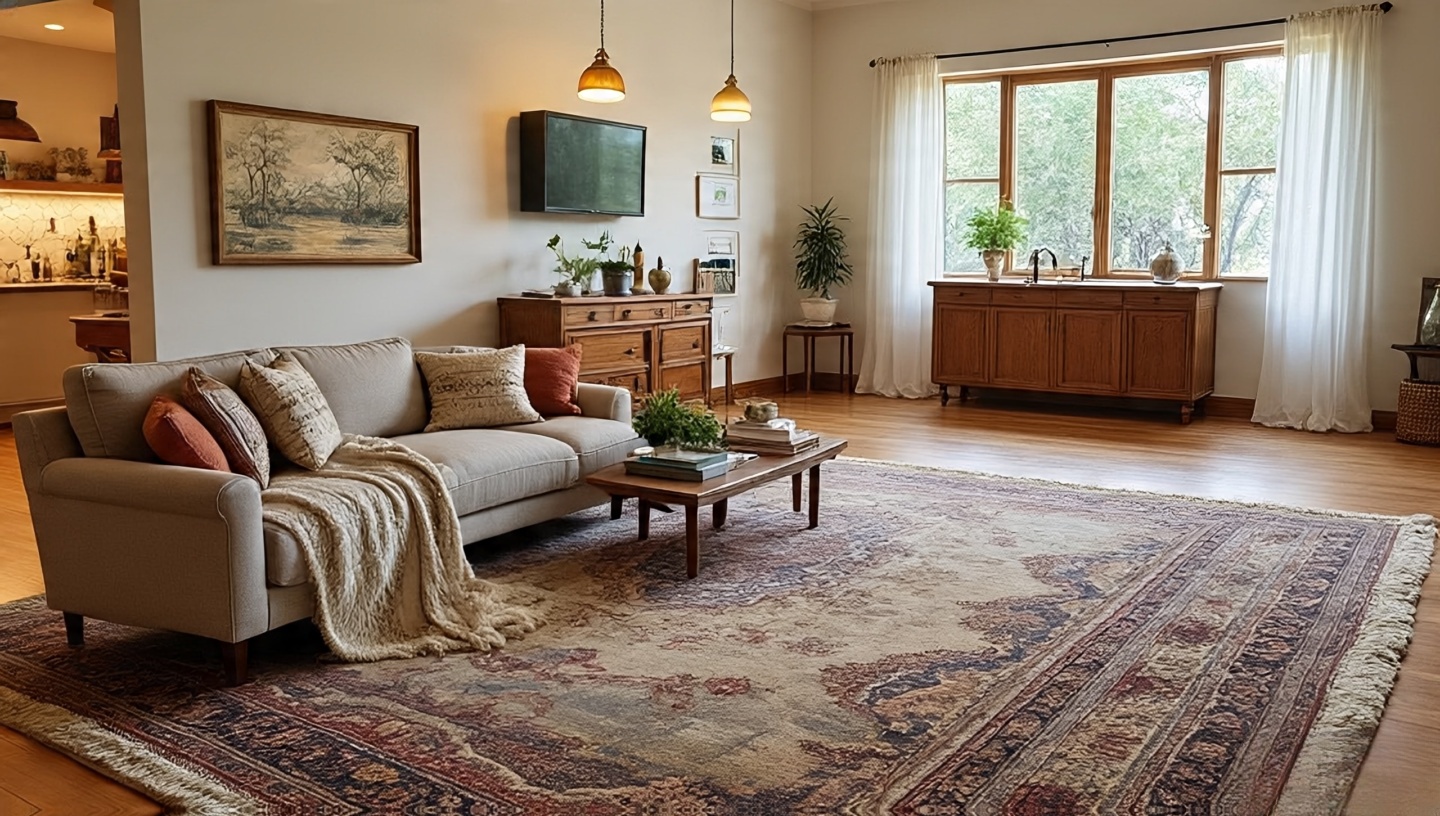
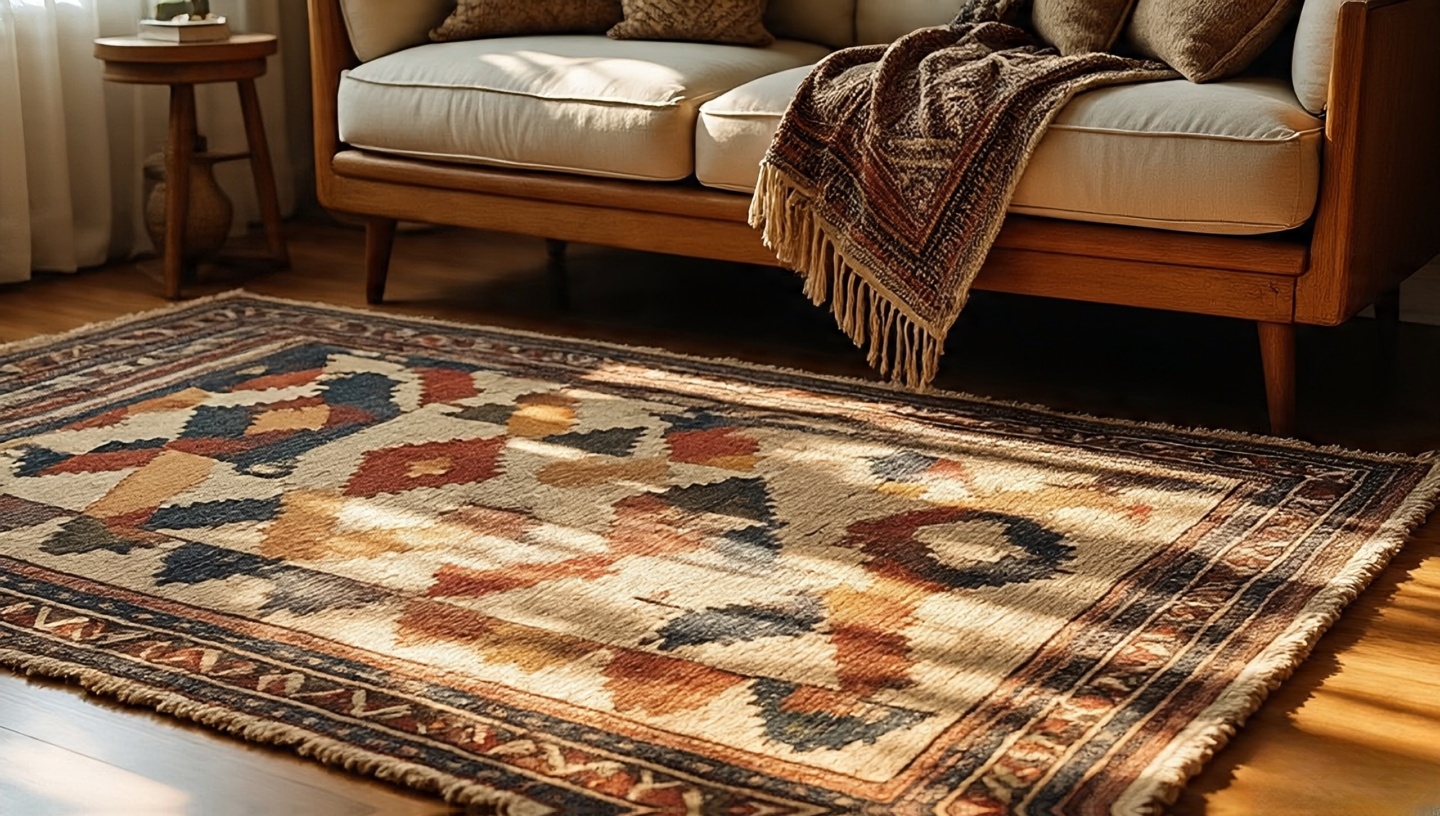 A sofa without a rug often feels like it’s floating. Layering a large rug beneath anchors the seating zone and frames the sofa like a stage. In Boho interiors, I love to use vintage or handwoven rugs with imperfect patterns. Sometimes, I layer two smaller rugs at an angle to add character. The uneven lines feel human, not designed by a machine.
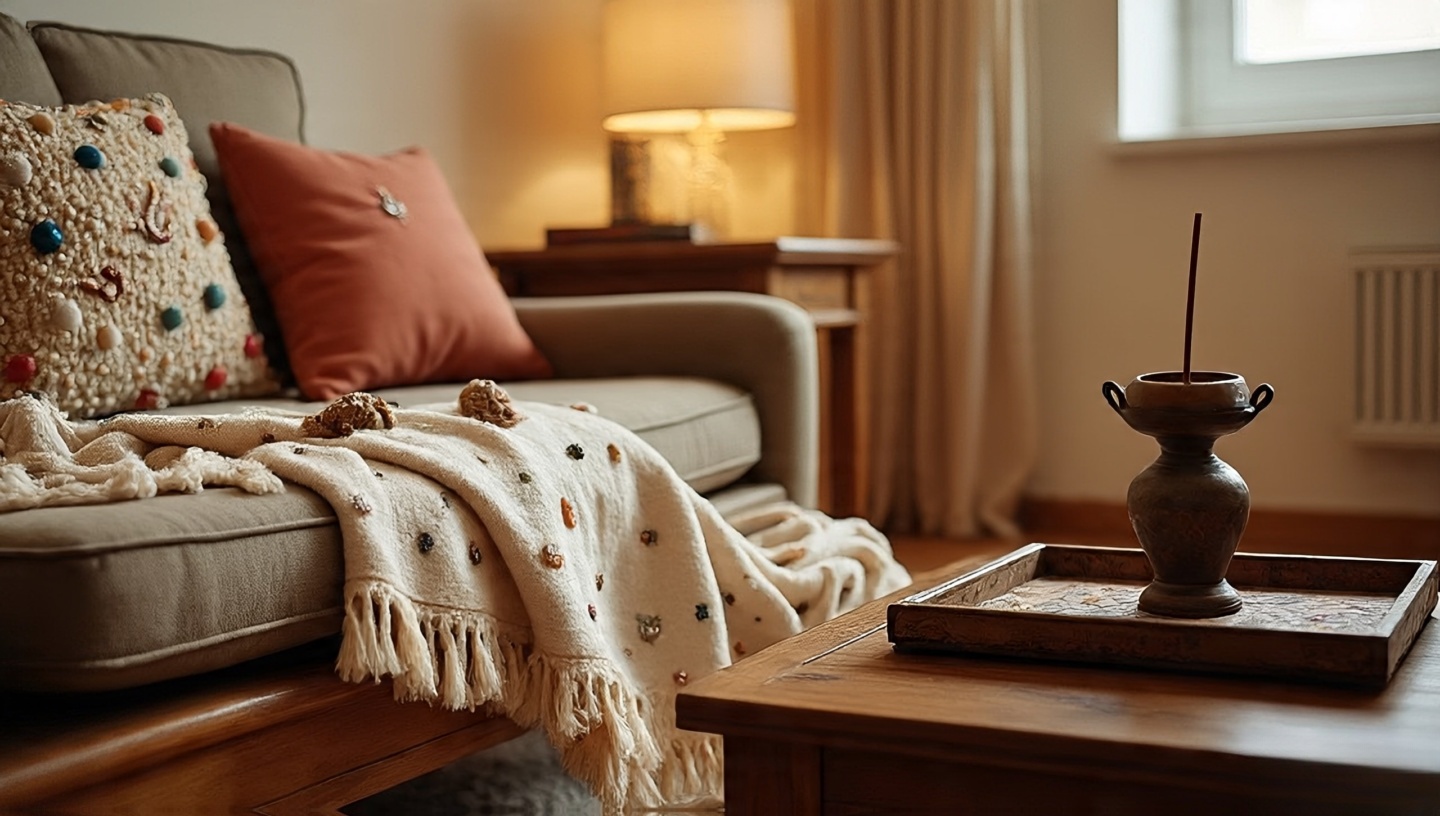 Boho styling can sometimes get carried away too many patterns, too many accessories. After decades of trial and error, I’ve learned that balance is everything. I let myself add one whimsical element, like a beaded throw pillow or a quirky incense holder, but always pair it with a practical piece like a sturdy tray or soft cotton throw. This way, the sofa looks inviting without feeling like a stage set.
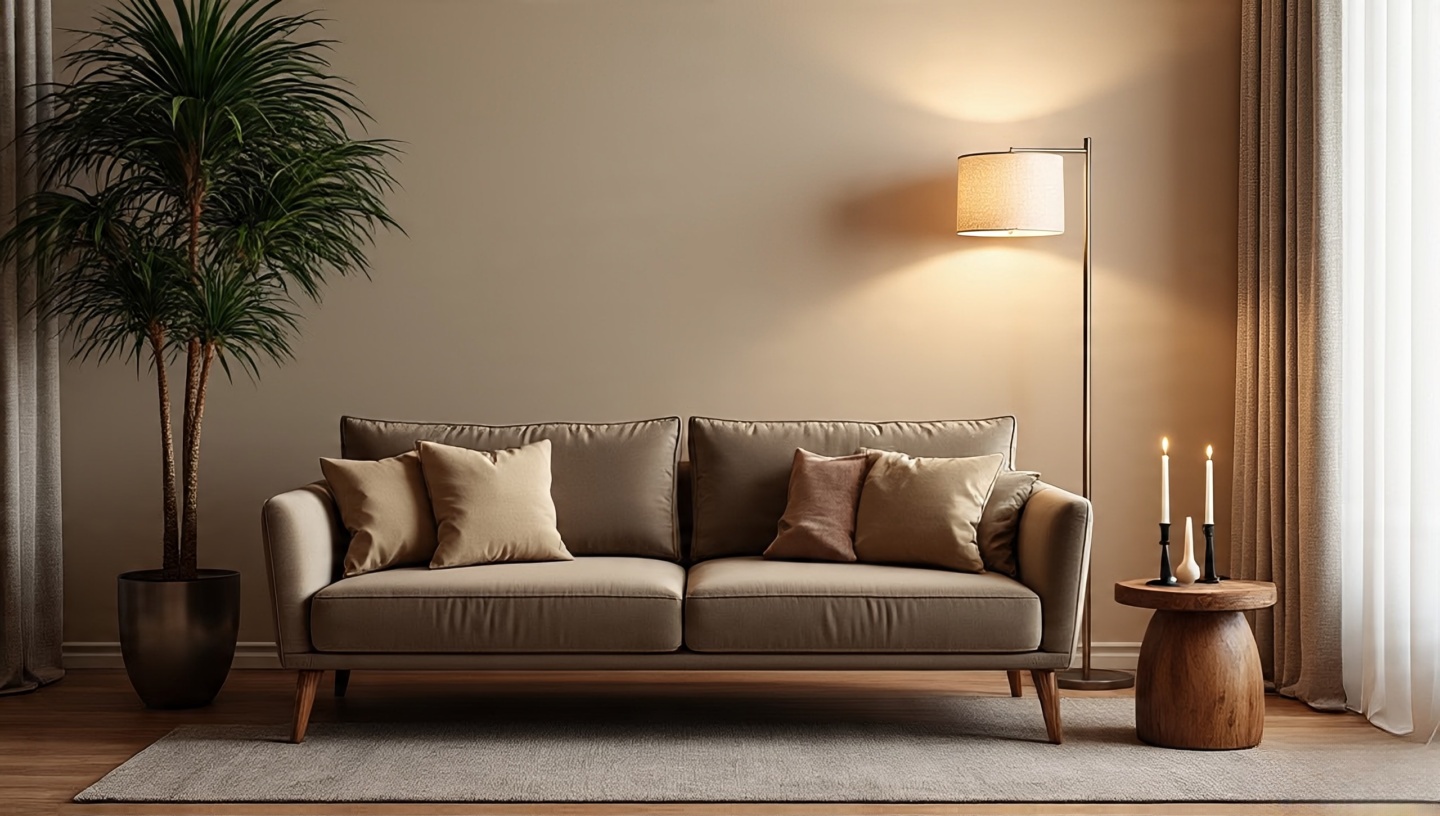 When styling a sofa, don’t forget what surrounds it. Plants, side tables, lamps, and even baskets bring dimension when placed at different heights. I often set a tall palm next to one arm, a low wooden stool with candles on the other, and a mid-height lamp behind. This layering gives rhythm to the room, like notes in a song some high, some low, all working together.
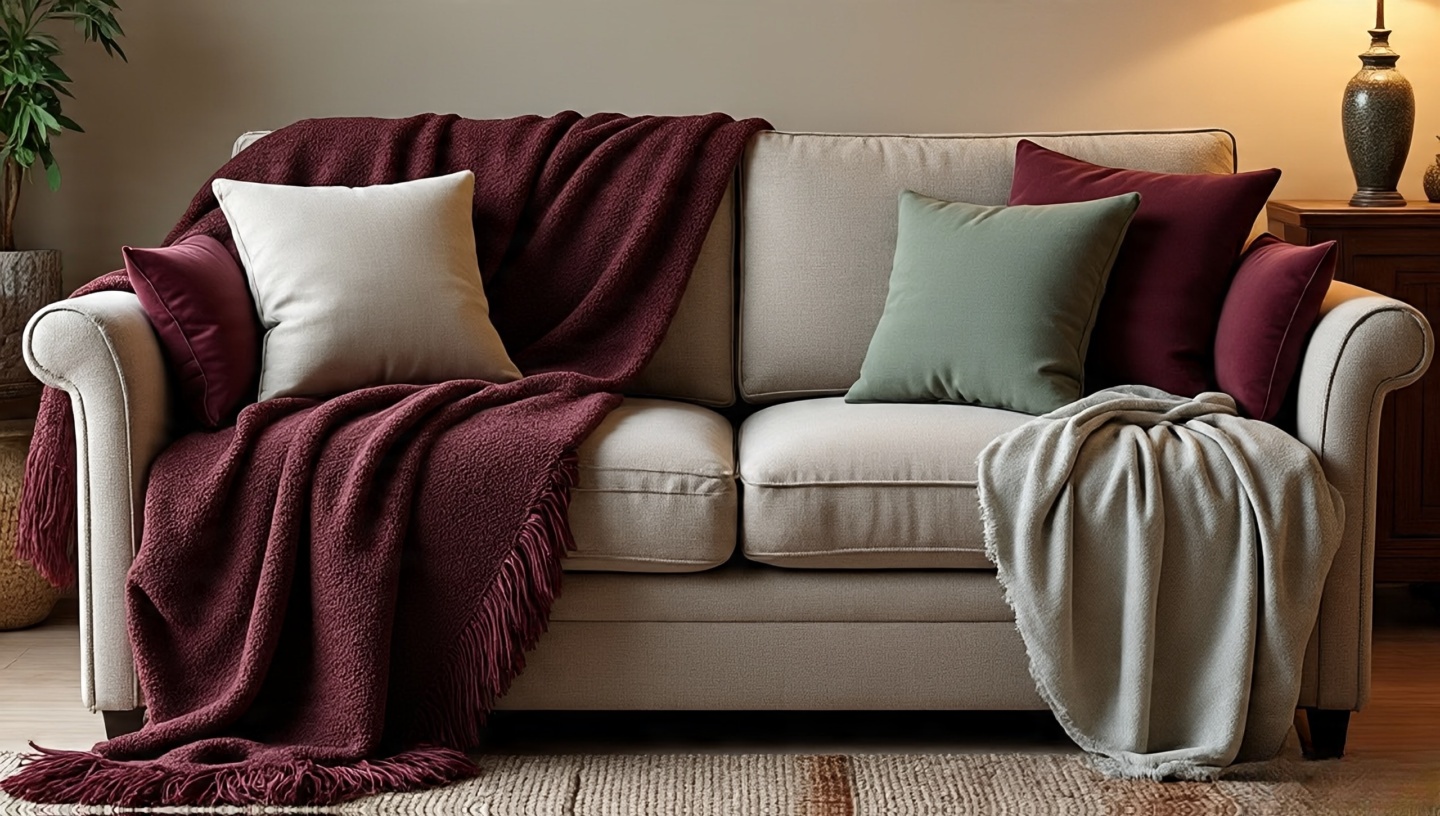 One of the joys of Boho styling is adaptability. You don’t need to buy new furniture for every season; small swaps do the trick. In winter, I use wool throws and deeper cushion tones. Come spring, I switch to light linen throws and floral patterns. These seasonal edits keep the sofa fresh, and guests often ask, “Did you redecorate?” when in reality, it’s just a clever swap.
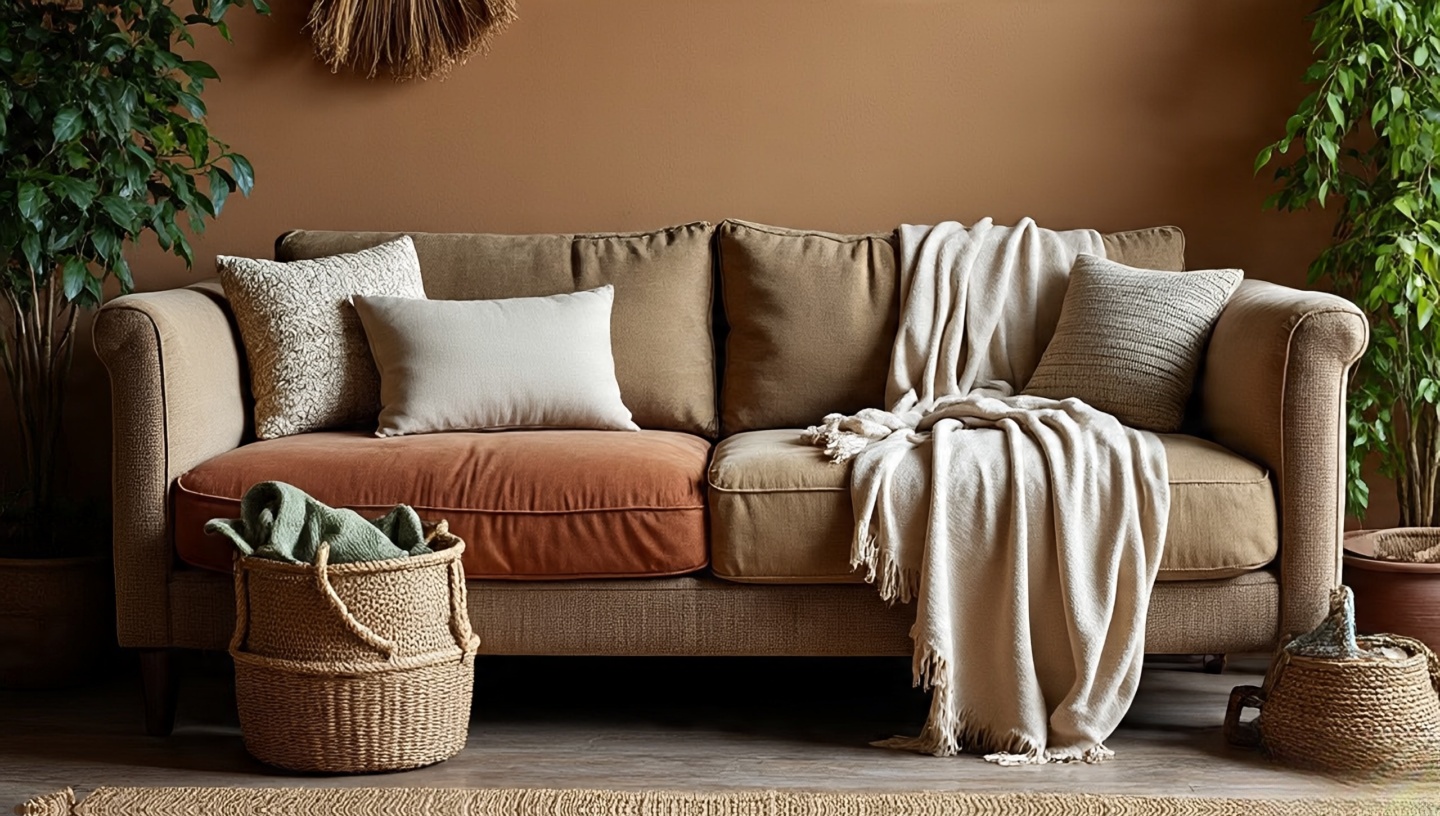
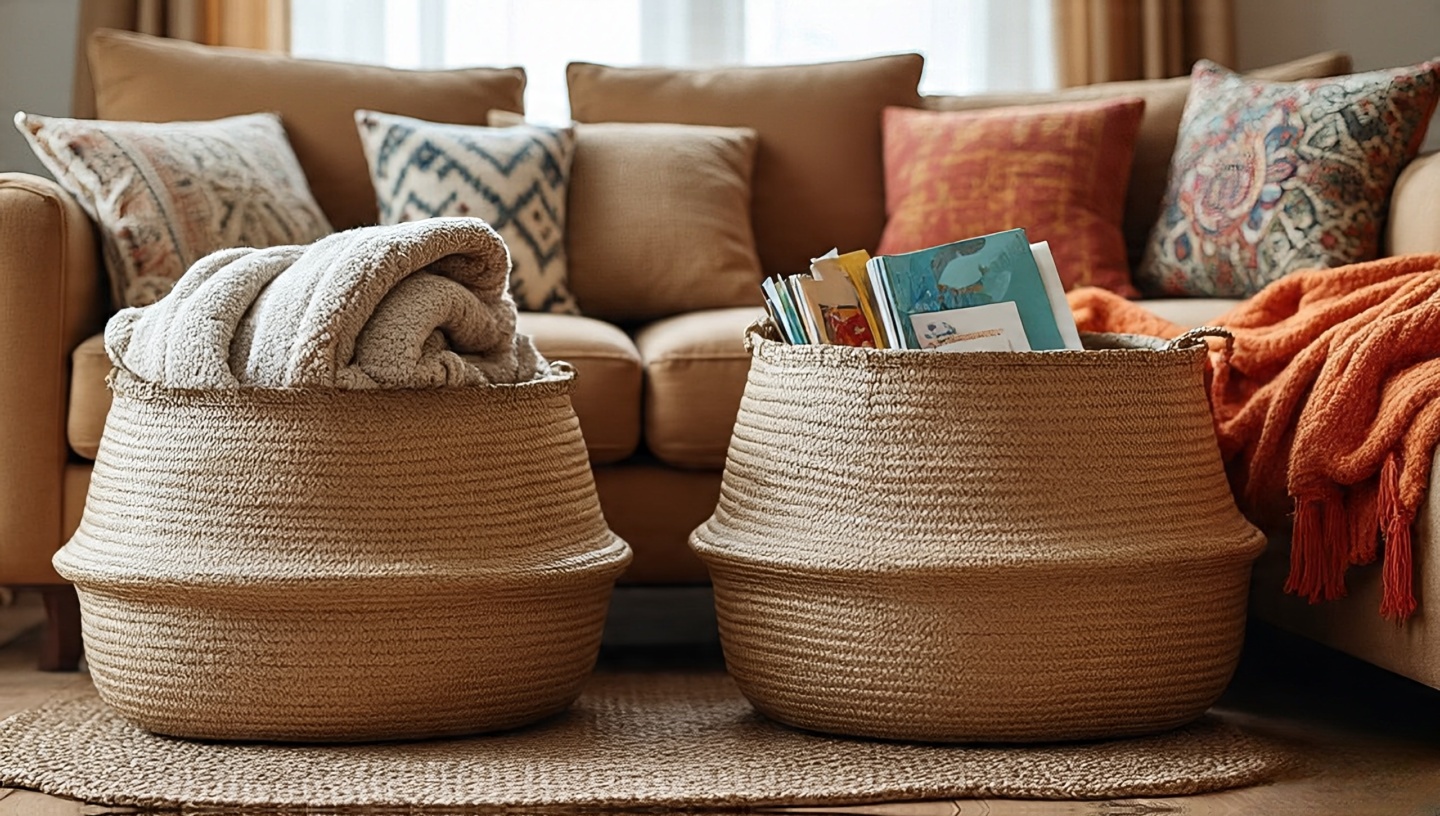 Storage can be beautiful too. I like to keep woven baskets near the sofa one for spare throws, one for magazines, and sometimes one simply for visual texture. Years ago, I styled a living room with no visible storage, and clutter piled up fast. Adding baskets not only solved the issue but also made the space feel more grounded and authentic. Function, when styled right, becomes beauty.
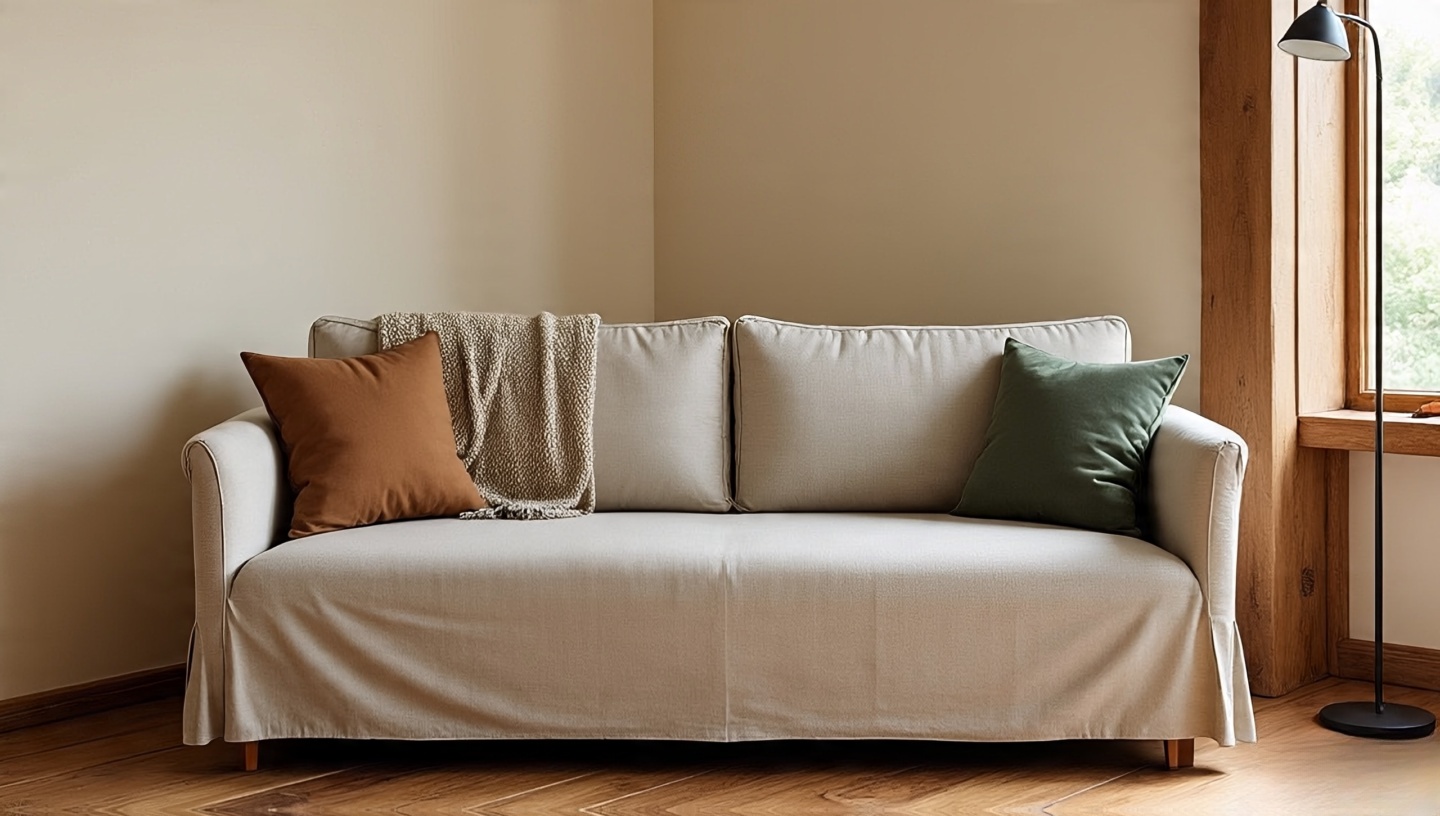 Some clients worry that Boho means clutter. It doesn’t have to. You can lean minimalist while still embracing Boho vibes. A plain linen sofa with just two statement cushions and a textured throw can look as soulful as a layered setup. Sometimes restraint makes the few chosen pieces shine even brighter. I often say: Boho is not about quantity, it’s about personality.
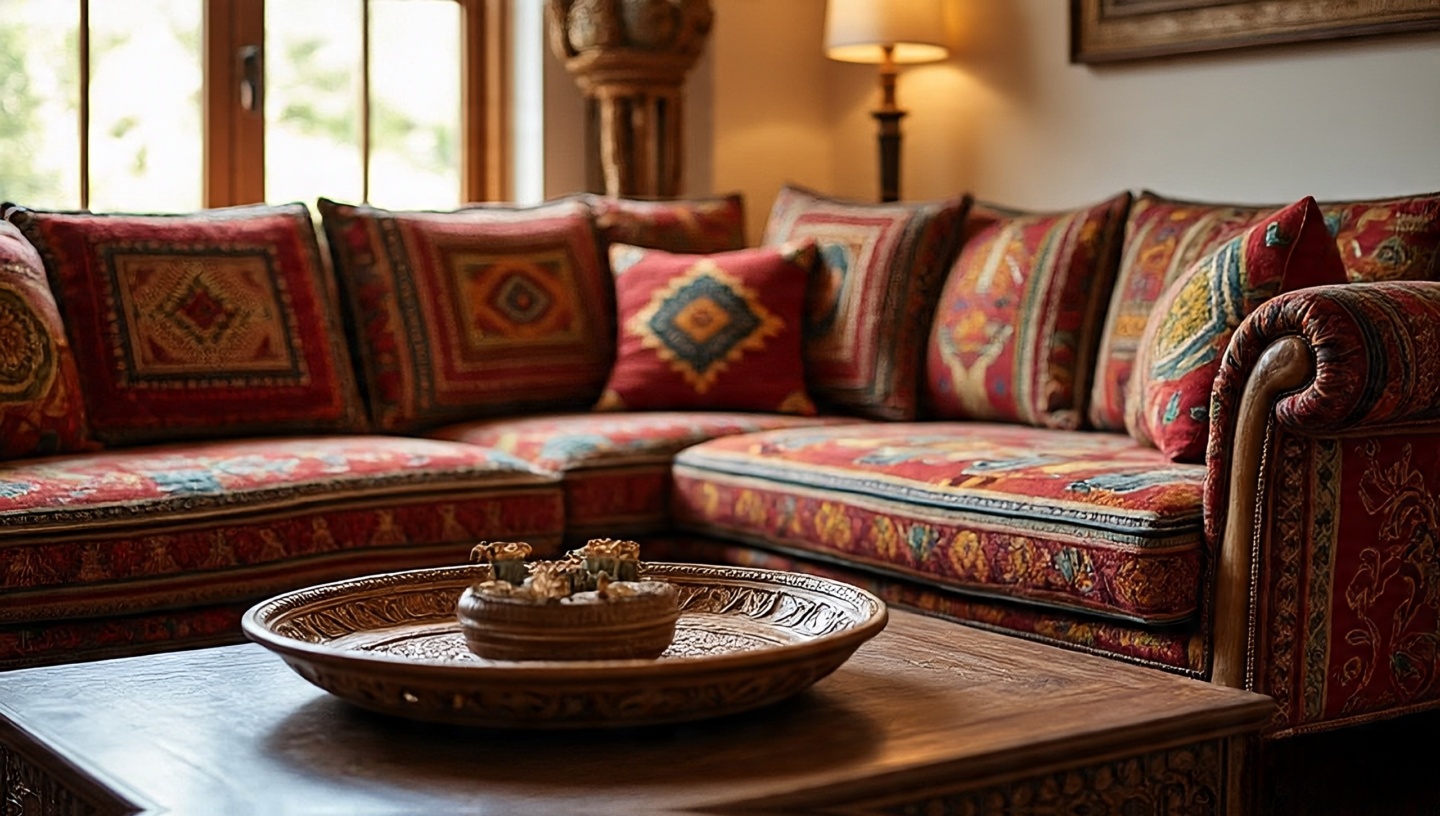 A sofa is the perfect stage for displaying treasures from your travels. A cushion cover from Marrakech, a throw from Oaxaca, or a carved tray from Bali all tell stories. Each time I sit on my sofa and see a woven pillow from India, I remember the artisan who made it. These elements not only decorate but carry memory, connecting your home to the wider world.
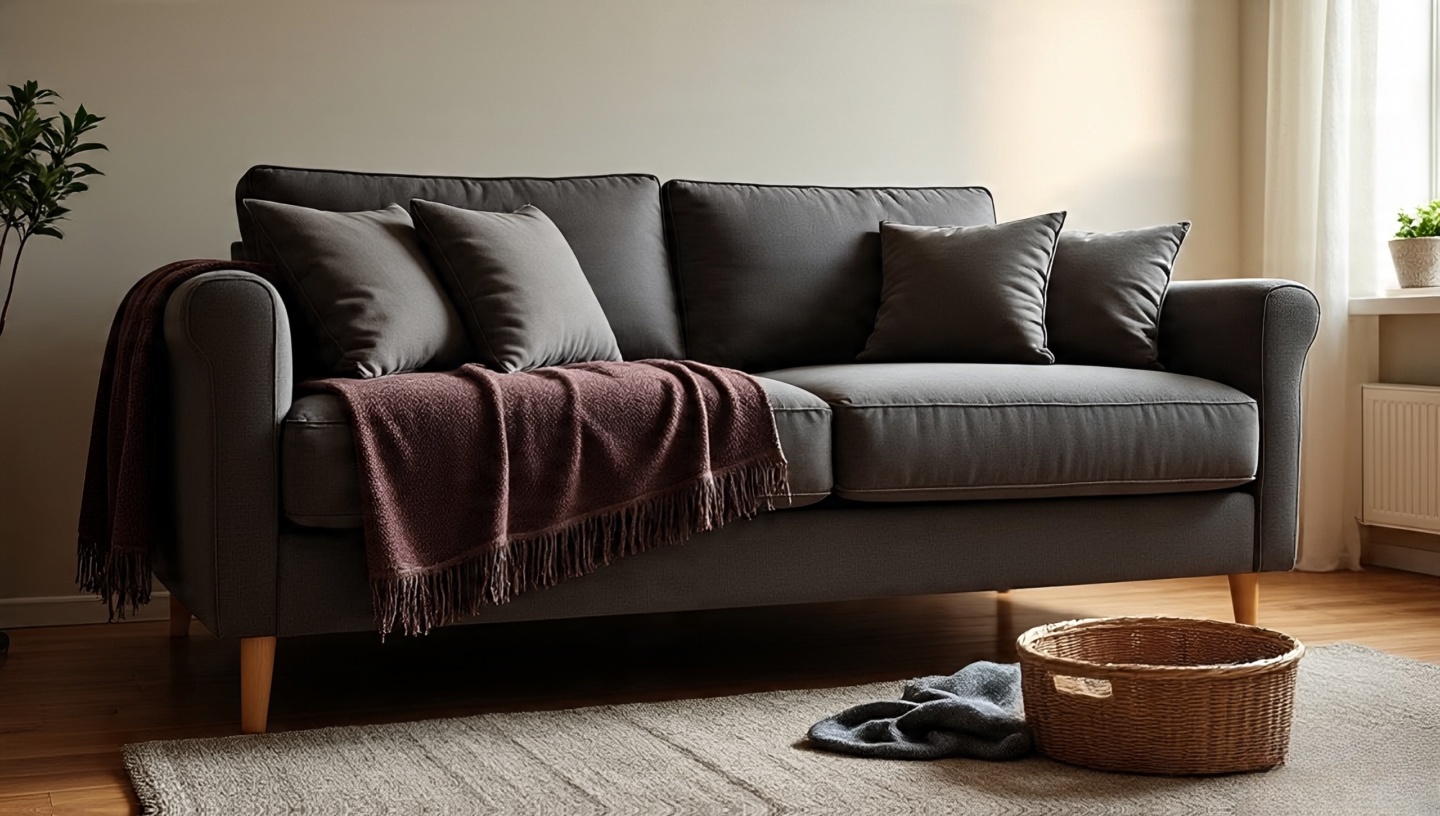 Boho styling should embrace real life, not fight against it. If you have kids or pets, choose cushion covers with zippers for easy washing, and go for throws in darker tones that hide stains. My own dog loves curling up on the sofa, so I keep one dedicated “dog throw” that adds texture while protecting the fabric underneath. Styling that ignores daily life isn’t sustainable it has to serve both beauty and function.
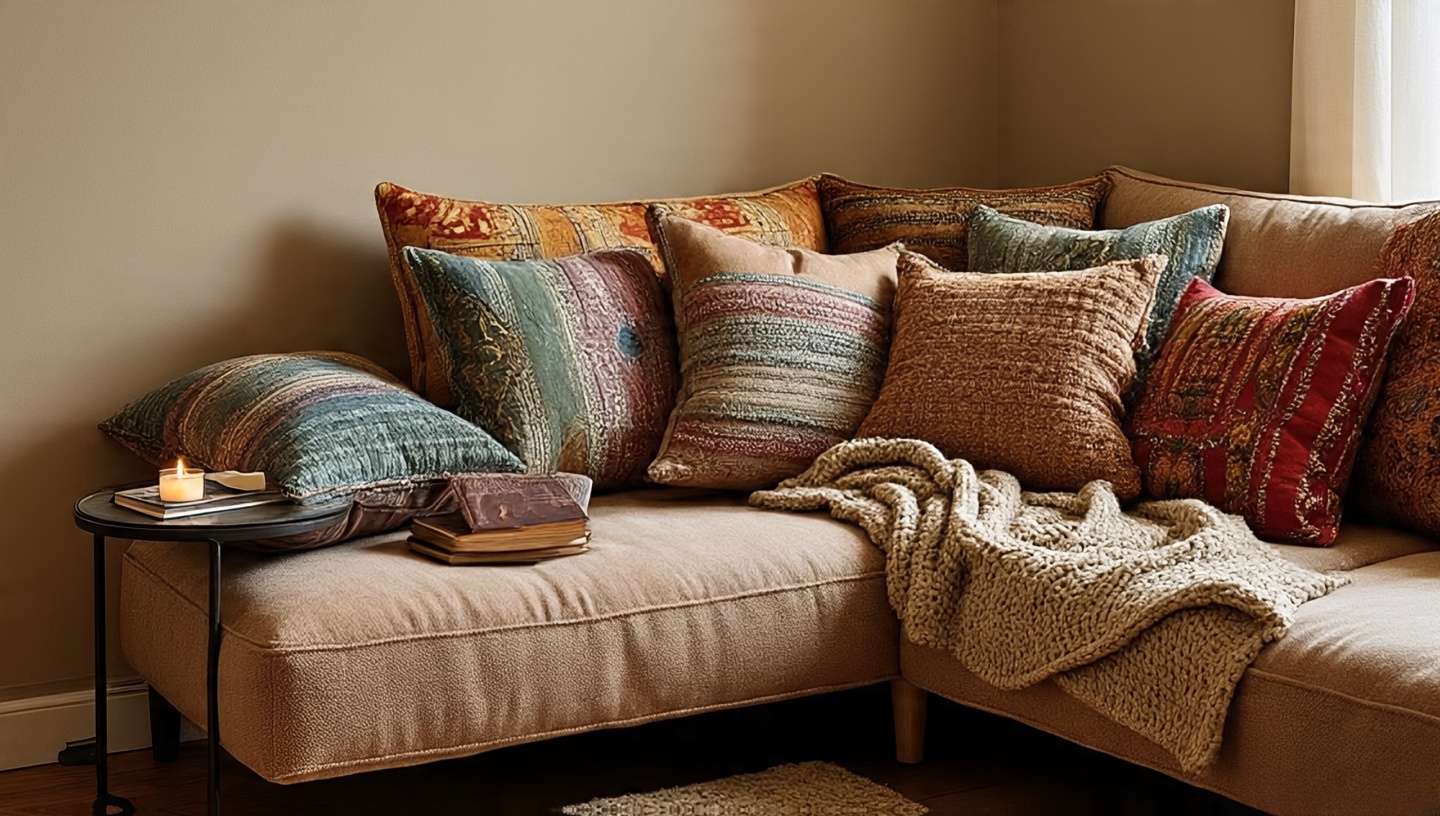 At the end of the day, your Boho sofa should feel like a personal retreat. The right mix of cushions, throws, lighting, and scent can make it more than furniture it becomes a sanctuary. I’ve sat on countless styled sofas in my career, but the ones that stay with me are the ones that made me want to linger. That’s the ultimate test: does your sofa invite you to stay?
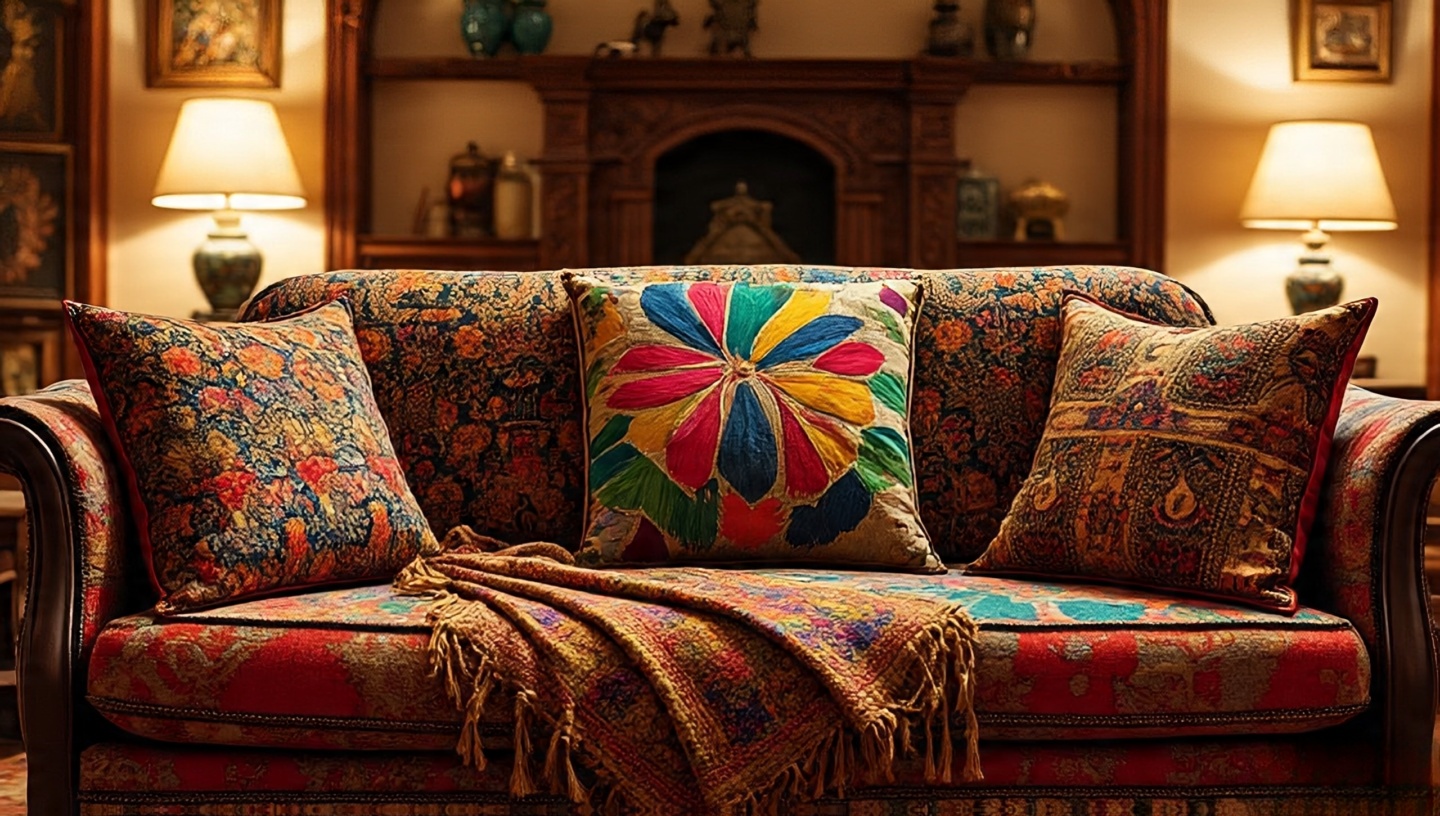 One of the most powerful ways to make a Boho sofa stand out is by incorporating pieces that carry cultural weight. A textile from Morocco, a hand-painted cushion from Mexico, or a batik throw from Indonesia all carry heritage and meaning. Over the years, I’ve learned that when clients mix authentic cultural artifacts into their sofa styling, the result feels rooted rather than trendy. It reminds us that Boho is not just decoration it’s connection.
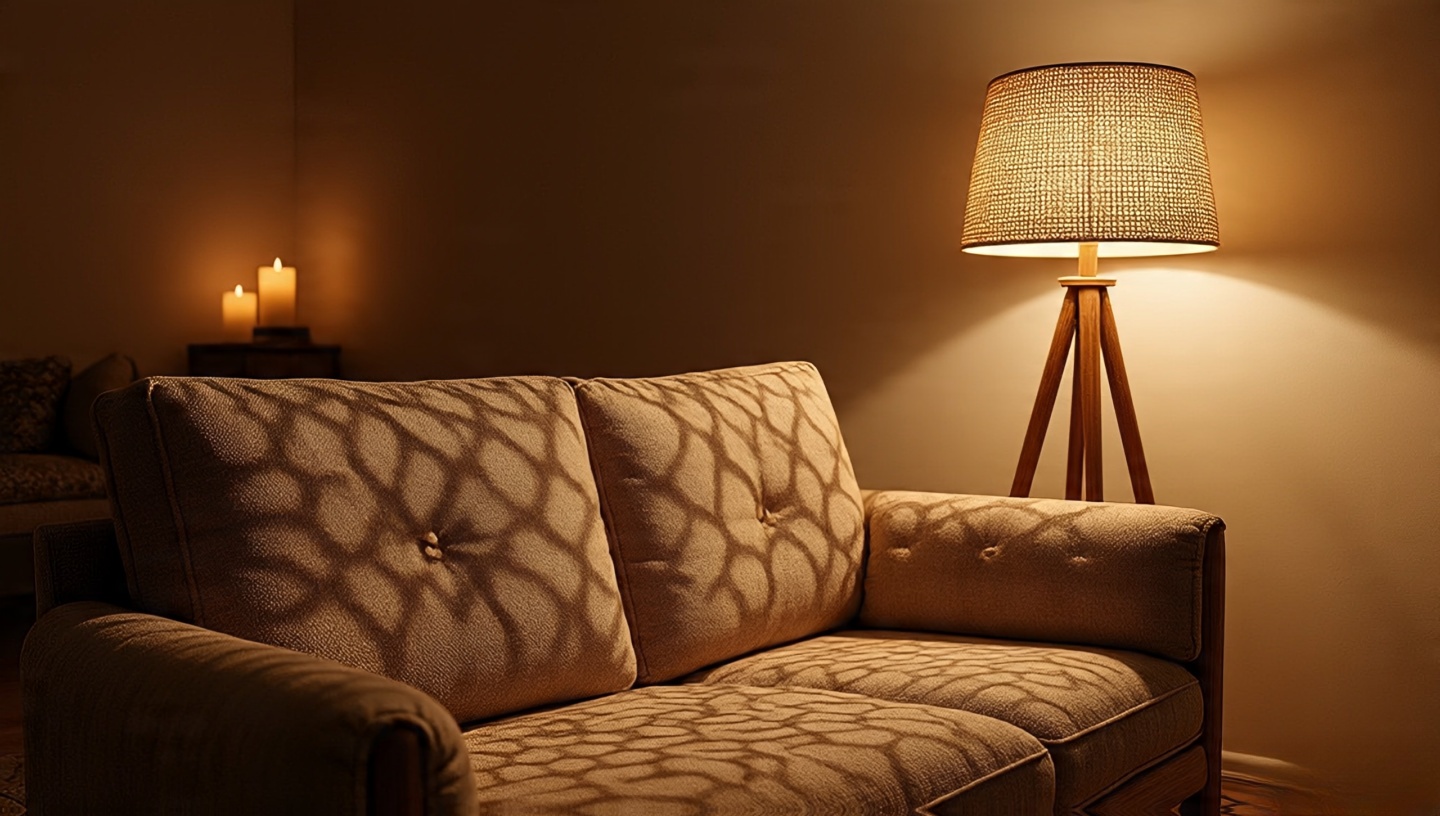 Texture is the heartbeat of Boho, and the right lighting can make it sing. A rattan floor lamp positioned beside the sofa will cast patterned shadows, making cushions and throws look more tactile. I often add a dimmer switch to lamps near the sofa, so the mood can shift from lively conversation to quiet reading. Light should never be harsh it should glow, like late afternoon sun on a linen curtain.
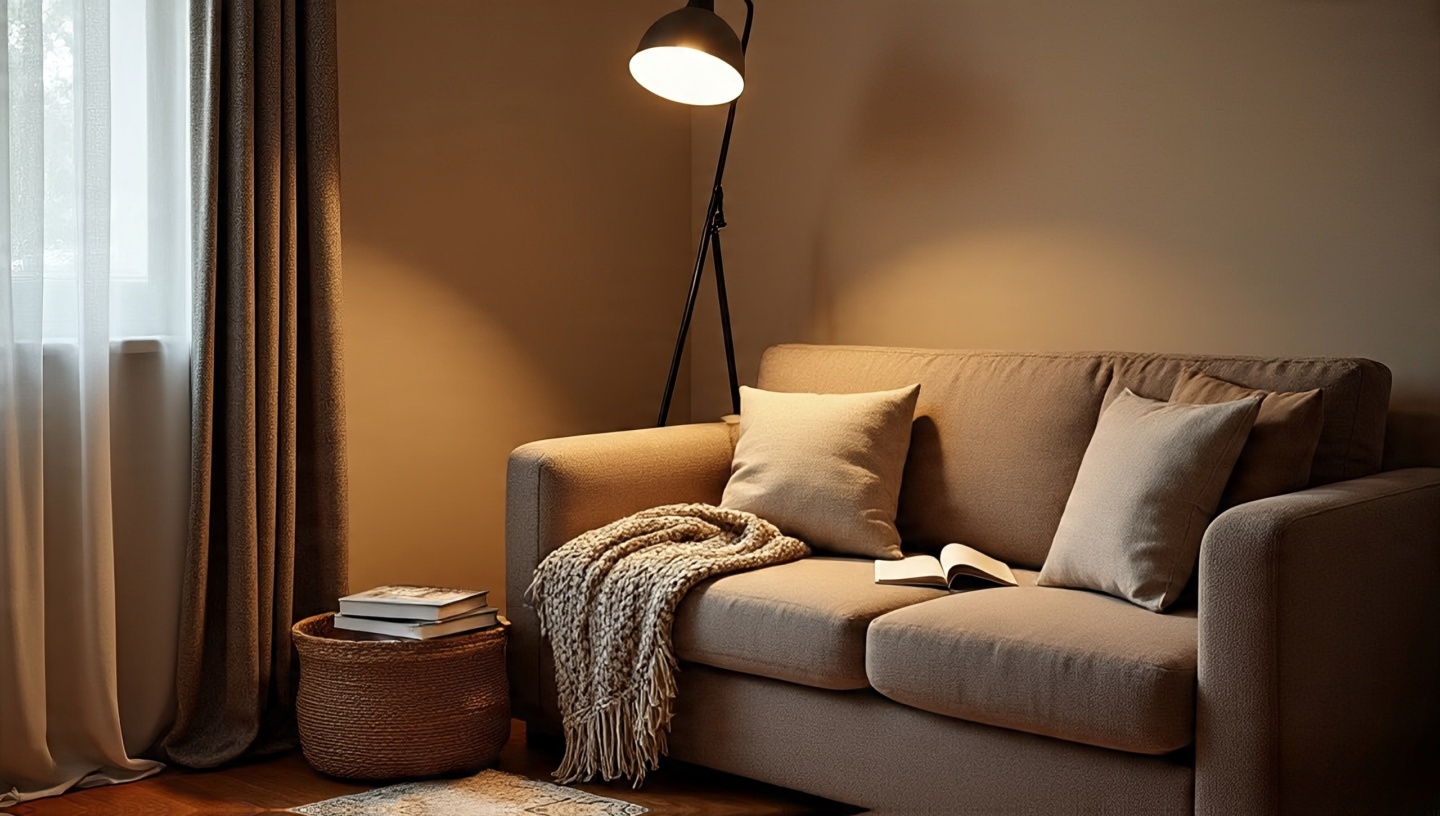 A Boho sofa can double as a reading sanctuary. Add a floor lamp angled just right, a basket of books nearby, and a wool throw within reach. I styled a client’s sofa with nothing more than two oversized cushions and a knitted blanket, and suddenly it felt like the most inviting reading spot in the house. A simple shift in intention can transform your sofa from social hub to personal retreat.
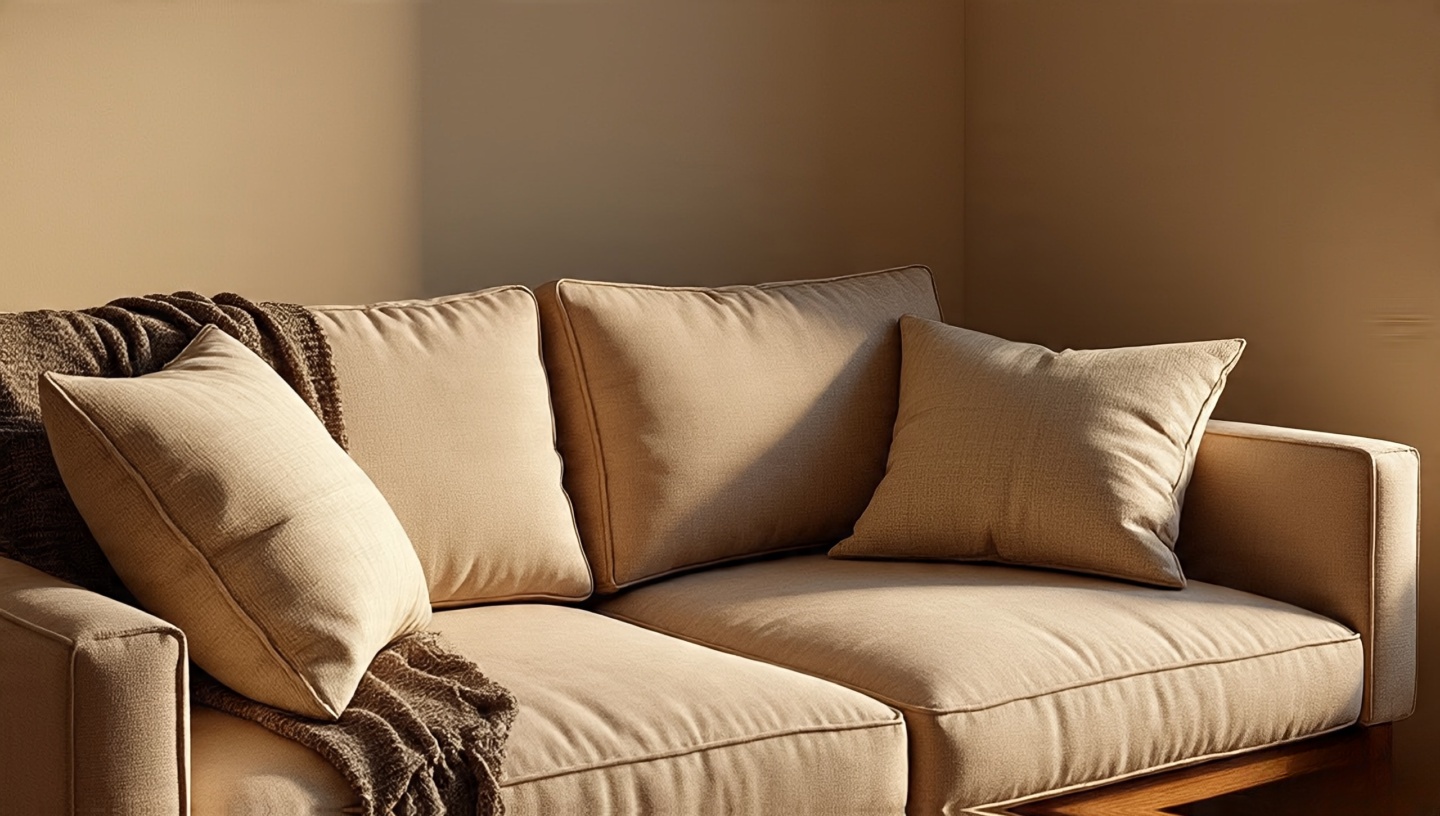 Symmetry can be comforting, but in Boho design, breaking the rules often creates more interest. Place two large cushions on one end of the sofa and just one oversized pillow on the other. Add a throw diagonally instead of centered. I once styled a sofa asymmetrically, and though it looked “off” at first, the family who lived there said it instantly felt more relaxed and human. Perfection is overrated.
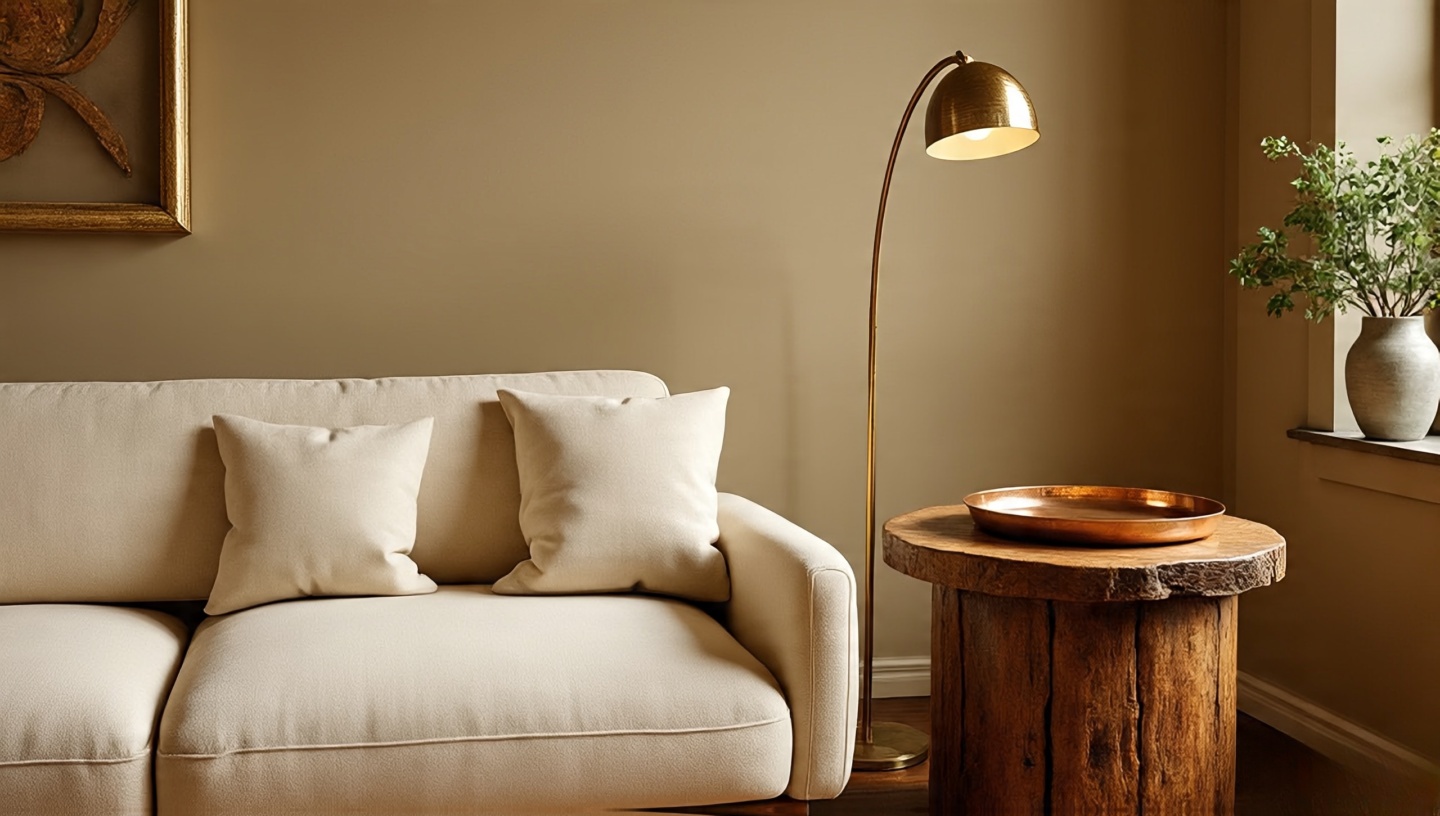 The area around your sofa is an opportunity to play with materials. A brass floor lamp paired with a reclaimed wooden side table creates contrast that feels eclectic yet intentional. I’ve used hammered copper trays on rustic tables, and the shimmer against the rough wood never fails to catch the eye. These material juxtapositions echo the Boho spirit of mixing without overthinking.
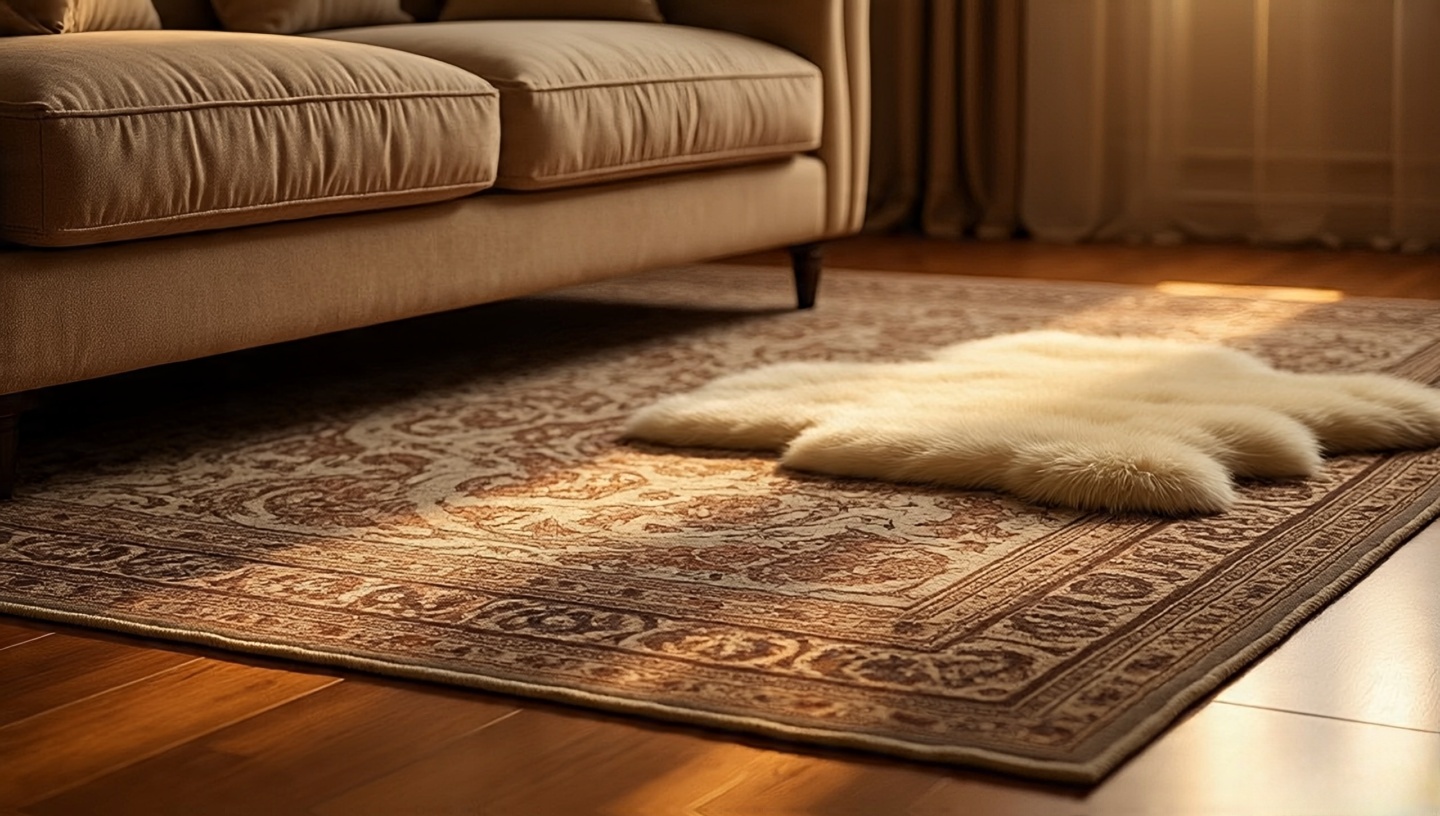 A sofa’s impact is incomplete without what happens beneath it. Rugs add warmth underfoot, but so do smaller details like sheepskin throws draped partly on the floor. In one project, I placed a faux sheepskin just under the edge of a sofa, and the client’s children kept lying there because it felt like a cloud. Don’t overlook what your feet or your pets will experience around your sofa.
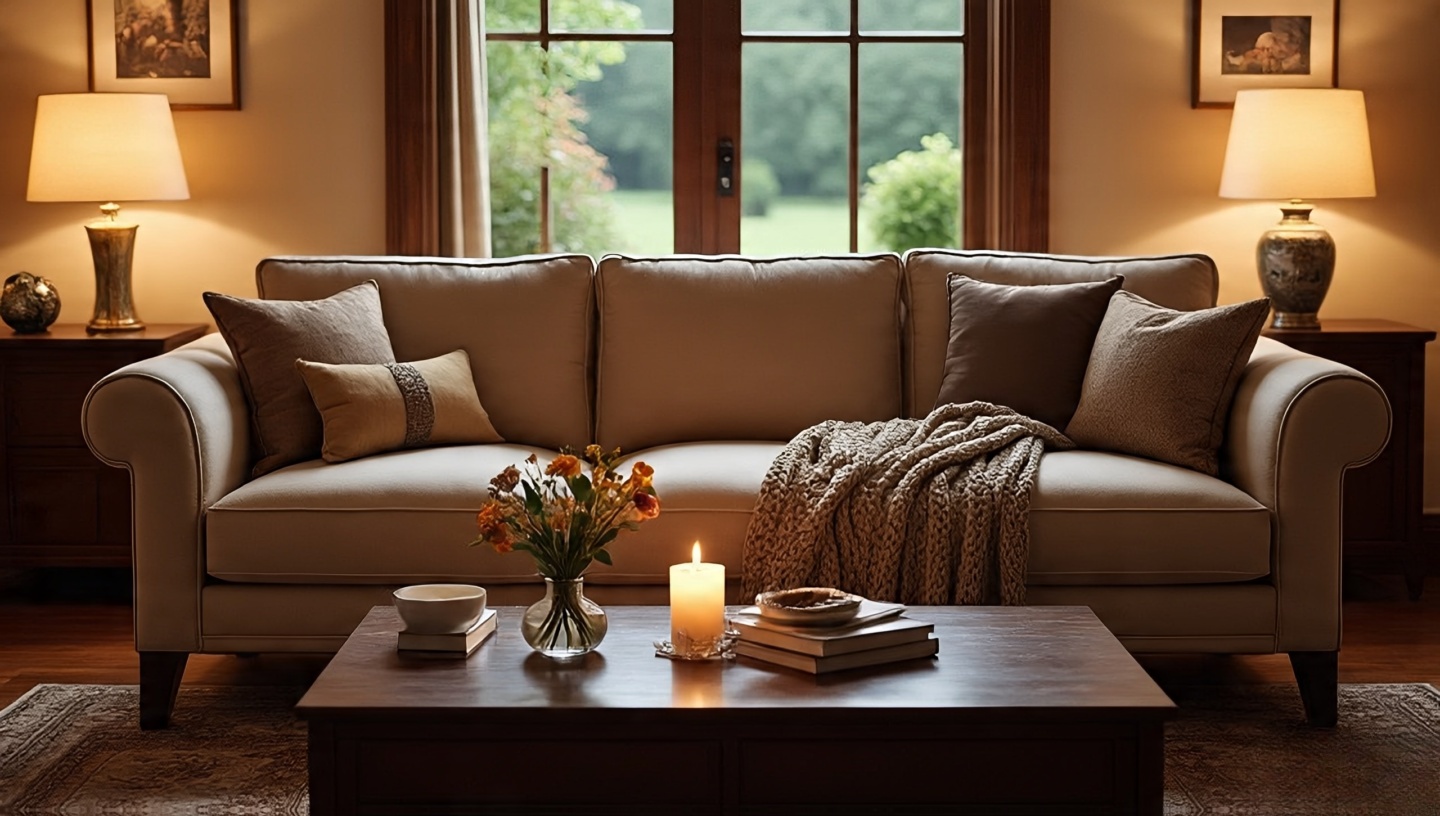 Your sofa should be versatile. For gatherings, arrange cushions to make space for multiple people, and keep the coffee table clear for snacks and drinks. For solitude, pile cushions high, add an extra throw, and let the coffee table hold nothing but a candle and your current book. I’ve shifted my own sofa this way countless times by Saturday night it’s for friends, by Sunday morning it’s for me and my tea.
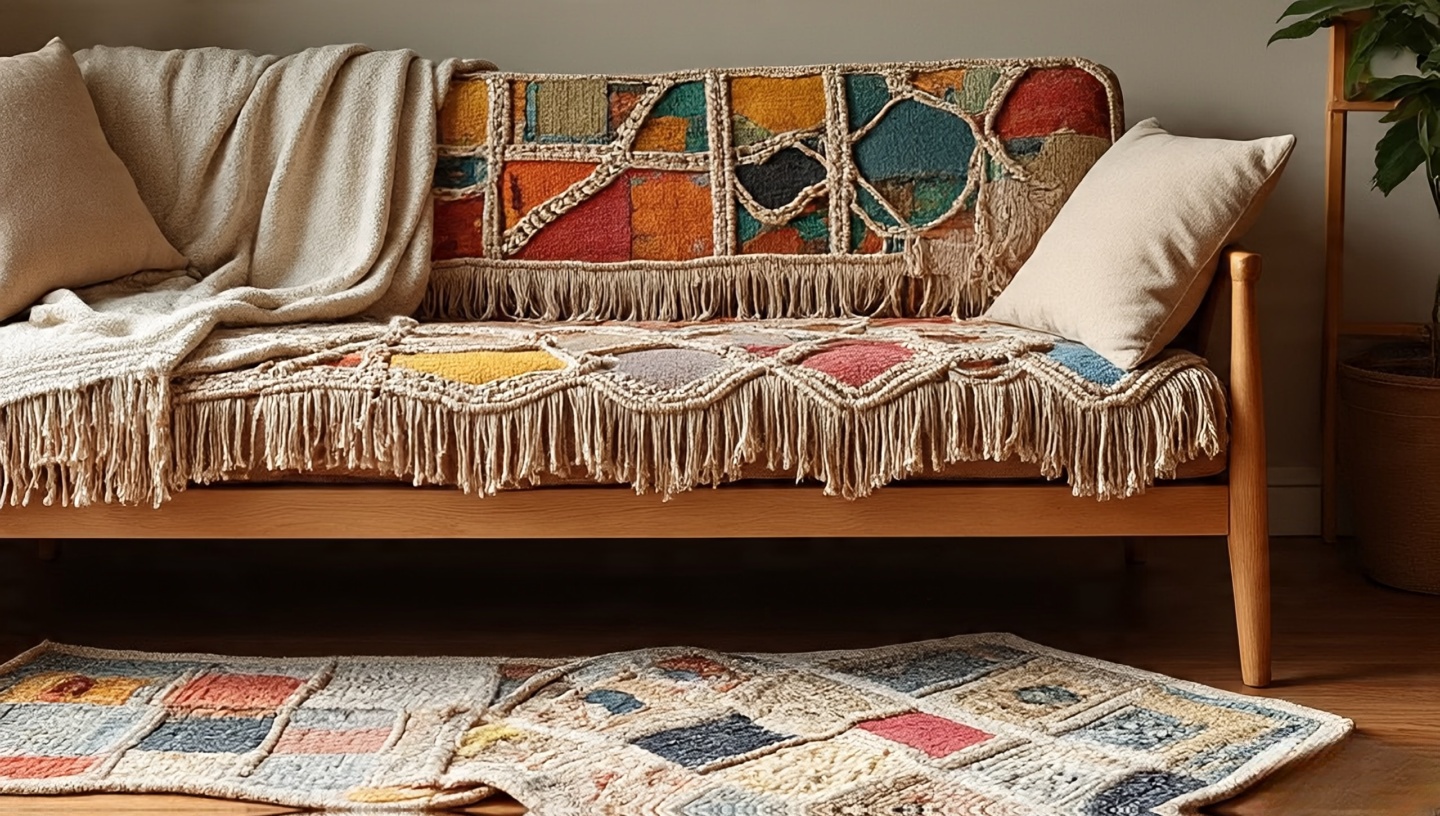 Handmade items always win over mass-produced decor. A macrame pillow with knots that aren’t perfectly even, a throw with slightly uneven stitching these imperfections are what make your sofa styling real. I once bought a handmade quilt with mismatched squares, and instead of hiding it, I draped it proudly across my sofa. Guests always ask about it, and it sparks stories that no factory-made item could inspire.
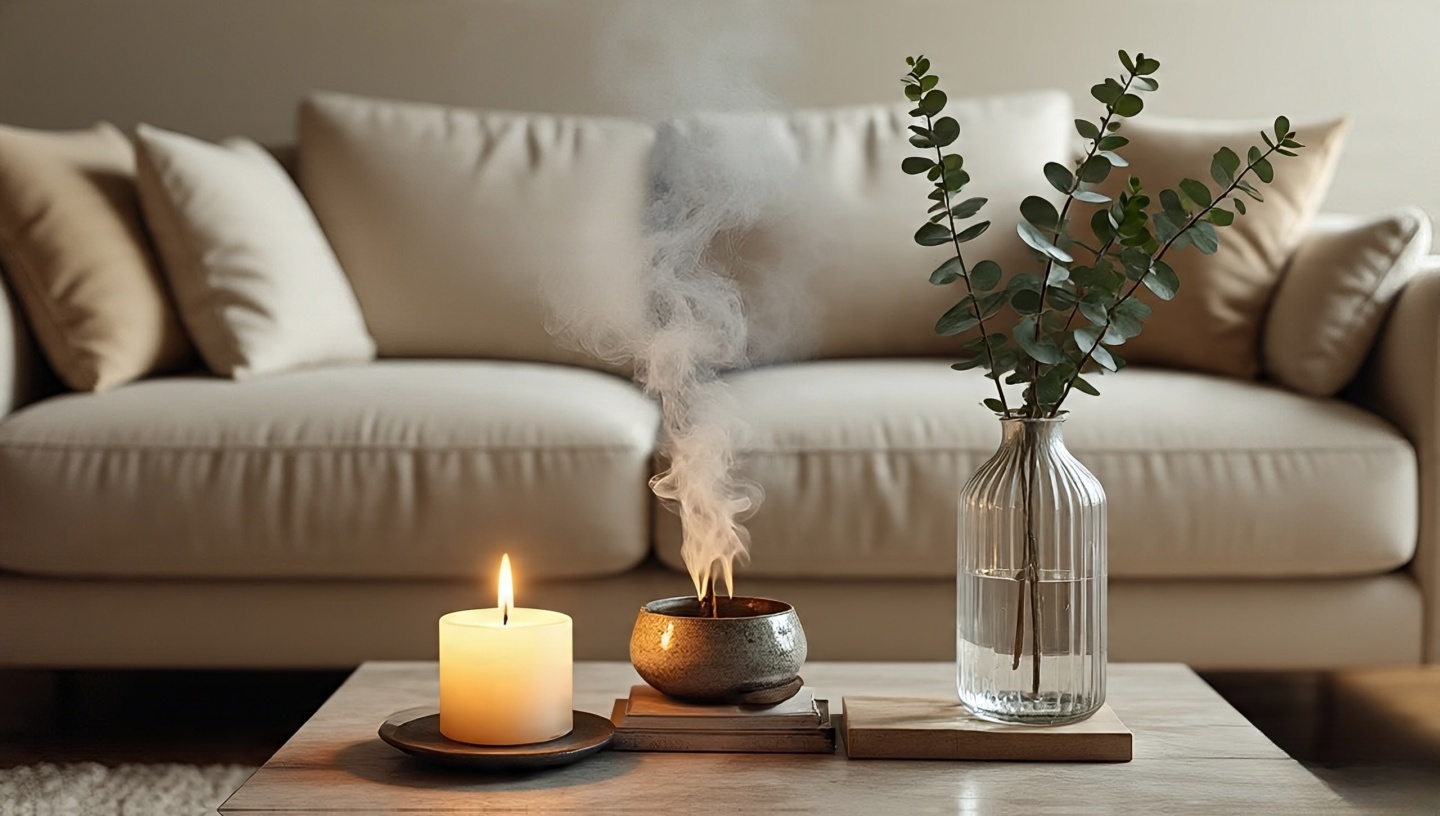 I often layer scents around the sofa the way I layer textiles. A beeswax candle for a natural base, incense for occasional drama, and fresh eucalyptus in a vase for a green, crisp note. Once, I lit sandalwood incense while a soy candle burned nearby, and the combination turned the living room into a sanctuary. Styling is not just about what the eye sees it’s about what the nose remembers too.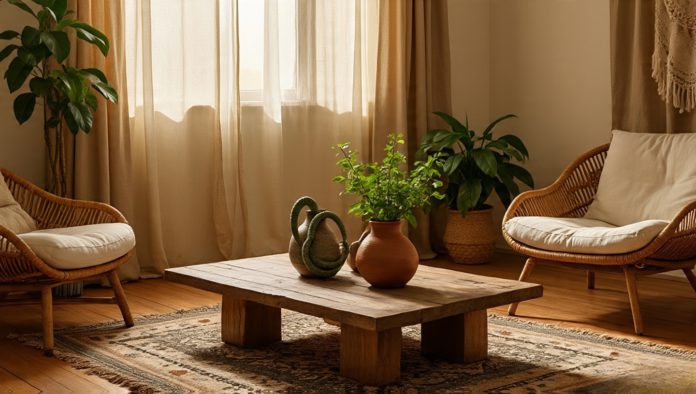
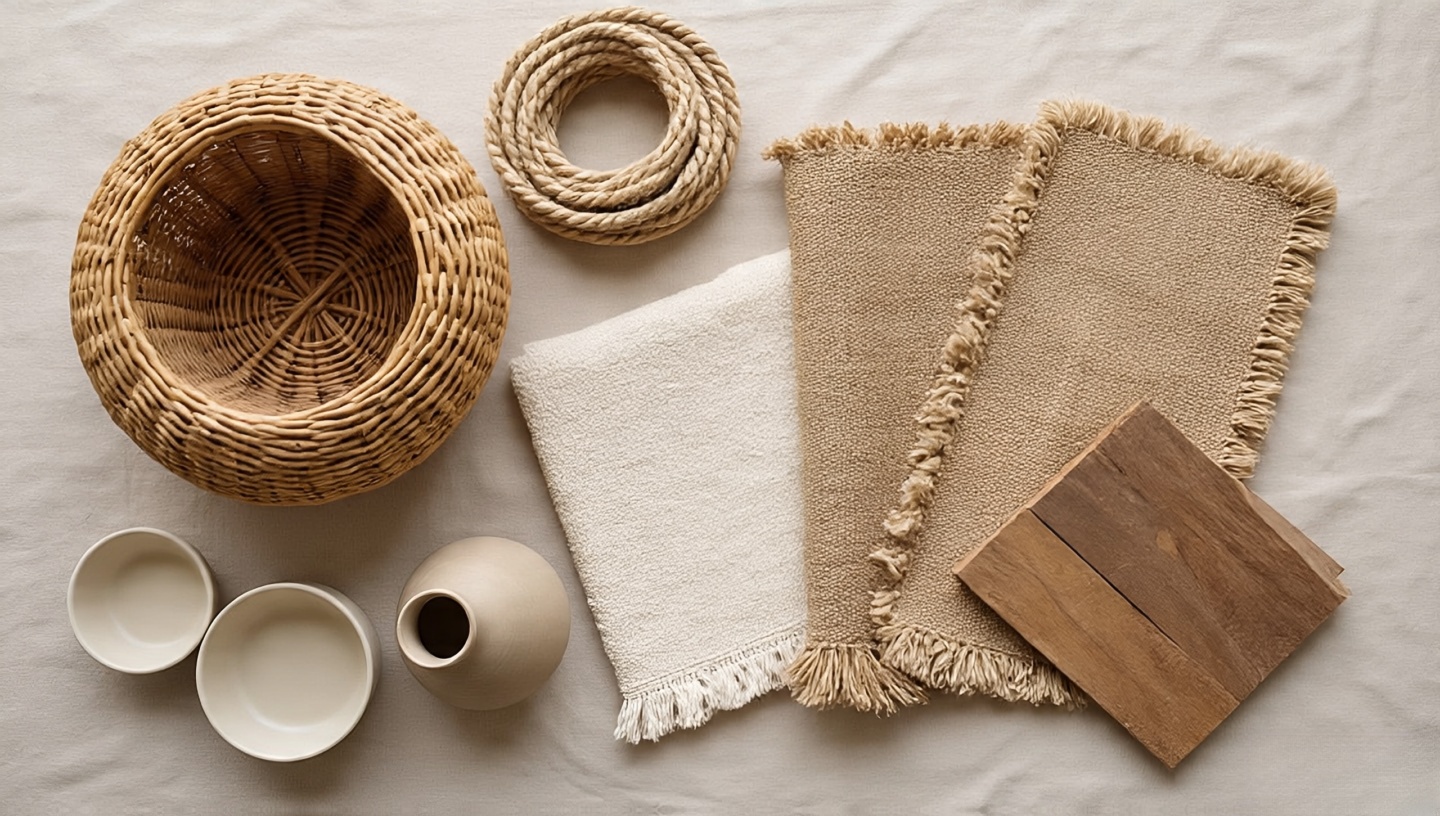 One of the simplest rules in creating an eco-friendly Boho home is this: choose natural over synthetic. It’s not about perfection but about leaning toward materials that age gracefully and return to the earth without a fight.
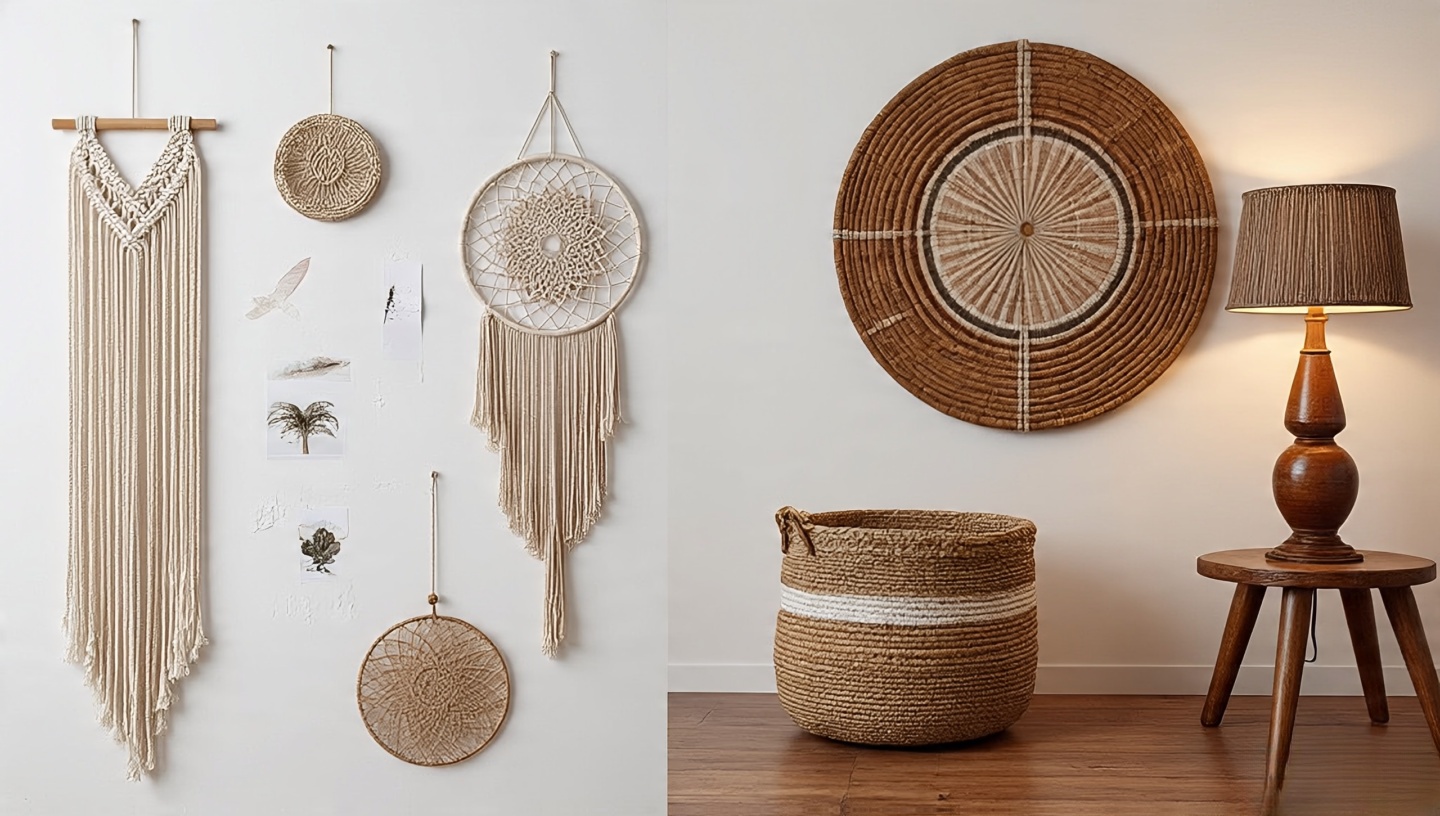 Just like clothing, decor has its fast-fashion version. Big-box stores churn out “Boho chic” goods that may look right but strip away the very values the style is rooted in.
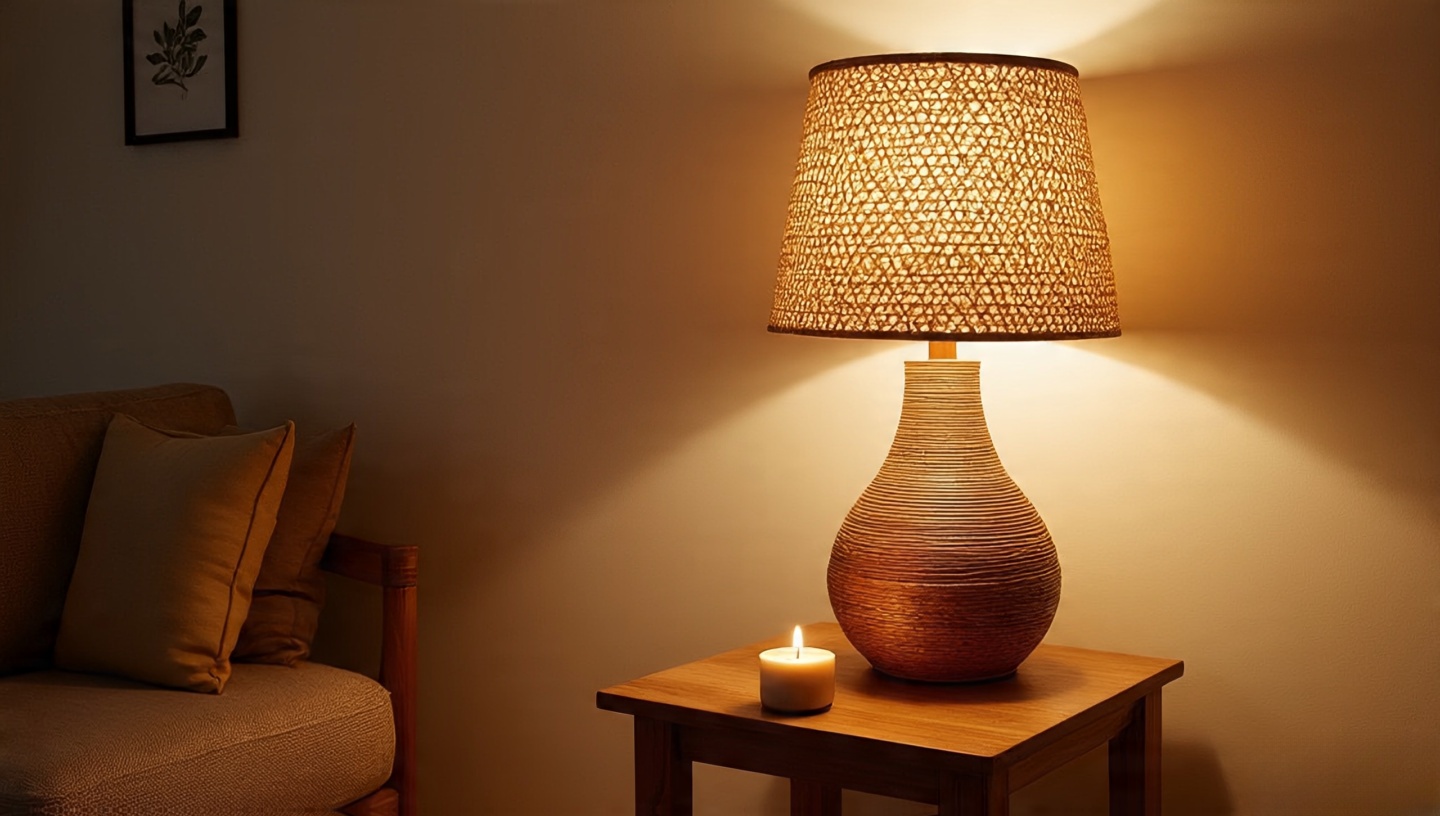 Boho spaces live and breathe through lighting. Skip the harsh LEDs and go for warm-toned bulbs, solar lanterns for outdoor patios, and candles made of soy or beeswax. A simple trick I learned? Place a woven rattan shade over a soft bulb—it scatters the light like sunlight through leaves.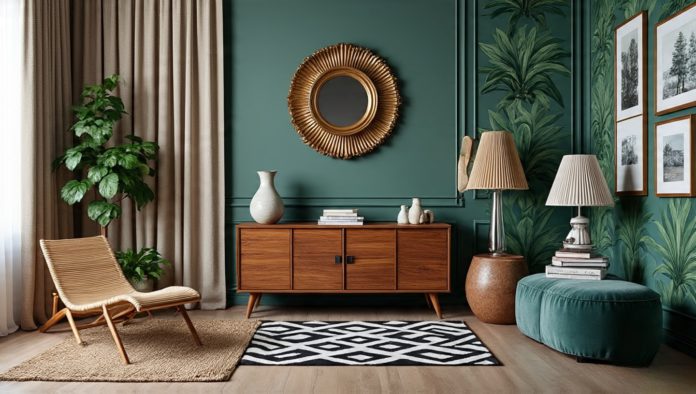
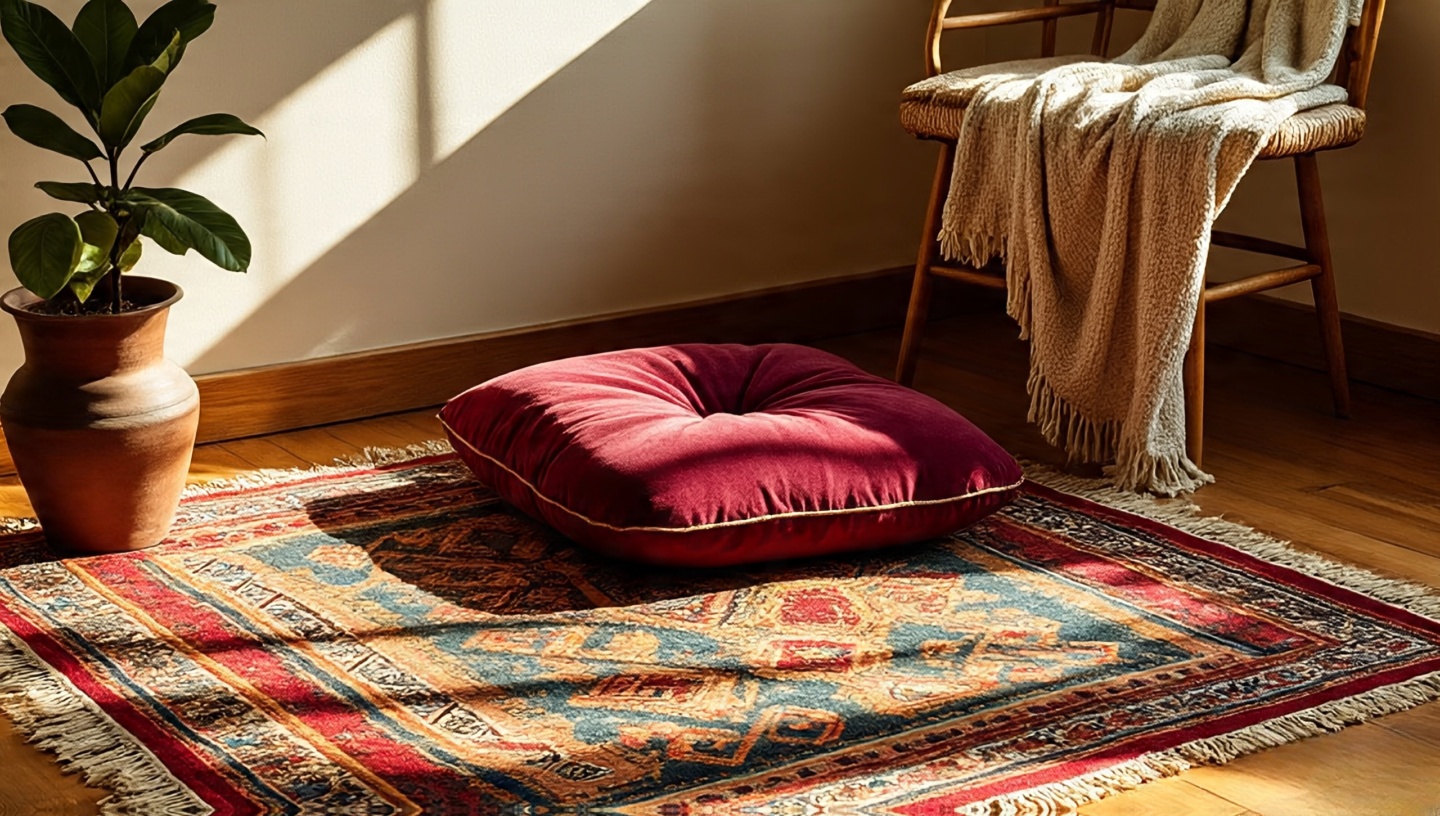
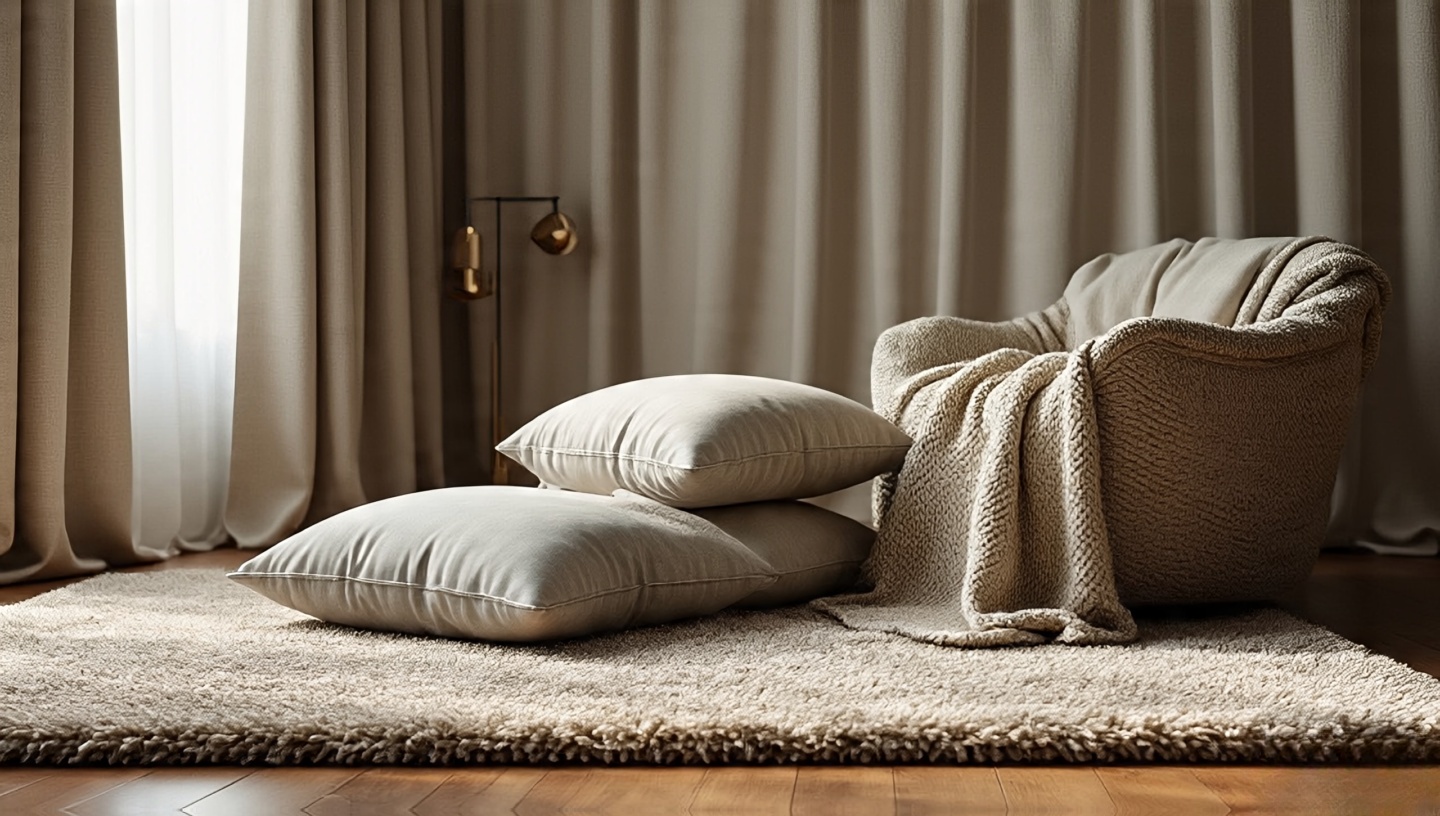
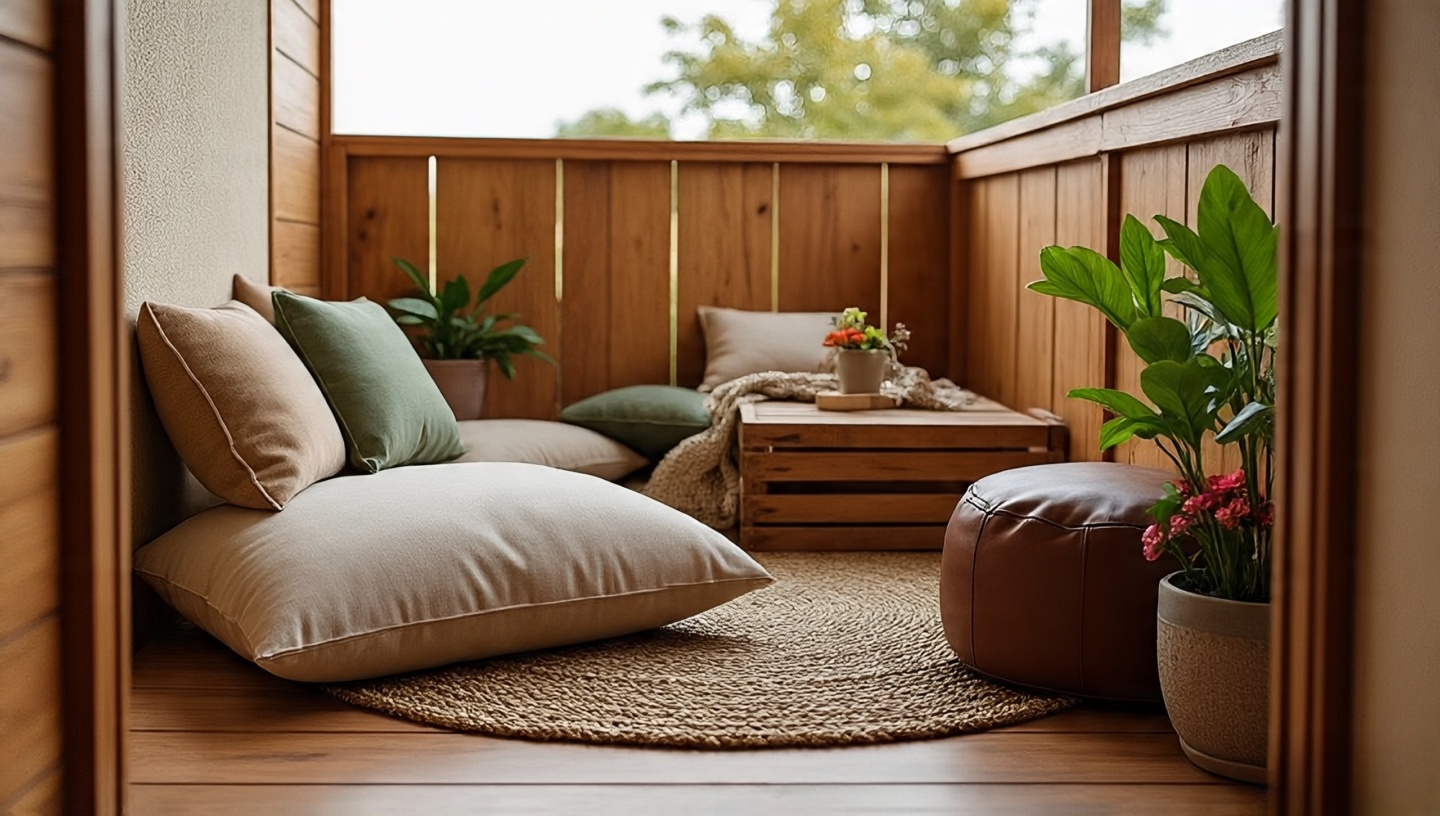 There’s a simple truth I’ve learned after three decades of designing: people feel more connected to a space when they’re closer to the ground. On small balconies, floor seating creates intimacy that chairs never could. Imagine sinking into thick woven cushions with a low table for tea it feels less like furniture, more like ritual. When I switched from stiff metal chairs to kilim pillows on my own patio, evenings turned into something softer, almost meditative.
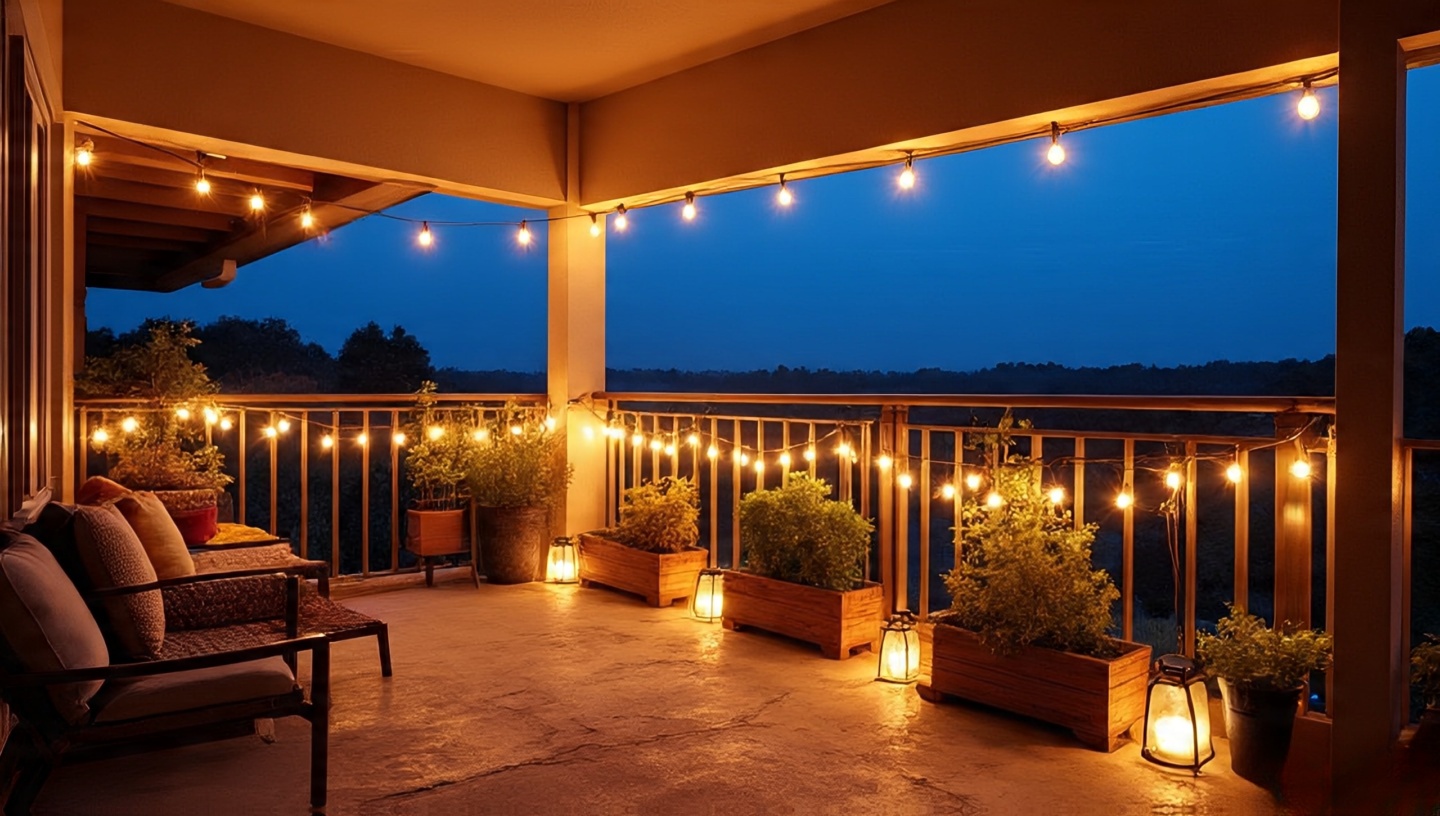 Light is not just illumination, it’s emotion. The way fairy lights cast small halos across rough concrete or weathered wood can make even a humble balcony feel like a storybook. I once visited a client whose string lights were the only décor outside and honestly, nothing else was needed. They gave the space rhythm and warmth, like little punctuation marks in the night.
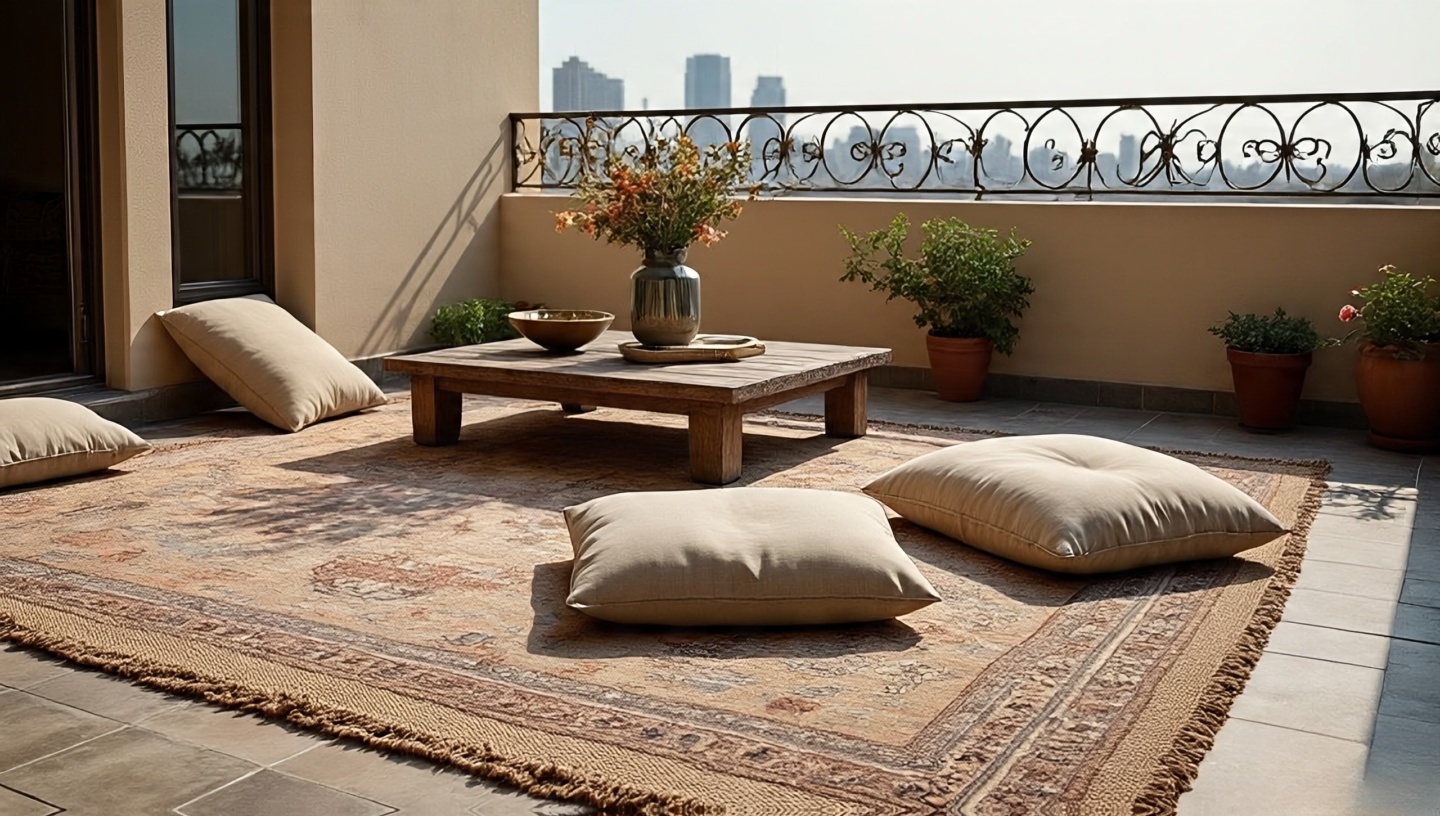 Rugs outside are a little rebellious, and that’s why they work. They signal that this isn’t just a balcony it’s a living room under the sky. I remember laying down a faded Moroccan rug over a plain jute mat on a city terrace; suddenly the echo of footsteps softened, and guests lingered longer.
 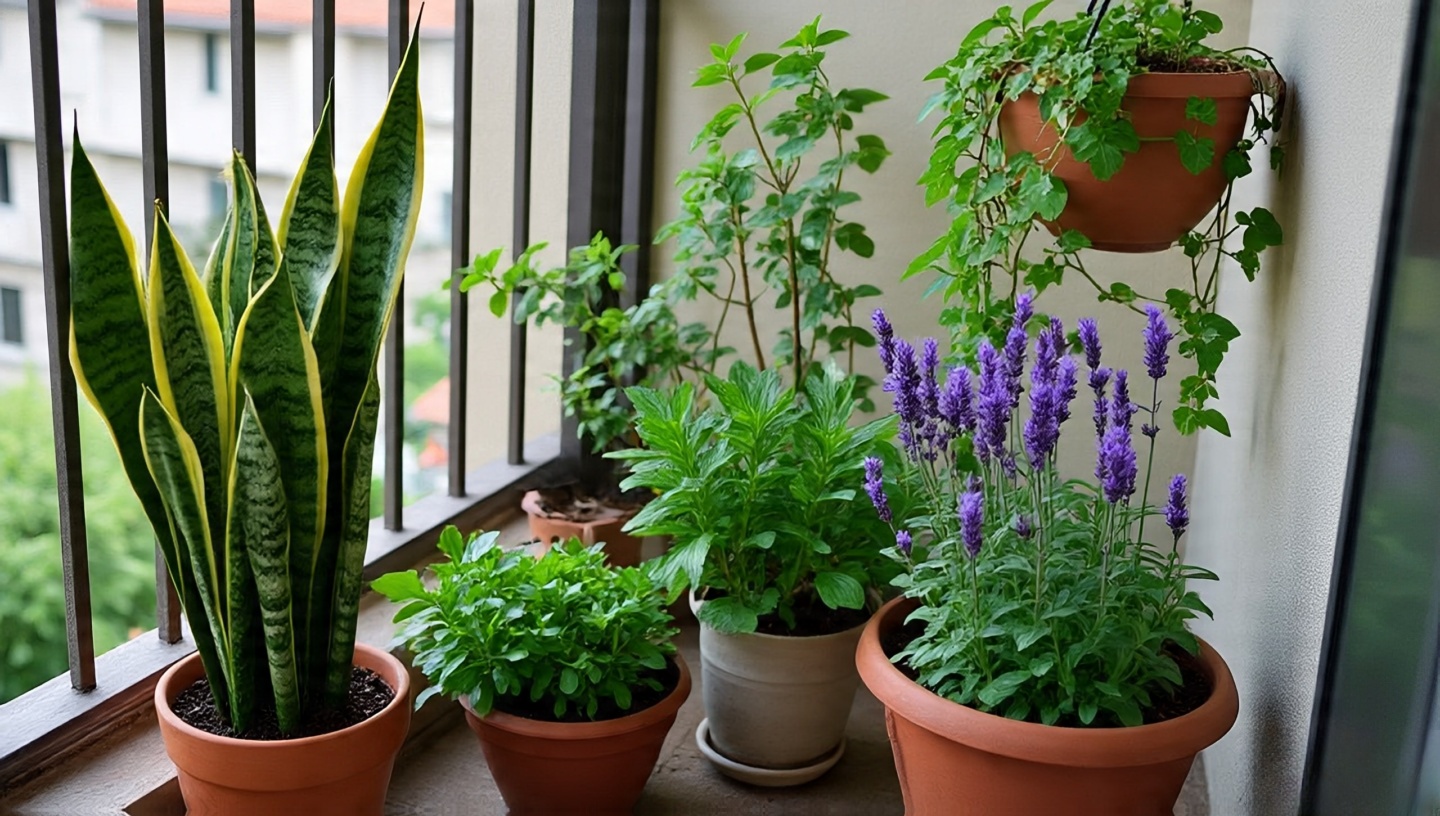 After years of observing spaces, I’ve realized plants are not decoration they’re companions. Mix them up like a cast of characters: the tall sentinel of a snake plant beside the wandering ivy, the fragrance of lavender nudging mint. On my balcony, brushing past rosemary on the way to the chair feels like a quiet handshake with nature.
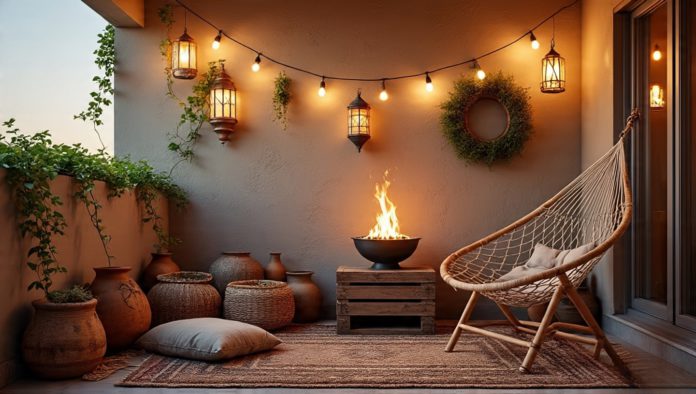
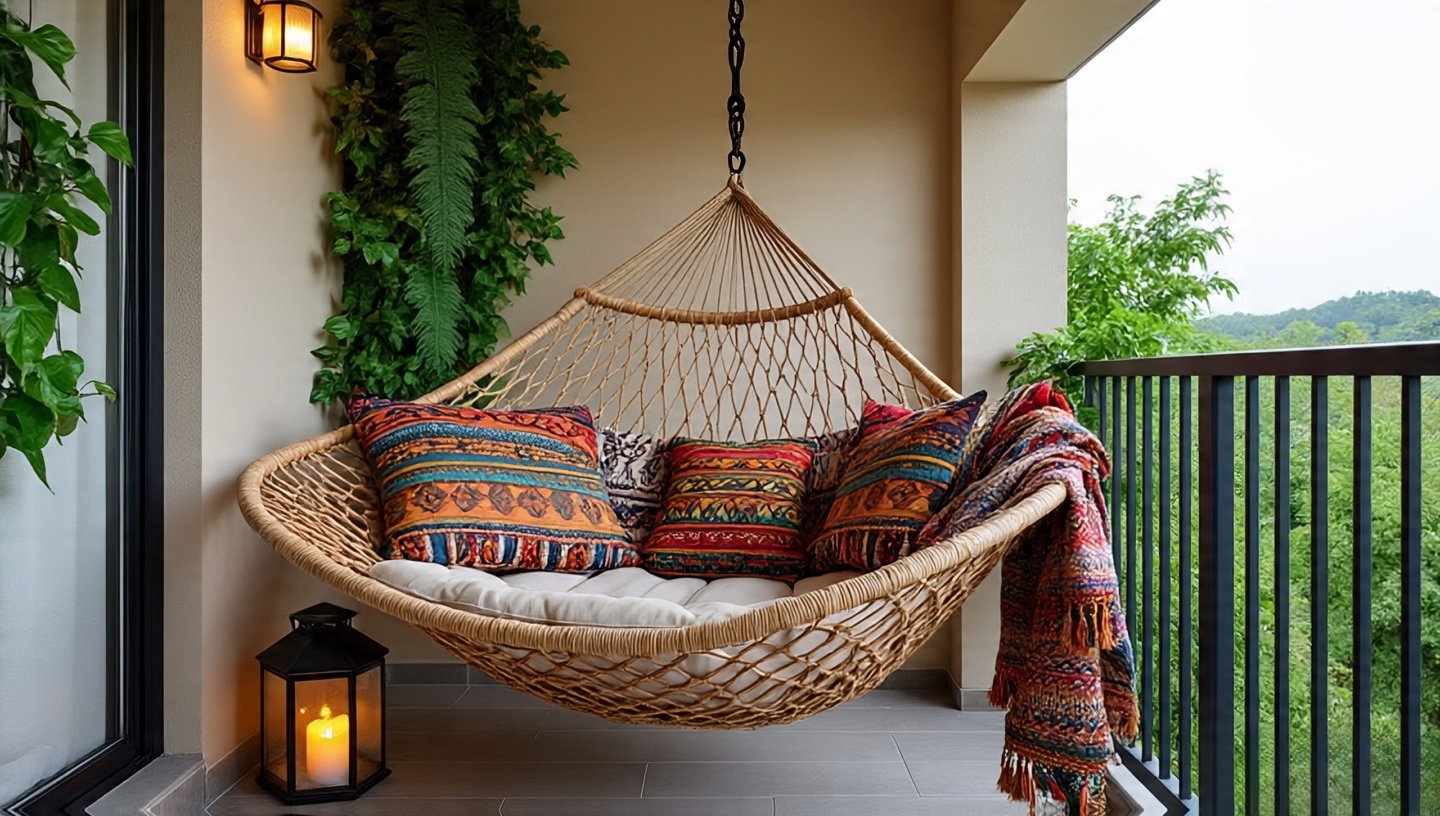 There’s a childlike joy in sitting where you can sway. A small swing or hammock chair transforms a static space into one that moves with you. I once convinced a friend to install a rattan hanging chair on a balcony barely big enough for it. Did it bump against the rail sometimes? Yes. But every guest wanted to sit there first. Design is not only about proportion it’s also about delight.
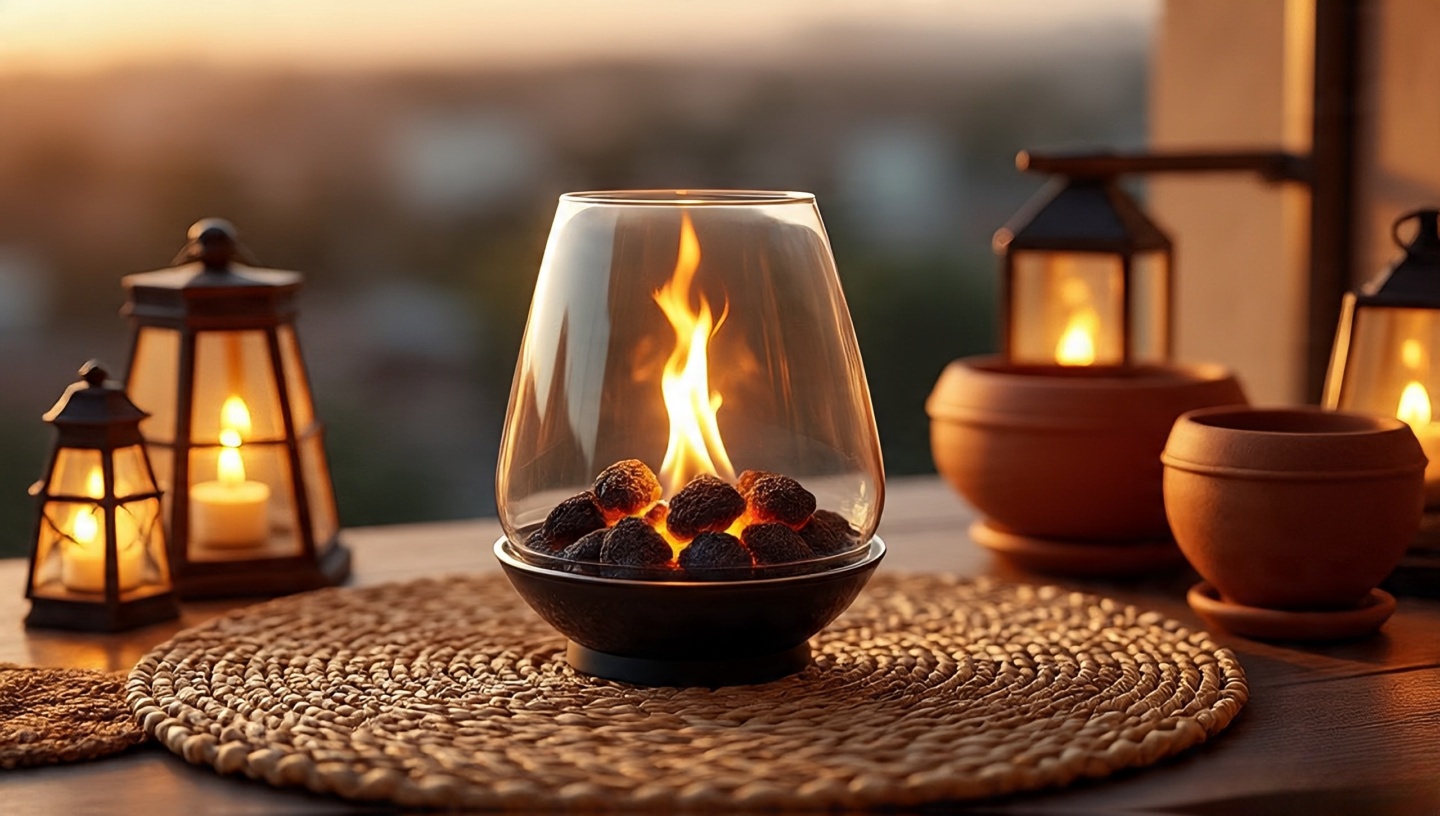 Humans have always gathered around fire. Even in a modern apartment, a tabletop fire pit or bioethanol bowl carries that primal comfort. I recommend using lava rocks around the flame not just for aesthetics but because they hold and release heat slowly, perfect for stretching an evening outdoors. One of my clients said it best: “It feels like camping, but with wine glasses.”
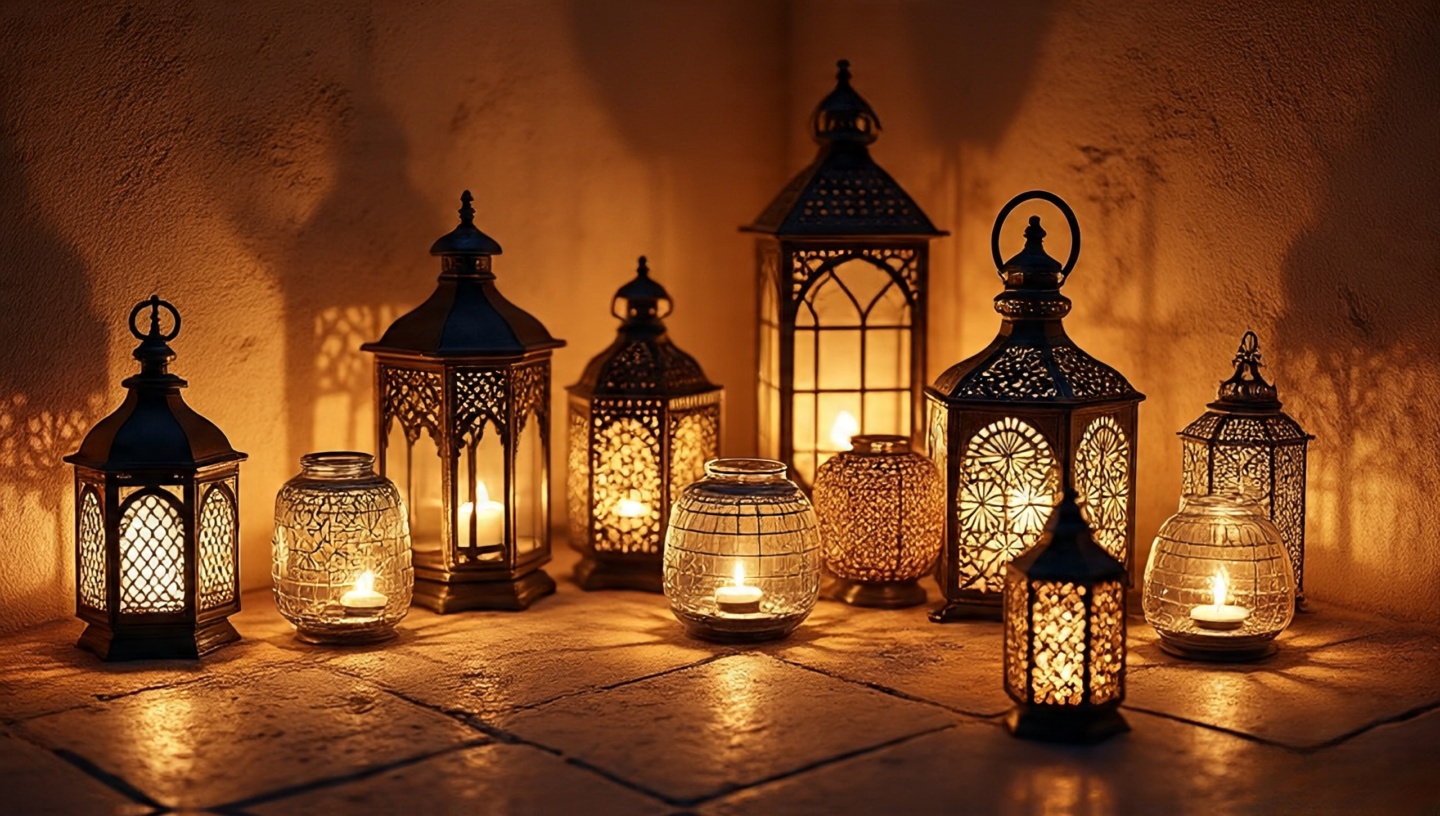 Lanterns aren’t just portable lamps; they’re memory keepers. A metal Moroccan lantern throws lace-like shadows, while a bamboo one glows warm and earthy. I often scatter jars with tealights among my plants when the wind flickers the flames, the whole balcony feels alive. Over the years I’ve found that lanterns age beautifully; the patina adds to their charm rather than detracts.
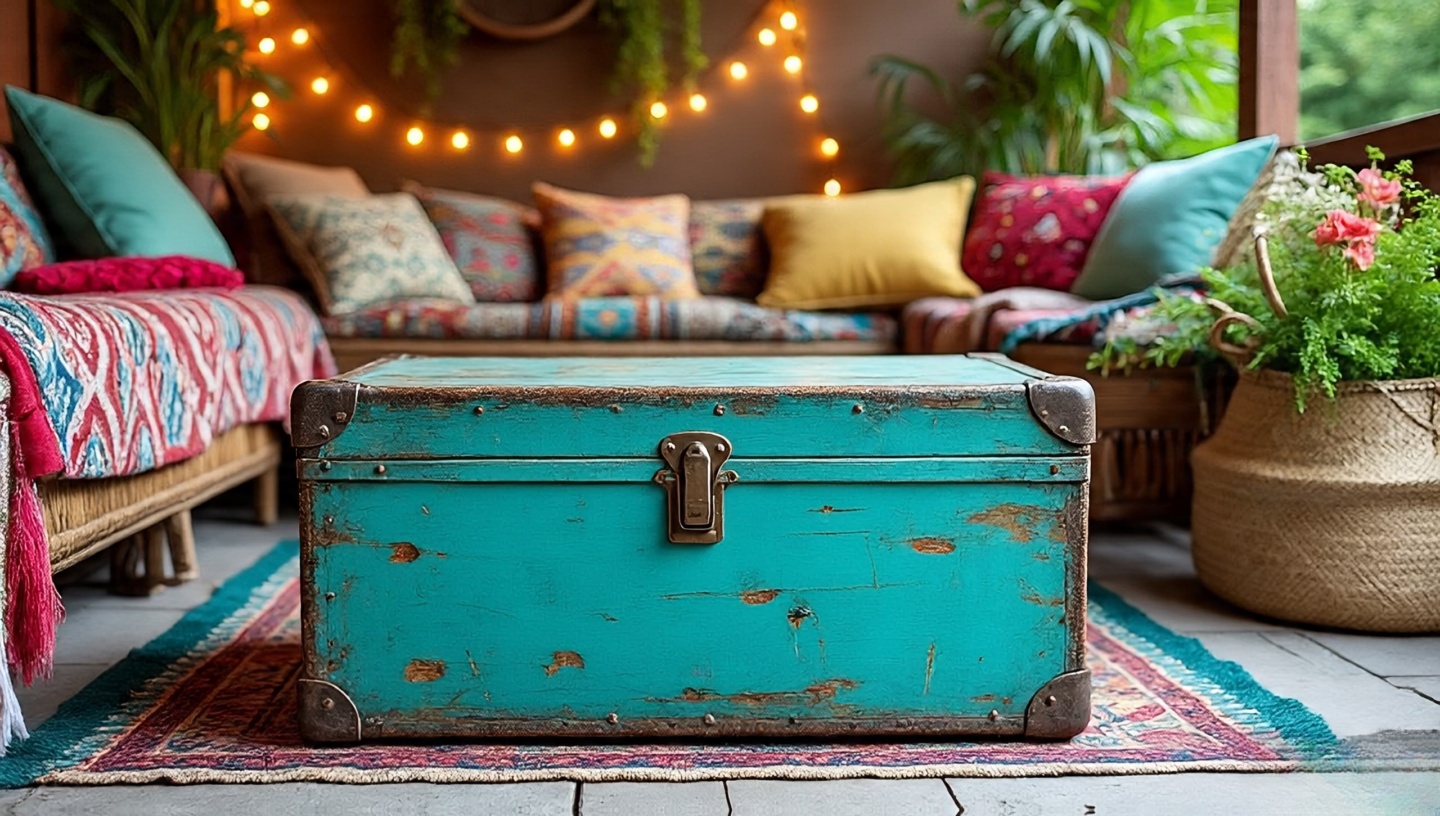 Some of the best outdoor tables are not tables at all. A weathered trunk, a pallet with casters, or even a reclaimed door on short legs. I once rescued a chipped side table from a flea market, painted it turquoise, and it became the centerpiece of every gathering on that patio. Boho design thrives on these imperfections they make the space yours, not a catalog spread.
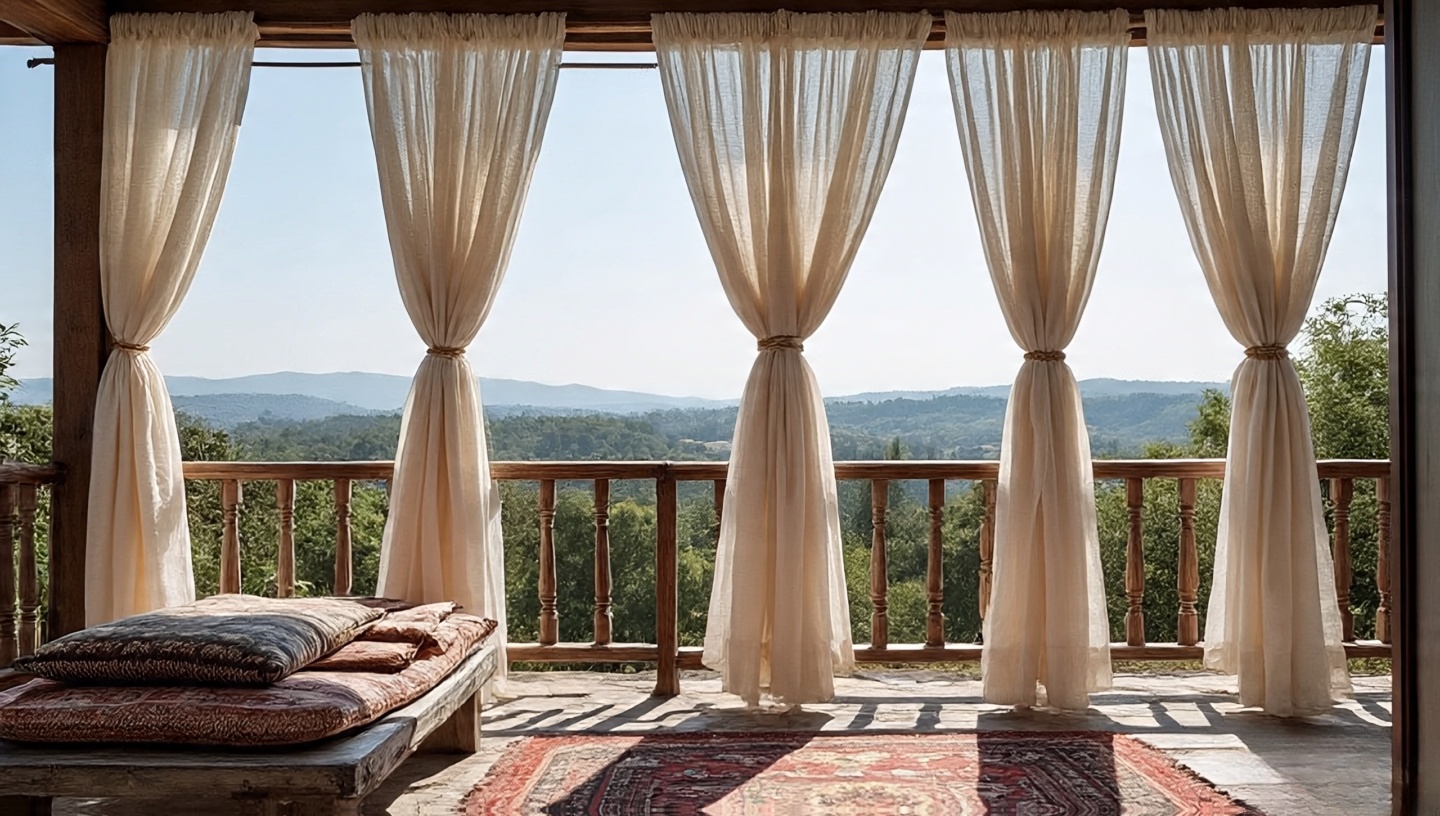 Textiles outdoors change everything. A gauzy curtain that dances in the breeze or a patterned throw that softens a bench makes the space feel lived in. I’ve hung sheer cotton along balcony railings, and the effect was like stepping into a private cabana. Boho thrives on layering rugs under throws, cushions stacked high. For a deeper dive into textile magic, I often point people to
 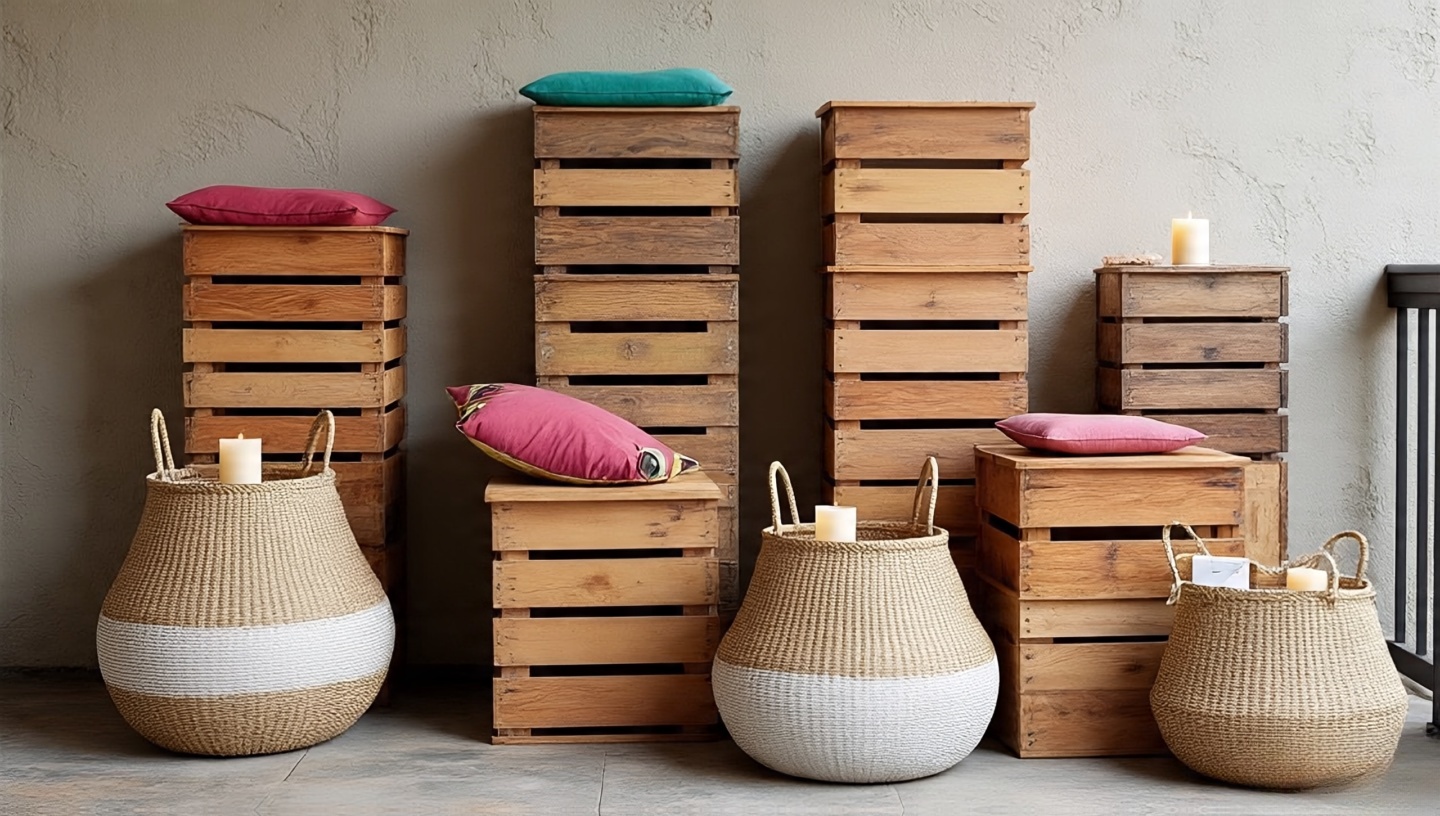 Outdoor clutter is inevitable tools, extra pillows, candles waiting for nightfall. Instead of hiding them, let storage be part of the aesthetic. Stacked crates can double as shelves, while woven baskets add texture. I’ve seen balconies where a simple pile of baskets became sculptural, almost like art. The key is honesty: don’t disguise storage, integrate it.
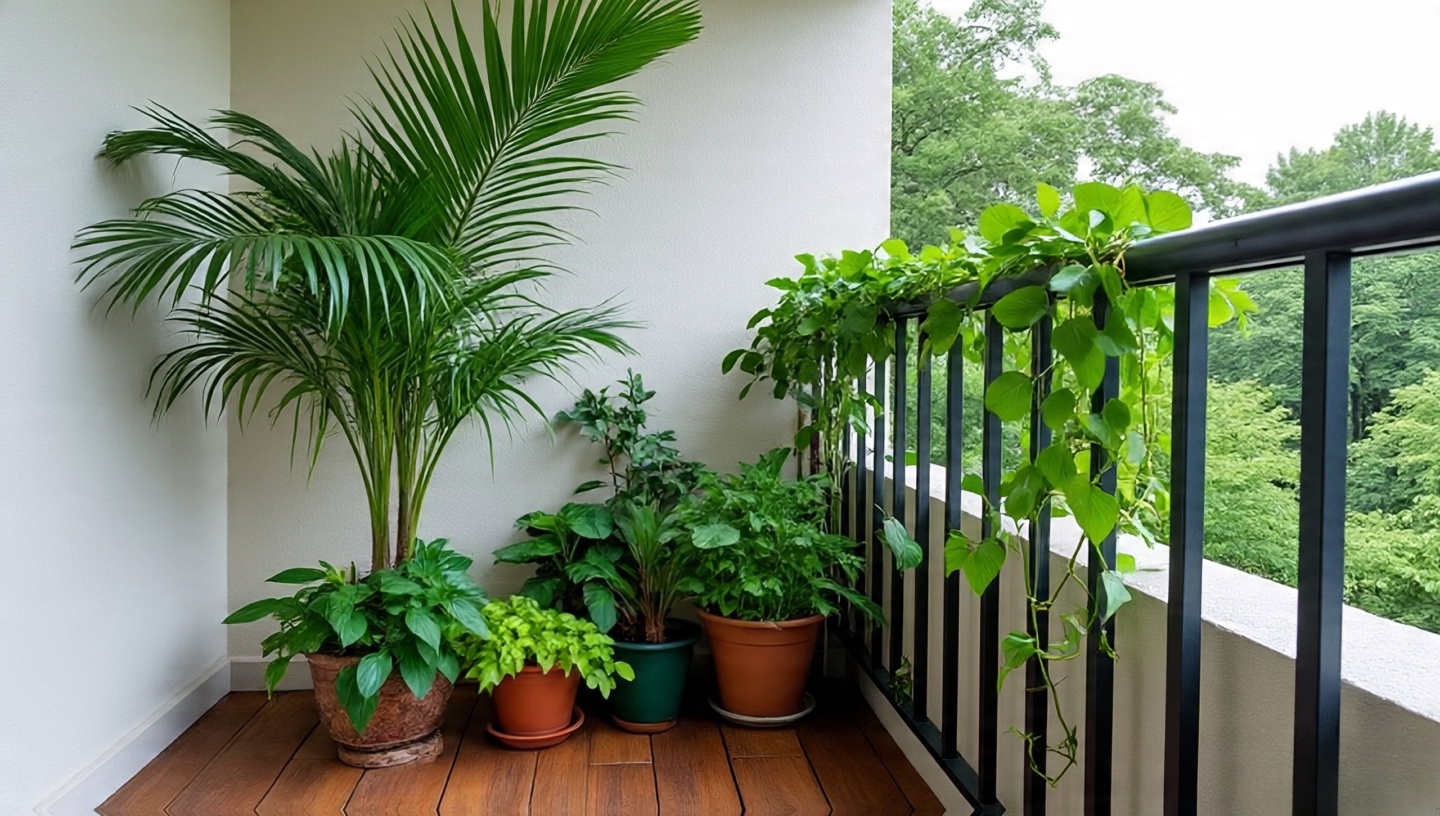 There’s a quiet thrill in stepping onto a balcony that feels more like a rainforest than a city perch. I’ve worked with clients who were hesitant to “overcrowd” their small spaces with plants, but once they let vines trail and leaves overlap, their balconies became sanctuaries. The trick is diversity: tall palms for structure, trailing pothos for softness, and herbs for fragrance. Too uniform, and it feels staged. A little wildness is what makes it Boho.
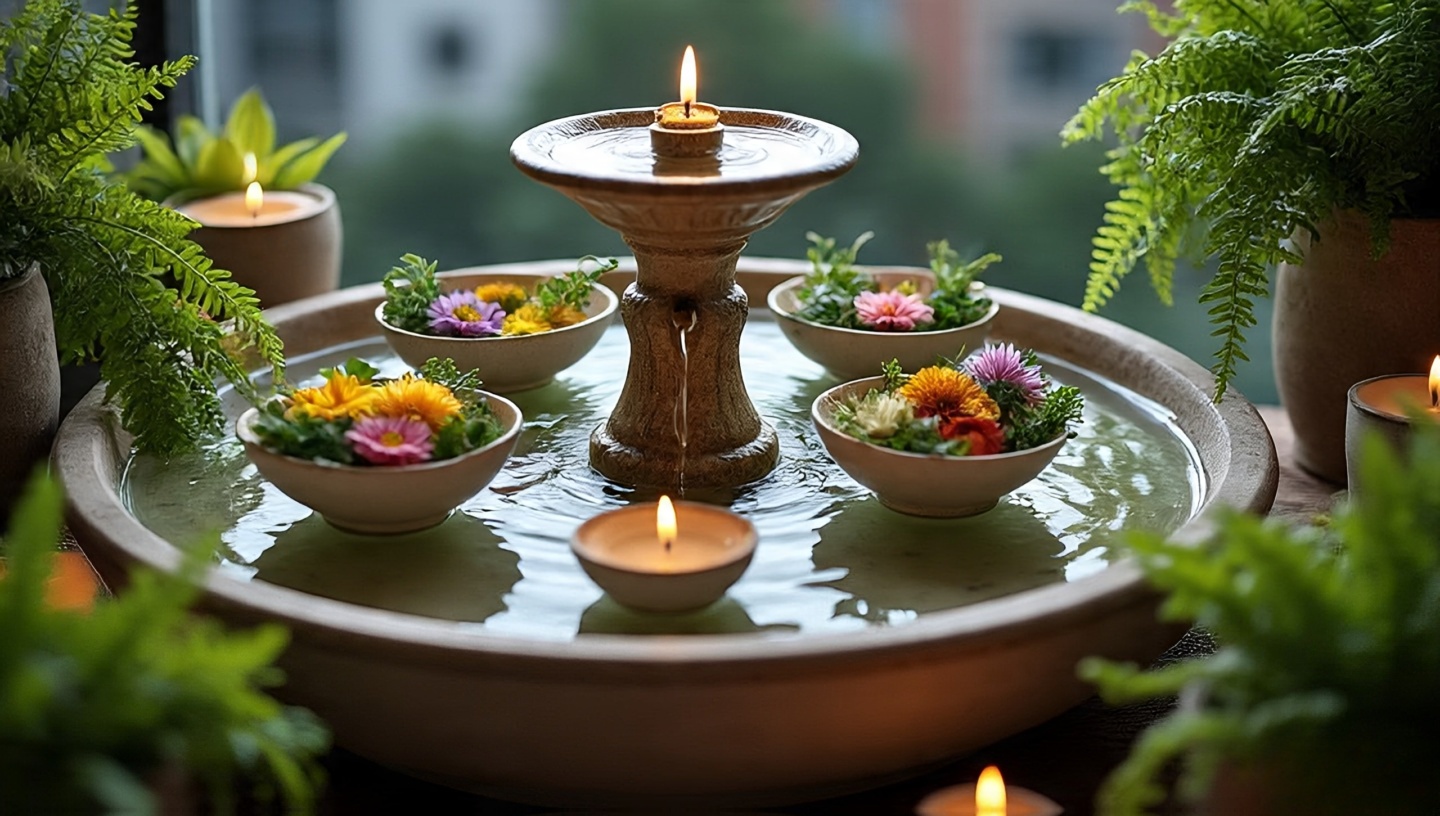 Even the faint sound of trickling water can change how a space feels. A small ceramic fountain or a bowl with floating flowers introduces rhythm, masking traffic or neighbor noise. On one project, we installed a solar-powered tabletop fountain, and the owner told me it was the first time her balcony truly felt like a retreat. Water doesn’t need to be dramatic sometimes it’s just a bowl catching raindrops, reminding you to pause.
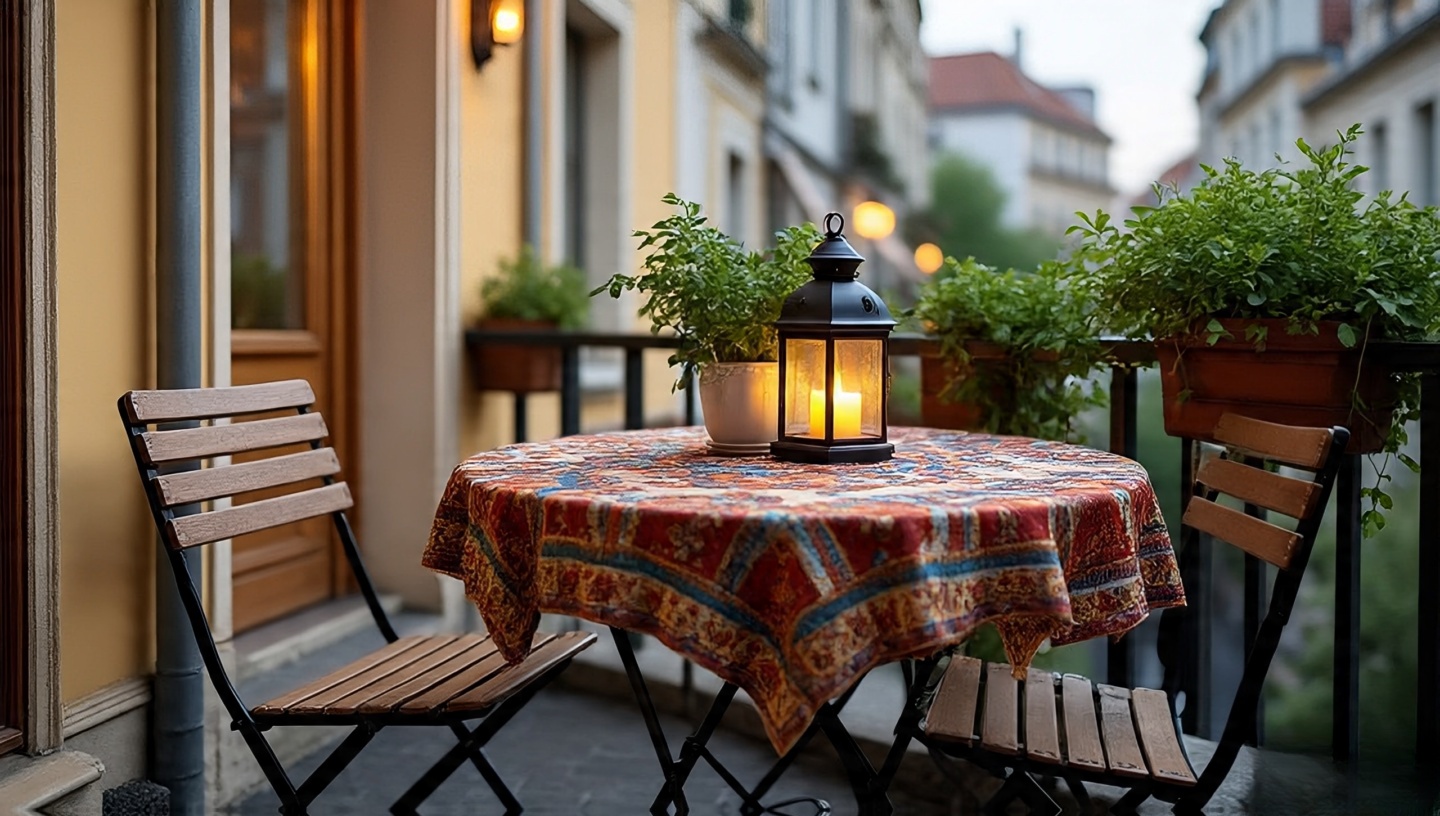 There’s something romantic about folding café chairs and a small round table squeezed onto a balcony. I often suggest treating it like a stage set swap in different tablecloths or cushions seasonally, and suddenly the scene changes. A patterned cloth turns your breakfast nook into a Parisian corner café, while bare wood and linen can feel more Mediterranean. Space may be tiny, but atmosphere is infinite.
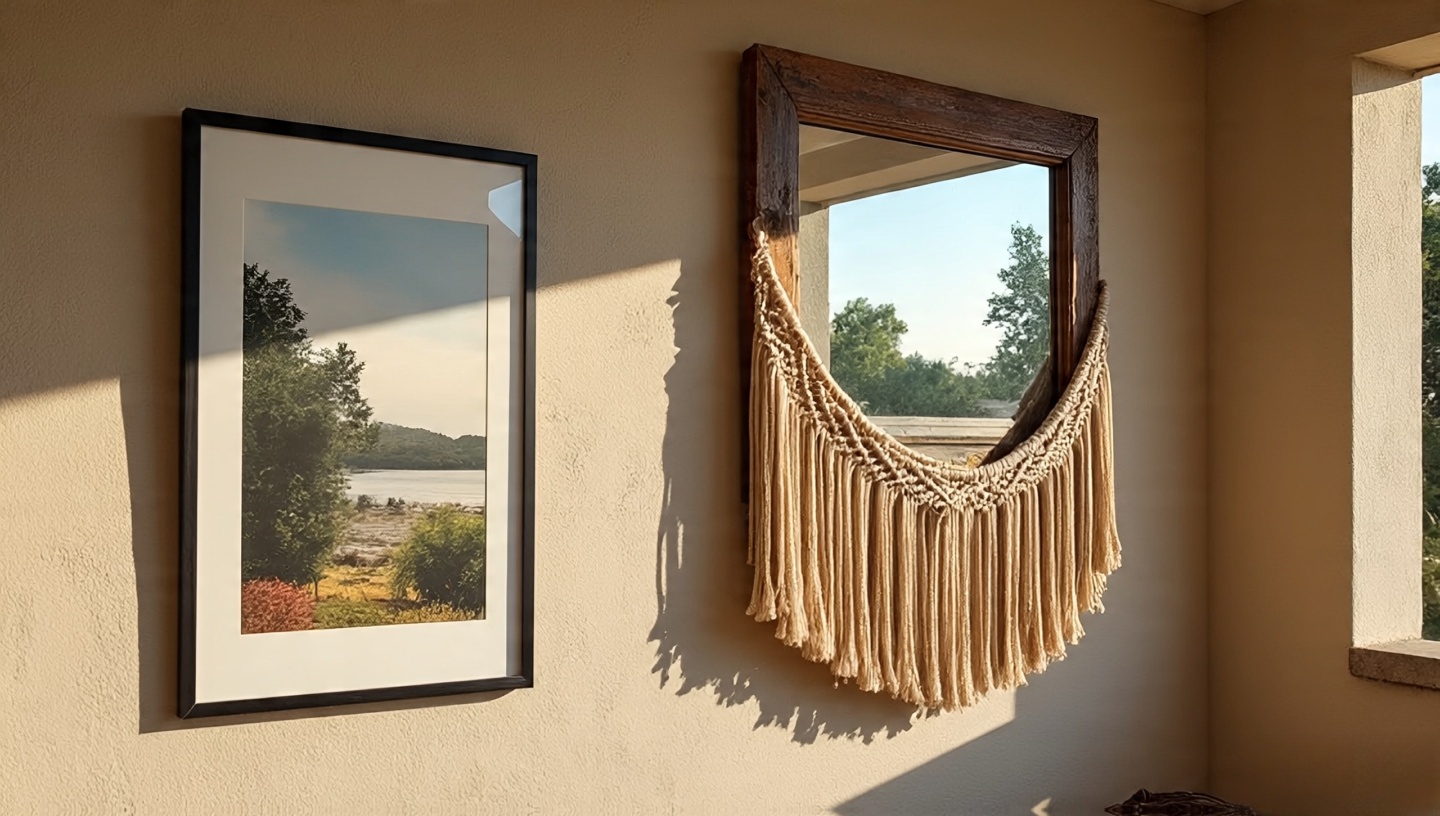 Walls outdoors are too often ignored. A mirror, a macrame panel, or a weatherproof print can transform them into focal points. I’ve hung a mirror opposite a balcony’s open side, and the sunset doubled itself in reflection pure alchemy. Just remember: protect art with proper sealant so it survives sun and rain. Outdoors should feel curated, not forgotten.
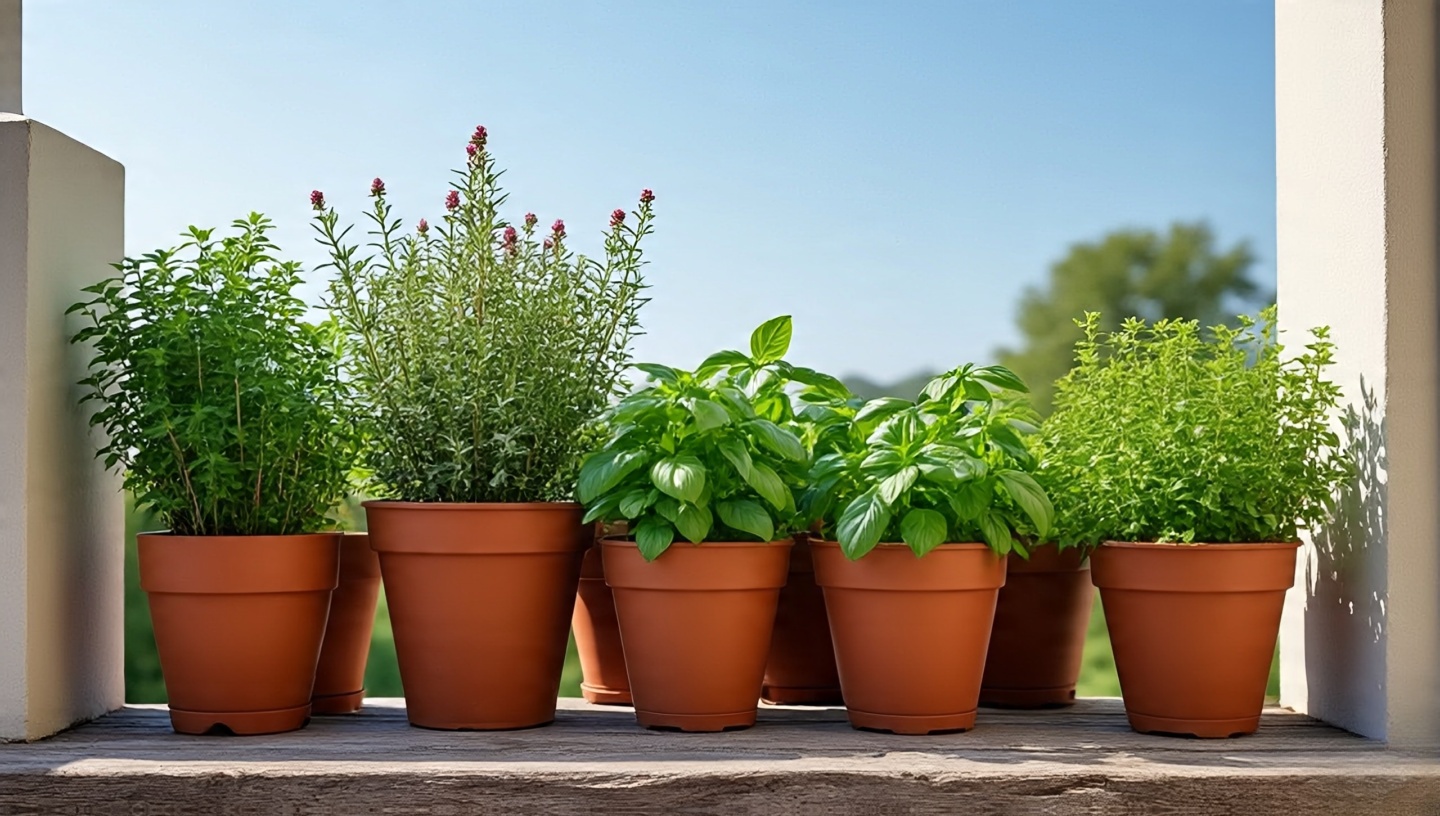 Herbs don’t just feed you, they scent the air. I can’t count how many balconies I’ve seen elevated by nothing more than a few terracotta pots of rosemary, mint, and basil. In one client’s home, brushing against thyme while moving a chair would release a sharp, fresh aroma that became part of their daily rhythm. Small plants, big sensory impact.
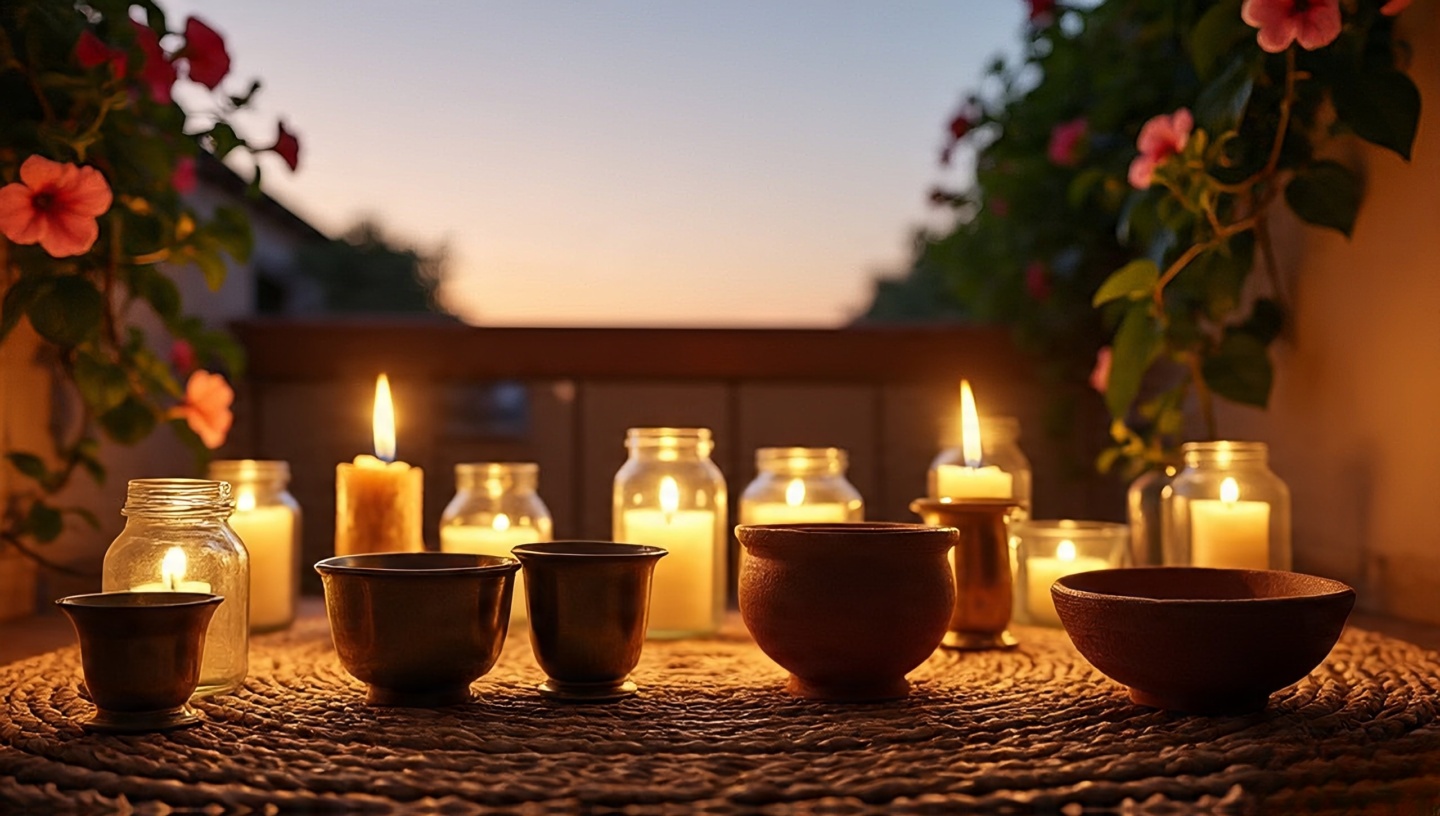 Every culture has its own relationship with firelight, and candles are the simplest way to bring that outdoors. They add glow, scent, and rhythm to a space. I like clustering mismatched holders glass jars, brass cups, clay bowls. The uneven heights and shapes feel alive. Citronella candles have the added benefit of keeping mosquitoes at bay, though I admit I sometimes light a lavender candle simply because the scent slows me down.
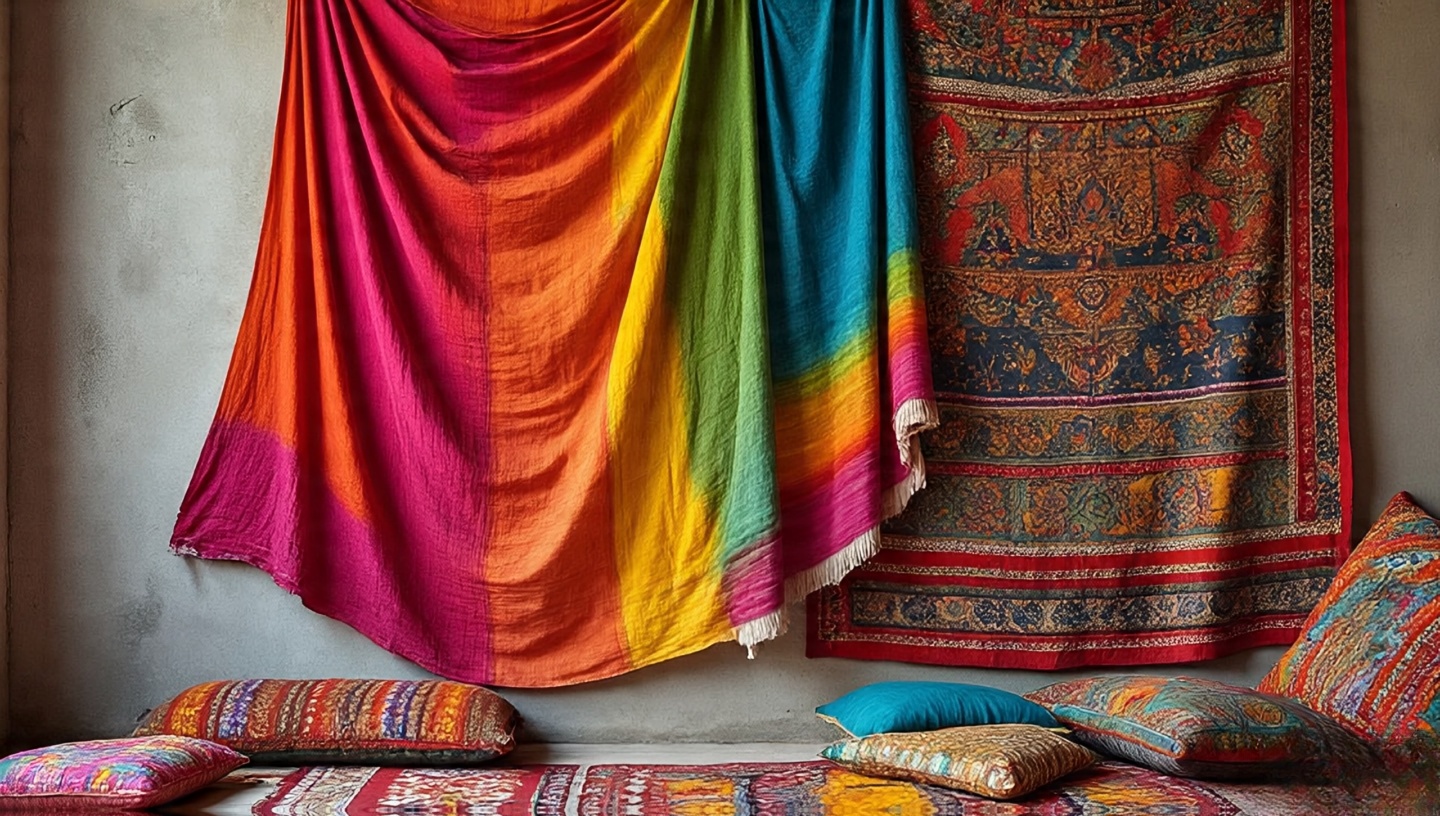 A tapestry outdoors is like instant character. I once hung a bright sari fabric across a drab concrete wall, and suddenly the balcony felt like part of a festival. These pieces don’t need to be precious they’re better when they carry history, a little fading, a patch here and there. They soften hard surfaces and tell a story with every fold.
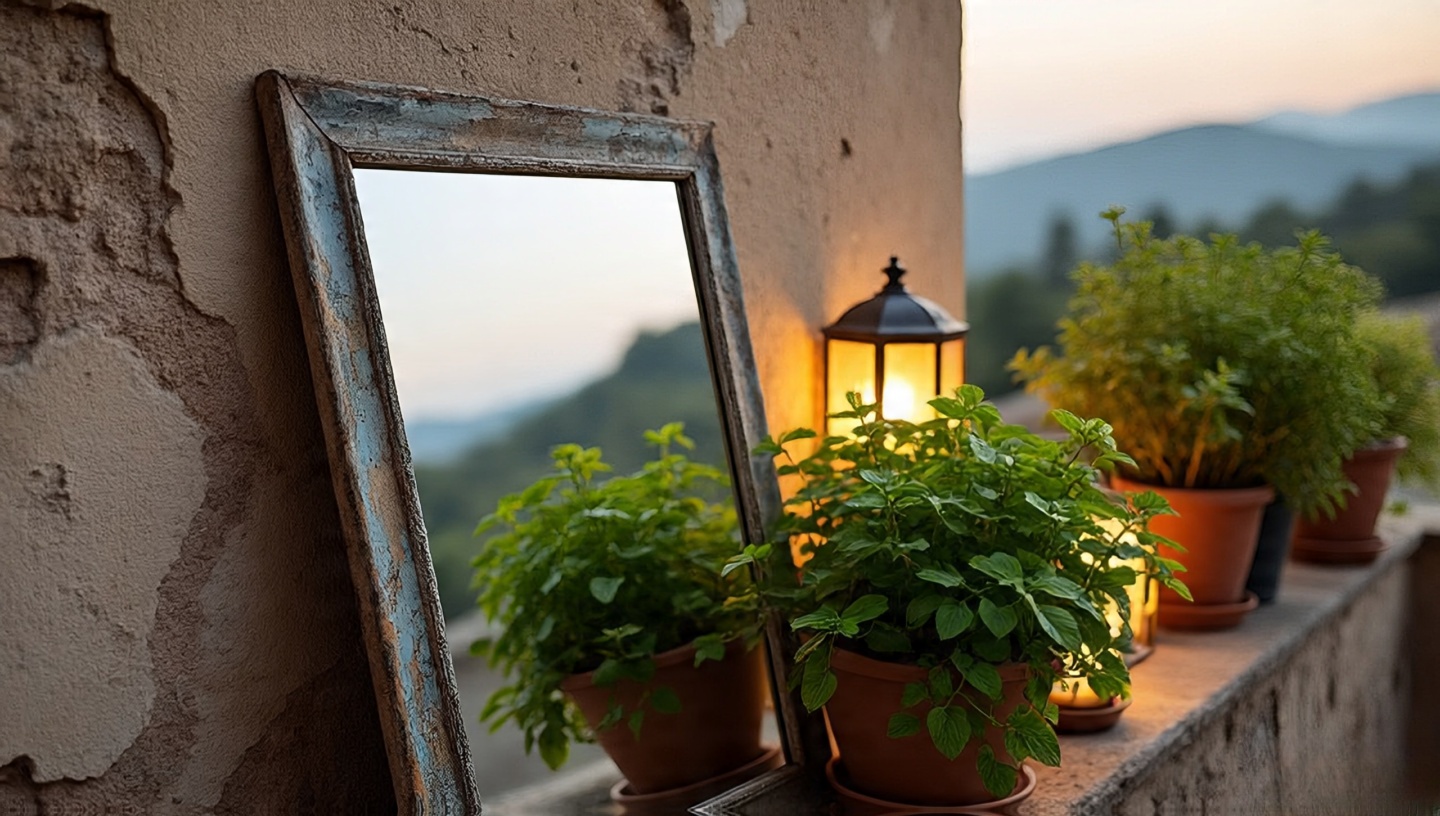 Mirrors are old friends of designers. On a balcony, they serve two purposes: they bounce light deeper into the space and visually double your greenery. I particularly enjoy using slightly aged mirrors the patina softens reflections so they feel painterly rather than clinical. One small mirror can make a two-meter balcony feel boundless.
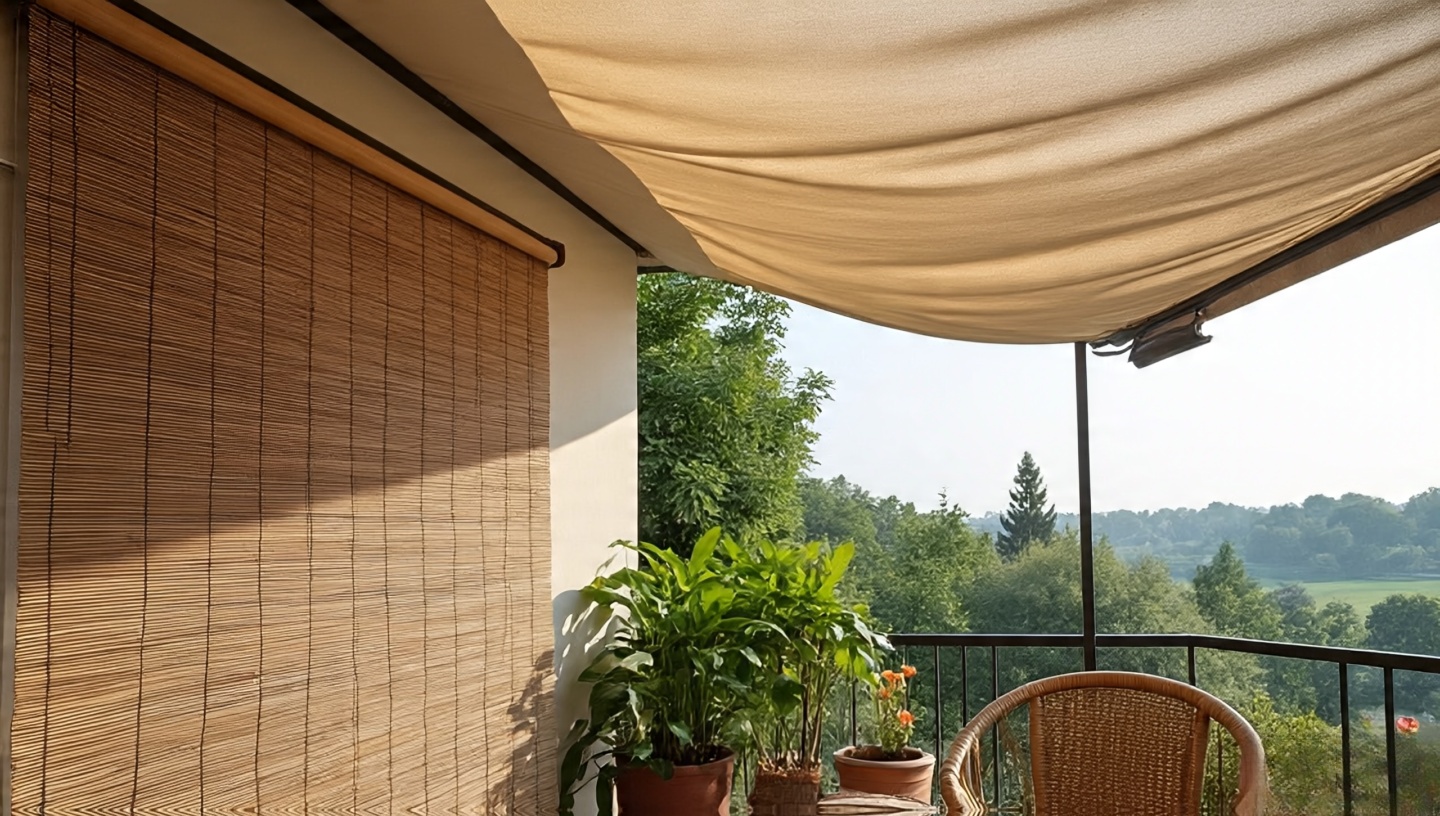 In hot climates, shade determines whether a balcony is usable or not. I’ve seen people abandon their outdoor corners simply because they bake by noon. A bamboo shade, a canvas canopy, even a simple draped cloth can change that. Beyond function, shade fabric adds texture and movement watching it ripple in the wind is half the pleasure. Comfort and aesthetics rarely come in the same package, but here, they do.
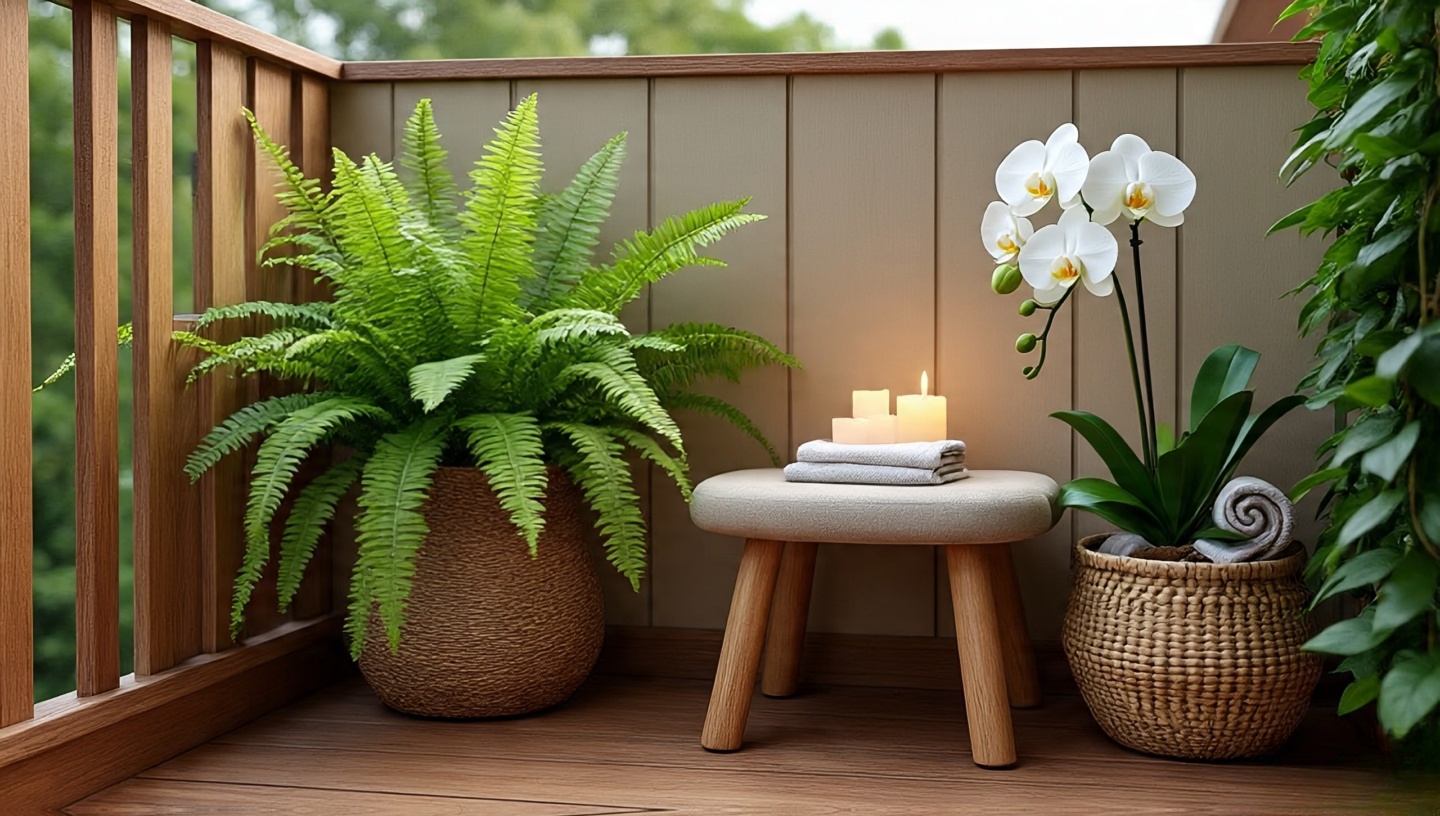 It might sound unconventional, but balconies connected to bathrooms can carry that spa-like energy outward. Place plants that thrive in steam ferns or orchids add a basket with rolled towels, or a small stool with candles. Suddenly, a morning shower ends with fresh air and greenery. For those curious about expanding this vibe indoors, I’ve written about
 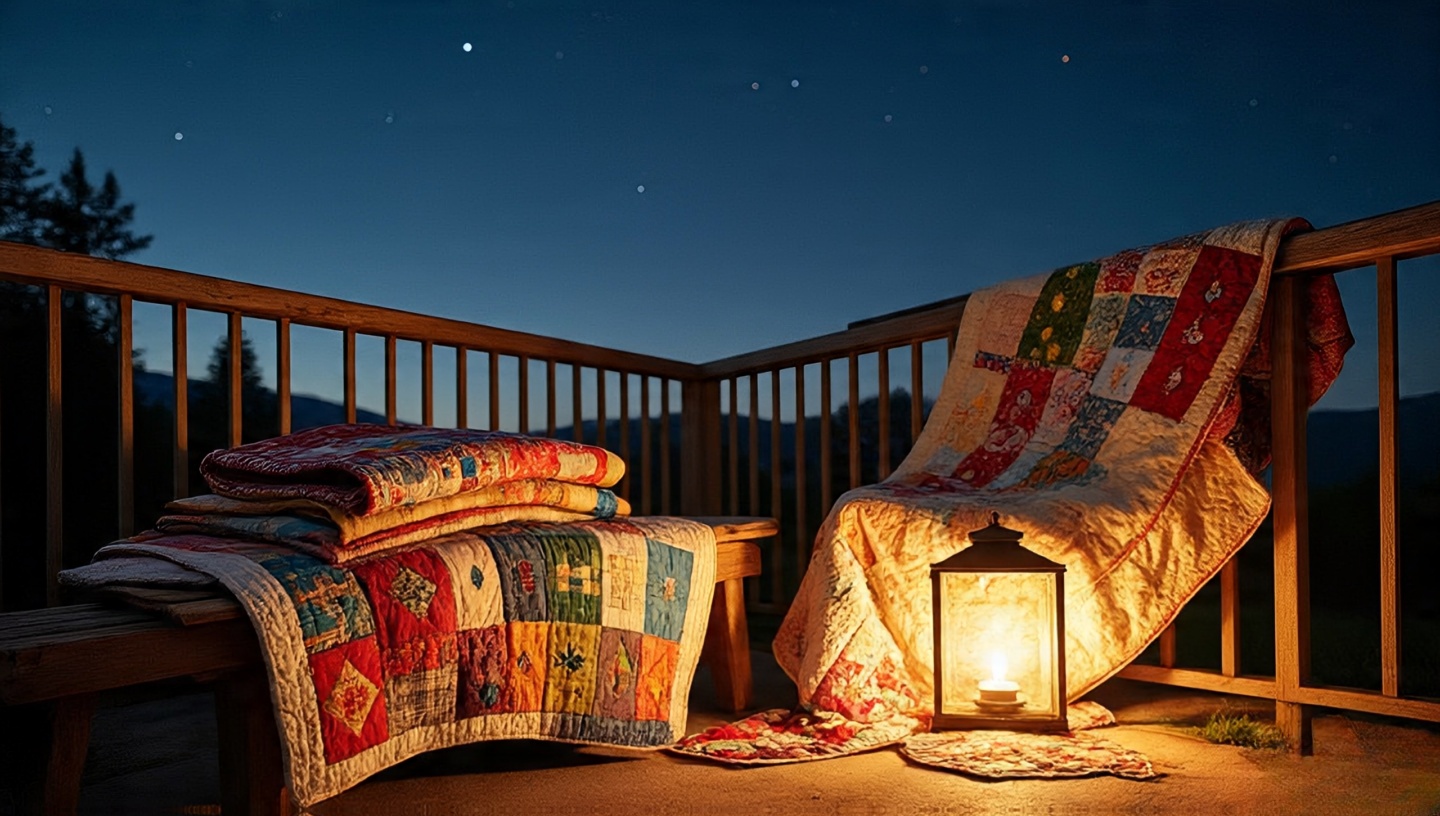 There’s a reason quilts feel timeless outdoors. They carry memory stitches, colors, even scents of past seasons. I keep a small stack near the door, and when night falls, I grab whichever one calls to me. Sitting outside wrapped in fabric that feels lived-in connects you not only to comfort but to history. A new throw might be stylish, but an old quilt makes a balcony feel like home.
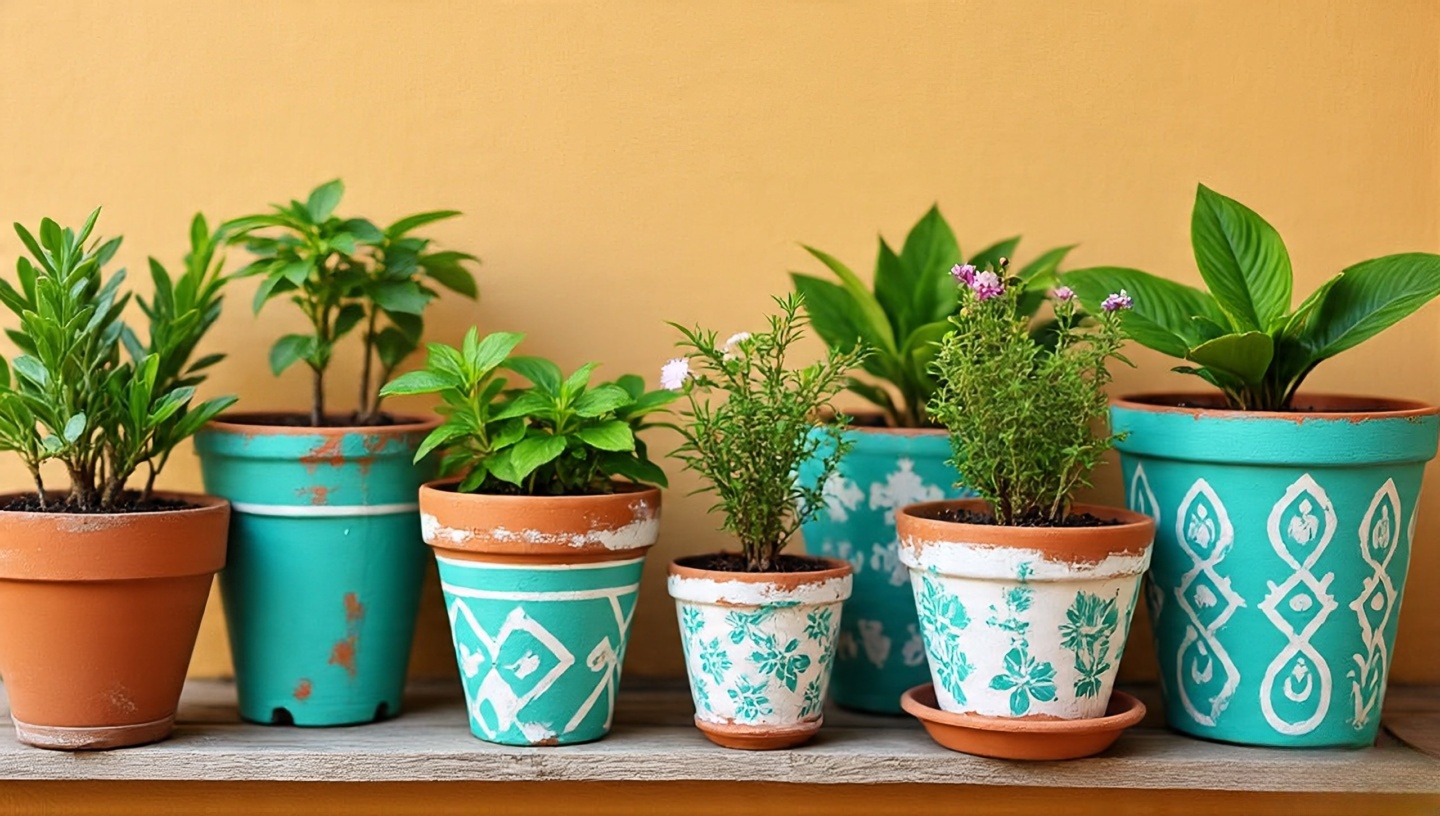 I’ve always believed that pots should be part of the art, not just containers. Terracotta painted with tribal patterns, whitewashed ceramics, even DIY splashes of color can enliven the space. I once helped a family paint mismatched pots in different shades of turquoise, and suddenly their balcony looked like a slice of Santorini. Don’t underestimate what a little creativity with clay can do.
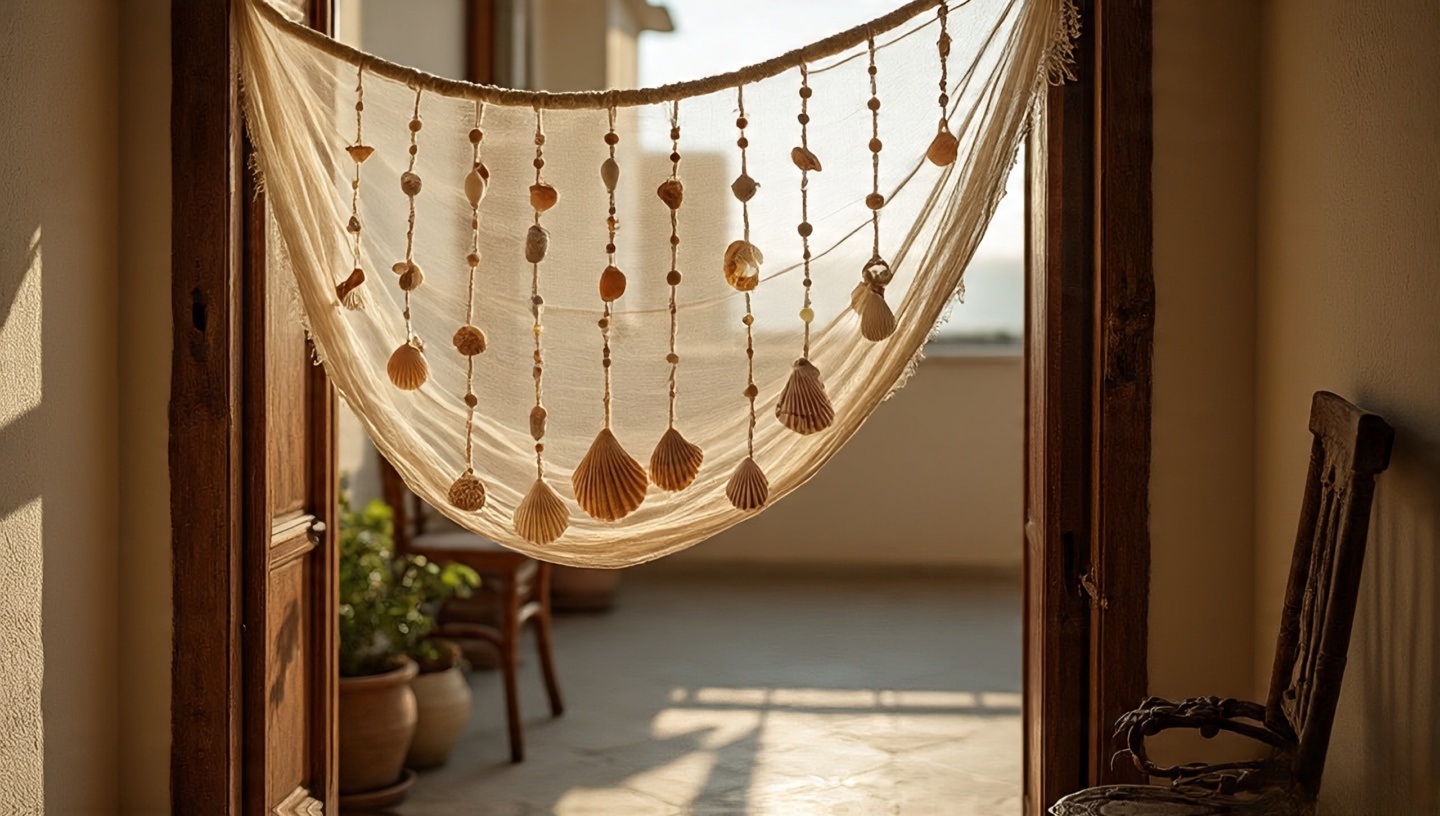 Wind is invisible until you let fabric catch it. I strung seashells into a curtain once, and every breeze created a soft clicking melody half visual, half sound. Gauzy string curtains, bamboo beads, or even old scarves tied together can turn a balcony entrance into something poetic. Design isn’t only what you see; it’s what you hear and feel as well.
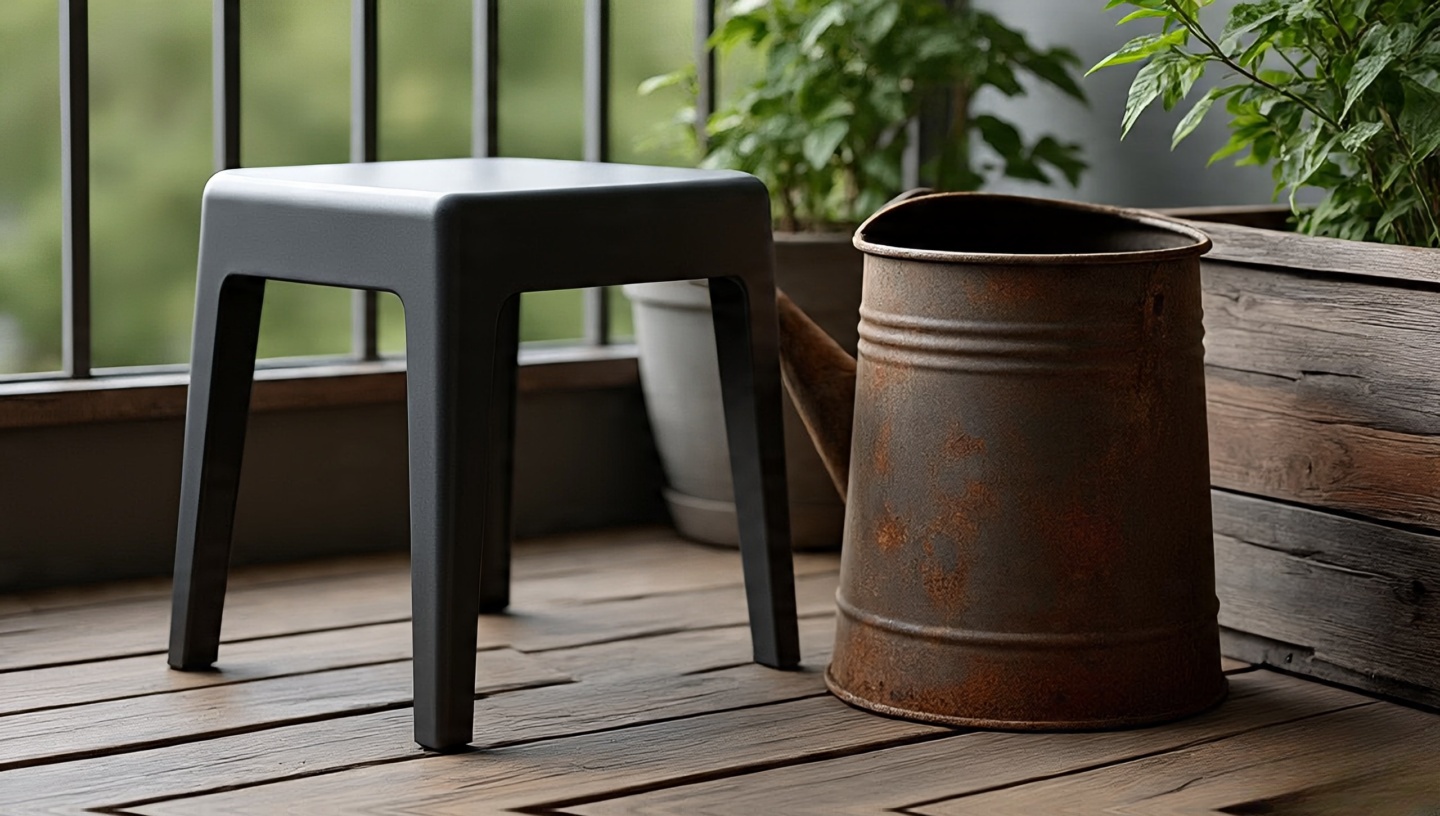 Boho design comes alive in contrasts. I’ve paired a brand-new minimalist stool with a rusted watering can and found the pairing more powerful than either alone. In my practice, I tell clients: don’t fear the clash. The old anchors the new, the new sharpens the old. A balcony that feels curated from only one store loses soul; a mix feels lived-in and layered.
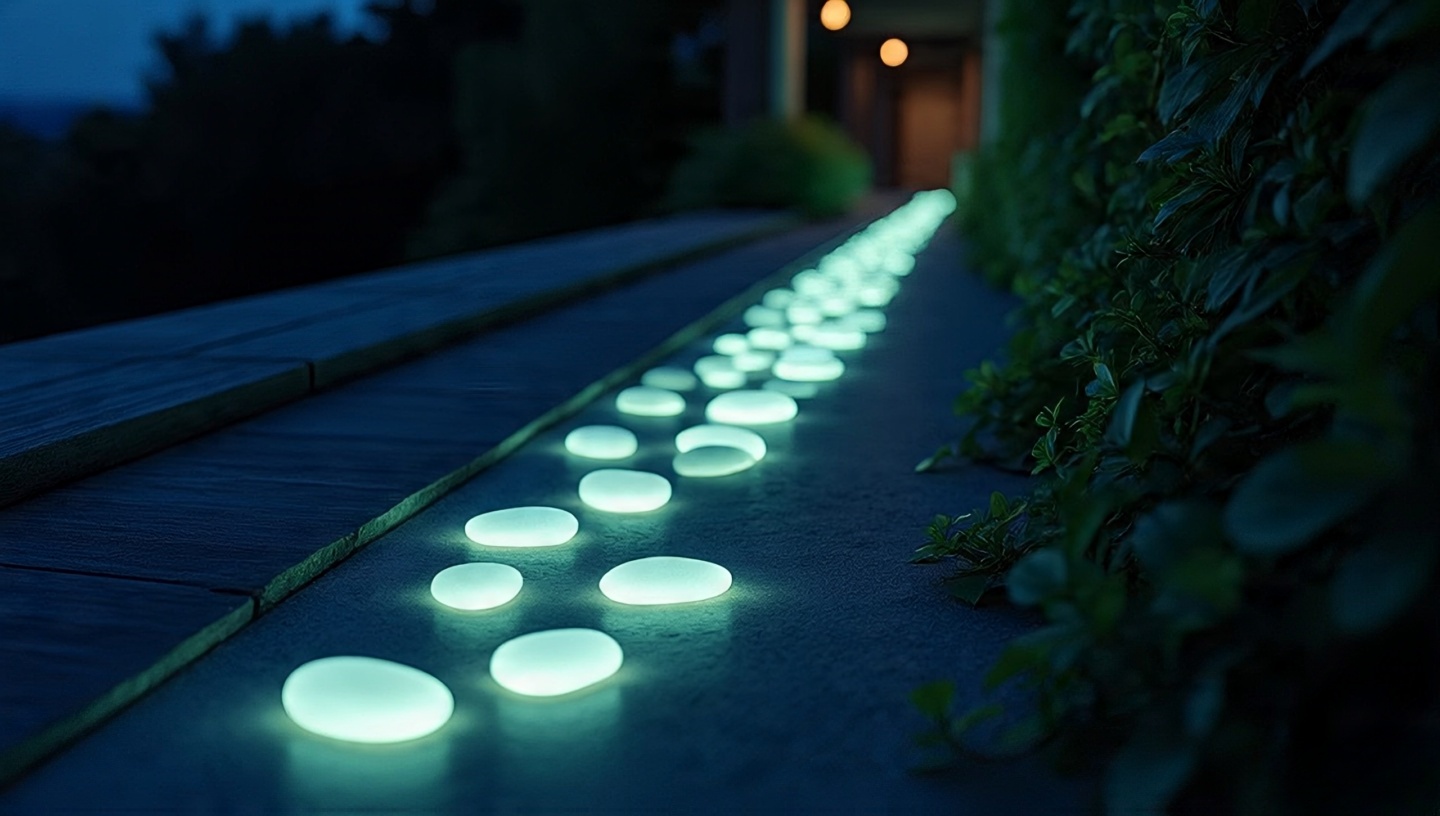 Design should never lose its sense of play. Once, I scattered glow-painted stones along the edges of a balcony path. They charged by day, and at night, children called it “the secret runway.” Adults smiled too, because joy is contagious. These little details might not show up in design books, but they’re the ones that stay in memory.
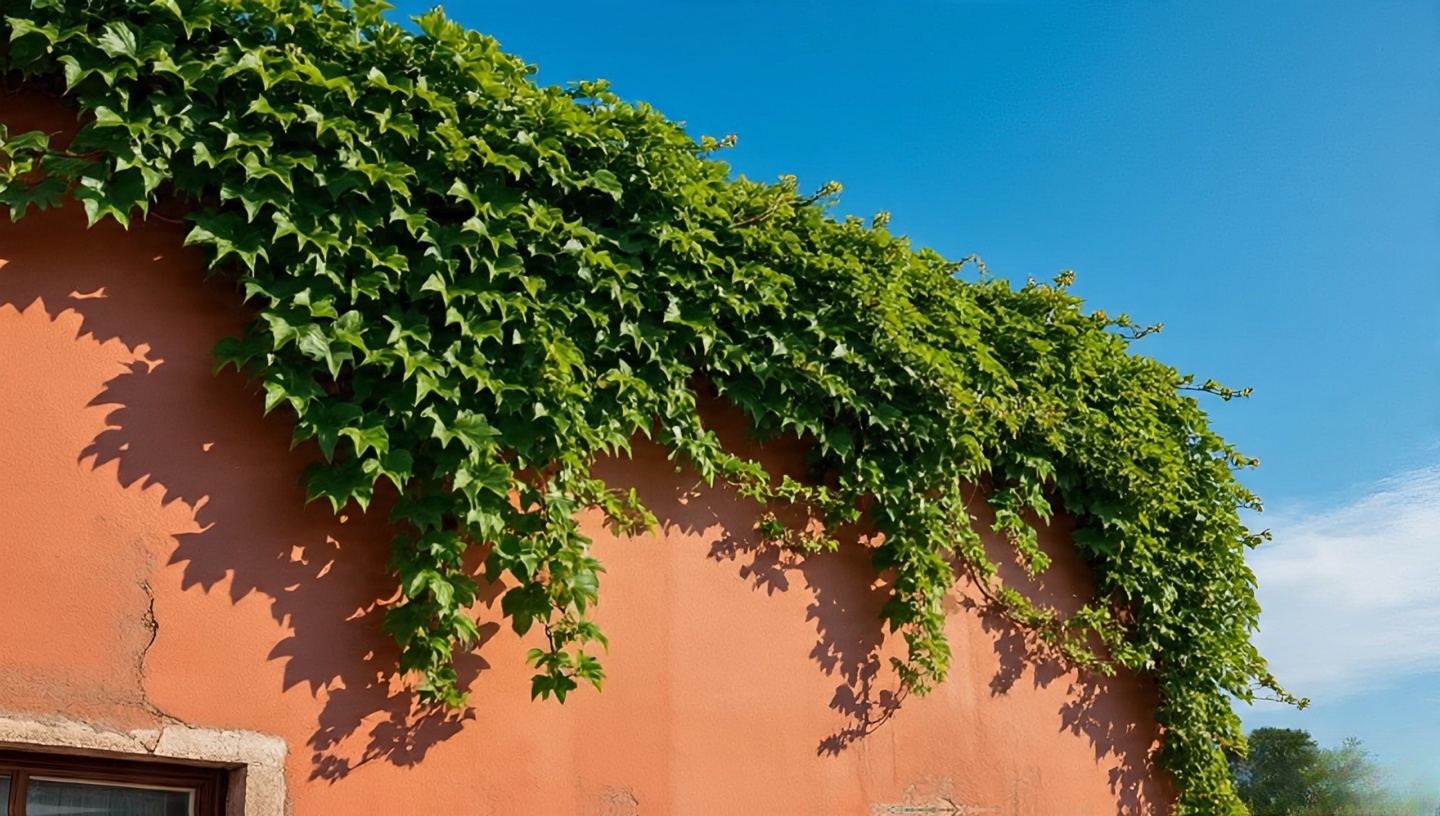 Concrete walls don’t have to stay gray. A single coat of terracotta paint or muted turquoise can shift the mood of an entire patio. In one project, we let ivy climb across a wall and watched as the balcony turned into a Mediterranean vignette. Texture doesn’t have to be expensive; it just has to tell a story beyond flatness.
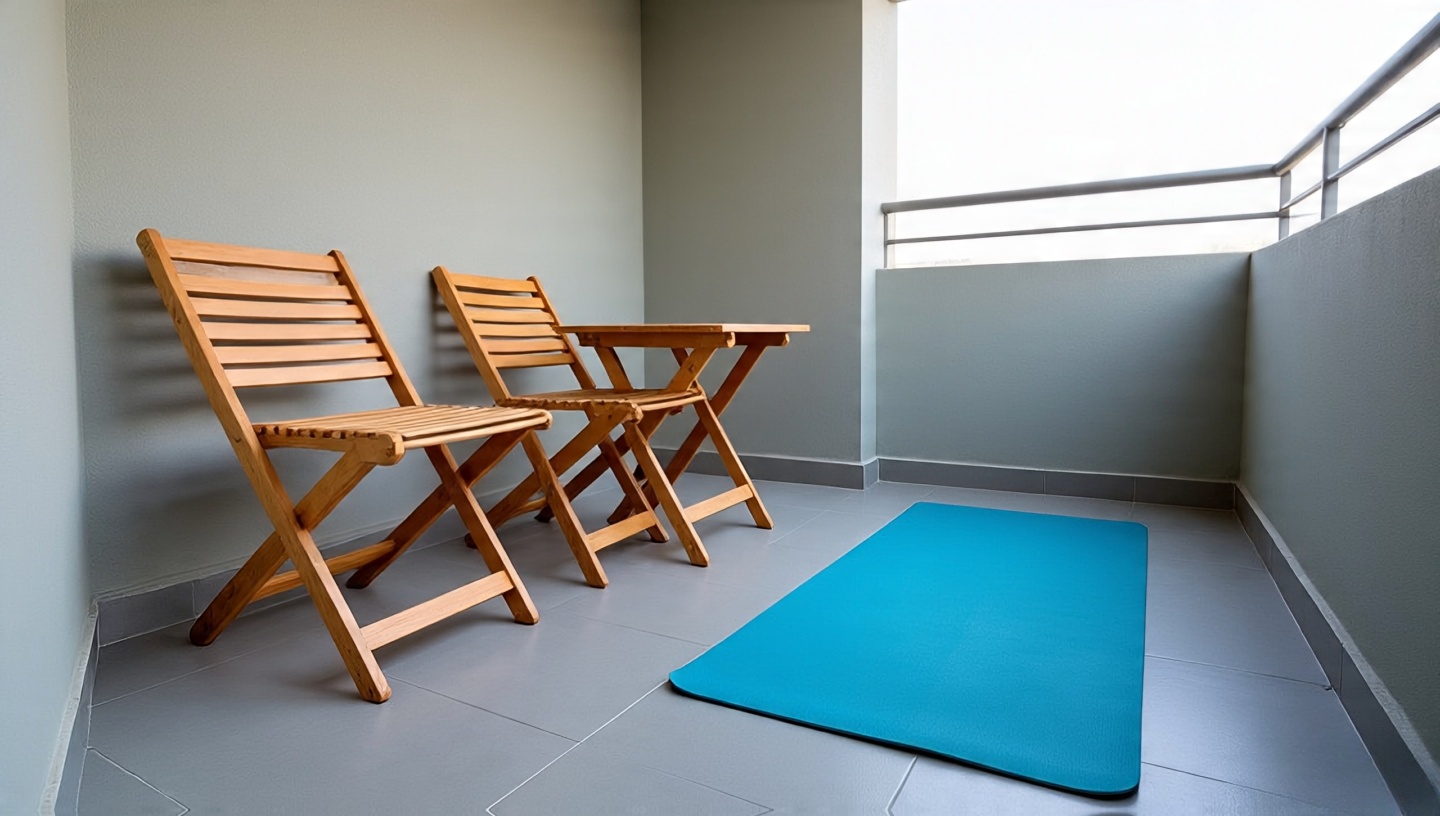 In cities, flexibility is freedom. I always recommend foldable furniture tables, hammocks, even chairs that disappear when not needed. One client had a balcony that doubled as her yoga space. By morning it was empty, by evening it was set for wine with friends. That’s the kind of adaptability that keeps outdoor spaces relevant, not forgotten.
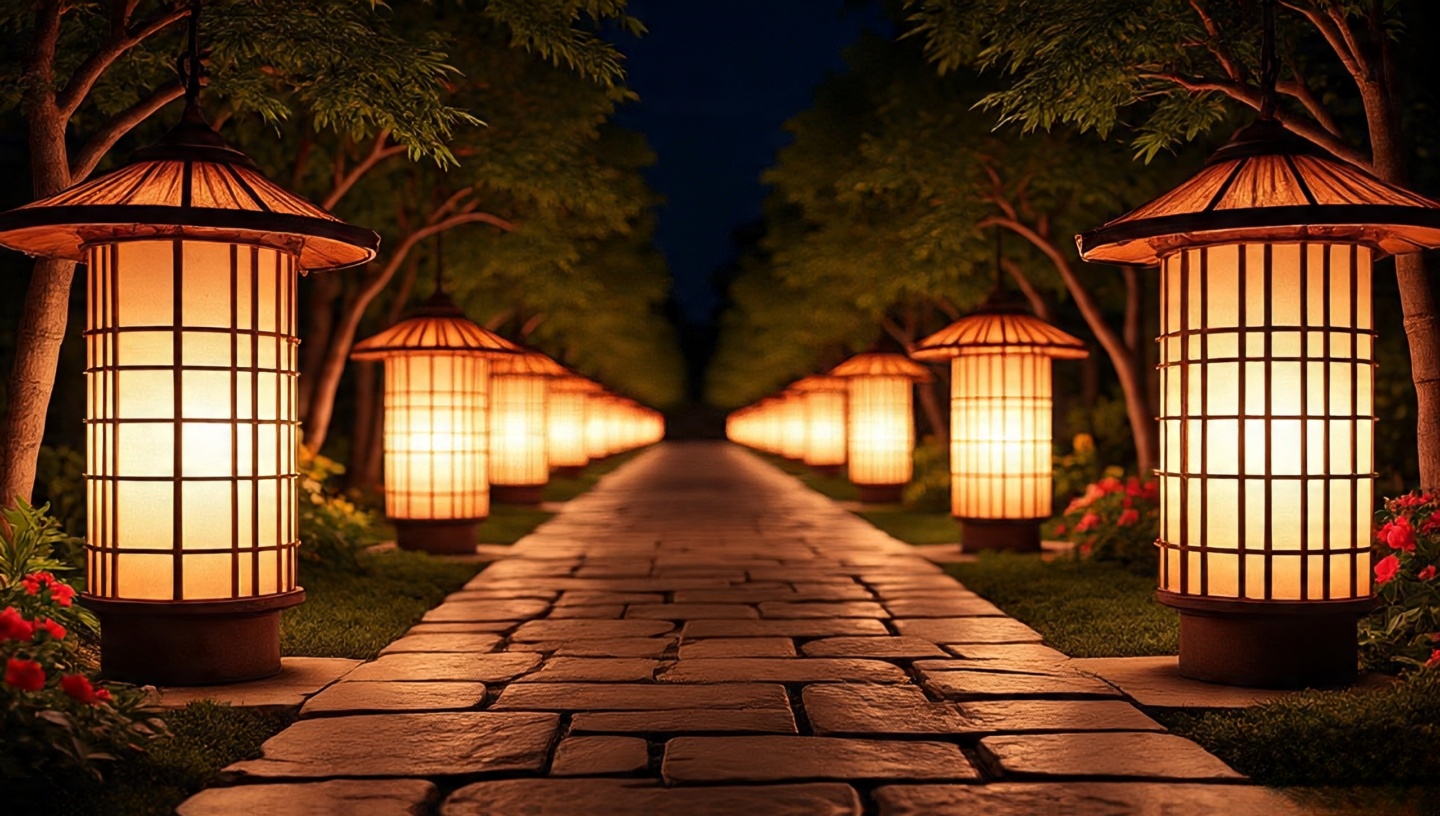 On patios, lining lanterns across the floor creates a sense of direction. I remember setting up a row of bamboo lanterns for a dinner party, and guests instinctively followed them like a glowing runway. Light guides behavior. It’s a designer’s secret weapon and outdoors, it’s pure magic.
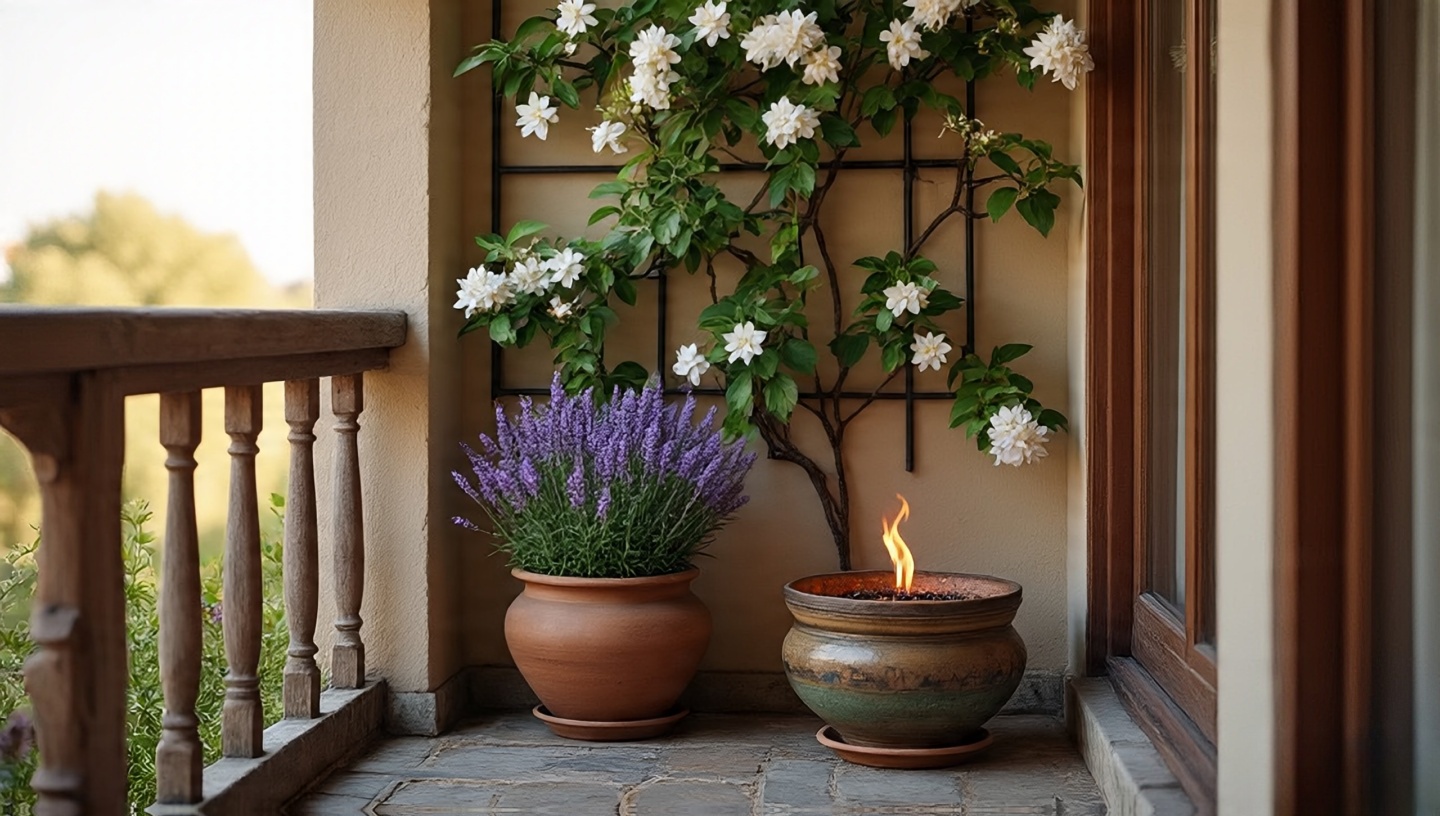 Scent is design too, though few consider it. I always dedicate a corner to aromatics lavender in clay pots, jasmine vines, sometimes even incense. One summer, the scent of jasmine on my balcony transported me straight back to evenings in Madrid, even though I was thousands of miles away. That’s the power of smell: it anchors moments you never forget.
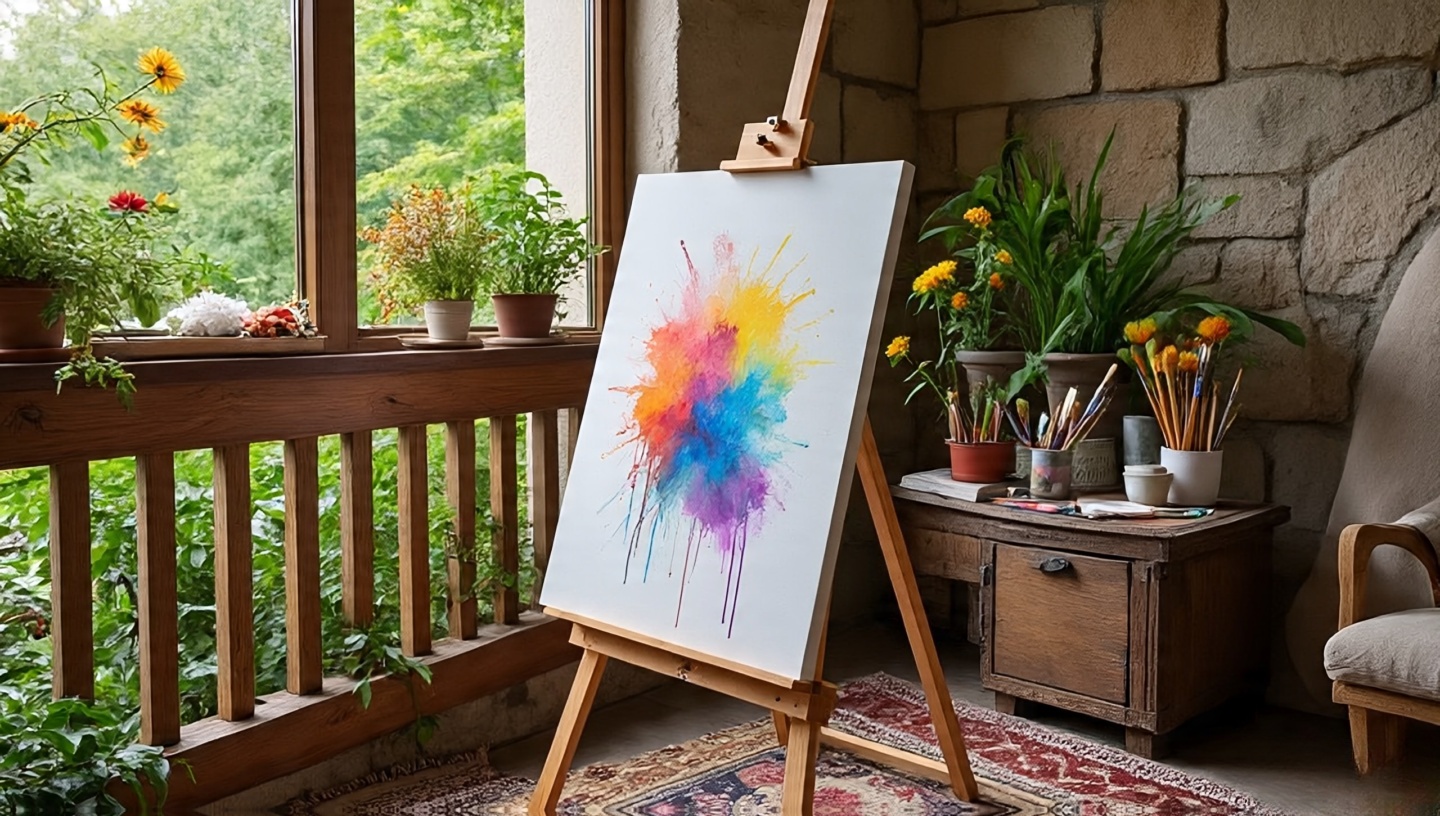 Balconies aren’t just for sitting they can be creative studios. A friend of mine paints on hers; the natural light is perfect, and the space itself becomes part of her inspiration. I’ve also seen sculptors and crafters take advantage of the outdoors to make a mess without worry. A Boho balcony isn’t just a retreat it’s a workshop for life, a stage for expression.
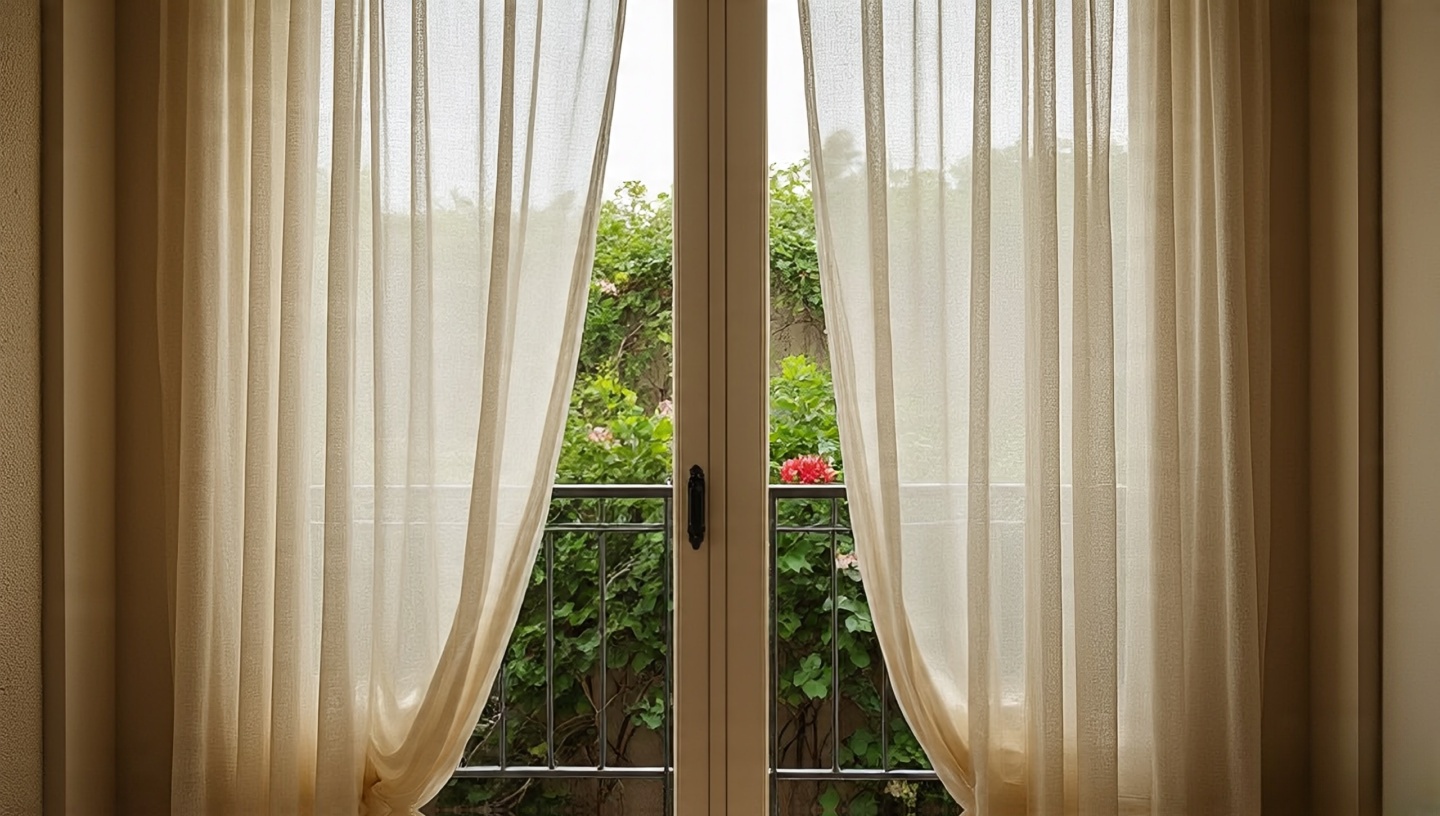 City living often means neighbors just a few meters away. Instead of heavy barriers, I recommend gauzy curtains. They filter curious eyes while letting breezes and sunlight through. On one project, we installed sheer linen panels that moved softly in the wind suddenly the balcony felt private but never closed in. Privacy, after all, should feel liberating, not suffocating.
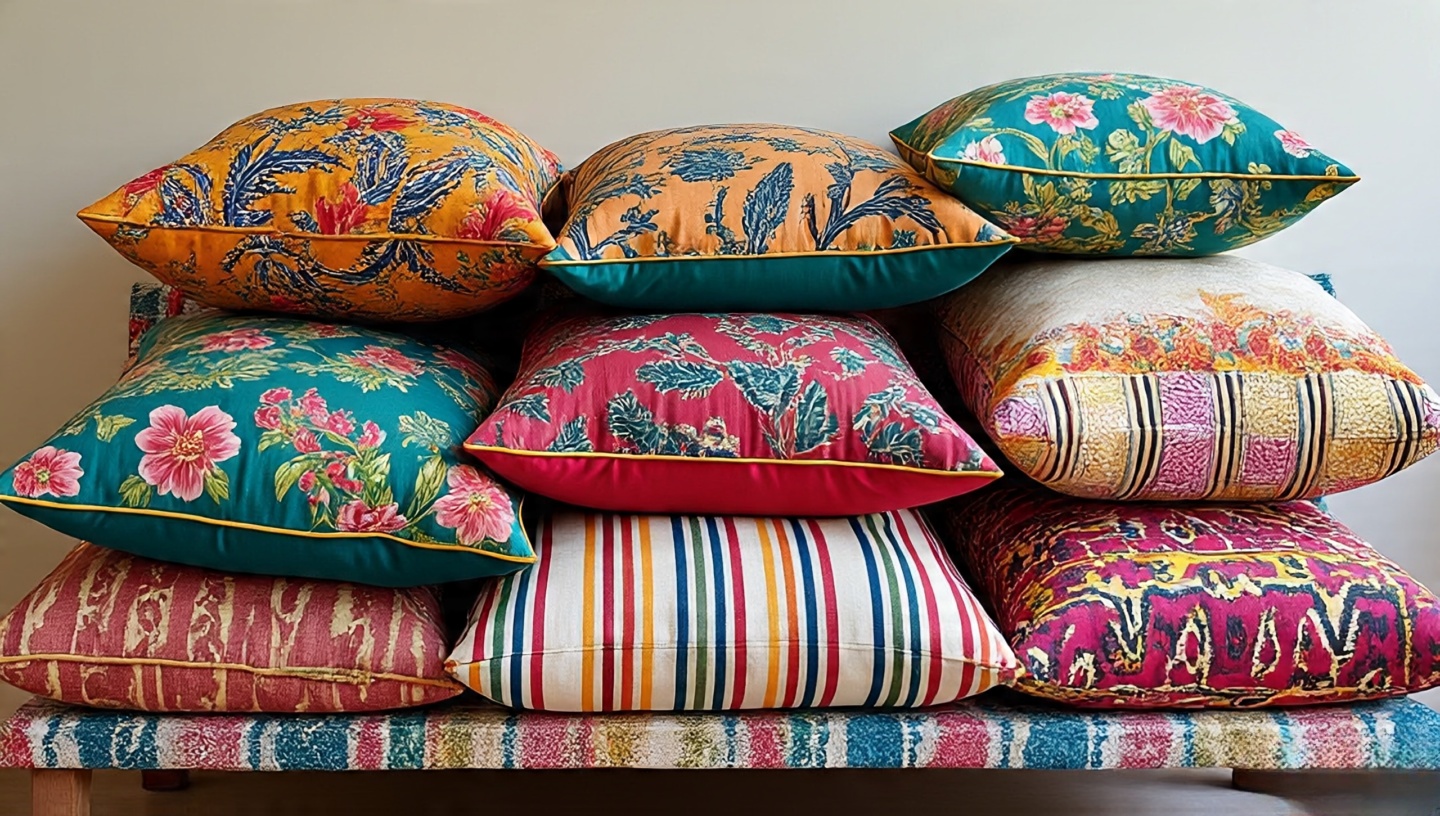 One of the joys of Boho design is breaking the so-called rules. Stripes against florals, ikat beside geometrics it all works if you love it. A client once asked, “Isn’t this too much?” as we layered patterned cushions on her bench. But when she saw the finished space, she laughed: “It feels like me.” That’s the point. Perfection is overrated; personality isn’t.
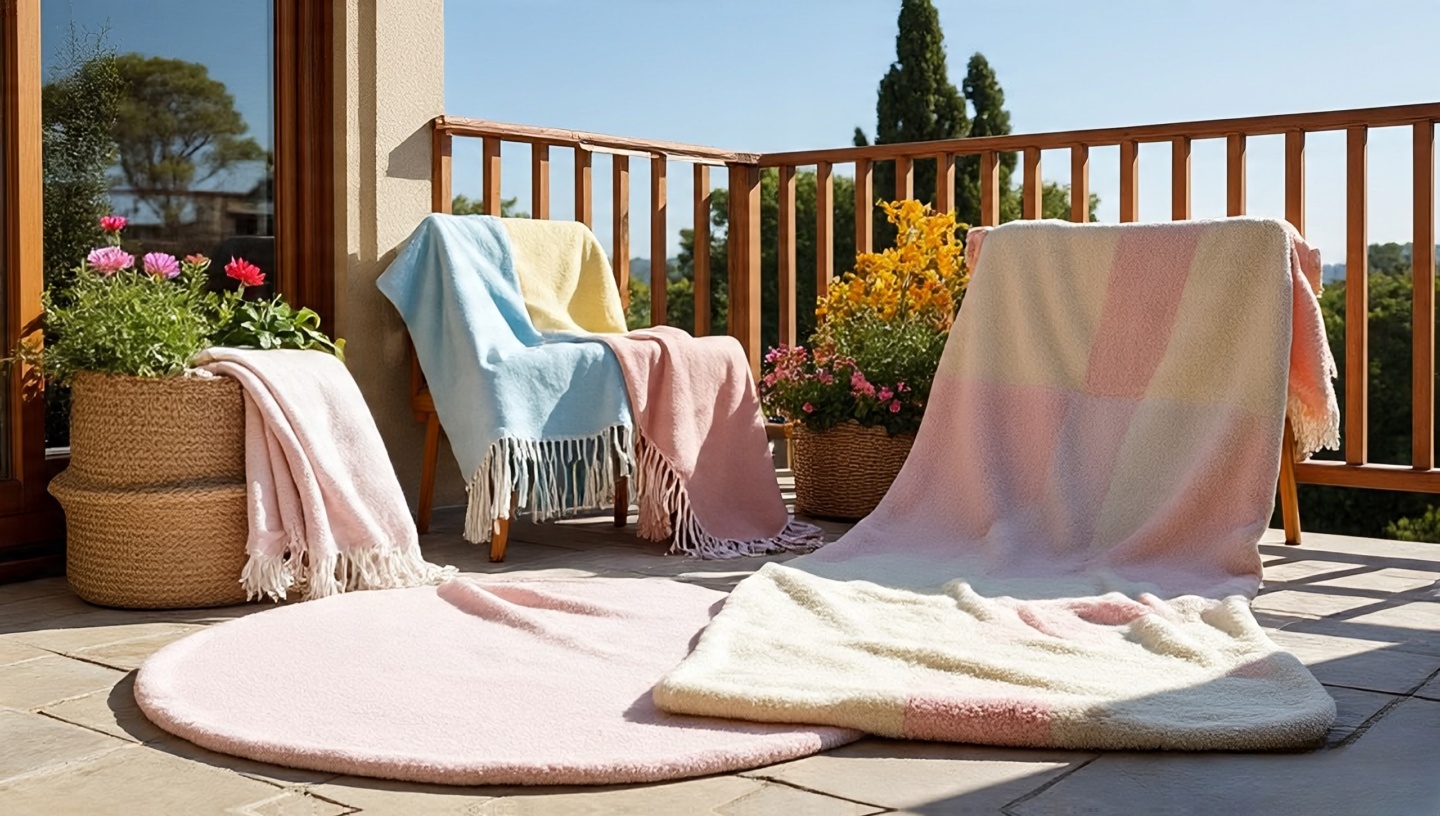 I treat outdoor spaces the same way I treat wardrobes: rotate with the seasons. In summer, lighter rugs and cotton throws keep the space breathable. When the rains come, I switch to waterproof covers and store delicate fabrics indoors. This rhythm not only extends the life of your décor but also keeps the balcony feeling alive, not stagnant. Small changes, big refresh.
 Few things say celebration like a bar cart rolled onto a balcony. Stock it with mismatched glasses, a sprig of mint from your herb pots, and a string of fairy lights wrapped around the handle. I designed one for a client who swore it turned her small outdoor nook into “the best bar in the neighborhood.” It’s not about the alcohol it’s about ritual and gathering.
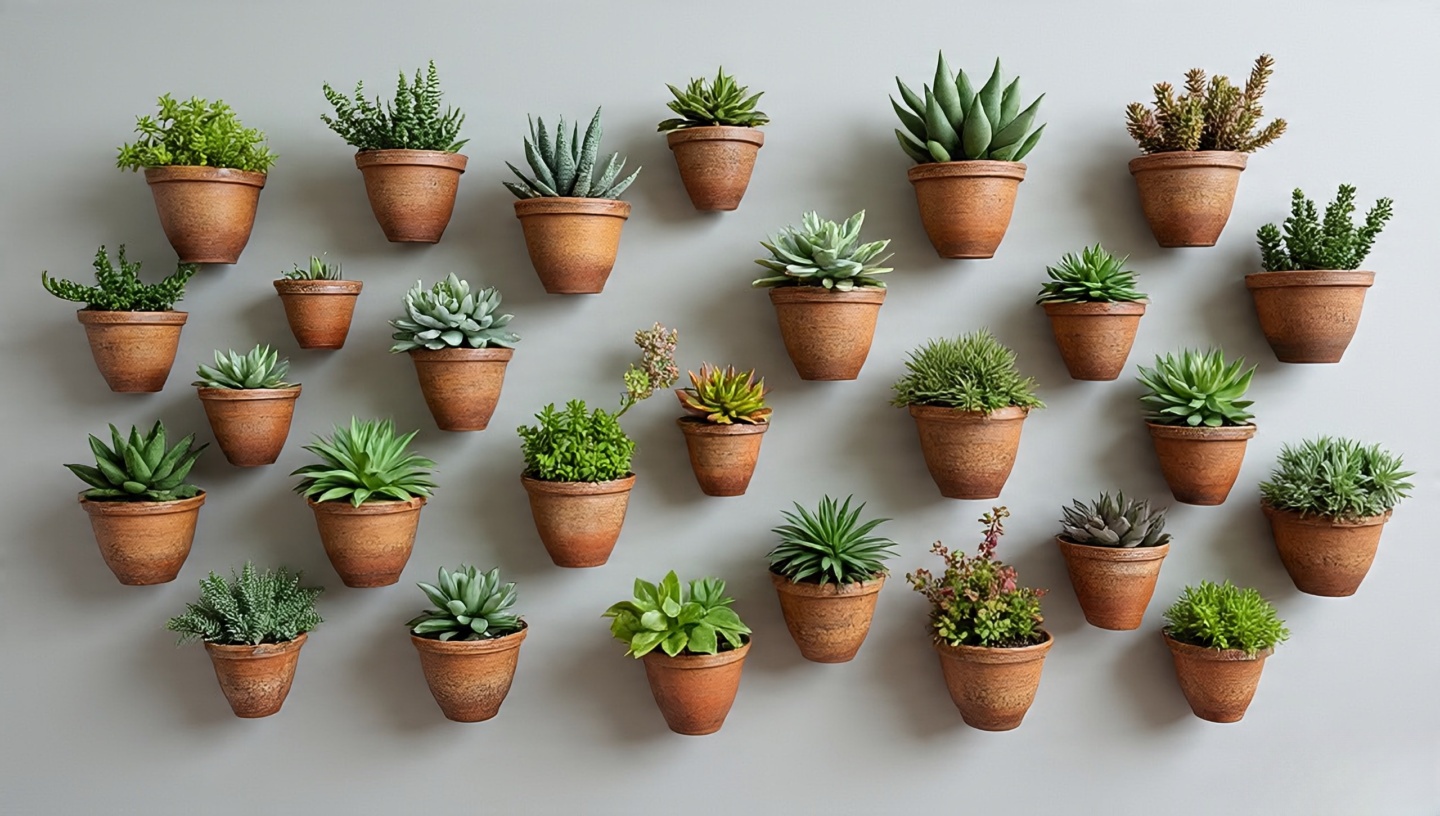 Instead of paintings, I often suggest wall-mounted planters. Arranging small succulents in patterned pots across a wall can look like an art installation. In one project, we treated the wall like a gallery, each pot positioned with intention. Guests didn’t just see plants they saw composition. It’s function meeting artistry, and it brings walls to life.
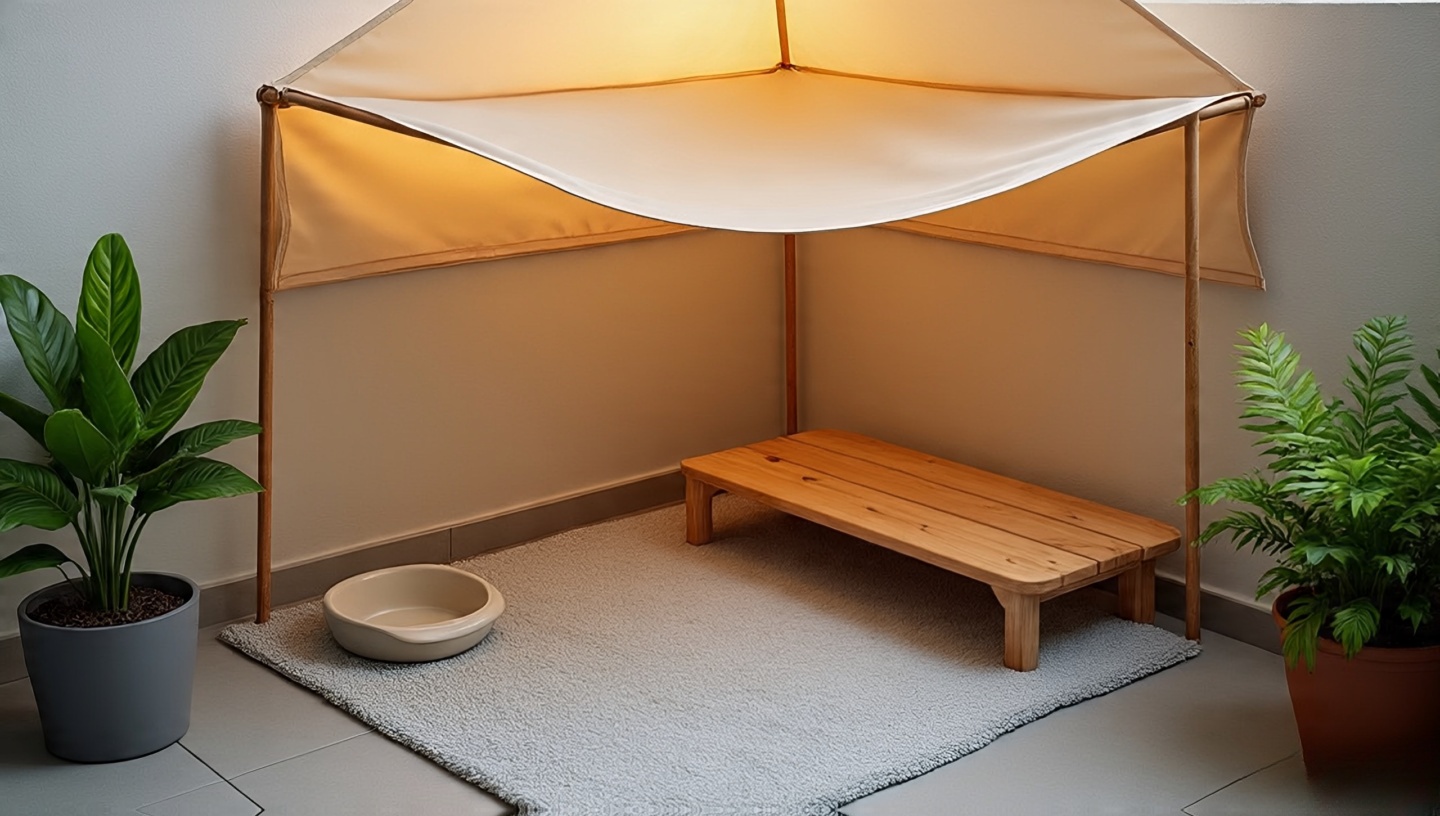 Outdoor design isn’t only for people. Pets deserve their corners as well. I’ve carved out shaded nooks with washable rugs, water bowls, and a low perch for cats to watch the world go by. One client’s dog loved his balcony spot so much he refused to come indoors after sunset. A Boho space is inclusive it’s meant to be shared.
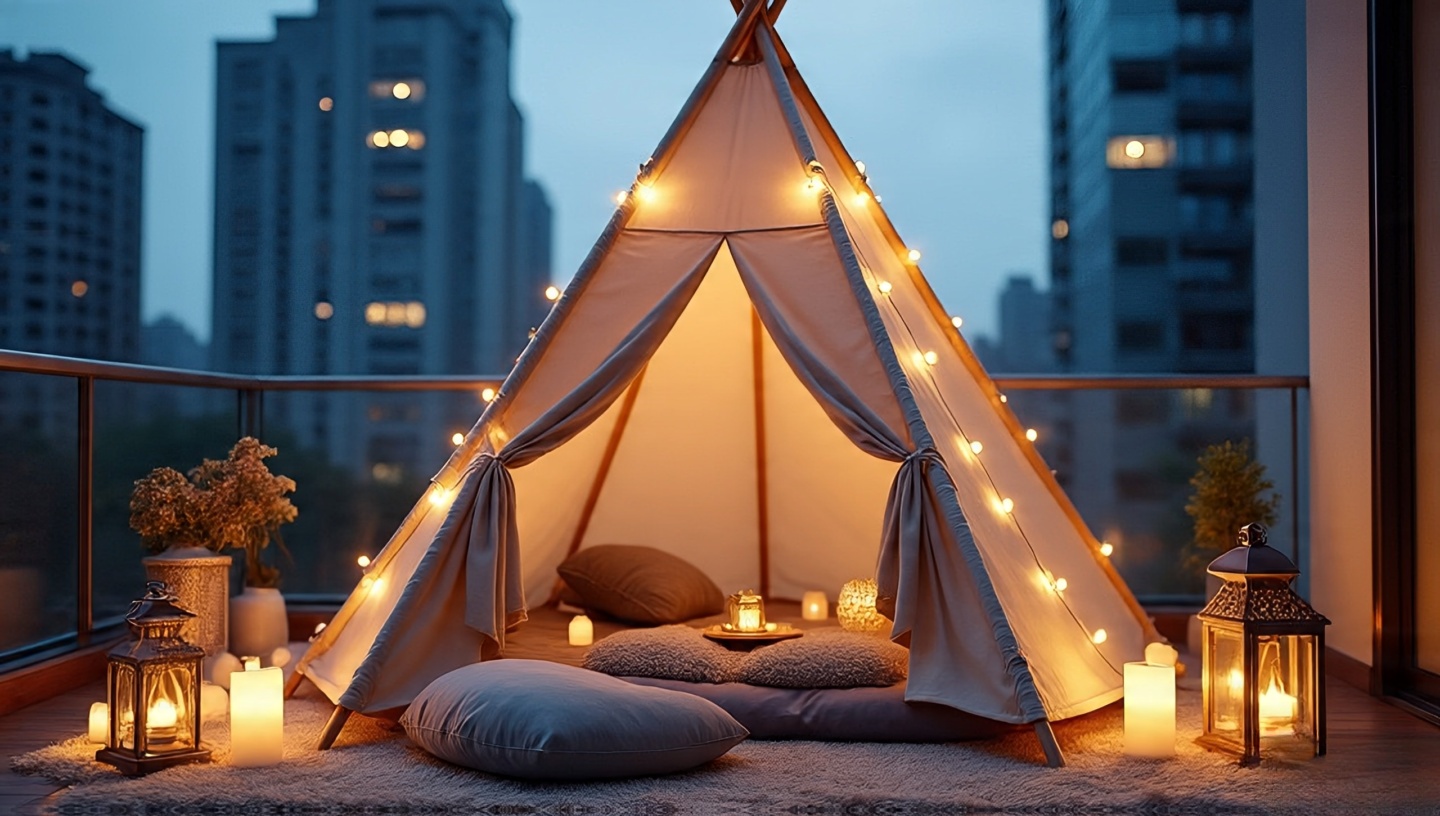 There’s a playfulness in pitching a small tent or teepee outside, even on a city balcony. Kids adore it, of course, but adults secretly do too. I once helped a young couple drape a canvas teepee with fairy lights, and they told me it felt like a mini-vacation every weekend. Who says camping requires a forest? Sometimes it’s just a balcony and a little imagination.
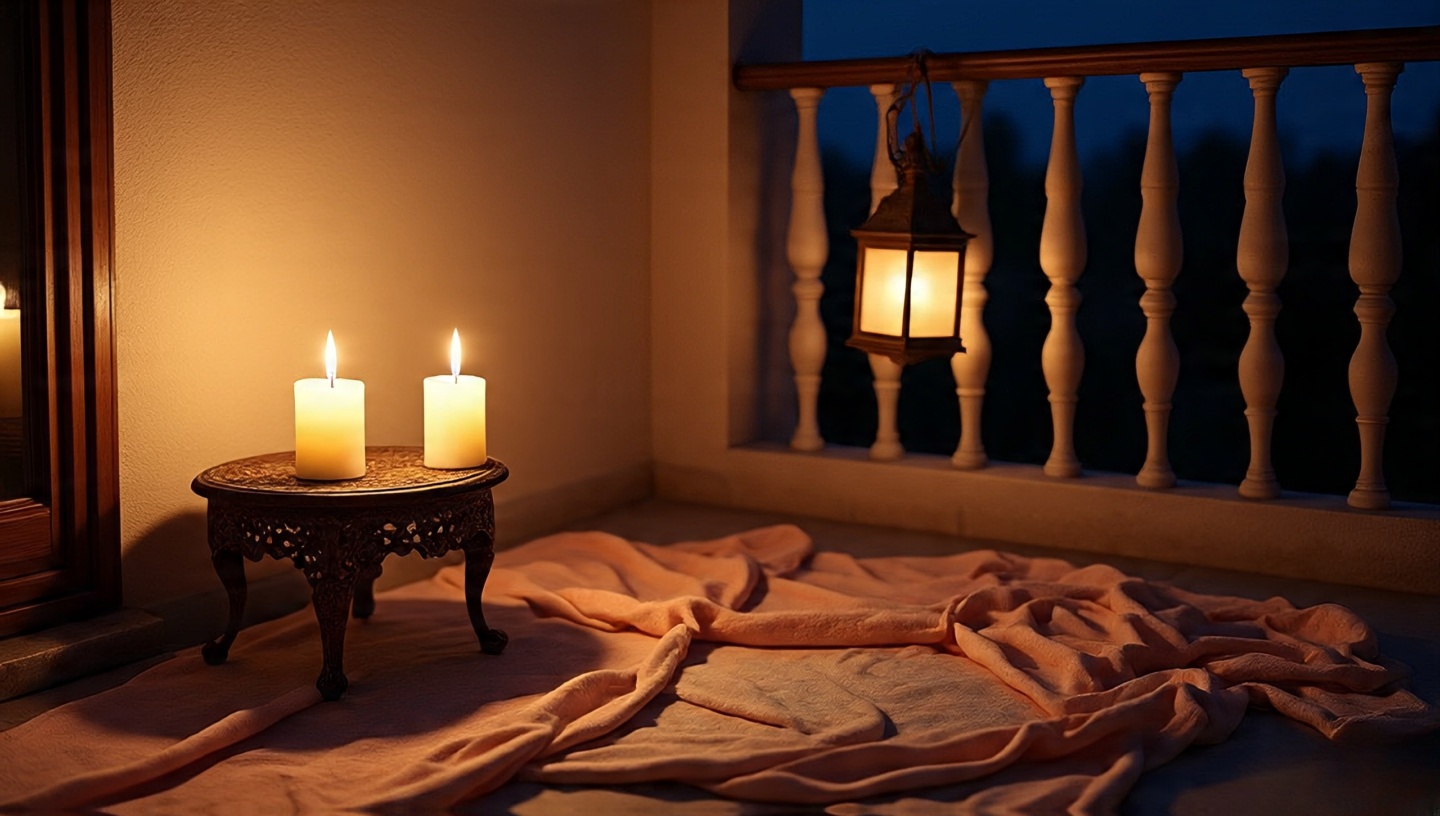 Design is only as good as the life it supports. For me, evenings outdoors are non-negotiable. Three candles, soft music, maybe a book that’s my ritual. I encourage clients to invent their own: tea at sunrise, journaling at dusk, or stretching under the stars. A balcony isn’t just a space; it’s a rhythm that shapes your day.
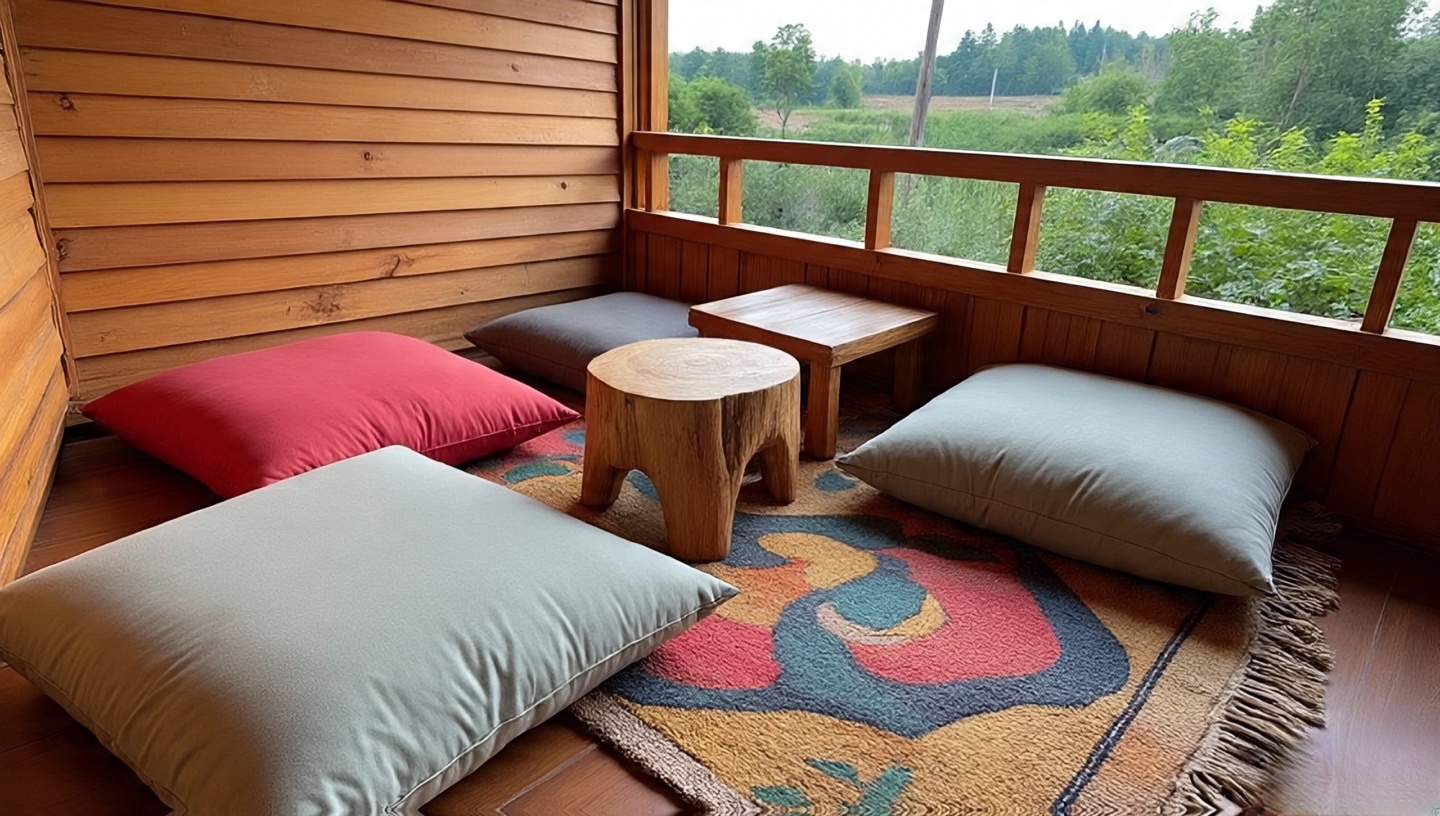 A single chair makes a balcony functional; multiple seating layers make it communal. I like mixing floor cushions, stools, and benches in the same space. It breaks hierarchy no “best seat” and encourages movement. In one project, we alternated heights and textures so friends could sprawl or perch as they wished. The result felt more like a gathering than a setup.
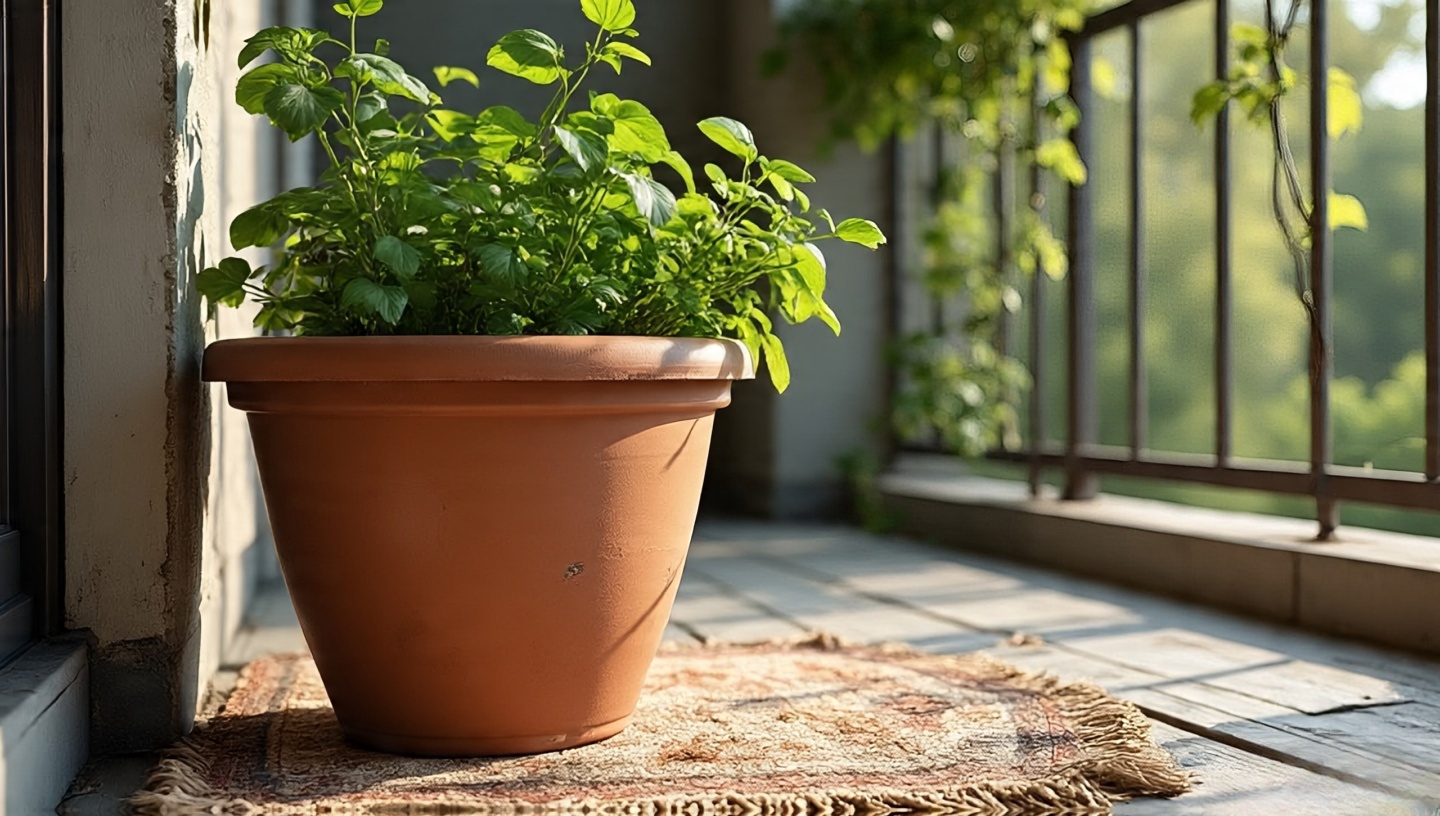 After thirty years in design, I’ve learned this: perfection is sterile. A chipped pot, a rug faded by sun, a plant leaning slightly off-center these are not flaws, they’re the heart of Boho living. They whisper that life is happening here. When clients ask if they should replace something weathered, I often say: keep it. The patina of use is proof that a space is loved, not staged.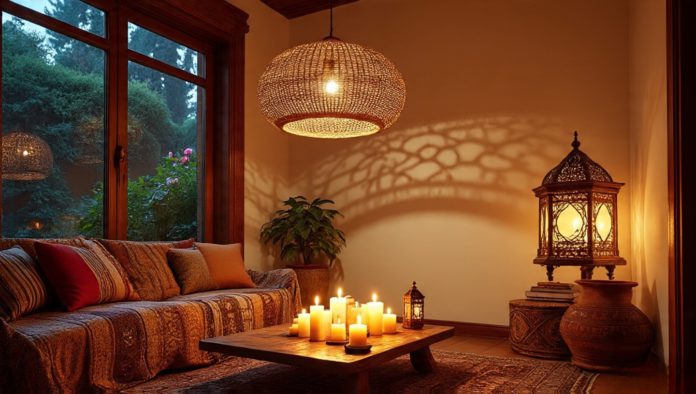
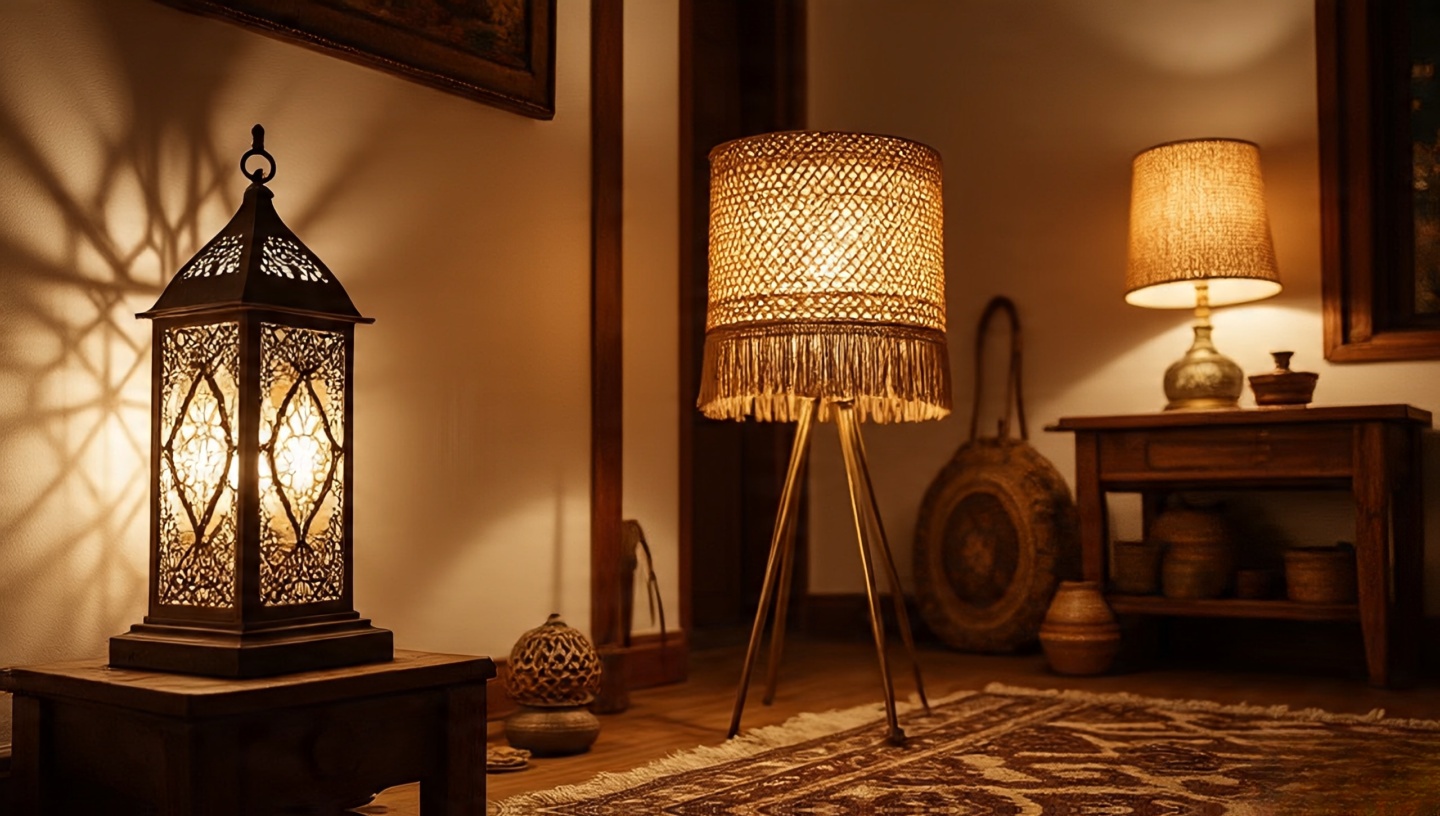 In three decades of design, I’ve noticed a pattern: people obsess over couches and rugs, but overlook light. Bohemian style thrives on mood, not perfection, and lighting is its heartbeat. Unlike minimalism, which favors precision and uniformity, Boho embraces glow, shadow, and a little imperfection. A lantern casting lace-like shadows on the wall is worth more than any sterile downlight. It’s not just brightness you need it’s soul.
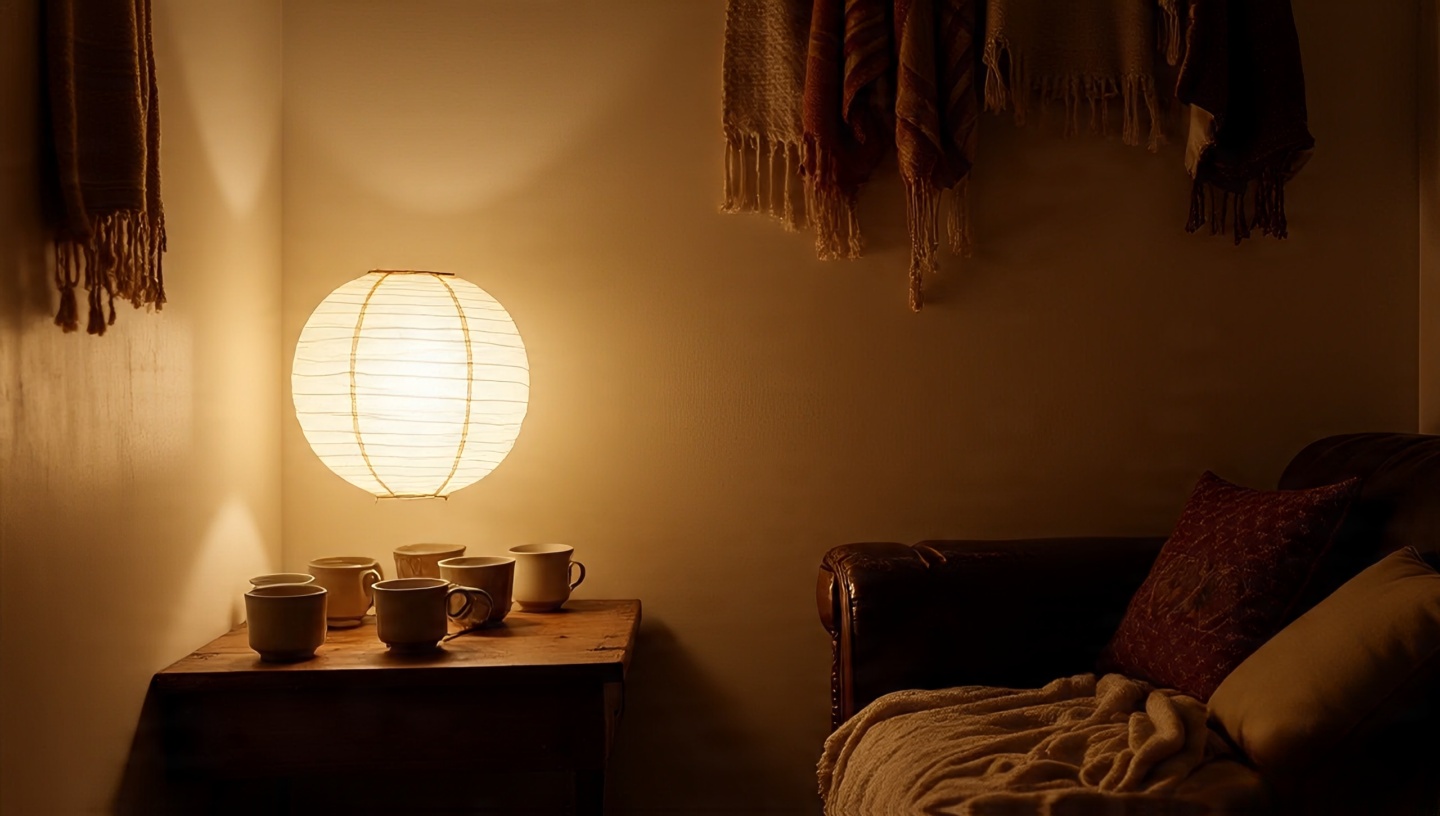 I still remember swapping out a flat, clinical LED for a simple paper lantern. Within minutes, my living room felt like a tucked-away café in Lisbon, smoky with character and warmth. That moment taught me that atmosphere doesn’t come from buying more décor it comes from *changing the quality of light*.
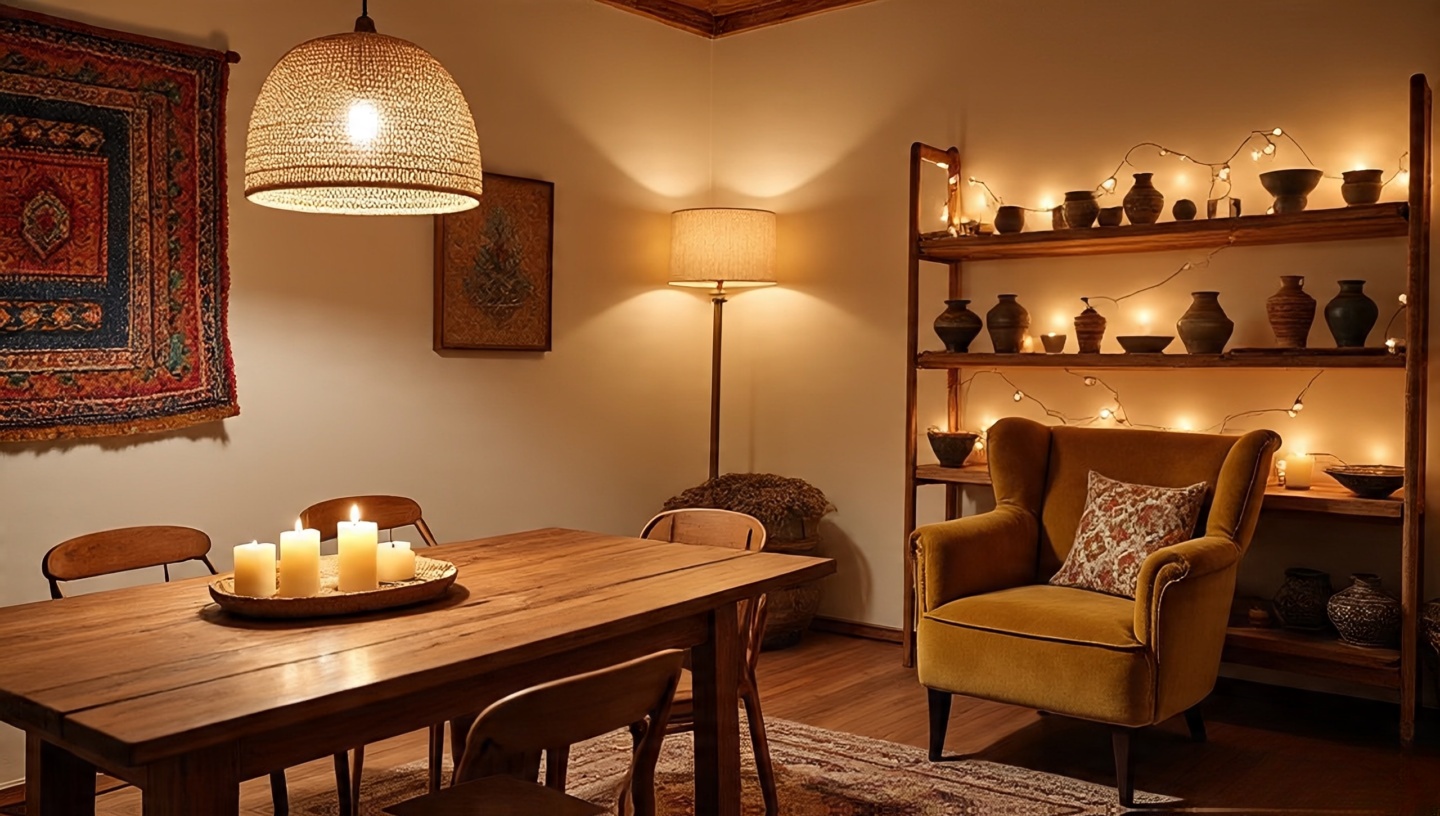 If you rely on a single lamp, your space will always feel one-dimensional. The trick is layering. In my own home, I keep:
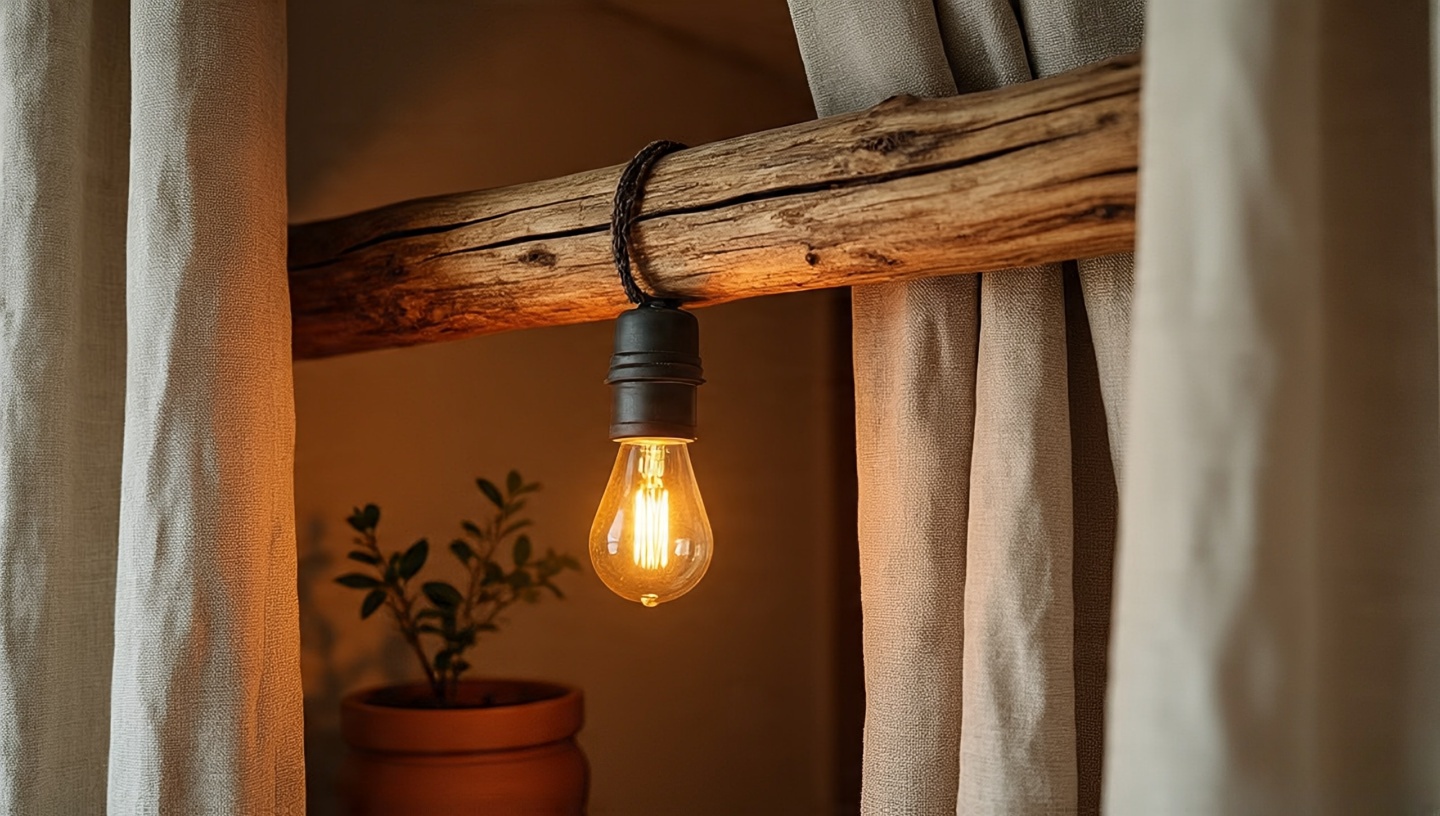 Over the years, I’ve learned that the fastest way to kill atmosphere is a cool white bulb. They flatten textures, drain wood of character, and make even beautiful textiles feel lifeless. Warm light, on the other hand, creates patina that aged, lived-in glow. Think of late afternoon sun spilling across a rug or firelight reflecting in glass. That’s the spectrum you want: gold, amber, honey.
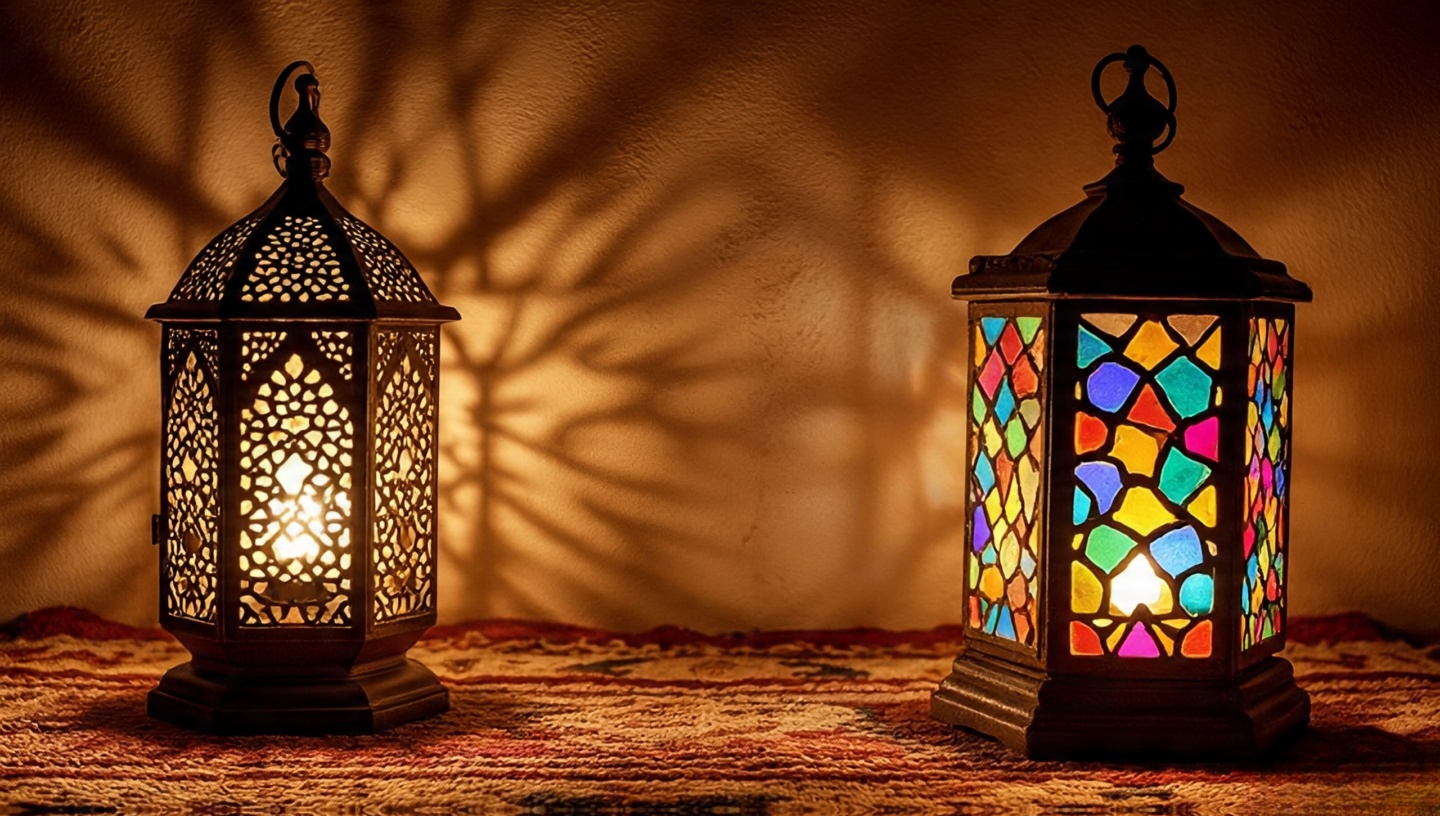 One of my most cherished objects is a brass lantern I dragged back from Marrakesh in my hand luggage. Every evening it scatters patterned light across the hallway, and every evening it reminds me of dusty markets and desert air. That’s why I always recommend lanterns Moroccan, Turkish, even rustic clay. They don’t just illuminate, they narrate.
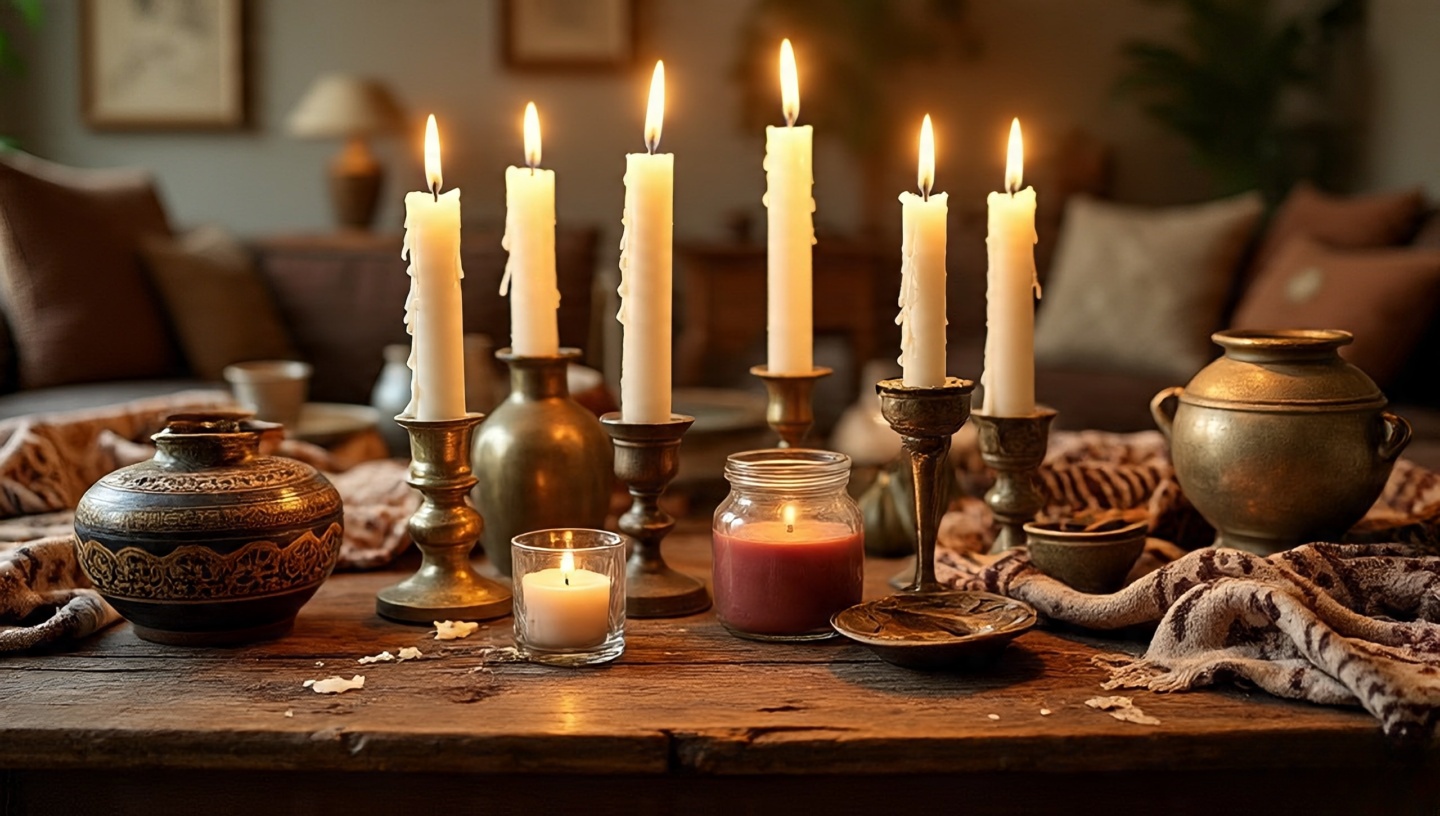 I’ve designed homes worth millions, yet I’ll say this: no chandelier can beat a cluster of candles. Their flicker is alive, unpredictable. In Boho settings, I like to mix tall tapers with squat votives, set in mismatched holders. And don’t worry about melted wax dripping onto vintage saucers that imperfection is part of the charm.
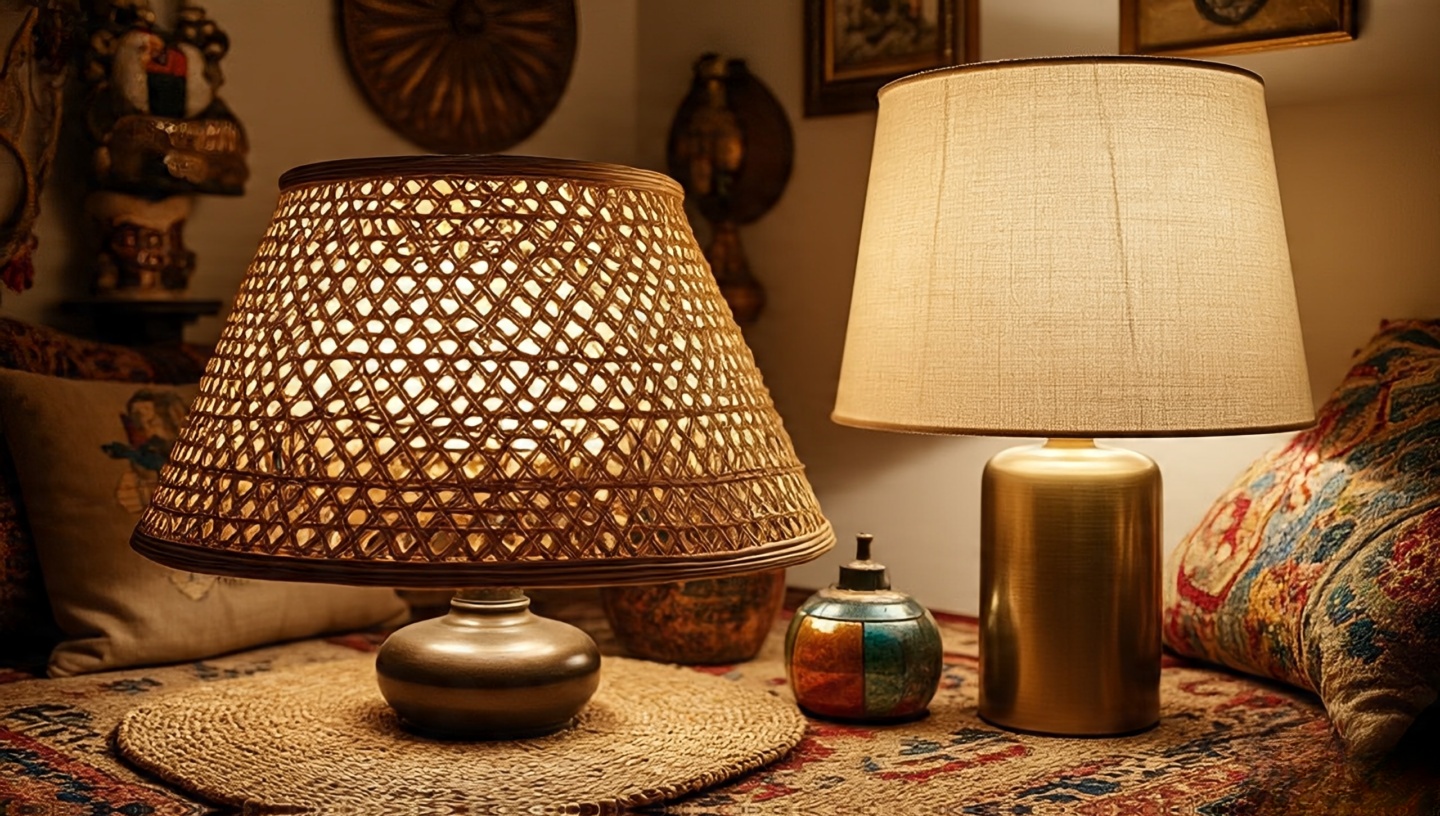 A rattan shade will throw playful shadows. Linen filters glow until it feels like morning. Colored glass adds a cinematic filter, softening the world into sepia or jewel tones. My advice: buy two or three inexpensive shades in different materials, swap them out, and watch how your room changes instantly. It’s like trying on different pairs of glasses for your house.
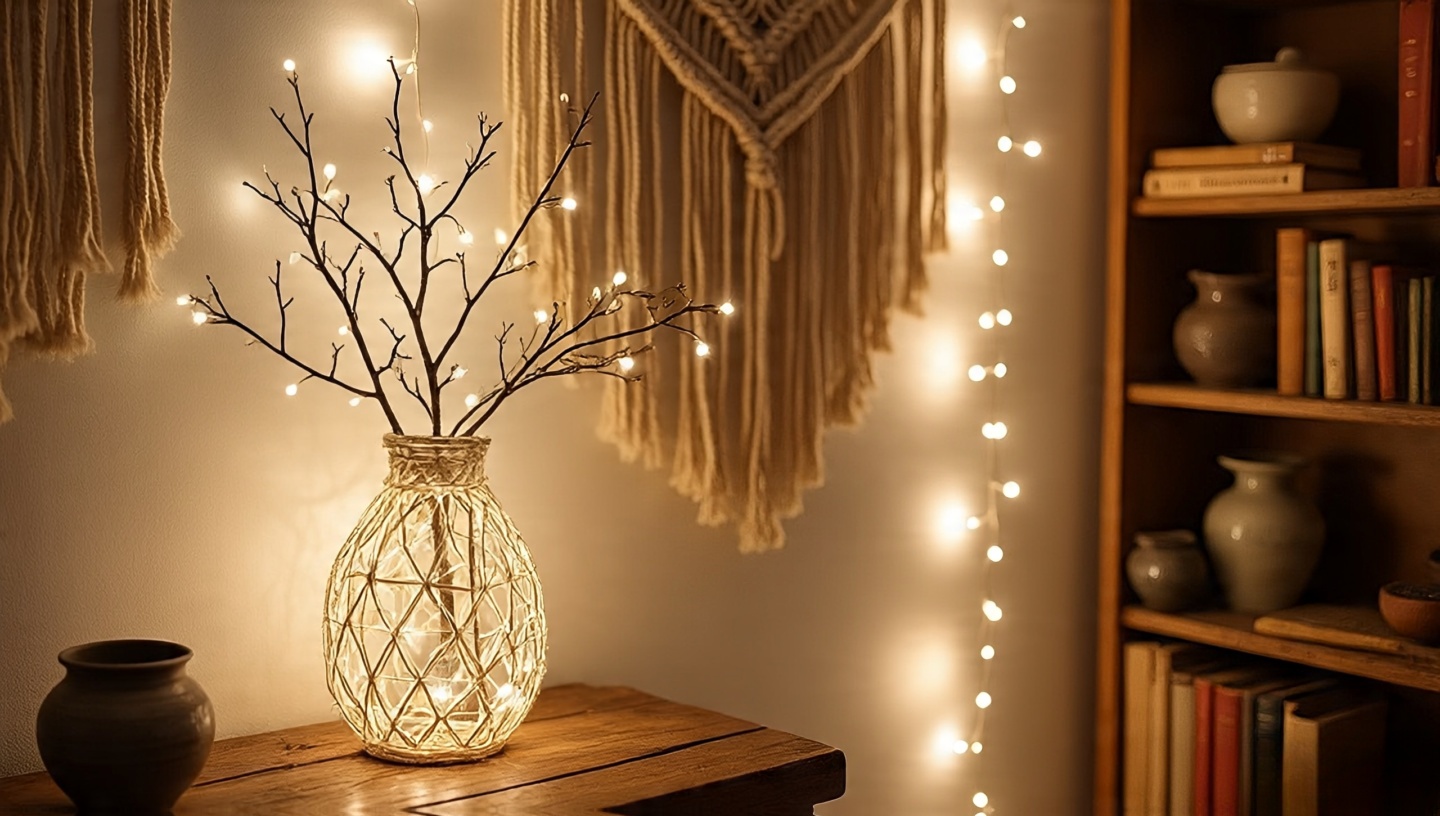 Forget the college-dorm stereotype. When woven into dried branches in a vase, hidden behind gauzy curtains, or placed under a macramé wall hanging, fairy lights stop being “holiday” and start being atmosphere. I once did this for a client’s studio she said it made her evenings feel like she was living inside a glowing art piece.
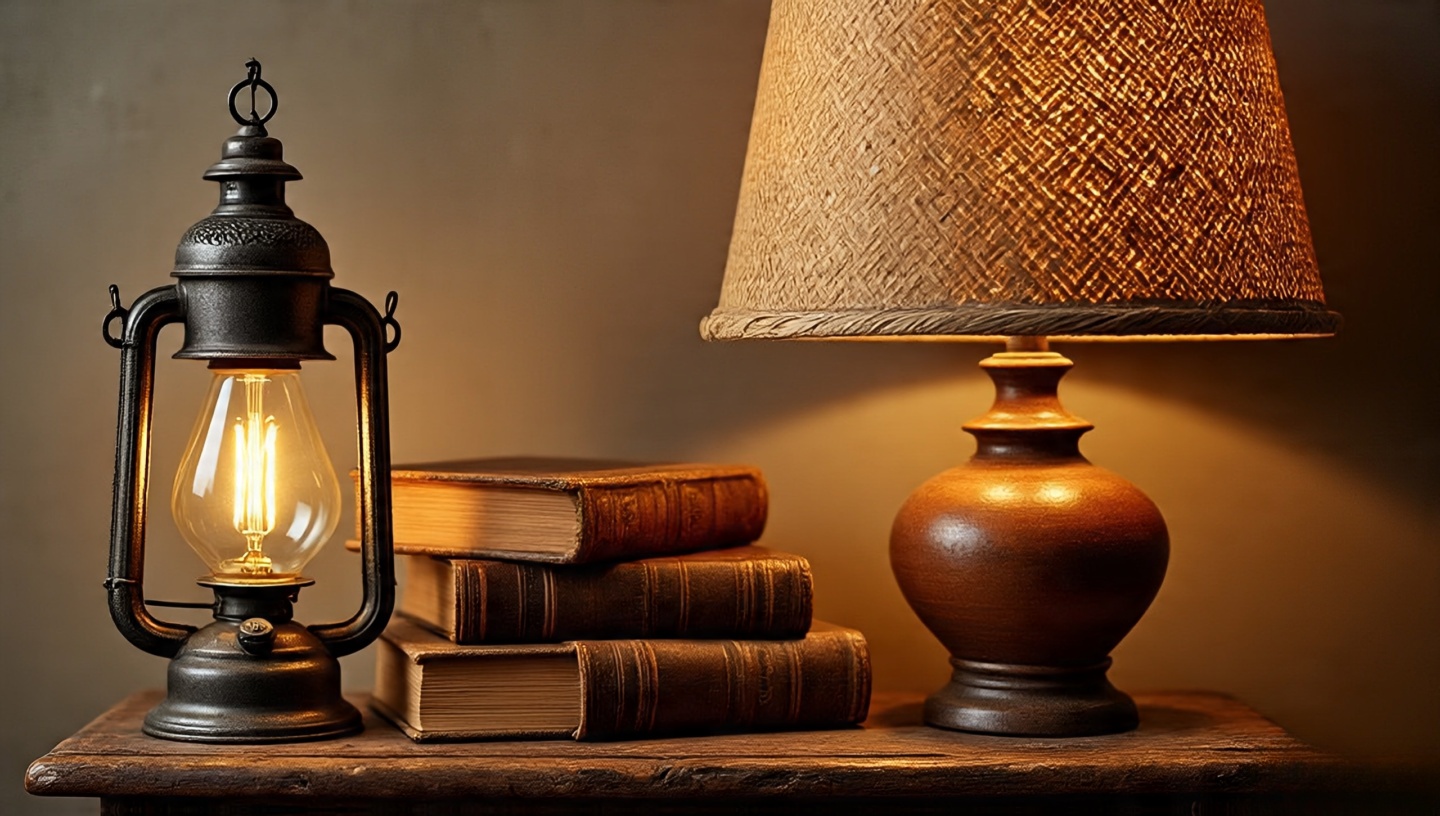 Boho design isn’t afraid of contradiction. I’ve placed modern Edison bulbs inside antique lanterns, paired a rustic terracotta base with a newly woven bamboo shade, and even set a sleek, minimalist light next to a stack of vintage books. The dialogue between old and new is where the room starts to breathe. If you’d like more on how materials themselves create this personality, see this guide on
 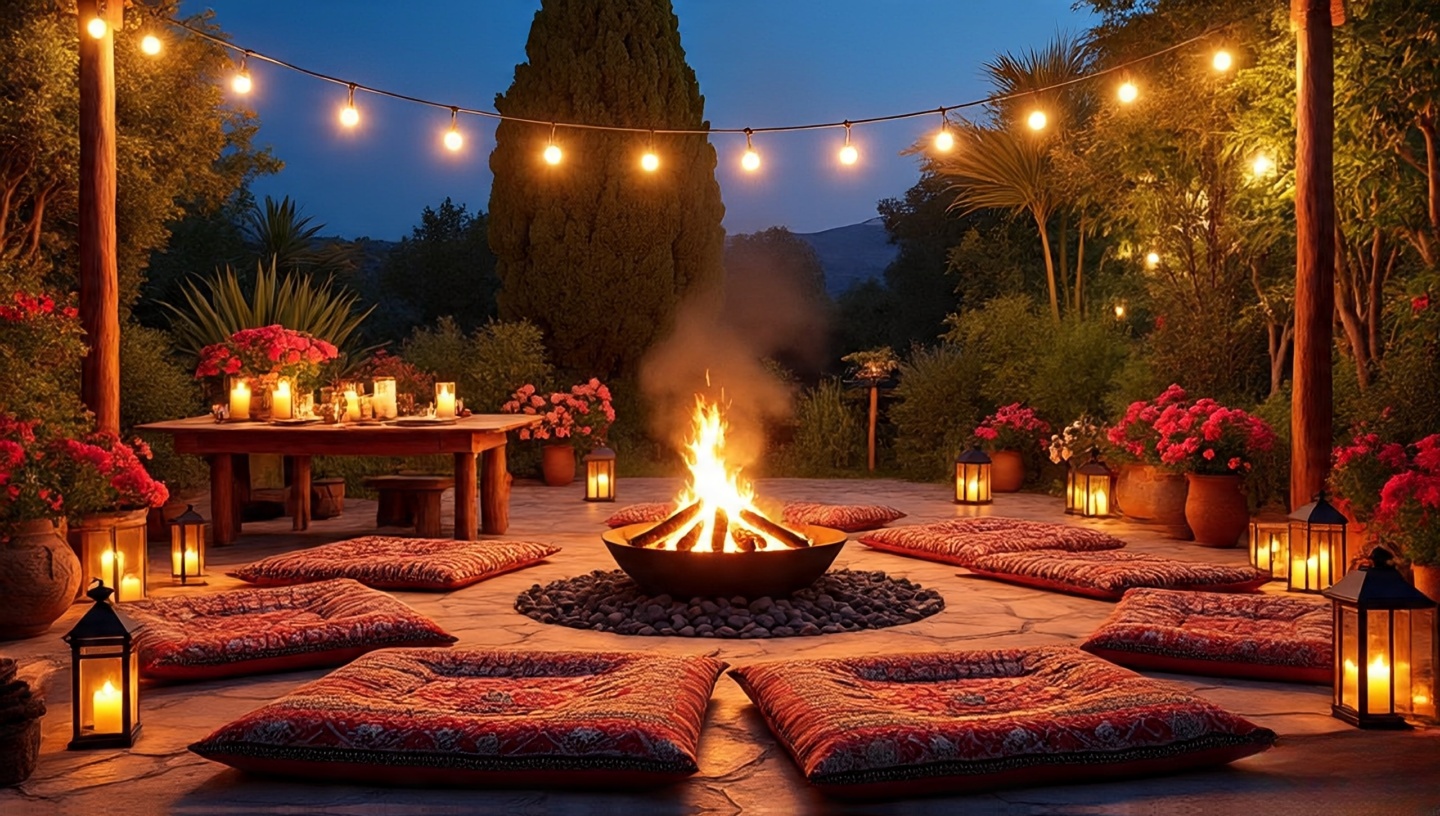 People often forget that atmosphere doesn’t stop at the threshold. Some of my favorite design projects happened outdoors patios, terraces, even tiny balconies. A few string lights overhead, a fire pit with lava rocks, and a scattering of low cushions can turn a backyard into a Moroccan camp. I still recall a night under swaying lanterns where no music was needed; the glow and the silence were enough.
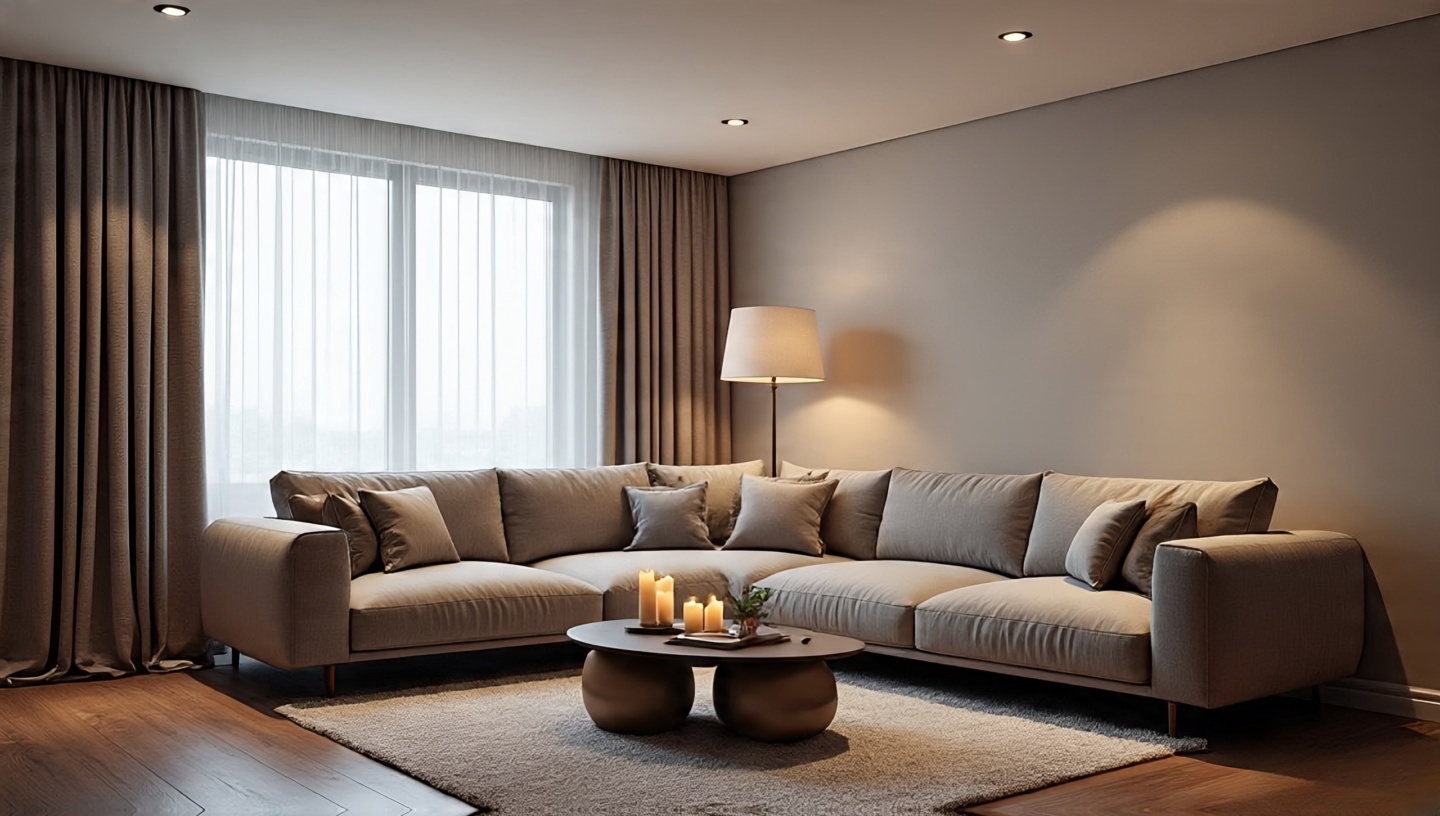 After years of visiting homes, one error repeats itself too much overhead lighting. Brightness doesn’t equal comfort. In fact, it kills mood. If you take one piece of advice from me: keep overheads dim, or skip them altogether. Instead, let floor lamps, candles, and pendants layer the space. Mood is born in contrast, not in floodlights.
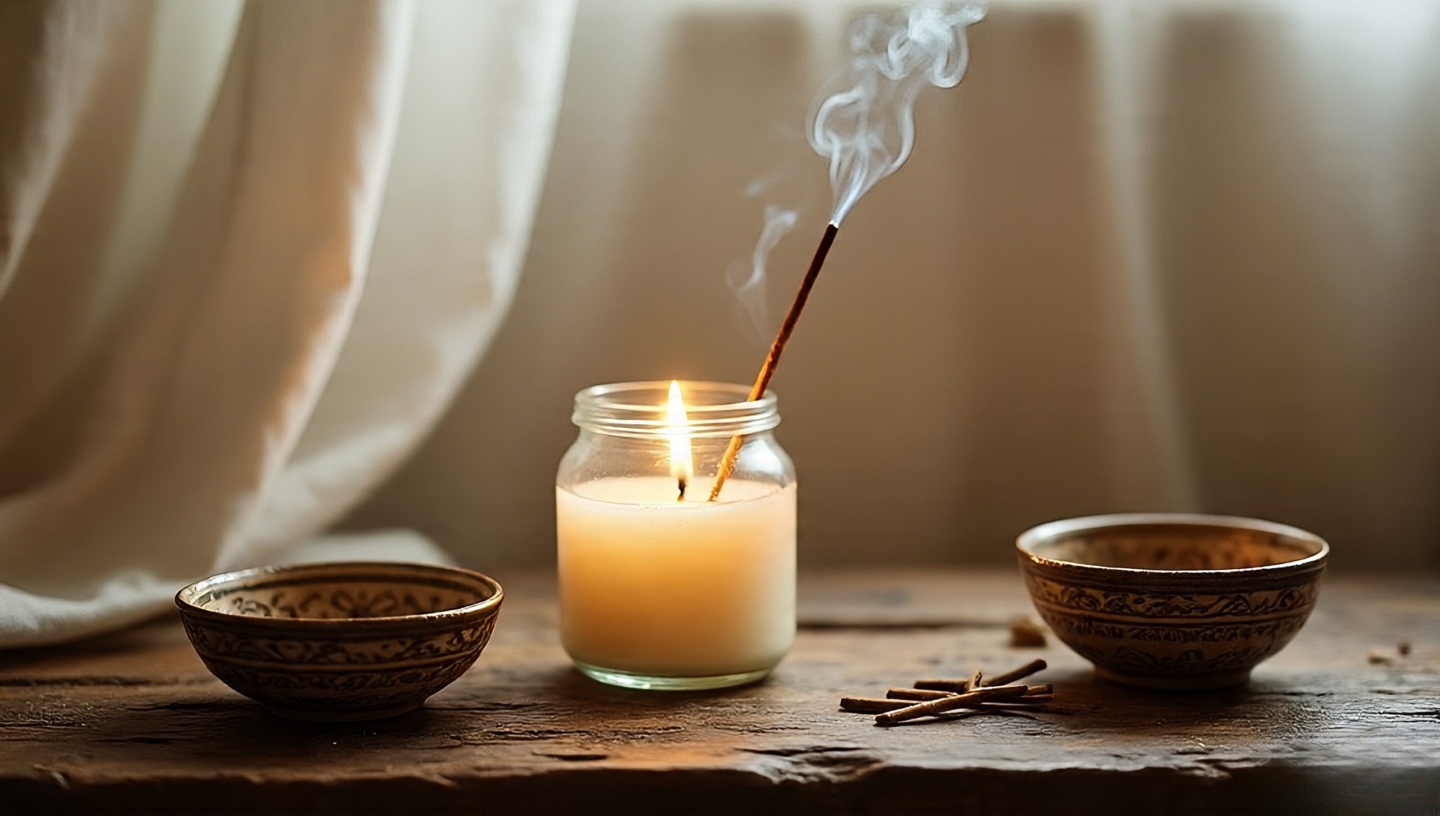 Light alone is powerful, but combine it with other senses and the room sings. I’ve watched how a wood-wick candle crackles gently while incense curls through linen curtains. The effect? A space that doesn’t just look warm it *feels* warm, it *sounds* warm. Boho design has always been multi-sensory; it’s never just about visuals.
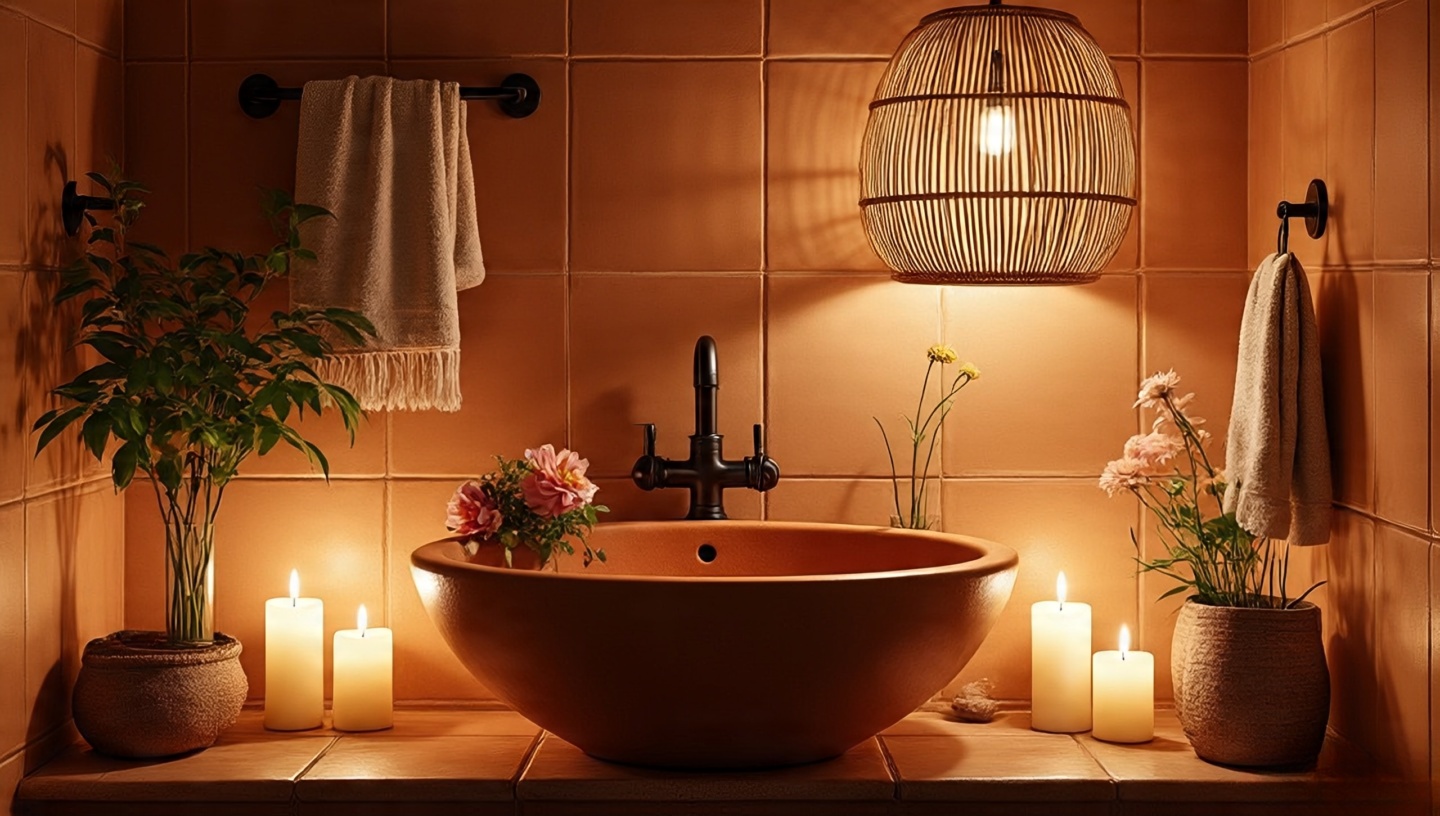 I can’t count how many clients ignore bathrooms, treating them as purely functional. But atmosphere belongs there as well. Terracotta tiles reflecting candlelight, a bamboo pendant softening the morning sun even the smallest bathroom can feel like a retreat. For inspiration, I often point people toward these
 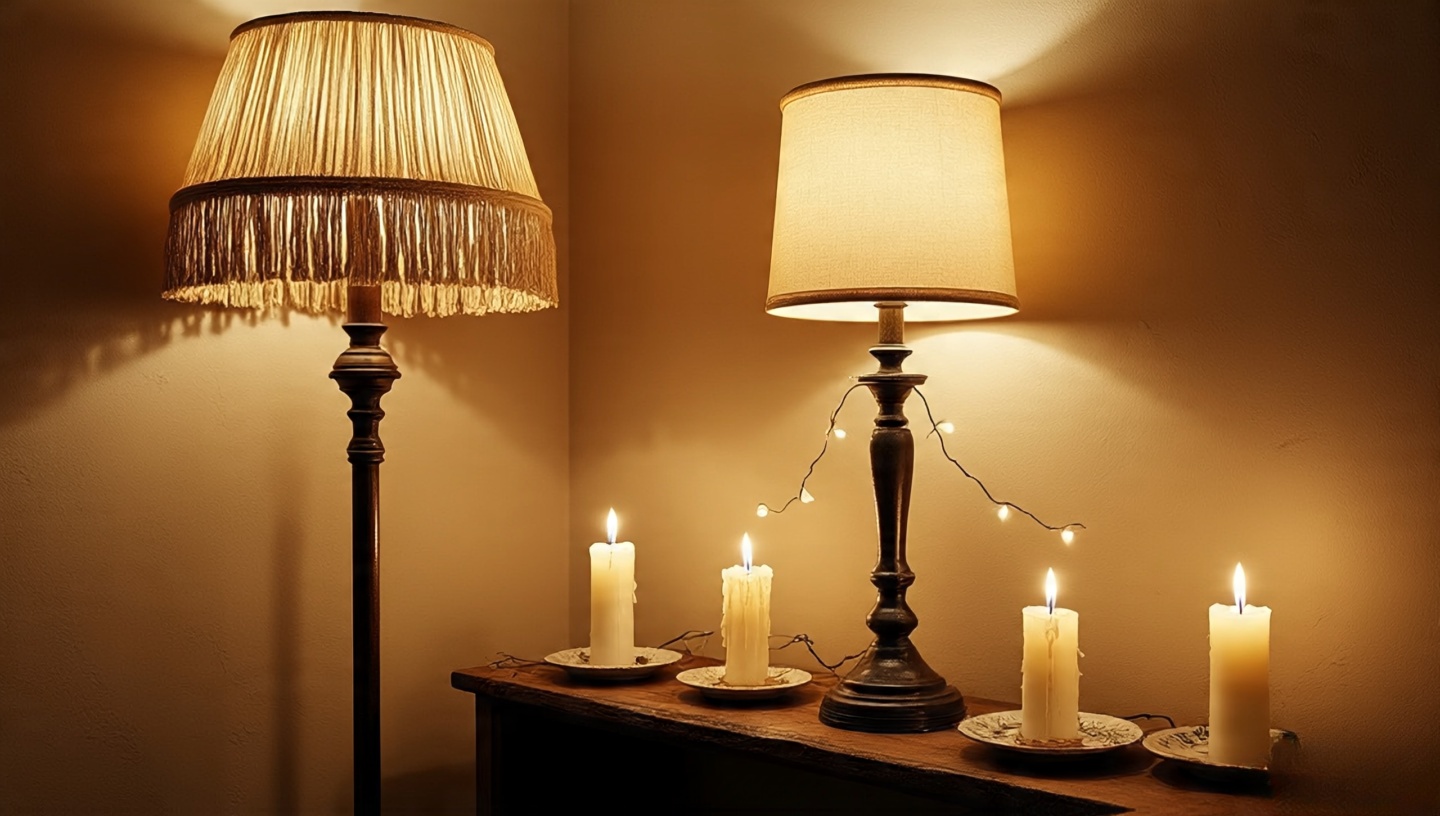 Boho isn’t a showroom look. I’ve seen people worry about mismatched lamps or crooked fairy lights. Don’t. That’s precisely the charm. A slightly uneven glow feels more human than a flawless grid of LEDs. Atmosphere is about freedom and that freedom creates comfort.
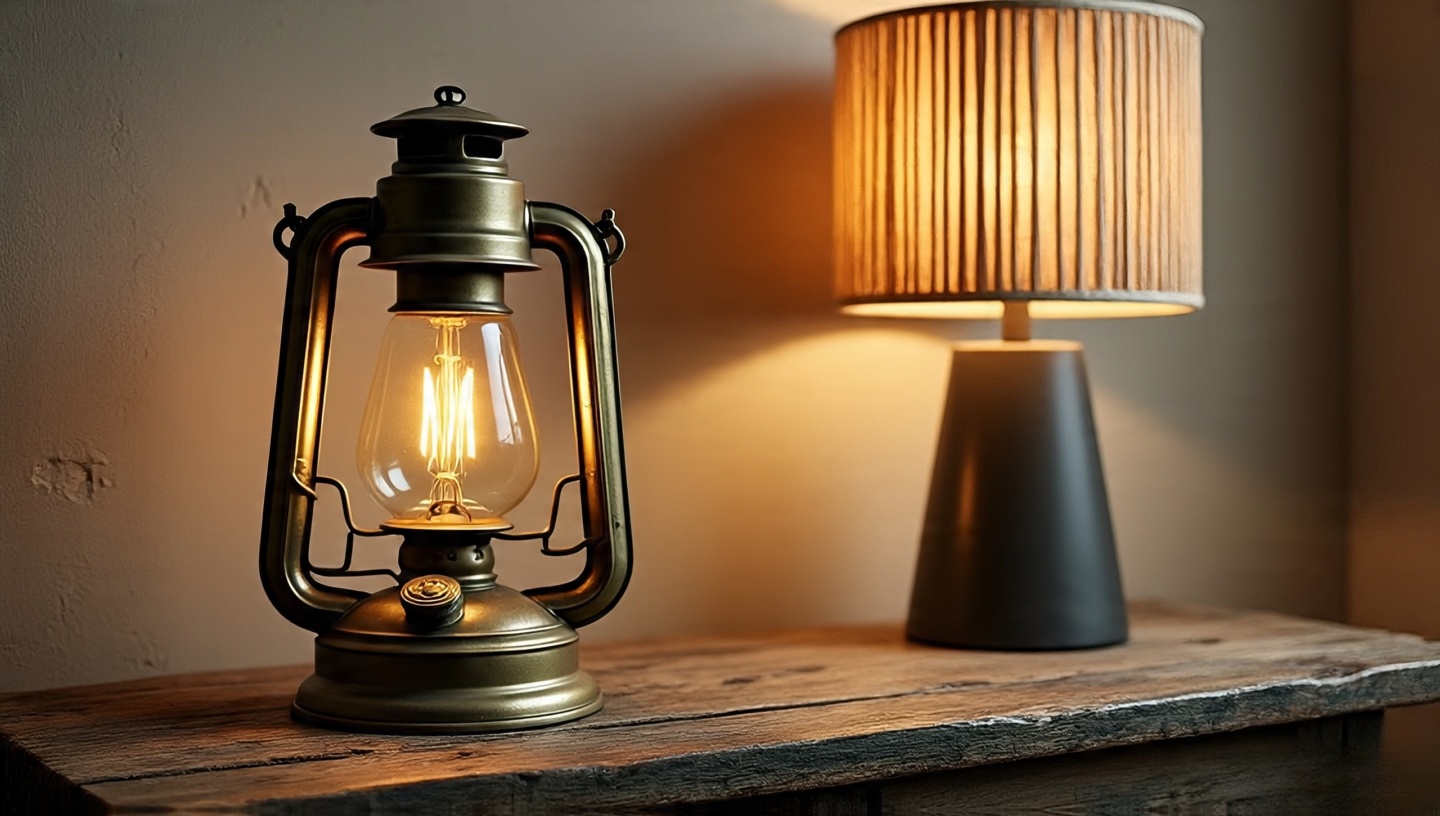 Thirty years in, I still smile when I place a modern Edison bulb inside a century-old lantern. That mix tells a story: time layered upon time. Boho thrives on contrast, and lighting is one of the easiest ways to bridge eras. Don’t be afraid to experiment even accidents often turn into the best discoveries.
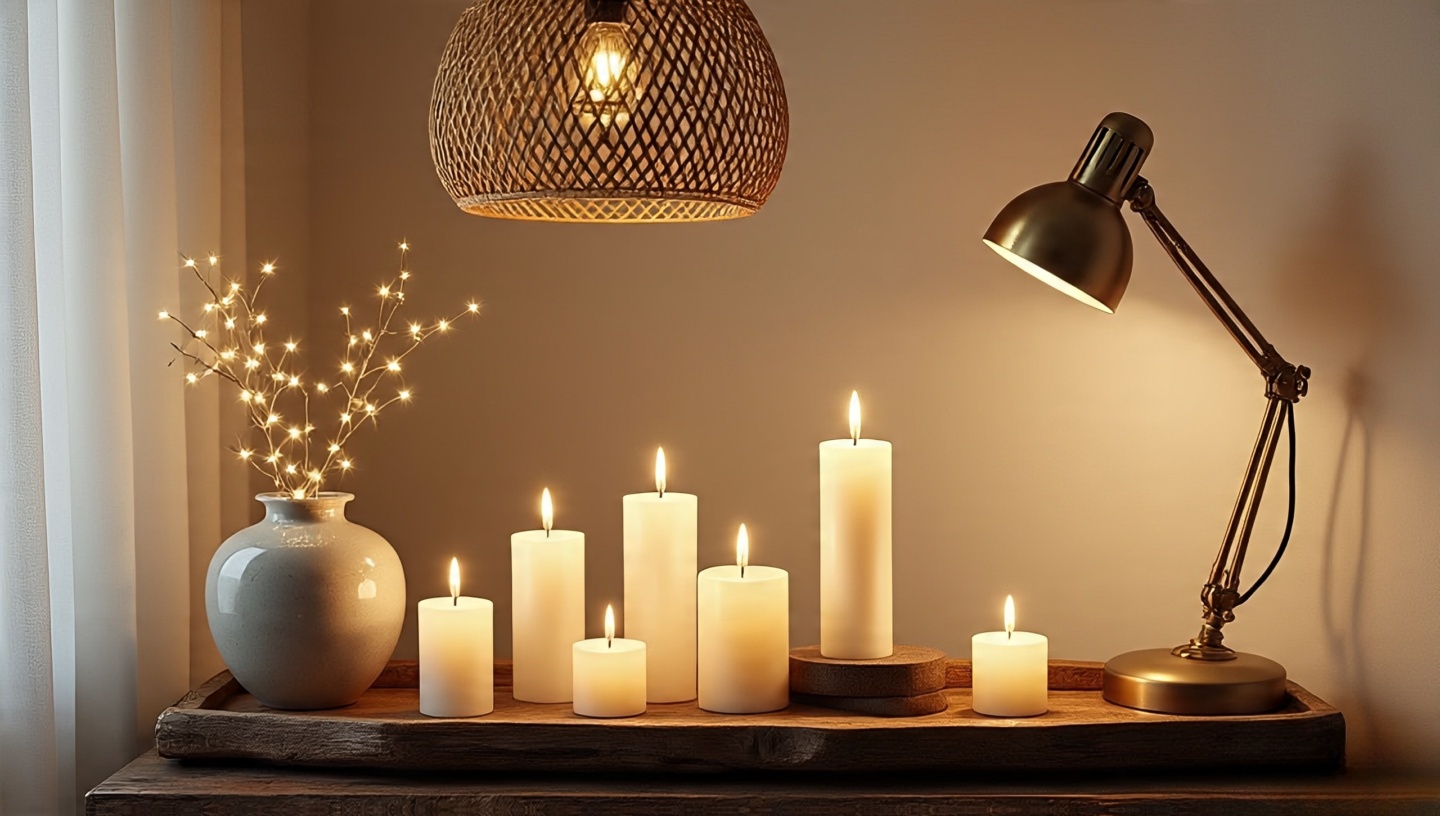 Clients often ask me: “What’s the best Boho lamp to buy?” My answer is always the same don’t just buy, *compose*. It’s the combination of sources that builds atmosphere. A lamp here, a candle there, fairy lights tucked in the background. One piece alone won’t transform your home, but together, they orchestrate a feeling.
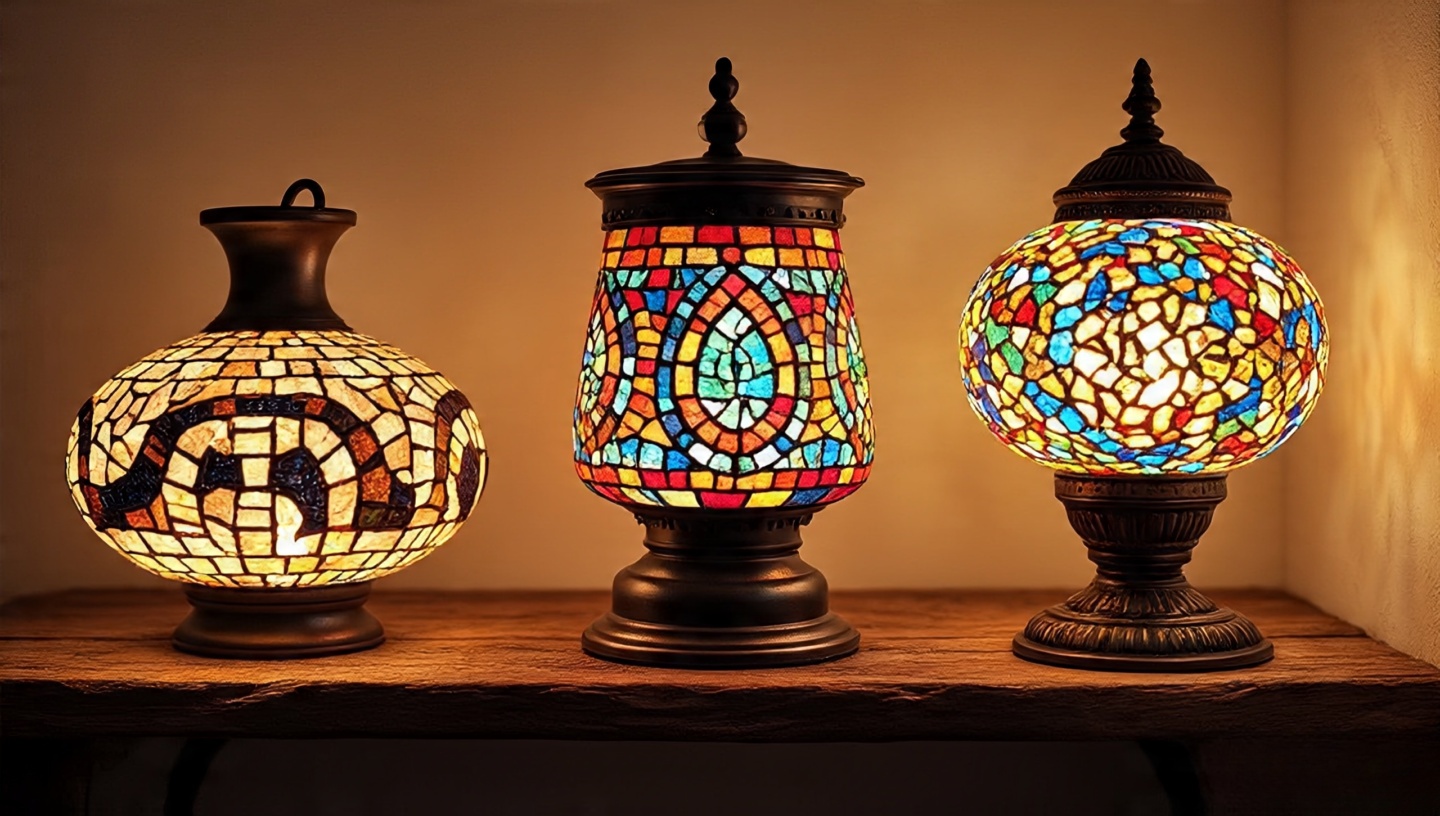 Whenever I travel, I bring back one lighting piece. A lantern from Turkey, a clay lamp from Oaxaca, a woven pendant from Bali. Over time, my home has become a map of light each piece telling a story from another part of the world. If you want your Boho space to feel personal, let your lights carry memories, not just design.
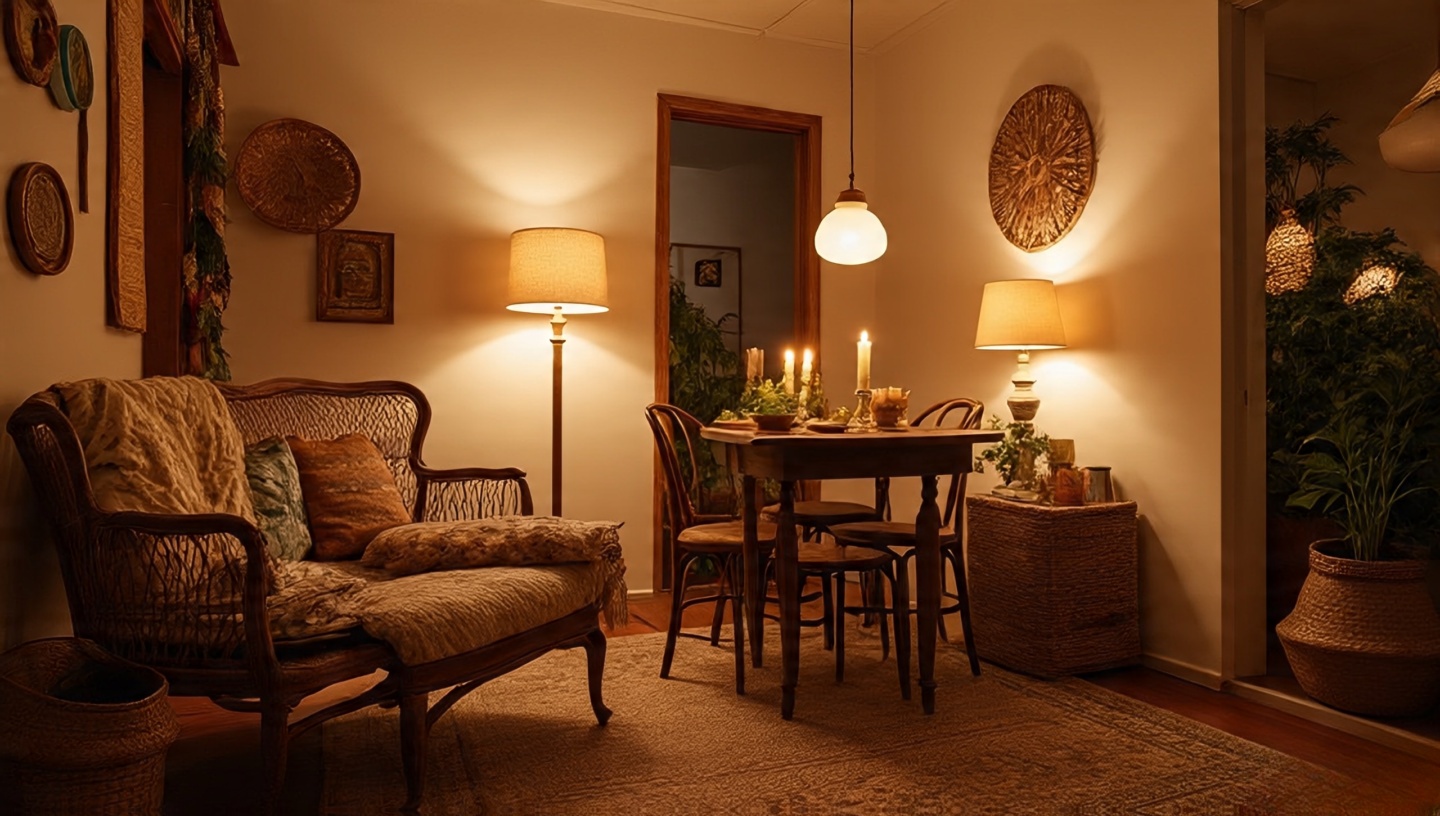 In my own home, switching on lamps in the evening is a ritual. A floor lamp by the sofa, two candles on the dining table, a soft pendant in the hallway. The room slowly shifts into evening mode, and with it, my mood shifts too. It’s a reminder that light isn’t only about visibility it’s about transition. It helps us step out of the day and into rest.
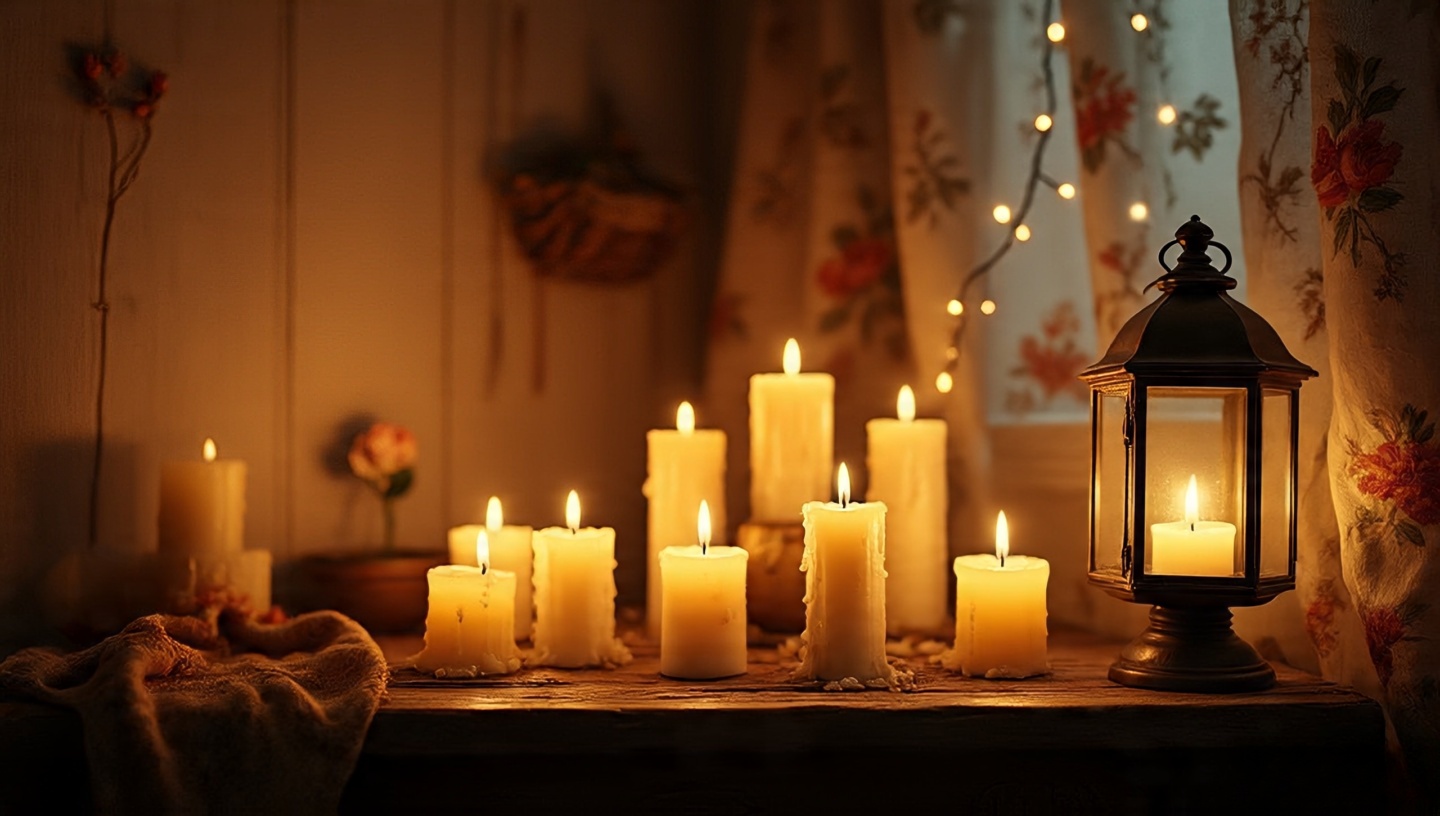 If there’s one closing note I’d give, it’s this: don’t aim for perfect. Aim for alive. A cluster of mismatched candles, a lantern picked up on a trip, a string of fairy lights behind a curtain these aren’t mistakes, they’re atmosphere. And atmosphere is what makes a Tuesday night feel like a holiday.
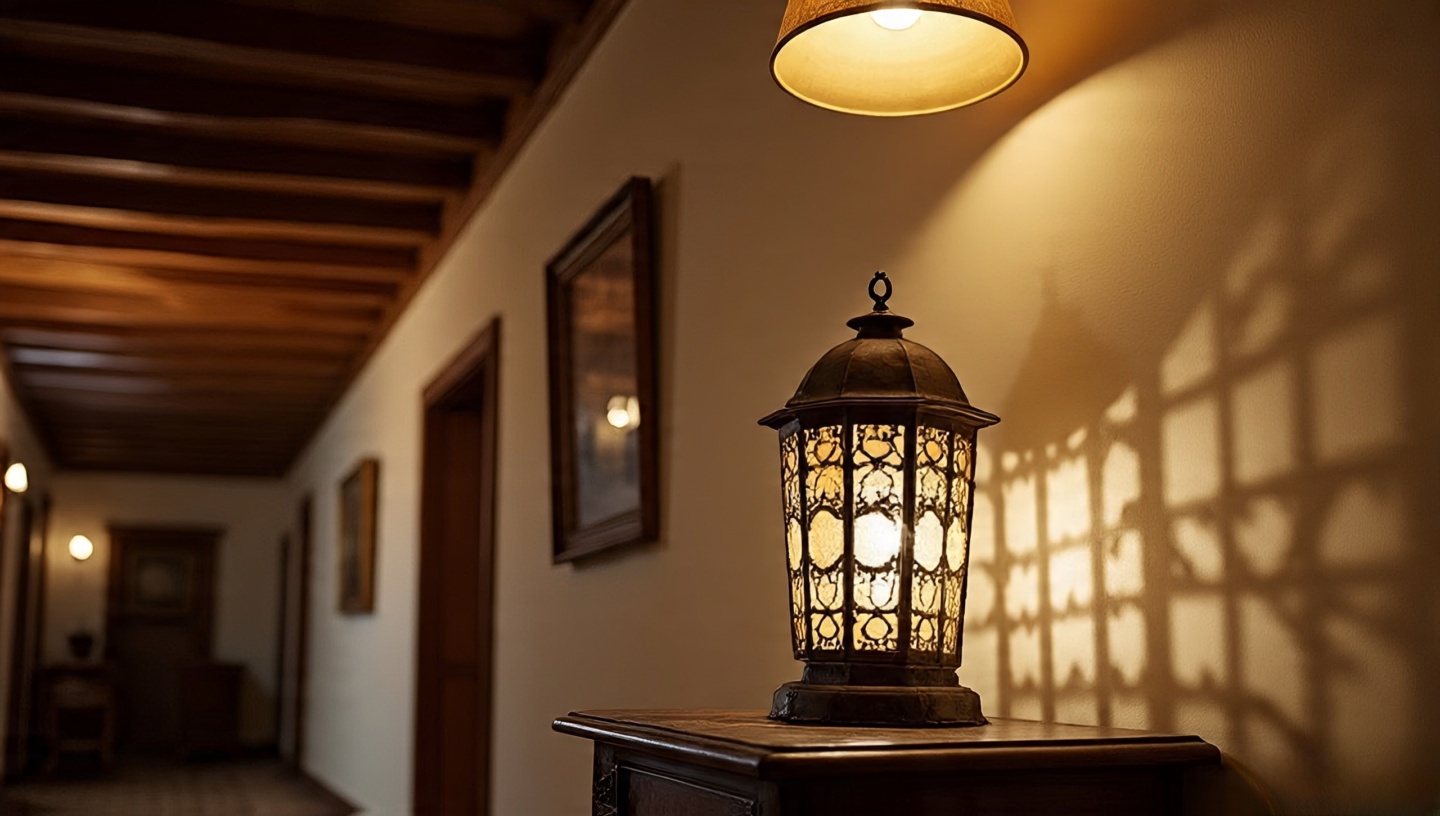 After three decades in design, I’ve realized light has a way of storing memory. I walk into my old projects sometimes, years later, and the furniture may have changed, but the light? It carries the same mood. A golden pendant still makes the oak beams feel warm. A cluster of lanterns still scatters the same playful shadows. That’s the power of lighting: it outlasts trends and holds on to feeling.
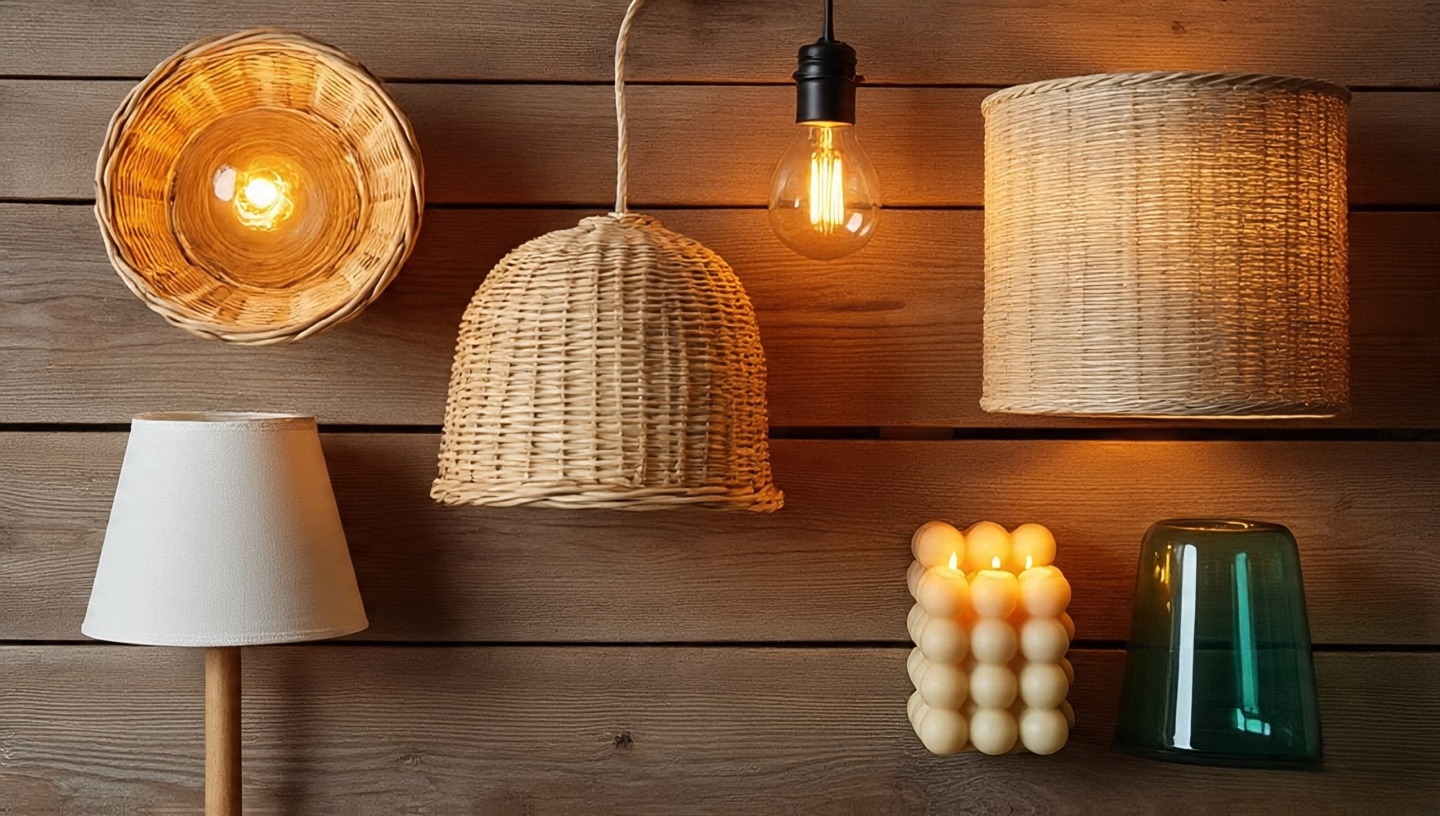 Want a quick transformation without redecorating? Try these:
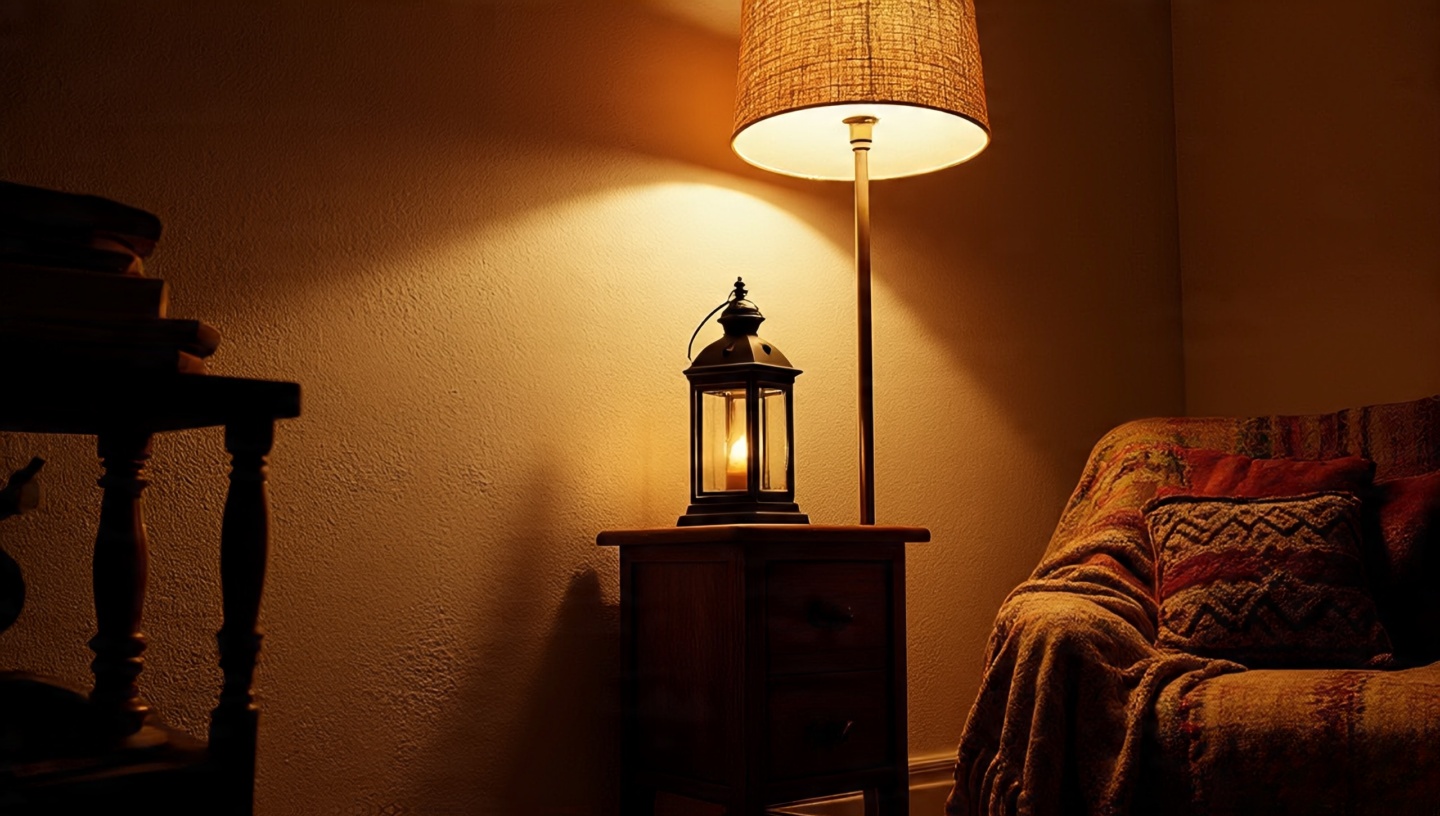 New homeowners often chase brightness, thinking shadows are flaws. But shadows give depth. In Boho design, you *want* corners that feel a little mysterious, walls that catch shifting patterns. I always say: if everything is visible, nothing feels special. Let shadows play their role.
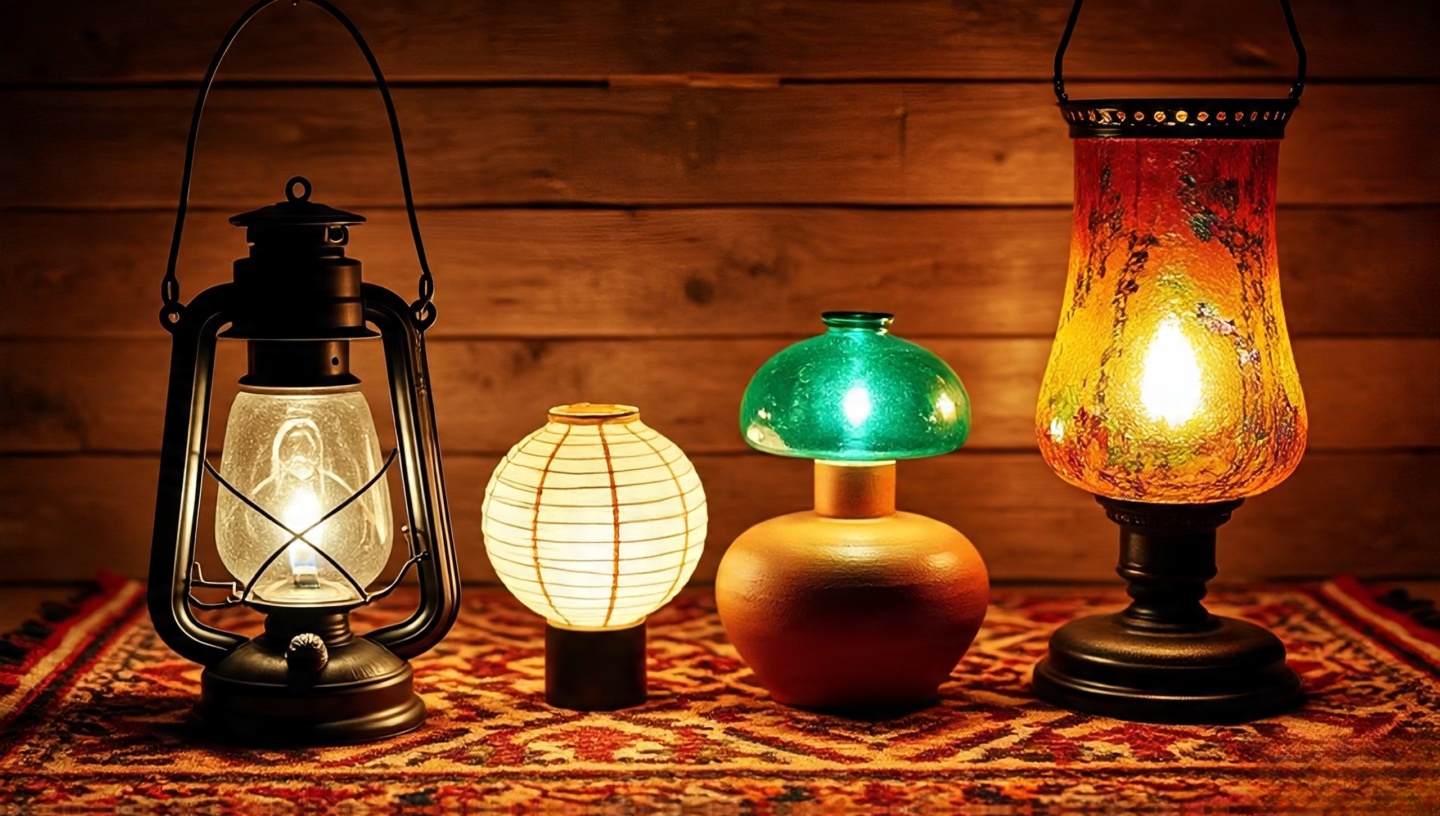 I’ve collected lanterns from Morocco, pendants from Mexico, glass lamps from Venice, and paper shades from Japan. Each has its own way of shaping light. When combined, they tell a layered cultural story. That’s very Boho it’s not a single culture, it’s the conversation between many.
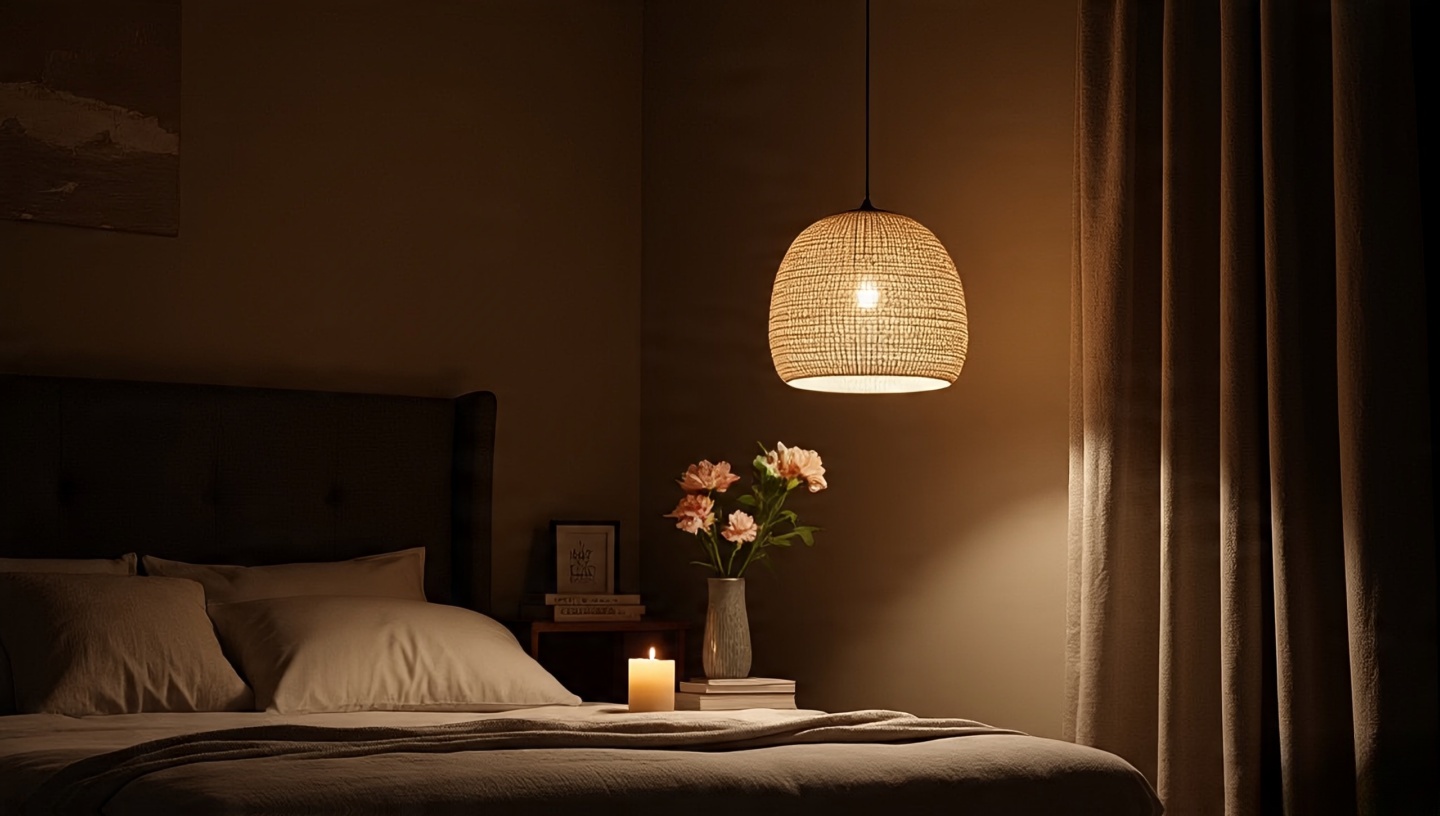 People sometimes ask me if atmosphere is just decoration. I tell them this: the way light falls in your home changes how you feel at the end of a long day. Harsh light makes you restless. Soft, layered light makes you exhale. It’s not just about style it’s about mental well-being.
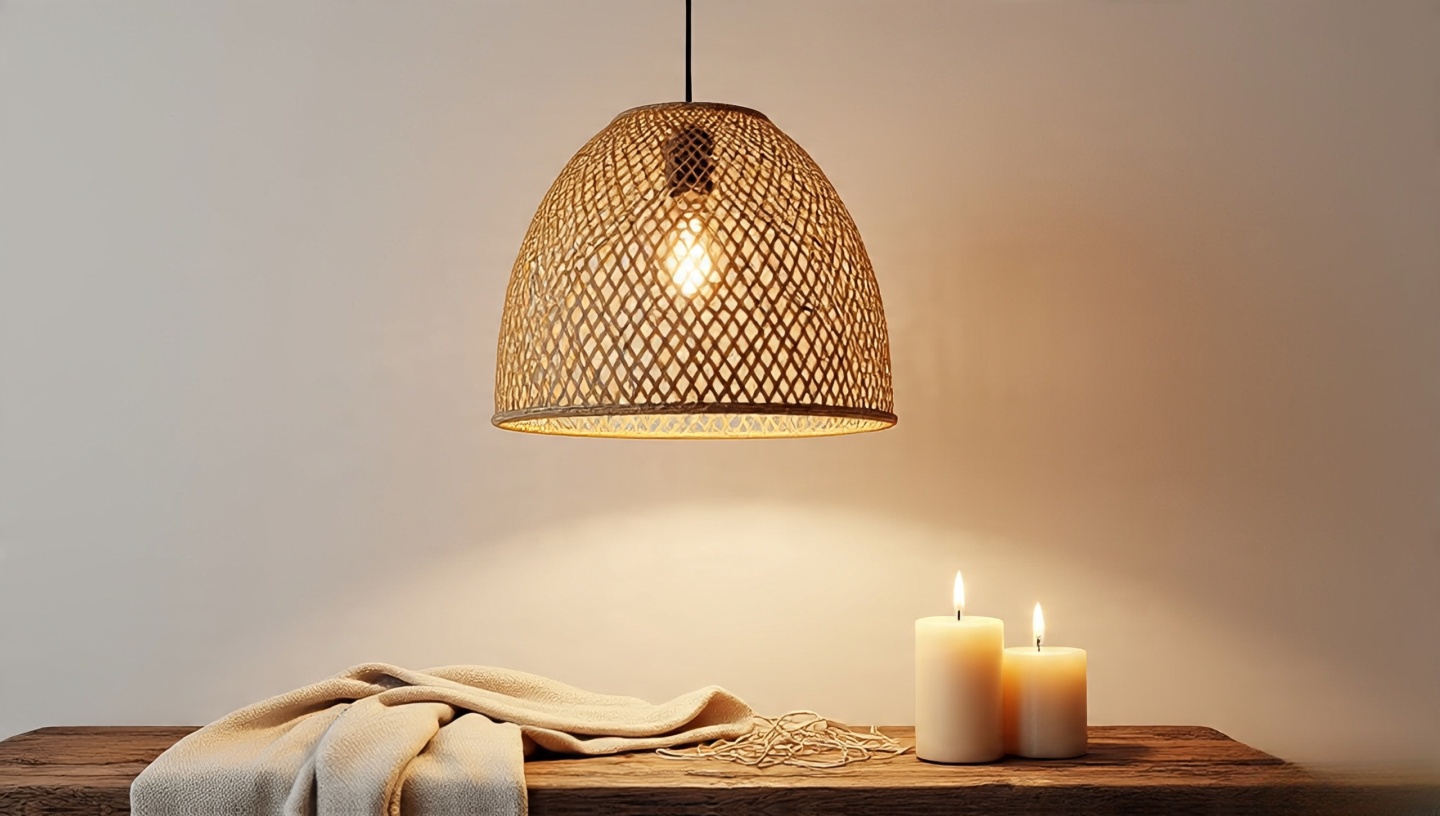 You don’t need dozens of lamps. Even a single woven pendant, paired with candles, can transform a space. The secret is intention. Place them where life happens at the table, by the sofa, near your bed. Let light guide your evenings, not just illuminate them.
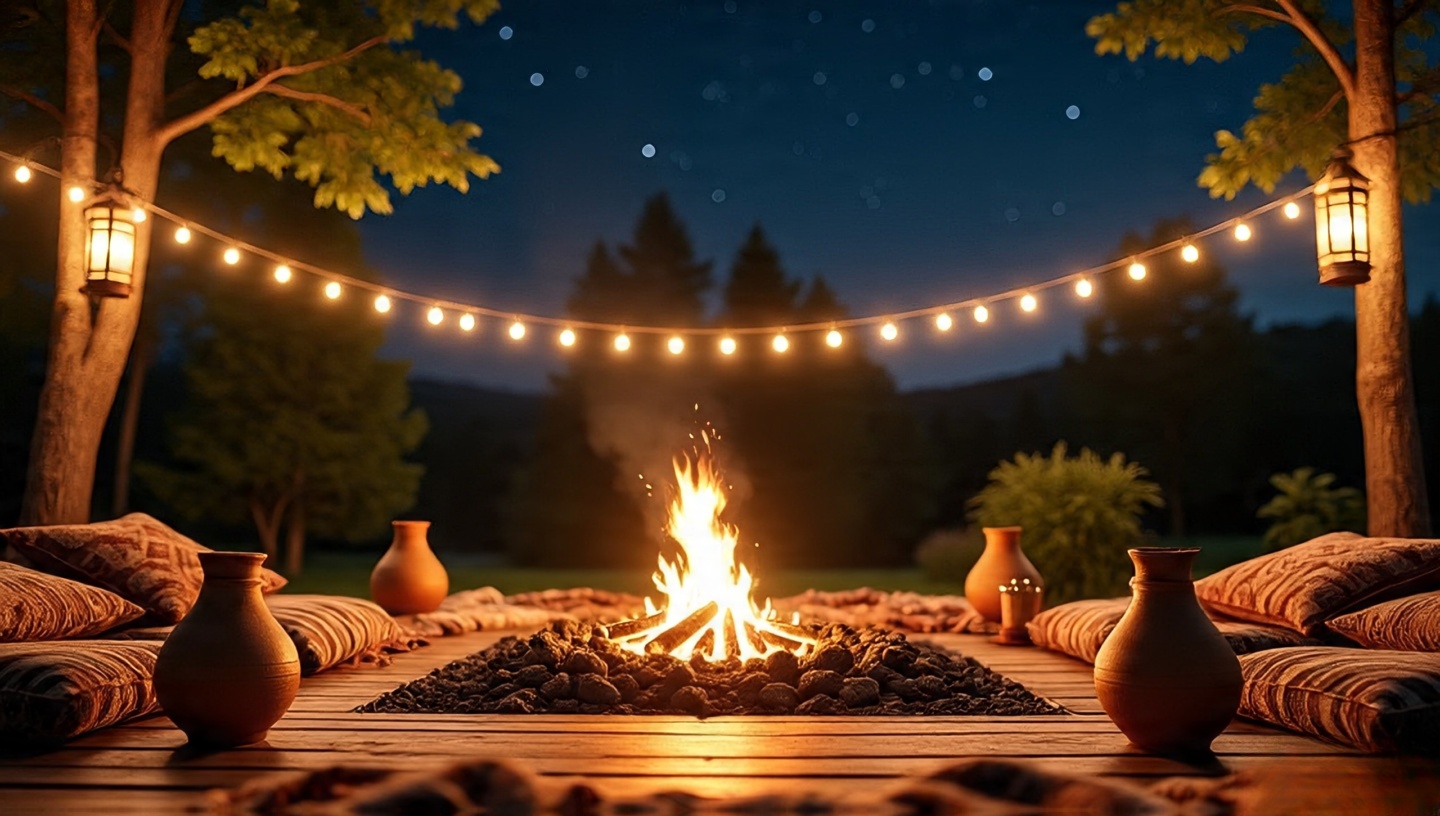 If I had to pick one outdoor element I never skip, it’s firelight. Whether in a clay lantern, a small torch, or a fire pit, flames give a raw energy no bulb can replace. The way they dance, the warmth they share it makes gatherings unforgettable. Add string lights above, and you’ll have a scene you’ll never want to leave.
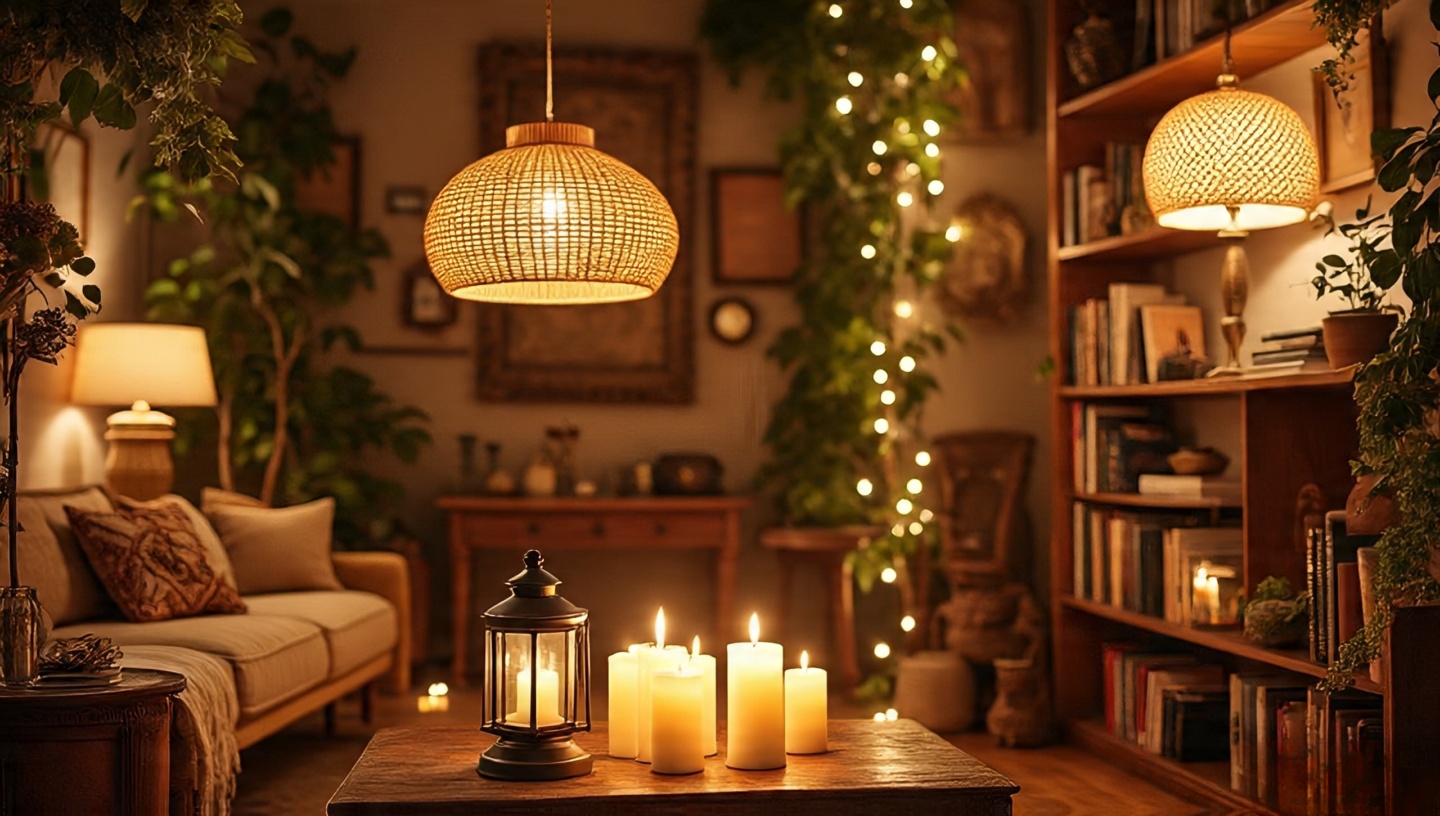 So what is Boho lighting really about? It’s not symmetry. It’s not perfection. It’s atmosphere. A woven lamp that throws shadows, a brass lantern that carries a memory, a cluster of fairy lights that makes the room feel alive. Each piece adds a brushstroke to the canvas of your home.