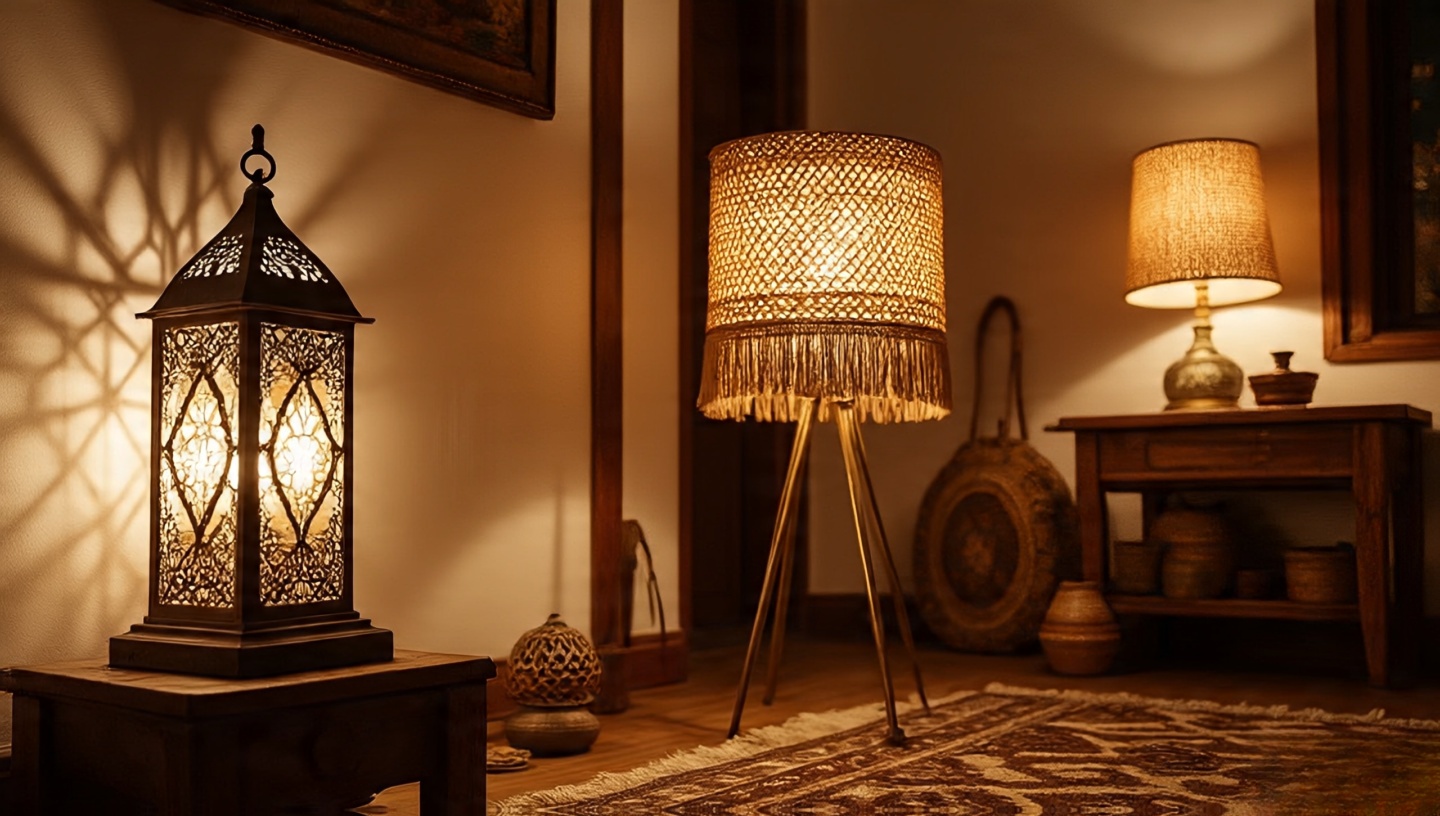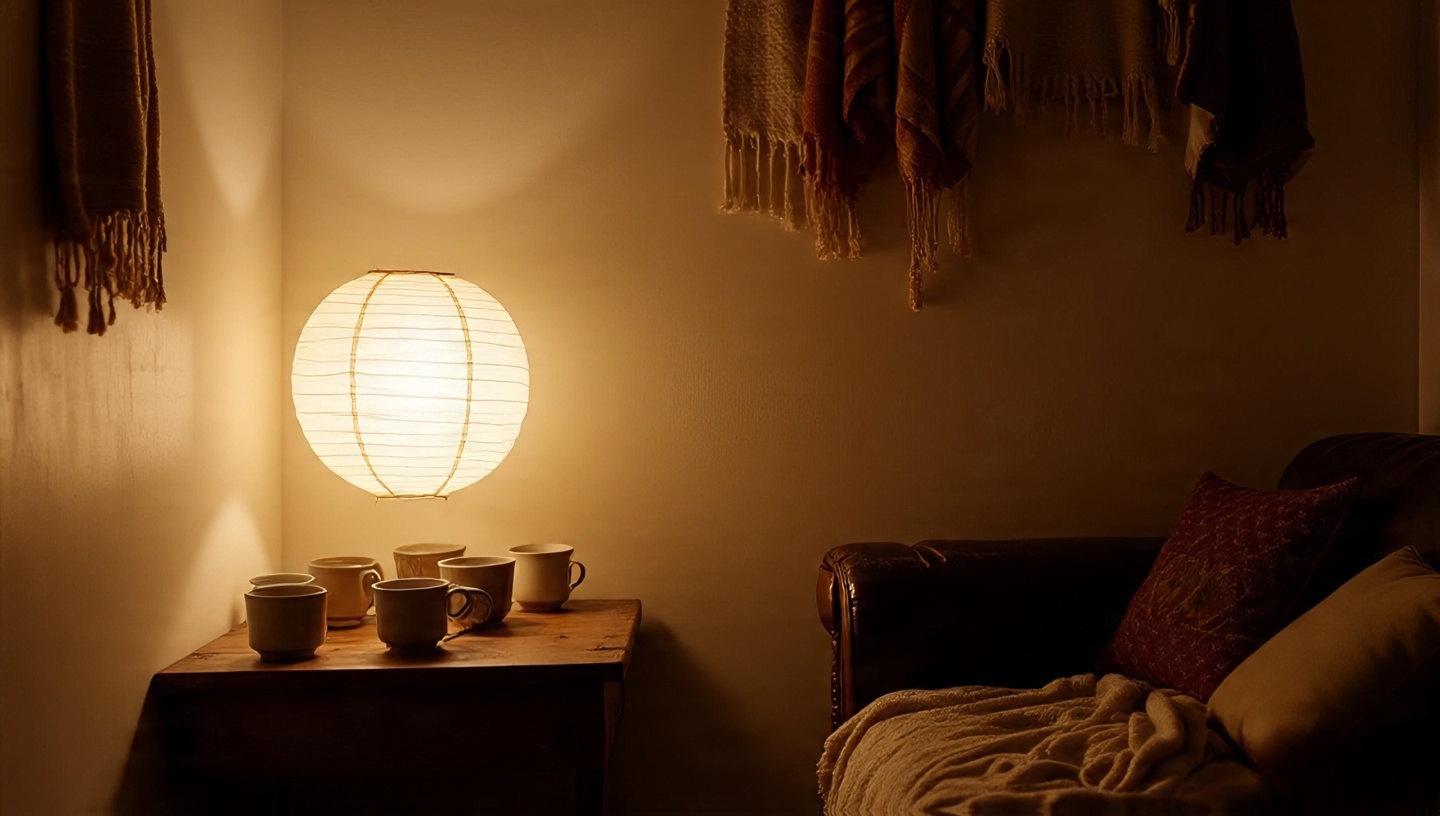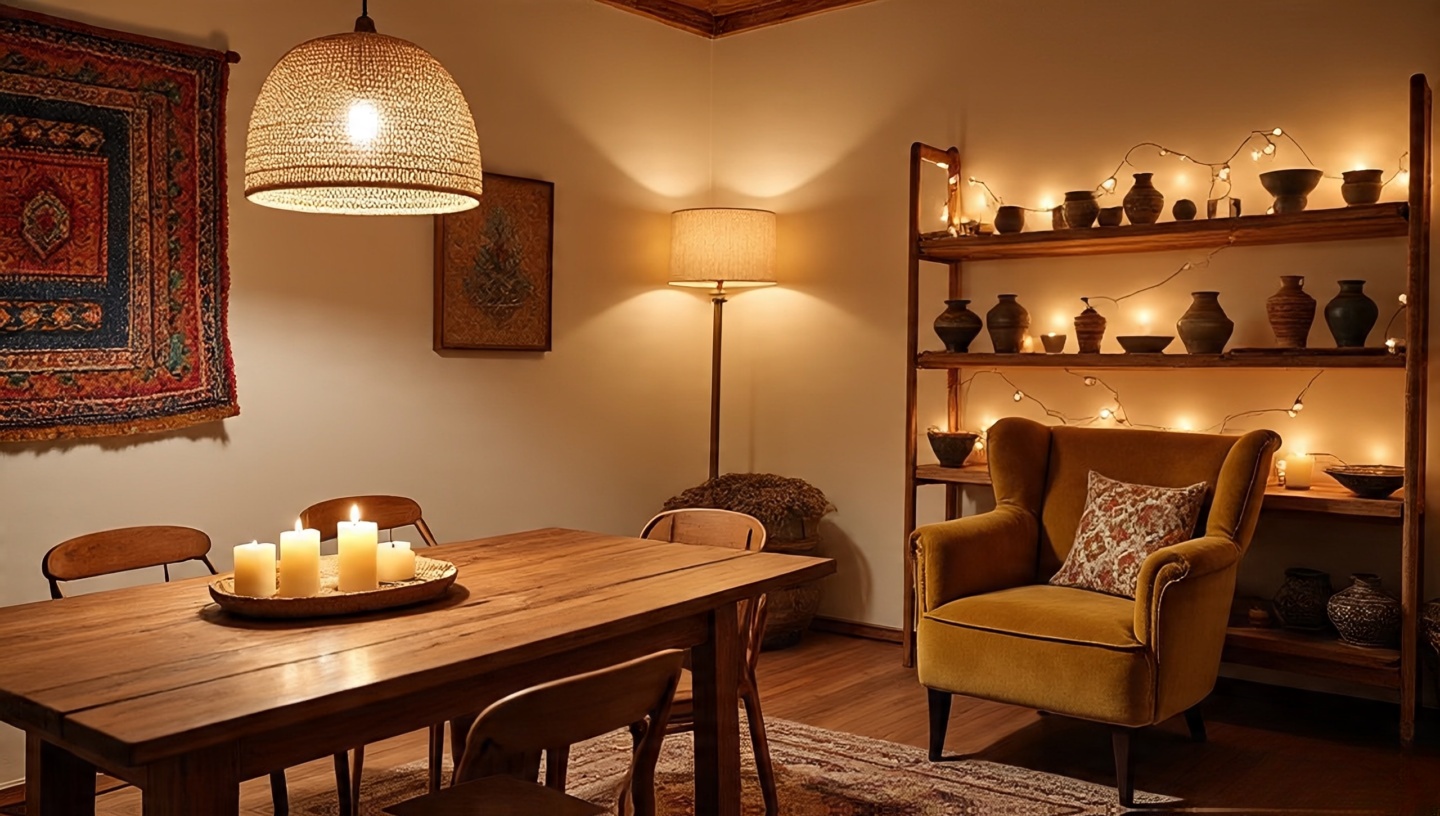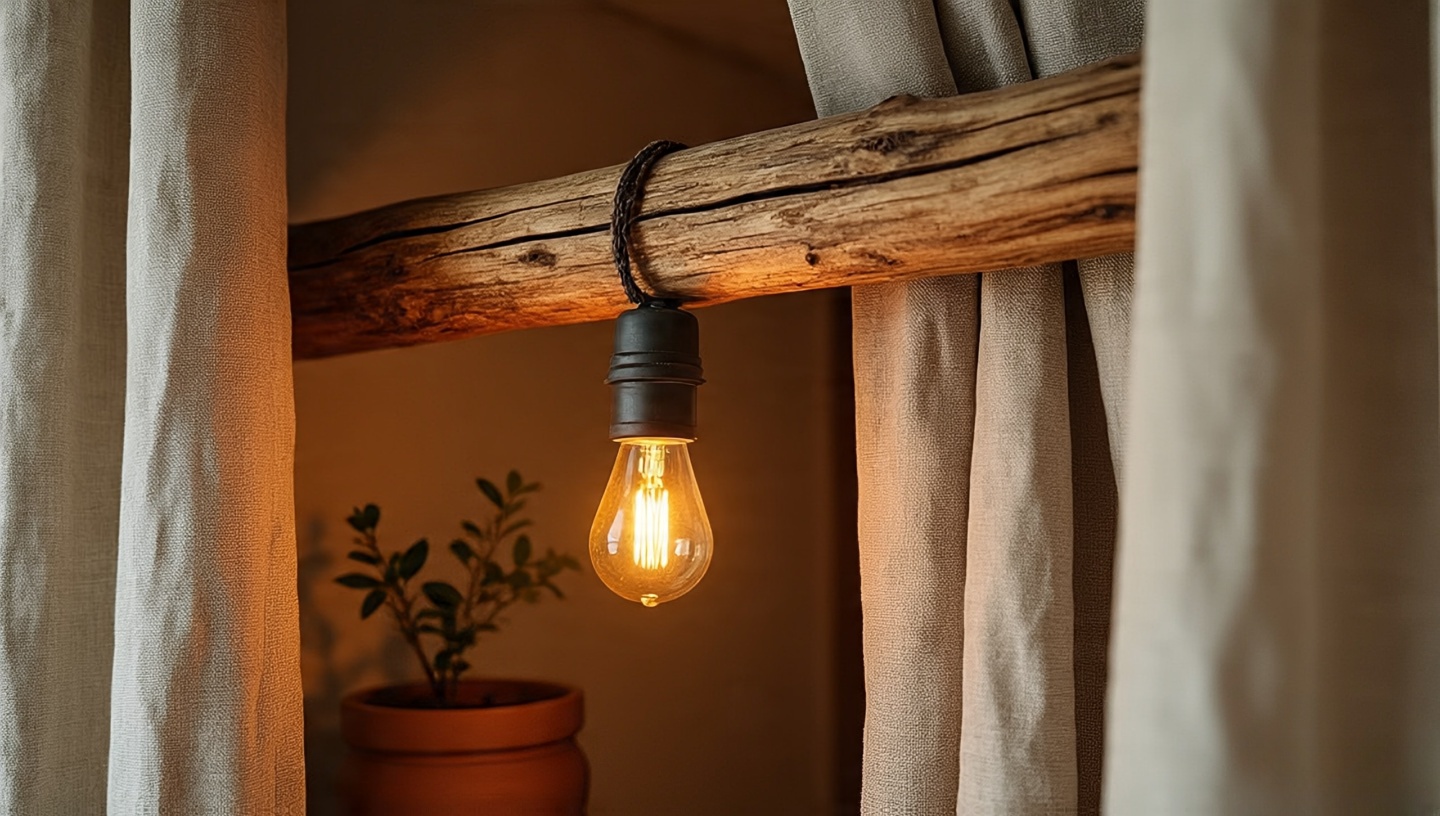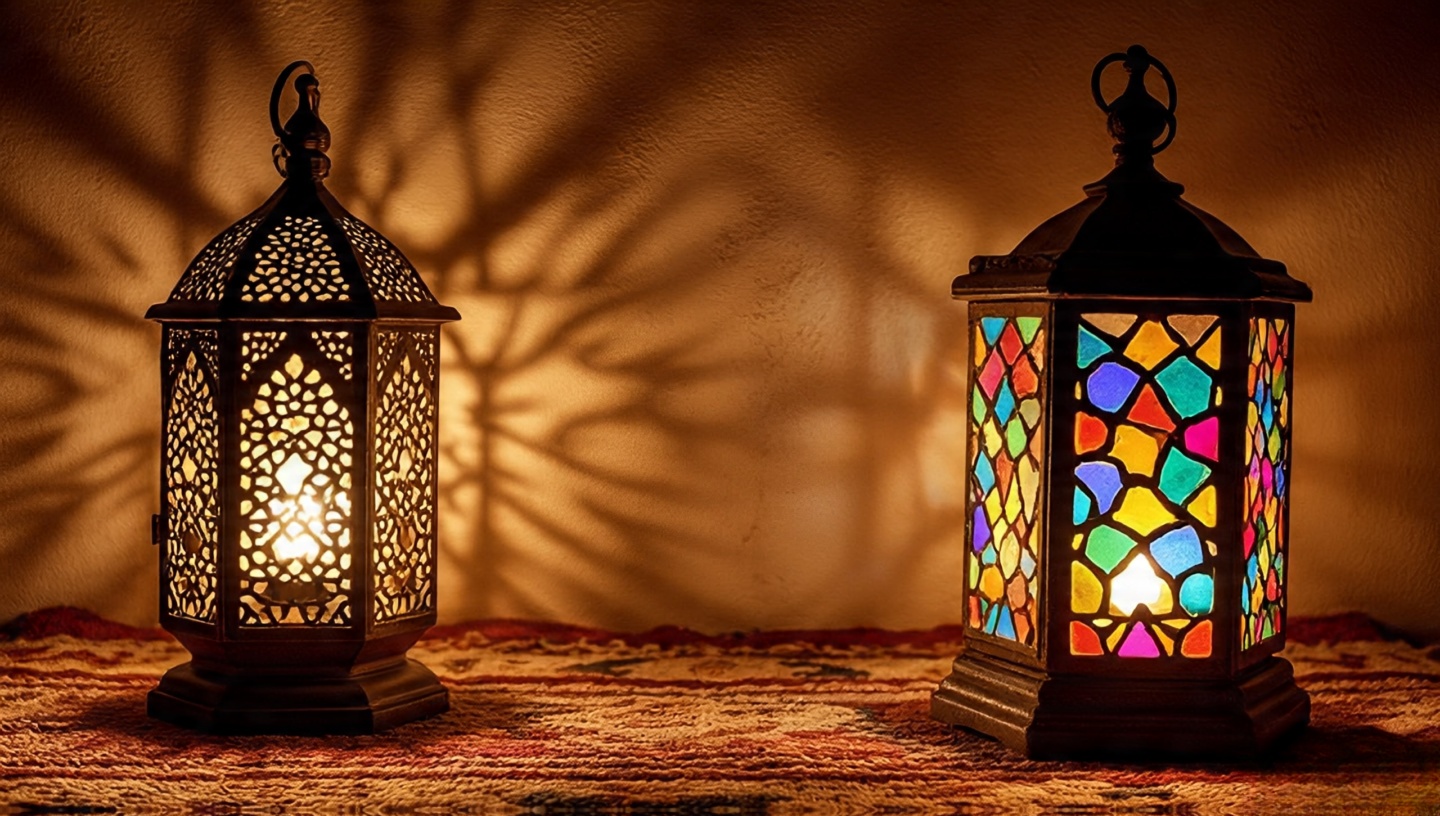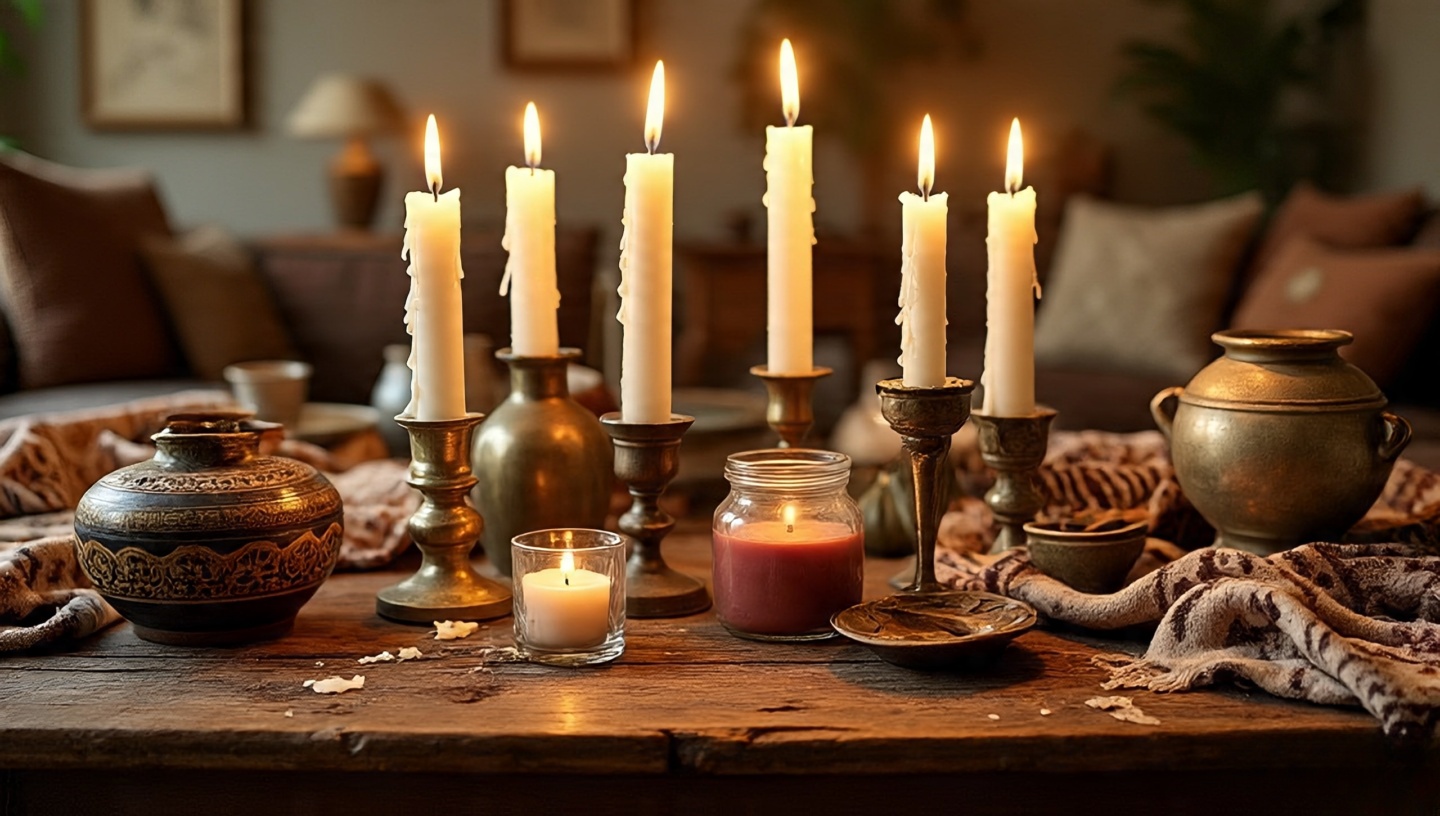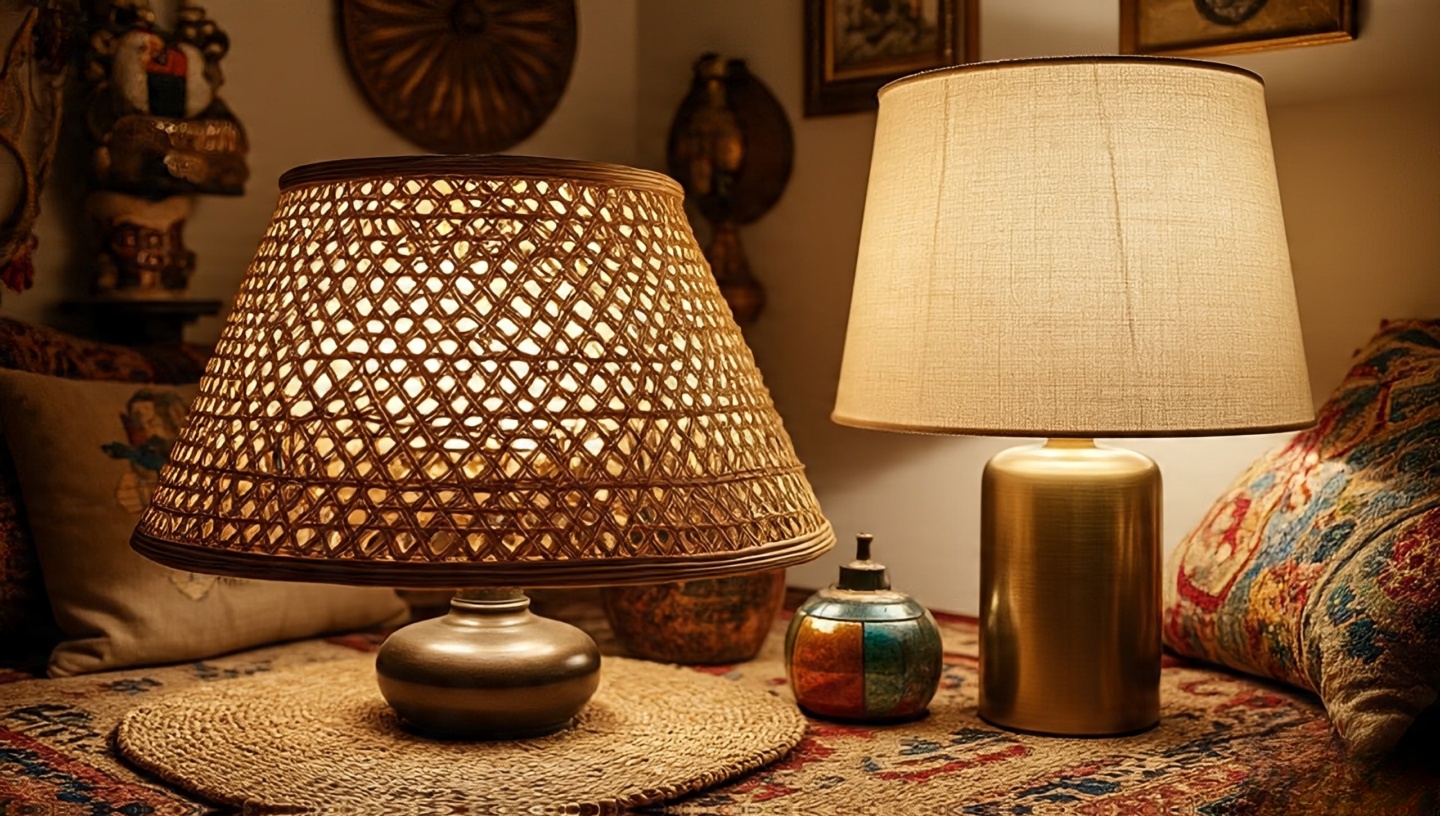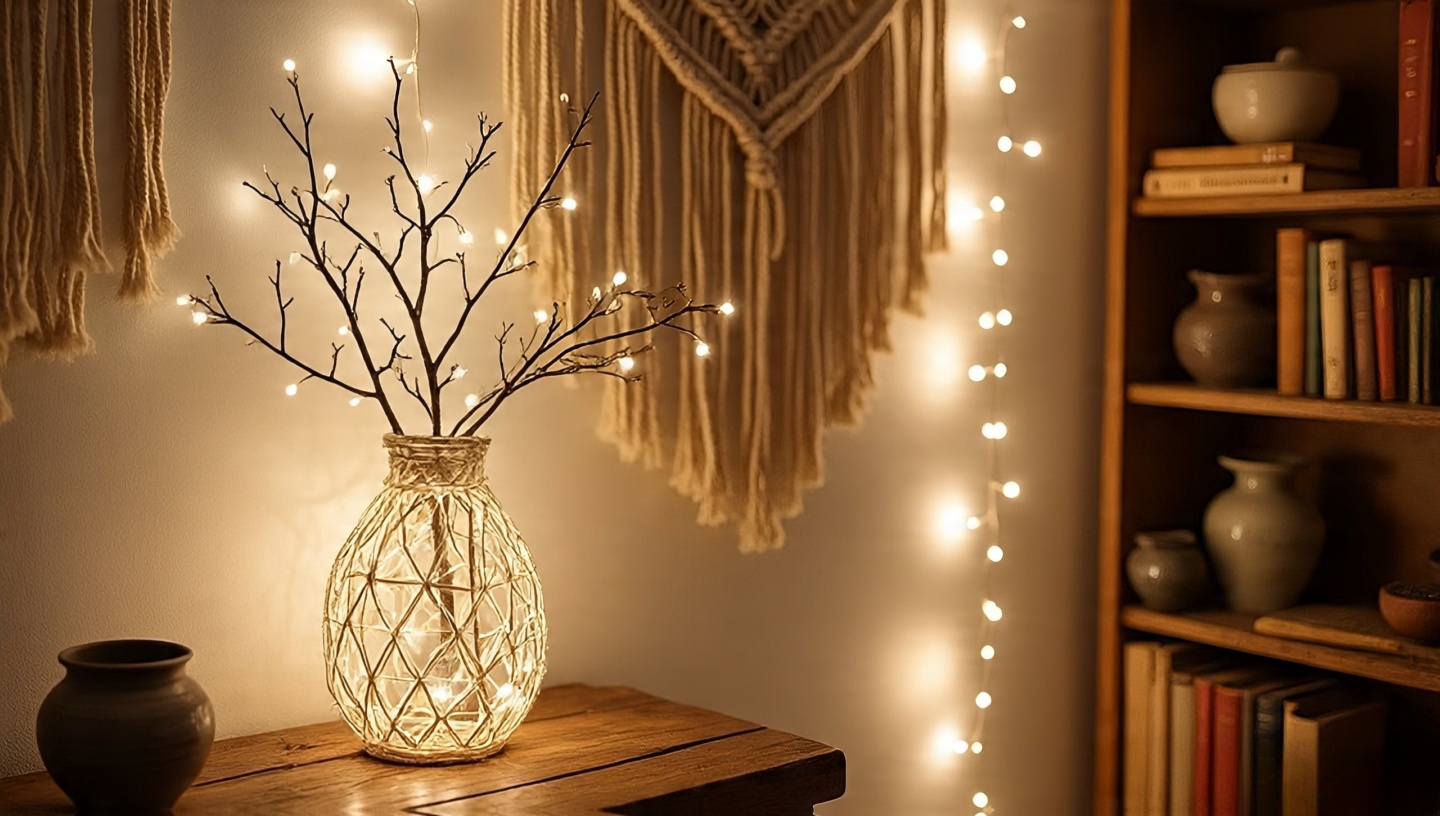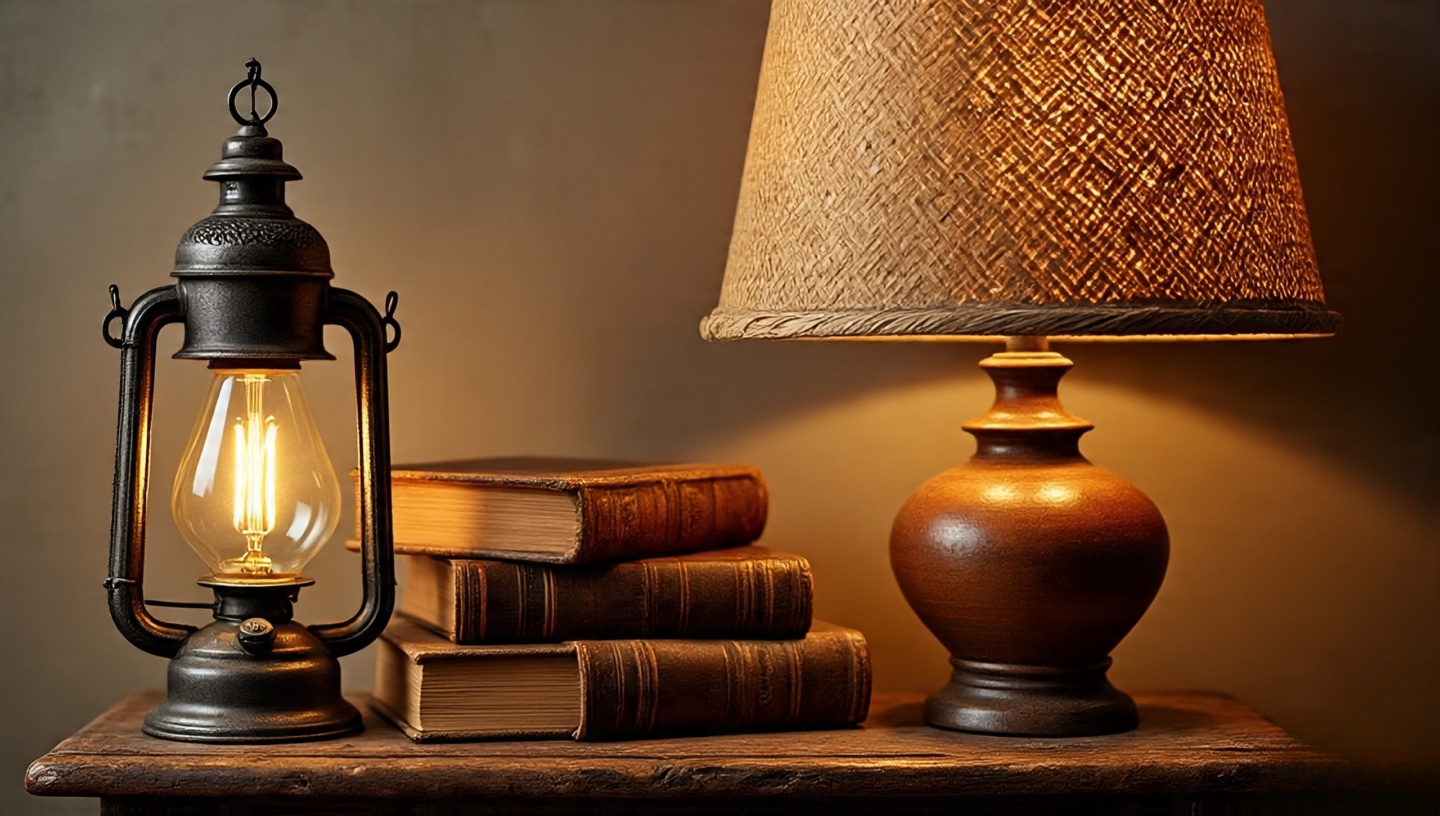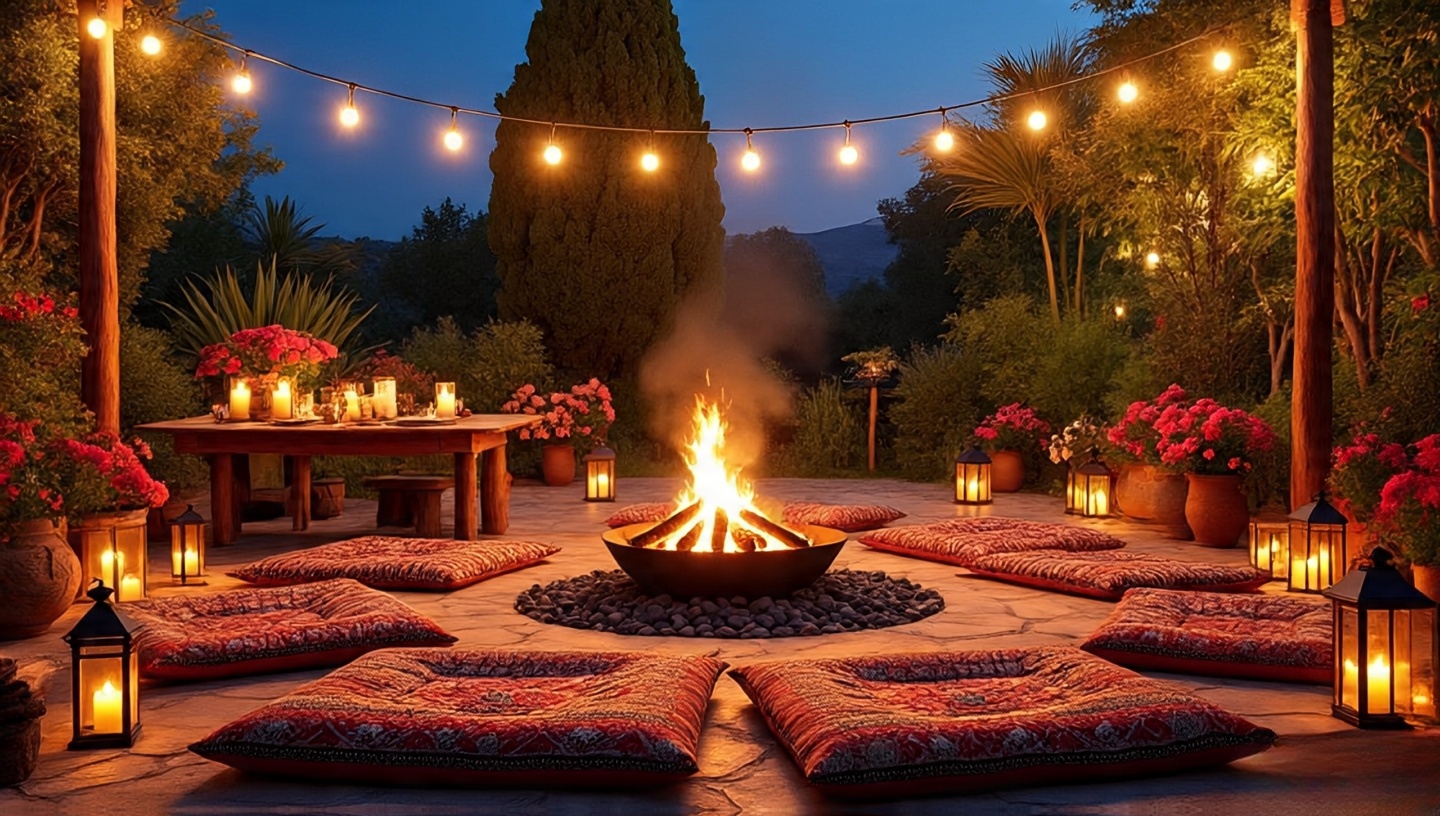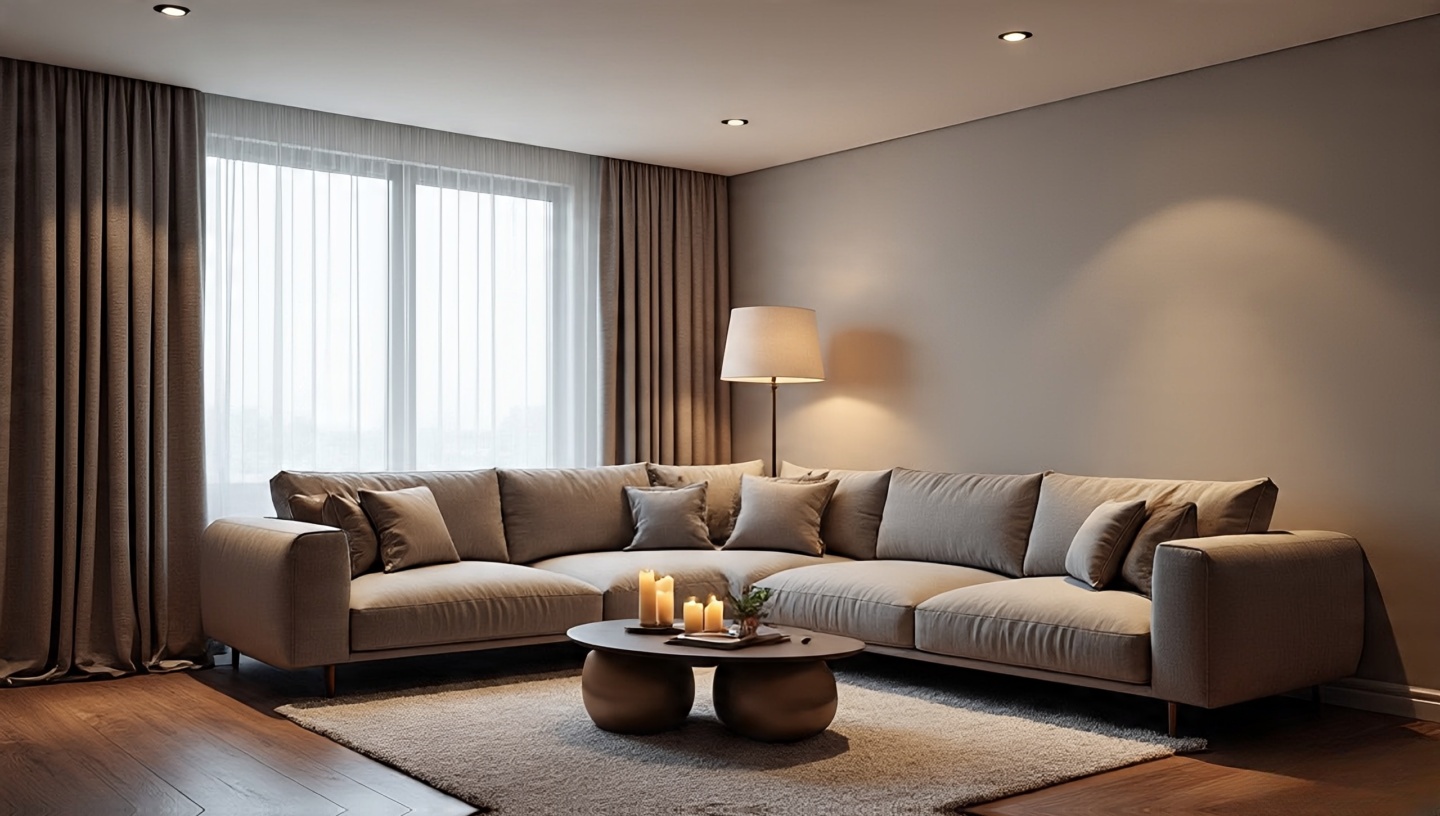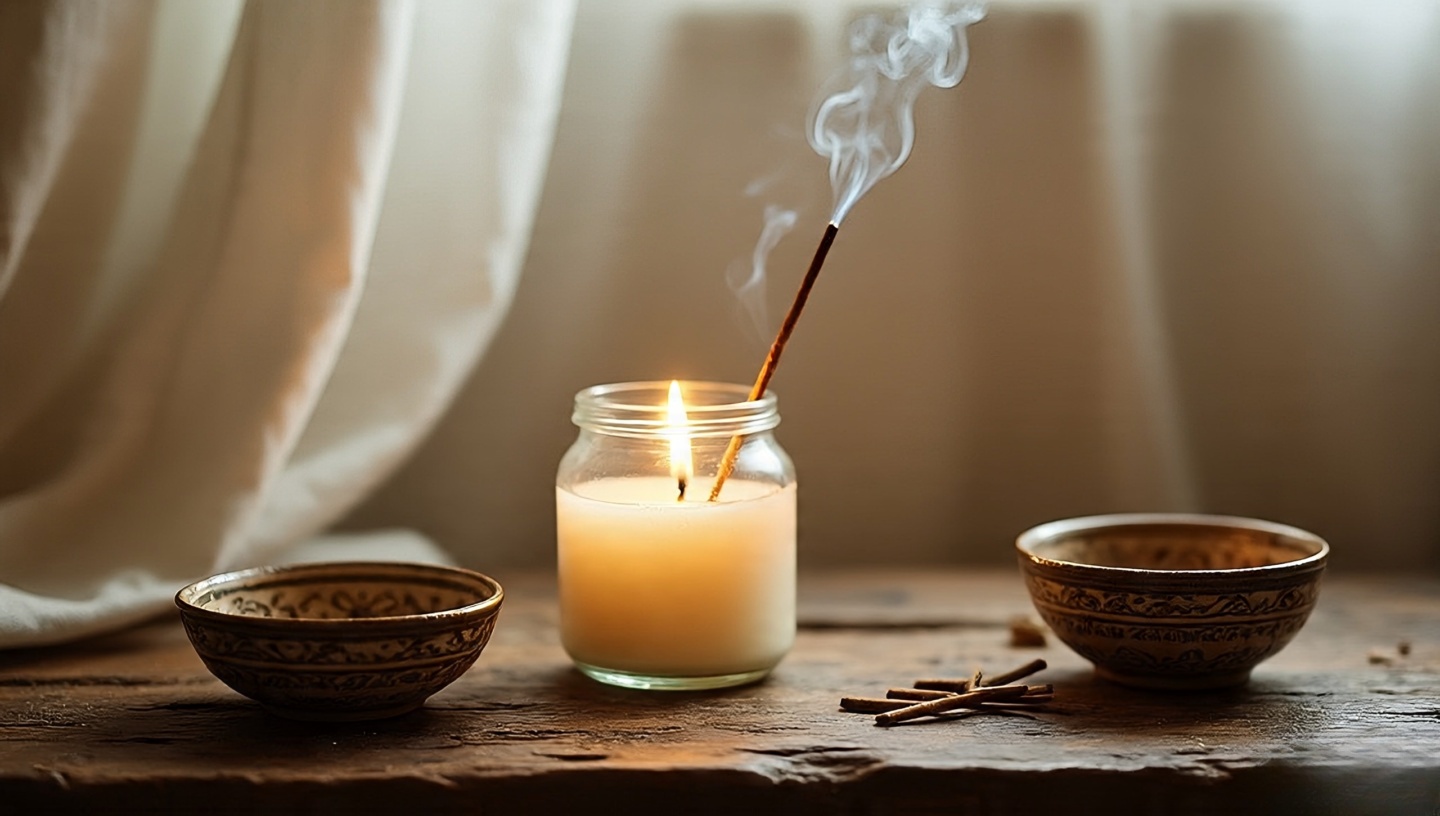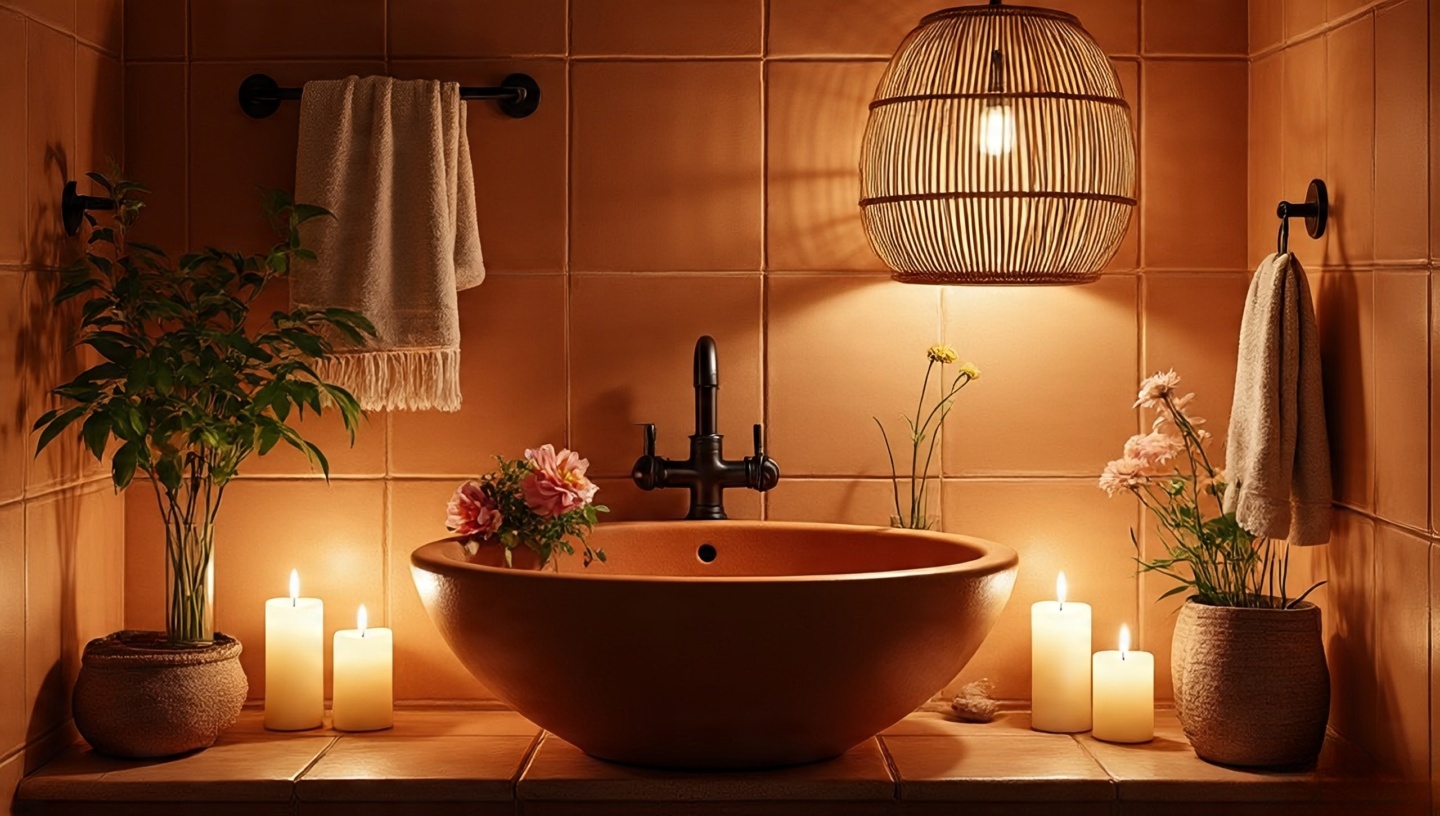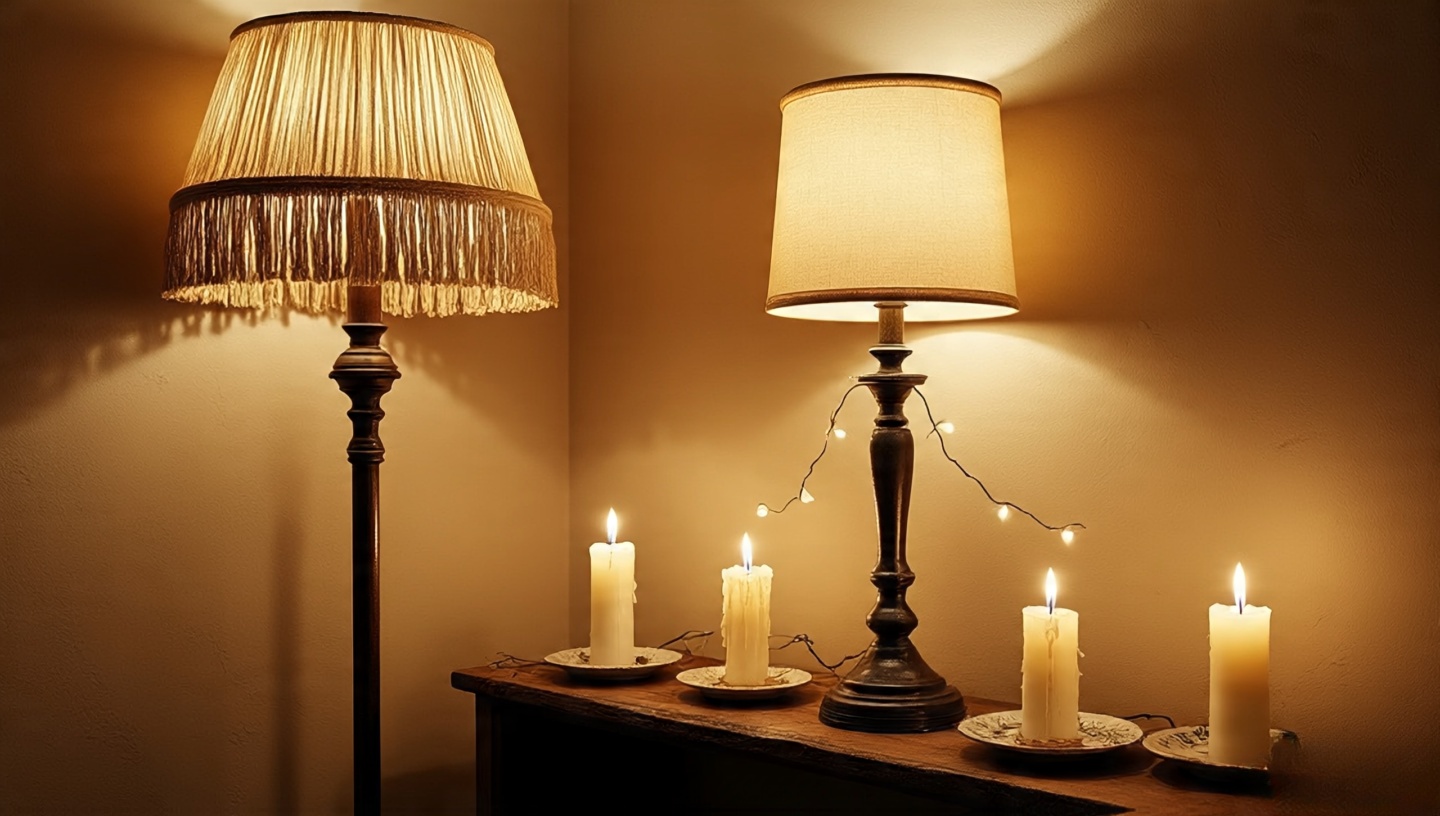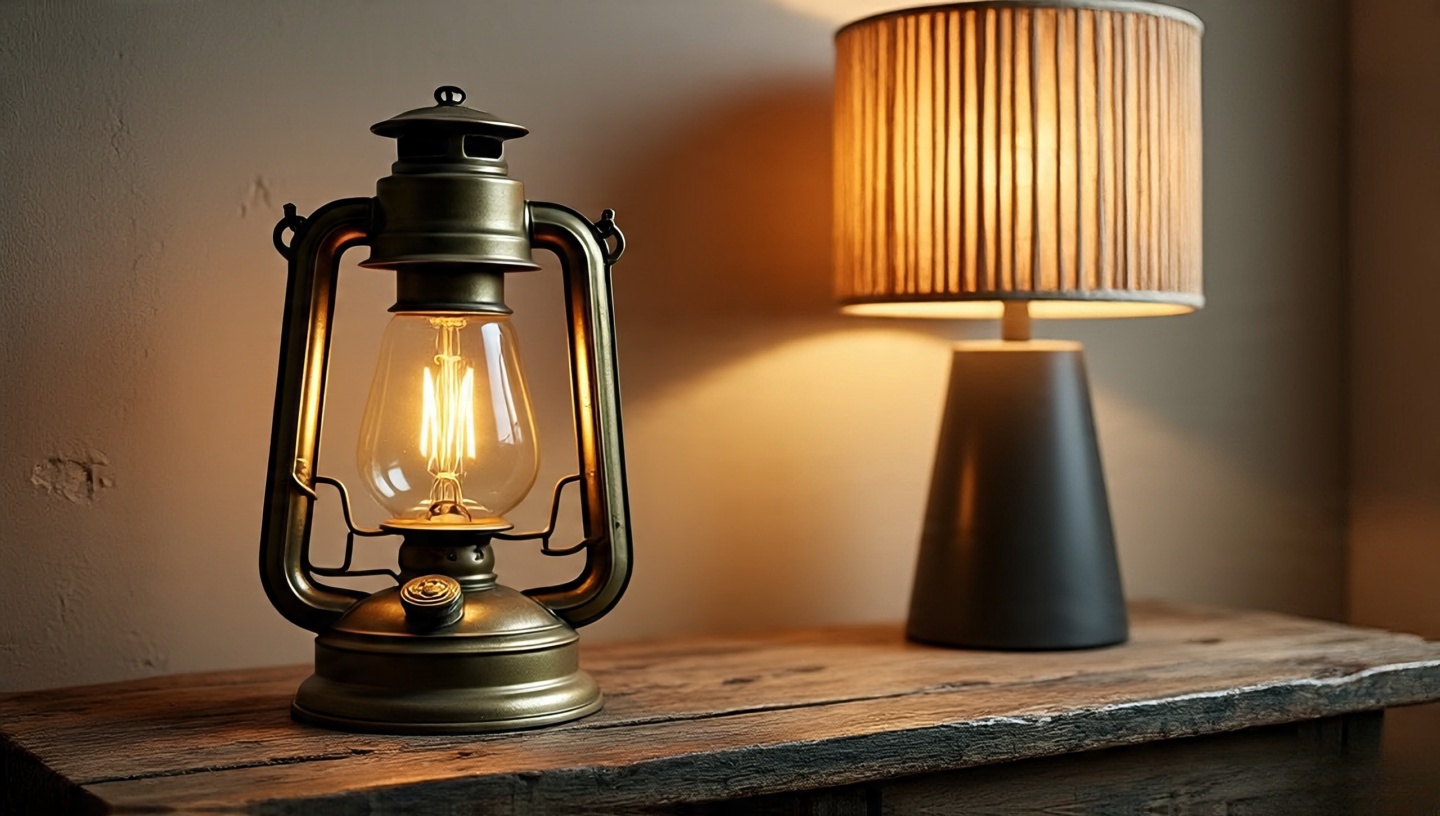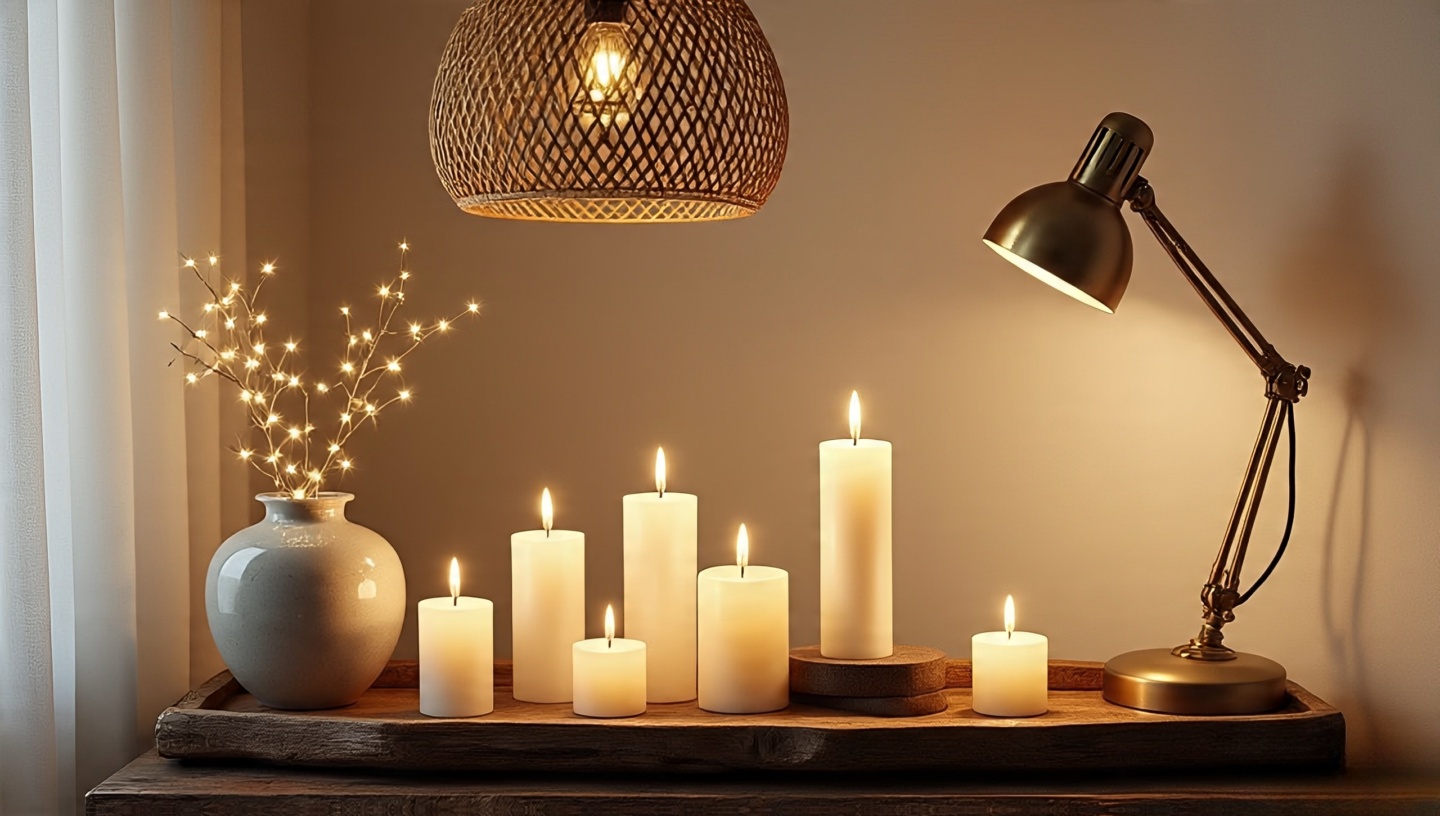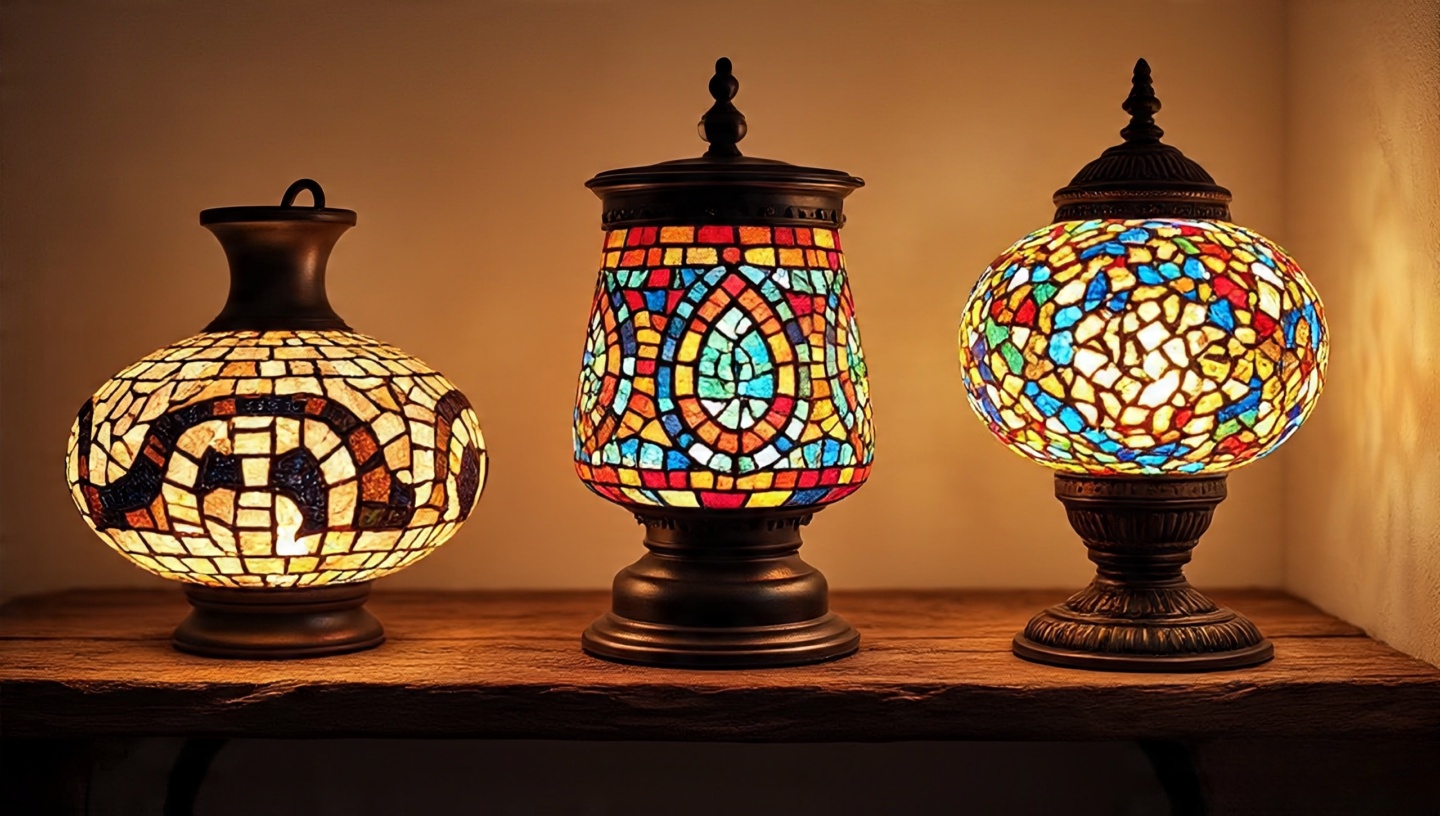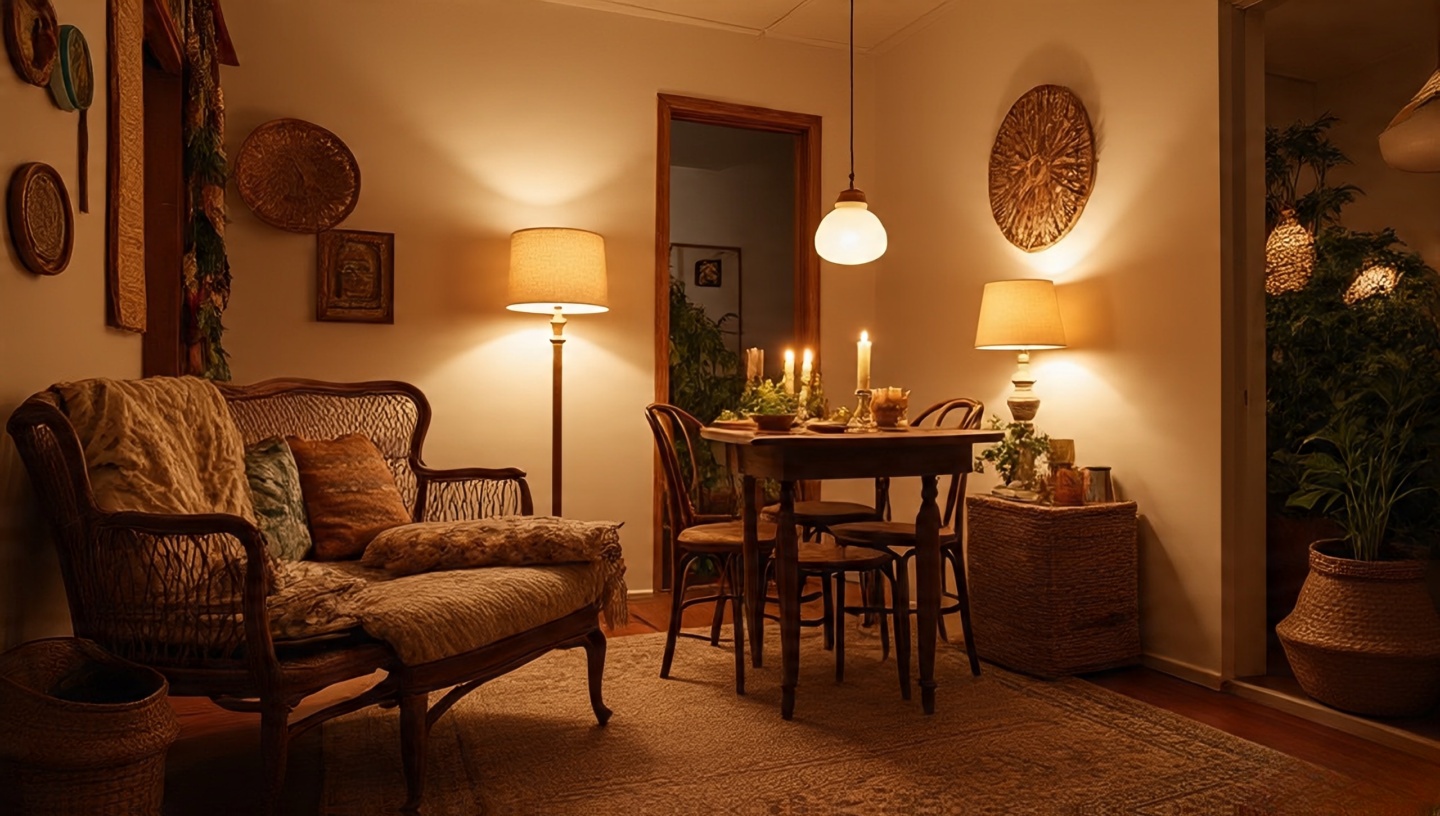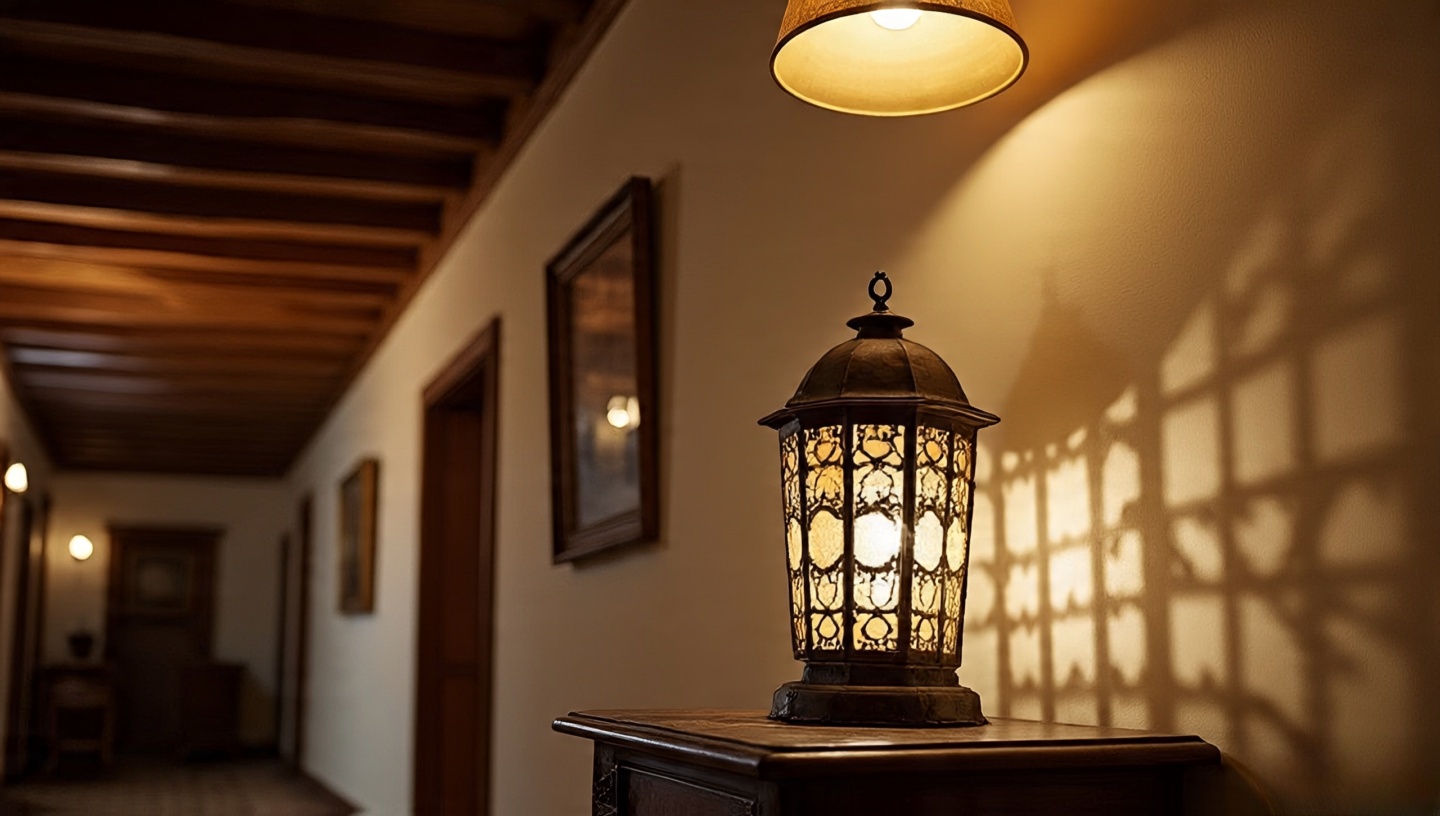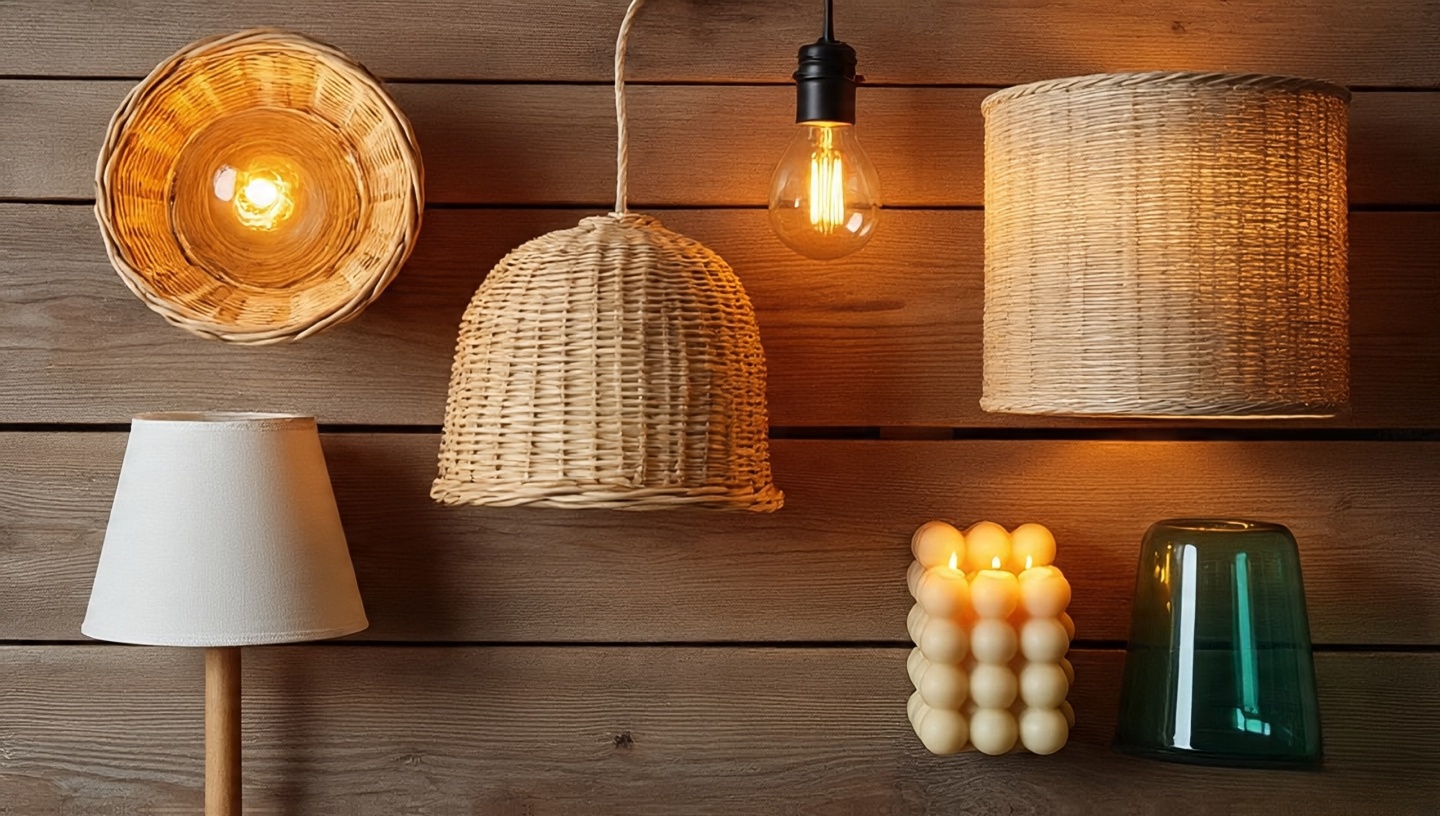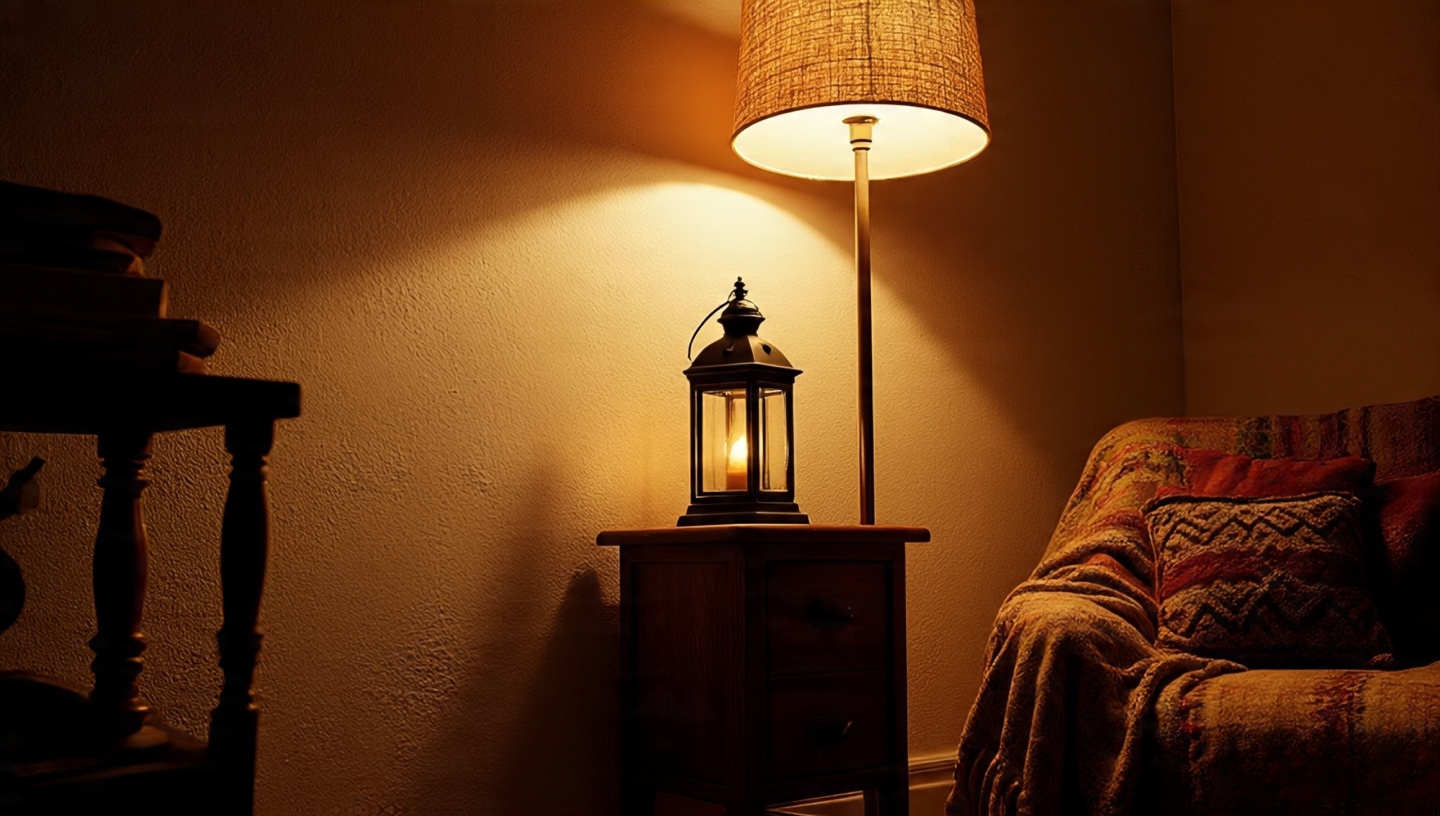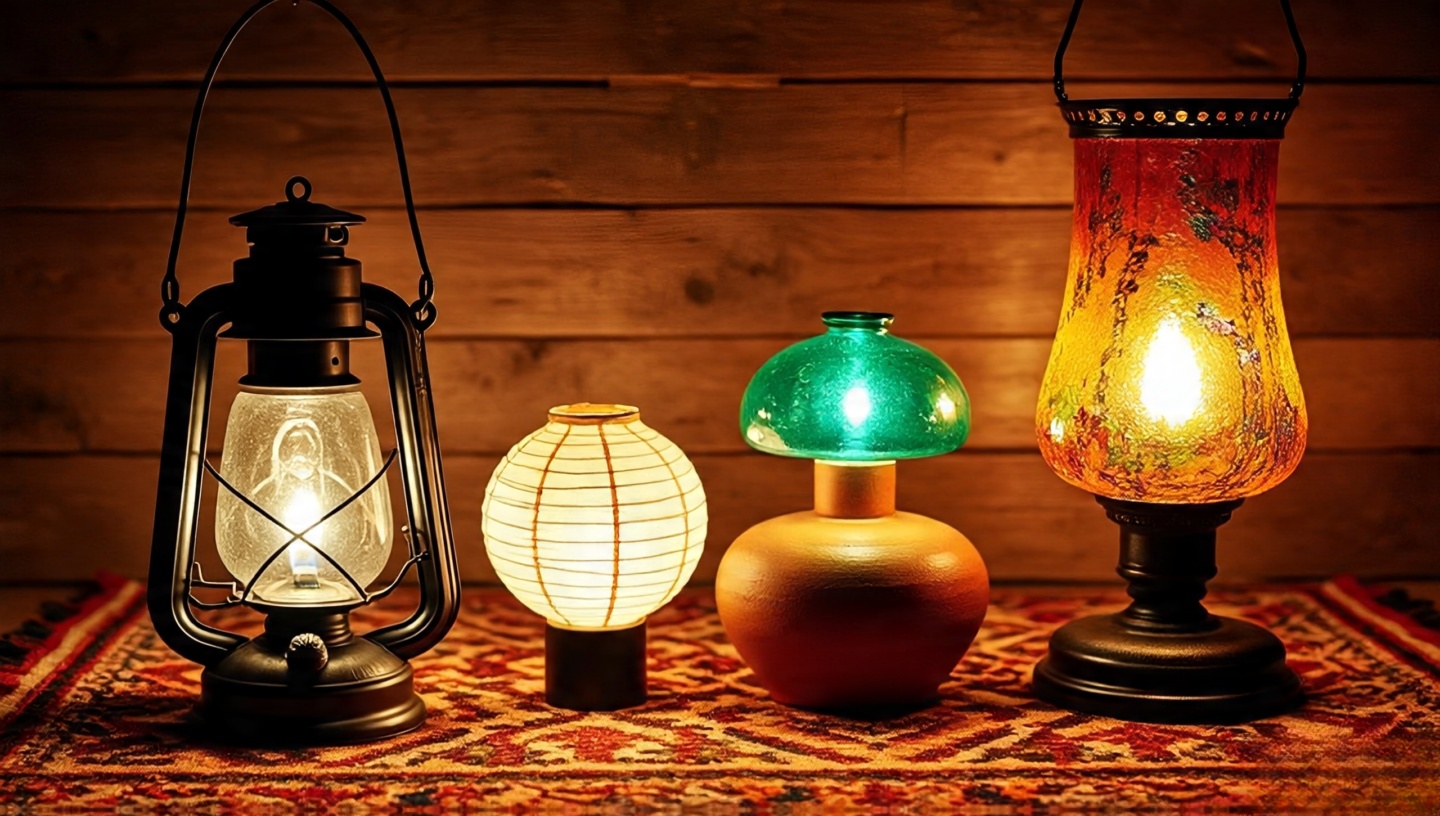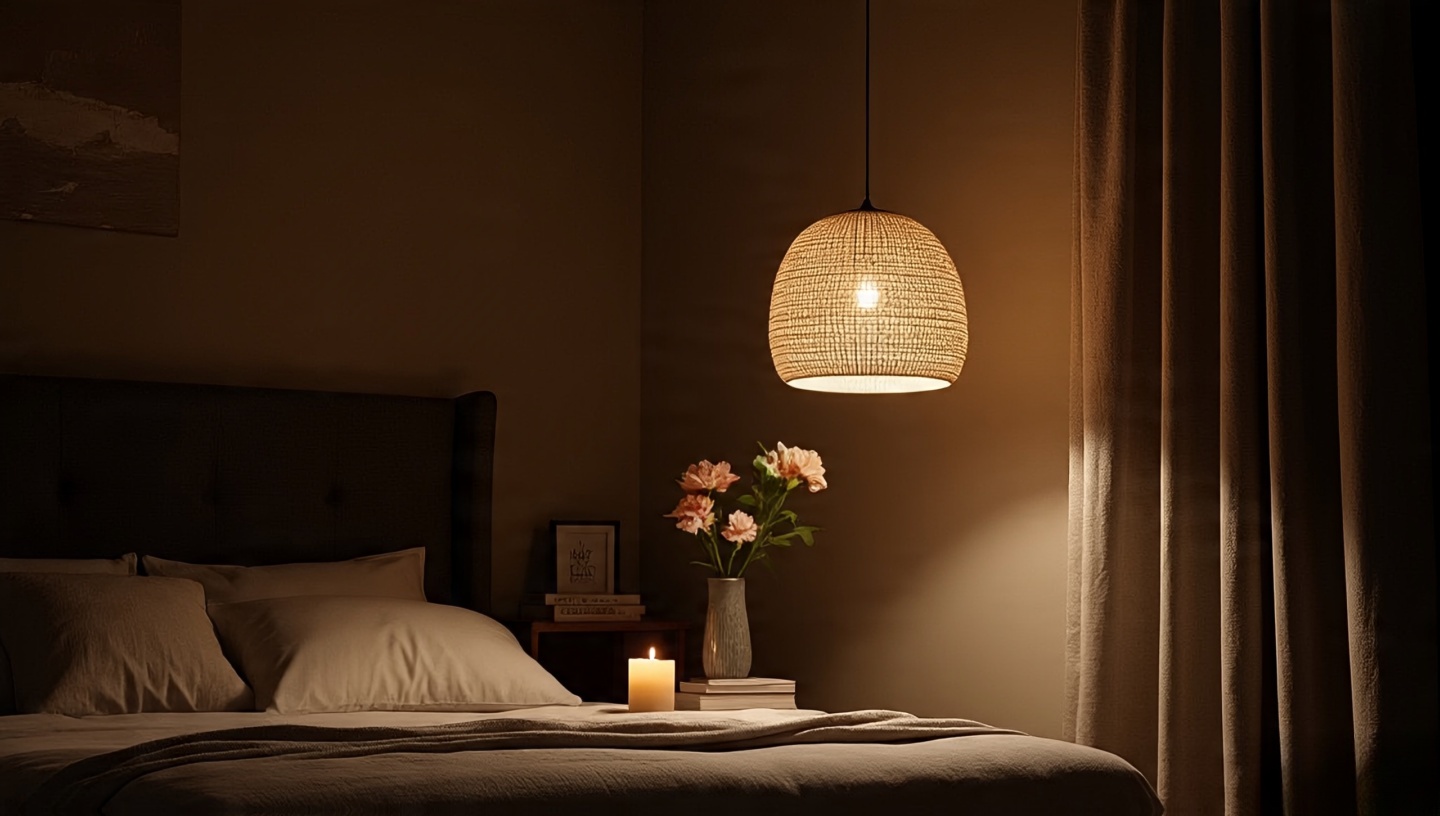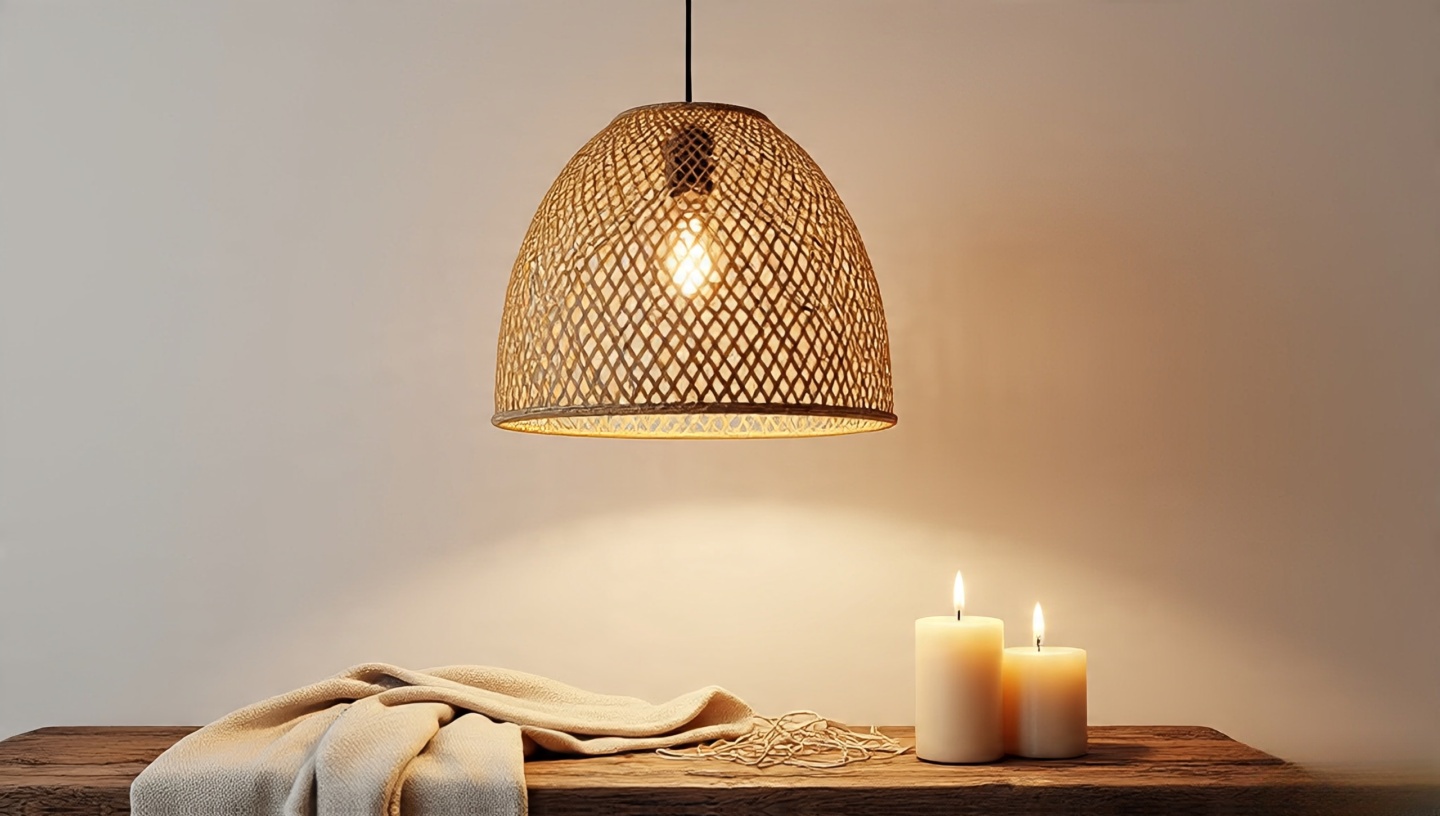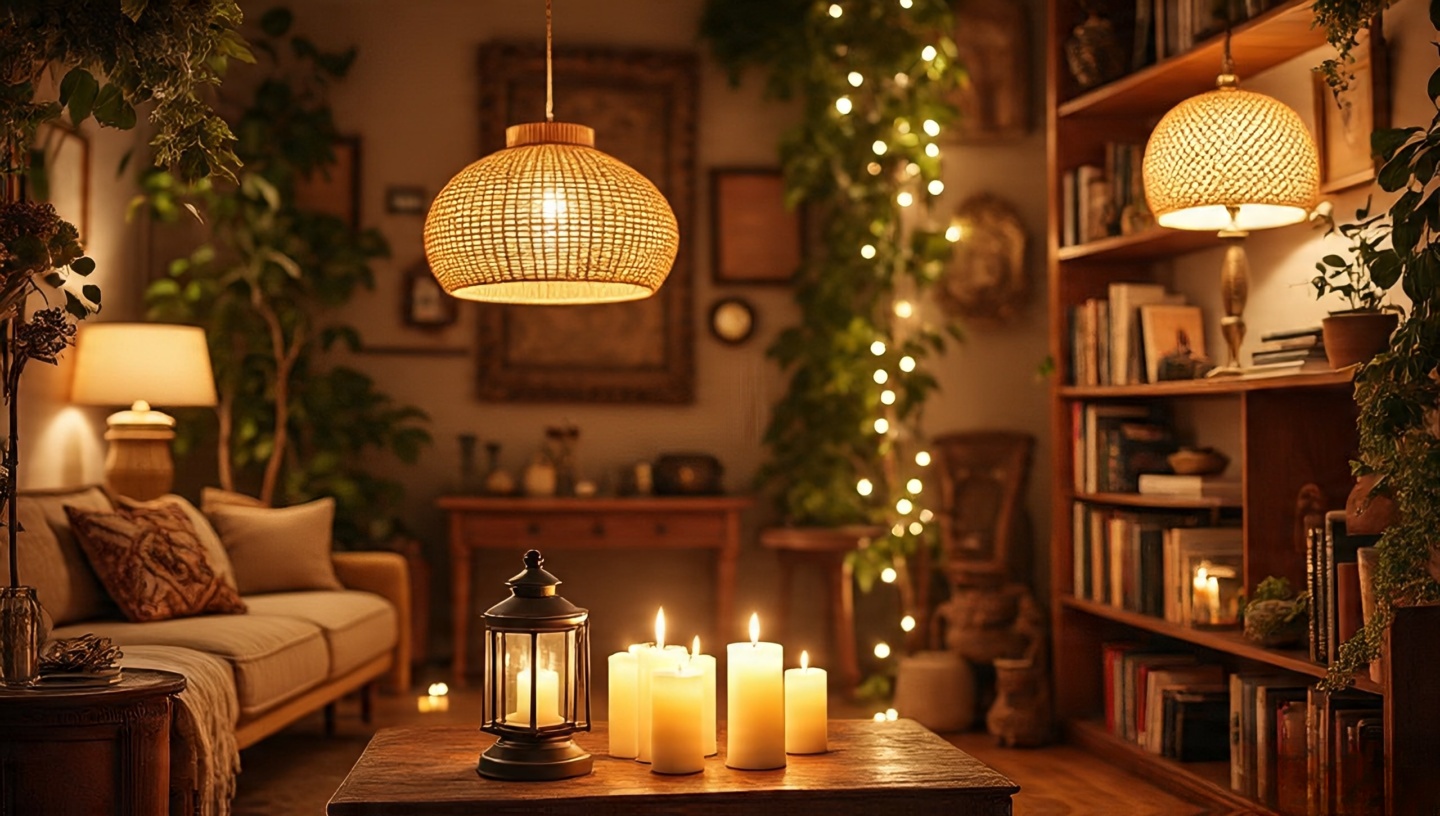


A woven shade or decorative lantern changes how a fitting looks and where it sends light. Begin with the activity in the room, then compare the visible fitting. Warm color, low brightness, and useful task light are separate decisions.
List the lighting tasks
Mark where people read, work, eat, move through the room, and look at displays. Note which activities happen at the same time. A decorative corner lamp may add atmosphere while a separate fitting serves reading or work.
Compare the shade with the lamp
Check the product’s intended light source, maximum rating, dimensions, and instructions. A dense shade can limit light in one direction; an open pattern may create visible shadows. Test the combination rather than assuming two fittings with similar colors will illuminate a room similarly.
Do not insert a modern light source into an old lantern or modify a fitting without an appropriate assessment. A decorative object is not automatically suitable as electrical equipment.
Place controls where they can be used
Try reaching the switch from the chair or bed and from the room entrance. Check dimmer and lamp compatibility with their manufacturers. Keep cords out of routes and have fixed electrical work handled through the appropriate installation process.
Treat each location separately
Bathroom and outdoor fittings need a specification suited to their environment and installation. A gallery image cannot establish electrical protection, support, or safe spacing. Obtain those details for the actual project.
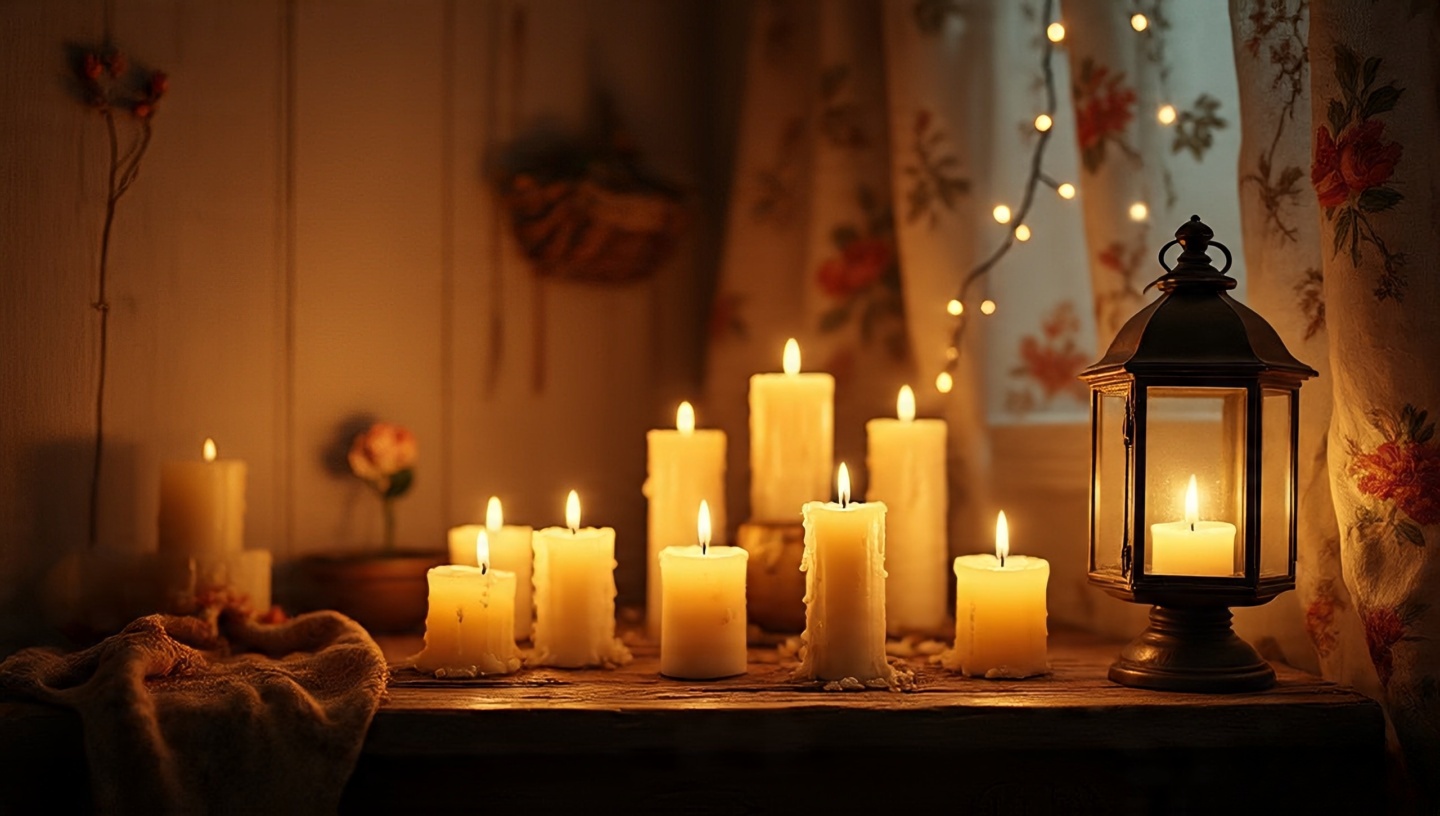
For a candle-like effect, consider purpose-made flame-free lighting. If candles are used, follow their safety instructions and keep flames away from combustible items; do not copy a photographed arrangement of candles beneath textiles or foliage.
The reference gallery shows different shapes and light effects. For a whole-room layout, continue with the linked lighting-plan guide rather than choosing every fitting independently.
Images and retained source credits