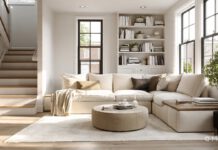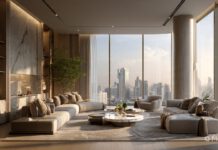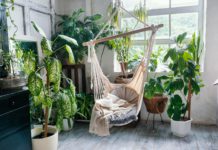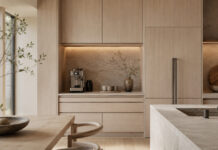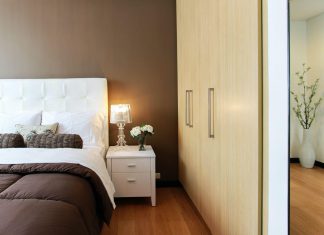


Boho, Eclectic and Maximalist rooms can share individual objects while using them differently. A rattan chair with relaxed linen, a mixed-era furniture group and a densely layered collection of pattern are three useful comparison points. The examples in this guide illustrate design choices rather than reporting a completed client project.
First principles, in plain language
Think of these three styles as cousins who share a love for personality but speak different dialects. Boho loves warmth, natural textures, and a collected, travel-filled spirit. Eclectic is a skilled matchmaker, pulling pieces from different eras and styles into a cohesive conversation. Maximalist is drama and abundance, a confident layering of color and pattern that says more is more, as long as it is intentional. All three champion individuality. The difference lies in how they balance freedom, contrast, and volume.
Boho: the soft heartbeat of a home
Close your eyes and picture sun-warmed rattan, linen curtains moving softly, and a worn kilim rug that feels a little sandy under bare feet. Boho interiors smell faintly of dried lavender and candle wax. They feel like the afterglow of a long afternoon. Materials are earthy and kind to the touch: jute, cane, cotton, reclaimed wood. Palettes lean warm, often sun-baked, with terracotta, ochre, moss, and creamy white. Shapes are relaxed. Edges feel rounded by time.
- Anchor pieces: vintage rattan armchairs, carved wooden stools, Moroccan poufs, a low-slung sofa with linen slipcovers.
- Textiles: layered rugs, block-printed throws, tassels, macramé, handwoven blankets that look better after a nap.
- Lighting: glowy rather than bright; paper lanterns, alabaster lamps, string lights tucked into greenery.
If you are new to Boho, peek at these Bohemian interior design ideas for a feel of how color, texture, and patina create that relaxed heartbeat in a room. And if you are wondering how to arrange seating, this guide to Boho furniture layout shows smart ways to mix vintage rattan and global finds without losing flow.
Eclectic: the curator with a mischievous grin
Eclectic design is often misunderstood as random. In practice, it is highly edited. It thrives on contrast and conversation. Picture a mid-century walnut credenza under an ornate gilded mirror, a graphic rug grounding a farmhouse table, or a sculptural lamp sharing space with a ceramic vessel from a street market. The pleasure is in the pairing. The challenge is in the discipline.
- Rule of three: pick two strong voices in the room and let a third element bridge them, often with texture or color.
- Shape echo: repeat a curve or angle at least twice, so the eye recognizes a rhythm rather than chaos.
- Palette restraint: mix styles, not a thousand colors. Limit yourself to 3 to 5 core hues and let materials add nuance.
When Eclectic rooms fail, it is usually because they ignore scale or proportion. If your coffee table is delicate, balance it with more delicate side tables rather than a massive trunk. If your sofa is a statement, give it breathing room and pair it with lighter chairs. Eclectic works when the eye can map relationships without getting tired.
Maximalist: color turned up, stories stacked high
Maximalist rooms feel like libraries that learned to dance. Walls hum with saturated paint or patterned wallpaper. Books climb in teetering stacks. Lamps glow like constellations. Patterns talk to each other across the room, not fighting, just chatting loudly. The secret is intention. Maximalism is not hoarding. It is curated abundance, usually underpinned by a confident color story and repeated motifs.
- Color strategy: choose one dominant base, one secondary, and one accent that pops. Repeat them with discipline across textiles and walls.
- Pattern scale: mix scales deliberately. Pair a large floral with a pinstripe and a micro-dot, not three large florals.
- Verticality: use tall bookcases, gallery walls, and ceiling treatments to pull the eye upward so the density feels buoyant, not heavy.
Maximalist design is a feast. It invites touch, browsing, lingering. The best rooms feel like a biography you can read with your hands.
So what is the actual difference?
Compare the styles through three lenses: materiality, palette and structure.
- Materiality: Boho favors natural, sun-kissed materials. Eclectic mixes eras and finishes. Maximalist layers refined and rough with confidence, often adding lacquer, velvet, and metallics to catch light.
- Palette: Boho is warm and grounded. Eclectic balances a few strong hues with neutrals. Maximalist leans saturated and high-contrast, often with jewel tones and bold wallpaper.
- Structure: Boho is loose and lounge-y. Eclectic is composed, almost architectural in how it arranges contrasts. Maximalist is dense but organized, with repetition that keeps the abundance readable.
What each style feels like, sensorially
Boho smells like sandalwood and citrus. You hear the fiber of a cane chair creak as you shift. Fabrics are nubby and breathable. Light is filtered through woven shades. Eclectic feels like a conversation between textures: cool marble against rough oak, velvet against linen. You sense tension, then harmony. Maximalist is a visual symphony. Your fingertips move from polished brass to book spines to the deep pile of a rug. The light is layered, shadows dramatic, colors saturated enough to taste.
Common misconceptions that trip people up
- “Boho equals clutter.” Not quite. It equals layering, not mess. Hidden storage keeps the ease intact.
- “Eclectic means anything goes.” Think “curated contrast,” not chaos. Editing is the muscle.
- “Maximalist is always loud.” It can be, but the loudness is controlled through repeated color stories and pattern scales.
Choosing the right style for your home size and light
Compare the room’s daylight, circulation and existing furniture before choosing a direction. A mostly Boho palette can borrow a crisp black-and-white art series for contrast; the idea is to test one change without replacing every element at once.
Color, the honest way to compare
Try this at home. Take three throw pillows: one earthy terracotta, one bold cobalt, and one patterned stripe. Place the terracotta with a cream throw and a jute rug. That is Boho energy. Now lay the stripe on a cognac leather chair beside a chrome lamp. Eclectic starts to appear. Finally, bring in the cobalt pillow, a botanical print, and a striped ottoman. You are flirting with Maximalist. Same ingredients, different recipes, different mood.
Furniture layout: from lounge-y to orchestrated
Boho seating is relaxed and often low. Floor cushions, poufs, and a layered rug landscape create a casual gathering zone. Eclectic layouts are tighter and more deliberate. Pieces from different eras are balanced by height and leg style so they feel conversational. Maximalist layouts prioritize flow and spectacle. Expect multiple seating groups, sculptural side tables, and sightlines that reveal vignettes as you move. For hands-on ideas about traffic flow and mixing textures, skim this piece on Boho furniture layout; the principles translate well across styles.
Styling surfaces without visual noise
In Boho spaces, a tray with a ceramic mug, a sprig of eucalyptus, and a candle is enough. Keep the air around objects generous so the room exhales. In Eclectic rooms, style by theme or material: three brass objects in different ages, or a modern vase beside a classical bust and a raw geode. In Maximalist spaces, think in stacks and heights. Books become pedestals. Candles form a skyline. Repetition is your friend, especially with candlesticks, frames, or ginger jars.
Pattern play: the chessboard of design
Boho schemes often use tactile woven patterns. Eclectic schemes can contrast a geometric with a floral while repeating a connecting colour. For an illustrative Maximalist arrangement, compare palm-pattern wallpaper, a narrow stripe and a smaller paisley accent, then edit anything that makes the room difficult to read.
Materials that sing in each style
- Boho loves: rattan, cane, jute, raw wood, clay, linen, plaster, and handmade ceramics.
- Eclectic thrives on: walnut, leather, chrome, marble, rustic oak, lacquered trays, and found objects that bridge eras.
- Maximalist amplifies: velvet, moire silk, lacquer, burl wood, high-gloss paint, metallic leaf, mirror, and dense patterned textiles.
If you are building a Boho foundation, this library of Bohemian interior design ideas helps you pick materials that age beautifully. Patina is not a flaw there. It is the story.
Lighting makes or breaks the mood
Boho lighting is layered and warm. Use paper lanterns, woven shades, and alabaster for a candle-like glow. Eclectic invites a sculptural lamp or two, maybe a mid-century floor lamp paired with a rustic chandelier. Maximalist spaces lean into drama: pleated silk shades, picture lights over art, and a statement chandelier that throws lacey shadows at night. If a room feels flat, upgrade bulbs first. Warmer temperature, lower wattage, and multiple points of light can transform a scene in seconds.
How to shop like a pro without losing yourself
- Boho shopping list: a vintage rattan piece, one woven rug, a carved stool, linen curtains, a stack of textured pillows. Mix old with new so the room feels lived-in, not staged.
- Eclectic shopping list: a clean-lined sofa, a statement antique, one graphic rug, and two lamps from different decades. Let materials bridge the gap.
- Maximalist shopping list: a bold wallpaper, velvet cushions, an ornate mirror, and a bookcase that can handle layered objects.
Real talk. Do not buy everything you like. Buy what you love that also plays well with your anchor pieces. When in doubt, photograph your room, go to the store, and view potential purchases against the photo. Your eye will tell you what belongs.
Budget reality: where to splurge and where to save
Splash out on the things your body touches most: the sofa, the rug under bare feet, the lamp that saves your eyes. Save on side tables and decorative objects. In Boho rooms, an inexpensive clay vase can be more charming than a designer one. In Eclectic rooms, a thrifted chair reupholstered in a great fabric can read as high-end. In Maximalist rooms, a well-chosen wallpaper will do more heavy lifting than a dozen small purchases.
Small-space strategies that still feel generous
Boho thrives in small spaces because it invites softness and light. Keep furniture low and airy. Use mirrors to bounce warm light. For Eclectic in small rooms, simplify the color story and let contrasts be about material not hue. For Maximalist in a compact space, go vertical and keep floors minimally cluttered. A ceiling color two shades deeper than the walls adds depth without closing the room.
Illustrative comparison: one apartment, three styles
Illustrative comparison: in the same imagined studio, a Boho scheme could use jute, linen and rattan. An Eclectic version could mix a bentwood chair, a metal lamp and a walnut side table. A Maximalist version could add a velvet ottoman and patterned focal wall. These alternatives show how a layout can support different material and pattern choices; they are not a reported tenancy or project outcome.
Advanced tip: create a visual spine
In any style, choose one element that repeats like a heartbeat. It might be a curve that shows up in your mirror, chair arms, and lamp base. It might be a color that threads through textiles. It might be a wood tone that anchors disparate pieces. This visual spine keeps the eye moving with ease, which is the true difference between curated design and accidental clutter.
Greenery and scent: the quiet power players
Boho plants are textured and forgiving. Think olive tree, rubber plant, trailing pothos. Eclectic plants can be sculptural, like a fiddle-leaf fig against a rough brick wall. Maximalist greenery is both lush and tall, often framing art or flanking a fireplace. Pair with scent wisely: sandalwood and citrus for Boho, vetiver or cedar for Eclectic, and richer notes like amber or tobacco leaf for Maximalist evenings. A room remembered by scent is a room that feels like home.
Art and display: tell the story, not every story
Choose art that connects with the people using the room. Textiles can be one Boho option; an Eclectic scheme can mix media, while a Maximalist gallery wall can use a repeated frame colour to connect varied images. Keep the display accessible for cleaning and consider rotating a large collection.
Maintenance and longevity (yes, the practical stuff)
Boho materials age well but gather dust in layers. Vacuum rugs regularly and shake out pillows in sunlight. Eclectic rooms are easiest to maintain when you keep surfaces lightly styled and store extras nearby. Maximalist rooms need a weekly reset. Put things back where they belong and use trays to corral collections. A five-minute tidy keeps abundance from slipping into overwhelm.
Common challenges and how to fix them fast
- Room feels flat in Boho: add one sculptural dark object to create contrast, like a charcoal vase or a black metal floor lamp.
- Room feels chaotic in Eclectic: remove one thing from every surface, then add back only items that echo your color palette or a repeated shape.
- Room feels heavy in Maximalist: increase lamp light at multiple heights and introduce a mirrored tray or glass table to lighten the visual weight.
How to mix styles without losing the plot
Most homes can combine styles. Pick one main direction and borrow a limited contrasting element, such as a woven rug in an otherwise clean-lined arrangement. Compare that change in the actual room before adding several other new patterns.
Feeling stuck? Start with one wall
Paint a wall in a sun-baked neutral for Boho, hang a bold piece of art over a vintage console for Eclectic, or paper the wall in a leafy print for Maximalist. Then style a single vignette under it. A vignette acts like a thesis paragraph for the room. Once you see that micro-story working, echo it outward.
Quick wins you can try this weekend
- Boho: swap one synthetic throw for a breathable cotton or linen one, and add a clay pot with rosemary near a window. The scent will write the room’s first sentence.
- Eclectic: pair a sleek lamp with a rustic side table and set a modern book on top. You will sense the dialogue begin.
- Maximalist: gather your favorite books and objects onto a single shelf by color. It will look intentional in five minutes flat.
Where to go from here
Browse rooms you love and pay attention to your senses as much as your eyes. Does the room look warm or cool, loud or hushed, soft or crisp. Do you want to curl up on that sofa or just admire it from the doorway. Then translate that feeling into materials and layout. If Boho is calling, these Bohemian interior design ideas offer a generous starting point. If you want spatial clarity with soul, revisit Boho furniture layout principles and adapt them to Eclectic or Maximalist rooms.
A final design check
Your home does not need to be a museum. It should hold your mornings and your messes, your best friends and your secret snacks. Boho, Eclectic, and Maximalist are simply lenses to help you see what you already love. Choose one idea today. Maybe it is a softer lamp, a mixed-materials vignette, or a brave stripe of color on the wall. Try it, live with it, then adjust. A soulful room is not built in a weekend. It is brewed, like tea, until the color runs just right.