Home Blog Page 115

Shade Sails: What You Can Attach It To  

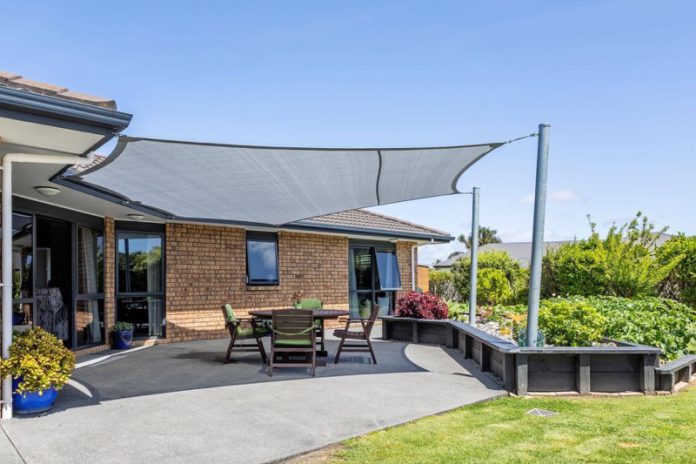
Shade sails Sydney are popular features for providing shade and protection from the sun’s harmful rays in outdoor areas such as patios, decks, and pool areas. One of the benefits of shade sails is their versatility, as they can be attached to various structures.

You can attach shade sails to various structures, and here we look at what they are:

Shade Sail Poles

Shade sails are commonly attached to shade sail poles. Shade sail poles are specifically designed to support the weight of shade sails and can be used in areas without existing structures to attach the shade sail to. Shade sail poles can be made from steel, aluminium or timber and should be securely anchored into the ground to avoid any safety risks.

Timber Structures

You can attach them to timber structures such as wooden pergolas, decks, and posts. However, you must ensure that the timber is structurally sound and can support the weight of the shade sail. To avoid damage or safety risks, fasten the attachment points securely to the timber.

Steel or Metal Structures

Shade sails can also be attached to steel or metal structures, such as steel poles or roof structures. Ensure that the structure is strong enough to support the weight of the shade sail, especially in areas prone to high winds. Always ensure that they are fastened well.

Brick or Concrete Walls

Shade sails can be attached to brick or concrete walls using wall brackets. The attachment points should be securely fastened to the wall using appropriate fixings, such as wall plugs and screws. Check that the wall is structurally sound and can support the weight of the shade sail.

Existing Structures

Shade sails can also be attached to existing structures, such as the roof of a house or a pergola. This can provide additional shade and protection from the sun. As always, ensure the existing structures are stable and sturdy enough to support the shade sail’s weight.

When choosing your attachment points, you should consider several factors, such as:

  • Structural Integrity- The attachment points must be structurally sound and able to support the weight of the shade sail. When fixing the sails, spend time and complete the attachment systematically.
  • Sun Exposure- The position of the attachment points will determine the amount of sun exposure the shade sail provides. Choose attachment points that will provide adequate shade and protection from the sun, as that is the shade sail’s primary function.

Consider the wind load and aesthetic considerations and choose a shade sail that complements your home or business structure’s aesthetics. If you want to make the right shade sail choices and determine where to attach them to your property, discuss your requirements with skilled, experienced shade sails baulkham hills professionals. They will provide all the information about shade sail products, their styling, costs, advantages and disadvantages. This detailed approach will help you make an informed choice. Check the condition of the shade sails, the attachment points and the structure they are attached to ensure the stability and longevity of the features.

What is the Best Backyard Soundproof Fence?

Introduction

Enjoying your backyard should be a peaceful and relaxing experience, but sometimes external noise can disrupt that tranquillity. Whether it’s traffic, noisy neighbours, or industrial sounds, finding the best soundproof fence for your backyard can help restore some peace and quiet. In this article, we will explore the various types of soundproof fences and their effectiveness in reducing noise pollution.

Types of Soundproof Fences

There are several materials that can be used to create a soundproof fence, including wood, composite, vinyl, and masonry. Each material has its own advantages and disadvantages when it comes to soundproofing.

  1. Wood: Wooden fences, particularly those made from cedar or redwood, can provide a natural sound barrier. However, they may require regular maintenance to prevent rotting and decay.
  2. Composite: Composite fences are made from a combination of wood and plastic, offering a durable and low-maintenance option. They can effectively reduce noise, but may not be as aesthetically pleasing as other options.
  3. Vinyl: Vinyl fences are designed specifically for noise reduction and can be an effective solution for blocking out unwanted sounds. They are also low-maintenance and come in various styles and colors.
  4. Masonry: Masonry fences, such as brick or concrete blocks, offer the highest level of soundproofing due to their density. Although they may be more expensive and not as visually appealing, they are the most effective at absorbing loud sounds before they reach your backyard.

Effectiveness of Soundproof Fencing

Quality acoustic fence panels can reduce outside noise by up to 28 decibels, significantly improving the tranquility of your garden. Environmental noise pollution is a growing issue, especially in urban areas where residential spaces often sit alongside transport routes and industrial sites. By installing a soundproof fence, you can create a more peaceful environment for yourself and your family. Adding Soundproofing to Existing Fences

If you already have a fence installed but find it insufficient for blocking noise, there are options available to improve its soundproofing capabilities. One such option is the addition of soundproof blankets or curtains to the fence panels. These are designed to absorb airborne noises and can transform your porous fence into a sound-trapping barrier that separates your property from external noise sources.

Another option is to use Acoustic Fence Wrap (AFW), which can be retrofitted to your existing fence to provide up to 70% noise reduction. This cost-effective solution allows you to enhance the soundproofing of your property boundary without replacing your entire fence.

Choosing the Best Soundproof Fence for Your Backyard

When selecting the best soundproof fence for your backyard, consider factors such as aesthetics, budget, and maintenance requirements. While masonry fences offer the highest level of noise reduction, they may not be the most visually appealing or affordable option for every homeowner. Alternatively, wood, composite, and vinyl fences can provide varying degrees of soundproofing while also complementing the appearance of your outdoor space.

Before embarking on any fencing project, always check local laws and homeowners association regulations, as approval may be required before installation. If you’re unsure about the best soundproof fence for your backyard, consult with a local fencing professional for advice and quotes tailored to your specific needs.

Conclusion

A soundproof fence can greatly enhance the enjoyment of your backyard by reducing noise pollution from external sources. By considering the various materials and options available, you can find the perfect soundproof fence to suit your needs and create a peaceful oasis in your outdoor space.

Pros and Cons of Wall-to-Wall Carpeting in Bedrooms

The bedroom’s flooring is a very intimate surface. Therefore, one of your most significant decisions, whether you’re building a new house or renovating an older one, is the flooring you choose. In addition, the impact of bedroom flooring on a person is physical and psychological. Therefore, the material you choose is a crucial design factor.

The most common flooring option for bedrooms is carpet, mainly because it feels warm and cozy underfoot. This tactile coziness keeps the toes warm during chilly winter mornings and contributes to the room’s luxurious atmosphere. But, you should be aware of some other carpeting benefits and disadvantages.

Let’s weigh the pros and cons of wall-to-wall carpeting to help you decide whether adding or removing it from your property’s floors is best.

Pros of Wall-to-Wall Carpeting in Bedrooms

1. Quieter Bedroom

Wall-to-wall carpeting effectively muffles noise that would otherwise reverberate off of tile and wood floors. For this, carpet is the ideal type of flooring. In addition, the softness of the carpet might assist in lowering the quantity of noise in the bedroom. This is because sounds don’t bounce off carpeted flooring as quickly. Depending on the subflooring you choose, the bedroom can be so quiet that you won’t be able to hear a pin drop.

2. Economical Friendly

Carpet is less expensive than most other types of flooring. This explains why new home builders frequently install wall-to-wall carpeting to begin with. Another factor that contributes to the popularity of bedroom carpeting is its cost. Therefore, investors consider an expert property manager to coordinate tenants’ maintenance needs.

The manufacturing process has been so efficient in recent decades that you can install low-end products as cheap as $2 to $ per square foot, considerably more affordable than many other options. But remember that higher-end materials, such as wool carpeting, can be expensive.

3. Thermal protection

A good-quality pad and carpeting work together to insulate a floor against heat loss, keeping the bedroom comfortable. In winter and summer, carpeting acts as insulation, saving energy. It prevents chills, drafts, and outside heat from entering the room through the floor, which lowers heating and cooling costs. It is cozy. It makes a room feel warm and is comfortable for bare feet.

Cons of Wall-to-Wall Carpeting in Bedrooms

1. Carpets trap allergens

Pollen and other allergen-causing particles can become trapped in the carpet. You can only partially remove allergens deeply embedded in a carpet’s padding and backing by vacuuming the carpet thoroughly. For allergy sufferers, carpeting is not a good option for the bedroom.

If a carpet is damaged by water or flooding, you must throw it out. People can become ill from mold and mildew growing in the padding.

2. Difficult to Clean

Stains from liquids may penetrate the padding deeply and remain for a long time. Moreover, carpet tends to draw dust and tiny microscopic organisms, which might affect the bedroom’s air quality.

It would help if you vacuumed frequently and occasionally hired cleaning professionals to keep a carpet clean and free of allergens. In addition, there are some excellent treatments available for treating stains on carpeted floors. Still, the process is typically more involved than just dabbing a liquid away with a towel.

3. Installation

Wall-to-wall carpet installation is more labor-intensive, time-consuming, and inefficient than tile installation. This results in additional costs. Yet, there are other ways to save money during installation, resulting in a lower final price than some carpet tiles’ qualities.

What Type of Carpet Is Best for Bedrooms?

Numerous materials may be used to make carpets, but not all are of the same caliber or worth. The best carpet for bedrooms is created from a variety of fibers, some of which are listed below:

1. Wool

Wool is the finest option if eco-friendliness is what you’re looking for in a carpet for a bedroom. Even synthetic carpets can’t compare to a natural fabric’s strength and stain resistance. Wool is much more durable than synthetic materials, despite being softer. But the price is high. Options for less than $10/sq. feet are scarce. Wool carpet is now widely considered to be a luxury alternative.

2. Nylon

If you want the most excellent bedroom carpet, or at the very least, the carpet that will last the longest, These carpets provide exceptional heat and moisture resistance, superior durability, and stain resistance. They also resist fading better than regular nylon. As a result, it is the most resilient solution for synthetic carpets and keeps the carpet’s color well. On the market, this fiber is the most widely used.

3. Polyester

Regular polyester carpets are substitutes for nylon products; they are okay but don’t function as well. Its plush, dense pile has made this carpet popular. Although it costs much less than nylon, it is less durable.

Nonetheless, due to its excellent softness, resistance to fading, and overall longevity, solution-dyed polyester carpet is among the best carpet for bedrooms.

Top 3 Ways to Maintain Wall-to-Wall Carpeting

1. Spills on the carpet should be cleaned immediately

Keeping stains from accumulating is the easiest method to avoid them. After a stain has taken hold, it can be challenging to remove. Thus, make it a top priority to clean up spills as soon as they occur.

When a spill happens, you only need to watch out that it doesn’t spread or embed itself in the carpet’s fabric. Get some damp cloth, carefully place it on the spill, and allow it to absorb the liquid. Spray some water over the spill, then use the paper to blot it up again; do not rub the spot at any cost. Continue doing it until all of the liquid has been cleaned up. Keep in mind to clean up with extreme care.

2. After cleaning, reapply the carpet protector

Nowadays, many carpets come pre-treated with a stain-resistant protective covering. The protective layer gradually disappears due to cleaning agents or everyday wear and tear. Your carpet will be more vulnerable to long-lasting stains as a result.

Get a protective coating application from your carpet cleaner. Although it is expensive, the money is well spent in the long run.

3. Invest in professional carpet cleaning once a year

This is crucial if you want to keep the carpet clean and in good condition for a very long time. There is only so much one can do to care for something as significant and absorbent as a wall-to-wall carpet, even though the tips above will go a long way in maintaining its appearance and keeping it clean.

Conclusion

The importance of carpeting a house can never be overemphasized. Not only does it act as an insulator, but it also gives a refined look to your space and prevents dirt from being around. That’s why you need to invest in quality carpets.

Find the carpet that suits your taste and space. Ensure you also maintain it from time to time. Don’t let stains and spills linger on them. Invest in good cleaning materials and carpet protectors. You can also hire professional cleaning services to ease you of all these. In all, what counts is that you have a good carpet and you keep it in good condition.


Removing Paint From Brick: A Step-By-Step Guide

Painting brick walls is an effective way to give your home a fresh new look, but over time the paint may start peeling or flaking off, leaving your brick looking dull and unsightly.

While removing paint from brick may seem like a daunting task, with the right tools and techniques you’ll be able to complete the task successfully and efficiently.

In this guide, we’ll go over step-by-step how to effectively remove paint from brick

Why Remove Paint From Bricks?

There are several reasons why you might wish to remove paint from a brick wall. Perhaps the paint is peeling or fading and detracting from the overall aesthetic of your home, or you want to restore its natural beauty by revealing its original texture and color.

Whatever the case may be, selecting an appropriate method for taking away the paint is critical to protect both the brick itself and any nearby areas from further harm.

Tools and Materials Needed

To remove paint from brick, you’ll need a few basic tools and materials:

Paint Stripper

When selecting a paint stripper for brick surfaces, opt for one specifically designed to work on masonry surfaces. There are various types of strippers available; however, when working with brick you’ll want to choose an effective product designed specifically for this task.

Scraper

A scraper is essential for scraping away paint after it has been softened by the stripper. Opt for a scraper with an extended blade for maximum coverage.

Wire Brush

A wire brush can help scrape away any remaining paint or residue from brick surfaces.

Protective Gear

Paint strippers can be hazardous chemicals, so it’s essential to wear protective equipment like gloves, goggles, and a respirator mask when working with them.

Water and Bucket

Once the paint has been scraped away, you’ll need water to rinse the brick surface.

Steps for Removing Paint From Brick

Here are the steps for removing paint from the brick:

Step 1: Prepare the Area

Before beginning, cover any nearby plants, shrubs, or other surfaces you want to protect from the paint stripper. Lay down a drop cloth or plastic sheeting to catch any drips or spills.

Step 2: Apply the paint stripper

Follow the directions on the container to apply it to brick surfaces. Depending on how thick the paint is, you may need to apply multiple coats.

Step 3: Wait for the paint to soften

Once you apply the paint stripper, you must wait for it to penetrate the paint. This may take anywhere from 15 minutes up to several hours, depending on the product and thickness of the coat.

Step 4: Scrape away the Paint

Utilize a scraper to gently scrape away softened paint from the brick surface. Be sure to work carefully, taking care not to scratch or gouge the brick.

Step 5: Scrub With a Wire Brush

After you’ve scraped away as much paint as possible with the scraper, use a wire brush to scrub away any remaining pigment or residue.

Step 6: Rinse the surface thoroughly

Utilize a bucket of water and either a sponge or hose to thoroughly rinse away paint stripper residue or traces. Be sure to thoroughly remove all traces of this product.

Step 7: Repeat if Needed

Depending on the thickness of the paint and the effectiveness of your paint stripper, you may need to repeat this process several times to completely remove the paint.

Step 8: Clean Up

Dispose of any used paint stripper and other materials according to local regulations. Clean your tools, and protect your skin, eyes, and respiratory system by wearing protective gear such as gloves, goggles, and a respirator mask.

Tips for Success

Wall alignment flat composition with indoor view of finishers painting brick wall with paint and instruments vector illustration
  • Always test the paint stripper on an inconspicuous area before using it on a large section of brick.
  • Work carefully to avoid damaging the brick or surrounding areas.
  • Utilize either a wire brush or scrub brush when working in tight places or corners.
  • Maintain the surface wet with a paint stripper while it is active.
  • Rinse thoroughly with water after the paint has been removed.
  • Dispose of any used stripper and other materials according to local regulations.

*Consider hiring a professional painter assist you with your project

Conclusion

Removing paint from brick can be a tedious task, but with the correct tools and materials, it’s achievable safely and effectively.

Be sure to wear protective gear such as gloves, goggles, and a respirator mask for protection from harsh chemicals. Follow the steps above for best results; always test small sections first before tackling larger ones.

With patience and great attention to detail, you should be able to restore your brick surface to its original condition – good luck!

Easy Backyard Improvement Ideas

An extremely interesting and perplexing part of your home is its backyard. Backyards can come in many different shapes and sizes, as a rural backyard may be acres wide, while Baton Rouge houses for sale may have extremely tiny backyards. However, one thing is universal, people struggle to fill their backyards with material, oftentimes just leaving it as empty open space. Doing this is obviously not ideal, as you want to use the space for something. Fortunately, there are plenty of things you can do to your backyard, regardless of its size. Here are some easy backyard improvement ideas that you can implement.

Hammock

Hanging a hammock up in your backyard may seem like a simple idea that doesn’t offer a lot of improvement, but you would be surprised. Lying in a hammock on a summer day is extremely calming, allowing you to just relax to the sounds of nature. A hammock can also give you plenty of unique outdoor design choices as well. One of the more unique ways to use a hammock is to place sand underneath the location of where the hammock is set up. Next place beach decorations like seashells around the sand. Now, you have your own little unique beach paradise right in your backyard for you to enjoy! A hammock isn’t that expensive, and there’s plenty of things you can do with it, making it the perfect backyard improvement idea.

Playground

Having a playground in your backyard is a great way to make the location much more kid-friendly. Building a playground is an especially attractive option if you and your neighbors have young kids. A playground gives children something to do and keeps them occupied while the adults can do other things. Another positive is that there is plenty of room to get creative when building a playground. You could go with the standard set-up of a slide and swing set, or you could get more innovative with structures like a treehouse or a sandpit. Your kids will certainly appreciate your efforts, and a playground can go a long way in filling up empty space. However, if you don’t have kids, then this is an idea that probably has little relevance to you. Having playground equipment in your backyard can significantly improve your children’s physical health and overall well-being. It offers a safe and convenient environment for children to play and be active, which can aid in developing essential motor skills and coordination. Furthermore, having a playground in your backyard can promote social interaction and teamwork by allowing children to play together and learn to share and take turns.

Garden

Planting a garden is an extremely common and easy way to spruce up your backyard. Adding some extra greenery to your yard can make the area look much nicer. In addition, gardens can be extremely flexible and vary greatly depending on what you plant. You could plant a flower garden, something that will add a ton of new color to your yard. The flowers will bloom in vibrant bright colors, something that will look amazing in your backyard. On the other hand, you could aim for functionality by planting fruits and vegetables instead. These plants may not be as pretty when they bloom, but they will provide you with delicious fruits and vegetables to eat. As a last option, you could plant both, sprucing up your yard with flowers and crops, giving you the best of both worlds.

Firepit

One of the best ways to spend a summer night is with friends and family, snuggling up to a fire and roasting marshmallows. There is nothing better than the taste of s’mores on a hot summer night. You can actually host something like this if you build a firepit in your backyard. Building a firepit isn’t that complex of a process and doesn’t really cost a lot of money. A fire pit will also add an interesting aesthetic to your backyard, and will provide you with a lot of functionality. One can host parties around a fire pit, or you can simply enjoy a nice summer night with family. Regardless of how you choose to use it, installing a fire pit is a great way to improve your backyard.

Ultimate Checklist for a Smooth Move

Are you planning to move house but don’t know where to start? Relocation can be stressful, but a good moving checklist goes a long way. Whether moving solo or with kids and pets, use this checklist to organise yourself and avoid moving stress.

Two Months Before Moving Day

There’s no such thing as planning too early to move house. Give yourself plenty of time to find the right hauling company and a reputable contractor to repair your home before you move. Also, start clearing out your freezer.

Create a meal plan to use up all your frozen food by the time you move. This is a good time to decide what to keep or discard or whether you’ll need extra storage.

One Month Before Moving Day

Narrow down your moving company options and choose one that meets your relocation needs. Set your moving date and time so you can ask for time off from work. You’ll need at least two days off, ideally leading up to a weekend, to help you settle in more.

Let your current landlord know that you plan to move out and prepare for a home inspection. Also, contact your local council, banks, schools, and healthcare providers and give them your new address.

Two Weeks Before Moving Day

With two weeks to go, start thinking about your utilities. Ensure your new home gets the necessary connections ready before you arrive. Also, notify your current utility providers to turn them off after you move. Service your car, too, especially if you drive a long distance to your new home. Organise babysitting for your kids and pets in advance so you can focus on packing rather than your little ones’ safety.

One Week Before Moving Day

You should have the keys to your new home by now, but have a locksmith on standby to replace the locks when you move in. If any food remains in your fridge or freezer, now is the time to finish them. You can carry some foodstuff on your move, but seal all containers to avoid spills.

The Day Before Moving Day

It’s moving day eve, and all your cupboards and drawers should be empty by now. Expect your movers to arrive and assess your items, get more instructions, and help you pack what’s left. Check that your moving kit has everything you need for the big day, including drinking water, a first aid kit, toiletries, and phone chargers. Keep a carry-on bag containing all your valuables like cash, jewellery, or important documents.

Moving Day

Go through your house one last time to check that the utilities are off, and all rooms are empty. Return your house keys to your landlord or agent, and offer a forwarding address for any deliveries arriving after you move. Check all your items in the moving van, double-check the destination address, and start your journey to your new home.

Moving house becomes much less hectic with a checklist like this. Plan well ahead of your moving day and pace yourself. With ample time and careful consideration, you’ll enjoy a safe, hassle-free move from start to finish.

Bohemian Aesthetic For Your Swimming Pool In 2023

It’s the perfect time of the year to be spending time in your fibreglass pool. If you’re one of the lucky people who owns a fibreglass pool, then you may find yourself wondering about what kind of aesthetic you want for your pool area. These days, the bohemian aesthetic is becoming more and more popular.

Summer is the time for people to relax by their pool, throw pool parties, and enjoy themselves with their friends and family. It’s also the perfect time to change your pool decor from what you had last year. With just a few small decorative touches, you can completely change how your backyard looks. If you are someone who is free-spirited, and you want your pool landscape to show that, then consider the bohemian aesthetic for your pool.

Building A Bohemian Aesthetic Around Your Fibreglass Pool

The bohemian style is something that stylistically stands out for its colour, print, and design. You’ll be adding elements to your backyard that look exotic, and will be using colours like green, brown and yellow, in your landscape design. This makes the bohemian aesthetic especially perfect for summer. Allow your guests to think of travel destinations across the world, by turning your backyard into a tropical paradise.

There are a lot of options available to you when it comes to the bohemian aesthetic. You could opt for a boho minimalist look, by choosing a colour scheme that is neutral. Use either stone or concrete to build your pool deck, and consider using mosaic tiles in your deck area. These tiles offer elements of visual intrigue to your fibreglass pools townsville area and help you make your pool deck more aesthetically pleasing. Mosaic tiles tend to wear down with time and will eventually need to be replaced. The next time you get mosaic tiles- you could opt for a completely different design.

Plants And The Bohemian Look

To make your backyard appear really bohemian this year, you should make use of plants. Add potted cacti to your pool deck area, and consider getting succulents as well. You can also get plants that thrive in the desert, or in tropical climates. This will help you create a more exotic aesthetic for your pool deck area.

Bohemian Accessories

You can also add certain items that make the backyard look more bohemian. These include things like tassel hammocks or candle lanterns. Think about the throw and pillows you want to add to your outdoor seating area. Get a throw or a blanket that has a rich Moroccan design, for it to blend into your bohemian-inspired backyard design.

You could also get pillow covers that are designed to be bohemian, as well as wicker lamps, specialized bohemian artworks, rugs, and more. Here are some ways that you can make your fibreglass pool area look more bohemian.

1. Add a Hammock Above the Pool

Bohemian design is something that stands out from the crowd. What can be more eye-catching than a hammock that’s tied over the pool? If you have a smaller-sized pool such as a lap pool, then you might easily be able to attach a hammock on top of the pool. The hammock is a space where people can rest on top of the pool, or even fall asleep on.

Add cacti as well as trees to the surrounding area to add a touch of greenery to your design. If you have a pool that’s larger, then you may not be able to add a hammock that stretches across its length. However, you could still add a hammock next to your pool. Instead of lounge chairs, consider setting up a few hammocks for people to sit on.

2. Mosaic Decor

No bohemian design is complete without mosaic tiles and other mosaic-inspired decors. You can get mosaic tiles added around your fibreglass pool, on the pool deck. Get exotic sculptures that you can add around the pool as well. Trees near the pool deck also make the area look lush and full of life.

You can have mosaic tiles integrated into the landscape in other areas as well. If you have an outdoor seating area, then consider using mosaic tiles to build the interior. You can also have a separate seating space built using material like marble, with mosaic tiles decorating the exterior of the seating space.

3. Add A Lounging Area

Create a comfortable lounging area next to your pool using boho designs. Get brown or other neutral-coloured pillow covers and place them next to the pool. You can get a special table built that’s right next to the pool. Ensure that this table is longer than it is wider. Place a few potted plants and cacti on the table, to make it look bohemian.

Now, you can bring out your favourite dishes and drinks and add them to the table while you sit and relax with your friends next to the pool. People using the pool will be able to access the food and drinks as well.

4. Rattan Furniture

Rattan furniture tends to go well with the bohemian aesthetic. Get a few rattan chairs, as well as a table. You can get rattan vases as well. Add potted plants to these large vases to make your pool area look even more bohemian. Opt for neutral textiles to stay with the bohemian theme.

You can opt for a minimalist design as well. Add wall lamps to your pool space, and get specialized bohemian artwork as well.

Conclusion

For 2023, why not opt for a bohemian look for your fibreglass pool area? There are several things that you can do to make your backyard look boho-inspired. From choosing neutral colours and textiles to opting for exotic plants like cacti, turning your backyard bohemian is easier than you think. You can think of getting mosaic tiles added to your pool area, or get rattan furniture.

Add tassel hammocks or even wicker furniture, to make your pool area look bohemian. This guide helps you learn everything you should know about getting the perfect bohemian look for your pool area.

Pool Hardscaping: Balance Nature and Design

Pool hardscaping is a key element in the overall design of your backyard. It’s important to consider how to best integrate this space into the surrounding environment, which includes elements such as plants and water features. In this article, we’ll discuss some principles for balancing nature and design when designing your own pool hardscape.

Introduction to pool hardscaping

Pool hardscaping is a combination of pool design and landscaping. It’s a way to make your pool more comfortable and attractive while also adding more value to your home.

Pool hardscaping involves choosing the right kind of materials for each part of your backyard landscape. You’ll want to consider how you wish to use these materials, as well as what kind of environment they’ll be placed in when finished.

Design principles for balancing nature and design

Balancing nature and design in pool hardscaping requires careful consideration of the surrounding environment and the desired aesthetic. Using these principles, designers can create a hardscape that looks not only beautiful but also feels natural and integrates well with the surrounding landscape. In addition, utilising sustainable design practices, such as using native plants and permeable surfaces, can help create an eco-friendly and low-maintenance hardscape. By following these design principles, designers can achieve a harmonious balance between nature and design in pool hardscaping.

Understanding the site and environment

When designing a pool, it’s important to understand the site and environment. The site will determine where you place your pool and how large it is. It also determines what kind of lighting you can use, whether or not there are trees or shrubs on site, etc. A good rule of thumb is that if you want something done right (like adding a waterfall), then start by doing some research first.

Choosing materials that complement the surroundings

You have to use materials that match the surroundings. The natural environment should be reflected in your design, so you’ll want to select durable, long-lasting materials that can stand up to wear and tear over time. If you’re building a pool with a deck or patio area, make sure the decking and other surfaces are finished with an appropriate material. You should also look for easy maintenance options when choosing a material for your backyard landscaping project. Look for products specifically designed for cleaning pools and consider whether they’re easy enough to clean.

Incorporating greenery into the hardscaping

Incorporating greenery into pool hardscaping is a great way to balance nature and design. Plants, shrubs and trees can bring life and colour to the hardscape and also help to blend it into the surrounding environment. Landscaping elements such as planters, garden beds and hanging baskets can be used to add a pop of colour. Larger trees can provide shade and create a more natural environment.

The use of native plants can help create a low-maintenance and sustainable landscape while also attracting local wildlife. Incorporating greenery into the hardscaping enhances the aesthetic appeal. It also provides numerous environmental benefits, such as reducing heat islands, improving air quality, and conserving natural resources.

Using natural stone and rock features

Natural stone and rock features can add a unique and organic touch to pool hardscaping. They can be used for edging, creating steps or seating areas, or as decorative elements such as rock gardens or waterfalls. Choosing materials that match the surrounding environment, such as local stone or rock, can create a harmonious look. Incorporating these features not only enhances the design but also adds texture and depth to the overall hardscape. The natural variations in colour, shape and texture of stones and rocks can also add interest and make each hardscape truly one-of-a-kind.

Creating a seamless transition between the pool and the landscape

This is essential for achieving a harmonious and cohesive design. This can be accomplished by using similar materials and textures in both the hardscape and the surrounding environment. You can use the same pavers or stones for the pool deck and patio. Softscaping elements such as plants, shrubs and trees can also be used to create a gradual transition between the two spaces.

Integrating the hardscape and landscape through the use of curves, flowing lines, and organic shapes can also help to create a more natural and cohesive look. The use of lighting can also enhance the transition between the pool and the landscape by highlighting key features and creating a welcoming ambience at night. By creating a seamless transition, designers can ensure that the pool and landscape work together to create a harmonious and beautiful outdoor space.

Incorporating water features into the hardscaping

Water features are a great way to enhance the natural beauty of your hardscaping. If you have a large yard, consider placing waterfalls or fountains at their entrance and along the length of their pathway. You can also create a seamless transition between your pool and landscape by adding rocks or stepping stones. This should lead from one area to another, creating an uninterrupted flow from one part of your yard into another.

Finally, water features can work together with outdoor lighting so that when people can enjoy the pool at night as well.

Using lighting to enhance the natural beauty of the hardscaping

Lighting is a natural element of the landscape that can be used to enhance the natural beauty of your hardscaping. It can also create a relaxing atmosphere, dramatic effect, or focal point in your yard.

Lighting is often overlooked when designing landscaping because it’s usually not as visible as other elements, such as plants or flowers. However, it will help bring life to your yard without any added maintenance costs.

Maintenance considerations for pool hardscaping

Maintenance is important to the longevity of your pool. You should consider regular maintenance, including cleaning the pool and equipment, maintaining an optimal environment for aquatic life, maintaining a balanced chemistry in your pool water and more.

Conclusion

Pool hardscaping is an opportunity to blend nature and design to create a beautiful and functional outdoor space. By following the above-mentioned design principles, you can achieve a harmonious balance between nature and design. Whether incorporating natural stone and rock features, greenery, or water features, the end result will be a unique and aesthetically pleasing hardscape. It should also integrate well with the surrounding environment. Through careful consideration and thoughtful design, pool hardscaping can provide a beautiful and functional space.

Should You Go With Artificial Grass Or Turfgrass Around Your Pool?

When it comes to pool landscaping ideas, is artificial grass better or should you get turfgrass instead? A lot of people have the question – ‘Can I place artificial grass around my pool?’, in their minds. The answer is yes, you can. You can opt for turfgrass as well, but this requires maintenance on your part.

When you add turfgrass around your fibreglass pool, you will need to ensure that the grass gets watered when necessary. You’ll need to cut the grass when it gets too long, and you’ll also need to ensure that people don’t walk into your pool with the grass on their feet. Mainly because turfgrass is more difficult to maintain, more and more people are opting for artificial grass.

When you get artificial grass around your pool, you’ll need to deal with less maintenance. You’ll get both the look as well as the feel of turfgrass, and you won’t have to worry about maintaining the grass at the same time. With artificial grass, you make the area around your pool safer as well.

Artificial Grass vs Turfgrass: Which Is Better?

Now that you’ve decided that you want to have grass around your fibreglass pool, it’s time to decide what kind of grass you want. You can opt for turfgrass, which is a natural way to get a covering for the ground around your pool. But turfgrass needs to be maintained on a regular basis. If you don’t care for it, it can grow wild and out of control. This means that if you go on a long vacation, you’ll need to hire someone to cut the grass back home.

Artificial grass, on the other hand, doesn’t need to be maintained. There are several advantages to picking artificial grass over turfgrass. These include the following.

1. Increased Safety

Artificial grass, in some ways, is even safer than turfgrass. Not only is artificial grass made of material that is completely safe, but it’s also not a place that insects are likely to try and make their home. You won’t find worms crawling around under artificial grass either, which makes it safe for people to walk around the grass.

The material used to make artificial grass is non-toxic, as well as non-allergenic. There are a lot of children, and even pets, who are allergic to the pollen in the grass. For such families, artificial grass is the perfect alternative.

Artificial grass can come with anti-bacterial technology, which makes it difficult for bacteria to propagate. It’s perfectly healthy for people as well as animals, to both walk on and play on.

2. Installation Is Easy

With turfgrass, you’ll easily find yourself spending countless hours mowing the grass, fertilizing it, weeding it as well as watering it. Artificial grass, on the other hand, doesn’t need to be fertilized at all. You don’t need to maintain it, and you don’t need to have the pool area irrigated so that the grass has access to enough water. This means that with artificial grass, you’ll be saving a lot when it comes to both time as well as money.

You can clean your artificial grass simply by watering them. All you need is a simple hose and you’ll be able to get rid of dirt or mud in a matter of seconds. Artificial grass is also designed such that it endures for a long period of time. It’s also meant to be used heavily by people, and you can play sports on it as well.

The process of installing artificial grass is also simpler than installing turfgrass. With turfgrass, the land the grass will be placed on will need to be cleaned, before the layer with the turfgrass is placed on top of it. You could also add the grass individually, which is a very laborious endeavour. With artificial grass, you save time when it comes to how fast it’s installed.

3. Easy Drainage

If you’re thinking of getting artificial grass to surround your fibreglass pool, then you’ll need to think about drainage as well. When people enter the pool and use it, they often splash water out. If there isn’t proper drainage, the area around your pool could become slippery.

Artificial grass can actually drain the water out faster than turfgrass can. Look for an artificial grass manufacturer that uses free-draining fabric as well as thermoplastic, to make the artificial grass.

With turfgrass, you’ll need to wait until the water naturally recedes underground. Until then, walking around the grass can be a muddy affair. Even with slippers on, people can still track mud into your home. With artificial grass on the other hand, this is far less likely to happen.

Between turfgrass and artificial grass, artificial grass is better at draining water out faster.

4. The Look And The Feel

A big question that people often have, is whether artificial grass will provide the same look and feel as turfgrass. The good news is that when you get artificial grass, you aren’t saying goodbye to the look and feel that natural grass provides you with.

Artificial grass doesn’t just look like natural grass, but it’s designed to have the same feel as well. In addition to this, your artificial grass will have the same vibrant green colour throughout the year. Artificial grass also comes with properties that help protect the grass from damage from the sun. This means that you don’t have to worry about your artificial grass, even if it’s left exposed to the sun’s rays all day.

Conclusion

There are a lot of advantages to getting artificial grass over turfgrass. If you don’t want to spend time and money taking care of the grass around your fibreglass pool, then opt for artificial grass. There are certain benefits to turfgrass as well, mainly that it’s natural, and feels good to the touch.

However, artificial grass also has a similar look and feel to natural grass. This guide helps you learn more about artificial grass, as well as the differences between artificial grass and turfgrass.

Potted Plants That You Can Consider For Pool Landscaping

If you want your pool landscaping to be successful, then you’ll need to find plants that are good for the microclimate of your fibreglass pool. The plants should also be simple to maintain and should be aesthetically pleasing as well. This is why before you add any plants to your fibreglass pool area, you’ll need to do your research on what kinds of plants will flourish in the microclimate of your pool.

One way to make this process easier is by using potted plants. A large part of Australia has either an arid or a semi-arid climate. In this kind of climate, it’s easier to take care of potted plants. When you get potted plants, you also don’t have to worry about their roots affecting the structural integrity of your pool or your pool deck.

Why Get Potted Plants?

It’s easier to take care of potted plants compared to the plants you place in the ground next to your fibreglass pool. The main reason behind this is that you’re better able to handle the microclimate the plant finds itself in. You’ll be able to add nutrients to the soil in the pot, add water, and can even have different kinds of soil for different kinds of plants.

When it comes to potted plants, you can enjoy getting everything from flowering plants to shrubs, cacti, and more. You also don’t have to worry about your plants getting splashed with chlorine from the water in the pool if you keep them at a distance from the pool. Add hardier potted plants close to your pool, so that even if chlorine is splashed on it – there’s no issue. Here are some potted plants that you can add to your backyard.

1. Birds Of Paradise

Do you want to add a tropical touch to your backyard? If you are, then birds of paradise can be perfect for you. These tend to look similar to the banana plant. They grow upright and their leaves can be as long as two feet. This plant needs to be placed in an area where it doesn’t need to contend with strong winds. If there are strong winds, then it could affect the leaves of this plant.

It’s also easy to grow this plant indoors. So during the winter months, you can just move your potted birds of paradise indoors. Then, when the summer rolls around, move them outdoors again. Birds of paradise are perfect for landscaping plants, as they don’t shed. In moderation, if the plant is splashed with chlorine water from the pool, it won’t be affected.

You can find birds of paradise flowering in white, blue and orange. The soil needs to be rich, and the potting mix needs to be well-drained.

2. Egyptian Papyrus

How about adding a unique potted plant to your pool landscape? These tropical and lush plants thrive on water. Usually, they can be found in either bogs or shallow ponds. However, when you’re potting it – you can place it in a soil of clay, that’s also been amended. This clay helps the soil to stay damp, which in turn helps the plant to thrive.

The Egyptian papyrus will need to be exposed to the sun fully. The soil should be rich in nutrients as well as wet.

3. Zebra Grass

Zebra grass is a kind of ornamental grass, that you can grow in pots. These are easy to maintain and they aren’t messy either. Zebra grass will grow fast and ends up blending in well with other plants that you might add to your backyard landscape.

Zebra grass is sometimes referred to as porcupine grass as well. It has stripes that are horizontally placed, and has a tropical look and feel that’s perfect for a pool landscape inspired by the tropics. Zebra grass is available in some colour varieties, which include blue, white and orange. It needs to have soil that is chalky, loamy and with clay and sand.

4. Angel’s Trumpet

Another name for this plant is Brugmansia. The Angel’s Trumpet is known for having a scent that’s out of this world. This is why a lot of people choose to add it to their backyard pool landscape. You can have this plant in the form of a shrub, or a tree. Since you’ll be getting a potted plant, getting the shrub variety would be better for you.

During the winter, you can bring your Angel’s Trumpet indoors. Allow the plant to go dormant over the winter season. Should you store your plant in a place that’s dark and free of frost, then they’ll be able to survive through the winter. Come next spring, you can take them out again and they will regrow. The Angel’s Trumpet is available in different colour varieties, including pink, yellow, peach, white and orange. The soil needs to be acidic. Note that this plant is toxic and ingesting any part of it can be dangerous for people as well as animals. If you have kids or pets, ensure the plant is placed well out of their reach.

5. Kangaroo Paw

The Kangaroo Paw also has hybrid varieties that you can choose from. These plants are graceful and slim. It’s their flowers that have the greatest appeal. These are perennial plants that are available in various colours, such as orange and yellow or white and pink. It needs to have sandy soil and requires full exposure to the sun.

6. Proteas

These are orange in colour and tend to be prickly to the touch. They are also very hardy and live for a long time. Even if the soil is rocky or poor in nutrients, this plant will thrive there. You should also add fertiliser this plant.

Conclusion

These were just some of the plants that you can consider adding to your pool area. These plants do well in pots, and during the winter, you can shift most of the pots inside your home. These plants are easy to take care of as well and are hardy. With just a little care, you can build a lush paradise right in your backyard.

Recent Posts

Posts You Might Like