Home Blog Page 116

Bohemian Aesthetic For Your Swimming Pool In 2023

It’s the perfect time of the year to be spending time in your fibreglass pool. If you’re one of the lucky people who owns a fibreglass pool, then you may find yourself wondering about what kind of aesthetic you want for your pool area. These days, the bohemian aesthetic is becoming more and more popular.

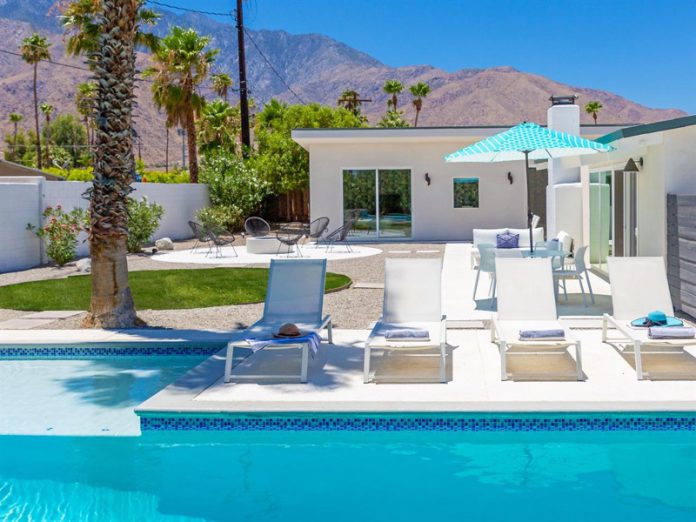
Summer is the time for people to relax by their pool, throw pool parties, and enjoy themselves with their friends and family. It’s also the perfect time to change your pool decor from what you had last year. With just a few small decorative touches, you can completely change how your backyard looks. If you are someone who is free-spirited, and you want your pool landscape to show that, then consider the bohemian aesthetic for your pool.

Building A Bohemian Aesthetic Around Your Fibreglass Pool

The bohemian style is something that stylistically stands out for its colour, print, and design. You’ll be adding elements to your backyard that look exotic, and will be using colours like green, brown and yellow, in your landscape design. This makes the bohemian aesthetic especially perfect for summer. Allow your guests to think of travel destinations across the world, by turning your backyard into a tropical paradise.

There are a lot of options available to you when it comes to the bohemian aesthetic. You could opt for a boho minimalist look, by choosing a colour scheme that is neutral. Use either stone or concrete to build your pool deck, and consider using mosaic tiles in your deck area. These tiles offer elements of visual intrigue to your fibreglass pools townsville area and help you make your pool deck more aesthetically pleasing. Mosaic tiles tend to wear down with time and will eventually need to be replaced. The next time you get mosaic tiles- you could opt for a completely different design.

Plants And The Bohemian Look

To make your backyard appear really bohemian this year, you should make use of plants. Add potted cacti to your pool deck area, and consider getting succulents as well. You can also get plants that thrive in the desert, or in tropical climates. This will help you create a more exotic aesthetic for your pool deck area.

Bohemian Accessories

You can also add certain items that make the backyard look more bohemian. These include things like tassel hammocks or candle lanterns. Think about the throw and pillows you want to add to your outdoor seating area. Get a throw or a blanket that has a rich Moroccan design, for it to blend into your bohemian-inspired backyard design.

You could also get pillow covers that are designed to be bohemian, as well as wicker lamps, specialized bohemian artworks, rugs, and more. Here are some ways that you can make your fibreglass pool area look more bohemian.

1. Add a Hammock Above the Pool

Bohemian design is something that stands out from the crowd. What can be more eye-catching than a hammock that’s tied over the pool? If you have a smaller-sized pool such as a lap pool, then you might easily be able to attach a hammock on top of the pool. The hammock is a space where people can rest on top of the pool, or even fall asleep on.

Add cacti as well as trees to the surrounding area to add a touch of greenery to your design. If you have a pool that’s larger, then you may not be able to add a hammock that stretches across its length. However, you could still add a hammock next to your pool. Instead of lounge chairs, consider setting up a few hammocks for people to sit on.

2. Mosaic Decor

No bohemian design is complete without mosaic tiles and other mosaic-inspired decors. You can get mosaic tiles added around your fibreglass pool, on the pool deck. Get exotic sculptures that you can add around the pool as well. Trees near the pool deck also make the area look lush and full of life.

You can have mosaic tiles integrated into the landscape in other areas as well. If you have an outdoor seating area, then consider using mosaic tiles to build the interior. You can also have a separate seating space built using material like marble, with mosaic tiles decorating the exterior of the seating space.

3. Add A Lounging Area

Create a comfortable lounging area next to your pool using boho designs. Get brown or other neutral-coloured pillow covers and place them next to the pool. You can get a special table built that’s right next to the pool. Ensure that this table is longer than it is wider. Place a few potted plants and cacti on the table, to make it look bohemian.

Now, you can bring out your favourite dishes and drinks and add them to the table while you sit and relax with your friends next to the pool. People using the pool will be able to access the food and drinks as well.

4. Rattan Furniture

Rattan furniture tends to go well with the bohemian aesthetic. Get a few rattan chairs, as well as a table. You can get rattan vases as well. Add potted plants to these large vases to make your pool area look even more bohemian. Opt for neutral textiles to stay with the bohemian theme.

You can opt for a minimalist design as well. Add wall lamps to your pool space, and get specialized bohemian artwork as well.

Conclusion

For 2023, why not opt for a bohemian look for your fibreglass pool area? There are several things that you can do to make your backyard look boho-inspired. From choosing neutral colours and textiles to opting for exotic plants like cacti, turning your backyard bohemian is easier than you think. You can think of getting mosaic tiles added to your pool area, or get rattan furniture.

Add tassel hammocks or even wicker furniture, to make your pool area look bohemian. This guide helps you learn everything you should know about getting the perfect bohemian look for your pool area.

Pool Hardscaping: Balance Nature and Design

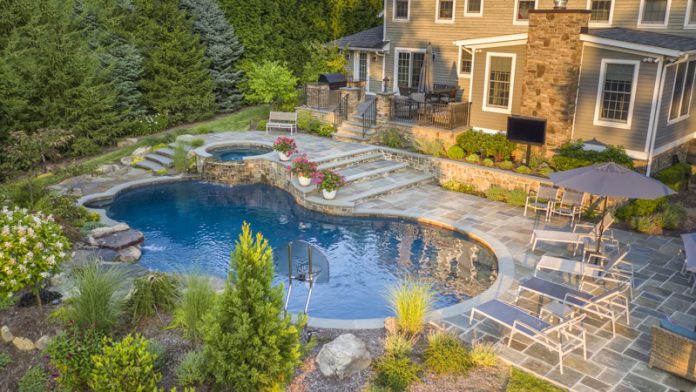
Pool hardscaping is a key element in the overall design of your backyard. It’s important to consider how to best integrate this space into the surrounding environment, which includes elements such as plants and water features. In this article, we’ll discuss some principles for balancing nature and design when designing your own pool hardscape.

Introduction to pool hardscaping

Pool hardscaping is a combination of pool design and landscaping. It’s a way to make your pool more comfortable and attractive while also adding more value to your home.

Pool hardscaping involves choosing the right kind of materials for each part of your backyard landscape. You’ll want to consider how you wish to use these materials, as well as what kind of environment they’ll be placed in when finished.

Design principles for balancing nature and design

Balancing nature and design in pool hardscaping requires careful consideration of the surrounding environment and the desired aesthetic. Using these principles, designers can create a hardscape that looks not only beautiful but also feels natural and integrates well with the surrounding landscape. In addition, utilising sustainable design practices, such as using native plants and permeable surfaces, can help create an eco-friendly and low-maintenance hardscape. By following these design principles, designers can achieve a harmonious balance between nature and design in pool hardscaping.

Understanding the site and environment

When designing a pool, it’s important to understand the site and environment. The site will determine where you place your pool and how large it is. It also determines what kind of lighting you can use, whether or not there are trees or shrubs on site, etc. A good rule of thumb is that if you want something done right (like adding a waterfall), then start by doing some research first.

Choosing materials that complement the surroundings

You have to use materials that match the surroundings. The natural environment should be reflected in your design, so you’ll want to select durable, long-lasting materials that can stand up to wear and tear over time. If you’re building a pool with a deck or patio area, make sure the decking and other surfaces are finished with an appropriate material. You should also look for easy maintenance options when choosing a material for your backyard landscaping project. Look for products specifically designed for cleaning pools and consider whether they’re easy enough to clean.

Incorporating greenery into the hardscaping

Incorporating greenery into pool hardscaping is a great way to balance nature and design. Plants, shrubs and trees can bring life and colour to the hardscape and also help to blend it into the surrounding environment. Landscaping elements such as planters, garden beds and hanging baskets can be used to add a pop of colour. Larger trees can provide shade and create a more natural environment.

The use of native plants can help create a low-maintenance and sustainable landscape while also attracting local wildlife. Incorporating greenery into the hardscaping enhances the aesthetic appeal. It also provides numerous environmental benefits, such as reducing heat islands, improving air quality, and conserving natural resources.

Using natural stone and rock features

Natural stone and rock features can add a unique and organic touch to pool hardscaping. They can be used for edging, creating steps or seating areas, or as decorative elements such as rock gardens or waterfalls. Choosing materials that match the surrounding environment, such as local stone or rock, can create a harmonious look. Incorporating these features not only enhances the design but also adds texture and depth to the overall hardscape. The natural variations in colour, shape and texture of stones and rocks can also add interest and make each hardscape truly one-of-a-kind.

Creating a seamless transition between the pool and the landscape

This is essential for achieving a harmonious and cohesive design. This can be accomplished by using similar materials and textures in both the hardscape and the surrounding environment. You can use the same pavers or stones for the pool deck and patio. Softscaping elements such as plants, shrubs and trees can also be used to create a gradual transition between the two spaces.

Integrating the hardscape and landscape through the use of curves, flowing lines, and organic shapes can also help to create a more natural and cohesive look. The use of lighting can also enhance the transition between the pool and the landscape by highlighting key features and creating a welcoming ambience at night. By creating a seamless transition, designers can ensure that the pool and landscape work together to create a harmonious and beautiful outdoor space.

Incorporating water features into the hardscaping

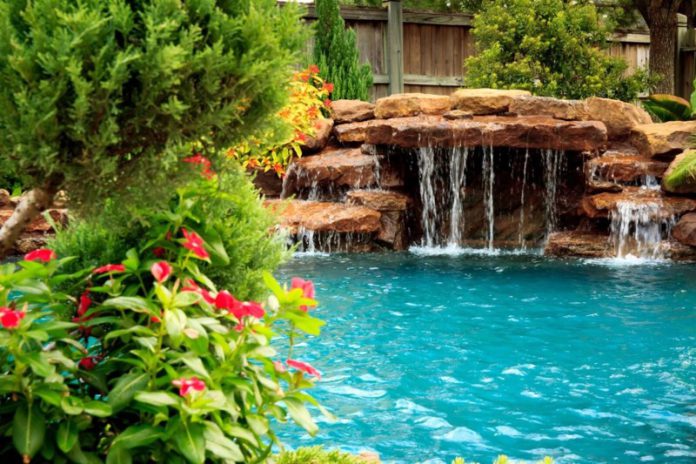
Water features are a great way to enhance the natural beauty of your hardscaping. If you have a large yard, consider placing waterfalls or fountains at their entrance and along the length of their pathway. You can also create a seamless transition between your pool and landscape by adding rocks or stepping stones. This should lead from one area to another, creating an uninterrupted flow from one part of your yard into another.

Finally, water features can work together with outdoor lighting so that when people can enjoy the pool at night as well.

Using lighting to enhance the natural beauty of the hardscaping

Lighting is a natural element of the landscape that can be used to enhance the natural beauty of your hardscaping. It can also create a relaxing atmosphere, dramatic effect, or focal point in your yard.

Lighting is often overlooked when designing landscaping because it’s usually not as visible as other elements, such as plants or flowers. However, it will help bring life to your yard without any added maintenance costs.

Maintenance considerations for pool hardscaping

Maintenance is important to the longevity of your pool. You should consider regular maintenance, including cleaning the pool and equipment, maintaining an optimal environment for aquatic life, maintaining a balanced chemistry in your pool water and more.

Conclusion

Pool hardscaping is an opportunity to blend nature and design to create a beautiful and functional outdoor space. By following the above-mentioned design principles, you can achieve a harmonious balance between nature and design. Whether incorporating natural stone and rock features, greenery, or water features, the end result will be a unique and aesthetically pleasing hardscape. It should also integrate well with the surrounding environment. Through careful consideration and thoughtful design, pool hardscaping can provide a beautiful and functional space.

Should You Go With Artificial Grass Or Turfgrass Around Your Pool?

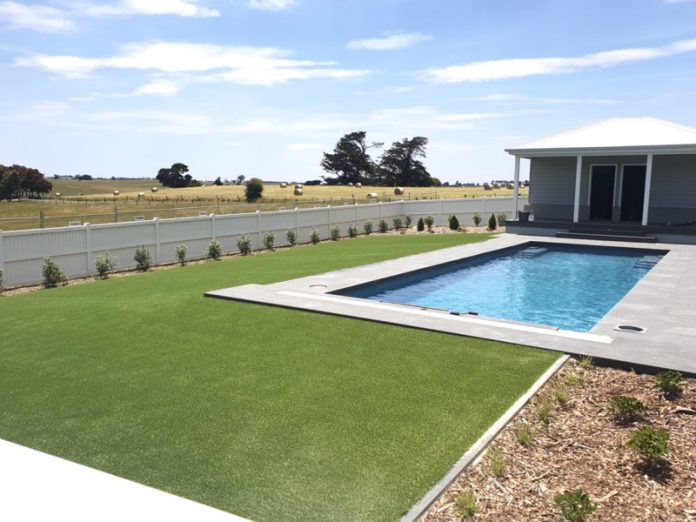
When it comes to pool landscaping ideas, is artificial grass better or should you get turfgrass instead? A lot of people have the question – ‘Can I place artificial grass around my pool?’, in their minds. The answer is yes, you can. You can opt for turfgrass as well, but this requires maintenance on your part.

When you add turfgrass around your fibreglass pool, you will need to ensure that the grass gets watered when necessary. You’ll need to cut the grass when it gets too long, and you’ll also need to ensure that people don’t walk into your pool with the grass on their feet. Mainly because turfgrass is more difficult to maintain, more and more people are opting for artificial grass.

When you get artificial grass around your pool, you’ll need to deal with less maintenance. You’ll get both the look as well as the feel of turfgrass, and you won’t have to worry about maintaining the grass at the same time. With artificial grass, you make the area around your pool safer as well.

Artificial Grass vs Turfgrass: Which Is Better?

Now that you’ve decided that you want to have grass around your fibreglass pool, it’s time to decide what kind of grass you want. You can opt for turfgrass, which is a natural way to get a covering for the ground around your pool. But turfgrass needs to be maintained on a regular basis. If you don’t care for it, it can grow wild and out of control. This means that if you go on a long vacation, you’ll need to hire someone to cut the grass back home.

Artificial grass, on the other hand, doesn’t need to be maintained. There are several advantages to picking artificial grass over turfgrass. These include the following.

1. Increased Safety

Artificial grass, in some ways, is even safer than turfgrass. Not only is artificial grass made of material that is completely safe, but it’s also not a place that insects are likely to try and make their home. You won’t find worms crawling around under artificial grass either, which makes it safe for people to walk around the grass.

The material used to make artificial grass is non-toxic, as well as non-allergenic. There are a lot of children, and even pets, who are allergic to the pollen in the grass. For such families, artificial grass is the perfect alternative.

Artificial grass can come with anti-bacterial technology, which makes it difficult for bacteria to propagate. It’s perfectly healthy for people as well as animals, to both walk on and play on.

2. Installation Is Easy

With turfgrass, you’ll easily find yourself spending countless hours mowing the grass, fertilizing it, weeding it as well as watering it. Artificial grass, on the other hand, doesn’t need to be fertilized at all. You don’t need to maintain it, and you don’t need to have the pool area irrigated so that the grass has access to enough water. This means that with artificial grass, you’ll be saving a lot when it comes to both time as well as money.

You can clean your artificial grass simply by watering them. All you need is a simple hose and you’ll be able to get rid of dirt or mud in a matter of seconds. Artificial grass is also designed such that it endures for a long period of time. It’s also meant to be used heavily by people, and you can play sports on it as well.

The process of installing artificial grass is also simpler than installing turfgrass. With turfgrass, the land the grass will be placed on will need to be cleaned, before the layer with the turfgrass is placed on top of it. You could also add the grass individually, which is a very laborious endeavour. With artificial grass, you save time when it comes to how fast it’s installed.

3. Easy Drainage

If you’re thinking of getting artificial grass to surround your fibreglass pool, then you’ll need to think about drainage as well. When people enter the pool and use it, they often splash water out. If there isn’t proper drainage, the area around your pool could become slippery.

Artificial grass can actually drain the water out faster than turfgrass can. Look for an artificial grass manufacturer that uses free-draining fabric as well as thermoplastic, to make the artificial grass.

With turfgrass, you’ll need to wait until the water naturally recedes underground. Until then, walking around the grass can be a muddy affair. Even with slippers on, people can still track mud into your home. With artificial grass on the other hand, this is far less likely to happen.

Between turfgrass and artificial grass, artificial grass is better at draining water out faster.

4. The Look And The Feel

A big question that people often have, is whether artificial grass will provide the same look and feel as turfgrass. The good news is that when you get artificial grass, you aren’t saying goodbye to the look and feel that natural grass provides you with.

Artificial grass doesn’t just look like natural grass, but it’s designed to have the same feel as well. In addition to this, your artificial grass will have the same vibrant green colour throughout the year. Artificial grass also comes with properties that help protect the grass from damage from the sun. This means that you don’t have to worry about your artificial grass, even if it’s left exposed to the sun’s rays all day.

Conclusion

There are a lot of advantages to getting artificial grass over turfgrass. If you don’t want to spend time and money taking care of the grass around your fibreglass pool, then opt for artificial grass. There are certain benefits to turfgrass as well, mainly that it’s natural, and feels good to the touch.

However, artificial grass also has a similar look and feel to natural grass. This guide helps you learn more about artificial grass, as well as the differences between artificial grass and turfgrass.

Potted Plants That You Can Consider For Pool Landscaping

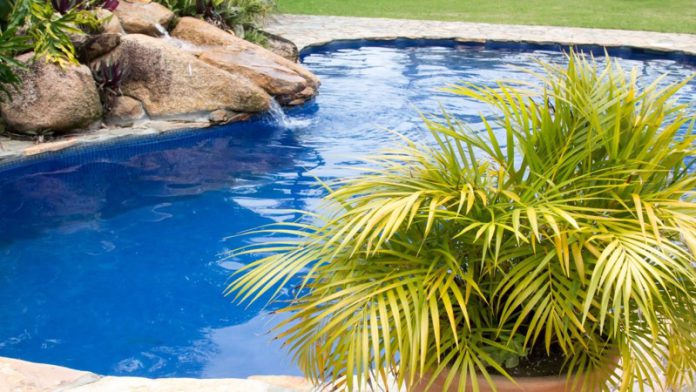
If you want your pool landscaping to be successful, then you’ll need to find plants that are good for the microclimate of your fibreglass pool. The plants should also be simple to maintain and should be aesthetically pleasing as well. This is why before you add any plants to your fibreglass pool area, you’ll need to do your research on what kinds of plants will flourish in the microclimate of your pool.

One way to make this process easier is by using potted plants. A large part of Australia has either an arid or a semi-arid climate. In this kind of climate, it’s easier to take care of potted plants. When you get potted plants, you also don’t have to worry about their roots affecting the structural integrity of your pool or your pool deck.

Why Get Potted Plants?

It’s easier to take care of potted plants compared to the plants you place in the ground next to your fibreglass pool. The main reason behind this is that you’re better able to handle the microclimate the plant finds itself in. You’ll be able to add nutrients to the soil in the pot, add water, and can even have different kinds of soil for different kinds of plants.

When it comes to potted plants, you can enjoy getting everything from flowering plants to shrubs, cacti, and more. You also don’t have to worry about your plants getting splashed with chlorine from the water in the pool if you keep them at a distance from the pool. Add hardier potted plants close to your pool, so that even if chlorine is splashed on it – there’s no issue. Here are some potted plants that you can add to your backyard.

1. Birds Of Paradise

Do you want to add a tropical touch to your backyard? If you are, then birds of paradise can be perfect for you. These tend to look similar to the banana plant. They grow upright and their leaves can be as long as two feet. This plant needs to be placed in an area where it doesn’t need to contend with strong winds. If there are strong winds, then it could affect the leaves of this plant.

It’s also easy to grow this plant indoors. So during the winter months, you can just move your potted birds of paradise indoors. Then, when the summer rolls around, move them outdoors again. Birds of paradise are perfect for landscaping plants, as they don’t shed. In moderation, if the plant is splashed with chlorine water from the pool, it won’t be affected.

You can find birds of paradise flowering in white, blue and orange. The soil needs to be rich, and the potting mix needs to be well-drained.

2. Egyptian Papyrus

How about adding a unique potted plant to your pool landscape? These tropical and lush plants thrive on water. Usually, they can be found in either bogs or shallow ponds. However, when you’re potting it – you can place it in a soil of clay, that’s also been amended. This clay helps the soil to stay damp, which in turn helps the plant to thrive.

The Egyptian papyrus will need to be exposed to the sun fully. The soil should be rich in nutrients as well as wet.

3. Zebra Grass

Zebra grass is a kind of ornamental grass, that you can grow in pots. These are easy to maintain and they aren’t messy either. Zebra grass will grow fast and ends up blending in well with other plants that you might add to your backyard landscape.

Zebra grass is sometimes referred to as porcupine grass as well. It has stripes that are horizontally placed, and has a tropical look and feel that’s perfect for a pool landscape inspired by the tropics. Zebra grass is available in some colour varieties, which include blue, white and orange. It needs to have soil that is chalky, loamy and with clay and sand.

4. Angel’s Trumpet

Another name for this plant is Brugmansia. The Angel’s Trumpet is known for having a scent that’s out of this world. This is why a lot of people choose to add it to their backyard pool landscape. You can have this plant in the form of a shrub, or a tree. Since you’ll be getting a potted plant, getting the shrub variety would be better for you.

During the winter, you can bring your Angel’s Trumpet indoors. Allow the plant to go dormant over the winter season. Should you store your plant in a place that’s dark and free of frost, then they’ll be able to survive through the winter. Come next spring, you can take them out again and they will regrow. The Angel’s Trumpet is available in different colour varieties, including pink, yellow, peach, white and orange. The soil needs to be acidic. Note that this plant is toxic and ingesting any part of it can be dangerous for people as well as animals. If you have kids or pets, ensure the plant is placed well out of their reach.

5. Kangaroo Paw

The Kangaroo Paw also has hybrid varieties that you can choose from. These plants are graceful and slim. It’s their flowers that have the greatest appeal. These are perennial plants that are available in various colours, such as orange and yellow or white and pink. It needs to have sandy soil and requires full exposure to the sun.

6. Proteas

These are orange in colour and tend to be prickly to the touch. They are also very hardy and live for a long time. Even if the soil is rocky or poor in nutrients, this plant will thrive there. You should also add fertiliser this plant.

Conclusion

These were just some of the plants that you can consider adding to your pool area. These plants do well in pots, and during the winter, you can shift most of the pots inside your home. These plants are easy to take care of as well and are hardy. With just a little care, you can build a lush paradise right in your backyard.

How Can You Keep Your Swimming Pool Area Mosquito-Free?

Mosquitoes are a nuisance, especially in your swimming pool. Fortunately, there is something you can do about it. If you want to keep mosquitoes away from your swimming pools, there are several other methods that can help with prevention or elimination.

But first, let’s get into why it is important to do that.

Mosquitoes can spread diseases such as the West Nile virus, dengue fever, and malaria. They are also attracted to standing water, making your pool area an ideal breeding ground for them. Not only do they pose a health risk to you and your family, but can also ruin the enjoyment of your pool. They will constantly be buzzing around and biting. So, it’s crucial to take proactive measures to keep mosquitoes away from your pool area to ensure the safety and enjoyment of you and your family.

Now, let’s get into how you can do this.

Mosquito Repellent Plants

If you want to keep mosquitoes away from your pool area, consider planting mosquito-repellent plants. These can be placed around the perimeter of your yard or on the deck by the pool. They are easy to maintain and even grow quickly. To maximize their effectiveness, choose shade-loving varieties that thrive in moist soil with plenty of water. We recommend Citronella (Cymbopogon nardus), a herbaceous perennial that grows tall with narrow leaves and fragrant white flowers that bloom throughout summer into fall.

Mosquito Dunks

Mosquito Dunks are a biological control for mosquitoes, containing bacteria that kill mosquito larvae. They are safe for humans and pets, and they can be used in pools and spas. You have to place them in the skimmer basket of your pool or spa to provide continuous water treatment throughout the entire swimming season. One pack treats up to 10,000 gallons of water.

Mosquito Traps

Mosquito traps can be used to monitor the effectiveness of other mosquito control methods, as well as being an effective way to capture mosquitoes. They are easy to use and cost-effective, with many different types available on the market.

Automatic Mosquito Misting Systems

If you are looking for a convenient and effective way to control mosquitoes, then an automatic mosquito misting system is the perfect solution for your needs. These systems use small, battery-powered pumps that generate a fine spray of water droplets into the air, which kills mosquitoes on contact.

Mosquito Repellent Candles: Add Aromatic and Natural Mosquito Control

This is an aromatic way to control the spread of mosquitoes near your swimming pool. Here are a few recommendations:

  • Citronella oil: Citronella is a powerful natural insect repellent that can be used in candles, sprays and lotions.
  • Lemongrass oil: Lemongrass has been used for centuries as an effective mosquito repellent. It’s also said to have anti-inflammatory properties that make it useful for reducing swelling after an injury or bug bite.
  • Eucalyptus oil: Eucalyptus contains eucalyptol, which gives off a strong scent when burned and is known to repel mosquitoes. It does this by masking their pheromones with a distinct aroma. It’s also great for killing mould spores.

Mosquito Repelling Electronic Devices

There are two types of electronic mosquito-repelling devices: ultrasonic and electronic. Ultrasonic devices use high-frequency sound waves to keep mosquitoes away. They’re typically powered by batteries and can be used in the backyard or around pools. Electronic mosquito control units use low-voltage electricity to repel insects from an area around pools, yards or homes. These units are best for larger areas because they require a power source nearby (such as an outlet).

Electronic repellents come in many shapes and sizes. Some look like lanterns, while others resemble decorative statues or photo frames. You’ll find them online at places like Amazon for about $75-$100 each depending on where you live.

Remove Standing Water

Removing standing water can help eliminate mosquito breeding grounds. Mosquitoes lay their eggs in standing water. This includes puddles, bird baths, gutters and rain barrels. You should also remove any unused flower pots from your property or at least empty them often to prevent mosquito larvae from developing inside them.

Mosquito eggs can survive in dry areas for weeks. So it’s important not to leave items like buckets or recycling bins out for too long. This is especially important after they’ve been used for draining rainwater or keeping leaves out of the yard when you rake them up.

Pool Covers

Pool covers are a great way to keep mosquitoes out of the pool when it’s not in use. They also prevent debris, leaves and rainwater from entering your pool as well as protecting it from UV damage.

If you have an above-ground pool then consider using a mesh cover with elastic bands around its edges. This will hold it securely in place without having to worry about tying ropes or securing weights. A good quality mesh cover will protect your investment by preventing leaves from clogging drains which can lead to them becoming blocked over time. If you are interested in learning more, you can visit the blog today for more information on pool covers for your fibreglass pool.

Professional Pest Control

If you’re looking to keep your pool area mosquito-free, it is best to hire a professional pest control company. This will be the most effective way to keep mosquitoes away from your property. A professional will come out and spray an area of land with chemicals that kill all kinds of insects, including mosquitoes. The chemicals used in this process are safe for humans and animals but deadly for bugs like flies, ants and wasps, and even more importantly, mosquitoes.

The pros are also able to identify any problem areas where there may be standing water around the house which can become breeding grounds for these bloodsuckers (and other nasty critters). They’ll take care of those spots so that when summer comes again next year, there won’t be any new infestations cropping up.

Conclusion

Mosquito repellent plants, mosquito dunks, automatic misting systems and other products are an effective way to keep mosquitoes out of your swimming pool area. However, if you want long-term protection against annoying insects, it’s best to turn to professional pest control services. They will be able to provide you with a wide range of mosquito control options that will help keep your pool area free of mosquitoes year-round.


How Can You Keep Your Swimming Pool Area Mosquito-Free?

Mosquitoes are a nuisance, especially in your swimming pool. Fortunately, there is something you can do about it. If you want to keep mosquitoes away from your swimming pools, there are several other methods that can help with prevention or elimination.

But first, let’s get into why it is important to do that.

Mosquitoes can spread diseases such as the West Nile virus, dengue fever, and malaria. They are also attracted to standing water, making your pool area an ideal breeding ground for them. Not only do they pose a health risk to you and your family, but can also ruin the enjoyment of your pool. They will constantly be buzzing around and biting. So, it’s crucial to take proactive measures to keep mosquitoes away from your pool area to ensure the safety and enjoyment of you and your family.

Now, let’s get into how you can do this.

Mosquito Repellent Plants

If you want to keep mosquitoes away from your pool area, consider planting mosquito-repellent plants. These can be placed around the perimeter of your yard or on the deck by the pool. They are easy to maintain and even grow quickly. To maximize their effectiveness, choose shade-loving varieties that thrive in moist soil with plenty of water. We recommend Citronella (Cymbopogon nardus), a herbaceous perennial that grows tall with narrow leaves and fragrant white flowers that bloom throughout summer into fall.

Mosquito Dunks

Mosquito Dunks are a biological control for mosquitoes, containing bacteria that kill mosquito larvae. They are safe for humans and pets, and they can be used in pools and spas. You have to place them in the skimmer basket of your pool or spa to provide continuous water treatment throughout the entire swimming season. One pack treats up to 10,000 gallons of water.

Mosquito Traps

Mosquito traps can be used to monitor the effectiveness of other mosquito control methods, as well as being an effective way to capture mosquitoes. They are easy to use and cost-effective, with many different types available on the market.

Automatic Mosquito Misting Systems

If you are looking for a convenient and effective way to control mosquitoes, then an automatic mosquito misting system is the perfect solution for your needs. These systems use small, battery-powered pumps that generate a fine spray of water droplets into the air, which kills mosquitoes on contact.

Mosquito Repellent Candles: Add Aromatic and Natural Mosquito Control

This is an aromatic way to control the spread of mosquitoes near your swimming pool. Here are a few recommendations:

  • Citronella oil: Citronella is a powerful natural insect repellent that can be used in candles, sprays and lotions.
  • Lemongrass oil: Lemongrass has been used for centuries as an effective mosquito repellent. It’s also said to have anti-inflammatory properties that make it useful for reducing swelling after an injury or bug bite.
  • Eucalyptus oil: Eucalyptus contains eucalyptol, which gives off a strong scent when burned and is known to repel mosquitoes. It does this by masking their pheromones with a distinct aroma. It’s also great for killing mould spores.

Mosquito Repelling Electronic Devices

There are two types of electronic mosquito-repelling devices: ultrasonic and electronic. Ultrasonic devices use high-frequency sound waves to keep mosquitoes away. They’re typically powered by batteries and can be used in the backyard or around pools. Electronic mosquito control units use low-voltage electricity to repel insects from an area around pools, yards or homes. These units are best for larger areas because they require a power source nearby (such as an outlet).

Electronic repellents come in many shapes and sizes. Some look like lanterns, while others resemble decorative statues or photo frames. You’ll find them online at places like Amazon for about $75-$100 each depending on where you live.

Remove Standing Water

Removing standing water can help eliminate mosquito breeding grounds. Mosquitoes lay their eggs in standing water. This includes puddles, bird baths, gutters and rain barrels. You should also remove any unused flower pots from your property or at least empty them often to prevent mosquito larvae from developing inside them.

Mosquito eggs can survive in dry areas for weeks. So it’s important not to leave items like buckets or recycling bins out for too long. This is especially important after they’ve been used for draining rainwater or keeping leaves out of the yard when you rake them up.

Pool Covers

Pool covers are a great way to keep mosquitoes out of the pool when it’s not in use. They also prevent debris, leaves and rainwater from entering your pool as well as protecting it from UV damage.

If you have an above-ground pool then consider using a mesh cover with elastic bands around its edges. This will hold it securely in place without having to worry about tying ropes or securing weights. A good quality mesh cover will protect your investment by preventing leaves from clogging drains which can lead to them becoming blocked over time. If you are interested in learning more, you can visit the blog today for more information on pool covers for your fibreglass pool.

Professional Pest Control

If you’re looking to keep your pool area mosquito-free, it is best to hire a professional pest control company. This will be the most effective way to keep mosquitoes away from your property. A professional will come out and spray an area of land with chemicals that kill all kinds of insects, including mosquitoes. The chemicals used in this process are safe for humans and animals but deadly for bugs like flies, ants and wasps, and even more importantly, mosquitoes.

The pros are also able to identify any problem areas where there may be standing water around the house which can become breeding grounds for these bloodsuckers (and other nasty critters). They’ll take care of those spots so that when summer comes again next year, there won’t be any new infestations cropping up.

Conclusion

Mosquito repellent plants, mosquito dunks, automatic misting systems and other products are an effective way to keep mosquitoes out of your swimming pool area. However, if you want long-term protection against annoying insects, it’s best to turn to professional pest control services. They will be able to provide you with a wide range of mosquito control options that will help keep your pool area free of mosquitoes year-round.
What Might You Need Large Cardboard Boxes For?

Large cardboard boxes are a versatile and cost-effective way to store or transport items safely and securely. They are strong, lightweight, and can be custom-made to fit almost any need. Whether you need to store seasonal decorations, transport your belongings to another home, or ship items to customers, large cardboard boxes are an ideal solution. With so many uses, large cardboard boxes are essential for any home or business. Let us look at some instances where you may need large cardboard boxes.

Storage

Large cardboard boxes are the best choice when moving a lot and needing to store your belongings for an extended period. Not only are they readily available and cost-effective, but they are also more durable than plastic bins. Cardboard storage boxes come in various sizes, from large to extra large. Large Cardboard Boxes are ideal for storing books, small appliances, bric-a-brac, and most household items that may not be in use. You can use them to pack and store heavy, breakable items which you can keep in the garage or storage for safekeeping.

Painting

Boxes make great wall art! All it takes is some paint, cardboard, and imagination to transform them into lovely personalized pieces for your walls. Cardboard painting can be a fun and creative way of spending quality time with your kids or doing DIY projects around the house. But before you begin painting, follow a few basic steps and prepare the cardboard properly to avoid issues when applying paint. Start by priming the surface with white acrylic gesso. It will prevent your cardboard from absorbing too much paint and provide a more opaque appearance. You can find this product in most craft stores.

Drawer Dividers

Drawer dividers make sorting items in a box or drawer a breeze. Plus, they keep everything organized so that everything is easily located when needed. Making DIY cardboard drawer dividers with materials around the house is a snap. Choose from wood, cardboard, or plastic to get started. Start by measuring the drawer’s height and width and then cutting two pieces from that measurement – one for the front half of the drawer and another for its back.

Moving

We all know that moving day can be a stressful and chaotic experience. There are a million things to pack, boxes to fill up, and furniture to disassemble. With all the chaos in the air, it’s no wonder that people often overlook essential moving supplies on their checklist. A moving checklist that includes all the must-have supplies will make your move seamless and efficient. Large cardboard boxes are important for keeping items safe throughout transit. Don’t make the mistake of leaving large cardboard boxes off your list as they are crucial for transportation.

Shipping

Large cardboard boxes are an essential component for shipping goods. They provide a sturdy and reliable means to transport items, protecting them from damage during transit. Large cardboard boxes can be used to pack and protect items such as gifts, equipment, and merchandise when shipping items. They can also pack multiple smaller boxes to make shipping more manageable. Additionally, large cardboard boxes can be reused numerous times, making them a cost-effective and eco-friendly solution for shipping.

Final Thoughts

Moving can be hectic, but with the right tools, like large cardboard boxes, it becomes much simpler and efficient financially and environmentally. These boxes are durable, yet cost-effective containers that allow you to pack all your items into one convenient location. They also provide plenty of protection during transportation and organization when unpacking at your new place, all the more reason to invest in a few large cardboard boxes before your next move.

How To Sell A House Quickly In A Slow Market?

In today’s housing market, it can be challenging to sell your house quickly, especially if the market is sluggish. A slow market means that there are more properties available than buyers, which can result in longer waiting times for sellers. However, this doesn’t mean that you’re stuck with your property indefinitely. Home House Buyers is a company that can provide a speedy solution for sellers, even in a slow market. In this article, we’ll explore some tips on how to navigate a slow market and still sell your house quickly.

Price Your House Appropriately

One of the most important factors in selling a house quickly in a slow market is pricing it appropriately. This means pricing it competitively, but not too low that you’re not getting a fair price for your property. You want to attract potential buyers, but you don’t want to undervalue your home. You can start by researching the prices of other properties in your area and compare them to your own. You can also consult a real estate agent or a property-buying company like Home House Buyers to get an accurate valuation of your property.

Make Necessary Repairs And Improvements

In a slow market, buyers are more selective and looking for properties that are in good condition. If your house has any issues or needs repairs, it’s essential to fix them before putting it on the market. This will increase the appeal of your property to potential buyers and help you sell your house faster. You don’t need to do major renovations, but minor improvements such as fresh paint, new flooring, and a tidy garden can make a big difference.

Stage Your Home Effectively

This means creating a welcoming and comfortable atmosphere that makes buyers feel at home. This can include decluttering, depersonalizing, and rearranging furniture to create an open and spacious feel. You can also add some decorative touches, such as fresh flowers or a scented candle, to make your home feel inviting. If you’re looking to sell your house quickly in a slow market, a property-buying company like Home House Buyers can provide a solution for you – we buy any house, regardless of its condition or location, and can provide a cash offer within a matter of weeks.

Market Your Property Effectively

Marketing your property effectively is crucial in a slow market, as you want to reach as many potential buyers as possible. You can do this by listing your property on online portals, such as Rightmove or Zoopla, as well as social media and other online platforms. You can also consider working with a real estate agent or a property-buying company like Home House Buyers, who have access to a network of potential buyers and can market your property effectively on your behalf.

Consider A Property Buying Company

If you’re looking to sell your house quickly in a slow market, a property-buying company like Home House Buyers can be a great solution. These companies specialize in buying properties quickly, often within a matter of weeks, regardless of the market conditions. They can provide a cash offer for your property, which means that you can avoid the lengthy process of waiting for the mortgage approval from a potential buyer. Property-buying companies can also take care of any necessary repairs or improvements, which can save you time and money.

Be Flexible With Viewings

In a slow market, potential buyers may have busy schedules, which can make it difficult to schedule viewings. To sell your house quickly, it’s important to be flexible with your availability for viewings. This may mean scheduling viewings in the evenings or weekends or accommodating short-notice requests. The more flexible you are, the more potential buyers you’ll be able to attract.

How to Fix a Leaky Roof in 5 Simple Steps

A leaky roof can cause a lot of damage if left unattended. Water can seep into your home and cause mold, rot, and other issues that can be expensive and time-consuming to fix. Fortunately, fixing a leaky roof is not as complicated as it may seem. With the right tools and some basic knowledge, you can fix a leaky roof in just a few simple steps. In this article, we’ll walk you through the process of fixing a leaky roof in 5 simple steps.

Step 1: Identify the Leak

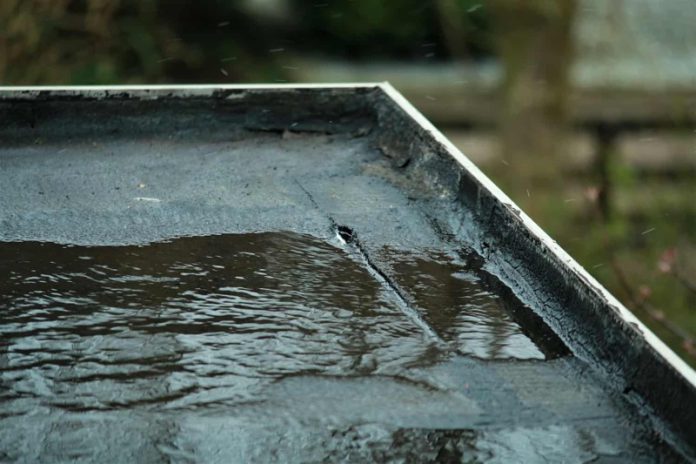
The first step in fixing a leaky roof is to identify the location of the leak. Water can enter your home through a variety of paths, so it’s important to thoroughly inspect your roof to find the source of the leak.

One way to find a leak is to look for visible signs of water damage, such as discoloration on your ceiling or walls. You can also check your attic for signs of water intrusion, such as damp insulation or water stains on the ceiling.

Another way to identify a leak is to inspect your roof for damaged or missing shingles. Damaged or missing shingles can allow water to seep into your home, so it’s important to replace them as soon as possible.

Finally, if you’re having trouble locating the leak, you can use a hose to simulate rainfall and locate the leak. Simply have someone spray water on your roof while you’re inside your home, and look for any signs of water intrusion.

Step 2: Prepare the Roof for Repair

Once you’ve identified the location of the leak, it’s time to prepare your roof for repair. This involves cleaning the area around the leak, removing any damaged shingles, and smoothing out any curled or buckled shingles.

Start by cleaning the area around the leak. This will help ensure that the repair is successful and that the roofing cement adheres properly. Use a stiff-bristled brush to remove any dirt or debris, and then wipe the area clean with a damp cloth.

Next, remove any damaged shingles. Use a pry bar to lift the shingle above the damaged area, and then remove any nails that are holding it in place. Once the damaged shingle has been removed, smooth out any curled or buckled shingles that are around the area.

Finally, replace any missing or damaged shingles. Cut a new shingle to size, and then slide it into place under the shingle above it. Secure the new shingle in place with roofing nails, and then seal the edges with roofing cement.

Step 3: Apply Roofing Cement

The next step in fixing a leaky roof is to apply roofing cement to the damaged area. Roofing cement is a type of adhesive that is used to seal leaks and prevent water from entering your home.

To apply roofing cement, start by mixing the cement according to the manufacturer’s instructions. Once the cement is mixed, use a trowel to apply it to the damaged area. Be sure to spread the cement evenly, and use a putty knife to smooth out the cement.

Step 4: Install a Leak Barrier

Once the roofing cement has been applied, it’s time to install a leak barrier. A leak barrier is a type of waterproof membrane that is placed under your shingles to help prevent leaks.

To install a leak barrier, start by cutting a piece of the barrier to size. Then, slide the barrier under the shingles above the damaged area. Finally, apply roofing cement over the leak barrier to ensure that it stays in place.

Step 5: Test for Leaks

The final step in fixing a leaky roof is to test for leaks. This involves simulating rainfall to ensure that the repair is successful and that water is no longer entering your home.

To test for leaks, you can either wait for the next rainfall or use a hose to simulate rainfall. If you choose to use a hose, have someone spray water on the repaired area while you’re inside your home, and look for any signs of water intrusion.

If you notice any signs of water intrusion, such as damp insulation or water stains on the ceiling, you may need to reapply the roofing cement or install additional leak barriers.

Preventing Leaks in the Future

Fixing a leaky roof is only part of the solution. To prevent leaks from occurring in the future, there are a few things you can do:

  1. Regularly inspect your roof for damage, and replace any damaged or missing shingles.
  2. Clean your gutters and downspouts regularly to ensure that water can flow freely away from your home.
  3. Trim any overhanging branches that could damage your roof during high winds or storms.
  4. Consider installing a roof ventilation system to help prevent moisture buildup.

By following these tips, you can help prevent leaks and ensure that your roof remains in good condition for years to come.

In conclusion, fixing a leaky roof is a relatively simple process that can be completed in just a few simple steps. By identifying the location of the leak, preparing your roof for repair, applying roofing cement and leak barrier, and checking for additional leaks, you can ensure that your home is protected from water damage. By following these tips for preventing leaks, you can prolong the life of your roof and save yourself time and money in the long run.

Feature Windows – Designing Your Home for Optimal Natural Light

When it comes to designing your perfect home, there are many elements to consider. From home layout to materials, another key aspect is the amount of natural light that enters the home. This is a crucial aspect, as it can have a significant impact on the ambiance and overall feel of the inside and the garden of your home. Steel feature windows are a fantastic option for those who want to maximize the amount of natural light in their home while adding a touch of sophistication and elegance to their décor.

What are feature windows?

Steel feature windows are windows with steel frames which are usually a floor-to-ceiling window solution. They are popular in modern and contemporary homes due to their sleek and minimalist appearance. These windows are also extremely durable and resistant to wear and tear, making them a long-lasting option for homeowners.

Why chose a feature window?

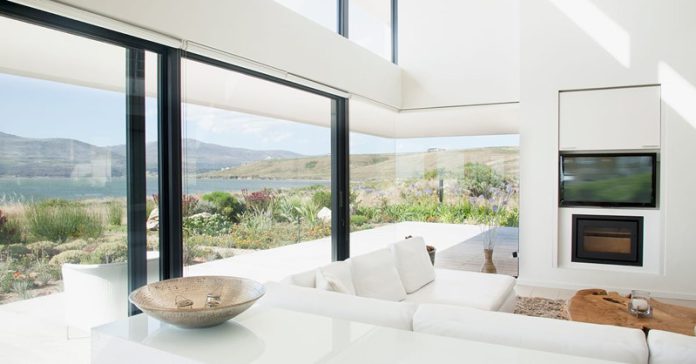
One of the biggest benefits of steel feature windows is their ability to maximize the amount of natural light that enters the home. This is particularly important for homes with large gardens or outdoor spaces, as it allows homeowners to take full advantage of the beautiful views outside. The large, unobstructed panes of glass in steel feature windows create a seamless connection between the indoors and outdoors, blurring the boundaries between the two.

Steel feature windows are also incredibly versatile in terms of design. They can be customized to fit the specific needs of any homeowner, whether they want a floor-to-ceiling window or a smaller, more compact option. Steel feature windows can also be customized with various coatings and finishes, such as powder coating or anodizing, to match the aesthetic of any home. If you’re looking to customize feature windows, get in touch with your local window specialist.

Another benefit of steel feature windows is their energy efficiency. These windows are often double or triple-glazed, which helps to keep the heat in during the winter and keep the cool air in during the summer. This not only helps to reduce energy bills but also helps to make the home more comfortable throughout the year.

In conclusion, steel feature windows are a fantastic option for homeowners who want to maximize the amount of natural light in their homes while adding a touch of elegance and sophistication to their décor. These windows are incredibly versatile in terms of design and can be customized to fit the specific needs of any homeowner. Additionally, their energy efficiency and durability make them a long-lasting and practical option for any home. If you’re considering upgrading your windows, steel feature windows are definitely worth considering.

8 Important Qualities to Look for in a Residential Plumber

Finding the right plumbing contractor for your job can be a daunting task, whether you’re dealing with clogged drains or slow-leaking pipes. With so many options out there, it can be overwhelming trying to decide who is the best fit for the job – not only from an experience and skill standpoint, but also in terms of trustworthiness and customer service.

Here are some important qualities to look for when choosing a residential plumber that will ensure your plumbing project is up to professional standards and completed properly on time.

Looking for residential plumbing in Naperville, IL? Make sure you hire locally to ensure timely service.

1. Licensing – Make sure you hire a licensed and insured plumber

It’s important to hire a licensed and insured plumber for any residential plumbing job. This ensures that the work will be done according to code and follow all local regulations.

Without proper licensing, your plumbing may not meet safety standards and could lead to more costly repairs in the future. In addition, an insured plumber can provide you with protection from potential damages or liabilities during the project.

2. Payment options – Good plumbers should offer flexible payment options

When hiring a residential plumber, it’s important to make sure they offer flexible payment options. This will help you manage your budget and avoid any unnecessary financial strain during the project. Ask if the plumber offers payment plans or other financing options to make the job more affordable for you.

3. Communication skills – The plumber should be able to explain the work they’re doing clearly

Good communication skills are essential when you’re working with a residential plumber. It’s important to make sure they can explain the work they’re doing in plain language and answer any questions you have about the project. This helps ensure that everyone is on the same page and there are no surprises when it comes time for payment.

4. Attention to detail – Plumbers should be detail-oriented and thorough in their work

It’s essential that a plumber pays close attention to detail and is thorough in their work. A good residential plumber will go over all the details of the job and make sure everything is installed correctly and according to code before they leave. This ensures that you get quality results and your plumbing system runs smoothly for years to come.

5. Promptness – You don’t want your plumber to show up late or leave early without finishing the job

No one wants to wait around all day for a plumber to show up. A good residential plumber should be punctual and arrive at the designated time ready to start work. Not only that, but they should keep you updated on their progress and let you know when they expect to finish the job so there are no surprises.

6. Reliability – The plumber you hire should have a good track record of being dependable, honest, and reliable

When hiring a residential plumber, it’s important to make sure they have a good track record of being dependable and reliable. A trustworthy plumber will be honest about their experience and qualifications, as well as the cost of the job.

They should also follow through on their promises and take responsibility for any mistakes that may occur during the project. Choosing a reliable residential plumber will ensure your project is completed properly and on time.

7. References – A good plumber should be able to provide references

It’s always a good idea to ask for references when considering hiring a residential plumber. Ask to speak directly with previous clients or look for reviews online to see what kind of work the plumber has done in the past and how satisfied people were with their results. This will help you make sure the plumber you hire is reliable and up to professional standards.

8. Professionalism – The plumber should be professional and courteous

Professionalism is an essential quality to look for when hiring a residential plumber. A good plumber should be courteous and respectful, as well as wearing clean clothing and having all the necessary tools for the job. They should also be able to get along with other people and work well in a team. This will help ensure the project goes smoothly and you get quality results.

Conclusion

When hiring a residential plumber, it’s important to look for key qualities, such as experience, payment options, communication skills, attention to detail, promptness, reliability, references, and professionalism. Choosing a plumber with these qualities will ensure you get the best results and that your plumbing system is running smoothly in no time.

Do your research and take the time to find a qualified, reliable plumber that you can trust with your project. It will be worth it in the long run.

Recent Posts

Posts You Might Like