

Home Blog Page 114

What Do Consumers Look For In a Hardwood Flooring Company?

The decision to install hardwood floors is a smart one. It’s even smarter when the property owner chooses the hardwood flooring company with care. What qualities will motivate a consumer to do business with a particular company? These four features are at the top of the list.

Information They Can Count On

Consumers who have never dealt with hardwood flooring before often have a lot of questions. What they need are experts who can answer any and questions. More to the point, they need those answers to be provided using terms that they can understand.

The best companies know how to explain things in simple terms. This helps to put consumers at ease, while providing the information they require to make a sound decision. By the time those questions are answered, customers are likely to have a better idea of what they want, and why.

Plenty of Flooring Options

There are more options for hardwood floors than most people realize. Along with the choice of wood, there’s the matter of the floor design proper. Even the options for stains may be broader than the consumer originally thought.

This makes it a lot easier to find a hardwood floor option that’s perfect for the space. For some, this means an option versatile enough to work in most rooms. At other times, the flooring may be intended for living and dining rooms only. Whatever the case, there is a design and stain option that’s just right.

Competitive Pricing 

While many consumers understand that hardwood flooring isn’t cheap, they still like the idea of getting a good price. To that end, the best type of hardwood flooring company is operated by those who price their flooring options at competitive levels. Doing so motivates consumers to linger a little longer, and possibly decide to go with one of the options offered.

Competition is not the same as being the lowest price. In fact, prices that are too low may give the impression of low quality. That’s not a perception that the company wants to promote. Look for pricing that is reasonable and seems to be in line with what you would get for the money.

High Quality Products

Hardwood flooring is not something that will be replaced in a few years. It’s intended to last for decades. That means consumers want to invest in flooring that is of the highest quality. You can bet that the right company will not waste time providing flooring that’s less then the best.

Consumers who choose to go with companies that only offer high quality hardwood will find it easier to look around and give each option some attention. Because they know the product is among the best, they can shop with confidence. This is another way to ensure consumers find what they want, and remain happy with the flooring long after it’s purchased.

If you’re currently in the market for hardwood flooring, be mindful of where you shop and who manufactures the flooring. Taking the time to learn more about the company’s reputation, and hat others think of their floors after they are installed, will help you zero in on a flooring company that deserves your business.

DIY Outdoor Blinds: A Guide to Installing and Maintaining Your Own Blinds

Are you craving comfort, conjuring up dreams of relaxing on your deck and enjoying the view? With DIY outdoor blinds you can make that dream a reality. Installing and maintaining your own outdoor blinds is easier than you think; all it takes is a bit of know-how plus plenty of motivation for improving your home and making sure it’s as comfortable as possible! This guide will walk you through everything from selecting the right type of blind fabric to taking steps to prevent damage caused by sun exposure. Whether this is an initial endeavor or part of regular maintenance, these tips are simple yet effective ways to get just what you need out of those outdoor blinds without breaking the bank. Let’s take a look at how to install them in no time!

Why Should You Install Outdoor Blinds in Your Home

Installing outdoor blinds not only provides you with the ultimate approach to outdoors, but it also comes with various benefits. An obvious benefit of having outdoor blinds is energy savings – blinds help to keep your home warm in winter and cool in summer as they provide great insulation. Additionally, installing blinds on your patio area or deck can transform the look of your backyard. They give you additional privacy, shade from the sun and wind protection, so you can enjoy your outdoor space all year round, no matter what mother nature throws at you! Outdoor blinds require little upkeep; a quick cleaning every so often will keep them looking like new. Thus, if you’re searching for a quick and affordable approach to maximize your backyard, think about including some outdoor blinds in the mix.

Installation Procedure

You may completely revamp your outdoor living area with DIY outdoor blinds if you have a few simple equipment and materials. Start by measuring the various parts of the track system and connecting them. In the chosen place, fasten the track system to a solid surface made of metal, wood, or concrete. The bottom bar and side guides should then be slid into the appropriate channels. Install the head box and each cable lock into its respective hole to complete the process of raising or lowering your blind as necessary. With these simple steps, you’ll be ready to enjoy all of the benefits of having new DIY outdoor blinds in no time!

Helpful Tips for Maintaining Your Outdoor Blinds

To get started, wipe down the fabric of your outdoor blinds on a weekly basis. Doing this with lukewarm water, some mild soap and a soft cloth will remove dust and other residue that accumulates over time. Beyond just wiping it down though, take note of any wear and tear like loose seams or rips, and attempt repairs as soon as possible. Finishing off with an occasional deep cleaning with water sprayed from a garden hose should be enough to keep your outdoor blinds in pristine condition. Follow these useful tips and you’ll have attractive looking blinds that last!

With these few tips and tricks, you’ve got all the info you need to begin installing your own DIY outdoor blinds. From the tips on materials and weather proofing, to insights on motorised blinds Sydney, you’re ready to get the shade setting just right. Enjoy the satisfaction that comes with a job well done and bask in the sights and atmosphere of your new outdoor space. So don’t wait any longer– what are you waiting for? Start planning out your project today!

Industrial Noise Sensor

Industrial noise sensors are devices that detect and measure noise levels in industrial environments. They play a critical role in maintaining safe and healthy working conditions for employees and compliance with local and national noise regulations. This note will provide an overview of industrial noise sensors, including their applications, types, and operation principles.

Applications of Industrial Noise Sensors

Industrial noise sensors are used in a variety of applications to monitor and control noise levels. Some of the most common applications include:

  1. Factory noise monitoring: In industrial settings such as factories, noise levels can be high and can cause hearing damage to workers. Industrial noise sensors can be used to monitor the noise levels in these settings to ensure they are within safe limits.
  2. Construction site noise monitoring: Construction sites can generate high levels of noise that can affect the health and well-being of workers and nearby residents. Industrial noise sensors can be used to monitor and control noise levels in these settings.
  3. Airport noise monitoring: Airports generate high levels of noise from aircraft taking off and landing. Industrial noise sensors can be used to measure noise levels and determine the impact of airport noise on nearby communities.
  4. Traffic noise monitoring: Industrial noise sensors can be used to monitor traffic noise levels in urban areas and help reduce noise pollution.

Types of Industrial Noise Sensors

There are different types of industrial noise sensors, each with its own strengths and weaknesses. Some of the most common types include:

  1. Sound level meters: Sound level meters are portable devices that measure the sound pressure level (SPL) of noise in decibels (dB). They are used to measure noise levels in different locations and can provide real-time data on noise levels.
  2. Noise dosimeters: Noise dosimeters are small, wearable devices that measure noise exposure over time. They are typically used to monitor noise exposure for workers who are exposed to noise for extended periods.
  3. Octave band analyzers: Octave band analyzers are used to measure the frequency distribution of noise. They break down noise into frequency bands and can help identify the sources of noise.
  4. Environmental noise monitors: Environmental noise monitors are stationary devices that are installed in specific locations to measure noise levels over time. They are used to monitor noise levels in areas where noise can have a significant impact on the environment and human health.

Operation Principles of Industrial Noise Sensors

Industrial noise sensors operate on the principle of sound detection. Sound waves are detected by a microphone or other sensing element and converted into an electrical signal. This signal is then processed by the sensor to provide information about the noise level and other characteristics of the sound.

The most common parameter used to measure noise levels is the sound pressure level (SPL). SPL is measured in decibels (dB) and represents the logarithmic ratio of the measured sound pressure to a reference sound pressure. The reference sound pressure is typically the threshold of human hearing, which is around 20 µPa (microPascals).

In addition to measuring noise levels, industrial noise sensors can also provide information about the frequency distribution of noise. This information can be used to identify the sources of noise and determine the best methods for reducing noise levels.

Conclusion

Industrial noise sensors play a critical role in ensuring safe and healthy working conditions for employees and compliance with local and national noise regulations. There are different types of industrial noise sensors, each with its own strengths and weaknesses, and they operate on the principle of sound detection. By providing real-time data on noise levels and other characteristics of sound, industrial noise sensors help to identify sources of noise and determine the best methods for reducing noise levels.

Soundproofing Curtains for Industrial Equipment to Quiet Noise

Introduction

In an industrial setting, noise is an inevitable part of daily operations. The sound of heavy machinery, motors, and equipment can be deafening and may cause harm to the worker’s hearing health. To reduce the noise levels in industrial facilities, soundproofing curtains can be used as an effective solution. Soundproof curtains are specially designed to absorb and dampen noise, reducing the overall noise levels in the industrial environment.

How soundproofing curtains works

Soundproofing curtains work by blocking and absorbing sound waves as they travel through the air. When sound waves encounter a soundproofing curtain, some of the waves are reflected back towards the source, while others are absorbed by curtain’s material. The effectiveness of a soundproofing curtain depends on several factors, including the thickness and density of the material, the size of the space being soundproofed, and the frequency of the noise being produced. Generally, the thicker and denser the material, the more effective the curtain will be at blocking sound.

Benefits of using soundproof curtains

One of the key benefits of using soundproof curtains in industrial settings is their versatility. These curtains can be installed in a variety of locations, including windows, doorways, and around machinery. They can also be custom designed to fit any space, making them an ideal solution for facilities with irregularly shaped spaces.

  • Control the temperature and dust

These types of soundproofing curtains also offer other benefits for industrial facilities. For example, they can help to regulate temperature and humidity levels, creating a more comfortable and stable work environment. They can also provide visual privacy and help to reduce the amount of dust and debris in the air, improving air quality and reducing the risk of respiratory problems.

  • Cost-Effective

Soundproof curtains are a cost-effective and flexible solution for reducing industrial noise levels. They are made of dense and heavy materials, such as vinyl or fiberglass, which absorb sound waves and prevent them from traveling through the air. Soundproof curtains can be custom made to fit the dimensions of the equipment or space that requires soundproofing. They are easy to install and can be hung from the ceiling or walls using grommets, zippers, or hooks.

  • Flexibility

One of the primary benefits of soundproofing curtains is their flexibility. They can be easily moved and repositioned as required. This is particularly useful in industrial settings, where the layout of the equipment and workspace may need to be changed regularly. Soundproofing curtains can be used to create temporary sound barriers around specific pieces of equipment or areas of the workspace. This allows workers to continue their tasks without being disturbed by the noise generated by nearby machinery.

  • Easy to install

Soundproofing curtains are also easy to install and maintain. Unlike traditional soundproofing methods, such as installing insulation or building walls, soundproof curtains require minimal construction work and can be installed quickly and easily. They can also be easily removed and relocated as needed, making them a flexible solution for companies that need to move their equipment or reconfigure their workspace.

  • Reduce the noise levels

Soundproofing curtains can also be used to create permanent sound barriers in industrial facilities. These curtains can be installed around the perimeter of the workspace to create a soundproof enclosure. This is particularly useful in factories where loud machinery is continuously running, such as in a printing press or a steel mill. Soundproofing curtains can reduce the overall noise levels in the facility, making it a safer and more comfortable environment for the workers.

Soundproofing curtains offer a high degree of customization and flexibility when it comes to both their design and installation. Here are some possibilities for customization and installation.

  • Soundproofing curtains can be custom-made to fit any size or shape of equipment or space.
  • It can be made with multiple layers of sound-absorbing materials to increase their effectiveness.
  • The materials used to make soundproofing curtains can be selected to allow light and air to pass through while still blocking sound.
  • Soundproofing curtains can be made in range of colors and designs to match the aesthetic of the space. This can create a more pleasant and comfortable environment for workers.
  • Soundproofing curtains can be designed to create a tight seal around equipment or spaces, preventing sound from leaking out or in.
  • It can also be equipped with noise-blocking flaps that prevent sound from escaping through gaps around the curtain.

It is also important to ensure that soundproofing curtains are installed properly. This may involve hiring a professional installer or following detailed instructions provided by the manufacturer. It is also important to regularly inspect and maintain the curtains to ensure that they are functioning effectively.

When selecting soundproof curtains for industrial use, it is important to consider the specific needs of the facility. Factors such as the type of equipment, the noise levels, and the frequency of use should be taken into account. The material used in the curtains is also essential. Some materials are more effective at absorbing sound waves than others. Fiberglass curtains, for example, are highly effective at reducing noise levels and are commonly used in industrial settings.

In conclusion, soundproof curtains are an effective and versatile solution for reducing noise levels in industrial settings. They offer a range of benefits, including noise reduction, temperature and humidity regulation, visual privacy, and improved air quality. When selecting and installing soundproofing curtains, it is important to consider the specific needs of the facility and to ensure that the curtains are made from high-quality materials and installed properly. With the right soundproofing curtains in place, industrial facilities can create a more comfortable and productive work environment for their employees while reducing the impact of noise pollution on the surrounding community.

Best Color Ideas to Paint The Exterior of Your Home

Is the exterior of your home past its prime? The paint is chipping, peeling, and fading in various places. And it’s not only an eyesore but also downright embarrassing. After years of exposure to all types of weather, it’s time to give your home’s exterior a quick makeover. That’s right, it’s time to paint it!

If you’re looking for ideas and inspiration, you’ve come to the right place. I’ve got a whole list of colors that can give your home a new lease on life – and add value to your home.

But before I dive into this, here are a few pieces of advice to help you get started on the right foot.

Tips for Choosing the Right Exterior Color for Your Home

Painting the exterior of your home is something that requires a great deal of foresight. Besides allocating the budget for this project, you need to consider the following aspects:

1. Consider the Unalterable Elements

Unfortunately, you can’t wave a wand and magically change the entire exterior of your home. Some elements, such as the roof, brick components, driveway, and pathway, will stay the same. And they will have a significant influence on the look of your home.

Think about how the color you pick will look with the color of the existing fixed elements. Aim to pick a shade that complements them and ties everything together.

2. Coordinate with the Architectural Style

All homes are not the same. Each has its own personality and vitality. The goal is to select a color scheme that enhances the architectural style of your home.

For example, if you own a historical estate-style home, consider a palette with muted variations of gray. As a general rule, opt for a hue that complements your home’s individual style, the natural surroundings, and other houses in the neighborhood.

3. Pick What’s Best for the Local Climate

The weather has a great impact on the longevity of your home’s exterior paint. The right paint can go a long way in maintaining the appearance of your home and help keep it looking fresh and new.

So how can you find out what’s best for your home?

Simply search ‘exterior house painting services near me’. This will help you find professional painters who know which paint can help protect your home from the local climate. Plus, they have tried-and-tested paint application methods to ensure the color lasts a long time.

4. Don’t be Afraid to Sample

Colors can look good on paper. But when you consider aspects such as natural lighting, surrounding landscapes, and fixed elements, it may not turn out exactly how you thought it would. Homeowners often claim the color looks lighter when applied to the house.

To avoid any disappointment in the end, it’s wiser to apply a sample of the paint you like onto a small portion of your home’s exterior. Remember to check how the color looks during various times of the day. More importantly, ask yourself whether you like the way it looks.

5. Ask for Help

There are so many shades to choose from. So how do you know what’s best?

When in doubt, ask close friends and family. Or consult a professional residential painting service. Make sure to contact experienced companies with the best customer ratings and reviews.

The Most Trending Colors of 2023

If your home is screaming for attention (in a nice way), here are a few popular exterior shades trending this year.

1. Browns and Neutrals

Different shades of browns and warm neutrals are popular choices among homeowners. This is because the color naturally blends well with the environment. Select a shade that contrasts nicely with the roof and other fixed elements.

2. Classic Creams

A soft cream shade sits well with most homes. The shade softens the look of your home and allows it to blend into the surroundings. More importantly, it evokes an aura of elegance and heritage.

3. Off-white and Ivory

Off-white and ivory have gained a lot of popularity over the past few years. Instead of using bright white, these shades are more gentle options. They help create more restful energy.

But one of the reasons why homeowners love this hue is that it offers them the opportunity to ‘dress up’ their home with any other color combination.

4. Grays

Gray is another shade that has seen a recent boom among homeowners. It adds a stylish edge to the exterior of your home. There are several shades to choose from, ranging from muted charcoal to flagstone and slate to stormy gray, and beyond. The color you choose can transform your home in an instant.

5. Teals and Blues

Teals and blues are the latest additions to the exterior color palette. They’re a refreshing update to the pale blues used a decade ago.

Blue and teal shades can complement your home’s stonework and wood trim. So they can make a huge style statement about your home – exterior as well as interior.

6. Rich Greens

Painting the exterior of your home green helps it blend into the landscape. So think of shades such as forest green, sage, and olive to enhance your home’s appearance and curb appeal.

7. Vibrant Reds

If you’ve had enough normal colors and are looking for some adventure, then it’s time to try something a bit more vibrant. However, the key is to pick a hue that’s boldly striking but not too overpowering. My personal favorite is brick red, but let’s agree, it’s a safe choice.

8. Wooden Stain

Last but least, wood-style siding is the trendy new look of the decade. It instantly creates a more modern vibe that hints at upscale designs and style. And yes, you’re right. This exterior paint option can significantly increase the value of your property.

Over to You

Painting the exterior of your home is a good investment. It can attract more buyers and increase the selling price of your home. So select a color scheme that enhances the style and value of your home. More importantly, pick a shade that withstands the local climate and lasts a long time. And since the color you select can also affect the entire neighborhood, make sure to choose wisely.

Ready to start painting your home’s exterior?

How Building a Deck Can Add Value to a Home

Adding a deck to your house can provide additional outdoor space for entertaining, relaxing, and dining.

However, a deck can not only improve the appearance of a home, but it can also add significant value. Installing one to a home can be a sensible investment, as it can increase the property value by 10-25%, which is quite impressive.

Additionally, because it may be utilised for various functions, a deck can give a lot of flexibility to a home. It can, for example, be used to entertain guests, hold cookouts and barbeques, or simply relax and enjoy the outdoors.

Let’s get into more detail about it.

How much does building a deck cost

Before we go into how a deck can boost the value of your home, let’s first look at how much it costs on average to have a proper deck built and what the return for that deck will be once you put your home on the market.

Adding a deck with its own railing and built-in bench is one of the more valuable home improvement projects that homeowners can benefit from.

This annual report shows how much different construction projects cost on average, their resale value, and what part of that money you’ll be able to recoup.

So let’s look at the cost and resale value of wood and composite decking.

The average wood deck cost in the UK is from £1,200 to £2,500 per square metre. But when you’re reselling the property, a wooden deck can increase its value by up to £25,000. So we can say it’s definitely worth it.

Composite decks, on the other hand, cost around £2,000 to £5,000 on average for materials and installation. So if you have one of these decks installed on the side of your house, you’d recoup its cost when you sell the property.

Looking at these statistics can be discouraging. After all, based solely on them you might think that adding a deck to your home is a waste of money that you won’t win back.

However, that isn’t really the case. On the contrary, decks are actually more than worth the investment!

Here’s why.

Why building a deck is worth the investment

Constructing a deck is a wise investment for homeowners for various reasons.

For starters, it increases the total value of your property, making it more appealing to potential buyers.

Second, it adds to your living area, allowing you to enjoy outdoor activities like grilling, dining, and entertaining visitors.

Lastly, it improves the overall appearance of your home by boosting its aesthetics.

Decks also require less care than other types of outdoor construction, making them a viable option for busy homeowners. There are other environmentally friendly options available.

Finally, you can customise the deck with various materials, styles, and colours.

Adding a deck is a worthwhile investment because it increases your home’s value, aesthetic appeal, and usable outside living space.

Expands your home’s square footage

Although adding an outdoor deck isn’t the same as adding an extra bathroom or bedroom, but it’s considerably more affordable. Still, it gets the job done when it comes to expanding your property’s square footage.

And as we all know, the bigger the square footage, the higher the house’s resale value.

Decks can be versatile

Whether you want a small, cosy deck or a large, multi-level deck with built-in seating and lighting, the design options are virtually endless.

You can choose from various materials, such as wood, composite decking, or even eco-friendly options like bamboo. You can even prioritise deck and patio materials that are easy to pressure clean and maintain.

The most popular deck styles in the UK depend on personal preferences and property type. Conventional wood decks are a timeless option with a natural, rustic appearance. Modern decks have clean, modern lines and a minimalist aesthetic. Raised decks can be created for a greater view or uneven terrain, while multi-level decks are ideal for bigger homes and sloping landscapes. Rooftop decks are becoming increasingly popular in metropolitan areas with limited space. Individual preferences and specific property restrictions will ultimately determine the optimal deck type, and you are advised to collaborate with a professional deck builder to select the best design and materials for your budget and needs.

Young homebuyers love decks

According to an NAHB (National Association of Realtors Research Group) study, 37% of all homebuyers are millennials (born between 1981 and 1996).

And unlike baby boomers, millennials love a good deck. That’s at least what this 2016 study made by NAHB claims. According to them, most millennial homebuyers they interviewed said a deck and front porch were a must-have for them.

Considering how millennials will eventually become the majority of homebuyers, it’s always a good idea to appeal to them when putting your home on the market. And in many cases, it might be the decking that seals the deal and helps you sell your house for a good amount of money.

Add in the right patio furniture, and you can further sweeten the deal.

Conclusion

In conclusion, if you’re considering building a deck, we say if you have the chance, do it! It’s a profitable investment and provides various benefits that can raise the value of a home.

A well-designed deck may expand living space, improve the property’s looks, and offer functionality and value to outdoor life.

Keep in mind that to guarantee that the project is finished to a high standard, it’s necessary to plan carefully and evaluate the size, materials, and design of the deck and deal with skilled professionals.

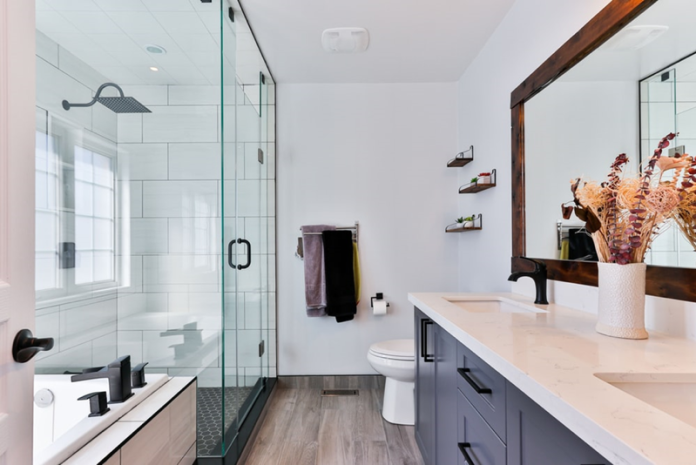
Bathroom Remodel Challenges and How to Avoid Them

Bathroom remodeling is among the most rewarding home improvement projects. Be it to increase property value or to make this personal space livable; bathroom renovation is appealing to most homeowners. However, the benefits of remodeling the bathroom can only be enjoyed if you avoid some common bathroom remodel challenges.

Unlike other common home improvement projects like kitchen remodeling, bathroom remodeling is the most failed improvement project. You should be wary of the various challenges and solutions to avoid wasting time, effort, and resources on this renovation project. Below are the common challenges related to bathroom renovations:

1. Hiring the Wrong Remodeling Contractor

Unlike some simple home improvement projects, such as paint jobs, you should have the help of a contractor or renovation company for your bathroom remodeling project such as Connecticut’s Leading Bathroom Remodeling Services. This proves challenging to most homeowners because it requires an expert in different areas. The bathroom requires experts in construction, plumbing, and tiling.

While construction and tiling can be done by the same contractor, you should hire a dedicated plumbing company for plumbing issues. Even then, you should hire the best experts for these tasks. Bathrooms are very delicate and require professional services to make everything function properly.

2. Mold

Mold is a common bathroom problem for obvious reasons. Bathrooms have all the necessary conditions that promote mold growth, specifically moist and warm environments. Before thinking of remodeling your bathroom, inspect your bathroom for telltale signs of mold growth, such as the following:

  • Black spots above your bathroom baseboards
  • Black spots on the ceiling
  • Constantly wet drywall
  • A musty smell or odor

If there are signs of mold growth in your bathroom, conduct a thorough inspection to determine its extent. Note how wide the growth has spread to determine if you can remediate the growth DIY or if you should call remediation experts. You should handle mold problems before beginning your renovation project, otherwise,you risk spreading the mold problem to other rooms.

3. Drainage Issues

Water should exit the shower or tub drain to maintain moisture levels at reasonable limits. If water doesn’t flow normally and accumulates on the tub floor, you should suspect a drainage problem. Most drainage problems are caused by clogged pipes that require simple maintenance.

Unfortunately, pooling water can also be caused by other issues in the plumbing system. If drainage issues persist even after clearing the pipes, chances are you have serious problems in the pipes. You should contact plumbing experts to correct this issue before you proceed with remodeling.

4. Poor Venting

Bathrooms should have properly functioning vents and exhaust fans to eliminate heat and moisture accumulation. Unfortunately, proper bathroom venting comes with several challenges, especially for bathrooms far from the exterior wall. You shouldn’t assume that your bathroom vent works as expected.

You should regularly test bathroom vents and exhaust vents to ensure they perform optimally. Watch out for signs of poorly functioning vents, such as sweating drywall, lingering humidity after bathing, and fogged mirrors.

Endnote

Your exciting bathroom renovation can quickly go south if you aren’t prepared to deal with these possible challenges. Unfortunately, some issues can go out of hand, even if you are a skilled DIY enthusiast. If not handled properly, simple issues can stretch your renovation budget. Fortunately, most of these problems can be avoided by hiring professional plumbers.

What Are The Planning and Safety Laws For Pool Installation Melbourne?

Are you considering making your backyard the perfect summer hangout spot with a swimming pool? Pool installation Melbourne is an exciting opportunity to create an inviting, family-friendly space. But before you begin planning, it’s important to know and understand the regulations from local authorities when installing a pool in Melbourne. This blog post will give insight into the types of permits, inspections and laws that need to be adhered to for proper and safe pool installation here. Learn about what processes need to be followed so that your new oasis can provide hours of fun in complete safety!

Pool fencing laws in Melbourne

Pool fencing laws in Melbourne are designed to keep children safe around the pool. The Victorian Building Authority (VBA) sets the minimum standards for pool fences, including height and spacing between bars or rails. In Melbourne, all swimming pools must be fenced so that a child cannot gain access without an adult present. The required height of a pool fence is at least 1.2 meters with no gaps more than 10cm apart. All gates must be self-closing and self-latching devices should be fitted to gates to ensure they close automatically, as well as being just out of reach of small children. Barriers should also be used along balconies and stairs leading up to the pool area, as these are potential entry points for kids who can climb or jump over. Additionally, vertical elements such as poles and balustrades should also have a gap between them of a maximum of 10cm at any point where children could potentially fit through or use them to climb over the fence. These regulations help protect children from drowning or serious injury in or around swimming pools in Melbourne. They were established after years of research into the best ways to maintain safety for people using the pool and the surrounding areas, with a particular focus on small children who may not know any better when it comes to safety near water sources. It is therefore essential that all swimming pools meet these standards before being made available for general use by people in Melbourne.

What you need to consider before installing a pool in Melbourne

Before installing a pool, there are several important considerations to take into account. First and foremost, homeowners should make sure they have the financial resources to cover the cost of constructing and maintaining the pool over its lifetime. The total costs can vary widely depending on the type of pool chosen, with above-ground pools requiring less initial investment but also having shorter lifespans than in-ground pools. Property owners should also consider whether their backyard is large enough for a pool, as well as any zoning or insurance restrictions that may exist in their area. In addition to these practical considerations, those installing a pool must ensure appropriate safety measures are taken. A home pool can be an inviting source of fun and recreation if built with proper fencing and barriers to prevent accidents involving young children or non-swimmers. Furthermore, those building a pool should think ahead about the maintenance needed to keep it clean and safe over time: regular water testing and adequate filtration equipment must be regularly used to maintain pH levels and clarity of the water. Finally, property owners should consider how much additional energy use comes along with running pumps and filters associated with swimming pools. With all these factors in mind, homeowners can make an informed decision about whether installing a pool would be right for them.

Pool planning permit requirements Melbourne

If you’re planning to build a pool in Melbourne, there are certain requirements that you need to meet before you can obtain a planning permit. Generally speaking, any proposed pool must satisfy the relevant provisions of the Building Regulations 2006 and the relevant local council’s requirements. Such regulations dictate that all pools must be designed and built to comply with safety standards, as well as provide adequate protection from potential hazards such as unsupervised access by children or injury due to slipping and falling on wet surfaces.

In addition to meeting these regulations, applicants for a pool-building permit will also need to consider the applicable local government restrictions and guidelines. These include ensuring that your pool does not encroach onto public land or obstruct public views; satisfying minimum depth requirements for swimming pools; respecting any applicable setback distances from dwellings; and complying with any Heritage Overlay Areas or Environmental Significance Overlays in your area. In some cases, an application may need to be made to Place Management Victoria if your proposed pool location is within a heritage precinct.

Applicants may also need additional permits or approvals depending on their specific circumstances. This could include water use permits if the pool is connected to drinking water supplies, or electrical safety checks if it requires electrical connections. Depending on where your property is located, you may also require further approvals such as a Floodways Overlay Permit, Vegetation Protection Order compliance or Floodway Development Plan endorsement. Finally, when applying for your planning permit, you may need certifications from professional engineers and other consultants such as town planners or landscape architects depending on the complexity of the project at hand.

Pool safety signage requirements Melbourne

In Melbourne, pool safety signage requirements must be complied with to ensure the safety and well-being of all patrons. Signs must be prominently displayed in a manner that is visible from the pool area and must include, but is not limited to, signs that warn of the dangers of diving into shallow water; signs that remind swimmers to obey any posted rules or instructions; signs indicating the minimum age for unsupervised swimming; signs cautioning against running on wet surfaces; as well as signs reminding swimmers not to swim alone. Furthermore, these safety signage requirements are enforced by local authorities through regular inspections and enforcement action if necessary.

Conclusion

Planning and safety laws are important for the installation of any pool in Melbourne. These laws help to ensure that the pool is installed safely and correctly so that it can be enjoyed by all who use it. Swimming pools should be a fun and safe place for everyone, so it is important to follow these laws when installing your pool. For more information on melbourne fibreglass pools installations in Melbourne, contact the professionals at Melbourne Fibreglass Pool Company.

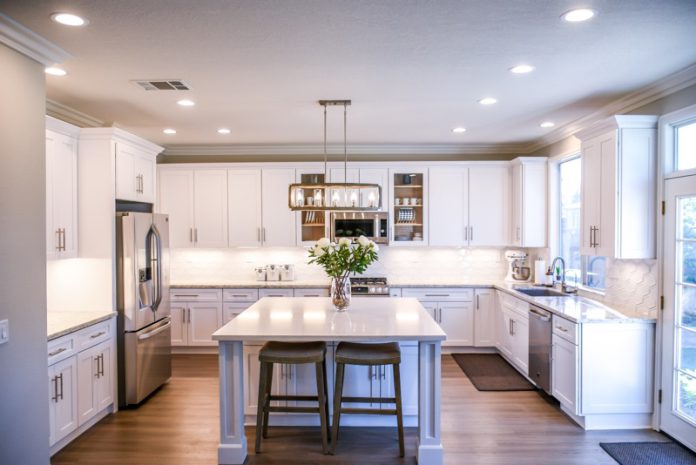
4 Mistakes to Avoid When Renovating Your Kitchen

Renovating your kitchen can be an exciting and rewarding project if you’re into interior designing or are simply looking for a change. A kitchen renovation can not only improve the look of the inside of your house, the heart of it all, but also add value to your home. However, it can also be a costly and time-consuming endeavor, so it’s essential to plan carefully and avoid common mistakes at the time of renovation or while planning. Let’s dig into some mistakes that should definitely be avoided if and when you decide to renovate your kitchen:

Blunders to avoid when renovating your kitchen

1. Do not start without having a clear plan

One of the most significant mistakes people make when renovating their kitchen is not having a clear plan. A kitchen renovation can involve a lot of different elements, such as cabinets, countertops, flooring, lighting, and appliances. It’s essential to have a clear vision of what you want to achieve and plan out the details before starting any work.

Here are some tips for avoiding the mistake of rushing during the planning phase:

  • Set clear goals: Before you start planning, be fully aware of what you want to achieve with your kitchen renovation. Do you want to increase counter space? Improve storage? Create a more open layout? By setting clear goals, you can focus on your planning efforts and ensure that your renovation meets your needs and preferences.
  • Research design options: There are many design options to consider when renovating a kitchen, including different layouts, materials, and finishes. Take the time to see which options you like or dislike, and consider their pros and cons, as well as how they fit with your goals and budget.

Create a detailed plan: Once you have a clear picture of what you want and the design options available, create a detailed plan for your renovation. This should include a budget, timeline, and a list of materials and finishes, as well as any necessary permits and approvals.

2. Choosing cheap materials

When renovating a kitchen, it can be tempting to cut corners to save money. However, skimping on quality can result in costly repairs and replacements down the road, ultimately leading to more expenses in the long run. For example, cheap countertops may scratch or chip easily, while low-quality cabinets may not be as sturdy or durable.

Moreover, hiring inexperienced or low-cost professionals for your kitchen renovation can result in poor workmanship. Poorly installed plumbing, electrical, or ventilation systems can result in leaks, malfunctions, or even safety hazards. Compromising on quality can also affect the resale value of your home. Customers are often willing to pay more for a kitchen that is well-designed and made with high-quality materials.

3. Not considering storage

When renovating a kitchen, it’s essential to consider the storage needs of the space. Not having enough storage can result in a cluttered and disorganized kitchen, while having too much storage can make the space feel cramped and overwhelming. Here’s how you keep your kitchen more organized through an improved storage system:

  • Identify your storage needs: Before starting your renovation, consider what you need to store in your kitchen. This can include pots and pans, dishes, small appliances, food, and cleaning supplies. Make a list of everything you need to store and how much space each item requires.
  • Cabinets and drawers are the most common types of storage in a kitchen. Consider the size and placement of cabinets and drawers to maximize storage while maintaining a proper workflow.
  • Consider pantry space: A pantry can be an excellent way to add additional storage to your kitchen, which gives it a more sorted outlook. Depending on the size and space in your kitchen, you may want to consider a walk-in pantry or a built-in pantry with shelves and drawers.

4. Underestimating the budget

Underestimating the budget for your kitchen renovation can be a costly mistake. While it’s important to have a realistic budget from the beginning, unforeseen expenses can still occur during the renovation process. If you underestimate your budget, you may be forced to cut corners or compromise on the quality of materials used in your kitchen renovation. This can lead to issues down the road, such as needing to replace lower quality materials sooner than you would like.

Moreover, you may end up with an incomplete kitchen renovation if you run out of money before the project is finished, which might just lead you to feel demotivated to even complete it in the future. Hence, it is crucial to do your research and get accurate estimates for all aspects of the project and seek the expertise of the professionals instead of thinking you know it all. If you opt for experts of kitchen remodeling in spring md, there are high chances that you may not face any problem in the execution of your remodeling agenda.

It’s also a good idea to set aside a contingency fund of at least 10-20% of your total budget to account for unexpected expenses. Therefore, by being realistic about your budget and planning for unexpected costs, you can ensure that your kitchen renovation is completed on time and within your financial means.

Parting thoughts

Keep in mind that a kitchen renovation is a long-term investment for your home, that can make the house feel refreshed from the inside. However, its execution is time-consuming and may not entirely go according to plan as every activity has a chance of error. Therefore, all the aforementioned mistakes should be steered clear of in order to have your dream kitchen where you can make meals and snacks for your friends and family.

10 Settling In: Best Services and Resources to Help You Get Acclimated to Boston

Welcome to Boston, a city that will steal your heart with its charming streets, historic landmarks, and thriving culture scene. However, with so much to explore, settling in can be overwhelming and complicated. Fear not!

In this article, we’ll highlight the best services and resources available to help you get acclimated to Boston

From finding great apartments to learning about cultural events happening near you, these resources have been designed to help newcomers get settled in quickly.

Housing resources

Boston is a city of distinct neighborhoods, each with its own unique character and atmosphere. Whether you’re looking for a trendy and hip area like Cambridge or a more traditional neighborhood like Beacon Hill, Boston has something to offer.

If you’re looking for a hassle-free move, furnished apartments in Boston are a great option. These apartments come fully equipped with all the essential amenities and utilities, which means you don’t have to worry about buying or transporting your own furnishings.

When searching for housing in the city, it can be helpful to use online rental sites like Zillow and Craigslist to find apartments and monthly rentals in your desired area.

Alternatively, you can work with a local real estate agent who can help you navigate the rental market and find the perfect place to call home.

It’s important to keep in mind that Boston’s housing market can be competitive, with high demand and limited availability. As a result, prices can be higher than in some other cities, and it’s essential to budget accordingly. Also, make sure to factor in proximity to public transportation, grocery stores, and other amenities.

Transportation services

Getting around Boston is relatively easy, thanks to the city’s public transportation system. The Massachusetts Bay Transportation Authority (MBTA) operates a network of subway trains, buses, and commuter rail lines that serve the entire Greater Boston area.

You can purchase tickets or passes for the subway and bus services at kiosks located in subway stations.

If you prefer a more personalized transportation experience, ridesharing services such as Uber and Lyft are readily available in Boston. Taxis are also an option, but they can be expensive.

Additionally, Boston has a network of bike lanes and paths that make it easy to explore the city on two wheels. You can sign up for membership with Bluebikes, which has over 260 stations across the city or take a leisurely stroll through one of Boston’s many parks and gardens.

Healthcare services

Boston is home to some of the best healthcare institutions in the world, making it an excellent place to access top-quality medical care. Massachusetts General Hospital, Brigham and Women’s Hospital, and Boston Children’s Hospital are just a few examples of the world-class medical facilities located in the city.

The city also has several urgent care centers that offer emergency services for non-life-threatening medical issues.

Finding healthcare providers is also easy in Boston. You can use online resources like Zocdoc and Healthgrades to search for doctors, dentists, and specialists in your area based on your insurance and health needs.

Additionally, many healthcare facilities have online portals where you can schedule appointments, view test results, and communicate with your healthcare provider.

It is important to note that healthcare services in Boston can be expensive, especially for those without health insurance. Therefore, research and understand your healthcare coverage options, and ensure that you have a plan in place for any medical needs that may arise.

Education and learning resources

Boston is a city that values education, and there are many opportunities for learning and personal development. The city is home to several top-ranked universities, including Harvard University and the Massachusetts Institute of Technology (MIT).

The Boston Public Library is a great resource for education, with a vast collection of online databases, e-books, and audiobooks. It also hosts a variety of programs and events, from book clubs to workshops on technology and business.

If you’re interested in continuing education, there are also many local schools and programs that offer classes and workshops in a range of subjects.

For instance, the Boston Center for Adult Education (BCAE) provides a variety of classes, from cooking and language courses to professional development and technology workshops. Another option is the Boston Learning Center, which offers tutoring services and academic support for students of all ages.

Many of these schools offer online courses and programs, making it easier for students to continue their education while working or raising a family.

Cultural and social resources

Boston is a city that boasts a dynamic and diverse cultural scene. With its deep roots in history and a reputation for innovation, the city is a melting pot of creativity and inspiration.

From world-class museums, such as the Museum of Fine Arts and the Isabella Stewart Gardner Museum, to the Broadway shows and experimental theater, there’s always something new to discover in the city.

But Boston’s culture is not just about museums and theaters. The city also boasts a lively social scene, with numerous bars, cafes, and restaurants where you can relax and unwind after a long day.

In addition to its artistic and social offerings, Boston offers numerous opportunities for you to meet new people and get involved in the community. From neighborhood block parties and street fairs to volunteering opportunities and charity events, there are many ways to connect with others and make a positive impact in the community.

Conclusion

There you have it – a comprehensive list of services and resources to help you get acclimated to Boston. As can be seen, getting settled in Boston doesn’t need to be complicated or overwhelming.

With the wealth of options available from diverse sources such as the city’s housing agencies, service providers, cultural centers and academic programs, finding your footing will definitely not prove too difficult.

Recent Posts

Posts You Might Like