
Home Blog Page 155

Vinyl Flooring: Paving the Way to New Horizons

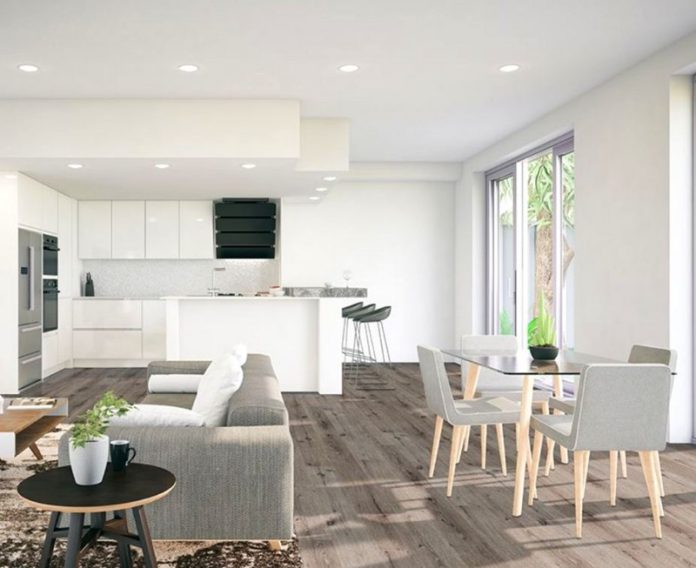
We are huge fans of the classic look that is achieved by covering flooring with stone, wood, or ceramic. But let’s be honest: these materials can have a hefty price tag, offer little in the way of comfort, and frequently require more maintenance than either our time or energy allows for. Because of this, the smart money typically goes on vinyl. This long-lasting flooring is resistant to debris from the street, shoes with pointed heels, and messy spills, and it also provides a non-slip surface that is frequently cushioned and does not break the bank. It is little wonder that vinyl may be found in virtually every home in the United States, most frequently in areas such as kitchens, bathrooms, and entryways.

This category of resilient flooring encompasses a variety of products, such as sheets, tiles, and planks made of flexible PVC; rigid tiles that combine vinyl and ground limestone; and soft, rug-like sheets that are woven from vinyl-coated fiberglass strands. Flexible PVC is used to make sheets, tiles, and planks. Rigid tiles combine vinyl and ground limestone.

Vinyl flooring, which gained widespread acceptance in the middle of the 20th century, is continuously undergoing development. It can be installed more quickly than earlier models, and it is more robust; several firms even give lifetime guarantees on their products. The patterns and textures aggressively go in the direction of a more contemporary aesthetic or impressively replicate its more traditional rivals. As another measure taken to address health concerns, certain types of flooring are now officially recognized as complying with stringent criteria for the purity of air within the home. Who needs a historic pedigree when a flooring option is this adaptable and has so many different appearances?

5 BENEFITS OF VINYL PLANK FLOORING

  1. Impervious to water.

It is possible to install waterproof vinyl planks in any space, but they are particularly well-suited for wet environments such as kitchens, baths, and basements. The worry-free vinyl plank solutions from Mannington keep your flooring safe from moisture and are designed to withstand accidental spills as well as messes left by pets.

  1. Realistic sights.

The versatility of vinyl plank flooring in terms of its look is perhaps one of the factors that contributes most to its popularity. Your flooring will have the appearance and feel of the genuine article because of the incredibly accurate patterns, colors, and textures employed in the creation of vinyl planks.

  1. It is simple to clean and take care of.

Vinyl plank flooring, like other kinds of flooring, has to be cleaned every once in a while. This is notably the case if it is utilized in a high-traffic place; but, fortunately, they are simple to clean and take care of. Use a broom, vacuum, or a sweeper made of microfiber for a speedy clean up to maintain the appearance of newness of your vinyl planks. When it comes to thorough cleaning, all you need is a wet mop and some gentle cleanser. In addition, there is no requirement for waxing at all! In addition, vinyl plank flooring has a protective wear layer on it, which enables it to keep its brilliance for many years after it has been installed.

  1. Extremely durable.

Vinyl plank flooring is designed to withstand heavy foot traffic. Because it is resistant to scratching, denting, and staining, it is a good choice for homes with children and pets. Because of its long-lasting properties, vinyl plank flooring may be installed in almost every room in the house.

  1. Ample diversity.

Your choices for flooring are practically countless, ranging from concrete to ornate tile, marble, stone, and other types of stone, as well as wood. Not only will it be simple for you to locate a floor that you adore and that complements the interior design style you have in mind for your house, but you could also have problems deciding which option is your absolute favorite!

You are able to get the opulent look of stone and exotic woods without having to deal with the commitment or money that comes along with the upkeep of such materials. In the extremely unusual event that it would ever be necessary to have it replaced, the vinyl could be removed in a pretty short length of time and with very little work on the part of the person doing the removal. In addition to this, vinyl can withstand the corrosive effects of dampness without being damaged.

As a result of this, it is a wonderful material to use in homes that have animals of some kind living in them. Customers have the opportunity to choose from a wide variety of color options, surface textures, and design choices when it comes to vinyl flooring, which is one of the many alternatives available at SD Wood Cabinet – the best vinyl flooring San Diego and is part of the store’s extensive assortment. The store is known for having the best vinyl plank flooring in San Diego.
Which Couch Fabrics Are the Most Stain- Resistant?

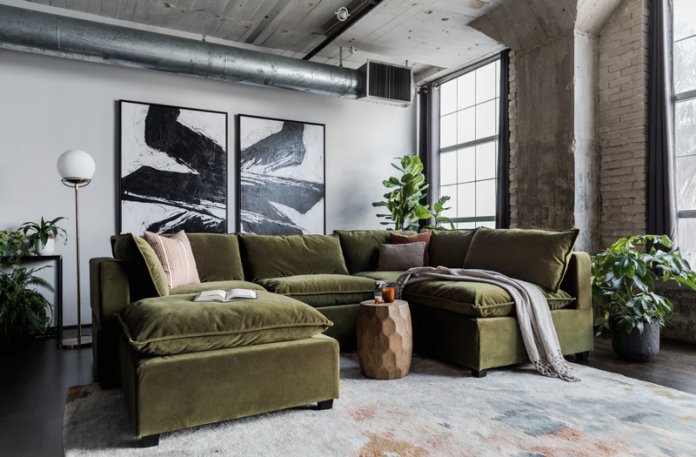
Couches are the centerpiece of most living rooms and see plenty of action each day. They’re a place to lounge, entertain guests, and enjoy the occasional slice of pizza or glass of wine. Families with kids or pets are even rougher on their couches.

If you want a sofa that’ll stand the test of time, you need to consider what it’s made of. Search for a stain-resistant couch fabric to protect yourself from the messy side of life.

Synthetic vs. Natural Couch Fabric

Upholstery breaks down into two distinct categories — natural and synthetic fibers. Fabrics with cotton, wool, or silk are made of natural materials. Synthetic upholstery, on the other hand, is entirely manmade. You’ll also come across couches on the market that uses fabrics with a blend of natural and synthetic fibers.

In general, synthetic materials like polyester and acrylic are the easiest to maintain because of their high stain resistance. Natural fibers aren’t as tightly woven and are more likely to let stains seep further into the fabric. In that same vein, a materials thread count helps determine its resistance to staining — a higher number means the fibers are closer together and more easily repel stains.

Top 5 Most Stain-Resistant Couch Fabrics

Since most natural fibers struggle to resist stains, you’ll only find one on this list. The rest are variations of synthetic materials. Any of these would be an excellent choice for your home based on your aesthetic preference and needs.

1. Wool

Wool is the only natural material on the list. Its fibers are, by nature, repellent to oil-based spills, and it’s one of the most stain-resistant natural fabrics. However, synthetic materials are generally more resistant to staining. Also, wool needs to be professionally cleaned, making it rather high maintenance.

2. Olefin

Olefin is most commonly used in indoor/outdoor rugs and couches. It’s a tough material and highly resistant to sun, moisture and stains. Olefin is a good option for an outdoor sofa or one that sees high traffic. Low-quality olefin can have a rough texture, so you may need to spend a little more on a couch you want to use inside.

3. Polyester

Polyester is typically used in combination with other materials, especially natural ones like wool or cotton, to boost stain resistance and durability. On its own, the plastic nature of the fibers is scratchy and stiff. If you love the feel of natural material but not the stainability, look for one with a polyester blend.

4. Microfiber

Microfiber is a great choice for well-loved sofas. Stains, pet hair, and dust have no chance against its tightly packed weave. It’s made of fine strands of polyester and polyamide, which combine to create a velvety soft texture. It’s also relatively easy to clean with products you have at home if you know what you’re doing.

5. Acrylic

Acrylic fabrics are similar to olefin in that they’re one of the most highly stain-resistant. With this material, you get what you pay for. Low-quality acrylic tends to be very scratchy and pills easily. Investing in a higher-quality piece can overcome some of the rough texture and produce a fabric much less likely to pill with extended use.

Consider Your Daily Use

How often do you plan to use the couch you’re shopping for? Sofas in a high-traffic room where you sit with family or entertain guests will need a more hearty fabric than a small loveseat in your bedroom. You typically can’t go wrong with a synthetic for the best-lasting, most stain-resistant couch fabric.

Benefits of Glass Extensions

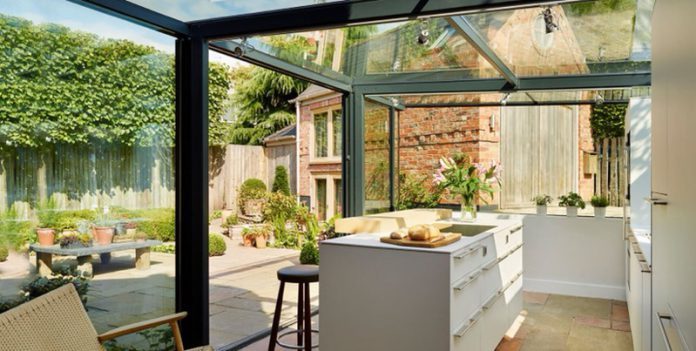
The energy and optimism of a person largely depend on the amount of light entering the room. Increase the volume of your living space and fill it with light by the installation of a glass link. Protecting from all kinds of atmospheric phenomena, such a glass box extension creates comfortable conditions for contemplating the environment.

Open Plan Living with the Glass Link

The fashionable design trend of using glass extensions has become possible thanks to the use of the latest technologies in the production of double-glazed windows. They allow the creation of new types of products that are resistant to possible external influences. Such glass is even used as a floor to connect separate buildings at the level of the second floor or higher.

Advantages of Using Glass Link and Extension in House Design

  • Protection of listed buildings from destruction
  • Visual expansion of the house
  • Panoramic view of the surrounding space
  • Commercial attractiveness of office space
  • Universality of solution harmonizing with buildings of any type
  • Possibility to use as residential premises when glazing with a product of sufficient thickness

Production of Glass Structures Limited: from Glass Link to Roofs and Floors

Expert in the production and installation of extensions Glass Structures Limited https://glassstructureslimited.com/glass-extensions is constantly developing new types of insulating glass units and improving the existing product line. Today the company is engaged in the following types of glazing:

  • Glass house extension and oriel windows
  • Glass link to connect buildings
  • Glass roofs of various designs
  • Glass stairs and doors
  • Shop windows and balustrades
  • Glass floors and elevator shafts

By choosing glass extensions as an integral part of your building, you become closer to nature. A person spends in enclosed spaces, being fenced off from the magnificent environment, most of his life. With glass extensions, your home will acquire much more value and will delight all its residents and guests.

8 Lighting Tricks to Create the Perfect Atmosphere for Your Home

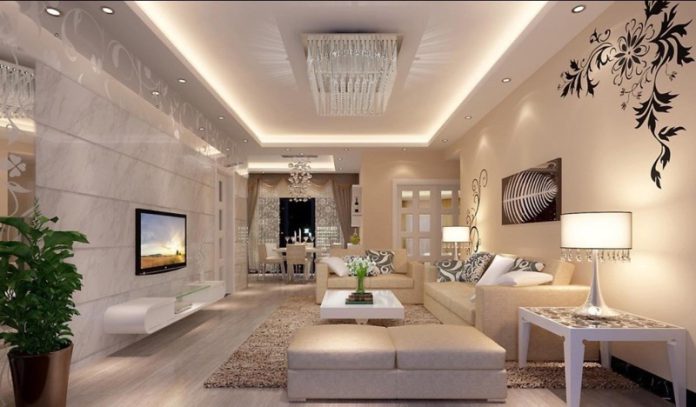
living room with luxurious interior lights

How do you feel when you first walk into your home? You work hard for your lifestyle, and your house shouldn’t cause added stress after a long day. When you create a room where the atmosphere is peaceful and calming or happy and welcoming, you want to be there.

If your house isn’t doing this for you yet, an easy and inexpensive way to solve the problem is to change the lighting. Yes, a lighting trick could be all you need to create the perfect atmosphere in every room of your home.

How can you do this? Well, it’s not magic, but it might seem like it is. Depending on what’s going on in the room, one or more lighting tricks could instantly turn your home from stressful to restful.

1. Recognize the Problem

There’s a reason why styles like feng shui are popular worldwide. The energy and atmosphere in a room change when you adjust the color, space, and texture flow. All of these design elements matter. How your room is put together might be the problem.

Is your furniture too big or too small for the size of the room? Are there too many colors or textures clashing together? Are you aiming for minimalistic but hitting the mark and going too simplified, or doing the opposite and you’re a tad too eclectic or Bohemian?

Adjusting the lighting can make a difference no matter what’s going on in a room. While you’re attempting to get the style under control, try skipping the bright, glaring ceiling lights. Use floor or table lamps or WarmDim downlights instead. These hide the disconcerting elements and let you relax when you enter a room.

2. Match the Lighting to the Activity

Is your bedroom lighting too bright, or are your kitchen lights too dull? Lighting has an effect on a person’s mood. Studies show that lights do more than help you to see images, intensities, shapes, and contrasts. Various types of lighting produce biological and psychological changes in our bodies.

Lighting can positively or negatively affect a person, as we see with SAD (Seasonal Affective Disorder). Too much darkness plays havoc with our circadian rhythm and eventually causes depression and sadness.

However, there’s a time and place for everything, including darkness. Your bedroom is the place you go to when you’re ready to sleep, so it should be dark in there.

Take out the overhead lightbulbs, replace them with warm options, and use a table lamp on your nightstand. Save the bright lights for the kitchen and other rooms where you want to be active and alert.

3. Use Layering

Layering isn’t solely for textures. When you layer your lighting, you make use of a variety of light sources at different levels.

For instance, you might want to use one bright overhead light in a large room. But that makes it cold and glaring instead of warm and welcoming. Instead, opt for pendant lighting to hang from the ceiling, then use table lamps or standing corner lamps to chase the shadows away from the room’s edges.

4. Get Rid of Unnecessary Lighting

Do you really need those bright lights in every room? Ceiling lights come standard in most homes today because it’s simply easier to walk into a room and flick a switch. Let there be light! 

But the lightbulbs that are in the room aren’t set in stone. You can change them out or get rid of them completely. If you need more or less light, make it happen. The light in a room should be useful. If it’s too strong, it’s using energy that you don’t need. So, if you’re not using a particular light to its capacity, change to energy-efficient bulbs, strip lighting, or another lower wattage style.

5. Pay Attention to the Bulbs

Not only are bulbs potentially costing you money on your power bill, but they’re also stealing your peace. Look at the wattage on each lightbulb. In rooms where you want to be alert and productive, use bulbs with higher temperatures and watts. In other areas, such as the bedroom or living room, opt for lower temperature bulbs.

If your aim is to be energy efficient, there are lightbulbs that will say this on the outside of the package. LED white lighting is currently the most energy-efficient bulb on the market, using up to 90% less energy. They also tend to last 25 times longer than old-school incandescent bulbs.

You can use light bulbs to make a design statement, too. For instance, if you want your room to emit a relaxing red atmosphere, put a low-watt red bulb in your table lamp. Some people use LED strip lighting in multiple colors to create this effect.

6. Hide the Flaws, Show Off the Favorites

Is there a gash in the wall you are tired of looking at or an area that needs to be repainted … eventually?

You could make use of paintings and framed pictures to cover these flaws. Or, let the right lighting be your strategy to hide them.

To do this, simply take the lighting away from those areas and move it to show off the places of the room you do like. So, if the overhead lighting is so bright that it’s easy to see the areas that cause you to stress, turn off that bright light. Grab a WarmDim downlight or a corner lamp, and place it near something you don’t mind showing off.

This strategy also works well when your furniture is stained or shabby. If you can’t replace your couch yet or buy a cover, move the lighting! Like magic, it’s not as visible anymore.

7. Avoid Accidents With Lighting

Is someone in your home accident-prone? It happens to the best of us, from toddlerhood to senior citizens. When you need a midnight snack, or you get up in the middle of the night to use the bathroom, what path do you take? Instead of turning on the lights in each room and waking yourself up even more, use directional floor-level lighting or a well-placed nightlight.

8. Don’t Overdo It

Regardless of how many unique interior design elements you have in each room of the house, try to stay consistent with your lighting. Aim for natural lighting when possible. Choose pendant lighting, table lamps, and corner lamps that complement each other.

Stick with the same dimmer switches or recessed lighting throughout the house. You’ll help guests avoid confusion, and make it easier on you when it’s time to replace bulbs or light switches.

Top Window Treatment Considerations for Bathrooms

Bathrooms are the most private space inside a home. And yet, every bathroom needs a window or two, opening out to the elements to bring in sunlight and fresh air. This double-edged need for privacy as well as light and air is managed through the right kind of bathroom window treatments.

Think of it, you just can’t choose your bathroom window treatments the way you would for your living room or bedroom, simply because bathrooms are predominantly wet places and we need to factor in resistance to dampness and moisture in any window treatment we choose.

We have compiled some key things to remember while choosing your bathroom window treatments. Read on and you will be able to make the right choices.

  • What’s the size of your bathroom

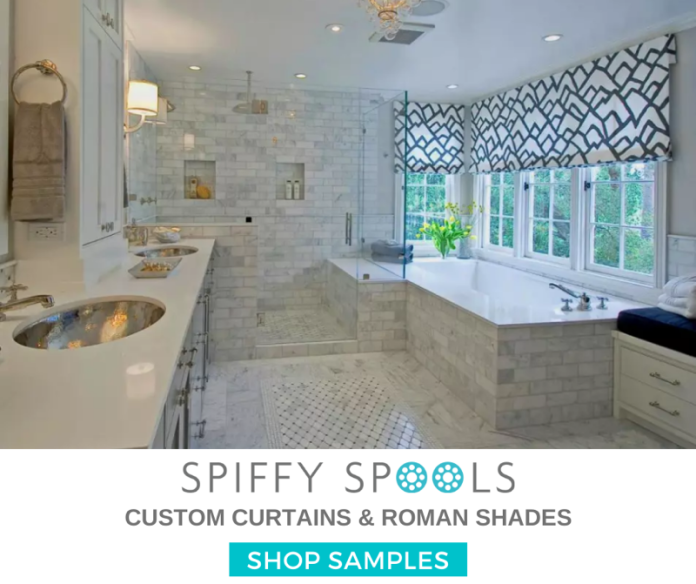
Small bathrooms have the sink, shower, and commode enclosed in a small space. This means higher chances of bathroom drapes getting wet with water splashes. Humidity also stays trapped for longer in smaller bathrooms. For small bathrooms, it is best to choose water-resistant window treatments such as metal/ faux wood roman blinds or roller/ roman shades in PVC that will stay unaffected by any water splashing on them. If the shower cubicle is separated from the rest of the bathroom with glass walls, you can go for lightweight, easy-dry custom curtains on windows. For bigger bathrooms with sufficient separating space between the bathroom fixtures and the windows, you can even opt for full-length floor-to-ceiling drapes in a quick-dry blended fabric.

  • What are your privacy requirements

If you live in an apartment, you should keep in mind which floor you are on – ground floor, basement, and mezzanine bathrooms require way more privacy than those on higher floors where there’s much less likelihood of anyone being able to look inside while you are conducting your business. Bathrooms on higher floors or in houses with enough compound area are relatively free of the chance of any prying eyes peeping in. Unless your bathroom is on a higher floor and also faces another residence’s balcony or window, you can go for translucent drapes or café curtains (half window coverings) that will maximize natural light while also obscuring direct views. In contrast, a bathroom on the ground floor or in the basement needs window treatments with 100% view blocking ability to fully protect your privacy.

  • What’s the size of your window

The window treatment to be used for your bathroom depends considerably on its size. For smaller windows, using large curtains that cover up most of your window not only hampers its functionality by covering it up and blocking light and air but also looks shabby and unprofessionally fitted. Instead, you should consider using custom roman shades or blinds which have a better fit and have higher functionality in controlling the entry of light and privacy. However, if there is no such size hindrance and you have enough stacking room on the sides of the window, you may use curtains, keeping in mind the material you choose for them.

  • What materials are you choosing

We have already discussed this in bits and pieces earlier but being an important factor, we need to go over this. Natural materials like cotton, linen, silk, wool, wood, etc., do not work well with bathroom window needs. These are natural materials that get damp easily, take time to dry up, and are prone to mold and mildew. Wood tends to warp and peel as well in high humidity zones. For bathroom window treatments, you need waterproof or fast-drying materials that will be unaffected by moisture and steam. We recommend polyester, polyester blends, faux wood, and metals like aluminum. The good news is that the practical bathroom window treatment material needn’t be boring. For example, among the numerous colors and patterns available in the market and these tips, you can always find the perfect curtains that retain their functionality while also enhancing your bathroom’s aesthetics.

  • What’s your budget

If you have a hectic schedule with limited housekeeping time or a limited budget that doesn’t stretch to professional cleaning, we recommend window treatments that can go long with just a wipe and clean routine. Lightweight washable fabrics that can be washed in the washing machine and don’t need ironing are your next best friends. Wash them and hang back in the bathroom straightaway for drying. Anything that needs specialist cleaning likely costs more and also needs extra money for maintenance. So, go for those only if you have the budget and the time.

Use these tips and you will get bathroom windows that are functional as well as user-friendly.

How Much Of A Tree Can You Cut Without Killing It?

If you’re like most homeowners, you probably don’t think about how much of your tree you can cut without killing it. But, if you’re planning to do some tree trimming this year, it’s essential to know the answer to that question. The following article contains some tips on how to trim your trees safely and effectively. We’ll also discuss how much of a tree you can cut without damaging or killing it and whether you need an arborist’s help.

How Much You Can Cut a Tree

If you want a quick answer, this is it: it depends on the tree. In general, provided that a tree is healthy and has plenty of leaves, you can remove up to 30-33% of its branches without harming it. But if the tree is unhealthy or has few leaves, you should only remove a few branches at most. Removing too many branches can weaken the tree and make it more susceptible to disease and pests.

When pruning a tree, always use sharp pruning shears and make clean cuts that are angled away from the trunk. Remove broken or dead branches first, then thin out the inner canopy to allow air and sunlight to reach the lower branches. Never use a chainsaw to prune trees—it can damage the bark and seriously injure or kill the branch itself.

If a tree experiences regrowth after having its branches cut, it will do so with smaller leaves that will be less efficient at capturing sunlight and converting it into energy. This can result in less growth and aesthetics for your property. Additionally, if there are too many cuts made to a young tree’s branches, it can stunt the overall growth of the tree.

How Do Trees React to Being Cut?

When branches are cut from a tree, the tree reacts in a few ways. First, the tree will begin to grow new branches more quickly to compensate for the lost ones. Depending on how much of the tree was pruned, this growth can be extensive. The tree may also produce denser foliage around it in an attempt to protect the remaining parts of the tree from pests and diseases. It may also produce more cones or seeds in order to reproduce sooner.

Cutting Near the Canopy

Generally speaking, you can remove up to 30% of a tree’s canopy without causing long-term damage or killing the tree. If you are removing more than 30% of the canopy, it’s best to consult with a certified arborist to ensure that you are not damaging the tree beyond its ability to recover.

The size of the tree, the species of the tree, and the health of the tree all matter. As a general rule of thumb, you should never remove more than 1/3 of the living branches from a tree. If you need to remove more than that, it’s best to consult with a certified arborist.

How Do Arborists Decide Where & When to Cut?

When pruning, always clean your cuts at a 45-degree angle above a bud or side branch. Avoid cutting flush with the trunk as this can damage the bark and cause disease. And never top a tree! Topping is when you cut off all of the branches on one side of the tree to create a “flat-top” look. This is highly damaging to most trees.

Depending on the tree species, you can cut anywhere from 25% to 75% of the tree’s crown without killing it. However, you should never cut more than three-quarters of the tree’s crown, or you may risk damaging the tree and causing it to die.

When pruning a tree, it’s vital to keep in mind that trees need foliage to produce food and grow healthy. To maintain a healthy tree, certified arborists recommend no more than 25% – 33% of the total leaf surface area be removed in any one year. Pruning larger branches (>3 inch diameter) too much at one time can result in heavy bleeding, which delays healing and leaves a large wound.

Trees are a vital part of our environment and often go unnoticed until they’re removed. But how much of a tree you can cut without killing really depends on so many obscure factors. One involves the size or species of tree that is more resilient to being trimmed, but your certified arborist can make the call for you. ISA certification and membership are absolutely essential for keeping up with industry research and providing expertise to the public.

Your Guide to Find the Best Blind for your Home

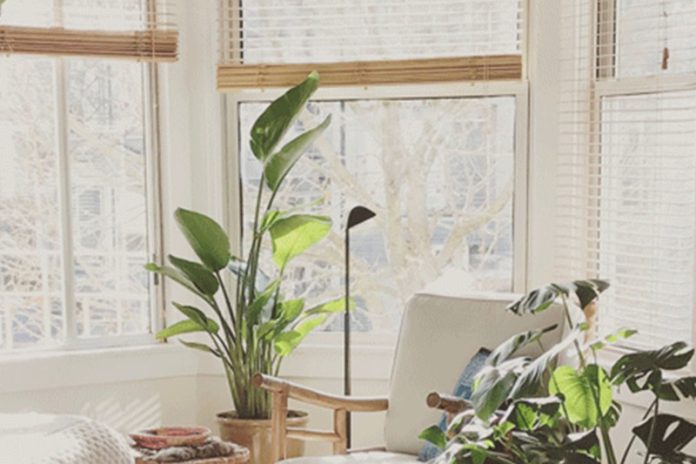
If you are thinking about upgrading your home’s window treatments or even if you want to update your existing blinds, it can seem like a bothersome task. Installing and finding the right  set of blinds can add many benefits to your home. Some benefits of adding blinds can include more aesthetic and visual appeal, privacy and helps you control the amount of light that is allowed in your home. By switching out your old window coverings you can also maximize your home’s energy savings.

Regardless of if you choose to have custom blinds that are designed by a professional blinds company for your home or if you simply want a refresh, there are many stylish and affordable blinds to choose from that can elevate your room.

There are many factors that can come into play such as cost, materials, colour palette and which professional contractor to choose. In this article, we’ll go over how to choose the best blinds for your home.

What type of blinds are there?

The first step in choosing the right blinds for your home is determining which kind of blinds are best suitable for your needs.There are plenty of options when it comes to blinds, but generally speaking blinds can fall into two categories: outside mounted blinds and inside mounted blinds.

Outside mounted blinds  are installed on or above your window frame, for homes that have windows with a shallow depth.  Outside mounted blinds also give the appearance of larger windows and can help mask outdated or unsightly windows.

Inside mounted blinds would be mounted within and nestled inside the window frame. These frames are great for those who enjoy a more minimalistic design look. Inside mounted blinds are also great if you are trying to have window treatment that doesn’t take up too much space.

There are general 5 kinds of blinds that you can choose on the market and they include:

  • Venetian Blinds
  • Roller Blinds
  • Roman Blinds
  • Pleated Blinds

Your Fast Guide to Different Kinds of Blinds

Venetian Blinds

Venetian blinds are made out of aluminium, real or faux wood. The top of venetian blinds is the headrail is and also where the control mechanism is housed. There are two basic controls, one to tilt the slats and another to raise or lower the slats.

Venetian blinds can come in a variety of styles. The headrail and some of the slats can have decorative finishes and flourishes. These kinds of blinds are one of the most common blinds on the market.

Roller Blinds

Roller blinds are a type of fabric blind that can come in a selection of one or two rollers. These kinds of blinds are one of the most versatile choices when it comes to blinds. You can have a selection of different fabrics, light allowance (how much light is let in), colours and even patterns.

Now there can be a variance within roller blinds depending on which type of roller blind you choose, there can be single rolls which would only have a single kind of fabric. Dual roller blinds which have two different kinds of rolls so you can choose which one is being used and finally a third kind called zebra blinds which has two layers that allows you to switch between a transparent and more private design.

Roman Blinds

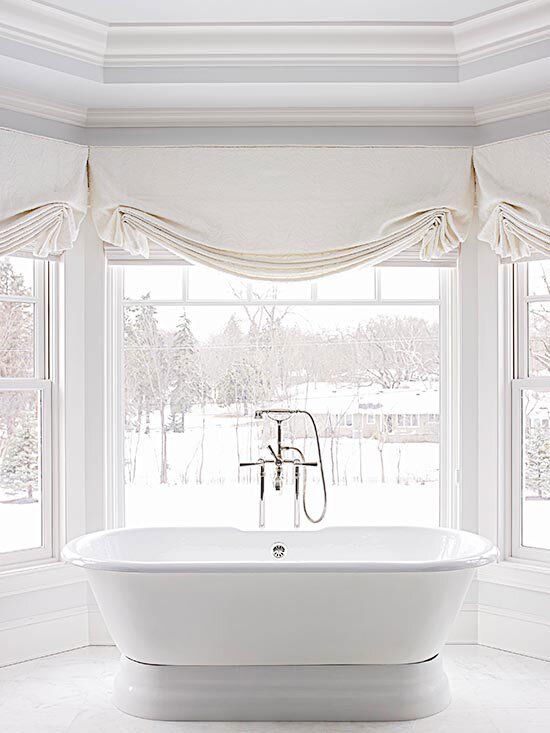
Roman blinds are a luxurious choice of window treatments. These blinds are made from a thicker fabric when compared to roller blinds, they also differ because they have rods ewn inside to create folds. As you pull the cord, these blinds would unfold from the top of the window.

These blinds don’t wrap around a roller and are available in a wide range of fabrics as well as textures. This can add a whole new dimension to your blinds and room. Another benefit is that they can have a variety of linings like blackout or thermal too.

Pleated Blinds

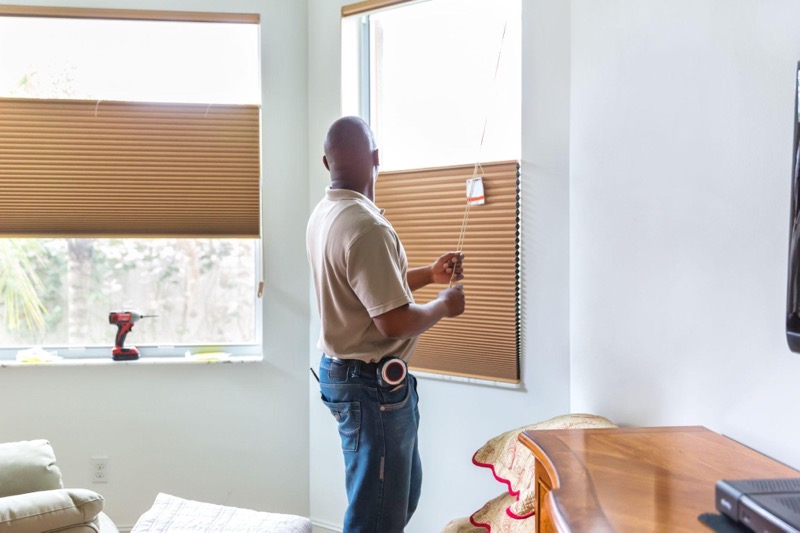
Pleated blinds are another choice when it comes to fabric blinds and they work by having fabric that folds open and closed. You can choose from a simple single pleat or more intricate designs like a honeycomb or cellular patterns. They can attach directly onto the window frame without the need for screws or drilling.

One special feature of pleated blinds is that they have no cords. Cords can pose a potential hazard to young children so pleated blinds are an ideal choice for full sized windows or door in homes with growing children.

How Solar Power Reduces Bills

Electricity bills have been constantly increasing nowadays. But since it is needed in every aspect of life, the more electricity is used, the higher the electricity bill. Sometimes, it can be higher than what you are expecting. Though there are home appliances that are promoted as energy-saving, this does not entirely mean that your electricity bills will be lower.

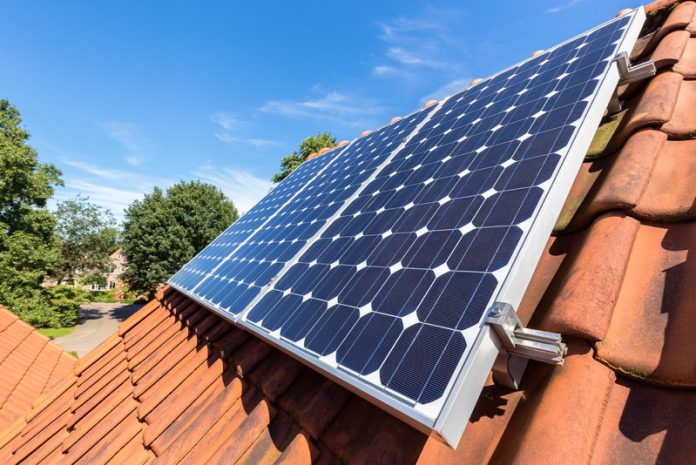
Fortunately, the installation of solar panels has been becoming the most effective way of immensely lowering electric bills. Not only does it help homeowners with their expenses, but it is also beneficial for the environment since it reduces the gas emissions that may harm the environment in the long run.

In Canada, there are more hours of daylight during summer and spring which can be beneficial if you own solar panels at your home. These solar panels can generate more electricity during these seasons. Southern Alberta has high potential when it comes to solar energy since it is one of the sunniest locations in Canada. Solar companies in Edmonton can provide quotations if you consider this renewable energy.

How Solar Panel Works

Solar panels are made up of solar cells, which produce electricity as lights hit the solar cells. Since it produces energy, every excess power your solar panel has produced returns to the system.

With enough solar panels installed, households can save a lot on electricity expenses, or sometimes, they do not have to pay anything.

How Solar Power Reduces Bills

Though some homeowners are hesitant to install solar panels because of the upfront costs, using solar energy can save you more money than what you have paid for the upfront costs. Here are some of the ways you can save money with solar energy.

Save on Electric Bills

This is the widely-known benefit of installing a solar panel. Solar energy can reduce your monthly electric bills by up to 50%. The energy produced by the solar panels from the sun will be used to power your home appliances and household lights.

However, when there are thunderstorms, you can use your regular electricity as a backup only. As long as the sun is present, you will receive free electricity. You will only pay your local utility company when your solar panels are not able to store energy.

As long as they are fitted correctly, the electricity system switches from solar to regular electricity when your panels are not able to produce the energy your household needs.

No More Spending on Maintenance Fees

Issues with local electricity companies cannot be avoided. As expected, these issues come up with repairs and maintenance, which you need to pay. With solar panels, you would not need to stress yourself out because of these expenses.

Once these are installed, they do not need monthly maintenance fees, and issues that need repairs are rarely experienced. If there will be maintenance needed, consider this as the maintenance that can cover many years.

Solar companies in Edmonton also offer warranties where they can fix any issues without requiring the homeowner any payments.

Eligibility on Tax Credits

Some locations provide tax credits when you install solar panels. Some governmental agencies pay for a percentage of your installation because of your help to the environment. If you are installing multiple panels, this can reduce your installation costs which your local utility provider will not provide when you request electricity installation.

Costs Do Not Depend Anywhere

When you use this renewable energy, you will not have to worry about whether your monthly electric bill will rise or not. Since regular electricity depends on oil and natural gas, whose prices are unstable in the market, most monthly bills fluctuate now and then.

Solar energy protects you from the continuously rising utility costs you have to deal with and can be your most considerable household expense in the future.

Final Words

Because refrigerators, water heaters, desktop computers, central air-conditioners, incandescent lights, and clothes dryers are the most consuming energy appliances, and a household cannot function properly without these, having a solar panel can reduce your utility bills even while using these appliances. They will produce their energy without relying on your local utility company.

Pet-friendly Artificial Grass

Many pet owners are choosing to install artificial grass in their yards as a safer, more comfortable alternative to natural grass. Artificial grass is made of durable synthetic fibers that resist fading and wear, and it doesn’t require the use of harsh chemicals or pesticides. It also drains quickly and dries easily, which helps to prevent the growth of bacteria and mold. In addition, artificial grass is much softer than natural grass, making it more comfortable for dogs and cats to lie on. As a result, more and more pet owners are choosing artificial grass as a safe, low-maintenance option for their yards.

While regular artificial turf is not typically considered pet friendly, there are now options available that are specifically designed to be safe for animals. These products usually have a thatch layer made from natural fibers like bamboo or coconut husk, which helps to protect against sharp edges and provides a more comfortable surface for your pet to walk on. In addition, animal-friendly synthetic grass is often treated with an antimicrobial solution to resist bacteria growth, making it safer for your pet to play on.

If you’re looking for an artificial turf option that is both pet friendly and low maintenance, consider one of the new animal-safe options on the market. Look for options that are made from natural materials and are free of harmful chemicals. Also, make sure to choose a grass that is durable and can withstand heavy use. Make sure to install it in a location that is away from pet waste and where your pet cannot dig or chew on the grass. Lastly, be sure to regularly clean the artificial grass to keep it free of pet hair and dirt. With proper care, your pet friendly artificial grass will last for years to come!

How To Make Your Residential Water Heater More Efficient

Keeping the various plumbing fixtures in a home functional can be a challenging job. When faced with problems with these components, contacting a residential plumbing repair service is important. One of the most common home plumbing problems is a damaged water heater.

If you’ve recently had a new water heater installed, then your main goal should be to keep it reliable and efficient. Most homeowners fail to realize there are a number of things they can do to improve water heater efficiency. Read below for some great tips on how to make your water heater more efficient.

Utilize the Power of Low-Flow Fixtures

Every year, over 9 million water heaters are sold in the United States. When selecting a new water heater, most people put energy efficiency at the top of their list of priorities. If you want to save money long-term, you need to select the right fixtures for your home’s plumbing system. Over the past decade, homeowners have started to gravitate toward low-flow plumbing fixtures.

These fixtures are designed to reduce the water flow rate. If you want to reduce the amount of work your water heater has to do, installing low-flow faucets and shower heads is a great idea. Studies show that low-flow plumbing fixtures can reduce water consumption by up to 50 percent. While you might have to pay a bit more for these low-flow fixtures, they will be worth it in the long run.

Get Rid of Water Heater Sediment

The longer you have the same water heater in your home, the higher the risk will become of calcium and magnesium buildup. Over time, these minerals will settle at the bottom of your water heater tank. Once this sediment sets in, the pressure inside of your water heater tank will rise. This rise in pressure is due to the extra work your water heater will have to do to combat the sediment.

If you want to avoid problems caused by water heater sediment, you need to learn how to drain your tank routinely. Flushing your water heater a few times a year can help you avoid sediment-related issues. If you aren’t comfortable doing this type of water heater maintenance on your own, then hiring an experienced plumber to help out is a wise move.

Adjust Your Thermostat Settings

Did you know that your water heater has a built-in thermostat? If this thermostat is set too high, it can result in a lot of energy being wasted. This is why you need to check your water heater thermostat settings and alter them if needed. The default setting on most water heater thermostats is 140 degrees.

One of the best ways to make your water heater more energy efficient is by lowering your thermostat settings to around 120 degrees. By doing this, you can lower your energy bill by up to five percent.

Insulating Your Water Pipes is a Good Idea

The heat produced by your water heater can dissipate very quickly. If you want to trap this heat and reduce the amount of work your water heater has to do, then insulating your water pipes is a great idea. Insulating these pipes can also improve your water temperature. With some research and the right products, you can get your water pipes insulated in no time.

As you can see, there are a number of things you can do to improve water heater efficiency. In most cases, you will need to reach out to plumbing professionals to accomplish your water heater efficiency goals.

Recent Posts

Posts You Might Like