Home Blog Page 156

How to Build Wildlife-Friendly Garden

A common concern for even the most dedicated, arduous gardeners is how to navigate a delicate relationship with wildlife. While it’s a great idea to encourage wildlife in your yard, they can still be bothersome to your actual garden. The good news is, there are plenty of things you can do to prevent wildlife access to your veggie patch or flowerbeds, but not your whole yard. In this article, we’ll look at some of our favorites (and the most efficient steps to take). If you’re worried about a specific situation not touched upon in this blog, ask professional companies like All Star Animal Trapping for advice, or even to inspect your property. They’ll be able to assess the situation, and advise you on how to best encourage wildlife to enter your garden.

Note: The best way to have a wildlife-friendly garden, but also protect certain patches is to fence those up.

1. Let your grass grow.

One of the easiest ways to encourage wild animals to take shelter on your property is simply giving the lawnmower a miss for a while. The way this works is, wild animals are discouraged by short, neat grass, since that doesn’t offer good hiding space. If they’re easy to spot as they scuttle across the ground, that might also make them easy to kill. So wild animals favor overgrown lawns. And if you’re looking to build a wildlife-friendly yard, what better way to do that than letting your grass grow a bit?

2. Install feeders.

Another good idea for inviting wild animals into your backyard is to provide them with an easily accessible source of food. Depending on the type of animal you wish to entice, this may be a bird feeder, or something a little larger.

Supplying an alternate source of food for your furry visitors can also keep your vegetable patch safe. Of course, you should still keep it fenced, for better protection. But if the animals have a different source of food to that, they won’t really bother trying to break through your fence.

3. Set up a compost heap.

A compost heap has a myriad of benefits, first among which, the fact that it recycles your kitchen waste. Setting up a compost heap in your backyard is also super useful for attracting wildlife, specifically minibeasts.

Invertebrates like worms, spiders or millipedes will immediately flock to your compost heap. And if you’re looking to build a wildlife sanctuary, that’s excellent news, because they will attract larger animals. Most common garden wildlife feeds on invertebrates, so having an invertebrate-rich compost heap is practically an open invitation.

4. Build an insect hotel.

While these can be purchased at traditional stores, you can also build your own DIY insect hotel, by using old twigs, rotten wood, and fallen branches. A wood pile will rapidly attract all sorts of insects, spiders, beetles and other critters. Not only are these considered helpful for the environment, but they will also attract other creatures, like birds.

And speaking of insects that help the environment and your garden, you can also consider getting a beekeeping kit and start nurturing bees. They are not just useful for their honey but also help with pollinating flowers in your garden.

5. Dim the lights.

If you’re interested in attracting bats to your garden, one good step to take is reducing outdoor lights. For instance, if you’re sporting a porch or deck light, or even have hanging lights strewn through your garden, it’d be a good idea to take them down. Bats have really poor eyesight, like most nocturnal creatures, and they tend to avoid any well-lit areas.

6. Just add water.

Remember that wild animals are looking for three things: food, water, and shelter. If you want to build a more wildlife-friendly garden, a great idea would be to add a running water source. This can be a bird bath, pond, fountain, stream, and so on. Not only will this add a nice decorative touch, it will also increase the wildlife population.

7. Observe dangerous wildlife.

Unfortunately, one downside of creating a wildlife-friendly haven is that it also attracts pests and nuisance wildlife. These are basically larger animals like coyotes, or foxes, or raccoons, that can damage your yard, or even your home. Not only that, but they can also harm or at least discourage smaller critters, birds, insects, etc., from nesting on your property.

If you find yourself in that situation, make sure you find a professional near you as swiftly as possible in the interest of damage control.

How to Spot a Good Fix and Flip Deal And Get it Done

It can be overwhelming when you step into the world of fix and flips or do it for the first time.

Just thinking about all the steps involved can make your head hurt but remember that there are people that know how to do this every day without issue.

Taking your time, patience, and understanding is essential when learning how to spot a good fix, flip deal, and get it done.

Here are five steps that can guide you.

Research the Neighborhood

It’s essential to consider the location in which you plan on buying property. Get a good idea of the area’s income level, home values, and the potential for your fix and flip property.

If you find that homes often sell above the asking price with multiple offers, this might be an ideal place for flipping houses.

But, if most homes stay on the market for weeks or months without attracting interest from buyers — even at lower prices — this isn’t likely to be an area where you’ll make quick profits on home flips.

Once you’ve found some properties that look promising, it’s time to see them in person.

This is important because it will give you a better feel for whether or not the property will work for your needs as opposed to just reading about it online.

Know Your Renovation Numbers and Calculate Your Total Costs

You must know what you’re getting into and understand how much money it will take to buy a property, renovate and sell it.

Always remember that the renovation numbers are the sum of all the expenses associated with your renovation project.

You must know how much money you will spend on each renovation component, including labor, materials, and permits, to determine whether your profit margins will be sufficient.

When it comes to the total costs, you’ll want to keep them as low as possible to maximize your profit when you sell the property, so calculate your total costs before you buy the house.

There are three main categories of expenses that go into calculating total costs:

  • Acquisition costs (finding & buying)
  • Rehab costs (renovations)
  • Holding costs (mortgage payments plus carrying costs)

Network with Investors and Contractors in the Area

There are plenty of ways to network with these people, but one of the best ways is by joining local real estate clubs or organizations where you can meet other investors and contractors who have been around for a while.

Another option is to look for companies that offer rehab loans. For example, if you are looking for a company that provides a Fix and Flip Loan in Colorado, you can check out Pine Financial Group.

Final Thoughts

Real estate investing can be a rewarding activity and has many positives.

However, it is not a quick way to build wealth. There are risks, and many will fail at it.

Think hard about your abilities in terms of work, time, and money before trying this out.

If you are willing to put in the time, effort, and money needed, you can do very well, depending on your deal acumen.

Also, learn from those who have done it before you. Or hire someone who does and ask for advice on which properties to buy.

AJ’s Electrical | Conventional Light Switch vs Dimmer: Which is better?

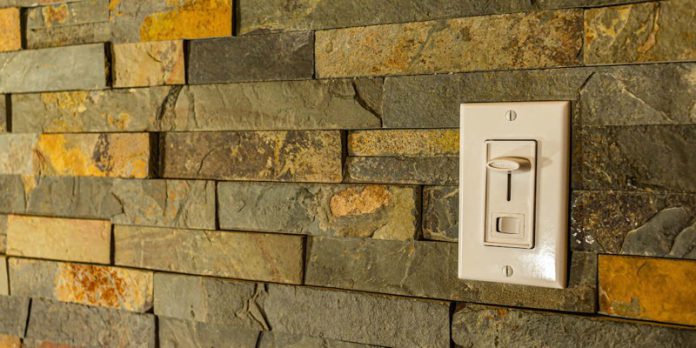
A decision homeowners often face when renovating a home is where to install a light switch vs. dimmer. Both lighting options will properly light a room, but one option will have several benefits the other option will not. Light switches have been the standard for many decades, while dimmers are the newer option for lighting. In this article we will discuss the benefits of a dimmer vs. light switch and the best option for current homeowners.

Our major Light Switch vs Dimmer factors are:

  • Controlled Lighting
  • Cost Savings
  • Longevity

1. CONTROLLED LIGHTING OF LIGHT SWITCH VS. DIMMER

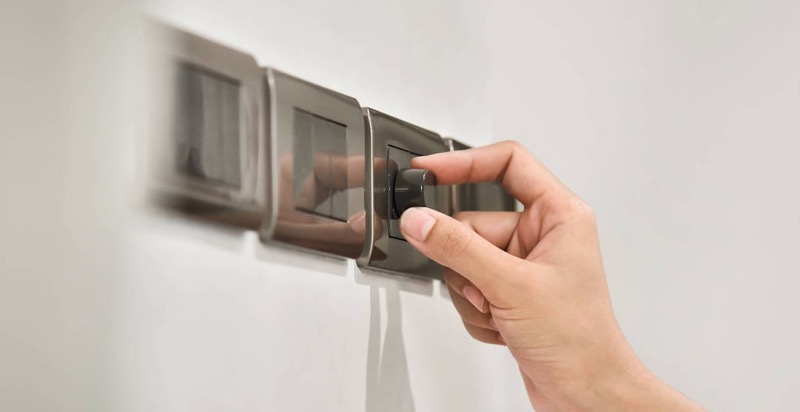
One of the most obvious advantages of dimmer switches is that homeowners can control the light levels in each room. Adjusting the lighting intensity of each room by turning a knob, moving a slider or a remote is a fun luxury. They are useful for changing the level of atmosphere in a room to suit daily scheduled events or activities. Loose light switch are better replaced with regular light switches, there are many lighting options that you can adapt to any room plan. One factor to consider is the fact that not all light fixtures are compatible with every switch. Making sure your light fixtures are able to adapt to this is important unless you are ready to install new light fixtures along with their switches.

2. COST SAVINGS

If you’re concerned with the price difference when choosing a dimmer over switch lighting you’ll be surprised to know that they are actually much more cost effective and are energy savers. When using dimmer light switches, homeowners get to control the amount of light being emitted from the light bulbs meaning when you choose to dim your lights, you are actually saving money on your energy bill. Using a lower setting within dimmer lighting can in fact lessen the amount of energy needed to light the room saving from 10-15 percent on their monthly energy bills depending on the settings of your dimmer switch and how many rooms you have.

3. THE LONGEVITY OF LIGHT SWITCH VS. DIMMER

Most homeowners will not have the dimmer in their home full lighting all the time. This is a way dimmer switches are saving the lifespan of the lightbulb. This will show a reduction in the amount of light bulbs being purchased overtime. On average dimmers can make a lightbulb last up to 6 years instead of 3-4. This can be achieved by lowering the dimmer settings to less than 25 percent full lighting throughout the bulbs lifetime.

TYPES OF DIMMERS

Now that you know the advantages using dimmer switches in your home, let’s decipher the best option for your home? Reference below to learn more about four different types of dimmer options you can choose from.

1. Integrated Dimmer Switches

These are often controlled with wireless technology but can be operated both automatically and manually. They are most commonly used with modern homes and smart technology or security integrated within.

2. Touch Screen Dimmer Switches

These options are popular and often installed directly onto the wall of a home for a clean look. Using touch screen technology for dimmer switches can adjust the lighting by simply by touching a screen on the wall.

3. Slide Dimmers

These simple dimmer switches adjust the lighting by sliding a switch back and forth. They are very easy to control the intensity of the lighting in a room.

4. Rotary Dimmers

Lastly, these dimmer switches adjust the lighting by manually turning a dial. The same knob can also be used to turn the lights off/on.

Overall, there are many factors to consider when deciding on lighting options for your home. Whether you decide on a dimmer or switch light, our professionals here at AJ’s Electrical are happy to assist you find that perfect fit.

Install A Steam Shower At Home: How Much Will It Cost?

If you want to integrate steam therapy into your life, consider this a signal from the universe. It can be a valuable addition to your routine and provide long-term health benefits. But visiting a commercial steam room every week can get a bit pricey. Also, you might have difficulty adjusting your steam session in your day-to-day routine because of a tight schedule.

Some manual steam showers use a bowl filled with hot stones and boiling water to generate steam gradually. The room then fills with hot humidity, reaching a temperature between 100 to 115 degrees Fahrenheit and humidity levels approaching 100%.

If you love relaxing in a warm, steamy environment but find saunas too hot, consider converting your shower into a steam room. Although steam rooms aren’t as hot as saunas, they’re much more humid—with nearly 100% humidity. They have several health benefits, including improved circulation, reduced muscle stiffness, and lowered blood pressure. We’ll go into more detail down below.

Don’t worry too much if you are low on budget and need to harvest the benefits of a steam session; a steam shower installation might be the right home upgrade for you.

Imagine coming home after a long day or a rigorous workout, and you have your home spa waiting for you. You can hit the steam shower and relax after a hard day’s work or an extensive session at the gym.

The cost of the steam shower depends on a few factors:

Whether you want to upgrade your existing bathroom into a steam shower or you need an entire steam room is one of the primary determinants of the steam shower installation cost.

Moreover, you also have to consider the shower size and the materials you need to come at a final cost.

A steam shower installation should cost somewhere between $2000 and $7000. How? Let’s break it down.

Steam Shower Installation: Cost Breakdown

The key factors that affect the price of steam shower installation include size, installation labor, whether you go with a prefabricated steam shower system or a custom solution, steam generator, and the extra features you need in your steam shower.

Size

Typically a steam shower comes in 3x3x7 dimensions. On average, one square foot should cost you around $70. Building a steam shower from scratch means you will have to spend $70 per square foot. However, if you upgrade your shower into a steam room, the contractor could probably lower the cost by $10-$20.

The cost could go even lower if you install a prefabricated steam shower. But with prefab steam showers, you have to make sure the choice of your steam shower fits your bathroom space. As we mentioned, most prefabricated steam shower solutions are in 3x3x7 size.

Installation Labor

If you buy a prefab steam shower, you needn’t worry about the installation cost. You might need the help of a professional to have the steam shower solution installed adequately. But it will not cost as much as installing a custom steam shower.

A custom-built steam shower unit would cost you around $1000 to $6000 for installation. On the other hand, a prefab steam shower will only take $500 to $600 for installation.

Prefabricated Steam Shower vs. Custom Steam Shower

As we mentioned earlier, the prices will change depending on whether you get a prefab steam shower or a custom solution. Let’s get into the differences, pros, and cons between them:

Prefabricated Steam Shower

There are many options for prefabricated steam showers in the market. For example, you can find one at your nearest home improvement store or look for one online.

Prefab steam showers tend to be more affordable than custom ones. For example, a prefabricated steam shower should cost around $1000 to $50000. A prefabricated steam shower comes with an all-in-one compact design with all the features of a steam shower.

Some companies also offer installation services along with prefab sauna packages.

A steam shower unit will come with an installation guide to do the installation yourself. You could also hire a professional if you find the direction too complicated. For example, if you choose to hire an expert to do the installation for you, you will have to shell out an extra $500 to $800.

There are a few shortcomings with prefab steam showers too. First, not all steam showers are equal. You have to check them for quality and safety, and service standards. Moreover, with a prefab steam shower, repairs can be quite costly, which you want to avoid in the first place.

Custom Steam Shower

If you are more flexible on your budget, you should go with a custom steam shower. With careful planning, you could transform your bathroom into the steam shower of your dreams. However, a custom steam shower means you will have to do your research. It would help find the most suitable options, from materials to the installation service provider.

A custom steam shower consists of three main elements: the steam generator, the control, and the shower enclosure. The size of the generator will depend on the size of the chamber.

You can get a generator and control package at a price ranging from $1500 to $3500. The enclosure, on the other hand, can be pretty challenging to procure.

You can choose to work with your existing enclosure. You must ensure the cabin is sealed from top to bottom to keep the steam from escaping.

If you are considering building a steam shower from scratch, keep in mind that the cost may go through the roof. Nevertheless, with a custom steam room, you have the option to build your spa according to your preferences.

Regardless of your choice, a custom steam shower could cost somewhere between $4000 to $10000.

Glass Doors

If you are going with a custom steam shower solution, you will also have to consider the cost of a glass wall. Steam showers come with glass enclosures, which helps with keeping the steam in one place. For example, a glass door should cost between $600 to $1200, depending on the thickness of the door.

Tiles

Tiles are another vital part of steam room installation that could levy costs. You need to invest in tiles that can withstand heat and steam without cracks. Moreover, for the floor, you would have to consider installing textured tiles to avoid slipping, and installing steam shower tiles costs between $600 to $14000.

Some Customizable Extras

There are also a variety of extra features that you could add to your steam shower for a more personalized experience. For example, you could install these add-ons in custom steam and prefab steam showers.

Here are a few of the most popular steam shower add on:

Lights: Custom steam room lighting allows you to set preferred lighting fixtures in your steam room. You can control the lighting of your steam room using a remote. With custom lighting features, you can further personalize your steam shower experience and reap the benefit of chemotherapy.

Sound: You can add a sound system to your steam room and enjoy your music while taking a steam shower. An integrated sound system allows you to tune in to your favorite tracks on demand. You can also change songs, shuffle through your playlists, and increase or decrease volume.

Smart Controls: Automated controls make for a more innovative steam shower experience. All you have to do is switch on the power and choose the modifications, and the steam shower will do the rest for you.

Seating: Steam shower sessions can last up to 45 minutes, so you must have a designated sitting area to relax. Depending on your needs and preferences, you can get a wall-mounted seat or a luxurious seat made of teak or redwood.

Here are some Steam Shower FAQs

Steam shower vs. steam room, what’s the difference?

Steam showers and steam rooms are quite the same thing. The only difference is the functionality. For example, a steam shower doubles as your washroom, so you can take a shower right then and there once you’ve finished your steam session.

Steam rooms, on the other hand, are standalone steam session solutions. You go there for a steam session that lasts 30 to 45 minutes.

Can I Build a steam shower myself?

Most steam showers come with installation guides. You can build your steam shower if you are adept at basic installation. However, if you don’t know much about installation, you should consider hiring a professional to do it for you.

How do I take better care of my steam shower?

You need to take care of some things to keep your steam shower up and running for years. Small things like draining excess water from the generator, keeping your feet clean while entering the steam room, and ensuring no water collection anywhere inside the shower.

What kind of benefits do steam showers offer?

Firstly, installing a steam shower in your house instantly raises the value of your property. A steam room and a sauna are great investments for any property. About 60% to 70% of homeowners want a spa element in their new homes. Not to mention, sauna rooms are considered a luxury item that can increase the value of a home. Installing a home sauna or steam room can increase the resale value of your property by 29%. Steam showers are also easy to maintain, which could help keep them up and running for years.

In terms of health benefits, steam showers offer similar advantages to a sauna. For example, you can expect a healthier heart, clearer skin, reduced stress, and pain relief.

That’s Pretty Much All There Is To It

If you are considering installing either a steam room or a sauna in your home, consider the differences in terms of space needed, installation requirements, materials and overall costs before making a decision.

Both rooms come with pre-cut or DIY installation methods, or you can hire professional assistance to complete the project.

Regardless, a steam room or sauna is a great investment to consider for your home. It is reported that 60 to 70 percent of homeowners request some spa element in their new homes.

Once you’ve built it, it’s quite economical: running a steam room costs $0.05 per minute on average as it uses water and electricity. A relaxing 20-minute session will add about $1 total to your bills.

We hope you found this helpful! Click here to learn more and discover the right option for your home!


7 Ways to Protect Your Roof in Severe Weather

The hurricane season is drawing near with each passing day, and it’s high to make the necessary preparation to save yourself the extra trouble. With the rainy season in full swing, you won’t have enough time to make the required repairs before the rain or the strong winds destroy your roof.

In states like Colorado, Kansas, and Texas, with more dry periods, the rain spell continues to intensify as the season progresses. Rains in dense metropolitans like Denver and Houston pose a risk of flooding and property damage due to hails and high winds.

Importance of Roof Maintenance

Stormy rains are the number one reason for damaged roofs. Plus, if the roofing damage isn’t repaired in time, it’ll only increase over time. Molding, mildew, and decay will only worsen with time, increasing the cost of repairs. Hence, it’s essential to protect and maintain your roof in time to minimize and avoid any damage from hail, winds, and falling debris.

In areas with intense rain spells, frequent roof maintenance is necessary to prevent costly repairs in the long run. In Denver, Colorado, roofing repairs highly depend on the damage, and repairs can cost around 500 to 1500 dollars, with replacements costing upwards of 4000 dollars.

However, if you haven’t been keeping up with routine maintenance, there’s no need to panic. It’s not too late to contact roofing contractors in your area to make your roof damage-proof. For example, if you are in the Denver area, you can contact Denver roofing contractors for efficient repair service that effectively prevents more significant roofing issues down the road.

We have compiled a few helpful recommendations to get you started on the right foot. Continue reading to find out!

Seven Ways to Protect Your Roof in Severe Weather

1. Never forego routine maintenance

Maintaining a regular schedule of roof inspections and repairs year-round is the first line of defense against roof damage caused by severe weather conditions. This necessitates getting an expert to visit and inspect your roof frequently.

The upfront expense of having this done all year round will be offset by the savings you’ll get from avoiding costly roof repairs.

2. Go Over Your Insurance Policy

If you don’t have roof protection done before a hurricane hits your residence, the costs of repairs will add up quickly and likely drain your bank account. However, if you have homeowners’ insurance coverage, you may feel relieved knowing that your insurance can pay for a significant chunk of the necessary repairs. But it’s still essential to go over your insurance policy to understand what to anticipate from your insurance provider and the premiums.

Knowing how much of the cost your insurance company will pay if your roof gets damaged can alleviate a lot of tension. Standard homeowner’s insurance covers roof repairs after occurrences such as fires etc. Extreme weather is an example of “acts of God” that should also be compensated for. You should call your insurance provider if you have questions about your specific insurance policy’s coverage.

Take photographs of your roof and property in their original condition to use as evidence in insurance claims. Take fresh photos once major maintenance or renovations are done, such as a roof replacement. In the event of roof damage due to a storm or other natural disaster, “after” images may be used to show the extent of the damage and support an insurance claim.

3. Inspect your attic and gutters

Inspecting your attics and gutters is essential to examine the current state of your roof thoroughly. Going up into your attic is the first order of business. Find the weak spots where the structure might collapse. Check for signs of water damage or mold as well— it could indicate a leakage which is a warning sign. For the sake of preventing any more damage from the heavy rains that accompany storms, you should have this rectified as soon as possible.

If your gutters are clogged, torrential rain may pool uncontrollably on your roof. There’s a risk of interior flooding if this water is left to pool on the roof. It’s best to hire a professional team before the rain season starts.

4. Watch out for Loose Shingles

If heavy rainfall is expected, it is prime time to ensure all shingles are properly fastened. If any shingle remains soon, the high winds, hail, and storms can easily pull them off. If this occurs, water from torrential downpours can easily penetrate your roof.

You can take several measures to lessen the possibility of roof damage from wind. If you want to prevent a shingle from being blown off in a rainstorm, you should closely inspect your roof and replace any shingle that seems damaged. Curling shingles and granule loss are signs of wear. Hail or falling debris may damage roof shingles, necessitating their replacement.

Doing so can provide you peace of mind that your roof hasn’t been compromised due to deteriorating shingles. Making the proper decision from the get-go will save you a lot of money in the long run.

5. Beware of Rust

A storm may do severe damage, so it’s essential to check for rusty nails and fittings before it hits. This is a significant indicator that the condition of your roof is deteriorating.

If a moderate storm passes through your neighborhood, your roof will likely collapse. Although it may be costly, you should fix your roof before the storm hits if you see any worn spots.

6. Get your Roof Professionally Inspected

Once again, the best way to maintain your roof is to avoid any problems by taking preventative measures.  If you can get a professional roofer to check it out and fix any issues before a storm comes through, that will be the best (and least costly) option.

Even if you inspect your roof and determine it is in good shape, you should still have a qualified expert look it over as a precaution. They’ll be able to discover trouble places that you may have overlooked because of their superior attention to detail.

Final Thoughts

Regular roof maintenance can extend the lifeline of your roof; however if you haven’t been keeping up with the roof care. It’s high time to keep up with roof maintenance before the rainy season approaches. Don’t wait until there are major problems before calling for an inspection to find the source of the issue and repair or strengthen your roof.

We hope you found this article helpful. Follow these seven recommendations to make your roof damage-proof before the rainy season.

5 Quick Tips to Spruce Up Your Home on a Budget

There’s no need to call in a professional for every little home improvement project – sometimes, the best person for the job is you! With a little know-how and the right tools, many common household tasks are well within your reach.

So why not take on that long-awaited home improvement project this weekend? You might be surprised at how much you can get done! Here are a few tips to get you started.

1. How to choose the right home improvement project for you

There are a few things to consider when picking a home improvement project. The first is how much money you’re willing or able to spend. If you have a limited budget, you’ll want to focus on projects that will make the biggest impact for the least amount of money. The second thing to consider is how much time you’re willing to commit. Some projects, like painting a room, can be done relatively quickly, while others, like gutting an entire kitchen, will take much longer. The third consideration is your level of expertise. If you’re not very handy, you’ll want to choose a project that doesn’t require too much skill. However, if you’re confident in your abilities, you can tackle just about anything.

2. How to budget and plan for your project  

Once you’ve decided on a project, it’s time to start planning. The first step is to create a budget. Determine how much money you have to spend and then allocate funds for materials, labor, and any other associated costs. Next, you’ll need to develop a timeline. This will help you stay on track and ensure that your project is completed in a timely manner. Finally, it’s important to create a list of all the tasks that need to be completed. This will help you stay organized and on track throughout the duration of your project.

3. The basics of DIY home improvement projects   

No matter how big or small your home improvement project may be, there are a few basics that you need to keep in mind. By following these simple tips, you can ensure that your project goes smoothly and is successful.

  • Plan ahead: This is probably the most important tip for any home improvement project. You need to take the time to sit down and plan out what you want to do, how you want to do it, and what materials you will need. Trying to wing it will only lead to frustration and a half-finished project.
  • Do your research: Once you have a plan in place, it’s time to start doing your research. This includes everything from finding the right contractor to getting the best prices on materials. Don’t be afraid to ask around for advice and recommendations – chances are, someone you know has already been through the home improvement process and can offer some helpful tips.
  • Get organized: This may seem like a no-brainer, but it’s amazing how many people try to tackle a home improvement project without being organized. Make sure you have all of your materials gathered and ready to go before you start any work. This will save you time and hassle in the long run.
  • Follow instructions: Whether you’re following a DIY guide or hiring a professional, it’s important that you follow all instructions carefully. This will help ensure that your project turns out the way you want it to and that you don’t end up making any costly mistakes.
  • Take your time: Rushing through a home improvement project is only going to lead to problems. Take your time and make sure that everything is done correctly. This may mean taking a few extra days to complete the project, but it will be worth it in the end.

4. How to avoid common mistakes when doing home improvements yourself   

When taking on a home improvement project yourself, it’s important to be aware of the potential mistakes you could make. By knowing what these mistakes are, you can avoid them and end up with a successful project.

One common mistake is not measuring correctly. This can lead to buying too much or too little of the materials you need, which can either waste money or cause delays. Another common mistake is not accounting for the time needed to complete the project. This can lead to frustration if the project ends up taking longer than expected.

Another frequent mistake is not having a clear plan. This can result in making changes along the way that end up costing more time and money. “There are times that you may experience problems in creating outdoor spaces that won’t complement your house and lifestyle, it may be best to seek expert advice”, says a residential landscaping expert from Macarthur. Hence, it’s important to know what you want to achieve before you start a project, so that you can stay on track and avoid making costly mistakes.

Finally, a mistake that is often made is not taking into consideration the after-care of the project. This can include things like painting or staining, which need to be done in order to protect the materials from the elements. Failing to do this can result in the project not looking as good as it could, or even falling apart prematurely.

By avoiding these common mistakes, you can ensure that your home improvement project is a success. With careful planning and execution, you can achieve the results you want without any costly errors.

5. Tips and tricks for completing your project on time and on budget   

There are a few things you can do to complete your project on time and on budget. The first is to always consult with an expert. This will ensure that you have the proper information and instructions for your specific project. “If you’re planning a home renovation, you’ll want to make sure that your new flooring is installed properly and on time”, says a timber floor restoration specialist from Meadow Heights. The second thing to keep in mind is to use quality materials. This will help ensure that your project lasts for years to come. Finally, make sure to take your time. Rushing through a project can lead to mistakes, so it’s important to be patient and take your time to ensure that everything is done correctly.

Conclusion

There are many reasons to love a do-it-yourself project. They can save you money, be a great way to get the family involved, and be a fun bonding experience. But most of all, they allow you to take pride in your home and have a sense of accomplishment that comes with completing a project yourself. So, whether you’re looking to save some money, add some value to your home, or just have some fun, consider tackling a DIY project next time you’re feeling handy.

Roofing Upgrade: Expectation vs. Reality

It’s that time of year again where the weather starts to get warmer and the sun stays out longer. This can only mean one thing… it’s time to start thinking about home improvement projects! For many homeowners, this means finally tackling that roofing project they’ve been putting off for years. If you’re thinking about upgrading your roof, you’re probably envisioning a beautiful new roof that will increase your home’s curb appeal and protect your family for years to come. But what you may not be prepared for are the realities of roofing upgrades.

Here’s a look at some of the expectations vs. reality when it comes to roofing upgrades.

1. Expectation: I’ll be able to do it myself.

You’ve decided that it’s time for a roofing upgrade. You’re expecting that this will be a quick and easy process with minimal disruption. However, the reality is often quite different.

Reality: Roofing is a dangerous job.

Unless you’re a professional roofer, chances are good that you shouldn’t be attempting to do your own roofing. Not only is it physically demanding, but it’s also dangerous. Falling off a roof is one of the most common ways people are injured during home improvement projects. If you’re not comfortable with heights, it’s best to leave the roofing to the professionals.

2. Expectation: It will be easy to find a roofer.

They’ll be quick, efficient, and the roofing job will be perfect. If you’re like most people, you probably think that finding a roofer is easy. After all, roofing is one of the most essential services out there, so there must be plenty of roofers to choose from, right?

Reality: Good roofers are hard to come by.

With the popularity of home improvement shows, it seems like everyone and their mother is starting a roofing business. While this may make it seem like finding a roofer will be easy, the reality is that good roofers are actually quite hard to find. With so many options out there, it can be difficult to know who to trust with your roofing project. When you’re looking for a roofer, be sure to ask for referrals and check out online reviews.

3. Expectation: It will be inexpensive.

One of the biggest roofing misconceptions is that it is an inexpensive upgrade. It might be because roofing is one of the most important parts of your home and it protects your house from the outside elements. Or, people might think that since roofing is so important, the cost is not high. However, the reality is different.

Reality: Roofing projects can be costly.

While the actual cost of materials for a roofing project may not be very expensive, the labor can be. Roofing is as time-consuming and physically demanding as outdoor concreting, which means that roofers charge a premium for their services. If you’re on a tight budget, you may want to consider doing some of the work yourself (if you’re comfortable with heights) or waiting until you have more money saved up.

4. Expectation: The project will be quick and easy.

Many people have the expectation that roofing projects will be quick and easy. They assume that all you need to do is buy some new shingles and install them. But the reality is that there is much more to roofing than just buying new shingles.

Reality: Roofing projects often take longer than expected.

Roofing projects often take longer than expected, even for experienced professionals. There are a lot of variables that can impact the timeline of a roofing project, from bad weather to unexpected repairs. If you’re planning on having your roof replaced, be sure to factor in some extra time in case of delays.

5. Expectation: My home will be perfect after the project.

People expect that an upgraded roof tantamount to a perfect home. Hence, you can’t wait to have it installed on your own home.

Reality: There may be some unexpected repairs.

We can blame movies and TV for this roofing upgrade misconceptions. In roofing, as in life, expectation and reality are often two very different things. We’ve all seen the roofing commercials: a brand-new roof being installed in record time, with nary a problem or  roofing material in sight. The roofers are efficient and seem to know exactly what they’re doing; it’s practically roofing magic. But the reality is often very different. Roofing projects can be messy, time-consuming, and frustrating, with plenty of opportunities for things to go wrong.

“After your roofing project is complete, you may be surprised to find that there are some unforeseen repairs that need to be made”, suggests a home roofing and repair from Pelican Waters. This is especially common in older homes where the underlying structure may not be as sound as it once was. Be prepared for some extra costs after your roofing project is complete.

Conclusion 

When it comes to roofing projects, it’s important to manage your expectations. By understanding the realities of roofing upgrades, you’ll be better prepared for the project and less likely to be disappointed with the results. If you’re thinking about upgrading your roof, keep these expectations vs. reality in mind and you’ll be sure to have a smooth and successful project.

Saving Space with Storage Containers for Farm Storage

Using storage containers for storage in agriculture is very popular due to their versatility and customizable nature. Storage containers can be used in a number of ways for a variety of things, which can change from week to week depending on the farm’s needs. They are also more cost-effective than other storage solutions.

Read on to learn more about how your farm can use a storage container and the benefits of doing so.

What Is a Storage Container?

Storage containers are shipping containers used to securely store objects. They come in various dimensions (such as 10-foot, 20-foot, or 40-foot length), and are weatherproof and secure, making them ideal for outdoor storage. They can also be customized in a variety of ways, such as turning into an office space, adding with additional storage features like shelving, adding security features, and more.

Top Reasons to Get a Storage Container for Your Farm

If you own and/or operate a farm, having a container for storage can help make your life easier and it can save you money. Here are the top five reasons your farm needs a storage container.

1. Versatile

Storage containers are incredibly versatile and can be used in a several ways.

For example, they can be used to store animal feed. Because they are watertight and protect against other weather elements, and they keep out pests, they are safe for storage of feed. Plus, they can be placed near your animals for easy transportation of feed without having to worry about your animals getting into it when they shouldn’t.

You can also use a storage container to store tools and equipment. It takes a lot of tools and equipment to run a farm, and it’s important to protect those investments from environmental damage and theft. Storage containers can be rented or purchased in a variety of sizes to suit the equipment you have, and you can add additional features like shelving to ensure the tools/equipment is secure, protected, and organized.

Storage containers can also be used like a garage and used to store vehicles. This includes tractors, mowers, ATVs or four-wheelers, and other vehicles needed to operate a farm. Storage containers can be stacked and converted for more width and height, making them a secure place to store this valuable equipment.

You can even use a storage container as an office space to meet with vendors or suppliers, keep files organized, and more.

2. Weatherproof

Feed, tools, equipment, and other items used on a farm are usually expensive to purchase but prone to deterioration without proper care. Storage containers can be used long-term and are completely weatherproof, resisting elements like wind, rain, and snow. This makes them great for storage over the winter or in wet climates.

3. Sustainable

Having sustainable farm equipment may not necessarily be a priority, but a lot of these storage containers are recycled. This keeps new containers from having to be created, and old containers from being abandoned or tossed in landfills.

Storage containers are also low maintenance, which makes them a great solution for busy farmers who have other tasks to tend to each day.

4. Secure

You can add locks, cameras, and other security features to your storage containers to protect the contents and prevent thieves and break-ins. And, because the containers are made of steel, they are difficult to damage.

They are also pest proof, protecting the contents from mice, squirrels, raccoons, and other animals.

5.  Rent Or Purchase Based on Needs

Both renting or buying a storage container is typically more cost-effective than other storage alternatives. If you have long-term or year-round storage needs, you can purchase a container to keep on your property. However, depending on your needs, you may not need storage or extra space year-round. Renting a container ensures you only pay for the few months you need it, and it won’t take up space when you don’t.

5 Ways to Minimize Waste When Constructing a Home

Reducing waste when constructing a home can benefit the environment by reducing the waste going to the landfill and using less natural resources. It also helps lessen carbon dioxide emissions by transporting, producing, and utilizing materials and disposing or recycling waste materials.

Sustainable building practices, such as waste management, ensure energy-efficient constructions and save you time and money on your home. Reducing construction waste also keeps costs down and may result in your home qualifying for LEED certification. This article outlines five ways to minimize waste when constructing a home.

1. Hire a Dumpster

Getting a dumpster helps streamline your planning and cleaning processes during construction. With a rental construction dumpster for your construction project, you can increase safety levels by ensuring that piles of waste don’t pose a severe risk to those involved. It also reduces injury risks during the waste removal process. When you rent a dumpster, it lets you establish a central place for debris disposal.

Multiple disposal locations can clutter your construction site while increasing the risk of injuries. However, a dumpster rental can limit the disposals to a single easily accessible place. It also helps you track your construction’s progress and separate usable construction materials from damaged materials or excess debris.

2. Manage your construction materials

While you may associate construction materials with the buying and delivery stage, they stretch across a broader range of activities, including planning, procurement, waste management, and disposal. A properly executed material management tactic can help you achieve significant cost savings and enhance project efficiency.

Material management involves sourcing suitable materials while ensuring profitability at the right time and place for meeting your project deadlines and requirements. A poorly executed strategy may result in safety concerns, major delays, and reduced profitability. Construction material management consists of various activities during your project’s lifecycle, including:

  • Material planning and purchasing
  • Quality control and receiving
  • Transportation and scheduling
  • Inventory management and storage
  • Waste management
  • Onsite transport

Managing materials reduces wastage, weather damage, or theft risk and eliminates or minimizes duplicate handling.

3. Pick vendors wisely

If you’ve sustainability objectives for your building project, you must pick vendors who will support your goals. Selecting vendors who can handle your project’s scope while not slowing you down is vital. Consider vendors that offer a one-stream recycling alternative to avoid pre-sorting your recyclable materials.

4. Hire a construction waste removal company

Getting rid of construction waste can be costly and tedious. Drywall, steel, wood, broken concrete, and other materials can be challenging to dispose of without getting into legal trouble or hurting the environment. Hiring waste removal professionals ensures a complete site clean-up the first time. Reputable waste removal organizations are insured to guarantee compensation for damages during the waste hauling process. These companies know where to dump the junk, saving you the trouble of locating an appropriate dump site.

5.   Reuse and recycle

Instead of disposing of materials in a dumpster, consider sorting them into reuse piles. Reusing materials onsite minimizes landfill and transportation costs while keeping your site clean.

Endnote

Excess construction material waste leads to environmental and landfill pollution and high fees. Consider using these tips to minimize waste when constructing a home.

Choosing a Locksmith in Chicago

When you are looking for a locksmith, there are several things to consider. Hopefully, the following tips will help you choose a locksmith with the best reputation.

Experience

When choosing a locksmith, you want to make sure they have the experience and training necessary to fix your lock quickly. Make sure they are members of professional organizations, such as the ALOA or Society of Professional Locksmiths. Click here for more information about the ALOA.

It’s also a good idea to ask about their service fees, including the time they will spend on site, the parts they use, and the mileage they will travel. You should also make sure that you discuss their prices before you hire them.

Ask for a copy of their business card. Make sure the name on the card matches the name on the estimate, and ask to see their credentials. If they are not able to provide an official document, you should be wary.

Similarly, you should be comfortable asking for their insurance certificate if needed. Check to make sure their experience matches the quote they provide. Make sure that they have a good reputation in your area, too.

Check for credentials and reviews online. A reputable locksmith will have an online presence and social media accounts. Read these reviews carefully to see what previous clients have to say about their service and their experience. Also, make sure that they have a clean criminal record and are licensed.

Look for a company that has been in business for a while and is known for quality service. You can check the BBB website for ratings of locksmiths, and ask for references.

Whether you need an emergency service or a preventative maintenance plan, you’ll need a locksmith at some point in your life. A professional locksmith in Chicago IL with the appropriate experience will have a quick response time and reasonable fees. No one wants to be locked out of their house or car, but you can get a locksmith fast if you follow these tips.

Reputation

If you are in need of a tradesperson, the reputation of the business is very important. You should look for reviews of previous customers, preferably those related to your particular situation.

Pay close attention to dates, and be wary of an overwhelming number of positive reviews. This could indicate a problem with the tradesperson’s work. However, positive reviews can also help you determine whether a company is worth hiring. For this reason, you should read as many reviews as possible.

You can also find reviews about the tradesperson you are thinking about hiring on social media. This can help you choose a reliable business. Also, word of mouth is very important. If other people have recommended a tradesperson to you, it’s likely that they’re happy with the results.

Price

When choosing a tradesperson, price is one of the most important factors. Some tradespersons charge a flat fee while others can charge more for long-distance or weekend calls. It’s also important to ask how long the tradesperson has been in business and what state their license is from.

You can also ask your friends or local hardware stores for recommendations. You can also look online for organic search results and ask friends if they have used a tradesperson in the past.

You can also consider the quality of the work before choosing a tradesperson. You want someone who is experienced and has the proper licensing in your area. Click the link: https://online-dfpr.micropact.com/lookup/licenselookup.aspx to find an online tool to help you determine if a tradesperson has the proper credentials. It’s also important to find out how long it will take a tradesperson to reach your location.

You don’t want someone who is just rushing through your job just to get paid. Also, make sure the tradesperson has insurance and is presentable upon arrival. It’s also important to ask about the tradesperson’s background check and experience.

A tradesperson’s prices will vary based on the services provided and the level of complexity of the work. Simple lockouts are less expensive, but you need to consider the time and the complexity of the job.

A cheap tradesperson might not be able to work around your schedule, so you should ask them up front about their fees. Then, you can decide if the tradesperson is worth the cost.

Recent Posts

Posts You Might Like