
Home Blog Page 154

How To Maintain Your Vacuum Pump

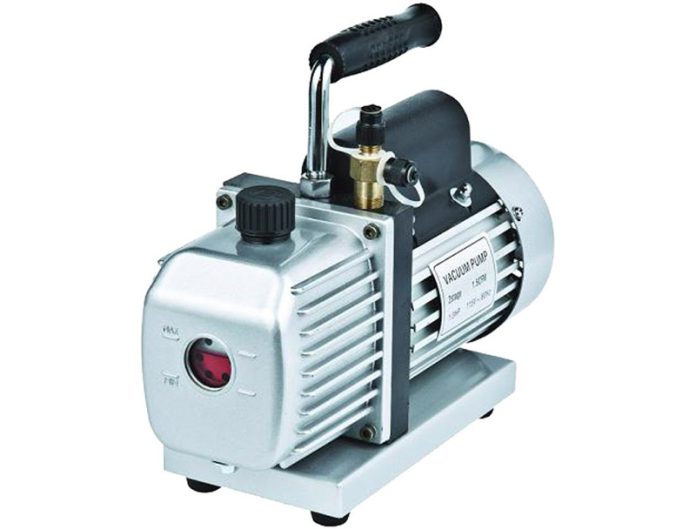
Vacuum pumps are important in laboratories. They provide the right conditions required for running a myriad of lab applications. However, Vacuum Pumps can be exposed to chemicals and acids. That’s why maintenance is essential. Proper maintenance ensures that your vacuum pump functions optimally and lasts longer. Here are the golden rules for carrying out effective vacuum pump-based maintenance.

Check The Oil

Consider checking the oil regularly. If you have misplaced your manual, visit the manufacturer’s online website. You can download their manual online. Consider reviewing the service recommendations. Don’t use your pump with the same oil for long. Consider changing oil from time to time. The manufacturer will specify when to change the oil.

Warm It Up

Don’t connect your pump without warming it up. Run it for about 20 minutes (i.e. when the inlet is blocked) before using it. Doing this will limit the amount of vapor that condenses in your pump. For an easy warm-up, instill a manual-based valve in line.

Don’t Block the Outlet

Don’t block its outlet. It will cause it to stop. At worst, blocking the outlet will lead to the overpressure condition, making the sight-glass seal loosen. This will lead to leakages, forcing you to conduct expensive repairs. Thus, don’t tamper with the outlet of your pump. Leave it open for easy operation.

Inlet Cold-Based Trap

Corrosive vapors can damage your pump. It will corrode its surfaces, making them inefficient. Thus, consider using a cold trap in its inlet. Install the trap. It will protect it against corrosion and reduce vapor load. This will increase your pump’s overall efficiency.

Gas Ballast

A vacuum pump uses gas blasts. Gas blasts rely on air for boosting the condensate via the outlet. As a result, it purges some gas from the pump’s oil. If you are using the vacuum in applications requiring a high level of vapor loads as well as very corrosive gases, use a hybrid pump for keeping the oil vacuumed. This pump distills gases and other aggressive gases out of the oil. This reduces the chances of your pump getting corroded. As a result, your pump will last longer.

An Inlet-Based Filter Will Protect It from Particulate

Install an inlet filter. With an inlet filter, you can keep abrasive materials from getting into the pump oil. The inlet filter uses a rotating mechanism to keep these particulates from getting into the pump oil. To determine if your oil is having these particulates, rub the oil between your fingers. An inline oil-based filter will extend your oil’s life. So, this is a good option if you don’t want to change the oil every other day.

Run It After Use

After using the pump, remove solvents from it by running the pump for a few minutes. Consider blocking the inlet, opening the gas ballast, and running your pump for 10 minutes.

The Bottom-Line

For optimal performance maintain your vacuum pump. Schedule both preventive and corrective maintenance. Get rid of acids from the pump. Proper maintenance will improve your pump’s efficiency. It also optimizes its performance. Proper maintenance prolongs the life of your pump. Use the above rules to carry out effective maintenance for your vacuum pump.

How You Can Save Time with a Home Security System

In today’s busy world, it’s more important than ever to find ways to save time. We all have so many things to do, and not enough time to do them. That’s why a home security system can be such a valuable investment. A security system can help you save time in a number of ways: by making you feel safer and preventing theft, by giving you peace of mind and allowing you to work from home, and by helping you automate your home. In this blog post, we will discuss some of the ways that a home security system can help you save time.

Feel Safe and Prevent Theft

One of the best ways to protect your home from theft is to install a home security system. A home security system can provide peace of mind by deterring burglars and providing a rapid response in the event of a break-in.

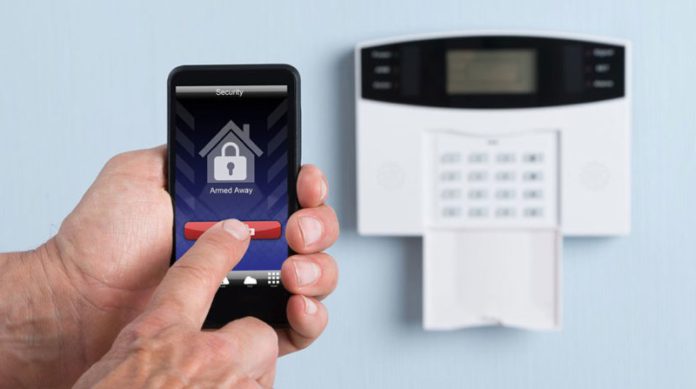
In addition, a home security system can save you time by automating tasks such as locking doors and turning on lights. With today’s technology, you can even monitor your home security system remotely from your smartphone.

So whether you’re at work or on vacation, you can rest assured that your home is safe and secure.

Get Peace of Mind

One of the best ways to save time is to have a security system installed in your home. With a security system, you won’t have to worry about whether or not your doors are locked or if your windows are closed. You can simply arm the system when you leave and know that your home is protected.

Additionally, a security system can also help you save time by deterring burglars. Studies have shown that homes with security systems are much less likely to be broken into than those without. Burglars are looking for an easy target, and a home with a visible security system is much less likely to be chosen.

If a burglar does attempt to break into a home with a security system, the alarm will sound, alerting the authorities and giving them a chance to catch the perpetrator.

Automate your Home

Home security systems have come a long way in recent years, and many of them now offer the ability to automate various tasks around your home. This can save you a significant amount of time and hassle, as well as giving you peace of mind knowing that your home is being monitored even when you’re not there.

One of the most popular features of home automation is the ability to control your lights and appliances remotely. This can be especially useful if you’re away from home for an extended period of time, as it allows you to check in on your home and make sure everything is running smoothly.

Additionally, many home security systems now offer the ability to view live footage from your security cameras, so you can always know what’s going on at your property. Automating your home with a home security system is a great way to save time and keep your property safe.

Make a Valuable Investment

A home security system is a wise investment for any homeowner. Not only does a security system deter burglars, but it also offers peace of mind in the event of a fire, flood, or other disaster.

Today’s home security systems are more affordable and easier to install than ever before. In addition, most insurance companies offer discounts to homeowners who have a security system in place.

For all these reasons, a home security system is one of the best investments you can make in your home.

A Beginner’s Guide to Purchasing Commercial Property

The fast-paced commercial property real estate world might seem intimidating initially, especially if you are new to the industry. But in reality, with a good sense of judgment and just a few tools, anyone can successfully get into purchasing commercial properties. But, of course, for newbies, when it comes to buying this type of asset, there is a lot that those new to the industry might not know to look out for.

Those new to commercial property should consider what investment strategy to pursue and how they want to determine whether they will underwrite deals. Again, working with an experienced team of commercial real estate professionals will make transitioning into the industry a clearer process.

What Types of Property are Considered Commercial Real Estate?

There are typically five different categories of commercial real estate investment types.

These include:

  • Multi-family housing: If it is a residence that isn’t a single-family home, it is likely a commercial property.
  • Retail: Malls and Mainstreet are included in this category.
  • Industrial: Not just used for things like automobile production anymore. This area can also trade in warehouse space and related logistical areas.
  • Office space: Anything from sprawling corporate campuses to mega office buildings can be found in this set.
  • Hospitality: Typically, this can be thought of as temporary lodging. This type of property includes any resorts, hotels, or motels.

Other types of property can be considered commercial property. An example can include unimproved land, which many commercial property companies will speculate in.

Study the Market

Before you sprint headlong into a business deal that could cost hundreds of millions of dollars, it is best to really know what you are doing. There are a couple of ways that those new to commercial property can gain a good base of understanding.

Consider joining a trade group to gain access to professional resources and others working in the commercial property space. What organization appeals to you most may depend on what type of property you specialize in. Some of the more well-known organizations include the International Council of Shopping Centers, the CCIM Institute, Building Owners and Managers Association (BOMA) International, and the National Association of Realtors, Commercial.

Another good resource is online advice from veterans. Free videos from creators like Tyler Cauble can be invaluable when imparting helpful advice to newbies. Anything that can increase your trade knowledge will be a net positive.

Gather a Good Team of Pros

Anyone looking to break into the commercial property business should look to partner with more experienced industry veterans. This is for a couple of reasons. First, an experienced broker and real estate attorney will know things you never could as a newcomer. Second, you’ll be able to leverage their existing networks and connections to make finding and facilitating deals all the simpler when starting out.

And this includes keeping your business in the clear when it comes to any obscure regulations you may overlook. Getting in trouble with regulators will only make finding financing harder.

And one thing you shouldn’t overlook when starting out is finding the right insurance for your commercial property venture. After all, you’ll need protection for business property, and quality insurance will be able to provide this. Factors that can impact monthly premiums include the location of the business, the specific work that is done, claims history, the limit of the policy, and more. Most business property insurance policies can be customized to reduce costs for the property owner. The right coverage will offer protection for aspects of the business such as inventory, tools you use, and even the building you work out of. Looking to save even more? Most insurance companies will offer discounts to customers who bundle policies together. Be sure to check if your provider offers such savings!

Consider Your Investment Strategy

An investor can take several different avenues when getting into commercial properties. Some strategies, such as fixing, flipping, and development, will require you to hire construction work or trade in existing structures.

If you don’t have a home building or remodeling background, these strategies can seem risky. After all, who wants to take a chance at rehabbing a property only to find they’ve purchased a building that should probably be condemned. This is where leaning on the opinion of your pros will make all the difference. And if you plan on using one of the above strategies, adding a general contractor to your staff might be a good idea.

Of course, other strategies are less risky, such as land banking or even passive investing. Land banking is a somewhat novel strategy where an investor sits on land poised to go up in value due to nearby development.

Breaking Into the Industry Will Require Financing

Of course, if you want to start underwriting, you’ll need easy access to capital. The primary place most will look is banks. If you don’t have any luck with larger financial providers, try local options. If you still are having trouble either securing credit or capital for projects you want to pursue, consider unconventional funding sources. This can be from angel investors, non-profits, or governmental agencies dedicated to improving access for minority groups, investment funds, or even family (if you’re lucky).

Once You’re Ready, The Real Fun Begins

If you’ve made it this far, at this point, there really isn’t anything left to stop you. You’ve studied the market. You’ve assembled a trusted team. And you’ve secured your financing. The hardest part now may be waiting for the right deal to come along. But be patient, and rest assured. When your first deal does come along, you’ll be ready.

How to Make the Most of Your Investment Property Purchase

Purchasing a home to earn a profit can be an excellent step for investors. It will allow you to diversify your investment portfolio while earning a steady income through rent or a significant return if you flip the house. Whatever your goal, the purchase can be worthwhile if you proceed with caution.

Learning the best ways to make the most of your investment property purchase is crucial if you want to ensure success.

Determine Mortgage Rate

If you plan to borrow funds to purchase your investment property, it’s important to consider the mortgage rate you will pay. You can choose between variable and fixed rate mortgage, depending on your financial status and comfort level.

Variable rates fluctuate depending on market conditions, so your rate can change depending on your mortgage terms. When you choose a fixed rate, your mortgage rate will remain the same for a specific period, as agreed upon in your contract. A fixed rate might be the ideal option if you prefer to avoid uncertainties and want an accurate representation of your budget throughout the mortgage term.

Find a Suitable Property   

The property you choose to invest in is an essential factor that could determine the level of return. The first thing to consider is the location. When you find a home in a desirable location close to essential amenities and transportation, you’re more likely to attract renters or buyers in the future.

Another thing to consider when looking for a property is the investment required. If you’re looking for a fixer-upper, consider the renovation costs. It’s important that you’re mindful of the costs because homes with significant structural problems or plumbing issues might be expensive to fix, making your investment less worthwhile.

Consider Additional Expenses

There are several expenses associated with the purchase of an investment property, such as property taxes, homeowner’s insurance, property management costs, and general upkeep costs. Your expenses can vary depending on whether you want to resell the home or rent it out, so try to evaluate all potential costs before investing.

Set a Realistic Budget

Setting a realistic budget when purchasing a property is important so that you don’t have difficulty keeping up with monthly payments. You can determine your budget by determining what your mortgage payments and expenses will look like in addition to the cost of your home. Don’t forget to factor in your income to determine your affordability after you find out your costs.

Know the Risks

Buying an investment property can be highly profitable, but it can also come with risks. You must know the risks to make the most of your investment. Some things to remember are that property taxes could increase, the local market economy could change, or you may have trouble finding suitable tenants.

If you plan to rent out your property, learn about the laws that affect residential tenants and landlords in your region.

Try not to focus solely on the risks, but keep them in mind to ensure that you make educated investment decisions with sufficient knowledge.

An investment property can be a profitable investment in the long term. Evaluating the factors mentioned above is essential to make the most of your investment.

Everything You Need To Know When Inspecting the Plumbing in a New Home Before You Buy

Buying a home, whether it’s your first or tenth, is an exciting period in your life. It’s an opportunity to start living independently or to increase the space for you and your family. However, house prices in Australia are still increasing. That makes it difficult to get on the ladder or trade up. In short, if you’re buying a home, you are probably pushing your financial limits.

The last thing you need is an expensive repair bill just after moving in. That’s why you need to know how to inspect the plumbing in your new home.

If you prefer, you can undertake a real estate agent course here at courses.com.au and understand exactly what the agent needs to disclose or not. It will help you know what to look at in a property and you could even start working as an estate agent yourself.

Here’s what you need to know about your new plumbing system:

Pipe Material

Most modern houses will use either copper or plastic pipes. These are both acceptable and should last for many years. However, some older homes will still use lead piping.

Unfortunately, lead from the pipes will leach into the water and can lead to serious health issues. If the home you’re looking at buying has lead pipes you’ll need to replace them before you can start using the water.

Leaks

Leaks can cause a lot of issues in the home. In the first instance, they will waste water, which costs you money. An undiscovered leak can also cause damp to build up on the floor and other parts of the home. If this water soaks into the wood it will, eventually, cause wet rot. This destroys the structural integrity of the wood and it will need to be replaced. If the wood is structurally important to the house you’ll need to verify that the house is still structurally sound.

The simplest way to check for leaks is to take a meter reading and then don’t use any water. After an hour or two, take another reading. If the reading has changed there is a leak somewhere in the house. The challenge will be finding it.

Drains

Your next stop should be the appliances in your new property. Fill each sink or bath with a little water and then pull the plug. The water should drain smoothly and efficiently. If it is slow draining you may have a clog in the pipes. The sooner this is dealt with the better. If the pipe becomes fully blocked the wastewater will flow backwards up the pipes and into the home.

Don’t forget to pull the flush as well and verify that the toilet is draining properly.

You can also inspect all the plumbing fixtures on the waste pipes to ensure there are no leaks.

The Water Heater

It can be expensive to replace a water heater but it does need to be done. The average one will last 7-10 years. Water heaters usually suffer from corrosion as they have all the right elements for this to happen. This can result in reduced water flow as well as leaks at the bottom of the heater.

Alongside this, the water heater may simply not work efficiently. It can be hard to assess this before buying but inspecting the bottom of it and turning it on to make sure there are no strange sounds is a good starting point.

Sewers

Most homeowners don’t realize that the sewer pipes running under their property are their responsibility. The water board only takes over when the pipes join the main line.

That means you are responsible for digging up and repairing or replacing any damaged sewer pipes in your yard. Check the route the pipes take and inspect it. A leak is generally obvious by the aroma or the fact you have grass which is much greener in one area.

What To Do If You Find An Issue

You can request a professional supply you with a detailed report of the issues you’ve uncovered. But, the main thing to do when you discover plumbing issues is to work out what it will cost you and then renegotiate with the seller. For the property to be viable you’ll need a reduction in the price.

10 Important Things to Do When Moving into A New Home

According to research, the average person moves 11.7 times in their lifetime. That’s a lot of moves! And while it can be an exciting time, it can also be stressful. So there’s a lot to think about and plan for. And in Sydney, the process can be even more challenging, with rental prices and competition for properties at an all-time high.

Imagine the excitement of finally getting the keys to your new home. However, the reality of moving day can be very different with all the packing, unpacking, and general upheaval. Especially if you’re moving long-distance. To help make your move go as smoothly as possible, here are some essential things to do when you first arrive at your new home.

1. Give yourself a tour

Once you have the keys, take some time to explore your new home and familiarize yourself with the layout.

This is especially important if you’re moving into an apartment or townhouse, as you may not be familiar with the building and its surroundings. Notice any damage to be fixed or replaced so you can bring this up with your landlord or agent. Finally, depending on the location, you may want to change things for security purposes, such as adding extra locks or installing a security system. For instance, in Sydney, many people have an additional lock fitted to their letterboxes to prevent thieves from reaching in and grabbing valuables.

2. Set up utilities

The next thing on your list should be to set up your utilities, such as electricity, gas, water, and internet. This can usually be done online in advance of your move-in date. However, it’s a good idea to have the contact details for the relevant companies handy in case you need to call and sort out any issues. Also, remember to notify your current providers that you’re moving and cancel or transfer your services. However, don’t do this too early, as you may be charged a cancellation fee. The general rule is to give at least two weeks’ notice.

3. Change your address

Your address is connected to many important things, such as your driver’s license, bank account, and bills. So you’ll need to update your address with all relevant organizations. You can usually do this online, but it’s a good idea to have the contact details for each company handy, just in case. You should also notify the Australian Taxation Office (ATO) of your new address, as this is where they’ll send your tax returns. In Australia, you need to notify the Roads and Maritime Services (RMS) within 14 days if you’ve moved to a new property so they can update your driver’s license and vehicle registration. However, updating your address on your social media accounts and other online platforms is also a good idea, so people can easily find you.

4. Clean the property

When you move into a new home, it’s always a good idea to clean it thoroughly. This way, you can be sure that it’s clean and free of any dirt, dust, or other allergens that could cause problems for you or your family. If you’re renting, you should also check with your landlord or agent about their expectations for the property when you move out. In most cases, they expect it to be in the same condition as when you moved in, minus any fair wear and tear.

5. Unpack your belongings

Once you’ve cleaned the property and set up utilities, it’s time to unpack your belongings. This can be daunting, especially if you have a lot of stuff. So, it’s essential to take time and unpack gradually rather than trying to do it all at once. Start with the essentials, such as clothes and bedding, and then move on to other items when you have time. Also, label boxes so you know where everything is and can easily find things when you need them.

6. Meet your neighbors

Meeting new neighbors is a great way to settle into your new home. But, first, introduce yourself and learn a little about them. This can be especially helpful if you have questions about the area or need help with anything. For instance, they may be able to recommend a good local supermarket or let you know about any upcoming events in the neighborhood.

7. Explore your new area

One of the best things about moving to a new place is that you have the opportunity to explore it. So, take some time to familiarize yourself with your new surroundings and check out some of the local attractions. This could include going for a walk or bike ride, visiting a nearby park or beach, or checking out the local shops and restaurants.

8. Decorate

Once you’ve unpacked your belongings and explored the area, it’s time to start decorating your home. This involves hanging pictures on the walls, arranging furniture, and making the space feel like your own. It can take some time to get everything just right, but it’s worth taking the time to do it properly. After all, you want your new home to be a place you can relax and feel comfortable in.

9. Stay organized

One of the most important things to do when you move to a new home is to stay organized. This means staying on top of bills, payments, and paperwork. Create a system that works for you, and make sure you always know where everything is. This will save you time and stress in the long run. Also, don’t forget to change your address on your important documents, such as your driver’s license, passport, and health insurance.

10. Enjoy your new space

Finally, once you’ve done all the above, it’s time to sit back and enjoy your new home. Make the most of your new surroundings and take advantage of everything the area offers. Soon enough, you’ll feel like you’ve always lived there. However, if you’re struggling to settle in, don’t hesitate to contact family and friends for support. They can provide a listening ear and some helpful advice.

Conclusion

As we’ve discussed, there are several important things to do when moving into a new home. For instance, cleaning the property, unpacking your belongings, and staying organized are important. Additionally, you should explore your new area and make sure you enjoy your new home. By following these tips, you can make the transition to your new home as smooth and stress-free as possible.

11 Hints And Tips To Save On Energy Bills

The hints and tips below will provide you with the information you require to help cut down on gas and electricity usage at home – and save on utility bills. Energy Saving Trust figures have been included to illustrate just how much you could be saving by using these tips.

1. Switch off appliances that are on standby

Rather than leave appliances on standby mode switch them off at the plug. That can save up to £30 a year, Fit smart plug sockets that can be switched on and off using a phone app to make managing them easier. Time plugs are cheaper – and also extremely effective.

2. Fit a smart thermostat

Smart thermostats warm only those rooms that you are actively using – and this can lead to considerable savings. These thermostats ‘learn’ about the ideal temperature of the home and how long it takes to reach that temperature – so they are able to ensure the right temperature, at the right time.

They can also be controlled remotely via a phone app – and that means you can turn them on when you are on your way home – no more returning to cold rooms. If you installed an entire system consisting of smart thermostats, thermostatic radiator valves and programmers it can save up to £75 a year.

3. Lower your thermostat setting

About half of household energy costs are related to heating and the production of hot water. If you were to turn the thermostat down a little – as little as one degree, you could save around £80 a year.

4. Purchase efficient appliances

Don’t dispose of a properly working appliance, but when the time comes to replace it look for an appliance with a higher energy-efficient rating. It is well worth the investment seeing as you can achieve significant savings. For instance, a A+++ washing machine will cost about £65 less to run (over an 11-year lifespan) when compared to an A+ model. The latest models of dishwashers will typically cost around £7 per annum less to run than one of the older models. An A+++ fridge freezer combo can save a whopping £320 in energy expenses when compared to an A+ model.

5. Install an A-rated boiler

Replacing your old boiler with an A-rated condensing boiler fitted with a room thermostat, programmer and thermostatic radiator controls will save significant amounts of energy. And if you are in a detached house with a G-rated boiler you could save about £300 a year (taking into account fuel prices as at March 2019). Always opt for boiler cover to keep it running efficiently, take a look at the plans available at Corgihomeplan.co.uk.

6. Use a lower temperature when washing clothes

Lowering the washing temperature to 30 degrees as opposed to 40 degrees will help with energy costs – and if you can eliminate one wash cycle a week you’ll save £5 per year.

7. Be water smart

Don’t wash under a running tap – rather use a bowl. An efficient showerhead can save up to £18 per household occupant in terms of energy usage – and more if you have a water meter. Shower timers will help save around £7 per person – and all you would have to do is shave one minute off the shower time.

8. Double glazing

Investing in double-glazing is a smart move. It keeps out the cold and therefore reduces your energy bills in terms of heating – and, as a bonus keeps noise pollution to a minimum.

Semi-detached households that feature single-glazed fixtures can save around £110 by fitting A-rated double glazing.

9. Make sure your property is draught-proof

Letting the cold in causes heat loss in the home – and draughts are usually the culprit. A cold home leads to the temptation of turning up the heat – and that adds to heating bills. Use draught excluders, or one of the draught-proofing kits that are widely available. Make sure that cracks in the floor are sealed. Pay attention to gaps in skirting boards. Block up an unused chimney – and ensure that the lining of your letterbox is draught-proof. By taking these actions you can save around £35 a year.

It is worth noting that if you do not have double-glazing you can purchase plastic lining for the windows – this will ensure that heat remains in the home.

10. Roof Insulation

Roof insulation can prevent heat from escaping the home. But this should not be taken on as a DIY project – it’s complex and is best left to a professional contractor. Insulating a loft can be pricey – but it is a worthwhile long-term investment when one considers that it can save around £135 per year (in a semi-detached home).

11. Keep an eye on energy usage

Always monitor your consumption levels in order to make an informed decision about what you can do to further save on energy.

A smart meter will allow you to monitor your consumption more exactly by providing real-time information. You can get more information on these meters in our guide to Smart Meters.

4 Must-Know Tips To Make Your Home-Buying Process Easier

Buying a home is a fun activity, but it can also be exhausting due to the lengthy and tedious buying process. Once exhausted, you may rush into a purchase, thinking it’ll end your dilemma.

The negative impact of this is buying a home that’s not within your budget or preference. With such, you may want to consider these tips so you can make the home-buying process easier:

1. Work With Professionals

If you know nothing about real estate, it may be best to work with a buyer’s agent or a real estate agent. Doing this will prevent you from learning the ins and outs of the home buying process. They can help you to find the most suitable home and complete the purchase. You can find a buyer’s agent by searching the internet or here so you can check whether they can help with your home-buying needs.

However, before you sign anything, ensure the agent can demonstrate or verify their expertise. You should conduct an initial meeting to discuss your goals and needs. They must also gauge your preferences by reviewing potential home options while leading you through the home-buying process.

It’s also best to interview various against to ensure that you’ll work with someone you’re compatible with. Doing this also helps you find someone familiar with your desired locale and must be able to explain things thoroughly. And most importantly, you must find someone you can trust since your contract with them legally binds you.

2. Know How Much You Can Afford

You can save much time and effort from looking at properties when you know how much you can afford. Affordability means ensuring you can pay your monthly mortgage and monthly bills on time without breaking the bank. Thus, you should seriously check your average monthly budget.

Figure out how much is left after paying all your monthly dues. If it’s enough for a monthly mortgage, stick to this budget. Knowing how much you can afford can eliminate properties that are way above your budget.

3. Conduct Thorough Research And Visits

You must conduct research, even working with an agent. That way, you can become familiar with the property you’re looking for. This step will also help you shortlist potential properties on the listings.

This step includes seeing the house in its physical form. Physical inspection allows you to appreciate the property while ensuring that it doesn’t have flaws or will require significant repairs. By becoming more familiar with the properties, you can get a good feeling about the market. You’ll know if the property is overpriced or not and if it has issues hidden or not.

It may also help if you take notes of your observation of all the properties you’ve visited. That way, you can have notes to refer to when trying to remember the highlights of such a home. It may also be better to take videos or pictures to help you remember better.

Happy property owners shaking hands with real estate broker after a deal. Young couple handshaking real estate agent after signing contract.

When visiting a home, you should also check the following:

  • Check if the doors and windows are working correctly by opening and closing them.
  • Turn the switches on and off to check if there are electrical issues.
  • Know how long the shower gets hot water and how strong its water pressure is by running it.

Most importantly, you should also check the property’s neighborhood. You must take note of the following:

  • The location should be near places of interest such as public transportation, parks, restaurants, shopping centers, and schools.
  • Sufficient street parking for visitors and family;
  • The traffic the street gets;
  • Well-maintained homes on the block;

Conduct thorough research, and you can develop a fair offer based on the property’s value. It’ll help you determine the value of comparable homes in the same block, so visiting each property is a must. And you can use the minor flaws you’ve seen to negotiate the property price if there are any.

4. Compare Mortgage Rates

Besides comparing houses, you should also compare mortgage rates before signing a contract. If you don’t shop around, you may not know which lender has the best rate. For instance, you may save as much as USD$1,000 over the lifetime of your mortgage when you try to find better offers.

In addition, consider the lender’s fees, closing costs, and other fees you must pay during the home-buying process. These may accumulate and be a significant burden when you’re spending your mortgage loan.

Conclusion

The home buying process can be arduous, and that’s normal. What’s best is to conduct your research to ensure that you’re buying a home you can afford. While it’s best to stick to your budget, the house you should buy should also make your life comfortable.

In case you haven’t found the right home at the moment, keep on searching and waiting for new listings.


Top 7 Security Systems That Should Be Included in Your Home

In today’s world, it’s hard to leave your home without checking your locks and pet door. Leaving the comfort of your house can be scary if you aren’t prepared. Therefore it’s crucial to have security systems in your home that protect against break-ins and vandalism.

Having the best home security system can also increase property value, reduce maintenance costs, and even provide peace of mind for you and your family.

Keychain Fobs

Keychain fobs can be programmed with various security codes, so you can easily restrict who can enter your home while keeping trusted family members and service providers on the outside.

You can also choose keychain fobs that send alerts to your phone when left behind, allowing you to check in on your home from wherever you are quick. Keychain fobs are also a great way to re-program a new key swiftly when your old one gets lost in the keyhole.

Keychain fobs are great for homes that have limited wall space. They are also an excellent option for renters, as they don’t require permanent installation and can be easily removed from their keychain.

Video Doorbells

If you want to make sure that every visitor goes through an easy security check before entering your home, a video doorbell is a great option. These doorbells can be linked to your home security system, so whenever someone presses the doorbell button, it sends a notification to your phone.

This makes it easy to see who is standing in front of your door without letting anyone inside unless they are allowed to do so. You can also set up an alarm on your doorbell to get an alert on your phone if someone tries to open your door without using the key.

Panic Buttons

These buttons can be used if you need to alert emergency services inside your home, such as if an intruder is threatening you. You can also use a panic button to quickly get help if you accidentally lock yourself out of your home.

There are many options regarding what type of panic button to get for your home. Some models come with built-in GPS so that if you are ever trapped in your home during an emergency, help can quickly be sent to your location.

Energy Management

Energy management systems can help you reduce your energy bill and lower your carbon footprint. These systems let you control your temperature and adjust your home’s lighting to save energy.

Some energy management systems can also manage your home’s temperature to automatically turn off your appliances when they are not in use. Additionally, many energy management systems can control your home’s security and lighting settings when you are away. This can help protect your home if someone breaks in while you’re away.

Glass-Break Sensors

Glass-break sensors are a great way to protect your home from burglars who want to gain access to your most valuable items. These sensors can be easily installed under your windows and doors to detect if they are broken.

When glass is broken, the sensors detect this, triggering an alarm. Many of these sensors come with motion-detection capabilities that detect if someone is moving inside your home. This can be used to trigger an alarm if someone is inside your home, and you weren’t expecting them there.

Residential Fire and Life Safety

Home fire and life safety systems can help to protect your loved ones from fire and life-threatening emergencies. These systems can be easily integrated with your existing security system to notify emergency services if they are needed quickly.

Home fire and life safety systems can help protect your home from dangerous storms and extreme weather conditions that can damage your home.

Remote Video Monitoring

This type of monitoring allows you to access live video feeds from your home while you’re away or locked away from your home. If you or your loved ones ever need help, you can easily connect to the monitoring system and call for help.

Remote video monitoring is also an excellent option for seniors or people with disabilities who may not be able to check in at a local monitoring center quickly.

In today’s world, it’s crucial to have security systems in your home that protect against break-ins and vandalism. These systems are essential for renters and people with limited wall space, as installing a traditional security system in these scenarios can be challenging. Various options are available when you want to add a security system to your home.

You can find a system that fits your needs, from keychain fobs to video doorbells. When choosing a design for your home, be sure to consider the different security benefits of each option and the cost and installation of each one.

How To Find The Perfect Sewer Cleaning Service In Boulder CO

The sewer in your home must be clog-free, so wastewater can freely flow down the drain and not cause blockage and a foul smell inside your home. This is extremely important because a problem with your drains could lead to a messy and inconvenient situation.

Sure, there are hacks that you can do to unclog it on your own, but if the problem has built up over the years, only a professional can do the job successfully. But what’s important is not to wait for it to get clogged and cause significant issues at home.

A clogged sewer can cause the following problems:

  • Slow draining water in the toilet
  • Sewage backup
  • Flooding
  • Huge repair costs
  • Health issues

You might be surprised by the things many sewer cleaning service providers find in your sewer. And don’t believe advertisers when they say that you can flush baby wipes down the toilet. They’re always the culprit of many clogged drains, along with the following:

  • Hair
  • Soap scum
  • Food waste
  • Coffee grounds
  • Small toys
  • Toilet paper
  • Tree roots

Your home’s sewer lines must be cleaned at least once every two years. This is why you need to look for a reliable sewer cleaning service like teamhomeservice.com to help you with this. For additional help, here are some tips to help you find the perfect service provider in Boulder, Colorado, or wherever you may be located:

1. Do A Quick Website Search With Your Location

A website local search indicating a specific parameter will be handy in gathering the names of potential providers you can choose from. Just add the words’ &near=city name’ to the words’ sewer cleaning service’ and the search engine will give you a bunch of names, and you can start there.

It wouldn’t be wise to search using the words’ sewer cleaning service’ alone because it could give you a massive list of names for areas that might be too far from you.

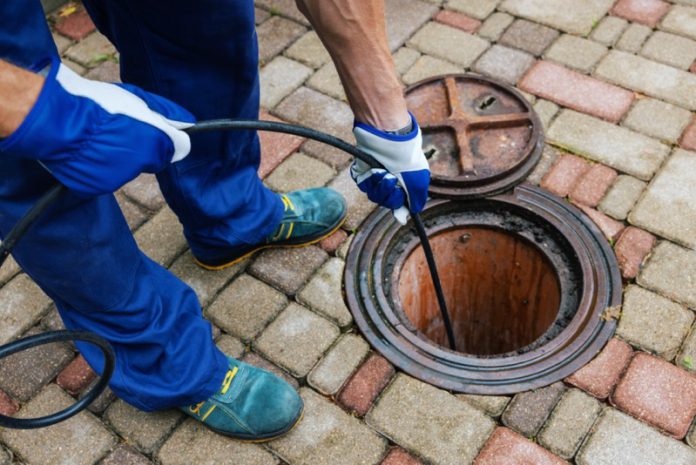
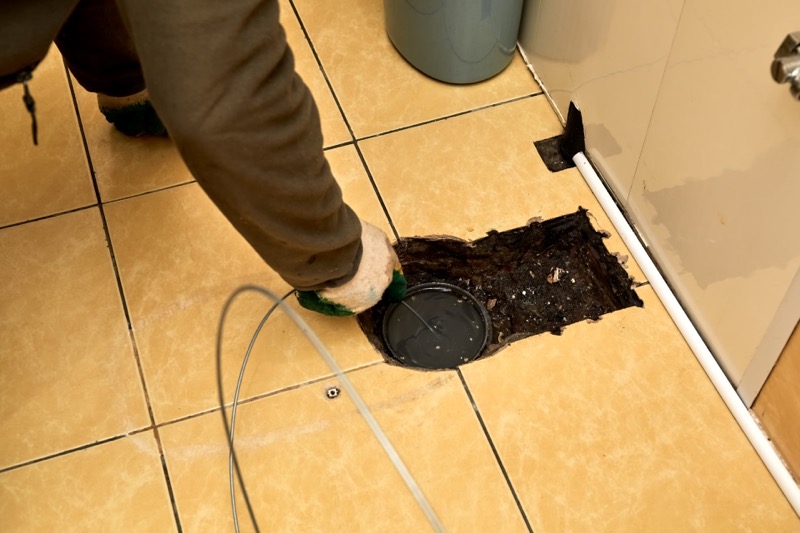
Sewer cleaning. A plumber uses sewer snake to clean blockage clog. Toilet room repair. Canalization pipe. Repairman hands. Bad smell. Dirty water. Metal wire. Yellow color tiles. Plumbing error. DIY.

2. Change Your Device’s Regional Settings

To get the best results in your search, check the regional setting of your device. Manually changing the location on your device will give you a high-level search result.

You can do this by going to the bottom right corner of your search engine’s web page and clicking search settings. When you scroll to the bottom, you’ll see the list of countries and select what’s appropriate for you.

3. Check Website Reviews

From your website search, you can now check if the sewer cleaning service company has a website and if they have reviews to show from past clients. A company that posts reviews and testimonials, whether they’re good or bad, is somebody you can trust.

Companies that post purely positive reviews may have hidden negative reviews from clients. In that case, it would help to be very discerning. You might need to check the dates of the reviews and verify if the person is a real one. Some companies resort to fabricating positive reviews using fake accounts to attract clients.

4. Ask For Referrals

Family and friends who live nearby may be able to recommend an excellent sewer cleaning company, and you can get the names from them. Since a direct referral from a friend is based on first-hand experience, it’s more reliable, and you can quickly determine its veracity.

5. Search In The Digital Marketplace

The digital marketplace is a virtual platform for buyers, sellers, or service providers. It’s a safe place to transact because it allows you to verify the legitimacy of any business.

In the digital marketplace, you can quickly see the ratings of a service provider and all the feedback from those who hired their services through the platform. The network effect of the digital marketplace is effective in improving the value of any product or service of its members.

6. Browse Social Media Groups

Social media can help you search for the best sewer cleaning service companies. Using a hashtag or searching by groups can give you a list of sewer cleaning services relevant to your area.

Many social media users whose negative comments were deleted or hidden on the website opt to vent their frustration on social media so other people can be made aware. They also do this to gather other people with the same experience.

Conclusion

Having your home’s sewer lines cleaned is best left to the professionals. However, searching for the best sewer cleaning service can be challenging.

There are many ways to find the best in your area. Follow the tips mentioned and read reviews to hire the perfect provider to get the job done for your home.

Recent Posts

Posts You Might Like