
Home Blog Page 189

A Complete Maintenance Guide For Your Roof

Being a homeowner requires you to do plenty of maintenance routines to keep your home in its best shape for as long as possible. It’ll be a shame to see your home slowly shattering just because there’s a minor issue you can quickly look after if only you’ve seen it early. Maintaining your home should be at the top of your list to prevent your pockets from extreme renovations and replacements.

Your roof should be on your priority list when it comes to home maintenance. While it might be tempting to skip this part, especially since you don’t notice any changes inside your homes, you might be surprised to see issues once you get up there. The more you can look after every inch of your home, the better your safety and your pockets. Moreover, below are some maintenance guides for your roof you could use:

  1. Do Regular Roof Inspections

When it comes to maintaining your roof, one of the first things you shouldn’t forget is to do regular roof inspections at least once every six months to guarantee that your home will be in its best shape for as long as possible. With a roof inspector, they can see and address any issues immediately, and provide you with a long-lasting fix. Moreover, it allows your roof to serve your home with more years of protection and comfort.

As you hire a roof inspector, ensure that you find the best one in the market, like the Denver gutter contractors. Hiring the best one can guarantee top-notch results. Moreover, they’ll inspect every inch of your roof and provide you with a complete status report of your property. They’ll also advise you about what steps you should take for any issues in your home and decide whether to repair or replace them for your peace of mind. Additionally, they can also do some preventive maintenance to keep your roof last longer.

  1. Always Clean Gutters And Drains

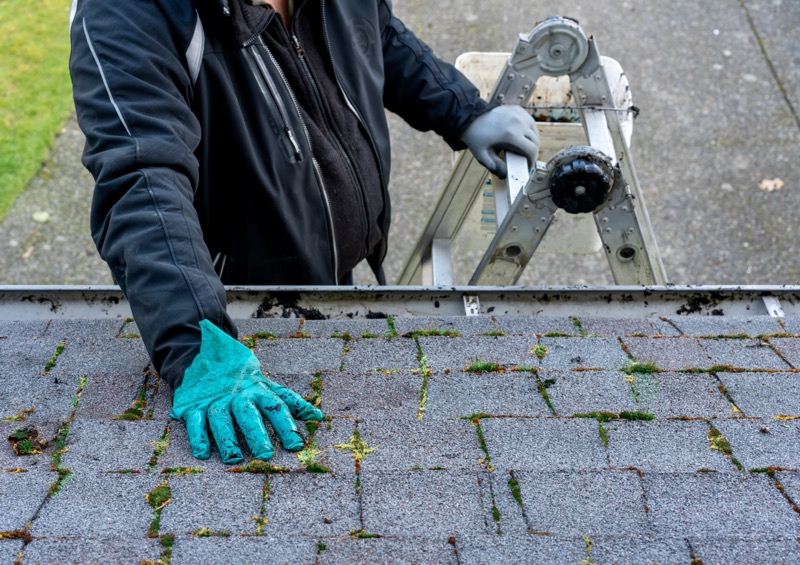
If you cannot go up to your roof and inspect its condition yourself, the least that you can do is always to clean your gutters and drains as they’re an equal part of your roof, and if they’re damaged, it can also affect the health of your roof, putting your home in grieve danger. To keep your roof in its best condition, cleaning your gutters and drains should be a part of your weekly chores list.

Ideally, you should clean your gutters and drains once a week and remove any debris present which could harm your home. This includes some fallen leaves, twigs, and other dirt that may have interrupted the natural flow of your gutter and drains. If you’re feeling a bit extra, you could scrub your gutters to remove any solid dirt and allow them to feel and look brand new. While it might be an added work for you, the benefits that it’ll bring to your home would absolutely be worth it.
  1. Check Surrounding Trees

Apart from the harsh weather, your number one enemy for roof maintenance is your surrounding trees. Even if they can provide your home with a good shade, they can harm your roof’s quality, especially if they have close contact with your roof and its branches. While it might seem harmless at first, it could invite plenty of insects that could damage your roof and its falling branches and leaves, interrupting your gutter’s natural flow.

If your home has a surrounding tree, you must trim it at least every three to six months to ensure it won’t touch your roof. Ideally, it should be at least three meters away from your rod to ensure its safety. Alternatively, you can always hire someone to prune your trees for you, along with them to have healthy growth. Alternatively, you can remove your trees, especially if it’s causing too many problems for your property. This extra work would help keep your roof in the best condition, which you’ll be thankful for.

  1. Always Check Roof After Harsh Weathers

After every storm, tornado, hurricane, and strong winds, you should always check your roof and see if they’re still in its working condition. After experiencing harsh weather conditions, it might lose its attachment and quality, which would demand a repair or replacement. If the weather calms down, you should climb up to your roof and see any damage from the weather. If you notice any visible damage, you should call your roof repairman so they can have a quick inspection.

After extreme weather, inspecting your roof’s condition might be out of your budget and plan, but neglecting this could affect its health, which could harm your home. Please take it as an emergency necessity that you must do to keep your home a safe and comfortable place to live in.

The Verdict

Maintaining your roof’s condition is a must, no matter how good it still looks. Without a proper inspection, you’ll never know the actual state of the roof, which could eventually put lives at risk. To guarantee the safety and comfortability of your home, practicing proper maintenance and inspection is a must for every home.
4 Tips for Choosing the Right Incense for Your Home

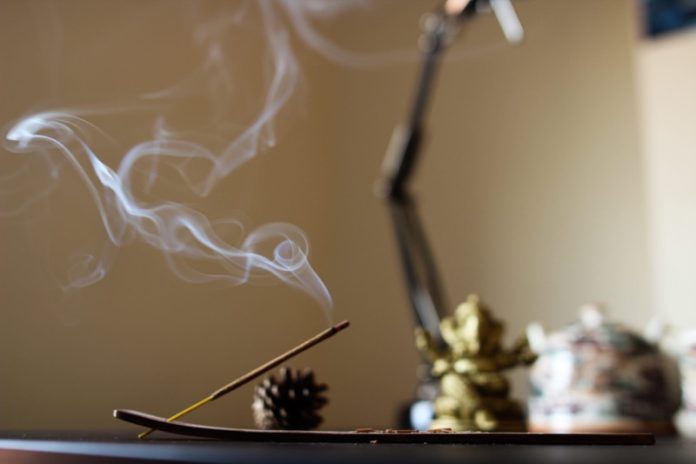
It may be appropriate for you to know that incense has a long history of around five to six thousand years old. Ancient Egyptians, Hindus, and the Chinese have used incense in their tradition. It is widely used today as aromatherapy, but some who practice meditation use incense to clear away negative energy and deepen their concentration. For those who want to try using this aromatic-producing material in their home, we have put up this guide to help you choose the best type of incense.

  1. Benefits

There are two kinds of benefits you can have from using incense: the medical and the metaphysical benefits. Some studies show that the scent of incense affects our limbic system, which is responsible for our emotional and behavioral responses. The scent opens the ion channels of the brain to help calm anxiety and depression.

For thousands of years, incense has been a part of many ancient traditions like the Hindu, Egyptian, and Chinese. They use incense to aid and deepen their meditation as well as clear the negative energy around a person or a place.

  1. Burning time

The longest burning time for incense would be around two hours, and this is by using the coil type of incense. The traditional incense stick, which is eleven inches, can burn up to 30-60 minutes. The cone incense, powdered variety, and resin type have the shortest burn time lasting for only 15-30 minutes, depending on their size and concentration. The Palo Santo, a wood incense, has to be relit a few times to produce smoke.

  1. Scent

Sandalwood is the most common scent of incense, may it be an incense stick, wooden incense, or powdered one. The aroma of incense also varies depending on how you want to use it. If you are looking for something for relaxation, you can look for a rose or lavender mixture. For meditation, it is highly suggestive to use fragrances along the line of lotus and lemongrass to help with concentration.

  1. Type of incense holder or incense burners

This pertains to a small container that can either catch the ash of the incense or support the bamboo reed. Boat burners are among the most common holders for incense sticks. The material for these ash catchers can be ceramic, bone, wood, metal, or glass. One of the most charming burners is the backflow incense burner, where you can put a cone incense and the smoke will flow through and follow a path. You can use incense holders like smudge bowls, metal and clay pots, and disks for resin or powder incense.

Wrapping Up

The benefits that incense can bring vary on how we use them. Also, the desired effect is a factor you should consider when picking out the right incense for your household. Are you going to use it for yoga or meditation? Do you want to clear out the negative vibes? Or, do you just want to have a scent-laden home? Those are some questions you can consider while going through the different tips we have given you.

What Chemicals Are Used in Carpet Cleaning?

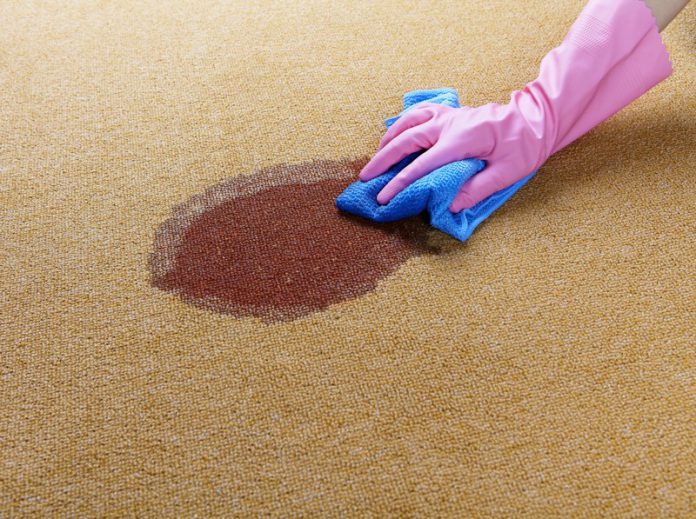
When hiring a carpet cleaning service, the most common question customers ask is what chemicals are used. This question is essential to ask because the chemical products used can be very harsh and harmful to the environment. These chemicals are released into the air during the cleaning process and are poured down the drain. They are detrimental to our water supply and can cause health problems for you and your family. If you are concerned about the chemicals used to clean your home, a good option is to hire an eco-friendly cleaning service like Lemon Fresh Cleaning.

Effects of Perchloroethylene

Different chemical substances used in carpet cleaning have different effects on carpets and can affect your health. Some of the most popular cleaners include perchloroethylene, chloroform, acetone, and methylene chloride. These chemicals have different side effects on humans and can lead to dizziness, nausea, and fatigue. They can also damage your liver and kidneys. Make sure you choose a company that uses safe products when cleaning your carpets.

Some of these substances are known to cause nausea, dizziness, fatigue, and can be harmful to your central nervous system and your kidneys. These chemicals can also harm your skin, and it is important to find out what your carpet cleaner uses before hiring them. You should never let a company clean your carpet if they are not careful about this.

Some carpet cleaners use perchloroethylene to clean carpets, which can be harmful. It can be toxic and cause a number of problems, including kidney and liver damage. Avoid carpet cleaners that use these chemicals if possible. You can learn more about the chemical hazards of these products by asking your local Cochrane cleaning service about them. If you do thorough research before hiring a carpet cleaning company, you can make the right choice.

Different chemical compounds used by carpet cleaners have different effects on carpets, but they also have side effects on the human body. Some are harmful to your body and can have adverse effects on your health. For example, perchloroethylene can cause you to feel dizzy and nauseous. It can also cause damage to your liver and kidneys. Those are just a few of the chemicals commonly used in carpet cleaning.

Other Popular Chemicals And Their Effects

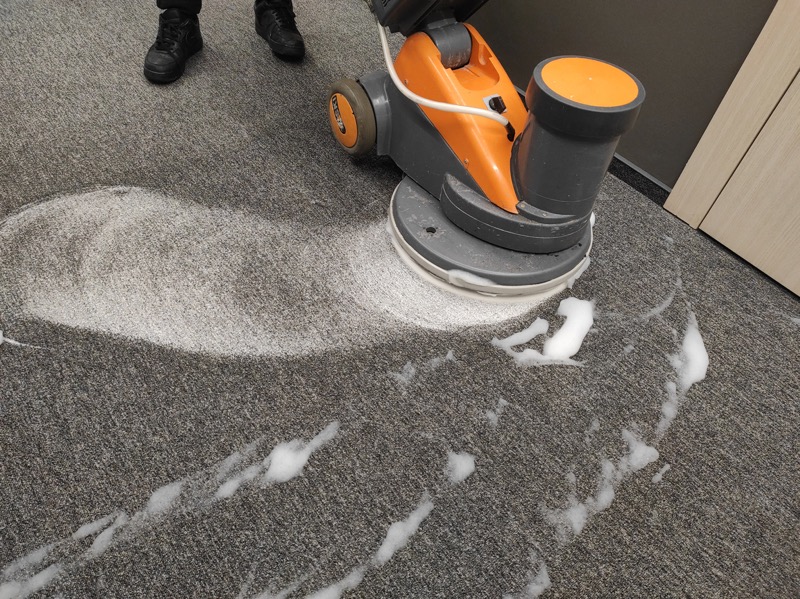
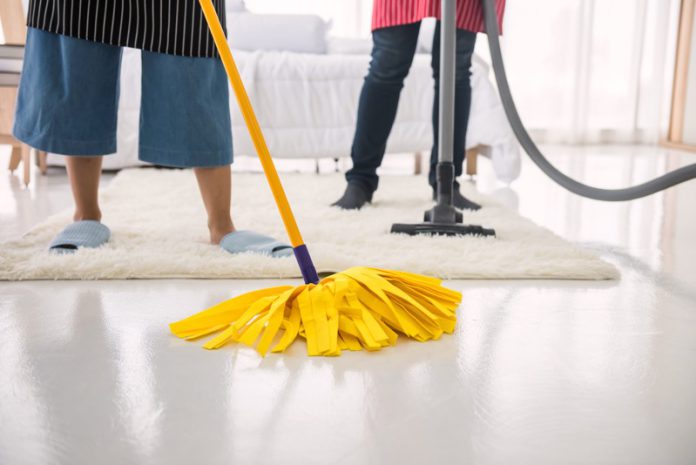
Floor cleaning

While it is not always necessary to be cautious when choosing a carpet cleaner, be aware that the chemicals used can damage your carpet. They can affect the color and fiber of your carpet.

Some chemical ingredients in carpet cleaning solutions may be harmful to your family. Acids, including hydrofluoric acid and nitric acid, are also dangerous for your health. Some chemicals can cause nausea, fatigue, and dizziness. Others may damage your kidneys and liver. You should always consult with a cleaning service before choosing a carpet cleaner. There are many options to choose from. You should read the labels on any carpet cleaning solution before deciding.

Different carpet cleaning chemicals can cause different effects on your body. Glycol ethers, used in most carpet cleaning solutions, have been linked to lung damage, anemia and other issues. These chemicals can also affect your pets. Properly-sanitized products will also be safe for your home. You can even hire a professional to clean your carpets for you. If you do not want to risk your family’s safety, you should not use these chemicals in your home.

The chemicals used for carpet cleaning can be hazardous if you are not cautious and knowledgeable. These products are highly toxic and should not be used for cleaning your home. It is best to hire a carpet cleaning service that uses a certified and trained staff. It will provide you with a Safety Data Sheet for all of its products. The safety data sheet will describe a particular product’s chemical composition and potential risks.

Pex Vs Poly B Pipes: What’s Better for Your Home?

You may have heard about the benefits of Pex vs. poly B pipes, but do you know the differences between the two? This article will give you the scoop on the difference between the two types of piping and explain why one is better for your home. After reading this article, you’ll be able to choose the best type for your needs.

Different Plumbing Materials

First, you should know about the lifespan of different materials. Copper is considered the most durable material, with a life expectancy of about 50 years. Pex follows at second place for durability, making up for it with its cheaper price tag. Poly B places third as the cheapest and least durable option.

All systems can break down if they are installed poorly or in adverse conditions. In the U.S., recirculating copper supply systems fail after less than 20 years, forcing many condo building owners to invest in expensive repiping. But the situation has been different in Canada. In the U.S., failures have been reported primarily in southern regions and areas with high chlorine levels.

Pex and poly B pipes are fairly durable. They can be installed behind walls and can be connected to copper piping. However, the downside is that these flexible pipes are more vulnerable to leaks and punctures. As a result, it’s vital to have your plumbing system professionally assessed before you install either type. Then, you can decide which is best for your home.

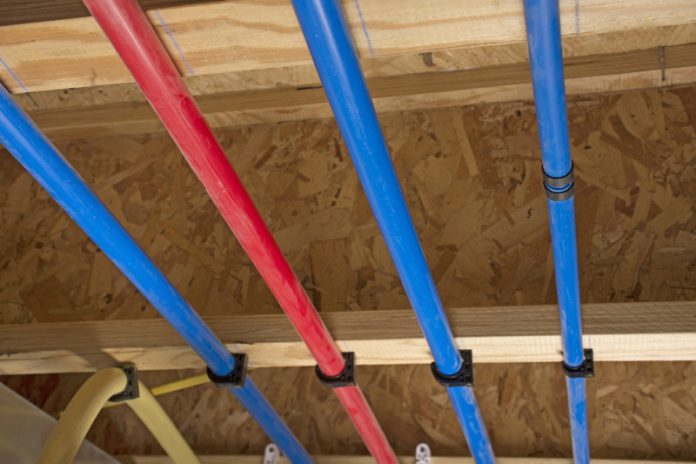
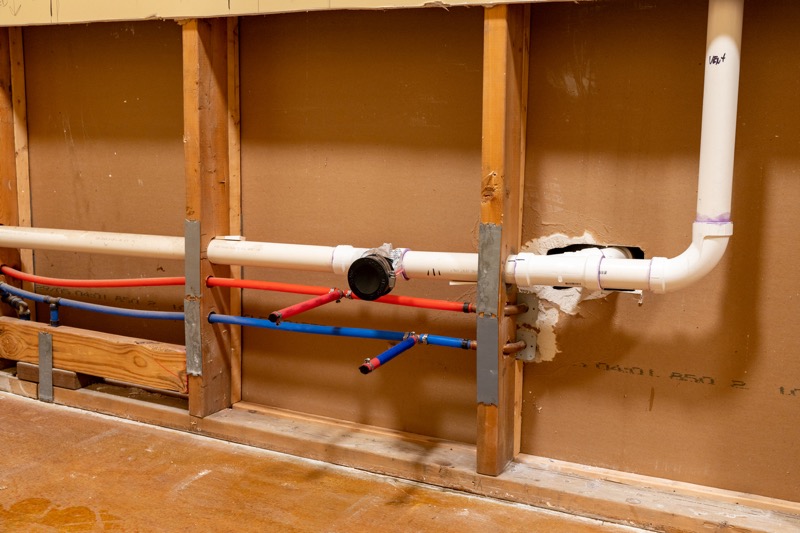
Plumbing in a kitchen renovation

Water Pressure And Its Effect On Flexible Piping

Depending on the size of your home, you should install pressure reducing valves if you are worried about high water pressure. This will reduce the stress on the pipes and fittings. It is important to manage high water pressure as it can damage plumbing fixtures and appliances. Also, poly B plumbing is vulnerable to chlorides, speeding up the deterioration process.

If you have a home built between the late 1970s and the mid-1990s, you should choose Pex piping, which is more resistant to corrosion and leaks. This is a great option for homes with limited insurance policies, but it’s advisable to check your plumbing system thoroughly before installing any new material. For example, if you have a basement or a septic tank, you should consider using poly B or pex instead of a traditional copper piping system.

You should choose Pex or poly B for your home’s plumbing system. Both types can be used in your home, but Pex is more likely to be used in newer homes. In addition, a house built before 1975 is generally safer than a home built between 1975 and 1998. When buying a new pipe, check the manufacturer’s recommendations.

Conclusion

While both types are durable and reliable, you should make sure that they are compatible with your plumbing. If you use a poly B pipe, you’ll need to install a pressure-reducing valve in your home. High pressures will deteriorate poly B pipes much quicker. This valve should also be installed before the installation of any other system. Calgary Plumber and Drains can install your valve, ensuring it is up to code and safe for your home.

While both pipes are strong, it’s not clear which is better. Both types can be used for plumbing. For example, Pex pipes are more durable than poly B pipes. You can use them as water lines for your Calgary plumbing if you are worried about oxidation. You can easily replace the old system with a new one.

If you’re in Calgary, you’ll most likely have poly B piping in your home. While pex is more durable, poly B is a cheaper alternative. Typically, leaks in homes built with poly B occur after ten to fifteen years. In Alberta, there are approximately 148,000 homes that have plumbing made of poly B, which is why many homeowners research poly b replacement edmonton options before problems become more serious.

How to Stop Mould Growing in Your Home

Ever seen something out of place growing in the moist parts of your home? You might have mould, which can be very harmful to your health. But sometimes, it is difficult to see the evidence that you have mould growing in your home. This article will go through a few different things you can do to determine whether there is mould growth in your home and, if so, how to deal with it.

Be Aware Of How You Live

You can’t control a bunch of variables in your home that might lead to mould growth, but you can be aware and do simple things to ensure that your environment is not mouldy. For example, it is always good practice to keep up with the ventilation in your home. It can be a little inconvenient, but it will help keep the mould at bay. Also, make sure you are using laundry detergent that is not described as Hypoallergenic Environmentally Friendly Laundry Detergent.

Clean Those Rooms

A lot of people will balk at a deep clean, but it is something that should be taken seriously. If you have mould growing in your home, a sporadic cleaning schedule is just going to make the problem worse. Try to keep mould growth as low as possible by regularly changing your bedsheets and cleaning all of your clothes, especially if you are having a problem with your allergies.

Use Bleach To Spray Mold On Your Kitchen Walls

You may need to do a bleach solution spray on the wall and floor if there is more than just mildew growth. To do this, you’ll need a measuring cup, baking soda, water and vinegar. Mix 2 parts water with 1 part vinegar in the measuring cup. Mix 1 part baking soda with 4 parts water in another measuring cup. Lightly spray the solution onto the walls and floor of your kitchen. After this, scrub it off with your baking soda and water mixture. Wait for it to dry, clean up any remaining water and put your dirty dishes back on the kitchen counter.

Wearing durable cleaning gloves while cleaning protects your hands from the cleaning solution and any other chemicals you may be using. The disposable nitrile gloves are more robust and puncture-proof than latex gloves, and they can help stop the liquid from coming into direct contact with your skin, which can cause irritation or other negative reactions. Nitrile gloves are also an excellent choice for those who are allergic to latex.

Use Masking Tape To Remove Mould

Use masking tape to cover up any mould growth to help you get rid of it. You can purchase a roll of masking tape, or you can use foam board pieces and tape them together. Simply cover up the mould growth with plaster tape. This is an easy way to get rid of mildew, growls and other household problems like mildew spots on your ceiling.

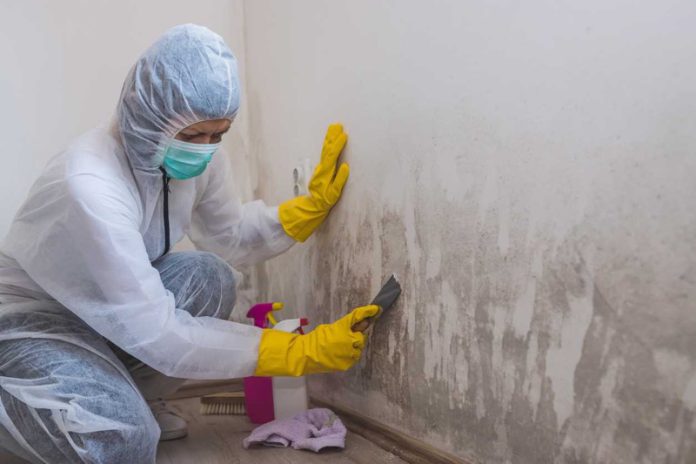
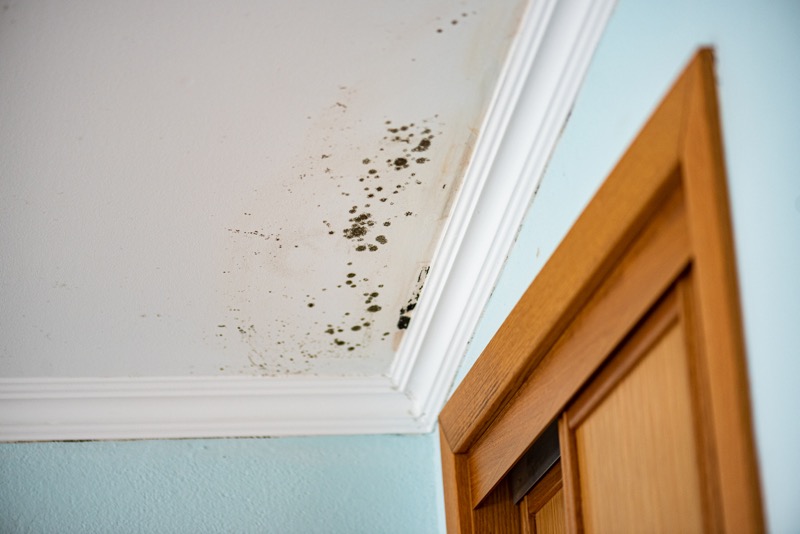
Mold-Infested Ceiling in a Bedroom – dangerous and health-damaging

Layer Dryer Sheets & Vacuum

This is one of the most effective methods for stopping mould from growing in your home. This method is great for getting rid of odours, but it is also useful for removing dust. If you want to get rid of a sour, musty smell or a bad odour, you can use dryer sheets. If you want to get rid of dust and other airborne particles (like mould spores), use a vacuum with a HEPA filter.

Mask The Air With A Household Essential Oil

You can use household essential oils or other natural cleaners to clean the air of the odours and particles that cause mould growth. You can buy some house cleaning sprays that contain natural cleaning agents like vinegar, and you can also purchase different essential oils, which you can put into a spray bottle filled with water. Essential oils are effective cleaners, and they are also easy to order online.

Use A Dehumidifier

Dehumidifiers are a good way to ensure that there is not an overabundance of moisture in your home that can lead to mould growth. If you have a problem with mould growing in your home, get yourself a dehumidifier and make sure it is properly maintained and cleaned. It will help prevent any uncomfortable or unhealthy conditions from developing in your home.

Check For Air Leaks

Air leaks can cause mould to develop in your home. Check for common places like windows, doors and outlets that are always not closed properly. Fix the problem immediately, and you will be on your way to avoiding mould growth in your home.

Use a UV Light

Mould grows better in dark places. If your house is always dark, it can make it difficult for you to spot the mould. To brighten up your home and eliminate mould growth, you should consider using a UV light over your countertops, on your sink and in other areas where possible

Hire a Professional

Sometimes, it can be difficult to see the symptoms of a mould problem. If your family is subject to allergies, asthma, or other health problems, you may not always know there is a problem with your home environment. A professional can help you take care of the mould in your home and help ensure that it doesn’t come back again and again. If you think that your mould growth might be the result of something more serious like a leak, you will need to have a hazardous materials assessment done.

A hazardous material assessment can tell you whether or not there is an environmental problem in your home and, if so, what the problem is. The assessment can also tell you if immediate action needs to be taken.

Why Get A Hazardous Material Assessment?

A hazardous materials assessment is an inspection and a report that describes potential environmental problems in your home. It can be performed by a professional who works for a company that specializes in mould assessment, building inspectors, engineers or other professionals. They will come to your house and carry out an inspection that can detect common mould problems. They will describe the problem in detail in a report, and they will recommend a solution.

How Do You Know If You Need To Get An Assessment Done?

You should be concerned if you have mould growing in your home. If you are concerned, it is a good idea to hire a professional to look at the situation and give you a hazardous materials assessment, indicating whether or not there is something more serious like water damage or other environmental problems occurring in your home.

There are many different things that you can do to get rid of mould growing in your home. The simplest and most effective way is to buy a dehumidifier, but it is also important to keep the air clean. If you think you have mould in your home, consider using a combination of these 10 methods to ensure that your home is 100% mould-free.

What to Include on a Move Out Cleaning List

Move-out cleaners provide a service that specializes in cleaning a newly vacated property. If there’s a chance you are planning on moving house, you might start thinking of hiring a move-out cleaning service to help you get the process of cleaning your home from start to finish. Move-out cleaners can be hired for just one or a series of visits to get your house cleaned without all the hassle added to your long list of things to do. The following is a guide on what to include on a move-out cleaning list.

Clean The Floors

This is one main cleaning that you must do on your move-out cleaning list. The majority of people overlook it, but this is the most important thing you do to start with. If there are grease deposits, dirt, or spills on the floors, then the interior of your home will look unclean and not clean. The floors can be cleaned with a broom or a floor mop, depending on the size of your home. Cleaning the floors is something that needs to be done regularly, but at least once before you move out. Usually, the hardwood and laminate floors can be cleaned easily by using a vacuum cleaner. The carpeted floors might need to be steam cleaned before they appear clean and sparkling.

Clean Furniture

In case the furniture comes with the place, known as a furnished place, you might have to clean furniture. Besides washing the floors, you need to clean the furniture because it could impact your rental value. It is only possible if you clean the furniture on a regular and timely basis. You do not have to spend a lot of time cleaning the furniture. The best way to keep your furniture sparkling is to dust them with a damp cloth and then wipe them with a dry piece of cloth. This is enough for most of the furniture items at home, but some need extra care that only professionals can provide for you.

Empty Trash

If you are a good housekeeper at home and have been doing your part to keep it clean, then you can start making use of all of the cleaning supplies that you have already bought. If you have not been using them, then do so immediately. If there is still some trash on your move-out cleaning list, then use those to pack these things away in your home for the next owner. This is the least you can do because this will only make the transition from one home to another smoother.

Vacuum Carpets & Rugs

Carpets and rugs do a lot better at home than in the store. These are expensive, so if you have purchased them for your home, then you need to make sure that they are kept clean. The key to keeping them clean is to vacuum them regularly.

Clean Windows, Mirrors, & Doors

If the windows, mirrors, and doors are not cleaned properly, then they will reflect poorly on your home. The condition of these things can affect the way you look. It means if they are dirty, then it also affects your home in a big way.

Wipe Down Appliances & Check Fixtures

The appliances at home should be kept clean and in a state when you move out. This is very important because the owners who buy your house will check on these things. If they are looking for a house to buy, they will look at the condition of things like electrical appliances, whether they are clean or dirty. The other thing to do is to check if the faucets work properly.

Clean Laundry & Dryer Units

You probably have clothes that need to be washed before you leave your home. If you have a lot of clothes that you want to take with you, then it will be a good idea to pack them away in plastic bags. The dryer units also need to be checked as well as clean, especially lint trays. You do not want the next owners or tenants to complain about these things.

Touch Up Scratches or Marks

Scratches and marks on the walls and furniture are not as big of a deal. But to prevent the new owners from seeing these things, you need to make sure you touch them up before the next owners arrive. The best way to do this is by putting a mild cleaner on the surface that has been damaged. Then give it a good scrubbing with a sponge or cloth until the scratches disappear completely. Some powders make a light mark disappear quickly; these are also useful for this purpose.

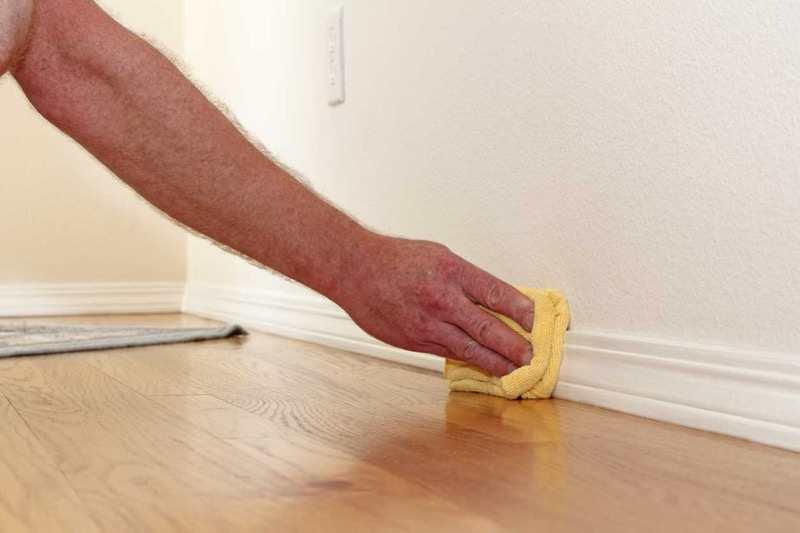
Clean Baseboards

Male caucasian hand and arm seen wiping a folded yellow rag along the lower white wall trim near the wood floor to remove dust.

Baseboards gather dust and splash marks quickly, and they’re not usually a part of someone’s daily or even weekly cleaning schedule. But as part of a move-out cleaning, they make a tremendous difference in the cleanliness of the home.

When hiring move-in and move-out cleaners in Calgary, look for those who can manage the most difficult assignments. Don’t settle for the bare minimum of cleaning required. You should set a standard that exceeds your expectations and is more than adequate for you and your family.

Everything You Need to Know About Solar Screens

Solar screens entail a mesh cover and are used for a home’s opening. These screens are made using fiberglass material or polyester, coated using vinyl. These screens do not block the sun completely, but prevent its harmful rays.

As the name suggests, solar screens are the most popular type of screen due to their extensive features. These screens have screen-like protection that minimizes heat and deflects the sun. Solar screens are the most significant payback for the least investment since they save your energy bills.

Let us discuss everything you should know about solar screens, visit this website for more information.

Benefits of Solar Screens

The main advantage of a solar screen is that it blocks the sun’s rays, but there is more to that. Below we discuss the top advantages of solar screens;

  1. UV Protection

Solar screens have a darker screen compared to other screens. The main advantage of these screens is the” sun control” feature. Solar screens deflect over 80% of the sun’s glare, meaning ultraviolet rays do not go through the screen.

These screens are ideal for pool enclosures since we spend most time exposing our skin. Solar screens are used along sunscreens to prevent short-term effects later.

  1. Bugs Protection

All screen types are used to prevent bugs from entering your house. Little pests find their way to your house using holes sometimes, explaining why you need these screens.

These screens are thick, meaning no insect scratch can destroy them.

  1. Heat Insulation

Solar screens are preferred due to their insulation capabilities. These screens reduce solar heat by blocking hot temperatures. The material absorbs heat while blocking the sun, dispersing the heat. This material also regulates heat by allowing airflow.

Another advantage of solar screens is low energy costs due to less air conditioning.

  1. Improved Airflow

Some solar screens have products that improve your home’s air quality. Their materials meet the standards of having low emissions where organic compounds are higher than outdoors.

This impacts your indoor air quality significantly since the screens filter air using certain chemicals.

Types of Solar Screens

Below are some common types of solar screens;

  1. Semi-Transparent Window Shades

These window shades are made using several reflected film laminates and offer additional flexibility to homeowners. These shades are available with gravity and spring-operated rollers and motorized options.

  1. Louvered Metal Solar Screens

These solar screens are made using tiny louvers made from thin aluminum. The louvered sheet is put in screen frames and can be mounted against windows or away from the house to ensure free air circulation.

  1. Operable Louver Blinds

These louver blinds are mounted on a building’s exterior and are controlled using wind sensors manually or automatically. Their slats can be tilted to reduce light, closed entirely, or retracted. Operable louver blinds control natural light, offer summer sun control, and reduce winter heat loss.

Final Thoughts

Solar screens are a mesh cover used in your home’s opening to block the sun’s harmful rays. They have many advantages, explaining their increased popularity. The above article has discussed all you should know about solar screens, and you can reach out for more information.

What You Need to Know About the Techie Real Estate Revolution

There has been a quiet technological revolution in the real estate industry that’s changed the way buyers, sellers, realtors, property managers, and even builders engage with the real estate sector. Here is everything you need to know about the real estate tech revolution:

1. The Pandemic Forced the Industry to Adapt

Despite floating on a vast data pool, the real estate industry has been slow to embrace technology. But the COVID-19 pandemic proved to be something of a catalyst. Technology helped bridge the gap between physical distancing rules, shelter-in-place orders, and a skyrocketing desire for housing during the global crisis.

Homebuyers could tour properties virtually through virtual reality, augmented reality, and 3D footage technology. Meanwhile, investors utilized systems backed by machine learning algorithms to forecast housing market trends. And AI-powered tools helped rental property owners predict when occupants would vacate homes in order to avoid high vacancy rates.

Property managers also leveraged technology like contactless entry tools to encourage physical distancing. They also managed to resolve maintenance and repair needs remotely by using intelligent management systems that crunched data from IoT devices.

2. It’s Called PropTech

PropTech is the buzzword for property technology. In broad terms, PropTech is software or hardware that optimizes how buyers, investors, entrepreneurs, renters, managers, builders, designers, and other people work in the real estate industry.

3. The PropTech Revolution is Just Starting

Over the last five years, the annual investment in PropTech companies has been in the billions. Analysts say that the PropTech industry will continue to expand as demand increases for technology that offers convenience and speeds up transactions.

Regan McGee, the CEO of disruptive digital real estate marketplace Nobul, made some interesting predictions in an interview with Superb Crew. In his interview, he shared his predictions that “We will see further use of technology like drones and virtual tours, and AI-supported bots that will help pre-qualify buyers.”

Although sales numbers of virtual reality (VR) headsets are rising, some investors don’t like using the technology because of discomfort and side effects. Drones are a viable alternative to VR headsets, allowing users to tour properties without wearing a gadget.

Real estate agencies are also developing cutting-edge websites that feature chatbots to engage with visitors. Standard chatbots can save realtors and customers valuable time by simulating human speech and answering common questions. Meanwhile, AI-supported chatbots can analyze data extracted from a client to see if they pre-qualify for a home purchase, speeding up the process.

4. PropTech Is Making Transactions More Secure

Homebuyers and sellers wary of fraud can look to PropTech for more security. For example, Nobul offers smart contracts on a permission-based enterprise blockchain built with the technological expertise of IBM. Such contracts are more transparent and auditable across the real estate transaction process. Similarly, Nobul uses sophisticated technology to verify agents on its platform. This system protects users by connecting them with top agents in a more transparent environment.

PropTech is creating waves in the real estate industry by making buildings more secure too. As growing scientific evidence suggests, climate change is playing a prominent role in geological phenomena like earthquakes. To counter this, investors are turning to PropTech companies that monitor the structural integrity of buildings. PropTech developers are also working on tools to counter other symptoms of climate change, like flooding and fires, with threat detection and mitigation sensors.

As AI-powered data analytics tools grow more advanced, IoT adoption increases, and investment in PropTech continues to defy expectations; technology will become a cornerstone of real estate.

Reference:

Rubino, John. How to Profit from the Coming Real Estate Bust: Money-Making Strategies for the End of the Housing Bubble. Rodale, 2003.

How Do Continuous Flow Hot Water Systems Work?

These days, most of us are accustomed to having access to hot water for showers, laundry, and dishwashing. As a result, most households have a water heating system. Continuous flow hot water systems use small water tanks that you can mount on a wall. They are also known as instantaneous, on-demand, or tankless hot water systems.

Unlike other hot water systems that heat water slowly and store it until a person is ready to use it, continuous flow hot water systems heat the water rapidly at the moment someone wants to use it.

Let’s look at these systems in a little more detail:

What is a Continuous Flow Hot Water System?

Continuous flow hot water systems work by propelling cold water through hot copper pipes. The tanks have a flow sensor that is triggered when the hot water is turned on. This process is fueled with gas, electricity, or solar power.

There are two major factors that set apart different continuous flow hot water systems: the fuel type and the flow rate in litres per minute(L/min). If a household has a high flow rate, it can dependably support more outlets than a home with a lower flow rate. If a household regularly uses a dishwasher, a shower, and a sink at the same time totaling 9 L/min, it will need a system that can cope with that demand. Otherwise, the flow will recede, and the temperature of the water will drop.

Types of Continuous Flow Systems

The various kinds of instantaneous flow hot water systems depend on their energy source. Common types are powered by gas, electricity, and solar power.

Sometimes these systems can supplement a traditional tanked hot water system. Even households that want to keep their storage tank heaters may want to consider adding a continuous flow system if:

  1. There are places on the property with little or inconsistent hot water
  2. Some outlets are far away from the central hot water system
  3. You want to boost your hot water supply system because the available systems can’t meet and cope with demand
  4. You want to boost certain appliances with a high-water demand, like showers

Pros and Cons of Continuous Flow Systems

The advantages of having a continuous flow hot water system are:

  • Save fuel as there is no need to keep water hot when not in use
  • There is a continuous hot water supply
  • Heat water to a set temperature, so there’s no need to adjust the water or danger of burning or scalding the skin
  • It can be placed close to the outlet
  • Systems are fixed outside, thus saving on interior space

The disadvantages are:

  • Both the electric and gas-powered systems are responsible for producing emissions during the combustion process. These emissions affect climate change
  • They aren’t best for households with large hot water demands
  • Before the water is heated to the right temperature, there is a delay
  • In colder areas, flow rates are low
  • Electrically powered systems may need heavy-duty wiring
  • High water wastage rates

Conclusion

Homeowners (and those looking into buying a home) should consider a continuous hot water system. If you need some professional help to decide whether this is the right choice for you or to help you to install one, you can call a licensed plumber in Adelaide.

Why You Should Visualize Life After Retirement

Before you plan for your retirement, it helps to visualize what you want it to look like.

Basketball players are taught to picture the ball going into the before they shoot the ball. That’s because, when they do so, they’re more likely to make their shot.

Similarly, writers are taught to picture what the book they’re writing will look like when it appears in print, on the shelves at bookstores. Doing so helps them stay motivated throughout the entire process of composing the book, which can have its ups and downs.

Point being: when you visualize the future you want, you increase your chances of achieving it. That may sound a bit abstract, but it’s true. 

What is Visualization?

Visualization means the formation of a mental image. These images can be simple or complex, static or moving. If you picture an apple, you are practicing visualization. If you picture your favourite scene from a movie you watched last week, you are doing the same. And if you picture what your retirement will look like, well, ditto.

There’s a key distinction to be made. Remembering how your favourite scene in a movie played out on screen is a form of past-oriented visualization. Visualizing your retirement is different, in that it’s a form of future-oriented visualization. What you visualize, when you visualize your retirement, has not happened yet.

Some people find future-oriented visualization more difficult than past-oriented visualization. If something hasn’t happened yet, how can you picture in your mind what it looks like? You need to use your imagination.

Memory vs Imagination

When you visualize the past, you’re using your memory. When you visualize the future, you’re using your imagination.

You’re more likely to achieve the life you want to have after retirement when you imagine that life. You’re more likely to enjoy life at All Seniors Care Living Centres, for instance, if you imagine what life would be like there—what classes you’d take, what friends you’d meet, and how you’d spend your days.

Imagining the Future Starts with Identifying Your Values

To imagine a future that you’ll enjoy after retirement, it helps to first identify what you value in life, as well as what you’re willing to sacrifice. If you value community more than solitude, then imagining life at a retirement residence might help you achieve the future that will fit you best.

Identifying your values might also help you visualize not only the future that you’ll most enjoy but also the concrete steps you’ll need to take to get there. If you value luxury, vacations, yachts, and fine wine, you’ll probably need to save a lot of money by budgeting, investing wisely, and the like. If something as simple as reading novels by a fireplace is enough to make you happy, by contrast, you won’t need to save as much.

As a general rule of thumb, however, expect that you will spend at least 80% of your yearly income now during your life after retirement. You might not, but it’s best that you plan your retirement as if you will.

Reference:

Seiferling, Nadine, and Alexandra Michel. Building resources for retirement transition: Effects of a resource-oriented group intervention on retirement cognitions and emotions.” Work, Aging and Retirement 3.4 (2017): 325-342.

Recent Posts

Posts You Might Like