One of the challenges in home decoration is the floors. It’s easy to paint your walls, hang a picture, or buy cheap furniture if you are on a budget.
But floors are bigger and replacing them is costlier.
So to help you in your search, this article will tell you about the common types of flooring you can use for your home.
Types of Flooring to Consider
There is no single flooring material suitable for every type of space. Hardwood, for example, is popular because of its classic look but is not suited for rooms with constant moisture.
So it’s best to examine popular flooring materials to determine if they are best suited for your house.
Hardwood
People love hardwood flooring because it can go well with any style or décor. It’s also very durable, and you can refinish it at least five times if it has any scratches.
The only problem is hardwood warps when exposed to moisture for a long time. So it’s not a good idea to install them in bathrooms or the laundry room.
Hardwood flooring is best-suited in halls, bedrooms, living rooms, or places that don’t get too much foot traffic.
Engineered Wood
Engineered wood is constructed by placing a natural wood veneer on top of less expensive plywood, And just like solid wood, it can come in different varieties of wood types, board widths, and patterns.
The obvious advantage of engineered wood is that it can give you the look of solid wood at a much lower cost. You can even install some directly on the concrete subfloor, which is something that hardwood cannot always do.
Unfortunately, it’s not as durable as solid wood. And, sometimes, you can only refinish it once.
It goes well in the same places solid wood is best suited.
Vinyl
Vinyl is a flexible flooring material softer than hardwood or tiles. It can come in several forms, like sheet vinyl, a large sheet of flooring you unroll, cut, and glue to your subfloor. There are also luxury vinyl planks, which click into places like engineered wood and thick vinyl, textured to look like wood or stone.
Vinyl is durable enough to withstand moisture and heavy traffic. It is also soft and warm to walk on.
Unfortunately, cheap vinyl will have fewer colors and patterns, making them look bland and appealing. You can’t also refinish it once it’s worn and torn out.
Vinyl flooring is best suited for bathrooms, kitchens, laundry rooms, or wet spaces. You can also install it in mudrooms since it can handle plenty of traffic.
Ceramic Tiles
Ceramic tiles are hard materials made from clay and shale, which can come in different shapes, patterns, and colors.
There are typically four types of ceramic tiles:
Glazed tiles – Ceramic tiles coated with glass-like materials so they can give any color texture.
Porcelain – A type of ceramic tile fired at high temperatures to make it more durable. It can either be glazed or unglazed.
Quarry Tile – An unglazed ceramic tile with a rough texture to make it more slip-resistant.
Terracotta – These are unglazed ceramic tiles that come from earth stones.
Because ceramic tiles can have many varieties and designs, it’s possible to incorporate them with any style. You can also create unique patterns using different types of tiles.
But, they can be cold and hard to step on with your feet. And makes your footsteps louder.
Ceramic tiles are best suited for heavy traffic spaces like your kitchen and mudrooms.
Conclusion
It’s essential to choose the right type of flooring for your home. Choosing the wrong one can lead to costly renovations, which is the last thing you need for your budget. So if you know anyone who’s having a hard time choosing the type of flooring for their home, share this article with them to let them know what kind of flooring is best.
An air conditioner needs to be ready when the temperature gets to the point that it’s running throughout the day. For anyone in South Florida, the summer heat hits quite a bit longer than in most locations. That’s why All Year Cooling And Heating continues to provide tips and resources for home and business owners looking to keep everything operating smoothly.
What are some of the key tips for keeping an air conditioner running during the summer? While every air conditioner can have its issues, most people will be fine doing these simple checks before making a call to All Year Cooling And Heating.
Shutting Down the Air Conditioner and Service Panel
This is to help maintain safety while performing maintenance on your AC unit. Make sure to turn everything off before doing the examination, or there’s a chance of something going horribly wrong. This is standard procedure for trained professionals, so anyone wanting to perform any maintenance should always practice proper safety.
Working on an air conditioner isn’t as risky as many other parts of a home or business, but things can still go wrong if it’s on. The best thing to do is follow standard procedures and go from there.
Filter Checks
Filters need to be replaced a lot more than most people realize. If they look like they are clogged with dust, it probably means that they need to be replaced. Most filters will last about six months, but they might need to be replaced sooner.
If it has been less than six months, there is a chance that a simple cleaning will get the job done. The most important thing to remember is that these filters encourage easy airflow and help to increase the efficiency of the unit. If they aren’t in excellent working order, it will slow the entire system down.
Filters are very easy for the average person to replace on their own. While All Year Cooling And Heating offers this service, it’s usually not necessary to have a technician replace your air filter.
Condenser Coils
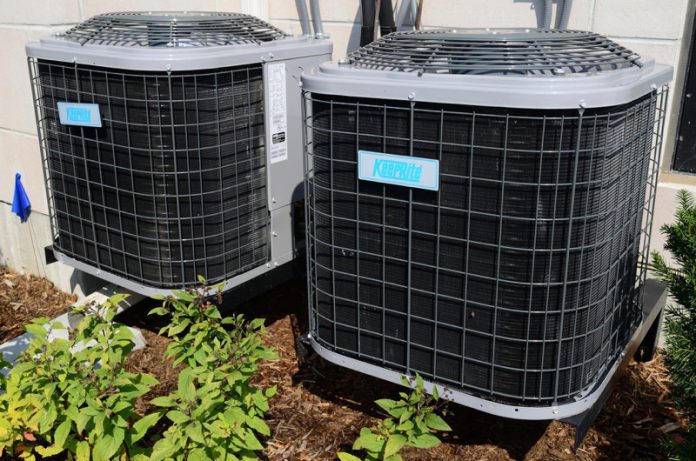
Debris can pile up near the air conditioner condenser coils and fan. If it’s a central air conditioner condenser unit, it’s mostly going to be located outdoors. The outdoor unit has a huge fan and a metal box with grills on the sides.
The problem that those living in South Florida run into is that an air conditioner can be necessary even in December and January. That means that most people aren’t going to cover their unit, opening up the opportunity for debris and dirt to get in the way. Check the outside and inside of the box. Coils can get clogged.
Can the coils be easily cleared? It takes a little bit of work to remove the side and top panels and open up the top; because of this, it is best to call a company like All Year Cooling And Heating if you are uncomfortable doing it yourself. They can have a technician to your house in no time to help make sure your AC is in good condition.
Coolant Lines
Coolant lines are usually pretty durable because of the coverage they come with. The problem comes when there are insulation issues. Coolant lines will need new foam insulation sleeves if they get frayed or even go missing for one reason or another.
This is relatively easy for the average person to handle on their own. However, it’s another service that All Year Cooling And Heating can take care of if you are feeling uncomfortable doing it yourself. It can sometimes be a little tough for people with no experience to handle some of these issues, which is why All Year Cooling And Heating will always step in and help out. Coolant lines need protection because they are way too vulnerable if they are open to the elements.
Running a Unit Test
After going through some of these basic checks, the last step is to test the unit and see how it’s working. That means reconnecting the condenser and setting things back up as they should.
To get the air conditioning unit to kick on right away, turn the thermostat in the home off before turning the power on at the main panel. Once it’s on, switch the thermostat to cool, and it should kick on in a matter of seconds.
Most air conditioners will inform home and business owners that something is wrong. They’ll either make a noise, or it becomes apparent that it’s not running as cool as it should. If that’s the case, that’s when an HVAC service technician needs to come out and take a look.
Getting Help From All Year Cooling And Heating
All Year Cooling And Heating is always prepared to offer help when customers need it. They know that going through a few days without cool air in the summer months can be miserable and even increases the chance of heat-related illnesses. This is why they provide these useful tips. The longer that an AC unit can remain running, the better.
During summer, swimming pools become the activity of focus for many families. Unfortunately, many kids lack healthy respect for potential dangers in the water, and curiosity usually draws them near.
In places where swimming pools are many, there are a lot of fatalities to young kids from drowning compared to traffic accidents. So the best ways to keep kids and adults alike safe from swimming pool dangers include:
1. Keep the Phone Away
Lifeguards see this every time. Caregivers and parents show up at swimming pools, ask their kids to stay on the shallow end, and go right on their smartphones.
Unwatched kids can end up being babysat by other adults or lifeguards. However, kids may silently slip into the pool and drown in a matter of seconds – the same time it takes you to upload a picture or post on your Instagram account.
You don’t have to leave your smartphone at home. As a matter of fact, you need to fully charge it so that you may call for help when there is an emergency.
But silence your phone and keep it in your bag. Convince your friends and family members to always do the same thing.
2. Ensure Swimming Pool Maintenance
Every year, people get sick from swimming pools that are not well maintained. In most circumstances, pool owners don’t use the right products, which allow larvae and algae to fester in their swimming pools.
This may deteriorate the health of swimming pools and, at the same time, make guests sick. Swimming pool owners don’t have to use chlorine to clean and treat their pools. Instead, they may use a pool alternative to chlorine, such as:
Baking soda
Hydrogen peroxide
3. Install a Barrier
This can be a physical obstacle, like removable fences that surround your swimming pool so as to limit every unsupervised swimmer. The barrier is important to a safe pool and is required in many states in the US.
Effective pool barriers must prevent kids from getting over or under the fence and reaching the swimming pool. If you have pets at home, the fence as well serves as a deterrent to them from having access to your pool area.
The fence needs to be made from a high-strength and other materials, without handholds or feet, which will allow kids to climb.
4. Set up an Alarm
Having an effective swimming pool alarm will allow pool owners to know where unauthorized persons are in the area. A perfect place to install a pool alarm is on the gate or patio doors.
Currently, there are modern alarms you can install at the edge of your swimming pool. They will make a sound when an intruder enters your swimming pool.
Using this kind of pool alarm means you will be informed when unauthorized people come near your swimming pool.
Final Remarks!
Crystal clear and well-maintained swimming pools are usually at the center of the summer fun. Although most people emphasize preventing drowning, installing a pool barrier, and applying sunscreen when swimming, it is equally important to pay attention to the chemicals that go into the swimming pool.
When it’s time to paint your home in St. Paul, everything needs to go right the first time. Unfortunately, taking on your home’s painting by yourself can be a time-consuming and exhausting task, especially if you are big on a perfect outcome. The best way to get the job done is to hire a painting company. Getting the right contractor to do the job will not only make the process easier for you but will also help you to get the desired outcome for your house painting. In this article, we present to you six important qualities to look for in a painting company in St. Paul for a great outcome.
Also, choosing the right one among the dozens of painting companies out there can be an overwhelming task. You need a way to vet them before making a decision on which one to hire.
Professionalism
The professionalism of a painting company can be gauged in many different ways. One of the first things to observe is how they communicate with you when making inquiries about their services. Watch out for how they relate with you and how detailed they are about their services.
How respectful are they? How knowledgeable do they sound about what they do? These are good indicators of professionalism. You want to also observe how organized they are, not only with their tools but also with the project you’ve brought before them.
And now, one of the most important things you should ask them is to show you their license or certificate. If the painting is not willing to show you their license, then you probably want to take your project somewhere else, as this could be a sign that they have something to hide.
Experience
Verifying the professionalism of the painting company shouldn’t be limited to licenses and certifications. You want to also know what experience they have as a company, especially as reflected in their portfolio. Not only will this show you their past projects, but it will also tell you how long they’ve been in the painting business.
Ask them to show you some of their previous painting projects to check if they complement their expertise. You can also take time to check what past clients have to say about them online. If you love what you see, then you may hire them for your painting project.
In verifying their experience, take a look at their skill set. Being sure of their expertise gives you the peace of mind that they can execute your project well. After all, you want to project to run smoothly and be completed without a hitch.
Trustworthiness and honesty
Trusting a painting company is not limited to believing in their ability to get the job done; you also want to be able to trust them to be in your house. Checking through their work history is a great way to find out if they can be trusted.
While checking to see what previous clients have to say about the company and their services, watch out for any comment that suggests that something went missing during a project. If any complaint of such comes up, you may need to rethink your plan of working with them.
One way of checking whether the painting company is honest is by asking for their prices and comparing with the average cost of house painting in your area.
Communication skills
Communication is an important quality that should be considered before hiring a painting company. if their communication is poor, you stand the chance of having an unexpected outcome in your project. They should be willing to talk to you before making a decision during the project. And should there be any need to change anything, the company should let you know about it before taking an action.
Mistakes can sometimes be inevitable. If a glitch occurs in the course of the project, the company should be able to admit when they are at fault. Keeping you in the loop of what is happening in your home is a sign of professionalism that is worthy of commendation.
Friendliness
The painting company you want to hire should be friendly and courteous no matter the circumstance. They are going to be working in your home where you and your loved ones should always be comfortable. You don’t want to work with a contractor that will act rudely and fight with your family.
Being friendly and courteous shouldn’t even be limited to when the work is going on; these should extend beyond when the contractor is done with the day’s task. This removes all signs of threats in your home. So, do not ignore the slightest sign of rudeness when contacting a painting company.
While you may not see the connection, a courteous and friendly painting company is very likely to give you quality service.
Responsibility
There is almost no way to measure how responsible a painting company is until you hire them. However, one of the simple ways to have an idea of their responsibility on the job is checking if they are insured. A company that has on-the-job insurance coverage has proven to you that they are willing to take responsibility for any damage that occurs during the course of the project.
Take time to ask them from the onset about their insurance. In fact, a good painting company will not only take responsibility for any damage caused by their workers on the job, but they also ensure that they are liable for any injury to their workers on the job. Their insurance policy may even cover worker’s compensation.
Hiring a professional painter versus DIY
While you may be tempted to believe that painting a house is a simple and easy process, it is not necessarily the truth. There are many reasons why you should leave your painting job for a professional.
It saves you time
Professional painters have the right tools
Injuries sometimes happen during painting. Your safety is guaranteed when you are not the one doing the job.
You may not have the skills of the pro
Final words
Choosing the right painting company among many may not be an easy or straightforward process, but with the right qualities in mind, and the right questions asked, you are on your way to getting the best of them. The internet is always a great source to check out your prospective painting companies in St. Paul. One of the popular and helpful resources is the Better Business Bureau.
Homeowners should never overlook or avoid needed house foundation repair. The longer you put off needed fixes, the worse that damage gets. In turn, you might end up paying thousands of dollars more for repairs than if you addressed them immediately. Additionally, a weak foundation can risk secondary damage around your house, including wall cracks and water leaks. It’s important to notice the signs that your foundation requires repair. Visit our website at thewoodlandsfoundationrepairpros.com.
That being said, one reason many people put off house foundation repair is that they don’t realize their property needs attention! To ensure you’re keeping your house in good condition, check out 8 signs that your home’s foundation needs repairs. You can then discuss these with a repair contractor near you as needed.
1. Deep Cracks? It’s Time for House Foundation Repair
Tiny hairline cracks along concrete foundations aren’t always dangerous and don’t necessarily need immediate repair. A homeowner should patch those anyway, to keep out moisture and prevent them from getting worse over time.
However, deeper and wider cracks need immediate fixing. If left untouched, those cracks can spread and weaken a foundation. They also allow concrete to absorb damaging moisture, so that it gets even weaker over time.
2. Chipped Concrete Needs Immediate Fixing
Along with deep and wide cracks, chipped concrete needs immediate fixing. Once concrete has chipped, it’s become weak and will usually continue to crack and chip. Also, a weak foundation can’t hold up the weight of a structure as it should. In turn, your house might shift and then settle, risking interior and exterior cracks and other serious damage.
3. Know What Concrete Spalling Looks Like
Concrete spalling refers to small pieces of concrete breaking away or flaking off. This process is often called concrete cancer, as it typically spreads across the surface of concrete. Spalling usually occurs when rebar used to reinforce concrete begins to rust.
If you’re unfamiliar with concrete spalling, it’s vital that you note what it looks like and how it appears. Once concrete begins to spall, it needs immediate patching or replacement. This repair work ensures the concrete stays strong and doesn’t begin to chip or flake.
4. Basements and Interior Spaces Shouldn’t Be Damp and Musty!
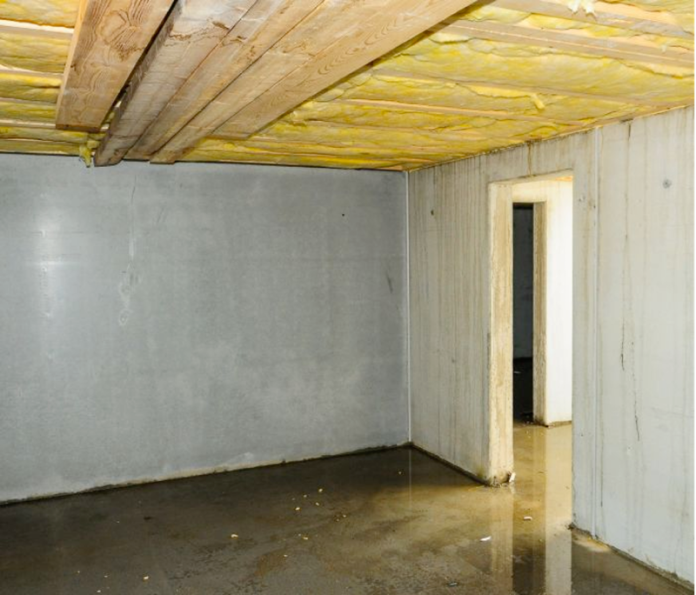
Some homeowners mistakenly think that basements or first floor utility rooms are naturally damp and musty. However, this simply isn’t the case! Damp basements, laundry rooms, and other such spaces typically indicate foundation leaks. Those leaks let moisture into the space which then means standing water or a musty environment.
If you notice this issue around your home, don’t simply clean the water and install a dehumidifier. Instead, schedule a foundation inspection so you can then have a contractor perform repairs as needed.
5. Flooring Issues That Indicate Foundation Damage
As with a damp and musty basement, don’t assume that floorboards just squeak or creak when you walk across them! As a home’s foundation weakens, this often pulls on its subflooring. In turn, those boards creak or groan when you walk over them.
Additionally, you might notice floor tiles slipping out of place as they pull away from the grout under them. Also, hardwood flooring might warp or pop out of position. Don’t simply repair these issues but schedule a foundation inspection as soon as possible.
6. Wall and Ceiling Cracks Often Indicate Foundation Damage
Weak foundations allow a home to shift over that damaged area. In turn, the house might settle or sink slightly. As it does, it pulls on solid surfaces inside and out, including drywall or plaster. In turn, you might notice wall and ceiling cracks forming around the property.
Some homeowners mistakenly patch these cracks without scheduling a foundation inspection. In turn, those cracks might come back while the foundation continues to weaken and settle. If you notice wall or ceiling cracks, don’t simply cover them over but schedule a foundation inspection as well.
7. Consider Other Wall Issues Around Your Home!
Cracks are not the only indicators of foundation damage. As your home’s foundation weakens and settles, you might also notice popped drywall nails or drywall panels pulling away from each other. Also, gaps often form in room corners as drywall pulls away from the home’s framework.
8. Unexplained Plumbing Issues Indicate Needed Foundation Repair
What does a plumbing issue have to do with emergency house foundation repair? When a settling house pulls on materials around the property, this includes plumbing pipes and their connectors! In turn, you might notice leaks and persistent clogs.
A plumber can inspect those pipes and fittings and note if other issues might be causing those problems around your property. However, if you’ve ruled out aging pipes, poor-quality installation, and the like, consider a foundation inspection for your property.
What Happens If You Don’t Fix Foundation Problems?
Now that you know some signs of foundation damage and needed repairs, you might wonder what would happen if you continued to ignore them. As said, foundation damage only gets worse the longer you put off needed fixes. Additionally, your home might show signs of secondary damage including wall and ceiling cracks, dampness, and more.
Don’t assume you can simply ignore these issues as well! Plumbing leaks often lead to persistent clogs, and of course those need fixing before you can use the home’s plumbing again. Foundation cracks letting in moisture also risks mold and mildew growth behind walls and underneath carpeting. Not only is mold damaging to drywall and framing but it’s also very unhealthy.
Lastly, note that foundation damage can affect your home’s overall value. The more severe the damage, the more it affects those values. In turn, you might lose equity you’ve built in the home or struggle to sell it if you should put it on the real estate market.
Rather than risk these issues, consider scheduling house foundation repair services when needed. A repair contractor and needed fixes ensure your home is in good condition, helping to prevent secondary damage such as wall and ceiling cracks. Patching and leak repair also help avoid mold and mildew growth inside the home. Lastly, scheduling timely repairs keeps those costs as low as possible.
If you are looking to renovate your house and enhance its shape by painting it from the outside, then you should make several things such as choosing an appealing exterior paint. An exterior painting can add a lot to the outer appearance. So, if you are looking for some tips to help you paint your house, read this article.
Know when your house was built
When you hire a professional in the field of paints, you should ask him to find samples for you from the era in which the house was built. This will help you know what color fits the house style more. Imagine painting a house with modern colors when you know it was built in the 1930s! It will look terrible indeed, so be aware!
Look at the neighboring houses
The color of your house is your own decision. However, you should take into consideration the colors of houses in your area. To rephrase it, you should look at the picture as a whole. Consider that your house is a shirt and your neighbor’s house is jeans and that you should match them together! Still, sometimes choosing a crazy color creates a kind of liveliness in your area.
White: The traditional paint color
If the white house is one of the best places in the world, why not paint your house white? You can paint the windows and doors with different colors to add a unique touch. White color is luxurious and makes a house look bigger than it is.
While it is difficult to repaint walls in other colors and get the same tone, you can easily repaint walls in white.
Use dark colors
Dork colors can help the architectural details of the house. Try this option. You can use such colors to highlight frames around the house or any architectural details. But you should know that dark paint might make a house look smaller.
Know your design
If you look at different houses, you might see that some of them have different colors. Sometimes they might be eight colors. This is a general rule because the number of colors depends on the house’s design. So, we advise you to look at your house and see how many colors might fit it. It is good to know that you can paint your house in ten colors. However, you need to hire a professional painter to do this job.
Look at the other elements
When focusing on the houses in your area, you should not ignore your house. When searching for exterior paint, do not forget to look at the inside. As the exterior paint must match the roof colors of the rooms. Also, you should consider the natural elements in the surrounding. For example, if you live near a lake or a garden, you should choose a color that fits them.
Bottom line
Choosing the right exterior color can be difficult. It is more important than a front door and built-in foyer in terms of first impressions. Whether you have decided to create a foundation, shutter, or just a one-size-fits-all home covering, you should consider several factors that might help you take your pick.
Try to select the perfect color for your home, which will show the character of the house as well as that of your family. It should be traditional enough to look comfortable on the outside yet unique enough to stand out on the street.
Do not forget to keep an eye on the newest update in the field of exterior painting, as new paints are appearing daily.
Concept of housing for young family. Mother, father and child girl in new house with a cardbox roof. Symbol of protection and property.
Moving can be a stressful and time-consuming event in your life, particularly if you have to do it alone. From broken to lost stuff and everything in between, it’s unlikely that your move will go smoothly the first time around. Thus, it’s okay to want peace of mind when moving. You want all your belongings to reach the new location safely and in time.
For this reason, you should consider the possibility of getting moving insurance. Most people assume that they need movers’ insurance, but they don’t want the hassle of looking into it. It seems like a pain to go through all those motions and fill out all the forms. This has led to whether or not you should get moving insurance.
This article discusses moving insurance in detail and if you need to have one when moving.
What Is A Moving Insurance?
Moving insurance is a service provided by moving companies, such as Big Boy Movers, to help protect your belongings from damage or loss. It can cover the cost of replacing or repairing certain items damaged or got lost during transit.
Movers are required to offer some protection, but it’s only a tiny fraction of the value of your belongings. It also comes with a long list of exclusions. Therefore, it’s critical to understand how moving insurance works and why you need much more than what movers offer.
Types Of Moving Insurance
Portrait of happy senior couple packing cardboard boxes while moving to new house
There are several types of moving insurance that you can look into when the time to move comes. Here are some of them:
Full Value Protection
Full value protection is the moving company’s highest level of liability coverage. With this, your items are covered for their full replacement value, meaning the reimbursement can anchor at today’s prices for the cost of replacing your item. The moving company can either repair or replace the item or offer a cash settlement equivalent to the broken item’s current market value.
Released Value Protection
Released value protection is included in all moving estimates by default. It covers your items for you and provides up to USD$0.60 per pound for interstate moves and USD$0.30 per pound for intrastate moves. For example, an item weighing 10 pounds that gets damaged during a move would be reimbursed for up to USD$6.
However, this doesn’t offer as much liability as to the full value protection, but it’s a good option because it’s included in the total costs.
Third-Party Insurance
Third-party insurance is another option for covering your belongings during a move. You can purchase third-party insurance from an outside company that can offer more comprehensive coverage than what moving companies automatically provide. Examples of this would be additional coverage for identity theft and lost boxes. Thus, this supplemental insurance would give your items more protection, so that’s less worry for you.
For instance, if your basic coverage covers USD$0.6 per pound, third-party insurance can cover the other USD$0.4. This provides more comprehensive coverage.
Why You Need A Moving Insurance
When you are shifting your house, you want everything to be safe. If a mirror gets broken or a lampshade is damaged, it can feel like a waste of money. Yet what if you have expensive items, say an antique piece of furniture that has been in your family for generations?
How worthwhile your moving insurance is will depend on the protection it can provide. For example, if you purchase released value protection of a 100-pound item, you’ll be compensated only USD$60. If the item has depreciated close to $60 or was worth the amount, then the insurance will be good. If the item was worth over USD$500, then the insurance isn’t worth it.
Although there’s no single insurance that covers all your belongings when moving houses, it’s worth noting that part of it can be covered by their insurance policy when you hire a moving company. If something gets damaged during the move, whether it happened because of something you did or because of some other reason, the moving company may reimburse you for the cost of replacing your item.
Moreover, even if your homeowner’s policy covers damage that occurred during the move, it might not cover everything. It will only cover the item’s cash value, which accounts for depreciation. In other words, if something is three years old when it gets damaged during a move, your homeowners’ insurance policy will only pay for what the item is worth today. Depending on its value when you bought it (and how much it has depreciated over time), you might only get a little compared with what it would cost to replace the item today.
Indeed, moving insurance helps you protect all your belongings from damage during the move. Although many people avoid buying it because it costs extra, it is worth considering before hiring a professional packer and mover company.
What Is Not Covered By Moving Insurance?
While moving insurance can be an excellent way to protect your items, there are some limitations to what it can do. Here are some things that moving insurance will not cover:
Suppose you pack your items before moving instead of the movers packing them. If any damage occurs to the items, you will take the liability for the damaged items.
Suppose you fail to report any damaged or missing item immediately. Most of these companies will offer you a period of up to nine months to report any damages. After this period, they won’t be liable and won’t cover the damages.
Suppose you have a damaged property but it had a pre-existing condition. For example, if you have furniture with a water stain, any further damage to that piece is not covered. This is one reason why it’s crucial to document the condition of your belongings before you move them.
Conclusion
The consensus is that moving insurance will be beneficial if you have items you can’t afford to replace or see damaged. Referring to the inventory list to prove the former condition of an item should you find damage after the move is critical. Besides, there’s no replacement for emotional cost. Hence, moving insurance is generally recommended by movers and relocation professionals for their clients’ peace of mind.
Reference:
Kaplan, Greg. “Moving back home: Insurance against labor market risk.” Journal of Political Economy 120.3 (2012): 446-512.
Moving day can be stressful. But with the right plan and preparation, you can check all of the items on your checklist and still have time to rest and relax.
So to help you on the big day, below are items that you will need to make moving easier.
Buy a Binder and Create a Moving Folder
Being organized is the best way to make moving easier. So the first thing you’ll need with you is a binder or a notebook or a “moving” folder on your computer or device. This way, you can have a place to store your checklist, organize your timeline, and store paperwork essential for moving.
A checklist may seem like a hassle. But writing or typing your to-do list makes it easier to remember what you need to do, minimizing the waste of your precious time, especially if you are moving abroad.
Some of the things you can put on your checklist are:
Packing materials
Schedule for shutting off the service of utility companies
Updating your mailing service
Any item or task that you need to do
As you complete your item, be sure to cross them out. So you don’t get confused in the process.
A Proper Budget
Moving can be expensive. So, you must have the correct budget with you to save money. Research how much you’ll spend to know if a full-service move is within your reach or not.
Setting a realistic budget for your moving day ensures that you won’t need to rob a bank to get to point A to point B.
Get Packing Supplies
You probably already have some idea of the number of things you’ll bring. So the next thing you need will be packing supplies. A good tip is to buy an excess of packing materials than you think you will need. You wouldn’t want to run out of boxes on packing day. It will just waste more of your time and add stress as you’ll go out again to buy more packing supplies.
You can use packing calculators to get an estimate of how many supplies you’ll need.
Take Pictures
Pictures serve as documentation for things before you move them. A good example is your entertainment system. You might need a picture of the wiring at the back to remember how to set them up once you’ve moved to your new home. This also applies to things you’ll have to disassemble.
It’s also a good idea to take pictures of anything valuable or fragile, just in case it disappears or is damaged during the transit. Those images become invaluable when claiming insurance for your items.
Color Coding For Boxes
Make it easier for yourself when setting up in your new home by color-coding your boxes. You can either use markers or stickers to color-code them. Start by color coding the rooms. Then match the color of the boxes of the items present in that room. So, when you arrive at your new house, you can identify which one goes in what room.
Water and Food
Moving day may present other challenges and stressors along the way. So, to ensure that you have the energy to tackle them, bringing some drinks and food is essential. It would be best to put it in a spot where it won’t get in the way. And make sure that it does not go with the moving truck.
Conclusion
Moving can be stressful. Yes, you can always hire full-service moves like VP Smart Removals to make it easier. But being prepared minimizes challenges and hurdles. So plan and use the tips above to ensure that nothing goes wrong along the way.
Have you noticed leaks in your roofing or broken window seals and frames? It’s clear you need carpentry repairs in your home. A leaky roof will allow water to seep into your ceiling and result in significant damage. There are many other carpentry services that you may need, and your choice of carpenters matters. Nonetheless, professionals will offer numerous benefits, and there are various ways to get the most out of the services.
What are the common carpentry services to hire in my home?
The list of carpentry services is endless; these may range from roofing repairs, flooring installations, deck installations, home renovations, extensions, door and window repairs, and many more.
Window & door repairs
Three are various indications that you necessitate window repairs or replacement. The common signs include broken glasses, broken seals and frames, and sometimes high energy bills. If your door and window seals or frames are broken, they will allow cold air and let out heat from your home interiors. Your HVAC until will overwork to heat your home, translating to high power bills.
Roofing repairs
Carpenters from A2Z Carpentry & Maintenancecompany will tell you that a leaky roof can cause significant damage to your home. If you spot leaks, broken or missing shingles, act promptly. A carpenter can help you repair the roofing or install a new one. Although fitting a new roof can be costly, it’s worth every penny. It will save you a lot on roofing repairs in the longrun.
Signs that you require roofing repairs include;
-Sagging
-Signs of water damage, i.e., water stains or mold
-Missing or cracked shingles
-Rust on the metal components
-Moss or algae on the roof
Deck& Pergolas installations
Decks and pergolas will create additional space and improve the look of your home. They are great investments and will raise the value of your property. Again, pergolas feature an open roof and can combine different materials. Wooden pergolas are pretty common, and you can stain the wood to enhance their look and durability.
How can I get the most out of carpentry repairs& services?
The first step to fixing issues in your home should be contacting a professional carpenter. Luckily, there are many carpenters, and you can get one to match your budget and needs. There’s a trick, though! Not all will suit your project; you need a professional to ensure excellent services.
Here’s how to get the most out of the services are;
Plan ahead
Every successful project begins with adequate planning. Start by identifying all the issues requiring repairs and list them down. Look for carpenters with adequate skills, experience, and tools to fix the problem. Moreover, think of the most appropriate time to undertake the repairs.
If unsure about this, consult the carpenters. For instance, it’s advisable to undertake roofing repairs after winter. The ideal time to do roofing repairs is when the temperatures are mild and the weather is quite consistent. However, most homeowners will likely be undertaking the same repairs, and the demand for roofing materials may spike. So, plan to acquire all you need earlier or in winter to save costs.
Budget appropriately
Home repairs and renovations come at a cost. Get quotes from different service providers and choose the best deals. Also, budget for the services and allocate a budget for the materials required. A budget will guide you, making it easy to complete the project without stalling. For excellent results, be willing to stretch your budget to accommodate unexpected expenses.
Hire skilled carpenters
We can’t disregard the importance of experienced carpenters in home repairs. These professionals have the proper tools and equipment to undertake most repairs in the home. They understand how to do this right and will avoid the need for frequent restorations, which can be costly.
You’ll save a lot with professions than with unskilled carpenters. Also, if installing a deck or pergolas in your home, a professional carpenter will help you choose the best designs to match your home design. The same applies to home renovations and extensions. The bottom line, you’re unlikely to make costly blunders by engaging a professional.
Consider a licensed& insured carpentry firm.
There are various factors to keep in mind when hiring carpentry services, these include;
Experience
Skills
Access to modern tools and equipment
Insurance& licensing
Availability
Cost of services
Licensing and insurance is vital. Licensed companies are certified to offer the services in the state. Meaning they have adequate experience, tools, and team to provide various types of repairs. Licensed carpenters are likely to give a warranty. This means they will come back to fix any issues that may recur within the warranty period.
Insurance is also vital and will come in handy in case of accidents and injuries in your home. It will cater to medical expenses if any worker suffers injuries on the job. Why is this important? It will save you a lot of stress and expenses associated with hefty medical bills and personal injury lawsuits.
How can I locate the best carpenter in Sydney?
There are different carpentry companies in the state. All offer varied services, and you’ll likely find them online. Therefore, conduct an online search and sample from the list of carpenters available. Scrutinize each company thoroughly and contact them for interviews. You can also get professional carpenters through referrals and recommendations.
Seek referrals from friends and relatives and develop a list of preferred service providers. It’s easy to get expert carpenters from referrals, but you shouldn’t rely on this solely. Consider aspects like experience, skills, previous projects, and cost. Only hire when you’re comfortable that the carpenters will offer superior services.
Once you have a list of select companies, get quotes and choose one to suit your budget. Remember, cheap isn’t always best. Therefore, don’t compromise on the quality of services to save some bucks.
Final thoughts
Hiring professional carpenters is the best decision to make during home repairs. These experts offer a wide range of services and will ensure a more comfortable place for you and your loved ones. If hiring a carpentry firm to undertake repairs in your home, consider the above-mentioned ideas to get the most out of the services.
When investing in real estate, you need to understand carefully all the rules and regulations that are applied to the trade. These include the Reverse 1031 Exchange.
You may have heard of this Internal Revenue Service code, but what does it exactly mean? In this article, we will discuss what is a Reverse 1031 Exchange, the rules that come with it, and how to take advantage of it when buying and selling properties.
Reverse 1031 Exchange Definition
As previously implied, the Reverse 1031 Exchange is a rule implemented by the IRS to guide real estate investors. According to the code, if you want to sell a property that you have owned for less than ten years, you will be taxed on any gains made from the sale.
However, if you reinvest those gains into another “like-kind” property within a specific time frame, you can defer paying taxes on the sale. This is what’s known as a “reverse exchange”.
Types of Reverse Exchanges
Generally speaking, there are two main types of reverse exchange real estate investors can use: safe harbor and non-safe harbor.
The main difference between the two is that, with a safe harbor exchange, the taxpayer has 45 days to identify the replacement property and 180 days to complete the purchase.
With a non-safe harbor exchange, there are no time limits on identifying or purchasing the replacement property.
These reverse exchanges can be beneficial for taxpayers because it allows them to defer capital gains taxes that would otherwise be due upon selling the original investment property.
It also gives investors more flexibility in choosing what replacement property to purchase.
Reverse 1031 Exchange Rules and Requirements That You Should Know
It’s important to note that there are a few policies that come with reverse exchanges. Here are the Reverse 1031 Exchange rules 2022 investors should keep in mind.
The Property That Is Being Exchanged Must Be “Like-Kind”
This means that the property you are selling must be of the same nature, character, or class as the property you are looking to purchase. For example, you can exchange a vacant lot for another vacant lot, or an apartment complex for another income-producing rental property.
You cannot exchange a residential property for a commercial one.
Investors Must Use a Qualified Intermediary (QI) to Facilitate the Transaction
A QI is defined as a person or company who enters into a written agreement with the taxpayer to hold title to the relinquished property and then transfer it to the buyer. They cannot be the taxpayer, the person acquiring the replacement property, or related to either party. They must also be qualified and licensed to do this type of work in the state where the property is located.
It’s important to note that if you don’t use a QI, the IRS will not allow you to defer paying taxes on your capital gains.
Both Traded Properties Must Be Held for Investment
This means that you cannot exchange a personal residence for another property. The IRS considers personal residences to be held for investment or use in a trade or business.
Simply put, the properties must not be used for personal use.
The Taxpayer Must Not Have Control of the Replacement Property Before the Exchange
The QI must have control of the replacement property before the taxpayer can take possession of it. This is to prevent investors from trying to game the system by using a reverse exchange to purchase a property that they already had their eye on.
How Does a Reverse 1031 Exchange Work
Now that you know what a Reverse 1031 Exchange, it is time to learn the process. In order for this rule to work on your end, you must follow these three simple steps.
Identify the property that you want to purchase.
You must identify the replacement property within 45 days after the sale of the original investment property.
This can be done by sending a letter to the QI with the following information:
The address or a legal description of the property
The date by which you plan to acquire it
Your intent is to use it for investment or trade purposes
If you are unable to identify a replacement property within this time frame, you will not be eligible for the exchange’s tax benefits.
But again, if you use a non-safe harbor exchange, there are no time limits on identifying the replacement property.
Find an exchange accommodation titleholder (EAT) who is willing to hold the title of your new property until the sale of your old one is complete.
The EAT can be a friend, family member, or even the QI themselves. They must be willing to accept title to the property and then transfer it to you on the date of the sale.
However, it would be better if they are not related to you, so that there is no conflict of interest. They will also need to sign a letter of intent that outlines their agreement to act as the EAT. This document will need to be signed by both parties and notarized.
Purchase the replacement property using funds from the sale of your old investment property.
Once the sale of your old property is complete, the funds will be transferred to the EAT. They will then use those funds to purchase the replacement property on your behalf.
You will then take over ownership of the new property once the sale is complete. And that’s it! You have successfully completed a reverse exchange.
Reverse 1031 Exchange Timeline
In any case, the standard timeline for a regular exchange is the same as the standard Reverse 1031 Exchange timeline. This means that you have 180 days from the date of the sale of your old property to complete the purchase of the new one.
The only difference is that in a regular exchange, you must first sell your old property before you can purchase the new one. In a reverse exchange, the order is reversed, and you must first purchase the new property before selling your old one.
This may seem like a small distinction, but it can make all the difference when it comes to timing.
Which Types of Properties Does the Reverse 1031 Exchange Apply To
The 1031 Exchange rules do not only apply to a particular type of property. It can be applied to all real estate investment properties, including residential, commercial, and net lease properties, such as triple net leases (NNNs).
For Residential Properties
For these properties, the most common type of exchange used is the Delayed Exchange. In this type of exchange, the EAT purchases the replacement property on your behalf and then leases it to you until the sale of your old property is complete.
The advantages of using a delayed exchange for residential properties are that it gives you more time to find a suitable replacement property and that it allows you to live in the new property while still owning your old one.
For Commercial Properties
In this case, the most common type of exchange applied is the Construction Exchange. In this method, the EAT purchases the land on which you plan to build your new property and then transfers it to you once the construction is complete.
The good thing about using a construction exchange for commercial properties is that it allows you to start construction on your new property before selling your old one. This can be a major advantage if you are planning to build a new office or retail space, as it will allow you to move in and start operating sooner.
For NNN Properties
NNN properties can also be exchanged using the reverse exchange method. In this situation, the EAT purchases the replacement property on your behalf and then leases it to you under a triple net lease agreement.
The perk of using a reverse exchange for NNN properties is that it allows you to purchase the property and then lease it back to the tenant, which can provide you with a steady stream of income.
For more information on how this rule applies to net lease properties, you can read this Reverse 1031 Exchange guide by one of the most trusted investment mentors in the industry.
Conclusion
Reverse exchanges can be a great way to save on taxes when you are selling and buying investment properties. However, it is important to remember that this rule does not apply to all types of properties.
If you are planning to sell and buy an investment property, be sure to consult with a qualified tax advisor or real estate attorney to ensure that a reverse exchange is applicable.
This concludes our guide on what is a Reverse 1031 Exchange. We hope that you found this article helpful and that it will help you with your real estate business. Thank you for reading!
Reference:
Falkenbach, Heidi, Anna-Liisa Lindholm, and Helmut Schleich. “Review articles: environmental sustainability: drivers for the real estate investor.” Journal of Real Estate Literature 18.2 (2010): 201-223.