
Home Blog Page 188

Harnessing the Power of Giant Fans: Exploring the World of Large HVLS Fans

In the realm of industrial and commercial spaces, where air circulation is crucial for comfort, productivity, and energy efficiency, a silent giant has been steadily making its presence known—the High Volume Low Speed (HVLS) fan. These mammoth fans, with their impressive diameters ranging from 7 to 24 feet, are revolutionizing the way large spaces manage their airflows. In this article, we delve into the world of HVLS fans, exploring their mechanics, benefits, applications, and the future they hold.

Understanding HVLS Fans

HVLS fans are engineered to move large volumes of air at low rotational speeds. Unlike traditional fans, which operate at higher speeds and produce more noise, HVLS fans deliver gentle, consistent airflow throughout a space without creating disruptive drafts. This unique design makes them ideal for facilities with high ceilings and expansive floor areas, such as warehouses, distribution centers, gymnasiums, and manufacturing plants.

The hallmark of HVLS fans is their size. These colossal machines can span diameters of up to 24 feet, allowing them to cover vast areas with ease. Large HVLS fans are specifically designed to move massive volumes of air in expansive spaces efficiently, making them ideal for facilities that require uniform airflow across significant distances. Despite their imposing dimensions, HVLS fans operate quietly and efficiently, thanks to their low-speed, high-volume airflow.

The Mechanics Behind HVLS Fans

At the heart of every HVLS fan lies a sophisticated combination of aerodynamics and engineering. These fans typically feature large, aerodynamically designed blades that are specifically engineered to move air efficiently at low speeds. The slow rotation of the fan blades ensures that air is gently circulated throughout the space, creating a uniform environment without causing discomfort to occupants.

To achieve optimal performance, HVLS fans are powered by robust electric motors that drive the rotation of the fan blades. These motors are designed to deliver the necessary torque to rotate the massive blades while consuming minimal energy. As a result, HVLS fans are not only highly effective at circulating air but also exceptionally energy-efficient, making them a sustainable choice for large-scale ventilation solutions.

Benefits of HVLS Fans

The adoption of HVLS fans offers a myriad of benefits for businesses and organizations across various industries:

Improved Air Circulation

One of the primary benefits of HVLS fans is their ability to improve air circulation in large spaces. By gently moving air throughout the area, these fans help maintain consistent temperatures and reduce the stratification of air, creating a more comfortable environment for occupants.

Enhanced Thermal Comfort

HVLS fans can help alleviate the discomfort associated with temperature differentials in large spaces. By circulating air effectively, these fans distribute heat evenly during the winter months and promote cooling airflow during the summer, thereby enhancing thermal comfort for building occupants.

Energy Efficiency

Despite their size, HVLS fans are remarkably energy-efficient. Compared to traditional HVAC systems or multiple smaller fans, HVLS fans consume significantly less energy while delivering superior airflow and ventilation. This translates to lower energy costs and reduced environmental impact, making HVLS fans a sustainable choice for building ventilation.

Noise Reduction

Unlike traditional fans, which can produce considerable noise at higher speeds, HVLS fans operate quietly due to their low rotational speeds. This makes them ideal for noise-sensitive environments such as offices, classrooms, and recreational facilities, where maintaining a peaceful atmosphere is essential.

Improved Indoor Air Quality

Proper air circulation facilitated by HVLS fans helps improve indoor air quality by reducing the buildup of pollutants, allergens, and odors. By continuously circulating fresh air throughout the space, these fans promote a healthier and more pleasant indoor environment for occupants.

Enhanced Productivity

Studies have shown that improved thermal comfort and indoor air quality can have a positive impact on productivity in commercial and industrial settings. By creating a more comfortable and conducive work environment, HVLS fans can help boost employee morale and productivity, ultimately leading to better business outcomes.

Applications of HVLS Fans

The versatility of HVLS fans makes them suitable for a wide range of applications across various industries:

Warehouses and Distribution Centers

HVLS fans are commonly used in warehouses and distribution centers to improve airflow, regulate temperatures, and maintain optimal conditions for storage and logistics operations. By reducing heat stratification and humidity levels, these fans help preserve the quality of goods while creating a more comfortable working environment for employees.

Manufacturing Facilities

In manufacturing facilities where heat-generating equipment and machinery are prevalent, HVLS fans play a crucial role in dissipating heat and improving ventilation. By circulating air effectively, these fans help regulate temperatures, prevent equipment overheating, and create safer working conditions for personnel.

Retail Spaces

Retailers utilize HVLS fans to enhance the shopping experience for customers by maintaining comfortable temperatures and improving air quality. In addition to improving thermal comfort, these fans can also help circulate air to prevent the buildup of stale air and odors, creating a more inviting atmosphere for shoppers.

Sports and Recreation Facilities

In gymnasiums, sports arenas, and recreational facilities, HVLS fans are employed to regulate temperatures, reduce humidity levels, and provide cooling airflow during physical activities. By creating a comfortable environment for athletes and spectators alike, these fans contribute to the overall enjoyment and safety of sporting events and recreational activities.

Agricultural Buildings

In agricultural settings such as barns, stables, and greenhouses, HVLS fans are used to improve ventilation and create a more comfortable environment for livestock, crops, and workers. By circulating air effectively, these fans help regulate temperatures, reduce moisture levels, and mitigate the risk of heat stress in animals and plants.

The Future of HVLS Fans

As technology continues to advance, the future of HVLS fans looks promising. Innovations in motor efficiency, blade design, and control systems are making these fans even more energy-efficient, quiet, and effective at circulating air. Additionally, the integration of smart technologies such as sensors and automation systems enables HVLS fans to adapt to changing environmental conditions and optimize performance in real-time.

Furthermore, the growing emphasis on sustainability and energy conservation is driving increased adoption of HVLS fans as a green alternative to traditional HVAC systems. With their ability to reduce energy consumption, improve indoor air quality, and enhance thermal comfort, HVLS fans are poised to play a significant role in the transition towards more sustainable building practices.

In conclusion, HVLS fans represent a powerful solution for effectively managing airflows in large industrial, commercial, and recreational spaces. With their impressive size, energy efficiency, and ability to improve thermal comfort and indoor air quality, these silent giants are reshaping the way we think about ventilation and climate control. As businesses and organizations seek sustainable and cost-effective solutions for their air circulation needs, HVLS fans stand out as a compelling choice for achieving optimal comfort, productivity, and environmental responsibility.


Illuminating Your Space: 10 Creative Ways to Incorporate Wall Sconces into Your Home Decor

Wall sconces are more than just functional lighting fixtures; they can be powerful elements of your home decor scheme, adding ambiance, style, and personality to any room. Wall sconces, with their varied designs and lighting effects, can easily complement any interior style, adding a distinctive flair that highlights your unique taste. Whether you want to create a cozy reading nook, highlight artwork, or simply add an extra layer of lighting to your space, wall sconces offer endless possibilities. In this guide, we’ll explore ten creative ways to incorporate wall sconces into your home decor.

1. Accentuate Architectural Features

Highlight the architectural features of your home by strategically placing wall sconces near interesting details such as arches, columns, or alcoves. This not only draws attention to these features but also adds depth and dimension to the space. Consider using adjustable sconces to direct light exactly where you want it, enhancing the beauty of architectural elements.

2. Create a Focal Point

Use wall sconces to create a focal point in any room. Install them above a fireplace, a piece of artwork, or a decorative mirror to draw the eye and make a stylish statement. Choose sconces with unique designs or intricate details to add visual interest and personality to your space.

3. Illuminate Dark Corners

Brighten up dark corners and hallways with wall sconces. These fixtures are perfect for adding additional light to areas that may be difficult to illuminate with overhead lighting alone. Install sconces in narrow hallways, stairwells, or dimly lit corners to improve visibility and create a warm, inviting atmosphere.

4. Define Zones

Use wall sconces to define different zones within a room. For example, install sconces above a reading nook or a cozy seating area to create a designated space for relaxation and leisure. This not only adds functionality to the room but also enhances its overall design aesthetic.

5. Experiment with Different Styles

Explore the wide range of styles available when choosing wall sconces for your home decor. From sleek and modern designs to vintage-inspired fixtures, there’s a sconce to suit every taste and preference. Mix and match different styles throughout your home to create a unique and eclectic look that reflects your personal style.

6. Add Drama with Dimmers

Enhance the ambiance of any room by installing wall sconces with dimmer switches. This allows you to adjust the brightness of the lights according to your mood or the time of day, adding an element of drama and sophistication to your home decor. Dimmer switches also offer energy-saving benefits by allowing you to lower the light output when full brightness is not needed.

7. Go Vertical with Lighting

Think beyond traditional lighting arrangements and experiment with vertical placement. Install wall sconces in a vertical line along a staircase or a tall accent wall to create a striking visual effect. This unconventional approach adds architectural interest to your space and can serve as a conversation starter for guests.

8. Incorporate Nature-Inspired Designs

Bring the outdoors in with wall sconces featuring nature-inspired designs. Choose fixtures adorned with botanical motifs, leafy patterns, or organic shapes to add a touch of natural beauty to your home decor. These sconces not only provide functional lighting but also evoke a sense of tranquility and serenity.

9. Layer Lighting for Depth

Create depth and dimension in your home decor by layering different sources of light. Combine wall sconces with overhead fixtures, table lamps, and floor lamps to achieve a well-balanced lighting scheme. This multi-layered approach adds visual interest and enhances the overall ambiance of your space.

10. Think Outside the Box

Don’t be afraid to get creative with your wall sconce placement. Consider unconventional locations such as above a bed as alternative bedside lighting, or in a bathroom to flank a vanity mirror. Think about how you can use sconces to solve lighting challenges in unexpected ways, adding both functionality and style to your home decor.

In conclusion, wall sconces are versatile lighting fixtures that can elevate your home decor in countless ways. Whether you want to accentuate architectural features, create a focal point, or define zones within a room, there’s a sconce solution for every design need. By exploring different styles, experimenting with placement, and layering lighting sources, you can harness the transformative power of wall sconces to enhance the beauty and functionality of your living space.

Sustainability Starts in Your Backyard: How a Chicken Coop Can Reduce Your Environmental Footprint

In today’s world, where environmental concerns are at the forefront of global conversations, individuals are increasingly seeking ways to minimize their carbon footprint and live more sustainably. While large-scale initiatives and government policies play crucial roles in addressing environmental issues, sustainable living often begins at home. One such initiative that has gained traction in recent years is the establishment of backyard chicken coops.

The Rise of Backyard Chicken Coops

Backyard chicken coops have seen a resurgence in popularity among urban and suburban dwellers alike. Once primarily associated with rural farming communities, raising chickens has become a feasible option for individuals seeking to adopt a more sustainable lifestyle. The reasons behind this trend are manifold.

1. Food Security

In an era of uncertainty surrounding food systems and supply chains, many people are turning to backyard farming as a means of enhancing their food security. Raising chickens provides a source of fresh eggs, meat, and fertilizer, reducing reliance on store-bought products that may have traveled long distances and undergone extensive processing.

2. Connection to Nature

For urban and suburban residents, maintaining a backyard chicken coop offers a valuable connection to the natural world. Tending to chickens, observing their behavior, and participating in the cycle of egg production fosters a deeper appreciation for the environment and the role humans play in it.

3. Waste Reduction

Chicken coops can serve as effective waste reduction systems. Chickens are omnivores with voracious appetites, capable of consuming kitchen scraps, garden trimmings, and even certain types of pests. By feeding chickens food scraps that would otherwise end up in landfills, backyard farmers can significantly reduce household waste.

4. Fertilizer Production

Chickens produce nutrient-rich manure that can be used to fertilize gardens and improve soil health. Unlike synthetic fertilizers, which may contain harmful chemicals and contribute to water pollution, chicken manure provides a natural and sustainable alternative for enriching soil fertility.

5. Pest Control

In addition to consuming kitchen scraps, chickens also help control pests such as slugs, snails, and insects. Their foraging behavior reduces the need for chemical pesticides, promoting a more ecologically balanced garden ecosystem.

Environmental Benefits of Backyard Chicken Coops

Beyond the individual advantages for backyard farmers, the widespread adoption of chicken coops can have significant positive impacts on the environment as a whole.

1. Reduced Carbon Emissions

By producing their own eggs and meat locally, backyard chicken keepers decrease the demand for industrially farmed animal products that require transportation over long distances. This reduction in food miles translates to lower carbon emissions associated with the transportation and distribution of goods.

2. Preservation of Biodiversity

Industrial agriculture often relies on monoculture practices that can deplete soil nutrients and harm biodiversity. In contrast, backyard chicken coops encourage small-scale, diversified farming systems that support a wider array of plant and animal species. This promotes ecosystem resilience and helps preserve genetic diversity within local food systems.

3. Water Conservation

Large-scale livestock operations are notorious water guzzlers, consuming vast quantities of freshwater for drinking, cleaning, and irrigation. Backyard chickens, however, require minimal water inputs compared to their commercial counterparts. By keeping a small flock of chickens, individuals can contribute to water conservation efforts in their communities.

4. Land Use Efficiency

Backyard chicken coops make efficient use of limited urban and suburban space. By converting small patches of lawn or unused backyard areas into productive food systems, individuals can maximize the productivity of their land without encroaching on natural habitats or green spaces. If you are considering setting up your own backyard coop, exploring chicken coops and runs for sale can offer convenient and efficient options that fit well within smaller urban spaces, ensuring your chickens have the comfort and protection they need.

5. Promotion of Local Economy

Supporting backyard chicken keeping fosters local economic resilience by reducing dependence on imported food products and supporting small-scale agriculture. Money spent on chicken feed and supplies stays within the community, circulating among local businesses and contributing to the vitality of the local economy.

Challenges and Considerations

While the benefits of backyard chicken coops are numerous, there are also challenges and considerations that prospective chicken keepers must take into account.

1. Municipal Regulations

Many cities and towns have regulations governing the keeping of backyard chickens, including restrictions on flock size, coop placement, and noise levels. Before establishing a chicken coop, individuals should familiarize themselves with local ordinances and obtain any necessary permits or approvals.

2. Predators and Pests

Predators such as raccoons, foxes, and birds of prey pose a threat to backyard chickens. Proper coop design and predator-proofing measures are essential for protecting the flock from harm. Additionally, chickens can attract unwanted pests such as rodents, requiring proactive pest management strategies.

3. Time and Commitment

Raising chickens requires a time commitment for daily feeding, cleaning, and maintenance tasks. Individuals considering backyard chicken keeping should be prepared to invest time and effort into caring for their flock, especially during extreme weather conditions or when traveling.

4. Health and Hygiene

Maintaining good hygiene practices is essential for preventing the spread of diseases among chickens and safeguarding human health. Regular cleaning of the coop, proper waste management, and adherence to biosecurity measures can help minimize the risk of illness and ensure the well-being of both birds and humans.

5. Ethical Considerations

While backyard chicken keeping is often touted as a humane alternative to factory farming, ethical considerations still apply. Individuals should prioritize the welfare of their chickens, providing adequate space, nutrition, and veterinary care to ensure their physical and psychological well-being.

Conclusion

In conclusion, backyard chicken coops offer a myriad of benefits for both individuals and the environment. From food security and waste reduction to carbon emissions mitigation and biodiversity preservation, the positive impacts of chicken keeping extend far beyond the boundaries of the backyard. By embracing sustainable practices such as backyard chicken keeping, individuals can play a meaningful role in creating a more resilient and environmentally friendly future for generations to come.

The Ripple Effect: How Small Changes Can Reduce Your Water Bill

Water is not only a precious resource but also a costly one. As households around the world grapple with rising utility bills, finding ways to conserve water becomes increasingly important. Fortunately, even small changes in water usage can lead to significant savings over time. This article explores the concept of the ripple effect in water conservation, highlighting various strategies that can help reduce your water bill without compromising on convenience or comfort.

Understanding the Ripple Effect

The ripple effect, in the context of water conservation, refers to the idea that small changes in behavior or infrastructure can have far-reaching consequences. Just as a single pebble creates expanding ripples when dropped into a pond, simple adjustments in how we use water can lead to cascading benefits, both in terms of cost savings and environmental impact.

Identifying Water Wastage

Before implementing any changes, it’s crucial to identify areas where water is being wasted. Common sources of water wastage in households include:

  • Leaky faucets and pipes
  • Running toilets
  • Overwatering of plants and lawns
  • Inefficient appliances, such as washing machines and dishwashers
  • Long showers or baths
  • Leaving taps running while brushing teeth or washing dishes

By addressing these sources of wastage, households can significantly reduce their water consumption and, consequently, their water bills.

Strategies for Water Conservation

1. Fixing Leaks

Even small leaks can add up to significant water loss over time. If you’ve been wondering why is my water bill so high, identifying and fixing leaks is often the first and most effective step in reducing unnecessary water usage. Regularly inspect faucets, pipes, and toilets for leaks, and promptly repair any issues you find. Installing low-flow faucets and showerheads can also help minimize water usage without sacrificing water pressure.

2. Upgrading Appliances

Older appliances, such as washing machines and dishwashers, are often less water-efficient than their newer counterparts. Consider upgrading to Energy Star-rated appliances, which are designed to use less water and energy without compromising performance. Additionally, front-loading washing machines typically use less water than top-loading models.

3. Water-Efficient Landscaping

Opt for drought-resistant plants in your garden and use mulch to retain moisture in the soil. Consider installing a drip irrigation system to deliver water directly to the roots of plants, minimizing evaporation and runoff. Collect rainwater in barrels and use it for watering your garden instead of relying solely on municipal water sources.

4. Behavioral Changes

Simple changes in daily habits can also lead to significant water savings. Encourage family members to take shorter showers, turn off taps while brushing teeth or washing dishes, and only run the dishwasher or washing machine when they are fully loaded. These small adjustments can add up to substantial reductions in water usage over time.

5. Water Monitoring

Install a water meter to track your household’s water consumption more accurately. Monitoring your usage can help identify trends and pinpoint areas where further conservation efforts are needed. Many utility companies also offer online tools or mobile apps that allow you to track your water usage in real-time and receive personalized conservation tips.

The Economic Benefits of Water Conservation

In addition to reducing your environmental footprint, water conservation can lead to tangible financial savings. By implementing the strategies outlined above, households can lower their water bills and potentially qualify for rebates or incentives offered by utility companies for water-efficient appliances and fixtures. Over time, these savings can accumulate, providing additional funds for other household expenses or investments.

Conclusion

The ripple effect of water conservation demonstrates how small changes can make a big difference in reducing both water consumption and utility costs. By addressing sources of water wastage, upgrading to water-efficient appliances, implementing water-wise landscaping practices, and adopting simple behavioral changes, households can contribute to water conservation efforts while enjoying the economic benefits of lower water bills. Embracing the ripple effect not only benefits individual households but also contributes to the broader goal of ensuring a sustainable water supply for future generations.

Safety Features That You Must Notice Before Buying A Baby Cradle

One of the first things you purchase for your little one is a baby cradle. Making sure that you buy the best baby cradle is important because it is essential for your baby’s safety. Going to the market and buying just any cradle is not enough. It is a place where your baby sleeps and rests. The cradle you buy must meet all the required safety guidelines so that it suits your little one.

What to look for before buying a baby cradle?

1. Pick up the type that goes well with your baby’s age

These cradles and cribs are designed keeping in mind the age of the baby. So, in case you are buying one for your baby from 0 months to 8 months, then you should go for a baby cradle. After 8 months it is advised to move the baby to a crib and later to baby beds.

2. Quality of the mattress

The mattress inside the cradle is the actual place where the baby sleeps and rests. So, it is important to go for a mattress that is sturdy as well as stable. It should fit the size of the cradle and there shouldn’t be any loose ends. You should always look for a mattress that comes with mattress support.

3. Compliance with safety standards

Another important consideration is the safety of the cradle. You should make sure that the product complies with accepted safety standards based on its structure, design, usage, etc. Check with the seller what all certification the cradle follows. Never buy a random, non-branded, or non-compliant baby cradle.

4. Automatic swing option

Babies love to be swung while they are put to sleep. They like to get the environment they used to get in their mother’s womb. Swinging babies has proved to be an effective method to help them fall asleep. So, while looking for a baby cradle, you can pick up the one that lets you swing the baby safely. Baby cradles have become modern with time. Nowadays these cradles come with an automatic swing option. So, in case you are busy, sleepy, or are tired of swinging the baby, you can choose the automatic swing option so that your baby can enjoy a good night’s sleep. This automatic swing feature can be controlled and timed as desired with a simple on/off button.

5. Recorded lullabies

Other than just looking for safety features, you should also look for practical features. One of them is the presence of recorded lullabies in the cradle. Mothers understand that a lullaby is an effective way to put the baby to sleep. But there can be times when you are not available and can’t sing for your baby while he is sleepy. In such cases, the stored lullabies in the baby cradle will do the job. Just play the play button and you won’t even realize when your baby will sleep.

6. Height of the cradle

You should always choose a cradle that is of a convenient height for you. Babies tend to move a lot while they are sleeping, when they feel hungry, in case they need a diaper change, or even when they miss their mothers. So, the height should be such that the baby doesn’t fall off from the crib, and also you can easily see the baby and reach out to him when he needs you.

7. Portable

The cradle that you choose should be flexible so that you can transport it from one place to another. Having a portable cradle is a must because you have to keep moving the baby from one room to another. Some mothers want to keep their babies near them while they are working. You might even want to push the cradle to your bedside so that the baby is supervised even when everybody is sleeping.

8. Don’t go for cradles that have specific sleep positions

Some cradles have specific sleep positioners that keep your baby sleeping on their back throughout the night. This is never recommended because a single position might suffocate the baby or cause the risk of SIDS. So, it is better to avoid them and you should also periodically check the baby while he is sleeping.

To conclude

Every parent wants the best for his or her child. Buying a baby cradle can be a crucial decision because it ensures that the baby will enjoy good sleep and rests well. Good sleep is important for their overall development. Also, babies play by moving their hands and legs when they wake up. A cradle is their safety nest. So, the benefits of a baby cradle can’t be ignored. Keep the above considerations in mind when you go shopping for a cradle for your baby.

To buy baby cradle online at affordable price, do check Woodsala.com

What’s The Difference Between Pressure and Power Washing?

Your home has been looking a little grungy lately, and you want to get it cleaned. You have seen people cleaning their homes with regular hoses, and you have also seen professional companies with sophisticated-looking wands and tanks cleaning homes in your area. You may be wondering what the difference is between different types of house cleaning and which kind is right for you.

According to the website https://www.gwspressurecleaning.com/, both power washing and pressure washing are used to clean homes. Pressure washing is generally used for the basic cleaning of the exterior of the home, and power washing is used to remove such things as moss, mold, algae, and grease. In some cases, a homeowner in South Florida will need to have their home both power and pressure washed.

What is power washing?

Power washing uses very hot pressurized water to remove dirt from a surface. Hot water is good for removing things like gum and grease from outdoor surfaces. It is also good for killing weeds and moss.

Power washing is most often used for big jobs such as office buildings or homes with a lot of moss and algae. Hot water is very powerful, and you may think it will clean your home faster and more efficiently than cold water, but it can also damage a home.

A professional will inspect your home carefully to make sure that things like shingles and windows are strong enough to withstand the pressure of the water, the cleaning chemicals, and the heat that can damage cracked windows and shingles.

What is pressure washing?

Pressure washing uses pressurized cold water and chemicals to clean your home. The water comes out of the cleaner’s wand with a powerful force. It can remove basic grease and grime from your home and other outdoor surfaces.

There is less chance of damage when you get your home pressure washed, and it is often less expensive. You should have your home pressure washed at least once a year.

Should I hire a professional or buy or rent the equipment?

You should hire a professional for power washing or pressure washing. The equipment is hard to handle in both cases. The water in either of these machines can be pressurized to as much as 2000 psi. Professionals are trained in how to stand and how to hold the wands of these powerful machines.

Power and pressure washing involve the use of dangerous chemicals. If you do not use the equipment properly, you can hurt yourself and those around you.  A home must be inspected for potential problems before either power or pressure washing can be used to clean it.

You can damage your home and end up costing yourself a fortune if you do not do everything properly. A professional company will have years of experience and trained technicians who will know how to use the equipment correctly. Be sure to check out a pressure washing company before hiring them and make sure they have references and a good reputation.

Pressure washing and power washing can make your home look great and keep you safe. Knowing which type of washing you need can save you money and time.

Lifewit: 8 Amazing Decluttering Tips for Your Home

In making the house feel comfortable, the beauty of the interior is not the only thing you should focus on. There are still many other things that affect the comfort of your home, such as the cleanliness and tidiness of the house.

Keeping the house tidy at first glance seems easy. However, this is not as easy as you might think. There will be things that make you dizzy when organizing your items, especially small items.

And, to help you create a comfortable home free of clutter, here we have provided 8 Amazing Decluttering Tips for Your Home. So, let’s check it out!

1. Wire Basket Storage for Shelf Cabinet

Shelf cabinets are often used as interesting spots that can increase the aesthetic value of a room. Some displays, even small plants are often placed on the shelf cabinet.

Instead of just making it a place to put displays, you can also make a shelf cabinet as a storage place. With the right technique, you can also make shelf cabinets look attractive.

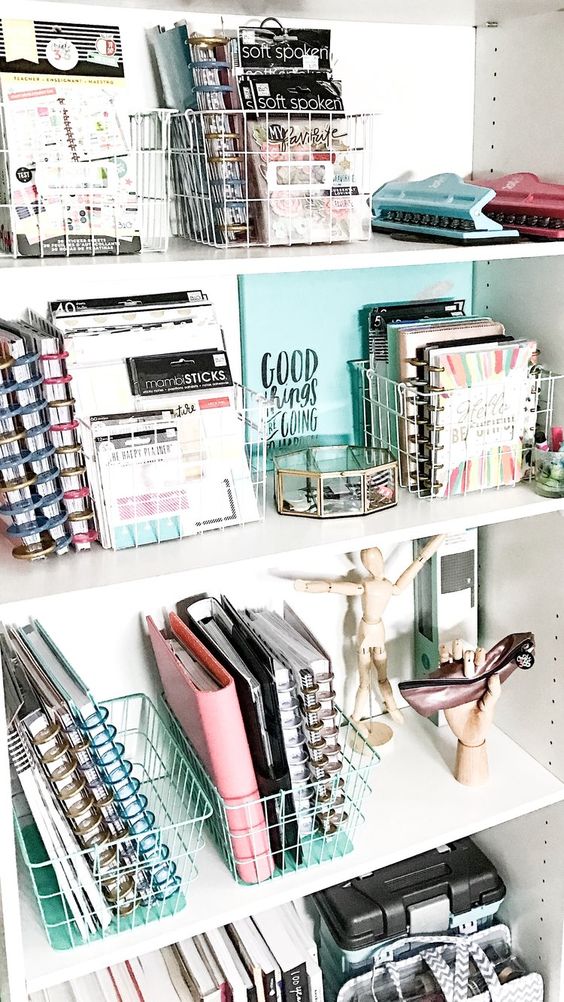
Here, you can rely on the wire basket for organizing your stuff. Place the wire basket in a zigzag way for a more interesting result. Then, put your books neatly. Sort by name, function, or color.

2. Drawer Divider to Store More Items

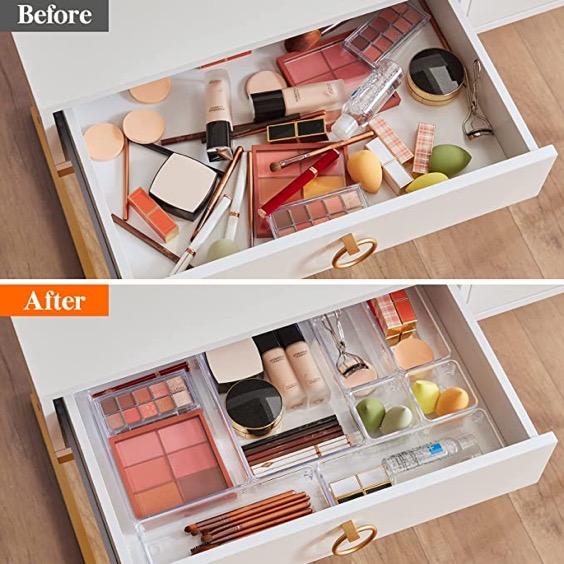
The limited drawer makes us unable to store too many items there. Not only that, because there are so many small items in the drawer, it often makes the drawer look so messy. And of course, this is very difficult for us to find the items we want to use.

Even though it is closed, it would be better to keep the drawer neat. And here, you can use a drawer divider. Then, organize your items according to their type. For example one drawer divider for lipstick and the others for foundation or powder, and so on.

3. Pack Polished Hanging Bag

Collecting bags is no stranger to women. And, putting it in a drawer is a shame. Because you can show off the bags you have in your room.

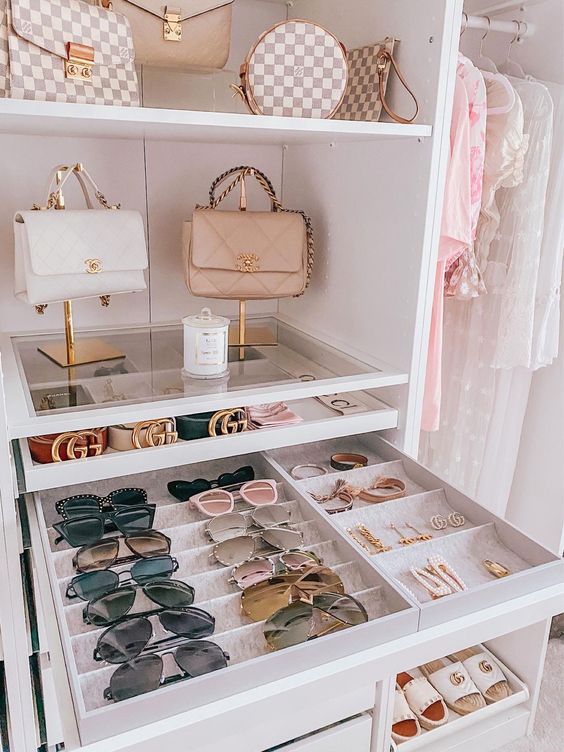
You can put your bags on the shelves. Or, you can also make it look more elegant and pretty by using a polished hanging bag pack. Besides making the bags neatly arranged, this method can also make your room look more attractive.

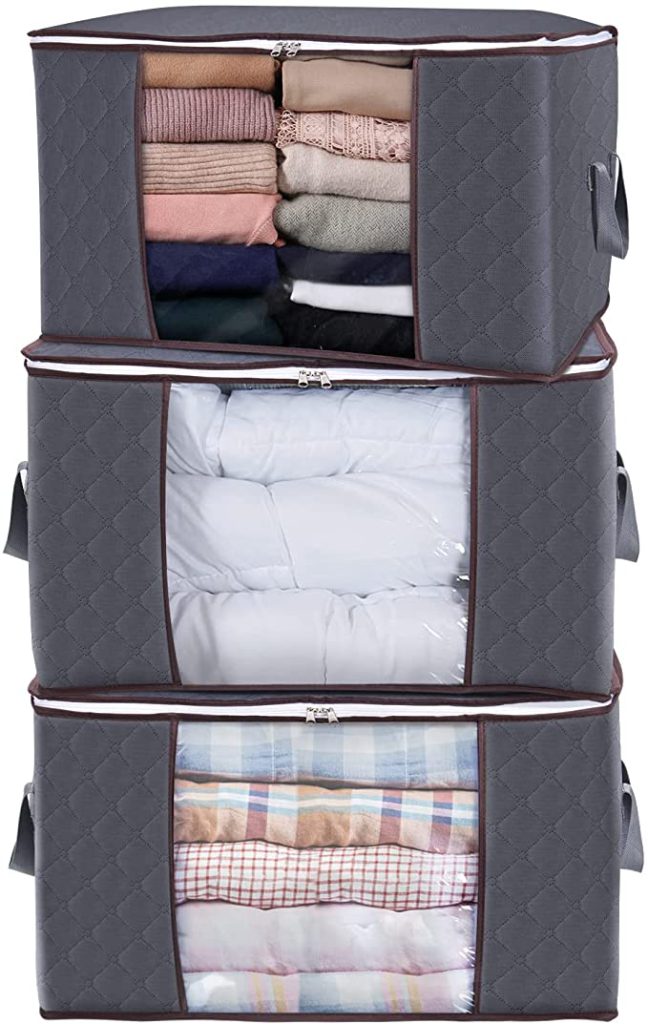
4. Clothes Storage Bag Organizer

Not only drawers, but the tidiness of your wardrobe is also important. Try to arrange clothes by color to give it a more presentable look. Or, you can also use the Lifewit Large Capacity Clothes Storage Bag. This one item can make more clothes so that it will provide more space which can make the room feel more spacious.

You can stack several clothes storage bag organizers to create more space in the wardrobe. And then, use this space to store other items.

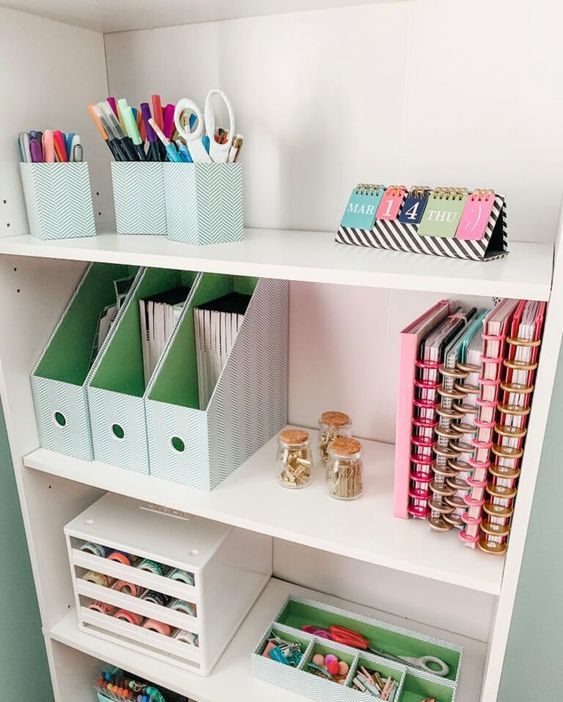
5. Box File for Your Document

Documents or piles of paper lying on the desk will only make your workspace seem messy and unorganized. So, create a place to put your documents neatly.

Box files are one of those items that you can rely on to store all your documents. You can put a file box on the shelf cabinet or other storage area.

For a more aesthetic appearance, choose a file box with attractive colors, such as blue, green, pink, and so on.

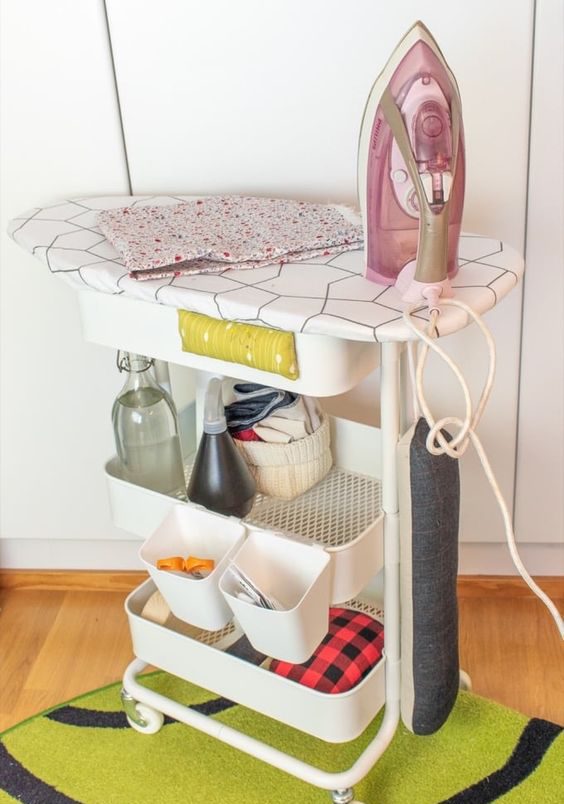
6. Ironing Board with Storage

One way to keep the room tidy is to use multifunctional items, as in this tip. Ironing board with storage is very appropriate to use.

In the upper area, there is a board that serves to rub clothes. And in the bottom area, there are two very useful storage areas. You can put fabric spray there or use it as a place to put rubbed clothes.

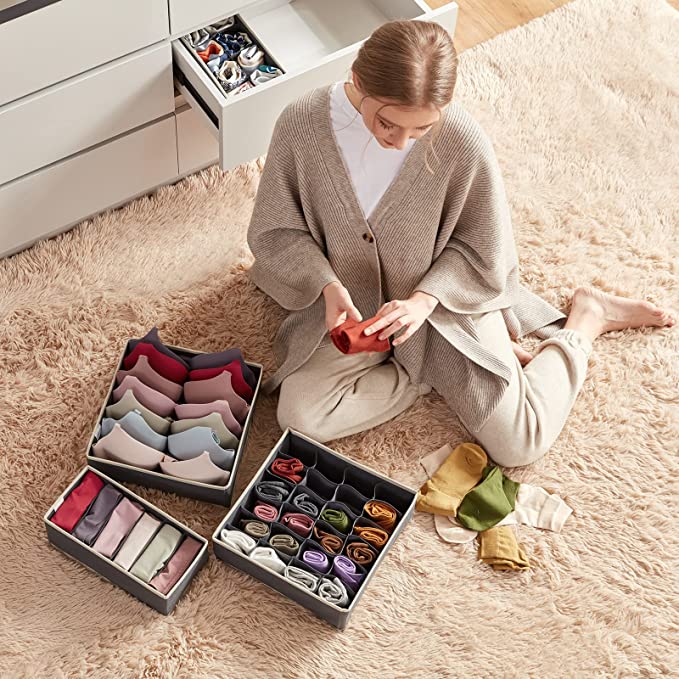
7. Drawer Underwear Organizer

Not only clothes that you have to arrange neatly in your wardrobe, but underwear too. And here, you can use the Lifewit Drawer Underwear Organizer to make it easier for you to organize socks, bras, underwear, and scarf.

Because the size is not too big, you can put the Lifewit Drawer Underwear Organizer in the drawer. This is also a surefire way to purge the clutter in your room.

8. Keep Your Workspace Tidy with Small Rack

As an area for work and study, the comfort of a workspace is far more important than its beauty. The best way to make a workspace feel comfortable is to keep it tidy.

The number of items on the desk often takes up space and makes you uncomfortable at work. Therefore, it is very appropriate to use a small rack like the picture above. You can store books and even all kinds of displays that can make your workspace area look aesthetically pleasing.

Conclusion

Keeping your house tidy must be applied to yourself from now on. A neat house will certainly feel more comfortable. There are various ways that you can apply in making your house tidy. And in this article, we have provided 8 Amazing Decluttering Tips for Your Home you can follow.

How To Incorporate Lighting In Your Garden Makeover

Gardens are attractive on their own during the day, but with the correct illumination, they can become even more captivating at night.  Garden lighting can provide accentuation, highlight garden features, add safety and security to your home, and allow you to enjoy your garden well into the evening hours. When planning garden lighting, there are a few key things to keep in mind:

#1. Consider what you would like to draw attention to.

Lighting can be used to draw attention to specific elements and make them stand out, or it can be used to create a more romantic mood for your garden makeover. You may also illuminate walkways in your garden so that visitors can navigate their way around it more easily at night.

#2. Take into consideration the design of your garden.

While there are many different types of garden lights available, each has its own distinct style and feel, which is determined by the materials used and the way it is mounted in the garden. Some garden lights, for example, can emit a soft, warm glow, but others may be brighter or more modern in appearance, depending on their design. Select lighting that will blend in with the overall design of your garden makeover.

#3. Look for outdoor lights that are long-lasting and resistant to the elements.

Due to the fact that garden lights are exposed to the elements, it is critical to choose lights that can survive the wind, rain, and sun. Remember to read the product specifications to see whether the garden lights you’re considering are rated for outdoor usage, and if so, whether they should be set under an overhang or in a sheltered location to avoid being damaged by the elements.

#4. Experiment with different types of garden lighting to achieve a variety of effects.

When it comes to garden lighting, there are numerous alternatives to choose from, including string lights, floodlights, garden lanterns, and garden torches. Blingle! offers a wide variety of options for you to select from. Be sure to stop by Blingle! Nashville for garden lights that will wonderfully highlight your garden remodel while you’re in Nashville. Through trial and error, you can create a style that complements your yard and helps to create the perfect atmosphere for any occasion. Your garden will be a true paradise of beauty and charm at any time of day or night if you have the proper lighting installed in it.

Garden lighting does not have to be prohibitively expensive in nature. Generally speaking, garden lights may be found at any hardware or home improvement store, and many internet retailers provide a large selection of garden lights for purchase. Just make sure to take all of the variables listed above into consideration before making your final decision. If you have any queries or need assistance incorporating lighting into your garden makeover, you should consult with a garden lighting consultant for experienced guidance and recommendations. Your garden will be illuminated and ready to host guests at any time of day or night if you have the proper garden lighting installed.

5 New Innovations In Plumbing

Plumbing is an ancient field – practiced by many ancient cultures such as the ancient Greeks and Egyptians. It is constantly evolving. Here are 5 new innovations in the watery world of plumbing.

Touchless Faucets

Hygiene in public places and the prevention of viral transfer has become an even more prominent priority in the last few years thanks to the devastating coronavirus pandemic that has swept the world. Touchless faucets prevent the spread of disease by removing the need for people to touch the tap in order to turn it on. These touchless devices are now standard new construction plumbing features in many public buildings and businesses. They are triggered by the covering of a light detecting sensor. When the sensor detects a hand – or any blocking of a light source – it sends a positive signal to a solenoid valve. This valve then opens, allowing water to flow. Many people are now installing touchless faucets in their homes – usually for convenience purposes.

Tankless Water Heaters

Tankless water heaters only heat water up when there is an immediate demand triggered by the turning on of a faucet or the running of a device like a washing machine. They are often installed as an energy saving feature because they do not use energy in the background heating up a tank of water. They work by passing water over a heating element on the way to its end use. Tankless water heaters usually provide hot water at around 2-5 gallons per minute according to the United States Government ‘energy saver’ program literature. This is less than can be provided by a traditional boiler, so installing parties need to weigh up the energy saving benefits of these devices with the potential capability losses. They remain a great way to have a supply of hot water while saving energy. In a residential home with a reasonable hot water demand they are perfectly viable options.

Hot Water Recirculation

Hot water recirculation systems allow for a high-pressure level of hot water to be kept circulating even while new water is heated up. They save energy by ensuring that hot water is quickly distributed to appliances – meaning that people spend less time running a tap while they wait for water to become hot. While these systems do expend energy in keeping hot water constantly circulating, they are known to have a net energy saving advantage due to the large amounts of water wasted in the running of cold taps as they heat.

Smart Irrigation

Agricultural irrigation is one of the highest input sinks for water in the entire country. Vast quantities of water get sent to fields every year – making formerly arid zones luscious. Smart irrigation systems use weather data to determine the exact amount of water that needs to be sent towards an irrigation system. This can save thousands upon thousands of gallons of water.  

Leak Detectors

Leak detectors use water sensing cords to identify leaks and warn occupants early of any issues with their plumping. They are now fitted as standard in large publicly used buildings and greatly reduce the risk of a leak causing major inefficiencies.

6 Artistic Ways to Incorporate Black Wallpaper into Your Interiors

Incorporating wallpapers in your living space or even in the office can create a visual statement as everyone loves making use of them. You have a plethora of choices when selecting a wallpaper especially black wallpaper for room, instead of paints.

Irrespective of its purpose or size, there are infinite varieties in terms of patterns, colors, and textures. Wallpapers make a great choice, and they need not be used only on the walls. Today, we have come up with a few innovative explanations and tips on why, where, and how you can use the wallpapers throughout the entirety of your home.

Try something bold

Try covering up all your walls if your idea is to make a switch from paint to wallpapers as it need not be a great choice since there are various crafty designs you can play with along with the massive range of colors that you can implement in your interiors to prove to bring about a long-lasting effect on the walls. Placement of the wallpaper is the thing that several people go wrong with; although it can entice you to try out some large and bolder designs on all your walls, however, it gets a bit tricky to blend in the black color.

Your room should always have greater exposure to natural lights if you are specifically trying to select wallpaper with crafty prints or textured designs. It is extremely vital that your wallpaper does not get damaged by the plasterwork that is not completely smooth, as professionals tend to recommend investing in experts who are trained adequately to put up the wallpaper.

Creating a hallmark theme

A wall that is covered with wallpaper in a hallmark theme is the ideal way to create an enhanced appearing wall creating a point of focus in your home as it will be the first thing that will strike your eye while being drawn to this space. There are, however, no tough rules on whether the wallpaper designs will have to be bold simply since it is not being covered onto a single wall. We often discover that the crafty wallpaper design on an accent wall can create a more understatement and yet offer an elegant appearance to the room.

Make sure to consider the other objects that you can include in your room if you wish to try your hands at something bold, for instance, and you can create an accent wall with bold designs if your room is filled with massive overpowering pieces of art from Burke Decor as it is the best way to have a point of focus in your room along with having several other things that can make your space appear extremely chaotic.

Never miss the Ceiling

In almost our daily life, that goes hand in hand with the tablets and phones that we often forget to check out our surroundings. The ceilings are mainly painted in simply white or lighter colors and then are left alone till there is a crack or leaks that have to be dealt with. But, refer to your Ceiling as the fifth accent wall instead of referring to it as an extra wall.

If you wish to have your whole room along with the Ceiling wallpapered, then it is best to try out the innovative and bold designs of wallpaper as there is nothing that would impact or affect when it comes to selecting the crafty prints. It is recommended not to attempt to wallpapering the Ceiling on your own as your DIY project. Instead, you should take the help from the trained experts as the installation involves a lot of tricks, and it is important to ensure that the wallpaper is not peeling or bubbling.

Embellish your Furniture

Embellishing is considered an art of decorating an object by gluing on to the wallpaper cutouts and designing and coating the wallpaper along with the other elements with varnish layers as it is the best way to get your DIY expertise flow and for updating your existing furniture in your residence, it is surely a great time. It is recommended for you to stick to the furniture that has cleaner, straight lines and simple features, including the console tables and the drawers.

It is always best to keep in mind that the wallpaper does not require any kind of patterning to make any kind of impact as it is the best alternative that is immensely suited for using the wallpapers with some textures such as the cork, bamboo, or grasscloth.

Don’t leave out your Bookcases

You can instantly check out a unique way in terms of ingesting a bit of color and pattern into your room with the use of wallpaper on the back ends of the bookshelves if you ever visit anyone’s house that has open bookshelves in their rooms. It is important to match the modern wallpaper designs of this room, creating the best focal point in your room.

Garnish Your Splashback

Longing for a creative splashback for your kitchen? Never have it ever struck our minds to incorporate wallpaper as a splashback solution. But, today, we bring for you the most innovative way of incorporating wallpaper into your kitchen to use it as a splashback of some great patterns with the help of wallpaper. Whenever you use wallpaper as a splashback, it is important to have a layer of plexiglass for its protection. Wallpaper is the most cost-effective and creative solution when you are considering the time, cost, and labor that is involved with the use of tiles.

You are now all set to enter into the home decor thrill using wallpapers. All you need to be decide on the theme for your home and start using the innovative wallpapers you will get hold of in the online store!

Recent Posts

Posts You Might Like