
Home Blog Page 229

Garage Door Repair – Problems and Fixes

Garage doors are an essential element of your house since it increases the curb value of your house. Garage doors live fairly simple lives. Fortunately, that simple function usually results in simple repairs. Even dependable garage doors that are old can fail or require extensive repairs from time to time. It’s not surprising that garage door problems arise from time to time. You can even hire professionals from various websites such as Las Vegas garage door repair, to help you with the garage door repair.

THE GARAGE DOOR CLOSES WAY TOO QUICKLY.

If your door shuts when you use the controller, the torsion spring or cables are most likely broken. If this is the situation, your door will not function again until you hire a professional to fix the spring system or wires.

THE GARAGE DOOR DOES OPEN, BUT NOT ALL THE WAY!

This type of erratic behavior is usually caused by the photo eye sensors. Make sure they are clean and aligned properly. In addition, there could be a snag in the track (a branch or some other type of object).

If your garage door opens slightly but then closes abruptly, the spring system is most likely worn out and needs to be replaced.

YOUR GARAGE DOOR WILL NOT OPEN OR CLOSE

If your garage door will not budge, begin by checking the batteries in the opener remote and examining the keypad to verify it is not broken. Is there anything wrong with that? Pay much attention to the garage door opener unit. If the lights go out, it means the motor has become disengaged from the power supply, a fuse has blown, or a circuit breaker has been tripped.

LOUD NOISES ARE COMING FROM THE GARAGE DOOR.

If your garage door is making a racket, the noise is most likely indicating an underlying problem. Here are some specific types of sounds to be aware of, as well as their likely cause. Popping. Popping noises are frequently caused by the torsion spring, which needs to be lubricated or adjusted. Working on torsion springs is extremely dangerous and should be avoided at all costs. Rattling. If your garage door is rattling, it is possible that some of the nuts, bolts, and screws have become loose. Tighten the hardware with a wrench and socket set, and the problem should go away. Squeaking or grinding: It is possible that your rollers aren’t properly lubricated or are worn out. Apply a lithium- or silicone-based grease if it is the former. If it’s the latter, hire a professional to replace them.

The Final Words

After reading this article, now you know everything about garage door repairs including but not limited to the problems you will have to face if you have a garage door and what are the fixes of said problems. Make sure to read this article very carefully and remember the points, so when you are faced with any problems, you can easily solve it.


A Guide to Selling Your Home Fast

Many homeowners are satisfied with waiting more than a month for their properties to sell in order to get the best offer and close at a higher price.  However, some may want to shorten the amount of time it takes for their homes to sell. It could be that they want to move out of the neighborhood fast or that they want to reduce the stress of listing their homes.

No matter the case, it’s important that you use the right approaches for reducing your home’s time on the market and getting a good price from the sale. If you are looking to sell your home fast, consider these tips:

  1. Consider effective home staging

Since your goal is to sell your home within a short time, you will need to stage your home. For this, you can get a real estate professional to help you beautify the interior and exterior spaces. An experienced agent can identify the best improvements to your home’s curb appeal as well as important areas such as the living room and bedroom. These will make your home irresistible to motivated buyers.

  1. Do quick fixes

Apart from staging your home, you will also need to patch up any visible issues that can turn off a buyer. Everything from missing tiles to a faded paint job can make your home less appealing to people who are ready to move in. Before listing your home, try to check for structural issues you can fix on your own.

  1. Market your home across multiple platforms

Homebuyers are checking out platforms like Zillow and Redfin to find their dream homes, so you would benefit to list your home on these platforms as well. In addition, you will also need to advertise your home through social media and listing sites like Craigslist. On the other hand, getting a realtor offloads the task of marketing your property. They can list your home on the Multiple Listing Service and sell your home within your network.

  1. List your home at the right time

Often, you will need to keep track of the real estate industry and determine the best time to get your home listed. During normal circumstances, your home has a better chance of selling quickly during spring when home buyers are more active. Right now, the real estate market is experiencing supply challenges. With the high demand for homes this winter, you might as well list your home now before more homes enter the market.

  1. Reach out to property investors

If there’s a need to move out without going through the painstaking home selling process, then selling a house to a property investor might be the best option. Even if your house is in poor condition, a property seller can buy it at a fair cash price. You won’t have to make repairs and do any marketing. With this option, you will be able to close a sale within weeks. Just be sure to assess your situation and see if a cash purchase is ideal.

If you are eager to transition to a new home within weeks, then keep these tips in mind for a quicker and less stressful home sale.

Revetment Construction – What Are The Right Materials To Be Used

Wall construction is a complex process, which can be difficult to manage in the field. However, it can also be done without any special equipment or training. This blog article discusses how to select the right materials for a revetment wall and provides tips on what to look for when securing them.

Materials Used for Revetment Wall Construction

The materials you will need for your revetment wall are important because they help to create a barrier between the outside and inside of your home. The materials you need for your revetment wall will depend on how you want to protect your home.

If you are looking for a low-profile, aesthetically pleasing wall that still provides the necessary protection, you will need revetment panels that can be pre-cut to size. If you would like a high-visibility wall, then it may be best to use a material like concrete or fiberglass. By hiring revetment wall construction company, like Lakeside-hire.co.uk, you can get a better idea of which materials are best suited to your requirement.

Revetments are walls used to prevent water from getting into your house. They act as a buffer between the wall and the water source, preventing damage to the wall. There are many different materials that can be used for a revetment, but some of the most common ones are stone, clay tiles, brick, and concrete blocks.

It is important to take into account several factors when determining what material you will use for your revetments. These include the look you want, cost, and recycling. Revetments are a common construction method that can be used to create a wall, a building curb, or even a garden.

They provide identity and balance to the outside of any building. The material that is used in the manufacturing process for this type of project depends largely on the purpose of the project and how it will be used.

Main Construction Techniques of a Revetment Wall

Construction of a revetment wall is no small task. You need to weigh the cost, impact on your life, and the situation at hand to decide whether or not it’s worth it. Permits, labor hours, weather, and other factors all play a part in the process.

The main construction techniques of a revetment wall are masonry, brick, and reinforced concrete. The advantages of reinforced concrete over brick or mortar can be seen in the long-term durability of the product as well as its heat-conducting capacity. Other than that some other techniques used by engineers are earth-filled berms, rock-filled protection walls, concrete slabs, and reinforced earth-filled protection walls.

Tips for Future Projects

Making a project is easy, but taking it from start to finish can be tough. Taking into account what materials you will need and how much of them is important, not only in the planning stages but in the actual execution of the project as well.

Summary

When it comes to installing a revetment wall on your house, you want to make sure that you are getting the right materials. You want to know what the wall is made out of and what the warranties are. Walls can be made out of many different materials, so it’s important that you know what you’re getting into when you purchase one.

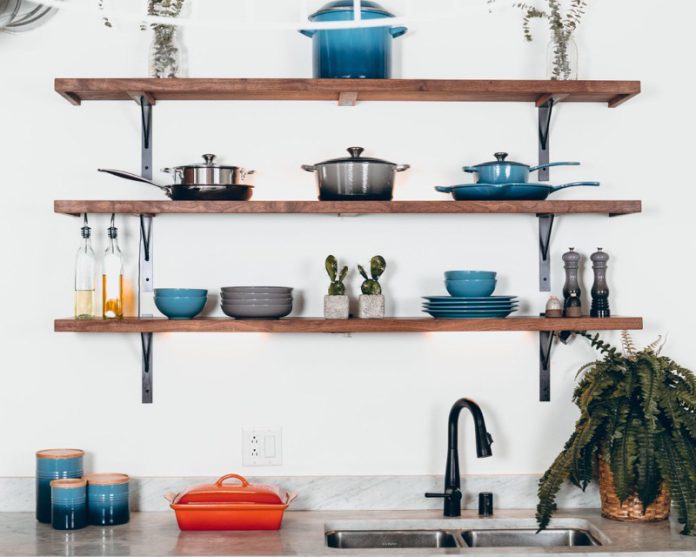
Must Have Kitchen Equipment for Home Cooks

For any home cook, a well-equipped kitchen is critical. Consider how difficult it would be to prepare a stir-fry or bake a cake without a knife or mixing bowls. Take control of your kitchen immediately, whether you’re moving into a new property and need to stock it, or you’ve been living with an under-equipped kitchen for years.

This is a list of the five most essential items that every kitchen should have, especially when trying out crockpot chicken recipes. You may get a variety of various cooking gear and equipment.

Chef’s Knife

I’m not referring to any ordinary chef’s knife in this instance. I’m referring to a decent one. This is one item that is well worth the investment. A knife is the most used kitchen equipment, and cooking requires a sharp knife that properly cuts, dices, and chops. These razor-sharp and high-quality knives can be purchased at a cutlery sale. The sharp knives are safer than dull knives because they are less likely to slip and cut you

Additionally, purchasing a paring knife at a discount is a beautiful idea. Its razor-sharp edge makes it ideal for slicing tiny veggies and fruits.

Mixing Bowls

The mixing bowls in your kitchen are the hands. They assist you in combining items. They are used for various purposes, ranging from storing items to cooking and baking and everything in between. It’s critical to have a variety of bowl sizes on hand because you’ll likely use a small, medium, and large bowl depending on the recipe.

I recommend purchasing an extra-large bowl if you have a large family or cook many meals. Stainless steel is my preferred material, but you can use any type you like. If you frequently store food in your bowls, you may want to consider purchasing silicon lids. They are reusable and simple to maintain.

Cutting/Chopping Boards

Cutting boards are an absolute necessity in any kitchen. You’re going to chop your onions on the counter, aren’t you? There is no possible way! If you are a home cook, you will require various sizes, just as you would require a variety of different bowls.

Having a range of materials on hand, such as wood, plastic, and glass, is also beneficial, as you can utilize these materials for various purposes. Having a large cutting board on your kitchen counter that can be utilized for various purposes is also a smart idea for some people. To avoid cross-contamination, you should use separate cutting boards for meat and vegetables/fruit.

Wooden Spoon and Spatula

These two items are critical for anyone who prepares food at home. Without them, how are you going to mix the batter, sauté the onions, or scrape the remaining ingredients onto a bowl or plate? You can use a wooden spoon in various ways in the kitchen. Because it is non-stick, you can use it for cooking and sautéing meals.

Additionally, it’s ideal for mixing and scraping in the kitchen during baking. A spatula, particularly one made of silicone, can perform many of the functions of a wooden spoon. Lifting and flipping objects are simple with a spatula. Use a spatula with a thin front edge rather than a thick one to glide beneath the food.

Wooden Spoon and Spatula

When baking or cooking, you must accurately measure flours, grains, spices, sugars, vinegar, and oils to ensure that your dish tastes delicious. When it comes to cooking, the ability to eyeball is invaluable. However, there are situations when precise measurements are required. While some baking may need a scale, measuring cups and spoons will suffice.

Can You Spray Foam Without Removing Drywall?

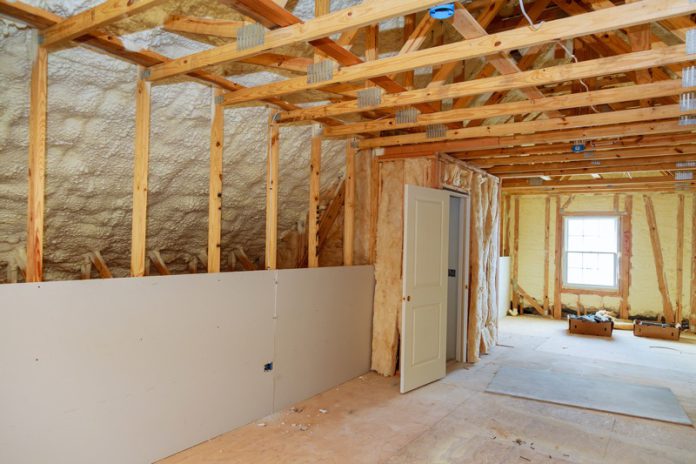
termal insulation installing at the attic insulation of the house

Spray foam insulation is a great way to keep your home warm in the winter and cool in the summer. It can also help you save on energy bills! The spray foam comes in two different types: open-cell spray foam, which is made of polyurethane (PU) that expands when sprayed, and closed-cell spray foam, which contains no air bubbles. This blog post will discuss whether or not it’s possible to spray insulation without removing drywall from your walls.

Keep Your Drywall

The short answer is yes, it is possible to spray foam insulation without removing drywall. However, there are a few things you should keep in mind before deciding to do this. First of all, if you’re using open-cell spray foam, it’s important that the surface on which you’re spraying be clean and free of dust, dirt, or other debris. You may also need to remove any outlet covers or light fixtures from the wall so that the spray foam can reach all of the cracks and crevices. If you’re using closed-cell spray foam, on the other hand, it’s not necessary to remove anything from the walls except for any electrical outlets or switches.

Remember that you will need to leave a few inches of space between the spray foam and the ceiling to avoid any potential insulation droppings. It would be best to take care not to get spray foam on any flooring, as this can be difficult to clean up. If you’re careful and follow the guidelines, spray foam insulation can be a great way to improve your home’s energy efficiency without too much hassle.

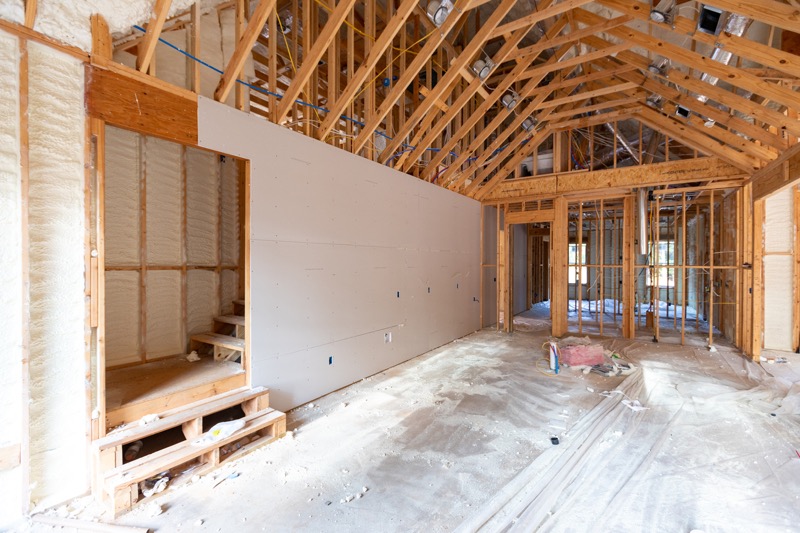
Room in home, under contruction, with spray foam and drywall visible

Other Considerations

Another thing to consider is whether or not spray foam will adhere properly to the wall without removing drywall. For spray insulation, it’s often recommended that you use a thick coat in order for the spray foam to form an effective barrier against heat loss or outside noise. Suppose there are any wrinkles or bubbles when spraying this layer of insulation spray onto your walls. In that case, you should consider applying another layer before painting over it with primer and paint.

If you have drywall that is already painted or otherwise finished on your walls and want to apply insulation without removing it, using closed-cell spray foam should work just fine. However, if there are any areas where moisture may seep through as a result of cracks or holes in the wallboard itself (such as around electrical outlets), applying open-cell spray insulation could cause damage due to mould growth because this type of insulation spray contains no chemicals which prevent moisture from entering into the surface behind it. If possible, we recommend either removing all existing drywall and starting fresh or repairing any cracks or holes in the drywall before applying insulation spray.

Removing Spray Foam

The last thing you should keep in mind is whether or not spray foam can be removed from the surface on which it was sprayed after drying completely. Unlike other types of insulation, such as fibreglass batts, spray foams tend to soak into porous surfaces rather than simply rest upon them as a fluffy blanket would do. The reason why this happens is that PU spray foam is designed to adhere tightly to any surface that it comes into contact with, so if you spray onto drywall without removing the drywall first, there’s a good chance that the spray foam will bond itself permanently which would make removal difficult or impossible.

If you’re still unsure about whether or not spray foam can be sprayed without removing drywall, it’s always best to consult with a professional insulation contractor (like the pros over at ) who will be able to help you make the right decision for your home. If you’re spray-painting the foam with spray paint, be sure to wear a respirator mask in order to avoid inhaling any of the sprays.

Summary

In conclusion, spray foam insulation spray can be applied to your walls even if you already have drywall on them. However, it may not adhere properly and might need a separate layer of insulation spray. When applying spray foam insulation, be sure to take all the proper safety precautions, including wearing a respirator mask.

Best Windows for Natural Light

Living room with part of sofa in sunny day and white cushion interior background concept.

Windows are an important part of a house. They let in natural light to brighten up the home, have several purposes, and are known for being open for fresh air. A window’s effectiveness is based on how much natural light it lets into the room that it is encompassed within. However, some windows are more effective than others at letting in natural light. The most effective windows are large panes, known as casement or double-hung windows. Windows with insulated glass also help keep out noise while keeping in the light.

Windows do not need to be opened to allow fresh air into a room; they can include ventilation instead of having casements and remain energy-efficient. These windows, known as fixed windows, are best for colder climates since they do not let in any cold air.

There are several different window types to choose from, so it is important to consider what each offers before purchasing. Windows that let in natural light are a great way to brighten up a home and make it feel more welcoming. Choosing the right windows can make all the difference. The following are some of the examples of windows for natural light;

Rearview shot of an unrecognizable woman opening her bedroom curtains after waking up from sleeping
  1. Casement windows

This window type is hinged on one side and opens like a door. This type of window is great for letting in natural light since it has a large pane, and it can be opened to allow fresh air into the room.

  1. Double-hung windows

This window type has two sashes that slide up and down. This window is also great for letting in natural light, and it can be opened to allow fresh air into the room.

  1. Fixed windows

This window type does not open and is best for colder climates. It is made with insulated glass to keep out noise while keeping in the light.

  1. Bay windows

This window type protrudes from the wall and has three or more panels that are angled. Bay windows are a great way to let in natural light and are often used as a window seat or to add extra seating to a room.

  1. Bow windows

This window type is similar to bay windows, but four or more panels curve inward. Bow windows are also great for letting in natural light and can add extra space to a room.

  1. Garden windows

This window type is similar to a bay or bow window, but it is made with four or more angled panels and has a ledge that can be used to grow plants. Garden windows are great for letting in natural light and adding extra space to a room. Always ensure when broken, a window replacement is done.

  1. Awning windows

This window type has a crank that opens it from the bottom. Awning windows are great for letting in natural light and fresh air, and they can be opened to allow you to clean the window easily.

  1. Jalousie windows

This window type has angled slats that open and close. Jalousie windows are great for letting in natural light and fresh air, and they can be opened to allow you to clean the window easily.

  1. Glider windows

This window type is similar to a double-hung window, but the top sash slides sideways. This window is great for letting in natural light, and it can be opened to allow fresh air into the room.

  1. Sliding windows

These windows slide open like a door. They are great for letting in natural light and fresh air and can be opened to allow you to clean the glass easily.

  1. Transom windows

This window type is hinged at the top, similar to a casement window, and opens like a door. This kind of window is great for letting in natural light since it has two panes, but it cannot be opened to let fresh air into the room.

  1. Hopper windows

This window type opens by tilting out on hinges near the bottom of one side. This window is best for allowing natural light into large spaces that would otherwise feel dark without enough windows. It cannot be opened to let fresh air into the room.

Windows are an important part of any home, and choosing the right one can make all the difference. Consider the different types of windows available and what each one offers before purchasing. Windows that let in natural light are a great way to brighten up a home and make it feel more welcoming. Note that window replacement must be done for broken windows.

How To Add A Bump Out To Your Existing Home On A Budget

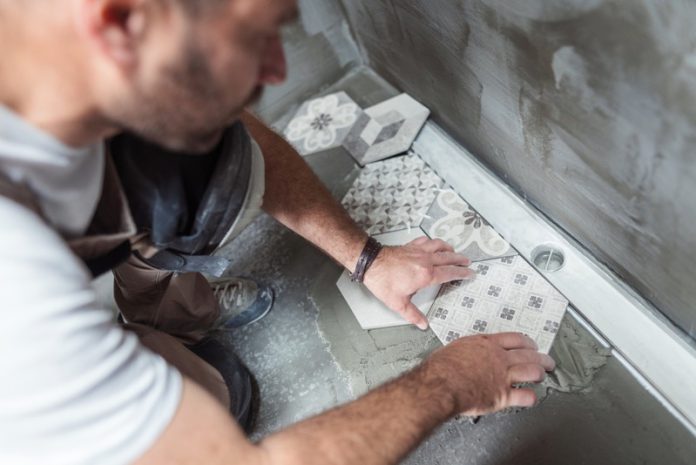
High angle image of male builder installing tiles on the bathroom floor

Instead of buying a new home or building one from the ground up, adding home renovations are a great option. Not only will you save money, but deciding to add additions to your home will add value to it.

When you make home renovations to your existing house you can create a custom home that perfectly suits your family’s wants and needs. A simple house bump can be an effective solution to a nice addition to your home at a fraction of the cost of buying a new one.

If all you’re looking for is an additional room or an extension on your existing home, a house bump is perfect for your home renovations. I know what you’re thinking.

What Exactly Is A House Bump Out?

House bump-outs are extra spaces, much smaller than adding an entire room, to increase the size of your existing room. Some of our clients have taken this option from the list of our services.

The customer has a pretty sizable living room. All they want is a little more space to add a pool table, a desk, or maybe even another climate-controlled lounging area for another sofa, perfect for dinner parties and gatherings.

A house bump out is all they are looking for.

When Should You Add A Bump Out?

Bump-outs are exterior construction projects that can be built during any weather condition. Most of the work is done without breaking the insulation of your home. Once the room is built and insulated, the workers can then knock down any existing walls to connect the addon to the home.

It’s important to note that a section of the home may need to remain open, but only for a short while. You can minimize how much time this takes with the right skilled crew.

However, these inconvenient times may vary depending on whether or not you’re having work done during popular building seasons. When in peak building season, you’re going to have to compete with other contractors’ queues.

Here’s How You To Build Bump Outs

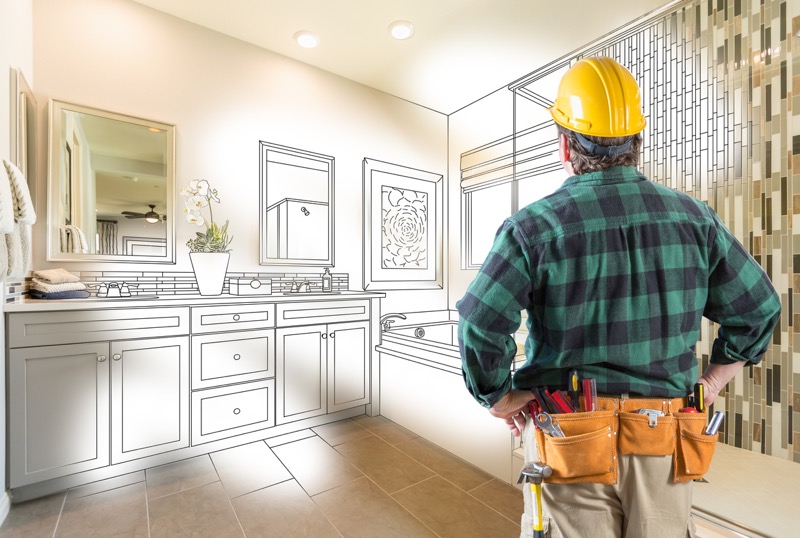
Contractor Facing Custom Master Bathroom Drawing and Photo Gradation.

1) Examine Where The Bump Out Will Be Built

As a rule of thumb, you’ll want to add a bump-out addition only to one room. This will keep you from having to consider major structural modifications that can cost you a ton. Most of our clients prefer us to build bump-outs on the ground floor for this very reason.

They sit on the ground floor, as the name suggests, or they can be cantilevered. If you ever wanted to build a bump-out on the upper level, you’ll need to consider how to support all of the weight from the ground floor.

2) Build A Plan

Talk to your architect and discuss the best strategies for building a bump-out, TaylorMade for your home. Remember, the house still needs to open up into the bump-out area, so you’ll need to talk this over with your builder.

3) Get Your Permits

Believe it or not, laws do matter in this country and it’s no different for home renovations on your own house. You’ll need to apply for the appropriate building permits for any work to be legally rendered.

4) Build Temp Supports Walls

You’ll have to secure the foundation by building temporary wall studs along the exterior wall. This will ensure that the ceiling and upper floors will be properly secured before you begin building the bump-out.

5) Build A Foundation

Use a hand shovel or other digging tool to dig up a small ditch of about 36 inches, no more than 42 inches. Then place concrete blocks inside, or use poured concrete, stack them and mortar them into position. If the poured concrete option is used, you’ll need wedged wooden forms inside first.

6) Open Up A Wall

Shut off the electrical circuits before dismantling the drywall. That will expose the studs. Then place sheets of plywood in place temporarily to cover up the opening. Next, you’re going to remove the wirings and plumbing so that you can rewire them around the area where you’re building the bump-out.

After you’ve done that, you’ll want to place doubled-up two by eights where the wall used to be. Or you can install a two-by-eight LVL laminated wood.

Does Homeowners Insurance Cover Pipe Replacement?

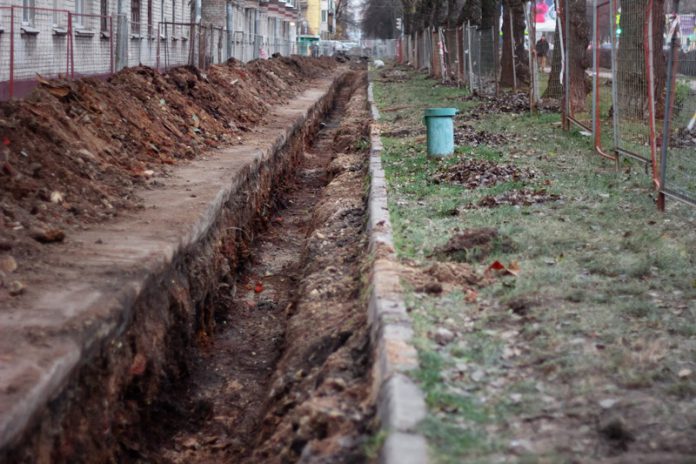
replacement of pipes on the street trench. open ground asphalt. repair perspective.

Homeowners’ insurance companies will often offer limited coverage for water damage caused by a broken pipe. This means that if your home is damaged due to a broken pipe, you may only be able to receive reimbursement for a portion of the damages. It’s important to understand these circumstances before you purchase homeowners insurance to know what is covered and what is not.

  1. If the homeowner fails to winterize their home properly, they may be liable for damages caused by a broken pipe. Winterizing your home is important to ensure that water pipes do not freeze and burst. Suppose a homeowner does not take the necessary precautions to winterize their home, a pipe breaks. As a result, the insurance company may not provide coverage.
  2. If freezing weather conditions cause a broken pipe, the homeowner’s insurance company may not provide coverage. Freezing weather can cause water pipes to burst, and if this happens and the damage is not due to negligence on the part of the homeowner, the insurance company may not provide coverage.
  3. If a broken pipe results from negligence on the homeowner’s part, the homeowner’s insurance company may not provide coverage. If a homeowner is aware that their pipes are susceptible to freezing and does not take measures to protect them, a pipe breaks. As a result, the insurance company may not provide coverage.
  4. If a broken pipe is due to accidental damage, the homeowner’s insurance company may provide coverage. Accidental damage can include a child accidentally knocking over a vase that causes a water pipe to break.
  5. If a broken pipe results from an act of God or natural disaster, the homeowner’s insurance company may provide coverage. Acts of God or natural disasters can include hurricanes, flash flooding, or wildfires.
  6. When the broken pipe is due to the homeowner taking part in illegal activity. If a criminal breaks into a home and damages the property, the insurance company will not be responsible for damages resulting from the break-in.
  7. When a neighbour’s negligence caused the damage. A homeowners insurance company may not cover damages resulting from a neighbour’s negligence or actions. In these cases, if your policy does not provide coverage for broken water pipes, the company will often only offer you limited coverage money to make repairs.
  8. When the water pipe was not properly installed. If the water pipe is not properly installed, homeowners insurance companies may offer limited coverage for broken water pipes. This is because it is often seen as the homeowner’s responsibility to ensure that all facets of their home are properly installed and in working order.
  9. When the water pipe is aged and corroded. Homeowners insurance companies may offer limited coverage for broken water pipes when the pipe is aged and rusted, or sewer line replacement is needed. This is because the company may deem the repair a costly and unnecessary expense.
  10. If the home has been abandoned by its owners for more than 30 days before being damaged by a burst pipe. If a homeowner abandons their home without notifying their insurer beforehand and if there is no evidence found inside showing they still occupy it, it can be classed as unoccupied. If broken water pipes cause severe damage to a home that has been left unoccupied for more than 30 days, a homeowners insurance company may only offer you limited coverage money.
  11. When the policyholder has not paid their premiums on time. In the unfortunate event of a burst pipe or a need for sewer line replacement, homeowners insurance companies can refuse to offer you a full reimbursement if you have failed to pay your premiums on time. They will often only offer you limited coverage money as compensation in these cases.
  12. The final circumstance under which homeowners insurance companies may offer limited coverage for water damage caused by broken pipes is when other living things cause the pipe to break. When animals such as rodents or insects crawl into the home’s plumbing system and cause a leak, for example, the insurance company may deny responsibility.
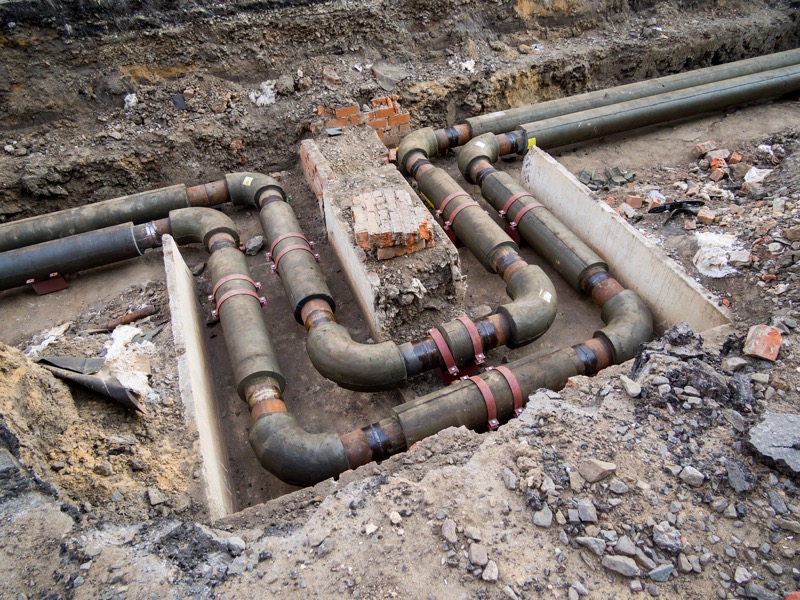
New water pipes laid in bend to compensate for thermal expansion

In conclusion, broken water pipes can cause a lot of damage, but homeowners insurance companies may offer limited coverage in certain circumstances. These circumstances include when the pipes are old, when the break is caused by freezing weather, and when the homeowner fails to properly care for the pipes. Homeowners should be aware of these limitations and take steps to protect their property in case of a broken pipe.

4 Maintenance Tips to Make Your Riding Mower Last

Do you enjoy looking at your well-kept, beautiful lawn? If so, then having a well-maintained riding mower will play a big part in keeping it pristine. There are a lot of homeowners who prefer having a professional do the upkeep for their mowers. But, some like to do it themselves. If you are one of them, this article will help you as we give you tips on how you can keep your riding mower to last a couple of years.

  1. Meticulous cleaning

Even if it is not mowers that we are talking about here, we can all agree that giving extra care to your things can make them last longer. Due to the nature of the use of this equipment, debris like leaves, small stones, and other dirt can accumulate on the surface of the mower. The dirt accumulation can be under the blades, the tires, or even on the valves. It can affect the efficiency of the mower. For this dirt to come off, it is best to use a leaf blower or air compressor. Also, make sure to clean it right after mowing the lawn so any loose soil won’t solidify on the surface of the equipment.

  1. Changing the Oil and Oil Filters 

Much like using changing oils in cars, you also need to change the oil in your riding mower as well as its oil filter. This is to make sure that the engine on your mower can run smoothly. You should know that this is only applicable to gas mowers.

  1. Finding an alternative.

It is true that maintaining your riding mower can save you in terms of finance, although it will not hurt to look at the more advanced brands that need less upkeep. RYOBI is one of the trusted brands of customers. Aside from its zero carbon-emission feature, they have models that can run on battery and electricity. You can check this review of RYOBI riding mowers to learn more about their products. You may be thinking of how much it will cost now but think of all the repair fees you can save in the future.

  1. Giving it an end-of-season maintenance

You may be looking towards the end of the mowing season. This means that you will store your riding mower for a few months. But before you think of shutting it inside some shed, give it a check first.

See that the muffler is not rusted, loose, or debris-ridden. If you happen to operate equipment that still uses a spark plug, make sure to replace those. Also, remember to lubricate those spark plugs; so they do not get rusted.

Final Thoughts 

It is always an advantage if you have first-hand knowledge of keeping your equipment in check. You can always refer to the instruction manual of your riding mower if you are still unsure of what to do. Your lawn is not the only one benefitting from well-maintained equipment. You can also benefit from the cost that it will save you, as it can be years away until you buy a new riding mower. That will be a practical win for you.

Five Home Improvement Ideas to Increase the Value of Your Property

There are times in life when people need to update their homes; for example, you may need extra space if you decide to have children, or you may wish to renovate an existing space for a different use. The cost of undertaking renovations will differ from property to property and depend on the size of project being undertaken. When possible, you can opt for a personal loan or leverage your home equity with a home equity line of credit or reverse mortgage from All Reverse Mortgage. However, once completed they can improve your lifestyle and add value to your property if done properly.

Extension

An extension to a property is the biggest project that can be undertaken on a domestic home, and will come at a significant cost to the homeowner. An extension involves identifying additional space within the property boundary, and planning the kind of additional space that is proportionate to the needs of the individuals.

There are also several other factors to consider when thinking about undertaking an extension, including total project cost (plus an additional budget to cover problems and unforeseen costs), timescales including obtaining planning permission, sourcing tradesmen and material suppliers, and lifestyle disruption whilst the work is carried out. Extensions can also be single-storey or multi-story and will depend on the property type being extended.

It’s important to note that although an extension will require significant expenses and disrupt your lifestyle while the project is in production, once completed the benefits are realized immediately with the introduction of extra space. In the longer term, the financial benefit of the extension will be recognized, as the homeowner will be able to sell the property for more than they purchased it.

The following resource on planning, building and managing an extension project provides an excellent overview.

Conversion of existing space

Where a property will allow, homeowners also have the option of upgrading an existing space for alternate use; for example, changing the garage into a utility room which, in turn, should free up space in the kitchen and provide additional room.

It’s important to note that while this kind of project offers benefits of additional space, there’s also the disadvantage of no longer having a garage.

This type of project differs from an extension because the existing external structure is already present so only internal work would be required. Depending on the type of conversion, you might need plumbing, carpentry, and electrical work done.

Taking into account the above, it’s easy to understand why the required budget is smaller and project timescales are shorter. Ideally, the additional space should be flexible so that it can be changed to suit the needs of the homeowners.

Updating a bathroom or kitchen

Upgrading a specific room within the house is always a good option. Upgrades to the kitchen or bathroom are popular choices which can be done cost effectively and add value to a home.

As the work is located in a specific area of a house, disruption is minimal and the duration of work is short.

The great thing about modernizing existing spaces is that potential buyers are often looking for places to move into that require minimal work. In addition, a lot of this work can be undertaken by the homeowner to avoid paying somebody else to do it.

Upgrading appliances, furnishing and fittings

Homeowners should periodically upgrade their existing appliances when older appliances stop working or experience frequent issues. Newer models will be more energy efficient and therefore contribute to the reduced running costs of a property.

Also, the replacement and upgrade of furnishings such as carpets, tiles or flooring should be considered if the current ones become too old or damaged.

The same can be said with fittings such as lights and sockets. By ensuring these remain updated goes a long way to improving the overall feel of a house.

General maintenance

General maintenance and upkeep of a property needs to be considered to ensure that a home is sale-ready and benefits from price rises in-line with the property market. The outside jobs here include curb appeal and maintenance, fence painting, ensuring patios remain level and any sheds or outbuildings are maintained. Inside the home, it’s important that all electrics are safe and that the boiler and heaters are regularly serviced.

Painting and decorating the inside of a property also goes a long way to appealing to prospective buyers. The following list of 30 basic home maintenance tips will help any homeowners wishing to undertake this work themselves.

Recent Posts

Posts You Might Like