Home Blog Page 299

Types of Pizza Ovens

When shopping for a pizza oven, you cannot walk in a shop and ask for “just any pizza oven”. You have to be specific on the type of oven that you want would like to buy.

You will be spoilt for choice as there are various types of pizza ovens to choose from.

This article will cover the various types of pizza ovens and many more.

Basic types of pizza ovens

The following are the commonly used types of pizza ovens that will not be a letdown for you.

1. Freestanding pizza ovens

This mostly occupies large spaces in the garden. It is either charcoal-fueled or wood-fired hence a lot of skill is required when maintaining cooking temperatures.

According to your preference, you can purchase already made models or buy a set to build on your own.

2. Barbeque-top pizza ovens

It is a user-friendly and simple pizza oven. You will use the heat that is coming from underneath when heating up your pizza. Ensure that your grill is accommodative enough for one big pizza.

It is important to note that this oven takes more time to cook when compared to the others.

3. Portable pizza oven

This is the most known of all the other types. You can carry it from one place to another with a lot of ease. It can cook pizza in a time of two minutes.

Wood, gas and charcoal-fuel types of pizza ovens are all available in different outlets.

Accessories in a pizza oven

There are certain things that a pizza oven must have in order to operate. These are a pizza peel and pizza stone.

  • Pizza Peel

It is a paddle made from metal or wood. The paddles are used to place the pizza in the oven. It also rotates the pizza when cooking.

Non-stick or perforated one as known to be the best because the pizza dough can be stuck to the paddle.

  • Pizza Stone

This is a removable setup where by you place the pizza on to when cooking. Ensure that the cooking area surfaces are well integrated before purchasing a pizza oven.

Before buying the oven ensure that it has the two accessories especially the paddle. In some instances, the accessories are sold separately from the oven and you will have to part with extra coins.

Pricing element

The pricing of these pizza ovens vary depending of the sizes and the type that you settle for. You will use around £200 to £300 for portable pizza ovens.

Barbeque-top pizza ovens are usually considered to be the most affordable. They go for as low as £100. The freestanding pizza ovens are very expensive. They can cost you as much as £5,999.

Conclusion

This information will be a great guide when buying a pizza oven. You will know what suits your preference and run with it. You do not have to dig deep in to your pockets when buying one as the prices are varying.

Can My Roof Withstand Extreme Weather Conditions?

Your roof is your first line of defence for your property, your family, and your home. At some point, every home and building will be faced with some kind of extreme weather conditions. It could be very strong winds, or heavy rainfall, hail, or large snowfall. Your roof should survive, at least for some considerable duration, these severe weather conditions.

As you choose a roofing structure and roofing material for your building, have extreme weather in mind.

How Can Strong Winds Damage Your Roof?

If you live in a windy area, you must construct a roof that can withstand the high pressure from the moving air. It is even more important for you to make sure your roof is prepared for strong winds if you live in an area that does not experience extreme wind that often. Otherwise, surprise windstorms would cause serious damage.

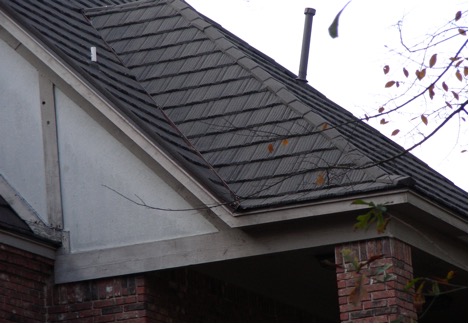
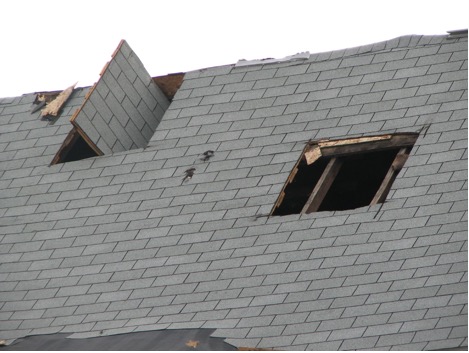
Wind pressure is usually strongest at the edges of the roof. Once the edge of your roof has started peeling off, this can rapidly spread to the entire roof. You may begin to notice your shingles or roofing sheets lifting around the roof edges, threatening to fly off.

If this damage extends to the rest of your roof, your home becomes susceptible to damage by other weather elements such as heavy rain and snow which can cause massive damage. This will require the help of a professional roofing company to get it fixed right away.

How Can You Protect Your Roof from Windstorms?

Since strong winds start causing damage from the edges of the roof, make sure the edges are strongly reinforced. In areas that experience strong winds, provide your roof with trusses attached to walls with hurricane tie-downs. Make sure the sheathing is properly nailed. You can also use heavy-duty shingles.

Wind can also cause damage to your roof by carrying debris onto it. For instance, strong winds can cause branches to break off and puncture your roof or block the gutters. Cut down or trim trees that are very close to your home with their branches overhanging the roof to avoid this.

Check Your Roof for Leaks After Rain

Rain is perhaps the weather element that affects roofs the most on a regular basis. If your roof is slightly damaged, it may withstand a small amount of rainfall that leads to very little or no water-leaks.

However, a damaged or poorly installed roof can’t withstand a very heavy downpour. It is especially important to inspect your roofing structure and surface for any signs of leaks after heavy rainfall.

Replace an old roof that has signs of wear and tear. Small cracks and very little damage to your roof that can allow water to pass through can have great consequences. Heavy rainfall accompanied by strong winds can cause massive leaks that would cause damage to the building and your personal property. It is a much simpler and cheaper task to replace a roof before it is too late, and this is why regular inspection is so critical.

How to Choose the Right Roof for Your Region’s Weather

There are so many roofing materials these days – slate, asphalt shingles, wood shakes, metal— you name it. The best material that can withstand extreme weather out of all of them depends on the type of harsh weather conditions your region experiences.

For instance, heavy-duty slate and clay tiles may work well in windy areas while asphalt shingles may be the better option for an area that experiences hail. Asphalt shingles can’t withstand strong winds while slate can easily be damaged by the impact from hailstones.

To choose the best material for your roof, consider the ratings assigned to various roofing materials. You will get to know how good a material is when it comes to wind resistance or impact resistance.

Conclusion

Your roof is the most important part of your building. Most roofs are built to protect the home against a wide variety of weather conditions. However, some hold up better than others when subjected to extreme weather conditions.

Can your roof withstand extreme weather conditions? Well, from what you have gathered from this article, you can tell by carrying out an in-depth analysis of your roofing structure and surface. Find out if it shows any signs of damage. Are its edges well reinforced? What is the rating of your roofing material? If you can, use the help of a licensed professional roofer.

Features That Can Make Your Fiberglass Pool More Attractive and Enjoyable

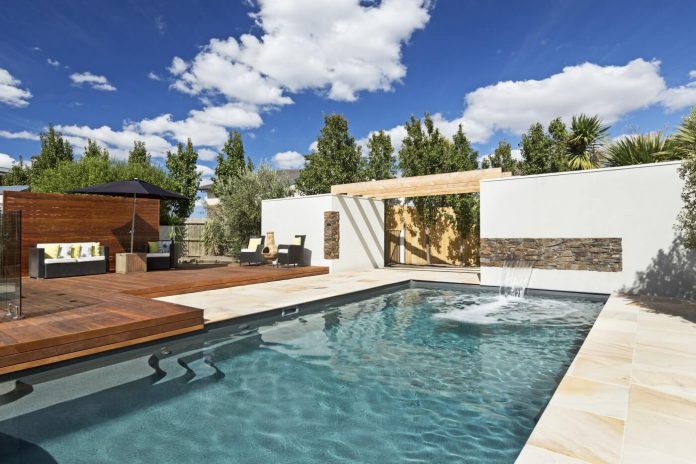
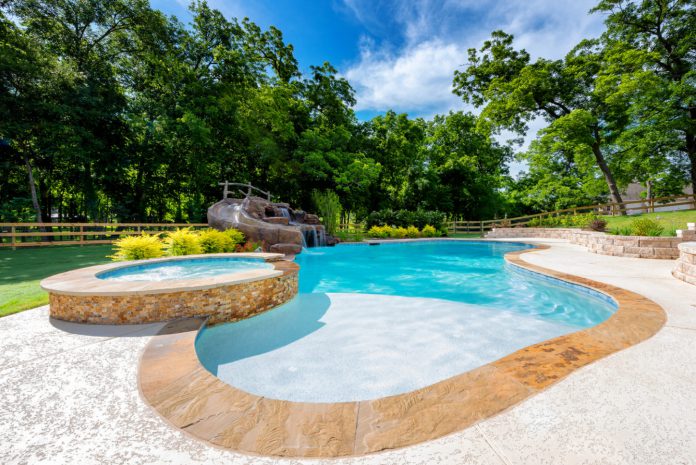
The appeal of a house is enhanced when there is a fiberglass swimming pool installed in the backyard. Not only that, but the value of your property also rises when you add a stylish and durable fiberglass pool. There are many fiberglass swimming pool designs to choose from, suiting anyone’s budget and taste.

If you want to install a swimming pool that endures the test of time and does not require much maintenance, fiberglass pools are the best option. They are reliable, durable and are easy to install and maintain. Unlike vinyl liners and concrete, fiberglass swimming pools are also environmentally friendly and cost effective.

The process of installation is handled by experienced installers, to ensure everything is at the highest standard. Secondly, the construction of a pool with fiberglass faces the constraint of size and shape, but it’s customisable nature makes up for this with steps, deep wells, colours and much more. This article will help you to enhance your fiberglass swimming pool by adding features that make it attractive, enjoyable and unique to you.

Swimp-Up Seating

Lets begin with adding some uniqueness and functionality to your fibreglass swimming pool.

By adding swim-up seating to your fiberglass pool, you can make the most of your pool time, enjoying absolute comfort. Benches and seats also enable you to enjoy a great conversation on a hot Summer’s day, by submerging yourself under the water.

Pools will no longer just be for swimming, as you can enjoy drinks during your pool time with friends and family. By incorporating this option, you can appeal to all types of people, allowing people to swim and play while the others lounge and converse.

Multiple Points of Entry & Exits

Having multiple points of entry and exit in a pool is not only functional, but it also enhances the overall look and appeal. This feature enables you to easily enter the pool from anywhere, and there is no need to circle around from one point to another in order to enter your Fiber Glass swimming pool.

Secondly, this feature is especially recommended for those who get tired while swimming and want to leave the pool right after one lap. As most luxurious swimming pools have multiple entry and exit points, it is a ‘no brainer’ feature.

Wading Area

A swimming pool is most definitely incomplete without a wading area. Yet again, this feature improves the functionality of a pool, as it provides a separate ‘safe’ area for young children to play. This feature does not fall short on adults either, as sometimes, you just want to cool your feet and enjoy a conversation.

A fiberglass pool design with an amazing wading area might be a feature you would prefer if you want to give a complete outlook to your pool. Wading areas are considered to be quite similar to tanning ledges, but their difference lies in wading areas having greater water depth.

Built-In Spa

Nothing can enhance your swimming pool experience more than a built-in Spa. It can help you experience improved circulation and relax your body and mind after a long day. Although it might be the most expensive feature on the list, it’s well worth the price.

Adding a built-in Spa not just only provides you comfort and ease, but also increases the value of your property. This feature is ideal for socialising, enabling you to have more in depth conversations with people, all while relaxing.

Conclusion

Having a fiberglass swimming pool in your backyard is itself a characteristic of a luxury house, but features such as swim up seating, multiple entry/exit points, wading areas and a built-in Spa increase the ‘wow factor’ to a whole new level.

6 Ways to Design a Sustainable Home

Self-build properties have increased in popularity due to the luxury and freedom it provides, allowing you to design a home that meets your exact requirements. More homeowners are factoring in and even prioritising sustainability in their plans. According to research, a third of respondents said living in a home with less environmental impact was a key benefit of self-builds.

So, what elements of the design stage do you need to consider for lowering your home’s carbon footprint?

1) Create a minimalist design

Building a large home with deluxe features will require more energy to construct and run, more land to excavate, and more materials.

Designing a simpler and smaller house that is still comfortable for you to live in will reduce the property’s environmental impact.

2) Timber cladding

Exterior cladding provides a layer of protection to a building’s structure for further weather resistance and thermal efficiency.

Timber is a popular form of cladding as it absorbs carbon dioxide rather than emitting it into the atmosphere. It breaks down naturally, can be recycled or reused as biofuel, and is durable and thermally efficient.

International Timber, the UK’s leading importer and distributor of bespoke and sustainable timber, ensure all their timber products are sourced legally and sustainably and aim for a full Chain of Custody.

3) Solar Passive Design

A passive solar design uses the sun’s energy to heat and cool a building naturally. The key design considerations for this approach are:

  • thermal mass
  • building location and orientation
  • window design
  • insulation
  • shading
  • ventilation

These design elements work together to achieve a comfortable living temperature and good indoor air quality.

Incorporating these aspects into the initial building design is far more efficient than adapting the home in the future.

4) Smart home technology 

Smart devices are a great way to boost your property’s energy performance. Incorporating this technology into the self-build design will be much easier and cheaper than installing it later down the line.

Smart heating controls allow you to gain more awareness of your energy habits, so you can learn how to use your central heating more efficiently.

Light fixtures and plugs with intelligent technology can also turn on and off automatically, using a sensory system, to limit energy wastage. You can manage most smart fixtures remotely from your phone as well in case you’ve forgotten to turn a device off.

5) Design for the future

A huge benefit of self-build projects is that you can design your home to suit your lifestyle and prepare for possible life changes that may occur in the future. Designing a flexible home can save you from having to conduct renovations, which can be wasteful.

For example, if you’re planning to have children include enough bedrooms in the layout, or if you’ll likely need to care for an elderly relative in your home, minimise steep staircases.

6) Approving the design

Before signing off on the final design, ensure you’re happy with it. Making last-minute and avoidable changes during the construction process wastes energy and materials.

Don’t rush into making this decision if you have any hesitations and back your plans with sufficient research.

Unless you’re qualified in home design, work with a professional architect who can advise you on meeting building requirements and incorporating eco-friendly techniques.

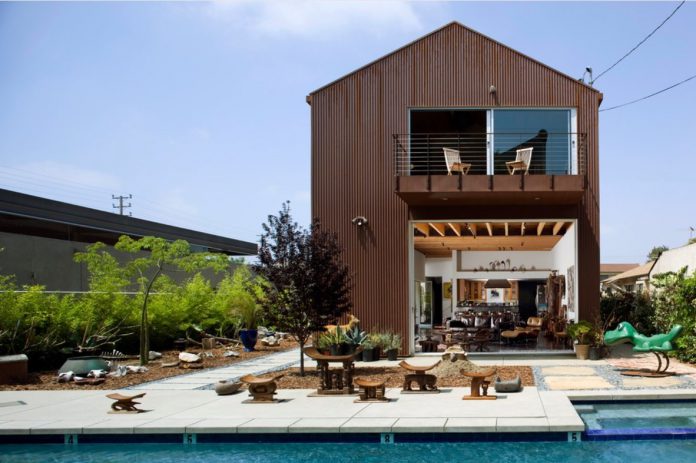
The 10 Best Things to Keep Your Metal Building Home Cool

Spring and summer is upon us, and that means the weather is only going hot. No one wants to be baked in their home all spring and summer long. So, the main question to arrive is, How do pMetal building homes stay cool as the temperatures rise?

Multiple measures points can be taken to ensure your building home will hold a nice, law, and comfortable temperature all year long – even on the hottest days of the summer. Some of these options to keep you home cool are quick to implement, low cost, and some may take some time and effort to implement.

If you need to make alterations and to make some changes to your Metal building home, the time is now. Please have a look at these 10 points which may help you to find the best way to keep your home cool all summer.

Upgrade your insulation.

Insulation is a key component to control the temperature for Metal Building Homes, no matter if you’re looking to lower the temperature inside or heat it up in winters. Proper insulation regulates your building’s temperature and helps to keep it stable. If you live in an old metal building, upgrading your insulation will help to bring your home up to current energy efficiency codes in your area. When designing a new building, ensure that your insulation meets the minimum recommended R value for your geographic location. Adequate insulation protects heat from being transported from the outside in during the summer months and prevents hot air from flowing outside in the winter months.

Most of the heat gain / loss occurs through the ceiling, so ceiling insulation is a priority. Contact your local energy company and city. To promote energy efficiency, these companies often offer incentives in the form of discounts or affordable funding for these changes to be made by the average homeowner.

Heating and Ventilation (HVAC)

Heating and ventilation may seem obvious, but it’s installation and proper maintenance are not to be taken lightly.

A specialist will design the system to optimize airflow throughout the building. Every corner of the premises gets an equal and regular feed of reconditioned warm or cool air. Filters should be regularly cleaned or changed and temperature regulating thermostats checked and, if necessary, recalibrated.

Poor maintenance mustn’t cause the system to fight against itself, thereby reducing its efficiency. It is also a good idea to instill a culture amongst staff that the HVAC should not be tampered with. For example, taped-up vents will create inefficiencies and result in some people getting an increased or reduced ventilation feed.

Add Cool Storage System

The cold storage system creates ice at night, which is then used to cool the building during the day. This is done via radiators located at specific locations throughout the building.

This is an energy efficient way to cool your building. However, it will take some time to install if it’s no longer there. If you choose this path, start the installation process now so that it can operate until the temperature reaches the combustion level.

Harness the benefits of ventilation.

Adequate ventilation is another simple way to keep temperatures to a minimum in the attic and living area, and roof insulation and ventilation go hand in hand. At the easiest way, you can use natural ventilation at night and close the window during the day to keep the air cool. This can drastically reduce the uptime of your cooling system. Use attic vents to expel hot air back. From heat activated models to solar generators, there are many energy-efficient ventilation systems to choose from.

Apply a cool coat

Buildings can be given a “cool finish.” In principle, this means layers of different colors on buildings that reflect sunlight. It is also ideal for preventing excess heat from building up on the walls. Since dark colors tend to attract the sun, it is helpful to apply lighter, more reflective paint and paint coating to prefabricated building parts. Consider exterior wall panels, cladding, and roofs.

Add metal awnings, canopies and awnings.

When designing a building, we encourage you to study passive solar home design principles for more complete control over the benefits of solar heat. While basic conditions such as the plot and building orientation may not be flexible for you, adding awnings, canopies or metal roofs makes a real difference. Extending your roof or adding awning to the west and south will drastically reduce the amount of sunlight entering your home from the outside walls and windows.

Seal your home

Think of your ideal heat-resistant building as a thermostat. The thermostat is well sealed, so your building needs to be sealed. Your building must be sealed to prevent hot air from entering. This dramatically increases the energy efficiency of your building and your cooling system doesn’t have to work that hard.

Fortunately, metals are less porous than other types of building materials, so they need to be sealed tightly to reduce energy loss.

Create a thermal barrier

The best way to stay cool in summer is to start at the top. Cold metal roofs are the norm for commercial steel buildings in hotter climates. This roof is made of sheet steel with a metal coating, a sustainable, energy-efficient, and recycled roofing product. Cold metal roof that is flat, single or double sloping, reflected and can be easily isolated and ventilated. Best of all, it saves money on energy bills, as it will cut standard roof cooling costs by up to 20 percent. If temperatures are likely to fluctuate, it is important to attach roof and wall insulation to the R value given in the energy efficiency code for your area.

Use energy efficient lighting

LED lights do not glow as hot as incandescent or fluorescent lamps. The less heat is released, the cooler your building will be. This is not enough, but it is an energy-efficient and inexpensive way to lower the overall temperature of your building.

It is also important to prepare your prefabricated steel buildings from the effects of the scorching sun. Without a cool climate, everything in the building – including you! – will suffer from too much heat.

Use of Air conditioner

Of course, AC is one method that can be used. Some people install window air conditioners in their steel buildings or can install an entire air conditioner, but sometimes this can be very expensive in some ways. First, the system and installation costs can be expensive, then there are the associated utility bills. Since steel buildings tend to retain heat, air conditioners can work very hard and are actually not very environmentally friendly.

These ten methods you can use to keep your Metal Building Homes cool. This is especially important if there are people inside who will be working for an extended period. Because buildings can be hotter than the outside, it’s important to make sure everyone stays cool enough to avoid heat stroke and other problems heat can cause. You will be glad you took steps to keep everyone safe.

About the Author

Name

Kylo Walter

Kylo composes for points like Home Improvement, Kitchen stylistic layout, Garden or travel-related themes furthermore; he has an enthusiasm for the metal structure industry for over ten years, Kylo has become an accomplished structure expert in this industry. He will probably assist individuals with his huge information to help them with his best recommendations about various Metal Buildings, for example, Metal Carports, Metal Garages, stables, utility structures, and business structures.


How to Keep Your House Quiet

Your own house should be a peaceful idyll, with no disturbances at all. If you have children, this means that you can raise them in a calm and relaxing environment. Conversely, if you work from home, like so many people have during the coronavirus pandemic, then this can help you to stay focused and finish your work to the best of your ability. If neither option is the case but you just want to relax at home without being annoyed, then this guide has five key ways to keep your house quiet and happy.

Anti-Loitering Solutions

In some areas, the most annoying and loud voices will be that of local youths standing outside your house, playing music, talking at high volumes and just being a general nuisance, like their awful behaviour towards this family. Thankfully, there is a fully legal way to get them to disperse. Simply install an anti-loitering alarm and it will play an irritating frequency that only people under 25 can hear. Although it is harmless, it is annoying enough that it will have these young people quickly leaving the outside of your house. Learn more over at Mosquito Loitering Solutions.

Soundproof Windows

If you live next to a busy street, you may not be able to sleep well as night due to the roaring of the traffic outside. The best way to protect against this is to make sure that your windows are completely soundproofed so you can basically hear nothing at all. This will cost you a fair bit of money to install, but this is nothing compared to the savings that will be made as a result of your better sleep and increased productivity.

A Large Front Drive

If possible, try and put as much distance between yourself and the rest of the world as possible. If you have the option to do so, install a large front drive that creates a physical distance between yourself and the street, so that a lot of the noise is able to peter out before it actually reaches your front door.

Bedrooms at the Back of the House

To avoid loud sounds at night that will make you worried and irritable, sometimes it’s just a better option to put your bedroom at the back of the house. Therefore, instead of contesting with the sounds of the street, you will only have to deal with the sounds of the garden. Just make sure that your garden is properly secured, so you will not be disturbed by any nighttime animals instead of people.

Soft Surfaces

Once you get inside the house proper, your front room acts as a second line of defense. Install lots of soft couches with comfortable throw pillows and rugs on the floor as a means to absorb as much sound as possible. This way, once you get into the other parts of the house, the noise will be lessened. This can be complemented by thick, absorbent walls, as well as heavy wallpaper, making even your front room a quiet, contemplative space.

The Never Ending Effectiveness of Restoration Services

It is important to restore a home right after the water damage emergency takes place. If the standing water is present at the home for quite a long time, then it would invite moisture. This can lead to mold and bacteria growth. Exposure to water-damaged surroundings can cause serious health issues and even allergic reactions.

That is why water cleanup needs to be done. There are so many materials present at the home that are porous and can soak up the water beneath the surface. With restoration1 it becomes easy to handle the water damage clean-up. However, again the destruction class and category caused because of the water can range and hence first needs to be identified. The restoration of water is one fine service that experts offer. It eradicates the excess water from the house and gets it back to the pre-damaged condition.

Reasons to get the water restoration done:

  • Quick restoration

There are so many unseen damages that water can often cause. If these are not attended to on time then moisture can start seeping inside the furniture and walls. Because the damage problem can get more aggravated. That is why water restriction is needed.

  • Safe remedy again Mold:

Mold is one dreadful problem that is a result of water damage. Mold can grow quickly especially in open areas like walls, corners, and even ceiling. Sometimes, it has also grown in the areas that are not so easy to reach such as joints within the two walls. This is one toxic element that can be threatful to life and be fatal. That is why treating mold with a restoration process is needed

  • Fine detailing:

Once the water damage happens, then there are so many issues that the eyes may not even see. Water can enter the vent and ducts and cause further issues. With the water retortion process, these problems can be dealt with as it deodorizes and sanitizes the parts with effective drying and cleaning with efficient wiping too.

  • Less cost:

The water damage if it is not treated on time can cause some major problems. Along with affecting the home environment, it can affect finance as well. But with water damage restriction, the damages can be brought under control and there will not be any expense to be paid for further losses. If the water-logged areas are cleaned up and treated sooner, then side effects may not occur.

  • What exactly is the Water Restoration Process?

Certainly, the above pointers clearly show how important the water restoration process is. Right after the vent of water damage happens like water heater burst, pipe burst, or flood, restoration 1 is helpful. Water restoration includes five steps that begin with inspections and then once the home is restored entirely the process ends. Each process has its purpose to ensure the contaminants are removed well.

Water Damage Restoration Steps

  • Inspection and Assessment
  • Water Extraction
  • Dehumidifying and Drying
  • Sanitizing with Cleaning
  • Restoration

Each step has its special purpose which makes sure the contaminants and water is all removed from the property

  • Water Damage Inspection and Assessment:

The expert shall inspect the whole property for water damage. It would understand the type of damage that has affected the area. It is an important step to further make an efficient plan of action that would lead to a successful restoration.

  • Water Extraction:

More than thousands of gallons of water are removed from the affected area. For this vacuums and powerful pups are used. This process is done to reduce the damages that are likely to happen further and thus protect against the growth of mold.

  • Drying and Dehumidification

Once the water gallons are removed then special equipment is used. This equipment focuses on removing the water that is accumulated in a not so easily accessible area. The equipment is less intrusive and scientific drawing water. This process draws the remaining moisture and water from the property using a dehumidifier and air mover.

  • Sanitizing with Cleaning

Water damage can affect the belongings such as clothing, furniture, and personal items. The experts can clean the items that are restorable with the help of different cleaning techniques. Sanitization is done using antimicrobial treatments while the odor is removed using fogging tools and an industrial air scrubber

  • Restoration

Once all the above processes are successfully done then comes the last part which is home restoration. This is not a major part but includes replacement of drywall able to be done or rebuilding the whole damaged room of the property.

What to choose Restoration or Mitigation:

When water damage happens, the owner is likely to get confused between the mitigation service and restoration service. Well, both are two separation options that treat the water accidental damages. The process of mitigation is to prevent further damage while the process of water restoration is to deal with overall damage.

The mitigation process ensures the damage shall not happen in the first place. While the restoration process is done once the damage has happened and the use of specialized tools, repairs, and equipment is done so that property gets back to its former state.

Conclusion:

Water emergency damages can be a serious problem if not treated on time. The restoration 1 is useful to deal with water damages that have happened even in an inaccessible area. It is important to eradicate the water right after the damage is done as the pace of moisture and mold is quite fast. With the right water damage restoration, the house will be ready for its owner in its pre-condition. The experts that offer such services first would inspect the house and offer input. If the damage is huge then owners must make up their mind for the expense accordingly.

The whole process of water damage repair is complex and hence only experts should be chosen for getting it correctly done. This would make sure the home’s longevity is maintained without a heavy price to be paid. A mindfulness of research and a good inquiry about the experts need to be done for this.


Top 7 Tips for Building & Decorating Your Home

1. Organisation

When it comes to any type of project, be that DIY or through another company, organisation and planning is absolutely key. No matter how small or big the works are you should have a clear plan in place of what is being carried out and when, and ensure all parties are on the same page. This will prevent any basic errors from happening during the process and also put you at ease, knowing everything is in hand. Communication throughout is key.

2. Health & Safety

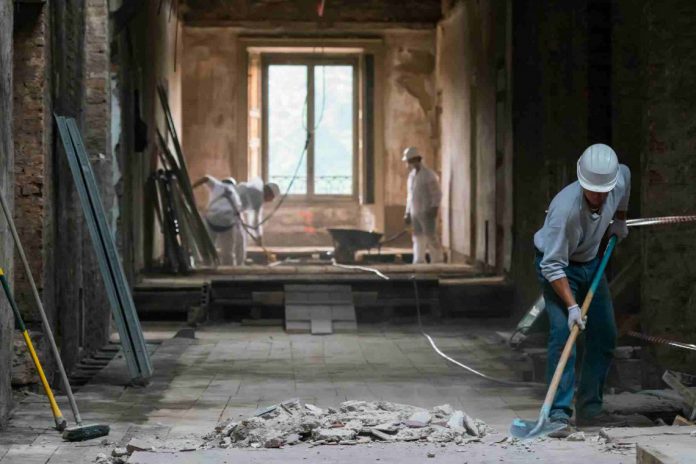
It is essential that you review health and safety procedures for building or decorating work, particularly if there is another party involved. The main areas to look at are heights, noise and also dust/fibres. A particular cause of concern in old buildings is asbestos which is still present in hundreds of buildings that were built prior to 2000. You may need to look at asbestos removal prior to work being carried out – get in touch with your local remediation experts who will be able to carry out tests and a survey.

3. Budgeting

Let’s be honest, we all have a budget to work to. Whether you have a small or large budget it’s a good idea to make a list of all the different costs involved with the work that is being done. This is especially paramount if the work is of high value or involves several different third parties, you need to keep on top of the money going out towards the project.

4. Planning Permission

This will only be an issue for larger projects like extensions, however, it is essential that the right permissions are granted if you are carrying out an extension or something similar, otherwise you could be breaking the law and face a penalty. You can find out more about permissions on your Government website.

5. Choosing the Right Supplier

If you are hiring someone to complete the work like a builder or decorator, you need to make sure you choose a good person/company. Whether they are self employed or a trading company you should look into their reputation and make sure they are going to be the right fit for you and are reliable enough to get the job done. You can look at their website and online reviews to gage this and perhaps speak with other locals who have used the company.

6. Creativity & Design

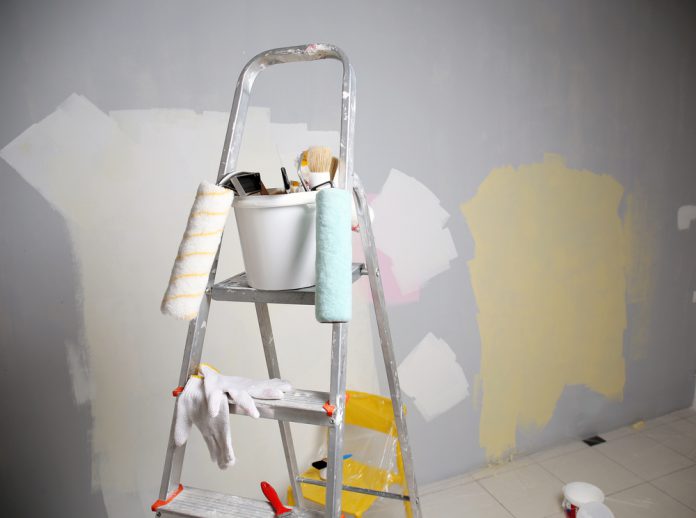
If you are redecorating your home entirely, it’s time to let go and take advantage of the situation you are in! Look at a wide variety of different colours, furniture and different aesthetics to get a few different ideas. This goes back to the planning and organisation phase as you need to make sure this is all planned out and ready to go for when the decorator is booked in for, or even for your own schedule if you are DIY’ing.

7. Enjoy the Process

Above all, make sure you enjoy the process of your building or decorating project. Whether you are carrying out the work by yourself or getting an expert company in, ensure you are well prepared and ready to improvise should anything not go to plan. If you are spending plenty of money on the decoration or building works, you want to make sure it was worth it come the end.

Benefits Of Owning A Pool Pump Shed

If you own a pool, you are well aware of the time and effort that goes into pool maintenance. Certain aspects involved in pool maintenance are often complicated and time-consuming. Skimming leaves, measuring chemicals, and replacing your pool cover every evening are all vital tasks.

However, one of the more important tasks is to make sure the pool pump filter is protected and in the best condition. Without a filter pump, you won’t be able to use your pool. Providing adequate protection for your swimming pool pump is cost-effective and easy, especially when you take into consideration the costs involved to replace the pump.

A pool pump cover also provides other benefits such as noise reduction, and a better cosmetic or aesthetic appeal when it comes to the area that surrounds your pool. You can also use the cover to store additional maintenance equipment.

How To Protect Your Swimming Pool Pump From The Elements

While a pool pump performs the role of moving water, this equipment is not sealed off completely from the surrounding environment. This has to do with the pool pump motor that is air-cooled, which means it relies on airflow to stop the motor from overheating. A pump cover protects from the elements such as the sun, rain, and wind.

Reduce The Noise Around Your Pool

The owners of pools benefit from poolside experiences that are more peaceful. If the filter pump is noisy it can become incredibly disruptive, especially when you are concerned about disturbing other people in the area such as your neighbors. It is not easy to enjoy a relaxing time around your pool when you have to listen to a whirring motor. An enclosure that is soundproof for your swimming pool filter pump solves this issue.

When you have a cover over the pool pump, you can easily run the pump overnight and you won’t have to worry about the sounds it makes. This can help you to maintain your pool without any disruptions when you use your pool.

Create A More Aesthetically Appealing Poolside Area

Pool equipment is often unsightly. It is also a hazard to pets or small children. An enclosure for your pool filter doesn’t have to be expensive or fancy, but it can greatly contribute to how the poolside area looks.

Pump covers now come in many sizes and colors to match up to the areas around your pool. Look for a swimming pool filter pump cover that compliments the exterior of your home or combine the enclosure with your pergola to provide a shaded-lounging area. These are improvements that contribute to a poolside area that feels more luxurious and well designed.

Enclosure Design For Pool Equipment

Ventilation plays a big role when it comes to reducing moisture issues.

Size is another important factor. There should be enough space available to easily service your equipment, conduct repairs, and allow for any future expansions. There should also be enough space for pool furniture, supplies, and maintenance equipment.

Chemicals should be stored separately to lower oxidation in association with metal parts and equipment. Chlorine, even when stored in a tightly sealed bucket, can still rust metal present on heaters, filters, and pipes.

Heat pumps or heaters should not be enclosed. Pool heaters require adequate exhaust venting and air supply. If these parts are enclosed around each side, the top should be left open, or follow the instructions from the manufacturer for the correct venting.

Depending on what type of effort you are planning on expanding and your budget, there are many options to store your pool supplies and equipment away from sight. Just make sure you install, build, or plant something that matches up to your climate, your taste, and style.

Easy Steps to Make Your Home Look More Appealing

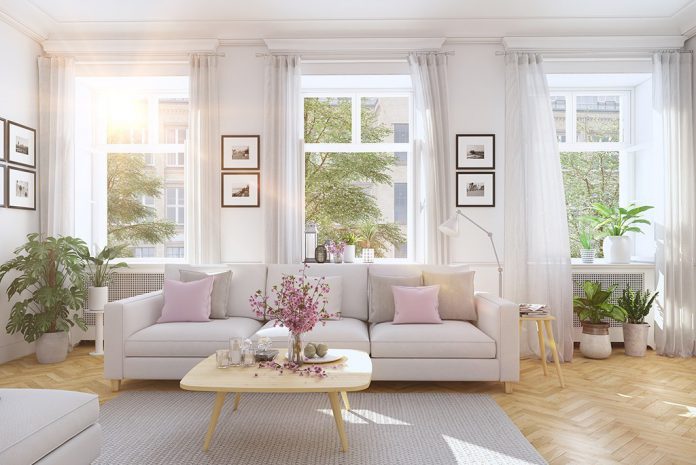
3d rendering. modern living room in townhouse.

Decorating the home interior can do so much to improve the overall appearance of your dwelling. While home decorations can cost so much when you purchase them from stores, you can actually save more when you take the time to create your own home decorations.

Decorating your home need not be expensive. You can easily create your own DIY décor and make your home an awesome sanctuary when you need a place to take some rest and get some relaxing time out from your exhausting daily grind. You can source materials from existing items in your household or purchase some cheap pieces in your local stores. Need some ideas for your DIY home art decorations? Below are some of them.

Wall Decors

Hanging some decorations on the wall is one of the best ways to give excellent interior design to the home. Wall decorations give your space a sense of texture, making it look either more intimate or more grounded. Texture gives your interior their much-needed visual weight, and it provides a more aesthetic appeal.

There are several types of decorations that can be suspended or placed on walls. You can choose to go for wall stickers and decals, picture frames, paintings, and other works of art. Decorating your home with wall stickers or decals is extremely economical, but if you want a more affordable option, you can always choose to go DIY and make your own art.

DIY wall stickers made of tin foil are among the many options if you choose the DIY route. You only need three materials to complete this project. These include the foil, a laser printer or some laser printed stickers, and a laminator. The laminator will be used to apply heat to the foil so that it will cling to the stickers.

Window Seats

If you have not done it yet, install a window seat in all or one of your windows. Window seats are a good way to enhance your interior’s curb appeal. They provide extra seating and can significantly transform your space. Window seats give life to seemingly dead spaces, and they can even be used to house additional storage for your things. Window seats can also be used to highlight certain windows in your home, thereby adding to the home’s overall aesthetic appearance.

You may think that installing a window seat can cost you a lot of money. The good news is that you can actually do the installation yourself, especially if you are blessed with artistic construction skills. If you have none and have no idea how to work out a good DIY window seat plan, you can just scout around for a seat or bench that will fit your window’s width. There are stores that offer ready-made window seats that you can use to enhance your interior’s functionality and beauty.

Lampshades

Personalizing your space is made even more possible by creating your own lampshade. Lampshades are often used to protect the eyes from the bulb’s harmful glare, but they also provide a visual appeal that adds to the overall beauty of a home. Several lampshade designs are available on the market, but if you want one that gives your space a more personal appeal, making one yourself is your best choice. You can use various materials for your DIY lampshade, including fabric, resin, used clothing, and many more. You can even create a lampshade with wooden skewers and even with faux plants. Your imagination is the limit when creating your own lampshade design.

No-sew Curtains

Window treatments, such as windows, are always great additions to a home. They add a sense of elegance and complexity to a home’s overall appearance. Window treatments also give the home some privacy and security, keeping the interior covered and away from nosy neighbors. Additionally, they help control the amount of light that can penetrate the interior, leading to the more energy-efficient use of appliances.

Most window treatments, though, come with a cost. If you do not want to spend more on window treatments for additional house decoration, you can easily create a pair of curtains yourself. There are tutorials online on how to make no-sew curtains, and they are usually quick and straightforward.

Decorating the home comes with a number of advantages. Especially if you can decorate your home with the right type of embellishments, it can lead to an increase in the home’s selling value and a more beautiful appearance. While many people may shy away from putting on the right decorations for fear of spending too much and going over budget, some actually go for the DIY route, where they can personalize their home’s designs based on their preferences and are also able to save more in the long run.


Recent Posts

Posts You Might Like