
Home Blog Page 169

Four Decking Trends in 2022 You Need to Know

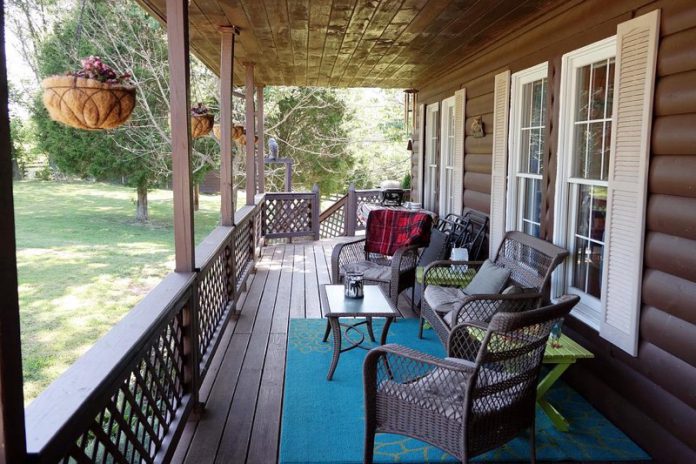
Homeowners understand that adding a deck to their existing building provides additional space and adds to the property’s value. Depending on the type of deck they build, property owners can increase the square footage of the property and the usable, liveable space they can enjoy. While many people think that the deck is typically located at the back of the property, your front porch can be your deck, or the landing on the house’s second floor.

Putting up a deck can be tricky as homeowners have to contend with several factors to ensure that their decks would be structurally sound and aesthetically pleasant. While decks can increase square footage, there are still many things to consider during the structure’s planning, construction, and aftercare.

If you want to know more about how you can build a deck that’s suitable for your property, you can check out www.greenbarntimbers.co.uk for materials that could help you construct your dream decks. They offer everything from reclaimed timbers to cladding, joists, and stains that would help you build your structure properly.

Here are four decking trends for 2022 that you have to be aware of:

Updating your railing system

Decks should always stay safe. One of the best ways to ensure that the deck is structurally safe is to update your railing system. Consider mixing wood and metal balusters. Designers also now lean towards using horizontal railing instead of a vertical style.

Attaching LED strips to railings

Another trend to look out for is attaching LED strips to railings to increase safety and illumination at night. Not only will the LED strips accentuate the structure, but they will also help those who have eyesight and mobility problems navigate the deck. In addition, it’s a simple and practical way to improve your deck’s aesthetics.

Deck doubling as an outdoor kitchen/dining area

Homemakers know that judicious use of space is important. One of the ways that you can use your deck effectively is to have it double as an outdoor kitchen (think grill stations and dining room) so you could enjoy the beauty of nature while dining and enjoying the company of your family and guests. This can easily double as a seating-receiving area, too.

Addition of creature comforts

If you plan to have a covered deck for your property, consider adding creature comforts such as a ceiling fan so you can lounge comfortably. You can also put in a space heater so your space would remain comfy year-round. Finally, don’t forget to place enough furniture to enjoy the area even more.

While we’re on the subject of adding creature comforts, take it up a notch by putting a hot tub in the corner. You can also install a hammock for a more leisurely way to enjoy the view or include a porch swing or other comfortable accessories to make the area as personal as possible. Don’t forget to place enough greenery to help regulate temperature and add colour.

Takeaways 

Decks are a valuable addition to any home. However, you need to ensure it’s comfortable, structurally sound and safe so you would get to enjoy it properly.
A Year-Round HVAC Cleaning Checklist

Homes can be more comfortable with a heating, ventilation, and air conditioning (HVAC) system, although many take it for granted. It is easy to go about the day in total comfort and not realize what contributes most to it. All year, no matter what the season, the trusty HVAC system provides the perfect atmosphere to live in and for some to work from home, so why not give it some attention also?

Although many homeowners choose to use professional cleaning and maintenance services, it is not that complicated to maintain the HVAC throughout the year with some basic cleaning. Here is a checklist that anyone can follow year-round to ensure that their home remains comfortable:

Outside The Unit

To simplify things, some items on the HVAC cleaning checklist cover the outside of the unit. The outside could influence the unit’s inner workings much like the mechanical parts, and homeowners shouldn’t neglect these.

On top of the mechanical dysfunction it could cause, a dirty HVAC system is rather unsightly to look at, too. For proper cleaning of the outside of the unit, follow the checklist below for the best results:

  • Inspect the cabinet or casing for any damage like cracks in the plastic or other parts.
  • Dust the vents and the entire outer housing to prevent clogging on the inside.
  • Check the air intake vent and remove debris and dust to ensure fresh, clean air flows into the unit.
  • All ducts, including the drain pipes, should be open and free from debris, and no mold should be present in them either. Clean any mold immediately with a mild cleaning solution to prevent family health issues from inhaling the mold spores.
  • Ensure that all controls are functional and are in the correct settings.
  • Go over all electrical connections to see if they are still in good working order.
  • Clear out the overflow pan so there will be no standing water around the unit.

Now that the outside looks good as new, the inside also needs checking. Before moving inside the unit, ensure that the power is switched off and follow all safety precautions. Gather all necessary tools like screwdrivers to work on and test the machinery and a soft brush for cleaning dust from the interior.

Inside The Unit

Although the outside may seem less complicated to keep in tip-top shape, the inside also needs some regular maintenance, whether the homeowners are up to it or not. Opting to tackle the interior alone could save some costs that would otherwise go to a professional. However, it may be necessary to call for their help if you’re unsure of anything.

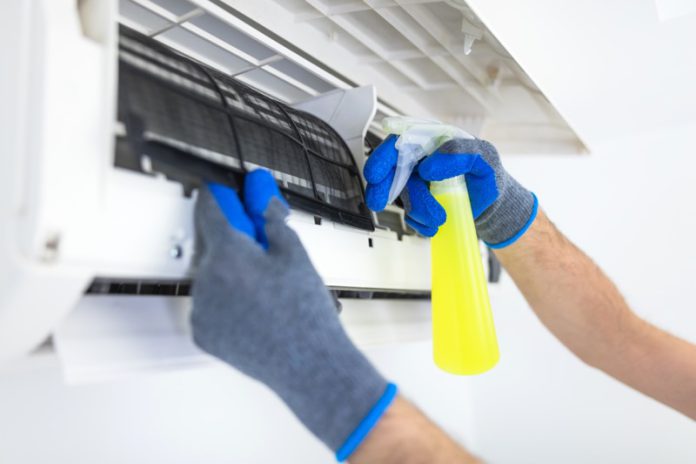
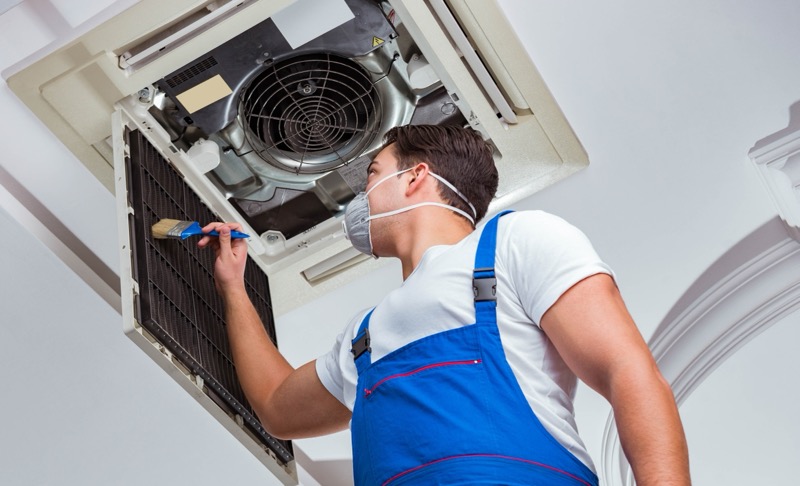
The worker repairing ceiling air conditioning unit

By inspecting the inside, homeowners can troubleshoot minor issues before they result in significant repairs, so homeowners should take the time to check off the following items at the start of each season yearly:

  • Test all the internal movable parts like the fan, blowers, motor, bearings, and blades.
  • Check if any of these parts need lubrication and apply some if required.
  • Ensure that all belts and corresponding pulleys are functional and in good condition.
  • Adjust the thermostat to set it to the correct temperature, and if it seems faulty, call a professional to replace it.
  • Look at all the fixtures and ensure all parts are secure within the unit and not loose or moving around.
  • Inspect all the unit’s parts for heating, like the heat pump, ignition burner, flue system, heat exchanger, and heating elements.
  • If a gas system connects to the unit, check the connections to ensure there are no leakages or perished pipes.

The most vital part of checking the internal functions is ensuring that the unit is fully operational and safe for use. If details need service or replacing, contact a supplier for a quotation and have them fixed before using the HVAC system again.

Although the checklist helps to keep the unit operational, homeowners should always look out for signs that it may need professional repairs:

  • Noise coming from the unit
  • Strange smells coming through the vents into the home
  • The system seems to overheat
  • Temperature regulation is not what it used to be
  • There are many broken parts
  • An apparent electrical fault

The Final Checks

An HVAC system is an essential part of any home, especially in areas where the weather could go from one extreme to the next. However, homeowners should maintain their units and all other parts that make up the HVAC system to keep enjoying all the benefits it offers. With this quick checklist, even someone with less experience won’t forget to include the most critical points in their cleaning routine.

What Homeowners Can Do To Avoid Air Conditioning Problems

Air conditioning (AC) problems affect the performance of your unit; thus, it won’t deliver optimal performance when you don’t maintain it. This will result in an uncomfortable home without a properly maintained temperature, especially during the scorching summer months. You can avoid common AC problems by doing the following:

1. Get Regular Unit Checkups

A regular unit checkup is essential because it allows you to discover minor air conditioning problems that may worsen when left unchecked. It’s a proactive approach that can keep your AC working properly. You can schedule yearly maintenance for an overall checkup, but you should also refer to your unit’s manual for monthly and quarterly maintenance.

2. Keep The Condenser Unobstructed

The condensing unit is usually outdoors and contains the condensing coils, fan, and compressor. The heat rejected from your home when cooling the latter blows the fan over the condensing coils. To keep it optimal, ensure that the surrounding condenser and fan have no obstructions.

Clean its surroundings regularly as unwanted materials, plastic bags, and dried leaves may go into the condenser, blocking its airflow. If these are stuck in the coils, use a brush to remove them so the condenser can blow the air freely. Although you may want to cover up the unit to protect them from harsh elements, you don’t have to. AC units are made to stand extreme weather conditions, especially the ones that conform to safety standards.

Likewise, you should turn off the power supply before cleaning the condenser.

3. Check The Thermostat

The thermostat is responsible for providing ideal cooling results, so you must ensure that it’s working as it should. It’s also best if you upgrade a mechanical thermostat into a programmable one because the latter is more efficient in cooling spaces through its smart features. This means you can set the temperature based on your routine.

For instance, you get to start cooling your home half an hour before you arrive, or set it to turn off after some time automatically. With such, you no longer have to adjust it now and then, as it will follow the scheduled temperatures.

You can also use gadgets like smartphones to control the cooling and heating of your property. This allows you to access your thermostat while you’re away from home. So, in case you forgot to turn it off, you can remotely access it via your phone. Doing this can prevent your unit from being overused when no one is home.

5. Replace The Air Filters

Another essential maintenance task to keep your unit efficient is cleaning or replacing its air filters. You can replace it once a month or more often, depending on how much you’re using the unit. Some units require cleaning only, so you don’t have to keep on buying filters.

You can ask nearby technicians if you’re unsure what your unit’s filter is. They can recommend the most suitable filter based on your unit and filter size. They can also clean or replace the filter for you.

6. Check Installation

An AC unit is expected to create plenty of noise, including the compressor’s cycling and the fan’s whirring. However, an AC that isn’t installed correctly can also make a vibrating noise.

You can review the installation instructions online or check the unit’s manual to identify if you have missed some steps. It’s also best to check if the unit is securely situated on the window or mounted tightly on the wall.

7. Clean The Fins

The fins of the unit can accumulate dirt as time goes by. You can clean it using a powerful vacuum brush attachment to scratch off all outside dirt. You can also remove debris or built-up dirt from the inside out by spraying through the fins using a hose. Don’t use a pressure washer, though, as this might damage the fins, leading to costly repairs. You might also opt for a commercially available fin cleaning spray that allows you to clean the fins easily.

Conclusion

Your AC unit can last for years if you take good care of it. This means fewer expenses on repairs or buying a new unit because you can minimize or avoid AC problems. You don’t have to clean it daily, but ensuring that you set a schedule for checking and cleaning the unit is an effective way to prolong its life span. Furthermore, hire a professional AC technician to conduct a yearly maintenance checkup as they can also recommend tips on how you should care for your unit.

Which Is Better For Plumbing Leaks: DIY Or Professional Plumber?

Accessing do-it-yourself (DIY) plumbing tips is easy and quick, especially since there are numerous resources on the internet. With these tips, you can rectify your plumbing issues and save money while acquiring knowledge.

Nevertheless, some plumbing leaks are too complex and can only be done effectively by a professional and experienced plumber. But still, the question stands, should you call a professional plumber or DIY?

This feature post will provide helpful tips on when to do it yourself and when to contact a plumber. Keep on reading to learn more.

When To Call In An Experienced Plumber

Most homeowners use costs to determine whether to hire a plumber or do it themselves. However, this shouldn’t be the case since there are other factors to consider when it comes to fixing plumbing leaks besides cost. It’s understandable that not all plumbing issues require a professional’s touch and it might not be a bad idea to solve leakages yourself.

There’s no argument for it: some plumbing repairs are best handled with professionalism. As a homeowner, you can only rely on web resources to know your needed tools and what to do. A slight mistake when handling leakages in your home can lead to a more severe plumbing issue that can affect the quality of your property.

On the other hand, a professional plumber doesn’t only offer experience; they know the type of tools they require for what job and how to use them efficiently. Besides considering the amount you’ll pay for plumbing services, you should also consider the benefits an experienced plumber brings.

When determining whether or not to hire a plumber, you need to ask yourself if you can guarantee your work. Are you confident you can provide a long-lasting solution for the plumbing issues? Also, can you diagnose plumbing issues that can cause significant issues if left unattended? The answers to these questions can help you understand whether you’re fit for the job or need a professional plumber.

Plumbing Leaks That Require A Professional Plumber

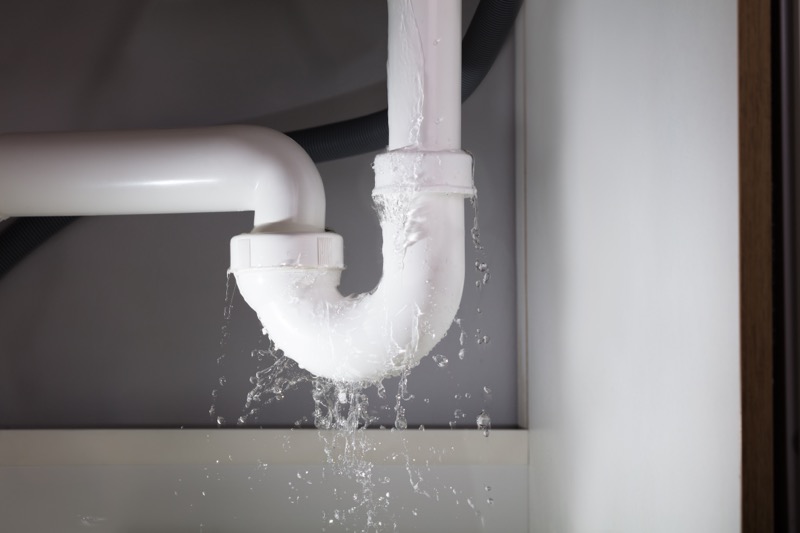
Close-up Of Water Is Leaking From The White Sink Pipe

As already said, some plumbing issues are best left to professionals. Such issues include:

  • Interior Leaks

Sometimes, you might require plumbing renovation for pipes within the walls, ceilings, or floors of your home. A professional plumber handles such plumbing issues better as they can result in severe issues if done by someone with no experience. That said, these plumbing issues are a DIY no go zone.

  • Exterior Plumbing

It’s not uncommon for your exterior pipes to experience damage that might require immediate attention. Over time, exterior pipes can wear due to flooding, tree roots, and debris. If left unattended, these issues can result in severe plumbing issues affecting your property’s value. But as much as these issues require immediate attention, you shouldn’t try to work on locating leakages and fixing them as they require a professional’s expertise.

  • Frozen And Broken Pipes

To fix frozen and broken pipes, you need to know the reason for the breakage. Since frozen pipes require adequate thawing to prevent breakage and further damage, they’re better attended to by a licensed plumber.

Plumbing Projects That Are Suitable For DIY

The following plumbing issues might not require a professional plumber to fix:

  • Slow Draining Drains

If your drains aren’t draining effectively, you can unclog them easily and quickly. All you have to do is try some home remedies for clogged drains without the need to hire a plumber. Nonetheless, if you try out several methods and the drains won’t drain, the issue might be severe and require professional services.

  • Leaky Faucet

Repairing a leaky faucet is technical and might not require an experienced plumber. You first need to turn off the water valve to drain the system, then cover the drain with a washcloth before removing the knobs. Then unscrew the nuts supporting the faucet, remove the worn-out washers and O-rings, and replace them with new duplicates.

  • Installing New Faucet

Most homeowners have changed a faucet or have seen someone change one. Installing a faucet might not require an experienced plumber since all you need to do is turn off the water valves, both hot and cold, before beginning the procedure. Afterward, remove the old faucet and replace it with a new one.

Conclusion

Whether or not to hire a plumbing expert to solve your plumbing leaks depends on more factors than cost. First, you should determine if you can perform a long-lasting plumbing task. If you’re trying it out and aren’t sure you can handle the issue, it’s advisable to call a professional plumber.

You should also understand plumbing problems that you can and can’t handle. But if you can do it yourself, it might be a good idea to give it a shot. Remember, even if you DIY and experience a challenge, don’t hesitate to seek assistance from an experienced plumber.

What To Expect From a House Cleaning Service

For many people, cleaning their homes from top to bottom is daunting and downright exhausting. The good news is that professional house cleaning services can take on the job for you.

You’ve decided to take the plunge and hire a house cleaning service. Congratulations! This is a terrific way to take some of the load off your shoulders and give yourself a break. But what can you expect from a cleaning service Houston TX?

Here are a few things to keep in mind.

Schedule an Initial Consultation

Most professional house cleaning services will want to visit your home for an initial consultation. This is so they can see your space, meet you and your family, and get a feel for what you’re looking for. Be prepared to answer questions about your cleaning needs and expectations.

Get a Written Estimate

After the initial consultation, you should receive a written estimate from the house cleaning service. This will outline the services they will provide and the cost. Be sure to read over the estimate carefully and ask any questions you have before agreeing to anything.

Discuss Your Schedule

Next, you’ll need to discuss your schedule with the house cleaning service. They will need to know when you’re available and when you want the cleaners to come. Be flexible if possible, as this will make it easier to find a time that works for both of you.

Choose Your Services

Now it’s time to choose the services you want the house cleaning service to provide. Most companies offer a basic cleaning package, including dusting, vacuuming, and mopping. You can also add additional services, such as window washing or carpet cleaning. Be sure to discuss your options with the house cleaning service so you can choose the best package for your needs.

Set Up Payment

You’ll also need to set up payment with the house cleaning service. Most companies accept cash, check, or credit card. Be sure to ask about payment options before you agree to any services.

Enjoy Your Clean Home!

Once everything is set up, you sit back and enjoy your clean home! The house cleaning service will take care of the rest, giving you more time to relax and enjoy your life.

There are different services you can expect from a cleaning company, including;

  • Residential cleaning: This includes general cleaning tasks such as dusting, vacuuming, mopping, and cleaning bathrooms and kitchens.
  • Commercial cleaning: This service is generally used by businesses and office buildings. It can include tasks such as stripping and waxing floors, cleaning carpets, and polishing furniture.
  • Janitorial services: These services are usually used by larger businesses and can include emptying trash cans, cleaning windows, and sweeping sidewalks.
  • Move-in/move-out cleaning: This service is typically used by people who are moving into or out of a new home or apartment. It can include cleaning appliances, mopping floors, and dusting.

No matter what type of house cleaning service you’re looking for, ask plenty of questions and get a written estimate before agreeing to anything. This will help ensure that you get the services you want and are comfortable with the cost. Once everything is set up, sit back and enjoy your clean home!  Professional companies like Fabulously Clean House Cleaning  can help with things like this, regardless of whether it’s cleaning for your office… or your home.

9 Tips To Make Your Home Child-Friendly

A child’s laughter can fill your home with joy but the same child can also turn your plush sofa into their play area. It could take you hours and a lot of money to clean the sofa and make it suitable for your living room. There is no joy like having a child in your home but there are some steps you need to take to make your home child-friendly. Here are a few tips to help you with the same.

1. Fixed cushion couches

Children of all ages love to pull cushions off the sofa and you do not want your guests to see the cushions lying on the floor when they walk in. One of the easiest things you can do is buy sofas that come with fixed cushions. It will make the formal living space look well-organized and orderly. There will be no fort building with the couch.

2. Round furniture

Even if there is a lot of space in your house, children always find a corner to bump into. It could cause injuries and a lot of tears. You can try to reduce the damage to the child’s head by choosing rounded furniture, with no sharp edges. There are many options for you to choose from and they also elevate the space with their unique style and design.

3. Outdoor play

If you want to get the children outdoors, you need to look for elements that will make your backyard or garden a fun place to hang out. Children love to have their separate play areas. If you have a garden, you can create a nice zone for them to relax and play. It could be a tree house or a sandpit. Maybe a swing or a climbing wall. All kids love jumping around and what better than having the right space to jump in? Invest in quality kid’s trampolines and let them have the time of their lives in the garden.

4. Kids’ counters

A great way to ensure that children do not take your space is to create a space that belongs to them, close to yours. You can have a play counter inside the home or near your room where they can build or paint. All you need is a countertop made of durable material and a few paint brushes and colors.

5. Carpet tiles

Carpets and children do not go well together but if you really want a carpet, you can consider having carpet tiles. When something spills on it, you can simply lift the inch square and take it to the dry cleaner for cleaning. And if the stain does not come out, simply replace the square.

6. Closed storage

When you have children, there is never enough storage space and the best way to keep the stuff and toys from taking over is to choose closed storage. This will ensure that everything is in one place at all times. Have door storage or a mix of drawers to accommodate all the different types of toys.

7. Add nature to the spaces

Having plants in the home can be a good source of oxygen but they also have a good impact on the mind. Add one or two plants to your child’s room and give them the responsibility of looking after them. You can also take them to the garden and ask them to select a plant and pot together. Pick a simple plant that is easy to care for.

8. Create a fort

Children love to hide away and you can have a makeshift tent made from chairs, pegs, and sheets. They can be set up easily and in any corner of the room. Simply fill the tent with soft blankets and cushions for them to play in. If they have a nursery or room, you can permanently keep the makeshift tent for them to play in whenever they feel like it.

9. Include their masterpieces

Whenever children create something, they want to share it with others. It might not be possible to keep their every drawing but you can pick a few masterpieces and display them in frames inside your home. Use big frames that can go with all artworks so that you can change the pictures every few months. Alternatively, you can use strong wooden pegs and hang them in the child’s room or the family area. Kids love it when you appreciate their efforts.

Ultimately, all that matters is that your home is safe and fun for your child. Life is too short to become too serious so embrace the silly and let your children have their best days while growing up. But you do not want to incur heavy expenses over repairing or replacing items in the home. Incorporate these elements and create a child-friendly and stylish home for your family.

To Repair or Replace Your Roof: Weighing the Data

What You Do Depends On Your Unique Situation

The roof you put on your home will last anywhere from 5 years to 50 years, depending on whether you go with asphalt, metal, or another roofing material. Often, people jump the gun. Sometimes you don’t need a total roof replacement, you just need roof leak repair in Bucks County, PA. However, getting an inspection is a good idea.

There are situations where replacing a few roofing shingles, or a section of them, corrects the issue. If you’re strapped for cash, that will likely save you money. However, you can over “patch” the roof, too. Sometimes you need to replace the said roof for the safety of the property in question.

Leaks cause substantial damage. Water leaks can cause a property to go into foreclosure if left alone long enough. Mold can begin to grow in walls and crawl spaces. Structural integrity can decline as wood rots in structurally significant areas of the home. These things are serious issues, and replacement or repair of your roof can impact them.

What you want to do is get all the information you can and make an informed choice on how to address your roofing issue. In this writing, we’ll look at a couple of factors to help inform your choice here.

  1. Roof Costs in 2022 Are Quite High
    Because gas is so expensive, that’s impacting supply chains, meaning the expense of basic goods goes up collaterally. In May of 2022, it was reported that inflation had topped 8%, higher than any rate of inflation since the early eighties. In all reality, they’re likely under-reporting that sum. So what does that mean for you?

Well, base layer plywood is around $50 a sheet or higher, depending on where you are in the country. Such sheets come in 32-square-foot sizes primarily. So for a 3,000 square foot roof on a large home, you’re looking at 93 or 94 sheets at $50 a pop. That alone could be $4,687+. So expect roof repair in 2022 to be about 33% or so more than last year.

Where you could have had a total roof replacement on a 1,000 square foot home for around $10k in 2021, in 2022 it might cost you $13,500, or thereabouts. These are all “ballpark” figures to give you a general idea of what you’re looking at. Here’s the thing: roof costs are likely going to be even higher in 2023 owing to the current trajectories of existing political trends.

That means you may want to have your roof replaced this year anyway, as inflation could continue to rise next year over what it already expanded to this year.

  1. Visibility of Damage
    If you’ve got a lot of visible damage associated with roof integrity, that’s a good sign it may need to be replaced. Generally, for repair needs, there’s only mild damage, and it’s hard to see where water has gotten into the property. But if it’s evident where the vulnerabilities in your property are, then you may want to consider more extensive replacement options.https://pixabay.com/photos/roof-building-tin-red-architecture-101372/
  2. Insurance Requirements
    Insurance companies are “cattywampus”, to use a fun word, right now. You might be paying insurance fees for three months bundled in with your mortgage before you get a notification in the mail that you have to replace your roof or lose your insurance. This is especially true with older homes. So if you anticipate this eventuality, replacement or repair in advance is smart.

Making the Right Choice
Insurance requirements, visible damage, and the realities of the market right now are very considerable factors pertaining to whether you just repair the roof of your property, or totally replace it. Consult with experts and inform your decision with relevant information for the best outcomes.

How to Thrive as a New Landlord

One of the first things that any landlord hopes to have is having the ideal tenants. These people care about the property, pay their rent on time, and are peaceful neighbours. If you are a new landlord, you would certainly feel like a burden is lifted off your shoulders when you finally have the right tenants occupying your rental property. However, the challenge doesn’t end there. The next crucial thing you need to focus on is how to keep your tenants happy and satisfied with where they are. The longer they stay with you, the better.

While there may be various reasons why some of the best tenants move out, there are some strategies you can employ to sway them to stay with you longer. The following tips are some ways to convince your tenants that they are in a good place.

Take care of maintenance concerns right away

As a responsible landlord, your tenants depend on you to take care of maintenance issues as soon as possible. One of the primary reasons tenants decide to discontinue their lease is the feeling that their landlord is not concerned about their comfort and convenience. Maintenance problems do not only affect tenants but the landlord too. Neglecting to take care of your property can eventually worsen its state and can cost you more in repairs. Therefore, it is in everyone’s best interest to take care of the problem as soon as it starts.

Invest in solar panels

One of the most efficient improvements you can make for your rental property is to install commercial solar panels. Today, more people are going green because it offers many excellent benefits. Thus, investing in solar panels can help you attract ideal tenants who will be happy knowing their utility bills are significantly reduced. At the same time, it may save you some money. In addition, the value of your property increases with this upgrade and enhances your kerb appeal. More than that, solar panels can reduce the risk of fires, which is indeed worth considering.

Be an approachable landlord

While it is alright to maintain professionalism between landlord and tenant, there is no harm in making your tenants feel that they can talk to you. Although they may not have any concerns you need to address, asking how they are makes them think they have chosen the best place to reside. It always helps to know that you live in a place with a landlord who gets along with you and shows concern for your well-being.

When your rental property is well-maintained and tenants find it easy to communicate with you about their concerns, you will find satisfied renters who are willing to stay with you long-term. Remember to treat them with respect, and they will show you the same by ensuring that they take care of your property and pay you on time. Making upgrades on your rental property will also help bring in more interested tenants who are willing to pay what you ask for the amenities, security, and aesthetic appeal of the place.

3 Types Of Roofing Systems

Generally speaking, your roofing system is integral in protecting you and your property from extreme weather conditions and natural elements, including debris, leaves, and tree branches. And it’s essential to know that roofs are made of various materials.

Although they’re designed to keep water out, not all of them are created equal. Depending on your needs, they have advantages and disadvantages. That said, it’s best to understand the different types of roofing systems to help you find the right one for your property.

worker builder with hand drill at metal profile roof installation Metal roof construction


Below are the three types of roofing systems you need to know from the get-go:

1. Asphalt Shingles

One of the market’s common types of roofing systems is asphalt shingles. They’re made from various materials, like asphalt, mineral granules, and fiberglass, which are pressed together to produce the final product. Available in three types, namely the three-tab, dimensional, and luxury, asphalt shingles can be installed on any residential roof with a slope of 4 in 12.

On the other hand, asphalt shingles have pros and cons that you should consider. These can include:

Pros:

  • They involve an easy installment process.
  • They can be the most economical option for roofing material.
  • They can last for a long time, with approximately 15 to 50 years of service lifespan.
  • They come in many colors and styles, making them a perfect option for homeowners who want to customize the appearance of their homes.

Cons:

  • They require extensive maintenance to ensure they’re not infiltrated with moss and algae.
  • They have low insulation value, which prevents you from saving money on your energy bills.
  • They have an adverse environmental impact since they’re made from materials like fiberglass and petroleum, which are considered harmful to the environment.

2. Metal Roofing

If you’re looking for a modern type of roofing system, metal roofing can be one of the options to choose from. It’s a type of roofing system made from galvanized steel or other metal pieces which are known for their impermeability, longevity, and resistance. Because of this, metal roofing isn’t only ideal for residential properties but also for commercial buildings.

But since it’s available in prefabricated long strips created with special forming machines on-site, you need skilled professionals to install metal roofing on the property. For example, if you have a commercial building, it’s best to call experienced commercial roofers Greeley or wherever you may be located, to help you with the installation.

Furthermore, like asphalt shingles, metal roofing has pros and cons to keep in mind. These can include:

Pros:

  • It’s known to be lighter compared to tiles and other roofing materials.
  • It has thermal and reflective coatings that make it more energy-efficient.
  • It has minimum maintenance requirements since it doesn’t break, discolor, or crumble easily.
  • It’s fire-resistant since it’s made from metal roof materials. Also, most metal roofing systems have a class A fire rating.

Cons:

  • It can be noisy, especially when raindrops fall on this thin metal panel.
  • It has a tendency to expand and contract, especially when it cools and warms.
  • It can be prone to denting, especially in certain climates, including hailstorms.

3. Clay Tile Roofing

Another type of roofing is clay tile roofing. It’s made from terracotta clay known for its red color. It’s also covered in a glaze that comes from certain chemical compounds known for their ability to improve the durability of the material. These compounds can include aluminum oxide, manganese, and silica. Due to clay tile roofing’s durability, it has been around for a long time, making it one of the best types of roofing systems for your property.

But aside from this, it’s also essential to get familiar with the advantages and disadvantages of using clay tile roofing. These can include:

Pros:

  • It has a life expectancy that ranges from 50 to 100 years.
  • It comes in several colors and style options, such as flat tiles, Asian style, Barrel style, S-shape, and Mediterranean style.
  • It’s eco-friendly since it’s made from earth materials.
  • It’s a versatile type of roof, which means it can be used on residential and commercial properties.
  • It has low maintenance costs since it doesn’t need special tools or equipment for the process.

Cons:

  • It’s a heavyweight roofing system that requires good structure and framing to support the weight when installed.
  • It may require a substantial amount of money for the purchase and installation costs.
  • It can be fragile, so you should be careful in dealing with it to avoid cracks or any damage.
  • It requires technical installation, so you should seek professional assistance to get it done correctly.

Final Thoughts 

Indeed, your roof is one of the essential components of your property. Since it stands between the exterior and interior of your building, it does a great job as a shield against natural elements and extreme weather conditions.

But to make the most out of this protection, you need to choose the right material for your roofing system. Luckily, by keeping the information mentioned above in mind, you can familiarize yourself with the common types of roofing systems you can use for your own property.

What Causes Mould in a House? Hazardous Materials Consultant

Signs of mould in the home can be dreadful and unsightly and will induce bouts of worry and concern for the state of your home and personal health. When mould becomes visible, some may consider it a lack of cleanliness and overall neglect of a home, but mould can be unpreventable and become a fixture in even the cleanest of homes. There are many preventative measures to undertake that can reduce the chances of mould in the home and accessible ways to eradicate mould from your property when you notice it, like acquiring help from a hazardous materials consultant. Despite the ways to avoid mould and rid your home, the question still begs, what causes mould in a home?

Discover the causes of mould in the home, how you can prevent the mould from growing, and how to combat it once it’s found.

Common causes of mould

Mould tends to grow and flourish in a home under the right conditions. If the home, usually unknowingly, caters to these conditions, mould will begin to take hold and grow. The six elements that cause mould to grow are:

  • Mould spores
  • Moisture
  • Food sources
  • A proper oxygen supply
  • A lack of sunlight
  • A temperature that is neither too cold nor too warm

These necessary elements will prompt mould growth in different locations in the home. The most common causes of mould growth in a house include:

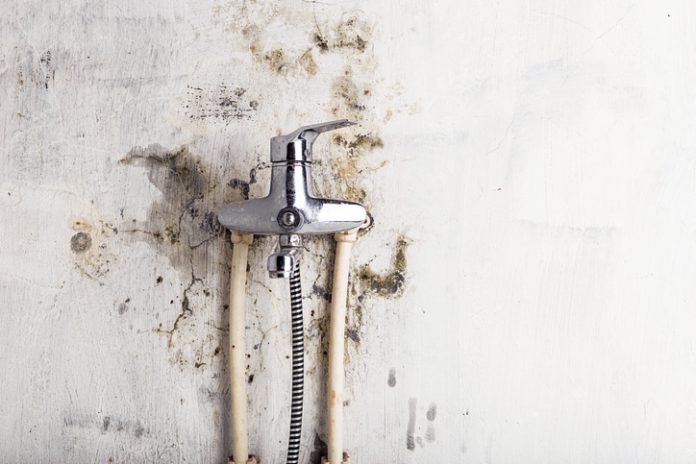
  • Leaking pipes: Leaking pipes can become a main contributor to mould formation in kitchen or bathroom walls, behind cupboards and cabinets and behind drywall. When you notice mould growing in these areas, you should immediately check your pipes for leaks.
  • Leaking roof: When a roof sustains damage from the weather, it can enable leaking to begin in the home, eventually leading to mould. A leaky roof will impact the attic or ceiling most, where moisture will begin to build, culminating in mould growth on the ceiling and walls.
  • Persistent humidity: When you live in a climate where it is persistently hot and humid or endure summers with that type of weather, mould forming in your home is a high possibility. Mould caused by humidity is particularly among homes near water bodies and can be worsened by poor ventilation. If you often find mould in closets, under the kitchen sink, on the walls and ceilings, humidity might be the culprit.
  • Poor ventilation: When the air is stagnant in your home, it becomes the perfect environment for mould to thrive. Without proper ventilation, the mould will grow within the home and make itself known. Ensure that the ventilation systems in your home are working properly to reduce the chances of succumbing to mould growth!
  • Wet clothing: If you set aside a pile of damp clothing during the spring and summer months, hoping to hang them out to dry later, that pile can accumulate mould in only 24 hours. If you already have a mould problem, leaving out these wet clothes can contribute to even more mould growth to come.
  • Condensation buildup: Many homes may experience a buildup of condensation during winter because of the increase and decrease in temperature. The surface areas most likely to build condensation are pipes, floor tiles, and brick walls. Properly ventilate these rooms if you notice condensation to avoid potential mould growth.
  • Home flooding: Days or weeks after your home sustains flooding, you can, unfortunately, expect some mould growth around the parts of your home that endured the worst flooding. To avoid dangerous amounts of mould growing, contact a professional, such as a hazardous materials consultant, to inspect your home.

How to prevent mould

You can take a few measures to prevent mould from forming and growing in your home. Some of these preventive measures include:

  • Ensure all the rooms in your home are adequately ventilated
  • Clean up any water that spilled as soon as you can
  • Insulate cold surfaces to reduce condensation
  • Clean gutters and pipes often to avoid roof leaks
  • Humidity should be kept below 60 if possible
  • Get your home inspected after each season passes

How to combat mould

Once you find mould in your home, it can be highly alarming. But despite the shock that will quickly subside, you must be proactive about doing your part to do the mold removal. What you can do to combat the mould visible in your home is:

  • Find the source of the mould as it could be a leaky pipe or roof, a ventilation system in disrepair, or condensation. Finding the source will indicate what services need to be contacted for repairs.
  • Find out the extent of the mould and just how big the problem has amounted. If the mould in your home extends beyond an estimated 25 feet, the problem has exacerbated too much, and a contractor or consultant should be contacted immediately.
  • If the area is still wet when you discover the mould, it’s essential to dry the area so the mould cannot continue to grow. Get fans out and open windows to try to dry it, and then clean the area with soapy water.
  • Remove any materials around the area that have been contaminated with mould. Bag these items up and remove them from your home as soon as possible.

Recent Posts

Posts You Might Like