
Home Blog Page 246

Prep Your Plumbing For Winter In 10 Easy Steps

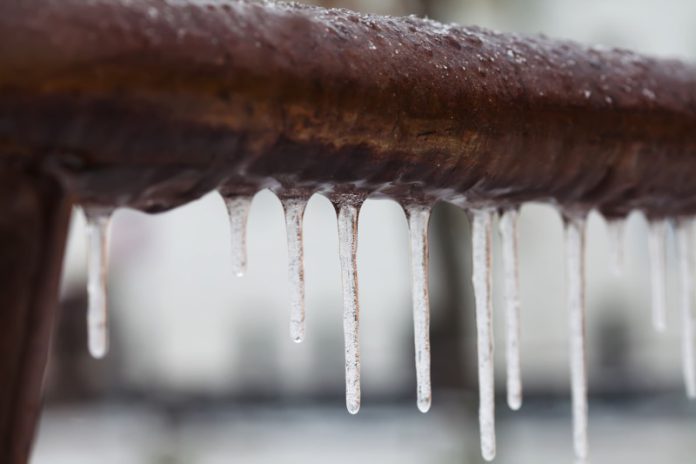
Icicles hanging from a brown pipe. Frozen water and metal surface, winter time concept. selective focus shallow depth field

As the weather starts to cool down, expect winter to arrive soon. Aside from the festivities the cold season brings, expect problems along the way if you overlook the necessary measures to protect your home especially if you live in areas with harsh and heavy snowfall.

Water expands once it solidifies or freezes. It can be an issue for concern once it occurs in the plumbing in your home. A frozen pipe is at risk for cracking. Cracked pipes can waste large amounts of water. If you want to keep the plumbing system in your home safe during the winter months, here are several ways to keep your plumbing ready for the winter season.

1. Insulate All Pipes

The pipes in certain parts of your home that lack heating, such as the garage, crawl space, or attic, are said to be prone to freezing temperatures. You can prepare them for the coming winter weather by using a heat cable and wrapping them with insulation.

Remember that the insulation alone isn’t capable of enduring long-term exposure to sub-zero temperatures. With this in mind, combining it with a heat cable is the best way to ensure proper insulation for the pipes.

2. Consult A Plumbing Professional

When you want to ensure the safety of your home during harsh winters, you can talk to a licensed plumber for advice on how to ensure that your home pipes are effectively secured for the cold winter climate.

Although using a heat tape or cable with insulation might be enough, there are instances in which re-routing the pipes might be a suitable solution for your home. Unprotected pipes that run under unheated flooring, well pits, basement, and others may require professional re-routing to which only expert plumbers can accomplish with the help of their tools and experience.

If you want to learn how to keep the plumbing system in your home safe, checking out a reliable plumbing service provider such as Fergusons Plumbing and others would be a good starting point.
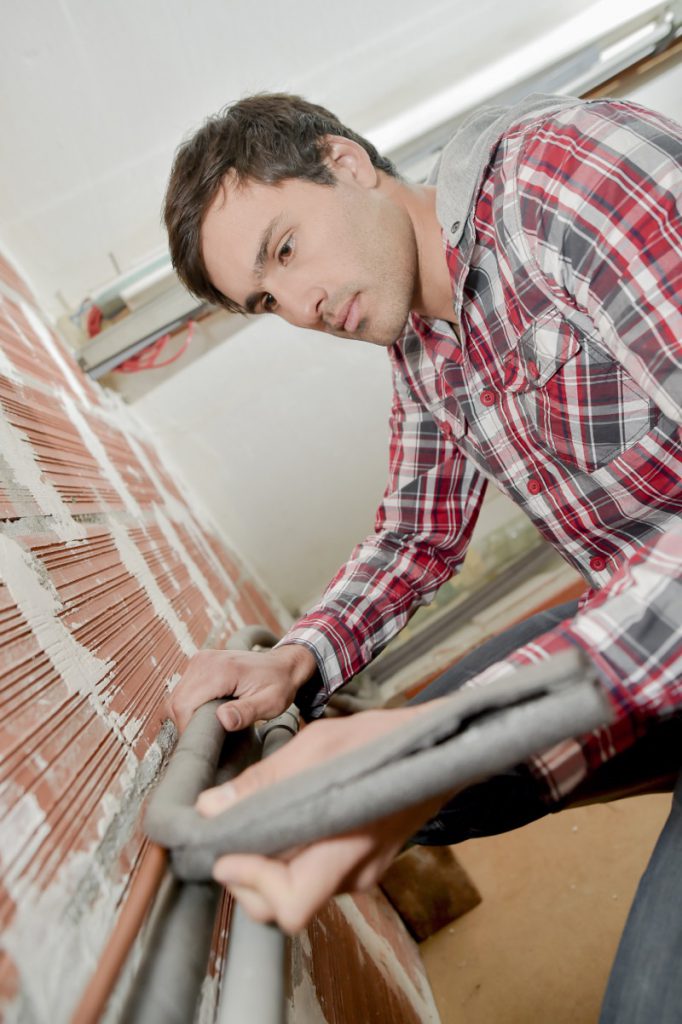
Man fitting insulation to pipes

3. Turn Off All Outdoor Faucets

Make sure to switch off all outdoor faucets at the shutoff valves during the cold. Don’t forget to open both the faucet and bleeder cap on the shutoff valve to allow any leftover water to drain out of the pipe. If you have a hose attached to the outdoor faucet, drain the water and store them inside.

4. Open The Cabinet Doors In The Kitchen And Bathroom

One way to allow warm air to circulate near the pipes in your home is to open the bathroom or kitchen cabinets. Behind closed cabinet doors, the pipelines inside are at risk of freezing out since warm air can’t reach them.

5. Turn On The Faucets To Allow A Small Stream Of Water

If you’re living in a region that endures frigid weather during the winter period, certain parts of the house can get colder than others. One way to keep your pipes in good shape is to leave the faucet open.

Although most see it as a waste of water that’ll add up on your utility bill, it can save your pipes from freezing and the cost of pipe replacement. Additionally, it also reduces the pressure in case standing water in the pipes freeze.

6. Inspect The Pipes For Leaks

Before winter arrives, you should thoroughly inspect the pipes in your house for any leaks. Make it a priority since even a tiny trickle of water can solidify as hard as ice and cause ruptures and leakages.

Once you notice any signs of a leaking pipe, the best move is to call a professional to inspect the plumbing and carry out the necessary repairs to prolong the life of your plumbing system.

7. Provide Proper Insulation To The Garage Door

When pipes move through your garage, you need to insulate the garage door or the entire space altogether. A combination of heat cables and insulation will work effectively in regulating temperatures and keeping them at conducive levels. In severe winter, you might want to consider placing a portable heater in your garage to keep the area warm most of the time.

8. Keep The Furnace Running

During the cold season, make sure to keep your home warm at all times to prevent the pipes from freezing. In case you’re going away during the holidays during the winter, avoid turning the furnace off. Although there’s no need to leave the furnace in full power, turning it off completely will allow the temperatures to drastically drop. This may endanger your plumbing to possible freezing and rupturing.

9. Switch Off The Water Supply

If you have travel plans to enjoy the holidays in a warmer destination, make sure to switch off the water. It’d be best to drain the pipes since any leftover water might freeze and burst the pipes, resulting in damage to your home and costly repairs.

10. Check The Condition Of Your HVAC Unit

Once your heating, ventilation, and air conditioning (HVAC) unit malfunctions during the winter, your pipes are going to suffer from exposure to freezing temperatures until a professional can carry out repairs. Even before winter arrives, a routine maintenance inspection is crucial to ensure the HVAC system in your home is functioning optimally.

Conclusion

The winter can put the pipes in your home at risk for rupturing. You don’t want to encounter a frozen pipe since it can be an expensive ordeal if it ruptures. If you don’t want the trouble of potential water damage and a costly repair job, make the necessary preparations with the help of these measures to keep all pipes safe from the cold weather.

8 Tips on How to Heat a Cold Bathroom

Your bathroom is one of the most important places when it comes to daily usage. It is where you start and end your day, where you go when you need solitude, and where you come up with your best business ideas! To put it into numbers, an average person spends about one and a half years of their life in the bathroom.

Why then heating a cold bathroom is such a neglected topic? Here are some top tips and tricks on how to heat a cold bathroom.

How To Heat a Cold Bathroom?

Keeping your bathroom warm and cozy in the winter can help make your morning routine less of a struggle. Say goodbye to cold tiles and chilly drafts when you step into your bathroom with these simple tricks:

1. Install a Heated Floor System

Radiant floor heating systems consist of electrically heated coils or water-heated tubing patterned under your bathroom floor to keep it heated. This system provides even heat distribution and is quite inexpensive to install and run. Radiant floor heating is, in some instances, more energy-efficient than other heating systems. They also help dry floors up faster, so your bathroom floor is less slippery.

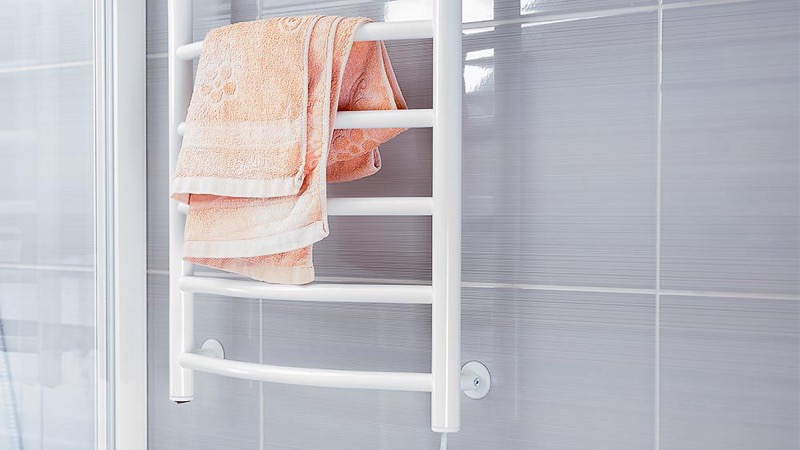
2. Get a Heated Towel Rack

Another ingenious solution on how to heat a cold bathroom is to add heated towel racks. If you’re someone who loves long warm showers but hates wrapping in a cold towel after, these are perfect for you!

Heated towel racks can be either electric or hydronic.

The electric types need you to plug them into the wall, and you’re good to go. The hydronic ones connect to your hot water system and don’t need additional electricity to operate. In addition to warming up your towels, these racks also act as a secondary heating source for your bathroom.

3. Invest in Infrared Heat Lamps

Heat lamps are an inexpensive upgrade that can quickly heat a cold bathroom and speed up drying time. While the parts are easy and affordable to acquire, there might be some installation costs that you’ll need to consider. For instance, it wouldn’t be safe to plug a heat lamp into a regular light fixture because it could blow fuses or cause a short circuit. Instead, you’ll need to hire an electrician to run a powerline from your bathroom to the main electrical panel.

In addition, most heat lamps come with a timer option so you can turn them on before you step in, and it will automatically shut off after your specified time.

4. Add Rugs and Carpets

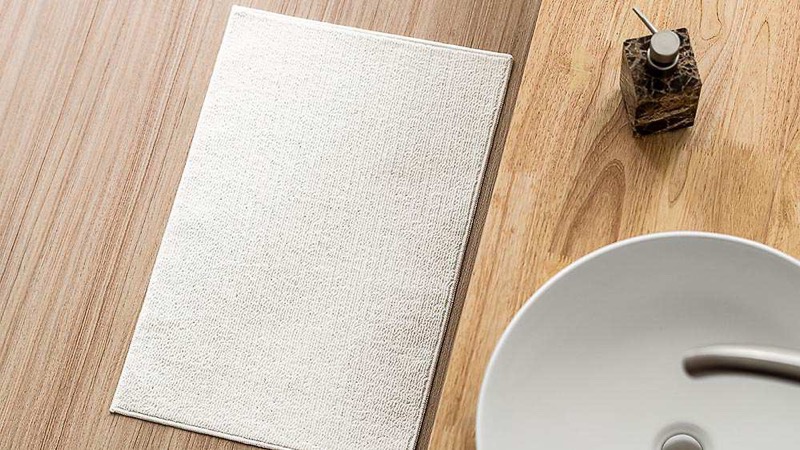
The icy cold bathroom floor can be a nightmare to step on in the morning! The best way to avoid that altogether is to put something between yourself and that floor, such as a carpet or rug. While wall-to-wall carpeting will look chicer, it is harder to maintain. Instead, opt for strategically placed rugs covering the spots you’re more likely to stand or walk in. Pick thick and plush rugs that can retain heat better while giving a more homely feeling.

5. Weatherstrip Bathroom Door and Windows

No matter what trick you look up on how to heat a cold bathroom, they will all fail if your bathroom does not have weatherstripping. The smallest cracks or gaps around your door or windows can let the cold air get in and the warm air leak out. You can check for drafty windows by either tracing around the glass and window frame with your hand or holding up a small tissue around the window perimeter. You should pay extra attention to window edges and the place where window sections overlap. Use caulk to seal any small cracks or crevices and add weatherstripping everywhere else. Remember to replace any flattened or worn-out weatherstripping.

6. Incorporate Warm Décor and Plants

Some plants (like rubber plant, English ivy, peace lily) add moisture to the air, increasing humidity and making any space appear warmer. In addition to plants, other cozy elements such as wooden finishes, jute laundry baskets, yellow lighting, and other similar elements can make any space feel warmer. You can also add a splash of color by switching up your start white walls with paint in warmer tones.

While white and other light-colored bathroom décor are mainstream, these colors tend to make the bathroom appear colder, which is something you don’t want. So instead, opt for colors like red, yellow, orange, or pink to warm your space up.

7. Let Sunlight into Your Bathroom

If all else fails, resort to the basics! You can never go wrong with a little bit of extra sunshine in the winter (unless your windows aren’t adequately sealed). If your bathroom has a big enough window and gets a fair amount of sun, let some of that warmth from the sun into your bathroom to increase the temperature.

The bright rays from the sun will also feel great on your skin while you’re going through your early morning routine. If privacy is a concern, you can add a translucent film to the lower half of your window.

8. Use Space Heaters Wisely

If you’re still not satisfied and looking up ideas on how to heat a cold bathroom, you might be tempted to consider space heaters. Space heaters are a nifty solution to many heating problems and are ideal for small spaces such as bathrooms. However, not every space heater is suitable for use in wet areas. It’s important to look for safety features such as tip-over protection, automatic shut-off, ALCI plug safety, and other elements that can minimize the risk of electrocution and short circuits.

While all the tips mentioned above help you have an amazing and toasty morning routine, it is equally important that you focus on maintaining the perfect winter temperature throughout your home, so your perfectly warm mornings aren’t ruined. It is best that from time to time, you test your thermostat, keep HVAC air filters clean, conduct regular HVAC maintenance, upgrade insulation to avoid cold and hot spots inside your home.

Final Thoughts

Knowing how to heat a cold bathroom in the winter can save you many dreadful mornings. With a properly heated bathroom, you no longer have to spend extra hours in bed mentally preparing yourself to step into the frigid cold. There are several ways you can raise the temperature in your bathroom, such as by investing in underfloor heating, getting an infrared heat lamp, installing a heated towel rack, throwing in a few rugs, growing some houseplants, and so on.

While space heaters are also an option, you should be cautious when picking or installing any electronic device in a moist area. Electronics and water don’t mix very well, so opt for a space heater that is safe for bathroom spaces.

What Happens to Your Trash After It’s Left Your Home?

Every materialized object in this world has its own time at its prime, then it is discarded. From a piece of paper extracted from a tree to corals in the Pacific ocean, everything, after its use, reaches the trash can.

Sydney, the capital of New South Wales, Australia, is said to be one of the prominent cities in the world. Ever wondered where all the garbage from each household ends up? In case you don’t, we have you sorted!

Waste Can Be A Real Concern!

The first thing people living in Sydney need to know is that a considerable amount of waste is generated. Looking at the geographical structure of the city, from the Blue Mountains to the northern beaches, an increased graph of trash produced is always expected. So how does all the rubbish removal in Sydney work?

The waste generated is compressed and processed into fuel or decomposed and used in agriculture. Hence not all waste that we produce ends up in landfills.

Where Does Our Household Waste End Up At?

a. Way to Landfills

On the other side of the spectrum, not all rubbish is just taken to landfills. The garbage found in landfills generally contains a variety of discarded materials. Modern landfill plants are developed so that they ensure that no harm is caused to the earth’s environment directly or indirectly.

When it comes to rubbish removal in Sydney, Each type of waste is treated to recycle. For example, the foul smell and the harmful gases emitted are processed and compressed and are used as energy sources.

b. The Separation Center

The lifecycle of rubbish generated is quite interesting. The garbage produced by any household is collected by sanitation workers who are told to maintain a system of separating the materials which are alike. These separated materials are collected through rubbish management agencies to process them further.

The collected garbage is then sent to landfills or recycling agencies. The landfills convert them into energy or fuel that can later be used to run different human inventions, and all the recycled end up being used by the same households from where they were discarded.

c. Garbage and Community

Landfills play an essential role in rubbish management, but depending on this only reason to manage the trash sometimes is irrational. People now have come up with various ways to reduce the garbage generated. You can easily find all the DIY channels on Youtube demonstrating how to turn a broken mirror into an art piece.

Landfills- Boon or Bane?

Even though Landfills play a significant role in waste management, they still contain many harmful greenhouse gases. Apart from this, the cost to move the garbage to the landfills is quite expensive.

Now You Know!

Many recycling agencies have been active for the past few years. They usually promote the global goals of how we can save our environment by making correct decisions. International level artists have recently addressed the United Nations on how every person in this world can make a change.

So now that you know how rubbish removal in Sydney works,  let us all make a change, take the first step, and not just leave it to the landfills that produce insane amounts of Methane and contribute to a better future.

Sydney’s Best Value for Money Residential Areas

If you have been living in Sydney for some time now or looking at Sydney’s property market, then you must be wondering about an affordable suburb to live in. In an area where prices and demand have been going high for years, it became necessary for people to enter the market and look after it in the best possible ways.

But, there are chances that you are left behind with some of the best opportunities in the market. As in Sydney, there is a wide array of choices that let the people choose a place and live with several benefits such as price, schools, safety, scenery, nature, and many more.

With this taken into account, we got to know that there are various areas in the Sydney region where one can easily purchase property at an affordable price and within a commuting distance. And, for those who are looking to create a Sydney future home for them, these places listed below are very helpful. So, without any further discussion, let us take a look at the cheapest suburb areas by looking at the median price within an area of 10km radius and 20km radius.

Best Value for Money Residential Areas within 10km of Sydney CBD

When it comes to affordability to get a house in Sydney, we suggest you search for a place near the CBD area where work can be found easily. The CBD area is a diverse, multicultural suburb where a house can be bought. The local economy of the region is also growing rapidly, so it is also okay to work there only.

So, if you are looking to buy a residential place within a 10km radius of Sydney’s CBD, then there is a good chance waiting for you where you can choose to get the best gems. This will also allow you to live very close to the CBD without giving millions of dollars for the place.

Here are the best affordable options that are going to be apartments that are close to the CBD and are considered good places to start and build your residential area.

Suburb Median Price of the House (in dollars) Distance from CBD Median Price Unit (in dollars)
Hillsdale 1,010, 500 9km 596,750
Ashfield 1,513,740 8km 692,500
Canterbury 1,315,500 10km 675,000
Arnecliffe 1,165,000 10km 676,500
Gladesville 2,000,000 9km 720,000


Best Value for Money Residential Areas within 20km of Sydney CBD

Wondering about going an extra 10km away from Sydney’s CBD, then here we are with plenty of options to get an affordable house. This will provide you with an opportunity to get either a home or one unit that depends on your lifestyle needs.

Suburb CBD Distance Median House Price (in dollars) Median Price Unit (in dollars)
Granville 19km 807,000 466,888
Guildford 20km 830,000 466,500
Yagoona 18km 865,000 580,000
Chester Hill 19km 820,000 510,000
Wiley Park 14km 847,500 390,000
Punchbowl 16km 900,000 497,500
Lakemba 13km 940,000 377,000
Harris Park 19km 440,000


Most Valuable for Money Residential Areas in Outer Sydney

Suburb CBD Distance Median House Price (in dollars) Median Price Unit (in dollars)
Macquarie Fields 38km 631,000 430,000
Ingleburn 40km 699,450 432,500
Airds 56km 480,500
Werrington 46km 665,000 412,500
St. Mary’s 45km 632,500 470, 000
Colyton 43km 650,000
Richmond 64km 699,500 467,000
Windsor 58km 740,000
Campbelltown 57km 600,000 436,000


Prices of the residential areas can fluctuate and go up when the properties are snapped up quickly. There are ample options available for the buyers who are buying homes and live with their families at an affordable price. Living in Sydney and creating life depends on the compromises for the non-rich people, and currently, people are trying to believe in getting a return for the least.

Sydney has provided very much to single-family members, families, and even young professionals in an effective way. But, finding a new home to live in Sydney is difficult in today’s time also. Thus, with these areas listed above, you can easily get the best place for yourself in Sydney and get the best experience.

5 Clever Ways To Make Your Home Look Bigger

Minimalist mezzanine loft, kitchen, living and bedroom, wooden roofing and parquet floor, scandinavian classic interior design with garden panorama

Your home is a safe haven where you can relax after a long day at work. However, the lack of space might bring about more stress than rest.

Fortunately, there are ways to make your home look bigger. How you organize and decorate your home can vastly change the visual perception of your space.

Research has shown that a well-designed home can greatly benefit the mental health and well-being of its residents. It just takes a few clever tricks to maximize your space, such as:

1. Welcoming Natural Light Or Light Fixtures

Have you ever taken a walk and felt better instantly? That’s because sunlight increases your serotonin, a key hormone that stabilizes your mood and gives you feel-good feelings.

As it turns out, when you let sunlight in, your home will also look more spacious instantly! An easy way to do that is to clean the window panes and open up your windows.

Another great way to let in more sunlight is to install glass aluminium bifold doors. Bifold doors come in an array of designs, so you can easily customize the door to the décor of your home.

The large glass panels will allow sunlight to stream into your home unrestrictedly. When fully opened, the barrier between the interior and exterior is removed, hence opening up the space. A good way to start your search is with Window Factory, as they provide a wide variety of selections.

Not everyone has the privilege of accessing plenty of sunlight at home. If you stay in a house with little access to windows or sunlight, get light fixtures with a high lumen rating. There are many affordable LED lightings in the market that give out more illumination with lower energy consumption.

2. Decluttering

Nothing is more claustrophobic than having a houseful of things in full display. Take a look around.

  1. Do you see things scattered everywhere, such as on your tables, chairs, countertops, floors?
  2. Do you find yourself pushing things around in order to make space for something else?
  3. When you enter a room, do you feel the room is too cramp and stuffy?

If you answer yes to any of the questions above, it’s time to declutter. This can be a tedious task for some people, but you can make it fun! Schedule time for decluttering with family and friends. Having others around is a great way to bond and build memories while clearing up your space.

3. Mirror, Mirror

Mirrors are miracle workers. They can help create the illusion of a bigger space.

Place them near windows where sunlight can be captured. They can reflect the sun’s natural glow and offer more illumination in your home. As it drives in more sunlight, it will also make the room look bigger.

Go big and high if you want to give the illusion of depth and height. However, buying and installing a giant mirror can be very costly. Instead, purchase smaller panels and assemble them yourself to save the cost. It can even add to the aesthetics of the room!

4. Change Up the Drapes

Heavy drapes or curtains lend a sense of weight to a room and enclose the room further. Instead, swap out the heavy drapes with lightweight drapes, which allow some light to come through.

One thing to keep in mind when it comes to drapes. Consider installing them from ceiling to floor. This will emphasize the vertical dimension of the room, making it feel higher and wider.

Alternatively, you can experiment using shutters or cloth blinds. These are great alternatives as they can be rolled up, giving your house a cleaner look, hence creating an impression of spaciousness.

5. Move Things Around

Lastly, another clever trick you can do is to reorganize your furniture and things. When you want to make more space, it makes sense that you would want to move around your belongings instead of adding more items to your home.

The rule of thumb is to create as much space for movement as possible within a given room. Consider these elements before you start moving things around:

6. Multipurpose Furniture

When you look around your house, are there pieces of furniture that can be used in multiple ways? Chances are, you might have furniture in the house that’s not being fully utilized.

Be creative. Can an ottoman double as a coffee table or a wardrobe that double as a vanity counter? The idea is to fully maximize the functionality of a given piece of furniture.

7. Box-in-Box

Having too many little items lying around can make the house look very messy and stifling. The box-in-box idea is somewhat like the Matryoshka Doll, or better known as the nesting doll. You put smaller items into bigger ones to free up space and ensure that everything is in its place.

8. Donate, Recycle, or Resale

After you have identified the items you need and reorganized them, you would probably have some items that are still in good condition. Consider donating or recycling the items to prevent wastage.

Additionally, why not organize a charity bazaar? This will be a fun way to bring your community together while you free up space for your home.

Conclusion

Making your home look bigger doesn’t have to cost you a lot, but it does require that you do a little research, consideration, and thinking through. Begin your home improvements projects with the above ideas is a great way to start!

How To Afford Your Next Home Renovation

For most homeowners, there comes a time when you eventually want to change things. For some, this could mean something as simple as a new coat of paint in the living room or a bedroom furniture change. For others, though, they want a larger-scale transformation. If you’re in this latter category, you may be wondering how you can afford your next home renovation. Luckily, there are a few strategies you can use that will make your next renovation a little more affordable. By using these strategies, you can turn your ideas into a reality and make your home look just how you want it. Here are the strategies to try:

Take Out a Loan

A loan instantly gives you the money you need to pay for your renovation. The catch is, you need to pay it back over time with interest. However, with some proper planning, you may find that you’re able to afford the monthly payments and that it’s worth it to get your home renovated.

Once you decide that you’re going to get a loan, you then need to decide what sort of loan you want to get. One option is a simple short-term cash loan from a bank or other lending institution, but these can often come with high-interest rates. Another option is to get what’s known as a refinancing loan. According to Rock Mortgage, a provider of Texas cash out refinance loans, a cash out refinance loan is like “a cross between an equity loan and a traditional refinanced mortgage.” Essentially, you use the value of your home to withdraw some equity and extend your mortgage, allowing you to use the money now and pay it off over time.

Whenever you decide to take out a loan, make sure you research different options and compare them against one another. Consider both the short-term monthly payments and the total amount you’ll pay over time. Choose the loan that best fits your situation, as you don’t want to take out a loan that you can’t afford to pay.

Start a Savings Plan

If you don’t mind waiting a little while to start your renovation, a simple option is to start a separate savings plan. With a savings plan, you can take a small portion of your paychecks each month and place them in a separate savings account. As time goes by, the amount will continue to accumulate and even earn a little interest on it.

The benefit of opening a separate savings account is that you’ll be less likely to touch this money early. We’ve all been in a situation where we start to save up for something, but then something else comes along. If you truly want to renovate your home, resist the urge to touch your savings money early as best you can.

Look for Tax Breaks

Depending on the renovation you want to get, you may be eligible for tax breaks in your state. For example, some states provide tax incentives if you upgrade parts of your home to use green energy sources, such as solar power. Research any tax incentives in your state for home renovations and see if they apply to you. Then analyze your own tax situation and see if these rebates are worth the cost of upgrading. Weigh the potential tax breaks at the end of the year versus the cost of getting the renovation now and see if it makes sense.

DIY or Professional?

Finally, you’ll need to decide whether you want to do this renovation yourself or hire a professional. The primary factor that determines this is if you can actually do the work. If you don’t have the skills or time to perform the renovation, then of course you’ll go with a professional. However, if you’re a bit handy or at least adventurous, performing the renovation yourself could save you some money.

When you conduct a DIY renovation, you don’t have to pay for labor costs. All you need to pay for is some supplies and tools, then dedicate some hours to getting it done. Not only does this save money but it gives you a great sense of satisfaction at the end. However, also consider that if you make mistakes during the renovation, it could cost more to undo them than it would have initially cost you to hire someone. Consider the pros and cons and decide which avenue is best for your situation.

Affording Your Next Home Renovation

As you can see, you have some options when it comes to affording your next home renovation project. The best way to start is by carefully planning out your renovation and seeing how much it will cost. Once you do that, you can make decisions regarding how you’ll fund it and whether you want to do the work yourself. Your home renovation goals are closer than you think – all you need to do is take advantage of the options in front of you.

Landlord’s Tips to Renting to Someone With Bad Credit

What Does Bad Credit Mean, Anyway?

When someone doesn’t have the best credit, immediately others assume they’re not good with money. This may not actually be true, and as a landlord, you want to be savvier than to simply use credit as a means of dismissing someone out of hand. Sometimes having no credit or bad credit is a sign of financial savvy.

For example, if you took out a loan in 2006, paid it off by 2008, and then accrued no further debt for the following seven years, in 2015 your credit history would be totally deleted by credit reporting agencies. They would assume you are dead or something. So if you had good credit before, lived within your means, and took on no debt for a while, your credit disappears.

On paper, this makes it look like you’re not that good with money. In reality, it’s an indicator you’re very responsible indeed. Here’s another similar scenario: say you take out a loan, pay it off dutifully for a number of months until the principle is gone, then pay that last payment so you no longer have any debt. The moment you finish paying, your credit would drop.

As it turns out, one factor determining credit is whether you have any existing debt, and how you handle that existing debt. If you pay everything off before the maturation of your loan, and no longer have any debt, that actually looks bad to credit reporting agencies. So as a landlord, you have to be savvier than to simply judge based on credit. Here are tips.

1. Secure Secondary Means Of Financial Assurance

If someone has bad credit, but they don’t have existing debt, and they have a solid bearing that recommends professionalism and security, you might just ask for an additional month or two upfront. If they’ve got the money to pay for six months in advance, and that’s the term of your lease, this can be a fine solution to the issue.

That said, accepting rent upfront can be dangerous, too. Here’s some more information on that to consider.

2. Explore Cost-Alleviating Options

Also, something you can do that’s advantageous for both you and an individual suffering from poor credit involves moving services providing rebates, and sometimes even totally free moves. For example, you can engage a real estate company that can help less affluent tenants move-in easier. For more information, check out this useful option from UmoveFree.

3. Ask Potential Tenants To Provide Financial Records

Something else that makes a lot of sense is getting what records are available for a potential tenant. Ask for their bank statement to see, firstly, how much money they’ve got in their account, secondly, how regularly additional resources expand that account, thirdly, whether that account is growing, contracting, or remaining steady, and fourthly, if there are overdrafts.

The amount of money, the amount of income, the amount of growth, and the frequency or infrequency of overdraft situations will indicate how good someone is with money. While this isn’t the only way to determine such things, it does represent a very worthwhile means of ascertaining how trustworthy a prospective tenant is.

Maximizing Your Potential As A Landlord

Ask potential tenants for financial records. Look into options that alleviate the expenses of tenants with bad credit, and simultaneously expand your local positive reputation as a landlord with relevant associated businesses. Also, secure secondary means of financial assurance. This can mean asking for more upfront, or even the first lease in a lump sum.

As a landlord, it’s integral to protect your interests, and part of those interests involve being a profitable enterprise. Many good tenants have bad credit, and many with good credit are bad with money; accordingly, they wouldn’t be “good” tenants. Understand this reality, and use common sense to parse between either category of potential tenant accordingly.

All You Need To Know About Plumbing – Complete Overview

Calling a plumber is a smart option at any moment. It can be challenging to evaluate the degree of a blockage; plumbers can tackle any level of seriousness, so having them come out to assess and fix the issues as quickly as possible is a good option.

Experienced blocked drain plumbers have sophisticated drain cleaning materials and the knowledge and expertise to operate them successfully. So when must you hire a plumber, and when do you try to save money by doing it yourself? When you have an issue that you can’t fix on your own, you must call a plumber.

How Does a Drain Get Blocked?

Various things can clog your drains. For example, food, and materials that do not decompose, such as fiber foods, eggshells, and non-food objects, as well as fats and oils, will start building up in your pipelines throughout time, causing a clog in your drainage. Another culprit, as many blocked drain plumbers suggest, is soap, as when merged with other substances, it forms lumps that would ultimately block your drainage. Hair could also block drainage lines as it washes down the gutter between showers or even while combing your hair in the basin.

How Should You Remove the Debris from Your Blocked Drain?

Straighten up a standard wire coat hanger as much as feasible. A twisted wire hanger is such a technique for unclogging a blocked drainage pipe. Twist the end to make a hook, then slide it down the drain to begin fishing. After you’ve removed the hairs and other debris, you should try running hot water down the drain to clean it out.

Another method is to use a plunger; however, many individuals do not understand how to use one correctly. The first plunge must not be taken with great force. After removing the water, you may begin plunging with greater detail, but be sure the plunger is securely in position.

When Should You Call a Plumber for a Blocked Drain?

A variety of factors determines the severity of a blockage in the plumbing:

  • Where is the blockage? The location of the clog in your plumbing is one of the most critical parts of a blockage. Unfortunately, most of your apartment’s pipelines are hidden between walls and beneath floors, making them difficult to access. To access such blockages in the first place, a specific gear may be required.
  • Is it possible for water to flow? You might be able to clear the clog on your own if the lines are still flowing. However, if a faucet or device is completely backed up, it’s generally best to consult a blocked drain plumber.
  • What caused the blockage? Some toxins can wreak havoc on your drainage system. In addition, certain substances, such as sewage, are more complicated to remove on your own.

Conclusion

All blocked drain plumbers emphasize the need to ensure your home’s plumbing is in perfect working order, and so when you can’t sort it out on your own, call for help!

Reasons Why Epoxy Flooring is Superior to Concrete

floor is one of the essential parts of a room as people use it the most. If the floor happens to be worse, the people would not like entering the space. Even good décor and interiors won’t suffice in convincing them to enter. People often find it challenging to choose the flooring of a place. Most of the time, they would go for the cheaper options if the location is outside the house or some not-so-important place.

One such place is the garage. People often decide to go with concrete flooring in their garages as it is an area of rough use. Little do they understand that they keep their car and all the mechanic parts there. Such things can easily ruin concrete flooring, cause holes and breaks all around. Thus, concrete flowing is not a good option. Here comes the importance of Epoxy garage floor coating. Epoxy floor coating is more durable than Concrete. Consequently, it is a cheaper option than Concrete, to the amazement of numerous users. Following are some of the best reasons that will help you understand why epoxy flooring is superior to Concrete when it comes to garage flooring.

Superiority In Terms Of Durability

When it comes to the question of a durable floor for your garage space, Concrete stands no chance in front of Epoxy. The polymers used to make Epoxy are resin. The presence of resin makes the product of high quality and durability. Epoxy is also resistant to heat and fire, thus curbing the chances of any fire breakage in the garage. There are no hassles to clean Epoxy, unlike Concrete, which requires more maintenance. Would you not choose the flooring that assures you 20 years of service? If yes, then Epoxy is your choice. Consequently, Germs and bacteria will not survive on Epoxy.

Epoxy Is Suitable For The Environment

Looking for an environment-friendly flooring solution? Epoxy is the right choice. Solvent-free chemicals go into making Epoxy, while volatile organic compounds do not find a place in it. It makes Epoxy free of gas emissions. Consequently, the garage lights up more as it reflects the light by 300%. It will save quite some energy along with decreasing electric bills. Lastly, while Concrete causes a lot of waste, Epoxy does not let out much waste after completing the flooring

A Safer option Than Concrete

One might find it astonishing to hear that flooring has levels of safety. When it comes to the aspect of safety, Epoxy flooring ranks quite higher than Concrete. The first reason supporting its safety is the procedure of its application. Epoxy finds its application process as a continuous process of pouring, where the element falls seamlessly across the complete space. There are no chances of uneven distribution, thus eliminating any chances of an accident. Epoxy flooring gives a cushion-like effect, unlike Concrete. Thus, your ankles and legs won’t feel tired like walking on concrete feels. As mentioned earlier, Epoxy has higher levels of reflection, which increases a person’s visibility. Thus, your chances of falling or stumbling over get reduced.

Makes Your Garage Look Aesthetic

You might spend a lot of money to make your garage look attractive and appealing. Conversely, after much effort, if you install concrete flooring, all the beauty just goes down the drains. Here, Epoxy is a great option owing to its availability in multiple colours and designs. You have the choice of deciding the floor colour or design that goes perfectly with the garage layout. Upgrade your concrete floor and give your garage that aesthetic look.

A Cheaper Option

When it comes to flooring options, Epoxy is more cost-efficient than anything else. Keeping aside the lower costs of purchasing, you can directly lay Epoxy over an existing concrete floor. Thus, installation requires no adjacent expense. Consequently, a durability range of 20 years keeps aside any chances of replacement exchanges in the shorter term. The low maintenance associated will also save some money.

Thus, you can very well understand the superiority of Epoxy over Concrete. So what are you waiting for? Get Epoxy flooring for your garage that will give you a beautiful floor at a reasonable cost.

Tips for Laying Out Your New Home’s Electrical Design

Every year, millions of Americans turn their dream of building a home into a reality. If you have never built a home from the ground up, you might be surprised to learn just how difficult this process is. While there are a number of challenges to building a home, it is definitely worth it.

As you get into the nuts and bolts of designing your new home, you will have to make a bevy of decisions. One of the main things you need to decide when having a home built is how to layout your electrical design. Here are some things you need to consider when trying to create a great electrical design for your home.

Choosing the Location of Your Electrical Outlets

The most used electrical components in most homes are the outlets. If you want to charge your phone or power an appliance, you will need functional outlets. Choosing the right location for your electrical outlets should be something you consider carefully when building a home. Most pre-existing homes do not have an abundant number of electrical outlets, which can be frustrating. This is your chance to add outlets in your new home wherever you want.

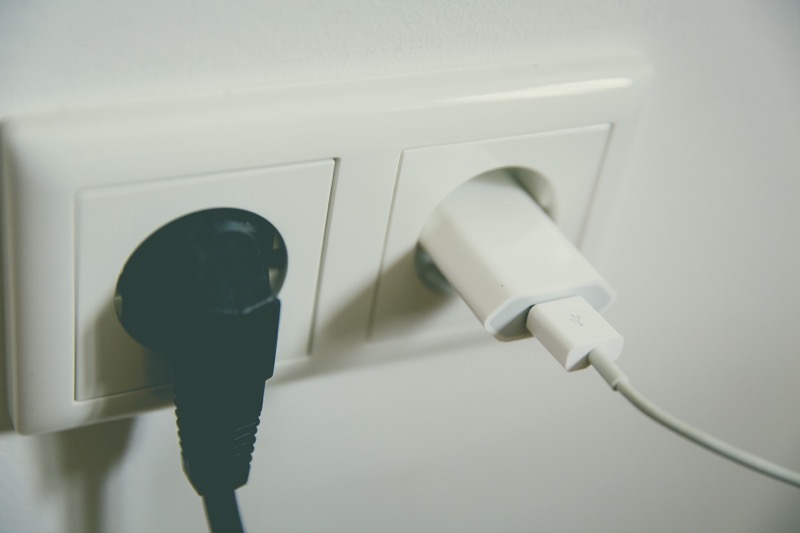
Start by getting a detailed version of your home’s design. If you plan on having a home theater, for example, then equipping this area with plenty of outlets is crucial. You also need to think about investing in modern outlets that feature USB outlets for the living spaces in the home. With these electrical outlets, you can charge your mobile devices without the need for a charging block. Search “electrician near me” in Google, and you will find professionals in your area to help you with this design process.

Keep Energy Efficiency In Mind

The number of new home construction projects has grown substantially in recent months. Many people are unwilling to settle for pre-existing homes that don’t meet their needs, which is why they opt for building a new residence. If you want to save money and help the environment, you need to keep energy efficiency in mind as you start to design the electrical system in your new home.

One of the best ways to make your new home energy-efficient is by investing in LED light fixtures. LED bulbs use far less energy than incandescent bulbs and last far longer. You also can do things like buying modern energy-efficient appliances to reduce the cost of your monthly electricity bills.

Consider Your Outdoor Electrical Needs

Do you plan on constructing a large deck or patio area on the outside of your new home? Do you love putting up many holiday lights and decorations in your front yard? If so, you will need plenty of electrical outlets and light fixtures in these areas. If you live in an area with frigid temperatures, consider placing outlets near the front door, so you can easily turn your outdoor features on and off.

Take the time to make a list of the electrical components you want in your outdoor area before speaking with an electrician. With this list, you can iron out the details of your electrical design before work begins.

An experienced electrician will be able to offer you some guidance and may be able to point out electrical system additions you hadn’t thought about. Once you have the details of your electrical design in place, your electrician can start to bring this design to life.

It’s Time To Do Your Homework

As you can see, designing your new home’s electrical system is a very complicated process. This is why working with an experienced electrician is imperative to get the system that will work for you and your lifestyle.

Recent Posts

Posts You Might Like