

Home Blog Page 258

How to Prevent a House Fire

To say that house fires are dangerous is an understatement. More than 72% of the civilians that are stuck in a house fire are likely to die.

Fire protection is an absolute must in houses, and everyone should have the minimum knowledge to tackle the situation before it even occurs.

You won’t need much more after reading our comprehensive step-by-step process of fireproofing your house. Keep scrolling to learn more.

Leading Causes of House Fire

  • Cooking
  • Gas leaks from stoves
  • Faulty electrical appliances
  • Fireplace mishaps
  • Smoking
  • Heating equipment
  • Candles
  • Flawed light sources like Table lamps

8 Steps to Fire Proof Your House

Let’s go through the step-by-step process here.

Step 1: Check Your Smoke Detectors (If Any)

Most modern houses have a built-in form of protection for fire emergencies. But when was the last time you checked if they properly worked or not. Take boiling hot water that is emitting smoke.

Place them close to the detectors. If they do not respond, then get them replaced. Also, make a habit of checking them every month.

Step 2: Check for Gas Leaks

It would help if you were looking for a rotten egg or Sulphur smell. Listen for a hissing sound. Do the soap test. In the soap test, take a small amount of water and make it very soapy. Then place that in the suspected area of a gas leak.

If it keeps forming a bubble, then there is a gas leak there. Call in professionals to help you out.

Step 3: Cooking Safely

The number one reason for house fires is cooking accidents. Keep yourself protected by wearing fire-resistant aprons and mittens. Always keep some baking powder in the kitchen as it works the best for grease-based fire. Do not put water on them.

Step 4: Maintain Your Appliances

Do not use an appliance if it has been used for more than 6 years. Check the cords and see if the protective layer has been damaged or not. If so, then get them replaced.

Do not put extension cords near rugs. Do not overload your extension cords or wall sockets. Do not put lamp sheds that are flammable.

Step 5: Fireplace Protection

Use a Glass barrier with a high melting point to prevent the spread of fire and contain it.

Step 6: Always Be Aware of Your Heating Equipment

Heating equipment should never be left turned on after use. They are very volatile and have a high risk of fire.

Step 7: Smoking Regulations

Always smoke outside but be wary of dry leaves. Always end your smoking session on an ashtray.

Step 8: Keep a Fire Extinguisher

Fire extinguishers are your ultimate weapon against fire if one does break out. Use it immediately if you know the fire may spread to proportions out of your control.

 Nothing Should Burn on Your Watch!

Now fire hazards can be dealt with easily, and you can rest easy at night knowing your house is fireproof.

With this comprehensive info, you can now fireproof your own house and can save lives before they even come in danger.
8 Ways to Maximize Every Corner of your House

You’ve just bought a new house, and you’re looking for ways to maximize every corner of your home. The best way to start is by knowing how to use space most effectively! While there are many tips out there, here are 8 essential ones that will help you do exactly that:

1: Use storage spaces like closets and cabinets strategically

This tip allows you to store things away in the least visible space possible. This prevents your living area from becoming cluttered, making it difficult for guests (or yourself) to navigate the room. For example, you could place under-the-bed storage below your bed or put containers with miscellaneous items in the back of your closet. There’s no limit as to how many things you can store. The best part is that it doesn’t have to match the rest of your décor!

2: Use a construction estimating tool to plan a renovation

This comes in very handy if you want to know how much it’ll cost to renovate your home. If you need help, try https://costcertified.com/ who will provide you with an estimate and give you some ideas on how to make the most of the renovation.

3: Utilizing the space near your stairs

Stairs are rarely thought of in terms of how much space is available, but they provide ample room for putting away just about anything! The best part is that this area will never be seen by anybody except those who use it, so you’re free to put whatever you want here without worrying about its aesthetics.

4: Store things under the bed

This tip is particularly effective if your bedroom is open or if you have high ceilings because hiding things out of sight makes the room look bigger!

5: Use every nook and cranny there is.

Guest rooms, closets, bathrooms, etc., all come with their own set of challenges when maximizing space. But this isn’t necessarily a bad thing since these areas can be used creatively for storage purposes. If you’re stuck on where to put things away, think about what you would like to store or how much time you spend in that area (if at all). This should help give you an idea of what the best use of the space could be.

Since most guest rooms aren’t explicitly designed to hold items other than people, maximize this space by using drawers and cabinets beneath the bed, shelves to store manuals and other things, and rotating coat racks that can be used as tables during your stay.

Bathrooms provide a lot of space for storing items such as towels, toiletries, etc., under the sink or in cupboards. Paintings can also do wonders to make these spaces look more appealing.

6: Hallways!

Narrow hallways can be made visually larger by adding an accent wall. If you have a narrow hallway, you might want to paint it a different color with a contrasting shade. A darker or bolder color can also serve as an excellent backdrop for setting up accent lamps.

7: Make space for an entertainment center

Don’t be afraid to make room for an entertainment stand or something similar if you have the space. In this way, you’ll allow your guests to watch television when they visit and even add some decorative pieces on top of it to make things more interesting!

When designing an entertainment area, leave enough clearance between the TV and the couches to allow everybody sitting down a good view of whatever is being shown on screen.

8: Declutter before you move in

Moving into a new home doesn’t have to be the time to start afresh. All you need is creativity and willingness to embrace change by making room for your new belongings without being destructive. If your new place has drawers that aren’t being used, then it’s best not to waste any of them! You might even find a few things left behind by the previous owners who wanted their stuff back but forgot where they put it.

In conclusion, we can all make the most of our spaces by thinking outside the box and using ideas we wouldn’t usually think of. When you let go and embrace change, it’s incredible how much life you’ll find in areas where you least expect them!

How to Prevent Water Damage in Your Home

Water leaks are as passive and boring as they look, but shouldn’t be disregarded. Even your kitchen sink water pounding every few seconds is a sign that something is wrong. The faster you react the better.

These issues don’t go away by themselves and the more you wait the more expensive it becomes every month. You also risk potential water damage that would require a pricey restoration, something you don’t need to spend money on.

I wanted to learn more on how to recognize a water leak in its inception so I discussed the matter with Risk Free Serv and here’s what they told me:

Water Meter

If you wake up one morning and suspect something is wrong and you might be dealing with a water leak, you should check your water meter. This is a basic check-up everyone can do, and it is a first step to discovering if something is not right.

What you need to do is shut off the main valve, and turn off all appliances that use water like washing machine or dishwasher. See if you can spot any change on the meter, be patient though, the leak might slow.

Check back again in a couple of hours and if you see something it is time to react. The best course of action is to contact a plumber.

Monthly Bill and Usage

Another useful approach to consider is to monitor your water usage and bills. If you think there’s a leak somewhere in your home you can take bills from the past 4-5 months and compare.

If you see a significant increase over a short period of time, and you are sure your water consumption hasn’t increased then you can proceed with the investigation. Also, you can check your consumption and apply the same logic.

This method is not 100% accurate but it is a good indicator. Many homeowners never bother to learn where their water pipes are, especially if they are not proficient. This is why you should contact a plumber if the numbers are not right. There are underground pipes you can’t reach, and you can never be sure that the leak is not coming from there.

Check Garden Hose

Leaks can also occur outside your home. A broken irrigation system can waste away a lot of water. It is recommended to call a professional to check it every now and then, especially at the start of every active season.

Exterior faucets are exposed to elements that shorten their lifespan, meaning that they are more susceptible to breaks and leaks. Big water puddles in your yard could mean that there’s a leak.

Food Coloring Trick

A failing toilet could waste a lot of water if it is broken. Put some food coloring in your toilet tank. If everything is ok the colored water should remain in the tank until you flush it. If you check after a few minutes and see the same water down in the bowl then you are dealing with a leak.

Regular Maintenance

Every home needs to be checked regularly to prevent any major breaks that are going to require expensive repairs.

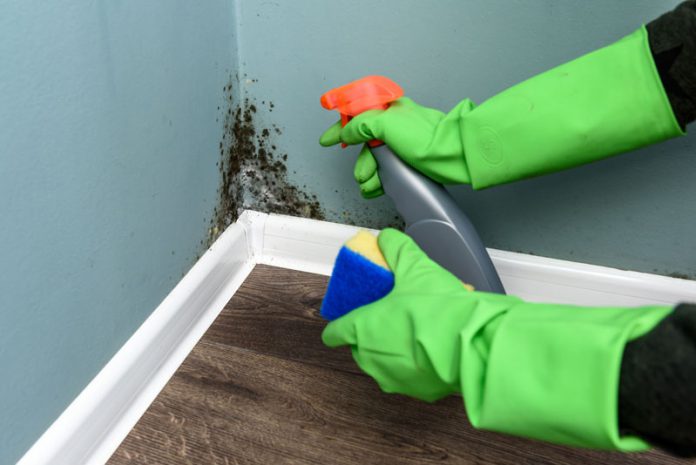
It is always cheaper and easier to prevent or react if you notice something fishy. If you detect the smell of mold then it might mean that you have a leak somewhere because mold likes dark and humid areas.

Old homes with old plumbing are particularly risky, and even if everything is ok you should invest in a thorough inspection by a professional. An easy replacement today means saving a lot of money on repairs.

Signs That You’ve Got a Wasp Nest

During the summer, wasp infestations can cause a lot of hassle outdoors. Not only do they try to grab themselves a nibble at your picnic, but they can also make themselves at home in your loft or garden shed. If you’re concerned about finding a wasp nest in your garden, loft or nearby your property, knowing the tell-tell signs of a nest can be very helpful.

Wasp nests are a regular pest problem during this time of the year, so there are a lot of experts who know what to do when you find one and will be able to take care of it for you. Being aware of the signs of a nest can be extremely beneficial as the earlier you spot a nest, the easier it’ll be for a wasp nest removal company to get rid of it safely.

So, during the warmer months, make sure to keep an eye out for the following signs so you can quickly spot if a nest is nearby!

A constant flow of wasps

One of the best ways to spot a nest is noticing a large number of insects in one particular area. Wasps use the same flight path which means they will use the same entrance. This makes it easier to notice any suspicious activity of wasps coming in and out of the area.

Not only do wasps need to feed their Queen, but they will also be flying back to feed their young. Following this swarm of insects should lead you to the nest, and then you can get in touch with a wasp removal company to get it sorted.

Paper-like nest material

To find a nest, you should check your property for visible structures that could have been created by a colony of wasps. By noticing these in the early stages, you’re able to call a removal company before the wasps finish creating the nest. Usually, wasp nests will be created using paper-like material so keep an eye out for grey-coloured structures.

Buzzing noise

This is one of the most obvious signs, but an important one. Keep your ears peeled for the buzzing sounds. They’re distinct (and sometimes quite frightening) which can help work out where the nest may be located. Follow the sound, and you’ll likely find the culprits.

Remember, wasps will be in large groups in their nest, so the sound will be very clear.

Keep an eye on lofts, sheds and dead trees

If you want to try your best to avoid getting a nest, regularly checking the areas where nests are usually found is a good way to start. Nests are usually found in sheltered areas that have easy access to the outdoors. These areas include lofts, sheds, wall cavities, garages and roof areas. If you keep an eye out on these areas around your home, you should find it easier to spot a nest in the early stages.

Turn on the loft light

Wasps are attracted to light, so if you turn a light on when you enter the loft with a nest inside, wasps will fly over to the light. If you do turn a light on in a loft where there’s a nest, make sure to be careful as it could disturb the wasps. If you think you have a wasp nest in your attic or loft, it’s a lot safer to get a professional team inside to do the search.

If you find a nest

If your suspicions were correct and you stumble across a busy wasp nest in your search process, we suggest getting in touch with a professional wasp nest removal company as soon as you can. You want to avoid disturbing the wasps as much as possible, so stay well away from them and avoid the area. The professional team will know exactly what to do to get rid of the nest in a safe manner.

Now you know the top signs to look out for, your mind can be at rest during the summer. Keeping an eye out for potential wasp nests is the best way to keep your family safe over this time but remember, never approach a nest yourself if you come across one. There are professionals always on hand to safely remove it for you!

Gaming Room Essentials for an Epic Entertainment Space

Having an area of their home dedicated to their favorite pastime is something every true gamer aspires to. Designing an entertainment center where you can enjoy your hobby is the ultimate way to celebrate the art of video gaming, and it goes beyond investing in a great gamer chair.

From comfy furniture to gamer gadgets to cool accessories that will make hours and hours of playing more comfortable and enjoyable, here’s a list of six gaming room essentials you’ll need in order to create an epic entertainment space you’ll love spending time in.

Set the stage with a quality PC gaming setup

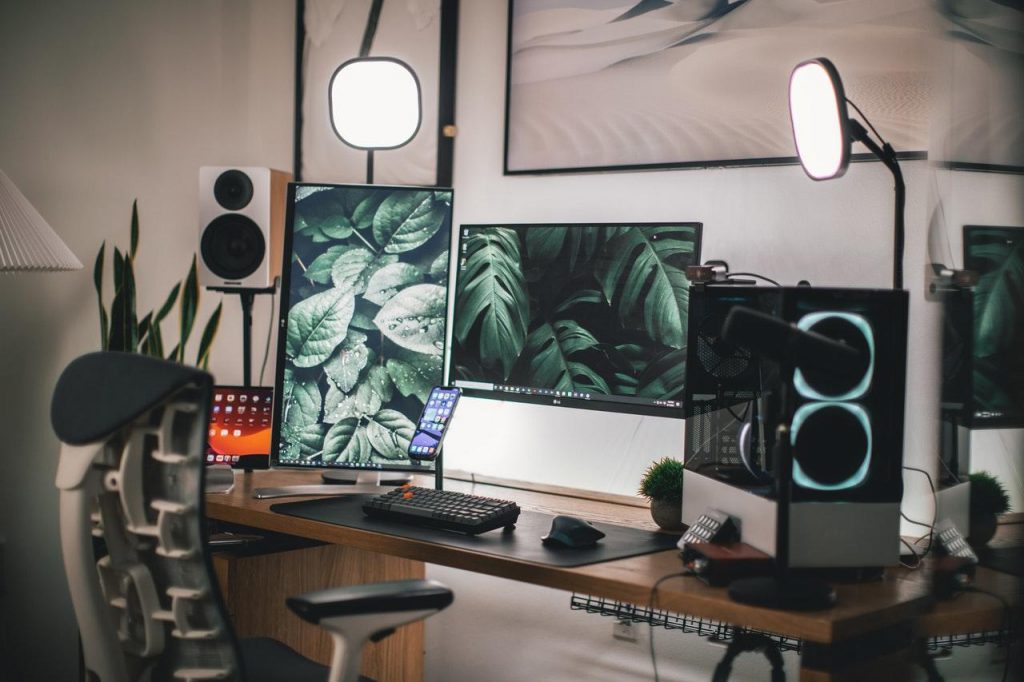
When setting up an entertainment corner, you want to start with the basics. Things such as a gamer chair, a corner desk, PC/console, monitor(s), and a mouse and keyboard will dictate what the rest of the space should look like. The choice of items, consoles, design, and color palette is completely up to you.

That said, you want to make sure that the furniture you pick is comfortable and practical. A reclining chair will give your back the support it needs, while a spacious desk will leave enough room for food and drinks. Other nice-to-have, but completely optional game room add-ons include a comfy sofa, bean bag chairs, storage space for your gaming accessories, as well as extra gaming chairs (if you plan on inviting your gamer friends over often).

Create a perfect relaxation and gaming spot with a flat-screen TV

If you plan on designing an entertainment area where you’ll be spending a lot of time with your gamer friends, you should definitely consider investing in a flat-screen TV. It’s the perfect add-on for spaces where you’ll be spending a lot of time watching the latest movies, but it’s equally practical for game nights with your friends.

Installing a flat-screen television will also make it possible to connect your console or a PC monitor. That way, you’ll be able to enjoy your favorite games or even movies and TV shows in high resolution.

Keep things practical with a USB charger headphone stand

The best things are those that perform double duty, and a headphone stand that acts as a USB charger is as practical as it gets. It allows you to stack a couple of different headphones, and it also comes with several outlets and USB charging spots. What this means is that you can plug in and charge multiple devices while you’re playing games. The way it works is it detects devices after which it charges them super-fast.

Those higher-quality ones’ outer shells will be made out of fire-resistant materials, and they’ll also come with premium circuitry. These are just some added safety features that can really make a difference when it comes to your gaming experience.

Add a cocktail corner or a minibar for refreshing breaks in-between games

You can have the fanciest, most expensive gamer setup and the highest quality components, but no entertainment space is complete without a cocktail corner or at least a minibar setup. Even the most passionate gamers need a quality break, and one of the best ways to unwind in-between your gaming sessions is to reach for some energy-boosting gamer drinks.

By setting up a cocktail corner or a minibar, you’ll create the perfect conversation zones where you can kick back and relax with your favorite beverage in hand. It’ll also serve as a practical entertainment zone during the warm summer months and a perfect retreat during harsh winter.

Set the mood with a cool lighting design

Every room in your home can benefit from cool lighting design, and your gaming room is no different. Nowadays, you can find a wide variety of styles, designs, and colors, so creating your ideal lighting setup shouldn’t be a problem.

Take your gaming experience to the next level by investing in LED strips. They will make your gaming corner more effective, especially if you go for targeted ambient lighting fixtures. You can also rely on disco lights, string lights, and lava lamps to keep your entertainment space well-lit and welcoming. Make sure to add some dimmer lights as well – they’ll create a more intimate vibe and make any neon sign more prominent should you decide to add one.

Add finishing touches with neon signs, gaming posters and wall decals

Once you’ve set the stage and gotten your hands on every gaming room essential you could ever need, it’s now time to put a couple of finishing touches and wrap up your gaming room design.

For neutral spaces that lack color, consider adding pops of color through accessories rather than painting the room in a particular color scheme. Simplify the process by adding details in those particular colors, whether through gaming posters, wall decals, or neon signs. They’ll create the perfect ambiance and complete your gaming space. When and if you get bored, you can simply switch them up or move them around for a fresh, new look.

Wrapping up

Designing the ideal gaming corner means different things to different people. However, all gamers can agree that a gaming room isn’t complete without these couple of essentials.

Rely on the tips above to inspire your entertainment space design, and you should have no trouble creating a space that will provide you with the ideal gaming experience.

8 Home Improvement Tips To Help Sell Your Home Fast

home improvement and repair concept - construction tools and objects on wooden background. top view copy space

Potential home buyers often look for a functional, clean, and beautiful place with an atmosphere of comfort and coziness. So if you’re a homeowner who wants to sell your property fast for the highest possible market value, be sure to make some home improvements to attract as many prospective buyers as possible.

Unfortunately, home improvements generally take time and may cost you a lot depending on what changes you go for. Therefore, it’s crucial to plan your home improvement projects well before you get started.

If you plan to sell your home as is, you can work with reliable cash buyers like Four 19 Properties. However, if you’re willing to spend on home improvements, below are some of the tips you should consider to sell your home quickly.

1. Update Your Light Fixtures

People touring your house will open your drawers and test all the faucets and light switches. If some of your light switches no longer work, it’s time to fix them. Malfunctioning or faulty switches may signify that your home has electrical issues. If you don’t want to lose potential buyers, address that matter immediately.

You might also consider replacing your light fixtures. For instance, get rid of burnt-out bulbs to ensure that all of the rooms in your house are inviting and bright. In addition, your chosen new lighting fixtures must be the same color temperature no matter where you install them to ensure consistency in your home’s lighting.

Upgrading your light fixtures may mean an additional expense, but it can be a cost-effective way to increase your home’s value. Choose energy-efficient options as well as those with a more contemporary feel to make your home stand out from others on the market.

2. Style Your Kitchen And Bathroom

Regardless of the number of rooms you have, most potential buyers will only focus on two areas: the bathrooms and the kitchen. If you want to sell your home fast, ensure that those areas get extra care and attention.

Even when an entire remodel isn’t an option, there are some things you can do to improve your kitchen and bathroom. For instance, you can change your bathroom’s wallpaper for a new look. For your kitchen, you can upgrade its appearance by using the right backsplash.

3. Declutter And Rearrange Your Home

If you want your home to look comfortable and cozy to the eyes of your buyers, you need to prioritize decluttering and rearranging it. For example, change the position of your home equipment and furniture. If possible, throw away some unnecessary things and keep the ones that are visually pleasing.

4. Get Rid Of Outdated Window Treatments

Damaged window shades, dreary draperies, or old mini blinds may not help you sell a house fast. So make sure to remove all your outdated window treatments and invest in new ones. It’s a simple fix that may help transform your rooms and make them more attractive to potential buyers.

5. Boost Your Home’s Curb Appeal

Improving your curb appeal can make a difference in achieving good first impressions from your potential buyers. Therefore, if your lawn is in bad shape, ask for help from professionals who can upgrade your landscape so it won’t fail to wow everyone who sees it. Have the hedges trimmed and prune your trees to make the yard look welcoming and well maintained.

6. Replace Your Flooring Or Carpet

If you have many rooms with varying kinds of flooring, you might want to consider investing in new carpeting or flooring to create a seamless feel around your house. You can look into wood floors or faux wood floors, which are more preferable compared to carpeting. However, if your budget is tight, good carpeting would still make an excellent selling point.

7. Repaint The Ceiling And Walls

To make your place look new and fresh, another home improvement tip to consider is to apply a fresh coat of paint on the ceiling and walls. Although this can be a good do-it-yourself (DIY) project, hiring professionals would be wise so you can enjoy satisfactory results.

When it comes to paint colors, choose neutral ones that’d make your home attractive, spacious, and calm. You can also ask for suggestions or recommendations from professional designers about the home improvement trends in painting if you have no idea which color to choose.

8. Make Basic Repairs

See to it that you fix anything that requires basic repair. This won’t only help you sell your house fast but also help you avoid receiving negative comments about your property. When dealing with damaged items or fixtures in your place, let professionals do the job for you and determine whether or not some of them need to be replaced.

Conclusion

The best way to check if you’re doing the right thing in renovating your home is to think like a potential buyer. When you’re done with the home improvement projects, take a look at your property as if you were one of the potential buyers. If you’re pleased or satisfied with the result, it’s good to go. If not, make further changes. Just always ensure to stick with your budget and avoid overspending so you can gain profits.

Solve Damp Patches on Walls After Rain

Are you concerned by the often damp patches on walls after rain? Do you want a permanent solution? if so, then read this article to an end.

Damp patches on walls after rain is a little thing in life that keeps coming back; Damp patches can be an absolute nightmare, and if you react to find out the root cause, they can continue to be a repetitive and tedious subject.

So we should look at the main drivers and then we can put together a strategy.

Damp proofing which is usually a technique to solve any moisture penetration in walls can be applied to solve the patches. But, if the root course

For instance, you can apply a waterproof paint or item, and help do away with the problem of damp patches on walls after rain. This can work for walls but not for problems originating from the basement which requires another different approach. Assuming you’re the problem is originating from the basement, at that point, you may need to get a professional to work on it as this is usually more complicated, and might not handle it properly on your own.

Solving damp patches on walls after rain

There are many approaches to solving damp patches on walls after rain. Here are some of them.

Remove the soils 

Dispose of the soil as best you can by digging it away from your wall. Overall, dampness from the basements is another problem and inherently might be the cause of those patches on walls. In the case of a damp basement, you generally can’t dig the earth away so I would treat the problem with an inside strategy.

It can be argued that moisture loss or moisture infusion measures are simply not reasonable, since the subject of groundwater cannot simply be dealt with on walls. It can also be confusing to introduce a wet item to a wet circumstance which as well appears not to bode well.

Discharge the walls

The damp patches on walls after rain might be because of the abandoned walls. Yes, this can also be the reason for moisture on walls to undeniable proportions inside. In the case of multi-story objects with a functioning drainage system, it cannot be common to witness this problem.

Sharing walls can also be the case of the problem. So, stop sharing and you will adequately end the problem. You will no longer have a to spend on the problem again

Clean the water gutters

You might be witnessing damp patches on walls after rain due to the water from gutters splashing the walls. So, clean the gutters and be sure that there is no blocking causing water splashing.

Conclusion 

Once you’ve honored all of the above suggestions and there are still damp patches on walls after rain, then consider hiring a competent company. Hiring a company such as an advanced damp proofing company can help you cover the problem professionally and save your valuable time.

What is Decorative Concrete?

There are many ways to improve your business, such as renovating your building or adding more decorative pieces. Your main objective as an owner is to attract clients to your physical store to do business with you. If you want to renovate your dilapidated building, consider adding decorative concrete.

You can find many businesses trying to incorporate decorative concrete into their building because of the positive effects they can get. With the thousands of designs, it’s no surprise why it’s a great product to add to your building. If you don’t know much about decorative concrete, you can start with the basics.

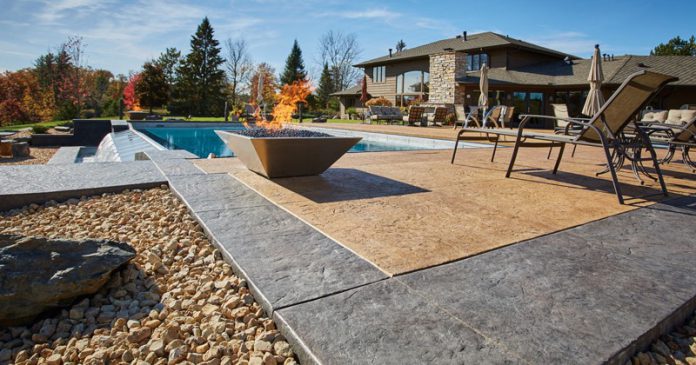
Decorative concrete is applying or creating designs on a concrete surface. You can find that there are five processes to decorate concrete which include:

Concrete Overlaying

The first method to get decorative concrete is by using concrete overlaying. As the name suggests, you apply the layer of decorative concrete onto a base concrete surface, which is a method that many contractors use because it’s easy and fast to complete. They

Concrete Stamping

The second method is concrete stamping, which is “stamping” an image onto a concrete surface. Contractors can only stamp the design on the concrete surface when it’s still wet. But if the concrete hardens, it’s impossible to stamp the image and cause the concrete to break instead.

Concrete Engraving

Another method that requires the concrete to stay wet is concrete engraving. A designer cuts the designs and textures into the surface. Once they finish engraving, they have to cover and wait for the concrete to dry up. The concrete can get smudged in rare cases because the designers failed to protect it from birds, dogs, or cats.

Concrete Staining

If you want to design wet concrete the fastest way, you can always go for concrete staining. You use a solid pattern with a solid engraving, and then the contractor presses it onto the wet concrete. Most of the time, contractors leave the solid pattern on the concrete until it hardens, which provides the cover it needs to protect the wet concrete from getting damaged.

Concrete Sealing

The last process after using the four methods of decorating concrete is sealing it. Once the decorative concrete hardens, the contractor must apply a protective coating that prevents it from getting damaged too fast. Without the protective layer, you can easily stain them with your shoes or chip the concrete.

Don’t forget that you have four methods of decorating concrete, and never miss out on the last step, which is concrete sealing. You must do the final step every time to ensure your decorative concrete doesn’t break easily.

Why Choose Decorative Concrete?

Since you now have an idea about decorative concrete, you may want to find out more about how it can benefit your commercial building. Some of those benefits are:

Better Building Aesthetics

One significant benefit of decorative concrete is you get to improve your building’s aesthetics. It’s an essential piece if you want to make your building look more presentable and appealing. Since you have free reign to choose whatever design you want on the concrete, you can create a design related to your business. Some commercial building owners even try to engrave their brand name on the concrete so that clients will see it before they step inside the physical store.

Highly Resistant to Damage

The best benefit you will like about decorative concrete is it can withstand heavy foot traffic. Every commercial building needs concrete flooring that can last for years of foot traffic, and you can quickly get that with decorative concrete. It can withstand years of abuse because of the concrete sealing applied after placing the design.

It’s so durable that you can place benches, park cars, or anything heavy on top of decorative concrete, and you won’t see any damage on its surface.

Easy to Maintain

No business owner wants a building that takes up too much money because of maintenance. Fortunately, you don’t have to do much upkeep when you have decorative concrete. It shares the same properties as an average concrete surface but with designs added to make it more appealing.

You don’t have to hire professional cleaning companies to maintain decorative concrete surfaces. Your building’s cleaning personnel can use a mop or broom to clean out the surface. And after a few years, you can re-wax or reapply the concrete sealing to regain its integrity.

Gain Cooling Benefits

If you want to cool your building more, installing decorative concrete doesn’t trap heat inside. It’s best to install the decorative concrete indoors to add more cooling for your employees or clients. And when you pair it with roof hatches, you get to maximize interior cooling.

Choose best of the best when you want decorative concrete installed in your building. Find a designer who understands what you need for your business and a contractor who can install the concrete without a problem.

Kitchen Layouts that Suits Your Style

Kitchens come in different sizes. A kitchen layout allows you to decide where to place the various aspects of your kitchen, depending on the amount of space you have. Putting together a kitchen plan provides guidelines for ensuring ease of use and functionality. Even if you have a fully built kitchen in place already, you can incorporate a kitchen plan into your renovation.

This article shows you different kinds of kitchen layouts, from small to large kitchens, that you apply to ready-made kitchens or starting from scratch.

One-Wall Kitchen Layout

The one-wall kitchen or Pullman kitchen comprises cupboards and appliances against a single wall, best suited to studio apartments and lofts. The one-wall layout is ideal for tiny houses such as studio apartments and lofts because it keeps everything within easy reach.

In this kitchen layout, vertical space is crucial. Shelves and overhead cabinets make the most of available storage and organizing space. When space allows, the one-wall kitchen arrangement can expand with the help of extra things. For example, a movable kitchen island or a kitchen cart might provide additional work and a serving area.

Galley Layout

Ideal for small kitchens and cramped quarters too. The galley plan is a slim and efficient solution for small kitchens and tight spaces. This kitchen arrangement defines two walls that face one other.

A galley kitchen allows you to make the most of limited space. Corner cabinets are rarely tricky to configure, but this is not always the case. When dealing with a galley kitchen layout, keep the workspaces on one of the walls rather than both. This layout will reduce traffic in the kitchen and help avoid injuries or accidents.

L-Shaped Layout

The L-shaped kitchen plan is both functional and appealing. It has units on both sides of a corner and plenty of work areas. An L-shaped kitchen arrangement provides a lot of flexibility. Larger kitchens may frequently accommodate an island, instantly changing the look and feel of the room. Still, in classic designs, the “L” corner might be a troublesome place where you will lose storage places. Pull-outs in the corner can increase utility and save up a lot of space.

U-Shaped Layout

The U-shaped kitchen layout encircles three walls, defining the cooking zone and separating the kitchen from the rest of the house. U-shaped kitchens, often known as horseshoe kitchen layouts, give plenty of storage space, allow for optimal efficiency, and allow numerous people to maneuver the kitchen concurrently.

This kitchen layout provides the ideal opportunity to construct a continuous work triangle to maximize space. Even yet, two corners can result in two sets of pinch points. Pull-outs and carousels ensure that no corner space is wasted and allow users to access difficult-to-reach areas.

The U-shaped architecture can also generate a closed-in feeling in smaller settings. As opposed to wall units, open shelves can provide the impression of a more open, extensive area.

Island Layout

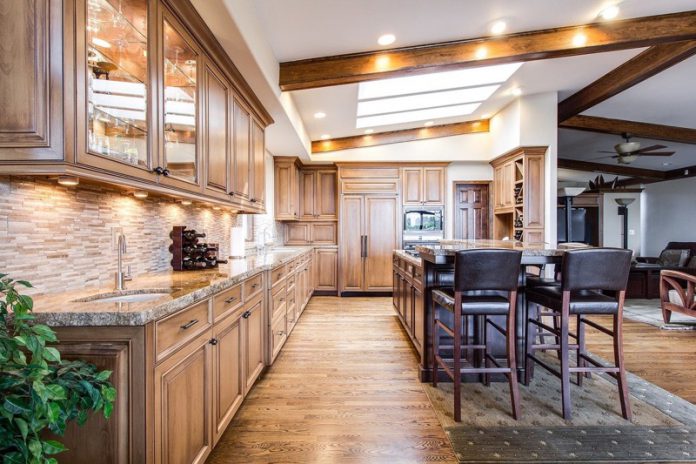
Best suited to larger kitchens with a focus on hosting and socializing. The island layout is one of the most popular kitchen layouts. The island is a versatile solution that can serve as the main prep area in the kitchen, a cooking center, or a washing center. Kitchen islands are pretty helpful.

Because of its central location, the island acts as a traffic controller to keep the kitchen area flowing naturally. A double island arrangement can shake up the standard kitchen setup for extraordinarily open spaces and a spacious kitchen. A double island arrangement encourages socialization while providing a functional design with a separate entertaining and cooking area.

Moveable islands can also convert a one-wall kitchen into a galley plan and an L-shaped layout into a horseshoe or U-shaped configuration. Users can adjust the arrangement of their kitchens as needed by using moveable islands.

Peninsula Layout

A peninsula kitchen is a U-shaped kitchen with an island connected to it because the linked island’s shape gives it that G-shaped design. Peninsula kitchens have a similar traffic pattern as island kitchens. Although they have greater leeway and workspace available, this is an excellent solution when space does not permit the establishment of a separate island.

While someone else is cooking, the peninsula space is ideal for dining and aiding with food preparation. It’s an excellent option for enclosed kitchens that wish to mimic an open-space look and feel without pulling down walls.

Knowing different kinds of kitchen layouts while adding your taste to them gives you a harmonic arrangement of countertops, appliances, and access doors and panels in your kitchen. Always remember to have building or renovation projects handled by professional contractors.

Top 5 Best Bathroom Designs

The relationship most people have with their bathrooms is intimate. For this reason, your commercial bathroom design needs careful consideration, for it will affect more than just the aesthetics; it will also affect the mood of anyone using it. People notice the ultimate result, whether you’re constructing a commercial restroom for employees, clients, or guests.

Commercial bathroom design in hotels, offices, and restaurants, needs to consider function and the best use of available space. Here are some essential elements to incorporate when designing your bathroom space:

#1. Extra Storage Under Sink Counters

Most modern sink counter concepts tend to lean to more minimalistic designs. But there are significant advantages to having extra storage since it uses available space underneath the sink.

Storage is required to maintain the functionality of a commercial restroom. Rather than stowing toilet paper and cleaning products in a closed closet, adding storage space below sink counters makes them more readily available. Just remember to allow some room between the sink and floor to provide better accessibility for those in wheelchairs.

If your designer is creative, you can ask for storage space to be added right in the wall with the simple addition of a wall access panel which will add more space in your bathroom’s limited area. Best Access Doors has many options for you to consider!

#2. In-Wall Toilets

Incorporating an in-wall toilet system will eliminate most of the area typically needed to fit a bulky tank. It allows the designers to have more space and flexibility for other plans. It will expand the standard room, downsize the bathroom’s overall size and cost, and add additional storage space.

In-wall toilets are also better from a sanitary aspect. Because these systems have a smaller surface area than standard tanks, they are cleaner and require less maintenance. Furthermore, because the toilet is not fastened to the floor, cleaning the floor beneath it is quick and straightforward.

If your commercial building is in the United States, the Americans with Disabilities Act (ADA) explains accessibility requirements for restrooms. Your bathroom design needs to include these considerations to ensure all employees, clients, and guests have easy access to your facilities. Not only does a more accessible format improve movement inside stalls, but it also allows for more freedom in the positioning of flush plates and grab bars.

#3. Built-in Paper Towel Dispenser and Trash Bins

Paper towel holders and garbage bins protruding from the wall are prevalent in commercial bathroom designs. It’s a better idea to incorporate these elements directly into sink counters. You’ll have greater design freedom with the extra room, and messes will be out of sight. It will also blend well with other designs, which makes it aesthetically pleasing.

This idea frees up the bathroom space and prevents clutter. It also makes it easy to find the trash bin and the paper towel dispenser since both are in one place. It is convenient to find what you need in one area of the room, making it easier to maintain.

#4. Big Mirrors Create an Illusion of More Space

If the bathroom space you have is tight, consider adding mirrors to create an illusion of more space. It is not a new method, but it works. It is a proven technique to ensure that claustrophobics will feel at ease when using the bathroom area. Mirrors also serve a practical purpose to employees, clients, or guests visiting your building.

#5. Recessed Lighting

When choosing lighting for your commercial bathroom, you may decide to go with a softer light that is more relaxing and flattering. Also, consider the best placement of lighting with mirrors.

Recessed lighting is one of the most effective techniques to eliminate clutter in business bathroom designs. Recessed lights give illumination without infringing on the area, whereas standard light systems can weigh down ceilings and drag walls inward. They also have a sleek, contemporary look.

#6. Natural Lighting

If you want to incorporate natural lighting in your commercial bathroom, windows near the ceiling allow the sunlight to stream in. You can cover lower-level windows with a textured, translucent film for privacy.

If your commercial bathroom is on the top floor of your building, a roof hatch with a skylight not only brightens your space but also allows for convenient access to the roof for maintenance purposes. If you need to move heavy equipment to the roof, or if roof work is required, your commercial bathroom can be a perfect access point.

Conclusion

A bathroom is a place that brings the image of comfort and relief. A thoughtfully designed commercial bathroom uses the right amount of space, offers functionality, and provides the best experience for those who use it. To ensure the best design for your bathroom, consult a licensed professional for your next project!

Recent Posts

Posts You Might Like