
Home Blog Page 50

Window Treatments  Ideas & Tips for Different Decor Styles

When it comes to interior design, window treatments play a crucial role in tying a room together. They not only provide privacy and control natural light but also enhance the aesthetic appeal of your home as focal points, bringing in much-needed oomph and warmth. From made-to-measure curtains puddling elegantly in maximalist homes to wood-woven blinds in boho chic homes, the options are endless and rest assured, there’s a window treatment for every decor style.

In this blog, we bring you ideas and tips for window treatments suitable for different decor styles. Let’s dive in!

Ideas for the Clean & Minimal Aesthetes

In a minimalist living room, simplicity is key. Focus on clean lines and neutral colours to maintain a serene and uncluttered aesthetic.

  • Go for Custom Roman Blinds: Offering a streamlined look that complements minimalist decor, made-to-measure roman blinds.
  • Stick to Neutral Colors: Opt for shades of white, grey, or beige to keep the space feeling light and airy. Avoid bold patterns and vibrant colours that can disrupt the minimalist vibe.
  • Use Discreet Hardware: Select simple and unobtrusive hardware that doesn’t draw attention away from the overall design. Thin curtain rods or hidden brackets are ideal.

Ideas for Maximalist Homes

For maximalists, the joy lies in ritzy glam. Go bold and experiment as you like, for such homes are dressed right only when they are dressed up!

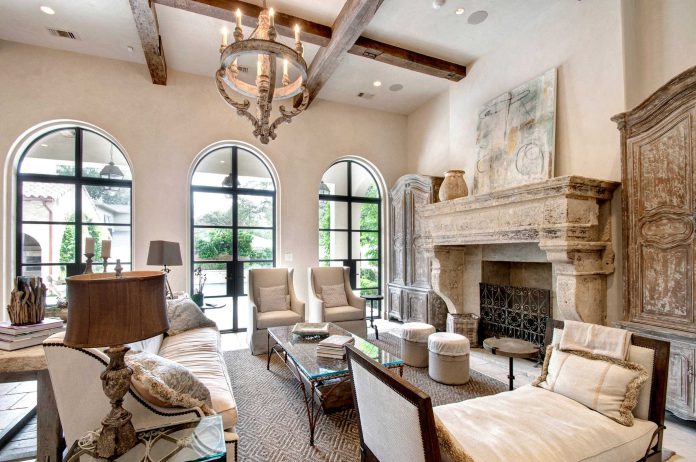
  • Layer Window Treatments: You can never go wrong with layering in a maximalist home because, ‘the more, the better’. Layer luxe velvet drapes with opulent swag valances or roman blinds for a rich look. Mix and match patterns and colours to create a visually stimulating and glam-chic feel.
  • Vibrant and Rich Colors: Embrace a bold colour palette with jewel tones, such as emerald green, sapphire blue, and ruby red. Use contrasting colours to create dynamic visual interest and make the space feel lively and engaging. Don’t shy away from metallic accents, such as gold or silver, to add a touch of glamour.
  • Statement Hardware: Opt for decorative and elaborate curtain rods with intricate designs or unique finishes. Choose hardware that makes a statement, such as crystal finials or ornate brass brackets. Consider pairing the hardware with tassels or tiebacks for an added layer of opulence.

Ideas for the Hippy-Chic Boho Homes

Boho homes embody a lively, carefree personality and your window treatments should relay the same happy-go-lucky vibes.

  • Eclectic Window Treatments: There’s nothing quite as carefree as the free-flowing linen sheer curtains. Combine them with wood woven shades and the organic charm of these two elements will surely make a statement in your boho home. Additionally, consider adding layers with beaded curtains or macramé for a whimsical touch.
  • Earthy Tones: Opt for a colour palette that includes earthy tones like terracotta, olive green, mustard yellow, burnt orange, etc. Use natural materials and textures, such as woven jute, rattan, and bamboo, to create a grounded, organic feel. Incorporate accents in metallics like brass or copper to add warmth and a hint of glamour.
  • Tassels and Fringe: Add tassels, pom poms, or fringe to your boho curtains for a playful and relaxed vibe. Choose tassels in a variety of colours and sizes to complement the eclectic decor. While pom poms make the room feel playful, fringes can create a sense of movement.

Ideas for Scandi Decor Homes

Scandi decor is clean and minimalist while being warm and inviting. Stay on the neutral side of the palette and use blended or organic fabrics. Let’s get into the details:

  • Beige Curtains: Opt for beige curtains in natural fabrics like linen or cotton to create a light, airy feel. Ensure the curtains are simple and unadorned, with clean lines that complement the Scandinavian aesthetic. Pair the beige curtains with sheer white underlayers to maximise natural light while maintaining privacy.
  • Natural Wood Hardware: Select curtain rods and hardware made from light, natural wood to enhance the Scandinavian look. Use simple, minimalist designs that blend seamlessly with the neutral colour palette. Opt for finishes that highlight the natural grain of the wood, adding warmth and texture to the space.

Ideas for Industrial-Style Homes

The industrial style thrives on a raw look, anchoring itself to edgy, utilitarian, and clean elements.

  • Roller Shades & Metal Blinds: Opt for roller shades in neutral tones like grey, black, or white to maintain the industrial aesthetic. Choose materials with a slightly rough or textured finish to add to the raw, utilitarian feel. You may also use aluminium or steel blinds for a sleek, industrial look. Choose finishes like brushed nickel, matte black, or gunmetal grey to match the industrial decor.
  • Exposed Hardware: Opt for curtain rods and brackets with an industrial look, such as those made from black iron pipes or metal scaffolding. Use visible, rugged hardware to create a sense of unfinished, raw appeal. Select sturdy, utilitarian designs that complement the overall aesthetic.
  • Exposed Brick or Concrete Window Frames: With roller shades or metal blinds, you can leave the window frame exposed to showcase the brick or concrete structure as a focal point to highlight the industrial character of the space.

Ideas for Country Decor Homes & Cottages

The country decor style has a cosy laidback ambience, and your best bets to relay such a vibe are organic linen or cotton curtains. Let’s take you through some tips & ideas:

  • Classic Checkered Curtains: Use checkered or gingham patterns in colours like red, blue, or green to bring a classic country feel to your windows. Choose lightweight cotton or linen fabrics for a cosy and inviting look. Pair these curtains with simple tiebacks made of natural fibres like jute or twine.
  • Rustic Wood Shutters: If you want an option other than curtains, reclaimed wood shutters with a weathered finish can be your go-to, adding a rustic charm to your interiors. These shutters add warmth and texture while maintaining the country aesthetic.
  • Embroidered or Appliqué Details: Select curtains with embroidered or appliqué details featuring country themes like farm animals, flowers, or hearts. These decorative elements add a personal touch and enhance the rustic charm. Use these details sparingly to avoid overwhelming the space.

In Closing

For every decor style, there’s a different window treatment that can enhance the overall aesthetic and functionality of your space. Whether you prefer the clean lines and neutral tones of minimalism, the vibrant and layered look of maximalism, the eclectic charm of boho, the rugged appeal of industrial, or the light and airy feel of Scandinavian design, the right window treatments can make a significant impact. By carefully selecting materials, colours, and hardware that align with your chosen style, you can create a cohesive and inviting atmosphere that reflects your personal taste and enhances your home’s unique character.

That’s a wrap on our blog and we hope we’re leaving you with enough tips and ideas to ace your window project. Happy decorating!

Decoding the Perks of Time-Based Electricity Plans

Table of Contents

  1. Understanding Free Nights and Weekend Electricity Plans
  2. How Do Free Nights and Weekend Plans Work?
  3. Economic Implications of Time-Based Electricity Rates
  4. Pros and Cons of Free Nights and Weekends
  5. Examining the Environmental Impact
  6. Matching Your Lifestyle with the Right Electricity Plan
  7. Tips for Maximizing the Benefits of Time-of-Use Plans
  8. Finding the Right Provider for Your Needs

Understanding Free Nights and Weekend Electricity Plans

With modern billing methods like free nights and weekend plans, energy providers encourage off-peak energy consumption. These efforts manage grid load and incentivize consumers to adjust their energy consumption habits. With these plans that offer savings, it’s not just about using energy but about when you use it, and understanding the nuances of these plans is the first step towards optimizing your power usage for cost and efficiency.

How Do Free Nights and Weekend Plans Work?

Diving deeper into the mechanics, these plans typically divide the day into peak and off-peak hours, with peak hours coinciding with the highest energy demand on the grid, usually weekdays and daylight hours. As the name suggests, electricity used during nights and weekends—typically marked as off-peak—is not charged, potentially allowing users who can consume more power during these times to enjoy lower electricity bills. The concept rewards those who can adapt their energy habits, such as running heavy appliances at night or charging electric vehicles over the weekend, allowing for significant savings without compromising their energy needs.

Economic Implications of Time-Based Electricity Rates

These time-based rates are not just a billing gimmick; they have considerable economic repercussions. They can potentially save consumers money, but they can also contribute to a more stable and efficient power grid. By incentivizing energy consumption when the grid is underutilized, these plans help even out the demand throughout the day and night. This evens out the demand curve, ultimately leading to potentially reduced operational costs for power suppliers and, thereby, more favorable long-term consumer rates.

Pros and Cons of Free Nights and Weekends

Although the allure of lower bills is enticing, it is crucial to consider both the pros and cons of these plans. These plans can equate to sizeable savings for the night owls and weekend homebodies. However, the benefits can be negligible- or even costlier- for those whose lifestyles don’t match the off-peak periods or who live in apartments where heavy appliance use is restricted to certain times. Daytime energy rates under these plans are typically higher than traditional flat-rate plans, which can offset the savings gained during the free periods if significant daytime consumption is unavoidable.

Examining the Environmental Impact

While financial savings are often the highlight, the environmental implications of free nights and weekend plans deserve recognition. Shifting energy consumption to off-peak times can lead to a smaller carbon footprint, as non-renewable power plants—often employed during high demand—are less likely to be needed. To grasp the complete environmental picture, it is essential to consider the broader impact of peak demand on the energy mix. These times often coincide with greater reliance on fossil fuels, which can be mitigated through off-peak consumption enabled by these billing plans.

Matching Your Lifestyle with the Right Electricity Plan

Electing the most appropriate electricity plan is a personal choice that hinges on more than just economics—it’s an exercise in self-awareness and lifestyle understanding. An individual’s daily routine, home life, and leisure habits all play roles in determining whether a plan offering free electricity at night and over weekends will be beneficial. It is just as crucial to be realistic about your household’s ability to adjust to such a plan as it is to recognize the potential financial upside.

Tips for Maximizing the Benefits of Time-of-Use Plans

Seizing the full advantage of a time-of-use plan does require strategy. Here are several actionable tips to help you navigate the savings potential:

  1. Understand your plan’s specific off-peak hours: Not all plans define ‘night’ and ‘weekend’ the same way, and knowing exactly when your usage won’t be charged is critical.
  2. Invest in intelligent appliances and timers: Many modern appliances have features that allow you to program their operation. For those that don’t, a simple timer can suffice to ensure your usage falls within the free periods.
  3. Consider lifestyle changes: Shift energy-intensive chores and activities into the plan’s no-cost windows. This may involve doing laundry late at night or batch-cooking for the week over the weekend.

Clever use of technology and a slight shift in household habits can lead to tangible economic benefits under these plans. Lastly, selecting the right provider is paramount in the journey toward energy savings. Beyond comparing the rates, delve into customer service reviews, billing transparency, and the provider’s energy source mix. Additionally, it’s beneficial to consider providers responsive to customer needs and invested in a sustainable energy future. An exhaustive comparison of different energy providers and plans is the best method to ensure that the service you subscribe to aligns well with your consumption patterns and personal values.

Locker Maintenance Tips for Longevity in the Philippines

Lockers are essential storage solutions in many settings, including schools, offices, gyms, and public areas. Proper maintenance is key to ensuring that lockers remain functional and aesthetically pleasing over time. In the Philippines, where high humidity levels and frequent use can take a toll on lockers, following maintenance best practices is particularly locker. This article provides valuable tips to help you maintain lockers for longevity in the Philippine climate.

Regular Cleaning

Clean lockers regularly to remove dust, dirt, and grime.

Use a mild detergent or soap and water solution to clean the surfaces.

Avoid using abrasive cleaners or materials that could scratch the locker finish.

Inspect for Damage

Regularly inspect lockers for signs of wear and tear, such as rust, dents, or loose parts.

Address any damage promptly to prevent further deterioration.

Lubricate Hinges and Locks

Apply a lubricant to hinges and locks to keep them operating smoothly.

Use a silicone-based lubricant to prevent rust and corrosion.

Adjust and Tighten Hardware

Check and tighten locker hardware, such as screws and bolts, regularly.

Replace any damaged or missing hardware to ensure the locker remains secure.

Manage Moisture

Use moisture-absorbing products, such as silica gel packs, inside lockers to reduce humidity.

Ensure lockers are not placed directly against walls to allow for air circulation.

Repair Rust Spots

Remove rust spots with a rust remover and repaint the affected area to prevent further rusting.

Avoid Overloading

Do not overload lockers with heavy items, as this can strain hinges and cause damage.

Distribute weight evenly inside the locker to prevent bending or warping.

Educate Users

Provide guidelines to locker users on how to use and maintain lockers properly.

Encourage users to report any issues with locker in philippines.

Consider Locker Upgrades

If lockers are old or in poor condition, consider upgrading to newer, more durable models.

Look for lockers made from materials that are resistant to rust and corrosion.

Professional Maintenance

Schedule regular professional maintenance checks for lockers, especially in high-traffic areas.

Professional maintenance can identify and address issues before they become serious problems.

Conclusion

Proper maintenance is essential for extending the lifespan of lockers in the Philippines. By following these maintenance tips, you can ensure that lockers remain functional and visually appealing for years to come, even in the challenging climate of the Philippines.

The Benefits of Water Filtration Systems in Philadelphia Homes

In Philadelphia, where clean and safe drinking water is a paramount concern for residents, understanding the nuances of water filtration systems in homes is essential. Water filtration systems are vital for removing contaminants that may be present in the city’s water supply, providing you and your family with the peace of mind that comes from knowing your drinking water is pure and safe. It’s a proactive step towards safeguarding your home’s water quality and, by extension, the well-being of its residents. Here’s what you need to know about how a water filtration system can benefit your Philly residence.

H2: Understanding Water Quality in Philadelphia

The water quality situation in Philadelphia can vary depending on the source and the age of the city’s infrastructure in your neighborhood. The city gets about 58% of its drinking water from the Delaware River. The rest comes from the Schuylkill River. You might encounter specific contaminants such as lead, primarily from older water service pipes, and traces of pharmaceuticals, which are increasingly detected in urban water supplies.

Additionally, agricultural runoff and industrial waste can contribute to the presence of nitrates and heavy metals in the water, posing potential health risks. The water in Philadelphia is moderately hard. Heavy minerals, like magnesium and iron, are another water-related issue that can cause significant issues in your home. These issues can range from causing an unpleasant odor to reducing the effectiveness of soap. A water softener can help soften the water, which brings all sorts of benefits, from extending the life of water fixtures and appliances to providing softer skin and hair. Understanding the challenges of hard and unfiltered water is crucial for you to make informed decisions about taking steps to filter and soften your home’s tap water.

H2: How Water Filtration Systems Work

Water filtration systems in your Philadelphia home pass water through materials that remove contaminants and impurities, ensuring that what comes out of your tap is ideal for drinking, washing, and bathing. Several types of filtration systems are available, each designed to target specific pollutants. Mechanical filters screen out sediment and particulate matter, while activated carbon filters are effective against chlorine, taste, and odor issues. Another option, called a reverse osmosis (RO) system, uses a semi-permeable membrane to remove a wider range of contaminants, including dissolved salts and harmful metals, providing you with comprehensive protection against most water quality issues.

H2: Improve the Taste of Drinking Water

Another one of the benefits of water filtration systems is that they can remove chlorine from your water and make it safer to drink. By removing chlorine, a common disinfectant used in municipal water supplies that can leave a noticeable taste and smell, along with sediment and various other impurities, water filtration systems dramatically improve the taste of your water and eliminate unpleasant odors too. This means that every glass of water you drink will be safer and much more enjoyable, free from the unpleasant flavors and odors that may discourage you from drinking tap water. You’ll also save money by not having to purchase bottled water for drinking.

H2: Removal of Contaminants

Equipping your Philadelphia residence with a sophisticated water filtration system significantly enhances your tap water quality by efficiently removing various harmful contaminants. These systems are particularly adept at eliminating lead, a common concern in cities with older infrastructures like Philadelphia, as well as bacteria, viruses, and numerous other dangerous substances. The system can help improve the safety of your drinking water while protecting the health and well-being of your family.

H2: Health Benefits

Installing a water filtration system at your Philadelphia home brings significant health benefits by reducing exposure to harmful chemicals and contaminants in your tap water. This proactive step can decrease the risk of health issues associated with these substances, such as digestive problems, skin conditions, and even long-term diseases caused by contaminants like lead and pesticides. By ensuring your drinking water is purified, you’re not just enhancing its taste and odor; you’re also contributing to the overall well-being and health safety of yourself and your loved ones.

H2: Environmental Benefits

Installing a water filtration system in your Philadelphia home contributes to environmental conservation. One of the most significant environmental benefits is the reduction of plastic waste, as reliance on bottled water drastically decreases, curtailing the demand for single-use plastics that contribute to pollution and landfill overcrowding. This shift towards filtered tap water represents a sustainable choice, reducing your carbon footprint and supporting a healthier planet for future generations.

H2: Cost Considerations

When considering the installation of a water filtration system, it’s important to weigh both the initial investment and ongoing maintenance costs against the potential long-term savings. While there’s an upfront cost for the system and periodic expenses for filter replacements, these costs are often offset by the savings from reducing or eliminating the purchase of bottled water. Over time, investing in a water filtration system can lead to significant financial savings, making it not only a health-conscious choice but also an economically wise decision for you and your family.

H2: Professional Installation and Maintenance

Professional installation and regular maintenance are key to the effectiveness and longevity of water filtration systems. Certified plumbers play a crucial role in this process, as they possess the expertise to properly set up your system and address any issues that may arise, ensuring optimal performance. Regular maintenance not only prolongs the life of your filtration system but also guarantees that the quality of your drinking water remains high.

H2: Community Education and Awareness

Community education and awareness play a vital role in promoting the benefits of installing water filtration systems in Philadelphia homes. You and your neighbors need to be informed about the various options available and the potential health risks associated with unfiltered tap water. By raising awareness and sharing knowledge on this subject, communities can make informed decisions, leading to healthier living environments and a collective reduction in the reliance on bottled water, contributing to both public health and environmental sustainability.

H2: Government Support and Initiatives

Government support and initiatives play a crucial role in facilitating the installation of water filtration systems in homes across Philadelphia. Available programs and incentives, such as rebates or subsidies for purchasing and installing certified systems, aim to make clean drinking water more accessible to all residents. Taking advantage of these offerings not only contributes to your family’s health and well-being but also aligns with broader city efforts to promote sustainable water usage and quality for everyone in the community.

H2: Embrace Water Filtration System Benefits

Installing a water filtration system at your Philadelphia home brings a multitude of benefits, ensuring that you and your family have access to clean and safe drinking water. It significantly reduces your exposure to harmful contaminants and chemicals, while also offering environmental advantages by decreasing reliance on bottled water. By prioritizing water quality in your Pennsylvania household, you’re committing to the long-term health and safety of everyone under your roof, highlighting the undeniable value of pure, contaminant-free water in daily life.

Evolution of Office Design and Exploring Modern Partitions in the Philippines

In the dynamic landscape of office design, the Philippines has been a canvas for the evolution of workspace aesthetics and functionality. From traditional closed cubicles to open-plan layouts, the journey of office design reflects changes in work culture, technology, and the understanding of employee well-being. Central to this evolution are modern partitions, which have redefined spatial dynamics, collaboration, and privacy in Philippine workplaces.

Office Partition:

Not too long ago, the typical Philippine office office partition was characterized by closed cubicles or individual offices. These setups offered privacy but often led to isolation and hindered collaboration. The cubicle walls, though functional for dividing space, created a sense of confinement and separation among employees. Moreover, they limited natural light flow, contributing to a dull and uninspiring atmosphere.

Transition to Open Plan:

As the global trend shifted towards open-plan offices, the Philippines followed suit, albeit with its own adaptations. Open layouts aimed to foster collaboration, communication, and a sense of community among employees. However, challenges emerged, such as noise distractions, lack of privacy, and difficulties in concentration. To address these issues, modern partitions emerged as a compromise, blending the benefits of open spaces with the need for privacy and focus.

The Rise of Modern Partitions

Modern partitions represent a paradigm shift in office design philosophy. Unlike traditional cubicle walls, these partitions are sleek, modular, and versatile. They come in various materials such as glass, wood, and metal, offering both transparency and privacy as desired. This flexibility allows for customization according to the specific needs of different work areas and teams.

Glass Partitions:

Glass partitions have become a hallmark of modern office aesthetics in the Philippines. They symbolize transparency, openness, and accessibility. By allowing natural light to permeate throughout the space, glass partitions create a brighter and more inviting environment. Moreover, they facilitate visual connectivity, enabling employees to feel more engaged and connected with their colleagues, even across different departments.

Acoustic Partitions:

In a bustling office environment, noise can be a significant deterrent to productivity and concentration. Acoustic partitions address this issue by providing sound insulation without sacrificing openness. These partitions are designed to absorb and dampen noise, creating quieter workspaces conducive to focus and collaboration. Whether in open-plan areas or meeting rooms, acoustic partitions strike a balance between privacy and interaction, enhancing the overall work experience.

Flexible Partitions:

Flexibility is a hallmark of modern workplaces, and partitions play a crucial role in facilitating adaptability. Modular partitions can be easily reconfigured or moved to accommodate changing team sizes, project requirements, or spatial preferences. This versatility enables companies to optimize their space utilization efficiently and cost-effectively, ensuring that the office environment remains dynamic and responsive to evolving needs.

Office Cubicle:

Looking ahead, the evolution of office cubicle in the Philippines is poised to embrace advancements in technology and a deeper understanding of employee well-being. Smart partitions equipped with integrated technology, such as adjustable lighting and temperature control, will enhance comfort and productivity. Moreover, wellness-centric design elements, such as biophilic elements and ergonomic furniture, will promote employee health and satisfaction.

The evolution of office design in the Philippines reflects a journey from traditional closed spaces to modern, open, and flexible environments. Central to this transformation are modern partitions, which balance the need for collaboration, privacy, and adaptability. As workplaces continue to evolve, embracing technology and prioritizing employee well-being will shape the future of office design, creating spaces that inspire creativity, innovation, and success.

Mastering the Mix: Blending Modern and Vintage Elements in Your Home

Photo by Anna Sullivan on Unsplash

In the world of interior layout, the marriage of modern and vintage factors has emerged as a timeless fashion that effortlessly combines the pleasantness of each world. Striking the best balance between contemporary aesthetics and classic appeal can remodel your house into a harmonious haven. If you are keen to embark on this journey of layout fusion, examine professional suggestions on getting to know the mix of present day and vintage factors in your private home.

Start with a Neutral Palette

A neutral shade palette affords a versatile canvas for blending contemporary and antique elements. Begin with a base of timeless neutrals like whites, grays, and beiges. This impartial backdrop permits each present day and antique portions to polish without overwhelming the gap.

Mix and Match Furniture Styles

Photo by Curology on Unsplash

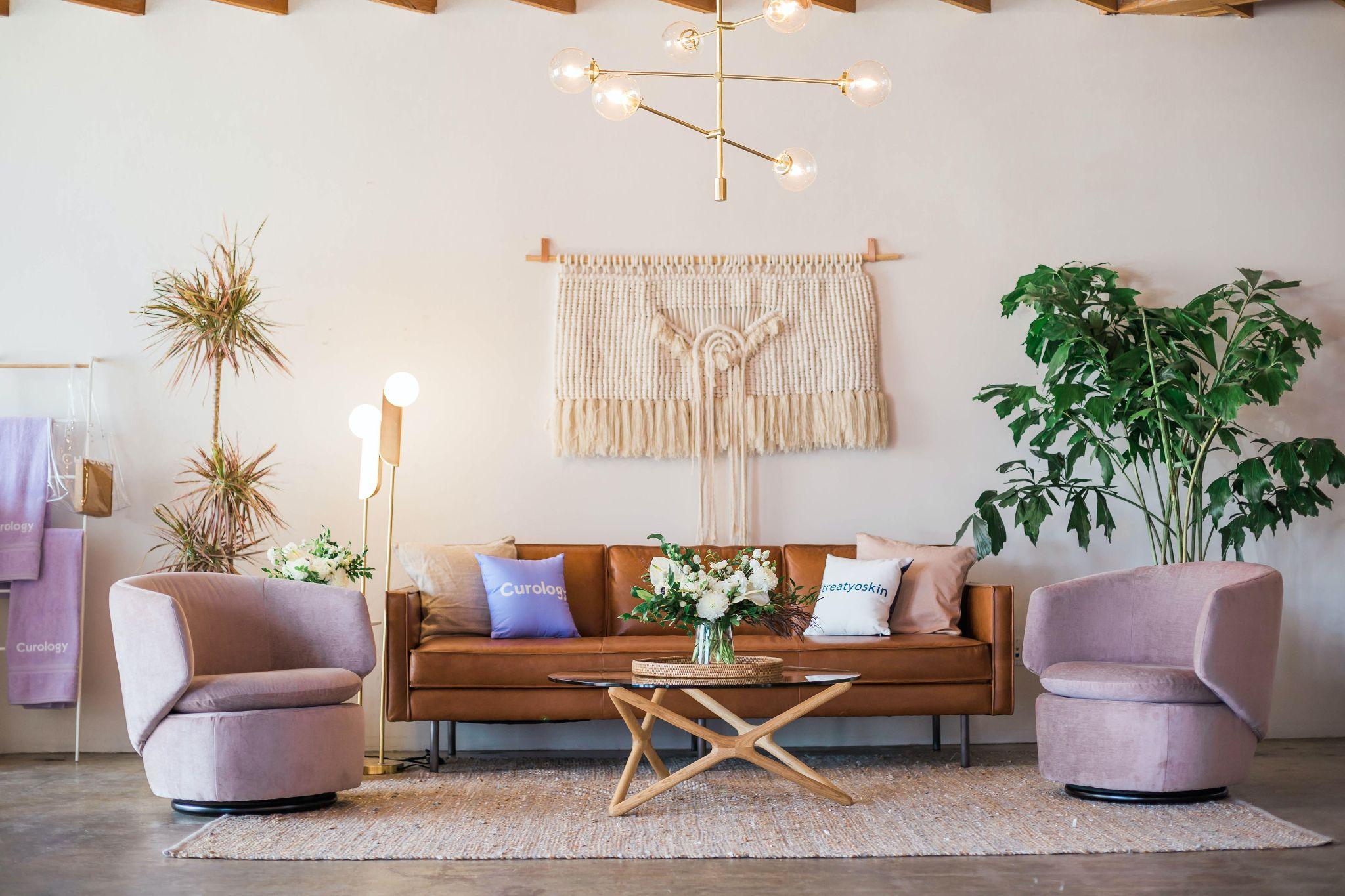
Blend contemporary and vintage furniture pieces to create an eclectic and visually exciting area. Consider pairing a sleek, present day couch with a vintage coffee desk or combining mid-century modern-day chairs with a rustic eating table. Mixing furnishings patterns provides character and persona to your home.

Statement Lighting

Lighting plays a crucial position in setting the tone of any room. Choose declaration lighting that seamlessly merge present day and vintage patterns. A present day pendant mild paired with vintage sconces or a vintage chandelier can raise the overall aesthetic, developing a fascinating focal point.

Incorporate Vintage Art and Accessories

Photo by Tuva Mathilde Løland on Unsplash

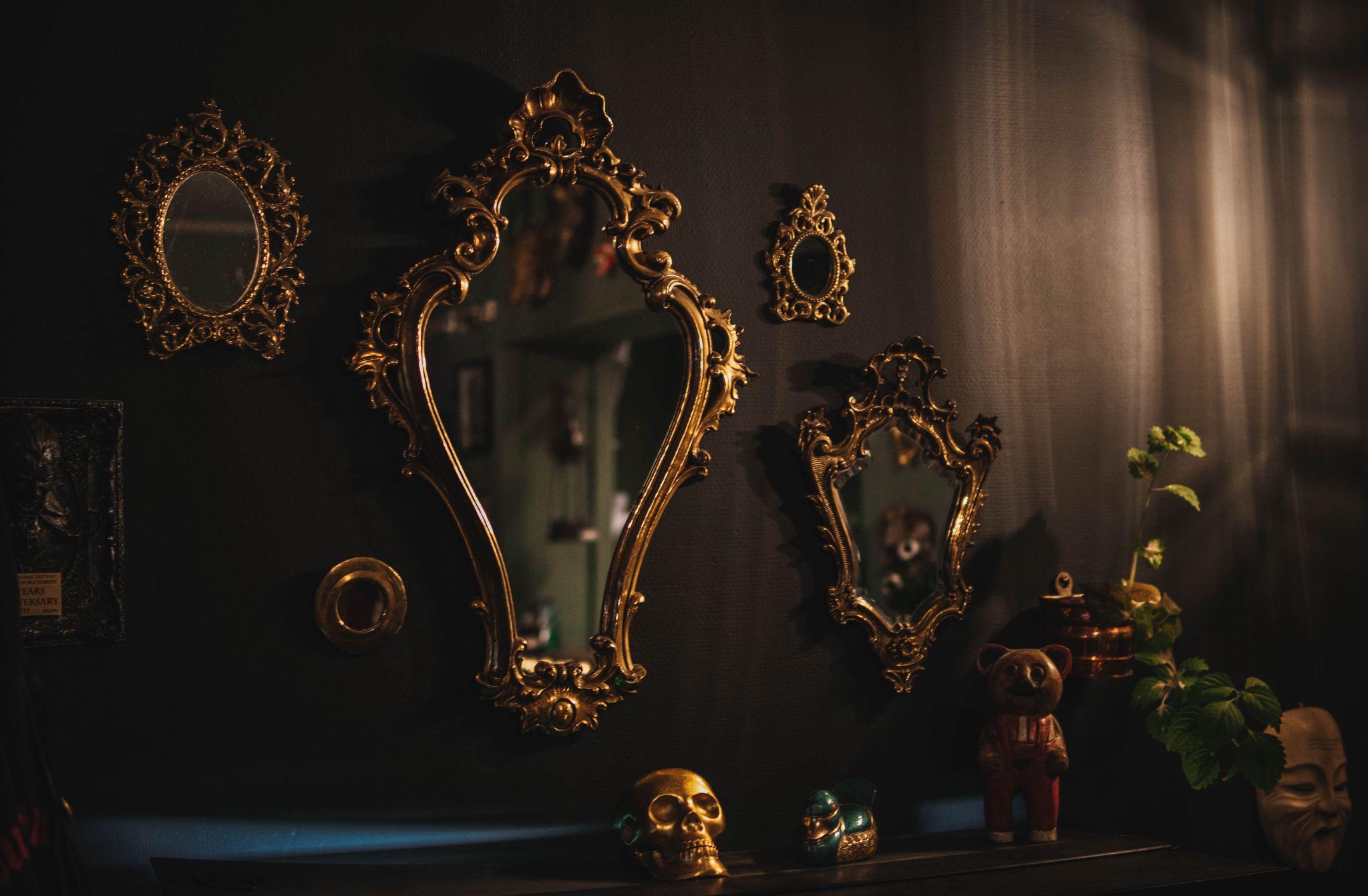
Integrate vintage artwork and add-ons to infuse individuals into modern-day areas. Vintage artwork, sculptures, or antique mirrors can upload a touch of records and nostalgia. Strategically setting those elements creates visible interest and sparks verbal exchange.

Contrasting Textures

Experiment with a lot of textures to add intensity and dimension for your space. Combine smooth, smooth surfaces with tactile substances like elderly wooden, distressed metals, or worn leather. This interaction of textures contributes to a properly-balanced layout that appeals to both present day and vintage sensibilities.

Consider Repurposed and Upcycled Pieces

Photo by Johnny Briggs on Unsplash

Embrace sustainability and strong points with the aid of incorporating repurposed or upcycled fixtures. Transform old portions into useful and stylish additions to your own home. Whether it’s an antique suitcase turned into an espresso table or a vintage ladder repurposed as a bookshelf, those gadgets tell a story whilst contributing to a green layout.

Air Filters: Balancing Comfort and Style

Photo by Mak on Unsplash

Ensuring a wholesome dwelling surroundings is paramount, even when striving for the proper combo of contemporary and vintage aesthetics. Air fine is a critical element of home consolation, and integrating merv 16 filter into your design can be both realistic and elegant.

  • Hidden Filtration Systems: Incorporate air purifiers with glossy designs that seamlessly combo into your decor. Many cutting-edge air purifiers characteristic minimalist designs that supplement current interiors even as efficiently filtering out pollutants.
  • Decorative Vent Covers: Upgrade your HVAC device’s vent covers with decorative alternatives. Vintage-inspired vent covers or custom-designed grilles can add a hint of elegance for your area, merging functionality with aesthetics.
  • Natural Air-Purifying Plants: Integrate indoor plant life with air-purifying characteristics into your decor. Vintage-inspired planters or current geometric pots can decorate the visual attraction even as selling a more fit indoor environment.

Cohesive Color Scheme

Maintain a cohesive color scheme at some stage in your house to create a unified look. While experimenting with numerous styles, keeping a constant color palette guarantees an unbroken transition between cutting-edge and antique factors.

Focus on Quality Over Quantity

Rather than overcrowding your space with several portions, choose quality items that stand the check of time. Invest in key furniture and decor portions that align along with your design imaginative and prescient, contributing to a more subtle and curated look.

Creating a Timeless Sanctuary

To complete the synthesis of contemporary and vintage elements in your private home, focus on creating a comfortable and inviting surroundings. Soft fixtures, consisting of plush throw blankets, antique-stimulated rugs, and snug cushions, make contributions to the general warmth of your area. Consider incorporating timeless styles like herringbone or chevron, which easily bridge the distance between current and traditional patterns. A cushty and welcoming home is the last intention, and these completing touches play a pivotal function in turning your dwelling area into a undying sanctuary.

Crafting Your Unique Design Narrative

Photo by Spacejoy on Unsplash

As you embark on the adventure of blending modern and antique elements in your private home, recall that the proper splendor lies inside the personal narrative you create. Your domestic ought to be a reflection of your individuality, showcasing your appreciation for the beyond at the same time as embracing the improvements of the present. Don’t be afraid to test, blend, and be healthy; permit your area to inform a story that is uniquely yours. The ideal combo of modern and vintage isn’t about adhering to strict policies, but about locating joy inside the system of curating a home that resonates with your fashion, comfort, and a hint of undying elegance. So, include the artwork of design fusion, and allow your house to be a testament to the harmony of the antique and the brand new.

8 Ways to Decorate an All-White Kitchen

All-white kitchens have a timeless appeal but are also a magnet for design debate. You might see them as sophisticated and versatile, or you might find them overly bright and boring. In either case, you need to decorate your all-white kitchen if you have one. Explore the design possibilities, whether you’re doubling down on the single-tone motif or looking to bring much more to the space. Knowing a handful of ways to decorate an all-white kitchen helps you determine the best path forward for your home’s decor.

Source: Archi_Viz/Shutterstock.com

1. Incorporate Wood Accents

Natural wood accents warm up a room quickly. You can add texture and warmth to your all-white kitchen with shelving, chairs, or counter stools. An entire kitchen island can center your kitchen with its natural vibe, or you could go all out with vinyl plank flooring that mimics the look and feel of wood. Alternatively, go vertical with wall art and light fixtures. If you want a single piece for a pop of color, place a wooden tiered tray that adds texture to your room while providing versatile storage for dishes and spices. Anything wood can break up the constant white backdrop and draw the eye’s attention.

2. Install New Window Treatments

Thinking vertically might get you considering replacing the original white cabinets with RTA cabinets of a different color, but instead, you could simply change the window treatments. Interior shutters might let you block direct sunlight and yet let natural light come in with basic adjustments. You can match many design styles with interior shutters that are layered or alone. Alternatively, smaller kitchen windows might also benefit from a custom woven shade.

3. Update Your Floors

Your home might feature several different home decor styles, but the flooring in your kitchen can tie the room together with the rest of your home. Refreshing the flooring can make it feel like you renovated the entire room when you didn’t, and you can even buy peel-and-stick tiles if you want something new without making a permanent commitment. If the all-white aesthetic is tiring your soul but not something you can change immediately, use the flooring for a new color. Toy around with a few ideas to see if you want to make a significant statement or aim for a milder impact.

4. Refresh the Backsplash

Source: home sales/Shutterstock.com

Before you host your first dinner party with your updated kitchen, let the backsplash be the color that transforms what everyone sees. A simple peel-and-stick backsplash lets your kitchen emanate a vibrant pattern or color without breaking the bank. This solution is quick, easy, and cost-effective. Use it to revitalize your home’s kitchen with a new style while avoiding significant renovations.

5. Include Other Natural Textures

Wood was previously mentioned, but it’s far from the only natural texture you can use to make your kitchen warm and visually attractive. Wicker is a popular option; you can incorporate it using bins, baskets, and chairs. Rattan furniture pieces help anchor the coastal vibe you might choose for your kitchen. Natural textures on the floor, such as a seagrass mat or jute rug, can support white kitchens.

6. Light It Up

You can change how an all-white kitchen looks by leaving the color and changing the room’s light. Pendants and sconces might be significant updates to the current lighting in your kitchen. You can use pendant lighting over your island or breakfast bar, and sconces work wonders over your sink. Black light fixtures are always a safe, stylish choice that should blend well against a white background.

Brass light fixtures can add some intriguing texture. You could also consider light fixtures made of the same material as your cabinet hardware for a cohesive decor element.

7. Start Herb Gardening

Source: Okrasiuk/Shutterstock.com

Plants often get overlooked for their potential in home decor, but they let you bring nature inside in small doses. If you have a kitchen windowsill, start a small herb garden there. Most plants naturally improve indoor air quality, and the greenery means lively freshness in a very social space. The color always helps a room’s aesthetic, and the herbs eventually come in handy for some genuinely homegrown cooking.

8. Paint the Cabinets

If your kitchen cabinets are part of the constant white you want to change, that doesn’t mean you need to replace them physically. Cabinets that are still structurally sound can play a crucial role in a new kitchen aesthetic with a color change. You can keep an all-white kitchen with a more sophisticated texture by painting it a different shade of white, or you can paint the cabinets an entirely new color for a fresh aesthetic. Consider everything from a pastel hue for a gentle ambiance to a bold color for a vivid look throughout the room.

Remember What Really Matters

When your kitchen has a white background, it doesn’t matter if it’s warm, crisp, or creamy. In any form, a white kitchen is your blank canvas to make your dreams come true. Pick a shade that aligns with the rest of your home’s decor before adding the proper contrast and textures to bring life to the space. Utilize natural light whenever possible to incorporate an open airiness and energy in the room. Accents bring intrigue to a space, but friends and family matter more than anything else. Spending time with others is how you make the memories that make your kitchen an unrivaled success story in your home.

Small Details, Big Impact: The Importance of Thoughtful Furniture Components

In the world of interior design, every element within a space plays a crucial role in shaping its ambiance, functionality, and overall aesthetic. While grand architectural features and statement furniture pieces often steal the spotlight, the smaller, often overlooked details truly elevate a design from ordinary to extraordinary. In this exploration of design philosophy, we delve into the significance of thoughtful furniture components and their profound impact on our spaces.

The Essence of Design Harmony

A commitment to craftsmanship and attention to detail lies at the heart of exceptional interior design. It’s about more than just selecting furniture for its functionality; it’s about curating pieces that contribute to the narrative of a space, enhancing its character and reflecting the personality of its occupants. From the curve of a chair arm to the finish of a tabletop, every aspect of furniture design is an opportunity to express creativity and intentionality.

Finding Balance Through Proportion

Consider, for example, the concept of balance and proportion. In a well-designed room, each piece of furniture should serve its intended purpose and harmonize with its surroundings in terms of scale and visual weight. A carefully chosen coffee table can anchor a seating area, providing a central focal point without overwhelming the space. Here, we begin to appreciate the role of thoughtful furniture components in achieving spatial harmony.

Materials Matter

Moreover, the materials used in furniture construction carry significant weight in defining its aesthetic appeal and longevity. Natural wood grains exude warmth and character, while sleek metal accents introduce a contemporary edge. Metal table legs are a great example. These understated yet integral components provide essential structural support and contribute to a piece’s overall design language. Though often overlooked, their presence adds a touch of industrial sophistication, balancing the organic textures of wood or the clean lines of modern design.

Functionality and Comfort

In pursuing timeless elegance, attention to detail extends beyond mere visual appeal to encompass functionality and comfort. Ergonomics play a pivotal role in ensuring that furniture looks good and feels good to use. From the angle of a chair back to the height of a desk, every aspect of furniture design should be carefully considered to enhance the user experience.

Sustainability in Design

Furthermore, sustainability has become increasingly central to contemporary design practices. As awareness of environmental issues grows, so does the demand for ethically sourced materials and eco-friendly manufacturing processes. Thoughtful furniture components align with this ethos, allowing conscientious consumers to make environmentally responsible choices without compromising style or quality.

A Historical Outlook on Furniture Design

To truly appreciate the evolution of thoughtful furniture components, it’s essential to delve into the rich history of furniture design. From ancient civilizations’ ornate craftsmanship to the modern era’s sleek minimalism, furniture has always reflected cultural values and technological advancements. In every era, designers have grappled with the balance between form and function, leaving behind a legacy of innovation and inspiration.

Ideas for Implementation in Modern Interior Design

The timeless appeal of thoughtful furniture components remains constant in today’s fast-paced world, where trends come and go with dizzying speed. Whether you’re designing a cozy living room or a sleek office space, there are countless opportunities to incorporate these elements into your vision. Consider mixing materials for added visual interest, combining natural textures with metallic accents for a contemporary twist. Experiment with different proportions to create dynamic focal points within a room, or embrace sustainability by choosing pieces crafted from reclaimed materials.

Conclusion

In conclusion, interior design cannot overstate the significance of thoughtful furniture components. From the meticulous craftsmanship of artisanal pieces to the sustainable sourcing of materials, every decision made in the design process contributes to creating spaces that are as functional as they are beautiful. So, the next time you admire a well-appointed room, take a closer look at the small details—these subtle elements often make the biggest impact.

6 Genius Ways You Can Make Your Home More Eco-Friendly

In an era where environmental consciousness holds unprecedented importance, the endeavor to make your home more eco-friendly transcends mere trendiness; it embodies a fundamental responsibility. Fortunately, an array of innovative strategies exists to transform your living space into a haven of sustainability. Ranging from minor adjustments to substantial renovations, each initiative contributes significantly to fostering a more sustainable future. This article will delve into six ingenious approaches to make your home more eco-friendly:

Embrace Renewable Energy Sources:

Transitioning towards renewable energy sources, such as solar panels or wind turbines, stands as one of the most impactful steps in cultivating an eco-friendly home environment. With advancements in technology rendering solar panels increasingly efficient and cost-effective, the harnessing of solar power offers a tangible means to diminish reliance on fossil fuels and mitigate carbon footprints. Companies like Cenvar Solar are at the forefront of this revolution, providing innovative solutions for homeowners looking to make the switch to clean energy. Furthermore, various governmental incentives and rebates further incentivize the adoption of renewable energy systems, rendering it not only environmentally prudent but also financially astute.

Upgrade to Energy-Efficient Appliances:

The adoption of energy-efficient appliances constitutes another pivotal stride towards eco-friendliness within the home. From refrigerators to washing machines, contemporary appliances are engineered to minimize energy consumption while delivering optimal performance. Prioritizing appliances bearing the Energy Star label, indicative of adherence to stringent energy efficiency standards set by the Environmental Protection Agency (EPA), ensures a sustainable choice. While the initial investment may prove slightly higher, the accrued energy savings over time overshadow the upfront costs, aligning with both environmental stewardship and economic sensibility.

Optimize Water Management:

Conscientious water management emerges as paramount in both environmental sustainability and utility bill reduction endeavors. Implementing minor alterations, such as installing low-flow faucets and showerheads, yields substantial reductions in water consumption without compromising functionality. Moreover, the installation of rainwater harvesting systems presents an opportunity to harness rainwater for outdoor applications, such as irrigation or toilet flushing. By embracing such measures, wastage is minimized, thereby contributing to the preservation of this invaluable resource.

Enhance Insulation and Ventilation:

Elevating insulation and ventilation standards within the home not only amplifies energy efficiency but also augments comfort levels and indoor air quality. Effective insulation serves to regulate indoor temperatures, thereby diminishing reliance on heating and cooling systems, while robust ventilation mechanisms ensure the circulation of fresh air, curbing the accumulation of pollutants and allergens. Undertaking endeavors such as upgrading insulation materials, sealing air leaks, and integrating energy-recovery ventilators culminates in optimized energy utilization and an enhanced living environment.

Adopt Sustainable Materials and Practices:

Whether embarking on renovations or adorning your living space, prioritizing sustainable materials and practices facilitates a reduction in environmental impact. Opting for eco-friendly building materials—such as bamboo flooring, reclaimed wood, and recycled glass countertops—presents renewable and biodegradable alternatives to conventional options. Concurrently, selecting energy-efficient lighting fixtures, eco-conscious paints, and non-toxic cleaning agents contributes to the creation of a healthier and more sustainable dwelling. By exercising mindfulness in these selections, one simultaneously curtails ecological footprints while bestowing an aesthetic appeal upon the living space.

Integrate Smart Home Technology:

The integration of smart home technology represents a pivotal avenue for augmenting energy efficiency and convenience within the home setting. Devices such as smart thermostats empower remote regulation of heating and cooling systems, thereby optimizing energy consumption based on individual preferences and schedules. Likewise, smart lighting systems enable effortless control over lighting levels and energy usage, thereby curbing unnecessary consumption and reducing electricity bills. Through the seamless integration of smart devices and automation systems, energy wastage is minimized, and daily routines are streamlined, ultimately culminating in a reduced environmental impact.

Conclusion

In summation, the quest to render your home more eco-friendly transcends a mere trend; it embodies a conscious commitment to environmental stewardship, health, and financial prudence. By embracing renewable energy sources, adopting energy-efficient appliances, optimizing water management, enhancing insulation and ventilation standards, embracing sustainable materials and practices, and integrating smart home technology, one paves the path towards a greener, more sustainable living environment. With each incremental change, you collectively contribute to a brighter and more sustainable future for generations to come.

The Evolution and Impact of Cubicle Office: A Modern Workplace Phenomenon

Introduction to Cubicle Office

In the realm of modern office culture, the cubicle stands as an enduring symbol. Love it or loathe it, the cubicle has become an intrinsic part of the corporate landscape since its inception in the mid-20th century. From its humble beginnings to its controversial reputation today, the cubicle office has shaped not only physical work environments but also our collective perception of work itself.

Origins and Evolution

The cubicle’s story begins in the late 1960s, with the innovative mind of Robert Propst. A designer working for the Herman Miller furniture company, Propst envisioned a flexible office system that would provide workers with both privacy and collaboration opportunities. This vision materialized into what we now know as the Action Office system, introduced in 1968.

The initial concept was a far cry from the soul-crushing cubicles often depicted today. Propst’s design featured modular panels that could be rearranged to create personalized workspaces, fostering a sense of autonomy and creativity. However, as the concept gained popularity, cost-cutting measures and a shift towards maximizing space led to the birth of the standardized cubicle we recognize today—a uniform grid of partitioned workstations.

The Rise of the Cubicle Farm

The 1980s saw the widespread adoption of cubicle offices by corporations eager to optimize space and minimize costs. This era marked the rise of what came to be known as the “cubicle farm,” vast expanses of interconnected cubicles stretching across office floors like monotonous cityscapes.

For many workers, the cubicle farm represented a double-edged sword. On one hand, the partitions offered a semblance of privacy in an otherwise open environment, shielding employees from distractions and creating a sense of personal territory. On the other hand, the lack of natural light, limited mobility, and monotonous aesthetics contributed to feelings of isolation and stagnation.

The Psychological Impact

The cubicle office’s influence extends beyond mere physical space—it has a profound psychological impact on those who inhabit it. Studies have shown that prolonged exposure to cubicle environments can lead to feelings of depersonalization, stress, and decreased job satisfaction. The lack of visual and social stimuli inherent in cubicle setups can also hamper creativity and collaboration, stifling innovation within organizations.

Moreover, the rigid hierarchy often reinforced by cubicle layouts can exacerbate power dynamics and inhibit communication between employees and management. The physical barriers separating workers can symbolize a metaphorical divide, hindering teamwork and fostering a sense of “us vs. them” mentality.

Adapting to Change

In recent years, the traditional cubicle office design has come under scrutiny as organizations strive to create more dynamic and inclusive work environments. Companies like Google and Facebook have pioneered open-office layouts, tearing down cubicle walls in favor of collaborative spaces designed to foster creativity and cross-departmental interaction.

However, the pendulum seems to be swinging back towards a middle ground, as research suggests that neither extreme—complete openness nor total isolation—optimizes productivity and well-being. The concept of the “activity-based workplace” has gained traction, offering employees a variety of settings tailored to different tasks and preferences, from quiet focus areas to communal hubs for brainstorming and socializing.

Looking Ahead

As we navigate the ever-evolving landscape of work, the cubicle office remains a symbol of both progress and stagnation. While its inception revolutionized office design and paved the way for modern workplace concepts, its shortcomings have prompted a reevaluation of how we structure and utilize space in the digital age.

The future of the cubicle office may lie in its adaptation rather than its elimination. By incorporating elements of flexibility, autonomy, and human-centric design, organizations can create environments that empower employees to thrive both individually and collectively. Whether it’s through modular furniture systems, biophilic design principles, or remote work policies, the evolution of the cubicle office reflects our ongoing quest to strike a balance between efficiency and humanity in the modern workplace.

Recent Posts

Posts You Might Like