
Home Blog Page 153

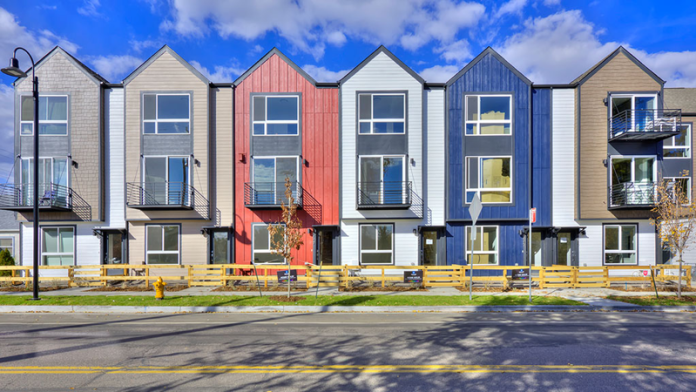
How to Find Perfect Gulf Coast Florida Homes

Introduction

It’s never a bad time to look for luxury Gulf Coast Florida Homes. But if you’re considering making a move now, you may have many questions. After all, not every home is created equally—some are better than others, and some are more expensive than others. Luckily, there are plenty of ways to determine which property is best for your needs and budget (without breaking the bank).

Look for Homes in Good School Districts.

The next thing to consider is the area. If you’re looking for homes in good school districts and want to buy in a safe neighborhood, look for homes near a golf course or marina if possible. Also, make sure your home is well built with attention to detail.

Look for Homes in Good Neighborhoods.

When looking for a home, it’s important to know the area you’re buying. The property values and characteristics of a neighborhood can greatly impact your home’s price. While it’s true that millions of dollars could be poured into any house and make it worth millions more, many homes have great potential but aren’t marketed or sold properly because they’re in poor neighborhoods.

To avoid this mistake, look for homes in good neighborhoods. These areas tend to have lower crime rates and higher-quality schools than others nearby—and therefore demand higher prices! If possible, try to find out what type of demographic lives in these communities: Are they mostly families? Young professionals? Retirees? Knowing this information will help determine whether or not this is an ideal place for you and your family before making any final decisions about purchasing real estate here.

Be Mindful of Hurricanes

One of the best things about living in a beach community is that you can easily access your favorite beaches. But it’s also important to remember that storms and hurricanes are real on the Gulf Coast. Homes closer to the water are more at risk of being damaged by high winds, storm surges, and flooding during severe weather events.

There’s no magic number for how far inland you should go when looking for homes in a coastal area such as Florida’s Gulf Coast; however, there are some general guidelines:

  • Keep your home at least 50 feet back from storm surge hazard lines or 100 feet from the shoreline if you live in an area prone to erosion
  • Stay clear of floodplains which generally have FEMA-designated boundaries

Look for Homes Near a Marina

If you are a fan of the water or think boating and fishing might be good hobbies for your family, look for homes near a marina. There are many benefits to living in proximity to a marina. Some of these include:

  • You can purchase boats and other water toys at the marina’s store
  • You can meet other people who share your interests in boats, fishing, and boating
  • You can visit the store to inquire about classes on how to maintain your boat or use it efficiently

Look for Golf Course Communities

Golf courses are great for the family. They provide a relaxing environment and allow you to spend time outdoors, but they also have many other benefits. Golf courses are good for the environment, as they help reduce erosion and restore damaged ecosystems. Golf courses also contribute positively to your area’s economy, attracting tourists who pay hotel bills, eat out in restaurants, and shop in stores while visiting.

As you’re looking for Gulf Coast Florida homes for sale near a golf course, keep your eye out for these features:

Look for Well-Built Homes of Quality Construction

When looking for a home, it’s important to consider the quality of the construction. Often, you can tell if a house was well built by looking at its materials. For example, look closely at the door frames and window trim; are they made from wood or vinyl? Does the roof seem like it’s sagging in places? Are there holes where pipes or electrical wires go through walls? When you find these things, they’re usually signs that the home wasn’t built with proper attention to detail or correct materials.

A good way to tell if your potential Gulf Coast Florida Homes have been well-built is by looking at them from above (i.e., on Google Maps). If all of the homes around yours appear to be built with attention to detail—with solid foundations, good insulation, and roofs—then chances are yours will be too!

Stick To Your Budget

When you are searching for your dream home, it is important that you know your budget and stick to it! Of course, you don’t want to overspend on a home you can’t afford. But, on the other hand, if the price seems too good to be true, it probably is!

Negotiating is an art form in real estate and something everyone should try at least once. If the seller wants their home sold, they will likely negotiate with you. However, don’t be afraid to walk away from a deal if the terms aren’t right for you.

Buy a house you can afford. When shopping for homes in the Gulf Coast area of Florida, it is important to stick to your budget. Do not buy too many houses; that could cause financial problems later. Instead, ensure the house you choose meets your requirements and needs so that you are happy living in it for years to come!

Conclusion

We hope this article was helpful for you in finding the perfect Gulf Coast Florida Homes. If you follow these tips, you should be able to find something that fits your needs and budget.

We have had a great time assisting our clients in finding their dream homes, and we would love to help you too! So feel free to reach out if there’s anything else we can do for you or if there is anything else we can answer about the real estate or home buying process.


Should You Provide Lockers For Employees?

Providing lockers for employees provides them with a place to store their belongings. And it’s certainly more convenient than carrying everything around with them all day.

But there are also some potential drawbacks to providing lockers for employees. For one thing, it can be expensive to install and maintain lockers for everyone on staff. And if the lockers are not properly maintained, they can quickly become cluttered and messy. This can lead to frustration and dissatisfaction among employees.

Another potential downside to providing lockers is that they can encourage theft. If employees know that there are valuable items stored in the lockers, they may be tempted to steal them. This is especially true if the lockers are located in an area that is not well-lit or monitored. 

What Are The Benefits of Providing Lockers For Employees?

There are many benefits to providing lockers for employees. Lockers can provide a safe and

secure place for employees to store their belongings and can help to prevent theft. Lockers can also help to keep the workplace organised and tidy. Additionally, lockers can provide a space for employees to change clothes or take a break during their shifts. Overall, providing lockers for employees can create a more positive and productive work environment.

So, should you provide lockers for employees? It really depends on your specific situation. If you have the budget for it and you think it would make your employees’ lives easier, then it may be worth considering. But if you’re concerned about the potential drawbacks, you may want to think twice before investing in lockers for your workplace. 

How Much Does It Cost To Provide Lockers For Employees?

The cost of providing lockers for employees varies depending on the size and type of locker you choose. The average cost of a locker is $50-$200. However, if you are looking for a high-end locker, the cost can be upwards of $500. When choosing to provide lockers for employees, it’s important to consider both the initial cost and the ongoing costs associated with maintenance and upkeep. For example, if you choose a locker made from high-quality materials, it will likely last longer and require less maintenance than a cheaper option.

Additionally, you’ll need to factor in the cost of locks and keys, as well as any damage that may occur to the locker over time. Ultimately, the best way to determine whether providing lockers for employees is a good investment is to consider the needs of your business and your budget. If you have a large workforce and your employees often need to store valuable items, then investing in lockers may be a wise decision.

But if you look for a key cutting service, you can often find a very cost-effective option.

On the other hand, if you have a small business with few employees, or if your employees generally don’t need to store anything beyond their personal belongings, then providing lockers may not be necessary.

Conclusion

Locker rooms can improve employee productivity and morale. They provide a space for employees to store personal belongings. If your workplace does not have locker rooms, you may want to consider providing them. This will help improve the working environment for your employees and make it easier for them to get their work done.

What Goals A Construction Can Company Achieve By Leveraging Construction Software?

Inarguably, proper utilisation of advanced technologies and tools helps business enterprises across diverse sectors reap a host of advantages. Similarly, in the last few years, the number of construction companies investing in digital construction management services has increased remarkably.

Automating and streamlining complicated processes helps construction project managers make informed decisions faster, besides controlling project costs. You should get the most productive construction management software to increase operational efficiency and satisfy clients’ requirements in the best manner possible.

The most feature-rich construction management platform can help eliminate repetitive tasks and manual errors. Therefore, your team members can perform efficiently and complete the project before the fixed time. Invest in the best one to save substantial time, money, and effort.

Keep reading to gain an in-depth understanding of the goals a construction firm can accomplish if it uses the latest construction software.

Ensure the Project Workflow Remains Unaffected

A project manager is primarily responsible for ensuring that each team member is on the same page from the beginning to the end. Keeping everyone involved, including stakeholders, updated on the status of the project from time to time is the duty of the manager. In addition, keeping away potential risks and cutting down expenses should be a manager’s priority.

So, relying on the best construction project management tool is necessary to ensure the workflow doesn’t get affected. It can help route and disseminate vital information at once across departments and even to the project site directly. Using such effective software can help a construction firm’s project managers discuss orders, submittals, and RFIs’ status online.

Make Procedures More Efficient and Streamlines Policies

A big construction project mainly involves several agencies, departments, engineers, architects, consultants, contractors, and sub-contractors. So, on most occasions, it is immensely challenging to make sure that everyone is well informed of the policies and complies with them.

Online construction software can play an instrumental role in streamlining policies and making processes efficient to a great extent. It ensures that different procedures are in the right place for team members. Thus, the chances of delays and errors reduce significantly.

Improve the Productivity Level of Team Members

Automated procedures and elimination of the same steps clearly indicate that team members can perform more productively. A construction project’s chief manager can access critical project-specific documents and control notifications. Then, the manager can tune the application according to the project team’s workflow.

The advanced construction management platform features reporting tools, enabling the project manager to stay updated on who has given input and who is yet to give it. Get one for your construction company to make sure all members are in the loop, work productively and keep the risk of slowdowns at bay.

Save Time and Money by Automating Documentation

Indeed, time is money for every business organisation, regardless of size. A construction firm tries to do everything possible to ensure the project cost does not increase. However, when there are sudden changes in project details, project expenses increase, as well as time.

Harnessing the potential of cutting-edge construction supervision software can enable team members to access documents even on the go. Whenever there is a minor or major change, designated team members from different departments immediately get a notification. Thus, it saves time and money as well.

Complete Elimination of Paper 

There is always a security risk involved when construction project managers store confidential physical documents in storage space. While passing on the documents and files from one team member to another, there is a chance of losing them.

A collaborative construction management tool can help you eliminate paper and so as the possible risks as it allows you to store and share documents via the cloud. You would otherwise need to spend a considerable sum of money every time to ship large volumes of project-related files and documents.

Besides the ones enumerated above, you need not take time out separately and conduct in-person meetings with clients and team members. So, it is prudent to get in touch with Signax and invest in the construction project management software it designs and develops better than others. Do so without putting things off to streamline processes, manage construction project activities well, communicate seamlessly, reduce hassle and save time, money, and energy.

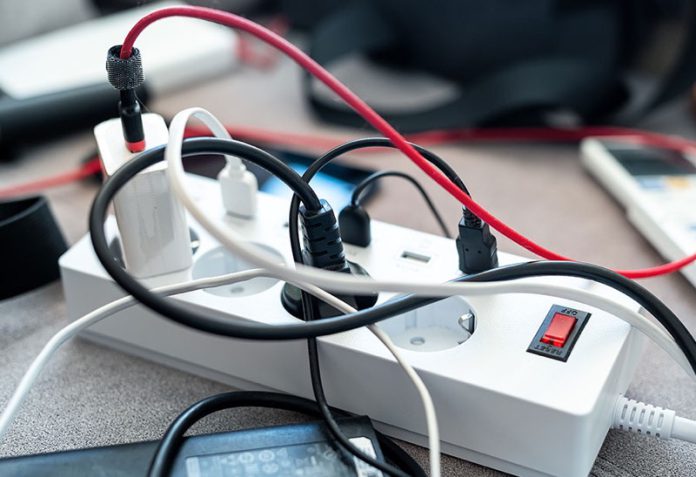
Important Factors to Consider To Help You Work Safely With Electricity

Humans should not work with high voltage or other electrical hazards daily. Thus, working with electrical supplies can be dangerous, especially if you don’t have the right tools.

This is why using the proper safety equipment is vital.

If you need some safety tools, it is time to check out the items listed below to help you safely work with electricity, especially if you are an electrician, apprentice, or even someone who likes to tinker around with electrical equipment.

Arc Flash Protection

An arc flash occurs when electricity jumps from a conductor to another object, such as a person. These can cause severe burns, leading to amputations or even death.

Therefore, protecting yourself from arc flashes is crucial when working with electricity.

There are arc flash safety suits, hoods, and personal protective equipment that helps prevent injury from arcing or sparking. The entire set will usually include gloves, jackets, pants, and shoes with conductive carbon or Kevlar fibers.

These products conduct electricity away from your body when working with electrical supplies. They also protect you from burns if they come in contact with electrical current.

You can get them from your local hardware store or online from any website like Amazon.

Electro-Static Discharge Protection (ESD)

Electro-static discharge is the buildup of static electricity on a person or object, often causing small sparks.

The friction between two dissimilar materials like plastic and metal causes this, but it can also be caused by rubbing against clothing fabric.

ESD is a genuine concern when working with electronic components, as even small amounts of voltage can damage sensitive electronics.

Listed below are some tools to help you work safely:

ESD Mats

These mats contain a layer of insulating material that prevents static buildup in the air around you. They are available in different sizes and styles for home or office use.

ESD Gloves

These gloves are from conductive materials that allow you to safely handle sensitive electronics without fear of damaging them. They are available in different sizes and styles for home or office use.

Covers

Covers protect from ESD because they prevent objects from contacting each other directly and creating friction which causes static electricity buildup.

These covers come in many shapes and sizes to fit almost any size of things that need to be protected from ESD buildup while handling sensitive electronic components.

The most common covers are from conductive materials like leather, rubber, and neoprene.

Rubber Mats and Insulating Tools

When working in the garage or on a job site, you might work close to electrical equipment such as a power supply box or a light fixture. If you’re not careful, you could get shocked if you accidentally touch something electrified.

To prevent this from happening, you must have rubber mats and insulating tools that can help protect you.

Rubber Mats

Rubber mats are available in different sizes and thicknesses. They come with an adhesive backing to be attached directly to any surface, including concrete floors.

They are great for protecting against electrical shock because they’re made from rubber which doesn’t conduct electricity.

They’re also an effective way to insulate yourself from electrical current. This is particularly important when working with wet items like metal pipes or wires.

The best rubber mats for this purpose are thick and sturdy but lightweight enough to carry easily.

For example, the Rubbermaid Work Mate is a popular choice among electricians because it’s easy to clean, and you can use them on all surfaces without leaving marks or slipping off.

Insulating Tools

Insulating tools come in many different shapes and sizes, but they all do the same: they keep you safe from the live wires inside the cable or wire.

These include gloves, sleeves, and boots made from a non-conductive material such as rubber or plastic.

They help prevent you from getting shocked while working on electrical projects because they insulate your hands from the current running through wires or cables.

For example, if you are connecting two pieces of metal, like screwing a light bulb into a socket, you must combine them with a non-conductive material. This is because metal screws can cause sparks if they touch each other in a circuit.

By using an insulating tool, you can avoid this risk altogether. This will also reduce your chances of getting shocked by the electricity running through your hands.

Gloves

Gloves are a great way to protect your hands from shocks and burns. Three types of gloves are available for electricians: rubber, leather, and neoprene.

Each type of glove has its advantages and disadvantages, but all three offer some level of protection from electrical shock.

Rubber gloves are suitable for insulating your hands from shocks; however, they don’t last long if exposed to heat or chemicals like oil or grease because they can deteriorate the rubber material over time.

Leather gloves offer more excellent protection against cuts and abrasions than rubber gloves; however, they can be expensive because they often have to be replaced due to wear-and-tear caused by frequent use in the workplace.

Neoprene gloves are synthetic rubber resistant to heat and chemicals such as oils and greases; however, they’re not as durable as leather or rubber due to their flexibility when worn over extended periods.

Garments

When it comes to protecting yourself from electric shock, clothing is critical. You should always wear rubber-soled shoes, gloves, and leather-palmed gloves when working around electricity.

If possible, wear a pair of rubber boots as well – these will help protect your feet from any electricity that accidentally spills onto the floor.

Wear long sleeves and trousers so that no skin is exposed, and use safety goggles to protect your eyes from flying debris such as sparks or splashes from liquids like water or oil, which may spill onto hot surfaces during working hours.

Final Thoughts

Working safely with electricity is no joke. It has genuine hazards, and an ounce of prevention can be the difference between a safe project and a severe injury.

The right tools can make all the difference when working with electricity, primarily if you work with it regularly. It would be best if you always protect yourself from electrical hazards using proper protective equipment.

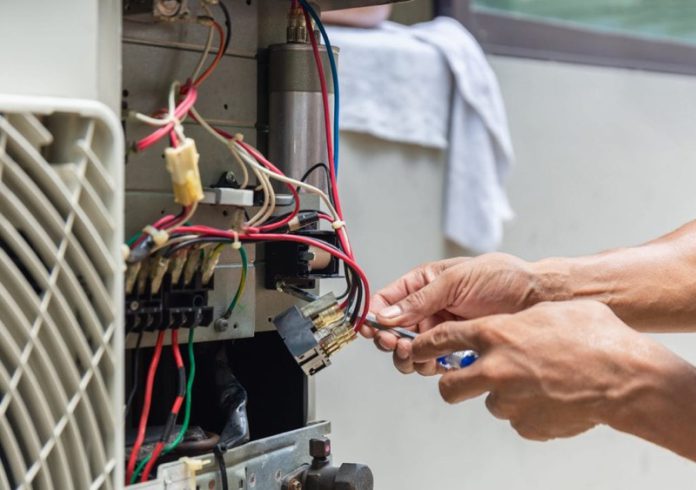
Finding Professional HVAC Services in St. Louis

What To Look For When Searching For A Reputable HVAC Company 

When we make large investments, we tend to want to protect and maintain them the best way we can. The heating and cooling systems in a home are major components and usually represent a large investment. And it can be hard to narrow down the potential options from just a Google search.

There are so many St. Louis heating and air companies that say they do good work, but how do you really know you’re dealing with the best of the best? Let’s go over what to look for in an HVAC company so you can confidently choose the right one for you.

Experience

When it comes to delicate jobs like HVAC services that not only have a large investment behind them, but also determine the comfort and utility of your home, you don’t want to have a technician “cutting their teeth” on your home. You need a seasoned expert working on your HVAC systems.

Of course, it may be hard for you to only find technicians with substantial experience, but you definitely want a well practiced and confident professional carrying the fate of your HVAC system in their tool belt. Place experience and knowledge at the top of the list, above price and every other factor you consider.

Ask questions like the following to get a feel for a company’s experience and knowledge:

  • How many years of experience do you have in the industry?
  • How long has the company been in business?
  • What does the company do to make sure professionals stay current in their understanding of new technology and products in the industry?

Reputation

Companies that truly do good work and leave their customers satisfied usually have a reputation that precedes them. Most companies have references they can point you to for an assessment of the work they do, but it is important to check out external sources like:

  • Online Reviews
  • Third-Party Publications
  • Better Business Bureau

It is always best to work with a company that someone you know has worked with previously and can vouch for, but if you don’t have that option, you should be vigilant in vetting potential service providers.

Licensing and Certification

There should be no issues whatsoever seeing the licensing paperwork for potential companies. If there is any hesitation or resistance, consider this a major red flag. Additionally, most contractors should be just as willing to share their proof of insurance with you if you ask.

For an added level of confidence, look for companies that require NATE (North American Technician Excellence) certification for their technicians. This ensures consistency across each technician in the company and lets you know the company values efficiency, knowledge, and professionalism in their workers.

Free Estimates On Equipment Replacement

You don’t want to be on the hook working with a company that is overpriced or won’t perform the work to your expectations, so you want to make sure you are working with companies that provide free estimates on your new HVAC systems. On top of the estimate being free, if the company tries to quote you without coming to your home and properly assessing your HVAC needs, run the other way.

To ensure you get the best performance, efficiency, and life out of your HVAC system, the size and type of equipment need to be tailored to your home’s specific requirements. This requires an in-home assessment before any numbers or equipment are discussed.

Fair Pricing

While price is the driving factor in most purchasing processes, your HVAC system is unique in that there are many more important factors to consider before price. This does not mean that you shouldn’t expect a fair price; reputable companies offer pricing that is fair for the scope and quality of work they perform.

The truth is, only selecting the cheapest option can lead to added cost later in repairs or premature replacement. Always get multiple estimates for the work, and while pricing should be fair and reasonable, consider other factors more heavily before letting price drive your decision.

All in all, the qualities to look for in an HVAC company aren’t very much different than when searching for any other service. Each factor will hold different levels of importance to different shoppers, but the important thing is to make sure you are vetting potential companies and seriously weighing your options. Your HVAC investment should work for you for years to come, take that extra time and effort up front to ensure it does.

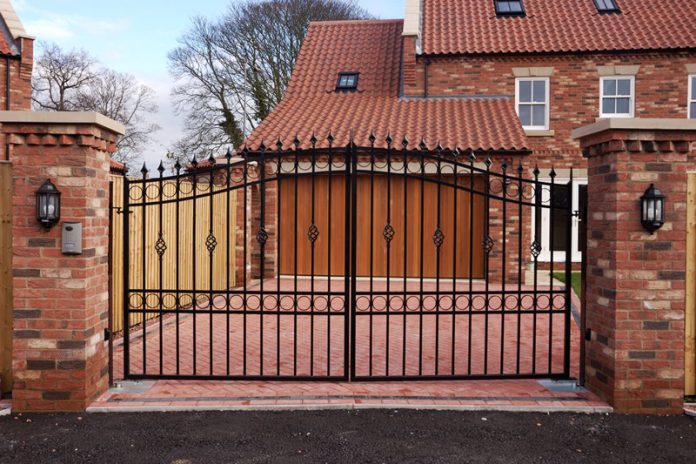
How To Choose The Best Electric Gate For Your Needs

By choosing an electric gate that meets your needs and preferences while also being visually beautiful, you may increase the security and value of your house while maximizing your return on investment. These automatic residential gates are more than simply an automated gate that enhances your house or property; they will also raise the security, value, and feel of your property.

Here are some of our top suggestions to keep in mind before making a purchase and moving forward with the installation of your electric gate.

  1. Due diligence – The first action we advise you to take is to verify the legitimacy of the company installing your electric gates. You can do this for free and in a matter of seconds by visiting www.companycheck.co.uk. This will ensure that the company installing your electric gates is a reputable one with a long history.
  2. Choosing your style – In the vast majority of electric gate installations Bellshill driveway gates has carried out, we’ve encountered a significant number of clients who have an electric gate placed to enhance the appearance, feel, and value of the property. This is frequently a significant deciding factor, therefore we advise working cooperatively with our team to develop a look that is individually aesthetically acceptable.
  3. The gate’s material should be carefully considered when planning your new electric gate and should match the desired style. In order to increase client satisfaction, your driveway gate should visually match the style of your house. When making this choice, you should also think about the material’s cost and take that into account. Visit our blog post on how much does it cost for an electric driveway gate? if you want to learn more about this.
  4. Gateway functioning – How your electric gate opens and closes is determined by this. Again, it is suggested to consult your gate installation crew before making a choice because they have years of expertise and can advise you on which functionality is ideal for your house. For instance, our gate installation crew would probably recommend an electronic sliding gate if your driveway has a restricted amount of room.
  5. Getting access – How to get access control is a crucial consideration when choosing your electric gate installation. The most common methods for opening an electronic gate are a key fob or a numeric pad, however other voice and video intercom systems may also be used.

These five essential tips should put you on the right track to getting the best electric gate for your specific needs. However, if you have any more questions, please feel free to reach out to us.

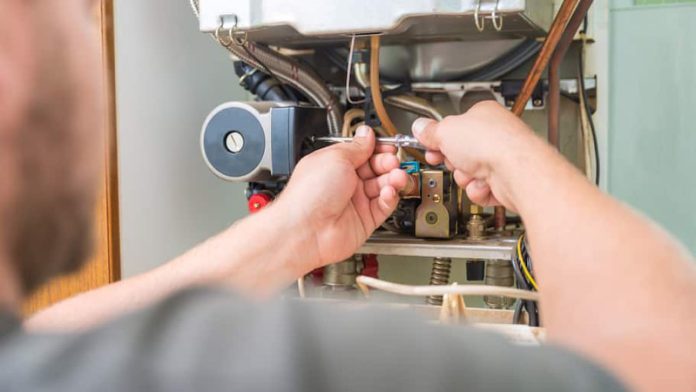
Gas vs. Electric Furnace

Electric furnace vs. Gas furnace – Which One Should You Choose?

A new furnace can be a costly investment for homeowners. That’s why when it’s time to equip your new home or replace your old heating system, it’s essential to consider the cost, efficiency, and longevity of your new furnace.

The experts at Conejo Valley Heating and Air have put together this comparison of gas vs. electric furnaces to help homeowners and contractors decide on the right furnace for your home. We’ll examine the pros and cons of gas and electric heating systems and go through the cost of electric furnace vs. gas so you can make an informed decision.

What are the Differences Between Gas vs. Electric Furnaces?

Gas vs. Electric furnace. What’s the difference? While both heating systems work to heat your home’s air through the ducts, they significantly differ in terms of installation, efficiency, maintenance, and overall comfort.

  • Installation

Electric furnace installation is generally cheaper and more straightforward than gas furnace installation. You’ll need to have a carbon monoxide detector installed in your home if you choose a gas furnace, as they come with the risk of carbon monoxide emissions.

  • Heat and Energy

Gas vs. Electric furnace. Which is more energy efficient? As you might expect, an electric furnace is more efficient than a gas furnace. An electric heating system may have an annual fuel-utilization-efficiency (AFUE) rating of as high as 100%, while gas furnace ratings typically range from 55 to 97%.

It is worth noting that while electric heaters provide high-efficiency heating, gas furnaces use less energy to heat the same amount of space and can also heat homes quicker.

  • Maintenance

Which is easier to maintain between gas vs. electric furnaces? Electric furnaces are cheaper to maintain as they lack a burner that needs cleaning and regular maintenance, unlike gas furnaces.

  • Longevity

The average lifespan of electric furnaces is 20-30 years, while a gas furnace typically lasts only 15-20 years.

  • Safety

Electric furnaces tend to be safer than a gas furnace system which combusts fuel, producing carbon monoxide, which can be harmful if a leak occurs. However, gas furnaces are also a safe option if you ensure your unit gets regular maintenance performed by a professional HVAC company.

How Do the Furnaces Work?

A furnace works by warming air, water, or steam, then directing this warmth to rooms throughout your house via the ductwork.

In a natural gas furnace, the burner burns propane or natural gas to generate heat, which passes through a heat exchanger, heating the air to the temperature set by the thermostat. A blower then circulates air through the heat exchanger, forcing cold air through the heat exchanger and distributing the heated air throughout the home.

An electric heat furnace acts much like a hair dryer. An electric motor pulls air into the system and through a heat exchanger, where electric heating elements warm up the air to the temperature set by the thermostat. The blower then pushes this warm air through your home’s ductwork, distributing it throughout your home.

Cost of Gas Furnaces vs. Electric Furnaces

Are you thinking about a furnace replacement but are unsure of the prices? Here’s the cost of an electric furnace vs. gas.

On average, a new electric furnace costs $2000 to $5,600 installed, while a gas furnace will set you back between $4,500 to $6,000 installed. The cost factors include your location, the unit size, the home’s square footage, and the heater’s energy efficiency levels.

So, which is cheaper, gas or electric furnace? Indeed, electric furnaces usually cost less to purchase and install. However, they may cost more money to operate since electric heaters use more power than natural gas.

The Pros and Cons of Gas and Electric Furnaces

Since there are no perfect products, there are good points and downsides to electric and natural gas heaters, too.

Gas Furnace

Pros

  • More cost-efficient
  • Lasts up to 20 years
  • Higher heat efficient
  • Better for colder climates

Cons

  • More expensive
  • Complicated installation
  • Shorter service life
  • Carbon monoxide safety concerns
  • Needs regular professional maintenance
  • Noisier

Electric Furnace

Pros

  • Lower upfront cost
  • Easier installation
  • Low maintenance
  • Safer and quieter
  • Lasts up to 30 years
  • Better for warmer climates

Cons

  • More expensive long-term
  • Less heat efficient
  • Dry air

Things to Consider When Choosing a New Furnace

Here are eight factors to keep in mind when shopping for a new furnace:

1. Choose the Most Efficient Furnace in Your Budget

Check the annual fuel utilization efficiency (AFUE) rating and choose a furnace with the highest possible AFUE for its respective fuel type.

2. Programmable Thermostat

Consider adding a programmable thermostat to even further boost the efficiency of your furnace by reducing the amount of work it does.

3. Zoning

Zoning is another excellent way to boost the efficiency and comfort provided by your furnace while reducing energy costs.

4. Size of the Unit

Getting the ideal size furnace for your home is the most critical consideration. Bigger is not always better, and smaller isn’t always cheaper.

5. Warranty

Your furnace of choice should include at least one manufacturer warranty for the parts.

6. Extra Costs

Be prepared to pay other costs that may come into play.

7. Price

Don’t make your decision based solely on price. Instead, consider your needs, budget, purchase price, and long-term costs.

8. Quality Installation

Don’t cheap out on proper installation, as the quality installation is a crucial component of your unit’s overall performance, efficiency, and life expectancy.

Gas vs. Electric Furnaces? Need Help Making a Choice?

When it’s time to upgrade your gas furnace, the Conejo Valley Heating and Air Conditioning experts in Newbury Park have you covered from start to finish. We can help you decide on the best product for your home. Contact our friendly team for a free consultation and estimate if you’re in the market for a new heating system in the Conejo Valley, San Fernando Valley, and surrounding areas. Call 805-499-0448 today for professional HVAC services!

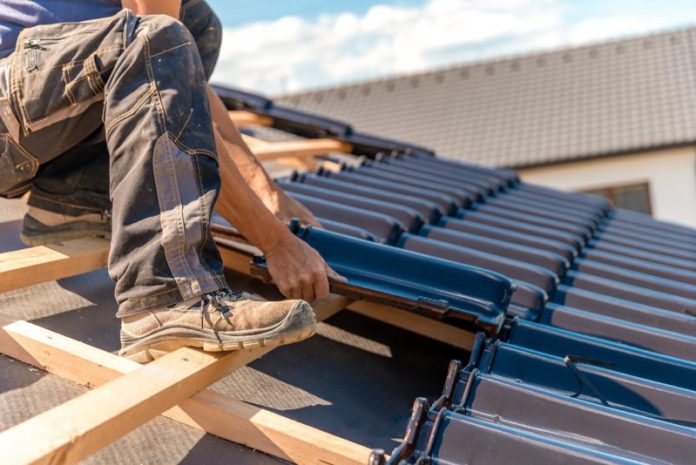
The 7 Most Important Factors When Choosing A Roofing Contractor

A roof will protect your home and family from rain, snow, hail, and other weather elements. It’s not a choice you should take for granted.

When it comes to roofing replacement projects, they are never easy, especially when hiring a new roofing contractor.

Whether you need to establish a new roof or have had the gut feeling that it is time to replace it, chances are you have been searching for the best ones near you to make an informed decision about your project.

Choosing one is no easy feat. And there are many options, and they all declare they are the best.

But, not all of them are reliable and ready to deal with various types of problems that may occur.

So how do you know who’s telling the truth? What should you be looking for? Will they work hard to get the job done quickly and efficiently? How can you choose the right one for your needs?

Learn the answers to all your boiling questions in this article on picking out the best one near you.

Check out the seven factors listed below, or you can check out Paramount Builders for more helpful information.

Local knowledge and experience

The roofing contractor you choose should be knowledgeable about their local clients. They can only understand the needs of homeowners if they are from the locale.

They reflect the same taste. And since they have been working with the community for a long time, a local contractor can easily communicate and build rapport with the homeowners.

This means that they can accurately assess problems with your roof and make recommendations for repair or replacement based on their knowledge of local conditions.

In addition, they will have a strong understanding of local building codes and regulations.

Therefore, finding a company that knows the area, its weather patterns, and how to handle whatever type of roofing material you are considering is crucial.

Look for providers who have been in business in your area for at least three years (or longer if possible). Find one specializing in roofing repairs or installations rather than general contracting services like plumbing or electrical work.

Another thing why local knowledge is so necessary is because it allows them to build up a reputation for themselves among their clients, which means that people will trust them more than other companies who don’t have this kind of knowledge about their area.

Expertise

Experience matters when choosing the best roofing contractor for your needs.

Most companies offer various services. For example, a general contractor may be able to do roofing. Still, it will probably lead to higher costs and be less efficient than if you hired a provider specializing in it.

A roofing company may focus on certain types of roofs or areas of the country. Some specialize in flat roofs, while others specialize in metal roofs.

With their expertise, they can tell a suitable material that solves a particular issue or if it fits a specific condition.

Expert roof contractors would know different raw materials, including asphalt shingles, slate tiles, and metal panels.

They can tell what works best in different environments and help you choose the right type of shingle or tile for your specific situation.

In addition,  working with experts allows you to explore a range of services from maintenance to installation to repair.

Budget

Hiring a contractor comes with a price tag. When it comes to your home, you want to ensure that any money spent on repairs is worth it in the long run. You also need to make sure that your budget can accommodate the cost of hiring a professional roofing contractor.

Therefore, you need to know how much you can spend on your roof replacement and how much it will cost to replace it.

Hiring a local contractor instead of an out-of-state one would cost you less.

They are likely to offer more competitive rates than those who live far away from you and have to charge extra for travel expenses.

Also, providers who advertise low prices may be cutting corners on quality or safety issues that could harm your home or family members in the future.

Local presence and guaranteed craft

Look for their solid reputation in the community.

A local presence means your company will have employees who live in your area, not just travel through it on their way to another job.

You want a contractor who has been in business for at least five years and has a physical office or showroom where you can meet face-to-face before deciding whether or not you want them on your project.

If they have a solid local presence, they know the local climate and what’s typical for each season, and the best materials for your house type.

Additionally, if something goes wrong with their craft, you’ll be able to contact them directly instead of through an intermediary or agent.

So they’re always around when problems arise — after all, nothing happens quickly when it comes to roofing projects.

A reputable contractor should guarantee their work for at least one year after completion of the job.

This ensures that any issues that arise later on will be taken care of promptly without any hassle. It can also help if you want additional work done down the road.

You may even want to look into whether or not there have been any lawsuits against the company previously.

Customer reviews and referrals.

While this may seem like a no-brainer, it’s a critical factor when choosing a roofing contractor.

You want someone who has worked with other people before. Look for a company that has received positive reviews about its work ethic, performance, and pricing structure.

A good contractor should have no problem providing references from previous customers who have worked with them, especially if they are happy with the results.

They should have plenty of clients they can refer you for testimonials about their quality and customer service skills.

So you can ask for references from past clients; then call them to ask about their experience working with this particular provider before deciding which company to hire for your project.

Accreditations and Insurance

You always want to ensure that your contractor is licensed and insured for your protection.

Ask for proof of their license at the beginning of the project. You also need to ensure it’s kept up-to-date throughout the job.

The best ones will be willing to show you proof of their certification and coverage before beginning work on your home or business property.

Accreditation by organizations like the GAF Master Elite Installer Program, Owens Corning Roofing Professional NetworkSM (OCPN), and National Roofing Contractors Association (NRCA) ensures that your provider has been trained and tested in specific areas of expertise.

These include activities such as installing sure roofs or maintaining proper safety protocols.

The National Roofing Contractors Association (NRCA) is one of the oldest trade associations in America, and it’s dedicated to promoting professional growth, safety, and ethics in the industry.

Any NRCA-certified contractor should be able to show you proof that they have passed an industry-wide exam on topics such as installation techniques, safety procedures, and product knowledge.

If something goes wrong on your roofing project, you want to know that you’re covered against any potential loss or damage.

Roofing providers should carry liability insurance that protects all parties involved in the process — including the homeowner — from accidents or injuries during the job.

Make sure your contractor offers workers’ compensation insurance, too — this covers medical expenses if someone gets hurt while working on your property.

It’s also vital for both parties to have general liability insurance in case something goes wrong during installation or repair work.

The local Better Business Bureau can provide information about any complaints against any providers you are considering hiring, along with information about licensing requirements in your area.

A commitment to best practices and the environment.

The EPA estimates that more than 40 percent of U.S. homes have roofs covered in asphalt shingles, which produce significant amounts of greenhouse gases when manufactured.

The U.S. Green Building Council reports that recycled content in asphalt shingles can reduce carbon dioxide emissions by up to 50 percent compared to virgin materials.

If you are concerned about leaving behind a sustainable footprint on our planet, look for roofing contractors that commit to sustainable practices and materials.

They use products certified by LEED (Leadership in Energy and Environmental Design), GRIHA (Green Rating for Integrated Habitat Assessment), or similar programs.

It also means that they are performing their work without damaging trees or plants and repairing any damage they cause as they go along.

Choose someone committed to improving their processes over time and reducing waste during each job.

Communication

Communication is necessary when it comes to hiring a contractor.

It would be best if you had someone who would listen to and address your concerns on time. You also want someone who will answer your questions in a way that makes sense to you, even if you’re not an expert on the subject.

The ability of a company’s employees to communicate effectively with you throughout the entire process — from quote through installation — is also essential.

You want someone whose job is to ensure you’re comfortable every step and answer any questions you might have along the way, not someone who gives you an estimate over the phone, then disappears until it’s time for them to install your roof.

Final Thoughts

Whether you’re replacing an existing roof or installing a new one, you’ll want to be sure you’re working with the right one.

There are various factors you should consider while looking into potential options. First, it helps to know where to start and what questions to ask when looking for roofing services.

It’s never a good idea to settle for the least expensive roofer you can find. Plenty will give you excellent work at a fair price, so do your research and ensure you’re getting a reasonable price for the job. Make sure to get multiple estimates and talk to your potential contractors before signing on the dotted line.

The main takeaway here is that you should never be afraid to ask questions and do research when it comes to any significant home improvement project.

Tips To Upgrade Your Kitchen

The kitchen is the heart of your home. From preparing meals to eating them together as a family, kitchens are arguably the most used spaces in American homes. But as time goes by, this area can receive quite a beating, making spending time in it while cooking, eating, and cleaning undesirable.

A worn-out kitchen can ruin your home’s vibe and significantly diminish its market value if you plan to sell your home down the road. Worn-out cabinets, stained countertops, outdated appliances and fittings, fading floor wood, and water damage are all signs your kitchen requires an upgrade.

Renovating your kitchen can cost you anything from $1000 to $60,000, depending on how you go about it. So, where to start when upgrading the most used room of the house? What materials will be best? Which items to renovate and which ones need replacement? Here are a few tips to help you upgrade your kitchen:

  • Declutter

Before you begin upgrading your kitchen, start by removing stuff you don’t need or use. Discard everything you don’t regularly use, clear your fridge and pantry, remove extra food storage containers, and throw away anything expired. You can donate things like crockery and food containers that may be of some value to someone else. Once you declutter, you’ll have a better idea of how much space you have and what you can do with it.

  • Change the sink

An old and rusty sink can make your kitchen look unclean, no matter how much you clean it. You may have to cope with water damage, mold, and smell if it leaks. So upgrade your sink for a cleaner look and to reduce the risk of water seeping from below. You can browse a kitchen sink online and buy one that matches the aesthetic you’re planning for your new kitchen. You can also include a wide range of accessories in your sink, including utensil racks, cutting boards, and drying racks.

  • Decide on a color scheme

A new color theme can spruce up your kitchen’s look instantly. So decide on a color theme for the walls, tiles, paint, and furnishings you want to upgrade. According to BHG, green is the most trending color for kitchens in 2022, followed by black and gray. If neutral and muted tones are your cuppa, you can opt for sunny yellows or ruby reds for a bolder look.

  • Update the floor

Wooden floors experience a lot of wear and tear over time. Scratches, spills, stains, and fading can make your floor look drab. So consider touching it up by sanding t and polishing it again. If it’s damaged beyond repair, consider replacing the floor. Hardwood such as hickory is a popular and sustainable choice for kitchen floors. But you can choose from a variety of hardwoods to select the perfect color and texture for your kitchen’s theme. If wood exceeds your budget, opt for waterproof vinyl or ceramic and porcelain tiles. These are available in a plethora of designs and colors.

  • Upgrade the cabinets

Old creaking cabinets can be an eye sore and might also contain several pests you’d want to get rid of. So replace them with updated ones. You can order custom-made cabinets online and paint them according to your chosen theme. This will also help you add more increase storage space in your kitchen.

While you’re at it, swap old-style hardware with modern, sleek designs. Tubular and square bar pulls are one of the trendiest styles this year; they are available in black, silver, bronze, and even copper.

  • Change the countertops

Countertops can wear out pretty fast if you don’t use a cutting board or don’t clean spills immediately. An ugly countertop can make meal prep less enjoyable, so consider repairing or upgrading it. You can buff it up with a durable finish if you don’t want to replace it. Or you can install new countertops for a more dramatic upgrade. Choose a material that is scratch resistant and easy to clean.

  • Invest in new appliances

If you’re living in an old home, chances are the appliances in the kitchen are also dated. Old appliances such as the fridge, oven, and stove are not only an eye sore, but can also be risky to work with. You’re better off replacing them with newer ones to avoid getting shocked or something exploding in your face. Plus, not only do brand-new appliances make cooking more enjoyable, but they also bump up your home’s market value significantly. Invest in eco-friendly products.

You can also upgrade your arsenal of kitchen gadgets and devices if you want to add more diversity to your cooking habits. Consider replacing multiple food processing devices by investing in all-in-one processors.

  • Get new cookware

Investing in cookware could be beneficial for your kitchen and also your health. Damaged Teflon can be toxic and also burn your food. Although the most modern cookware is non-stick, options like iron, copper, and ceramics are available in the market. Cooking and kitchen experts suggest changing non-stick cookware every five years.

  • Install new lights

A well-lit kitchen can make cooking more manageable. So if yours is dark and gloomy, consider making it bright. Add more windows if that’s an option since more natural light is better. Or simply update the lighting fixtures to provide more ambient lighting in the room. You can also adjust the temperature and brightness this way.

If you want something fancier, add small chandeliers, LED downlights, or ceiling fixtures are some good options. You can also add under-cabinet lighting to illuminate specific places of interest, like showing off pretty decorative pieces or artwork. Pendant lights above your countertop can provide as much lighting as possible without disturbing your work area.

Conclusion

Upgrading your kitchen can cost you anything between a few hundred bucks to thousands of dollars, depending on your goal. But you don’t have to burn a hole through your pocket to achieve a drastic and aesthetically pleasing upgrade. You can use the tips mentioned above to get started on turning your existing kitchen from drab to fab!

Six Secrets To A Beautiful Modern Bathroom

Bathrooms have come a long way over the years, and modern ones are quickly becoming the norm in the home.

From their use of concrete-like materials to their lack of clutter and glass, these bathrooms are intriguing with features that motivate users to want to get in and enjoy their luxurious space.

They also offer possibilities for both retrofitting and renovation to make a unique look. You can take a look at one-of-a-kind pieces from https://www.virginiashowerandbath.com/ to give you an idea of how they look.

However, one thing hasn’t changed: the desire for functional, well-designed bathrooms inviting places to relax. Indeed, there’s nothing quite like taking a much-needed dip in the tub and enjoying a hot shower.

So, if you are a fan of more simple, modern designs but at the same time are worried about your bathroom looking too cold and clinical, here are six secrets to make yours stylish enough to make you want to spend time in there.

Clean And Minimal

Clean and minimal is probably the easiest way for a modern bathroom.

Plenty of materials will work with this style, but it’s about making the most of the space.

The best way to do this is by using mirrors and glass to reflect light, open up the room, and give it an airy feel.

You can achieve a clean look in many ways, but we’ll stick with what works best: white walls and fixtures, black or dark grey tile, and many mirrors!

You also want to take advantage of other aspects of this style, like tile that has a matte finish or a shimmery one. This will create an exciting look for your walls and floors.

Artwork

The artwork is an integral part of a modern bathroom. It can be used as a focal point, and You can also use it to make your bathroom more functional.

You can make the artwork from wood, metal, glass, or any other material you like. You can even have custom artwork done for your bathroom by professionals.

The artwork can be present in the shower area, or it may be present on the walls around the bathtub or shower area. It all depends on how much space you have available in your modern bathroom.

If you have a small space, then you may want to consider using only one piece of artwork at a time.

But if you have plenty of space, you could use multiple pieces of artwork together to create an exciting composition that looks good and adds function to your bathroom design plan.

Geometric Tiles

Geometric tiles are one of the most fashionable trends in modern bathrooms.

You can use these geometric tiles for walls, floors, and shower doors.

The best thing about geometric tiles is that You can use them in any combination.

You could have a wall with rectangular shapes or a wall with hexagonal shapes, and it’s up to you.

To create a more traditional look, you could use hexagonal tiles throughout your bathroom and add some rectangular ones onto the walls to create contrast.

If you want to create an ultra-modern look, choose geometric shapes that are similar in size but different in form (such as triangles) and use them throughout your bathroom.

Wood Accents

Wood is an organic material that can be stained, painted, or left raw for a rustic look.

In the shower area, you can use wooden shelves for displaying your bath products, towels, and other accessories. Depending on your space, these shelves can be built into the wall or hung.

The same goes for shower doors. You can get sliding glass doors that let in extra light and air, but they also provide privacy when you want them while keeping the room open and airy.

If you want to go all out, use wood in every aspect of your bathroom — flooring, walls, and ceilings. This will help tie everything into one cohesive design that looks like one piece rather than three separate rooms shoved under one roof.

Sculptural Light Fixtures

Light fixtures can be one of the easiest ways to modernize your bathroom.

If you are looking for something simple, try a round pendant light or sconce. These are easy to install and can be used in any room—even outside.

If you want something more unique and decorative, you can find many different styles of lights that will fit into the theme of your bathroom. One popular choice is a chandelier that hangs over the shower or bathtub area.

Another option is to position recessed lighting in the ceiling of your bathroom. This lighting gives off a soft glow and doesn’t distract from other design elements in your room.

It’s also easy to install and inexpensive compared to other options like track lighting, which requires wiring skills and electrical knowledge when installing it yourself.

Fun Houseplants

Having the right plants in your bathroom can boost your mood and make you feel more relaxed. Many different types of houseplants are perfect for bathrooms, from air purifying to fun and colorful.

Here are some of the best plants you can buy for your space.

1. Snake Plant

The snake plant is one of the most prevalent houseplants because it’s easy to take care of and can tolerate low light. It’s also known as mother-in-law’s tongue because its leaves resemble a snake’s tongue.

2. Aloe Vera

Aloe vera is another popular houseplant because it’s hardy and needs little water or light to thrive. It also has medicinal properties that help heal cuts and burns — perfect for your modern bathroom design!

3. Spider Plant

Spider plants are great for hanging pots or on top of your mantelpiece — make sure you don’t over-water them! They’re also known as aeroplane plants because their long tendrils resemble landing gear on an aeroplane.

4. Peace Lily

Peace lilies are one of the most convenient houseplants to grow indoors because they require little care and thrive in low-light conditions like bathrooms. Their white flowers bloom throughout the year and make a beautiful addition to any space.

Final Thoughts

Whether you’re new to DIY bathroom remodelling or a seasoned pro, we hope this list has provided some valuable tips for creating your own beautiful and functional bathroom.

Any modern design you choose will ultimately depend on your particular tastes. So while these are all modern designs, that doesn’t mean you need to have the same things in your bathroom.

You could take parts of these different designs and remix them to fit your taste. So consider these a few ideas to inspire your designs.


Recent Posts

Posts You Might Like