

Home Blog Page 214

Creating the Ideal Grow Room

Growing cannabis at home can be an incredibly profitable venture, provided you have the right environment for the job. If you’ve just obtained a license for growing cannabis, you’ll need to set up either a grow room or a cannabis greenhouse to ensure that your plants flourish. While you can usually build a grow room by yourself, you may instead want to work with grow room construction contractors to ensure the continuing success of your crop for years to come. Professional grow room installation services keep your cannabis healthy and hydrated, which will increase your profits as you continue to move forward with your grow operation.

Creating the ideal grow room means setting up a cultivation space that follows basic scientific design principles that make it easy to pay close attention to the status of your crops. In this article, we’ll look at some of the grow room solutions you can integrate into your space to increase the health of your plants and optimize crop yields. You might be surprised at the level of impact some of the smaller changes can have on your space and your profit margins.

Grow Room Lights

Setting up the right lighting conditions in your cannabis grow room is essential to boosting plant health and increasing the extent of your yields. Cannabis plants require considerable amounts of light, whether you’re growing it indoors or outdoors. Most recommendations are to have your grow room lights on for 18 hours at a time each day to ensure that the plants are absorbing the nutrients they need while they’re in a vegetative state.

Usually, you won’t want to go over 18 hours of lighting for cannabis plants because you’ll stop the plant from operating on a normal day/night cycle. However, less light will often reduce growth potential, extending what is essentially the plant’s sleep cycle. No matter which way you choose to set up the lighting for your plants, you’ll need to make sure that your plants have consistent, schedule-based lighting, so they can respond to it as though it’s a part of a typical day and night cycle.

Light Deprivation

When you’re growing cannabis plants indoors, the process of creating a blackout environment is just as important as creating artificial light. When the cannabis reaches its flowering state and is almost ready for harvesting, you’ll need a blackout curtain or tarp that envelopes the entire space. Timing is critical when creating this artificial darkness- if you deprive the area of light too early or too late, you’ll accidentally decrease the crop yield.

The ideal cannabis greenhouse or grow room makes setting up light deprivation for isolated zones easy so that one section of your plants can trigger a flowering response for harvest while the other portion of your plants continues to grow normally, in a vegetative state. When it comes to growing cannabis at home, the right lighting spectrum is key to success.

Temperature & Humidity Controls

Cannabis grow rooms and greenhouse spaces should be slightly above room temperature at almost all times. If the grow room is too cold, it will alter growth patterns and potentially wilt the plants as they adapt to what’s essentially a less relaxed environment for them. If the grow room is too hot, the plants will have a tough time maintaining proper hydration levels, which can also alter the success of the crops.

In the ideal cannabis grow room, the room’s temperature is self-regulated by a machine or device separate from your home’s standard heating and cooling systems. To ensure that the space stays at the proper temperature, installing insulation for the space is vital. Insulated metal wall panels are often the best solution for keeping your plants in an optimal environment. They also help keep the room at optimal humidity levels, which is usually somewhere between 40 and 50% for a flowering crop.

Maximizing Space

One of the challenges you’ll face in growing cannabis at home is finding the space for plants as they continue to multiply. Vertical grow racks and other stacked planting solutions are a good option for many growers, though you’ll often need to set up the lighting and temperature controls of the space to accommodate for this type of planting. Most vertical grow racks are made from durable, water-resistant steel or metal to ensure that they continue to support the grower for many planting and harvesting seasons to come. Tabletop caster units are a solid choice for grow rooms without enough space for full-scale vertical planting equipment, as are mobile carriages and other shelving solutions.

Air Circulation & Ventilation Concerns

The air in your grow room should never be stagnant, or your plants likely won’t get the CO2 they need for success. Unfortunately, many growers that plant everything indoors have a tough time keeping the air in their space fresh, which can lead to wasted crops if they aren’t careful. You’ll usually need industrial-level fans and ventilation systems for the space that work in sync with your temperature and humidity controls. When the plants begin to flower, they also create a powerful odor that it’s critical you mitigate before it affects the rest of your home.

Optimizing CO2 Levels

CO2 generation is a critical process in growing cannabis plants that effectively increases the health of the plant’s stalk and leaves when it’s in a vegetative state, which then leads to an increase in crop yield down the road. A CO2 generator is a common solution to this problem for many growers, as are CO2 enrichment systems and liquid CO2 dispensing solutions. The right CO2 solution for your grow room or greenhouse largely depends on the size of the space.

Keep it Clean

To maintain an optimal cannabis greenhouse, you should keep the entire space as clean as possible to reduce mildew and increase the efficiency of your ventilation and humidity control systems. It’s a simple yet often overlooked method for making the maintenance of your plants a simple process, ultimately increasing your crop yields and resulting profits.


7 Tricks to Choose the Perfect Colour Palette for Your flat in Gurgaon

Whether you are moving into a newly purchased property or thinking of renovating the current residence, one of the most critical choices any homeowner has to make at least once in their life when I was searching for flats for sale in Gurgaon, I looked at several pre-owned flats that had eye-catching colour palettes and had decided to replicate the same in my new house. When the time came to select the colour combinations for interior decor, I realised that choosing a colour palette for your home was not as simple as picking paint colours.

If you’re repainting a room, choosing a suitable colour scheme is both – an essential and challenging aspect of interior decorating. It is said that using the right colour can improve the room’s vibe drastically. After successfully colour-matching all the decor in my house, I decided to blog my thoughts and offer some interior design tips! Continue reading to learn about palette-perfecting tips appropriate for your personality, style, and living situation.

  1. Pick a Colour from Any Room Accessory

For deciding a colour scheme, grab one from the most noticeable item in your space, such as a vase, painting, or even a beautiful rug. After you’ve chosen the base colour, you can decide the room’s or home’s colour scheme, which may be monochromatic, identical, contrasting, or complementary to it.

  1. Paint Methodically

Paints can be costly, especially when they are of excellent quality. So, rather than purchasing numerous buckets in the hopes of choosing a colour palette that works well with your room’s walls, you may want to try out a paint swatch test. We may also utilise a painting tool to ease this task and save some of your valuable time.

  1. Make Good Use of The Colour Wheel

One of the best palette-perfecting tips for interior decor is the colour wheel. This technique is ideal for painting the bedrooms since it allows you to practically see different colours and help you choose the right colours to enhance the room’s relaxing atmosphere. You must utilise the colour wheel to select complementary colours next to each other on the spinning wheel.

  1. Always Remember – Lighting Matters

It is never too early to think about lighting in any indoor space. Lighting shouldn’t be overlooked, no matter how big or small the room is. The colours and tones can change at any time. A room’s lighting may alter how one perceives its colours over time. A colour that looks great during the daytime may not look as good after the sun has set! When I searched for flats for sale in Gurgaon, I realised that I liked flats that received plenty of sunlight more than those that did not.

  1. Paint the Most Important Rooms First

The initial steps of room painting could be the most troublesome, and it requires a great deal of patience. So it is better to start the painting from the most used room in the house, such as the living room. If you’re overwhelmed by the prospect of choosing a colour palette for your house, go with a mild, neutral tone for the main space and then expand on it for the rest of the house’s palette. It’s always better to have all the required painting tools and apparatus to help the work.

  1. Divide the Colour Components

You can use any colour for the room using the 60-30-10 rule. To do so, divide the colour components into 60-30-10 percentages. You can paint 60 percent of a room in a dominant or most vibrant hue (such as the walls), 30 percent with a subordinate or secondary colour, and 10 percent with an accent shade.

  1. Add A Little Greyish Hue

The bedroom is a space where you can use whichever shade of Grey colour you want since the space is private and the shade goes well with almost anything. A Grey colour may be used as a neutral backdrop for repainting a room, especially in a space that requires some calm and seclusion. Neutral hues complement it, and even contrasting colours can elevate the room’s look if used correctly.

Conclusion

An essential thing while painting is choosing colours that are true to your personality and match the vision of your ideal house. In the end, the colour palette for my flat in Gurgaon was representative of my likings more than anything else. If you’re looking for professional painting experts, you may visit Nobroker’s online portals to check the best options.

A Modern-day Garden of Eden

Did you know that the Garden of Eden didn’t have artificial grass? Of course you did. There was no need for it then, but that’s a whole discussion for another day. Right now though, the good people at supplied & fitted by It’s artificial grass want you to have the very best shot at your own Garden of Eden with lawn supplied and fitted by It’s artificial grass.

Unlike Adam & Eve you don’t risk the chance of being banished from your garden because of poor choices and deceitful snakes. In fact, if you have talking snakes approach you with lies, in this day and age – then garden banishment is going to be the least of your worries!

But it wasn’t like that from the start for mankind’s first gardener and his wife. The facts we know about the garden of Eden was that it was packed with “every tree that is pleasant to the sight and good for food”, and a river flowed out of it, and watered it.

You can have the same, if you have the space, access to a solid water source and some mad gardenscaping skills to make a whole watering river run through it. But that seems a bit labour intensive, and a tad much to ask.

You know what’s not too much to ask? Hassle-free, maintenance-free, always shiny, green and new artificial grass. Did Adam & Eve have that?! I think not!

Artificial grass: better than the real deal?

You might be thinking that artificial grass sounds too good to be true. I mean, let’s be real – does anyone like a knock-off? No. But artificial grass isn’t a knock-off. If anything, it’s grass without the downsides of grass.

The upsides of artificial grass are way more practical and exciting than you may think!

1. It looks like and feels like real grass. The only thing you’re going to be “missing out on” is the smell of freshly-mown grass in the summer, but relax.

If you live in the burbs, and next to the Joneses (who haven’t caught on to the magic of artificial grass) – then you are guaranteed a pleasant afternoon of warm summery bliss, the buzz of life in the air, cool drink in hand, and the sweating, heaving Mr. Jones as he wrestles his lawnmower to do his bidding.

While you smugly enjoy the lovely smell of mowed grass, on your immaculate, maintenance-free lawn.

2. The Garden of Eden didn’t need pesticides and neither will you. Artificial grass doesn’t give bugs the things they need to live and breed, and destroy your lawn and the other plants in your precious garden. So, you’ll be doing yourself and your plants a favour, not having to sprinkle poison everywhere to keep the riff-raff out.

While we’re on the list of chemicals you won’t need anymore, here’s the rest you can do away with:

  • Allergy meds. Grass allergies are common as dirt. Literally, who doesn’t have one? Not you and your family anymore. When you install your artificial grass lawn.
  • Bug spray. Inasmuch as your artificial grass lawn has anything to do with it, mosquitoes will snub your garden, because your lawn prevents water from pooling. No place for mozzies to breed. What a loss. Not.
  • That’s a bit of a no-brainer. Your artificial grass remains green and unfading all year long. No, wait, up to 20 years long! That’s no flattening, no fading for up to 20 years! It’s madness, but good madness!
  • Your artificial grass is usually laid directly on top of the existing soil. The good professionals at It’s Artificial have a unique system to stop weeds from growing. It’s called a weed membrane, and the artificial grass is laid on top of that. Weeds can’t grow. Problem solved.
  • Flea meds for your pets. Didn’t think of that, did you? Well, the fact is that fleas can’t nest, breed, and feed in your artificial grass. Happy pets, happy wife, happy life.
  • Grass stain removers for your laundry. Artificial grass doesn’t stain. Again with the happy wife and happy life. No guarantee on grass burns though. How real does that get?

3. The Garden of Eden didn’t need a lawnmower or edger, and you got it – neither will you. Here’s why:

  • Artificial grass is manufactured to be the same length, giving it the permanent appearance of a beautifully manicured, mowed lawn. Forever. If you’re feeling generous you can even give your lawnmower to poor old Mr. Jones.
  • Artificial grass does not need to be edged. Not only are the pieces cut to fit into each other perfectly, but they’re also cut to perfectly fit the designated areas of your garden, no matter the shape or size. Also, your artificial grass is not going to be getting ahead of itself and try to grow into the flowerbeds, messing up that pristine crisp edge look you’re going for.

4. Okay, so the Garden of Eden had a river for watering and irrigation, but you don’t need a specific irrigation system. Well, not for the purpose of keeping your artificial grass alive. Please do install an irrigation system to water the rest of your living garden.

If you have the resources and the space though, a small stream or pond might actually be just the thing your garden needs to transform it to Eden-like standards of beauty and tranquility. And remember, your artificial grass can be cut to align perfectly with the edges of whatever feature you want to install.

Your very own Garden of Eden

The truth is that as far as perfect grass plays a role in the establishment of your Garden of Eden, it is possible for you to have your very own beautiful, realistic, low-maintenance, private outdoor treasure, free of lies and bad choices (if you know what I mean).

10 Cheap Bathroom Remodeling Ideas That Will Make Your House Sparkle!

You may not know this, but the bathroom is one of the most important rooms in your house. It’s where you get ready for work every day, and it’s where your family gets ready for school. Yet many of us overlook the bathroom when it comes time to remodel. This doesn’t have to be the case! There are plenty of cheap bathroom remodeling ideas that will make your house sparkle without breaking the bank! We talked to a friend working at Majestic Small Bathroom Remodel Works in Seminole FL and said that these are ten simple changes you can make to your bathroom today.

Update Your Sink And Faucet

One of the easiest ways to update your bathroom is with a new sink and faucet. This can be done in an afternoon, and you’ll pay around $150 for the fixture.

A stylish, well-built sink will not only look great but can last for years. When it comes to choosing a faucet, anything from simple chrome to brushed nickel will work.

Update Your Towels

Nothing says elegance like a beautiful pair of towels hanging on the wall. Not only will they bring some personality to your bathroom, but they’ll also get rid of that old bath rug that’s been collecting dust in your linen closet.

Add Wall Storage

Wall storage doesn’t have to be difficult or expensive. You can easily add a shelf to the wall with a few pieces of plywood, some screws, and brackets from your local hardware store. There are plenty of attractive designs for shelves out there, so you can find one that fits your style.

Makeover Your Mirror

Mirrors are a great place to start when you’re looking for cheap bathroom remodeling ideas. You can use them to update the style of your room without having to spend a lot or even purchasing anything at all! Just take an old frame, remove the glass, and cover the backing with fabric. Then, hang it on the wall! If you have a few extra dollars to spare, consider adding LED lights under the mirror.

New Tiles And Paint

The quickest way to spruce up your bathroom is with new tiles and paint. You can get both of these things for cheap, and the effect will be amazing. New tiles mean that you can pick out something bright and fun that reflects your personality. Picking out a bold color will give you an instant update to your bathroom without costing much.

If you want something more subtle, there are plenty of neutral colors to choose from. You can even have it done in a pattern or with different textures to help it stand out! Painting the walls is another easy update that will make all the difference in your home. If you’re worried about paint splatters on your new tiles, simply cover them with plastic until the paint dries!

Install A Shower Curtain Rod

One of the simplest ways to make your bathroom look new is to install a shower curtain rod. Your existing rod may be broken, or it may just be old and worn out. Either way, installing a new one can really update the look of your bathroom. All you need is a drill to install the shower curtain rod. You can find rods that are made out of chrome or another metal for $20-$30 at places like Target or Home Depot.

A shower curtain rod will only take about 10 minutes to install and will make your bathroom feel new.

Add a blackboard to your shower

Why not add a blackboard to your shower? You can keep all sorts of reminders or messages on there for the whole family to see. This is a really easy way to get the whole family involved in chores, homework, and other activities.

Store your soap in a pump container

One of the most inexpensive ways to improve your bathroom is to store your soap in a pump container. Not only will this look much nicer than a used bar of soap sitting on the counter, but it will be easier for guests and family members to use as well. If you’re on a tight budget, this is an easy way to make the most impact with very little money!

Hang a plant or blackboard in your shower

One of the most simple changes you can make to your bathroom is hanging a plant or blackboard in your shower. A plant will add some green to your space while also cleansing the air, and a blackboard will provide hours of fun for your family! If you’re feeling really ambitious, paint the wall behind your shower with chalkboard paint and let the creativity flow.

Put Up Shelves In Your Medicine Cabinet.

A great way to add storage to any room in the house is to install shelves. This is especially true for smaller spaces like a medicine cabinet. By installing shelves, you can make the most of the space in your bathroom and store things like toiletries and makeup you use every day right in front of you. You’ll never again have to fumble about through your cabinets looking for your toothbrush when you can simply reach up and grab it from your new shelf!

How to Feel Proud of Your Bathroom at Home

Your bathroom will make you feel comfortable, and you should be proud of it. When your guests come over, you won’t worry when they ask to use it. Here are some tips to consider to improve your bathroom and avoid any embarrassing incidents.

Keep it clean at all times

You should set a rule to ensure that the place is always clean. Ask everyone at home to do what’s right to avoid having a messy place. For example, used clothes should be in the laundry basket. There should also be a towel rack to hang wet towels. Make it a habit to clean the bathroom before leaving and tell the next person to do the same.

Think of a theme

Like the other areas in your house, the bathroom must also have a theme. It spruces up the ordinary look of the place. However, you don’t have to make it similar to the living room or bedroom. The bathroom can have a unique theme. Find accessories that match your desired look.

Find unique furniture and fixtures

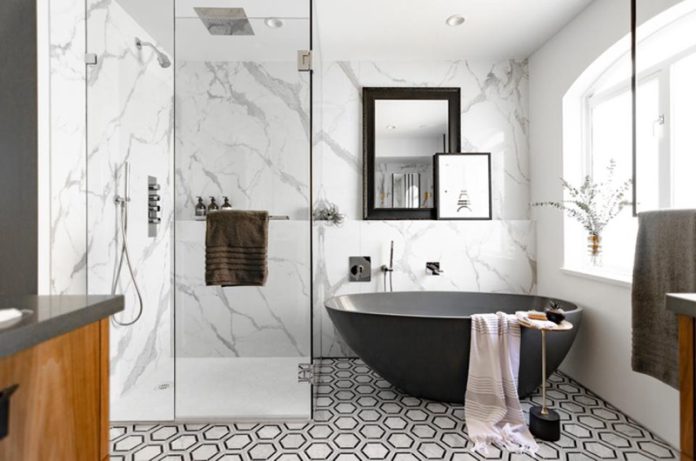
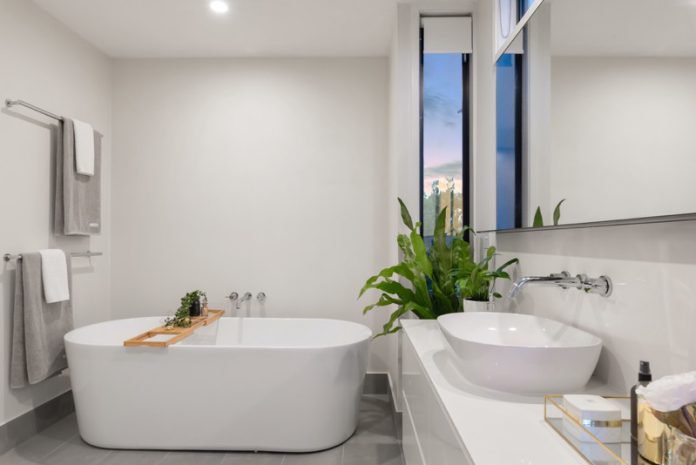
Look for a bathroom accent to elevate the appearance. You can choose freestanding baths for their appearance, appeal and practical purpose. You will feel more relaxed since it can be a great stress reliever. You will also be excited to go home after a long day at work. When your guests come over, they will be in awe of how striking your bathroom looks.

Deal with repair issues immediately

Don’t wait until repair problems worsen. As soon as you notice them, ask someone to come over and fix them. You don’t want your guests to notice these issues and be the ones to tell you what’s going on. You might not even be able to use the bathroom until the problem gets fixed. Worse, severe repair issues might cause injuries.

Get design inspirations online

There’s nothing wrong with trying to replicate existing bathroom designs. If they match your taste and preference, give them a shot. Purchase furniture and accessories that will help achieve these looks. You will feel proud upon seeing how things turn out.

Invest in what would make the place look better

You can’t be proud of your bathroom if it stays the same. Unless you invest in the necessary improvements, you won’t see positive changes. You can’t wish for things to be better unless you’re spending money. The good thing is you can purchase items online at a reasonable price. You can also wait for promotions to get what you need at a lower cost. You may even buy everything from the same store to receive more price reductions. Despite your search for a low price, you can’t sacrifice quality. Make sure these bathroom fixtures last long.

You can’t wait to invite guests to your place once you see these changes. They might even ask for a few tips on bathroom improvement. Share some ideas and walk them through the process.

Tool Storage Solutions for All Jobs

If you’re like most people, your home tools are scattered all over the place. You might have some in one drawer of a dresser or chest, others in an old toolbox somewhere around the house. One thing’s for sure: it’s hard to find anything when you need it because everything is so disorganized.

The best way to solve this problem is by purchasing some tool organizers that will keep everything neatly in one place. These can be placed on the floor or on shelves-whatever works for you!

Choose the right tool storage solution for your needs

Make sure you purchase a tool organizer that’s right for you. Maybe you need something to store your smaller tools, or maybe you want a larger storage unit to keep everything in one place. The best way to find out what will work best is by taking a good look at the space where you plan on putting the tool storage unit and checking how much you have to work with.

Take measurements of the space, and be honest about how much storage you need. If there’s more than one person who uses tools in your household, consider getting something big enough to store everyone’s stuff altogether. A tool storage unit doesn’t have to match anything else in your house decor-just think of it as a functional device that you can keep out in the garage or basement.

Select a place to put your tool organizer

Selecting the right place to put your tool organizer is important so that you can easily access your tools when you need them. Here are a few tips for choosing the right spot:

-If you have a lot of tools, try to find a spot near an outlet so you can easily plug in your power tools.

-Make sure the spot is near where you usually work, so you don’t have to walk too far to get to your tools.

-Choose a spot that’s easy to clean, so dirt and dust don’t accumulate on your tools. This will help to keep them in good condition for longer.

-Make the area around the spot clean and dry. If you’re placing your storage on a shelf, make sure to get one that’s large enough for your tools.

Fill up the organizer with your tools

If you’re looking for a quick and easy way to organize your tools, consider using a tool organizer. This will allow you to fill it up with your tools and keep them in one place. This is a great option if you don’t have a lot of storage space or if you’re always misplacing your tools.

There are two types of organizers to choose from. The first is a toolbox organizer, which comes with removable drawers that have various compartments to put your tools in. This is good for people who want an easy way to get their tools out. Another option you have is a pegboard organizer, which hangs on the wall and has individual holes that can be used to put your tools in.

If you have more tools than the organizer already has sections for, consider purchasing additional organizers that are not meant to be filled with tools. A good example would be an empty laundry basket or a small trashcan that you can use to throw your loose screws and nails into. That way, they won’t be on the floor and you won’t have to spend time looking for them.

Put away your tools after use and keep everything organized!

One of the best ways to keep your tools organized is by putting them away after use. This will ensure that they are in the same spot every time and that you won’t have to spend time looking for them.

There are a few things you can do to make putting away your tools easier. For example, consider purchasing a tool caddy. This is a small carrier that can hold all of your tools, which makes it easy to take them from one place to another. Another option is to hang a tool holder on the wall. This will keep your tools within reach and make it easier to put them away.

If you have a lot of tools, it might be helpful to create a system for yourself. For example, one could put all of the wrenches in a small bucket and put it in the bottom drawer of their tool cabinet. By doing this, you can keep a wide variety of tools separated without wasting extra time looking for them.

Larger items such as power tools should be kept on a shelf or mounted using a tool/battery mount. This will ensure that they can be reached and that you won’t knock them over. For more information on mounts click here.

Purchasing drawer dividers will also help to keep your tools organized and will save time in looking for items. They are great for tools such as screwdrivers or wrenches because it ensures that each item has its own home where it should be every time.

Conclusion

Now that you know how to store your tools, it’s time to select the right organizer for your needs. If you have a lot of small tools, a tool caddy is a great option. This will keep everything together and makes it easy to transport from one place to another.

If you have larger items or power tools, consider purchasing a tool holder that can be hung on the wall. This will make it easier to put away your tools and keep them within reach. How do you plan on storing your home tools? Let us know in the comments below! and put away your tools after use, and keep everything organized!

Is Your HVAC Making You Sick? | How to Find Out

When most of us have a sore throat or respiratory problems, we are quick to blame it on the weather. But, has it ever crossed your mind that your health problems may have something to do with your home or office?

Well, the heating, cooling, and ventilation system of your home or office could be the main cause of some of the health issues that you are facing.

Sometimes, the doctor prescribes air conditioning to asthma patients and to those who are suffering from allergies. This makes us wonder if this prescription is aimed at doing more harm to the patient. However, you should know that these illnesses are not caused by our HVAC system, but are caused by how the HVAC interacts with the environment, thereby making us sick.

In this article, let’s find out if and how your HVAC is making you sick, and how to prevent this from happening. This information is provided by our HVAC Pearland company!

Signs that your HVAC is making you sick

The following are some of the signs you will observe when your heating, ventilation, and cooling system is making you sick:

Respiratory issues

When the filters of your air conditioner are not changed regularly, they tend to become dirty. This makes the system a breeding ground for fungi and bacteria. In extreme cases, black mold can start forming due to the buildup of moisture in the ducts and coils.

You may begin to experience breathing problems when these microorganisms go airborne. Some of these respiratory problems may include pneumonia that can sometimes be fatally infectious, and in some cases, Legionnaires’ disease which is caused by Legionella Pneumophila bacteria.

Headaches and tiredness

Some of the symptoms that you may feel when your air conditioning unit is having problems are headaches and unusual tiredness. This is common with those who work near air conditioning units. People with this experience will notice that these symptoms suddenly disappear once they leave the building.

So, if you observe that you feel headaches or fatigues after a day of work, there is a possibility that it has something to do with the building, like the air conditioner. According to published research by the International Journal of Epidemiology on August 19, 2004, Workers in office buildings that have central air conditioning units experienced more signs of illness than those whose work environment did not have central air conditioning.

Mold formation

If you live or work near an air conditioner that is moldy and old, your chance of having respiratory infection increases. You can expect to see symptoms like wheezing, congestion, and throat irritation when there is mold in your air conditioner. As soon as you start seeing any of these symptoms, take time to inspect your surroundings for the presence of mold. You should remove the filter of your air conditioning unit for inspection. The vents of your unit should be checked for small spots also.

Infections

According to the Environmental Protection Agency, we are more exposed to pollutants inside than outside due to the stagnant air from the old central air conditioning, and we are better off with the fresh air from the outside.

What this means is that with dust, viruses, mold, or airborne infections flowing from the air conditioning unit, then we are more likely to get sick.

Skin irritation

Dry or flakey skin is one of the issues associated with spending lots of time in an environment that is air-conditioned. This happens because your skin loses moisture due to the effect of the cold and dry air from the conditioning unit, resulting in dry and flaky skin. The hair and scalp may also be affected by this.

More frequent doctor visit

If your visit to the doctor has been more frequent, one of the things you have to look into is how much time you spend in an air-conditioned environment. There have been many reports that show that there have been more complaints of respiratory issues, skin-related problems, and ear-nose-throat-related issues from people who spend a lot of time near air conditioning units.

Itchy eyes

More often than not, the cause of itchy and watery eyes can be traced to allergies. This can be more prevalent when there is a change in seasons. However, one major trigger of itchy, watery eyes can be your HVAC system. When the ductwork of the system has holes, it can draw unfiltered air and spread it throughout your home or office space.

What preventive measures can you take?

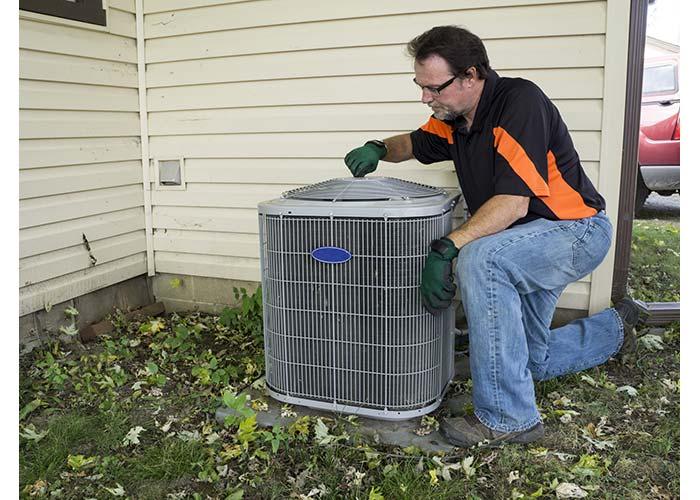
To protect yourself from sickness caused by your air conditioner, the first line of action is to ensure that your home or office is cleared of any allergens, mold, and mildew. The next thing is to address the cause of moisture within your home or office. This action will help to prevent new mold or mildew from growing in your surroundings. Now, it’s time to take care of your HVAC systems.

It is important that regular maintenance is scheduled for your HVAC systems. This will include cleaning your ductwork and filter thoroughly, and replacing them from time to time. If issues with your throat and nose persist, you may want to consider some changes in your lifestyle. For example, drinking more water can keep you hydrated, and also ensure that your nasal passages and throat are kept moist.

You may also need to turn the temperature of your HVAC system down if you keep experiencing headaches, exhaustion, and sore joints and muscles. It is important that your HVAC system is set at a comfortable room temperature. The contrast between your home’s or office’s temperatures and the temperature outside should not be too much. All you need is a cooler and more comfortable atmosphere.

Conclusion

While your HVAC system is not directly responsible for the sickness you feel, its reaction to the surroundings may cause you sickness. However, there are many things that can be done to prevent this from happening.

If your HVAC system is not well-maintained, it may be the cause of your consistent headache, fatigue, and respiratory issues. As soon as you notice that something is not right with your air conditioning unit, engage the service of a professional HVAC contractor.

Are Foundation Cracks Part of the Settling Process? (Professional Advice)

Settling is a term people use to describe natural changes to home foundations over the year. The main reasons for this are time and weather. Settling is when the house gradually sinks into the soil over time. It is usual for homes to sink a little and the foundation to shift. However, it can lead to foundation damage.

Most people aren’t aware that a home settles twice. The first time happens within the first few years after it was built. This is natural and is expected since it’s a new foundation. Ongoing settlement occurs over time as the home ages. Again this is a natural process, and as long as the home is adequately maintained shouldn’t cause any issues. But, if it does then foundation crack repair is warranted.

This information is provided by our team for foundation crack repair Lansing MI. There are a few factors that determine how much the foundation will settle, such as:

Soil

If a contractor didn’t prepare the soil under the house correctly or if the clay soil expands or contracts can cause the house to sink into the ground. The soil’s density, quality of clay, and the weight of the house determine how much the home sinks.

Wood or concrete foundations

As the lumber and concrete dry, the water will evaporate, shrinking. Depending on the type of wood used affects how much the home settles. The type of concrete used, how it was mixed, and the environment all factor into this.

Weather

Where you live plays a role in how much your home settles. If you live in an area that experiences all four seasons, or one with a lot of humidity or frequent flooding, it can accelerate settling.

Changes of the season

If your home was built during the summer and fall comes with the rain, the water and humidity can cause the soil to expand and shift. If you have clay soil, it causes it to expand and contract, putting more pressure on the foundation.

What Happens to The House When It Settles?

Most of the time, when your house is settling, you won’t even notice it. However, there are times when you will see small changes, and if this happens, you’ll want to fix them to avoid issues later.

  • Hairline cracks are small cracks that occur where the wall meets the ceiling. You’ll want to patch these. You can either fix these yourself or contact a contractor to have them fix it for you to make sure it blends in well with the rest of your home.
  • Small cracks may appear in your foundation, and if this occurs, you’ll want to fix them, or you run the chance of getting insects and other pests.
  • Air gaps may occur between the insulation and walls of your home. This can make it harder to keep your home warm or cool. These can easily be fixed by using spray form or another type of sealant.

Foundation Settlement Issues

Foundation cracks from curing concrete are expected. However, some gaps, such as foundation cracks and expansive soil, are not typical and should be fixed quickly. Foundation problems are cued due to extreme or constant foundation settling. These foundation crack repair issues cause instability in the home’s foundation. The most common reasons for this are expansion and shrinkage.

Foundation expansion

Foundation expansion is most common with foundations that use bricks. This is because brick grows flowy over time. All brick walls that are above ground expand quicker than those below ground. However, they do expand due to moisture below ground level.

Foundation shrinkage

Foundation shrinkage is the other common foundation problem. Over time concrete foundations shrink as they cure. This can cause gaps in the concrete slabs and foundation and foundation walls around your building. This is a natural process due to the chemical reaction in the concrete.

Signs of Foundation Problems

One of the first signs of foundation settlement issues is visible cracks in the foundation, these need to be repaired when they are noticed,

  • Horizontal cracks in the foundation may be due to the buildup of water and soil expansion.
  • Wall cracks along the wall. These frequently appear near doors and windows or under mantles. When the cracks are jagged or at an angle, it may mean there’s an issue with the structure.
  • Sticking windows and doors are a sign there may be many different foundation issues. If they are difficult to open or close, your foundation may have shifted.
  • Water in the basement is a clear indication the foundation has been damaged. However, sometimes water can seep in even if there’s no foundation damage, but it’s not common.
  • Roof issues may also occur if there’s an issue with the foundation. If you look at the tallest point of the roof, you’ll notice cracks, gaps, or other signs.
  • Gaps between the walls and framing
  • Bowing or bulging walls in the basement
  • Chimney cracking or leaning
  • Bouncing or spongy floors, if there is also popping or creaking, you need to hire a professional to ensure your foundation is okay.

How To Prevent Foundation Problems From Occurring

Although you probably can’t prevent foundation cracks from happening one hundred percent, you can help prevent it. Foundation crack repair can cost between $300 to $600 if caught early.

  • Make sure your drain system directs water away from the home. While moisture is essential for a healthy lawn, standing water isn’t.
  • Make sure that your property is appropriately slanted. You want to make sure that the ground is graded so that water runs away from your home instead of towards it.
  • Keep trees and shrubs far enough away so that the roots don’t grow under your home, plus trees pull moisture out of the ground, which can cause the soil to dry out.
  • Add mulch and soil around the foundation to retain moisture during the summer or dry times.
  • Clean and inspect your gutters to remove any debris that’s clogging them, preventing the water from draining.
  • Water your foundation during dry seasons to prevent drying out.
  • Routinely walk around the outside of your home to inspect it.

Is Repairing Foundation Cracks A DIY Project?

If the crack is ⅛” or smaller, you can repair it yourself. Hairline cracks are about the width of a hair and commonly appear after the first year of construction. This is normal and nothing to be concerned about. Suppose you notice smaller cracks. You want to monitor it by making a pencil mark on either side and measuring it at the widest point. If there is no expansion, then you do not need to worry. Unless moisture is seeping through, you’ll want a professional to repair the crack in the foundation if that occurs.

How to Choose a Sectional Couch with Recliner for Your Home

So, you’re in the market for a new sectional couch. You’ve found some that you like but aren’t sure which one is right for your home and needs. It can be hard to choose, especially if you’re not familiar with the different pieces of furniture available in the market. Here’s a guide to help you choose a sectional couch with recliner.

What are the different parts of a sectional called?

Shopping for a couch can be difficult, so we’ve put together a list of all the pieces that might go into your sectional and what they can be used for:

Section – This is one of the fundamental pieces that make up your sectional. The units are usually connected by hardware, like zippers or buttons to form the larger couch. Reclining sectional are some popular choices.

Seat – This piece is the base of your sectional, and it supports all of the other parts. It can be chaise-style or corner-style to suit your needs.

Armless Seat – Sometimes, this type of seating is called “chaise seating” because they are so long, but these seats don’t have arms which means you won’t have anything in front of them to rest your arms on when you’re sitting down. If you opt for armless seats that run alongside the wall, then they can also serve as an extra place to sit when needed.

Corner Seat – These pieces usually come together to form one part of your sectional. The significant difference between chaise-style sections and corner-style sections is that the sectional doesn’t come together when arranged in a corner. These pieces are perfect for filling up empty spaces in your room when paired with the appropriate chaise-style or armless seat.

Ottoman – An ottoman can serve as extra seating in your living room, but it also offers you a place to put your feet up when relaxing at home. If you opt for one of these pieces, make sure it has enough storage space inside if needed.

Cocktail Table – This piece comes in handy if you have family members who like to eat dinner on their couches or if you don’t have enough space for a separate table and lounge area. The top lifts off so you can store items inside to free up space on your table.

We put together this guide to help you learn more about sectional sofas and how to choose the best one for your home.

Key Factors to Consider When Shopping for a Sectional Sofa

Sectional sofas are popular pieces of furniture that can be found in living rooms, dens, family rooms, or basement rec-rooms. They come in various shapes and sizes depending on the fabric, frame material, and several pieces they are made up of. Depending on how you arrange them in your home, they can be part of a room’s décor or the main focus.

What type of furniture is it?

There are two basic types to choose from chaise style and corner style when looking at a sectional couch with a recliner.

Chaise-style sectionals are made up of several pieces to form one large couch with extra seating when needed. Corner-style sectionals can fit into the corners of your room, which allows for more space in your living space while still having some extra seating available when needed. Fabric reclining sectional sofas are also available.

Who will be sitting on it?

If children or pets are going to be using the sectional, look for sturdier pieces that offer more support. If you’re mainly using it as a place to relax after a long day at work, then soft cushions may be your best choice.

What is your budget?

As with most furniture pieces on the market today, there are low-end and high-end options when shopping for sectionals. When choosing between these two styles, it’s essential to consider the materials used to make them, how many pieces they come in, and what they can be used for around your home. A couch with an ottoman offers more versatility than one without, which can help save space where you need it most.

What type of upholstery do you want?

Upholstery refers to the fabric that covers your couch. Here are some of your options when it comes to material:

Leather – Leather is durable, easy to clean and maintain, and holds up well over time. However, it can be expensive and get hot in warm weather.

Microfiber is composed of synthetic polyester or nylon, making it easy to clean but doesn’t hold up well against extensive use or spills. Because microfibers are lightweight, they dry up quickly if a drink is spilled. This type doesn’t breathe like other fabrics, so they can feel stuffy during warm months of the year.

Cotton- This type of fabric is an excellent option for families with children and pets who may be prone to accidents. The cotton material allows spills to soak in easily, making it easy to clean up after your little ones or pets have had an accident.

Practical Tools for Your Finances That We Recommend You Use in 2022

Introduction

Have you imagined how nice it would be to have your finances properly tracked and managed? This is one of the benefits of having the right tools to keep your finances in check.

If you have taken a loan for your business, knowing how much you would pay might be challenging to calculate. But with a business loan calculator, you can learn how to get the best out of your loans.

In this article, we will be looking at vital tools that can be used to give your business a boost. As a business owner, you will learn to exercise more control over your business.

Useful tools to better finance your business

It can be challenging to keep up with your business finances. However, technology has made it easier for entrepreneurs to keep tabs on their business finances without leaving any stone unturned. Here are some necessary tools that can be used to finance your startup better.

1. Accounting software

The essence of using accounting software is to help you monitor the accounts payable and receivable. You will also be more informed if you make a profit or loss. As your business grows, it becomes more difficult to manage.

Before choosing accounting software, consider your industry and the number of people working for you. For instance, someone managing a freelance business would need a different accounting software from someone with a gardening business.

Some accounting software to check is Quickbooks, Xero, FreshBooks, Wave, etc.

2. Budgeting tools

Every business needs a budget to work with, or else, you might spend money on the less important things. If you want your business to succeed financially, you need to create a workable budget and follow it to the letter. Some accounting software can help you create a budget, but budgeting tools are specifically for this purpose.

Here are some budgeting tools you can use: Quickbooks, Freshbooks, FreeAgent, Planning Maestro, Adaptive Planning, Spendesk, etc.

3. Payroll management system

It can be tasking and time-consuming if you are manually computing your payroll. You might make mistakes that can have a serious effect on your business.

This is one of the reasons why many businesses are leveraging on using automated payroll management systems instead of using the traditional or manual means. Some payroll management system tools to leverage are CuteHR, Gusto, Patriot Software, Paycom, On pay, SeamlessHR, etc.

4. Inventory management

You can track your inventory from the point of sale to when customers get their orders with inventory management tools. Inventory management tools track inventory and provide sales reports and other essential details for your business.

Here are some inventory management tools: NetSuite ERP, ShipBob, ShipHero, ManagerPlus, Zoho Inventory, etc.

Do you know what a business loan calculator is?

Not everyone fancies the idea of taking a business loan because of the burden of having to pay it back. However, a business loan can be quintessential in giving your business a boost. All you need to do is know how to get the best out of it.

With a loan calculator, you can efficiently manage your credit and expand your finances. More so, you can leverage the several business opportunities your way to give your brand a facelift.

A loan calculator can provide you with precise calculations. If you do the calculations manually, there could be errors. You can also use it to check your eligibility. Some of them will need your credit score, income, etc. You can find out what a good credit score is at ClearScore.

The speed of this tool is not left out, as you can skip the long and boring process without recording faults in the calculations. Hence, you can foretell your financial standings with a loan calculator and avoid prospective economic issues.

How to use a business calculator correctly to have greater control of your finances

If you need a loan to scale your business, you can use these calculators to help you know how much you will pay each month. You can also use the calculator to evaluate the credit charges for the different loans at your disposal.

Some of the indicators used in calculating a loan are the interest rates, loan amount, duration, and repayment period. Also, some of the factors that can affect the cost of credit after taking a loan are the interest rate, borrower insurance, and application fee.

Conclusion

One of the primary reasons your finances in business could take a downward spiral is when there is no proper management. You can prevent this from happening by taking the right action, which involves using the right tools to automate and control your finances.

This would help you prioritize the important things to ensure a smooth business operation. To know how to use a business loan calculator, click the link in the introductory paragraph to get started.

Reference:

https://link.springer.com/book/10.1007/b139025

Recent Posts

Posts You Might Like