

Home Blog Page 223

3 Tips for Maintaining Flat Roofs in Winter

Flat roofs are extremely popular and have many benefits, including creating a sleek, elegant modern aesthetic for your home. But aside from their appearance, having a flat roof can help to increase your home’s energy efficiency, as well as requiring fewer materials to build than sloped roofs do.

However, flat roofs can cause plenty of headaches and stress for their owners if they are not properly maintained, especially in areas with extreme weather conditions that put your roof through the test. Here are some tips for upkeep and maintenance to ensure your flat roof stays in pristine condition.

Hire a Professional

Regular maintenance is essential, and to ensure your roof is in the best shape possible, it’s crucial to have a professional take a look at it at least once a year. Your roof is not a good area of your home to ignore, and neglecting it can lead to significant and severe problems down the line. A roofer will look for damage or tears, inspect the structure of your roof, and ensure all the drainage outlets are working correctly. To ensure Toronto’s extreme weather doesn’t damage your flat roof, make sure you get the Professional Roofers to service it. The best time of year for this is usually in the fall to make sure your roof is ready to handle everything the winter weather throws at it, but any time of year is better than never having it done at all.

Check for Pooling and Puddles

If your roof has sagging, that’s generally an indicator of serious problems. If there’s been a lot of rain or snow, look for pooling water which can indicate low areas in need of fortification. While a little pooling is normal, heavy pooling can be an issue and is an indication you should call a professional roofer. It can be a minor fix, but letting the problem continue can lead to severe damage later. Check the flashing as well for issues with the caulking, as sometimes there is a natural shift, and the seams will need more caulk.

Clear the Snow

With a flat roof, you’ll need to clear the snow from it after a severe storm. When too much snow accumulates, it can lead to problems, including ice dams, leaking water, or potentially the roof partially collapsing. Always consider safety and try to use a snow rake rather than stepping foot on a potentially very icy roof. You can always consider hiring a professional to clear the snow from your roof. Be sure to check their reviews or get recommendations from neighbors to make sure you’re hiring someone who knows what they’re doing.

Staying on top of your flat roof, figuratively and metaphorically, and its condition will help to prevent major problems from popping up. When in doubt, always contact a professional, as roof problems can quickly lead to entire house problems.


3 Tips For Preparing And Storing An Emergency Water Supply

Blue drinking water storage tanks (bowsers) in storage awaiting deployment in an emergency water shortage situation

If you live in an area with an unsteady water supply, then collecting an emergency water reserve could ensure your family’s water security. This emergency water supply is useful during periods of natural disasters, droughts or water restrictions mandated by your local municipality to address water shortages in the community. The water supply can also be stored as preparation for possible natural or manmade fires that could threaten your property.

In any case, having a good volume of easily accessible backup water can give you peace of mind and keep you prepared for unanticipated events.  If you’re going to reserve clean water, you’ll need to know how to properly manage your stock to maintain its hygiene and ensure safety for consumption and usage.

Here’s what you need to know about preparing and storing an emergency water supply.

Empty water buckets waiting for fresh water from emergency mobile tank truck
  1. Decide Where You’ll Store The Water

The most reliable means of storing water for the medium to long term is by using a storage tank. These home water tanks can be installed via piping and adjacent to your home’s municipal primary water system. They are also used to collect and harvest rainwater that can be filtered and used in the event of a water shortage.

Alternatively, if you can’t get a water storage tank or you need to store water given the short notice, consider portable containers like these water transport tanks. They can be used to transport a larger volume of water to your home or supply an entire neighbourhood during water shortages. The water obtained from the transported tanks can then be used to supplement your home water supply.

From here, once you have the water delivered to you from a transport tank, you’ll need to get the water into containers for storage. An ideal option is to use clear and large plastic bottles either used or store bought. As much as possible, these containers should be food grade.

Used bottles that contained milk or fruity drinks won’t be suitable for water storage as they have bacteria and other substances that cling to them. Moreover, containers used to hold toxic chemicals such as bleach and pesticides should not be considered as an option.

Whatever you choose, make it a point to sanitize your container with a simple bleach solution before using them to kill off germs and bacteria.

  1. Sort Water Into Usage Portions  

This is more of a safety precaution to protect your household from drinking water that’s unsafe or chemicalised. Sorting your water out into its specific uses can avoid such mix ups and even prevent emergency water supply shortages.

Once your stored water is bottled up and containers are properly sealed, you’ll need to label what each container will be used for, indicate a storage date, and group them accordingly. For example, this can be labelled as cooking, cleaning, flushing toilets, and washing hands. As a key tip, ensure that the drinking water group counts as the largest volume especially during an emergency as it’s the most important necessity of them all.

If you’re storing your water supply in a singular tank, then you can use a ladle spoon or jug to scoop the water out. Make sure whatever you use has been cleaned and sanitized with bleach to avoid contaminating the rest of the water supply. Additionally, try not to touch the water with your hands either to maintain its sterilised form.

  1. Choose A Suitable Storage Location

Once you’ve gotten portable water delivered and placed either into a water tank or water bottles, you’ll have to keep it clean and fresh.

To keep the emergency water stored for a long period of time, keep the containers in cold, dry, and dark areas of your home. This can be in your garage, laundry room, behind a washing machine or refrigerator, if there’s enough space.

If there are no adequate areas to keep the stored water cool, then a location that has room temperature will suffice. An important tip to remember is that storing water away from direct sunlight is also a means of making it last longer. Thus, you should avoid windows and do not place them outside of your home or in open areas, especially if you opt to use plastic bottles.

Conclusion

Preparing and storing an emergency water supply for your household or local area is a surefire way to have ample supply so you and your family can manage through during an emergency. The tips above are just some of the ways that can guide you so you can make the most out of your scarce resource.

Remember, when preparing and storing your supply, retaining the water’s cleanliness will be a vital task for you to maintain its usage. Aside from this, taking steps to make your water potable or safe to drink is a must.

Six Ways to Make your Home Feel Bigger

Working from home is becoming more popular and necessary for all sorts of reasons. As more time is spent within the same four walls, occasionally things can feel a bit cramped.

Thankfully, there are lots of ways to make your home feel more spacious. Here are six tips for making your home feel bigger.

  1. Lighting features

Smart lighting features can completely transform a room. It could be that a room is not making the most of all its corners and angles. A correctly deployed series of ambient light spread across the room could highlight every section of the interior.

Alternatively, a strong central ceiling light is a good opportunity to bring new light into the room. A wide beam of illumination can help bring out almost every detail of the space.

If the space has low access to natural light, floor lamps and table lamps can fill in the corners that ambient lighting cannot fully reach.

  1. Add an Outbuilding

A shed or additional storage area outside in the yard or garden offers a practical way to add space.

A well-designed and strong steel outbuilding is an applied solution for modern living.  The new space could be used for keeping extra things that are better kept outside the main home.

  1. Declutter

This isn’t always an easy one, but it is necessary to keep any extra bits and pieces that you don’t really need down to a strict minimum.

Be firm; if things are of no use, get them out of sight or out of the home. A good method to apply here is that if you haven’t used something in over 12 months, the chances are it is worth getting out of the home.

You could donate unwanted clothes, devices and kitchen equipment to charity, or check with friends and family.

Unused surfaces without papers and bits and bobs strewn across them will make the place look a lot bigger. The work is definitely worth it for the space provided.

  1. Mirror, mirror

The reflective power of a mirror carefully positioned in interiors can open up the surroundings a lot more.

The key to the good use of mirrors in the home is that they bounce the light around the home. This can give the illusion that there is more space. It is this sense of movement that will provide the feeling of extra room.

You could also try mirrored panels on wardrobes and doors for extra reflective power.

A large mirror set up opposite a window can expand the whole focus of a room. This will be even more evident once you have freed up additional space thanks to your decluttering!

  1. Clever storage

Sensibly applied storage methods can be a lifeline in a smaller home.

Try over-the-door hanging hooks for keeping bags for smaller items like shoes, cosmetics and accessories.

Another great storage idea is to utilize the extra space in bed frames with drawers or fly-lead tables with shelves underneath. Seats, sofas, and coffee tables also often have hidden storage areas perfect for keeping blankets, sheets and books and games safely tucked away.

An important part of home design is getting to the point of thinking that you can store things anywhere there is space.

  1. Light colors

Dark paint colors can make a room feel smaller because light finds it more difficult to reflect and move. Lighter colors help this by influencing how the light works its way around the interior space.

Try a combination of white painted walls or monochrome patterns to offer a greater light output.

White painted ceilings are another key ingredient in opening up a space. The ceiling should never be overlooked as light bounces around and will come back down off the ‘fifth wall’ of the ceiling.

How to Buy The Best Toilet

If your home is your castle, we all know where the throne room is, right? And every king or queen should feel comfortable on their throne.

Toilets aren’t too complicated but there are a few things to know that will help you learn how to buy the best toilet. Check out what you need to know here!

The Toilet Suite

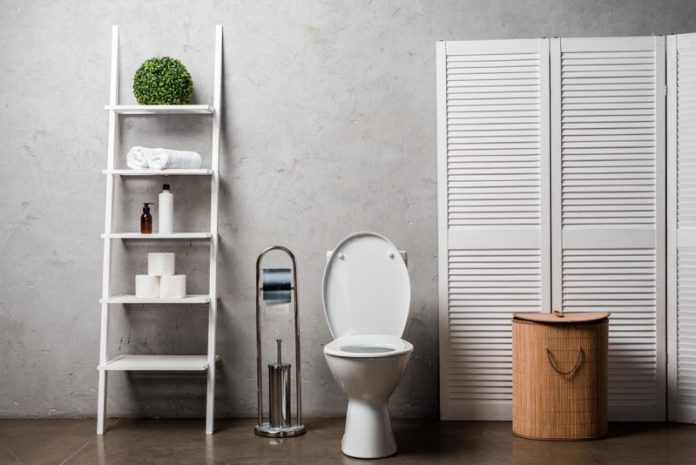
Toilets are fancy enough that the basic design is referred to as a “suite.” It consists of two parts, the cistern and the toilet bowl or pan.

The cistern holds water, ready to flush away the waste. The toilet bowl or pan is the throne part where you sit so regally.

Set Out Options

There are three set out options — or how the waste exits the toilet.

The first type is the S trap, which is by far the most common in Australia. In this design, the waste exits the bottom of the toilet and goes through the floor.

The P trap is used to take the waste out the back of the toilet. This is useful for wall-hung toilets that don’t rest on the floor.

Uncommonly, you’ll see a skew trap that takes waste out one side or the other of the toilet pan.

Back or Bottom Inlets

There are typically two designs used to get water into the toilet. A bottom inlet can be found under the cistern. The plumbing is typically visible and installation is easier.

Back inlets are hidden behind the cistern but can be difficult to install. You may need to call your local plumber for assistance.

Modern Toilet Designs

Modern toilets give us four basic designs to choose from. Each one varies in price, elegance, and versatility. The one you choose is based on the existing toilet you’re replacing (if applicable), your budget, and the bathroom’s layout.

Link (or connector) toilets have a pipe connecting the cistern to the toilet pan. They are simple to install and usually the cheapest option.

Close-coupled toilets bring the cistern and the toilet pan together. This looks nicer but still has exposed parts you’ll need to clean.

Back to wall toilets are more expensive, but are flush against the wall. You don’t have to worry about cleaning back there and it looks more refined.

Concealed cistern toilets remove the cistern from sight completely. It’s still there but hidden behind a wall or cabinet.

Toilet Seats

Have you ever been startled awake by the bang of the toilet seat in the middle of the night? Newer soft-closing toilet seats eliminate this irritant as well as help avoid damage to the toilet pan from the lid being slammed down all the time.

Smart Toilets and Smart Streams

Are you still using toilet paper? The environmentally conscious are looking for ways to cut down on this waste and bidets are becoming more common. You can have one added to an existing toilet.

Smart toilets allow you to control the temperature and pressure of the water stream. Plus, you can have your toilet seat toasty warm on cold winter nights.

Enjoy Your Perfect Throne!

Though toilets seem simple enough, the right toilet makes a difference. Don’t hesitate to ask an expert for help when deciding on a new toilet. You want your throne to be perfect!

Renovating? Here’s How You Can Save

Renovating your home is a big decision. There are many factors to consider when deciding if the time is right for a renovation, and also how much you can spend on renovations. If you’re renovating, there’s a good chance that you want to get the most out of your money while still keeping it in budget. In this post we will discuss some tips and tricks for saving money during the renovation process!

1) Plan ahead

Before beginning any project make sure that you have planned everything down to every last detail. You need to know exactly what needs to be done before starting anything so nothing gets overlooked or forgotten about until it’s too late! This way things don’t end up costing more than expected by leaving details unfinished or undone in the first place.

There are many different renovation ideas and designs, make sure to know what you like before beginning anything. If you don’t, the entire project could end up looking awful! And if it does not look how you would like or imagine then this will probably leave a sour taste in your mouth which may put an end to future renovations for good. So do yourself a favour and find something that suits you best from the start!

A great way of getting inspiration is by browsing through Pinterest boards like these and asking friends and family for recommendations on things they have done themselves or seen other people doing around their homes! You’ll be surprised at just how much information can be found online these days about renovating so take advantage of all those resources as much as possible.

2) Keep a budget

Every renovation project will cost some money so you need to plan ahead and know how much things are going to cost. There’s no use starting anything if you don’t have enough funds or your savings won’t even cover the costs of renovations. You can check out how much you are likely able to borrow here.

Remember that there is always more than one option when it comes down to choosing materials and fixtures for your home! If you’re not sure then ask yourself these questions: How long do I want this renovation project to take? What type of look am I trying? And what exactly needs changing in my home? Once those factors have been decided upon all other decisions should fall into place quite easily! It may seem daunting at first but once everything has been picked they can be worked around as needed based on the size and type of renovation that needs to be done.

Remember, you don’t have to spend a fortune renovating your home! Your budget is not set in stone and can always be adjusted if need be once renovations begin taking more time than expected or costs start getting higher which many people do not expect at first place. Sometimes it’s better to cut back on things like buying new furniture for the living room when what was originally planned turned out too expensive (or difficult) so opt for something cheaper instead such as using old items around the house rather than throwing them away completely. There are plenty of budget friendly ideas available just waiting for someone seeing their potential before being forgotten about forever!

3) Ask for help

Also remember that there may be ways of saving money during renovations which you had not originally thought of so always ask an expert or family and friends for ideas. You’d be surprised at just how many tips can be found online about saving money during renovations, through various blogs and websites that have all the information needed to help you find a solution! As a good starting point, make sure that you ask your builder these questions.

4) Be prepared for delays

Remember that even if something takes longer than expected it doesn’t mean your renovation project is ruined so don’t stress out too much over it. Even well-planned projects take time but this does not necessarily mean they are being delayed because there’s anything wrong with them, sometimes things just need more work before becoming finished products. If people try rushing into things then mistakes will surely happen sooner rather than later when cheaper materials are used in order to save time instead of using better quality items which may take a bit longer but will save you money in the long run as they won’t need replacing over and over again! For more ideas, read this guide on how to pick quality materials for your home renovation.

5) Think carefully before deciding

Be patient with yourself during renovations so that everything turns out exactly how you want it to without spending more than what was planned for in the first place. Your patience will pay off greatly later on down the line when all of those hard work efforts eventually start showing themselves through finished products which look amazing! Every little detail counts towards making things perfect so spend time mulling ideas around before finally deciding upon one thing or another, then move forward based on that decision made keeping budget considerations into account of course! A good idea is to make a list of what needs doing and how much it is going to cost before starting renovations, this way you won’t get lost in the process later on down the line. You should also make sure to get the right insurance for your home before starting on any renovations.

Renovations can be a lot of hard work but it’s all worth it in the end when you finally see the finished product. Remember to keep track of every single expense incurred during renovations so nothing gets forgotten about or left out entirely, this way you’ll know just how much money is available for other things later on down the line! Keep everything organised from day one so that there are no problems afterwards. Having a budget planned ahead of time is also an excellent idea before starting any renovation project as this helps prevent any unnecessary arguments later on once projects start taking longer than expected to complete.

How to Keep A Pet Happy While Indoors?

It is a fact that you love your pets, and you want to keep your pet happy and healthy at all times, even while indoors. It is efficient to provide your pet a better environment and suitable diet for grooming and bring them to the veterinarian.

Many people say that their pets feel happy while outdoors because pets like having a routine and expecting it. Stay with me and know how to keep pets happy while indoors?

Top 8 Tips to keep pets happy

1. Play with your pets

Pets enjoy playing with people, especially after playing with toys. If you want to make your pet happy and closest to you, play with it for at least half an hour every day. Pets like to play with rope or anything that they can scratch.

2. Exercise pets daily

Exercise keeps humans as well as pets active and strong mentally and physically. You have to regularly walk, play with toys, play games, swim and practice new tricks to keep your pet strong and build its mind. You can also change your routine or walking ways and style to expose your pet to new smells and scenery.

3. Keep your home safe and open windows for pets.

If your pets are small, you have to open your home window for them to see outside. You should also consider an indoor home for them as well, you can find ideas here. You may keep a stool you’re your window s that your pet has seen outside. And keep your home safe for your pets such that chemicals, cleaning products, switches, wires keep out of reach from your pets.

4. Adopt another pet

You have to adopt or buy another pet as your pet’s companion because animals feel comfortable with other animals. Having another pet in your house means a friend for your pet to play with. If you are out of the house, your pet feels happy with its companion.

5. Provide plenty of toys

Almost all pets love toys. You should have to buy plenty of toys for them. But make sure that these toys are not dangerous for your pet. It is the best option for those people who have not presented in-house and can’t give time to pets.

6. Give them food on time.

The exercise of pets can be compromised but not food. Give food, supplements, and nutrients on time because proper care makes your pet active and strong. If you feed them from stock, make sure that you have enough food for some time, at least two months. Most chemists and specialists keep dry food for pets.

7. Hire a pet sitter

If you are busy or staying out of your home or city a lot of time, you have to hire a pet sitter for your pet. Because in your absence, your pet can feel bored and lonely. Pet sitter gives your pet company and takes care of it in your absence.

8. Regular checkup

Notice the signs of illness and change your pet’s behavior; move to the veterinarian and give them a regular checkup. Even if you do not notice any sickness symptoms; you should have to go for vaccination and routine checkup with the specialist every six months.

Frequently Answer and Questions (FAQs):

1. Why are pets beneficial?

Pets are beneficial in health. Pets seem like a partner of an alone person; they can increase the opportunities for exercise and socialization. Pets can help to decrease loneliness, blood pressure, and triglyceride level. People feel pets, their partner or companion.

2. What pet is safe to have?

If you are conscious of cleaning and want to adopt that small and clean pet. Rabbits, cats, guinea pigs are small animals and have good and safe pets. You can easily provide them with food and water and keep them clean. These pets can’t have enough struggles and not take enough time.

3. Are pets bad to have?

Some pets are spread among people’s allergies and infections, so people avoid taking pets. Pet requires a lot of maintenance and makes noise. They have a limited lifespan; you have lost your friend after it. Pets damage your house properly. With the company of pets, you lost your freedom.

Conclusion

At that time, people couldn’t go outside at any time. If you have a pet and want to keep it happy at home, you have to play with it, give your pet good food, adopt any other pet, buy plenty of toys, give it a regular checkup, and provide opportunities for joy at home.

I have told you some tips to make a pet happy while indoors in my above content. If you follow the above information, you can keep your pet happy and healthy. However, you may have better experiences than the above, and if so, please don’t forget to share with us.

What is a Reverse Mortgage? Is it the Right Fit for You?

A reverse mortgage is a loan where the home is used as collateral. The reverse mortgage was designed for older homeowners whose main asset was their home. Homeowners who decide to take a reverse mortgage can exchange their equity for cash. Unlike traditional loans, a reverse mortgage does not require monthly payments. A reverse mortgage is paid back as a lump sum at the end. The loan will end if the home is sold, if the home is no longer the primary residence for the owner or if the owner passes away. In 2021, the Federal Housing Administration (FHA) lowered the minimum age for a reverse mortgage from 62 to 55 years old. Learning more about what a reverse mortgage is can help you determine if it is the right choice.

Should I Get a Reverse Mortgage?

A reverse mortgage is a loan option that better fits some homeowners than others. Many factors should be considered before determining if a reverse mortgage is a right fit for you.

How Much Will Your Reverse Mortgage Get You?

Reverse mortgages do not have a defined loan amount. However, the FHA does decide on a new loan limit each year for reverse mortgages. Homeowners interested in a reverse mortgage can receive a loan from a bank or the FHA. The FHA’s Home Equity Conversion Mortgage (HECM) is the only reverse mortgage backed by the US government. All lenders for the HECM program will be FHA-approved.

In 2022, the FHA increased the loan limit to $970,800, nearly $150k more than the 2021 limit of $822.375. This increase accounts for the increase in home prices, but it does not mean that all homeowners interested in a reverse mortgage will get $970,800. How much your lender, either a bank or the FHA, will lend you depends on your age and the amount of equity you have. The older you are and the more equity you have, the higher the loan limit. It is unrealistic for even the older homeowner with a paid-off home to expect more than 80% of their home’s value from the lender. You will not have to take the full amount the lender offers, but that is the maximum you will be allotted. To take full advantage of the FHA’s limit, you would have to be significantly older than 55, with a home appraised at a minimum of $1.213 million. For a rough estimate of what your reverse mortgage can be, you can check out https://reversemortgagereviews.org/reverse-mortgage-calculator.

Reverse Mortgages are Reserved for Your Primary Home

Reverse mortgages are designed for older homeowners whose net worth is primarily in their homes, but this only extends to primary homes. You cannot take out a reverse mortgage on multiple homes, vacation homes, and investment property. A home can only be considered a primary residence if the homeowner lives in the home for an excess of six months out of the year.

You Can Reverse Mortgage a House You Have Not Paid Off

Reverse mortgages are designed for people with a lot of equity in their home, but it is not reserved for those who own their home outright. In addition, the reverse mortgage must be in a first lien position. This means that the lender has seniority in claims against your property in the event of a foreclosure.

You Will Still Own Your Home…and Pay For It

Again, reverse mortgages are for people who do not want to sell their home and want to spend their remaining years in it. This is why getting a reverse mortgage does not affect your claims to your home. Homeownership comes with fees and responsibility that does not dissipate with a reverse mortgage. Home insurance, property tax, and other home-associated fees such as repair and HOA are still your responsibility. Most lenders suggest that you set aside a fraction of your reverse mortgage reserved for these fees to eliminate the chance of unforeseen circumstances.

What are the Payment Options?    

If you decide to go forward with a reverse mortgage, you have four options for payment.

Lump-sum: With a lump-sum payment, you will receive 60% of your loan when approved at a fixed rate. The following year you will receive 40% at an adjustable interest rate. This is the only loan option that is fixed; the following options are adjustable.

Tenure: Tenure payments are monthly payments that will last until the homeowner is no longer living in the home, sells the home, or passes away.

Term: Term payments are also monthly payments, but the number of years for the loan is fixed. They tend to be higher than tenure payments.

Line of Credit: A line of credit works like a credit card. Homeowners can take as little and as much as they want at any time.

Since all reverse mortgages will accrue interest over time, the amount owed will always be more than what you borrowed from the lender.            

Should You Get a Reverse Mortgage?

Only you can decide whether a reverse mortgage is right for you. Reach out to a lender in your area to learn more about the right option for you.

Reference:

https://doi.org/10.1111/jofi.12489

Benefits of Felt Board for Your Home Office

In recent years, countless employees have had to adjust to the working from home (WFH) model. While there are certainly many benefits to working from home, this sudden shift also caught many professionals on their heels as they struggled to cobble together a functional office in their homes. Luckily, there are many strategies to help you design an effective and comfortable home office. One of the most practical—and cost-effective—is by using a felt board in your home office. Easy to install on your walls, a felt board can help you get organized, add some color and warmth to your space, and even reduce unwanted noise. What’s not to love?

But what exactly is a felt board? And how can it help you create a home office that actually works for your needs? Here, we’re taking a closer look at felt boards and how these simple design features can help you create the ideal home office.

The Shift to Home Offices

While the 2020 pandemic forced countless employees across all industries to suddenly adjust to the work from home model, this wasn’t the first time employees have worked remotely. In fact, working from home and remote working has taken off years before as the internet and digital tools made it easier than ever to communicate from practically anywhere in the world.

But this shift to working from home hasn’t come without its own challenges. Many professionals have struggled with transforming part of their homes into a functional office. Whether dealing with space limitations, organizational issues, family members or friends, unwanted noises, or the ability to maintain a healthy work-life balance, this new model for getting work done can be tricky. But luckily, there’s help. By being intentional with the way that you set up and design your home office, you can make your work from home life a whole lot easier.

What are Felt Boards?

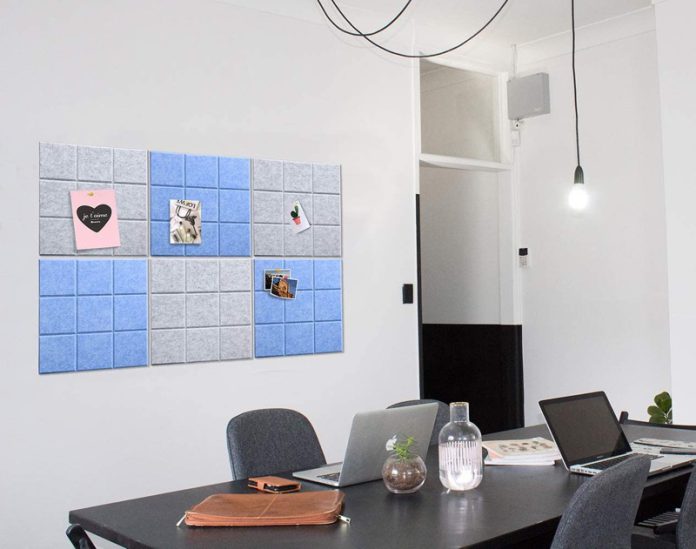
A felt board is very what one would expect—a board you can hang on your walls that is made out of an innovative felt material. What makes these boards unique is that you have the option to design your own with individual felt tiles. By combining the tiles, you can bring your felt board to life and dictate the size, shape, and pattern. This means that felt boards are an ideal decorative strategy for any interior space—including your new home office.

Felt tiles are also available in a wide variety of colors, shapes, and patterns. This means that you’ll have full control over how you want your felt board to look, making it easy to match with any current style or taste. Add a splash of vibrant color or craft a more neutral, professional atmosphere for the background for your Zoom calls. The choice is truly yours when it comes to using felt tiles to craft your very own unique and creative felt board.

Benefits of Felt Boards for Your Home Office

They look good, they’re easier to install, and they can even help reduce unwanted noise. What else do felt tiles and felt boards have to offer for your own home office design? Well, just take a look at some of the amazing benefits of felt boards for your home office.

  1. Easy to install: felt boards are designed to make your life easier—not harder. That, in part, is why they’re so easy to hang up and install. In just a matter of minutes, you can step back and admire your very own felt board. Simply line up your first tile, remove the adhesive tabs, and press firmly against your wall or any hard surface. Repeat these steps with each felt wall tile and you’ll have a felt board in no time.
  2. Fully customizable: looking for an interior design option that fits your unique needs, style, and taste? Look no further. Felt tiles are great because you can customize the colors, shapes, patterns, and size of your felt board. You can even easily remove and reinstall your felt tiles to change and make updates as you go along.
  3. Pinnable: not only do these tiles look good, but they’re useful, too. The innovative PET felt material allows you to pin up any small items, including notes, reminders, photos, or bits of inspiration. Ensure you won’t lose any small important items again by using felt tiles on the walls of your home office.
  4. Sound dampening quality: unwanted noise can make working from home nearly impossible. This might be the greatest benefit to felt boards when it comes to designing your home office. The felt tiles naturally absorb incoming sound waves, working to reduce unwanted noise and help you focus, stay productive, and even enhance your creativity.
  5. Durable and easy to clean: pinning and re-pinning items to your felt tiles may make you concerned about damaging your felt board. But don’t worry. The felt material looks good but and is also durable and tough. Even better, your felt tiles are easy to clean. Simply dampen a cloth and rub gently. These felt tiles were designed to last as long as they’re needed in your home office.

Conclusion – Benefits of Felt Boards for Your Home Office

Working from home can be great. Save time by avoiding traffic, stay comfortable at home, and avoid all those pesky water cooler conversations. However, working from home also comes with unique challenges. For many professionals, it’s been difficult carving out a part of your home to dedicate as a new home office. Whether due to space constrictions, family, or having the right equipment, working from home can be harder than it looks.

Luckily, there are steps you can take to create a functional, and even enjoyable, home office. By using felt boards on the walls of your home office, you can stay organized, add an eye-catching effect to your walls, and even reduce unwanted noise. Felt boards in your home can completely transform your work at home experience, and who knows, might even make you not want to go back to that old office.

Best Residential and Commercial Plumbers in Hamilton

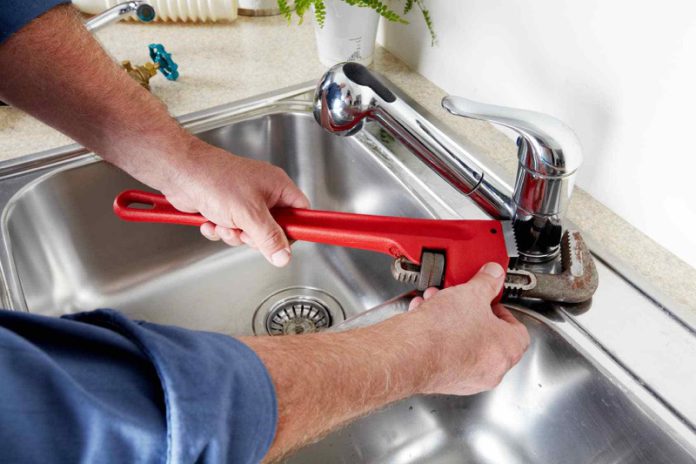
Plumbing problems can be very annoying and costly. If you don’t get them fixed immediately, they can cause serious damage to your home or office. Plumbing issues are usually caused by water leaks, clogged drains, broken pipes, faulty appliances. The good news is that plumbing problems can often be solved without calling a professional plumber.

Here are some tips to fix common household plumbing problems at home. Fixing the problem yourself will prevent further damage and help avoid more extensive repairs and replacement costs down the road. You may need to hire a professional for commercial plumbing in Hamilton for more complex projects.

Follow these steps:

1) Unclog Drains

Drain clogs can happen anywhere from hair, food particles, soap scum, grease, etc. To unclog a drain, pour boiling water into it until the clog clears up. Never use chemical drain cleaners as this can damage pipes and lead to future clogs.

2) Repair Leaks

If there’s a leak under the sink or around the tub/shower area, try tightening the screws on the faucet first. It could stop the leak completely. If that doesn’t work, you might have to replace the washer (the part of the faucet that holds the handle). Make sure you tighten all of the screws before turning on the water.

3) Replace Sinks & Faucets

If you notice any leaking around sinks, faucets, toilets, bathtubs, showers, check if the supply lines are cracked or damaged. These parts should be replaced every 10-15 years, depending on how much water flows through them.

4) Install Water Heaters

Ensure that the temperature setting on your water heater is correct so that it heats enough water for your family. It also helps to keep an eye on the water level in the tank – if it gets too low, the heating element won’t heat the water properly.

5) Drain Pipes

Leaks in pipes can occur for many reasons, such as tree roots growing inside the pipe, burst pipes, or even just corrosion over time. Check your pipes for cracks or other damages. If you find anything, then contact a licensed plumber right away.

6) Fix Bathroom Taps

Bathroom taps can quickly become corroded with age. Try cleaning out the aerator and ensuring the rubber seal is not worn out. Also, check if the spout has been turned off.

7) Reinstall Showers

Replace showerheads when they start dripping after one year of usage. It will save you money and ensure that your bathroom stays clean.

8) Repair Toilets

Toilets can develop various problems, including slow flushing, running toilets, noisy flushes, and no flush. Call a plumber if you notice any of these signs.

When looking for services in industrial plumbing in Hamilton, you need to look for a company that offers quality service. Industrial plumbing requires special tools and equipment to complete the job correctly. Many companies offer low prices but fail to provide quality service. When choosing a company, ask about their experience and credentials. A reputable company will show proof of its licenses and insurance coverage.

A reliable company will always give you a written estimate before starting the project. They will explain what they plan to do and why they recommend certain products. The company should be willing to answer any questions you may have.

Use Your Travel Souvenirs to Decorate Your Home

True travelers live out of their suitcases and go from point A to point B on a map.

On the other hand, most explorers require a secure location to return to after a lengthy journey. They need a home or apartment where they may rest at any moment.

What can you do to make that location genuinely one-of-a-kind? If you want your house to look like a home from a traveler’s perspective, you should include memories from your excursions into the design. Use the online backyard design tool to see how your ideas turn out before implementing them.

We’ve compiled a selection of travel-themed living room inspiration so that everyone can discover something they enjoy.

Maps

Without a map, you can’t get anywhere! Make a statement wall with a world map in your bedroom or living room, or hang it in your home office to inspire you to work hard and save money for more trips. Removable wall decals, string wall art, graphic art, and paper map art with lights, for example, can all be used to decorate your walls in various ways. To help you remember your travels, including photos of your favorite sites and destinations. Fortunately, you can do all of these decorating ideas yourself for little or no money!

Vintage bag shelves

Vintage luggage, for example, can be converted into a variety of furniture and aesthetic items, with many of them also functioning as useful storage areas. If you prefer, use one or two as bedside tables in your bedroom, or paint them to provide more color and style options. By simply adding legs to an old suitcase, you can transform it into an eye-catching storage option for your hallway as a console or table. All you need for a travel-themed display are your mementos and photos, and a suitcase can be converted into a shelf.

The gallery walls

What could be more personal than a gallery wall of your own trip photographs? Reliving my best memories and visiting beautiful locations inspires me more than anything!! A gallery wall can be designed in various ways, from an eclectic mix of frames to a more classic one, but it must fit the space you’re working with. Metallics, stained woods, colored frames, and other distracting elements might make it difficult to focus on the photographs, so go for something more neutral.

Itineraries

Travelers try to plan their travels precisely to avoid unnecessary stress. They map out the route, book lodging, and calculate the amount of money they’ll need for transportation.

You’ll need a lot more planning and preparation if you’re going on a long road trip. That’s why creating a system for keeping track of your tasks is an excellent idea.

If you hang a metal grid on your wall with pegs and attach important documents like grocery lists and packing lists to it, even your airline tickets could get misplaced in the turmoil of a filled suitcase. It’s a technique that’s both basic and effective, as well as visually appealing.

Typography for the travels

A great method to add visual appeal to a room is to hang a sleek and expressive typographic poster on the wall. You can include inspirational phrases, wise words of wisdom, or just amusing one-liners on the posters.

Treasure shelves

The souvenirs you bring home from a trip serve as a recall of both your time there and the culture you encountered. Every single one of these items is worthy of a place on display. Which solution you choose will be determined by the aesthetics of your home.

You can create an industrial look with a metal pipe and aged wood shelving. The second alternative is to hang little wooden crates on the wall to display goods such as souvenirs in decorative frames. This will give your collection the appearance of something from a museum’s permanent collection!

When it comes to bookshelves, every traveler should always have a collection of travel guides, atlases, and phrase books on hand. Get a one-of-a-kind bookshelf in the shape of a tree with branches extending outward or a wavy-design snail shell. It’ll undoubtedly make a huge impact!

3D wall murals

Stunning mountain peaks, a lovely beach, a lush forest teeming with wildlife, or an African savannah drenched in golden sunlight are all options.

A gorgeous 3D wall mural for the living room is a terrific alternative if you want to include a major theme in your home design.

Choose the location from your trips throughout the world that have impacted you most. A view like that should be in your living room or bedroom. It’s an excellent approach to keep your memories alive. Every time you see that photo, you’ll be brought back to that same adventure.

Furthermore, you are not limited to pre-existing designs. True, the internet provides a treasure mine of gorgeous photographs from throughout the world, yet these images can be bland. You may get a 3D wall painting for your living room made from a photo you took yourself. As a result, you can be guaranteed that the interior design of your home is distinctive. Furthermore, the design will serve as a permanent memento of your visit.

Conclusion

Traveling is more than just getting from one place to another. It’s a way of living that makes you think about things you’ll remember for a long time every day. And each journey brings new things to do and a never-ending source of ideas that can help you build an amazing home arrangement that truly reflects who you are. Enjoy!

Recent Posts

Posts You Might Like