

Home Blog Page 222

How Does Junk Pick Up in Denver Work?

Are you tired of having a garage or attic filled with excess junk? Tired of having half your lawn littered with old furniture or bags of yard waste? Not sure what to do as the junk keeps piling up? If this sounds like you, then you should consider reaching out to a professional junk removal service. These junk pick up experts can help you get rid of old furniture, mattresses, old construction materials, yard debris, or even larger items like a hot tub or treadmill. Essentially, if you’ve got junk that needs to be removed, there’s help.

But how exactly does this junk pick process work? Is it different depending on where you live and who you work with? And how do they even haul away all that junk? Here, we’re taking a closer look at how junk removal services work and why they’re a safe, effective, and efficient option for homeowners and property managers to finally declutter their spaces.

What are Junk Removal Services?

Junk removal services provide an efficient and safe way to help you get rid of all that unwanted junk in your home or office. Whether you own a home, you’re a property manager, business owner, or even leading your HOA, you can call on these professionals to declutter and clean up your residential or commercial space.

Just go online or make a quick call, describe what you need to be hauled away, and they’ll provide a free quote. In many cases, your junk removal can be scheduled immediately and they’ll send an experienced team to safely and courteously haul away your unwanted items. They can also help you practice sustainability by finding ways to recycle some of your old items, keeping them from the landfill.

Is Junk Removal Different From Standard Trash Services?

At first, it might seem like junk removal is pretty much the same as your standard routine trash pick up you get every week. But there’s a bit more to the story there and key differences to note if you’re considering using these services. Your typical trash removal is usually organized by a local government body, such as your county or city. For most areas, this service doesn’t come with an additional charge to the homeowner as taxes generally cover this. Garbage removal in this fashion usually comes once a week and they will only haul away what you can fit in one or two cans provided to the residents.

On the other hand, junk removal services become valuable when you have large amounts of junk to get rid of or help hauling away unusual or large items. In most cases, your city’s trash removal won’t haul away mattresses, heavy exercise equipment, or bags and bags of yard waste. With professional junk removal services, however, there’s practically no limit to what you can have removed from your property. That’s also why using junk removal services is ideal for homeowners when they’re moving or renovating their property. If you need a lot of items hauled away quickly, calling on junk removal pros is your best bet.

How Does Junk Pick Up in Denver Work?

While every junk removal business will have a slightly unique process, junk pick up tends to work with a pretty simple and clear method. In fact, this simplicity and convenience is one of the top reasons why so many people love these services. All you have to do is give them a call or go online, describe what you need hauled away, and they’ll offer you a free quote. In many instances, same day pick up can be scheduled so your home will be less cluttered in no time at all. But how does this all work?

Outside of making the initial call and paying for the services, the homeowner doesn’t have much work to do at all. Simply schedule a convenient time and they’ll show up promptly and get to work. And these companies aren’t just two guys showing up in a truck. Junk removal services feature teams of professional and courtesy junk removal specialists who are trained on the proper and safe ways to remove all sorts of items. Not only can they get the job done safe and efficiently, but they’ll be on hand to answer your questions and any potential concerns.

But you still might be wondering—what happens to all my junk once they’ve driven away? This is an important question as these companies work to safely dispose of your items according to local laws and regulations. Many junk removal companies also aim to make their practices as sustainable as possible. To do so, they’ll work with nearby recycling centers to see which of your items can be effectively recycled, and thus, spared from simply being thrown into a garbage landfill. The more items we can recirculate or recycle, the better for our planet. They’ll also try to donate any of your items to local charities.

Conclusion – How Does Junk Pick Up in Denver Work?

Over time, it’s only natural that you’re bound to stack up quite a bit of junk. Whether that junk comes in the form of old furniture, unused exercise equipment, mattresses, or just bags of yard waste from your spring cleaning, this junk can quickly take up space and become a hassle. But don’t worry, there’s help.

When your typical garbage services can’t haul away your items, call on a professional junk removal team. They’ll jump right into it and haul away practically any type of amount of junk that you need hauled off. Simply call them up, receive a free quote, and schedule the time for your junk pick up. These professionals will remove your old items as quickly, efficiently, and safely as possible and help you finally declutter your life. When it’s time to take out the trash, why not let the professionals lend a hand?


Defining Characteristics of Art Deco Architecture

Art deco buildings offer iconic, decorative flair to city skylines, and were particularly popular for commercial buildings in design and culture capitals, such as Paris, New York, and Los Angeles. While art deco architecture was never the most permanent of trends, its influence can still be seen in some of the major buildings of these cities. The building style never truly caught on for residential buildings, though it’s always an inventive option for anyone building a custom home with the assistance of residential architect firms. In many ways, art deco architecture is a predecessor to the modern architecture of the 1950s, though with significantly more opulent detail and color.

History of Art Deco Style

Art deco architecture and style hails from the mid-1920s and 1930s, between the first and second World Wars. The style’s original conventions came from the American era known as “the Roaring Twenties,” though many historians point to Paris when identifying its true origin. The stylistic opulence of the architecture and fashion that accompanied this movement contrasted dramatically with the economic hardships of the Great Depression and post-war era.

Unlike some of the more revivalist styles of architecture, the art deco movement was entirely unique; it was definitively modern for its time, offering a dramatic flair that was completely separate from the likes of the neo-classical and Tudor-revivalist styles that were beginning to show up around the same time as its inception. As the skyscraper rose up in the 1920s, so too did the art deco style. In fact, many of New York City’s most famous skyscrapers are showcases of art deco style, including the Empire State Building and the Chrysler building. The art deco style thereby became an image of American progress in urban construction and design for many years to come, even after it had fallen out of fashion in other departments.

The Defining Features of Art Deco Architecture

Art deco style was an opulent predecessor of the modernism of the 1950s and 1960s and set the stage for urban designs that were uniquely American in arrangement and appearance. This form of architecture is a landmark style of Los Angeles and Southern California, fitting Hollywood’s excess of film fantasies with carven images of nude figures, palm tree foliage, and endless sun rays. What exactly were the defining characteristics of such a style? Here are a few of the essential details that place art deco in a space of its own.

Pyramids, Triangles, and Spires

Art deco buildings were typically large, commercial structures that dominated their respective cities’ skylines. The building’s dramatic flair came in through its towering spires and triangular geometry near the peak of the building. These architectural elements were primarily decorative, giving the structure of flair of excess and wealth that was previously somewhat uncommon. These geometric arrangements also existed on a smaller scale throughout the building’s interior and exterior structure, creating a facade of artistic wealth that was entirely unlike other construction projects of the American Great Depression.

Stucco, Terracotta, and Glass

Art deco style tends to shy away from more of the timeless building materials, such as brick and wood, in favor of stucco and terracotta exteriors to make an artistic statement. By contrast, these materials were much easier for adding dramatic color to the building’s exterior, though they were also less durable. Theaters were a trendy option for creating art deco architecture with stylistic flair, particularly in the western United States. Colored and/or patterned glass was also a popular decorative element of the art deco structure, though not in the style of stained glass, such as you would see in a church.

Dramatic Color Contrasts

Art deco architecture often leans upon bold color contrasts to give the building a definitive flair for both the interior and exterior of the structure. These colors were often bright for theaters and hotels, with a candy-like aesthetic that quickly went out of style given how much it stuck out from the buildings around it. However, for other more formal structures with an art deco style, this color contrast was often limited to simple black and white- creating an effect that was still relatively “shiny” and excessive.

Decorative Windows

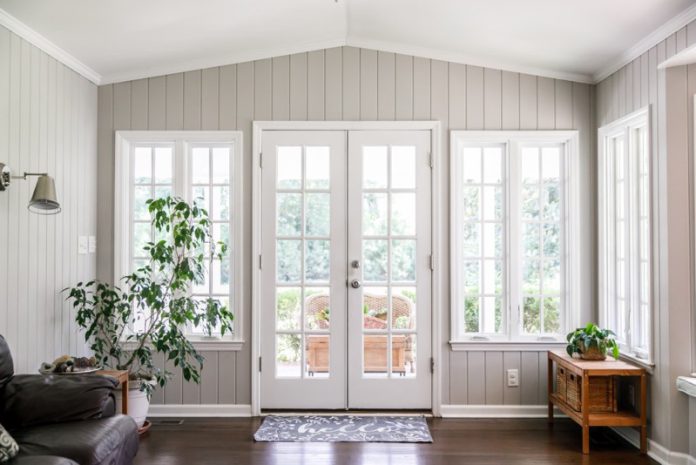
Art deco-style windows feature geometric shapes and patterns that look and feel luxurious, whether large or small, square or arched. The windows for the building were one of the most prominent design features, complementing the color contrasts and stucco exteriors to create an even more effective facade of luxury. Larger, rectangular shapes were popular for homes and offices, offering an open aesthetic that modern architectural movements of the 1950s quickly expanded on for their arrangements.

Swooping Archways

Dramatic archways define the interior and exterior of the art deco building, in both large and small form. Art deco doorways often feature decorative grills or metalwork above the door to fill in the upper portion of the arch, which the building’s windows tend to do the same. In many ways, art deco is all about adding flair to the structure, and wide, swooping archways tend to do just that. You can see many examples of these decorative archways in many of the world’s most beautiful art deco buildings.

Where is Art Deco Architecture Today?

Art deco style’s dramatic flair and opulent detailing remain in major metropolis settings, such as New York, Chicago, and Los Angeles. However, it’s rarely the architectural style of choice for anything other than historical reconstruction. As a design style, art deco was quickly overtaken by 20th-century modernism, which is, in many ways, still the most essential and popular architectural arrangement of the last century.

Many modern structures integrate the smaller elements of art deco into their design to pay homage to this design style, though avoiding the details of this style that date it, such as the bold color choices and spired peaks. For 21st century architects, the art deco style can still inspire a project’s smaller, decorative arrangements for residential and commercial spaces.

Guidelines for Homeowners

The majority of individuals will tell you that maintaining your home is crucial. Yet, they will usually fail to present you with underlying reasons for their opinions.

Houses that are not properly maintained will eventually fall apart, resulting in costly repairs and a decrease in value. Maintaining your home or property on a regular basis is an important aspect of protecting your investment and ensuring that it becomes an asset rather than a problem for you.

Much common household equipment may need to be repaired or replaced at some point; but, with a little forethought and foresight, doing routine maintenance can save you costs and avoid your stress.

We have a tendency to look after our good, pricey items. We go to the car wash and replace our oil on a regular basis.

Our shoes are polished, and our clothing is dry-cleaned. We, on the other hand, frequently neglect to perform routine maintenance on our homes, which are perhaps our most valuable and expensive assets.

Home improvement tasks can be intimidating and costly. Keeping up with them can help you avoid costly repairs and larger problems in the future. Below are some reasons to update your asset:

1. Your home will last longer if you maintain it

One of the most important reasons to perform house maintenance is to extend the life of your property. Homes that have been well-maintained will last longer and will require fewer costly repairs or renovations. Sad to say, many items in today’s world aren’t built to last.

Newer houses are only expected to endure 10 to 15 years before requiring major repairs. Moreover, it has been suggested that after only 20 years of ownership, a typical home may require up to 60% (in dollars) replacement. Yearly maintenance investments can help a home and its components last much longer. Major repairs will be required in the long run, especially your roofing. According to Golden Heights Roofing contractor, average roof duration is between 20 and 50 years so that’s a good investment.

Your home’s quality of life might be severely impacted by a damaged water heater or air conditioning unit. Checking your air conditioner and cleaning the filter in your water heater on a regular basis saves you money, prevents long-term damage, improves the quality of your everyday life at home, and ensures that your home is in good working order. In the middle of summer, no one wants to shower in freezing water or return home to a heated house.

2. Maintaining a property increases its resale value

For the vast majority of people, purchasing a home is the most significant financial purchase they will ever make. Their investment can be protected with careful upkeep. A well-maintained property will hold a better value in the long run, even during a downturn, than a lack of maintenance properties in the neighborhood.

Moreover, most potential home buyers want a property that is ready to move into rather than one that would require extensive renovations.

  • Maintaining and updating your home will increase its resale value dramatically.
  • Keeping your home’s exterior appeal as appealing as possible will go a long way toward determining the price purchasers are ready to pay.

An additional factor to consider is the use of the yard and landscaping. For most homeowners, yard work is a necessary part of their routine. It’s easier to keep a yard in good shape on a regular basis than it is to wait for a significant renovation.

The good news is that yard maintenance is often simple to complete and only requires a minimal budget as well as sweat and tears.

Maintaining the framework of the building and concentrating on components such as the walls and roof is maybe the most difficult undertaking. Minor problems like wall cracks, humidity, and furnace tune up are relatively simple remedies that, if ignored, can lead to major issues that put your entire home at risk.

3. Home maintenance enhances the quality of life

You won’t have to deal with the loud noises of a squeaky door, dry sliding machine parts, or cleaning up after a leaking roof if you maintain your property regularly.

It also gives you more trust in the structural stability of your home. Clearly, you’ll feel a lot safer and more at ease in it.

Why Do You Need To Take Care Of Your House?

It is critical to do maintenance duties as soon as possible for a variety of reasons. To begin with, you will ensure that you live in a safe and functioning home while also saving money. In the long run, avoiding home maintenance duties will cause problems to accumulate, resulting in major loss or safety hazards in the form of reduced structural strength or ineffective safety systems such as smoke alarms.

Moreover, these issues will be costly in contrast to the relatively low costs involved with routine maintenance and minor repairs.

Also, maintaining the general aesthetics of your house’s inside and outside will help to maintain its image and ambiance, resulting in a home that you, your family, and visitors will appreciate.

Lastly, performing routine upkeep on your home will directly boost its worth. Whether you plan to sell or stay in your house, maximizing its value is critical to being prepared for any unforeseen developments. In a well-maintained home, any inspections will result in higher values.

Fixing your home reduces stress

Last but not least, completing regular maintenance on your home will provide you with peace of mind. You will be much less concerned about the potential of having to deal with a significant repair if you know that things have been maintained and are working properly.

To have the peace of mind that comes with having a well-kept home will benefit your health and your money in numerous ways.

  • Use a monthly checklist for house maintenance and safety
  • Organize your responsibilities into daily, weekly, and monthly priority categories
  • Don’t try to do everything at once, or you’ll become overloaded
  • All family members should be given responsibilities
  • Make a list of all of your household appliances and keep track of when they need to be replaced
  • Keep in mind why you’re doing it and what you’ll get out of it

Top 5 Reasons to Invest in Garden Rooms

The area around the house can not only be beautiful and well-groomed, but also functional, if you figure out the right architectural solution. Garden rooms can be used for various purposes, differ in design and size, and be used at different times of the year depending on the type of construction.

What is a garden room?

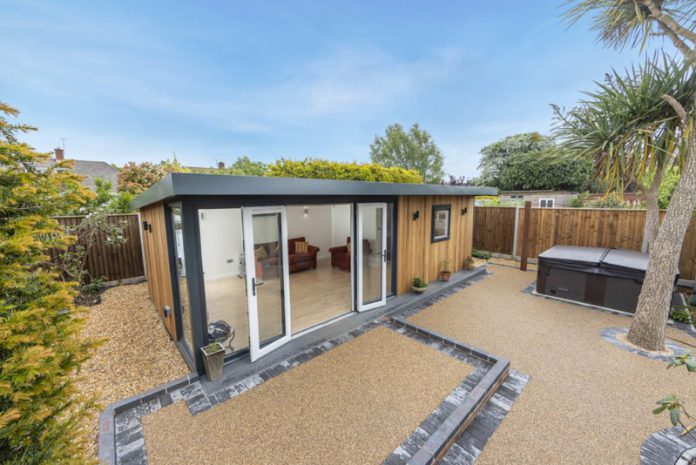
The garden room is a one-story building made of logs, beams or wood. Brick and other massive materials are rarely used, since this is not a residential building that requires capital development, but rather a small structure that is meant for spending time in the garden.

The room can be open, closed and semi-open. The open version resembles a gazebo and is used for recreation in the warm season. Semi-open rooms have some walls, are either partially divided or have open space, and are often great play areas, places for meditation, or summer kitchens.

Closed garden rooms are very popular and high-demand. They can be turned into the following things:

  • play space;
  • workshop;
  • a place for gardening and other hobbies;
  • room for sports and meditation practices;
  • restroom;
  • guest house;
  • working area, etc.

The space has windows and doors, a reliable roof and foundation, keeps the cold out and protects from different weather conditions, therefore it is comfortable and functional.

5 ways to use garden rooms

Garden rooms are a great investment. It will be a great addition to your yard, improve the landscape design and the overall appearance of the site, while giving you a place for rest and other activities.

Separate office

Freelancing and work from home have become more popular in the past couple of years than ever before. But it is difficult to combine work and household chores without being constantly distracted. The garden room will be a great home office, which will be isolated from the main house and create the illusion of a full-fledged workplace.

When planning a work area, you need to consider the following points:

  • correct positioning of the table;
  • lighting of the working area;
  • Internet and communications;
  • sockets near the table;
  • the need for voltage stabilizers.

Other details depend on the intensity and type of work.

Place to rest

Of course, there is nothing better than enjoying nature when the weather is fine. But the weather can sometimes be quite unpredictable, and sometimes you need to hide from bad weather, heat, sun, and cold. Garden rooms equipped with everything necessary for protecting you from any external factors and providing a place for you to relax.

For example, you can put a large table and chairs in the center, and turn the corner area into a small cinema with a TV, soft sofas and armchairs. You can also fill the shelves with books, magazines, board games, coloring books and various supplies. Here you can also install a turntable or audio system.

Time with children

Nothing brings children and parents together better than taking up a hobby together. This is not just a play area, but a “secret” place where real miracles will happen. Here are some things that you can organize with your children in the garden room:

  • a place for growing plants;
  • creative workshop with easels, lots of painting supplies, clay, a table for arts and crafts;
  • a small kitchen for culinary experiments;
  • a music zone;
  • a small library that will be constantly updated with new books and magazines, etc.

Your kids can also take part in the designing process by letting them choose the color of the walls, drawings, décor, textiles and toys. This approach will make them feel included and important.

Guest “house”

Properly equipped, enclosed garden rooms are ideal for accommodating guests. The guests will have their own personal space, and so will the owner.

If the room will be used to accommodate guests, the following functional areas should be considered:

  • a small kitchen block with an electric stove, mini-refrigerator, microwave oven;
  • dining place;
  • combined bathroom (toilet, shower);
  • a place to sleep (small bed, sofa bed);
  • a closet or drawers for storing their belongings.

Even a small room can be equipped with everything you need if you take a responsible approach to space planning and develop a design project in advance. For example, you can install a shower drain or take it out separately. Sometimes a small veranda or terrace is added, which brings a feeling of coziness and adds extra space to the home.

Will the construction of a garden room affect the value of the house?

Garden rooms do not count as living space, but they do add value to the home. First, they are functional and can be used for different purposes. Secondly, such structures are static, closed and not exposed to external influences. In addition, garden rooms are often referred to as architectural forms that affect the landscape design and the overall appearance of the yard.

Therefore, it is important to think over not only the interior layout, but also the appearance of the building. The increase in the value of real estate will directly depend not only on the size of the building, but also on the condition it is in.

Garden rooms can solve the problem of lack of space. Even if there is very little space in the yard, you can design a small but cozy room where you will have everything you need for work and recreation.

How to Make a Retrofit Fit with Your Home Design

What do you think of when you hear the word retrofit? You might envision a house that has been updated to include new technology or an old building that has been remodeled. Whatever your thoughts are on this topic, it is important to remember that a retrofit should fit your home’s design and style! Read on for some tips and tricks to help make sure your retrofit looks great in any space.

Identify the Need for a Retrofit

The first step in making a retrofit fit with your home design is identifying the need for one. Maybe you’re updating an old home with new technology or adding to your property to make it more livable. No matter the reason, it’s important to plan and design your project to look great and function well within your existing space. A soft story retrofit Los Angeles, for example, is a great way to strengthen an existing property against earthquakes. If you’re not sure what type of retrofit your home needs, consider speaking to a contractor. They can help you determine the best course of action.

Design a Plan That Fits

Once you know what you need, it’s time to start designing! This part can be tricky, as you want to make sure the retrofit fits well into the style of your home. If you’re unsure where to start, take some inspiration from websites or magazines specializing in home design. You might also want to consider hiring a professional to help with this step. They can provide you with ideas and suggestions to make the retrofit look amazing in your home.

There are a few things you’ll want to think about when designing your retrofit. One of the most important is the layout. You’ll want to make sure that the new features you add fit well with the existing design of your home.

Make Sure You Have Enough Time and Money

Even if everything else goes according to plan, there’s one thing you can’t forget about: time and money! A retrofit is often a big project, so it’s important to ensure you have enough of both to get the job done. If necessary, break the project down into smaller phases so that you can budget and schedule accordingly. And don’t forget to allow for some flexibility; things might not always go as planned, so be prepared for setbacks along the way.

Consider All Details

Once the planning is complete, it’s time to consider every detail. This is where things get a little more difficult, as you have to think about all aspects of the retrofit, including design and color. Think carefully about these details before making a final decision on anything – remember that this part will stay with your home for years!

When designing a retrofit, it’s important to think about the details. This includes everything from the layout to the color and design of the new features. One of the most important things to consider is how the retrofit will fit into the existing style of your home. You’ll also want to ensure you have enough time and money to complete the project. If necessary, break it down into smaller phases so that you can budget and schedule accordingly. Don’t forget to allow for some flexibility; things might not always go as planned, so be prepared for setbacks along the way.

Hire Professionals Who Know How To Do It

To ensure your project goes off without a hitch from start to finish, it’s important to hire professionals who know what they’re doing. A great way to find out if someone does quality work is by asking for references or testimonials so you can learn how others feel about their services. If possible, see some examples of their past projects – that way, you’ll be able to get a better idea of what to expect.

Designing a retrofit can be a tricky process, but it’s important to make sure everything is perfect before starting the project. One of the most important things to consider is the layout of the new features. You’ll want to make sure they fit well with the existing design of your home.

You’ll also need to think about time and money. A retrofit is often a big project, so it’s important to ensure you have enough of both to get the job done. If necessary, break the project down into smaller phases so that you can budget and schedule accordingly. And don’t forget to allow for some flexibility; things might not always go as planned, so be prepared for setbacks along the way.

Get Help From Family and Friends

Even if you can do some of the work yourself, it’s often helpful to get help from family and friends. They can provide a much-needed extra set of hands, especially during the more difficult parts of the project. Plus, it’s always nice to have people around who are excited about your new retrofit!

In the end, retrofitting your home can be a rewarding experience. If you follow these steps and take care of all the details from start to finish, it will look great and improve your quality of life in many ways.

Types of Windows and Their Practical Uses

Different Kinds of Windows

There are a few different types of windows that you can install in your home. Here is a breakdown of the different types of windows and their practical uses:

1. Single-Pane Windows

Single-pane windows are the most basic type of window. They are made up of one pane of glass and are typically used in older homes. While single-pane windows offer some insulation, they do not provide much thermal protection and can be drafty.

2. Double-Pane Windows

Double-pane windows are more efficient than single-pane windows. They consist of two panes of glass that are separated by a gas or air fill. This helps to prevent heat loss in the winter and heat gain in the summer. They also provide better insulation than single-pane windows.

3. Awning Windows

Awning windows are hinged on the top and open like an awning. These types of windows can be installed at ground level, high up on a wall, or anywhere in between. They can also swing to either side for ease of cleaning from inside the house.

Awning windows contain a screen that keeps insects out and a window covering that keeps heat in during colder months and out during warmer months. The window covering opens downward, providing ventilation while keeping rain from entering the home when it is closed.

4. Casement Windows

Casement windows are hinged along one edge and pushed outward to open. Casement windows have a crank or handle for ease of opening. These types of windows are strong, efficient, and sturdy.

They also open fully to allow a breeze inside the home when opened. The window stays in a position that is closed from moving air but can be pushed open from the inside for ventilation if desired.

5. Double-Hung Windows

Double-hung windows are hinged on both sides and slide up and down to open and close. This type of window typically has one operable sash that slides up and down while the other remains stationary.

Double-hung windows offer optimal protection, insulation, and airflow – all while keeping the home’s interior looking sleek and stylish with their unobtrusive design.

  • Tilt & Turn Windows: Tilt and turn windows are a type of double-hung window with a tilting action for easy cleaning. The window can be opened inwards or outwards, depending on your needs.

This window is a great choice if you want the option to open the window from the inside or outside.

So, which type of window is right for you? It depends on your needs and what you are looking for in a window. If you are looking for an energy-efficient window that will keep your home insulated, then a double-pane or tilt & turn window may be right for you.

If you are looking for a stylish and unobtrusive window, then a double-hung window may be the best choice.

How Window Installation Helps You In The Long Run

Window replacement can be a big expense, but it is worth it in the long run. The right window can help to improve the energy efficiency of your home, save you money on your energy bills and make your home more comfortable.

Window installation costs vary depending on the type of window you choose, the size of the window, and the complexity of the installation. However, most windows fall within the range of $200 to $1,000 per window.

So, what are you waiting for? Invest in some new windows for your home and start enjoying all the benefits they have to offer!

The Process Behind Window Installation

But do you have to learn how to install a replacement window? If you have no experience or expertise in doing the work, the best solution is to hire professionals.

Window installation may seem like a daunting task, but with the right tools and instructions, it can be a relatively easy process. The first step is to remove the old window. This may require removing the trim or siding around the window.

Once the old window is removed, the new window can be installed. The new window should be positioned in the opening so that it is level and plumb.

The shims should then be used to adjust the position of the window so that it is perfectly level and plumb. The screws should then be used to attach the window to the framing.

How Window Replacement Works

Window replacement is a similar process to window installation. The first step is to remove the old window. This may require removing the trim or siding around the window. Once the old window is removed, it should be inspected to determine if replacement parts are needed.

Once this has been determined, new wooden stop blocks or other framing components may need to be installed before installing the new window. The footprint of the old window should first be traced onto a piece of wood called a sill pan which will help direct water away from the wall and into gutters that lead to downspouts.

A layer of underlayment may then be glued or stapled onto the sill pan. This layer will protect against drafts and make installing weatherstripping much easier later on in the process.

After this comes the installation of an exterior plywood panel trimmed with either aluminum wrap (in climates that don’t see winter weather) or vinyl (in colder climates).

This panel conceals the window’s screws and provides a finished exterior look. The window is then set into the opening, and shims are used to adjust it so that it is level and plumb. Finally, the window is screwed in place.

Different Window Replacement Types You Should Know Of

Is there a need for you to know how to measure window for replacement? In general, no since you will be leaving that task to the window installation company that you hire.

There are many types of replacement windows, each with its own set of benefits and drawbacks. The most common types are listed below.

1. Window Replacement Type: Vinyl Windows

Benefits: Vinyl windows are affordable and come in a variety of styles. They are also very low-maintenance and easy to clean.

Drawbacks: Vinyl windows can be less energy-efficient than other window types and may not fit well in historical homes.

2. Window Replacement Type: Wood Windows

Benefits: Wood windows offer a classic look and are very energy-efficient. They can also be repaired or refinished if they become damaged.

Drawbacks: Wood windows require more maintenance than other window types and can be expensive to install.

3. Window Replacement Type: Fiberglass Windows

Benefits: Fiberglass windows are both energy-efficient and durable. They also come in a variety of styles to match any home.

Drawbacks: Fiberglass windows can be expensive to install and may not fit well in historical homes.

The type of window replacement you choose will depend on your individual needs and budget. Contact a window installation company for more information on the different types of replacement windows available.

Determining the Costs of Windows Installation

Now the question is how much does window installation cost? Can you afford it? How much should you budget for it?

Window installation costs can vary depending on the size and type of window, as well as the complexity of the installation. However, most window installation companies offer free quotes so you can get an accurate estimate before deciding whether or not to proceed.

Replacing your windows is a big decision, but it can also be a big savings in the long run. Installing energy-efficient windows can help you save on your energy bills, and new windows can also improve the look and value of your home.

Contact a window installation company today to learn more about the different types of replacement windows available and to get a free quote.

How to Choose the Best Evaporative Cooler

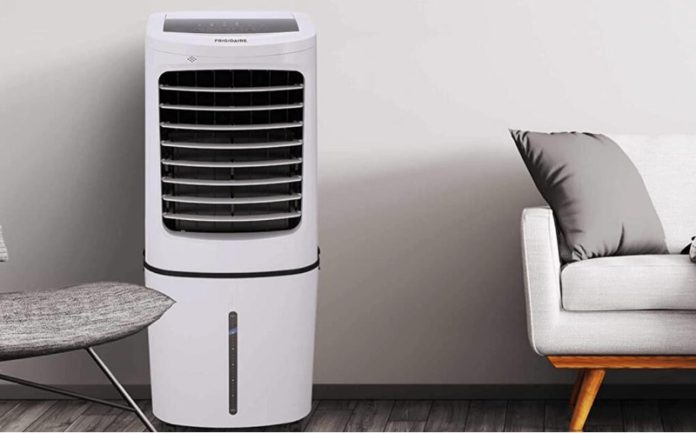
Cooling your home is critical – and you want to choose the best possible system. Understanding the benefits of an evaporative “swamp” cooler can help you to decide if it’s the right investment for you. The best evaporative cooler can provide you with an affordable cooling solution that is also energy-efficient.

Why You Should Buy an Evaporative Cooler

There are countless reasons why you should buy an evaporative cooler, but it often comes down to what makes a swamp cooler unique.

Evaporative coolers are capable of adding moisture into the air. When you live in a hot and arid environment, the dry air can take a toll on your sinuses, your skin, and more. The added humidity level can help you to be more comfortable in your living spaces.

Evaporative coolers are affordable. They’re considerably less than HVAC systems and they don’t require the need for installing air ducts, which can add to the overall installation cost.

You need to cool your home quickly, and an evaporative cooler can often start cooling your home within minutes. Portable units even offer a plug-and-play solution with no installation required.

And if you need another reason to buy an evaporative cooler, consider how it is more eco-friendly than an HVAC unit. Many consider traditional AC systems to be environmentally destructive because of the use of freon. Swamp coolers require minimal amounts of energy and water to operate, making them better for the environment.

What is an Evaporative Cooler?

Whether you call it an evaporative cooler or a swamp cooler, they are the same. So, how do they work? What makes this cooler unique?

This type of cooler has been around for a significant amount of time because it doesn’t use a lot of technology. Instead, it depends on the process of evaporation. Of course, newer models have more bells and whistles to help you control the process and ensure that the air is being dispersed evenly throughout the room.

Air from the outside travels over a cooling medium, which is a water-soaked pad. The water is absorbed by the air, which drops the temperature. Depending on the temperature of the air and the humidity level, temperatures can drop by 20 or 30 degrees. Then, the air goes through a blower so that it is dispersed.

Depending on the model of the cooler, the water comes in through a water line or there is a detachable container for water to be placed into the unit.

The benefits of an evaporative cooler are numerous, starting with the air quality. The level of water in the air can actually get rid of dust and allergens, allowing the air to be cleaner. The units can also be used in indoor and outdoor spaces alike, ensuring that you get the cool temperatures that allow you to be comfortable.

The Differences Between Evaporative Coolers and Air Conditioners

It’s important to understand the differences between evaporative coolers and traditional air conditioners as they are quite different from one another.

First, evaporative coolers will add moisture to the air while air conditioners tend to draw moisture out of the air. Due to the evaporative process used in swamp coolers, it’s also important to note that they only work in low-humidity areas where the humidity is generally less than 40%. HVAC units will work regardless of what the humidity levels are.

Evaporative coolers depend on a water-soaked medium to cool the air while air conditioners require freon. If you live in an area with a limited water supply, operating an evaporative cooler may be difficult.

There’s also a difference between a closed and an open system. Air conditioners work based on a closed system. You have your doors and windows closed and the air continuously circulates through the system. Evaporative coolers work based on an open system. You should keep doors and windows open so that you get a continuous amount of fresh air. It will keep the system running more efficiently and you’ll get cleaner air.

Operating costs are quite different between the two systems as well. Evaporative coolers only use a small amount of energy in comparison to an AC unit. In many instances, evaporative coolers can operate for about $1 a day.

5 Tips for Buying Your Evaporative Cooler

Once you decide that you want to buy an evaporative cooler, there are a few tips to follow to ensure you get one that meets your needs.

  1. Address Your Climate

Evaporative coolers work best in hot and dry climates. If the air is too cold or too humid, your system won’t work efficiently.

  • Determine the Size of the Space

You want to make sure that you buy an evaporative cooler that is sized properly for your space. Coolers are based on CFM (cubic feet per minute) of air that is cooled. The larger your space, the more CFM you’ll need. The good news is that units can vary from 1,000 CFM all the way to 25,000 CFM.

  • Explore Water Supply

A swamp cooler will need water to run properly. Based on where the unit is going and what kind of water supply you have, you can decide whether it will be connected to a water pipe for continuous supply or if you’re going to use an internal water container that you will need to fill periodically.

  • Explore Features

Evaporative coolers have a number of features, so you’ll want to determine which ones will be necessary for your comfort and convenience. Some are capable of oscillating, and some will have controls to help you manage the blower and humidity – either manual or remote.

  • Decide on Maintenance Requirements

Not all units are built the same in terms of how they need to be maintained. Some will have sensors to tell you when they need attention while other units will need to be manually inspected periodically.

As you shop for the best evaporative cooler, it’s important to work with a reputable company. Experts can help to determine the best size for your residential evaporative cooler so that it will offer the cooling capabilities that you demand. By working with experts, you can ensure that you get your money’s worth and that it works well for your space.

4 Ways to Refresh Your Space on a Tiny Budget

You may never bridge the gap between a small budget and a big renovation. However, it’s still possible to transform your space with a shoestring budget. Here are four tips to help you refresh your home without breaking the bank.

1. Know Your Budget

First of all, you need to know your spending limits before taking on any work. How much can you afford to spend?

Your budget answers this question. After paying the essentials in a month, what’s leftover is expendable cash you can put towards your home.

If you have less than what you need, set aside this cash in a savings fund. With regular contributions, you’ll collect what you need to make a change.

2. Be Wary of DIY

DIY promises to be the cheapest way to renovate your home. But this only holds true if you’re experienced and skilled with home renos.

If you take on work you aren’t prepared for, you can actually add costs to your project.

What happens if you need to call an electrician after frying your breaker when you try to add a line to an existing electrical source? Or if you accidentally step on an old nail and need to get your tetanus booster?

You may consider an emergency loan online to help with these unexpected, urgent costs. You can find options near you by searching for online direct lenders with your city and state. Simply type this into your Google search to get started: quick cash loans near me + your hometown.

While emergency loans can act as a financial backup in a crisis, you should avoid borrowing them when you don’t have to. Avoid DIY on projects that you’re likely to screw up.

3. Borrow Tools

Half the battle of a home reno is having the right tools for the job. And this equipment doesn’t come cheap. Larger jobs that need table saws, electric sanders, and nail guns can pile on hundreds to your price tag.

Before you give up on your reno dreams, ask friends and family to see if they have what you need.

If your loved ones aren’t handy, check if your area has a tool library. This co-op works like a regular reading library, except it lends out tools and equipment instead of books.

4. Choose Small Jobs with Big Impact

You can make a big change to the look of your home without tearing down walls or putting in an extension. These small, inexpensive upgrades can have a massive impact on your space.

  • Painting your kitchen cupboards
  • Painting laminate countertops in a new color or faux granite
  • Using peel-and-stick backsplashes in your bathroom or kitchen
  • Using peel-and-stick tile to refresh floors
  • Painting your walls in a trendy color
  • Updating old faucets and other bathroom fixtures
  • Wiring modern light fixtures to replace outdated designs
  • Installing new light switch covers and heating grates
  • Buying a new rug, pillows, or wall art

When it comes to your next project, try to get these supplies second-hand. You can find good quality castoffs at your local Habitat for Humanity Restores.

It’s thinking like this that can help you cut costs without cutting corners on the quality of your upgrades. Don’t let a small budget hold you back. Use these tips to get you started, and don’t be afraid to Google for more ideas. You’ll find a lot of inspiration for cheap renos with big impact on Pinterest and other popular sites.

5 Popular Kitchen Trends for 2022

After another New Year’s Eve celebration that was diminished by the continued danger of the COVID-19 pandemic, it can be challenging to feel the same hopeful feeling of renewal that comes at the end of a usual year. While that situation may be disheartening, it is no reason to give up the spirit of positive change; we all just need some physical reminders.

Embracing Change with Renovation Plans

One of the best ways to bring positive change into your life is to upgrade your living space. When you see your decisions to commit to renewal happening around you as your life each day, it will be easier to remind yourself to stay committed to personal changes, like New Year’s resolutions, as well.

Trendy Ideas for 2022

One of the best upgrades you can make to your home is to remodel your kitchen with new countertops, appliances and cupboards. A great way to get started on a new kitchen is to check out a few ideas that are popular this year:

Smart Appliances

With the rise of the smart home, people are eager to gain the ability to control every aspect of their home with voice commands or Smartphone automation. When you’re shopping for new appliances, consider what benefits you might gain from a smart version of the same item and whether it will connect successfully to your current smart home setup.

Marble or Porcelain Counters

There’s no denying that a marble or porcelain counter looks absolutely stunning. Beyond aesthetics, choosing porcelain stone will provide you with the extra benefit of being easy to clean. While the initial cost of either of these options may be higher than lower quality alternatives, the investment value will be much greater since they are both quite durable and long-lasting.

Energy-Efficiency

In 2022, there’s no getting around the need to try harder to protect the natural environment. Appliance manufacturers have responded to this need by continuing to improve on the energy consumption demands in their latest products. When you buy energy-efficient appliances for your kitchen, you’ll also gain the extra benefit of lowering your power bill.

Attractive Backsplashes

A gorgeous backsplash made of porcelain will fulfill two functions:

  • Easier to Clean Your Walls
  • Add to the Beauty of Your Kitchen

Let’s face it; when you’re in the moment of creating a masterpiece in the kitchen for the family to enjoy, it is easy to get carried away and accidentally splash some of your cooking around the room. A backsplash will allow you to keep a more hygienic home since it will make cleaning your wall a breeze.

Skylights

Another way to improve the energy efficiency of your home is to allow more sunlight to enter your rooms. Adding a skylight will help you lower your power bill even further while providing the extra ambience of a window that looks up at the sky.

No matter what kind of changes you decide to make to your kitchen, every bit you do will help to renew your spirit while also increasing the value of your home. Start by considering a new countertop or backsplash. When you work with a professional porcelain supplier, you’ll gain the convenience of being able to get both from the same company.

A Few Signs that Your Home has an Electrical Problem

Being a homeowner has many advantages. For one, owning your home will allow you to build equity by paying down your mortgage rather than giving all of your monthly payments to a landlord who uses that money to pay their own mortgage.

With Power Comes Responsibility

You’ll also gain control of any changes that you want to make in your home without having to get them approved by anyone other than city bylaws or regulations. That said, the price of gaining all of this control is that when you own property, you are also the only one who is responsible for maintenance, repairing damage and being vigilant against potential dangers.

Seasonal Dangers

In Canada, there is a higher risk for electrical system failures that cause damage and can lead to fires during the winter months. That’s because this time of year is colder and entices people to use more electricity via their heating systems. It also marks a good time of year to get in contact with Oshawa electrical services to perform a check for any electrical problems that may exist in your home.

Ensuring that you don’t run into issues in your home that can lead to emergencies takes some basic knowledge about what to look for on a daily basis. You might also consider setting aside one day each season to perform a quick check of your home for warning signs. Here are a few of the things that you should watch for regarding your electrical system in particular.

Frequent Circuit Breaker Trips

The circuit breakers in your home might seem annoying if they are frequently tripping. Still, no matter how often it happens, you should appreciate that they exist to prevent dangerous situations from occurring in your home. When your circuit breaker trips, it is usually caused by an overload, so the first step to take is to check to see whether your outlets are overburdened.

If so, you’ll want to unplug any power adapters that allow people in your home to attach too many appliances to your outlets. If you’re still having problems with frequent trips, it is time to contact an electrician in your area.

Buzzing and Flickering

When the lights in your home aren’t functioning properly, it usually isn’t very hard to tell. If you’re experiencing humming or flickering lights or ones that only function occasionally, then it is time to contact an electrician to repair the problem.

Smelling Burning Wires

The only time that a burning electrical smell in your home might be safe is on the first day that you start up your heating system that year and accumulated dust on your radiator burns off. If you’re smelling burning wires at any other time, contact your electrician.

Malfunctioning Outlets and Electrical Shocks

When hooking up appliances to your power outlets should never feel electricity hit your body. Even if you’ve only experienced a mild shock, it could be a sign of a larger problem. Contact an electrician to ensure that someone in your home doesn’t end up getting injured.

Damage to Wires

In most cases, when rodents or any other mishap has caused damage to the wiring in your home, you won’t see it happening. Instead, you’ll find the problem when your electrical system fails to function properly. That said, if you do notice any wires in your home that contain exposed copper, contact an electrician to get them repaired.

When your electricity exhibits some fault, you may decide that the problem is merely inconvenient and decide to ignore it. What many homeowners do not realize is that this could lead to a serious disaster, such as a house fire. If you notice any of the problems mentioned here in your home, contact an electrician to get them fixed immediately.

Recent Posts

Posts You Might Like