

Home Blog Page 224

Five Unusual Cleaning Superstitions From Around the World

Are you afraid of seeing a black cat before journey and consider number 13 unlucky? Whether or not you believe in them, we all are familiar with some bizarre beliefs like these. Superstitions are crazy, and it just leaves us wondering how people worldwide have beliefs like this.

As crazy as these are, you’ll be surprised to know about the things people are superstitious about. One such crazy thing is cleaning, and with help from Cleanzen.com, we have rounded up five of the craziest superstitious belief around the world.

Don’t sweep over someone’s feet

Imagine you have arranged a family and friends gathering at your house. While sweeping, it’s expected that you’ll sweep over people’s feet too. But according to this super crazy superstition, you shouldn’t do that at all.

According to the legend, it brings bad luck to those whose feet have been swept over. Some superstitions go even further, stating that person will never find a partner and die unmarried. However, the exciting thing here is, lifting this curse is pretty simple. All that person has to do is spit on the broom and voilà! The curse has been lifted.

Don’t clean on Friday the 13th

Millions of Americans are superstitious about this particular day, considering it unlucky. Can you even believe there is a psychological term for this superstition named paraskevidekatriaphobia, the fear of Friday the 13th? Yes, that’s how superstitious Americans are about this day.

This is a day of don’ts, and not cleaning your house on this day is just one among them. Even picking up the broom, changing sheets, and doing laundry are unlucky.

Cleaning the house on the first day of the year 

After New Year’s party last night, it should be wonderful to rest on the first day of the new year. Well, this superstition begs to differ. According to this popular belief, cleaning the house on the first day is a must, since it’ll help you keep the house clean year wide.

This superstition is just an extended part of that famous superstition, do something good on the first day of the year, and it’ll keep happening to you for the rest of the year.

Don’t take out the trash at night

According to this belief passed down from generation to generation, taking the trash out after sunset is considered bad luck. By doing this, you are throwing away your good luck, especially in matters related to money.

Another popular explanation for this belief is that evil spirits can use this trash from your household and use them for evil rituals to cause harm to your family.

Store your brooms carefully

When you thought things couldn’t get crazier enough, her is a superstition about the ultimate weapon of home cleanup, our brooms. According to this belief, storing your brooms can affect your luck.

Here’s how it goes, if the broom is kept end down, it’ll sweep away all the good luck from your home. However, this superstition also has a practical aspect as it helps increase the lifespan of your broom.

Final Thoughts

After knowing about these superstitions, one thing is for sure that trying some of these can mess up your cleanup routine. But, as you can see, some of them have their practical reasons, too, even if we disregard them as superstitions. You might decide not to believe them, but if it’s a generational thing elders want you to follow, it won’t hurt to do so. Just follow these to make them happy.


Transform Your Yard into a Resort Style Oasis

Is your outdoor living space inviting? Do you enjoy spending time outside in the fresh air with your family? It’s time to take a look at some outdoor design ideas to encourage your family to spend more time outside. There are many ways that you can transform your yard into a resort style oasis. This blog post will explore them!

Improve the Outdoor Lighting for Your Home

Many of us don’t spend as much time as we could outside because we don’t have adequate lighting allowing us to spend the evenings and nights outdoors.  One way to quickly and easily remedy this is by installing outdoor lighting. You have many options when it comes to outdoor lighting, so take some time to think about what will work best for your needs.

Mood lighting can make a huge difference to the ambiance of your space. You may choose to have dimming lights so you can create different atmospheres for hosting different types of events, or you might want to light up specific areas for reading, relaxing or dining.

Include Some Resort-Inspired Furniture

Nothing makes an outdoor living space more inviting than having a few outdoor furniture pieces that resemble those you’d find at a resort. Resort style bean bags are a great outdoor seating option, as they offer comfort and an easy way to kick up your feet after a long day of work or play. There is no better way to wind down from the pressures of life than curling up in your bean bag with your favorite book or magazine.

A Resort style beanbag chair is perfect for outdoor living spaces, providing the comfort of a classic lounge paired with modern design sensibilities. With so many options to choose from when it comes to resort style furniture in general, you can deck out your patio area in different styles and textures that will fit in with your personal taste and style.

Create a Fun Space for Kids in Your Backyard

If you have kids, it’s important to create a safe and fun backyard space for them to play in. A resort style backyard can do just that! With plenty of room to run around and explore, as well as some fun features like a sandbox with outdoor toys, your backyard will quickly become their favorite place to be.

Getting out in the fresh air is wonderful for your children’s health and development and if you play with them, it’s a great way to build your relationship. Invest in high quality, weather resistant toys that will stand up to regular use outdoors. You might also like to include an inflatable pool for the warmer months.

Creating an Entertaining Space for the Adults

It’s not only essential for the kids to have a good time. Adults need to enjoy your outdoor living space too. Make sure you include some features that will appeal to everyone when you entertain guests outdoors. A barbecue area is a must, as is a comfortable space where they can relax and potentially soak up the sun or be sheltered from the rain. If you have room, consider adding an outdoor kitchen too, this will allow you to prepare meals outdoors and turn dining al fresco into a real event.

Some choose to install televisions in their outdoor living spaces and others believe these spoils the mood. Sports lovers tend to enjoy watching their favorite teams outside with their friends as a social event, while others like their outdoor space to be a calm and relaxing escape from the everyday. If you are torn between installing a television or not, consider how much use the space will get. If it is likely to be used mostly for relaxation and enjoying nature, then leave the TV inside; but if you think it will be regularly used as an extension of your living room then go ahead and install it.

Style With Your Own Personality and Flare

You can really make your outdoor space stand out, if you get creative and have some fun styling your space. Whether you are hosting outdoor movie nights, barbecues or simply enjoying your outdoor space with friends and family, you can make your space uniquely yours.

Get creative! Remember this is not just an outdoor living space, it’s also an outdoor entertainment room so be sure to have fun styling. Choose a color palette that will compliment your home. Introducing some bright pops of colors can be effective, you could also use outdoor furniture with custom created cushion covers. Don’t be afraid to do something unique, it’s your yard after all! A fun space is an inviting space for young and old.

If you’re looking for some inspiration, take a look online or even visit some resorts and see how they have styled their outdoor spaces. Chances are they have used similar items that you can also use to suit your needs.

Conclusion

There are many ways to make your outdoor living space more inviting and resort-like. With just a few simple changes, you can turn your backyard into an oasis that you and your family will love.

Outdoor living spaces are becoming more and more popular, particularly over the last couple of years where it’s become evident socializing outside in fresh air is a safer option. More people than ever before want to spend time outside, either in their own outdoor space or in outdoor cafes that offer outdoor seating options. We trust this article helps you transform your yard into a resort style oasis of your dreams.

What is a Cracked Heat Exchanger and How Do I fix it

A heat exchanger is a component in a furnace. It refers to a set of metal coils inside a furnace. This exchanger gets warmed directly by fire or gas inside the furnace and then transfers the heat from the exhaust fumes to your house after filtering out any harmful gases.

Types of Heat Exchangers

Usually, heat exchangers come in singles or doubles. If your furnace has a 70 – 80% efficiency rating, it has a single heat exchanger, while furnaces with 90% or more efficiency have two heat exchangers. These come with primary and secondary exchangers, with the primary one being the hottest as it is located close to the fire source. The heat from the primary exchanger is then passed to the secondary exchanger, turned into liquid. In this process, more heat is released, making these furnaces more efficient.

What Happens when the Heat Exchanger Cracks

One may wonder what the big deal is when a heat exchanger has a small crack. What is all the fuss about, and what happens if you ignore the issue? Well, the reality is that even the tiniest crack on your heat exchanger is fatal. The only difference is that it kills you slowly.

The first effect of such a crack is that the furnace will leak carbon monoxide. Unfortunately, carbon monoxide is a silent killer because it’s not easy to detect, yet it is highly poisonous. The moment you start experiencing headaches, dizzy spells, fatigue, and eye issues, then you should consider checking your furnace’s heat exchanger.

Detecting Cracked Heat Exchangers

Now that we have established the danger of a cracked heat exchanger, it is only reasonable that you find a way of fixing the damaged heat exchanger. Identifying the damage is the first step to fixing it. However, it is not always evident or obvious as one may assume. Usually, there may be no early signs until the situation is too late to fix. On rare occasions, the furnace may go off, but it works perfectly all through most of the time. Some of the obvious signs you could check to tell that your heat exchanger is cracked include having a furnace that does not heat up, the carbon monoxide detector going off frequently, and the recurring flu symptoms. Unfortunately, all these may not happen for all people, hence its dangers.

Fixing the Cracked Heat Exchanger

The moment you suspect a heat exchanger crack or fault, you should call an HVAC specialist. This is not a DIY project that you can handle on your own. Sometimes your carbon monoxide detector will not show any problem because of the low levels of carbon monoxide. However, HVAC specialists have the necessary tools to check and verify if you are in danger of CO poisoning.

Once the expert confirms the leak, then there is the likelihood that they will recommend a replacement of parts. You should never repair heat exchangers. Therefore, you need to buy a new exchanger and install it appropriately. Liaise with the professional HVAC technician to know which exchanger to go for. However, if the furnace is older than 15 years, replacing the entire heating unit is better than changing the exchanger alone. After all, even with a new exchanger, the furnace will still break down if it is too old.

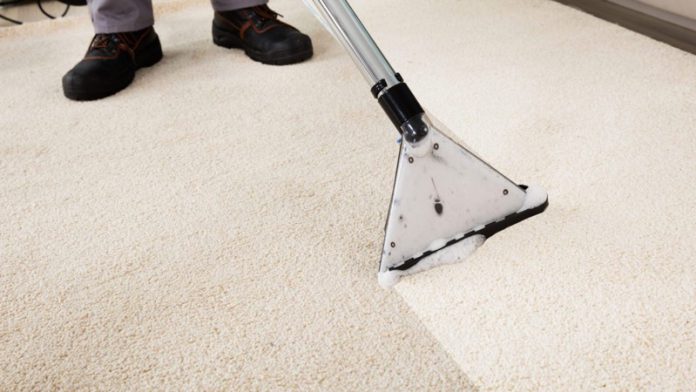
How to Clean, Wash And Disinfect Carpets

Carpets are a useful and beautiful furnishing accessory but they have a sore point: cleanliness. Let’s see how to ensure correct washing and perfect disinfection.

Color, atmosphere, decoration: these are just some of the qualities for which you decide to place rugs at home. However, whether it is in the living room, bedroom, kitchen or bathroom, in any case, we will have to pay attention to proper hygiene, because in a short time they can turn into a receptacle for pathogenic microorganisms. The carpet cleaning becomes necessary when you have at home pets and kids who love to play on this description. The texture that is sometimes rough, sometimes softer, is precisely the most appreciated characterizing element.

There are several methods for washing carpets: from natural ones to other artificial ones, from do-it-yourself to professional service. In short, to improve the quality of life and ensure the healthiness of the environments in which we live and work, it is also important to remember this piece of furniture that is sometimes overlooked. Even more so if you have a white carpet, which gets dirty even just a few minutes after its placement.

But now let’s stop chattering and let’s find out how to make the surface of this component of your furniture perfectly clean and disinfected.


Do-it-yourself method

Large and small rugs are not always easy to transport to specialized stores for thorough cleaning. For this reason, we want to first offer you an idea on how to make a type of detergent at home, using ingredients within everyone’s reach. The first thing to do is to get bicarbonate and Marseille soap, as well as essential oils of verbena and eucalyptus which will also give a particular scent. Then, reduce the dough into very thin flakes, filling a cup.

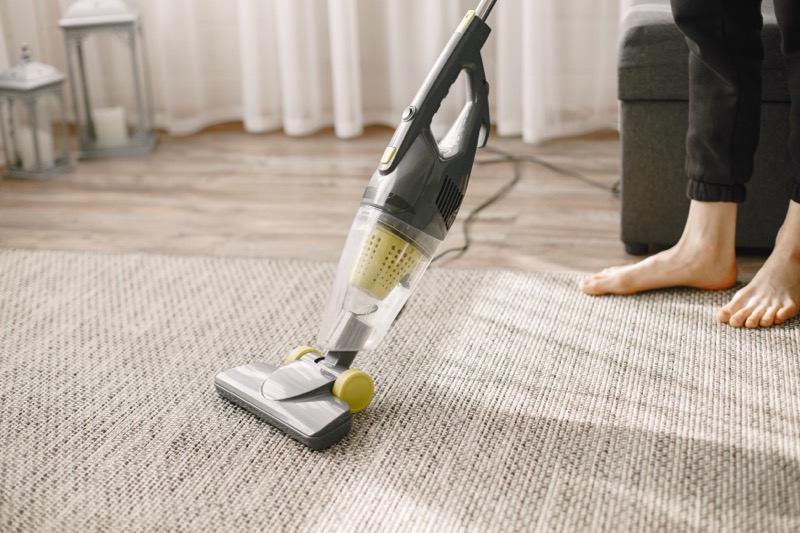
Now you will have to pour all the soap obtained in a double quantity of bicarbonate, adding ten drops of eucalyptus essential oil and eight of that of verbena. Put everything aside, because before proceeding with washing or anything else you will have to eliminate the most superficial dirt using, for example, a Hobart Clean Masters. 

After making sure that you have removed any layer of dust, it is time to sprinkle the carpet with this mixture, putting a little more on the stubborn stains. Separately, combine water and white vinegar in equal parts in a bowl (so make 500 ml each for 1 L), dip a sponge and wipe it over the entire surface. In this case, the secret will be to use circular and continuous movements, as if you were shampooing in the shower.

Cleaning the carpet with bicarbonate is not as difficult as you think, you just need to be patient, because you will have to let everything dry in the open air for a few days, and then vacuum again with the vacuum cleaner. The mixture will bring all the dirt with it, even the stains of our four-legged friends.

You may have already understood that not all products are suitable for washing the carpet some are more useful than others. For example, bicarbonate is a natural antiseptic and disinfectant, but also a germicide; in addition, it is biodegradable and unlike chemicals, it is healthy and gentle on the skin, so it is ideal for those who do not know how to wash carpets.

How to clean Persian carpets

Arriving this far you may be wondering how the Persian carpets are washed insteadWell, even in this case you can adopt the same technique illustrated above, but there is another one that is not always considered: the one with ammonia. When it comes to cleaning precious carpets, this product can be easily diluted with water.

Then, using a cloth moistened in this mixture, you can gently rub on the surface to be cleaned, already freed from dust and coarser dirt.

The only fundamental precaution to have is to never pour the detergent directly on the carpet, otherwise, it could be ruined and inevitably discoloured. To disinfect you can use special sprays that are easily found on the market, to be sprayed on the surface, or dissolve the bicarbonate in a little white wine vinegar by vaporizing the mixture with the aid of a nebulizer.

Another tip is to use brushes with soft bristles, which allow you not to scratch the carpet and quickly revive the colour without necessarily taking it to a shop. Clearly, in exceptional cases, it is better to seek help from a professional and avoid doing irreversible damage.

Machine wash: can it be?

It is not always easy and pleasant to clean by hand for everyone many want to understand how to wash carpets in the washing machine. To ensure that no damage is caused, before proceeding with any operation, it is advisable to consult the label on the back of the product. The manufacturer will have entered all the information necessary to wash your carpet in the washing machine.

For example, the important data are certainly the water temperature, and also the need to use delicate treatments. But keep in mind one thing: some rugs such as those for the kitchen, which generally have an inflexible plastic base, will need to be cleaned by hand.

Drying phase

We know that when cleaning and disinfecting the carpet, one of the first things we would like to do is put it in its place in the centre of the room. However, we advise you not to do this, because even if you have only removed a stain, it needs to be dried completely.

Especially the long-pile carpet: if it is still damp, the risk that bacterial proliferation increases are practically around the corner.

For this reason, it is good to pay attention to drying, which will be done either through special appliances or with a lot of patience. In the first case, you can go to the laundry and with a few euros use their devices; in the second, however, you can use a vacuum cleaner to suck away all the water, always following the direction of the hair.

6 Tips on How to Care for Polished Furniture

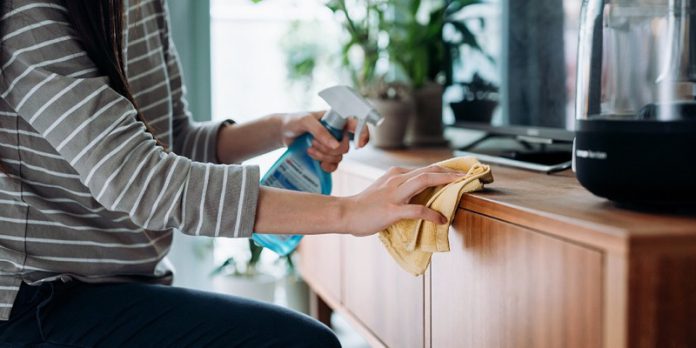
Cropped shot of a young woman cleaning the surface of a cabinet with cleaning spray and cloth at home during the day

Polished furniture is always in fashion. It has a presentable look and is interior decoration. But at the same time, the glossy surface is more capricious – spots instantly appear on it even from a light touch. Contrary to popular belief, cleaning polished items is not so difficult – for this you need to learn a few simple rules.

6 Tips from our Experts

Glossy surfaces differ from matte surfaces in that:

  • Attract dust more strongly;
  • More susceptible to pollution;
  • Vulnerable to mechanical damage – if handled carelessly, scratches and cracks appear on the furniture.

Polished products will retain their original appearance for a long time if you take care and regularly clean upholstery.

  1. Regular cleaning

Avoids heavy dirt and dust deposits, it is much easier to wipe the furniture daily.

  1. Use of care products that do not contain alcohol

The effect of this product will spoil the surface.

  1. Furniture should be wiped with a soft cloth

Suede, wool, cloth, flannel, felt are suitable for this.

  1. Gentle temperature regime

Do not place such interior items near heating devices or put hot objects on the surface.

  1. Furniture should not be exposed-

To direct sunlight, otherwise, the glossy sheen may fade.

  1. Exposure to moisture-

Is detrimental to wood in general, and especially to polished products: the material can deform, and the varnish can crack.

What is the Best Way to Clean Polished Furniture?

For cleaning, use special care products for glossy surfaces: special polishes, polishing pastes to restore shine, sprays. The product is applied to a napkin, evenly distributed over the surface, and after a while, it is wiped clean until it shines. Excessive dust deposition is prevented by the use of an antistatic agent, which creates an invisible protective layer on the furniture. For cleaning, it is better to use soft dry cloths or specially impregnated napkins, which easily collect dust and enhance the glossy effect.

How to clean furniture if you don’t have factory products? It’s very simple – to use what is in every home:

  • Vegetable oils
  • Vinegar
  • Sleeping tea
  • Flour
  • Beer
  • Shampoo
  • Salt
  • Milk

Vegetable oil will renew the shine of the polish, tea leaves or a beer and wax blend will deal with stains and other contaminants, and flour can absorb excess moisture.

How to Remove Stains from Polished Furniture

To remove stains, use all the same polishes or special stain removers for polished products. If these are not at hand, it is quite possible to get by with homemade products.

Greasy stains – tea leaves, vegetable oil, a warm solution of beer with wax and sugar in the ratio will come to the rescue.

Water stains from a dresser or table are easy to remove with flour – you need to sprinkle it on the surface, and then wipe it with a swab dipped in vegetable oil.

Whitish traces from hot dishes can be dealt with by smearing them with petroleum jelly or a mixture of vegetable oil and table salt, and after a few hours, wipe the surface with a dry cloth.

To remove the remaining wax, you should carefully remove them with a knife blade, previously heated in hot water, and wipe the stain itself with gasoline and then with a clean cloth.

The Best Way to Clean Your Polished Furniture

If dry cleaning is not enough, Major Carpet Cleaners‘ experts can be washed using home remedies:

  • A mixture of wine vinegar and olive oil – A napkin is moistened in liquid, the furniture is wiped and polished dry
  • Beer with a piece of wax – The ingredients need to be boiled, cooled, wiped and polished with a soft cloth
  • A solution of water, shampoo and an antistatic agent will help to cope with dust, with which you can periodically wipe furniture.

We are often asked about:

  1. How to choose polished furniture?

Pay attention to the quality of the woodwork, the presence of an interesting grain pattern and the integrity of the varnish. Polished furniture is very beautiful and will become a real highlight of your living room or study.

  1. How to rub polished furniture?

For the treatment of polished furniture, it is better to use special products, which can be purchased both in specialized stores and in the departments of some supermarkets.

  1. Where to put polished furniture?

Avoid places near heating appliances, in direct sunlight, or rooms with high humidity. Do not place furniture in a walk-through area.

Why and How to Clean Grout Lines

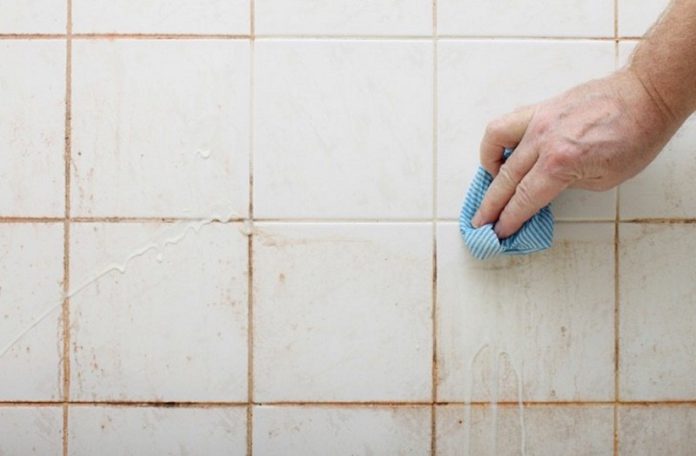
Cleaning the floor is a very important factor for our home, both as regards the overall hygiene of the whole environment, and for the aesthetic result of the room. Sometimes, however, keeping the floor clean with traditional methods is not enough if we are unable to effectively clean it thoroughly. This is what generally happens for the joints between the tiles, which are often black and dirty, giving a truly unaesthetic sense to our floor, which will seem uncared for even if we mop every day. In addition to this, it must also be borne in mind that the joints between the tiles are areas where dirt and dust lurk more, which negatively affects the level of hygiene in our environments. Melbourne Clean Masters brought some breathtaking ideas for cleaning grout yourself. In Case you need professional grout cleaning services then you can hire us & ask your queries without any hesitation.

What are the most effective remedies to clean the joints between the tiles?

Let’s see some of them together:

  • BICARBONATE

It is one of the most used methods for the tile cleaning of the most stubborn dirt. The best way to apply it is to mix it with a little hot water to create a thick solution and then apply it to the dirty joints for about 30 minutes. If you notice that some dirt always remains when you remove the solution, just apply light pressure with a toothbrush to clean the grout even more thoroughly.

  • VINEGAR

It is another cheap and quick remedy to clean our joints because it is an excellent whitener and a powerful anti-mould. The best way to apply it is to cut it with a little warm water put it in a nebulizer and spray it directly on the areas to be treated. Leave it to act for 10/15 minutes and then rinse with a damp cloth.

  • OXYGENATED WATER

If the joints are particularly dirty and encrusted, then it is useful to use hydrogen peroxide at 130 volumes, which can be found at the hardware store or in any large DIY store. The best way to apply it is to pour it directly on the joints on the floor and then scrub vigorously with a toothbrush.

Warning: Being a very strong substance, rubber gloves must therefore always be used not to irritate the skin and it is important to remember to ventilate the room after using them. If the dirt does not go away completely even with this method, then you can try mixing a little potato starch with the hydrogen peroxide, taking as reference quantity a glass of hydrogen peroxide for three tablespoons of potato starch. Apply the mixture obtained and leave it to act for at least an hour and then remove everything with a wet cloth.

  • STEAM

If you want to clean the joints with something more delicate, you can try steam. It is truly an excellent remedy because it is not chemical and thanks to its heat that reaches more than 100 degrees, it is capable of dissolving and eliminating the most difficult dirt and dust to remove. If you have a steamer it is very simple to use because you just need to direct the steam jet on the joints to see the dirt dissolve in a short time. It is only recommended to be very careful not to burn yourself with the steam, as it is easier than it looks. Steam cleaning operations must be carried out with great care to avoid unpleasant problems.

You can take Melbourne Clean Masters‘ advice to prevent the joints from getting dirty in a short time, forcing us to clean them again, is to wax the floor at least once a week, as it tends to create a real protective layer preventing the joints get dirty before they should.

If, on the other hand, the dirt is so evident and difficult to remove, you can think about renewing the grout, asking for the help of an expert.

5 Things to Consider When Financing a House

Oftentimes, it is unrealistic that you will have enough cash on hand to buy a home, but as a potential homeowner, the next logical step you should take is to find a mortgage or loan that will help you finance a house in the future. Before you even decide to start shopping for a home, it will be important to look into your options when getting a mortgage or a loan with little to no down payment so that you are prepared for what’s ahead. Contact professionals like a mortgage Virginia Beach broker to help you look into what your options are.

To find the home of your dreams it will be essential to improve your credit score and figure out what you can afford, which will help you to create a reasonable budget to reference once you begin shopping for homes. This will make it easier to meet your financial goals and work towards financing your home successfully, utilizing the benefits of a mortgage or a little to no down payment loan to help you out.

Keep in mind what options make the most sense for you, depending on your situation. By considering these 4 things before financing a house, you can make sure homeownership goes smoothly once you move into the space you’ve always dreamt of.

How to Know If You’re Eligible to Finance a House:

Anyone can be eligible to finance a house, especially since getting a mortgage loan is a lot easier in comparison to getting a credit card or a personal loan. While this may seem simple, it is important to make sure you are only taking on a mortgage payment that you can afford, to avoid the possibility of getting a foreclosure letter in the mail if you fail to make timely payments.

Most lenders will want to see your credit history, your credit score, and your employment history, including two years of verified W2’S. In some cases, there may be other requirements but that will vary depending on the state you’re in and what type of loan you are using to finance your home.

Know Your Credit Score and Work On Improving It

Before you consider financing a house, it will be important to review your credit report and analyze your credit score. If your credit score is below 600, it will be in your best interest to try to boost your score before you try applying for a mortgage.

Ways to Improve Your Credit Score:

  • Pay off credit card balances
  • Pay off any loans
  • Lower your credit utilization rate

But, if your credit score is above 600 and below 700, you are in a good position to begin taking the first steps towards financing a house that you can turn into a home. With good credit, you will be able to explore mortgage and loan options, to help you get into the home of your dreams even sooner.

Figure Out What You Can Afford

When working towards financing a house, mistakes are often made when deciding how much you should borrow on your loan. Even if the bank is offering you a large amount, you want to make sure you can afford it before you decide to take the offer. This will save you from any financial hardship in the future, ensuring that you can pay it back over time.

To figure out what you can afford, it will be important to create a budget that accounts for all of the expenses you will be taking on as a homeowner. By considering down payments, closing costs, inspection fees, insurance, and furnishings along with an emergency fund – you can better prepare yourself to be a successful homeowner.


Prioritize Your Wants and Needs for Your Home

Once you have created a budget to keep in mind while you shop for houses, you can create a list with some of your “must-have” home features which will guide the decision you make regarding which home you choose.

What to Keep in Mind When Looking for a Home:

  • Number of bedrooms/bathrooms you need
  • Square footage
  • Outdoor space
  • Preferred location
  • School district
  • Home layout

Find a Loan with No Down Payment Required

A common misconception when becoming a homeowner is that a large down payment will be required to acquire the house you’re interested in, but this is not always true. There are a couple of different options to help you find a loan that requires little to no down payment, you just have to decide which one will make the most sense for you, your family, and your financial situation.

To start, you can see if you qualify for a government-backed loan program. This includes USDA and VA loans, which can help you get a mortgage with no down payment required, as long as you meet the proper criteria to apply for these types of loans.

If a USDA or VA loan isn’t the right choice for you, there is always the option to see what kind of down payment assistance programs are available in your area. While it depends on the city and state that you reside in, there are often many programs available to help first-time homebuyers who may need a little extra help financially.

Check Out Low Down Payment Loan Options

If you are unable to apply for a no down payment required loan, there are plenty of low down payment options to help you finance your future home instead.

One of the best options is an FHA loan, which is backed by the Federal Housing Administration. This will only require a 3.5% down payment, as long as you have a reputable credit score. When deciding if this loan is the right fit for you, keep in mind that these loans are offered by private mortgage lenders, meaning there may be other criteria you need to meet before you will be eligible to qualify.

Another option is the Fannie Mae HomeReady mortgage, which is available through a variety of mortgage lenders and supported by Fannie Mae (a government-sponsored enterprise). For this loan, a 3% down payment will be required and mortgage insurance will be a necessity, but the low down payment makes this a great choice for financing your first home purchase.

If none of these options seem like a good fit, you may consider the Good Neighbor Next Door program, which helps support those who work as teachers, firefighters, or law enforcement as they finance a new home. With sponsors including the U.S. Department of Housing and Urban Development, they provide a discount of 50% for those who qualify for a first-time mortgage loan.

Taking the Right Steps Towards Financing a House

As a potential homeowner, navigating your way through finding the right loan to finance your future home can be a complicated process, but it doesn’t have to be. By checking on your credit score and strengthening it, figuring out what you can afford, deciding what will be a necessity for your home, and looking into little to no down payment options to help you out financially, you can better prepare for what’s ahead on your homeownership journey.

Reference:

H Ali – Scholars Bulletin. https://doi. org/10.36348/sb, 2019 – saudijournals.com

Choosing The Best Entrance Mat Material

Among the first things that your employees, visitors and customers see when they arrive at your premises is the entrance mat. It offers a great opportunity to make your business look welcoming, and it also keeps the rest of your premises cleaner and safer by removing water and dirt from the soles of shoes. Beyond any aesthetic requirements that you may have, you need to also look at various different aspects of functionality – so here is our handy guide to help you out.

Indoor

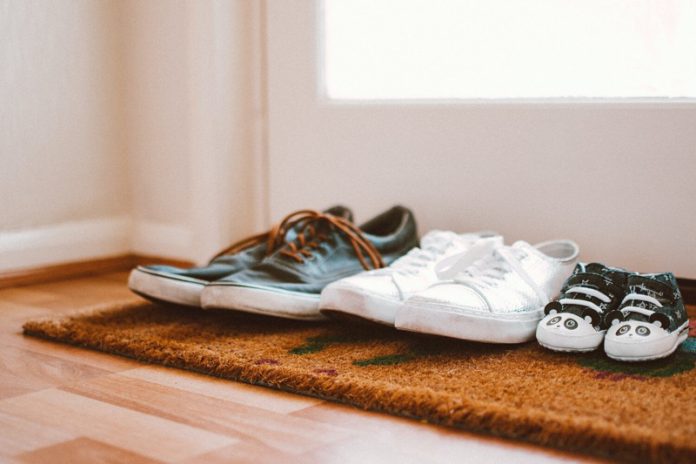
Indoor entrance mats are the most obvious option. These are placed just inside your doorway to dry and clean the shoes of the people walking on them. You will need to think about a couple of different factors when choosing this type of mat: firstly, the amount of traffic that you expect (higher traffic means that you will need a mat that is more durable, easier to clean and more absorbent) and the expected type of traffic. If you run a pub adjacent to a number of farms, you can probably expect to see some muddy boots, for example, whereas an office in the city centre will probably never see any mud at all. Choose your matting appropriately – a good quality rubber mat will scrape the shoes clean, whereas a microfibre or cotton mat will quickly get clogged up with that kind of dirt.

A popular choice for particularly high traffic areas is the barrier mat – it’s a great option for scraping the shoe clean, but also looks professional and stylish. This type of matting often combines the features of a classic outdoor and indoor mat, so it will have both shoe-cleaning and water-absorbing properties.

Outdoor

Outdoors, there is little point in using a mat that can absorb water – in rainy or snowy conditions the mat will inevitably become saturated before it has the chance to do its job. In these areas rubber mats are the way to go because you are mainly looking to reduce the amount of dirt and debris that makes its way into your building, as well as providing a stable, non-slip surface for your customers and employees. Make sure you select a rubber mat that is designed for outdoor use, though; it should have holes or gaps throughout to ensure that water can drain through easily and does not simply sit on the surface and become an issue.

Additional considerations

You need to ensure that your mat won’t slip and slide when it is stepped on, as this could be a major health and safety issue. Look for either vinyl-backed mats or the premium option, which is rubber-backed.

Finally, if you have particular fire regulations to adhere to, then you should ensure that you only use matting made from materials that are certified to specific guidelines and European standards. These types of mats should be clearly marked by your matting supplier or manufacturer, so ensure that you get the right type of fire-resistance for your application.

How to Switch to Solar in NJ

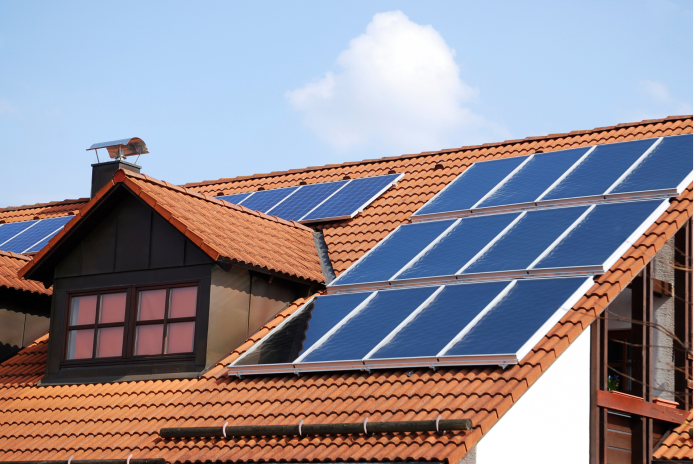
Reputed as a leader in solar energy for a long time, New Jersey offers some of the best incentives for solar energy installation in the United States. New Jersey continues to encourage people to go solar with huge tax exemptions, Solar Renewable Energy Certificates, and a strong net metering program. With these incredible rebates and incentives, the Garden State remains one of the best places to switch to solar.

In this article, we discuss how to switch to solar in New Jersey, the financial options available to you, the rebates and incentives, and other important things you need to know about going solar in the Garden State. Visit Website for more information about making the switch to solar.

How much does solar cost in New Jersey?

Even within New Jersey, the cost of installing a solar energy system can vary based on a range of factors including:

  • The quality of the solar panel
  • The cost of installation and permit
  • The size and angle of the roof
  • The electricity needs of the property

In the state of New Jersey, you can expect to spend between $11,730 and $15,870 on the installation of solar panels. When calculating based on cost per watt ($/W), the cost of installing the solar panel ranges from $2.35 to $3.17 in New Jersey. You can visit EnergySage to compare the cost of Solar panels in New Jersey with other states in the U.S.

The Solar Payback Period is another important calculation for homeowners to look into when thinking of switching to solar. The solar payback period helps the buyer to know how long it would take for them to recover their initial investment through their solar system electricity savings. The payback period is 6.28 years in New Jersey.

The cost of installation notwithstanding, you have many affordable options to finance your solar panel systems. A common option is to pay for solar through cash purchases. The good thing about cash purchases is that it often gives the most long-term value for your money. In case you don’t have the financial muscle to make an upfront purchase, you can opt for a solar lease and solar loans as alternative options to finance a solar energy system.

How much energy can I get from solar in New Jersey

In addition to the power output of the solar equipment you decide to install, the intensity of the sunlight that hits your solar panels will largely determine the amount of energy you will generate with the panels. Even on days with relatively low sunlight, the rank of New Jersey in solar output and capacity is very high.

There are a lot of other factors that determine the amount of solar energy you can produce. A few of them include panel orientation, shading, and panel angle. All these factors are parameters to be considered when calculating your total production estimate and to predict the amount of energy your solar energy system will produce over a period of time. With all these calculations, you will be able to come up with a clear estimate of how much electricity will be produced by your solar installation. You can use the EnergySage Solar Calculator to see how much you can save with your solar panels based on factors like shading and geographical location.

New Jersey solar incentives

The solar incentives and programs of New Jersey are quite impressive and considered as some of the best in the United States. That is why the installation of solar panels is such a great investment in New Jersey.

The cost of going solar in New Jersey can be significantly reduced by taking advantage of the following incentives:

  • The federal solar tax credit: New Jersey homeowners can get a tax credit of 26% of the total cost of installing their solar system. However, it is important to note that the tax credit will be reduced from 26% to 22% after December 31st, 2022. Also, to benefit from this tax credit, the solar system must be gotten through purchase, and not lease.
  • Net Metering in New Jersey: This program allows you to sell excess power that is generated by your solar system by sending the excess power to the grid, all at a retail rate that is often higher than the wholesale rate. The top New Jersey providers of net metering are the Jersey Central Power & Light, Atlantic City Electric, and the Public Service Electric & Gas.
  • Solar Renewable Energy Credits (SRECs): In this program, you will get compensation in form of SREC-II for every kilowatt-hour that is produced by your solar system. So, if you qualify for this program, each SREC-II you receive is equivalent to $90.
  • Solar Investment Property Tax Exemption: Owners of solar panels are exempted from property tax on the value added to their property because of solar system installation.

Who installs the solar panels?

The surest way to get a solar system that satisfies all your power needs is to engage the service of a licensed and experienced solar installer. Going through this route will also ensure that you get a solar system that will serve you with no issues for years.

A professional solar provider will schedule an inspection of your property, recommend the best option of the solar system for you, and where to install the solar panels for optimal performance.

Also, an experienced solar expert can be counted on to provide you with a solar system that enhances the value and the appearance of your property. Lastly, with the help of a New Jersey solar contractor, you can access all the solar rebates and incentives that are available to you, thereby reducing the cost of switching to solar.

Make the switch to solar energy!

If you are a homeowner in New Jersey who is looking to switch to solar energy, now is the best time to take action. There are many benefits to going solar in New Jersey, especially when you consider the truly great rebates and incentives that will save you from spending a huge amount.

In fact, by engaging the service of a professional solar contractor who has adequate experience in the field, the investment you make on the installation will be worth every penny because your situation could mean that the utility company would be owing you money.

Top 7 Benefits of Asphalt Paving Compared to Concrete or Gravel

If you’re tired of the cracks and stains in your driveway and are ready to install a new driveway. You may be trying to decide between a few different types. When it comes to choosing one, there are a few other options. The most popular ones are concrete, asphalt, and gravel. While all three of these are great choices, there are pros and cons of each one, and below, we will go over the top 7 reasons asphalt surpasses each one. Be sure to click “visit website” for more information about asphalt paving.

1. Cost

Asphalt is much less expensive than concrete, costing roughly $2.00-$4.00 per square foot, whereas you can expect to pay between $4.00-$7.50 per square foot for concrete. In addition to the installation costs of concrete, the finishes, details, and staining may bring your expenses up to $18.00 per square foot.

While gravel driveways are less expensive than asphalt paving, you’ll need to re-gravel your driveway every few years. If you’re looking for the most inexpensive option, you need to talk to your paving contractor before deciding. In the long run, the upkeep and re-laying of gravel may end up costing you much more.

2. Appearance

With its dark black appearance, asphalt appears more attractive than other types of driveways. Asphalt paving is rolled and compressed during installation giving it a compressed giving it a smooth, seamless look. It also has different tints and finishes if you want to choose a different color than black.

Gravel driveways are somewhat limited on color choices and aren’t as attractive as asphalt paved driveways. Concrete pavement can come in many colors and designs because it easily works with stamping, staining, and tinting.

3. Maintenance and Repair

Asphalt driveways should be sealed a year after installation and every 4-6 years afterwards to retain their color and extend their life. Although concrete doesn’t need to be sealed as frequently as asphalt, it will enhance its look and preserve the finish. However, degreasers need to be used to remove oil, fuel, and other stains that build up over time, increasing its cost. To properly maintain your gravel driveway, you’ll need to rake it to level the surface, remove leaves and other debris. If you leave the waste, it can be difficult to drive or walk safely. If you don’t want to rake your driveway, you’ll need to lay more gravel down a few times a year to keep it level.

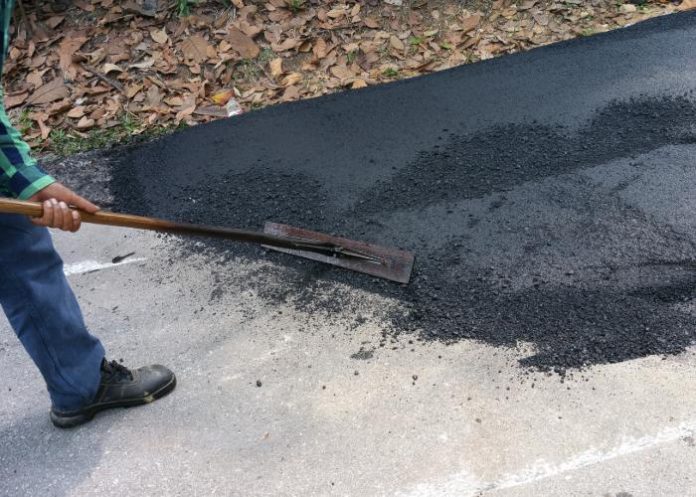
Both concrete and asphalt crack; however, asphalt is much easier and cost-effective to repair. When asphalt cracks, you can apply patches plus the repairs blend in well with the rest of the driveway. However, concrete is difficult to repair, and patched areas are unattractive and easily noticeable. Although gravel driveways don’t crack, they do frequently develop potholes, so you’ll have to lay down gravel a few times a year.

4. Weather

Depending on where you live, your driveway is affected. Asphalt holds up well to extreme weather because of its smooth, binding surface. It absorbs the heat from the sun, so in the winter, it makes snow and ice melt quicker than either concrete or gravel. Concrete doesn’t do well with snow or ice because salt needed to melt the snow can deteriorate. The freezing and thawing of concrete can cause gaps and holds in your driveway. You shouldn’t use now plows on gravel driveways because it pushes gravel out of your driveway, so you’ll have to fill the holes. However, you can leave snow on your driveway because of its traction.

5. Installation

Paved asphalt driveways don’t take long to install, and you can drive on it in just 24-48 hours once it’s laid down. Your installation professionals will make sure grading and sloping are correct to ensure proper draining. Then they prepare the subbase to ensure the stability of the asphalt. Once that’s done, they then proof roll to ensure a seamless appearance. Next, the asphalt surface is installed along with the joints, and finally, the final roll is done.

Concrete paving takes longer, and because it takes so long to set and dry, it can take a few weeks until you’re able to drive on it. The first step the installation professionals have to do when installing concrete is to excavate the topsoil, lay down wooden forms, and add sand and gravel to support the base. The next step is to lay down reinforcing mesh then pour the concrete. Next is to smooth out and level it and finally cure for roughly four weeks to make sure it hardens completely.

Gravel driveways are easy to install, and you can use the driveway the same day that it’s laid down. Like concrete and asphalt, the installation experts will need to stake the area and dig out the soil deep enough to ensure the gravel will be level with the rest of your yard. Then the contractors will lay down a weed barrier then lay down two to three levels of stone.

6. Longevity

While concrete does last longer than asphalt paving, it’s only ten years. You can expect concrete driveways to last around 30-45 years while asphalt driveways last 25-40 years. On the other hand, Gravel can last up to 100 years with proper maintenance. However, the gravel has to be repaired, and new layers must be laid every few months. Although concrete and asphalt paving may not last 100 years, you don’t have to worry about the amount of upkeep gravel takes.

7. Safety

Asphalt paving offers a lot of traction, plus it draws heat, making it extremely safe in the winter months. It isn’t harmed by ice or snow. It doesn’t have the glare that other types of pavements have during the summer months. It’s smooth, so you don’t have to worry about rough, uneven surfaces like gravel has, so you don’t have to worry about damaging your vehicles.

Gravel and concrete can be slippery and be harmed by different snow removal processes. For example, you shouldn’t use snowplows on gravel and salt, and other snow removal chemicals that harm concrete. Large potholes can occur quickly during the winter months because of snow and ice buildup. Concrete can pose a safety hazard because there’s minimal traction.

Paving is Not a DIY Project

While it may be tempting to try to do asphalt paving, concrete, or gravel yourself, you need to know that if not done right, they won’t last long. Each of these requires professional knowledge to do them. Otherwise, you may have to make costly repairs or damage to your property.

Recent Posts

Posts You Might Like