For the vast majority of people, there is nothing more devastating than experiencing flooding and severe water damage in their homes, especially in storm prone states like Florida. Whether you are dealing with leaking appliances, old and broken pipes, or something more serious like flooded basements or sewer backups, all of them can cause huge problems and headaches.
Making matters worse, there is no time to waste when it comes to dealing with water damage repair. Mold growth can start in as little as one day, even from teeny tiny amounts of water. On top of that, water damage also carries a risk of safety hazards and structural problems that you may not even see until it is way too late.
That’s why we have pulled together a list of immediate steps to take after water damage. However, the very first thing you have to do is to stop the source of the problem or leaking, which you can do by contacting water damage experts.
Key Steps To Take Right After Water Damage
1. Give a call to your insurance company
Your homeowner’s insurance policy will vary depending on the type of policy you have. It is beneficial to call public adjuster for insurance claim to take a look and assess the level of damage and determine if it is a covered loss.
Try to document the values of every single item you can think of and make a photo session, if possible before, during, and right after cleanup.
2. Stay safe no matter what you are doing
The most important thing when flood or water damage happens is to make sure each of your family members is safe. To make sure everyone is safe, you can do the following things:
Turn off the power: Although this one is obvious, we have to highlight it. Electricity and water do not mix! If turning off the power means you have to stand or even enter wet areas, leave it the way it is.
Wear protective gear: Make sure to wear protective equipment such as rubber gloves and boots in order to protect yourself from injuries.
Protect your valuables: Let’s make one thing crystal clear. You might be forced to leave your place if the flooding is huge. On the other hand, you can protect your wood furniture and other stuff by lifting them off the wet areas.
3. Start water damage repair right away
Time is not on your side. Water damage restoration should start within the first 24 to 48 hours. The thing that adds to the difficulty of water damage restoration is that the damage can be too extensive for a family or one person, so you might need Rapid Restoration Recovery Inc help!
The Wrap Up
In a nutshell, water damage repair in your home from flooding is the part that takes the longest amount of time. Most flood and water damage emergencies require immediate response by highly trained professionals.
All in all, dealing with water damage is a real nightmare for all homeowners, but it doesn’t have to be if the professional water damage repair crew got your back!
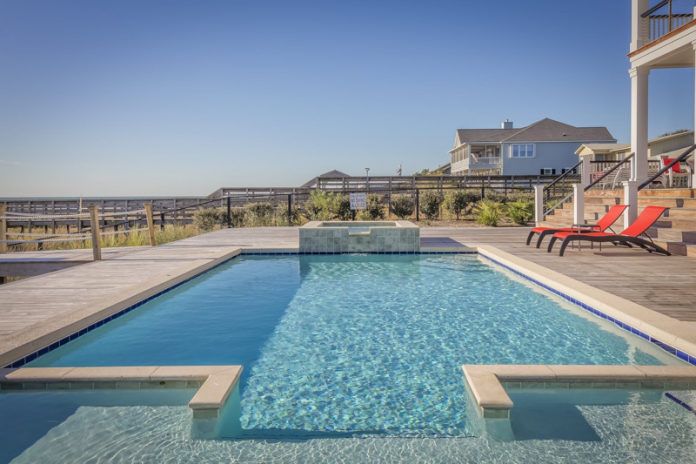
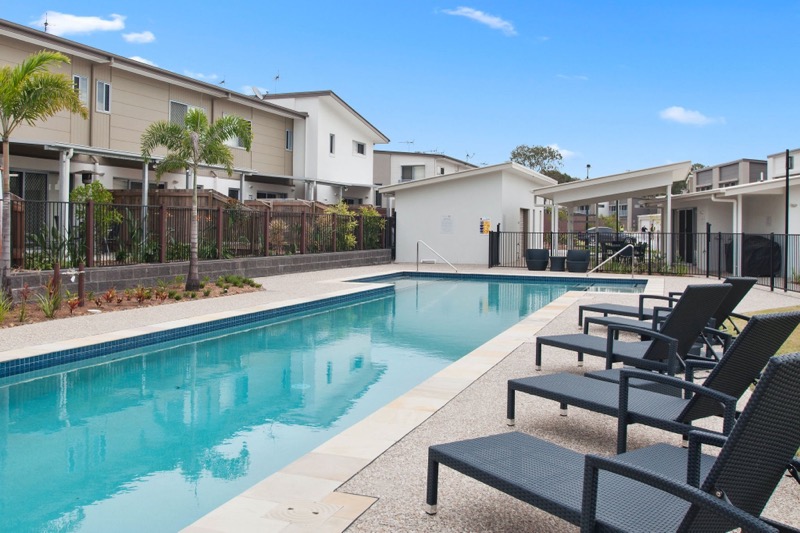
Do you have a pool at home and want to give it some stunning surroundings? Having a beautiful place to swim during the year can make any day feel like you’re on vacation! When you take the time to update your pool area, you can be sure your friends and family will want to swim every day.
Here’s what you need to do to get your pool ready for the hot months. There are plenty of different ways to achieve a stunning look- all of them are here in this article for you!
Add More Lights
Adding colorful lights to your pool will make it feel magical during the summer nights. There are plenty of options when it comes to solar, hanging, or even pool floor lights. No matter what type you choose, they will be sure to enchant your surroundings. You should always consider form and function when selecting your lights, however.
Crystal Fountains offers a variety of industry-leading LED lighting products that give a swimming area a stunning look. They add more light, which is excellent for a relaxing night swim, and come in several different colors and designs. Even a white string of fairy lights looks magical during the evening.
You can also add tiki torches. If you have an outdoor pool, the flames can double as a way to keep mosquitos and other pests away. These types of lights look lovely on a pool deck or placed on the ground away from your pool. They are also used to line sidewalks and other paths in people’s yards.
Finally, hanging lanterns look lovely when placed around a pool. You could choose from many different designs as well. Vintage-style lanterns look stunning during the night and can hang on the fence surrounding a pool area.
Add Some Greenery
Adding plants to your surroundings will make it look cleaner, fresh, and full of life. However, you need to ensure you’re using plants that are easy to take care of and are hardy. The pool creates a microclimate, so only certain species can withstand the changes.
As long as your area has a suitable climate during the summer, you can grow various tropical plants- which is terrific for bringing the vacation vibes to you. Species of palm trees usually are the best choice. However, you can also add several colorful blooming plants to the area.
Many people love feeling surrounded by plants. Your family and friends will feel right at home as they enjoy the water and sunshine!
Install a Deck
Having a deck around an outdoor, above-ground pool is essential for creating a stunning area. The surface makes it easier to enter and exit the water, but you can also decorate the deck to your liking. Using a lighter wood reminds people of the beach, making it the perfect place to add plants and seating.
You can make the deck as big or as small as you like. From there, you can match the pool furniture to it accordingly. Adding lights will also make the area have an enchanted feel during the night.
There are so many different ways that you can decorate a pool deck. Another idea would be to add some rugs. It would help your guests feel stable after coming out of the pool since their feet will still be wet. Plus, you can choose any design, color, or material that you want.
Ensure Proper Drainage
Puddling on the surface surrounding your pool not only looks messy, but it can also be slippery and dangerous. Ensure that the area is properly drained for the safest, cleanest area possible.
Look for customizable stainless steel channel drains that can be made to seamlessly integrate with your pool’s design. These allow you to properly drain your pool’s surrounding surface without distracting from its beauty. Keep the size of the slots small to avoid pinching little toes and make sure to keep drains clean of debris.
Offer Plenty of Seating
Your guests will feel stunned when you create a sitting area for them to enjoy. Once they finish swimming, most people want to relax and dry off. By providing plenty of places to lounge, you will help them feel comfortable.
You will want to arrange the seating in particular areas. That way, people can talk with each other easily as they hang out. It also helps to offer small tables, so they have somewhere to set their food, drinks, or books.
Plus, you can even decorate these areas to make them even more appealing. Add some small plants, sculptures, or light fixtures to your lounging areas. If you have larger, potted plants, you can set them on the ground near the seating.
Overall, your guests will feel the most stunned when they see plenty of thoughtfully placed decorations and seating. It shows that you took careful consideration of arranging your pool area while still providing your guests with comfort.
Install a Privacy Fence
Having a fence around your pool will make you feel like you’re in your own little paradise. There will be fewer interruptions from the outside, and you’ll feel more at ease. Plus, you can choose from several different designs, colors, heights, materials, and more- allowing you to make a fence that matches your theme.
Once the privacy fence is complete, you will be able to decorate it. You can add hanging plants, lights, and even baskets for towels. After trimming the pool fence, the area will feel much more complete.
Without a privacy fence, you and your guests might feel exposed. You will notice a significant difference in the atmosphere as soon as you finish the installation.
Try a Pool Waterfall
Pool waterfalls are fun and look elegant. Kids love to swim under them, and there are plenty of ways to style them. You can set lights behind the waterfall to create a magical look. Plus, you can create a cost-efficient waterfall on a budget- or go all out on the design.
Pool waterfalls can all be unique, allowing you to create something truly stunning. The water can flow into the pool or out of it, depending on what you want from the design.
Overall, relaxing with a pool waterfall nearby is terrific. The sound is pleasant, and it reminds people of a luxurious vacation trip.
Make It Your Own
No matter what you decide to do, you will want to add your personality to the pool area. Doing so will ensure that the surroundings are stunning- since you will be sure to love them! Your guests will take note of your style and feel impressed as well making your time by the pool even more enjoyable.
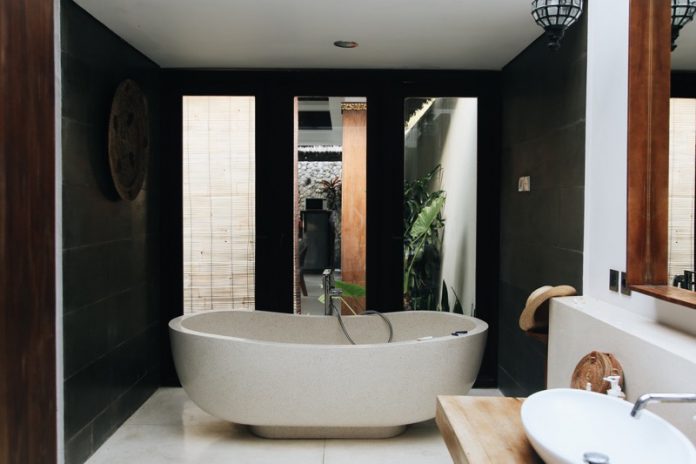
The coronavirus pandemic brought remodeling activities to a standstill worldwide, but we can observe homeowners resuming renovation projects in 2021. With over $350 billion invested in our national domestic restoration industry, people search for alternative methods to restructure their dilapidated dwellings. Experts have estimated that kitchens/bathrooms are the most expensive portions in your house to renovate. So, how much does a bathroom remodeling cost? It costs average Americans nearly $11,000 to renovate their bathrooms – only $6,500 if it’s a small one! That’s why people prefer a few affordable techniques to get on with bathroom modifications, some of which we’ll mention here.
1. Declutter Your Bathroom
Don’t start redecorating your bathroom without decluttering it and making some space for all those renovations you’ve planned. Are there loads of bottles that have been emptied eons ago? It’s time for you to throw this clutter away. Don’t keep hoarding those skincare and hair-related products you’ve been preserving since your last summer. Try to recycle stuff or donate it for decluttering the place.
2. Begin with Repairs
After the clutter has been dealt with, it’s time to begin remodeling the bathroom. Repairs must lead the renovation project, we insist. Update the fixtures and replace broken/damaged stuff to make your bathroom newer and safer! Call some experts to restore the place if you don’t know what to do when your bathroom’s flooded. Contact professionals to change your sink, deal with rough mirrors, and repair broken wall/floor marbles. Resume other projects after these repairs!
3. Put up Some Mirrors
The classic image of an American bathroom always involves mirrors furnishing the restroom. We can claim that bathrooms aren’t complete without looking-glasses reflecting your likeness from different angles. But – most importantly – mirrors make the place look bigger. No wonder hotel rooms make efficient utilization of this trick with guests. Now, you don’t have to put up life-size mirrors inside the bathroom. You can purchase frameless pivoting/tilting mirrors from Amazon for less than $100.
4. Get a New Rug/Mat
Just putting new rugs/mats in your bathroom will contribute heavily to the remodeling process. You can wash the old ones and purchase some new ones to furnish the restroom’s floor. There are many bath mats in many varieties and colors you can find to enhance the bathroom’s visual appeal. It’s even more artistic to get your hands on those Oriental-looking Moroccan rugs since they’re durable and excellent choices for a well-ventilated restroom. A mat can renew the place cost-effectively.
5. Paint the Whole Thing
Nothing gives the bathroom’s façade a fresher appeal than repainting the insides. Perhaps giving it another coat of paint will change the appearance of your ages-old bathroom. Experts recommend painting your bathroom every three to four years for redecorations and updated fixtures. We know that bathrooms are subject to moisture build-ups – especially after heavy rainfalls – thus, repainting them prevents liquids from tearing at your walls. And this is a renovation project you can do DIY!
6. Update These Tiles
Have you ever come across a situation where you grow hating those discolored bathroom tiles? Homeowners pursue bathroom remodeling projects for several reasons, including worn-out tiles that make the restroom feel outdated. There’s no need to re-tile the bathroom when you can paint over them or utilize peel-and-stick ones. These options are doable, affordable, and give the place a fresh façade. So, you can kiss those avocado tiles goodbye and get yourself a decent-looking bathroom.
7. Change the Scent Inside
A bathroom makeover isn’t complete without bringing in some fresh scents. You can always replace your soaps/shampoos to change the fragrance inside your bathroom. So, don’t put up with those Christmas-scented soaps after the holiday’s passed; instead, keep changing these products to make your bathroom appear renewed constantly. Try scented candles to enhance the atmosphere inside the place. How about some herbal soaps or fruity-flavored skincare products for a different smell?
8. Open a New Door
While we’re talking about remodeling your bathroom in a budget-friendly manner, what if you try to open some new doors? Yes, glass shower doors aren’t cheap, and they may even cost you a fortune! But you can always install some affordable and glamorous hook-less curtains to furnish the façade of your bathroom. Hence – while you’re taking a cold shower after working out – leaving these curtains open will automatically widen the bathroom space. It’s a non-laborious way to renew the place.
9. Make it Look Green
You rarely see bathrooms filled with plants when adding some greenery to the place where you take a shower seems essential enough! It can revive an ancient-looking restroom and makes the place look visually appealing. If you hate taking care of plants, try bringing some cacti or foliage like eucalyptus that require less water. Your bathroom will smell fine without much effort. This trick works for almost every part of your house while you’re redecorating to improve its aesthetics.
10. Get a Medical Cabinet
We’ve deliberately discussed this one by the end since getting a cabinet (medical or otherwise) isn’t cheap! Adding utility to your bathroom by installing some cabinets constitutes one of the most expensive renovation projects – experts opine. So, we don’t necessarily recommend adding another cabinet. Instead, you can revive already-existing mirrored cabinets by adding a picture frame. You can also store your medicines on shelves instead of cabinets which seems more subtle and graceful.
11. Add a Wallpaper
Finally, one of the most cost-effective methods to refurnish your restroom involves adding another wallpaper (if you haven’t put one up already). Also, getting a beautiful backsplash for the bathroom adds more to its appeal. You can find several vanity backsplashes/wallpapers for your bathroom and your kitchen on the internet. It isn’t difficult finding one that’s affordable and aesthetically pleasing at the same time. So, here we end our list of cost-effective methods to remodel your bathroom!
Conclusion
How often should you consider upgrading your bathroom? Experts propose remodeling your bathroom every four to five years. Since colors start fading when half a decade’s passed, fixtures begin to get worn off, and the aesthetics of your bathroom become sickening! No wonder around 50% of Americans plan to renovate their residences this year. Statistics have also revealed that some 70% of Americans believe in completely upgrading their bathrooms in 2021. You can implement some cost-effective renovations to make the bathroom resonate with your personality. Therefore, try the tricks mentioned above to get the bathroom feeling clean, fresh, and comfortable. You can keep it simple but elegant at the same time!
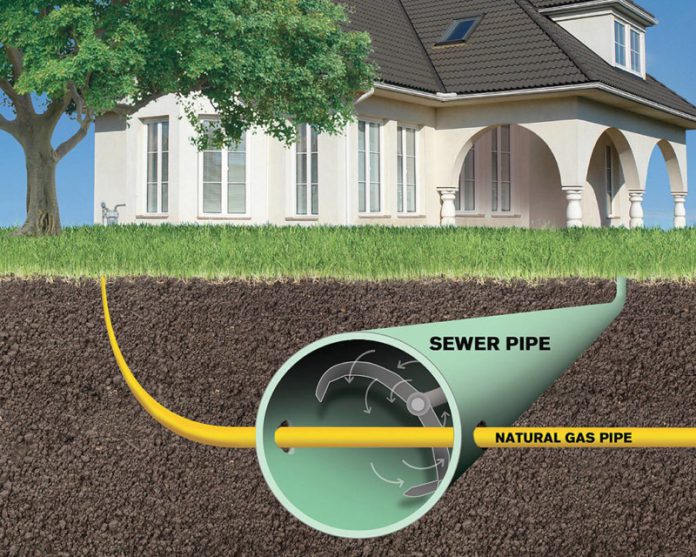
More than anyone, but as a homeowner, you are the sole responsible for everything closer to your house. You have probably been inspecting your appliances for gas leaks; yet, you should also take a closer at the natural gas pipeline that runs into your property.
5 Natural Gas Safety Tips: Indications, Signs, and Necessary Actions When a Gas Leak Happens
It is estimated over 177 million American homes utilize gas in their homes. You can enjoy the benefits of the following steps if you follow the safety gas tips.
Learn to diagnose indications and warnings of a gas leak in your house.
Appliances and pipes powered by gas can form leaks, which can have possible harmful effects. It is vital to identify the symptoms and signs to know what steps you need to take if there is a gas leak. If you notice the following indications below or suspect your house has a natural gas leak, call 911 right away.
Rotten eggs smell
Whistling noises
The appearance of air bubbles outside your home
Dying or dead plants.
Observe gas poisoning through physical symptoms
Increasing gas usage
Always check your appliances and devices that use natural gas.
Regular inspections of your home devices and appliances help avoid and recognize potential natural gas leaks in your home. Read the instructions for each device and home appliance to know what to examine and how frequently for safety usage.
Typical gas-powered appliances comprise furnaces, water heaters, electric clothes dryers, electric generators, and stoves. Most of these devices have a pilot light, and that is something you must inspect, too. If the device has a pilot light, the flame of it should have blue with a yellow tip and small. Contact the manufacturer of the appliance if you believe something is wrong with it.
Keep your kids away from sources of natural gas.
Do not let the small children come near your appliances like heaters, stoves, and other possible exposure to natural gas. Educate your kids to spot and recognize the smell of natural gas. Teach them the signs of natural exposure and ensure they know what they need to do if there is a gas leak.
Install carbon monoxide and natural gas detectors in your home.
Slow gas leaks may not release enough natural gas smell, and even leather spread of leaks may not be noticeable with a limited natural gas smell. For this case, expert plumbers suggest homeowners in Texas install carbon monoxide and gas leak detectors in their homes.
These detectors do not identify natural gas leaks; but, they can warn you when appliances poorly burn kerosene, gas, and other fuels. For safety reasons, think about installing a CO alarm.
Learn how to turn off natural gas in your house.
Each house that utilizes natural gas has a gas shut-off valve; typically, it is outside the home. When making a list of what to do if there is a gas leak, ensure that every family member knows where they find the shut-off valve and how to utilize it. Closing the gas supply to stop inhaling additional gas from leaking prevents the family from exposure to natural gas.
Even if you shut off the gas valve, it is essential not to go back into the house if there is still a gas leak. Wait for help, and let the professionals do their job.
Be Ready For a Formal Inspection
Aside from your inspection, it is required that gas utilities perform periodic leak surveys and rust inspections on all meters. If it is located inside, you have to provide access to your property so the examiner can check your meter, pipes, fittings, and wires. If you haven’t learned it from your utility company, schedule an inspection time that works best for you.
Know Before You Dig
If anyone is digging your property, it is your job to know where the pipes and power lines are embedded first. Inform our utility company in advance. They will send utility operators who will mark the lines for free. Then, you must leave the lines intact and dig with your hand tools within two feet of them.
If You Smell Gas, Get Out Then Contact your Plumbing Company
When you smell natural gas or signs of leakage, vacate the property and call your utility company. Also, to the well-known rotten-egg smell, another indication is a whistling and hissing sound, fog, and bubbles in idle water. If you experience any of the signs, do not attempt to fix the problem on your own. Leave the area and contact a professional right away.
At Lex’s Plumbing, we have expert plumbers and the right equipment that you can trust and rely on to make sure they will help you stop the gas leak. We deliver quality plumbing services in Frisco, Little Elm, McKinney, Plano, and surrounding cities. We ensure to locate the gas leaks as we follow safety protocols in time of the pandemic. We also offer other plumbing services.
Call us at any time if you suspect a natural gas leak in your house or if you need other plumbing services.
Every landlord is required by UK law to provide a safe and secure home for their tenants. Repairs of structural damage inside or outside a rented home needs to be addressed urgently to prevent the conditions from worsening. Disrepair in the home can be a result of a defective household installation like the central heating system or boiler. Such an issue must be immediately reported to the landlord so proper action can be taken.
Your landlord’s obligations
Under Article 11 of The Landlord and Tenant Act of 1985, landlords are obligated to maintain the good condition of the property’s structure and exteriors, including installations for gas, water, and electricity. Ideally, the building should be in good repair from the beginning of the renter’s tenancy. If it is otherwise, then the landlord will need to make repairs until the conditions are up to scratch with legal standards. It is against the law for landlords to put a clause in the tenancy agreement that a tenant should be responsible for major repairs.
Emergency repairs need to be carried out within 24 hours, and it is the tenant’s responsibility to give the landlord the right of entry as long as they schedule their inspection at a reasonable time of the day. A non-functioning central heating system or boiler should be considered an emergency repair. As such, if it is not repaired right away, it can cause other housing disrepairs that may lead to adverse effects on the health of the tenants.
For some lucky tenants, there are landlords that will immediately get to work once you report to them a severe issue such as a defective boiler. Some landlords however, no matter how much you badger them with your reports and updates, will never lift a finger to call a qualified professional to handle the repairs for them.
If you’re one of those who was left with no response to your requests, here are some steps you can follow to make them take action right away:
Bleed the radiator
Only professionals should be handling heating system repairs. However, you can regularly check the boiler to ensure it is functioning well. You have a responsibility to keep your boiler in good repair by bleeding it when necessary. You will know it needs bleeding when it does not release heat anymore and the top of the radiator is cool while the bottom is hot to the touch.
The procedures for bleeding a radiator should be given to you by your landlord at the start of your tenancy. If you don’t have it yet, contact your landlord to ask for a copy or get instructions from them.
Reporting to your landlord
The moment you find out about your boiler issue, send your landlord an email or text message and ask them to have it repaired. Make sure you provide them with videos or photos, and document your conversations as this will serve as evidence should the need to file a complaint arise.
Your landlord needs to respond immediately as boiler issues are matters of extreme importance, particularly in winter.
If your landlord fails to make an urgent repair, you can ask them to provide a temporary replacement that can moderately heat your home. If this does not happen, contact the local authorities so they can inspect your flat right away and force your landlord to fix the issue.
Pay for the repair
If you fear being unjustly evicted for reporting your landlord to the local authorities, you can pay for the repairs yourself. Remember to inform your landlord beforehand, though, to make sure you’ll get fully reimbursed.
You can also request your landlord to deduct the repair amount from your rental fees.
To be able to collect your reimbursement, provide your landlord with all the receipts as evidence that you paid for the repairs. This may be a little risky, however, as your landlord may not reimburse you very quickly.
Pay your rent on time
Landlords will often make excuses for not responding to your requests promptly. So, you have to pay your rental fees on time and in full. Comply with the payment schedule that is stipulated in your tenancy agreement, and do not withhold rent because of the disrepair.
Keep updating your landlord of the condition of your boiler or the temporary replacement, while documenting every correspondence with them. If they do respond, they should inform you what the next steps would be or what kind of boiler repair needs to be done.
If your landlord does not want to help
Unfortunately, a rogue landlord will not pay attention to you and your requests, urgent or not. If this happens to you and they refuse to budge after the allotted time for them to respond, you can seek the help of your local council or their environmental health office. You may also contact the housing disrepair experts at Disrepair Claim so you can file a complaint and claim your disrepair compensation. They will help ensure your landlord fixes your boiler, while also getting you compensation for any pain and suffering you have been through as a result of the disrepair.
Water damage is something that every The Local House Buyers about. It’s water in your home, and it can happen at any time of the year! That water can be from a storm, a broken water pipe, or even just normal wear and tear over time in your plumbing system. Most people know what water damage feels like – wet carpeting, damaged walls and floors – but not many people know how to handle water damage when it happens. Here are some tips on how to avoid water damage in your Denver home:
How to recognize water damage
If there is a puddle of water or standing water in the room, it already enough to warrant the call. Wet carpets and smells are also an indication of a problem. If you ever notice condensation on your windows near the ceiling that leads to dripping water, then this could point to a leaky roof which is problematic because eventually this will lead to rotting wood and mold as well as damaged ceilings.
Watch for any black marks in the carpet from mold due to high humidity levels or musty carpet smell when no one has been near it for some time. In general, if you feel like something just doesn’t seem right with how everything looks then this should be investigated further and not taken lightly at all.
What causes water damage in your home
Primary causes of water damage in your home include leaky pipes, overflow from sinks, toilets, and other places where water pools; appliances that have malfunctioned but are still under warranty; localized flooding after a storm.
Many homeowners don’t become aware of the problem until later when a musty smell starts to develop or mold and mildew grow on the walls. Water that gets into your basement through cracks in the foundation or warped boards can also cause a musty odor as well as an issue with dampness inside your house if it’s excessive.
How to avoid water damage in the future
Repair and replace water source shutoff valves. Eliminate as much wet or damp ground vegetation around the house that can cause seepage into the house foundation. For example, clean gutters clogged with leaves to prevent rainwater from entering the home through the roof and drop ceilings. Keep vents open in bathrooms, kitchens, and laundry in order to avoid overfilling of any contained plumbing fixtures – this will help drain excessive water away from these areas rather than allowing it to leak into walls, floors, or basements where it could cause severe damage.
If you have a sump pump or other type of water-reducing system installed in your home, make sure it’s functioning efficiently and that air is getting to it if it doesn’t work automatically.
Why you should have a professional inspect for water damage before buying a house
Water damage is hard to spot in many cases because it could be hidden behind drywall or plaster. It is important, at least for peace of mind, that you hire a professional who can find and identify the origin of water leaks within your property.
Having an inspector take a close look before you buy your new home will help catch any potential hidden issues that might affect the house later on.
How much does it cost to fix water damages and how long will it take
There are many factors that can affect the cost of an estimate, such as how severe your damage is, where it’s located in your home and how much experience professionals have. However, a competent company should be able to give you an estimate for what they’re working on without delay.
If you need them to provide an estimate with any material already on site, they may require a small deposit before they begin work. The amount of time it takes them will depend heavily on what has been done previously by professionals or another contractor to try and remedy the problem.
The cost will vary depending on a number of factors but at the basic level, you can expect to pay anywhere from $5,000 for a minor job with less than 15 square feet of water damage to upwards of $75,000 for larger jobs. This is all dependent on how large your house is and where the damages are located in your home.
Tips on how to prevent water damages at home (including where the most common sources of leaks are)
Water damage can be prevented with simple checks and doesn’t take a large amount of time or money to perform. A quick inspection every few months will not only help detect unknown water leaks but will also help stop small problems from becoming bigger ones.
The most important part of preventing water damages is keeping up on the faucet so it doesn’t leak. Look for drips under sinks, pipes that are leaking around valves or corners, and check behind the dishwasher to make sure it isn’t leaking there as well. Take caution when doing this because running water in plumbing systems is dangerous – it could lead to electric shock hazards!
Excited woman reading good news in letter sitting in the sofa in the living room at home
Electricity is firmly entrenched in modern-day life. Most of us would have a hard time surviving even one day without electricity.
However, that doesn’t mean that we’re happy about paying the electric bill, especially when it keeps getting bigger.
To help with that, we’ve got a few tips from an expert Northern Beaches electrician to help you slash your electricity bill.
Electricity Expense
Does it seem like your electric bill has steadily gone up the past few years? You’re right. On average, Australian households are spending more than $550 more per year than they were 3 years ago.
That’s a big jump. No wonder your wallet has been feeling it!
Slashing Your Electric Bill
Unfortunately, the cost of electricity will probably only keep going up. The best way to combat rising prices is to lower your usage and thus get a lower electricity bill. Here are a few ways you can do that without having to change your lifestyle much.
Low-Flow Showerhead
This tip is kind of a two-for-one deal. Low-flow showerheads can cut the flow rate of water in your showers by nearly half. This means that you’ll save money on your water bill because you’re using less water.
Plus, since water heating accounts for about 23% of your total electricity bill, you’ll save by not heating that extra water.
Wash in Cold Water
Another way to reduce the need for hot water is to wash most of your clothing in cold water. For sanitation’s sake, you should still wash items like socks and underwear in hot water.
But everything else can be washed in cold water. It’s also better for your clothes. Cold water is gentler on clothing and there is less chance that the colours will run.
Do Chores During Off-Peak Hours
Electricity prices throughout most of Australia are lower during off-peak hours. Find out what these hours are in your area and try to do your most electricity-dependent chores during these hours.
It might not be feasible to do your vacuuming early in the morning, but try to run the dishwasher and washing machine/dryer during these hours. Plus, you can put your electric hot water on a timer so that it will only heat water when the rates are lower.
Add Insulation
Heating and cooling account for the largest share (40%) of electricity use in most Australian households. Anything you can do to help keep the heat where you want it will help lower your electric bill dramatically.
Try adding insulation, particularly in the attic to limit heat transfer as much as possible. Replace the weatherstripping around your windows and doors and caulk any cracks or holes that you find.
A little bit surprisingly goes a long way when it comes to heating and cooling.
Enjoy a Lower Electric Bill
Good news is hard to come by sometimes, so a lower electric bill can be cause for celebration. Put these tips to good use and see how much you can save on your bill!
Ready for summer? For most homeowners, spring cleaning is an inevitable process to make sure you’re prepared for that warmer weather and all the fun it brings. But if you don’t want to spend your entire summer getting your kitchen prepared, you should get off to an early start and ensure that you’re ready to go when it starts getting nicer outside. That’s why we’re providing you with a brief summer kitchen checklist to get you started. From cleaning out your cabinets to knowing which summer kitchen appliances you’ll be using, this checklist will help you make the most of your summertime cooking.
Here, we’re taking a closer look at how to design the perfect summer kitchen. We also review some of the top kitchen items you’ll need to get ready for the heat of summer and make this one you certainly won’t forget.
1. Deep cleaning your kitchen.
Before you start cooking up your favorite summer dishes, you’ll want to make sure your kitchen is clean and ready to go. Don’t be afraid to roll up your sleeves and really give your kitchen a deep clean. Make sure to hit your cabinets and countertops and even your appliances when it’s time for your kitchen to sparkle. Deep cleaning the appliances is especially important in the summertime when the heat makes these electrical components work even harder.
2. Inspect your cabinets.
Having adequate cabinet space is essential for any functional kitchen. However, over time, it’s easy to fill up your cabinets with appliances or ingredients or cookware that you just aren’t using anymore. Take some time to clean out your cabinets to help you maximize this important space. Especially when summer comes around, you may start using certain appliances more often (just think about your blender for some cold drinks when it warms up out there). Rearranging your cabinet space is an ideal way to get your kitchen ready for summer.
3. Summer kitchen appliances.
Speaking of your blender, the beginning of summer is the perfect time to get a feel for which kitchen appliances you’re really using. Odds are you’ll be mixing up your cooking habits a bit as the weather gets warmer outside, so assessing what you really need and use frequently will make your summer cooking easier. Finding storage for the appliances you don’t use as often will also clear up some of your cabinet space and make your kitchen look and feel cleaner, too.
4. Bring some heat with your grilling.
For many people, it just wouldn’t be summer without the sizzle of a grill and the smell of barbecue in the air. If you own a grill, then summer is definitely the time for you to bring your culinary skills outside. Before throwing on that rack of ribs, however, make sure your grill is safe and functional (and don’t forget clean). Give your grill a good scrubbing that will not only make it look better but also work more effectively. You should also check on your heating source and stock up on propane or charcoal.
If the traditional grill isn’t exactly your style, there are several other options for bringing the heat to your cooking this summer. Instead of a grill, many homeowners are now opting for slow cookers or even your very own outdoor pizza oven. Pizza and barbecue as options for your next summer party? We can’t think of a better combination.
5. Stock up on cups and utensils.
Summer is the perfect time to start throwing those neighborhood get togethers again. No matter if you’re just inviting a few friends or the entire block over, you’ll want to make sure you’re fully stocked. Sure, having enough barbecue to go around is crucial, but don’t forget the smaller summer kitchen items like cups and utensils. If you’re spending time outdoors cooking, you may want to swap out your glassware for plastic. Not only is this a safer option (especially when you’ve got kids running around) but plastic is easier to clean up after your big event.
SUMMER DISH IDEAS
Now that your kitchen is almost ready for summer, it’s time to start thinking about your summer meals. While any dish tastes amazing when the weather gets nicer, there are a host of lighter and healthy cooking options to enjoy this summer. Pair any of these amazing summer dishes with your favorite drink and you’re well on your way to a perfect summer evening.
Here’s a quick rundown on some popular summer dish ideas to get you started:
Grilled steak salad.
Greek pasta salad.
Ahi poke bowls.
Chicken salad stuffed with avocado.
Penne pasta with grilled veggies.
Mediterranean pizza.
Summer sushi rolls.
Watermelon feta salad.
Basil balsamic chicken.
Greek salmon.
Blackened tilapia.
Lobster bisque.
Baked catfish.
CONCLUSION – YOUR SUMMER KITCHEN CHECKLIST
It’s hard not to get excited for the beginning of summer. As the weather gets warmer and the days get longer, it becomes the perfect environment to share your favorite meals with those you care about. Whether you’re staying indoors or taking your culinary creations outside with your grill or outdoor kitchen, you’ll want to get prepared to ensure you get the most out of summer. Of course, a luxury kitchen design is one way to get started, but you can have an amazing summer of cooking with any style or size kitchen.
Get your summer started right with this summer kitchen checklist. Give your kitchen a good deep clean to get started and so that you can shake off all that winter rust. Prepping your kitchen for summer is also a good chance to get organized. Check in on your storage and see what can be cleaned out of your cabinet space. After you’ve run through this kitchen checklist, it’s time to bring some sizzle to your summer and dive into favorite meals.
The principles of modern outdoor decor deal a lot with unity, balance, and contrast. Without these principles, your outdoor area can quickly derail and become monotonous or chaotic.
This article discusses the various things to consider when trying to design your outdoor decor. You can use these elements to create an enticing atmosphere for your guests, no matter the season.
Of course, your location’s climate will determine how you implement these elements into your outdoor space. However, these rules ring true no matter your space’s style. Continue reading to learn how to use these modern outdoor decor principles to enhance your outdoor space’s quality.
Unity
Unity in modern outdoor decor consists of repetition and the consistency of your overall design. This doesn’t mean you incorporate the same elements over and over, resulting in a monotonous design. It means you develop themes that create a cohesive design that brings the whole together to create one theme.
As with a novel or movie, you have your main plot and sub-plots. With modern outdoor decor, you have a main theme and sub-themes that build on the main theme.
Balance
Balance creates a calming sense. You can use two elements of harmony in modern outdoor decor: symmetrical and asymmetrical. Symmetrical balance again ties everything together with the main theme. It creates a sense of finality and closure, while the asymmetrical balance adds interesting flavors to keep the onlooker on their toes.
Contrast and Harmony
Contrast and harmony build on the conflicting balance you create with your modern outdoor decor. Harmony unifies the various design elements you use, while contrast adds depth and layers to your modern outdoor decor.
Contrast and harmony create a juxtaposition for the onlooker. The contrast generates interest within the onlooker while the harmony serves as a safe haven, a stronghold to return to once the design loses its structure.
Color
Without color, your modern outdoor decor can start to look drab, like a medieval castle on a gray day, harsh and unfeeling. Color breathes life into a dead modern outdoor decor scene. The color palette colors you use will dictate the aesthetic you cultivate.
Warm colors such as red and orange pop out at you, making objects seem closer. Cooler colors such as blues and greens seem further away, creating a calm sense of space and creating deep perspective.
Transition
Transition is a gradual change. Modern outdoor decor shouldn’t abruptly switch from design principle to design principle. It should flow, taking the onlooker on a pleasant journey, introducing new themes, and returning to central themes. Transition can also apply to texture, shape, and size.
Line
Part of the symmetrical in modern outdoor decor depends on lines and boundaries. These lines serve as clear boundaries for different elements. Without clear edges for a patio, the onlooker isn’t able to separate the functional portion of the space from its decorative part.
For your outdoor kitchen or living spaces, you need to create a sense of flow. Lines accomplish this aim.
Proportion
Proportion describes the size of the equipment you use. You can’t have one giant decorative piece and another tiny piece right next to it. It disturbs the overall flow of your modern outdoor decor. Of course, you can have different size pieces, but they have to be correctly spaced from each other and serve different purposes.
Repetition
Repetition creates unity. Without repetition, you wind up with chaotic outdoor decor. You want multiple design elements in your outdoor decor to make it interesting and prevent boredom. But you need repetition to establish a central theme. Too many conflicting objects will confuse the onlooker.
However, you have to walk a fine line between repetition and monotony. You can abuse repetition. The onlooker needs to know they’re going to see multiple elements at work. Just using one makes it too easy for the onlooker to figure out what style you’re trying to accomplish. You want to surprise your audience without confusing them.
Design for Functionality
In the 50s and 60s, the idea of designing for functionality was novel. Now it’s ubiquitous. Whether indoor or outdoor decor, it revolves around decorative elements that serve distinct purposes, mainly convenience.
Fifty years ago, there was stuffiness to outdoor decor. Design principles were more about keeping up appearances than creating pleasure and cultivating a functional space. Now, design elements account for modern sensibilities. What good is an outdoor couch if it’s not comfortable? Why bother with a dining table if you can’t enjoy a meal with your family?
Outdoor Decor Ideas
The following design elements can add the flare you need to your outdoor living area.
Add a Modern Firepit
Modern outdoor firepits are excellent ways to add some functionality and some visual appeal to your outdoor living area. Not only does fire add a cozy element to your outdoor living area. It also allows you to host guests for longer periods throughout the year.
Separate Your Outdoor Space Into Multiple Areas
If you have a large outdoor space, you should consider carving it into multiple living areas. Doing so will add flow to your outdoor space so that guests have options, letting them roam from group to group to socialize.
Conclusion- The Principles of Outdoor Creative Decor
The principles of outdoor decor largely depend on a creative flow and weaving multiple themes together in a cohesive manner. Without things such as contrast and harmony, your outdoor decor can either look bland or chaotic.
Incorporating the correct lines and transitions into your outdoor decor goes a long way to create a well-functioning outdoor living area where you can host parties and entertain guests.
Essential for the safe, functional, and aesthetic success of any constructed space, the services of an experienced interior designer will prove invaluable. These professionals work to guide the construction process, ensuring that the space meets the necessary safety codes and turns into a functional area. They also help create an aesthetically-pleasing space that matches the creative vision of the owners. For example, if someone is building a new home in Denver, hiring one of the top interior design firms in Colorado will be a surefire way to receive valuable information, advice, and create the home of their dreams.
But how do you know which interior designer is right for you? Like most professions, the interior design field is competitive with many qualified candidates who specialize in a variety of areas. From homes to office spaces to larger projects, such as hospitals or malls, interior designers help bring a space to life. To help you pick the right one, we’re reviewing some of the top questions to ask your interior designer before jumping into any design and construction project. Asking the right questions early will save you both time and money.
WHAT IS AN INTERIOR DESIGNER?
We’ve all heard the name before, but do you actually know what an interior designer does? Interior designers are essential for the successful construction of any type of building. Whether you’re renovating an apartment or building an entire hospital, interior designers work with many other professionals throughout the entire journey of the project.
While these professionals always have an eye out for what will be aesthetically pleasing in a design, they also have experience with construction, architecture, and the renovation process. They can help plan out a space, such as where to put a wall or a window or how large to build, that will meet safety regulations and also be functional. Interior designers work with homeowners, realtors, contractors, and architects to create amazing spaces.
IS AN INTERIOR DESIGNER THE SAME AS AN INTERIOR DECORATOR?
Due to similar titles, it’s easy to confuse these two professions: interior designers and interior decorators. While they work in the same general field and do have similarities, there are key differences to be aware of if you’re looking for interior design services. By accidentally hiring an interior decorator when you need the help of an interior designer, you could significantly delay the completion of your project and end up wasting both time and money.
Compared to an interior designer, interior decorators are focused solely on the aesthetics and visual layout of a space. They tend to not be involved during the construction phase of a project, but rather, jump into action later on when it’s time for the finishing touches.
You can envision an interior decorator as a personal stylist for your home or commercial space. They can help with the overall layout, including furniture, appliances, and wall decorations. They also specialize in the overall aesthetics of your space by helping you select the right fabrics, colors, and pieces to bring your aesthetic vision to life.
However, unlike an interior designer, interior decorators generally can’t work on the design process or more construction-related tasks. They put the icing on the cake—they don’t bake the cake themselves. In many cases, working with an interior designer and then an interior decorator will provide all the support you need. Some interior designers even have experience decorating, so you may only need one professional for your project.
QUESTIONS TO ASK YOUR INTERIOR DESIGNER
Like any other relationship, communication is key when it comes to finding the right interior designer for your home or project. If you rush into hiring an interior designer (or any other type of relationship), there’s a greater chance that it won’t work out and you’ll be left starting over at square one.
To help you avoid this common mistake, here are some important questions everyone should ask their interior designer before agreeing to work together:
1. What design services do you offer?
Not every interior designer is the same. While there are full-service interior design firms, some only focus on certain parts of the process or offer specific services. Some interior designers may specialize in initial design and planning while some will be able to take your project from blueprint to finished product.
2. What type of interior design experience do you have?
Experience is critical in the world of interior design. Of course, choosing a firm with decades of experience is usually a good sign, but you should dig a little deeper than just pure time. Ask your potential interior designer what type of experience they have and whether or not they’ve worked on projects similar to yours. Just think: if a professional has only worked on residential spaces, are they the right choice for your large-scale commercial project?
3. What if I don’t like the initial design?
Even with the best interior designers, this disagreement is bound to occur every now and then. This is why communication is so essential for every step of the way. Ask bluntly: what if I don’t like your design concept? Most interior designers will be open to adapting their plans to meet your vision and needs. If not, they may not be the right one for you.
4. Who will be working on my project?
There’s a good chance that more than one designer will be needed for your project. It’s important to have a clear idea about who exactly will be involved, what their levels of experience are, and what their roles will be. An interior designer who simply passes off your project to others without being involved may not be what you’re looking for.
CONCLUSION – QUESTIONS TO ASK YOUR INTERIOR DESIGNER
An interior designer plays an essential role in the construction or renovation of a building. Whether it’s a home, apartment complex, office building, or even a football area, these professionals ensure that the space will be up to code, work as a functional space, and still look amazing all at the same time. By asking your potential interior designer the right questions early on, you’ll be sure to find the perfect professional for you.